<?xml version="1.0" encoding="UTF-8"?>
<!DOCTYPE html PUBLIC "-//W3C//DTD XHTML 1.1//EN" "http://www.w3.org/TR/xhtml11/DTD/xhtml11.dtd">
<html xmlns="http://www.w3.org/1999/xhtml" xml:lang="en">
<head>
<meta content="text/html; charset=UTF-8" http-equiv="content-type" />
<meta http-equiv="Content-Language" content="en" />
<meta name="generator" content="Pressbooks 6.27.1" />
<meta name="pb-authors" content="Shantel Ivits" />
<meta name="pb-cover-image" content="https://opentextbc.ca/abealfreader5/wp-content/uploads/sites/92/2022/12/OTB085-02-BC-Reads-Adult-Literacy-Fundamental-English-Reader-5-COVER-STORE.jpg" />
<meta name="pb-title" content="BC Reads: Adult Literacy Fundamental English - Reader 5" />
<meta name="pb-language" content="en" />
<meta name="pb-copyright-year" content="2015" />
<meta name="pb-copyright-holder" content="Shantel Ivits" />
<meta name="pb-book-license" content="cc-by" />
<meta name="pb-custom-copyright" content="© 2015 Shantel IvitsThe CC licence permits you to retain, reuse, copy, redistribute, and revise this book—in whole or in part—for free providing the author is attributed as follows:BC Reads: Adult Literacy Fundamental English – Reader 5 by Shantel Ivits is used under a CC BY 4.0 licence.If you redistribute all or part of this book, you must include the following on the copyright page:Download for free from the B.C. Open Collection.This textbook can be referenced. In APA citation style, it should appear as follows:Ivits, S. (2015). BC Reads: Adult Literacy Fundamental English – Reader 5. Victoria, B.C.: BCampus. Retrieved from https://opentextbc.ca/abealfreader5/.Cover image attribution:Brain lobes by Allan Ajifo is used under a CC BY 2.0 licence.Visit BCcampus Open Education to learn about open education in British Columbia." />
<meta name="pb-about-50" content="This reader contains nine original stories written specifically for adults, and is designed to accompany the BC Reads: Adult Literacy Fundamental English - Course Pack 5. This level 5 reader, one of a series of six readers, is roughly equivalent to grades 6 to 7.5 in the K-12 system. New vocabulary are set in bold throughout each story, and then summarized and defined in a Glossary found in the appendix. Font size and line spacing can be adjusted in the online view, and have been enhanced for the print and PDF versions for easier reading. In addition, an https://opentextbc.ca/abealfreader5 is available to allow students to listen as they read. This reader has been reviewed by subject experts from colleges and universities." />
<meta name="pb-about-unlimited" content="This reader contains nine original stories written specifically for adults, and is designed to accompany the BC Reads: Adult Literacy Fundamental English – Course Pack 5. This level 5 reader, one of a series of six readers, is roughly equivalent to grades 6 to 7.5 in the K-12 system.Each story mirrors a chapter in the accompanying course pack. New vocabulary are set in bold throughout each story, and then summarized and defined in a Glossary found in the appendix. Font size and line spacing can be adjusted in the online view, and have been enhanced for the print and PDF versions for easier reading. This reader has been reviewed by subject experts from colleges and universities." />
<meta name="pb-primary-subject" content="CJCR" />
<meta name="pb-short-title" content="BC Reads: Reader 5" />
<meta name="pb-publisher" content="BCcampus" />
<meta name="pb-publisher-city" content="Victoria, B.C., Canada" />
<meta name="pb-publication-date" content="1426032000" />
<meta name="pb-ebook-isbn" content="978-1-989623-93-0" />
<meta name="pb-print-isbn" content="978-1-989623-92-3" />
<meta name="pb-keywords-tags" content="English, literacy, adult, fundamental, adult basic education, ABE, brain, memory, personality, intuition" />
<meta name="pb-bisac-subject" content="LANGUAGE ARTS &amp; DISCIPLINES / General, LANGUAGE ARTS &amp; DISCIPLINES / Spelling, LANGUAGE ARTS &amp; DISCIPLINES / Vocabulary, LANGUAGE ARTS &amp; DISCIPLINES / Reading Skills, LANGUAGE ARTS &amp; DISCIPLINES / Grammar &amp; Punctuation" />
<title>BC Reads: Adult Literacy Fundamental English - Reader 5</title>
</head>
<body lang='en' >
<div id="half-title-page"><h1 class="title">BC Reads: Adult Literacy Fundamental English - Reader 5</h1></div>
<div id="title-page">
			<h1 class="title">BC Reads: Adult Literacy Fundamental English - Reader 5</h1>
		<h2 class="subtitle"></h2>
					<p class="author">Shantel Ivits</p>
														<p class="publisher">BCcampus</p>
		<p class="publisher-city">Victoria, B.C., Canada</p>
	</div>
<div id="copyright-page">
	<div class="ugc">
					
<div class="license-attribution"><p><img src="https://opentextbc.ca/abealfreader5/wp-content/themes/pressbooks-book/packages/buckram/assets/images/cc-by.svg" alt="Icon for the Creative Commons Attribution 4.0 International License" role="presentation" /></p><p>BC Reads: Adult Literacy Fundamental English - Reader 5 Copyright © 2015 by <span>Shantel Ivits</span> is licensed under a <a rel="license" href="https://creativecommons.org/licenses/by/4.0/">Creative Commons Attribution 4.0 International License</a>, except where otherwise noted.</p></div>

							<p>© 2015 Shantel Ivits</p><p>The CC licence permits you to retain, reuse, copy, redistribute, and revise this book—in whole or in part—for free providing the author is attributed as follows:</p><div class="textbox"><a href="https://opentextbc.ca/abealfreader5/"><em>BC Reads: Adult Literacy Fundamental English – Reader 5</em></a> by Shantel Ivits is used under a <a href="http://creativecommons.org/licenses/by/4.0/">CC BY 4.0 licence</a>.</div><p>If you redistribute all or part of this book, you must include the following on the copyright page:</p><div class="textbox">Download for free from the <a href="https://collection.bccampus.ca/" target="_blank" rel="noopener">B.C. Open Collection</a>.</div><p>This textbook can be referenced. In APA citation style, it should appear as follows:</p><div class="textbox">Ivits, S. (2015). <em>BC Reads: Adult Literacy Fundamental English – Reader 5</em>. Victoria, B.C.: BCampus. Retrieved from https://opentextbc.ca/abealfreader5/.</div><p><strong>Cover image attribution:</strong></p><div class="textbox"><a href="https://www.flickr.com/photos/125992663@N02/14599057004">Brain lobes</a> by <a href="https://www.flickr.com/photos/125992663@N02/">Allan Ajifo</a> is used under a <a href="https://creativecommons.org/licenses/by/2.0/">CC BY 2.0 licence</a>.</div><p>Visit <a href="http://open.bccampus.ca/">BCcampus Open Education</a> to learn about open education in British Columbia.</p>
							</div>
</div>
<div id="toc">
	<h1>Contents</h1>
	<ul>
					<li class="front-matter miscellaneous">
	<a href="#front-matter-about-the-book">
		<span class="toc-chapter-title">About the Book</span>
							</a>
	</li>

					<li class="front-matter acknowledgements">
	<a href="#front-matter-introduction">
		<span class="toc-chapter-title">Acknowledgments</span>
							</a>
	</li>

					<li class="front-matter introduction">
	<a href="#front-matter-notes-to-the-instructor">
		<span class="toc-chapter-title">Notes to the Instructor</span>
							</a>
	</li>

					<li class="part">
	<a href="#part-main-body">
					Main Body
			</a>
</li>

					<li class="chapter standard">
	<a href="#chapter-chapter-1">
		<span class="toc-chapter-title">The Most Amazing Structure on Earth</span>
							</a>
	</li>

					<li class="chapter standard">
	<a href="#chapter-the-many-faces-of-genius">
		<span class="toc-chapter-title">The Many Faces of Genius</span>
							</a>
	</li>

					<li class="chapter standard">
	<a href="#chapter-the-many-pathways-to-knowledge">
		<span class="toc-chapter-title">The Many Pathways to Knowledge</span>
							</a>
	</li>

					<li class="chapter standard">
	<a href="#chapter-boost-your-brainpower">
		<span class="toc-chapter-title">Boost Your Brainpower</span>
							</a>
	</li>

					<li class="chapter standard">
	<a href="#chapter-memory-magic">
		<span class="toc-chapter-title">Memory Magic</span>
							</a>
	</li>

					<li class="chapter standard">
	<a href="#chapter-put-to-the-test">
		<span class="toc-chapter-title">Put to the Test</span>
							</a>
	</li>

					<li class="chapter standard">
	<a href="#chapter-the-sixth-sense-intuition">
		<span class="toc-chapter-title">The Sixth Sense: Intuition</span>
							</a>
	</li>

					<li class="chapter standard">
	<a href="#chapter-the-big-five-personality">
		<span class="toc-chapter-title">The Big Five: Personality</span>
							</a>
	</li>

					<li class="chapter standard">
	<a href="#chapter-slug-33">
		<span class="toc-chapter-title">Secrets of a Happy Brain</span>
							</a>
	</li>

					<li class="back-matter miscellaneous">
	<a href="#back-matter-audio-book">
		<span class="toc-chapter-title">Audio Book</span>
							</a>
	</li>

					<li class="back-matter glossary">
	<a href="#back-matter-glossary">
		<span class="toc-chapter-title">Glossary</span>
							</a>
	</li>

					<li class="back-matter bibliography">
	<a href="#back-matter-bibliography">
		<span class="toc-chapter-title">Bibliography</span>
							</a>
	</li>

					<li class="back-matter about-the-author">
	<a href="#back-matter-slug-105-2">
		<span class="toc-chapter-title">About the Author</span>
							</a>
	</li>

					<li class="back-matter miscellaneous">
	<a href="#back-matter-versioning-history">
		<span class="toc-chapter-title">Versioning History</span>
							</a>
	</li>

			</ul>
</div>
<div class="front-matter miscellaneous " id="front-matter-about-the-book" title="About the Book">
	<div class="front-matter-title-wrap">
		<p class="front-matter-number">1</p>
		<h1 class="front-matter-title">About the Book</h1>
								</div>
	<div class="ugc front-matter-ugc">
				 <p><a href="https://open.bccampus.ca/" data-url="https://open.bccampus.ca/">BCcampus Open Education</a> began in 2012 as the B.C. Open Textbook Project with the goal of making post-secondary education in British Columbia more accessible by reducing student costs through the use of openly licensed textbooks and other OER. <a href="https://bccampus.ca/" data-url="https://bccampus.ca/">BCcampus</a> supports the post-secondary institutions of British Columbia as they adapt and evolve their teaching and learning practices to enable powerful learning opportunities for the students of B.C. BCcampus Open Education is funded by the <a href="https://www2.gov.bc.ca/gov/content/governments/organizational-structure/ministries-organizations/ministries/advanced-education-skills-training" data-url="https://www2.gov.bc.ca/gov/content/governments/organizational-structure/ministries-organizations/ministries/advanced-education-skills-training">British Columbia Ministry of Advanced Education, Skills &amp; Training</a>, and the <a href="http://www.hewlett.org/" data-url="http://www.hewlett.org/">Hewlett Foundation</a>.</p> <p>Open textbooks are open educational resources (OER) created and shared in ways so that more people have access to them. This is a different model than traditionally copyrighted materials. OER are defined as teaching, learning, and research resources that reside in the public domain or have been released under an intellectual property license that permits their free use and re-purposing by others.<span class="footnote"><span class="footnote-indirect" data-fnref="109-1"></span></span> Our open textbooks are openly licensed using a <a href="https://creativecommons.org/licenses/" data-url="https://creativecommons.org/licenses/">Creative Commons licence</a>, and are offered in various e-book formats free of charge, or as printed books that are available at cost. For more information about open education in British Columbia, please visit the <a href="https://open.bccampus.ca/" data-url="https://open.bccampus.ca/">BCcampus Open Education</a> website. If you are an instructor who is using this book for a course, please fill out our <a href="https://open.bccampus.ca/use-open-textbooks/tell-us-youre-using-an-open-textbook/" data-url="https://open.bccampus.ca/use-open-textbooks/tell-us-youre-using-an-open-textbook/">Adoption of an Open Textbook</a> form.</p> 
	</div>
			
				
				<div class="footnotes"><div id='109-1'><p>&#8220;Open Educational Resources,&#8221; <em>Hewlett Foundation</em>, https://hewlett.org/strategy/open-educational-resources/ (accessed September 27, 2018).</p>
</div></div>
	</div>
<div class="front-matter acknowledgements " id="front-matter-introduction" title="Acknowledgments">
	<div class="front-matter-title-wrap">
		<p class="front-matter-number">2</p>
		<h1 class="front-matter-title">Acknowledgments</h1>
								</div>
	<div class="ugc front-matter-ugc">
				 <p>These books were developed on the unceded territories of the Musqueam, Squamish, and Tsleil-Waututh Nations.&nbsp;Huy tseep q’u!&nbsp;Chen kw’enmántumiyap!&nbsp;Kw’as hoy!</p> <p>I feel very fortunate to have had the opportunity to work on this project alongside a dedicated team of basic education instructors from across British Columbia. This series was shepherded by Leanne Caillier-Smith (College of the Rockies) and benefited enormously from the insight and encouragement of Julia Dodge (University of the Fraser Valley), Chandra McCann (Okanagan College), Jan Weiten (Vancouver Community College), and Melinda Worfolk (College of New Caledonia). The above five mentioned are representatives of the BC Adult Literacy Articulation Committee and were the advisory committee members for this project. It has been a pleasure to scaffold my own learning among such brilliant and passionate educators.</p> <p>Huge thanks to Lauri Aesoph of BCcampus for introducing me to the exciting open textbook movement and managing all aspects of the publication of these books &nbsp;— from layout and image selection to copyediting and print –so adeptly.</p> <p>I am incredibly lucky to work with and have the support of the Basic Education Department at Vancouver Community College: Cynthia Bluman, Andrew Candela, Lynn Horvat, Alayna Kruger, Jo Lemay, Edie Mackenzie, Rene Merkel, Tara Mollel, Linda Rider, Mary Thompson-Boyd, Jan Weiten, our Program Assistant, Nadia Kawas, and our Dean, David Wells. I am also deeply grateful to the basic education students at Vancouver Community College for all that you teach me about dreams, resilience, and perseverance.</p> <p>A special thank you to my partner, Marria, for always lending my words an eager ear, and for keeping the world around me turning even though my head was perpetually stuck in these books.</p> 
	</div>


	</div>
<div class="front-matter introduction " id="front-matter-notes-to-the-instructor" title="Notes to the Instructor">
	<div class="front-matter-title-wrap">
		<p class="front-matter-number">3</p>
		<h1 class="front-matter-title">Notes to the Instructor</h1>
								</div>
	<div class="ugc front-matter-ugc">
				 <p>Having an uneasy relationship with one’s&nbsp;brain is probably a common human experience.&nbsp;Who hasn’t struggled to learn something new, forgotten an&nbsp;important detail, or wished away a personality quirk?&nbsp;I’ve dealt with this struggle, and I’ve seen it in my basic education students.</p> <p>This reader contains nine original stories written specifically for adults, and is designed to&nbsp;accompany the&nbsp;<em><a href="http://opentextbc.ca/abealf5/" data-url="http://opentextbc.ca/abealf5/">BC Reads: Adult Literacy Fundamental English – Course Pack 5</a></em>.&nbsp;This level-5 reader, one of a series of six readers, is roughly equivalent to grades 6 to 7.5 in the K-12 system.</p> <p>New vocabulary is highlighted throughout each story, and then summarized in a Glossary at the end of this book. Font size and line spacing can be adjusted in the online view, and have been enhanced for the print and PDF versions for easier reading. In addition, an <a href="https://opentextbc.ca/abealfreader1/back-matter/audio/" target="_blank" rel="noopener" data-url="https://opentextbc.ca/abealfreader1/back-matter/audio/">audio book</a> is available to allow students to listen as they read. This reader has been reviewed by subject experts from colleges and universities.</p> <p>I hope&nbsp;these pages&nbsp;help learners to appreciate their unique brains and discover strategies for a lifetime of learning.</p> <p>—Shantel Ivits</p> 
	</div>


	</div>
<div class="part-wrapper" id="part-main-body-wrapper">
    <div class="chapter standard " id="chapter-chapter-1" title="The Most Amazing Structure on Earth">
	<div class="chapter-title-wrap">
		<p class="chapter-number">1</p>
		<h1 class="chapter-title">The Most Amazing Structure on Earth</h1>
								</div>
	<div class="ugc chapter-ugc">
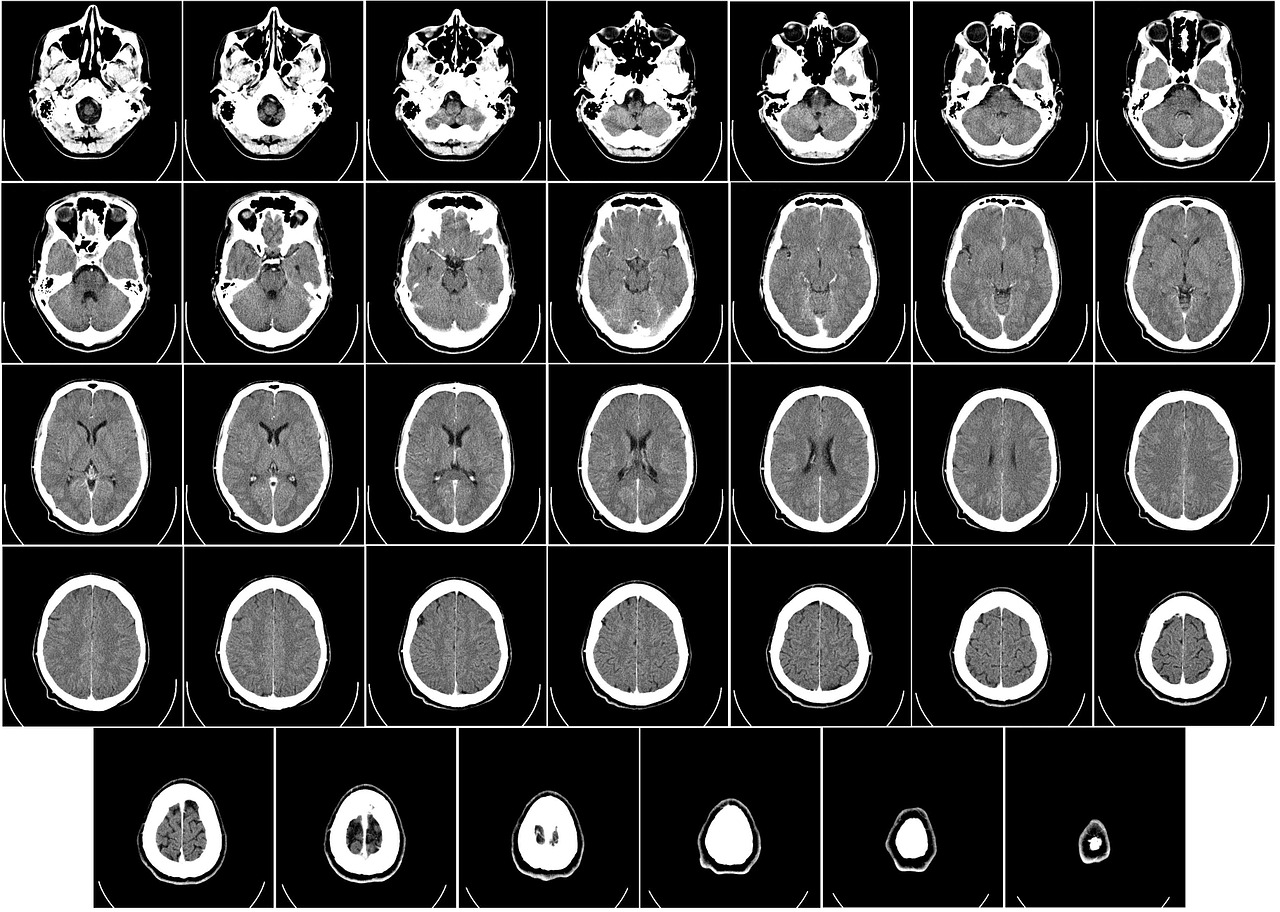
				 <p style="text-align: center;">Click play on the following audio player to listen along as you read this section.</p> <div class="textbox interactive-content interactive-content--oembed"><span class="interactive-content__icon"></span> <p>One or more interactive elements has been excluded from this version of the text. You can view them online here: <a href="#oembed-2" title="The Most Amazing Structure on Earth Audio" data-url="https://opentextbc.ca/abealfreader5/?p=5#oembed-2">https://opentextbc.ca/abealfreader5/?p=5#oembed-2</a> </p> </div> <div class="wp-caption aligncenter" id="attachment_54" aria-describedby="caption-attachment-54" style="width: 400px"><a href="https://opentextbc.ca/abealfreader5/wp-content/uploads/sites/92/2015/05/artificial-intelligence-503588_1280.jpg" data-url="https://opentextbc.ca/abealfreader5/wp-content/uploads/sites/92/2015/05/artificial-intelligence-503588_1280.jpg"><img class="wp-image-54" src="https://opentextbc.ca/abealfreader5/wp-content/uploads/sites/92/2015/05/artificial-intelligence-503588_1280-300x201.jpg" alt="A human silhouette made out of a computer chip. Beside it is a computer keyboard." width="400" height="268" srcset="https://opentextbc.ca/abealfreader5/wp-content/uploads/sites/92/2015/05/artificial-intelligence-503588_1280-300x201.jpg 300w, https://opentextbc.ca/abealfreader5/wp-content/uploads/sites/92/2015/05/artificial-intelligence-503588_1280-1024x686.jpg 1024w, https://opentextbc.ca/abealfreader5/wp-content/uploads/sites/92/2015/05/artificial-intelligence-503588_1280-65x44.jpg 65w, https://opentextbc.ca/abealfreader5/wp-content/uploads/sites/92/2015/05/artificial-intelligence-503588_1280-225x151.jpg 225w, https://opentextbc.ca/abealfreader5/wp-content/uploads/sites/92/2015/05/artificial-intelligence-503588_1280-350x234.jpg 350w, https://opentextbc.ca/abealfreader5/wp-content/uploads/sites/92/2015/05/artificial-intelligence-503588_1280.jpg 1280w" sizes="auto, (max-width: 400px) 100vw, 400px" title="" /></a><div class="wp-caption-text" id="caption-attachment-54">Human brain</div></div> <p>Some people say the human brain is the most amazing <strong>structure</strong> on Earth. Our brain is so <strong>complex</strong> that it took about 700 <strong>million</strong> years to develop! The human being started out as a <strong>wormlike</strong> <strong>creature</strong> that used one end of its body to move forward. Over millions of years, a bunch of <strong>nerves</strong> began developing at that one end — the head. This helped the creature sense food, light, and danger as soon as possible. That bunch of nerves became a brain. Next, the creature grew a spinal cord that carried messages between the brain and the rest of the body. Eventually, the creature became a fish with a very simple nose, eyes, and ears. Now the brain could receive messages containing sights, sounds, and smells. Over time, the fish grew arms and legs so it could move around on land. For this, it developed a bigger and more complex brain. Millions of years passed, and the creature became a monkey. The parts of the brain for seeing and being social became very strong. Finally, it became human, with a brain highly <strong>capable</strong> of reason, emotion, creativity, memory, and the ability to judge right from wrong.</p> <p>Believe it or not, people used to think of the brain as useless stuffing. Now we know that the brain is our control centre. The surface of the brain, known as the cerebral cortex, is the part of the brain that makes us so smart. The cerebral cortex has four parts, called lobes. The front lobe is where much of our thinking and feeling happens. The top lobe <strong>processes</strong> information coming from our skin, muscles, and joints. The side lobe plays an important role in hearing, speech, and long-term memories. The back lobe processes images from our eyes.</p> <p>Which do you think is more powerful: your brain or a <strong>supercomputer</strong>? You might be surprised to learn that the world’s best supercomputer is only about as powerful as half a mouse brain! Your brain is packed with 100 <strong>billion</strong> brain cells called neurons. Neurons send information to your body telling it what to do, and they receive information from your body about what you are seeing, smelling, tasting, hearing, and feeling. Your spinal cord, which is found down the centre of your back, is the highway the information uses to travel to and from your other body parts. As the information travels from neuron to neuron, pathways are created. When you think about or practice something over and over, those pathways get stronger. That’s how the brain learns and remembers. You were born with most of the neurons you have now, but when you were a baby, you didn’t have many pathways to connect them. As an adult, you now have more than 125 <strong>trillion</strong> connections between your neurons. No computer on Earth can compete with the speed of your brain and how much information it can hold.</p> <div class="wp-caption aligncenter" id="attachment_55" aria-describedby="caption-attachment-55" style="width: 400px"><a href="https://opentextbc.ca/abealfreader5/wp-content/uploads/sites/92/2015/05/computer-tomography-62942_1280.jpg" data-url="https://opentextbc.ca/abealfreader5/wp-content/uploads/sites/92/2015/05/computer-tomography-62942_1280.jpg"><img class="wp-image-55" src="https://opentextbc.ca/abealfreader5/wp-content/uploads/sites/92/2015/05/computer-tomography-62942_1280-300x214.jpg" alt="34 pictures of a brain. The last 6 show the brain decreasing in size." width="400" height="285" srcset="https://opentextbc.ca/abealfreader5/wp-content/uploads/sites/92/2015/05/computer-tomography-62942_1280-300x214.jpg 300w, https://opentextbc.ca/abealfreader5/wp-content/uploads/sites/92/2015/05/computer-tomography-62942_1280-1024x730.jpg 1024w, https://opentextbc.ca/abealfreader5/wp-content/uploads/sites/92/2015/05/computer-tomography-62942_1280-65x46.jpg 65w, https://opentextbc.ca/abealfreader5/wp-content/uploads/sites/92/2015/05/computer-tomography-62942_1280-225x160.jpg 225w, https://opentextbc.ca/abealfreader5/wp-content/uploads/sites/92/2015/05/computer-tomography-62942_1280-350x249.jpg 350w, https://opentextbc.ca/abealfreader5/wp-content/uploads/sites/92/2015/05/computer-tomography-62942_1280.jpg 1280w" sizes="auto, (max-width: 400px) 100vw, 400px" title="" /></a><div class="wp-caption-text" id="caption-attachment-55">Scans of a Brain</div></div> <p>Yet the human brain is still very mysterious. Why do our brains need sleep? Why do we dream? What does it mean to be smart? Do we really have a self, or is the self an illusion? There is a lot about the brain that we do not know. Even so, the facts scientists have discovered so far can be very helpful in our daily lives. This book is like a user guide for your brain based on what we do know. It will help you take charge of your ability to learn and grow in the ways that matter most to you.</p> <div class="textbox shaded" style="text-align: center;">See <em><a href="http://opentextbc.ca/abealf5/chapter/chapter-1/" data-url="http://opentextbc.ca/abealf5/chapter/chapter-1/">The Most Amazing Structure on Earth</a></em>&nbsp;in <em><a href="http://opentextbc.ca/abealf5/" data-url="http://opentextbc.ca/abealf5/">BC Reads: Adult Literacy Fundamental English – Course Pack 5</a></em>.</div> <h2>Attributions</h2> <p><strong>Human brain </strong></p> <p><a href="http://pixabay.com/en/artificial-intelligence-intelligent-503588/" data-url="http://pixabay.com/en/artificial-intelligence-intelligent-503588/">Image</a> by <a class="hover_opacity" href="http://pixabay.com/en/users/geralt-9301/" data-url="http://pixabay.com/en/users/geralt-9301/">geralt</a> is in the <a href="http://pixabay.com/en/service/terms/#download_terms" data-url="http://pixabay.com/en/service/terms/#download_terms">public domain</a>.</p> <p><strong>Scans of a brain </strong></p> <p><a href="http://pixabay.com/en/computer-tomography-ct-radiography-62942/" data-url="http://pixabay.com/en/computer-tomography-ct-radiography-62942/">Image</a> by <a class="hover_opacity" href="http://pixabay.com/en/users/WikiImages-1897/" data-url="http://pixabay.com/en/users/WikiImages-1897/">WikiImages</a> is in the <a href="http://pixabay.com/en/service/terms/#download_terms" data-url="http://pixabay.com/en/service/terms/#download_terms">public domain</a>.</p> 
	</div>


	</div>
<div class="chapter standard " id="chapter-the-many-faces-of-genius" title="The Many Faces of Genius">
	<div class="chapter-title-wrap">
		<p class="chapter-number">2</p>
		<h1 class="chapter-title">The Many Faces of Genius</h1>
								</div>
	<div class="ugc chapter-ugc">
				 <p style="text-align: center;">Click play on the following audio player to listen along as you read this section.</p> <div class="textbox interactive-content interactive-content--oembed"><span class="interactive-content__icon"></span> <p>One or more interactive elements has been excluded from this version of the text. You can view them online here: <a href="#oembed-2" title="The Many Faces of Genius Audio" data-url="https://opentextbc.ca/abealfreader5/?p=19#oembed-2">https://opentextbc.ca/abealfreader5/?p=19#oembed-2</a> </p> </div> <div class="wp-caption aligncenter" id="attachment_93" aria-describedby="caption-attachment-93" style="width: 300px"><a href="https://opentextbc.ca/abealfreader5/wp-content/uploads/sites/92/2015/05/einstein.jpg" data-url="https://opentextbc.ca/abealfreader5/wp-content/uploads/sites/92/2015/05/einstein.jpg"><img class="wp-image-93" src="https://opentextbc.ca/abealfreader5/wp-content/uploads/sites/92/2015/05/einstein-214x300.jpg" alt="A man with a moustache and white hair that puffs out from his head like a mane." width="300" height="420" srcset="https://opentextbc.ca/abealfreader5/wp-content/uploads/sites/92/2015/05/einstein-214x300.jpg 214w, https://opentextbc.ca/abealfreader5/wp-content/uploads/sites/92/2015/05/einstein-65x91.jpg 65w, https://opentextbc.ca/abealfreader5/wp-content/uploads/sites/92/2015/05/einstein-225x315.jpg 225w, https://opentextbc.ca/abealfreader5/wp-content/uploads/sites/92/2015/05/einstein-350x490.jpg 350w, https://opentextbc.ca/abealfreader5/wp-content/uploads/sites/92/2015/05/einstein.jpg 514w" sizes="auto, (max-width: 300px) 100vw, 300px" title="" /></a><div class="wp-caption-text" id="caption-attachment-93">Albert Einstein</div></div> <p>Is intelligence something that is <strong>measured</strong> by success in school? Not always. In 1895, Albert Einstein wrote an exam to get into university. He failed all the non-science parts of the test. Yet Einstein went on to become one of the world’s best-known <strong>geniuses.</strong> Winston Churchill struggled in school and failed sixth grade. He went on to win a <strong>Nobel Prize</strong> and be elected prime minister of the United Kingdom twice. Whoopi Goldberg struggled to read and write and eventually dropped out of high school. She went on to win every major award for excellence in <strong>show business</strong>: the Oscar, Emmy, Tony, and Grammy.</p> <div class="wp-caption aligncenter" id="attachment_36" aria-describedby="caption-attachment-36" style="width: 300px"><a href="https://opentextbc.ca/abealfreader5/wp-content/uploads/sites/92/2015/05/Whoopi_Comic_Relief_cropped.jpg" data-url="https://opentextbc.ca/abealfreader5/wp-content/uploads/sites/92/2015/05/Whoopi_Comic_Relief_cropped.jpg"><img class="wp-image-36" src="https://opentextbc.ca/abealfreader5/wp-content/uploads/sites/92/2015/05/Whoopi_Comic_Relief_cropped-227x300.jpg" alt="A woman with dreadlocks and a warm smile clasps her hands beside her face." width="300" height="397" srcset="https://opentextbc.ca/abealfreader5/wp-content/uploads/sites/92/2015/05/Whoopi_Comic_Relief_cropped-227x300.jpg 227w, https://opentextbc.ca/abealfreader5/wp-content/uploads/sites/92/2015/05/Whoopi_Comic_Relief_cropped-65x86.jpg 65w, https://opentextbc.ca/abealfreader5/wp-content/uploads/sites/92/2015/05/Whoopi_Comic_Relief_cropped-225x297.jpg 225w, https://opentextbc.ca/abealfreader5/wp-content/uploads/sites/92/2015/05/Whoopi_Comic_Relief_cropped-350x463.jpg 350w, https://opentextbc.ca/abealfreader5/wp-content/uploads/sites/92/2015/05/Whoopi_Comic_Relief_cropped.jpg 708w" sizes="auto, (max-width: 300px) 100vw, 300px" title="" /></a><div class="wp-caption-text" id="caption-attachment-36">Whoopi Goldberg</div></div> <p>These stories show us that intelligence is more complex than something that can be measured by schoolwork and tests. In fact, intelligence is so complex that scientists cannot even agree on how to define it. Some people think of intelligence as the ability to solve problems, learn new things, or <strong>adapt</strong> to new situations. Others think of intelligence as the ability to <strong>cope</strong> in the world.</p> <p>Being intelligent is often seen as the same as being good at reading, writing, and math. These are the subjects that schools tend to focus on. But people can be intelligent in a variety of different ways. For example, people can be:</p> <ul><li><em>Picture smart:</em> able to <strong>visualize</strong>, read maps, and draw</li> <li><em>Word smart:</em> able to read, write, tell stories, and explain things</li> <li><em>Logic smart:</em> able to solve puzzles, work with shapes, see patterns, or figure out machines like computers</li> <li><em>Body smart:</em> able to dance, act, play sports, or work with their hands</li> <li><em>Music smart: </em>able to pick up a tune or rhythm, sing, play an instrument, or <strong>compose</strong> music</li> <li><em>People smart:</em> able to get along with people, understand how others are feeling, or give good advice</li> <li><em>Self smart:</em> able to sort out their feelings, know their strengths and weaknesses, or make personal decisions</li> <li><em>Nature smart: </em>able to understand the natural world and their role in it</li> </ul> <p>To learn more about what you are good at, try out the quiz at <a href="http://www.literacynet.org/mi/assessment/findyourstrengths.html" target="_blank" rel="noopener" data-url="http://www.literacynet.org/mi/assessment/findyourstrengths.html">http://www.literacynet.org/mi/assessment/findyourstrengths.html</a>.&nbsp;This website will also give you ideas for using your strengths to improve your reading and writing skills.</p> <div class="textbox shaded" style="text-align: center;">See <em><a href="http://opentextbc.ca/abealf5/chapter/22/" data-url="http://opentextbc.ca/abealf5/chapter/22/">The Many Faces of Genius</a></em>&nbsp;in <em><a href="http://opentextbc.ca/abealf5/" data-url="http://opentextbc.ca/abealf5/">BC Reads: Adult Literacy Fundamental English – Course Pack 5</a></em>.</div> <h2>Attributions</h2> <p><strong>Albert Einstein</strong><a href="https://www.flickr.com/photos/donkeyhotey/12637209434" data-url="https://www.flickr.com/photos/donkeyhotey/12637209434"><br /> Albert Einstein-Colorized</a>&nbsp;by&nbsp;<a class="owner-name truncate" title="Go to DonkeyHotey's photostream" href="https://www.flickr.com/photos/donkeyhotey/" data-url="https://www.flickr.com/photos/donkeyhotey/">DonkeyHotey</a>&nbsp;is used under a <a href="https://creativecommons.org/licenses/by/2.0/" data-url="https://creativecommons.org/licenses/by/2.0/">CC BY 2.0</a> license.</p> <p><strong>Whoopi Goldberg</strong><a href="https://www.flickr.com/photos/dlanger/310838776/" data-url="https://www.flickr.com/photos/dlanger/310838776/"><br /> Whoopi</a>&nbsp;by <a href="https://www.flickr.com/photos/dlanger/" data-url="https://www.flickr.com/photos/dlanger/">Archman8</a>&nbsp;is used under a <a href="https://creativecommons.org/licenses/by-sa/2.0/" data-url="https://creativecommons.org/licenses/by-sa/2.0/">CC BY SA 2.0</a> license.</p> 
	</div>


	</div>
<div class="chapter standard " id="chapter-the-many-pathways-to-knowledge" title="The Many Pathways to Knowledge">
	<div class="chapter-title-wrap">
		<p class="chapter-number">3</p>
		<h1 class="chapter-title">The Many Pathways to Knowledge</h1>
								</div>
	<div class="ugc chapter-ugc">
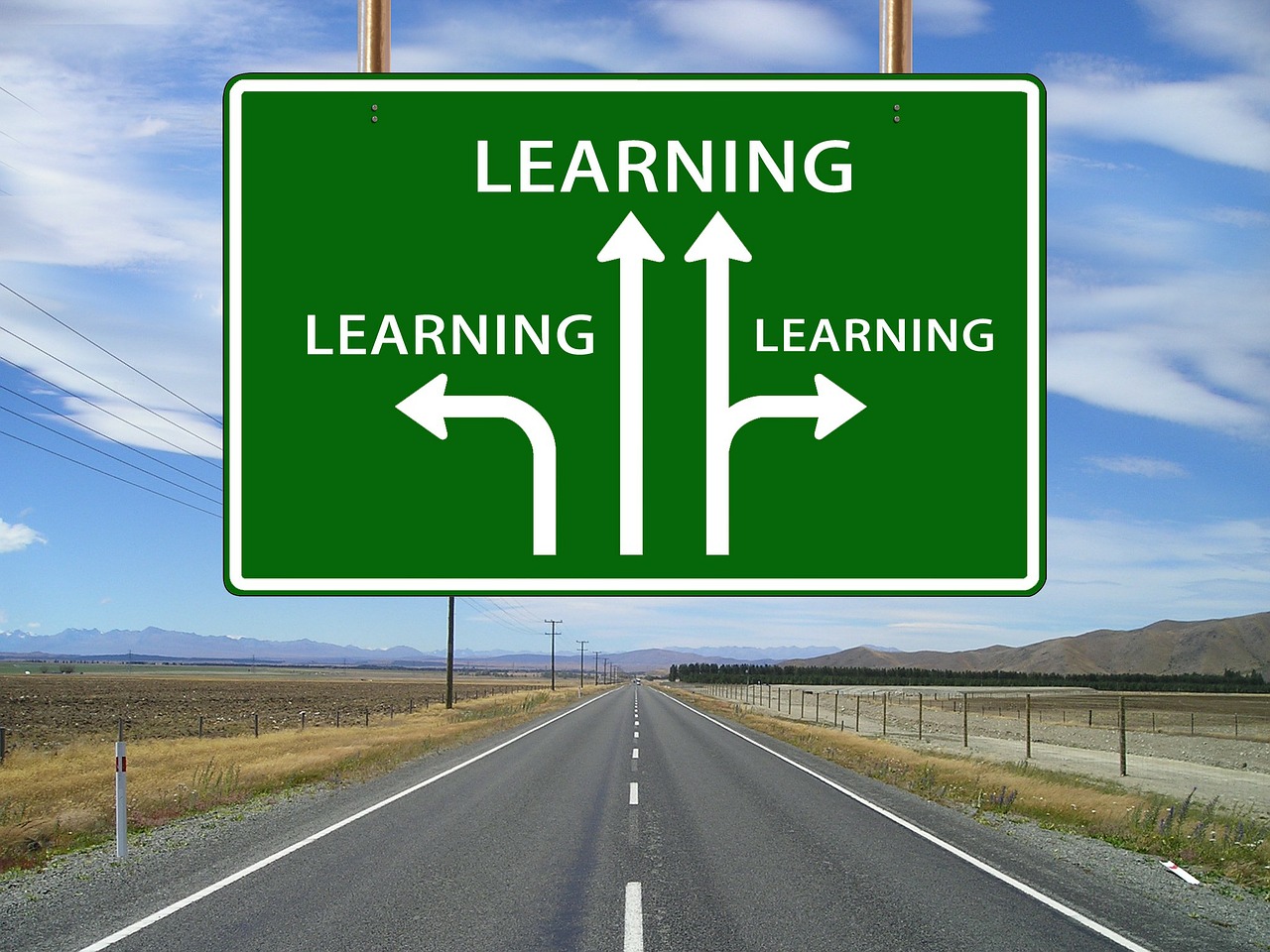
				 <p style="text-align: center;">Click play on the following audio player to listen along as you read this section.</p> <div class="textbox interactive-content interactive-content--oembed"><span class="interactive-content__icon"></span> <p>One or more interactive elements has been excluded from this version of the text. You can view them online here: <a href="#oembed-2" title="The Many Pathways to Knowledge Audio" data-url="https://opentextbc.ca/abealfreader5/?p=21#oembed-2">https://opentextbc.ca/abealfreader5/?p=21#oembed-2</a> </p> </div> <div class="wp-caption aligncenter" id="attachment_90" aria-describedby="caption-attachment-90" style="width: 450px"><a href="https://opentextbc.ca/abealfreader5/wp-content/uploads/sites/92/2015/05/learn-64058_1280-2.jpg" data-url="https://opentextbc.ca/abealfreader5/wp-content/uploads/sites/92/2015/05/learn-64058_1280-2.jpg"><img class="wp-image-90" src="https://opentextbc.ca/abealfreader5/wp-content/uploads/sites/92/2015/05/learn-64058_1280-2-300x225.jpg" alt="A highway sign with forward, left, and right arrows, all pointing to &amp;quot;learning.&amp;quot;" width="450" height="338" srcset="https://opentextbc.ca/abealfreader5/wp-content/uploads/sites/92/2015/05/learn-64058_1280-2-300x225.jpg 300w, https://opentextbc.ca/abealfreader5/wp-content/uploads/sites/92/2015/05/learn-64058_1280-2-1024x768.jpg 1024w, https://opentextbc.ca/abealfreader5/wp-content/uploads/sites/92/2015/05/learn-64058_1280-2-65x49.jpg 65w, https://opentextbc.ca/abealfreader5/wp-content/uploads/sites/92/2015/05/learn-64058_1280-2-225x169.jpg 225w, https://opentextbc.ca/abealfreader5/wp-content/uploads/sites/92/2015/05/learn-64058_1280-2-350x263.jpg 350w, https://opentextbc.ca/abealfreader5/wp-content/uploads/sites/92/2015/05/learn-64058_1280-2.jpg 1280w" sizes="auto, (max-width: 450px) 100vw, 450px" title="" /></a><div class="wp-caption-text" id="caption-attachment-90">Learning</div></div> <p>We often think people are either born smart or they aren’t. But geniuses in writing, chess, music, sports, and so on, tend to share three things in common. First, they began learning their skill early in life. Second, they practiced more than 20 hours a week over at least a <strong>decade</strong>. Third, they took on challenges that were just above their level. This tells us that intelligence is not something we either have or we don’t have; it is something that we can build with practice.</p> <p>Lots of <strong>factors</strong> other than our brains <strong>affect</strong> how well we learn. For example, we will have a harder time learning if: we are having difficulties at home; we aren’t getting along with our <strong>peers</strong>; the information we are learning does not match our interests; our school does not respect our identities; we aren’t getting enough healthy food; or the way something is taught does not fit with how we learn. Often, people who have not done well in school think they are not smart, but really these other factors were part of the problem.</p> <p>In the 1950s, Barbara Arrowsmith-Young was an elementary school student in Toronto. No matter how hard she tried, she could not learn to tell time. She did not understand complex ideas or how they connected to each other. She wrote letters backwards and struggled to learn the rules of math and grammar. Her teachers said she had a <strong>learning disability</strong>. She <strong>dreaded</strong> the thought of going to high school so much that she tried to take her own life. When she did not succeed, she felt angry with herself for not even being able to get that right. But the world is a better place because Barbara survived that difficult time.</p> <p>When Barbara was 25 years old, she learned about a scientist who found that the structure of the brain could be changed by experience and <strong>exercise</strong>. She decided to create exercises to change her brain to do the things she was supposedly unable to do. She practiced turning the hands of a watch to the correct time. Then she practiced drawing clock faces that showed the correct time. Slowly, she made these exercises harder and tried to do them faster. She practiced everyday, sometimes up to 12 hours a day. Eventually, she could tell time, and she also began to understand the rules of math and grammar. The exercises she made up actually changed the structure of her brain. Scientists say there are two possible explanations. One explanation is that the parts of her brain that work well were able to change their structure to make up for the parts that didn’t. The other explanation is that the parts of her brain that didn’t work changed until they did.</p> <p>After this amazing success, Barbara went on to create more exercises to solve other problems she was experiencing. For example, she learned to read maps and overcome her physical <strong>clumsiness</strong>.</p> <p>Barbara’s story suggests that a brain that gets labelled as having a learning disability may just learn differently. Everybody learns in their own way and at their own <strong>pace</strong>. If we try different <strong>approaches</strong>, we may be able to find an approach that works best for us. Today, Barbara runs schools that help students who learn in different ways. Many more people who thought they couldn’t learn have found out that they can. The human brain is full of surprises!</p> <div class="textbox shaded" style="text-align: center;">See <em><a href="http://opentextbc.ca/abealf5/chapter/the-many-pathways-to-knowledge/" data-url="http://opentextbc.ca/abealf5/chapter/the-many-pathways-to-knowledge/">The Many Pathways to Knowledge</a>&nbsp;</em>in <em><a href="http://opentextbc.ca/abealf5/" data-url="http://opentextbc.ca/abealf5/">BC Reads: Adult Literacy Fundamental English – Course Pack 5</a></em>.</div> <h2>Attributions</h2> <p><strong>Learning</strong><a href="http://pixabay.com/en/learn-note-sign-directory-64058/" data-url="http://pixabay.com/en/learn-note-sign-directory-64058/"><br /> Image</a>&nbsp;by&nbsp;<a class="hover_opacity" href="http://pixabay.com/en/users/geralt-9301/" data-url="http://pixabay.com/en/users/geralt-9301/">geralt</a>&nbsp;is in the <a href="http://pixabay.com/en/service/terms/#download_terms" data-url="http://pixabay.com/en/service/terms/#download_terms">public domain</a>.</p> 
	</div>


	</div>
<div class="chapter standard " id="chapter-boost-your-brainpower" title="Boost Your Brainpower">
	<div class="chapter-title-wrap">
		<p class="chapter-number">4</p>
		<h1 class="chapter-title">Boost Your Brainpower</h1>
								</div>
	<div class="ugc chapter-ugc">
				 <p style="text-align: center;">Click play on the following audio player to listen along as you read this section.</p> <div class="textbox interactive-content interactive-content--oembed"><span class="interactive-content__icon"></span> <p>One or more interactive elements has been excluded from this version of the text. You can view them online here: <a href="#oembed-2" title="Boost Your Brainpower Audio" data-url="https://opentextbc.ca/abealfreader5/?p=23#oembed-2">https://opentextbc.ca/abealfreader5/?p=23#oembed-2</a> </p> </div> <p>Many different factors affect how well we learn. While we can’t control all of these factors, there are many that we can. Below are 10 things we can do to help our brains work better.</p> <div class="wp-caption aligncenter" id="attachment_84" aria-describedby="caption-attachment-84" style="width: 500px"><a href="https://opentextbc.ca/abealfreader5/wp-content/uploads/sites/92/2015/05/vegetables-752153_1280.jpg" data-url="https://opentextbc.ca/abealfreader5/wp-content/uploads/sites/92/2015/05/vegetables-752153_1280.jpg"><img class="wp-image-84" src="https://opentextbc.ca/abealfreader5/wp-content/uploads/sites/92/2015/05/vegetables-752153_1280-300x205.jpg" alt="Basket of lettuce, tomatoes, beets, onions, mint, a parsnip, and a bell pepper." width="500" height="342" srcset="https://opentextbc.ca/abealfreader5/wp-content/uploads/sites/92/2015/05/vegetables-752153_1280-300x205.jpg 300w, https://opentextbc.ca/abealfreader5/wp-content/uploads/sites/92/2015/05/vegetables-752153_1280-1024x700.jpg 1024w, https://opentextbc.ca/abealfreader5/wp-content/uploads/sites/92/2015/05/vegetables-752153_1280-65x44.jpg 65w, https://opentextbc.ca/abealfreader5/wp-content/uploads/sites/92/2015/05/vegetables-752153_1280-225x154.jpg 225w, https://opentextbc.ca/abealfreader5/wp-content/uploads/sites/92/2015/05/vegetables-752153_1280-350x239.jpg 350w, https://opentextbc.ca/abealfreader5/wp-content/uploads/sites/92/2015/05/vegetables-752153_1280.jpg 1280w" sizes="auto, (max-width: 500px) 100vw, 500px" title="" /></a><div class="wp-caption-text" id="caption-attachment-84">Vegetables</div></div> <h5>1. Eat healthy foods</h5> <p>The <strong>fuel</strong> for the brain comes from the <strong>calories</strong> in the food we eat. In fact, 20% of the calories we eat are used by our brain. Not all calories are equally good for your brain. Canada’s Food Guide explains how to make healthy choices. Research suggests that some foods might be especially good for memory and concentration, such as egg yolk, whole grains, nuts, fish, dark green leafy vegetables, beans, strawberries, and blueberries.</p> <h5>2. Drink enough water</h5> <p>The brain is more than 70% water. If we don’t drink enough water, it affects our <strong>concentration</strong>. We need around six to eight glasses of non-sugary, non-alcoholic <strong>fluid</strong> each day. Research suggests that the brain does not do well with sudden rushes of sugar, so sweet fizzy drinks do not really help your brain.</p> <h5>3. Get oxygen to your brain</h5> <p><strong>Oxygen</strong> is carried to your brain by your blood. When you move your body, your blood flow increases and your brain gets more oxygen. Going for a walk, a run, or a bike ride really helps get oxygen to your brain. Taking deep breaths and stretching also helps.</p> <div class="wp-caption aligncenter" id="attachment_88" aria-describedby="caption-attachment-88" style="width: 500px"><a href="https://opentextbc.ca/abealfreader5/wp-content/uploads/sites/92/2015/05/feet-684683_1280.jpg" data-url="https://opentextbc.ca/abealfreader5/wp-content/uploads/sites/92/2015/05/feet-684683_1280.jpg"><img class="wp-image-88" src="https://opentextbc.ca/abealfreader5/wp-content/uploads/sites/92/2015/05/feet-684683_1280-300x200.jpg" alt="Two pairs of feet at the foot of a bed, peeking out from under a yellow blanket." width="500" height="333" srcset="https://opentextbc.ca/abealfreader5/wp-content/uploads/sites/92/2015/05/feet-684683_1280-300x200.jpg 300w, https://opentextbc.ca/abealfreader5/wp-content/uploads/sites/92/2015/05/feet-684683_1280-1024x682.jpg 1024w, https://opentextbc.ca/abealfreader5/wp-content/uploads/sites/92/2015/05/feet-684683_1280-65x43.jpg 65w, https://opentextbc.ca/abealfreader5/wp-content/uploads/sites/92/2015/05/feet-684683_1280-225x150.jpg 225w, https://opentextbc.ca/abealfreader5/wp-content/uploads/sites/92/2015/05/feet-684683_1280-350x233.jpg 350w, https://opentextbc.ca/abealfreader5/wp-content/uploads/sites/92/2015/05/feet-684683_1280.jpg 1280w" sizes="auto, (max-width: 500px) 100vw, 500px" title="" /></a><div class="wp-caption-text" id="caption-attachment-88">Resting</div></div> <h5>4. Rest</h5> <p>Getting enough rest boosts our mood and helps us concentrate. What’s more, when we are asleep, the brain practices what we were doing during the day. We actually learn in our sleep. If you have a hard time falling asleep at night, try listening to gentle music, thinking positive thoughts, or reading something funny to relax you. Avoid video games and exciting TV shows in the hour before bedtime.</p> <h5>5. Manage your stress levels</h5> <p>It can be hard not to feel stressed out by schoolwork that we find challenging. Stress stops the brain from working at its best. Some people find it helpful to imagine a beautiful box. When it’s time to focus on schoolwork, imagine putting all the things that stress you into that box. Imagine a place where you put the box away until you have time to deal with what’s inside.</p> <h5>6. Organize yourself</h5> <p>Being organized helps you decide how to use your time well. Use a day planner or calendar to keep track of important times and dates. This will help you plan ahead, set <strong>priorities</strong>, be on time, and meet deadlines. Make to-do lists every week and set goals for when you will finish each thing on your list.</p> <h5>7. Challenge yourself</h5> <p>Your brain likes to try new things. Trying new things makes dopamine in your brain. Dopamine helps you feel excited and satisfied. Try listening to music that’s different from what you normally listen to. Cook something you’ve never cooked before. Learn the words to a song. Taste something you’ve never tasted before. Start a new hobby or sport. Go to an art gallery.</p> <h5>8. Motivate yourself</h5> <p>Whenever you cross something off your to-do list, feel proud of yourself. You might reward yourself, too. Do something you enjoy like watching a TV show, talking to a friend on the phone, eating a treat, or taking a rest. Also, practice positive self-talk. When you make a mistake, try thinking “how fascinating!” instead of “well, that was stupid!” This will help you stay <strong>motivated</strong>.</p> <div class="wp-caption aligncenter" id="attachment_86" aria-describedby="caption-attachment-86" style="width: 450px"><a href="https://opentextbc.ca/abealfreader5/wp-content/uploads/sites/92/2015/05/desk-605497_1280.jpg" data-url="https://opentextbc.ca/abealfreader5/wp-content/uploads/sites/92/2015/05/desk-605497_1280.jpg"><img class="wp-image-86" src="https://opentextbc.ca/abealfreader5/wp-content/uploads/sites/92/2015/05/desk-605497_1280-300x208.jpg" alt="Rulers, paintbrushes, pencils, notebooks, a stapler, other office supplies and a cup of coffee." width="450" height="312" srcset="https://opentextbc.ca/abealfreader5/wp-content/uploads/sites/92/2015/05/desk-605497_1280-300x208.jpg 300w, https://opentextbc.ca/abealfreader5/wp-content/uploads/sites/92/2015/05/desk-605497_1280-1024x710.jpg 1024w, https://opentextbc.ca/abealfreader5/wp-content/uploads/sites/92/2015/05/desk-605497_1280-65x45.jpg 65w, https://opentextbc.ca/abealfreader5/wp-content/uploads/sites/92/2015/05/desk-605497_1280-225x156.jpg 225w, https://opentextbc.ca/abealfreader5/wp-content/uploads/sites/92/2015/05/desk-605497_1280-350x243.jpg 350w, https://opentextbc.ca/abealfreader5/wp-content/uploads/sites/92/2015/05/desk-605497_1280.jpg 1280w" sizes="auto, (max-width: 450px) 100vw, 450px" title="" /></a><div class="wp-caption-text" id="caption-attachment-86">Office supplies</div></div> <h5>9. Create an environment where you work well</h5> <p>Try changing the environment you work in to see what feels best. Many people work better in light from a window. Temperature can also make a difference. A room that is too warm might make you feel sleepy. Lots of people find it easier to concentrate in rooms that are tidy. Some people find it helpful to listen to music while they study. Others prefer silence. Finally, get rid of any <strong>distractions</strong>. Turn off your cellphone. Let people in your home know that you need to be left alone.</p> <h5>10. Involve your senses</h5> <p>The brain takes in information through the senses. Your brain will have an easier time focusing and remembering when <strong>vision</strong>, hearing, smell, touch, and taste are involved. Use your vision to help you learn by imagining what you read — like a movie in your mind. This is called visualizing. Highlight and underline important information. When you take notes, use different colours. Make charts, mind maps, flashcards, and diagrams, or draw pictures. Use your hearing to help you learn by reading out loud. Explain the new information to a friend and talk about it. Use your sense of taste by chewing gum while you learn. Use your sense of touch by holding a stress ball or smooth stone while you study.</p> <div class="textbox shaded" style="text-align: center;">See <em><a href="http://opentextbc.ca/abealf5/chapter/boost-your-brainpower/" data-url="http://opentextbc.ca/abealf5/chapter/boost-your-brainpower/">Boost Your Brainpower</a></em>&nbsp;in <em><a href="http://opentextbc.ca/abealf5/" data-url="http://opentextbc.ca/abealf5/">BC Reads: Adult Literacy Fundamental English – Course Pack 5</a></em>.</div> <h2>Attributions</h2> <p><strong>Vegetables</strong><a href="http://pixabay.com/en/vegetables-vegetable-basket-harvest-752153/" data-url="http://pixabay.com/en/vegetables-vegetable-basket-harvest-752153/"><br /> Image</a> by&nbsp;<a class="hover_opacity" href="https://pixabay.com/users/congerdesign-509903/" data-url="https://pixabay.com/users/congerdesign-509903/">congerdesign</a>&nbsp;is in the <a href="http://pixabay.com/en/service/terms/#download_terms" data-url="http://pixabay.com/en/service/terms/#download_terms">public domain</a>.</p> <p><strong>Resting</strong><a href="https://pixabay.com/photos/feet-bed-children-rest-stay-684683/" data-url="https://pixabay.com/photos/feet-bed-children-rest-stay-684683/"><br /> Image</a> by <a class="hover_opacity" href="https://pixabay.com/users/Prinz-Peter-871838/" data-url="https://pixabay.com/users/Prinz-Peter-871838/">Prinz-Peter</a> is in the <a href="http://pixabay.com/en/service/terms/#download_terms" data-url="http://pixabay.com/en/service/terms/#download_terms">public domain</a>.</p> <p><strong>Office supplies</strong><a href="http://pixabay.com/en/desk-stationery-office-messy-605497/" data-url="http://pixabay.com/en/desk-stationery-office-messy-605497/"><br /> Image</a> by&nbsp;<a class="hover_opacity" href="http://pixabay.com/en/users/stokpic-692575/" data-url="http://pixabay.com/en/users/stokpic-692575/">stokpic</a>&nbsp;is in the <a href="http://pixabay.com/en/service/terms/#download_terms" data-url="http://pixabay.com/en/service/terms/#download_terms">public domain</a>.</p> 
	</div>


	</div>
<div class="chapter standard " id="chapter-memory-magic" title="Memory Magic">
	<div class="chapter-title-wrap">
		<p class="chapter-number">5</p>
		<h1 class="chapter-title">Memory Magic</h1>
								</div>
	<div class="ugc chapter-ugc">
				 <p style="text-align: center;">Click play on the following audio player to listen along as you read this section.</p> <div class="textbox interactive-content interactive-content--oembed"><span class="interactive-content__icon"></span> <p>One or more interactive elements has been excluded from this version of the text. You can view them online here: <a href="#oembed-2" title="Memory Magic Audio" data-url="https://opentextbc.ca/abealfreader5/?p=25#oembed-2">https://opentextbc.ca/abealfreader5/?p=25#oembed-2</a> </p> </div> <div class="wp-caption aligncenter" id="attachment_80" aria-describedby="caption-attachment-80" style="width: 450px"><a href="https://opentextbc.ca/abealfreader5/wp-content/uploads/sites/92/2015/05/poker-686981_1280.jpg" data-url="https://opentextbc.ca/abealfreader5/wp-content/uploads/sites/92/2015/05/poker-686981_1280.jpg"><img class="wp-image-80" src="https://opentextbc.ca/abealfreader5/wp-content/uploads/sites/92/2015/05/poker-686981_1280-300x165.jpg" alt="A loose stack of playing cards, facing up." width="450" height="248" srcset="https://opentextbc.ca/abealfreader5/wp-content/uploads/sites/92/2015/05/poker-686981_1280-300x165.jpg 300w, https://opentextbc.ca/abealfreader5/wp-content/uploads/sites/92/2015/05/poker-686981_1280-1024x564.jpg 1024w, https://opentextbc.ca/abealfreader5/wp-content/uploads/sites/92/2015/05/poker-686981_1280-65x36.jpg 65w, https://opentextbc.ca/abealfreader5/wp-content/uploads/sites/92/2015/05/poker-686981_1280-225x124.jpg 225w, https://opentextbc.ca/abealfreader5/wp-content/uploads/sites/92/2015/05/poker-686981_1280-350x193.jpg 350w, https://opentextbc.ca/abealfreader5/wp-content/uploads/sites/92/2015/05/poker-686981_1280.jpg 1280w" sizes="auto, (max-width: 450px) 100vw, 450px" title="" /></a><div class="wp-caption-text" id="caption-attachment-80">Playing cards</div></div> <p>Dave Farrow is a Canadian recorded in the Guinness Book of World Records for Greatest Memory. As a student, Dave had a learning disability called <strong>dyslexia</strong>. He found ways to improve his memory in order to do well in school despite his struggles with reading and writing. In 2008, he set a world record by <strong>memorizing</strong> the order of 59 decks of playing cards in two days.</p> <p>How did his brain store all this information? Dave says anyone’s brain can do it, but it helps to understand how memory works. Your brain is <strong>constantly</strong> taking in information through your senses. The information enters your sensory memory, which can hold lots of information, but only for a few seconds. If you ignore the information, your brain throws it away. If you pay attention to the information, it goes into your short-term memory. This is why learning to pay attention is an important first step. To help the brain focus, Dave recommends breaking big tasks down into smaller tasks. He sets a timer and works as hard as he can for short periods of time until the timer goes off. Then he takes a small break. This keeps his focus strong.</p> <p>Your short-term memory can only hold information for 15 seconds to a few minutes. In addition, short-term memory can only hold about seven things at a time. Memory champions like Dave have to hold long lists of information in their short-term memory at one time. To do this, they use different tricks.</p> <p>One trick is to look at the first letter of each word in the list you want to memorize. Then, make a word or phrase using all those letters. This is called an acronym. For example, if you want to remember all the colours in the rainbow, try remembering the name Roy G. Biv. Each letter in Roy G. Biv matches the first letter of a colour: red, orange, yellow, green, blue, <strong>indigo</strong>, <strong>violet</strong>. When you want to remember the colours of the rainbow, just think of Roy G. Biv and you will have an easier time.</p> <div class="wp-caption aligncenter" id="attachment_82" aria-describedby="caption-attachment-82" style="width: 300px"><a href="https://opentextbc.ca/abealfreader5/wp-content/uploads/sites/92/2015/05/Dave_Farrow.jpg" data-url="https://opentextbc.ca/abealfreader5/wp-content/uploads/sites/92/2015/05/Dave_Farrow.jpg"><img class="wp-image-82" src="https://opentextbc.ca/abealfreader5/wp-content/uploads/sites/92/2015/05/Dave_Farrow-212x300.jpg" alt="A broad man in a black suit with a blue tie and a small smile." width="300" height="425" srcset="https://opentextbc.ca/abealfreader5/wp-content/uploads/sites/92/2015/05/Dave_Farrow-212x300.jpg 212w, https://opentextbc.ca/abealfreader5/wp-content/uploads/sites/92/2015/05/Dave_Farrow-65x92.jpg 65w, https://opentextbc.ca/abealfreader5/wp-content/uploads/sites/92/2015/05/Dave_Farrow-225x319.jpg 225w, https://opentextbc.ca/abealfreader5/wp-content/uploads/sites/92/2015/05/Dave_Farrow-350x496.jpg 350w, https://opentextbc.ca/abealfreader5/wp-content/uploads/sites/92/2015/05/Dave_Farrow.jpg 436w" sizes="auto, (max-width: 300px) 100vw, 300px" title="" /></a><div class="wp-caption-text" id="caption-attachment-82">Dave Farrow</div></div> <p>Another trick is to organize information into chunks. For example, when you try to remember a telephone number, your brain usually remembers it in chunks. You remember the area code as one chunk, the next three numbers as a chunk, and the final four numbers as a chunk. This way, your brain only has to remember three things instead of 10. This works for words as well as numbers. Say you want to improve your vocabulary. When you learn a new word, study words that share the same meaning. This way, you learn several new words at one time and you only need to memorize one definition. This is called a synonym. For example, these words mean big: huge, enormous, gigantic, large, and massive.</p> <p>A third memory trick is to use visualization. Say you want to memorize how people developed from wormlike creatures into human beings. First, create a picture in your mind for each stage (I can see a worm, a fish, a monkey, and a human). Then, think of a path you regularly walk along. For example, I often walk from the sidewalk, into my house, and into the kitchen. Finally, imagine each picture in a place along your path. For instance, in the garden I can see a worm. Beside the garden is a garbage can. I imagine the garbage can is full of rainwater and inside I can see a fish. I go in the house, and the first door goes into a bedroom. I can see a monkey jumping on the bed. Next to the bedroom is the kitchen. My <strong>partner</strong>, a human, is cooking dinner. If I visualize that path a few times, I’ll have the information memorized. Visualization works because the brain remembers images well, and the wackier the image is, the easier it is to remember.</p> <p>If you don’t keep using the information, your brain throws it away. If you keep reviewing the information, it will go into your long-term memory. The more you practice <strong>recalling</strong> the information, the better you will be at remembering it. Try these tips the next time you need to remember a phone number, a new word, or something for school.</p> <div class="textbox shaded" style="text-align: center;">See <em><a href="http://opentextbc.ca/abealf5/chapter/memory-magic/" data-url="http://opentextbc.ca/abealf5/chapter/memory-magic/">Memory Magic</a></em>&nbsp;in <em><a href="http://opentextbc.ca/abealf5/" data-url="http://opentextbc.ca/abealf5/">BC Reads: Adult Literacy Fundamental English – Course Pack 5</a></em>.</div> <h2>Attributions</h2> <p><strong>Playing cards</strong><a href="http://pixabay.com/en/poker-playing-king-ace-game-686981/" data-url="http://pixabay.com/en/poker-playing-king-ace-game-686981/"><br /> Image</a> by&nbsp;<a class="hover_opacity" href="http://pixabay.com/en/users/gepharts3d-112682/" data-url="http://pixabay.com/en/users/gepharts3d-112682/">gepharts3d</a>&nbsp;is in the <a href="http://pixabay.com/en/service/terms/#download_terms" data-url="http://pixabay.com/en/service/terms/#download_terms">public domain</a>.</p> <p><strong>Dave Farrow<br /> </strong><a href="http://commons.wikimedia.org/wiki/File:Dave_Farrow.jpg" data-url="http://commons.wikimedia.org/wiki/File:Dave_Farrow.jpg">Dave Farrow</a> by <a class="new" title="User:Zacharylim (page does not exist)" href="http://commons.wikimedia.org/w/index.php?title=User:Zacharylim&amp;action=edit&amp;redlink=1" data-url="http://commons.wikimedia.org/w/index.php?title=User:Zacharylim&amp;action=edit&amp;redlink=1">Zacharylim</a> is used under a <a href="https://creativecommons.org/licenses/by-sa/4.0/deed.en" data-url="https://creativecommons.org/licenses/by-sa/4.0/deed.en">CC BY SA 4.0</a> license.</p> 
	</div>


	</div>
<div class="chapter standard " id="chapter-put-to-the-test" title="Put to the Test">
	<div class="chapter-title-wrap">
		<p class="chapter-number">6</p>
		<h1 class="chapter-title">Put to the Test</h1>
								</div>
	<div class="ugc chapter-ugc">
				 <p style="text-align: center;">Click play on the following audio player to listen along as you read this section.</p> <div class="textbox interactive-content interactive-content--oembed"><span class="interactive-content__icon"></span> <p>One or more interactive elements has been excluded from this version of the text. You can view them online here: <a href="#oembed-2" title="Put to the Test Audio" data-url="https://opentextbc.ca/abealfreader5/?p=27#oembed-2">https://opentextbc.ca/abealfreader5/?p=27#oembed-2</a> </p> </div> <p>Some students bring good luck charms to school on test days. They might keep a four-leaf clover in their pocket or wear a pair of lucky underwear. While these things can’t hurt, there are better ways of doing well on a test.</p> <p>Writing a test is like running a <strong>marathon</strong>. Both activities require you to do your best for a long time. There are a couple of strategies you can use to stay relaxed, focused, and motivated for the whole test.</p> <p>Runners train before a big race. They practice their skills in the same conditions they will face in the marathon. You can train for a test in a similar way. Start by thinking about the types of questions that will likely be on the test. For a reading test, there may be <strong>comprehension</strong> questions on vocabulary, main idea, details, cause and effect, sequence, and inferences. You may also be asked to summarize the text. For a writing test, you will likely be asked to write a paragraph about a given topic. The topics will often involve describing something, explaining how to do something, telling a story about something, or giving your opinion about something. Study what your instructor has taught you about how to answer each question type. The goal of a test is usually to <strong>independent</strong>ly apply the skills you have learned and practiced in class.</p> <p>Just like before a big race, it is a good idea to take care of your basic needs before the test begins. For example, get <strong>plenty</strong> of sleep the night before. During the day of the test, get <strong>enough</strong> to eat. Go to the bathroom ahead of time. These things will help you focus.</p> <p>When you get the test, don’t forget to put your name on it. Then, take a quick look at each page. A long test may have different sections. Notice how many marks each section is worth. Like a runner, you will want to be careful about your pace. If you have a limited amount of time to complete the test, you will want to leave yourself enough time for the sections that are worth the most marks.</p> <p>Now you are ready to begin answering the questions. Read the instructions and questions very carefully. Make sure you understand what you are being asked to do. If you do not understand a question, ask your instructor. If you feel nervous, you may want to build your confidence by starting with the questions that are easiest for you.</p> <div class="wp-caption aligncenter" id="attachment_76" aria-describedby="caption-attachment-76" style="width: 450px"><a href="https://opentextbc.ca/abealfreader5/wp-content/uploads/sites/92/2015/05/landscape-78058_1280.jpg" data-url="https://opentextbc.ca/abealfreader5/wp-content/uploads/sites/92/2015/05/landscape-78058_1280.jpg"><img class="wp-image-76" src="https://opentextbc.ca/abealfreader5/wp-content/uploads/sites/92/2015/05/landscape-78058_1280-300x199.jpg" alt="A runner is silhouetted against a landscape of mountains and blue sky with clouds." width="450" height="299" srcset="https://opentextbc.ca/abealfreader5/wp-content/uploads/sites/92/2015/05/landscape-78058_1280-300x199.jpg 300w, https://opentextbc.ca/abealfreader5/wp-content/uploads/sites/92/2015/05/landscape-78058_1280-1024x681.jpg 1024w, https://opentextbc.ca/abealfreader5/wp-content/uploads/sites/92/2015/05/landscape-78058_1280-65x43.jpg 65w, https://opentextbc.ca/abealfreader5/wp-content/uploads/sites/92/2015/05/landscape-78058_1280-225x150.jpg 225w, https://opentextbc.ca/abealfreader5/wp-content/uploads/sites/92/2015/05/landscape-78058_1280-350x233.jpg 350w, https://opentextbc.ca/abealfreader5/wp-content/uploads/sites/92/2015/05/landscape-78058_1280.jpg 1280w" sizes="auto, (max-width: 450px) 100vw, 450px" title="" /></a><div class="wp-caption-text" id="caption-attachment-76">Runner</div></div> <p>Some runners use positive self-talk when they are struggling. They tell themselves things like, “I feel good about myself and my abilities. I am not going to worry. I will do the best that I can.” Give this strategy a try. You can also take short brain breaks between sections to take some deep breaths, roll your neck and shoulders, and massage your <strong>temples</strong>.</p> <p>During a reading test, it can help to do a quick pre-reading exercise you have been taught, even if it is not part of the instructions. For example, try scanning the text to figure out the topic before you read the whole thing more carefully. Then think about what you already know about the topic. Predict the details that might be in the reading. For a writing test, pre-writing is a very important first step. Brainstorm your ideas and organize them before you start writing. Some students skip these two things, but they probably shouldn’t. These activities warm up your brain so that it will work more efficiently.</p> <p>Before you hand in your test, review your answers. Unlike a marathon, it doesn’t matter who finishes first during a test. Check your grammar and spelling. Make sure your instructor will be able to read your handwriting. Finally, be sure that you answered every question.</p> <p>Follow these tips and, if your lucky underwear doesn’t work, you will have a solid <strong>backup plan</strong> in place.</p> <div class="textbox shaded" style="text-align: center;">See <em><a href="http://opentextbc.ca/abealf5/chapter/put-to-the-test/" data-url="http://opentextbc.ca/abealf5/chapter/put-to-the-test/">Put to the Test</a></em>&nbsp;in <em><a href="http://opentextbc.ca/abealf5/" data-url="http://opentextbc.ca/abealf5/">BC Reads: Adult Literacy Fundamental English – Course Pack 5</a></em>.</div> <h2>Attribution</h2> <p><strong>Runner</strong><a href="http://pixabay.com/en/landscape-mountains-sky-clouds-78058/" data-url="http://pixabay.com/en/landscape-mountains-sky-clouds-78058/"><br /> Image</a> by&nbsp;<a class="hover_opacity" href="http://pixabay.com/en/users/tpsdave-12019/" data-url="http://pixabay.com/en/users/tpsdave-12019/">tpsdave</a>&nbsp;is in the <a href="http://pixabay.com/en/service/terms/#download_terms" data-url="http://pixabay.com/en/service/terms/#download_terms">public domain</a>.</p> 
	</div>


	</div>
<div class="chapter standard " id="chapter-the-sixth-sense-intuition" title="The Sixth Sense: Intuition">
	<div class="chapter-title-wrap">
		<p class="chapter-number">7</p>
		<h1 class="chapter-title">The Sixth Sense: Intuition</h1>
								</div>
	<div class="ugc chapter-ugc">
				 <p style="text-align: center;">Click play on the following audio player to listen along as you read this section.</p> <div class="textbox interactive-content interactive-content--oembed"><span class="interactive-content__icon"></span> <p>One or more interactive elements has been excluded from this version of the text. You can view them online here: <a href="#oembed-2" title="The Sixth Sense- Intuition Audio" data-url="https://opentextbc.ca/abealfreader5/?p=29#oembed-2">https://opentextbc.ca/abealfreader5/?p=29#oembed-2</a> </p> </div> <div class="wp-caption aligncenter" id="attachment_70" aria-describedby="caption-attachment-70" style="width: 400px"><a href="https://opentextbc.ca/abealfreader5/wp-content/uploads/sites/92/2015/05/firefighter-660613_6401.jpg" data-url="https://opentextbc.ca/abealfreader5/wp-content/uploads/sites/92/2015/05/firefighter-660613_6401.jpg"><img class="wp-image-70" src="https://opentextbc.ca/abealfreader5/wp-content/uploads/sites/92/2015/05/firefighter-660613_6401-300x199.jpg" alt="A firefighter stands in front of a distant fire." width="400" height="266" srcset="https://opentextbc.ca/abealfreader5/wp-content/uploads/sites/92/2015/05/firefighter-660613_6401-300x199.jpg 300w, https://opentextbc.ca/abealfreader5/wp-content/uploads/sites/92/2015/05/firefighter-660613_6401-65x43.jpg 65w, https://opentextbc.ca/abealfreader5/wp-content/uploads/sites/92/2015/05/firefighter-660613_6401-225x149.jpg 225w, https://opentextbc.ca/abealfreader5/wp-content/uploads/sites/92/2015/05/firefighter-660613_6401-350x232.jpg 350w, https://opentextbc.ca/abealfreader5/wp-content/uploads/sites/92/2015/05/firefighter-660613_6401.jpg 640w" sizes="auto, (max-width: 400px) 100vw, 400px" title="" /></a><div class="wp-caption-text" id="caption-attachment-70">Firefighter</div></div> <p>A fire broke out in the kitchen of a house in Chicago, Illinois. A team of firefighters kicked down the door of the house. They stood in the living room as they sprayed water at the fire in the kitchen. Strangely, the fire would not go out. One of the firefighters had a feeling that something was very wrong. “Get out, now!” he <strong>ordered</strong>. The team ran out of the house. Moments later, the floor they had been&nbsp;standing on in the living room <strong>collapsed</strong>.</p> <p>Looking back, the firefighter believed his brain must have had the ability to know the future. A researcher who studies decision-making wasn’t so sure. He talked to the firefighter about what was going through his mind before he told everyone to get out of the house. The researcher found out that the firefighter had noticed three strange things: water was not putting out the fire, the living room was <strong>unusually</strong> hot, and the fire was unusually quiet. The researcher believed that the firefighter’s intuition recognized this pattern and knew that the situation was not safe. A part of his brain beyond his own awareness knew that the fire was also in the basement underneath the living room, making the living room unusually hot and the fire unusually quiet.</p> <p>The story shows that intuition can be a very important factor in decision-making. Intuition is the ability to know something without any proof. It is sometimes known as a “gut feeling,” “instinct,” or “sixth sense.”</p> <p>For hundreds of years, intuition has had a bad <strong>reputation</strong> among scientists. It has often been seen as <strong>inferior</strong> to <strong>reason</strong>. But these days, many researchers see intuition as our brain’s way of taking a <strong>shortcut</strong> based on our memories and knowledge. Like our ability to reason, sometimes our intuition is <strong>accurate</strong> and sometimes it’s not.</p> <div class="wp-caption aligncenter" id="attachment_72" aria-describedby="caption-attachment-72" style="width: 450px"><a href="https://opentextbc.ca/abealfreader5/wp-content/uploads/sites/92/2015/05/dreamcatcher-336639_1280.jpg" data-url="https://opentextbc.ca/abealfreader5/wp-content/uploads/sites/92/2015/05/dreamcatcher-336639_1280.jpg"><img class="wp-image-72" src="https://opentextbc.ca/abealfreader5/wp-content/uploads/sites/92/2015/05/dreamcatcher-336639_1280-300x169.jpg" alt="A small hoop filled with netting and beads has feathers and beads attached to the bottom." width="450" height="253" srcset="https://opentextbc.ca/abealfreader5/wp-content/uploads/sites/92/2015/05/dreamcatcher-336639_1280-300x169.jpg 300w, https://opentextbc.ca/abealfreader5/wp-content/uploads/sites/92/2015/05/dreamcatcher-336639_1280-1024x576.jpg 1024w, https://opentextbc.ca/abealfreader5/wp-content/uploads/sites/92/2015/05/dreamcatcher-336639_1280-65x37.jpg 65w, https://opentextbc.ca/abealfreader5/wp-content/uploads/sites/92/2015/05/dreamcatcher-336639_1280-225x127.jpg 225w, https://opentextbc.ca/abealfreader5/wp-content/uploads/sites/92/2015/05/dreamcatcher-336639_1280-350x197.jpg 350w, https://opentextbc.ca/abealfreader5/wp-content/uploads/sites/92/2015/05/dreamcatcher-336639_1280.jpg 1280w" sizes="auto, (max-width: 450px) 100vw, 450px" title="" /></a><div class="wp-caption-text" id="caption-attachment-72">Dreamcatcher</div></div> <p>Intuition has long been a <strong>valued</strong> part of many First Nations cultures. It is recognized as one of many ways of knowing. Knowledge can be passed down from our elders, gained from experience, and revealed to us through dreams, visions, and intuitions.</p> <p>There are many situations when intuition is more useful than reason. For example, intuition lends itself to making art. Jazz musicians who compose music in front of an audience are using their intuition, backed by years of practice. Some couples claim they “just knew” they were meant to be together from the moment they met, so intuition may play an important role in choosing a mate. Intuition is also the part of the brain many people use to explore their <strong>spiritual</strong> side.</p> <p>At the same time, our quick-thinking brains tend to have some <strong>biases</strong>. For example, our brains tend to think that something that is attractive must be good, when this isn’t necessarily true. We also tend to pay attention to information that confirms our beliefs and ignore information that challenges our beliefs, causing us to believe things that are wrong. Sometimes we make a quick decision without thinking of all the possible options and end up regretting it. As a result, it is likely wise to use a balance of reason and intuition in our decision-making.</p> <div class="textbox shaded" style="text-align: center;">See <em><a href="http://opentextbc.ca/abealf5/chapter/the-sixth-sense-intuition/" data-url="http://opentextbc.ca/abealf5/chapter/the-sixth-sense-intuition/">The Sixth Sense: Intuition</a></em>&nbsp;in <em><a href="http://opentextbc.ca/abealf5/" data-url="http://opentextbc.ca/abealf5/">BC Reads: Adult Literacy Fundamental English – Course Pack 5</a></em>.</div> <h2>Attributions</h2> <p><strong>Firefighter</strong><a href="http://pixabay.com/en/firefighter-fire-portrait-training-660613/" data-url="http://pixabay.com/en/firefighter-fire-portrait-training-660613/"><br /> Image</a> by&nbsp;<a class="hover_opacity" href="http://pixabay.com/en/users/skeeze-272447/" data-url="http://pixabay.com/en/users/skeeze-272447/">skeeze</a>&nbsp;is in the <a href="http://pixabay.com/en/service/terms/#download_terms" data-url="http://pixabay.com/en/service/terms/#download_terms">public domain</a>.</p> <p><strong>Dreamcatcher</strong><a href="http://pixabay.com/en/dreamcatcher-talisman-indian-336639/" data-url="http://pixabay.com/en/dreamcatcher-talisman-indian-336639/"><br /> Image</a> by <a class="hover_opacity" href="http://pixabay.com/en/users/Unsplash-242387/" data-url="http://pixabay.com/en/users/Unsplash-242387/">Free-Photos</a>&nbsp;is in the <a href="http://pixabay.com/en/service/terms/#download_terms" data-url="http://pixabay.com/en/service/terms/#download_terms">public domain</a>.</p> 
	</div>


	</div>
<div class="chapter standard " id="chapter-the-big-five-personality" title="The Big Five: Personality">
	<div class="chapter-title-wrap">
		<p class="chapter-number">8</p>
		<h1 class="chapter-title">The Big Five: Personality</h1>
								</div>
	<div class="ugc chapter-ugc">
				 <p style="text-align: center;">Click play on the following audio player to listen along as you read this section.</p> <div class="textbox interactive-content interactive-content--oembed"><span class="interactive-content__icon"></span> <p>One or more interactive elements has been excluded from this version of the text. You can view them online here: <a href="#oembed-2" title="The Big Five- Personality Audio" data-url="https://opentextbc.ca/abealfreader5/?p=31#oembed-2">https://opentextbc.ca/abealfreader5/?p=31#oembed-2</a> </p> </div> <div class="wp-caption aligncenter" id="attachment_65" aria-describedby="caption-attachment-65" style="width: 400px"><a href="https://opentextbc.ca/abealfreader5/wp-content/uploads/sites/92/2015/05/grimace-388987_640.jpg" data-url="https://opentextbc.ca/abealfreader5/wp-content/uploads/sites/92/2015/05/grimace-388987_640.jpg"><img class="wp-image-65" src="https://opentextbc.ca/abealfreader5/wp-content/uploads/sites/92/2015/05/grimace-388987_640-300x200.jpg" alt="A woman lies on grass, wearing a fake moustache, big nose, glasses, and bushy eyebrows." width="400" height="266" srcset="https://opentextbc.ca/abealfreader5/wp-content/uploads/sites/92/2015/05/grimace-388987_640-300x200.jpg 300w, https://opentextbc.ca/abealfreader5/wp-content/uploads/sites/92/2015/05/grimace-388987_640-65x43.jpg 65w, https://opentextbc.ca/abealfreader5/wp-content/uploads/sites/92/2015/05/grimace-388987_640-225x150.jpg 225w, https://opentextbc.ca/abealfreader5/wp-content/uploads/sites/92/2015/05/grimace-388987_640-350x233.jpg 350w, https://opentextbc.ca/abealfreader5/wp-content/uploads/sites/92/2015/05/grimace-388987_640.jpg 640w" sizes="auto, (max-width: 400px) 100vw, 400px" title="" /></a><div class="wp-caption-text" id="caption-attachment-65">Who am I?</div></div> <p>“Who am I?” It’s a question most people spend a lifetime answering. The answer often depends on things like our cultural background, gender, skills, jobs, hobbies, appearance, and of course, our personality. Our personality is the way that we think, feel, and act. Most researchers agree that personality can be described by five factors. The five factors are based on how open, conscientious, extroverted, and sensitive we are. The following five questions can help you reflect on who you are.</p> <h5>1. How open are you?</h5> <p>An open person is someone who is interested in new ideas and experiences. They are imaginative and <strong>curious</strong>. They often have lots of hobbies that they dip in and out of. They may also be seen as <strong>unpredictable</strong> or unfocused. A person who is closed to new ideas and experiences probably likes routine and tradition. This person may have one hobby that they are deeply interested in. They are likely <strong>practical</strong>. They may also be seen as <strong>closed-minded</strong>.</p> <h5>2. How conscientious are you?</h5> <p>A conscientious person is someone who works hard. They do what they say they will do. They are well organized and on time. They may also be seen as <strong>stubborn</strong> or <strong>fussy</strong>. A person who is less conscientious is likely easy-going. They can deal with sudden changes in plans. They may struggle to get things done, so they can be seen as lazy.</p> <h5>3. How extroverted are you?</h5> <p>An extroverted person is someone who gets energy from being around other people. They enjoy talking and don’t mind being the centre of attention. They are confident and more likely to take risks. They may also be seen as <strong>bossy</strong>. An introverted person is someone who gets energy from being alone. They prefer to spend time with one or two friends rather than groups of people. They tend to be good at listening and reflecting. They may also be seen as shy or cold.</p> <h5>4. How agreeable are you?</h5> <p>An agreeable person is someone who is friendly and easy to get along with. They tend to generally trust other people. They care a lot about how people feel and like to help others. They may also be seen as easy to control or trick. A person may be seen as less agreeable if they care deeply about ideas, even if speaking out means hurting someone’s feelings. As a result, this person is more likely to get into arguments. This person may challenge others to do what’s right.</p> <div class="wp-caption aligncenter" id="attachment_67" aria-describedby="caption-attachment-67" style="width: 199px"><a href="https://opentextbc.ca/abealfreader5/wp-content/uploads/sites/92/2015/05/self-portrait-640754_1280.jpg" data-url="https://opentextbc.ca/abealfreader5/wp-content/uploads/sites/92/2015/05/self-portrait-640754_1280.jpg"><img class="size-medium wp-image-67" src="https://opentextbc.ca/abealfreader5/wp-content/uploads/sites/92/2015/05/self-portrait-640754_1280-199x300.jpg" alt="A woman stares down the camera, eyes slightly narrowed, expression unreadable." width="199" height="300" srcset="https://opentextbc.ca/abealfreader5/wp-content/uploads/sites/92/2015/05/self-portrait-640754_1280-199x300.jpg 199w, https://opentextbc.ca/abealfreader5/wp-content/uploads/sites/92/2015/05/self-portrait-640754_1280-678x1024.jpg 678w, https://opentextbc.ca/abealfreader5/wp-content/uploads/sites/92/2015/05/self-portrait-640754_1280-65x98.jpg 65w, https://opentextbc.ca/abealfreader5/wp-content/uploads/sites/92/2015/05/self-portrait-640754_1280-225x340.jpg 225w, https://opentextbc.ca/abealfreader5/wp-content/uploads/sites/92/2015/05/self-portrait-640754_1280-350x529.jpg 350w, https://opentextbc.ca/abealfreader5/wp-content/uploads/sites/92/2015/05/self-portrait-640754_1280.jpg 847w" sizes="auto, (max-width: 199px) 100vw, 199px" title="" /></a><div class="wp-caption-text" id="caption-attachment-67">Facial expression</div></div> <h5>5. How sensitive are you?</h5> <p>A highly sensitive person is very affected by their environment. They are more likely to feel stressed out and nervous. They tend to worry a lot about what others think of them. They may also feel emotions, including love and pleasure, more strongly. It is possible that they have better instincts, perhaps from being more alert. A person who is less sensitive to their environment is more likely to feel calm, relaxed, and confident. They may also be seen as uncaring.</p> <p>The kind of personality we have is influenced by our <strong>genes</strong>, our <strong>upbringing</strong>, and our experiences. Personality tends to change over time. Research shows that we can change our personality. However, psychologists suggest we will probably be happier if we change to meet our needs, rather than try to meet our idea of the perfect personality.</p> <div class="textbox shaded" style="text-align: center;">See <em><a href="http://opentextbc.ca/abealf5/chapter/the-big-five-personality/" data-url="http://opentextbc.ca/abealf5/chapter/the-big-five-personality/">The Big Five: Personality</a></em>&nbsp;in <em><a href="http://opentextbc.ca/abealf5/" data-url="http://opentextbc.ca/abealf5/">BC Reads: Adult Literacy Fundamental English – Course Pack 5</a></em>.</div> <h2>Attributions</h2> <p><strong>Who am I?</strong><a href="http://pixabay.com/en/grimace-funny-expression-mask-388987/" data-url="http://pixabay.com/en/grimace-funny-expression-mask-388987/"><br /> Image</a> by&nbsp;<a class="hover_opacity" href="http://pixabay.com/en/users/RyanMcGuire-123690/" data-url="http://pixabay.com/en/users/RyanMcGuire-123690/">RyanMcGuire</a>&nbsp;is in the <a href="http://pixabay.com/en/service/terms/#download_terms" data-url="http://pixabay.com/en/service/terms/#download_terms">public domain</a>.</p> <p><strong>Facial expression</strong><a href="http://pixabay.com/en/self-portrait-eyes-face-640754/" data-url="http://pixabay.com/en/self-portrait-eyes-face-640754/"><br /> Image</a> by&nbsp;<a class="hover_opacity" href="http://pixabay.com/en/users/LenaSevcikova-434436/" data-url="http://pixabay.com/en/users/LenaSevcikova-434436/">LenaSevcikova</a>&nbsp;is in the <a href="http://pixabay.com/en/service/terms/#download_terms" data-url="http://pixabay.com/en/service/terms/#download_terms">public domain</a></p> 
	</div>


	</div>
<div class="chapter standard " id="chapter-slug-33" title="Secrets of a Happy Brain">
	<div class="chapter-title-wrap">
		<p class="chapter-number">9</p>
		<h1 class="chapter-title">Secrets of a Happy Brain</h1>
								</div>
	<div class="ugc chapter-ugc">
				 <p style="text-align: center;">Click play on the following audio player to listen along as you read this section.</p> <div class="textbox interactive-content interactive-content--oembed"><span class="interactive-content__icon"></span> <p>One or more interactive elements has been excluded from this version of the text. You can view them online here: <a href="#oembed-2" title="Secrets of a Happy Brain Audio" data-url="https://opentextbc.ca/abealfreader5/?p=33#oembed-2">https://opentextbc.ca/abealfreader5/?p=33#oembed-2</a> </p> </div> <div class="wp-caption aligncenter" id="attachment_61" aria-describedby="caption-attachment-61" style="width: 400px"><a href="https://opentextbc.ca/abealfreader5/wp-content/uploads/sites/92/2015/05/woman-80720_640.jpg" data-url="https://opentextbc.ca/abealfreader5/wp-content/uploads/sites/92/2015/05/woman-80720_640.jpg"><img class="wp-image-61" src="https://opentextbc.ca/abealfreader5/wp-content/uploads/sites/92/2015/05/woman-80720_640-300x215.jpg" alt="A smiling woman wears a polka-dotted blouse sun hat tied beneath her chin." width="400" height="286" srcset="https://opentextbc.ca/abealfreader5/wp-content/uploads/sites/92/2015/05/woman-80720_640-300x215.jpg 300w, https://opentextbc.ca/abealfreader5/wp-content/uploads/sites/92/2015/05/woman-80720_640-65x47.jpg 65w, https://opentextbc.ca/abealfreader5/wp-content/uploads/sites/92/2015/05/woman-80720_640-225x161.jpg 225w, https://opentextbc.ca/abealfreader5/wp-content/uploads/sites/92/2015/05/woman-80720_640-350x250.jpg 350w, https://opentextbc.ca/abealfreader5/wp-content/uploads/sites/92/2015/05/woman-80720_640.jpg 640w" sizes="auto, (max-width: 400px) 100vw, 400px" title="" /></a><div class="wp-caption-text" id="caption-attachment-61">Happy</div></div> <p>The human brain remembers <strong>negative</strong> experiences more easily than <strong>positive</strong> ones. Our brains may have developed this way because threats, like dangerous animals, had a more <strong>immediate</strong> effect on our <strong>ancestors</strong>’ survival compared to positive things like food or <strong>shelter</strong>. As a result, you likely know what makes you unhappy, but do you know what makes you happy?</p> <p>Research suggests that our level of happiness depends partly on factors we cannot control — our genes and our life <strong>circumstances</strong>. But our level of happiness is also shaped by the choices we make. If you’ve been chasing wealth, fame, good looks, material things, and power, you may be looking for happiness in all the wrong places.&nbsp;<strong>Psychologists</strong> suggest that the following seven habits make people happier.</p> <h5>1. Forming close relationships</h5> <p>People who form close relationships tend to be happier than those who do not. The number of friends we have is not important. What matters is the quality of our relationships. Relationships that bring happiness usually involve the sharing of feelings, mutual respect, acceptance, trust, fun, and <strong>empathy</strong>.</p> <h5>2. Being kind</h5> <p>People who make a habit of caring for the well-being of others tend to be happier. This might involve volunteering for an organization or reaching out to support friends and family on a regular basis.</p> <h5>3. Getting exercise</h5> <p>People who exercise regularly improve both their physical and mental well-being. Some research has shown that exercise can be as <strong>effective</strong> as medication in treating depression.</p> <h5>4. Finding your flow</h5> <p>When we are so interested in an activity we enjoy that we lose track of time, we are in a state of flow. The activity could be making art, playing piano, surfing, or playing a game. People who experience flow in their work or hobbies tend to be happier.</p> <div class="wp-caption aligncenter" id="attachment_63" aria-describedby="caption-attachment-63" style="width: 400px"><a href="https://opentextbc.ca/abealfreader5/wp-content/uploads/sites/92/2015/05/buddhist-737275_1280.jpg" data-url="https://opentextbc.ca/abealfreader5/wp-content/uploads/sites/92/2015/05/buddhist-737275_1280.jpg"><img class="wp-image-63" src="https://opentextbc.ca/abealfreader5/wp-content/uploads/sites/92/2015/05/buddhist-737275_1280-300x199.jpg" alt="A Buddhist monk wearing an orange robe surveys a green valley and hills, one hand behind his back." width="400" height="265" srcset="https://opentextbc.ca/abealfreader5/wp-content/uploads/sites/92/2015/05/buddhist-737275_1280-300x199.jpg 300w, https://opentextbc.ca/abealfreader5/wp-content/uploads/sites/92/2015/05/buddhist-737275_1280-1024x678.jpg 1024w, https://opentextbc.ca/abealfreader5/wp-content/uploads/sites/92/2015/05/buddhist-737275_1280-65x43.jpg 65w, https://opentextbc.ca/abealfreader5/wp-content/uploads/sites/92/2015/05/buddhist-737275_1280-225x149.jpg 225w, https://opentextbc.ca/abealfreader5/wp-content/uploads/sites/92/2015/05/buddhist-737275_1280-350x232.jpg 350w, https://opentextbc.ca/abealfreader5/wp-content/uploads/sites/92/2015/05/buddhist-737275_1280.jpg 1280w" sizes="auto, (max-width: 400px) 100vw, 400px" title="" /></a><div class="wp-caption-text" id="caption-attachment-63">Buddhist monk</div></div> <h5>5. Getting in touch with your spirituality</h5> <p>People who include spirituality in their daily life tend to be happier. Practicing spirituality is a way of recognizing and trying to understand the wonder and beauty of existence. Some people do this by going to a place of worship or praying. Some people practice yoga or <strong>meditation</strong>. Some people go for long walks in nature.</p> <h5>6. Discovering and using your strengths</h5> <p>People are more likely to be happy if they know what their strengths are and use them regularly. People who set goals and use their strengths to achieve them tend to be happier. People are especially happy when they can use their strengths to serve the greater good.</p> <h5>7. Thinking positively</h5> <p>People who think positively by being grateful, mindful, and optimistic are more likely to be happy. Being grateful means being thankful. Being mindful means being open to, focusing on, and enjoying the experiences of the present moment. Being optimistic means being hopeful about the future.</p> <p>Take good care of your brain. The “most amazing structure on Earth” deserves your appreciation.</p> <div class="textbox shaded" style="text-align: center;">See &nbsp;<em><a href="http://opentextbc.ca/abealf5/chapter/secrets-of-a-happy-brain/" data-url="http://opentextbc.ca/abealf5/chapter/secrets-of-a-happy-brain/">Secrets of a Happy Brain</a></em>&nbsp;in <em><a href="http://opentextbc.ca/abealf5/" data-url="http://opentextbc.ca/abealf5/">BC Reads: Adult Literacy Fundamental English – Course Pack 5</a></em>.</div> <h2>Attributions</h2> <p><strong>Happy</strong><a href="http://pixabay.com/en/woman-hat-smiling-happy-80720/" data-url="http://pixabay.com/en/woman-hat-smiling-happy-80720/"><br /> Image</a> by&nbsp;<a class="hover_opacity" href="http://pixabay.com/en/users/tpsdave-12019/" data-url="http://pixabay.com/en/users/tpsdave-12019/">tpsdave</a>&nbsp;is in the <a href="http://pixabay.com/en/service/terms/#download_terms" data-url="http://pixabay.com/en/service/terms/#download_terms">public domain</a>.</p> <p><strong>Buddhist monk</strong><a href="http://pixabay.com/en/buddhist-monk-buddhism-meditation-737275/" data-url="http://pixabay.com/en/buddhist-monk-buddhism-meditation-737275/"><br /> Image</a> by&nbsp;<a class="hover_opacity" href="http://pixabay.com/en/users/sciencefreak-97947/" data-url="http://pixabay.com/en/users/sciencefreak-97947/">sciencefreak</a>&nbsp;is in the <a href="http://pixabay.com/en/service/terms/#download_terms" data-url="http://pixabay.com/en/service/terms/#download_terms">public domain</a>.</p> 
	</div>


	</div>

</div>
<div class="back-matter miscellaneous " id="back-matter-audio-book" title="Audio Book">
	<div class="back-matter-title-wrap">
		<p class="back-matter-number">1</p>
		<h1 class="back-matter-title">Audio Book</h1>
								</div>
	<div class="ugc back-matter-ugc">
				 <div id="content" class="site-content" tabindex="-1"><div class="miscellaneous post-744 back-matter type-back-matter status-publish hentry focusable" tabindex="-1" data-type="miscellaneous">In 2022, this book was made into an audio book. This audio book is available as an <strong>audio-only version</strong> or as a <strong>video version</strong>, which allows you to listen to the audio while you read the text in the video. <p>The audio versions are embedded at the beginning of each story in this book. In addition, all of the audio and video versions have been uploaded to a media-hosting platform where they can be accessed online: <a href="https://media.bccampus.ca/playlist/details/0_8ccv64g0/categoryId/175673" target="_blank" rel="noopener" data-url="https://media.bccampus.ca/playlist/details/0_8ccv64g0/categoryId/175673">BC Reads: Reader 5 Audio Book</a>.</p> <h1>How to Download</h1> <p>While all of the files can be played online, you can also download them for offline use:</p> <ol><li>Open the playlist: <a href="https://media.bccampus.ca/playlist/details/0_8ccv64g0/categoryId/175673" target="_blank" rel="noopener" data-url="https://media.bccampus.ca/playlist/details/0_8ccv64g0/categoryId/175673">BC Reads: Reader 5 Audio Book</a></li> <li>Click the title of the video or audio that you want to download, which will open up a page with a media player.</li> <li>Find the “Download” tab underneath the media player.</li> <li>Click the download icon (see the below screenshot).</li> </ol> <p>This will download either an .mp4 file (for videos) or an .mp3 file (for audio).</p> <div class="wp-nocaption alignnone size-full wp-image-849"><a href="https://opentextbc.ca/abealfreader1/wp-content/uploads/sites/88/2022/07/download-kaltura.jpg" data-url="https://opentextbc.ca/abealfreader1/wp-content/uploads/sites/88/2022/07/download-kaltura.jpg"><img class="alignnone size-full wp-image-849" src="https://opentextbc.ca/abealfreader1/wp-content/uploads/sites/88/2022/07/download-kaltura.jpg" srcset="https://opentextbc.ca/abealfreader1/wp-content/uploads/sites/88/2022/07/download-kaltura.jpg 1183w, https://opentextbc.ca/abealfreader1/wp-content/uploads/sites/88/2022/07/download-kaltura-300x86.jpg 300w, https://opentextbc.ca/abealfreader1/wp-content/uploads/sites/88/2022/07/download-kaltura-1024x294.jpg 1024w, https://opentextbc.ca/abealfreader1/wp-content/uploads/sites/88/2022/07/download-kaltura-768x221.jpg 768w, https://opentextbc.ca/abealfreader1/wp-content/uploads/sites/88/2022/07/download-kaltura-65x19.jpg 65w, https://opentextbc.ca/abealfreader1/wp-content/uploads/sites/88/2022/07/download-kaltura-225x65.jpg 225w, https://opentextbc.ca/abealfreader1/wp-content/uploads/sites/88/2022/07/download-kaltura-350x101.jpg 350w" alt="" width="1183" height="340" title="" /></a></div> </div> </div> 
	</div>


	</div>
<div class="back-matter glossary " id="back-matter-glossary" title="Glossary">
	<div class="back-matter-title-wrap">
		<p class="back-matter-number">2</p>
		<h1 class="back-matter-title">Glossary</h1>
								</div>
	<div class="ugc back-matter-ugc">
				 <div class="bcc-box bcc-success"><h3>Glossary</h3> <table><tbody><tr><td><strong>accurate</strong></td> <td>Free from mistakes or errors</td> </tr> <tr><td><strong>adapt</strong></td> <td>To change your behaviour so it is easier to live in a particular situation</td> </tr> <tr><td><strong>affect</strong></td> <td>To act on or cause a change in someone or something</td> </tr> <tr><td><strong>ancestor</strong></td> <td>A person who was in someone’s family in past times</td> </tr> <tr><td><strong>approach/approaches</strong></td> <td>A&nbsp;way of dealing with something</td> </tr> <tr><td><strong>backup plan</strong></td> <td>Something that can be done if the first plan doesn’t work</td> </tr> <tr><td><strong>bias/biases</strong></td> <td>A tendency to unfairly think that some things are better than others</td> </tr> <tr><td><strong>billion</strong></td> <td>The number 1,000,000,000</td> </tr> <tr><td><strong>bossy</strong></td> <td>A tendency to tell others&nbsp;what to do</td> </tr> <tr><td><strong>calories</strong></td> <td>Used to measure the energy in food that gets released into the body</td> </tr> <tr><td><strong>capable</strong></td> <td>Able to do something</td> </tr> <tr><td><strong>circumstances</strong></td> <td>The conditions in which someone lives</td> </tr> <tr><td><strong>closed-minded</strong></td> <td>Not willing to listen to different ideas or opinions</td> </tr> <tr><td><strong>clumsiness</strong></td> <td>Moving in a way where you might drop or break things</td> </tr> <tr><td><strong>collapse/collapsed</strong></td> <td>Break&nbsp;apart or fall down suddenly</td> </tr> <tr><td><strong>complex</strong></td> <td>Describes something that has many parts that go together in complicated ways</td> </tr> <tr><td><strong>compose</strong></td> <td>To create a piece of music or writing</td> </tr> <tr><td><strong>comprehension</strong></td> <td>&nbsp;The ability to understand</td> </tr> <tr><td><strong>concentrate/concentration</strong></td> <td>Pay attention to one thing; the ability to pay attention to one thing</td> </tr> <tr><td><strong>constantly</strong></td> <td>Happening all the time or very often over a period of time</td> </tr> <tr><td><strong>cope</strong></td> <td>To deal with problems and try to come up with solutions</td> </tr> <tr><td><strong>creature</strong></td> <td>An animal of any type</td> </tr> <tr><td><strong>curious</strong></td> <td>Wanting to&nbsp;know about things</td> </tr> <tr><td><strong>decade</strong></td> <td>Ten years</td> </tr> <tr><td><strong>distraction</strong></td> <td>Something that makes it difficult to think or pay attention</td> </tr> <tr><td><strong>dread/dreaded</strong></td> <td>To fear that something will happen</td> </tr> <tr><td><strong>dyslexia</strong></td> <td>A condition that makes it hard for a person to read, write, and spell</td> </tr> <tr><td><strong>effective</strong></td> <td>Produces the result that is wanted</td> </tr> <tr><td><strong>empathy</strong></td> <td>The ability to understand someone’s feelings</td> </tr> <tr><td><strong>enough</strong></td> <td>Equal to what is needed</td> </tr> <tr><td><strong>exercise</strong></td> <td>Activity that is done to be healthier</td> </tr> <tr><td><strong>factor</strong></td> <td>One of the things that cause something to happen</td> </tr> <tr><td><strong>fluid</strong></td> <td>A liquid or something that can flow like water</td> </tr> <tr><td><strong>fuel</strong></td> <td>Used to give&nbsp;power to something</td> </tr> <tr><td><strong>fussy</strong></td> <td>Hard to please</td> </tr> <tr><td><strong>genes</strong></td> <td>The part of a cell that controls how a living thing looks and grows</td> </tr> <tr><td><strong>genius/geniuses</strong></td> <td>A very smart person</td> </tr> <tr><td><strong>immediate</strong></td> <td>Happening or done without delay</td> </tr> <tr><td><strong>independent/independently</strong></td> <td>Do something without help</td> </tr> <tr><td><strong>indigo</strong></td> <td>A deep blue colour</td> </tr> <tr><td><strong>inferior</strong></td> <td>Less in quality or importance</td> </tr> <tr><td><strong>learning disability</strong></td> <td>A condition that makes learning difficult</td> </tr> <tr><td><strong>marathon</strong></td> <td>A running race that lasts a long time</td> </tr> <tr><td><strong>measure/measured</strong></td> <td>Find the size, amount, or value of something</td> </tr> <tr><td><strong>meditation</strong></td> <td>The act of spending time in quiet thought</td> </tr> <tr><td><strong>memorize/memorizing</strong></td> <td>To learn something so well that you can remember it perfectly</td> </tr> <tr><td><strong>million</strong></td> <td>The number 1,000,000</td> </tr> <tr><td><strong>motivate/motivated</strong></td> <td>Make&nbsp;someone eager to work</td> </tr> <tr><td><strong>negative</strong></td> <td>Harmful or bad</td> </tr> <tr><td><strong>nerves</strong></td> <td>Carry messages between your brain and your body</td> </tr> <tr><td><strong>Nobel Prize</strong></td> <td>A prize awarded to people who do important work in literature, medicine, and science, or for world peace</td> </tr> <tr><td><strong>order/ordered</strong></td> <td>Tell someone to do something</td> </tr> <tr><td><strong>oxygen</strong></td> <td>Something found in the air that is needed for life</td> </tr> <tr><td><strong>pace</strong></td> <td>The speed at which something happens</td> </tr> <tr><td><strong>partner</strong></td> <td>A person someone is romantically involved with. Can also refer to a person someone runs a business with or does an activity with.</td> </tr> <tr><td><strong>peer</strong></td> <td>A person in the same age group or social group</td> </tr> <tr><td><strong>plenty</strong></td> <td>Lots of something; a number of something that is enough</td> </tr> <tr><td><strong>positive</strong></td> <td>Good or useful</td> </tr> <tr><td><strong>practical</strong></td> <td>Able to deal with daily life in a way that makes sense</td> </tr> <tr><td><strong>priorities</strong></td> <td>The things that are most important and should be done first</td> </tr> <tr><td><strong>process/processes</strong></td> <td>To take in something like information and use it</td> </tr> <tr><td><strong>psychologist</strong></td> <td>A scientist who studies and treats the mind</td> </tr> <tr><td><strong>reason</strong></td> <td>The power of the mind to think and understand in a logical way</td> </tr> <tr><td><strong>recall/recalling</strong></td> <td>To remember something</td> </tr> <tr><td><strong>reputation</strong></td> <td>The way people think about something or someone</td> </tr> <tr><td><strong>shelter</strong></td> <td>A building that covers and protects people or things</td> </tr> <tr><td><strong>shortcut</strong></td> <td>A quicker and easier way to get someplace or do something</td> </tr> <tr><td><strong>show business</strong></td> <td>The business that makes movies, TV shows, and plays</td> </tr> <tr><td><strong>spiritual</strong></td> <td>Describes&nbsp;things related to the human soul</td> </tr> <tr><td><strong>structure</strong></td> <td>Something that is built by putting parts together</td> </tr> <tr><td><strong>stubborn</strong></td> <td>Refuses to change their&nbsp;ideas or stop doing something</td> </tr> <tr><td><strong>supercomputer</strong></td> <td>A large and very fast computer</td> </tr> <tr><td><strong>temples</strong></td> <td>The small flat areas on the sides of your forehead</td> </tr> <tr><td><strong>trillion</strong></td> <td>The number 1,000,000,000,000</td> </tr> <tr><td><strong>unpredictable</strong></td> <td>Not behaving as expected</td> </tr> <tr><td><strong>unusually</strong></td> <td>In a way that is not normal</td> </tr> <tr><td><strong>upbringing</strong></td> <td>Refers to the way a child is raised</td> </tr> <tr><td><strong>valued</strong></td> <td>Thought of as important</td> </tr> <tr><td><strong>violet</strong></td> <td>A deep purple colour</td> </tr> <tr><td><strong>vision</strong></td> <td>The ability to see</td> </tr> <tr><td><strong>visualize</strong></td> <td>To form a mental picture of something</td> </tr> <tr><td><strong>wormlike</strong></td> <td>A long, thin animal with a soft body and no arms or legs</td> </tr> </tbody> </table> </div> 
	</div>


	</div>
<div class="back-matter bibliography " id="back-matter-bibliography" title="Bibliography">
	<div class="back-matter-title-wrap">
		<p class="back-matter-number">3</p>
		<h1 class="back-matter-title">Bibliography</h1>
								</div>
	<div class="ugc back-matter-ugc">
				 <p>Alexander, R. (Ed.). (2013). <em>Ripley’s believe it or not! Special edition 2014.</em> Orlando: FL: Ripley.</p> <p>Beck, J. (21 October 2013). <em>How to build a happier brain.</em> Retrieved from: <a href="http://www.theatlantic.com/health/archive/2013/10/how-to-build-a-happier-brain/280752/" data-url="http://www.theatlantic.com/health/archive/2013/10/how-to-build-a-happier-brain/280752/">http://www.theatlantic.com/health/archive/2013/10/how-to-build-a-happier-brain/280752/</a></p> <p>Davis, B., Sumara, D., &amp; Luce-Kapler, R. (2000). <em>Engaging minds: Changing teaching in complex times</em>. 2nd ed. New York: Routledge.</p> <p>Holford, K. (2012). <em>100 creative writing activities to promote positive thinking</em>. Milton Keynes, UK: Speechmark.</p> <p>Kluger, J. (Ed.). (2009). <em>Your brain: A user’s guide</em>. New York: TIME.</p> <p>Loma Linda University School of Medicine. (n.d.). <em>Test anxiety tips</em>. Retrieved from: <a href="https://medicine.llu.edu/academics/resources/test-anxiety-tips" data-url="https://medicine.llu.edu/academics/resources/test-anxiety-tips">https://medicine.llu.edu/academics/resources/test-anxiety-tips</a></p> <p>Morhan, N. (2007). <em>Know your brain: Feed it, test it, stretch it.</em> Boston, MA: Walker.</p> <p>North Vancouver School District. (2004). <em>Reading 44: Intermediate.</em> North Vancouver, BC: Leo Marshall Curriculum Centre.</p> <p>Public Broadcasting Service. (2009). <em>This Emotional Life.</em> Retrieved from: <a href="http://www.pbs.org/thisemotionallife/topic/happiness/what-happiness" data-url="http://www.pbs.org/thisemotionallife/topic/happiness/what-happiness">http://www.pbs.org/thisemotionallife/topic/happiness/what-happiness</a></p> <p>Pursuit of Happiness, The. (2015). <em>Positive psychology and the science of happiness.</em> Retrieved from: <a href="http://www.pursuit-of-happiness.org/science-of-happiness/" data-url="http://www.pursuit-of-happiness.org/science-of-happiness/">http://www.pursuit-of-happiness.org/science-of-happiness/</a></p> <p>Romanek, T. (2004). <em>Aha! The most interesting book you’ll ever read about intelligence</em>. Toronto: Kids Can.</p> <p>Salon, H. (2015). <em>Dave Farrow: Mind over Memory</em>. Retrieved from: <a href="http://www.cbn.com/700club/guests/bios/dave_farrow012909.aspx" data-url="http://www.cbn.com/700club/guests/bios/dave_farrow012909.aspx">http://www.cbn.com/700club/guests/bios/dave_farrow012909.aspx</a></p> <p>Simpson, K. (2009). <em>The human brain: Inside your body’s control room</em>. Washington, D.C.: National Geographic.</p> <p>Toegel, G. &amp; Barsoux, J. (March 20, 2012). How to become a better leader. <em>MIT Sloan Management Review</em>. Retrieved from: <a href="http://sloanreview.mit.edu/article/how-to-become-a-better-leader/" data-url="http://sloanreview.mit.edu/article/how-to-become-a-better-leader/">http://sloanreview.mit.edu/article/how-to-become-a-better-leader/</a></p> <p>VIA Institute, The. (2014). <em>The VIA Institute on Character Classification of Strengths.</em> Retrieved from <a href="https://www.viacharacter.org/www/Portals/0/Character%20Strengths%20Infographic.jpg" data-url="https://www.viacharacter.org/www/Portals/0/Character%20Strengths%20Infographic.jpg">https://www.viacharacter.org/www/Portals/0/Character%20Strengths%20Infographic.jpg</a></p> <p>Walker, R., Woodward, J., Brown, S. &amp; Morgan, B. (2012). <em>Human body: A visual encyclopedia.</em> New York: DK.</p> <p>Watson, W., Beebe, L., Traison, N., Dixon, A., &amp; Mathieson, S. &nbsp;<em>Adult basic education intermediate grammar: Unit 1.</em> Victoria, BC: Ministry of Advanced Education, Training &amp; Technology.</p> <p>Watson, W., Beebe, L., Traison, N., Dixon, A., &amp; Mathieson, S. <em>Adult basic education intermediate grammar:&nbsp;</em><em>Unit 2.</em> Victoria, BC: Ministry of Advanced Education, Training &amp; Technology.</p> <p>Watson, W., Beebe, L., Traison, N., Dixon, A., &amp; Mathieson, S.&nbsp; <em>Adult basic education intermediate grammar:&nbsp;</em><em>Unit 3.</em> Victoria, BC: Ministry of Advanced Education, Training &amp; Technology.</p> <p>Watson, W., Beebe, L., Traison, N., Dixon, A., &amp; Mathieson, S. <em>Adult basic education intermediate grammar:&nbsp;</em><em>Unit 4.</em> Victoria, BC: Ministry of Advanced Education, Training &amp; Technology.</p> <p>Watson, W., Beebe, L., Traison, N., Dixon, A., &amp; Mathieson, S. <em>Adult basic education intermediate grammar:&nbsp;</em><em>&nbsp;Unit 5.</em> Victoria, BC: Ministry of Advanced Education, Training &amp; Technology.</p> <p>Wilson, B. A. (1996). <em>Wilson reading system instructor manual.</em> Oxford, MA: Wilson Language Training.</p> <p>Winston, R. (2010). <em>What goes on inside my head?</em>&nbsp; New York: DK.</p> <p>Woodward, J. (2009). <em>How to be a genius.</em> New York: DK.</p> 
	</div>


	</div>
<div class="back-matter about-the-author " id="back-matter-slug-105-2" title="About the Author">
	<div class="back-matter-title-wrap">
		<p class="back-matter-number">4</p>
		<h1 class="back-matter-title">About the Author</h1>
								</div>
	<div class="ugc back-matter-ugc">
				 <p><a href="https://opentextbc.ca/abealfreader5/wp-content/uploads/sites/92/2015/05/ivits_shantel_15_0056_bw.jpg" data-url="https://opentextbc.ca/abealfreader5/wp-content/uploads/sites/92/2015/05/ivits_shantel_15_0056_bw.jpg"><img src="https://opentextbc.ca/abealfreader5/wp-content/uploads/sites/92/2015/05/ivits_shantel_15_0056_bw-200x300.jpg" alt="Portrait of a person with short hair and dark-rimmed glasses, smiling with mouth closed." class="wp-image-106 aligncenter" width="336" height="504" srcset="https://opentextbc.ca/abealfreader5/wp-content/uploads/sites/92/2015/05/ivits_shantel_15_0056_bw-200x300.jpg 200w, https://opentextbc.ca/abealfreader5/wp-content/uploads/sites/92/2015/05/ivits_shantel_15_0056_bw-683x1024.jpg 683w, https://opentextbc.ca/abealfreader5/wp-content/uploads/sites/92/2015/05/ivits_shantel_15_0056_bw-65x98.jpg 65w, https://opentextbc.ca/abealfreader5/wp-content/uploads/sites/92/2015/05/ivits_shantel_15_0056_bw-225x338.jpg 225w, https://opentextbc.ca/abealfreader5/wp-content/uploads/sites/92/2015/05/ivits_shantel_15_0056_bw-350x525.jpg 350w" sizes="auto, (max-width: 336px) 100vw, 336px" title="" /></a></p> <p>Shantel Ivits is an instructor in the Basic Education Department at Vancouver Community College, on the unceded territories of the Musqueam, Squamish, and Tsleil-Waututh Nations.</p> <p>Shantel has designed curricula for the National Film Board of Canada, the British Columbia Teachers’ Federation, and many community-based projects.</p> <p>Over the past decade, they have taught in literacy programs, university bridging programs, an ESL academy, and K-12 public schools.</p> <p>They hold a Bachelor of Arts in English Literature from Trent University, as well as a Bachelor of Education and a Master of Arts in Educational Studies from the University of British Columbia.</p> <p>Shantel identifies as a queer and trans person with white settler privilege. Their goal as an educator is to help people build their capacity to reach their goals and create more socially just communities.</p> <p>Shantel also enjoys raising awareness that “they” can be used as a singular pronoun!</p> 
	</div>


	</div>
<div class="back-matter miscellaneous " id="back-matter-versioning-history" title="Versioning History">
	<div class="back-matter-title-wrap">
		<p class="back-matter-number">5</p>
		<h1 class="back-matter-title">Versioning History</h1>
								</div>
	<div class="ugc back-matter-ugc">
				 <p>This page provides a record of edits and changes made to this book since its initial publication. Whenever edits or updates are made in the text, we provide a record and description of those changes here. If the change is minor, the version number increases by 0.01. If the edits involve substantial updates, the version number increases to the next full number.</p> <p>The files posted by this book always reflect the most recent version. If you find an error in this book, please fill out the <a href="https://collection.bccampus.ca/report-error/" target="_blank" rel="noopener" data-url="https://collection.bccampus.ca/report-error/">Report an Error</a> form.</p> <table style="border-collapse: collapse; width: 100%;"><tbody><tr><th style="width: 10%;" scope="col">Version</th> <th style="width: 15%;" scope="col">Date</th> <th style="width: 35%;" scope="col">Change</th> <th style="width: 40%;" scope="col">Details</th> </tr> <tr><td style="width: 10%;">1.00</td> <td style="width: 15%;">November 9, 2015</td> <td style="width: 35%;">Book published.</td> <td style="width: 40%;"></td> </tr> <tr><td style="width: 10%;">1.01</td> <td style="width: 15%;">June 12, 2019</td> <td style="width: 35%;">Updated the book’s theme.</td> <td style="width: 40%;">The styles of this book have been updated, which may affect the page numbers of the PDF and print copy.</td> </tr> <tr><td style="width: 10%;">1.02</td> <td style="width: 15%;">Aug 8, 2022</td> <td style="width: 35%;">Added audio book.</td> <td style="width: 40%;">An audio version was embedded at the beginning of each story. A back matter section titled “Audio Book” was added explaining how to access and download all of the audio book files.</td> </tr> </tbody> </table> 
	</div>


	</div>

</body>
</html>