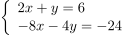
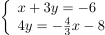
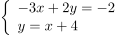
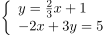
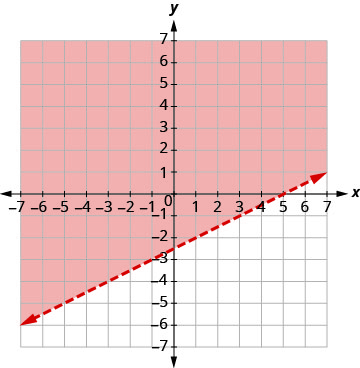
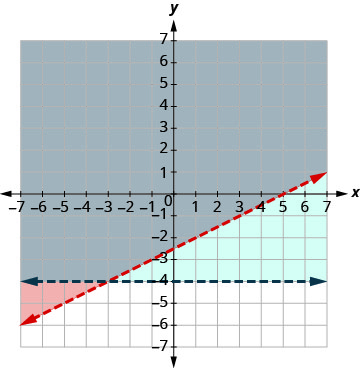
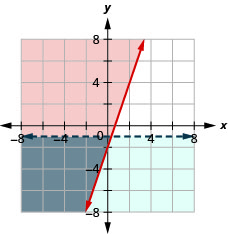
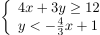
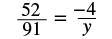
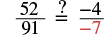
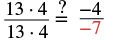
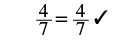
<?xml version="1.0" encoding="UTF-8"?>
<!DOCTYPE html PUBLIC "-//W3C//DTD XHTML 1.1//EN" "http://www.w3.org/TR/xhtml11/DTD/xhtml11.dtd">
<html xmlns="http://www.w3.org/1999/xhtml" xml:lang="en">
<head>
<meta content="text/html; charset=UTF-8" http-equiv="content-type" />
<meta http-equiv="Content-Language" content="en" />
<meta name="generator" content="Pressbooks 6.35.0" />
<meta name="pb-editors" content="Harper Friedman" />
<meta name="pb-authors" content="Izabela Mazur" />
<meta name="pb-authors" content="Kim Moshenko" />
<meta name="pb-contributors" content="Lynn Marecek" />
<meta name="pb-contributors" content="MaryAnne Anthony-Smith" />
<meta name="pb-contributors" content="OpenStax" />
<meta name="pb-title" content="Business/Technical Mathematics" />
<meta name="pb-language" content="en" />
<meta name="pb-cover-image" content="https://opentextbc.ca/businesstechnicalmath/wp-content/uploads/sites/361/2022/12/OTB294-01-Business_Technical-Mathematics-COVER-STORE.jpg" />
<meta name="pb-copyright-year" content="2021" />
<meta name="pb-about-50" content="The content of this textbook is aligned with the British Columbia Adult Basic Education learning outcomes for the Advanced Level Business/Technical Mathematics. The textbook covers nine groups of learning outcomes organized in chapters. The first three chapters cover the core learning outcomes: 1. Operations with Real Numbers, 2. First Degree Equations and Inequalities, 3. Equations and their Graphs. The remaining chapters cover the following six topics: 4. Systems of Equations, 5. Trigonometry, 6. Health Option, 7. Finance, 8. Data Analysis 1, 9. Data Analysis 2." />
<meta name="pb-is-based-on" content="https://pressbooks.bccampus.ca/mycopy" />
<meta name="pb-primary-subject" content="KJQ" />
<meta name="pb-publisher" content="BCcampus" />
<meta name="pb-publisher-city" content="Victoria, B.C." />
<meta name="pb-book-license" content="cc-by" />
<meta name="pb-custom-copyright" content="© 2021 Izabela Mazur and Kim MoshenkoBusiness/Technical Mathematics was adapted by Izabela Mazur and Kim Moshenko using content from Elementary Algebra (OpenStax) by Lynn Marecek and MaryAnne Anthony-Smith, Financial Mathematics by Paul Grinder, and from Prealgebra (OpenStax) by Lynn Marecek, MaryAnne Anthony-Smith, and Andrea Honeycutt Mathis, which are all under CC BY 4.0 Licences.The adaptation was done with the goal of bringing content into alignment with the British Columbia Adult Basic Education learning outcomes for the Advanced Level Business/Technical Mathematics. These changes and additions are © 2021 by Izabela Mazur and Kim Moshenko and are licensed under a CC BY 4.0 Licence:Combined and reorganized chapters from the original three books.Adjusted formatting and textboxes so the content displays well in the Pressbooks platform.Added, removed, and reorganized questions and examples where appropriate.Replaced American examples and spellings with Canadian ones.See the end of each chapter to see what content was adapted from where.The CC licence permits you to retain, reuse, copy, redistribute, and revise this book—in whole or in part—for free providing the author is attributed as follows:Business/Technical Mathematics by Izabela Mazur and Kim Moshenko based on content originally published by OpenStax is used under a CC BY 4.0 Licence.If you redistribute all or part of this book, it is recommended the following statement be added to the copyright page so readers can access the original book at no cost:Download for free from the B.C. Open Collection.Sample APA-style citation:This textbook can be referenced. In APA citation style (7th edition), it would appear as follows:Mazur, I., and Moshenko, K. (2021). Business/technical mathematics. BCcampus. https://opentextbc.ca/businesstechnicalmath/Cover image attribution:“Salt Mine in Wieliczka, Poland” by Keegan Kent is licensed under a CC BY 4.0 Licence.Ebook ISBN: 978-1-77420-126-8Print ISBN: 978-1-77420-125-1Visit BCcampus Open Education to learn about open education in British Columbia." />
<meta name="pb-ebook-isbn" content="978-1-77420-126-8" />
<meta name="pb-print-isbn" content="978-1-77420-125-1" />
<meta name="pb-publication-date" content="1631059200" />
<meta name="pb-additional-subjects" content="JNP" />
<title>Business/Technical Mathematics</title>
</head>
<body lang='en' >
<div id="half-title-page"><h1 class="title">Business/Technical Mathematics</h1></div>
<div id="title-page">
			<h1 class="title">Business/Technical Mathematics</h1>
		<h2 class="subtitle"></h2>
					<p class="author">Izabela Mazur and Kim Moshenko</p>
								<p class="publisher">BCcampus</p>
		<p class="publisher-city">Victoria, B.C.</p>
	</div>
<div id="copyright-page">
	<div class="ugc">
					
<div class="license-attribution"><p><img src="https://opentextbc.ca/businesstechnicalmath/wp-content/themes/pressbooks-book/packages/buckram/assets/images/cc-by.svg" alt="Icon for the Creative Commons Attribution 4.0 International License" role="presentation" /></p><p>Business/Technical Mathematics Copyright © 2021 by <span>Izabela Mazur and Kim Moshenko</span> is licensed under a <a rel="license" href="https://creativecommons.org/licenses/by/4.0/">Creative Commons Attribution 4.0 International License</a>, except where otherwise noted.</p></div>

							<p>© 2021 Izabela Mazur and Kim Moshenko</p><p><a href="https://opentextbc.ca/businesstechnicalmath/"><em>Business/Technical Mathematics</em></a> was adapted by Izabela Mazur and Kim Moshenko using content from <a href="https://openstax.org/details/books/elementary-algebra"><em>Elementary Algebra</em></a> (OpenStax) by Lynn Marecek and MaryAnne Anthony-Smith, <a href="https://open.bccampus.ca/browse-our-collection/find-open-textbooks/?uuid=8eed685f-4e40-4cb1-90e0-5cb2c643558a&#38;contributor=&#38;keyword=&#38;subject=">Financial Mathematics</a> by Paul Grinder, and from <a href="https://openstax.org/details/books/prealgebra-2e">Prealgebra</a> (OpenStax) by Lynn Marecek, MaryAnne Anthony-Smith, and Andrea Honeycutt Mathis, which are all under <a href="https://creativecommons.org/licenses/by/4.0/">CC BY 4.0 Licences</a>.</p><p>The adaptation was done with the goal of bringing content into alignment with the <a href="https://www.bctransferguide.ca/search/abe">British Columbia Adult Basic Education</a> learning outcomes for the Advanced Level Business/Technical Mathematics. These changes and additions are © 2021 by Izabela Mazur and Kim Moshenko and are licensed under a <a href="http://creativecommons.org/licenses/by/4.0/">CC BY 4.0 Licence</a>:</p><ul><li>Combined and reorganized chapters from the original three books.</li><li>Adjusted formatting and textboxes so the content displays well in the Pressbooks platform.</li><li>Added, removed, and reorganized questions and examples where appropriate.</li><li>Replaced American examples and spellings with Canadian ones.</li></ul><p>See the end of each chapter to see what content was adapted from where.</p><p>The CC licence permits you to retain, reuse, copy, redistribute, and revise this book—in whole or in part—for free providing the author is attributed as follows:</p><div class="textbox"><a href="https://opentextbc.ca/businesstechnicalmath/"><em>Business/Technical Mathematics</em></a> by Izabela Mazur and Kim Moshenko based on content originally published by OpenStax is used under a <a href="http://creativecommons.org/licenses/by/4.0/">CC BY 4.0 Licence</a>.</div><p>If you redistribute all or part of this book, it is recommended the following statement be added to the copyright page so readers can access the original book at no cost:</p><div class="textbox">Download for free from the <a href="https://collection.bccampus.ca/" target="_blank" rel="noopener">B.C. Open Collection</a>.</div><p><strong>Sample APA-style citation:</strong><br />This textbook can be referenced. In APA citation style (7th edition), it would appear as follows:</p><div class="textbox">Mazur, I., and Moshenko, K. (2021). <em>Business/technical mathematics</em>. BCcampus. https://opentextbc.ca/businesstechnicalmath/</div><p><strong>Cover image attribution:</strong></p><div class="textbox">&#8220;Salt Mine in Wieliczka, Poland&#8221; by Keegan Kent is licensed under a <a href="https://creativecommons.org/licenses/by/4.0/">CC BY 4.0 Licence</a>.</div><div><strong>Ebook ISBN:</strong> 978-1-77420-126-8</div><div><strong>Print ISBN:</strong> 978-1-77420-125-1</div><p>Visit <a href="http://open.bccampus.ca/">BCcampus Open Education</a> to learn about open education in British Columbia.</p>
							</div>
</div>
<div id="toc">
	<h1>Contents</h1>
	<ul>
					<li class="front-matter miscellaneous">
	<a href="#front-matter-accessibility-statement">
		<span class="toc-chapter-title">Accessibility Statement</span>
							</a>
	</li>

					<li class="front-matter miscellaneous">
	<a href="#front-matter-for-students-how-to-access-and-use-this-textbook">
		<span class="toc-chapter-title">For Students: How to Access and Use this Textbook</span>
							</a>
	</li>

					<li class="front-matter miscellaneous">
	<a href="#front-matter-about-bccampus-open-education">
		<span class="toc-chapter-title">About BCcampus Open Education</span>
							</a>
	</li>

					<li class="part">
	<a href="#part-foundations-2">
					1. Operations with Real Numbers
			</a>
</li>

					<li class="chapter standard">
	<a href="#chapter-slug-1-2">
		<span class="toc-chapter-title">1.1 Algebraic Expressions</span>
							</a>
	</li>

					<li class="chapter standard">
	<a href="#chapter-slug-1-3">
		<span class="toc-chapter-title">1.2 Integers</span>
							</a>
	</li>

					<li class="chapter standard">
	<a href="#chapter-add-and-subtract-fractions">
		<span class="toc-chapter-title">1.3 Fractions</span>
							</a>
	</li>

					<li class="chapter standard">
	<a href="#chapter-decimals">
		<span class="toc-chapter-title">1.4 Decimals</span>
							</a>
	</li>

					<li class="chapter standard">
	<a href="#chapter-integer-exponent-and-sn">
		<span class="toc-chapter-title">1.5 Exponents and Scientific Notation</span>
							</a>
	</li>

					<li class="chapter standard">
	<a href="#chapter-introduction-to-real-numbers">
		<span class="toc-chapter-title">1.6 Roots and Radicals</span>
							</a>
	</li>

					<li class="chapter standard">
	<a href="#chapter-slug-1-7-the-real-numbers">
		<span class="toc-chapter-title">1.7 The Real Numbers</span>
							</a>
	</li>

					<li class="part">
	<a href="#part-part-2">
					2. Solving Linear Equations and Inequalities
			</a>
</li>

					<li class="chapter standard">
	<a href="#chapter-solve-equations-using-the-subtraction-and-addition-properties-of-equality">
		<span class="toc-chapter-title">2.1 Solve  Linear Equations</span>
							<span class="chapter-author">Izabela Mazur; Lynn Marecek; and MaryAnne Anthony-Smith</span>
					</a>
	</li>

					<li class="chapter standard">
	<a href="#chapter-use-a-general-strategy-to-solve-linear-equations">
		<span class="toc-chapter-title">2.2 Use a General Strategy to Solve Linear Equations</span>
							</a>
	</li>

					<li class="chapter standard">
	<a href="#chapter-solving-problems">
		<span class="toc-chapter-title">2.3 Use a Problem Solving Strategy</span>
							</a>
	</li>

					<li class="chapter standard">
	<a href="#chapter-solve-a-formula-for-a-specific-variable">
		<span class="toc-chapter-title">2.4 Solve a Formula for a Specific Variable</span>
							</a>
	</li>

					<li class="chapter standard">
	<a href="#chapter-solve-linear-inequalities-3">
		<span class="toc-chapter-title">2.5 Solve Inequalities</span>
							<span class="chapter-author">Lynn Marecek and MaryAnne Anthony-Smith</span>
					</a>
	</li>

					<li class="part">
	<a href="#part-chapter-6-linear-equations-and-graphing">
					3.  Equations and their Graphs
			</a>
</li>

					<li class="chapter standard">
	<a href="#chapter-use-the-rectangular-coordinate-system-2">
		<span class="toc-chapter-title">3.1 Use the Rectangular Coordinate System</span>
							</a>
	</li>

					<li class="chapter standard">
	<a href="#chapter-graph-linear-equations-in-two-variables-3">
		<span class="toc-chapter-title">3.2 Graph Linear Equations in Two Variables</span>
							</a>
	</li>

					<li class="chapter standard">
	<a href="#chapter-graph-with-intercepts-2">
		<span class="toc-chapter-title">3.3 Graph with Intercepts</span>
							</a>
	</li>

					<li class="chapter standard">
	<a href="#chapter-understand-slope-of-a-line-2">
		<span class="toc-chapter-title">3.4 Understand Slope of a Line</span>
							</a>
	</li>

					<li class="chapter standard">
	<a href="#chapter-use-the-slope-intercept-form-of-an-equation-of-a-line-2">
		<span class="toc-chapter-title">3.5 Use the Slope–Intercept Form of an Equation of a Line</span>
							</a>
	</li>

					<li class="part">
	<a href="#part-graphs">
					4. Systems of Equations
			</a>
</li>

					<li class="chapter standard">
	<a href="#chapter-solve-systems-of-equations-by-graphing">
		<span class="toc-chapter-title">4.1  Solve Systems of Equations by Graphing</span>
							<span class="chapter-author">Lynn Marecek and MaryAnne Anthony-Smith</span>
					</a>
	</li>

					<li class="chapter standard">
	<a href="#chapter-solve-systems-of-equations-by-substitution">
		<span class="toc-chapter-title">4.2  Solve Systems of Equations by Substitution</span>
							<span class="chapter-author">Lynn Marecek and MaryAnne Anthony-Smith</span>
					</a>
	</li>

					<li class="chapter standard">
	<a href="#chapter-solve-systems-of-equations-by-elimination">
		<span class="toc-chapter-title">4.3  Solve Systems of Equations by Elimination</span>
							<span class="chapter-author">Lynn Marecek and MaryAnne Anthony-Smith</span>
					</a>
	</li>

					<li class="chapter standard">
	<a href="#chapter-solve-applications-with-systems-of-equations">
		<span class="toc-chapter-title">4.4.  Solve Applications with Systems of Equations</span>
							<span class="chapter-author">Lynn Marecek and MaryAnne Anthony-Smith</span>
					</a>
	</li>

					<li class="chapter standard">
	<a href="#chapter-graphing-systems-of-linear-inequalities">
		<span class="toc-chapter-title">4.5 Graphing Systems of Linear Inequalities</span>
							<span class="chapter-author">Lynn Marecek and MaryAnne Anthony-Smith</span>
					</a>
	</li>

					<li class="part">
	<a href="#part-health-option">
					5. Trigonometry
			</a>
</li>

					<li class="chapter standard">
	<a href="#chapter-slug-6-1">
		<span class="toc-chapter-title">5.1 Use Properties of Angles, Triangles, and the Pythagorean Theorem</span>
							</a>
	</li>

					<li class="chapter standard">
	<a href="#chapter-slug-6-2">
		<span class="toc-chapter-title">5.2  Solve Applications: Sine, Cosine and Tangent Ratios.</span>
							</a>
	</li>

					<li class="part">
	<a href="#part-slug-6-trigonometry">
					6. Health Option
			</a>
</li>

					<li class="chapter standard">
	<a href="#chapter-measurement">
		<span class="toc-chapter-title">6.1 Measurement; Health Applications</span>
							</a>
	</li>

					<li class="chapter standard">
	<a href="#chapter-ratio">
		<span class="toc-chapter-title">6.2 Ratio, Rate, and Percent; Health Applications</span>
							</a>
	</li>

					<li class="chapter standard">
	<a href="#chapter-applications">
		<span class="toc-chapter-title">6.3 Proportions; Health Applications</span>
							</a>
	</li>

					<li class="part">
	<a href="#part-measures-of-central-tendency">
					7. Data Analysis I
			</a>
</li>

					<li class="chapter standard">
	<a href="#chapter-measures-of-central-tendency">
		<span class="toc-chapter-title">7.1 Measures of Central Tendency</span>
							</a>
	</li>

					<li class="chapter standard">
	<a href="#chapter-graphs-and-tables">
		<span class="toc-chapter-title">7.2 Graphs and Tables</span>
							</a>
	</li>

					<li class="chapter standard">
	<a href="#chapter-considerations">
		<span class="toc-chapter-title">7.3 Collecting Data</span>
							</a>
	</li>

					<li class="chapter standard">
	<a href="#chapter-survey-creation">
		<span class="toc-chapter-title">7.4 Survey Creation</span>
							</a>
	</li>

					<li class="part">
	<a href="#part-slug-9-financial-mathematics">
					8 Data Analysis 2
			</a>
</li>

					<li class="chapter standard">
	<a href="#chapter-slug-8-1-percentiles-and-quartiles">
		<span class="toc-chapter-title">8.1 Percentiles and Quartiles</span>
							</a>
	</li>

					<li class="chapter standard">
	<a href="#chapter-slug-9-2-standard-deviation">
		<span class="toc-chapter-title">8.2  Measures of Dispersion</span>
							</a>
	</li>

					<li class="chapter standard">
	<a href="#chapter-slug-8-4-z-scores">
		<span class="toc-chapter-title">8.3 The Normal Curve</span>
							</a>
	</li>

					<li class="chapter standard">
	<a href="#chapter-slug-8-4-z-scores-and-the-normal-curve">
		<span class="toc-chapter-title">8.4  Z-Scores and the Normal Curve</span>
							</a>
	</li>

					<li class="part">
	<a href="#part-data-analysis-2">
					9 Financial Mathematics
			</a>
</li>

					<li class="chapter standard">
	<a href="#chapter-slug-9-1-simple-interest-2">
		<span class="toc-chapter-title">9.1 Simple Interest</span>
							</a>
	</li>

					<li class="chapter standard">
	<a href="#chapter-slug-9-2-compound-interest-2">
		<span class="toc-chapter-title">9.2 Compound Interest</span>
							</a>
	</li>

					<li class="chapter standard">
	<a href="#chapter-slug-9-3-interest-rates">
		<span class="toc-chapter-title">9.3 Interest Rates</span>
							</a>
	</li>

					<li class="chapter standard">
	<a href="#chapter-slug-9-4-annuities">
		<span class="toc-chapter-title">9.4 Annuities</span>
							</a>
	</li>

					<li class="chapter standard">
	<a href="#chapter-slug-9-5-loans-mortgages">
		<span class="toc-chapter-title">9.5 Loans and Mortgages</span>
							</a>
	</li>

					<li class="back-matter glossary">
	<a href="#back-matter-glossary">
		<span class="toc-chapter-title">Glossary (In Progress)</span>
							</a>
	</li>

					<li class="back-matter miscellaneous">
	<a href="#back-matter-versioning-history">
		<span class="toc-chapter-title">Versioning History</span>
							</a>
	</li>

			</ul>
</div>
<div class="front-matter miscellaneous " id="front-matter-accessibility-statement" title="Accessibility Statement">
	<div class="front-matter-title-wrap">
		<p class="front-matter-number">1</p>
		<h1 class="front-matter-title">Accessibility Statement</h1>
								</div>
	<div class="ugc front-matter-ugc">
				<p>BCcampus Open Education believes that education must be available to everyone. This means supporting the creation of free, open, and accessible educational resources. We are actively committed to increasing the accessibility and usability of the textbooks we produce.</p> <h1>Accessibility of This Textbook</h1> <p>This textbook is an adaptation of an existing textbook that was not published by us. Due to its size and the complexity of the content, we did not have capacity to remediate the content to bring it up to our accessibility standards at the time of publication. This is something we hope to come back to in the future.</p> <p>In the mean time, we have done our best to be transparent about the existing accessibility barriers and features below:</p> <table class="grid"><caption>Accessibility Checklist</caption> <tbody><tr><th scope="col">Element</th> <th scope="col">Requirements</th> <th scope="col">Pass?</th> </tr> <tr><th scope="row">Headings</th> <td>Content is organized under headings and subheadings that are used sequentially.</td> <td>Yes</td> </tr> <tr><th scope="row">Images</th> <td>Images that convey information include alternative text descriptions. These descriptions are provided in the alt text field, in the surrounding text, or linked to as a long description.</td> <td>No</td> </tr> <tr><th scope="row">Images</th> <td>Images and text do not rely on colour to convey information.</td> <td>No</td> </tr> <tr><th scope="row">Images</th> <td>Images that are purely decorative or are already described in the surrounding text contain empty alternative text descriptions. (Descriptive text is unnecessary if the image doesn’t convey contextual content information.)</td> <td>Yes</td> </tr> <tr><th scope="row">Tables</th> <td>Tables include row and/or column headers that have the correct scope assigned.</td> <td>Yes</td> </tr> <tr><th scope="row">Tables</th> <td>Tables include a title or caption.</td> <td>No</td> </tr> <tr><th scope="row">Tables</th> <td>Tables do not have merged or split cells.</td> <td>Yes</td> </tr> <tr><th scope="row">Tables</th> <td>Tables have adequate cell padding.</td> <td>Yes</td> </tr> <tr><th scope="row">Links</th> <td>The link text describes the destination of the link.</td> <td>Yes</td> </tr> <tr><th scope="row">Links</th> <td>Links do not open new windows or tabs. If they do, a textual reference is included in the link text.</td> <td>Yes</td> </tr> <tr><th><strong>Links</strong></th> <td>Links to files include the file type in the link text.</td> <td>Yes</td> </tr> <tr><th><strong>Audio</strong></th> <td>All audio content includes a transcript that includes all speech content and relevant descriptions of non-speach audio and speaker names/headings where necessary.</td> <td>N/A</td> </tr> <tr><th scope="row">Video</th> <td>All videos include high-quality (i.e., not machine generated) captions of all speech content and relevant non-speech content.</td> <td>N/A</td> </tr> <tr><th scope="row">Video</th> <td>All videos with contextual visuals (graphs, charts, etc.) are described audibly in the video.</td> <td>N/A</td> </tr> <tr><th>H5P</th> <td>All H5P activities have been tested for accessibility by the H5P team and have passed their testing.</td> <td>N/A</td> </tr> <tr><th>H5P</th> <td>All H5P activities that include images, videos, and/or audio content meet the accessibility requirements for those media types.</td> <td>N/A</td> </tr> <tr><th scope="row">Formulas</th> <td>Formulas have been created using LaTeX and are rendered with MathJax.</td> <td>No</td> </tr> <tr><th scope="row">Formulas</th> <td>Formulas that are images have alternative text descriptions.</td> <td>Yes</td> </tr> <tr><th scope="row">Font</th> <td>Font size is 12 point or higher for body text.</td> <td>Yes</td> </tr> <tr><th scope="row">Font</th> <td>Font size is 9 point for footnotes or endnotes.</td> <td>Yes</td> </tr> <tr><th scope="row">Font</th> <td>Font size can be zoomed to 200% in the webbook or eBook formats.</td> <td>Yes</td> </tr> </tbody> </table> <h1>Known Accessibility Issues and Areas for Improvement</h1> <ul><li>Math content in this book is written in LaTeX and rendered as images using the WP-QuickLaTeX plugin. The alt text for these images is the LaTeX code, which requires people to be familiar with LaTeX to understand it. This could be improved by converting the LaTeX so it can be rendered by MathJax instead, which can be interpreted by screen readers.</li> <li>Most images are not accessible. They do not have adequate alt text or image descriptions even when describing new concepts.</li> <li>Some images rely on colour to show how equations are transformed.</li> <li>Not all tables include a title or caption.</li> </ul> <h1>Let Us Know if You are Having Problems Accessing This Book</h1> <p>We are always looking for ways to make our textbooks more accessible. If you have problems accessing this textbook, please contact us to let us know so we can fix the issue.</p> <p>Please include the following information:</p> <ul><li>The name of the textbook</li> <li>The location of the problem by providing a web address or page description.</li> <li>A description of the problem</li> <li>The computer, software, browser, and any assistive technology you are using that can help us diagnose and solve your issue (e.g., Windows 10, Google Chrome (Version 65.0.3325.181), NVDA screen reader)</li> </ul> <p>You can contact us one of the following ways:</p> <ul><li>Web form: <a href="https://collection.bccampus.ca/contact/" target="_blank" rel="noopener">BCcampus OpenEd Help</a></li> <li>Web form: <a href="https://open.bccampus.ca/browse-our-collection/reporting-an-error/" target="_blank" rel="noopener">Report an Error</a></li> </ul> <p>This statement was last updated on September 8, 2021.</p> <p>The Accessibility Checklist table was adapted from one originally created by the <a href="https://press.rebus.community/the-rebus-guide-to-publishing-open-textbooks/back-matter/accessibility-assessment/">Rebus Community</a> and shared under a <a class="internal" href="https://creativecommons.org/licenses/by/4.0/">CC BY 4.0 License</a>.</p> 
	</div>


	</div>
<div class="front-matter miscellaneous " id="front-matter-for-students-how-to-access-and-use-this-textbook" title="For Students: How to Access and Use this Textbook">
	<div class="front-matter-title-wrap">
		<p class="front-matter-number">2</p>
		<h1 class="front-matter-title">For Students: How to Access and Use this Textbook</h1>
								</div>
	<div class="ugc front-matter-ugc">
				<p>This textbook is available in the following formats:</p> <ul><li><strong>Online webbook</strong>. You can read this textbook online on a computer or mobile device in one of the following browsers: Chrome, Firefox, Edge, and Safari.</li> <li><strong>PDF</strong>. You can download this book as a PDF to read on a computer (Digital PDF) or print it out (Print PDF).</li> <li><strong>Mobile</strong>. If you want to read this textbook on your phone or tablet, you can use the EPUB (eReader) file.</li> <li><strong>HTML</strong>. An HTML file can be opened in a browser. It has very little style so it doesn&#8217;t look very nice, but some people might find it useful.</li> </ul> <p>You can access the online webbook and download any of the formats for free here: <a href="https://opentextbc.ca/businesstechnicalmath/"><i>Business/Technical Mathematics</i></a>. To download the book in a different format, look for the &#8220;Download this book&#8221; drop-down menu and select the file type you want.</p> <table class="grid" style="width: 100%;"><caption>How can I use the different formats?</caption> <tbody><tr><th style="width: 8.58011%;" scope="col">Format</th> <th style="width: 9.94685%;" scope="col">Internet required?</th> <th style="width: 11.4655%;" scope="col">Device</th> <th style="width: 22.779%;" scope="col">Required apps</th> <th style="width: 47.0767%;" scope="col">Accessibility Features</th> </tr> <tr><td style="width: 8.58011%;">Online webbook</td> <td style="width: 9.94685%;">Yes</td> <td style="width: 11.4655%;">Computer, tablet, phone</td> <td style="width: 22.779%;">An Internet browser (Chrome, Firefox, Edge, or Safari)</td> <td style="width: 47.0767%;">Option to enlarge text, and compatible with browser text-to-speech tools, videos with captions</td> </tr> <tr><td style="width: 8.58011%;">PDF</td> <td style="width: 9.94685%;">No</td> <td style="width: 11.4655%;">Computer, print copy</td> <td style="width: 22.779%;">Adobe Reader (for reading on a computer) or a printer</td> <td style="width: 47.0767%;">Ability to highlight and annotate the text. If reading on the computer, you can zoom in.</td> </tr> <tr><td style="width: 8.58011%;">EPUB</td> <td style="width: 9.94685%;">No</td> <td style="width: 11.4655%;">Computer, tablet, phone</td> <td style="width: 22.779%;">eReader app (EPUB)</td> <td style="width: 47.0767%;">Option to enlarge text, change font style, size, and colour.</td> </tr> <tr><td style="width: 8.58011%;">HTML</td> <td style="width: 9.94685%;">No</td> <td style="width: 11.4655%;">Computer, tablet, phone</td> <td style="width: 22.779%;">An Internet browser (Chrome, Firefox, Edge, or Safari)</td> <td style="width: 47.0767%;">Compatible with browser text-to-speech tools.</td> </tr> </tbody> </table> <h1>Tips for Using This Textbook</h1> <ul><li><strong>Search the textbook</strong>. <ul><li>If using the online webbook, you can use the search bar in the top right corner to search the entire book for a key word or phrase. To search a specific chapter, open that chapter and use your browser&#8217;s search feature by hitting <strong>[Cntr] + [f]</strong> on your keyboard if using a Windows computer or <strong>[Command] + [f] </strong>if using a Mac computer.</li> <li>The <strong>[Cntr] + [f]</strong> and <strong>[Command] + [f]</strong> keys will also allow you to search a PDF, HTML, EPUB, and MOBI files if you are reading them on a computer.</li> <li>If using an eBook app to read this textbook, the app should have a built-in search tool.</li> </ul> </li> <li><strong>Navigate the textbook</strong>. <ul><li>This textbook has a table of contents to help you navigate through the book easier. If using the online webbook, you can find the full table of contents on the book&#8217;s homepage or by selecting &#8220;Contents&#8221; from the top menu when you are in a chapter.</li> </ul> </li> <li><strong>Annotate the textbook</strong>. <ul><li>If you like to highlight or write on your textbooks, you can do that by getting a print copy, using the Digital PDF in Adobe Reader, or using the highlighting tools in eReader apps.</li> </ul> </li> </ul> 
	</div>


	</div>
<div class="front-matter miscellaneous " id="front-matter-about-bccampus-open-education" title="About BCcampus Open Education">
	<div class="front-matter-title-wrap">
		<p class="front-matter-number">3</p>
		<h1 class="front-matter-title">About BCcampus Open Education</h1>
								</div>
	<div class="ugc front-matter-ugc">
				<p><em>Business/Technical Mathematics</em> by Izabela Mazur and Kim Moshenko was funded by BCcampus Open Education.</p> <p><a href="https://open.bccampus.ca/">BCcampus Open Education</a> began in 2012 as the B.C. Open Textbook Project with the goal of making post-secondary education in British Columbia more accessible by reducing students’ costs through the use of open textbooks and other OER. <a href="https://bccampus.ca/about-us/" rel="noopener">BCcampus</a> supports the post-secondary institutions of British Columbia as they adapt and evolve their teaching and learning practices to enable powerful learning opportunities for the students of B.C. BCcampus Open Education is funded by the <a href="https://www2.gov.bc.ca/gov/content/governments/organizational-structure/ministries-organizations/ministries/advanced-education-skills-training" rel="noopener">British Columbia Ministry of Advanced Education and Skills Training</a> and the <a href="http://www.hewlett.org/" rel="noopener">Hewlett Foundation</a>.</p> <p>Open educational resources (OER) are teaching, learning, and research resources that, through permissions granted by the copyright holder, allow others to use, distribute, keep, or make changes to them. Our open textbooks are openly licensed using a <a class="internal" href="https://creativecommons.org/licenses/">Creative Commons licence</a> and are offered in various eBook formats free of charge, or as printed books that are available at cost.</p> <p>For more information about open education in British Columbia, please visit the <a href="https://open.bccampus.ca/">BCcampus Open Education</a> website. If you are an instructor who is using this book for a course, please fill out our <a href="https://open.bccampus.ca/use-open-textbooks/tell-us-youre-using-an-open-textbook/">Adoption of an Open Textbook</a> form.</p> 
	</div>


	</div>
<div class="part-wrapper" id="part-foundations-2-wrapper">
    <div class="part  introduction" id="part-foundations-2">
	<div class="part-title-wrap">
		<p class="part-number">I</p>
		<h1 class="part-title">1. Operations with Real Numbers</h1>
	</div>
	<div class="ugc part-ugc">
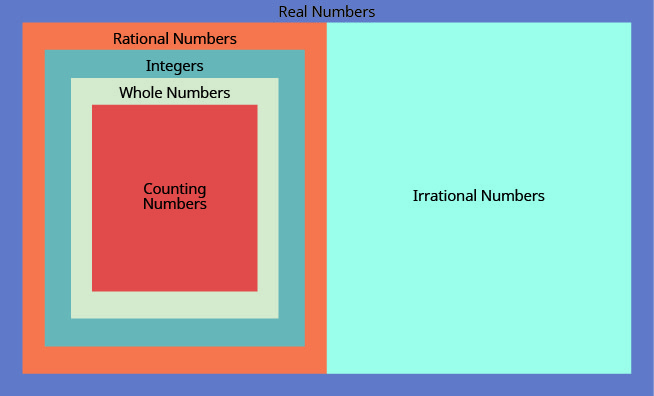
		<p id="fs-id1170655000486">&nbsp;The chart below shows us how the number sets fit together. In this chapter we will work with rational numbers, but you will be also introduced to irrational numbers. The set of rational numbers together with the set of irrational numbers make up the set of real numbers.</p> <div id="CNX_ElemAlg_Figure_01_08_001" class="bc-figure figure"><p><span id="fs-id1170655170188" data-type="media" data-alt="This figure consists of a Venn diagram. To start there is a large rectangle marked Real Numbers. The right half of the rectangle consists of Irrational Numbers. The left half consists of Rational Numbers. Within the Rational Numbers rectangle, there are Integers …, negative 2, negative 1, 0, 1, 2, …. Within the Integers rectangle, there are Whole Numbers 0, 1, 2, 3, … Within the Whole Numbers rectangle, there are Counting Numbers 1, 2, 3, …"><img class="aligncenter" src="https://opentextbc.ca/oerdiscipline/wp-content/uploads/sites/361/2021/08/CNX_ElemAlg_Figure_01_08_001_new.jpg" alt="This figure consists of a Venn diagram. To start there is a large rectangle marked Real Numbers. The right half of the rectangle consists of Irrational Numbers. The left half consists of Rational Numbers. Within the Rational Numbers rectangle, there are Integers …, negative 2, negative 1, 0, 1, 2, …. Within the Integers rectangle, there are Whole Numbers 0, 1, 2, 3, … Within the Whole Numbers rectangle, there are Counting Numbers 1, 2, 3, …" data-media-type="image/jpeg" /></span></p> </div>
	</div>
			
				
	</div>
<div class="chapter standard " id="chapter-slug-1-2" title="1.1 Algebraic Expressions">
	<div class="chapter-title-wrap">
		<p class="chapter-number">1</p>
		<h1 class="chapter-title">1.1 Algebraic Expressions</h1>
								</div>
	<div class="ugc chapter-ugc">
				 <div class="textbox textbox--learning-objectives"><div class="textbox__header"><p class="textbox__title">Learning Objectives</p> </div> <div class="textbox__content"><p>By the end of this section it is expected that you will be able to:</p> <ul><li>Use variables and algebraic symbols</li> <li>Identify expressions and equations</li> <li>Simplify expressions with exponents</li> <li>Simplify expressions using the order of operations</li> <li>Evaluate algebraic expressions</li> </ul> </div> </div> <h1>Use Variables and Algebraic Symbols</h1> <p><span style="text-align: initial; font-size: 14pt;">In algebra, letters of the alphabet are used to represent variables.</span></p> <p id="fs-id2137950">&nbsp;Letters often used for variables are <img src="https://opentextbc.ca/businesstechnicalmath/wp-content/ql-cache/quicklatex.com-d0677cc1ef8b048f8fab638c1b7c9f0d_l3.svg" class="ql-img-inline-formula quicklatex-auto-format" alt="x,y,a,b,\text{and}\phantom{\rule{0.2em}{0ex}}c" title="Rendered by QuickLaTeX.com" height="16" width="108" style="vertical-align: -4px;" />.</p> <div id="fs-id2399231" data-type="note"><div data-type="title"><div class="textbox textbox--key-takeaways"><div class="textbox__header"><p class="textbox__title">Variables and Constants</p> </div> <div class="textbox__content"><p id="fs-id2203250">A variable is a letter that represents a number or quantity whose value may change.</p> <p id="fs-id1604743">A constant is a number whose value always stays the same.</p> </div> </div> </div> </div> <p id="fs-id1722327">To write algebraically, we need some symbols as well as numbers and variables. There are several types of symbols we will be using. There are four basic arithmetic <span class="no-emphasis" data-type="term">operations</span>: addition, subtraction, multiplication, and division. We will summarize them here, along with words we use for the operations and the result.</p> <table id="fs-id1891703" style="width: 100%;" summary="This table has five rows and four columns. The first row is a header row. Each column is labeled accordingly: the first is labeled “Operation”, the second “Notation”, the third “Say” and the last “The result is...”. Under the “Operation” column are the words: addition, multiplication, subtraction and division. Under the “Notation” column are algebraic expressions. The first row shows the letter a, the plus symbol, and the letter b. The next row shows four algebraic expressions. The first is the letter a, dot multiplication symbol, and the letter b. The second expression is the letter a in parentheses and the letter b in parentheses. The third expression is the letter a in parentheses and the letter b. The fourth expression is the letter a and the letter b in parentheses. The next row shows the letter a, the minus symbol, and the letter b. The last row shows four algebraic expressions. The first is the letter a, division symbol, and the letter b. The second expression is the letter a, the backslash symbol and the letter b. The third expression is the letter a above the fraction bar and the letter b below the fraction bar. The fourth expression is the letter b outside the division bracket and the letter a inside the division bracket." data-label=""><thead><tr valign="top"><th scope="col" data-align="left">Operation</th> <th scope="col" data-align="left">Notation</th> <th scope="col" data-align="left">Say:</th> <th scope="col" data-align="left">The result is…</th> </tr> </thead> <tbody><tr valign="top"><td data-align="left">Addition</td> <td data-align="left"><img src="https://opentextbc.ca/businesstechnicalmath/wp-content/ql-cache/quicklatex.com-38830949a60ce6786a6fdf6309482002_l3.svg" class="ql-img-inline-formula quicklatex-auto-format" alt="a+b" title="Rendered by QuickLaTeX.com" height="15" width="39" style="vertical-align: -2px;" /></td> <td data-align="left"><img src="https://opentextbc.ca/businesstechnicalmath/wp-content/ql-cache/quicklatex.com-04ba1b81da8ae280d26d1991b56eec6d_l3.svg" class="ql-img-inline-formula quicklatex-auto-format" alt="a\phantom{\rule{0.2em}{0ex}}\text{plus}\phantom{\rule{0.2em}{0ex}}b" title="Rendered by QuickLaTeX.com" height="16" width="56" style="vertical-align: -3px;" /></td> <td data-align="left">the sum of <img src="https://opentextbc.ca/businesstechnicalmath/wp-content/ql-cache/quicklatex.com-5c53d6ebabdbcfa4e107550ea60b1b19_l3.svg" class="ql-img-inline-formula quicklatex-auto-format" alt="a" title="Rendered by QuickLaTeX.com" height="8" width="9" style="vertical-align: 0px;" /> and <img src="https://opentextbc.ca/businesstechnicalmath/wp-content/ql-cache/quicklatex.com-f56d50c26583f9a035ff6b4e3c0ca5c0_l3.svg" class="ql-img-inline-formula quicklatex-auto-format" alt="b" title="Rendered by QuickLaTeX.com" height="13" width="8" style="vertical-align: 0px;" /></td> </tr> <tr valign="top"><td data-align="left">Subtraction</td> <td data-align="left"><img src="https://opentextbc.ca/businesstechnicalmath/wp-content/ql-cache/quicklatex.com-b644d18119c5701b308f883bd50656d9_l3.svg" class="ql-img-inline-formula quicklatex-auto-format" alt="a-b" title="Rendered by QuickLaTeX.com" height="13" width="39" style="vertical-align: 0px;" /></td> <td data-align="left"><img src="https://opentextbc.ca/businesstechnicalmath/wp-content/ql-cache/quicklatex.com-d626cdf4753df75818707f16d7b6dc4e_l3.svg" class="ql-img-inline-formula quicklatex-auto-format" alt="a\phantom{\rule{0.2em}{0ex}}\text{minus}\phantom{\rule{0.2em}{0ex}}b" title="Rendered by QuickLaTeX.com" height="13" width="70" style="vertical-align: 0px;" /></td> <td data-align="left">the difference of <img src="https://opentextbc.ca/businesstechnicalmath/wp-content/ql-cache/quicklatex.com-5c53d6ebabdbcfa4e107550ea60b1b19_l3.svg" class="ql-img-inline-formula quicklatex-auto-format" alt="a" title="Rendered by QuickLaTeX.com" height="8" width="9" style="vertical-align: 0px;" /> and <img src="https://opentextbc.ca/businesstechnicalmath/wp-content/ql-cache/quicklatex.com-f56d50c26583f9a035ff6b4e3c0ca5c0_l3.svg" class="ql-img-inline-formula quicklatex-auto-format" alt="b" title="Rendered by QuickLaTeX.com" height="13" width="8" style="vertical-align: 0px;" /></td> </tr> <tr valign="top"><td data-align="left">Multiplication</td> <td data-align="left"><img src="https://opentextbc.ca/businesstechnicalmath/wp-content/ql-cache/quicklatex.com-7c63a9888ac8ae036ae37309dee0451c_l3.svg" class="ql-img-inline-formula quicklatex-auto-format" alt="a\cdot b,\left(a\right)\left(b\right),\left(a\right)b,a\left(b\right)" title="Rendered by QuickLaTeX.com" height="19" width="171" style="vertical-align: -5px;" /></td> <td data-align="left"><img src="https://opentextbc.ca/businesstechnicalmath/wp-content/ql-cache/quicklatex.com-6e4e96a7e0e7b4b2dc622423b51fc66b_l3.svg" class="ql-img-inline-formula quicklatex-auto-format" alt="a\phantom{\rule{0.2em}{0ex}}\text{times}\phantom{\rule{0.2em}{0ex}}b" title="Rendered by QuickLaTeX.com" height="13" width="66" style="vertical-align: 0px;" /></td> <td data-align="left">The product of <img src="https://opentextbc.ca/businesstechnicalmath/wp-content/ql-cache/quicklatex.com-5c53d6ebabdbcfa4e107550ea60b1b19_l3.svg" class="ql-img-inline-formula quicklatex-auto-format" alt="a" title="Rendered by QuickLaTeX.com" height="8" width="9" style="vertical-align: 0px;" /> and <img src="https://opentextbc.ca/businesstechnicalmath/wp-content/ql-cache/quicklatex.com-f56d50c26583f9a035ff6b4e3c0ca5c0_l3.svg" class="ql-img-inline-formula quicklatex-auto-format" alt="b" title="Rendered by QuickLaTeX.com" height="13" width="8" style="vertical-align: 0px;" /></td> </tr> <tr valign="top"><td data-align="left">Division</td> <td data-align="left"><img src="https://opentextbc.ca/businesstechnicalmath/wp-content/ql-cache/quicklatex.com-1dc71412a2af9fb0a0b48f86c64005ed_l3.svg" class="ql-img-inline-formula quicklatex-auto-format" alt="a\div b,a/b,\phantom{\rule{0.2em}{0ex}}\frac{a}{b},b\overline{)a}" title="Rendered by QuickLaTeX.com" height="22" width="128" style="vertical-align: -6px;" /></td> <td data-align="left"><img src="https://opentextbc.ca/businesstechnicalmath/wp-content/ql-cache/quicklatex.com-5c53d6ebabdbcfa4e107550ea60b1b19_l3.svg" class="ql-img-inline-formula quicklatex-auto-format" alt="a" title="Rendered by QuickLaTeX.com" height="8" width="9" style="vertical-align: 0px;" /> divided by <img src="https://opentextbc.ca/businesstechnicalmath/wp-content/ql-cache/quicklatex.com-f56d50c26583f9a035ff6b4e3c0ca5c0_l3.svg" class="ql-img-inline-formula quicklatex-auto-format" alt="b" title="Rendered by QuickLaTeX.com" height="13" width="8" style="vertical-align: 0px;" /></td> <td data-align="left">The quotient of <img src="https://opentextbc.ca/businesstechnicalmath/wp-content/ql-cache/quicklatex.com-5c53d6ebabdbcfa4e107550ea60b1b19_l3.svg" class="ql-img-inline-formula quicklatex-auto-format" alt="a" title="Rendered by QuickLaTeX.com" height="8" width="9" style="vertical-align: 0px;" /> and <img src="https://opentextbc.ca/businesstechnicalmath/wp-content/ql-cache/quicklatex.com-f56d50c26583f9a035ff6b4e3c0ca5c0_l3.svg" class="ql-img-inline-formula quicklatex-auto-format" alt="b" title="Rendered by QuickLaTeX.com" height="13" width="8" style="vertical-align: 0px;" /></td> </tr> </tbody> </table> <p id="fs-id1560745">In algebra, the cross symbol, ×, is not used to show multiplication because that symbol may cause confusion. Does <img src="https://opentextbc.ca/businesstechnicalmath/wp-content/ql-cache/quicklatex.com-c6ca1b49e7bbd5453cebf69bacc11790_l3.svg" class="ql-img-inline-formula quicklatex-auto-format" alt="3xy" title="Rendered by QuickLaTeX.com" height="16" width="28" style="vertical-align: -4px;" /> mean <img src="https://opentextbc.ca/businesstechnicalmath/wp-content/ql-cache/quicklatex.com-b6506b30a670b89e6ab1a81aeb6a2d5c_l3.svg" class="ql-img-inline-formula quicklatex-auto-format" alt="3 \phantom{\rule{0.2em}{0ex}} \times \phantom{\rule{0.2em}{0ex}}y" title="Rendered by QuickLaTeX.com" height="16" width="47" style="vertical-align: -4px;" /> (three times <img src="https://opentextbc.ca/businesstechnicalmath/wp-content/ql-cache/quicklatex.com-0af556714940c351c933bba8cf840796_l3.svg" class="ql-img-inline-formula quicklatex-auto-format" alt="y" title="Rendered by QuickLaTeX.com" height="12" width="9" style="vertical-align: -4px;" />) or <img src="https://opentextbc.ca/businesstechnicalmath/wp-content/ql-cache/quicklatex.com-eb218ff670db6e07da5d07f602fc22fd_l3.svg" class="ql-img-inline-formula quicklatex-auto-format" alt="3 \cdot x \cdot y" title="Rendered by QuickLaTeX.com" height="16" width="54" style="vertical-align: -4px;" /> (three times <img src="https://opentextbc.ca/businesstechnicalmath/wp-content/ql-cache/quicklatex.com-75f96701922fe212597a2a9731e93400_l3.svg" class="ql-img-inline-formula quicklatex-auto-format" alt="x\phantom{\rule{0.2em}{0ex}}\text{times}\phantom{\rule{0.2em}{0ex}}y" title="Rendered by QuickLaTeX.com" height="16" width="68" style="vertical-align: -4px;" />)? To make it clear, use • or parentheses for multiplication.When two quantities have the same value, we say they are equal and connect them with an <em data-effect="italics">equal sign</em>.</p> <div id="fs-id1603053" data-type="note"><div data-type="title"><div class="textbox textbox--key-takeaways"><div class="textbox__header"><p class="textbox__title">Equality Symbol</p> </div> <div class="textbox__content"><p id="fs-id1885124"><img src="https://opentextbc.ca/businesstechnicalmath/wp-content/ql-cache/quicklatex.com-728a2d777181b337d462fcbed6511948_l3.svg" class="ql-img-inline-formula quicklatex-auto-format" alt="a=b\phantom{\rule{0.2em}{0ex}}\text{is read}\phantom{\rule{0.2em}{0ex}}a\phantom{\rule{0.2em}{0ex}}\text{is equal to}\phantom{\rule{0.2em}{0ex}}b" title="Rendered by QuickLaTeX.com" height="16" width="204" style="vertical-align: -3px;" /></p> <p id="fs-id2775026">The symbol <img src="https://opentextbc.ca/businesstechnicalmath/wp-content/ql-cache/quicklatex.com-b8690b7efd237bfe32a6e92e3b699b96_l3.svg" class="ql-img-inline-formula quicklatex-auto-format" alt="=" title="Rendered by QuickLaTeX.com" height="4" width="13" style="vertical-align: 2px;" /> is called the <span class="no-emphasis" data-type="term">equal sign</span>.</p> </div> </div> <p>An <span class="no-emphasis" data-type="term">inequality</span> is used in algebra to compare two quantities that may have different values. The number line can help you understand inequalities. Remember that on the number line the numbers get larger as they go from left to right. So if we know that <img src="https://opentextbc.ca/businesstechnicalmath/wp-content/ql-cache/quicklatex.com-f56d50c26583f9a035ff6b4e3c0ca5c0_l3.svg" class="ql-img-inline-formula quicklatex-auto-format" alt="b" title="Rendered by QuickLaTeX.com" height="13" width="8" style="vertical-align: 0px;" /> is greater than <img src="https://opentextbc.ca/businesstechnicalmath/wp-content/ql-cache/quicklatex.com-5c53d6ebabdbcfa4e107550ea60b1b19_l3.svg" class="ql-img-inline-formula quicklatex-auto-format" alt="a" title="Rendered by QuickLaTeX.com" height="8" width="9" style="vertical-align: 0px;" />, it means that <img src="https://opentextbc.ca/businesstechnicalmath/wp-content/ql-cache/quicklatex.com-f56d50c26583f9a035ff6b4e3c0ca5c0_l3.svg" class="ql-img-inline-formula quicklatex-auto-format" alt="b" title="Rendered by QuickLaTeX.com" height="13" width="8" style="vertical-align: 0px;" /> is to the right of <img src="https://opentextbc.ca/businesstechnicalmath/wp-content/ql-cache/quicklatex.com-5c53d6ebabdbcfa4e107550ea60b1b19_l3.svg" class="ql-img-inline-formula quicklatex-auto-format" alt="a" title="Rendered by QuickLaTeX.com" height="8" width="9" style="vertical-align: 0px;" /> on the number line. We use the symbols &lt; and &gt; for inequalities.</p> </div> </div> <div id="fs-id2650456" data-type="note"><div data-type="title"><div class="textbox textbox--key-takeaways"><div class="textbox__header"><p class="textbox__title">Inequality</p> </div> <div class="textbox__content"><p id="fs-id3202723"><img src="https://opentextbc.ca/businesstechnicalmath/wp-content/ql-cache/quicklatex.com-5c53d6ebabdbcfa4e107550ea60b1b19_l3.svg" class="ql-img-inline-formula quicklatex-auto-format" alt="a" title="Rendered by QuickLaTeX.com" height="8" width="9" style="vertical-align: 0px;" /> &lt; <img src="https://opentextbc.ca/businesstechnicalmath/wp-content/ql-cache/quicklatex.com-f56d50c26583f9a035ff6b4e3c0ca5c0_l3.svg" class="ql-img-inline-formula quicklatex-auto-format" alt="b" title="Rendered by QuickLaTeX.com" height="13" width="8" style="vertical-align: 0px;" /> is read <img src="https://opentextbc.ca/businesstechnicalmath/wp-content/ql-cache/quicklatex.com-5c53d6ebabdbcfa4e107550ea60b1b19_l3.svg" class="ql-img-inline-formula quicklatex-auto-format" alt="a" title="Rendered by QuickLaTeX.com" height="8" width="9" style="vertical-align: 0px;" /> is less than <img src="https://opentextbc.ca/businesstechnicalmath/wp-content/ql-cache/quicklatex.com-f56d50c26583f9a035ff6b4e3c0ca5c0_l3.svg" class="ql-img-inline-formula quicklatex-auto-format" alt="b" title="Rendered by QuickLaTeX.com" height="13" width="8" style="vertical-align: 0px;" /></p> <p id="fs-id2700412"><img src="https://opentextbc.ca/businesstechnicalmath/wp-content/ql-cache/quicklatex.com-5c53d6ebabdbcfa4e107550ea60b1b19_l3.svg" class="ql-img-inline-formula quicklatex-auto-format" alt="a" title="Rendered by QuickLaTeX.com" height="8" width="9" style="vertical-align: 0px;" /> is to the left of <img src="https://opentextbc.ca/businesstechnicalmath/wp-content/ql-cache/quicklatex.com-f56d50c26583f9a035ff6b4e3c0ca5c0_l3.svg" class="ql-img-inline-formula quicklatex-auto-format" alt="b" title="Rendered by QuickLaTeX.com" height="13" width="8" style="vertical-align: 0px;" /> on the number line</p> <p><span id="fs-id1933083" data-type="media" data-alt="The figure shows a horizontal number line that begins with the letter a on the left then the letter b to its right."><img class="aligncenter" src="https://opentextbc.ca/oerdiscipline/wp-content/uploads/sites/361/2018/12/CNX_BMath_Figure_02_01_001-1.jpg" alt="The figure shows a horizontal number line that begins with the letter a on the left then the letter b to its right." data-media-type="image/jpeg" /></span></p> <p id="fs-id2495460"><img src="https://opentextbc.ca/businesstechnicalmath/wp-content/ql-cache/quicklatex.com-5c53d6ebabdbcfa4e107550ea60b1b19_l3.svg" class="ql-img-inline-formula quicklatex-auto-format" alt="a" title="Rendered by QuickLaTeX.com" height="8" width="9" style="vertical-align: 0px;" /> &gt; <img src="https://opentextbc.ca/businesstechnicalmath/wp-content/ql-cache/quicklatex.com-f56d50c26583f9a035ff6b4e3c0ca5c0_l3.svg" class="ql-img-inline-formula quicklatex-auto-format" alt="b" title="Rendered by QuickLaTeX.com" height="13" width="8" style="vertical-align: 0px;" /> is read <img src="https://opentextbc.ca/businesstechnicalmath/wp-content/ql-cache/quicklatex.com-5c53d6ebabdbcfa4e107550ea60b1b19_l3.svg" class="ql-img-inline-formula quicklatex-auto-format" alt="a" title="Rendered by QuickLaTeX.com" height="8" width="9" style="vertical-align: 0px;" /> is greater than <img src="https://opentextbc.ca/businesstechnicalmath/wp-content/ql-cache/quicklatex.com-f56d50c26583f9a035ff6b4e3c0ca5c0_l3.svg" class="ql-img-inline-formula quicklatex-auto-format" alt="b" title="Rendered by QuickLaTeX.com" height="13" width="8" style="vertical-align: 0px;" /></p> <p id="fs-id1379804"><img src="https://opentextbc.ca/businesstechnicalmath/wp-content/ql-cache/quicklatex.com-5c53d6ebabdbcfa4e107550ea60b1b19_l3.svg" class="ql-img-inline-formula quicklatex-auto-format" alt="a" title="Rendered by QuickLaTeX.com" height="8" width="9" style="vertical-align: 0px;" /> is to the right of <img src="https://opentextbc.ca/businesstechnicalmath/wp-content/ql-cache/quicklatex.com-f56d50c26583f9a035ff6b4e3c0ca5c0_l3.svg" class="ql-img-inline-formula quicklatex-auto-format" alt="b" title="Rendered by QuickLaTeX.com" height="13" width="8" style="vertical-align: 0px;" /> on the number line</p> <p><span id="fs-id1467098" data-type="media" data-alt="The figure shows a horizontal number line that begins with the letter b on the left then the letter a to its right."><img class="aligncenter" src="https://opentextbc.ca/oerdiscipline/wp-content/uploads/sites/361/2018/12/CNX_BMath_Figure_02_01_002-1.jpg" alt="The figure shows a horizontal number line that begins with the letter b on the left then the letter a to its right." data-media-type="image/jpeg" /></span></p> </div> </div> <p class="p1">The expressions <img src="https://opentextbc.ca/businesstechnicalmath/wp-content/ql-cache/quicklatex.com-5c53d6ebabdbcfa4e107550ea60b1b19_l3.svg" class="ql-img-inline-formula quicklatex-auto-format" alt="a" title="Rendered by QuickLaTeX.com" height="8" width="9" style="vertical-align: 0px;" /> &lt; <img src="https://opentextbc.ca/businesstechnicalmath/wp-content/ql-cache/quicklatex.com-71809cd3555d6e746725d2e12cbbcd52_l3.svg" class="ql-img-inline-formula quicklatex-auto-format" alt="b\phantom{\rule{0.2em}{0ex}}\text{and}\phantom{\rule{0.2em}{0ex}}a" title="Rendered by QuickLaTeX.com" height="13" width="52" style="vertical-align: -1px;" /> &gt; <img src="https://opentextbc.ca/businesstechnicalmath/wp-content/ql-cache/quicklatex.com-dfda230d82d07c923aeb595245f74958_l3.svg" class="ql-img-inline-formula quicklatex-auto-format" alt="\phantom{\rule{0.2em}{0ex}}b" title="Rendered by QuickLaTeX.com" height="12" width="8" style="vertical-align: 0px;" /> can be read from left-to-right or right-to-left, though in English we usually read from left-to-right. In general,</p> <p><img class="alignnone wp-image-13451 size-full" src="https://opentextbc.ca/oerdiscipline/wp-content/uploads/sites/361/2018/12/Screenshot-2021-02-22-at-8.59.13-AM.png" alt="&amp;quot;7 is less than 11&amp;quot; equivalent to &amp;quot;11 is greater than 7&amp;quot;" width="2394" height="222" /></p> </div> </div> <p id="fs-id2903489">When we write an inequality symbol with a line under it, such as <img src="https://opentextbc.ca/businesstechnicalmath/wp-content/ql-cache/quicklatex.com-22bb7f496e0a4516393886afb53ffa7c_l3.svg" class="ql-img-inline-formula quicklatex-auto-format" alt="a\le b" title="Rendered by QuickLaTeX.com" height="16" width="41" style="vertical-align: -3px;" />, it means <img src="https://opentextbc.ca/businesstechnicalmath/wp-content/ql-cache/quicklatex.com-9b57677a3c7d31d00aea3cdd09443b09_l3.svg" class="ql-img-inline-formula quicklatex-auto-format" alt="a&amp;lt;b" title="Rendered by QuickLaTeX.com" height="13" width="41" style="vertical-align: 0px;" /> or <img src="https://opentextbc.ca/businesstechnicalmath/wp-content/ql-cache/quicklatex.com-e69295ccf8d8ca292abcc97f861e345f_l3.svg" class="ql-img-inline-formula quicklatex-auto-format" alt="a=b" title="Rendered by QuickLaTeX.com" height="13" width="41" style="vertical-align: 0px;" />. We read this <img src="https://opentextbc.ca/businesstechnicalmath/wp-content/ql-cache/quicklatex.com-5c53d6ebabdbcfa4e107550ea60b1b19_l3.svg" class="ql-img-inline-formula quicklatex-auto-format" alt="a" title="Rendered by QuickLaTeX.com" height="8" width="9" style="vertical-align: 0px;" /> is less than or equal to <img src="https://opentextbc.ca/businesstechnicalmath/wp-content/ql-cache/quicklatex.com-f56d50c26583f9a035ff6b4e3c0ca5c0_l3.svg" class="ql-img-inline-formula quicklatex-auto-format" alt="b" title="Rendered by QuickLaTeX.com" height="13" width="8" style="vertical-align: 0px;" />. Also, if we put a slash through an equal sign, <img src="https://opentextbc.ca/businesstechnicalmath/wp-content/ql-cache/quicklatex.com-ec2abdb669c9bb51bbc68474d39dd99f_l3.svg" class="ql-img-inline-formula quicklatex-auto-format" alt="\ne" title="Rendered by QuickLaTeX.com" height="17" width="13" style="vertical-align: -4px;" /> it means not equal.</p> <p id="fs-id1238987">We summarize the symbols of equality and inequality in the table below.</p> <table class="grid" style="width: 100%;" summary="This table has seven rows and two columns. The first row is a header row and it labels each column. The first column is labeled “Algebraic Notation”, the second “Say”. Under the “Algebraic Notation” column are the algebraic expressions: a equals b; a is not equal to b; a is less than b; a is greater than b; a is less than or equal to b; a is greater than or equal to b. Under the “Say” column are the phrases: “a is equal to b”, “a is not equal to b”, “a is less than b”, “a is greater than b”, “a is less than or equal to b”, and “a is greater than or equal to b”."><thead><tr valign="top"><th style="width: 50%;" scope="col" data-align="center">Algebraic Notation</th> <th style="width: 50%;" scope="col" data-align="center">Say</th> </tr> </thead> <tbody><tr valign="top"><td style="width: 50%;" data-align="left"><img src="https://opentextbc.ca/businesstechnicalmath/wp-content/ql-cache/quicklatex.com-e69295ccf8d8ca292abcc97f861e345f_l3.svg" class="ql-img-inline-formula quicklatex-auto-format" alt="a=b" title="Rendered by QuickLaTeX.com" height="13" width="41" style="vertical-align: 0px;" /></td> <td style="width: 50%;" data-align="left"><img src="https://opentextbc.ca/businesstechnicalmath/wp-content/ql-cache/quicklatex.com-5c53d6ebabdbcfa4e107550ea60b1b19_l3.svg" class="ql-img-inline-formula quicklatex-auto-format" alt="a" title="Rendered by QuickLaTeX.com" height="8" width="9" style="vertical-align: 0px;" /> is equal to <img src="https://opentextbc.ca/businesstechnicalmath/wp-content/ql-cache/quicklatex.com-f56d50c26583f9a035ff6b4e3c0ca5c0_l3.svg" class="ql-img-inline-formula quicklatex-auto-format" alt="b" title="Rendered by QuickLaTeX.com" height="13" width="8" style="vertical-align: 0px;" /></td> </tr> <tr valign="top"><td style="width: 50%;" data-align="left"><img src="https://opentextbc.ca/businesstechnicalmath/wp-content/ql-cache/quicklatex.com-8740efbef2c653ea7d353859ecc91afd_l3.svg" class="ql-img-inline-formula quicklatex-auto-format" alt="a\ne b" title="Rendered by QuickLaTeX.com" height="17" width="41" style="vertical-align: -4px;" /></td> <td style="width: 50%;" data-align="left"><img src="https://opentextbc.ca/businesstechnicalmath/wp-content/ql-cache/quicklatex.com-5c53d6ebabdbcfa4e107550ea60b1b19_l3.svg" class="ql-img-inline-formula quicklatex-auto-format" alt="a" title="Rendered by QuickLaTeX.com" height="8" width="9" style="vertical-align: 0px;" /> is not equal to <img src="https://opentextbc.ca/businesstechnicalmath/wp-content/ql-cache/quicklatex.com-f56d50c26583f9a035ff6b4e3c0ca5c0_l3.svg" class="ql-img-inline-formula quicklatex-auto-format" alt="b" title="Rendered by QuickLaTeX.com" height="13" width="8" style="vertical-align: 0px;" /></td> </tr> <tr valign="top"><td style="width: 50%;" data-align="left"><img src="https://opentextbc.ca/businesstechnicalmath/wp-content/ql-cache/quicklatex.com-5c53d6ebabdbcfa4e107550ea60b1b19_l3.svg" class="ql-img-inline-formula quicklatex-auto-format" alt="a" title="Rendered by QuickLaTeX.com" height="8" width="9" style="vertical-align: 0px;" /> &lt; <img src="https://opentextbc.ca/businesstechnicalmath/wp-content/ql-cache/quicklatex.com-f56d50c26583f9a035ff6b4e3c0ca5c0_l3.svg" class="ql-img-inline-formula quicklatex-auto-format" alt="b" title="Rendered by QuickLaTeX.com" height="13" width="8" style="vertical-align: 0px;" /></td> <td style="width: 50%;" data-align="left"><img src="https://opentextbc.ca/businesstechnicalmath/wp-content/ql-cache/quicklatex.com-5c53d6ebabdbcfa4e107550ea60b1b19_l3.svg" class="ql-img-inline-formula quicklatex-auto-format" alt="a" title="Rendered by QuickLaTeX.com" height="8" width="9" style="vertical-align: 0px;" /> is less than <img src="https://opentextbc.ca/businesstechnicalmath/wp-content/ql-cache/quicklatex.com-f56d50c26583f9a035ff6b4e3c0ca5c0_l3.svg" class="ql-img-inline-formula quicklatex-auto-format" alt="b" title="Rendered by QuickLaTeX.com" height="13" width="8" style="vertical-align: 0px;" /></td> </tr> <tr valign="top"><td style="width: 50%;" data-align="left"><img src="https://opentextbc.ca/businesstechnicalmath/wp-content/ql-cache/quicklatex.com-5c53d6ebabdbcfa4e107550ea60b1b19_l3.svg" class="ql-img-inline-formula quicklatex-auto-format" alt="a" title="Rendered by QuickLaTeX.com" height="8" width="9" style="vertical-align: 0px;" /> &gt; <img src="https://opentextbc.ca/businesstechnicalmath/wp-content/ql-cache/quicklatex.com-f56d50c26583f9a035ff6b4e3c0ca5c0_l3.svg" class="ql-img-inline-formula quicklatex-auto-format" alt="b" title="Rendered by QuickLaTeX.com" height="13" width="8" style="vertical-align: 0px;" /></td> <td style="width: 50%;" data-align="left"><img src="https://opentextbc.ca/businesstechnicalmath/wp-content/ql-cache/quicklatex.com-5c53d6ebabdbcfa4e107550ea60b1b19_l3.svg" class="ql-img-inline-formula quicklatex-auto-format" alt="a" title="Rendered by QuickLaTeX.com" height="8" width="9" style="vertical-align: 0px;" /> is greater than <img src="https://opentextbc.ca/businesstechnicalmath/wp-content/ql-cache/quicklatex.com-f56d50c26583f9a035ff6b4e3c0ca5c0_l3.svg" class="ql-img-inline-formula quicklatex-auto-format" alt="b" title="Rendered by QuickLaTeX.com" height="13" width="8" style="vertical-align: 0px;" /></td> </tr> <tr valign="top"><td style="width: 50%;" data-align="left"><img src="https://opentextbc.ca/businesstechnicalmath/wp-content/ql-cache/quicklatex.com-22bb7f496e0a4516393886afb53ffa7c_l3.svg" class="ql-img-inline-formula quicklatex-auto-format" alt="a\le b" title="Rendered by QuickLaTeX.com" height="16" width="41" style="vertical-align: -3px;" /></td> <td style="width: 50%;" data-align="left"><img src="https://opentextbc.ca/businesstechnicalmath/wp-content/ql-cache/quicklatex.com-5c53d6ebabdbcfa4e107550ea60b1b19_l3.svg" class="ql-img-inline-formula quicklatex-auto-format" alt="a" title="Rendered by QuickLaTeX.com" height="8" width="9" style="vertical-align: 0px;" /> is less than or equal to <img src="https://opentextbc.ca/businesstechnicalmath/wp-content/ql-cache/quicklatex.com-f56d50c26583f9a035ff6b4e3c0ca5c0_l3.svg" class="ql-img-inline-formula quicklatex-auto-format" alt="b" title="Rendered by QuickLaTeX.com" height="13" width="8" style="vertical-align: 0px;" /></td> </tr> <tr valign="top"><td style="width: 50%;" data-align="left"><img src="https://opentextbc.ca/businesstechnicalmath/wp-content/ql-cache/quicklatex.com-4925aae9d8237338b0824392ba2d182a_l3.svg" class="ql-img-inline-formula quicklatex-auto-format" alt="a\ge b" title="Rendered by QuickLaTeX.com" height="16" width="41" style="vertical-align: -3px;" /></td> <td style="width: 50%;" data-align="left"><img src="https://opentextbc.ca/businesstechnicalmath/wp-content/ql-cache/quicklatex.com-5c53d6ebabdbcfa4e107550ea60b1b19_l3.svg" class="ql-img-inline-formula quicklatex-auto-format" alt="a" title="Rendered by QuickLaTeX.com" height="8" width="9" style="vertical-align: 0px;" /> is greater than or equal to <img src="https://opentextbc.ca/businesstechnicalmath/wp-content/ql-cache/quicklatex.com-f56d50c26583f9a035ff6b4e3c0ca5c0_l3.svg" class="ql-img-inline-formula quicklatex-auto-format" alt="b" title="Rendered by QuickLaTeX.com" height="13" width="8" style="vertical-align: 0px;" /></td> </tr> </tbody> </table> <div data-type="note"><div data-type="title"><div class="textbox textbox--key-takeaways"><div class="textbox__header"><p class="textbox__title">Symbols &lt; and &gt;</p> </div> <div class="textbox__content"><p id="fs-id1508974">The symbols &lt; and &gt; each have a smaller side and a larger side.</p> <p id="eip-id1168265897874">smaller side &lt; larger side<br /> larger side &gt; smaller side</p> </div> </div> <p>The smaller side of the symbol faces the smaller number and the larger faces the larger number.</p> </div> </div> <div id="fs-id1171104414920" class="try" data-type="note"><div id="fs-id1573881" data-type="exercise"><div id="fs-id1614444" data-type="problem"><p>Grouping symbols in algebra are much like the commas, colons, and other punctuation marks in written language. They indicate which expressions are to be kept together and separate from other expressions. The table below lists three of the most commonly used grouping symbols in algebra.</p> </div> </div> </div> <table id="fs-id2856176" class="grid" style="width: 100%;" summary="This table has four rows and two columns. The first row spans both columns and is a header reading “Common Grouping Symbols”. The second row is labeled “parentheses” in the first column and the shows the open parentheses symbol followed by the close parentheses symbol. The third row is labeled “Brackets” in the first column and the shows the open square bracket symbol followed by the close square bracket symbol. The third row is labeled “braces” in the first column and the shows the open curly brace symbol followed by the close curly brace symbol."><caption>Common Grouping Symbols</caption> <tbody><tr><th scope="col">Name</th> <th scope="col">Symbol</th> </tr> <tr valign="top"><td style="text-align: left;" data-align="left">parentheses</td> <td style="text-align: left;" data-align="center"><img src="https://opentextbc.ca/businesstechnicalmath/wp-content/ql-cache/quicklatex.com-6e6dea679189f864ebb36ac42159ea16_l3.svg" class="ql-img-inline-formula quicklatex-auto-format" alt="\left(\phantom{\rule{0.5em}{0ex}}\right)" title="Rendered by QuickLaTeX.com" height="18" width="21" style="vertical-align: -4px;" /></td> </tr> <tr valign="top"><td style="text-align: left;" data-align="left">brackets</td> <td style="text-align: left;" data-align="center"><img src="https://opentextbc.ca/businesstechnicalmath/wp-content/ql-cache/quicklatex.com-6366aa9031ead5bd088fb8b907907f10_l3.svg" class="ql-img-inline-formula quicklatex-auto-format" alt="\left[\phantom{\rule{0.5em}{0ex}}\right]" title="Rendered by QuickLaTeX.com" height="18" width="15" style="vertical-align: -5px;" /></td> </tr> <tr valign="top"><td style="text-align: left;" data-align="left">braces</td> <td style="text-align: left;" data-align="center"><img src="https://opentextbc.ca/businesstechnicalmath/wp-content/ql-cache/quicklatex.com-d1a935744eae2523b7d685715069ba6c_l3.svg" class="ql-img-inline-formula quicklatex-auto-format" alt="\left\{\phantom{\rule{0.5em}{0ex}}\right\}" title="Rendered by QuickLaTeX.com" height="18" width="25" style="vertical-align: -5px;" /></td> </tr> </tbody> </table> <p>Here are some examples of expressions that include grouping symbols. We will simplify expressions like these later in this section.</p> <div id="fs-id2221712" class="unnumbered" data-type="equation" data-label=""><img src="https://opentextbc.ca/businesstechnicalmath/wp-content/ql-cache/quicklatex.com-7598f6833080f5808d041872936979d0_l3.svg" class="ql-img-inline-formula quicklatex-auto-format" alt="8\left(14-8\right)\phantom{\rule{4em}{0ex}}21-3\left[2+4\left(9-8\right)\right]\phantom{\rule{4em}{0ex}}24\div \left\{13-2\left[1\left(6-5\right)+4\right]\right\}" title="Rendered by QuickLaTeX.com" height="19" width="591" style="vertical-align: -5px;" /></div> <h1>Identify Expressions and Equations</h1> <p id="fs-id2139102">What is the difference in English between a phrase and a sentence? A phrase expresses a single thought that is incomplete by itself, but a sentence makes a complete statement. “Running very fast” is a phrase, but “The football player was running very fast” is a sentence. A sentence has a subject and a verb.</p> <p id="fs-id1171104014483">In algebra, we have <em data-effect="italics">expressions</em> and <em data-effect="italics">equations</em>. An <span class="no-emphasis" data-type="term">expression</span> is like a phrase. Here are some examples of expressions and how they relate to word phrases:</p> <table id="fs-id2472125" style="width: 100%;" summary="This table has five rows and three columns. The first row is a header row and it labels each column. The first column is labeled “Expression”, the second “Words” and the third “Phrase”. In the second row, under the “Expression” column is three plus five. Under the “Words” column is the phrase “three plus five”. Under the “Phrase” column is the phrase “the sum of three and five”. In the third row, under the “Expression” column is n minus one. Under the “Words” column is the phrase “n minus one.” Under the “Phrase” column is the phrase “the difference of n and one.” In the fourth row, under the “Expression” column is six times seven. Under the “Words” column is the phrase “six times seven.” Under the “Phrase” column is the phrase “the product of six and seven.” In the fifth row, under the “Expression” column is x divided by y. Under the “Words” column is the phrase “x divided by y.” Under the “Phrase” column is the phrase “the quotient of x and y.”" data-label=""><thead><tr valign="top"><th scope="col" data-align="left">Expression</th> <th scope="col" data-align="left">Words</th> <th scope="col" data-align="left">Phrase</th> </tr> </thead> <tbody><tr valign="top"><td style="text-align: left;" data-align="left"><img src="https://opentextbc.ca/businesstechnicalmath/wp-content/ql-cache/quicklatex.com-cf4c2a80a2ff2ee7907cea5334d164d6_l3.svg" class="ql-img-inline-formula quicklatex-auto-format" alt="3+5" title="Rendered by QuickLaTeX.com" height="15" width="39" style="vertical-align: -2px;" /></td> <td style="text-align: left;" data-align="left"><img src="https://opentextbc.ca/businesstechnicalmath/wp-content/ql-cache/quicklatex.com-762867bb15efea281f5d64de25ffebdd_l3.svg" class="ql-img-inline-formula quicklatex-auto-format" alt="3\phantom{\rule{0.2em}{0ex}}\text{plus}\phantom{\rule{0.2em}{0ex}}5" title="Rendered by QuickLaTeX.com" height="16" width="56" style="vertical-align: -3px;" /></td> <td style="text-align: left;" data-align="left">the sum of three and five</td> </tr> <tr valign="top"><td style="text-align: left;" data-align="left"><img src="https://opentextbc.ca/businesstechnicalmath/wp-content/ql-cache/quicklatex.com-f30b71e7fcec69d119f30f67cf09c975_l3.svg" class="ql-img-inline-formula quicklatex-auto-format" alt="n-1" title="Rendered by QuickLaTeX.com" height="13" width="40" style="vertical-align: -1px;" /></td> <td style="text-align: left;" data-align="left"><img src="https://opentextbc.ca/businesstechnicalmath/wp-content/ql-cache/quicklatex.com-b170995d512c659d8668b4e42e1fef6b_l3.svg" class="ql-img-inline-formula quicklatex-auto-format" alt="n" title="Rendered by QuickLaTeX.com" height="8" width="11" style="vertical-align: 0px;" /> minus one</td> <td style="text-align: left;" data-align="left">the difference of <img src="https://opentextbc.ca/businesstechnicalmath/wp-content/ql-cache/quicklatex.com-b170995d512c659d8668b4e42e1fef6b_l3.svg" class="ql-img-inline-formula quicklatex-auto-format" alt="n" title="Rendered by QuickLaTeX.com" height="8" width="11" style="vertical-align: 0px;" /> and one</td> </tr> <tr valign="top"><td style="text-align: left;" data-align="left"><img src="https://opentextbc.ca/businesstechnicalmath/wp-content/ql-cache/quicklatex.com-c5cb7d583240ff955f68f8efcb5977a3_l3.svg" class="ql-img-inline-formula quicklatex-auto-format" alt="6\cdot 7" title="Rendered by QuickLaTeX.com" height="13" width="31" style="vertical-align: 0px;" /></td> <td style="text-align: left;" data-align="left"><img src="https://opentextbc.ca/businesstechnicalmath/wp-content/ql-cache/quicklatex.com-adb8738f2ddf7a3a9576b69d8d89e6c4_l3.svg" class="ql-img-inline-formula quicklatex-auto-format" alt="6\phantom{\rule{0.2em}{0ex}}\text{times}\phantom{\rule{0.2em}{0ex}}7" title="Rendered by QuickLaTeX.com" height="13" width="66" style="vertical-align: 0px;" /></td> <td style="text-align: left;" data-align="left">the product of six and seven</td> </tr> <tr valign="top"><td style="text-align: left;" data-align="left"><img src="https://opentextbc.ca/businesstechnicalmath/wp-content/ql-cache/quicklatex.com-5156593683f791fcfc08d98d0045ea64_l3.svg" class="ql-img-inline-formula quicklatex-auto-format" alt="\frac{x}{y}" title="Rendered by QuickLaTeX.com" height="22" width="8" style="vertical-align: -9px;" /></td> <td style="text-align: left;" data-align="left"><img src="https://opentextbc.ca/businesstechnicalmath/wp-content/ql-cache/quicklatex.com-ede05c264bba0eda080918aaa09c4658_l3.svg" class="ql-img-inline-formula quicklatex-auto-format" alt="x" title="Rendered by QuickLaTeX.com" height="8" width="10" style="vertical-align: 0px;" /> divided by <img src="https://opentextbc.ca/businesstechnicalmath/wp-content/ql-cache/quicklatex.com-0af556714940c351c933bba8cf840796_l3.svg" class="ql-img-inline-formula quicklatex-auto-format" alt="y" title="Rendered by QuickLaTeX.com" height="12" width="9" style="vertical-align: -4px;" /></td> <td style="text-align: left;" data-align="left">the quotient of <img src="https://opentextbc.ca/businesstechnicalmath/wp-content/ql-cache/quicklatex.com-ede05c264bba0eda080918aaa09c4658_l3.svg" class="ql-img-inline-formula quicklatex-auto-format" alt="x" title="Rendered by QuickLaTeX.com" height="8" width="10" style="vertical-align: 0px;" /> and <img src="https://opentextbc.ca/businesstechnicalmath/wp-content/ql-cache/quicklatex.com-0af556714940c351c933bba8cf840796_l3.svg" class="ql-img-inline-formula quicklatex-auto-format" alt="y" title="Rendered by QuickLaTeX.com" height="12" width="9" style="vertical-align: -4px;" /></td> </tr> </tbody> </table> <p>Notice that the phrases do not form a complete sentence because the phrase does not have a verb. An <span class="no-emphasis" data-type="term">equation</span> is two expressions linked with an equal sign. When you read the words the symbols represent in an equation, you have a complete sentence in English. The equal sign gives the verb. Here are some examples of equations:</p> <table id="fs-id2658369" style="width: 100%;" summary="This table has six rows and two columns. The first row is a header row labeling each column. The first column is labeled “Equation” and the second “Sentence”. In the second row, under the “Equation” column is three plus five equals eight. Under the “Sentence” column is the sentence “The sum of three and five is equal to eight”. In the third row, under the “Equation” column is n minus one equals fourteen. Under the “Sentence” column is the Sentence “The difference of n and one equals fourteen.” In the fourth row, under the “Equation” column is six times seven equals forty-two. Under the “Sentence” column is the sentence “The product of six and seven is equal to forty-two.” In the fifth row, under the “Equation” column is x equals fifty-three. Under the “Sentence” column is the sentence “x is equal to fifty-three.” In the sixth row, under the “Equation” column is y plus nine equals two times y minus 3. Under the “Sentence” column is the sentence “y plus nine is equal to two y minus three.”" data-label=""><thead><tr valign="top"><th scope="col" data-align="left">Equation</th> <th scope="col" data-align="left">Sentence</th> </tr> </thead> <tbody><tr valign="top"><td style="text-align: left;" data-align="left"><img src="https://opentextbc.ca/businesstechnicalmath/wp-content/ql-cache/quicklatex.com-f251b590557dcb19113fbdb2ed254a90_l3.svg" class="ql-img-inline-formula quicklatex-auto-format" alt="3+5=8" title="Rendered by QuickLaTeX.com" height="15" width="72" style="vertical-align: -2px;" /></td> <td style="text-align: left;" data-align="left">The sum of three and five is equal to eight.</td> </tr> <tr valign="top"><td style="text-align: left;" data-align="left"><img src="https://opentextbc.ca/businesstechnicalmath/wp-content/ql-cache/quicklatex.com-f05c27bbfe4c10679cf87e80eb4691e4_l3.svg" class="ql-img-inline-formula quicklatex-auto-format" alt="n-1=14" title="Rendered by QuickLaTeX.com" height="13" width="83" style="vertical-align: -1px;" /></td> <td style="text-align: left;" data-align="left"><img src="https://opentextbc.ca/businesstechnicalmath/wp-content/ql-cache/quicklatex.com-b170995d512c659d8668b4e42e1fef6b_l3.svg" class="ql-img-inline-formula quicklatex-auto-format" alt="n" title="Rendered by QuickLaTeX.com" height="8" width="11" style="vertical-align: 0px;" /> minus one equals fourteen.</td> </tr> <tr valign="top"><td style="text-align: left;" data-align="left"><img src="https://opentextbc.ca/businesstechnicalmath/wp-content/ql-cache/quicklatex.com-d318b4958469c6ee37c85dbd39d45f0c_l3.svg" class="ql-img-inline-formula quicklatex-auto-format" alt="6\cdot 7=42" title="Rendered by QuickLaTeX.com" height="13" width="71" style="vertical-align: 0px;" /></td> <td style="text-align: left;" data-align="left">The product of six and seven is equal to forty-two.</td> </tr> <tr valign="top"><td style="text-align: left;" data-align="left"><img src="https://opentextbc.ca/businesstechnicalmath/wp-content/ql-cache/quicklatex.com-4eeb41e4a9dbb3013f1ac9d84c50015b_l3.svg" class="ql-img-inline-formula quicklatex-auto-format" alt="x=53" title="Rendered by QuickLaTeX.com" height="13" width="52" style="vertical-align: 0px;" /></td> <td style="text-align: left;" data-align="left"><img src="https://opentextbc.ca/businesstechnicalmath/wp-content/ql-cache/quicklatex.com-ede05c264bba0eda080918aaa09c4658_l3.svg" class="ql-img-inline-formula quicklatex-auto-format" alt="x" title="Rendered by QuickLaTeX.com" height="8" width="10" style="vertical-align: 0px;" /> is equal to fifty-three.</td> </tr> <tr valign="top"><td style="text-align: left;" data-align="left"><img src="https://opentextbc.ca/businesstechnicalmath/wp-content/ql-cache/quicklatex.com-9f1807d0072c0bdf9e3edb59dc1e9cb2_l3.svg" class="ql-img-inline-formula quicklatex-auto-format" alt="y+9=2y-3" title="Rendered by QuickLaTeX.com" height="16" width="112" style="vertical-align: -4px;" /></td> <td style="text-align: left;" data-align="left"><img src="https://opentextbc.ca/businesstechnicalmath/wp-content/ql-cache/quicklatex.com-0af556714940c351c933bba8cf840796_l3.svg" class="ql-img-inline-formula quicklatex-auto-format" alt="y" title="Rendered by QuickLaTeX.com" height="12" width="9" style="vertical-align: -4px;" /> plus nine is equal to two <img src="https://opentextbc.ca/businesstechnicalmath/wp-content/ql-cache/quicklatex.com-0af556714940c351c933bba8cf840796_l3.svg" class="ql-img-inline-formula quicklatex-auto-format" alt="y" title="Rendered by QuickLaTeX.com" height="12" width="9" style="vertical-align: -4px;" /> minus three.</td> </tr> </tbody> </table> <div id="fs-id1365219" data-type="note"><div data-type="title"><div class="textbox textbox--key-takeaways"><div class="textbox__header"><p class="textbox__title">Expressions and Equations</p> </div> <div class="textbox__content"><p>An expression is a number, a variable, or a combination of numbers and variables and operation symbols.</p> <p id="fs-id2451266">An equation is made up of two expressions connected by an equal sign.</p> </div> </div> </div> <div class="textbox textbox--examples"><div class="textbox__header"><p class="textbox__title">EXAMPLE 1</p> </div> <div class="textbox__content"><div data-type="problem"><p id="fs-id1544580">Determine if each is an expression or an equation:</p> <ol id="eip-id1168469631637" class="circled" type="a"><li><img src="https://opentextbc.ca/businesstechnicalmath/wp-content/ql-cache/quicklatex.com-50c2b0b49d1dc61ada00090a1abf73b8_l3.svg" class="ql-img-inline-formula quicklatex-auto-format" alt="\phantom{\rule{0.2em}{0ex}}16-6=10" title="Rendered by QuickLaTeX.com" height="13" width="88" style="vertical-align: -1px;" /></li> <li><img src="https://opentextbc.ca/businesstechnicalmath/wp-content/ql-cache/quicklatex.com-bb6a0cdd1ffdceb123f2c31b46cff1b3_l3.svg" class="ql-img-inline-formula quicklatex-auto-format" alt="\phantom{\rule{0.2em}{0ex}}4\cdot 2+1" title="Rendered by QuickLaTeX.com" height="14" width="60" style="vertical-align: -2px;" /></li> <li><img src="https://opentextbc.ca/businesstechnicalmath/wp-content/ql-cache/quicklatex.com-1ce9a2882a3fcc95c02f071706cd7a08_l3.svg" class="ql-img-inline-formula quicklatex-auto-format" alt="\phantom{\rule{0.2em}{0ex}}x\div 25" title="Rendered by QuickLaTeX.com" height="14" width="48" style="vertical-align: -1px;" /></li> <li><img src="https://opentextbc.ca/businesstechnicalmath/wp-content/ql-cache/quicklatex.com-abe813531d91d3fd774fbe5e6174deee_l3.svg" class="ql-img-inline-formula quicklatex-auto-format" alt="\phantom{\rule{0.2em}{0ex}}y+8=40" title="Rendered by QuickLaTeX.com" height="16" width="81" style="vertical-align: -4px;" /></li> </ol> </div> <div id="fs-id1584678" data-type="solution"><div data-type="title"></div> <div data-type="title"><strong>Solution</strong></div> <div data-type="title"></div> <table id="eip-id1166346957031" style="width: 100%;" summary="." data-label=""><tbody><tr><td>a. <img src="https://opentextbc.ca/businesstechnicalmath/wp-content/ql-cache/quicklatex.com-50c2b0b49d1dc61ada00090a1abf73b8_l3.svg" class="ql-img-inline-formula quicklatex-auto-format" alt="\phantom{\rule{0.2em}{0ex}}16-6=10" title="Rendered by QuickLaTeX.com" height="13" width="88" style="vertical-align: -1px;" /></td> <td>This is an equation—two expressions are connected with an equal sign.</td> </tr> <tr><td>b. <img src="https://opentextbc.ca/businesstechnicalmath/wp-content/ql-cache/quicklatex.com-bb6a0cdd1ffdceb123f2c31b46cff1b3_l3.svg" class="ql-img-inline-formula quicklatex-auto-format" alt="\phantom{\rule{0.2em}{0ex}}4\cdot 2+1" title="Rendered by QuickLaTeX.com" height="14" width="60" style="vertical-align: -2px;" /></td> <td>This is an expression—no equal sign.</td> </tr> <tr><td>c. <img src="https://opentextbc.ca/businesstechnicalmath/wp-content/ql-cache/quicklatex.com-1ce9a2882a3fcc95c02f071706cd7a08_l3.svg" class="ql-img-inline-formula quicklatex-auto-format" alt="\phantom{\rule{0.2em}{0ex}}x\div 25" title="Rendered by QuickLaTeX.com" height="14" width="48" style="vertical-align: -1px;" /></td> <td>This is an expression—no equal sign.</td> </tr> <tr><td>d. <img src="https://opentextbc.ca/businesstechnicalmath/wp-content/ql-cache/quicklatex.com-abe813531d91d3fd774fbe5e6174deee_l3.svg" class="ql-img-inline-formula quicklatex-auto-format" alt="\phantom{\rule{0.2em}{0ex}}y+8=40" title="Rendered by QuickLaTeX.com" height="16" width="81" style="vertical-align: -4px;" /></td> <td>This is an equation—two expressions are connected with an equal sign.</td> </tr> </tbody> </table> </div> </div> </div> <div class="textbox textbox--exercises"><div class="textbox__header"><p class="textbox__title">TRY IT 1</p> </div> <div class="textbox__content"><div id="fs-id2650086" data-type="problem"><p id="fs-id1619065">Determine if each is an expression or an equation:</p> <ol id="eip-id1168468600384" class="circled" type="a"><li><img src="https://opentextbc.ca/businesstechnicalmath/wp-content/ql-cache/quicklatex.com-a558290ed20394aca20efb1db37f2be9_l3.svg" class="ql-img-inline-formula quicklatex-auto-format" alt="\phantom{\rule{0.2em}{0ex}}23+6=29\phantom{\rule{0.4em}{0ex}}" title="Rendered by QuickLaTeX.com" height="14" width="89" style="vertical-align: -2px;" /></li> <li><img src="https://opentextbc.ca/businesstechnicalmath/wp-content/ql-cache/quicklatex.com-ec827f55d20f8525312cdb1c1a54dc3f_l3.svg" class="ql-img-inline-formula quicklatex-auto-format" alt="\phantom{\rule{0.2em}{0ex}}7\cdot 3-7" title="Rendered by QuickLaTeX.com" height="13" width="61" style="vertical-align: 0px;" /></li> </ol> </div> <div id="fs-id1346095" data-type="solution"><div class="bc-details details"><div class="bc-summary summary">Show Answer</div> <ol id="eip-id1168468285584" class="circled" type="a"><li>equation</li> <li>expression</li> </ol> </div> </div> </div> </div> </div> <h1>Simplify Expressions with Exponents</h1> <p id="fs-id1392631">To simplify a numerical expression means to do all the math possible. For example, to simplify <img src="https://opentextbc.ca/businesstechnicalmath/wp-content/ql-cache/quicklatex.com-0e5bcdefd1364fe53e1d9f55e26c39b7_l3.svg" class="ql-img-inline-formula quicklatex-auto-format" alt="4\cdot2+1" title="Rendered by QuickLaTeX.com" height="14" width="60" style="vertical-align: -2px;" /> we’d first multiply <img src="https://opentextbc.ca/businesstechnicalmath/wp-content/ql-cache/quicklatex.com-4b63cc3704237b82061627522aa907fd_l3.svg" class="ql-img-inline-formula quicklatex-auto-format" alt="4\cdot2" title="Rendered by QuickLaTeX.com" height="12" width="30" style="vertical-align: 0px;" /> to get <img src="https://opentextbc.ca/businesstechnicalmath/wp-content/ql-cache/quicklatex.com-23212a120eb92d226d44696a0b80bead_l3.svg" class="ql-img-inline-formula quicklatex-auto-format" alt="8" title="Rendered by QuickLaTeX.com" height="12" width="9" style="vertical-align: 0px;" /> and then add the <img src="https://opentextbc.ca/businesstechnicalmath/wp-content/ql-cache/quicklatex.com-4868771cbc422b5818f85500909ce433_l3.svg" class="ql-img-inline-formula quicklatex-auto-format" alt="1" title="Rendered by QuickLaTeX.com" height="13" width="7" style="vertical-align: -1px;" /> to get <img src="https://opentextbc.ca/businesstechnicalmath/wp-content/ql-cache/quicklatex.com-e99b7c7ddd421682faf67e5b5f865882_l3.svg" class="ql-img-inline-formula quicklatex-auto-format" alt="9" title="Rendered by QuickLaTeX.com" height="12" width="9" style="vertical-align: 0px;" />. A good habit to develop is to work down the page, writing each step of the process below the previous step. The example just described would look like this:</p> <div id="fs-id1308315" class="unnumbered" data-type="equation" data-label=""><img src="https://opentextbc.ca/businesstechnicalmath/wp-content/ql-cache/quicklatex.com-0e5bcdefd1364fe53e1d9f55e26c39b7_l3.svg" class="ql-img-inline-formula quicklatex-auto-format" alt="4\cdot2+1" title="Rendered by QuickLaTeX.com" height="14" width="60" style="vertical-align: -2px;" /></div> <div id="fs-id2495596" class="unnumbered" data-type="equation" data-label=""><img src="https://opentextbc.ca/businesstechnicalmath/wp-content/ql-cache/quicklatex.com-da4cd73586f94b2e8aa3caaa55128212_l3.svg" class="ql-img-inline-formula quicklatex-auto-format" alt="8+1" title="Rendered by QuickLaTeX.com" height="14" width="39" style="vertical-align: -2px;" /></div> <div id="fs-id3016728" class="unnumbered" data-type="equation" data-label=""><img src="https://opentextbc.ca/businesstechnicalmath/wp-content/ql-cache/quicklatex.com-e99b7c7ddd421682faf67e5b5f865882_l3.svg" class="ql-img-inline-formula quicklatex-auto-format" alt="9" title="Rendered by QuickLaTeX.com" height="12" width="9" style="vertical-align: 0px;" /></div> <p id="fs-id2144760">Suppose we have the expression <img src="https://opentextbc.ca/businesstechnicalmath/wp-content/ql-cache/quicklatex.com-708f52894b212c80d74774828823b151_l3.svg" class="ql-img-inline-formula quicklatex-auto-format" alt="2\cdot2\cdot2\cdot2\cdot2\cdot2\cdot2\cdot2\cdot2" title="Rendered by QuickLaTeX.com" height="12" width="181" style="vertical-align: 0px;" />. We could write this more compactly using exponential notation. Exponential notation is also called <strong>power</strong> and is used in algebra to represent a quantity multiplied by itself several times. We write <img src="https://opentextbc.ca/businesstechnicalmath/wp-content/ql-cache/quicklatex.com-a6fa2186368e6575cca8d555edfdf6f0_l3.svg" class="ql-img-inline-formula quicklatex-auto-format" alt="2\cdot2\cdot2" title="Rendered by QuickLaTeX.com" height="12" width="51" style="vertical-align: 0px;" /> as <img src="https://opentextbc.ca/businesstechnicalmath/wp-content/ql-cache/quicklatex.com-3a402f8a62a07dd1eb366927c0a3e64f_l3.svg" class="ql-img-inline-formula quicklatex-auto-format" alt="{2}^{3}" title="Rendered by QuickLaTeX.com" height="15" width="16" style="vertical-align: 0px;" /> and <img src="https://opentextbc.ca/businesstechnicalmath/wp-content/ql-cache/quicklatex.com-708f52894b212c80d74774828823b151_l3.svg" class="ql-img-inline-formula quicklatex-auto-format" alt="2\cdot2\cdot2\cdot2\cdot2\cdot2\cdot2\cdot2\cdot2" title="Rendered by QuickLaTeX.com" height="12" width="181" style="vertical-align: 0px;" /> as <img src="https://opentextbc.ca/businesstechnicalmath/wp-content/ql-cache/quicklatex.com-5b90f99714c54357ddf7d3aea0e1d1fa_l3.svg" class="ql-img-inline-formula quicklatex-auto-format" alt="{2}^{9}" title="Rendered by QuickLaTeX.com" height="15" width="16" style="vertical-align: 0px;" />. In expressions such as <img src="https://opentextbc.ca/businesstechnicalmath/wp-content/ql-cache/quicklatex.com-3a402f8a62a07dd1eb366927c0a3e64f_l3.svg" class="ql-img-inline-formula quicklatex-auto-format" alt="{2}^{3}" title="Rendered by QuickLaTeX.com" height="15" width="16" style="vertical-align: 0px;" />, the <img src="https://opentextbc.ca/businesstechnicalmath/wp-content/ql-cache/quicklatex.com-e584dd0bab4e6c8efc164939c28db757_l3.svg" class="ql-img-inline-formula quicklatex-auto-format" alt="2" title="Rendered by QuickLaTeX.com" height="12" width="8" style="vertical-align: 0px;" /> is called the base and the <img src="https://opentextbc.ca/businesstechnicalmath/wp-content/ql-cache/quicklatex.com-4a1d3ea4963f568cabd97329456036b6_l3.svg" class="ql-img-inline-formula quicklatex-auto-format" alt="3" title="Rendered by QuickLaTeX.com" height="12" width="9" style="vertical-align: 0px;" /> is called the exponent. The exponent tells us how many factors of the base we have to multiply.</p> <p><span id="fs-id2149605" data-type="media" data-alt="The image shows the number two with the number three, in superscript, to the right of the two. The number two is labeled as “base” and the number three is labeled as “exponent”."><img class="aligncenter" src="https://opentextbc.ca/oerdiscipline/wp-content/uploads/sites/361/2018/12/CNX_BMath_Figure_02_01_003_img-1.jpg" alt="The image shows the number two with the number three, in superscript, to the right of the two. The number two is labeled as “base” and the number three is labeled as “exponent”." data-media-type="image/jpeg" /></span></p> <div id="fs-id2669230" class="unnumbered" data-type="equation" data-label=""><img src="https://opentextbc.ca/businesstechnicalmath/wp-content/ql-cache/quicklatex.com-f6310f7ab8a428d88b06bce703ff5b1a_l3.svg" class="ql-img-inline-formula quicklatex-auto-format" alt="\text{means multiply three factors of 2}" title="Rendered by QuickLaTeX.com" height="16" width="256" style="vertical-align: -3px;" /></div> <p id="fs-id2295676">We say <img src="https://opentextbc.ca/businesstechnicalmath/wp-content/ql-cache/quicklatex.com-3a402f8a62a07dd1eb366927c0a3e64f_l3.svg" class="ql-img-inline-formula quicklatex-auto-format" alt="{2}^{3}" title="Rendered by QuickLaTeX.com" height="15" width="16" style="vertical-align: 0px;" /> is in exponential notation&nbsp; and <img src="https://opentextbc.ca/businesstechnicalmath/wp-content/ql-cache/quicklatex.com-a6fa2186368e6575cca8d555edfdf6f0_l3.svg" class="ql-img-inline-formula quicklatex-auto-format" alt="2\cdot2\cdot2" title="Rendered by QuickLaTeX.com" height="12" width="51" style="vertical-align: 0px;" /> is in expanded notation.</p> <div id="fs-id1243267" data-type="note"><div data-type="title"><div class="textbox textbox--key-takeaways"><div class="textbox__header"><p class="textbox__title">Exponential Notation (Power)</p> </div> <div class="textbox__content"><p id="fs-id2283832">For any expression <img src="https://opentextbc.ca/businesstechnicalmath/wp-content/ql-cache/quicklatex.com-e4bb51256ecc9ffb84be2f323eb6bf7e_l3.svg" class="ql-img-inline-formula quicklatex-auto-format" alt="{a}^{n},a" title="Rendered by QuickLaTeX.com" height="16" width="35" style="vertical-align: -4px;" /> is a factor multiplied by itself <img src="https://opentextbc.ca/businesstechnicalmath/wp-content/ql-cache/quicklatex.com-b170995d512c659d8668b4e42e1fef6b_l3.svg" class="ql-img-inline-formula quicklatex-auto-format" alt="n" title="Rendered by QuickLaTeX.com" height="8" width="11" style="vertical-align: 0px;" /> times if <img src="https://opentextbc.ca/businesstechnicalmath/wp-content/ql-cache/quicklatex.com-b170995d512c659d8668b4e42e1fef6b_l3.svg" class="ql-img-inline-formula quicklatex-auto-format" alt="n" title="Rendered by QuickLaTeX.com" height="8" width="11" style="vertical-align: 0px;" /> is a positive integer.</p> <div id="fs-id1882026" class="unnumbered" data-type="equation" data-label=""><img src="https://opentextbc.ca/businesstechnicalmath/wp-content/ql-cache/quicklatex.com-f5975a21738a00b5a3947d0fc69fc644_l3.svg" class="ql-img-inline-formula quicklatex-auto-format" alt="{a}^{n}\text{means multiply}\phantom{\rule{0.2em}{0ex}}n\phantom{\rule{0.2em}{0ex}}\text{factors of}\phantom{\rule{0.2em}{0ex}}a" title="Rendered by QuickLaTeX.com" height="16" width="240" style="vertical-align: -3px;" /></div> <p><span id="fs-id2284773" data-type="media" data-alt="At the top of the image is the letter a with the letter n, in superscript, to the right of the a. The letter a is labeled as “base” and the letter n is labeled as “exponent”. Below this is the letter a with the letter n, in superscript, to the right of the a set equal to n factors of a."><img class="aligncenter" src="https://opentextbc.ca/oerdiscipline/wp-content/uploads/sites/361/2018/12/CNX_BMath_Figure_02_01_010_img-1.jpg" alt="At the top of the image is the letter a with the letter n, in superscript, to the right of the a. The letter a is labeled as “base” and the letter n is labeled as “exponent”. Below this is the letter a with the letter n, in superscript, to the right of the a set equal to n factors of a." data-media-type="image/jpeg" /></span></p> <p id="fs-id2786021">The expression <img src="https://opentextbc.ca/businesstechnicalmath/wp-content/ql-cache/quicklatex.com-ef78644f25c125ead81d3c69ef32dee0_l3.svg" class="ql-img-inline-formula quicklatex-auto-format" alt="{a}^{n}" title="Rendered by QuickLaTeX.com" height="12" width="17" style="vertical-align: 0px;" /> is read <img src="https://opentextbc.ca/businesstechnicalmath/wp-content/ql-cache/quicklatex.com-5c53d6ebabdbcfa4e107550ea60b1b19_l3.svg" class="ql-img-inline-formula quicklatex-auto-format" alt="a" title="Rendered by QuickLaTeX.com" height="8" width="9" style="vertical-align: 0px;" /> to the <img src="https://opentextbc.ca/businesstechnicalmath/wp-content/ql-cache/quicklatex.com-02553ae49d720703c253c7bcbf008617_l3.svg" class="ql-img-inline-formula quicklatex-auto-format" alt="{n}^{th}" title="Rendered by QuickLaTeX.com" height="15" width="24" style="vertical-align: 0px;" /> power.</p> </div> </div> <p>For powers of <img src="https://opentextbc.ca/businesstechnicalmath/wp-content/ql-cache/quicklatex.com-8b4c6cd9d27ba344abe355a47d378bb2_l3.svg" class="ql-img-inline-formula quicklatex-auto-format" alt="n=2" title="Rendered by QuickLaTeX.com" height="12" width="42" style="vertical-align: 0px;" /> and <img src="https://opentextbc.ca/businesstechnicalmath/wp-content/ql-cache/quicklatex.com-85761a607075b960ff00638d721cfe9c_l3.svg" class="ql-img-inline-formula quicklatex-auto-format" alt="n=3" title="Rendered by QuickLaTeX.com" height="12" width="43" style="vertical-align: 0px;" />, we have special names.</p> </div> </div> <div id="fs-id1547556" class="unnumbered" data-type="equation" data-label=""><img src="https://opentextbc.ca/businesstechnicalmath/wp-content/ql-cache/quicklatex.com-d24124a58990e4ace21c3431f8dac79c_l3.svg" class="ql-img-inline-formula quicklatex-auto-format" alt="\begin{array}{l}{a}^{2}\phantom{\rule{0.2em}{0ex}}\text{is read as}\phantom{\rule{0.2em}{0ex}}\text{&amp;quot;}a\phantom{\rule{0.2em}{0ex}}\text{squared&amp;quot;}\\ {a}^{3}\phantom{\rule{0.2em}{0ex}}\text{is read as}\phantom{\rule{0.2em}{0ex}}\text{&amp;quot;}a\phantom{\rule{0.2em}{0ex}}\text{cubed&amp;quot;}\end{array}" title="Rendered by QuickLaTeX.com" height="38" width="186" style="vertical-align: -12px;" /></div> <p id="fs-id1387277">The table below lists some examples of expressions written in exponential notation.</p> <table id="fs-id1830286" style="width: 100%;" summary="This table has five rows and two columns. The first row is a header row and it labels each column. The first column is labeled “Exponential Notation” and the second “In Words”. The second row shows the number seven followed by the superscript two in the first column and the phrase “seven to the second power, or seven squared” in the second column. The next row shows the number five followed by the superscript three in the first column and the phrase “five to the third power, or five cubed” in the second column. The next row shows the number nine followed by the superscript four in the first column and the phrase “nine to the fourth power” in the second column. The last row shows the number twelve followed by the superscript five in the first column and the phrase “twelve to the fifth power” in the second column."><thead><tr valign="top"><th scope="col" data-align="left">Exponential Notation</th> <th scope="col" data-align="center">In Words</th> </tr> </thead> <tbody><tr valign="top"><td style="text-align: left;" data-align="left"><img src="https://opentextbc.ca/businesstechnicalmath/wp-content/ql-cache/quicklatex.com-d832ca5a71393670c83317b52a256157_l3.svg" class="ql-img-inline-formula quicklatex-auto-format" alt="{7}^{2}" title="Rendered by QuickLaTeX.com" height="15" width="16" style="vertical-align: 0px;" /></td> <td style="text-align: left;" data-align="left"><img src="https://opentextbc.ca/businesstechnicalmath/wp-content/ql-cache/quicklatex.com-aca3387e59afe477960eabc2f23b3db5_l3.svg" class="ql-img-inline-formula quicklatex-auto-format" alt="7" title="Rendered by QuickLaTeX.com" height="13" width="9" style="vertical-align: 0px;" /> to the second power, or <img src="https://opentextbc.ca/businesstechnicalmath/wp-content/ql-cache/quicklatex.com-aca3387e59afe477960eabc2f23b3db5_l3.svg" class="ql-img-inline-formula quicklatex-auto-format" alt="7" title="Rendered by QuickLaTeX.com" height="13" width="9" style="vertical-align: 0px;" /> squared</td> </tr> <tr valign="top"><td style="text-align: left;" data-align="left"><img src="https://opentextbc.ca/businesstechnicalmath/wp-content/ql-cache/quicklatex.com-22a6de91ce40f10ddb25e6ea195347ce_l3.svg" class="ql-img-inline-formula quicklatex-auto-format" alt="{5}^{3}" title="Rendered by QuickLaTeX.com" height="15" width="16" style="vertical-align: 0px;" /></td> <td style="text-align: left;" data-align="left"><img src="https://opentextbc.ca/businesstechnicalmath/wp-content/ql-cache/quicklatex.com-8995e2084120c1c1f4b53f490d281bc4_l3.svg" class="ql-img-inline-formula quicklatex-auto-format" alt="5" title="Rendered by QuickLaTeX.com" height="13" width="8" style="vertical-align: 0px;" /> to the third power, or <img src="https://opentextbc.ca/businesstechnicalmath/wp-content/ql-cache/quicklatex.com-8995e2084120c1c1f4b53f490d281bc4_l3.svg" class="ql-img-inline-formula quicklatex-auto-format" alt="5" title="Rendered by QuickLaTeX.com" height="13" width="8" style="vertical-align: 0px;" /> cubed</td> </tr> <tr valign="top"><td style="text-align: left;" data-align="left"><img src="https://opentextbc.ca/businesstechnicalmath/wp-content/ql-cache/quicklatex.com-8075dfc642680f4c4a50ad4e0ba4b830_l3.svg" class="ql-img-inline-formula quicklatex-auto-format" alt="{9}^{4}" title="Rendered by QuickLaTeX.com" height="15" width="16" style="vertical-align: 0px;" /></td> <td style="text-align: left;" data-align="left"><img src="https://opentextbc.ca/businesstechnicalmath/wp-content/ql-cache/quicklatex.com-e99b7c7ddd421682faf67e5b5f865882_l3.svg" class="ql-img-inline-formula quicklatex-auto-format" alt="9" title="Rendered by QuickLaTeX.com" height="12" width="9" style="vertical-align: 0px;" /> to the fourth power</td> </tr> <tr valign="top"><td style="text-align: left;" data-align="left"><img src="https://opentextbc.ca/businesstechnicalmath/wp-content/ql-cache/quicklatex.com-e2a89f6a2f2291b0852fd67c1b816441_l3.svg" class="ql-img-inline-formula quicklatex-auto-format" alt="{12}^{5}" title="Rendered by QuickLaTeX.com" height="16" width="24" style="vertical-align: -1px;" /></td> <td style="text-align: left;" data-align="left"><img src="https://opentextbc.ca/businesstechnicalmath/wp-content/ql-cache/quicklatex.com-40f7428479801bf4ef27a5149e9df526_l3.svg" class="ql-img-inline-formula quicklatex-auto-format" alt="12" title="Rendered by QuickLaTeX.com" height="13" width="16" style="vertical-align: -1px;" /> to the fifth power</td> </tr> </tbody> </table> <div data-type="example"><div class="textbox textbox--examples"><div class="textbox__header"><p class="textbox__title">EXAMPLE 2</p> </div> <div class="textbox__content"><div id="fs-id2692026" data-type="problem"><p id="fs-id1969755">Write each expression in exponential form:</p> <ol id="eip-id1168469525719" class="circled" type="a"><li><img src="https://opentextbc.ca/businesstechnicalmath/wp-content/ql-cache/quicklatex.com-0033b10a6dd7d2b27b7ef7c36d7e29ce_l3.svg" class="ql-img-inline-formula quicklatex-auto-format" alt="\phantom{\rule{0.2em}{0ex}}16\cdot16\cdot16\cdot16\cdot16\cdot16\cdot16" title="Rendered by QuickLaTeX.com" height="12" width="200" style="vertical-align: 0px;" /></li> <li><img src="https://opentextbc.ca/businesstechnicalmath/wp-content/ql-cache/quicklatex.com-60be981d520594c1e2873bc95f7ffdcd_l3.svg" class="ql-img-inline-formula quicklatex-auto-format" alt="\phantom{\rule{0.2em}{0ex}}9\cdot9\cdot9\cdot9\cdot9" title="Rendered by QuickLaTeX.com" height="12" width="95" style="vertical-align: 0px;" /></li> <li><img src="https://opentextbc.ca/businesstechnicalmath/wp-content/ql-cache/quicklatex.com-be9e23551c8a64813bb22553097a687a_l3.svg" class="ql-img-inline-formula quicklatex-auto-format" alt="\phantom{\rule{0.2em}{0ex}}x\cdot x\cdot x\cdot x" title="Rendered by QuickLaTeX.com" height="8" width="78" style="vertical-align: 0px;" /></li> <li><img src="https://opentextbc.ca/businesstechnicalmath/wp-content/ql-cache/quicklatex.com-755235106995d203b2927c20a8e47ffd_l3.svg" class="ql-img-inline-formula quicklatex-auto-format" alt="\phantom{\rule{0.2em}{0ex}}a\cdot a\cdot a\cdot a\cdot a\cdot a\cdot a\cdot a" title="Rendered by QuickLaTeX.com" height="8" width="164" style="vertical-align: 0px;" /></li> </ol> </div> <div id="fs-id4124564" data-type="solution"><div data-type="title"></div> <div data-type="title"><strong>Solution</strong></div> <div data-type="title"></div> <table id="eip-id1168469627334" style="width: 100%;" summary="." data-label=""><tbody><tr><td>a. The base 16 is a factor 7 times.</td> <td><img src="https://opentextbc.ca/businesstechnicalmath/wp-content/ql-cache/quicklatex.com-97a1705bd17af21623aedf88d3bac62b_l3.svg" class="ql-img-inline-formula quicklatex-auto-format" alt="{16}^{7}" title="Rendered by QuickLaTeX.com" height="16" width="24" style="vertical-align: -1px;" /></td> </tr> <tr><td>b. The base 9 is a factor 5 times.</td> <td><img src="https://opentextbc.ca/businesstechnicalmath/wp-content/ql-cache/quicklatex.com-e51308d1f57d7b304d32e225017a6f97_l3.svg" class="ql-img-inline-formula quicklatex-auto-format" alt="{9}^{5}" title="Rendered by QuickLaTeX.com" height="15" width="16" style="vertical-align: 0px;" /></td> </tr> <tr><td>c. The base <img src="https://opentextbc.ca/businesstechnicalmath/wp-content/ql-cache/quicklatex.com-ede05c264bba0eda080918aaa09c4658_l3.svg" class="ql-img-inline-formula quicklatex-auto-format" alt="x" title="Rendered by QuickLaTeX.com" height="8" width="10" style="vertical-align: 0px;" /> is a factor 4 times.</td> <td><img src="https://opentextbc.ca/businesstechnicalmath/wp-content/ql-cache/quicklatex.com-159899034a68d14dd24abc2121923568_l3.svg" class="ql-img-inline-formula quicklatex-auto-format" alt="{x}^{4}" title="Rendered by QuickLaTeX.com" height="15" width="17" style="vertical-align: 0px;" /></td> </tr> <tr><td>d. The base <img src="https://opentextbc.ca/businesstechnicalmath/wp-content/ql-cache/quicklatex.com-5c53d6ebabdbcfa4e107550ea60b1b19_l3.svg" class="ql-img-inline-formula quicklatex-auto-format" alt="a" title="Rendered by QuickLaTeX.com" height="8" width="9" style="vertical-align: 0px;" /> is a factor 8 times.</td> <td><img src="https://opentextbc.ca/businesstechnicalmath/wp-content/ql-cache/quicklatex.com-429724eba970bc2bdecc03d1e9142f7d_l3.svg" class="ql-img-inline-formula quicklatex-auto-format" alt="{a}^{8}" title="Rendered by QuickLaTeX.com" height="15" width="16" style="vertical-align: 0px;" /></td> </tr> </tbody> </table> </div> </div> </div> <div class="textbox textbox--exercises"><div class="textbox__header"><p class="textbox__title">TRY IT 2</p> </div> <div class="textbox__content"><div id="fs-id2214154" data-type="problem"><p id="fs-id1859717">Write each expression in exponential form:</p> <p id="fs-id1611515"><img src="https://opentextbc.ca/businesstechnicalmath/wp-content/ql-cache/quicklatex.com-7c10328136ee46620d4de81d7ff5364c_l3.svg" class="ql-img-inline-formula quicklatex-auto-format" alt="41\cdot41\cdot41\cdot41\cdot41" title="Rendered by QuickLaTeX.com" height="12" width="139" style="vertical-align: 0px;" /></p> </div> <div id="fs-id2276750" data-type="solution"><div class="bc-details details"><div class="bc-summary summary">Show Answer</div> <p id="fs-id1377278">41<sup>5</sup></p> </div> </div> </div> </div> </div> <div id="fs-id1171103024968" class="try" data-type="note"><div id="fs-id2669743" data-type="exercise"><div id="fs-id1345426" data-type="problem"><div class="textbox textbox--examples"><div class="textbox__header"><p class="textbox__title">EXAMPLE 3</p> </div> <div class="textbox__content"><div id="fs-id1842666" data-type="problem"><p id="fs-id2270606">Write each exponential expression in expanded form:</p> <ol id="eip-id1168469513220" class="circled" type="a"><li><img src="https://opentextbc.ca/businesstechnicalmath/wp-content/ql-cache/quicklatex.com-631f93fc40c0b634d6d162c6cb67a109_l3.svg" class="ql-img-inline-formula quicklatex-auto-format" alt="\phantom{\rule{0.2em}{0ex}}{8}^{6}\phantom{\rule{0.2em}{0ex}}" title="Rendered by QuickLaTeX.com" height="15" width="16" style="vertical-align: 0px;" /></li> <li><img src="https://opentextbc.ca/businesstechnicalmath/wp-content/ql-cache/quicklatex.com-b8832c40f001cb86061449db5d5a297b_l3.svg" class="ql-img-inline-formula quicklatex-auto-format" alt="\phantom{\rule{0.2em}{0ex}}{x}^{5}" title="Rendered by QuickLaTeX.com" height="15" width="17" style="vertical-align: 0px;" /></li> </ol> </div> <div id="fs-id2150233" data-type="solution"><div data-type="title"></div> <div data-type="title"><strong>Solution</strong></div> <div data-type="title"></div> <p id="fs-id3177573">a. The base is <img src="https://opentextbc.ca/businesstechnicalmath/wp-content/ql-cache/quicklatex.com-23212a120eb92d226d44696a0b80bead_l3.svg" class="ql-img-inline-formula quicklatex-auto-format" alt="8" title="Rendered by QuickLaTeX.com" height="12" width="9" style="vertical-align: 0px;" /> and the exponent is <img src="https://opentextbc.ca/businesstechnicalmath/wp-content/ql-cache/quicklatex.com-b5c3e12330dabaeec7413281aba0f134_l3.svg" class="ql-img-inline-formula quicklatex-auto-format" alt="6" title="Rendered by QuickLaTeX.com" height="12" width="9" style="vertical-align: 0px;" />, so <img src="https://opentextbc.ca/businesstechnicalmath/wp-content/ql-cache/quicklatex.com-387099948263518cacda9166ae83f7db_l3.svg" class="ql-img-inline-formula quicklatex-auto-format" alt="{8}^{6}" title="Rendered by QuickLaTeX.com" height="15" width="16" style="vertical-align: 0px;" /> means <img src="https://opentextbc.ca/businesstechnicalmath/wp-content/ql-cache/quicklatex.com-e14ec2337a4f0583515b91ada307afb1_l3.svg" class="ql-img-inline-formula quicklatex-auto-format" alt="8\cdot 8\cdot 8\cdot 8\cdot 8\cdot 8" title="Rendered by QuickLaTeX.com" height="12" width="117" style="vertical-align: 0px;" /></p> <p id="fs-id2845374">b. The base is <img src="https://opentextbc.ca/businesstechnicalmath/wp-content/ql-cache/quicklatex.com-ede05c264bba0eda080918aaa09c4658_l3.svg" class="ql-img-inline-formula quicklatex-auto-format" alt="x" title="Rendered by QuickLaTeX.com" height="8" width="10" style="vertical-align: 0px;" /> and the exponent is <img src="https://opentextbc.ca/businesstechnicalmath/wp-content/ql-cache/quicklatex.com-8995e2084120c1c1f4b53f490d281bc4_l3.svg" class="ql-img-inline-formula quicklatex-auto-format" alt="5" title="Rendered by QuickLaTeX.com" height="13" width="8" style="vertical-align: 0px;" />, so <img src="https://opentextbc.ca/businesstechnicalmath/wp-content/ql-cache/quicklatex.com-48541f82788d9b97a870606bd6257cd7_l3.svg" class="ql-img-inline-formula quicklatex-auto-format" alt="{x}^{5}" title="Rendered by QuickLaTeX.com" height="15" width="17" style="vertical-align: 0px;" /> means <img src="https://opentextbc.ca/businesstechnicalmath/wp-content/ql-cache/quicklatex.com-2adb5a63ea93ccbbb7c1ebd935c511d3_l3.svg" class="ql-img-inline-formula quicklatex-auto-format" alt="x\cdot x\cdot x\cdot x\cdot x" title="Rendered by QuickLaTeX.com" height="8" width="102" style="vertical-align: 0px;" /></p> </div> </div> </div> <div class="textbox textbox--exercises"><div class="textbox__header"><p class="textbox__title">TRY IT 3</p> </div> <div class="textbox__content"><div id="fs-id2150329" data-type="problem"><p id="fs-id1337149">Write each exponential expression in expanded form:</p> <ol id="eip-id1168466675879" class="circled" type="a"><li><img src="https://opentextbc.ca/businesstechnicalmath/wp-content/ql-cache/quicklatex.com-27c49982b6230f50688b7fc841426899_l3.svg" class="ql-img-inline-formula quicklatex-auto-format" alt="\phantom{\rule{0.2em}{0ex}}{4}^{8}" title="Rendered by QuickLaTeX.com" height="16" width="16" style="vertical-align: -1px;" /></li> <li><img src="https://opentextbc.ca/businesstechnicalmath/wp-content/ql-cache/quicklatex.com-067d5fcc21aa848b50db34270ff4737d_l3.svg" class="ql-img-inline-formula quicklatex-auto-format" alt="\phantom{\rule{0.2em}{0ex}}{a}^{7}" title="Rendered by QuickLaTeX.com" height="15" width="16" style="vertical-align: 0px;" /></li> </ol> </div> <div id="fs-id1245764" data-type="solution"><div class="bc-details details"><div class="bc-summary summary">Show Answer</div> <ol id="eip-id1168466512417" class="circled" type="a"><li><img src="https://opentextbc.ca/businesstechnicalmath/wp-content/ql-cache/quicklatex.com-d563189c27adf553abd8a7535a563263_l3.svg" class="ql-img-inline-formula quicklatex-auto-format" alt="4 \cdot 4 \cdot 4 \cdot 4 \cdot 4 \cdot 4 \cdot 4 \cdot 4" title="Rendered by QuickLaTeX.com" height="12" width="161" style="vertical-align: 0px;" /></li> <li><img src="https://opentextbc.ca/businesstechnicalmath/wp-content/ql-cache/quicklatex.com-9cfdc1c5410ac923ab039ed098198433_l3.svg" class="ql-img-inline-formula quicklatex-auto-format" alt="a \cdot a \cdot a \cdot a \cdot a \cdot a \cdot a" title="Rendered by QuickLaTeX.com" height="8" width="142" style="vertical-align: 0px;" /></li> </ol> </div> </div> </div> </div> </div> </div> </div> <p id="fs-id2661619">To simplify an exponential expression without using a calculator, we write it in expanded form and then multiply the factors.</p> <div class="textbox textbox--examples"><div class="textbox__header"><p class="textbox__title">EXAMPLE 4</p> </div> <div class="textbox__content"><div data-type="problem"><p id="fs-id1603288">Simplify: <img src="https://opentextbc.ca/businesstechnicalmath/wp-content/ql-cache/quicklatex.com-3e51d6feba44ebe62d8639ff84d02323_l3.svg" class="ql-img-inline-formula quicklatex-auto-format" alt="{3}^{4}" title="Rendered by QuickLaTeX.com" height="15" width="16" style="vertical-align: 0px;" />.</p> </div> <div id="fs-id1762208" data-type="solution"><div data-type="title"></div> <div data-type="title"><strong>Solution</strong></div> <div data-type="title"></div> <table id="eip-id1164752752096" style="width: 100%;" summary="." data-label=""><tbody><tr><td></td> <td data-align="center"><img src="https://opentextbc.ca/businesstechnicalmath/wp-content/ql-cache/quicklatex.com-3e51d6feba44ebe62d8639ff84d02323_l3.svg" class="ql-img-inline-formula quicklatex-auto-format" alt="{3}^{4}" title="Rendered by QuickLaTeX.com" height="15" width="16" style="vertical-align: 0px;" /></td> </tr> <tr><td>Expand the expression.</td> <td data-align="center"><img src="https://opentextbc.ca/businesstechnicalmath/wp-content/ql-cache/quicklatex.com-8d2978629f9062b8c180d8a21001968f_l3.svg" class="ql-img-inline-formula quicklatex-auto-format" alt="3\cdot 3\cdot 3\cdot 3" title="Rendered by QuickLaTeX.com" height="12" width="74" style="vertical-align: 0px;" /></td> </tr> <tr><td>Multiply left to right.</td> <td data-align="center"><img src="https://opentextbc.ca/businesstechnicalmath/wp-content/ql-cache/quicklatex.com-3e62258d03d957521f030ebd19cf3735_l3.svg" class="ql-img-inline-formula quicklatex-auto-format" alt="9\cdot 3\cdot 3" title="Rendered by QuickLaTeX.com" height="12" width="52" style="vertical-align: 0px;" /></td> </tr> <tr><td></td> <td data-align="center"><img src="https://opentextbc.ca/businesstechnicalmath/wp-content/ql-cache/quicklatex.com-5a00c7742fac01808aa384b1961e5823_l3.svg" class="ql-img-inline-formula quicklatex-auto-format" alt="27\cdot 3" title="Rendered by QuickLaTeX.com" height="13" width="40" style="vertical-align: 0px;" /></td> </tr> <tr><td>Multiply.</td> <td data-align="center"><img src="https://opentextbc.ca/businesstechnicalmath/wp-content/ql-cache/quicklatex.com-2fddb0fc050fd5cd8cec81b9bb162aa9_l3.svg" class="ql-img-inline-formula quicklatex-auto-format" alt="81" title="Rendered by QuickLaTeX.com" height="13" width="17" style="vertical-align: -1px;" /></td> </tr> </tbody> </table> </div> </div> </div> <div class="textbox textbox--exercises"><div class="textbox__header"><p class="textbox__title">TRY IT 4</p> </div> <div class="textbox__content"><div id="fs-id1578312" data-type="problem"><p id="fs-id2784369">Simplify:</p> <ol id="eip-id1168466339424" class="circled" type="a"><li><img src="https://opentextbc.ca/businesstechnicalmath/wp-content/ql-cache/quicklatex.com-52be7f73b3501ccbfc2e4f6cb3721784_l3.svg" class="ql-img-inline-formula quicklatex-auto-format" alt="\phantom{\rule{0.2em}{0ex}}{5}^{3}\phantom{\rule{0.4em}{0ex}}" title="Rendered by QuickLaTeX.com" height="15" width="16" style="vertical-align: 0px;" /></li> <li><img src="https://opentextbc.ca/businesstechnicalmath/wp-content/ql-cache/quicklatex.com-ac97f89dd380a5501d405daf59b7f589_l3.svg" class="ql-img-inline-formula quicklatex-auto-format" alt="\phantom{\rule{0.2em}{0ex}}{1}^{7}" title="Rendered by QuickLaTeX.com" height="16" width="15" style="vertical-align: -1px;" /></li> </ol> </div> <div id="fs-id3294286" data-type="solution"><div class="bc-details details"><div class="bc-summary summary">Show Answer</div> <ol id="eip-id1168466339465" class="circled" type="a"><li>125</li> <li>1</li> </ol> </div> </div> </div> </div> <h1>Simplify Expressions Using the Order of Operations</h1> <p id="fs-id1357642">We’ve introduced most of the symbols and notation used in algebra, but now we need to clarify the <span class="no-emphasis" data-type="term">order of operations</span>. Otherwise, expressions may have different meanings, and they may result in different values.</p> <p id="fs-id1171101101203">For example, consider the expression:</p> <div id="fs-id1171101101206" class="unnumbered" data-type="equation" data-label=""><img src="https://opentextbc.ca/businesstechnicalmath/wp-content/ql-cache/quicklatex.com-3f76903033453bfd676449bc26cf98e4_l3.svg" class="ql-img-inline-formula quicklatex-auto-format" alt="4+3\cdot 7" title="Rendered by QuickLaTeX.com" height="15" width="61" style="vertical-align: -2px;" /></div> <div id="fs-id1171103305974" class="unnumbered" data-type="equation" data-label=""><img src="https://opentextbc.ca/businesstechnicalmath/wp-content/ql-cache/quicklatex.com-905a3391614c3d47c5b299936895f3bb_l3.svg" class="ql-img-inline-formula quicklatex-auto-format" alt="\begin{array}{cccc}\hfill \text{Some students say it simplifies to 49.}\hfill &amp;amp; \phantom{\rule{2em}{0ex}}&amp;amp; &amp;amp; \hfill \text{Some students say it simplifies to 25.}\hfill \\ \begin{array}{ccc}&amp;amp; &amp;amp; \hfill 4+3\cdot 7\hfill \\ \text{Since}\phantom{\rule{0.2em}{0ex}}4+3\phantom{\rule{0.2em}{0ex}}\text{gives 7.}\hfill &amp;amp; \phantom{\rule{2em}{0ex}}&amp;amp; \hfill 7\cdot 7\hfill \\ \text{And}\phantom{\rule{0.2em}{0ex}}7\cdot 7\phantom{\rule{0.2em}{0ex}}\text{is 49.}\hfill &amp;amp; \phantom{\rule{2em}{0ex}}&amp;amp; \hfill 49\hfill \end{array}&amp;amp; &amp;amp; &amp;amp; \begin{array}{ccc}&amp;amp; &amp;amp; \hfill 4+3\cdot 7\hfill \\ \phantom{\rule{0.2em}{0ex}}\text{Since}\phantom{\rule{0.2em}{0ex}}3\cdot 7\phantom{\rule{0.2em}{0ex}}\text{is 21.}\hfill &amp;amp; &amp;amp; \hfill 4+21\hfill \\ \phantom{\rule{0.2em}{0ex}}\text{And}\phantom{\rule{0.2em}{0ex}}21+4\phantom{\rule{0.2em}{0ex}}\text{makes 25.}\hfill &amp;amp; &amp;amp; \hfill 25\hfill \end{array}\hfill \end{array}" title="Rendered by QuickLaTeX.com" height="81" width="659" style="vertical-align: -35px;" /></div> <p id="fs-id1530117">Imagine the confusion that could result if every problem had several different correct answers. The same expression should give the same result. So mathematicians established some guidelines called the order of operations, which outlines the order in which parts of an expression must be simplified.</p> <div id="fs-id1715524" data-type="note"><div data-type="title"><div class="textbox textbox--key-takeaways"><div class="textbox__header"><p class="textbox__title">Order of Operations</p> </div> <div class="textbox__content"><p id="fs-id2750738">When simplifying mathematical expressions perform the operations in the following order:</p> <p id="fs-id1834652">1. <strong data-effect="bold">P</strong>arentheses and other Grouping Symbols</p> <ul id="fs-id1171104029952" data-bullet-style="bullet"><li>Simplify all expressions inside the parentheses or other grouping symbols, working on the innermost parentheses first.</li> </ul> <p id="fs-id1570796">2. <strong data-effect="bold">E</strong>xponents</p> <ul id="fs-id1171104407077" data-bullet-style="bullet"><li>Simplify all expressions with exponents.</li> </ul> <p id="fs-id1894922">3. <strong data-effect="bold">M</strong>ultiplication and <strong data-effect="bold">D</strong>ivision</p> <ul id="fs-id1171103140103" data-bullet-style="bullet"><li>Perform all multiplication and division in order from left to right. These operations have equal priority.</li> </ul> <p id="fs-id3402451">4. <strong data-effect="bold">A</strong>ddition and <strong data-effect="bold">S</strong>ubtraction</p> <ul id="fs-id1171104002792" data-bullet-style="bullet"><li>Perform all addition and subtraction in order from left to right. These operations have equal priority.</li> </ul> <p>Students often ask, “How will I remember the order?” Here is a way to help you remember: Take the first letter of each key word and substitute the silly phrase.</p> <p id="fs-id1269648" style="text-align: center;"><strong data-effect="bold">P</strong>lease <strong data-effect="bold">E</strong>xcuse <strong data-effect="bold">M</strong>y <strong data-effect="bold">D</strong>ear <strong data-effect="bold">A</strong>unt <strong data-effect="bold">S</strong>ally.</p> <table id="fs-id1786633" class="grid" style="width: 100%;" summary="This table has five rows and two columns. The first row spans both columns and is a header reading “Order of Operations”. In the second row the first column contains the word please with the p in bold and the second column contains the word parentheses with the p in bold. In the next row the first column contains the word excuse with the first e in bold and the second column contains the word exponents with the first e in bold. The next row contains the phrase “my dear” in the first column with the m in my and the d in dear in bold and the second column contains the phrase “multiplication and division” with the m in multiplication and the d in division in bold. The last row contains the phrase “Aunt Sally” in the first column with the a in aunt and the s in Sally in bold and the second column contains the phrase “addition and subtraction with the a in addition and the s in subtraction in bold." data-label=""><tbody><tr valign="top"><td style="width: 50%;" data-align="left"><strong data-effect="bold">P</strong>lease</td> <td style="width: 50%;" data-align="left"><strong data-effect="bold">P</strong>arentheses</td> </tr> <tr valign="top"><td style="width: 50%;" data-align="left"><strong data-effect="bold">E</strong>xcuse</td> <td style="width: 50%;" data-align="left"><strong data-effect="bold">E</strong>xponents</td> </tr> <tr valign="top"><td style="width: 50%;" data-align="left"><strong data-effect="bold">M</strong>y <strong data-effect="bold">D</strong>ear</td> <td style="width: 50%;" data-align="left"><strong data-effect="bold">M</strong>ultiplication and <strong data-effect="bold">D</strong>ivision</td> </tr> <tr valign="top"><td style="width: 50%;" data-align="left"><strong data-effect="bold">A</strong>unt <strong data-effect="bold">S</strong>ally</td> <td style="width: 50%;" data-align="left"><strong data-effect="bold">A</strong>ddition and <strong data-effect="bold">S</strong>ubtraction</td> </tr> </tbody> </table> <p id="fs-id1785127">It’s good that ‘<strong data-effect="bold">M</strong>y <strong data-effect="bold">D</strong>ear’ goes together, as this reminds us that <strong data-effect="bold">m</strong>ultiplication and <strong data-effect="bold">d</strong>ivision have equal priority. We do not always do multiplication before division or always do division before multiplication. We do them in order from left to right.</p> <p id="fs-id1389767">Similarly, ‘<strong data-effect="bold">A</strong>unt <strong data-effect="bold">S</strong>ally’ goes together and so reminds us that <strong data-effect="bold">a</strong>ddition and <strong data-effect="bold">s</strong>ubtraction also have equal priority and we do them in order from left to right.</p> </div> </div> </div> </div> <div id="eip-313" class="manipulative-math" data-type="note"><div class="textbox textbox--examples"><div class="textbox__header"><p class="textbox__title">EXAMPLE 5</p> </div> <div class="textbox__content"><div id="fs-id2588260" data-type="problem"><p id="fs-id1270576">Simplify the expressions:</p> <ol id="eip-id1168467381591" class="circled" type="a"><li><img src="https://opentextbc.ca/businesstechnicalmath/wp-content/ql-cache/quicklatex.com-218a3ed8eae38e558ab408222ffecff5_l3.svg" class="ql-img-inline-formula quicklatex-auto-format" alt="\phantom{\rule{0.2em}{0ex}}4+3\cdot 7\phantom{\rule{0.2em}{0ex}}" title="Rendered by QuickLaTeX.com" height="15" width="61" style="vertical-align: -2px;" /></li> <li><img src="https://opentextbc.ca/businesstechnicalmath/wp-content/ql-cache/quicklatex.com-3ea15cc34a5bdcd99b5e1abb3e0ca576_l3.svg" class="ql-img-inline-formula quicklatex-auto-format" alt="\phantom{\rule{0.2em}{0ex}}\left(4+3\right)\cdot 7" title="Rendered by QuickLaTeX.com" height="19" width="73" style="vertical-align: -5px;" /></li> </ol> </div> <div data-type="solution"><div data-type="title"></div> <div data-type="title"><strong>Solution</strong></div> <div data-type="title"></div> <table id="eip-id1164750479370" style="width: 100%;" summary="The table shows the expression four plus three times seven. On the next line it states are there any parentheses in the expression? No. The line below that states are there any exponents in the expression? No. The next line states is there any multiplication or division in the expression? Yes. The next line states Multiply first and is followed by the expression of four plus three times seven. The expression is now four plus twenty-one. The last operation is addition. Add four and twenty-one to get twenty-five." data-label=""><tbody><tr><td>a.</td> <td></td> </tr> <tr><td></td> <td><span id="eip-id1164750479401" data-type="media" data-alt="."><img src="https://opentextbc.ca/oerdiscipline/wp-content/uploads/sites/361/2018/12/CNX_BMath_Figure_02_01_011_img-01-1.png" alt="." data-media-type="image/png" /></span></td> </tr> <tr><td>Are there any <strong>p</strong>arentheses? No.</td> <td></td> </tr> <tr><td>Are there any <strong>e</strong>xponents? No.</td> <td></td> </tr> <tr><td>Is there any <strong>m</strong>ultiplication or <strong>d</strong>ivision? Yes.</td> <td></td> </tr> <tr><td>Multiply first.</td> <td><span id="eip-id1164754094653" data-type="media" data-alt="."><img src="https://opentextbc.ca/oerdiscipline/wp-content/uploads/sites/361/2018/12/CNX_BMath_Figure_02_01_011_img-02-1.png" alt="." data-media-type="image/png" /></span></td> </tr> <tr><td>Add.</td> <td><span id="eip-id1164754094670" data-type="media" data-alt="."><img src="https://opentextbc.ca/oerdiscipline/wp-content/uploads/sites/361/2018/12/CNX_BMath_Figure_02_01_011_img-03-1.png" alt="." data-media-type="image/png" /></span></td> </tr> <tr><td></td> <td><span id="eip-id1164754094685" data-type="media" data-alt="."><img src="https://opentextbc.ca/oerdiscipline/wp-content/uploads/sites/361/2018/12/CNX_BMath_Figure_02_01_011_img-04-1.png" alt="." data-media-type="image/png" /></span></td> </tr> </tbody> </table> <table id="eip-id1164754514704" class="unnumbered unstyled" summary="The image shows the expression four plus three in parentheses times seven. Are there any parentheses? Yes, simplify inside the parentheses by adding four and three to get seven. The expression is now seven times seven. Is there any multiplication or division? Yes, multiply seven by seven to get forty-nine." data-label=""><tbody><tr><td>b.</td> <td></td> </tr> <tr><td></td> <td><span id="eip-id1164754514734" data-type="media" data-alt="."><img src="https://opentextbc.ca/oerdiscipline/wp-content/uploads/sites/361/2018/12/CNX_BMath_Figure_02_01_012_img-01-1.png" alt="." data-media-type="image/png" /></span></td> </tr> <tr><td>Are there any <strong>p</strong>arentheses? Yes.</td> <td><span id="eip-id1164754514754" data-type="media" data-alt="."><img src="https://opentextbc.ca/oerdiscipline/wp-content/uploads/sites/361/2018/12/CNX_BMath_Figure_02_01_012_img-02-1.png" alt="." data-media-type="image/png" /></span></td> </tr> <tr><td>Simplify inside the parentheses.</td> <td><span id="eip-id1164754514771" data-type="media" data-alt="."><img src="https://opentextbc.ca/oerdiscipline/wp-content/uploads/sites/361/2018/12/CNX_BMath_Figure_02_01_012_img-03-1.png" alt="." data-media-type="image/png" /></span></td> </tr> <tr><td>Are there any <strong>e</strong>xponents? No.</td> <td></td> </tr> <tr><td>Is there any <strong>m</strong>ultiplication or <strong>d</strong>ivision? Yes.</td> <td></td> </tr> <tr><td>Multiply.</td> <td><span id="eip-id1164754514814" data-type="media" data-alt="."><img src="https://opentextbc.ca/oerdiscipline/wp-content/uploads/sites/361/2018/12/CNX_BMath_Figure_02_01_012_img-04-1.png" alt="." data-media-type="image/png" /></span></td> </tr> </tbody> </table> </div> </div> </div> <div class="textbox textbox--exercises"><div class="textbox__header"><p class="textbox__title">TRY IT 5</p> </div> <div class="textbox__content"><div id="fs-id1496028" data-type="problem"><p id="fs-id2132962">Simplify the expressions:</p> <ol id="eip-id1168467165875" class="circled" type="a"><li><img src="https://opentextbc.ca/businesstechnicalmath/wp-content/ql-cache/quicklatex.com-038b41cfc44a53c72e6db00269cb21a0_l3.svg" class="ql-img-inline-formula quicklatex-auto-format" alt="\phantom{\rule{0.2em}{0ex}}12-5\cdot 2\phantom{\rule{0.4em}{0ex}}" title="Rendered by QuickLaTeX.com" height="13" width="68" style="vertical-align: 0px;" /></li> <li><img src="https://opentextbc.ca/businesstechnicalmath/wp-content/ql-cache/quicklatex.com-9def8d2f4eea68e91aaad4b4f0a7d6ed_l3.svg" class="ql-img-inline-formula quicklatex-auto-format" alt="\phantom{\rule{0.2em}{0ex}}\left(12-5\right)\cdot 2" title="Rendered by QuickLaTeX.com" height="19" width="81" style="vertical-align: -5px;" /></li> </ol> </div> <div id="fs-id1732185" data-type="solution"><div class="bc-details details"><div class="bc-summary summary">Show Answer</div> <ol id="eip-id1168468411163" class="circled" type="a"><li>2</li> <li>14</li> </ol> </div> </div> </div> </div> </div> <div class="textbox textbox--examples"><div class="textbox__header"><p class="textbox__title">EXAMPLE 6</p> </div> <div class="textbox__content"><div id="fs-id2877215" data-type="problem"><p id="fs-id2308683">Simplify: <img src="https://opentextbc.ca/businesstechnicalmath/wp-content/ql-cache/quicklatex.com-aed2528509154128b4468a54a02337b0_l3.svg" class="ql-img-inline-formula quicklatex-auto-format" alt="18\div 6+4\left(5-2\right)" title="Rendered by QuickLaTeX.com" height="19" width="133" style="vertical-align: -5px;" />.</p> </div> <div id="fs-id4127406" data-type="solution"><div data-type="title"></div> <div data-type="title"><strong>Solution</strong></div> <div data-type="title"></div> <table id="eip-id1164754213917" style="width: 100%;" summary="The image shows the expression eighteen divided by six plus four, in parentheses, five minus two. Are there any parentheses? Yes, perform the subtraction inside the parentheses. Five minus two becomes three inside the parentheses. The expression is now eighteen divided by six plus four, in parentheses, three. Are there any exponents? No. Is there any multiplication or division? Yes, there is both multiplication and division. Divide first because multiplication and division are performed left to right. Divide eighteen by six to get three. The expression is now three plus four, in parentheses, three. Now multiply four by the three in parentheses to get twelve. The expression becomes three plus twelve. Add three and twelve to get fifteen." data-label=""><tbody><tr><td></td> <td><span id="eip-id1164754213936" data-type="media" data-alt="."><img src="https://opentextbc.ca/oerdiscipline/wp-content/uploads/sites/361/2018/12/CNX_BMath_Figure_02_01_015_img-01-1.png" alt="." data-media-type="image/png" /></span></td> </tr> <tr><td>Parentheses? Yes, subtract first.</td> <td><span id="eip-id1164752719997" data-type="media" data-alt="."><img src="https://opentextbc.ca/oerdiscipline/wp-content/uploads/sites/361/2018/12/CNX_BMath_Figure_02_01_015_img-02-1.png" alt="." data-media-type="image/png" /></span></td> </tr> <tr><td>Exponents? No.</td> <td></td> </tr> <tr><td>Multiplication or division? Yes.</td> <td></td> </tr> <tr><td>Divide first because we multiply and divide left to right.</td> <td><span id="fs-id1166567548482" data-type="media" data-alt="."><img src="https://opentextbc.ca/oerdiscipline/wp-content/uploads/sites/361/2018/12/CNX_BMath_Figure_02_01_015_img-03-1.png" alt="." data-media-type="image/png" /></span></td> </tr> <tr><td>Any other multiplication or division? Yes.</td> <td></td> </tr> <tr><td>Multiply.</td> <td><span id="eip-id1164752720057" data-type="media" data-alt="."><img src="https://opentextbc.ca/oerdiscipline/wp-content/uploads/sites/361/2018/12/CNX_BMath_Figure_02_01_015_img-04-1.png" alt="." data-media-type="image/png" /></span></td> </tr> <tr><td>Any other multiplication or division? No.</td> <td></td> </tr> <tr><td>Any addition or subtraction? Yes.</td> <td><span id="eip-id1164752720083" data-type="media" data-alt="."><img src="https://opentextbc.ca/oerdiscipline/wp-content/uploads/sites/361/2018/12/CNX_BMath_Figure_02_01_015_img-05-1.png" alt="." data-media-type="image/png" /></span></td> </tr> </tbody> </table> </div> </div> </div> <div class="textbox textbox--exercises"><div class="textbox__header"><p class="textbox__title">TRY IT 6</p> </div> <div class="textbox__content"><div id="fs-id2876989" data-type="problem"><p id="fs-id2876984">Simplify:</p> <p id="fs-id2876991"><img src="https://opentextbc.ca/businesstechnicalmath/wp-content/ql-cache/quicklatex.com-5b2557a2acec25cbc5ca292a9ae3c8f9_l3.svg" class="ql-img-inline-formula quicklatex-auto-format" alt="30\div 5+10\left(3-2\right)" title="Rendered by QuickLaTeX.com" height="19" width="143" style="vertical-align: -5px;" /></p> </div> <div id="fs-id2626124" data-type="solution"><div class="bc-details details"><div class="bc-summary summary">Show Answer</div> <p id="fs-id2626126">16</p> </div> </div> </div> </div> <p id="fs-id2563008">When there are multiple grouping symbols, we simplify the innermost parentheses first and work outward.</p> <div class="textbox textbox--examples"><div class="textbox__header"><p class="textbox__title">EXAMPLE 7</p> </div> <div class="textbox__content"><div id="fs-id2563015" data-type="problem"><p id="fs-id2563017"><img src="https://opentextbc.ca/businesstechnicalmath/wp-content/ql-cache/quicklatex.com-0925a6ac1373608a585730b984c7311e_l3.svg" class="ql-img-inline-formula quicklatex-auto-format" alt="\text{Simplify:}\phantom{\rule{0.2em}{0ex}}5+{2}^{3}+3\left[6-3\left(4-2\right)\right]" title="Rendered by QuickLaTeX.com" height="20" width="257" style="vertical-align: -5px;" />.</p> </div> <div id="fs-id2308936" data-type="solution"><div data-type="title"></div> <div data-type="title"><strong>Solution</strong></div> <div data-type="title"></div> <table id="eip-id1164754129434" style="width: 100%;" summary="The image shows the expression five plus two cubed plus three, open bracket, six minus three, open parentheses, four minus two close parentheses, close bracket. Are there any parentheses (or other grouping symbols)? Yes, there are parentheses within brackets. Start with the innermost grouping, the parentheses. Inside the parentheses subtract two from four to get two. The expression becomes five plus two cubed plus three, open bracket, six minus three, in parentheses, two, close bracket. Within the brackets is six minus three, in parentheses, two. Multiply three by two since multiplication comes before subtraction. The expression becomes five plus two cubed plus three, in brackets, six minus six. Finish simplifying inside the brackets by performing the subtraction. Six minus six leaves zero. The expression is now five plus two cubed plus three, in brackets, zero. Are there exponents? Yes, two cubed is eight and the expression becomes five plus eight plus three, in brackets, zero. Is there any multiplication or division? Yes, multiply three by zero to get zero. The expression is now five plus eight plus zero. The remaining operations are both addition. Perform the addition from left to right. five plus eight is thirteen. Thirteen plus zero is thirteen." data-label=""><tbody><tr><td></td> <td><span id="eip-id1164754129452" data-type="media" data-alt="."><img src="https://opentextbc.ca/oerdiscipline/wp-content/uploads/sites/361/2018/12/CNX_BMath_Figure_02_01_016_img-01-1.png" alt="." data-media-type="image/png" /></span></td> </tr> <tr><td>Are there any parentheses (or other grouping symbol)? Yes.</td> <td></td> </tr> <tr><td>Focus on the parentheses that are inside the brackets.</td> <td><span id="eip-id1164754129478" data-type="media" data-alt="."><img src="https://opentextbc.ca/oerdiscipline/wp-content/uploads/sites/361/2018/12/CNX_BMath_Figure_02_01_016_img-02-1.png" alt="." data-media-type="image/png" /></span></td> </tr> <tr><td>Subtract.</td> <td><span id="eip-id1164754129495" data-type="media" data-alt="."><img src="https://opentextbc.ca/oerdiscipline/wp-content/uploads/sites/361/2018/12/CNX_BMath_Figure_02_01_016_img-03-1.png" alt="." data-media-type="image/png" /></span></td> </tr> <tr><td>Continue inside the brackets and multiply.</td> <td><span id="eip-id1164754129512" data-type="media" data-alt="."><img src="https://opentextbc.ca/oerdiscipline/wp-content/uploads/sites/361/2018/12/CNX_BMath_Figure_02_01_016_img-04-1.png" alt="." data-media-type="image/png" /></span></td> </tr> <tr><td>Continue inside the brackets and subtract.</td> <td><span id="eip-id1164754129529" data-type="media" data-alt="."><img src="https://opentextbc.ca/oerdiscipline/wp-content/uploads/sites/361/2018/12/CNX_BMath_Figure_02_01_016_img-05-1.png" alt="." data-media-type="image/png" /></span></td> </tr> <tr><td>The expression inside the brackets requires no further simplification.</td> <td></td> </tr> <tr><td>Are there any exponents? Yes.</td> <td></td> </tr> <tr><td>Simplify exponents.</td> <td><span id="eip-id1164752650667" data-type="media" data-alt="."><img src="https://opentextbc.ca/oerdiscipline/wp-content/uploads/sites/361/2018/12/CNX_BMath_Figure_02_01_016_img-06-1.png" alt="." data-media-type="image/png" /></span></td> </tr> <tr><td>Is there any multiplication or division? Yes.</td> <td></td> </tr> <tr><td>Multiply.</td> <td><span id="eip-id1164752650693" data-type="media" data-alt="."><img src="https://opentextbc.ca/oerdiscipline/wp-content/uploads/sites/361/2018/12/CNX_BMath_Figure_02_01_016_img-07-1.png" alt="." data-media-type="image/png" /></span></td> </tr> <tr><td>Is there any addition or subtraction? Yes.</td> <td></td> </tr> <tr><td>Add.</td> <td><span id="eip-id1164752650718" data-type="media" data-alt="."><img src="https://opentextbc.ca/oerdiscipline/wp-content/uploads/sites/361/2018/12/CNX_BMath_Figure_02_01_016_img-08-1.png" alt="." data-media-type="image/png" /></span></td> </tr> <tr><td>Add.</td> <td><span id="eip-id1164752650735" data-type="media" data-alt="."><img src="https://opentextbc.ca/oerdiscipline/wp-content/uploads/sites/361/2018/12/CNX_BMath_Figure_02_01_016_img-09-1.png" alt="." data-media-type="image/png" /></span></td> </tr> <tr><td></td> <td><span id="eip-id1164752650751" data-type="media" data-alt="."><img src="https://opentextbc.ca/oerdiscipline/wp-content/uploads/sites/361/2018/12/CNX_BMath_Figure_02_01_016_img-10-1.png" alt="." data-media-type="image/png" /></span></td> </tr> </tbody> </table> </div> </div> </div> <div class="textbox textbox--exercises"><div class="textbox__header"><p class="textbox__title">TRY IT 7</p> </div> <div class="textbox__content"><div id="fs-id2308958" data-type="problem"><p id="fs-id2308953">Simplify:</p> <p id="fs-id2308960"><img src="https://opentextbc.ca/businesstechnicalmath/wp-content/ql-cache/quicklatex.com-0c738327e6a736035e5d49618465c2cc_l3.svg" class="ql-img-inline-formula quicklatex-auto-format" alt="9+{5}^{3}-\left[4\left(9+3\right)\right]" title="Rendered by QuickLaTeX.com" height="20" width="142" style="vertical-align: -5px;" /></p> </div> <div id="fs-id1956245" data-type="solution"><div class="bc-details details"><div class="bc-summary summary">Show Answer</div> <p id="fs-id1956247">86</p> </div> </div> </div> </div> <div id="fs-id2308949" class="try" data-type="note"><div id="fs-id2308956" data-type="exercise"><div data-type="solution"><div class="textbox textbox--examples"><div class="textbox__header"><p class="textbox__title">EXAMPLE 8</p> </div> <div class="textbox__content"><div id="fs-id1956307" data-type="problem"><p id="fs-id1956309">Simplify: <img src="https://opentextbc.ca/businesstechnicalmath/wp-content/ql-cache/quicklatex.com-307f9f50feea41acbfdeb58a5bdf6429_l3.svg" class="ql-img-inline-formula quicklatex-auto-format" alt="{2}^{3}+{3}^{4}\div 3-{5}^{2}" title="Rendered by QuickLaTeX.com" height="17" width="123" style="vertical-align: -2px;" />.</p> </div> <div id="fs-id1956342" data-type="solution"><div data-type="title"></div> <div data-type="title"><strong>Solution</strong></div> <div data-type="title"></div> <table id="eip-id1164754324162" style="width: 100%;" summary="The image shows the expression two cubed plus three to the fourth divided by three minus five squared. Are there any parentheses? No. Are there any exponents? Yes, several. Simplify each exponent. Two cubed is eight, three to the fourth is eighty-one, and five squared is twenty-five. The expression becomes eight plus eighty-one divided by three minus twenty-five. Is there any multiplication or division? Yes, just division. Divide eighty-one by three to get twenty-seven. The expression is now eight plus twenty-seven minus five. There is both addition and subtraction left. Perform these from left to right. Eight plus twenty-seven is thirty-five. Now the expression is thirty-five minus twenty five which leaves ten." data-label=""><tbody><tr><td></td> <td><span id="eip-id1164754324181" data-type="media" data-alt="."><img src="https://opentextbc.ca/oerdiscipline/wp-content/uploads/sites/361/2018/12/CNX_BMath_Figure_02_01_017_img-01-1.png" alt="." data-media-type="image/png" /></span></td> </tr> <tr><td>If an expression has several exponents, they may be simplified in the same step.</td> <td></td> </tr> <tr><td>Simplify exponents.</td> <td><span id="eip-id1164754324206" data-type="media" data-alt="."><img src="https://opentextbc.ca/oerdiscipline/wp-content/uploads/sites/361/2018/12/CNX_BMath_Figure_02_01_017_img-02-1.png" alt="." data-media-type="image/png" /></span></td> </tr> <tr><td>Divide.</td> <td><span id="eip-id1164754324223" data-type="media" data-alt="."><img src="https://opentextbc.ca/oerdiscipline/wp-content/uploads/sites/361/2018/12/CNX_BMath_Figure_02_01_017_img-03-1.png" alt="." data-media-type="image/png" /></span></td> </tr> <tr><td>Add.</td> <td><span id="eip-id1164754324240" data-type="media" data-alt="."><img src="https://opentextbc.ca/oerdiscipline/wp-content/uploads/sites/361/2018/12/CNX_BMath_Figure_02_01_017_img-04-1.png" alt="." data-media-type="image/png" /></span></td> </tr> <tr><td>Subtract.</td> <td><span id="eip-id1164754324256" data-type="media" data-alt="."><img src="https://opentextbc.ca/oerdiscipline/wp-content/uploads/sites/361/2018/12/CNX_BMath_Figure_02_01_017_img-05-1.png" alt="." data-media-type="image/png" /></span></td> </tr> <tr><td></td> <td><span id="eip-id1164754324272" data-type="media" data-alt="."><img src="https://opentextbc.ca/oerdiscipline/wp-content/uploads/sites/361/2018/12/CNX_BMath_Figure_02_01_017_img-06-1.png" alt="." data-media-type="image/png" /></span></td> </tr> </tbody> </table> </div> </div> </div> <div class="textbox textbox--exercises"><div class="textbox__header"><p class="textbox__title">TRY IT 8</p> </div> <div class="textbox__content"><div id="fs-id1956364" data-type="problem"><p id="fs-id1956359">Simplify:</p> <p><img src="https://opentextbc.ca/businesstechnicalmath/wp-content/ql-cache/quicklatex.com-188136b69a995071d61c1c511245fc67_l3.svg" class="ql-img-inline-formula quicklatex-auto-format" alt="{3}^{2}+{2}^{4}\div 2+{4}^{3}" title="Rendered by QuickLaTeX.com" height="17" width="123" style="vertical-align: -2px;" /></p> </div> <div id="fs-id1956396" data-type="solution"><div class="bc-details details"><div class="bc-summary summary">Show Answer</div> <p id="fs-id1956399">81</p> </div> </div> </div> </div> <h1>Evaluate Algebraic Expressions</h1> <p id="fs-id2907739">In the last section, we simplified expressions using the order of operations. In this section, we’ll evaluate expressions—again following the order of operations.</p> <p id="fs-id1632121">To evaluate an algebraic expression means to find the value of the expression when the <span class="no-emphasis" data-type="term">variable</span> is replaced by a given number. To evaluate an <span class="no-emphasis" data-type="term">expression</span>, we substitute the given number for the variable in the expression and then simplify the expression using the order of operations.</p> <div class="textbox textbox--examples"><div class="textbox__header"><p class="textbox__title">EXAMPLE 9</p> </div> <div class="textbox__content"><div id="fs-id2603896" data-type="problem"><p id="fs-id1800944">Evaluate <img src="https://opentextbc.ca/businesstechnicalmath/wp-content/ql-cache/quicklatex.com-ba13a4de500b8e85ecc2a946289ec74a_l3.svg" class="ql-img-inline-formula quicklatex-auto-format" alt="9x-2,\text{when}\phantom{\rule{0.2em}{0ex}}" title="Rendered by QuickLaTeX.com" height="17" width="98" style="vertical-align: -4px;" /></p> <ol id="eip-id1168468470077" class="circled" type="a"><li>&nbsp;<img src="https://opentextbc.ca/businesstechnicalmath/wp-content/ql-cache/quicklatex.com-f12ee10180053cf88736a2efc9e4fac7_l3.svg" class="ql-img-inline-formula quicklatex-auto-format" alt="\phantom{\rule{0.2em}{0ex}}x=5\phantom{\rule{0.2em}{0ex}}\phantom{\rule{0.2em}{0ex}}" title="Rendered by QuickLaTeX.com" height="13" width="41" style="vertical-align: 0px;" /></li> <li>&nbsp;<img src="https://opentextbc.ca/businesstechnicalmath/wp-content/ql-cache/quicklatex.com-3865a7fcb98e87dd2fd1e2f10e80a7f9_l3.svg" class="ql-img-inline-formula quicklatex-auto-format" alt="\phantom{\rule{0.2em}{0ex}}x=1" title="Rendered by QuickLaTeX.com" height="13" width="41" style="vertical-align: -1px;" /></li> </ol> </div> <div id="fs-id1406199" data-type="solution"><div data-type="title"></div> <div data-type="title"><strong>Solution</strong></div> <div data-type="title"></div> <p id="fs-id2311961">Remember <img src="https://opentextbc.ca/businesstechnicalmath/wp-content/ql-cache/quicklatex.com-7202c73e2795274765d7f01eefc3e3f5_l3.svg" class="ql-img-inline-formula quicklatex-auto-format" alt="ab" title="Rendered by QuickLaTeX.com" height="13" width="17" style="vertical-align: 0px;" /> means <img src="https://opentextbc.ca/businesstechnicalmath/wp-content/ql-cache/quicklatex.com-5c53d6ebabdbcfa4e107550ea60b1b19_l3.svg" class="ql-img-inline-formula quicklatex-auto-format" alt="a" title="Rendered by QuickLaTeX.com" height="8" width="9" style="vertical-align: 0px;" /> times <img src="https://opentextbc.ca/businesstechnicalmath/wp-content/ql-cache/quicklatex.com-f56d50c26583f9a035ff6b4e3c0ca5c0_l3.svg" class="ql-img-inline-formula quicklatex-auto-format" alt="b" title="Rendered by QuickLaTeX.com" height="13" width="8" style="vertical-align: 0px;" />, so <img src="https://opentextbc.ca/businesstechnicalmath/wp-content/ql-cache/quicklatex.com-c4dc36d20a7690e84c99b1c91d651a08_l3.svg" class="ql-img-inline-formula quicklatex-auto-format" alt="9x" title="Rendered by QuickLaTeX.com" height="12" width="19" style="vertical-align: 0px;" /> means <img src="https://opentextbc.ca/businesstechnicalmath/wp-content/ql-cache/quicklatex.com-e99b7c7ddd421682faf67e5b5f865882_l3.svg" class="ql-img-inline-formula quicklatex-auto-format" alt="9" title="Rendered by QuickLaTeX.com" height="12" width="9" style="vertical-align: 0px;" /> times <img src="https://opentextbc.ca/businesstechnicalmath/wp-content/ql-cache/quicklatex.com-ede05c264bba0eda080918aaa09c4658_l3.svg" class="ql-img-inline-formula quicklatex-auto-format" alt="x" title="Rendered by QuickLaTeX.com" height="8" width="10" style="vertical-align: 0px;" />.</p> <p id="fs-id3177480">a. To evaluate the expression when <img src="https://opentextbc.ca/businesstechnicalmath/wp-content/ql-cache/quicklatex.com-8ddab230605c435eb8b7408a736d3e77_l3.svg" class="ql-img-inline-formula quicklatex-auto-format" alt="x=5" title="Rendered by QuickLaTeX.com" height="13" width="42" style="vertical-align: 0px;" />, we substitute <img src="https://opentextbc.ca/businesstechnicalmath/wp-content/ql-cache/quicklatex.com-8995e2084120c1c1f4b53f490d281bc4_l3.svg" class="ql-img-inline-formula quicklatex-auto-format" alt="5" title="Rendered by QuickLaTeX.com" height="13" width="8" style="vertical-align: 0px;" /> for <img src="https://opentextbc.ca/businesstechnicalmath/wp-content/ql-cache/quicklatex.com-ede05c264bba0eda080918aaa09c4658_l3.svg" class="ql-img-inline-formula quicklatex-auto-format" alt="x" title="Rendered by QuickLaTeX.com" height="8" width="10" style="vertical-align: 0px;" />, and then simplify.</p> <table id="eip-id1168469462966" style="width: 100%;" summary="The image shows the given expression nine x minus 2. Substitute 5 for x. The expression becomes 9 times 5 minus 2. Multiply first. Nine times 5 is 45 and the expression is now 45 minus 2. Subtract to get 43." data-label=""><tbody><tr><td></td> <td><span id="eip-id1168469462986" data-type="media" data-alt="."><img src="https://opentextbc.ca/oerdiscipline/wp-content/uploads/sites/361/2018/12/CNX_BMath_Figure_02_02_016_img-02-1.png" alt="." data-media-type="image/png" /></span></td> </tr> <tr><td><span id="eip-id1168469463000" data-type="media" data-alt="."><img src="https://opentextbc.ca/oerdiscipline/wp-content/uploads/sites/361/2018/12/CNX_BMath_Figure_02_02_016_img-01-1.png" alt="." data-media-type="image/png" /></span></td> <td><span id="eip-id1168469463011" data-type="media" data-alt="."><img src="https://opentextbc.ca/oerdiscipline/wp-content/uploads/sites/361/2018/12/CNX_BMath_Figure_02_02_016_img-03-1.png" alt="." data-media-type="image/png" /></span></td> </tr> <tr><td>Multiply.</td> <td><span id="eip-id1168469463028" data-type="media" data-alt="."><img src="https://opentextbc.ca/oerdiscipline/wp-content/uploads/sites/361/2018/12/CNX_BMath_Figure_02_02_016_img-04-1.png" alt="." data-media-type="image/png" /></span></td> </tr> <tr><td>Subtract.</td> <td><span id="eip-id1168469463045" data-type="media" data-alt="."><img src="https://opentextbc.ca/oerdiscipline/wp-content/uploads/sites/361/2018/12/CNX_BMath_Figure_02_02_016_img-05-1.png" alt="." data-media-type="image/png" /></span></td> </tr> </tbody> </table> <p id="fs-id2440233">b. To evaluate the expression when <img src="https://opentextbc.ca/businesstechnicalmath/wp-content/ql-cache/quicklatex.com-3330a01aa4d7d81947b71297d8623d3b_l3.svg" class="ql-img-inline-formula quicklatex-auto-format" alt="x=1" title="Rendered by QuickLaTeX.com" height="13" width="42" style="vertical-align: -1px;" />, we substitute <img src="https://opentextbc.ca/businesstechnicalmath/wp-content/ql-cache/quicklatex.com-4868771cbc422b5818f85500909ce433_l3.svg" class="ql-img-inline-formula quicklatex-auto-format" alt="1" title="Rendered by QuickLaTeX.com" height="13" width="7" style="vertical-align: -1px;" /> for <img src="https://opentextbc.ca/businesstechnicalmath/wp-content/ql-cache/quicklatex.com-ede05c264bba0eda080918aaa09c4658_l3.svg" class="ql-img-inline-formula quicklatex-auto-format" alt="x" title="Rendered by QuickLaTeX.com" height="8" width="10" style="vertical-align: 0px;" />, and then simplify.</p> <table id="eip-id1168468440939" style="width: 100%;" summary="The image shows the given expression nine x minus 2. Substitute 1 for x. The expression becomes 9 times 1 minus 2. Multiply first. Nine times 1 is 9 and the expression is now 9 minus 2. Subtract to get 7." data-label=""><tbody><tr><td></td> <td><span id="eip-id1168468440960" data-type="media" data-alt="."><img src="https://opentextbc.ca/oerdiscipline/wp-content/uploads/sites/361/2018/12/CNX_BMath_Figure_02_02_017_img-02-1.png" alt="." data-media-type="image/png" /></span></td> </tr> <tr><td><span id="eip-id1168468440974" data-type="media" data-alt="."><img src="https://opentextbc.ca/oerdiscipline/wp-content/uploads/sites/361/2018/12/CNX_BMath_Figure_02_02_017_img-01-1.png" alt="." data-media-type="image/png" /></span></td> <td><span id="eip-id1168468440984" data-type="media" data-alt="."><img src="https://opentextbc.ca/oerdiscipline/wp-content/uploads/sites/361/2018/12/CNX_BMath_Figure_02_02_017_img-03-1.png" alt="." data-media-type="image/png" /></span></td> </tr> <tr><td>Multiply.</td> <td><span id="eip-id1168468441002" data-type="media" data-alt="."><img src="https://opentextbc.ca/oerdiscipline/wp-content/uploads/sites/361/2018/12/CNX_BMath_Figure_02_02_017_img-04-1.png" alt="." data-media-type="image/png" /></span></td> </tr> <tr><td>Subtract.</td> <td><span id="eip-id1168468441019" data-type="media" data-alt="."><img src="https://opentextbc.ca/oerdiscipline/wp-content/uploads/sites/361/2018/12/CNX_BMath_Figure_02_02_017_img-05-1.png" alt="." data-media-type="image/png" /></span></td> </tr> </tbody> </table> <p id="fs-id2216151">Notice that in part a) that we wrote <img src="https://opentextbc.ca/businesstechnicalmath/wp-content/ql-cache/quicklatex.com-cdfa2fe38b12384b657598414c4c1ba5_l3.svg" class="ql-img-inline-formula quicklatex-auto-format" alt="9\cdot 5" title="Rendered by QuickLaTeX.com" height="13" width="30" style="vertical-align: 0px;" /> and in part b) we wrote <img src="https://opentextbc.ca/businesstechnicalmath/wp-content/ql-cache/quicklatex.com-3c641a98a34adadd81cea378969c5d6f_l3.svg" class="ql-img-inline-formula quicklatex-auto-format" alt="9\left(1\right)" title="Rendered by QuickLaTeX.com" height="19" width="34" style="vertical-align: -5px;" />. Both the dot and the parentheses tell us to multiply.</p> </div> </div> </div> <div class="textbox textbox--exercises"><div class="textbox__header"><p class="textbox__title">TRY IT 9</p> </div> <div class="textbox__content"><div id="fs-id1368058" data-type="problem"><p id="fs-id2451489">Evaluate:</p> <p id="fs-id2136380"><img src="https://opentextbc.ca/businesstechnicalmath/wp-content/ql-cache/quicklatex.com-6eec575b7214298a672afcdad3fe21da_l3.svg" class="ql-img-inline-formula quicklatex-auto-format" alt="8x-3,\text{when}\phantom{\rule{0.2em}{0ex}}" title="Rendered by QuickLaTeX.com" height="17" width="98" style="vertical-align: -4px;" /></p> <ol id="eip-id1168469756827" class="circled" type="a"><li><img src="https://opentextbc.ca/businesstechnicalmath/wp-content/ql-cache/quicklatex.com-27e167450fc28128ed466c1b1c929fd2_l3.svg" class="ql-img-inline-formula quicklatex-auto-format" alt="\phantom{\rule{0.2em}{0ex}}x=2\phantom{\rule{0.2em}{0ex}}\phantom{\rule{0.2em}{0ex}}" title="Rendered by QuickLaTeX.com" height="12" width="41" style="vertical-align: 0px;" /></li> <li><img src="https://opentextbc.ca/businesstechnicalmath/wp-content/ql-cache/quicklatex.com-3865a7fcb98e87dd2fd1e2f10e80a7f9_l3.svg" class="ql-img-inline-formula quicklatex-auto-format" alt="\phantom{\rule{0.2em}{0ex}}x=1" title="Rendered by QuickLaTeX.com" height="13" width="41" style="vertical-align: -1px;" /></li> </ol> </div> <div data-type="solution"><div class="bc-details details"><div class="bc-summary summary">Show Answer</div> <ol id="eip-id1168467257646" class="circled" type="a"><li>&nbsp;13</li> <li>&nbsp;5</li> </ol> </div> </div> </div> </div> <div id="fs-id2761352" class="try" data-type="note"></div> <div id="fs-id1171103512900" class="try" data-type="note"><div id="fs-id1792161" data-type="exercise"><div id="fs-id2420879" data-type="problem"><div class="textbox textbox--examples"><div class="textbox__header"><p class="textbox__title">EXAMPLE 10</p> </div> <div class="textbox__content"><div id="fs-id2756986" data-type="problem"><p id="fs-id1811335">Evaluate <img src="https://opentextbc.ca/businesstechnicalmath/wp-content/ql-cache/quicklatex.com-b40448f90dbf1bf9cce1035e2f3b1120_l3.svg" class="ql-img-inline-formula quicklatex-auto-format" alt="{x}^{2}" title="Rendered by QuickLaTeX.com" height="15" width="17" style="vertical-align: 0px;" /> when <img src="https://opentextbc.ca/businesstechnicalmath/wp-content/ql-cache/quicklatex.com-6adca822887415d6f9a00ba1a1d97657_l3.svg" class="ql-img-inline-formula quicklatex-auto-format" alt="x=10" title="Rendered by QuickLaTeX.com" height="13" width="52" style="vertical-align: -1px;" />.</p> </div> <div id="fs-id2661268" data-type="solution"><div data-type="title"></div> <div data-type="title"><strong>Solution</strong></div> <div data-type="title"></div> <p id="fs-id2214943">We substitute <img src="https://opentextbc.ca/businesstechnicalmath/wp-content/ql-cache/quicklatex.com-5450913cc453faf132dc56e5965ca797_l3.svg" class="ql-img-inline-formula quicklatex-auto-format" alt="10" title="Rendered by QuickLaTeX.com" height="13" width="17" style="vertical-align: -1px;" /> for <img src="https://opentextbc.ca/businesstechnicalmath/wp-content/ql-cache/quicklatex.com-ede05c264bba0eda080918aaa09c4658_l3.svg" class="ql-img-inline-formula quicklatex-auto-format" alt="x" title="Rendered by QuickLaTeX.com" height="8" width="10" style="vertical-align: 0px;" />, and then simplify the expression.</p> <table id="eip-id1168468538199" style="width: 100%;" summary="The image shows the given expression x squared. Substitute 10 for x. The expression becomes 10 squared. By the definition of exponents, 10 squared is 10 times 10. Multiply to get 100." data-label=""><tbody><tr><td></td> <td><span id="eip-id1168468538220" data-type="media" data-alt="."><img src="https://opentextbc.ca/oerdiscipline/wp-content/uploads/sites/361/2018/12/CNX_BMath_Figure_02_02_018_img-02-1.png" alt="." data-media-type="image/png" /></span></td> </tr> <tr><td><span id="eip-id1168468538234" data-type="media" data-alt="."><img src="https://opentextbc.ca/oerdiscipline/wp-content/uploads/sites/361/2018/12/CNX_BMath_Figure_02_02_018_img-01-1.png" alt="." data-media-type="image/png" /></span></td> <td><span id="eip-id1168468538245" data-type="media" data-alt="."><img src="https://opentextbc.ca/oerdiscipline/wp-content/uploads/sites/361/2018/12/CNX_BMath_Figure_02_02_018_img-03-1.png" alt="." data-media-type="image/png" /></span></td> </tr> <tr><td>Use the definition of exponent.</td> <td><span id="eip-id1168468538262" data-type="media" data-alt="."><img src="https://opentextbc.ca/oerdiscipline/wp-content/uploads/sites/361/2018/12/CNX_BMath_Figure_02_02_018_img-04-1.png" alt="." data-media-type="image/png" /></span></td> </tr> <tr><td>Multiply.</td> <td><span id="eip-id1168468538279" data-type="media" data-alt="."><img src="https://opentextbc.ca/oerdiscipline/wp-content/uploads/sites/361/2018/12/CNX_BMath_Figure_02_02_018_img-05-1.png" alt="." data-media-type="image/png" /></span></td> </tr> </tbody> </table> <p id="fs-id2197016">When <img src="https://opentextbc.ca/businesstechnicalmath/wp-content/ql-cache/quicklatex.com-6adca822887415d6f9a00ba1a1d97657_l3.svg" class="ql-img-inline-formula quicklatex-auto-format" alt="x=10" title="Rendered by QuickLaTeX.com" height="13" width="52" style="vertical-align: -1px;" />, the expression <img src="https://opentextbc.ca/businesstechnicalmath/wp-content/ql-cache/quicklatex.com-b40448f90dbf1bf9cce1035e2f3b1120_l3.svg" class="ql-img-inline-formula quicklatex-auto-format" alt="{x}^{2}" title="Rendered by QuickLaTeX.com" height="15" width="17" style="vertical-align: 0px;" /> has a value of <img src="https://opentextbc.ca/businesstechnicalmath/wp-content/ql-cache/quicklatex.com-2c4b0a8a79b7bd0e6e72a5fca0be9982_l3.svg" class="ql-img-inline-formula quicklatex-auto-format" alt="100" title="Rendered by QuickLaTeX.com" height="13" width="26" style="vertical-align: -1px;" />.</p> </div> </div> </div> <div class="textbox textbox--exercises"><div class="textbox__header"><p class="textbox__title">TRY IT 10</p> </div> <div class="textbox__content"><div id="fs-id1881940" data-type="problem"><p id="fs-id1283634">Evaluate:</p> <p id="fs-id1498924"><img src="https://opentextbc.ca/businesstechnicalmath/wp-content/ql-cache/quicklatex.com-fed379ea7db3c74d46255f30ef2e9a19_l3.svg" class="ql-img-inline-formula quicklatex-auto-format" alt="{x}^{2}\phantom{\rule{0.2em}{0ex}}\text{when}\phantom{\rule{0.2em}{0ex}}x=8" title="Rendered by QuickLaTeX.com" height="15" width="108" style="vertical-align: 0px;" />.</p> </div> <div id="fs-id2296111" data-type="solution"><div class="bc-details details"><div class="bc-summary summary">Show Answer</div> <p id="fs-id1806491">64</p> </div> </div> </div> </div> <div class="textbox textbox--examples"><div class="textbox__header"><p class="textbox__title">EXAMPLE 11</p> </div> <div class="textbox__content"><div id="fs-id1863809" data-type="problem"><p id="fs-id1325186"><img src="https://opentextbc.ca/businesstechnicalmath/wp-content/ql-cache/quicklatex.com-1855f5269f0c29a8b2cceebd55c0394f_l3.svg" class="ql-img-inline-formula quicklatex-auto-format" alt="\text{Evaluate}\phantom{\rule{0.2em}{0ex}}{2}^{x}\phantom{\rule{0.2em}{0ex}}\text{when}\phantom{\rule{0.2em}{0ex}}x=5" title="Rendered by QuickLaTeX.com" height="14" width="178" style="vertical-align: -1px;" />.</p> </div> <div id="fs-id2784321" data-type="solution"><div data-type="title"></div> <div data-type="title"><strong>Solution</strong></div> <div data-type="title"></div> <p id="fs-id1731877">In this expression, the variable is an exponent.</p> <table id="eip-id1168469574741" style="width: 100%;" summary="The image shows the given expression 2 to the power of x. Substitute 5 for x. The expression becomes 2 to the fifth power. By the definition of exponents, 2 to the fifth power is 2 times 2 times 2 times 2 times 2, or 5 factors of 2. Multiply from left to right to get 32." data-label=""><tbody><tr><td></td> <td><span id="eip-id1168469574762" data-type="media" data-alt="."><img src="https://opentextbc.ca/oerdiscipline/wp-content/uploads/sites/361/2018/12/CNX_BMath_Figure_02_02_019_img-02-1.png" alt="." data-media-type="image/png" /></span></td> </tr> <tr><td><span id="eip-id1168469574776" data-type="media" data-alt="."><img src="https://opentextbc.ca/oerdiscipline/wp-content/uploads/sites/361/2018/12/CNX_BMath_Figure_02_02_019_img-01-1.png" alt="." data-media-type="image/png" /></span></td> <td><span id="eip-id1168469574787" data-type="media" data-alt="."><img src="https://opentextbc.ca/oerdiscipline/wp-content/uploads/sites/361/2018/12/CNX_BMath_Figure_02_02_019_img-03-1.png" alt="." data-media-type="image/png" /></span></td> </tr> <tr><td>Use the definition of exponent.</td> <td><span id="eip-id1168469574804" data-type="media" data-alt="."><img src="https://opentextbc.ca/oerdiscipline/wp-content/uploads/sites/361/2018/12/CNX_BMath_Figure_02_02_019_img-04-1.png" alt="." data-media-type="image/png" /></span></td> </tr> <tr><td>Multiply.</td> <td><span id="eip-id1168469574821" data-type="media" data-alt="."><img src="https://opentextbc.ca/oerdiscipline/wp-content/uploads/sites/361/2018/12/CNX_BMath_Figure_02_02_019_img-05-1.png" alt="." data-media-type="image/png" /></span></td> </tr> </tbody> </table> <p id="fs-id1547737">When <img src="https://opentextbc.ca/businesstechnicalmath/wp-content/ql-cache/quicklatex.com-8ddab230605c435eb8b7408a736d3e77_l3.svg" class="ql-img-inline-formula quicklatex-auto-format" alt="x=5" title="Rendered by QuickLaTeX.com" height="13" width="42" style="vertical-align: 0px;" />, the expression <img src="https://opentextbc.ca/businesstechnicalmath/wp-content/ql-cache/quicklatex.com-6d138fb64cc6a9225d06fdb1af9ca3a8_l3.svg" class="ql-img-inline-formula quicklatex-auto-format" alt="{2}^{x}" title="Rendered by QuickLaTeX.com" height="12" width="17" style="vertical-align: 0px;" /> has a value of <img src="https://opentextbc.ca/businesstechnicalmath/wp-content/ql-cache/quicklatex.com-22882aef9be2977d31de3bdcd09db94c_l3.svg" class="ql-img-inline-formula quicklatex-auto-format" alt="32" title="Rendered by QuickLaTeX.com" height="12" width="17" style="vertical-align: 0px;" />.</p> </div> </div> </div> </div> </div> </div> <div id="fs-id1171105339525" class="try" data-type="note"><div id="fs-id902234" data-type="exercise"><div id="fs-id2201260" data-type="solution"><div class="textbox textbox--exercises"><div class="textbox__header"><p class="textbox__title">TRY IT 11</p> </div> <div class="textbox__content"><div id="fs-id2134194" class="try" data-type="note"><div id="fs-id1410068" data-type="exercise"><div id="fs-id2609710" data-type="problem"><p id="fs-id2630090">Evaluate:</p> <p id="fs-id2130634"><img src="https://opentextbc.ca/businesstechnicalmath/wp-content/ql-cache/quicklatex.com-d06d34886c4542fc6d28d686dce68431_l3.svg" class="ql-img-inline-formula quicklatex-auto-format" alt="{2}^{x}\phantom{\rule{0.2em}{0ex}}\text{when}\phantom{\rule{0.2em}{0ex}}x=6" title="Rendered by QuickLaTeX.com" height="12" width="108" style="vertical-align: 0px;" />.</p> </div> <div id="fs-id2136192" data-type="solution"><div class="bc-details details"><div class="bc-summary summary">Show Answer</div> <p id="fs-id1824352">64</p> </div> </div> </div> </div> </div> </div> </div> </div> </div> <div class="try" data-type="note"><div data-type="exercise"><div data-type="problem"><div class="textbox textbox--examples"><div class="textbox__header"><p class="textbox__title">EXAMPLE 12</p> </div> <div class="textbox__content"><div id="fs-id1891867" data-type="problem"><p id="fs-id2276108"><img src="https://opentextbc.ca/businesstechnicalmath/wp-content/ql-cache/quicklatex.com-df75478c368b4adfddab4bce6fcb4516_l3.svg" class="ql-img-inline-formula quicklatex-auto-format" alt="\text{Evaluate}\phantom{\rule{0.2em}{0ex}}3x+4y-6\phantom{\rule{0.2em}{0ex}}\text{when}\phantom{\rule{0.2em}{0ex}}x=10\phantom{\rule{0.2em}{0ex}}\text{and}\phantom{\rule{0.2em}{0ex}}y=2" title="Rendered by QuickLaTeX.com" height="16" width="336" style="vertical-align: -4px;" />.</p> </div> <div id="fs-id2439822" data-type="solution"><div data-type="title"></div> <div data-type="title"><strong>Solution</strong></div> <div data-type="title"></div> <p id="fs-id2264342">This expression contains two variables, so we must make two substitutions.</p> <table id="eip-id1168467158036" style="width: 100%;" summary="The image shows the given expression three x plus four y minus 6. Substitute 10 for x and 2 for y. The expression becomes 3 times 10 plus 4 times 2 minus 6. Perform multiplication from left to right. Three times 10 is 30 and 4 times 2 is 8. The expression becomes 30 plus 8 minus 6. Add and subtract from left to right. Thirty plus 8 is 38. Thirty-eight minus 6 is 32." data-label=""><tbody><tr><td></td> <td><span id="eip-id1168467237223" data-type="media" data-alt="."><img src="https://opentextbc.ca/oerdiscipline/wp-content/uploads/sites/361/2018/12/CNX_BMath_Figure_02_02_020_img-02-1.png" alt="." data-media-type="image/png" /></span></td> </tr> <tr><td><span id="eip-id1168467237237" data-type="media" data-alt="."><img src="https://opentextbc.ca/oerdiscipline/wp-content/uploads/sites/361/2018/12/CNX_BMath_Figure_02_02_020_img-01-1.png" alt="." data-media-type="image/png" /></span></td> <td><span id="eip-id1168467237247" data-type="media" data-alt="."><img src="https://opentextbc.ca/oerdiscipline/wp-content/uploads/sites/361/2018/12/CNX_BMath_Figure_02_02_020_img-03-1.png" alt="." data-media-type="image/png" /></span></td> </tr> <tr><td>Multiply.</td> <td><span id="eip-id1168467237264" data-type="media" data-alt="."><img src="https://opentextbc.ca/oerdiscipline/wp-content/uploads/sites/361/2018/12/CNX_BMath_Figure_02_02_020_img-04-1.png" alt="." data-media-type="image/png" /></span></td> </tr> <tr><td>Add and subtract left to right.</td> <td><span id="eip-id1168467237280" data-type="media" data-alt="."><img src="https://opentextbc.ca/oerdiscipline/wp-content/uploads/sites/361/2018/12/CNX_BMath_Figure_02_02_020_img-05-1.png" alt="." data-media-type="image/png" /></span></td> </tr> </tbody> </table> <p id="fs-id1470900">When <img src="https://opentextbc.ca/businesstechnicalmath/wp-content/ql-cache/quicklatex.com-6adca822887415d6f9a00ba1a1d97657_l3.svg" class="ql-img-inline-formula quicklatex-auto-format" alt="x=10" title="Rendered by QuickLaTeX.com" height="13" width="52" style="vertical-align: -1px;" /> and <img src="https://opentextbc.ca/businesstechnicalmath/wp-content/ql-cache/quicklatex.com-552d8ed773e160e229551b39aff39445_l3.svg" class="ql-img-inline-formula quicklatex-auto-format" alt="y=2" title="Rendered by QuickLaTeX.com" height="16" width="41" style="vertical-align: -4px;" />, the expression <img src="https://opentextbc.ca/businesstechnicalmath/wp-content/ql-cache/quicklatex.com-82c159a12d32f031e64d98abbc2acb45_l3.svg" class="ql-img-inline-formula quicklatex-auto-format" alt="3x+4y-6" title="Rendered by QuickLaTeX.com" height="16" width="90" style="vertical-align: -4px;" /> has a value of <img src="https://opentextbc.ca/businesstechnicalmath/wp-content/ql-cache/quicklatex.com-22882aef9be2977d31de3bdcd09db94c_l3.svg" class="ql-img-inline-formula quicklatex-auto-format" alt="32" title="Rendered by QuickLaTeX.com" height="12" width="17" style="vertical-align: 0px;" />.</p> </div> </div> </div> <div class="textbox textbox--exercises"><div class="textbox__header"><p class="textbox__title">TRY IT 12</p> </div> <div class="textbox__content"><div id="fs-id1549196" data-type="problem"><p id="fs-id2267372">Evaluate:</p> <p id="fs-id1160292"><img src="https://opentextbc.ca/businesstechnicalmath/wp-content/ql-cache/quicklatex.com-c2c4d72d1b30fe01ea1d5ab6738e5c00_l3.svg" class="ql-img-inline-formula quicklatex-auto-format" alt="2x+5y-4\phantom{\rule{0.2em}{0ex}}\text{when}\phantom{\rule{0.2em}{0ex}}x=11\phantom{\rule{0.2em}{0ex}}\text{and}\phantom{\rule{0.2em}{0ex}}y=3" title="Rendered by QuickLaTeX.com" height="17" width="266" style="vertical-align: -4px;" /></p> </div> <div id="fs-id1630119" data-type="solution"><div class="bc-details details"><div class="bc-summary summary">Show Answer</div> <p>33</p> </div> </div> </div> </div> </div> </div> </div> <div class="try" data-type="note"><div id="fs-id1369028" data-type="exercise"><div data-type="problem"><div class="textbox textbox--examples"><div class="textbox__header"><p class="textbox__title">EXAMPLE 13</p> </div> <div class="textbox__content"><div id="fs-id1785986" data-type="problem"><p id="fs-id2657506"><img src="https://opentextbc.ca/businesstechnicalmath/wp-content/ql-cache/quicklatex.com-f149d2f0dfbdbca05e322af1d141715d_l3.svg" class="ql-img-inline-formula quicklatex-auto-format" alt="\text{Evaluate}\phantom{\rule{0.2em}{0ex}}2{x}^{2}+3x+8\phantom{\rule{0.2em}{0ex}}\text{when}\phantom{\rule{0.2em}{0ex}}x=4" title="Rendered by QuickLaTeX.com" height="17" width="259" style="vertical-align: -2px;" />.</p> </div> <div id="fs-id1383958" data-type="solution"><div data-type="title"></div> <div data-type="title"><strong>Solution</strong></div> <div data-type="title"></div> <p id="fs-id2310003">We need to be careful when an expression has a variable with an exponent. In this expression, <img src="https://opentextbc.ca/businesstechnicalmath/wp-content/ql-cache/quicklatex.com-3ae30abf586092f073ce5550de99fde9_l3.svg" class="ql-img-inline-formula quicklatex-auto-format" alt="2{x}^{2}" title="Rendered by QuickLaTeX.com" height="15" width="26" style="vertical-align: 0px;" /> means <img src="https://opentextbc.ca/businesstechnicalmath/wp-content/ql-cache/quicklatex.com-56b20de91e0dcbf61d8c07b3d538e03b_l3.svg" class="ql-img-inline-formula quicklatex-auto-format" alt="2\cdot x\cdot x" title="Rendered by QuickLaTeX.com" height="12" width="55" style="vertical-align: 0px;" /> and is different from the expression <img src="https://opentextbc.ca/businesstechnicalmath/wp-content/ql-cache/quicklatex.com-b69fdfc9b1be5f69f62258f17748005a_l3.svg" class="ql-img-inline-formula quicklatex-auto-format" alt="{\left(2x\right)}^{2}" title="Rendered by QuickLaTeX.com" height="22" width="39" style="vertical-align: -5px;" />, which means <img src="https://opentextbc.ca/businesstechnicalmath/wp-content/ql-cache/quicklatex.com-d464895f10d0ac50f4ac34048556ad4d_l3.svg" class="ql-img-inline-formula quicklatex-auto-format" alt="2x\cdot 2x" title="Rendered by QuickLaTeX.com" height="12" width="51" style="vertical-align: 0px;" />.</p> <table id="eip-id1168466011069" style="width: 100%;" summary="The image shows the given expression two x squared plus three x plus 8. Substitute 4 for each x. The expression becomes 2 times 4 squared plus 3 times 4 plus 8. Simplify exponents first. Four squared is 16 so the expression becomes 2 times 16 plus 3 times 4 plus 8. Next perform multiplication from left to right. Two times 16 is 32 and 3 times 4 is 12. The expression becomes 32 plus 12 plus 8. Add from left to right. Thirty-two plus 12 is 44. Forty-four plus 8 is 52." data-label=""><tbody><tr><td></td> <td><span id="eip-id1168466011092" data-type="media" data-alt="."><img src="https://opentextbc.ca/oerdiscipline/wp-content/uploads/sites/361/2018/12/CNX_BMath_Figure_02_02_021_img-02-1.png" alt="." data-media-type="image/png" /></span></td> </tr> <tr><td><span id="eip-id1168466011106" data-type="media" data-alt="."><img src="https://opentextbc.ca/oerdiscipline/wp-content/uploads/sites/361/2018/12/CNX_BMath_Figure_02_02_021_img-01-1.png" alt="." data-media-type="image/png" /></span></td> <td><span id="eip-id1168466011116" data-type="media" data-alt="."><img src="https://opentextbc.ca/oerdiscipline/wp-content/uploads/sites/361/2018/12/CNX_BMath_Figure_02_02_021_img-03-1.png" alt="." data-media-type="image/png" /></span></td> </tr> <tr><td>Simplify <img src="https://opentextbc.ca/businesstechnicalmath/wp-content/ql-cache/quicklatex.com-59cc891325714152bb52ef9a606aa546_l3.svg" class="ql-img-inline-formula quicklatex-auto-format" alt="{4}^{2}" title="Rendered by QuickLaTeX.com" height="16" width="16" style="vertical-align: -1px;" />.</td> <td><span id="eip-id1168466011141" data-type="media" data-alt="."><img src="https://opentextbc.ca/oerdiscipline/wp-content/uploads/sites/361/2018/12/CNX_BMath_Figure_02_02_021_img-04-1.png" alt="." data-media-type="image/png" /></span></td> </tr> <tr><td>Multiply.</td> <td><span id="eip-id1168466011158" data-type="media" data-alt="."><img src="https://opentextbc.ca/oerdiscipline/wp-content/uploads/sites/361/2018/12/CNX_BMath_Figure_02_02_021_img-05-1.png" alt="." data-media-type="image/png" /></span></td> </tr> <tr><td>Add.</td> <td><span id="eip-id1168466011175" data-type="media" data-alt="."><img src="https://opentextbc.ca/oerdiscipline/wp-content/uploads/sites/361/2018/12/CNX_BMath_Figure_02_02_021_img-06-1.png" alt="." data-media-type="image/png" /></span></td> </tr> </tbody> </table> </div> </div> </div> <div class="textbox textbox--exercises"><div class="textbox__header"><p class="textbox__title">TRY IT 13</p> </div> <div class="textbox__content"><div id="fs-id2454530" data-type="problem"><p id="fs-id2646106">Evaluate:</p> <p id="fs-id2265086"><img src="https://opentextbc.ca/businesstechnicalmath/wp-content/ql-cache/quicklatex.com-6fe49d50b6b73a50e7a7090677e544be_l3.svg" class="ql-img-inline-formula quicklatex-auto-format" alt="3{x}^{2}+4x+1\phantom{\rule{0.2em}{0ex}}\text{when}\phantom{\rule{0.2em}{0ex}}x=3" title="Rendered by QuickLaTeX.com" height="17" width="188" style="vertical-align: -2px;" />.</p> </div> <div id="fs-id2835764" data-type="solution"><div class="bc-details details"><div class="bc-summary summary">Show Answer</div> <p id="fs-id1299685">40</p> </div> </div> </div> </div> </div> </div> </div> <p>ACCESS ADDITIONAL ONLINE RESOURCES</p> </div> </div> </div> <div id="fs-id2327301" class="media-2" data-type="note"><ul id="fs-id2327307" data-display="block"><li><a href="http://openstaxcollege.org/l/24orderoperate">Order of Operations</a></li> <li><a href="http://openstaxcollege.org/l/24orderbasic">Order of Operations – The Basics</a></li> <li><a href="http://openstaxcollege.org/l/24Evalexpress">Ex: Evaluate an Expression Using the Order of Operations</a></li> <li><a href="http://openstaxcollege.org/l/24evalexpress3">Example 3: Evaluate an Expression Using The Order of Operations</a></li> </ul> </div> <h1>Key Concepts</h1> <table id="eip-id1168265095050" class="grid" style="width: 100%;" summary="This table has five rows and four columns. The first row is a header row. Each column is labeled accordingly: the first is labeled “Operation”, the second “Notation”, the third “Say” and the last “The result is...”. Under the “Operation” column are the words: addition, multiplication, subtraction and division. Under the “Notation” column are algebraic expressions. The first row shows the letter a, the plus symbol, and the letter b. The next row shows four algebraic expressions. The first is the letter a, dot multiplication symbol, and the letter b. The second expression is the letter a in parentheses and the letter b in parentheses. The third expression is the letter a in parentheses and the letter b. The fourth expression is the letter a and the letter b in parentheses. The next row shows the letter a, the minus symbol, and the letter b. The last row shows four algebraic expressions. The first is the letter a, division symbol, and the letter b. The second expression is the letter a, the backslash symbol and the letter b. The third expression is the letter a above the fraction bar and the letter b below the fraction bar. The fourth expression is the letter b outside the division bracket and the letter a inside the division bracket." data-label=""><thead><tr valign="top"><th scope="col" data-align="left"><strong data-effect="bold">Operation</strong></th> <th scope="col" data-align="left"><strong data-effect="bold">Notation</strong></th> <th scope="col" data-align="left"><strong data-effect="bold">Say:</strong></th> <th scope="col" data-align="left"><strong data-effect="bold">The result is…</strong></th> </tr> </thead> <tbody><tr valign="top"><td data-align="left">Addition</td> <td data-align="left"><img src="https://opentextbc.ca/businesstechnicalmath/wp-content/ql-cache/quicklatex.com-38830949a60ce6786a6fdf6309482002_l3.svg" class="ql-img-inline-formula quicklatex-auto-format" alt="a+b" title="Rendered by QuickLaTeX.com" height="15" width="39" style="vertical-align: -2px;" /></td> <td data-align="left"><img src="https://opentextbc.ca/businesstechnicalmath/wp-content/ql-cache/quicklatex.com-04ba1b81da8ae280d26d1991b56eec6d_l3.svg" class="ql-img-inline-formula quicklatex-auto-format" alt="a\phantom{\rule{0.2em}{0ex}}\text{plus}\phantom{\rule{0.2em}{0ex}}b" title="Rendered by QuickLaTeX.com" height="16" width="56" style="vertical-align: -3px;" /></td> <td data-align="left">the sum of <img src="https://opentextbc.ca/businesstechnicalmath/wp-content/ql-cache/quicklatex.com-5c53d6ebabdbcfa4e107550ea60b1b19_l3.svg" class="ql-img-inline-formula quicklatex-auto-format" alt="a" title="Rendered by QuickLaTeX.com" height="8" width="9" style="vertical-align: 0px;" /> and <img src="https://opentextbc.ca/businesstechnicalmath/wp-content/ql-cache/quicklatex.com-f56d50c26583f9a035ff6b4e3c0ca5c0_l3.svg" class="ql-img-inline-formula quicklatex-auto-format" alt="b" title="Rendered by QuickLaTeX.com" height="13" width="8" style="vertical-align: 0px;" /></td> </tr> <tr valign="top"><td data-align="left">Multiplication</td> <td data-align="left"><img src="https://opentextbc.ca/businesstechnicalmath/wp-content/ql-cache/quicklatex.com-7c63a9888ac8ae036ae37309dee0451c_l3.svg" class="ql-img-inline-formula quicklatex-auto-format" alt="a\cdot b,\left(a\right)\left(b\right),\left(a\right)b,a\left(b\right)" title="Rendered by QuickLaTeX.com" height="19" width="171" style="vertical-align: -5px;" /></td> <td data-align="left"><img src="https://opentextbc.ca/businesstechnicalmath/wp-content/ql-cache/quicklatex.com-6e4e96a7e0e7b4b2dc622423b51fc66b_l3.svg" class="ql-img-inline-formula quicklatex-auto-format" alt="a\phantom{\rule{0.2em}{0ex}}\text{times}\phantom{\rule{0.2em}{0ex}}b" title="Rendered by QuickLaTeX.com" height="13" width="66" style="vertical-align: 0px;" /></td> <td data-align="left">The product of <img src="https://opentextbc.ca/businesstechnicalmath/wp-content/ql-cache/quicklatex.com-5c53d6ebabdbcfa4e107550ea60b1b19_l3.svg" class="ql-img-inline-formula quicklatex-auto-format" alt="a" title="Rendered by QuickLaTeX.com" height="8" width="9" style="vertical-align: 0px;" /> and <img src="https://opentextbc.ca/businesstechnicalmath/wp-content/ql-cache/quicklatex.com-f56d50c26583f9a035ff6b4e3c0ca5c0_l3.svg" class="ql-img-inline-formula quicklatex-auto-format" alt="b" title="Rendered by QuickLaTeX.com" height="13" width="8" style="vertical-align: 0px;" /></td> </tr> <tr valign="top"><td data-align="left">Subtraction</td> <td data-align="left"><img src="https://opentextbc.ca/businesstechnicalmath/wp-content/ql-cache/quicklatex.com-b644d18119c5701b308f883bd50656d9_l3.svg" class="ql-img-inline-formula quicklatex-auto-format" alt="a-b" title="Rendered by QuickLaTeX.com" height="13" width="39" style="vertical-align: 0px;" /></td> <td data-align="left"><img src="https://opentextbc.ca/businesstechnicalmath/wp-content/ql-cache/quicklatex.com-d626cdf4753df75818707f16d7b6dc4e_l3.svg" class="ql-img-inline-formula quicklatex-auto-format" alt="a\phantom{\rule{0.2em}{0ex}}\text{minus}\phantom{\rule{0.2em}{0ex}}b" title="Rendered by QuickLaTeX.com" height="13" width="70" style="vertical-align: 0px;" /></td> <td data-align="left">the difference of <img src="https://opentextbc.ca/businesstechnicalmath/wp-content/ql-cache/quicklatex.com-5c53d6ebabdbcfa4e107550ea60b1b19_l3.svg" class="ql-img-inline-formula quicklatex-auto-format" alt="a" title="Rendered by QuickLaTeX.com" height="8" width="9" style="vertical-align: 0px;" /> and <img src="https://opentextbc.ca/businesstechnicalmath/wp-content/ql-cache/quicklatex.com-f56d50c26583f9a035ff6b4e3c0ca5c0_l3.svg" class="ql-img-inline-formula quicklatex-auto-format" alt="b" title="Rendered by QuickLaTeX.com" height="13" width="8" style="vertical-align: 0px;" /></td> </tr> <tr valign="top"><td data-align="left">Division</td> <td data-align="left"><img src="https://opentextbc.ca/businesstechnicalmath/wp-content/ql-cache/quicklatex.com-1dc71412a2af9fb0a0b48f86c64005ed_l3.svg" class="ql-img-inline-formula quicklatex-auto-format" alt="a\div b,a/b,\phantom{\rule{0.2em}{0ex}}\frac{a}{b},b\overline{)a}" title="Rendered by QuickLaTeX.com" height="22" width="128" style="vertical-align: -6px;" /></td> <td data-align="left"><img src="https://opentextbc.ca/businesstechnicalmath/wp-content/ql-cache/quicklatex.com-5c53d6ebabdbcfa4e107550ea60b1b19_l3.svg" class="ql-img-inline-formula quicklatex-auto-format" alt="a" title="Rendered by QuickLaTeX.com" height="8" width="9" style="vertical-align: 0px;" /> divided by <img src="https://opentextbc.ca/businesstechnicalmath/wp-content/ql-cache/quicklatex.com-f56d50c26583f9a035ff6b4e3c0ca5c0_l3.svg" class="ql-img-inline-formula quicklatex-auto-format" alt="b" title="Rendered by QuickLaTeX.com" height="13" width="8" style="vertical-align: 0px;" /></td> <td data-align="left">The quotient of <img src="https://opentextbc.ca/businesstechnicalmath/wp-content/ql-cache/quicklatex.com-5c53d6ebabdbcfa4e107550ea60b1b19_l3.svg" class="ql-img-inline-formula quicklatex-auto-format" alt="a" title="Rendered by QuickLaTeX.com" height="8" width="9" style="vertical-align: 0px;" /> and <img src="https://opentextbc.ca/businesstechnicalmath/wp-content/ql-cache/quicklatex.com-f56d50c26583f9a035ff6b4e3c0ca5c0_l3.svg" class="ql-img-inline-formula quicklatex-auto-format" alt="b" title="Rendered by QuickLaTeX.com" height="13" width="8" style="vertical-align: 0px;" /></td> </tr> </tbody> </table> <ul id="eip-740"><li><strong>Equality Symbol</strong> <ul id="eip-id1168262501679"><li><img src="https://opentextbc.ca/businesstechnicalmath/wp-content/ql-cache/quicklatex.com-e69295ccf8d8ca292abcc97f861e345f_l3.svg" class="ql-img-inline-formula quicklatex-auto-format" alt="a=b" title="Rendered by QuickLaTeX.com" height="13" width="41" style="vertical-align: 0px;" /> is read as <img src="https://opentextbc.ca/businesstechnicalmath/wp-content/ql-cache/quicklatex.com-5c53d6ebabdbcfa4e107550ea60b1b19_l3.svg" class="ql-img-inline-formula quicklatex-auto-format" alt="a" title="Rendered by QuickLaTeX.com" height="8" width="9" style="vertical-align: 0px;" /> is equal to <img src="https://opentextbc.ca/businesstechnicalmath/wp-content/ql-cache/quicklatex.com-f56d50c26583f9a035ff6b4e3c0ca5c0_l3.svg" class="ql-img-inline-formula quicklatex-auto-format" alt="b" title="Rendered by QuickLaTeX.com" height="13" width="8" style="vertical-align: 0px;" /></li> <li>The symbol <img src="https://opentextbc.ca/businesstechnicalmath/wp-content/ql-cache/quicklatex.com-b8690b7efd237bfe32a6e92e3b699b96_l3.svg" class="ql-img-inline-formula quicklatex-auto-format" alt="=" title="Rendered by QuickLaTeX.com" height="4" width="13" style="vertical-align: 2px;" /> is called the equal sign.</li> </ul> </li> <li><strong>Inequality</strong> <ul id="eip-id1168263909662"><li><img src="https://opentextbc.ca/businesstechnicalmath/wp-content/ql-cache/quicklatex.com-5c53d6ebabdbcfa4e107550ea60b1b19_l3.svg" class="ql-img-inline-formula quicklatex-auto-format" alt="a" title="Rendered by QuickLaTeX.com" height="8" width="9" style="vertical-align: 0px;" /> &lt; <img src="https://opentextbc.ca/businesstechnicalmath/wp-content/ql-cache/quicklatex.com-f56d50c26583f9a035ff6b4e3c0ca5c0_l3.svg" class="ql-img-inline-formula quicklatex-auto-format" alt="b" title="Rendered by QuickLaTeX.com" height="13" width="8" style="vertical-align: 0px;" /> is read <img src="https://opentextbc.ca/businesstechnicalmath/wp-content/ql-cache/quicklatex.com-5c53d6ebabdbcfa4e107550ea60b1b19_l3.svg" class="ql-img-inline-formula quicklatex-auto-format" alt="a" title="Rendered by QuickLaTeX.com" height="8" width="9" style="vertical-align: 0px;" /> is less than <img src="https://opentextbc.ca/businesstechnicalmath/wp-content/ql-cache/quicklatex.com-f56d50c26583f9a035ff6b4e3c0ca5c0_l3.svg" class="ql-img-inline-formula quicklatex-auto-format" alt="b" title="Rendered by QuickLaTeX.com" height="13" width="8" style="vertical-align: 0px;" /></li> <li><img src="https://opentextbc.ca/businesstechnicalmath/wp-content/ql-cache/quicklatex.com-5c53d6ebabdbcfa4e107550ea60b1b19_l3.svg" class="ql-img-inline-formula quicklatex-auto-format" alt="a" title="Rendered by QuickLaTeX.com" height="8" width="9" style="vertical-align: 0px;" /> is to the left of <img src="https://opentextbc.ca/businesstechnicalmath/wp-content/ql-cache/quicklatex.com-f56d50c26583f9a035ff6b4e3c0ca5c0_l3.svg" class="ql-img-inline-formula quicklatex-auto-format" alt="b" title="Rendered by QuickLaTeX.com" height="13" width="8" style="vertical-align: 0px;" /> on the number line<br /> <span id="eip-id1168264918525" data-type="media" data-alt=".."><img src="https://opentextbc.ca/oerdiscipline/wp-content/uploads/sites/361/2018/12/CNX_BMath_Figure_02_01_018_img-1.jpg" alt=".." data-media-type="image/jpg" /></span></li> <li><img src="https://opentextbc.ca/businesstechnicalmath/wp-content/ql-cache/quicklatex.com-5c53d6ebabdbcfa4e107550ea60b1b19_l3.svg" class="ql-img-inline-formula quicklatex-auto-format" alt="a" title="Rendered by QuickLaTeX.com" height="8" width="9" style="vertical-align: 0px;" /> &gt; <img src="https://opentextbc.ca/businesstechnicalmath/wp-content/ql-cache/quicklatex.com-f56d50c26583f9a035ff6b4e3c0ca5c0_l3.svg" class="ql-img-inline-formula quicklatex-auto-format" alt="b" title="Rendered by QuickLaTeX.com" height="13" width="8" style="vertical-align: 0px;" /> is read <img src="https://opentextbc.ca/businesstechnicalmath/wp-content/ql-cache/quicklatex.com-5c53d6ebabdbcfa4e107550ea60b1b19_l3.svg" class="ql-img-inline-formula quicklatex-auto-format" alt="a" title="Rendered by QuickLaTeX.com" height="8" width="9" style="vertical-align: 0px;" /> is greater than <img src="https://opentextbc.ca/businesstechnicalmath/wp-content/ql-cache/quicklatex.com-f56d50c26583f9a035ff6b4e3c0ca5c0_l3.svg" class="ql-img-inline-formula quicklatex-auto-format" alt="b" title="Rendered by QuickLaTeX.com" height="13" width="8" style="vertical-align: 0px;" /></li> <li><img src="https://opentextbc.ca/businesstechnicalmath/wp-content/ql-cache/quicklatex.com-5c53d6ebabdbcfa4e107550ea60b1b19_l3.svg" class="ql-img-inline-formula quicklatex-auto-format" alt="a" title="Rendered by QuickLaTeX.com" height="8" width="9" style="vertical-align: 0px;" /> is to the right of <img src="https://opentextbc.ca/businesstechnicalmath/wp-content/ql-cache/quicklatex.com-f56d50c26583f9a035ff6b4e3c0ca5c0_l3.svg" class="ql-img-inline-formula quicklatex-auto-format" alt="b" title="Rendered by QuickLaTeX.com" height="13" width="8" style="vertical-align: 0px;" /> on the number line<br /> <span id="eip-id1168264785219" data-type="media" data-alt=".."><img src="https://opentextbc.ca/oerdiscipline/wp-content/uploads/sites/361/2018/12/CNX_BMath_Figure_02_01_019_img-1.jpg" alt=".." data-media-type="image/jpg" /></span></li> </ul> </li> </ul> <table id="eip-455" style="width: 100%;" summary="This table has seven rows and two columns. The first row is a header row and it labels each column. The first column is labeled “Algebraic Notation”, the second “Say”. Under the “Algebraic Notation” column are the algebraic expressions: a equals b; a is not equal to b; a is less than b; a is greater than b; a is less than or equal to b; a is greater than or equal to b. Under the “Say” column are the phrases: “a is equal to b”, “a is not equal to b”, “a is less than b”, “a is greater than b”, “a is less than or equal to b”, and “a is greater than or equal to b”."><thead><tr valign="top"><th scope="col" data-align="center">Algebraic Notation</th> <th scope="col" data-align="center">Say</th> </tr> </thead> <tbody><tr valign="top"><td data-align="left"><img src="https://opentextbc.ca/businesstechnicalmath/wp-content/ql-cache/quicklatex.com-e69295ccf8d8ca292abcc97f861e345f_l3.svg" class="ql-img-inline-formula quicklatex-auto-format" alt="a=b" title="Rendered by QuickLaTeX.com" height="13" width="41" style="vertical-align: 0px;" /></td> <td data-align="left"><img src="https://opentextbc.ca/businesstechnicalmath/wp-content/ql-cache/quicklatex.com-5c53d6ebabdbcfa4e107550ea60b1b19_l3.svg" class="ql-img-inline-formula quicklatex-auto-format" alt="a" title="Rendered by QuickLaTeX.com" height="8" width="9" style="vertical-align: 0px;" /> is equal to <img src="https://opentextbc.ca/businesstechnicalmath/wp-content/ql-cache/quicklatex.com-f56d50c26583f9a035ff6b4e3c0ca5c0_l3.svg" class="ql-img-inline-formula quicklatex-auto-format" alt="b" title="Rendered by QuickLaTeX.com" height="13" width="8" style="vertical-align: 0px;" /></td> </tr> <tr valign="top"><td data-align="left"><img src="https://opentextbc.ca/businesstechnicalmath/wp-content/ql-cache/quicklatex.com-8740efbef2c653ea7d353859ecc91afd_l3.svg" class="ql-img-inline-formula quicklatex-auto-format" alt="a\ne b" title="Rendered by QuickLaTeX.com" height="17" width="41" style="vertical-align: -4px;" /></td> <td data-align="left"><img src="https://opentextbc.ca/businesstechnicalmath/wp-content/ql-cache/quicklatex.com-5c53d6ebabdbcfa4e107550ea60b1b19_l3.svg" class="ql-img-inline-formula quicklatex-auto-format" alt="a" title="Rendered by QuickLaTeX.com" height="8" width="9" style="vertical-align: 0px;" /> is not equal to <img src="https://opentextbc.ca/businesstechnicalmath/wp-content/ql-cache/quicklatex.com-f56d50c26583f9a035ff6b4e3c0ca5c0_l3.svg" class="ql-img-inline-formula quicklatex-auto-format" alt="b" title="Rendered by QuickLaTeX.com" height="13" width="8" style="vertical-align: 0px;" /></td> </tr> <tr valign="top"><td data-align="left"><img src="https://opentextbc.ca/businesstechnicalmath/wp-content/ql-cache/quicklatex.com-5c53d6ebabdbcfa4e107550ea60b1b19_l3.svg" class="ql-img-inline-formula quicklatex-auto-format" alt="a" title="Rendered by QuickLaTeX.com" height="8" width="9" style="vertical-align: 0px;" /> &lt; <img src="https://opentextbc.ca/businesstechnicalmath/wp-content/ql-cache/quicklatex.com-f56d50c26583f9a035ff6b4e3c0ca5c0_l3.svg" class="ql-img-inline-formula quicklatex-auto-format" alt="b" title="Rendered by QuickLaTeX.com" height="13" width="8" style="vertical-align: 0px;" /></td> <td data-align="left"><img src="https://opentextbc.ca/businesstechnicalmath/wp-content/ql-cache/quicklatex.com-5c53d6ebabdbcfa4e107550ea60b1b19_l3.svg" class="ql-img-inline-formula quicklatex-auto-format" alt="a" title="Rendered by QuickLaTeX.com" height="8" width="9" style="vertical-align: 0px;" /> is less than <img src="https://opentextbc.ca/businesstechnicalmath/wp-content/ql-cache/quicklatex.com-f56d50c26583f9a035ff6b4e3c0ca5c0_l3.svg" class="ql-img-inline-formula quicklatex-auto-format" alt="b" title="Rendered by QuickLaTeX.com" height="13" width="8" style="vertical-align: 0px;" /></td> </tr> <tr valign="top"><td data-align="left"><img src="https://opentextbc.ca/businesstechnicalmath/wp-content/ql-cache/quicklatex.com-5c53d6ebabdbcfa4e107550ea60b1b19_l3.svg" class="ql-img-inline-formula quicklatex-auto-format" alt="a" title="Rendered by QuickLaTeX.com" height="8" width="9" style="vertical-align: 0px;" /> &gt; <img src="https://opentextbc.ca/businesstechnicalmath/wp-content/ql-cache/quicklatex.com-f56d50c26583f9a035ff6b4e3c0ca5c0_l3.svg" class="ql-img-inline-formula quicklatex-auto-format" alt="b" title="Rendered by QuickLaTeX.com" height="13" width="8" style="vertical-align: 0px;" /></td> <td data-align="left"><img src="https://opentextbc.ca/businesstechnicalmath/wp-content/ql-cache/quicklatex.com-5c53d6ebabdbcfa4e107550ea60b1b19_l3.svg" class="ql-img-inline-formula quicklatex-auto-format" alt="a" title="Rendered by QuickLaTeX.com" height="8" width="9" style="vertical-align: 0px;" /> is greater than <img src="https://opentextbc.ca/businesstechnicalmath/wp-content/ql-cache/quicklatex.com-f56d50c26583f9a035ff6b4e3c0ca5c0_l3.svg" class="ql-img-inline-formula quicklatex-auto-format" alt="b" title="Rendered by QuickLaTeX.com" height="13" width="8" style="vertical-align: 0px;" /></td> </tr> <tr valign="top"><td data-align="left"><img src="https://opentextbc.ca/businesstechnicalmath/wp-content/ql-cache/quicklatex.com-22bb7f496e0a4516393886afb53ffa7c_l3.svg" class="ql-img-inline-formula quicklatex-auto-format" alt="a\le b" title="Rendered by QuickLaTeX.com" height="16" width="41" style="vertical-align: -3px;" /></td> <td data-align="left"><img src="https://opentextbc.ca/businesstechnicalmath/wp-content/ql-cache/quicklatex.com-5c53d6ebabdbcfa4e107550ea60b1b19_l3.svg" class="ql-img-inline-formula quicklatex-auto-format" alt="a" title="Rendered by QuickLaTeX.com" height="8" width="9" style="vertical-align: 0px;" /> is less than or equal to <img src="https://opentextbc.ca/businesstechnicalmath/wp-content/ql-cache/quicklatex.com-f56d50c26583f9a035ff6b4e3c0ca5c0_l3.svg" class="ql-img-inline-formula quicklatex-auto-format" alt="b" title="Rendered by QuickLaTeX.com" height="13" width="8" style="vertical-align: 0px;" /></td> </tr> <tr valign="top"><td data-align="left"><img src="https://opentextbc.ca/businesstechnicalmath/wp-content/ql-cache/quicklatex.com-4925aae9d8237338b0824392ba2d182a_l3.svg" class="ql-img-inline-formula quicklatex-auto-format" alt="a\ge b" title="Rendered by QuickLaTeX.com" height="16" width="41" style="vertical-align: -3px;" /></td> <td data-align="left"><img src="https://opentextbc.ca/businesstechnicalmath/wp-content/ql-cache/quicklatex.com-5c53d6ebabdbcfa4e107550ea60b1b19_l3.svg" class="ql-img-inline-formula quicklatex-auto-format" alt="a" title="Rendered by QuickLaTeX.com" height="8" width="9" style="vertical-align: 0px;" /> is greater than or equal to <img src="https://opentextbc.ca/businesstechnicalmath/wp-content/ql-cache/quicklatex.com-f56d50c26583f9a035ff6b4e3c0ca5c0_l3.svg" class="ql-img-inline-formula quicklatex-auto-format" alt="b" title="Rendered by QuickLaTeX.com" height="13" width="8" style="vertical-align: 0px;" /></td> </tr> </tbody> </table> <ul id="eip-910"><li><strong>Exponential Notation</strong> <ul id="eip-id1168266330675"><li>For any expression <img src="https://opentextbc.ca/businesstechnicalmath/wp-content/ql-cache/quicklatex.com-ef78644f25c125ead81d3c69ef32dee0_l3.svg" class="ql-img-inline-formula quicklatex-auto-format" alt="{a}^{n}" title="Rendered by QuickLaTeX.com" height="12" width="17" style="vertical-align: 0px;" /> is a factor multiplied by itself <img src="https://opentextbc.ca/businesstechnicalmath/wp-content/ql-cache/quicklatex.com-b170995d512c659d8668b4e42e1fef6b_l3.svg" class="ql-img-inline-formula quicklatex-auto-format" alt="n" title="Rendered by QuickLaTeX.com" height="8" width="11" style="vertical-align: 0px;" /> times, if <img src="https://opentextbc.ca/businesstechnicalmath/wp-content/ql-cache/quicklatex.com-b170995d512c659d8668b4e42e1fef6b_l3.svg" class="ql-img-inline-formula quicklatex-auto-format" alt="n" title="Rendered by QuickLaTeX.com" height="8" width="11" style="vertical-align: 0px;" /> is a positive integer.</li> <li><img src="https://opentextbc.ca/businesstechnicalmath/wp-content/ql-cache/quicklatex.com-ef78644f25c125ead81d3c69ef32dee0_l3.svg" class="ql-img-inline-formula quicklatex-auto-format" alt="{a}^{n}" title="Rendered by QuickLaTeX.com" height="12" width="17" style="vertical-align: 0px;" /> means multiply <img src="https://opentextbc.ca/businesstechnicalmath/wp-content/ql-cache/quicklatex.com-b170995d512c659d8668b4e42e1fef6b_l3.svg" class="ql-img-inline-formula quicklatex-auto-format" alt="n" title="Rendered by QuickLaTeX.com" height="8" width="11" style="vertical-align: 0px;" /> factors of <img src="https://opentextbc.ca/businesstechnicalmath/wp-content/ql-cache/quicklatex.com-5c53d6ebabdbcfa4e107550ea60b1b19_l3.svg" class="ql-img-inline-formula quicklatex-auto-format" alt="a" title="Rendered by QuickLaTeX.com" height="8" width="9" style="vertical-align: 0px;" /><br /> <span id="eip-id1168266330736" data-type="media" data-alt=".."><img class="aligncenter" src="https://opentextbc.ca/oerdiscipline/wp-content/uploads/sites/361/2018/12/CNX_BMath_Figure_02_01_020_img-1.jpg" alt=".." data-media-type="image/jpg" /></span></li> <li>The expression of <img src="https://opentextbc.ca/businesstechnicalmath/wp-content/ql-cache/quicklatex.com-ef78644f25c125ead81d3c69ef32dee0_l3.svg" class="ql-img-inline-formula quicklatex-auto-format" alt="{a}^{n}" title="Rendered by QuickLaTeX.com" height="12" width="17" style="vertical-align: 0px;" /> is read <img src="https://opentextbc.ca/businesstechnicalmath/wp-content/ql-cache/quicklatex.com-5c53d6ebabdbcfa4e107550ea60b1b19_l3.svg" class="ql-img-inline-formula quicklatex-auto-format" alt="a" title="Rendered by QuickLaTeX.com" height="8" width="9" style="vertical-align: 0px;" /> to the <img src="https://opentextbc.ca/businesstechnicalmath/wp-content/ql-cache/quicklatex.com-11349328cd25470084f3e0e831b97cc4_l3.svg" class="ql-img-inline-formula quicklatex-auto-format" alt="n\text{th}" title="Rendered by QuickLaTeX.com" height="13" width="28" style="vertical-align: 0px;" /> power.</li> </ul> </li> </ul> <p id="eip-908"><strong>Order of Operations</strong> When simplifying mathematical expressions perform the operations in the following order:</p> <ul id="eip-id1168264820124" data-bullet-style="bullet"><li>Parentheses and other Grouping Symbols: Simplify all expressions inside the parentheses or other grouping symbols, working on the innermost parentheses first.</li> <li>Exponents: Simplify all expressions with exponents.</li> <li>Multiplication and Division: Perform all multiplication and division in order from left to right. These operations have equal priority.</li> <li>Addition and Subtraction: Perform all addition and subtraction in order from left to right. These operations have equal priority.</li> </ul> <h1>Glossary</h1> <div class="textbox shaded"><dl id="fs-id2645686"><dt>expressions</dt> <dd id="fs-id2645692">An expression is a number, a variable, or a combination of numbers and variables and operation symbols.</dd> </dl> <dl id="fs-id2645696"><dt>equation</dt> <dd id="fs-id2645701">An equation is made up of two expressions connected by an equal sign.</dd> </dl> </div> <h1>1.1 Exercise Set</h1> <p id="eip-578">In the following exercises, determine if each is an expression or an equation.</p> <ol class="twocolumn"><li><img src="https://opentextbc.ca/businesstechnicalmath/wp-content/ql-cache/quicklatex.com-7a39d1b47a661ee2eb192fe0ab13fa9c_l3.svg" class="ql-img-inline-formula quicklatex-auto-format" alt="9\cdot 6=54" title="Rendered by QuickLaTeX.com" height="13" width="72" style="vertical-align: 0px;" /></li> <li><img src="https://opentextbc.ca/businesstechnicalmath/wp-content/ql-cache/quicklatex.com-342de3ffda17fdd03f01c8e849111391_l3.svg" class="ql-img-inline-formula quicklatex-auto-format" alt="5\cdot 4+3" title="Rendered by QuickLaTeX.com" height="15" width="61" style="vertical-align: -2px;" /></li> <li><img src="https://opentextbc.ca/businesstechnicalmath/wp-content/ql-cache/quicklatex.com-dc75694098649a22421bc1ec912c0b09_l3.svg" class="ql-img-inline-formula quicklatex-auto-format" alt="x+7" title="Rendered by QuickLaTeX.com" height="15" width="41" style="vertical-align: -2px;" /></li> <li><img src="https://opentextbc.ca/businesstechnicalmath/wp-content/ql-cache/quicklatex.com-f2829365cb54d13a68be79ab7be40b72_l3.svg" class="ql-img-inline-formula quicklatex-auto-format" alt="y-5=25" title="Rendered by QuickLaTeX.com" height="17" width="80" style="vertical-align: -4px;" /></li> </ol> <p id="eip-595">In the following exercises, write in exponential form.</p> <ol class="twocolumn" start="5"><li><img src="https://opentextbc.ca/businesstechnicalmath/wp-content/ql-cache/quicklatex.com-b2d3785d6d191a86edd0c6ec5a1914b7_l3.svg" class="ql-img-inline-formula quicklatex-auto-format" alt="3\cdot 3\cdot 3\cdot 3\cdot 3\cdot 3\cdot 3" title="Rendered by QuickLaTeX.com" height="12" width="139" style="vertical-align: 0px;" /></li> <li><img src="https://opentextbc.ca/businesstechnicalmath/wp-content/ql-cache/quicklatex.com-2adb5a63ea93ccbbb7c1ebd935c511d3_l3.svg" class="ql-img-inline-formula quicklatex-auto-format" alt="x\cdot x\cdot x\cdot x\cdot x" title="Rendered by QuickLaTeX.com" height="8" width="102" style="vertical-align: 0px;" /></li> </ol> <p id="fs-id4333539">In the following exercises, write in expanded form.</p> <ol class="twocolumn" start="7"><li><img src="https://opentextbc.ca/businesstechnicalmath/wp-content/ql-cache/quicklatex.com-22a6de91ce40f10ddb25e6ea195347ce_l3.svg" class="ql-img-inline-formula quicklatex-auto-format" alt="{5}^{3}" title="Rendered by QuickLaTeX.com" height="15" width="16" style="vertical-align: 0px;" /></li> <li><img src="https://opentextbc.ca/businesstechnicalmath/wp-content/ql-cache/quicklatex.com-202cb81727487a115a9ecd3ead290a93_l3.svg" class="ql-img-inline-formula quicklatex-auto-format" alt="{2}^{8}" title="Rendered by QuickLaTeX.com" height="15" width="16" style="vertical-align: 0px;" /></li> </ol> <p id="eip-246">In the following exercises, simplify.</p> <ol class="twocolumn" start="9"><li><ol type="a"><li><img src="https://opentextbc.ca/businesstechnicalmath/wp-content/ql-cache/quicklatex.com-81a36dbe71f4a460c0529815d6d51ece_l3.svg" class="ql-img-inline-formula quicklatex-auto-format" alt="\phantom{\rule{0.2em}{0ex}}3+8\cdot 5\phantom{\rule{0.2em}{0ex}}\phantom{\rule{0.4em}{0ex}}" title="Rendered by QuickLaTeX.com" height="15" width="60" style="vertical-align: -2px;" /></li> <li><img src="https://opentextbc.ca/businesstechnicalmath/wp-content/ql-cache/quicklatex.com-3937db2bf9317f1e4ad06463de0ac410_l3.svg" class="ql-img-inline-formula quicklatex-auto-format" alt="\phantom{\rule{0.2em}{0ex}}\text{(3+8)}\cdot \text{5}" title="Rendered by QuickLaTeX.com" height="19" width="65" style="vertical-align: -5px;" /></li> </ol> </li> <li><img src="https://opentextbc.ca/businesstechnicalmath/wp-content/ql-cache/quicklatex.com-3a0ba3b058f7091614276649859a7fe1_l3.svg" class="ql-img-inline-formula quicklatex-auto-format" alt="{2}^{3}-12 \div \left(9-5\right)" title="Rendered by QuickLaTeX.com" height="20" width="130" style="vertical-align: -5px;" /></li> <li><img src="https://opentextbc.ca/businesstechnicalmath/wp-content/ql-cache/quicklatex.com-6988096d0f42cb96bcecb6061adb6b05_l3.svg" class="ql-img-inline-formula quicklatex-auto-format" alt="3\cdot 8+5\cdot 2" title="Rendered by QuickLaTeX.com" height="15" width="82" style="vertical-align: -2px;" /></li> <li><img src="https://opentextbc.ca/businesstechnicalmath/wp-content/ql-cache/quicklatex.com-d1ad557dac274b0cecd3d0f2409d2881_l3.svg" class="ql-img-inline-formula quicklatex-auto-format" alt="2+8\left(6+1\right)" title="Rendered by QuickLaTeX.com" height="18" width="95" style="vertical-align: -4px;" /></li> <li><img src="https://opentextbc.ca/businesstechnicalmath/wp-content/ql-cache/quicklatex.com-49e6efc78d7d5105a0a12a8e2a7b0802_l3.svg" class="ql-img-inline-formula quicklatex-auto-format" alt="4\cdot 12/8" title="Rendered by QuickLaTeX.com" height="19" width="58" style="vertical-align: -5px;" /></li> <li><img src="https://opentextbc.ca/businesstechnicalmath/wp-content/ql-cache/quicklatex.com-3c0309e2eddc9d9daaa38348b30a1ee3_l3.svg" class="ql-img-inline-formula quicklatex-auto-format" alt="6+10/2+2" title="Rendered by QuickLaTeX.com" height="18" width="96" style="vertical-align: -5px;" /></li> <li><img src="https://opentextbc.ca/businesstechnicalmath/wp-content/ql-cache/quicklatex.com-bec6a099237ebd5279a1b29f8a24c095_l3.svg" class="ql-img-inline-formula quicklatex-auto-format" alt="\left(6+10\right)\div \left(2+2\right)" title="Rendered by QuickLaTeX.com" height="19" width="135" style="vertical-align: -5px;" /></li> <li><img src="https://opentextbc.ca/businesstechnicalmath/wp-content/ql-cache/quicklatex.com-d73e8be75a139e1f66b3303cba6dd553_l3.svg" class="ql-img-inline-formula quicklatex-auto-format" alt="20\div 4+6\cdot5" title="Rendered by QuickLaTeX.com" height="15" width="100" style="vertical-align: -2px;" /></li> <li><img src="https://opentextbc.ca/businesstechnicalmath/wp-content/ql-cache/quicklatex.com-decc556ae96382595bd947a469a05e8d_l3.svg" class="ql-img-inline-formula quicklatex-auto-format" alt="20\div \left(4+6\right)\cdot 5" title="Rendered by QuickLaTeX.com" height="19" width="113" style="vertical-align: -5px;" /></li> <li><img src="https://opentextbc.ca/businesstechnicalmath/wp-content/ql-cache/quicklatex.com-c63b437879b41a5f9d2b03e2395729f1_l3.svg" class="ql-img-inline-formula quicklatex-auto-format" alt="{4}^{2}+{5}^{2}" title="Rendered by QuickLaTeX.com" height="17" width="54" style="vertical-align: -2px;" /></li> <li><img src="https://opentextbc.ca/businesstechnicalmath/wp-content/ql-cache/quicklatex.com-714768b56fa6f5935338e9e13d4a2ec8_l3.svg" class="ql-img-inline-formula quicklatex-auto-format" alt="{\left(4+5\right)}^{2}" title="Rendered by QuickLaTeX.com" height="21" width="59" style="vertical-align: -4px;" /></li> <li><img src="https://opentextbc.ca/businesstechnicalmath/wp-content/ql-cache/quicklatex.com-50afced7de346e9f24e899c17c7754a7_l3.svg" class="ql-img-inline-formula quicklatex-auto-format" alt="3\left(1+9\cdot 6\right)-{4}^{2}" title="Rendered by QuickLaTeX.com" height="20" width="124" style="vertical-align: -5px;" /></li> <li><img src="https://opentextbc.ca/businesstechnicalmath/wp-content/ql-cache/quicklatex.com-30e1bf8798a5926bd4107059d2e499ad_l3.svg" class="ql-img-inline-formula quicklatex-auto-format" alt="2\left[1+3\left(10-2\right)\right]" title="Rendered by QuickLaTeX.com" height="19" width="124" style="vertical-align: -5px;" /></li> </ol> <p id="eip-663">In the following exercises, evaluate the expression for the given value.</p> <ol class="twocolumn" start="22"><li><img src="https://opentextbc.ca/businesstechnicalmath/wp-content/ql-cache/quicklatex.com-0e16637eb089fba02244dee7c25a4b3c_l3.svg" class="ql-img-inline-formula quicklatex-auto-format" alt="7x+8\phantom{\rule{0.2em}{0ex}}\text{when}\phantom{\rule{0.2em}{0ex}}x=2" title="Rendered by QuickLaTeX.com" height="15" width="139" style="vertical-align: -2px;" /></li> <li><img src="https://opentextbc.ca/businesstechnicalmath/wp-content/ql-cache/quicklatex.com-7cba914abc63d432a5a2b6d37e123c24_l3.svg" class="ql-img-inline-formula quicklatex-auto-format" alt="5x-4\phantom{\rule{0.2em}{0ex}}\text{when}\phantom{\rule{0.2em}{0ex}}x=6" title="Rendered by QuickLaTeX.com" height="14" width="140" style="vertical-align: -1px;" /></li> <li><img src="https://opentextbc.ca/businesstechnicalmath/wp-content/ql-cache/quicklatex.com-8ad3dfdc33f13dd73f9511eaf357b403_l3.svg" class="ql-img-inline-formula quicklatex-auto-format" alt="{x}^{2}\phantom{\rule{0.2em}{0ex}}\text{when}\phantom{\rule{0.2em}{0ex}}x=12" title="Rendered by QuickLaTeX.com" height="16" width="116" style="vertical-align: -1px;" /></li> <li><img src="https://opentextbc.ca/businesstechnicalmath/wp-content/ql-cache/quicklatex.com-b5d79562a052b56357118eb086e7b0d7_l3.svg" class="ql-img-inline-formula quicklatex-auto-format" alt="{x}^{3}\phantom{\rule{0.2em}{0ex}}\text{when}\phantom{\rule{0.2em}{0ex}}x=3" title="Rendered by QuickLaTeX.com" height="15" width="108" style="vertical-align: 0px;" /></li> <li><img src="https://opentextbc.ca/businesstechnicalmath/wp-content/ql-cache/quicklatex.com-f78d3e2ddf361fb6ca5b07cfc9793320_l3.svg" class="ql-img-inline-formula quicklatex-auto-format" alt="{x}^{2}+3x-7\phantom{\rule{0.2em}{0ex}}\text{when}\phantom{\rule{0.2em}{0ex}}x=4" title="Rendered by QuickLaTeX.com" height="17" width="179" style="vertical-align: -2px;" /></li> <li><img src="https://opentextbc.ca/businesstechnicalmath/wp-content/ql-cache/quicklatex.com-b2e44810b7759d8205ca8d9240e2e3e5_l3.svg" class="ql-img-inline-formula quicklatex-auto-format" alt="2x+4y-5\phantom{\rule{0.2em}{0ex}}\text{when}\phantom{\rule{0.2em}{0ex}}x=7,y=8" title="Rendered by QuickLaTeX.com" height="17" width="229" style="vertical-align: -4px;" /></li> <li><img src="https://opentextbc.ca/businesstechnicalmath/wp-content/ql-cache/quicklatex.com-62575be5f7ce742d4e28435b9a853a41_l3.svg" class="ql-img-inline-formula quicklatex-auto-format" alt="{\left(x-y\right)}^{2}\phantom{\rule{0.2em}{0ex}}\text{when}\phantom{\rule{0.2em}{0ex}}x=10,y=7" title="Rendered by QuickLaTeX.com" height="21" width="210" style="vertical-align: -4px;" /></li> <li><img src="https://opentextbc.ca/businesstechnicalmath/wp-content/ql-cache/quicklatex.com-62c617a2febf82190b08efd9afdc7a11_l3.svg" class="ql-img-inline-formula quicklatex-auto-format" alt="{a}^{2}+{b}^{2}\phantom{\rule{0.2em}{0ex}}\text{when}\phantom{\rule{0.2em}{0ex}}a=3,b=8" title="Rendered by QuickLaTeX.com" height="19" width="191" style="vertical-align: -4px;" /></li> <li><img src="https://opentextbc.ca/businesstechnicalmath/wp-content/ql-cache/quicklatex.com-775b98022dabb968ad02e2f38a710f80_l3.svg" class="ql-img-inline-formula quicklatex-auto-format" alt="2l+2w\phantom{\rule{0.2em}{0ex}}\text{when}\phantom{\rule{0.2em}{0ex}}l=15,w=12" title="Rendered by QuickLaTeX.com" height="17" width="214" style="vertical-align: -4px;" /></li> </ol> <h1>Answers:</h1> <ol class="threecolumn"><li>equation</li> <li>expression</li> <li>expression</li> <li>equation</li> <li>3<sup>7</sup></li> <li><em data-effect="italics">x</em><sup>5</sup></li> <li>5 × 5 × 5</li> <li>2 × 2 × 2 × 2 × 2 × 2 × 2 × 2</li> <li><ol type="a"><li>43</li> <li>55</li> </ol> </li> <li>5</li> <li>34</li> <li>58</li> <li>6</li> <li>13</li> <li>4</li> <li>35</li> <li>10</li> <li>41</li> <li>81</li> <li>149</li> <li>50</li> <li>22</li> <li>26</li> <li>144</li> <li>27</li> <li>21</li> <li>41</li> <li>9</li> <li>73</li> <li>54</li> </ol> <h1>Attributions</h1> <p>This chapter has been adapted from “Use the Language of Algebra” in <a href="https://openstax.org/details/books/prealgebra-2e"><em>Prealgebra</em></a> (OpenStax) by Lynn Marecek, MaryAnne Anthony-Smith, and Andrea Honeycutt Mathis, which is under a <a href="https://creativecommons.org/licenses/by/4.0/">CC BY 4.0 Licence</a>. Adapted by Izabela Mazur. See the Copyright page for more information.</p> 
	</div>


	</div>
<div class="chapter standard " id="chapter-slug-1-3" title="1.2 Integers">
	<div class="chapter-title-wrap">
		<p class="chapter-number">2</p>
		<h1 class="chapter-title">1.2 Integers</h1>
								</div>
	<div class="ugc chapter-ugc">
				 <div class="textbox textbox--learning-objectives"><div class="textbox__header"><p class="textbox__title">Learning Objectives</p> </div> <div class="textbox__content"><p>By the end of this section it is expected that you will be able to:</p> <ul><li>Use negatives and opposites</li> <li>Simplify: expressions with absolute value</li> <li>Add ans subtract integers</li> <li>Multiply and divide integers</li> <li>Simplify Expressions with Integers</li> </ul> </div> </div> <h1>Use Negatives and Opposites</h1> <p id="fs-id1170655222181">If you have ever experienced a temperature below zero or accidentally overdrawn your checking account, you are already familiar with negative numbers. <strong data-effect="bold">Negative numbers</strong> are numbers less than <img src="https://opentextbc.ca/businesstechnicalmath/wp-content/ql-cache/quicklatex.com-a5e437be25f29374d30f66cd46adf81c_l3.svg" class="ql-img-inline-formula quicklatex-auto-format" alt="0" title="Rendered by QuickLaTeX.com" height="12" width="9" style="vertical-align: 0px;" />. The <span class="no-emphasis" data-type="term">negative numbers</span> are to the left of zero on the number line. See <a class="autogenerated-content" href="#figure1">Figure 1</a>.<a id="figure1"></a></p> <div class="wp-caption aligncenter" style="width: 389px"><img src="https://opentextbc.ca/oerdiscipline/wp-content/uploads/sites/361/2021/06/CNX_ElemAlg_Figure_01_03_001_new.jpg" alt="A number line extends from negative 4 to 4. A bracket is under the values “negative 4” to “0” and is labeled “Negative numbers”. Another bracket is under the values 0 to 4 and labeled “positive numbers”. There is an arrow in between both brackets pointing upward to zero." width="389" height="113" data-media-type="image/jpeg" /><div class="wp-caption-text">Figure 1 The number line shows the location of positive and negative numbers.</div></div> <p>The arrows on the ends of the number line indicate that the numbers keep going forever. There is no biggest positive number, and there is no smallest negative number.</p> <p id="fs-id1170655007025">Is zero a positive or a negative number? Numbers larger than zero are positive, and numbers smaller than zero are negative. Zero is neither positive nor negative.</p> <p>Consider how numbers are ordered on the number line. Going from left to right, the numbers increase in value. Going from right to left, the numbers decrease in value. See <a class="autogenerated-content" href="#figure2">Figure 2</a>.<a id="figure2"></a></p> <div id="CNX_ElemAlg_Figure_01_03_002_new" class="bc-figure figure"><div class="wp-caption aligncenter" style="width: 440px"><img src="https://opentextbc.ca/oerdiscipline/wp-content/uploads/sites/361/2021/06/CNX_ElemAlg_Figure_01_03_002_new.jpg" alt="A number line ranges from negative 4 to 4. An arrow above the number line extends from negative 1 towards 4 and is labeled “larger”. An arrow below the number line extends from 1 towards negative 4 and is labeled “smaller”." width="440" height="102" data-media-type="image/jpeg" /><div class="wp-caption-text">Figure 2 The numbers on a number line increase in value going from left to right and decrease in value going from right to left.</div></div> </div> <div class="textbox shaded"><p>Remember that we use the notation:</p> <p id="fs-id1170654965355"><em data-effect="italics">a</em> &lt; <em data-effect="italics">b</em> (read “a is less than b”) when a is to the left of b on the number line.</p> <p id="fs-id1170654901053"><em data-effect="italics">a</em> &gt; <em data-effect="italics">b</em> (read “<em data-effect="italics">a</em> is greater than <em data-effect="italics">b</em>”) when <em data-effect="italics">a</em> is to the right of <em data-effect="italics">b</em> on the number line.</p> </div> <p id="fs-id1170654965087">Now we need to extend the number line which showed the whole numbers to include negative numbers, too. The numbers marked by points in <a class="autogenerated-content" href="#figure3">Figure 3</a> are called the integers. The integers are the numbers <img src="https://opentextbc.ca/businesstechnicalmath/wp-content/ql-cache/quicklatex.com-759e65d987e3039dac89a95f0411c0c6_l3.svg" class="ql-img-inline-formula quicklatex-auto-format" alt="\text{…}-3,-2,-1,0,1,2,3\text{…}" title="Rendered by QuickLaTeX.com" height="16" width="154" style="vertical-align: -4px;" /><a id="figure3"></a></p> <div id="CNX_ElemAlg_Figure_01_03_003_new" class="bc-figure figure"><div class="bc-figcaption figcaption"></div> <div class="wp-caption aligncenter" style="width: 401px"><img src="https://opentextbc.ca/oerdiscipline/wp-content/uploads/sites/361/2021/06/CNX_ElemAlg_Figure_01_03_003_new.jpg" alt="A number line extends from negative four to four. Points are plotted at negative four, negative three, negative two, negative one, zero, one, two, 3, and four." width="401" height="44" data-media-type="image/jpeg" /><div class="wp-caption-text">Figure 3 All the marked numbers are called integers.</div></div> <div class="textbox textbox--examples"><div class="textbox__header"><p class="textbox__title">EXAMPLE 1</p> </div> <div class="textbox__content"><div id="fs-id1170655160945" data-type="problem"><p id="fs-id1170654952892">Order each of the following pairs of numbers, using &lt; or &gt;: a) <img src="https://opentextbc.ca/businesstechnicalmath/wp-content/ql-cache/quicklatex.com-38826cadfc5dbf2d92abbbfd6d370410_l3.svg" class="ql-img-inline-formula quicklatex-auto-format" alt="14" title="Rendered by QuickLaTeX.com" height="13" width="17" style="vertical-align: -1px;" />___<img src="https://opentextbc.ca/businesstechnicalmath/wp-content/ql-cache/quicklatex.com-b5c3e12330dabaeec7413281aba0f134_l3.svg" class="ql-img-inline-formula quicklatex-auto-format" alt="6" title="Rendered by QuickLaTeX.com" height="12" width="9" style="vertical-align: 0px;" /> b) <img src="https://opentextbc.ca/businesstechnicalmath/wp-content/ql-cache/quicklatex.com-7b34c01098c83fa602de54e9d74d63a9_l3.svg" class="ql-img-inline-formula quicklatex-auto-format" alt="-1" title="Rendered by QuickLaTeX.com" height="13" width="21" style="vertical-align: -1px;" />___<img src="https://opentextbc.ca/businesstechnicalmath/wp-content/ql-cache/quicklatex.com-e99b7c7ddd421682faf67e5b5f865882_l3.svg" class="ql-img-inline-formula quicklatex-auto-format" alt="9" title="Rendered by QuickLaTeX.com" height="12" width="9" style="vertical-align: 0px;" /> c) <img src="https://opentextbc.ca/businesstechnicalmath/wp-content/ql-cache/quicklatex.com-7b34c01098c83fa602de54e9d74d63a9_l3.svg" class="ql-img-inline-formula quicklatex-auto-format" alt="-1" title="Rendered by QuickLaTeX.com" height="13" width="21" style="vertical-align: -1px;" />___<img src="https://opentextbc.ca/businesstechnicalmath/wp-content/ql-cache/quicklatex.com-00b9cce9021441b203ec0271d72e6ba2_l3.svg" class="ql-img-inline-formula quicklatex-auto-format" alt="-4" title="Rendered by QuickLaTeX.com" height="13" width="22" style="vertical-align: -1px;" /> d) <img src="https://opentextbc.ca/businesstechnicalmath/wp-content/ql-cache/quicklatex.com-e584dd0bab4e6c8efc164939c28db757_l3.svg" class="ql-img-inline-formula quicklatex-auto-format" alt="2" title="Rendered by QuickLaTeX.com" height="12" width="8" style="vertical-align: 0px;" />___<img src="https://opentextbc.ca/businesstechnicalmath/wp-content/ql-cache/quicklatex.com-9b93660fe4bfeaf9a69e38dd0cba4d18_l3.svg" class="ql-img-inline-formula quicklatex-auto-format" alt="-20" title="Rendered by QuickLaTeX.com" height="12" width="31" style="vertical-align: 0px;" />.</p> </div> <div id="fs-id1170655177826" data-type="solution"><div data-type="title"></div> <div data-type="title"><strong>Solution</strong></div> <div data-type="title"></div> <p id="fs-id1170655192048">It may be helpful to refer to the number line shown.</p> <p><span id="fs-id1170655201463" data-type="media" data-alt="A number line ranges from negative twenty to fifteen with ticks marks between numbers. Every fifth tick mark is labeled a number. Points are plotted at points negative twenty, negative 4, negative 1, 2, 6, 9 and 14."><img class="aligncenter" src="https://opentextbc.ca/oerdiscipline/wp-content/uploads/sites/361/2021/06/CNX_ElemAlg_Figure_01_03_004_img_new.jpg" alt="A number line ranges from negative twenty to fifteen with ticks marks between numbers. Every fifth tick mark is labeled a number. Points are plotted at points negative twenty, negative 4, negative 1, 2, 6, 9 and 14." data-media-type="image/jpeg" /></span></p> <table id="eip-672" style="width: 100%;" summary="."><tbody><tr><td>a) 14 is to the right of 6 on the number line.</td> <td><img src="https://opentextbc.ca/businesstechnicalmath/wp-content/ql-cache/quicklatex.com-38826cadfc5dbf2d92abbbfd6d370410_l3.svg" class="ql-img-inline-formula quicklatex-auto-format" alt="14" title="Rendered by QuickLaTeX.com" height="13" width="17" style="vertical-align: -1px;" />___<img src="https://opentextbc.ca/businesstechnicalmath/wp-content/ql-cache/quicklatex.com-b5c3e12330dabaeec7413281aba0f134_l3.svg" class="ql-img-inline-formula quicklatex-auto-format" alt="6" title="Rendered by QuickLaTeX.com" height="12" width="9" style="vertical-align: 0px;" />&nbsp; <img src="https://opentextbc.ca/businesstechnicalmath/wp-content/ql-cache/quicklatex.com-38826cadfc5dbf2d92abbbfd6d370410_l3.svg" class="ql-img-inline-formula quicklatex-auto-format" alt="14" title="Rendered by QuickLaTeX.com" height="13" width="17" style="vertical-align: -1px;" /> &gt; <img src="https://opentextbc.ca/businesstechnicalmath/wp-content/ql-cache/quicklatex.com-b5c3e12330dabaeec7413281aba0f134_l3.svg" class="ql-img-inline-formula quicklatex-auto-format" alt="6" title="Rendered by QuickLaTeX.com" height="12" width="9" style="vertical-align: 0px;" /></td> </tr> <tr><td>b) −1 is to the left of 9 on the number line.</td> <td><img src="https://opentextbc.ca/businesstechnicalmath/wp-content/ql-cache/quicklatex.com-7b34c01098c83fa602de54e9d74d63a9_l3.svg" class="ql-img-inline-formula quicklatex-auto-format" alt="-1" title="Rendered by QuickLaTeX.com" height="13" width="21" style="vertical-align: -1px;" />___<img src="https://opentextbc.ca/businesstechnicalmath/wp-content/ql-cache/quicklatex.com-e99b7c7ddd421682faf67e5b5f865882_l3.svg" class="ql-img-inline-formula quicklatex-auto-format" alt="9" title="Rendered by QuickLaTeX.com" height="12" width="9" style="vertical-align: 0px;" />&nbsp; <img src="https://opentextbc.ca/businesstechnicalmath/wp-content/ql-cache/quicklatex.com-d6df449ad747b18616e15bc67d0f6820_l3.svg" class="ql-img-inline-formula quicklatex-auto-format" alt="-1&amp;lt;9" title="Rendered by QuickLaTeX.com" height="13" width="54" style="vertical-align: -1px;" /></td> </tr> <tr><td>c) −1 is to the right of −4 on the number line.</td> <td><img src="https://opentextbc.ca/businesstechnicalmath/wp-content/ql-cache/quicklatex.com-7b34c01098c83fa602de54e9d74d63a9_l3.svg" class="ql-img-inline-formula quicklatex-auto-format" alt="-1" title="Rendered by QuickLaTeX.com" height="13" width="21" style="vertical-align: -1px;" />___<img src="https://opentextbc.ca/businesstechnicalmath/wp-content/ql-cache/quicklatex.com-00b9cce9021441b203ec0271d72e6ba2_l3.svg" class="ql-img-inline-formula quicklatex-auto-format" alt="-4" title="Rendered by QuickLaTeX.com" height="13" width="22" style="vertical-align: -1px;" /></td> </tr> <tr><td>d) 2 is to the right of −20 on the number line.</td> <td><img src="https://opentextbc.ca/businesstechnicalmath/wp-content/ql-cache/quicklatex.com-e584dd0bab4e6c8efc164939c28db757_l3.svg" class="ql-img-inline-formula quicklatex-auto-format" alt="2" title="Rendered by QuickLaTeX.com" height="12" width="8" style="vertical-align: 0px;" />___<img src="https://opentextbc.ca/businesstechnicalmath/wp-content/ql-cache/quicklatex.com-9b93660fe4bfeaf9a69e38dd0cba4d18_l3.svg" class="ql-img-inline-formula quicklatex-auto-format" alt="-20" title="Rendered by QuickLaTeX.com" height="12" width="31" style="vertical-align: 0px;" /> <img src="https://opentextbc.ca/businesstechnicalmath/wp-content/ql-cache/quicklatex.com-e584dd0bab4e6c8efc164939c28db757_l3.svg" class="ql-img-inline-formula quicklatex-auto-format" alt="2" title="Rendered by QuickLaTeX.com" height="12" width="8" style="vertical-align: 0px;" /> &gt; <img src="https://opentextbc.ca/businesstechnicalmath/wp-content/ql-cache/quicklatex.com-9b93660fe4bfeaf9a69e38dd0cba4d18_l3.svg" class="ql-img-inline-formula quicklatex-auto-format" alt="-20" title="Rendered by QuickLaTeX.com" height="12" width="31" style="vertical-align: 0px;" /></td> </tr> </tbody> </table> </div> </div> </div> </div> <div class="textbox textbox--exercises"><div class="textbox__header"><p class="textbox__title">TRY IT 1</p> </div> <div class="textbox__content"><div id="fs-id1170655162060" data-type="problem"><p id="fs-id1170654967573">Order each of the following pairs of numbers, using &lt; or &gt; <img src="https://opentextbc.ca/businesstechnicalmath/wp-content/ql-cache/quicklatex.com-da2df9cb14c5b957b4e7f8568a97d9e5_l3.svg" class="ql-img-inline-formula quicklatex-auto-format" alt="\text{:}" title="Rendered by QuickLaTeX.com" height="8" width="3" style="vertical-align: 0px;" /> a) <img src="https://opentextbc.ca/businesstechnicalmath/wp-content/ql-cache/quicklatex.com-b59223d2c162a0fdd163af8597f0845e_l3.svg" class="ql-img-inline-formula quicklatex-auto-format" alt="15" title="Rendered by QuickLaTeX.com" height="14" width="16" style="vertical-align: -1px;" />___<img src="https://opentextbc.ca/businesstechnicalmath/wp-content/ql-cache/quicklatex.com-aca3387e59afe477960eabc2f23b3db5_l3.svg" class="ql-img-inline-formula quicklatex-auto-format" alt="7" title="Rendered by QuickLaTeX.com" height="13" width="9" style="vertical-align: 0px;" /> b) <img src="https://opentextbc.ca/businesstechnicalmath/wp-content/ql-cache/quicklatex.com-17c33e2329e29a62a80ad2b547b4753d_l3.svg" class="ql-img-inline-formula quicklatex-auto-format" alt="-2" title="Rendered by QuickLaTeX.com" height="12" width="21" style="vertical-align: 0px;" />___<img src="https://opentextbc.ca/businesstechnicalmath/wp-content/ql-cache/quicklatex.com-8995e2084120c1c1f4b53f490d281bc4_l3.svg" class="ql-img-inline-formula quicklatex-auto-format" alt="5" title="Rendered by QuickLaTeX.com" height="13" width="8" style="vertical-align: 0px;" /> c) <img src="https://opentextbc.ca/businesstechnicalmath/wp-content/ql-cache/quicklatex.com-470cb162cf92c55d139f4f69216225e5_l3.svg" class="ql-img-inline-formula quicklatex-auto-format" alt="-3" title="Rendered by QuickLaTeX.com" height="12" width="22" style="vertical-align: 0px;" />___<img src="https://opentextbc.ca/businesstechnicalmath/wp-content/ql-cache/quicklatex.com-00c6d30c5f7439a21caf981437f64be1_l3.svg" class="ql-img-inline-formula quicklatex-auto-format" alt="-7" title="Rendered by QuickLaTeX.com" height="13" width="22" style="vertical-align: 0px;" /> d) <img src="https://opentextbc.ca/businesstechnicalmath/wp-content/ql-cache/quicklatex.com-8995e2084120c1c1f4b53f490d281bc4_l3.svg" class="ql-img-inline-formula quicklatex-auto-format" alt="5" title="Rendered by QuickLaTeX.com" height="13" width="8" style="vertical-align: 0px;" />___<img src="https://opentextbc.ca/businesstechnicalmath/wp-content/ql-cache/quicklatex.com-0a516826583d9ebf41e251f45bc98b74_l3.svg" class="ql-img-inline-formula quicklatex-auto-format" alt="-17" title="Rendered by QuickLaTeX.com" height="14" width="31" style="vertical-align: -1px;" />.</p> </div> <div id="fs-id1170654978104" data-type="solution"><div class="bc-details details"><div class="bc-summary summary">Show answer</div> <p id="fs-id1170654967500">a) &gt; b) &lt; c) &gt; d) &gt;</p> </div> </div> </div> </div> <p id="fs-id1170655114791">You may have noticed that, on the <span class="no-emphasis" data-type="term">number line</span>, the negative numbers are a mirror image of the positive numbers, with zero in the middle. Because the numbers 2 and <img src="https://opentextbc.ca/businesstechnicalmath/wp-content/ql-cache/quicklatex.com-17c33e2329e29a62a80ad2b547b4753d_l3.svg" class="ql-img-inline-formula quicklatex-auto-format" alt="-2" title="Rendered by QuickLaTeX.com" height="12" width="21" style="vertical-align: 0px;" /> are the same distance from zero, they are called opposite<strong data-effect="bold">s</strong>. The opposite of 2 is <img src="https://opentextbc.ca/businesstechnicalmath/wp-content/ql-cache/quicklatex.com-17c33e2329e29a62a80ad2b547b4753d_l3.svg" class="ql-img-inline-formula quicklatex-auto-format" alt="-2" title="Rendered by QuickLaTeX.com" height="12" width="21" style="vertical-align: 0px;" />, and the opposite of <img src="https://opentextbc.ca/businesstechnicalmath/wp-content/ql-cache/quicklatex.com-17c33e2329e29a62a80ad2b547b4753d_l3.svg" class="ql-img-inline-formula quicklatex-auto-format" alt="-2" title="Rendered by QuickLaTeX.com" height="12" width="21" style="vertical-align: 0px;" /> is 2</p> <div class="textbox textbox--key-takeaways"><div class="textbox__header"><p class="textbox__title">Opposite</p> </div> <div class="textbox__content"><p>The <strong data-effect="bold">opposite</strong> of a number is the number that is the same distance from zero on the number line but on the opposite side of zero.</p> </div> </div> <p id="fs-id1170654959734"><a class="autogenerated-content" href="#figure4">(Figure 4)</a> illustrates the definition.</p> <p>The opposite of 3 is <img src="https://opentextbc.ca/businesstechnicalmath/wp-content/ql-cache/quicklatex.com-470cb162cf92c55d139f4f69216225e5_l3.svg" class="ql-img-inline-formula quicklatex-auto-format" alt="-3" title="Rendered by QuickLaTeX.com" height="12" width="22" style="vertical-align: 0px;" />.<a id="figure4"></a></p> <div id="CNX_ElemAlg_Figure_01_03_005_new" class="bc-figure figure"><div class="wp-caption aligncenter" style="width: 440px"><img src="https://opentextbc.ca/oerdiscipline/wp-content/uploads/sites/361/2021/06/CNX_ElemAlg_Figure_01_03_005_new.jpg" alt="A number line ranges from negative 4 to 4. There are two brackets above the number line. The bracket on the left spans from negative three to 0. The bracket on the right spans from zero to three. Points are plotted on both negative three and three." width="440" height="81" data-media-type="image/jpeg" /><div class="wp-caption-text">Figure 4</div></div> </div> <p>&nbsp;</p> <div id="fs-id1170655189167" data-type="note"><div data-type="title"><div class="textbox textbox--key-takeaways"><div class="textbox__header"><p class="textbox__title">Opposite Notation</p> </div> <div class="textbox__content"><p id="fs-id1170655174724"><img src="https://opentextbc.ca/businesstechnicalmath/wp-content/ql-cache/quicklatex.com-236972f3904fc6d64d7fafb16c1fe32d_l3.svg" class="ql-img-inline-formula quicklatex-auto-format" alt="-a" title="Rendered by QuickLaTeX.com" height="8" width="22" style="vertical-align: 0px;" /> means the opposite of the number <em data-effect="italics">a</em>.</p> <p id="fs-id1170655160739">The notation <img src="https://opentextbc.ca/businesstechnicalmath/wp-content/ql-cache/quicklatex.com-236972f3904fc6d64d7fafb16c1fe32d_l3.svg" class="ql-img-inline-formula quicklatex-auto-format" alt="-a" title="Rendered by QuickLaTeX.com" height="8" width="22" style="vertical-align: 0px;" /> is read as “the opposite of <em data-effect="italics">a</em>.”</p> </div> </div> </div> </div> <p id="fs-id1170654920902">The whole numbers and their opposites are called the integers. The integers are the numbers <img src="https://opentextbc.ca/businesstechnicalmath/wp-content/ql-cache/quicklatex.com-759e65d987e3039dac89a95f0411c0c6_l3.svg" class="ql-img-inline-formula quicklatex-auto-format" alt="\text{…}-3,-2,-1,0,1,2,3\text{…}" title="Rendered by QuickLaTeX.com" height="16" width="154" style="vertical-align: -4px;" /></p> <div id="fs-id1170655134778" data-type="note"><div data-type="title"><div class="textbox textbox--key-takeaways"><div class="textbox__header"><p class="textbox__title">Integers</p> </div> <div class="textbox__content"><p id="fs-id1170654954489">The whole numbers and their opposites are called the <strong data-effect="bold">integers</strong>.</p> <p id="fs-id1170654878555">The integers are the numbers</p> <div id="fs-id1170655114692" class="unnumbered" data-type="equation" data-label=""><img src="https://opentextbc.ca/businesstechnicalmath/wp-content/ql-cache/quicklatex.com-759e65d987e3039dac89a95f0411c0c6_l3.svg" class="ql-img-inline-formula quicklatex-auto-format" alt="\text{…}-3,-2,-1,0,1,2,3\text{…}" title="Rendered by QuickLaTeX.com" height="16" width="154" style="vertical-align: -4px;" /></div> </div> </div> </div> </div> <h1>Simplify: Expressions with Absolute Value</h1> <p>We saw that numbers such as <img src="https://opentextbc.ca/businesstechnicalmath/wp-content/ql-cache/quicklatex.com-4690b9da1469feb61ac2499a1cdaa2bc_l3.svg" class="ql-img-inline-formula quicklatex-auto-format" alt="3\phantom{\rule{0.2em}{0ex}}\text{and}\phantom{\rule{0.2em}{0ex}}-3" title="Rendered by QuickLaTeX.com" height="13" width="75" style="vertical-align: -1px;" /> are opposites because they are the same distance from 0 on the number line. They are both two units from 0. The distance between 0 and any number on the number line is called the <strong data-effect="bold">absolute value</strong> of that number.</p> <div id="fs-id1170655195725" data-type="note"><div data-type="title"><div class="textbox textbox--key-takeaways"><div class="textbox__header"><p class="textbox__title">Absolute Value</p> </div> <div class="textbox__content"><p id="fs-id1170655354299">The absolute value of a number is its distance from 0 on the number line.</p> <p id="fs-id1170654982157">The absolute value of a number <em data-effect="italics">n</em> is written as <img src="https://opentextbc.ca/businesstechnicalmath/wp-content/ql-cache/quicklatex.com-b38a586dc76a31dfa818cbaca2da26f1_l3.svg" class="ql-img-inline-formula quicklatex-auto-format" alt="|n|" title="Rendered by QuickLaTeX.com" height="18" width="17" style="vertical-align: -4px;" />.</p> </div> </div> </div> </div> <p id="fs-id1170655160915">For example,</p> <ul id="fs-id1166424918316" data-bullet-style="bullet"><li><img src="https://opentextbc.ca/businesstechnicalmath/wp-content/ql-cache/quicklatex.com-c33bb96d6d1c81da55e768cda4296ffa_l3.svg" class="ql-img-inline-formula quicklatex-auto-format" alt="-5\phantom{\rule{0.2em}{0ex}}\text{is}\phantom{\rule{0.2em}{0ex}}5" title="Rendered by QuickLaTeX.com" height="13" width="49" style="vertical-align: 0px;" /> units away from <img src="https://opentextbc.ca/businesstechnicalmath/wp-content/ql-cache/quicklatex.com-a5e437be25f29374d30f66cd46adf81c_l3.svg" class="ql-img-inline-formula quicklatex-auto-format" alt="0" title="Rendered by QuickLaTeX.com" height="12" width="9" style="vertical-align: 0px;" />, so <img src="https://opentextbc.ca/businesstechnicalmath/wp-content/ql-cache/quicklatex.com-43406138e38267e27d0754c1694527ee_l3.svg" class="ql-img-inline-formula quicklatex-auto-format" alt="|-5|=5" title="Rendered by QuickLaTeX.com" height="19" width="70" style="vertical-align: -5px;" />.</li> <li><img src="https://opentextbc.ca/businesstechnicalmath/wp-content/ql-cache/quicklatex.com-2e1b7d211219fce780f09660c400f8b7_l3.svg" class="ql-img-inline-formula quicklatex-auto-format" alt="\phantom{\rule{0.65em}{0ex}}5\phantom{\rule{0.2em}{0ex}}\text{is}\phantom{\rule{0.2em}{0ex}}5" title="Rendered by QuickLaTeX.com" height="13" width="35" style="vertical-align: 0px;" /> units away from <img src="https://opentextbc.ca/businesstechnicalmath/wp-content/ql-cache/quicklatex.com-a5e437be25f29374d30f66cd46adf81c_l3.svg" class="ql-img-inline-formula quicklatex-auto-format" alt="0" title="Rendered by QuickLaTeX.com" height="12" width="9" style="vertical-align: 0px;" />, so <img src="https://opentextbc.ca/businesstechnicalmath/wp-content/ql-cache/quicklatex.com-6f2f975fcc9d23abe8391088e7b567a5_l3.svg" class="ql-img-inline-formula quicklatex-auto-format" alt="|5|=5" title="Rendered by QuickLaTeX.com" height="19" width="48" style="vertical-align: -5px;" />.</li> </ul> <p id="fs-id1170655134144"><a class="autogenerated-content" href="#figure5">Figure 5</a> illustrates this idea.</p> <p>The integers <img src="https://opentextbc.ca/businesstechnicalmath/wp-content/ql-cache/quicklatex.com-eb86c74560a3d761e1fa66a8f0a38756_l3.svg" class="ql-img-inline-formula quicklatex-auto-format" alt="5\phantom{\rule{0.2em}{0ex}}\text{and are}\phantom{\rule{0.2em}{0ex}}5" title="Rendered by QuickLaTeX.com" height="14" width="82" style="vertical-align: -1px;" /> units away from <img src="https://opentextbc.ca/businesstechnicalmath/wp-content/ql-cache/quicklatex.com-a5e437be25f29374d30f66cd46adf81c_l3.svg" class="ql-img-inline-formula quicklatex-auto-format" alt="0" title="Rendered by QuickLaTeX.com" height="12" width="9" style="vertical-align: 0px;" />.<a id="figure5"></a></p> <div id="CNX_ElemAlg_Figure_01_03_009_new" class="bc-figure figure"><div class="wp-caption aligncenter" style="width: 385px"><img src="https://opentextbc.ca/oerdiscipline/wp-content/uploads/sites/361/2021/06/CNX_ElemAlg_Figure_01_03_009_new.jpg" alt="A number line is shown ranging from negative 5 to 5. A bracket labeled “5 units” lies above the points negative 5 to 0. An arrow labeled “negative 5 is 5 units from 0, so absolute value of negative 5 equals 5.” is written above the labeled bracket. A bracket labeled “5 units” lies above the points “0” to “5”. An arrow labeled “5 is 5 units from 0, so absolute value of 5 equals 5.” and is written above the labeled bracket." width="385" height="130" data-media-type="image/jpeg" /><div class="wp-caption-text">Figure 5</div></div> </div> <p id="fs-id1170654957170">The absolute value of a number is never negative (because distance cannot be negative). The only number with absolute value equal to zero is the number zero itself, because the distance from <img src="https://opentextbc.ca/businesstechnicalmath/wp-content/ql-cache/quicklatex.com-95801e7762090eef6337adf96db73f82_l3.svg" class="ql-img-inline-formula quicklatex-auto-format" alt="0\phantom{\rule{0.2em}{0ex}}\text{to}\phantom{\rule{0.2em}{0ex}}0" title="Rendered by QuickLaTeX.com" height="12" width="41" style="vertical-align: 0px;" /> on the number line is zero units.</p> <div id="fs-id1170654997376" data-type="note"><div data-type="title"><div class="textbox textbox--key-takeaways"><div class="textbox__header"><p class="textbox__title">Property of Absolute Value</p> </div> <div class="textbox__content"><p id="fs-id1170654916082"><img src="https://opentextbc.ca/businesstechnicalmath/wp-content/ql-cache/quicklatex.com-b6cd98f4266f7f491a976c3270ec303d_l3.svg" class="ql-img-inline-formula quicklatex-auto-format" alt="|n|\ge 0" title="Rendered by QuickLaTeX.com" height="18" width="51" style="vertical-align: -4px;" /> for all numbers</p> <p id="fs-id1170655074945">Absolute values are always greater than or equal to zero!</p> </div> </div> </div> </div> <p id="fs-id1170655150245">Mathematicians say it more precisely, “absolute values are always non-negative.” Non-negative means greater than or equal to zero.</p> <div class="textbox textbox--examples"><div class="textbox__header"><p class="textbox__title">EXAMPLE 2</p> </div> <div class="textbox__content"><div id="fs-id1170655164890" data-type="problem"><p id="fs-id1170655164892">Simplify:&nbsp;a)&nbsp;<img src="https://opentextbc.ca/businesstechnicalmath/wp-content/ql-cache/quicklatex.com-87f810b4b629fae318134b52c7adc57f_l3.svg" class="ql-img-inline-formula quicklatex-auto-format" alt="|3|" title="Rendered by QuickLaTeX.com" height="18" width="15" style="vertical-align: -4px;" />&nbsp;b)&nbsp;<img src="https://opentextbc.ca/businesstechnicalmath/wp-content/ql-cache/quicklatex.com-6d392a34a8207aa1aa4ac2a97dddabf8_l3.svg" class="ql-img-inline-formula quicklatex-auto-format" alt="|-44|" title="Rendered by QuickLaTeX.com" height="18" width="46" style="vertical-align: -4px;" />&nbsp;c)&nbsp;<img src="https://opentextbc.ca/businesstechnicalmath/wp-content/ql-cache/quicklatex.com-d3a2c72b2b6c1d226f102034f66b93ff_l3.svg" class="ql-img-inline-formula quicklatex-auto-format" alt="|0|" title="Rendered by QuickLaTeX.com" height="18" width="15" style="vertical-align: -4px;" />.</p> </div> <div id="fs-id1170655213327" data-type="solution"><div data-type="title"></div> <div data-type="title"><strong>Solution</strong></div> <div data-type="title"></div> <p id="fs-id1170654944089">The absolute value of a number is the distance between the number and zero. Distance is never negative, so the absolute value is never negative.</p> <p id="fs-id1166424887501">a) <img src="https://opentextbc.ca/businesstechnicalmath/wp-content/ql-cache/quicklatex.com-87f810b4b629fae318134b52c7adc57f_l3.svg" class="ql-img-inline-formula quicklatex-auto-format" alt="|3|" title="Rendered by QuickLaTeX.com" height="18" width="15" style="vertical-align: -4px;" /><br /> <img src="https://opentextbc.ca/businesstechnicalmath/wp-content/ql-cache/quicklatex.com-b32a7d27ae3987e04d57cc347c4f32cc_l3.svg" class="ql-img-inline-formula quicklatex-auto-format" alt="\phantom{\rule{1.2em}{0ex}}3" title="Rendered by QuickLaTeX.com" height="12" width="9" style="vertical-align: 0px;" /></p> <p>b) <img src="https://opentextbc.ca/businesstechnicalmath/wp-content/ql-cache/quicklatex.com-6d392a34a8207aa1aa4ac2a97dddabf8_l3.svg" class="ql-img-inline-formula quicklatex-auto-format" alt="|-44|" title="Rendered by QuickLaTeX.com" height="18" width="46" style="vertical-align: -4px;" /><br /> <img src="https://opentextbc.ca/businesstechnicalmath/wp-content/ql-cache/quicklatex.com-208b78e6414745ae3bc25f5465c1df5d_l3.svg" class="ql-img-inline-formula quicklatex-auto-format" alt="\phantom{\rule{1.5em}{0ex}}44" title="Rendered by QuickLaTeX.com" height="13" width="18" style="vertical-align: -1px;" /></p> <p>c) <img src="https://opentextbc.ca/businesstechnicalmath/wp-content/ql-cache/quicklatex.com-d3a2c72b2b6c1d226f102034f66b93ff_l3.svg" class="ql-img-inline-formula quicklatex-auto-format" alt="|0|" title="Rendered by QuickLaTeX.com" height="18" width="15" style="vertical-align: -4px;" /><br /> <img src="https://opentextbc.ca/businesstechnicalmath/wp-content/ql-cache/quicklatex.com-fb9a9e4954a2381b702ec733a76df155_l3.svg" class="ql-img-inline-formula quicklatex-auto-format" alt="0\phantom{\rule{1.5em}{0ex}}" title="Rendered by QuickLaTeX.com" height="12" width="9" style="vertical-align: 0px;" /></p> </div> </div> </div> <div class="textbox textbox--exercises"><div class="textbox__header"><p class="textbox__title">TRY IT 2</p> </div> <div class="textbox__content"><div id="fs-id1170655074703" data-type="problem"><p id="fs-id1170655178086">Simplify:&nbsp;a)&nbsp;<img src="https://opentextbc.ca/businesstechnicalmath/wp-content/ql-cache/quicklatex.com-a97639a72b2f49a10646865ea7d7e6b2_l3.svg" class="ql-img-inline-formula quicklatex-auto-format" alt="|4|" title="Rendered by QuickLaTeX.com" height="18" width="15" style="vertical-align: -4px;" />&nbsp;b)&nbsp;<img src="https://opentextbc.ca/businesstechnicalmath/wp-content/ql-cache/quicklatex.com-c057723d9ce4e2bcbed4fdd3cb7254a9_l3.svg" class="ql-img-inline-formula quicklatex-auto-format" alt="|-28|" title="Rendered by QuickLaTeX.com" height="18" width="46" style="vertical-align: -4px;" />&nbsp;c)&nbsp;<img src="https://opentextbc.ca/businesstechnicalmath/wp-content/ql-cache/quicklatex.com-d3a2c72b2b6c1d226f102034f66b93ff_l3.svg" class="ql-img-inline-formula quicklatex-auto-format" alt="|0|" title="Rendered by QuickLaTeX.com" height="18" width="15" style="vertical-align: -4px;" />.</p> </div> <div id="fs-id1170655161378" data-type="solution"><div class="bc-details details"><div class="bc-summary summary">Show answer</div> <p id="fs-id1170655161380">a) 4 b) 28 c) 0</p> </div> </div> </div> </div> <p id="fs-id1170654887750">In the next example, we’ll order expressions with absolute values. Remember, positive numbers are always greater than negative numbers!</p> <div class="textbox textbox--examples"><div class="textbox__header"><p class="textbox__title">EXAMPLE 3</p> </div> <div class="textbox__content"><div data-type="problem"><p id="fs-id1170654953584">Fill in &lt;, &gt;, <img src="https://opentextbc.ca/businesstechnicalmath/wp-content/ql-cache/quicklatex.com-e675109dbfb543da39879cbe413a3064_l3.svg" class="ql-img-inline-formula quicklatex-auto-format" alt="\phantom{\rule{0.2em}{0ex}}\text{or}\phantom{\rule{0.2em}{0ex}}=" title="Rendered by QuickLaTeX.com" height="8" width="37" style="vertical-align: 0px;" /> for each of the following pairs of numbers:</p> <p id="fs-id1170654916476">a) <img src="https://opentextbc.ca/businesstechnicalmath/wp-content/ql-cache/quicklatex.com-29f80c98885a0c2b74a1fc1f5e6d86b6_l3.svg" class="ql-img-inline-formula quicklatex-auto-format" alt="|-5|" title="Rendered by QuickLaTeX.com" height="18" width="37" style="vertical-align: -4px;" />___<img src="https://opentextbc.ca/businesstechnicalmath/wp-content/ql-cache/quicklatex.com-545b962a2ddeb7bc62f8baebcaa3d5b1_l3.svg" class="ql-img-inline-formula quicklatex-auto-format" alt="-|-5|" title="Rendered by QuickLaTeX.com" height="19" width="51" style="vertical-align: -5px;" /> b) <img src="https://opentextbc.ca/businesstechnicalmath/wp-content/ql-cache/quicklatex.com-23212a120eb92d226d44696a0b80bead_l3.svg" class="ql-img-inline-formula quicklatex-auto-format" alt="8" title="Rendered by QuickLaTeX.com" height="12" width="9" style="vertical-align: 0px;" />___<img src="https://opentextbc.ca/businesstechnicalmath/wp-content/ql-cache/quicklatex.com-b5c22585d424149a2f06385206336c56_l3.svg" class="ql-img-inline-formula quicklatex-auto-format" alt="-|-8|" title="Rendered by QuickLaTeX.com" height="19" width="51" style="vertical-align: -5px;" />c) <img src="https://opentextbc.ca/businesstechnicalmath/wp-content/ql-cache/quicklatex.com-9672181aec15f8334b80ada7de4e4fc0_l3.svg" class="ql-img-inline-formula quicklatex-auto-format" alt="-9" title="Rendered by QuickLaTeX.com" height="12" width="22" style="vertical-align: 0px;" />___<img src="https://opentextbc.ca/businesstechnicalmath/wp-content/ql-cache/quicklatex.com-f7db1529cce29849fd2d8a54b0fa1440_l3.svg" class="ql-img-inline-formula quicklatex-auto-format" alt="-|-9|" title="Rendered by QuickLaTeX.com" height="19" width="51" style="vertical-align: -5px;" /> d) –<img src="https://opentextbc.ca/businesstechnicalmath/wp-content/ql-cache/quicklatex.com-60f20f07f8f7c62331f2d8fe388a61b0_l3.svg" class="ql-img-inline-formula quicklatex-auto-format" alt="-16" title="Rendered by QuickLaTeX.com" height="13" width="31" style="vertical-align: -1px;" />___<img src="https://opentextbc.ca/businesstechnicalmath/wp-content/ql-cache/quicklatex.com-97965dd09e44097632b9a81977b96c4e_l3.svg" class="ql-img-inline-formula quicklatex-auto-format" alt="-|-16|" title="Rendered by QuickLaTeX.com" height="19" width="60" style="vertical-align: -5px;" /></p> </div> <div id="fs-id1170655106909" data-type="solution"><div data-type="title"></div> <div data-type="title"><strong>Solution</strong></div> <div data-type="title"></div> <div data-type="title"><table style="border-collapse: collapse; width: 100%; height: 184px;"><tbody><tr style="height: 14px;"><td></td> <td><img src="https://opentextbc.ca/businesstechnicalmath/wp-content/ql-cache/quicklatex.com-29f80c98885a0c2b74a1fc1f5e6d86b6_l3.svg" class="ql-img-inline-formula quicklatex-auto-format" alt="|-5|" title="Rendered by QuickLaTeX.com" height="18" width="37" style="vertical-align: -4px;" />___ –<img src="https://opentextbc.ca/businesstechnicalmath/wp-content/ql-cache/quicklatex.com-29f80c98885a0c2b74a1fc1f5e6d86b6_l3.svg" class="ql-img-inline-formula quicklatex-auto-format" alt="|-5|" title="Rendered by QuickLaTeX.com" height="18" width="37" style="vertical-align: -4px;" /></td> </tr> <tr style="height: 30px;"><td>a) Simplify.<br /> Order.</td> <td>5 ___ -5</td> </tr> <tr style="height: 14px;"><td></td> <td>5&nbsp; &gt; -5</td> </tr> <tr style="height: 14px;"><td></td> <td><img src="https://opentextbc.ca/businesstechnicalmath/wp-content/ql-cache/quicklatex.com-29f80c98885a0c2b74a1fc1f5e6d86b6_l3.svg" class="ql-img-inline-formula quicklatex-auto-format" alt="|-5|" title="Rendered by QuickLaTeX.com" height="18" width="37" style="vertical-align: -4px;" />&nbsp; &gt; –<img src="https://opentextbc.ca/businesstechnicalmath/wp-content/ql-cache/quicklatex.com-29f80c98885a0c2b74a1fc1f5e6d86b6_l3.svg" class="ql-img-inline-formula quicklatex-auto-format" alt="|-5|" title="Rendered by QuickLaTeX.com" height="18" width="37" style="vertical-align: -4px;" /></td> </tr> <tr style="height: 14px;"><td>b) Simplify.<br /> Order.</td> <td><img src="https://opentextbc.ca/businesstechnicalmath/wp-content/ql-cache/quicklatex.com-23212a120eb92d226d44696a0b80bead_l3.svg" class="ql-img-inline-formula quicklatex-auto-format" alt="8" title="Rendered by QuickLaTeX.com" height="12" width="9" style="vertical-align: 0px;" /> ___ –<img src="https://opentextbc.ca/businesstechnicalmath/wp-content/ql-cache/quicklatex.com-4edbd13afbf91b71c1d89205f3d7869d_l3.svg" class="ql-img-inline-formula quicklatex-auto-format" alt="|-8|" title="Rendered by QuickLaTeX.com" height="19" width="37" style="vertical-align: -5px;" /></td> </tr> <tr style="height: 14px;"><td></td> <td>8 ___ -8</td> </tr> <tr style="height: 14px;"><td></td> <td>8 &gt; -8</td> </tr> <tr style="height: 14px;"><td></td> <td>8 &gt; –<img src="https://opentextbc.ca/businesstechnicalmath/wp-content/ql-cache/quicklatex.com-4edbd13afbf91b71c1d89205f3d7869d_l3.svg" class="ql-img-inline-formula quicklatex-auto-format" alt="|-8|" title="Rendered by QuickLaTeX.com" height="19" width="37" style="vertical-align: -5px;" /></td> </tr> <tr style="height: 14px;"><td>c) Simplify.<br /> Order.</td> <td>9 ___ –<img src="https://opentextbc.ca/businesstechnicalmath/wp-content/ql-cache/quicklatex.com-c4d077845d89c58590a6bd9ef094faa4_l3.svg" class="ql-img-inline-formula quicklatex-auto-format" alt="|-9|" title="Rendered by QuickLaTeX.com" height="19" width="37" style="vertical-align: -5px;" /> <p>-9 ___ -9</p> <p>-9 = -9</p> <p>-9 = –<img src="https://opentextbc.ca/businesstechnicalmath/wp-content/ql-cache/quicklatex.com-c4d077845d89c58590a6bd9ef094faa4_l3.svg" class="ql-img-inline-formula quicklatex-auto-format" alt="|-9|" title="Rendered by QuickLaTeX.com" height="19" width="37" style="vertical-align: -5px;" /></p></td> </tr> <tr style="height: 14px;"><td>d) Simplify.<br /> Order.</td> <td>–<img src="https://opentextbc.ca/businesstechnicalmath/wp-content/ql-cache/quicklatex.com-890d448b349cb30ba797bda0ae641dbd_l3.svg" class="ql-img-inline-formula quicklatex-auto-format" alt="(-16)" title="Rendered by QuickLaTeX.com" height="19" width="44" style="vertical-align: -5px;" /> ___ –<img src="https://opentextbc.ca/businesstechnicalmath/wp-content/ql-cache/quicklatex.com-40fd066ba59d22d02733456214eb81cf_l3.svg" class="ql-img-inline-formula quicklatex-auto-format" alt="|-16|" title="Rendered by QuickLaTeX.com" height="19" width="46" style="vertical-align: -5px;" /> <p>16 ____ -16</p> <p>16 &gt; -16</p> <p>–<img src="https://opentextbc.ca/businesstechnicalmath/wp-content/ql-cache/quicklatex.com-890d448b349cb30ba797bda0ae641dbd_l3.svg" class="ql-img-inline-formula quicklatex-auto-format" alt="(-16)" title="Rendered by QuickLaTeX.com" height="19" width="44" style="vertical-align: -5px;" /> &gt; –<img src="https://opentextbc.ca/businesstechnicalmath/wp-content/ql-cache/quicklatex.com-40fd066ba59d22d02733456214eb81cf_l3.svg" class="ql-img-inline-formula quicklatex-auto-format" alt="|-16|" title="Rendered by QuickLaTeX.com" height="19" width="46" style="vertical-align: -5px;" /></p></td> </tr> </tbody> </table> </div> </div> </div> </div> <div class="textbox textbox--exercises"><div class="textbox__header"><p class="textbox__title">TRY IT 3</p> </div> <div class="textbox__content"><div id="fs-id1170655121090" data-type="problem"><p id="fs-id1170655099637">Fill in &lt;, &gt;, or <img src="https://opentextbc.ca/businesstechnicalmath/wp-content/ql-cache/quicklatex.com-b8690b7efd237bfe32a6e92e3b699b96_l3.svg" class="ql-img-inline-formula quicklatex-auto-format" alt="=" title="Rendered by QuickLaTeX.com" height="4" width="13" style="vertical-align: 2px;" /> for each of the following pairs of numbers:&nbsp;a) <img src="https://opentextbc.ca/businesstechnicalmath/wp-content/ql-cache/quicklatex.com-c4d077845d89c58590a6bd9ef094faa4_l3.svg" class="ql-img-inline-formula quicklatex-auto-format" alt="|-9|" title="Rendered by QuickLaTeX.com" height="19" width="37" style="vertical-align: -5px;" />___-<img src="https://opentextbc.ca/businesstechnicalmath/wp-content/ql-cache/quicklatex.com-c4d077845d89c58590a6bd9ef094faa4_l3.svg" class="ql-img-inline-formula quicklatex-auto-format" alt="|-9|" title="Rendered by QuickLaTeX.com" height="19" width="37" style="vertical-align: -5px;" /> b) <img src="https://opentextbc.ca/businesstechnicalmath/wp-content/ql-cache/quicklatex.com-e584dd0bab4e6c8efc164939c28db757_l3.svg" class="ql-img-inline-formula quicklatex-auto-format" alt="2" title="Rendered by QuickLaTeX.com" height="12" width="8" style="vertical-align: 0px;" />___-<img src="https://opentextbc.ca/businesstechnicalmath/wp-content/ql-cache/quicklatex.com-7f109d5404c977d1a4cd37023190a812_l3.svg" class="ql-img-inline-formula quicklatex-auto-format" alt="|-2|" title="Rendered by QuickLaTeX.com" height="19" width="37" style="vertical-align: -5px;" /> c) <img src="https://opentextbc.ca/businesstechnicalmath/wp-content/ql-cache/quicklatex.com-ca32393b1b5af7c55a95d89cf9d610f2_l3.svg" class="ql-img-inline-formula quicklatex-auto-format" alt="-8" title="Rendered by QuickLaTeX.com" height="12" width="22" style="vertical-align: 0px;" />___<img src="https://opentextbc.ca/businesstechnicalmath/wp-content/ql-cache/quicklatex.com-4edbd13afbf91b71c1d89205f3d7869d_l3.svg" class="ql-img-inline-formula quicklatex-auto-format" alt="|-8|" title="Rendered by QuickLaTeX.com" height="19" width="37" style="vertical-align: -5px;" /><br /> d) <img src="https://opentextbc.ca/businesstechnicalmath/wp-content/ql-cache/quicklatex.com-cb4cc8cbcb582b264a149b5a50dd8df6_l3.svg" class="ql-img-inline-formula quicklatex-auto-format" alt="\-(-9" title="Rendered by QuickLaTeX.com" height="19" width="29" style="vertical-align: -5px;" />___<img src="https://opentextbc.ca/businesstechnicalmath/wp-content/ql-cache/quicklatex.com-f7db1529cce29849fd2d8a54b0fa1440_l3.svg" class="ql-img-inline-formula quicklatex-auto-format" alt="-|-9|" title="Rendered by QuickLaTeX.com" height="19" width="51" style="vertical-align: -5px;" />.</p> </div> <div id="fs-id1170655228722" data-type="solution"><div class="bc-details details"><div class="bc-summary summary">Show answer</div> <p id="fs-id1170655352028">a) &gt; b) &gt; c) &lt; d) &gt;</p> </div> </div> </div> </div> <p id="fs-id1170655060167">We now add absolute value bars to our list of grouping symbols. When we use the order of operations, first we simplify inside the absolute value bars as much as possible, then we take the <span class="no-emphasis" data-type="term">absolute value</span> of the resulting number.</p> <table style="border-collapse: collapse; width: 100%;"><caption>Grouping Symbols</caption> <tbody><tr><td style="width: 50%;">Parentheses</td> <td style="width: 50%;">( )</td> </tr> <tr><td style="width: 50%;">Brackets</td> <td style="width: 50%;">[ ]</td> </tr> <tr><td style="width: 50%;">Braces</td> <td style="width: 50%;">{ }</td> </tr> <tr><td style="width: 50%;">Absolute value</td> <td style="width: 50%;">| |</td> </tr> </tbody> </table> <p id="fs-id1170655103794">In the next example, we simplify the expressions inside absolute value bars first, just like we do with parentheses.</p> <div class="textbox textbox--examples"><div class="textbox__header"><p class="textbox__title">EXAMPLE 4</p> </div> <div class="textbox__content"><div id="fs-id1170655218379" data-type="problem"><p id="fs-id1170655000668">Simplify: <img src="https://opentextbc.ca/businesstechnicalmath/wp-content/ql-cache/quicklatex.com-7d8edc5774e4274d735ff981d931a1f1_l3.svg" class="ql-img-inline-formula quicklatex-auto-format" alt="24-|19-3\left(6-2\right)|" title="Rendered by QuickLaTeX.com" height="18" width="155" style="vertical-align: -4px;" />.</p> </div> <div id="fs-id1170654968392" data-type="solution"><div data-type="title"></div> <div data-type="title"><strong>Solution</strong></div> <table id="eip-46" style="width: 100%;" summary="."><tbody><tr><td></td> <td><img src="https://opentextbc.ca/businesstechnicalmath/wp-content/ql-cache/quicklatex.com-7d8edc5774e4274d735ff981d931a1f1_l3.svg" class="ql-img-inline-formula quicklatex-auto-format" alt="24-|19-3\left(6-2\right)|" title="Rendered by QuickLaTeX.com" height="18" width="155" style="vertical-align: -4px;" /></td> </tr> <tr><td>Work inside parentheses first: subtract 2 from 6.</td> <td><img src="https://opentextbc.ca/businesstechnicalmath/wp-content/ql-cache/quicklatex.com-a5b2eba697acad7bccc802b9eb876a5c_l3.svg" class="ql-img-inline-formula quicklatex-auto-format" alt="24-|19-3\left(4\right)|" title="Rendered by QuickLaTeX.com" height="18" width="124" style="vertical-align: -4px;" /></td> </tr> <tr><td>Multiply 3(4).</td> <td><img src="https://opentextbc.ca/businesstechnicalmath/wp-content/ql-cache/quicklatex.com-6009efcc047f5b92d5a99dc4f37f5346_l3.svg" class="ql-img-inline-formula quicklatex-auto-format" alt="24-|19-12|" title="Rendered by QuickLaTeX.com" height="18" width="105" style="vertical-align: -4px;" /></td> </tr> <tr><td>Subtract inside the absolute value bars.</td> <td><img src="https://opentextbc.ca/businesstechnicalmath/wp-content/ql-cache/quicklatex.com-43d89b4f0f228bd9a08f73f516854081_l3.svg" class="ql-img-inline-formula quicklatex-auto-format" alt="24-|7|" title="Rendered by QuickLaTeX.com" height="18" width="56" style="vertical-align: -4px;" /></td> </tr> <tr><td>Take the absolute value.</td> <td><img src="https://opentextbc.ca/businesstechnicalmath/wp-content/ql-cache/quicklatex.com-a5eaef3ba285fc7d0ae3dfdd9efe6149_l3.svg" class="ql-img-inline-formula quicklatex-auto-format" alt="24-7" title="Rendered by QuickLaTeX.com" height="14" width="48" style="vertical-align: -1px;" /></td> </tr> <tr><td>Subtract.</td> <td><img src="https://opentextbc.ca/businesstechnicalmath/wp-content/ql-cache/quicklatex.com-b976c8c10558ac50c42d953f3ee38707_l3.svg" class="ql-img-inline-formula quicklatex-auto-format" alt="17" title="Rendered by QuickLaTeX.com" height="14" width="17" style="vertical-align: -1px;" /></td> </tr> </tbody> </table> </div> </div> </div> <div class="textbox textbox--exercises"><div class="textbox__header"><p class="textbox__title">TRY IT 4</p> </div> <div class="textbox__content"><div id="fs-id1170655222089" data-type="problem"><p id="fs-id1170655222091">Simplify: <img src="https://opentextbc.ca/businesstechnicalmath/wp-content/ql-cache/quicklatex.com-092df2527fd0d339aadc373741e4f2dc_l3.svg" class="ql-img-inline-formula quicklatex-auto-format" alt="19-|11-4\left(3-1\right)|" title="Rendered by QuickLaTeX.com" height="18" width="154" style="vertical-align: -4px;" />.</p> </div> <div id="fs-id1170654963377" data-type="solution"><div class="bc-details details"><div class="bc-summary summary">Show answer</div> <p id="fs-id1170654963379">16</p> </div> </div> </div> </div> <h1>Add Integers</h1> <p id="fs-id1170654942147">Most students are comfortable with the addition and subtraction facts for positive numbers. But doing addition or subtraction with both positive and negative numbers may be more challenging.</p> <p id="fs-id1170654982815">We will use two colour counters to model addition and subtraction of negatives so that you can visualize the procedures instead of memorizing the rules.</p> <p id="fs-id1170654940836">We let one colour (blue) represent positive. The other colour (red) will represent the negatives. If we have one positive counter and one negative counter, the value of the pair is zero. They form a neutral pair. The value of this neutral pair is zero.</p> <p><span id="fs-id1170654940841" data-type="media" data-alt="In this image we have a blue counter above a red counter with a circle around both. The equation to the right is 1 plus negative 1 equals 0."><img class="aligncenter" src="https://opentextbc.ca/oerdiscipline/wp-content/uploads/sites/361/2021/06/CNX_ElemAlg_Figure_01_03_014_img_new.jpg" alt="In this image we have a blue counter above a red counter with a circle around both. The equation to the right is 1 plus negative 1 equals 0." data-media-type="image/jpeg" /></span></p> <p id="fs-id1170654925278">We will use the counters to show how to add the four addition facts using the numbers <img src="https://opentextbc.ca/businesstechnicalmath/wp-content/ql-cache/quicklatex.com-5a46791a391dd60ec10b6fdd529ca8ce_l3.svg" class="ql-img-inline-formula quicklatex-auto-format" alt="5,-5" title="Rendered by QuickLaTeX.com" height="17" width="39" style="vertical-align: -4px;" /> and <img src="https://opentextbc.ca/businesstechnicalmath/wp-content/ql-cache/quicklatex.com-c8f99a729c7a37f3083f2bbfa4f2a1af_l3.svg" class="ql-img-inline-formula quicklatex-auto-format" alt="3,-3" title="Rendered by QuickLaTeX.com" height="16" width="40" style="vertical-align: -4px;" />.</p> <p><img src="https://opentextbc.ca/businesstechnicalmath/wp-content/ql-cache/quicklatex.com-3a5cb80ca32bb44bfa32aca2af8b6463_l3.svg" class="ql-img-inline-formula quicklatex-auto-format" alt="\begin{array}{cccccccccc}\hfill 5+3\hfill &amp;amp; &amp;amp; &amp;amp; \hfill -5+\left(-3\right)\hfill &amp;amp; &amp;amp; &amp;amp; \hfill -5+3\hfill &amp;amp; &amp;amp; &amp;amp; \hfill 5+\left(-3\right)\hfill \end{array}" title="Rendered by QuickLaTeX.com" height="18" width="386" style="vertical-align: -4px;" /></p> <p>The first example adds 5 positives and 3 positives—both positives.</p> <p>The second example adds 5 negatives and 3 negatives—both negatives.</p> <p id="fs-id1170654905046">In each case we got 8—either 8 positives or 8 negatives.</p> <p id="fs-id1170654905109">When the signs were the same, the counters were all the same color, and so we added them.</p> <p><span id="fs-id1170655040356" data-type="media" data-alt="This figure is divided into two columns. In the left column there are eight blue counters in a horizontal row. Under them is the text “8 positives.” Centred under this is the equation 5 plus 3 equals 8. In the right column are eight red counters in a horizontal row which are labled below with the phrase “8 negatives”. Centred under this is the equation negative 5 plus negative 3 equals negative 8, where negative 3 is in parentheses."><img class="aligncenter" src="https://opentextbc.ca/oerdiscipline/wp-content/uploads/sites/361/2021/06/CNX_ElemAlg_Figure_01_03_021_img_new.jpg" alt="This figure is divided into two columns. In the left column there are eight blue counters in a horizontal row. Under them is the text “8 positives.” Centred under this is the equation 5 plus 3 equals 8. In the right column are eight red counters in a horizontal row which are labled below with the phrase “8 negatives”. Centred under this is the equation negative 5 plus negative 3 equals negative 8, where negative 3 is in parentheses." data-media-type="image/jpeg" /></span></p> <p id="fs-id1170655030242">So what happens when the signs are different? Let’s add <img src="https://opentextbc.ca/businesstechnicalmath/wp-content/ql-cache/quicklatex.com-9db94c4517228eb349cd4426ad66e71b_l3.svg" class="ql-img-inline-formula quicklatex-auto-format" alt="-5+3" title="Rendered by QuickLaTeX.com" height="15" width="52" style="vertical-align: -2px;" /> and <img src="https://opentextbc.ca/businesstechnicalmath/wp-content/ql-cache/quicklatex.com-cd386991eb516c110c242436558446ee_l3.svg" class="ql-img-inline-formula quicklatex-auto-format" alt="5+\left(-3\right)" title="Rendered by QuickLaTeX.com" height="18" width="66" style="vertical-align: -4px;" />.</p> <p id="fs-id1170655057773">When we use counters to model addition of positive and negative integers, it is easy to see whether there are more positive or more negative counters. So we know whether the sum will be positive or negative.</p> <p><span id="fs-id1170655058518" data-type="media" data-alt="Two images are shown and labeled. The left image shows five red counters in a horizontal row drawn above three blue counters in a horizontal row, where the first three pairs of red and blue counters are circled. Above this diagram is written “negative 5 plus 3” and below is written “More negatives – the sum is negative.” The right image shows five blue counters in a horizontal row drawn above three red counters in a horizontal row, where the first three pairs of red and blue counters are circled. Above this diagram is written “5 plus negative 3” and below is written “More positives – the sum is positive.”"><img class="aligncenter" src="https://opentextbc.ca/oerdiscipline/wp-content/uploads/sites/361/2021/06/CNX_ElemAlg_Figure_01_03_026_img_new.jpg" alt="Two images are shown and labeled. The left image shows five red counters in a horizontal row drawn above three blue counters in a horizontal row, where the first three pairs of red and blue counters are circled. Above this diagram is written “negative 5 plus 3” and below is written “More negatives – the sum is negative.” The right image shows five blue counters in a horizontal row drawn above three red counters in a horizontal row, where the first three pairs of red and blue counters are circled. Above this diagram is written “5 plus negative 3” and below is written “More positives – the sum is positive.”" data-media-type="image/jpeg" /></span></p> <div class="textbox textbox--examples"><div class="textbox__header"><p class="textbox__title">EXAMPLE 5</p> </div> <div class="textbox__content"><div id="fs-id1170655058550" data-type="problem"><p id="fs-id1170655058552">Add: a) <img src="https://opentextbc.ca/businesstechnicalmath/wp-content/ql-cache/quicklatex.com-1211b5f02078795082d5e423b624cad8_l3.svg" class="ql-img-inline-formula quicklatex-auto-format" alt="-1+5" title="Rendered by QuickLaTeX.com" height="15" width="51" style="vertical-align: -2px;" /> b) <img src="https://opentextbc.ca/businesstechnicalmath/wp-content/ql-cache/quicklatex.com-b070b9d885ab879390b3c67d95240032_l3.svg" class="ql-img-inline-formula quicklatex-auto-format" alt="1+\left(-5\right)" title="Rendered by QuickLaTeX.com" height="19" width="65" style="vertical-align: -5px;" />.</p> </div> <div id="fs-id1170655029787" data-type="solution"><div data-type="title"></div> <div data-type="title"><strong>Solution</strong></div> <div data-type="title"></div> <p id="fs-id1166422829183">a)</p> <table id="eip-id1169754360753" style="width: 100%;" summary="In this image we have two columns. The top of the right column has the equation “negative 1 plus 5.” The next line down in the left column reads, “There are more positives, so the sum is positive.” Next to this in the right column are five blue counters. Under this, one red counter. The first blue counter and the single red counter are circled. Under this in the same column it says “4.”" data-label=""><tbody><tr><td></td> <td data-align="center">−1 + 5</td> </tr> <tr><td></td> <td><span id="eip-id1169749528166" data-type="media" data-alt="."><img src="https://opentextbc.ca/oerdiscipline/wp-content/uploads/sites/361/2021/06/CNX_ElemAlg_Figure_01_03_027_img_new.jpg" alt="." data-media-type="image/png" /></span></td> </tr> <tr><td>There are more positives, so the sum is positive.</td> <td data-align="center">4</td> </tr> </tbody> </table> <p>b)</p> <table id="eip-id1169750608265" style="width: 100%;" summary="In this image we have two columns. The top of the right column has the equation “1 plus negative 5.” The next line down in the left column reads, “There are more negatives, so the sum is negative.” Next to this in the right column is one blue counter. Under this, five red counters. The single blue counter and the first of the five red counters is circled. Under this in the same column it says “negative 4.”" data-label=""><tbody><tr><td></td> <td data-align="center">1 + (−5)</td> </tr> <tr><td></td> <td><span id="eip-id1169750608293" data-type="media" data-alt="."><img src="https://opentextbc.ca/oerdiscipline/wp-content/uploads/sites/361/2021/06/CNX_ElemAlg_Figure_01_03_028_img_new.jpg" alt="." data-media-type="image/png" /></span></td> </tr> <tr><td>There are more negatives, so the sum is negative.</td> <td data-align="center">−4</td> </tr> </tbody> </table> </div> </div> </div> <div class="textbox textbox--exercises"><div class="textbox__header"><p class="textbox__title">TRY IT 5</p> </div> <div class="textbox__content"><div id="fs-id1170654904893" data-type="problem"><p id="fs-id1170654904895">Add:&nbsp;a)&nbsp;<img src="https://opentextbc.ca/businesstechnicalmath/wp-content/ql-cache/quicklatex.com-6a4dcc55080d931ad32225aa3a323aca_l3.svg" class="ql-img-inline-formula quicklatex-auto-format" alt="-2+4" title="Rendered by QuickLaTeX.com" height="14" width="52" style="vertical-align: -2px;" />&nbsp;b)&nbsp;<img src="https://opentextbc.ca/businesstechnicalmath/wp-content/ql-cache/quicklatex.com-2251ca4270ec721714b863c4dbed86f9_l3.svg" class="ql-img-inline-formula quicklatex-auto-format" alt="2+\left(-4\right)" title="Rendered by QuickLaTeX.com" height="18" width="66" style="vertical-align: -4px;" />.</p> </div> <div id="fs-id1170655066666" data-type="solution"><div class="bc-details details"><div class="bc-summary summary">Show answer</div> <p id="fs-id1170655066668">a) 2 b) <img src="https://opentextbc.ca/businesstechnicalmath/wp-content/ql-cache/quicklatex.com-17c33e2329e29a62a80ad2b547b4753d_l3.svg" class="ql-img-inline-formula quicklatex-auto-format" alt="-2" title="Rendered by QuickLaTeX.com" height="12" width="21" style="vertical-align: 0px;" /></p> </div> </div> </div> </div> <p id="fs-id1170655066171">Now that we have added small positive and negative integers with a model, we can visualize the model in our minds to simplify problems with any numbers.</p> <p id="fs-id1170655067182">When you need to add numbers such as <img src="https://opentextbc.ca/businesstechnicalmath/wp-content/ql-cache/quicklatex.com-bfa527ceb2ba44255562b4665edb273b_l3.svg" class="ql-img-inline-formula quicklatex-auto-format" alt="37+\left(-53\right)" title="Rendered by QuickLaTeX.com" height="19" width="84" style="vertical-align: -5px;" />, you really don’t want to have to count out 37 blue counters and 53 red counters. With the model in your mind, can you visualize what you would do to solve the problem?</p> <p id="fs-id1170655067203">Picture 37 blue counters with 53 red counters lined up underneath. Since there would be more red (negative) counters than blue (positive) counters, the sum would be <em data-effect="italics">negative</em>. How many more red counters would there be? Because <img src="https://opentextbc.ca/businesstechnicalmath/wp-content/ql-cache/quicklatex.com-b09d319d46b6d8d70bfc4295bb36ed39_l3.svg" class="ql-img-inline-formula quicklatex-auto-format" alt="53-37=16" title="Rendered by QuickLaTeX.com" height="13" width="99" style="vertical-align: 0px;" />, there are 16 more red counters.</p> <p id="fs-id1170655067279">Therefore, the sum of <img src="https://opentextbc.ca/businesstechnicalmath/wp-content/ql-cache/quicklatex.com-bfa527ceb2ba44255562b4665edb273b_l3.svg" class="ql-img-inline-formula quicklatex-auto-format" alt="37+\left(-53\right)" title="Rendered by QuickLaTeX.com" height="19" width="84" style="vertical-align: -5px;" /> is <img src="https://opentextbc.ca/businesstechnicalmath/wp-content/ql-cache/quicklatex.com-60f20f07f8f7c62331f2d8fe388a61b0_l3.svg" class="ql-img-inline-formula quicklatex-auto-format" alt="-16" title="Rendered by QuickLaTeX.com" height="13" width="31" style="vertical-align: -1px;" />.</p> <div id="fs-id1170655067436" class="unnumbered" data-type="equation" data-label=""><img src="https://opentextbc.ca/businesstechnicalmath/wp-content/ql-cache/quicklatex.com-b09dba2d0eb6159497a0515ef08f5bfe_l3.svg" class="ql-img-inline-formula quicklatex-auto-format" alt="37+\left(-53\right)=-16" title="Rendered by QuickLaTeX.com" height="18" width="140" style="vertical-align: -4px;" /></div> <p id="fs-id1170655069654">Let’s try another one. We’ll add <img src="https://opentextbc.ca/businesstechnicalmath/wp-content/ql-cache/quicklatex.com-98f58f6d65f00c5cded6b2d78160a1ab_l3.svg" class="ql-img-inline-formula quicklatex-auto-format" alt="-74+\left(-27\right)" title="Rendered by QuickLaTeX.com" height="19" width="97" style="vertical-align: -5px;" />. Again, imagine 74 red counters and 27 more red counters, so we’d have 101 red counters. This means the sum is <img src="https://opentextbc.ca/businesstechnicalmath/wp-content/ql-cache/quicklatex.com-bef0630181569824ae99bb7fcbc6cc43_l3.svg" class="ql-img-inline-formula quicklatex-auto-format" alt="-101" title="Rendered by QuickLaTeX.com" height="12" width="39" style="vertical-align: 0px;" />.</p> <p><img src="https://opentextbc.ca/businesstechnicalmath/wp-content/ql-cache/quicklatex.com-32463a2e4155942839d70fc5b66fd3b2_l3.svg" class="ql-img-inline-formula quicklatex-auto-format" alt="-74+\left(-27\right)=-101" title="Rendered by QuickLaTeX.com" height="18" width="161" style="vertical-align: -4px;" /></p> <p id="fs-id1170655069404">Let’s look again at the results of adding the different combinations of <img src="https://opentextbc.ca/businesstechnicalmath/wp-content/ql-cache/quicklatex.com-5a46791a391dd60ec10b6fdd529ca8ce_l3.svg" class="ql-img-inline-formula quicklatex-auto-format" alt="5,-5" title="Rendered by QuickLaTeX.com" height="17" width="39" style="vertical-align: -4px;" /> and <img src="https://opentextbc.ca/businesstechnicalmath/wp-content/ql-cache/quicklatex.com-c8f99a729c7a37f3083f2bbfa4f2a1af_l3.svg" class="ql-img-inline-formula quicklatex-auto-format" alt="3,-3" title="Rendered by QuickLaTeX.com" height="16" width="40" style="vertical-align: -4px;" />.</p> <div class="textbox textbox--key-takeaways"><div class="textbox__header"><p class="textbox__title">Addition of Positive and Negative Integers</p> </div> <div class="textbox__content"><div id="fs-id1170655069465" class="unnumbered" data-type="equation" data-label=""><img src="https://opentextbc.ca/businesstechnicalmath/wp-content/ql-cache/quicklatex.com-bef4f6998ff330d86687184477372218_l3.svg" class="ql-img-inline-formula quicklatex-auto-format" alt="\begin{array}{cccc}\hfill 5+3\hfill &amp;amp; &amp;amp; &amp;amp; \hfill -5+\left(-3\right)\hfill \\ \hfill 8\hfill &amp;amp; &amp;amp; &amp;amp; \hfill -8\hfill \\ \hfill \text{both positive, sum positive}\hfill &amp;amp; &amp;amp; &amp;amp; \hfill \text{both negative, sum negative}\hfill \end{array}" title="Rendered by QuickLaTeX.com" height="61" width="477" style="vertical-align: -25px;" /></div> <p id="fs-id1170655072721">When the signs are the same, the counters would be all the same color, so add them.</p> <p><img src="https://opentextbc.ca/businesstechnicalmath/wp-content/ql-cache/quicklatex.com-0ad585088aeed787d8a28255a8db63cd_l3.svg" class="ql-img-inline-formula quicklatex-auto-format" alt="\begin{array}{cccc}\hfill -5+3\hfill &amp;amp; &amp;amp; &amp;amp; \hfill 5+\left(-3\right)\hfill \\ \hfill -2\hfill &amp;amp; &amp;amp; &amp;amp; \hfill 2\hfill \\ \hfill \text{different signs, more negatives, sum negative}\hfill &amp;amp; &amp;amp; &amp;amp; \hfill \text{different signs, more positives, sum positive}\hfill \end{array}" title="Rendered by QuickLaTeX.com" height="61" width="732" style="vertical-align: -25px;" /></p> <p id="fs-id1170655163407">When the signs are different, some of the counters would make neutral pairs, so subtract to see how many are left.</p> </div> </div> <p id="fs-id1170654942464">Visualize the model as you simplify the expressions in the following examples.</p> <div class="textbox textbox--examples"><div class="textbox__header"><p class="textbox__title">EXAMPLE 6</p> </div> <div class="textbox__content"><div id="fs-id1170654932186" data-type="problem"><p id="fs-id1170654932188">Simplify:&nbsp;a)&nbsp;<img src="https://opentextbc.ca/businesstechnicalmath/wp-content/ql-cache/quicklatex.com-214c9b1a981dd7bff53ffa89ff9c703c_l3.svg" class="ql-img-inline-formula quicklatex-auto-format" alt="19+\left(-47\right)" title="Rendered by QuickLaTeX.com" height="18" width="83" style="vertical-align: -4px;" />&nbsp;b)&nbsp;<img src="https://opentextbc.ca/businesstechnicalmath/wp-content/ql-cache/quicklatex.com-95d33e01b1413af803051b0d9cc018be_l3.svg" class="ql-img-inline-formula quicklatex-auto-format" alt="-14+\left(-36\right)" title="Rendered by QuickLaTeX.com" height="19" width="97" style="vertical-align: -5px;" />.</p> </div> <div id="fs-id1170654942539" data-type="solution"><div data-type="title"></div> <div data-type="title"><strong>Solution</strong></div> <div data-type="title"></div> <ol id="fs-id1166422639606" class="circled" type="a"><li>&nbsp;Since the signs are different, we subtract <img src="https://opentextbc.ca/businesstechnicalmath/wp-content/ql-cache/quicklatex.com-8ed34c712e502aaff1fa3497a37fcfb8_l3.svg" class="ql-img-inline-formula quicklatex-auto-format" alt="\text{19 from 47}\text{.}" title="Rendered by QuickLaTeX.com" height="14" width="86" style="vertical-align: -1px;" /> The answer will be negative because there are more negatives than positives.<br /> <img src="https://opentextbc.ca/businesstechnicalmath/wp-content/ql-cache/quicklatex.com-7800ea26f03c2ce5a096bbfa4c067c98_l3.svg" class="ql-img-inline-formula quicklatex-auto-format" alt="\begin{array}{cccc}&amp;amp; &amp;amp; &amp;amp; \hfill \phantom{\rule{0.3em}{0ex}}19+\left(-47\right)\hfill \\ \text{Add.}\hfill &amp;amp; &amp;amp; &amp;amp; \hfill \phantom{\rule{0.3em}{0ex}}-28\hfill \end{array}" title="Rendered by QuickLaTeX.com" height="37" width="176" style="vertical-align: -12px;" /></li> <li>&nbsp;Since the signs are the same, we add. The answer will be negative because there are only negatives.<br /> <img src="https://opentextbc.ca/businesstechnicalmath/wp-content/ql-cache/quicklatex.com-d19bd2ae53ecc454ac47c49561c5f9a8_l3.svg" class="ql-img-inline-formula quicklatex-auto-format" alt="\begin{array}{cccc}&amp;amp; &amp;amp; &amp;amp; \hfill -14+\left(-36\right)\hfill \\ \text{Add.}\hfill &amp;amp; &amp;amp; &amp;amp; \hfill -50\hfill \end{array}" title="Rendered by QuickLaTeX.com" height="37" width="185" style="vertical-align: -12px;" /></li> </ol> </div> </div> </div> <div class="textbox textbox--exercises"><div class="textbox__header"><p class="textbox__title">TRY IT 6</p> </div> <div class="textbox__content"><div id="fs-id1170654941250" data-type="problem"><p id="fs-id1170654941252">Simplify:&nbsp;a)&nbsp;<img src="https://opentextbc.ca/businesstechnicalmath/wp-content/ql-cache/quicklatex.com-1fe9638fae9c4a1075a1341898477240_l3.svg" class="ql-img-inline-formula quicklatex-auto-format" alt="-31+\left(-19\right)" title="Rendered by QuickLaTeX.com" height="18" width="97" style="vertical-align: -4px;" />&nbsp;b)&nbsp;<img src="https://opentextbc.ca/businesstechnicalmath/wp-content/ql-cache/quicklatex.com-3bcd2a87adedafbd2452193e94c40563_l3.svg" class="ql-img-inline-formula quicklatex-auto-format" alt="15+\left(-32\right)" title="Rendered by QuickLaTeX.com" height="19" width="83" style="vertical-align: -5px;" />.</p> </div> <div id="fs-id1170654941827" data-type="solution"><div class="bc-details details"><div class="bc-summary summary">Show answer</div> <p id="fs-id1170655215496">a)<img src="https://opentextbc.ca/businesstechnicalmath/wp-content/ql-cache/quicklatex.com-862746467ef7a474e7ee68e5f343ac7e_l3.svg" class="ql-img-inline-formula quicklatex-auto-format" alt="-50" title="Rendered by QuickLaTeX.com" height="13" width="31" style="vertical-align: 0px;" /> b)<img src="https://opentextbc.ca/businesstechnicalmath/wp-content/ql-cache/quicklatex.com-0a516826583d9ebf41e251f45bc98b74_l3.svg" class="ql-img-inline-formula quicklatex-auto-format" alt="-17" title="Rendered by QuickLaTeX.com" height="14" width="31" style="vertical-align: -1px;" /></p> </div> </div> </div> </div> <p id="fs-id1170654944039">The techniques used up to now extend to more complicated problems, like the ones we’ve seen before. Remember to follow the order of operations!</p> <div class="textbox textbox--examples"><div class="textbox__header"><p class="textbox__title">EXAMPLE 7</p> </div> <div class="textbox__content"><div id="fs-id1170654929156" data-type="problem"><p id="fs-id1170654929159">Simplify: <img src="https://opentextbc.ca/businesstechnicalmath/wp-content/ql-cache/quicklatex.com-448672ff0a1ac55cbe96ad8d96b0b670_l3.svg" class="ql-img-inline-formula quicklatex-auto-format" alt="-5+3\left(-2+7\right)" title="Rendered by QuickLaTeX.com" height="18" width="121" style="vertical-align: -4px;" />.</p> </div> <div id="fs-id1170654934976" data-type="solution"><div data-type="title"></div> <div data-type="title"><strong>Solution</strong></div> <div data-type="title"></div> <table id="eip-256" style="width: 100%;" summary="."><tbody><tr><td></td> <td><img src="https://opentextbc.ca/businesstechnicalmath/wp-content/ql-cache/quicklatex.com-448672ff0a1ac55cbe96ad8d96b0b670_l3.svg" class="ql-img-inline-formula quicklatex-auto-format" alt="-5+3\left(-2+7\right)" title="Rendered by QuickLaTeX.com" height="18" width="121" style="vertical-align: -4px;" /></td> </tr> <tr><td>Simplify inside the parentheses.</td> <td><img src="https://opentextbc.ca/businesstechnicalmath/wp-content/ql-cache/quicklatex.com-8be44f2d6976b8defb59f8d2a28324be_l3.svg" class="ql-img-inline-formula quicklatex-auto-format" alt="-5+3\left(5\right)" title="Rendered by QuickLaTeX.com" height="18" width="77" style="vertical-align: -4px;" /></td> </tr> <tr><td>Multiply.</td> <td><img src="https://opentextbc.ca/businesstechnicalmath/wp-content/ql-cache/quicklatex.com-59c7a6beeb76118dfdb9dcdde558098a_l3.svg" class="ql-img-inline-formula quicklatex-auto-format" alt="-5+15" title="Rendered by QuickLaTeX.com" height="15" width="60" style="vertical-align: -2px;" /></td> </tr> <tr><td>Add left to right.</td> <td><img src="https://opentextbc.ca/businesstechnicalmath/wp-content/ql-cache/quicklatex.com-5450913cc453faf132dc56e5965ca797_l3.svg" class="ql-img-inline-formula quicklatex-auto-format" alt="10" title="Rendered by QuickLaTeX.com" height="13" width="17" style="vertical-align: -1px;" /></td> </tr> </tbody> </table> </div> </div> </div> <div class="textbox textbox--exercises"><div class="textbox__header"><p class="textbox__title">TRY IT 7</p> </div> <div class="textbox__content"><div id="fs-id1170654936188" data-type="problem"><p id="fs-id1170654936190">Simplify: <img src="https://opentextbc.ca/businesstechnicalmath/wp-content/ql-cache/quicklatex.com-a13f9dcea68de157b63e9ecf5b06c754_l3.svg" class="ql-img-inline-formula quicklatex-auto-format" alt="-2+5\left(-4+7\right)" title="Rendered by QuickLaTeX.com" height="18" width="121" style="vertical-align: -4px;" />.</p> </div> <div id="fs-id1170654944107" data-type="solution"><div class="bc-details details"><div class="bc-summary summary">Show answer</div> <p id="fs-id1170654944110">13</p> </div> </div> </div> </div> <h1>Subtract Integers</h1> <p id="fs-id1170654921208">We will continue to use counters to model the subtraction. Remember, the blue counters represent positive numbers and the red counters represent negative numbers.</p> <p id="fs-id1170654921213">Perhaps when you were younger, you read <img src="https://opentextbc.ca/businesstechnicalmath/wp-content/ql-cache/quicklatex.com-1c2458401e1ba61cb79b5e0d0af7783f_l3.svg" class="ql-img-inline-formula quicklatex-auto-format" alt="\text{``}5-3\text{&amp;#039;&amp;#039;}" title="Rendered by QuickLaTeX.com" height="13" width="53" style="vertical-align: 0px;" /> as <img src="https://opentextbc.ca/businesstechnicalmath/wp-content/ql-cache/quicklatex.com-562942cc14b3e1da3b517d2a107b8a5e_l3.svg" class="ql-img-inline-formula quicklatex-auto-format" alt="\text{``}5" title="Rendered by QuickLaTeX.com" height="13" width="15" style="vertical-align: 0px;" /> take away <img src="https://opentextbc.ca/businesstechnicalmath/wp-content/ql-cache/quicklatex.com-1a0d80aaea08b754c67895d1d8974745_l3.svg" class="ql-img-inline-formula quicklatex-auto-format" alt="3.\text{&amp;#039;&amp;#039;}" title="Rendered by QuickLaTeX.com" height="12" width="21" style="vertical-align: 0px;" /> When you use counters, you can think of subtraction the same way!</p> <p id="fs-id1170654932154">We will model the four subtraction facts using the numbers <img src="https://opentextbc.ca/businesstechnicalmath/wp-content/ql-cache/quicklatex.com-8995e2084120c1c1f4b53f490d281bc4_l3.svg" class="ql-img-inline-formula quicklatex-auto-format" alt="5" title="Rendered by QuickLaTeX.com" height="13" width="8" style="vertical-align: 0px;" /> and <img src="https://opentextbc.ca/businesstechnicalmath/wp-content/ql-cache/quicklatex.com-4a1d3ea4963f568cabd97329456036b6_l3.svg" class="ql-img-inline-formula quicklatex-auto-format" alt="3" title="Rendered by QuickLaTeX.com" height="12" width="9" style="vertical-align: 0px;" />.</p> <div id="fs-id1170654936672" class="unnumbered" data-type="equation" data-label=""><img src="https://opentextbc.ca/businesstechnicalmath/wp-content/ql-cache/quicklatex.com-931460af5fd03a39bd83c51d7b4bb9df_l3.svg" class="ql-img-inline-formula quicklatex-auto-format" alt="\begin{array}{cccccccccc}\hfill 5-3\hfill &amp;amp; &amp;amp; &amp;amp; \hfill -5-\left(-3\right)\hfill &amp;amp; &amp;amp; &amp;amp; \hfill -5-3\hfill &amp;amp; &amp;amp; &amp;amp; \hfill 5-\left(-3\right)\hfill \end{array}" title="Rendered by QuickLaTeX.com" height="18" width="386" style="vertical-align: -4px;" /></div> <p>The first example, we subtract 3 positives from 5 positives and end up with 2 positives.</p> <p id="fs-id1170654942784">In the second example, we subtract 3 negatives from 5 negatives and end up with 2 negatives.</p> <p id="fs-id1170654942787">Each example used counters of only one color, and the “take away” model of subtraction was easy to apply.</p> <p><span id="fs-id1170654942792" data-type="media" data-alt="Two images are shown and labeled. The first image shows five blue counters, three of which are circled with an arrow. Above the counters is the equation “5 minus 3 equals 2.” The second image shows five red counters, three of which are circled with an arrow. Above the counters is the equation “negative 5, minus, negative 3, equals negative 2.”"><img class="aligncenter" src="https://opentextbc.ca/oerdiscipline/wp-content/uploads/sites/361/2021/06/CNX_ElemAlg_Figure_01_03_031_img_new.jpg" alt="Two images are shown and labeled. The first image shows five blue counters, three of which are circled with an arrow. Above the counters is the equation “5 minus 3 equals 2.” The second image shows five red counters, three of which are circled with an arrow. Above the counters is the equation “negative 5, minus, negative 3, equals negative 2.”" data-media-type="image/jpeg" /></span></p> <p id="fs-id1170654935830">What happens when we have to subtract one positive and one negative number? We’ll need to use both white and red counters as well as some <span class="no-emphasis" data-type="term">neutral pairs</span>. Adding a neutral pair does not change the value. It is like changing quarters to nickels—the value is the same, but it looks different.</p> <ul id="fs-id1166424901740" data-bullet-style="bullet"><li>To subtract <img src="https://opentextbc.ca/businesstechnicalmath/wp-content/ql-cache/quicklatex.com-a029da03c39ec48a0d5bebd17696a97b_l3.svg" class="ql-img-inline-formula quicklatex-auto-format" alt="-5-3" title="Rendered by QuickLaTeX.com" height="13" width="52" style="vertical-align: 0px;" />, we restate it as <img src="https://opentextbc.ca/businesstechnicalmath/wp-content/ql-cache/quicklatex.com-7b5b9d9f382b11767d19f257afca0019_l3.svg" class="ql-img-inline-formula quicklatex-auto-format" alt="-5" title="Rendered by QuickLaTeX.com" height="13" width="21" style="vertical-align: 0px;" /> take away 3.</li> </ul> <p id="fs-id1170654928179">We start with 5 negatives. We need to take away 3 positives, but we do not have any positives to take away.</p> <p id="fs-id1170654928184">Remember, a neutral pair has value zero. If we add 0 to 5 its value is still 5. We add neutral pairs to the 5 negatives until we get 3 positives to take away.</p> <table id="eip-id1169752192784" style="width: 100%;" summary="In this image, we have two columns and six rows. The first row in the right column reads, “negative 5 minus 3 means negative 5 take away 3.” The next row down on the left reads, “We started with five negatives.” Next to this are five red counters in a horizontal row with “negative” five underneath. The next row reads, “We now add the neutrals needed to get three positives. Next to this in the right column are five red counters, a space, and three red counters. Under the three red counters are three blue counters. The next row down reads, “We remove the three positives. Next to this in the right column are the five red counters, a space, and three red counters. Under the three red counters are three blue counters with a circled arrow around them. The next row down reads, “we are left with eight negatives.” Next to this in the right column in a horizontal row are five red counters, a space, followed by three red counters. Under the counters reads “8 negatives”. The last row in the left column reads, “The difference of negative 5 and 3 is negative 8.” Next to this in the right column is the equation, “negative 5 minus 3equals negative eight.”" data-label=""><tbody><tr><td></td> <td>−5 − 3 means −5 take away 3.</td> </tr> <tr><td>We start with 5 negatives.</td> <td><span id="eip-id1169754016089" data-type="media" data-alt="."><img src="https://opentextbc.ca/oerdiscipline/wp-content/uploads/sites/361/2021/06/CNX_ElemAlg_Figure_01_03_032a_img_new.jpg" alt="." data-media-type="image/png" /></span></td> </tr> <tr><td>We now add the neutrals needed to get 3 positives.</td> <td><span id="eip-id1169754016106" data-type="media" data-alt="."><img src="https://opentextbc.ca/oerdiscipline/wp-content/uploads/sites/361/2021/06/CNX_ElemAlg_Figure_01_03_032b_img_new.jpg" alt="." data-media-type="image/png" /></span></td> </tr> <tr><td>We remove the 3 positives.</td> <td><span id="eip-id1169754016122" data-type="media" data-alt="."><img src="https://opentextbc.ca/oerdiscipline/wp-content/uploads/sites/361/2021/06/CNX_ElemAlg_Figure_01_03_032c_img_new.jpg" alt="." data-media-type="image/png" /></span></td> </tr> <tr><td>We are left with 8 negatives.</td> <td><span id="eip-id1169754361424" data-type="media" data-alt="."><img src="https://opentextbc.ca/oerdiscipline/wp-content/uploads/sites/361/2021/06/CNX_ElemAlg_Figure_01_03_032d_img_new.jpg" alt="." data-media-type="image/png" /></span></td> </tr> <tr><td>The difference of −5 and 3 is −8.</td> <td>−5 − 3 = −8</td> </tr> </tbody> </table> <p id="fs-id1170655261587">And now, the fourth case, <img src="https://opentextbc.ca/businesstechnicalmath/wp-content/ql-cache/quicklatex.com-f95d94f6a2040d6be872ba37f3614152_l3.svg" class="ql-img-inline-formula quicklatex-auto-format" alt="5-\left(-3\right)" title="Rendered by QuickLaTeX.com" height="18" width="66" style="vertical-align: -4px;" />. We start with 5 positives. We need to take away 3 negatives, but there are no negatives to take away. So we add neutral pairs until we have 3 negatives to take away.</p> <table id="eip-id1169754361484" style="width: 100%;" summary="In this image, we have two columns and six rows. The first row in the right column reads, “5 minus negative 3 means 5 take away negative 3.” The next row down on the left reads, “We started with five positives.” Next to this are five blue counters in a horizontal row. The next row reads, “We now add the needed neutral pairs. Next to this in the right column are five blue counters, a space, and three blue counters. Under the three blue counters are three red counters. The next row down reads, “We remove the 3 negatives. Next to this in the right column are the five blue counters, a space, and three blue counters. Under the three blue counters are three red counters with a circled arrow around them. The next row down reads, “We are left with eight positives.” Next to this in the right column in a horizontal row are five blue counters, a space, followed by three blue counters. Under the counters reads “8 positives”. The last row in the left column reads, “The difference of 5 and negative 3 is 8.” Next to this in the right column is the equation, “5 minus negative 3equals eight.”" data-label=""><tbody><tr><td></td> <td>5 − (−3) means 5 take away −3.</td> </tr> <tr><td>We start with 5 positives.</td> <td><span id="eip-id1169753968359" data-type="media" data-alt="."><img src="https://opentextbc.ca/oerdiscipline/wp-content/uploads/sites/361/2021/06/CNX_ElemAlg_Figure_01_03_033a_img_new.jpg" alt="." data-media-type="image/png" /></span></td> </tr> <tr><td>We now add the needed neutrals pairs.</td> <td><span id="eip-id1169753968375" data-type="media" data-alt="."><img src="https://opentextbc.ca/oerdiscipline/wp-content/uploads/sites/361/2021/06/CNX_ElemAlg_Figure_01_03_033b_img_new.jpg" alt="." data-media-type="image/png" /></span></td> </tr> <tr><td>We remove the 3 negatives.</td> <td><span id="eip-id1169753968392" data-type="media" data-alt="."><img src="https://opentextbc.ca/oerdiscipline/wp-content/uploads/sites/361/2021/06/CNX_ElemAlg_Figure_01_03_033c_img_new.jpg" alt="." data-media-type="image/png" /></span></td> </tr> <tr><td>We are left with 8 positives.</td> <td><span id="eip-id1169752181606" data-type="media" data-alt="."><img src="https://opentextbc.ca/oerdiscipline/wp-content/uploads/sites/361/2021/06/CNX_ElemAlg_Figure_01_03_033d_img_new.jpg" alt="." data-media-type="image/png" /></span></td> </tr> <tr><td>The difference of 5 and −3 is 8.</td> <td>5 − (−3) = 8</td> </tr> </tbody> </table> <div data-type="example"><div class="textbox textbox--examples"><div class="textbox__header"><p class="textbox__title">EXAMPLE 8</p> </div> <div class="textbox__content"><div id="fs-id1170654941998" data-type="problem"><p id="fs-id1170654942000">Subtract:&nbsp;a)&nbsp;<img src="https://opentextbc.ca/businesstechnicalmath/wp-content/ql-cache/quicklatex.com-b1d1c3eed482bbd31339b691e61cf6ce_l3.svg" class="ql-img-inline-formula quicklatex-auto-format" alt="-3-1" title="Rendered by QuickLaTeX.com" height="13" width="51" style="vertical-align: -1px;" />&nbsp;b)&nbsp;<img src="https://opentextbc.ca/businesstechnicalmath/wp-content/ql-cache/quicklatex.com-b5b23456808ccbcc7fc4f81a2a5bac91_l3.svg" class="ql-img-inline-formula quicklatex-auto-format" alt="3-\left(-1\right)" title="Rendered by QuickLaTeX.com" height="18" width="66" style="vertical-align: -4px;" />.</p> </div> <div id="fs-id1170654943757" data-type="solution"><div data-type="title"></div> <div data-type="title"><strong>Solution</strong></div> <div data-type="title"></div> <p id="fs-id1167829621734">a)</p> <table id="eip-id1169749482384" style="width: 100%;" summary="Part “a” has three red counters, a space, and one red counter in a horizontal row. Next to this on the right is the equation “negative 3 minus 1.” The next line down on the left reads,”Take 1 positive from the one added neutral pair”. Next to this on the right is a blue counter circled with an arrow. Next to this reads “negative 4.” Part “b” has three blue counters, a space, and one blue counter in a horizontal row. Next to this on the right is the equation “3 minus negative 1.” The next line down on the left reads, “Take one negative from the one added neutral pair.” Next to this on the right is a red counter circled with an arrow. Next to this reads “4”." data-label=""><tbody><tr><td>Take 1 positive from the one added neutral pair.</td> <td><span id="eip-id1169749482408" data-type="media" data-alt="."><img src="https://opentextbc.ca/oerdiscipline/wp-content/uploads/sites/361/2021/06/CNX_ElemAlg_Figure_01_03_034a_img_new.jpg" alt="." data-media-type="image/png" /></span><br /> <span id="eip-id1169749482428" data-type="media" data-alt="."><img src="https://opentextbc.ca/oerdiscipline/wp-content/uploads/sites/361/2021/06/CNX_ElemAlg_Figure_01_03_034b_img_new.jpg" alt="." data-media-type="image/png" /></span></td> <td data-valign="top">−3 − 1 <p>−4</p></td> </tr> </tbody> </table> <p id="fs-id1167836289563">b)</p> <table id="fs-id1167824767322" style="width: 100%;" summary="Part “b” has three blue counters, a space, and one blue counter in a horizontal row. Next to this on the right is the equation “3 minus negative 1.” The next line down on the left reads, “Take one negative from the one added neutral pair.” Next to this on the right is a red counter circled with an arrow. Next to this reads “4”." data-label=""><tbody><tr><td>Take 1 negative from the one added neutral pair.</td> <td><span id="eip-id1169749482451" data-type="media" data-alt="."><img src="https://opentextbc.ca/oerdiscipline/wp-content/uploads/sites/361/2021/06/CNX_ElemAlg_Figure_01_03_034c_img_new.jpg" alt="." data-media-type="image/png" /></span><br /> <span id="eip-id1169749482475" data-type="media" data-alt="."><img src="https://opentextbc.ca/oerdiscipline/wp-content/uploads/sites/361/2021/06/CNX_ElemAlg_Figure_01_03_034d_img_new.jpg" alt="." data-media-type="image/png" /></span></td> <td data-align="center" data-valign="top">3 − (−1) <p>4</p></td> </tr> </tbody> </table> </div> </div> </div> <div class="textbox textbox--exercises"><div class="textbox__header"><p class="textbox__title">TRY IT 8</p> </div> <div class="textbox__content"><div id="fs-id1170654924800" data-type="problem"><p id="fs-id1170654941927">Subtract:&nbsp;a)&nbsp;<img src="https://opentextbc.ca/businesstechnicalmath/wp-content/ql-cache/quicklatex.com-b6302a9df0c3462c19601388a3e35158_l3.svg" class="ql-img-inline-formula quicklatex-auto-format" alt="-6-4" title="Rendered by QuickLaTeX.com" height="13" width="52" style="vertical-align: -1px;" />&nbsp;b)&nbsp;<img src="https://opentextbc.ca/businesstechnicalmath/wp-content/ql-cache/quicklatex.com-50136d0783a08d899f96aa2473b2eb31_l3.svg" class="ql-img-inline-formula quicklatex-auto-format" alt="6-\left(-4\right)" title="Rendered by QuickLaTeX.com" height="18" width="66" style="vertical-align: -4px;" />.</p> </div> <div id="fs-id1170654942432" data-type="solution"><div class="bc-details details"><div class="bc-summary summary">Show answer</div> <p id="fs-id1170654942434">a) <img src="https://opentextbc.ca/businesstechnicalmath/wp-content/ql-cache/quicklatex.com-24329a36a4e10288288979f77a565ca2_l3.svg" class="ql-img-inline-formula quicklatex-auto-format" alt="-10" title="Rendered by QuickLaTeX.com" height="13" width="31" style="vertical-align: -1px;" /> b) 10</p> </div> </div> </div> </div> <p>Have you noticed that <em data-effect="italics">subtraction of signed numbers can be done by adding the opposite</em>? In <a class="autogenerated-content" href="#fs-id1170654941998">Example 8</a>, <img src="https://opentextbc.ca/businesstechnicalmath/wp-content/ql-cache/quicklatex.com-b1d1c3eed482bbd31339b691e61cf6ce_l3.svg" class="ql-img-inline-formula quicklatex-auto-format" alt="-3-1" title="Rendered by QuickLaTeX.com" height="13" width="51" style="vertical-align: -1px;" /> is the same as <img src="https://opentextbc.ca/businesstechnicalmath/wp-content/ql-cache/quicklatex.com-75db80a14417df8d60e8ec6d03bb6f06_l3.svg" class="ql-img-inline-formula quicklatex-auto-format" alt="-3+\left(-1\right)" title="Rendered by QuickLaTeX.com" height="18" width="79" style="vertical-align: -4px;" /> and <img src="https://opentextbc.ca/businesstechnicalmath/wp-content/ql-cache/quicklatex.com-b5b23456808ccbcc7fc4f81a2a5bac91_l3.svg" class="ql-img-inline-formula quicklatex-auto-format" alt="3-\left(-1\right)" title="Rendered by QuickLaTeX.com" height="18" width="66" style="vertical-align: -4px;" /> is the same as <img src="https://opentextbc.ca/businesstechnicalmath/wp-content/ql-cache/quicklatex.com-0086024923882694cf8386d01386dde5_l3.svg" class="ql-img-inline-formula quicklatex-auto-format" alt="3+1" title="Rendered by QuickLaTeX.com" height="14" width="39" style="vertical-align: -2px;" />. You will often see this idea, the subtraction property, written as follows:</p> </div> <div id="fs-id1170654903656" data-type="note"><div data-type="title"><div class="textbox textbox--key-takeaways"><div class="textbox__header"><p class="textbox__title">Subtraction Property</p> </div> <div class="textbox__content"><div id="fs-id1170654903661" class="unnumbered" data-type="equation" data-label=""><img src="https://opentextbc.ca/businesstechnicalmath/wp-content/ql-cache/quicklatex.com-2500da82de4ecc9460ada1e9df0cd6dc_l3.svg" class="ql-img-inline-formula quicklatex-auto-format" alt="a-b=a+\left(-b\right)" title="Rendered by QuickLaTeX.com" height="18" width="128" style="vertical-align: -4px;" /></div> <div data-type="equation" data-label=""></div> <div class="unnumbered" data-type="equation" data-label="">Subtracting a number is the same as adding its opposite.</div> </div> </div> </div> </div> <p id="fs-id1170654903717">Look at these two examples.</p> <p><span id="fs-id1170654962580" data-type="media" data-alt="Two images are shown and labeled. The first image shows four gray spheres drawn next to two gray spheres, where the four are circled in red, with a red arrow leading away to the lower left. This drawing is labeled above as “6 minus 4” and below as “2.” The second image shows four gray spheres and four red spheres, drawn one above the other and circled in red, with a red arrow leading away to the lower left, and two gray spheres drawn to the side of the four gray spheres. This drawing is labeled above as “6 plus, open parenthesis, negative 4, close parenthesis” and below as “2.”"><img class="aligncenter" src="https://opentextbc.ca/oerdiscipline/wp-content/uploads/sites/361/2021/06/CNX_ElemAlg_Figure_01_03_035_img_new.jpg" alt="Two images are shown and labeled. The first image shows four gray spheres drawn next to two gray spheres, where the four are circled in red, with a red arrow leading away to the lower left. This drawing is labeled above as “6 minus 4” and below as “2.” The second image shows four gray spheres and four red spheres, drawn one above the other and circled in red, with a red arrow leading away to the lower left, and two gray spheres drawn to the side of the four gray spheres. This drawing is labeled above as “6 plus, open parenthesis, negative 4, close parenthesis” and below as “2.”" data-media-type="image/jpeg" /></span></p> <div id="fs-id1166424959329" class="unnumbered" data-type="equation" data-label=""><img src="https://opentextbc.ca/businesstechnicalmath/wp-content/ql-cache/quicklatex.com-912270a66466a24c6ced13bfec698783_l3.svg" class="ql-img-inline-formula quicklatex-auto-format" alt="6-4\phantom{\rule{0.2em}{0ex}}\text{gives the same answer as}\phantom{\rule{0.2em}{0ex}}6+\left(-4\right)" title="Rendered by QuickLaTeX.com" height="19" width="306" style="vertical-align: -5px;" />.</div> <p id="fs-id1170654962732">Of course, when you have a subtraction problem that has only positive numbers, like <img src="https://opentextbc.ca/businesstechnicalmath/wp-content/ql-cache/quicklatex.com-d5998bc2d047a935f18b7f8b1bead811_l3.svg" class="ql-img-inline-formula quicklatex-auto-format" alt="6-4" title="Rendered by QuickLaTeX.com" height="13" width="40" style="vertical-align: -1px;" />, you just do the subtraction. You already knew how to subtract <img src="https://opentextbc.ca/businesstechnicalmath/wp-content/ql-cache/quicklatex.com-d5998bc2d047a935f18b7f8b1bead811_l3.svg" class="ql-img-inline-formula quicklatex-auto-format" alt="6-4" title="Rendered by QuickLaTeX.com" height="13" width="40" style="vertical-align: -1px;" /> long ago. But <em data-effect="italics">knowing</em> that <img src="https://opentextbc.ca/businesstechnicalmath/wp-content/ql-cache/quicklatex.com-d5998bc2d047a935f18b7f8b1bead811_l3.svg" class="ql-img-inline-formula quicklatex-auto-format" alt="6-4" title="Rendered by QuickLaTeX.com" height="13" width="40" style="vertical-align: -1px;" /> gives the same answer as <img src="https://opentextbc.ca/businesstechnicalmath/wp-content/ql-cache/quicklatex.com-599bd531dc22ff1a8c27da9267a11c3a_l3.svg" class="ql-img-inline-formula quicklatex-auto-format" alt="6+\left(-4\right)" title="Rendered by QuickLaTeX.com" height="18" width="66" style="vertical-align: -4px;" /> helps when you are subtracting negative numbers. Make sure that you understand how <img src="https://opentextbc.ca/businesstechnicalmath/wp-content/ql-cache/quicklatex.com-d5998bc2d047a935f18b7f8b1bead811_l3.svg" class="ql-img-inline-formula quicklatex-auto-format" alt="6-4" title="Rendered by QuickLaTeX.com" height="13" width="40" style="vertical-align: -1px;" /> and <img src="https://opentextbc.ca/businesstechnicalmath/wp-content/ql-cache/quicklatex.com-599bd531dc22ff1a8c27da9267a11c3a_l3.svg" class="ql-img-inline-formula quicklatex-auto-format" alt="6+\left(-4\right)" title="Rendered by QuickLaTeX.com" height="18" width="66" style="vertical-align: -4px;" /> give the same results!</p> <p id="fs-id1170655075753">Look at what happens when we subtract a negative.</p> <p><span id="fs-id1170655075756" data-type="media" data-alt="This figure is divided vertically into two halves. The left part of the figure contains the expression 8 minus negative 5, where negative 5 is in parentheses. The expression sits above a group of 8 blue counters next to a group of five blue counters in a row, with a space between the two groups. Underneath the group of five blue counters is a group of five red counters, which are circled. The circle has an arrow pointing away toward bottom left of the image, symbolizing subtraction. Below the counters is the number 13. The right part of the figure contains the expression 8 plus 5. The expression sits above a group of 8 blue counters next to a group of five blue counters in a row, with a space between the two groups. Underneath the counters is the number 13."><img class="aligncenter" src="https://opentextbc.ca/oerdiscipline/wp-content/uploads/sites/361/2021/06/CNX_ElemAlg_Figure_01_03_036_img_new.jpg" alt="This figure is divided vertically into two halves. The left part of the figure contains the expression 8 minus negative 5, where negative 5 is in parentheses. The expression sits above a group of 8 blue counters next to a group of five blue counters in a row, with a space between the two groups. Underneath the group of five blue counters is a group of five red counters, which are circled. The circle has an arrow pointing away toward bottom left of the image, symbolizing subtraction. Below the counters is the number 13. The right part of the figure contains the expression 8 plus 5. The expression sits above a group of 8 blue counters next to a group of five blue counters in a row, with a space between the two groups. Underneath the counters is the number 13." data-media-type="image/jpeg" /></span></p> <div id="fs-id1166424830896" class="unnumbered" data-type="equation" data-label=""><img src="https://opentextbc.ca/businesstechnicalmath/wp-content/ql-cache/quicklatex.com-df6027bd25c49d4e73342911fadc3a23_l3.svg" class="ql-img-inline-formula quicklatex-auto-format" alt="8-\left(-5\right)\phantom{\rule{0.2em}{0ex}}\text{gives the same answer as}\phantom{\rule{0.2em}{0ex}}8+5" title="Rendered by QuickLaTeX.com" height="18" width="309" style="vertical-align: -4px;" /></div> <p id="fs-id1170655077076"><em data-effect="italics">Subtracting a negative number is like adding a positive!</em></p> <p id="fs-id1170655076379">You will often see this written as <img src="https://opentextbc.ca/businesstechnicalmath/wp-content/ql-cache/quicklatex.com-bc2443b6ace73e73410ffb046fb33f86_l3.svg" class="ql-img-inline-formula quicklatex-auto-format" alt="a-\left(-b\right)=a+b" title="Rendered by QuickLaTeX.com" height="19" width="129" style="vertical-align: -5px;" />.</p> <p id="fs-id1170654962473">What happens when there are more than three integers? We just use the order of operations as usual.</p> <div class="textbox textbox--examples"><div class="textbox__header"><p class="textbox__title">EXAMPLE 9</p> </div> <div class="textbox__content"><div id="fs-id1170655084026" data-type="problem"><p id="fs-id1170655084028">Simplify: <img src="https://opentextbc.ca/businesstechnicalmath/wp-content/ql-cache/quicklatex.com-5bfb5f0bf8c4079f491cc6417a833b49_l3.svg" class="ql-img-inline-formula quicklatex-auto-format" alt="7-\left(-4-3\right)-9" title="Rendered by QuickLaTeX.com" height="18" width="128" style="vertical-align: -4px;" />.</p> </div> <div id="fs-id1170655083647" data-type="solution"><div data-type="title"></div> <div data-type="title"><strong>Solution</strong></div> <div data-type="title"></div> <table id="eip-942" style="width: 100%;" summary="."><tbody><tr><td></td> <td><img src="https://opentextbc.ca/businesstechnicalmath/wp-content/ql-cache/quicklatex.com-5bfb5f0bf8c4079f491cc6417a833b49_l3.svg" class="ql-img-inline-formula quicklatex-auto-format" alt="7-\left(-4-3\right)-9" title="Rendered by QuickLaTeX.com" height="18" width="128" style="vertical-align: -4px;" /></td> </tr> <tr><td>Simplify inside the parentheses first.</td> <td><img src="https://opentextbc.ca/businesstechnicalmath/wp-content/ql-cache/quicklatex.com-bf972ec3e8e35cb44cc7225bbc3e7154_l3.svg" class="ql-img-inline-formula quicklatex-auto-format" alt="7-\left(-7\right)-9" title="Rendered by QuickLaTeX.com" height="18" width="98" style="vertical-align: -4px;" /></td> </tr> <tr><td>Subtract left to right.</td> <td><img src="https://opentextbc.ca/businesstechnicalmath/wp-content/ql-cache/quicklatex.com-6404bcd9f623bc44bff5de5a6d38ff60_l3.svg" class="ql-img-inline-formula quicklatex-auto-format" alt="14-9" title="Rendered by QuickLaTeX.com" height="13" width="47" style="vertical-align: -1px;" /></td> </tr> <tr><td>Subtract.</td> <td><img src="https://opentextbc.ca/businesstechnicalmath/wp-content/ql-cache/quicklatex.com-8995e2084120c1c1f4b53f490d281bc4_l3.svg" class="ql-img-inline-formula quicklatex-auto-format" alt="5" title="Rendered by QuickLaTeX.com" height="13" width="8" style="vertical-align: 0px;" /></td> </tr> </tbody> </table> </div> </div> </div> <div class="textbox textbox--exercises"><div class="textbox__header"><p class="textbox__title">TRY IT 9</p> </div> <div class="textbox__content"><div id="fs-id1170655091566" data-type="problem"><p id="fs-id1170655091568">Simplify: <img src="https://opentextbc.ca/businesstechnicalmath/wp-content/ql-cache/quicklatex.com-72b526e3b44869aac5ad9869f11658bb_l3.svg" class="ql-img-inline-formula quicklatex-auto-format" alt="8-\left(-3-1\right)-9" title="Rendered by QuickLaTeX.com" height="18" width="128" style="vertical-align: -4px;" />.</p> </div> <div id="fs-id1170655090951" data-type="solution"><div class="bc-details details"><div class="bc-summary summary">Show answer</div> <p id="fs-id1170655090953">3</p> </div> </div> </div> </div> <div id="fs-id1170655091187" class="media-2" data-type="note"><h1>Multiply Integers</h1> <p id="fs-id1170654047593">Since multiplication is mathematical shorthand for repeated addition, our model can easily be applied to show <span class="no-emphasis" data-type="term">multiplication</span> of <span class="no-emphasis" data-type="term">integers</span>. Let’s look at this concrete model to see what patterns we notice. We will use the same examples that we used for addition and subtraction. Here, we will use the model just to help us discover the pattern.</p> <p id="fs-id1170654027710">We remember that <img src="https://opentextbc.ca/businesstechnicalmath/wp-content/ql-cache/quicklatex.com-3c7ce7788e60e03d2a0376725734513b_l3.svg" class="ql-img-inline-formula quicklatex-auto-format" alt="a \cdot b" title="Rendered by QuickLaTeX.com" height="12" width="30" style="vertical-align: 0px;" /> means add <em data-effect="italics">a</em>, <em data-effect="italics">b</em> times. Here, we are using the model just to help us discover the pattern.</p> <p><span id="fs-id1170652629325" data-type="media" data-alt="Two images are shown side-by-side. The image on the left has the equation five times three at the top. Below this it reads “add 5, 3 times.” Below this depicts three rows of blue counters, with five counters in each row. Under this, it says “15 positives.” Under thisis the equation“5 times 3 equals 15.” The image on the right reads “negative 5 times three. The three is in parentheses. Below this it reads, “add negative five, three times.” Under this are fifteen red counters in three rows of five. Below this it reads” “15 negatives”. Below this is the equation negative five times 3 equals negative 15.”"><img class="aligncenter" src="https://opentextbc.ca/oerdiscipline/wp-content/uploads/sites/361/2021/06/CNX_ElemAlg_Figure_01_04_001_img_new.jpg" alt="Two images are shown side-by-side. The image on the left has the equation five times three at the top. Below this it reads “add 5, 3 times.” Below this depicts three rows of blue counters, with five counters in each row. Under this, it says “15 positives.” Under thisis the equation“5 times 3 equals 15.” The image on the right reads “negative 5 times three. The three is in parentheses. Below this it reads, “add negative five, three times.” Under this are fifteen red counters in three rows of five. Below this it reads” “15 negatives”. Below this is the equation negative five times 3 equals negative 15.”" data-media-type="image/jpeg" /></span></p> <p id="fs-id1170654235984">The next two examples are more interesting.</p> <p id="fs-id1171791114068">What does it mean to multiply 5 by <img src="https://opentextbc.ca/businesstechnicalmath/wp-content/ql-cache/quicklatex.com-80cc5c6a8396c9c51a989af972cef479_l3.svg" class="ql-img-inline-formula quicklatex-auto-format" alt="-3?" title="Rendered by QuickLaTeX.com" height="12" width="30" style="vertical-align: 0px;" /> It means subtract 5, 3 times. Looking at subtraction as “taking away,” it means to take away 5, 3 times. But there is nothing to take away, so we start by adding neutral pairs on the work space. Then we take away 5 three times.</p> <p><span id="fs-id1170654116877" data-type="media" data-alt="This figure has two columns. In the top row, the left column contains the expression 5 times negative 3. This means take away 5, three times. Below this, there are three groups of five red negative counters, and below each group of red counters is an identical group of five blue positive counters. What are left are fifteen negatives, represented by 15 red counters. Underneath the counters is the equation 5 times negative 3 equals negative 15. In the top row, the right column contains the expression negative 5 times negative 3. This means take away negative 5, three times. Below this, there are three groups of five blue positive counters, and below each group of blue counters is an identical group of five red negative counters. What are left are fifteen positives, represented by 15 blue counters. Underneath the blue counters is the equation negative 5 times negative 3 equals 15."><img class="aligncenter" src="https://opentextbc.ca/oerdiscipline/wp-content/uploads/sites/361/2021/06/CNX_ElemAlg_Figure_01_04_002_img_new.jpg" alt="This figure has two columns. In the top row, the left column contains the expression 5 times negative 3. This means take away 5, three times. Below this, there are three groups of five red negative counters, and below each group of red counters is an identical group of five blue positive counters. What are left are fifteen negatives, represented by 15 red counters. Underneath the counters is the equation 5 times negative 3 equals negative 15. In the top row, the right column contains the expression negative 5 times negative 3. This means take away negative 5, three times. Below this, there are three groups of five blue positive counters, and below each group of blue counters is an identical group of five red negative counters. What are left are fifteen positives, represented by 15 blue counters. Underneath the blue counters is the equation negative 5 times negative 3 equals 15." data-media-type="image/jpeg" /></span></p> <p id="fs-id1170654009263">In summary:</p> <div id="fs-id1170653916873" class="unnumbered" data-type="equation" data-label=""><img src="https://opentextbc.ca/businesstechnicalmath/wp-content/ql-cache/quicklatex.com-e5c974bb2de5b919a80e070a1666c45e_l3.svg" class="ql-img-inline-formula quicklatex-auto-format" alt="\begin{array}{cccccccc}\hfill 5 \cdot 3&amp;amp; =\hfill &amp;amp; 15\hfill &amp;amp; &amp;amp; &amp;amp; \hfill -5\left(3\right)&amp;amp; =\hfill &amp;amp; -15\hfill \\ \hfill 5\left(-3\right)&amp;amp; =\hfill &amp;amp; -15\hfill &amp;amp; &amp;amp; &amp;amp; \hfill \left(-5\right)\left(-3\right)&amp;amp; =\hfill &amp;amp; 15\hfill \end{array}" title="Rendered by QuickLaTeX.com" height="41" width="328" style="vertical-align: -16px;" /></div> <p id="fs-id1170653885621">Notice that for multiplication of two signed numbers, when the:</p> <ul id="fs-id1166425881422" data-bullet-style="bullet"><li>signs are the <em data-effect="italics">same</em>, the product is <em data-effect="italics">positive</em>.</li> <li>signs are <em data-effect="italics">different</em>, the product is <em data-effect="italics">negative</em>.</li> </ul> <p id="fs-id1170653867968">We’ll put this all together in the chart below</p> <div class="textbox textbox--key-takeaways"><div class="textbox__header"><p class="textbox__title">Multiplication of Signed Numbers</p> </div> <div class="textbox__content"><p>For multiplication of two signed numbers:</p> <table class="grid" style="width: 100%;"><tbody><tr valign="top"><th data-valign="top" data-align="left">Same signs</th> <td><strong>Product</strong></td> <td><strong>Example</strong></td> </tr> <tr><td>Two positives<br /> Two negatives</td> <td>Positive<br /> Positive</td> <td><img src="https://opentextbc.ca/businesstechnicalmath/wp-content/ql-cache/quicklatex.com-e6998895f6cc95e93320c3ac8d4e80ec_l3.svg" class="ql-img-inline-formula quicklatex-auto-format" alt="\begin{array}{ccc}\hfill 7\cdot4&amp;amp; =\hfill &amp;amp; 28\hfill \\ \hfill -8\left(-6\right)&amp;amp; =\hfill &amp;amp; 48\hfill \end{array}" title="Rendered by QuickLaTeX.com" height="40" width="125" style="vertical-align: -16px;" /></td> </tr> </tbody> </table> <table class="grid" style="width: 100%;"><tbody><tr><td><strong>Different signs</strong></td> <td><strong>Product</strong></td> <td><strong>Example</strong></td> </tr> <tr><td>Positive \cdot negative<br /> Negative \cdot positive</td> <td>Negative<br /> Negative</td> <td><img src="https://opentextbc.ca/businesstechnicalmath/wp-content/ql-cache/quicklatex.com-8a8bde3e9cb5aa1a04adf7808eb14fb7_l3.svg" class="ql-img-inline-formula quicklatex-auto-format" alt="\begin{array}{ccc}\hfill 7\left(-9\right)&amp;amp; =\hfill &amp;amp; -63\hfill \\ \hfill -5\cdot10&amp;amp; =\hfill &amp;amp; -50\hfill \end{array}" title="Rendered by QuickLaTeX.com" height="36" width="130" style="vertical-align: -11px;" /></td> </tr> </tbody> </table> </div> </div> <div class="textbox textbox--examples"><div class="textbox__header"><p class="textbox__title">EXAMPLE 10</p> </div> <div class="textbox__content"><div id="fs-id1170654016481" data-type="problem"><p id="fs-id1170653756055">Multiply: a) <img src="https://opentextbc.ca/businesstechnicalmath/wp-content/ql-cache/quicklatex.com-de7c632208e88535c1777d8c3eea9b90_l3.svg" class="ql-img-inline-formula quicklatex-auto-format" alt="-9\cdot3" title="Rendered by QuickLaTeX.com" height="12" width="43" style="vertical-align: 0px;" /> b) <img src="https://opentextbc.ca/businesstechnicalmath/wp-content/ql-cache/quicklatex.com-777d7e03559de57012fa6bee17017df6_l3.svg" class="ql-img-inline-formula quicklatex-auto-format" alt="-2\left(-5\right)" title="Rendered by QuickLaTeX.com" height="18" width="61" style="vertical-align: -4px;" /> c) <img src="https://opentextbc.ca/businesstechnicalmath/wp-content/ql-cache/quicklatex.com-70eabcb64a7d9494be9d191cbf23d11d_l3.svg" class="ql-img-inline-formula quicklatex-auto-format" alt="4\left(-8\right)" title="Rendered by QuickLaTeX.com" height="18" width="48" style="vertical-align: -4px;" /> d) <img src="https://opentextbc.ca/businesstechnicalmath/wp-content/ql-cache/quicklatex.com-df846a36f642b6bb2be4b32f33f16369_l3.svg" class="ql-img-inline-formula quicklatex-auto-format" alt="7\cdot6" title="Rendered by QuickLaTeX.com" height="13" width="31" style="vertical-align: 0px;" />.</p> </div> <div id="fs-id1170654013170" data-type="solution"><div data-type="title"></div> <div data-type="title"><strong>Solution</strong></div> <table id="eip-959" style="width: 100%;" summary="."><tbody><tr><td>a)<br /> Multiply, noting that the signs are different so the product is negative.</td> <td><img src="https://opentextbc.ca/businesstechnicalmath/wp-content/ql-cache/quicklatex.com-e77142885052948c1ad2369080360d8e_l3.svg" class="ql-img-inline-formula quicklatex-auto-format" alt="\begin{array}{c}-9\cdot3\\ -27\end{array}" title="Rendered by QuickLaTeX.com" height="34" width="44" style="vertical-align: -11px;" /></td> </tr> <tr><td>b)<br /> Multiply, noting that the signs are the same so the product is positive.</td> <td><img src="https://opentextbc.ca/businesstechnicalmath/wp-content/ql-cache/quicklatex.com-288b5020f6ce0368a272332f7f054c5b_l3.svg" class="ql-img-inline-formula quicklatex-auto-format" alt="\begin{array}{c}-2\left(-5\right)\\ 10\end{array}" title="Rendered by QuickLaTeX.com" height="37" width="61" style="vertical-align: -12px;" /></td> </tr> <tr><td>c)<br /> Multiply, with different signs.</td> <td><img src="https://opentextbc.ca/businesstechnicalmath/wp-content/ql-cache/quicklatex.com-5e93a5f4831eda5c57265e0b72c0543f_l3.svg" class="ql-img-inline-formula quicklatex-auto-format" alt="\begin{array}{c}4\left(-8\right)\\ -32\end{array}" title="Rendered by QuickLaTeX.com" height="36" width="48" style="vertical-align: -11px;" /></td> </tr> <tr><td>d)<br /> Multiply, with same signs.</td> <td><img src="https://opentextbc.ca/businesstechnicalmath/wp-content/ql-cache/quicklatex.com-36eedafad1fb35dfb4e5deb1fdcde93e_l3.svg" class="ql-img-inline-formula quicklatex-auto-format" alt="\begin{array}{c}7\cdot6\\ 42\end{array}" title="Rendered by QuickLaTeX.com" height="35" width="31" style="vertical-align: -11px;" /></td> </tr> </tbody> </table> </div> </div> </div> <div class="textbox textbox--exercises"><div class="textbox__header"><p class="textbox__title">TRY IT 10</p> </div> <div class="textbox__content"><div id="fs-id1170654150864" data-type="problem"><p id="fs-id1170653870759">Multiply: a) <img src="https://opentextbc.ca/businesstechnicalmath/wp-content/ql-cache/quicklatex.com-753d2b8d68d83e3bbc10f04cace32aa2_l3.svg" class="ql-img-inline-formula quicklatex-auto-format" alt="-6\cdot8" title="Rendered by QuickLaTeX.com" height="12" width="43" style="vertical-align: 0px;" /> b) <img src="https://opentextbc.ca/businesstechnicalmath/wp-content/ql-cache/quicklatex.com-bc440a9bd341434fbc31c0a84282560e_l3.svg" class="ql-img-inline-formula quicklatex-auto-format" alt="-4\left(-7\right)" title="Rendered by QuickLaTeX.com" height="18" width="61" style="vertical-align: -4px;" /> c) <img src="https://opentextbc.ca/businesstechnicalmath/wp-content/ql-cache/quicklatex.com-b361129d452a3d90c0bec2bb004052be_l3.svg" class="ql-img-inline-formula quicklatex-auto-format" alt="9\left(-7\right)" title="Rendered by QuickLaTeX.com" height="18" width="48" style="vertical-align: -4px;" /> d) <img src="https://opentextbc.ca/businesstechnicalmath/wp-content/ql-cache/quicklatex.com-f7778de7e8225296a7b3ab2b07c899a7_l3.svg" class="ql-img-inline-formula quicklatex-auto-format" alt="5\cdot12" title="Rendered by QuickLaTeX.com" height="13" width="39" style="vertical-align: 0px;" />.</p> </div> <div id="fs-id1170654034104" data-type="solution"><div class="bc-details details"><div class="bc-summary summary">Show answer</div> <p id="fs-id1170653885313">a)<img src="https://opentextbc.ca/businesstechnicalmath/wp-content/ql-cache/quicklatex.com-08ed8320699be2770837da731d65c7c5_l3.svg" class="ql-img-inline-formula quicklatex-auto-format" alt="-48" title="Rendered by QuickLaTeX.com" height="13" width="31" style="vertical-align: -1px;" /> b) 28 c) <img src="https://opentextbc.ca/businesstechnicalmath/wp-content/ql-cache/quicklatex.com-c081a4d1588de9f9de1dd7d5282b4c9d_l3.svg" class="ql-img-inline-formula quicklatex-auto-format" alt="-63" title="Rendered by QuickLaTeX.com" height="12" width="31" style="vertical-align: 0px;" /> d) 60</p> </div> </div> </div> </div> <p id="fs-id1170654150913">When we multiply a number by 1, the result is the same number. What happens when we multiply a number by <img src="https://opentextbc.ca/businesstechnicalmath/wp-content/ql-cache/quicklatex.com-7b34c01098c83fa602de54e9d74d63a9_l3.svg" class="ql-img-inline-formula quicklatex-auto-format" alt="-1" title="Rendered by QuickLaTeX.com" height="13" width="21" style="vertical-align: -1px;" />? Let’s multiply a positive number and then a negative number by <img src="https://opentextbc.ca/businesstechnicalmath/wp-content/ql-cache/quicklatex.com-7b34c01098c83fa602de54e9d74d63a9_l3.svg" class="ql-img-inline-formula quicklatex-auto-format" alt="-1" title="Rendered by QuickLaTeX.com" height="13" width="21" style="vertical-align: -1px;" /> to see what we get.</p> <p><img src="https://opentextbc.ca/businesstechnicalmath/wp-content/ql-cache/quicklatex.com-51234b5987c36f317662fc30ae7fcc20_l3.svg" class="ql-img-inline-formula quicklatex-auto-format" alt="\begin{array}{ccccccc}&amp;amp; &amp;amp; &amp;amp; \hfill -1\cdot 4\hfill &amp;amp; &amp;amp; &amp;amp; \hfill -1\left(-3\right)\hfill \\ \text{Multiply.}\hfill &amp;amp; &amp;amp; &amp;amp; \hfill -4\hfill &amp;amp; &amp;amp; &amp;amp; \hfill 3\hfill \\ &amp;amp; &amp;amp; &amp;amp; \hfill -4\phantom{\rule{0.2em}{0ex}}\text{is the opposite of}\phantom{\rule{0.2em}{0ex}}4.\hfill &amp;amp; &amp;amp; &amp;amp; \hfill 3\phantom{\rule{0.2em}{0ex}}\text{is the opposite of}\phantom{\rule{0.2em}{0ex}}-3.\hfill \end{array}" title="Rendered by QuickLaTeX.com" height="62" width="528" style="vertical-align: -26px;" /></p> <p id="fs-id1170652622975">Each time we multiply a number by <img src="https://opentextbc.ca/businesstechnicalmath/wp-content/ql-cache/quicklatex.com-7b34c01098c83fa602de54e9d74d63a9_l3.svg" class="ql-img-inline-formula quicklatex-auto-format" alt="-1" title="Rendered by QuickLaTeX.com" height="13" width="21" style="vertical-align: -1px;" />, we get its opposite!</p> <div id="fs-id1170653776943" data-type="note"><div data-type="title"><div class="textbox textbox--key-takeaways"><div class="textbox__header"><p class="textbox__title">Multiplication by <img src="https://opentextbc.ca/businesstechnicalmath/wp-content/ql-cache/quicklatex.com-7b34c01098c83fa602de54e9d74d63a9_l3.svg" class="ql-img-inline-formula quicklatex-auto-format" alt="-1" title="Rendered by QuickLaTeX.com" height="13" width="21" style="vertical-align: -1px;" /></p> </div> <div class="textbox__content"><p><img src="https://opentextbc.ca/businesstechnicalmath/wp-content/ql-cache/quicklatex.com-160fe5d9875697871f0f4bbf770cd795_l3.svg" class="ql-img-inline-formula quicklatex-auto-format" alt="-1a=\text{-}a" title="Rendered by QuickLaTeX.com" height="12" width="70" style="vertical-align: 0px;" /></p> <p>Multiplying a number by <img src="https://opentextbc.ca/businesstechnicalmath/wp-content/ql-cache/quicklatex.com-7b34c01098c83fa602de54e9d74d63a9_l3.svg" class="ql-img-inline-formula quicklatex-auto-format" alt="-1" title="Rendered by QuickLaTeX.com" height="13" width="21" style="vertical-align: -1px;" /> gives its opposite.</p> </div> </div> </div> <div class="textbox textbox--examples"><div class="textbox__header"><p class="textbox__title">EXAMPLE 11</p> </div> <div class="textbox__content"><div id="fs-id1170654068942" data-type="problem"><p id="fs-id1170654036219">Multiply: a) <img src="https://opentextbc.ca/businesstechnicalmath/wp-content/ql-cache/quicklatex.com-4cc02b0dea58170ed1d677175e755a62_l3.svg" class="ql-img-inline-formula quicklatex-auto-format" alt="-1\cdot7" title="Rendered by QuickLaTeX.com" height="13" width="43" style="vertical-align: 0px;" /> b) <img src="https://opentextbc.ca/businesstechnicalmath/wp-content/ql-cache/quicklatex.com-3d008c149a4735bade76f09f84da99b0_l3.svg" class="ql-img-inline-formula quicklatex-auto-format" alt="-1\left(-11\right)" title="Rendered by QuickLaTeX.com" height="18" width="70" style="vertical-align: -4px;" />.</p> </div> <div id="fs-id1170653910210" data-type="solution"><div data-type="title"></div> <div data-type="title"><strong>Solution</strong></div> <table id="eip-228" style="width: 100%;" summary="."><tbody><tr><td>a)<br /> Multiply, noting that the signs are different so the product is negative.</td> <td><img src="https://opentextbc.ca/businesstechnicalmath/wp-content/ql-cache/quicklatex.com-cb90ab6d1f527080952f45666bef6432_l3.svg" class="ql-img-inline-formula quicklatex-auto-format" alt="\begin{array}{c}-1\cdot7\\ -7\\ -7\phantom{\rule{0.2em}{0ex}}\text{is the opposite of}\phantom{\rule{0.2em}{0ex}}7.\end{array}" title="Rendered by QuickLaTeX.com" height="61" width="175" style="vertical-align: -26px;" /></td> </tr> <tr><td>b)<br /> Multiply, noting that the signs are the same so the product is positive.</td> <td><img src="https://opentextbc.ca/businesstechnicalmath/wp-content/ql-cache/quicklatex.com-5a39f60ffd303d28baf399e762632ec6_l3.svg" class="ql-img-inline-formula quicklatex-auto-format" alt="\begin{array}{c}-1\left(-11\right)\\ 11\\ 11\phantom{\rule{0.2em}{0ex}}\text{is the opposite of}\phantom{\rule{0.2em}{0ex}}-11.\end{array}" title="Rendered by QuickLaTeX.com" height="61" width="201" style="vertical-align: -25px;" /></td> </tr> </tbody> </table> </div> </div> </div> <div class="textbox textbox--exercises"><div class="textbox__header"><p class="textbox__title">TRY IT 11</p> </div> <div class="textbox__content"><div id="fs-id1170654073784" data-type="problem"><p id="fs-id1170653851085">Multiply: a) <img src="https://opentextbc.ca/businesstechnicalmath/wp-content/ql-cache/quicklatex.com-7ca2da17fc7236aab9ecd4bc8933058a_l3.svg" class="ql-img-inline-formula quicklatex-auto-format" alt="-1\cdot9" title="Rendered by QuickLaTeX.com" height="12" width="43" style="vertical-align: 0px;" /> b) <img src="https://opentextbc.ca/businesstechnicalmath/wp-content/ql-cache/quicklatex.com-4e5deed80daf9b22b8a48b2e79dafc77_l3.svg" class="ql-img-inline-formula quicklatex-auto-format" alt="-1 \cdot \left(-17\right)" title="Rendered by QuickLaTeX.com" height="19" width="79" style="vertical-align: -5px;" />.</p> </div> <div id="fs-id1170654014381" data-type="solution"><div class="bc-details details"><div class="bc-summary summary">Show answer</div> <p id="fs-id1170654231240">a)<img src="https://opentextbc.ca/businesstechnicalmath/wp-content/ql-cache/quicklatex.com-9672181aec15f8334b80ada7de4e4fc0_l3.svg" class="ql-img-inline-formula quicklatex-auto-format" alt="-9" title="Rendered by QuickLaTeX.com" height="12" width="22" style="vertical-align: 0px;" /> b) 17</p> </div> </div> </div> </div> </div> <h1>Divide Integers</h1> <p id="fs-id1170654029961">What about <span class="no-emphasis" data-type="term">division</span>? Division is the inverse operation of multiplication. So, <img src="https://opentextbc.ca/businesstechnicalmath/wp-content/ql-cache/quicklatex.com-259fda24381aa07d31aa2faddde3156e_l3.svg" class="ql-img-inline-formula quicklatex-auto-format" alt="15\div 3=5" title="Rendered by QuickLaTeX.com" height="14" width="79" style="vertical-align: -1px;" /> because <img src="https://opentextbc.ca/businesstechnicalmath/wp-content/ql-cache/quicklatex.com-5b53d8cea1b2e23d1bbfe4264a550e01_l3.svg" class="ql-img-inline-formula quicklatex-auto-format" alt="5\cdot3=15" title="Rendered by QuickLaTeX.com" height="13" width="71" style="vertical-align: 0px;" />. In words, this expression says that 15 can be divided into three groups of five each because adding five three times gives 15. Look at some examples of multiplying integers, to figure out the rules for dividing integers.</p> <p><img src="https://opentextbc.ca/businesstechnicalmath/wp-content/ql-cache/quicklatex.com-1df1320a6a7d764d3da05dd21adb50fb_l3.svg" class="ql-img-inline-formula quicklatex-auto-format" alt="\begin{array}{cccccccccccccc}\hfill 5\cdot3&amp;amp; =\hfill &amp;amp; 15\phantom{\rule{0.2em}{0ex}}\text{so}\phantom{\rule{0.2em}{0ex}}15\div 3\hfill &amp;amp; =\hfill &amp;amp; 5\hfill &amp;amp; &amp;amp; &amp;amp; &amp;amp; &amp;amp; \hfill -5\left(3\right)&amp;amp; =\hfill &amp;amp; -15\phantom{\rule{0.2em}{0ex}}\text{so}\phantom{\rule{0.2em}{0ex}}-15\div3\hfill &amp;amp; =\hfill &amp;amp; -5\hfill \\ \hfill \left(-5\right)\left(-3\right)&amp;amp; =\hfill &amp;amp; 15\phantom{\rule{0.2em}{0ex}}\text{so}\phantom{\rule{0.2em}{0ex}}15\div \left(-3\right)\hfill &amp;amp; =\hfill &amp;amp; -5\hfill &amp;amp; &amp;amp; &amp;amp; &amp;amp; &amp;amp; \hfill 5\left(-3\right)&amp;amp; =\hfill &amp;amp; -15\phantom{\rule{0.2em}{0ex}}\text{so}\phantom{\rule{0.2em}{0ex}}-15\div \left(-3\right)\hfill &amp;amp; =\hfill &amp;amp; 5\hfill \end{array}" title="Rendered by QuickLaTeX.com" height="41" width="702" style="vertical-align: -16px;" /></p> <p id="fs-id1170654116562">Division follows the same rules as multiplication!</p> <p id="fs-id1170653915002">For division of two signed numbers, when the:</p> <ul id="fs-id1166426287557" data-bullet-style="bullet"><li>signs are the <em data-effect="italics">same</em>, the quotient is <em data-effect="italics">positive</em>.</li> <li>signs are <em data-effect="italics">different</em>, the quotient is <em data-effect="italics">negative</em>.</li> </ul> <p id="fs-id1170653869100">And remember that we can always check the answer of a division problem by multiplying.</p> <div id="fs-id1170654015283" data-type="note"><div data-type="title"><div class="textbox textbox--key-takeaways"><div class="textbox__header"><p class="textbox__title">Multiplication and Division of Signed Numbers</p> </div> <div class="textbox__content"><p id="fs-id1170653774421">For multiplication and division of two signed numbers:</p> <ul id="fs-id1166425927232" data-bullet-style="bullet"><li>If the signs are the same, the result is positive.</li> <li>If the signs are different, the result is negative.</li> </ul> <table id="fs-id1170654154997" style="width: 100%;" summary="No Summary"><thead><tr valign="top"><th style="width: 50%;" scope="col" data-valign="top" data-align="left">Same signs</th> <th style="width: 50%;" scope="col" data-valign="top" data-align="left">Result</th> </tr> </thead> <tbody><tr valign="top"><td style="width: 50%;" data-valign="top" data-align="left">Two positives</td> <td style="width: 50%;" data-valign="top" data-align="left">Positive</td> </tr> <tr><td style="width: 50%;">Two negatives</td> <td style="width: 50%;">Positive</td> </tr> </tbody> </table> <p>If the signs are the same, the result is positive.</p> <table id="fs-id1170653799921" style="width: 100%; height: 48px;" summary="No Summary"><thead><tr style="height: 16px;" valign="top"><th style="height: 16px; width: 50%;" scope="col" data-valign="top" data-align="left">Different signs</th> <th style="height: 16px; width: 50%;" scope="col" data-valign="top" data-align="left">Result</th> </tr> </thead> <tbody><tr style="height: 16px;" valign="top"><td style="height: 16px; width: 50%;" data-valign="top" data-align="left">Positive and negative</td> <td style="height: 16px; width: 50%;" data-valign="top" data-align="left">Negative</td> </tr> <tr style="height: 16px;"><td style="height: 16px; width: 50%;">Negative and positive</td> <td style="height: 16px; width: 50%;">Negative</td> </tr> </tbody> </table> <p>If the signs are different, the result is negative.</p> </div> </div> <div class="textbox textbox--examples"><div class="textbox__header"><p class="textbox__title">EXAMPLE 12</p> </div> <div class="textbox__content"><div id="fs-id1170652618826" data-type="problem"><p id="fs-id1170654008734">Divide: a) <img src="https://opentextbc.ca/businesstechnicalmath/wp-content/ql-cache/quicklatex.com-b3dbb76a7a3b4b23f8238a05c6710616_l3.svg" class="ql-img-inline-formula quicklatex-auto-format" alt="-27\div 3" title="Rendered by QuickLaTeX.com" height="14" width="61" style="vertical-align: -1px;" /> b) <img src="https://opentextbc.ca/businesstechnicalmath/wp-content/ql-cache/quicklatex.com-3443fdd50bfd8cbef0209c257457ca50_l3.svg" class="ql-img-inline-formula quicklatex-auto-format" alt="-100\div \left(-4\right)" title="Rendered by QuickLaTeX.com" height="19" width="97" style="vertical-align: -5px;" />.</p> </div> <div id="fs-id1170654212229" data-type="solution"><div data-type="title"></div> <div data-type="title"><strong>Solution</strong></div> <table id="eip-762" style="width: 100%;" summary="."><tbody><tr><td>a)<br /> Divide. With different signs, the quotient is negative.</td> <td><img src="https://opentextbc.ca/businesstechnicalmath/wp-content/ql-cache/quicklatex.com-abd0e0180314b3577a7a4ff8d744a8cc_l3.svg" class="ql-img-inline-formula quicklatex-auto-format" alt="\begin{array}{c}-27\div 3\\ -9\end{array}" title="Rendered by QuickLaTeX.com" height="35" width="61" style="vertical-align: -11px;" /></td> </tr> <tr><td>b)<br /> Divide. With signs that are the same, the quotient is positive.</td> <td><img src="https://opentextbc.ca/businesstechnicalmath/wp-content/ql-cache/quicklatex.com-1b9824277f2d9151cf02a1aaaf207d46_l3.svg" class="ql-img-inline-formula quicklatex-auto-format" alt="\begin{array}{c}-100\div\left(-4\right)\\ 25\end{array}" title="Rendered by QuickLaTeX.com" height="36" width="97" style="vertical-align: -11px;" /></td> </tr> </tbody> </table> </div> </div> </div> <div class="textbox textbox--exercises"><div class="textbox__header"><p class="textbox__title">TRY IT 12</p> </div> <div class="textbox__content"><div id="fs-id1170653797425" data-type="problem"><p id="fs-id1170653906270">Divide: a) <img src="https://opentextbc.ca/businesstechnicalmath/wp-content/ql-cache/quicklatex.com-d2160bf7a3c60d2097ea7ceab482e603_l3.svg" class="ql-img-inline-formula quicklatex-auto-format" alt="-42\div 6" title="Rendered by QuickLaTeX.com" height="13" width="61" style="vertical-align: -1px;" /> b) <img src="https://opentextbc.ca/businesstechnicalmath/wp-content/ql-cache/quicklatex.com-e440c780a9ce4097c4c6094154a91c25_l3.svg" class="ql-img-inline-formula quicklatex-auto-format" alt="-117\div\left(-3\right)" title="Rendered by QuickLaTeX.com" height="19" width="97" style="vertical-align: -5px;" />.</p> </div> <div id="fs-id1170654149901" data-type="solution"><div class="bc-details details"><div class="bc-summary summary">Show answer</div> <p id="fs-id1170654047662">a)<img src="https://opentextbc.ca/businesstechnicalmath/wp-content/ql-cache/quicklatex.com-00c6d30c5f7439a21caf981437f64be1_l3.svg" class="ql-img-inline-formula quicklatex-auto-format" alt="-7" title="Rendered by QuickLaTeX.com" height="13" width="22" style="vertical-align: 0px;" /> b) 39</p> </div> </div> </div> </div> </div> </div> <h1>Simplify Expressions with Integers</h1> <p id="fs-id1170653741550">What happens when there are more than two numbers in an expression? The order of operations still applies when negatives are included. Remember My Dear Aunt Sally?</p> <p id="fs-id1170653790201">Let’s try some examples. We’ll simplify expressions that use all four operations with integers—addition, subtraction, multiplication, and division. Remember to follow the order of operations.</p> <div class="textbox textbox--examples"><div class="textbox__header"><p class="textbox__title">EXAMPLE 13</p> </div> <div class="textbox__content"><div id="fs-id1170654066443" data-type="problem"><p id="fs-id1170653768124">Simplify: <img src="https://opentextbc.ca/businesstechnicalmath/wp-content/ql-cache/quicklatex.com-24b8f0796e27dc6238f7631b9c932920_l3.svg" class="ql-img-inline-formula quicklatex-auto-format" alt="7\left(-2\right)+4\left(-7\right)-6" title="Rendered by QuickLaTeX.com" height="18" width="149" style="vertical-align: -4px;" />.</p> </div> <div id="fs-id1170652623765" data-type="solution"><div data-type="title"></div> <div data-type="title"><strong>Solution</strong></div> <div data-type="title"></div> <table id="eip-431" style="width: 100%;" summary="."><tbody><tr><td></td> <td><img src="https://opentextbc.ca/businesstechnicalmath/wp-content/ql-cache/quicklatex.com-24b8f0796e27dc6238f7631b9c932920_l3.svg" class="ql-img-inline-formula quicklatex-auto-format" alt="7\left(-2\right)+4\left(-7\right)-6" title="Rendered by QuickLaTeX.com" height="18" width="149" style="vertical-align: -4px;" /></td> </tr> <tr><td>Multiply first.</td> <td><img src="https://opentextbc.ca/businesstechnicalmath/wp-content/ql-cache/quicklatex.com-44a4a8f04ead233888dbb3b890d6faf6_l3.svg" class="ql-img-inline-formula quicklatex-auto-format" alt="-14+\left(-28\right)-6" title="Rendered by QuickLaTeX.com" height="18" width="128" style="vertical-align: -4px;" /></td> </tr> <tr><td>Add.</td> <td><img src="https://opentextbc.ca/businesstechnicalmath/wp-content/ql-cache/quicklatex.com-652e950e5cfb123bb379f94f5038aaef_l3.svg" class="ql-img-inline-formula quicklatex-auto-format" alt="-42-6" title="Rendered by QuickLaTeX.com" height="13" width="61" style="vertical-align: -1px;" /></td> </tr> <tr><td>Subtract.</td> <td><img src="https://opentextbc.ca/businesstechnicalmath/wp-content/ql-cache/quicklatex.com-08ed8320699be2770837da731d65c7c5_l3.svg" class="ql-img-inline-formula quicklatex-auto-format" alt="-48" title="Rendered by QuickLaTeX.com" height="13" width="31" style="vertical-align: -1px;" /></td> </tr> </tbody> </table> </div> </div> </div> <div class="textbox textbox--exercises"><div class="textbox__header"><p class="textbox__title">TRY IT 13</p> </div> <div class="textbox__content"><div id="fs-id1170652620764" data-type="problem"><p id="fs-id1170653875298">Simplify: <img src="https://opentextbc.ca/businesstechnicalmath/wp-content/ql-cache/quicklatex.com-bdf49d134a670670b6e654be9873bc8d_l3.svg" class="ql-img-inline-formula quicklatex-auto-format" alt="8\left(-3\right)+5\left(-7\right)-4" title="Rendered by QuickLaTeX.com" height="18" width="149" style="vertical-align: -4px;" />.</p> </div> <div id="fs-id1170654149857" data-type="solution"><div class="bc-details details"><div class="bc-summary summary">Show answer</div> <p id="fs-id1170654149859"><img src="https://opentextbc.ca/businesstechnicalmath/wp-content/ql-cache/quicklatex.com-c081a4d1588de9f9de1dd7d5282b4c9d_l3.svg" class="ql-img-inline-formula quicklatex-auto-format" alt="-63" title="Rendered by QuickLaTeX.com" height="12" width="31" style="vertical-align: 0px;" /></p> </div> </div> </div> </div> <div id="fs-id1170653871378" class="try" data-type="note"><div id="fs-id1170652630281" data-type="exercise"><div id="fs-id1170652620232" data-type="solution"><div class="textbox textbox--examples"><div class="textbox__header"><p class="textbox__title">EXAMPLE 14</p> </div> <div class="textbox__content"><div id="fs-id1170652619970" data-type="problem"><p id="fs-id1170653761875">Simplify: a) <img src="https://opentextbc.ca/businesstechnicalmath/wp-content/ql-cache/quicklatex.com-39e546b1083a74884e4981f6405b861e_l3.svg" class="ql-img-inline-formula quicklatex-auto-format" alt="{\left(-2\right)}^{4}" title="Rendered by QuickLaTeX.com" height="21" width="42" style="vertical-align: -4px;" /> b) <img src="https://opentextbc.ca/businesstechnicalmath/wp-content/ql-cache/quicklatex.com-f278ff35c8dcfadef48d2edadefd1d3f_l3.svg" class="ql-img-inline-formula quicklatex-auto-format" alt="\text{-}{2}^{4}" title="Rendered by QuickLaTeX.com" height="15" width="22" style="vertical-align: 0px;" />.</p> </div> <div id="fs-id1170654237484" data-type="solution"><div data-type="title"></div> <div data-type="title"><strong>Solution</strong></div> <div data-type="title"></div> <table id="eip-217" style="width: 100%;" summary="."><tbody><tr><td>a)<br /> Write in expanded form.<br /> Multiply.<br /> Multiply.<br /> Multiply.</td> <td><img src="https://opentextbc.ca/businesstechnicalmath/wp-content/ql-cache/quicklatex.com-205c076c140d74f350b316871c06b34d_l3.svg" class="ql-img-inline-formula quicklatex-auto-format" alt="\begin{array}{c}{\left(-2\right)}^{4}\\ \left(-2\right)\left(-2\right)\left(-2\right)\left(-2\right)\\ 4\left(-2\right)\left(-2\right)\\ -8\left(-2\right)\\ 16\end{array}" title="Rendered by QuickLaTeX.com" height="107" width="153" style="vertical-align: -46px;" /></td> </tr> <tr><td>b)<br /> Write in expanded form. We are asked to find the opposite of<img src="https://opentextbc.ca/businesstechnicalmath/wp-content/ql-cache/quicklatex.com-71f34c438201a6a3b27229dd6727aefc_l3.svg" class="ql-img-inline-formula quicklatex-auto-format" alt="\phantom{\rule{0.2em}{0ex}}{2}^{4}" title="Rendered by QuickLaTeX.com" height="15" width="16" style="vertical-align: 0px;" />.<br /> Multiply.<br /> Multiply.<br /> Multiply.</td> <td><img src="https://opentextbc.ca/businesstechnicalmath/wp-content/ql-cache/quicklatex.com-c0f9789031a3c497109479b1171effac_l3.svg" class="ql-img-inline-formula quicklatex-auto-format" alt="\begin{array}{c}\text{-}{2}^{4}\\ \text{-}\left(2\cdot2\cdot2\cdot2\right)\\ \text{-}\left(4\cdot2\cdot2\right)\\ \text{-}\left(8\cdot2\right)\\ 16\end{array}" title="Rendered by QuickLaTeX.com" height="103" width="96" style="vertical-align: -44px;" /></td> </tr> </tbody> </table> <p id="fs-id1170653737864">Notice the difference in parts a) and b). In part a), the exponent means to raise what is in the parentheses, the <img src="https://opentextbc.ca/businesstechnicalmath/wp-content/ql-cache/quicklatex.com-5ef599d93da3e39727ed820e5302abcb_l3.svg" class="ql-img-inline-formula quicklatex-auto-format" alt="\left(-2\right)" title="Rendered by QuickLaTeX.com" height="18" width="35" style="vertical-align: -4px;" /> to the <img src="https://opentextbc.ca/businesstechnicalmath/wp-content/ql-cache/quicklatex.com-bc80ad7a002ec7cb8b7ec5deacae34ab_l3.svg" class="ql-img-inline-formula quicklatex-auto-format" alt="{4}^{\text{th}}" title="Rendered by QuickLaTeX.com" height="17" width="22" style="vertical-align: -1px;" /> power. In part b), the exponent means to raise just the 2 to the <img src="https://opentextbc.ca/businesstechnicalmath/wp-content/ql-cache/quicklatex.com-bc80ad7a002ec7cb8b7ec5deacae34ab_l3.svg" class="ql-img-inline-formula quicklatex-auto-format" alt="{4}^{\text{th}}" title="Rendered by QuickLaTeX.com" height="17" width="22" style="vertical-align: -1px;" /> power and then take the opposite.</p> </div> </div> </div> <div class="textbox textbox--exercises"><div class="textbox__header"><p class="textbox__title">TRY IT 14</p> </div> <div class="textbox__content"><div id="fs-id1170652622523" data-type="problem"><p id="fs-id1170653790279">Simplify: a) <img src="https://opentextbc.ca/businesstechnicalmath/wp-content/ql-cache/quicklatex.com-7f030f29170d3e23cfadee1ce2e2d79f_l3.svg" class="ql-img-inline-formula quicklatex-auto-format" alt="{\left(-3\right)}^{4}" title="Rendered by QuickLaTeX.com" height="21" width="42" style="vertical-align: -4px;" /> b) <img src="https://opentextbc.ca/businesstechnicalmath/wp-content/ql-cache/quicklatex.com-91ffa9fdd7ca1075001d7087286a50bb_l3.svg" class="ql-img-inline-formula quicklatex-auto-format" alt="\text{-}{3}^{4}" title="Rendered by QuickLaTeX.com" height="15" width="22" style="vertical-align: 0px;" />.</p> </div> <div id="fs-id1170654230619" data-type="solution"><div class="bc-details details"><div class="bc-summary summary">Show answer</div> <p id="fs-id1170654230621">a) 81 b) <img src="https://opentextbc.ca/businesstechnicalmath/wp-content/ql-cache/quicklatex.com-1e9ef1c6bd7a9b6e2b87026a76cda03b_l3.svg" class="ql-img-inline-formula quicklatex-auto-format" alt="-81" title="Rendered by QuickLaTeX.com" height="13" width="30" style="vertical-align: -1px;" /></p> </div> </div> </div> </div> </div> </div> </div> <p id="fs-id1170653904816">The next example reminds us to simplify inside parentheses first.</p> <div class="textbox textbox--examples"><div class="textbox__header"><p class="textbox__title">EXAMPLE 15</p> </div> <div class="textbox__content"><div id="fs-id1170652622789" data-type="problem"><p id="fs-id1170652622791">Simplify: <img src="https://opentextbc.ca/businesstechnicalmath/wp-content/ql-cache/quicklatex.com-ec9bc12da033b8553035518caca5ec4c_l3.svg" class="ql-img-inline-formula quicklatex-auto-format" alt="12-3\left(9-12\right)" title="Rendered by QuickLaTeX.com" height="18" width="112" style="vertical-align: -4px;" />.</p> </div> <div id="fs-id1170653905533" data-type="solution"><div data-type="title"></div> <div data-type="title"><strong>Solution</strong></div> <table id="eip-138" style="width: 100%;" summary="."><tbody><tr><td></td> <td><img src="https://opentextbc.ca/businesstechnicalmath/wp-content/ql-cache/quicklatex.com-ec9bc12da033b8553035518caca5ec4c_l3.svg" class="ql-img-inline-formula quicklatex-auto-format" alt="12-3\left(9-12\right)" title="Rendered by QuickLaTeX.com" height="18" width="112" style="vertical-align: -4px;" /></td> </tr> <tr><td>Subtract in parentheses first.</td> <td><img src="https://opentextbc.ca/businesstechnicalmath/wp-content/ql-cache/quicklatex.com-63d263cf0990efbc8163197da5164dc0_l3.svg" class="ql-img-inline-formula quicklatex-auto-format" alt="12-3\left(-3\right)" title="Rendered by QuickLaTeX.com" height="18" width="86" style="vertical-align: -4px;" /></td> </tr> <tr><td>Multiply.</td> <td><img src="https://opentextbc.ca/businesstechnicalmath/wp-content/ql-cache/quicklatex.com-fc7cc2bf045888e626ff99795f9cd64a_l3.svg" class="ql-img-inline-formula quicklatex-auto-format" alt="12-\left(-9\right)" title="Rendered by QuickLaTeX.com" height="18" width="74" style="vertical-align: -4px;" /></td> </tr> <tr><td>Subtract.</td> <td><img src="https://opentextbc.ca/businesstechnicalmath/wp-content/ql-cache/quicklatex.com-1b44aa122f73c22d86f2d764af01f919_l3.svg" class="ql-img-inline-formula quicklatex-auto-format" alt="21" title="Rendered by QuickLaTeX.com" height="13" width="17" style="vertical-align: -1px;" /></td> </tr> </tbody> </table> </div> </div> </div> <div class="textbox textbox--exercises"><div class="textbox__header"><p class="textbox__title">TRY IT 15</p> </div> <div class="textbox__content"><div id="fs-id1170654134940" data-type="problem"><p id="fs-id1170654134942">Simplify: <img src="https://opentextbc.ca/businesstechnicalmath/wp-content/ql-cache/quicklatex.com-c4be2c0c69667c5427c3624021a9ade1_l3.svg" class="ql-img-inline-formula quicklatex-auto-format" alt="17-4\left(8-11\right)" title="Rendered by QuickLaTeX.com" height="18" width="112" style="vertical-align: -4px;" />.</p> </div> <div id="fs-id1170652622244" data-type="solution"><div class="bc-details details"><div class="bc-summary summary">Show answer</div> <p id="fs-id1170654150070">29</p> </div> </div> </div> </div> <div class="textbox textbox--examples"><div class="textbox__header"><p class="textbox__title">EXAMPLE 16</p> </div> <div class="textbox__content"><div id="fs-id1170652624014" data-type="problem"><p id="fs-id1170652624016">Simplify: <img src="https://opentextbc.ca/businesstechnicalmath/wp-content/ql-cache/quicklatex.com-3fd25bec589215019b11114b5a71de57_l3.svg" class="ql-img-inline-formula quicklatex-auto-format" alt="8\left(-9\right)\div{\left(-2\right)}^{3}" title="Rendered by QuickLaTeX.com" height="22" width="113" style="vertical-align: -5px;" />.</p> </div> <div id="fs-id1170653850514" data-type="solution"><div data-type="title"></div> <div data-type="title"><strong>Solution</strong></div> <div data-type="title"></div> <table id="eip-410" style="width: 100%;" summary="."><tbody><tr><td></td> <td><img src="https://opentextbc.ca/businesstechnicalmath/wp-content/ql-cache/quicklatex.com-3fd25bec589215019b11114b5a71de57_l3.svg" class="ql-img-inline-formula quicklatex-auto-format" alt="8\left(-9\right)\div{\left(-2\right)}^{3}" title="Rendered by QuickLaTeX.com" height="22" width="113" style="vertical-align: -5px;" /></td> </tr> <tr><td>Exponents first.</td> <td><img src="https://opentextbc.ca/businesstechnicalmath/wp-content/ql-cache/quicklatex.com-0bcec5a1521eb6334fca6eb1035f845a_l3.svg" class="ql-img-inline-formula quicklatex-auto-format" alt="8\left(-9\right)\div\left(-8\right)" title="Rendered by QuickLaTeX.com" height="19" width="106" style="vertical-align: -5px;" /></td> </tr> <tr><td>Multiply.</td> <td><img src="https://opentextbc.ca/businesstechnicalmath/wp-content/ql-cache/quicklatex.com-69278257962ca777f28ae178be1a5764_l3.svg" class="ql-img-inline-formula quicklatex-auto-format" alt="-72\div \left(-8\right)" title="Rendered by QuickLaTeX.com" height="19" width="88" style="vertical-align: -5px;" /></td> </tr> <tr><td>Divide.</td> <td><img src="https://opentextbc.ca/businesstechnicalmath/wp-content/ql-cache/quicklatex.com-e99b7c7ddd421682faf67e5b5f865882_l3.svg" class="ql-img-inline-formula quicklatex-auto-format" alt="9" title="Rendered by QuickLaTeX.com" height="12" width="9" style="vertical-align: 0px;" /></td> </tr> </tbody> </table> </div> </div> </div> <div class="textbox textbox--exercises"><div class="textbox__header"><p class="textbox__title">TRY IT 16</p> </div> <div class="textbox__content"><div id="fs-id1170652621179" data-type="problem"><p id="fs-id1170652621181">Simplify: <img src="https://opentextbc.ca/businesstechnicalmath/wp-content/ql-cache/quicklatex.com-0711635a71c0d1ed162c9ada0c66dd3e_l3.svg" class="ql-img-inline-formula quicklatex-auto-format" alt="12\left(-9\right)\div{\left(-3\right)}^{3}" title="Rendered by QuickLaTeX.com" height="22" width="121" style="vertical-align: -5px;" />.</p> </div> <div id="fs-id1170653797293" data-type="solution"><div class="bc-details details"><div class="bc-summary summary">Show answer</div> <p id="fs-id1170653797295">4</p> </div> </div> </div> </div> <div id="fs-id1170654156593" class="try" data-type="note"><div id="fs-id1170652621176" data-type="exercise"><div data-type="problem"><div class="textbox textbox--examples"><div class="textbox__header"><p class="textbox__title">EXAMPLE 17</p> </div> <div class="textbox__content"><div id="fs-id1170654047271" data-type="problem"><p id="fs-id1170654047273">Simplify: <img src="https://opentextbc.ca/businesstechnicalmath/wp-content/ql-cache/quicklatex.com-bcc4d59c21f76a152c670ba0d291b91c_l3.svg" class="ql-img-inline-formula quicklatex-auto-format" alt="-30\div 2+\left(-3\right)\left(-7\right)" title="Rendered by QuickLaTeX.com" height="19" width="158" style="vertical-align: -5px;" />.</p> </div> <div id="fs-id1170654233306" data-type="solution"><div data-type="title"></div> <div data-type="title"><strong>Solution</strong></div> <table id="eip-343" style="width: 100%;" summary="."><tbody><tr><td></td> <td><img src="https://opentextbc.ca/businesstechnicalmath/wp-content/ql-cache/quicklatex.com-bcc4d59c21f76a152c670ba0d291b91c_l3.svg" class="ql-img-inline-formula quicklatex-auto-format" alt="-30\div 2+\left(-3\right)\left(-7\right)" title="Rendered by QuickLaTeX.com" height="19" width="158" style="vertical-align: -5px;" /></td> </tr> <tr><td>Multiply and divide left to right, so divide first.</td> <td><img src="https://opentextbc.ca/businesstechnicalmath/wp-content/ql-cache/quicklatex.com-f745634152aacc8a73f83c4acbc56484_l3.svg" class="ql-img-inline-formula quicklatex-auto-format" alt="-15+\left(-3\right)\left(-7\right)" title="Rendered by QuickLaTeX.com" height="18" width="127" style="vertical-align: -4px;" /></td> </tr> <tr><td>Multiply.</td> <td><img src="https://opentextbc.ca/businesstechnicalmath/wp-content/ql-cache/quicklatex.com-597a535a0f67f119498557f2d72a72c6_l3.svg" class="ql-img-inline-formula quicklatex-auto-format" alt="-15+21" title="Rendered by QuickLaTeX.com" height="15" width="69" style="vertical-align: -2px;" /></td> </tr> <tr><td>Add.</td> <td><img src="https://opentextbc.ca/businesstechnicalmath/wp-content/ql-cache/quicklatex.com-b5c3e12330dabaeec7413281aba0f134_l3.svg" class="ql-img-inline-formula quicklatex-auto-format" alt="6" title="Rendered by QuickLaTeX.com" height="12" width="9" style="vertical-align: 0px;" /></td> </tr> </tbody> </table> </div> </div> </div> <div class="textbox textbox--exercises"><div class="textbox__header"><p class="textbox__title">TRY IT 17</p> </div> <div class="textbox__content"><div id="fs-id1170654154229" data-type="problem"><p id="fs-id1170654154231">Simplify: <img src="https://opentextbc.ca/businesstechnicalmath/wp-content/ql-cache/quicklatex.com-e736de0ffba98fa939559a4e1e80386b_l3.svg" class="ql-img-inline-formula quicklatex-auto-format" alt="-27\div 3+\left(-5\right)\left(-6\right)" title="Rendered by QuickLaTeX.com" height="19" width="158" style="vertical-align: -5px;" />.</p> </div> <div id="fs-id1170654079166" data-type="solution"><div class="bc-details details"><div class="bc-summary summary">Show answer</div> <p id="fs-id1170654079169">21</p> </div> </div> </div> </div> </div> </div> </div> <p id="fs-id1170655091191">Access these online resources for additional instruction and practice with adding and subtracting integers. You will need to enable Java in your web browser to use the applications.</p> <ul id="fs-id1170655096461" data-display="block"><li><a href="https://openstax.org/l/11AddColorChip">Add Colored Chip</a></li> <li><a href="https://openstax.org/l/11SubtrColorChp">Subtract Colored Chip</a></li> </ul> </div> <h1>Key Concepts</h1> <ul id="fs-id1170655097500" data-bullet-style="bullet"><li><strong data-effect="bold">Addition of Positive and Negative Integers</strong><br /> <img src="https://opentextbc.ca/businesstechnicalmath/wp-content/ql-cache/quicklatex.com-49e6bf8e8d878820068288f8323fc0bd_l3.svg" class="ql-img-inline-formula quicklatex-auto-format" alt="\begin{array}{cccc}5+3\hfill &amp;amp; &amp;amp; &amp;amp; \phantom{\rule{2.5em}{0ex}}-5+\left(-3\right)\hfill \\ \phantom{\rule{0.95em}{0ex}}8\hfill &amp;amp; &amp;amp; &amp;amp; \phantom{\rule{3.45em}{0ex}}-8\hfill \\ \text{both positive,}\hfill &amp;amp; &amp;amp; &amp;amp; \phantom{\rule{2.5em}{0ex}}\text{both negative,}\hfill \\ \text{sum positive}\hfill &amp;amp; &amp;amp; &amp;amp; \phantom{\rule{2.5em}{0ex}}\text{sum negative}\hfill \\ \\ \\ -5+3\hfill &amp;amp; &amp;amp; &amp;amp; \phantom{\rule{2.5em}{0ex}}5+\left(-3\right)\hfill \\ \phantom{\rule{0.95em}{0ex}}-2\hfill &amp;amp; &amp;amp; &amp;amp; \phantom{\rule{3.45em}{0ex}}2\hfill \\ \text{different signs,}\hfill &amp;amp; &amp;amp; &amp;amp; \phantom{\rule{2.5em}{0ex}}\text{different signs,}\hfill \\ \text{more negatives}\hfill &amp;amp; &amp;amp; &amp;amp; \phantom{\rule{2.5em}{0ex}}\text{more positives}\hfill \\ \text{sum negative}\hfill &amp;amp; &amp;amp; &amp;amp; \phantom{\rule{2.5em}{0ex}}\text{sum positive}\hfill \end{array}" title="Rendered by QuickLaTeX.com" height="237" width="320" style="vertical-align: -113px;" /></li> <li><strong data-effect="bold">Property of Absolute Value</strong>: <img src="https://opentextbc.ca/businesstechnicalmath/wp-content/ql-cache/quicklatex.com-b6cd98f4266f7f491a976c3270ec303d_l3.svg" class="ql-img-inline-formula quicklatex-auto-format" alt="|n|\ge 0" title="Rendered by QuickLaTeX.com" height="18" width="51" style="vertical-align: -4px;" /> for all numbers. Absolute values are always greater than or equal to zero!</li> <li><strong data-effect="bold">Subtraction of Integers</strong><br /> <img src="https://opentextbc.ca/businesstechnicalmath/wp-content/ql-cache/quicklatex.com-dc255b92a82dd3fd642e90f94d38cd9c_l3.svg" class="ql-img-inline-formula quicklatex-auto-format" alt="\begin{array}{cccc}5-3\hfill &amp;amp; &amp;amp; &amp;amp; -5-\left(-3\right)\hfill \\ \phantom{\rule{0.95em}{0ex}}2\hfill &amp;amp; &amp;amp; &amp;amp; \phantom{\rule{0.95em}{0ex}}-2\hfill \\ 5\phantom{\rule{0.2em}{0ex}}\text{positives}\hfill &amp;amp; &amp;amp; &amp;amp; 5\phantom{\rule{0.2em}{0ex}}\text{negatives}\hfill \\ \text{take away}\phantom{\rule{0.2em}{0ex}}3\phantom{\rule{0.2em}{0ex}}\text{positives}\hfill &amp;amp; &amp;amp; &amp;amp; \text{take away}\phantom{\rule{0.2em}{0ex}}3\phantom{\rule{0.2em}{0ex}}\text{negatives}\hfill \\ \text{2 positives}\hfill &amp;amp; &amp;amp; &amp;amp; \text{2 negatives}\hfill \\ \\ \\ -5-3\hfill &amp;amp; &amp;amp; &amp;amp; 5-\left(-3\right)\hfill \\ \phantom{\rule{0.95em}{0ex}}-8\hfill &amp;amp; &amp;amp; &amp;amp; \phantom{\rule{0.95em}{0ex}}8\hfill \\ 5\phantom{\rule{0.2em}{0ex}}\text{negatives, want to}\hfill &amp;amp; &amp;amp; &amp;amp; 5\phantom{\rule{0.2em}{0ex}}\text{positives, want to}\hfill \\ \text{subtract}\phantom{\rule{0.2em}{0ex}}3\phantom{\rule{0.2em}{0ex}}\text{positives}\hfill &amp;amp; &amp;amp; &amp;amp; \text{subtract}\phantom{\rule{0.2em}{0ex}}3\phantom{\rule{0.2em}{0ex}}\text{negatives}\hfill \\ \text{need neutral pairs}\hfill &amp;amp; &amp;amp; &amp;amp; \text{need neutral pairs}\hfill \end{array}" title="Rendered by QuickLaTeX.com" height="259" width="372" style="vertical-align: -124px;" /></li> <li><strong data-effect="bold">Subtraction Property:</strong> Subtracting a number is the same as adding its opposite.</li> <li><strong data-effect="bold">Multiplication and Division of Two Signed Numbers</strong> <ul id="fs-id1170653881237" data-bullet-style="open-circle"><li>Same signs—Product is positive</li> <li>Different signs—Product is negative</li> </ul> </li> </ul> <h1>Glossary</h1> <div class="textbox shaded"><dl id="fs-id1166424847478"><dt>absolute value</dt> <dd id="fs-id1166424809754">The absolute value of a number is its distance from 0 on the number line. The absolute value of a number <img src="https://opentextbc.ca/businesstechnicalmath/wp-content/ql-cache/quicklatex.com-b170995d512c659d8668b4e42e1fef6b_l3.svg" class="ql-img-inline-formula quicklatex-auto-format" alt="n" title="Rendered by QuickLaTeX.com" height="8" width="11" style="vertical-align: 0px;" /> is written as <img src="https://opentextbc.ca/businesstechnicalmath/wp-content/ql-cache/quicklatex.com-b38a586dc76a31dfa818cbaca2da26f1_l3.svg" class="ql-img-inline-formula quicklatex-auto-format" alt="|n|" title="Rendered by QuickLaTeX.com" height="18" width="17" style="vertical-align: -4px;" />.</dd> </dl> <dl id="fs-id1166424772590"><dt>integers</dt> <dd id="fs-id1166424772595">The whole numbers and their opposites are called the integers: …−3, −2, −1, 0, 1, 2, 3…</dd> </dl> <dl id="fs-id1166422694257"><dt>opposite</dt> <dd id="fs-id1166422694262">The opposite of a number is the number that is the same distance from zero on the number line but on the opposite side of zero: <img src="https://opentextbc.ca/businesstechnicalmath/wp-content/ql-cache/quicklatex.com-236972f3904fc6d64d7fafb16c1fe32d_l3.svg" class="ql-img-inline-formula quicklatex-auto-format" alt="-a" title="Rendered by QuickLaTeX.com" height="8" width="22" style="vertical-align: 0px;" /> means the opposite of the number. The notation <img src="https://opentextbc.ca/businesstechnicalmath/wp-content/ql-cache/quicklatex.com-236972f3904fc6d64d7fafb16c1fe32d_l3.svg" class="ql-img-inline-formula quicklatex-auto-format" alt="-a" title="Rendered by QuickLaTeX.com" height="8" width="22" style="vertical-align: 0px;" /> is read “the opposite of <img src="https://opentextbc.ca/businesstechnicalmath/wp-content/ql-cache/quicklatex.com-5c53d6ebabdbcfa4e107550ea60b1b19_l3.svg" class="ql-img-inline-formula quicklatex-auto-format" alt="a" title="Rendered by QuickLaTeX.com" height="8" width="9" style="vertical-align: 0px;" />.”</dd> </dl> </div> <h1>1.2 Exercise Set</h1> <p id="fs-id1166422643633">In the following exercises, order each of the following pairs of numbers, using &lt; or &gt;.</p> <ol><li><ol type="a"><li><img src="https://opentextbc.ca/businesstechnicalmath/wp-content/ql-cache/quicklatex.com-e99b7c7ddd421682faf67e5b5f865882_l3.svg" class="ql-img-inline-formula quicklatex-auto-format" alt="9" title="Rendered by QuickLaTeX.com" height="12" width="9" style="vertical-align: 0px;" />___<img src="https://opentextbc.ca/businesstechnicalmath/wp-content/ql-cache/quicklatex.com-6111a899fd636b7a5238708f8679f6ec_l3.svg" class="ql-img-inline-formula quicklatex-auto-format" alt="4" title="Rendered by QuickLaTeX.com" height="13" width="9" style="vertical-align: -1px;" /></li> <li><img src="https://opentextbc.ca/businesstechnicalmath/wp-content/ql-cache/quicklatex.com-470cb162cf92c55d139f4f69216225e5_l3.svg" class="ql-img-inline-formula quicklatex-auto-format" alt="-3" title="Rendered by QuickLaTeX.com" height="12" width="22" style="vertical-align: 0px;" />___<img src="https://opentextbc.ca/businesstechnicalmath/wp-content/ql-cache/quicklatex.com-b5c3e12330dabaeec7413281aba0f134_l3.svg" class="ql-img-inline-formula quicklatex-auto-format" alt="6" title="Rendered by QuickLaTeX.com" height="12" width="9" style="vertical-align: 0px;" /></li> <li><img src="https://opentextbc.ca/businesstechnicalmath/wp-content/ql-cache/quicklatex.com-ca32393b1b5af7c55a95d89cf9d610f2_l3.svg" class="ql-img-inline-formula quicklatex-auto-format" alt="-8" title="Rendered by QuickLaTeX.com" height="12" width="22" style="vertical-align: 0px;" />___<img src="https://opentextbc.ca/businesstechnicalmath/wp-content/ql-cache/quicklatex.com-17c33e2329e29a62a80ad2b547b4753d_l3.svg" class="ql-img-inline-formula quicklatex-auto-format" alt="-2" title="Rendered by QuickLaTeX.com" height="12" width="21" style="vertical-align: 0px;" /></li> <li><img src="https://opentextbc.ca/businesstechnicalmath/wp-content/ql-cache/quicklatex.com-4868771cbc422b5818f85500909ce433_l3.svg" class="ql-img-inline-formula quicklatex-auto-format" alt="1" title="Rendered by QuickLaTeX.com" height="13" width="7" style="vertical-align: -1px;" />___<img src="https://opentextbc.ca/businesstechnicalmath/wp-content/ql-cache/quicklatex.com-24329a36a4e10288288979f77a565ca2_l3.svg" class="ql-img-inline-formula quicklatex-auto-format" alt="-10" title="Rendered by QuickLaTeX.com" height="13" width="31" style="vertical-align: -1px;" /></li> </ol> </li> </ol> <p id="fs-id1171791388513">In the following exercises, simplify.</p> <ol start="2"><li><ol type="a"><li><img src="https://opentextbc.ca/businesstechnicalmath/wp-content/ql-cache/quicklatex.com-cf59ae45f118aabfd9dbcd53d172d47d_l3.svg" class="ql-img-inline-formula quicklatex-auto-format" alt="|-32|" title="Rendered by QuickLaTeX.com" height="18" width="46" style="vertical-align: -4px;" /></li> <li><img src="https://opentextbc.ca/businesstechnicalmath/wp-content/ql-cache/quicklatex.com-d3a2c72b2b6c1d226f102034f66b93ff_l3.svg" class="ql-img-inline-formula quicklatex-auto-format" alt="|0|" title="Rendered by QuickLaTeX.com" height="18" width="15" style="vertical-align: -4px;" /></li> <li><img src="https://opentextbc.ca/businesstechnicalmath/wp-content/ql-cache/quicklatex.com-58539f6df9ac445c3f81bf3233b2dfe2_l3.svg" class="ql-img-inline-formula quicklatex-auto-format" alt="|16|" title="Rendered by QuickLaTeX.com" height="18" width="24" style="vertical-align: -4px;" /></li> </ol> </li> </ol> <p id="fs-id1170655355498">In the following exercises, fill in &lt;, &gt;, or <img src="https://opentextbc.ca/businesstechnicalmath/wp-content/ql-cache/quicklatex.com-b8690b7efd237bfe32a6e92e3b699b96_l3.svg" class="ql-img-inline-formula quicklatex-auto-format" alt="=" title="Rendered by QuickLaTeX.com" height="4" width="13" style="vertical-align: 2px;" /> for each of the following pairs of numbers.</p> <ol start="3"><li><ol type="a"><li><img src="https://opentextbc.ca/businesstechnicalmath/wp-content/ql-cache/quicklatex.com-4797c874a138ca175d7c2cd8b3ed9a98_l3.svg" class="ql-img-inline-formula quicklatex-auto-format" alt="-6" title="Rendered by QuickLaTeX.com" height="12" width="22" style="vertical-align: 0px;" />___<img src="https://opentextbc.ca/businesstechnicalmath/wp-content/ql-cache/quicklatex.com-6a85299f81969ab364296f0c764c3640_l3.svg" class="ql-img-inline-formula quicklatex-auto-format" alt="|-6|" title="Rendered by QuickLaTeX.com" height="19" width="37" style="vertical-align: -5px;" /></li> <li><img src="https://opentextbc.ca/businesstechnicalmath/wp-content/ql-cache/quicklatex.com-3f8a38c993190bb32bb9fed507e2a202_l3.svg" class="ql-img-inline-formula quicklatex-auto-format" alt="-|-3|" title="Rendered by QuickLaTeX.com" height="19" width="51" style="vertical-align: -5px;" />___<img src="https://opentextbc.ca/businesstechnicalmath/wp-content/ql-cache/quicklatex.com-470cb162cf92c55d139f4f69216225e5_l3.svg" class="ql-img-inline-formula quicklatex-auto-format" alt="-3" title="Rendered by QuickLaTeX.com" height="12" width="22" style="vertical-align: 0px;" /></li> </ol> </li> </ol> <p id="fs-id1170655215530">In the following exercises, simplify.</p> <ol class="twocolumn" start="4"><li><img src="https://opentextbc.ca/businesstechnicalmath/wp-content/ql-cache/quicklatex.com-60683e15f2e6872938e897e32db83a14_l3.svg" class="ql-img-inline-formula quicklatex-auto-format" alt="-\left(-5\right)\phantom{\rule{0.2em}{0ex}}\text{and}\phantom{\rule{0.2em}{0ex}}-|-5|" title="Rendered by QuickLaTeX.com" height="19" width="151" style="vertical-align: -5px;" /></li> <li><img src="https://opentextbc.ca/businesstechnicalmath/wp-content/ql-cache/quicklatex.com-a0698468bdb5d50245a3670bd550c597_l3.svg" class="ql-img-inline-formula quicklatex-auto-format" alt="8|-7|" title="Rendered by QuickLaTeX.com" height="18" width="47" style="vertical-align: -4px;" /></li> <li><img src="https://opentextbc.ca/businesstechnicalmath/wp-content/ql-cache/quicklatex.com-c025cb6f15bed386886aa63a6e7ab57a_l3.svg" class="ql-img-inline-formula quicklatex-auto-format" alt="|15-7|-|14-6|" title="Rendered by QuickLaTeX.com" height="18" width="134" style="vertical-align: -4px;" /></li> <li><img src="https://opentextbc.ca/businesstechnicalmath/wp-content/ql-cache/quicklatex.com-7817b31b5d79341c225c1a320bddd44a_l3.svg" class="ql-img-inline-formula quicklatex-auto-format" alt="18-|2\left(8-3\right)|" title="Rendered by QuickLaTeX.com" height="18" width="114" style="vertical-align: -4px;" /></li> </ol> <p id="fs-id1166424899765">In the following exercises, simplify each expression.</p> <ol class="twocolumn" start="8"><li><img src="https://opentextbc.ca/businesstechnicalmath/wp-content/ql-cache/quicklatex.com-be75ab12ebe65505f17f14e762893b68_l3.svg" class="ql-img-inline-formula quicklatex-auto-format" alt="-21+\left(-59\right)" title="Rendered by QuickLaTeX.com" height="18" width="97" style="vertical-align: -4px;" /></li> <li><img src="https://opentextbc.ca/businesstechnicalmath/wp-content/ql-cache/quicklatex.com-5347e78e1388867c78f84257e82214bc_l3.svg" class="ql-img-inline-formula quicklatex-auto-format" alt="48+\left(-16\right)" title="Rendered by QuickLaTeX.com" height="18" width="84" style="vertical-align: -4px;" /></li> <li><img src="https://opentextbc.ca/businesstechnicalmath/wp-content/ql-cache/quicklatex.com-070ef83fdc77ea566edbd4518f4c8c3e_l3.svg" class="ql-img-inline-formula quicklatex-auto-format" alt="-14+\left(-12\right)+4" title="Rendered by QuickLaTeX.com" height="18" width="128" style="vertical-align: -4px;" /></li> <li><img src="https://opentextbc.ca/businesstechnicalmath/wp-content/ql-cache/quicklatex.com-a41443d259e033deeaf23df0ae06bb8a_l3.svg" class="ql-img-inline-formula quicklatex-auto-format" alt="135+\left(-110\right)+83" title="Rendered by QuickLaTeX.com" height="18" width="141" style="vertical-align: -4px;" /></li> <li><img src="https://opentextbc.ca/businesstechnicalmath/wp-content/ql-cache/quicklatex.com-918e4de58e3bd439d356305182c48d8c_l3.svg" class="ql-img-inline-formula quicklatex-auto-format" alt="19+2\left(-3+8\right)" title="Rendered by QuickLaTeX.com" height="18" width="116" style="vertical-align: -4px;" /></li> </ol> <p id="fs-id1166422656200">In the following exercises, simplify.</p> <ol class="twocolumn" start="13"><li><img src="https://opentextbc.ca/businesstechnicalmath/wp-content/ql-cache/quicklatex.com-0ce3eef413b98f0c4e456f424b41fff5_l3.svg" class="ql-img-inline-formula quicklatex-auto-format" alt="8-2" title="Rendered by QuickLaTeX.com" height="12" width="39" style="vertical-align: 0px;" /></li> <li><img src="https://opentextbc.ca/businesstechnicalmath/wp-content/ql-cache/quicklatex.com-02fcf1c91b817070cf9422bae84727ab_l3.svg" class="ql-img-inline-formula quicklatex-auto-format" alt="-5-4" title="Rendered by QuickLaTeX.com" height="14" width="52" style="vertical-align: -1px;" /></li> <li><img src="https://opentextbc.ca/businesstechnicalmath/wp-content/ql-cache/quicklatex.com-c72327a70078ba8cd7a16901f1e23351_l3.svg" class="ql-img-inline-formula quicklatex-auto-format" alt="8-\left(-4\right)" title="Rendered by QuickLaTeX.com" height="18" width="66" style="vertical-align: -4px;" /></li> <li><ol type="a"><li><img src="https://opentextbc.ca/businesstechnicalmath/wp-content/ql-cache/quicklatex.com-2f6e73a75721e926ae49e3abb7b13a4f_l3.svg" class="ql-img-inline-formula quicklatex-auto-format" alt="44-28" title="Rendered by QuickLaTeX.com" height="13" width="57" style="vertical-align: -1px;" /></li> <li><img src="https://opentextbc.ca/businesstechnicalmath/wp-content/ql-cache/quicklatex.com-a2c343faa3d44761a7060b26e307afcb_l3.svg" class="ql-img-inline-formula quicklatex-auto-format" alt="44+\left(-28\right)" title="Rendered by QuickLaTeX.com" height="18" width="84" style="vertical-align: -4px;" /></li> </ol> </li> <li><ol type="a"><li><img src="https://opentextbc.ca/businesstechnicalmath/wp-content/ql-cache/quicklatex.com-c731405c20b6850ef82dba43e0fc598b_l3.svg" class="ql-img-inline-formula quicklatex-auto-format" alt="27-\left(-18\right)" title="Rendered by QuickLaTeX.com" height="18" width="84" style="vertical-align: -4px;" /></li> <li><img src="https://opentextbc.ca/businesstechnicalmath/wp-content/ql-cache/quicklatex.com-c25edd25eccda1d968816153366e08f8_l3.svg" class="ql-img-inline-formula quicklatex-auto-format" alt="27+18" title="Rendered by QuickLaTeX.com" height="15" width="57" style="vertical-align: -2px;" /></li> </ol> </li> </ol> <p id="fs-id1170655166333">In the following exercises, simplify each expression.</p> <ol class="twocolumn" start="18"><li><img src="https://opentextbc.ca/businesstechnicalmath/wp-content/ql-cache/quicklatex.com-c927e3aec0bb8d8fbb7123a337953c86_l3.svg" class="ql-img-inline-formula quicklatex-auto-format" alt="15-\left(-12\right)" title="Rendered by QuickLaTeX.com" height="18" width="83" style="vertical-align: -4px;" /></li> <li><img src="https://opentextbc.ca/businesstechnicalmath/wp-content/ql-cache/quicklatex.com-cff4290119b5d26303e75458d7fa0f10_l3.svg" class="ql-img-inline-formula quicklatex-auto-format" alt="48-87" title="Rendered by QuickLaTeX.com" height="14" width="57" style="vertical-align: -1px;" /></li> <li><img src="https://opentextbc.ca/businesstechnicalmath/wp-content/ql-cache/quicklatex.com-edd48401ecbeced99097cef4de7a30e4_l3.svg" class="ql-img-inline-formula quicklatex-auto-format" alt="-17-42" title="Rendered by QuickLaTeX.com" height="14" width="69" style="vertical-align: -1px;" /></li> <li><img src="https://opentextbc.ca/businesstechnicalmath/wp-content/ql-cache/quicklatex.com-33bba2ed0a23d94f22907adacee12146_l3.svg" class="ql-img-inline-formula quicklatex-auto-format" alt="-103-\left(-52\right)" title="Rendered by QuickLaTeX.com" height="18" width="106" style="vertical-align: -4px;" /></li> <li><img src="https://opentextbc.ca/businesstechnicalmath/wp-content/ql-cache/quicklatex.com-4ff85d3fb26c79ccc9a42174b998e58a_l3.svg" class="ql-img-inline-formula quicklatex-auto-format" alt="-45-\left(54\right)" title="Rendered by QuickLaTeX.com" height="18" width="83" style="vertical-align: -4px;" /></li> <li><img src="https://opentextbc.ca/businesstechnicalmath/wp-content/ql-cache/quicklatex.com-7998a7664747147b3bf95fc27b9d3ff9_l3.svg" class="ql-img-inline-formula quicklatex-auto-format" alt="8-3-7" title="Rendered by QuickLaTeX.com" height="13" width="70" style="vertical-align: 0px;" /></li> <li><img src="https://opentextbc.ca/businesstechnicalmath/wp-content/ql-cache/quicklatex.com-8c9845a10ae5cfef299283be86446d6c_l3.svg" class="ql-img-inline-formula quicklatex-auto-format" alt="-5-4+7" title="Rendered by QuickLaTeX.com" height="15" width="83" style="vertical-align: -2px;" /></li> <li><img src="https://opentextbc.ca/businesstechnicalmath/wp-content/ql-cache/quicklatex.com-18410c1f656e226b5e7a70abf2d5196c_l3.svg" class="ql-img-inline-formula quicklatex-auto-format" alt="-14-\left(-27\right)+9" title="Rendered by QuickLaTeX.com" height="18" width="128" style="vertical-align: -4px;" /></li> <li><img src="https://opentextbc.ca/businesstechnicalmath/wp-content/ql-cache/quicklatex.com-e1d3f441ec8cd0340f54042a985dd6c2_l3.svg" class="ql-img-inline-formula quicklatex-auto-format" alt="\left(2-7\right)-\left(3-8\right)\left(2\right)" title="Rendered by QuickLaTeX.com" height="18" width="152" style="vertical-align: -4px;" /></li> <li><img src="https://opentextbc.ca/businesstechnicalmath/wp-content/ql-cache/quicklatex.com-99fbba525ec68f743df0b10075df01b1_l3.svg" class="ql-img-inline-formula quicklatex-auto-format" alt="-\left(6-8\right)-\left(2-4\right)" title="Rendered by QuickLaTeX.com" height="18" width="143" style="vertical-align: -4px;" /></li> <li><img src="https://opentextbc.ca/businesstechnicalmath/wp-content/ql-cache/quicklatex.com-93bff9c2baf995720da4030aee245f22_l3.svg" class="ql-img-inline-formula quicklatex-auto-format" alt="25-\left[10-\left(3-12\right)\right]" title="Rendered by QuickLaTeX.com" height="19" width="149" style="vertical-align: -5px;" /></li> <li><img src="https://opentextbc.ca/businesstechnicalmath/wp-content/ql-cache/quicklatex.com-c0c067cb4ca65625221f9489630fb8c8_l3.svg" class="ql-img-inline-formula quicklatex-auto-format" alt="6.3-4.3-7.2" title="Rendered by QuickLaTeX.com" height="14" width="111" style="vertical-align: -1px;" /></li> <li><img src="https://opentextbc.ca/businesstechnicalmath/wp-content/ql-cache/quicklatex.com-fe86fd15a2527313d188aeee5053560b_l3.svg" class="ql-img-inline-formula quicklatex-auto-format" alt="{5}^{2}-{6}^{2}" title="Rendered by QuickLaTeX.com" height="15" width="54" style="vertical-align: 0px;" /></li> </ol> <p id="fs-id1166421558397">In the following exercises, multiply.</p> <ol class="twocolumn" start="31"><li><img src="https://opentextbc.ca/businesstechnicalmath/wp-content/ql-cache/quicklatex.com-6c35d4f5986bc5f7c4127a38b882fe2d_l3.svg" class="ql-img-inline-formula quicklatex-auto-format" alt="-4\cdot8" title="Rendered by QuickLaTeX.com" height="12" width="43" style="vertical-align: 0px;" /></li> <li><img src="https://opentextbc.ca/businesstechnicalmath/wp-content/ql-cache/quicklatex.com-02d9f5a32b08eb8d149cd6577bcb3d70_l3.svg" class="ql-img-inline-formula quicklatex-auto-format" alt="-1\cdot6" title="Rendered by QuickLaTeX.com" height="12" width="43" style="vertical-align: 0px;" /></li> <li><img src="https://opentextbc.ca/businesstechnicalmath/wp-content/ql-cache/quicklatex.com-b361129d452a3d90c0bec2bb004052be_l3.svg" class="ql-img-inline-formula quicklatex-auto-format" alt="9\left(-7\right)" title="Rendered by QuickLaTeX.com" height="18" width="48" style="vertical-align: -4px;" /></li> <li><img src="https://opentextbc.ca/businesstechnicalmath/wp-content/ql-cache/quicklatex.com-7d398b90f253a04cd8d61419909697cd_l3.svg" class="ql-img-inline-formula quicklatex-auto-format" alt="-1\left(-14\right)" title="Rendered by QuickLaTeX.com" height="18" width="70" style="vertical-align: -4px;" /></li> </ol> <p id="fs-id1166421949046">In the following exercises, divide.</p> <ol class="twocolumn" start="35"><li><img src="https://opentextbc.ca/businesstechnicalmath/wp-content/ql-cache/quicklatex.com-5bf127a98d89e04d3ddc7f28746db24e_l3.svg" class="ql-img-inline-formula quicklatex-auto-format" alt="-24\div6" title="Rendered by QuickLaTeX.com" height="13" width="61" style="vertical-align: -1px;" /></li> <li><img src="https://opentextbc.ca/businesstechnicalmath/wp-content/ql-cache/quicklatex.com-cba9138f78ae5ea833c8990a4b3ac841_l3.svg" class="ql-img-inline-formula quicklatex-auto-format" alt="-180\div15" title="Rendered by QuickLaTeX.com" height="14" width="78" style="vertical-align: -1px;" /></li> <li><img src="https://opentextbc.ca/businesstechnicalmath/wp-content/ql-cache/quicklatex.com-633a865ee9b7d2b894c6b3e808aa8369_l3.svg" class="ql-img-inline-formula quicklatex-auto-format" alt="-52\div\left(-4\right)" title="Rendered by QuickLaTeX.com" height="19" width="88" style="vertical-align: -5px;" /></li> </ol> <p id="fs-id1166421486016">In the following exercises, simplify each expression.</p> <ol class="twocolumn" start="38"><li><img src="https://opentextbc.ca/businesstechnicalmath/wp-content/ql-cache/quicklatex.com-85f0f85521a080391f767cabf8d51180_l3.svg" class="ql-img-inline-formula quicklatex-auto-format" alt="5\left(-6\right)+7\left(-2\right)-3" title="Rendered by QuickLaTeX.com" height="18" width="149" style="vertical-align: -4px;" /></li> <li><img src="https://opentextbc.ca/businesstechnicalmath/wp-content/ql-cache/quicklatex.com-c3d91d19a200676911902f50f3ee4e43_l3.svg" class="ql-img-inline-formula quicklatex-auto-format" alt="{\left(-2\right)}^{6}" title="Rendered by QuickLaTeX.com" height="21" width="42" style="vertical-align: -4px;" /></li> <li><img src="https://opentextbc.ca/businesstechnicalmath/wp-content/ql-cache/quicklatex.com-6a686631829c9f458dd8dc32b0614e8a_l3.svg" class="ql-img-inline-formula quicklatex-auto-format" alt="\text{-}{4}^{2}" title="Rendered by QuickLaTeX.com" height="15" width="22" style="vertical-align: 0px;" /></li> <li><img src="https://opentextbc.ca/businesstechnicalmath/wp-content/ql-cache/quicklatex.com-aa75b0df6dbc1e81f7fd2a16258eb2f5_l3.svg" class="ql-img-inline-formula quicklatex-auto-format" alt="-3\left(-5\right)\left(6\right)" title="Rendered by QuickLaTeX.com" height="18" width="86" style="vertical-align: -4px;" /></li> <li><img src="https://opentextbc.ca/businesstechnicalmath/wp-content/ql-cache/quicklatex.com-e0394b023c4f67d69d7a99987647f7f5_l3.svg" class="ql-img-inline-formula quicklatex-auto-format" alt="\left(8-11\right)\left(9-12\right)" title="Rendered by QuickLaTeX.com" height="18" width="125" style="vertical-align: -4px;" /></li> <li><img src="https://opentextbc.ca/businesstechnicalmath/wp-content/ql-cache/quicklatex.com-653f4ea6625efc3317803561a1dcf962_l3.svg" class="ql-img-inline-formula quicklatex-auto-format" alt="26-3\left(2-7\right)" title="Rendered by QuickLaTeX.com" height="18" width="104" style="vertical-align: -4px;" /></li> <li><img src="https://opentextbc.ca/businesstechnicalmath/wp-content/ql-cache/quicklatex.com-0b6d57327d04caa90d36199cca298b0e_l3.svg" class="ql-img-inline-formula quicklatex-auto-format" alt="65\div\left(-5\right)+\left(-28\right)\div\left(-7\right)" title="Rendered by QuickLaTeX.com" height="19" width="200" style="vertical-align: -5px;" /></li> <li><img src="https://opentextbc.ca/businesstechnicalmath/wp-content/ql-cache/quicklatex.com-d53067a8da43befde6f153cea9ad046d_l3.svg" class="ql-img-inline-formula quicklatex-auto-format" alt="9-2\left[3-8\left(-2\right)\right]" title="Rendered by QuickLaTeX.com" height="19" width="129" style="vertical-align: -5px;" /></li> <li><img src="https://opentextbc.ca/businesstechnicalmath/wp-content/ql-cache/quicklatex.com-6548c84526f3f5182cb18e9dbea8ff39_l3.svg" class="ql-img-inline-formula quicklatex-auto-format" alt="{\left(-3\right)}^{2}-24\div\left(8-2\right)" title="Rendered by QuickLaTeX.com" height="22" width="157" style="vertical-align: -5px;" /></li> </ol> <p id="fs-id1166423907674">In the following exercises, solve.</p> <ol start="47"><li><strong data-effect="bold">Temperature</strong> On January <img src="https://opentextbc.ca/businesstechnicalmath/wp-content/ql-cache/quicklatex.com-b59223d2c162a0fdd163af8597f0845e_l3.svg" class="ql-img-inline-formula quicklatex-auto-format" alt="15" title="Rendered by QuickLaTeX.com" height="14" width="16" style="vertical-align: -1px;" />, the high temperature in Lytton, British Columbia, was <img src="https://opentextbc.ca/businesstechnicalmath/wp-content/ql-cache/quicklatex.com-2044c4aefe2adfc3b277146852400fd1_l3.svg" class="ql-img-inline-formula quicklatex-auto-format" alt="84" title="Rendered by QuickLaTeX.com" height="13" width="18" style="vertical-align: -1px;" />° . That same day, the high temperature in Fort Nelson, British Columbia was <img src="https://opentextbc.ca/businesstechnicalmath/wp-content/ql-cache/quicklatex.com-9eae543c53f9301fa411ef541a1f4433_l3.svg" class="ql-img-inline-formula quicklatex-auto-format" alt="-12" title="Rendered by QuickLaTeX.com" height="13" width="30" style="vertical-align: -1px;" />°. What was the difference between the temperature in Lytton and the temperature in Embarrass?</li> <li><strong data-effect="bold">Checking Account</strong> Ester has $124 in her checking account. She writes a check for $152. What is the new balance in her checking account?</li> <li><strong data-effect="bold">Checking Account</strong> Kevin has a balance of <img src="https://opentextbc.ca/businesstechnicalmath/wp-content/ql-cache/quicklatex.com-c09bd1dab7b4ad4642548bdff771c81a_l3.svg" class="ql-img-inline-formula quicklatex-auto-format" alt="-\$38" title="Rendered by QuickLaTeX.com" height="14" width="40" style="vertical-align: -1px;" /> in his checking account. He deposits $225 to the account. What is the new balance?</li> <li><p id="fs-id1170654920103"><strong>Provincial budgets</strong> For 2019 the province of Quebec estimated it would have a budget surplus of $5.6 million. That same year, Alberta estimated it would have a budget deficit of $7.5 million.</p> <p id="fs-id1170655202258">Use integers to write the budget of:</p> <ol type="a"><li>Quebec</li> <li>Alberta</li> </ol> </li> </ol> <h1>Answers:</h1> <ol class="threecolumn"><li><ol type="a"><li>&gt;</li> <li>&lt;</li> <li>&lt;</li> <li>&gt;</li> </ol> </li> <li><ol type="a"><li>32</li> <li>0</li> <li>16</li> </ol> </li> <li><ol type="a"><li>&lt;</li> <li>=</li> </ol> </li> <li><img src="https://opentextbc.ca/businesstechnicalmath/wp-content/ql-cache/quicklatex.com-5a46791a391dd60ec10b6fdd529ca8ce_l3.svg" class="ql-img-inline-formula quicklatex-auto-format" alt="5,-5" title="Rendered by QuickLaTeX.com" height="17" width="39" style="vertical-align: -4px;" /></li> <li>56</li> <li>0</li> <li>8</li> <li><img src="https://opentextbc.ca/businesstechnicalmath/wp-content/ql-cache/quicklatex.com-3f7920c1ff891a318599e38fe5bcd7ee_l3.svg" class="ql-img-inline-formula quicklatex-auto-format" alt="-80" title="Rendered by QuickLaTeX.com" height="12" width="31" style="vertical-align: 0px;" /></li> <li>32</li> <li><img src="https://opentextbc.ca/businesstechnicalmath/wp-content/ql-cache/quicklatex.com-851674cf8d214f2dc493930ee7e6ee73_l3.svg" class="ql-img-inline-formula quicklatex-auto-format" alt="-22" title="Rendered by QuickLaTeX.com" height="12" width="30" style="vertical-align: 0px;" /></li> <li>108</li> <li>29</li> <li>6</li> <li><img src="https://opentextbc.ca/businesstechnicalmath/wp-content/ql-cache/quicklatex.com-9672181aec15f8334b80ada7de4e4fc0_l3.svg" class="ql-img-inline-formula quicklatex-auto-format" alt="-9" title="Rendered by QuickLaTeX.com" height="12" width="22" style="vertical-align: 0px;" /></li> <li>12</li> <li><ol type="a"><li>16</li> <li>16</li> </ol> </li> <li><ol type="a"><li>45</li> <li>45</li> </ol> </li> <li>27</li> <li><img src="https://opentextbc.ca/businesstechnicalmath/wp-content/ql-cache/quicklatex.com-bf64b03624682b0a337c10836b136ca1_l3.svg" class="ql-img-inline-formula quicklatex-auto-format" alt="-39" title="Rendered by QuickLaTeX.com" height="12" width="31" style="vertical-align: 0px;" /></li> <li><img src="https://opentextbc.ca/businesstechnicalmath/wp-content/ql-cache/quicklatex.com-c8592fdae394223d029fcc21317133ee_l3.svg" class="ql-img-inline-formula quicklatex-auto-format" alt="-59" title="Rendered by QuickLaTeX.com" height="13" width="31" style="vertical-align: 0px;" /></li> <li><img src="https://opentextbc.ca/businesstechnicalmath/wp-content/ql-cache/quicklatex.com-20a7f6e08b5f463553128808e5b96339_l3.svg" class="ql-img-inline-formula quicklatex-auto-format" alt="-51" title="Rendered by QuickLaTeX.com" height="14" width="30" style="vertical-align: -1px;" /></li> <li>-99</li> <li><img src="https://opentextbc.ca/businesstechnicalmath/wp-content/ql-cache/quicklatex.com-17c33e2329e29a62a80ad2b547b4753d_l3.svg" class="ql-img-inline-formula quicklatex-auto-format" alt="-2" title="Rendered by QuickLaTeX.com" height="12" width="21" style="vertical-align: 0px;" /></li> <li><img src="https://opentextbc.ca/businesstechnicalmath/wp-content/ql-cache/quicklatex.com-17c33e2329e29a62a80ad2b547b4753d_l3.svg" class="ql-img-inline-formula quicklatex-auto-format" alt="-2" title="Rendered by QuickLaTeX.com" height="12" width="21" style="vertical-align: 0px;" /></li> <li>22</li> <li><img src="https://opentextbc.ca/businesstechnicalmath/wp-content/ql-cache/quicklatex.com-0329d19b932005c996d83dbb9e09ffed_l3.svg" class="ql-img-inline-formula quicklatex-auto-format" alt="-15" title="Rendered by QuickLaTeX.com" height="14" width="30" style="vertical-align: -1px;" /></li> <li>4</li> <li>6</li> <li><img src="https://opentextbc.ca/businesstechnicalmath/wp-content/ql-cache/quicklatex.com-65f7efd0fbf95ed3f6862d4633b9b62b_l3.svg" class="ql-img-inline-formula quicklatex-auto-format" alt="-5.2" title="Rendered by QuickLaTeX.com" height="13" width="35" style="vertical-align: 0px;" /></li> <li><img src="https://opentextbc.ca/businesstechnicalmath/wp-content/ql-cache/quicklatex.com-2981688f5b26fd15fa08c897afa741ad_l3.svg" class="ql-img-inline-formula quicklatex-auto-format" alt="-11" title="Rendered by QuickLaTeX.com" height="13" width="30" style="vertical-align: -1px;" /></li> <li><img src="https://opentextbc.ca/businesstechnicalmath/wp-content/ql-cache/quicklatex.com-fce2979511e6a27a1bd61ca970c655b6_l3.svg" class="ql-img-inline-formula quicklatex-auto-format" alt="-32" title="Rendered by QuickLaTeX.com" height="12" width="30" style="vertical-align: 0px;" /></li> <li><img src="https://opentextbc.ca/businesstechnicalmath/wp-content/ql-cache/quicklatex.com-4797c874a138ca175d7c2cd8b3ed9a98_l3.svg" class="ql-img-inline-formula quicklatex-auto-format" alt="-6" title="Rendered by QuickLaTeX.com" height="12" width="22" style="vertical-align: 0px;" /></li> <li><img src="https://opentextbc.ca/businesstechnicalmath/wp-content/ql-cache/quicklatex.com-c081a4d1588de9f9de1dd7d5282b4c9d_l3.svg" class="ql-img-inline-formula quicklatex-auto-format" alt="-63" title="Rendered by QuickLaTeX.com" height="12" width="31" style="vertical-align: 0px;" /></li> <li>14</li> <li><img src="https://opentextbc.ca/businesstechnicalmath/wp-content/ql-cache/quicklatex.com-00b9cce9021441b203ec0271d72e6ba2_l3.svg" class="ql-img-inline-formula quicklatex-auto-format" alt="-4" title="Rendered by QuickLaTeX.com" height="13" width="22" style="vertical-align: -1px;" /></li> <li><img src="https://opentextbc.ca/businesstechnicalmath/wp-content/ql-cache/quicklatex.com-9eae543c53f9301fa411ef541a1f4433_l3.svg" class="ql-img-inline-formula quicklatex-auto-format" alt="-12" title="Rendered by QuickLaTeX.com" height="13" width="30" style="vertical-align: -1px;" /></li> <li>13</li> <li><img src="https://opentextbc.ca/businesstechnicalmath/wp-content/ql-cache/quicklatex.com-6193f2be927539d70e972d662785fd1e_l3.svg" class="ql-img-inline-formula quicklatex-auto-format" alt="-47" title="Rendered by QuickLaTeX.com" height="14" width="31" style="vertical-align: -1px;" /></li> <li>64</li> <li><img src="https://opentextbc.ca/businesstechnicalmath/wp-content/ql-cache/quicklatex.com-60f20f07f8f7c62331f2d8fe388a61b0_l3.svg" class="ql-img-inline-formula quicklatex-auto-format" alt="-16" title="Rendered by QuickLaTeX.com" height="13" width="31" style="vertical-align: -1px;" /></li> <li>90</li> <li>9</li> <li>41</li> <li><img src="https://opentextbc.ca/businesstechnicalmath/wp-content/ql-cache/quicklatex.com-9672181aec15f8334b80ada7de4e4fc0_l3.svg" class="ql-img-inline-formula quicklatex-auto-format" alt="-9" title="Rendered by QuickLaTeX.com" height="12" width="22" style="vertical-align: 0px;" /></li> <li><img src="https://opentextbc.ca/businesstechnicalmath/wp-content/ql-cache/quicklatex.com-94535250d2f2556f9c0cb93ff04db6e0_l3.svg" class="ql-img-inline-formula quicklatex-auto-format" alt="-29" title="Rendered by QuickLaTeX.com" height="12" width="31" style="vertical-align: 0px;" /></li> <li>5</li> <li><img src="https://opentextbc.ca/businesstechnicalmath/wp-content/ql-cache/quicklatex.com-662f6ae8c8d225801ecf7f82bc73ef62_l3.svg" class="ql-img-inline-formula quicklatex-auto-format" alt="96" title="Rendered by QuickLaTeX.com" height="12" width="18" style="vertical-align: 0px;" />°</li> <li><img src="https://opentextbc.ca/businesstechnicalmath/wp-content/ql-cache/quicklatex.com-2908b59f3cefca439cfc06f4a261b53f_l3.svg" class="ql-img-inline-formula quicklatex-auto-format" alt="-\$28" title="Rendered by QuickLaTeX.com" height="14" width="40" style="vertical-align: -1px;" /></li> <li>$187</li> <li><ol type="a"><li>$5.6 million</li> <li><img src="https://opentextbc.ca/businesstechnicalmath/wp-content/ql-cache/quicklatex.com-b639daa2e3da1c3138a62bb15a983679_l3.svg" class="ql-img-inline-formula quicklatex-auto-format" alt="-\$7.5" title="Rendered by QuickLaTeX.com" height="14" width="44" style="vertical-align: -1px;" /> million</li> </ol> </li> </ol> <div data-type="glossary"><h1>Attributions</h1> <p>This chapter has been adapted from “Add and Subtract Integers” in <a href="https://openstax.org/details/books/elementary-algebra"><em>Elementary Algebra</em></a> (OpenStax) by Lynn Marecek and MaryAnne Anthony-Smith, which is under a <a href="https://creativecommons.org/licenses/by/4.0/">CC BY 4.0 Licence</a>. Adapted by Izabela Mazur. See the Copyright page for more information.</p> </div> 

	</div>


	</div>
<div class="chapter standard " id="chapter-add-and-subtract-fractions" title="1.3 Fractions">
	<div class="chapter-title-wrap">
		<p class="chapter-number">3</p>
		<h1 class="chapter-title">1.3 Fractions</h1>
								</div>
	<div class="ugc chapter-ugc">
				 <div class="textbox textbox--learning-objectives"><div class="textbox__header"><p class="textbox__title">Learning Objectives</p> </div> <div class="textbox__content"><p>By the end of this section it is expected that you will be able to:</p> <ul><li>Multiply and divide fractions</li> <li>Simplifying expressions with fraction bar</li> <li>Add or subtract fractions with a common denominator</li> <li>Add or subtract fractions with different denominators</li> <li>Use the order of operations to simplify complex fractions</li> </ul> </div> </div> <h1>Multiply Fractions</h1> <p id="fs-id1170653834744">Many people find multiplying and dividing fractions easier than adding and subtracting fractions. So we will start with fraction multiplication.</p> <p id="fs-id1170653909812">We’ll use a model to show you how to multiply two fractions and to help you remember the procedure. Let’s start with <img src="https://opentextbc.ca/businesstechnicalmath/wp-content/ql-cache/quicklatex.com-469181e98c8ec4b1bce8f57ea4ba4e31_l3.svg" class="ql-img-inline-formula quicklatex-auto-format" alt="\frac{3}{4}" title="Rendered by QuickLaTeX.com" height="22" width="7" style="vertical-align: -6px;" />.</p> <p><span id="fs-id1170653895041" data-type="media" data-alt="A rectangle made up of four squares in a row. The first three squares are shaded."><img class="aligncenter" src="https://opentextbc.ca/oerdiscipline/wp-content/uploads/sites/361/2021/06/CNX_ElemAlg_Figure_01_05_010_img_new.jpg" alt="A rectangle made up of four squares in a row. The first three squares are shaded." data-media-type="image/jpeg" /></span></p> <p id="fs-id1170654080788">Now we’ll take <img src="https://opentextbc.ca/businesstechnicalmath/wp-content/ql-cache/quicklatex.com-b8fa03e1b526c6d07ec843385490ca4c_l3.svg" class="ql-img-inline-formula quicklatex-auto-format" alt="\frac{1}{2}" title="Rendered by QuickLaTeX.com" height="22" width="7" style="vertical-align: -6px;" /> of <img src="https://opentextbc.ca/businesstechnicalmath/wp-content/ql-cache/quicklatex.com-469181e98c8ec4b1bce8f57ea4ba4e31_l3.svg" class="ql-img-inline-formula quicklatex-auto-format" alt="\frac{3}{4}" title="Rendered by QuickLaTeX.com" height="22" width="7" style="vertical-align: -6px;" />.</p> <p><span id="fs-id1170653889891" data-type="media" data-alt="A rectangle made up of four squares in a row. The first three squares are shaded. The bottom halves of the first three squares are shaded darker with diagonal lines."><img class="aligncenter" src="https://opentextbc.ca/oerdiscipline/wp-content/uploads/sites/361/2021/06/CNX_ElemAlg_Figure_01_05_011_img_new.jpg" alt="A rectangle made up of four squares in a row. The first three squares are shaded. The bottom halves of the first three squares are shaded darker with diagonal lines." data-media-type="image/jpeg" /></span></p> <p id="fs-id1170653869811">Notice that now, the whole is divided into 8 equal parts. So <img src="https://opentextbc.ca/businesstechnicalmath/wp-content/ql-cache/quicklatex.com-f72ac1e7d5fdfc6821b4b6165546597f_l3.svg" class="ql-img-inline-formula quicklatex-auto-format" alt="\frac{1}{2}\cdot\frac{3}{4}=\frac{3}{8}" title="Rendered by QuickLaTeX.com" height="22" width="65" style="vertical-align: -6px;" />.</p> <p>To multiply fractions, we multiply the numerators and multiply the denominators.</p> <div id="fs-id1170653801922" data-type="note"><div data-type="title"><div class="textbox textbox--key-takeaways"><div class="textbox__header"><p class="textbox__title">Fraction Multiplication</p> </div> <div class="textbox__content"><p id="fs-id1170654115792">If <img src="https://opentextbc.ca/businesstechnicalmath/wp-content/ql-cache/quicklatex.com-73702c1e5b3f33e81b906e7f7f1638a9_l3.svg" class="ql-img-inline-formula quicklatex-auto-format" alt="a,b,c\phantom{\rule{0.2em}{0ex}}\text{and}\phantom{\rule{0.2em}{0ex}}d" title="Rendered by QuickLaTeX.com" height="17" width="86" style="vertical-align: -4px;" /> are numbers where <img src="https://opentextbc.ca/businesstechnicalmath/wp-content/ql-cache/quicklatex.com-a5d0819daabc21e0c119ecfddaddf296_l3.svg" class="ql-img-inline-formula quicklatex-auto-format" alt="b\ne 0\phantom{\rule{0.2em}{0ex}}\text{and}\phantom{\rule{0.2em}{0ex}}d\ne 0" title="Rendered by QuickLaTeX.com" height="17" width="118" style="vertical-align: -4px;" />, then</p> <p><img src="https://opentextbc.ca/businesstechnicalmath/wp-content/ql-cache/quicklatex.com-6f5098ce2f7429ea1490205015b313a0_l3.svg" class="ql-img-inline-formula quicklatex-auto-format" alt="\frac{a}{b}\cdot\frac{c}{d}=\frac{ac}{bd}" title="Rendered by QuickLaTeX.com" height="19" width="73" style="vertical-align: -6px;" /></p> <p>To multiply fractions, multiply the numerators and multiply the denominators.</p> </div> </div> </div> </div> <p id="fs-id1170654066406">When <span class="no-emphasis" data-type="term">multiplying fractions</span>, the properties of positive and negative numbers still apply, of course. It is a good idea to determine the sign of the <span class="no-emphasis" data-type="term">product</span> as the first step. In <a class="autogenerated-content" href="#example1">Example 1</a>, we will multiply negative and a positive, so the product will be negative.<a id="example1"></a></p> <div class="textbox textbox--examples"><div class="textbox__header"><p class="textbox__title">EXAMPLE 1</p> </div> <div class="textbox__content"><div id="fs-id1170654025836" data-type="problem"><p id="fs-id1170653750622">Multiply: <img src="https://opentextbc.ca/businesstechnicalmath/wp-content/ql-cache/quicklatex.com-83ef616cc23eb51bafdd1f80b11d07d1_l3.svg" class="ql-img-inline-formula quicklatex-auto-format" alt="-\phantom{\rule{0.2em}{0ex}}\frac{11}{12}\cdot \frac{5}{7}" title="Rendered by QuickLaTeX.com" height="22" width="56" style="vertical-align: -6px;" />.</p> </div> <div id="fs-id1170654012761" data-type="solution"><div data-type="title"></div> <div data-type="title"><strong>Solution</strong></div> <div data-type="title"></div> <p id="fs-id1170654030468">The first step is to find the sign of the product. Since the signs are the different, the product is negative.</p> <table id="eip-201" style="width: 100%;" summary="."><tbody><tr><td></td> <td><img src="https://opentextbc.ca/businesstechnicalmath/wp-content/ql-cache/quicklatex.com-175072bc8b0da3f8187ba627334b4096_l3.svg" class="ql-img-inline-formula quicklatex-auto-format" alt="-\phantom{\rule{0.2em}{0ex}}\frac{11}{12}\cdot\frac{5}{7}" title="Rendered by QuickLaTeX.com" height="22" width="56" style="vertical-align: -6px;" /></td> </tr> <tr><td>Determine the sign of the product; multiply.</td> <td><img src="https://opentextbc.ca/businesstechnicalmath/wp-content/ql-cache/quicklatex.com-59fc717abe7e6da275d3d873e772982f_l3.svg" class="ql-img-inline-formula quicklatex-auto-format" alt="-\phantom{\rule{0.2em}{0ex}}\frac{11\cdot5}{12\cdot7}" title="Rendered by QuickLaTeX.com" height="22" width="43" style="vertical-align: -6px;" /></td> </tr> <tr><td>Are there any common factors in the numerator and the demoninator? No.</td> <td><img src="https://opentextbc.ca/businesstechnicalmath/wp-content/ql-cache/quicklatex.com-0c30b7db2a3a6a761201eaa2391512b9_l3.svg" class="ql-img-inline-formula quicklatex-auto-format" alt="-\phantom{\rule{0.2em}{0ex}}\frac{55}{84}" title="Rendered by QuickLaTeX.com" height="22" width="32" style="vertical-align: -6px;" /></td> </tr> </tbody> </table> </div> </div> </div> <div class="textbox textbox--exercises"><div class="textbox__header"><p class="textbox__title">TRY IT 1</p> </div> <div class="textbox__content"><div id="fs-id1170653750640" data-type="problem"><p id="fs-id1170653887277">Multiply: <img src="https://opentextbc.ca/businesstechnicalmath/wp-content/ql-cache/quicklatex.com-924d29959a2bd08b964435def6ccc076_l3.svg" class="ql-img-inline-formula quicklatex-auto-format" alt="-\phantom{\rule{0.2em}{0ex}}\frac{10}{28}\cdot\frac{8}{15}" title="Rendered by QuickLaTeX.com" height="22" width="63" style="vertical-align: -6px;" />.</p> </div> <div id="fs-id1170654008561" data-type="solution"><div class="bc-details details"><div class="bc-summary summary">Show answer</div> <p id="fs-id1170654202807"><img src="https://opentextbc.ca/businesstechnicalmath/wp-content/ql-cache/quicklatex.com-18186f2481f4673c380a854f5770bb8c_l3.svg" class="ql-img-inline-formula quicklatex-auto-format" alt="-\phantom{\rule{0.2em}{0ex}}\frac{4}{21}" title="Rendered by QuickLaTeX.com" height="23" width="32" style="vertical-align: -7px;" /></p> </div> </div> </div> </div> <p id="fs-id1170654026520">When multiplying a fraction by an integer, it may be helpful to write the integer as a fraction. Any integer, <em data-effect="italics">a</em>, can be written as <img src="https://opentextbc.ca/businesstechnicalmath/wp-content/ql-cache/quicklatex.com-ddf384f4f92d68f90e72962b32a2548c_l3.svg" class="ql-img-inline-formula quicklatex-auto-format" alt="\frac{a}{1}" title="Rendered by QuickLaTeX.com" height="19" width="8" style="vertical-align: -6px;" />. So, for example, <img src="https://opentextbc.ca/businesstechnicalmath/wp-content/ql-cache/quicklatex.com-d2a628a220aa4d3e86869f16af5b52ec_l3.svg" class="ql-img-inline-formula quicklatex-auto-format" alt="3=\frac{3}{1}" title="Rendered by QuickLaTeX.com" height="22" width="41" style="vertical-align: -6px;" />.</p> <div class="textbox textbox--examples"><div class="textbox__header"><p class="textbox__title">EXAMPLE 2</p> </div> <div class="textbox__content"><div id="fs-id1170653870152" data-type="problem"><p id="fs-id1170653907777">Multiply: <img src="https://opentextbc.ca/businesstechnicalmath/wp-content/ql-cache/quicklatex.com-efbd77ec269f919f26a76c528fb3980e_l3.svg" class="ql-img-inline-formula quicklatex-auto-format" alt="-\phantom{\rule{0.2em}{0ex}}\frac{12}{5}\cdot \left(-20x\right)" title="Rendered by QuickLaTeX.com" height="22" width="102" style="vertical-align: -6px;" />.</p> </div> <div id="fs-id1170654080945" data-type="solution"><div data-type="title"></div> <div data-type="title"><strong>Solution</strong></div> <div data-type="title"></div> <p id="fs-id1166420388500">Determine the sign of the product. The signs are the same, so the product is positive.</p> <table id="eip-id1169753124719" style="width: 100%;" summary="This solution image has two columns. The first column has the fraction twelve fifths times negative twenty “x” in parentheses. The second row reads “Write negative twenty “x” as a fraction.” Next to this in the right column is a fraction equation 12 times 20 times x over five times 1. The third row reads “Show the common factors and then remove them”. Next to this in the right column, it shows negative twelve times 4 times 5 over 5 times 1. The fives are crossed out; one in the numerator and one in the denominator. The last row reads, “Multiply the remaining factors; simplify. To the right of this is negative 48 “x”." data-label=""><tbody><tr><td></td> <td data-align="center"><img src="https://opentextbc.ca/businesstechnicalmath/wp-content/ql-cache/quicklatex.com-efbd77ec269f919f26a76c528fb3980e_l3.svg" class="ql-img-inline-formula quicklatex-auto-format" alt="-\phantom{\rule{0.2em}{0ex}}\frac{12}{5}\cdot \left(-20x\right)" title="Rendered by QuickLaTeX.com" height="22" width="102" style="vertical-align: -6px;" /></td> </tr> <tr><td>Write <img src="https://opentextbc.ca/businesstechnicalmath/wp-content/ql-cache/quicklatex.com-7bebb1f042ed3c25ca510bdcd09a21c3_l3.svg" class="ql-img-inline-formula quicklatex-auto-format" alt="20x" title="Rendered by QuickLaTeX.com" height="12" width="28" style="vertical-align: 0px;" /> as a fraction.</td> <td data-align="center"><img src="https://opentextbc.ca/businesstechnicalmath/wp-content/ql-cache/quicklatex.com-9167e31a7358a4235eb4d052547a9011_l3.svg" class="ql-img-inline-formula quicklatex-auto-format" alt="\frac{12}{5}\cdot \left(\frac{20x}{1}\right)" title="Rendered by QuickLaTeX.com" height="23" width="68" style="vertical-align: -7px;" /></td> </tr> <tr><td>Multiply.</td> <td></td> </tr> <tr><td>Rewrite 20 to show the common factor 5 and divide it out.</td> <td data-align="center"><span id="eip-id1169747225310" data-type="media" data-alt="."><img src="https://opentextbc.ca/oerdiscipline/wp-content/uploads/sites/361/2021/06/CNX_ElemAlg_Figure_01_05_012_img_new.jpg" alt="." data-media-type="image/png" /></span></td> </tr> <tr><td>Simplify.</td> <td data-align="center"><img src="https://opentextbc.ca/businesstechnicalmath/wp-content/ql-cache/quicklatex.com-04e75d7e24bbe18fed6587fdf422e583_l3.svg" class="ql-img-inline-formula quicklatex-auto-format" alt="48x" title="Rendered by QuickLaTeX.com" height="13" width="28" style="vertical-align: -1px;" /></td> </tr> </tbody> </table> </div> </div> </div> <div class="textbox textbox--exercises"><div class="textbox__header"><p class="textbox__title">TRY IT 2</p> </div> <div class="textbox__content"><div id="fs-id1170654113920" data-type="problem"><p id="fs-id1170654148643">Multiply: <img src="https://opentextbc.ca/businesstechnicalmath/wp-content/ql-cache/quicklatex.com-33746f9ae46fdbece4aa6cbbe57a80df_l3.svg" class="ql-img-inline-formula quicklatex-auto-format" alt="\frac{11}{3}\cdot \left(-9a\right)" title="Rendered by QuickLaTeX.com" height="22" width="73" style="vertical-align: -6px;" />.</p> </div> <div id="fs-id1170653761249" data-type="solution"><div class="bc-details details"><div class="bc-summary summary">Show answer</div> <p id="fs-id1170653743318"><img src="https://opentextbc.ca/businesstechnicalmath/wp-content/ql-cache/quicklatex.com-07517dccd8dab6bb9283a93771400624_l3.svg" class="ql-img-inline-formula quicklatex-auto-format" alt="-33a" title="Rendered by QuickLaTeX.com" height="12" width="40" style="vertical-align: 0px;" /></p> </div> </div> </div> </div> <h1>Divide Fractions</h1> <p id="fs-id1170653750930">Now that we know how to multiply fractions, we are almost ready to divide. Before we can do that, that we need some vocabulary.</p> <p id="fs-id1170654185172">The reciprocal of a fraction is found by inverting the fraction, placing the numerator in the denominator and the denominator in the numerator. The reciprocal of <img src="https://opentextbc.ca/businesstechnicalmath/wp-content/ql-cache/quicklatex.com-6e89c4f69688b0dd6ab75a55841059de_l3.svg" class="ql-img-inline-formula quicklatex-auto-format" alt="\frac{2}{3}" title="Rendered by QuickLaTeX.com" height="22" width="7" style="vertical-align: -6px;" /> is <img src="https://opentextbc.ca/businesstechnicalmath/wp-content/ql-cache/quicklatex.com-eadb3de75c7c00057d0aede78f9ebd79_l3.svg" class="ql-img-inline-formula quicklatex-auto-format" alt="\frac{3}{2}" title="Rendered by QuickLaTeX.com" height="22" width="7" style="vertical-align: -6px;" />.</p> <p>Notice that <img src="https://opentextbc.ca/businesstechnicalmath/wp-content/ql-cache/quicklatex.com-b0f11bb6367a83a5471e330aca8b13e2_l3.svg" class="ql-img-inline-formula quicklatex-auto-format" alt="\frac{2}{3}\cdot \frac{3}{2}=1" title="Rendered by QuickLaTeX.com" height="22" width="64" style="vertical-align: -6px;" />. A number and its reciprocal multiply to 1.</p> <p id="fs-id1170653770746">To get a <span class="no-emphasis" data-type="term">product</span> of positive 1 when multiplying two numbers, the numbers must have the same sign. So reciprocals must have the same sign.</p> <p id="fs-id1170654128489">The reciprocal of <img src="https://opentextbc.ca/businesstechnicalmath/wp-content/ql-cache/quicklatex.com-30ca9fc96c72f0d68b97ca491d0705f7_l3.svg" class="ql-img-inline-formula quicklatex-auto-format" alt="-\phantom{\rule{0.2em}{0ex}}\frac{10}{7}" title="Rendered by QuickLaTeX.com" height="22" width="32" style="vertical-align: -6px;" /> is <img src="https://opentextbc.ca/businesstechnicalmath/wp-content/ql-cache/quicklatex.com-ae583658a24e27ae188a2b24b6c032c1_l3.svg" class="ql-img-inline-formula quicklatex-auto-format" alt="-\phantom{\rule{0.2em}{0ex}}\frac{7}{10}" title="Rendered by QuickLaTeX.com" height="22" width="32" style="vertical-align: -6px;" />, since <img src="https://opentextbc.ca/businesstechnicalmath/wp-content/ql-cache/quicklatex.com-e97c2c5f489db0c367940e5dd4d056e8_l3.svg" class="ql-img-inline-formula quicklatex-auto-format" alt="-\phantom{\rule{0.2em}{0ex}}\frac{10}{7}\cdot \left(-\phantom{\rule{0.2em}{0ex}}\frac{7}{10}\right)=1" title="Rendered by QuickLaTeX.com" height="23" width="130" style="vertical-align: -7px;" />.</p> <div id="fs-id1170654286462" data-type="note"><div data-type="title"><div class="textbox textbox--key-takeaways"><div class="textbox__header"><p class="textbox__title">Reciprocal</p> </div> <div class="textbox__content"><p>The <strong data-effect="bold">reciprocal</strong> of <img src="https://opentextbc.ca/businesstechnicalmath/wp-content/ql-cache/quicklatex.com-8459b97fa73367952be2ca8cf9d1326d_l3.svg" class="ql-img-inline-formula quicklatex-auto-format" alt="\frac{a}{b}" title="Rendered by QuickLaTeX.com" height="19" width="8" style="vertical-align: -6px;" /> is <img src="https://opentextbc.ca/businesstechnicalmath/wp-content/ql-cache/quicklatex.com-fba554c641d5e412cb199aeb51095854_l3.svg" class="ql-img-inline-formula quicklatex-auto-format" alt="\frac{b}{a}" title="Rendered by QuickLaTeX.com" height="22" width="8" style="vertical-align: -6px;" />.</p> <p>A number and its reciprocal multiply to one <img src="https://opentextbc.ca/businesstechnicalmath/wp-content/ql-cache/quicklatex.com-1ae9a1af9c6f9af4910cbfa0f2e41976_l3.svg" class="ql-img-inline-formula quicklatex-auto-format" alt="\frac{a}{b}\cdot \frac{b}{a}=1" title="Rendered by QuickLaTeX.com" height="22" width="65" style="vertical-align: -6px;" />.</p> </div> </div> </div> </div> <p id="fs-id1170654235623">To divide fractions, we multiply the first fraction by the reciprocal of the second.</p> <div id="fs-id1170652619282" data-type="note"><div data-type="title"><div class="textbox textbox--key-takeaways"><div class="textbox__header"><p class="textbox__title">Fraction Division</p> </div> <div class="textbox__content"><p id="fs-id1170654189237">If <img src="https://opentextbc.ca/businesstechnicalmath/wp-content/ql-cache/quicklatex.com-73702c1e5b3f33e81b906e7f7f1638a9_l3.svg" class="ql-img-inline-formula quicklatex-auto-format" alt="a,b,c\phantom{\rule{0.2em}{0ex}}\text{and}\phantom{\rule{0.2em}{0ex}}d" title="Rendered by QuickLaTeX.com" height="17" width="86" style="vertical-align: -4px;" /> are numbers where <img src="https://opentextbc.ca/businesstechnicalmath/wp-content/ql-cache/quicklatex.com-5961de2b3e5557b76eb16af1f1efa741_l3.svg" class="ql-img-inline-formula quicklatex-auto-format" alt="b\ne 0,c\ne 0\phantom{\rule{0.2em}{0ex}}\text{and}\phantom{\rule{0.2em}{0ex}}d\ne 0" title="Rendered by QuickLaTeX.com" height="17" width="166" style="vertical-align: -4px;" />, then</p> <p><img src="https://opentextbc.ca/businesstechnicalmath/wp-content/ql-cache/quicklatex.com-4daa90f239dd63228bde4541dbc3683c_l3.svg" class="ql-img-inline-formula quicklatex-auto-format" alt="\frac{a}{b}\div \frac{c}{d}=\frac{a}{b}\cdot \frac{d}{c}" title="Rendered by QuickLaTeX.com" height="22" width="99" style="vertical-align: -6px;" /></p> </div> </div> </div> </div> <p id="fs-id1170653745038">We need to say <img src="https://opentextbc.ca/businesstechnicalmath/wp-content/ql-cache/quicklatex.com-5961de2b3e5557b76eb16af1f1efa741_l3.svg" class="ql-img-inline-formula quicklatex-auto-format" alt="b\ne 0,c\ne 0\phantom{\rule{0.2em}{0ex}}\text{and}\phantom{\rule{0.2em}{0ex}}d\ne 0" title="Rendered by QuickLaTeX.com" height="17" width="166" style="vertical-align: -4px;" /> to be sure we don’t divide by zero!</p> <div class="textbox textbox--examples"><div class="textbox__header"><p class="textbox__title">EXAMPLE 3</p> </div> <div class="textbox__content"><div id="fs-id1170654150092" data-type="problem"><p id="fs-id1170654022376">Find the quotient: <img src="https://opentextbc.ca/businesstechnicalmath/wp-content/ql-cache/quicklatex.com-10ea442995e22e5bcbc75b1540cbd60c_l3.svg" class="ql-img-inline-formula quicklatex-auto-format" alt="-\phantom{\rule{0.2em}{0ex}}\frac{7}{8}\div \left(-\phantom{\rule{0.2em}{0ex}}\frac{14}{27}\right)" title="Rendered by QuickLaTeX.com" height="23" width="98" style="vertical-align: -7px;" />.</p> </div> <div id="fs-id1170654010810" data-type="solution"><div data-type="title"></div> <div data-type="title"><strong>Solution</strong></div> <div data-type="title"></div> <table id="eip-id1169747240983" style="width: 100%;" summary="This solution image has two columns. The first column has the fraction equation seven eighteenths divided by fourteen twenty sevenths. The second row reads “Multiply the first fraction by the reciprocal of the second.” Next to this in the right column is a fraction equation seven eighteenths times twenty seven fourteenths. The third row reads “Multiply”. Next to this in the right column, is a fraction equation seven times twenty seven over eighteen times fourteen. The next row reads “rewrite showing common factors. Next to this in the right column is seven times nine times three over nine times two times seven times two. The seven and the nines are crossed out in the numerator and denominator. The next row reads “rewrite showing common factors.” Next to this is “3 over 2 times 2.” The last row reads “simplify.” Next to this in the right column is the fraction three fourths." data-label=""><tbody><tr><td></td> <td data-align="center"><img src="https://opentextbc.ca/businesstechnicalmath/wp-content/ql-cache/quicklatex.com-13f163ef2b97aa12ad8b8dd611df540c_l3.svg" class="ql-img-inline-formula quicklatex-auto-format" alt="-\phantom{\rule{0.2em}{0ex}}\frac{7}{18}\div \left(-\phantom{\rule{0.2em}{0ex}}\frac{14}{27}\right)" title="Rendered by QuickLaTeX.com" height="23" width="105" style="vertical-align: -7px;" /></td> </tr> <tr><td>To divide, multiply the first fraction by the reciprocal of the second.</td> <td data-align="center"><img src="https://opentextbc.ca/businesstechnicalmath/wp-content/ql-cache/quicklatex.com-ee45c97cd60d6445906075ef781b58ad_l3.svg" class="ql-img-inline-formula quicklatex-auto-format" alt="-\phantom{\rule{0.2em}{0ex}}\frac{7}{18}\cdot -\phantom{\rule{0.2em}{0ex}}\frac{27}{14}" title="Rendered by QuickLaTeX.com" height="23" width="80" style="vertical-align: -7px;" /></td> </tr> <tr><td>Determine the sign of the product, and then multiply..</td> <td data-align="center"><img src="https://opentextbc.ca/businesstechnicalmath/wp-content/ql-cache/quicklatex.com-aefb09d88f189665fcdbb581902b2e31_l3.svg" class="ql-img-inline-formula quicklatex-auto-format" alt="\frac{7\cdot 27}{18\cdot 14}" title="Rendered by QuickLaTeX.com" height="23" width="32" style="vertical-align: -7px;" /></td> </tr> <tr><td>Rewrite showing common factors.</td> <td data-align="center"><span id="eip-id1169750795691" data-type="media" data-alt="."><img src="https://opentextbc.ca/oerdiscipline/wp-content/uploads/sites/361/2021/06/CNX_ElemAlg_Figure_01_05_013_img_new.jpg" alt="." data-media-type="image/png" /></span></td> </tr> <tr><td>Remove common factors.</td> <td data-align="center"><img src="https://opentextbc.ca/businesstechnicalmath/wp-content/ql-cache/quicklatex.com-c72be02998a4c4a761149230e2fc6c8f_l3.svg" class="ql-img-inline-formula quicklatex-auto-format" alt="\frac{3}{2\cdot 2}" title="Rendered by QuickLaTeX.com" height="22" width="18" style="vertical-align: -6px;" /></td> </tr> <tr><td>Simplify.</td> <td data-align="center"><img src="https://opentextbc.ca/businesstechnicalmath/wp-content/ql-cache/quicklatex.com-469181e98c8ec4b1bce8f57ea4ba4e31_l3.svg" class="ql-img-inline-formula quicklatex-auto-format" alt="\frac{3}{4}" title="Rendered by QuickLaTeX.com" height="22" width="7" style="vertical-align: -6px;" /></td> </tr> </tbody> </table> </div> </div> </div> <div class="textbox textbox--exercises"><div class="textbox__header"><p class="textbox__title">TRY IT 3</p> </div> <div class="textbox__content"><div id="fs-id1170653800619" data-type="problem"><p id="fs-id1170654114238">Find the quotient: <img src="https://opentextbc.ca/businesstechnicalmath/wp-content/ql-cache/quicklatex.com-7a1c11fa3fd7acf090f70bb47b583783_l3.svg" class="ql-img-inline-formula quicklatex-auto-format" alt="-\phantom{\rule{0.2em}{0ex}}\frac{7}{27}\div \left(-\phantom{\rule{0.2em}{0ex}}\frac{35}{36}\right)" title="Rendered by QuickLaTeX.com" height="23" width="105" style="vertical-align: -7px;" />.</p> </div> <div id="fs-id1170653898026" data-type="solution"><div class="bc-details details"><div class="bc-summary summary">Show answer</div> <p id="fs-id1170653898028"><img src="https://opentextbc.ca/businesstechnicalmath/wp-content/ql-cache/quicklatex.com-b6061ea4d4da1a30eadbc5bfff4712dd_l3.svg" class="ql-img-inline-formula quicklatex-auto-format" alt="\frac{4}{15}" title="Rendered by QuickLaTeX.com" height="23" width="14" style="vertical-align: -7px;" /></p> </div> </div> </div> </div> <p id="fs-id1170653930534">There are several ways to remember which steps to take to multiply or divide fractions. One way is to repeat the call outs to yourself. If you do this each time you do an exercise, you will have the steps memorized.</p> <ul id="fs-id1166424848300" data-bullet-style="bullet"><li>“To multiply fractions, multiply the numerators and multiply the denominators.”</li> <li>“To divide fractions, multiply the first fraction by the reciprocal of the second.”</li> </ul> <p id="fs-id1170653795085">Another way is to keep two examples in mind:</p> <p><span id="fs-id1170654007613" data-type="media" data-alt="This is an image with two columns. The first column reads “One fourth of two pizzas is one half of a pizza. Below this are two pizzas side-by-side with a line down the centre of each one representing one half. The halves are labeled “one half”. Under this is the equation “2 times 1 fourth”. Under this is another equation “two over 1 times 1 fourth.” Under this is the fraction two fourths and under this is the fraction one half. The next column reads “there are eight quarters in two dollars.” Under this are eight quarters in two rows of four. Under this is the fraction equation 2 divided by one fourth. Under this is the equation “two over one divided by one fourth.” Under this is two over one times four over one. Under this is the answer “8”."><img class="aligncenter" src="https://opentextbc.ca/oerdiscipline/wp-content/uploads/sites/361/2021/06/CNX_ElemAlg_Figure_01_05_016_img_new.jpg" alt="This is an image with two columns. The first column reads “One fourth of two pizzas is one half of a pizza. Below this are two pizzas side-by-side with a line down the centre of each one representing one half. The halves are labeled “one half”. Under this is the equation “2 times 1 fourth”. Under this is another equation “two over 1 times 1 fourth.” Under this is the fraction two fourths and under this is the fraction one half. The next column reads “there are eight quarters in two dollars.” Under this are eight quarters in two rows of four. Under this is the fraction equation 2 divided by one fourth. Under this is the equation “two over one divided by one fourth.” Under this is two over one times four over one. Under this is the answer “8”." data-media-type="image/jpeg" /></span></p> <p id="fs-id1170654286468">The numerators or denominators of some fractions contain fractions themselves. A fraction in which the numerator or the denominator is a fraction is called a <strong data-effect="bold">complex fraction</strong>.</p> <div id="fs-id1170653887308" data-type="note"><div data-type="title"><div class="textbox textbox--key-takeaways"><div class="textbox__header"><p class="textbox__title">Complex Fraction</p> </div> <div class="textbox__content"><p>A complex fraction is a fraction in which the numerator or the denominator contains a fraction.</p> </div> </div> </div> </div> <p id="fs-id1170653914822">Some examples of complex fractions are:</p> <p><img src="https://opentextbc.ca/businesstechnicalmath/wp-content/ql-cache/quicklatex.com-5f81fd97feb081269b17018d94e7de33_l3.svg" class="ql-img-inline-formula quicklatex-auto-format" alt="\frac{\frac{6}{7}}{3}\phantom{\rule{1em}{0ex}}\frac{\frac{3}{4}}{\frac{5}{8}}\phantom{\rule{1em}{0ex}}\frac{\frac{x}{2}}{\frac{5}{6}}" title="Rendered by QuickLaTeX.com" height="35" width="74" style="vertical-align: -13px;" /></p> <p id="fs-id1170652622719">To simplify a complex fraction, we remember that the fraction bar means <span class="no-emphasis" data-type="term">division</span>. For example, the complex fraction <img src="https://opentextbc.ca/businesstechnicalmath/wp-content/ql-cache/quicklatex.com-2684b90a3d8fb0811f29c1b1886d4a7b_l3.svg" class="ql-img-inline-formula quicklatex-auto-format" alt="\frac{\frac{3}{4}}{\frac{5}{8}}" title="Rendered by QuickLaTeX.com" height="35" width="10" style="vertical-align: -13px;" /> means <img src="https://opentextbc.ca/businesstechnicalmath/wp-content/ql-cache/quicklatex.com-115c89970dd090b92a41e26f86f7e97d_l3.svg" class="ql-img-inline-formula quicklatex-auto-format" alt="\frac{3}{4}\div \frac{5}{8}" title="Rendered by QuickLaTeX.com" height="22" width="39" style="vertical-align: -6px;" />.</p> <div class="textbox textbox--examples"><div class="textbox__header"><p class="textbox__title">EXAMPLE 4</p> </div> <div class="textbox__content"><div id="fs-id1170654076126" data-type="problem"><p id="fs-id1170653897982">Simplify: <img src="https://opentextbc.ca/businesstechnicalmath/wp-content/ql-cache/quicklatex.com-2684b90a3d8fb0811f29c1b1886d4a7b_l3.svg" class="ql-img-inline-formula quicklatex-auto-format" alt="\frac{\frac{3}{4}}{\frac{5}{8}}" title="Rendered by QuickLaTeX.com" height="35" width="10" style="vertical-align: -13px;" />.</p> </div> <div id="fs-id1170653896387" data-type="solution"><div data-type="title"></div> <div data-type="title"><strong>Solution</strong></div> <div data-type="title"></div> <table id="eip-id1169752928919" style="width: 100%;" summary="This solution image has two columns. The first column has the fraction equation three fourths divided by five eighths. The second row on the left reads, “Rewrite as division.” Next to this in the right column is a fraction equation three fourths divided by, using the division symbol, five eighths. The third row reads “Multiply the first fraction by the reciprocal of the second”. Next to this in the right column, is the fraction equation three fourths times five eighths. The next row down in the left column it has “Multiply.” Next to this in the right column, is the fraction equation three times eight divided by four times six. The next row reads “Look for common factors. Next to this in the right column is the fraction equations three times four times two divided by four times six. The fours are crossed out in the numerator and denominator. The next row reads “divide out common factors and simplify.” Next to this shows the fraction six fifths." data-label=""><tbody><tr><td></td> <td data-align="center"><img src="https://opentextbc.ca/businesstechnicalmath/wp-content/ql-cache/quicklatex.com-2684b90a3d8fb0811f29c1b1886d4a7b_l3.svg" class="ql-img-inline-formula quicklatex-auto-format" alt="\frac{\frac{3}{4}}{\frac{5}{8}}" title="Rendered by QuickLaTeX.com" height="35" width="10" style="vertical-align: -13px;" /></td> </tr> <tr><td>Rewrite as division.</td> <td data-align="center"><img src="https://opentextbc.ca/businesstechnicalmath/wp-content/ql-cache/quicklatex.com-115c89970dd090b92a41e26f86f7e97d_l3.svg" class="ql-img-inline-formula quicklatex-auto-format" alt="\frac{3}{4}\div \frac{5}{8}" title="Rendered by QuickLaTeX.com" height="22" width="39" style="vertical-align: -6px;" /></td> </tr> <tr><td>Multiply the first fraction by the reciprocal of the second.</td> <td data-align="center"><img src="https://opentextbc.ca/businesstechnicalmath/wp-content/ql-cache/quicklatex.com-f48d923b89a83ea45c74ec69120c94ef_l3.svg" class="ql-img-inline-formula quicklatex-auto-format" alt="\frac{3}{4}\cdot \frac{8}{5}" title="Rendered by QuickLaTeX.com" height="22" width="31" style="vertical-align: -6px;" /></td> </tr> <tr><td>Multiply.</td> <td data-align="center"><img src="https://opentextbc.ca/businesstechnicalmath/wp-content/ql-cache/quicklatex.com-211d67aa01a628757bb9236d4528eaf9_l3.svg" class="ql-img-inline-formula quicklatex-auto-format" alt="\frac{3\cdot 8}{4\cdot 5}" title="Rendered by QuickLaTeX.com" height="22" width="18" style="vertical-align: -6px;" /></td> </tr> <tr><td>Look for common factors.</td> <td data-align="center"><span id="eip-id1169753189361" data-type="media" data-alt="."><img src="https://opentextbc.ca/oerdiscipline/wp-content/uploads/sites/361/2021/06/CNX_ElemAlg_Figure_01_05_014_img_new.jpg" alt="." data-media-type="image/png" /></span></td> </tr> <tr><td>Divide out common factors and simplify.</td> <td data-align="center"><img src="https://opentextbc.ca/businesstechnicalmath/wp-content/ql-cache/quicklatex.com-05094d976698f8323b4ee8760d5e2dfc_l3.svg" class="ql-img-inline-formula quicklatex-auto-format" alt="\frac{6}{5}" title="Rendered by QuickLaTeX.com" height="22" width="7" style="vertical-align: -6px;" /></td> </tr> </tbody> </table> </div> </div> </div> <div id="fs-id1170654034116" class="try" data-type="note"><div id="fs-id1170654239534" data-type="exercise"><div id="fs-id1170654122792" data-type="problem"><div class="textbox textbox--exercises"><div class="textbox__header"><p class="textbox__title">TRY IT 4</p> </div> <div class="textbox__content"><div data-type="problem"><p id="fs-id1170654122795">Simplify: <img src="https://opentextbc.ca/businesstechnicalmath/wp-content/ql-cache/quicklatex.com-2b4b1127c5e232cc83e9e8a807c2c8d7_l3.svg" class="ql-img-inline-formula quicklatex-auto-format" alt="\frac{\frac{2}{3}}{\frac{5}{6}}" title="Rendered by QuickLaTeX.com" height="36" width="10" style="vertical-align: -13px;" />.</p> </div> <div id="fs-id1170654080854" data-type="solution"><div class="bc-details details"><div class="bc-summary summary">Show answer</div> <p id="fs-id1170653901056"><img src="https://opentextbc.ca/businesstechnicalmath/wp-content/ql-cache/quicklatex.com-c995a9c919f066bf6863b7f22d9cc88f_l3.svg" class="ql-img-inline-formula quicklatex-auto-format" alt="\frac{4}{5}" title="Rendered by QuickLaTeX.com" height="22" width="7" style="vertical-align: -6px;" /></p> </div> </div> </div> </div> </div> </div> </div> <h1>Simplify Expressions with a Fraction Bar</h1> <p id="fs-id1170653878324">The line that separates the numerator from the denominator in a fraction is called a fraction bar. A <span class="no-emphasis" data-type="term">fraction bar</span> acts as grouping symbol. The order of operations then tells us to simplify the numerator and then the denominator. Then we divide.</p> <p id="fs-id1170654032774">To simplify the expression <img src="https://opentextbc.ca/businesstechnicalmath/wp-content/ql-cache/quicklatex.com-3b4aa83ac9381e5bc20357c106425e2c_l3.svg" class="ql-img-inline-formula quicklatex-auto-format" alt="\frac{5-3}{7+1}" title="Rendered by QuickLaTeX.com" height="24" width="25" style="vertical-align: -8px;" />, we first simplify the numerator and the denominator separately. Then we divide.</p> <div id="fs-id1170653894422" class="unnumbered" data-type="equation" data-label=""><img src="https://opentextbc.ca/businesstechnicalmath/wp-content/ql-cache/quicklatex.com-3b4aa83ac9381e5bc20357c106425e2c_l3.svg" class="ql-img-inline-formula quicklatex-auto-format" alt="\frac{5-3}{7+1}" title="Rendered by QuickLaTeX.com" height="24" width="25" style="vertical-align: -8px;" /></div> <div id="fs-id1170654068842" class="unnumbered" data-type="equation" data-label=""><img src="https://opentextbc.ca/businesstechnicalmath/wp-content/ql-cache/quicklatex.com-7048ed51598ce06a7b8220724a177c12_l3.svg" class="ql-img-inline-formula quicklatex-auto-format" alt="\frac{2}{8}" title="Rendered by QuickLaTeX.com" height="22" width="7" style="vertical-align: -6px;" /></div> <div id="fs-id1170654150959" class="unnumbered" data-type="equation" data-label=""><img src="https://opentextbc.ca/businesstechnicalmath/wp-content/ql-cache/quicklatex.com-83dc4a903812856a369855508d0b2637_l3.svg" class="ql-img-inline-formula quicklatex-auto-format" alt="\frac{1}{4}" title="Rendered by QuickLaTeX.com" height="22" width="7" style="vertical-align: -6px;" /></div> <div data-type="equation" data-label=""><div class="textbox textbox--key-takeaways"><div class="textbox__header"><p class="textbox__title">HOW TO: Simplify an Expression with a Fraction Bar</p> </div> <div class="textbox__content"><ol id="fs-id1166424867009" class="stepwise" type="1"><li>Simplify the expression in the numerator. Simplify the expression in the denominator.</li> <li>Simplify the fraction.</li> </ol> </div> </div> </div> <div id="fs-id1170654286084" class="howto" data-type="note"><div data-type="title"><div class="textbox textbox--examples"><div class="textbox__header"><p class="textbox__title">EXAMPLE 5</p> </div> <div class="textbox__content"><div id="fs-id1170654032705" data-type="exercise"><div id="fs-id1170653910175" data-type="problem"><p id="fs-id1170653910178">Simplify: <img src="https://opentextbc.ca/businesstechnicalmath/wp-content/ql-cache/quicklatex.com-2c21be9fa38b52254e7836de34f4962c_l3.svg" class="ql-img-inline-formula quicklatex-auto-format" alt="\frac{4-2\left(3\right)}{{2}^{2}+2}" title="Rendered by QuickLaTeX.com" height="29" width="43" style="vertical-align: -9px;" />.</p> </div> <div id="fs-id1170653752520" data-type="solution"><div data-type="title"></div> <div data-type="title"><strong>Solution</strong></div> </div> </div> <table id="eip-149" style="width: 100%;" summary="."><tbody><tr><td></td> <td><img src="https://opentextbc.ca/businesstechnicalmath/wp-content/ql-cache/quicklatex.com-2c21be9fa38b52254e7836de34f4962c_l3.svg" class="ql-img-inline-formula quicklatex-auto-format" alt="\frac{4-2\left(3\right)}{{2}^{2}+2}" title="Rendered by QuickLaTeX.com" height="29" width="43" style="vertical-align: -9px;" /></td> </tr> <tr><td>Use the order of operations to simpliy the numerator and the denominator.</td> <td><img src="https://opentextbc.ca/businesstechnicalmath/wp-content/ql-cache/quicklatex.com-aa46c00f1daa27c2636cc68ef8adcdfe_l3.svg" class="ql-img-inline-formula quicklatex-auto-format" alt="\frac{4-6}{4+2}" title="Rendered by QuickLaTeX.com" height="24" width="25" style="vertical-align: -8px;" /></td> </tr> <tr><td>Simplify the numerator and the denominator.</td> <td><img src="https://opentextbc.ca/businesstechnicalmath/wp-content/ql-cache/quicklatex.com-872211bd058c44d4b219f6379a6d41e0_l3.svg" class="ql-img-inline-formula quicklatex-auto-format" alt="\frac{-2}{6}" title="Rendered by QuickLaTeX.com" height="22" width="18" style="vertical-align: -6px;" /></td> </tr> <tr><td>Simplify. A negative divided by a positive is negative.</td> <td><img src="https://opentextbc.ca/businesstechnicalmath/wp-content/ql-cache/quicklatex.com-5e38fbbffc028ff17d3685089e222a37_l3.svg" class="ql-img-inline-formula quicklatex-auto-format" alt="-\phantom{\rule{0.2em}{0ex}}\frac{1}{3}" title="Rendered by QuickLaTeX.com" height="22" width="25" style="vertical-align: -6px;" /></td> </tr> </tbody> </table> </div> </div> <div class="textbox textbox--exercises"><div class="textbox__header"><p class="textbox__title">TRY IT 5</p> </div> <div class="textbox__content"><div id="fs-id1170654283295" data-type="problem"><p id="fs-id1170654283297">Simplify: <img src="https://opentextbc.ca/businesstechnicalmath/wp-content/ql-cache/quicklatex.com-94251a01e048816f64e31c0b51786f08_l3.svg" class="ql-img-inline-formula quicklatex-auto-format" alt="\frac{6-3\left(5\right)}{{3}^{2}+3}" title="Rendered by QuickLaTeX.com" height="28" width="43" style="vertical-align: -9px;" />.</p> </div> <div id="fs-id1170654061370" data-type="solution"><div class="bc-details details"><div class="bc-summary summary">Show answer</div> <p id="fs-id1170654061372"><img src="https://opentextbc.ca/businesstechnicalmath/wp-content/ql-cache/quicklatex.com-e8ab9ebbace69ceb967d69cd3d13f20c_l3.svg" class="ql-img-inline-formula quicklatex-auto-format" alt="-\phantom{\rule{0.2em}{0ex}}\frac{3}{4}" title="Rendered by QuickLaTeX.com" height="22" width="25" style="vertical-align: -6px;" /></p> </div> </div> </div> </div> </div> </div> <div id="fs-id1170654237820" class="try" data-type="note"><div id="fs-id1170654283293" data-type="exercise"><div data-type="problem">Where does the negative sign go in a fraction? Usually the negative sign is in front of the fraction, but you will sometimes see a fraction with a negative numerator, or sometimes with a negative denominator. Remember that fractions represent division. When the numerator and denominator have different signs, the quotient is negative.</div> </div> </div> <div id="fs-id1170654185949" class="unnumbered" data-type="equation" data-label=""><img src="https://opentextbc.ca/businesstechnicalmath/wp-content/ql-cache/quicklatex.com-993c4643f92473f0ab3da28a95f09bb4_l3.svg" class="ql-img-inline-formula quicklatex-auto-format" alt="\begin{array}{cccccc}\frac{-1}{3}=-\phantom{\rule{0.2em}{0ex}}\frac{1}{3}\hfill &amp;amp; &amp;amp; &amp;amp; &amp;amp; &amp;amp; \frac{\text{negative}}{\text{positive}}=\text{negative}\hfill \\ \frac{1}{-3}=-\phantom{\rule{0.2em}{0ex}}\frac{1}{3}\hfill &amp;amp; &amp;amp; &amp;amp; &amp;amp; &amp;amp; \frac{\text{positive}}{\text{negative}}=\text{negative}\hfill \end{array}" title="Rendered by QuickLaTeX.com" height="51" width="294" style="vertical-align: -21px;" /></div> <div id="fs-id1170653878972" data-type="note"><div data-type="title"><div class="textbox textbox--key-takeaways"><div class="textbox__header"><p class="textbox__title">Placement of Negative Sign in a Fraction</p> </div> <div class="textbox__content"><p id="fs-id1170654286245">For any positive numbers <em data-effect="italics">a</em> and <em data-effect="italics">b</em>,</p> <p><img src="https://opentextbc.ca/businesstechnicalmath/wp-content/ql-cache/quicklatex.com-fe76ae3d93a5e4470de30644cbd9abff_l3.svg" class="ql-img-inline-formula quicklatex-auto-format" alt="\frac{-a}{b}=\frac{a}{-b}=\phantom{\rule{0.2em}{0ex}}-\frac{a}{b}" title="Rendered by QuickLaTeX.com" height="19" width="123" style="vertical-align: -6px;" /></p> </div> </div> </div> <div id="fs-id1170654066922" class="unnumbered" data-type="equation" data-label=""><div class="textbox textbox--examples"><div class="textbox__header"><p class="textbox__title">EXAMPLE 6</p> </div> <div class="textbox__content"><div id="fs-id1170652633027" data-type="problem"><p id="fs-id1170652633029">Simplify: <img src="https://opentextbc.ca/businesstechnicalmath/wp-content/ql-cache/quicklatex.com-a7ed77e1faeec239917c087abb9a9302_l3.svg" class="ql-img-inline-formula quicklatex-auto-format" alt="\frac{4\left(-3\right)+6\left(-2\right)}{-3\left(2\right)-2}" title="Rendered by QuickLaTeX.com" height="29" width="82" style="vertical-align: -9px;" />.</p> </div> <div id="fs-id1170654286156" data-type="solution"><div data-type="title"></div> <div data-type="title"><strong>Solution</strong></div> <div data-type="title"></div> <table id="eip-599" style="width: 100%;" summary="-"><tbody><tr><td></td> <td><img src="https://opentextbc.ca/businesstechnicalmath/wp-content/ql-cache/quicklatex.com-31d3afa6f9efec350dcc54c57570db8d_l3.svg" class="ql-img-inline-formula quicklatex-auto-format" alt="\begin{array}{cccc}&amp;amp; \frac{4\left(-3\right)+6\left(-2\right)}{-3\left(2\right)-2}\end{array}" title="Rendered by QuickLaTeX.com" height="29" width="82" style="vertical-align: -10px;" /></td> </tr> <tr><td>Multiply.</td> <td><img src="https://opentextbc.ca/businesstechnicalmath/wp-content/ql-cache/quicklatex.com-90df7540f722c4071776ee41e25a4f52_l3.svg" class="ql-img-inline-formula quicklatex-auto-format" alt="\frac{-12+\left(-12\right)}{-6-2}" title="Rendered by QuickLaTeX.com" height="26" width="71" style="vertical-align: -6px;" /></td> </tr> <tr><td>Simplify.</td> <td><img src="https://opentextbc.ca/businesstechnicalmath/wp-content/ql-cache/quicklatex.com-9e072402dfc80c69c0f4b0c80b41e0c3_l3.svg" class="ql-img-inline-formula quicklatex-auto-format" alt="\frac{-24}{-8}" title="Rendered by QuickLaTeX.com" height="22" width="25" style="vertical-align: -6px;" /></td> </tr> <tr><td>Divide.</td> <td><img src="https://opentextbc.ca/businesstechnicalmath/wp-content/ql-cache/quicklatex.com-4a1d3ea4963f568cabd97329456036b6_l3.svg" class="ql-img-inline-formula quicklatex-auto-format" alt="3" title="Rendered by QuickLaTeX.com" height="12" width="9" style="vertical-align: 0px;" /></td> </tr> </tbody> </table> </div> </div> </div> <div class="textbox textbox--exercises"><div class="textbox__header"><p class="textbox__title">TRY IT 6</p> </div> <div class="textbox__content"><div id="fs-id1170654235874" data-type="problem"><p id="fs-id1170653885349">Simplify: <img src="https://opentextbc.ca/businesstechnicalmath/wp-content/ql-cache/quicklatex.com-3521b17e176acf288d2cfb8bb3322083_l3.svg" class="ql-img-inline-formula quicklatex-auto-format" alt="\frac{8\left(-2\right)+4\left(-3\right)}{-5\left(2\right)+3}" title="Rendered by QuickLaTeX.com" height="29" width="82" style="vertical-align: -10px;" />.</p> </div> <div id="fs-id1170654038199" data-type="solution"><div class="bc-details details"><div class="bc-summary summary">Show answer</div> <p id="fs-id1170654283278">4</p> </div> </div> </div> </div> </div> </div> <h1>Add or Subtract Fractions with a Common Denominator</h1> <p id="fs-id1170655354165">When we multiplied fractions, we just multiplied the numerators and multiplied the denominators right straight across. To add or subtract fractions, they must have a common denominator.</p> <div id="fs-id1170654919725" data-type="note"><div data-type="title"><div class="textbox textbox--key-takeaways"><div class="textbox__header"><p class="textbox__title">Fraction Addition and Subtraction</p> </div> <div class="textbox__content"><p id="fs-id1170655188656">If <img src="https://opentextbc.ca/businesstechnicalmath/wp-content/ql-cache/quicklatex.com-769150efa7aff4127e74e49dcde216ef_l3.svg" class="ql-img-inline-formula quicklatex-auto-format" alt="a,b,\phantom{\rule{0.2em}{0ex}}\text{and}\phantom{\rule{0.2em}{0ex}}c" title="Rendered by QuickLaTeX.com" height="17" width="76" style="vertical-align: -4px;" /> are numbers where <img src="https://opentextbc.ca/businesstechnicalmath/wp-content/ql-cache/quicklatex.com-c540d76c127a15e856d4b530b506abdb_l3.svg" class="ql-img-inline-formula quicklatex-auto-format" alt="c\ne 0" title="Rendered by QuickLaTeX.com" height="17" width="40" style="vertical-align: -4px;" />, then</p> <div id="fs-id1170655166745" class="unnumbered" data-type="equation" data-label=""><p><img src="https://opentextbc.ca/businesstechnicalmath/wp-content/ql-cache/quicklatex.com-f95db0a42671c9b1bcaef124b493ce31_l3.svg" class="ql-img-inline-formula quicklatex-auto-format" alt="\frac{a}{c}+\frac{b}{c}=\frac{a+b}{c}\phantom{\rule{1em}{0ex}}\text{and}\phantom{\rule{1em}{0ex}}\frac{a}{c}-\phantom{\rule{0.2em}{0ex}}\frac{b}{c}=\frac{a-b}{c}" title="Rendered by QuickLaTeX.com" height="22" width="252" style="vertical-align: -6px;" /></p> <p>To add or subtract fractions, add or subtract the numerators and place the result over the common denominator.</p> </div> </div> </div> </div> </div> <div class="manipulative-math" data-type="note"><div class="textbox textbox--examples"><div class="textbox__header"><p class="textbox__title">EXAMPLE 7</p> </div> <div class="textbox__content"><div id="fs-id1170655202348" data-type="problem"><p id="fs-id1170655132751">Find the sum: <img src="https://opentextbc.ca/businesstechnicalmath/wp-content/ql-cache/quicklatex.com-c771245cec54742c798adbe93b04e301_l3.svg" class="ql-img-inline-formula quicklatex-auto-format" alt="\frac{3}{7}+\frac{2}{7}" title="Rendered by QuickLaTeX.com" height="22" width="39" style="vertical-align: -6px;" />.</p> </div> <div id="fs-id1170655126354" data-type="solution"><div data-type="title"></div> <div data-type="title"><strong>Solution</strong></div> <table id="eip-899" style="height: 65px; width: 100%;" summary="."><tbody><tr style="height: 15px;"><td style="width: 529.757px; height: 15px;"></td> <td style="width: 216.424px; height: 15px;"><img src="https://opentextbc.ca/businesstechnicalmath/wp-content/ql-cache/quicklatex.com-c771245cec54742c798adbe93b04e301_l3.svg" class="ql-img-inline-formula quicklatex-auto-format" alt="\frac{3}{7}+\frac{2}{7}" title="Rendered by QuickLaTeX.com" height="22" width="39" style="vertical-align: -6px;" /></td> </tr> <tr style="height: 50px;"><td style="width: 529.757px; height: 50px;">Add the numerators and place the sum over the common denominator. <p>Simplify.</p></td> <td style="width: 216.424px; height: 50px;"><img src="https://opentextbc.ca/businesstechnicalmath/wp-content/ql-cache/quicklatex.com-15653b1cceaa09e334d461206c50356e_l3.svg" class="ql-img-inline-formula quicklatex-auto-format" alt="\frac{3+2}{7}" title="Rendered by QuickLaTeX.com" height="22" width="25" style="vertical-align: -6px;" /> <p><img src="https://opentextbc.ca/businesstechnicalmath/wp-content/ql-cache/quicklatex.com-ca0b99a2ec22006d674eb42e47fe6367_l3.svg" class="ql-img-inline-formula quicklatex-auto-format" alt="\frac{5}{7}" title="Rendered by QuickLaTeX.com" height="22" width="7" style="vertical-align: -6px;" /></p></td> </tr> </tbody> </table> </div> </div> </div> <div class="textbox textbox--exercises"><div class="textbox__header"><p class="textbox__title">TRY IT 7</p> </div> <div class="textbox__content"><div id="fs-id1170655171769" data-type="problem"><p id="fs-id1170655219838">Find the sum: <img src="https://opentextbc.ca/businesstechnicalmath/wp-content/ql-cache/quicklatex.com-60bb8dd0eac7073d62a666741a2266ec_l3.svg" class="ql-img-inline-formula quicklatex-auto-format" alt="\frac{5}{9}+\frac{2}{9}" title="Rendered by QuickLaTeX.com" height="22" width="39" style="vertical-align: -6px;" />.</p> </div> <div id="fs-id1170655063055" data-type="solution"><div class="bc-details details"><div class="bc-summary summary">Show answer</div> <p id="fs-id1170654965957"><img src="https://opentextbc.ca/businesstechnicalmath/wp-content/ql-cache/quicklatex.com-7e8ce2f90e409bd9f90b29b7e9dacb23_l3.svg" class="ql-img-inline-formula quicklatex-auto-format" alt="\frac{7}{9}" title="Rendered by QuickLaTeX.com" height="22" width="7" style="vertical-align: -6px;" /></p> </div> </div> </div> </div> </div> <div id="fs-id1170655113498" class="try" data-type="note"><div id="fs-id1170655174670" data-type="exercise"><div data-type="solution"><div class="textbox textbox--examples"><div class="textbox__header"><p class="textbox__title">EXAMPLE 8</p> </div> <div class="textbox__content"><div id="fs-id1170655083064" data-type="exercise"><div id="fs-id1170654878890" data-type="problem"><p id="fs-id1170655029152">Find the difference: <img src="https://opentextbc.ca/businesstechnicalmath/wp-content/ql-cache/quicklatex.com-7d50a08bba6e0bb023a07b006f69564a_l3.svg" class="ql-img-inline-formula quicklatex-auto-format" alt="-\phantom{\rule{0.2em}{0ex}}\frac{23}{24}-\phantom{\rule{0.2em}{0ex}}\frac{13}{24}" title="Rendered by QuickLaTeX.com" height="22" width="75" style="vertical-align: -6px;" />.</p> </div> <div id="fs-id1170655120820" data-type="solution"><div data-type="title"></div> <div data-type="title"><strong>Solution</strong></div> </div> </div> <table id="eip-803" style="width: 100%;" summary="."><tbody><tr><td></td> <td><img src="https://opentextbc.ca/businesstechnicalmath/wp-content/ql-cache/quicklatex.com-7d50a08bba6e0bb023a07b006f69564a_l3.svg" class="ql-img-inline-formula quicklatex-auto-format" alt="-\phantom{\rule{0.2em}{0ex}}\frac{23}{24}-\phantom{\rule{0.2em}{0ex}}\frac{13}{24}" title="Rendered by QuickLaTeX.com" height="22" width="75" style="vertical-align: -6px;" /></td> </tr> <tr><td>Subtract the numerators and place the difference over the common denominator.</td> <td><img src="https://opentextbc.ca/businesstechnicalmath/wp-content/ql-cache/quicklatex.com-196a8fd7594cbdf760c9a9931ee75c34_l3.svg" class="ql-img-inline-formula quicklatex-auto-format" alt="\frac{-23-13}{24}" title="Rendered by QuickLaTeX.com" height="22" width="50" style="vertical-align: -6px;" /></td> </tr> <tr><td>Simplify.</td> <td><img src="https://opentextbc.ca/businesstechnicalmath/wp-content/ql-cache/quicklatex.com-409e46f5f616fbe679274be8f7a23c11_l3.svg" class="ql-img-inline-formula quicklatex-auto-format" alt="\frac{-36}{24}" title="Rendered by QuickLaTeX.com" height="22" width="25" style="vertical-align: -6px;" /></td> </tr> <tr><td>Simplify. Remember, <img src="https://opentextbc.ca/businesstechnicalmath/wp-content/ql-cache/quicklatex.com-68755c96a4e0bb43b3703ab433ca35da_l3.svg" class="ql-img-inline-formula quicklatex-auto-format" alt="-\phantom{\rule{0.2em}{0ex}}\frac{a}{b}=\frac{-a}{b}" title="Rendered by QuickLaTeX.com" height="19" width="72" style="vertical-align: -6px;" />.</td> <td><img src="https://opentextbc.ca/businesstechnicalmath/wp-content/ql-cache/quicklatex.com-c6fec65f45c5eadc522bbe6950a4fdaf_l3.svg" class="ql-img-inline-formula quicklatex-auto-format" alt="-\phantom{\rule{0.2em}{0ex}}\frac{3}{2}" title="Rendered by QuickLaTeX.com" height="22" width="25" style="vertical-align: -6px;" /></td> </tr> </tbody> </table> </div> </div> <div class="textbox textbox--exercises"><div class="textbox__header"><p class="textbox__title">TRY IT 8</p> </div> <div class="textbox__content"><div id="fs-id1170655107412" data-type="problem"><p id="fs-id1170654982582">Find the difference: <img src="https://opentextbc.ca/businesstechnicalmath/wp-content/ql-cache/quicklatex.com-15466bcb7743fcd10dd072399939ed8f_l3.svg" class="ql-img-inline-formula quicklatex-auto-format" alt="-\phantom{\rule{0.2em}{0ex}}\frac{19}{28}-\phantom{\rule{0.2em}{0ex}}\frac{7}{28}" title="Rendered by QuickLaTeX.com" height="22" width="75" style="vertical-align: -6px;" />.</p> </div> <div id="fs-id1170654984424" data-type="solution"><div class="bc-details details"><div class="bc-summary summary">Show answer</div> <p id="fs-id1170654977278"><img src="https://opentextbc.ca/businesstechnicalmath/wp-content/ql-cache/quicklatex.com-b112ac1cc5bbe4d17389019558e9d7e7_l3.svg" class="ql-img-inline-formula quicklatex-auto-format" alt="-\phantom{\rule{0.2em}{0ex}}\frac{26}{28}" title="Rendered by QuickLaTeX.com" height="22" width="32" style="vertical-align: -6px;" /></p> </div> </div> </div> </div> </div> </div> </div> <div id="fs-id1170655117407" class="try" data-type="note"><div id="fs-id1170654861951" data-type="exercise"><div id="fs-id1170654925186" data-type="solution"><p>Now we will do an example that has both addition and subtraction.</p> </div> </div> </div> <div class="textbox textbox--examples"><div class="textbox__header"><p class="textbox__title">EXAMPLE 9</p> </div> <div class="textbox__content"><div id="fs-id1170654958831" data-type="problem"><p id="fs-id1170655132925">Simplify: <img src="https://opentextbc.ca/businesstechnicalmath/wp-content/ql-cache/quicklatex.com-a5f301f201845bc67c710ed13275bf01_l3.svg" class="ql-img-inline-formula quicklatex-auto-format" alt="\frac{3}{8}+\left(-\phantom{\rule{0.2em}{0ex}}\frac{5}{8}\right)-\phantom{\rule{0.2em}{0ex}}\frac{1}{8}" title="Rendered by QuickLaTeX.com" height="23" width="109" style="vertical-align: -7px;" />.</p> </div> <div id="fs-id1170655127415" data-type="solution"><div data-type="title"></div> <div data-type="title"><strong>Solution</strong></div> <div data-type="title"></div> <table id="eip-89" summary="."><tbody><tr><td>Add and subtract fractions—do they have a common denominator? Yes.</td> <td><img src="https://opentextbc.ca/businesstechnicalmath/wp-content/ql-cache/quicklatex.com-a5f301f201845bc67c710ed13275bf01_l3.svg" class="ql-img-inline-formula quicklatex-auto-format" alt="\frac{3}{8}+\left(-\phantom{\rule{0.2em}{0ex}}\frac{5}{8}\right)-\phantom{\rule{0.2em}{0ex}}\frac{1}{8}" title="Rendered by QuickLaTeX.com" height="23" width="109" style="vertical-align: -7px;" /></td> </tr> <tr><td>Add and subtract the numerators and place the difference over the common denominator.</td> <td><img src="https://opentextbc.ca/businesstechnicalmath/wp-content/ql-cache/quicklatex.com-af5b01808703954a8583590061f7d858_l3.svg" class="ql-img-inline-formula quicklatex-auto-format" alt="\frac{3+\left(-5\right)-1}{8}" title="Rendered by QuickLaTeX.com" height="26" width="64" style="vertical-align: -6px;" /></td> </tr> <tr><td>Simplify left to right.</td> <td><img src="https://opentextbc.ca/businesstechnicalmath/wp-content/ql-cache/quicklatex.com-2106d14762d8bcb8a7f68bedb672df4e_l3.svg" class="ql-img-inline-formula quicklatex-auto-format" alt="\frac{-2-1}{8}" title="Rendered by QuickLaTeX.com" height="22" width="36" style="vertical-align: -6px;" /></td> </tr> <tr><td>Simplify.</td> <td><img src="https://opentextbc.ca/businesstechnicalmath/wp-content/ql-cache/quicklatex.com-3573a0c03636e7c7e09ae5e613d5b6eb_l3.svg" class="ql-img-inline-formula quicklatex-auto-format" alt="-\phantom{\rule{0.2em}{0ex}}\frac{3}{8}" title="Rendered by QuickLaTeX.com" height="22" width="25" style="vertical-align: -6px;" /></td> </tr> </tbody> </table> </div> </div> </div> <div class="textbox textbox--exercises"><div class="textbox__header"><p class="textbox__title">TRY IT 9</p> </div> <div class="textbox__content"><div id="fs-id1170655219867" data-type="problem"><p id="fs-id1170655197202">Simplify: <img src="https://opentextbc.ca/businesstechnicalmath/wp-content/ql-cache/quicklatex.com-7002cb1348c5ec13ba655e09cb76402d_l3.svg" class="ql-img-inline-formula quicklatex-auto-format" alt="\frac{2}{5}+\left(-\phantom{\rule{0.2em}{0ex}}\frac{4}{9}\right)-\phantom{\rule{0.2em}{0ex}}\frac{7}{9}" title="Rendered by QuickLaTeX.com" height="23" width="109" style="vertical-align: -7px;" />.</p> </div> <div id="fs-id1170654972445" data-type="solution"><div class="bc-details details"><div class="bc-summary summary">Show answer</div> <p id="fs-id1170654981205"><img src="https://opentextbc.ca/businesstechnicalmath/wp-content/ql-cache/quicklatex.com-7b34c01098c83fa602de54e9d74d63a9_l3.svg" class="ql-img-inline-formula quicklatex-auto-format" alt="-1" title="Rendered by QuickLaTeX.com" height="13" width="21" style="vertical-align: -1px;" /></p> </div> </div> </div> </div> <h1>Add or Subtract Fractions with Different Denominators</h1> <p id="fs-id1170655126325">As we have seen, to add or subtract fractions, their denominators must be the same. The least common denominator (LCD) of two fractions is the smallest number that can be used as a common <span class="no-emphasis" data-type="term">denominator</span> of the fractions. The LCD of the two fractions is the least common multiple (LCM) of their denominators.</p> <div id="fs-id1170655194149" data-type="note"><div data-type="title"><div class="textbox textbox--key-takeaways"><div class="textbox__header"><p class="textbox__title">Least Common Denominator</p> </div> <div class="textbox__content"><p>The least common denominator (LCD) of two fractions is the least common multiple (LCM) of their denominators.</p> </div> </div> </div> </div> <p id="fs-id1170655061300">After we find the least common denominator of two fractions, we convert the fractions to equivalent fractions with the LCD. Putting these steps together allows us to add and subtract fractions because their denominators will be the same!<a id="example10"></a></p> <div class="textbox textbox--examples"><div class="textbox__header"><p class="textbox__title">EXAMPLE 10</p> </div> <div class="textbox__content"><div id="fs-id1170654983383" data-type="exercise"><div id="fs-id1170654938746" data-type="problem"><p id="fs-id1170655112854">Add: <img src="https://opentextbc.ca/businesstechnicalmath/wp-content/ql-cache/quicklatex.com-82968b0cace5472e682fd58974352443_l3.svg" class="ql-img-inline-formula quicklatex-auto-format" alt="\frac{7}{12}+\frac{5}{18}" title="Rendered by QuickLaTeX.com" height="23" width="53" style="vertical-align: -7px;" />.</p> </div> <div id="fs-id1170655216078" data-type="solution"><div data-type="title"></div> <div data-type="title"><strong>Solution</strong></div> <div data-type="title"></div> <p><span id="fs-id1170655396298" data-type="media" data-alt="In this figure, we have a table with directions on the left, hints or explanations in the middle, and mathematical statements on the right. On the first line, we have “Step 1. Do they have a common denominator? No – rewrite each fraction with the LCD (least common denominator).” To the right of this, we have the statement “No. Find the LCD 12, 18.” To the right of this, we have 12 equals 2 times 2 times 3 and 18 equals 2 times 3 times 3. The LCD is hence 2 times 2 times 3 times 3, which equals 36. As another hint, we have “Change into equivalent fractions with the LCD,. Do not simplify the equivalent fractions! If you do, you’ll get back to the original fractions and lose the common denominator!” To the right of this, we have 7/12 plus 5/18, which becomes the quantity (7 times 3) over the quantity (12 times 3) plus the quantity (5 times 2) over the quantity (18 times 2), which becomes 21/36 plus 10/36."><img src="https://opentextbc.ca/oerdiscipline/wp-content/uploads/sites/361/2021/06/CNX_ElemAlg_Figure_01_06_001a_new.jpg" alt="In this figure, we have a table with directions on the left, hints or explanations in the middle, and mathematical statements on the right. On the first line, we have “Step 1. Do they have a common denominator? No – rewrite each fraction with the LCD (least common denominator).” To the right of this, we have the statement “No. Find the LCD 12, 18.” To the right of this, we have 12 equals 2 times 2 times 3 and 18 equals 2 times 3 times 3. The LCD is hence 2 times 2 times 3 times 3, which equals 36. As another hint, we have “Change into equivalent fractions with the LCD,. Do not simplify the equivalent fractions! If you do, you’ll get back to the original fractions and lose the common denominator!” To the right of this, we have 7/12 plus 5/18, which becomes the quantity (7 times 3) over the quantity (12 times 3) plus the quantity (5 times 2) over the quantity (18 times 2), which becomes 21/36 plus 10/36." data-media-type="image/jpeg" /></span><span id="fs-id1170654914425" data-type="media" data-alt="The next step reads “Step 2. Add or subtract the fractions.” The hint reads “Add.” And we have 31/36."><img src="https://opentextbc.ca/oerdiscipline/wp-content/uploads/sites/361/2021/06/CNX_ElemAlg_Figure_01_06_001b_new.jpg" alt="The next step reads “Step 2. Add or subtract the fractions.” The hint reads “Add.” And we have 31/36." data-media-type="image/jpeg" /></span><span id="fs-id1170654931846" data-type="media" data-alt="The final step reads “Step 3. Simplify, if possible.” The explanation reads “Because 31 is a prime number, it has no factors in common with 36. The answer is simplified.”"><img src="https://opentextbc.ca/oerdiscipline/wp-content/uploads/sites/361/2021/06/CNX_ElemAlg_Figure_01_06_001c_new.jpg" alt="The final step reads “Step 3. Simplify, if possible.” The explanation reads “Because 31 is a prime number, it has no factors in common with 36. The answer is simplified.”" data-media-type="image/jpeg" /></span></p> </div> </div> </div> </div> <div class="textbox textbox--exercises"><div class="textbox__header"><p class="textbox__title">TRY IT 10</p> </div> <div class="textbox__content"><div id="fs-id1170655123979" data-type="problem"><p id="fs-id1170655123981">Add: <img src="https://opentextbc.ca/businesstechnicalmath/wp-content/ql-cache/quicklatex.com-27d7bf29b1b0917497367c3df4e4e05e_l3.svg" class="ql-img-inline-formula quicklatex-auto-format" alt="\frac{7}{12}+\frac{11}{15}" title="Rendered by QuickLaTeX.com" height="22" width="53" style="vertical-align: -6px;" />.</p> </div> <div id="fs-id1170655223620" data-type="solution"><div class="bc-details details"><div class="bc-summary summary">Show answer</div> <p id="fs-id1170655108732"><img src="https://opentextbc.ca/businesstechnicalmath/wp-content/ql-cache/quicklatex.com-64e25e8ede9f97da22579b3e05475e39_l3.svg" class="ql-img-inline-formula quicklatex-auto-format" alt="\frac{79}{60}" title="Rendered by QuickLaTeX.com" height="22" width="14" style="vertical-align: -6px;" /></p> </div> </div> </div> </div> <div class="textbox textbox--key-takeaways"><div class="textbox__header"><p class="textbox__title">HOW TO: Add or Subtract Fractions</p> </div> <div class="textbox__content"><ol id="fs-id1166424871688" class="stepwise" type="1"><li>Do they have a common denominator? <ul id="fs-id1170655108352" data-bullet-style="open-circle"><li>Yes—go to step 2.</li> <li>No—rewrite each fraction with the LCD (least common denominator). Find the LCD. Change each fraction into an equivalent fraction with the LCD as its denominator.</li> </ul> </li> <li>Add or subtract the fractions.</li> <li>Simplify, if possible.</li> </ol> </div> </div> <div id="fs-id1170655092253" class="try" data-type="note"><div id="fs-id1170654903279" data-type="exercise"><div id="fs-id1170655062834" data-type="solution"><p>When finding the equivalent fractions needed to create the common denominators, there is a quick way to find the number we need to multiply both the numerator and denominator. This method works if we found the LCD by factoring into primes.</p> </div> </div> </div> <p id="fs-id1170654940613">Look at the factors of the LCD and then at each column above those factors. The “missing” factors of each denominator are the numbers we need.</p> <p><span id="fs-id1170655102403" data-type="media" data-alt="The number 12 is factored into 2 times 2 times 3 with an extra space after the 3, and the number 18 is factored into 2 times 3 times 3 with an extra space between the 2 and the first 3. There are arrows pointing to these extra spaces that are marked “missing factors.” The LCD is marked as 2 times 2 times 3 times 3, which is equal to 36. The numbers that create the LCD are the factors from 12 and 18, with the common factors counted only once (namely, the first 2 and the first 3)."><img class="aligncenter" src="https://opentextbc.ca/oerdiscipline/wp-content/uploads/sites/361/2021/06/CNX_ElemAlg_Figure_01_06_002_img_new.jpg" alt="The number 12 is factored into 2 times 2 times 3 with an extra space after the 3, and the number 18 is factored into 2 times 3 times 3 with an extra space between the 2 and the first 3. There are arrows pointing to these extra spaces that are marked “missing factors.” The LCD is marked as 2 times 2 times 3 times 3, which is equal to 36. The numbers that create the LCD are the factors from 12 and 18, with the common factors counted only once (namely, the first 2 and the first 3)." data-media-type="image/jpeg" /></span></p> <p id="fs-id1170654967245">In <a class="autogenerated-content" href="#example10">(Example 10)</a>, the LCD, 36, has two factors of 2 and two factors of <img src="https://opentextbc.ca/businesstechnicalmath/wp-content/ql-cache/quicklatex.com-4a1d3ea4963f568cabd97329456036b6_l3.svg" class="ql-img-inline-formula quicklatex-auto-format" alt="3" title="Rendered by QuickLaTeX.com" height="12" width="9" style="vertical-align: 0px;" />.</p> <p id="fs-id1170655175041">The numerator 12 has two factors of 2 but only one of 3—so it is “missing” one 3—we multiply the numerator and denominator by 3</p> <p id="fs-id1170655175044">The numerator 18 is missing one factor of 2—so we multiply the numerator and denominator by 2</p> <p id="fs-id1170654972409">We will apply this method as we subtract the fractions in the next example.</p> <div class="textbox textbox--examples"><div class="textbox__header"><p class="textbox__title">EXAMPLE 11</p> </div> <div class="textbox__content"><div id="fs-id1170655000686" data-type="problem"><p id="fs-id1170655081926">Subtract: <img src="https://opentextbc.ca/businesstechnicalmath/wp-content/ql-cache/quicklatex.com-c66e98aafdb72a32e0b7be7cc2845c1c_l3.svg" class="ql-img-inline-formula quicklatex-auto-format" alt="\frac{7}{15}-\phantom{\rule{0.2em}{0ex}}\frac{19}{24}" title="Rendered by QuickLaTeX.com" height="22" width="57" style="vertical-align: -6px;" />.</p> </div> <div id="fs-id1170655200456" data-type="solution"><div data-type="title"></div> <div data-type="title"><strong>Solution</strong></div> <div data-type="title"></div> <p id="fs-id1170655150350">Do the fractions have a common denominator? No, so we need to find the LCD.</p> <table id="eip-id1169754059819" class="unnumbered unstyled can-break has-images" summary="In the first line of this problem, the expression 7/15 minus 19/24 is given. On the following line, we have the direction “Find the LCD.” The number 15 is factored into 3 times 5 with three extra spaces before the 3, and the number 24 is factored into 2 times 2 times 2 times 3 with an extra space after the 3. The LCD is marked as 2 times 2 times 2 times 3 times 5, which is equal to 120. On the following line, we have the direction “Multiply 8 in the first fraction and 5 in the second fraction to get the LCD.” Under this reads, Rewrite as equivalent fractions with the LCD.” We have the quantity (7 times 8) divided by the quantity (15 times 8) minus the fraction with (19 times 5) as the numerator and (24 times 5) as the denominator. The following line tells us to “Simplify each numerator and denominator.” Hence, we have 56/120 minus 95/120. The next lines tells us to “Subtract.” Hence, we have negative 39/120. The next line tells us to “Rewrite showing the common factor of 3.” We have negative (13 times 3) divided by the quantity (40 times 3). We are then instructed to “Remove the common factor to simplify.” We obtain negative 13/40." data-label=""><tbody><tr><td style="width: 532.578px;">Find the LCD.<img src="https://opentextbc.ca/businesstechnicalmath/wp-content/ql-cache/quicklatex.com-8b0c01809498b952e2c488a85b3a8da6_l3.svg" class="ql-img-inline-formula quicklatex-auto-format" alt="\phantom{\rule{5em}{0ex}}" title="Rendered by QuickLaTeX.com" height="1" width="1" style="vertical-align: 0px;" /><span id="eip-id1169754362252" data-type="media" data-alt="."><img src="https://opentextbc.ca/oerdiscipline/wp-content/uploads/sites/361/2021/06/CNX_ElemAlg_Figure_01_06_003a_img_new.jpg" alt="." data-media-type="image/png" /></span></td> <td style="width: 441.641px;"></td> </tr> <tr><td style="width: 532.578px;">Notice, 15 is “missing” three factors of 2 and 24 is “missing” the 5 from the factors of the LCD. So we multiply 8 in the first fraction and 5 in the second fraction to get the LCD.</td> <td style="width: 441.641px;"></td> </tr> <tr><td style="width: 532.578px;">Rewrite as equivalent fractions with the LCD.</td> <td style="width: 441.641px;"><span id="eip-id1169754058803" data-type="media" data-alt="."><img src="https://opentextbc.ca/oerdiscipline/wp-content/uploads/sites/361/2021/06/CNX_ElemAlg_Figure_01_06_003b_img_new.jpg" alt="." data-media-type="image/png" /></span></td> </tr> <tr><td style="width: 532.578px;">Simplify.</td> <td style="width: 441.641px;"><span id="eip-id1169754058820" data-type="media" data-alt="."><img src="https://opentextbc.ca/oerdiscipline/wp-content/uploads/sites/361/2021/06/CNX_ElemAlg_Figure_01_06_003c_img_new.jpg" alt="." data-media-type="image/png" /></span></td> </tr> <tr><td style="width: 532.578px;">Subtract.</td> <td style="width: 441.641px;"><img src="https://opentextbc.ca/businesstechnicalmath/wp-content/ql-cache/quicklatex.com-3461138e507139438166c974b8439b11_l3.svg" class="ql-img-inline-formula quicklatex-auto-format" alt="\phantom{\rule{2em}{0ex}}-\phantom{\rule{0.2em}{0ex}}\frac{39}{120}" title="Rendered by QuickLaTeX.com" height="23" width="44" style="vertical-align: -7px;" /></td> </tr> <tr><td style="width: 532.578px;">Check to see if the answer can be simplified.</td> <td style="width: 441.641px;"><img src="https://opentextbc.ca/businesstechnicalmath/wp-content/ql-cache/quicklatex.com-7eecf79d479fe0a0972a173b3ce87a69_l3.svg" class="ql-img-inline-formula quicklatex-auto-format" alt="\phantom{\rule{2em}{0ex}}-\phantom{\rule{0.2em}{0ex}}\frac{13\cdot 3}{40\cdot 3}" title="Rendered by QuickLaTeX.com" height="22" width="48" style="vertical-align: -6px;" /></td> </tr> <tr><td style="width: 532.578px;">Both 39 and 120 have a factor of 3.</td> <td style="width: 441.641px;"></td> </tr> <tr><td style="width: 532.578px;">Simplify.</td> <td style="width: 441.641px;"><img src="https://opentextbc.ca/businesstechnicalmath/wp-content/ql-cache/quicklatex.com-bad28bb3e0099f2a0f8c356c86ec7a33_l3.svg" class="ql-img-inline-formula quicklatex-auto-format" alt="\phantom{\rule{2em}{0ex}}-\phantom{\rule{0.2em}{0ex}}\frac{13}{40}" title="Rendered by QuickLaTeX.com" height="22" width="37" style="vertical-align: -6px;" /></td> </tr> </tbody> </table> <p>Do not simplify the equivalent fractions! If you do, you’ll get back to the original fractions and lose the common denominator!</p> </div> </div> </div> <div class="textbox textbox--exercises"><div class="textbox__header"><p class="textbox__title">TRY IT 11</p> </div> <div class="textbox__content"><div id="fs-id1170654968270" data-type="problem"><p id="fs-id1170655175417">Subtract: <img src="https://opentextbc.ca/businesstechnicalmath/wp-content/ql-cache/quicklatex.com-7651ab1dec433a430b6a82ff919cc113_l3.svg" class="ql-img-inline-formula quicklatex-auto-format" alt="\frac{13}{24}-\phantom{\rule{0.2em}{0ex}}\frac{17}{32}" title="Rendered by QuickLaTeX.com" height="22" width="57" style="vertical-align: -6px;" />.</p> </div> <div id="fs-id1170655164359" data-type="solution"><div class="bc-details details"><div class="bc-summary summary">Show answer</div> <p id="fs-id1170655164361"><img src="https://opentextbc.ca/businesstechnicalmath/wp-content/ql-cache/quicklatex.com-fc690b9489c0b92381876c1b2f812f67_l3.svg" class="ql-img-inline-formula quicklatex-auto-format" alt="\frac{1}{96}" title="Rendered by QuickLaTeX.com" height="22" width="14" style="vertical-align: -6px;" /></p> </div> </div> </div> </div> <p id="fs-id1170655129917">We now have all four operations for fractions. The table below summarizes <span class="no-emphasis" data-type="term">fraction operations</span>.</p> <div class="textbox shaded"><table style="width: 100%;"><caption>Summary of Fraction Operations</caption> <tbody><tr><th scope="col">Fraction Operation</th> <th scope="col">Sample Equation</th> <th scope="col">What to Do</th> </tr> <tr><td>Fraction multiplication</td> <td><img src="https://opentextbc.ca/businesstechnicalmath/wp-content/ql-cache/quicklatex.com-322755e0cb73a49a7f62bb528e9d4cc1_l3.svg" class="ql-img-inline-formula quicklatex-auto-format" alt="\frac{a}{b} \cdot \frac{c}{d}=\frac{ac}{bd}" title="Rendered by QuickLaTeX.com" height="19" width="73" style="vertical-align: -6px;" /></td> <td>Multiply the numerators and multiply the denominators</td> </tr> <tr><td>Fraction division</td> <td><img src="https://opentextbc.ca/businesstechnicalmath/wp-content/ql-cache/quicklatex.com-03e1dc6b979cd07e4177baeda8e75f7a_l3.svg" class="ql-img-inline-formula quicklatex-auto-format" alt="\frac{a}{b} \div \frac{c}{d}=\frac{a}{b}\cdot \frac{d}{c}" title="Rendered by QuickLaTeX.com" height="22" width="99" style="vertical-align: -6px;" /></td> <td>Multiply the first fraction by the reciprocal of the second.</td> </tr> <tr><td>Fraction addition</td> <td><img src="https://opentextbc.ca/businesstechnicalmath/wp-content/ql-cache/quicklatex.com-e19c83ca68864bbe71a6b53b7a1ad55c_l3.svg" class="ql-img-inline-formula quicklatex-auto-format" alt="\frac{a}{c}+\frac{b}{c}=\frac{a+b}{c}" title="Rendered by QuickLaTeX.com" height="22" width="90" style="vertical-align: -6px;" /></td> <td>Add the numerators and place the sum over the common denominator.</td> </tr> <tr><td>Fraction subtraction</td> <td><img src="https://opentextbc.ca/businesstechnicalmath/wp-content/ql-cache/quicklatex.com-898411226b6c7055181edbee3a9d6025_l3.svg" class="ql-img-inline-formula quicklatex-auto-format" alt="\frac{a}{c}-\phantom{\rule{0.2em}{0ex}}\frac{b}{c}=\frac{a-b}{c}" title="Rendered by QuickLaTeX.com" height="22" width="94" style="vertical-align: -6px;" /></td> <td>Subtract the numerators and place the difference over the common denominator.</td> </tr> </tbody> </table> <p>To multiply or divide fractions, an LCD is NOT needed. To add or subtract fractions, an LCD is needed.</p> </div> <h1>Use the Order of Operations to Simplify Complex Fractions</h1> <p id="fs-id1170654969636">We have seen that a complex fraction is a fraction in which the numerator or denominator contains a fraction. The fraction bar indicates <span class="no-emphasis" data-type="term">division</span>. We simplified the complex fraction <img src="https://opentextbc.ca/businesstechnicalmath/wp-content/ql-cache/quicklatex.com-2684b90a3d8fb0811f29c1b1886d4a7b_l3.svg" class="ql-img-inline-formula quicklatex-auto-format" alt="\frac{\frac{3}{4}}{\frac{5}{8}}" title="Rendered by QuickLaTeX.com" height="35" width="10" style="vertical-align: -13px;" /> by dividing <img src="https://opentextbc.ca/businesstechnicalmath/wp-content/ql-cache/quicklatex.com-469181e98c8ec4b1bce8f57ea4ba4e31_l3.svg" class="ql-img-inline-formula quicklatex-auto-format" alt="\frac{3}{4}" title="Rendered by QuickLaTeX.com" height="22" width="7" style="vertical-align: -6px;" /> by <img src="https://opentextbc.ca/businesstechnicalmath/wp-content/ql-cache/quicklatex.com-44cf49c06a351926440bb2ad833776c2_l3.svg" class="ql-img-inline-formula quicklatex-auto-format" alt="\frac{5}{8}" title="Rendered by QuickLaTeX.com" height="22" width="7" style="vertical-align: -6px;" />.</p> <p id="fs-id1170655111615">Now we’ll look at complex fractions where the numerator or denominator contains an expression that can be simplified. So we first must completely simplify the numerator and denominator separately using the order of operations. Then we divide the numerator by the denominator.</p> <div class="textbox textbox--examples"><div class="textbox__header"><p class="textbox__title">EXAMPLE 12</p> </div> <div class="textbox__content"><div id="fs-id1170655189464" data-type="exercise"><div id="fs-id1170655189466" data-type="problem"><p id="fs-id1170654962386">Simplify: <img src="https://opentextbc.ca/businesstechnicalmath/wp-content/ql-cache/quicklatex.com-b5660e71714e4251f8a9bdf13903c4dd_l3.svg" class="ql-img-inline-formula quicklatex-auto-format" alt="\frac{{\left(\frac{1}{2}\right)}^{2}}{4+{3}^{2}}" title="Rendered by QuickLaTeX.com" height="34" width="32" style="vertical-align: -9px;" />.</p> </div> <div id="fs-id1170654953233" data-type="solution"><div data-type="title"></div> <div data-type="title"><strong>Solution</strong></div> <div data-type="title"></div> <p><span id="fs-id1170654968903" data-type="media" data-alt="In this figure, we have a table with directions on the left and mathematical statements on the right. On the first line, we have “Step 1. Simplify the numerator. Remember one half squared means one half times one half.” To the right of this, we have the quantity (1/2) squared all over the quantity (4 plus 3 squared). Then, we have 1/4 over the quantity (4 plus 3 squared)."><img src="https://opentextbc.ca/oerdiscipline/wp-content/uploads/sites/361/2021/06/CNX_ElemAlg_Figure_01_06_010a_new.jpg" alt="In this figure, we have a table with directions on the left and mathematical statements on the right. On the first line, we have “Step 1. Simplify the numerator. Remember one half squared means one half times one half.” To the right of this, we have the quantity (1/2) squared all over the quantity (4 plus 3 squared). Then, we have 1/4 over the quantity (4 plus 3 squared)." data-media-type="image/jpeg" /></span><span id="fs-id1170655096686" data-type="media" data-alt="The next line’s direction reads “Step 2. Simplify the denominator.” To the right of this, we have 1/4 over the quantity (4 plus 9), under which we have 1/4 over 13."><img src="https://opentextbc.ca/oerdiscipline/wp-content/uploads/sites/361/2021/06/CNX_ElemAlg_Figure_01_06_010b_new.jpg" alt="The next line’s direction reads “Step 2. Simplify the denominator.” To the right of this, we have 1/4 over the quantity (4 plus 9), under which we have 1/4 over 13." data-media-type="image/jpeg" /></span><span id="fs-id1170655090064" data-type="media" data-alt="The final step is “Step 3. Divide the numerator by the denominator. Simplify if possible. Remember, thirteen equals thirteen over 1.” To the right we have 1/4 divided by 13. Then we have 1/4 times 1/13, which equals 1/52."><img src="https://opentextbc.ca/oerdiscipline/wp-content/uploads/sites/361/2021/06/CNX_ElemAlg_Figure_01_06_010c_new.jpg" alt="The final step is “Step 3. Divide the numerator by the denominator. Simplify if possible. Remember, thirteen equals thirteen over 1.” To the right we have 1/4 divided by 13. Then we have 1/4 times 1/13, which equals 1/52." data-media-type="image/jpeg" /></span></p> </div> </div> </div> </div> <div class="textbox textbox--exercises"><div class="textbox__header"><p class="textbox__title">TRY IT 12</p> </div> <div class="textbox__content"><div id="fs-id1170655029722" data-type="problem"><p id="fs-id1170655029724">Simplify: <img src="https://opentextbc.ca/businesstechnicalmath/wp-content/ql-cache/quicklatex.com-502938353edf4dc0e169c6e487b4edfe_l3.svg" class="ql-img-inline-formula quicklatex-auto-format" alt="\frac{{\left(\frac{1}{3}\right)}^{2}}{{2}^{3}+2}" title="Rendered by QuickLaTeX.com" height="34" width="32" style="vertical-align: -9px;" />.</p> </div> <div id="fs-id1170655178937" data-type="solution"><div class="bc-details details"><div class="bc-summary summary">Show answer</div> <p id="fs-id1170655178939"><img src="https://opentextbc.ca/businesstechnicalmath/wp-content/ql-cache/quicklatex.com-4ec3cb5149ae42207f9367831b4719a5_l3.svg" class="ql-img-inline-formula quicklatex-auto-format" alt="\frac{1}{90}" title="Rendered by QuickLaTeX.com" height="22" width="14" style="vertical-align: -6px;" /></p> </div> </div> </div> </div> <div class="textbox textbox--key-takeaways"><div class="textbox__header"><p class="textbox__title">HOW TO: Simplify Complex Fractions</p> </div> <div class="textbox__content"><ol id="fs-id1166424845977" class="stepwise" type="1"><li>Simplify the numerator.</li> <li>Simplify the denominator.</li> <li>Divide the numerator by the denominator. Simplify if possible.</li> </ol> </div> </div> <div id="fs-id1170654962204" class="try" data-type="note"><div id="fs-id1170654962207" data-type="exercise"><div data-type="problem"><div class="textbox textbox--examples"><div class="textbox__header"><p class="textbox__title">EXAMPLE 13</p> </div> <div class="textbox__content"><div id="fs-id1170654968376" data-type="problem"><p id="fs-id1170655021220">Simplify: <img src="https://opentextbc.ca/businesstechnicalmath/wp-content/ql-cache/quicklatex.com-3872361da263da168621b661906510f6_l3.svg" class="ql-img-inline-formula quicklatex-auto-format" alt="\frac{\frac{1}{2}+\frac{2}{3}}{\frac{3}{4}-\phantom{\rule{0.2em}{0ex}}\frac{1}{6}}" title="Rendered by QuickLaTeX.com" height="36" width="34" style="vertical-align: -13px;" />.</p> </div> <div id="fs-id1170655102612" data-type="solution"><div data-type="title"></div> <div data-type="title"><strong>Solution</strong></div> <div data-type="title"></div> <p id="fs-id1170655102617">It may help to put parentheses around the numerator and the denominator.</p> <table id="eip-20" style="width: 100%;" summary="."><tbody><tr><td></td> <td><img src="https://opentextbc.ca/businesstechnicalmath/wp-content/ql-cache/quicklatex.com-45fdcb8e2e877ef30c85634d8e25afb4_l3.svg" class="ql-img-inline-formula quicklatex-auto-format" alt="\frac{\left(\frac{1}{2}+\frac{2}{3}\right)}{\left(\frac{3}{4}-\phantom{\rule{0.2em}{0ex}}\frac{1}{6}\right)}" title="Rendered by QuickLaTeX.com" height="38" width="48" style="vertical-align: -14px;" /></td> </tr> <tr><td>Simplify the numerator (LCD = 6) and simplify the denominator (LCD = 12).</td> <td><img src="https://opentextbc.ca/businesstechnicalmath/wp-content/ql-cache/quicklatex.com-189e2aac637ff556bbf5571cde433811_l3.svg" class="ql-img-inline-formula quicklatex-auto-format" alt="\frac{\left(\frac{3}{6}+\frac{4}{6}\right)}{\left(\frac{9}{12}-\phantom{\rule{0.2em}{0ex}}\frac{2}{12}\right)}" title="Rendered by QuickLaTeX.com" height="39" width="60" style="vertical-align: -15px;" /></td> </tr> <tr><td>Simplify.</td> <td><img src="https://opentextbc.ca/businesstechnicalmath/wp-content/ql-cache/quicklatex.com-78494bd88eaf4efc9c43f834577772be_l3.svg" class="ql-img-inline-formula quicklatex-auto-format" alt="\frac{\left(\frac{7}{6}\right)}{\left(\frac{7}{12}\right)}" title="Rendered by QuickLaTeX.com" height="39" width="30" style="vertical-align: -15px;" /></td> </tr> <tr><td>Divide the numerator by the denominator.</td> <td><img src="https://opentextbc.ca/businesstechnicalmath/wp-content/ql-cache/quicklatex.com-74eb8da2b48679b9bd4adf2aafe34357_l3.svg" class="ql-img-inline-formula quicklatex-auto-format" alt="\frac{7}{6}\div \frac{7}{12}" title="Rendered by QuickLaTeX.com" height="22" width="46" style="vertical-align: -6px;" /></td> </tr> <tr><td>Simplify.</td> <td><img src="https://opentextbc.ca/businesstechnicalmath/wp-content/ql-cache/quicklatex.com-fa002f65b978e7f2582903efbf880a74_l3.svg" class="ql-img-inline-formula quicklatex-auto-format" alt="\frac{7}{6}\cdot\frac{12}{7}" title="Rendered by QuickLaTeX.com" height="22" width="38" style="vertical-align: -6px;" /></td> </tr> <tr><td>Divide out common factors.</td> <td><img src="https://opentextbc.ca/businesstechnicalmath/wp-content/ql-cache/quicklatex.com-7202466dbd59b1e57dd8516ae0041c61_l3.svg" class="ql-img-inline-formula quicklatex-auto-format" alt="\frac{7\cdot6\cdot2}{6\cdot7}" title="Rendered by QuickLaTeX.com" height="22" width="29" style="vertical-align: -6px;" /></td> </tr> <tr><td>Simplify.</td> <td><img src="https://opentextbc.ca/businesstechnicalmath/wp-content/ql-cache/quicklatex.com-e584dd0bab4e6c8efc164939c28db757_l3.svg" class="ql-img-inline-formula quicklatex-auto-format" alt="2" title="Rendered by QuickLaTeX.com" height="12" width="8" style="vertical-align: 0px;" /></td> </tr> </tbody> </table> </div> </div> </div> <div class="textbox textbox--exercises"><div class="textbox__header"><p class="textbox__title">TRY IT 13</p> </div> <div class="textbox__content"><div id="fs-id1170655213970" data-type="problem"><p id="fs-id1170655213972">Simplify: <img src="https://opentextbc.ca/businesstechnicalmath/wp-content/ql-cache/quicklatex.com-d6e7a25e900ab86b50c2555c1c5acadb_l3.svg" class="ql-img-inline-formula quicklatex-auto-format" alt="\frac{\frac{1}{3}+\frac{1}{2}}{\frac{3}{4}-\phantom{\rule{0.2em}{0ex}}\frac{1}{3}}" title="Rendered by QuickLaTeX.com" height="36" width="34" style="vertical-align: -13px;" />.</p> </div> <div id="fs-id1170655166560" data-type="solution"><div class="bc-details details"><div class="bc-summary summary">Show answer</div> <p id="fs-id1170655166563">2</p> </div> </div> </div> </div> </div> </div> </div> <h1>Key Concepts</h1> <ul id="fs-id1170655194091" data-bullet-style="bullet"><li><strong data-effect="bold">Fraction Division:</strong> If <img src="https://opentextbc.ca/businesstechnicalmath/wp-content/ql-cache/quicklatex.com-73702c1e5b3f33e81b906e7f7f1638a9_l3.svg" class="ql-img-inline-formula quicklatex-auto-format" alt="a,b,c\phantom{\rule{0.2em}{0ex}}\text{and}\phantom{\rule{0.2em}{0ex}}d" title="Rendered by QuickLaTeX.com" height="17" width="86" style="vertical-align: -4px;" /> are numbers where <img src="https://opentextbc.ca/businesstechnicalmath/wp-content/ql-cache/quicklatex.com-bb6a1fc7edd46d1a8109269dc8193bc8_l3.svg" class="ql-img-inline-formula quicklatex-auto-format" alt="b\ne 0,c\ne 0,\phantom{\rule{0.2em}{0ex}}\text{and}\phantom{\rule{0.2em}{0ex}}d\ne 0" title="Rendered by QuickLaTeX.com" height="17" width="174" style="vertical-align: -4px;" />, then <img src="https://opentextbc.ca/businesstechnicalmath/wp-content/ql-cache/quicklatex.com-4daa90f239dd63228bde4541dbc3683c_l3.svg" class="ql-img-inline-formula quicklatex-auto-format" alt="\frac{a}{b}\div \frac{c}{d}=\frac{a}{b}\cdot \frac{d}{c}" title="Rendered by QuickLaTeX.com" height="22" width="99" style="vertical-align: -6px;" />. To divide fractions, multiply the first fraction by the reciprocal of the second.</li> <li><strong data-effect="bold">Fraction Multiplication:</strong> If <img src="https://opentextbc.ca/businesstechnicalmath/wp-content/ql-cache/quicklatex.com-73702c1e5b3f33e81b906e7f7f1638a9_l3.svg" class="ql-img-inline-formula quicklatex-auto-format" alt="a,b,c\phantom{\rule{0.2em}{0ex}}\text{and}\phantom{\rule{0.2em}{0ex}}d" title="Rendered by QuickLaTeX.com" height="17" width="86" style="vertical-align: -4px;" /> are numbers where <img src="https://opentextbc.ca/businesstechnicalmath/wp-content/ql-cache/quicklatex.com-d3e61de7c99d1832171a1bffd2a17569_l3.svg" class="ql-img-inline-formula quicklatex-auto-format" alt="b\ne 0,\phantom{\rule{0.2em}{0ex}}\text{and}\phantom{\rule{0.2em}{0ex}}d\ne 0" title="Rendered by QuickLaTeX.com" height="17" width="126" style="vertical-align: -4px;" />, then <img src="https://opentextbc.ca/businesstechnicalmath/wp-content/ql-cache/quicklatex.com-322755e0cb73a49a7f62bb528e9d4cc1_l3.svg" class="ql-img-inline-formula quicklatex-auto-format" alt="\frac{a}{b} \cdot \frac{c}{d}=\frac{ac}{bd}" title="Rendered by QuickLaTeX.com" height="19" width="73" style="vertical-align: -6px;" />. To multiply fractions, multiply the numerators and multiply the denominators.</li> <li><strong data-effect="bold">Placement of Negative Sign in a Fraction:</strong> For any positive numbers <img src="https://opentextbc.ca/businesstechnicalmath/wp-content/ql-cache/quicklatex.com-4649a8b659da898542795396b27208da_l3.svg" class="ql-img-inline-formula quicklatex-auto-format" alt="a\phantom{\rule{0.2em}{0ex}}\text{and}\phantom{\rule{0.2em}{0ex}}b" title="Rendered by QuickLaTeX.com" height="13" width="53" style="vertical-align: 0px;" />, <img src="https://opentextbc.ca/businesstechnicalmath/wp-content/ql-cache/quicklatex.com-028a297d6c58b5b256ea55860cf9a2a2_l3.svg" class="ql-img-inline-formula quicklatex-auto-format" alt="\frac{-a}{b}=\frac{a}{-b}=-\phantom{\rule{0.2em}{0ex}}\frac{a}{b}" title="Rendered by QuickLaTeX.com" height="19" width="115" style="vertical-align: -6px;" />.</li> <li><strong data-effect="bold">Fraction Addition and Subtraction:</strong> If <img src="https://opentextbc.ca/businesstechnicalmath/wp-content/ql-cache/quicklatex.com-769150efa7aff4127e74e49dcde216ef_l3.svg" class="ql-img-inline-formula quicklatex-auto-format" alt="a,b,\phantom{\rule{0.2em}{0ex}}\text{and}\phantom{\rule{0.2em}{0ex}}c" title="Rendered by QuickLaTeX.com" height="17" width="76" style="vertical-align: -4px;" /> are numbers where <img src="https://opentextbc.ca/businesstechnicalmath/wp-content/ql-cache/quicklatex.com-c540d76c127a15e856d4b530b506abdb_l3.svg" class="ql-img-inline-formula quicklatex-auto-format" alt="c\ne 0" title="Rendered by QuickLaTeX.com" height="17" width="40" style="vertical-align: -4px;" />, then<br /> <img src="https://opentextbc.ca/businesstechnicalmath/wp-content/ql-cache/quicklatex.com-e19c83ca68864bbe71a6b53b7a1ad55c_l3.svg" class="ql-img-inline-formula quicklatex-auto-format" alt="\frac{a}{c}+\frac{b}{c}=\frac{a+b}{c}" title="Rendered by QuickLaTeX.com" height="22" width="90" style="vertical-align: -6px;" /> and <img src="https://opentextbc.ca/businesstechnicalmath/wp-content/ql-cache/quicklatex.com-898411226b6c7055181edbee3a9d6025_l3.svg" class="ql-img-inline-formula quicklatex-auto-format" alt="\frac{a}{c}-\phantom{\rule{0.2em}{0ex}}\frac{b}{c}=\frac{a-b}{c}" title="Rendered by QuickLaTeX.com" height="22" width="94" style="vertical-align: -6px;" />.<br /> To add or subtract fractions, add or subtract the numerators and place the result over the common denominator.</li> <li><strong data-effect="bold">Strategy for Adding or Subtracting Fractions</strong> <ol id="fs-id1170654966823" class="stepwise" type="1"><li>Do they have a common denominator?<br /> Yes—go to step 2.<br /> No—Rewrite each fraction with the LCD (Least Common Denominator). Find the LCD. Change each fraction into an equivalent fraction with the LCD as its denominator.</li> <li>Add or subtract the fractions.</li> <li>Simplify, if possible. To multiply or divide fractions, an LCD IS NOT needed. To add or subtract fractions, an LCD IS needed.</li> </ol> </li> <li><strong data-effect="bold">Simplify Complex Fractions</strong> <ol id="fs-id1170655260316" class="stepwise" type="1"><li>Simplify the numerator.</li> <li>Simplify the denominator.</li> <li>Divide the numerator by the denominator. Simplify if possible.</li> </ol> </li> </ul> <h1>Glossary</h1> <div class="textbox shaded"><dl id="fs-id1166424922293"><dt>least common denominator</dt> <dd id="fs-id1166424922299">The least common denominator (LCD) of two fractions is the Least common multiple (LCM) of their denominators.</dd> </dl> </div> <h1>1.3 Exercise Set</h1> <p id="fs-id1166424880356">In the following exercises, multiply.</p> <ol class="twocolumn"><li><img src="https://opentextbc.ca/businesstechnicalmath/wp-content/ql-cache/quicklatex.com-27c816a95e0bc5f35e8254c2eec031f4_l3.svg" class="ql-img-inline-formula quicklatex-auto-format" alt="\frac{3}{4}\cdot \frac{9}{10}" title="Rendered by QuickLaTeX.com" height="22" width="38" style="vertical-align: -6px;" /></li> <li><img src="https://opentextbc.ca/businesstechnicalmath/wp-content/ql-cache/quicklatex.com-bdd3fa2b3b0ddd3b8dd0bc71d384035e_l3.svg" class="ql-img-inline-formula quicklatex-auto-format" alt="-\phantom{\rule{0.2em}{0ex}}\frac{2}{3}\cdot\left(-\phantom{\rule{0.2em}{0ex}}\frac{3}{8}\right)" title="Rendered by QuickLaTeX.com" height="23" width="82" style="vertical-align: -7px;" /></li> <li><img src="https://opentextbc.ca/businesstechnicalmath/wp-content/ql-cache/quicklatex.com-8ce4e15c0a45afd746453d6dc658b369_l3.svg" class="ql-img-inline-formula quicklatex-auto-format" alt="-\phantom{\rule{0.2em}{0ex}}\frac{5}{9}\cdot \frac{3}{10}" title="Rendered by QuickLaTeX.com" height="22" width="56" style="vertical-align: -6px;" /></li> <li><img src="https://opentextbc.ca/businesstechnicalmath/wp-content/ql-cache/quicklatex.com-17a94b1096f23855e13ce0984f3b7f33_l3.svg" class="ql-img-inline-formula quicklatex-auto-format" alt="\left(-\phantom{\rule{0.2em}{0ex}}\frac{14}{15}\right) \cdot \left(\frac{9}{20}\right)" title="Rendered by QuickLaTeX.com" height="23" width="94" style="vertical-align: -7px;" /></li> <li><img src="https://opentextbc.ca/businesstechnicalmath/wp-content/ql-cache/quicklatex.com-f273dc2f26d8a519743739a0f345b907_l3.svg" class="ql-img-inline-formula quicklatex-auto-format" alt="\left(-\phantom{\rule{0.2em}{0ex}}\frac{63}{84}\right)\cdot \left(-\phantom{\rule{0.2em}{0ex}}\frac{44}{90}\right)" title="Rendered by QuickLaTeX.com" height="23" width="111" style="vertical-align: -7px;" /></li> <li><img src="https://opentextbc.ca/businesstechnicalmath/wp-content/ql-cache/quicklatex.com-5f94511bd30a89f3c6a61a5e24d0130e_l3.svg" class="ql-img-inline-formula quicklatex-auto-format" alt="4\cdot \frac{5}{11}" title="Rendered by QuickLaTeX.com" height="22" width="38" style="vertical-align: -6px;" /></li> <li><img src="https://opentextbc.ca/businesstechnicalmath/wp-content/ql-cache/quicklatex.com-28a5aa6f585f8b2834a4f2f15e390b17_l3.svg" class="ql-img-inline-formula quicklatex-auto-format" alt="-8\cdot \left(\frac{17}{4}\right)" title="Rendered by QuickLaTeX.com" height="23" width="66" style="vertical-align: -7px;" /></li> </ol> <p id="fs-id1166422785479">In the following exercises, divide.</p> <ol class="twocolumn" start="8"><li><img src="https://opentextbc.ca/businesstechnicalmath/wp-content/ql-cache/quicklatex.com-148862a9a4d76965e31d47ce6e1eb062_l3.svg" class="ql-img-inline-formula quicklatex-auto-format" alt="\frac{3}{4}\div \frac{2}{3}" title="Rendered by QuickLaTeX.com" height="22" width="39" style="vertical-align: -6px;" /></li> <li><img src="https://opentextbc.ca/businesstechnicalmath/wp-content/ql-cache/quicklatex.com-447d39c40089f6397e139eb61a86cf9a_l3.svg" class="ql-img-inline-formula quicklatex-auto-format" alt="-\phantom{\rule{0.2em}{0ex}}\frac{7}{9}\div \left(-\phantom{\rule{0.2em}{0ex}}\frac{7}{4}\right)" title="Rendered by QuickLaTeX.com" height="23" width="91" style="vertical-align: -7px;" /></li> <li><img src="https://opentextbc.ca/businesstechnicalmath/wp-content/ql-cache/quicklatex.com-8a505e4c0c8f22e117d132b7b6a204cd_l3.svg" class="ql-img-inline-formula quicklatex-auto-format" alt="\frac{5}{18}\div \left(-\phantom{\rule{0.2em}{0ex}}\frac{15}{24}\right)" title="Rendered by QuickLaTeX.com" height="23" width="86" style="vertical-align: -7px;" /></li> <li><img src="https://opentextbc.ca/businesstechnicalmath/wp-content/ql-cache/quicklatex.com-e35517c61193fbad59de440ecfd10987_l3.svg" class="ql-img-inline-formula quicklatex-auto-format" alt="-5\div \frac{1}{2}" title="Rendered by QuickLaTeX.com" height="22" width="52" style="vertical-align: -6px;" /></li> <li><img src="https://opentextbc.ca/businesstechnicalmath/wp-content/ql-cache/quicklatex.com-6b0bb525c60a8f697688916c1a9ab98e_l3.svg" class="ql-img-inline-formula quicklatex-auto-format" alt="\frac{3}{4}\div \left(-12\right)" title="Rendered by QuickLaTeX.com" height="22" width="75" style="vertical-align: -6px;" /></li> </ol> <p id="fs-id1170654215028">In the following exercises, simplify.</p> <ol class="twocolumn" start="13"><li><img src="https://opentextbc.ca/businesstechnicalmath/wp-content/ql-cache/quicklatex.com-1b4410ba9b18493ad34573a730cf841d_l3.svg" class="ql-img-inline-formula quicklatex-auto-format" alt="\frac{-\phantom{\rule{0.2em}{0ex}}\frac{8}{21}}{\frac{12}{35}}" title="Rendered by QuickLaTeX.com" height="35" width="31" style="vertical-align: -13px;" /></li> <li><img src="https://opentextbc.ca/businesstechnicalmath/wp-content/ql-cache/quicklatex.com-5373d46394a175adc912b09b3ee0772e_l3.svg" class="ql-img-inline-formula quicklatex-auto-format" alt="\frac{-\phantom{\rule{0.2em}{0ex}}\frac{4}{5}}{2}" title="Rendered by QuickLaTeX.com" height="28" width="25" style="vertical-align: -6px;" /></li> <li><img src="https://opentextbc.ca/businesstechnicalmath/wp-content/ql-cache/quicklatex.com-8ca3c60ca5d83142f3ba34518ce75541_l3.svg" class="ql-img-inline-formula quicklatex-auto-format" alt="\frac{22+3}{10}" title="Rendered by QuickLaTeX.com" height="23" width="32" style="vertical-align: -7px;" /></li> <li><img src="https://opentextbc.ca/businesstechnicalmath/wp-content/ql-cache/quicklatex.com-d9261c614eedbe7af9ef3d4a93d77b66_l3.svg" class="ql-img-inline-formula quicklatex-auto-format" alt="\frac{48}{24-15}" title="Rendered by QuickLaTeX.com" height="23" width="39" style="vertical-align: -7px;" /></li> <li><img src="https://opentextbc.ca/businesstechnicalmath/wp-content/ql-cache/quicklatex.com-83da4032f9f84ea909764e366d6becef_l3.svg" class="ql-img-inline-formula quicklatex-auto-format" alt="\frac{-6+6}{8+4}" title="Rendered by QuickLaTeX.com" height="24" width="36" style="vertical-align: -8px;" /></li> <li><img src="https://opentextbc.ca/businesstechnicalmath/wp-content/ql-cache/quicklatex.com-01ef04243f694b36cfa28210958c66df_l3.svg" class="ql-img-inline-formula quicklatex-auto-format" alt="\frac{4\cdot3}{6\cdot6}" title="Rendered by QuickLaTeX.com" height="22" width="18" style="vertical-align: -6px;" /></li> <li><img src="https://opentextbc.ca/businesstechnicalmath/wp-content/ql-cache/quicklatex.com-362b032523ca3a0211796ed71e6b2bee_l3.svg" class="ql-img-inline-formula quicklatex-auto-format" alt="\frac{{4}^{2}-1}{25}" title="Rendered by QuickLaTeX.com" height="24" width="32" style="vertical-align: -6px;" /></li> <li><img src="https://opentextbc.ca/businesstechnicalmath/wp-content/ql-cache/quicklatex.com-ab6b151d3902dfb855e61b9a972a1be3_l3.svg" class="ql-img-inline-formula quicklatex-auto-format" alt="\frac{8\cdot3+2\cdot9}{14+3}" title="Rendered by QuickLaTeX.com" height="24" width="47" style="vertical-align: -8px;" /></li> <li><img src="https://opentextbc.ca/businesstechnicalmath/wp-content/ql-cache/quicklatex.com-438267c8037953e63abce4b13684363f_l3.svg" class="ql-img-inline-formula quicklatex-auto-format" alt="\frac{5\cdot6-3\cdot4}{4\cdot5-2\cdot3}" title="Rendered by QuickLaTeX.com" height="22" width="47" style="vertical-align: -6px;" /></li> <li><img src="https://opentextbc.ca/businesstechnicalmath/wp-content/ql-cache/quicklatex.com-5941371979474f963757bac3384812a2_l3.svg" class="ql-img-inline-formula quicklatex-auto-format" alt="\frac{{5}^{2}-{3}^{2}}{3-5}" title="Rendered by QuickLaTeX.com" height="24" width="38" style="vertical-align: -6px;" /></li> <li><img src="https://opentextbc.ca/businesstechnicalmath/wp-content/ql-cache/quicklatex.com-95f51545d7b5717c4e4318922a1d80d6_l3.svg" class="ql-img-inline-formula quicklatex-auto-format" alt="\frac{7\cdot4-2\left(8-5\right)}{9\cdot3-3\cdot5}" title="Rendered by QuickLaTeX.com" height="25" width="71" style="vertical-align: -6px;" /></li> <li><img src="https://opentextbc.ca/businesstechnicalmath/wp-content/ql-cache/quicklatex.com-468532a0852ffe469ec0a17cfcedc527_l3.svg" class="ql-img-inline-formula quicklatex-auto-format" alt="\frac{9\left(8-2\right)-3\left(15-7\right)}{6\left(7-1\right)-3\left(17-9\right)}" title="Rendered by QuickLaTeX.com" height="29" width="102" style="vertical-align: -9px;" /></li> </ol> <p id="fs-id1166425099458">In the following exercises, add.</p> <ol class="twocolumn" start="25"><li><img src="https://opentextbc.ca/businesstechnicalmath/wp-content/ql-cache/quicklatex.com-10d19c67b47914577890bb95b5a612a8_l3.svg" class="ql-img-inline-formula quicklatex-auto-format" alt="\frac{6}{13}+\frac{5}{13}" title="Rendered by QuickLaTeX.com" height="23" width="53" style="vertical-align: -7px;" /></li> <li><img src="https://opentextbc.ca/businesstechnicalmath/wp-content/ql-cache/quicklatex.com-19951288c53bb963de219c8bb3bbbb68_l3.svg" class="ql-img-inline-formula quicklatex-auto-format" alt="-\phantom{\rule{0.2em}{0ex}}\frac{3}{16}+\left(-\phantom{\rule{0.2em}{0ex}}\frac{7}{16}\right)" title="Rendered by QuickLaTeX.com" height="23" width="105" style="vertical-align: -7px;" /></li> <li><img src="https://opentextbc.ca/businesstechnicalmath/wp-content/ql-cache/quicklatex.com-e780b0bb7d913f8732f74726fbee6a02_l3.svg" class="ql-img-inline-formula quicklatex-auto-format" alt="-\phantom{\rule{0.2em}{0ex}}\frac{8}{17}+\frac{15}{17}" title="Rendered by QuickLaTeX.com" height="23" width="72" style="vertical-align: -7px;" /></li> <li><img src="https://opentextbc.ca/businesstechnicalmath/wp-content/ql-cache/quicklatex.com-69ec1c0b0fe1a0cfb02bb1959a92db41_l3.svg" class="ql-img-inline-formula quicklatex-auto-format" alt="\frac{6}{13}+\left(-\phantom{\rule{0.2em}{0ex}}\frac{10}{13}\right)+\left(-\phantom{\rule{0.2em}{0ex}}\frac{12}{13}\right)" title="Rendered by QuickLaTeX.com" height="23" width="159" style="vertical-align: -7px;" /></li> </ol> <div id="fs-id1170655121728" data-type="exercise"><div id="fs-id1170655121730" data-type="problem">In the following exercises, subtract.</div> <ol class="twocolumn" start="29"><li data-type="problem"><img src="https://opentextbc.ca/businesstechnicalmath/wp-content/ql-cache/quicklatex.com-77a86e02ef4987189152697cdb79f81b_l3.svg" class="ql-img-inline-formula quicklatex-auto-format" alt="\frac{11}{15}-\phantom{\rule{0.2em}{0ex}}\frac{7}{15}" title="Rendered by QuickLaTeX.com" height="23" width="57" style="vertical-align: -7px;" /></li> <li data-type="problem"><img src="https://opentextbc.ca/businesstechnicalmath/wp-content/ql-cache/quicklatex.com-4d7253b4ae849975306c5421ba3de1cc_l3.svg" class="ql-img-inline-formula quicklatex-auto-format" alt="\frac{11}{12}-\phantom{\rule{0.2em}{0ex}}\frac{5}{12}" title="Rendered by QuickLaTeX.com" height="23" width="57" style="vertical-align: -7px;" /></li> <li data-type="problem"><img src="https://opentextbc.ca/businesstechnicalmath/wp-content/ql-cache/quicklatex.com-b08189dedd1fecedb1539319a115ab28_l3.svg" class="ql-img-inline-formula quicklatex-auto-format" alt="\frac{19}{21}-\phantom{\rule{0.2em}{0ex}}\frac{4}{21}" title="Rendered by QuickLaTeX.com" height="23" width="57" style="vertical-align: -7px;" /></li> <li data-type="problem"><img src="https://opentextbc.ca/businesstechnicalmath/wp-content/ql-cache/quicklatex.com-e9f66887c35d5da7cde26a2d3b36cdf8_l3.svg" class="ql-img-inline-formula quicklatex-auto-format" alt="-\phantom{\rule{0.2em}{0ex}}\frac{3}{5}-\left(-\phantom{\rule{0.2em}{0ex}}\frac{4}{5}\right)" title="Rendered by QuickLaTeX.com" height="23" width="91" style="vertical-align: -7px;" /></li> <li data-type="problem"><img src="https://opentextbc.ca/businesstechnicalmath/wp-content/ql-cache/quicklatex.com-3a2edb9742623da3752e7bb893c7953e_l3.svg" class="ql-img-inline-formula quicklatex-auto-format" alt="-\phantom{\rule{0.2em}{0ex}}\frac{7}{9}-\left(-\phantom{\rule{0.2em}{0ex}}\frac{5}{9}\right)" title="Rendered by QuickLaTeX.com" height="23" width="91" style="vertical-align: -7px;" /></li> </ol> </div> <p id="fs-id1166422823699">In the following exercises, add or subtract.</p> <ol class="twocolumn" start="34"><li><img src="https://opentextbc.ca/businesstechnicalmath/wp-content/ql-cache/quicklatex.com-77cb88f5ad02b403e31d15a4e57c4bec_l3.svg" class="ql-img-inline-formula quicklatex-auto-format" alt="\frac{1}{2}+\frac{1}{7}" title="Rendered by QuickLaTeX.com" height="22" width="39" style="vertical-align: -6px;" /></li> <li><img src="https://opentextbc.ca/businesstechnicalmath/wp-content/ql-cache/quicklatex.com-b8b8aead1e5694d0b84a416f453d4fb2_l3.svg" class="ql-img-inline-formula quicklatex-auto-format" alt="\frac{1}{3}-\left(-\phantom{\rule{0.2em}{0ex}}\frac{1}{9}\right)" title="Rendered by QuickLaTeX.com" height="23" width="73" style="vertical-align: -7px;" /></li> <li><img src="https://opentextbc.ca/businesstechnicalmath/wp-content/ql-cache/quicklatex.com-45141b729bd349147e7f675d38d6428a_l3.svg" class="ql-img-inline-formula quicklatex-auto-format" alt="\frac{7}{12}+\frac{5}{8}" title="Rendered by QuickLaTeX.com" height="23" width="46" style="vertical-align: -7px;" /></li> <li><img src="https://opentextbc.ca/businesstechnicalmath/wp-content/ql-cache/quicklatex.com-951a5329baf1b2ebb834ffdfa42d0229_l3.svg" class="ql-img-inline-formula quicklatex-auto-format" alt="\frac{7}{12}-\phantom{\rule{0.2em}{0ex}}\frac{9}{16}" title="Rendered by QuickLaTeX.com" height="23" width="57" style="vertical-align: -7px;" /></li> <li><img src="https://opentextbc.ca/businesstechnicalmath/wp-content/ql-cache/quicklatex.com-43acd3d307d28ea97aee3b73a6dcdbcc_l3.svg" class="ql-img-inline-formula quicklatex-auto-format" alt="\frac{2}{3}-\phantom{\rule{0.2em}{0ex}}\frac{3}{8}" title="Rendered by QuickLaTeX.com" height="22" width="43" style="vertical-align: -6px;" /></li> <li><img src="https://opentextbc.ca/businesstechnicalmath/wp-content/ql-cache/quicklatex.com-d2b76926b81d9ca6ae5fa6e76aff2bab_l3.svg" class="ql-img-inline-formula quicklatex-auto-format" alt="-\phantom{\rule{0.2em}{0ex}}\frac{11}{30}+\frac{27}{40}" title="Rendered by QuickLaTeX.com" height="22" width="72" style="vertical-align: -6px;" /></li> <li><img src="https://opentextbc.ca/businesstechnicalmath/wp-content/ql-cache/quicklatex.com-9161c28fd7e44470fc2fc0cd4565849b_l3.svg" class="ql-img-inline-formula quicklatex-auto-format" alt="-\phantom{\rule{0.2em}{0ex}}\frac{13}{30}+\frac{25}{42}" title="Rendered by QuickLaTeX.com" height="22" width="72" style="vertical-align: -6px;" /></li> <li><img src="https://opentextbc.ca/businesstechnicalmath/wp-content/ql-cache/quicklatex.com-0e45591696260fa10b23c2eafa9e6958_l3.svg" class="ql-img-inline-formula quicklatex-auto-format" alt="-\phantom{\rule{0.2em}{0ex}}\frac{39}{56}-\phantom{\rule{0.2em}{0ex}}\frac{22}{35}" title="Rendered by QuickLaTeX.com" height="22" width="75" style="vertical-align: -6px;" /></li> <li><img src="https://opentextbc.ca/businesstechnicalmath/wp-content/ql-cache/quicklatex.com-1c720cec9e1df78eaa2223026d546940_l3.svg" class="ql-img-inline-formula quicklatex-auto-format" alt="-\phantom{\rule{0.2em}{0ex}}\frac{2}{3}-\left(-\phantom{\rule{0.2em}{0ex}}\frac{3}{4}\right)" title="Rendered by QuickLaTeX.com" height="23" width="91" style="vertical-align: -7px;" /></li> <li><img src="https://opentextbc.ca/businesstechnicalmath/wp-content/ql-cache/quicklatex.com-1c26c45fbe2aa0e9c0e14f7eebefab5d_l3.svg" class="ql-img-inline-formula quicklatex-auto-format" alt="1+\frac{7}{8}" title="Rendered by QuickLaTeX.com" height="22" width="38" style="vertical-align: -6px;" /></li> </ol> <p id="fs-id1166424777198">In the following exercises, simplify.</p> <ol class="twocolumn" start="44"><li><img src="https://opentextbc.ca/businesstechnicalmath/wp-content/ql-cache/quicklatex.com-d5b985e9cb87c770bb5e4856b70ad405_l3.svg" class="ql-img-inline-formula quicklatex-auto-format" alt="\frac{{2}^{3}+{4}^{2}}{{\left(\frac{2}{3}\right)}^{2}}" title="Rendered by QuickLaTeX.com" height="34" width="38" style="vertical-align: -16px;" /></li> <li><img src="https://opentextbc.ca/businesstechnicalmath/wp-content/ql-cache/quicklatex.com-b151b8a502ef6fe85908b804124b29dd_l3.svg" class="ql-img-inline-formula quicklatex-auto-format" alt="\frac{{\left(\frac{3}{5}\right)}^{2}}{{\left(\frac{3}{7}\right)}^{2}}" title="Rendered by QuickLaTeX.com" height="41" width="31" style="vertical-align: -16px;" /></li> <li><img src="https://opentextbc.ca/businesstechnicalmath/wp-content/ql-cache/quicklatex.com-b9d7e6a70f6fadd1069804f71df0cedc_l3.svg" class="ql-img-inline-formula quicklatex-auto-format" alt="\frac{2}{\frac{1}{3}+\frac{1}{5}}" title="Rendered by QuickLaTeX.com" height="29" width="31" style="vertical-align: -13px;" /></li> <li><img src="https://opentextbc.ca/businesstechnicalmath/wp-content/ql-cache/quicklatex.com-f677f7c8b86f675b8539c6ed9194a385_l3.svg" class="ql-img-inline-formula quicklatex-auto-format" alt="\frac{\frac{7}{8}-\phantom{\rule{0.2em}{0ex}}\frac{2}{3}}{\frac{1}{2}+\frac{3}{8}}" title="Rendered by QuickLaTeX.com" height="35" width="34" style="vertical-align: -13px;" /></li> <li><img src="https://opentextbc.ca/businesstechnicalmath/wp-content/ql-cache/quicklatex.com-606d3129dde3df8b29d82fcf2dc01b13_l3.svg" class="ql-img-inline-formula quicklatex-auto-format" alt="\frac{1}{2}+\frac{2}{3}\cdot \frac{5}{12}" title="Rendered by QuickLaTeX.com" height="22" width="70" style="vertical-align: -6px;" /></li> <li><img src="https://opentextbc.ca/businesstechnicalmath/wp-content/ql-cache/quicklatex.com-c6ebf1e0819bd1ffba68e5de59845029_l3.svg" class="ql-img-inline-formula quicklatex-auto-format" alt="1-\phantom{\rule{0.2em}{0ex}}\frac{3}{5}\div \frac{1}{10}" title="Rendered by QuickLaTeX.com" height="22" width="81" style="vertical-align: -6px;" /></li> <li><img src="https://opentextbc.ca/businesstechnicalmath/wp-content/ql-cache/quicklatex.com-679fc2a3c0905a84a1c0b1e506a40a82_l3.svg" class="ql-img-inline-formula quicklatex-auto-format" alt="1-\phantom{\rule{0.2em}{0ex}}\frac{5}{6}\div \frac{1}{12}" title="Rendered by QuickLaTeX.com" height="22" width="81" style="vertical-align: -6px;" /></li> <li><img src="https://opentextbc.ca/businesstechnicalmath/wp-content/ql-cache/quicklatex.com-f8b5fda4e2fac2384cab766598e1492d_l3.svg" class="ql-img-inline-formula quicklatex-auto-format" alt="\frac{2}{3}+\frac{1}{6}+\frac{3}{4}" title="Rendered by QuickLaTeX.com" height="22" width="72" style="vertical-align: -6px;" /></li> <li><img src="https://opentextbc.ca/businesstechnicalmath/wp-content/ql-cache/quicklatex.com-fd0b734b7b979723fbe6244f5a9a636f_l3.svg" class="ql-img-inline-formula quicklatex-auto-format" alt="\frac{3}{8}-\phantom{\rule{0.2em}{0ex}}\frac{1}{6}+\frac{3}{4}" title="Rendered by QuickLaTeX.com" height="22" width="75" style="vertical-align: -6px;" /></li> <li><img src="https://opentextbc.ca/businesstechnicalmath/wp-content/ql-cache/quicklatex.com-96f4d421731b2582dd9ccdd3bdb738ca_l3.svg" class="ql-img-inline-formula quicklatex-auto-format" alt="12\left(\frac{9}{20}-\phantom{\rule{0.2em}{0ex}}\frac{4}{15}\right)" title="Rendered by QuickLaTeX.com" height="23" width="94" style="vertical-align: -7px;" /></li> <li><img src="https://opentextbc.ca/businesstechnicalmath/wp-content/ql-cache/quicklatex.com-e501375f1dd409ba7b728c0939b66c2f_l3.svg" class="ql-img-inline-formula quicklatex-auto-format" alt="\frac{\frac{5}{8}+\frac{1}{6}}{\frac{19}{24}}" title="Rendered by QuickLaTeX.com" height="36" width="31" style="vertical-align: -13px;" /></li> <li><img src="https://opentextbc.ca/businesstechnicalmath/wp-content/ql-cache/quicklatex.com-177da65c190429f63971cc8f13a37da2_l3.svg" class="ql-img-inline-formula quicklatex-auto-format" alt="\left(\frac{5}{9}+\frac{1}{6}\right)\div \left(\frac{2}{3}-\phantom{\rule{0.2em}{0ex}}\frac{1}{2}\right)" title="Rendered by QuickLaTeX.com" height="23" width="140" style="vertical-align: -7px;" /></li> </ol> <ol start="56"><li><strong data-effect="bold">Decorating.</strong> Kayla is making covers for the throw pillows on her sofa. For each pillow cover, she needs <img src="https://opentextbc.ca/businesstechnicalmath/wp-content/ql-cache/quicklatex.com-b8fa03e1b526c6d07ec843385490ca4c_l3.svg" class="ql-img-inline-formula quicklatex-auto-format" alt="\frac{1}{2}" title="Rendered by QuickLaTeX.com" height="22" width="7" style="vertical-align: -6px;" /> yard of print fabric and <img src="https://opentextbc.ca/businesstechnicalmath/wp-content/ql-cache/quicklatex.com-a50f9f96c608e65c404d41e0ef6f8a47_l3.svg" class="ql-img-inline-formula quicklatex-auto-format" alt="\frac{3}{8}" title="Rendered by QuickLaTeX.com" height="22" width="7" style="vertical-align: -6px;" /> yard of solid fabric. What is the total amount of fabric Kayla needs for each pillow cover?</li> <li><strong data-effect="bold">Baking.</strong> A recipe for chocolate chip cookies calls for <img src="https://opentextbc.ca/businesstechnicalmath/wp-content/ql-cache/quicklatex.com-469181e98c8ec4b1bce8f57ea4ba4e31_l3.svg" class="ql-img-inline-formula quicklatex-auto-format" alt="\frac{3}{4}" title="Rendered by QuickLaTeX.com" height="22" width="7" style="vertical-align: -6px;" /> cup brown sugar. Leona wants to double the recipe. a) How much brown sugar will Leona need? Show your calculation. b) Measuring cups usually come in sets of <img src="https://opentextbc.ca/businesstechnicalmath/wp-content/ql-cache/quicklatex.com-8e4ad67ce53fd2074e1496ae740a3f2f_l3.svg" class="ql-img-inline-formula quicklatex-auto-format" alt="\frac{1}{4},\frac{1}{3},\frac{1}{2},\phantom{\rule{0.2em}{0ex}}\text{and}\phantom{\rule{0.2em}{0ex}}1" title="Rendered by QuickLaTeX.com" height="22" width="98" style="vertical-align: -6px;" /> cup. Draw a diagram to show two different ways that Leona could measure the brown sugar needed to double the cookie recipe.</li> <li><strong data-effect="bold">Portions.</strong> Regin purchased a bulk package of candy that weighs <img src="https://opentextbc.ca/businesstechnicalmath/wp-content/ql-cache/quicklatex.com-8995e2084120c1c1f4b53f490d281bc4_l3.svg" class="ql-img-inline-formula quicklatex-auto-format" alt="5" title="Rendered by QuickLaTeX.com" height="13" width="8" style="vertical-align: 0px;" /> pounds. He wants to sell the candy in little bags that hold <img src="https://opentextbc.ca/businesstechnicalmath/wp-content/ql-cache/quicklatex.com-83dc4a903812856a369855508d0b2637_l3.svg" class="ql-img-inline-formula quicklatex-auto-format" alt="\frac{1}{4}" title="Rendered by QuickLaTeX.com" height="22" width="7" style="vertical-align: -6px;" /> pound. How many little bags of candy can he fill from the bulk package?</li> </ol> <h1>Answers:</h1> <ol class="twocolumn"><li><img src="https://opentextbc.ca/businesstechnicalmath/wp-content/ql-cache/quicklatex.com-d9d8882c558418c2c92346f1754f8bad_l3.svg" class="ql-img-inline-formula quicklatex-auto-format" alt="\frac{27}{40}" title="Rendered by QuickLaTeX.com" height="22" width="14" style="vertical-align: -6px;" /></li> <li><img src="https://opentextbc.ca/businesstechnicalmath/wp-content/ql-cache/quicklatex.com-83dc4a903812856a369855508d0b2637_l3.svg" class="ql-img-inline-formula quicklatex-auto-format" alt="\frac{1}{4}" title="Rendered by QuickLaTeX.com" height="22" width="7" style="vertical-align: -6px;" /></li> <li><img src="https://opentextbc.ca/businesstechnicalmath/wp-content/ql-cache/quicklatex.com-4c21671a162310bcecf310c8286a47e3_l3.svg" class="ql-img-inline-formula quicklatex-auto-format" alt="-\phantom{\rule{0.2em}{0ex}}\frac{1}{6}" title="Rendered by QuickLaTeX.com" height="22" width="25" style="vertical-align: -6px;" /></li> <li><img src="https://opentextbc.ca/businesstechnicalmath/wp-content/ql-cache/quicklatex.com-c802e352325d304b72a633c3046b7301_l3.svg" class="ql-img-inline-formula quicklatex-auto-format" alt="-\phantom{\rule{0.2em}{0ex}}\frac{21}{50}" title="Rendered by QuickLaTeX.com" height="22" width="32" style="vertical-align: -6px;" /></li> <li><img src="https://opentextbc.ca/businesstechnicalmath/wp-content/ql-cache/quicklatex.com-4dc0d5b1b056d8ad35b3581c25971d0b_l3.svg" class="ql-img-inline-formula quicklatex-auto-format" alt="\frac{11}{30}" title="Rendered by QuickLaTeX.com" height="22" width="14" style="vertical-align: -6px;" /></li> <li><img src="https://opentextbc.ca/businesstechnicalmath/wp-content/ql-cache/quicklatex.com-cc5d38918aba1777b399f7a0b8a9d684_l3.svg" class="ql-img-inline-formula quicklatex-auto-format" alt="\frac{20}{11}" title="Rendered by QuickLaTeX.com" height="23" width="14" style="vertical-align: -7px;" /></li> <li><img src="https://opentextbc.ca/businesstechnicalmath/wp-content/ql-cache/quicklatex.com-2ba600f80daa65c3d14ce4938e8b8e29_l3.svg" class="ql-img-inline-formula quicklatex-auto-format" alt="-34" title="Rendered by QuickLaTeX.com" height="13" width="31" style="vertical-align: -1px;" /></li> <li><img src="https://opentextbc.ca/businesstechnicalmath/wp-content/ql-cache/quicklatex.com-8f2060800bb1aad8b0bc1a0c0bdcfa81_l3.svg" class="ql-img-inline-formula quicklatex-auto-format" alt="\frac{9}{8}" title="Rendered by QuickLaTeX.com" height="22" width="7" style="vertical-align: -6px;" /></li> <li><img src="https://opentextbc.ca/businesstechnicalmath/wp-content/ql-cache/quicklatex.com-03691bec54827131718c68dfdca523bc_l3.svg" class="ql-img-inline-formula quicklatex-auto-format" alt="\frac{4}{9}" title="Rendered by QuickLaTeX.com" height="22" width="7" style="vertical-align: -6px;" />.</li> <li><img src="https://opentextbc.ca/businesstechnicalmath/wp-content/ql-cache/quicklatex.com-54e8eca1d373be7b2834658db82759da_l3.svg" class="ql-img-inline-formula quicklatex-auto-format" alt="-\phantom{\rule{0.2em}{0ex}}\frac{4}{9}" title="Rendered by QuickLaTeX.com" height="22" width="25" style="vertical-align: -6px;" /></li> <li><img src="https://opentextbc.ca/businesstechnicalmath/wp-content/ql-cache/quicklatex.com-24329a36a4e10288288979f77a565ca2_l3.svg" class="ql-img-inline-formula quicklatex-auto-format" alt="-10" title="Rendered by QuickLaTeX.com" height="13" width="31" style="vertical-align: -1px;" /></li> <li><img src="https://opentextbc.ca/businesstechnicalmath/wp-content/ql-cache/quicklatex.com-48c8883107b11edc86176cb3205c0843_l3.svg" class="ql-img-inline-formula quicklatex-auto-format" alt="-\phantom{\rule{0.2em}{0ex}}\frac{1}{16}" title="Rendered by QuickLaTeX.com" height="23" width="32" style="vertical-align: -7px;" /></li> <li><img src="https://opentextbc.ca/businesstechnicalmath/wp-content/ql-cache/quicklatex.com-339989763e29f0dbefee22f05f25617e_l3.svg" class="ql-img-inline-formula quicklatex-auto-format" alt="-\phantom{\rule{0.2em}{0ex}}\frac{10}{9}" title="Rendered by QuickLaTeX.com" height="22" width="32" style="vertical-align: -6px;" /></li> <li><img src="https://opentextbc.ca/businesstechnicalmath/wp-content/ql-cache/quicklatex.com-63b9ebc61a0809c7b62bdde075decd15_l3.svg" class="ql-img-inline-formula quicklatex-auto-format" alt="-\phantom{\rule{0.2em}{0ex}}\frac{2}{5}" title="Rendered by QuickLaTeX.com" height="22" width="25" style="vertical-align: -6px;" /></li> <li><img src="https://opentextbc.ca/businesstechnicalmath/wp-content/ql-cache/quicklatex.com-3c8a34714cd9e14f96438eaca16625df_l3.svg" class="ql-img-inline-formula quicklatex-auto-format" alt="\frac{5}{2}" title="Rendered by QuickLaTeX.com" height="22" width="7" style="vertical-align: -6px;" /></li> <li><img src="https://opentextbc.ca/businesstechnicalmath/wp-content/ql-cache/quicklatex.com-e7be055a86dc72d43ac2d84c9076941f_l3.svg" class="ql-img-inline-formula quicklatex-auto-format" alt="\frac{16}{3}" title="Rendered by QuickLaTeX.com" height="22" width="14" style="vertical-align: -6px;" /></li> <li>0</li> <li><img src="https://opentextbc.ca/businesstechnicalmath/wp-content/ql-cache/quicklatex.com-34f0e870957984f6c69249b8cf4f5813_l3.svg" class="ql-img-inline-formula quicklatex-auto-format" alt="\frac{1}{3}" title="Rendered by QuickLaTeX.com" height="22" width="7" style="vertical-align: -6px;" /></li> <li><img src="https://opentextbc.ca/businesstechnicalmath/wp-content/ql-cache/quicklatex.com-56fd13ae94393ab95b21e4d3651f1ec2_l3.svg" class="ql-img-inline-formula quicklatex-auto-format" alt="\frac{3}{5}" title="Rendered by QuickLaTeX.com" height="22" width="7" style="vertical-align: -6px;" /></li> <li><img src="https://opentextbc.ca/businesstechnicalmath/wp-content/ql-cache/quicklatex.com-703cf597fbebe4d241fbb6774c5943a7_l3.svg" class="ql-img-inline-formula quicklatex-auto-format" alt="2\frac{8}{17}" title="Rendered by QuickLaTeX.com" height="23" width="25" style="vertical-align: -7px;" /></li> <li><img src="https://opentextbc.ca/businesstechnicalmath/wp-content/ql-cache/quicklatex.com-ead7644658dd4cf7462bf004ff9e8b24_l3.svg" class="ql-img-inline-formula quicklatex-auto-format" alt="1\frac{2}{7}" title="Rendered by QuickLaTeX.com" height="22" width="17" style="vertical-align: -6px;" /></li> <li><img src="https://opentextbc.ca/businesstechnicalmath/wp-content/ql-cache/quicklatex.com-ca32393b1b5af7c55a95d89cf9d610f2_l3.svg" class="ql-img-inline-formula quicklatex-auto-format" alt="-8" title="Rendered by QuickLaTeX.com" height="12" width="22" style="vertical-align: 0px;" /></li> <li><img src="https://opentextbc.ca/businesstechnicalmath/wp-content/ql-cache/quicklatex.com-f60306c12e0b1c2107d7595d78b20a5e_l3.svg" class="ql-img-inline-formula quicklatex-auto-format" alt="\frac{11}{6}" title="Rendered by QuickLaTeX.com" height="22" width="14" style="vertical-align: -6px;" /></li> <li><img src="https://opentextbc.ca/businesstechnicalmath/wp-content/ql-cache/quicklatex.com-3c8a34714cd9e14f96438eaca16625df_l3.svg" class="ql-img-inline-formula quicklatex-auto-format" alt="\frac{5}{2}" title="Rendered by QuickLaTeX.com" height="22" width="7" style="vertical-align: -6px;" /></li> <li><img src="https://opentextbc.ca/businesstechnicalmath/wp-content/ql-cache/quicklatex.com-9a8f8569ba9809e691d7f079685394f7_l3.svg" class="ql-img-inline-formula quicklatex-auto-format" alt="\frac{11}{13}" title="Rendered by QuickLaTeX.com" height="23" width="14" style="vertical-align: -7px;" /></li> <li><img src="https://opentextbc.ca/businesstechnicalmath/wp-content/ql-cache/quicklatex.com-01dd0e273e62ac56a29d412e5f5d345d_l3.svg" class="ql-img-inline-formula quicklatex-auto-format" alt="-\phantom{\rule{0.2em}{0ex}}\frac{5}{8}" title="Rendered by QuickLaTeX.com" height="22" width="25" style="vertical-align: -6px;" /></li> <li><img src="https://opentextbc.ca/businesstechnicalmath/wp-content/ql-cache/quicklatex.com-748d68e99bb811b28ea187f3c6a96de6_l3.svg" class="ql-img-inline-formula quicklatex-auto-format" alt="\frac{7}{17}" title="Rendered by QuickLaTeX.com" height="23" width="14" style="vertical-align: -7px;" /></li> <li><img src="https://opentextbc.ca/businesstechnicalmath/wp-content/ql-cache/quicklatex.com-bb43a9902bcf4b53249f5a54cac21105_l3.svg" class="ql-img-inline-formula quicklatex-auto-format" alt="-\phantom{\rule{0.2em}{0ex}}\frac{16}{13}" title="Rendered by QuickLaTeX.com" height="23" width="32" style="vertical-align: -7px;" /></li> <li><img src="https://opentextbc.ca/businesstechnicalmath/wp-content/ql-cache/quicklatex.com-b6061ea4d4da1a30eadbc5bfff4712dd_l3.svg" class="ql-img-inline-formula quicklatex-auto-format" alt="\frac{4}{15}" title="Rendered by QuickLaTeX.com" height="23" width="14" style="vertical-align: -7px;" /></li> <li><img src="https://opentextbc.ca/businesstechnicalmath/wp-content/ql-cache/quicklatex.com-b8fa03e1b526c6d07ec843385490ca4c_l3.svg" class="ql-img-inline-formula quicklatex-auto-format" alt="\frac{1}{2}" title="Rendered by QuickLaTeX.com" height="22" width="7" style="vertical-align: -6px;" /></li> <li><img src="https://opentextbc.ca/businesstechnicalmath/wp-content/ql-cache/quicklatex.com-ca0b99a2ec22006d674eb42e47fe6367_l3.svg" class="ql-img-inline-formula quicklatex-auto-format" alt="\frac{5}{7}" title="Rendered by QuickLaTeX.com" height="22" width="7" style="vertical-align: -6px;" /></li> <li><img src="https://opentextbc.ca/businesstechnicalmath/wp-content/ql-cache/quicklatex.com-e174a73678f6bd6f70d7aaec8f911349_l3.svg" class="ql-img-inline-formula quicklatex-auto-format" alt="\frac{1}{5}" title="Rendered by QuickLaTeX.com" height="22" width="7" style="vertical-align: -6px;" /></li> <li><img src="https://opentextbc.ca/businesstechnicalmath/wp-content/ql-cache/quicklatex.com-981e93e7451df8c7df5cf2463503ebc1_l3.svg" class="ql-img-inline-formula quicklatex-auto-format" alt="-\phantom{\rule{0.2em}{0ex}}\frac{2}{9}" title="Rendered by QuickLaTeX.com" height="22" width="25" style="vertical-align: -6px;" /></li> <li><img src="https://opentextbc.ca/businesstechnicalmath/wp-content/ql-cache/quicklatex.com-2ef4a27eb4ba14d0fff8bf471a95f785_l3.svg" class="ql-img-inline-formula quicklatex-auto-format" alt="\frac{9}{14}" title="Rendered by QuickLaTeX.com" height="23" width="14" style="vertical-align: -7px;" /></li> <li><img src="https://opentextbc.ca/businesstechnicalmath/wp-content/ql-cache/quicklatex.com-03691bec54827131718c68dfdca523bc_l3.svg" class="ql-img-inline-formula quicklatex-auto-format" alt="\frac{4}{9}" title="Rendered by QuickLaTeX.com" height="22" width="7" style="vertical-align: -6px;" /></li> <li><img src="https://opentextbc.ca/businesstechnicalmath/wp-content/ql-cache/quicklatex.com-51b5de452d11711f395ef24be1c2a813_l3.svg" class="ql-img-inline-formula quicklatex-auto-format" alt="\frac{29}{24}" title="Rendered by QuickLaTeX.com" height="22" width="14" style="vertical-align: -6px;" /></li> <li><img src="https://opentextbc.ca/businesstechnicalmath/wp-content/ql-cache/quicklatex.com-7b66a5ee1ae0ac052a0c18be3ae508b0_l3.svg" class="ql-img-inline-formula quicklatex-auto-format" alt="\frac{1}{48}" title="Rendered by QuickLaTeX.com" height="22" width="14" style="vertical-align: -6px;" /></li> <li><img src="https://opentextbc.ca/businesstechnicalmath/wp-content/ql-cache/quicklatex.com-6a5494832ebe694eef919295182c3816_l3.svg" class="ql-img-inline-formula quicklatex-auto-format" alt="\frac{7}{24}" title="Rendered by QuickLaTeX.com" height="22" width="14" style="vertical-align: -6px;" /></li> <li><img src="https://opentextbc.ca/businesstechnicalmath/wp-content/ql-cache/quicklatex.com-ea02fa8b7e253484b125b9843d50da72_l3.svg" class="ql-img-inline-formula quicklatex-auto-format" alt="\frac{37}{120}" title="Rendered by QuickLaTeX.com" height="23" width="21" style="vertical-align: -7px;" /></li> <li><img src="https://opentextbc.ca/businesstechnicalmath/wp-content/ql-cache/quicklatex.com-06778df6698326d2490a23fb2ad5ac61_l3.svg" class="ql-img-inline-formula quicklatex-auto-format" alt="\frac{17}{105}" title="Rendered by QuickLaTeX.com" height="23" width="21" style="vertical-align: -7px;" /></li> <li><img src="https://opentextbc.ca/businesstechnicalmath/wp-content/ql-cache/quicklatex.com-cb57b8c541fc4f79a432efe8f559ede1_l3.svg" class="ql-img-inline-formula quicklatex-auto-format" alt="-\phantom{\rule{0.2em}{0ex}}\frac{53}{40}" title="Rendered by QuickLaTeX.com" height="22" width="32" style="vertical-align: -6px;" /></li> <li><img src="https://opentextbc.ca/businesstechnicalmath/wp-content/ql-cache/quicklatex.com-9e697137c2fc49524ec52982e9a9dc34_l3.svg" class="ql-img-inline-formula quicklatex-auto-format" alt="\frac{1}{12}" title="Rendered by QuickLaTeX.com" height="23" width="14" style="vertical-align: -7px;" /></li> <li><img src="https://opentextbc.ca/businesstechnicalmath/wp-content/ql-cache/quicklatex.com-a8a56158fa379dbc0126fa65adcee37f_l3.svg" class="ql-img-inline-formula quicklatex-auto-format" alt="\frac{15}{8}" title="Rendered by QuickLaTeX.com" height="22" width="14" style="vertical-align: -6px;" /></li> <li><img src="https://opentextbc.ca/businesstechnicalmath/wp-content/ql-cache/quicklatex.com-66ceeedc341151a1adecf7dd22c17553_l3.svg" class="ql-img-inline-formula quicklatex-auto-format" alt="54" title="Rendered by QuickLaTeX.com" height="14" width="18" style="vertical-align: -1px;" /></li> <li><img src="https://opentextbc.ca/businesstechnicalmath/wp-content/ql-cache/quicklatex.com-ad3eef5a6b9153f5169702e6f3b6482e_l3.svg" class="ql-img-inline-formula quicklatex-auto-format" alt="\frac{49}{25}" title="Rendered by QuickLaTeX.com" height="22" width="14" style="vertical-align: -6px;" /></li> <li><img src="https://opentextbc.ca/businesstechnicalmath/wp-content/ql-cache/quicklatex.com-51269b0555b78cd51fc1dea9fa3b0890_l3.svg" class="ql-img-inline-formula quicklatex-auto-format" alt="\frac{15}{4}" title="Rendered by QuickLaTeX.com" height="22" width="14" style="vertical-align: -6px;" /></li> <li><img src="https://opentextbc.ca/businesstechnicalmath/wp-content/ql-cache/quicklatex.com-6941d24b8eac415464621657779b5b7f_l3.svg" class="ql-img-inline-formula quicklatex-auto-format" alt="\frac{5}{21}" title="Rendered by QuickLaTeX.com" height="23" width="14" style="vertical-align: -7px;" /></li> <li><img src="https://opentextbc.ca/businesstechnicalmath/wp-content/ql-cache/quicklatex.com-7e8ce2f90e409bd9f90b29b7e9dacb23_l3.svg" class="ql-img-inline-formula quicklatex-auto-format" alt="\frac{7}{9}" title="Rendered by QuickLaTeX.com" height="22" width="7" style="vertical-align: -6px;" /></li> <li><img src="https://opentextbc.ca/businesstechnicalmath/wp-content/ql-cache/quicklatex.com-7b5b9d9f382b11767d19f257afca0019_l3.svg" class="ql-img-inline-formula quicklatex-auto-format" alt="-5" title="Rendered by QuickLaTeX.com" height="13" width="21" style="vertical-align: 0px;" /></li> <li><img src="https://opentextbc.ca/businesstechnicalmath/wp-content/ql-cache/quicklatex.com-9672181aec15f8334b80ada7de4e4fc0_l3.svg" class="ql-img-inline-formula quicklatex-auto-format" alt="-9" title="Rendered by QuickLaTeX.com" height="12" width="22" style="vertical-align: 0px;" /></li> <li><img src="https://opentextbc.ca/businesstechnicalmath/wp-content/ql-cache/quicklatex.com-0fe79a067d120e67573e4a3118e1f2b8_l3.svg" class="ql-img-inline-formula quicklatex-auto-format" alt="\frac{19}{12}" title="Rendered by QuickLaTeX.com" height="23" width="14" style="vertical-align: -7px;" /></li> <li><img src="https://opentextbc.ca/businesstechnicalmath/wp-content/ql-cache/quicklatex.com-458b8ef89dedd7cf464d6aa24d1f60c2_l3.svg" class="ql-img-inline-formula quicklatex-auto-format" alt="\frac{23}{24}" title="Rendered by QuickLaTeX.com" height="22" width="14" style="vertical-align: -6px;" /></li> <li><img src="https://opentextbc.ca/businesstechnicalmath/wp-content/ql-cache/quicklatex.com-1239857d5f8f2f1f3625981723d94b50_l3.svg" class="ql-img-inline-formula quicklatex-auto-format" alt="\frac{11}{5}" title="Rendered by QuickLaTeX.com" height="22" width="14" style="vertical-align: -6px;" /></li> <li>1</li> <li><img src="https://opentextbc.ca/businesstechnicalmath/wp-content/ql-cache/quicklatex.com-5a8dc9e92eaa09a95e5c650903ec1cf8_l3.svg" class="ql-img-inline-formula quicklatex-auto-format" alt="\frac{13}{3}" title="Rendered by QuickLaTeX.com" height="22" width="14" style="vertical-align: -6px;" /></li> <li><img src="https://opentextbc.ca/businesstechnicalmath/wp-content/ql-cache/quicklatex.com-27a06edc5fe1932bd0c3274d9af93920_l3.svg" class="ql-img-inline-formula quicklatex-auto-format" alt="\frac{7}{8}" title="Rendered by QuickLaTeX.com" height="22" width="7" style="vertical-align: -6px;" /> yard</li> <li>a) <img src="https://opentextbc.ca/businesstechnicalmath/wp-content/ql-cache/quicklatex.com-2bb20d9986d47c316031bc35dc35a37e_l3.svg" class="ql-img-inline-formula quicklatex-auto-format" alt="1\frac{1}{2}" title="Rendered by QuickLaTeX.com" height="22" width="17" style="vertical-align: -6px;" /> cups b) answers will vary</li> <li>20 bags</li> </ol> <div data-type="glossary"></div> <h1>Attributions</h1> <p>This chapter has been adapted from “Add and Subtract Fractions” in <a href="https://openstax.org/details/books/elementary-algebra"><em>Elementary Algebra</em></a> (OpenStax) by Lynn Marecek and MaryAnne Anthony-Smith, which is under a <a href="https://creativecommons.org/licenses/by/4.0/">CC BY 4.0 Licence</a>. Adapted by Izabela Mazur. See the Copyright page for more information.</p> 
	</div>


	</div>
<div class="chapter standard " id="chapter-decimals" title="1.4 Decimals">
	<div class="chapter-title-wrap">
		<p class="chapter-number">4</p>
		<h1 class="chapter-title">1.4 Decimals</h1>
								</div>
	<div class="ugc chapter-ugc">
				 <div class="textbox textbox--learning-objectives"><div class="textbox__header"><p class="textbox__title">Learning Objectives</p> </div> <div class="textbox__content"><p>By the end of this section it is expected that you will be able to:</p> <ul><li>Round decimals</li> <li>Add and subtract decimals</li> <li>Multiply and divide decimals</li> <li>Convert decimals, fractions, and percent</li> </ul> </div> </div> <p id="fs-id1170655162670"><strong data-effect="bold">Decimals</strong> are another way of writing <span class="no-emphasis" data-type="term">fraction</span>s whose denominators are powers of 10.</p> <p><img src="https://opentextbc.ca/businesstechnicalmath/wp-content/ql-cache/quicklatex.com-e7810cf57fcaffabf70908effb653dbc_l3.svg" class="ql-img-inline-formula quicklatex-auto-format" alt="\begin{array}{cccccccc}\hfill 0.1&amp;amp; =\hfill &amp;amp; \frac{1}{10}\hfill &amp;amp; &amp;amp; &amp;amp; &amp;amp; &amp;amp; 0.1\phantom{\rule{0.2em}{0ex}}\text{is ``one tenth&amp;#039;&amp;#039;}\hfill \\ \hfill 0.01&amp;amp; =\hfill &amp;amp; \frac{1}{100}\hfill &amp;amp; &amp;amp; &amp;amp; &amp;amp; &amp;amp; 0.01\phantom{\rule{0.2em}{0ex}}\text{is ``one hundredth&amp;#039;&amp;#039;}\hfill \\ \hfill 0.001&amp;amp; =\hfill &amp;amp; \frac{1}{1,000}\hfill &amp;amp; &amp;amp; &amp;amp; &amp;amp; &amp;amp; \text{0.001 is ``one thousandth&amp;#039;&amp;#039;}\hfill \\ \hfill 0.0001&amp;amp; =\hfill &amp;amp; \frac{1}{10,000}\hfill &amp;amp; &amp;amp; &amp;amp; &amp;amp; &amp;amp; \text{0.0001 is ``one ten-thousandth&amp;#039;&amp;#039;}\hfill \end{array}" title="Rendered by QuickLaTeX.com" height="93" width="459" style="vertical-align: -42px;" /></p> <p id="fs-id1170655082460">Notice that “ten thousand” is a number larger than one, but “one ten-thousand<strong data-effect="bold">th</strong>” is a number smaller than one. The “th” at the end of the name tells you that the number is smaller than one.</p> <p>When we name a whole number, the name corresponds to the place value based on the powers of ten. We read 10,000 as “ten thousand” and 10,000,000 as “ten million.” Likewise, the names of the <span class="no-emphasis" data-type="term">decimal</span> places correspond to their fraction values. <a class="autogenerated-content" href="#figure1">Figure 1</a> shows the names of the <span class="no-emphasis" data-type="term">place values</span> to the left and right of the decimal point.</p> <div id="CNX_ElemAlg_Figure_01_07_001_new" class="bc-figure figure"><div class="bc-figcaption figcaption">Place value of decimal numbers are shown to the left and right of the decimal point.<a></a></div> <div class="wp-caption aligncenter" style="width: 286px"><a href="https://opentextbc.ca/oerdiscipline/wp-content/uploads/sites/361/2021/06/CNX_ElemAlg_Figure_01_07_001_new.jpg"><img src="https://opentextbc.ca/oerdiscipline/wp-content/uploads/sites/361/2021/06/CNX_ElemAlg_Figure_01_07_001_new.jpg" alt="A table is shown with the title Place Value. From left to right the row reads “Hundred thousands,” “Ten thousands,” “Thousands,” “Hundreds,” “Tens,” and “Ones.” Then there is a blank cell and below it is a decimal point. To the right of this, the cells read “Tenths,” “Hundredths,” “Thousandths,” “Ten-thousandths,” and “Hundred-thousandths.”" width="286" height="260" data-media-type="image/jpeg" /></a><div class="wp-caption-text">Figure 1</div></div> </div> <h1>Round Decimals</h1> <p id="fs-id1170654977720">Rounding decimals is very much like rounding whole numbers. We will round decimals with a method based on the one we used to round whole numbers.</p> <div class="textbox textbox--examples"><div class="textbox__header"><p class="textbox__title">EXAMPLE 1</p> </div> <div class="textbox__content"><div data-type="title">Round 18.379 to the nearest hundredth.</div> <div id="fs-id1170654965636" data-type="exercise"><div id="fs-id1170655213305" data-type="solution"><div data-type="title"></div> <div data-type="title"><strong>Solution</strong></div> <div data-type="title"></div> <p><span id="fs-id1170655218662" data-type="media" data-alt="A table is given with four steps. The first step reads “Step 1: Locate the given place value and mark it with an arrow.” To the right of this, we have the number 18.379; above it, are the words hundreds place, which has an arrow pointing to the 7."><img title="A table is given with four steps. The first step reads “Step 1: Locate the given place value and mark it with an arrow.” To the right of this, we have the number 18.379; above it, are the words hundreds place, which has an arrow pointing to the 7." src="https://opentextbc.ca/oerdiscipline/wp-content/uploads/sites/361/2021/06/CNX_ElemAlg_Figure_01_07_004a_new.jpg" alt="A table is given with four steps. The first step reads “Step 1: Locate the given place value and mark it with an arrow.” To the right of this, we have the number 18.379; above it, are the words hundreds place, which has an arrow pointing to the 7." data-media-type="image/jpeg" data-popupalt-original-title="null" /></span><span id="fs-id1170653985218" data-type="media" data-alt="The second step reads “Step 2. Underline the digit to the right of the given place value.” To the right of this, we have 18.379 with the 9 underlined."><img src="https://opentextbc.ca/oerdiscipline/wp-content/uploads/sites/361/2021/06/CNX_ElemAlg_Figure_01_07_004b_new.jpg" alt="The second step reads “Step 2. Underline the digit to the right of the given place value.” To the right of this, we have 18.379 with the 9 underlined." data-media-type="image/jpeg" /></span><span id="fs-id1170653901496" data-type="media" data-alt="The third step reads “Step 3. Is this digit greater than or equal to 5? Below this reads, “Yes: add 1 to the digit in the given place value.” Below this reads, “No: do not change the digit in the given place value.” To the right of this, it says “Because 9 is greater than or equal to ” To the right of this, we have the number 18.379 with the 9 marked “delete” and the 7 marked “add 1.”"><img src="https://opentextbc.ca/oerdiscipline/wp-content/uploads/sites/361/2021/06/CNX_ElemAlg_Figure_01_07_004c_new.jpg" alt="The third step reads “Step 3. Is this digit greater than or equal to 5? Below this reads, “Yes: add 1 to the digit in the given place value.” Below this reads, “No: do not change the digit in the given place value.” To the right of this, it says “Because 9 is greater than or equal to ” To the right of this, we have the number 18.379 with the 9 marked “delete” and the 7 marked “add 1.”" data-media-type="image/jpeg" /></span><span id="fs-id1170653744228" data-type="media" data-alt="Finally, the last step reads “Step 4. Rewrite the number, removing all digits to the right of the rounding digit.” To the right of this, we have 18.38 followed by “18.38 is 18.379 rounded to the nearest hundredth.”"><img src="https://opentextbc.ca/oerdiscipline/wp-content/uploads/sites/361/2021/06/CNX_ElemAlg_Figure_01_07_004d_new.jpg" alt="Finally, the last step reads “Step 4. Rewrite the number, removing all digits to the right of the rounding digit.” To the right of this, we have 18.38 followed by “18.38 is 18.379 rounded to the nearest hundredth.”" data-media-type="image/jpeg" /></span></p> </div> </div> </div> </div> <div class="textbox textbox--exercises"><div class="textbox__header"><p class="textbox__title">TRY IT 1</p> </div> <div class="textbox__content"><div data-type="problem"><p id="fs-id1170654954676">Round to the nearest hundredth: <img src="https://opentextbc.ca/businesstechnicalmath/wp-content/ql-cache/quicklatex.com-83eae1c19a0657fca24cebaed5b04b08_l3.svg" class="ql-img-inline-formula quicklatex-auto-format" alt="1.047" title="Rendered by QuickLaTeX.com" height="14" width="40" style="vertical-align: -1px;" />.</p> </div> <div id="fs-id1170655195781" data-type="solution"><div class="bc-details details"><div class="bc-summary summary">Show answer</div> <p id="fs-id1170654903945">1.05</p> </div> </div> </div> </div> <p id="fs-id1170655029280">We summarize the steps for rounding a <span class="no-emphasis" data-type="term">decimal</span> here.</p> <div class="textbox textbox--key-takeaways"><div class="textbox__header"><p class="textbox__title">HOW TO: Round Decimals</p> </div> <div class="textbox__content"><ol id="fs-id1166424888811" class="stepwise" type="1"><li>Locate the given place value and mark it with an arrow.</li> <li>Underline the digit to the right of the place value.</li> <li>Is this digit greater than or equal to 5? <ul data-bullet-style="bullet"><li>Yes—add 1 to the digit in the given place value.</li> <li>No—do <u data-effect="underline">not</u> change the digit in the given place value.</li> </ul> </li> <li>Rewrite the number, deleting all digits to the right of the rounding digit.</li> </ol> </div> </div> <div id="fs-id1170653237730" class="howto" data-type="note"><div data-type="title"><div class="textbox textbox--examples"><div class="textbox__header"><p class="textbox__title">EXAMPLE 2</p> </div> <div class="textbox__content"><p>Round 18.379 to the nearest a) tenth b) whole number.</p> <div id="fs-id1170654872675" data-type="solution"><div data-type="title"></div> <div data-type="title"><strong>Solution</strong></div> <div data-type="title"></div> <p id="fs-id1170654935270">Round 18.379</p> <p>a) to the nearest tenth</p> <table id="eip-id1169752878832" style="width: 100%;" summary="A table is given with four steps. The first step reads “Locate the tenths place and mark it with an arrow.” To the right of this, we have the number 18.379; below it is written tenths place, which has an arrow pointing to the 3. The second step reads “Underline the digit to the right of the tenths digit.” To the right of this, we have 18.379 with the 7 underlined. The third step reads “Because 7 is greater than or equal to 5, add 1 to the 3.” To the right of this, we have the number 18.379 with the 7 and 9 marked “delete” and the 3 marked “add 1.” Finally, the last step reads “Rewrite the number, deleting all digits to the right of the tenths place.” To the right of this, we have 18.4 followed by “So, 18.379 rounded to the nearest tenth is 18.4.”" data-label=""><tbody><tr><td>Locate the tenths place with an arrow.</td> <td><span id="eip-id1169752964044" data-type="media" data-alt="."><img src="https://opentextbc.ca/oerdiscipline/wp-content/uploads/sites/361/2021/06/CNX_ElemAlg_Figure_01_07_005a_img_new.jpg" alt="." data-media-type="image/png" /></span></td> </tr> <tr><td>Underline the digit to the right of the given place value.</td> <td><span id="eip-id1169752799574" data-type="media" data-alt="."><img src="https://opentextbc.ca/oerdiscipline/wp-content/uploads/sites/361/2021/06/CNX_ElemAlg_Figure_01_07_005b_img_new.jpg" alt="." data-media-type="image/png" /></span></td> </tr> <tr><td>Because 7 is greater than or equal to 5, add 1 to the 3.</td> <td><span id="eip-id1169750840488" data-type="media" data-alt="."><img src="https://opentextbc.ca/oerdiscipline/wp-content/uploads/sites/361/2021/06/CNX_ElemAlg_Figure_01_07_005c_img_new.jpg" alt="." data-media-type="image/png" /></span></td> </tr> <tr><td>Rewrite the number, deleting all digits to the right of the rounding digit.</td> <td><span id="eip-id1169750591270" data-type="media" data-alt="."><img src="https://opentextbc.ca/oerdiscipline/wp-content/uploads/sites/361/2021/06/CNX_ElemAlg_Figure_01_07_005d_img_new.jpg" alt="." data-media-type="image/png" /></span></td> </tr> <tr><td>Notice that the deleted digits were NOT replaced with zeros.</td> <td>So, 18.379 rounded to the nearest tenth is 18.4.</td> </tr> </tbody> </table> <p>&nbsp;</p> <p>b) to the nearest whole number</p> <table id="eip-id1169754002832" style="width: 100%;" summary="A table is given with four steps. The first step reads “Locate the ones place and mark it with an arrow.” To the right of this, we have the number 18.379; below it is written ones place, which has an arrow pointing to the 8. The second step reads “Underline the digit to the right of the ones place.” To the right of this, we have 18.379 with the 3 underlined. The third step reads “Since 3 is not greater than or equal to 5, do not add 1 to the 8.” To the right of this, we have the number 18.379 with the 3, 7, and 9 marked “delete” and the 8 marked “do not add 1.” Finally, the last step reads “Rewrite the number, deleting all digits to the right of the ones place.” To the right of this, we have 18 followed by “So 18.379 rounded to the nearest whole number is 18.”" data-label=""><tbody><tr><td>Locate the ones place with an arrow.</td> <td><span id="eip-id1169754058794" data-type="media" data-alt="."><img src="https://opentextbc.ca/oerdiscipline/wp-content/uploads/sites/361/2021/06/CNX_ElemAlg_Figure_01_07_006a_img_new.jpg" alt="." data-media-type="image/png" /></span></td> </tr> <tr><td>Underline the digit to the right of the given place value.</td> <td><span id="eip-id1169754058811" data-type="media" data-alt="."><img src="https://opentextbc.ca/oerdiscipline/wp-content/uploads/sites/361/2021/06/CNX_ElemAlg_Figure_01_07_006b_img_new.jpg" alt="." data-media-type="image/png" /></span></td> </tr> <tr><td>Since 3 is not greater than or equal to 5, do not add 1 to the 8.</td> <td><span id="eip-id1169754362233" data-type="media" data-alt="."><img src="https://opentextbc.ca/oerdiscipline/wp-content/uploads/sites/361/2021/06/CNX_ElemAlg_Figure_01_07_006c_img_new.jpg" alt="." data-media-type="image/png" /></span></td> </tr> <tr><td>Rewrite the number, deleting all digits to the right of the rounding digit.</td> <td><span id="eip-id1169754362250" data-type="media" data-alt="."><img src="https://opentextbc.ca/oerdiscipline/wp-content/uploads/sites/361/2021/06/CNX_ElemAlg_Figure_01_07_006d_img_new.jpg" alt="." data-media-type="image/png" /></span></td> </tr> <tr><td></td> <td>So, 18.379 rounded to the nearest whole number is 18.</td> </tr> </tbody> </table> </div> </div> </div> <div class="textbox textbox--exercises"><div class="textbox__header"><p class="textbox__title">TRY IT 2</p> </div> <div class="textbox__content"><div id="fs-id1170655025740" data-type="problem"><p>Round <img src="https://opentextbc.ca/businesstechnicalmath/wp-content/ql-cache/quicklatex.com-7195cbc57fc89ea93f94d2f085cf2aac_l3.svg" class="ql-img-inline-formula quicklatex-auto-format" alt="6.582" title="Rendered by QuickLaTeX.com" height="13" width="40" style="vertical-align: 0px;" /> to the nearest a) hundredth b) tenth c) whole number.</p> </div> <div id="fs-id1170655105998" data-type="solution"><div class="bc-details details"><div class="bc-summary summary">Show answer</div> <p>a) 6.58 b) 6.6 c) 7</p> </div> </div> </div> </div> </div> </div> <h1>Add and Subtract Decimals</h1> <p id="fs-id1170655154216">To add or subtract decimals, we line up the decimal points. By lining up the decimal points this way, we can add or subtract the corresponding <span class="no-emphasis" data-type="term">place values</span>. We then add or subtract the numbers as if they were whole numbers and then place the decimal point in the sum.</p> <div class="textbox textbox--key-takeaways"><div class="textbox__header"><p class="textbox__title">HOW TO: Add or Subtract Decimals</p> </div> <div class="textbox__content"><ol id="fs-id1166422560823" class="stepwise" type="1"><li>Write the numbers so the decimal points line up vertically.</li> <li>Use zeros as place holders, as needed.</li> <li>Add or subtract the numbers as if they were whole numbers. Then place the decimal point in the answer under the decimal points in the given numbers.</li> </ol> </div> </div> <div class="howto" data-type="note"><div data-type="title"><div class="textbox textbox--examples"><div class="textbox__header"><p class="textbox__title">EXAMPLE 3</p> </div> <div class="textbox__content"><div data-type="problem"><p id="fs-id1170654982792">Add: <img src="https://opentextbc.ca/businesstechnicalmath/wp-content/ql-cache/quicklatex.com-9991789d03a7c33aed0761ff0e23b447_l3.svg" class="ql-img-inline-formula quicklatex-auto-format" alt="23.5+41.38" title="Rendered by QuickLaTeX.com" height="15" width="94" style="vertical-align: -2px;" />.</p> </div> <div id="fs-id1170654944111" data-type="solution"><div data-type="title"></div> <div data-type="title"><strong>Solution</strong></div> <div data-type="title"></div> <table id="eip-474" style="height: 90px;" summary="."><tbody><tr style="height: 14px;"><td style="height: 14px; width: 487.406px;">Write the numbers so the decimal points line up vertically.</td> <td style="height: 14px; width: 761.406px;"><img src="https://opentextbc.ca/businesstechnicalmath/wp-content/ql-cache/quicklatex.com-ae71b3960a616ad535801221d32eaa31_l3.svg" class="ql-img-inline-formula quicklatex-auto-format" alt="\underline{\begin{array}{c}\phantom{\rule{0.7em}{0ex}}23.5\hfill \\ +41.38\hfill \end{array}}" title="Rendered by QuickLaTeX.com" height="44" width="71" style="vertical-align: -20px;" /></td> </tr> <tr style="height: 46px;"><td style="height: 46px; width: 487.406px;">Put 0 as a placeholder after the 5 in 23.5.<br /> Remember, <img src="https://opentextbc.ca/businesstechnicalmath/wp-content/ql-cache/quicklatex.com-3f1b899e8ab62b25b4d60883bb93427b_l3.svg" class="ql-img-inline-formula quicklatex-auto-format" alt="\frac{5}{10}=\frac{50}{100}\phantom{\rule{0.5em}{0ex}}\text{so}\phantom{\rule{0.5em}{0ex}}0.5=0.50" title="Rendered by QuickLaTeX.com" height="23" width="176" style="vertical-align: -7px;" />.</td> <td style="height: 46px; width: 761.406px;"><img src="https://opentextbc.ca/businesstechnicalmath/wp-content/ql-cache/quicklatex.com-7f760ef6945cf952e671c57b1a5f0adb_l3.svg" class="ql-img-inline-formula quicklatex-auto-format" alt="\begin{array}{c}\underline{\begin{array}{c}\phantom{\rule{0.7em}{0ex}}23.50\hfill \\ +41.38\hfill \end{array}}\end{array}" title="Rendered by QuickLaTeX.com" height="45" width="71" style="vertical-align: -19px;" /></td> </tr> <tr style="height: 30px;"><td style="height: 30px; width: 487.406px;">Add the numbers as if they were whole numbers.<br /> Then place the decimal point in the sum.</td> <td style="height: 30px; width: 761.406px;"><img src="https://opentextbc.ca/businesstechnicalmath/wp-content/ql-cache/quicklatex.com-2df271144080e55f8a495eb1f9e2c4ef_l3.svg" class="ql-img-inline-formula quicklatex-auto-format" alt="\begin{array}{c}\underline{\begin{array}{c}\phantom{\rule{0.7em}{0ex}}23.50\hfill \\ +41.38\hfill \end{array}}\hfill \\ \phantom{\rule{0.7em}{0ex}}64.88\hfill \end{array}" title="Rendered by QuickLaTeX.com" height="61" width="71" style="vertical-align: -24px;" /></td> </tr> </tbody> </table> </div> </div> </div> <div class="textbox textbox--exercises"><div class="textbox__header"><p class="textbox__title">TRY IT 3</p> </div> <div class="textbox__content"><div id="fs-id1170655114138" data-type="problem"><p id="fs-id1170655213420">Add: <img src="https://opentextbc.ca/businesstechnicalmath/wp-content/ql-cache/quicklatex.com-00f0142b4830751ba2b6594539d2c3e5_l3.svg" class="ql-img-inline-formula quicklatex-auto-format" alt="4.8+11.69" title="Rendered by QuickLaTeX.com" height="14" width="85" style="vertical-align: -2px;" />.</p> </div> <div id="fs-id1170654919229" data-type="solution"><div class="bc-details details"><div class="bc-summary summary">Show answer</div> <p id="fs-id1170655167053">16.49</p> </div> </div> </div> </div> </div> </div> <div id="fs-id1170653235826" class="try" data-type="note"><div data-type="exercise"><div id="fs-id1170655208527" data-type="solution"><div class="textbox textbox--examples"><div class="textbox__header"><p class="textbox__title">EXAMPLE 4</p> </div> <div class="textbox__content"><div id="fs-id1170654921340" data-type="problem"><p id="fs-id1170655162342">Subtract: <img src="https://opentextbc.ca/businesstechnicalmath/wp-content/ql-cache/quicklatex.com-b67becbfec305cc9ec97e1830ee2f4b7_l3.svg" class="ql-img-inline-formula quicklatex-auto-format" alt="20-14.65" title="Rendered by QuickLaTeX.com" height="14" width="79" style="vertical-align: -1px;" />.</p> </div> <div id="fs-id1170655067989" data-type="solution"><div data-type="title"></div> <div data-type="title"><strong>Solution</strong></div> <div data-type="title"></div> <table id="eip-645" style="width: 100%;" summary="."><tbody><tr><td></td> <td><img src="https://opentextbc.ca/businesstechnicalmath/wp-content/ql-cache/quicklatex.com-b67becbfec305cc9ec97e1830ee2f4b7_l3.svg" class="ql-img-inline-formula quicklatex-auto-format" alt="20-14.65" title="Rendered by QuickLaTeX.com" height="14" width="79" style="vertical-align: -1px;" /></td> </tr> <tr><td>Write the numbers so the decimal points line up vertically.<br /> Remember, 20 is a whole number, so place the decimal point after the 0.</td> <td><img src="https://opentextbc.ca/businesstechnicalmath/wp-content/ql-cache/quicklatex.com-f5edfc958269163ff366cf81d72c36e7_l3.svg" class="ql-img-inline-formula quicklatex-auto-format" alt="\underline{\begin{array}{c}\phantom{\rule{0.7em}{0ex}}20.\hfill \\ -14.65\end{array}}" title="Rendered by QuickLaTeX.com" height="43" width="71" style="vertical-align: -20px;" /></td> </tr> <tr><td>Put in zeros to the right as placeholders.</td> <td><img src="https://opentextbc.ca/businesstechnicalmath/wp-content/ql-cache/quicklatex.com-c4c76f769eb03597392f135ef7c591eb_l3.svg" class="ql-img-inline-formula quicklatex-auto-format" alt="\begin{array}{c}\phantom{\rule{0.7em}{0ex}}20.00\hfill \\ \underline{-14.65}\hfill \end{array}" title="Rendered by QuickLaTeX.com" height="38" width="55" style="vertical-align: -15px;" /></td> </tr> <tr><td>Subtract and place the decimal point in the answer.</td> <td><img src="https://opentextbc.ca/businesstechnicalmath/wp-content/ql-cache/quicklatex.com-ac4fa1242ecef6978540a712feecbdec_l3.svg" class="ql-img-inline-formula quicklatex-auto-format" alt="\begin{array}{c}\underline{\begin{array}{c}\phantom{\rule{0.8em}{0ex}}\stackrel{1}{\overline{)2}}\stackrel{\stackrel{9}{\overline{)10}}}{\overline{)0}}.\stackrel{\stackrel{9}{\overline{)10}}}{\overline{)0}}\stackrel{\overline{)10}}{\overline{)0}}\hfill \\ -\phantom{\rule{0.2em}{0ex}}1\phantom{\rule{0.2em}{0ex}}4\phantom{\rule{0.4em}{0ex}}.\phantom{\rule{0.2em}{0ex}}6\phantom{\rule{0.4em}{0ex}}5\hfill \end{array}}\hfill \\ \phantom{\rule{1.8em}{0ex}}5\phantom{\rule{0.4em}{0ex}}.\phantom{\rule{0.2em}{0ex}}3\phantom{\rule{0.4em}{0ex}}5\hfill \end{array}" title="Rendered by QuickLaTeX.com" height="92" width="124" style="vertical-align: -40px;" /></td> </tr> </tbody> </table> </div> </div> </div> <div class="textbox textbox--exercises"><div class="textbox__header"><p class="textbox__title">TRY IT 4</p> </div> <div class="textbox__content"><div id="fs-id1170654965912" data-type="problem"><p id="fs-id1170655215425">Subtract: <img src="https://opentextbc.ca/businesstechnicalmath/wp-content/ql-cache/quicklatex.com-b7091da98fe77e667046f8c4e8b71db3_l3.svg" class="ql-img-inline-formula quicklatex-auto-format" alt="10-9.58" title="Rendered by QuickLaTeX.com" height="13" width="70" style="vertical-align: 0px;" />.</p> </div> <div data-type="solution"><div class="bc-details details"><div class="bc-summary summary">Show answer</div> <p id="fs-id1170655226477">0.42</p> </div> </div> </div> </div> </div> </div> </div> <h1>Multiply and Divide Decimals</h1> <p id="fs-id1170655129811">Multiplying decimals is very much like multiplying whole numbers—we just have to determine where to place the decimal point. The procedure for multiplying decimals will make sense if we first convert them to fractions and then multiply.</p> <p id="fs-id1170655215976">So let’s see what we would get as the <span class="no-emphasis" data-type="term">product</span> of decimals by converting them to fractions first. We will do two examples side-by-side. Look for a pattern!</p> <table id="eip-id1169754130025" style="width: 100%;" summary="The numbers 0.3, 0.7, 0.2, and 0.46 are shown, with the first three all marked “1 place” and 0.46 marked “2 places.” Below this line, the instruction “Convert to fractions” is given. We have 3/10 times 7/10 and 2/10 times 46/100. Note that these fractions correspond to the numbers given above. Then the instruction is given to multiply the numbers, so we have 21/100 and 92/1000. The next line instructs us to “Convert to decimals.” We are left with 0.21, which is marked as having “2 places,” and 0.092, which is marked as having “3 places.”" data-label=""><tbody><tr><td></td> <td><span id="eip-id1169754130042" data-type="media" data-alt="."><img src="https://opentextbc.ca/oerdiscipline/wp-content/uploads/sites/361/2021/06/CNX_ElemAlg_Figure_01_07_009a_img_new.jpg" alt="." data-media-type="image/png" /></span></td> </tr> <tr><td style="text-align: center;">Convert to fractions.<img src="https://opentextbc.ca/businesstechnicalmath/wp-content/ql-cache/quicklatex.com-2c539148683ba11410ba46f819d41cc7_l3.svg" class="ql-img-inline-formula quicklatex-auto-format" alt="\phantom{\rule{8em}{0ex}}" title="Rendered by QuickLaTeX.com" height="1" width="1" style="vertical-align: 0px;" /></td> <td><span id="eip-id1169753944283" data-type="media" data-alt="."><img src="https://opentextbc.ca/oerdiscipline/wp-content/uploads/sites/361/2021/06/CNX_ElemAlg_Figure_01_07_009b_img_new.jpg" alt="." data-media-type="image/png" /></span></td> </tr> <tr><td>Multiply.</td> <td><span id="eip-id1169753944299" data-type="media" data-alt="."><img src="https://opentextbc.ca/oerdiscipline/wp-content/uploads/sites/361/2021/06/CNX_ElemAlg_Figure_01_07_009c_img_new.jpg" alt="." data-media-type="image/png" /></span></td> </tr> <tr><td>Convert to decimals.</td> <td><span id="eip-id1169753944316" data-type="media" data-alt="."><img src="https://opentextbc.ca/oerdiscipline/wp-content/uploads/sites/361/2021/06/CNX_ElemAlg_Figure_01_07_009d_img_new.jpg" alt="." data-media-type="image/png" /></span></td> </tr> </tbody> </table> <p id="fs-id1170655162411">Notice, in the first example, we multiplied two numbers that each had one digit after the decimal point and the product had two decimal places. In the second example, we multiplied a number with one decimal place by a number with two decimal places and the product had three decimal places.</p> <p id="fs-id1170655062737">We multiply the numbers just as we do whole numbers, temporarily ignoring the decimal point. We then count the number of decimal points in the factors and that sum tells us the number of decimal places in the product.</p> <p id="fs-id1170655029564">The rules for multiplying positive and negative numbers apply to decimals, too, of course!</p> <p id="fs-id1170655121723">When <em data-effect="italics">multiplying</em> two numbers,</p> <ul id="fs-id1170655188642" data-bullet-style="bullet"><li>if their signs are the <em data-effect="italics">same</em> the product is <em data-effect="italics">positive</em>.</li> <li>if their signs are <em data-effect="italics">different</em> the product is <em data-effect="italics">negative</em>.</li> </ul> <p id="fs-id1170655028705">When we multiply signed decimals, first we determine the sign of the product and then multiply as if the numbers were both positive. Finally, we write the product with the appropriate sign.</p> <div class="textbox textbox--key-takeaways"><div class="textbox__header"><p class="textbox__title">HOW TO: Multiply Decimals</p> </div> <div class="textbox__content"><ol id="fs-id1166424905197" class="stepwise" type="1"><li>Determine the sign of the product.</li> <li>Write in vertical format, lining up the numbers on the right. Multiply the numbers as if they were whole numbers, temporarily ignoring the decimal points.</li> <li>Place the decimal point. The number of decimal places in the product is the sum of the number of decimal places in the factors.</li> <li>Write the product with the appropriate sign.</li> </ol> </div> </div> <div id="fs-id1170654988259" class="howto" data-type="note"><div data-type="title"><div class="textbox textbox--examples"><div class="textbox__header"><p class="textbox__title">EXAMPLE 5</p> </div> <div class="textbox__content"><div id="fs-id1170655075135" data-type="problem"><p id="fs-id1170655208074">Multiply: <img src="https://opentextbc.ca/businesstechnicalmath/wp-content/ql-cache/quicklatex.com-f32062cf05fccef29f13ce095a5bca24_l3.svg" class="ql-img-inline-formula quicklatex-auto-format" alt="\left(-3.9\right)\left(4.075\right)" title="Rendered by QuickLaTeX.com" height="19" width="106" style="vertical-align: -5px;" />.</p> </div> <div id="fs-id1170655111654" data-type="solution"><div data-type="title"></div> <div data-type="title"><strong>Solution</strong></div> <table id="eip-id1169753348487" style="width: 100%;" summary="The expression 3.9 times 4.075 is given. A table is given with descriptions of steps on the left and the mathematical work on the right. The first step reads “Determine the sign of the product. The signs are the same.” To the right of this, we have “The product will be positive.” The second step reads “Write the numbers in vertical format, lining up the numbers on the right.” To the right of this, we have 4.075 on one line, and below it we have the times symbol followed by 3.9. The numbers are aligned on their right, so 5 is above 9. Then, there is a solid horizontal line below our numbers. Then the third step reads “Multiply the numbers as if they were whole numbers, temporarily ignoring the decimal points.” We again have 4.075 on one line, and below it we have the times symbol followed by 3.9. The numbers are again aligned on their right, so 5 is above 9, there is a solid horizontal line below our numbers. Now, there are other numbers underneath this line: specifically, the number 36675 and below that there is the number 12225, which is shifted over one space so that the 7 from 36675 lines up with the 5 from 12225. Below these numbers there is another solid horizontal line, below which there is the number 158925. Then the fourth step reads “Place the decimal points. Add the number of decimal places in the factors (1 plus 3). Place the decimal point 4 places from the right.” To the right of this, we have the same setup as in the previous line, however, the number 4.075 is marked “3 places,” the number 3.9 is marked “1 place,” and the number 158925 is marked “4 places.”" data-label=""><tbody><tr><td></td> <td>(−3.9)(4.075)</td> </tr> <tr><td>The signs are different. The product will be negative.</td> <td></td> </tr> <tr><td>Write in vertical format, lining up the numbers on the right.</td> <td><span id="eip-id1169752872718" data-type="media" data-alt="."><img src="https://opentextbc.ca/oerdiscipline/wp-content/uploads/sites/361/2021/06/CNX_ElemAlg_Figure_01_07_010b_img_new.jpg" alt="." data-media-type="image/png" /></span></td> </tr> <tr><td>Multiply.</td> <td><span id="eip-id1169750874908" data-type="media" data-alt="."><img src="https://opentextbc.ca/oerdiscipline/wp-content/uploads/sites/361/2021/06/CNX_ElemAlg_Figure_01_07_010c_img_new.jpg" alt="." data-media-type="image/png" /></span></td> </tr> <tr><td>Add the number of decimal places in the factors (1 + 3). <p><span id="eip-id1169753269067" data-type="media" data-alt="."><img src="https://opentextbc.ca/oerdiscipline/wp-content/uploads/sites/361/2021/06/CNX_ElemAlg_Figure_01_07_010a_img_new.jpg" alt="." data-media-type="image/png" /></span><br /> Place the decimal point 4 places from the right.</p></td> <td><span id="eip-id1169753284625" data-type="media" data-alt="."><img src="https://opentextbc.ca/oerdiscipline/wp-content/uploads/sites/361/2021/06/CNX_ElemAlg_Figure_01_07_010d_img_new.jpg" alt="." data-media-type="image/png" /></span></td> </tr> <tr><td>The signs are different, so the product is negative.</td> <td>(−3.9)(4.075) = −15.8925</td> </tr> </tbody> </table> </div> </div> </div> <div class="textbox textbox--exercises"><div class="textbox__header"><p class="textbox__title">TRY IT 5</p> </div> <div class="textbox__content"><div id="fs-id1170655057717" data-type="problem"><p id="fs-id1170655083436">Multiply: <img src="https://opentextbc.ca/businesstechnicalmath/wp-content/ql-cache/quicklatex.com-4a7a441eadbd1257d757bec046adadb7_l3.svg" class="ql-img-inline-formula quicklatex-auto-format" alt="-4.5\left(6.107\right)" title="Rendered by QuickLaTeX.com" height="19" width="92" style="vertical-align: -5px;" />.</p> </div> <div id="fs-id1170655025662" data-type="solution"><div class="bc-details details"><div class="bc-summary summary">Show answer</div> <p id="fs-id1170655037473"><img src="https://opentextbc.ca/businesstechnicalmath/wp-content/ql-cache/quicklatex.com-9357cbeb9d25deb71ef36193f8a83c18_l3.svg" class="ql-img-inline-formula quicklatex-auto-format" alt="-27.4815" title="Rendered by QuickLaTeX.com" height="14" width="71" style="vertical-align: -1px;" /></p> </div> </div> </div> </div> </div> </div> <p id="fs-id1170655107014">In many of your other classes, especially in the sciences, you will multiply decimals by powers of 10 (10, 100, 1000, etc.). If you multiply a few products on paper, you may notice a pattern relating the number of zeros in the power of 10 to number of decimal places we move the decimal point to the right to get the product.</p> <div class="textbox textbox--key-takeaways"><div class="textbox__header"><p class="textbox__title">HOW TO: Multiply a Decimal by a Power of Ten</p> </div> <div class="textbox__content"><ol id="fs-id1166422556911" class="stepwise" type="1"><li>Move the decimal point to the right the same number of places as the number of zeros in the power of 10.</li> <li>Add zeros at the end of the number as needed.</li> </ol> </div> </div> <div id="fs-id1170654972139" class="howto" data-type="note"><div data-type="title"><div class="textbox textbox--examples"><div class="textbox__header"><p class="textbox__title">EXAMPLE 6</p> </div> <div class="textbox__content"><div id="fs-id1170654981723" data-type="problem"><p id="fs-id1170655088072">Multiply 5.63 a) by 10 b) by 100 c) by 1,000.</p> </div> <div id="fs-id1170655174581" data-type="solution"><div data-type="title"></div> <div data-type="title"><strong>Solution</strong></div> <div data-type="title"></div> <p id="fs-id1170654915804">By looking at the number of zeros in the multiple of ten, we see the number of places we need to move the decimal to the right.</p> <p id="fs-id1166424779193">a)</p> <table id="eip-id1169752865183" style="width: 100%;" summary="The expression 5.63 times 10 is given. The directions read “There is 1 zero in 10, so move the decimal point 1 place to the right.” The number 5.63 is shown with an arrow starting from the decimal point and moving to the space between 6 and 3. Then the number 56.3 is given." data-label=""><tbody><tr><td></td> <td>5.63(10)</td> </tr> <tr><td>There is 1 zero in 10, so move the decimal point 1 place to the right.</td> <td><span id="eip-id1169753258712" data-type="media" data-alt="."><img src="https://opentextbc.ca/oerdiscipline/wp-content/uploads/sites/361/2021/06/CNX_ElemAlg_Figure_01_07_011_img_new.jpg" alt="." data-media-type="image/png" /></span></td> </tr> </tbody> </table> <p>b)</p> <table id="eip-id1169752935718" style="width: 100%;" summary="The expression 5.63 times 100 is given. The directions read “There are 2 zeros in 100, so move the decimal point 2 places to the right.” The number 5.63 is shown with an arrow starting from the decimal point, moving to the space between 6 and 3, and then moving further to the space after 3. Then the number 563 is given." data-label=""><tbody><tr><td></td> <td>5.63(100)</td> </tr> <tr><td>There are 2 zeros in 100, so move the decimal point 2 places to the right.</td> <td><span id="eip-id1169752908904" data-type="media" data-alt="."><img src="https://opentextbc.ca/oerdiscipline/wp-content/uploads/sites/361/2021/06/CNX_ElemAlg_Figure_01_07_012_img_new.jpg" alt="." data-media-type="image/png" /></span></td> </tr> </tbody> </table> <p>c)</p> <table id="eip-id1169751883861" style="width: 100%;" summary="The expression 5.63 times 1,000 is given. The directions read “There are 3 zeros in 1,000, so move the decimal point 3 places to the right.” The number 5.63 is shown with an arrow starting from the decimal point, moving to the space between 6 and 3, moving further to the space after 3, and then moving one space over from that space. The directions read “A zero must be added at the end.” Then the number 5,630 is given." data-label=""><tbody><tr><td></td> <td>5.63(1,000)</td> </tr> <tr><td>There are 3 zeros in 1,000, so move the decimal point 3 places to the right.</td> <td><span id="eip-id1169749465627" data-type="media" data-alt="."><img src="https://opentextbc.ca/oerdiscipline/wp-content/uploads/sites/361/2021/06/CNX_ElemAlg_Figure_01_07_013a_img_new.jpg" alt="." data-media-type="image/png" /></span></td> </tr> <tr><td>A zero must be added at the end.</td> <td><span id="eip-id1169754029608" data-type="media" data-alt="."><img src="https://opentextbc.ca/oerdiscipline/wp-content/uploads/sites/361/2021/06/CNX_ElemAlg_Figure_01_07_013b_img_new.jpg" alt="." data-media-type="image/png" /></span></td> </tr> </tbody> </table> </div> </div> </div> <div class="textbox textbox--exercises"><div class="textbox__header"><p class="textbox__title">TRY IT 6</p> </div> <div class="textbox__content"><div id="fs-id1170655150426" data-type="problem"><p id="fs-id1170655089696">Multiply 2.58 a) by 10 b) by 100 c) by 1,000.</p> </div> <div id="fs-id1170654981785" data-type="solution"><div class="bc-details details"><div class="bc-summary summary">Show answer</div> <p id="fs-id1170655196937">a) 25.8 b) 258 c) 2,580</p> </div> </div> </div> </div> <p>Just as with multiplication, division of decimals is very much like dividing whole numbers. We just have to figure out where the decimal point must be placed.</p> </div> </div> <p id="fs-id1170654953534">To divide decimals, determine what power of 10 to multiply the denominator by to make it a whole number. Then multiply the numerator by that same power of <img src="https://opentextbc.ca/businesstechnicalmath/wp-content/ql-cache/quicklatex.com-5450913cc453faf132dc56e5965ca797_l3.svg" class="ql-img-inline-formula quicklatex-auto-format" alt="10" title="Rendered by QuickLaTeX.com" height="13" width="17" style="vertical-align: -1px;" />. Because of the equivalent fractions property, we haven’t changed the value of the fraction! The effect is to move the decimal points in the numerator and denominator the same number of places to the right. For example:</p> <p><img src="https://opentextbc.ca/businesstechnicalmath/wp-content/ql-cache/quicklatex.com-37d9908fe058e586c8136061a45f04f4_l3.svg" class="ql-img-inline-formula quicklatex-auto-format" alt="\begin{array}{c}\hfill \frac{0.8}{0.4}\hfill \\ \hfill \frac{0.8\left(10\right)}{0.4\left(10\right)}\hfill \\ \hfill \frac{8}{4}\hfill \end{array}" title="Rendered by QuickLaTeX.com" height="72" width="43" style="vertical-align: -31px;" /></p> <p id="fs-id1170654941815">We use the rules for dividing positive and negative numbers with decimals, too. When dividing signed decimals, first determine the sign of the quotient and then divide as if the numbers were both positive. Finally, write the quotient with the appropriate sign.</p> <p id="fs-id1170655133056">We review the notation and vocabulary for division:</p> <p><img src="https://opentextbc.ca/businesstechnicalmath/wp-content/ql-cache/quicklatex.com-4f1069ae58a4801776787f951bb87297_l3.svg" class="ql-img-inline-formula quicklatex-auto-format" alt="\underset{\text{dividend}}{a}\div \underset{\text{divisor}}{b}=\underset{\text{quotient}}{\text{c}}\phantom{\rule{5em}{0ex}}\underset{\text{divisor}}{b}\begin{array}{c}\hfill \underset{\text{quotient}}{\text{c}}\\ \hfill \overline{)\underset{\text{dividend}}{a}}\end{array}" title="Rendered by QuickLaTeX.com" height="53" width="384" style="vertical-align: -25px;" /></p> <p id="fs-id1170654928702">We’ll write the steps to take when dividing decimals, for easy reference.</p> <div class="textbox textbox--key-takeaways"><div class="textbox__header"><p class="textbox__title">HOW TO: Divide Decimals</p> </div> <div class="textbox__content"><ol id="fs-id1166422823773" class="stepwise" type="1"><li>Determine the sign of the quotient.</li> <li>Make the divisor a whole number by “moving” the decimal point all the way to the right. “Move” the decimal point in the dividend the same number of places—adding zeros as needed.</li> <li>Divide. Place the decimal point in the quotient above the decimal point in the dividend.</li> <li>Write the quotient with the appropriate sign.</li> </ol> </div> </div> <div id="fs-id1170655089296" class="howto" data-type="note"><div data-type="title"><div class="textbox textbox--examples"><div class="textbox__header"><p class="textbox__title">EXAMPLE 7</p> </div> <div class="textbox__content"><div id="fs-id1170654962371" data-type="problem"><p id="fs-id1170654935439">Divide: <img src="https://opentextbc.ca/businesstechnicalmath/wp-content/ql-cache/quicklatex.com-8488c99620218d817e5fa00961852a72_l3.svg" class="ql-img-inline-formula quicklatex-auto-format" alt="-25.56\div\left(-0.06\right)" title="Rendered by QuickLaTeX.com" height="19" width="134" style="vertical-align: -5px;" />.</p> </div> <div id="fs-id1170654969632" data-type="solution"><div data-type="title"></div> <div data-type="title"><strong>Solution</strong></div> <div data-type="title"></div> <p id="fs-id1170655041701">Remember, you can “move” the decimals in the divisor and dividend because of the Equivalent Fractions Property.</p> <table id="eip-id1169754369321" style="height: 288px; width: 100%;" summary="The expression negative 25.65 divided by negative 0.06 is given. A table is given with directions on the left and the mathematical steps on the right. The first step reads “The signs are the same.” To the right of this, we have “The quotient is positive.” The second and third steps, respectively, read “Make the divisor a whole number by `moving’ the decimal point all the way to the right” and “Move the decimal point in the dividend the same number of places.” To the right of this, we have a long division problem set up with 0.06 dividing 25.65, but for both 0.06 and 25.65 there are arrows from the decimal points to the space after the last number. The fourth step reads “Divide. Place the decimal point in the quotient above the decimal point in the dividend.” To the right of this, we have a long division problem set up with 006. Dividing 2565.0. The quotient is given as 427.5. To show the work, below 2565.0, it reads negative 24, solid horizontal line, 16, negative 12, solid horizontal line, 45, negative 42, solid horizontal line, 30, 30, and a final solid horizontal line. The fifth step reads “Write the quotient with the appropriate sign.” To the right of this, we have negative 25.65 divided by negative 0.06 equals 427.5." data-label=""><tbody><tr style="height: 16px;"><td style="height: 16px; width: 413.203px;"></td> <td style="height: 16px; width: 221.016px;"><img src="https://opentextbc.ca/businesstechnicalmath/wp-content/ql-cache/quicklatex.com-6c5d0155cc7f9b63740eca2e053e939a_l3.svg" class="ql-img-inline-formula quicklatex-auto-format" alt="-25.65\div\left(-0.06\right)" title="Rendered by QuickLaTeX.com" height="19" width="134" style="vertical-align: -5px;" /></td> </tr> <tr style="height: 16px;"><td style="height: 16px; width: 413.203px;">The signs are the same.</td> <td style="height: 16px; width: 221.016px;">The quotient is positive.</td> </tr> <tr style="height: 32px;"><td style="height: 32px; width: 413.203px;">Make the divisor a whole number by “moving” the decimal point all the way to the right.</td> <td style="height: 32px; width: 221.016px;"></td> </tr> <tr style="height: 32px;"><td style="height: 32px; width: 413.203px;">“Move” the decimal point in the dividend the same number of places.</td> <td style="height: 32px; width: 221.016px;"><span id="eip-id1169751952546" data-type="media" data-alt="."><img src="https://opentextbc.ca/oerdiscipline/wp-content/uploads/sites/361/2021/06/CNX_ElemAlg_Figure_01_07_014a_img_new.jpg" alt="." data-media-type="image/png" /></span></td> </tr> <tr style="height: 160px;"><td style="height: 160px; width: 413.203px;">Divide.<br /> Place the decimal point in the quotient above the decimal point in the dividend.</td> <td style="height: 160px; width: 221.016px;"><span id="eip-id1169751952565" data-type="media" data-alt="."><img src="https://opentextbc.ca/oerdiscipline/wp-content/uploads/sites/361/2021/06/CNX_ElemAlg_Figure_01_07_014b_img_new.jpg" alt="." data-media-type="image/png" /></span></td> </tr> <tr style="height: 32px;"><td style="height: 32px; width: 413.203px;">Write the quotient with the appropriate sign.</td> <td style="height: 32px; width: 221.016px;"><img src="https://opentextbc.ca/businesstechnicalmath/wp-content/ql-cache/quicklatex.com-92947425befdea80376871be61a6b541_l3.svg" class="ql-img-inline-formula quicklatex-auto-format" alt="-25.65\div\left(-0.06\right)=427.5" title="Rendered by QuickLaTeX.com" height="19" width="198" style="vertical-align: -5px;" /></td> </tr> </tbody> </table> </div> </div> </div> <div class="textbox textbox--exercises"><div class="textbox__header"><p class="textbox__title">TRY IT 7</p> </div> <div class="textbox__content"><div id="fs-id1170655353521" data-type="problem"><p id="fs-id1170655230047">Divide: <img src="https://opentextbc.ca/businesstechnicalmath/wp-content/ql-cache/quicklatex.com-5c3c7c009bdfc4a06524129344bea244_l3.svg" class="ql-img-inline-formula quicklatex-auto-format" alt="-23.492\div\left(-0.04\right)" title="Rendered by QuickLaTeX.com" height="19" width="143" style="vertical-align: -5px;" />.</p> </div> <div id="fs-id1170654931861" data-type="solution"><div class="bc-details details"><div class="bc-summary summary">Show answer</div> <p id="fs-id1170655351826">587.3</p> </div> </div> </div> </div> </div> </div> <p id="fs-id1170655124340">A common application of dividing whole numbers into decimals is when we want to find the price of one item that is sold as part of a multi-pack. For example, suppose a case of 24 water bottles costs $3.99. To find the price of one water bottle, we would divide $3.99 by 24. We show this division in the next example. In calculations with money, we will round the answer to the nearest cent (hundredth).</p> <div class="textbox textbox--examples"><div class="textbox__header"><p class="textbox__title">EXAMPLE 8</p> </div> <div class="textbox__content"><div id="fs-id1170654938076" data-type="problem"><p id="fs-id1170654981962">Divide: <img src="https://opentextbc.ca/businesstechnicalmath/wp-content/ql-cache/quicklatex.com-110c389ee4c7a9415e1aed26488f241e_l3.svg" class="ql-img-inline-formula quicklatex-auto-format" alt="\$3.99\div24" title="Rendered by QuickLaTeX.com" height="14" width="80" style="vertical-align: -1px;" />.</p> </div> <div id="fs-id1170655133913" data-type="solution"><div data-type="title"></div> <div data-type="title"><strong>Solution</strong></div> <table id="eip-id1169754137615" class="unnumbered unstyled can-break"><tbody><tr><td></td> <td><img src="https://opentextbc.ca/businesstechnicalmath/wp-content/ql-cache/quicklatex.com-110c389ee4c7a9415e1aed26488f241e_l3.svg" class="ql-img-inline-formula quicklatex-auto-format" alt="\$3.99\div24" title="Rendered by QuickLaTeX.com" height="14" width="80" style="vertical-align: -1px;" /></td> </tr> <tr><td>Place the decimal point in the quotient above the decimal point in the dividend.</td> <td></td> </tr> <tr><td>Divide as usual.<br /> When do we stop? Since this division involves money, we round it to the nearest cent (hundredth.) To do this, we must carry the division to the thousandths place.</td> <td><span id="eip-id1169754122161" data-type="media" data-alt="."><img src="https://opentextbc.ca/oerdiscipline/wp-content/uploads/sites/361/2021/06/CNX_ElemAlg_Figure_01_07_015_img_new.jpg" alt="." data-media-type="image/png" /></span></td> </tr> <tr><td>Round to the nearest cent.</td> <td><img src="https://opentextbc.ca/businesstechnicalmath/wp-content/ql-cache/quicklatex.com-d163877b1e8c0b766b3b96e7ef3d71e1_l3.svg" class="ql-img-inline-formula quicklatex-auto-format" alt="\$0.166\approx \$0.17" title="Rendered by QuickLaTeX.com" height="14" width="114" style="vertical-align: -1px;" /><br /> <img src="https://opentextbc.ca/businesstechnicalmath/wp-content/ql-cache/quicklatex.com-7eca36918eaa0c82eb3c0094f34970c7_l3.svg" class="ql-img-inline-formula quicklatex-auto-format" alt="\$3.99\div 24\approx \$0.17" title="Rendered by QuickLaTeX.com" height="14" width="144" style="vertical-align: -1px;" /></td> </tr> </tbody> </table> </div> </div> </div> <div class="textbox textbox--exercises"><div class="textbox__header"><p class="textbox__title">TRY IT 8</p> </div> <div class="textbox__content"><div id="fs-id1170655104719" data-type="problem"><p id="fs-id1170654943489">Divide: <img src="https://opentextbc.ca/businesstechnicalmath/wp-content/ql-cache/quicklatex.com-144da9f609fcedb1149586d26614e9e4_l3.svg" class="ql-img-inline-formula quicklatex-auto-format" alt="\$6.99\div 36" title="Rendered by QuickLaTeX.com" height="14" width="80" style="vertical-align: -1px;" />.</p> </div> <div id="fs-id1170654983050" data-type="solution"><div class="bc-details details"><div class="bc-summary summary">Show answer</div> <p id="fs-id1170655354181">$0.19</p> </div> </div> </div> </div> <h1>Convert Decimals and Fractions</h1> <p id="fs-id1170654915544">We convert decimals into fractions by identifying the place value of the last (farthest right) digit. In the decimal 0.03 the 3 is in the hundredths place, so 100 is the denominator of the fraction equivalent to 0.03</p> <p><img src="https://opentextbc.ca/businesstechnicalmath/wp-content/ql-cache/quicklatex.com-1a5e5a8366c3507765b1f608a41091d1_l3.svg" class="ql-img-inline-formula quicklatex-auto-format" alt="0\phantom{\rule{0.2em}{0ex}}0.03=\frac{3}{100}" title="Rendered by QuickLaTeX.com" height="23" width="91" style="vertical-align: -7px;" /></p> <p id="fs-id1170655205009">Notice, when the number to the left of the decimal is zero, we get a fraction whose numerator is less than its denominator. Fractions like this are called <span class="no-emphasis" data-type="term">proper fractions</span>.</p> <p id="fs-id1170655197111">The steps to take to convert a decimal to a fraction are summarized in the procedure box.</p> <div class="textbox textbox--key-takeaways"><div class="textbox__header"><p class="textbox__title">HOW TO: Covert a Decimal to a Proper Fraction</p> </div> <div class="textbox__content"><ol id="fs-id1166422823849" class="stepwise" type="1"><li>Determine the place value of the final digit.</li> <li>Write the fraction. <ul id="fs-id1170655121293" data-bullet-style="bullet"><li>numerator—the “numbers” to the right of the decimal point</li> <li>denominator—the place value corresponding to the final digit</li> </ul> </li> </ol> </div> </div> <div id="fs-id1170655206712" class="howto" data-type="note"><div data-type="title"><div class="textbox textbox--examples"><div class="textbox__header"><p class="textbox__title">EXAMPLE 9</p> </div> <div class="textbox__content"><div id="fs-id1170655150644" data-type="problem"><p id="fs-id1170654986180">Write 0.374 as a fraction.</p> </div> <div id="fs-id1170655205678" data-type="solution"><div data-type="title"></div> <div data-type="title"><strong>Solution</strong></div> <div data-type="title"></div> <table id="eip-id1169752838117" style="width: 100%;" summary="The number 0.374 is given. A table is given with directions on the left and the mathematical steps on the right. The first step reads “Determine the place value of the final digit.” To the right of this, we have 0.3 marked as tenths, 7 marked as hundredths, and 4 marked as thousandths. The second step reads “Write the fraction: The numerator is 374.” To the right of this, we have 374/1,000. The third step reads “Simplify the fraction.” To the right of this, we have the quantity (2 times 187) divided by the quantity (2 times 500). The fourth step reads “Divide out the common factors.” To the right of this, we have 187/500. So 0.374 equals 187 over 500." data-label=""><tbody><tr><td></td> <td data-align="center"><img src="https://opentextbc.ca/businesstechnicalmath/wp-content/ql-cache/quicklatex.com-6fb72f5a72eca5b99b44cb6e7adebb70_l3.svg" class="ql-img-inline-formula quicklatex-auto-format" alt="0.374" title="Rendered by QuickLaTeX.com" height="14" width="41" style="vertical-align: -1px;" /></td> </tr> <tr><td>Determine the place value of the final digit.</td> <td data-align="center"><span id="eip-id1169752926445" data-type="media" data-alt="."><img src="https://opentextbc.ca/oerdiscipline/wp-content/uploads/sites/361/2021/06/CNX_ElemAlg_Figure_01_07_016_img_new.jpg" alt="." data-media-type="image/png" /></span></td> </tr> <tr><td>Write the fraction for 0.374: <ul id="eip-id1169752926531" data-bullet-style=""><li>The numerator is 374.</li> <li>The denominator is 1,000.</li> </ul> </td> <td data-align="center"><img src="https://opentextbc.ca/businesstechnicalmath/wp-content/ql-cache/quicklatex.com-5616e26a0627c5b2e53f0670ec4d4991_l3.svg" class="ql-img-inline-formula quicklatex-auto-format" alt="\frac{374}{1000}" title="Rendered by QuickLaTeX.com" height="23" width="28" style="vertical-align: -7px;" /></td> </tr> <tr><td>Simplify the fraction.</td> <td data-align="center"><img src="https://opentextbc.ca/businesstechnicalmath/wp-content/ql-cache/quicklatex.com-880a22a42e6c063f34365c8276874415_l3.svg" class="ql-img-inline-formula quicklatex-auto-format" alt="\frac{2\cdot 187}{2\cdot 500}" title="Rendered by QuickLaTeX.com" height="22" width="32" style="vertical-align: -6px;" /></td> </tr> <tr><td>Divide out the common factors.</td> <td data-align="center"><img src="https://opentextbc.ca/businesstechnicalmath/wp-content/ql-cache/quicklatex.com-3c9cab8fa98c7915b1aae25701bb1a79_l3.svg" class="ql-img-inline-formula quicklatex-auto-format" alt="\frac{187}{500}" title="Rendered by QuickLaTeX.com" height="22" width="21" style="vertical-align: -6px;" /><br /> so, <img src="https://opentextbc.ca/businesstechnicalmath/wp-content/ql-cache/quicklatex.com-7841db4eb8141fd96434a3d8a88f3999_l3.svg" class="ql-img-inline-formula quicklatex-auto-format" alt="0.374=\frac{187}{500}" title="Rendered by QuickLaTeX.com" height="22" width="87" style="vertical-align: -6px;" /></td> </tr> </tbody> </table> <p id="fs-id1170654965315">Did you notice that the number of zeros in the denominator of <img src="https://opentextbc.ca/businesstechnicalmath/wp-content/ql-cache/quicklatex.com-f5a0b0b84031fca829bd1074954eb741_l3.svg" class="ql-img-inline-formula quicklatex-auto-format" alt="\frac{374}{1,000}" title="Rendered by QuickLaTeX.com" height="25" width="32" style="vertical-align: -9px;" /> is the same as the number of decimal places in 0.374?</p> </div> </div> </div> <div class="textbox textbox--exercises"><div class="textbox__header"><p class="textbox__title">TRY IT 9</p> </div> <div class="textbox__content"><div id="fs-id1170655351640" data-type="problem"><p>Write 0.234 as a fraction.</p> </div> <div id="fs-id1170655158112" data-type="solution"><div class="bc-details details"><div class="bc-summary summary">Show answer</div> <p id="fs-id1170655125808"><img src="https://opentextbc.ca/businesstechnicalmath/wp-content/ql-cache/quicklatex.com-7fea94e81c9c8d72801aa04b0d626041_l3.svg" class="ql-img-inline-formula quicklatex-auto-format" alt="\frac{117}{500}" title="Rendered by QuickLaTeX.com" height="22" width="21" style="vertical-align: -6px;" /></p> </div> </div> </div> </div> <p>We’ve learned to convert decimals to fractions. Now we will do the reverse—convert fractions to decimals. Remember that the fraction bar means division. So <img src="https://opentextbc.ca/businesstechnicalmath/wp-content/ql-cache/quicklatex.com-c995a9c919f066bf6863b7f22d9cc88f_l3.svg" class="ql-img-inline-formula quicklatex-auto-format" alt="\frac{4}{5}" title="Rendered by QuickLaTeX.com" height="22" width="7" style="vertical-align: -6px;" /> can be written <img src="https://opentextbc.ca/businesstechnicalmath/wp-content/ql-cache/quicklatex.com-aded24d762999503baa13a9b6c56c4f7_l3.svg" class="ql-img-inline-formula quicklatex-auto-format" alt="4\div5" title="Rendered by QuickLaTeX.com" height="14" width="39" style="vertical-align: -1px;" /> or <img src="https://opentextbc.ca/businesstechnicalmath/wp-content/ql-cache/quicklatex.com-08ae81aa7e2a21e0983de563a816cb66_l3.svg" class="ql-img-inline-formula quicklatex-auto-format" alt="5\overline{)4}" title="Rendered by QuickLaTeX.com" height="21" width="25" style="vertical-align: -5px;" />. This leads to the following method for converting a fraction to a decimal.</p> <div class="textbox textbox--key-takeaways"><div class="textbox__header"><p class="textbox__title">HOW TO: Covert a Fraction to a Decimal</p> </div> <div class="textbox__content"><p>To convert a fraction to a decimal, divide the numerator of the fraction by the denominator of the fraction.</p> </div> </div> </div> </div> <div id="fs-id1170655222662" class="howto" data-type="note"><div data-type="title"><div class="textbox textbox--examples"><div class="textbox__header"><p class="textbox__title">EXAMPLE 10</p> </div> <div class="textbox__content"><div id="fs-id1170655150719" data-type="problem"><p id="fs-id1170655105604">Write <img src="https://opentextbc.ca/businesstechnicalmath/wp-content/ql-cache/quicklatex.com-01dd0e273e62ac56a29d412e5f5d345d_l3.svg" class="ql-img-inline-formula quicklatex-auto-format" alt="-\phantom{\rule{0.2em}{0ex}}\frac{5}{8}" title="Rendered by QuickLaTeX.com" height="22" width="25" style="vertical-align: -6px;" /> as a decimal.</p> </div> <div id="fs-id1170655124919" data-type="solution"><div data-type="title"></div> <div data-type="title"><strong>Solution</strong></div> <div data-type="title"></div> <p id="fs-id1170655124777">Since a fraction bar means division, we begin by writing <img src="https://opentextbc.ca/businesstechnicalmath/wp-content/ql-cache/quicklatex.com-44cf49c06a351926440bb2ad833776c2_l3.svg" class="ql-img-inline-formula quicklatex-auto-format" alt="\frac{5}{8}" title="Rendered by QuickLaTeX.com" height="22" width="7" style="vertical-align: -6px;" /> as <img src="https://opentextbc.ca/businesstechnicalmath/wp-content/ql-cache/quicklatex.com-241628c682fc3b6f65f2194a73523287_l3.svg" class="ql-img-inline-formula quicklatex-auto-format" alt="8\overline{)5}" title="Rendered by QuickLaTeX.com" height="21" width="25" style="vertical-align: -5px;" />. Now divide.</p> <p><span id="fs-id1170654966693" data-type="media" data-alt="This is a long division problem with 8 dividing 5.000 and 0.625 as the quotient. Below 5.000 we have 48, a solid horizontal line, 20, 16, a solid horizontal line, 40, 40, and a final horizontal line. So five eighths equals 0.625."><img class="aligncenter" src="https://opentextbc.ca/oerdiscipline/wp-content/uploads/sites/361/2021/06/CNX_ElemAlg_Figure_01_07_017_img_new.jpg" alt="This is a long division problem with 8 dividing 5.000 and 0.625 as the quotient. Below 5.000 we have 48, a solid horizontal line, 20, 16, a solid horizontal line, 40, 40, and a final horizontal line. So five eighths equals 0.625." data-media-type="image/jpeg" /></span></p> </div> </div> </div> <div class="textbox textbox--exercises"><div class="textbox__header"><p class="textbox__title">TRY IT 10</p> </div> <div class="textbox__content"><div id="fs-id1170655024912" data-type="problem"><p id="fs-id1170655229974">Write <img src="https://opentextbc.ca/businesstechnicalmath/wp-content/ql-cache/quicklatex.com-9dbe942ff30fccbe3cafef9973811e06_l3.svg" class="ql-img-inline-formula quicklatex-auto-format" alt="-\phantom{\rule{0.2em}{0ex}}\frac{7}{8}" title="Rendered by QuickLaTeX.com" height="22" width="25" style="vertical-align: -6px;" /> as a decimal.</p> </div> <div id="fs-id1170655154221" data-type="solution"><div class="bc-details details"><div class="bc-summary summary">Show answer</div> <p id="fs-id1170655129731"><img src="https://opentextbc.ca/businesstechnicalmath/wp-content/ql-cache/quicklatex.com-d079f44bac785047ece87b816dc283c9_l3.svg" class="ql-img-inline-formula quicklatex-auto-format" alt="-0.875" title="Rendered by QuickLaTeX.com" height="13" width="53" style="vertical-align: 0px;" /></p> </div> </div> </div> </div> <p>When we divide, we will not always get a zero remainder. Sometimes the quotient ends up with a decimal that repeats. A repeating decimal is a decimal in which the last digit or group of digits repeats endlessly. A bar is placed over the repeating block of digits to indicate it repeats.</p> </div> </div> <div id="fs-id1170655219747" data-type="note"><div data-type="title"><div class="textbox textbox--key-takeaways"><div class="textbox__header"><p class="textbox__title">Repeating Decimal</p> </div> <div class="textbox__content"><p>A <strong data-effect="bold">repeating decimal</strong> is a decimal in which the last digit or group of digits repeats endlessly.</p> </div> </div> <p>A bar is placed over the repeating block of digits to indicate it repeats.</p> </div> </div> <div class="textbox textbox--examples"><div class="textbox__header"><p class="textbox__title">EXAMPLE 11</p> </div> <div class="textbox__content"><div id="fs-id1170654919361" data-type="problem"><p id="fs-id1170654924199">Write <img src="https://opentextbc.ca/businesstechnicalmath/wp-content/ql-cache/quicklatex.com-9e23bf4c5b143d6c6932ef52cae9b526_l3.svg" class="ql-img-inline-formula quicklatex-auto-format" alt="\frac{43}{22}" title="Rendered by QuickLaTeX.com" height="22" width="14" style="vertical-align: -6px;" /> as a decimal.</p> </div> <div id="fs-id1170655025946" data-type="solution"><div data-type="title"></div> <div data-type="title"><strong>Solution</strong></div> </div> <div data-type="title"></div> <div data-type="solution"><p><span id="fs-id1170654982890" data-type="media" data-alt="The number 43/22 is given. The direction is given to “Divide 43 by 22.” A long division problem is given with 22 dividing 43.00000 with 1.95454 as the quotient. Below 43.00000 we have 22, a solid horizontal line, 210, 198, a solid horizontal line, 120, 110, a horizontal line, 100, 88, a solid horizontal line, 120, 110, a solid horizontal line, 100, 88, a solid horizontal line, and then three dots. It is noted that the 120 repeats and that the 100 repeats. This is further explicated as “The pattern repeats, so the numbers in the quotient will repeat as well. At the end, we are given the statement that 43/22 equals 1.954 with a small horizontal line over the 54."><img class="aligncenter" src="https://opentextbc.ca/oerdiscipline/wp-content/uploads/sites/361/2021/06/CNX_ElemAlg_Figure_01_07_018_img_new.jpg" alt="The number 43/22 is given. The direction is given to “Divide 43 by 22.” A long division problem is given with 22 dividing 43.00000 with 1.95454 as the quotient. Below 43.00000 we have 22, a solid horizontal line, 210, 198, a solid horizontal line, 120, 110, a horizontal line, 100, 88, a solid horizontal line, 120, 110, a solid horizontal line, 100, 88, a solid horizontal line, and then three dots. It is noted that the 120 repeats and that the 100 repeats. This is further explicated as “The pattern repeats, so the numbers in the quotient will repeat as well. At the end, we are given the statement that 43/22 equals 1.954 with a small horizontal line over the 54." data-media-type="image/jpeg" /></span></p> </div> </div> </div> <div class="textbox textbox--exercises"><div class="textbox__header"><p class="textbox__title">TRY IT 11</p> </div> <div class="textbox__content"><div id="fs-id1170655154772" data-type="problem"><p id="fs-id1170655125921">Write <img src="https://opentextbc.ca/businesstechnicalmath/wp-content/ql-cache/quicklatex.com-a69120f943b30d7d2cc5e3c32b5ffde0_l3.svg" class="ql-img-inline-formula quicklatex-auto-format" alt="\frac{27}{11}" title="Rendered by QuickLaTeX.com" height="23" width="14" style="vertical-align: -7px;" /> as a decimal.</p> </div> <div id="fs-id1170655163739" data-type="solution"><div class="bc-details details"><div class="bc-summary summary">Show answer</div> <p id="fs-id1170655166549"><img src="https://opentextbc.ca/businesstechnicalmath/wp-content/ql-cache/quicklatex.com-09ccfc66a3cb6efbb1630dcc9cf395ec_l3.svg" class="ql-img-inline-formula quicklatex-auto-format" alt="2.\stackrel{\text{—}}{45}" title="Rendered by QuickLaTeX.com" height="14" width="36" style="vertical-align: -1px;" /></p> </div> </div> </div> </div> <p id="fs-id1170654958830">Sometimes we may have to simplify expressions with fractions and decimals together.</p> <div class="textbox textbox--examples"><div class="textbox__header"><p class="textbox__title">EXAMPLE 12</p> </div> <div class="textbox__content"><div id="fs-id1170655154796" data-type="problem"><p id="fs-id1170655089358">Simplify: <img src="https://opentextbc.ca/businesstechnicalmath/wp-content/ql-cache/quicklatex.com-b5a38cc8a5b9802edd4977b91acc6229_l3.svg" class="ql-img-inline-formula quicklatex-auto-format" alt="\frac{7}{8}+6.4" title="Rendered by QuickLaTeX.com" height="22" width="53" style="vertical-align: -6px;" />.</p> </div> <div id="fs-id1170654929183" data-type="solution"><div data-type="title"></div> <div data-type="title"><strong>Solution</strong></div> <div data-type="title"></div> <p id="fs-id1170655026448">First we must change one number so both numbers are in the same form. We can change the fraction to a decimal, or change the decimal to a fraction. Usually it is easier to change the fraction to a decimal.</p> <table id="eip-id1169754088588" style="width: 100%;" summary="The expression 7/8 plus 6.4 is given. The direction is given to “Change 7/8 to a decimal.” To the right of this we have the long division problem with 8 dividing 7.000 and 0.875 as the quotient. Below 7.000 we have 64, a solid horizontal line, 60, 56, a solid horizontal line, 40, 40, a final horizontal line, and 0. The next direction is to “Add.” To the right of this we have 0.875 + 6.4, so seven eighths plus 6.4 equals 7.275." data-label=""><tbody><tr><td></td> <td></td> <td><img src="https://opentextbc.ca/businesstechnicalmath/wp-content/ql-cache/quicklatex.com-b5a38cc8a5b9802edd4977b91acc6229_l3.svg" class="ql-img-inline-formula quicklatex-auto-format" alt="\frac{7}{8}+6.4" title="Rendered by QuickLaTeX.com" height="22" width="53" style="vertical-align: -6px;" /></td> </tr> <tr><td>Change <img src="https://opentextbc.ca/businesstechnicalmath/wp-content/ql-cache/quicklatex.com-27a06edc5fe1932bd0c3274d9af93920_l3.svg" class="ql-img-inline-formula quicklatex-auto-format" alt="\frac{7}{8}" title="Rendered by QuickLaTeX.com" height="22" width="7" style="vertical-align: -6px;" /> to a decimal.</td> <td><span id="eip-id1169749852706" data-type="media" data-alt="."><img src="https://opentextbc.ca/oerdiscipline/wp-content/uploads/sites/361/2021/06/CNX_ElemAlg_Figure_01_07_019_img_new.jpg" alt="." data-media-type="image/png" /></span></td> <td></td> </tr> <tr><td>Add.</td> <td></td> <td><img src="https://opentextbc.ca/businesstechnicalmath/wp-content/ql-cache/quicklatex.com-5c4c248a79b023a1b4090d18c3ce69f7_l3.svg" class="ql-img-inline-formula quicklatex-auto-format" alt="0.875+6.4" title="Rendered by QuickLaTeX.com" height="15" width="85" style="vertical-align: -2px;" /></td> </tr> <tr><td></td> <td></td> <td><img src="https://opentextbc.ca/businesstechnicalmath/wp-content/ql-cache/quicklatex.com-9f6c181a608f85ef32eb6a995196e397_l3.svg" class="ql-img-inline-formula quicklatex-auto-format" alt="7.275" title="Rendered by QuickLaTeX.com" height="13" width="40" style="vertical-align: 0px;" /></td> </tr> <tr><td></td> <td></td> <td>So, <img src="https://opentextbc.ca/businesstechnicalmath/wp-content/ql-cache/quicklatex.com-bfdb5773a1b6ecfea3d55f91f0bef54e_l3.svg" class="ql-img-inline-formula quicklatex-auto-format" alt="\frac{7}{8}+6.4=7.275" title="Rendered by QuickLaTeX.com" height="22" width="117" style="vertical-align: -6px;" /></td> </tr> </tbody> </table> </div> </div> </div> <div class="textbox textbox--exercises"><div class="textbox__header"><p class="textbox__title">TRY IT 12</p> </div> <div class="textbox__content"><div id="fs-id1170655229698" data-type="problem"><p id="fs-id1170654953761">Simplify: <img src="https://opentextbc.ca/businesstechnicalmath/wp-content/ql-cache/quicklatex.com-80352932955c1bf0685f57fae0b9df68_l3.svg" class="ql-img-inline-formula quicklatex-auto-format" alt="\frac{3}{8}+4.9" title="Rendered by QuickLaTeX.com" height="22" width="53" style="vertical-align: -6px;" />.</p> </div> <div id="fs-id1170654984861" data-type="solution"><div class="bc-details details"><div class="bc-summary summary">Show answer</div> <p id="fs-id1170654928209">5.275</p> </div> </div> </div> </div> <h1>Key Concepts</h1> <ul id="fs-id1170655106869" data-bullet-style="bullet"><li><strong data-effect="bold">Round a Decimal</strong> <ol id="fs-id1170655114584" class="stepwise" type="1"><li>Locate the given place value and mark it with an arrow.</li> <li>Underline the digit to the right of the place value.</li> <li>Is this digit greater than or equal to 5? Yes—add 1 to the digit in the given place value. No—do <u data-effect="underline">not</u> change the digit in the given place value.</li> <li>Rewrite the number, deleting all digits to the right of the rounding digit.</li> </ol> </li> <li><strong data-effect="bold">Add or Subtract Decimals</strong> <ol id="fs-id1170655063011" class="stepwise" type="1"><li>Write the numbers so the decimal points line up vertically.</li> <li>Use zeros as place holders, as needed.</li> <li>Add or subtract the numbers as if they were whole numbers. Then place the decimal in the answer under the decimal points in the given numbers.</li> </ol> </li> <li><strong data-effect="bold">Multiply Decimals</strong> <ol id="fs-id1170655162096" class="stepwise" type="1"><li>Determine the sign of the product.</li> <li>Write in vertical format, lining up the numbers on the right. Multiply the numbers as if they were whole numbers, temporarily ignoring the decimal points.</li> <li>Place the decimal point. The number of decimal places in the product is the sum of the decimal places in the factors.</li> <li>Write the product with the appropriate sign.</li> </ol> </li> <li><strong data-effect="bold">Multiply a Decimal by a Power of Ten</strong> <ol id="fs-id1170655037577" class="stepwise" type="1"><li>Move the decimal point to the right the same number of places as the number of zeros in the power of 10.</li> <li>Add zeros at the end of the number as needed.</li> </ol> </li> <li><strong data-effect="bold">Divide Decimals</strong> <ol id="fs-id1170655201026" class="stepwise" type="1"><li>Determine the sign of the quotient.</li> <li>Make the divisor a whole number by “moving” the decimal point all the way to the right. “Move” the decimal point in the dividend the same number of places – adding zeros as needed.</li> <li>Divide. Place the decimal point in the quotient above the decimal point in the dividend.</li> <li>Write the quotient with the appropriate sign.</li> </ol> </li> <li><strong data-effect="bold">Convert a Decimal to a Proper Fraction</strong> <ol id="fs-id1170654983497" class="stepwise" type="1"><li>Determine the place value of the final digit.</li> <li>Write the fraction: numerator—the ‘numbers’ to the right of the decimal point; denominator—the place value corresponding to the final digit.</li> </ol> </li> <li><strong data-effect="bold">Convert a Fraction to a Decimal</strong> Divide the numerator of the fraction by the denominator.</li> </ul> <h1>1.4 Exercise Set</h1> <p id="fs-id1166422830559">In the following exercises, round each number to the nearest tenth.</p> <ol class="twocolumn"><li>0.67</li> <li>2.84</li> </ol> <p id="fs-id1170655041277">In the following exercises, round each number to the nearest hundredth.</p> <ol class="twocolumn" start="3"><li>0.845</li> <li>0.299</li> <li>4.098</li> </ol> <div id="fs-id1170655041281" data-type="exercise"><div id="fs-id1170654965811" data-type="problem">In the following exercises, round each number to the nearest a) hundredth b) tenth c) whole number.</div> <ol class="twocolumn" start="6"><li data-type="problem">5.781</li> <li data-type="problem">63.479</li> </ol> </div> <p id="fs-id1166422576116">In the following exercises, add or subtract.</p> <ol class="twocolumn" start="8"><li><img src="https://opentextbc.ca/businesstechnicalmath/wp-content/ql-cache/quicklatex.com-1c90e9a49d49b5f53261b5161c543931_l3.svg" class="ql-img-inline-formula quicklatex-auto-format" alt="16.92+7.56" title="Rendered by QuickLaTeX.com" height="15" width="93" style="vertical-align: -2px;" /></li> <li><img src="https://opentextbc.ca/businesstechnicalmath/wp-content/ql-cache/quicklatex.com-8224174caf461926d5c9d90b7cf4fd76_l3.svg" class="ql-img-inline-formula quicklatex-auto-format" alt="21.76-30.99" title="Rendered by QuickLaTeX.com" height="14" width="103" style="vertical-align: -1px;" /></li> <li><img src="https://opentextbc.ca/businesstechnicalmath/wp-content/ql-cache/quicklatex.com-fc56dae7896fffb50553b1752c74ad9b_l3.svg" class="ql-img-inline-formula quicklatex-auto-format" alt="-16.53-24.38" title="Rendered by QuickLaTeX.com" height="14" width="116" style="vertical-align: -1px;" /></li> <li><img src="https://opentextbc.ca/businesstechnicalmath/wp-content/ql-cache/quicklatex.com-8b667f13c951d748d4441ed01c01ab17_l3.svg" class="ql-img-inline-formula quicklatex-auto-format" alt="-38.69+31.47" title="Rendered by QuickLaTeX.com" height="15" width="116" style="vertical-align: -2px;" /></li> <li><img src="https://opentextbc.ca/businesstechnicalmath/wp-content/ql-cache/quicklatex.com-9446c4d52ab3e0238d118948713366ca_l3.svg" class="ql-img-inline-formula quicklatex-auto-format" alt="72.5-100" title="Rendered by QuickLaTeX.com" height="14" width="80" style="vertical-align: -1px;" /></li> <li><img src="https://opentextbc.ca/businesstechnicalmath/wp-content/ql-cache/quicklatex.com-b5a876140d9276feec379a3410be9710_l3.svg" class="ql-img-inline-formula quicklatex-auto-format" alt="15+0.73" title="Rendered by QuickLaTeX.com" height="15" width="70" style="vertical-align: -2px;" /></li> <li><img src="https://opentextbc.ca/businesstechnicalmath/wp-content/ql-cache/quicklatex.com-6d7e4e07ad64a7668557c26af23478be_l3.svg" class="ql-img-inline-formula quicklatex-auto-format" alt="91.95-\left(-10.462\right)" title="Rendered by QuickLaTeX.com" height="18" width="139" style="vertical-align: -4px;" /></li> <li><img src="https://opentextbc.ca/businesstechnicalmath/wp-content/ql-cache/quicklatex.com-04329a849fd13da72e55d368855df813_l3.svg" class="ql-img-inline-formula quicklatex-auto-format" alt="55.01-3.7" title="Rendered by QuickLaTeX.com" height="14" width="85" style="vertical-align: -1px;" /></li> <li><img src="https://opentextbc.ca/businesstechnicalmath/wp-content/ql-cache/quicklatex.com-2ebd7337a99ff13161d28ddc0c6418ab_l3.svg" class="ql-img-inline-formula quicklatex-auto-format" alt="2.51-7.4" title="Rendered by QuickLaTeX.com" height="14" width="76" style="vertical-align: -1px;" /></li> </ol> <p id="fs-id1166420388478">In the following exercises, multiply.</p> <ol class="twocolumn" start="17"><li><img src="https://opentextbc.ca/businesstechnicalmath/wp-content/ql-cache/quicklatex.com-4fde3c67c097e8ad34fa8a32318318c7_l3.svg" class="ql-img-inline-formula quicklatex-auto-format" alt="\left(0.24\right)\left(0.6\right)" title="Rendered by QuickLaTeX.com" height="18" width="83" style="vertical-align: -4px;" /></li> <li><img src="https://opentextbc.ca/businesstechnicalmath/wp-content/ql-cache/quicklatex.com-65c8260dc026b600dafff3a0583974c8_l3.svg" class="ql-img-inline-formula quicklatex-auto-format" alt="\left(5.9\right)\left(7.12\right)" title="Rendered by QuickLaTeX.com" height="18" width="83" style="vertical-align: -4px;" /></li> <li><img src="https://opentextbc.ca/businesstechnicalmath/wp-content/ql-cache/quicklatex.com-4a78b15ad68565111112045456261fb0_l3.svg" class="ql-img-inline-formula quicklatex-auto-format" alt="\left(-4.3\right)\left(2.71\right)" title="Rendered by QuickLaTeX.com" height="18" width="97" style="vertical-align: -4px;" /></li> <li><img src="https://opentextbc.ca/businesstechnicalmath/wp-content/ql-cache/quicklatex.com-20721ef49950b8a59f7ee1a2908e9edc_l3.svg" class="ql-img-inline-formula quicklatex-auto-format" alt="\left(-5.18\right)\left(-65.23\right)" title="Rendered by QuickLaTeX.com" height="18" width="129" style="vertical-align: -4px;" /></li> <li><img src="https://opentextbc.ca/businesstechnicalmath/wp-content/ql-cache/quicklatex.com-0be1395202e50fdf220fd5823d8fb02e_l3.svg" class="ql-img-inline-formula quicklatex-auto-format" alt="\left(0.06\right)\left(21.75\right)" title="Rendered by QuickLaTeX.com" height="18" width="101" style="vertical-align: -4px;" /></li> <li><img src="https://opentextbc.ca/businesstechnicalmath/wp-content/ql-cache/quicklatex.com-27ac039f6cc1c41adbac82ac99f94c0e_l3.svg" class="ql-img-inline-formula quicklatex-auto-format" alt="\left(9.24\right)\left(10\right)" title="Rendered by QuickLaTeX.com" height="18" width="78" style="vertical-align: -4px;" /></li> <li><img src="https://opentextbc.ca/businesstechnicalmath/wp-content/ql-cache/quicklatex.com-d0d251ec8ec732db09c90b7f1d9418a4_l3.svg" class="ql-img-inline-formula quicklatex-auto-format" alt="\left(55.2\right)\left(1000\right)" title="Rendered by QuickLaTeX.com" height="18" width="96" style="vertical-align: -4px;" /></li> </ol> <div id="fs-id1170655084877" data-type="exercise"><div id="fs-id1170654983718" data-type="problem">In the following exercises, divide.</div> <ol class="twocolumn" start="24"><li data-type="problem"><img src="https://opentextbc.ca/businesstechnicalmath/wp-content/ql-cache/quicklatex.com-f366bb89c40bdc6ad113b6cd4eb5a005_l3.svg" class="ql-img-inline-formula quicklatex-auto-format" alt="4.75\div 25" title="Rendered by QuickLaTeX.com" height="14" width="70" style="vertical-align: -1px;" /></li> <li data-type="problem"><img src="https://opentextbc.ca/businesstechnicalmath/wp-content/ql-cache/quicklatex.com-672f237508e906a1a80f5da6b0a6dfa6_l3.svg" class="ql-img-inline-formula quicklatex-auto-format" alt="\$117.25\div 48" title="Rendered by QuickLaTeX.com" height="14" width="98" style="vertical-align: -1px;" /></li> <li data-type="problem"><img src="https://opentextbc.ca/businesstechnicalmath/wp-content/ql-cache/quicklatex.com-30bb79a388613a0eba501ba6c1426248_l3.svg" class="ql-img-inline-formula quicklatex-auto-format" alt="0.6\div 0.2" title="Rendered by QuickLaTeX.com" height="13" width="66" style="vertical-align: -1px;" /></li> <li data-type="problem"><img src="https://opentextbc.ca/businesstechnicalmath/wp-content/ql-cache/quicklatex.com-86b5222043f8c79e778ffbc3e3f29575_l3.svg" class="ql-img-inline-formula quicklatex-auto-format" alt="1.44\div \left(-0.3\right)" title="Rendered by QuickLaTeX.com" height="19" width="102" style="vertical-align: -5px;" /></li> <li data-type="problem"><img src="https://opentextbc.ca/businesstechnicalmath/wp-content/ql-cache/quicklatex.com-6658a6e92fce2d7c474025154227310c_l3.svg" class="ql-img-inline-formula quicklatex-auto-format" alt="-1.75\div \left(-0.05\right)" title="Rendered by QuickLaTeX.com" height="19" width="125" style="vertical-align: -5px;" /></li> <li data-type="problem"><img src="https://opentextbc.ca/businesstechnicalmath/wp-content/ql-cache/quicklatex.com-9c72b6d65fad8b7aa6fff5340371949d_l3.svg" class="ql-img-inline-formula quicklatex-auto-format" alt="5.2\div 2.5" title="Rendered by QuickLaTeX.com" height="14" width="66" style="vertical-align: -1px;" /></li> <li data-type="problem"><img src="https://opentextbc.ca/businesstechnicalmath/wp-content/ql-cache/quicklatex.com-a3ad94d7161047a549e138cd7d0e4bec_l3.svg" class="ql-img-inline-formula quicklatex-auto-format" alt="11\div 0.55" title="Rendered by QuickLaTeX.com" height="14" width="69" style="vertical-align: -1px;" /></li> </ol> </div> <div id="fs-id1170655228709" data-type="exercise"><h2><span style="font-weight: normal; text-align: initial; font-family: 'Times New Roman', Georgia, 'SBL Greek', serif; font-size: 14pt;">In the following exercises, write each decimal as a fraction.</span></h2> <ol class="twocolumn" start="31"><li>0.04</li> <li>0.52</li> <li>1.25</li> <li>0.375</li> <li>0.095</li> </ol> </div> <div id="fs-id1170655113928" data-type="exercise"><div id="fs-id1170655113931" data-type="problem">In the following exercises, convert each fraction to a decimal.</div> <ol class="twocolumn" start="36"><li data-type="problem"><img src="https://opentextbc.ca/businesstechnicalmath/wp-content/ql-cache/quicklatex.com-dec0bfaac7a24643c8e5fb816c534b44_l3.svg" class="ql-img-inline-formula quicklatex-auto-format" alt="\frac{17}{20}" title="Rendered by QuickLaTeX.com" height="22" width="14" style="vertical-align: -6px;" /></li> <li data-type="problem"><img src="https://opentextbc.ca/businesstechnicalmath/wp-content/ql-cache/quicklatex.com-5b68294c2a73f2ea0d02861b81ab877d_l3.svg" class="ql-img-inline-formula quicklatex-auto-format" alt="\frac{11}{4}" title="Rendered by QuickLaTeX.com" height="22" width="14" style="vertical-align: -6px;" /></li> <li data-type="problem"><img src="https://opentextbc.ca/businesstechnicalmath/wp-content/ql-cache/quicklatex.com-9e72d7a0997365dfea5572a0c23639b6_l3.svg" class="ql-img-inline-formula quicklatex-auto-format" alt="-\phantom{\rule{0.2em}{0ex}}\frac{310}{25}" title="Rendered by QuickLaTeX.com" height="22" width="39" style="vertical-align: -6px;" /></li> <li data-type="problem"><img src="https://opentextbc.ca/businesstechnicalmath/wp-content/ql-cache/quicklatex.com-ebcdbcc51438bada11c32ca6579971cc_l3.svg" class="ql-img-inline-formula quicklatex-auto-format" alt="\frac{15}{11}" title="Rendered by QuickLaTeX.com" height="23" width="14" style="vertical-align: -7px;" /></li> <li data-type="problem"><img src="https://opentextbc.ca/businesstechnicalmath/wp-content/ql-cache/quicklatex.com-b36bd9a81e0ab3812394c658cc893c8e_l3.svg" class="ql-img-inline-formula quicklatex-auto-format" alt="\frac{15}{111}" title="Rendered by QuickLaTeX.com" height="23" width="21" style="vertical-align: -7px;" /></li> <li data-type="problem"><img src="https://opentextbc.ca/businesstechnicalmath/wp-content/ql-cache/quicklatex.com-32a990e4f1a9e30cffbf428d9f3e1a58_l3.svg" class="ql-img-inline-formula quicklatex-auto-format" alt="2.4+\frac{5}{8}" title="Rendered by QuickLaTeX.com" height="22" width="53" style="vertical-align: -6px;" /></li> </ol> <ol start="42"><li><strong data-effect="bold">Salary Increase.</strong> Marta got a raise and now makes $58,965.95 a year. Round this number to the nearest<br /> a) dollar<br /> b) thousand dollars<br /> c) ten thousand dollars.</li> <li><strong data-effect="bold">Sales Tax.</strong> Hyo Jin lives in Vancouver. She bought a refrigerator for $1,624.99 and when the clerk calculated the sales tax it came out to exactly $142.186625. Round the sales tax to the nearest<br /> a) penny and<br /> b) dollar.</li> <li><strong data-effect="bold">Paycheck.</strong> Annie has two jobs. She gets paid $14.04 per hour for tutoring at Community College and $8.75 per hour at a coffee shop. Last week she tutored for 8 hours and worked at the coffee shop for 15 hours.<br /> a) How much did she earn?<br /> b) If she had worked all 23 hours as a tutor instead of working both jobs, how much more would she have earned?</li> </ol> </div> <p><span style="font-family: Helvetica, Arial, 'GFS Neohellenic', sans-serif; font-size: 1.2em; font-weight: bold;">Glossary</span></p> <div class="textbox shaded" data-type="glossary"><dl id="fs-id1166425139638"><dt>decimal</dt> <dd id="fs-id1166424911849">A decimal is another way of writing a fraction whose denominator is a power of ten.</dd> </dl> <dl id="fs-id1166425061744"><dt>repeating decimal</dt> <dd id="fs-id1166425061749">A repeating decimal is a decimal in which the last digit or group of digits repeats endlessly.</dd> </dl> </div> <h1>Answers:</h1> <ol class="twocolumn"><li>0.7</li> <li>2.8</li> <li>0.85</li> <li>0.30</li> <li>4.10</li> <li>a) 5.78 b) 5.8 c) 6</li> <li>a) 63.48 b) 63.5 c) 63</li> <li>24.48</li> <li><img src="https://opentextbc.ca/businesstechnicalmath/wp-content/ql-cache/quicklatex.com-deed6f942143150a53b92cc16a8627ef_l3.svg" class="ql-img-inline-formula quicklatex-auto-format" alt="-9.23" title="Rendered by QuickLaTeX.com" height="12" width="45" style="vertical-align: 0px;" /></li> <li><img src="https://opentextbc.ca/businesstechnicalmath/wp-content/ql-cache/quicklatex.com-393972d398a9ba2e7a4b7370eadfbcb9_l3.svg" class="ql-img-inline-formula quicklatex-auto-format" alt="-40.91" title="Rendered by QuickLaTeX.com" height="13" width="53" style="vertical-align: -1px;" /></li> <li><img src="https://opentextbc.ca/businesstechnicalmath/wp-content/ql-cache/quicklatex.com-8fdfa2b092f8324f50610d7e9d34726d_l3.svg" class="ql-img-inline-formula quicklatex-auto-format" alt="-7.22" title="Rendered by QuickLaTeX.com" height="13" width="44" style="vertical-align: 0px;" /></li> <li><img src="https://opentextbc.ca/businesstechnicalmath/wp-content/ql-cache/quicklatex.com-b950529f706a9a7e0ba550d56bfaab44_l3.svg" class="ql-img-inline-formula quicklatex-auto-format" alt="-27.5" title="Rendered by QuickLaTeX.com" height="13" width="44" style="vertical-align: 0px;" /></li> <li>15.73</li> <li>102.212</li> <li>51.31</li> <li><img src="https://opentextbc.ca/businesstechnicalmath/wp-content/ql-cache/quicklatex.com-cadc76228d39486be78625fcc9adc6c5_l3.svg" class="ql-img-inline-formula quicklatex-auto-format" alt="-4.89" title="Rendered by QuickLaTeX.com" height="13" width="45" style="vertical-align: -1px;" /></li> <li>0.144</li> <li>42.008</li> <li><img src="https://opentextbc.ca/businesstechnicalmath/wp-content/ql-cache/quicklatex.com-b02d2500eeec3c4c7683d4665c8b797c_l3.svg" class="ql-img-inline-formula quicklatex-auto-format" alt="-11.653" title="Rendered by QuickLaTeX.com" height="14" width="63" style="vertical-align: -1px;" /></li> <li>337.8914</li> <li>1.305</li> <li>92.4</li> <li>55,200</li> <li>0.19</li> <li>$2.44</li> <li>3</li> <li><img src="https://opentextbc.ca/businesstechnicalmath/wp-content/ql-cache/quicklatex.com-b2c89e7492512d2df59c5e900b950453_l3.svg" class="ql-img-inline-formula quicklatex-auto-format" alt="-4.8" title="Rendered by QuickLaTeX.com" height="13" width="36" style="vertical-align: -1px;" /></li> <li>35</li> <li>2.08</li> <li>20</li> <li><img src="https://opentextbc.ca/businesstechnicalmath/wp-content/ql-cache/quicklatex.com-987c8c247ee1bfbcaa09ef7b7ce42fbb_l3.svg" class="ql-img-inline-formula quicklatex-auto-format" alt="\frac{1}{25}" title="Rendered by QuickLaTeX.com" height="22" width="14" style="vertical-align: -6px;" /></li> <li><img src="https://opentextbc.ca/businesstechnicalmath/wp-content/ql-cache/quicklatex.com-0ca4e2ec921f920b0006a9746c72ead6_l3.svg" class="ql-img-inline-formula quicklatex-auto-format" alt="\frac{13}{25}" title="Rendered by QuickLaTeX.com" height="22" width="14" style="vertical-align: -6px;" /></li> <li><img src="https://opentextbc.ca/businesstechnicalmath/wp-content/ql-cache/quicklatex.com-27f26f48f049d16d7bf76d51e1f91cef_l3.svg" class="ql-img-inline-formula quicklatex-auto-format" alt="\frac{5}{4}" title="Rendered by QuickLaTeX.com" height="22" width="7" style="vertical-align: -6px;" /></li> <li><img src="https://opentextbc.ca/businesstechnicalmath/wp-content/ql-cache/quicklatex.com-a50f9f96c608e65c404d41e0ef6f8a47_l3.svg" class="ql-img-inline-formula quicklatex-auto-format" alt="\frac{3}{8}" title="Rendered by QuickLaTeX.com" height="22" width="7" style="vertical-align: -6px;" /></li> <li><img src="https://opentextbc.ca/businesstechnicalmath/wp-content/ql-cache/quicklatex.com-597bcb3c2f10c32b9c574b0e300dfb5d_l3.svg" class="ql-img-inline-formula quicklatex-auto-format" alt="\frac{19}{200}" title="Rendered by QuickLaTeX.com" height="22" width="21" style="vertical-align: -6px;" /></li> <li>0.85</li> <li>2.75</li> <li><img src="https://opentextbc.ca/businesstechnicalmath/wp-content/ql-cache/quicklatex.com-01027fb3f026eb695283721aac4e9e8b_l3.svg" class="ql-img-inline-formula quicklatex-auto-format" alt="-12.4" title="Rendered by QuickLaTeX.com" height="13" width="45" style="vertical-align: -1px;" /></li> <li><img src="https://opentextbc.ca/businesstechnicalmath/wp-content/ql-cache/quicklatex.com-b83a3a06dd8f60750ff86f6cbbc324ac_l3.svg" class="ql-img-inline-formula quicklatex-auto-format" alt="1.\stackrel{\text{—}}{36}" title="Rendered by QuickLaTeX.com" height="13" width="36" style="vertical-align: -1px;" /></li> <li><img src="https://opentextbc.ca/businesstechnicalmath/wp-content/ql-cache/quicklatex.com-8cf25a13d3c306486559f15d4702a285_l3.svg" class="ql-img-inline-formula quicklatex-auto-format" alt="0.\stackrel{\text{—}}{135}" title="Rendered by QuickLaTeX.com" height="14" width="45" style="vertical-align: -1px;" /></li> <li>3.025</li> <li>a) $58,966 b) $59,000 c) $60,000</li> <li>a) $142.19; b) $142</li> <li>a) $243.57 b) $79.35</li> </ol> <h1>Attributions</h1> <p>This chapter has been adapted from “Decimals” in <a href="https://openstax.org/details/books/elementary-algebra"><em>Elementary Algebra</em></a> (OpenStax) by Lynn Marecek and MaryAnne Anthony-Smith, which is under a <a href="https://creativecommons.org/licenses/by/4.0/">CC BY 4.0 Licence</a>. Adapted by Izabela Mazur. See the Copyright page for more information.</p> 
	</div>


	</div>
<div class="chapter standard " id="chapter-integer-exponent-and-sn" title="1.5 Exponents and Scientific Notation">
	<div class="chapter-title-wrap">
		<p class="chapter-number">5</p>
		<h1 class="chapter-title">1.5 Exponents and Scientific Notation</h1>
								</div>
	<div class="ugc chapter-ugc">
				 <div class="textbox textbox--learning-objectives"><div class="textbox__header"><p class="textbox__title">Learning Objectives</p> </div> <div class="textbox__content"><p>By the end of this section it is expected that you will be able to:</p> <ul><li>Simplify expressions with exponents</li> <li>Simplify expressions with zero exponents</li> <li>Use the definition of a negative exponent</li> <li>Use formulas with exponents in applications</li> <li>Convert from decimal notation to scientific notation</li> <li>Convert scientific notation to decimal form</li> <li>Multiply and divide using scientific notation</li> </ul> </div> </div> <h1 data-type="title">Simplify Expressions with Exponents</h1> <p id="fs-id1169597499873">Remember that an exponent indicates repeated multiplication of the same quantity. For example, <img src="https://opentextbc.ca/businesstechnicalmath/wp-content/ql-cache/quicklatex.com-6d7212f543633ec455015dbbd5f558a1_l3.svg" class="ql-img-inline-formula quicklatex-auto-format" alt="{2}^{4}" title="Rendered by QuickLaTeX.com" height="15" width="16" style="vertical-align: 0px;" /> means to multiply 2 by itself 4 times, so <img src="https://opentextbc.ca/businesstechnicalmath/wp-content/ql-cache/quicklatex.com-6d7212f543633ec455015dbbd5f558a1_l3.svg" class="ql-img-inline-formula quicklatex-auto-format" alt="{2}^{4}" title="Rendered by QuickLaTeX.com" height="15" width="16" style="vertical-align: 0px;" /> means 2 · 2 · 2 · 2</p> <p id="fs-id1169597431995">Let’s review the vocabulary for expressions with exponents.</p> <div id="fs-id1169597500173" data-type="note"><div data-type="title"><div class="textbox textbox--key-takeaways"><div class="textbox__header"><p class="textbox__title">Exponential Notation (Power)</p> </div> <div class="textbox__content"><p><span id="fs-id1169597508648" data-type="media" data-alt="This figure has two columns. In the left column is a to the m power. The m is labeled in blue as an exponent. The a is labeled in red as the base. In the right column is the text “a to the m power means multiply m factors of a.” Below this is a to the m power equals a times a times a times a, followed by an ellipsis, with “m factors” written below in blue."><img class="aligncenter" src="https://opentextbc.ca/oerdiscipline/wp-content/uploads/sites/361/2021/06/CNX_ElemAlg_Figure_06_02_001_img_new.jpg" alt="This figure has two columns. In the left column is a to the m power. The m is labeled in blue as an exponent. The a is labeled in red as the base. In the right column is the text “a to the m power means multiply m factors of a.” Below this is a to the m power equals a times a times a times a, followed by an ellipsis, with “m factors” written below in blue." data-media-type="image/jpeg" /></span></p> </div> </div> </div> <p id="fs-id1169597488943">This is read <img src="https://opentextbc.ca/businesstechnicalmath/wp-content/ql-cache/quicklatex.com-5c53d6ebabdbcfa4e107550ea60b1b19_l3.svg" class="ql-img-inline-formula quicklatex-auto-format" alt="a" title="Rendered by QuickLaTeX.com" height="8" width="9" style="vertical-align: 0px;" /> to the <img src="https://opentextbc.ca/businesstechnicalmath/wp-content/ql-cache/quicklatex.com-54b488d725322353e3336ad5152f5c41_l3.svg" class="ql-img-inline-formula quicklatex-auto-format" alt="{m}^{th}" title="Rendered by QuickLaTeX.com" height="15" width="29" style="vertical-align: 0px;" /> power.</p> <p id="fs-id1169597464781">In the expression <img src="https://opentextbc.ca/businesstechnicalmath/wp-content/ql-cache/quicklatex.com-d2a487b91c28857bf9b3c6373f3ffdc8_l3.svg" class="ql-img-inline-formula quicklatex-auto-format" alt="{a}^{m}" title="Rendered by QuickLaTeX.com" height="12" width="21" style="vertical-align: 0px;" />, the <em data-effect="italics">exponent</em> <img src="https://opentextbc.ca/businesstechnicalmath/wp-content/ql-cache/quicklatex.com-6b41df788161942c6f98604d37de8098_l3.svg" class="ql-img-inline-formula quicklatex-auto-format" alt="m" title="Rendered by QuickLaTeX.com" height="8" width="15" style="vertical-align: 0px;" /> tells us how many times we use the <em data-effect="italics">base</em> <img src="https://opentextbc.ca/businesstechnicalmath/wp-content/ql-cache/quicklatex.com-5c53d6ebabdbcfa4e107550ea60b1b19_l3.svg" class="ql-img-inline-formula quicklatex-auto-format" alt="a" title="Rendered by QuickLaTeX.com" height="8" width="9" style="vertical-align: 0px;" /> as a factor.</p> <p><span id="fs-id1169597420838" data-type="media" data-alt="This figure has two columns. The left column contains 4 cubed. Below this is 4 times 4 times 4, with “3 factors” written below in blue. The right column contains negative 9 to the fifth power. Below this is negative 9 times negative 9 times negative 9 times negative 9 times negative 9, with “5 factors” written below in blue."><img class="aligncenter" src="https://opentextbc.ca/oerdiscipline/wp-content/uploads/sites/361/2021/06/CNX_ElemAlg_Figure_06_02_002_img_new.jpg" alt="This figure has two columns. The left column contains 4 cubed. Below this is 4 times 4 times 4, with “3 factors” written below in blue. The right column contains negative 9 to the fifth power. Below this is negative 9 times negative 9 times negative 9 times negative 9 times negative 9, with “5 factors” written below in blue." data-media-type="image/jpeg" /></span></p> </div> <p id="fs-id1169597357034">Before we begin working with expressions containing exponents, let’s simplify a few expressions involving only numbers.</p> <div class="textbox textbox--examples"><div class="textbox__header"><p class="textbox__title">EXAMPLE 1</p> </div> <div class="textbox__content"><div id="fs-id1169597464503" data-type="problem"><p id="fs-id1169597517035">Simplify: a) <img src="https://opentextbc.ca/businesstechnicalmath/wp-content/ql-cache/quicklatex.com-1086d4795a750165fde147f5dc6a58a2_l3.svg" class="ql-img-inline-formula quicklatex-auto-format" alt="{4}^{3}" title="Rendered by QuickLaTeX.com" height="16" width="16" style="vertical-align: -1px;" /> b) <img src="https://opentextbc.ca/businesstechnicalmath/wp-content/ql-cache/quicklatex.com-d867249c2289fbae7f7de6b92e25592f_l3.svg" class="ql-img-inline-formula quicklatex-auto-format" alt="{7}^{1}" title="Rendered by QuickLaTeX.com" height="15" width="15" style="vertical-align: 0px;" /> c) <img src="https://opentextbc.ca/businesstechnicalmath/wp-content/ql-cache/quicklatex.com-30b85441f8d7a35deea4ac28f66ffa94_l3.svg" class="ql-img-inline-formula quicklatex-auto-format" alt="{\left(\dfrac{5}{6}\right)}^{2}" title="Rendered by QuickLaTeX.com" height="47" width="43" style="vertical-align: -17px;" /> d) <img src="https://opentextbc.ca/businesstechnicalmath/wp-content/ql-cache/quicklatex.com-a0f7d01277ace97264271ceaff030098_l3.svg" class="ql-img-inline-formula quicklatex-auto-format" alt="{\left(0.63\right)}^{2}" title="Rendered by QuickLaTeX.com" height="21" width="51" style="vertical-align: -4px;" />.</p> </div> <div id="fs-id1169597379020" data-type="solution"><div data-type="title"></div> <div data-type="title"><strong>Solution</strong></div> <table id="eip-50" style="width: 100%;" summary="."><tbody><tr><td>a)</td> <td><img src="https://opentextbc.ca/businesstechnicalmath/wp-content/ql-cache/quicklatex.com-1086d4795a750165fde147f5dc6a58a2_l3.svg" class="ql-img-inline-formula quicklatex-auto-format" alt="{4}^{3}" title="Rendered by QuickLaTeX.com" height="16" width="16" style="vertical-align: -1px;" /></td> </tr> <tr><td>Multiply three factors of 4.</td> <td>4 · 4 · 4</td> </tr> <tr><td>Simplify.</td> <td><img src="https://opentextbc.ca/businesstechnicalmath/wp-content/ql-cache/quicklatex.com-de25eb06760758d2c59eb63fca270413_l3.svg" class="ql-img-inline-formula quicklatex-auto-format" alt="64" title="Rendered by QuickLaTeX.com" height="13" width="18" style="vertical-align: -1px;" /></td> </tr> <tr><td>b)</td> <td><img src="https://opentextbc.ca/businesstechnicalmath/wp-content/ql-cache/quicklatex.com-d867249c2289fbae7f7de6b92e25592f_l3.svg" class="ql-img-inline-formula quicklatex-auto-format" alt="{7}^{1}" title="Rendered by QuickLaTeX.com" height="15" width="15" style="vertical-align: 0px;" /></td> </tr> <tr><td>Multiply one factor of 7.</td> <td><img src="https://opentextbc.ca/businesstechnicalmath/wp-content/ql-cache/quicklatex.com-aca3387e59afe477960eabc2f23b3db5_l3.svg" class="ql-img-inline-formula quicklatex-auto-format" alt="7" title="Rendered by QuickLaTeX.com" height="13" width="9" style="vertical-align: 0px;" /></td> </tr> <tr><td>c)</td> <td><img src="https://opentextbc.ca/businesstechnicalmath/wp-content/ql-cache/quicklatex.com-30b85441f8d7a35deea4ac28f66ffa94_l3.svg" class="ql-img-inline-formula quicklatex-auto-format" alt="{\left(\dfrac{5}{6}\right)}^{2}" title="Rendered by QuickLaTeX.com" height="47" width="43" style="vertical-align: -17px;" /></td> </tr> <tr><td>Multiply two factors.</td> <td><img src="https://opentextbc.ca/businesstechnicalmath/wp-content/ql-cache/quicklatex.com-ca2ce2784b63c4f4d67c7b7bcfe0dd41_l3.svg" class="ql-img-inline-formula quicklatex-auto-format" alt="\left(\dfrac{5}{6}\right)\left(\dfrac{5}{6}\right)" title="Rendered by QuickLaTeX.com" height="43" width="75" style="vertical-align: -17px;" /></td> </tr> <tr><td>Simplify.</td> <td><img src="https://opentextbc.ca/businesstechnicalmath/wp-content/ql-cache/quicklatex.com-11ea35fe7b11e8a526bfa192e43c0a40_l3.svg" class="ql-img-inline-formula quicklatex-auto-format" alt="\dfrac{25}{36}" title="Rendered by QuickLaTeX.com" height="37" width="18" style="vertical-align: -12px;" /></td> </tr> <tr><td>d)</td> <td><img src="https://opentextbc.ca/businesstechnicalmath/wp-content/ql-cache/quicklatex.com-a0f7d01277ace97264271ceaff030098_l3.svg" class="ql-img-inline-formula quicklatex-auto-format" alt="{\left(0.63\right)}^{2}" title="Rendered by QuickLaTeX.com" height="21" width="51" style="vertical-align: -4px;" /></td> </tr> <tr><td>Multiply two factors.</td> <td><img src="https://opentextbc.ca/businesstechnicalmath/wp-content/ql-cache/quicklatex.com-8bc59aa74a4afcf3ce679d1472815243_l3.svg" class="ql-img-inline-formula quicklatex-auto-format" alt="\left(0.63\right)\left(0.63\right)" title="Rendered by QuickLaTeX.com" height="18" width="92" style="vertical-align: -4px;" /></td> </tr> <tr><td>Simplify.</td> <td><img src="https://opentextbc.ca/businesstechnicalmath/wp-content/ql-cache/quicklatex.com-5b65f4d4b0b45410fb9a38d7c6c6e217_l3.svg" class="ql-img-inline-formula quicklatex-auto-format" alt="0.3969" title="Rendered by QuickLaTeX.com" height="12" width="50" style="vertical-align: 0px;" /></td> </tr> </tbody> </table> </div> </div> </div> <div class="textbox textbox--exercises"><div class="textbox__header"><p class="textbox__title">TRY IT 1</p> </div> <div class="textbox__content"><div id="fs-id1169597491698" class="try" data-type="note"><div id="fs-id1169597497979" data-type="exercise"><div id="fs-id1169597446527" data-type="problem"><p id="fs-id1169597395263">Simplify: a) <img src="https://opentextbc.ca/businesstechnicalmath/wp-content/ql-cache/quicklatex.com-a1f24f4d8f12df52e638ec17c163d377_l3.svg" class="ql-img-inline-formula quicklatex-auto-format" alt="{6}^{3}" title="Rendered by QuickLaTeX.com" height="15" width="16" style="vertical-align: 0px;" /> b) <img src="https://opentextbc.ca/businesstechnicalmath/wp-content/ql-cache/quicklatex.com-58ba473c33d8ad1f5d7ffddb9f36d5a0_l3.svg" class="ql-img-inline-formula quicklatex-auto-format" alt="{15}^{1}" title="Rendered by QuickLaTeX.com" height="16" width="23" style="vertical-align: -1px;" /> c) <img src="https://opentextbc.ca/businesstechnicalmath/wp-content/ql-cache/quicklatex.com-e7e0a3ca4ade0ece82d28e1ffbd8d339_l3.svg" class="ql-img-inline-formula quicklatex-auto-format" alt="{\left(\dfrac{3}{7}\right)}^{2}" title="Rendered by QuickLaTeX.com" height="47" width="43" style="vertical-align: -17px;" /> d) <img src="https://opentextbc.ca/businesstechnicalmath/wp-content/ql-cache/quicklatex.com-27e9fd95928fb703aa7f9d3c35287ef0_l3.svg" class="ql-img-inline-formula quicklatex-auto-format" alt="{\left(0.43\right)}^{2}" title="Rendered by QuickLaTeX.com" height="22" width="51" style="vertical-align: -5px;" />.</p> </div> <div id="fs-id1169597342610" data-type="solution"><div class="bc-details details"><div class="bc-summary summary">Show answer</div> <p id="fs-id1169597367714">a) 216 b) <img src="https://opentextbc.ca/businesstechnicalmath/wp-content/ql-cache/quicklatex.com-b59223d2c162a0fdd163af8597f0845e_l3.svg" class="ql-img-inline-formula quicklatex-auto-format" alt="15" title="Rendered by QuickLaTeX.com" height="14" width="16" style="vertical-align: -1px;" /> c) <img src="https://opentextbc.ca/businesstechnicalmath/wp-content/ql-cache/quicklatex.com-c191882d9864395d30b0b35b37b5b467_l3.svg" class="ql-img-inline-formula quicklatex-auto-format" alt="\dfrac{9}{49}" title="Rendered by QuickLaTeX.com" height="36" width="18" style="vertical-align: -12px;" /> d) 0.1849</p> </div> </div> </div> </div> </div> </div> <div id="fs-id1169597406059" class="try" data-type="note"><div id="fs-id1169597531640" data-type="exercise"><div id="fs-id1169597532637" data-type="solution"><div class="textbox textbox--examples"><div class="textbox__header"><p class="textbox__title"><a id="example2"></a>EXAMPLE 2</p> </div> <div class="textbox__content"><div id="fs-id1169597411906" data-type="problem"><p id="fs-id1169597497879">Simplify: a) <img src="https://opentextbc.ca/businesstechnicalmath/wp-content/ql-cache/quicklatex.com-d13c46f0e2d7dba14b464d79f416f2c0_l3.svg" class="ql-img-inline-formula quicklatex-auto-format" alt="{\left(-5\right)}^{4}" title="Rendered by QuickLaTeX.com" height="21" width="42" style="vertical-align: -4px;" /> b) <img src="https://opentextbc.ca/businesstechnicalmath/wp-content/ql-cache/quicklatex.com-23d6699811fedcb1dda7e3917a3072ba_l3.svg" class="ql-img-inline-formula quicklatex-auto-format" alt="-{5}^{4}" title="Rendered by QuickLaTeX.com" height="15" width="29" style="vertical-align: 0px;" />.</p> </div> <div id="fs-id1169597493725" data-type="solution"><div data-type="title"></div> <div data-type="title"><strong>Solution</strong></div> <table id="eip-539" style="width: 100%;" summary="."><tbody><tr><td>a)</td> <td><img src="https://opentextbc.ca/businesstechnicalmath/wp-content/ql-cache/quicklatex.com-d13c46f0e2d7dba14b464d79f416f2c0_l3.svg" class="ql-img-inline-formula quicklatex-auto-format" alt="{\left(-5\right)}^{4}" title="Rendered by QuickLaTeX.com" height="21" width="42" style="vertical-align: -4px;" /></td> </tr> <tr><td>Multiply four factors of <img src="https://opentextbc.ca/businesstechnicalmath/wp-content/ql-cache/quicklatex.com-7b5b9d9f382b11767d19f257afca0019_l3.svg" class="ql-img-inline-formula quicklatex-auto-format" alt="-5" title="Rendered by QuickLaTeX.com" height="13" width="21" style="vertical-align: 0px;" />.</td> <td><img src="https://opentextbc.ca/businesstechnicalmath/wp-content/ql-cache/quicklatex.com-31828a623ed29eb0de8f5be46c99e263_l3.svg" class="ql-img-inline-formula quicklatex-auto-format" alt="\left(-5\right)\left(-5\right)\left(-5\right)\left(-5\right)" title="Rendered by QuickLaTeX.com" height="18" width="153" style="vertical-align: -4px;" /></td> </tr> <tr><td>Simplify.</td> <td><img src="https://opentextbc.ca/businesstechnicalmath/wp-content/ql-cache/quicklatex.com-401bd31f396b71bb39e304b3f50555d7_l3.svg" class="ql-img-inline-formula quicklatex-auto-format" alt="625" title="Rendered by QuickLaTeX.com" height="13" width="26" style="vertical-align: 0px;" /></td> </tr> <tr><td>b)</td> <td><img src="https://opentextbc.ca/businesstechnicalmath/wp-content/ql-cache/quicklatex.com-23d6699811fedcb1dda7e3917a3072ba_l3.svg" class="ql-img-inline-formula quicklatex-auto-format" alt="-{5}^{4}" title="Rendered by QuickLaTeX.com" height="15" width="29" style="vertical-align: 0px;" /></td> </tr> <tr><td>Multiply four factors of 5.</td> <td>-(5&nbsp; · 5 · 5 · 5)</td> </tr> <tr><td>Simplify.</td> <td><img src="https://opentextbc.ca/businesstechnicalmath/wp-content/ql-cache/quicklatex.com-2ddf1492d7b7256b0c279b657079fbcd_l3.svg" class="ql-img-inline-formula quicklatex-auto-format" alt="-625" title="Rendered by QuickLaTeX.com" height="13" width="39" style="vertical-align: 0px;" /></td> </tr> </tbody> </table> </div> </div> </div> </div> </div> </div> <div id="fs-id1169597444745" class="try" data-type="note"><div id="fs-id1169597350702" data-type="exercise"><div id="fs-id1169597497219" data-type="problem"><div class="textbox textbox--exercises"><div class="textbox__header"><p class="textbox__title">TRY IT 2</p> </div> <div class="textbox__content"><div class="try" data-type="note"><div data-type="exercise"><div data-type="problem"><p id="fs-id1169597415505">Simplify: a) <img src="https://opentextbc.ca/businesstechnicalmath/wp-content/ql-cache/quicklatex.com-7f030f29170d3e23cfadee1ce2e2d79f_l3.svg" class="ql-img-inline-formula quicklatex-auto-format" alt="{\left(-3\right)}^{4}" title="Rendered by QuickLaTeX.com" height="21" width="42" style="vertical-align: -4px;" /> b) <img src="https://opentextbc.ca/businesstechnicalmath/wp-content/ql-cache/quicklatex.com-cded4683af1d70dec44b7ed335d9b045_l3.svg" class="ql-img-inline-formula quicklatex-auto-format" alt="-{3}^{4}" title="Rendered by QuickLaTeX.com" height="15" width="29" style="vertical-align: 0px;" />.</p> </div> <div id="fs-id1169597495810" data-type="solution"><div class="bc-details details"><div class="bc-summary summary">Show answer</div> <p id="fs-id1169597537923">a) <img src="https://opentextbc.ca/businesstechnicalmath/wp-content/ql-cache/quicklatex.com-2fddb0fc050fd5cd8cec81b9bb162aa9_l3.svg" class="ql-img-inline-formula quicklatex-auto-format" alt="81" title="Rendered by QuickLaTeX.com" height="13" width="17" style="vertical-align: -1px;" /> b) <img src="https://opentextbc.ca/businesstechnicalmath/wp-content/ql-cache/quicklatex.com-1e9ef1c6bd7a9b6e2b87026a76cda03b_l3.svg" class="ql-img-inline-formula quicklatex-auto-format" alt="-81" title="Rendered by QuickLaTeX.com" height="13" width="30" style="vertical-align: -1px;" /></p> </div> </div> </div> </div> </div> </div> </div> </div> </div> <p id="fs-id1169597448020">Notice the similarities and differences in <a class="autogenerated-content" href="#example2">(Example 2)</a> a) and <a class="autogenerated-content" href="#example2">(Example 2)</a> b)! Why are the answers different? As we follow the order of operations in part a) the parentheses tell us to raise the <img src="https://opentextbc.ca/businesstechnicalmath/wp-content/ql-cache/quicklatex.com-59c99c20648372833a55f28a2f19deaa_l3.svg" class="ql-img-inline-formula quicklatex-auto-format" alt="\left(-5\right)" title="Rendered by QuickLaTeX.com" height="18" width="35" style="vertical-align: -4px;" /> to the 4<sup>th</sup> power. In part b) we raise just the 5 to the 4<sup>th</sup> power and then take the opposite.</p> <div id="fs-id1169597397855" data-type="note"><img class="alignnone wp-image-6857" src="https://opentextbc.ca/oerdiscipline/wp-content/uploads/sites/361/2021/06/business-color_calculator_icon-icons.com_53466.png" alt="" width="18" height="18" /> &nbsp;When simplifying with exponents instead of multiplying the same factors, we can use scientific calculator and a key labelled <strong><strong style="font-size: 18.6667px;"><img class="alignnone wp-image-6868" src="https://opentextbc.ca/oerdiscipline/wp-content/uploads/sites/361/2021/06/Screen-Shot-2021-07-15-at-1.35.16-PM.png" alt="" width="30" height="31" /> or <img class="alignnone wp-image-178" src="https://opentextbc.ca/oerdiscipline/wp-content/uploads/sites/361/2021/06/Screen-Shot-2021-07-15-at-1.37.58-PM.png" alt="" width="28" height="31" srcset="https://opentextbc.ca/businesstechnicalmath/wp-content/uploads/sites/361/2021/06/Screen-Shot-2021-07-15-at-1.37.58-PM.png 80w, https://opentextbc.ca/businesstechnicalmath/wp-content/uploads/sites/361/2021/06/Screen-Shot-2021-07-15-at-1.37.58-PM-65x72.png 65w" sizes="auto, (max-width: 28px) 100vw, 28px" /> &nbsp;</strong>.&nbsp; &nbsp; &nbsp; &nbsp;&nbsp;&nbsp; &nbsp;</strong></div> <div data-type="note">For example, to find <img src="https://opentextbc.ca/businesstechnicalmath/wp-content/ql-cache/quicklatex.com-39a074415f7ff4a38a187f9592d597ab_l3.svg" class="ql-img-inline-formula quicklatex-auto-format" alt="{\left(0.7\right)}^{5}" title="Rendered by QuickLaTeX.com" height="22" width="42" style="vertical-align: -5px;" />, press: 0.7 <strong style="font-size: 18.6667px;"><img class="alignnone wp-image-6868" src="https://opentextbc.ca/oerdiscipline/wp-content/uploads/sites/361/2021/06/Screen-Shot-2021-07-15-at-1.35.16-PM.png" alt="" width="30" height="31" /> </strong> 5&nbsp; <img src="https://opentextbc.ca/oerdiscipline/wp-content/uploads/sites/361/2021/08/Screen-Shot-2021-07-15-at-1.17.27-PM.png" alt="image" /> .You should get 0.16807.</div> <div id="fs-id1169597490292" class="unnumbered" data-type="equation" data-label=""></div> <h1>Simplify Expressions with an Exponent of Zero</h1> <p>When simplifying expressions with exponents we very often use the <strong data-effect="bold">Product Property and the Quotient Property.</strong></p> <div class="textbox textbox--key-takeaways"><div class="textbox__header"><p class="textbox__title">Product Property for Exponents</p> </div> <div class="textbox__content"><p id="fs-id1169597491806">If <img src="https://opentextbc.ca/businesstechnicalmath/wp-content/ql-cache/quicklatex.com-5c53d6ebabdbcfa4e107550ea60b1b19_l3.svg" class="ql-img-inline-formula quicklatex-auto-format" alt="a" title="Rendered by QuickLaTeX.com" height="8" width="9" style="vertical-align: 0px;" /> is a real number, and <img src="https://opentextbc.ca/businesstechnicalmath/wp-content/ql-cache/quicklatex.com-6b41df788161942c6f98604d37de8098_l3.svg" class="ql-img-inline-formula quicklatex-auto-format" alt="m" title="Rendered by QuickLaTeX.com" height="8" width="15" style="vertical-align: 0px;" /> and <img src="https://opentextbc.ca/businesstechnicalmath/wp-content/ql-cache/quicklatex.com-b170995d512c659d8668b4e42e1fef6b_l3.svg" class="ql-img-inline-formula quicklatex-auto-format" alt="n" title="Rendered by QuickLaTeX.com" height="8" width="11" style="vertical-align: 0px;" /> are counting numbers, then</p> <div id="fs-id1169597359735" class="unnumbered" data-type="equation" data-label=""><img src="https://opentextbc.ca/businesstechnicalmath/wp-content/ql-cache/quicklatex.com-87f8dd2a8a2c94485ba8c9c3a7652da1_l3.svg" class="ql-img-inline-formula quicklatex-auto-format" alt="{a}^{m}\cdot {a}^{n}={a}^{m+n}" title="Rendered by QuickLaTeX.com" height="15" width="117" style="vertical-align: 0px;" /></div> </div> </div> <div data-type="note"><p id="fs-id1169597397229">To multiply with like bases, add the exponents.</p> </div> <p id="fs-id1169597410476">An example with numbers helps to verify this property.</p> <div class="unnumbered" data-type="equation" data-label=""><img src="https://opentextbc.ca/businesstechnicalmath/wp-content/ql-cache/quicklatex.com-bf1e0d2fc71eacb5dbdb8d4295677ac1_l3.svg" class="ql-img-inline-formula quicklatex-auto-format" alt="\begin{array}{rcl} {2}^{2}\cdot {2}^{3}&amp;amp; \stackrel{?}{=} &amp;amp; {2}^{2+3} \\ 4\cdot 8 &amp;amp; \stackrel{?}{=} &amp;amp; {2}^{5}\hfill \\ 32&amp;amp; = &amp;amp; 32\checkmark \hfill \end{array}" title="Rendered by QuickLaTeX.com" height="69" width="126" style="vertical-align: -28px;" /></div> <div class="textbox textbox--key-takeaways"><div class="textbox__header"><p class="textbox__title">Quotient Property for Exponents</p> </div> <div class="textbox__content"><p id="fs-id1169596229342">If <img src="https://opentextbc.ca/businesstechnicalmath/wp-content/ql-cache/quicklatex.com-5c53d6ebabdbcfa4e107550ea60b1b19_l3.svg" class="ql-img-inline-formula quicklatex-auto-format" alt="a" title="Rendered by QuickLaTeX.com" height="8" width="9" style="vertical-align: 0px;" /> is a real number, <img src="https://opentextbc.ca/businesstechnicalmath/wp-content/ql-cache/quicklatex.com-df2afd8a9cb6add6da009531338a6949_l3.svg" class="ql-img-inline-formula quicklatex-auto-format" alt="a\ne 0" title="Rendered by QuickLaTeX.com" height="17" width="42" style="vertical-align: -4px;" />, and <img src="https://opentextbc.ca/businesstechnicalmath/wp-content/ql-cache/quicklatex.com-6b41df788161942c6f98604d37de8098_l3.svg" class="ql-img-inline-formula quicklatex-auto-format" alt="m" title="Rendered by QuickLaTeX.com" height="8" width="15" style="vertical-align: 0px;" /> and <img src="https://opentextbc.ca/businesstechnicalmath/wp-content/ql-cache/quicklatex.com-b170995d512c659d8668b4e42e1fef6b_l3.svg" class="ql-img-inline-formula quicklatex-auto-format" alt="n" title="Rendered by QuickLaTeX.com" height="8" width="11" style="vertical-align: 0px;" /> are whole numbers, then</p> <div id="fs-id1169596263364" class="unnumbered" data-type="equation" data-label=""><img src="https://opentextbc.ca/businesstechnicalmath/wp-content/ql-cache/quicklatex.com-d388c5467ca8f0ee93f59d2cca11eaf4_l3.svg" class="ql-img-inline-formula quicklatex-auto-format" alt="\dfrac{{a}^{m}}{{a}^{n}}={a}^{m-n},m" title="Rendered by QuickLaTeX.com" height="36" width="112" style="vertical-align: -12px;" /> &gt; <img src="https://opentextbc.ca/businesstechnicalmath/wp-content/ql-cache/quicklatex.com-b170995d512c659d8668b4e42e1fef6b_l3.svg" class="ql-img-inline-formula quicklatex-auto-format" alt="n" title="Rendered by QuickLaTeX.com" height="8" width="11" style="vertical-align: 0px;" /> and <img src="https://opentextbc.ca/businesstechnicalmath/wp-content/ql-cache/quicklatex.com-dc33298a92b30a494ba4671aff7425b5_l3.svg" class="ql-img-inline-formula quicklatex-auto-format" alt="\dfrac{{a}^{m}}{{a}^{n}}=\dfrac{1}{{a}^{n-m}},n" title="Rendered by QuickLaTeX.com" height="36" width="112" style="vertical-align: -12px;" /> &gt; <img src="https://opentextbc.ca/businesstechnicalmath/wp-content/ql-cache/quicklatex.com-6b41df788161942c6f98604d37de8098_l3.svg" class="ql-img-inline-formula quicklatex-auto-format" alt="m" title="Rendered by QuickLaTeX.com" height="8" width="15" style="vertical-align: 0px;" /></div> </div> </div> <p>A couple of examples with numbers may help to verify this property.</p> <p><img src="https://opentextbc.ca/businesstechnicalmath/wp-content/ql-cache/quicklatex.com-3ccdcdaccdfbd05d9cf609f7177900e7_l3.svg" class="ql-img-inline-formula quicklatex-auto-format" alt="\begin{array}{rlrl}\dfrac{{3}^{4}}{{3}^{2}}&amp;amp; = {3}^{4-2}\hfill &amp;amp; \hfill \dfrac{{5}^{2}}{{5}^{3}} &amp;amp;= \dfrac{1}{{5}^{3-2}} \\ \dfrac{81}{9} &amp;amp;= {3}^{2}\hfill &amp;amp; \dfrac{25}{125}&amp;amp; = \dfrac{1}{{5}^{1}} \\ 9&amp;amp; = 9\checkmark\hfill &amp;amp; \dfrac{1}{5}&amp;amp; = \dfrac{1}{5}\checkmark \end{array}" title="Rendered by QuickLaTeX.com" height="111" width="207" style="vertical-align: -51px;" /></p> <p id="fs-id1169596373087">A special case of the Quotient Property is when the exponents of the numerator and denominator are equal, such as an expression like <img src="https://opentextbc.ca/businesstechnicalmath/wp-content/ql-cache/quicklatex.com-4e8d8354e6144c2fa10c26700e44e968_l3.svg" class="ql-img-inline-formula quicklatex-auto-format" alt="\dfrac{{a}^{m}}{{a}^{m}}" title="Rendered by QuickLaTeX.com" height="36" width="23" style="vertical-align: -12px;" />. From your earlier work with fractions, you know that:</p> <p><img src="https://opentextbc.ca/businesstechnicalmath/wp-content/ql-cache/quicklatex.com-de877698b2f36fd6143a4e2f8db56b98_l3.svg" class="ql-img-inline-formula quicklatex-auto-format" alt="\dfrac{2}{2}=1 \hspace{1cm} \dfrac{17}{17}=1 \hspace{1cm} \dfrac{-43}{-43}=1" title="Rendered by QuickLaTeX.com" height="37" width="257" style="vertical-align: -12px;" /></p> <p id="fs-id1169596522381">In words, a number divided by itself is 1. So, <img src="https://opentextbc.ca/businesstechnicalmath/wp-content/ql-cache/quicklatex.com-665caf1b4fdeec6cc3727ea2c521ab75_l3.svg" class="ql-img-inline-formula quicklatex-auto-format" alt="\dfrac{x}{x}=1" title="Rendered by QuickLaTeX.com" height="32" width="44" style="vertical-align: -12px;" />, for any <img src="https://opentextbc.ca/businesstechnicalmath/wp-content/ql-cache/quicklatex.com-fbfed3bcccaa532b43763ac59774e365_l3.svg" class="ql-img-inline-formula quicklatex-auto-format" alt="x\left(x\ne 0\right)" title="Rendered by QuickLaTeX.com" height="19" width="69" style="vertical-align: -5px;" />, since any number divided by itself is 1</p> <p id="fs-id1169596522415">The Quotient Property for Exponents shows us how to simplify <img src="https://opentextbc.ca/businesstechnicalmath/wp-content/ql-cache/quicklatex.com-b2de859c9fc04f344d085c0e8fbbc1dc_l3.svg" class="ql-img-inline-formula quicklatex-auto-format" alt="\dfrac{{a}^{m}}{{a}^{n}}" title="Rendered by QuickLaTeX.com" height="36" width="23" style="vertical-align: -12px;" /> when <img src="https://opentextbc.ca/businesstechnicalmath/wp-content/ql-cache/quicklatex.com-6b41df788161942c6f98604d37de8098_l3.svg" class="ql-img-inline-formula quicklatex-auto-format" alt="m" title="Rendered by QuickLaTeX.com" height="8" width="15" style="vertical-align: 0px;" /> &gt; <img src="https://opentextbc.ca/businesstechnicalmath/wp-content/ql-cache/quicklatex.com-b170995d512c659d8668b4e42e1fef6b_l3.svg" class="ql-img-inline-formula quicklatex-auto-format" alt="n" title="Rendered by QuickLaTeX.com" height="8" width="11" style="vertical-align: 0px;" /> and when <img src="https://opentextbc.ca/businesstechnicalmath/wp-content/ql-cache/quicklatex.com-b170995d512c659d8668b4e42e1fef6b_l3.svg" class="ql-img-inline-formula quicklatex-auto-format" alt="n" title="Rendered by QuickLaTeX.com" height="8" width="11" style="vertical-align: 0px;" /> &lt; <img src="https://opentextbc.ca/businesstechnicalmath/wp-content/ql-cache/quicklatex.com-6b41df788161942c6f98604d37de8098_l3.svg" class="ql-img-inline-formula quicklatex-auto-format" alt="m" title="Rendered by QuickLaTeX.com" height="8" width="15" style="vertical-align: 0px;" /> by subtracting exponents. What if <img src="https://opentextbc.ca/businesstechnicalmath/wp-content/ql-cache/quicklatex.com-88dece3773d823856db55892f4601cd8_l3.svg" class="ql-img-inline-formula quicklatex-auto-format" alt="m=n" title="Rendered by QuickLaTeX.com" height="8" width="50" style="vertical-align: 0px;" />?</p> <p id="fs-id1169596362502">Consider <img src="https://opentextbc.ca/businesstechnicalmath/wp-content/ql-cache/quicklatex.com-6f2ea1e2966af14aa3a36d2ac5f3fd95_l3.svg" class="ql-img-inline-formula quicklatex-auto-format" alt="\frac{8}{8}" title="Rendered by QuickLaTeX.com" height="22" width="7" style="vertical-align: -6px;" />, which we know is 1</p> <table id="eip-158" style="width: 100%;" summary="."><tbody><tr><td></td> <td><img src="https://opentextbc.ca/businesstechnicalmath/wp-content/ql-cache/quicklatex.com-d34f93b1c58f0cdae08d2c4f979802d6_l3.svg" class="ql-img-inline-formula quicklatex-auto-format" alt="\dfrac{8}{8}=1" title="Rendered by QuickLaTeX.com" height="36" width="42" style="vertical-align: -12px;" /></td> </tr> <tr><td>Write <img src="https://opentextbc.ca/businesstechnicalmath/wp-content/ql-cache/quicklatex.com-23212a120eb92d226d44696a0b80bead_l3.svg" class="ql-img-inline-formula quicklatex-auto-format" alt="8" title="Rendered by QuickLaTeX.com" height="12" width="9" style="vertical-align: 0px;" /> as <img src="https://opentextbc.ca/businesstechnicalmath/wp-content/ql-cache/quicklatex.com-3a402f8a62a07dd1eb366927c0a3e64f_l3.svg" class="ql-img-inline-formula quicklatex-auto-format" alt="{2}^{3}" title="Rendered by QuickLaTeX.com" height="15" width="16" style="vertical-align: 0px;" />.</td> <td><img src="https://opentextbc.ca/businesstechnicalmath/wp-content/ql-cache/quicklatex.com-f823039e03edb15daaff71ce826ec6de_l3.svg" class="ql-img-inline-formula quicklatex-auto-format" alt="\dfrac{{2}^{3}}{{2}^{3}}=1" title="Rendered by QuickLaTeX.com" height="39" width="50" style="vertical-align: -12px;" /></td> </tr> <tr><td>Subtract exponents.</td> <td><img src="https://opentextbc.ca/businesstechnicalmath/wp-content/ql-cache/quicklatex.com-9f380a838e4c421a1dcd7e6dc4e408eb_l3.svg" class="ql-img-inline-formula quicklatex-auto-format" alt="{2}^{3-3}=1" title="Rendered by QuickLaTeX.com" height="16" width="66" style="vertical-align: -1px;" /></td> </tr> <tr><td>Simplify.</td> <td><img src="https://opentextbc.ca/businesstechnicalmath/wp-content/ql-cache/quicklatex.com-3e5553b60802088fd831b029bc495768_l3.svg" class="ql-img-inline-formula quicklatex-auto-format" alt="{2}^{0}=1" title="Rendered by QuickLaTeX.com" height="16" width="48" style="vertical-align: -1px;" /></td> </tr> </tbody> </table> <p id="fs-id1169596534031">Now we will simplify <img src="https://opentextbc.ca/businesstechnicalmath/wp-content/ql-cache/quicklatex.com-4e8d8354e6144c2fa10c26700e44e968_l3.svg" class="ql-img-inline-formula quicklatex-auto-format" alt="\dfrac{{a}^{m}}{{a}^{m}}" title="Rendered by QuickLaTeX.com" height="36" width="23" style="vertical-align: -12px;" /> in two ways to lead us to the definition of the zero exponent. In general, for <img src="https://opentextbc.ca/businesstechnicalmath/wp-content/ql-cache/quicklatex.com-df2afd8a9cb6add6da009531338a6949_l3.svg" class="ql-img-inline-formula quicklatex-auto-format" alt="a\ne 0" title="Rendered by QuickLaTeX.com" height="17" width="42" style="vertical-align: -4px;" />:</p> <p><span id="fs-id1169596534061" data-type="media" data-alt="This figure is divided into two columns. At the top of the figure, the left and right columns both contain a to the m power divided by a to the m power. In the next row, the left column contains a to the m minus m power. The right column contains the fraction m factors of a divided by m factors of a, represented in the numerator and denominator by a times a followed by an ellipsis. All the as in the numerator and denominator are canceled out. In the bottom row, the left column contains a to the zero power. The right column contains 1."><img class="aligncenter" src="https://opentextbc.ca/oerdiscipline/wp-content/uploads/sites/361/2021/08/CNX_ElemAlg_Figure_06_05_005_img_new.jpg" alt="This figure is divided into two columns. At the top of the figure, the left and right columns both contain a to the m power divided by a to the m power. In the next row, the left column contains a to the m minus m power. The right column contains the fraction m factors of a divided by m factors of a, represented in the numerator and denominator by a times a followed by an ellipsis. All the as in the numerator and denominator are canceled out. In the bottom row, the left column contains a to the zero power. The right column contains 1." data-media-type="image/jpeg" /></span></p> <p id="fs-id1169596534074">We see <img src="https://opentextbc.ca/businesstechnicalmath/wp-content/ql-cache/quicklatex.com-4e8d8354e6144c2fa10c26700e44e968_l3.svg" class="ql-img-inline-formula quicklatex-auto-format" alt="\dfrac{{a}^{m}}{{a}^{m}}" title="Rendered by QuickLaTeX.com" height="36" width="23" style="vertical-align: -12px;" /> simplifies to <img src="https://opentextbc.ca/businesstechnicalmath/wp-content/ql-cache/quicklatex.com-8fd43f87b436f4fe4a10f792fc700a2a_l3.svg" class="ql-img-inline-formula quicklatex-auto-format" alt="{a}^{0}" title="Rendered by QuickLaTeX.com" height="15" width="16" style="vertical-align: 0px;" /> and to 1. So <img src="https://opentextbc.ca/businesstechnicalmath/wp-content/ql-cache/quicklatex.com-1001cb2e5ed58ec551bbd3d4da4e0b0e_l3.svg" class="ql-img-inline-formula quicklatex-auto-format" alt="{a}^{0}=1" title="Rendered by QuickLaTeX.com" height="16" width="49" style="vertical-align: -1px;" />.</p> <div id="fs-id1169596531077" data-type="note"><div data-type="title"><div class="textbox textbox--key-takeaways"><div class="textbox__header"><p class="textbox__title">Zero Exponent</p> </div> <div class="textbox__content"><p id="fs-id1169596531378">If <img src="https://opentextbc.ca/businesstechnicalmath/wp-content/ql-cache/quicklatex.com-5c53d6ebabdbcfa4e107550ea60b1b19_l3.svg" class="ql-img-inline-formula quicklatex-auto-format" alt="a" title="Rendered by QuickLaTeX.com" height="8" width="9" style="vertical-align: 0px;" /> is a non-zero number, then <img src="https://opentextbc.ca/businesstechnicalmath/wp-content/ql-cache/quicklatex.com-1001cb2e5ed58ec551bbd3d4da4e0b0e_l3.svg" class="ql-img-inline-formula quicklatex-auto-format" alt="{a}^{0}=1" title="Rendered by QuickLaTeX.com" height="16" width="49" style="vertical-align: -1px;" />.</p> <p id="fs-id1169596531400">Any nonzero number raised to the zero power is 1</p> </div> </div> </div> </div> <div class="textbox textbox--examples"><div class="textbox__header"><p class="textbox__title"><a id="example3"></a>EXAMPLE 3</p> </div> <div class="textbox__content"><div id="fs-id1169596531411" data-type="problem"><p id="fs-id1169596531413">Simplify:&nbsp; <img src="https://opentextbc.ca/businesstechnicalmath/wp-content/ql-cache/quicklatex.com-177b19cd5ac49a158b35dc1012ffdf5a_l3.svg" class="ql-img-inline-formula quicklatex-auto-format" alt="{-9}^{0}" title="Rendered by QuickLaTeX.com" height="15" width="29" style="vertical-align: 0px;" /> .</p> </div> <div id="fs-id1169596397936" data-type="solution"><div data-type="title"></div> <div data-type="title"><strong>Solution</strong></div> <div data-type="title"></div> <p id="fs-id1169596397941">The definition says any non-zero number raised to the zero power is 1</p> <table id="eip-501" style="width: 100%;" summary="."><tbody><tr><td>Use the definition of the zero exponent.</td> <td><img src="https://opentextbc.ca/businesstechnicalmath/wp-content/ql-cache/quicklatex.com-90bbfc8a41df13be386e16ca051ae970_l3.svg" class="ql-img-inline-formula quicklatex-auto-format" alt="\begin{array}{c}{9}^{0}\\ 1\end{array}" title="Rendered by QuickLaTeX.com" height="38" width="16" style="vertical-align: -12px;" /></td> </tr> </tbody> </table> </div> </div> </div> <div class="textbox textbox--exercises"><div class="textbox__header"><p class="textbox__title">TRY IT 3</p> </div> <div class="textbox__content"><div id="fs-id1169596529728" class="try" data-type="note"><div id="fs-id1169596529731" data-type="exercise"><div id="fs-id1169596529733" data-type="problem"><p id="fs-id1169596529735">Simplify:&nbsp; <img src="https://opentextbc.ca/businesstechnicalmath/wp-content/ql-cache/quicklatex.com-10d56d39f7e9eafd0b02e0986785f196_l3.svg" class="ql-img-inline-formula quicklatex-auto-format" alt="{-1.5}^{0}" title="Rendered by QuickLaTeX.com" height="15" width="42" style="vertical-align: 0px;" /></p> </div> <div id="fs-id1169596533793" data-type="solution"><div class="bc-details details"><div class="bc-summary summary">Show answer</div> <p id="fs-id1169596533796">&nbsp;1</p> </div> </div> </div> </div> </div> </div> <p>Now that we have defined the zero exponent, we can expand all the Properties of Exponents to include whole number exponents.</p> <h1>Use the Definition of a Negative Exponent</h1> <p id="fs-id1169597357807">&nbsp;Now, let’s use the definition of a <em data-effect="italics">negative exponent </em>to simplify expressions<em data-effect="italics">.</em></p> <div id="fs-id1169597337099" data-type="note"><div data-type="title"><div class="textbox textbox--key-takeaways"><div class="textbox__header"><p class="textbox__title">Negative Exponent</p> </div> <div class="textbox__content"><p>If <img src="https://opentextbc.ca/businesstechnicalmath/wp-content/ql-cache/quicklatex.com-b170995d512c659d8668b4e42e1fef6b_l3.svg" class="ql-img-inline-formula quicklatex-auto-format" alt="n" title="Rendered by QuickLaTeX.com" height="8" width="11" style="vertical-align: 0px;" /> is an integer and <img src="https://opentextbc.ca/businesstechnicalmath/wp-content/ql-cache/quicklatex.com-df2afd8a9cb6add6da009531338a6949_l3.svg" class="ql-img-inline-formula quicklatex-auto-format" alt="a\ne 0" title="Rendered by QuickLaTeX.com" height="17" width="42" style="vertical-align: -4px;" />, then <img src="https://opentextbc.ca/businesstechnicalmath/wp-content/ql-cache/quicklatex.com-c0e150039e28dafa6054f5933f96a9e0_l3.svg" class="ql-img-inline-formula quicklatex-auto-format" alt="{a}^{-n}=\frac{1}{{a}^{n}}" title="Rendered by QuickLaTeX.com" height="22" width="71" style="vertical-align: -6px;" />.</p> </div> </div> </div> </div> <p id="fs-id1169597576960">The <span class="no-emphasis" data-type="term">negative exponent</span> tells us we can re-write the expression by taking the reciprocal of the base and then changing the sign of the exponent.</p> <p id="fs-id1169597478894">Any expression that has negative exponents is not considered to be in simplest form. We will use the definition of a <span class="no-emphasis" data-type="term">negative exponent</span> and other properties of exponents to write the expression with only positive exponents.<a id="example4"></a></p> <div class="textbox textbox--examples"><div class="textbox__header"><p class="textbox__title">EXAMPLE 4</p> </div> <div class="textbox__content"><div id="fs-id1169597358215" data-type="problem"><p id="fs-id1169597383767">Simplify: a) <img src="https://opentextbc.ca/businesstechnicalmath/wp-content/ql-cache/quicklatex.com-a7119b47c2754863932bf1d152b8ef99_l3.svg" class="ql-img-inline-formula quicklatex-auto-format" alt="{4}^{-2}" title="Rendered by QuickLaTeX.com" height="16" width="27" style="vertical-align: -1px;" /> b) <img src="https://opentextbc.ca/businesstechnicalmath/wp-content/ql-cache/quicklatex.com-eea810a09e75c2035d30b334ec50e8ef_l3.svg" class="ql-img-inline-formula quicklatex-auto-format" alt="{10}^{-3}" title="Rendered by QuickLaTeX.com" height="16" width="35" style="vertical-align: -1px;" />.</p> </div> <div id="fs-id1169597393699" data-type="solution"><div data-type="title"></div> <div data-type="title"><strong>Solution</strong></div> <table id="eip-426" style="width: 100%;" summary="."><tbody><tr><td>a)</td> <td><img src="https://opentextbc.ca/businesstechnicalmath/wp-content/ql-cache/quicklatex.com-a7119b47c2754863932bf1d152b8ef99_l3.svg" class="ql-img-inline-formula quicklatex-auto-format" alt="{4}^{-2}" title="Rendered by QuickLaTeX.com" height="16" width="27" style="vertical-align: -1px;" /></td> </tr> <tr><td>Use the definition of a negative exponent, <img src="https://opentextbc.ca/businesstechnicalmath/wp-content/ql-cache/quicklatex.com-c0e150039e28dafa6054f5933f96a9e0_l3.svg" class="ql-img-inline-formula quicklatex-auto-format" alt="{a}^{-n}=\frac{1}{{a}^{n}}" title="Rendered by QuickLaTeX.com" height="22" width="71" style="vertical-align: -6px;" />.</td> <td><img src="https://opentextbc.ca/businesstechnicalmath/wp-content/ql-cache/quicklatex.com-c13d748315f04f49d3b264566efd96e0_l3.svg" class="ql-img-inline-formula quicklatex-auto-format" alt="\frac{1}{{4}^{2}}" title="Rendered by QuickLaTeX.com" height="23" width="14" style="vertical-align: -7px;" /></td> </tr> <tr><td>Simplify.</td> <td><img src="https://opentextbc.ca/businesstechnicalmath/wp-content/ql-cache/quicklatex.com-e9355787b51ad9db1922ec074556dd6d_l3.svg" class="ql-img-inline-formula quicklatex-auto-format" alt="\frac{1}{16}" title="Rendered by QuickLaTeX.com" height="23" width="14" style="vertical-align: -7px;" /></td> </tr> <tr><td>b)</td> <td><img src="https://opentextbc.ca/businesstechnicalmath/wp-content/ql-cache/quicklatex.com-eea810a09e75c2035d30b334ec50e8ef_l3.svg" class="ql-img-inline-formula quicklatex-auto-format" alt="{10}^{-3}" title="Rendered by QuickLaTeX.com" height="16" width="35" style="vertical-align: -1px;" /></td> </tr> <tr><td>Use the definition of a negative exponent, <img src="https://opentextbc.ca/businesstechnicalmath/wp-content/ql-cache/quicklatex.com-c0e150039e28dafa6054f5933f96a9e0_l3.svg" class="ql-img-inline-formula quicklatex-auto-format" alt="{a}^{-n}=\frac{1}{{a}^{n}}" title="Rendered by QuickLaTeX.com" height="22" width="71" style="vertical-align: -6px;" />.</td> <td><img src="https://opentextbc.ca/businesstechnicalmath/wp-content/ql-cache/quicklatex.com-901d64f81827792caea49c0da27aa776_l3.svg" class="ql-img-inline-formula quicklatex-auto-format" alt="\frac{1}{{10}^{3}}" title="Rendered by QuickLaTeX.com" height="24" width="21" style="vertical-align: -8px;" /></td> </tr> <tr><td>Simplify.</td> <td><img src="https://opentextbc.ca/businesstechnicalmath/wp-content/ql-cache/quicklatex.com-1fea2fccb14803fabd4b58d254a01be6_l3.svg" class="ql-img-inline-formula quicklatex-auto-format" alt="\frac{1}{1000}" title="Rendered by QuickLaTeX.com" height="23" width="28" style="vertical-align: -7px;" /></td> </tr> </tbody> </table> </div> </div> </div> <div class="textbox textbox--exercises"><div class="textbox__header"><p class="textbox__title">TRY IT 4</p> </div> <div class="textbox__content"><div id="fs-id1169597534816" data-type="problem"><p id="fs-id1169597341315">Simplify: a) <img src="https://opentextbc.ca/businesstechnicalmath/wp-content/ql-cache/quicklatex.com-5dfe05222e5d0c99a8f33463a9a690ea_l3.svg" class="ql-img-inline-formula quicklatex-auto-format" alt="{2}^{-3}" title="Rendered by QuickLaTeX.com" height="15" width="27" style="vertical-align: 0px;" /> b) <img src="https://opentextbc.ca/businesstechnicalmath/wp-content/ql-cache/quicklatex.com-cba199993a1ce2b1fbd835dfd62f57f6_l3.svg" class="ql-img-inline-formula quicklatex-auto-format" alt="{10}^{-7}" title="Rendered by QuickLaTeX.com" height="16" width="35" style="vertical-align: -1px;" />.</p> </div> <div data-type="solution"><div class="bc-details details"><div class="bc-summary summary">Show answer</div> <p id="fs-id1169597541824">a) <img src="https://opentextbc.ca/businesstechnicalmath/wp-content/ql-cache/quicklatex.com-9de931d332a83dd3da0c1ba21347996c_l3.svg" class="ql-img-inline-formula quicklatex-auto-format" alt="\frac{1}{8}" title="Rendered by QuickLaTeX.com" height="22" width="7" style="vertical-align: -6px;" /> b) <img src="https://opentextbc.ca/businesstechnicalmath/wp-content/ql-cache/quicklatex.com-2607673e80a6dd8bcdf0d0c4206145aa_l3.svg" class="ql-img-inline-formula quicklatex-auto-format" alt="\frac{1}{{10}^{7}}" title="Rendered by QuickLaTeX.com" height="24" width="21" style="vertical-align: -8px;" /></p> </div> </div> </div> </div> <p id="fs-id1169597339847">In <a class="autogenerated-content" href="#example4">(Example 4)</a> we raised an integer to a negative exponent. What happens when we raise a fraction to a negative exponent? We’ll start by looking at what happens to a fraction whose numerator is one and whose denominator is an integer raised to a negative exponent.</p> <table id="eip-532" style="width: 100%;" summary="."><tbody><tr><td></td> <td><img src="https://opentextbc.ca/businesstechnicalmath/wp-content/ql-cache/quicklatex.com-09928bfbc97e78137aa4bebf1cb4e265_l3.svg" class="ql-img-inline-formula quicklatex-auto-format" alt="\frac{1}{{a}^{\-n}}" title="Rendered by QuickLaTeX.com" height="22" width="16" style="vertical-align: -6px;" /></td> </tr> <tr><td>Use the definition of a negative exponent, <img src="https://opentextbc.ca/businesstechnicalmath/wp-content/ql-cache/quicklatex.com-c0e150039e28dafa6054f5933f96a9e0_l3.svg" class="ql-img-inline-formula quicklatex-auto-format" alt="{a}^{-n}=\frac{1}{{a}^{n}}" title="Rendered by QuickLaTeX.com" height="22" width="71" style="vertical-align: -6px;" />.</td> <td><img src="https://opentextbc.ca/businesstechnicalmath/wp-content/ql-cache/quicklatex.com-5569bd2a061e46a91089b0d009d96c42_l3.svg" class="ql-img-inline-formula quicklatex-auto-format" alt="\frac{1}{\frac{1}{{a}^{n}}}" title="Rendered by QuickLaTeX.com" height="29" width="19" style="vertical-align: -13px;" /></td> </tr> <tr><td>Simplify the complex fraction.</td> <td><img src="https://opentextbc.ca/businesstechnicalmath/wp-content/ql-cache/quicklatex.com-448708d281429a0addf578d2518881da_l3.svg" class="ql-img-inline-formula quicklatex-auto-format" alt="1\cdot\frac{{a}^{n}}{1}" title="Rendered by QuickLaTeX.com" height="23" width="39" style="vertical-align: -6px;" /></td> </tr> <tr><td>Multiply.</td> <td><img src="https://opentextbc.ca/businesstechnicalmath/wp-content/ql-cache/quicklatex.com-ef78644f25c125ead81d3c69ef32dee0_l3.svg" class="ql-img-inline-formula quicklatex-auto-format" alt="{a}^{n}" title="Rendered by QuickLaTeX.com" height="12" width="17" style="vertical-align: 0px;" /></td> </tr> </tbody> </table> <p id="fs-id1169597484548">This leads to the Property of Negative Exponents.</p> <div class="textbox textbox--key-takeaways"><div class="textbox__header"><p class="textbox__title">Property of Negative Exponents</p> </div> <div class="textbox__content"><p>If <img src="https://opentextbc.ca/businesstechnicalmath/wp-content/ql-cache/quicklatex.com-b170995d512c659d8668b4e42e1fef6b_l3.svg" class="ql-img-inline-formula quicklatex-auto-format" alt="n" title="Rendered by QuickLaTeX.com" height="8" width="11" style="vertical-align: 0px;" /> is an integer and <img src="https://opentextbc.ca/businesstechnicalmath/wp-content/ql-cache/quicklatex.com-df2afd8a9cb6add6da009531338a6949_l3.svg" class="ql-img-inline-formula quicklatex-auto-format" alt="a\ne 0" title="Rendered by QuickLaTeX.com" height="17" width="42" style="vertical-align: -4px;" />, then <img src="https://opentextbc.ca/businesstechnicalmath/wp-content/ql-cache/quicklatex.com-94b0ed444e2d2b0f50ab512a82ccce09_l3.svg" class="ql-img-inline-formula quicklatex-auto-format" alt="\frac{1}{{a}^{-n}}={a}^{n}" title="Rendered by QuickLaTeX.com" height="23" width="67" style="vertical-align: -7px;" />.</p> </div> </div> <div id="fs-id1169597577846" data-type="note"><div class="textbox textbox--examples"><div class="textbox__header"><p class="textbox__title">EXAMPLE 5</p> </div> <div class="textbox__content"><div id="fs-id1169597529407" data-type="problem"><p>Simplify: <img src="https://opentextbc.ca/businesstechnicalmath/wp-content/ql-cache/quicklatex.com-c5bf18f88bccdc8c2344001da51742a4_l3.svg" class="ql-img-inline-formula quicklatex-auto-format" alt="\frac{1}{{3}^{-2}}" title="Rendered by QuickLaTeX.com" height="23" width="23" style="vertical-align: -7px;" />.</p> </div> <div id="fs-id1169597395509" data-type="solution"><div data-type="title"></div> <div data-type="title"><strong>Solution</strong></div> <table id="eip-453" style="width: 100%;" summary="."><tbody><tr><td></td> <td><img src="https://opentextbc.ca/businesstechnicalmath/wp-content/ql-cache/quicklatex.com-c5bf18f88bccdc8c2344001da51742a4_l3.svg" class="ql-img-inline-formula quicklatex-auto-format" alt="\frac{1}{{3}^{-2}}" title="Rendered by QuickLaTeX.com" height="23" width="23" style="vertical-align: -7px;" /></td> </tr> <tr><td>Use the property of a negative exponent, <img src="https://opentextbc.ca/businesstechnicalmath/wp-content/ql-cache/quicklatex.com-94b0ed444e2d2b0f50ab512a82ccce09_l3.svg" class="ql-img-inline-formula quicklatex-auto-format" alt="\frac{1}{{a}^{-n}}={a}^{n}" title="Rendered by QuickLaTeX.com" height="23" width="67" style="vertical-align: -7px;" />.</td> <td><img src="https://opentextbc.ca/businesstechnicalmath/wp-content/ql-cache/quicklatex.com-f822400c3e4401570e870603d1f90afa_l3.svg" class="ql-img-inline-formula quicklatex-auto-format" alt="{3}^{2}" title="Rendered by QuickLaTeX.com" height="15" width="16" style="vertical-align: 0px;" /></td> </tr> <tr><td>Simplify.</td> <td><img src="https://opentextbc.ca/businesstechnicalmath/wp-content/ql-cache/quicklatex.com-e99b7c7ddd421682faf67e5b5f865882_l3.svg" class="ql-img-inline-formula quicklatex-auto-format" alt="9" title="Rendered by QuickLaTeX.com" height="12" width="9" style="vertical-align: 0px;" /></td> </tr> </tbody> </table> </div> </div> </div> <div class="textbox textbox--exercises"><div class="textbox__header"><p class="textbox__title">TRY IT 5</p> </div> <div class="textbox__content"><div id="fs-id1169597467255" data-type="problem"><p id="fs-id1169597527634">Simplify: <img src="https://opentextbc.ca/businesstechnicalmath/wp-content/ql-cache/quicklatex.com-6c66d68848884d1f27cef4bef647981e_l3.svg" class="ql-img-inline-formula quicklatex-auto-format" alt="\frac{1}{{4}^{-3}}" title="Rendered by QuickLaTeX.com" height="23" width="23" style="vertical-align: -7px;" />.</p> </div> <div id="fs-id1169597500869" data-type="solution"><div class="bc-details details"><div class="bc-summary summary">Show answer</div> <p id="fs-id1169597465620">&nbsp;<img src="https://opentextbc.ca/businesstechnicalmath/wp-content/ql-cache/quicklatex.com-de25eb06760758d2c59eb63fca270413_l3.svg" class="ql-img-inline-formula quicklatex-auto-format" alt="64" title="Rendered by QuickLaTeX.com" height="13" width="18" style="vertical-align: -1px;" /></p> </div> </div> </div> </div> </div> <p id="fs-id1169597393899">Suppose now we have a fraction raised to a negative exponent. Let’s use our definition of negative exponents to lead us to a new property.</p> <table id="eip-239" style="width: 100%;" summary="."><tbody><tr><td></td> <td><img src="https://opentextbc.ca/businesstechnicalmath/wp-content/ql-cache/quicklatex.com-f5c56dd33660796b318e0cba381f58b2_l3.svg" class="ql-img-inline-formula quicklatex-auto-format" alt="{\left(\frac{3}{4}\right)}^{-2}" title="Rendered by QuickLaTeX.com" height="26" width="43" style="vertical-align: -7px;" /></td> </tr> <tr><td>Use the definition of a negative exponent, <img src="https://opentextbc.ca/businesstechnicalmath/wp-content/ql-cache/quicklatex.com-c0e150039e28dafa6054f5933f96a9e0_l3.svg" class="ql-img-inline-formula quicklatex-auto-format" alt="{a}^{-n}=\frac{1}{{a}^{n}}" title="Rendered by QuickLaTeX.com" height="22" width="71" style="vertical-align: -6px;" />.</td> <td><img src="https://opentextbc.ca/businesstechnicalmath/wp-content/ql-cache/quicklatex.com-a1a75554ef6e6bab173bcc5846c19830_l3.svg" class="ql-img-inline-formula quicklatex-auto-format" alt="\frac{1}{{\left(\frac{3}{4}\right)}^{2}}" title="Rendered by QuickLaTeX.com" height="32" width="31" style="vertical-align: -16px;" /></td> </tr> <tr><td>Simplify the denominator.</td> <td><img src="https://opentextbc.ca/businesstechnicalmath/wp-content/ql-cache/quicklatex.com-b2e4eb06623ac7e51c5c5c8ca6a24dab_l3.svg" class="ql-img-inline-formula quicklatex-auto-format" alt="\frac{1}{\frac{9}{16}}" title="Rendered by QuickLaTeX.com" height="30" width="16" style="vertical-align: -14px;" /></td> </tr> <tr><td>Simplify the complex fraction.</td> <td><img src="https://opentextbc.ca/businesstechnicalmath/wp-content/ql-cache/quicklatex.com-cb02f0026d8b2e4046f614fa225e207e_l3.svg" class="ql-img-inline-formula quicklatex-auto-format" alt="\frac{16}{9}" title="Rendered by QuickLaTeX.com" height="22" width="14" style="vertical-align: -6px;" /></td> </tr> <tr><td>But we know that <img src="https://opentextbc.ca/businesstechnicalmath/wp-content/ql-cache/quicklatex.com-cb02f0026d8b2e4046f614fa225e207e_l3.svg" class="ql-img-inline-formula quicklatex-auto-format" alt="\frac{16}{9}" title="Rendered by QuickLaTeX.com" height="22" width="14" style="vertical-align: -6px;" /> is <img src="https://opentextbc.ca/businesstechnicalmath/wp-content/ql-cache/quicklatex.com-35d39b7425f67129293e9e1d8c08b7e7_l3.svg" class="ql-img-inline-formula quicklatex-auto-format" alt="{\left(\frac{4}{3}\right)}^{2}" title="Rendered by QuickLaTeX.com" height="26" width="32" style="vertical-align: -7px;" />.</td> <td></td> </tr> <tr><td>This tells us that:</td> <td><img src="https://opentextbc.ca/businesstechnicalmath/wp-content/ql-cache/quicklatex.com-3715db0ffe0054c79bccce40b3992520_l3.svg" class="ql-img-inline-formula quicklatex-auto-format" alt="{\left(\frac{3}{4}\right)}^{-2}={\left(\frac{4}{3}\right)}^{2}" title="Rendered by QuickLaTeX.com" height="26" width="101" style="vertical-align: -7px;" /></td> </tr> </tbody> </table> <p id="fs-id1169597409988">To get from the original fraction raised to a negative exponent to the final result, we took the reciprocal of the base—the fraction—and changed the sign of the exponent.</p> <p id="fs-id1169597515519">This leads us to the <em data-effect="italics">Quotient to a Negative Power Property</em>.</p> <div class="textbox textbox--key-takeaways"><div class="textbox__header"><p class="textbox__title">Quotient to a Negative Exponent Property</p> </div> <div class="textbox__content"><p>If <img src="https://opentextbc.ca/businesstechnicalmath/wp-content/ql-cache/quicklatex.com-4649a8b659da898542795396b27208da_l3.svg" class="ql-img-inline-formula quicklatex-auto-format" alt="a\phantom{\rule{0.2em}{0ex}}\text{and}\phantom{\rule{0.2em}{0ex}}b" title="Rendered by QuickLaTeX.com" height="13" width="53" style="vertical-align: 0px;" /> are real numbers, <img src="https://opentextbc.ca/businesstechnicalmath/wp-content/ql-cache/quicklatex.com-a068d10333b909026eda652326b4441e_l3.svg" class="ql-img-inline-formula quicklatex-auto-format" alt="a\ne 0,b\ne 0" title="Rendered by QuickLaTeX.com" height="17" width="90" style="vertical-align: -4px;" />, and <img src="https://opentextbc.ca/businesstechnicalmath/wp-content/ql-cache/quicklatex.com-b170995d512c659d8668b4e42e1fef6b_l3.svg" class="ql-img-inline-formula quicklatex-auto-format" alt="n" title="Rendered by QuickLaTeX.com" height="8" width="11" style="vertical-align: 0px;" /> is an integer, then <img src="https://opentextbc.ca/businesstechnicalmath/wp-content/ql-cache/quicklatex.com-2542013f8c073f8e56b93dba32f9541d_l3.svg" class="ql-img-inline-formula quicklatex-auto-format" alt="{\left(\frac{a}{b}\right)}^{-n}={\left(\frac{b}{a}\right)}^{n}" title="Rendered by QuickLaTeX.com" height="24" width="104" style="vertical-align: -7px;" />.</p> </div> </div> <div id="fs-id1169597416290" data-type="note"><div class="textbox textbox--examples"><div class="textbox__header"><p class="textbox__title">EXAMPLE 6</p> </div> <div class="textbox__content"><div id="fs-id1169597577456" data-type="problem"><p id="fs-id1169597492476">Simplify:&nbsp; <img src="https://opentextbc.ca/businesstechnicalmath/wp-content/ql-cache/quicklatex.com-88c423f1c5a93f40d4a2d3a4d12fa516_l3.svg" class="ql-img-inline-formula quicklatex-auto-format" alt="{\left(\frac{5}{7}\right)}^{-2}" title="Rendered by QuickLaTeX.com" height="26" width="43" style="vertical-align: -7px;" /> .</p> </div> <div id="fs-id1169597580588" data-type="solution"><div data-type="title"></div> <div data-type="title"><strong>Solution</strong></div> <table id="eip-116" style="width: 100%;" summary="."><tbody><tr><td style="width: 700.868px;"></td> <td style="width: 228.646px;"><img src="https://opentextbc.ca/businesstechnicalmath/wp-content/ql-cache/quicklatex.com-88c423f1c5a93f40d4a2d3a4d12fa516_l3.svg" class="ql-img-inline-formula quicklatex-auto-format" alt="{\left(\frac{5}{7}\right)}^{-2}" title="Rendered by QuickLaTeX.com" height="26" width="43" style="vertical-align: -7px;" /></td> </tr> <tr><td style="width: 700.868px;">Use the Quotient to a Negative Exponent Property, <img src="https://opentextbc.ca/businesstechnicalmath/wp-content/ql-cache/quicklatex.com-2542013f8c073f8e56b93dba32f9541d_l3.svg" class="ql-img-inline-formula quicklatex-auto-format" alt="{\left(\frac{a}{b}\right)}^{-n}={\left(\frac{b}{a}\right)}^{n}" title="Rendered by QuickLaTeX.com" height="24" width="104" style="vertical-align: -7px;" />.</td> <td style="width: 228.646px;"></td> </tr> <tr><td style="width: 700.868px;">Take the reciprocal of the fraction and change the sign of the exponent.</td> <td style="width: 228.646px;"><img src="https://opentextbc.ca/businesstechnicalmath/wp-content/ql-cache/quicklatex.com-c3cb35ddfb7f28fb2cdb6847d54f2b78_l3.svg" class="ql-img-inline-formula quicklatex-auto-format" alt="{\left(\frac{7}{5}\right)}^{2}" title="Rendered by QuickLaTeX.com" height="26" width="32" style="vertical-align: -7px;" /></td> </tr> <tr><td style="width: 700.868px;">Simplify.</td> <td style="width: 228.646px;"><img src="https://opentextbc.ca/businesstechnicalmath/wp-content/ql-cache/quicklatex.com-ad3eef5a6b9153f5169702e6f3b6482e_l3.svg" class="ql-img-inline-formula quicklatex-auto-format" alt="\frac{49}{25}" title="Rendered by QuickLaTeX.com" height="22" width="14" style="vertical-align: -6px;" /></td> </tr> </tbody> </table> </div> </div> </div> <div class="textbox textbox--exercises"><div class="textbox__header"><p class="textbox__title">TRY IT 6</p> </div> <div class="textbox__content"><div id="fs-id1169597520921" data-type="problem"><p id="fs-id1169597467530">Simplify:&nbsp; <img src="https://opentextbc.ca/businesstechnicalmath/wp-content/ql-cache/quicklatex.com-b339d4bcdf24d618b2b75c5312d07ac3_l3.svg" class="ql-img-inline-formula quicklatex-auto-format" alt="{\left(\frac{2}{3}\right)}^{-4}" title="Rendered by QuickLaTeX.com" height="26" width="43" style="vertical-align: -7px;" /> .</p> </div> <div id="fs-id1169597540982" data-type="solution"><div class="bc-details details"><div class="bc-summary summary">Show answer</div> <p id="fs-id1169597507465">&nbsp;<img src="https://opentextbc.ca/businesstechnicalmath/wp-content/ql-cache/quicklatex.com-39df5cf8ce7c780ae1d925ba712e9630_l3.svg" class="ql-img-inline-formula quicklatex-auto-format" alt="\frac{81}{16}" title="Rendered by QuickLaTeX.com" height="23" width="14" style="vertical-align: -7px;" /></p> </div> </div> </div> </div> </div> <div id="fs-id1169597422172" class="try" data-type="note"><div id="fs-id1169597533646" data-type="exercise"><div data-type="solution"><p>When simplifying an expression with exponents, we must be careful to correctly identify the base.</p> </div> </div> </div> <div class="textbox textbox--examples"><div class="textbox__header"><p class="textbox__title">EXAMPLE 7</p> </div> <div class="textbox__content"><div id="fs-id1169597540378" data-type="problem"><p id="fs-id1169597703489">Simplify: a) <img src="https://opentextbc.ca/businesstechnicalmath/wp-content/ql-cache/quicklatex.com-64fe5e608a5e73c0b94bf017509a86e6_l3.svg" class="ql-img-inline-formula quicklatex-auto-format" alt="{\left(-3\right)}^{-2}" title="Rendered by QuickLaTeX.com" height="21" width="53" style="vertical-align: -4px;" /> b) <img src="https://opentextbc.ca/businesstechnicalmath/wp-content/ql-cache/quicklatex.com-b88a360eeafca95308478b4eb3221f8c_l3.svg" class="ql-img-inline-formula quicklatex-auto-format" alt="-{3}^{-2}" title="Rendered by QuickLaTeX.com" height="15" width="40" style="vertical-align: 0px;" /> c) <img src="https://opentextbc.ca/businesstechnicalmath/wp-content/ql-cache/quicklatex.com-e3188d9a34a0b6ceac98e9ce83ad444d_l3.svg" class="ql-img-inline-formula quicklatex-auto-format" alt="{\left(-\frac{1}{3}\right)}^{-2}" title="Rendered by QuickLaTeX.com" height="26" width="57" style="vertical-align: -7px;" /> d) <img src="https://opentextbc.ca/businesstechnicalmath/wp-content/ql-cache/quicklatex.com-3460258d9588c748572575c810e114f4_l3.svg" class="ql-img-inline-formula quicklatex-auto-format" alt="-{\left(\frac{1}{3}\right)}^{-2}" title="Rendered by QuickLaTeX.com" height="26" width="58" style="vertical-align: -7px;" />.</p> </div> <div id="fs-id1169597467914" data-type="solution"><div data-type="title"></div> <div data-type="title"><strong>Solution</strong></div> <table id="eip-407" style="width: 100%;" summary="."><tbody><tr><td>a) Here the exponent applies to the base <img src="https://opentextbc.ca/businesstechnicalmath/wp-content/ql-cache/quicklatex.com-470cb162cf92c55d139f4f69216225e5_l3.svg" class="ql-img-inline-formula quicklatex-auto-format" alt="-3" title="Rendered by QuickLaTeX.com" height="12" width="22" style="vertical-align: 0px;" />.</td> <td><img src="https://opentextbc.ca/businesstechnicalmath/wp-content/ql-cache/quicklatex.com-64fe5e608a5e73c0b94bf017509a86e6_l3.svg" class="ql-img-inline-formula quicklatex-auto-format" alt="{\left(-3\right)}^{-2}" title="Rendered by QuickLaTeX.com" height="21" width="53" style="vertical-align: -4px;" /></td> </tr> <tr><td>Take the reciprocal of the base and change the sign of the exponent.</td> <td><img src="https://opentextbc.ca/businesstechnicalmath/wp-content/ql-cache/quicklatex.com-41e94755f7b68e762d55b1e9d33f56e0_l3.svg" class="ql-img-inline-formula quicklatex-auto-format" alt="\frac{1}{{\left(-3\right)}^{-2}}" title="Rendered by QuickLaTeX.com" height="28" width="45" style="vertical-align: -12px;" /></td> </tr> <tr><td>Simplify.</td> <td><img src="https://opentextbc.ca/businesstechnicalmath/wp-content/ql-cache/quicklatex.com-6cad8eec3d159e52efa483f5f56c5d60_l3.svg" class="ql-img-inline-formula quicklatex-auto-format" alt="\frac{1}{9}" title="Rendered by QuickLaTeX.com" height="22" width="7" style="vertical-align: -6px;" /></td> </tr> <tr><td>b) The expression <img src="https://opentextbc.ca/businesstechnicalmath/wp-content/ql-cache/quicklatex.com-b88a360eeafca95308478b4eb3221f8c_l3.svg" class="ql-img-inline-formula quicklatex-auto-format" alt="-{3}^{-2}" title="Rendered by QuickLaTeX.com" height="15" width="40" style="vertical-align: 0px;" /> means “find the opposite of <img src="https://opentextbc.ca/businesstechnicalmath/wp-content/ql-cache/quicklatex.com-df9caf63ddf8a1ffddd01a15878bf90a_l3.svg" class="ql-img-inline-formula quicklatex-auto-format" alt="{3}^{-2}" title="Rendered by QuickLaTeX.com" height="15" width="27" style="vertical-align: 0px;" />.” Here the exponent applies to the base <img src="https://opentextbc.ca/businesstechnicalmath/wp-content/ql-cache/quicklatex.com-146e9a2e6c9eec8ce748a7bf1cd1d2b9_l3.svg" class="ql-img-inline-formula quicklatex-auto-format" alt="{\left(-\frac{1}{3}\right)}^{}" title="Rendered by QuickLaTeX.com" height="23" width="37" style="vertical-align: -7px;" />.</td> <td><img src="https://opentextbc.ca/businesstechnicalmath/wp-content/ql-cache/quicklatex.com-b88a360eeafca95308478b4eb3221f8c_l3.svg" class="ql-img-inline-formula quicklatex-auto-format" alt="-{3}^{-2}" title="Rendered by QuickLaTeX.com" height="15" width="40" style="vertical-align: 0px;" /></td> </tr> <tr><td>Rewrite as a product with <img src="https://opentextbc.ca/businesstechnicalmath/wp-content/ql-cache/quicklatex.com-7b34c01098c83fa602de54e9d74d63a9_l3.svg" class="ql-img-inline-formula quicklatex-auto-format" alt="-1" title="Rendered by QuickLaTeX.com" height="13" width="21" style="vertical-align: -1px;" />.</td> <td><img src="https://opentextbc.ca/businesstechnicalmath/wp-content/ql-cache/quicklatex.com-b94e847abbf5331d5e599ab80497d3a0_l3.svg" class="ql-img-inline-formula quicklatex-auto-format" alt="-1\cdot{3}^{-2}" title="Rendered by QuickLaTeX.com" height="15" width="61" style="vertical-align: 0px;" /></td> </tr> <tr><td>Take the reciprocal of the base and change the sign of the exponent.</td> <td><img src="https://opentextbc.ca/businesstechnicalmath/wp-content/ql-cache/quicklatex.com-32a71b4cdb7c55742a7928ea7a525d2c_l3.svg" class="ql-img-inline-formula quicklatex-auto-format" alt="-1\cdot\frac{1}{{3}^{2}}" title="Rendered by QuickLaTeX.com" height="23" width="50" style="vertical-align: -7px;" /></td> </tr> <tr><td>Simplify.</td> <td><img src="https://opentextbc.ca/businesstechnicalmath/wp-content/ql-cache/quicklatex.com-579bbd4687145ea7c88f861b7d47e73e_l3.svg" class="ql-img-inline-formula quicklatex-auto-format" alt="-\frac{1}{9}" title="Rendered by QuickLaTeX.com" height="22" width="22" style="vertical-align: -6px;" /></td> </tr> <tr><td>c) Here the exponent applies to the base <img src="https://opentextbc.ca/businesstechnicalmath/wp-content/ql-cache/quicklatex.com-146e9a2e6c9eec8ce748a7bf1cd1d2b9_l3.svg" class="ql-img-inline-formula quicklatex-auto-format" alt="{\left(-\frac{1}{3}\right)}^{}" title="Rendered by QuickLaTeX.com" height="23" width="37" style="vertical-align: -7px;" />.</td> <td><img src="https://opentextbc.ca/businesstechnicalmath/wp-content/ql-cache/quicklatex.com-e3188d9a34a0b6ceac98e9ce83ad444d_l3.svg" class="ql-img-inline-formula quicklatex-auto-format" alt="{\left(-\frac{1}{3}\right)}^{-2}" title="Rendered by QuickLaTeX.com" height="26" width="57" style="vertical-align: -7px;" /></td> </tr> <tr><td>Take the reciprocal of the base and change the sign of the exponent.</td> <td><img src="https://opentextbc.ca/businesstechnicalmath/wp-content/ql-cache/quicklatex.com-9840ffcdc626ff69bc6494a3aa4008f7_l3.svg" class="ql-img-inline-formula quicklatex-auto-format" alt="{\left(-\frac{3}{1}\right)}^{2}" title="Rendered by QuickLaTeX.com" height="26" width="46" style="vertical-align: -7px;" /></td> </tr> <tr><td>Simplify.</td> <td><img src="https://opentextbc.ca/businesstechnicalmath/wp-content/ql-cache/quicklatex.com-e99b7c7ddd421682faf67e5b5f865882_l3.svg" class="ql-img-inline-formula quicklatex-auto-format" alt="9" title="Rendered by QuickLaTeX.com" height="12" width="9" style="vertical-align: 0px;" /></td> </tr> <tr><td>d) The expression <img src="https://opentextbc.ca/businesstechnicalmath/wp-content/ql-cache/quicklatex.com-3460258d9588c748572575c810e114f4_l3.svg" class="ql-img-inline-formula quicklatex-auto-format" alt="-{\left(\frac{1}{3}\right)}^{-2}" title="Rendered by QuickLaTeX.com" height="26" width="58" style="vertical-align: -7px;" /> means “find the opposite of <img src="https://opentextbc.ca/businesstechnicalmath/wp-content/ql-cache/quicklatex.com-451f9e5f8cc8a1b542db90c3171c815f_l3.svg" class="ql-img-inline-formula quicklatex-auto-format" alt="{\left(\frac{1}{3}\right)}^{-2}" title="Rendered by QuickLaTeX.com" height="26" width="43" style="vertical-align: -7px;" />.” Here the exponent applies to the base <img src="https://opentextbc.ca/businesstechnicalmath/wp-content/ql-cache/quicklatex.com-b42ce3d077a02a294b7d67ee664a56ef_l3.svg" class="ql-img-inline-formula quicklatex-auto-format" alt="\left(\frac{1}{3}\right)" title="Rendered by QuickLaTeX.com" height="23" width="23" style="vertical-align: -7px;" />.</td> <td></td> </tr> <tr><td>Rewrite as a product with <img src="https://opentextbc.ca/businesstechnicalmath/wp-content/ql-cache/quicklatex.com-7b34c01098c83fa602de54e9d74d63a9_l3.svg" class="ql-img-inline-formula quicklatex-auto-format" alt="-1" title="Rendered by QuickLaTeX.com" height="13" width="21" style="vertical-align: -1px;" />.</td> <td><img src="https://opentextbc.ca/businesstechnicalmath/wp-content/ql-cache/quicklatex.com-25b1bc2207de590e234e54e94592a281_l3.svg" class="ql-img-inline-formula quicklatex-auto-format" alt="-1\cdot{\left(\frac{1}{3}\right)}^{-2}" title="Rendered by QuickLaTeX.com" height="26" width="79" style="vertical-align: -7px;" /></td> </tr> <tr><td>Take the reciprocal of the base and change the sign of the exponent.</td> <td><img src="https://opentextbc.ca/businesstechnicalmath/wp-content/ql-cache/quicklatex.com-218fcba75003c7e7d9597f8c2a785e95_l3.svg" class="ql-img-inline-formula quicklatex-auto-format" alt="-1\cdot{\left(\frac{3}{1}\right)}^{2}" title="Rendered by QuickLaTeX.com" height="26" width="68" style="vertical-align: -7px;" /></td> </tr> <tr><td>Simplify.</td> <td><img src="https://opentextbc.ca/businesstechnicalmath/wp-content/ql-cache/quicklatex.com-9672181aec15f8334b80ada7de4e4fc0_l3.svg" class="ql-img-inline-formula quicklatex-auto-format" alt="-9" title="Rendered by QuickLaTeX.com" height="12" width="22" style="vertical-align: 0px;" /></td> </tr> </tbody> </table> </div> </div> </div> <div class="textbox textbox--exercises"><div class="textbox__header"><p class="textbox__title">TRY IT 7</p> </div> <div class="textbox__content"><div id="fs-id1169597457044" data-type="problem"><p id="fs-id1169597457046">Simplify: a) <img src="https://opentextbc.ca/businesstechnicalmath/wp-content/ql-cache/quicklatex.com-708748a9a14e79bf82b5aecdd49e2b88_l3.svg" class="ql-img-inline-formula quicklatex-auto-format" alt="{\left(-5\right)}^{-2}" title="Rendered by QuickLaTeX.com" height="21" width="53" style="vertical-align: -4px;" /> b) <img src="https://opentextbc.ca/businesstechnicalmath/wp-content/ql-cache/quicklatex.com-59752c815b075c41acae607bf3714450_l3.svg" class="ql-img-inline-formula quicklatex-auto-format" alt="-{5}^{-2}" title="Rendered by QuickLaTeX.com" height="15" width="40" style="vertical-align: 0px;" /> c) <img src="https://opentextbc.ca/businesstechnicalmath/wp-content/ql-cache/quicklatex.com-17503d47acc3d9d7befa5eabd5ee3a3b_l3.svg" class="ql-img-inline-formula quicklatex-auto-format" alt="{\left(-\frac{1}{5}\right)}^{-2}" title="Rendered by QuickLaTeX.com" height="26" width="57" style="vertical-align: -7px;" /> d) <img src="https://opentextbc.ca/businesstechnicalmath/wp-content/ql-cache/quicklatex.com-473ec50a16280d30e478f944d640a95c_l3.svg" class="ql-img-inline-formula quicklatex-auto-format" alt="-{\left(\frac{1}{5}\right)}^{-2}" title="Rendered by QuickLaTeX.com" height="26" width="58" style="vertical-align: -7px;" />.</p> </div> <div id="fs-id1169597577197" data-type="solution"><div class="bc-details details"><div class="bc-summary summary">Show answer</div> <p id="fs-id1169597577199">a) <img src="https://opentextbc.ca/businesstechnicalmath/wp-content/ql-cache/quicklatex.com-987c8c247ee1bfbcaa09ef7b7ce42fbb_l3.svg" class="ql-img-inline-formula quicklatex-auto-format" alt="\frac{1}{25}" title="Rendered by QuickLaTeX.com" height="22" width="14" style="vertical-align: -6px;" /> b) <img src="https://opentextbc.ca/businesstechnicalmath/wp-content/ql-cache/quicklatex.com-62a8b57557c69941a0a4c25e75a2b1f8_l3.svg" class="ql-img-inline-formula quicklatex-auto-format" alt="-\frac{1}{25}" title="Rendered by QuickLaTeX.com" height="22" width="29" style="vertical-align: -6px;" /> c) 25 d) <img src="https://opentextbc.ca/businesstechnicalmath/wp-content/ql-cache/quicklatex.com-170b493658855d7211748be1a7029d86_l3.svg" class="ql-img-inline-formula quicklatex-auto-format" alt="-25" title="Rendered by QuickLaTeX.com" height="13" width="30" style="vertical-align: 0px;" /></p> </div> </div> </div> </div> <p id="fs-id1169597533353">We must be careful to follow the Order of Operations. In the next example, parts (a) and (b) look similar, but the results are different.</p> <div class="textbox textbox--examples"><div class="textbox__header"><p class="textbox__title">EXAMPLE 8</p> </div> <div class="textbox__content"><div id="fs-id1169597492583" data-type="problem"><p id="fs-id1169597492586">Simplify: a) <img src="https://opentextbc.ca/businesstechnicalmath/wp-content/ql-cache/quicklatex.com-faa0614aa2227c7e35bd54549eaf0d83_l3.svg" class="ql-img-inline-formula quicklatex-auto-format" alt="4\cdot{2}^{-1}" title="Rendered by QuickLaTeX.com" height="15" width="48" style="vertical-align: 0px;" /> b) <img src="https://opentextbc.ca/businesstechnicalmath/wp-content/ql-cache/quicklatex.com-98939c9872d5ca9e23fd3878e63c71a0_l3.svg" class="ql-img-inline-formula quicklatex-auto-format" alt="{\left(4\cdot 2\right)}^{-1}" title="Rendered by QuickLaTeX.com" height="22" width="60" style="vertical-align: -5px;" />.</p> </div> <div id="fs-id1169597684591" data-type="solution"><div data-type="title"></div> <div data-type="title"><strong>Solution</strong></div> <table id="eip-779" style="width: 100%;" summary="/"><tbody><tr><td>a)<br /> Do exponents before multiplication.</td> <td><img src="https://opentextbc.ca/businesstechnicalmath/wp-content/ql-cache/quicklatex.com-faa0614aa2227c7e35bd54549eaf0d83_l3.svg" class="ql-img-inline-formula quicklatex-auto-format" alt="4\cdot{2}^{-1}" title="Rendered by QuickLaTeX.com" height="15" width="48" style="vertical-align: 0px;" /></td> </tr> <tr><td>Use <img src="https://opentextbc.ca/businesstechnicalmath/wp-content/ql-cache/quicklatex.com-c0e150039e28dafa6054f5933f96a9e0_l3.svg" class="ql-img-inline-formula quicklatex-auto-format" alt="{a}^{-n}=\frac{1}{{a}^{n}}" title="Rendered by QuickLaTeX.com" height="22" width="71" style="vertical-align: -6px;" />.</td> <td><img src="https://opentextbc.ca/businesstechnicalmath/wp-content/ql-cache/quicklatex.com-2e66df7782e402a5a6c3276fa1b2d7d7_l3.svg" class="ql-img-inline-formula quicklatex-auto-format" alt="4\cdot\frac{1}{{2}^{1}}" title="Rendered by QuickLaTeX.com" height="23" width="38" style="vertical-align: -7px;" /></td> </tr> <tr><td>Simplify.</td> <td><img src="https://opentextbc.ca/businesstechnicalmath/wp-content/ql-cache/quicklatex.com-e584dd0bab4e6c8efc164939c28db757_l3.svg" class="ql-img-inline-formula quicklatex-auto-format" alt="2" title="Rendered by QuickLaTeX.com" height="12" width="8" style="vertical-align: 0px;" /></td> </tr> <tr><td>b)</td> <td><img src="https://opentextbc.ca/businesstechnicalmath/wp-content/ql-cache/quicklatex.com-98939c9872d5ca9e23fd3878e63c71a0_l3.svg" class="ql-img-inline-formula quicklatex-auto-format" alt="{\left(4\cdot 2\right)}^{-1}" title="Rendered by QuickLaTeX.com" height="22" width="60" style="vertical-align: -5px;" /></td> </tr> <tr><td>Simplify inside the parentheses first.</td> <td><img src="https://opentextbc.ca/businesstechnicalmath/wp-content/ql-cache/quicklatex.com-31d7f3418a7a2ed291bacf6287774849_l3.svg" class="ql-img-inline-formula quicklatex-auto-format" alt="{\left(8\right)}^{-1}" title="Rendered by QuickLaTeX.com" height="21" width="39" style="vertical-align: -4px;" /></td> </tr> <tr><td>Use <img src="https://opentextbc.ca/businesstechnicalmath/wp-content/ql-cache/quicklatex.com-c0e150039e28dafa6054f5933f96a9e0_l3.svg" class="ql-img-inline-formula quicklatex-auto-format" alt="{a}^{-n}=\frac{1}{{a}^{n}}" title="Rendered by QuickLaTeX.com" height="22" width="71" style="vertical-align: -6px;" />.</td> <td><img src="https://opentextbc.ca/businesstechnicalmath/wp-content/ql-cache/quicklatex.com-440e70ef47f47ecc4ab7346edebafd7b_l3.svg" class="ql-img-inline-formula quicklatex-auto-format" alt="\frac{1}{{8}^{1}}" title="Rendered by QuickLaTeX.com" height="23" width="14" style="vertical-align: -7px;" /></td> </tr> <tr><td>Simplify.</td> <td><img src="https://opentextbc.ca/businesstechnicalmath/wp-content/ql-cache/quicklatex.com-9de931d332a83dd3da0c1ba21347996c_l3.svg" class="ql-img-inline-formula quicklatex-auto-format" alt="\frac{1}{8}" title="Rendered by QuickLaTeX.com" height="22" width="7" style="vertical-align: -6px;" /></td> </tr> </tbody> </table> </div> </div> </div> <div class="textbox textbox--exercises"><div class="textbox__header"><p class="textbox__title">TRY IT 8</p> </div> <div class="textbox__content"><div id="fs-id1169597479266" data-type="problem"><p id="fs-id1169597689696">Simplify: a) <img src="https://opentextbc.ca/businesstechnicalmath/wp-content/ql-cache/quicklatex.com-82794e9ba99b8e8278c5f47a83db761f_l3.svg" class="ql-img-inline-formula quicklatex-auto-format" alt="6\cdot{3}^{-1}" title="Rendered by QuickLaTeX.com" height="15" width="48" style="vertical-align: 0px;" /> b) <img src="https://opentextbc.ca/businesstechnicalmath/wp-content/ql-cache/quicklatex.com-dbb5d64fd471dfcd631b8bf590531cb6_l3.svg" class="ql-img-inline-formula quicklatex-auto-format" alt="{\left(6\cdot3\right)}^{-1}" title="Rendered by QuickLaTeX.com" height="22" width="60" style="vertical-align: -5px;" />.</p> </div> <div id="fs-id1169597576993" data-type="solution"><div class="bc-details details"><div class="bc-summary summary">Show answer</div> <p id="fs-id1169597576996">a) <img src="https://opentextbc.ca/businesstechnicalmath/wp-content/ql-cache/quicklatex.com-e584dd0bab4e6c8efc164939c28db757_l3.svg" class="ql-img-inline-formula quicklatex-auto-format" alt="2" title="Rendered by QuickLaTeX.com" height="12" width="8" style="vertical-align: 0px;" /> b) <img src="https://opentextbc.ca/businesstechnicalmath/wp-content/ql-cache/quicklatex.com-c941635aee3ad755a20c4f155a111518_l3.svg" class="ql-img-inline-formula quicklatex-auto-format" alt="\frac{1}{18}" title="Rendered by QuickLaTeX.com" height="23" width="14" style="vertical-align: -7px;" /></p> </div> </div> </div> </div> <h1>Use Formulas with Exponents in Applications</h1> <p id="fs-id1931140">In this section, we will use geometry formulas that contain exponents to solve problems. Since we will be solving applications, we will once again show our Problem-Solving Strategy for Geometry Applications.</p> <div class="textbox textbox--key-takeaways"><div class="textbox__header"><p class="textbox__title">Problem Solving Strategy for Geometry Applications</p> </div> <div class="textbox__content"><ol class="stepwise" type="1"><li><strong data-effect="bold">Read</strong> the problem and make sure you understand all the words and ideas. Draw the figure and label it with the given information.</li> <li><strong data-effect="bold">Identify</strong> what you are looking for.</li> <li><strong data-effect="bold">Name</strong> what you are looking for. Choose a variable to represent that quantity.</li> <li><strong data-effect="bold">Translate</strong> into an equation by writing the appropriate formula or model for the situation. Substitute in the given information.</li> <li><strong data-effect="bold">Solve</strong> the equation using good algebra techniques.</li> <li><strong data-effect="bold">Check</strong> the answer in the problem and make sure it makes sense.</li> <li><strong data-effect="bold">Answer</strong> the question with a complete sentence.</li> </ol> </div> </div> <div id="CNX_BMath_Figure_09_06_001" class="bc-figure figure"><div id="CNX_BMath_Figure_09_06_002" class="bc-figure figure"><p id="fs-id1171505481979">A cube is a rectangular solid whose length, width, and height are equal. See Volume and Surface Area of a Cube, below. Substituting, <em data-effect="italics">s</em> for the length, width and height into the formulas for volume and surface area of a rectangular solid, we get:</p> <p><img src="https://opentextbc.ca/businesstechnicalmath/wp-content/ql-cache/quicklatex.com-fe52ee4ff94040749ac3fa4744024ea8_l3.svg" class="ql-img-inline-formula quicklatex-auto-format" alt="\begin{array}{ccccc}V=LWH\hfill &amp;amp; &amp;amp; &amp;amp; &amp;amp; S=2LH+2LW+2WH\hfill \\ V=\text{s}\cdot\text{s}\cdot\text{s}\hfill &amp;amp; &amp;amp; &amp;amp; &amp;amp; S=2\text{s}\cdot\text{s}+2\text{s}\cdot\text{s}+2\text{s}\cdot\text{s}\hfill \\ V={\text{s}}^{3}\hfill &amp;amp; &amp;amp; &amp;amp; &amp;amp; S=2{s}^{2}+2{s}^{2}+2{s}^{2}\hfill \\ &amp;amp; &amp;amp; &amp;amp; &amp;amp; S=6{s}^{2}\hfill \end{array}" title="Rendered by QuickLaTeX.com" height="78" width="350" style="vertical-align: -33px;" /></p> <p id="fs-id1767806">So for a cube, the formulas for volume and surface area are <img src="https://opentextbc.ca/businesstechnicalmath/wp-content/ql-cache/quicklatex.com-edc9b90cd61abac690fd07c160d33677_l3.svg" class="ql-img-inline-formula quicklatex-auto-format" alt="V={s}^{3}" title="Rendered by QuickLaTeX.com" height="15" width="53" style="vertical-align: 0px;" /> and <img src="https://opentextbc.ca/businesstechnicalmath/wp-content/ql-cache/quicklatex.com-3e7cdf899a512101dcb9bdc85022f87c_l3.svg" class="ql-img-inline-formula quicklatex-auto-format" alt="S=6{s}^{2}" title="Rendered by QuickLaTeX.com" height="15" width="60" style="vertical-align: 0px;" />.</p> <div id="fs-id1560075" data-type="note"><div data-type="title"><div class="textbox textbox--key-takeaways"><div class="textbox__header"><p class="textbox__title">Volume and Surface Area of a Cube</p> </div> <div class="textbox__content"><p id="fs-id1516282">For any cube with sides of length <img src="https://opentextbc.ca/businesstechnicalmath/wp-content/ql-cache/quicklatex.com-ae1901659f469e6be883797bfd30f4f8_l3.svg" class="ql-img-inline-formula quicklatex-auto-format" alt="s" title="Rendered by QuickLaTeX.com" height="8" width="8" style="vertical-align: 0px;" />,</p> <p><span id="fs-id1171496258265" data-type="media" data-alt="An image of a cube is shown. Each side is labeled s. Beside this is Volume: V equals s cubed. Below that is Surface Area: S equals 6 times s squared."><img class="aligncenter" src="https://opentextbc.ca/oerdiscipline/wp-content/uploads/sites/361/2021/08/CNX_BMath_Figure_09_06_010_img.jpg" alt="An image of a cube is shown. Each side is labeled s. Beside this is Volume: V equals s cubed. Below that is Surface Area: S equals 6 times s squared." data-media-type="image/jpeg" /></span></p> </div> </div> </div> <div class="textbox textbox--examples"><div class="textbox__header"><p class="textbox__title">EXAMPLE 3</p> </div> <div class="textbox__content"><div id="fs-id1171496189268" data-type="problem"><p id="fs-id1171505620889">A cube is <img src="https://opentextbc.ca/businesstechnicalmath/wp-content/ql-cache/quicklatex.com-01948ea56b434f27f412043e785fe880_l3.svg" class="ql-img-inline-formula quicklatex-auto-format" alt="2.5" title="Rendered by QuickLaTeX.com" height="13" width="22" style="vertical-align: 0px;" /> inches on each side. Find its a) volume and b) surface area.</p> </div> <div id="fs-id1585408" data-type="solution"><div data-type="title"></div> <div data-type="title"><strong>Solution</strong></div> <div data-type="title"></div> <p id="fs-id1784097">Step 1 is the same for both a) and b), so we will show it just once.</p> <table id="eip-id1168466154480" style="width: 100%;" summary="The text reads, “Step 1. Read the problem. Draw the figure and label it with the given information.” Beside this is an image of a cube. It is labeled 2.5 by 2.5 by 2.5." data-label=""><tbody><tr><td>Step 1. <strong data-effect="bold">Read</strong> the problem. Draw the figure and<br /> label it with the given information.</td> <td><span id="eip-id1168469766852" data-type="media" data-alt="."><img src="https://opentextbc.ca/oerdiscipline/wp-content/uploads/sites/361/2021/08/CNX_BMath_Figure_09_06_040_img-01.png" alt="." data-media-type="image/jpeg" /></span></td> </tr> </tbody> </table> <table id="eip-id1168465993815" style="width: 100%;" summary="." data-label=""><tbody><tr><td>a)</td> <td></td> </tr> <tr><td>Step 2. <strong data-effect="bold">Identify</strong> what you are looking for.</td> <td>the volume of the cube</td> </tr> <tr><td>Step 3. <strong data-effect="bold">Name.</strong> Choose a variable to represent it.</td> <td>let <em data-effect="italics">V</em> = volume</td> </tr> <tr><td>Step 4. <strong data-effect="bold">Translate.</strong><br /> Write the appropriate formula.</td> <td><img src="https://opentextbc.ca/businesstechnicalmath/wp-content/ql-cache/quicklatex.com-edc9b90cd61abac690fd07c160d33677_l3.svg" class="ql-img-inline-formula quicklatex-auto-format" alt="V={s}^{3}" title="Rendered by QuickLaTeX.com" height="15" width="53" style="vertical-align: 0px;" /></td> </tr> <tr><td>Step 5. <strong data-effect="bold">Solve.</strong> Substitute and solve.</td> <td><img src="https://opentextbc.ca/businesstechnicalmath/wp-content/ql-cache/quicklatex.com-a619c720937dde578e517323cbc961de_l3.svg" class="ql-img-inline-formula quicklatex-auto-format" alt="V={\left(2.5\right)}^{3}" title="Rendered by QuickLaTeX.com" height="21" width="81" style="vertical-align: -4px;" /><br /> <img src="https://opentextbc.ca/businesstechnicalmath/wp-content/ql-cache/quicklatex.com-7d276019cf15220de9d28d2000f01048_l3.svg" class="ql-img-inline-formula quicklatex-auto-format" alt="V=15.625" title="Rendered by QuickLaTeX.com" height="14" width="87" style="vertical-align: -1px;" /></td> </tr> <tr><td>Step 6. <strong data-effect="bold">Check:</strong> Check your work.</td> <td></td> </tr> <tr><td>Step 7. <strong data-effect="bold">Answer</strong> the question.</td> <td>The volume is 15.625 cubic inches.</td> </tr> </tbody> </table> <table id="eip-id1168466275896" style="width: 100%;" summary="." data-label=""><tbody><tr><td>b)</td> <td></td> </tr> <tr><td>Step 2. <strong data-effect="bold">Identify</strong> what you are looking for.</td> <td>the surface area of the cube</td> </tr> <tr><td>Step 3. <strong data-effect="bold">Name.</strong> Choose a variable to represent it.</td> <td>let <em data-effect="italics">S</em> = surface area</td> </tr> <tr><td>Step 4. <strong data-effect="bold">Translate.</strong><br /> Write the appropriate formula.</td> <td><img src="https://opentextbc.ca/businesstechnicalmath/wp-content/ql-cache/quicklatex.com-3e7cdf899a512101dcb9bdc85022f87c_l3.svg" class="ql-img-inline-formula quicklatex-auto-format" alt="S=6{s}^{2}" title="Rendered by QuickLaTeX.com" height="15" width="60" style="vertical-align: 0px;" /></td> </tr> <tr><td>Step 5. <strong data-effect="bold">Solve.</strong> Substitute and solve.</td> <td><img src="https://opentextbc.ca/businesstechnicalmath/wp-content/ql-cache/quicklatex.com-3f584c03750ef76028c874d7fdb4646f_l3.svg" class="ql-img-inline-formula quicklatex-auto-format" alt="S=6\cdot {\left(2.5\right)}^{2}" title="Rendered by QuickLaTeX.com" height="21" width="101" style="vertical-align: -4px;" /><br /> <img src="https://opentextbc.ca/businesstechnicalmath/wp-content/ql-cache/quicklatex.com-6d70a69ededf39b23cfc9a38bf016b0d_l3.svg" class="ql-img-inline-formula quicklatex-auto-format" alt="S=37.5" title="Rendered by QuickLaTeX.com" height="13" width="67" style="vertical-align: 0px;" /></td> </tr> <tr><td>Step 6. <strong data-effect="bold">Check:</strong> The check is left to you.</td> <td></td> </tr> <tr><td>Step 7. <strong data-effect="bold">Answer</strong> the question.</td> <td>The surface area is 37.5 square inches.</td> </tr> </tbody> </table> </div> </div> </div> <div class="textbox textbox--exercises"><div class="textbox__header"><p class="textbox__title">TRY IT 3</p> </div> <div class="textbox__content"><div id="fs-id1489297" data-type="problem"><p id="fs-id1529247">For a cube with side 4.5 metres, find the a) volume and b) surface area of the cube.</p> </div> <div id="fs-id1933234" data-type="solution"><div class="bc-details details"><div class="bc-summary summary">Show answer</div> <ol id="eip-id1168466248223" class="circled" type="a"><li>91.125 cu. m</li> <li>121.5 sq. m</li> </ol> </div> </div> </div> </div> </div> <div class="try" data-type="note"><div id="fs-id1452349" data-type="exercise"></div> </div> <div id="fs-id1590812" class="try" data-type="note"><div id="fs-id1418268" data-type="exercise"><div id="fs-id1171487571769" data-type="problem"><div class="textbox textbox--examples"><div class="textbox__header"><p class="textbox__title">EXAMPLE 4</p> </div> <div class="textbox__content"><div id="fs-id1171506138160" data-type="problem"><p id="fs-id1171505934498">A notepad cube measures <img src="https://opentextbc.ca/businesstechnicalmath/wp-content/ql-cache/quicklatex.com-e584dd0bab4e6c8efc164939c28db757_l3.svg" class="ql-img-inline-formula quicklatex-auto-format" alt="2" title="Rendered by QuickLaTeX.com" height="12" width="8" style="vertical-align: 0px;" /> inches on each side. Find its a) volume and b) surface area.</p> </div> <div data-type="solution"><div data-type="title"></div> <div data-type="title"><strong>Solution</strong></div> <table id="eip-id1168467296950" style="width: 100%;" summary="The text reads, “Step 1. Read the problem. Draw the figure and label it with the given information.” Beside this is an image of a cube. It is labeled 2 by 2 by 2." data-label=""><tbody><tr><td>Step 1. <strong data-effect="bold">Read</strong> the problem. Draw the figure and<br /> label it with the given information.</td> <td><span id="eip-id1168467496838" data-type="media" data-alt="."><img src="https://opentextbc.ca/oerdiscipline/wp-content/uploads/sites/361/2021/08/CNX_BMath_Figure_09_06_041_img-01.png" alt="." data-media-type="image/jpeg" /></span></td> </tr> </tbody> </table> <table id="eip-id1168467188434" style="width: 100%;" summary="." data-label=""><tbody><tr><td>a)</td> <td></td> </tr> <tr><td>Step 2. <strong data-effect="bold">Identify</strong> what you are looking for.</td> <td>the volume of the cube</td> </tr> <tr><td>Step 3. <strong data-effect="bold">Name.</strong> Choose a variable to represent it.</td> <td>let <em data-effect="italics">V</em> = volume</td> </tr> <tr><td>Step 4. <strong data-effect="bold">Translate.</strong><br /> Write the appropriate formula.</td> <td><img src="https://opentextbc.ca/businesstechnicalmath/wp-content/ql-cache/quicklatex.com-edc9b90cd61abac690fd07c160d33677_l3.svg" class="ql-img-inline-formula quicklatex-auto-format" alt="V={s}^{3}" title="Rendered by QuickLaTeX.com" height="15" width="53" style="vertical-align: 0px;" /></td> </tr> <tr><td>Step 5. <strong data-effect="bold">Solve</strong> the equation.</td> <td><img src="https://opentextbc.ca/businesstechnicalmath/wp-content/ql-cache/quicklatex.com-0d786f11e2d8f73bb49592bae354f7b8_l3.svg" class="ql-img-inline-formula quicklatex-auto-format" alt="V={2}^{3}" title="Rendered by QuickLaTeX.com" height="15" width="54" style="vertical-align: 0px;" /><br /> <img src="https://opentextbc.ca/businesstechnicalmath/wp-content/ql-cache/quicklatex.com-f376b6f7054c6baa0905cae4d0c5c48e_l3.svg" class="ql-img-inline-formula quicklatex-auto-format" alt="V=8" title="Rendered by QuickLaTeX.com" height="12" width="47" style="vertical-align: 0px;" /></td> </tr> <tr><td>Step 6. <strong data-effect="bold">Check:</strong> Check that you did the calculations<br /> correctly.</td> <td></td> </tr> <tr><td>Step 7. <strong data-effect="bold">Answer</strong> the question.</td> <td>The volume is 8 cubic inches.</td> </tr> </tbody> </table> <table id="eip-id1168468478236" style="width: 100%;" summary="." data-label=""><tbody><tr><td>b)</td> <td></td> </tr> <tr><td>Step 2. <strong data-effect="bold">Identify</strong> what you are looking for.</td> <td>the surface area of the cube</td> </tr> <tr><td>Step 3. <strong data-effect="bold">Name.</strong> Choose a variable to represent it.</td> <td>let <em data-effect="italics">S</em> = surface area</td> </tr> <tr><td>Step 4. <strong data-effect="bold">Translate.</strong><br /> Write the appropriate formula.</td> <td><img src="https://opentextbc.ca/businesstechnicalmath/wp-content/ql-cache/quicklatex.com-3e7cdf899a512101dcb9bdc85022f87c_l3.svg" class="ql-img-inline-formula quicklatex-auto-format" alt="S=6{s}^{2}" title="Rendered by QuickLaTeX.com" height="15" width="60" style="vertical-align: 0px;" /></td> </tr> <tr><td>Step 5. <strong data-effect="bold">Solve</strong> the equation.</td> <td><img src="https://opentextbc.ca/businesstechnicalmath/wp-content/ql-cache/quicklatex.com-bc026354a09a69cc872a4927311b0ab7_l3.svg" class="ql-img-inline-formula quicklatex-auto-format" alt="S=6\cdot {2}^{2}" title="Rendered by QuickLaTeX.com" height="15" width="73" style="vertical-align: 0px;" /><br /> <img src="https://opentextbc.ca/businesstechnicalmath/wp-content/ql-cache/quicklatex.com-685c7151adb58b7b872e79b47c524bf2_l3.svg" class="ql-img-inline-formula quicklatex-auto-format" alt="S=24" title="Rendered by QuickLaTeX.com" height="13" width="54" style="vertical-align: -1px;" /></td> </tr> <tr><td>Step 6. <strong data-effect="bold">Check:</strong> The check is left to you.</td> <td></td> </tr> <tr><td>Step 7. <strong data-effect="bold">Answer</strong> the question.</td> <td>The surface area is 24 square inches.</td> </tr> </tbody> </table> </div> </div> </div> <div class="textbox textbox--exercises"><div class="textbox__header"><p class="textbox__title">TRY IT 4</p> </div> <div class="textbox__content"><div id="fs-id1927378" data-type="problem"><p id="fs-id1871924">A packing box is a cube measuring <img src="https://opentextbc.ca/businesstechnicalmath/wp-content/ql-cache/quicklatex.com-6111a899fd636b7a5238708f8679f6ec_l3.svg" class="ql-img-inline-formula quicklatex-auto-format" alt="4" title="Rendered by QuickLaTeX.com" height="13" width="9" style="vertical-align: -1px;" /> feet on each side. Find its a) volume and b) surface area.</p> </div> <div id="fs-id1171511527503" data-type="solution"><div class="bc-details details"><div class="bc-summary summary">Show answer</div> <ol id="eip-id1168466072253" class="circled" type="a"><li>64 cu. ft</li> <li>96 sq. ft</li> </ol> </div> </div> </div> </div> </div> </div> </div> <div id="fs-id1038661" class="try" data-type="note"><div id="fs-id2058174" data-type="exercise"></div> </div> </div> </div> <p id="fs-id1954343">A sphere is the shape of a basketball, like a three-dimensional circle. Just like a circle, the size of a sphere is determined by its radius, which is the distance from the center of the sphere to any point on its surface. The formulas for the volume and surface area of a sphere are given below.</p> <p id="eip-745">Showing where these formulas come from, like we did for a rectangular solid, is beyond the scope of this course. We will approximate <img src="https://opentextbc.ca/businesstechnicalmath/wp-content/ql-cache/quicklatex.com-26d6788550ffd50fe94542bb3e8ee615_l3.svg" class="ql-img-inline-formula quicklatex-auto-format" alt="\pi" title="Rendered by QuickLaTeX.com" height="8" width="11" style="vertical-align: 0px;" /> with <img src="https://opentextbc.ca/businesstechnicalmath/wp-content/ql-cache/quicklatex.com-980f77b67737a79200c69c26bf9f365c_l3.svg" class="ql-img-inline-formula quicklatex-auto-format" alt="3.14" title="Rendered by QuickLaTeX.com" height="13" width="32" style="vertical-align: -1px;" />.</p> <div id="fs-id1171512117057" data-type="note"><div data-type="title"><div class="textbox textbox--key-takeaways"><div class="textbox__header"><p class="textbox__title">Volume and Surface Area of a Sphere</p> </div> <div class="textbox__content"><p id="fs-id1171512117850">For a sphere with radius <img src="https://opentextbc.ca/businesstechnicalmath/wp-content/ql-cache/quicklatex.com-f712f0944335b41e5bfeb84febf17f27_l3.svg" class="ql-img-inline-formula quicklatex-auto-format" alt="r\text{:}" title="Rendered by QuickLaTeX.com" height="8" width="12" style="vertical-align: 0px;" /></p> <p><span id="fs-id1171505277582" data-type="media" data-alt="An image of a sphere is shown. The radius is labeled r. Beside this is Volume: V equals four-thirds times pi times r cubed. Below that is Surface Area: S equals 4 times pi times r squared."><img class="aligncenter" src="https://opentextbc.ca/oerdiscipline/wp-content/uploads/sites/361/2021/08/CNX_BMath_Figure_09_06_015.jpg" alt="An image of a sphere is shown. The radius is labeled r. Beside this is Volume: V equals four-thirds times pi times r cubed. Below that is Surface Area: S equals 4 times pi times r squared." data-media-type="image/jpeg" /></span></p> </div> </div> </div> <div class="textbox textbox--examples"><div class="textbox__header"><p class="textbox__title">EXAMPLE 5</p> </div> <div class="textbox__content"><div id="fs-id1171498454044" data-type="problem"><p id="fs-id1171498401975">A sphere has a radius <img src="https://opentextbc.ca/businesstechnicalmath/wp-content/ql-cache/quicklatex.com-b5c3e12330dabaeec7413281aba0f134_l3.svg" class="ql-img-inline-formula quicklatex-auto-format" alt="6" title="Rendered by QuickLaTeX.com" height="12" width="9" style="vertical-align: 0px;" /> inches. Find its a) volume and b) surface area.</p> </div> <div id="fs-id1650050" data-type="solution"><div data-type="title"></div> <div data-type="title"><strong>Solution</strong></div> <div data-type="title"></div> <p id="fs-id1171512511594">Step 1 is the same for both a) and b), so we will show it just once.</p> <table id="eip-id1168468504255" style="width: 100%;" summary="The text reads, “Step 1. Read the problem. Draw the figure and label it with the given information.” Beside this is an image of a sphere. The radius is labeled 6." data-label=""><tbody><tr><td>Step 1. <strong data-effect="bold">Read</strong> the problem. Draw the figure and label<br /> it with the given information.</td> <td><span id="eip-id1168468504279" data-type="media" data-alt="."><img src="https://opentextbc.ca/oerdiscipline/wp-content/uploads/sites/361/2021/08/CNX_BMath_Figure_09_06_042_img-01.png" alt="." data-media-type="image/jpeg" /></span></td> </tr> </tbody> </table> <table id="eip-id1168466046693" style="width: 100%;" summary="." data-label=""><tbody><tr><td>a)</td> <td></td> </tr> <tr><td>Step 2. <strong data-effect="bold">Identify</strong> what you are looking for.</td> <td>the volume of the sphere</td> </tr> <tr><td>Step 3. <strong data-effect="bold">Name.</strong> Choose a variable to represent it.</td> <td>let <em data-effect="italics">V</em> = volume</td> </tr> <tr><td>Step 4. <strong data-effect="bold">Translate.</strong><br /> Write the appropriate formula.</td> <td><img src="https://opentextbc.ca/businesstechnicalmath/wp-content/ql-cache/quicklatex.com-7c7e25a744b15835f98879ff2be16df7_l3.svg" class="ql-img-inline-formula quicklatex-auto-format" alt="V=\frac{4}{3}\pi {r}^{3}" title="Rendered by QuickLaTeX.com" height="22" width="75" style="vertical-align: -6px;" /></td> </tr> <tr><td>Step 5. <strong data-effect="bold">Solve.</strong></td> <td><img src="https://opentextbc.ca/businesstechnicalmath/wp-content/ql-cache/quicklatex.com-47117201447fb5bbe61ff235596c3161_l3.svg" class="ql-img-inline-formula quicklatex-auto-format" alt="V\approx \frac{4}{3}\left(3.14\right){6}^{3}" title="Rendered by QuickLaTeX.com" height="22" width="116" style="vertical-align: -6px;" /><br /> <img src="https://opentextbc.ca/businesstechnicalmath/wp-content/ql-cache/quicklatex.com-232cc8d89929a2db3655c6fbcaf38d9e_l3.svg" class="ql-img-inline-formula quicklatex-auto-format" alt="V\approx 904.32\phantom{\rule{0.2em}{0ex}}\text{cubic inches}" title="Rendered by QuickLaTeX.com" height="14" width="184" style="vertical-align: -1px;" /></td> </tr> <tr><td>Step 6. <strong data-effect="bold">Check:</strong> Double-check your math on a calculator.</td> <td></td> </tr> <tr><td>Step 7. <strong data-effect="bold">Answer</strong> the question.</td> <td>The volume is approximately 904.32 cubic inches.</td> </tr> </tbody> </table> <table id="eip-id1168467263246" style="width: 100%;" summary="." data-label=""><tbody><tr><td>b)</td> <td></td> </tr> <tr><td>Step 2. <strong data-effect="bold">Identify</strong> what you are looking for.</td> <td>the surface area of the cube</td> </tr> <tr><td>Step 3. <strong data-effect="bold">Name.</strong> Choose a variable to represent it.</td> <td>let <em data-effect="italics">S</em> = surface area</td> </tr> <tr><td>Step 4. <strong data-effect="bold">Translate.</strong><br /> Write the appropriate formula.</td> <td><img src="https://opentextbc.ca/businesstechnicalmath/wp-content/ql-cache/quicklatex.com-cef1f49eebfcd3582a52a057f75f77a5_l3.svg" class="ql-img-inline-formula quicklatex-auto-format" alt="S=4\pi {r}^{2}" title="Rendered by QuickLaTeX.com" height="16" width="71" style="vertical-align: -1px;" /></td> </tr> <tr><td>Step 5. <strong data-effect="bold">Solve.</strong></td> <td><img src="https://opentextbc.ca/businesstechnicalmath/wp-content/ql-cache/quicklatex.com-7528e0026a5257ca5bf0e49a9cd354a9_l3.svg" class="ql-img-inline-formula quicklatex-auto-format" alt="S\approx 4\left(3.14\right){6}^{2}" title="Rendered by QuickLaTeX.com" height="19" width="112" style="vertical-align: -4px;" /><br /> <img src="https://opentextbc.ca/businesstechnicalmath/wp-content/ql-cache/quicklatex.com-af9daf4cff136e2e88f8c8356d87c20a_l3.svg" class="ql-img-inline-formula quicklatex-auto-format" alt="S\approx 452.16" title="Rendered by QuickLaTeX.com" height="14" width="86" style="vertical-align: -1px;" /></td> </tr> <tr><td>Step 6. <strong data-effect="bold">Check:</strong> Double-check your math on a calculator</td> <td></td> </tr> <tr><td>Step 7. <strong data-effect="bold">Answer</strong> the question.</td> <td>The surface area is approximately 452.16 square inches.</td> </tr> </tbody> </table> </div> </div> </div> <div class="textbox textbox--exercises"><div class="textbox__header"><p class="textbox__title">TRY IT 5</p> </div> <div class="textbox__content"><div id="fs-id1913002" data-type="problem"><p id="fs-id1171488074403">Find the a) volume and b) surface area of a sphere with radius 3 centimetres.</p> </div> <div data-type="solution"><div class="bc-details details"><div class="bc-summary summary">Show answer</div> <ol id="eip-id1168466006411" class="circled" type="a"><li>113.04 cu. cm</li> <li>113.04 sq. cm</li> </ol> </div> </div> </div> </div> </div> <div id="fs-id1171506644186" class="try" data-type="note"><div id="fs-id2091579" data-type="exercise"></div> </div> <div id="fs-id1171498000511" class="try" data-type="note"><div data-type="exercise"><div id="fs-id748315" data-type="solution"><div class="textbox textbox--examples"><div class="textbox__header"><p class="textbox__title">EXAMPLE 6</p> </div> <div class="textbox__content"><div id="fs-id945308" data-type="problem"><p id="fs-id1566505">A globe of Earth is in the shape of a sphere with radius <img src="https://opentextbc.ca/businesstechnicalmath/wp-content/ql-cache/quicklatex.com-38826cadfc5dbf2d92abbbfd6d370410_l3.svg" class="ql-img-inline-formula quicklatex-auto-format" alt="14" title="Rendered by QuickLaTeX.com" height="13" width="17" style="vertical-align: -1px;" /> centimetres. Find its a) volume and b) surface area. Round the answer to the nearest hundredth.</p> </div> <div id="fs-id1171488252639" data-type="solution"><div data-type="title"></div> <div data-type="title"><strong>Solution</strong></div> <table id="eip-id1168467368787" style="width: 100%;" summary="Step 1. Read the problem.” Beside this is an image of a globe. The radius is labeled 14." data-label=""><tbody><tr><td>Step 1. <strong data-effect="bold">Read</strong> the problem. Draw a figure with the<br /> given information and label it.</td> <td><span id="eip-id1168467309173" data-type="media" data-alt="."><img src="https://opentextbc.ca/oerdiscipline/wp-content/uploads/sites/361/2021/08/CNX_BMath_Figure_09_06_043_img-01.png" alt="." data-media-type="image/jpeg" /></span></td> </tr> </tbody> </table> <table id="eip-id1168464926516" style="width: 100%;" summary="." data-label=""><tbody><tr><td>a)</td> <td></td> </tr> <tr><td>Step 2. <strong data-effect="bold">Identify</strong> what you are looking for.</td> <td>the volume of the sphere</td> </tr> <tr><td>Step 3. <strong data-effect="bold">Name.</strong> Choose a variable to represent it.</td> <td>let <em data-effect="italics">V</em> = volume</td> </tr> <tr><td>Step 4. <strong data-effect="bold">Translate.</strong><br /> Write the appropriate formula.<br /> Substitute. (Use 3.14 for <img src="https://opentextbc.ca/businesstechnicalmath/wp-content/ql-cache/quicklatex.com-26d6788550ffd50fe94542bb3e8ee615_l3.svg" class="ql-img-inline-formula quicklatex-auto-format" alt="\pi" title="Rendered by QuickLaTeX.com" height="8" width="11" style="vertical-align: 0px;" />)</td> <td><img src="https://opentextbc.ca/businesstechnicalmath/wp-content/ql-cache/quicklatex.com-7c7e25a744b15835f98879ff2be16df7_l3.svg" class="ql-img-inline-formula quicklatex-auto-format" alt="V=\frac{4}{3}\pi {r}^{3}" title="Rendered by QuickLaTeX.com" height="22" width="75" style="vertical-align: -6px;" /><br /> <img src="https://opentextbc.ca/businesstechnicalmath/wp-content/ql-cache/quicklatex.com-e0632b43fd5e828b2088fdea44f0cd03_l3.svg" class="ql-img-inline-formula quicklatex-auto-format" alt="V\approx \frac{4}{3}\left(3.14\right){14}^{3}" title="Rendered by QuickLaTeX.com" height="22" width="125" style="vertical-align: -6px;" /></td> </tr> <tr><td>Step 5. <strong data-effect="bold">Solve.</strong></td> <td><img src="https://opentextbc.ca/businesstechnicalmath/wp-content/ql-cache/quicklatex.com-f331cc81c0f608896a4caf8206f56846_l3.svg" class="ql-img-inline-formula quicklatex-auto-format" alt="V\approx 11,488.21" title="Rendered by QuickLaTeX.com" height="16" width="113" style="vertical-align: -4px;" /></td> </tr> <tr><td>Step 6. <strong data-effect="bold">Check:</strong> We leave it to you to check your calculations.</td> <td></td> </tr> <tr><td>Step 7. <strong data-effect="bold">Answer</strong> the question.</td> <td>The volume is approximately 11,488.21 cubic inches.</td> </tr> </tbody> </table> <table id="eip-id1168468466725" style="width: 100%;" summary="." data-label=""><tbody><tr><td>b)</td> <td></td> </tr> <tr><td>Step 2. <strong data-effect="bold">Identify</strong> what you are looking for.</td> <td>the surface area of the sphere</td> </tr> <tr><td>Step 3. <strong data-effect="bold">Name.</strong> Choose a variable to represent it.</td> <td>let <em data-effect="italics">S</em> = surface area</td> </tr> <tr><td>Step 4. <strong data-effect="bold">Translate.</strong><br /> Write the appropriate formula.<br /> Substitute. (Use 3.14 for <img src="https://opentextbc.ca/businesstechnicalmath/wp-content/ql-cache/quicklatex.com-26d6788550ffd50fe94542bb3e8ee615_l3.svg" class="ql-img-inline-formula quicklatex-auto-format" alt="\pi" title="Rendered by QuickLaTeX.com" height="8" width="11" style="vertical-align: 0px;" />)</td> <td><img src="https://opentextbc.ca/businesstechnicalmath/wp-content/ql-cache/quicklatex.com-cef1f49eebfcd3582a52a057f75f77a5_l3.svg" class="ql-img-inline-formula quicklatex-auto-format" alt="S=4\pi {r}^{2}" title="Rendered by QuickLaTeX.com" height="16" width="71" style="vertical-align: -1px;" /><br /> <img src="https://opentextbc.ca/businesstechnicalmath/wp-content/ql-cache/quicklatex.com-f262fde23f978280f04369b8ab9ff275_l3.svg" class="ql-img-inline-formula quicklatex-auto-format" alt="S\approx 4\left(3.14\right){14}^{2}" title="Rendered by QuickLaTeX.com" height="19" width="120" style="vertical-align: -4px;" /></td> </tr> <tr><td>Step 5. <strong data-effect="bold">Solve.</strong></td> <td><img src="https://opentextbc.ca/businesstechnicalmath/wp-content/ql-cache/quicklatex.com-f559e685ed3e244a28bc7f109d72173b_l3.svg" class="ql-img-inline-formula quicklatex-auto-format" alt="S\approx 2461.76" title="Rendered by QuickLaTeX.com" height="14" width="95" style="vertical-align: -1px;" /></td> </tr> <tr><td>Step 6. <strong data-effect="bold">Check:</strong> We leave it to you to check your calculations.</td> <td></td> </tr> <tr><td>Step 7. <strong data-effect="bold">Answer</strong> the question.</td> <td>The surface area is approximately 2461.76 square inches.</td> </tr> </tbody> </table> </div> </div> </div> <div class="textbox textbox--exercises"><div class="textbox__header"><p class="textbox__title">TRY IT 6</p> </div> <div class="textbox__content"><div id="fs-id1561201" data-type="problem"><p id="fs-id1398847">A beach ball is in the shape of a sphere with radius of <img src="https://opentextbc.ca/businesstechnicalmath/wp-content/ql-cache/quicklatex.com-e99b7c7ddd421682faf67e5b5f865882_l3.svg" class="ql-img-inline-formula quicklatex-auto-format" alt="9" title="Rendered by QuickLaTeX.com" height="12" width="9" style="vertical-align: 0px;" /> inches. Find its a) volume and b) surface area.</p> </div> <div id="fs-id1531978" data-type="solution"><div class="bc-details details"><div class="bc-summary summary">Show answer</div> <ol id="eip-id1168468772882" class="circled" type="a"><li>3052.08 cu. in.</li> <li>1017.36 sq. in.</li> </ol> </div> </div> </div> </div> </div> </div> </div> <div id="fs-id1418575" class="try" data-type="note"><div id="fs-id1398911" data-type="exercise"></div> </div> <h1>Convert from Decimal Notation to Scientific Notation</h1> <p id="fs-id1169597689470">Remember working with place value for whole numbers and decimals? Our number system is based on powers of 10. We use tens, hundreds, thousands, and so on. Our decimal numbers are also based on powers of tens—tenths, hundredths, thousandths, and so on. Consider the numbers 4,000 and <img src="https://opentextbc.ca/businesstechnicalmath/wp-content/ql-cache/quicklatex.com-ea273f558139e4fe955e15ff72c35629_l3.svg" class="ql-img-inline-formula quicklatex-auto-format" alt="0.004" title="Rendered by QuickLaTeX.com" height="13" width="41" style="vertical-align: -1px;" />. We know that 4,000 means <img src="https://opentextbc.ca/businesstechnicalmath/wp-content/ql-cache/quicklatex.com-6769a867a9c1fef29fb1c91ec0006169_l3.svg" class="ql-img-inline-formula quicklatex-auto-format" alt="4\phantom{\rule{0.2em}{0ex}}\times\phantom{\rule{0.2em}{0ex}}1,000" title="Rendered by QuickLaTeX.com" height="16" width="81" style="vertical-align: -4px;" /> and 0.004 means <img src="https://opentextbc.ca/businesstechnicalmath/wp-content/ql-cache/quicklatex.com-4f60bc615d7222980709703fa032d4a1_l3.svg" class="ql-img-inline-formula quicklatex-auto-format" alt="4\phantom{\rule{0.2em}{0ex}}\times\phantom{\rule{0.2em}{0ex}}\frac{1}{1,000}" title="Rendered by QuickLaTeX.com" height="25" width="72" style="vertical-align: -9px;" />.</p> <p id="fs-id1169597740645">If we write the 1000 as a power of ten in exponential form, we can rewrite these numbers in this way:</p> <div id="fs-id1169597740648" class="unnumbered" data-type="equation" data-label=""><img src="https://opentextbc.ca/businesstechnicalmath/wp-content/ql-cache/quicklatex.com-71b037aed4d8a1e399b0dc0b5723ba01_l3.svg" class="ql-img-inline-formula quicklatex-auto-format" alt="\begin{array}{cccc}4,000\hfill &amp;amp; &amp;amp; &amp;amp; \phantom{\rule{4em}{0ex}}0.004\hfill \\ 4\phantom{\rule{0.2em}{0ex}}\times\phantom{\rule{0.2em}{0ex}}1,000\hfill &amp;amp; &amp;amp; &amp;amp; \phantom{\rule{4em}{0ex}}4\phantom{\rule{0.2em}{0ex}}\times\phantom{\rule{0.2em}{0ex}}\frac{1}{1,000}\hfill \\ 4\phantom{\rule{0.2em}{0ex}}\times\phantom{\rule{0.2em}{0ex}}{10}^{3}\hfill &amp;amp; &amp;amp; &amp;amp; \phantom{\rule{4em}{0ex}}4\phantom{\rule{0.2em}{0ex}}\times\phantom{\rule{0.2em}{0ex}}\frac{1}{{10}^{3}}\hfill \\ &amp;amp; &amp;amp; &amp;amp; \phantom{\rule{4em}{0ex}}4\phantom{\rule{0.2em}{0ex}}\times\phantom{\rule{0.2em}{0ex}}{10}^{-3}\hfill \end{array}" title="Rendered by QuickLaTeX.com" height="80" width="274" style="vertical-align: -34px;" /></div> <p id="fs-id1169597742460">When a number is written as a product of two numbers, where the first factor is a number greater than or equal to one but less than 10, and the second factor is a power of 10 written in exponential form, it is said to be in <em data-effect="italics">scientific notation.</em></p> <div id="fs-id1169597742470" data-type="note"><div data-type="title"><div class="textbox textbox--key-takeaways"><div class="textbox__header"><p class="textbox__title">Scientific Notation</p> </div> <div class="textbox__content"><p id="fs-id1169597742475">A number is expressed in scientific notation when it is of the form</p> <div id="fs-id1169597742489" class="unnumbered" data-type="equation" data-label=""><img src="https://opentextbc.ca/businesstechnicalmath/wp-content/ql-cache/quicklatex.com-5d07351d30a122d374142ff84adce518_l3.svg" class="ql-img-inline-formula quicklatex-auto-format" alt="\begin{array}{cccc}&amp;amp; &amp;amp; &amp;amp; a\phantom{\rule{0.2em}{0ex}}\times\phantom{\rule{0.2em}{0ex}}{10}^{n}\phantom{\rule{0.2em}{0ex}}\text{where}\phantom{\rule{0.2em}{0ex}}1\le a&amp;lt;10\phantom{\rule{0.2em}{0ex}}\text{and}\phantom{\rule{0.2em}{0ex}}n\phantom{\rule{0.2em}{0ex}}\text{is an integer}\hfill \end{array}" title="Rendered by QuickLaTeX.com" height="16" width="346" style="vertical-align: -4px;" /></div> </div> </div> </div> </div> <p id="fs-id1169597516025">It is customary in scientific notation to use as the <img src="https://opentextbc.ca/businesstechnicalmath/wp-content/ql-cache/quicklatex.com-6d3e9e1d80fed18c229ee636acc0bcb8_l3.svg" class="ql-img-inline-formula quicklatex-auto-format" alt="\phantom{\rule{0.2em}{0ex}}\times\phantom{\rule{0.2em}{0ex}}" title="Rendered by QuickLaTeX.com" height="9" width="10" style="vertical-align: 0px;" /> multiplication sign, even though we avoid using this sign elsewhere in algebra.</p> <p id="fs-id1169597523393">If we look at what happened to the decimal point, we can see a method to easily convert from decimal notation to <span class="no-emphasis" data-type="term">scientific notation</span>.</p> <p><span id="fs-id1169597523406" data-type="media" data-alt="This figure illustrates how to convert a number to scientific notation. It has two columns. In the first column is 4000 equals 4 times 10 to the third power. Below this, the equation is repeated, with an arrow demonstrating that the decimal point at the end of 4000 has moved three places to the left, so that 4000 becomes 4.000. The second column has 0.004 equals 4 times 10 to the negative third power. Below this, the equation is repeated, with an arrow demonstrating how the decimal point in 0.004 is moved three places to the right to produce 4."><img class="aligncenter" src="https://opentextbc.ca/oerdiscipline/wp-content/uploads/sites/361/2021/08/CNX_ElemAlg_Figure_06_07_002_img_new.jpg" alt="This figure illustrates how to convert a number to scientific notation. It has two columns. In the first column is 4000 equals 4 times 10 to the third power. Below this, the equation is repeated, with an arrow demonstrating that the decimal point at the end of 4000 has moved three places to the left, so that 4000 becomes 4.000. The second column has 0.004 equals 4 times 10 to the negative third power. Below this, the equation is repeated, with an arrow demonstrating how the decimal point in 0.004 is moved three places to the right to produce 4." data-media-type="image/jpeg" /></span></p> <p id="fs-id1169597523423">In both cases, the decimal was moved 3 places to get the first factor between 1 and 10</p> <p id="fs-id1169594046599"><img src="https://opentextbc.ca/businesstechnicalmath/wp-content/ql-cache/quicklatex.com-decd1d70a5e247a0d1fc6fc93d90b409_l3.svg" class="ql-img-inline-formula quicklatex-auto-format" alt="\begin{array}{cccc}\text{The power of 10 is positive when the number is larger than 1:}\hfill &amp;amp; &amp;amp; &amp;amp; 4,000=4\phantom{\rule{0.2em}{0ex}}\times\phantom{\rule{0.2em}{0ex}}{10}^{3}\hfill \\ \text{The power of 10 is negative when the number is between 0 and 1:}\hfill &amp;amp; &amp;amp; &amp;amp; 0.004=4\phantom{\rule{0.2em}{0ex}}\times\phantom{\rule{0.2em}{0ex}}{10}^{-3}\hfill \end{array}" title="Rendered by QuickLaTeX.com" height="41" width="696" style="vertical-align: -15px;" /></p> <div class="textbox textbox--examples"><div class="textbox__header"><p class="textbox__title">EXAMPLE 9</p> </div> <div class="textbox__content"><div data-type="title">How to Convert from Decimal Notation to Scientific Notation</div> <div id="fs-id1169597691148" data-type="exercise"><div id="fs-id1169597691150" data-type="problem"><p id="fs-id1169597691152">Write in scientific notation: 37,000.</p> </div> <div id="fs-id1169597691157" data-type="solution"><div data-type="title"></div> <div data-type="title"><strong>Solution</strong></div> <div data-type="title"></div> <p><span id="fs-id1169597691159" data-type="media" data-alt="This figure is a table that has three columns and four rows. The first column is a header column, and it contains the names and numbers of each step. The second column contains further written instructions. The third column contains math. On the top row of the table, the first cell on the left reads “Step 1. Move the decimal point so that the first factor is greater than or equal to 1 but less than 10.” The second cell reads “Remember, there is a decimal at the end of 37,000.” The third cell contains 37,000. One line down, the second cell reads “Move the decimal after the 3. 3.7000 is between 1 and 10.”"><img src="https://opentextbc.ca/oerdiscipline/wp-content/uploads/sites/361/2021/08/CNX_ElemAlg_Figure_06_07_003a_img_new.jpg" alt="This figure is a table that has three columns and four rows. The first column is a header column, and it contains the names and numbers of each step. The second column contains further written instructions. The third column contains math. On the top row of the table, the first cell on the left reads “Step 1. Move the decimal point so that the first factor is greater than or equal to 1 but less than 10.” The second cell reads “Remember, there is a decimal at the end of 37,000.” The third cell contains 37,000. One line down, the second cell reads “Move the decimal after the 3. 3.7000 is between 1 and 10.”" data-media-type="image/jpeg" /></span><span id="fs-id1169597691266" data-type="media" data-alt="In the second row, the first cell reads “Step 2. Count the number of decimal places, n, that the decimal place was moved. The second cell reads “The decimal point was moved 4 places to the left.” The third cell contains 370000 again, with an arrow showing the decimal point jumping places to the left from the end of the number until it ends up between the 3 and the 7."><img src="https://opentextbc.ca/oerdiscipline/wp-content/uploads/sites/361/2021/08/CNX_ElemAlg_Figure_06_07_003b_img_new.jpg" alt="In the second row, the first cell reads “Step 2. Count the number of decimal places, n, that the decimal place was moved. The second cell reads “The decimal point was moved 4 places to the left.” The third cell contains 370000 again, with an arrow showing the decimal point jumping places to the left from the end of the number until it ends up between the 3 and the 7." data-media-type="image/jpeg" /></span><span id="fs-id1169597691281" data-type="media" data-alt="In the third row, the first cell reads “Step 3. Write the number as a product with a power of 10. If the original number is greater than 1, the power of 10 will be 10 to the n power. If it’s between 0 and 1, the power of 10 will be 10 to the negative n power.” The second cell reads “37,000 is greater than 1, so the power of 10 will have exponent 4.” The third cell contains 3.7 times 10 to the fourth power."><img src="https://opentextbc.ca/oerdiscipline/wp-content/uploads/sites/361/2021/08/CNX_ElemAlg_Figure_06_07_003c_img_new.jpg" alt="In the third row, the first cell reads “Step 3. Write the number as a product with a power of 10. If the original number is greater than 1, the power of 10 will be 10 to the n power. If it’s between 0 and 1, the power of 10 will be 10 to the negative n power.” The second cell reads “37,000 is greater than 1, so the power of 10 will have exponent 4.” The third cell contains 3.7 times 10 to the fourth power." data-media-type="image/jpeg" /></span><span id="fs-id1169597691296" data-type="media" data-alt="In the fourth row, the first cell reads “Step 4. Check.” The second cell reads “Check to see if your answer makes sense.” The third cell reads “10 to the fourth power is 10,000 and 10,000 times 3.7 will be 37,000.” Below this is 37,000 equals 3.7 times 10 to the fourth power."><img src="https://opentextbc.ca/oerdiscipline/wp-content/uploads/sites/361/2021/08/CNX_ElemAlg_Figure_06_07_003d_img_new.jpg" alt="In the fourth row, the first cell reads “Step 4. Check.” The second cell reads “Check to see if your answer makes sense.” The third cell reads “10 to the fourth power is 10,000 and 10,000 times 3.7 will be 37,000.” Below this is 37,000 equals 3.7 times 10 to the fourth power." data-media-type="image/jpeg" /></span></p> </div> </div> </div> </div> <div class="textbox textbox--exercises"><div class="textbox__header"><p class="textbox__title">TRY IT 9</p> </div> <div class="textbox__content"><div id="fs-id1169597536011" data-type="problem"><p id="fs-id1169597536013">Write in scientific notation: <img src="https://opentextbc.ca/businesstechnicalmath/wp-content/ql-cache/quicklatex.com-9aed06fb54414c85278a4ce7caafd8c6_l3.svg" class="ql-img-inline-formula quicklatex-auto-format" alt="96,000" title="Rendered by QuickLaTeX.com" height="16" width="53" style="vertical-align: -4px;" />.</p> </div> <div id="fs-id1169597536022" data-type="solution"><div class="bc-details details"><div class="bc-summary summary">Show answer</div> <p id="fs-id1169597536024"><img src="https://opentextbc.ca/businesstechnicalmath/wp-content/ql-cache/quicklatex.com-99cf324da7d785d905df59f3ced114ed_l3.svg" class="ql-img-inline-formula quicklatex-auto-format" alt="9.6\phantom{\rule{0.2em}{0ex}}\times\phantom{\rule{0.2em}{0ex}}{10}^{4}" title="Rendered by QuickLaTeX.com" height="15" width="76" style="vertical-align: 0px;" /></p> </div> </div> </div> </div> <div class="textbox textbox--key-takeaways"><div class="textbox__header">HOW TO: Convert from decimal notation to scientific notation</div> <div class="textbox__content"><ol id="fs-id1168743403951" class="stepwise" type="1"><li>Move the decimal point so that the first factor is greater than or equal to 1 but less than 10.</li> <li>Count the number of decimal places, <em data-effect="italics">n</em>, that the decimal point was moved.</li> <li>Write the number as a product with a power of 10.<br /> If the original number is:</li> </ol> </div> </div> <ul id="fs-id1168744092452" data-bullet-style="bullet"><li>greater than 1, the power of 10 will be 10<sup><em data-effect="italics">n</em></sup>.</li> <li>between 0 and 1, the power of 10 will be 10<sup><em data-effect="italics">−n</em></sup>.</li> <li>Check.</li> </ul> <div id="fs-id1168743403943" class="howto" data-type="note"><div class="textbox textbox--examples"><div class="textbox__header"><p class="textbox__title">EXAMPLE 10</p> </div> <div class="textbox__content"><div id="fs-id1169597701094" data-type="problem"><p id="fs-id1169597701096">Write in scientific notation: <img src="https://opentextbc.ca/businesstechnicalmath/wp-content/ql-cache/quicklatex.com-0919240c93f24e7c0d4a1db444cb2954_l3.svg" class="ql-img-inline-formula quicklatex-auto-format" alt="0.0052" title="Rendered by QuickLaTeX.com" height="13" width="49" style="vertical-align: 0px;" />.</p> </div> <div id="fs-id1169597701105" data-type="solution"><div data-type="title"></div> <div data-type="title"><strong>Solution</strong></div> <div data-type="title"></div> <p id="fs-id1169597701107">The original number, <img src="https://opentextbc.ca/businesstechnicalmath/wp-content/ql-cache/quicklatex.com-0919240c93f24e7c0d4a1db444cb2954_l3.svg" class="ql-img-inline-formula quicklatex-auto-format" alt="0.0052" title="Rendered by QuickLaTeX.com" height="13" width="49" style="vertical-align: 0px;" />, is between 0 and 1 so we will have a negative power of 10</p> <table style="border-collapse: collapse; width: 100%; height: 115px;"><tbody><tr style="height: 25px;"><td style="width: 50%; height: 25px;"></td> <td style="width: 50%; height: 25px;"><span id="eip-id1172181050459" data-type="media" data-alt="0.0052."><img class="aligncenter" src="https://opentextbc.ca/oerdiscipline/wp-content/uploads/sites/361/2021/08/CNX_ElemAlg_Figure_06_07_004a_img_new.jpg" alt="0.0052." width="110" height="11" data-media-type="image/png" /></span></td> </tr> <tr style="height: 15px;"><td style="width: 50%; height: 15px;">Move the decimal point to get 5.2, a number between 1 and 10.</td> <td style="width: 50%; height: 15px;"><span id="eip-id1172181050475" data-type="media" data-alt="0.0052, with an arrow showing the decimal point jumping three places to the right until it ends up between the 5 and 2."><img class="aligncenter" src="https://opentextbc.ca/oerdiscipline/wp-content/uploads/sites/361/2021/08/CNX_ElemAlg_Figure_06_07_004b_img_new.jpg" alt="0.0052, with an arrow showing the decimal point jumping three places to the right until it ends up between the 5 and 2." width="119" height="17" data-media-type="image/png" /></span></td> </tr> <tr style="height: 15px;"><td style="width: 50%; height: 15px;">Count the number of decimal places the point was moved.</td> <td style="width: 50%; height: 15px;"><span id="eip-id1172181050492" data-type="media" data-alt="3 places."><img class="aligncenter" src="https://opentextbc.ca/oerdiscipline/wp-content/uploads/sites/361/2021/08/CNX_ElemAlg_Figure_06_07_004c_img_new.jpg" alt="3 places." width="118" height="16" data-media-type="image/png" /></span></td> </tr> <tr style="height: 15px;"><td style="width: 50%; height: 15px;">Write as a product with a power of 10.</td> <td style="width: 50%; height: 15px;"><span id="eip-id1172181050509" data-type="media" data-alt="5.2 times 10 to the power of negative 3."><img class="aligncenter" src="https://opentextbc.ca/oerdiscipline/wp-content/uploads/sites/361/2021/08/CNX_ElemAlg_Figure_06_07_004d_img_new.jpg" alt="5.2 times 10 to the power of negative 3." width="123" height="12" data-media-type="image/png" /></span></td> </tr> <tr style="height: 15px;"><td style="width: 50%; height: 15px;">Check.</td> <td style="width: 50%; height: 15px;"></td> </tr> <tr style="height: 15px;"><td style="width: 50%; height: 15px;"><img src="https://opentextbc.ca/businesstechnicalmath/wp-content/ql-cache/quicklatex.com-6112f497e041c002f6b15cd3e7ef669f_l3.svg" class="ql-img-inline-formula quicklatex-auto-format" alt="\begin{array}{ccccc}\\ \\ \phantom{\rule{3em}{0ex}}5.2\phantom{\rule{0.2em}{0ex}}\times\phantom{\rule{0.2em}{0ex}}{10}^{-3}\hfill \\ \phantom{\rule{3em}{0ex}}5.2\phantom{\rule{0.2em}{0ex}}\times\phantom{\rule{0.2em}{0ex}}\frac{1}{{10}^{3}}\hfill \\ \phantom{\rule{3em}{0ex}}5.2\phantom{\rule{0.2em}{0ex}}\times\phantom{\rule{0.2em}{0ex}}\frac{1}{1000}\hfill \\ \phantom{\rule{3em}{0ex}}5.2\phantom{\rule{0.2em}{0ex}}\times\phantom{\rule{0.2em}{0ex}}0.001\hfill \end{array}" title="Rendered by QuickLaTeX.com" height="82" width="92" style="vertical-align: -55px;" /></td> <td style="width: 50%; height: 15px;"></td> </tr> <tr style="height: 15px;"><td style="width: 50%; height: 15px;"><img src="https://opentextbc.ca/businesstechnicalmath/wp-content/ql-cache/quicklatex.com-a1c13e64ff50b85e1e1afc476c761229_l3.svg" class="ql-img-inline-formula quicklatex-auto-format" alt="\phantom{\rule{2em}{0ex}}0.0052" title="Rendered by QuickLaTeX.com" height="13" width="49" style="vertical-align: 0px;" /></td> <td style="width: 50%; height: 15px;"></td> </tr> </tbody> </table> </div> </div> </div> <div class="textbox textbox--exercises"><div class="textbox__header"><p class="textbox__title">TRY IT 10</p> </div> <div class="textbox__content"><div id="fs-id1169597577078" data-type="problem"><p id="fs-id1169597577080">Write in scientific notation: <img src="https://opentextbc.ca/businesstechnicalmath/wp-content/ql-cache/quicklatex.com-7db51e7c60feebbd078e83e6a79849c6_l3.svg" class="ql-img-inline-formula quicklatex-auto-format" alt="0.0078" title="Rendered by QuickLaTeX.com" height="13" width="50" style="vertical-align: 0px;" />.</p> </div> <div id="fs-id1169597577089" data-type="solution"><div class="bc-details details"><div class="bc-summary summary">Show answer</div> <p id="fs-id1169597577091"><img src="https://opentextbc.ca/businesstechnicalmath/wp-content/ql-cache/quicklatex.com-71c90db96f02a2ada5561b41ec486fb3_l3.svg" class="ql-img-inline-formula quicklatex-auto-format" alt="7.8\phantom{\rule{0.2em}{0ex}}\times\phantom{\rule{0.2em}{0ex}}{10}^{-3}" title="Rendered by QuickLaTeX.com" height="15" width="87" style="vertical-align: 0px;" /></p> </div> </div> </div> </div> </div> <h1>Convert Scientific Notation to Decimal Form</h1> <p id="fs-id1169597555698">How can we convert from scientific notation to decimal form? Let’s look at two numbers written in scientific notation and see.</p> <div id="fs-id1169597555702" class="unnumbered" data-type="equation" data-label=""><img src="https://opentextbc.ca/businesstechnicalmath/wp-content/ql-cache/quicklatex.com-3c5e8dc7a6d38c770355a60127e55121_l3.svg" class="ql-img-inline-formula quicklatex-auto-format" alt="\begin{array}{cccc}\hfill 9.12\phantom{\rule{0.2em}{0ex}}\times\phantom{\rule{0.2em}{0ex}}{10}^{4}\hfill &amp;amp; &amp;amp; &amp;amp; \hfill \phantom{\rule{4em}{0ex}}9.12\phantom{\rule{0.2em}{0ex}}\times\phantom{\rule{0.2em}{0ex}}{10}^{-4}\hfill \\ \hfill 9.12\phantom{\rule{0.2em}{0ex}}\times\phantom{\rule{0.2em}{0ex}}10,000\hfill &amp;amp; &amp;amp; &amp;amp; \hfill \phantom{\rule{4em}{0ex}}9.12\phantom{\rule{0.2em}{0ex}}\times\phantom{\rule{0.2em}{0ex}}0.0001\hfill \\ \hfill 91,200\hfill &amp;amp; &amp;amp; &amp;amp; \hfill \phantom{\rule{4em}{0ex}}0.000912\hfill \end{array}" title="Rendered by QuickLaTeX.com" height="63" width="341" style="vertical-align: -26px;" /></div> <p id="fs-id1169597688301">If we look at the location of the decimal point, we can see an easy method to convert a number from scientific notation to decimal form.</p> <div class="unnumbered" data-type="equation" data-label=""><img src="https://opentextbc.ca/businesstechnicalmath/wp-content/ql-cache/quicklatex.com-9026adb95813e623494ae08b74bb6c70_l3.svg" class="ql-img-inline-formula quicklatex-auto-format" alt="\begin{array}{cccc}\hfill 9.12\phantom{\rule{0.2em}{0ex}}\times\phantom{\rule{0.2em}{0ex}}{10}^{4}=91,200\hfill &amp;amp; &amp;amp; &amp;amp; \hfill \phantom{\rule{4em}{0ex}}9.12\phantom{\rule{0.2em}{0ex}}\times\phantom{\rule{0.2em}{0ex}}{10}^{-4}=0.000912\hfill \end{array}" title="Rendered by QuickLaTeX.com" height="19" width="468" style="vertical-align: -4px;" /></div> <p><span id="fs-id1169597742376" data-type="media" data-alt="This figure has two columns. In the left column is 9.12 times 10 to the fourth power equals 91,200. Below this, the same scientific notation is repeated, with an arrow showing the decimal point in 9.12 being moved four places to the right. Because there are no digits after 2, the final two places are represented by blank spaces. Below this is the text “Move the decimal point four places to the right.” In the right column is 9.12 times 10 to the negative fourth power equals 0.000912. Below this, the same scientific notation is repeated, with an arrow showing the decimal point in 9.12 being moved four places to the left. Because there are no digits before 9, the remaining three places are represented by spaces. Below this is the text “Move the decimal point 4 places to the left.”"><img class="aligncenter" src="https://opentextbc.ca/oerdiscipline/wp-content/uploads/sites/361/2021/08/CNX_ElemAlg_Figure_06_02_015_img.jpg" alt="This figure has two columns. In the left column is 9.12 times 10 to the fourth power equals 91,200. Below this, the same scientific notation is repeated, with an arrow showing the decimal point in 9.12 being moved four places to the right. Because there are no digits after 2, the final two places are represented by blank spaces. Below this is the text “Move the decimal point four places to the right.” In the right column is 9.12 times 10 to the negative fourth power equals 0.000912. Below this, the same scientific notation is repeated, with an arrow showing the decimal point in 9.12 being moved four places to the left. Because there are no digits before 9, the remaining three places are represented by spaces. Below this is the text “Move the decimal point 4 places to the left.”" data-media-type="image/jpeg" /></span></p> <p id="fs-id1169597742371">In both cases the decimal point moved 4 places. When the exponent was positive, the decimal moved to the right. When the exponent was negative, the decimal point moved to the left.</p> <div class="textbox textbox--examples"><div class="textbox__header"><p class="textbox__title">EXAMPLE 11</p> </div> <div class="textbox__content"><div data-type="title">How to Convert Scientific Notation to Decimal Form</div> <div id="fs-id1169597741743" data-type="exercise"><div id="fs-id1169597741745" data-type="problem"><p id="fs-id1169597741747">Convert to decimal form: <img src="https://opentextbc.ca/businesstechnicalmath/wp-content/ql-cache/quicklatex.com-657431bc9e19b8ebb48da9f98f060126_l3.svg" class="ql-img-inline-formula quicklatex-auto-format" alt="6.2\phantom{\rule{0.2em}{0ex}}\times\phantom{\rule{0.2em}{0ex}}{10}^{3}" title="Rendered by QuickLaTeX.com" height="15" width="76" style="vertical-align: 0px;" />.</p> </div> <div id="fs-id1169597741764" data-type="solution"><div data-type="title"></div> <div data-type="title"><strong>Solution</strong></div> <div data-type="title"></div> <p><span id="fs-id1169597741774" data-type="media" data-alt="This figure is a table that has three columns and three rows. The first column is a header column, and it contains the names and numbers of each step. The second column contains further written instructions. The third column contains math. On the top row of the table, the first cell on the left reads “Step 1. Determine the exponent, n, on the factor 10.” The second cell reads “The exponent is 3.” The third cell contains 6.2 times 10 cubed."><img src="https://opentextbc.ca/oerdiscipline/wp-content/uploads/sites/361/2021/08/CNX_ElemAlg_Figure_06_07_006a_img_new.jpg" alt="This figure is a table that has three columns and three rows. The first column is a header column, and it contains the names and numbers of each step. The second column contains further written instructions. The third column contains math. On the top row of the table, the first cell on the left reads “Step 1. Determine the exponent, n, on the factor 10.” The second cell reads “The exponent is 3.” The third cell contains 6.2 times 10 cubed." data-media-type="image/jpeg" /></span><span id="fs-id1169597741789" data-type="media" data-alt="In the second row, the first cell reads “Step 2. Move the decimal n places, adding zeros if needed. If the exponent is positive, move the decimal point n places to the right. If the exponent is negative, move the decimal point absolute value of n places to the left.” The second cell reads “The exponent is positive so move the decimal point 3 places to the right. We need to add two zeros as placeholders.” The third cell contains 6.200, with an arrow showing the decimal point jumping places to the right, from between the 6 and 2 to after the second 00 in 6.200. Below this is the number 6,200."><img src="https://opentextbc.ca/oerdiscipline/wp-content/uploads/sites/361/2021/08/CNX_ElemAlg_Figure_06_07_006b_img_new.jpg" alt="In the second row, the first cell reads “Step 2. Move the decimal n places, adding zeros if needed. If the exponent is positive, move the decimal point n places to the right. If the exponent is negative, move the decimal point absolute value of n places to the left.” The second cell reads “The exponent is positive so move the decimal point 3 places to the right. We need to add two zeros as placeholders.” The third cell contains 6.200, with an arrow showing the decimal point jumping places to the right, from between the 6 and 2 to after the second 00 in 6.200. Below this is the number 6,200." data-media-type="image/jpeg" /></span><span id="fs-id1169597741802" data-type="media" data-alt="In the third row, the first cell reads “Step 3. Check to see if your answer makes sense.” The second cell is blank. The third reads “10 cubed is 1000 and 1000 times 6.2 will be 6,200.” Beneath this is 6.2 times 10 cubed equals 6,200."><img src="https://opentextbc.ca/oerdiscipline/wp-content/uploads/sites/361/2021/08/CNX_ElemAlg_Figure_06_07_006c_img_new.jpg" alt="In the third row, the first cell reads “Step 3. Check to see if your answer makes sense.” The second cell is blank. The third reads “10 cubed is 1000 and 1000 times 6.2 will be 6,200.” Beneath this is 6.2 times 10 cubed equals 6,200." data-media-type="image/jpeg" /></span></p> </div> </div> </div> </div> <div class="textbox textbox--exercises"><div class="textbox__header"><p class="textbox__title">TRY IT 11</p> </div> <div class="textbox__content"><div id="fs-id1169597741410" data-type="problem"><p id="fs-id1169597741412">Convert to decimal form: <img src="https://opentextbc.ca/businesstechnicalmath/wp-content/ql-cache/quicklatex.com-1f1e78032d1e5e4db8dccfa83d1297d6_l3.svg" class="ql-img-inline-formula quicklatex-auto-format" alt="1.3\phantom{\rule{0.2em}{0ex}}\times\phantom{\rule{0.2em}{0ex}}{10}^{3}" title="Rendered by QuickLaTeX.com" height="15" width="75" style="vertical-align: 0px;" />.</p> </div> <div id="fs-id1169597741429" data-type="solution"><div class="bc-details details"><div class="bc-summary summary">Show answer</div> <p id="fs-id1169597741431">1,300</p> </div> </div> </div> </div> <p id="fs-id1169597505408">The steps are summarized below.</p> <div class="textbox textbox--key-takeaways"><div class="textbox__header">HOW TO: Convert scientific notation to decimal form.</div> <div class="textbox__content"><p id="fs-id1169597505421">To convert scientific notation to decimal form:</p> <ol id="fs-id1168746296183" class="stepwise" type="1"><li>Determine the exponent, <img src="https://opentextbc.ca/businesstechnicalmath/wp-content/ql-cache/quicklatex.com-b170995d512c659d8668b4e42e1fef6b_l3.svg" class="ql-img-inline-formula quicklatex-auto-format" alt="n" title="Rendered by QuickLaTeX.com" height="8" width="11" style="vertical-align: 0px;" />, on the factor 10.</li> <li>Move the decimal <img src="https://opentextbc.ca/businesstechnicalmath/wp-content/ql-cache/quicklatex.com-b170995d512c659d8668b4e42e1fef6b_l3.svg" class="ql-img-inline-formula quicklatex-auto-format" alt="n" title="Rendered by QuickLaTeX.com" height="8" width="11" style="vertical-align: 0px;" /> places, adding zeros if needed. <ul id="fs-id1169597505448" data-bullet-style="bullet"><li>If the exponent is positive, move the decimal point <img src="https://opentextbc.ca/businesstechnicalmath/wp-content/ql-cache/quicklatex.com-b170995d512c659d8668b4e42e1fef6b_l3.svg" class="ql-img-inline-formula quicklatex-auto-format" alt="n" title="Rendered by QuickLaTeX.com" height="8" width="11" style="vertical-align: 0px;" /> places to the right.</li> <li>If the exponent is negative, move the decimal point <img src="https://opentextbc.ca/businesstechnicalmath/wp-content/ql-cache/quicklatex.com-b38a586dc76a31dfa818cbaca2da26f1_l3.svg" class="ql-img-inline-formula quicklatex-auto-format" alt="|n|" title="Rendered by QuickLaTeX.com" height="18" width="17" style="vertical-align: -4px;" /> places to the left.</li> </ul> </li> <li>Check.</li> </ol> </div> </div> <div id="fs-id1169597505412" class="howto" data-type="note"><div class="textbox textbox--examples"><div class="textbox__header"><p class="textbox__title">EXAMPLE 12</p> </div> <div class="textbox__content"><div id="fs-id1169597744324" data-type="problem"><p id="fs-id1169597744326">Convert to decimal form: <img src="https://opentextbc.ca/businesstechnicalmath/wp-content/ql-cache/quicklatex.com-515fcac8c7cee1af1941d525a061414f_l3.svg" class="ql-img-inline-formula quicklatex-auto-format" alt="8.9\phantom{\rule{0.2em}{0ex}}\times\phantom{\rule{0.2em}{0ex}}{10}^{-2}" title="Rendered by QuickLaTeX.com" height="15" width="87" style="vertical-align: 0px;" />.</p> </div> <div id="fs-id1169597744344" data-type="solution"><div data-type="title"></div> <div data-type="title"><strong>Solution</strong></div> <table id="eip-id1172187383117" style="width: 100%;" summary="This figure has two columns. At the top of the figure, in the right column is 8.9 times 10 to the negative second power. One row down, the text in the left column says “Determine the exponent, n, on the factor 10.” The right column says “The exponent is negative 2.” One row down, the text in the left column says “Since the exponent is negative, move the decimal point 2 places to the left.” The right column contains 8.9, with an arrow showing the decimal point in 9.12 being moved two places to the left. Because there are no digits before 8, the remaining places are represented by spaces. One row down, the text in the left says “Add zeros as needed for placeholders.” The right column contains 8.9 times 10 to the negative second power equals 0.089." data-label=""><tbody><tr><td></td> <td><span id="eip-id1172187383136" data-type="media" data-alt="8.9 times 10 to the power of negative 2."><img src="https://opentextbc.ca/oerdiscipline/wp-content/uploads/sites/361/2021/08/CNX_ElemAlg_Figure_06_07_007a_img_new.jpg" alt="8.9 times 10 to the power of negative 2." data-media-type="image/png" /></span></td> </tr> <tr><td>Determine the exponent, <em data-effect="italics">n</em>, on the factor 10.</td> <td><span id="eip-id1172187383152" data-type="media" data-alt="The exponent is negative 2."><img src="https://opentextbc.ca/oerdiscipline/wp-content/uploads/sites/361/2021/08/CNX_ElemAlg_Figure_06_07_007b_img_new.jpg" alt="The exponent is negative 2." data-media-type="image/png" /></span></td> </tr> <tr><td>Since the exponent is negative, move the decimal point 2 places to the left.</td> <td><span id="eip-id1172187383169" data-type="media" data-alt="8.9, with an arrow the decimal place showing the decimal point being moved two places to the left."><img src="https://opentextbc.ca/oerdiscipline/wp-content/uploads/sites/361/2021/08/CNX_ElemAlg_Figure_06_07_007c_img_new.jpg" alt="8.9, with an arrow the decimal place showing the decimal point being moved two places to the left." data-media-type="image/png" /></span></td> </tr> <tr><td>Add zeros as needed for placeholders.</td> <td><span id="eip-id1172187383201" data-type="media" data-alt="8.9 times 10 to the power of negative 2 equals 0.089."><img src="https://opentextbc.ca/oerdiscipline/wp-content/uploads/sites/361/2021/08/CNX_ElemAlg_Figure_06_07_007e_img_new.jpg" alt="8.9 times 10 to the power of negative 2 equals 0.089." data-media-type="image/png" /></span></td> </tr> </tbody> </table> </div> </div> </div> <div class="textbox textbox--exercises"><div class="textbox__header"><p class="textbox__title">TRY IT 12</p> </div> <div class="textbox__content"><div id="fs-id1169597739737" data-type="problem"><p id="fs-id1169597739739">Convert to decimal form: <img src="https://opentextbc.ca/businesstechnicalmath/wp-content/ql-cache/quicklatex.com-1227f836a6bd3017d439530d34d7b8cd_l3.svg" class="ql-img-inline-formula quicklatex-auto-format" alt="1.2\phantom{\rule{0.2em}{0ex}}\times\phantom{\rule{0.2em}{0ex}}{10}^{-4}" title="Rendered by QuickLaTeX.com" height="15" width="86" style="vertical-align: 0px;" />.</p> </div> <div id="fs-id1169597739758" data-type="solution"><div class="bc-details details"><div class="bc-summary summary">Show answer</div> <p id="fs-id1169597739760">0.00012</p> </div> </div> </div> </div> </div> <h1>Multiply and Divide Using Scientific Notation</h1> <p id="fs-id1169597704318">Astronomers use very large numbers to describe distances in the universe and ages of stars and planets. Chemists use very small numbers to describe the size of an atom or the charge on an electron. When scientists perform calculations with very large or very small numbers, they use scientific notation. Scientific notation provides a way for the calculations to be done without writing a lot of zeros. We will see how the Properties of Exponents are used to multiply and divide numbers in scientific notation.</p> <div class="textbox textbox--examples"><div class="textbox__header"><p class="textbox__title">EXAMPLE 13</p> </div> <div class="textbox__content"><div id="fs-id1169597704330" data-type="problem"><p id="fs-id1169597704332">Multiply. Write answers in decimal form: <img src="https://opentextbc.ca/businesstechnicalmath/wp-content/ql-cache/quicklatex.com-4c09d3c3460859f9a212a0daf66df621_l3.svg" class="ql-img-inline-formula quicklatex-auto-format" alt="\left(4\phantom{\rule{0.2em}{0ex}}\times\phantom{\rule{0.2em}{0ex}}{10}^{5}\right)\left(2\phantom{\rule{0.2em}{0ex}}\times\phantom{\rule{0.2em}{0ex}}{10}^{-7}\right)" title="Rendered by QuickLaTeX.com" height="22" width="168" style="vertical-align: -7px;" />.</p> </div> <div id="fs-id1169597704374" data-type="solution"><div data-type="title"></div> <div data-type="title"><strong>Solution</strong></div> <div data-type="title"><table style="border-collapse: collapse; width: 100%; height: 56px;"><tbody><tr style="height: 14px;"><td style="width: 50%; height: 14px;"></td> <td style="width: 50%; height: 14px;"><img src="https://opentextbc.ca/businesstechnicalmath/wp-content/ql-cache/quicklatex.com-13cd37397b57a13c851723b8f27e6b23_l3.svg" class="ql-img-inline-formula quicklatex-auto-format" alt="\left(4\times{10}^{5}\right)\left(2\times{10}^{-7}\right)" title="Rendered by QuickLaTeX.com" height="22" width="154" style="vertical-align: -7px;" /></td> </tr> <tr style="height: 14px;"><td style="width: 50%; height: 14px;">Use the Commutative Property to rearrange the factors.</td> <td style="width: 50%; height: 14px;"><img src="https://opentextbc.ca/businesstechnicalmath/wp-content/ql-cache/quicklatex.com-15198a527406018dfdae5329e6847e29_l3.svg" class="ql-img-inline-formula quicklatex-auto-format" alt="4\cdot 2\cdot{10}^{5}\cdot{10}^{-7}" title="Rendered by QuickLaTeX.com" height="15" width="117" style="vertical-align: 0px;" /></td> </tr> <tr style="height: 14px;"><td style="width: 50%; height: 14px;">Multiply.</td> <td style="width: 50%; height: 14px;"><img src="https://opentextbc.ca/businesstechnicalmath/wp-content/ql-cache/quicklatex.com-37020fcd09f2af127506e6ca4bebe6b0_l3.svg" class="ql-img-inline-formula quicklatex-auto-format" alt="8\times{10}^{-2}" title="Rendered by QuickLaTeX.com" height="15" width="66" style="vertical-align: 0px;" /></td> </tr> <tr style="height: 14px;"><td style="width: 50%; height: 14px;">Change to decimal form by moving the decimal two places left.</td> <td style="width: 50%; height: 14px;"><img src="https://opentextbc.ca/businesstechnicalmath/wp-content/ql-cache/quicklatex.com-a7f8719a7641b612218fb59fb49afe49_l3.svg" class="ql-img-inline-formula quicklatex-auto-format" alt="0.08" title="Rendered by QuickLaTeX.com" height="12" width="32" style="vertical-align: 0px;" /></td> </tr> </tbody> </table> </div> </div> </div> </div> <div class="textbox textbox--exercises"><div class="textbox__header"><p class="textbox__title">TRY IT 13</p> </div> <div class="textbox__content"><div id="fs-id1169597576869" data-type="problem"><p id="fs-id1169597576871">Multiply <img src="https://opentextbc.ca/businesstechnicalmath/wp-content/ql-cache/quicklatex.com-30b7ec6edfae88819ab6f3e8c96e3477_l3.svg" class="ql-img-inline-formula quicklatex-auto-format" alt="\left(3\phantom{\rule{0.2em}{0ex}}\times\phantom{\rule{0.2em}{0ex}}{10}^{6}\right)\left(2\phantom{\rule{0.2em}{0ex}}\times\phantom{\rule{0.2em}{0ex}}{10}^{-8}\right)" title="Rendered by QuickLaTeX.com" height="22" width="168" style="vertical-align: -7px;" />. Write answers in decimal form.</p> </div> <div id="fs-id1169597533136" data-type="solution"><div class="bc-details details"><div class="bc-summary summary">Show answer</div> <p id="fs-id1169597533139">0.06</p> </div> </div> </div> </div> <div id="fs-id1169597576863" class="try" data-type="note"><div id="fs-id1169597576867" data-type="exercise"><div data-type="solution"><div class="textbox textbox--examples"><div class="textbox__header"><p class="textbox__title">EXAMPLE 14</p> </div> <div class="textbox__content"><div data-type="problem"><p>Multiply. Write answer in scientific notation: <img src="https://opentextbc.ca/businesstechnicalmath/wp-content/ql-cache/quicklatex.com-84a114fe887007d34e64029a7a69213d_l3.svg" class="ql-img-inline-formula quicklatex-auto-format" alt="\left(3.2\phantom{\rule{0.2em}{0ex}}\times\phantom{\rule{0.2em}{0ex}}{10}^{-3}\right)\left(6.3\phantom{\rule{0.2em}{0ex}}\times\phantom{\rule{0.2em}{0ex}}{10}^{9}\right)" title="Rendered by QuickLaTeX.com" height="22" width="196" style="vertical-align: -7px;" />.</p> </div> <div data-type="solution"><div data-type="title"></div> <div data-type="title"><strong>Solution</strong></div> <div data-type="title"><table style="border-collapse: collapse; width: 100%; height: 56px;"><tbody><tr style="height: 14px;"><td style="width: 50%; height: 14px;"></td> <td style="width: 50%; height: 14px;"><img src="https://opentextbc.ca/businesstechnicalmath/wp-content/ql-cache/quicklatex.com-a0add93fd04f7ba74e1b9bdd077f52f2_l3.svg" class="ql-img-inline-formula quicklatex-auto-format" alt="\left(3.2\times{10}^{-3}\right)\left(6.3\times{10}^{9}\right)" title="Rendered by QuickLaTeX.com" height="22" width="182" style="vertical-align: -7px;" /></td> </tr> <tr style="height: 14px;"><td style="width: 50%; height: 14px;">Use the Commutative Property to rearrange the factors.</td> <td style="width: 50%; height: 14px;"><img src="https://opentextbc.ca/businesstechnicalmath/wp-content/ql-cache/quicklatex.com-b7200804fbfc337fbb806acf2a06fbc6_l3.svg" class="ql-img-inline-formula quicklatex-auto-format" alt="3.2\cdot 6.3\cdot{10}^{-3}\cdot{10}^{9}" title="Rendered by QuickLaTeX.com" height="15" width="145" style="vertical-align: 0px;" /></td> </tr> <tr style="height: 14px;"><td style="width: 50%; height: 14px;">Multiply.</td> <td style="width: 50%; height: 14px;"><img src="https://opentextbc.ca/businesstechnicalmath/wp-content/ql-cache/quicklatex.com-e01d13634af5727a6b4360013a7eb41d_l3.svg" class="ql-img-inline-formula quicklatex-auto-format" alt="20.16\times{10}^{6}" title="Rendered by QuickLaTeX.com" height="15" width="87" style="vertical-align: 0px;" /></td> </tr> <tr style="height: 14px;"><td style="width: 50%; height: 14px;">Write the answer in scientific notation.</td> <td style="width: 50%; height: 14px;"><img src="https://opentextbc.ca/businesstechnicalmath/wp-content/ql-cache/quicklatex.com-ca12e7188bb3cc5db95d0ce796feb280_l3.svg" class="ql-img-inline-formula quicklatex-auto-format" alt="2.016\times{10}^{7}" title="Rendered by QuickLaTeX.com" height="15" width="87" style="vertical-align: 0px;" /> <p>&nbsp;</p></td> </tr> </tbody> </table> </div> </div> </div> </div> </div> </div> </div> <div class="textbox textbox--exercises"><div class="textbox__header"><p class="textbox__title">TRY IT 14</p> </div> <div class="textbox__content"><div id="fs-id1169597539393" data-type="problem"><p id="fs-id1169597539395">Multiply. Write answer in scientific notation: <img src="https://opentextbc.ca/businesstechnicalmath/wp-content/ql-cache/quicklatex.com-48bc450dab5c6e6d8c90fbd1808e71a0_l3.svg" class="ql-img-inline-formula quicklatex-auto-format" alt="\left(2.7\phantom{\rule{0.2em}{0ex}}\times\phantom{\rule{0.2em}{0ex}}{10}^{-6}\right)\left(7.9\phantom{\rule{0.2em}{0ex}}\times\phantom{\rule{0.2em}{0ex}}{10}^{3}\right)" title="Rendered by QuickLaTeX.com" height="22" width="196" style="vertical-align: -7px;" />.</p> </div> <div id="fs-id1169597539428" data-type="solution"><div class="bc-details details"><div class="bc-summary summary">Show answer</div> <p id="fs-id1169597539431"><span style="text-align: initial; font-size: 0.9em; word-spacing: normal;">\</span><span style="text-align: initial; font-size: 0.9em; word-spacing: normal;">(2.133\times{10}^{-2}\)</span></p> </div> </div> </div> </div> <div class="textbox textbox--examples"><div class="textbox__header"><p class="textbox__title">EXAMPLE 15</p> </div> <div class="textbox__content"><div id="fs-id1169597705345" data-type="problem"><p id="fs-id1169597705347">Divide. Write answers in decimal form: <img src="https://opentextbc.ca/businesstechnicalmath/wp-content/ql-cache/quicklatex.com-cd816f9f56010de8ae65379ca19f48af_l3.svg" class="ql-img-inline-formula quicklatex-auto-format" alt="\frac{9\phantom{\rule{0.2em}{0ex}}\times\phantom{\rule{0.2em}{0ex}}{10}^{3}}{3\phantom{\rule{0.2em}{0ex}}\times\phantom{\rule{0.2em}{0ex}}{10}^{-2}}" title="Rendered by QuickLaTeX.com" height="26" width="55" style="vertical-align: -7px;" />.</p> </div> <div id="fs-id1169597705379" data-type="solution"><div data-type="title"></div> <div data-type="title"><strong>Solution</strong></div> <div data-type="title"><table style="border-collapse: collapse; width: 100%;"><tbody><tr><td style="width: 50%;"></td> <td style="width: 50%;"><img src="https://opentextbc.ca/businesstechnicalmath/wp-content/ql-cache/quicklatex.com-472a1306a7393eb6c3eff6c66dc3a193_l3.svg" class="ql-img-inline-formula quicklatex-auto-format" alt="\frac{9\times{10}^{3}}{3\times{10}^{-2}}" title="Rendered by QuickLaTeX.com" height="26" width="48" style="vertical-align: -7px;" /></td> </tr> <tr><td style="width: 50%;">Separate the factors, rewriting as the product of two fractions.</td> <td style="width: 50%;"><img src="https://opentextbc.ca/businesstechnicalmath/wp-content/ql-cache/quicklatex.com-70d16e22fba2f1c1c40668898aab4e18_l3.svg" class="ql-img-inline-formula quicklatex-auto-format" alt="\frac{9}{3}\times\frac{{10}^{3}}{{10}^{-2}}" title="Rendered by QuickLaTeX.com" height="26" width="62" style="vertical-align: -7px;" /></td> </tr> <tr><td style="width: 50%;">Divide.</td> <td style="width: 50%;">&nbsp;<img src="https://opentextbc.ca/businesstechnicalmath/wp-content/ql-cache/quicklatex.com-5deba0e00f6c34d127c5d6a4fecc1b3f_l3.svg" class="ql-img-inline-formula quicklatex-auto-format" alt="3\times{10}^{5}" title="Rendered by QuickLaTeX.com" height="15" width="55" style="vertical-align: 0px;" /></td> </tr> <tr><td style="width: 50%;">Change to decimal form by moving the decimal five places right.</td> <td style="width: 50%;">&nbsp;<img src="https://opentextbc.ca/businesstechnicalmath/wp-content/ql-cache/quicklatex.com-59d018ab7ed311e82b5003dade558a63_l3.svg" class="ql-img-inline-formula quicklatex-auto-format" alt="300,000" title="Rendered by QuickLaTeX.com" height="16" width="61" style="vertical-align: -4px;" /></td> </tr> </tbody> </table> </div> </div> </div> </div> <div class="textbox textbox--exercises"><div class="textbox__header"><p class="textbox__title">TRY IT 15</p> </div> <div class="textbox__content"><div data-type="problem"><p>Divide <img src="https://opentextbc.ca/businesstechnicalmath/wp-content/ql-cache/quicklatex.com-00d6a7247b1f3967d95dff09564a92a1_l3.svg" class="ql-img-inline-formula quicklatex-auto-format" alt="\frac{8\phantom{\rule{0.2em}{0ex}}\times\phantom{\rule{0.2em}{0ex}}{10}^{4}}{2\phantom{\rule{0.2em}{0ex}}\times\phantom{\rule{0.2em}{0ex}}{10}^{-1}}" title="Rendered by QuickLaTeX.com" height="26" width="55" style="vertical-align: -7px;" />. Write answers in decimal form.</p> </div> <div data-type="solution"><div class="bc-details details"><div class="bc-summary summary">Show answer</div> <p>400,000</p> </div> </div> </div> </div> <div id="fs-id1169597533145" class="try" data-type="note"><div id="fs-id1169597533149" data-type="exercise"><div id="fs-id1169597705332" data-type="solution"><div class="textbox textbox--examples"><div class="textbox__header"><p class="textbox__title">EXAMPLE 16</p> </div> <div class="textbox__content"><div data-type="problem"><p>Divide. Write answer in scientific notation: <img src="https://opentextbc.ca/businesstechnicalmath/wp-content/ql-cache/quicklatex.com-2d84a242fb0e46e585ff8418254b5ce4_l3.svg" class="ql-img-inline-formula quicklatex-auto-format" alt="\frac{3.2\phantom{\rule{0.2em}{0ex}}\times\phantom{\rule{0.2em}{0ex}}{10}^{4}}{8\phantom{\rule{0.2em}{0ex}}\times\phantom{\rule{0.2em}{0ex}}{10}^{-5}}" title="Rendered by QuickLaTeX.com" height="26" width="56" style="vertical-align: -7px;" />.</p> </div> <div data-type="solution"><div data-type="title"></div> <div data-type="title"><strong>Solution</strong></div> <div data-type="title"><table style="border-collapse: collapse; width: 100%;"><tbody><tr><td style="width: 50%;"></td> <td style="width: 50%;"><img src="https://opentextbc.ca/businesstechnicalmath/wp-content/ql-cache/quicklatex.com-e2129d89b3d8dfc23570ed5aa830f57d_l3.svg" class="ql-img-inline-formula quicklatex-auto-format" alt="\frac{3.2\times{10}^{4}}{8\times{10}^{-5}}" title="Rendered by QuickLaTeX.com" height="26" width="49" style="vertical-align: -7px;" /></td> </tr> <tr><td style="width: 50%;">Separate the factors, rewriting as the product of two fractions.</td> <td style="width: 50%;"><img src="https://opentextbc.ca/businesstechnicalmath/wp-content/ql-cache/quicklatex.com-abdbcbcf18226383b9e2775734aa3797_l3.svg" class="ql-img-inline-formula quicklatex-auto-format" alt="\frac{3.2}{8}\times\frac{{10}^{4}}{{10}^{-5}}" title="Rendered by QuickLaTeX.com" height="26" width="73" style="vertical-align: -7px;" /></td> </tr> <tr><td style="width: 50%;">Divide.</td> <td style="width: 50%;">&nbsp;<img src="https://opentextbc.ca/businesstechnicalmath/wp-content/ql-cache/quicklatex.com-b59e164cfe0cb06e3fbfa3fc2c7d1325_l3.svg" class="ql-img-inline-formula quicklatex-auto-format" alt="0.4\times{10}^{9}" title="Rendered by QuickLaTeX.com" height="15" width="69" style="vertical-align: 0px;" /></td> </tr> <tr><td style="width: 50%;">Write answer in scientific notation</td> <td style="width: 50%;">&nbsp;<img src="https://opentextbc.ca/businesstechnicalmath/wp-content/ql-cache/quicklatex.com-14416ed3ca890a8973ab03884e4c8ef4_l3.svg" class="ql-img-inline-formula quicklatex-auto-format" alt="4\times{10}^8" title="Rendered by QuickLaTeX.com" height="15" width="55" style="vertical-align: 0px;" /></td> </tr> </tbody> </table> </div> </div> </div> </div> <div class="textbox textbox--exercises"><div class="textbox__header"><p class="textbox__title">TRY IT 16</p> </div> <div class="textbox__content"><div data-type="problem"><p>Divide <img src="https://opentextbc.ca/businesstechnicalmath/wp-content/ql-cache/quicklatex.com-242c864c967d3509cfd93f9c5e743828_l3.svg" class="ql-img-inline-formula quicklatex-auto-format" alt="\frac{2.585\phantom{\rule{0.2em}{0ex}}\times\phantom{\rule{0.2em}{0ex}}{10}^{5}}{3.8\phantom{\rule{0.2em}{0ex}}\times\phantom{\rule{0.2em}{0ex}}{10}^{-1}}" title="Rendered by QuickLaTeX.com" height="26" width="70" style="vertical-align: -7px;" />. Write answer in scientific notation.</p> </div> <div data-type="solution"><div class="bc-details details"><div class="bc-summary summary">Show answer</div> <p><img src="https://opentextbc.ca/businesstechnicalmath/wp-content/ql-cache/quicklatex.com-adc1812ed8d9d88aa99a2d441820c813_l3.svg" class="ql-img-inline-formula quicklatex-auto-format" alt="6.8\times{10}^3" title="Rendered by QuickLaTeX.com" height="15" width="69" style="vertical-align: 0px;" /></p> </div> </div> </div> </div> <p>Access these online resources for additional instruction and practice with integer exponents and scientific notation:</p> </div> </div> </div> <div id="fs-id1169597739988" class="media-2" data-type="note"><ul id="fs-id1169597739997" data-display="block"><li><a href="https://openstax.org/l/25Negexponents">Negative Exponents</a></li> <li><a href="https://openstax.org/l/25Scientnot1">Scientific Notation</a></li> <li><a href="https://openstax.org/l/25Scientnot2">Scientific Notation 2</a></li> </ul> </div> <h1>Key Concepts</h1> <ul id="fs-id1169597688248" data-bullet-style="bullet"><li><strong data-effect="bold">Exponential Notation</strong><br /> <span id="fs-id1169597539510" data-type="media" data-alt="This figure has two columns. In the left column is a to the m power. The m is labeled in blue as an exponent. The a is labeled in red as the base. In the right column is the text “a to the m powder means multiply m factors of a.” Below this is a to the m power equals a times a times a times a, followed by an ellipsis, with “m factors” written below in blue."><img class="aligncenter" src="https://opentextbc.ca/oerdiscipline/wp-content/uploads/sites/361/2021/08/CNX_ElemAlg_Figure_06_02_016_img_new.jpg" alt="This figure has two columns. In the left column is a to the m power. The m is labeled in blue as an exponent. The a is labeled in red as the base. In the right column is the text “a to the m powder means multiply m factors of a.” Below this is a to the m power equals a times a times a times a, followed by an ellipsis, with “m factors” written below in blue." data-media-type="image/jpeg" /></span></li> <li><strong data-effect="bold">Product Property of Exponents</strong> <ul id="fs-id1169597506748" data-bullet-style="open-circle"><li>If <img src="https://opentextbc.ca/businesstechnicalmath/wp-content/ql-cache/quicklatex.com-bfaed44949cf9cfbeb3445de33aabd3b_l3.svg" class="ql-img-inline-formula quicklatex-auto-format" alt="a,b" title="Rendered by QuickLaTeX.com" height="17" width="25" style="vertical-align: -4px;" /> are real numbers and <img src="https://opentextbc.ca/businesstechnicalmath/wp-content/ql-cache/quicklatex.com-7802b180fbdc92b8b164327d508e4170_l3.svg" class="ql-img-inline-formula quicklatex-auto-format" alt="m,n" title="Rendered by QuickLaTeX.com" height="12" width="34" style="vertical-align: -4px;" /> are whole numbers, then<br /> <img src="https://opentextbc.ca/businesstechnicalmath/wp-content/ql-cache/quicklatex.com-100f4fb1ff0dc07a5251b86808eb0f79_l3.svg" class="ql-img-inline-formula quicklatex-auto-format" alt="\ {a}^{m}\cdot {a}^{n}&amp;amp; = {a}^{m+n}" title="Rendered by QuickLaTeX.com" height="14" width="117" style="vertical-align: 0px;" /></li> </ul> </li> </ul> <ul id="fs-id1169597689120" data-bullet-style="bullet"><li><strong data-effect="bold">Quotient Property for Exponents:</strong> <ul id="fs-id1169596530872" data-bullet-style="open-circle"><li>If <img src="https://opentextbc.ca/businesstechnicalmath/wp-content/ql-cache/quicklatex.com-5c53d6ebabdbcfa4e107550ea60b1b19_l3.svg" class="ql-img-inline-formula quicklatex-auto-format" alt="a" title="Rendered by QuickLaTeX.com" height="8" width="9" style="vertical-align: 0px;" /> is a real number, <img src="https://opentextbc.ca/businesstechnicalmath/wp-content/ql-cache/quicklatex.com-df2afd8a9cb6add6da009531338a6949_l3.svg" class="ql-img-inline-formula quicklatex-auto-format" alt="a\ne 0" title="Rendered by QuickLaTeX.com" height="17" width="42" style="vertical-align: -4px;" />, and <img src="https://opentextbc.ca/businesstechnicalmath/wp-content/ql-cache/quicklatex.com-7802b180fbdc92b8b164327d508e4170_l3.svg" class="ql-img-inline-formula quicklatex-auto-format" alt="m,n" title="Rendered by QuickLaTeX.com" height="12" width="34" style="vertical-align: -4px;" /> are whole numbers, then:<br /> <img src="https://opentextbc.ca/businesstechnicalmath/wp-content/ql-cache/quicklatex.com-d388c5467ca8f0ee93f59d2cca11eaf4_l3.svg" class="ql-img-inline-formula quicklatex-auto-format" alt="\dfrac{{a}^{m}}{{a}^{n}}={a}^{m-n},m" title="Rendered by QuickLaTeX.com" height="36" width="112" style="vertical-align: -12px;" /> &gt; <img src="https://opentextbc.ca/businesstechnicalmath/wp-content/ql-cache/quicklatex.com-0396edebe223a835ea4e9b14f4271745_l3.svg" class="ql-img-inline-formula quicklatex-auto-format" alt="n\text{ and }\dfrac{{a}^{m}}{{a}^{n}}=\dfrac{1}{{a}^{m-n}},n" title="Rendered by QuickLaTeX.com" height="36" width="165" style="vertical-align: -12px;" /> &gt; <img src="https://opentextbc.ca/businesstechnicalmath/wp-content/ql-cache/quicklatex.com-6b41df788161942c6f98604d37de8098_l3.svg" class="ql-img-inline-formula quicklatex-auto-format" alt="m" title="Rendered by QuickLaTeX.com" height="8" width="15" style="vertical-align: 0px;" /></li> </ul> </li> <li><strong data-effect="bold">Zero Exponent</strong> <ul id="fs-id1169596398934" data-bullet-style="open-circle"><li>If <img src="https://opentextbc.ca/businesstechnicalmath/wp-content/ql-cache/quicklatex.com-5c53d6ebabdbcfa4e107550ea60b1b19_l3.svg" class="ql-img-inline-formula quicklatex-auto-format" alt="a" title="Rendered by QuickLaTeX.com" height="8" width="9" style="vertical-align: 0px;" /> is a non-zero number, then <img src="https://opentextbc.ca/businesstechnicalmath/wp-content/ql-cache/quicklatex.com-1001cb2e5ed58ec551bbd3d4da4e0b0e_l3.svg" class="ql-img-inline-formula quicklatex-auto-format" alt="{a}^{0}=1" title="Rendered by QuickLaTeX.com" height="16" width="49" style="vertical-align: -1px;" />.</li> </ul> </li> <li><strong data-effect="bold">Property of Negative Exponents</strong> <ul id="fs-id1169597689133" data-bullet-style="open-circle"><li>If <img src="https://opentextbc.ca/businesstechnicalmath/wp-content/ql-cache/quicklatex.com-b170995d512c659d8668b4e42e1fef6b_l3.svg" class="ql-img-inline-formula quicklatex-auto-format" alt="n" title="Rendered by QuickLaTeX.com" height="8" width="11" style="vertical-align: 0px;" /> is a positive integer and <img src="https://opentextbc.ca/businesstechnicalmath/wp-content/ql-cache/quicklatex.com-df2afd8a9cb6add6da009531338a6949_l3.svg" class="ql-img-inline-formula quicklatex-auto-format" alt="a\ne 0" title="Rendered by QuickLaTeX.com" height="17" width="42" style="vertical-align: -4px;" />, then <img src="https://opentextbc.ca/businesstechnicalmath/wp-content/ql-cache/quicklatex.com-94b0ed444e2d2b0f50ab512a82ccce09_l3.svg" class="ql-img-inline-formula quicklatex-auto-format" alt="\frac{1}{{a}^{-n}}={a}^{n}" title="Rendered by QuickLaTeX.com" height="23" width="67" style="vertical-align: -7px;" /></li> </ul> </li> <li><strong data-effect="bold">Quotient to a Negative Exponent</strong> <ul id="fs-id1169597689185" data-bullet-style="open-circle"><li>If <img src="https://opentextbc.ca/businesstechnicalmath/wp-content/ql-cache/quicklatex.com-bfaed44949cf9cfbeb3445de33aabd3b_l3.svg" class="ql-img-inline-formula quicklatex-auto-format" alt="a,b" title="Rendered by QuickLaTeX.com" height="17" width="25" style="vertical-align: -4px;" /> are real numbers, <img src="https://opentextbc.ca/businesstechnicalmath/wp-content/ql-cache/quicklatex.com-1edd53778d94abb1dc1e19acff79e9da_l3.svg" class="ql-img-inline-formula quicklatex-auto-format" alt="b\ne 0" title="Rendered by QuickLaTeX.com" height="17" width="40" style="vertical-align: -4px;" /> and <img src="https://opentextbc.ca/businesstechnicalmath/wp-content/ql-cache/quicklatex.com-b170995d512c659d8668b4e42e1fef6b_l3.svg" class="ql-img-inline-formula quicklatex-auto-format" alt="n" title="Rendered by QuickLaTeX.com" height="8" width="11" style="vertical-align: 0px;" /> is an integer , then <img src="https://opentextbc.ca/businesstechnicalmath/wp-content/ql-cache/quicklatex.com-2542013f8c073f8e56b93dba32f9541d_l3.svg" class="ql-img-inline-formula quicklatex-auto-format" alt="{\left(\frac{a}{b}\right)}^{-n}={\left(\frac{b}{a}\right)}^{n}" title="Rendered by QuickLaTeX.com" height="24" width="104" style="vertical-align: -7px;" /></li> </ul> </li> <li><strong data-effect="bold">To convert a decimal to scientific notation:</strong> <ol id="fs-id1168746309069" class="stepwise" type="1"><li>Move the decimal point so that the first factor is greater than or equal to 1 but less than 10.</li> <li>Count the number of decimal places, <img src="https://opentextbc.ca/businesstechnicalmath/wp-content/ql-cache/quicklatex.com-b170995d512c659d8668b4e42e1fef6b_l3.svg" class="ql-img-inline-formula quicklatex-auto-format" alt="n" title="Rendered by QuickLaTeX.com" height="8" width="11" style="vertical-align: 0px;" />, that the decimal point was moved.</li> <li>Write the number as a product with a power of 10. If the original number is: <ul id="fs-id1169596704515" data-bullet-style="open-circle"><li>greater than 1, the power of 10 will be <img src="https://opentextbc.ca/businesstechnicalmath/wp-content/ql-cache/quicklatex.com-2b691112cdf78d707f555818caf55d29_l3.svg" class="ql-img-inline-formula quicklatex-auto-format" alt="{10}^{n}" title="Rendered by QuickLaTeX.com" height="13" width="25" style="vertical-align: -1px;" /></li> <li>between 0 and 1, the power of 10 will be <img src="https://opentextbc.ca/businesstechnicalmath/wp-content/ql-cache/quicklatex.com-0552299a1957e00bb33338572b5b8287_l3.svg" class="ql-img-inline-formula quicklatex-auto-format" alt="{10}^{-n}" title="Rendered by QuickLaTeX.com" height="12" width="36" style="vertical-align: 0px;" /></li> </ul> </li> <li>Check.</li> </ol> </li> <li><strong data-effect="bold">To convert scientific notation to decimal form:</strong> <ol id="fs-id1168744116887" class="stepwise" type="1"><li>Determine the exponent, <img src="https://opentextbc.ca/businesstechnicalmath/wp-content/ql-cache/quicklatex.com-b170995d512c659d8668b4e42e1fef6b_l3.svg" class="ql-img-inline-formula quicklatex-auto-format" alt="n" title="Rendered by QuickLaTeX.com" height="8" width="11" style="vertical-align: 0px;" />, on the factor 10.</li> <li>Move the decimal <img src="https://opentextbc.ca/businesstechnicalmath/wp-content/ql-cache/quicklatex.com-b170995d512c659d8668b4e42e1fef6b_l3.svg" class="ql-img-inline-formula quicklatex-auto-format" alt="n" title="Rendered by QuickLaTeX.com" height="8" width="11" style="vertical-align: 0px;" />places, adding zeros if needed. <ul id="fs-id1169597742509" data-bullet-style="open-circle"><li>If the exponent is positive, move the decimal point <img src="https://opentextbc.ca/businesstechnicalmath/wp-content/ql-cache/quicklatex.com-b170995d512c659d8668b4e42e1fef6b_l3.svg" class="ql-img-inline-formula quicklatex-auto-format" alt="n" title="Rendered by QuickLaTeX.com" height="8" width="11" style="vertical-align: 0px;" /> places to the right.</li> <li>If the exponent is negative, move the decimal point <img src="https://opentextbc.ca/businesstechnicalmath/wp-content/ql-cache/quicklatex.com-b38a586dc76a31dfa818cbaca2da26f1_l3.svg" class="ql-img-inline-formula quicklatex-auto-format" alt="|n|" title="Rendered by QuickLaTeX.com" height="18" width="17" style="vertical-align: -4px;" /> places to the left.</li> </ul> </li> <li>Check</li> </ol> </li> </ul> <h1>1.5 Exercise Set</h1> <p id="fs-id1168745177173">In the following exercises, simplify each expression with exponents.</p> <ol class="twocolumn"><li><ol type="a"><li><img src="https://opentextbc.ca/businesstechnicalmath/wp-content/ql-cache/quicklatex.com-da353cf6d44a4f332657a94e056bd385_l3.svg" class="ql-img-inline-formula quicklatex-auto-format" alt="{3}^{5}" title="Rendered by QuickLaTeX.com" height="15" width="16" style="vertical-align: 0px;" /></li> <li><img src="https://opentextbc.ca/businesstechnicalmath/wp-content/ql-cache/quicklatex.com-c8692cbc1ebeb80fd52d188c9db8b0a1_l3.svg" class="ql-img-inline-formula quicklatex-auto-format" alt="{9}^{1}" title="Rendered by QuickLaTeX.com" height="15" width="15" style="vertical-align: 0px;" /></li> <li><img src="https://opentextbc.ca/businesstechnicalmath/wp-content/ql-cache/quicklatex.com-97375d6cc3f36f238e6ccf35155b9c7c_l3.svg" class="ql-img-inline-formula quicklatex-auto-format" alt="{\left(\dfrac{1}{3}\right)}^{2}" title="Rendered by QuickLaTeX.com" height="47" width="43" style="vertical-align: -17px;" /></li> <li><img src="https://opentextbc.ca/businesstechnicalmath/wp-content/ql-cache/quicklatex.com-72c53b982102a49d51d17754b67ac4d7_l3.svg" class="ql-img-inline-formula quicklatex-auto-format" alt="{\left(0.2\right)}^{4}" title="Rendered by QuickLaTeX.com" height="21" width="42" style="vertical-align: -4px;" /></li> </ol> </li> <li><ol type="a"><li><img src="https://opentextbc.ca/businesstechnicalmath/wp-content/ql-cache/quicklatex.com-7f18c7dd00726adb39604e4b67bf29e4_l3.svg" class="ql-img-inline-formula quicklatex-auto-format" alt="{2}^{6}" title="Rendered by QuickLaTeX.com" height="15" width="16" style="vertical-align: 0px;" /></li> <li><img src="https://opentextbc.ca/businesstechnicalmath/wp-content/ql-cache/quicklatex.com-981977386d3f5f9497045e7603a1ae71_l3.svg" class="ql-img-inline-formula quicklatex-auto-format" alt="{14}^{1}" title="Rendered by QuickLaTeX.com" height="16" width="23" style="vertical-align: -1px;" /></li> <li><img src="https://opentextbc.ca/businesstechnicalmath/wp-content/ql-cache/quicklatex.com-b14a45f202c56be1fc754d481df4c92c_l3.svg" class="ql-img-inline-formula quicklatex-auto-format" alt="{\left(\dfrac{2}{5}\right)}^{3}" title="Rendered by QuickLaTeX.com" height="47" width="43" style="vertical-align: -17px;" /></li> <li><img src="https://opentextbc.ca/businesstechnicalmath/wp-content/ql-cache/quicklatex.com-95a229256323cb9f643b118fc65d6eef_l3.svg" class="ql-img-inline-formula quicklatex-auto-format" alt="{\left(0.7\right)}^{2}" title="Rendered by QuickLaTeX.com" height="21" width="42" style="vertical-align: -4px;" /></li> </ol> </li> <li><ol type="a"><li><img src="https://opentextbc.ca/businesstechnicalmath/wp-content/ql-cache/quicklatex.com-8edc10fd45bf4085aa6ece9e3bb867b7_l3.svg" class="ql-img-inline-formula quicklatex-auto-format" alt="{\left(-6\right)}^{4}" title="Rendered by QuickLaTeX.com" height="21" width="42" style="vertical-align: -4px;" /></li> <li><img src="https://opentextbc.ca/businesstechnicalmath/wp-content/ql-cache/quicklatex.com-b4b3a5922ecd162db953911e8a6b5987_l3.svg" class="ql-img-inline-formula quicklatex-auto-format" alt="-{6}^{4}" title="Rendered by QuickLaTeX.com" height="15" width="29" style="vertical-align: 0px;" /></li> </ol> </li> <li><ol type="a"><li><img src="https://opentextbc.ca/businesstechnicalmath/wp-content/ql-cache/quicklatex.com-dbf0b9a0651e692e1d11f1ddf1947e8a_l3.svg" class="ql-img-inline-formula quicklatex-auto-format" alt="-{\left(\dfrac{2}{3}\right)}^{2}" title="Rendered by QuickLaTeX.com" height="47" width="59" style="vertical-align: -17px;" /></li> <li><img src="https://opentextbc.ca/businesstechnicalmath/wp-content/ql-cache/quicklatex.com-a7921dc34f28c6164b602e588115fb9a_l3.svg" class="ql-img-inline-formula quicklatex-auto-format" alt="{\left(-\dfrac{2}{3}\right)}^{2}" title="Rendered by QuickLaTeX.com" height="47" width="57" style="vertical-align: -17px;" /></li> </ol> </li> <li><ol type="a"><li><img src="https://opentextbc.ca/businesstechnicalmath/wp-content/ql-cache/quicklatex.com-05cab4013dd0912f191912faef26fcf8_l3.svg" class="ql-img-inline-formula quicklatex-auto-format" alt="-{0.5}^{2}" title="Rendered by QuickLaTeX.com" height="15" width="42" style="vertical-align: 0px;" /></li> <li><img src="https://opentextbc.ca/businesstechnicalmath/wp-content/ql-cache/quicklatex.com-4b9b7c8302e534e644cfa48921f73f32_l3.svg" class="ql-img-inline-formula quicklatex-auto-format" alt="{\left(-0.5\right)}^{2}" title="Rendered by QuickLaTeX.com" height="21" width="56" style="vertical-align: -4px;" /></li> </ol> </li> </ol> <p>In the following exercises, simplify.</p> <ol class="twocolumn" start="6"><li><ol type="a"><li><img src="https://opentextbc.ca/businesstechnicalmath/wp-content/ql-cache/quicklatex.com-29235d394f359e05cc3e1232453451d5_l3.svg" class="ql-img-inline-formula quicklatex-auto-format" alt="{20}^{0}" title="Rendered by QuickLaTeX.com" height="15" width="25" style="vertical-align: 0px;" /></li> <li><img src="https://opentextbc.ca/businesstechnicalmath/wp-content/ql-cache/quicklatex.com-484605cd68aa07e7715ff451823e25ab_l3.svg" class="ql-img-inline-formula quicklatex-auto-format" alt="{b}^{0}" title="Rendered by QuickLaTeX.com" height="15" width="15" style="vertical-align: 0px;" /></li> </ol> </li> <li><ol type="a"><li><img src="https://opentextbc.ca/businesstechnicalmath/wp-content/ql-cache/quicklatex.com-059e4762a5f2f2c710ea90514902299a_l3.svg" class="ql-img-inline-formula quicklatex-auto-format" alt="{\left(-27\right)}^{0}" title="Rendered by QuickLaTeX.com" height="22" width="51" style="vertical-align: -5px;" /></li> <li><img src="https://opentextbc.ca/businesstechnicalmath/wp-content/ql-cache/quicklatex.com-70b2d4de96035c8614e6bdb7f70ba812_l3.svg" class="ql-img-inline-formula quicklatex-auto-format" alt="-\left({27}^{0}\right)" title="Rendered by QuickLaTeX.com" height="22" width="55" style="vertical-align: -7px;" /></li> </ol> </li> </ol> <p>In the following exercises, simplify.</p> <ol class="twocolumn" start="8"><li><ol type="a"><li><img src="https://opentextbc.ca/businesstechnicalmath/wp-content/ql-cache/quicklatex.com-d1e394764b0c897179716899b636ed4e_l3.svg" class="ql-img-inline-formula quicklatex-auto-format" alt="{3}^{-4}" title="Rendered by QuickLaTeX.com" height="15" width="27" style="vertical-align: 0px;" /></li> <li><img src="https://opentextbc.ca/businesstechnicalmath/wp-content/ql-cache/quicklatex.com-a2adce90e7fd78901b14540423deb0c0_l3.svg" class="ql-img-inline-formula quicklatex-auto-format" alt="{10}^{-2}" title="Rendered by QuickLaTeX.com" height="16" width="35" style="vertical-align: -1px;" /></li> </ol> </li> <li><ol type="a"><li><img src="https://opentextbc.ca/businesstechnicalmath/wp-content/ql-cache/quicklatex.com-e60cc72d4ea2160c7c3befeba2dbbe0f_l3.svg" class="ql-img-inline-formula quicklatex-auto-format" alt="{2}^{-8}" title="Rendered by QuickLaTeX.com" height="15" width="27" style="vertical-align: 0px;" /></li> <li><img src="https://opentextbc.ca/businesstechnicalmath/wp-content/ql-cache/quicklatex.com-0e110ce51a036e0f09a691128e9f9525_l3.svg" class="ql-img-inline-formula quicklatex-auto-format" alt="{(-10)}^{-2}" title="Rendered by QuickLaTeX.com" height="22" width="62" style="vertical-align: -5px;" /></li> </ol> </li> <li><img src="https://opentextbc.ca/businesstechnicalmath/wp-content/ql-cache/quicklatex.com-d3c6f11c1522a9b5d8c22c4de9ca78e6_l3.svg" class="ql-img-inline-formula quicklatex-auto-format" alt="\frac{1}{{5}^{-2}}" title="Rendered by QuickLaTeX.com" height="23" width="23" style="vertical-align: -7px;" /></li> <li>&nbsp;<img src="https://opentextbc.ca/businesstechnicalmath/wp-content/ql-cache/quicklatex.com-e6f625c8038bff780e2a409fc14b2367_l3.svg" class="ql-img-inline-formula quicklatex-auto-format" alt="\frac{1}{{10}^{-4}}" title="Rendered by QuickLaTeX.com" height="24" width="30" style="vertical-align: -8px;" /></li> <li>&nbsp;<img src="https://opentextbc.ca/businesstechnicalmath/wp-content/ql-cache/quicklatex.com-1fd82971a75b184e7d77fd65722fca8c_l3.svg" class="ql-img-inline-formula quicklatex-auto-format" alt="{\left(\frac{3}{10}\right)}^{-2}" title="Rendered by QuickLaTeX.com" height="26" width="50" style="vertical-align: -7px;" /></li> <li><img src="https://opentextbc.ca/businesstechnicalmath/wp-content/ql-cache/quicklatex.com-15846b19e458df15df217cd18be692ce_l3.svg" class="ql-img-inline-formula quicklatex-auto-format" alt="{\left(\frac{7}{2}\right)}^{-3}" title="Rendered by QuickLaTeX.com" height="26" width="43" style="vertical-align: -7px;" /></li> <li><ol type="a"><li><img src="https://opentextbc.ca/businesstechnicalmath/wp-content/ql-cache/quicklatex.com-86af125d788a96b72e00c5fbd8450589_l3.svg" class="ql-img-inline-formula quicklatex-auto-format" alt="{\left(-7\right)}^{-2}" title="Rendered by QuickLaTeX.com" height="21" width="53" style="vertical-align: -4px;" /></li> <li><img src="https://opentextbc.ca/businesstechnicalmath/wp-content/ql-cache/quicklatex.com-0e55e2dd566609e1af1caf81893107a0_l3.svg" class="ql-img-inline-formula quicklatex-auto-format" alt="-{7}^{-2}" title="Rendered by QuickLaTeX.com" height="15" width="40" style="vertical-align: 0px;" /></li> <li><img src="https://opentextbc.ca/businesstechnicalmath/wp-content/ql-cache/quicklatex.com-3dcb755458ae69c353459fa636ba6b6c_l3.svg" class="ql-img-inline-formula quicklatex-auto-format" alt="{\left(-\frac{1}{7}\right)}^{-2}" title="Rendered by QuickLaTeX.com" height="26" width="57" style="vertical-align: -7px;" /></li> <li><img src="https://opentextbc.ca/businesstechnicalmath/wp-content/ql-cache/quicklatex.com-ff58e06294532f91876b1ec49d74d5e2_l3.svg" class="ql-img-inline-formula quicklatex-auto-format" alt="-{\left(\frac{1}{7}\right)}^{-2}" title="Rendered by QuickLaTeX.com" height="26" width="58" style="vertical-align: -7px;" /></li> </ol> </li> <li><ol type="a"><li><img src="https://opentextbc.ca/businesstechnicalmath/wp-content/ql-cache/quicklatex.com-7d77bc5494e8a86d5ef5b8bd77a60f54_l3.svg" class="ql-img-inline-formula quicklatex-auto-format" alt="-{5}^{-3}" title="Rendered by QuickLaTeX.com" height="15" width="40" style="vertical-align: 0px;" /></li> <li><img src="https://opentextbc.ca/businesstechnicalmath/wp-content/ql-cache/quicklatex.com-feb7ffb920091f80e599eb6997adb506_l3.svg" class="ql-img-inline-formula quicklatex-auto-format" alt="{\left(-\frac{1}{5}\right)}^{-3}" title="Rendered by QuickLaTeX.com" height="26" width="57" style="vertical-align: -7px;" /></li> <li><img src="https://opentextbc.ca/businesstechnicalmath/wp-content/ql-cache/quicklatex.com-9df28c1bca24e427c5c74303f6139e74_l3.svg" class="ql-img-inline-formula quicklatex-auto-format" alt="-{\left(\frac{1}{5}\right)}^{-3}" title="Rendered by QuickLaTeX.com" height="26" width="58" style="vertical-align: -7px;" /></li> <li><img src="https://opentextbc.ca/businesstechnicalmath/wp-content/ql-cache/quicklatex.com-178e1a9611887eb63e1a913fd1d4ce52_l3.svg" class="ql-img-inline-formula quicklatex-auto-format" alt="{\left(-5\right)}^{-3}" title="Rendered by QuickLaTeX.com" height="21" width="53" style="vertical-align: -4px;" /></li> </ol> </li> <li><ol type="a"><li><img src="https://opentextbc.ca/businesstechnicalmath/wp-content/ql-cache/quicklatex.com-503911ff42198edc9a66a5272a76a58a_l3.svg" class="ql-img-inline-formula quicklatex-auto-format" alt="2\cdot{5}^{-1}" title="Rendered by QuickLaTeX.com" height="15" width="48" style="vertical-align: 0px;" /></li> <li><img src="https://opentextbc.ca/businesstechnicalmath/wp-content/ql-cache/quicklatex.com-18add71bd9cc7cdabffab90a3a58730b_l3.svg" class="ql-img-inline-formula quicklatex-auto-format" alt="{\left(2\cdot 5\right)}^{-1}" title="Rendered by QuickLaTeX.com" height="22" width="60" style="vertical-align: -5px;" /></li> </ol> </li> <li><ol type="a"><li><img src="https://opentextbc.ca/businesstechnicalmath/wp-content/ql-cache/quicklatex.com-3007c9216bbd65210f657f34ea830ee7_l3.svg" class="ql-img-inline-formula quicklatex-auto-format" alt="3\cdot{4}^{-2}" title="Rendered by QuickLaTeX.com" height="15" width="49" style="vertical-align: 0px;" /></li> <li><img src="https://opentextbc.ca/businesstechnicalmath/wp-content/ql-cache/quicklatex.com-61f7364d37431b97cf43f95994966872_l3.svg" class="ql-img-inline-formula quicklatex-auto-format" alt="{\left(3\cdot 4\right)}^{-2}" title="Rendered by QuickLaTeX.com" height="22" width="61" style="vertical-align: -5px;" /></li> </ol> </li> </ol> <p>In the following exercises, find a) the volume and b) the surface area of the cube with the given side length.</p> <ol class="twocolumn" start="18"><li><img src="https://opentextbc.ca/businesstechnicalmath/wp-content/ql-cache/quicklatex.com-8995e2084120c1c1f4b53f490d281bc4_l3.svg" class="ql-img-inline-formula quicklatex-auto-format" alt="5" title="Rendered by QuickLaTeX.com" height="13" width="8" style="vertical-align: 0px;" /> centimetres</li> <li><img src="https://opentextbc.ca/businesstechnicalmath/wp-content/ql-cache/quicklatex.com-110ffb20e30a4c62dda047c98653a72c_l3.svg" class="ql-img-inline-formula quicklatex-auto-format" alt="10.4" title="Rendered by QuickLaTeX.com" height="13" width="31" style="vertical-align: -1px;" /> feet</li> </ol> <p>In the following exercises, solve.</p> <ol start="20"><li><strong data-effect="bold">Museum</strong> A cube-shaped museum has sides <img src="https://opentextbc.ca/businesstechnicalmath/wp-content/ql-cache/quicklatex.com-de25eb06760758d2c59eb63fca270413_l3.svg" class="ql-img-inline-formula quicklatex-auto-format" alt="64" title="Rendered by QuickLaTeX.com" height="13" width="18" style="vertical-align: -1px;" /> metres long. Find its a) volume and b) surface area.</li> <li><strong data-effect="bold">Base of statue</strong> The base of a statue is a cube with sides <img src="https://opentextbc.ca/businesstechnicalmath/wp-content/ql-cache/quicklatex.com-ec778b275453b1720f4962450010c189_l3.svg" class="ql-img-inline-formula quicklatex-auto-format" alt="2.8" title="Rendered by QuickLaTeX.com" height="12" width="23" style="vertical-align: 0px;" /> metres long. Find its a) volume and b) surface area.</li> </ol> <p>In the following exercises, find a) the volume and b) the surface area of the sphere with the given radius. Round answers to the nearest hundredth.</p> <ol class="twocolumn" start="22"><li><img src="https://opentextbc.ca/businesstechnicalmath/wp-content/ql-cache/quicklatex.com-4a1d3ea4963f568cabd97329456036b6_l3.svg" class="ql-img-inline-formula quicklatex-auto-format" alt="3" title="Rendered by QuickLaTeX.com" height="12" width="9" style="vertical-align: 0px;" /> centimetres</li> <li><img src="https://opentextbc.ca/businesstechnicalmath/wp-content/ql-cache/quicklatex.com-0f1744ffd0a5d1d7e31cd59aefe01c6f_l3.svg" class="ql-img-inline-formula quicklatex-auto-format" alt="7.5" title="Rendered by QuickLaTeX.com" height="13" width="22" style="vertical-align: 0px;" /> feet</li> </ol> <p>In the following exercises, solve. Round answers to the nearest hundredth.</p> <ol start="24"><li><strong data-effect="bold">Exercise ball</strong> An exercise ball has a radius of <img src="https://opentextbc.ca/businesstechnicalmath/wp-content/ql-cache/quicklatex.com-b59223d2c162a0fdd163af8597f0845e_l3.svg" class="ql-img-inline-formula quicklatex-auto-format" alt="15" title="Rendered by QuickLaTeX.com" height="14" width="16" style="vertical-align: -1px;" /> inches. Find its a) volume and b) surface area.</li> <li><strong data-effect="bold">Golf ball</strong> A golf ball has a radius of <img src="https://opentextbc.ca/businesstechnicalmath/wp-content/ql-cache/quicklatex.com-8fac357af10206befdb463e651007c5d_l3.svg" class="ql-img-inline-formula quicklatex-auto-format" alt="4.5" title="Rendered by QuickLaTeX.com" height="14" width="22" style="vertical-align: -1px;" /> centimetres. Find its a) volume and b) surface area.</li> </ol> <p>In the following exercises, write each number in scientific notation.</p> <ol class="twocolumn" start="26"><li>340,000</li> <li>1,290,000</li> <li>0.041</li> <li>0.00000103</li> </ol> <p>In the following exercises, convert each number to decimal form.</p> <ol class="twocolumn" start="30"><li><img src="https://opentextbc.ca/businesstechnicalmath/wp-content/ql-cache/quicklatex.com-a9bf58d27ddf979d6a1b67de5cd5ecc5_l3.svg" class="ql-img-inline-formula quicklatex-auto-format" alt="8.3\phantom{\rule{0.2em}{0ex}}\times\phantom{\rule{0.2em}{0ex}}{10}^{2}" title="Rendered by QuickLaTeX.com" height="15" width="76" style="vertical-align: 0px;" /></li> <li><img src="https://opentextbc.ca/businesstechnicalmath/wp-content/ql-cache/quicklatex.com-1ed742d2711bd14e8c441052885a47ed_l3.svg" class="ql-img-inline-formula quicklatex-auto-format" alt="1.6\phantom{\rule{0.2em}{0ex}}\times\phantom{\rule{0.2em}{0ex}}{10}^{10}" title="Rendered by QuickLaTeX.com" height="15" width="82" style="vertical-align: 0px;" /></li> <li><img src="https://opentextbc.ca/businesstechnicalmath/wp-content/ql-cache/quicklatex.com-719b8ec246df0a5c97e396b17c40c8cd_l3.svg" class="ql-img-inline-formula quicklatex-auto-format" alt="3.8\phantom{\rule{0.2em}{0ex}}\times\phantom{\rule{0.2em}{0ex}}{10}^{-2}" title="Rendered by QuickLaTeX.com" height="15" width="87" style="vertical-align: 0px;" /></li> <li><img src="https://opentextbc.ca/businesstechnicalmath/wp-content/ql-cache/quicklatex.com-e3675c6768f5533452e91527d467ef8d_l3.svg" class="ql-img-inline-formula quicklatex-auto-format" alt="1.93\phantom{\rule{0.2em}{0ex}}\times\phantom{\rule{0.2em}{0ex}}{10}^{-5}" title="Rendered by QuickLaTeX.com" height="15" width="95" style="vertical-align: 0px;" /></li> </ol> <p>In the following exercises, multiply. Write your answer in decimal form.</p> <ol class="twocolumn" start="34"><li><img src="https://opentextbc.ca/businesstechnicalmath/wp-content/ql-cache/quicklatex.com-b5d5216a52772eef684753e67c13744d_l3.svg" class="ql-img-inline-formula quicklatex-auto-format" alt="\left(2\phantom{\rule{0.2em}{0ex}}\times\phantom{\rule{0.2em}{0ex}}{10}^{2}\right)\left(1\phantom{\rule{0.2em}{0ex}}\times\phantom{\rule{0.2em}{0ex}}{10}^{-4}\right)" title="Rendered by QuickLaTeX.com" height="22" width="168" style="vertical-align: -7px;" /></li> <li><img src="https://opentextbc.ca/businesstechnicalmath/wp-content/ql-cache/quicklatex.com-4b9ac094377e5783d6da2a16e2155a0d_l3.svg" class="ql-img-inline-formula quicklatex-auto-format" alt="\left(3.5\phantom{\rule{0.2em}{0ex}}\times\phantom{\rule{0.2em}{0ex}}{10}^{-4}\right)\left(1.6\phantom{\rule{0.2em}{0ex}}\times\phantom{\rule{0.2em}{0ex}}{10}^{-2}\right)" title="Rendered by QuickLaTeX.com" height="22" width="206" style="vertical-align: -7px;" /></li> </ol> <p>In the following exercises, divide. Write your answer in decimal form.</p> <ol start="36"><li><img src="https://opentextbc.ca/businesstechnicalmath/wp-content/ql-cache/quicklatex.com-0df35b3ace7f0a2686f41a8f22a3e746_l3.svg" class="ql-img-inline-formula quicklatex-auto-format" alt="\frac{5\phantom{\rule{0.2em}{0ex}}\times\phantom{\rule{0.2em}{0ex}}{10}^{-2}}{1\phantom{\rule{0.2em}{0ex}}\times\phantom{\rule{0.2em}{0ex}}{10}^{-10}}" title="Rendered by QuickLaTeX.com" height="26" width="61" style="vertical-align: -7px;" /></li> <li><img src="https://opentextbc.ca/businesstechnicalmath/wp-content/ql-cache/quicklatex.com-1d3437ec8ba0d84eb1016fc89a4a1fe5_l3.svg" class="ql-img-inline-formula quicklatex-auto-format" alt="\frac{8\phantom{\rule{0.2em}{0ex}}\times\phantom{\rule{0.2em}{0ex}}{10}^{6}}{4\phantom{\rule{0.2em}{0ex}}\times\phantom{\rule{0.2em}{0ex}}{10}^{-1}}" title="Rendered by QuickLaTeX.com" height="26" width="55" style="vertical-align: -7px;" /></li> <li>The population of the world on July 1, 2010 was more than 6,850,000,000. Write the number in scientific notation</li> <li>The probability of winning the lottery was about 0.0000000057. Write the number in scientific notation.</li> <li>The width of a proton is <img src="https://opentextbc.ca/businesstechnicalmath/wp-content/ql-cache/quicklatex.com-ccba51e1dfa595a218fcd8213582fff6_l3.svg" class="ql-img-inline-formula quicklatex-auto-format" alt="1\phantom{\rule{0.2em}{0ex}}\times\phantom{\rule{0.2em}{0ex}}{10}^{-5}" title="Rendered by QuickLaTeX.com" height="15" width="72" style="vertical-align: 0px;" /> of the width of an atom. Convert this number to decimal form.</li> <li><strong data-effect="bold">Coin production</strong> In 1942, the U.S. Mint produced 154,500,000 nickels. Write 154,500,000 in scientific notation.</li> <li><strong>Debt</strong> At the end of fiscal year 2019 the gross Canadian federal government debt was estimated to be approximately $685,450,000,000 ($685.45 billion), according to the Federal Budget. The population of Canada was approximately 37,590,000 people at the end of fiscal year 2019. <ol type="a"><li>Write the debt in scientific notation.</li> <li>Write the population in scientific notation.</li> <li>Find the amount of debt per person by using scientific notation to divide the debt by the population. Write the answer in scientific notation.</li> </ol> </li> </ol> <h1>Answers:</h1> <ol class="twocolumn"><li><ol type="a"><li>243</li> <li>9</li> <li><img src="https://opentextbc.ca/businesstechnicalmath/wp-content/ql-cache/quicklatex.com-6cad8eec3d159e52efa483f5f56c5d60_l3.svg" class="ql-img-inline-formula quicklatex-auto-format" alt="\frac{1}{9}" title="Rendered by QuickLaTeX.com" height="22" width="7" style="vertical-align: -6px;" /></li> <li>0.0016</li> </ol> </li> <li><ol type="a"><li>64</li> <li>14</li> <li><img src="https://opentextbc.ca/businesstechnicalmath/wp-content/ql-cache/quicklatex.com-805ed3f3b8d88c81c79ea3ee5c7c4072_l3.svg" class="ql-img-inline-formula quicklatex-auto-format" alt="\frac{8}{125}" title="Rendered by QuickLaTeX.com" height="23" width="21" style="vertical-align: -7px;" /></li> <li>0.49</li> </ol> </li> <li><ol type="a"><li>1296</li> <li>−1296</li> </ol> </li> <li><ol type="a"><li><img src="https://opentextbc.ca/businesstechnicalmath/wp-content/ql-cache/quicklatex.com-d1ed596631867bfaf25f7f4ead1e7c84_l3.svg" class="ql-img-inline-formula quicklatex-auto-format" alt="-\frac{4}{9}" title="Rendered by QuickLaTeX.com" height="22" width="22" style="vertical-align: -6px;" /></li> <li><img src="https://opentextbc.ca/businesstechnicalmath/wp-content/ql-cache/quicklatex.com-03691bec54827131718c68dfdca523bc_l3.svg" class="ql-img-inline-formula quicklatex-auto-format" alt="\frac{4}{9}" title="Rendered by QuickLaTeX.com" height="22" width="7" style="vertical-align: -6px;" /></li> </ol> </li> <li><ol type="a"><li>−0.25</li> <li>0.25</li> </ol> </li> <li><ol type="a"><li>1</li> <li>1</li> </ol> </li> <li><ol type="a"><li>1</li> <li>−1</li> </ol> </li> <li><ol type="a"><li><img src="https://opentextbc.ca/businesstechnicalmath/wp-content/ql-cache/quicklatex.com-413b53329a059cb8cfa09f6099b90f20_l3.svg" class="ql-img-inline-formula quicklatex-auto-format" alt="\frac{1}{81}" title="Rendered by QuickLaTeX.com" height="23" width="14" style="vertical-align: -7px;" /></li> <li><img src="https://opentextbc.ca/businesstechnicalmath/wp-content/ql-cache/quicklatex.com-82c692fc7c77d012d64039079d9df525_l3.svg" class="ql-img-inline-formula quicklatex-auto-format" alt="\frac{1}{100}" title="Rendered by QuickLaTeX.com" height="23" width="21" style="vertical-align: -7px;" /></li> </ol> </li> <li><ol type="a"><li><img src="https://opentextbc.ca/businesstechnicalmath/wp-content/ql-cache/quicklatex.com-be7095bece419e2f69b75329b6a2dede_l3.svg" class="ql-img-inline-formula quicklatex-auto-format" alt="\frac{1}{256}" title="Rendered by QuickLaTeX.com" height="22" width="21" style="vertical-align: -6px;" /></li> <li><img src="https://opentextbc.ca/businesstechnicalmath/wp-content/ql-cache/quicklatex.com-82c692fc7c77d012d64039079d9df525_l3.svg" class="ql-img-inline-formula quicklatex-auto-format" alt="\frac{1}{100}" title="Rendered by QuickLaTeX.com" height="23" width="21" style="vertical-align: -7px;" /></li> </ol> </li> <li>25</li> <li>10000</li> <li><img src="https://opentextbc.ca/businesstechnicalmath/wp-content/ql-cache/quicklatex.com-4363adf3e46b27a53bd639d7914d486a_l3.svg" class="ql-img-inline-formula quicklatex-auto-format" alt="\frac{100}{9}" title="Rendered by QuickLaTeX.com" height="22" width="21" style="vertical-align: -6px;" /></li> <li><img src="https://opentextbc.ca/businesstechnicalmath/wp-content/ql-cache/quicklatex.com-6ae83c977dbd39163b18e6bc242d3584_l3.svg" class="ql-img-inline-formula quicklatex-auto-format" alt="\frac{8}{343}" title="Rendered by QuickLaTeX.com" height="22" width="21" style="vertical-align: -6px;" /></li> <li><ol type="a"><li><img src="https://opentextbc.ca/businesstechnicalmath/wp-content/ql-cache/quicklatex.com-e0f5b406842eec4fd97aa861ff082dec_l3.svg" class="ql-img-inline-formula quicklatex-auto-format" alt="\frac{1}{49}" title="Rendered by QuickLaTeX.com" height="22" width="14" style="vertical-align: -6px;" /></li> <li><img src="https://opentextbc.ca/businesstechnicalmath/wp-content/ql-cache/quicklatex.com-98d0e28a383f2b9a740526a327d1da88_l3.svg" class="ql-img-inline-formula quicklatex-auto-format" alt="-\frac{1}{49}" title="Rendered by QuickLaTeX.com" height="22" width="29" style="vertical-align: -6px;" /></li> <li>49</li> <li><img src="https://opentextbc.ca/businesstechnicalmath/wp-content/ql-cache/quicklatex.com-87b45b657a37f37cb779527d2a666770_l3.svg" class="ql-img-inline-formula quicklatex-auto-format" alt="-49" title="Rendered by QuickLaTeX.com" height="13" width="31" style="vertical-align: -1px;" /></li> </ol> </li> <li><ol type="a"><li><img src="https://opentextbc.ca/businesstechnicalmath/wp-content/ql-cache/quicklatex.com-1de96f31c6c2bbd001766ad4d0631ffa_l3.svg" class="ql-img-inline-formula quicklatex-auto-format" alt="-\frac{1}{125}" title="Rendered by QuickLaTeX.com" height="23" width="36" style="vertical-align: -7px;" /></li> <li><img src="https://opentextbc.ca/businesstechnicalmath/wp-content/ql-cache/quicklatex.com-6f7b496891eb276b3992ed20de9750b4_l3.svg" class="ql-img-inline-formula quicklatex-auto-format" alt="-125" title="Rendered by QuickLaTeX.com" height="14" width="39" style="vertical-align: -1px;" /></li> <li><img src="https://opentextbc.ca/businesstechnicalmath/wp-content/ql-cache/quicklatex.com-6f7b496891eb276b3992ed20de9750b4_l3.svg" class="ql-img-inline-formula quicklatex-auto-format" alt="-125" title="Rendered by QuickLaTeX.com" height="14" width="39" style="vertical-align: -1px;" /></li> <li><img src="https://opentextbc.ca/businesstechnicalmath/wp-content/ql-cache/quicklatex.com-1de96f31c6c2bbd001766ad4d0631ffa_l3.svg" class="ql-img-inline-formula quicklatex-auto-format" alt="-\frac{1}{125}" title="Rendered by QuickLaTeX.com" height="23" width="36" style="vertical-align: -7px;" /></li> </ol> </li> <li><ol type="a"><li><img src="https://opentextbc.ca/businesstechnicalmath/wp-content/ql-cache/quicklatex.com-0700364398eac9320f4d6eebefa6d6b3_l3.svg" class="ql-img-inline-formula quicklatex-auto-format" alt="\frac{2}{5}" title="Rendered by QuickLaTeX.com" height="22" width="7" style="vertical-align: -6px;" /></li> <li><img src="https://opentextbc.ca/businesstechnicalmath/wp-content/ql-cache/quicklatex.com-a9948ce98461082e7c8558675198f9ff_l3.svg" class="ql-img-inline-formula quicklatex-auto-format" alt="\frac{1}{10}" title="Rendered by QuickLaTeX.com" height="23" width="14" style="vertical-align: -7px;" /></li> </ol> </li> <li><ol type="a"><li><img src="https://opentextbc.ca/businesstechnicalmath/wp-content/ql-cache/quicklatex.com-c2cc5f6cc44ddc16d1b1c4f3a0511b75_l3.svg" class="ql-img-inline-formula quicklatex-auto-format" alt="\frac{3}{16}" title="Rendered by QuickLaTeX.com" height="23" width="14" style="vertical-align: -7px;" /></li> <li><img src="https://opentextbc.ca/businesstechnicalmath/wp-content/ql-cache/quicklatex.com-49c01acf37cd400837f17c6f5449441f_l3.svg" class="ql-img-inline-formula quicklatex-auto-format" alt="\frac{1}{144}" title="Rendered by QuickLaTeX.com" height="23" width="21" style="vertical-align: -7px;" /></li> </ol> </li> <li><ol type="a"><li>125 cu. cm</li> <li>150 sq. cm</li> </ol> </li> <li><ol type="a"><li>1124.864 cu. ft.</li> <li>648.96 sq. ft</li> </ol> </li> <li><ol type="a"><li>262,144 cu. ft</li> <li>24,576 sq. ft</li> </ol> </li> <li><ol type="a"><li>21.952 cu. m</li> <li>47.04 sq. m</li> </ol> </li> <li><ol type="a"><li>113.04 cu. cm</li> <li>113.04 sq. cm</li> </ol> </li> <li><ol type="a"><li>1,766.25 cu. ft</li> <li>706.5 sq. ft</li> </ol> </li> <li><ol type="a"><li>14,130 cu. in.</li> <li>2,826 sq. in.</li> </ol> </li> <li><ol type="a"><li>381.51 cu. cm</li> <li>254.34 sq. cm</li> </ol> </li> <li><img src="https://opentextbc.ca/businesstechnicalmath/wp-content/ql-cache/quicklatex.com-fc6d93ca28f76e08f55140137a9c2899_l3.svg" class="ql-img-inline-formula quicklatex-auto-format" alt="3.4\phantom{\rule{0.2em}{0ex}}\times\phantom{\rule{0.2em}{0ex}}{10}^{5}" title="Rendered by QuickLaTeX.com" height="15" width="76" style="vertical-align: 0px;" /></li> <li><img src="https://opentextbc.ca/businesstechnicalmath/wp-content/ql-cache/quicklatex.com-c22e3392801a816c7d6da104dd66c2cf_l3.svg" class="ql-img-inline-formula quicklatex-auto-format" alt="1.29\phantom{\rule{0.2em}{0ex}}\times\phantom{\rule{0.2em}{0ex}}{10}^{6}" title="Rendered by QuickLaTeX.com" height="15" width="84" style="vertical-align: 0px;" /></li> <li><img src="https://opentextbc.ca/businesstechnicalmath/wp-content/ql-cache/quicklatex.com-3088bcce6e96dc6e3552792ff1522522_l3.svg" class="ql-img-inline-formula quicklatex-auto-format" alt="4.1\phantom{\rule{0.2em}{0ex}}\times\phantom{\rule{0.2em}{0ex}}{10}^{-2}" title="Rendered by QuickLaTeX.com" height="15" width="87" style="vertical-align: 0px;" /></li> <li><img src="https://opentextbc.ca/businesstechnicalmath/wp-content/ql-cache/quicklatex.com-a852a24e52e974ea50fbf68021a98c33_l3.svg" class="ql-img-inline-formula quicklatex-auto-format" alt="1.03\phantom{\rule{0.2em}{0ex}}\times\phantom{\rule{0.2em}{0ex}}{10}^{-6}" title="Rendered by QuickLaTeX.com" height="15" width="95" style="vertical-align: 0px;" /></li> <li>830</li> <li>16,000,000,000</li> <li>0.038</li> <li>0.0000193</li> <li>0.02</li> <li><img src="https://opentextbc.ca/businesstechnicalmath/wp-content/ql-cache/quicklatex.com-600f03bf11b7e20a1697b4da8c75bef2_l3.svg" class="ql-img-inline-formula quicklatex-auto-format" alt="5.6\phantom{\rule{0.2em}{0ex}}\times\phantom{\rule{0.2em}{0ex}}{10}^{-6}" title="Rendered by QuickLaTeX.com" height="15" width="87" style="vertical-align: 0px;" /></li> <li>500,000,000</li> <li>20,000,000</li> <li><img src="https://opentextbc.ca/businesstechnicalmath/wp-content/ql-cache/quicklatex.com-4441e560a14f3a0e7760e7b0b646169e_l3.svg" class="ql-img-inline-formula quicklatex-auto-format" alt="6.85\phantom{\rule{0.2em}{0ex}}\times\phantom{\rule{0.2em}{0ex}}{10}^{9}" title="Rendered by QuickLaTeX.com" height="15" width="85" style="vertical-align: 0px;" /></li> <li><img src="https://opentextbc.ca/businesstechnicalmath/wp-content/ql-cache/quicklatex.com-12c1b226d4e3fda114d8bb84d465a832_l3.svg" class="ql-img-inline-formula quicklatex-auto-format" alt="5.7\phantom{\rule{0.2em}{0ex}}\times\phantom{\rule{0.2em}{0ex}}{10}^{-10}" title="Rendered by QuickLaTeX.com" height="15" width="94" style="vertical-align: 0px;" /></li> <li>0.00001</li> <li><img src="https://opentextbc.ca/businesstechnicalmath/wp-content/ql-cache/quicklatex.com-26d39ca2978eb1b85642104f3338a5c7_l3.svg" class="ql-img-inline-formula quicklatex-auto-format" alt="1.545\phantom{\rule{0.2em}{0ex}}\times\phantom{\rule{0.2em}{0ex}}{10}^{8}" title="Rendered by QuickLaTeX.com" height="15" width="93" style="vertical-align: 0px;" /></li> <li><ol type="a"><li><img src="https://opentextbc.ca/businesstechnicalmath/wp-content/ql-cache/quicklatex.com-aa140131fdbc8a6f2ca49ff284527b1e_l3.svg" class="ql-img-inline-formula quicklatex-auto-format" alt="6.8545\phantom{\rule{0.2em}{0ex}}\times\phantom{\rule{0.2em}{0ex}}{10}^{11}" title="Rendered by QuickLaTeX.com" height="15" width="109" style="vertical-align: 0px;" /></li> <li><img src="https://opentextbc.ca/businesstechnicalmath/wp-content/ql-cache/quicklatex.com-461f9a4a1afca53121c015ed7f1e51c6_l3.svg" class="ql-img-inline-formula quicklatex-auto-format" alt="3.759\phantom{\rule{0.2em}{0ex}}\times\phantom{\rule{0.2em}{0ex}}{10}^{7}" title="Rendered by QuickLaTeX.com" height="15" width="94" style="vertical-align: 0px;" /></li> <li><img src="https://opentextbc.ca/businesstechnicalmath/wp-content/ql-cache/quicklatex.com-775650bf8dd1858c34cb64b9653307f2_l3.svg" class="ql-img-inline-formula quicklatex-auto-format" alt="1.823\phantom{\rule{0.2em}{0ex}}\times\phantom{\rule{0.2em}{0ex}}{10}^{4}" title="Rendered by QuickLaTeX.com" height="15" width="93" style="vertical-align: 0px;" /></li> </ol> </li> </ol> <h1>Attributions</h1> <p>This chapter has been adapted from “Integer Exponents and Scientific Notation” in <a href="https://openstax.org/details/books/elementary-algebra"><em>Elementary Algebra</em> (OpenStax)</a> by Lynn Marecek and MaryAnne Anthony-Smith, which is under a <a href="https://creativecommons.org/licenses/by/4.0/">CC BY 4.0 Licence</a>. Adapted by Izabela Mazur. See the Copyright page for more information.</p> 
	</div>


	</div>
<div class="chapter standard " id="chapter-introduction-to-real-numbers" title="1.6 Roots and Radicals">
	<div class="chapter-title-wrap">
		<p class="chapter-number">6</p>
		<h1 class="chapter-title">1.6 Roots and Radicals</h1>
								</div>
	<div class="ugc chapter-ugc">
				 <div class="textbox textbox--learning-objectives"><div class="textbox__header"><p class="textbox__title">Learning Objectives</p> </div> <div class="textbox__content"><p>By the end of this section it is expected that you will be able to:</p> <ul><li>Simplify expressions with roots</li> <li>Estimate and approximate roots</li> <li>Use radicals in applications</li> </ul> </div> </div> <h1 data-type="title">Simplify Expressions with Square Roots</h1> <p id="fs-id1170654963188">Remember that when a number <em data-effect="italics">n</em> is multiplied by itself, we write <img src="https://opentextbc.ca/businesstechnicalmath/wp-content/ql-cache/quicklatex.com-444500c4e43e38956dd248f19f2f7129_l3.svg" class="ql-img-inline-formula quicklatex-auto-format" alt="{n}^{2}" title="Rendered by QuickLaTeX.com" height="15" width="18" style="vertical-align: 0px;" /> and read it “n squared.” The result is called the <span data-type="term">square</span> of <em data-effect="italics">n</em>. For example,</p> <div id="fs-id1170654905253" class="unnumbered" data-type="equation" data-label=""><img src="https://opentextbc.ca/businesstechnicalmath/wp-content/ql-cache/quicklatex.com-b6e1b1316c66553cad374a3591c13a04_l3.svg" class="ql-img-inline-formula quicklatex-auto-format" alt="\begin{array}{cccc}{8}^{2}\hfill &amp;amp; &amp;amp; &amp;amp; \text{read}\phantom{\rule{0.2em}{0ex}}\text{&amp;#039;}8\phantom{\rule{0.2em}{0ex}}\text{squared&amp;#039;}\hfill \\ 64\hfill &amp;amp; &amp;amp; &amp;amp; 64\phantom{\rule{0.2em}{0ex}}\text{is called the}\phantom{\rule{0.2em}{0ex}}\mathit{\text{square}}\phantom{\rule{0.2em}{0ex}}\text{of}\phantom{\rule{0.2em}{0ex}}8.\hfill \end{array}" title="Rendered by QuickLaTeX.com" height="40" width="268" style="vertical-align: -14px;" /></div> <p id="fs-id1170655353155">Similarly, 121 is the square of 11, because <img src="https://opentextbc.ca/businesstechnicalmath/wp-content/ql-cache/quicklatex.com-c98915ee12cb78b8c6e7c5c2b937fb3a_l3.svg" class="ql-img-inline-formula quicklatex-auto-format" alt="{11}^{2}" title="Rendered by QuickLaTeX.com" height="16" width="24" style="vertical-align: -1px;" /> is 121.</p> <div id="fs-id1170655158009" data-type="note"><div data-type="title"><div class="textbox textbox--key-takeaways"><div class="textbox__header"><p class="textbox__title">Square of a Number</p> </div> <div class="textbox__content"><p>If <img src="https://opentextbc.ca/businesstechnicalmath/wp-content/ql-cache/quicklatex.com-5e29f42b1ff88fd9272ac7dc8bf372c9_l3.svg" class="ql-img-inline-formula quicklatex-auto-format" alt="{n}^{2}=m," title="Rendered by QuickLaTeX.com" height="19" width="62" style="vertical-align: -4px;" /> then <em data-effect="italics">m</em> is the <strong data-effect="bold">square</strong> of <em data-effect="italics">n</em>.</p> </div> </div> </div> </div> <p id="fs-id1170654957861">Complete the following table to show the squares of the counting numbers 1 through 15.</p> <p><span id="fs-id1170655354103" data-type="media" data-alt="There is a table with two rows and 17 columns. The first row reads from left to right Number, n, 1, 2, 3, 4, 5, 6, 7, 8, 9, 10, 11, 12, 13, 14, and 15. The second row reads from left to right Square, n squared, blank, blank, blank, blank, blank, blank, blank, 64, blank, blank, 121, blank, blank, blank, and blank."><img src="https://opentextbc.ca/oerdiscipline/wp-content/uploads/sites/361/2021/06/CNX_ElemAlg_Figure_01_08_016_img_new.jpg" alt="There is a table with two rows and 17 columns. The first row reads from left to right Number, n, 1, 2, 3, 4, 5, 6, 7, 8, 9, 10, 11, 12, 13, 14, and 15. The second row reads from left to right Square, n squared, blank, blank, blank, blank, blank, blank, blank, 64, blank, blank, 121, blank, blank, blank, and blank." data-media-type="image/jpeg" /></span></p> <p id="fs-id1170655105477">The numbers in the second row are called perfect square numbers. It will be helpful to learn to recognize the perfect square numbers.</p> <p id="fs-id1170655202790">The squares of the counting numbers are positive numbers. What about the squares of negative numbers? We know that when the signs of two numbers are the same, their product is positive. So the square of any negative number is also positive.</p> <div id="fs-id1170655229994" class="unnumbered" data-type="equation" data-label=""><img src="https://opentextbc.ca/businesstechnicalmath/wp-content/ql-cache/quicklatex.com-4d55a1cfe36af84a6a322fc6f2edb959_l3.svg" class="ql-img-inline-formula quicklatex-auto-format" alt="\begin{array}{cccccccccc}{\left(-3\right)}^{2}=9\hfill &amp;amp; &amp;amp; &amp;amp; {\left(-8\right)}^{2}=64\hfill &amp;amp; &amp;amp; &amp;amp; {\left(-11\right)}^{2}=121\hfill &amp;amp; &amp;amp; &amp;amp; {\left(-15\right)}^{2}=225\hfill \end{array}" title="Rendered by QuickLaTeX.com" height="22" width="513" style="vertical-align: -5px;" /></div> <p id="fs-id1170654940925">Did you notice that these squares are the same as the squares of the positive numbers?</p> <p id="fs-id1170655007029">Sometimes we will need to look at the relationship between numbers and their squares in reverse. Because <img src="https://opentextbc.ca/businesstechnicalmath/wp-content/ql-cache/quicklatex.com-4c465a5fd7db52cdd10635f242e06d84_l3.svg" class="ql-img-inline-formula quicklatex-auto-format" alt="{10}^{2}=100," title="Rendered by QuickLaTeX.com" height="19" width="79" style="vertical-align: -4px;" /> we say 100 is the square of 10. We also say that 10 is a <em data-effect="italics">square root</em> of 100. A number whose square is <img src="https://opentextbc.ca/businesstechnicalmath/wp-content/ql-cache/quicklatex.com-6b41df788161942c6f98604d37de8098_l3.svg" class="ql-img-inline-formula quicklatex-auto-format" alt="m" title="Rendered by QuickLaTeX.com" height="8" width="15" style="vertical-align: 0px;" /> is called a <span data-type="term">square root</span> of <em data-effect="italics">m</em>.</p> <div id="fs-id1170654966160" data-type="note"><div data-type="title"><div class="textbox textbox--key-takeaways"><div class="textbox__header"><p class="textbox__title">Square Root of a Number</p> </div> <div class="textbox__content"><p>If <img src="https://opentextbc.ca/businesstechnicalmath/wp-content/ql-cache/quicklatex.com-5e29f42b1ff88fd9272ac7dc8bf372c9_l3.svg" class="ql-img-inline-formula quicklatex-auto-format" alt="{n}^{2}=m," title="Rendered by QuickLaTeX.com" height="19" width="62" style="vertical-align: -4px;" /> then <em data-effect="italics">n</em> is a <strong data-effect="bold">square root</strong> of <em data-effect="italics">m</em>.</p> </div> </div> </div> </div> <p id="fs-id1170655151795">Notice <img src="https://opentextbc.ca/businesstechnicalmath/wp-content/ql-cache/quicklatex.com-3bd3ccc26a4a88f5a84134b6afc2774d_l3.svg" class="ql-img-inline-formula quicklatex-auto-format" alt="{\left(-10\right)}^{2}=100" title="Rendered by QuickLaTeX.com" height="21" width="103" style="vertical-align: -4px;" /> also, so <img src="https://opentextbc.ca/businesstechnicalmath/wp-content/ql-cache/quicklatex.com-24329a36a4e10288288979f77a565ca2_l3.svg" class="ql-img-inline-formula quicklatex-auto-format" alt="-10" title="Rendered by QuickLaTeX.com" height="13" width="31" style="vertical-align: -1px;" /> is also a square root of 100. Therefore, both 10 and <img src="https://opentextbc.ca/businesstechnicalmath/wp-content/ql-cache/quicklatex.com-24329a36a4e10288288979f77a565ca2_l3.svg" class="ql-img-inline-formula quicklatex-auto-format" alt="-10" title="Rendered by QuickLaTeX.com" height="13" width="31" style="vertical-align: -1px;" /> are square roots of 100.</p> <p id="fs-id1170655227720">So, every positive number has two square roots—one positive and one negative. What if we only wanted the positive square root of a positive number? The <span class="no-emphasis" data-type="term">radical sign</span>, <img src="https://opentextbc.ca/businesstechnicalmath/wp-content/ql-cache/quicklatex.com-2447480eb926a3c6e489624b0a8579e6_l3.svg" class="ql-img-inline-formula quicklatex-auto-format" alt="\sqrt{m}," title="Rendered by QuickLaTeX.com" height="18" width="33" style="vertical-align: -4px;" /> denotes the positive square root. The positive square root is called the <span class="no-emphasis" data-type="term">principal square root</span>. When we use the radical sign that always means we want the principal square root.</p> <p id="fs-id1170655228645">We also use the radical sign for the square root of zero. Because <img src="https://opentextbc.ca/businesstechnicalmath/wp-content/ql-cache/quicklatex.com-6444a3ad0fa39919f49d0c2cbc284d31_l3.svg" class="ql-img-inline-formula quicklatex-auto-format" alt="{0}^{2}=0," title="Rendered by QuickLaTeX.com" height="19" width="53" style="vertical-align: -4px;" /> <img src="https://opentextbc.ca/businesstechnicalmath/wp-content/ql-cache/quicklatex.com-d6e1b3453375b8d478d6961a0d9c26ad_l3.svg" class="ql-img-inline-formula quicklatex-auto-format" alt="\sqrt{0}=0." title="Rendered by QuickLaTeX.com" height="18" width="59" style="vertical-align: -2px;" /> Notice that zero has only one square root.</p> <div id="fs-id1170654985840" data-type="note"><div data-type="title"><div class="textbox textbox--key-takeaways"><div class="textbox__header"><p class="textbox__title">Square Root Notation</p> </div> <div class="textbox__content"><p id="fs-id1170655111452"><img src="https://opentextbc.ca/businesstechnicalmath/wp-content/ql-cache/quicklatex.com-ff6e04829c3778dcab4453317cfa77ce_l3.svg" class="ql-img-inline-formula quicklatex-auto-format" alt="\sqrt{m}" title="Rendered by QuickLaTeX.com" height="18" width="30" style="vertical-align: -4px;" /> is read “the square root of <em data-effect="italics">m</em>”</p> <p><span data-type="media" data-alt="A square root is given, with an arrow to the radical sign (it looks like a checkmark with a horizontal line extending from its long end) denoted radical sign and an arrow to the number under the radical sign, which is marked radicand."><img src="https://opentextbc.ca/oerdiscipline/wp-content/uploads/sites/361/2021/06/CNX_ElemAlg_Figure_01_08_001_img_new.jpg" alt="A square root is given, with an arrow to the radical sign (it looks like a checkmark with a horizontal line extending from its long end) denoted radical sign and an arrow to the number under the radical sign, which is marked radicand." data-media-type="image/jpeg" /></span></p> <p id="fs-id1170655207964">If <img src="https://opentextbc.ca/businesstechnicalmath/wp-content/ql-cache/quicklatex.com-4c7c8991cf54ee68b9a5ca8f8014af5b_l3.svg" class="ql-img-inline-formula quicklatex-auto-format" alt="m={n}^{2}," title="Rendered by QuickLaTeX.com" height="19" width="62" style="vertical-align: -4px;" /> then <img src="https://opentextbc.ca/businesstechnicalmath/wp-content/ql-cache/quicklatex.com-1144c0e1f4a31eb91b31a23122c558c4_l3.svg" class="ql-img-inline-formula quicklatex-auto-format" alt="\sqrt{m}=n," title="Rendered by QuickLaTeX.com" height="18" width="68" style="vertical-align: -4px;" /> for <img src="https://opentextbc.ca/businesstechnicalmath/wp-content/ql-cache/quicklatex.com-de0b3f268c78cbcbba48c42081539c2a_l3.svg" class="ql-img-inline-formula quicklatex-auto-format" alt="n\ge 0." title="Rendered by QuickLaTeX.com" height="15" width="47" style="vertical-align: -3px;" /></p> <p id="fs-id1170654872607">The square root of <em data-effect="italics">m</em>, <img src="https://opentextbc.ca/businesstechnicalmath/wp-content/ql-cache/quicklatex.com-2447480eb926a3c6e489624b0a8579e6_l3.svg" class="ql-img-inline-formula quicklatex-auto-format" alt="\sqrt{m}," title="Rendered by QuickLaTeX.com" height="18" width="33" style="vertical-align: -4px;" /> is the positive number whose square is <em data-effect="italics">m</em>.</p> </div> </div> </div> </div> <p id="fs-id1170655230646">Since 10 is the principal square root of 100, we write <img src="https://opentextbc.ca/businesstechnicalmath/wp-content/ql-cache/quicklatex.com-f5687e7adbc139c31409a60b7c14f986_l3.svg" class="ql-img-inline-formula quicklatex-auto-format" alt="\sqrt{100}=10." title="Rendered by QuickLaTeX.com" height="18" width="86" style="vertical-align: -2px;" /> You may want to complete the following table to help you recognize square roots.</p> <p><span id="fs-id1170655162081" data-type="media" data-alt="There is a table with two rows and 15 columns. The first row reads from left to right square root of 1, square root of 4, square root of 9, square root of 16, square root of 25, square root of 36, square root of 49, square root of 64, square root of 81, square root of 100, square root of 121, square root of 144, square root of 169, square root of 196, and square root of 225. The second row consists of all blanks except for the tenth cell under the square root of 100, which reads 10."><img src="https://opentextbc.ca/oerdiscipline/wp-content/uploads/sites/361/2021/06/CNX_ElemAlg_Figure_01_08_017_img_new.jpg" alt="There is a table with two rows and 15 columns. The first row reads from left to right square root of 1, square root of 4, square root of 9, square root of 16, square root of 25, square root of 36, square root of 49, square root of 64, square root of 81, square root of 100, square root of 121, square root of 144, square root of 169, square root of 196, and square root of 225. The second row consists of all blanks except for the tenth cell under the square root of 100, which reads 10." data-media-type="image/jpeg" /></span></p> <div class="textbox textbox--examples"><div class="textbox__header"><p class="textbox__title">EXAMPLE 1</p> </div> <div class="textbox__content"><div id="fs-id1170655105180" data-type="problem"><p>Simplify: a) <img src="https://opentextbc.ca/businesstechnicalmath/wp-content/ql-cache/quicklatex.com-0c6a36f543576cfd4fa34a645e3eff65_l3.svg" class="ql-img-inline-formula quicklatex-auto-format" alt="\sqrt{25}" title="Rendered by QuickLaTeX.com" height="18" width="32" style="vertical-align: -2px;" /> b) <img src="https://opentextbc.ca/businesstechnicalmath/wp-content/ql-cache/quicklatex.com-33a1775be551b38f9add1619460fc332_l3.svg" class="ql-img-inline-formula quicklatex-auto-format" alt="\sqrt{121}." title="Rendered by QuickLaTeX.com" height="18" width="44" style="vertical-align: -2px;" /></p> </div> <div id="fs-id1170655192917" data-type="solution"><div data-type="title"></div> <div data-type="title"><strong>Solution</strong></div> <table id="eip-105" style="height: 64px; width: 100%;" summary="."><tbody><tr style="height: 32px;"><td style="height: 32px; width: 145.203px;"><span class="token">a)</span><span data-type="newline"><br /> </span>Since <img src="https://opentextbc.ca/businesstechnicalmath/wp-content/ql-cache/quicklatex.com-fdc53830c9614b4d54be741e3490a7a2_l3.svg" class="ql-img-inline-formula quicklatex-auto-format" alt="{5}^{2}=25" title="Rendered by QuickLaTeX.com" height="15" width="57" style="vertical-align: 0px;" /></td> <td style="height: 32px; width: 285.297px;"><img src="https://opentextbc.ca/businesstechnicalmath/wp-content/ql-cache/quicklatex.com-ccaf0de5da17523f6f9e8ebf7bbc191b_l3.svg" class="ql-img-inline-formula quicklatex-auto-format" alt="\begin{array}{c}\sqrt{25}\\ 5\end{array}" title="Rendered by QuickLaTeX.com" height="37" width="32" style="vertical-align: -11px;" /></td> </tr> <tr style="height: 32px;"><td style="height: 32px; width: 145.203px;"><span class="token">b)</span><span data-type="newline"><br /> </span>Since <img src="https://opentextbc.ca/businesstechnicalmath/wp-content/ql-cache/quicklatex.com-db18d56395a50dd9fb746a994410cbc7_l3.svg" class="ql-img-inline-formula quicklatex-auto-format" alt="{11}^{2}=121" title="Rendered by QuickLaTeX.com" height="16" width="74" style="vertical-align: -1px;" /></td> <td style="height: 32px; width: 285.297px;"><img src="https://opentextbc.ca/businesstechnicalmath/wp-content/ql-cache/quicklatex.com-fed4427c907315f7c1c262baa661175d_l3.svg" class="ql-img-inline-formula quicklatex-auto-format" alt="\begin{array}{c}\sqrt{121}\\ 11\end{array}" title="Rendered by QuickLaTeX.com" height="38" width="41" style="vertical-align: -12px;" /></td> </tr> </tbody> </table> </div> </div> </div> <div class="textbox textbox--exercises"><div class="textbox__header"><p class="textbox__title">TRY IT 1</p> </div> <div class="textbox__content"><div id="fs-id1170655222336" data-type="problem"><p id="fs-id1170655205656">Simplify: a) <img src="https://opentextbc.ca/businesstechnicalmath/wp-content/ql-cache/quicklatex.com-98077b985c4d3e263c7a4b085c65329f_l3.svg" class="ql-img-inline-formula quicklatex-auto-format" alt="\sqrt{36}" title="Rendered by QuickLaTeX.com" height="18" width="32" style="vertical-align: -2px;" /> b) <img src="https://opentextbc.ca/businesstechnicalmath/wp-content/ql-cache/quicklatex.com-354fa2b70e38338ad8783e474b3808d7_l3.svg" class="ql-img-inline-formula quicklatex-auto-format" alt="\sqrt{169}." title="Rendered by QuickLaTeX.com" height="18" width="44" style="vertical-align: -2px;" /></p> </div> <div id="fs-id1170655113123" data-type="solution"><div class="bc-details details"><div class="bc-summary summary">Show answer</div> <p id="fs-id1170654981435"><span class="token">a)</span> 6 b) 13</p> </div> </div> </div> </div> <p>We know that every positive number has two square roots and the radical sign indicates the positive one. We write <img src="https://opentextbc.ca/businesstechnicalmath/wp-content/ql-cache/quicklatex.com-f5687e7adbc139c31409a60b7c14f986_l3.svg" class="ql-img-inline-formula quicklatex-auto-format" alt="\sqrt{100}=10." title="Rendered by QuickLaTeX.com" height="18" width="86" style="vertical-align: -2px;" /> If we want to find the negative square root of a number, we place a negative in front of the radical sign. For example, <img src="https://opentextbc.ca/businesstechnicalmath/wp-content/ql-cache/quicklatex.com-bec4c2008437cc1952fc812ab5e36fa1_l3.svg" class="ql-img-inline-formula quicklatex-auto-format" alt="\text{-}\sqrt{100}=-10." title="Rendered by QuickLaTeX.com" height="18" width="107" style="vertical-align: -2px;" /> We read <img src="https://opentextbc.ca/businesstechnicalmath/wp-content/ql-cache/quicklatex.com-96ab7b235f9f2795073db790cdbb34d5_l3.svg" class="ql-img-inline-formula quicklatex-auto-format" alt="\text{-}\sqrt{100}" title="Rendered by QuickLaTeX.com" height="18" width="48" style="vertical-align: -2px;" /> as “the opposite of the square root of 100.”</p> <div class="textbox textbox--examples"><div class="textbox__header"><p class="textbox__title">EXAMPLE 2</p> </div> <div class="textbox__content"><div id="fs-id1170654988401" data-type="problem"><p id="fs-id1170655112232">Simplify: a) <img src="https://opentextbc.ca/businesstechnicalmath/wp-content/ql-cache/quicklatex.com-bf0fdb4aa93dceec27fe6786e9651b6c_l3.svg" class="ql-img-inline-formula quicklatex-auto-format" alt="-\sqrt{49}" title="Rendered by QuickLaTeX.com" height="18" width="46" style="vertical-align: -2px;" /> b) <img src="https://opentextbc.ca/businesstechnicalmath/wp-content/ql-cache/quicklatex.com-91953ab59eda1f37919c53e5fa975d00_l3.svg" class="ql-img-inline-formula quicklatex-auto-format" alt="-\sqrt{144}." title="Rendered by QuickLaTeX.com" height="18" width="58" style="vertical-align: -2px;" /></p> </div> <div id="fs-id1170655155062" data-type="solution"><div data-type="title"></div> <div data-type="title"><strong>Solution</strong></div> <table id="eip-995" style="width: 100%;" summary="."><tbody><tr><td><span class="token">a)</span><span data-type="newline"><br /> </span>The negative is in front of the radical sign.</td> <td><img src="https://opentextbc.ca/businesstechnicalmath/wp-content/ql-cache/quicklatex.com-0de70aaa354173a09af4630c82d80c09_l3.svg" class="ql-img-inline-formula quicklatex-auto-format" alt="\begin{array}{c}-\sqrt{49}\\ -7\end{array}" title="Rendered by QuickLaTeX.com" height="37" width="46" style="vertical-align: -11px;" /></td> </tr> <tr><td><span class="token">b)</span><span data-type="newline"><br /> </span>The negative is in front of the radical sign.</td> <td><img src="https://opentextbc.ca/businesstechnicalmath/wp-content/ql-cache/quicklatex.com-75c48a6e574f54828b4415c5ef24cf12_l3.svg" class="ql-img-inline-formula quicklatex-auto-format" alt="\begin{array}{c}-\sqrt{144}\\ -12\end{array}" title="Rendered by QuickLaTeX.com" height="38" width="55" style="vertical-align: -12px;" /></td> </tr> </tbody> </table> </div> </div> </div> <div class="textbox textbox--exercises"><div class="textbox__header"><p class="textbox__title">TRY IT 2</p> </div> <div class="textbox__content"><div data-type="problem"><p id="fs-id1170654901222">Simplify: a) <img src="https://opentextbc.ca/businesstechnicalmath/wp-content/ql-cache/quicklatex.com-876c68a6c3bfecd495ad3ed598360667_l3.svg" class="ql-img-inline-formula quicklatex-auto-format" alt="-\sqrt{16}" title="Rendered by QuickLaTeX.com" height="18" width="46" style="vertical-align: -2px;" /> b) <img src="https://opentextbc.ca/businesstechnicalmath/wp-content/ql-cache/quicklatex.com-d7aa44ee6bd4314979d39540ed26ca87_l3.svg" class="ql-img-inline-formula quicklatex-auto-format" alt="-\sqrt{225}." title="Rendered by QuickLaTeX.com" height="18" width="58" style="vertical-align: -2px;" /></p> </div> <div id="fs-id1170655125652" data-type="solution"><div class="bc-details details"><div class="bc-summary summary">Show answer</div> <p><span class="token">a) </span><img src="https://opentextbc.ca/businesstechnicalmath/wp-content/ql-cache/quicklatex.com-00b9cce9021441b203ec0271d72e6ba2_l3.svg" class="ql-img-inline-formula quicklatex-auto-format" alt="-4" title="Rendered by QuickLaTeX.com" height="13" width="22" style="vertical-align: -1px;" /> b) <img src="https://opentextbc.ca/businesstechnicalmath/wp-content/ql-cache/quicklatex.com-0329d19b932005c996d83dbb9e09ffed_l3.svg" class="ql-img-inline-formula quicklatex-auto-format" alt="-15" title="Rendered by QuickLaTeX.com" height="14" width="30" style="vertical-align: -1px;" /></p> </div> </div> </div> </div> <div id="fs-id1169148889441" class="bc-section section" data-depth="1"><p id="fs-id1169149123590">Can we simplify <img src="https://opentextbc.ca/businesstechnicalmath/wp-content/ql-cache/quicklatex.com-9a0bed49fd0ad7849df3fd3768080c7e_l3.svg" class="ql-img-inline-formula quicklatex-auto-format" alt="\sqrt{-49}?" title="Rendered by QuickLaTeX.com" height="18" width="53" style="vertical-align: -3px;" /> Is there a number whose square is <img src="https://opentextbc.ca/businesstechnicalmath/wp-content/ql-cache/quicklatex.com-5ae54e9bac1840e4405f42c3831370b3_l3.svg" class="ql-img-inline-formula quicklatex-auto-format" alt="-49?" title="Rendered by QuickLaTeX.com" height="12" width="39" style="vertical-align: 0px;" /></p> <div id="fs-id1169149004881" class="unnumbered" data-type="equation" data-label=""><img src="https://opentextbc.ca/businesstechnicalmath/wp-content/ql-cache/quicklatex.com-9cc0386bd0b48118bb441236470e78e9_l3.svg" class="ql-img-inline-formula quicklatex-auto-format" alt="{\left(\phantom{\rule{0.2em}{0ex}}\right)}^{2}=-49" title="Rendered by QuickLaTeX.com" height="22" width="80" style="vertical-align: -5px;" /></div> <p id="fs-id1169148861223">Any positive number squared is positive. Any negative number squared is positive. There is no real number equal to <img src="https://opentextbc.ca/businesstechnicalmath/wp-content/ql-cache/quicklatex.com-4d39a9428d46e6afc02655d0a63c943c_l3.svg" class="ql-img-inline-formula quicklatex-auto-format" alt="\sqrt{-49}." title="Rendered by QuickLaTeX.com" height="18" width="49" style="vertical-align: -3px;" /> The square root of a negative number is not a real number.</p> <div class="textbox textbox--examples"><div class="textbox__header"><p class="textbox__title">EXAMPLE 3</p> </div> <div class="textbox__content"><div id="fs-id1169148820580" data-type="problem"><p id="fs-id1169148859897">Simplify: a) <img src="https://opentextbc.ca/businesstechnicalmath/wp-content/ql-cache/quicklatex.com-1154b34d2f8ec68cebe7a9283e374a45_l3.svg" class="ql-img-inline-formula quicklatex-auto-format" alt="\sqrt{-196}" title="Rendered by QuickLaTeX.com" height="18" width="55" style="vertical-align: -3px;" /> b) <img src="https://opentextbc.ca/businesstechnicalmath/wp-content/ql-cache/quicklatex.com-380ba2aaa11f3e763467e451b5eaa0c3_l3.svg" class="ql-img-inline-formula quicklatex-auto-format" alt="-\sqrt{64}." title="Rendered by QuickLaTeX.com" height="18" width="49" style="vertical-align: -2px;" /></p> </div> <div id="fs-id1169144560004" data-type="solution"><p id="fs-id1169148836684"><strong><span class="token">Solution</span></strong></p> <p><span class="token">a)</span></p> <table style="border-collapse: collapse; width: 100%; height: 48px;"><tbody><tr style="height: 16px;"><td style="width: 50%; height: 16px;"></td> <td style="width: 50%; height: 16px;"><img src="https://opentextbc.ca/businesstechnicalmath/wp-content/ql-cache/quicklatex.com-1154b34d2f8ec68cebe7a9283e374a45_l3.svg" class="ql-img-inline-formula quicklatex-auto-format" alt="\sqrt{-196}" title="Rendered by QuickLaTeX.com" height="18" width="55" style="vertical-align: -3px;" /></td> </tr> <tr style="height: 32px;"><td style="width: 50%; height: 32px;">There is no real number whose square is <img src="https://opentextbc.ca/businesstechnicalmath/wp-content/ql-cache/quicklatex.com-26b977db705619fb60f28fe3c9f79206_l3.svg" class="ql-img-inline-formula quicklatex-auto-format" alt="-196" title="Rendered by QuickLaTeX.com" height="12" width="40" style="vertical-align: 0px;" />.</td> <td style="width: 50%; height: 32px;"><img src="https://opentextbc.ca/businesstechnicalmath/wp-content/ql-cache/quicklatex.com-1154b34d2f8ec68cebe7a9283e374a45_l3.svg" class="ql-img-inline-formula quicklatex-auto-format" alt="\sqrt{-196}" title="Rendered by QuickLaTeX.com" height="18" width="55" style="vertical-align: -3px;" />.</td> </tr> </tbody> </table> <p><span class="token">b)</span></p> <div data-type="newline"><table style="border-collapse: collapse; width: 100%;"><tbody><tr><td style="width: 50%;"></td> <td style="width: 50%;"><img src="https://opentextbc.ca/businesstechnicalmath/wp-content/ql-cache/quicklatex.com-3b6616169b7490db4d681c4f04663aa8_l3.svg" class="ql-img-inline-formula quicklatex-auto-format" alt="-\sqrt{64}" title="Rendered by QuickLaTeX.com" height="18" width="46" style="vertical-align: -2px;" /></td> </tr> <tr><td style="width: 50%;">The negative is in front of the radical.</td> <td style="width: 50%;"><img src="https://opentextbc.ca/businesstechnicalmath/wp-content/ql-cache/quicklatex.com-ca32393b1b5af7c55a95d89cf9d610f2_l3.svg" class="ql-img-inline-formula quicklatex-auto-format" alt="-8" title="Rendered by QuickLaTeX.com" height="12" width="22" style="vertical-align: 0px;" /></td> </tr> </tbody> </table> </div> </div> </div> </div> <div class="textbox textbox--exercises"><div class="textbox__header"><p class="textbox__title">TRY IT 3</p> </div> <div class="textbox__content"><div id="fs-id1169146638717" data-type="problem"><p id="fs-id1169148929622">Simplify: a) <img src="https://opentextbc.ca/businesstechnicalmath/wp-content/ql-cache/quicklatex.com-8c3b9ea68a1a2eb8f9f1cb89bf27632d_l3.svg" class="ql-img-inline-formula quicklatex-auto-format" alt="\sqrt{-169}" title="Rendered by QuickLaTeX.com" height="18" width="55" style="vertical-align: -3px;" /> b) <img src="https://opentextbc.ca/businesstechnicalmath/wp-content/ql-cache/quicklatex.com-b8ac7f0c2949653b991cd7c9e84ebaab_l3.svg" class="ql-img-inline-formula quicklatex-auto-format" alt="-\sqrt{81}." title="Rendered by QuickLaTeX.com" height="18" width="49" style="vertical-align: -2px;" /></p> </div> <div id="fs-id1169144491036" data-type="solution"><div class="bc-details details"><div class="bc-summary summary">Show answer</div> <p id="fs-id1169146823304"><span class="token">a)</span> not a real number b) <img src="https://opentextbc.ca/businesstechnicalmath/wp-content/ql-cache/quicklatex.com-9672181aec15f8334b80ada7de4e4fc0_l3.svg" class="ql-img-inline-formula quicklatex-auto-format" alt="-9" title="Rendered by QuickLaTeX.com" height="12" width="22" style="vertical-align: 0px;" /></p> </div> </div> </div> </div> <p id="fs-id1169148859228">So far we have only talked about squares and square roots. Let’s now extend our work to include higher powers and higher roots.</p> <p id="fs-id1169149014185">Let’s review some vocabulary first.</p> <p id="fs-id1169148861279"><img src="https://opentextbc.ca/businesstechnicalmath/wp-content/ql-cache/quicklatex.com-ffb78f9d56946d8f4fc7490aa5199ba9_l3.svg" class="ql-img-inline-formula quicklatex-auto-format" alt="\begin{array}{cccccc}\text{We write:}\hfill &amp;amp; &amp;amp; &amp;amp; &amp;amp; &amp;amp; \text{We say:}\hfill \\ \hfill {n}^{2}\hfill &amp;amp; &amp;amp; &amp;amp; &amp;amp; &amp;amp; n\phantom{\rule{0.2em}{0ex}}\text{squared}\hfill \\ \hfill {n}^{3}\hfill &amp;amp; &amp;amp; &amp;amp; &amp;amp; &amp;amp; n\phantom{\rule{0.2em}{0ex}}\text{cubed}\hfill \\ \hfill {n}^{4}\hfill &amp;amp; &amp;amp; &amp;amp; &amp;amp; &amp;amp; n\phantom{\rule{0.2em}{0ex}}\text{to the fourth power}\hfill \\ \hfill {n}^{5}\hfill &amp;amp; &amp;amp; &amp;amp; &amp;amp; &amp;amp; n\phantom{\rule{0.2em}{0ex}}\text{to the fifth power}\hfill \end{array}" title="Rendered by QuickLaTeX.com" height="104" width="322" style="vertical-align: -48px;" /></p> <p id="fs-id1169148823401">The terms ‘squared’ and ‘cubed’ come from the formulas for area of a square and volume of a cube.</p> <p id="fs-id1169149038030">It will be helpful to have a table of the powers of the integers from −5 to 5. See <a class="autogenerated-content" href="#CNX_IntAlg_Figure_08_01_002">(Table 1)</a>.</p> <div id="CNX_IntAlg_Figure_08_01_002" class="bc-figure figure"><div class="wp-caption aligncenter" style="width: 806px"><img src="https://opentextbc.ca/oerdiscipline/wp-content/uploads/sites/361/2021/06/CNX_IntAlg_Figure_08_01_002_img_new.jpg" alt="The figure contains two tables. The first table has 9 rows and 5 columns. The first row is a header row with the headers “Number”, “Square”, “Cube”, “Fourth power”, and “Fifth power”. The second row contains the expressions n, n squared, n cubed, n to the fourth power, and n to the fifth power. The third row contains the number 1 in each column. The fourth row contains the numbers 2, 4, 8, 16, 32. The fifth row contains the numbers 3, 9, 27, 81, 243. The sixth row contains the numbers 4, 16, 64, 256, 1024. The seventh row contains the numbers 5, 25, 125 625, 3125. The eighth row contains the expressions x, x squared, x cubed, x to the fourth power, and x to the fifth power. The last row contains the expressions x squared, x to the fourth power, x to the sixth power, x to the eighth power, and x to the tenth power. The second table has 7 rows and 5 columns. The first row is a header row with the headers “Number”, “Square”, “Cube”, “Fourth power”, and “Fifth power”. The second row contains the expressions n, n squared, n cubed, n to the fourth power, and n to the fifth power. The third row contains the numbers negative 1, 1 negative 1, 1, negative 1. The fourth row contains the numbers negative 2, 4, negative 8, 16, negative 32. The fifth row contains the numbers negative 3, 9, negative 27, 81, negative 243. The sixth row contains the numbers negative 4, 16, negative 64, 256, negative 1024. The last row contains the numbers negative 5, 25, negative 125, 625, negative 3125." width="806" height="189" data-media-type="image/jpeg" /><div class="wp-caption-text">Table 1</div></div> </div> <p id="fs-id1169148994337">Notice the signs in the table. All powers of positive numbers are positive, of course. But when we have a negative number, the <em data-effect="italics">even</em> powers are positive and the <em data-effect="italics">odd</em> powers are negative. We’ll copy the row with the powers of −2 to help you see this.</p> <p><img class="aligncenter" src="https://opentextbc.ca/oerdiscipline/wp-content/uploads/sites/361/2021/08/CNX_IntAlg_Figure_08_01_003_img_new.jpg" alt="The image contains a table with 2 rows and 5 columns. The first row contains the expressions n, n squared, n cubed, n to the fourth power, and n to the fifth power. The second row contains the numbers negative 2, 4, negative 8, 16, negative 32. Arrows point to the second and fourth columns with the label “Even power Positive result”. Arrows point to the first third and fifth columns with the label “Odd power Negative result”." width="375" height="103" data-media-type="image/jpeg" /></p> <p id="fs-id1169149155980">We will now extend the square root definition to higher roots.</p> <div id="fs-id1169149108455" data-type="note"><div data-type="title"></div> <div data-type="title"><div class="textbox textbox--key-takeaways"><div class="textbox__header"><p class="textbox__title"><em data-effect="italics">n</em><sup>th</sup> Root of a Number</p> </div> <div class="textbox__content"><p><img src="https://opentextbc.ca/businesstechnicalmath/wp-content/ql-cache/quicklatex.com-bce73c1457e00d949ea81a709b17a46c_l3.svg" class="ql-img-inline-formula quicklatex-auto-format" alt="\begin{array}{}\\ \\ \hfill \text{If}\phantom{\rule{0.2em}{0ex}}{b}^{n}=a,\phantom{\rule{0.2em}{0ex}}\text{then}\phantom{\rule{0.2em}{0ex}}b\phantom{\rule{0.2em}{0ex}}\text{is an}\phantom{\rule{0.2em}{0ex}}{n}^{th}\phantom{\rule{0.2em}{0ex}}\text{root of}\phantom{\rule{0.2em}{0ex}}a.\hfill \\ \hfill \text{The principal}\phantom{\rule{0.2em}{0ex}}{n}^{th}\phantom{\rule{0.2em}{0ex}}\text{root of}\phantom{\rule{0.2em}{0ex}}a\phantom{\rule{0.2em}{0ex}}\text{is written}\phantom{\rule{0.2em}{0ex}}\sqrt[n]{a}.\hfill \\ \hfill n\phantom{\rule{0.2em}{0ex}}\text{is called the}\phantom{\rule{0.2em}{0ex}}\mathbf{\text{index}}\phantom{\rule{0.2em}{0ex}}\text{of the radical.}\hfill \end{array}" title="Rendered by QuickLaTeX.com" height="60" width="312" style="vertical-align: -45px;" /></p> </div> </div> </div> </div> <p id="fs-id1169149368114">Just like we use the word ‘cubed’ for <em data-effect="italics">b</em><sup>3</sup>, we use the term ‘cube root’ for <img src="https://opentextbc.ca/businesstechnicalmath/wp-content/ql-cache/quicklatex.com-d9b8fcd747ef7e614330ec91c1c0787d_l3.svg" class="ql-img-inline-formula quicklatex-auto-format" alt="\sqrt[3]{a}." title="Rendered by QuickLaTeX.com" height="18" width="27" style="vertical-align: -4px;" /></p> <p id="fs-id1169149310383">We can refer to <a class="autogenerated-content" href="#CNX_IntAlg_Figure_08_01_002">(Table 1)</a> to help find higher roots.</p> <div id="fs-id1169146874884" class="unnumbered" data-type="equation" data-label=""><img src="https://opentextbc.ca/businesstechnicalmath/wp-content/ql-cache/quicklatex.com-ae49f158b7d5f39bdd200b083c538371_l3.svg" class="ql-img-inline-formula quicklatex-auto-format" alt="\begin{array}{ccc}\hfill {4}^{3}&amp;amp; =\hfill &amp;amp; 64\hfill \\ \hfill {3}^{4}&amp;amp; =\hfill &amp;amp; 81\hfill \\ \hfill {\left(-2\right)}^{5}&amp;amp; =\hfill &amp;amp; -32\hfill \end{array}\phantom{\rule{6em}{0ex}}\begin{array}{ccc}\hfill \sqrt[3]{64}&amp;amp; =\hfill &amp;amp; 4\hfill \\ \hfill \sqrt[4]{81}&amp;amp; =\hfill &amp;amp; 3\hfill \\ \hfill \sqrt[5]{-32}&amp;amp; =\hfill &amp;amp; -2\hfill \end{array}" title="Rendered by QuickLaTeX.com" height="66" width="359" style="vertical-align: -28px;" /></div> <p id="fs-id1169148827466">Could we have an even root of a negative number? We know that the square root of a negative number is not a real number. The same is true for any even root. <em data-effect="italics">Even</em> roots of negative numbers are not real numbers. <em data-effect="italics">Odd</em> roots of negative numbers are real numbers.</p> <div id="fs-id1169147027485" data-type="note"><div data-type="title"><div class="textbox textbox--key-takeaways"><div class="textbox__header"><p class="textbox__title">Properties of <img src="https://opentextbc.ca/businesstechnicalmath/wp-content/ql-cache/quicklatex.com-1c6b7326bec5fc086e8335bb7e382f30_l3.svg" class="ql-img-inline-formula quicklatex-auto-format" alt="\sqrt[n]{a}" title="Rendered by QuickLaTeX.com" height="18" width="23" style="vertical-align: -4px;" /></p> </div> <div class="textbox__content"><p id="fs-id1169149326612">When <em data-effect="italics">n</em> is an even number and</p> <ul id="fs-id1169149002308" data-bullet-style="bullet"><li><img src="https://opentextbc.ca/businesstechnicalmath/wp-content/ql-cache/quicklatex.com-f75133c2b77e2f59b82bc9d582b4e840_l3.svg" class="ql-img-inline-formula quicklatex-auto-format" alt="a\ge 0," title="Rendered by QuickLaTeX.com" height="16" width="46" style="vertical-align: -4px;" /> then <img src="https://opentextbc.ca/businesstechnicalmath/wp-content/ql-cache/quicklatex.com-1c6b7326bec5fc086e8335bb7e382f30_l3.svg" class="ql-img-inline-formula quicklatex-auto-format" alt="\sqrt[n]{a}" title="Rendered by QuickLaTeX.com" height="18" width="23" style="vertical-align: -4px;" /> is a real number.</li> <li><img src="https://opentextbc.ca/businesstechnicalmath/wp-content/ql-cache/quicklatex.com-36c26ea6de309fb94494920502960413_l3.svg" class="ql-img-inline-formula quicklatex-auto-format" alt="a&amp;lt;0," title="Rendered by QuickLaTeX.com" height="16" width="46" style="vertical-align: -4px;" /> then <img src="https://opentextbc.ca/businesstechnicalmath/wp-content/ql-cache/quicklatex.com-1c6b7326bec5fc086e8335bb7e382f30_l3.svg" class="ql-img-inline-formula quicklatex-auto-format" alt="\sqrt[n]{a}" title="Rendered by QuickLaTeX.com" height="18" width="23" style="vertical-align: -4px;" /> is not a real number.</li> </ul> <p id="fs-id1169148898687">When <em data-effect="italics">n</em> is an odd number, <img src="https://opentextbc.ca/businesstechnicalmath/wp-content/ql-cache/quicklatex.com-1c6b7326bec5fc086e8335bb7e382f30_l3.svg" class="ql-img-inline-formula quicklatex-auto-format" alt="\sqrt[n]{a}" title="Rendered by QuickLaTeX.com" height="18" width="23" style="vertical-align: -4px;" /> is a real number for all values of <em data-effect="italics">a</em>.</p> </div> </div> </div> </div> <p id="fs-id1169149096279">We will apply these properties in the next two examples.</p> <div class="textbox textbox--examples"><div class="textbox__header"><p class="textbox__title">EXAMPLE 4</p> </div> <div class="textbox__content"><div id="fs-id1169146654571" data-type="problem"><p id="fs-id1169148924022">Simplify: a) <img src="https://opentextbc.ca/businesstechnicalmath/wp-content/ql-cache/quicklatex.com-206d8539b1c6adeef121d7010ed1c6fc_l3.svg" class="ql-img-inline-formula quicklatex-auto-format" alt="\sqrt[3]{64}" title="Rendered by QuickLaTeX.com" height="18" width="32" style="vertical-align: -2px;" /> b) <img src="https://opentextbc.ca/businesstechnicalmath/wp-content/ql-cache/quicklatex.com-fe9b91eb5b6fd4a4bcb7545fa44d8399_l3.svg" class="ql-img-inline-formula quicklatex-auto-format" alt="\sqrt[4]{81}" title="Rendered by QuickLaTeX.com" height="18" width="32" style="vertical-align: -2px;" /> c) <img src="https://opentextbc.ca/businesstechnicalmath/wp-content/ql-cache/quicklatex.com-7059889d78c7615fdfb2465801eb9153_l3.svg" class="ql-img-inline-formula quicklatex-auto-format" alt="\sqrt[5]{32}." title="Rendered by QuickLaTeX.com" height="18" width="36" style="vertical-align: -2px;" /></p> </div> <div id="fs-id1169146648492" data-type="solution"><p><strong><span class="token">Solution</span></strong></p> <p id="fs-id1169149329984"><span class="token">a)</span></p> <table style="border-collapse: collapse; width: 100%; height: 32px;"><tbody><tr style="height: 16px;"><td style="width: 50%; height: 16px;"></td> <td style="width: 50%; height: 16px;"><img src="https://opentextbc.ca/businesstechnicalmath/wp-content/ql-cache/quicklatex.com-206d8539b1c6adeef121d7010ed1c6fc_l3.svg" class="ql-img-inline-formula quicklatex-auto-format" alt="\sqrt[3]{64}" title="Rendered by QuickLaTeX.com" height="18" width="32" style="vertical-align: -2px;" /></td> </tr> <tr style="height: 16px;"><td style="width: 50%; height: 16px;">Since <img src="https://opentextbc.ca/businesstechnicalmath/wp-content/ql-cache/quicklatex.com-1d0c9e2d24bb4bbfe20dd2637c6573fe_l3.svg" class="ql-img-inline-formula quicklatex-auto-format" alt="{4}^{3}=64" title="Rendered by QuickLaTeX.com" height="16" width="58" style="vertical-align: -1px;" />.</td> <td style="width: 50%; height: 16px;">&nbsp;4</td> </tr> </tbody> </table> <p><span class="token">b)</span></p> <table style="border-collapse: collapse; width: 100%;"><tbody><tr><td style="width: 50%;"></td> <td style="width: 50%;"><img src="https://opentextbc.ca/businesstechnicalmath/wp-content/ql-cache/quicklatex.com-fe9b91eb5b6fd4a4bcb7545fa44d8399_l3.svg" class="ql-img-inline-formula quicklatex-auto-format" alt="\sqrt[4]{81}" title="Rendered by QuickLaTeX.com" height="18" width="32" style="vertical-align: -2px;" /></td> </tr> <tr><td style="width: 50%;">Since <img src="https://opentextbc.ca/businesstechnicalmath/wp-content/ql-cache/quicklatex.com-0ae8fcbb71a09f3293cc8d869af359ca_l3.svg" class="ql-img-inline-formula quicklatex-auto-format" alt="\left(3\right)}^{4}=81" title="Rendered by QuickLaTeX.com" height="22" width="70" style="vertical-align: -5px;" /></td> <td style="width: 50%;">&nbsp;3</td> </tr> </tbody> </table> <p><span class="token">c)</span></p> <table style="border-collapse: collapse; width: 100%;"><tbody><tr><td style="width: 50%;"></td> <td style="width: 50%;"><img src="https://opentextbc.ca/businesstechnicalmath/wp-content/ql-cache/quicklatex.com-448871fbd9d51dcf7f05494cf8ff32f7_l3.svg" class="ql-img-inline-formula quicklatex-auto-format" alt="\sqrt[5]{32}" title="Rendered by QuickLaTeX.com" height="18" width="32" style="vertical-align: -2px;" /></td> </tr> <tr><td style="width: 50%;">Since <img src="https://opentextbc.ca/businesstechnicalmath/wp-content/ql-cache/quicklatex.com-97810bcede5c3755d6c61eada243f091_l3.svg" class="ql-img-inline-formula quicklatex-auto-format" alt="\left(2\right)}^{5}=32" title="Rendered by QuickLaTeX.com" height="22" width="70" style="vertical-align: -5px;" /></td> <td style="width: 50%;">2</td> </tr> </tbody> </table> </div> </div> </div> <div class="textbox textbox--exercises"><div class="textbox__header"><p class="textbox__title">TRY IT 4</p> </div> <div class="textbox__content"><div id="fs-id1169148843404" data-type="problem"><p id="fs-id1169148929680">Simplify: a) <img src="https://opentextbc.ca/businesstechnicalmath/wp-content/ql-cache/quicklatex.com-4a034c4aef4e5bf9fe610952f7ab4cd3_l3.svg" class="ql-img-inline-formula quicklatex-auto-format" alt="\sqrt[3]{27}" title="Rendered by QuickLaTeX.com" height="18" width="32" style="vertical-align: -2px;" /> b) <img src="https://opentextbc.ca/businesstechnicalmath/wp-content/ql-cache/quicklatex.com-e8fc6228ef8608f4a53018ae413a46f5_l3.svg" class="ql-img-inline-formula quicklatex-auto-format" alt="\sqrt[4]{256}" title="Rendered by QuickLaTeX.com" height="18" width="41" style="vertical-align: -2px;" /> c) <img src="https://opentextbc.ca/businesstechnicalmath/wp-content/ql-cache/quicklatex.com-e4de30de6d2cdd366183a4b2a3fef339_l3.svg" class="ql-img-inline-formula quicklatex-auto-format" alt="\sqrt[5]{243}." title="Rendered by QuickLaTeX.com" height="18" width="44" style="vertical-align: -2px;" /></p> </div> <div id="fs-id1169146658975" data-type="solution"><div class="bc-details details"><div class="bc-summary summary">Show answer</div> <p id="fs-id1169149157689"><span class="token">a)</span> 3 b) 4 c) 3</p> </div> </div> </div> </div> <p id="fs-id1165927757740">In this example be alert for the negative signs as well as even and odd powers.</p> <div class="textbox textbox--examples"><div class="textbox__header"><p class="textbox__title">EXAMPLE 5</p> </div> <div class="textbox__content"><div id="fs-id1169149204958" data-type="problem"><p id="fs-id1169144560227">Simplify: a) <img src="https://opentextbc.ca/businesstechnicalmath/wp-content/ql-cache/quicklatex.com-5767974107a2c199d59ce16c113b6869_l3.svg" class="ql-img-inline-formula quicklatex-auto-format" alt="\sqrt[3]{-125}" title="Rendered by QuickLaTeX.com" height="18" width="55" style="vertical-align: -3px;" /> b) <img src="https://opentextbc.ca/businesstechnicalmath/wp-content/ql-cache/quicklatex.com-6c7687fd0928c89a07eeb730c18c1039_l3.svg" class="ql-img-inline-formula quicklatex-auto-format" alt="\sqrt[4]{-16}" title="Rendered by QuickLaTeX.com" height="18" width="46" style="vertical-align: -3px;" /> c) <img src="https://opentextbc.ca/businesstechnicalmath/wp-content/ql-cache/quicklatex.com-0c60a777483598b3cf552cc9e713c7e2_l3.svg" class="ql-img-inline-formula quicklatex-auto-format" alt="\sqrt[5]{-243}." title="Rendered by QuickLaTeX.com" height="18" width="58" style="vertical-align: -3px;" /></p> </div> <div id="fs-id1169149065347" data-type="solution"><p><strong><span class="token">Solution</span></strong></p> <p id="fs-id1169146662763"><span class="token">a)</span></p> <table style="border-collapse: collapse; width: 100%;"><tbody><tr><td style="width: 50%;"></td> <td style="width: 50%;"><img src="https://opentextbc.ca/businesstechnicalmath/wp-content/ql-cache/quicklatex.com-5767974107a2c199d59ce16c113b6869_l3.svg" class="ql-img-inline-formula quicklatex-auto-format" alt="\sqrt[3]{-125}" title="Rendered by QuickLaTeX.com" height="18" width="55" style="vertical-align: -3px;" /></td> </tr> <tr><td style="width: 50%;">Since <img src="https://opentextbc.ca/businesstechnicalmath/wp-content/ql-cache/quicklatex.com-256fefe92530789b72fd65731e3c116e_l3.svg" class="ql-img-inline-formula quicklatex-auto-format" alt="\left(-5\right)}^{3}=-125" title="Rendered by QuickLaTeX.com" height="22" width="107" style="vertical-align: -5px;" /></td> <td style="width: 50%;">&nbsp;<img src="https://opentextbc.ca/businesstechnicalmath/wp-content/ql-cache/quicklatex.com-7b5b9d9f382b11767d19f257afca0019_l3.svg" class="ql-img-inline-formula quicklatex-auto-format" alt="-5" title="Rendered by QuickLaTeX.com" height="13" width="21" style="vertical-align: 0px;" /></td> </tr> </tbody> </table> <p><span class="token">b)</span></p> <table style="border-collapse: collapse; width: 100%;"><tbody><tr><td style="width: 50%;"></td> <td style="width: 50%;"><img src="https://opentextbc.ca/businesstechnicalmath/wp-content/ql-cache/quicklatex.com-6c7687fd0928c89a07eeb730c18c1039_l3.svg" class="ql-img-inline-formula quicklatex-auto-format" alt="\sqrt[4]{-16}" title="Rendered by QuickLaTeX.com" height="18" width="46" style="vertical-align: -3px;" /></td> </tr> <tr><td style="width: 50%;">Think, <img src="https://opentextbc.ca/businesstechnicalmath/wp-content/ql-cache/quicklatex.com-2b84826df777a2c36f071fd148796525_l3.svg" class="ql-img-inline-formula quicklatex-auto-format" alt="\left(?\right)}^{4}=-16" title="Rendered by QuickLaTeX.com" height="22" width="84" style="vertical-align: -5px;" />. No real number raised to the fourth power is negative.</td> <td style="width: 50%;">Not a real number.</td> </tr> </tbody> </table> <p><span class="token">c)</span></p> <table style="border-collapse: collapse; width: 100%;"><tbody><tr><td style="width: 50%;"></td> <td style="width: 50%;"><img src="https://opentextbc.ca/businesstechnicalmath/wp-content/ql-cache/quicklatex.com-5e7a0aba2027796da64ab5676358198d_l3.svg" class="ql-img-inline-formula quicklatex-auto-format" alt="\sqrt[5]{-243}" title="Rendered by QuickLaTeX.com" height="18" width="55" style="vertical-align: -3px;" /></td> </tr> <tr><td style="width: 50%;">Since <img src="https://opentextbc.ca/businesstechnicalmath/wp-content/ql-cache/quicklatex.com-79f49350bfc94657e5744a63a7ee6a06_l3.svg" class="ql-img-inline-formula quicklatex-auto-format" alt="left(-3\right)}^{5}=-243" title="Rendered by QuickLaTeX.com" height="20" width="133" style="vertical-align: -5px;" />.</td> <td style="width: 50%;"><img src="https://opentextbc.ca/businesstechnicalmath/wp-content/ql-cache/quicklatex.com-470cb162cf92c55d139f4f69216225e5_l3.svg" class="ql-img-inline-formula quicklatex-auto-format" alt="-3" title="Rendered by QuickLaTeX.com" height="12" width="22" style="vertical-align: 0px;" /></td> </tr> </tbody> </table> </div> </div> </div> <div class="textbox textbox--exercises"><div class="textbox__header"><p class="textbox__title">TRY IT 5</p> </div> <div class="textbox__content"><div id="fs-id1169144873604" data-type="problem"><p id="fs-id1169149349661">Simplify: a) <img src="https://opentextbc.ca/businesstechnicalmath/wp-content/ql-cache/quicklatex.com-5bcdc974578f76a36b8f5554ea50a1e6_l3.svg" class="ql-img-inline-formula quicklatex-auto-format" alt="\sqrt[3]{-27}" title="Rendered by QuickLaTeX.com" height="18" width="46" style="vertical-align: -3px;" /> b) <img src="https://opentextbc.ca/businesstechnicalmath/wp-content/ql-cache/quicklatex.com-b3d7f314c676fa57d90fb40fb048af5b_l3.svg" class="ql-img-inline-formula quicklatex-auto-format" alt="\sqrt[4]{-256}" title="Rendered by QuickLaTeX.com" height="18" width="55" style="vertical-align: -3px;" /> c) <img src="https://opentextbc.ca/businesstechnicalmath/wp-content/ql-cache/quicklatex.com-7a15d8df382b390432fbc8e66ddb55a6_l3.svg" class="ql-img-inline-formula quicklatex-auto-format" alt="\sqrt[5]{-32}." title="Rendered by QuickLaTeX.com" height="18" width="49" style="vertical-align: -3px;" /></p> </div> <div id="fs-id1169144379098" data-type="solution"><div class="bc-details details"><div class="bc-summary summary">Show answer</div> <p id="fs-id1169148990626"><span class="token">a) </span><img src="https://opentextbc.ca/businesstechnicalmath/wp-content/ql-cache/quicklatex.com-470cb162cf92c55d139f4f69216225e5_l3.svg" class="ql-img-inline-formula quicklatex-auto-format" alt="-3" title="Rendered by QuickLaTeX.com" height="12" width="22" style="vertical-align: 0px;" /> b)&nbsp; not real c)&nbsp; <img src="https://opentextbc.ca/businesstechnicalmath/wp-content/ql-cache/quicklatex.com-17c33e2329e29a62a80ad2b547b4753d_l3.svg" class="ql-img-inline-formula quicklatex-auto-format" alt="-2" title="Rendered by QuickLaTeX.com" height="12" width="21" style="vertical-align: 0px;" /></p> </div> </div> </div> </div> <p><span style="font-family: Helvetica, Arial, 'GFS Neohellenic', sans-serif; font-size: 1.2em; font-weight: bold;">Estimate and Approximate Roots</span></p> </div> <div id="fs-id1169148831408" class="bc-section section" data-depth="1"><p id="fs-id1169149288530">When we see a number with a radical sign, we often don’t think about its numerical value. While we probably know that the <img src="https://opentextbc.ca/businesstechnicalmath/wp-content/ql-cache/quicklatex.com-978264354badcbc9000159bce3be8cc9_l3.svg" class="ql-img-inline-formula quicklatex-auto-format" alt="\sqrt{4}=2," title="Rendered by QuickLaTeX.com" height="20" width="59" style="vertical-align: -4px;" /> what is the value of <img src="https://opentextbc.ca/businesstechnicalmath/wp-content/ql-cache/quicklatex.com-4b4e70cc33e57ada16f421cbe82312bc_l3.svg" class="ql-img-inline-formula quicklatex-auto-format" alt="\sqrt[]{21}" title="Rendered by QuickLaTeX.com" height="18" width="32" style="vertical-align: -2px;" /> or <img src="https://opentextbc.ca/businesstechnicalmath/wp-content/ql-cache/quicklatex.com-ee11d625c08012bbe22beb83f20954a6_l3.svg" class="ql-img-inline-formula quicklatex-auto-format" alt="\sqrt[3]{50}?" title="Rendered by QuickLaTeX.com" height="18" width="40" style="vertical-align: -2px;" /> In some situations a quick estimate is meaningful and in others it is convenient to have a decimal approximation.</p> <p id="fs-id1169149092400">To get a numerical estimate of a square root, we look for <span class="no-emphasis" data-type="term">perfect square</span> numbers closest to the radicand. To find an estimate of <img src="https://opentextbc.ca/businesstechnicalmath/wp-content/ql-cache/quicklatex.com-62ef991bc3215dc1cc90e79aaa7a0b42_l3.svg" class="ql-img-inline-formula quicklatex-auto-format" alt="\sqrt{11}," title="Rendered by QuickLaTeX.com" height="20" width="36" style="vertical-align: -4px;" /> we see 11 is between perfect square numbers 9 and 16, <em data-effect="italics">closer</em> to 9. Its square root then will be between 3 and 4, but closer to 3.</p> <p><span id="fs-id1169147066070" data-type="media" data-alt="The figure contains two tables. The first table has 5 rows and 2 columns. The first row is a header row with the headers “Number” and “Square Root”. The second row has the numbers 4 and 2. The third row is 9 and 3. The fourth row is 16 and 4. The last row is 25 and 5. A callout containing the number 11 is directed between the 9 and 16 in the first column. Another callout containing the number square root of 11 is directed between the 3 and 4 of the second column. Below the table are the inequalities 9 is less than 11 is less than 16 and 3 is less than square root of 11 is less than 4. The second table has 5 rows and 2 columns. The first row is a header row with the headers “Number” and “Cube Root”. The second row has the numbers 8 and 2. The third row is 27 and 3. The fourth row is 64 and 4. The last row is 125 and 5. A callout containing the number 91 is directed between the 64 and 125 in the first column. Another callout containing the number cube root of 91 is directed between the 4 and 5 of the second column. Below the table are the inequalities 64 is less than 91 is less than 125 and 4 is less than cube root of 91 is less than 5."><img src="https://opentextbc.ca/oerdiscipline/wp-content/uploads/sites/361/2021/08/CNX_IntAlg_Figure_08_01_004_img_new.jpg" alt="The figure contains two tables. The first table has 5 rows and 2 columns. The first row is a header row with the headers “Number” and “Square Root”. The second row has the numbers 4 and 2. The third row is 9 and 3. The fourth row is 16 and 4. The last row is 25 and 5. A callout containing the number 11 is directed between the 9 and 16 in the first column. Another callout containing the number square root of 11 is directed between the 3 and 4 of the second column. Below the table are the inequalities 9 is less than 11 is less than 16 and 3 is less than square root of 11 is less than 4. The second table has 5 rows and 2 columns. The first row is a header row with the headers “Number” and “Cube Root”. The second row has the numbers 8 and 2. The third row is 27 and 3. The fourth row is 64 and 4. The last row is 125 and 5. A callout containing the number 91 is directed between the 64 and 125 in the first column. Another callout containing the number cube root of 91 is directed between the 4 and 5 of the second column. Below the table are the inequalities 64 is less than 91 is less than 125 and 4 is less than cube root of 91 is less than 5." data-media-type="image/jpeg" /></span></p> <p id="fs-id1169148932974">Similarly, to estimate <img src="https://opentextbc.ca/businesstechnicalmath/wp-content/ql-cache/quicklatex.com-3ffb4e6d51d3901a900818f17f8974d2_l3.svg" class="ql-img-inline-formula quicklatex-auto-format" alt="\sqrt[3]{91}," title="Rendered by QuickLaTeX.com" height="20" width="36" style="vertical-align: -4px;" /> we see 91 is between perfect cube numbers 64 and 125. The cube root then will be between 4 and 5.</p> <div class="textbox textbox--examples"><div class="textbox__header"><p class="textbox__title">EXAMPLE 6</p> </div> <div class="textbox__content"><div id="fs-id1169149031465" data-type="problem"><p id="fs-id1169149037560">Estimate each root between two consecutive whole numbers: a) <img src="https://opentextbc.ca/businesstechnicalmath/wp-content/ql-cache/quicklatex.com-8a3cfe68431f3d872dc27abae39559db_l3.svg" class="ql-img-inline-formula quicklatex-auto-format" alt="\sqrt{105}" title="Rendered by QuickLaTeX.com" height="18" width="41" style="vertical-align: -2px;" /> b) <img src="https://opentextbc.ca/businesstechnicalmath/wp-content/ql-cache/quicklatex.com-233a14ee1d23c09b4b2a851a9ab7d4b2_l3.svg" class="ql-img-inline-formula quicklatex-auto-format" alt="\sqrt[3]{43}." title="Rendered by QuickLaTeX.com" height="18" width="36" style="vertical-align: -2px;" /></p> <p><strong><span class="token">Solution</span></strong></p> </div> <div id="fs-id1169149109449" data-type="solution"><p id="fs-id1169149029219"><span class="token">a)</span> Think of the perfect square numbers closest to 105. Make a small table of these perfect squares and their squares roots.</p> <table id="fs-id1169149097063" style="width: 100%;" summary="The table has 5 rows and 2 columns. The first row is a header row with the headers “Number” and “Square Root”. The second row has the numbers 81and 9. The third row is 100 and 10. The fourth row is 121 and 11. The last row is 144 and 12. A callout containing the number 105 is directed between the 100 and 121 in the first column. Another callout containing the number square root of 105 is directed between the 10 and 11 of the second column. Below the table are the inequalities 100 is less than 105 is less than 121 and 10 is less than square root of 105 is less than 11." data-label=""><tbody><tr valign="top"><td data-valign="top" data-align="left"></td> <td data-valign="top" data-align="left"><span id="fs-id1169149014939" data-type="media" data-alt="."><img src="https://opentextbc.ca/oerdiscipline/wp-content/uploads/sites/361/2021/08/CNX_IntAlg_Figure_08_01_005a_img.jpg" alt="." data-media-type="image/jpeg" /></span></td> </tr> <tr valign="top"><td data-valign="top" data-align="left"></td> <td data-valign="top" data-align="left"><span id="fs-id1169148870813" data-type="media" data-alt="."><img src="https://opentextbc.ca/oerdiscipline/wp-content/uploads/sites/361/2021/08/CNX_IntAlg_Figure_08_01_005b_img.jpg" alt="." data-media-type="image/jpeg" /></span></td> </tr> <tr valign="top"><td data-valign="top" data-align="left">Locate 105 between two consecutive perfect squares.</td> <td data-valign="top" data-align="left"><span id="fs-id1169144379992" data-type="media" data-alt="."><img src="https://opentextbc.ca/oerdiscipline/wp-content/uploads/sites/361/2021/08/CNX_IntAlg_Figure_08_01_005c_img.jpg" alt="." data-media-type="image/jpeg" /></span></td> </tr> <tr valign="top"><td data-valign="top" data-align="left"><img src="https://opentextbc.ca/businesstechnicalmath/wp-content/ql-cache/quicklatex.com-8a3cfe68431f3d872dc27abae39559db_l3.svg" class="ql-img-inline-formula quicklatex-auto-format" alt="\sqrt{105}" title="Rendered by QuickLaTeX.com" height="18" width="41" style="vertical-align: -2px;" /> is between their square roots.</td> <td data-valign="top" data-align="left"><span id="fs-id1169149101962" data-type="media" data-alt="."><img src="https://opentextbc.ca/oerdiscipline/wp-content/uploads/sites/361/2021/08/CNX_IntAlg_Figure_08_01_005d_img.jpg" alt="." data-media-type="image/jpeg" /></span></td> </tr> </tbody> </table> <p id="fs-id1169148993521"><span class="token">b)</span> Similarly we locate 43 between two perfect cube numbers.</p> <table id="fs-id1169148970427" style="width: 100%;" summary="The table has 5 rows and 2 columns. The first row is a header row with the headers “Number” and “Cube Root”. The second row has the numbers 8 and 2. The third row is 27 and 3. The fourth row is 64 and 4. The last row is 125 and 5. A callout containing the number 43 is directed between the 27 and 64 in the first column. Another callout containing the number cube root of 43 is directed between the 3 and 4 of the second column. Below the table are the inequalities 27 is less than 43 is less than 64 and 3 is less than cube root of 43 is less than 4." data-label=""><tbody><tr valign="top"><td data-valign="top" data-align="left"></td> <td data-valign="top" data-align="left"><span id="fs-id1169149115401" data-type="media" data-alt="."><img src="https://opentextbc.ca/oerdiscipline/wp-content/uploads/sites/361/2021/08/CNX_IntAlg_Figure_08_01_006a_img.jpg" alt="." data-media-type="image/jpeg" /></span></td> </tr> <tr valign="top"><td data-valign="top" data-align="left"></td> <td data-valign="top" data-align="left"><span id="fs-id1169149005295" data-type="media" data-alt="."><img src="https://opentextbc.ca/oerdiscipline/wp-content/uploads/sites/361/2021/08/CNX_IntAlg_Figure_08_01_006b_img.jpg" alt="." data-media-type="image/jpeg" /></span></td> </tr> <tr valign="top"><td data-valign="top" data-align="left">Locate 43 between two consecutive perfect cubes.</td> <td data-valign="top" data-align="left"><span id="fs-id1169149108611" data-type="media" data-alt="."><img src="https://opentextbc.ca/oerdiscipline/wp-content/uploads/sites/361/2021/08/CNX_IntAlg_Figure_08_01_006c_img.jpg" alt="." data-media-type="image/jpeg" /></span></td> </tr> <tr valign="top"><td data-valign="top" data-align="left"><img src="https://opentextbc.ca/businesstechnicalmath/wp-content/ql-cache/quicklatex.com-ea2a1a75ad206e1bf11b3db3d90f3db2_l3.svg" class="ql-img-inline-formula quicklatex-auto-format" alt="\sqrt[3]{43}" title="Rendered by QuickLaTeX.com" height="18" width="32" style="vertical-align: -2px;" /> is between their cube roots.</td> <td data-valign="top" data-align="left"><span id="fs-id1169148992327" data-type="media" data-alt="."><img src="https://opentextbc.ca/oerdiscipline/wp-content/uploads/sites/361/2021/08/CNX_IntAlg_Figure_08_01_006d_img.jpg" alt="." data-media-type="image/jpeg" /></span></td> </tr> </tbody> </table> </div> </div> </div> <div class="textbox textbox--exercises"><div class="textbox__header"><p class="textbox__title">TRY IT 6</p> </div> <div class="textbox__content"><div id="fs-id1169148915764" data-type="problem"><p id="fs-id1169149105146">Estimate each root between two consecutive whole numbers:</p> <p id="fs-id1169149144160"><span class="token">a) </span><img src="https://opentextbc.ca/businesstechnicalmath/wp-content/ql-cache/quicklatex.com-f91bfc6e14c44c3d4fe6b0d8ed08a4ab_l3.svg" class="ql-img-inline-formula quicklatex-auto-format" alt="\sqrt{38}" title="Rendered by QuickLaTeX.com" height="18" width="32" style="vertical-align: -2px;" />b)&nbsp; <img src="https://opentextbc.ca/businesstechnicalmath/wp-content/ql-cache/quicklatex.com-800504f340bdfd3007b45a314f114c6a_l3.svg" class="ql-img-inline-formula quicklatex-auto-format" alt="\sqrt[3]{93}" title="Rendered by QuickLaTeX.com" height="18" width="32" style="vertical-align: -2px;" /></p> </div> <div id="fs-id1169148898667" data-type="solution"><div class="bc-details details"><div class="bc-summary summary">Show answer</div> <p id="fs-id1169149117873"><span class="token">a) </span><img src="https://opentextbc.ca/businesstechnicalmath/wp-content/ql-cache/quicklatex.com-86734a9e43fa4ac31d10cf66bf78cfe5_l3.svg" class="ql-img-inline-formula quicklatex-auto-format" alt="6&amp;lt;\sqrt{38}&amp;lt;7" title="Rendered by QuickLaTeX.com" height="18" width="98" style="vertical-align: -2px;" /></p> </div> <div data-type="newline"></div> <p><span class="token">b) </span><img src="https://opentextbc.ca/businesstechnicalmath/wp-content/ql-cache/quicklatex.com-18f31454b3f084dc4aef2e3250fdf02c_l3.svg" class="ql-img-inline-formula quicklatex-auto-format" alt="4&amp;lt;\sqrt[3]{93}&amp;lt;5" title="Rendered by QuickLaTeX.com" height="18" width="98" style="vertical-align: -2px;" /></p> </div> </div> </div> <p id="fs-id1169148871159"><img class="alignnone wp-image-6857" src="https://opentextbc.ca/oerdiscipline/wp-content/uploads/sites/361/2021/06/business-color_calculator_icon-icons.com_53466.png" alt="" width="18" height="18" /> There are mathematical methods to approximate square roots, but nowadays most people use a calculator to find square roots. To find a square root you will use the <img src="https://opentextbc.ca/businesstechnicalmath/wp-content/ql-cache/quicklatex.com-b9f7bc96a9743d361c5f388ee3a20b06_l3.svg" class="ql-img-inline-formula quicklatex-auto-format" alt="\sqrt{x}" title="Rendered by QuickLaTeX.com" height="18" width="25" style="vertical-align: -4px;" /> key on your calculator. To find a cube root, or any root with higher index, you will use the <img src="https://opentextbc.ca/businesstechnicalmath/wp-content/ql-cache/quicklatex.com-20fb7e6bd15ecd2fe82c65707eaa5481_l3.svg" class="ql-img-inline-formula quicklatex-auto-format" alt="\sqrt[y]{x}" title="Rendered by QuickLaTeX.com" height="18" width="24" style="vertical-align: -4px;" /> key.</p> <p id="fs-id1169146646664">When you use these keys, you get an approximate value. It is an approximation, accurate to the number of digits shown on your calculator’s display. The symbol for an approximation is <img src="https://opentextbc.ca/businesstechnicalmath/wp-content/ql-cache/quicklatex.com-4c5427ea5fb7ebae9eb00565bcb39791_l3.svg" class="ql-img-inline-formula quicklatex-auto-format" alt="\approx" title="Rendered by QuickLaTeX.com" height="9" width="12" style="vertical-align: 0px;" /> and it is read ‘approximately’.</p> <p id="fs-id1169144382250">Suppose your calculator has a 10 digit display. You would see that</p> <div id="fs-id1169149014395" class="unnumbered" data-type="equation" data-label=""><img src="https://opentextbc.ca/businesstechnicalmath/wp-content/ql-cache/quicklatex.com-166ef812bc578c50c3411e58278c28ca_l3.svg" class="ql-img-inline-formula quicklatex-auto-format" alt="\begin{array}{c}\hfill \sqrt{5}\approx 2.236067978\phantom{\rule{0.2em}{0ex}}\text{rounded to two decimal places is}\phantom{\rule{0.2em}{0ex}}\sqrt{5}\approx 2.24\hfill \\ \hfill \sqrt[4]{93}\approx 3.105422799\phantom{\rule{0.2em}{0ex}}\text{rounded to two decimal places is}\phantom{\rule{0.2em}{0ex}}\sqrt[4]{93}\approx 3.11\hfill \end{array}" title="Rendered by QuickLaTeX.com" height="43" width="497" style="vertical-align: -16px;" /></div> <p id="fs-id1169149303690">How do we know these values are approximations and not the exact values? Look at what happens when we square them:</p> <div id="fs-id1169149121409" class="unnumbered" data-type="equation" data-label=""><img src="https://opentextbc.ca/businesstechnicalmath/wp-content/ql-cache/quicklatex.com-7c97fe0148c6fa141f7713f3938f291b_l3.svg" class="ql-img-inline-formula quicklatex-auto-format" alt="\begin{array}{ccc}\hfill {\left(2.236067978\right)}^{2}&amp;amp; =\hfill &amp;amp; 5.000000002\hfill \\ \hfill {\left(2.24\right)}^{2}&amp;amp; =\hfill &amp;amp; 5.0176\hfill \end{array}\phantom{\rule{4em}{0ex}}\begin{array}{ccc}\hfill {\left(3.105422799\right)}^{4}&amp;amp; =\hfill &amp;amp; 92.999999991\hfill \\ \hfill {\left(3.11\right)}^{4}&amp;amp; =\hfill &amp;amp; 93.54951841\hfill \end{array}" title="Rendered by QuickLaTeX.com" height="45" width="605" style="vertical-align: -17px;" /></div> <p id="fs-id1169148926161">Their squares are close to 5, but are not exactly equal to 5. The fourth powers are close to 93, but not equal to 93.</p> <div class="textbox textbox--examples"><div class="textbox__header"><p class="textbox__title">EXAMPLE 7</p> </div> <div class="textbox__content"><div id="fs-id1169149294811" data-type="problem"><p id="fs-id1169149344377">Round to two decimal places: a) <img src="https://opentextbc.ca/businesstechnicalmath/wp-content/ql-cache/quicklatex.com-cd14f5d843f634160162c2af6617f5d0_l3.svg" class="ql-img-inline-formula quicklatex-auto-format" alt="\sqrt{17}" title="Rendered by QuickLaTeX.com" height="18" width="32" style="vertical-align: -2px;" /> b) <img src="https://opentextbc.ca/businesstechnicalmath/wp-content/ql-cache/quicklatex.com-260000d3c73d83447cfbc213342665ae_l3.svg" class="ql-img-inline-formula quicklatex-auto-format" alt="\sqrt[3]{49}" title="Rendered by QuickLaTeX.com" height="18" width="32" style="vertical-align: -2px;" /> c) <img src="https://opentextbc.ca/businesstechnicalmath/wp-content/ql-cache/quicklatex.com-ad3bcc052654357f79c7a50af43388fa_l3.svg" class="ql-img-inline-formula quicklatex-auto-format" alt="\sqrt[4]{51}." title="Rendered by QuickLaTeX.com" height="18" width="36" style="vertical-align: -2px;" /></p> <p><strong><span class="token">Solution</span></strong></p> </div> <div id="fs-id1169149360529" data-type="solution"><p id="fs-id1169149305330"><span class="token">a)</span></p> <table style="border-collapse: collapse; width: 100%;"><tbody><tr><td style="width: 50%;"></td> <td style="width: 50%;"><img src="https://opentextbc.ca/businesstechnicalmath/wp-content/ql-cache/quicklatex.com-cd14f5d843f634160162c2af6617f5d0_l3.svg" class="ql-img-inline-formula quicklatex-auto-format" alt="\sqrt{17}" title="Rendered by QuickLaTeX.com" height="18" width="32" style="vertical-align: -2px;" /></td> </tr> <tr><td style="width: 50%;">Use the calculator square root key.</td> <td style="width: 50%;"><img src="https://opentextbc.ca/businesstechnicalmath/wp-content/ql-cache/quicklatex.com-5b593ffba0dd304dad1ab0ad19ecdf3f_l3.svg" class="ql-img-inline-formula quicklatex-auto-format" alt="4.123105626" title="Rendered by QuickLaTeX.com" height="14" width="95" style="vertical-align: -1px;" />…</td> </tr> <tr><td style="width: 50%;">Round to two decimal places.</td> <td style="width: 50%;"><img src="https://opentextbc.ca/businesstechnicalmath/wp-content/ql-cache/quicklatex.com-584a17025bc80f8cf31fe466e32a36e2_l3.svg" class="ql-img-inline-formula quicklatex-auto-format" alt="4.12" title="Rendered by QuickLaTeX.com" height="13" width="31" style="vertical-align: -1px;" /></td> </tr> <tr><td style="width: 50%;"></td> <td style="width: 50%;"><img src="https://opentextbc.ca/businesstechnicalmath/wp-content/ql-cache/quicklatex.com-a4199d9adaeb7314ba824aad88919f1f_l3.svg" class="ql-img-inline-formula quicklatex-auto-format" alt="\sqrt{17}\approx 4.12" title="Rendered by QuickLaTeX.com" height="18" width="86" style="vertical-align: -2px;" /></td> </tr> </tbody> </table> <p><span class="token">b)</span></p> <table style="border-collapse: collapse; width: 100%; height: 64px;"><tbody><tr style="height: 16px;"><td style="width: 50%; height: 16px;"></td> <td style="width: 50%; height: 16px;"><img src="https://opentextbc.ca/businesstechnicalmath/wp-content/ql-cache/quicklatex.com-260000d3c73d83447cfbc213342665ae_l3.svg" class="ql-img-inline-formula quicklatex-auto-format" alt="\sqrt[3]{49}" title="Rendered by QuickLaTeX.com" height="18" width="32" style="vertical-align: -2px;" /></td> </tr> <tr style="height: 16px;"><td style="width: 50%; height: 16px;">Use the calculator <img src="https://opentextbc.ca/businesstechnicalmath/wp-content/ql-cache/quicklatex.com-20fb7e6bd15ecd2fe82c65707eaa5481_l3.svg" class="ql-img-inline-formula quicklatex-auto-format" alt="\sqrt[y]{x}" title="Rendered by QuickLaTeX.com" height="18" width="24" style="vertical-align: -4px;" /> key.</td> <td style="width: 50%; height: 16px;"><img src="https://opentextbc.ca/businesstechnicalmath/wp-content/ql-cache/quicklatex.com-eb536016586ff325a85c5098305f89b1_l3.svg" class="ql-img-inline-formula quicklatex-auto-format" alt="3.659305710" title="Rendered by QuickLaTeX.com" height="13" width="95" style="vertical-align: 0px;" />…</td> </tr> <tr style="height: 16px;"><td style="width: 50%; height: 16px;">Round to two decimal places.</td> <td style="width: 50%; height: 16px;"><img src="https://opentextbc.ca/businesstechnicalmath/wp-content/ql-cache/quicklatex.com-a208bdac0bd3413bdfe3b18ff0f200fc_l3.svg" class="ql-img-inline-formula quicklatex-auto-format" alt="3.66" title="Rendered by QuickLaTeX.com" height="12" width="32" style="vertical-align: 0px;" /></td> </tr> <tr style="height: 16px;"><td style="width: 50%; height: 16px;"></td> <td style="width: 50%; height: 16px;">&nbsp;<img src="https://opentextbc.ca/businesstechnicalmath/wp-content/ql-cache/quicklatex.com-7fc6a1b61f5b329eb75c9590cfe1f7ac_l3.svg" class="ql-img-inline-formula quicklatex-auto-format" alt="\sqrt[3]{49}\approx 3.66" title="Rendered by QuickLaTeX.com" height="18" width="87" style="vertical-align: -2px;" /></td> </tr> </tbody> </table> <p><span class="token">c)</span></p> </div> <table style="border-collapse: collapse; width: 100%;"><tbody><tr><td style="width: 50%;"></td> <td style="width: 50%;"><img src="https://opentextbc.ca/businesstechnicalmath/wp-content/ql-cache/quicklatex.com-bf442e00f8c5fbd8184711a3aaf6fddb_l3.svg" class="ql-img-inline-formula quicklatex-auto-format" alt="\sqrt[4]{51}" title="Rendered by QuickLaTeX.com" height="18" width="32" style="vertical-align: -2px;" /></td> </tr> <tr><td style="width: 50%;">Use the calculator <img src="https://opentextbc.ca/businesstechnicalmath/wp-content/ql-cache/quicklatex.com-20fb7e6bd15ecd2fe82c65707eaa5481_l3.svg" class="ql-img-inline-formula quicklatex-auto-format" alt="\sqrt[y]{x}" title="Rendered by QuickLaTeX.com" height="18" width="24" style="vertical-align: -4px;" /> key.</td> <td style="width: 50%;"><img src="https://opentextbc.ca/businesstechnicalmath/wp-content/ql-cache/quicklatex.com-8db6011f70833af441e7a3368c180e73_l3.svg" class="ql-img-inline-formula quicklatex-auto-format" alt="2.6723451177" title="Rendered by QuickLaTeX.com" height="13" width="104" style="vertical-align: 0px;" /></td> </tr> <tr><td style="width: 50%;">Round to two decimal places.</td> <td style="width: 50%;"><img src="https://opentextbc.ca/businesstechnicalmath/wp-content/ql-cache/quicklatex.com-7af2ab8e9b0ebd881aa6199c3ac62452_l3.svg" class="ql-img-inline-formula quicklatex-auto-format" alt="2.67" title="Rendered by QuickLaTeX.com" height="13" width="32" style="vertical-align: 0px;" /></td> </tr> <tr><td style="width: 50%;"></td> <td style="width: 50%;"><img src="https://opentextbc.ca/businesstechnicalmath/wp-content/ql-cache/quicklatex.com-c188775658bd62e01f957c3c74a25dba_l3.svg" class="ql-img-inline-formula quicklatex-auto-format" alt="\sqrt[4]{51}\approx 2.67" title="Rendered by QuickLaTeX.com" height="18" width="87" style="vertical-align: -2px;" /></td> </tr> </tbody> </table> </div> </div> <div class="textbox textbox--exercises"><div class="textbox__header"><p class="textbox__title">TRY IT 7</p> </div> <div class="textbox__content"><div id="fs-id1169144874512" data-type="problem"><p id="fs-id1169146731256">Round to two decimal places:</p> <p id="fs-id1169144645848"><span class="token">a) </span><img src="https://opentextbc.ca/businesstechnicalmath/wp-content/ql-cache/quicklatex.com-ae895326687430992c6663c58c30e362_l3.svg" class="ql-img-inline-formula quicklatex-auto-format" alt="\sqrt{11}" title="Rendered by QuickLaTeX.com" height="18" width="32" style="vertical-align: -2px;" /> b) <img src="https://opentextbc.ca/businesstechnicalmath/wp-content/ql-cache/quicklatex.com-03e62f8d6f7922a1c53813727829c8f0_l3.svg" class="ql-img-inline-formula quicklatex-auto-format" alt="\sqrt[3]{71}" title="Rendered by QuickLaTeX.com" height="18" width="32" style="vertical-align: -2px;" /> c) <img src="https://opentextbc.ca/businesstechnicalmath/wp-content/ql-cache/quicklatex.com-176a3571c4783bead27b5f1b5704e92a_l3.svg" class="ql-img-inline-formula quicklatex-auto-format" alt="\sqrt[4]{127}." title="Rendered by QuickLaTeX.com" height="18" width="44" style="vertical-align: -2px;" /></p> </div> <div id="fs-id1169149348031" data-type="solution"><div class="bc-details details"><div class="bc-summary summary">Show answer</div> <p id="fs-id1169149097346"><span class="token">a) </span><img src="https://opentextbc.ca/businesstechnicalmath/wp-content/ql-cache/quicklatex.com-5a61369e469b8e0c9dae6ec57683ed81_l3.svg" class="ql-img-inline-formula quicklatex-auto-format" alt="\approx 3.32" title="Rendered by QuickLaTeX.com" height="12" width="49" style="vertical-align: 0px;" /> b) <img src="https://opentextbc.ca/businesstechnicalmath/wp-content/ql-cache/quicklatex.com-4113058c5321e4291865f764d1c6483b_l3.svg" class="ql-img-inline-formula quicklatex-auto-format" alt="\approx 4.14" title="Rendered by QuickLaTeX.com" height="12" width="51" style="vertical-align: 0px;" /></p> </div> <div data-type="newline"></div> <p><span class="token">c) </span><img src="https://opentextbc.ca/businesstechnicalmath/wp-content/ql-cache/quicklatex.com-f72274b45dddb98e738797bdb99ad636_l3.svg" class="ql-img-inline-formula quicklatex-auto-format" alt="\approx 3.36" title="Rendered by QuickLaTeX.com" height="12" width="51" style="vertical-align: 0px;" /></p> </div> </div> </div> <h1 data-type="title">Use Radicals in Applications</h1> <p id="fs-id1169148985032">As you progress through your college or university courses, you’ll encounter formulas that include radicals in many disciplines. We will modify our Problem Solving Strategy for Geometry Applications slightly to give us a plan for solving applications with formulas from any discipline.</p> <div id="fs-id1169149040822" class="howto" data-type="note"><div data-type="title"><div class="textbox textbox--key-takeaways"><div class="textbox__header"><p class="textbox__title">Use a problem solving strategy for applications with formulas.</p> </div> <div class="textbox__content"><ol id="fs-id1169144543890" class="stepwise" type="1"><li><strong data-effect="bold">Read</strong> the problem and make sure all the words and ideas are understood. When appropriate, draw a figure and label it with the given information.</li> <li><strong data-effect="bold">Identify</strong> what we are looking for.</li> <li><strong data-effect="bold">Name</strong> what we are looking for by choosing a variable to represent it.</li> <li><strong data-effect="bold">Translate</strong> into an equation by writing the appropriate formula or model for the situation. Substitute in the given information.</li> <li><strong data-effect="bold">Solve the equation</strong> using good algebra techniques.</li> <li><strong data-effect="bold">Check</strong> the answer in the problem and make sure it makes sense.</li> <li><strong data-effect="bold">Answer</strong> the question with a complete sentence.</li> </ol> </div> </div> <p>&nbsp;</p> </div> </div> <p id="fs-id1169149118428">One application of radicals has to do with the effect of <span class="no-emphasis" data-type="term">gravity</span> on falling objects. The formula allows us to determine how long it will take a fallen object to hit the gound.</p> <div id="fs-id1169148957158" data-type="note"><div data-type="title"><div class="textbox textbox--key-takeaways"><div class="textbox__header"><p class="textbox__title">Falling Objects</p> </div> <div class="textbox__content"><p id="fs-id1169144729653">On Earth, if an object is dropped from a height of <em data-effect="italics">h</em> feet, the time in seconds it will take to reach the ground is found by using the formula</p> <div id="fs-id1169149103897" class="unnumbered" data-type="equation" data-label=""><img src="https://opentextbc.ca/businesstechnicalmath/wp-content/ql-cache/quicklatex.com-e3490b72d80ae0f6ca49756cb4339450_l3.svg" class="ql-img-inline-formula quicklatex-auto-format" alt="t=\frac{\sqrt{h}}{4}." title="Rendered by QuickLaTeX.com" height="25" width="57" style="vertical-align: -6px;" /></div> </div> </div> <p>&nbsp;</p> </div> </div> <p id="fs-id1169146628740">For example, if an object is dropped from a height of 64 feet, we can find the time it takes to reach the ground by substituting <img src="https://opentextbc.ca/businesstechnicalmath/wp-content/ql-cache/quicklatex.com-e48c241955bc35e28678a07830ddd788_l3.svg" class="ql-img-inline-formula quicklatex-auto-format" alt="h=64" title="Rendered by QuickLaTeX.com" height="14" width="52" style="vertical-align: -1px;" /> into the formula.</p> <table class="unnumbered unstyled aligncenter" summary="Since h equals 64 we rewrite the formula, replacing h with the number 64. The formula then becomes t equals square root of 64 divided by 4. Taking the square root of 64 we get t equals 8 divided by 4. Simplifying the fraction we get t equals 2. It would take 2 seconds for an object dropped from a height of 64 feet to reach the ground." data-label=""><tbody><tr valign="top"><td style="text-align: center;" data-valign="top" data-align="left"></td> <td data-valign="top" data-align="left"><span id="fs-id1169149065270" data-type="media" data-alt="."><img src="https://opentextbc.ca/oerdiscipline/wp-content/uploads/sites/361/2021/08/CNX_IntAlg_Figure_08_06_010a_img.jpg" alt="." data-media-type="image/jpeg" /></span></td> </tr> <tr valign="top"><td data-valign="top" data-align="left"></td> <td data-valign="top" data-align="left"><span id="fs-id1169149032044" data-type="media" data-alt="."><img src="https://opentextbc.ca/oerdiscipline/wp-content/uploads/sites/361/2021/08/CNX_IntAlg_Figure_08_06_010b_img.jpg" alt="." data-media-type="image/jpeg" /></span></td> </tr> <tr valign="top"><td data-valign="top" data-align="left">Take the square root of 64.</td> <td data-valign="top" data-align="left"><span id="fs-id1169149342082" data-type="media" data-alt="."><img src="https://opentextbc.ca/oerdiscipline/wp-content/uploads/sites/361/2021/08/CNX_IntAlg_Figure_08_06_010c_img.jpg" alt="." data-media-type="image/jpeg" /></span></td> </tr> <tr valign="top"><td data-valign="top" data-align="left">Simplify the fraction.</td> <td data-valign="top" data-align="left"><span data-type="media" data-alt="."><img src="https://opentextbc.ca/oerdiscipline/wp-content/uploads/sites/361/2021/08/CNX_IntAlg_Figure_08_06_010d_img.jpg" alt="." data-media-type="image/jpeg" /></span></td> </tr> </tbody> </table> <p id="fs-id1169149190917" style="text-align: center;">It would take 2 seconds for an object dropped from a height of 64 feet to reach the ground.</p> <div class="textbox textbox--examples"><div class="textbox__header"><p class="textbox__title">EXAMPLE 8</p> </div> <div class="textbox__content"><div id="fs-id1169149120935" data-type="problem"><p id="fs-id1169148973896">Marissa dropped her sunglasses from a bridge 400 feet above a river. Use the formula <img src="https://opentextbc.ca/businesstechnicalmath/wp-content/ql-cache/quicklatex.com-61154b9c5a29ce4c47540f7df2fdc4c4_l3.svg" class="ql-img-inline-formula quicklatex-auto-format" alt="t=\frac{\sqrt{h}}{4}" title="Rendered by QuickLaTeX.com" height="25" width="52" style="vertical-align: -6px;" /> to find how many seconds it took for the sunglasses to reach the river.</p> <p><strong><span class="token">Solution</span></strong></p> </div> <div id="fs-id1169148890736" data-type="solution"><table id="fs-id1169149376727" style="width: 100%;" summary="The first step in the process is to read the problem. Step 2 is to identify what we are looking for. We are looking for the time it takes the sunglasses to reach the river. Step 3 is to name what we are looking for. Let t equal the time. Step 4 is to translate into an equation by writing the appropriate formula and substitute in the given information. t equals the square root of h divided by 4 and h equals 400. So t equals the square root of 400 divided by 4. Step 5 is to solve the equation. So t equals 20 divided by 4. So t equals 5. Step 6 is to check the answer in the problem and make sure it makes sense. Does 5 equal the square root of 400 divided 4. Since 5 equals 20 divided by 4, the answer is a solution to the equation. Does 5 seconds seem like a reasonable length of time? Yes. Step 7 is to answer the question. It will take 5 seconds for the sunglasses to reach the river." data-label=""><tbody><tr valign="top"><td data-valign="top" data-align="left"><strong data-effect="bold">Step 1. Read</strong> the problem.</td> <td data-valign="top" data-align="left"></td> </tr> <tr valign="top"><td data-valign="top" data-align="left"><strong data-effect="bold">Step 2. Identify</strong> what we are looking for.</td> <td data-valign="top" data-align="left">the time it takes for the <div data-type="newline"></div> <p>sunglasses to reach the river</p></td> </tr> <tr valign="top"><td data-valign="top" data-align="left"><strong data-effect="bold">Step 3. Name</strong> what we are looking.</td> <td data-valign="top" data-align="left">Let <img src="https://opentextbc.ca/businesstechnicalmath/wp-content/ql-cache/quicklatex.com-be6dc1d69e7f8de3302461f289c68554_l3.svg" class="ql-img-inline-formula quicklatex-auto-format" alt="t=" title="Rendered by QuickLaTeX.com" height="12" width="24" style="vertical-align: 0px;" /> time.</td> </tr> <tr valign="top"><td data-valign="top" data-align="left"><strong data-effect="bold">Step 4. Translate</strong> into an equation by writing the <div data-type="newline"></div> <p>appropriate formula. Substitute in the given</p> <div data-type="newline"></div> <p>information.</p></td> <td data-valign="top" data-align="left"><span id="fs-id1169148938836" data-type="media" data-alt="."><img src="https://opentextbc.ca/oerdiscipline/wp-content/uploads/sites/361/2021/08/CNX_IntAlg_Figure_08_06_011b_img.jpg" alt="." data-media-type="image/jpeg" /></span></td> </tr> <tr valign="top"><td data-valign="top" data-align="left"><strong data-effect="bold">Step 5. Solve the equation.</strong></td> <td data-valign="top" data-align="left"><span id="fs-id1169146744203" data-type="media" data-alt="."><img src="https://opentextbc.ca/oerdiscipline/wp-content/uploads/sites/361/2021/08/CNX_IntAlg_Figure_08_06_011c_img.jpg" alt="." data-media-type="image/jpeg" /></span></td> </tr> <tr valign="top"><td data-valign="top" data-align="left"></td> <td data-valign="top" data-align="left"><span id="fs-id1169144561652" data-type="media" data-alt="."><img src="https://opentextbc.ca/oerdiscipline/wp-content/uploads/sites/361/2021/08/CNX_IntAlg_Figure_08_06_011d_img.jpg" alt="." data-media-type="image/jpeg" /></span></td> </tr> <tr valign="top"><td data-valign="top" data-align="left"><strong data-effect="bold">Step 6. Check</strong> the answer in the problem and make <div data-type="newline"></div> <p>sure it makes sense.</p></td> <td data-valign="top" data-align="left"><span id="fs-id1169149157046" data-type="media" data-alt="."><img src="https://opentextbc.ca/oerdiscipline/wp-content/uploads/sites/361/2021/08/CNX_IntAlg_Figure_08_06_011a_img.jpg" alt="." data-media-type="image/jpeg" /></span></td> </tr> <tr valign="top"><td data-valign="top" data-align="left">Does 5 seconds seem like a reasonable length of <div data-type="newline"></div> <p>time?</p></td> <td data-valign="top" data-align="left">Yes.</td> </tr> <tr valign="top"><td data-valign="top" data-align="left"><strong data-effect="bold">Step 7. Answer</strong> the question.</td> <td data-valign="top" data-align="left">It will take 5 seconds for the <div data-type="newline"></div> <p>sunglasses to reach the river.</p></td> </tr> </tbody> </table> </div> </div> </div> <div class="textbox textbox--exercises"><div class="textbox__header"><p class="textbox__title">TRY IT 8</p> </div> <div class="textbox__content"><div id="fs-id1169149115845" data-type="problem"><p id="fs-id1169149089351">A helicopter dropped a rescue package from a height of 1,296 feet. Use the formula <img src="https://opentextbc.ca/businesstechnicalmath/wp-content/ql-cache/quicklatex.com-61154b9c5a29ce4c47540f7df2fdc4c4_l3.svg" class="ql-img-inline-formula quicklatex-auto-format" alt="t=\frac{\sqrt{h}}{4}" title="Rendered by QuickLaTeX.com" height="25" width="52" style="vertical-align: -6px;" /> to find how many seconds it took for the package to reach the ground.</p> </div> <div id="fs-id1169144450967" data-type="solution"><div class="bc-details details"><div class="bc-summary summary">Show answer</div> <p id="fs-id1169138945430">9 seconds</p> </div> </div> </div> </div> <p id="fs-id1169148957152">Police officers investigating car accidents measure the length of the skid marks on the pavement. Then they use square roots to determine the <span class="no-emphasis" data-type="term">speed</span>, in miles per hour, a car was going before applying the brakes.</p> <div id="fs-id1169149012194" data-type="note"><div data-type="title"><div class="textbox textbox--key-takeaways"><div class="textbox__header"><p class="textbox__title">Skid Marks and Speed of a Car</p> </div> <div class="textbox__content"><p id="fs-id1169144555978">If the length of the skid marks is <em data-effect="italics">d</em> feet, then the speed, <em data-effect="italics">s</em>, of the car before the brakes were applied can be found by using the formula</p> <div id="fs-id1169149092734" class="unnumbered" data-type="equation" data-label=""><img src="https://opentextbc.ca/businesstechnicalmath/wp-content/ql-cache/quicklatex.com-5a9a9c32372c90dc6afdb389799a1856_l3.svg" class="ql-img-inline-formula quicklatex-auto-format" alt="s=\sqrt{24d}" title="Rendered by QuickLaTeX.com" height="18" width="75" style="vertical-align: -2px;" /></div> </div> </div> </div> <div data-type="equation" data-label=""><div class="textbox textbox--examples"><div class="textbox__header"><p class="textbox__title">EXAMPLE 9</p> </div> <div class="textbox__content"><div id="fs-id1169149311099" data-type="problem"><p id="fs-id1169147133499">After a car accident, the skid marks for one car measured 190 feet. Use the formula <img src="https://opentextbc.ca/businesstechnicalmath/wp-content/ql-cache/quicklatex.com-5a9a9c32372c90dc6afdb389799a1856_l3.svg" class="ql-img-inline-formula quicklatex-auto-format" alt="s=\sqrt{24d}" title="Rendered by QuickLaTeX.com" height="18" width="75" style="vertical-align: -2px;" /> to find the speed of the car before the brakes were applied. Round your answer to the nearest tenth.</p> <p><strong><span class="token">Solution</span></strong></p> </div> <div id="fs-id1169148993220" data-type="solution"><table id="fs-id1169144381624" class="unnumbered unstyled can-break" style="height: 350px;" summary="The first step in the process is to read the problem. Step 2 is to identify what we are looking for. We are looking for the speed of the car. Step 3 is to name what we are looking for. Let s equal the speed. Step 4 is to translate into an equation by writing the appropriate formula and substitute in the given information. s equals the square root of the quantity 24 d in parentheses, and d equals 190. So s equals the square root of the quantity 24 times 190 in parentheses. Step 5 is to solve the equation. So s equals the square root of 4560. So s is approximately equal to 67.52777. Rounding to 1 decimal place we et s equal to 67.5. Step 6 is to check the answer in the problem and make sure it makes sense. Does the square root of 4560 equal the square root of the quantity 24 times 190 in parentheses? It does. Does 67.5 mph seem like a reasonable speed? Yes. Step 7 is to answer the question. The car was traveling approximately 67.5 mph before the brakes were applied." data-label=""><tbody><tr style="height: 15px;" valign="top"><td style="height: 15px; width: 349.757px;" data-valign="top" data-align="left"><strong data-effect="bold">Step 1. Read</strong> the problem</td> <td style="height: 15px; width: 396.424px;" data-valign="top" data-align="left"></td> </tr> <tr style="height: 15px;" valign="top"><td style="height: 15px; width: 349.757px;" data-valign="top" data-align="left"><strong data-effect="bold">Step 2. Identify</strong> what we are looking for.</td> <td style="height: 15px; width: 396.424px;" data-valign="top" data-align="left">the speed of a car</td> </tr> <tr style="height: 15px;" valign="top"><td style="height: 15px; width: 349.757px;" data-valign="top" data-align="left"><strong data-effect="bold">Step 3. Name</strong> what we are looking for,</td> <td style="height: 15px; width: 396.424px;" data-valign="top" data-align="left">Let <img src="https://opentextbc.ca/businesstechnicalmath/wp-content/ql-cache/quicklatex.com-12ac9f5dee0c0d9acdb247ec52211d05_l3.svg" class="ql-img-inline-formula quicklatex-auto-format" alt="s=" title="Rendered by QuickLaTeX.com" height="8" width="26" style="vertical-align: 0px;" /> the speed.</td> </tr> <tr style="height: 92px;" valign="top"><td style="height: 92px; width: 349.757px;" data-valign="top" data-align="left"><strong data-effect="bold">Step 4. Translate</strong> into an equation by writing <div data-type="newline"></div> <p>the appropriate formula. Substitute in the</p> <div data-type="newline"></div> <p>given information.</p></td> <td style="height: 92px; width: 396.424px;" data-valign="top" data-align="left"><span id="fs-id1169147109998" data-type="media" data-alt="."><img src="https://opentextbc.ca/oerdiscipline/wp-content/uploads/sites/361/2021/08/CNX_IntAlg_Figure_08_06_012a_img.jpg" alt="." data-media-type="image/jpeg" /></span></td> </tr> <tr style="height: 21px;" valign="top"><td style="height: 21px; width: 349.757px;" data-valign="top" data-align="left"><strong data-effect="bold">Step 5. Solve the equation.</strong></td> <td style="height: 21px; width: 396.424px;" data-valign="top" data-align="left"><span id="fs-id1169148971507" data-type="media" data-alt="."><img src="https://opentextbc.ca/oerdiscipline/wp-content/uploads/sites/361/2021/08/CNX_IntAlg_Figure_08_06_012b_img.jpg" alt="." data-media-type="image/jpeg" /></span></td> </tr> <tr style="height: 17px;" valign="top"><td style="height: 17px; width: 349.757px;" data-valign="top" data-align="left"></td> <td style="height: 17px; width: 396.424px;" data-valign="top" data-align="left"><span id="fs-id1169149219635" data-type="media" data-alt="."><img src="https://opentextbc.ca/oerdiscipline/wp-content/uploads/sites/361/2021/08/CNX_IntAlg_Figure_08_06_012c_img.jpg" alt="." data-media-type="image/jpeg" /></span></td> </tr> <tr style="height: 16px;" valign="top"><td style="height: 16px; width: 349.757px;" data-valign="top" data-align="left">Round to 1 decimal place.</td> <td style="height: 16px; width: 396.424px;" data-valign="top" data-align="left"><span id="fs-id1169144558132" data-type="media" data-alt="."><img src="https://opentextbc.ca/oerdiscipline/wp-content/uploads/sites/361/2021/08/CNX_IntAlg_Figure_08_06_012d_img.jpg" alt="." data-media-type="image/jpeg" /></span></td> </tr> <tr style="height: 98px;" valign="top"><td style="height: 98px; width: 349.757px;" data-valign="top" data-align="left"></td> <td style="height: 98px; width: 396.424px;" data-valign="top" data-align="left"><span id="fs-id1169146594591" data-type="media" data-alt="."><img src="https://opentextbc.ca/oerdiscipline/wp-content/uploads/sites/361/2021/08/CNX_IntAlg_Figure_08_06_012e_img.jpg" alt="." data-media-type="image/jpeg" /></span></td> </tr> <tr style="height: 61px;" valign="top"><td style="height: 61px; width: 349.757px;" data-valign="top" data-align="left"></td> <td style="height: 61px; width: 396.424px;" data-valign="top" data-align="left">The speed of the car before the brakes were applied <div data-type="newline"></div> <p>was 67.5 miles per hour.</p></td> </tr> </tbody> </table> </div> </div> </div> </div> </div> <div id="fs-id1169144382040" class="try" data-type="note"><div id="fs-id1169144382958" data-type="exercise"><div id="fs-id1169149330072" data-type="problem"><div class="textbox textbox--exercises"><div class="textbox__header"><p class="textbox__title">TRY IT 9</p> </div> <div class="textbox__content"><div data-type="problem"><p id="fs-id1169149354829">An accident investigator measured the skid marks of the car. The length of the skid marks was 76 feet. Use the formula <img src="https://opentextbc.ca/businesstechnicalmath/wp-content/ql-cache/quicklatex.com-5a9a9c32372c90dc6afdb389799a1856_l3.svg" class="ql-img-inline-formula quicklatex-auto-format" alt="s=\sqrt{24d}" title="Rendered by QuickLaTeX.com" height="18" width="75" style="vertical-align: -2px;" /> to find the speed of the car before the brakes were applied. Round your answer to the nearest tenth.</p> </div> <div data-type="solution"><div class="bc-details details"><div class="bc-summary summary">Show answer</div> <p id="fs-id1169146662927"><img src="https://opentextbc.ca/businesstechnicalmath/wp-content/ql-cache/quicklatex.com-bba56402cf93c2d584d5a5151045aad9_l3.svg" class="ql-img-inline-formula quicklatex-auto-format" alt="42.7" title="Rendered by QuickLaTeX.com" height="13" width="32" style="vertical-align: 0px;" /> feet</p> </div> </div> </div> </div> <p id="fs-id1550190">The Pythagorean Theorem tells how the lengths of the three sides of a right triangle relate to each other. It states that in any right triangle, the sum of the squares of the two legs equals the square of the hypotenuse.</p> <div id="fs-id1701775" data-type="note"><div data-type="title"><div class="textbox textbox--key-takeaways"><div class="textbox__header"><p class="textbox__title">The Pythagorean Theorem</p> </div> <div class="textbox__content"><p id="fs-id1548386">In any right triangle <img src="https://opentextbc.ca/businesstechnicalmath/wp-content/ql-cache/quicklatex.com-23f00feef91cb9ba3057f9e15d82ff39_l3.svg" class="ql-img-inline-formula quicklatex-auto-format" alt="\Delta ABC" title="Rendered by QuickLaTeX.com" height="12" width="56" style="vertical-align: 0px;" />,</p> <div id="fs-id1171104156908" class="unnumbered" data-type="equation" data-label=""><img src="https://opentextbc.ca/businesstechnicalmath/wp-content/ql-cache/quicklatex.com-7ea02600b9972a334e42686c1b0b4cf4_l3.svg" class="ql-img-inline-formula quicklatex-auto-format" alt="{a}^{2}+{b}^{2}={c}^{2}" title="Rendered by QuickLaTeX.com" height="17" width="93" style="vertical-align: -2px;" /></div> <p id="fs-id1422647">where <img src="https://opentextbc.ca/businesstechnicalmath/wp-content/ql-cache/quicklatex.com-41a04eeea923a1a0c28094a8a4680525_l3.svg" class="ql-img-inline-formula quicklatex-auto-format" alt="c" title="Rendered by QuickLaTeX.com" height="8" width="8" style="vertical-align: 0px;" /> is the length of the hypotenuse <img src="https://opentextbc.ca/businesstechnicalmath/wp-content/ql-cache/quicklatex.com-5c53d6ebabdbcfa4e107550ea60b1b19_l3.svg" class="ql-img-inline-formula quicklatex-auto-format" alt="a" title="Rendered by QuickLaTeX.com" height="8" width="9" style="vertical-align: 0px;" /> and <img src="https://opentextbc.ca/businesstechnicalmath/wp-content/ql-cache/quicklatex.com-f56d50c26583f9a035ff6b4e3c0ca5c0_l3.svg" class="ql-img-inline-formula quicklatex-auto-format" alt="b" title="Rendered by QuickLaTeX.com" height="13" width="8" style="vertical-align: 0px;" /> are the lengths of the legs.</p> <p><span id="fs-id1723708" data-type="media" data-alt="A right triangle is shown. The right angle is marked with a box. Across from the box is side c. The sides touching the right angle are marked a and b."><img class="alignnone" src="https://opentextbc.ca/oerdiscipline/wp-content/uploads/sites/361/2021/08/CNX_BMath_Figure_09_03_025.jpg" alt="A right triangle is shown. The right angle is marked with a box. Across from the box is side c. The sides touching the right angle are marked a and b." data-media-type="image/jpeg" /></span></p> </div> </div> </div> </div> <p id="fs-id1538008">We will use this definition of square roots to solve for the length of a side in a right triangle.</p> <div class="textbox textbox--examples"><div class="textbox__header"><p class="textbox__title">EXAMPLE 10</p> </div> <div class="textbox__content"><div id="fs-id1419626" data-type="problem"><p id="fs-id1420675">Use the Pythagorean Theorem to find the length of the hypotenuse.</p> <p><span id="fs-id1411841" data-type="media" data-alt="Right triangle with legs labeled as 3 and 4."><img src="https://opentextbc.ca/oerdiscipline/wp-content/uploads/sites/361/2021/08/CNX_BMath_Figure_09_03_026_img.jpg" alt="Right triangle with legs labeled as 3 and 4." data-media-type="image/jpeg" /></span></p> <p><strong>Solution</strong></p> </div> <div id="fs-id1172599766488" data-type="solution"><table id="eip-id1168469450887" style="width: 100%;" summary="Step 1 says, “Read the problem.” The word “read” is in bold. Beside this is a picture of a right triangle. The side across from the right angle is labeled c, the sides touching the right angle are labeled 3 and 4. Step 2 says, “Identify what you are looking for.” The word “identify” is in bold. Beside this it says, “the length of the hypotenuse of the triangle.” Step 3 says, “Name. Choose a variable to represent it. “ The word “name” is in bold. Beside this it says, “Let c equal the length of the hypotenuse.” Step 4 says, “Translate. Write the appropriate formula. Substitute.” The word “translate” is in bold. Beside this is the equation a squared plus b squared equals c squared, then 3 squared plus 4 squared equals c squared. Step 5 says, “Solve the equation. Simplify. Use the definition of square root. Simplify.” The word “solve” is in bold. Beside this is 9 plus 16 equals c squared, then 25 equals c squared, then square root of 25 equals c, then 5 equals c. Step 6 says “Check” in bold. Beside this is 3 squared plus 4 squared followed by an equal sign with a question mark, then a red 5 squared. Below this is 9 plus 16 followed by an equal sign with a question mark, then 25. The next line says 25 equals 25 with a check mark. Step 7 says, “Answer the question.” The word “answer” is in bold. Beside this is the answer, “The length of the hypotenuse is 5.”" data-label=""><tbody><tr><td>Step 1. <strong data-effect="bold">Read</strong> the problem.</td> <td></td> </tr> <tr><td>Step 2. <strong data-effect="bold">Identify</strong> what you are looking for.</td> <td>the length of the hypotenuse of the triangle</td> </tr> <tr><td>Step 3. <strong data-effect="bold">Name.</strong> Choose a variable to represent it.</td> <td>Let <img src="https://opentextbc.ca/businesstechnicalmath/wp-content/ql-cache/quicklatex.com-710f083184f6961892c6e045dda64ee8_l3.svg" class="ql-img-inline-formula quicklatex-auto-format" alt="c=\text{the length of the hypotenuse}" title="Rendered by QuickLaTeX.com" height="16" width="254" style="vertical-align: -3px;" /><br /> <span id="eip-id1168469449113" data-type="media" data-alt="."><img src="https://opentextbc.ca/oerdiscipline/wp-content/uploads/sites/361/2021/08/CNX_BMath_Figure_09_03_053_img-01.png" alt="." data-media-type="image/jpeg" /></span></td> </tr> <tr><td>Step 4. <strong data-effect="bold">Translate.</strong><br /> Write the appropriate formula.<br /> Substitute.</td> <td><span id="eip-id1168469890812" data-type="media" data-alt="."><img src="https://opentextbc.ca/oerdiscipline/wp-content/uploads/sites/361/2021/08/CNX_BMath_Figure_09_03_053_img-02.png" alt="." data-media-type="image/jpeg" /></span></td> </tr> <tr><td data-valign="top">Step 5. <strong data-effect="bold">Solve</strong> the equation.</td> <td><span id="eip-id1168469890834" data-type="media" data-alt="."><img src="https://opentextbc.ca/oerdiscipline/wp-content/uploads/sites/361/2021/08/CNX_BMath_Figure_09_03_053_img-03.png" alt="." data-media-type="image/jpeg" /></span></td> </tr> <tr><td>Step 6. <strong data-effect="bold">Check:</strong><br /> <span id="eip-id1168469481160" data-type="media" data-alt="."><img src="https://opentextbc.ca/oerdiscipline/wp-content/uploads/sites/361/2021/08/CNX_BMath_Figure_09_03_053_img-04.png" alt="." data-media-type="image/jpeg" /></span></td> <td></td> </tr> <tr><td>Step 7. <strong data-effect="bold">Answer</strong> the question.</td> <td>The length of the hypotenuse is 5.</td> </tr> </tbody> </table> </div> </div> </div> <div class="textbox textbox--exercises"><div class="textbox__header"><p class="textbox__title">TRY IT 10</p> </div> <div class="textbox__content"><div id="fs-id1542055" data-type="problem"><p id="fs-id1542057">Use the Pythagorean Theorem to find the length of the hypotenuse.</p> <p><span id="fs-id1321685" data-type="media" data-alt="A right triangle is shown. The right angle is marked with a box. Across from the box is side c. The sides touching the right angle are marked 6 and 8."><img src="https://opentextbc.ca/oerdiscipline/wp-content/uploads/sites/361/2021/08/CNX_BMath_Figure_09_03_029_img.jpg" alt="A right triangle is shown. The right angle is marked with a box. Across from the box is side c. The sides touching the right angle are marked 6 and 8." data-media-type="image/jpeg" /></span></p> </div> <div id="fs-id1727689" data-type="solution"><div class="bc-details details"><div class="bc-summary summary">Show answer</div> <p id="fs-id1259642">10</p> </div> </div> </div> </div> </div> </div> </div> </div> <div id="fs-id1169144566399" class="media-2" data-type="note"><p id="fs-id1169149329664">Access these online resources for additional instruction and practice with solving radical equations.</p> <ul id="fs-id1169147089449" data-bullet-style="bullet"><li><a href="https://openstax.org/l/37RadEquat5">Radical Equation Application</a></li> </ul> </div> <h1>Glossary</h1> <div class="textbox shaded"><p><strong>square root notation</strong></p> <ul><li><img src="https://opentextbc.ca/businesstechnicalmath/wp-content/ql-cache/quicklatex.com-ff6e04829c3778dcab4453317cfa77ce_l3.svg" class="ql-img-inline-formula quicklatex-auto-format" alt="\sqrt{m}" title="Rendered by QuickLaTeX.com" height="18" width="30" style="vertical-align: -4px;" /> is read ‘the square root of <em data-effect="italics">m</em>’</li> <li>If <em data-effect="italics">n</em><sup>2</sup> = <em data-effect="italics">m</em>, then <img src="https://opentextbc.ca/businesstechnicalmath/wp-content/ql-cache/quicklatex.com-30dea5cfbc072e5165a53a45049a7464_l3.svg" class="ql-img-inline-formula quicklatex-auto-format" alt="n=\sqrt{m}," title="Rendered by QuickLaTeX.com" height="18" width="69" style="vertical-align: -4px;" /> for <img src="https://opentextbc.ca/businesstechnicalmath/wp-content/ql-cache/quicklatex.com-de0b3f268c78cbcbba48c42081539c2a_l3.svg" class="ql-img-inline-formula quicklatex-auto-format" alt="n\ge 0." title="Rendered by QuickLaTeX.com" height="15" width="47" style="vertical-align: -3px;" /></li> </ul> <div data-type="newline"></div> <p><span id="fs-id1169148870699" data-type="media" data-alt="The image shows the variable m inside a square root symbol. The symbol is a line that goes up along the left side and then flat above the variable. The symbol is labeled “radical sign”. The variable m is labeled “radicand”."><img src="https://opentextbc.ca/oerdiscipline/wp-content/uploads/sites/361/2021/08/CNX_IntAlg_Figure_08_01_009_img_new.jpg" alt="The image shows the variable m inside a square root symbol. The symbol is a line that goes up along the left side and then flat above the variable. The symbol is labeled “radical sign”. The variable m is labeled “radicand”." data-media-type="image/jpeg" /></span></p> <ul><li>The square root of <em data-effect="italics">m</em>, <img src="https://opentextbc.ca/businesstechnicalmath/wp-content/ql-cache/quicklatex.com-2447480eb926a3c6e489624b0a8579e6_l3.svg" class="ql-img-inline-formula quicklatex-auto-format" alt="\sqrt{m}," title="Rendered by QuickLaTeX.com" height="18" width="33" style="vertical-align: -4px;" /> is a positive number whose square is <em data-effect="italics">m</em>.</li> </ul> <p>&nbsp;</p> <p><strong data-effect="bold"><em data-effect="italics">n</em><sup>th</sup> root of a number</strong></p> <ul><li>If <img src="https://opentextbc.ca/businesstechnicalmath/wp-content/ql-cache/quicklatex.com-f6278d46de14949078e82254eccf0f0b_l3.svg" class="ql-img-inline-formula quicklatex-auto-format" alt="{b}^{n}=a," title="Rendered by QuickLaTeX.com" height="16" width="53" style="vertical-align: -4px;" /> then <em data-effect="italics">b</em> is an <em data-effect="italics">n<sup>th</sup></em> root of <em data-effect="italics">a</em>.</li> <li>The principal <em data-effect="italics">n<sup>th</sup></em> root of <em data-effect="italics">a</em> is written <img src="https://opentextbc.ca/businesstechnicalmath/wp-content/ql-cache/quicklatex.com-8926ea991916fb34abf938092c039c24_l3.svg" class="ql-img-inline-formula quicklatex-auto-format" alt="\sqrt[n]{a}." title="Rendered by QuickLaTeX.com" height="18" width="27" style="vertical-align: -4px;" /></li> <li><em data-effect="italics">n</em> is called the <em data-effect="italics">index</em> of the radical.</li> </ul> </div> <h1>1.6 Exercise Set</h1> <p id="fs-id1169149285863">In the following exercises, simplify.</p> <ol class="twocolumn"><li><ol type="a"><li><img src="https://opentextbc.ca/businesstechnicalmath/wp-content/ql-cache/quicklatex.com-0d5fdaeda697f10142dbe9236e272283_l3.svg" class="ql-img-inline-formula quicklatex-auto-format" alt="\sqrt{64}" title="Rendered by QuickLaTeX.com" height="18" width="32" style="vertical-align: -2px;" /></li> <li><img src="https://opentextbc.ca/businesstechnicalmath/wp-content/ql-cache/quicklatex.com-8ccf6d622eb18d101b7d435fa62da03c_l3.svg" class="ql-img-inline-formula quicklatex-auto-format" alt="-\sqrt{81}" title="Rendered by QuickLaTeX.com" height="18" width="46" style="vertical-align: -2px;" /></li> </ol> </li> <li><ol type="a"><li><img src="https://opentextbc.ca/businesstechnicalmath/wp-content/ql-cache/quicklatex.com-326c826152ee55e8686d89ebc6a491e8_l3.svg" class="ql-img-inline-formula quicklatex-auto-format" alt="\sqrt{196}" title="Rendered by QuickLaTeX.com" height="18" width="41" style="vertical-align: -2px;" /></li> <li><img src="https://opentextbc.ca/businesstechnicalmath/wp-content/ql-cache/quicklatex.com-22d1c3dbf006acb0cf0859ab5bda2e1c_l3.svg" class="ql-img-inline-formula quicklatex-auto-format" alt="-\sqrt{1}" title="Rendered by QuickLaTeX.com" height="18" width="37" style="vertical-align: -2px;" /></li> </ol> </li> <li><ol type="a"><li><img src="https://opentextbc.ca/businesstechnicalmath/wp-content/ql-cache/quicklatex.com-741e27b01b5ef1cd80f9b51091dbfee4_l3.svg" class="ql-img-inline-formula quicklatex-auto-format" alt="\sqrt{\frac{4}{9}}" title="Rendered by QuickLaTeX.com" height="32" width="28" style="vertical-align: -10px;" /></li> <li><img src="https://opentextbc.ca/businesstechnicalmath/wp-content/ql-cache/quicklatex.com-2ea7e4f1e4a030bd68ccff1e90cd5955_l3.svg" class="ql-img-inline-formula quicklatex-auto-format" alt="-\sqrt{0.01}" title="Rendered by QuickLaTeX.com" height="18" width="60" style="vertical-align: -2px;" /></li> </ol> </li> <li><ol type="a"><li><img src="https://opentextbc.ca/businesstechnicalmath/wp-content/ql-cache/quicklatex.com-8428c95cb8eee09f094a7824f1a7d5b1_l3.svg" class="ql-img-inline-formula quicklatex-auto-format" alt="\sqrt{-121}" title="Rendered by QuickLaTeX.com" height="18" width="55" style="vertical-align: -3px;" /></li> <li><img src="https://opentextbc.ca/businesstechnicalmath/wp-content/ql-cache/quicklatex.com-acee37943855aa8586d68a80eb13039c_l3.svg" class="ql-img-inline-formula quicklatex-auto-format" alt="-\sqrt{289}" title="Rendered by QuickLaTeX.com" height="18" width="55" style="vertical-align: -2px;" /></li> </ol> </li> <li><ol type="a"><li><img src="https://opentextbc.ca/businesstechnicalmath/wp-content/ql-cache/quicklatex.com-38c0f8874cf0ae17e83898264c4c7111_l3.svg" class="ql-img-inline-formula quicklatex-auto-format" alt="-\sqrt{225}" title="Rendered by QuickLaTeX.com" height="18" width="55" style="vertical-align: -2px;" /></li> <li><img src="https://opentextbc.ca/businesstechnicalmath/wp-content/ql-cache/quicklatex.com-c72edf921f549cc7435d7f64e770969a_l3.svg" class="ql-img-inline-formula quicklatex-auto-format" alt="\sqrt{-9}" title="Rendered by QuickLaTeX.com" height="18" width="37" style="vertical-align: -3px;" /></li> </ol> </li> <li><ol type="a"><li><img src="https://opentextbc.ca/businesstechnicalmath/wp-content/ql-cache/quicklatex.com-efbfa56aba2754d8cc60b1b6bdda3e0a_l3.svg" class="ql-img-inline-formula quicklatex-auto-format" alt="\sqrt[3]{216}" title="Rendered by QuickLaTeX.com" height="18" width="41" style="vertical-align: -2px;" /></li> <li><img src="https://opentextbc.ca/businesstechnicalmath/wp-content/ql-cache/quicklatex.com-e8fc6228ef8608f4a53018ae413a46f5_l3.svg" class="ql-img-inline-formula quicklatex-auto-format" alt="\sqrt[4]{256}" title="Rendered by QuickLaTeX.com" height="18" width="41" style="vertical-align: -2px;" /></li> </ol> </li> <li><ol type="a"><li><img src="https://opentextbc.ca/businesstechnicalmath/wp-content/ql-cache/quicklatex.com-07742bd0b9c49b651cd1aa956d22b337_l3.svg" class="ql-img-inline-formula quicklatex-auto-format" alt="\sqrt[3]{512}" title="Rendered by QuickLaTeX.com" height="18" width="41" style="vertical-align: -2px;" /></li> <li><img src="https://opentextbc.ca/businesstechnicalmath/wp-content/ql-cache/quicklatex.com-fe9b91eb5b6fd4a4bcb7545fa44d8399_l3.svg" class="ql-img-inline-formula quicklatex-auto-format" alt="\sqrt[4]{81}" title="Rendered by QuickLaTeX.com" height="18" width="32" style="vertical-align: -2px;" /></li> <li><img src="https://opentextbc.ca/businesstechnicalmath/wp-content/ql-cache/quicklatex.com-4992394fe501f21188fb1f6e06580d7e_l3.svg" class="ql-img-inline-formula quicklatex-auto-format" alt="\sqrt[5]{1}" title="Rendered by QuickLaTeX.com" height="18" width="23" style="vertical-align: -2px;" /></li> </ol> </li> <li><ol type="a"><li><img src="https://opentextbc.ca/businesstechnicalmath/wp-content/ql-cache/quicklatex.com-fb90d1635e301b33e9886edf473d0421_l3.svg" class="ql-img-inline-formula quicklatex-auto-format" alt="\sqrt[3]{-8}" title="Rendered by QuickLaTeX.com" height="18" width="37" style="vertical-align: -3px;" /></li> <li><img src="https://opentextbc.ca/businesstechnicalmath/wp-content/ql-cache/quicklatex.com-d0eaa386750f44685e20d3af445e7d74_l3.svg" class="ql-img-inline-formula quicklatex-auto-format" alt="\sqrt[4]{-81}" title="Rendered by QuickLaTeX.com" height="18" width="46" style="vertical-align: -3px;" /></li> <li><img src="https://opentextbc.ca/businesstechnicalmath/wp-content/ql-cache/quicklatex.com-f021507ab9fd854a0b93956ab083ddd7_l3.svg" class="ql-img-inline-formula quicklatex-auto-format" alt="\sqrt[5]{-32}" title="Rendered by QuickLaTeX.com" height="18" width="46" style="vertical-align: -3px;" /></li> </ol> </li> <li><ol type="a"><li><img src="https://opentextbc.ca/businesstechnicalmath/wp-content/ql-cache/quicklatex.com-5767974107a2c199d59ce16c113b6869_l3.svg" class="ql-img-inline-formula quicklatex-auto-format" alt="\sqrt[3]{-125}" title="Rendered by QuickLaTeX.com" height="18" width="55" style="vertical-align: -3px;" /></li> <li><img src="https://opentextbc.ca/businesstechnicalmath/wp-content/ql-cache/quicklatex.com-cfc290b649051857476163d7480d4038_l3.svg" class="ql-img-inline-formula quicklatex-auto-format" alt="\sqrt[4]{-1296}" title="Rendered by QuickLaTeX.com" height="18" width="64" style="vertical-align: -3px;" /></li> <li><img src="https://opentextbc.ca/businesstechnicalmath/wp-content/ql-cache/quicklatex.com-dea9d55818f3811029affd8e4c7f24d9_l3.svg" class="ql-img-inline-formula quicklatex-auto-format" alt="\sqrt[5]{-1024}" title="Rendered by QuickLaTeX.com" height="18" width="64" style="vertical-align: -3px;" /></li> </ol> </li> </ol> <div id="fs-id1169144768977" data-type="exercise"><div id="fs-id1169144768979" data-type="problem"><p id="fs-id1169144768981"><span style="text-align: initial; font-size: 14pt;">In the following exercises, estimate each root between two consecutive whole numbers.</span></p> <ol class="twocolumn" start="10"><li><ol type="a"><li><img src="https://opentextbc.ca/businesstechnicalmath/wp-content/ql-cache/quicklatex.com-38d715eb1e6c8cbdf44c2fec764141ff_l3.svg" class="ql-img-inline-formula quicklatex-auto-format" alt="\sqrt{70}" title="Rendered by QuickLaTeX.com" height="18" width="32" style="vertical-align: -2px;" /></li> <li><img src="https://opentextbc.ca/businesstechnicalmath/wp-content/ql-cache/quicklatex.com-03e62f8d6f7922a1c53813727829c8f0_l3.svg" class="ql-img-inline-formula quicklatex-auto-format" alt="\sqrt[3]{71}" title="Rendered by QuickLaTeX.com" height="18" width="32" style="vertical-align: -2px;" /></li> </ol> </li> <li><ol type="a"><li><img src="https://opentextbc.ca/businesstechnicalmath/wp-content/ql-cache/quicklatex.com-5d721d31489db78a6cecd84196de173e_l3.svg" class="ql-img-inline-formula quicklatex-auto-format" alt="\sqrt{200}" title="Rendered by QuickLaTeX.com" height="18" width="41" style="vertical-align: -2px;" /></li> <li><img src="https://opentextbc.ca/businesstechnicalmath/wp-content/ql-cache/quicklatex.com-91a34f2593c101daa08a03c24921bcae_l3.svg" class="ql-img-inline-formula quicklatex-auto-format" alt="\sqrt[3]{137}" title="Rendered by QuickLaTeX.com" height="18" width="41" style="vertical-align: -2px;" /></li> </ol> </li> </ol> </div> </div> <div id="fs-id1169149087431" data-type="exercise"><div id="fs-id1169149087433" data-type="problem"><p id="fs-id1169149289896"><span style="font-size: 14pt; text-align: initial;">In the following exercises, approximate each root and round to two decimal places.</span></p> <ol class="twocolumn" start="12"><li><ol type="a"><li><img src="https://opentextbc.ca/businesstechnicalmath/wp-content/ql-cache/quicklatex.com-adeb83899c57c75eca4704e21eeccc17_l3.svg" class="ql-img-inline-formula quicklatex-auto-format" alt="\sqrt{19}" title="Rendered by QuickLaTeX.com" height="18" width="32" style="vertical-align: -2px;" /></li> <li><img src="https://opentextbc.ca/businesstechnicalmath/wp-content/ql-cache/quicklatex.com-b4731b3de51b3a0cc63f746dcaf64be5_l3.svg" class="ql-img-inline-formula quicklatex-auto-format" alt="\sqrt[3]{89}" title="Rendered by QuickLaTeX.com" height="18" width="32" style="vertical-align: -2px;" /></li> <li><img src="https://opentextbc.ca/businesstechnicalmath/wp-content/ql-cache/quicklatex.com-418a1f6c4db896fdbb8f4d7567e1cb48_l3.svg" class="ql-img-inline-formula quicklatex-auto-format" alt="\sqrt[4]{97}" title="Rendered by QuickLaTeX.com" height="18" width="32" style="vertical-align: -2px;" /></li> </ol> </li> <li><ol type="a"><li><img src="https://opentextbc.ca/businesstechnicalmath/wp-content/ql-cache/quicklatex.com-6309be23126ff6b16de87943ad81cdb5_l3.svg" class="ql-img-inline-formula quicklatex-auto-format" alt="\sqrt{53}" title="Rendered by QuickLaTeX.com" height="18" width="32" style="vertical-align: -2px;" /></li> <li><img src="https://opentextbc.ca/businesstechnicalmath/wp-content/ql-cache/quicklatex.com-46d50e7721a8aea1066efe812dc7b901_l3.svg" class="ql-img-inline-formula quicklatex-auto-format" alt="\sqrt[3]{147}" title="Rendered by QuickLaTeX.com" height="18" width="41" style="vertical-align: -2px;" /></li> <li><img src="https://opentextbc.ca/businesstechnicalmath/wp-content/ql-cache/quicklatex.com-76c416edced5a30e96c915a92810bed8_l3.svg" class="ql-img-inline-formula quicklatex-auto-format" alt="\sqrt[4]{452}" title="Rendered by QuickLaTeX.com" height="18" width="41" style="vertical-align: -2px;" /></li> </ol> </li> </ol> </div> </div> <div id="fs-id1169144768438" data-type="exercise"><div id="fs-id1169144768440" data-type="problem"><p id="fs-id1169144768442"><span style="font-size: 14pt; text-align: initial;">In the following exercises, solve. Round approximations to one decimal place.</span></p> <ol start="14"><li><strong data-effect="bold">Landscaping.</strong> Reed wants to have a square garden plot in his backyard. He has enough compost to cover an area of 75 square feet. Use the formula <img src="https://opentextbc.ca/businesstechnicalmath/wp-content/ql-cache/quicklatex.com-710aedf0b9cfbdd26e3c31b132a4e7a2_l3.svg" class="ql-img-inline-formula quicklatex-auto-format" alt="s=\sqrt{A}" title="Rendered by QuickLaTeX.com" height="18" width="61" style="vertical-align: -2px;" /> to find the length of each side of his garden. Round your answer to the nearest tenth of a foot.</li> <li><strong data-effect="bold">Gravity.</strong> A hang glider dropped his cell phone from a height of 350 feet. Use the formula <img src="https://opentextbc.ca/businesstechnicalmath/wp-content/ql-cache/quicklatex.com-61154b9c5a29ce4c47540f7df2fdc4c4_l3.svg" class="ql-img-inline-formula quicklatex-auto-format" alt="t=\frac{\sqrt{h}}{4}" title="Rendered by QuickLaTeX.com" height="25" width="52" style="vertical-align: -6px;" /> to find how many seconds it took for the cell phone to reach the ground.</li> <li><strong data-effect="bold">Accident investigation</strong> The skid marks for a car involved in an accident measured 216 feet. Use the formula <img src="https://opentextbc.ca/businesstechnicalmath/wp-content/ql-cache/quicklatex.com-5a9a9c32372c90dc6afdb389799a1856_l3.svg" class="ql-img-inline-formula quicklatex-auto-format" alt="s=\sqrt{24d}" title="Rendered by QuickLaTeX.com" height="18" width="75" style="vertical-align: -2px;" /> to find the speed of the car before the brakes were applied. Round your answer to the nearest tenth.</li> </ol> </div> </div> <dl id="fs-id1166424761164"><dd id="fs-id1166422865542"><div id="fs-id1169149285867" data-type="exercise"><div id="fs-id1169149285869" data-type="problem"><div id="fs-id1169149235406" data-type="exercise"><div id="fs-id1169149235408" data-type="problem"><p>In the following exercises, use the Pythagorean Theorem to find the length of the hypotenuse.</p> <table style="border-collapse: collapse; width: 100%; height: 189px;"><tbody><tr style="height: 175px;"><td style="width: 50.4345%; height: 175px;"><span id="fs-id1238083" data-type="media" data-alt="A right triangle is shown. The right angle is marked with a box. One of the sides touching the right angle is labeled as 16, the other as 12.">17. <img src="https://opentextbc.ca/oerdiscipline/wp-content/uploads/sites/361/2021/08/CNX_BMath_Figure_09_03_204_img.jpg" alt="A right triangle is shown. The right angle is marked with a box. One of the sides touching the right angle is labeled as 16, the other as 12." data-media-type="image/jpeg" /></span></td> <td style="width: 49.5655%; height: 175px;"><span id="fs-id1543755" data-type="media" data-alt="A right triangle is shown. The right angle is marked with a box. One of the sides touching the right angle is labeled as 15, the other as 20.">18. <span id="fs-id1428325" data-type="media" data-alt="A right triangle is shown. The right angle is marked with a box. One of the sides touching the right angle is labeled as 5, the other as 12."><img src="https://opentextbc.ca/oerdiscipline/wp-content/uploads/sites/361/2021/08/CNX_BMath_Figure_09_03_206_img.jpg" alt="A right triangle is shown. The right angle is marked with a box. One of the sides touching the right angle is labeled as 5, the other as 12." data-media-type="image/jpeg" /></span></span></td> </tr> </tbody> </table> <p id="eip-851">In the following exercises, use the Pythagorean Theorem to find the length of the missing side. Round to the nearest tenth, if necessary.</p> <table style="border-collapse: collapse; width: 100%; height: 152px;"><tbody><tr style="height: 110px;"><td style="width: 50%; height: 110px;"><span id="fs-id1576553" data-type="media" data-alt="A right triangle is shown. The right angle is marked with a box. The side across from the right angle is labeled as 10. One of the sides touching the right angle is labeled as 6.">19. <span id="fs-id1547852" data-type="media" data-alt="A right triangle is shown. The right angle is marked with a box. The side across from the right angle is labeled as 17. One of the sides touching the right angle is labeled as 8."><img src="https://opentextbc.ca/oerdiscipline/wp-content/uploads/sites/361/2021/08/CNX_BMath_Figure_09_03_208_img.jpg" alt="A right triangle is shown. The right angle is marked with a box. The side across from the right angle is labeled as 17. One of the sides touching the right angle is labeled as 8." data-media-type="image/jpeg" /></span></span></td> <td style="width: 50%; height: 110px;"><span id="fs-id1701813" data-type="media" data-alt="A right triangle is shown. The right angle is marked with a box. The side across from the right angle is labeled as 13. One of the sides touching the right angle is labeled as 5."><span id="fs-id1439355" data-type="media" data-alt="A right triangle is shown. The right angle is marked with a box. The side across from the right angle is labeled as 20. One of the sides touching the right angle is labeled as 16.">20.&nbsp; &nbsp; &nbsp; <img src="https://opentextbc.ca/oerdiscipline/wp-content/uploads/sites/361/2021/08/CNX_BMath_Figure_09_03_210_img.jpg" alt="A right triangle is shown. The right angle is marked with a box. The side across from the right angle is labeled as 20. One of the sides touching the right angle is labeled as 16." data-media-type="image/jpeg" /></span></span></td> </tr> <tr style="height: 14px;"><td style="width: 50%; height: 14px;"><span id="fs-id1172599767679" data-type="media" data-alt="A right triangle is shown. The right angle is marked with a box. The side across from the right angle is labeled as 13. One of the sides touching the right angle is labeled as 8.">21 <span id="fs-id1704712" data-type="media" data-alt="A right triangle is shown. The right angle is marked with a box. Both of the sides touching the right angle are labeled as 6.">. <img src="https://opentextbc.ca/oerdiscipline/wp-content/uploads/sites/361/2021/08/CNX_BMath_Figure_09_03_212_img.jpg" alt="A right triangle is shown. The right angle is marked with a box. Both of the sides touching the right angle are labeled as 6." data-media-type="image/jpeg" /></span></span></td> <td style="width: 50%; height: 14px;"><span id="fs-id1614367" data-type="media" data-alt="A right triangle is shown. The right angle is marked with a box. The side across from the right angle is labeled as 17. One of the sides touching the right angle is labeled as 15."><span id="fs-id1537416" data-type="media" data-alt="A right triangle is shown. The right angle is marked with a box. The side across from the right angle is labeled as 7. One of the sides touching the right angle is labeled as 5.">22.<img src="https://opentextbc.ca/oerdiscipline/wp-content/uploads/sites/361/2021/08/CNX_BMath_Figure_09_03_214_img.jpg" alt="A right triangle is shown. The right angle is marked with a box. The side across from the right angle is labeled as 7. One of the sides touching the right angle is labeled as 5." data-media-type="image/jpeg" />&nbsp;</span></span></td> </tr> </tbody> </table> <p id="fs-id1428288"><span style="font-family: Helvetica, Arial, 'GFS Neohellenic', sans-serif; font-size: 1.2em; font-weight: bold; text-align: initial;">Answers:</span></p> <ol class="twocolumn"><li><ol type="a"><li>8</li> <li><span style="font-family: inherit; font-size: inherit;"><img src="https://opentextbc.ca/businesstechnicalmath/wp-content/ql-cache/quicklatex.com-9672181aec15f8334b80ada7de4e4fc0_l3.svg" class="ql-img-inline-formula quicklatex-auto-format" alt="-9" title="Rendered by QuickLaTeX.com" height="12" width="22" style="vertical-align: 0px;" /></span></li> </ol> </li> <li><ol type="a"><li>14</li> <li><img src="https://opentextbc.ca/businesstechnicalmath/wp-content/ql-cache/quicklatex.com-7b34c01098c83fa602de54e9d74d63a9_l3.svg" class="ql-img-inline-formula quicklatex-auto-format" alt="-1" title="Rendered by QuickLaTeX.com" height="13" width="21" style="vertical-align: -1px;" /></li> </ol> </li> <li><ol type="a"><li><img src="https://opentextbc.ca/businesstechnicalmath/wp-content/ql-cache/quicklatex.com-6e89c4f69688b0dd6ab75a55841059de_l3.svg" class="ql-img-inline-formula quicklatex-auto-format" alt="\frac{2}{3}" title="Rendered by QuickLaTeX.com" height="22" width="7" style="vertical-align: -6px;" /></li> <li><img src="https://opentextbc.ca/businesstechnicalmath/wp-content/ql-cache/quicklatex.com-65193683874a338a58c1e613cb1beafb_l3.svg" class="ql-img-inline-formula quicklatex-auto-format" alt="-0.1" title="Rendered by QuickLaTeX.com" height="13" width="35" style="vertical-align: -1px;" /></li> </ol> </li> <li><ol type="a"><li>not real number</li> <li><img src="https://opentextbc.ca/businesstechnicalmath/wp-content/ql-cache/quicklatex.com-0a516826583d9ebf41e251f45bc98b74_l3.svg" class="ql-img-inline-formula quicklatex-auto-format" alt="-17" title="Rendered by QuickLaTeX.com" height="14" width="31" style="vertical-align: -1px;" /></li> </ol> </li> <li><ol type="a"><li><img src="https://opentextbc.ca/businesstechnicalmath/wp-content/ql-cache/quicklatex.com-0329d19b932005c996d83dbb9e09ffed_l3.svg" class="ql-img-inline-formula quicklatex-auto-format" alt="-15" title="Rendered by QuickLaTeX.com" height="14" width="30" style="vertical-align: -1px;" /></li> <li>not real number</li> </ol> </li> <li><ol type="a"><li>6</li> <li>4</li> </ol> </li> <li><ol type="a"><li>8</li> <li>3</li> <li>1</li> </ol> </li> <li><ol type="a"><li><img src="https://opentextbc.ca/businesstechnicalmath/wp-content/ql-cache/quicklatex.com-17c33e2329e29a62a80ad2b547b4753d_l3.svg" class="ql-img-inline-formula quicklatex-auto-format" alt="-2" title="Rendered by QuickLaTeX.com" height="12" width="21" style="vertical-align: 0px;" /></li> <li><img src="https://opentextbc.ca/businesstechnicalmath/wp-content/ql-cache/quicklatex.com-339f426bc6ae4ca4c98c939c65a9f66c_l3.svg" class="ql-img-inline-formula quicklatex-auto-format" alt="\text{not real}" title="Rendered by QuickLaTeX.com" height="14" width="61" style="vertical-align: -1px;" /></li> <li><img src="https://opentextbc.ca/businesstechnicalmath/wp-content/ql-cache/quicklatex.com-17c33e2329e29a62a80ad2b547b4753d_l3.svg" class="ql-img-inline-formula quicklatex-auto-format" alt="-2" title="Rendered by QuickLaTeX.com" height="12" width="21" style="vertical-align: 0px;" /></li> </ol> </li> <li><ol type="a"><li><img src="https://opentextbc.ca/businesstechnicalmath/wp-content/ql-cache/quicklatex.com-7b5b9d9f382b11767d19f257afca0019_l3.svg" class="ql-img-inline-formula quicklatex-auto-format" alt="-5" title="Rendered by QuickLaTeX.com" height="13" width="21" style="vertical-align: 0px;" /></li> <li><img src="https://opentextbc.ca/businesstechnicalmath/wp-content/ql-cache/quicklatex.com-339f426bc6ae4ca4c98c939c65a9f66c_l3.svg" class="ql-img-inline-formula quicklatex-auto-format" alt="\text{not real}" title="Rendered by QuickLaTeX.com" height="14" width="61" style="vertical-align: -1px;" /></li> <li><img src="https://opentextbc.ca/businesstechnicalmath/wp-content/ql-cache/quicklatex.com-00b9cce9021441b203ec0271d72e6ba2_l3.svg" class="ql-img-inline-formula quicklatex-auto-format" alt="-4" title="Rendered by QuickLaTeX.com" height="13" width="22" style="vertical-align: -1px;" /></li> </ol> </li> <li><ol type="a"><li><img src="https://opentextbc.ca/businesstechnicalmath/wp-content/ql-cache/quicklatex.com-78b1df95f7e187f2bbf272ac8d446cb2_l3.svg" class="ql-img-inline-formula quicklatex-auto-format" alt="8&amp;lt;\sqrt{70}&amp;lt;9" title="Rendered by QuickLaTeX.com" height="18" width="98" style="vertical-align: -2px;" /></li> <li><img src="https://opentextbc.ca/businesstechnicalmath/wp-content/ql-cache/quicklatex.com-e4a0944446debf100c16d7273ea42e95_l3.svg" class="ql-img-inline-formula quicklatex-auto-format" alt="4&amp;lt;\sqrt[3]{71}&amp;lt;5" title="Rendered by QuickLaTeX.com" height="18" width="98" style="vertical-align: -2px;" /></li> </ol> </li> <li><ol type="a"><li><img src="https://opentextbc.ca/businesstechnicalmath/wp-content/ql-cache/quicklatex.com-a471d0fdec4fa17765382c0c1b413986_l3.svg" class="ql-img-inline-formula quicklatex-auto-format" alt="14&amp;lt;\sqrt{200}&amp;lt;15" title="Rendered by QuickLaTeX.com" height="18" width="122" style="vertical-align: -2px;" /></li> <li><img src="https://opentextbc.ca/businesstechnicalmath/wp-content/ql-cache/quicklatex.com-cb38b66aba392cb7ec17451c78da0777_l3.svg" class="ql-img-inline-formula quicklatex-auto-format" alt="5&amp;lt;\sqrt[3]{137}&amp;lt;6" title="Rendered by QuickLaTeX.com" height="18" width="108" style="vertical-align: -2px;" /></li> </ol> </li> <li><ol type="a"><li><img src="https://opentextbc.ca/businesstechnicalmath/wp-content/ql-cache/quicklatex.com-7f19d16a2551faba4c1e42c5a9e4c540_l3.svg" class="ql-img-inline-formula quicklatex-auto-format" alt="4.36" title="Rendered by QuickLaTeX.com" height="12" width="32" style="vertical-align: 0px;" /></li> <li><img src="https://opentextbc.ca/businesstechnicalmath/wp-content/ql-cache/quicklatex.com-68d512cc41264f61229ea04549ef79f5_l3.svg" class="ql-img-inline-formula quicklatex-auto-format" alt="\approx 4.46" title="Rendered by QuickLaTeX.com" height="12" width="51" style="vertical-align: 0px;" /></li> <li><img src="https://opentextbc.ca/businesstechnicalmath/wp-content/ql-cache/quicklatex.com-40e74bf1912143de131304a98dd0ec9b_l3.svg" class="ql-img-inline-formula quicklatex-auto-format" alt="\approx 3.14" title="Rendered by QuickLaTeX.com" height="12" width="51" style="vertical-align: 0px;" /></li> </ol> </li> <li><ol type="a"><li><img src="https://opentextbc.ca/businesstechnicalmath/wp-content/ql-cache/quicklatex.com-e98a3b2f507757334e4ed0e47362f3d6_l3.svg" class="ql-img-inline-formula quicklatex-auto-format" alt="7.28" title="Rendered by QuickLaTeX.com" height="13" width="32" style="vertical-align: 0px;" /></li> <li><img src="https://opentextbc.ca/businesstechnicalmath/wp-content/ql-cache/quicklatex.com-3a8f2f26aa741f77c0cdfa305260b2d7_l3.svg" class="ql-img-inline-formula quicklatex-auto-format" alt="\approx 5.28" title="Rendered by QuickLaTeX.com" height="13" width="51" style="vertical-align: 0px;" /></li> <li><img src="https://opentextbc.ca/businesstechnicalmath/wp-content/ql-cache/quicklatex.com-a5e646a53fba19da5459771ae43425a3_l3.svg" class="ql-img-inline-formula quicklatex-auto-format" alt="\approx 4.61" title="Rendered by QuickLaTeX.com" height="12" width="50" style="vertical-align: 0px;" /></li> </ol> </li> <li><img src="https://opentextbc.ca/businesstechnicalmath/wp-content/ql-cache/quicklatex.com-8c3502f62f80d6ebc29154bf5cd04bc5_l3.svg" class="ql-img-inline-formula quicklatex-auto-format" alt="8.7" title="Rendered by QuickLaTeX.com" height="13" width="23" style="vertical-align: 0px;" /> feet</li> <li><img src="https://opentextbc.ca/businesstechnicalmath/wp-content/ql-cache/quicklatex.com-fa8e39683e761eafc77f9d9648a9e402_l3.svg" class="ql-img-inline-formula quicklatex-auto-format" alt="4.7" title="Rendered by QuickLaTeX.com" height="14" width="23" style="vertical-align: -1px;" /> seconds</li> <li>72 feet</li> <li>20</li> <li>13</li> <li>15</li> <li>12</li> <li>8.5</li> <li>8.6</li> </ol> </div> </div> </div> </div> <div data-type="exercise"><div id="fs-id1169148956903" data-type="solution"><p id="fs-id1169148956905"><span style="font-family: Helvetica, Arial, 'GFS Neohellenic', sans-serif; font-size: 1.2em; font-weight: bold; text-align: initial;">Attributions ( imported from my Introductory Algebra)</span></p> </div> </div> </dd> </dl> <p>This chapter has been adapted from “The Real Numbers” in <a href="https://openstax.org/details/books/elementary-algebra"><em>Elementary Algebra</em></a> (OpenStax) by Lynn Marecek and MaryAnne Anthony-Smith, which is under a <a href="https://creativecommons.org/licenses/by/4.0/">CC BY 4.0 Licence</a>. Adapted by Izabela Mazur. See the Copyright page for more information.</p> 
	</div>


	</div>
<div class="chapter standard " id="chapter-slug-1-7-the-real-numbers" title="1.7 The Real Numbers">
	<div class="chapter-title-wrap">
		<p class="chapter-number">7</p>
		<h1 class="chapter-title">1.7 The Real Numbers</h1>
								</div>
	<div class="ugc chapter-ugc">
				 <div class="textbox textbox--learning-objectives"><div class="textbox__header"><p class="textbox__title">Learning Objectives</p> </div> <div class="textbox__content"><p>By the end of this section it is expected that you will be able to:</p> <ul><li>Identify integers, rational numbers, irrational numbers, and real numbers</li> <li>Locate fractions on the number line</li> <li>Locate decimals on the number line</li> </ul> </div> </div> <h1>Identify Integers, Rational Numbers, Irrational Numbers, and Real Numbers</h1> <p id="fs-id1170654983255">We have already described numbers as <span class="no-emphasis" data-type="term"><em data-effect="italics">counting number</em><em data-effect="italics">s</em></span>, <span class="no-emphasis" data-type="term"><em data-effect="italics">whole number</em><em data-effect="italics">s</em></span>, and <span class="no-emphasis" data-type="term"><em data-effect="italics">integers</em></span>. What is the difference between these types of numbers?</p> <p><img src="https://opentextbc.ca/businesstechnicalmath/wp-content/ql-cache/quicklatex.com-bf2d69fb260e39309d9776fd7f44ed0f_l3.svg" class="ql-img-inline-formula quicklatex-auto-format" alt="\begin{array}{cccccc}\text{Counting numbers}\hfill &amp;amp; &amp;amp; &amp;amp; &amp;amp; &amp;amp; 1,2,3,4,\text{…}\hfill \\ \text{Whole numbers}\hfill &amp;amp; &amp;amp; &amp;amp; &amp;amp; &amp;amp; 0,1,2,3,4,\text{…}\hfill \\ \text{Integers}\hfill &amp;amp; &amp;amp; &amp;amp; &amp;amp; &amp;amp; \text{…}-3,-2,-1,0,1,2,3,\text{…}\hfill \end{array}" title="Rendered by QuickLaTeX.com" height="61" width="387" style="vertical-align: -26px;" /></p> <p id="fs-id1170655000002">What type of numbers would we get if we started with all the integers and then included all the fractions? The numbers we would have form the set of rational numbers. A rational number is a number that can be written as a ratio of two integers.</p> <div id="fs-id1170655026966" data-type="note"><div data-type="title"><div class="textbox textbox--key-takeaways"><div class="textbox__header"><p class="textbox__title">Rational Number</p> </div> <div class="textbox__content"><p>A <strong data-effect="bold">rational number</strong> is a number of the form <img src="https://opentextbc.ca/businesstechnicalmath/wp-content/ql-cache/quicklatex.com-b9606a6a8bc8c28efca6d4be67f31e5f_l3.svg" class="ql-img-inline-formula quicklatex-auto-format" alt="\frac{p}{q}" title="Rendered by QuickLaTeX.com" height="23" width="8" style="vertical-align: -9px;" />, where <em data-effect="italics">p</em> and <em data-effect="italics">q</em> are integers and <img src="https://opentextbc.ca/businesstechnicalmath/wp-content/ql-cache/quicklatex.com-2e3f318f8865aafe5e97953eb6c5e2ab_l3.svg" class="ql-img-inline-formula quicklatex-auto-format" alt="q\ne 0" title="Rendered by QuickLaTeX.com" height="17" width="41" style="vertical-align: -4px;" />.</p> <p>A rational number can be written as the ratio of two integers.</p> </div> </div> </div> </div> <p>All signed fractions, such as <img src="https://opentextbc.ca/businesstechnicalmath/wp-content/ql-cache/quicklatex.com-1f59080f1163547c886c23ae0cb49bc8_l3.svg" class="ql-img-inline-formula quicklatex-auto-format" alt="\frac{4}{5},-\phantom{\rule{0.2em}{0ex}}\frac{7}{8},\frac{13}{4},-\phantom{\rule{0.2em}{0ex}}\frac{20}{3}" title="Rendered by QuickLaTeX.com" height="22" width="111" style="vertical-align: -6px;" /> are rational numbers. Each numerator and each denominator is an integer.</p> <p id="fs-id1170654944763">Are integers rational numbers? To decide if an integer is a rational number, we try to write it as a ratio of two integers. Each integer can be written as a ratio of integers in many ways. For example, 3 is equivalent to <img src="https://opentextbc.ca/businesstechnicalmath/wp-content/ql-cache/quicklatex.com-ff176d646cff725cd406a98246e110af_l3.svg" class="ql-img-inline-formula quicklatex-auto-format" alt="\frac{3}{1},\frac{6}{2},\frac{9}{3},\frac{12}{4},\frac{15}{5}\text{…}" title="Rendered by QuickLaTeX.com" height="23" width="95" style="vertical-align: -7px;" /></p> <p id="fs-id1170654984452">An easy way to write an integer as a ratio of integers is to write it as a fraction with denominator one.</p> <p><img src="https://opentextbc.ca/businesstechnicalmath/wp-content/ql-cache/quicklatex.com-d97e5959058f499c41339514e0093e95_l3.svg" class="ql-img-inline-formula quicklatex-auto-format" alt="\begin{array}{ccccccc}\hfill 3=\frac{3}{1}\hfill &amp;amp; &amp;amp; &amp;amp; \hfill -8=-\phantom{\rule{0.2em}{0ex}}\frac{8}{1}\hfill &amp;amp; &amp;amp; &amp;amp; \hfill 0=\frac{0}{1}\hfill \end{array}" title="Rendered by QuickLaTeX.com" height="23" width="256" style="vertical-align: -7px;" /></p> <p id="fs-id1170655195958">Since any integer can be written as the ratio of two integers, <em data-effect="italics">all integers are rational numbers</em>! Remember that the counting numbers and the whole numbers are also integers, and so they, too, are rational.</p> <p id="fs-id1170655059465">What about decimals? Are they rational? Let’s look at a few to see if we can write each of them as the ratio of two integers.</p> <p id="fs-id1170654928833">We’ve already seen that integers are rational numbers. The integer <img src="https://opentextbc.ca/businesstechnicalmath/wp-content/ql-cache/quicklatex.com-ca32393b1b5af7c55a95d89cf9d610f2_l3.svg" class="ql-img-inline-formula quicklatex-auto-format" alt="-8" title="Rendered by QuickLaTeX.com" height="12" width="22" style="vertical-align: 0px;" /> could be written as the decimal <img src="https://opentextbc.ca/businesstechnicalmath/wp-content/ql-cache/quicklatex.com-c96697c04ae3cbfe7de993ec4cc7faea_l3.svg" class="ql-img-inline-formula quicklatex-auto-format" alt="-8.0" title="Rendered by QuickLaTeX.com" height="12" width="36" style="vertical-align: 0px;" />. So, clearly, some decimals are rational.</p> <p id="fs-id1170655083456">Think about the decimal 7.3. Can we write it as a ratio of two integers? Because 7.3 means <img src="https://opentextbc.ca/businesstechnicalmath/wp-content/ql-cache/quicklatex.com-6b215732248857a9b3a88182283bc202_l3.svg" class="ql-img-inline-formula quicklatex-auto-format" alt="7\frac{3}{10}" title="Rendered by QuickLaTeX.com" height="22" width="25" style="vertical-align: -6px;" />, we can write it as an improper fraction, <img src="https://opentextbc.ca/businesstechnicalmath/wp-content/ql-cache/quicklatex.com-40f4f6193e9a9069d9112e26dd128e5b_l3.svg" class="ql-img-inline-formula quicklatex-auto-format" alt="\frac{73}{10}" title="Rendered by QuickLaTeX.com" height="22" width="14" style="vertical-align: -6px;" />. So 7.3 is the ratio of the integers 73 and 10. It is a rational number.</p> <p id="fs-id1170655026632">In general, any decimal that ends after a number of digits (such as 7.3 or <img src="https://opentextbc.ca/businesstechnicalmath/wp-content/ql-cache/quicklatex.com-cfc628917a3e1eb86891becfb753a5ab_l3.svg" class="ql-img-inline-formula quicklatex-auto-format" alt="-1.2684" title="Rendered by QuickLaTeX.com" height="12" width="63" style="vertical-align: 0px;" /> is a rational number. We can use the place value of the last digit as the denominator when writing the decimal as a fraction.</p> <div class="textbox textbox--examples"><div class="textbox__header"><p class="textbox__title">EXAMPLE 1</p> </div> <div class="textbox__content"><div id="fs-id1170654943006" data-type="problem"><p id="fs-id1170655111565">Write as the ratio of two integers: a) <img src="https://opentextbc.ca/businesstechnicalmath/wp-content/ql-cache/quicklatex.com-95f4287cdd4dbed37de8e3c463100f37_l3.svg" class="ql-img-inline-formula quicklatex-auto-format" alt="-27" title="Rendered by QuickLaTeX.com" height="13" width="31" style="vertical-align: 0px;" /> b) 7.31</p> </div> <div id="fs-id1170655163665" data-type="solution"><div data-type="title"></div> <div data-type="title"><strong>Solution</strong></div> <div data-type="title"></div> <table id="eip-639" summary="-"><tbody><tr><td>a)<br /> Write it as a fraction with denominator 1.</td> <td><img src="https://opentextbc.ca/businesstechnicalmath/wp-content/ql-cache/quicklatex.com-942404a5107cc5134553a1e70c2dc42e_l3.svg" class="ql-img-inline-formula quicklatex-auto-format" alt="\begin{array}{c}-27\\ \frac{-27}{1}\end{array}" title="Rendered by QuickLaTeX.com" height="42" width="31" style="vertical-align: -18px;" /></td> </tr> <tr><td>b)<br /> Write it as a mixed number. Remember, 7 is the whole number and the decimal part, 0.31, indicates hundredths.<br /> Convert to an improper fraction.</td> <td><img src="https://opentextbc.ca/businesstechnicalmath/wp-content/ql-cache/quicklatex.com-b1393f503fcfbe22832bb1cf60cd4e89_l3.svg" class="ql-img-inline-formula quicklatex-auto-format" alt="\begin{array}{c}7.31\\ 7\frac{31}{100}\\ \frac{731}{100}\end{array}" title="Rendered by QuickLaTeX.com" height="64" width="32" style="vertical-align: -29px;" /></td> </tr> </tbody> </table> <p id="fs-id1170655128317">So we see that <img src="https://opentextbc.ca/businesstechnicalmath/wp-content/ql-cache/quicklatex.com-95f4287cdd4dbed37de8e3c463100f37_l3.svg" class="ql-img-inline-formula quicklatex-auto-format" alt="-27" title="Rendered by QuickLaTeX.com" height="13" width="31" style="vertical-align: 0px;" /> and 7.31 are both rational numbers, since they can be written as the ratio of two integers.</p> </div> </div> </div> <div class="textbox textbox--exercises"><div class="textbox__header"><p class="textbox__title">TRY IT 1</p> </div> <div class="textbox__content"><div data-type="problem"><p id="fs-id1170654982461">Write as the ratio of two integers: a) <img src="https://opentextbc.ca/businesstechnicalmath/wp-content/ql-cache/quicklatex.com-d15aa1d60ab00024197b84d5e3e3d75e_l3.svg" class="ql-img-inline-formula quicklatex-auto-format" alt="-24" title="Rendered by QuickLaTeX.com" height="13" width="31" style="vertical-align: -1px;" /> b) 3.57</p> </div> <div id="fs-id1170655098810" data-type="solution"><div class="bc-details details"><div class="bc-summary summary">Show answer</div> <p id="fs-id1170655083207">a) <img src="https://opentextbc.ca/businesstechnicalmath/wp-content/ql-cache/quicklatex.com-43129ba242c83b1617c4e2d884f863b2_l3.svg" class="ql-img-inline-formula quicklatex-auto-format" alt="\frac{-24}{1}" title="Rendered by QuickLaTeX.com" height="23" width="25" style="vertical-align: -7px;" /> b) <img src="https://opentextbc.ca/businesstechnicalmath/wp-content/ql-cache/quicklatex.com-57f156260dd7efb57ba7ac7807e3e4e3_l3.svg" class="ql-img-inline-formula quicklatex-auto-format" alt="\frac{357}{100}" title="Rendered by QuickLaTeX.com" height="23" width="21" style="vertical-align: -7px;" /></p> </div> </div> </div> </div> <p id="fs-id1170654988762">Let’s look at the decimal form of the numbers we know are rational.</p> <p id="fs-id1170654905314">We have seen that <em data-effect="italics">every</em> <em data-effect="italics">integer is a rational number</em>, since <img src="https://opentextbc.ca/businesstechnicalmath/wp-content/ql-cache/quicklatex.com-6ec739fb75662dd29f7282286aad4a84_l3.svg" class="ql-img-inline-formula quicklatex-auto-format" alt="a=\frac{a}{1}" title="Rendered by QuickLaTeX.com" height="20" width="43" style="vertical-align: -7px;" /> for any integer, <em data-effect="italics">a</em>. We can also change any integer to a decimal by adding a decimal point and a zero.</p> <table style="border-collapse: collapse; width: 100%;"><tbody><tr><th style="width: 14.2857%;" scope="row">Integer</th> <td style="width: 14.2857%;">-2</td> <td style="width: 14.2857%;">-1</td> <td style="width: 14.2857%;">0</td> <td style="width: 14.2857%;">1</td> <td style="width: 14.2857%;">2</td> <td style="width: 14.2857%;">3</td> </tr> <tr><th style="width: 14.2857%;" scope="row">Decimal form</th> <td style="width: 14.2857%;">-2.0</td> <td style="width: 14.2857%;">-1.0</td> <td style="width: 14.2857%;">0.0</td> <td style="width: 14.2857%;">1.0</td> <td style="width: 14.2857%;">2.0</td> <td style="width: 14.2857%;">3.0</td> </tr> </tbody> </table> <p>These decimal numbers stop.</p> <p id="fs-id1170655108063">We have also seen that <em data-effect="italics">every</em> <em data-effect="italics">fraction is a rational number</em>. Look at the decimal form of the fractions we considered above.</p> <table style="border-collapse: collapse; width: 100%; height: 128px;"><tbody><tr style="height: 55px;"><th style="width: 20%; height: 55px;" scope="row">Ratio of integers</th> <td style="width: 20%; height: 55px;"><img src="https://opentextbc.ca/businesstechnicalmath/wp-content/ql-cache/quicklatex.com-c995a9c919f066bf6863b7f22d9cc88f_l3.svg" class="ql-img-inline-formula quicklatex-auto-format" alt="\frac{4}{5}" title="Rendered by QuickLaTeX.com" height="22" width="7" style="vertical-align: -6px;" /></td> <td style="width: 20%; height: 55px;">–<img src="https://opentextbc.ca/businesstechnicalmath/wp-content/ql-cache/quicklatex.com-27a06edc5fe1932bd0c3274d9af93920_l3.svg" class="ql-img-inline-formula quicklatex-auto-format" alt="\frac{7}{8}" title="Rendered by QuickLaTeX.com" height="22" width="7" style="vertical-align: -6px;" /></td> <td style="width: 20%; height: 55px;"><img src="https://opentextbc.ca/businesstechnicalmath/wp-content/ql-cache/quicklatex.com-603f954d2dfd7453214afc11a07fab94_l3.svg" class="ql-img-inline-formula quicklatex-auto-format" alt="\frac{13}{4}" title="Rendered by QuickLaTeX.com" height="22" width="14" style="vertical-align: -6px;" /></td> <td style="width: 20%; height: 55px;">–<img src="https://opentextbc.ca/businesstechnicalmath/wp-content/ql-cache/quicklatex.com-eda29b4ce6e30ac27eb5c46dc5eba6ce_l3.svg" class="ql-img-inline-formula quicklatex-auto-format" alt="\frac{20}{3}" title="Rendered by QuickLaTeX.com" height="22" width="14" style="vertical-align: -6px;" /></td> </tr> <tr style="height: 55px;"><th style="width: 20%; height: 55px;" scope="row">The decimal form</th> <td style="width: 20%; height: 55px;"><img src="https://opentextbc.ca/businesstechnicalmath/wp-content/ql-cache/quicklatex.com-1e4419032e9b2a7c997243dc95aced4b_l3.svg" class="ql-img-inline-formula quicklatex-auto-format" alt="0.8" title="Rendered by QuickLaTeX.com" height="12" width="23" style="vertical-align: 0px;" /></td> <td style="width: 20%; height: 55px;"><img src="https://opentextbc.ca/businesstechnicalmath/wp-content/ql-cache/quicklatex.com-d079f44bac785047ece87b816dc283c9_l3.svg" class="ql-img-inline-formula quicklatex-auto-format" alt="-0.875" title="Rendered by QuickLaTeX.com" height="13" width="53" style="vertical-align: 0px;" /></td> <td style="width: 20%; height: 55px;"><img src="https://opentextbc.ca/businesstechnicalmath/wp-content/ql-cache/quicklatex.com-a005928d9ea75d0170b694f5cffc8c65_l3.svg" class="ql-img-inline-formula quicklatex-auto-format" alt="3.25" title="Rendered by QuickLaTeX.com" height="13" width="31" style="vertical-align: 0px;" /></td> <td style="width: 20%; height: 55px;"><img src="https://opentextbc.ca/businesstechnicalmath/wp-content/ql-cache/quicklatex.com-c400b813f7ab8fe85b10531ef3e64127_l3.svg" class="ql-img-inline-formula quicklatex-auto-format" alt="-6.666.." title="Rendered by QuickLaTeX.com" height="12" width="63" style="vertical-align: 0px;" />.</td> </tr> </tbody> </table> <p>These decimals either stop or repeat.</p> <p id="fs-id1170654986576">What do these examples tell us?</p> <p id="fs-id1170655196916"><em data-effect="italics">Every rational number can be written both as a ratio of integers</em>, <img src="https://opentextbc.ca/businesstechnicalmath/wp-content/ql-cache/quicklatex.com-b9606a6a8bc8c28efca6d4be67f31e5f_l3.svg" class="ql-img-inline-formula quicklatex-auto-format" alt="\frac{p}{q}" title="Rendered by QuickLaTeX.com" height="23" width="8" style="vertical-align: -9px;" />,<em data-effect="italics">where p and q are integers and </em><img src="https://opentextbc.ca/businesstechnicalmath/wp-content/ql-cache/quicklatex.com-2e3f318f8865aafe5e97953eb6c5e2ab_l3.svg" class="ql-img-inline-formula quicklatex-auto-format" alt="q\ne 0" title="Rendered by QuickLaTeX.com" height="17" width="41" style="vertical-align: -4px;" />,<em data-effect="italics">and as a decimal that either stops or repeats.</em></p> <p id="fs-id1170654942363">Here are the numbers we looked at above expressed as a ratio of integers and as a decimal:</p> <table style="border-collapse: collapse; width: 100%;"><caption>Fractions</caption> <tbody><tr valign="top"><th style="width: 5.77386%;" scope="row" data-valign="top" data-align="left">Number</th> <td style="width: 6.17482%;" data-valign="top" data-align="left"><img src="https://opentextbc.ca/businesstechnicalmath/wp-content/ql-cache/quicklatex.com-c995a9c919f066bf6863b7f22d9cc88f_l3.svg" class="ql-img-inline-formula quicklatex-auto-format" alt="\frac{4}{5}" title="Rendered by QuickLaTeX.com" height="22" width="7" style="vertical-align: -6px;" /></td> <td style="width: 14.1139%;" data-valign="top" data-align="left"><img src="https://opentextbc.ca/businesstechnicalmath/wp-content/ql-cache/quicklatex.com-9dbe942ff30fccbe3cafef9973811e06_l3.svg" class="ql-img-inline-formula quicklatex-auto-format" alt="-\phantom{\rule{0.2em}{0ex}}\frac{7}{8}" title="Rendered by QuickLaTeX.com" height="22" width="25" style="vertical-align: -6px;" /></td> <td style="width: 6.89655%;" data-valign="top" data-align="left"><img src="https://opentextbc.ca/businesstechnicalmath/wp-content/ql-cache/quicklatex.com-603f954d2dfd7453214afc11a07fab94_l3.svg" class="ql-img-inline-formula quicklatex-auto-format" alt="\frac{13}{4}" title="Rendered by QuickLaTeX.com" height="22" width="14" style="vertical-align: -6px;" /></td> <td style="width: 14.1139%;" data-valign="top" data-align="left"><img src="https://opentextbc.ca/businesstechnicalmath/wp-content/ql-cache/quicklatex.com-999fd045616dd916304b645dcc9eb04f_l3.svg" class="ql-img-inline-formula quicklatex-auto-format" alt="-\phantom{\rule{0.2em}{0ex}}\frac{20}{3}" title="Rendered by QuickLaTeX.com" height="22" width="32" style="vertical-align: -6px;" /></td> </tr> <tr valign="top"><th style="width: 5.77386%;" scope="row" data-valign="top" data-align="left">Ratio of Integers</th> <td style="width: 6.17482%;" data-valign="top" data-align="left"><img src="https://opentextbc.ca/businesstechnicalmath/wp-content/ql-cache/quicklatex.com-c995a9c919f066bf6863b7f22d9cc88f_l3.svg" class="ql-img-inline-formula quicklatex-auto-format" alt="\frac{4}{5}" title="Rendered by QuickLaTeX.com" height="22" width="7" style="vertical-align: -6px;" /></td> <td style="width: 14.1139%;" data-valign="top" data-align="left"><img src="https://opentextbc.ca/businesstechnicalmath/wp-content/ql-cache/quicklatex.com-9dbe942ff30fccbe3cafef9973811e06_l3.svg" class="ql-img-inline-formula quicklatex-auto-format" alt="-\phantom{\rule{0.2em}{0ex}}\frac{7}{8}" title="Rendered by QuickLaTeX.com" height="22" width="25" style="vertical-align: -6px;" /></td> <td style="width: 6.89655%;" data-valign="top" data-align="left"><img src="https://opentextbc.ca/businesstechnicalmath/wp-content/ql-cache/quicklatex.com-603f954d2dfd7453214afc11a07fab94_l3.svg" class="ql-img-inline-formula quicklatex-auto-format" alt="\frac{13}{4}" title="Rendered by QuickLaTeX.com" height="22" width="14" style="vertical-align: -6px;" /></td> <td style="width: 14.1139%;" data-valign="top" data-align="left"><img src="https://opentextbc.ca/businesstechnicalmath/wp-content/ql-cache/quicklatex.com-999fd045616dd916304b645dcc9eb04f_l3.svg" class="ql-img-inline-formula quicklatex-auto-format" alt="-\phantom{\rule{0.2em}{0ex}}\frac{20}{3}" title="Rendered by QuickLaTeX.com" height="22" width="32" style="vertical-align: -6px;" /></td> </tr> <tr valign="top"><th style="width: 5.77386%;" scope="row" data-valign="top" data-align="left">Decimal Form</th> <td style="width: 6.17482%;" data-valign="top" data-align="left"><img src="https://opentextbc.ca/businesstechnicalmath/wp-content/ql-cache/quicklatex.com-1e4419032e9b2a7c997243dc95aced4b_l3.svg" class="ql-img-inline-formula quicklatex-auto-format" alt="0.8" title="Rendered by QuickLaTeX.com" height="12" width="23" style="vertical-align: 0px;" /></td> <td style="width: 14.1139%;" data-valign="top" data-align="left"><img src="https://opentextbc.ca/businesstechnicalmath/wp-content/ql-cache/quicklatex.com-d079f44bac785047ece87b816dc283c9_l3.svg" class="ql-img-inline-formula quicklatex-auto-format" alt="-0.875" title="Rendered by QuickLaTeX.com" height="13" width="53" style="vertical-align: 0px;" /></td> <td style="width: 6.89655%;" data-valign="top" data-align="left"><img src="https://opentextbc.ca/businesstechnicalmath/wp-content/ql-cache/quicklatex.com-a005928d9ea75d0170b694f5cffc8c65_l3.svg" class="ql-img-inline-formula quicklatex-auto-format" alt="3.25" title="Rendered by QuickLaTeX.com" height="13" width="31" style="vertical-align: 0px;" /></td> <td style="width: 14.1139%;" data-valign="top" data-align="left"><img src="https://opentextbc.ca/businesstechnicalmath/wp-content/ql-cache/quicklatex.com-3ab6c617e59f40e57616f410b08f8445_l3.svg" class="ql-img-inline-formula quicklatex-auto-format" alt="-6.\stackrel{\text{-}}{6}" title="Rendered by QuickLaTeX.com" height="18" width="41" style="vertical-align: -1px;" /></td> </tr> </tbody> </table> <table style="border-collapse: collapse; width: 100%;"><caption>Integers</caption> <tbody><tr valign="top"><th style="width: 5.77386%;" scope="row" data-valign="top" data-align="left">Number</th> <td style="width: 14.1139%;" data-valign="top" data-align="left"><img src="https://opentextbc.ca/businesstechnicalmath/wp-content/ql-cache/quicklatex.com-17c33e2329e29a62a80ad2b547b4753d_l3.svg" class="ql-img-inline-formula quicklatex-auto-format" alt="-2" title="Rendered by QuickLaTeX.com" height="12" width="21" style="vertical-align: 0px;" /></td> <td style="width: 14.1139%;" data-valign="top" data-align="left"><img src="https://opentextbc.ca/businesstechnicalmath/wp-content/ql-cache/quicklatex.com-7b34c01098c83fa602de54e9d74d63a9_l3.svg" class="ql-img-inline-formula quicklatex-auto-format" alt="-1" title="Rendered by QuickLaTeX.com" height="13" width="21" style="vertical-align: -1px;" /></td> <td style="width: 6.17482%;" data-valign="top" data-align="left"><img src="https://opentextbc.ca/businesstechnicalmath/wp-content/ql-cache/quicklatex.com-a5e437be25f29374d30f66cd46adf81c_l3.svg" class="ql-img-inline-formula quicklatex-auto-format" alt="0" title="Rendered by QuickLaTeX.com" height="12" width="9" style="vertical-align: 0px;" /></td> <td style="width: 6.17482%;" data-valign="top" data-align="left"><img src="https://opentextbc.ca/businesstechnicalmath/wp-content/ql-cache/quicklatex.com-4868771cbc422b5818f85500909ce433_l3.svg" class="ql-img-inline-formula quicklatex-auto-format" alt="1" title="Rendered by QuickLaTeX.com" height="13" width="7" style="vertical-align: -1px;" /></td> <td style="width: 6.17482%;" data-valign="top" data-align="left"><img src="https://opentextbc.ca/businesstechnicalmath/wp-content/ql-cache/quicklatex.com-e584dd0bab4e6c8efc164939c28db757_l3.svg" class="ql-img-inline-formula quicklatex-auto-format" alt="2" title="Rendered by QuickLaTeX.com" height="12" width="8" style="vertical-align: 0px;" /></td> <td style="width: 0.801925%;" data-valign="top" data-align="left"><img src="https://opentextbc.ca/businesstechnicalmath/wp-content/ql-cache/quicklatex.com-4a1d3ea4963f568cabd97329456036b6_l3.svg" class="ql-img-inline-formula quicklatex-auto-format" alt="3" title="Rendered by QuickLaTeX.com" height="12" width="9" style="vertical-align: 0px;" /></td> </tr> <tr valign="top"><th style="width: 5.77386%;" scope="row" data-valign="top" data-align="left">Ratio of Integers</th> <td style="width: 14.1139%;" data-valign="top" data-align="left"><img src="https://opentextbc.ca/businesstechnicalmath/wp-content/ql-cache/quicklatex.com-85cb188f2ff69584857b4fa308ec8cca_l3.svg" class="ql-img-inline-formula quicklatex-auto-format" alt="-\phantom{\rule{0.2em}{0ex}}\frac{2}{1}" title="Rendered by QuickLaTeX.com" height="23" width="25" style="vertical-align: -7px;" /></td> <td style="width: 14.1139%;" data-valign="top" data-align="left"><img src="https://opentextbc.ca/businesstechnicalmath/wp-content/ql-cache/quicklatex.com-b813c0b1b59eca458f88e38451483d86_l3.svg" class="ql-img-inline-formula quicklatex-auto-format" alt="-\phantom{\rule{0.2em}{0ex}}\frac{1}{1}" title="Rendered by QuickLaTeX.com" height="23" width="25" style="vertical-align: -7px;" /></td> <td style="width: 6.17482%;" data-valign="top" data-align="left"><img src="https://opentextbc.ca/businesstechnicalmath/wp-content/ql-cache/quicklatex.com-ee1cce477463dd0bed4f613b38e20264_l3.svg" class="ql-img-inline-formula quicklatex-auto-format" alt="\frac{0}{1}" title="Rendered by QuickLaTeX.com" height="23" width="7" style="vertical-align: -7px;" /></td> <td style="width: 6.17482%;" data-valign="top" data-align="left"><img src="https://opentextbc.ca/businesstechnicalmath/wp-content/ql-cache/quicklatex.com-68d581ab5be39d19aaf7b9cb740d5662_l3.svg" class="ql-img-inline-formula quicklatex-auto-format" alt="\frac{1}{1}" title="Rendered by QuickLaTeX.com" height="23" width="7" style="vertical-align: -7px;" /></td> <td style="width: 6.17482%;" data-valign="top" data-align="left"><img src="https://opentextbc.ca/businesstechnicalmath/wp-content/ql-cache/quicklatex.com-52d566d0ef86628a48b1bd293562662b_l3.svg" class="ql-img-inline-formula quicklatex-auto-format" alt="\frac{2}{1}" title="Rendered by QuickLaTeX.com" height="23" width="7" style="vertical-align: -7px;" /></td> <td style="width: 0.801925%;" data-valign="top" data-align="left"><img src="https://opentextbc.ca/businesstechnicalmath/wp-content/ql-cache/quicklatex.com-b24e9c560dcf409991d36b54933232dc_l3.svg" class="ql-img-inline-formula quicklatex-auto-format" alt="\frac{3}{1}" title="Rendered by QuickLaTeX.com" height="23" width="7" style="vertical-align: -7px;" /></td> </tr> <tr valign="top"><th style="width: 5.77386%;" scope="row" data-valign="top" data-align="left">Decimal Form</th> <td style="width: 14.1139%;" data-valign="top" data-align="left"><img src="https://opentextbc.ca/businesstechnicalmath/wp-content/ql-cache/quicklatex.com-369cac3502395cc4fac70051300db53f_l3.svg" class="ql-img-inline-formula quicklatex-auto-format" alt="-2.0" title="Rendered by QuickLaTeX.com" height="12" width="36" style="vertical-align: 0px;" /></td> <td style="width: 14.1139%;" data-valign="top" data-align="left"><img src="https://opentextbc.ca/businesstechnicalmath/wp-content/ql-cache/quicklatex.com-ee8fa04fc2bf1dbbff787fc33f469ffe_l3.svg" class="ql-img-inline-formula quicklatex-auto-format" alt="-1.0" title="Rendered by QuickLaTeX.com" height="13" width="36" style="vertical-align: -1px;" /></td> <td style="width: 6.17482%;" data-valign="top" data-align="left"><img src="https://opentextbc.ca/businesstechnicalmath/wp-content/ql-cache/quicklatex.com-0b0fea539d13a19676a3acbb7aec5534_l3.svg" class="ql-img-inline-formula quicklatex-auto-format" alt="0.0" title="Rendered by QuickLaTeX.com" height="12" width="23" style="vertical-align: 0px;" /></td> <td style="width: 6.17482%;" data-valign="top" data-align="left"><img src="https://opentextbc.ca/businesstechnicalmath/wp-content/ql-cache/quicklatex.com-2b23fc34a5447966d71dba505f0d8e9c_l3.svg" class="ql-img-inline-formula quicklatex-auto-format" alt="1.0" title="Rendered by QuickLaTeX.com" height="13" width="22" style="vertical-align: -1px;" /></td> <td style="width: 6.17482%;" data-valign="top" data-align="left"><img src="https://opentextbc.ca/businesstechnicalmath/wp-content/ql-cache/quicklatex.com-3d3004dd9e4a8cd76474f9f0ac507f2c_l3.svg" class="ql-img-inline-formula quicklatex-auto-format" alt="2.0" title="Rendered by QuickLaTeX.com" height="12" width="23" style="vertical-align: 0px;" /></td> <td style="width: 0.801925%;" data-valign="top" data-align="left"><img src="https://opentextbc.ca/businesstechnicalmath/wp-content/ql-cache/quicklatex.com-c38bed5d290bc84ef07f7bd5619e31e3_l3.svg" class="ql-img-inline-formula quicklatex-auto-format" alt="3.0" title="Rendered by QuickLaTeX.com" height="12" width="23" style="vertical-align: 0px;" /></td> </tr> </tbody> </table> <div id="fs-id1170655007226" data-type="note"><div data-type="title"><div class="textbox textbox--key-takeaways"><div class="textbox__header"><p class="textbox__title">Rational Number</p> </div> <div class="textbox__content"><p>A <strong data-effect="bold">rational number</strong> is a number of the form <img src="https://opentextbc.ca/businesstechnicalmath/wp-content/ql-cache/quicklatex.com-b9606a6a8bc8c28efca6d4be67f31e5f_l3.svg" class="ql-img-inline-formula quicklatex-auto-format" alt="\frac{p}{q}" title="Rendered by QuickLaTeX.com" height="23" width="8" style="vertical-align: -9px;" />, where <em data-effect="italics">p</em> and <em data-effect="italics">q</em> are integers and <img src="https://opentextbc.ca/businesstechnicalmath/wp-content/ql-cache/quicklatex.com-2e3f318f8865aafe5e97953eb6c5e2ab_l3.svg" class="ql-img-inline-formula quicklatex-auto-format" alt="q\ne 0" title="Rendered by QuickLaTeX.com" height="17" width="41" style="vertical-align: -4px;" />.</p> <p>Its decimal form stops or repeats.</p> </div> </div> <p>Are there any decimals that do not stop or repeat? Yes!</p> </div> </div> <p id="fs-id1170655027582">The number <img src="https://opentextbc.ca/businesstechnicalmath/wp-content/ql-cache/quicklatex.com-26d6788550ffd50fe94542bb3e8ee615_l3.svg" class="ql-img-inline-formula quicklatex-auto-format" alt="\pi" title="Rendered by QuickLaTeX.com" height="8" width="11" style="vertical-align: 0px;" /> (the Greek letter <em data-effect="italics">pi</em>, pronounced “pie”), which is very important in describing circles, has a decimal form that does not stop or repeat.</p> <p><img src="https://opentextbc.ca/businesstechnicalmath/wp-content/ql-cache/quicklatex.com-db7b7c0dd4c368acbdf78b452ba5f5d3_l3.svg" class="ql-img-inline-formula quicklatex-auto-format" alt="\pi =3.141592654.." title="Rendered by QuickLaTeX.com" height="13" width="138" style="vertical-align: 0px;" />.</p> <p id="fs-id1170655162537">We can even create a decimal pattern that does not stop or repeat, such as</p> <p><img src="https://opentextbc.ca/businesstechnicalmath/wp-content/ql-cache/quicklatex.com-da93dd94b6087c3b6cfc1515cfa1d5fa_l3.svg" class="ql-img-inline-formula quicklatex-auto-format" alt="2.01001000100001\dots" title="Rendered by QuickLaTeX.com" height="13" width="161" style="vertical-align: -1px;" /></p> <p id="fs-id1170655097911">Numbers whose decimal form does not stop or repeat cannot be written as a fraction of integers. We call these numbers irrational. More on irrational numbers later on is this course.</p> <div id="fs-id1170655121425" data-type="note"><div data-type="title"><div class="textbox textbox--key-takeaways"><div class="textbox__header"><p class="textbox__title">Irrational Number</p> </div> <div class="textbox__content"><p>An irrational number is a number that cannot be written as the ratio of two integers.</p> <p>Its decimal form does not stop and does not repeat.</p> </div> </div> <p>Let’s summarize a method we can use to determine whether a number is rational or irrational.</p> </div> </div> <div id="fs-id1170655353858" data-type="note"><div data-type="title"><div class="textbox textbox--key-takeaways"><div class="textbox__header"><p class="textbox__title">Rational or Irrational?</p> </div> <div class="textbox__content"><div data-type="note"><p id="fs-id1170655353986">If the decimal form of a number</p> <ul id="fs-id1170655107719" data-bullet-style="bullet"><li><em data-effect="italics">repeats or stops</em>, the number is <strong data-effect="bold">rational</strong>.</li> <li><em data-effect="italics">does not repeat and does not stop</em>, the number is irrational</li> </ul> </div> </div> </div> </div> </div> <div id="fs-id1170655128145" class="try" data-type="note"><div id="fs-id1170655161217" data-type="exercise"><div id="fs-id1170655161219" data-type="problem"><div class="textbox textbox--examples"><div class="textbox__header"><p class="textbox__title">EXAMPLE 2</p> </div> <div class="textbox__content"><div id="fs-id1170654967985" data-type="problem"><p id="fs-id1170654967987">Given the numbers <img src="https://opentextbc.ca/businesstechnicalmath/wp-content/ql-cache/quicklatex.com-d871fb9d10c19946bf29675d84038749_l3.svg" class="ql-img-inline-formula quicklatex-auto-format" alt="0.58\stackrel{\text{-}}{3},0.47,3.605551275.." title="Rendered by QuickLaTeX.com" height="21" width="196" style="vertical-align: -4px;" />. list the a) rational numbers b) irrational numbers.</p> </div> <div id="fs-id1170655025175" data-type="solution"><div data-type="title"></div> <div data-type="title"><strong>Solution</strong></div> <table id="eip-798" style="width: 100%;" summary="."><tbody><tr><td>a)<br /> Look for decimals that repeat or stop.</td> <td>The 3 repeats in <img src="https://opentextbc.ca/businesstechnicalmath/wp-content/ql-cache/quicklatex.com-75ca9b826c23f3d85618d1367696806f_l3.svg" class="ql-img-inline-formula quicklatex-auto-format" alt="0.58\stackrel{\text{-}}{3}" title="Rendered by QuickLaTeX.com" height="18" width="45" style="vertical-align: -1px;" />.<br /> The decimal 0.47 stops after the 7.<br /> So <img src="https://opentextbc.ca/businesstechnicalmath/wp-content/ql-cache/quicklatex.com-31a9a8759b159028785bc2ceb74b16aa_l3.svg" class="ql-img-inline-formula quicklatex-auto-format" alt="0.58\stackrel{\text{-}}{3}" title="Rendered by QuickLaTeX.com" height="18" width="45" style="vertical-align: -1px;" /> and 0.47 are rational.</td> </tr> <tr><td>b)<br /> Look for decimals that neither stop nor repeat.</td> <td><img src="https://opentextbc.ca/businesstechnicalmath/wp-content/ql-cache/quicklatex.com-c98d2260e880ab3f85268383f4a3421a_l3.svg" class="ql-img-inline-formula quicklatex-auto-format" alt="3.605551275\text{…}" title="Rendered by QuickLaTeX.com" height="14" width="94" style="vertical-align: -1px;" /> has no repeating block of digits and it does not stop.<br /> So <img src="https://opentextbc.ca/businesstechnicalmath/wp-content/ql-cache/quicklatex.com-c98d2260e880ab3f85268383f4a3421a_l3.svg" class="ql-img-inline-formula quicklatex-auto-format" alt="3.605551275\text{…}" title="Rendered by QuickLaTeX.com" height="14" width="94" style="vertical-align: -1px;" /> is irrational.</td> </tr> </tbody> </table> </div> </div> </div> <div class="textbox textbox--exercises"><div class="textbox__header"><p class="textbox__title">TRY IT 2</p> </div> <div class="textbox__content"><div data-type="problem"><p id="fs-id1170654943758">For the given numbers list the a) rational numbers b) irrational numbers: <img src="https://opentextbc.ca/businesstechnicalmath/wp-content/ql-cache/quicklatex.com-0bf1f73616a1030844256d73f9cee007_l3.svg" class="ql-img-inline-formula quicklatex-auto-format" alt="0.29,0.81\stackrel{\text{-}}{6},2.515115111\text{…}" title="Rendered by QuickLaTeX.com" height="21" width="206" style="vertical-align: -4px;" />.</p> </div> <div id="fs-id1170654963540" data-type="solution"><div class="bc-details details"><div class="bc-summary summary">Show answer</div> <p id="fs-id1170655117899">a) <img src="https://opentextbc.ca/businesstechnicalmath/wp-content/ql-cache/quicklatex.com-82aa690d4f889245dbcf2f9bcc7a34b1_l3.svg" class="ql-img-inline-formula quicklatex-auto-format" alt="0.29,0.81\stackrel{\text{-}}{6}" title="Rendered by QuickLaTeX.com" height="21" width="85" style="vertical-align: -4px;" /> b) <img src="https://opentextbc.ca/businesstechnicalmath/wp-content/ql-cache/quicklatex.com-65bdfdd6261141355e511ed8c5c989a6_l3.svg" class="ql-img-inline-formula quicklatex-auto-format" alt="2.515115111\text{…}" title="Rendered by QuickLaTeX.com" height="14" width="94" style="vertical-align: -1px;" /></p> </div> </div> </div> </div> </div> </div> </div> <div class="try" data-type="note"><div data-type="exercise"><div data-type="problem"><div class="textbox textbox--examples"><div class="textbox__header"><p class="textbox__title">EXAMPLE 3</p> </div> <div class="textbox__content"><div id="fs-id1170655218302" data-type="problem"><p id="fs-id1170655083134">For each number given, identify whether it is rational or irrational: a) <img src="https://opentextbc.ca/businesstechnicalmath/wp-content/ql-cache/quicklatex.com-98077b985c4d3e263c7a4b085c65329f_l3.svg" class="ql-img-inline-formula quicklatex-auto-format" alt="\sqrt{36}" title="Rendered by QuickLaTeX.com" height="18" width="32" style="vertical-align: -2px;" /> b) <img src="https://opentextbc.ca/businesstechnicalmath/wp-content/ql-cache/quicklatex.com-87505831bed95ee2989b5d4ae4a3f8e4_l3.svg" class="ql-img-inline-formula quicklatex-auto-format" alt="\sqrt{44}." title="Rendered by QuickLaTeX.com" height="18" width="36" style="vertical-align: -2px;" /></p> </div> <div id="fs-id1170655154779" data-type="solution"><div data-type="title"></div> <div data-type="title"><strong>Solution</strong></div> <div data-type="title"></div> <p style="padding-left: 40px;">a) Recognize that 36 is a perfect square, since <img src="https://opentextbc.ca/businesstechnicalmath/wp-content/ql-cache/quicklatex.com-27ea3efffc0047b7ccf8ae62ae82b944_l3.svg" class="ql-img-inline-formula quicklatex-auto-format" alt="{6}^{2}=36." title="Rendered by QuickLaTeX.com" height="15" width="62" style="vertical-align: 0px;" /> So <img src="https://opentextbc.ca/businesstechnicalmath/wp-content/ql-cache/quicklatex.com-bfe334e48313d3d2cce1b69f1ccaf61d_l3.svg" class="ql-img-inline-formula quicklatex-auto-format" alt="\sqrt{36}=6," title="Rendered by QuickLaTeX.com" height="20" width="68" style="vertical-align: -4px;" /> therefore <img src="https://opentextbc.ca/businesstechnicalmath/wp-content/ql-cache/quicklatex.com-98077b985c4d3e263c7a4b085c65329f_l3.svg" class="ql-img-inline-formula quicklatex-auto-format" alt="\sqrt{36}" title="Rendered by QuickLaTeX.com" height="18" width="32" style="vertical-align: -2px;" /> is rational.</p> <p style="padding-left: 40px;">b) Remember that <img src="https://opentextbc.ca/businesstechnicalmath/wp-content/ql-cache/quicklatex.com-2dd37d6dd2f77686116d9bc09019fa9a_l3.svg" class="ql-img-inline-formula quicklatex-auto-format" alt="{6}^{2}=36" title="Rendered by QuickLaTeX.com" height="15" width="58" style="vertical-align: 0px;" /> and <img src="https://opentextbc.ca/businesstechnicalmath/wp-content/ql-cache/quicklatex.com-3140118e82fdadeaeebd01eca45f4121_l3.svg" class="ql-img-inline-formula quicklatex-auto-format" alt="{7}^{2}=49," title="Rendered by QuickLaTeX.com" height="19" width="62" style="vertical-align: -4px;" /> so 44 is not a perfect square. Therefore, the decimal form of <img src="https://opentextbc.ca/businesstechnicalmath/wp-content/ql-cache/quicklatex.com-a13bd8e5e731a414b9dd4445c5b0260d_l3.svg" class="ql-img-inline-formula quicklatex-auto-format" alt="\sqrt{44}" title="Rendered by QuickLaTeX.com" height="18" width="32" style="vertical-align: -2px;" /> will never repeat and never stop, so <img src="https://opentextbc.ca/businesstechnicalmath/wp-content/ql-cache/quicklatex.com-a13bd8e5e731a414b9dd4445c5b0260d_l3.svg" class="ql-img-inline-formula quicklatex-auto-format" alt="\sqrt{44}" title="Rendered by QuickLaTeX.com" height="18" width="32" style="vertical-align: -2px;" /> is irrational.</p> </div> </div> </div> <div class="textbox textbox--exercises"><div class="textbox__header"><p class="textbox__title">TRY IT 3</p> </div> <div class="textbox__content"><div id="fs-id1170655083580" data-type="problem"><p id="fs-id1170655202060">For each number given, identify whether it is rational or irrational: a) <img src="https://opentextbc.ca/businesstechnicalmath/wp-content/ql-cache/quicklatex.com-3d78fc7bc47f4b31f9b5c66f4c786945_l3.svg" class="ql-img-inline-formula quicklatex-auto-format" alt="\sqrt{81}" title="Rendered by QuickLaTeX.com" height="18" width="32" style="vertical-align: -2px;" /> b) <img src="https://opentextbc.ca/businesstechnicalmath/wp-content/ql-cache/quicklatex.com-edb2860779e381702328f2852a201359_l3.svg" class="ql-img-inline-formula quicklatex-auto-format" alt="\sqrt{17}." title="Rendered by QuickLaTeX.com" height="18" width="36" style="vertical-align: -2px;" /></p> </div> <div data-type="solution"><div class="bc-details details"><div class="bc-summary summary">Show answer</div> <p id="fs-id1170655216149"><span class="token">a)</span> rational b) irrational</p> </div> </div> </div> </div> </div> </div> </div> <p>We have seen that all counting numbers are whole numbers, all whole numbers are integers, and all integers are rational numbers. The irrational numbers are numbers whose decimal form does not stop and does not repeat. When we put together the rational numbers and the irrational numbers, we get the set of <span data-type="term">real number</span><strong data-effect="bold">s</strong>.</p> <div id="fs-id1170655121069" data-type="note"><div data-type="title"><div class="textbox textbox--key-takeaways"><div class="textbox__header"><p class="textbox__title">Real Number</p> </div> <div class="textbox__content"><p>A <strong data-effect="bold">real number</strong> is a number that is either rational or irrational.</p> </div> </div> </div> </div> <div class="bc-figure figure"><div><p>All the numbers we use in algebra are real numbers. <a class="autogenerated-content" href="#CNX_ElemAlg_Figure_01_08_001">&nbsp;Figure 1</a> illustrates how the number sets we’ve discussed in this section fit together.</p> <div class="bc-figure figure"><div class="wp-caption aligncenter" style="width: 654px"><img src="https://opentextbc.ca/oerdiscipline/wp-content/uploads/sites/361/2021/08/CNX_ElemAlg_Figure_01_08_001_new.jpg" alt="This figure consists of a Venn diagram. To start there is a large rectangle marked Real Numbers. The right half of the rectangle consists of Irrational Numbers. The left half consists of Rational Numbers. Within the Rational Numbers rectangle, there are Integers …, negative 2, negative 1, 0, 1, 2, …. Within the Integers rectangle, there are Whole Numbers 0, 1, 2, 3, … Within the Whole Numbers rectangle, there are Counting Numbers 1, 2, 3, …" width="654" height="396" data-media-type="image/jpeg" /><div class="wp-caption-text">Figure 1 This chart shows the number sets that make up the set of real numbers. Does the term “real numbers” seem strange to you? Are there any numbers that are not “real,” and, if so, what could they be?</div></div> </div> </div> <p id="fs-id1170655082021">Do you remember that the square root of a negative number was not a real number?</p> <div class="textbox textbox--examples"><div class="textbox__header"><p class="textbox__title">EXAMPLE 4</p> </div> <div class="textbox__content"><div id="fs-id1170654925513" data-type="problem"><p id="fs-id1170654925515">For each number given, identify whether it is a real number or not a real number: <span class="token">ⓐ</span> <img src="https://opentextbc.ca/businesstechnicalmath/wp-content/ql-cache/quicklatex.com-8c3b9ea68a1a2eb8f9f1cb89bf27632d_l3.svg" class="ql-img-inline-formula quicklatex-auto-format" alt="\sqrt{-169}" title="Rendered by QuickLaTeX.com" height="18" width="55" style="vertical-align: -3px;" /> <span class="token">ⓑ</span> <img src="https://opentextbc.ca/businesstechnicalmath/wp-content/ql-cache/quicklatex.com-be30997fbfbecdd027524fddb71dcf65_l3.svg" class="ql-img-inline-formula quicklatex-auto-format" alt="\-\sqrt{64}." title="Rendered by QuickLaTeX.com" height="18" width="36" style="vertical-align: -2px;" /></p> </div> <div id="fs-id1170654944094" data-type="solution"><div data-type="title"></div> <div data-type="title"><strong>Solution</strong></div> <p>&nbsp;</p> <p><span class="token">a)</span> There is no real number whose square is <img src="https://opentextbc.ca/businesstechnicalmath/wp-content/ql-cache/quicklatex.com-84c73b332360577423989d5ed3b23169_l3.svg" class="ql-img-inline-formula quicklatex-auto-format" alt="-169." title="Rendered by QuickLaTeX.com" height="13" width="44" style="vertical-align: -1px;" /> Therefore, <img src="https://opentextbc.ca/businesstechnicalmath/wp-content/ql-cache/quicklatex.com-8c3b9ea68a1a2eb8f9f1cb89bf27632d_l3.svg" class="ql-img-inline-formula quicklatex-auto-format" alt="\sqrt{-169}" title="Rendered by QuickLaTeX.com" height="18" width="55" style="vertical-align: -3px;" /> is not a real number.</p> <p>b) Since the negative is in front of the radical, <img src="https://opentextbc.ca/businesstechnicalmath/wp-content/ql-cache/quicklatex.com-3b6616169b7490db4d681c4f04663aa8_l3.svg" class="ql-img-inline-formula quicklatex-auto-format" alt="-\sqrt{64}" title="Rendered by QuickLaTeX.com" height="18" width="46" style="vertical-align: -2px;" /> is <img src="https://opentextbc.ca/businesstechnicalmath/wp-content/ql-cache/quicklatex.com-95b507f07085049276cbc062895c8807_l3.svg" class="ql-img-inline-formula quicklatex-auto-format" alt="-8," title="Rendered by QuickLaTeX.com" height="16" width="26" style="vertical-align: -4px;" /> Since <img src="https://opentextbc.ca/businesstechnicalmath/wp-content/ql-cache/quicklatex.com-ca32393b1b5af7c55a95d89cf9d610f2_l3.svg" class="ql-img-inline-formula quicklatex-auto-format" alt="-8" title="Rendered by QuickLaTeX.com" height="12" width="22" style="vertical-align: 0px;" /> is a real number, <img src="https://opentextbc.ca/businesstechnicalmath/wp-content/ql-cache/quicklatex.com-3b6616169b7490db4d681c4f04663aa8_l3.svg" class="ql-img-inline-formula quicklatex-auto-format" alt="-\sqrt{64}" title="Rendered by QuickLaTeX.com" height="18" width="46" style="vertical-align: -2px;" /> is a real number.</p> </div> </div> </div> <div class="textbox textbox--exercises"><div class="textbox__header"><p class="textbox__title">TRY IT 4</p> </div> <div class="textbox__content"><div id="fs-id1170655062079" data-type="problem"><p id="fs-id1170655062081">For each number given, identify whether it is a real number or not a real number: a) <img src="https://opentextbc.ca/businesstechnicalmath/wp-content/ql-cache/quicklatex.com-1154b34d2f8ec68cebe7a9283e374a45_l3.svg" class="ql-img-inline-formula quicklatex-auto-format" alt="\sqrt{-196}" title="Rendered by QuickLaTeX.com" height="18" width="55" style="vertical-align: -3px;" /> b) <img src="https://opentextbc.ca/businesstechnicalmath/wp-content/ql-cache/quicklatex.com-b8ac7f0c2949653b991cd7c9e84ebaab_l3.svg" class="ql-img-inline-formula quicklatex-auto-format" alt="-\sqrt{81}." title="Rendered by QuickLaTeX.com" height="18" width="49" style="vertical-align: -2px;" /></p> </div> <div id="fs-id1170655164781" data-type="solution"><div class="bc-details details"><div class="bc-summary summary">Show answer</div> <p id="fs-id1170655164783"><span class="token">a)</span> not a real number b) real number</p> </div> </div> </div> </div> </div> <div id="fs-id1170655062462" class="try" data-type="note"><div id="fs-id1170655062465" data-type="exercise"><div id="fs-id1170655083274" data-type="solution"><div class="textbox textbox--examples"><div class="textbox__header"><p class="textbox__title">EXAMPLE 5</p> </div> <div class="textbox__content"><div id="fs-id1170655162698" data-type="problem"><p id="fs-id1170655162700">Given the numbers <img src="https://opentextbc.ca/businesstechnicalmath/wp-content/ql-cache/quicklatex.com-5c5d5669448b554ca86dd345007e7c74_l3.svg" class="ql-img-inline-formula quicklatex-auto-format" alt="-7,\frac{14}{5},8,\sqrt{5},5.9,\text{-}\sqrt{64}," title="Rendered by QuickLaTeX.com" height="22" width="176" style="vertical-align: -6px;" /> list the a) whole numbers b) integers c) rational numbers d) irrational numbers e) real numbers.</p> </div> <div id="fs-id1170654943557" data-type="solution"><div data-type="title"></div> <div data-type="title"><strong>Solution</strong></div> <p>&nbsp;</p> <p id="fs-id1167835374083"><span class="token">a)</span> Remember, the whole numbers are 0, 1, 2, 3, … and 8 is the only whole number given.<span data-type="newline"><br /> </span></p> <p><span class="token">b)</span> The integers are the whole numbers, their opposites, and 0. So the whole number 8 is an integer, and <img src="https://opentextbc.ca/businesstechnicalmath/wp-content/ql-cache/quicklatex.com-00c6d30c5f7439a21caf981437f64be1_l3.svg" class="ql-img-inline-formula quicklatex-auto-format" alt="-7" title="Rendered by QuickLaTeX.com" height="13" width="22" style="vertical-align: 0px;" /> is the opposite of a whole number so it is an integer, too. Also, notice that 64 is the square of 8 so <img src="https://opentextbc.ca/businesstechnicalmath/wp-content/ql-cache/quicklatex.com-a8d9ea4d09d13d80d26750b73a030c5b_l3.svg" class="ql-img-inline-formula quicklatex-auto-format" alt="-\sqrt{64}=-8." title="Rendered by QuickLaTeX.com" height="18" width="96" style="vertical-align: -2px;" /> So the integers are <img src="https://opentextbc.ca/businesstechnicalmath/wp-content/ql-cache/quicklatex.com-bdeec592c83f04413cec9b69c2f702f4_l3.svg" class="ql-img-inline-formula quicklatex-auto-format" alt="-7,8,-\sqrt{64}." title="Rendered by QuickLaTeX.com" height="20" width="97" style="vertical-align: -4px;" /><span data-type="newline"><br /> </span></p> <p><span class="token">c)</span> Since all integers are rational, then <img src="https://opentextbc.ca/businesstechnicalmath/wp-content/ql-cache/quicklatex.com-d9e4261bab6d4ba37a837226be0427bb_l3.svg" class="ql-img-inline-formula quicklatex-auto-format" alt="-7,8,-\sqrt{64}" title="Rendered by QuickLaTeX.com" height="20" width="93" style="vertical-align: -4px;" /> are rational. Rational numbers also include fractions and decimals that repeat or stop, so <img src="https://opentextbc.ca/businesstechnicalmath/wp-content/ql-cache/quicklatex.com-81669546781ec8602982a147240e1e41_l3.svg" class="ql-img-inline-formula quicklatex-auto-format" alt="\frac{14}{5}\phantom{\rule{0.2em}{0ex}}\text{and}\phantom{\rule{0.2em}{0ex}}5.9" title="Rendered by QuickLaTeX.com" height="22" width="74" style="vertical-align: -6px;" /> are rational. So the list of rational numbers is <img src="https://opentextbc.ca/businesstechnicalmath/wp-content/ql-cache/quicklatex.com-c8a13c0b9c56c12d425ee564cb34ae23_l3.svg" class="ql-img-inline-formula quicklatex-auto-format" alt="-7,\frac{14}{5},8,5.9,-\sqrt{64}." title="Rendered by QuickLaTeX.com" height="22" width="153" style="vertical-align: -6px;" /><span data-type="newline"><br /> </span></p> <p>d) Remember that 5 is not a perfect square, so <img src="https://opentextbc.ca/businesstechnicalmath/wp-content/ql-cache/quicklatex.com-7ba329d3f2f86c0fb47d848202e0ee7d_l3.svg" class="ql-img-inline-formula quicklatex-auto-format" alt="\sqrt{5}" title="Rendered by QuickLaTeX.com" height="18" width="23" style="vertical-align: -2px;" /> is irrational.<span data-type="newline"><br /> </span></p> <p>e) All the numbers listed are real numbers.</p> </div> </div> </div> <div class="textbox textbox--exercises"><div class="textbox__header"><p class="textbox__title">TRY IT 5</p> </div> <div class="textbox__content"><div id="fs-id1170655166461" data-type="problem"><p id="fs-id1170655166463">For the given numbers, list the a) whole numbers b) integers c) rational numbers d) irrational numbers e) real numbers: <img src="https://opentextbc.ca/businesstechnicalmath/wp-content/ql-cache/quicklatex.com-e9c816f38c47e0d2e39d68c2f2652f57_l3.svg" class="ql-img-inline-formula quicklatex-auto-format" alt="-3,-\sqrt{2},0.\stackrel{\text{-}}{3},\frac{9}{5},4,\sqrt{49}." title="Rendered by QuickLaTeX.com" height="23" width="182" style="vertical-align: -6px;" /></p> </div> <div id="fs-id1170655098112" data-type="solution"><div class="bc-details details"><div class="bc-summary summary">Show answer</div> <p id="fs-id1170655106839"><span class="token">a) </span><img src="https://opentextbc.ca/businesstechnicalmath/wp-content/ql-cache/quicklatex.com-acbce00f4d6bdd2ab7e2f9f29f41aa81_l3.svg" class="ql-img-inline-formula quicklatex-auto-format" alt="4,\sqrt{49}" title="Rendered by QuickLaTeX.com" height="20" width="50" style="vertical-align: -4px;" /> b) <img src="https://opentextbc.ca/businesstechnicalmath/wp-content/ql-cache/quicklatex.com-78feb015bf7d488e9d493ee526306cd8_l3.svg" class="ql-img-inline-formula quicklatex-auto-format" alt="-3,4,\sqrt{49}" title="Rendered by QuickLaTeX.com" height="20" width="79" style="vertical-align: -4px;" /> c) <img src="https://opentextbc.ca/businesstechnicalmath/wp-content/ql-cache/quicklatex.com-27f904b95cf990567469dcd26bb4ce54_l3.svg" class="ql-img-inline-formula quicklatex-auto-format" alt="-3,0.\stackrel{\text{-}}{3},\frac{9}{5},4,\sqrt{49}" title="Rendered by QuickLaTeX.com" height="23" width="133" style="vertical-align: -6px;" /> d) <img src="https://opentextbc.ca/businesstechnicalmath/wp-content/ql-cache/quicklatex.com-b8e59a7113f28c9f6309179eac0b8693_l3.svg" class="ql-img-inline-formula quicklatex-auto-format" alt="\text{-}\sqrt{2}" title="Rendered by QuickLaTeX.com" height="18" width="30" style="vertical-align: -2px;" /> e) <img src="https://opentextbc.ca/businesstechnicalmath/wp-content/ql-cache/quicklatex.com-e5d79ce1b72f2c386c82a24399cd72bf_l3.svg" class="ql-img-inline-formula quicklatex-auto-format" alt="-3,\text{-}\sqrt{2},0.\stackrel{\text{-}}{3},\frac{9}{5},4,\sqrt{49}" title="Rendered by QuickLaTeX.com" height="23" width="171" style="vertical-align: -6px;" /></p> </div> </div> </div> </div> </div> </div> </div> <div class="bc-figure figure"></div> <h1>Locate Fractions on the Number Line</h1> <p>The last time we looked at the <span class="no-emphasis" data-type="term">number line</span>, it only had positive and negative integers on it. We now want to include <span class="no-emphasis" data-type="term">fraction</span>s and decimals on it.</p> <p id="fs-id1170655091189">Let’s start with fractions and locate <img src="https://opentextbc.ca/businesstechnicalmath/wp-content/ql-cache/quicklatex.com-98c27d0083866e5b2a96c95a08cd3f44_l3.svg" class="ql-img-inline-formula quicklatex-auto-format" alt="\frac{1}{5},-\phantom{\rule{0.2em}{0ex}}\frac{4}{5},3,\frac{7}{4},-\phantom{\rule{0.2em}{0ex}}\frac{9}{2},-5,\phantom{\rule{0.2em}{0ex}}\text{and}\phantom{\rule{0.2em}{0ex}}\frac{8}{3}" title="Rendered by QuickLaTeX.com" height="22" width="199" style="vertical-align: -6px;" /> on the number line.</p> <p id="fs-id1170655203491">We’ll start with the whole numbers <img src="https://opentextbc.ca/businesstechnicalmath/wp-content/ql-cache/quicklatex.com-4a1d3ea4963f568cabd97329456036b6_l3.svg" class="ql-img-inline-formula quicklatex-auto-format" alt="3" title="Rendered by QuickLaTeX.com" height="12" width="9" style="vertical-align: 0px;" /> and <img src="https://opentextbc.ca/businesstechnicalmath/wp-content/ql-cache/quicklatex.com-7b5b9d9f382b11767d19f257afca0019_l3.svg" class="ql-img-inline-formula quicklatex-auto-format" alt="-5" title="Rendered by QuickLaTeX.com" height="13" width="21" style="vertical-align: 0px;" />. because they are the easiest to plot. See <a class="autogenerated-content" href="#CNX_ElemAlg_Figure_01_08_002">Figure 2</a>.</p> <p id="fs-id1170655353090">The <span class="no-emphasis" data-type="term">proper fractions</span> listed are <img src="https://opentextbc.ca/businesstechnicalmath/wp-content/ql-cache/quicklatex.com-30e6a846480f6b8d0bfd23e9cdc650d5_l3.svg" class="ql-img-inline-formula quicklatex-auto-format" alt="\frac{1}{5}\phantom{\rule{0.2em}{0ex}}\text{and}\phantom{\rule{0.2em}{0ex}}-\phantom{\rule{0.2em}{0ex}}\frac{4}{5}" title="Rendered by QuickLaTeX.com" height="22" width="79" style="vertical-align: -6px;" />. We know the proper fraction <img src="https://opentextbc.ca/businesstechnicalmath/wp-content/ql-cache/quicklatex.com-e174a73678f6bd6f70d7aaec8f911349_l3.svg" class="ql-img-inline-formula quicklatex-auto-format" alt="\frac{1}{5}" title="Rendered by QuickLaTeX.com" height="22" width="7" style="vertical-align: -6px;" /> has value less than one and so would be located between <img src="https://opentextbc.ca/businesstechnicalmath/wp-content/ql-cache/quicklatex.com-7e43f6f1ae753f402a682e1f0502d84d_l3.svg" class="ql-img-inline-formula quicklatex-auto-format" alt="\text{0 and 1.}" title="Rendered by QuickLaTeX.com" height="14" width="62" style="vertical-align: -1px;" /> The denominator is 5, so we divide the unit from 0 to 1 into 5 equal parts <img src="https://opentextbc.ca/businesstechnicalmath/wp-content/ql-cache/quicklatex.com-e5576e47a03b6e188fce571a56918139_l3.svg" class="ql-img-inline-formula quicklatex-auto-format" alt="\frac{1}{5},\frac{2}{5},\frac{3}{5},\frac{4}{5}" title="Rendered by QuickLaTeX.com" height="22" width="63" style="vertical-align: -6px;" />. We plot <img src="https://opentextbc.ca/businesstechnicalmath/wp-content/ql-cache/quicklatex.com-e174a73678f6bd6f70d7aaec8f911349_l3.svg" class="ql-img-inline-formula quicklatex-auto-format" alt="\frac{1}{5}" title="Rendered by QuickLaTeX.com" height="22" width="7" style="vertical-align: -6px;" />. See <a class="autogenerated-content" href="#CNX_ElemAlg_Figure_01_08_002">Figure 2</a>.</p> <p id="fs-id1170655188953">Similarly, <img src="https://opentextbc.ca/businesstechnicalmath/wp-content/ql-cache/quicklatex.com-ab05a56cbb64f6adca854aeeacc1b321_l3.svg" class="ql-img-inline-formula quicklatex-auto-format" alt="-\phantom{\rule{0.2em}{0ex}}\frac{4}{5}" title="Rendered by QuickLaTeX.com" height="22" width="25" style="vertical-align: -6px;" /> is between 0 and <img src="https://opentextbc.ca/businesstechnicalmath/wp-content/ql-cache/quicklatex.com-7b34c01098c83fa602de54e9d74d63a9_l3.svg" class="ql-img-inline-formula quicklatex-auto-format" alt="-1" title="Rendered by QuickLaTeX.com" height="13" width="21" style="vertical-align: -1px;" />. After dividing the unit into 5 equal parts we plot <img src="https://opentextbc.ca/businesstechnicalmath/wp-content/ql-cache/quicklatex.com-ab05a56cbb64f6adca854aeeacc1b321_l3.svg" class="ql-img-inline-formula quicklatex-auto-format" alt="-\phantom{\rule{0.2em}{0ex}}\frac{4}{5}" title="Rendered by QuickLaTeX.com" height="22" width="25" style="vertical-align: -6px;" />. See <a class="autogenerated-content" href="#CNX_ElemAlg_Figure_01_08_002">Figure 2</a>.</p> <p id="fs-id1170655215831">Finally, look at the <span class="no-emphasis" data-type="term">improper fractions</span> <img src="https://opentextbc.ca/businesstechnicalmath/wp-content/ql-cache/quicklatex.com-9a4e82ac034b2748d4c4785db09d5ed4_l3.svg" class="ql-img-inline-formula quicklatex-auto-format" alt="\frac{7}{4},-\phantom{\rule{0.2em}{0ex}}\frac{9}{2},\frac{8}{3}" title="Rendered by QuickLaTeX.com" height="22" width="62" style="vertical-align: -6px;" />. These are fractions in which the numerator is greater than the denominator. Locating these points may be easier if you change each of them to a mixed number. See <a class="autogenerated-content" href="#CNX_ElemAlg_Figure_01_08_002">Figure 2</a>.</p> <p><img src="https://opentextbc.ca/businesstechnicalmath/wp-content/ql-cache/quicklatex.com-b94640586d0ea03a61508adebeebc82e_l3.svg" class="ql-img-inline-formula quicklatex-auto-format" alt="\begin{array}{ccccccc}\hfill \frac{7}{4}=1\frac{3}{4}\hfill &amp;amp; &amp;amp; &amp;amp; \hfill -\phantom{\rule{0.2em}{0ex}}\frac{9}{2}=-4\frac{1}{2}\hfill &amp;amp; &amp;amp; &amp;amp; \hfill \frac{8}{3}=2\frac{2}{3}\hfill \end{array}" title="Rendered by QuickLaTeX.com" height="22" width="287" style="vertical-align: -6px;" /></p> <p id="fs-id1170654944810"><a class="autogenerated-content" href="#CNX_ElemAlg_Figure_01_08_002">Figure 2</a> shows the number line with all the points plotted.</p> <div id="CNX_ElemAlg_Figure_01_08_002" class="bc-figure figure"><div class="wp-caption aligncenter" style="width: 656px"><img src="https://opentextbc.ca/oerdiscipline/wp-content/uploads/sites/361/2021/06/CNX_ElemAlg_Figure_01_08_002_new.jpg" alt="There is a number line shown that runs from negative 6 to positive 6. From left to right, the numbers marked are negative 5, negative 9/2, negative 4/5, 1/5, 4/5, 8/3, and 3. The number negative 9/2 is halfway between negative 5 and negative 4. The number negative 4/5 is slightly to the right of negative 1. The number 1/5 is slightly to the right of 0. The number 4/5 is slightly to the left of 1. The number 8/3 is between 2 and 3, but a little closer to 3." width="656" height="75" data-media-type="image/jpeg" /><div class="wp-caption-text">Figure 2</div></div> </div> <div><div class="textbox textbox--examples"><div class="textbox__header"><p class="textbox__title">EXAMPLE 6</p> </div> <div class="textbox__content"><div id="fs-id1170655166545" data-type="problem"><p id="fs-id1170655166548">Locate and label the following on a number line: <img src="https://opentextbc.ca/businesstechnicalmath/wp-content/ql-cache/quicklatex.com-48e3ce958bebf428e559f7674f37f1d8_l3.svg" class="ql-img-inline-formula quicklatex-auto-format" alt="4,\frac{3}{4},-\phantom{\rule{0.2em}{0ex}}\frac{1}{4},-3,\frac{6}{5},-\phantom{\rule{0.2em}{0ex}}\frac{5}{2},\phantom{\rule{0.2em}{0ex}}\text{and}\phantom{\rule{0.2em}{0ex}}\frac{7}{3}" title="Rendered by QuickLaTeX.com" height="22" width="201" style="vertical-align: -6px;" />.</p> </div> <div id="fs-id1170654905871" data-type="solution"><div data-type="title"></div> <div data-type="title"><strong>Solution</strong></div> <div data-type="title"></div> <p id="fs-id1170654905873">Locate and plot the integers, <img src="https://opentextbc.ca/businesstechnicalmath/wp-content/ql-cache/quicklatex.com-ff61b3d56ac562f8eb2db2013b99a050_l3.svg" class="ql-img-inline-formula quicklatex-auto-format" alt="4,-3" title="Rendered by QuickLaTeX.com" height="16" width="40" style="vertical-align: -4px;" />.</p> <p id="fs-id1170655098863">Locate the proper fraction <img src="https://opentextbc.ca/businesstechnicalmath/wp-content/ql-cache/quicklatex.com-469181e98c8ec4b1bce8f57ea4ba4e31_l3.svg" class="ql-img-inline-formula quicklatex-auto-format" alt="\frac{3}{4}" title="Rendered by QuickLaTeX.com" height="22" width="7" style="vertical-align: -6px;" /> first. The fraction <img src="https://opentextbc.ca/businesstechnicalmath/wp-content/ql-cache/quicklatex.com-469181e98c8ec4b1bce8f57ea4ba4e31_l3.svg" class="ql-img-inline-formula quicklatex-auto-format" alt="\frac{3}{4}" title="Rendered by QuickLaTeX.com" height="22" width="7" style="vertical-align: -6px;" /> is between 0 and 1. Divide the distance between 0 and 1 into four equal parts then, we plot <img src="https://opentextbc.ca/businesstechnicalmath/wp-content/ql-cache/quicklatex.com-469181e98c8ec4b1bce8f57ea4ba4e31_l3.svg" class="ql-img-inline-formula quicklatex-auto-format" alt="\frac{3}{4}" title="Rendered by QuickLaTeX.com" height="22" width="7" style="vertical-align: -6px;" />. Similarly plot <img src="https://opentextbc.ca/businesstechnicalmath/wp-content/ql-cache/quicklatex.com-3579c51ce3351cefb94bd858e9dc5596_l3.svg" class="ql-img-inline-formula quicklatex-auto-format" alt="-\phantom{\rule{0.2em}{0ex}}\frac{1}{4}" title="Rendered by QuickLaTeX.com" height="22" width="25" style="vertical-align: -6px;" />.</p> <p id="fs-id1170654941093">Now locate the improper fractions <img src="https://opentextbc.ca/businesstechnicalmath/wp-content/ql-cache/quicklatex.com-17a6356131b1c2c8d511ea587e449553_l3.svg" class="ql-img-inline-formula quicklatex-auto-format" alt="\frac{6}{5},-\phantom{\rule{0.2em}{0ex}}\frac{5}{2},\frac{7}{3}" title="Rendered by QuickLaTeX.com" height="22" width="62" style="vertical-align: -6px;" />. It is easier to plot them if we convert them to mixed numbers and then plot them as described above: <img src="https://opentextbc.ca/businesstechnicalmath/wp-content/ql-cache/quicklatex.com-e0ef252356fff91c751a9747a0de1ff6_l3.svg" class="ql-img-inline-formula quicklatex-auto-format" alt="\frac{6}{5}=1\frac{1}{5},-\phantom{\rule{0.2em}{0ex}}\frac{5}{2}=-2\frac{1}{2},\frac{7}{3}=2\frac{1}{3}" title="Rendered by QuickLaTeX.com" height="22" width="205" style="vertical-align: -6px;" />.</p> <p><span id="fs-id1170655098989" data-type="media" data-alt="There is a number line shown that runs from negative 6 to positive 6. From left to right, the numbers marked are negative 3, negative 5/2, negative 1/4, 3/4, 6/5, 7/3, and 4. The number negative 5/2 is halfway between negative 3 and negative 2. The number negative 1/4 is slightly to the left of 0. The number 3/4 is slightly to the left of 1. The number 6/5 is slightly to the right of 1. The number 7/3 is between 2 and 3, but a little closer to 2."><img class="aligncenter" src="https://opentextbc.ca/oerdiscipline/wp-content/uploads/sites/361/2021/06/CNX_ElemAlg_Figure_01_08_003_img_new.jpg" alt="There is a number line shown that runs from negative 6 to positive 6. From left to right, the numbers marked are negative 3, negative 5/2, negative 1/4, 3/4, 6/5, 7/3, and 4. The number negative 5/2 is halfway between negative 3 and negative 2. The number negative 1/4 is slightly to the left of 0. The number 3/4 is slightly to the left of 1. The number 6/5 is slightly to the right of 1. The number 7/3 is between 2 and 3, but a little closer to 2." data-media-type="image/jpeg" /></span></p> </div> </div> </div> <div class="textbox textbox--exercises"><div class="textbox__header"><p class="textbox__title">TRY IT 6</p> </div> <div class="textbox__content"><div data-type="problem"><p id="fs-id1170655133229">Locate and label the following on a number line: <img src="https://opentextbc.ca/businesstechnicalmath/wp-content/ql-cache/quicklatex.com-5d26045e2beca6f577b4760237223e1b_l3.svg" class="ql-img-inline-formula quicklatex-auto-format" alt="-1,\frac{1}{3},\frac{6}{5},-\phantom{\rule{0.2em}{0ex}}\frac{7}{4},\frac{9}{2},5,-\phantom{\rule{0.2em}{0ex}}\frac{8}{3}" title="Rendered by QuickLaTeX.com" height="22" width="164" style="vertical-align: -6px;" />.</p> </div> <div class="bc-details details"><div class="bc-summary summary">Show answer</div> <div id="fs-id1170654914689" data-type="solution"><span data-type="media" data-alt="There is a number line shown that runs from negative 4 to positive 5. From left to right, the numbers marked are negative 8/3, negative 7/4, negative 1, 1/3, 6/5, 9/2, and 5. The number negative 8/3 is between negative 3 and negative 2 but slightly closer to negative 3. The number negative 7/4 is slightly to the right of negative 2. The number 1/3 is slightly to the right of 0. The number 6/5 is slightly to the right of 1. The number 9/2 is halfway between 4 and 5."><img class="aligncenter" src="https://opentextbc.ca/oerdiscipline/wp-content/uploads/sites/361/2021/06/CNX_ElemAlg_Figure_01_08_004_img_new.jpg" alt="There is a number line shown that runs from negative 4 to positive 5. From left to right, the numbers marked are negative 8/3, negative 7/4, negative 1, 1/3, 6/5, 9/2, and 5. The number negative 8/3 is between negative 3 and negative 2 but slightly closer to negative 3. The number negative 7/4 is slightly to the right of negative 2. The number 1/3 is slightly to the right of 0. The number 6/5 is slightly to the right of 1. The number 9/2 is halfway between 4 and 5." data-media-type="image/jpeg" /></span></div> </div> </div> </div> </div> <div id="fs-id1170655353172" class="try" data-type="note"><div id="fs-id1170655353176" data-type="exercise"><div data-type="problem"><p>In <a href="#fs-id1170655150929">Example 5</a>, we’ll use the inequality symbols to order fractions. In previous chapters we used the number line to order numbers.</p> </div> </div> </div> <ul id="fs-id1166425210298" data-bullet-style="bullet"><li><em data-effect="italics">a &lt; b</em> “<em data-effect="italics">a</em> is less than <em data-effect="italics">b</em>” when <em data-effect="italics">a</em> is to the left of <em data-effect="italics">b</em> on the number line</li> <li><em data-effect="italics">a &gt; b</em> “<em data-effect="italics">a</em> is greater than <em data-effect="italics">b</em>” when <em data-effect="italics">a</em> is to the right of <em data-effect="italics">b</em> on the number line</li> </ul> <p id="fs-id1170655121376">As we move from left to right on a number line, the values increase.</p> <div class="textbox textbox--examples"><div class="textbox__header"><p class="textbox__title">EXAMPLE 7</p> </div> <div class="textbox__content"><div data-type="problem"><p id="fs-id1170655150929">Order each of the following pairs of numbers, using &lt; or &gt;. It may be helpful to refer <a class="autogenerated-content" href="#CNX_ElemAlg_Figure_01_08_006">Figure 3</a>.</p> <p>a) –<img src="https://opentextbc.ca/businesstechnicalmath/wp-content/ql-cache/quicklatex.com-6e89c4f69688b0dd6ab75a55841059de_l3.svg" class="ql-img-inline-formula quicklatex-auto-format" alt="\frac{2}{3}" title="Rendered by QuickLaTeX.com" height="22" width="7" style="vertical-align: -6px;" />____<img src="https://opentextbc.ca/businesstechnicalmath/wp-content/ql-cache/quicklatex.com-7b34c01098c83fa602de54e9d74d63a9_l3.svg" class="ql-img-inline-formula quicklatex-auto-format" alt="-1" title="Rendered by QuickLaTeX.com" height="13" width="21" style="vertical-align: -1px;" /> b) -3<img src="https://opentextbc.ca/businesstechnicalmath/wp-content/ql-cache/quicklatex.com-b8fa03e1b526c6d07ec843385490ca4c_l3.svg" class="ql-img-inline-formula quicklatex-auto-format" alt="\frac{1}{2}" title="Rendered by QuickLaTeX.com" height="22" width="7" style="vertical-align: -6px;" />____<img src="https://opentextbc.ca/businesstechnicalmath/wp-content/ql-cache/quicklatex.com-470cb162cf92c55d139f4f69216225e5_l3.svg" class="ql-img-inline-formula quicklatex-auto-format" alt="-3" title="Rendered by QuickLaTeX.com" height="12" width="22" style="vertical-align: 0px;" /> c) <img src="https://opentextbc.ca/businesstechnicalmath/wp-content/ql-cache/quicklatex.com-469181e98c8ec4b1bce8f57ea4ba4e31_l3.svg" class="ql-img-inline-formula quicklatex-auto-format" alt="\frac{3}{4}" title="Rendered by QuickLaTeX.com" height="22" width="7" style="vertical-align: -6px;" />____ –<img src="https://opentextbc.ca/businesstechnicalmath/wp-content/ql-cache/quicklatex.com-83dc4a903812856a369855508d0b2637_l3.svg" class="ql-img-inline-formula quicklatex-auto-format" alt="\frac{1}{4}" title="Rendered by QuickLaTeX.com" height="22" width="7" style="vertical-align: -6px;" /> d) <img src="https://opentextbc.ca/businesstechnicalmath/wp-content/ql-cache/quicklatex.com-17c33e2329e29a62a80ad2b547b4753d_l3.svg" class="ql-img-inline-formula quicklatex-auto-format" alt="-2" title="Rendered by QuickLaTeX.com" height="12" width="21" style="vertical-align: 0px;" />____ –<img src="https://opentextbc.ca/businesstechnicalmath/wp-content/ql-cache/quicklatex.com-44def33f7275fe3dbc5caccd0de620c9_l3.svg" class="ql-img-inline-formula quicklatex-auto-format" alt="\frac{8}{3}" title="Rendered by QuickLaTeX.com" height="22" width="7" style="vertical-align: -6px;" /></p> <div id="CNX_ElemAlg_Figure_01_08_006" class="bc-figure figure"><div class="wp-caption aligncenter" style="width: 656px"><img src="https://opentextbc.ca/oerdiscipline/wp-content/uploads/sites/361/2021/06/CNX_ElemAlg_Figure_01_08_006_img_new.jpg" alt="There is a number line shown that runs from negative 4 to positive 4. From left to right, the numbers marked are negative 3 and 1/2, negative 3, negative 8/3, negative 2, negative 1, negative 3/4, negative 2/3, and negative 1/4. The number negative 3 and 1/2 is between negative 4 and negative 3 The number negative 8/3 is between negative 3 and negative 2, but closer to negative 3. The numbers negative 3/4, negative 2/3, and negative 1/4 are all between negative 1 and 0." width="656" height="75" data-media-type="image/jpeg" /><div class="wp-caption-text">Figure 3</div></div> </div> <div></div> </div> <div><img src="https://opentextbc.ca/businesstechnicalmath/wp-content/ql-cache/quicklatex.com-232f2faf108f1a943a949da9e8aec8fe_l3.svg" class="ql-img-inline-formula quicklatex-auto-format" alt="\begin{array}{c} \text{-3} \frac{1}{2} \rule{2em}{0.4pt} -3 \\ -3 \frac{1}{2} &amp;lt; -3 \end{array}" title="Rendered by QuickLaTeX.com" height="44" width="92" style="vertical-align: -17px;" /></div> <div><div data-type="title"></div> <div data-type="title"><strong>Solution</strong></div> <div data-type="title"></div> <table summary="/"><tbody><tr><td style="width: 513.406px;">a)<br /> –<img src="https://opentextbc.ca/businesstechnicalmath/wp-content/ql-cache/quicklatex.com-6e89c4f69688b0dd6ab75a55841059de_l3.svg" class="ql-img-inline-formula quicklatex-auto-format" alt="\frac{2}{3}" title="Rendered by QuickLaTeX.com" height="22" width="7" style="vertical-align: -6px;" /> is to the right of <img src="https://opentextbc.ca/businesstechnicalmath/wp-content/ql-cache/quicklatex.com-7b34c01098c83fa602de54e9d74d63a9_l3.svg" class="ql-img-inline-formula quicklatex-auto-format" alt="-1" title="Rendered by QuickLaTeX.com" height="13" width="21" style="vertical-align: -1px;" /> on the number line.</td> <td style="width: 834.406px;">–<img src="https://opentextbc.ca/businesstechnicalmath/wp-content/ql-cache/quicklatex.com-6e89c4f69688b0dd6ab75a55841059de_l3.svg" class="ql-img-inline-formula quicklatex-auto-format" alt="\frac{2}{3}" title="Rendered by QuickLaTeX.com" height="22" width="7" style="vertical-align: -6px;" />___-1 <p>–<img src="https://opentextbc.ca/businesstechnicalmath/wp-content/ql-cache/quicklatex.com-6e89c4f69688b0dd6ab75a55841059de_l3.svg" class="ql-img-inline-formula quicklatex-auto-format" alt="\frac{2}{3}" title="Rendered by QuickLaTeX.com" height="22" width="7" style="vertical-align: -6px;" /> &gt; -1</p></td> </tr> <tr><td style="width: 513.406px;">b)<br /> –<img src="https://opentextbc.ca/businesstechnicalmath/wp-content/ql-cache/quicklatex.com-4260474bd3509e25524bef571fc3c20a_l3.svg" class="ql-img-inline-formula quicklatex-auto-format" alt="3\frac{1}{2}" title="Rendered by QuickLaTeX.com" height="22" width="18" style="vertical-align: -6px;" /> is to the right of <img src="https://opentextbc.ca/businesstechnicalmath/wp-content/ql-cache/quicklatex.com-470cb162cf92c55d139f4f69216225e5_l3.svg" class="ql-img-inline-formula quicklatex-auto-format" alt="-3" title="Rendered by QuickLaTeX.com" height="12" width="22" style="vertical-align: 0px;" /> on the number line.</td> <td style="width: 834.406px;"><img src="https://opentextbc.ca/businesstechnicalmath/wp-content/ql-cache/quicklatex.com-8049cf0225a15314a43cdab885ccbba8_l3.svg" class="ql-img-inline-formula quicklatex-auto-format" alt="\begin{array}{c}-3\frac{1}{2}\rule{2em}{0.4pt}-3 \\ -3\frac{1}{2}&amp;lt;-3\end{array}" title="Rendered by QuickLaTeX.com" height="44" width="99" style="vertical-align: -17px;" /></td> </tr> <tr><td style="width: 513.406px;">c)<br /> <img src="https://opentextbc.ca/businesstechnicalmath/wp-content/ql-cache/quicklatex.com-e8ab9ebbace69ceb967d69cd3d13f20c_l3.svg" class="ql-img-inline-formula quicklatex-auto-format" alt="-\phantom{\rule{0.2em}{0ex}}\frac{3}{4}" title="Rendered by QuickLaTeX.com" height="22" width="25" style="vertical-align: -6px;" /> is to the right of <img src="https://opentextbc.ca/businesstechnicalmath/wp-content/ql-cache/quicklatex.com-3579c51ce3351cefb94bd858e9dc5596_l3.svg" class="ql-img-inline-formula quicklatex-auto-format" alt="-\phantom{\rule{0.2em}{0ex}}\frac{1}{4}" title="Rendered by QuickLaTeX.com" height="22" width="25" style="vertical-align: -6px;" /> on the number line.</td> <td style="width: 834.406px;"><img src="https://opentextbc.ca/businesstechnicalmath/wp-content/ql-cache/quicklatex.com-47e3ce5a8fbbee820a209a0949b12bde_l3.svg" class="ql-img-inline-formula quicklatex-auto-format" alt="\begin{array}{c}-\phantom{\rule{0.2em}{0ex}}\frac{3}{4}\rule{2em}{0.4pt}-\phantom{\rule{0.2em}{0ex}}\frac{1}{4}\\ -\phantom{\rule{0.2em}{0ex}}\frac{3}{4}&amp;lt;-\phantom{\rule{0.2em}{0ex}}\frac{1}{4}\end{array}" title="Rendered by QuickLaTeX.com" height="44" width="97" style="vertical-align: -17px;" /></td> </tr> <tr><td style="width: 513.406px;">d)<br /> <img src="https://opentextbc.ca/businesstechnicalmath/wp-content/ql-cache/quicklatex.com-17c33e2329e29a62a80ad2b547b4753d_l3.svg" class="ql-img-inline-formula quicklatex-auto-format" alt="-2" title="Rendered by QuickLaTeX.com" height="12" width="21" style="vertical-align: 0px;" /> is to the right of <img src="https://opentextbc.ca/businesstechnicalmath/wp-content/ql-cache/quicklatex.com-4273cdb3286c50165fe922304b2fa543_l3.svg" class="ql-img-inline-formula quicklatex-auto-format" alt="-\phantom{\rule{0.2em}{0ex}}\frac{8}{3}" title="Rendered by QuickLaTeX.com" height="22" width="25" style="vertical-align: -6px;" /> on the number line.</td> <td style="width: 834.406px;"><img class="alignnone wp-image-13457" src="https://opentextbc.ca/oerdiscipline/wp-content/uploads/sites/361/2021/06/Screenshot-2021-02-22-at-9.35.54-AM-e1614015412311.png" alt="negative 2 is greater than negative 8 divided by 3." width="117" height="59" /></td> </tr> </tbody> </table> </div> </div> </div> <div class="textbox textbox--exercises"><div class="textbox__header"><p class="textbox__title">TRY IT 7</p> </div> <div class="textbox__content"><div id="fs-id1170654941144" data-type="problem"><p id="fs-id1170654941146">Order each of the following pairs of numbers, using &lt; or &gt;:</p> <p id="fs-id1166422659176">a) <img src="https://opentextbc.ca/businesstechnicalmath/wp-content/ql-cache/quicklatex.com-3720a33382ac59189b503d6f70c1c6b0_l3.svg" class="ql-img-inline-formula quicklatex-auto-format" alt="-\phantom{\rule{0.2em}{0ex}}\frac{1}{3}\rule{2em}{0.4pt}-1" title="Rendered by QuickLaTeX.com" height="22" width="92" style="vertical-align: -6px;" /> b) <img src="https://opentextbc.ca/businesstechnicalmath/wp-content/ql-cache/quicklatex.com-2eaf8509496d2a1ff826a83bce339a7b_l3.svg" class="ql-img-inline-formula quicklatex-auto-format" alt="-1\frac{1}{2}\rule{2em}{0.4pt}-2" title="Rendered by QuickLaTeX.com" height="22" width="98" style="vertical-align: -6px;" /> c) <img src="https://opentextbc.ca/businesstechnicalmath/wp-content/ql-cache/quicklatex.com-cbb12dc1f9175e4cba726967b56dd866_l3.svg" class="ql-img-inline-formula quicklatex-auto-format" alt="-\phantom{\rule{0.2em}{0ex}}\frac{2}{3}\rule{2em}{0.4pt}-\phantom{\rule{0.2em}{0ex}}\frac{1}{3}" title="Rendered by QuickLaTeX.com" height="22" width="97" style="vertical-align: -6px;" /> d) <img src="https://opentextbc.ca/businesstechnicalmath/wp-content/ql-cache/quicklatex.com-e3fa5bf74022b5a25d53cbea109031f9_l3.svg" class="ql-img-inline-formula quicklatex-auto-format" alt="-3\rule{2em}{0.4pt}-\phantom{\rule{0.2em}{0ex}}\frac{7}{3}" title="Rendered by QuickLaTeX.com" height="22" width="91" style="vertical-align: -6px;" />.</p> </div> <div id="fs-id1170654940483" data-type="solution"><div class="bc-details details"><div class="bc-summary summary">Show answer</div> <p id="fs-id1170654940485">a) &gt; b) &gt; c) &lt; d) &lt;</p> </div> </div> </div> </div> <h1>Locate Decimals on the Number Line</h1> <p id="fs-id1170655098623">Since decimals are forms of fractions, locating decimals on the number line is similar to locating fractions on the number line.</p> <div class="textbox textbox--examples"><div class="textbox__header"><p class="textbox__title">EXAMPLE 8</p> </div> <div class="textbox__content"><div id="fs-id1170655029934" data-type="problem"><p id="fs-id1170655029936">Locate 0.4 on the number line.</p> </div> <div id="fs-id1170655029941" data-type="solution"><div data-type="title"></div> <div data-type="title"><strong>Solution</strong></div> <div data-type="title"></div> <p id="fs-id1170655081279">A proper fraction has value less than one. The decimal number 0.4 is equivalent to <img src="https://opentextbc.ca/businesstechnicalmath/wp-content/ql-cache/quicklatex.com-ddd0eb29ad8084ce92e3d980a048b90c_l3.svg" class="ql-img-inline-formula quicklatex-auto-format" alt="\frac{4}{10}" title="Rendered by QuickLaTeX.com" height="22" width="14" style="vertical-align: -6px;" />, a proper fraction, so 0.4 is located between 0 and 1. On a number line, divide the interval between 0 and 1 into 10 equal parts. Now label the parts 0.1, 0.2, 0.3, 0.4, 0.5, 0.6, 0.7, 0.8, 0.9, 1.0. We write 0 as 0.0 and 1 and 1.0, so that the numbers are consistently in tenths. Finally, mark 0.4 on the number line. See <a class="autogenerated-content" href="#CNX_ElemAlg_Figure_01_08_007">Figure 4</a>.</p> <div id="CNX_ElemAlg_Figure_01_08_007" class="bc-figure figure"><div class="wp-caption aligncenter" style="width: 667px"><img src="https://opentextbc.ca/oerdiscipline/wp-content/uploads/sites/361/2021/06/CNX_ElemAlg_Figure_01_08_007_new.jpg" alt="There is a number line shown that runs from 0.0 to 1. The only point given is 0.4, which is between 0.3 and 0.5." width="667" height="42" data-media-type="image/jpeg" /><div class="wp-caption-text">Figure 4</div></div> </div> </div> </div> </div> <div class="textbox textbox--exercises"><div class="textbox__header"><p class="textbox__title">TRY IT 8</p> </div> <div class="textbox__content"><div id="fs-id1170654962328" data-type="problem"><p id="fs-id1170654962330">Locate on the number line: 0.6</p> </div> <div class="bc-details details"><div class="bc-summary summary">Show answer</div> <div id="fs-id1170654968605" data-type="solution"><span id="fs-id1170654968607" data-type="media" data-alt="There is a number line shown that runs from 0.0 to 1. The only point given is 0.6, which is between 0.5 and 0.7."><img src="https://opentextbc.ca/oerdiscipline/wp-content/uploads/sites/361/2021/06/CNX_ElemAlg_Figure_01_08_008_img_new.jpg" alt="There is a number line shown that runs from 0.0 to 1. The only point given is 0.6, which is between 0.5 and 0.7." data-media-type="image/jpeg" /></span></div> </div> </div> </div> <div class="try" data-type="note"><div id="fs-id1170654962326" data-type="exercise"><div data-type="problem"><div class="textbox textbox--examples"><div class="textbox__header"><p class="textbox__title">EXAMPLE 9</p> </div> <div class="textbox__content"><div id="fs-id1170655195763" data-type="problem"><p id="fs-id1170655195765">Locate <img src="https://opentextbc.ca/businesstechnicalmath/wp-content/ql-cache/quicklatex.com-9d30ea149e810e5e4675dea74e975f29_l3.svg" class="ql-img-inline-formula quicklatex-auto-format" alt="-0.74" title="Rendered by QuickLaTeX.com" height="14" width="45" style="vertical-align: -1px;" /> on the number line.</p> </div> <div id="fs-id1170655090205" data-type="solution"><div data-type="title"></div> <div data-type="title"><strong>Solution</strong></div> <div data-type="title"></div> <p id="fs-id1170655090207">The decimal <img src="https://opentextbc.ca/businesstechnicalmath/wp-content/ql-cache/quicklatex.com-9d30ea149e810e5e4675dea74e975f29_l3.svg" class="ql-img-inline-formula quicklatex-auto-format" alt="-0.74" title="Rendered by QuickLaTeX.com" height="14" width="45" style="vertical-align: -1px;" /> is equivalent to <img src="https://opentextbc.ca/businesstechnicalmath/wp-content/ql-cache/quicklatex.com-90e905a6fd04a544f4e0a4094af9d7f9_l3.svg" class="ql-img-inline-formula quicklatex-auto-format" alt="-\phantom{\rule{0.2em}{0ex}}\frac{74}{100}" title="Rendered by QuickLaTeX.com" height="22" width="39" style="vertical-align: -6px;" />, so it is located between 0 and <img src="https://opentextbc.ca/businesstechnicalmath/wp-content/ql-cache/quicklatex.com-7b34c01098c83fa602de54e9d74d63a9_l3.svg" class="ql-img-inline-formula quicklatex-auto-format" alt="-1" title="Rendered by QuickLaTeX.com" height="13" width="21" style="vertical-align: -1px;" />. On a number line, mark off and label the hundredths in the interval between 0 and <img src="https://opentextbc.ca/businesstechnicalmath/wp-content/ql-cache/quicklatex.com-7b34c01098c83fa602de54e9d74d63a9_l3.svg" class="ql-img-inline-formula quicklatex-auto-format" alt="-1" title="Rendered by QuickLaTeX.com" height="13" width="21" style="vertical-align: -1px;" />. See <a class="autogenerated-content" href="#CNX_ElemAlg_Figure_01_08_010">Figure 5</a>.</p> <div id="CNX_ElemAlg_Figure_01_08_010" class="bc-figure figure"><div class="wp-caption aligncenter" style="width: 676px"><img src="https://opentextbc.ca/oerdiscipline/wp-content/uploads/sites/361/2021/06/CNX_ElemAlg_Figure_01_08_010_new.jpg" alt="There is a number line shown that runs from negative 1.00 to 0.00. The only point given is negative 0.74, which is between negative 0.8 and negative 0.7." width="676" height="61" data-media-type="image/jpeg" /><div class="wp-caption-text">Figure 5</div></div> </div> </div> </div> </div> <div class="textbox textbox--exercises"><div class="textbox__header"><p class="textbox__title">TRY IT 9</p> </div> <div class="textbox__content"><div id="fs-id1170655057804" data-type="problem"><p id="fs-id1170655057806">Locate on the number line: <img src="https://opentextbc.ca/businesstechnicalmath/wp-content/ql-cache/quicklatex.com-8bc8f85cb5db1c89a8372b13802bb793_l3.svg" class="ql-img-inline-formula quicklatex-auto-format" alt="-0.6" title="Rendered by QuickLaTeX.com" height="12" width="36" style="vertical-align: 0px;" />.</p> </div> <div class="bc-details details"><div class="bc-summary summary">Show answer</div> <div id="fs-id1170655003781" data-type="solution"><span id="fs-id1170655003783" data-type="media" data-alt="There is a number line shown that runs from negative 1.00 to 0.00. The only point given is negative 0.6, which is between negative 0.8 and negative 0.4."><img src="https://opentextbc.ca/oerdiscipline/wp-content/uploads/sites/361/2021/06/CNX_ElemAlg_Figure_01_08_011_img_new.jpg" alt="There is a number line shown that runs from negative 1.00 to 0.00. The only point given is negative 0.6, which is between negative 0.8 and negative 0.4." data-media-type="image/jpeg" /></span></div> </div> </div> </div> </div> </div> </div> <p id="fs-id1170655082976">Which is larger, 0.04 or 0.40? If you think of this as money, you know that ?0.40 (forty cents) is greater than ?0.04 (four cents). So,</p> <p id="fs-id1170654940800"><img src="https://opentextbc.ca/businesstechnicalmath/wp-content/ql-cache/quicklatex.com-b4dc20a251fc8e8d2578f848411e92a7_l3.svg" class="ql-img-inline-formula quicklatex-auto-format" alt="0.40" title="Rendered by QuickLaTeX.com" height="13" width="32" style="vertical-align: -1px;" /> &gt; <img src="https://opentextbc.ca/businesstechnicalmath/wp-content/ql-cache/quicklatex.com-8d9a18298d71046d4938c101e1367c19_l3.svg" class="ql-img-inline-formula quicklatex-auto-format" alt="0.04" title="Rendered by QuickLaTeX.com" height="13" width="32" style="vertical-align: -1px;" /></p> <p id="fs-id1170655061503">Again, we can use the number line to order numbers.</p> <ul id="fs-id1166422832290" data-bullet-style="bullet"><li><em data-effect="italics">a &lt; b</em> “<em data-effect="italics">a</em> is less than <em data-effect="italics">b</em>” when <em data-effect="italics">a</em> is to the left of <em data-effect="italics">b</em> on the number line</li> <li><em data-effect="italics">a &gt; b</em> “<em data-effect="italics">a</em> is greater than <em data-effect="italics">b</em>” when <em data-effect="italics">a</em> is to the right of <em data-effect="italics">b</em> on the number line</li> </ul> <p id="fs-id1170655060667">Where are 0.04 and 0.40 located on the number line? See <a class="autogenerated-content" href="#CNX_ElemAlg_Figure_01_08_013">Figure 6</a>.</p> <div id="CNX_ElemAlg_Figure_01_08_013" class="bc-figure figure"><div class="wp-caption aligncenter" style="width: 676px"><img src="https://opentextbc.ca/oerdiscipline/wp-content/uploads/sites/361/2021/06/CNX_ElemAlg_Figure_01_08_013_new.jpg" alt="There is a number line shown that runs from negative 0.0 to 1.0. From left to right, there are points 0.04 and 0.4 marked. The point 0.04 is between 0.0 and 0.1. The point 0.4 is between 0.3 and 0.5." width="676" height="58" data-media-type="image/jpeg" /><div class="wp-caption-text">Figure 6</div></div> </div> <p id="fs-id1170654934978">We see that 0.40 is to the right of 0.04 on the number line. This is another way to demonstrate that 0.40 &gt; 0.04</p> <p id="fs-id1170654934983">How does 0.31 compare to 0.308? This doesn’t translate into money to make it easy to compare. But if we convert 0.31 and 0.308 into fractions, we can tell which is larger.</p> <table id="eip-id1169746116939" style="width: 100%;" summary="Two numbers are given: 0.31 and 0.308. There is a table with instructions on the left and mathematical steps on the right. In the first row we have “Convert to fractions.” To the right of this we have 31/100 and 308/1000. In the following row, it says “We need a common denominator to compare them. To the right of this we have the quantity (31 times 10) over the quantity (100 times 10). The fraction 308/1000 remains the same. Below this, we have the fractions 310/1000 and 308 over 1000." data-label=""><tbody><tr><td></td> <td>0.31</td> <td>0.308</td> </tr> <tr><td>Convert to fractions.</td> <td><img src="https://opentextbc.ca/businesstechnicalmath/wp-content/ql-cache/quicklatex.com-24d15db5e2105ea4e499bd001aadf727_l3.svg" class="ql-img-inline-formula quicklatex-auto-format" alt="\frac{31}{100}" title="Rendered by QuickLaTeX.com" height="23" width="21" style="vertical-align: -7px;" /></td> <td><img src="https://opentextbc.ca/businesstechnicalmath/wp-content/ql-cache/quicklatex.com-dfa5b364c04734a1fa2b5a97fc2ef93a_l3.svg" class="ql-img-inline-formula quicklatex-auto-format" alt="\frac{308}{1000}" title="Rendered by QuickLaTeX.com" height="23" width="28" style="vertical-align: -7px;" /></td> </tr> <tr><td>We need a common denominator to compare them.</td> <td><span id="eip-id1169746116992" data-type="media" data-alt="."><img src="https://opentextbc.ca/oerdiscipline/wp-content/uploads/sites/361/2021/06/CNX_ElemAlg_Figure_01_08_014a_img_new.jpg" alt="." data-media-type="image/png" /></span></td> <td><span id="eip-id1169746117002" data-type="media" data-alt="."><img src="https://opentextbc.ca/oerdiscipline/wp-content/uploads/sites/361/2021/06/CNX_ElemAlg_Figure_01_08_014b_img_new.jpg" alt="." data-media-type="image/png" /></span></td> </tr> <tr><td></td> <td><img src="https://opentextbc.ca/businesstechnicalmath/wp-content/ql-cache/quicklatex.com-249f22e14451eff91766760af76f8365_l3.svg" class="ql-img-inline-formula quicklatex-auto-format" alt="\frac{310}{1000}" title="Rendered by QuickLaTeX.com" height="23" width="28" style="vertical-align: -7px;" /></td> <td><img src="https://opentextbc.ca/businesstechnicalmath/wp-content/ql-cache/quicklatex.com-dfa5b364c04734a1fa2b5a97fc2ef93a_l3.svg" class="ql-img-inline-formula quicklatex-auto-format" alt="\frac{308}{1000}" title="Rendered by QuickLaTeX.com" height="23" width="28" style="vertical-align: -7px;" /></td> </tr> </tbody> </table> <p id="fs-id1170654943714">Because 310 &gt; 308, we know that <img src="https://opentextbc.ca/businesstechnicalmath/wp-content/ql-cache/quicklatex.com-249f22e14451eff91766760af76f8365_l3.svg" class="ql-img-inline-formula quicklatex-auto-format" alt="\frac{310}{1000}" title="Rendered by QuickLaTeX.com" height="23" width="28" style="vertical-align: -7px;" /> &gt; <img src="https://opentextbc.ca/businesstechnicalmath/wp-content/ql-cache/quicklatex.com-dfa5b364c04734a1fa2b5a97fc2ef93a_l3.svg" class="ql-img-inline-formula quicklatex-auto-format" alt="\frac{308}{1000}" title="Rendered by QuickLaTeX.com" height="23" width="28" style="vertical-align: -7px;" />. Therefore, 0.31 &gt; 0.308</p> <p id="fs-id1170654935899">Notice what we did in converting 0.31 to a fraction—we started with the fraction <img src="https://opentextbc.ca/businesstechnicalmath/wp-content/ql-cache/quicklatex.com-24d15db5e2105ea4e499bd001aadf727_l3.svg" class="ql-img-inline-formula quicklatex-auto-format" alt="\frac{31}{100}" title="Rendered by QuickLaTeX.com" height="23" width="21" style="vertical-align: -7px;" /> and ended with the equivalent fraction <img src="https://opentextbc.ca/businesstechnicalmath/wp-content/ql-cache/quicklatex.com-249f22e14451eff91766760af76f8365_l3.svg" class="ql-img-inline-formula quicklatex-auto-format" alt="\frac{310}{1000}" title="Rendered by QuickLaTeX.com" height="23" width="28" style="vertical-align: -7px;" />. Converting <img src="https://opentextbc.ca/businesstechnicalmath/wp-content/ql-cache/quicklatex.com-249f22e14451eff91766760af76f8365_l3.svg" class="ql-img-inline-formula quicklatex-auto-format" alt="\frac{310}{1000}" title="Rendered by QuickLaTeX.com" height="23" width="28" style="vertical-align: -7px;" /> back to a decimal gives 0.310. So 0.31 is equivalent to 0.310. Writing zeros at the end of a decimal does not change its value!</p> <div id="fs-id1166420392202" class="unnumbered" data-type="equation" data-label=""><img src="https://opentextbc.ca/businesstechnicalmath/wp-content/ql-cache/quicklatex.com-2fd302d58779091348abd0c0f9664101_l3.svg" class="ql-img-inline-formula quicklatex-auto-format" alt="\frac{31}{100}=\frac{310}{1000}\phantom{\rule{1em}{0ex}}\text{and}\phantom{\rule{1em}{0ex}}0.31=0.310" title="Rendered by QuickLaTeX.com" height="23" width="238" style="vertical-align: -7px;" /></div> <p>We say 0.31 and 0.310 are equivalent decimals.</p> <div data-type="note"><div data-type="title"><div class="textbox textbox--key-takeaways"><div class="textbox__header"><p class="textbox__title">Equivalent Decimals</p> </div> <div class="textbox__content"><p>Two decimals are equivalent if they convert to equivalent fractions.</p> </div> </div> <p>We use equivalent decimals when we order decimals.</p> </div> </div> <p id="fs-id1170654944395">The steps we take to order decimals are summarized here.</p> <div id="fs-id1170654944399" class="howto" data-type="note"><div data-type="title"><div><div class="textbox textbox--key-takeaways"><div class="textbox__header"><p class="textbox__title">HOW TO: Order Decimals.</p> </div> <div class="textbox__content"><ol id="fs-id1166422524060" class="stepwise" type="1"><li>Write the numbers one under the other, lining up the decimal points.</li> <li>Check to see if both numbers have the same number of digits. If not, write zeros at the end of the one with fewer digits to make them match.</li> <li>Compare the numbers as if they were whole numbers.</li> <li>Order the numbers using the appropriate inequality sign.</li> </ol> </div> </div> </div> <div class="textbox textbox--examples"><div class="textbox__header"><p class="textbox__title">EXAMPLE 10</p> </div> <div class="textbox__content"><div data-type="problem"><p id="fs-id1170655083061">Order <img src="https://opentextbc.ca/businesstechnicalmath/wp-content/ql-cache/quicklatex.com-d3a2db723058176a6ad8afa312602369_l3.svg" class="ql-img-inline-formula quicklatex-auto-format" alt="0.64\rule{2em}{0.4pt}0.6" title="Rendered by QuickLaTeX.com" height="12" width="90" style="vertical-align: 0px;" /> using &lt; or &gt;.</p> </div> <div id="fs-id1170654943856" data-type="solution"><div data-type="title"></div> <div data-type="title"><strong>Solution</strong></div> <div data-type="title"></div> <table id="eip-61" style="width: 100%;" summary="."><tbody><tr><td>Write the numbers one under the other, lining up the decimal points.</td> <td><img src="https://opentextbc.ca/businesstechnicalmath/wp-content/ql-cache/quicklatex.com-e34cd0b080365cded7f3b49020436183_l3.svg" class="ql-img-inline-formula quicklatex-auto-format" alt="\begin{array}{c}0.64\\ 0.6\end{array}" title="Rendered by QuickLaTeX.com" height="34" width="32" style="vertical-align: -11px;" /></td> </tr> <tr><td>Add a zero to 0.6 to make it a decimal with 2 decimal places.<br /> Now they are both hundredths.</td> <td><img src="https://opentextbc.ca/businesstechnicalmath/wp-content/ql-cache/quicklatex.com-075482abf8e030dbe2bbf3b7c1b7da9c_l3.svg" class="ql-img-inline-formula quicklatex-auto-format" alt="\begin{array}{c}0.64\\ 0.60\end{array}" title="Rendered by QuickLaTeX.com" height="34" width="32" style="vertical-align: -11px;" /></td> </tr> <tr><td>64 is greater than 60.</td> <td><img src="https://opentextbc.ca/businesstechnicalmath/wp-content/ql-cache/quicklatex.com-de25eb06760758d2c59eb63fca270413_l3.svg" class="ql-img-inline-formula quicklatex-auto-format" alt="64" title="Rendered by QuickLaTeX.com" height="13" width="18" style="vertical-align: -1px;" /> &gt; <img src="https://opentextbc.ca/businesstechnicalmath/wp-content/ql-cache/quicklatex.com-7029ea134aa43ac5ffd9f780e196307d_l3.svg" class="ql-img-inline-formula quicklatex-auto-format" alt="60" title="Rendered by QuickLaTeX.com" height="12" width="18" style="vertical-align: 0px;" /></td> </tr> <tr><td>64 hundredths is greater than 60 hundredths.</td> <td><img src="https://opentextbc.ca/businesstechnicalmath/wp-content/ql-cache/quicklatex.com-b786125fbd4c36104af7fa3eef1dfd11_l3.svg" class="ql-img-inline-formula quicklatex-auto-format" alt="0.64" title="Rendered by QuickLaTeX.com" height="12" width="32" style="vertical-align: 0px;" /> &gt; <img src="https://opentextbc.ca/businesstechnicalmath/wp-content/ql-cache/quicklatex.com-8774eaae0b69c9dff8ac00c632570137_l3.svg" class="ql-img-inline-formula quicklatex-auto-format" alt="0.60" title="Rendered by QuickLaTeX.com" height="12" width="32" style="vertical-align: 0px;" /></td> </tr> <tr><td></td> <td><img src="https://opentextbc.ca/businesstechnicalmath/wp-content/ql-cache/quicklatex.com-b786125fbd4c36104af7fa3eef1dfd11_l3.svg" class="ql-img-inline-formula quicklatex-auto-format" alt="0.64" title="Rendered by QuickLaTeX.com" height="12" width="32" style="vertical-align: 0px;" /> &gt; <img src="https://opentextbc.ca/businesstechnicalmath/wp-content/ql-cache/quicklatex.com-6467b5d4c60ec605876c9aa484e54ddd_l3.svg" class="ql-img-inline-formula quicklatex-auto-format" alt="0.6" title="Rendered by QuickLaTeX.com" height="12" width="23" style="vertical-align: 0px;" /></td> </tr> </tbody> </table> </div> </div> </div> <div class="textbox textbox--exercises"><div class="textbox__header"><p class="textbox__title">TRY IT 10</p> </div> <div class="textbox__content"><div id="fs-id1170655162906" data-type="problem"><p id="fs-id1170655162908">Order each of the following pairs of numbers, using <img src="https://opentextbc.ca/businesstechnicalmath/wp-content/ql-cache/quicklatex.com-755484e03a32c417de8f2c06c64fbcd7_l3.svg" class="ql-img-inline-formula quicklatex-auto-format" alt="&amp;lt;\phantom{\rule{0.2em}{0ex}}\text{or}\phantom{\rule{0.2em}{0ex}}" title="Rendered by QuickLaTeX.com" height="12" width="37" style="vertical-align: -2px;" /> &gt; <img src="https://opentextbc.ca/businesstechnicalmath/wp-content/ql-cache/quicklatex.com-e264f26dc408fd1b0c2bf6db6bcd1277_l3.svg" class="ql-img-inline-formula quicklatex-auto-format" alt="\phantom{\rule{0.2em}{0ex}}\text{:}\phantom{\rule{0.2em}{0ex}}0.42\rule{2em}{0.4pt}0.4" title="Rendered by QuickLaTeX.com" height="12" width="97" style="vertical-align: 0px;" />.</p> </div> <div id="fs-id1170654903658" data-type="solution"><div class="bc-details details"><div class="bc-summary summary">Show answer</div> <p id="fs-id1170654903660">&gt;</p> </div> </div> </div> </div> <div class="textbox textbox--examples"><div class="textbox__header"><p class="textbox__title">EXAMPLE 11</p> </div> <div class="textbox__content"><div id="fs-id1170654903625" data-type="problem"><p id="fs-id1170654903627">Order <img src="https://opentextbc.ca/businesstechnicalmath/wp-content/ql-cache/quicklatex.com-8ea76d27e5559b93058daeee71ad1eba_l3.svg" class="ql-img-inline-formula quicklatex-auto-format" alt="0.83\rule{2em}{0.4pt}0.803" title="Rendered by QuickLaTeX.com" height="12" width="108" style="vertical-align: 0px;" /> using &lt; or &gt;.</p> </div> <div id="fs-id1170655059396" data-type="solution"><div data-type="title"></div> <div data-type="title"><strong>Solution</strong></div> <table id="eip-28" style="width: 100%;" summary="."><tbody><tr><td></td> <td><img src="https://opentextbc.ca/businesstechnicalmath/wp-content/ql-cache/quicklatex.com-8ea76d27e5559b93058daeee71ad1eba_l3.svg" class="ql-img-inline-formula quicklatex-auto-format" alt="0.83\rule{2em}{0.4pt}0.803" title="Rendered by QuickLaTeX.com" height="12" width="108" style="vertical-align: 0px;" /></td> </tr> <tr><td>Write the numbers one under the other, lining up the decimals.</td> <td><img src="https://opentextbc.ca/businesstechnicalmath/wp-content/ql-cache/quicklatex.com-a25ef24ed31f0657f29b208b11a2d8a7_l3.svg" class="ql-img-inline-formula quicklatex-auto-format" alt="\begin{array}{c}0.83\\ 0.803\end{array}" title="Rendered by QuickLaTeX.com" height="34" width="41" style="vertical-align: -11px;" /></td> </tr> <tr><td>They do not have the same number of digits.<br /> Write one zero at the end of 0.83.</td> <td><img src="https://opentextbc.ca/businesstechnicalmath/wp-content/ql-cache/quicklatex.com-d80444b256414b62f5906f389ffd8976_l3.svg" class="ql-img-inline-formula quicklatex-auto-format" alt="\begin{array}{c}0.830\\ 0.803\end{array}" title="Rendered by QuickLaTeX.com" height="34" width="41" style="vertical-align: -11px;" /></td> </tr> <tr><td>Since <img src="https://opentextbc.ca/businesstechnicalmath/wp-content/ql-cache/quicklatex.com-d2d890496efe83b04abd4ec3c58ec7bb_l3.svg" class="ql-img-inline-formula quicklatex-auto-format" alt="830" title="Rendered by QuickLaTeX.com" height="12" width="27" style="vertical-align: 0px;" /> &gt; <img src="https://opentextbc.ca/businesstechnicalmath/wp-content/ql-cache/quicklatex.com-abebf72de39f4e2597a5f008ecd5ef32_l3.svg" class="ql-img-inline-formula quicklatex-auto-format" alt="803" title="Rendered by QuickLaTeX.com" height="12" width="27" style="vertical-align: 0px;" />, 830 thousandths is greater than 803 thousandths.</td> <td><img src="https://opentextbc.ca/businesstechnicalmath/wp-content/ql-cache/quicklatex.com-75453d4e993e41a6a00fe5c09d971885_l3.svg" class="ql-img-inline-formula quicklatex-auto-format" alt="0.830" title="Rendered by QuickLaTeX.com" height="12" width="41" style="vertical-align: 0px;" /> &gt; <img src="https://opentextbc.ca/businesstechnicalmath/wp-content/ql-cache/quicklatex.com-f049b775e25f14487dedeb8c4b81c6b2_l3.svg" class="ql-img-inline-formula quicklatex-auto-format" alt="0.803" title="Rendered by QuickLaTeX.com" height="12" width="41" style="vertical-align: 0px;" /></td> </tr> <tr><td></td> <td><img src="https://opentextbc.ca/businesstechnicalmath/wp-content/ql-cache/quicklatex.com-79198520370cb4b8021e33e351e1bffc_l3.svg" class="ql-img-inline-formula quicklatex-auto-format" alt="0.83" title="Rendered by QuickLaTeX.com" height="12" width="32" style="vertical-align: 0px;" /> &gt; <img src="https://opentextbc.ca/businesstechnicalmath/wp-content/ql-cache/quicklatex.com-f049b775e25f14487dedeb8c4b81c6b2_l3.svg" class="ql-img-inline-formula quicklatex-auto-format" alt="0.803" title="Rendered by QuickLaTeX.com" height="12" width="41" style="vertical-align: 0px;" /></td> </tr> </tbody> </table> </div> </div> </div> <div class="textbox textbox--exercises"><div class="textbox__header"><p class="textbox__title">TRY IT 11</p> </div> <div class="textbox__content"><div id="fs-id1170654944217" data-type="problem"><p id="fs-id1170654944219">Order the following pair of numbers, using <img src="https://opentextbc.ca/businesstechnicalmath/wp-content/ql-cache/quicklatex.com-755484e03a32c417de8f2c06c64fbcd7_l3.svg" class="ql-img-inline-formula quicklatex-auto-format" alt="&amp;lt;\phantom{\rule{0.2em}{0ex}}\text{or}\phantom{\rule{0.2em}{0ex}}" title="Rendered by QuickLaTeX.com" height="12" width="37" style="vertical-align: -2px;" /> &gt; <img src="https://opentextbc.ca/businesstechnicalmath/wp-content/ql-cache/quicklatex.com-1ec48943b9f83309165ad1d682d9469c_l3.svg" class="ql-img-inline-formula quicklatex-auto-format" alt="\phantom{\rule{0.2em}{0ex}}\text{:}\phantom{\rule{0.2em}{0ex}}0.76\rule{2em}{0.4pt}0.706" title="Rendered by QuickLaTeX.com" height="13" width="115" style="vertical-align: 0px;" />.</p> </div> <div id="fs-id1170655090488" data-type="solution"><div class="bc-details details"><div class="bc-summary summary">Show answer</div> <p id="fs-id1170655090490">&gt;</p> </div> </div> </div> </div> </div> </div> <p id="fs-id1170654943214">When we order negative decimals, it is important to remember how to order negative integers. Recall that larger numbers are to the right on the number line. For example, because <img src="https://opentextbc.ca/businesstechnicalmath/wp-content/ql-cache/quicklatex.com-17c33e2329e29a62a80ad2b547b4753d_l3.svg" class="ql-img-inline-formula quicklatex-auto-format" alt="-2" title="Rendered by QuickLaTeX.com" height="12" width="21" style="vertical-align: 0px;" /> lies to the right of <img src="https://opentextbc.ca/businesstechnicalmath/wp-content/ql-cache/quicklatex.com-470cb162cf92c55d139f4f69216225e5_l3.svg" class="ql-img-inline-formula quicklatex-auto-format" alt="-3" title="Rendered by QuickLaTeX.com" height="12" width="22" style="vertical-align: 0px;" /> on the number line, we know that <img src="https://opentextbc.ca/businesstechnicalmath/wp-content/ql-cache/quicklatex.com-17c33e2329e29a62a80ad2b547b4753d_l3.svg" class="ql-img-inline-formula quicklatex-auto-format" alt="-2" title="Rendered by QuickLaTeX.com" height="12" width="21" style="vertical-align: 0px;" /> &gt; <img src="https://opentextbc.ca/businesstechnicalmath/wp-content/ql-cache/quicklatex.com-470cb162cf92c55d139f4f69216225e5_l3.svg" class="ql-img-inline-formula quicklatex-auto-format" alt="-3" title="Rendered by QuickLaTeX.com" height="12" width="22" style="vertical-align: 0px;" />. Similarly, smaller numbers lie to the left on the number line. For example, because <img src="https://opentextbc.ca/businesstechnicalmath/wp-content/ql-cache/quicklatex.com-9672181aec15f8334b80ada7de4e4fc0_l3.svg" class="ql-img-inline-formula quicklatex-auto-format" alt="-9" title="Rendered by QuickLaTeX.com" height="12" width="22" style="vertical-align: 0px;" /> lies to the left of <img src="https://opentextbc.ca/businesstechnicalmath/wp-content/ql-cache/quicklatex.com-4797c874a138ca175d7c2cd8b3ed9a98_l3.svg" class="ql-img-inline-formula quicklatex-auto-format" alt="-6" title="Rendered by QuickLaTeX.com" height="12" width="22" style="vertical-align: 0px;" /> on the number line, we know that <img src="https://opentextbc.ca/businesstechnicalmath/wp-content/ql-cache/quicklatex.com-60d3cd2430f14efd3470472a0d563128_l3.svg" class="ql-img-inline-formula quicklatex-auto-format" alt="-9&amp;lt;-6" title="Rendered by QuickLaTeX.com" height="14" width="68" style="vertical-align: -2px;" />. See <a class="autogenerated-content" href="#CNX_ElemAlg_Figure_01_08_015">Figure 7</a>.</p> <div id="CNX_ElemAlg_Figure_01_08_015" class="bc-figure figure"><div class="wp-caption aligncenter" style="width: 656px"><img src="https://opentextbc.ca/oerdiscipline/wp-content/uploads/sites/361/2021/06/CNX_ElemAlg_Figure_01_08_015_new.jpg" alt="There is a number line shown that runs from negative 10 to 0. There are not points given and the hashmarks exist at every integer between negative 10 and 0." width="656" height="40" data-media-type="image/jpeg" /><div class="wp-caption-text">Figure 7</div></div> </div> <p id="fs-id1170654941319">If we zoomed in on the interval between 0 and <img src="https://opentextbc.ca/businesstechnicalmath/wp-content/ql-cache/quicklatex.com-7b34c01098c83fa602de54e9d74d63a9_l3.svg" class="ql-img-inline-formula quicklatex-auto-format" alt="-1" title="Rendered by QuickLaTeX.com" height="13" width="21" style="vertical-align: -1px;" />, as shown in <a class="autogenerated-content" href="#fs-id1170655098079">Example 10</a>, we would see in the same way that <img src="https://opentextbc.ca/businesstechnicalmath/wp-content/ql-cache/quicklatex.com-b71e6473c1bd63144fee0c0d03721d39_l3.svg" class="ql-img-inline-formula quicklatex-auto-format" alt="-0.2" title="Rendered by QuickLaTeX.com" height="12" width="35" style="vertical-align: 0px;" /> &gt; <img src="https://opentextbc.ca/businesstechnicalmath/wp-content/ql-cache/quicklatex.com-dc1d15a02f557f8825ca225e58bb6adc_l3.svg" class="ql-img-inline-formula quicklatex-auto-format" alt="-0.3\phantom{\rule{0.2em}{0ex}}\text{and}\phantom{\rule{0.2em}{0ex}}-0.9&amp;lt;-0.6" title="Rendered by QuickLaTeX.com" height="14" width="176" style="vertical-align: -2px;" />.</p> <div class="textbox textbox--examples"><div class="textbox__header"><p class="textbox__title">EXAMPLE 12</p> </div> <div class="textbox__content"><div id="fs-id1170655098079" data-type="problem"><p>Use &lt; or &gt; to order <img src="https://opentextbc.ca/businesstechnicalmath/wp-content/ql-cache/quicklatex.com-b842abcbaee13424ae38730b292dca2a_l3.svg" class="ql-img-inline-formula quicklatex-auto-format" alt="-0.1\rule{2em}{0.4pt}-0.8" title="Rendered by QuickLaTeX.com" height="12" width="116" style="vertical-align: 0px;" />.</p> </div> <div id="fs-id1170655060964" data-type="solution"><div data-type="title"></div> <div data-type="title"><strong>Solution</strong></div> <table id="eip-770" style="width: 100%;" summary="."><tbody><tr><td></td> <td><img src="https://opentextbc.ca/businesstechnicalmath/wp-content/ql-cache/quicklatex.com-b842abcbaee13424ae38730b292dca2a_l3.svg" class="ql-img-inline-formula quicklatex-auto-format" alt="-0.1\rule{2em}{0.4pt}-0.8" title="Rendered by QuickLaTeX.com" height="12" width="116" style="vertical-align: 0px;" /></td> </tr> <tr><td>Write the numbers one under the other, lining up the decimal points.<br /> They have the same number of digits.</td> <td><img src="https://opentextbc.ca/businesstechnicalmath/wp-content/ql-cache/quicklatex.com-5270bd022c2cfb67d3794746cadd4a8b_l3.svg" class="ql-img-inline-formula quicklatex-auto-format" alt="\begin{array}{c}-0.1\\ -0.8\end{array}" title="Rendered by QuickLaTeX.com" height="34" width="36" style="vertical-align: -11px;" /></td> </tr> <tr><td>Since <img src="https://opentextbc.ca/businesstechnicalmath/wp-content/ql-cache/quicklatex.com-7b34c01098c83fa602de54e9d74d63a9_l3.svg" class="ql-img-inline-formula quicklatex-auto-format" alt="-1" title="Rendered by QuickLaTeX.com" height="13" width="21" style="vertical-align: -1px;" /> &gt; <img src="https://opentextbc.ca/businesstechnicalmath/wp-content/ql-cache/quicklatex.com-ca32393b1b5af7c55a95d89cf9d610f2_l3.svg" class="ql-img-inline-formula quicklatex-auto-format" alt="-8" title="Rendered by QuickLaTeX.com" height="12" width="22" style="vertical-align: 0px;" />, −1 tenth is greater than −8 tenths.</td> <td><img src="https://opentextbc.ca/businesstechnicalmath/wp-content/ql-cache/quicklatex.com-65193683874a338a58c1e613cb1beafb_l3.svg" class="ql-img-inline-formula quicklatex-auto-format" alt="-0.1" title="Rendered by QuickLaTeX.com" height="13" width="35" style="vertical-align: -1px;" /> &gt; <img src="https://opentextbc.ca/businesstechnicalmath/wp-content/ql-cache/quicklatex.com-df61d07f5a3371fbbdf489a534427bc1_l3.svg" class="ql-img-inline-formula quicklatex-auto-format" alt="-0.8" title="Rendered by QuickLaTeX.com" height="12" width="36" style="vertical-align: 0px;" /></td> </tr> </tbody> </table> </div> </div> </div> <div class="textbox textbox--exercises"><div class="textbox__header"><p class="textbox__title">TRY IT 12</p> </div> <div class="textbox__content"><div id="fs-id1170655065251" data-type="problem"><p id="fs-id1170655099866">Order the following pair of numbers, using &lt; or &gt;: <img src="https://opentextbc.ca/businesstechnicalmath/wp-content/ql-cache/quicklatex.com-94931016a478e06d4ad8ed9e01c64f5b_l3.svg" class="ql-img-inline-formula quicklatex-auto-format" alt="-0.3\rule{2em}{0.4pt}-0.5" title="Rendered by QuickLaTeX.com" height="13" width="115" style="vertical-align: 0px;" />.</p> </div> <div id="fs-id1170655059478" data-type="solution"><div class="bc-details details"><div class="bc-summary summary">Show answer</div> <p id="fs-id1170655059480">&gt;</p> </div> </div> </div> </div> <h1>Key Concepts</h1> <ul id="fs-id1170654944002" data-bullet-style="bullet"><li><strong data-effect="bold">Order Decimals</strong> <ol id="fs-id1170654942859" class="stepwise" type="1"><li>Write the numbers one under the other, lining up the decimal points.</li> <li>Check to see if both numbers have the same number of digits. If not, write zeros at the end of the one with fewer digits to make them match.</li> <li>Compare the numbers as if they were whole numbers.</li> <li>Order the numbers using the appropriate inequality sign.</li> </ol> </li> </ul> <h1>Glossary</h1> <div class="textbox shaded"><dl id="fs-id1166425286362"><dt>equivalent decimals</dt> <dd id="fs-id1166425286367">Two decimals are equivalent if they convert to equivalent fractions.</dd> </dl> <dl id="fs-id1166425286372"><dt>irrational number</dt> <dd id="fs-id1166425286377">An irrational number is a number that cannot be written as the ratio of two integers. Its decimal form does not stop and does not repeat.</dd> </dl> <dl id="fs-id1166424794533"><dt>rational number</dt> <dd id="fs-id1166424794538">A rational number is a number of the form <img src="https://opentextbc.ca/businesstechnicalmath/wp-content/ql-cache/quicklatex.com-b9606a6a8bc8c28efca6d4be67f31e5f_l3.svg" class="ql-img-inline-formula quicklatex-auto-format" alt="\frac{p}{q}" title="Rendered by QuickLaTeX.com" height="23" width="8" style="vertical-align: -9px;" />, where <em data-effect="italics">p</em> and <em data-effect="italics">q</em> are integers and <img src="https://opentextbc.ca/businesstechnicalmath/wp-content/ql-cache/quicklatex.com-2e3f318f8865aafe5e97953eb6c5e2ab_l3.svg" class="ql-img-inline-formula quicklatex-auto-format" alt="q\ne 0" title="Rendered by QuickLaTeX.com" height="17" width="41" style="vertical-align: -4px;" />. A rational number can be written as the ratio of two integers. Its decimal form stops or repeats.</dd> </dl> <dl id="fs-id1166424761145"><dt>real number</dt> <dd>A real number is a number that is either rational or irrational</dd> </dl> </div> <h1 id="fs-id1170655029650">1.7 Exercise Set</h1> <p id="fs-id1166422646844">In the following exercises, write as the ratio of two integers.</p> <ol class="twocolumn"><li><ol type="a"><li>5</li> <li>3.19</li> </ol> </li> <li><ol type="a"><li><img src="https://opentextbc.ca/businesstechnicalmath/wp-content/ql-cache/quicklatex.com-7370d314c10f88ec8b86d7749a473921_l3.svg" class="ql-img-inline-formula quicklatex-auto-format" alt="-12\phantom{\rule{0.2em}{0ex}}" title="Rendered by QuickLaTeX.com" height="12" width="30" style="vertical-align: 0px;" /></li> <li>9.279</li> </ol> </li> </ol> <div id="fs-id1170655029657" data-type="exercise"><div id="fs-id1170655073127" data-type="problem">In the following exercises, list the a) rational numbers, b) irrational numbers</div> <ol class="twocolumn" start="3"><li data-type="problem"><img src="https://opentextbc.ca/businesstechnicalmath/wp-content/ql-cache/quicklatex.com-331edbeff35ec7874e4f89142d620f86_l3.svg" class="ql-img-inline-formula quicklatex-auto-format" alt="0.75,0.22\stackrel{-}{3},1.39174" title="Rendered by QuickLaTeX.com" height="22" width="153" style="vertical-align: -4px;" /></li> <li data-type="problem"><img src="https://opentextbc.ca/businesstechnicalmath/wp-content/ql-cache/quicklatex.com-780c4b2e43e4cda1ad91f499fc16022c_l3.svg" class="ql-img-inline-formula quicklatex-auto-format" alt="0.4\stackrel{-}{5},1.919293\text{…},3.59" title="Rendered by QuickLaTeX.com" height="22" width="177" style="vertical-align: -4px;" /></li> </ol> </div> <div id="fs-id1170655037954" data-type="exercise"><div data-type="problem"><div data-type="exercise"><div data-type="problem"><span style="font-size: 14pt; text-align: initial;">In the following exercises, list the a) whole numbers, b) integers, c) rational numbers, d) irrational numbers, e) real numbers for each set of numbers.</span></div> <ol class="twocolumn" start="5"><li data-type="problem"><img src="https://opentextbc.ca/businesstechnicalmath/wp-content/ql-cache/quicklatex.com-1d85f484469818ec318ae0b46a0d8057_l3.svg" class="ql-img-inline-formula quicklatex-auto-format" alt="-8,0,\sqrt[5]{-32} , 1.95286\text{…},\frac{12}{5},\sqrt[2]{-9},\sqrt[3]{9}" title="Rendered by QuickLaTeX.com" height="22" width="288" style="vertical-align: -6px;" /></li> <li data-type="problem"><img src="https://opentextbc.ca/businesstechnicalmath/wp-content/ql-cache/quicklatex.com-30d30b15249cb7338af8575d45732729_l3.svg" class="ql-img-inline-formula quicklatex-auto-format" alt="-7,\sqrt[3]{512} ,-\phantom{\rule{0.2em}{0ex}}\frac{8}{3},-1, \sqrt[4]{-75}, 0.77,3\frac{1}{4}" title="Rendered by QuickLaTeX.com" height="22" width="259" style="vertical-align: -6px;" /></li> </ol> </div> </div> </div> <div id="fs-id1170655029153" data-type="exercise"><div id="fs-id1170655062368" data-type="problem"><p id="fs-id1166425252416">In the following exercises, locate the numbers on a number line.</p> <ol class="twocolumn" start="7"><li><img src="https://opentextbc.ca/businesstechnicalmath/wp-content/ql-cache/quicklatex.com-68c7af8aa98ed5081fc86293834ed8ef_l3.svg" class="ql-img-inline-formula quicklatex-auto-format" alt="\frac{3}{4},\frac{8}{5},\frac{10}{3}" title="Rendered by QuickLaTeX.com" height="22" width="51" style="vertical-align: -6px;" /></li> <li><img src="https://opentextbc.ca/businesstechnicalmath/wp-content/ql-cache/quicklatex.com-33b5ff7f9a409125784cafca354daa19_l3.svg" class="ql-img-inline-formula quicklatex-auto-format" alt="\frac{3}{10},\frac{7}{2},\frac{11}{6},4" title="Rendered by QuickLaTeX.com" height="23" width="77" style="vertical-align: -7px;" /></li> <li><img src="https://opentextbc.ca/businesstechnicalmath/wp-content/ql-cache/quicklatex.com-e5b63323677059742e739ee00d501c67_l3.svg" class="ql-img-inline-formula quicklatex-auto-format" alt="\frac{2}{5},-\phantom{\rule{0.2em}{0ex}}\frac{2}{5}" title="Rendered by QuickLaTeX.com" height="22" width="43" style="vertical-align: -6px;" /></li> <li><img src="https://opentextbc.ca/businesstechnicalmath/wp-content/ql-cache/quicklatex.com-d87ea92d0b65e7b84b3f13805656723c_l3.svg" class="ql-img-inline-formula quicklatex-auto-format" alt="\frac{3}{4},-\phantom{\rule{0.2em}{0ex}}\frac{3}{4},1\frac{2}{3},-1\frac{2}{3},\frac{5}{2},-\phantom{\rule{0.2em}{0ex}}\frac{5}{2}" title="Rendered by QuickLaTeX.com" height="22" width="166" style="vertical-align: -6px;" /></li> </ol> <div id="fs-id1170655088969" data-type="exercise"><div id="fs-id1170655084984" data-type="problem">In the following exercises, order each of the pairs of numbers, using &lt; or &gt;.</div> <ol class="twocolumn" start="11"><li data-type="problem"><img src="https://opentextbc.ca/businesstechnicalmath/wp-content/ql-cache/quicklatex.com-00ae0375759cdfbf690c7f901076c649_l3.svg" class="ql-img-inline-formula quicklatex-auto-format" alt="-1\rule{2em}{0.4pt}-\phantom{\rule{0.2em}{0ex}}\frac{1}{4}" title="Rendered by QuickLaTeX.com" height="22" width="91" style="vertical-align: -6px;" /></li> <li data-type="problem"><img src="https://opentextbc.ca/businesstechnicalmath/wp-content/ql-cache/quicklatex.com-17a0bace0701ba4f06918f0173ee4848_l3.svg" class="ql-img-inline-formula quicklatex-auto-format" alt="-2\frac{1}{2}\rule{2em}{0.4pt}-3" title="Rendered by QuickLaTeX.com" height="22" width="99" style="vertical-align: -6px;" /></li> <li data-type="problem"><img src="https://opentextbc.ca/businesstechnicalmath/wp-content/ql-cache/quicklatex.com-76fad47e83d07c7c043a59a803504743_l3.svg" class="ql-img-inline-formula quicklatex-auto-format" alt="-\phantom{\rule{0.2em}{0ex}}\frac{5}{12}\rule{2em}{0.4pt}-\phantom{\rule{0.2em}{0ex}}\frac{7}{12}" title="Rendered by QuickLaTeX.com" height="22" width="111" style="vertical-align: -6px;" /></li> <li data-type="problem"><img src="https://opentextbc.ca/businesstechnicalmath/wp-content/ql-cache/quicklatex.com-850f2cf6215ea048401acbb2c784d31d_l3.svg" class="ql-img-inline-formula quicklatex-auto-format" alt="-3\rule{2em}{0.4pt}-\phantom{\rule{0.2em}{0ex}}\frac{13}{5}" title="Rendered by QuickLaTeX.com" height="22" width="98" style="vertical-align: -6px;" /></li> </ol> </div> <div id="fs-id1170653193072" data-type="exercise"><div id="fs-id1170653193074" data-type="problem">Locate Decimals on the Number Line In the following exercises, locate the number on the number line.</div> <ol class="twocolumn" start="15"><li data-type="problem">0.8</li> <li data-type="problem"><img src="https://opentextbc.ca/businesstechnicalmath/wp-content/ql-cache/quicklatex.com-6dcf50e0b47145a50e261490f61cf521_l3.svg" class="ql-img-inline-formula quicklatex-auto-format" alt="-1.6" title="Rendered by QuickLaTeX.com" height="13" width="36" style="vertical-align: -1px;" /></li> </ol> </div> <div id="fs-id1170655096647" data-type="exercise"><div id="fs-id1170655096649" data-type="problem">In the following exercises, order each pair of numbers, using &lt; or &gt;.</div> <ol class="twocolumn" start="17"><li data-type="problem"><img src="https://opentextbc.ca/businesstechnicalmath/wp-content/ql-cache/quicklatex.com-14849ceafd3b3f2a8cdbd68dad2ae1db_l3.svg" class="ql-img-inline-formula quicklatex-auto-format" alt="0.37\rule{2em}{0.4pt}0.63" title="Rendered by QuickLaTeX.com" height="13" width="99" style="vertical-align: 0px;" /></li> <li data-type="problem"><img src="https://opentextbc.ca/businesstechnicalmath/wp-content/ql-cache/quicklatex.com-e1600a57ee6f98186f211853f9e2029f_l3.svg" class="ql-img-inline-formula quicklatex-auto-format" alt="0.91\rule{2em}{0.4pt}0.901" title="Rendered by QuickLaTeX.com" height="12" width="107" style="vertical-align: 0px;" /></li> <li data-type="problem"><img src="https://opentextbc.ca/businesstechnicalmath/wp-content/ql-cache/quicklatex.com-381dd5c2acb4795da1bf25e50b1d8846_l3.svg" class="ql-img-inline-formula quicklatex-auto-format" alt="-0.5\rule{2em}{0.4pt}-0.3" title="Rendered by QuickLaTeX.com" height="13" width="116" style="vertical-align: 0px;" /></li> <li data-type="problem"><img src="https://opentextbc.ca/businesstechnicalmath/wp-content/ql-cache/quicklatex.com-0322ed19833bee00667219c9e9c9f828_l3.svg" class="ql-img-inline-formula quicklatex-auto-format" alt="-0.62\rule{2em}{0.4pt}-0.619" title="Rendered by QuickLaTeX.com" height="12" width="142" style="vertical-align: 0px;" /></li> </ol> <ol start="21"><li><strong>Child care.</strong> Serena wants to open a licensed child care center. Her state requires there be no more than 12 children for each teacher. She would like her child care centre to serve 40 children. <ol type="a"><li style="list-style-type: none;"><ol type="a"><li>How many teachers will be needed?</li> <li>Why must the answer be a whole number?</li> <li>Why shouldn’t you round the answer the usual way, by choosing the whole number closest to the exact answer?</li> </ol> </li> </ol> </li> </ol> </div> </div> </div> <h2 data-type="title"><span style="font-size: 1.2em;">Answers:</span></h2> <ol><li><ol type="a"><li><img src="https://opentextbc.ca/businesstechnicalmath/wp-content/ql-cache/quicklatex.com-80a4ab2b90b70cc865af39f0bdbd7bc0_l3.svg" class="ql-img-inline-formula quicklatex-auto-format" alt="\frac{5}{1}" title="Rendered by QuickLaTeX.com" height="23" width="7" style="vertical-align: -7px;" /></li> <li><img src="https://opentextbc.ca/businesstechnicalmath/wp-content/ql-cache/quicklatex.com-eba805dda9989172983cf56c42e7a901_l3.svg" class="ql-img-inline-formula quicklatex-auto-format" alt="\frac{319}{100}" title="Rendered by QuickLaTeX.com" height="23" width="21" style="vertical-align: -7px;" /></li> </ol> </li> <li><ol type="a"><li><img src="https://opentextbc.ca/businesstechnicalmath/wp-content/ql-cache/quicklatex.com-2546ade224b4da440b14e2c3c529fb91_l3.svg" class="ql-img-inline-formula quicklatex-auto-format" alt="\frac{-12}{1}" title="Rendered by QuickLaTeX.com" height="23" width="25" style="vertical-align: -7px;" /></li> <li><img src="https://opentextbc.ca/businesstechnicalmath/wp-content/ql-cache/quicklatex.com-b7be1834de2c89b306cd48dc766933d6_l3.svg" class="ql-img-inline-formula quicklatex-auto-format" alt="\frac{9297}{1000}" title="Rendered by QuickLaTeX.com" height="23" width="28" style="vertical-align: -7px;" /></li> </ol> </li> <li><ol type="a"><li><img src="https://opentextbc.ca/businesstechnicalmath/wp-content/ql-cache/quicklatex.com-42a5803f515733816d93afd3ccada0c8_l3.svg" class="ql-img-inline-formula quicklatex-auto-format" alt="0.75,0.22\stackrel{-}{3}" title="Rendered by QuickLaTeX.com" height="22" width="86" style="vertical-align: -4px;" /></li> <li><img src="https://opentextbc.ca/businesstechnicalmath/wp-content/ql-cache/quicklatex.com-02a4735ca98c05f4c551a8713b22e140_l3.svg" class="ql-img-inline-formula quicklatex-auto-format" alt="1.39174\text{…}" title="Rendered by QuickLaTeX.com" height="14" width="58" style="vertical-align: -1px;" /></li> </ol> </li> <li><ol type="a"><li><img src="https://opentextbc.ca/businesstechnicalmath/wp-content/ql-cache/quicklatex.com-c685bd923092268da3e27dfc7ddcc45f_l3.svg" class="ql-img-inline-formula quicklatex-auto-format" alt="0.4\stackrel{-}{5},3.59" title="Rendered by QuickLaTeX.com" height="22" width="78" style="vertical-align: -4px;" /></li> <li><img src="https://opentextbc.ca/businesstechnicalmath/wp-content/ql-cache/quicklatex.com-58dea56d36ce67cfc103b75a3a2d6653_l3.svg" class="ql-img-inline-formula quicklatex-auto-format" alt="1.919293\text{…}" title="Rendered by QuickLaTeX.com" height="13" width="67" style="vertical-align: -1px;" /></li> </ol> </li> <li><ol type="a"><li><img src="https://opentextbc.ca/businesstechnicalmath/wp-content/ql-cache/quicklatex.com-a5e437be25f29374d30f66cd46adf81c_l3.svg" class="ql-img-inline-formula quicklatex-auto-format" alt="0" title="Rendered by QuickLaTeX.com" height="12" width="9" style="vertical-align: 0px;" /></li> <li><img src="https://opentextbc.ca/businesstechnicalmath/wp-content/ql-cache/quicklatex.com-78b9f9eb6df48f7c94fe21e84c04f4b8_l3.svg" class="ql-img-inline-formula quicklatex-auto-format" alt="-8,0, \sqrt[5]{-32}" title="Rendered by QuickLaTeX.com" height="19" width="94" style="vertical-align: -4px;" /></li> <li><img src="https://opentextbc.ca/businesstechnicalmath/wp-content/ql-cache/quicklatex.com-0a58f966900a99c10f5ce303e2bcd561_l3.svg" class="ql-img-inline-formula quicklatex-auto-format" alt="-8,0,\sqrt[5]{-32}, \frac{12}{5}" title="Rendered by QuickLaTeX.com" height="22" width="117" style="vertical-align: -6px;" /></li> <li><img src="https://opentextbc.ca/businesstechnicalmath/wp-content/ql-cache/quicklatex.com-a7956177e941387825bfd06259bdf875_l3.svg" class="ql-img-inline-formula quicklatex-auto-format" alt="1.95286\text{…}, \sqrt[3]{9}" title="Rendered by QuickLaTeX.com" height="20" width="113" style="vertical-align: -4px;" /></li> <li><img src="https://opentextbc.ca/businesstechnicalmath/wp-content/ql-cache/quicklatex.com-7ba7319f055030d2ca433993135f5a5e_l3.svg" class="ql-img-inline-formula quicklatex-auto-format" alt="-8,0, \sqrt[5]{-32}, 1.95286\text{…},\frac{12}{5},\sqrt[3]{9}" title="Rendered by QuickLaTeX.com" height="22" width="241" style="vertical-align: -6px;" /></li> </ol> </li> <li><ol type="a"><li><img src="https://opentextbc.ca/businesstechnicalmath/wp-content/ql-cache/quicklatex.com-07742bd0b9c49b651cd1aa956d22b337_l3.svg" class="ql-img-inline-formula quicklatex-auto-format" alt="\sqrt[3]{512}" title="Rendered by QuickLaTeX.com" height="18" width="41" style="vertical-align: -2px;" /></li> <li><img src="https://opentextbc.ca/businesstechnicalmath/wp-content/ql-cache/quicklatex.com-f81d769284bc127cf1af90efdd017f3e_l3.svg" class="ql-img-inline-formula quicklatex-auto-format" alt="-7,-1, \(\sqrt[3]{512}" title="Rendered by QuickLaTeX.com" height="20" width="103" style="vertical-align: -4px;" /></li> <li>-7, <img src="https://opentextbc.ca/businesstechnicalmath/wp-content/ql-cache/quicklatex.com-9e51bea8cadd04b1072c1733e85eff55_l3.svg" class="ql-img-inline-formula quicklatex-auto-format" alt="-\phantom{\rule{0.2em}{0ex}}\frac{8}{3},-1,0.77,3\frac{1}{4}, \(\sqrt[3]{512}" title="Rendered by QuickLaTeX.com" height="22" width="175" style="vertical-align: -6px;" /></li> <li>none</li> <li><img src="https://opentextbc.ca/businesstechnicalmath/wp-content/ql-cache/quicklatex.com-96c2da2e381d7646d419cdb199147763_l3.svg" class="ql-img-inline-formula quicklatex-auto-format" alt="-7,-\phantom{\rule{0.2em}{0ex}}\frac{8}{3}, -1,0.77,3\frac{1}{4}, \(\sqrt[3]{512}" title="Rendered by QuickLaTeX.com" height="22" width="206" style="vertical-align: -6px;" /></li> </ol> </li> </ol> <table style="border-collapse: collapse; width: 100%;"><tbody><tr><td style="width: 50%;"><span id="fs-id1170655080413" data-type="media" data-alt="There is a number line shown that runs from 0 to 6. From left to right the points read 3/4, 8/5, and 10/3. The point for 3/4 is between 0 and 1. The point for 8/5 is between 1 and 2. The point for 10/3 is between 3 and 4.">7.<img src="https://opentextbc.ca/oerdiscipline/wp-content/uploads/sites/361/2021/06/CNX_ElemAlg_Figure_01_08_202_img_new.jpg" alt="There is a number line shown that runs from 0 to 6. From left to right the points read 3/4, 8/5, and 10/3. The point for 3/4 is between 0 and 1. The point for 8/5 is between 1 and 2. The point for 10/3 is between 3 and 4." data-media-type="image/jpeg" /></span></td> <td style="width: 50%;">&nbsp;8. <span id="fs-id1170653193526" data-type="media" data-alt="There is a number line shown that runs from 0 to 6. From left to right the points read 3/10, 11/6, 7/2, and 4. The point for 3/10 is between 0 and 1. The point for 11/6 is between 1 and 2. The point for 7/2 is between 3 and 4."><img src="https://opentextbc.ca/oerdiscipline/wp-content/uploads/sites/361/2021/06/CNX_ElemAlg_Figure_01_08_203_img_new.jpg" alt="There is a number line shown that runs from 0 to 6. From left to right the points read 3/10, 11/6, 7/2, and 4. The point for 3/10 is between 0 and 1. The point for 11/6 is between 1 and 2. The point for 7/2 is between 3 and 4." data-media-type="image/jpeg" /></span></td> </tr> <tr><td style="width: 50%;">9. <span id="fs-id1170655353874" data-type="media" data-alt="There is a number line shown that runs from negative 1 to 1. From left to right the points read negative 2/5 and 2/5. The point for negative 2/5 is between negative 1 and 0. The point for 2/5 is between 0 and 1."><img src="https://opentextbc.ca/oerdiscipline/wp-content/uploads/sites/361/2021/06/CNX_ElemAlg_Figure_01_08_205_img_new.jpg" alt="There is a number line shown that runs from negative 1 to 1. From left to right the points read negative 2/5 and 2/5. The point for negative 2/5 is between negative 1 and 0. The point for 2/5 is between 0 and 1." data-media-type="image/jpeg" /></span></td> <td style="width: 50%;">10. <span id="fs-id1170655124914" data-type="media" data-alt="There is a number line shown that runs from negative 4 to 4. From left to right the points read negative 5/2, negative 1 and 2/3, negative 3/4, ¾, 1 and 2/3, and 5/2. The point for negative 5/2 is between negative 3 and negative 2. The point for negative 1 and 2/3 is between negative 2 and negative 1. The point for negative 3/4 is between negative 1 and 0. The point for 3/4 is between 0 and 1. The point for 1 and 2/3 is between 1 and 2. The point for 5/2 is between 2 and 3."><img src="https://opentextbc.ca/oerdiscipline/wp-content/uploads/sites/361/2021/06/CNX_ElemAlg_Figure_01_08_207_img_new.jpg" alt="There is a number line shown that runs from negative 4 to 4. From left to right the points read negative 5/2, negative 1 and 2/3, negative 3/4, ¾, 1 and 2/3, and 5/2. The point for negative 5/2 is between negative 3 and negative 2. The point for negative 1 and 2/3 is between negative 2 and negative 1. The point for negative 3/4 is between negative 1 and 0. The point for 3/4 is between 0 and 1. The point for 1 and 2/3 is between 1 and 2. The point for 5/2 is between 2 and 3." data-media-type="image/jpeg" /></span></td> </tr> </tbody> </table> <dl></dl> <ol start="11"><li>&lt;</li> <li>&gt;</li> <li>&gt;</li> <li>&lt;</li> </ol> <table style="border-collapse: collapse; width: 100%; height: 120px;"><tbody><tr style="height: 17px;"><td style="width: 33.2078%; height: 17px;">15. <span id="fs-id1170655095903" data-type="media" data-alt="There is a number line shown that runs from negative 4 to 4. The point 0.8 is between 0 and 1."><img src="https://opentextbc.ca/oerdiscipline/wp-content/uploads/sites/361/2021/06/CNX_ElemAlg_Figure_01_08_209_img_new.jpg" alt="There is a number line shown that runs from negative 4 to 4. The point 0.8 is between 0 and 1." data-media-type="image/jpeg" /></span></td> <td style="width: 33.4588%; height: 17px;">16. <span id="fs-id1170654941068" data-type="media" data-alt="There is a number line shown that runs from negative 4 to 4. The point negative 1.6 is between negative 2 and negative 1."><img src="https://opentextbc.ca/oerdiscipline/wp-content/uploads/sites/361/2021/06/CNX_ElemAlg_Figure_01_08_211_img_new.jpg" alt="There is a number line shown that runs from negative 4 to 4. The point negative 1.6 is between negative 2 and negative 1." data-media-type="image/jpeg" /></span></td> </tr> </tbody> </table> <ol start="17"><li style="list-style-type: none;"><ol start="17"><li>&lt;</li> <li>&gt;</li> <li>&lt;</li> <li>&lt;</li> <li><ol type="a"><li>4 buses</li> <li>answers may vary</li> <li>answers may vary</li> </ol> </li> </ol> </li> </ol> <h1>Attributions</h1> <p>This chapter has been adapted from “The Real Numbers” in <a href="https://openstax.org/details/books/elementary-algebra"><em>Elementary Algebra</em></a> (OpenStax) by Lynn Marecek and MaryAnne Anthony-Smith, which is under a <a href="https://creativecommons.org/licenses/by/4.0/">CC BY 4.0 Licence</a>. Adapted by Izabela Mazur. See the Copyright page for more information.</p> 
	</div>


	</div>

</div>
<div class="part-wrapper" id="part-part-2-wrapper">
    <div class="part  " id="part-part-2">
	<div class="part-title-wrap">
		<p class="part-number">II</p>
		<h1 class="part-title">2. Solving Linear Equations and Inequalities</h1>
	</div>
	<div class="ugc part-ugc">
		<div id="CNX_ElemAlg_Figure_02_00_001" class="splash"><div class="bc-figcaption figcaption">The rocks in this formation must remain perfectly balanced around the centre for the formation to hold its shape.</div> <p><span id="fs-id1166503473429" data-type="media" data-alt="This is a photo of several rocks carefully stacked to achieve balance."><img class="aligncenter" src="https://opentextbc.ca/oerdiscipline/wp-content/uploads/sites/361/2021/07/CNX_ElemAlg_Figure_02_00_001_img_new.jpg" alt="" width="975" height="450" data-media-type="image/jpeg" /></span></p> </div> <p id="fs-id1166503226544">If we carefully placed more rocks of equal weight on both sides of this formation, it would still balance. Similarly, the expressions in an equation remain balanced when we add the same quantity to both sides of the equation. In this chapter, we will solve equations, remembering that what we do to one side of the equation, we must also do to the other side.</p> <h1>Attributions</h1> <p>This chapter has been adapted from the “Introduction” in Chapter 2 of <a href="https://openstax.org/details/books/elementary-algebra">Elementary <em>Algebra</em> (OpenStax)</a> by Lynn Marecek and MaryAnne Anthony-Smith, which is under a <a href="https://creativecommons.org/licenses/by/4.0/">CC BY 4.0 Licence</a>. Adapted by Izabela Mazur. See the Adaptation Statement for more information.</p>
	</div>
			
				
	</div>
<div class="chapter standard " id="chapter-solve-equations-using-the-subtraction-and-addition-properties-of-equality" title="2.1 Solve  Linear Equations">
	<div class="chapter-title-wrap">
		<p class="chapter-number">8</p>
		<h1 class="chapter-title">2.1 Solve  Linear Equations</h1>
					<p class="chapter-author">Izabela Mazur; Lynn Marecek; and MaryAnne Anthony-Smith</p>
			</div>
	<div class="ugc chapter-ugc">
				 <div class="textbox textbox--learning-objectives"><div class="textbox__header"><p class="textbox__title">Learning Objectives</p> </div> <div class="textbox__content"><p>By the end of this section it is expected that you will be able to:</p> <ul><li>Verify a solution of an equation</li> <li>Solve equations using the Subtraction and Addition Properties of Equality</li> <li>Solve equations using the Division and Multiplication Properties of Equality</li> <li>Solve an equation with variables and constants on both sides</li> </ul> </div> </div> <h1>Verify a Solution of an Equation</h1> <p id="fs-id1168345252532">Solving an equation is like discovering the answer to a puzzle. The purpose in solving an equation is to find the value or values of the variable that make each side of the equation the same – so that we end up with a true statement. Any value of the variable that makes the equation true is called a solution to the equation. It is the answer to the puzzle!</p> <div class="textbox textbox--key-takeaways"><div class="textbox__header"><p class="textbox__title">Solution of an equation</p> </div> <div class="textbox__content"><p>A <span data-type="term"><strong>solution of an equation</strong></span> is a value of a variable that makes a true statement when substituted into the equation.</p> </div> </div> <div class="textbox textbox--key-takeaways"><div class="textbox__header"><p class="textbox__title">HOW TO: Determine whether a number is a solution to an equation</p> </div> <div class="textbox__content"><ol id="fs-id1169750930815" class="stepwise" type="1"><li>Substitute the number in for the variable in the equation.</li> <li>Simplify the expressions on both sides of the equation.</li> <li>Determine whether the resulting equation is true (the left side is equal to the right side). <ul id="fs-id1168345511300" data-bullet-style="bullet"><li>If it is true, the number is a solution.</li> <li>If it is not true, the number is not a solution.</li> </ul> </li> </ol> </div> </div> <div class="textbox textbox--examples"><div class="textbox__header"><p class="textbox__title">EXAMPLE 1</p> </div> <div class="textbox__content"><div id="fs-id1168345256645" data-type="problem"><p id="fs-id1168345302932">Determine whether <img src="https://opentextbc.ca/businesstechnicalmath/wp-content/ql-cache/quicklatex.com-7e135cd6350a4c21195c621240f7aee7_l3.svg" class="ql-img-inline-formula quicklatex-auto-format" alt="x=-3" title="Rendered by QuickLaTeX.com" height="12" width="57" style="vertical-align: 0px;" /> is a solution of <img src="https://opentextbc.ca/businesstechnicalmath/wp-content/ql-cache/quicklatex.com-e9613e6307ac98886ed874d0220ea918_l3.svg" class="ql-img-inline-formula quicklatex-auto-format" alt="4x+5=-7" title="Rendered by QuickLaTeX.com" height="15" width="96" style="vertical-align: -2px;" />.</p> <p><strong>Solution</strong></p> </div> <div id="fs-id1168345196931" data-type="solution"><div data-type="title"></div> <p id="fs-id1168341917025">Since a solution to an equation is a value of the variable that makes the equation true, begin by substituting the value of the solution for the variable.</p> <table id="eip-id1169740536663" style="height: 94px; width: 100%;" summary="This figure shows the steps for determining whether x equals 3/2 is a solution to the algebraic equation 4 x minus 2 equals 2 x plus 1. The figure has two columns, with written instructions on the left and math on the right. At the top of the image in the right column is the equation 4 x minus 2 equals 2 x plus 1. One line down, the instructions on the left say “Substitute 3/2 for x”, with 3/2 written in red. To the right of this instruction is the initial equation with 3/2 substituted for x: 4, open parenthesis, 3/2 written in red, close parenthesis, minus 3 may equal 2, open parenthesis, 3/2 written in red, close parenthesis, plus 1. The next line down, the instructions on the left say “Multiply”. To the right of “Multiply” is the equation with the terms having been multiplied: 6 minus 2 may equal 3 plus 1. One more line down, the instructions on the left say: “Subtract.” To the right of “Subtract” is 4 equals 4, with a check mark next to it." data-label=""><tbody><tr style="height: 35px;"><td style="height: 35px; width: 50%;">Substitute <img src="https://opentextbc.ca/businesstechnicalmath/wp-content/ql-cache/quicklatex.com-7e135cd6350a4c21195c621240f7aee7_l3.svg" class="ql-img-inline-formula quicklatex-auto-format" alt="x=-3" title="Rendered by QuickLaTeX.com" height="12" width="57" style="vertical-align: 0px;" /> for x</td> <td style="height: 35px; width: 50%;"><img src="https://opentextbc.ca/businesstechnicalmath/wp-content/ql-cache/quicklatex.com-da89c2e1f3eb7a3d11b7cfbf8ab4e9d4_l3.svg" class="ql-img-inline-formula quicklatex-auto-format" alt="4(-3)+5=-7" title="Rendered by QuickLaTeX.com" height="19" width="122" style="vertical-align: -5px;" /></td> </tr> <tr style="height: 26px;"><td style="height: 26px; width: 50%;">Multiply.</td> <td style="height: 26px; width: 50%;">&nbsp;<img src="https://opentextbc.ca/businesstechnicalmath/wp-content/ql-cache/quicklatex.com-3a783b7ea2fa59d6436179b971a36fd6_l3.svg" class="ql-img-inline-formula quicklatex-auto-format" alt="-12+5=-7" title="Rendered by QuickLaTeX.com" height="15" width="108" style="vertical-align: -2px;" /></td> </tr> <tr style="height: 17px;"><td style="height: 17px; width: 50%;">Simplify.</td> <td style="height: 17px; width: 50%;" data-align="center"><img src="https://opentextbc.ca/businesstechnicalmath/wp-content/ql-cache/quicklatex.com-3e084d1c79989c1da5066a68902d7079_l3.svg" class="ql-img-inline-formula quicklatex-auto-format" alt="-7=-7" title="Rendered by QuickLaTeX.com" height="13" width="68" style="vertical-align: 0px;" /></td> </tr> </tbody> </table> <p id="fs-id1168345366859">Since <img src="https://opentextbc.ca/businesstechnicalmath/wp-content/ql-cache/quicklatex.com-7e135cd6350a4c21195c621240f7aee7_l3.svg" class="ql-img-inline-formula quicklatex-auto-format" alt="x=-3" title="Rendered by QuickLaTeX.com" height="12" width="57" style="vertical-align: 0px;" /> results in a true statement (-7 is in fact equal to -7), -3 is a solution to the equation <img src="https://opentextbc.ca/businesstechnicalmath/wp-content/ql-cache/quicklatex.com-e9613e6307ac98886ed874d0220ea918_l3.svg" class="ql-img-inline-formula quicklatex-auto-format" alt="4x+5=-7" title="Rendered by QuickLaTeX.com" height="15" width="96" style="vertical-align: -2px;" />.</p> </div> </div> </div> <div class="textbox textbox--exercises"><div class="textbox__header"><p class="textbox__title">TRY IT 1</p> </div> <div class="textbox__content"><div id="fs-id1168345399266" class="try" data-type="note"><div id="fs-id1168345544118" data-type="exercise"><div id="fs-id1168345250738" data-type="problem"><p id="fs-id1168345397818">Is <img src="https://opentextbc.ca/businesstechnicalmath/wp-content/ql-cache/quicklatex.com-552d8ed773e160e229551b39aff39445_l3.svg" class="ql-img-inline-formula quicklatex-auto-format" alt="y=2" title="Rendered by QuickLaTeX.com" height="16" width="41" style="vertical-align: -4px;" /> a solution of <img src="https://opentextbc.ca/businesstechnicalmath/wp-content/ql-cache/quicklatex.com-fc68b4bb00cfaf8a6fd07dc1e4a733b6_l3.svg" class="ql-img-inline-formula quicklatex-auto-format" alt="9y-2=6" title="Rendered by QuickLaTeX.com" height="16" width="81" style="vertical-align: -4px;" />?</p> </div> <div id="fs-id1168345211810" data-type="solution"><div class="bc-details details"><div class="answer">Show answer</div> <p id="fs-id1168345442278">no</p> </div> </div> </div> </div> </div> </div> <p id="fs-id1167836335358">There are many types of equations. In this chapter we will focus on solving <span data-type="term">linear equations.</span></p> <div id="fs-id1167836515647" data-type="note"><div data-type="title"><div class="textbox textbox--key-takeaways"><div class="textbox__header"><p class="textbox__title">Linear Equation</p> </div> <div class="textbox__content"><p>A <strong data-effect="bold">linear equation</strong> is a first degree equation in one variable that can be written&nbsp;as:</p> <div id="fs-id1167829644900" class="unnumbered" data-type="equation" data-label=""><img src="https://opentextbc.ca/businesstechnicalmath/wp-content/ql-cache/quicklatex.com-b2c5a97201db17cfbef7b7550aa81e23_l3.svg" class="ql-img-inline-formula quicklatex-auto-format" alt="ax+b=0" title="Rendered by QuickLaTeX.com" height="15" width="81" style="vertical-align: -2px;" />, where <em data-effect="italics">a</em> and <em data-effect="italics">b</em> are real numbers and <img src="https://opentextbc.ca/businesstechnicalmath/wp-content/ql-cache/quicklatex.com-6d28cb478bd8b6abe7d9573551313d6d_l3.svg" class="ql-img-inline-formula quicklatex-auto-format" alt="a\ne 0," title="Rendered by QuickLaTeX.com" height="17" width="46" style="vertical-align: -4px;" /></div> </div> </div> </div> </div> <h1 data-type="title">Solve Equations Using the Subtraction and Addition Properties of Equality</h1> <div id="CNX_ElemAlg_Figure_02_01_003_img_new" class="bc-figure figure"><p id="fs-id1168345374564">Let us review all the properties that will help us to solve equations algebraically. The first one is the <strong>Subtraction Property of Equality</strong>.</p> <div class="textbox textbox--key-takeaways"><div class="textbox__header"><p class="textbox__title">Subtraction Property of Equality</p> </div> <div class="textbox__content"><p id="fs-id1168345346971">For any numbers <em data-effect="italics">a</em>, <em data-effect="italics">b</em>, and <em data-effect="italics">c</em>,</p> <div id="fs-id1168345360391" class="unnumbered" style="text-align: center;" data-type="equation" data-label=""><img src="https://opentextbc.ca/businesstechnicalmath/wp-content/ql-cache/quicklatex.com-bd48deec7bb6516786f529c7c18ce828_l3.svg" class="ql-img-inline-formula quicklatex-auto-format" alt="\begin{array}{ccccc}\text{If}\hfill &amp;amp; &amp;amp; \hfill a&amp;amp; =\hfill &amp;amp; b,\hfill \\ \text{then}\hfill &amp;amp; &amp;amp; \hfill a-c&amp;amp; =\hfill &amp;amp; b-c\hfill \end{array}" title="Rendered by QuickLaTeX.com" height="35" width="189" style="vertical-align: -11px;" /></div> <p id="fs-id1168345328049">When you subtract the same quantity from both sides of an equation, you still have equality.</p> </div> </div> <p id="fs-id1168345328756">Let’s see how to use this property to solve an equation. Remember, the goal is to isolate the variable on one side of the equation. And we check our solutions by substituting the value into the equation to make sure we have a true statement.</p> <div class="textbox textbox--examples"><div class="textbox__header"><p class="textbox__title">EXAMPLE 2</p> </div> <div class="textbox__content"><div id="fs-id1168345197461" data-type="problem"><p id="fs-id1168345559741">Solve: <img src="https://opentextbc.ca/businesstechnicalmath/wp-content/ql-cache/quicklatex.com-6b79a0c5aec365510dba265bfc3b5271_l3.svg" class="ql-img-inline-formula quicklatex-auto-format" alt="y+37=-13." title="Rendered by QuickLaTeX.com" height="17" width="108" style="vertical-align: -4px;" /></p> </div> <div id="fs-id1168345510395" data-type="solution"><div data-type="title"></div> <div class="hanging-indent" data-type="title"><strong>Solution</strong></div> <div data-type="title"></div> <p id="fs-id1168345287978">To get <em data-effect="italics">y</em> by itself, we will undo the addition of 37 by using the Subtraction Property of Equality.</p> <table id="eip-id1169752878128" style="height: 109px; width: 100%;" summary="This figure has two columns, with written instructions on the left and math on the right. At the top of the figure on the right is the equation x plus 3 equals 8. One line down on the left, the instructions say: “First, we took away three from each side.” To the right of this sentence is the same equation with 3 being subtracted from both sides: x plus 3 minus 3 equals 8 minus 3, with minus 3 written in red on both sides. Another line down on the left, the instructions say: “Then we were left with five.” To the right of this sentence is the answer to the equation: x equals five." data-label=""><tbody><tr style="height: 17px;"><td style="height: 17px; width: 63.7188%;"></td> <td style="height: 17px; width: 36.0544%;"><span id="eip-id1169752980473" data-type="media" data-alt="."><img src="https://opentextbc.ca/oerdiscipline/wp-content/uploads/sites/361/2020/08/CNX_ElemAlg_Figure_02_01_006d_img_new.jpg" alt="." data-media-type="image/png" /></span></td> </tr> <tr style="height: 19px;"><td style="height: 19px; width: 63.7188%;">Subtract 37 from each side to ‘undo’ the addition.</td> <td style="height: 19px; width: 36.0544%;"><span id="eip-id1169741763989" data-type="media" data-alt="."><img src="https://opentextbc.ca/oerdiscipline/wp-content/uploads/sites/361/2021/08/CNX_ElemAlg_Figure_02_01_006e_img_new.jpg" alt="." data-media-type="image/png" /></span></td> </tr> <tr style="height: 18px;"><td style="height: 18px; width: 63.7188%;">Simplify.</td> <td style="height: 18px; width: 36.0544%;"><span id="eip-id1169752938273" data-type="media" data-alt="."><img src="https://opentextbc.ca/oerdiscipline/wp-content/uploads/sites/361/2021/08/CNX_ElemAlg_Figure_02_01_006f_img_new.jpg" alt="." data-media-type="image/png" /></span></td> </tr> <tr style="height: 18px;"><td style="height: 18px; width: 63.7188%;">Check:</td> <td style="height: 18px; width: 36.0544%;"><img src="https://opentextbc.ca/oerdiscipline/wp-content/uploads/sites/361/2021/08/CNX_ElemAlg_Figure_02_01_006a_img_new.jpg" alt="." data-media-type="image/png" /></td> </tr> <tr style="height: 15px;"><td style="height: 15px; width: 63.7188%;">Substitute <img src="https://opentextbc.ca/businesstechnicalmath/wp-content/ql-cache/quicklatex.com-bcd3281dc9745ad53b5f048b5a6a4423_l3.svg" class="ql-img-inline-formula quicklatex-auto-format" alt="y=-50" title="Rendered by QuickLaTeX.com" height="17" width="65" style="vertical-align: -4px;" /></td> <td style="height: 15px; width: 36.0544%;"><img src="https://opentextbc.ca/oerdiscipline/wp-content/uploads/sites/361/2021/08/CNX_ElemAlg_Figure_02_01_006b_img_new.jpg" alt="." data-media-type="image/png" /></td> </tr> <tr style="height: 22px;"><td style="height: 22px; width: 63.7188%;"></td> <td style="height: 22px; width: 36.0544%;"><img src="https://opentextbc.ca/oerdiscipline/wp-content/uploads/sites/361/2021/08/CNX_ElemAlg_Figure_02_01_006c_img_new.jpg" alt="." data-media-type="image/png" /></td> </tr> </tbody> </table> <p id="fs-id1168345539173">Since <img src="https://opentextbc.ca/businesstechnicalmath/wp-content/ql-cache/quicklatex.com-bcd3281dc9745ad53b5f048b5a6a4423_l3.svg" class="ql-img-inline-formula quicklatex-auto-format" alt="y=-50" title="Rendered by QuickLaTeX.com" height="17" width="65" style="vertical-align: -4px;" /> makes <img src="https://opentextbc.ca/businesstechnicalmath/wp-content/ql-cache/quicklatex.com-30ffcdc7c755a8d8fa0d11a002cac839_l3.svg" class="ql-img-inline-formula quicklatex-auto-format" alt="y+37=-13" title="Rendered by QuickLaTeX.com" height="17" width="104" style="vertical-align: -4px;" /> a true statement, we have the solution to this equation.</p> </div> </div> </div> <div class="textbox textbox--exercises"><div class="textbox__header"><p class="textbox__title">TRY IT 2</p> </div> <div class="textbox__content"><div id="fs-id1168345300888" class="try" data-type="note"><div id="fs-id1168345441260" data-type="exercise"><div id="fs-id1168345636236" data-type="problem"><p id="fs-id1168345337170">Solve: <img src="https://opentextbc.ca/businesstechnicalmath/wp-content/ql-cache/quicklatex.com-0eac7d92db3824efbed0f8506d84be7b_l3.svg" class="ql-img-inline-formula quicklatex-auto-format" alt="x+19=-27" title="Rendered by QuickLaTeX.com" height="15" width="105" style="vertical-align: -2px;" />.</p> </div> <div id="fs-id1168345375153" data-type="solution"><div class="bc-details details"><div class="answer">Show answer</div> <p id="fs-id1168341852442"><img src="https://opentextbc.ca/businesstechnicalmath/wp-content/ql-cache/quicklatex.com-cf5de9a3f6e561fad3cb9a9e2fafa308_l3.svg" class="ql-img-inline-formula quicklatex-auto-format" alt="x=-46" title="Rendered by QuickLaTeX.com" height="13" width="66" style="vertical-align: -1px;" /></p> </div> </div> </div> </div> </div> </div> <div class="try" data-type="note"><div data-type="exercise">What happens when an equation has a number subtracted from the variable, as in the equation <img src="https://opentextbc.ca/businesstechnicalmath/wp-content/ql-cache/quicklatex.com-cfe518e9ce6c1f5cedf6325bef7a1459_l3.svg" class="ql-img-inline-formula quicklatex-auto-format" alt="x-5=8" title="Rendered by QuickLaTeX.com" height="13" width="73" style="vertical-align: 0px;" />? We use another property to solve equations when a number is subtracted from the variable. We want to isolate the variable, so to ‘undo’ the subtraction we will add the number to both sides. We use the <strong>Addition Property of Equality</strong>.</div> </div> <div class="textbox textbox--key-takeaways"><div class="textbox__header"><p class="textbox__title">Addition Property of Equality</p> </div> <div class="textbox__content"><p id="fs-id1168345274390">For any numbers <em data-effect="italics">a</em>, <em data-effect="italics">b</em>, and <em data-effect="italics">c</em>,</p> <div id="fs-id1168345384352" class="unnumbered" data-type="equation" data-label=""><img src="https://opentextbc.ca/businesstechnicalmath/wp-content/ql-cache/quicklatex.com-76bde772fe605f3de14b2b20583a5f76_l3.svg" class="ql-img-inline-formula quicklatex-auto-format" alt="\begin{array}{ccccc}\text{If}\hfill &amp;amp; &amp;amp; \hfill a&amp;amp; =\hfill &amp;amp; b,\hfill \\ \text{then}\hfill &amp;amp; &amp;amp; \hfill a+c&amp;amp; =\hfill &amp;amp; b+c\hfill \end{array}" title="Rendered by QuickLaTeX.com" height="37" width="189" style="vertical-align: -13px;" /></div> <p id="fs-id1168345287184">When you add the same quantity to both sides of an equation, you still have equality.</p> </div> </div> <p id="fs-id1168345550229">In Example 2, 37 was added to the <em data-effect="italics">y</em> and so we subtracted 37 to ‘undo’ the addition. In Example 3, we will need to ‘undo’ subtraction by using the <span class="no-emphasis" data-type="term">Addition Property of Equality</span>.</p> <div class="textbox textbox--examples"><div class="textbox__header"><p class="textbox__title">EXAMPLE 3</p> </div> <div class="textbox__content"><div id="fs-id1168345425326" data-type="problem"><p id="fs-id1168345325321">Solve: <img src="https://opentextbc.ca/businesstechnicalmath/wp-content/ql-cache/quicklatex.com-c6eea7c18eb51c08c35f43040d1c55c8_l3.svg" class="ql-img-inline-formula quicklatex-auto-format" alt="a-28=-37." title="Rendered by QuickLaTeX.com" height="13" width="108" style="vertical-align: 0px;" /></p> </div> <div id="fs-id1168345240578" data-type="solution"><div data-type="title"></div> <div data-type="title"><strong>Solution</strong></div> <table id="eip-id1169750584873" style="height: 107px; width: 100%;" summary="The figure has two columns, with written instructions on the left and math on the right. At the top of the figure on the right is the equation a minus 28 equals negative 37. One line down on the left, the instructions say: “Add 28 to each side to ‘undo’ the subtraction.” To the right of this sentence is the same equation with 28 being added to both sides: a minus 28 plus 28 equals negative 37 plus 28, with plus 28 written in red on both sides. Another line down on the left, the instructions say: “Simplify.” To the right of this sentence is the answer to the equation: a equals negative 9. Two lines down, the instructions say “Check”. To the right of this word is the original equation again: a minus 28 equals negative 37. Then the instructions say to substitute negative 9 for a, and to the right is the equation with negative 9 substituted in for a: negative 9 (written in red) minus 28 equals negative 37. Below this is the equation negative 37 equals negative 37, with a check mark next to it." data-label=""><tbody><tr style="height: 14px;"><td style="height: 14px; width: 262.406px;"></td> <td style="height: 14px; width: 221.406px;"><span id="eip-id1169752949939" data-type="media" data-alt="."><img src="https://opentextbc.ca/oerdiscipline/wp-content/uploads/sites/361/2021/08/CNX_ElemAlg_Figure_02_01_007d_img_new.jpg" alt="." data-media-type="image/png" /></span></td> </tr> <tr style="height: 15px;"><td style="height: 15px; width: 262.406px;">Add 28 to each side to ‘undo’ the subtraction.</td> <td style="height: 15px; width: 221.406px;"><span id="eip-id1169752907850" data-type="media" data-alt="."><img src="https://opentextbc.ca/oerdiscipline/wp-content/uploads/sites/361/2021/08/CNX_ElemAlg_Figure_02_01_007e_img_new.jpg" alt="." data-media-type="image/png" /></span></td> </tr> <tr style="height: 14px;"><td style="height: 14px; width: 262.406px;">Simplify.</td> <td style="height: 14px; width: 221.406px;"><span id="eip-id1169753102934" data-type="media" data-alt="."><img src="https://opentextbc.ca/oerdiscipline/wp-content/uploads/sites/361/2021/08/CNX_ElemAlg_Figure_02_01_007f_img_new.jpg" alt="." data-media-type="image/png" /></span></td> </tr> <tr style="height: 14px;"><td style="height: 14px; width: 262.406px;">Check:</td> <td style="height: 14px; width: 221.406px;"><img src="https://opentextbc.ca/oerdiscipline/wp-content/uploads/sites/361/2021/08/CNX_ElemAlg_Figure_02_01_007a_img_new.jpg" alt="." data-media-type="image/png" /></td> </tr> <tr style="height: 14px;"><td style="height: 14px; width: 262.406px;">Substitute <img src="https://opentextbc.ca/businesstechnicalmath/wp-content/ql-cache/quicklatex.com-5e6e9dbd895daf6ba8c33c66f79229d4_l3.svg" class="ql-img-inline-formula quicklatex-auto-format" alt="a=-9" title="Rendered by QuickLaTeX.com" height="12" width="56" style="vertical-align: 0px;" /></td> <td style="height: 14px; width: 221.406px;"><img src="https://opentextbc.ca/oerdiscipline/wp-content/uploads/sites/361/2021/08/CNX_ElemAlg_Figure_02_01_007b_img_new.jpg" alt="." data-media-type="image/png" /></td> </tr> <tr style="height: 22px;"><td style="height: 22px; width: 262.406px;"></td> <td style="height: 22px; width: 221.406px;"><img src="https://opentextbc.ca/oerdiscipline/wp-content/uploads/sites/361/2021/08/CNX_ElemAlg_Figure_02_01_007c_img_new.jpg" alt="." data-media-type="image/png" /></td> </tr> <tr style="height: 14px;"><td style="height: 14px; width: 262.406px;">The solution to <img src="https://opentextbc.ca/businesstechnicalmath/wp-content/ql-cache/quicklatex.com-630b651483666db2f1f5e3100f4f214f_l3.svg" class="ql-img-inline-formula quicklatex-auto-format" alt="a-28=-37" title="Rendered by QuickLaTeX.com" height="13" width="104" style="vertical-align: 0px;" /> is <img src="https://opentextbc.ca/businesstechnicalmath/wp-content/ql-cache/quicklatex.com-741fe18dbc4eeacaa38b0ba8779ed623_l3.svg" class="ql-img-inline-formula quicklatex-auto-format" alt="a=-9." title="Rendered by QuickLaTeX.com" height="12" width="60" style="vertical-align: 0px;" /></td> <td style="height: 14px; width: 221.406px;"></td> </tr> </tbody> </table> </div> </div> </div> <div class="textbox textbox--exercises"><div class="textbox__header"><p class="textbox__title">TRY IT 3</p> </div> <div class="textbox__content"><div id="fs-id1168345404706" class="try" data-type="note"><div id="fs-id1168345342475" data-type="exercise"><div id="fs-id1168345302182" data-type="problem"><p id="fs-id1168345384195">Solve: <img src="https://opentextbc.ca/businesstechnicalmath/wp-content/ql-cache/quicklatex.com-bc0eda3ad6480f979c04b08e83da9787_l3.svg" class="ql-img-inline-formula quicklatex-auto-format" alt="n-61=-75." title="Rendered by QuickLaTeX.com" height="14" width="110" style="vertical-align: -1px;" /></p> </div> <div id="fs-id1168345485609" data-type="solution"><div class="bc-details details"><div class="answer">Show answer</div> <p id="fs-id1168345531414"><img src="https://opentextbc.ca/businesstechnicalmath/wp-content/ql-cache/quicklatex.com-b31862f44b7e4626ab3b87190f2bc646_l3.svg" class="ql-img-inline-formula quicklatex-auto-format" alt="n=-14" title="Rendered by QuickLaTeX.com" height="13" width="66" style="vertical-align: -1px;" /></p> </div> </div> </div> </div> </div> </div> <div id="fs-id1168345442219" class="try" data-type="note"><div id="fs-id1168345250265" data-type="exercise"><div id="fs-id1168345387536" data-type="solution"><div class="textbox textbox--examples"><div class="textbox__header"><p class="textbox__title">EXAMPLE 4</p> </div> <div class="textbox__content"><div id="fs-id1168345293756" data-type="problem"><p id="fs-id1168345669119">Solve: <img src="https://opentextbc.ca/businesstechnicalmath/wp-content/ql-cache/quicklatex.com-5b82f8f44c932f735f6c16ed92d47232_l3.svg" class="ql-img-inline-formula quicklatex-auto-format" alt="x-\frac{5}{8}=\frac{3}{4}." title="Rendered by QuickLaTeX.com" height="22" width="81" style="vertical-align: -6px;" /></p> </div> <div id="fs-id1168345667330" data-type="solution"><div data-type="title"></div> <div data-type="title"><strong>Solution</strong></div> <table id="eip-id1169752186691" style="width: 100%;" summary="The figure has two columns, with written instructions on the left and math on the right. At the top of the figure on the right is the equation x minus five eighths equals three quarters. One line down on the left, the instructions say: “Use the Addition Property of Equality.” To the right of this sentence is the same equation with five eighths being added to both sides: x minus five eighths plus five eighths equals three quarters plus five eighths, with plus five eighths written in red on both sides of the equal sign. The next line down on the left the instructions say: “Find the LCD to add the fractions on the right.” To the right of this sentence is the equation: x minus five eighths plus five eighths equals six eighths plus five eighths. Another line down on the left, the instructions say: “Simplify.” To the right of this sentence is the answer to the equation: x equals eleven eighths. Two lines down, the instructions say “Check”. To the right of this instruction is the original equation again: x minus five eighths equals three quarters. Another line down, the instructions say to substitute 11 eighths for x, and to the right is the equation with 11 eighths substituted in for x: 11 eights (written in red) minus five eighths might equal three quarters. The instructions then say “Subtract”. To the right of this instruction is the equation: six eighths might equal three quarters. One more line down, the instructions say “Simplify”. To the right of that instruction is three quarters equals three quarters, with a check mark next to it." data-label=""><tbody><tr><td style="width: 72.3356%;"></td> <td style="width: 27.4376%;"><span id="eip-id1169752197549" data-type="media" data-alt="."><img src="https://opentextbc.ca/oerdiscipline/wp-content/uploads/sites/361/2021/08/CNX_ElemAlg_Figure_02_01_008c_img_new.jpg" alt="." data-media-type="image/png" /></span></td> </tr> <tr><td style="width: 72.3356%;">Use the Addition Property of Equality.</td> <td style="width: 27.4376%;"><span id="eip-id1169751926086" data-type="media" data-alt="."><img src="https://opentextbc.ca/oerdiscipline/wp-content/uploads/sites/361/2021/08/CNX_ElemAlg_Figure_02_01_008d_img_new.jpg" alt="." data-media-type="image/png" /></span></td> </tr> <tr><td style="width: 72.3356%;">Find the LCD to add the fractions on the right.</td> <td style="width: 27.4376%;"><span id="eip-id1169745434963" data-type="media" data-alt="."><img src="https://opentextbc.ca/oerdiscipline/wp-content/uploads/sites/361/2021/08/CNX_ElemAlg_Figure_02_01_008e_img_new.jpg" alt="." data-media-type="image/png" /></span></td> </tr> <tr><td style="width: 72.3356%;">Simplify.</td> <td style="width: 27.4376%;"><span id="eip-id1169751866214" data-type="media" data-alt="."><img src="https://opentextbc.ca/oerdiscipline/wp-content/uploads/sites/361/2021/08/CNX_ElemAlg_Figure_02_01_008a_img_new.jpg" alt="." data-media-type="image/png" /></span></td> </tr> <tr><td style="width: 72.3356%;">Check:</td> <td style="width: 27.4376%;"><img src="https://opentextbc.ca/oerdiscipline/wp-content/uploads/sites/361/2021/08/CNX_ElemAlg_Figure_02_01_008b_img_new.jpg" alt="." data-media-type="image/png" /></td> </tr> <tr><td style="width: 72.3356%;">Substitute <img src="https://opentextbc.ca/businesstechnicalmath/wp-content/ql-cache/quicklatex.com-a277a2138c989786937b523a1877a396_l3.svg" class="ql-img-inline-formula quicklatex-auto-format" alt="x=\frac{11}{8}." title="Rendered by QuickLaTeX.com" height="22" width="55" style="vertical-align: -6px;" /></td> <td style="width: 27.4376%;"><img src="https://opentextbc.ca/oerdiscipline/wp-content/uploads/sites/361/2021/08/CNX_ElemAlg_Figure_02_01_008f_img_new.jpg" alt="." data-media-type="image/png" /></td> </tr> <tr><td style="width: 72.3356%;">Subtract.</td> <td style="width: 27.4376%;"><img src="https://opentextbc.ca/oerdiscipline/wp-content/uploads/sites/361/2021/08/CNX_ElemAlg_Figure_02_01_008g_img_new.jpg" alt="." data-media-type="image/png" /></td> </tr> <tr><td style="width: 72.3356%;">Simplify.</td> <td style="width: 27.4376%;"><img src="https://opentextbc.ca/oerdiscipline/wp-content/uploads/sites/361/2021/08/CNX_ElemAlg_Figure_02_01_008h_img_new.jpg" alt="." data-media-type="image/png" /></td> </tr> <tr><td style="width: 72.3356%;">The solution to <img src="https://opentextbc.ca/businesstechnicalmath/wp-content/ql-cache/quicklatex.com-7dce3bebdb5f5fd23cf76d45fb209808_l3.svg" class="ql-img-inline-formula quicklatex-auto-format" alt="x-\frac{5}{8}=\frac{3}{4}" title="Rendered by QuickLaTeX.com" height="22" width="75" style="vertical-align: -6px;" /> is <img src="https://opentextbc.ca/businesstechnicalmath/wp-content/ql-cache/quicklatex.com-a277a2138c989786937b523a1877a396_l3.svg" class="ql-img-inline-formula quicklatex-auto-format" alt="x=\frac{11}{8}." title="Rendered by QuickLaTeX.com" height="22" width="55" style="vertical-align: -6px;" /></td> <td style="width: 27.4376%;"></td> </tr> </tbody> </table> </div> </div> </div> </div> </div> </div> <div id="fs-id1168345414504" class="try" data-type="note"><div id="fs-id1168345239712" data-type="exercise"><div id="fs-id1168345574727" data-type="problem"><div class="textbox textbox--exercises"><div class="textbox__header"><p class="textbox__title">TRY IT 4</p> </div> <div class="textbox__content"><div class="try" data-type="note"><div data-type="exercise"><div data-type="problem"><p id="fs-id1168345297557">Solve: <img src="https://opentextbc.ca/businesstechnicalmath/wp-content/ql-cache/quicklatex.com-7070130208245c3997f4fb6fe131e062_l3.svg" class="ql-img-inline-formula quicklatex-auto-format" alt="p-\frac{2}{3}\phantom{\rule{0.2em}{0ex}}=\frac{5}{6}." title="Rendered by QuickLaTeX.com" height="22" width="84" style="vertical-align: -6px;" /></p> </div> <div id="fs-id1168345414808" data-type="solution"><div class="bc-details details"><div class="answer">Show answer</div> <p id="fs-id1168345743306"><img src="https://opentextbc.ca/businesstechnicalmath/wp-content/ql-cache/quicklatex.com-a3624f71df136c080f9533a77d3929da_l3.svg" class="ql-img-inline-formula quicklatex-auto-format" alt="p=\frac{9}{6}\phantom{\rule{0.2em}{0ex}}p=\frac{3}{2}" title="Rendered by QuickLaTeX.com" height="22" width="89" style="vertical-align: -6px;" /></p> </div> </div> </div> </div> </div> </div> </div> </div> </div> <p id="fs-id1168341962891">The next example will be an equation with decimals.</p> <div class="textbox textbox--examples"><div class="textbox__header"><p class="textbox__title">EXAMPLE 5</p> </div> <div class="textbox__content"><div id="fs-id1168345217297" data-type="problem"><p id="fs-id1168341862678">Solve: <img src="https://opentextbc.ca/businesstechnicalmath/wp-content/ql-cache/quicklatex.com-a418d08feef75ac7a5716a14afa0019c_l3.svg" class="ql-img-inline-formula quicklatex-auto-format" alt="n-0.63=-4.2." title="Rendered by QuickLaTeX.com" height="13" width="128" style="vertical-align: -1px;" /></p> </div> <div id="fs-id1168345251888" data-type="solution"><div data-type="title"></div> <div data-type="title"><strong>Solution</strong></div> <table id="eip-id1169754089552" style="height: 96px; width: 100%;" summary="This figure has two columns, with written instructions on the left and math on the right. At the top of the figure on the right is the equation n minus 0.63 equals negative 4.2. One line down on the left, the instructions say: “Use the Addition Property of Equality.” To the right of this sentence is the same equation with 0.63 being added to both sides: n minus 0.63 plus 0.63 equals negative 4.2 plus 0.63, with plus 0.63 written in red on both sides. Another line down on the left, the instructions say: “Add.” To the right of this sentence is the answer to the equation: n equals negative 3.57. Two lines down, the instructions say “Check”. To the right of this word is the original equation again: n minus 0.63 equals negative 4.2. Then the instructions say “Let n equal negative 3.57”, and to the right is the equation with negative 3.57 substituted in for n: negative 3.57 (written in red) minus 0.63 might equal negative 4.2. Below this is the equation negative 4.2 equals negative 4.2 with a check mark next to it." data-label=""><tbody><tr style="height: 15px;"><td style="height: 15px; width: 348.406px;"></td> <td style="height: 15px; width: 278.406px;"><span id="eip-id1169745448207" data-type="media" data-alt="."><img src="https://opentextbc.ca/oerdiscipline/wp-content/uploads/sites/361/2021/08/CNX_ElemAlg_Figure_02_01_009d_img_new.jpg" alt="." data-media-type="image/png" /></span></td> </tr> <tr style="height: 14px;"><td style="height: 14px; width: 348.406px;">Use the Addition Property of Equality.</td> <td style="height: 14px; width: 278.406px;"><span id="eip-id1169752211122" data-type="media" data-alt="."><img src="https://opentextbc.ca/oerdiscipline/wp-content/uploads/sites/361/2021/08/CNX_ElemAlg_Figure_02_01_009e_img_new.jpg" alt="." data-media-type="image/png" /></span></td> </tr> <tr style="height: 14px;"><td style="height: 14px; width: 348.406px;">Add.</td> <td style="height: 14px; width: 278.406px;"><span id="eip-id1169754129874" data-type="media" data-alt="."><img src="https://opentextbc.ca/oerdiscipline/wp-content/uploads/sites/361/2021/08/CNX_ElemAlg_Figure_02_01_009f_img_new.jpg" alt="." data-media-type="image/png" /></span></td> </tr> <tr style="height: 15px;"><td style="height: 15px; width: 348.406px;">Check:</td> <td style="height: 15px; width: 278.406px;"><img src="https://opentextbc.ca/oerdiscipline/wp-content/uploads/sites/361/2021/08/CNX_ElemAlg_Figure_02_01_009a_img_new.jpg" alt="." data-media-type="image/png" /></td> </tr> <tr style="height: 23px;"><td style="height: 23px; width: 348.406px;">Let <img src="https://opentextbc.ca/businesstechnicalmath/wp-content/ql-cache/quicklatex.com-c671fc719ef3366f1a7171f6cbcddfc4_l3.svg" class="ql-img-inline-formula quicklatex-auto-format" alt="n=-3.57" title="Rendered by QuickLaTeX.com" height="13" width="80" style="vertical-align: 0px;" />.</td> <td style="height: 23px; width: 278.406px;"><img src="https://opentextbc.ca/oerdiscipline/wp-content/uploads/sites/361/2021/08/CNX_ElemAlg_Figure_02_01_009b_img_new.jpg" alt="." data-media-type="image/png" /></td> </tr> <tr style="height: 15px;"><td style="height: 15px; width: 348.406px;"></td> <td style="height: 15px; width: 278.406px;"><img src="https://opentextbc.ca/oerdiscipline/wp-content/uploads/sites/361/2021/08/CNX_ElemAlg_Figure_02_01_009c_img_new.jpg" alt="." data-media-type="image/png" /></td> </tr> </tbody> </table> </div> </div> </div> <div class="textbox textbox--exercises"><div class="textbox__header"><p class="textbox__title">TRY IT 5</p> </div> <div class="textbox__content"><div id="fs-id1168345409282" class="try" data-type="note"><div id="fs-id1168345638730" data-type="exercise"><div id="fs-id1168345293173" data-type="problem"><p id="fs-id1168345301399">Solve: <img src="https://opentextbc.ca/businesstechnicalmath/wp-content/ql-cache/quicklatex.com-8b2de3d11fe3101ec50601be1d7d5fdb_l3.svg" class="ql-img-inline-formula quicklatex-auto-format" alt="b-0.47=-2.1." title="Rendered by QuickLaTeX.com" height="14" width="125" style="vertical-align: -1px;" /></p> </div> <div id="fs-id1168345275306" data-type="solution"><div class="bc-details details"><div class="answer">Show answer</div> <p id="fs-id1168345293683"><img src="https://opentextbc.ca/businesstechnicalmath/wp-content/ql-cache/quicklatex.com-8b3bc3914f461cc4246bd4db4a16de4b_l3.svg" class="ql-img-inline-formula quicklatex-auto-format" alt="b=-1.63" title="Rendered by QuickLaTeX.com" height="14" width="77" style="vertical-align: -1px;" /></p> </div> </div> </div> </div> </div> </div> </div> <h1 data-type="title">Solve Equations Using the Division and Multiplication Properties of Equality</h1> <p id="fs-id1168344118142">You may have noticed that all of the equations we have solved so far have been of the form <img src="https://opentextbc.ca/businesstechnicalmath/wp-content/ql-cache/quicklatex.com-9502a527c5531ce10fb0c7ccc3be8f5f_l3.svg" class="ql-img-inline-formula quicklatex-auto-format" alt="x+a=b" title="Rendered by QuickLaTeX.com" height="15" width="73" style="vertical-align: -2px;" /> or <img src="https://opentextbc.ca/businesstechnicalmath/wp-content/ql-cache/quicklatex.com-2623e885804358807eb0a4192f3b80c8_l3.svg" class="ql-img-inline-formula quicklatex-auto-format" alt="x-a=b" title="Rendered by QuickLaTeX.com" height="13" width="73" style="vertical-align: 0px;" />. We were able to isolate the variable by adding or subtracting the constant term on the side of the equation with the variable. Now we will see how to solve equations that have a variable multiplied by a constant and so will require division to isolate the variable.To solve those kind of equations we will use the <strong>Division Property of Equality</strong>.</p> <div class="textbox textbox--key-takeaways"><div class="textbox__header"><p class="textbox__title">The Division Property of Equality</p> </div> <div class="textbox__content"><p id="fs-id1168344074804">For any numbers <em data-effect="italics">a</em>, <em data-effect="italics">b</em>, and <em data-effect="italics">c</em>, and <img src="https://opentextbc.ca/businesstechnicalmath/wp-content/ql-cache/quicklatex.com-c540d76c127a15e856d4b530b506abdb_l3.svg" class="ql-img-inline-formula quicklatex-auto-format" alt="c\ne 0" title="Rendered by QuickLaTeX.com" height="17" width="40" style="vertical-align: -4px;" />,</p> <div id="fs-id1168344315866" class="unnumbered" data-type="equation" data-label=""><img src="https://opentextbc.ca/businesstechnicalmath/wp-content/ql-cache/quicklatex.com-28f98db39674ce9fd3d77897ea876432_l3.svg" class="ql-img-inline-formula quicklatex-auto-format" alt="\begin{array}{ccccc}\text{If}\hfill &amp;amp; &amp;amp; \hfill a&amp;amp; =\hfill &amp;amp; b,\hfill \\ \text{then}\hfill &amp;amp; &amp;amp; \hfill \frac{a}{c}&amp;amp; =\hfill &amp;amp; \frac{b}{c}\hfill \end{array}" title="Rendered by QuickLaTeX.com" height="41" width="136" style="vertical-align: -17px;" /></div> <div data-type="equation" data-label=""></div> <div class="unnumbered" data-type="equation" data-label="">When you divide both sides of an equation by any non-zero number, you still have equality.</div> </div> </div> <p id="fs-id1168344149007">The goal in solving an equation is to ‘undo’ the operation on the variable. In the next example, the variable is multiplied by 5, so we will divide both sides by 5 to ‘undo’ the multiplication.</p> <div class="textbox textbox--examples"><div class="textbox__header"><p class="textbox__title">EXAMPLE 6</p> </div> <div class="textbox__content"><div id="fs-id1168344214265" data-type="problem"><p id="fs-id1168344192993">Solve: <img src="https://opentextbc.ca/businesstechnicalmath/wp-content/ql-cache/quicklatex.com-6fee90772b35ad62689cfb52fac5ef61_l3.svg" class="ql-img-inline-formula quicklatex-auto-format" alt="5x=-27." title="Rendered by QuickLaTeX.com" height="13" width="79" style="vertical-align: 0px;" /></p> </div> <div id="fs-id1168344189039" data-type="solution"><div data-type="title"></div> <div data-type="title"><strong>Solution</strong></div> <table id="eip-id1169748428935" style="height: 277px; width: 100%; width: 100%;" summary="This figure has two columns, with written instructions on the left and math on the right. At the top of the figure on the left, the instructions say: “To isolate x, ‘undo’ the multiplication by 5.” To the right of this sentence is the equation 5 x equals negative 27. The next line down on the left, the instructions say: “Divide to ‘undo’ the multiplication.” To the right of this sentence is the same equation with both sides divided by 5: 5 x over 5 equals negative 27 over 5, with divided by 5 written in red on both sides. Another line down on the left, the instructions say: “Simplify.” To the right of this sentence is the answer to the equation: x equals negative 27/5. Another line down to the left, the instructions say: Check”. To the right of this instruction is the original equation again: 5x equals negative 27. Another line down, the instructions say to substitute negative 27/5 for x, and to the right is the equation with negative 27/5 substituted for x: 5 times negative 27/5, with negative 27/5 in parentheses and written in red, equals negative 27. Below this is the equation negative 27 equals negative 27, with a check mark next to it. Another line down, in the right-hand column, is a sentence that reads “Since this is a true statement x = -27/5 is the solution to 5x = -27.”" data-label=""><tbody><tr><td style="width: 71.2018%;">To isolate <img src="https://opentextbc.ca/businesstechnicalmath/wp-content/ql-cache/quicklatex.com-ede05c264bba0eda080918aaa09c4658_l3.svg" class="ql-img-inline-formula quicklatex-auto-format" alt="x" title="Rendered by QuickLaTeX.com" height="8" width="10" style="vertical-align: 0px;" />, “undo” the multiplication by 5.</td> <td style="width: 28.5714%;"><span id="eip-id1169753966731" data-type="media" data-alt="."><img class="alignleft" src="https://opentextbc.ca/oerdiscipline/wp-content/uploads/sites/361/2021/08/CNX_ElemAlg_Figure_02_02_004d_img_new.jpg" alt="." data-media-type="image/png" /></span></td> </tr> <tr><td style="width: 71.2018%;">Divide to ‘undo’ the multiplication.</td> <td style="width: 28.5714%;"><span id="eip-id1169753966753" data-type="media" data-alt="."><img class="alignleft" src="https://opentextbc.ca/oerdiscipline/wp-content/uploads/sites/361/2021/08/CNX_ElemAlg_Figure_02_02_004e_img_new.jpg" alt="." data-media-type="image/png" /></span></td> </tr> <tr><td style="width: 71.2018%;">Simplify.</td> <td style="width: 28.5714%;"><span id="eip-id1169754099104" data-type="media" data-alt="."><img class="alignleft" src="https://opentextbc.ca/oerdiscipline/wp-content/uploads/sites/361/2021/08/CNX_ElemAlg_Figure_02_02_004f_img_new.jpg" alt="." data-media-type="image/png" /></span></td> </tr> <tr><td style="width: 71.2018%;">Check:</td> <td style="width: 28.5714%;"><img src="https://opentextbc.ca/oerdiscipline/wp-content/uploads/sites/361/2021/08/CNX_ElemAlg_Figure_02_02_004a_img_new.jpg" alt="." data-media-type="image/png" /></td> </tr> <tr><td style="width: 71.2018%;">Substitute <img src="https://opentextbc.ca/businesstechnicalmath/wp-content/ql-cache/quicklatex.com-7f8a75b7068a4d546f3438fbeea9a547_l3.svg" class="ql-img-inline-formula quicklatex-auto-format" alt="-\frac{27}{5}" title="Rendered by QuickLaTeX.com" height="22" width="29" style="vertical-align: -6px;" /> for <img src="https://opentextbc.ca/businesstechnicalmath/wp-content/ql-cache/quicklatex.com-a9cc293b28f198c32e0356b52e2e23bd_l3.svg" class="ql-img-inline-formula quicklatex-auto-format" alt="x." title="Rendered by QuickLaTeX.com" height="8" width="14" style="vertical-align: 0px;" /></td> <td style="width: 28.5714%;"><img src="https://opentextbc.ca/oerdiscipline/wp-content/uploads/sites/361/2021/08/CNX_ElemAlg_Figure_02_02_004b_img_new.jpg" alt="." data-media-type="image/png" /></td> </tr> <tr><td style="width: 71.2018%;"></td> <td style="width: 28.5714%;"><img src="https://opentextbc.ca/oerdiscipline/wp-content/uploads/sites/361/2021/08/CNX_ElemAlg_Figure_02_02_004c_img_new.jpg" alt="." data-media-type="image/png" /></td> </tr> <tr><td style="width: 71.2018%;">Since this is a true statement, <img src="https://opentextbc.ca/businesstechnicalmath/wp-content/ql-cache/quicklatex.com-846e539951819c1253664399c2a9f090_l3.svg" class="ql-img-inline-formula quicklatex-auto-format" alt="x=-\frac{27}{5}" title="Rendered by QuickLaTeX.com" height="22" width="63" style="vertical-align: -6px;" /><span data-type="newline"><br /> </span>is the solution to <img src="https://opentextbc.ca/businesstechnicalmath/wp-content/ql-cache/quicklatex.com-c756b10b3cc5ec3237dc0eea613ca904_l3.svg" class="ql-img-inline-formula quicklatex-auto-format" alt="5x=-27" title="Rendered by QuickLaTeX.com" height="13" width="75" style="vertical-align: 0px;" />.</td> <td style="width: 28.5714%;"></td> </tr> </tbody> </table> </div> </div> <p>&nbsp;</p> </div> <div class="textbox textbox--exercises"><div class="textbox__header"><p class="textbox__title">TRY IT 6</p> </div> <div class="textbox__content"><div id="fs-id1168344149474" class="try" data-type="note"><div id="fs-id1168344097238" data-type="exercise"><div id="fs-id1168344395192" data-type="problem"><p id="fs-id1168343187974">Solve: <img src="https://opentextbc.ca/businesstechnicalmath/wp-content/ql-cache/quicklatex.com-651adb2dbe0420507ce71ccba00bf28e_l3.svg" class="ql-img-inline-formula quicklatex-auto-format" alt="3y=-41." title="Rendered by QuickLaTeX.com" height="16" width="78" style="vertical-align: -4px;" /></p> </div> <div id="fs-id1168344193579" data-type="solution"><div class="bc-details details"><div class="answer">Show answer</div> <p id="fs-id1168343188649"><img src="https://opentextbc.ca/businesstechnicalmath/wp-content/ql-cache/quicklatex.com-cec94b673ca63de503baae5a0626eaa7_l3.svg" class="ql-img-inline-formula quicklatex-auto-format" alt="y=\frac{-41}{3}" title="Rendered by QuickLaTeX.com" height="22" width="60" style="vertical-align: -6px;" /></p> </div> </div> </div> </div> </div> </div> <p id="fs-id1168344342565">Consider the equation <img src="https://opentextbc.ca/businesstechnicalmath/wp-content/ql-cache/quicklatex.com-53e1b8d3f97fbf1f54fab0f8c9b3213a_l3.svg" class="ql-img-inline-formula quicklatex-auto-format" alt="\frac{x}{4}=3" title="Rendered by QuickLaTeX.com" height="19" width="42" style="vertical-align: -6px;" />. We want to know what number divided by 4 gives 3. So to “undo” the division, we will need to multiply by 4. The <strong>Multiplication Property of Equality</strong> will allow us to do this. This property says that if we start with two equal quantities and multiply both by the same number, the results are equal.</p> <div class="textbox textbox--key-takeaways"><div class="textbox__header"><p class="textbox__title">The Multiplication Property of Equality</p> </div> <div class="textbox__content"><p id="fs-id1168344600409">For any numbers <em data-effect="italics">a</em>, <em data-effect="italics">b</em>, and <em data-effect="italics">c</em>,</p> <div id="fs-id1168344202393" class="unnumbered" data-type="equation" data-label=""><img src="https://opentextbc.ca/businesstechnicalmath/wp-content/ql-cache/quicklatex.com-acb7d218283a3941e357e5cf2bfb6d5c_l3.svg" class="ql-img-inline-formula quicklatex-auto-format" alt="\begin{array}{ccccc}\text{If}\hfill &amp;amp; &amp;amp; \hfill a&amp;amp; =\hfill &amp;amp; b,\hfill \\ \text{then}\hfill &amp;amp; &amp;amp; \hfill ac&amp;amp; =\hfill &amp;amp; bc\hfill \end{array}" title="Rendered by QuickLaTeX.com" height="35" width="146" style="vertical-align: -11px;" /></div> </div> </div> <p>If you multiply both sides of an equation by the same number, you still have equality.</p> <div id="fs-id1168343023900" data-type="note"><div class="textbox textbox--examples"><div class="textbox__header"><p class="textbox__title">EXAMPLE 7</p> </div> <div class="textbox__content"><div id="fs-id1168344229502" data-type="problem"><p id="fs-id1168343195079">Solve: <img src="https://opentextbc.ca/businesstechnicalmath/wp-content/ql-cache/quicklatex.com-61b679aaf66442680a4ad2acc3780b18_l3.svg" class="ql-img-inline-formula quicklatex-auto-format" alt="\frac{y}{-7}=-14." title="Rendered by QuickLaTeX.com" height="20" width="79" style="vertical-align: -6px;" /></p> </div> <div id="fs-id1168344374013" data-type="solution"><div data-type="title"></div> <div data-type="title"><strong>Solution</strong></div> <div data-type="title"></div> <p id="fs-id1168344515851">Here <img src="https://opentextbc.ca/businesstechnicalmath/wp-content/ql-cache/quicklatex.com-0af556714940c351c933bba8cf840796_l3.svg" class="ql-img-inline-formula quicklatex-auto-format" alt="y" title="Rendered by QuickLaTeX.com" height="12" width="9" style="vertical-align: -4px;" /> is divided by <img src="https://opentextbc.ca/businesstechnicalmath/wp-content/ql-cache/quicklatex.com-00c6d30c5f7439a21caf981437f64be1_l3.svg" class="ql-img-inline-formula quicklatex-auto-format" alt="-7" title="Rendered by QuickLaTeX.com" height="13" width="22" style="vertical-align: 0px;" />. We must multiply by <img src="https://opentextbc.ca/businesstechnicalmath/wp-content/ql-cache/quicklatex.com-00c6d30c5f7439a21caf981437f64be1_l3.svg" class="ql-img-inline-formula quicklatex-auto-format" alt="-7" title="Rendered by QuickLaTeX.com" height="13" width="22" style="vertical-align: 0px;" /> to isolate <img src="https://opentextbc.ca/businesstechnicalmath/wp-content/ql-cache/quicklatex.com-0af556714940c351c933bba8cf840796_l3.svg" class="ql-img-inline-formula quicklatex-auto-format" alt="y" title="Rendered by QuickLaTeX.com" height="12" width="9" style="vertical-align: -4px;" />.</p> <table style="border-collapse: collapse; width: 100%; height: 130px;"><tbody><tr style="height: 34px;"><td style="width: 50%; height: 34px;"></td> <td style="width: 50%; height: 34px;"><span id="eip-id1169752958286" data-type="media" data-alt="."><img src="https://opentextbc.ca/oerdiscipline/wp-content/uploads/sites/361/2021/08/CNX_ElemAlg_Figure_02_02_005c_img_new.jpg" alt="." data-media-type="image/png" /></span></td> </tr> <tr style="height: 16px;"><td style="width: 50%; height: 16px;">Multiply both sides by <img src="https://opentextbc.ca/businesstechnicalmath/wp-content/ql-cache/quicklatex.com-00c6d30c5f7439a21caf981437f64be1_l3.svg" class="ql-img-inline-formula quicklatex-auto-format" alt="-7" title="Rendered by QuickLaTeX.com" height="13" width="22" style="vertical-align: 0px;" />.</td> <td style="width: 50%; height: 16px;"><span id="eip-id1169753238745" data-type="media" data-alt="."><img src="https://opentextbc.ca/oerdiscipline/wp-content/uploads/sites/361/2021/08/CNX_ElemAlg_Figure_02_02_005d_img_new.jpg" alt="." data-media-type="image/png" /></span></td> </tr> <tr style="height: 16px;"><td style="width: 50%; height: 16px;">Multiply.</td> <td style="width: 50%; height: 16px;"><span id="eip-id1169750595124" data-type="media" data-alt="."><img src="https://opentextbc.ca/oerdiscipline/wp-content/uploads/sites/361/2021/08/CNX_ElemAlg_Figure_02_02_005e_img_new.jpg" alt="." data-media-type="image/png" /></span></td> </tr> <tr style="height: 16px;"><td style="width: 50%; height: 16px;">Simplify.</td> <td style="width: 50%; height: 16px;"><span id="eip-id1169750876711" data-type="media" data-alt="."><img src="https://opentextbc.ca/oerdiscipline/wp-content/uploads/sites/361/2021/08/CNX_ElemAlg_Figure_02_02_005f_img_new.jpg" alt="." data-media-type="image/png" /></span></td> </tr> <tr style="height: 16px;"><td style="width: 50%; height: 16px;">Check.</td> <td style="width: 50%; height: 16px;"><img src="https://opentextbc.ca/businesstechnicalmath/wp-content/ql-cache/quicklatex.com-bf663674bbaa08459dcf603c24995c8f_l3.svg" class="ql-img-inline-formula quicklatex-auto-format" alt="\frac{y}{-7}=-14" title="Rendered by QuickLaTeX.com" height="20" width="75" style="vertical-align: -6px;" /></td> </tr> <tr style="height: 16px;"><td style="width: 50%; height: 16px;">Substitute <img src="https://opentextbc.ca/businesstechnicalmath/wp-content/ql-cache/quicklatex.com-80da698073565757625bb4cd70b13fd5_l3.svg" class="ql-img-inline-formula quicklatex-auto-format" alt="y=98" title="Rendered by QuickLaTeX.com" height="16" width="51" style="vertical-align: -4px;" />.</td> <td style="width: 50%; height: 16px;"><img src="https://opentextbc.ca/oerdiscipline/wp-content/uploads/sites/361/2021/08/CNX_ElemAlg_Figure_02_02_005a_img_new.jpg" alt="." data-media-type="image/png" /></td> </tr> <tr style="height: 16px;"><td style="width: 50%; height: 16px;">Divide</td> <td style="width: 50%; height: 16px;"><img src="https://opentextbc.ca/oerdiscipline/wp-content/uploads/sites/361/2021/08/CNX_ElemAlg_Figure_02_02_005b_img_new.jpg" alt="." data-media-type="image/png" /></td> </tr> </tbody> </table> </div> </div> </div> <div class="textbox textbox--exercises"><div class="textbox__header"><p class="textbox__title">TRY IT 7</p> </div> <div class="textbox__content"><div id="fs-id1168344287502" class="try" data-type="note"><div id="fs-id1168343173477" data-type="exercise"><div id="fs-id1168344120375" data-type="problem"><p id="fs-id1168343024054">Solve: <img src="https://opentextbc.ca/businesstechnicalmath/wp-content/ql-cache/quicklatex.com-7a93c792643a2ea080ad04ee6d305c56_l3.svg" class="ql-img-inline-formula quicklatex-auto-format" alt="\frac{a}{-7}=-42." title="Rendered by QuickLaTeX.com" height="19" width="79" style="vertical-align: -6px;" /></p> </div> <div id="fs-id1168343007643" data-type="solution"><div class="bc-details details"><div class="answer">Show answer</div> <p id="fs-id1168344312078"><img src="https://opentextbc.ca/businesstechnicalmath/wp-content/ql-cache/quicklatex.com-6c9be6eba432e28e73926e7e124d5949_l3.svg" class="ql-img-inline-formula quicklatex-auto-format" alt="a=294" title="Rendered by QuickLaTeX.com" height="13" width="60" style="vertical-align: -1px;" /></p> </div> </div> </div> </div> </div> </div> </div> <div id="fs-id1168343160986" class="try" data-type="note"><div id="fs-id1168343174664" data-type="exercise"><div id="fs-id1168344449255" data-type="solution"><div class="textbox textbox--examples"><div class="textbox__header"><p class="textbox__title">EXAMPLE 8</p> </div> <div class="textbox__content"><div id="fs-id1168344115117" data-type="problem"><p id="fs-id1168344249917">Solve: <img src="https://opentextbc.ca/businesstechnicalmath/wp-content/ql-cache/quicklatex.com-11a6973f5920de4ea9ca051967d9e133_l3.svg" class="ql-img-inline-formula quicklatex-auto-format" alt="\frac{3}{4}x=12." title="Rendered by QuickLaTeX.com" height="22" width="65" style="vertical-align: -6px;" /></p> </div> <div id="fs-id1168344333366" data-type="solution"><div data-type="title"></div> <div data-type="title"><strong>Solution</strong></div> <div data-type="title"></div> <p id="fs-id1168344440965">Since the product of a number and its reciprocal is 1, our strategy will be to isolate <img src="https://opentextbc.ca/businesstechnicalmath/wp-content/ql-cache/quicklatex.com-ede05c264bba0eda080918aaa09c4658_l3.svg" class="ql-img-inline-formula quicklatex-auto-format" alt="x" title="Rendered by QuickLaTeX.com" height="8" width="10" style="vertical-align: 0px;" /> by multiplying by the reciprocal of <img src="https://opentextbc.ca/businesstechnicalmath/wp-content/ql-cache/quicklatex.com-469181e98c8ec4b1bce8f57ea4ba4e31_l3.svg" class="ql-img-inline-formula quicklatex-auto-format" alt="\frac{3}{4}" title="Rendered by QuickLaTeX.com" height="22" width="7" style="vertical-align: -6px;" />.</p> <table id="eip-id1169747451024" class="grid" style="width: 100%; height: 280px;" summary="This figure has two columns, with written instructions on the left and math on the right. At the top of the figure on the right is the equation three-fourths x equals 12. One line down on the left, the instructions say: “Multiply by the reciprocal of ¾.” To the right of this sentence is the same equation multiplied by 4/3 on both sides: 4/3 times three-fourths x equals 4/3 times 12, with times 4/3 written in red on both sides. Another line down on the left, the instructions say: “Reciprocals multiply to 1.” To the right of this sentence is the equation 1x equals 4/3 times 12. Another line down on the left, the instructions say: “Multiply.” To the right of this instruction is the answer to the equation: x equals 16. Below this is the text: “Notice that we could have divided both sides of the equation three-fourths x equals 12 by ¾ to isolate x. While this would work, most people would find multiplying by the reciprocal easier.” Two lines down, the instructions say: “Check”. To the right of this word is the original equation again: three-fourths x equals 12. Then the instructions say: “Substitute x equals 16,” and to the right is the equation with 16 substituted in for x: ¾ times 16 (written in red) might equal 12. Below this is the equation 12 equals 12, with a check mark next to it." data-label=""><tbody><tr style="height: 31px;"><td style="width: 68.7074%; height: 31px;"></td> <td style="width: 31.0658%; height: 31px;"><span id="eip-id1169750571487" data-type="media" data-alt="."><img src="https://opentextbc.ca/oerdiscipline/wp-content/uploads/sites/361/2021/08/CNX_ElemAlg_Figure_02_02_007d_img_new.jpg" alt="." data-media-type="image/png" /></span></td> </tr> <tr style="height: 31px;"><td style="width: 68.7074%; height: 31px;">Multiply by the reciprocal of <img src="https://opentextbc.ca/businesstechnicalmath/wp-content/ql-cache/quicklatex.com-469181e98c8ec4b1bce8f57ea4ba4e31_l3.svg" class="ql-img-inline-formula quicklatex-auto-format" alt="\frac{3}{4}" title="Rendered by QuickLaTeX.com" height="22" width="7" style="vertical-align: -6px;" />.</td> <td style="width: 31.0658%; height: 31px;"><span id="eip-id1169753253515" data-type="media" data-alt="."><img src="https://opentextbc.ca/oerdiscipline/wp-content/uploads/sites/361/2021/08/CNX_ElemAlg_Figure_02_02_007e_img_new.jpg" alt="." data-media-type="image/png" /></span></td> </tr> <tr style="height: 31px;"><td style="width: 68.7074%; height: 31px;">Reciprocals multiply to 1.</td> <td style="width: 31.0658%; height: 31px;"><span id="eip-id1169751034763" data-type="media" data-alt="."><img src="https://opentextbc.ca/oerdiscipline/wp-content/uploads/sites/361/2021/08/CNX_ElemAlg_Figure_02_02_007f_img_new.jpg" alt="." data-media-type="image/png" /></span></td> </tr> <tr style="height: 14px;"><td style="width: 68.7074%; height: 14px;">Multiply.</td> <td style="width: 31.0658%; height: 14px;"><span id="eip-id1169750889650" data-type="media" data-alt="."><img src="https://opentextbc.ca/oerdiscipline/wp-content/uploads/sites/361/2021/08/CNX_ElemAlg_Figure_02_02_007g_img_new.jpg" alt="." data-media-type="image/png" /></span></td> </tr> <tr style="height: 62px;"><td style="height: 62px; width: 68.7074%;">Notice that we could have divided both sides of the equation <img src="https://opentextbc.ca/businesstechnicalmath/wp-content/ql-cache/quicklatex.com-51b21b75a5bb362ec5be43e45f397f88_l3.svg" class="ql-img-inline-formula quicklatex-auto-format" alt="\frac{3}{4}x=12" title="Rendered by QuickLaTeX.com" height="22" width="60" style="vertical-align: -6px;" /> by <img src="https://opentextbc.ca/businesstechnicalmath/wp-content/ql-cache/quicklatex.com-469181e98c8ec4b1bce8f57ea4ba4e31_l3.svg" class="ql-img-inline-formula quicklatex-auto-format" alt="\frac{3}{4}" title="Rendered by QuickLaTeX.com" height="22" width="7" style="vertical-align: -6px;" /> to isolate <img src="https://opentextbc.ca/businesstechnicalmath/wp-content/ql-cache/quicklatex.com-ede05c264bba0eda080918aaa09c4658_l3.svg" class="ql-img-inline-formula quicklatex-auto-format" alt="x" title="Rendered by QuickLaTeX.com" height="8" width="10" style="vertical-align: 0px;" />. While this would work, most people would find multiplying by the reciprocal easier.</td> <td style="width: 31.0658%;"></td> </tr> <tr style="height: 32px;"><td style="width: 68.7074%; height: 32px;">Check:</td> <td style="width: 31.0658%; height: 32px;"><img src="https://opentextbc.ca/oerdiscipline/wp-content/uploads/sites/361/2021/08/CNX_ElemAlg_Figure_02_02_007a_img_new.jpg" alt="." data-media-type="image/png" /></td> </tr> <tr style="height: 79px;"><td style="width: 68.7074%; height: 79px;">Substitute <img src="https://opentextbc.ca/businesstechnicalmath/wp-content/ql-cache/quicklatex.com-d64a5cf83814d9888bfab8bf27403b02_l3.svg" class="ql-img-inline-formula quicklatex-auto-format" alt="x=16" title="Rendered by QuickLaTeX.com" height="13" width="52" style="vertical-align: -1px;" />.</td> <td style="width: 31.0658%; height: 79px;"><img src="https://opentextbc.ca/oerdiscipline/wp-content/uploads/sites/361/2021/08/CNX_ElemAlg_Figure_02_02_007b_img_new.jpg" alt="." data-media-type="image/png" /> <p><img src="https://opentextbc.ca/oerdiscipline/wp-content/uploads/sites/361/2021/08/CNX_ElemAlg_Figure_02_02_007c_img_new.jpg" alt="." data-media-type="image/png" /></p></td> </tr> </tbody> </table> </div> </div> </div> <div class="textbox textbox--exercises"><div class="textbox__header"><p class="textbox__title">TRY IT 8</p> </div> <div class="textbox__content"><div id="fs-id1168344208698" class="try" data-type="note"><div id="fs-id1168344619809" data-type="exercise"><div id="fs-id1168343051295" data-type="problem"><p id="fs-id1168344323848">Solve: <img src="https://opentextbc.ca/businesstechnicalmath/wp-content/ql-cache/quicklatex.com-7d0f6d5eb8e749d1b0bbca592450b11f_l3.svg" class="ql-img-inline-formula quicklatex-auto-format" alt="\frac{2}{5}n=14." title="Rendered by QuickLaTeX.com" height="22" width="65" style="vertical-align: -6px;" /></p> </div> <div id="fs-id1168343030336" data-type="solution"><div class="bc-details details"><div class="answer">Show answer</div> <p id="fs-id1168344316594"><img src="https://opentextbc.ca/businesstechnicalmath/wp-content/ql-cache/quicklatex.com-e1fe4ad9268dc2da36d4d8ef725691d0_l3.svg" class="ql-img-inline-formula quicklatex-auto-format" alt="n=35" title="Rendered by QuickLaTeX.com" height="13" width="51" style="vertical-align: 0px;" /></p> </div> </div> </div> </div> </div> </div> </div> </div> </div> <p id="fs-id1168343128927">Now we have covered all four properties of equality—subtraction, addition, division, and multiplication. We’ll list them all together here for easy reference.</p> <div class="textbox textbox--key-takeaways"><div class="textbox__header"><p class="textbox__title">Properties of Equality</p> </div> <div class="textbox__content"><div id="fs-id1168343141934" class="unnumbered" data-type="equation" data-label=""><p><img src="https://opentextbc.ca/businesstechnicalmath/wp-content/ql-cache/quicklatex.com-28a669e985737cb1d56a402e401da07d_l3.svg" class="ql-img-inline-formula quicklatex-auto-format" alt="\begin{array}{ccc}\mathbf{\text{Subtraction Property of Equality}}\hfill &amp;amp; &amp;amp; \mathbf{\text{Addition Property of Equality}}\hfill \\ \text{For any real numbers}\phantom{\rule{0.2em}{0ex}}a,b,\text{and}\phantom{\rule{0.2em}{0ex}}c,\hfill &amp;amp; &amp;amp; \text{For any real numbers}\phantom{\rule{0.2em}{0ex}}a,b,\text{and}\phantom{\rule{0.2em}{0ex}}c,\hfill \\ \phantom{\rule{1em}{0ex}}\begin{array}{cccc}\text{if}\hfill &amp;amp; \hfill a&amp;amp; =\hfill &amp;amp; b,\hfill \\ \text{then}\hfill &amp;amp; \hfill a-c&amp;amp; =\hfill &amp;amp; b-c.\hfill \end{array}\hfill &amp;amp; &amp;amp; \phantom{\rule{1em}{0ex}}\begin{array}{cccc}\text{if}\hfill &amp;amp; \hfill a&amp;amp; =\hfill &amp;amp; b,\hfill \\ \text{then}\hfill &amp;amp; \hfill a+c&amp;amp; =\hfill &amp;amp; b+c.\hfill \end{array}\hfill \\ \mathbf{\text{Division Property of Equality}}\hfill &amp;amp; &amp;amp; \mathbf{\text{Multiplication Property of Equality}}\hfill \\ \text{For any numbers}\phantom{\rule{0.2em}{0ex}}a,b,\text{and}\phantom{\rule{0.2em}{0ex}}c,\text{and}\phantom{\rule{0.2em}{0ex}}c\ne 0,\hfill &amp;amp; &amp;amp; \text{For any numbers}\phantom{\rule{0.2em}{0ex}}a,b,\text{and}\phantom{\rule{0.2em}{0ex}}c,\hfill \\ \phantom{\rule{1em}{0ex}}\begin{array}{cccc}\text{if}\hfill &amp;amp; \hfill a&amp;amp; =\hfill &amp;amp; b,\hfill \\ \text{then}\hfill &amp;amp; \hfill \frac{a}{c}&amp;amp; =\hfill &amp;amp; \frac{b}{c}.\hfill \end{array}\hfill &amp;amp; &amp;amp; \phantom{\rule{1em}{0ex}}\begin{array}{cccc}\text{if}\hfill &amp;amp; \hfill a&amp;amp; =\hfill &amp;amp; b,\hfill \\ \text{then}\hfill &amp;amp; \hfill ac&amp;amp; =\hfill &amp;amp; bc.\hfill \end{array}\hfill \end{array}" title="Rendered by QuickLaTeX.com" height="173" width="601" style="vertical-align: -83px;" /></p> <p>When you add, subtract, multiply, or divide the same quantity from both sides of an equation, you still have equality.</p> </div> </div> </div> <p>Now we will use those properties to solve equations in which the variable terms, or constant terms, or both are on both sides of the equation.</p> <h1 id="fs-id1168344108924">Solve Equations with Variables and Constants on Both Sides</h1> <p id="fs-id1168344086598">Our strategy will involve choosing one side of the equation to be the “variable side”, and the other side of the equation to be the “constant side.” Then, we will use the Subtraction and Addition Properties of Equality to get all the variable terms together on one side of the equation and the constant terms together on the other side.</p> <p id="fs-id1168344344951">By doing this, we will transform the equation that began with variables and constants on both sides into the form <img src="https://opentextbc.ca/businesstechnicalmath/wp-content/ql-cache/quicklatex.com-dda3fba1a3da1b11dea742ec9cd5015c_l3.svg" class="ql-img-inline-formula quicklatex-auto-format" alt="ax=b." title="Rendered by QuickLaTeX.com" height="13" width="55" style="vertical-align: 0px;" /> We already know how to solve equations of this form by using the Division or Multiplication Properties of Equality.</p> <div class="textbox textbox--examples"><div class="textbox__header"><p class="textbox__title">EXAMPLE 9</p> </div> <div class="textbox__content"><p>Solve: <img src="https://opentextbc.ca/businesstechnicalmath/wp-content/ql-cache/quicklatex.com-492f0006debc2a6b593df2a074ea2246_l3.svg" class="ql-img-inline-formula quicklatex-auto-format" alt="8y-9=31." title="Rendered by QuickLaTeX.com" height="16" width="94" style="vertical-align: -4px;" /></p> <p><strong>Solution</strong></p> <p>In this equation, the variable is found only on the left side. It makes sense to call the left side the “variable” side. Therefore, the right side will be the “constant” side. We will write the labels above the equation to help us remember what goes where. Since the left side is the “variable” side, the 9 is out of place. It is subtracted from the <img src="https://opentextbc.ca/businesstechnicalmath/wp-content/ql-cache/quicklatex.com-6f2cb48f7e495efa9bdaa8ee706ed1d8_l3.svg" class="ql-img-inline-formula quicklatex-auto-format" alt="8y" title="Rendered by QuickLaTeX.com" height="16" width="18" style="vertical-align: -4px;" />, so to “undo” subtraction, add 9 to both sides. Remember, whatever you do to the left, you must do to the right.</p> <table style="border-collapse: collapse; width: 100%; height: 111px;"><tbody><tr style="height: 42px;"><td style="width: 50%; height: 42px;"></td> <td style="width: 50%; height: 42px;"><span id="eip-id1168184743090" data-type="media" data-alt="."><img src="https://opentextbc.ca/oerdiscipline/wp-content/uploads/sites/361/2021/08/CNX_ElemAlg_Figure_02_03_004e_img_new.jpg" alt="." data-media-type="image/png" /></span></td> </tr> <tr style="height: 21px;"><td style="width: 50%; height: 21px;">Add 9 to both sides.</td> <td style="width: 50%; height: 21px;"><span id="eip-id1168184743111" data-type="media" data-alt="."><img src="https://opentextbc.ca/oerdiscipline/wp-content/uploads/sites/361/2021/08/CNX_ElemAlg_Figure_02_03_004f_img_new.jpg" alt="." data-media-type="image/png" /></span></td> </tr> <tr style="height: 16px;"><td style="width: 50%; height: 16px;">Simplify.</td> <td style="width: 50%; height: 16px;"><span id="eip-id1168184848828" data-type="media" data-alt="."><img src="https://opentextbc.ca/oerdiscipline/wp-content/uploads/sites/361/2021/08/CNX_ElemAlg_Figure_02_03_004g_img_new.jpg" alt="." data-media-type="image/png" /> </span> <p><span data-type="media" data-alt=".">The variables are now on one side and the constants on the other. We continue from here as we did earlier.<br /> </span></p></td> </tr> <tr style="height: 16px;"><td style="width: 50%; height: 16px;">Divide both sides by 8.</td> <td style="width: 50%; height: 16px;"><span id="eip-id1168184848861" data-type="media" data-alt="."><img src="https://opentextbc.ca/oerdiscipline/wp-content/uploads/sites/361/2021/08/CNX_ElemAlg_Figure_02_03_004h_img_new.jpg" alt="." data-media-type="image/png" /></span></td> </tr> <tr style="height: 16px;"><td style="width: 50%; height: 16px;">Simplify.</td> <td style="width: 50%; height: 16px;"><span id="eip-id1168184848881" data-type="media" data-alt="."><img src="https://opentextbc.ca/oerdiscipline/wp-content/uploads/sites/361/2021/08/CNX_ElemAlg_Figure_02_03_004i_img_new.jpg" alt="." data-media-type="image/png" /></span></td> </tr> <tr><td style="width: 50%;">Check.</td> <td style="width: 50%;"><img src="https://opentextbc.ca/oerdiscipline/wp-content/uploads/sites/361/2021/08/CNX_ElemAlg_Figure_02_03_004a_img_new.jpg" alt="." data-media-type="image/png" /></td> </tr> <tr><td style="width: 50%;">Let <img src="https://opentextbc.ca/businesstechnicalmath/wp-content/ql-cache/quicklatex.com-39af43abd99adaf051fde7775af522c7_l3.svg" class="ql-img-inline-formula quicklatex-auto-format" alt="y=5" title="Rendered by QuickLaTeX.com" height="17" width="41" style="vertical-align: -4px;" />.</td> <td style="width: 50%;"><img src="https://opentextbc.ca/oerdiscipline/wp-content/uploads/sites/361/2021/08/CNX_ElemAlg_Figure_02_03_004b_img_new.jpg" alt="." data-media-type="image/png" /> <p><img src="https://opentextbc.ca/oerdiscipline/wp-content/uploads/sites/361/2021/08/CNX_ElemAlg_Figure_02_03_004c_img_new.jpg" alt="." data-media-type="image/png" /></p> <p><img src="https://opentextbc.ca/oerdiscipline/wp-content/uploads/sites/361/2021/08/CNX_ElemAlg_Figure_02_03_004d_img_new.jpg" alt="." data-media-type="image/png" /></p></td> </tr> </tbody> </table> </div> </div> <div id="fs-id1168344522317" class="try" data-type="note"><div id="fs-id1168344301536" data-type="exercise"><div id="fs-id1168343007231" data-type="solution"><div class="textbox textbox--exercises"><div class="textbox__header"><p class="textbox__title">TRY IT 9</p> </div> <div class="textbox__content"><div id="fs-id1168344120441" class="try" data-type="note"><div id="fs-id1168343140153" data-type="exercise"><div id="fs-id1168344525168" data-type="problem"><p id="fs-id1168344285180">Solve: <img src="https://opentextbc.ca/businesstechnicalmath/wp-content/ql-cache/quicklatex.com-4de92ec91d09f6953343044c70d3f4bd_l3.svg" class="ql-img-inline-formula quicklatex-auto-format" alt="5y-9=16." title="Rendered by QuickLaTeX.com" height="17" width="94" style="vertical-align: -4px;" /></p> </div> <div class="bc-details details"><div class="answer">Show answer</div> <div id="fs-id1168344475410" data-type="solution"><p><img src="https://opentextbc.ca/businesstechnicalmath/wp-content/ql-cache/quicklatex.com-39af43abd99adaf051fde7775af522c7_l3.svg" class="ql-img-inline-formula quicklatex-auto-format" alt="y=5" title="Rendered by QuickLaTeX.com" height="17" width="41" style="vertical-align: -4px;" /></p> </div> </div> </div> </div> </div> </div> </div> </div> </div> <p>What if there are variables on both sides of the equation? For equations like this, begin as we did above—choose a “variable” side and a “constant” side, and then use the subtraction and addition properties of equality to collect all variables on one side and all constants on the other side.</p> <div id="fs-id1168344071798" class="bc-section section" data-depth="1"><div id="fs-id1168343024055" class="try" data-type="note"><div id="fs-id1168342980814" data-type="exercise"><div id="fs-id1168344505212" data-type="solution"><div class="textbox textbox--examples"><div class="textbox__header"><p class="textbox__title">EXAMPLE 10</p> </div> <div class="textbox__content"><div id="fs-id1168344198024" data-type="problem"><p id="fs-id1168344193531">Solve: <img src="https://opentextbc.ca/businesstechnicalmath/wp-content/ql-cache/quicklatex.com-3c29331fb62171ae987334f19f7e6365_l3.svg" class="ql-img-inline-formula quicklatex-auto-format" alt="5y-9=8y." title="Rendered by QuickLaTeX.com" height="17" width="95" style="vertical-align: -4px;" /></p> </div> <div id="fs-id1168344363684" data-type="solution"><div data-type="title"></div> <div data-type="title"><strong>Solution</strong></div> <div data-type="title"></div> <p id="fs-id1168344523496">The only constant is on the left and the <img src="https://opentextbc.ca/businesstechnicalmath/wp-content/ql-cache/quicklatex.com-0af556714940c351c933bba8cf840796_l3.svg" class="ql-img-inline-formula quicklatex-auto-format" alt="y" title="Rendered by QuickLaTeX.com" height="12" width="9" style="vertical-align: -4px;" />’s are on both sides. Let’s leave the constant on the left and get the variables to the right.</p> <table id="fs-id1167270176565" style="width: 100%; height: 245px;" summary="This figure has two columns, with written instructions on the left and math on the right. At the top of the figure on the right is the equation 5 y minus 9 equals 8 y. The left side of the equation is labeled “constant”, written in red, and the right side of the equation is labeled “variable”, written in red. One line down on the left, the instructions say: “Subtract 5y from both sides.” To the right of this sentence is the same equation with 5 y subtracted from both sides: 5 y minus 5 y minus 9 equals 8 y minus 5 y, with minus 5 y written in red on both sides. Another line down on the left, the instructions say: “Simplify.” To the right of this instruction is the equation negative 9 equals 3y. Another line down on the left, the instructions say: “We have the y’s on the right and the constants on the left. Divide both sides by 3.” To the right of this instruction is the same equation divided by 3 on both sides: negative 9 over 3 equals 3y over 3, with the divided by 3 written in red on both sides. The next line down on the left, the instructions say: “Simplify,” and to the right of this instruction is the answer to the equation: negative 3 equals y. Another line down on the left, the instructions say: “Check”. To the right of this word is the original equation again: 5 y minus 9 equals 8 y. Then the instructions say: “Let y equal negative 3,” and to the right is the equation with negative 3 substituted in for y: 5 times negative 3, with negative 3 written in red, minus 9 might equal 8 times negative 3, with negative 3 written in red. Below this is the equation negative 15 minus 9 might equal negative 24. Below this is the equation negative 24 equals negative 24, with a check mark next to it." data-label=""><tbody><tr style="height: 39px;"><td style="width: 64.1723%; height: 39px;"></td> <td style="width: 35.6009%; height: 39px;"><span id="fs-id1167270305902" data-type="media" data-alt="."><img src="https://opentextbc.ca/oerdiscipline/wp-content/uploads/sites/361/2021/08/CNX_ElemAlg_Figure_02_03_008e_img_new.jpg" alt="." data-media-type="image/jpeg" /></span></td> </tr> <tr style="height: 21px;"><td style="width: 64.1723%; height: 21px;">Subtract <img src="https://opentextbc.ca/businesstechnicalmath/wp-content/ql-cache/quicklatex.com-ced6e13bb9f8c850f4b8c91f46ef4889_l3.svg" class="ql-img-inline-formula quicklatex-auto-format" alt="5y" title="Rendered by QuickLaTeX.com" height="17" width="18" style="vertical-align: -4px;" /> from both sides.</td> <td style="width: 35.6009%; height: 21px;"><span id="fs-id1167269944753" data-type="media" data-alt="."><img src="https://opentextbc.ca/oerdiscipline/wp-content/uploads/sites/361/2021/08/CNX_ElemAlg_Figure_02_03_008f_img_new.jpg" alt="." data-media-type="image/jpeg" /></span></td> </tr> <tr style="height: 21px;"><td style="width: 64.1723%; height: 21px;">Simplify.</td> <td style="width: 35.6009%; height: 21px;"><span id="fs-id1167269976413" data-type="media" data-alt="."><img src="https://opentextbc.ca/oerdiscipline/wp-content/uploads/sites/361/2021/08/CNX_ElemAlg_Figure_02_03_008g_img_new.jpg" alt="." data-media-type="image/jpeg" /></span></td> </tr> <tr style="height: 38px;"><td style="width: 64.1723%; height: 38px;">We have the <em data-effect="italics">y</em>’s on the right and the<span data-type="newline"><br /> </span>constants on the left. Divide both sides by 3.</td> <td style="width: 35.6009%; height: 38px;"><span id="fs-id1167265560237" data-type="media" data-alt="."><img src="https://opentextbc.ca/oerdiscipline/wp-content/uploads/sites/361/2021/08/CNX_ElemAlg_Figure_02_03_008h_img_new.jpg" alt="." data-media-type="image/jpeg" /></span></td> </tr> <tr style="height: 21px;"><td style="width: 64.1723%; height: 21px;">Simplify.</td> <td style="width: 35.6009%; height: 21px;"><span id="fs-id1167270021089" data-type="media" data-alt="."><img src="https://opentextbc.ca/oerdiscipline/wp-content/uploads/sites/361/2021/08/CNX_ElemAlg_Figure_02_03_008i_img_new.jpg" alt="." data-media-type="image/jpeg" /></span></td> </tr> <tr style="height: 21px;"><td style="width: 64.1723%; height: 21px;">Check:</td> <td style="width: 35.6009%; height: 21px;"><img src="https://opentextbc.ca/oerdiscipline/wp-content/uploads/sites/361/2021/08/CNX_ElemAlg_Figure_02_03_008a_img_new.jpg" alt="." data-media-type="image/jpeg" /></td> </tr> <tr style="height: 28px;"><td style="width: 64.1723%; height: 28px;">Let <img src="https://opentextbc.ca/businesstechnicalmath/wp-content/ql-cache/quicklatex.com-c969882b6218a3357058a4f00796c77f_l3.svg" class="ql-img-inline-formula quicklatex-auto-format" alt="y=-3." title="Rendered by QuickLaTeX.com" height="16" width="60" style="vertical-align: -4px;" /></td> <td style="width: 35.6009%; height: 28px;"><img src="https://opentextbc.ca/oerdiscipline/wp-content/uploads/sites/361/2021/08/CNX_ElemAlg_Figure_02_03_008b_img_new.jpg" alt="." data-media-type="image/jpeg" /></td> </tr> <tr style="height: 24px;"><td style="width: 64.1723%; height: 24px;"></td> <td style="width: 35.6009%; height: 24px;"><img src="https://opentextbc.ca/oerdiscipline/wp-content/uploads/sites/361/2021/08/CNX_ElemAlg_Figure_02_03_008c_img_new.jpg" alt="." data-media-type="image/jpeg" /></td> </tr> <tr style="height: 16px;"><td style="width: 64.1723%; height: 16px;"></td> <td style="width: 35.6009%; height: 32px;"><img src="https://opentextbc.ca/oerdiscipline/wp-content/uploads/sites/361/2021/08/CNX_ElemAlg_Figure_02_03_008d_img_new.jpg" alt="." width="143" height="19" data-media-type="image/jpeg" /></td> </tr> </tbody> </table> </div> </div> </div> <div class="textbox textbox--exercises"><div class="textbox__header"><p class="textbox__title">TRY IT 10</p> </div> <div class="textbox__content"><div id="fs-id1168344511607" class="try" data-type="note"><div id="fs-id1168343003381" data-type="exercise"><div id="fs-id1168344156204" data-type="problem"><p id="fs-id1168343046778">Solve: <img src="https://opentextbc.ca/businesstechnicalmath/wp-content/ql-cache/quicklatex.com-82367867e758ad745b74a582d6e0af91_l3.svg" class="ql-img-inline-formula quicklatex-auto-format" alt="3p-14=5p." title="Rendered by QuickLaTeX.com" height="17" width="103" style="vertical-align: -4px;" /></p> </div> <div id="fs-id1168343054322" data-type="solution"><div class="bc-details details"><div class="answer">Show answer</div> <p id="fs-id1168344120415"><img src="https://opentextbc.ca/businesstechnicalmath/wp-content/ql-cache/quicklatex.com-99a7b42f8c8ecd0d95f5eaf3d506913b_l3.svg" class="ql-img-inline-formula quicklatex-auto-format" alt="p=-7" title="Rendered by QuickLaTeX.com" height="17" width="57" style="vertical-align: -4px;" /></p> </div> </div> </div> </div> </div> </div> </div> </div> </div> </div> <p id="fs-id1168344149630">The next example will be the first to have variables and constants on both sides of the equation. It may take several steps to solve this equation, so we need a clear and organized strategy.</p> <div class="textbox textbox--examples"><div class="textbox__header"><p class="textbox__title">EXAMPLE 11</p> </div> <div class="textbox__content"><div data-type="title">How to Solve Equations with Variables and Constants on Both Sides</div> <div data-type="exercise"><div id="fs-id1168344198759" data-type="problem"><p id="fs-id1168344072753">Solve: <img src="https://opentextbc.ca/businesstechnicalmath/wp-content/ql-cache/quicklatex.com-65af5b40c25bd00cc92a6dd1d6a8dffb_l3.svg" class="ql-img-inline-formula quicklatex-auto-format" alt="7x+5=6x+2." title="Rendered by QuickLaTeX.com" height="15" width="127" style="vertical-align: -2px;" /></p> </div> <div id="fs-id1168344082079" data-type="solution"><div data-type="title"></div> <div data-type="title"><strong>Solution</strong></div> <div data-type="title"></div> <p><span id="fs-id1168344202405" data-type="media" data-alt="This figure is a table that has three columns and four rows. The first column is a header column, and it contains the names and numbers of each step. The second column contains further written instructions. The third column contains math. On the top row of the table, the first cell on the left reads: “Step 1. Choose which side will the “variable” side—the other side will be the “constant” side.” The text in the second cell reads: “The variable terms are 7 x and 6 x. Since 7 is greater than 6, we will make the left side the “x” side and so the right side will be the “constant” side.” The third cell contains the equation 7 x plus 5 equals 6 x plus 2, and the left side of the equation is labeled “variable” written in red, and the right side of the equation is labeled “constant” written in red."><img class="aligncenter" src="https://opentextbc.ca/oerdiscipline/wp-content/uploads/sites/361/2021/08/CNX_ElemAlg_Figure_02_03_010a_img_new.jpg" alt="This figure is a table that has three columns and four rows. The first column is a header column, and it contains the names and numbers of each step. The second column contains further written instructions. The third column contains math. On the top row of the table, the first cell on the left reads: “Step 1. Choose which side will the “variable” side—the other side will be the “constant” side.” The text in the second cell reads: “The variable terms are 7 x and 6 x. Since 7 is greater than 6, we will make the left side the “x” side and so the right side will be the “constant” side.” The third cell contains the equation 7 x plus 5 equals 6 x plus 2, and the left side of the equation is labeled “variable” written in red, and the right side of the equation is labeled “constant” written in red." data-media-type="image/jpeg" /></span><span id="fs-id1168344074856" data-type="media" data-alt="In the second row of the table, the first cell says: “Step 2. Collect the variable terms to the “variable” side of the equation, using the addition or subtraction property of equality.” In the second cell, the instructions say: “ With the right side as the “constant” side, the 6x is out of place, so subtract 6x from both sides. Combine like terms. Now the variable is only on the left side!” The third cell contains the original equation with 6x subtracted from both sides: 7 x minus 6 x plus 5 equals 6 x minus 6 x plus 2, with “minus 6 x” written in red on both sides. Below this is the same equation with like terms combined: x plus 5 equals 2."><img class="aligncenter" src="https://opentextbc.ca/oerdiscipline/wp-content/uploads/sites/361/2021/08/CNX_ElemAlg_Figure_02_03_010b_img_new.jpg" alt="In the second row of the table, the first cell says: “Step 2. Collect the variable terms to the “variable” side of the equation, using the addition or subtraction property of equality.” In the second cell, the instructions say: “ With the right side as the “constant” side, the 6x is out of place, so subtract 6x from both sides. Combine like terms. Now the variable is only on the left side!” The third cell contains the original equation with 6x subtracted from both sides: 7 x minus 6 x plus 5 equals 6 x minus 6 x plus 2, with “minus 6 x” written in red on both sides. Below this is the same equation with like terms combined: x plus 5 equals 2." data-media-type="image/jpeg" /></span><span id="fs-id1168344349070" data-type="media" data-alt="In the third row of the table, the first cell says: “Step 3. Collect all the constants to the other side of the equation, using the addition or subtraction property of equality.” In the second cell, the instructions say: “The right side is the “constant” side, so the 5 is out of place. Subtract 5 from both sides. Simplify.” The third cell contains the equation x plus 5 minus 5 equals 2 minus 5, with “minus 5” written in red on both sides. Below this is the answer to the equation: x equals negative 3."><img class="aligncenter" src="https://opentextbc.ca/oerdiscipline/wp-content/uploads/sites/361/2021/08/CNX_ElemAlg_Figure_02_03_010c_img_new.jpg" alt="In the third row of the table, the first cell says: “Step 3. Collect all the constants to the other side of the equation, using the addition or subtraction property of equality.” In the second cell, the instructions say: “The right side is the “constant” side, so the 5 is out of place. Subtract 5 from both sides. Simplify.” The third cell contains the equation x plus 5 minus 5 equals 2 minus 5, with “minus 5” written in red on both sides. Below this is the answer to the equation: x equals negative 3." data-media-type="image/jpeg" /></span><span id="fs-id1168344504811" data-type="media" data-alt="In the fourth row of the table, the first cell says: “Step 4. Make the coefficient of the variable equal 1, using the Multiplication or Division Property of Equality.” In the second cell, the instructions say: “The coefficient of x is one. The equation is solved.” The third cell is blank."><img class="aligncenter" src="https://opentextbc.ca/oerdiscipline/wp-content/uploads/sites/361/2021/08/CNX_ElemAlg_Figure_02_03_010d_img_new.jpg" alt="In the fourth row of the table, the first cell says: “Step 4. Make the coefficient of the variable equal 1, using the Multiplication or Division Property of Equality.” In the second cell, the instructions say: “The coefficient of x is one. The equation is solved.” The third cell is blank." data-media-type="image/jpeg" /></span><span id="fs-id1168344149090" data-type="media" data-alt="In the fifth row of the table, the first cell says: “Step 5. Check.” The instructions in the second cell say: “Check. Let x equal negative 3. Simplify. Add.” In the third cell is the original equation again: 7 x plus 5 equals 6x plus 2. Below this is the same equation with negative 3 substituted in for x: 7 times negative 3 (in paretheses) plus 5 might equal 6 times negative 3 (in parentheses) plus 2, with the “times negative 3” written in red on both sides of the equation. Below this is the equation negative 21 plus 5 might equal negative 18 plus 2. On the last line is the equation negative 16 equals negative 16, with a check mark next to it."><img class="aligncenter" src="https://opentextbc.ca/oerdiscipline/wp-content/uploads/sites/361/2021/08/CNX_ElemAlg_Figure_02_03_010e_img_new.jpg" alt="In the fifth row of the table, the first cell says: “Step 5. Check.” The instructions in the second cell say: “Check. Let x equal negative 3. Simplify. Add.” In the third cell is the original equation again: 7 x plus 5 equals 6x plus 2. Below this is the same equation with negative 3 substituted in for x: 7 times negative 3 (in paretheses) plus 5 might equal 6 times negative 3 (in parentheses) plus 2, with the “times negative 3” written in red on both sides of the equation. Below this is the equation negative 21 plus 5 might equal negative 18 plus 2. On the last line is the equation negative 16 equals negative 16, with a check mark next to it." data-media-type="image/jpeg" /></span></p> </div> </div> </div> </div> <div class="textbox textbox--exercises"><div class="textbox__header"><p class="textbox__title">TRY IT 11</p> </div> <div class="textbox__content"><div class="try" data-type="note"><div id="fs-id1168344514524" data-type="exercise"><div id="fs-id1168343007558" data-type="problem"><p id="fs-id1168343069772">Solve: <img src="https://opentextbc.ca/businesstechnicalmath/wp-content/ql-cache/quicklatex.com-b75dad251161bb380c36c69fbf0998df_l3.svg" class="ql-img-inline-formula quicklatex-auto-format" alt="12x+8=6x+2." title="Rendered by QuickLaTeX.com" height="14" width="135" style="vertical-align: -2px;" /></p> </div> <div class="bc-details details"><div class="answer">Show answer</div> <div id="fs-id1168344084568" data-type="solution"><p><img src="https://opentextbc.ca/businesstechnicalmath/wp-content/ql-cache/quicklatex.com-ad143a0d979362a51b48a48c9ca9f59e_l3.svg" class="ql-img-inline-formula quicklatex-auto-format" alt="x=-1" title="Rendered by QuickLaTeX.com" height="13" width="56" style="vertical-align: -1px;" /></p> </div> </div> </div> </div> </div> </div> <p id="fs-id1168344249495">We’ll list the steps below so you can easily refer to them. But we’ll call this the ‘Beginning Strategy’ because we’ll be adding some steps later in this chapter.</p> <div class="textbox textbox--key-takeaways"><div class="textbox__header"><p class="textbox__title">HOW TO: Equations with variables and constants on both sides of the equation (beginning strategy)</p> </div> <div class="textbox__content"><ol id="fs-id1169750578662" class="stepwise" type="1"><li>Choose which side will be the “variable” side—the other side will be the “constant” side.</li> <li>Collect the variable terms to the “variable” side of the equation, using the Addition or Subtraction Property of Equality.</li> <li>Collect all the constants to the other side of the equation, using the Addition or Subtraction Property of Equality.</li> <li>Make the coefficient of the variable equal 1, using the Multiplication or Division Property of Equality.</li> <li>Check the solution by substituting it into the original equation.</li> </ol> </div> </div> <p>In Step 1, a helpful approach is to make the “variable” side the side that has the variable with the larger coefficient. This usually makes the arithmetic easier.</p> <div id="fs-id1168344115887" class="try" data-type="note"><div id="fs-id1168344227238" data-type="exercise"><div id="fs-id1168343061173" data-type="solution"><div class="textbox textbox--examples"><div class="textbox__header"><p class="textbox__title">EXAMPLE 12</p> </div> <div class="textbox__content"><div id="fs-id1168343008854" data-type="problem"><p id="fs-id1168344076393">Solve: <img src="https://opentextbc.ca/businesstechnicalmath/wp-content/ql-cache/quicklatex.com-87cf7ed28b45f1360ae16c6a3557fac8_l3.svg" class="ql-img-inline-formula quicklatex-auto-format" alt="7a-3=13a+7." title="Rendered by QuickLaTeX.com" height="15" width="134" style="vertical-align: -2px;" /></p> </div> <div id="fs-id1168344499016" data-type="solution"><div data-type="title"></div> <div data-type="title"><strong>Solution</strong></div> <div data-type="title"></div> <p id="fs-id1168343237356">In the first step, choose the variable side by comparing the coefficients of the variables on each side.</p> <p id="fs-id1168343131545">Since <img src="https://opentextbc.ca/businesstechnicalmath/wp-content/ql-cache/quicklatex.com-837d0d6b05c238eddf106b68ec9dcfd6_l3.svg" class="ql-img-inline-formula quicklatex-auto-format" alt="13" title="Rendered by QuickLaTeX.com" height="13" width="17" style="vertical-align: -1px;" /> &gt; <img src="https://opentextbc.ca/businesstechnicalmath/wp-content/ql-cache/quicklatex.com-aca3387e59afe477960eabc2f23b3db5_l3.svg" class="ql-img-inline-formula quicklatex-auto-format" alt="7" title="Rendered by QuickLaTeX.com" height="13" width="9" style="vertical-align: 0px;" />, make the right side the “variable” side and the left side the “constant” side.</p> <table id="eip-id1168184909198" style="width: 100%;" summary="This figure has two columns, with written instructions on the left and math on the right. At the top of the figure on the right is the equation 7 a minus 3 equals 13 a plus 7, with the left side of the equation labeled “constant,” written in red, and the right side of the equation labeled “variable,” written in red. One line down on the left, the instructions say: “Subtract 7 a from both sides to remove the variable term from the left.” To the right of this sentence is the same equation with 7a subtracted from both sides: 7 a minus 7 a minus 3 equals 13 a minus 7 a plus 7, with “minus 7 a” written in red on both sides. Another line down on the left, the instructions say: “Combine like terms.” To the right of this sentence is the equation negative 3 equals 6 a plus 7. The next line down on the left, the instructions say: “Subtract 7 from both sides to remove the constant from the right.” To the right of this sentence is the same equation with 7 subtracted from both sides: negative 3 minus 7 equals 6 a plus 7 minus 7, with “minus 7” written in red on both sides. Another line down on the left, the instructions say: “Simplify.” To the right of this instruction is the equation negative 10 equals 6 a. One row down, the instructions say: “Divide both sides by 6 to make 1 the coefficient of a,” and to the right is the equation with both sides divided by 6: negative 10 over 6 equals 6a over 6, with “divided by 6” written in red on both sides. One row down, the instructions say: “Simplify,” and to the right is the answer to the equation: negative 5/3 equals a. One row down, the columns merge into one. The text says: “Check”. To the right of this instruction is the original equation again: 7a minus 3 equals 13 a plus 7. Another row down, the instructions say: “Let a equal negative 5/3.” To the right of this sentence is the original equation with negative 5/3 substituted in for a: 7 times negative 5/3 minus 3 might equal 13 times negative 5/3 plus 7, with negative 5/3 written in red on both sides. Below that is the equation negative 35/3 minus 9/3 might equal 65/3 plus 21/3. Below that is the equation negative 54/3 equals negative 54/3, with a check mark next to it." data-label=""><tbody><tr><td style="width: 67.8005%;"></td> <td style="width: 31.9728%;"><span id="eip-id1168184877266" data-type="media" data-alt="."><img src="https://opentextbc.ca/oerdiscipline/wp-content/uploads/sites/361/2021/08/CNX_ElemAlg_Figure_02_03_012e_img_new.jpg" alt="." data-media-type="image/png" /></span></td> </tr> <tr><td style="width: 67.8005%;">Subtract <img src="https://opentextbc.ca/businesstechnicalmath/wp-content/ql-cache/quicklatex.com-57444a17a512a6be97a4dfabc5c69f84_l3.svg" class="ql-img-inline-formula quicklatex-auto-format" alt="7a" title="Rendered by QuickLaTeX.com" height="13" width="18" style="vertical-align: 0px;" /> from both sides to remove the variable term from the left.</td> <td style="width: 31.9728%;"><span id="eip-id1168184877293" data-type="media" data-alt="."><img src="https://opentextbc.ca/oerdiscipline/wp-content/uploads/sites/361/2021/08/CNX_ElemAlg_Figure_02_03_012f_img_new.jpg" alt="." data-media-type="image/png" /></span></td> </tr> <tr><td style="width: 67.8005%;">Combine like terms.</td> <td style="width: 31.9728%;"><span id="eip-id1168184877314" data-type="media" data-alt="."><img src="https://opentextbc.ca/oerdiscipline/wp-content/uploads/sites/361/2021/08/CNX_ElemAlg_Figure_02_03_012g_img_new.jpg" alt="." data-media-type="image/png" /></span></td> </tr> <tr><td style="width: 67.8005%;">Subtract <img src="https://opentextbc.ca/businesstechnicalmath/wp-content/ql-cache/quicklatex.com-aca3387e59afe477960eabc2f23b3db5_l3.svg" class="ql-img-inline-formula quicklatex-auto-format" alt="7" title="Rendered by QuickLaTeX.com" height="13" width="9" style="vertical-align: 0px;" /> from both sides to remove the constant from the right.</td> <td style="width: 31.9728%;"><span id="eip-id1168184877339" data-type="media" data-alt="."><img src="https://opentextbc.ca/oerdiscipline/wp-content/uploads/sites/361/2021/08/CNX_ElemAlg_Figure_02_03_012h_img_new.jpg" alt="." data-media-type="image/png" /></span></td> </tr> <tr><td style="width: 67.8005%;">Simplify.</td> <td style="width: 31.9728%;"><span id="eip-id1168184877360" data-type="media" data-alt="."><img src="https://opentextbc.ca/oerdiscipline/wp-content/uploads/sites/361/2021/08/CNX_ElemAlg_Figure_02_03_012i_img_new.jpg" alt="." data-media-type="image/png" /></span></td> </tr> <tr><td style="width: 67.8005%;" data-valign="bottom">Divide both sides by <img src="https://opentextbc.ca/businesstechnicalmath/wp-content/ql-cache/quicklatex.com-b5c3e12330dabaeec7413281aba0f134_l3.svg" class="ql-img-inline-formula quicklatex-auto-format" alt="6" title="Rendered by QuickLaTeX.com" height="12" width="9" style="vertical-align: 0px;" /> to make <img src="https://opentextbc.ca/businesstechnicalmath/wp-content/ql-cache/quicklatex.com-4868771cbc422b5818f85500909ce433_l3.svg" class="ql-img-inline-formula quicklatex-auto-format" alt="1" title="Rendered by QuickLaTeX.com" height="13" width="7" style="vertical-align: -1px;" /> the coefficient of <img src="https://opentextbc.ca/businesstechnicalmath/wp-content/ql-cache/quicklatex.com-5c53d6ebabdbcfa4e107550ea60b1b19_l3.svg" class="ql-img-inline-formula quicklatex-auto-format" alt="a" title="Rendered by QuickLaTeX.com" height="8" width="9" style="vertical-align: 0px;" />.</td> <td style="width: 31.9728%;"><span id="eip-id1168184877394" data-type="media" data-alt="."><img src="https://opentextbc.ca/oerdiscipline/wp-content/uploads/sites/361/2021/08/CNX_ElemAlg_Figure_02_03_012j_img_new.jpg" alt="." data-media-type="image/png" /></span></td> </tr> <tr><td style="width: 67.8005%;">Simplify.</td> <td style="width: 31.9728%;"><span id="eip-id1168184833888" data-type="media" data-alt="."><img src="https://opentextbc.ca/oerdiscipline/wp-content/uploads/sites/361/2021/08/CNX_ElemAlg_Figure_02_03_012l_img_new.jpg" alt="." data-media-type="image/png" /></span></td> </tr> <tr><td style="width: 67.8005%;">Check:</td> <td style="width: 31.9728%;"><img src="https://opentextbc.ca/oerdiscipline/wp-content/uploads/sites/361/2021/08/CNX_ElemAlg_Figure_02_03_012a_img_new.jpg" alt="." data-media-type="image/png" /></td> </tr> <tr><td style="width: 67.8005%;">Let <img src="https://opentextbc.ca/businesstechnicalmath/wp-content/ql-cache/quicklatex.com-be8ed391ecdaaa64efd3fc4b57bd3187_l3.svg" class="ql-img-inline-formula quicklatex-auto-format" alt="a=-\frac{5}{3}" title="Rendered by QuickLaTeX.com" height="22" width="56" style="vertical-align: -6px;" />.</td> <td style="width: 31.9728%;"><img src="https://opentextbc.ca/oerdiscipline/wp-content/uploads/sites/361/2021/08/CNX_ElemAlg_Figure_02_03_012b_img_new.jpg" alt="." data-media-type="image/png" /></td> </tr> <tr><td style="width: 67.8005%;"></td> <td style="width: 31.9728%;"><img src="https://opentextbc.ca/oerdiscipline/wp-content/uploads/sites/361/2021/08/CNX_ElemAlg_Figure_02_03_012c_img_new.jpg" alt="." data-media-type="image/png" /></td> </tr> <tr><td style="width: 67.8005%;"></td> <td style="width: 31.9728%;"><img src="https://opentextbc.ca/businesstechnicalmath/wp-content/ql-cache/quicklatex.com-eb230e7869fcae3cb6b5eec88874ce37_l3.svg" class="ql-img-inline-formula quicklatex-auto-format" alt="-\frac{44}{3}=-\frac{44}{3}" title="Rendered by QuickLaTeX.com" height="22" width="84" style="vertical-align: -6px;" /></td> </tr> </tbody> </table> </div> </div> </div> <div class="textbox textbox--exercises"><div class="textbox__header"><p class="textbox__title">TRY IT 12</p> </div> <div class="textbox__content"><div id="fs-id1168343131452" class="try" data-type="note"><div id="fs-id1168344192020" data-type="exercise"><div id="fs-id1168344509721" data-type="problem"><p id="fs-id1168344502381">Solve: <img src="https://opentextbc.ca/businesstechnicalmath/wp-content/ql-cache/quicklatex.com-412169d999f38e082734de9971997dae_l3.svg" class="ql-img-inline-formula quicklatex-auto-format" alt="2a-2=6a+18." title="Rendered by QuickLaTeX.com" height="14" width="134" style="vertical-align: -2px;" /></p> </div> <div id="fs-id1168344215124" data-type="solution"><div class="bc-details details"><div class="answer">Show answer</div> <p id="fs-id1168344315440"><img src="https://opentextbc.ca/businesstechnicalmath/wp-content/ql-cache/quicklatex.com-f0a1ebc3825fb7a3acd97d2c5ebf8b41_l3.svg" class="ql-img-inline-formula quicklatex-auto-format" alt="a=-5" title="Rendered by QuickLaTeX.com" height="13" width="55" style="vertical-align: 0px;" /></p> </div> </div> </div> </div> </div> </div> </div> </div> </div> <div class="try" data-type="note"><div data-type="exercise"><div data-type="problem">In the last example, we could have made the left side the “variable” side, but it would have led to a negative coefficient on the variable term. (Try it!) While we could work with the negative, there is less chance of errors when working with positives. The strategy outlined above helps avoid the negatives!</div> </div> </div> <p id="fs-id1168344297464">To solve an equation with fractions, we just follow the steps of our strategy to get the solution!</p> <div class="textbox textbox--examples"><div class="textbox__header"><p class="textbox__title">EXAMPLE 13</p> </div> <div class="textbox__content"><div id="fs-id1168342992147" data-type="problem"><p id="fs-id1168344250068">Solve: <img src="https://opentextbc.ca/businesstechnicalmath/wp-content/ql-cache/quicklatex.com-0d61ef81c7ac997685d6b621e4340841_l3.svg" class="ql-img-inline-formula quicklatex-auto-format" alt="\frac{5}{4}x+6=\frac{1}{4}x-2." title="Rendered by QuickLaTeX.com" height="22" width="129" style="vertical-align: -6px;" /></p> </div> <div id="fs-id1168344504486" data-type="solution"><div data-type="title"></div> <div data-type="title"><strong>Solution</strong></div> <div data-type="title"></div> <p id="fs-id1168344156941">Since <img src="https://opentextbc.ca/businesstechnicalmath/wp-content/ql-cache/quicklatex.com-27f26f48f049d16d7bf76d51e1f91cef_l3.svg" class="ql-img-inline-formula quicklatex-auto-format" alt="\frac{5}{4}" title="Rendered by QuickLaTeX.com" height="22" width="7" style="vertical-align: -6px;" /> &gt; <img src="https://opentextbc.ca/businesstechnicalmath/wp-content/ql-cache/quicklatex.com-83dc4a903812856a369855508d0b2637_l3.svg" class="ql-img-inline-formula quicklatex-auto-format" alt="\frac{1}{4}" title="Rendered by QuickLaTeX.com" height="22" width="7" style="vertical-align: -6px;" />, make the left side the “variable” side and the right side the “constant” side.</p> <table id="eip-id1168186270303" style="width: 100%;" summary="This figure has two columns, with written instructions on the left and math on the right. At the top of the figure on the right is the equation five-fourths x plus 6 equals one-fourth x minus 2, with the left side of the equation labeled “variable,” written in red, and the right side of the equation labeled “constant,” written in red. One line down on the left, the instructions say: “Subtract one-fourth x from both sides.” To the right of this instruction is the same equation with one-fourth x subtracted from both sides: five-fourths x minus one-fourth x plus 6 equals one-fourth x minus one-fourth x minus 2, with “minus one-fourth x” written in red on both sides. Another line down on the left, the instructions say: “Combine like terms,” and to the right of this instruction is the equation x plus 6 equals negative 2. Then the next line down on the left, the instructions say: “Subtract 6 from both sides.” To the right of this instruction is the same equation with 6 subtracted from both sides: x plus 6 minus 6 equals negative 2 minus 6, with “minus 6” written in red on both sides. Another line down on the left, the instructions say: “Simplify,” and to the right is the answer to the equation: x equals negative 8. One row down, the columns merge into one. The instructions say: “Check,” and to the right is the original equation again: five-fourths x plus 6 equals one-fourth x minus 2. Another line down on the left, the instructions say: “Let x equal negative 8,” and to the right is the original equation with negative 8 substituted in for x: 5/4 times negative 8 plus 6 might equal ¼ times negative 8 minus 2, with “times negative 8” written in red on both sides. Below this is the equation negative 10 plus 6 might equal negative 2 minus 2. Below this is the equation negative 4 equals negative 4, with a check mark next to it." data-label=""><tbody><tr><td style="width: 399.406px;" colspan="2"></td> <td style="width: 253.406px;"><span id="eip-id1168186270365" data-type="media" data-alt="."><img src="https://opentextbc.ca/oerdiscipline/wp-content/uploads/sites/361/2021/08/CNX_ElemAlg_Figure_02_03_013a_img_new.jpg" alt="." data-media-type="image/png" /></span></td> </tr> <tr><td style="width: 399.406px;" colspan="2">Subtract <img src="https://opentextbc.ca/businesstechnicalmath/wp-content/ql-cache/quicklatex.com-88e4289cbc3095732e5796cf1f724188_l3.svg" class="ql-img-inline-formula quicklatex-auto-format" alt="\frac{1}{4}x" title="Rendered by QuickLaTeX.com" height="22" width="19" style="vertical-align: -6px;" /> from both sides.</td> <td style="width: 253.406px;"><span id="eip-id1168186270396" data-type="media" data-alt="."><img src="https://opentextbc.ca/oerdiscipline/wp-content/uploads/sites/361/2021/08/CNX_ElemAlg_Figure_02_03_013b_img_new.jpg" alt="." data-media-type="image/png" /></span></td> </tr> <tr><td style="width: 399.406px;" colspan="2">Combine like terms.</td> <td style="width: 253.406px;"><span id="eip-id1168186252297" data-type="media" data-alt="."><img src="https://opentextbc.ca/oerdiscipline/wp-content/uploads/sites/361/2021/08/CNX_ElemAlg_Figure_02_03_013c_img_new.jpg" alt="." data-media-type="image/png" /></span></td> </tr> <tr><td style="width: 399.406px;" colspan="2">Subtract <img src="https://opentextbc.ca/businesstechnicalmath/wp-content/ql-cache/quicklatex.com-b5c3e12330dabaeec7413281aba0f134_l3.svg" class="ql-img-inline-formula quicklatex-auto-format" alt="6" title="Rendered by QuickLaTeX.com" height="12" width="9" style="vertical-align: 0px;" /> from both sides.</td> <td style="width: 253.406px;"><span id="eip-id1168186252322" data-type="media" data-alt="."><img src="https://opentextbc.ca/oerdiscipline/wp-content/uploads/sites/361/2021/08/CNX_ElemAlg_Figure_02_03_013d_img_new.jpg" alt="." data-media-type="image/png" /></span></td> </tr> <tr><td style="width: 399.406px;" colspan="2">Simplify.</td> <td style="width: 253.406px;"><span id="eip-id1168186252343" data-type="media" data-alt="."><img src="https://opentextbc.ca/oerdiscipline/wp-content/uploads/sites/361/2021/08/CNX_ElemAlg_Figure_02_03_013e_img_new.jpg" alt="." data-media-type="image/png" /></span> <p><span data-type="media" data-alt="."><img src="https://opentextbc.ca/businesstechnicalmath/wp-content/ql-cache/quicklatex.com-2fe5922567e3200fde6a2854481c6f02_l3.svg" class="ql-img-inline-formula quicklatex-auto-format" alt="\begin{array}{cccccc}\text{Check:}\hfill &amp;amp; &amp;amp; &amp;amp; \hfill \frac{5}{4}x+6&amp;amp; =\hfill &amp;amp; \frac{1}{4}x-2\hfill \\ \text{Let}\phantom{\rule{0.2em}{0ex}}x=-8.\hfill &amp;amp; &amp;amp; &amp;amp; \hfill \frac{5}{4}\left(-8\right)+6&amp;amp; \stackrel{?}{=}\hfill &amp;amp; \frac{1}{4}\left(-8\right)-2\hfill \\ &amp;amp; &amp;amp; &amp;amp; \hfill -10+6&amp;amp; \stackrel{?}{=}\hfill &amp;amp; -2-2\hfill \\ &amp;amp; &amp;amp; &amp;amp; \hfill -4&amp;amp; =\hfill &amp;amp; -4✓\hfill \end{array}" title="Rendered by QuickLaTeX.com" height="93" width="346" style="vertical-align: -39px;" /></span></p></td> </tr> </tbody> </table> </div> </div> </div> <div class="textbox textbox--exercises"><div class="textbox__header"><p class="textbox__title">TRY IT 13</p> </div> <div class="textbox__content"><div id="fs-id1168343159196" class="try" data-type="note"><div id="fs-id1168344285089" data-type="exercise"><div id="fs-id1168343001184" data-type="problem"><p id="fs-id1168344367951">Solve: <img src="https://opentextbc.ca/businesstechnicalmath/wp-content/ql-cache/quicklatex.com-e0655d723b4f9651490320e49e7659a0_l3.svg" class="ql-img-inline-formula quicklatex-auto-format" alt="\frac{7}{8}x-12=-\frac{1}{8}x-2." title="Rendered by QuickLaTeX.com" height="22" width="151" style="vertical-align: -6px;" /></p> </div> <div id="fs-id1168343186830" data-type="solution"><div class="bc-details details"><div class="answer">Show answer</div> <p id="fs-id1168343079905"><img src="https://opentextbc.ca/businesstechnicalmath/wp-content/ql-cache/quicklatex.com-6adca822887415d6f9a00ba1a1d97657_l3.svg" class="ql-img-inline-formula quicklatex-auto-format" alt="x=10" title="Rendered by QuickLaTeX.com" height="13" width="52" style="vertical-align: -1px;" /></p> </div> </div> </div> </div> </div> </div> <p id="fs-id1168344187424">We will use the same strategy to find the solution for an equation with decimals.</p> <div class="textbox textbox--examples"><div class="textbox__header"><p class="textbox__title">EXAMPLE 14</p> </div> <div class="textbox__content"><div id="fs-id1168343021370" data-type="problem"><p id="fs-id1168342967652">Solve: <img src="https://opentextbc.ca/businesstechnicalmath/wp-content/ql-cache/quicklatex.com-908eb9125700162c9299e50bde12c3a6_l3.svg" class="ql-img-inline-formula quicklatex-auto-format" alt="7.8x+4=5.4x-8." title="Rendered by QuickLaTeX.com" height="15" width="154" style="vertical-align: -2px;" /></p> </div> <div id="fs-id1168343001168" data-type="solution"><div data-type="title"></div> <div data-type="title"><strong>Solution</strong></div> <div data-type="title"></div> <p id="fs-id1168344620464">Since <img src="https://opentextbc.ca/businesstechnicalmath/wp-content/ql-cache/quicklatex.com-f6578adc4c7ff8a4a5147446911541c9_l3.svg" class="ql-img-inline-formula quicklatex-auto-format" alt="7.8" title="Rendered by QuickLaTeX.com" height="13" width="23" style="vertical-align: 0px;" /> &gt; <img src="https://opentextbc.ca/businesstechnicalmath/wp-content/ql-cache/quicklatex.com-e9bccec1720559a0b8ad2ea334eb78a0_l3.svg" class="ql-img-inline-formula quicklatex-auto-format" alt="5.4" title="Rendered by QuickLaTeX.com" height="13" width="23" style="vertical-align: 0px;" />, make the left side the “variable” side and the right side the “constant” side.</p> <table id="eip-id1168181949602" style="height: 181px; width: 100%; width: 100%;" summary="This figure has two columns, with written instructions on the left and math on the right. At the top of the figure on the right is the equation 7.8 x plus 4 equals 5.4 x minus 8, with the left side of the equation labeled “variable side,” written in red, and the right side of the equation labeled “constant side,” written in red. One line down on the left, the instructions say: Subtract 5.4 x from both sides. To the right is the same equation with 5.4 x subtracted from both sides: 7.8 x minus 5.4 x plus 4 equals 5.4 x minus 5.4 x minus 8, with “minus 5.4x” written in red on both sides. Another line down on the left, the instructions say: “Combine like terms.” To the right of this sentence is the equation 2.4 x plus 4 equals negative 8. Another line down on the left, the instructions say: “Subtract 4 from both sides.” To the right of this sentence is the equation 2.4x plus 4 minus 4 equals negative 8 minus 4, with “minus 4” written in red on both sides. Another line down on the left, the instructions say: “Simplify,” and to the right of this instruction is the equation 2.4 x equals negative 12. One more line down on the left, the instructions say: “Use the division property of equality.” To the right of this instruction is the same equation divided by 2.4 on both sides: 2.4 x over 2.4 equals negative 12 over 2.4, with “divided by 2.4” written in red on both sides. One more line down on the left, the instructions say: “Simplify,” and to the right is the answer to the equation: x equals negative 5. One more line down, the columns merge into one, and the instructions say: “Check.” To the right of this instruction is the original equation again: 7.8 x plus 4 equals 5.4 x minus 5. Another line down to the left, the instructions say: “Let x equal negative 5.” To the right is the original equation with negative 5 substituted in for x: 7.8 times negative 5 plus 4 equals 5.4 times negative 5 minus 8, with “times negative 5” written in red on both sides. Below that is the equation negative 39 plus 4 might equal negative 27 minus 8. Below that is the equation negative 35 equals negative 35, with a check mark next to it." data-label=""><tbody><tr style="height: 27px;"><td style="width: 59.1837%; height: 27px;"></td> <td style="width: 40.5896%; height: 27px;"><span id="eip-id1168181949667" data-type="media" data-alt="."><img src="https://opentextbc.ca/oerdiscipline/wp-content/uploads/sites/361/2021/08/CNX_ElemAlg_Figure_02_03_014e_img_new.jpg" alt="." data-media-type="image/png" /></span></td> </tr> <tr style="height: 14px;"><td style="width: 59.1837%; height: 14px;">Subtract <img src="https://opentextbc.ca/businesstechnicalmath/wp-content/ql-cache/quicklatex.com-ba2c9c2cc7d23df472d5e1d4c8849061_l3.svg" class="ql-img-inline-formula quicklatex-auto-format" alt="5.4x" title="Rendered by QuickLaTeX.com" height="14" width="33" style="vertical-align: -1px;" /> from both sides.</td> <td style="width: 40.5896%; height: 14px;"><span id="eip-id1168181949695" data-type="media" data-alt="."><img src="https://opentextbc.ca/oerdiscipline/wp-content/uploads/sites/361/2021/08/CNX_ElemAlg_Figure_02_03_014f_img_new.jpg" alt="." data-media-type="image/png" /></span></td> </tr> <tr style="height: 14px;"><td style="width: 59.1837%; height: 14px;">Combine like terms.</td> <td style="width: 40.5896%; height: 14px;"><span id="eip-id1168181949716" data-type="media" data-alt="."><img src="https://opentextbc.ca/oerdiscipline/wp-content/uploads/sites/361/2021/08/CNX_ElemAlg_Figure_02_03_014g_img_new.jpg" alt="." data-media-type="image/png" /></span></td> </tr> <tr style="height: 14px;"><td style="width: 59.1837%; height: 14px;">Subtract <img src="https://opentextbc.ca/businesstechnicalmath/wp-content/ql-cache/quicklatex.com-6111a899fd636b7a5238708f8679f6ec_l3.svg" class="ql-img-inline-formula quicklatex-auto-format" alt="4" title="Rendered by QuickLaTeX.com" height="13" width="9" style="vertical-align: -1px;" /> from both sides.</td> <td style="width: 40.5896%; height: 14px;"><span id="eip-id1168181949742" data-type="media" data-alt="."><img src="https://opentextbc.ca/oerdiscipline/wp-content/uploads/sites/361/2021/08/CNX_ElemAlg_Figure_02_03_014h_img_new.jpg" alt="." data-media-type="image/png" /></span></td> </tr> <tr style="height: 14px;"><td style="width: 59.1837%; height: 14px;">Simplify.</td> <td style="width: 40.5896%; height: 14px;"><span id="eip-id1168181949763" data-type="media" data-alt="."><img src="https://opentextbc.ca/oerdiscipline/wp-content/uploads/sites/361/2021/08/CNX_ElemAlg_Figure_02_03_014i_img_new.jpg" alt="." data-media-type="image/png" /></span></td> </tr> <tr style="height: 26px;"><td style="width: 59.1837%; height: 26px;">Use the Division Propery of Equality.</td> <td style="width: 40.5896%; height: 26px;"><span id="eip-id1168181949784" data-type="media" data-alt="."><img src="https://opentextbc.ca/oerdiscipline/wp-content/uploads/sites/361/2021/08/CNX_ElemAlg_Figure_02_03_014j_img_new.jpg" alt="." data-media-type="image/png" /></span></td> </tr> <tr style="height: 14px;"><td style="width: 59.1837%; height: 14px;">Simplify.</td> <td style="width: 40.5896%; height: 14px;"><span id="eip-id1168181949805" data-type="media" data-alt="."><img src="https://opentextbc.ca/oerdiscipline/wp-content/uploads/sites/361/2021/08/CNX_ElemAlg_Figure_02_03_014k_img_new.jpg" alt="." data-media-type="image/png" /></span></td> </tr> <tr style="height: 14px;"><td style="width: 59.1837%; height: 14px;">Check:</td> <td style="width: 40.5896%; height: 14px;"><img src="https://opentextbc.ca/oerdiscipline/wp-content/uploads/sites/361/2021/08/CNX_ElemAlg_Figure_02_03_014a_img_new.jpg" alt="." data-media-type="image/png" /></td> </tr> <tr style="height: 14px;"><td style="width: 59.1837%; height: 14px;">Let <img src="https://opentextbc.ca/businesstechnicalmath/wp-content/ql-cache/quicklatex.com-d3e213d8d687e32831c24e16c432b60e_l3.svg" class="ql-img-inline-formula quicklatex-auto-format" alt="x=-5" title="Rendered by QuickLaTeX.com" height="13" width="56" style="vertical-align: 0px;" />.</td> <td style="width: 40.5896%; height: 14px;"><img src="https://opentextbc.ca/oerdiscipline/wp-content/uploads/sites/361/2021/08/CNX_ElemAlg_Figure_02_03_014b_img_new.jpg" alt="." data-media-type="image/png" /></td> </tr> <tr style="height: 16px;"><td style="width: 59.1837%; height: 16px;"></td> <td style="width: 40.5896%; height: 16px;"><img src="https://opentextbc.ca/oerdiscipline/wp-content/uploads/sites/361/2021/08/CNX_ElemAlg_Figure_02_03_014c_img_new.jpg" alt="." data-media-type="image/png" /></td> </tr> <tr style="height: 14px;"><td style="width: 59.1837%; height: 14px;"></td> <td style="width: 40.5896%; height: 14px;"><img src="https://opentextbc.ca/oerdiscipline/wp-content/uploads/sites/361/2021/08/CNX_ElemAlg_Figure_02_03_014d_img_new.jpg" alt="." data-media-type="image/png" /></td> </tr> </tbody> </table> </div> </div> </div> <div class="textbox textbox--exercises"><div class="textbox__header"><p class="textbox__title">TRY IT 14</p> </div> <div class="textbox__content"><div id="fs-id1168344115607" class="try" data-type="note"><div id="fs-id1168344219079" data-type="exercise"><div id="fs-id1168344600521" data-type="problem"><p id="fs-id1168343046083">Solve: <img src="https://opentextbc.ca/businesstechnicalmath/wp-content/ql-cache/quicklatex.com-cf058457bf95e5c7eda27315312bd0f3_l3.svg" class="ql-img-inline-formula quicklatex-auto-format" alt="2.8x+12=-1.4x-9." title="Rendered by QuickLaTeX.com" height="14" width="177" style="vertical-align: -2px;" /></p> </div> <div id="fs-id1168344124234" data-type="solution"><div class="bc-details details"><div class="answer">Show answer</div> <p id="fs-id1168344080762"><img src="https://opentextbc.ca/businesstechnicalmath/wp-content/ql-cache/quicklatex.com-d3e213d8d687e32831c24e16c432b60e_l3.svg" class="ql-img-inline-formula quicklatex-auto-format" alt="x=-5" title="Rendered by QuickLaTeX.com" height="13" width="56" style="vertical-align: 0px;" /></p> </div> </div> </div> </div> </div> </div> <h1 style="text-align: left;" data-type="title">Key Concepts</h1> <ul><li><strong data-effect="bold">To determine whether a number is a solution to an equation</strong> <ol id="fs-id1168345387608" type="1"><li>Substitute the number in for the variable in the equation.</li> <li>Simplify the expressions on both sides of the equation.</li> <li>Determine whether the resulting statement is true. <ul id="fs-id1168345449988"><li>If it is true, the number is a solution.</li> <li>If it is not true, the number is not a solution.</li> </ul> </li> </ol> </li> <li><strong data-effect="bold">The addition property of equality</strong> <ul id="fs-id1168345417795" data-bullet-style="open-circle"><li>For any numbers <em data-effect="italics">a</em>, <em data-effect="italics">b</em>, and <em data-effect="italics">c</em>, if <img src="https://opentextbc.ca/businesstechnicalmath/wp-content/ql-cache/quicklatex.com-e69295ccf8d8ca292abcc97f861e345f_l3.svg" class="ql-img-inline-formula quicklatex-auto-format" alt="a=b" title="Rendered by QuickLaTeX.com" height="13" width="41" style="vertical-align: 0px;" />, then <img src="https://opentextbc.ca/businesstechnicalmath/wp-content/ql-cache/quicklatex.com-fb3e831fa117e5f6ffe14a23913c265e_l3.svg" class="ql-img-inline-formula quicklatex-auto-format" alt="a+c=b+c" title="Rendered by QuickLaTeX.com" height="15" width="100" style="vertical-align: -2px;" />.</li> </ul> </li> <li><strong data-effect="bold">The subtraction property of equality</strong> <ul id="fs-id1168345560039" data-bullet-style="open-circle"><li>For any numbers <em data-effect="italics">a</em>, <em data-effect="italics">b</em>, and <em data-effect="italics">c</em>, if <img src="https://opentextbc.ca/businesstechnicalmath/wp-content/ql-cache/quicklatex.com-e69295ccf8d8ca292abcc97f861e345f_l3.svg" class="ql-img-inline-formula quicklatex-auto-format" alt="a=b" title="Rendered by QuickLaTeX.com" height="13" width="41" style="vertical-align: 0px;" />, then <img src="https://opentextbc.ca/businesstechnicalmath/wp-content/ql-cache/quicklatex.com-092c2c215b89a565a36b73ba234b32c7_l3.svg" class="ql-img-inline-formula quicklatex-auto-format" alt="a-c=b-c" title="Rendered by QuickLaTeX.com" height="13" width="100" style="vertical-align: 0px;" />.</li> </ul> </li> <li><strong data-effect="bold">The division property of equality</strong> <ul><li>For any numbers <em data-effect="italics">a</em>, <em data-effect="italics">b</em>, and <em data-effect="italics">c</em>, and <img src="https://opentextbc.ca/businesstechnicalmath/wp-content/ql-cache/quicklatex.com-c540d76c127a15e856d4b530b506abdb_l3.svg" class="ql-img-inline-formula quicklatex-auto-format" alt="c\ne 0" title="Rendered by QuickLaTeX.com" height="17" width="40" style="vertical-align: -4px;" />, if <img src="https://opentextbc.ca/businesstechnicalmath/wp-content/ql-cache/quicklatex.com-e69295ccf8d8ca292abcc97f861e345f_l3.svg" class="ql-img-inline-formula quicklatex-auto-format" alt="a=b" title="Rendered by QuickLaTeX.com" height="13" width="41" style="vertical-align: 0px;" />, then <img src="https://opentextbc.ca/businesstechnicalmath/wp-content/ql-cache/quicklatex.com-cf6c07a7e498d7cea19e596a04da4884_l3.svg" class="ql-img-inline-formula quicklatex-auto-format" alt="\frac{a}{c}=\frac{b}{c}" title="Rendered by QuickLaTeX.com" height="22" width="41" style="vertical-align: -6px;" />.<span data-type="newline"><br /> </span> When you divide both sides of an equation by any non-zero number, you still have equality.</li> </ul> </li> <li><strong>The multiplication property of equality</strong> <ul><li>For any numbers <em>a</em>, <em>b</em>, and <em>c</em>, if <em>a</em> = <em>b </em>then <em>ac</em> = <em>bc</em>.</li> </ul> </li> </ul> <h1>Glossary</h1> <div class="textbox shaded"><p><strong>solution of an equation</strong></p> <p>A value of a variable that makes a true statement when substituted into the equation.</p> </div> <h1 data-type="title">2.1 Exercise Set</h1> <p id="fs-id1169752935790">In the following exercises, determine whether the given value is a solution to the equation.</p> <ol><li>Is <img src="https://opentextbc.ca/businesstechnicalmath/wp-content/ql-cache/quicklatex.com-53923be0c534e9cf06b453317eed3f30_l3.svg" class="ql-img-inline-formula quicklatex-auto-format" alt="y=-4" title="Rendered by QuickLaTeX.com" height="16" width="56" style="vertical-align: -4px;" /> a solution of <img src="https://opentextbc.ca/businesstechnicalmath/wp-content/ql-cache/quicklatex.com-4b45a646249580ba74b7e5e5a85f80d2_l3.svg" class="ql-img-inline-formula quicklatex-auto-format" alt="6y+30=6" title="Rendered by QuickLaTeX.com" height="16" width="90" style="vertical-align: -4px;" />?</li> <li>Is <img src="https://opentextbc.ca/businesstechnicalmath/wp-content/ql-cache/quicklatex.com-4c9362b4d3f1e72137a095026128b158_l3.svg" class="ql-img-inline-formula quicklatex-auto-format" alt="u=3" title="Rendered by QuickLaTeX.com" height="12" width="43" style="vertical-align: 0px;" /> a solution of <img src="https://opentextbc.ca/businesstechnicalmath/wp-content/ql-cache/quicklatex.com-e31d236a91f82aa1a18f74c100f76d80_l3.svg" class="ql-img-inline-formula quicklatex-auto-format" alt="8u-4=18" title="Rendered by QuickLaTeX.com" height="12" width="91" style="vertical-align: 0px;" />?</li> </ol> <div id="fs-id1168345526003" data-type="exercise"><div id="fs-id1168345255518" data-type="solution"><p>In the following exercises, solve each equation using the Subtraction and Addition Properties of Equality.</p> <ol class="twocolumn" start="3"><li><img src="https://opentextbc.ca/businesstechnicalmath/wp-content/ql-cache/quicklatex.com-f60aea6e72353ed774b5aed08892e086_l3.svg" class="ql-img-inline-formula quicklatex-auto-format" alt="x+24=35" title="Rendered by QuickLaTeX.com" height="15" width="90" style="vertical-align: -2px;" /></li> <li><img src="https://opentextbc.ca/businesstechnicalmath/wp-content/ql-cache/quicklatex.com-ba82054f962cdc6b60d2ef921b9dae68_l3.svg" class="ql-img-inline-formula quicklatex-auto-format" alt="y+45=-66" title="Rendered by QuickLaTeX.com" height="17" width="104" style="vertical-align: -4px;" /></li> <li><img src="https://opentextbc.ca/businesstechnicalmath/wp-content/ql-cache/quicklatex.com-50b3f1347e30336afed86e9bede3984d_l3.svg" class="ql-img-inline-formula quicklatex-auto-format" alt="b+\frac{1}{4}=\frac{3}{4}" title="Rendered by QuickLaTeX.com" height="22" width="73" style="vertical-align: -6px;" /></li> <li><img src="https://opentextbc.ca/businesstechnicalmath/wp-content/ql-cache/quicklatex.com-c5a7efd37629922e6445880b98891a76_l3.svg" class="ql-img-inline-formula quicklatex-auto-format" alt="p+2.4=-9.3" title="Rendered by QuickLaTeX.com" height="16" width="115" style="vertical-align: -4px;" /></li> <li><img src="https://opentextbc.ca/businesstechnicalmath/wp-content/ql-cache/quicklatex.com-42789c0f642d8542e636097f5691790e_l3.svg" class="ql-img-inline-formula quicklatex-auto-format" alt="a-45=76" title="Rendered by QuickLaTeX.com" height="14" width="90" style="vertical-align: -1px;" /></li> <li><img src="https://opentextbc.ca/businesstechnicalmath/wp-content/ql-cache/quicklatex.com-a3a9e06ac8f4f1ff50343f1bda262ed6_l3.svg" class="ql-img-inline-formula quicklatex-auto-format" alt="m-18=-200" title="Rendered by QuickLaTeX.com" height="13" width="120" style="vertical-align: -1px;" /></li> <li><img src="https://opentextbc.ca/businesstechnicalmath/wp-content/ql-cache/quicklatex.com-865fcfe43dde968558a5d4b8f70dc0cb_l3.svg" class="ql-img-inline-formula quicklatex-auto-format" alt="x-\frac{1}{3}=2" title="Rendered by QuickLaTeX.com" height="22" width="74" style="vertical-align: -6px;" /></li> <li><img src="https://opentextbc.ca/businesstechnicalmath/wp-content/ql-cache/quicklatex.com-77b821bb979aa8ff0c70cde91c60006d_l3.svg" class="ql-img-inline-formula quicklatex-auto-format" alt="y-3.8=10" title="Rendered by QuickLaTeX.com" height="16" width="95" style="vertical-align: -4px;" /></li> <li><img src="https://opentextbc.ca/businesstechnicalmath/wp-content/ql-cache/quicklatex.com-60e7eae90b5c536b7c5063af524c157d_l3.svg" class="ql-img-inline-formula quicklatex-auto-format" alt="x-165=-420" title="Rendered by QuickLaTeX.com" height="14" width="123" style="vertical-align: -1px;" /></li> <li><img src="https://opentextbc.ca/businesstechnicalmath/wp-content/ql-cache/quicklatex.com-ecc37f7fb7463f50b68a44e8a60bf285_l3.svg" class="ql-img-inline-formula quicklatex-auto-format" alt="z+0.52=-8.5" title="Rendered by QuickLaTeX.com" height="15" width="122" style="vertical-align: -2px;" /></li> <li><img src="https://opentextbc.ca/businesstechnicalmath/wp-content/ql-cache/quicklatex.com-659ed02d05d144180f1fbfce0479b19b_l3.svg" class="ql-img-inline-formula quicklatex-auto-format" alt="q+\frac{3}{4}=\frac{1}{2}" title="Rendered by QuickLaTeX.com" height="22" width="74" style="vertical-align: -6px;" /></li> <li><img src="https://opentextbc.ca/businesstechnicalmath/wp-content/ql-cache/quicklatex.com-7a9a865c36bab680b8de14e7e60a88a1_l3.svg" class="ql-img-inline-formula quicklatex-auto-format" alt="p-\frac{2}{5}=\frac{2}{3}" title="Rendered by QuickLaTeX.com" height="22" width="75" style="vertical-align: -6px;" /></li> </ol> </div> </div> <p id="fs-id1169749821619">In the following exercises, solve each equation using the Division and Multiplication Properties of Equality and check the solution.</p> <ol class="twocolumn" start="15"><li><img src="https://opentextbc.ca/businesstechnicalmath/wp-content/ql-cache/quicklatex.com-fd298319a3ef9ef8a217860df6990075_l3.svg" class="ql-img-inline-formula quicklatex-auto-format" alt="8x=56" title="Rendered by QuickLaTeX.com" height="13" width="61" style="vertical-align: 0px;" /></li> <li><img src="https://opentextbc.ca/businesstechnicalmath/wp-content/ql-cache/quicklatex.com-b25ef3c1d02ab3193628f066db72f062_l3.svg" class="ql-img-inline-formula quicklatex-auto-format" alt="-5c=55" title="Rendered by QuickLaTeX.com" height="13" width="70" style="vertical-align: 0px;" /></li> <li><img src="https://opentextbc.ca/businesstechnicalmath/wp-content/ql-cache/quicklatex.com-e8bfe0259ba46f43769bae879749407e_l3.svg" class="ql-img-inline-formula quicklatex-auto-format" alt="-809=15y" title="Rendered by QuickLaTeX.com" height="17" width="90" style="vertical-align: -4px;" /></li> <li><img src="https://opentextbc.ca/businesstechnicalmath/wp-content/ql-cache/quicklatex.com-8f7206b9b120a0be2ec83e04a03f1384_l3.svg" class="ql-img-inline-formula quicklatex-auto-format" alt="-37p=-541" title="Rendered by QuickLaTeX.com" height="17" width="103" style="vertical-align: -4px;" /></li> <li><img src="https://opentextbc.ca/businesstechnicalmath/wp-content/ql-cache/quicklatex.com-c823f9570a093f2bb00ae838e500474f_l3.svg" class="ql-img-inline-formula quicklatex-auto-format" alt="0.25z=3.25" title="Rendered by QuickLaTeX.com" height="13" width="95" style="vertical-align: 0px;" /></li> <li><img src="https://opentextbc.ca/businesstechnicalmath/wp-content/ql-cache/quicklatex.com-7baed25138a3f0ada08819d52d803e3f_l3.svg" class="ql-img-inline-formula quicklatex-auto-format" alt="-13x=0" title="Rendered by QuickLaTeX.com" height="13" width="73" style="vertical-align: -1px;" /></li> <li><img src="https://opentextbc.ca/businesstechnicalmath/wp-content/ql-cache/quicklatex.com-5b3667181b497be150b94ddc3e39744f_l3.svg" class="ql-img-inline-formula quicklatex-auto-format" alt="\frac{x}{4}=35" title="Rendered by QuickLaTeX.com" height="19" width="50" style="vertical-align: -6px;" /></li> <li><img src="https://opentextbc.ca/businesstechnicalmath/wp-content/ql-cache/quicklatex.com-23fe3822a775e05caa1deb3d40d8f59e_l3.svg" class="ql-img-inline-formula quicklatex-auto-format" alt="-20=\frac{q}{-5}" title="Rendered by QuickLaTeX.com" height="20" width="74" style="vertical-align: -6px;" /></li> <li><img src="https://opentextbc.ca/businesstechnicalmath/wp-content/ql-cache/quicklatex.com-3e2e994c5cc38ef3dedd4be2cd0ee344_l3.svg" class="ql-img-inline-formula quicklatex-auto-format" alt="\frac{y}{9}=-16" title="Rendered by QuickLaTeX.com" height="20" width="65" style="vertical-align: -6px;" /></li> <li><img src="https://opentextbc.ca/businesstechnicalmath/wp-content/ql-cache/quicklatex.com-fe96fcf53134e9cc6aaf934507694ab3_l3.svg" class="ql-img-inline-formula quicklatex-auto-format" alt="\frac{m}{-12}=45" title="Rendered by QuickLaTeX.com" height="20" width="67" style="vertical-align: -7px;" /></li> <li><img src="https://opentextbc.ca/businesstechnicalmath/wp-content/ql-cache/quicklatex.com-e8e7602f370fac51ea7d1ec1994773b9_l3.svg" class="ql-img-inline-formula quicklatex-auto-format" alt="-y=6" title="Rendered by QuickLaTeX.com" height="16" width="55" style="vertical-align: -4px;" /></li> <li><img src="https://opentextbc.ca/businesstechnicalmath/wp-content/ql-cache/quicklatex.com-ae9427f6f16d16727867cdb65c253239_l3.svg" class="ql-img-inline-formula quicklatex-auto-format" alt="-v=-72" title="Rendered by QuickLaTeX.com" height="13" width="77" style="vertical-align: 0px;" /></li> <li><img src="https://opentextbc.ca/businesstechnicalmath/wp-content/ql-cache/quicklatex.com-2ce923c5d147628413b77447c7c10fc1_l3.svg" class="ql-img-inline-formula quicklatex-auto-format" alt="\frac{2}{3}y=48" title="Rendered by QuickLaTeX.com" height="22" width="60" style="vertical-align: -6px;" /></li> <li><img src="https://opentextbc.ca/businesstechnicalmath/wp-content/ql-cache/quicklatex.com-cc4afaf8fdd30f3d8bb34c09abb8dd00_l3.svg" class="ql-img-inline-formula quicklatex-auto-format" alt="-\frac{5}{8}w=40" title="Rendered by QuickLaTeX.com" height="22" width="78" style="vertical-align: -6px;" /></li> <li><img src="https://opentextbc.ca/businesstechnicalmath/wp-content/ql-cache/quicklatex.com-529702492f5b244a96864097ce6767bf_l3.svg" class="ql-img-inline-formula quicklatex-auto-format" alt="-\frac{2}{5}=\frac{1}{10}a" title="Rendered by QuickLaTeX.com" height="23" width="74" style="vertical-align: -7px;" /></li> <li><img src="https://opentextbc.ca/businesstechnicalmath/wp-content/ql-cache/quicklatex.com-6dadec09f5bff148f5a54cb0e7dd3b1e_l3.svg" class="ql-img-inline-formula quicklatex-auto-format" alt="-\frac{7}{10}x=-\frac{14}{3}" title="Rendered by QuickLaTeX.com" height="23" width="94" style="vertical-align: -7px;" /></li> <li><img src="https://opentextbc.ca/businesstechnicalmath/wp-content/ql-cache/quicklatex.com-2860fb050c674e4ae2dc7d9f6b750e8d_l3.svg" class="ql-img-inline-formula quicklatex-auto-format" alt="\frac{7}{12}=-\frac{3}{4}p" title="Rendered by QuickLaTeX.com" height="23" width="73" style="vertical-align: -7px;" /></li> <li><img src="https://opentextbc.ca/businesstechnicalmath/wp-content/ql-cache/quicklatex.com-dc35c02d364638dfd9ddcd8e523e9bd2_l3.svg" class="ql-img-inline-formula quicklatex-auto-format" alt="-\frac{5}{18}=-\frac{10}{9}u" title="Rendered by QuickLaTeX.com" height="23" width="96" style="vertical-align: -7px;" /></li> </ol> <p id="fs-id1169752884228">In the following exercises, solve the following equations with constants on both sides.</p> <ol class="twocolumn" start="33"><li><img src="https://opentextbc.ca/businesstechnicalmath/wp-content/ql-cache/quicklatex.com-873aba3ba9b3b07a635db62fff8a58c3_l3.svg" class="ql-img-inline-formula quicklatex-auto-format" alt="21k=20k-11" title="Rendered by QuickLaTeX.com" height="14" width="117" style="vertical-align: -1px;" /></li> <li><img src="https://opentextbc.ca/businesstechnicalmath/wp-content/ql-cache/quicklatex.com-1da915892244dd6b14b303d77b369b87_l3.svg" class="ql-img-inline-formula quicklatex-auto-format" alt="8x+27=11x" title="Rendered by QuickLaTeX.com" height="15" width="110" style="vertical-align: -2px;" /></li> <li><img src="https://opentextbc.ca/businesstechnicalmath/wp-content/ql-cache/quicklatex.com-ff03bc4447c3d3464fb5e74409731904_l3.svg" class="ql-img-inline-formula quicklatex-auto-format" alt="5z=39-8z" title="Rendered by QuickLaTeX.com" height="13" width="99" style="vertical-align: 0px;" /></li> <li><img src="https://opentextbc.ca/businesstechnicalmath/wp-content/ql-cache/quicklatex.com-111640870060d4684fa2e3b57a5a61d9_l3.svg" class="ql-img-inline-formula quicklatex-auto-format" alt="4x+\frac{3}{4}=3x" title="Rendered by QuickLaTeX.com" height="22" width="94" style="vertical-align: -6px;" /></li> <li><img src="https://opentextbc.ca/businesstechnicalmath/wp-content/ql-cache/quicklatex.com-3882196b7ca06319959389e371a58274_l3.svg" class="ql-img-inline-formula quicklatex-auto-format" alt="-11r-8=-7r" title="Rendered by QuickLaTeX.com" height="14" width="124" style="vertical-align: -1px;" /></li> <li><img src="https://opentextbc.ca/businesstechnicalmath/wp-content/ql-cache/quicklatex.com-8ca2a2ccc40c83eb9484fa39661d8388_l3.svg" class="ql-img-inline-formula quicklatex-auto-format" alt="6x-17=5x+2" title="Rendered by QuickLaTeX.com" height="15" width="131" style="vertical-align: -2px;" /></li> <li><img src="https://opentextbc.ca/businesstechnicalmath/wp-content/ql-cache/quicklatex.com-ef7ab43cfaae06666011a673479b58bf_l3.svg" class="ql-img-inline-formula quicklatex-auto-format" alt="21+18f=19f+14" title="Rendered by QuickLaTeX.com" height="16" width="159" style="vertical-align: -4px;" /></li> <li><img src="https://opentextbc.ca/businesstechnicalmath/wp-content/ql-cache/quicklatex.com-2bf28b1a5e285f1d6b318e2d88c4cc1c_l3.svg" class="ql-img-inline-formula quicklatex-auto-format" alt="12q-5=9q-20" title="Rendered by QuickLaTeX.com" height="17" width="137" style="vertical-align: -4px;" /></li> <li><img src="https://opentextbc.ca/businesstechnicalmath/wp-content/ql-cache/quicklatex.com-69270041f75647e960846f92bf0aae02_l3.svg" class="ql-img-inline-formula quicklatex-auto-format" alt="8c+7=-3c-37" title="Rendered by QuickLaTeX.com" height="15" width="141" style="vertical-align: -2px;" /></li> <li><img src="https://opentextbc.ca/businesstechnicalmath/wp-content/ql-cache/quicklatex.com-d04f352eb7eaa2fcf13763da2e3d8013_l3.svg" class="ql-img-inline-formula quicklatex-auto-format" alt="7x-17=-8x+13" title="Rendered by QuickLaTeX.com" height="15" width="154" style="vertical-align: -2px;" /></li> <li><img src="https://opentextbc.ca/businesstechnicalmath/wp-content/ql-cache/quicklatex.com-b7029371ce3db8f16a72ce397b05814d_l3.svg" class="ql-img-inline-formula quicklatex-auto-format" alt="9p+14=6+4p" title="Rendered by QuickLaTeX.com" height="16" width="129" style="vertical-align: -4px;" /></li> <li><img src="https://opentextbc.ca/businesstechnicalmath/wp-content/ql-cache/quicklatex.com-2763f0622bdfb89fee3df8efc062404b_l3.svg" class="ql-img-inline-formula quicklatex-auto-format" alt="3y-4=12-y" title="Rendered by QuickLaTeX.com" height="16" width="121" style="vertical-align: -4px;" /></li> <li><img src="https://opentextbc.ca/businesstechnicalmath/wp-content/ql-cache/quicklatex.com-985fdbb369d5ab28aed995e403db9e99_l3.svg" class="ql-img-inline-formula quicklatex-auto-format" alt="\frac{7}{4}m-7=\frac{3}{4}m-13" title="Rendered by QuickLaTeX.com" height="22" width="144" style="vertical-align: -6px;" /></li> <li><img src="https://opentextbc.ca/businesstechnicalmath/wp-content/ql-cache/quicklatex.com-9f63de3e9bed04f4566de880f3d803e6_l3.svg" class="ql-img-inline-formula quicklatex-auto-format" alt="11-\frac{1}{5}a=\frac{4}{5}a+4" title="Rendered by QuickLaTeX.com" height="22" width="133" style="vertical-align: -6px;" /></li> <li><img src="https://opentextbc.ca/businesstechnicalmath/wp-content/ql-cache/quicklatex.com-73c2b15059e75d6675bd336ba6d86e4a_l3.svg" class="ql-img-inline-formula quicklatex-auto-format" alt="\frac{5}{4}a+15=\frac{3}{4}a-5" title="Rendered by QuickLaTeX.com" height="22" width="131" style="vertical-align: -6px;" /></li> <li><img src="https://opentextbc.ca/businesstechnicalmath/wp-content/ql-cache/quicklatex.com-6f5ab07b47e18a0775e1884beae61ecc_l3.svg" class="ql-img-inline-formula quicklatex-auto-format" alt="\frac{3}{5}p+2=\frac{4}{5}p-1" title="Rendered by QuickLaTeX.com" height="22" width="121" style="vertical-align: -6px;" /></li> <li><img src="https://opentextbc.ca/businesstechnicalmath/wp-content/ql-cache/quicklatex.com-9a4485db25de3eee5af075a9145c94f2_l3.svg" class="ql-img-inline-formula quicklatex-auto-format" alt="13z+6.45=8z+23.75" title="Rendered by QuickLaTeX.com" height="15" width="182" style="vertical-align: -2px;" /></li> <li><img src="https://opentextbc.ca/businesstechnicalmath/wp-content/ql-cache/quicklatex.com-2838bd03f4a07cf50335672543a59162_l3.svg" class="ql-img-inline-formula quicklatex-auto-format" alt="6.6x-18.9=3.4x+54.7" title="Rendered by QuickLaTeX.com" height="15" width="196" style="vertical-align: -2px;" /></li> </ol> <h1 style="text-align: left;">Answers</h1> <ol class="threecolumn"><li><img src="https://opentextbc.ca/businesstechnicalmath/wp-content/ql-cache/quicklatex.com-b045359757320ec6d0731806bd6696d9_l3.svg" class="ql-img-inline-formula quicklatex-auto-format" alt="yes" title="Rendered by QuickLaTeX.com" height="12" width="25" style="vertical-align: -4px;" /></li> <li><img src="https://opentextbc.ca/businesstechnicalmath/wp-content/ql-cache/quicklatex.com-8801e2282b857205cf27907b7ad6d579_l3.svg" class="ql-img-inline-formula quicklatex-auto-format" alt="no" title="Rendered by QuickLaTeX.com" height="8" width="20" style="vertical-align: 0px;" /></li> <li><img src="https://opentextbc.ca/businesstechnicalmath/wp-content/ql-cache/quicklatex.com-d0b789492438c2462e97a2daa962e43e_l3.svg" class="ql-img-inline-formula quicklatex-auto-format" alt="x = 11" title="Rendered by QuickLaTeX.com" height="12" width="51" style="vertical-align: 0px;" /></li> <li><img src="https://opentextbc.ca/businesstechnicalmath/wp-content/ql-cache/quicklatex.com-171db53df64b698560d785a3b839db58_l3.svg" class="ql-img-inline-formula quicklatex-auto-format" alt="y = -111" title="Rendered by QuickLaTeX.com" height="16" width="73" style="vertical-align: -4px;" /></li> <li><img src="https://opentextbc.ca/businesstechnicalmath/wp-content/ql-cache/quicklatex.com-9f46f169b823e1ce12c27d73348ad45b_l3.svg" class="ql-img-inline-formula quicklatex-auto-format" alt="b = \frac{1}{2}" title="Rendered by QuickLaTeX.com" height="22" width="40" style="vertical-align: -6px;" /></li> <li><img src="https://opentextbc.ca/businesstechnicalmath/wp-content/ql-cache/quicklatex.com-6d63572b1dfe54d863fee3ce97453746_l3.svg" class="ql-img-inline-formula quicklatex-auto-format" alt="p = -11.7" title="Rendered by QuickLaTeX.com" height="17" width="80" style="vertical-align: -4px;" /></li> <li><img src="https://opentextbc.ca/businesstechnicalmath/wp-content/ql-cache/quicklatex.com-716fb20d86ba0c3a76df7da56ef535c1_l3.svg" class="ql-img-inline-formula quicklatex-auto-format" alt="a = 121" title="Rendered by QuickLaTeX.com" height="12" width="59" style="vertical-align: 0px;" /></li> <li><img src="https://opentextbc.ca/businesstechnicalmath/wp-content/ql-cache/quicklatex.com-2b9f32e6155ce77f0ec4945a3723c71c_l3.svg" class="ql-img-inline-formula quicklatex-auto-format" alt="m = -182" title="Rendered by QuickLaTeX.com" height="12" width="79" style="vertical-align: 0px;" /></li> <li><img src="https://opentextbc.ca/businesstechnicalmath/wp-content/ql-cache/quicklatex.com-103b0c0613e6a546e1f356b244b3f58f_l3.svg" class="ql-img-inline-formula quicklatex-auto-format" alt="x = \frac{7}{3}" title="Rendered by QuickLaTeX.com" height="22" width="43" style="vertical-align: -6px;" /></li> <li><img src="https://opentextbc.ca/businesstechnicalmath/wp-content/ql-cache/quicklatex.com-a43123bec22bab5dc14d5c608a9981d2_l3.svg" class="ql-img-inline-formula quicklatex-auto-format" alt="y = 13.8" title="Rendered by QuickLaTeX.com" height="16" width="65" style="vertical-align: -4px;" /></li> <li><img src="https://opentextbc.ca/businesstechnicalmath/wp-content/ql-cache/quicklatex.com-2220061c1d773137e147e1decd54bba1_l3.svg" class="ql-img-inline-formula quicklatex-auto-format" alt="x = -255" title="Rendered by QuickLaTeX.com" height="13" width="74" style="vertical-align: 0px;" /></li> <li><img src="https://opentextbc.ca/businesstechnicalmath/wp-content/ql-cache/quicklatex.com-c5054bf696cc0cd976ef9d7bbff03ced_l3.svg" class="ql-img-inline-formula quicklatex-auto-format" alt="z = -9.02" title="Rendered by QuickLaTeX.com" height="12" width="78" style="vertical-align: 0px;" /></li> <li><img src="https://opentextbc.ca/businesstechnicalmath/wp-content/ql-cache/quicklatex.com-292a2afdeb4ebcd353bcb42bc65c3e9d_l3.svg" class="ql-img-inline-formula quicklatex-auto-format" alt="q = -1/4" title="Rendered by QuickLaTeX.com" height="19" width="73" style="vertical-align: -5px;" /></li> <li><img src="https://opentextbc.ca/businesstechnicalmath/wp-content/ql-cache/quicklatex.com-c43fc2c390d7f18c7492bb1d820f8a0f_l3.svg" class="ql-img-inline-formula quicklatex-auto-format" alt="p = \frac{16}{15}" title="Rendered by QuickLaTeX.com" height="22" width="49" style="vertical-align: -6px;" /></li> <li><img src="https://opentextbc.ca/businesstechnicalmath/wp-content/ql-cache/quicklatex.com-49af7f686347e06977fd3a18757933db_l3.svg" class="ql-img-inline-formula quicklatex-auto-format" alt="x=7" title="Rendered by QuickLaTeX.com" height="13" width="43" style="vertical-align: 0px;" /></li> <li><img src="https://opentextbc.ca/businesstechnicalmath/wp-content/ql-cache/quicklatex.com-c19da6c663a7fb5a1795a8537c93b0df_l3.svg" class="ql-img-inline-formula quicklatex-auto-format" alt="c=-11" title="Rendered by QuickLaTeX.com" height="13" width="62" style="vertical-align: -1px;" /></li> <li><img src="https://opentextbc.ca/businesstechnicalmath/wp-content/ql-cache/quicklatex.com-02cb9f99c915bfdaa1b7e9a67b52e659_l3.svg" class="ql-img-inline-formula quicklatex-auto-format" alt="y=-\frac{809}{15}" title="Rendered by QuickLaTeX.com" height="23" width="70" style="vertical-align: -7px;" /></li> <li><img src="https://opentextbc.ca/businesstechnicalmath/wp-content/ql-cache/quicklatex.com-c22a8b45c73a45294a1d3e642fb31d45_l3.svg" class="ql-img-inline-formula quicklatex-auto-format" alt="p=\frac{541}{37}" title="Rendered by QuickLaTeX.com" height="22" width="56" style="vertical-align: -6px;" /></li> <li><img src="https://opentextbc.ca/businesstechnicalmath/wp-content/ql-cache/quicklatex.com-18008e8e8505dedc84e363edf1cd2e37_l3.svg" class="ql-img-inline-formula quicklatex-auto-format" alt="z=13" title="Rendered by QuickLaTeX.com" height="13" width="51" style="vertical-align: -1px;" /></li> <li><img src="https://opentextbc.ca/businesstechnicalmath/wp-content/ql-cache/quicklatex.com-8203ced39e0cdafefa708857c7ec2264_l3.svg" class="ql-img-inline-formula quicklatex-auto-format" alt="x=0" title="Rendered by QuickLaTeX.com" height="12" width="43" style="vertical-align: 0px;" /></li> <li><img src="https://opentextbc.ca/businesstechnicalmath/wp-content/ql-cache/quicklatex.com-fcf4478d3f34f8a62c3c6131285604f0_l3.svg" class="ql-img-inline-formula quicklatex-auto-format" alt="x=140" title="Rendered by QuickLaTeX.com" height="13" width="61" style="vertical-align: -1px;" /></li> <li><img src="https://opentextbc.ca/businesstechnicalmath/wp-content/ql-cache/quicklatex.com-03034331ababeaf1863e4efc063ddff4_l3.svg" class="ql-img-inline-formula quicklatex-auto-format" alt="q=100" title="Rendered by QuickLaTeX.com" height="16" width="59" style="vertical-align: -4px;" /></li> <li><img src="https://opentextbc.ca/businesstechnicalmath/wp-content/ql-cache/quicklatex.com-7a5a806e3481b34a36fc14f88dae74d3_l3.svg" class="ql-img-inline-formula quicklatex-auto-format" alt="y=-144" title="Rendered by QuickLaTeX.com" height="16" width="74" style="vertical-align: -4px;" /></li> <li><img src="https://opentextbc.ca/businesstechnicalmath/wp-content/ql-cache/quicklatex.com-81244c816312fd90d78830a30a046b33_l3.svg" class="ql-img-inline-formula quicklatex-auto-format" alt="m=-540" title="Rendered by QuickLaTeX.com" height="14" width="80" style="vertical-align: -1px;" /></li> <li><img src="https://opentextbc.ca/businesstechnicalmath/wp-content/ql-cache/quicklatex.com-a9ec985c3bc0aa35a95da9940e4def8c_l3.svg" class="ql-img-inline-formula quicklatex-auto-format" alt="y=-6" title="Rendered by QuickLaTeX.com" height="16" width="56" style="vertical-align: -4px;" /></li> <li><img src="https://opentextbc.ca/businesstechnicalmath/wp-content/ql-cache/quicklatex.com-6bf73d23bc5e7b97fc278993200315b2_l3.svg" class="ql-img-inline-formula quicklatex-auto-format" alt="v=72" title="Rendered by QuickLaTeX.com" height="13" width="50" style="vertical-align: 0px;" /></li> <li><img src="https://opentextbc.ca/businesstechnicalmath/wp-content/ql-cache/quicklatex.com-edca48ab560517659afdf61efbc55f56_l3.svg" class="ql-img-inline-formula quicklatex-auto-format" alt="y=72" title="Rendered by QuickLaTeX.com" height="17" width="50" style="vertical-align: -4px;" /></li> <li><img src="https://opentextbc.ca/businesstechnicalmath/wp-content/ql-cache/quicklatex.com-52326327e80557408a1c20f5a6688efb_l3.svg" class="ql-img-inline-formula quicklatex-auto-format" alt="w=-64" title="Rendered by QuickLaTeX.com" height="13" width="69" style="vertical-align: -1px;" /></li> <li><img src="https://opentextbc.ca/businesstechnicalmath/wp-content/ql-cache/quicklatex.com-774e72b4d598f46773bd391dc297c842_l3.svg" class="ql-img-inline-formula quicklatex-auto-format" alt="a=-4" title="Rendered by QuickLaTeX.com" height="13" width="56" style="vertical-align: -1px;" /></li> <li><img src="https://opentextbc.ca/businesstechnicalmath/wp-content/ql-cache/quicklatex.com-da92c22f3368e9175e5eec206315afc5_l3.svg" class="ql-img-inline-formula quicklatex-auto-format" alt="x=\frac{20}{3}" title="Rendered by QuickLaTeX.com" height="22" width="50" style="vertical-align: -6px;" /></li> <li><img src="https://opentextbc.ca/businesstechnicalmath/wp-content/ql-cache/quicklatex.com-d403fe0b9c2e7baefeb0b4bec285a656_l3.svg" class="ql-img-inline-formula quicklatex-auto-format" alt="p=-\frac{7}{9}" title="Rendered by QuickLaTeX.com" height="22" width="56" style="vertical-align: -6px;" /></li> <li><img src="https://opentextbc.ca/businesstechnicalmath/wp-content/ql-cache/quicklatex.com-795914c2d55097504e8716c6ce4436e1_l3.svg" class="ql-img-inline-formula quicklatex-auto-format" alt="u=\frac{1}{4}" title="Rendered by QuickLaTeX.com" height="22" width="43" style="vertical-align: -6px;" /></li> <li><img src="https://opentextbc.ca/businesstechnicalmath/wp-content/ql-cache/quicklatex.com-051c28e1447654a79f77fe713388fb71_l3.svg" class="ql-img-inline-formula quicklatex-auto-format" alt="k=-11" title="Rendered by QuickLaTeX.com" height="14" width="64" style="vertical-align: -1px;" /></li> <li><img src="https://opentextbc.ca/businesstechnicalmath/wp-content/ql-cache/quicklatex.com-300a345ef7b973d34879ac8e90555390_l3.svg" class="ql-img-inline-formula quicklatex-auto-format" alt="x=9" title="Rendered by QuickLaTeX.com" height="12" width="43" style="vertical-align: 0px;" /></li> <li><img src="https://opentextbc.ca/businesstechnicalmath/wp-content/ql-cache/quicklatex.com-8d5ca556614763b247419777fffcf49b_l3.svg" class="ql-img-inline-formula quicklatex-auto-format" alt="z=3" title="Rendered by QuickLaTeX.com" height="12" width="42" style="vertical-align: 0px;" /></li> <li><img src="https://opentextbc.ca/businesstechnicalmath/wp-content/ql-cache/quicklatex.com-df1706d253fb58689c9e0f54253f4801_l3.svg" class="ql-img-inline-formula quicklatex-auto-format" alt="x=-\frac{3}{4}" title="Rendered by QuickLaTeX.com" height="22" width="56" style="vertical-align: -6px;" /></li> <li><img src="https://opentextbc.ca/businesstechnicalmath/wp-content/ql-cache/quicklatex.com-d75e3ba8e2d2ab0451520a284f02520e_l3.svg" class="ql-img-inline-formula quicklatex-auto-format" alt="r=-2" title="Rendered by QuickLaTeX.com" height="12" width="54" style="vertical-align: 0px;" /></li> <li><img src="https://opentextbc.ca/businesstechnicalmath/wp-content/ql-cache/quicklatex.com-7c81767aa02e58d86ba02f26eeeb2acd_l3.svg" class="ql-img-inline-formula quicklatex-auto-format" alt="x=19" title="Rendered by QuickLaTeX.com" height="13" width="52" style="vertical-align: -1px;" /></li> <li><img src="https://opentextbc.ca/businesstechnicalmath/wp-content/ql-cache/quicklatex.com-5e35fbc61fc47fdb6a046faa96ae387b_l3.svg" class="ql-img-inline-formula quicklatex-auto-format" alt="f=7" title="Rendered by QuickLaTeX.com" height="17" width="43" style="vertical-align: -4px;" /></li> <li><img src="https://opentextbc.ca/businesstechnicalmath/wp-content/ql-cache/quicklatex.com-86bd8ec7bdac916173cb830884d5151b_l3.svg" class="ql-img-inline-formula quicklatex-auto-format" alt="q=-5" title="Rendered by QuickLaTeX.com" height="17" width="54" style="vertical-align: -4px;" /></li> <li><img src="https://opentextbc.ca/businesstechnicalmath/wp-content/ql-cache/quicklatex.com-fc2df6832c4b35231873132e3ca5233a_l3.svg" class="ql-img-inline-formula quicklatex-auto-format" alt="c=-4" title="Rendered by QuickLaTeX.com" height="13" width="54" style="vertical-align: -1px;" /></li> <li><img src="https://opentextbc.ca/businesstechnicalmath/wp-content/ql-cache/quicklatex.com-c657687cbbf5ea9a7545edb42190e592_l3.svg" class="ql-img-inline-formula quicklatex-auto-format" alt="x=2" title="Rendered by QuickLaTeX.com" height="12" width="42" style="vertical-align: 0px;" /></li> <li><img src="https://opentextbc.ca/businesstechnicalmath/wp-content/ql-cache/quicklatex.com-b2e94803bdca8b76219eaeb6d137c0a2_l3.svg" class="ql-img-inline-formula quicklatex-auto-format" alt="p=-\frac{8}{5}" title="Rendered by QuickLaTeX.com" height="22" width="56" style="vertical-align: -6px;" /></li> <li><img src="https://opentextbc.ca/businesstechnicalmath/wp-content/ql-cache/quicklatex.com-0621c4f761e7864714642fcc62d4c42f_l3.svg" class="ql-img-inline-formula quicklatex-auto-format" alt="y=4" title="Rendered by QuickLaTeX.com" height="16" width="42" style="vertical-align: -4px;" /></li> <li><img src="https://opentextbc.ca/businesstechnicalmath/wp-content/ql-cache/quicklatex.com-47e30ec3a4ab07de584d750916543a6a_l3.svg" class="ql-img-inline-formula quicklatex-auto-format" alt="m=-6" title="Rendered by QuickLaTeX.com" height="12" width="62" style="vertical-align: 0px;" /></li> <li><img src="https://opentextbc.ca/businesstechnicalmath/wp-content/ql-cache/quicklatex.com-5596251aa16299b0cd103934866fbde5_l3.svg" class="ql-img-inline-formula quicklatex-auto-format" alt="a=7" title="Rendered by QuickLaTeX.com" height="13" width="42" style="vertical-align: 0px;" /></li> <li><img src="https://opentextbc.ca/businesstechnicalmath/wp-content/ql-cache/quicklatex.com-e4883b5fbd41a9d9186c6f49f8c32cc6_l3.svg" class="ql-img-inline-formula quicklatex-auto-format" alt="a=-40" title="Rendered by QuickLaTeX.com" height="13" width="65" style="vertical-align: -1px;" /></li> <li><img src="https://opentextbc.ca/businesstechnicalmath/wp-content/ql-cache/quicklatex.com-71745d8db6496f45e724d38fc0563e87_l3.svg" class="ql-img-inline-formula quicklatex-auto-format" alt="p=15" title="Rendered by QuickLaTeX.com" height="17" width="51" style="vertical-align: -4px;" /></li> <li><img src="https://opentextbc.ca/businesstechnicalmath/wp-content/ql-cache/quicklatex.com-e04a0cdee59c0b26c61b9bbdeee1a75b_l3.svg" class="ql-img-inline-formula quicklatex-auto-format" alt="z=3.46" title="Rendered by QuickLaTeX.com" height="13" width="65" style="vertical-align: -1px;" /></li> <li><img src="https://opentextbc.ca/businesstechnicalmath/wp-content/ql-cache/quicklatex.com-4b14a9731377a579bb0e684b9cc6dcca_l3.svg" class="ql-img-inline-formula quicklatex-auto-format" alt="x=23" title="Rendered by QuickLaTeX.com" height="12" width="52" style="vertical-align: 0px;" /></li> </ol> <h1>Attributions</h1> <p>This chapter has been adapted from “Solve Equations Using the Subtraction and Addition Properties of Equality” in&nbsp;<a href="https://openstax.org/details/books/elementary-algebra"><em>Elementary Algebra</em> (OpenStax)</a> by Lynn Marecek and MaryAnne Anthony-Smith, which is under a <a href="https://creativecommons.org/licenses/by/4.0/">CC BY 4.0 Licence</a>. Adapted by Izabela Mazur. See the Adaptation Statement for more information.</p> 
	</div>


	</div>
<div class="chapter standard " id="chapter-use-a-general-strategy-to-solve-linear-equations" title="2.2 Use a General Strategy to Solve Linear Equations">
	<div class="chapter-title-wrap">
		<p class="chapter-number">9</p>
		<h1 class="chapter-title">2.2 Use a General Strategy to Solve Linear Equations</h1>
								</div>
	<div class="ugc chapter-ugc">
				 <div class="textbox textbox--learning-objectives"><div class="textbox__header"><p class="textbox__title">Learning Objectives</p> </div> <div class="textbox__content"><p>By the end of this section it is expected that you will be able to:</p> <ul><li>Solve equations using a general strategy</li> <li>Classify equations</li> </ul> </div> </div> <h1 data-type="title">Solve Equations Using the General Strategy</h1> <p id="fs-id1166503235300">Until now we have dealt with solving one specific form of a linear equation. It is time now to lay out one overall strategy that can be used to solve any linear equation. Some equations we solve will not require all these steps to solve, but many will.</p> <p id="fs-id1166503225036">Beginning by simplifying each side of the equation makes the remaining steps easier.</p> <div class="textbox textbox--examples"><div class="textbox__header"><p class="textbox__title">EXAMPLE 1</p> </div> <div class="textbox__content"><div data-type="title">How to Solve Linear Equations Using the General Strategy</div> <div id="fs-id1166503439330" data-type="exercise"><div id="fs-id1166503195971" data-type="problem"><p id="fs-id1166503321579">Solve: <img src="https://opentextbc.ca/businesstechnicalmath/wp-content/ql-cache/quicklatex.com-ac83b63018d0d9127b6103d535b51d27_l3.svg" class="ql-img-inline-formula quicklatex-auto-format" alt="-6\left(x+3\right)=24." title="Rendered by QuickLaTeX.com" height="18" width="125" style="vertical-align: -4px;" /></p> </div> <div id="fs-id1166503414798" data-type="solution"><div data-type="title"></div> <div data-type="title"><strong>Solution</strong></div> <div data-type="title"></div> <p><span id="fs-id1166503550871" data-type="media" data-alt="This figure is a table that has three columns and five rows. The first column is a header column, and it contains the names and numbers of each step. The second column contains further written instructions. The third column contains math. On the top row of the table, the first cell on the left reads: “Step 1. Simplify each side of the equation as much as possible.” The text in the second cell reads: “Use the Distributive Property. Notice that each side of the equation is simplified as much as possible.” The third cell contains the equation negative 6 times x plus 3, where x plus 3 is in parentheses, equals 24. Below this is the same equation with the negative 6 distributed across the parentheses: negative 6x minus 18 equals 24."><img class="aligncenter" src="https://opentextbc.ca/oerdiscipline/wp-content/uploads/sites/361/2020/08/CNX_ElemAlg_Figure_02_04_001a_img_new.jpg" alt="This figure is a table that has three columns and five rows. The first column is a header column, and it contains the names and numbers of each step. The second column contains further written instructions. The third column contains math. On the top row of the table, the first cell on the left reads: “Step 1. Simplify each side of the equation as much as possible.” The text in the second cell reads: “Use the Distributive Property. Notice that each side of the equation is simplified as much as possible.” The third cell contains the equation negative 6 times x plus 3, where x plus 3 is in parentheses, equals 24. Below this is the same equation with the negative 6 distributed across the parentheses: negative 6x minus 18 equals 24." data-media-type="image/jpeg" /></span><span id="fs-id1166503588359" data-type="media" data-alt="In the second row of the table, the first cell says: “Step 2. Collect all variable terms on one side of the equation.” In the second cell, the instructions say: “Nothing to do—all x’s are on the left side. The third cell is blank."><img class="aligncenter" src="https://opentextbc.ca/oerdiscipline/wp-content/uploads/sites/361/2021/08/CNX_ElemAlg_Figure_02_04_001b_img_new.jpg" alt="In the second row of the table, the first cell says: “Step 2. Collect all variable terms on one side of the equation.” In the second cell, the instructions say: “Nothing to do—all x’s are on the left side. The third cell is blank." data-media-type="image/jpeg" /></span><span id="fs-id1166503595352" data-type="media" data-alt="In the third row of the table, the first cell says: “Step 3. Collect constant terms on the other side of the equation. In the second cell, the instructions say: “To get constants only on the right, add 18 to each side. Simplify.” The third cell contains the same equation with 18 added to both sides: negative 6x minus 18 plus 18 equals 24 plus 18. Below this is the equation negative 6x equals 42."><img class="aligncenter" src="https://opentextbc.ca/oerdiscipline/wp-content/uploads/sites/361/2021/08/CNX_ElemAlg_Figure_02_04_001c_img_new.jpg" alt="In the third row of the table, the first cell says: “Step 3. Collect constant terms on the other side of the equation. In the second cell, the instructions say: “To get constants only on the right, add 18 to each side. Simplify.” The third cell contains the same equation with 18 added to both sides: negative 6x minus 18 plus 18 equals 24 plus 18. Below this is the equation negative 6x equals 42." data-media-type="image/jpeg" /></span><span id="fs-id1166503436790" data-type="media" data-alt="In the fourth row of the table, the first cell says: “Step 4. Make the coefficient of the variable term equal to 1.” In the second cell, the instructions say: “Divide each side by negative 6. Simplify. The third cell contains the same equation divided by negative 6 on both sides: negative 6x over negative 6 equals 42 over negative 6, with “divided by negative 6” written in red on both sides. Below this is the answer to the equation: x equals negative 7."><img class="aligncenter" src="https://opentextbc.ca/oerdiscipline/wp-content/uploads/sites/361/2021/08/CNX_ElemAlg_Figure_02_04_001d_img_new.jpg" alt="In the fourth row of the table, the first cell says: “Step 4. Make the coefficient of the variable term equal to 1.” In the second cell, the instructions say: “Divide each side by negative 6. Simplify. The third cell contains the same equation divided by negative 6 on both sides: negative 6x over negative 6 equals 42 over negative 6, with “divided by negative 6” written in red on both sides. Below this is the answer to the equation: x equals negative 7." data-media-type="image/jpeg" /></span><span id="fs-id1166503410270" data-type="media" data-alt="In the fifth row of the table, the first cell says: “Step 5. Check the solution.” In the second cell, the instructions say: “Let x equal negative 7. Simplify. Multiply.” In the third cell, there is the instruction: “Check,” and to the right of this is the original equation again: negative 6 times x plus 3, with x plus 3 in parentheses, equal 24. Below this is the same equation with negative 7 substituted in for x: negative 6 times negative 7 plus 3, with negative 7 plus 3 in parentheses, might equal 24. Below this is the equation negative 6 times negative 4 might equal 24. Below this is the equation 24 equals 24, with a check mark next to it."><img class="aligncenter" src="https://opentextbc.ca/oerdiscipline/wp-content/uploads/sites/361/2021/08/CNX_ElemAlg_Figure_02_04_001e_img_new.jpg" alt="In the fifth row of the table, the first cell says: “Step 5. Check the solution.” In the second cell, the instructions say: “Let x equal negative 7. Simplify. Multiply.” In the third cell, there is the instruction: “Check,” and to the right of this is the original equation again: negative 6 times x plus 3, with x plus 3 in parentheses, equal 24. Below this is the same equation with negative 7 substituted in for x: negative 6 times negative 7 plus 3, with negative 7 plus 3 in parentheses, might equal 24. Below this is the equation negative 6 times negative 4 might equal 24. Below this is the equation 24 equals 24, with a check mark next to it." data-media-type="image/jpeg" /></span></p> </div> </div> </div> </div> <div class="textbox textbox--exercises"><div class="textbox__header"><p class="textbox__title">TRY IT 1</p> </div> <div class="textbox__content"><div id="fs-id1166503445017" class="try" data-type="note"><div id="fs-id1166503509611" data-type="exercise"><div id="fs-id1166503215410" data-type="problem"><p id="fs-id1166503362084">Solve: <img src="https://opentextbc.ca/businesstechnicalmath/wp-content/ql-cache/quicklatex.com-73170a88f71f5746269705114283453d_l3.svg" class="ql-img-inline-formula quicklatex-auto-format" alt="5\left(x+3\right)=35." title="Rendered by QuickLaTeX.com" height="18" width="112" style="vertical-align: -4px;" /></p> </div> <div id="fs-id1166503415875" data-type="solution"><div class="bc-details details"><div class="answer">Show answer</div> <p id="fs-id1166503193709"><img src="https://opentextbc.ca/businesstechnicalmath/wp-content/ql-cache/quicklatex.com-2145acc2878ed61214887e120f2485b7_l3.svg" class="ql-img-inline-formula quicklatex-auto-format" alt="x=4" title="Rendered by QuickLaTeX.com" height="13" width="43" style="vertical-align: -1px;" /></p> </div> </div> </div> </div> </div> </div> <div id="fs-id1166503156030" class="try" data-type="note"><div id="fs-id1166503186090" data-type="exercise"><div id="fs-id1166503229225" data-type="solution"><div class="textbox textbox--key-takeaways"><div class="textbox__header"><p class="textbox__title">General strategy for solving linear equations.</p> </div> <div class="textbox__content"><ol id="fs-id1169750704770" class="stepwise" type="1"><li><strong data-effect="bold">Simplify each side of the equation as much as possible.</strong><span data-type="newline"><br /> </span> Use the Distributive Property to remove any parentheses.<span data-type="newline"><br /> </span> Combine like terms.</li> <li><strong data-effect="bold">Collect all the variable terms on one side of the equation.</strong><span data-type="newline"><br /> </span> Use the Addition or Subtraction Property of Equality.</li> <li><strong data-effect="bold">Collect all the constant terms on the other side of the equation.</strong><span data-type="newline"><br /> </span> Use the Addition or Subtraction Property of Equality.</li> <li><strong data-effect="bold">Make the coefficient of the variable term to equal to 1.</strong><span data-type="newline"><br /> </span> Use the Multiplication or Division Property of Equality.<span data-type="newline"><br /> </span> State the solution to the equation.</li> <li><strong data-effect="bold">Check the solution.</strong> Substitute the solution into the original equation to make sure the result is a true statement.</li> </ol> </div> </div> </div> </div> </div> <div id="fs-id1166503317199" class="howto" data-type="note"><div class="textbox textbox--examples"><div class="textbox__header"><p class="textbox__title">EXAMPLE 2</p> </div> <div class="textbox__content"><div id="fs-id1166503130441" data-type="problem"><p id="fs-id1166503227410">Solve: <img src="https://opentextbc.ca/businesstechnicalmath/wp-content/ql-cache/quicklatex.com-2e6e4baed582dbc786fd176d71c094ef_l3.svg" class="ql-img-inline-formula quicklatex-auto-format" alt="\text{−}\left(y+9\right)=8." title="Rendered by QuickLaTeX.com" height="18" width="89" style="vertical-align: -4px;" /></p> </div> <div id="fs-id1166503286200" data-type="solution"><div data-type="title"></div> <div data-type="title"><strong>Solution</strong></div> <table id="eip-id1168186270143" style="width: 100%;" summary="This figure has two columns, with written instructions on the left and math on the right. At the top of the figure on the right is the equation negative y plus 9, with y plus 9 in parentheses, equals 8. One line down on the left, the instructions say: “Simplify each side of the equation as much as possible by distributing.” To the right of this sentence is the equation with the negative 1 distributed across the parentheses: negative y minus 9 equals 8. Another line down on the left, the instructions say: “The only y term is on the left side, so all variable terms are on the left side of the equation.” Another line down on the left, the instructions say: “Add 9 to both sides to get all constant terms on the right side of the equation.” To the right of this sentence is the same equation with 9 added to both sides: negative y minus 9 plus 9 equals 8 plus 9, with the “plus 9” written in red on both sides. Another line down on the left, the instructions say: “Simplify,” and to the right is the equation negative y equals 17. The next line down on the left, the instructions say: “Rewrite negative y as negative 1y.” To the right of this sentence is the equation negative 1y equals 17. Another line down on the left, the instructions say: “Make the coefficient of the variable term equal to 1 by dividing both sides by negative 1.” To the right of this sentence is the same equation divided by negative 1 on both sides: negative 1y over negative 1 equals 17 over negative 1, with “divided by negative 1” written in red on both sides. Another line down on the left, the instructions say: “Simplify,” and to the right is the answer to the equation: y equals negative 17. One more line down, the two columns merge into one. The instructions say: “Check,” and to the right is the original equation again: negative y plus 9, with y plus 9 in parentheses, equals 8. Another line down on the left, the instructions say: “Let y equal negative 17.” To the right of this sentence is the original equation with negative 17 substituted in for y: negative negative 17 plus 9, with negative 17 (written in red) plus 9 in parentheses, might equal 8. Below this is the equation negative negative 8, with negative 8 in parentheses, might equal 8. Below this is the equation 8 equals 8, with a check mark next to it." data-label=""><tbody><tr><td style="width: 440.406px;"></td> <td style="width: 181.406px;"><span id="eip-id1168182926599" data-type="media" data-alt="."><img src="https://opentextbc.ca/oerdiscipline/wp-content/uploads/sites/361/2021/08/CNX_ElemAlg_Figure_02_04_002e_img_new.jpg" alt="." data-media-type="image/png" /></span></td> </tr> <tr><td style="width: 440.406px;">Simplify each side of the equation as much as possible by distributing.</td> <td style="width: 181.406px;"><span id="eip-id1168182925961" data-type="media" data-alt="."><img src="https://opentextbc.ca/oerdiscipline/wp-content/uploads/sites/361/2021/08/CNX_ElemAlg_Figure_02_04_002f_img_new.jpg" alt="." data-media-type="image/png" /></span></td> </tr> <tr><td style="width: 440.406px;">The only <img src="https://opentextbc.ca/businesstechnicalmath/wp-content/ql-cache/quicklatex.com-0af556714940c351c933bba8cf840796_l3.svg" class="ql-img-inline-formula quicklatex-auto-format" alt="y" title="Rendered by QuickLaTeX.com" height="12" width="9" style="vertical-align: -4px;" /> term is on the left side, so all variable terms are on the left side of the equation.</td> <td style="width: 181.406px;"></td> </tr> <tr><td style="width: 440.406px;">Add <img src="https://opentextbc.ca/businesstechnicalmath/wp-content/ql-cache/quicklatex.com-e99b7c7ddd421682faf67e5b5f865882_l3.svg" class="ql-img-inline-formula quicklatex-auto-format" alt="9" title="Rendered by QuickLaTeX.com" height="12" width="9" style="vertical-align: 0px;" /> to both sides to get all constant terms on the right side of the equation.</td> <td style="width: 181.406px;"><span id="eip-id1168182479309" data-type="media" data-alt="."><img src="https://opentextbc.ca/oerdiscipline/wp-content/uploads/sites/361/2021/08/CNX_ElemAlg_Figure_02_04_002g_img_new.jpg" alt="." data-media-type="image/png" /></span></td> </tr> <tr><td style="width: 440.406px;">Simplify.</td> <td style="width: 181.406px;"><span id="eip-id1168183617621" data-type="media" data-alt="."><img src="https://opentextbc.ca/oerdiscipline/wp-content/uploads/sites/361/2021/08/CNX_ElemAlg_Figure_02_04_002h_img_new.jpg" alt="." data-media-type="image/png" /></span></td> </tr> <tr><td style="width: 440.406px;">Rewrite <img src="https://opentextbc.ca/businesstechnicalmath/wp-content/ql-cache/quicklatex.com-ee7ffd10780498e6daa0b55f23b33c97_l3.svg" class="ql-img-inline-formula quicklatex-auto-format" alt="-y" title="Rendered by QuickLaTeX.com" height="12" width="22" style="vertical-align: -4px;" /> as <img src="https://opentextbc.ca/businesstechnicalmath/wp-content/ql-cache/quicklatex.com-aad8cd4b079d2c751cccdc097ba881cb_l3.svg" class="ql-img-inline-formula quicklatex-auto-format" alt="-1y" title="Rendered by QuickLaTeX.com" height="16" width="31" style="vertical-align: -4px;" />.</td> <td style="width: 181.406px;"><span id="eip-id1168186319838" data-type="media" data-alt="."><img src="https://opentextbc.ca/oerdiscipline/wp-content/uploads/sites/361/2021/08/CNX_ElemAlg_Figure_02_04_002i_img_new.jpg" alt="." data-media-type="image/png" /></span></td> </tr> <tr><td style="width: 440.406px;">Make the coefficient of the variable term to equal to <img src="https://opentextbc.ca/businesstechnicalmath/wp-content/ql-cache/quicklatex.com-4868771cbc422b5818f85500909ce433_l3.svg" class="ql-img-inline-formula quicklatex-auto-format" alt="1" title="Rendered by QuickLaTeX.com" height="13" width="7" style="vertical-align: -1px;" /> by dividing both sides by <img src="https://opentextbc.ca/businesstechnicalmath/wp-content/ql-cache/quicklatex.com-7b34c01098c83fa602de54e9d74d63a9_l3.svg" class="ql-img-inline-formula quicklatex-auto-format" alt="-1" title="Rendered by QuickLaTeX.com" height="13" width="21" style="vertical-align: -1px;" />.</td> <td style="width: 181.406px;"><span id="eip-id1168183711455" data-type="media" data-alt="."><img src="https://opentextbc.ca/oerdiscipline/wp-content/uploads/sites/361/2021/08/CNX_ElemAlg_Figure_02_04_002j_img_new.jpg" alt="." data-media-type="image/png" /></span></td> </tr> <tr><td style="width: 440.406px;">Simplify.</td> <td style="width: 181.406px;"><span id="eip-id1168186255231" data-type="media" data-alt="."><img src="https://opentextbc.ca/oerdiscipline/wp-content/uploads/sites/361/2021/08/CNX_ElemAlg_Figure_02_04_002k_img_new.jpg" alt="." data-media-type="image/png" /></span></td> </tr> <tr><td style="width: 440.406px;">Check:</td> <td style="width: 181.406px;"><img src="https://opentextbc.ca/oerdiscipline/wp-content/uploads/sites/361/2021/08/CNX_ElemAlg_Figure_02_04_002a_img_new.jpg" alt="." data-media-type="image/png" /></td> </tr> <tr><td style="width: 440.406px;">Let <img src="https://opentextbc.ca/businesstechnicalmath/wp-content/ql-cache/quicklatex.com-eb32303f3fb262f9613a2066efc40c33_l3.svg" class="ql-img-inline-formula quicklatex-auto-format" alt="y=-17" title="Rendered by QuickLaTeX.com" height="17" width="65" style="vertical-align: -4px;" />.</td> <td style="width: 181.406px;"><img src="https://opentextbc.ca/oerdiscipline/wp-content/uploads/sites/361/2021/08/CNX_ElemAlg_Figure_02_04_002b_img_new.jpg" alt="." data-media-type="image/png" /></td> </tr> <tr><td style="width: 440.406px;"></td> <td style="width: 181.406px;"><img src="https://opentextbc.ca/oerdiscipline/wp-content/uploads/sites/361/2021/08/CNX_ElemAlg_Figure_02_04_002c_img_new.jpg" alt="." data-media-type="image/png" /></td> </tr> <tr><td style="width: 440.406px;"></td> <td style="width: 181.406px;"><img src="https://opentextbc.ca/oerdiscipline/wp-content/uploads/sites/361/2021/08/CNX_ElemAlg_Figure_02_04_002d_img_new.jpg" alt="." data-media-type="image/png" /></td> </tr> </tbody> </table> </div> </div> </div> <div class="textbox textbox--exercises"><div class="textbox__header"><p class="textbox__title">TRY IT 2</p> </div> <div class="textbox__content"><div id="fs-id1166503134908" class="try" data-type="note"><div id="fs-id1166503071906" data-type="exercise"><div id="fs-id1166503598697" data-type="problem"><p id="fs-id1166503410124">Solve: <img src="https://opentextbc.ca/businesstechnicalmath/wp-content/ql-cache/quicklatex.com-6b46704a631732bca1ec0d94e300dd42_l3.svg" class="ql-img-inline-formula quicklatex-auto-format" alt="\text{−}\left(y+8\right)=-2." title="Rendered by QuickLaTeX.com" height="18" width="103" style="vertical-align: -4px;" /></p> </div> <div id="fs-id1166503105719" data-type="solution"><div class="bc-details details"><div class="answer">Show answer</div> <p id="fs-id1166503552701"><img src="https://opentextbc.ca/businesstechnicalmath/wp-content/ql-cache/quicklatex.com-a9ec985c3bc0aa35a95da9940e4def8c_l3.svg" class="ql-img-inline-formula quicklatex-auto-format" alt="y=-6" title="Rendered by QuickLaTeX.com" height="16" width="56" style="vertical-align: -4px;" /></p> </div> </div> </div> </div> </div> </div> </div> <div id="fs-id1166503129226" class="try" data-type="note"><div id="fs-id1166503085255" data-type="exercise"><div id="fs-id1166503151758" data-type="solution"><div class="textbox textbox--examples"><div class="textbox__header"><p class="textbox__title">EXAMPLE 3</p> </div> <div class="textbox__content"><div id="fs-id1166503112659" data-type="problem"><p id="fs-id1166503129418">Solve: <img src="https://opentextbc.ca/businesstechnicalmath/wp-content/ql-cache/quicklatex.com-2b00c202d65b9273987ab0dfa424f0d5_l3.svg" class="ql-img-inline-formula quicklatex-auto-format" alt="5\left(a-3\right)+5=-10" title="Rendered by QuickLaTeX.com" height="18" width="152" style="vertical-align: -4px;" />.</p> </div> <div id="fs-id1166503095216" data-type="solution"><div data-type="title"></div> <div data-type="title"><strong>Solution</strong></div> <table id="eip-id1168183921388" style="width: 100%;" summary="This figure has two columns, with written instructions on the left and math on the right. At the top of the figure on the right is the equation 5 times a minus 3, with a minus 3 in parentheses, plus 5 equals negative 10. One line down on the left, the instructions say: “Simplify each side of the equation as much as possible.” Below this is the instruction: “Distribute.” To the right of this sentence is the equation with the 5 distributed across the parentheses: 5a minus 15 plus 5 equals negative 10. Another line down to the left, the instructions say: “Combine like terms,” and to the right is the equation 5a minus 10 equals negative 10. Another line down on the left, the instructions say: “The only a term is on the left side, so all variable terms are on one side of the equation.” Another line down on the left, the instructions say, “Add 10 to both sides to get all constant terms on the other side of the equation.” To the right of this sentence is the same equation with 10 added to both sides: 5a minus 10 plus 10 equals negative 10 plus 10, with “plus 10” written in red on both sides. Another line down on the left, the instructions say: “Simplify,” and to the right is the equation 5a equals 0. Then the next line down on the left, the instructions say: “Make the coefficient of the variable term equal to 1 by dividing both sides by 5.” To the right of this instruction is the same equation divided by 5 on both sides: 5a over 5 equals 0 over 5, with “divided by 5” written in red on both sides. One more line down on the left, the instructions say: “Simplify,” and to the right is the answer to the equation: a equals 0. Another line down, the two columns merge into one, and the instructions say: “Check”. To the right of this instruction is the original equation again: 5 times a minus 3, with a minus 3 in parentheses, plus 5 equals negative 10. Another line down on the left, the instructions say: “Let a equal 0,” and to the right is the original equation with 0 substituted in for a: 5 times 0 minus 3, with 0 minus 3 in parentheses, plus 5 might equal negative 10. Below this is the equation 5 times negative 3, with negative 3 in parentheses, plus 5 might equal negative 10. Below this is the equation negative 15 plus 5 might equal negative 10. Below this is the equation negative 10 equals negative 10, with a check mark next to it." data-label=""><tbody><tr><td style="width: 411.406px;"></td> <td style="width: 210.406px;"><span id="eip-id1168183700800" data-type="media" data-alt="."><img src="https://opentextbc.ca/oerdiscipline/wp-content/uploads/sites/361/2021/08/CNX_ElemAlg_Figure_02_04_004f_img_new.jpg" alt="." data-media-type="image/png" /></span></td> </tr> <tr><td style="width: 411.406px;">Simplify each side of the equation as much as possible.</td> <td style="width: 210.406px;"></td> </tr> <tr><td style="width: 411.406px;">Distribute.</td> <td style="width: 210.406px;"><span id="eip-id1168186310229" data-type="media" data-alt="."><img src="https://opentextbc.ca/oerdiscipline/wp-content/uploads/sites/361/2021/08/CNX_ElemAlg_Figure_02_04_004g_img_new.jpg" alt="." data-media-type="image/png" /></span></td> </tr> <tr><td style="width: 411.406px;">Combine like terms.</td> <td style="width: 210.406px;"><span id="eip-id1168186310250" data-type="media" data-alt="."><img src="https://opentextbc.ca/oerdiscipline/wp-content/uploads/sites/361/2021/08/CNX_ElemAlg_Figure_02_04_004h_img_new.jpg" alt="." data-media-type="image/png" /></span></td> </tr> <tr><td style="width: 411.406px;">The only <img src="https://opentextbc.ca/businesstechnicalmath/wp-content/ql-cache/quicklatex.com-5c53d6ebabdbcfa4e107550ea60b1b19_l3.svg" class="ql-img-inline-formula quicklatex-auto-format" alt="a" title="Rendered by QuickLaTeX.com" height="8" width="9" style="vertical-align: 0px;" /> term is on the left side, so all variable terms are on one side of the equation.</td> <td style="width: 210.406px;"></td> </tr> <tr><td style="width: 411.406px;">Add <img src="https://opentextbc.ca/businesstechnicalmath/wp-content/ql-cache/quicklatex.com-5450913cc453faf132dc56e5965ca797_l3.svg" class="ql-img-inline-formula quicklatex-auto-format" alt="10" title="Rendered by QuickLaTeX.com" height="13" width="17" style="vertical-align: -1px;" /> to both sides to get all constant terms on the other side of the equation.</td> <td style="width: 210.406px;"><span id="eip-id1168180438670" data-type="media" data-alt="."><img src="https://opentextbc.ca/oerdiscipline/wp-content/uploads/sites/361/2021/08/CNX_ElemAlg_Figure_02_04_004i_img_new.jpg" alt="." data-media-type="image/png" /></span></td> </tr> <tr><td style="width: 411.406px;">Simplify.</td> <td style="width: 210.406px;"><span id="eip-id1168180438691" data-type="media" data-alt="."><img src="https://opentextbc.ca/oerdiscipline/wp-content/uploads/sites/361/2021/08/CNX_ElemAlg_Figure_02_04_004j_img_new.jpg" alt="." data-media-type="image/png" /></span></td> </tr> <tr><td style="width: 411.406px;">Make the coefficient of the variable term to equal to <img src="https://opentextbc.ca/businesstechnicalmath/wp-content/ql-cache/quicklatex.com-4868771cbc422b5818f85500909ce433_l3.svg" class="ql-img-inline-formula quicklatex-auto-format" alt="1" title="Rendered by QuickLaTeX.com" height="13" width="7" style="vertical-align: -1px;" /> by dividing both sides by <img src="https://opentextbc.ca/businesstechnicalmath/wp-content/ql-cache/quicklatex.com-8995e2084120c1c1f4b53f490d281bc4_l3.svg" class="ql-img-inline-formula quicklatex-auto-format" alt="5" title="Rendered by QuickLaTeX.com" height="13" width="8" style="vertical-align: 0px;" />.</td> <td style="width: 210.406px;"><span id="eip-id1168183706781" data-type="media" data-alt="."><img src="https://opentextbc.ca/oerdiscipline/wp-content/uploads/sites/361/2021/08/CNX_ElemAlg_Figure_02_04_004k_img_new.jpg" alt="." data-media-type="image/png" /></span></td> </tr> <tr><td style="width: 411.406px;">Simplify.</td> <td style="width: 210.406px;"><span id="fs-id1169148972308" data-type="media" data-alt="."><img src="https://opentextbc.ca/oerdiscipline/wp-content/uploads/sites/361/2021/08/CNX_ElemAlg_Figure_02_04_004l_img_new.jpg" alt="." data-media-type="image/png" /></span></td> </tr> <tr><td style="width: 411.406px;">Check:</td> <td style="width: 210.406px;"><img src="https://opentextbc.ca/oerdiscipline/wp-content/uploads/sites/361/2021/08/CNX_ElemAlg_Figure_02_04_004a_img_new.jpg" alt="." data-media-type="image/png" /></td> </tr> <tr><td style="width: 411.406px;">Let <img src="https://opentextbc.ca/businesstechnicalmath/wp-content/ql-cache/quicklatex.com-072bed0ebf929f9d7c14da365c8512a4_l3.svg" class="ql-img-inline-formula quicklatex-auto-format" alt="a=0" title="Rendered by QuickLaTeX.com" height="12" width="42" style="vertical-align: 0px;" />.</td> <td style="width: 210.406px;"><img src="https://opentextbc.ca/oerdiscipline/wp-content/uploads/sites/361/2021/08/CNX_ElemAlg_Figure_02_04_004b_img_new.jpg" alt="." data-media-type="image/png" /></td> </tr> <tr><td style="width: 411.406px;"></td> <td style="width: 210.406px;"><img src="https://opentextbc.ca/oerdiscipline/wp-content/uploads/sites/361/2021/08/CNX_ElemAlg_Figure_02_04_004c_img_new.jpg" alt="." data-media-type="image/png" /></td> </tr> <tr><td style="width: 411.406px;"></td> <td style="width: 210.406px;"><img src="https://opentextbc.ca/oerdiscipline/wp-content/uploads/sites/361/2021/08/CNX_ElemAlg_Figure_02_04_004d_img_new.jpg" alt="." data-media-type="image/png" /></td> </tr> <tr><td style="width: 411.406px;"></td> <td style="width: 210.406px;"><img src="https://opentextbc.ca/oerdiscipline/wp-content/uploads/sites/361/2021/08/CNX_ElemAlg_Figure_02_04_004e_img_new.jpg" alt="." data-media-type="image/png" /></td> </tr> </tbody> </table> </div> </div> </div> <div class="textbox textbox--exercises"><div class="textbox__header"><p class="textbox__title">TRY IT 3</p> </div> <div class="textbox__content"><div id="fs-id1166503171465" class="try" data-type="note"><div id="fs-id1166503111561" data-type="exercise"><div id="fs-id1166503415945" data-type="problem"><p id="fs-id1166503595258">Solve: <img src="https://opentextbc.ca/businesstechnicalmath/wp-content/ql-cache/quicklatex.com-a73814d8ffc4eb517bf8b5a09defa14e_l3.svg" class="ql-img-inline-formula quicklatex-auto-format" alt="2\left(m-4\right)+3=-1" title="Rendered by QuickLaTeX.com" height="18" width="148" style="vertical-align: -4px;" />.</p> </div> <div id="fs-id1166503589379" data-type="solution"><div class="bc-details details"><div class="answer">Show answer</div> <p id="fs-id1166503203687"><img src="https://opentextbc.ca/businesstechnicalmath/wp-content/ql-cache/quicklatex.com-1ee3bb14bbe97a1114d697f8b45a9f94_l3.svg" class="ql-img-inline-formula quicklatex-auto-format" alt="m=2" title="Rendered by QuickLaTeX.com" height="12" width="47" style="vertical-align: 0px;" /></p> </div> </div> </div> </div> </div> </div> </div> </div> </div> <div id="fs-id1166503131879" class="try" data-type="note"><div id="fs-id1166503102000" data-type="exercise"><div id="fs-id1166503130262" data-type="solution"><div class="textbox textbox--examples"><div class="textbox__header"><p class="textbox__title">EXAMPLE 4</p> </div> <div class="textbox__content"><div id="fs-id1166503096427" data-type="problem"><p id="fs-id1166503250994">Solve: <img src="https://opentextbc.ca/businesstechnicalmath/wp-content/ql-cache/quicklatex.com-82019f9802d83ebfead742fde86eee9c_l3.svg" class="ql-img-inline-formula quicklatex-auto-format" alt="\frac{2}{3}\left(6m-3\right)=8-m" title="Rendered by QuickLaTeX.com" height="22" width="150" style="vertical-align: -6px;" />.</p> </div> <div id="fs-id1166503182988" data-type="solution"><div data-type="title"></div> <div data-type="title"><strong>Solution</strong></div> <table id="eip-id1168183634185" style="width: 100%; height: 306px;" summary="This figure has two columns, with written instructions on the left and math on the right. At the top of the figure on the right is the equation two thirds times 6 m minus 3, with 6 m minus 3 in parentheses, equals 8 minus m. One line down on the left, the instructions say: “Distribute.” To the right of this instruction is the equation with the two thirds distributed across the parentheses: 4 m minus 2 equals 8 minus m. Another line down to the left, the instructions say: “Add m to get the variables only on the left.” To the right of this sentence is the equation with m added to both sides: 4 m plus m minus 2 equals 8 minus m plus m, with “plus m” written in red on both sides. One more line down to the left, the instructions say: “Simplify,” and to the right is the equation 5 m minus 2 equals 8. Another line down to the left, the instructions say: “Add 2 to get constants only on the right.” To the right of this sentence is the equation 5m minus 2 plus 2 equals 8 plus 2, with “plus 2” written in red on both sides. Another line down on the left, the instructions say: “Simplify,” and to the right is the equation 5m equals 10. Another line down on the left, the instructions say: “Divide by 5,” and to the right of this instruction is the equation divided by 5 on both sides: 5m over 5 equals 10 over 5, with “divided by 5” written in red on both sides. Another line down on the left, the instructions say: “Simplify,” and to the right is the answer to the equation: m equals 2. The next line down, the two columns merge into one. The instructions say: “Check,” and to the right of this is the original equation: two thirds times 6 m minus 3, with 6m minus 3 in parentheses, equals 8 minus m. The next line down on the left, the instructions say: “Let m equal 2,” and to the right of this is the original equation with 2 substituted in for m: two thirds times 6 times 2 minus 3, with 6 times 2 minus 3 in parentheses, might equal 8 minus 2. The 2 on both sides is written in red. Below this is the equation two thirds times 12 minus 3, with 12 minus 3 in parentheses, might equal 6. Below this is the equation two thirds times 9 might equal 6. Below this is the equation 6 equals 6, with a check mark next to it." data-label=""><tbody><tr style="height: 34px;"><td style="height: 34px; width: 379.406px;"></td> <td style="height: 34px; width: 211.406px;"><span id="eip-id1168186258867" data-type="media" data-alt="."><img src="https://opentextbc.ca/oerdiscipline/wp-content/uploads/sites/361/2021/08/CNX_ElemAlg_Figure_02_04_006f_img_new.jpg" alt="." data-media-type="image/png" /></span></td> </tr> <tr style="height: 15px;"><td style="height: 15px; width: 379.406px;">Distribute.</td> <td style="height: 15px; width: 211.406px;"><span id="eip-id1168186258904" data-type="media" data-alt="."><img src="https://opentextbc.ca/oerdiscipline/wp-content/uploads/sites/361/2021/08/CNX_ElemAlg_Figure_02_04_006g_img_new.jpg" alt="." data-media-type="image/png" /></span></td> </tr> <tr style="height: 16px;"><td style="height: 16px; width: 379.406px;">Add <img src="https://opentextbc.ca/businesstechnicalmath/wp-content/ql-cache/quicklatex.com-6b41df788161942c6f98604d37de8098_l3.svg" class="ql-img-inline-formula quicklatex-auto-format" alt="m" title="Rendered by QuickLaTeX.com" height="8" width="15" style="vertical-align: 0px;" /> to get the variables only to the left.</td> <td style="height: 16px; width: 211.406px;"><span id="eip-id1168186258926" data-type="media" data-alt="."><img src="https://opentextbc.ca/oerdiscipline/wp-content/uploads/sites/361/2021/08/CNX_ElemAlg_Figure_02_04_006h_img_new.jpg" alt="." data-media-type="image/png" /></span></td> </tr> <tr style="height: 14px;"><td style="height: 14px; width: 379.406px;">Simplify.</td> <td style="height: 14px; width: 211.406px;"><span id="eip-id1168186258951" data-type="media" data-alt="."><img src="https://opentextbc.ca/oerdiscipline/wp-content/uploads/sites/361/2021/08/CNX_ElemAlg_Figure_02_04_006i_img_new.jpg" alt="." data-media-type="image/png" /></span></td> </tr> <tr style="height: 14px;"><td style="height: 14px; width: 379.406px;">Add <img src="https://opentextbc.ca/businesstechnicalmath/wp-content/ql-cache/quicklatex.com-e584dd0bab4e6c8efc164939c28db757_l3.svg" class="ql-img-inline-formula quicklatex-auto-format" alt="2" title="Rendered by QuickLaTeX.com" height="12" width="8" style="vertical-align: 0px;" /> to get constants only on the right.</td> <td style="height: 14px; width: 211.406px;"><span id="eip-id1168182090489" data-type="media" data-alt="."><img src="https://opentextbc.ca/oerdiscipline/wp-content/uploads/sites/361/2021/08/CNX_ElemAlg_Figure_02_04_006j_img_new.jpg" alt="." data-media-type="image/png" /></span></td> </tr> <tr style="height: 14px;"><td style="height: 14px; width: 379.406px;">Simplify.</td> <td style="height: 14px; width: 211.406px;"><span id="eip-id1168182090515" data-type="media" data-alt="."><img src="https://opentextbc.ca/oerdiscipline/wp-content/uploads/sites/361/2021/08/CNX_ElemAlg_Figure_02_04_006k_img_new.jpg" alt="." data-media-type="image/png" /></span></td> </tr> <tr style="height: 35px;"><td style="height: 35px; width: 379.406px;">Divide by <img src="https://opentextbc.ca/businesstechnicalmath/wp-content/ql-cache/quicklatex.com-8995e2084120c1c1f4b53f490d281bc4_l3.svg" class="ql-img-inline-formula quicklatex-auto-format" alt="5" title="Rendered by QuickLaTeX.com" height="13" width="8" style="vertical-align: 0px;" />.</td> <td style="height: 35px; width: 211.406px;"><span id="eip-id1168182090536" data-type="media" data-alt="."><img src="https://opentextbc.ca/oerdiscipline/wp-content/uploads/sites/361/2021/08/CNX_ElemAlg_Figure_02_04_006l_img_new.jpg" alt="." data-media-type="image/png" /></span></td> </tr> <tr style="height: 14px;"><td style="height: 14px; width: 379.406px;">Simplify.</td> <td style="height: 14px; width: 211.406px;"><span id="eip-id1168181361933" data-type="media" data-alt="."><img src="https://opentextbc.ca/oerdiscipline/wp-content/uploads/sites/361/2021/08/CNX_ElemAlg_Figure_02_04_006m_img_new.jpg" alt="." data-media-type="image/png" /></span></td> </tr> <tr style="height: 34px;"><td style="height: 34px; width: 379.406px;">Check:</td> <td style="height: 34px; width: 211.406px;"><img src="https://opentextbc.ca/oerdiscipline/wp-content/uploads/sites/361/2021/08/CNX_ElemAlg_Figure_02_04_006a_img_new.jpg" alt="." data-media-type="image/png" /></td> </tr> <tr style="height: 34px;"><td style="height: 34px; width: 379.406px;">Let <img src="https://opentextbc.ca/businesstechnicalmath/wp-content/ql-cache/quicklatex.com-1ee3bb14bbe97a1114d697f8b45a9f94_l3.svg" class="ql-img-inline-formula quicklatex-auto-format" alt="m=2" title="Rendered by QuickLaTeX.com" height="12" width="47" style="vertical-align: 0px;" />.</td> <td style="height: 34px; width: 211.406px;"><img src="https://opentextbc.ca/oerdiscipline/wp-content/uploads/sites/361/2021/08/CNX_ElemAlg_Figure_02_04_006b_img_new.jpg" alt="." data-media-type="image/png" /></td> </tr> <tr style="height: 34px;"><td style="height: 34px; width: 379.406px;"></td> <td style="height: 34px; width: 211.406px;"><img src="https://opentextbc.ca/oerdiscipline/wp-content/uploads/sites/361/2021/08/CNX_ElemAlg_Figure_02_04_006c_img_new.jpg" alt="." data-media-type="image/png" /></td> </tr> <tr style="height: 34px;"><td style="height: 34px; width: 379.406px;"></td> <td style="height: 34px; width: 211.406px;"><img src="https://opentextbc.ca/oerdiscipline/wp-content/uploads/sites/361/2021/08/CNX_ElemAlg_Figure_02_04_006d_img_new.jpg" alt="." data-media-type="image/png" /></td> </tr> <tr style="height: 14px;"><td style="height: 14px; width: 379.406px;"></td> <td style="height: 14px; width: 211.406px;"><img src="https://opentextbc.ca/oerdiscipline/wp-content/uploads/sites/361/2021/08/CNX_ElemAlg_Figure_02_04_006e_img_new.jpg" alt="." data-media-type="image/png" /></td> </tr> </tbody> </table> </div> </div> </div> <div class="textbox textbox--exercises"><div class="textbox__header"><p class="textbox__title">TRY IT 4</p> </div> <div class="textbox__content"><div id="fs-id1166503065666" class="try" data-type="note"><div id="fs-id1166503438703" data-type="exercise"><div id="fs-id1166503509060" data-type="problem"><p id="fs-id1166503290734">Solve: <img src="https://opentextbc.ca/businesstechnicalmath/wp-content/ql-cache/quicklatex.com-63a583371704d17603b9eece946a1239_l3.svg" class="ql-img-inline-formula quicklatex-auto-format" alt="\frac{1}{3}\left(6u+3\right)=7-u" title="Rendered by QuickLaTeX.com" height="22" width="139" style="vertical-align: -6px;" />.</p> </div> <div id="fs-id1166503474602" data-type="solution"><div class="bc-details details"><div class="answer">Show answer</div> <p id="fs-id1166503363073"><img src="https://opentextbc.ca/businesstechnicalmath/wp-content/ql-cache/quicklatex.com-8b267f9cd38a51f762c91bde8120afca_l3.svg" class="ql-img-inline-formula quicklatex-auto-format" alt="u=2" title="Rendered by QuickLaTeX.com" height="12" width="42" style="vertical-align: 0px;" /></p> </div> </div> </div> </div> </div> </div> </div> </div> </div> <div id="fs-id1166503239723" class="try" data-type="note"><div id="fs-id1166503072103" data-type="exercise"><div id="fs-id1166503251979" data-type="solution"><div class="textbox textbox--examples"><div class="textbox__header"><p class="textbox__title">EXAMPLE 5</p> </div> <div class="textbox__content"><div id="fs-id1166503598333" data-type="problem"><p id="fs-id1166503120009">Solve: <img src="https://opentextbc.ca/businesstechnicalmath/wp-content/ql-cache/quicklatex.com-9b9f8a8e5285d83146663c13b4507f65_l3.svg" class="ql-img-inline-formula quicklatex-auto-format" alt="8-2\left(3y+5\right)=0" title="Rendered by QuickLaTeX.com" height="18" width="137" style="vertical-align: -4px;" />.</p> </div> <div id="fs-id1166503062316" data-type="solution"><div data-type="title"></div> <div data-type="title"><strong>Solution</strong></div> <table id="eip-id1168181353799" summary="This figure has two columns, with written instructions on the left and math on the right. At the top of the figure on the right is the equation 8 minus 2 times 3y plus 5, with 3y plus 5 in parentheses, equals 0. One line down on the left, the instructions say: “Simplify—use the Distributive Property.” To the right of this instruction is the same equation with the negative 2 distributed through the parentheses: 8 minus 6y minus 10 equals 0. Another line down to the left, the instructions say: “Combine like terms.” To the right of this sentence is the equation negative 6y minus 2 equals 0. Another line down to the left, the instructions say: “Add 2 to both sides to collect constants on the right.” To the right of this instruction is the equation with 2 added to both sides: negative 6y minus 2 plus 2 equals 0 plus 2. Another line down to the left, the instructions say: “Simplify,” and to the right is the equation negative 6y equals 2. Another line down to the left, the instructions say: “Divide both sides by negative 6.” To the right is the equation divided by negative 6 on both sides: negative 6y over negative 6 equals 2 over negative 6. The next line down on the left, the instructions say: “Simplify,” and to the right is the answer to the equation: y equals negative 1/3. Another line down, the two columns merge into one, and the instructions say: “Check: Let y equal negative 1/3.” Below this is the original equation again: 8 minus 2 times 3y plus 5, with 3y plus 5 in parentheses, equals 0. Below this is the original equation with negative 1/3 substituted in for y: 8 minus 2 times 3 times negative 1/3 plus 5, with 3 times negative 1/3 plus 5 in brackets, equals 0. Below this is the equation 8 minus 2 times negative 1 plus 5, with negative 1 plus 5 in parentheses, might equal 0. Below this is the equation 8 minus 2 times 4 might equal 0. Below this is the equation 8 minus 8 might equal 0. Below this is the equation 0 equals 0, with a check mark next to it." data-label="" style="width: 100%;"><tbody><tr><td style="width: 374.406px;"></td> <td style="width: 209.406px;"><span id="eip-id1168181353818" data-type="media" data-alt="."><img src="https://opentextbc.ca/oerdiscipline/wp-content/uploads/sites/361/2021/08/CNX_ElemAlg_Figure_02_04_008b_img_new.jpg" alt="." data-media-type="image/png" /></span></td> </tr> <tr><td style="width: 374.406px;">Simplify—use the Distributive Property.</td> <td style="width: 209.406px;"><span id="eip-id1168184849050" data-type="media" data-alt="."><img src="https://opentextbc.ca/oerdiscipline/wp-content/uploads/sites/361/2021/08/CNX_ElemAlg_Figure_02_04_008c_img_new.jpg" alt="." data-media-type="image/png" /></span></td> </tr> <tr><td style="width: 374.406px;">Combine like terms.</td> <td style="width: 209.406px;"><span id="eip-id1168184849067" data-type="media" data-alt="."><img src="https://opentextbc.ca/oerdiscipline/wp-content/uploads/sites/361/2021/08/CNX_ElemAlg_Figure_02_04_008d_img_new.jpg" alt="." data-media-type="image/png" /></span></td> </tr> <tr><td style="width: 374.406px;">Add <img src="https://opentextbc.ca/businesstechnicalmath/wp-content/ql-cache/quicklatex.com-e584dd0bab4e6c8efc164939c28db757_l3.svg" class="ql-img-inline-formula quicklatex-auto-format" alt="2" title="Rendered by QuickLaTeX.com" height="12" width="8" style="vertical-align: 0px;" /> to both sides to collect constants on the right.</td> <td style="width: 209.406px;"><span id="eip-id1168181427139" data-type="media" data-alt="."><img src="https://opentextbc.ca/oerdiscipline/wp-content/uploads/sites/361/2021/08/CNX_ElemAlg_Figure_02_04_008e_img_new.jpg" alt="." data-media-type="image/png" /></span></td> </tr> <tr><td style="width: 374.406px;">Simplify.</td> <td style="width: 209.406px;"><span id="eip-id1168181427156" data-type="media" data-alt="."><img src="https://opentextbc.ca/oerdiscipline/wp-content/uploads/sites/361/2021/08/CNX_ElemAlg_Figure_02_04_008f_img_new.jpg" alt="." data-media-type="image/png" /></span></td> </tr> <tr><td style="width: 374.406px;">Divide both sides by <img src="https://opentextbc.ca/businesstechnicalmath/wp-content/ql-cache/quicklatex.com-4797c874a138ca175d7c2cd8b3ed9a98_l3.svg" class="ql-img-inline-formula quicklatex-auto-format" alt="-6" title="Rendered by QuickLaTeX.com" height="12" width="22" style="vertical-align: 0px;" />.</td> <td style="width: 209.406px;"><span id="eip-id1168185239692" data-type="media" data-alt="."><img src="https://opentextbc.ca/oerdiscipline/wp-content/uploads/sites/361/2021/08/CNX_ElemAlg_Figure_02_04_008g_img_new.jpg" alt="." data-media-type="image/png" /></span></td> </tr> <tr><td style="width: 374.406px;">Simplify.</td> <td style="width: 209.406px;"><span id="eip-id1168185239709" data-type="media" data-alt="."><img src="https://opentextbc.ca/oerdiscipline/wp-content/uploads/sites/361/2021/08/CNX_ElemAlg_Figure_02_04_008h_img_new.jpg" alt="." data-media-type="image/png" /></span></td> </tr> <tr><td style="width: 374.406px;">Check: Let <img src="https://opentextbc.ca/businesstechnicalmath/wp-content/ql-cache/quicklatex.com-4ef1506b83a8ec43befa353c5983ece8_l3.svg" class="ql-img-inline-formula quicklatex-auto-format" alt="y=-\frac{1}{3}." title="Rendered by QuickLaTeX.com" height="22" width="62" style="vertical-align: -6px;" /><span data-type="newline"><br /> </span></td> <td style="width: 209.406px;"><img src="https://opentextbc.ca/oerdiscipline/wp-content/uploads/sites/361/2021/08/CNX_ElemAlg_Figure_02_04_008a_img_new.jpg" alt="." data-media-type="image/png" /></td> </tr> </tbody> </table> </div> </div> </div> <div class="textbox textbox--exercises"><div class="textbox__header"><p class="textbox__title">TRY IT 5</p> </div> <div class="textbox__content"><div id="fs-id1166503203417" class="try" data-type="note"><div id="fs-id1166503241592" data-type="exercise"><div id="fs-id1166503123493" data-type="problem"><p id="fs-id1166503326742">Solve: <img src="https://opentextbc.ca/businesstechnicalmath/wp-content/ql-cache/quicklatex.com-9cb921bacc174b647f1aabb3a2c54d16_l3.svg" class="ql-img-inline-formula quicklatex-auto-format" alt="12-3\left(4j+3\right)=-17" title="Rendered by QuickLaTeX.com" height="18" width="167" style="vertical-align: -4px;" />.</p> </div> <div id="fs-id1166503285200" data-type="solution"><div class="bc-details details"><div class="answer">Show answer</div> <p id="fs-id1166503207949"><img src="https://opentextbc.ca/businesstechnicalmath/wp-content/ql-cache/quicklatex.com-4874eebd278f01816931e53b52b1804a_l3.svg" class="ql-img-inline-formula quicklatex-auto-format" alt="j=\frac{5}{3}" title="Rendered by QuickLaTeX.com" height="22" width="42" style="vertical-align: -6px;" /></p> </div> </div> </div> </div> </div> </div> </div> </div> </div> <div id="fs-id1166503258808" class="try" data-type="note"><div id="fs-id1166503129268" data-type="exercise"><div id="fs-id1166503589411" data-type="solution"><div class="textbox textbox--examples"><div class="textbox__header"><p class="textbox__title">EXAMPLE 6</p> </div> <div class="textbox__content"><div id="fs-id1166503052806" data-type="problem"><p id="fs-id1166503414130">Solve: <img src="https://opentextbc.ca/businesstechnicalmath/wp-content/ql-cache/quicklatex.com-a4dbac3c1c7ecd0a43d62dc9762d7944_l3.svg" class="ql-img-inline-formula quicklatex-auto-format" alt="4\left(x-1\right)-2=5\left(2x+3\right)+6" title="Rendered by QuickLaTeX.com" height="18" width="226" style="vertical-align: -4px;" />.</p> </div> <div id="fs-id1166503131392" data-type="solution"><div data-type="title"></div> <div data-type="title"><strong>Solution</strong></div> <table id="eip-id1168183715192" style="width: 100%;" summary="This figure has two columns, with written instructions on the left and math on the right. At the top of the figure on the right is the equation 4 times x minus 1, with x minus 1 in parentheses, minus 2 equals 5 times 2 x plus 3, with 2 x plus 3 in parentheses, plus 6. One line down on the left, the instructions say: “Distribute.” To the right is the same equation with the 4 distributed through the parentheses on the left, and with the 5 distributed through the parentheses on the right: 4 x minus 4 minus 2 equals 10 x plus 15 plus 6. Another line down on the left, the instructions say: “Combine like terms,” and to the right is the equation 4x minus 6 equals 10 x plus 21. Another line down on the left, the instructions say: “Subtract 4 x to get the variables only on the right since 10 is greater than 4.” To the right of this instruction is the equation with 4 x subtracted from both sides: 4 x minus 4 x minus 6 equals 10 x minus 4x plus 21, with “minus 4 x” written in red on both sides. Another line down on the left, the instructions say: “Simplify,” and to the right is the equation negative 6 equals 6 x plus 21. The next line down on the left, the instructions say: “Subtract 21 to get the constants on the left.” To the right of this sentence is the equation with 21 subtracted from both sides: negative 6 minus 21 equals 6 x plus 21 minus 21, with “minus 21” written in red on both sides. Another line down on the left, the instructions say: “Simplify,” and to the right is the equation negative 27 equals 6 x. Another line down on the left, the instructions say: “ Divide by 6.” To the right is the same equation divided by 6 on both sides: negative 27 over 6 equals 6x over 6, with “divided by 6” written in red on both sides. Another line down on the left, the instructions say: “Simplify,” and to the right is the answer to the equation: negative 9/2 equals x. The next line down, the two columns merge into one. The instructions say: “Check,” and to the right is the original equation again: 4 times x minus 1, with x minus 1 in parentheses, minus 2 equals 5 times 2 x plus 3, with 2 x plus 3 in parentheses, plus 6. Another line down on the left, the instructions say: “Let x equal negative 9/2,” and to the right is the original equation with negative 9/2 substituted in for x: 4 times negative 9/2 (written in red) minus 1, with negative 9/2 minus 1 in parentheses, minus 2 might equal 5 times 2 times negative 9/2 (written in red) plus 2, with 2 times negative 9/2 plus 3 in parentheses, plus 6. Below this is the equation 4 times negative 11/2 minus 2 might equal 5 times negative 9 plus 3, with negative 9 plus 3 in parentheses, plus 6. Below this is the equation negative 22 minus 2 might equal 5 times negative 6 plus 6. Below this is the equation negative 24 might equal negative 30 plus 6. Below this is the equation negative 24 equals negative 24, with a check mark next to it." data-label=""><tbody><tr style="height: 16px;"><td style="height: 16px; width: 392.406px;"></td> <td style="height: 16px; width: 229.406px;"><span id="eip-id1168186221884" data-type="media" data-alt="."><img src="https://opentextbc.ca/oerdiscipline/wp-content/uploads/sites/361/2021/08/CNX_ElemAlg_Figure_02_04_010g_img_new.jpg" alt="." data-media-type="image/png" /></span></td> </tr> <tr style="height: 14px;"><td style="height: 14px; width: 392.406px;">Distribute.</td> <td style="height: 14px; width: 229.406px;"><span id="eip-id1168186221905" data-type="media" data-alt="."><img src="https://opentextbc.ca/oerdiscipline/wp-content/uploads/sites/361/2021/08/CNX_ElemAlg_Figure_02_04_010h_img_new.jpg" alt="." data-media-type="image/png" /></span></td> </tr> <tr style="height: 15px;"><td style="height: 15px; width: 392.406px;">Combine like terms.</td> <td style="height: 15px; width: 229.406px;"><span id="eip-id1168186221926" data-type="media" data-alt="."><img src="https://opentextbc.ca/oerdiscipline/wp-content/uploads/sites/361/2021/08/CNX_ElemAlg_Figure_02_04_010i_img_new.jpg" alt="." data-media-type="image/png" /></span></td> </tr> <tr style="height: 30px;"><td style="height: 30px; width: 392.406px;">Subtract <img src="https://opentextbc.ca/businesstechnicalmath/wp-content/ql-cache/quicklatex.com-5fa4d35b5c4377934245a54e07e43e7f_l3.svg" class="ql-img-inline-formula quicklatex-auto-format" alt="4x" title="Rendered by QuickLaTeX.com" height="13" width="19" style="vertical-align: -1px;" /> to get the variables only on the right side since <img src="https://opentextbc.ca/businesstechnicalmath/wp-content/ql-cache/quicklatex.com-5450913cc453faf132dc56e5965ca797_l3.svg" class="ql-img-inline-formula quicklatex-auto-format" alt="10" title="Rendered by QuickLaTeX.com" height="13" width="17" style="vertical-align: -1px;" /> &gt; <img src="https://opentextbc.ca/businesstechnicalmath/wp-content/ql-cache/quicklatex.com-6111a899fd636b7a5238708f8679f6ec_l3.svg" class="ql-img-inline-formula quicklatex-auto-format" alt="4" title="Rendered by QuickLaTeX.com" height="13" width="9" style="vertical-align: -1px;" />.</td> <td style="height: 30px; width: 229.406px;"><span id="eip-id1168186221962" data-type="media" data-alt="."><img src="https://opentextbc.ca/oerdiscipline/wp-content/uploads/sites/361/2021/08/CNX_ElemAlg_Figure_02_04_010j_img_new.jpg" alt="." data-media-type="image/png" /></span></td> </tr> <tr style="height: 15px;"><td style="height: 15px; width: 392.406px;">Simplify.</td> <td style="height: 15px; width: 229.406px;"><span id="eip-id1168186221983" data-type="media" data-alt="."><img src="https://opentextbc.ca/oerdiscipline/wp-content/uploads/sites/361/2021/08/CNX_ElemAlg_Figure_02_04_010k_img_new.jpg" alt="." data-media-type="image/png" /></span></td> </tr> <tr style="height: 15px;"><td style="height: 15px; width: 392.406px;">Subtract <img src="https://opentextbc.ca/businesstechnicalmath/wp-content/ql-cache/quicklatex.com-1b44aa122f73c22d86f2d764af01f919_l3.svg" class="ql-img-inline-formula quicklatex-auto-format" alt="21" title="Rendered by QuickLaTeX.com" height="13" width="17" style="vertical-align: -1px;" /> to get the constants on left.</td> <td style="height: 15px; width: 229.406px;"><span id="eip-id1168186222009" data-type="media" data-alt="."><img src="https://opentextbc.ca/oerdiscipline/wp-content/uploads/sites/361/2021/08/CNX_ElemAlg_Figure_02_04_010l_img_new.jpg" alt="." data-media-type="image/png" /></span></td> </tr> <tr style="height: 15px;"><td style="height: 15px; width: 392.406px;">Simplify.</td> <td style="height: 15px; width: 229.406px;"><span id="eip-id1168186222030" data-type="media" data-alt="."><img src="https://opentextbc.ca/oerdiscipline/wp-content/uploads/sites/361/2021/08/CNX_ElemAlg_Figure_02_04_010m_img_new.jpg" alt="." data-media-type="image/png" /></span></td> </tr> <tr style="height: 34px;"><td style="height: 34px; width: 392.406px;">Divide by 6.</td> <td style="height: 34px; width: 229.406px;"><span id="eip-id1168186222051" data-type="media" data-alt="."><img src="https://opentextbc.ca/oerdiscipline/wp-content/uploads/sites/361/2021/08/CNX_ElemAlg_Figure_02_04_010n_img_new.jpg" alt="." data-media-type="image/png" /></span></td> </tr> <tr style="height: 33px;"><td style="height: 33px; width: 392.406px;">Simplify.</td> <td style="height: 33px; width: 229.406px;"><span id="eip-id1168186222072" data-type="media" data-alt="."><img src="https://opentextbc.ca/oerdiscipline/wp-content/uploads/sites/361/2021/08/CNX_ElemAlg_Figure_02_04_010o_img_new.jpg" alt="." data-media-type="image/png" /></span></td> </tr> <tr style="height: 17px;"><td style="height: 17px; width: 392.406px;">Check:</td> <td style="height: 17px; width: 229.406px;"><img src="https://opentextbc.ca/oerdiscipline/wp-content/uploads/sites/361/2021/08/CNX_ElemAlg_Figure_02_04_010a_img_new.jpg" alt="." data-media-type="image/png" /></td> </tr> <tr style="height: 43px;"><td style="height: 43px; width: 392.406px;">Let <img src="https://opentextbc.ca/businesstechnicalmath/wp-content/ql-cache/quicklatex.com-bb620e697d3aa350ecab3cb794cb3f1e_l3.svg" class="ql-img-inline-formula quicklatex-auto-format" alt="x=-\frac{9}{2}" title="Rendered by QuickLaTeX.com" height="22" width="56" style="vertical-align: -6px;" />.</td> <td style="height: 43px; width: 229.406px;"><img src="https://opentextbc.ca/oerdiscipline/wp-content/uploads/sites/361/2021/08/CNX_ElemAlg_Figure_02_04_010b_img_new.jpg" alt="." data-media-type="image/png" /></td> </tr> <tr style="height: 36px;"><td style="height: 36px; width: 392.406px;"></td> <td style="height: 36px; width: 229.406px;"><img src="https://opentextbc.ca/oerdiscipline/wp-content/uploads/sites/361/2021/08/CNX_ElemAlg_Figure_02_04_010c_img_new.jpg" alt="." data-media-type="image/png" /></td> </tr> <tr style="height: 24px;"><td style="height: 24px; width: 392.406px;"></td> <td style="height: 24px; width: 229.406px;"><img src="https://opentextbc.ca/oerdiscipline/wp-content/uploads/sites/361/2021/08/CNX_ElemAlg_Figure_02_04_010d_img_new.jpg" alt="." data-media-type="image/png" /></td> </tr> <tr style="height: 22px;"><td style="height: 22px; width: 392.406px;"></td> <td style="height: 22px; width: 229.406px;"><img src="https://opentextbc.ca/oerdiscipline/wp-content/uploads/sites/361/2021/08/CNX_ElemAlg_Figure_02_04_010e_img_new.jpg" alt="." data-media-type="image/png" /></td> </tr> <tr style="height: 14px;"><td style="height: 14px; width: 392.406px;"></td> <td style="height: 14px; width: 229.406px;"><img src="https://opentextbc.ca/oerdiscipline/wp-content/uploads/sites/361/2021/08/CNX_ElemAlg_Figure_02_04_010f_img_new.jpg" alt="." data-media-type="image/png" /></td> </tr> </tbody> </table> </div> </div> </div> </div> </div> </div> <div id="fs-id1166503596018" class="try" data-type="note"><div id="fs-id1166503508080" data-type="exercise"><div id="fs-id1166503203543" data-type="problem"><div class="textbox textbox--exercises"><div class="textbox__header"><p class="textbox__title">TRY IT 6</p> </div> <div class="textbox__content"><div class="try" data-type="note"><div data-type="exercise"><div data-type="problem"><p id="fs-id1166503539599">Solve: <img src="https://opentextbc.ca/businesstechnicalmath/wp-content/ql-cache/quicklatex.com-393ba0f2bd3ed3449fbc5f008dfd8116_l3.svg" class="ql-img-inline-formula quicklatex-auto-format" alt="6\left(p-3\right)-7=5\left(4p+3\right)-12" title="Rendered by QuickLaTeX.com" height="18" width="232" style="vertical-align: -4px;" />.</p> </div> <div id="fs-id1166503472126" data-type="solution"><div class="bc-details details"><div class="answer">Show answer</div> <p id="fs-id1166503474200"><img src="https://opentextbc.ca/businesstechnicalmath/wp-content/ql-cache/quicklatex.com-9e42b5341681aa874f384909b3cb6b14_l3.svg" class="ql-img-inline-formula quicklatex-auto-format" alt="p=-2" title="Rendered by QuickLaTeX.com" height="16" width="56" style="vertical-align: -4px;" /></p> </div> </div> </div> </div> </div> </div> </div> </div> </div> <div id="fs-id1166503471538" class="try" data-type="note"><div id="fs-id1166503251554" data-type="exercise"><div id="fs-id1166503472134" data-type="solution"><div class="textbox textbox--examples"><div class="textbox__header"><p class="textbox__title">EXAMPLE 7</p> </div> <div class="textbox__content"><div id="fs-id1166503080422" data-type="problem"><p id="fs-id1166503106025">Solve: <img src="https://opentextbc.ca/businesstechnicalmath/wp-content/ql-cache/quicklatex.com-17da43c7e64c31b1dc3e32d5bf001e61_l3.svg" class="ql-img-inline-formula quicklatex-auto-format" alt="10\left[3-8\left(2s-5\right)\right]=15\left(40-5s\right)" title="Rendered by QuickLaTeX.com" height="19" width="247" style="vertical-align: -5px;" />.</p> </div> <div id="fs-id1166503168241" data-type="solution"><div data-type="title"></div> <div data-type="title"><strong>Solution</strong></div> <table id="eip-id1168182924453" style="width: 100%;" summary="This figure has two columns, with written instructions on the left and math on the right. At the top of the figure on the right is the equation 10 times 3 minus 8 times 2 s minus 5, with 2 s minus 5 in parentheses, and with 3 minus 8 times 2 s minus 5 in brackets, equals 15 times 40 minus 5 s, with 40 minus 5s in parentheses. One line down on the left, the instructions say: “Simplify from the innermost parentheses first.” To the right of this instruction is the equation with the 8 distributed through the innermost parentheses on the left: 10 times 3 minus 16 s plus 40, with 3 minus 16 s plus 40 in brackets, equals 15 times 40 minus 5 s, with 40 minus 5s in parentheses. Another line down on the left, the instructions say: “Combine like terms in the brackets.” To the right of this sentence is the equation 10 times 43 minus 16 s, with 43 minus 16 s in brackets, equals 15 times 40 minus 5 s, with 40 minus 5 s in parentheses. Another line down on the left, the instructions say: “Distribute.” To the right of this instruction is the equation with the 10 distributed through the brackets on the left, and the 15 distributed through the parentheses on the right: 430 minus 160s equals 600 minus 75 s. Another line down on the left, the instructions say: “Add 160 s to get the s’s to the right.” To the right of this instruction is the equation with 160 s added to both sides: 430 minus 160 s plus 160 s equals 600 minus 75 s plus 160 s, with “plus 160 s” written in red on both sides. Another line down on the left, the instructions say: “Simplify,” and to the right is the equation 430 equals 600 plus 85s. The next line down on the left, the instructions say: “Subtract 600 to get the constants on the left.” To the right of this sentence is the same equation with 600 subtracted from both sides: 430 minus 600 equals 600 plus 85 s minus 600. Another line down on the left, the instructions say: “Simplify,” and to the right of this instruction is the equation negative 170 equals 85 s. Next line down on the left, the instructions say: “Divide,” and to the right of this instruction is the same equation divided by 85 on both sides: negative 170 over 85 equals 85 s over 85, with “divided by 85” written in red on both sides. One more line down, the instructions say: “Simplify,” and to the right of this word is the answer to the equation: negative 2 equals s. Below this, the two columns merge into one. The instructions say: “Check,” and to the right of this is the original equation again: 10 times 3 minus 8 times 2s minus 5, with 2 s minus 5 in parentheses, and with 3 minus 8 times 2s minus 5 in brackets, equals 15 times 40 minus 5 s, with 40 minus 5 s in parentheses. Another line down on the left, the instructions say: “Substitute negative 2 for s,” and to the right is the original equation with negative 2 substituted in for s: 10 times 3 minus 8 times 2 times negative 2 (written in red) minus 5, with 2 times negative 2 minus 5 in parentheses, and with 3 minus 8 times 2 times negative 2 minus 5 in brackets, might equal 15 times 40 minus 5 times negative 2 (written in red), with 40 minus 5 times negative 2 in parentheses. Below this is the equation 10 times 3 minus 8 times negative 4 minus 5, with negative 4 minus 5 in parentheses, and with 3 minus 8 times negative 4 minus 5 in brackets, might equal 15 times 40 plus 10, with 40 plus 10 in parentheses. Below this is the equation 10 times 3 minus 8 times negative 9, with 3 minus 8 times negative 9 in brackets, might equal 15 times 50. Below this is the equation 10 times 3 plus 72, with 3 plus 72 in brackets, might equal 750. Below this is the equation 10 times 75 might equal 750. Below this is the equation 750 equals 750, with a check mark next to it." data-label=""><tbody><tr style="height: 17px;"><td style="width: 313.406px; height: 17px;"></td> <td style="width: 304.406px; height: 17px;"><span id="eip-id1168182924494" data-type="media" data-alt="."><img src="https://opentextbc.ca/oerdiscipline/wp-content/uploads/sites/361/2021/08/CNX_ElemAlg_Figure_02_04_012h_img_new.jpg" alt="." data-media-type="image/png" /></span></td> </tr> <tr style="height: 16px;"><td style="width: 313.406px; height: 16px;">Simplify from the innermost parentheses first.</td> <td style="width: 304.406px; height: 16px;"><span id="eip-id1168182924552" data-type="media" data-alt="."><img src="https://opentextbc.ca/oerdiscipline/wp-content/uploads/sites/361/2021/08/CNX_ElemAlg_Figure_02_04_012i_img_new.jpg" alt="." data-media-type="image/png" /></span></td> </tr> <tr style="height: 17px;"><td style="width: 313.406px; height: 17px;">Combine like terms in the brackets.</td> <td style="width: 304.406px; height: 17px;"><span id="eip-id1168182924574" data-type="media" data-alt="."><img src="https://opentextbc.ca/oerdiscipline/wp-content/uploads/sites/361/2021/08/CNX_ElemAlg_Figure_02_04_012j_img_new.jpg" alt="." data-media-type="image/png" /></span></td> </tr> <tr style="height: 15px;"><td style="width: 313.406px; height: 15px;">Distribute.</td> <td style="width: 304.406px; height: 15px;"><span id="eip-id1168182924595" data-type="media" data-alt="."><img src="https://opentextbc.ca/oerdiscipline/wp-content/uploads/sites/361/2021/08/CNX_ElemAlg_Figure_02_04_012k_img_new.jpg" alt="." data-media-type="image/png" /></span></td> </tr> <tr style="height: 16px;"><td style="width: 313.406px; height: 16px;">Add <img src="https://opentextbc.ca/businesstechnicalmath/wp-content/ql-cache/quicklatex.com-9218f8b1d5662b2542837bf393be575b_l3.svg" class="ql-img-inline-formula quicklatex-auto-format" alt="160s" title="Rendered by QuickLaTeX.com" height="13" width="34" style="vertical-align: -1px;" /> to get the s’s to the right.</td> <td style="width: 304.406px; height: 16px;"><span id="eip-id1168182924623" data-type="media" data-alt="."><img src="https://opentextbc.ca/oerdiscipline/wp-content/uploads/sites/361/2021/08/CNX_ElemAlg_Figure_02_04_012l_img_new.jpg" alt="." data-media-type="image/png" /></span></td> </tr> <tr style="height: 15px;"><td style="width: 313.406px; height: 15px;">Simplify.</td> <td style="width: 304.406px; height: 15px;"><span id="eip-id1168182924644" data-type="media" data-alt="."><img src="https://opentextbc.ca/oerdiscipline/wp-content/uploads/sites/361/2021/08/CNX_ElemAlg_Figure_02_04_012m_img_new.jpg" alt="." data-media-type="image/png" /></span></td> </tr> <tr style="height: 17px;"><td style="width: 313.406px; height: 17px;">Subtract 600 to get the constants to the left.</td> <td style="width: 304.406px; height: 17px;"><span id="eip-id1168182924665" data-type="media" data-alt="."><img src="https://opentextbc.ca/oerdiscipline/wp-content/uploads/sites/361/2021/08/CNX_ElemAlg_Figure_02_04_012n_img_new.jpg" alt="." data-media-type="image/png" /></span></td> </tr> <tr style="height: 15px;"><td style="width: 313.406px; height: 15px;">Simplify.</td> <td style="width: 304.406px; height: 15px;"><span id="eip-id1168182924686" data-type="media" data-alt="."><img src="https://opentextbc.ca/oerdiscipline/wp-content/uploads/sites/361/2021/08/CNX_ElemAlg_Figure_02_04_012o_img_new.jpg" alt="." data-media-type="image/png" /></span></td> </tr> <tr style="height: 34px;"><td style="width: 313.406px; height: 34px;">Divide.</td> <td style="width: 304.406px; height: 34px;"><span id="eip-id1168182924707" data-type="media" data-alt="."><img src="https://opentextbc.ca/oerdiscipline/wp-content/uploads/sites/361/2021/08/CNX_ElemAlg_Figure_02_04_012p_img_new.jpg" alt="." data-media-type="image/png" /></span></td> </tr> <tr style="height: 14px;"><td style="width: 313.406px; height: 14px;">Simplify.</td> <td style="width: 304.406px; height: 14px;"><span id="eip-id1168183693287" data-type="media" data-alt="."><img src="https://opentextbc.ca/oerdiscipline/wp-content/uploads/sites/361/2021/08/CNX_ElemAlg_Figure_02_04_012q_img_new.jpg" alt="." data-media-type="image/png" /></span></td> </tr> <tr style="height: 17px;"><td style="width: 313.406px; height: 17px;">Check:</td> <td style="width: 304.406px; height: 17px;"><img src="https://opentextbc.ca/oerdiscipline/wp-content/uploads/sites/361/2021/08/CNX_ElemAlg_Figure_02_04_012a_img_new.jpg" alt="." data-media-type="image/png" /></td> </tr> <tr style="height: 25px;"><td style="width: 313.406px; height: 25px;">Substitute <img src="https://opentextbc.ca/businesstechnicalmath/wp-content/ql-cache/quicklatex.com-d47c56e677c8fd54cbb15107490c01fb_l3.svg" class="ql-img-inline-formula quicklatex-auto-format" alt="s=-2" title="Rendered by QuickLaTeX.com" height="12" width="54" style="vertical-align: 0px;" />.</td> <td style="width: 304.406px; height: 25px;"><img src="https://opentextbc.ca/oerdiscipline/wp-content/uploads/sites/361/2021/08/CNX_ElemAlg_Figure_02_04_012b_img_new.jpg" alt="." data-media-type="image/png" /></td> </tr> <tr style="height: 23px;"><td style="width: 313.406px; height: 23px;"></td> <td style="width: 304.406px; height: 23px;"><img src="https://opentextbc.ca/oerdiscipline/wp-content/uploads/sites/361/2021/08/CNX_ElemAlg_Figure_02_04_012c_img_new.jpg" alt="." data-media-type="image/png" /></td> </tr> <tr style="height: 24px;"><td style="width: 313.406px; height: 24px;"></td> <td style="width: 304.406px; height: 24px;"><img src="https://opentextbc.ca/oerdiscipline/wp-content/uploads/sites/361/2021/08/CNX_ElemAlg_Figure_02_04_012d_img_new.jpg" alt="." data-media-type="image/png" /></td> </tr> <tr style="height: 24px;"><td style="width: 313.406px; height: 24px;"></td> <td style="width: 304.406px; height: 24px;"><img src="https://opentextbc.ca/oerdiscipline/wp-content/uploads/sites/361/2021/08/CNX_ElemAlg_Figure_02_04_012e_img_new.jpg" alt="." data-media-type="image/png" /></td> </tr> <tr style="height: 24px;"><td style="width: 313.406px; height: 24px;"></td> <td style="width: 304.406px; height: 24px;"><img src="https://opentextbc.ca/oerdiscipline/wp-content/uploads/sites/361/2021/08/CNX_ElemAlg_Figure_02_04_012f_img_new.jpg" alt="." data-media-type="image/png" /></td> </tr> <tr style="height: 15px;"><td style="width: 313.406px; height: 15px;"></td> <td style="width: 304.406px; height: 15px;"><img src="https://opentextbc.ca/oerdiscipline/wp-content/uploads/sites/361/2021/08/CNX_ElemAlg_Figure_02_04_012g_img_new.jpg" alt="." data-media-type="image/png" /></td> </tr> </tbody> </table> </div> </div> </div> </div> </div> </div> <div id="fs-id1166503054706" class="try" data-type="note"><div id="fs-id1166503168975" data-type="exercise"><div id="fs-id1166503320020" data-type="problem"><div class="textbox textbox--exercises"><div class="textbox__header"><p class="textbox__title">TRY IT 7</p> </div> <div class="textbox__content"><div class="try" data-type="note"><div data-type="exercise"><div data-type="problem"><p id="fs-id1166503150177">Solve: <img src="https://opentextbc.ca/businesstechnicalmath/wp-content/ql-cache/quicklatex.com-1672f14cc5f2e201d309ef003cc66c9d_l3.svg" class="ql-img-inline-formula quicklatex-auto-format" alt="6\left[4-2\left(7y-1\right)\right]=8\left(13-8y\right)" title="Rendered by QuickLaTeX.com" height="19" width="232" style="vertical-align: -5px;" />.</p> </div> <div id="fs-id1166503536404" data-type="solution"><div class="bc-details details"><div class="answer">Show answer</div> <p id="fs-id1166503327434"><img src="https://opentextbc.ca/businesstechnicalmath/wp-content/ql-cache/quicklatex.com-16c59de61a143ecf13d5436658776dee_l3.svg" class="ql-img-inline-formula quicklatex-auto-format" alt="y=-\frac{17}{5}" title="Rendered by QuickLaTeX.com" height="22" width="63" style="vertical-align: -6px;" /></p> </div> </div> </div> </div> </div> </div> </div> </div> </div> <div id="fs-id1166499831164" class="try" data-type="note"><div id="fs-id1166503150956" data-type="exercise"><div id="fs-id1166503320069" data-type="solution"><div class="textbox textbox--examples"><div class="textbox__header"><p class="textbox__title">EXAMPLE 8</p> </div> <div class="textbox__content"><div id="fs-id1166503402782" data-type="problem"><p id="fs-id1166503205085">Solve: <img src="https://opentextbc.ca/businesstechnicalmath/wp-content/ql-cache/quicklatex.com-7a8ee8c8309a6e584431a4608f07b0c2_l3.svg" class="ql-img-inline-formula quicklatex-auto-format" alt="0.36\left(100n+5\right)=0.6\left(30n+15\right)" title="Rendered by QuickLaTeX.com" height="18" width="246" style="vertical-align: -4px;" />.</p> </div> <div id="fs-id1166503115846" data-type="solution"><div data-type="title"></div> <div data-type="title"><strong>Solution</strong></div> <table id="eip-id1168183733452" class="grid" style="width: 879px; height: 434px; width: 100%;" summary="This figure has two columns, with written instructions on the left and math on the right. At the top of the figure on the right is the equation 0.36 times 100n plus 5, with 100n plus 5 in parentheses, equals 0.6 times 30n plus 15, with 30n plus 15 in parentheses. One line down on the left, the instructions say: “Distribute.” To the right of this instruction is the same equation with 0.36 distributed through the parentheses on the left side of the equation, and with 0.6 distributed through the parentheses on the right: 36n plus 1.8 equals 18n plus 9. Another line down on the left, the instructions say: “Subtract 18n to get the variables on the left.” To the right of this sentence is the same equation with 18n subtracted from both sides: 36 n minus 18 n plus 1.8 equals 18 n minus 18 n plus 9, with “minus 18 n” written in red on both sides. Another line down on the left, the instructions say: “Simplify.” To the right of this instruction is the equation 18 n plus 1.8 equals 9. The next line down on the left, the instructions say: “Subtract 1.8 to get the constants to the right.” To the right of this sentence is the equation with 1.8 subtracted from both sides: 18n plus 1.8 minus 1.8 equals 9 minus 1.8, with “minus 1.8” written in red on both sides. The next line down on the left, the instructions say: “Simplify.” To the right of this word is the equation 18 n equals 7.2. Another line down on the left, the instructions say: “Divide,” and to the right of this word is the same equation divided by 18 on both sides: 18n over 18 equals 7.2 over 18. Another line down on the left, the instructions say: “Simplify,” and to the right of this word is the answer to the equation: n equals 0.4. One more line down, the two columns merge into one. The instructions say: “Check,” and to the right of this word is the original equation again: 0.36 times 100 n plus 5, with 100 n plus 5 in parentheses, equals 0.6 times 30 n plus 15, with 30n plus 15 in parentheses. Another line down on the left, the instructions say: “Let n equal 0.4,” and to the right is the original equation with 0.4 substituted in for n: 0.36 times 100 times 0.4 plus 5, with 100 times 0.4 plus 5 in parentheses, might equal 0.6 times 30 times 0.4 plus 15, with 30 times 0.4 plus 15 in parentheses. Below this is the equation 0.36 times 40 plus 5, with 40 plus 5 in parentheses, might equal 0.6 times 12 plus 15, with 12 plus 15 in parentheses. Below this is the equation 0.36 times 45 might equal 0.6 times 27. Below this is the equation 16.2 equals 16.2, with a check mark next to it." data-label=""><tbody><tr style="height: 16px;"><td style="width: 424.406px; height: 16px;"></td> <td style="width: 424.406px; height: 16px;"><span id="eip-id1168183733520" data-type="media" data-alt="."><img src="https://opentextbc.ca/oerdiscipline/wp-content/uploads/sites/361/2021/08/CNX_ElemAlg_Figure_02_04_014f_img_new.jpg" alt="." data-media-type="image/png" /></span></td> </tr> <tr style="height: 14px;"><td style="width: 424.406px; height: 14px;">Distribute.</td> <td style="width: 424.406px; height: 14px;"><span id="eip-id1168183733541" data-type="media" data-alt="."><img src="https://opentextbc.ca/oerdiscipline/wp-content/uploads/sites/361/2021/08/CNX_ElemAlg_Figure_02_04_014g_img_new.jpg" alt="." data-media-type="image/png" /></span></td> </tr> <tr style="height: 14px;"><td style="width: 424.406px; height: 14px;">Subtract <img src="https://opentextbc.ca/businesstechnicalmath/wp-content/ql-cache/quicklatex.com-bcb7fae7779fbe3f620c386c6ac596a3_l3.svg" class="ql-img-inline-formula quicklatex-auto-format" alt="18n" title="Rendered by QuickLaTeX.com" height="13" width="28" style="vertical-align: -1px;" /> to get the variables to the left.</td> <td style="width: 424.406px; height: 14px;"><span id="eip-id1168183733569" data-type="media" data-alt="."><img src="https://opentextbc.ca/oerdiscipline/wp-content/uploads/sites/361/2021/08/CNX_ElemAlg_Figure_02_04_014h_img_new.jpg" alt="." data-media-type="image/png" /></span></td> </tr> <tr style="height: 14px;"><td style="width: 424.406px; height: 14px;">Simplify.</td> <td style="width: 424.406px; height: 14px;"><span id="eip-id1168183733590" data-type="media" data-alt="."><img src="https://opentextbc.ca/oerdiscipline/wp-content/uploads/sites/361/2021/08/CNX_ElemAlg_Figure_02_04_014i_img_new.jpg" alt="." data-media-type="image/png" /></span></td> </tr> <tr style="height: 14px;"><td style="width: 424.406px; height: 14px;">Subtract <img src="https://opentextbc.ca/businesstechnicalmath/wp-content/ql-cache/quicklatex.com-1fb38ae2f4ce1afad84a82c7256c2cf9_l3.svg" class="ql-img-inline-formula quicklatex-auto-format" alt="1.8" title="Rendered by QuickLaTeX.com" height="13" width="22" style="vertical-align: -1px;" /> to get the constants to the right.</td> <td style="width: 424.406px; height: 14px;"><span id="eip-id1168183733616" data-type="media" data-alt="."><img src="https://opentextbc.ca/oerdiscipline/wp-content/uploads/sites/361/2021/08/CNX_ElemAlg_Figure_02_04_014j_img_new.jpg" alt="." data-media-type="image/png" /></span></td> </tr> <tr style="height: 14px;"><td style="width: 424.406px; height: 14px;">Simplify.</td> <td style="width: 424.406px; height: 14px;"><span id="eip-id1168183733637" data-type="media" data-alt="."><img src="https://opentextbc.ca/oerdiscipline/wp-content/uploads/sites/361/2021/08/CNX_ElemAlg_Figure_02_04_014k_img_new.jpg" alt="." data-media-type="image/png" /></span></td> </tr> <tr style="height: 34px;"><td style="width: 424.406px; height: 34px;">Divide.</td> <td style="width: 424.406px; height: 34px;"><span id="eip-id1168183921491" data-type="media" data-alt="."><img src="https://opentextbc.ca/oerdiscipline/wp-content/uploads/sites/361/2021/08/CNX_ElemAlg_Figure_02_04_014l_img_new.jpg" alt="." data-media-type="image/png" /></span></td> </tr> <tr style="height: 14px;"><td style="width: 424.406px; height: 14px;">Simplify.</td> <td style="width: 424.406px; height: 14px;"><span id="eip-id1168183921512" data-type="media" data-alt="."><img src="https://opentextbc.ca/oerdiscipline/wp-content/uploads/sites/361/2021/08/CNX_ElemAlg_Figure_02_04_014m_img_new.jpg" alt="." data-media-type="image/png" /></span></td> </tr> <tr style="height: 17px;"><td style="width: 424.406px; height: 17px;">Check:</td> <td style="width: 424.406px; height: 17px;"><img src="https://opentextbc.ca/oerdiscipline/wp-content/uploads/sites/361/2021/08/CNX_ElemAlg_Figure_02_04_014a_img_new.jpg" alt="." data-media-type="image/png" /></td> </tr> <tr style="height: 25px;"><td style="width: 424.406px; height: 25px;">Let <img src="https://opentextbc.ca/businesstechnicalmath/wp-content/ql-cache/quicklatex.com-ccd5b764b4b6fcdc397b926be3524b5c_l3.svg" class="ql-img-inline-formula quicklatex-auto-format" alt="n=0.4" title="Rendered by QuickLaTeX.com" height="13" width="57" style="vertical-align: -1px;" />.</td> <td style="width: 424.406px; height: 25px;"><img src="https://opentextbc.ca/oerdiscipline/wp-content/uploads/sites/361/2021/08/CNX_ElemAlg_Figure_02_04_014b_img_new.jpg" alt="." data-media-type="image/png" /></td> </tr> <tr style="height: 26px;"><td style="width: 424.406px; height: 26px;"></td> <td style="width: 424.406px; height: 26px;"><img src="https://opentextbc.ca/oerdiscipline/wp-content/uploads/sites/361/2021/08/CNX_ElemAlg_Figure_02_04_014c_img_new.jpg" alt="." data-media-type="image/png" /></td> </tr> <tr style="height: 25px;"><td style="width: 424.406px; height: 25px;"></td> <td style="width: 424.406px; height: 25px;"><img src="https://opentextbc.ca/oerdiscipline/wp-content/uploads/sites/361/2021/08/CNX_ElemAlg_Figure_02_04_014d_img_new.jpg" alt="." data-media-type="image/png" /></td> </tr> <tr style="height: 14px;"><td style="width: 424.406px; height: 14px;"></td> <td style="width: 424.406px; height: 14px;"><img src="https://opentextbc.ca/oerdiscipline/wp-content/uploads/sites/361/2021/08/CNX_ElemAlg_Figure_02_04_014e_img_new.jpg" alt="." data-media-type="image/png" /></td> </tr> </tbody> </table> </div> </div> </div> </div> </div> </div> <div id="fs-id1166503434322" class="try" data-type="note"><div id="fs-id1166503078843" data-type="exercise"><div id="fs-id1166503325060" data-type="problem"><div class="textbox textbox--exercises"><div class="textbox__header"><p class="textbox__title">TRY IT 8</p> </div> <div class="textbox__content"><div class="try" data-type="note"><div data-type="exercise"><div data-type="problem"><p id="fs-id1166503132087">Solve: <img src="https://opentextbc.ca/businesstechnicalmath/wp-content/ql-cache/quicklatex.com-66173cad7c9c268d72e17dcd75e9e1a8_l3.svg" class="ql-img-inline-formula quicklatex-auto-format" alt="0.55\left(100n+8\right)=0.6\left(85n+14\right)" title="Rendered by QuickLaTeX.com" height="18" width="246" style="vertical-align: -4px;" />.</p> </div> <div id="fs-id1166503469688" data-type="solution"><div class="bc-details details"><div class="answer">Show answer</div> <p id="fs-id1166503065965"><img src="https://opentextbc.ca/businesstechnicalmath/wp-content/ql-cache/quicklatex.com-a51661019cc26a5931f8cb0d5fd63f30_l3.svg" class="ql-img-inline-formula quicklatex-auto-format" alt="n=1" title="Rendered by QuickLaTeX.com" height="13" width="42" style="vertical-align: -1px;" /></p> </div> </div> </div> </div> </div> </div> </div> </div> </div> <h1 data-type="title">Classify Equations</h1> <p id="fs-id1166503469799">When you solve the equation&nbsp; <img src="https://opentextbc.ca/businesstechnicalmath/wp-content/ql-cache/quicklatex.com-07d65de3bc010229f22614695d27af09_l3.svg" class="ql-img-inline-formula quicklatex-auto-format" alt="7x+8=-13" title="Rendered by QuickLaTeX.com" height="15" width="105" style="vertical-align: -2px;" />, the solution&nbsp; is <img src="https://opentextbc.ca/businesstechnicalmath/wp-content/ql-cache/quicklatex.com-7e135cd6350a4c21195c621240f7aee7_l3.svg" class="ql-img-inline-formula quicklatex-auto-format" alt="x=-3" title="Rendered by QuickLaTeX.com" height="12" width="57" style="vertical-align: 0px;" />. This means the equation <img src="https://opentextbc.ca/businesstechnicalmath/wp-content/ql-cache/quicklatex.com-07d65de3bc010229f22614695d27af09_l3.svg" class="ql-img-inline-formula quicklatex-auto-format" alt="7x+8=-13" title="Rendered by QuickLaTeX.com" height="15" width="105" style="vertical-align: -2px;" /> is true when we replace the variable, <em data-effect="italics">x</em>, with the value <img src="https://opentextbc.ca/businesstechnicalmath/wp-content/ql-cache/quicklatex.com-470cb162cf92c55d139f4f69216225e5_l3.svg" class="ql-img-inline-formula quicklatex-auto-format" alt="-3" title="Rendered by QuickLaTeX.com" height="12" width="22" style="vertical-align: 0px;" />. We can show this by checking&nbsp; the solution <img src="https://opentextbc.ca/businesstechnicalmath/wp-content/ql-cache/quicklatex.com-7e135cd6350a4c21195c621240f7aee7_l3.svg" class="ql-img-inline-formula quicklatex-auto-format" alt="x=-3" title="Rendered by QuickLaTeX.com" height="12" width="57" style="vertical-align: 0px;" /> and evaluating <img src="https://opentextbc.ca/businesstechnicalmath/wp-content/ql-cache/quicklatex.com-07d65de3bc010229f22614695d27af09_l3.svg" class="ql-img-inline-formula quicklatex-auto-format" alt="7x+8=-13" title="Rendered by QuickLaTeX.com" height="15" width="105" style="vertical-align: -2px;" /> for <img src="https://opentextbc.ca/businesstechnicalmath/wp-content/ql-cache/quicklatex.com-7e135cd6350a4c21195c621240f7aee7_l3.svg" class="ql-img-inline-formula quicklatex-auto-format" alt="x=-3" title="Rendered by QuickLaTeX.com" height="12" width="57" style="vertical-align: 0px;" />.</p> <p><span id="fs-id1166503290133" data-type="media" data-alt="This figure shows why we can say the equation 7x plus 8 equals negative 13 is true when the variable x is replaced with the value negative 3. The first line shows the equation with negative 3 substituted in for x: 7 times negative 3 plus 8 might equal negative 13. Below this is the equation negative 21 plus 8 might equal negative 13. Below this is the equation negative 13 equals negative 13, with a check mark next to it."><img src="https://opentextbc.ca/oerdiscipline/wp-content/uploads/sites/361/2021/08/CNX_ElemAlg_Figure_02_04_016_img_new.jpg" alt="This figure shows why we can say the equation 7x plus 8 equals negative 13 is true when the variable x is replaced with the value negative 3. The first line shows the equation with negative 3 substituted in for x: 7 times negative 3 plus 8 might equal negative 13. Below this is the equation negative 21 plus 8 might equal negative 13. Below this is the equation negative 13 equals negative 13, with a check mark next to it." data-media-type="image/jpeg" /></span></p> <p id="fs-id1166503088405">If we evaluate <img src="https://opentextbc.ca/businesstechnicalmath/wp-content/ql-cache/quicklatex.com-af56084d9f63b63671eb9a268fbedba8_l3.svg" class="ql-img-inline-formula quicklatex-auto-format" alt="7x+8" title="Rendered by QuickLaTeX.com" height="15" width="50" style="vertical-align: -2px;" /> for a different value of <em data-effect="italics">x</em>, the left side will not be <img src="https://opentextbc.ca/businesstechnicalmath/wp-content/ql-cache/quicklatex.com-ee7bea24371f97fb5673002404153494_l3.svg" class="ql-img-inline-formula quicklatex-auto-format" alt="-13" title="Rendered by QuickLaTeX.com" height="13" width="31" style="vertical-align: -1px;" />.</p> <p id="fs-id1166503508816">The equation <img src="https://opentextbc.ca/businesstechnicalmath/wp-content/ql-cache/quicklatex.com-07d65de3bc010229f22614695d27af09_l3.svg" class="ql-img-inline-formula quicklatex-auto-format" alt="7x+8=-13" title="Rendered by QuickLaTeX.com" height="15" width="105" style="vertical-align: -2px;" /> is true when we replace the variable, <em data-effect="italics">x</em>, with the value <img src="https://opentextbc.ca/businesstechnicalmath/wp-content/ql-cache/quicklatex.com-470cb162cf92c55d139f4f69216225e5_l3.svg" class="ql-img-inline-formula quicklatex-auto-format" alt="-3" title="Rendered by QuickLaTeX.com" height="12" width="22" style="vertical-align: 0px;" />, but not true when we replace <em data-effect="italics">x</em> with any other value. Whether or not the equation <img src="https://opentextbc.ca/businesstechnicalmath/wp-content/ql-cache/quicklatex.com-07d65de3bc010229f22614695d27af09_l3.svg" class="ql-img-inline-formula quicklatex-auto-format" alt="7x+8=-13" title="Rendered by QuickLaTeX.com" height="15" width="105" style="vertical-align: -2px;" /> is true depends on the value of the variable. Equations like this are called conditional equations.</p> <p id="fs-id1166503321316">All the equations we have solved so far are conditional equations.</p> <div class="textbox textbox--key-takeaways"><div class="textbox__header"><p class="textbox__title">Conditional equation</p> </div> <div class="textbox__content"><p>An equation that is true for one or more values of the variable and false for all other values of the variable is a <span data-type="term">conditional equation</span>.</p> </div> </div> <p id="fs-id1166503258857">Now let’s consider the equation <img src="https://opentextbc.ca/businesstechnicalmath/wp-content/ql-cache/quicklatex.com-fbac6133c8eb59b36d319161c49a2495_l3.svg" class="ql-img-inline-formula quicklatex-auto-format" alt="2y+6=2\left(y+3\right)" title="Rendered by QuickLaTeX.com" height="18" width="137" style="vertical-align: -4px;" />. Do you recognize that the left side and the right side are equivalent? Let’s see what happens when we solve for <em data-effect="italics">y</em>.</p> <table id="eip-id1168182228792" class="unnumbered unstyled can-break" summary="This figure has two columns, with written instructions on the left and math on the right. At the top of the figure on the right is the equation 2y plus 6 equals 2 times y plus 3, with y plus 3 in parentheses. One line down on the left, the instructions say: “Distribute,” and to the right of this instruction is the original equation with the 2 distributed through the parentheses on the right side of the equation: 2y plus 6 equals 2y plus 6. Another line down on the left, the instructions say: “Subtract 2y to get the y’s to one side.” To the right of this sentence is the same equation with 2y subtracted from both sides: 2y minus 2y plus 6 equals 2y minus 2y plus 6, with “minus 2y” written in red on both sides. Another line down on the left, the instructions say: “Simplify—the y’s are gone!” To the right is the equation 6 equals 6." data-label=""><tbody><tr><td></td> <td><span id="eip-id1168183733303" data-type="media" data-alt="."><img src="https://opentextbc.ca/oerdiscipline/wp-content/uploads/sites/361/2021/08/CNX_ElemAlg_Figure_02_04_017a_img_new.jpg" alt="." data-media-type="image/png" /></span></td> </tr> <tr><td>Distribute.</td> <td><span id="eip-id1168183733328" data-type="media" data-alt="."><img src="https://opentextbc.ca/oerdiscipline/wp-content/uploads/sites/361/2021/08/CNX_ElemAlg_Figure_02_04_017b_img_new.jpg" alt="." data-media-type="image/png" /></span></td> </tr> <tr><td>Subtract <img src="https://opentextbc.ca/businesstechnicalmath/wp-content/ql-cache/quicklatex.com-85ca23a1e42ccdfafecd1cf9622b44c3_l3.svg" class="ql-img-inline-formula quicklatex-auto-format" alt="2y" title="Rendered by QuickLaTeX.com" height="16" width="18" style="vertical-align: -4px;" /> to get the <img src="https://opentextbc.ca/businesstechnicalmath/wp-content/ql-cache/quicklatex.com-0af556714940c351c933bba8cf840796_l3.svg" class="ql-img-inline-formula quicklatex-auto-format" alt="y" title="Rendered by QuickLaTeX.com" height="12" width="9" style="vertical-align: -4px;" />’s to one side.</td> <td><span id="eip-id1168183733355" data-type="media" data-alt="."><img src="https://opentextbc.ca/oerdiscipline/wp-content/uploads/sites/361/2021/08/CNX_ElemAlg_Figure_02_04_017c_img_new.jpg" alt="." data-media-type="image/png" /></span></td> </tr> <tr><td>Simplify—the <img src="https://opentextbc.ca/businesstechnicalmath/wp-content/ql-cache/quicklatex.com-0af556714940c351c933bba8cf840796_l3.svg" class="ql-img-inline-formula quicklatex-auto-format" alt="y" title="Rendered by QuickLaTeX.com" height="12" width="9" style="vertical-align: -4px;" />’s are gone!</td> <td><span id="eip-id1168183733377" data-type="media" data-alt="."><img src="https://opentextbc.ca/oerdiscipline/wp-content/uploads/sites/361/2021/08/CNX_ElemAlg_Figure_02_04_017d_img_new.jpg" alt="." data-media-type="image/png" /></span></td> </tr> </tbody> </table> <p id="fs-id1166503467539">But <img src="https://opentextbc.ca/businesstechnicalmath/wp-content/ql-cache/quicklatex.com-99975051d2bc46beccdb3b23456d01cb_l3.svg" class="ql-img-inline-formula quicklatex-auto-format" alt="6=6" title="Rendered by QuickLaTeX.com" height="12" width="42" style="vertical-align: 0px;" /> is true.</p> <p id="fs-id1166503320056">This means that the equation <img src="https://opentextbc.ca/businesstechnicalmath/wp-content/ql-cache/quicklatex.com-fbac6133c8eb59b36d319161c49a2495_l3.svg" class="ql-img-inline-formula quicklatex-auto-format" alt="2y+6=2\left(y+3\right)" title="Rendered by QuickLaTeX.com" height="18" width="137" style="vertical-align: -4px;" /> is true for any value of <em data-effect="italics">y</em>. We say the solution to the equation is all of the real numbers. An equation that is true for any value of the variable like this is called an <span class="no-emphasis" data-type="term">identity</span>.</p> <div class="textbox textbox--key-takeaways"><div class="textbox__header"><p class="textbox__title">Identity</p> </div> <div class="textbox__content"><p id="fs-id1166503080582">An equation that is true for any value of the variable is called an <span data-type="term"><strong data-effect="bold">identity</strong></span>.</p> <p id="fs-id1166503240115">The solution of an identity is every real number.</p> </div> </div> <p id="fs-id1166503589391">What happens when we solve the equation <img src="https://opentextbc.ca/businesstechnicalmath/wp-content/ql-cache/quicklatex.com-583905c6432effd33f261f0f6aad267e_l3.svg" class="ql-img-inline-formula quicklatex-auto-format" alt="5z=5z-1" title="Rendered by QuickLaTeX.com" height="14" width="89" style="vertical-align: -1px;" />?</p> <table id="eip-id1168183754184" class="unnumbered unstyled" summary="This figure has two columns, with written instructions on the left and math on the right. At the top of the figure on the right is the equation 5 z equals 5 z minus 1. One line down on the left, the instructions say: “Subtract 5 z to leave the constant alone on the right.” To the right of this sentence is the original equation with 5 z subtracted from both sides: 5 z minus 5 z equals 5 z minus 5z minus 1, with “minus 5 z” written in red on both sides. The final line down on the left, the instructions say: “Simplify—the z’s are gone!” To the right of this instruction is the equation 0 equals negative 1." data-label=""><tbody><tr><td></td> <td><span id="eip-id1168183754201" data-type="media" data-alt="."><img src="https://opentextbc.ca/oerdiscipline/wp-content/uploads/sites/361/2021/08/CNX_ElemAlg_Figure_02_04_018a_img_new.jpg" alt="." data-media-type="image/png" /></span></td> </tr> <tr><td>Subtract <img src="https://opentextbc.ca/businesstechnicalmath/wp-content/ql-cache/quicklatex.com-94ff3d5e3431f7a54006c0820dc398ea_l3.svg" class="ql-img-inline-formula quicklatex-auto-format" alt="5z" title="Rendered by QuickLaTeX.com" height="13" width="18" style="vertical-align: 0px;" /> to get the constant alone on the right.</td> <td><span id="eip-id1168183754225" data-type="media" data-alt="."><img src="https://opentextbc.ca/oerdiscipline/wp-content/uploads/sites/361/2021/08/CNX_ElemAlg_Figure_02_04_018b_img_new.jpg" alt="." data-media-type="image/png" /></span></td> </tr> <tr><td>Simplify—the <img src="https://opentextbc.ca/businesstechnicalmath/wp-content/ql-cache/quicklatex.com-4586e340cb83d5b642972e97a288fec2_l3.svg" class="ql-img-inline-formula quicklatex-auto-format" alt="z" title="Rendered by QuickLaTeX.com" height="8" width="9" style="vertical-align: 0px;" />’s are gone!</td> <td><span id="eip-id1168183754246" data-type="media" data-alt="."><img src="https://opentextbc.ca/oerdiscipline/wp-content/uploads/sites/361/2021/08/CNX_ElemAlg_Figure_02_04_018c_img_new.jpg" alt="." data-media-type="image/png" /></span></td> </tr> </tbody> </table> <p id="fs-id1166503324896">But <img src="https://opentextbc.ca/businesstechnicalmath/wp-content/ql-cache/quicklatex.com-51e44389a90ec6cecd334aa2a047f439_l3.svg" class="ql-img-inline-formula quicklatex-auto-format" alt="0\ne \text{−}1" title="Rendered by QuickLaTeX.com" height="17" width="41" style="vertical-align: -4px;" />.</p> <p id="fs-id1166503285925">Solving the equation <img src="https://opentextbc.ca/businesstechnicalmath/wp-content/ql-cache/quicklatex.com-583905c6432effd33f261f0f6aad267e_l3.svg" class="ql-img-inline-formula quicklatex-auto-format" alt="5z=5z-1" title="Rendered by QuickLaTeX.com" height="14" width="89" style="vertical-align: -1px;" /> led to the false statement <img src="https://opentextbc.ca/businesstechnicalmath/wp-content/ql-cache/quicklatex.com-ad58feae8d6508e2662b2811013c5c7c_l3.svg" class="ql-img-inline-formula quicklatex-auto-format" alt="0=-1" title="Rendered by QuickLaTeX.com" height="13" width="55" style="vertical-align: -1px;" />. The equation <img src="https://opentextbc.ca/businesstechnicalmath/wp-content/ql-cache/quicklatex.com-583905c6432effd33f261f0f6aad267e_l3.svg" class="ql-img-inline-formula quicklatex-auto-format" alt="5z=5z-1" title="Rendered by QuickLaTeX.com" height="14" width="89" style="vertical-align: -1px;" /> will not be true for any value of z. It has no solution. An equation that has no solution, or that is false for all values of the variable, is called a <span class="no-emphasis" data-type="term">contradiction</span>.</p> <div class="textbox textbox--key-takeaways"><div class="textbox__header"><p class="textbox__title">Contradiction</p> </div> <div class="textbox__content"><p id="fs-id1166503595731">An equation that is false for all values of the variable is called a <span data-type="term">contradiction</span>.</p> <p id="fs-id1166503230561">A contradiction has no solution.</p> </div> </div> <div id="fs-id1166503595651" data-type="note"><div class="textbox textbox--examples"><div class="textbox__header"><p class="textbox__title">EXAMPLE 9</p> </div> <div class="textbox__content"><div id="fs-id1166503230476" data-type="problem"><p id="fs-id1166503415495">Classify the equation as a conditional equation, an identity, or a contradiction. Then state the solution.</p> <p id="fs-id1166503156406"><img src="https://opentextbc.ca/businesstechnicalmath/wp-content/ql-cache/quicklatex.com-d4e543c64d31d19c173b8fc0bfd86b8c_l3.svg" class="ql-img-inline-formula quicklatex-auto-format" alt="6\left(2n-1\right)+3=2n-8+5\left(2n+1\right)" title="Rendered by QuickLaTeX.com" height="18" width="276" style="vertical-align: -4px;" /></p> </div> <div id="fs-id1166503325899" data-type="solution"><div data-type="title"></div> <div data-type="title"><strong>Solution</strong></div> <table id="eip-id1168182169219" style="width: 100%;" summary="This figure has two columns, with written instructions on the left and math on the right. At the top of the figure on the right is the equation 6 times 2 n minus 1, with 2 n minus 1 in parentheses, plus 3 equals 2 n minus 8 plus 5 times 2n plus 1, with 2 n plus 1 in parentheses. One line down on the left, the instructions say: “Distribute,” and to the right of this instruction is the same equation with the 6 distributed through the parentheses on the left side of the equation and with the 5 distributed through the parentheses on the right: 12 n minus 6 plus 3 equals 2n minus 8 plus 10 n plus 5. Another line down on the left, the instructions say: “Combine like terms.” To the right of this sentence is the equation 12 n minus 3 equals 12n minus 3. Another line down on the left, the instructions say: “Subtract 12 n to get the n’s to one side.” To the right of this sentence is the same equation with 12 n subtracted from both sides: 12 n minus 12 n minus 3 equals 12 n minus 12 n minus 3, with “minus 12 n” written in red on both sides. Another line down to the left, the instructions say: “Simplify.” To the right of this word is the equation negative 3 equals negative 3. Below this is the text: “The equation is an identity. The solution is all real numbers.”" data-label=""><tbody><tr><td style="width: 267.729px;"></td> <td style="width: 255.063px;"><span id="eip-id1168182169255" data-type="media" data-alt="."><img src="https://opentextbc.ca/oerdiscipline/wp-content/uploads/sites/361/2021/08/CNX_ElemAlg_Figure_02_04_019a_img_new.jpg" alt="." data-media-type="image/png" /></span></td> </tr> <tr><td style="width: 267.729px;">Distribute.</td> <td style="width: 255.063px;"><span id="eip-id1168182169272" data-type="media" data-alt="."><img src="https://opentextbc.ca/oerdiscipline/wp-content/uploads/sites/361/2021/08/CNX_ElemAlg_Figure_02_04_019b_img_new.jpg" alt="." data-media-type="image/png" /></span></td> </tr> <tr><td style="width: 267.729px;">Combine like terms.</td> <td style="width: 255.063px;"><span id="eip-id1168182169289" data-type="media" data-alt="."><img src="https://opentextbc.ca/oerdiscipline/wp-content/uploads/sites/361/2021/08/CNX_ElemAlg_Figure_02_04_019c_img_new.jpg" alt="." data-media-type="image/png" /></span></td> </tr> <tr><td style="width: 267.729px;">Subtract <img src="https://opentextbc.ca/businesstechnicalmath/wp-content/ql-cache/quicklatex.com-f2d0ae1007475ba0769cbc696734c8a9_l3.svg" class="ql-img-inline-formula quicklatex-auto-format" alt="12n" title="Rendered by QuickLaTeX.com" height="13" width="28" style="vertical-align: -1px;" /> to get the <img src="https://opentextbc.ca/businesstechnicalmath/wp-content/ql-cache/quicklatex.com-b170995d512c659d8668b4e42e1fef6b_l3.svg" class="ql-img-inline-formula quicklatex-auto-format" alt="n" title="Rendered by QuickLaTeX.com" height="8" width="11" style="vertical-align: 0px;" />’s to one side.</td> <td style="width: 255.063px;"><span id="eip-id1168182169317" data-type="media" data-alt="."><img src="https://opentextbc.ca/oerdiscipline/wp-content/uploads/sites/361/2021/08/CNX_ElemAlg_Figure_02_04_019d_img_new.jpg" alt="." data-media-type="image/png" /></span></td> </tr> <tr><td style="width: 267.729px;">Simplify.</td> <td style="width: 255.063px;"><span id="eip-id1168182169334" data-type="media" data-alt="."><img src="https://opentextbc.ca/oerdiscipline/wp-content/uploads/sites/361/2021/08/CNX_ElemAlg_Figure_02_04_019e_img_new.jpg" alt="." data-media-type="image/png" /></span></td> </tr> <tr><td style="width: 267.729px;">This is a true statement.</td> <td style="width: 255.063px;">The equation is an identity.<span data-type="newline"><br /> </span>The solution is every real number.</td> </tr> </tbody> </table> </div> </div> </div> </div> <div id="fs-id1166503404306" class="try" data-type="note"><div id="fs-id1166503471713" data-type="exercise"><div id="fs-id1166503471716" data-type="problem"><div class="textbox textbox--exercises"><div class="textbox__header"><p class="textbox__title">TRY IT 9</p> </div> <div class="textbox__content"><div class="try" data-type="note"><div data-type="exercise"><div data-type="problem"><p id="fs-id1166503509673">Classify the equation as a conditional equation, an identity, or a contradiction and then state the solution:</p> <p id="fs-id1166503397055"><img src="https://opentextbc.ca/businesstechnicalmath/wp-content/ql-cache/quicklatex.com-96b26d60fb1173f6849c1cfddcfa7f48_l3.svg" class="ql-img-inline-formula quicklatex-auto-format" alt="4+9\left(3x-7\right)=-42x-13+23\left(3x-2\right)" title="Rendered by QuickLaTeX.com" height="18" width="315" style="vertical-align: -4px;" /></p> </div> <div id="fs-id1166503225185" data-type="solution"><div class="bc-details details"><div class="answer">Show answer</div> <p id="fs-id1166503403915">identity; all real numbers</p> </div> </div> </div> </div> </div> </div> </div> </div> </div> <div id="fs-id1166503239110" class="try" data-type="note"><div id="fs-id1166503595246" data-type="exercise"><div id="fs-id1166503414970" data-type="solution"><div class="textbox textbox--examples"><div class="textbox__header"><p class="textbox__title">EXAMPLE 10</p> </div> <div class="textbox__content"><div id="fs-id1166503505298" data-type="problem"><p id="fs-id1166503505300">Classify as a conditional equation, an identity, or a contradiction. Then state the solution.</p> <p id="fs-id1166503550760"><img src="https://opentextbc.ca/businesstechnicalmath/wp-content/ql-cache/quicklatex.com-4e577f7ac33e3a38c12b0e075255a7d1_l3.svg" class="ql-img-inline-formula quicklatex-auto-format" alt="10+4\left(p-5\right)=0" title="Rendered by QuickLaTeX.com" height="18" width="136" style="vertical-align: -4px;" /></p> </div> <div id="fs-id1166503474377" data-type="solution"><div data-type="title"></div> <div data-type="title"><strong>Solution</strong></div> <table id="eip-id1168182261320" summary="This figure has two columns, with written instructions on the left and math on the right. At the top of the figure on the right is the equation 10 plus 4 times p minus 5, with p minus 5 in parentheses, equals 0. One line down on the left, the instructions say: “Distribute.” To the right of this instruction is the same equation with the 4 distributed through the parentheses: 10 plus 4p minus 20 equals 0. Another line down on the left, the instructions say: “Combine like terms.” To the right of this sentence is the equation 4p minus 10 equals 0. Another line down on the left, the instructions say: “Add 10 to both sides.” To the right of this sentence is the same equation with 10 added to both sides: 4p minus 10 plus 10 equals 0 plus 10, with “plus 10” written in red on both sides. One more line down on the left, the instructions say: “Simplify,” and to the right of this word is the equation 4p equals 10. One more line down, the instructions say: “Divide,” and to the right of this instruction is the same equation divided by 4 on both sides: 4p over 4 equals 10 over 4, with “divided by 4” written in red on both sides. Another line down on the left, the instructions say: “Simplify.” To the right of this word is the answer to the equation: p equals 5/2. Then the last line down on the left, the instructions say: “The equation is true when p equals 5/2.” To the right of this statement is the text: “This is a conditional equation. The solution is p equals 5/2.”" data-label="" style="width: 100%;"><tbody><tr style="height: 18px;"><td style="width: 352.406px; height: 18px;"></td> <td style="width: 228.406px; height: 18px;"><span id="eip-id1168184012674" data-type="media" data-alt="."><img src="https://opentextbc.ca/oerdiscipline/wp-content/uploads/sites/361/2021/08/CNX_ElemAlg_Figure_02_04_020a_img_new.jpg" alt="." data-media-type="image/png" /></span></td> </tr> <tr style="height: 17px;"><td style="width: 352.406px; height: 17px;">Distribute.</td> <td style="width: 228.406px; height: 17px;"><span id="eip-id1168184012692" data-type="media" data-alt="."><img src="https://opentextbc.ca/oerdiscipline/wp-content/uploads/sites/361/2021/08/CNX_ElemAlg_Figure_02_04_020b_img_new.jpg" alt="." data-media-type="image/png" /></span></td> </tr> <tr style="height: 17px;"><td style="width: 352.406px; height: 17px;">Combine like terms.</td> <td style="width: 228.406px; height: 17px;"><span id="eip-id1168184012709" data-type="media" data-alt="."><img src="https://opentextbc.ca/oerdiscipline/wp-content/uploads/sites/361/2021/08/CNX_ElemAlg_Figure_02_04_020c_img_new.jpg" alt="." data-media-type="image/png" /></span></td> </tr> <tr style="height: 18px;"><td style="width: 352.406px; height: 18px;">Add <img src="https://opentextbc.ca/businesstechnicalmath/wp-content/ql-cache/quicklatex.com-5450913cc453faf132dc56e5965ca797_l3.svg" class="ql-img-inline-formula quicklatex-auto-format" alt="10" title="Rendered by QuickLaTeX.com" height="13" width="17" style="vertical-align: -1px;" /> to both sides.</td> <td style="width: 228.406px; height: 18px;"><span id="eip-id1168184012730" data-type="media" data-alt="."><img src="https://opentextbc.ca/oerdiscipline/wp-content/uploads/sites/361/2021/08/CNX_ElemAlg_Figure_02_04_020d_img_new.jpg" alt="." data-media-type="image/png" /></span></td> </tr> <tr style="height: 18px;"><td style="width: 352.406px; height: 18px;">Simplify.</td> <td style="width: 228.406px; height: 18px;"><span id="eip-id1168184012747" data-type="media" data-alt="."><img src="https://opentextbc.ca/oerdiscipline/wp-content/uploads/sites/361/2021/08/CNX_ElemAlg_Figure_02_04_020e_img_new.jpg" alt="." data-media-type="image/png" /></span></td> </tr> <tr style="height: 35px;"><td style="width: 352.406px; height: 35px;">Divide.</td> <td style="width: 228.406px; height: 35px;"><span id="eip-id1168184012764" data-type="media" data-alt="."><img src="https://opentextbc.ca/oerdiscipline/wp-content/uploads/sites/361/2021/08/CNX_ElemAlg_Figure_02_04_020f_img_new.jpg" alt="." data-media-type="image/png" /></span></td> </tr> <tr style="height: 34px;"><td style="width: 352.406px; height: 34px;">Simplify.</td> <td style="width: 228.406px; height: 34px;"><span id="eip-id1168184012781" data-type="media" data-alt="."><img src="https://opentextbc.ca/oerdiscipline/wp-content/uploads/sites/361/2021/08/CNX_ElemAlg_Figure_02_04_020g_img_new.jpg" alt="." data-media-type="image/png" /></span></td> </tr> <tr style="height: 30px;"><td style="width: 352.406px; height: 30px;">The equation is true when <img src="https://opentextbc.ca/businesstechnicalmath/wp-content/ql-cache/quicklatex.com-fd3624caf30dbb55fc9282165b9b628d_l3.svg" class="ql-img-inline-formula quicklatex-auto-format" alt="p=\frac{5}{2}" title="Rendered by QuickLaTeX.com" height="22" width="42" style="vertical-align: -6px;" />.</td> <td style="width: 228.406px; height: 30px;">This is a conditional equation.<span data-type="newline"><br /> </span>The solution is <img src="https://opentextbc.ca/businesstechnicalmath/wp-content/ql-cache/quicklatex.com-d62f375ca5b0865a73bc258de1f20afb_l3.svg" class="ql-img-inline-formula quicklatex-auto-format" alt="p=\frac{5}{2}." title="Rendered by QuickLaTeX.com" height="22" width="48" style="vertical-align: -6px;" /></td> </tr> </tbody> </table> </div> </div> </div> </div> </div> </div> <div id="fs-id1166503556339" class="try" data-type="note"><div id="fs-id1166503556342" data-type="exercise"><div id="fs-id1166499833606" data-type="problem"><div class="textbox textbox--exercises"><div class="textbox__header"><p class="textbox__title">TRY IT 10</p> </div> <div class="textbox__content"><div class="try" data-type="note"><div data-type="exercise"><div data-type="problem"><p id="fs-id1166499833609">Classify the equation as a conditional equation, an identity, or a contradiction and then state the solution: <img src="https://opentextbc.ca/businesstechnicalmath/wp-content/ql-cache/quicklatex.com-d3a6bf79a0590bffeb4928075516f026_l3.svg" class="ql-img-inline-formula quicklatex-auto-format" alt="11\left(q+3\right)-5=19" title="Rendered by QuickLaTeX.com" height="18" width="145" style="vertical-align: -4px;" /></p> </div> <div id="fs-id1166503219178" data-type="solution"><div class="bc-details details"><div class="answer">Show answer</div> <p id="fs-id1166503219180">conditional equation; <img src="https://opentextbc.ca/businesstechnicalmath/wp-content/ql-cache/quicklatex.com-a90180309afc393c79860ee48f7a6b9a_l3.svg" class="ql-img-inline-formula quicklatex-auto-format" alt="q=\frac{9}{11}" title="Rendered by QuickLaTeX.com" height="23" width="48" style="vertical-align: -7px;" /></p> </div> </div> </div> </div> </div> </div> </div> </div> </div> <div id="fs-id1166503362822" class="try" data-type="note"><div id="fs-id1166503362826" data-type="exercise"><div id="fs-id1166503412243" data-type="solution"><div class="textbox textbox--examples"><div class="textbox__header"><p class="textbox__title">EXAMPLE 11</p> </div> <div class="textbox__content"><div id="fs-id1166503195940" data-type="problem"><p id="fs-id1166503195942">Classify the equation as a conditional equation, an identity, or a contradiction. Then state the solution.</p> <p id="fs-id1166503563008"><img src="https://opentextbc.ca/businesstechnicalmath/wp-content/ql-cache/quicklatex.com-97311711816a58877eb2ca50f7bf090c_l3.svg" class="ql-img-inline-formula quicklatex-auto-format" alt="5m+3\left(9+3m\right)=2\left(7m-11\right)" title="Rendered by QuickLaTeX.com" height="18" width="239" style="vertical-align: -4px;" /></p> </div> <div id="fs-id1166503238457" data-type="solution"><div data-type="title"></div> <div data-type="title"><strong>Solution</strong></div> <table id="eip-id1168181388994" style="width: 100%;" summary="This figure has two columns, with written instructions on the left and math on the right. At the top of the figure on the right is the equation 5m plus 3 times 9 plus 3m, with 9 plus 3m in parentheses, equals 2 times 7 m minus 11, with 7 m minus 11 in parentheses. One line down on the left, the instructions say: “Distribute,” and on the left is the original equation with the 3 distributed through the parentheses on the left side of the equation and with the 2 distributed through the parentheses on the right side: 5 m plus 27 plus 9 m equals 14 m minus 22. Another line down on the left, the instructions say: “Combine like terms.” To the right of this instruction is the equation 14m plus 27 equals 14 m minus 22. Another line down on the left, the instructions say: “Subtract 14 m from both sides.” To the right of this sentence is the same equation with 14 m subtracted from both sides: 14m plus 27 minus 14m equals 14 m minus 22 minus 14 m, with “minus 14m” written in red on both sides. Another line down on the left, the instructions say: “Simplify,” and to the right of this instruction is the equation 27 equals negative 22. The last line down on the left, the instructions say: “But 27 does not equal negative 22.” To the right of this statement is the text: “The equation is a contradiction. It has no solution.”" data-label=""><tbody><tr><td></td> <td><span id="eip-id1168179342683" data-type="media" data-alt="."><img src="https://opentextbc.ca/oerdiscipline/wp-content/uploads/sites/361/2021/08/CNX_ElemAlg_Figure_02_04_021a_img_new.jpg" alt="." data-media-type="image/png" /></span></td> </tr> <tr><td>Distribute.</td> <td><span id="eip-id1168179342700" data-type="media" data-alt="."><img src="https://opentextbc.ca/oerdiscipline/wp-content/uploads/sites/361/2021/08/CNX_ElemAlg_Figure_02_04_021b_img_new.jpg" alt="." data-media-type="image/png" /></span></td> </tr> <tr><td>Combine like terms.</td> <td><span id="eip-id1168185211432" data-type="media" data-alt="."><img src="https://opentextbc.ca/oerdiscipline/wp-content/uploads/sites/361/2021/08/CNX_ElemAlg_Figure_02_04_021c_img_new.jpg" alt="." data-media-type="image/png" /></span></td> </tr> <tr><td>Subtract <img src="https://opentextbc.ca/businesstechnicalmath/wp-content/ql-cache/quicklatex.com-928588ac288615757d2725f04a840305_l3.svg" class="ql-img-inline-formula quicklatex-auto-format" alt="14m" title="Rendered by QuickLaTeX.com" height="13" width="32" style="vertical-align: -1px;" /> from both sides.</td> <td><span id="eip-id1168184873611" data-type="media" data-alt="."><img src="https://opentextbc.ca/oerdiscipline/wp-content/uploads/sites/361/2021/08/CNX_ElemAlg_Figure_02_04_021d_img_new.jpg" alt="." data-media-type="image/png" /></span></td> </tr> <tr><td>Simplify.</td> <td><span id="eip-id1168184873628" data-type="media" data-alt="."><img src="https://opentextbc.ca/oerdiscipline/wp-content/uploads/sites/361/2021/08/CNX_ElemAlg_Figure_02_04_021e_img_new.jpg" alt="." data-media-type="image/png" /></span></td> </tr> <tr><td>But <img src="https://opentextbc.ca/businesstechnicalmath/wp-content/ql-cache/quicklatex.com-a204d6873dc1849c33a4d2fab0c4ebdc_l3.svg" class="ql-img-inline-formula quicklatex-auto-format" alt="27\ne -22" title="Rendered by QuickLaTeX.com" height="17" width="72" style="vertical-align: -4px;" />.</td> <td>The equation is a contradiction.<span data-type="newline"><br /> </span>It has no solution.</td> </tr> </tbody> </table> </div> </div> </div> </div> </div> </div> <div id="fs-id1166503104273" class="try" data-type="note"><div id="fs-id1166503236834" data-type="exercise"><div id="fs-id1166503236836" data-type="problem"><div class="textbox textbox--exercises"><div class="textbox__header"><p class="textbox__title">TRY IT 11</p> </div> <div class="textbox__content"><div class="try" data-type="note"><div data-type="exercise"><div data-type="problem"><p id="fs-id1166503236838">Classify the equation as a conditional equation, an identity, or a contradiction and then state the solution:</p> <p id="fs-id1166503475071"><img src="https://opentextbc.ca/businesstechnicalmath/wp-content/ql-cache/quicklatex.com-07966e06f76c19b66f4135ab8e2380e6_l3.svg" class="ql-img-inline-formula quicklatex-auto-format" alt="12c+5\left(5+3c\right)=3\left(9c-4\right)" title="Rendered by QuickLaTeX.com" height="18" width="214" style="vertical-align: -4px;" /></p> </div> <div id="fs-id1166503212260" data-type="solution"><div class="bc-details details"><div class="answer">Show answer</div> <p id="fs-id1166503212262">contradiction; no solution</p> </div> </div> </div> </div> </div> </div> </div> </div> </div> <div id="fs-id1166503169721" class="try" data-type="note"><div id="fs-id1166503169724" data-type="exercise"><div id="fs-id1166503154344" data-type="solution"><div class="textbox textbox--key-takeaways"><div class="textbox__header"><p class="textbox__title">Type of equation – Solution</p> </div> <div class="textbox__content"><table id="fs-id1166503594789" style="height: 86px;" summary="This is a table that has four rows and three columns. The title of the table is “Characteristics of Conditional Equations, Identities, and Contradictions.” In the first row, which is a header row, the cells read from left to right: “Type of equation,” “What happens when you solve it?”, and “Solution.” In the second row, the cells read from left to right: “Conditional Equation,” “True for one or more values of the variables and false for all other variables,” and “One or more values.” In the third row, the cells read from left to right: “Identity,” “True for any value of the variable,” and “All real numbers.” In the fourth row, the cells read from left to right: “Contradiction,” “False for all values of the variable,” and “False for all values of the variable.”"><thead><tr style="height: 17px;" valign="top"><th scope="col" data-valign="middle" data-align="left">Type of equation</th> <th scope="col" data-valign="middle" data-align="left">What happens when you solve it?</th> <th scope="col" data-valign="middle" data-align="left">Solution</th> </tr> </thead> <tbody><tr style="height: 35px;" valign="top"><td data-valign="middle" data-align="left">Conditional Equation</td> <td style="width: 349.617px; height: 35px;" data-valign="middle" data-align="left">True for one or more values of the variables and false for all other values</td> <td style="width: 113.2px; height: 35px;" data-valign="middle" data-align="left">One or more values</td> </tr> <tr style="height: 17px;" valign="top"><td data-valign="middle" data-align="left">Identity</td> <td style="width: 349.617px; height: 17px;" data-valign="middle" data-align="left"><strong data-effect="bold">True</strong> for any value of the variable</td> <td style="width: 113.2px; height: 17px;" data-valign="middle" data-align="left">All real numbers</td> </tr> <tr style="height: 17px;" valign="top"><td data-valign="middle" data-align="left">Contradiction</td> <td style="width: 349.617px; height: 17px;" data-valign="middle" data-align="left"><strong data-effect="bold">False</strong> for all values of the variable</td> <td style="width: 113.2px; height: 17px;" data-valign="middle" data-align="left">No solution</td> </tr> </tbody> </table> </div> </div> </div> </div> </div> <h1 data-type="title">Key Concepts</h1> <ul id="fs-id1166503104618" data-bullet-style="bullet"><li><strong data-effect="bold">General Strategy for Solving Linear Equations</strong> <ol id="fs-id1166503405366" class="stepwise" type="1"><li>Simplify each side of the equation as much as possible.<span data-type="newline"><br /> </span> Use the Distributive Property to remove any parentheses.<span data-type="newline"><br /> </span> Combine like terms.</li> <li>Collect all the variable terms on one side of the equation.<span data-type="newline"><br /> </span> Use the Addition or Subtraction Property of Equality.</li> <li>Collect all the constant terms on the other side of the equation.<span data-type="newline"><br /> </span> Use the Addition or Subtraction Property of Equality.</li> <li>Make the coefficient of the variable term to equal to 1.<span data-type="newline"><br /> </span> Use the Multiplication or Division Property of Equality.<span data-type="newline"><br /> </span> State the solution to the equation.</li> <li>Check the solution.<span data-type="newline"><br /> </span> Substitute the solution into the original equation.</li> </ol> </li> </ul> <h1 data-type="title">Glossary</h1> <div class="textbox shaded"><dl id="fs-id1166499832771"><dt>conditional equation</dt> <dd id="fs-id1166499832776">An equation that is true for one or more values of the variable and false for all other values of the variable is a conditional equation.</dd> </dl> <dl id="fs-id1166499832782"><dt>contradiction</dt> <dd id="fs-id1166499832787">An equation that is false for all values of the variable is called a contradiction. A contradiction has no solution.</dd> </dl> <dl id="fs-id1166499832793"><dt>identity</dt> <dd id="fs-id1166499832798">An equation that is true for any value of the variable is called an identity. The solution of an identity is all real numbers.</dd> </dl> </div> <h1 data-type="title">2.2 Exercise Set</h1> <p id="fs-id1169753282040">In the following exercises, solve each linear equation.</p> <ol class="twocolumn"><li><img src="https://opentextbc.ca/businesstechnicalmath/wp-content/ql-cache/quicklatex.com-a7c4d47db4d38d2d419f1ca741e64be9_l3.svg" class="ql-img-inline-formula quicklatex-auto-format" alt="21\left(y-5\right)=-42" title="Rendered by QuickLaTeX.com" height="18" width="129" style="vertical-align: -4px;" /></li> <li><img src="https://opentextbc.ca/businesstechnicalmath/wp-content/ql-cache/quicklatex.com-0f3c72f350ab467ffe0f0fb6f898055a_l3.svg" class="ql-img-inline-formula quicklatex-auto-format" alt="-16\left(3n+4\right)=32" title="Rendered by QuickLaTeX.com" height="18" width="138" style="vertical-align: -4px;" /></li> <li><img src="https://opentextbc.ca/businesstechnicalmath/wp-content/ql-cache/quicklatex.com-bf90e881ae1065b3e2f9d568ecc3d8ec_l3.svg" class="ql-img-inline-formula quicklatex-auto-format" alt="5\left(8+6p\right)=0" title="Rendered by QuickLaTeX.com" height="18" width="107" style="vertical-align: -4px;" /></li> <li><img src="https://opentextbc.ca/businesstechnicalmath/wp-content/ql-cache/quicklatex.com-d364b11f49ec22b308d903cb34578b0e_l3.svg" class="ql-img-inline-formula quicklatex-auto-format" alt="-\left(t-19\right)=28" title="Rendered by QuickLaTeX.com" height="19" width="117" style="vertical-align: -5px;" /></li> <li><img src="https://opentextbc.ca/businesstechnicalmath/wp-content/ql-cache/quicklatex.com-73c77d646c8f4d39b7b2a668b7b13fc2_l3.svg" class="ql-img-inline-formula quicklatex-auto-format" alt="21+2\left(m-4\right)=25" title="Rendered by QuickLaTeX.com" height="18" width="152" style="vertical-align: -4px;" /></li> <li><img src="https://opentextbc.ca/businesstechnicalmath/wp-content/ql-cache/quicklatex.com-d4a1e176ee3df57cdc716d537d95536d_l3.svg" class="ql-img-inline-formula quicklatex-auto-format" alt="-6+6\left(5-k\right)=15" title="Rendered by QuickLaTeX.com" height="18" width="150" style="vertical-align: -4px;" /></li> <li><img src="https://opentextbc.ca/businesstechnicalmath/wp-content/ql-cache/quicklatex.com-1892c2f0e0b5445846b78e1f53ccae13_l3.svg" class="ql-img-inline-formula quicklatex-auto-format" alt="8\left(6t-5\right)-35=-27" title="Rendered by QuickLaTeX.com" height="18" width="166" style="vertical-align: -4px;" /></li> <li><img src="https://opentextbc.ca/businesstechnicalmath/wp-content/ql-cache/quicklatex.com-61555c4b64641935ae4e5f36d35794c0_l3.svg" class="ql-img-inline-formula quicklatex-auto-format" alt="-2\left(11-7x\right)+54=4" title="Rendered by QuickLaTeX.com" height="18" width="169" style="vertical-align: -4px;" /></li> <li><img src="https://opentextbc.ca/businesstechnicalmath/wp-content/ql-cache/quicklatex.com-8c6778206856deacd41e6ca52d0e2465_l3.svg" class="ql-img-inline-formula quicklatex-auto-format" alt="\frac{3}{5}\left(10x-5\right)=27" title="Rendered by QuickLaTeX.com" height="22" width="126" style="vertical-align: -6px;" /></li> <li><img src="https://opentextbc.ca/businesstechnicalmath/wp-content/ql-cache/quicklatex.com-18cd53e7012a97df14a39456731429e0_l3.svg" class="ql-img-inline-formula quicklatex-auto-format" alt="\frac{1}{4}\left(20d+12\right)=d+7" title="Rendered by QuickLaTeX.com" height="22" width="155" style="vertical-align: -6px;" /></li> <li><img src="https://opentextbc.ca/businesstechnicalmath/wp-content/ql-cache/quicklatex.com-e5ada2d7192c97ac8265fb5a144a837c_l3.svg" class="ql-img-inline-formula quicklatex-auto-format" alt="15-\left(3r+8\right)=28" title="Rendered by QuickLaTeX.com" height="18" width="142" style="vertical-align: -4px;" /></li> <li><img src="https://opentextbc.ca/businesstechnicalmath/wp-content/ql-cache/quicklatex.com-ca67fc73f5dbc6425cd9a2ae924de32c_l3.svg" class="ql-img-inline-formula quicklatex-auto-format" alt="-3-\left(m-1\right)=13" title="Rendered by QuickLaTeX.com" height="18" width="145" style="vertical-align: -4px;" /></li> <li><img src="https://opentextbc.ca/businesstechnicalmath/wp-content/ql-cache/quicklatex.com-2607567980d551526dea46498cd59fd3_l3.svg" class="ql-img-inline-formula quicklatex-auto-format" alt="18-2\left(y-3\right)=32" title="Rendered by QuickLaTeX.com" height="18" width="144" style="vertical-align: -4px;" /></li> <li><img src="https://opentextbc.ca/businesstechnicalmath/wp-content/ql-cache/quicklatex.com-f7b7398fca8a033df710a8d900d31c37_l3.svg" class="ql-img-inline-formula quicklatex-auto-format" alt="35-5\left(2w+8\right)=-10" title="Rendered by QuickLaTeX.com" height="18" width="173" style="vertical-align: -4px;" /></li> <li><img src="https://opentextbc.ca/businesstechnicalmath/wp-content/ql-cache/quicklatex.com-6162803fe386f59b579deeb92e3035b8_l3.svg" class="ql-img-inline-formula quicklatex-auto-format" alt="-2\left(a-6\right)=4\left(a-3\right)" title="Rendered by QuickLaTeX.com" height="18" width="167" style="vertical-align: -4px;" /></li> <li><img src="https://opentextbc.ca/businesstechnicalmath/wp-content/ql-cache/quicklatex.com-ce1a5b880f485d13fc674600952b1feb_l3.svg" class="ql-img-inline-formula quicklatex-auto-format" alt="5\left(8-r\right)=-2\left(2r-16\right)" title="Rendered by QuickLaTeX.com" height="18" width="184" style="vertical-align: -4px;" /></li> <li><img src="https://opentextbc.ca/businesstechnicalmath/wp-content/ql-cache/quicklatex.com-1123bf80d5a2074196f796b034eb9cfa_l3.svg" class="ql-img-inline-formula quicklatex-auto-format" alt="9\left(2m-3\right)-8=4m+7" title="Rendered by QuickLaTeX.com" height="18" width="190" style="vertical-align: -4px;" /></li> <li><img src="https://opentextbc.ca/businesstechnicalmath/wp-content/ql-cache/quicklatex.com-b7ce9fe4340808af06519d8546bf2887_l3.svg" class="ql-img-inline-formula quicklatex-auto-format" alt="-15+4\left(2-5y\right)=-7\left(y-4\right)+4" title="Rendered by QuickLaTeX.com" height="18" width="260" style="vertical-align: -4px;" /></li> <li><img src="https://opentextbc.ca/businesstechnicalmath/wp-content/ql-cache/quicklatex.com-d3e0ee130adddd011d6e6742062dec91_l3.svg" class="ql-img-inline-formula quicklatex-auto-format" alt="5\left(x-4\right)-4x=14" title="Rendered by QuickLaTeX.com" height="18" width="149" style="vertical-align: -4px;" /></li> <li><img src="https://opentextbc.ca/businesstechnicalmath/wp-content/ql-cache/quicklatex.com-ff63c98a7f9aa005146dea765cae380e_l3.svg" class="ql-img-inline-formula quicklatex-auto-format" alt="-12+8\left(x-5\right)=-4+3\left(5x-2\right)" title="Rendered by QuickLaTeX.com" height="18" width="261" style="vertical-align: -4px;" /></li> <li><img src="https://opentextbc.ca/businesstechnicalmath/wp-content/ql-cache/quicklatex.com-dc31fa95ac1c4b6d8ab8c3372ad23569_l3.svg" class="ql-img-inline-formula quicklatex-auto-format" alt="7\left(2n-5\right)=8\left(4n-1\right)-9" title="Rendered by QuickLaTeX.com" height="18" width="206" style="vertical-align: -4px;" /></li> <li><img src="https://opentextbc.ca/businesstechnicalmath/wp-content/ql-cache/quicklatex.com-cd8fae98485fbb1f4f0f77270f2de131_l3.svg" class="ql-img-inline-formula quicklatex-auto-format" alt="3\left(a-2\right)-\left(a+6\right)=4\left(a-1\right)" title="Rendered by QuickLaTeX.com" height="18" width="229" style="vertical-align: -4px;" /></li> <li><img src="https://opentextbc.ca/businesstechnicalmath/wp-content/ql-cache/quicklatex.com-99de8ca0b1a3d51a811ab1731002cf1d_l3.svg" class="ql-img-inline-formula quicklatex-auto-format" alt="-\left(7m+4\right)-\left(2m-5\right)" title="Rendered by QuickLaTeX.com" height="19" width="174" style="vertical-align: -5px;" /> <img src="https://opentextbc.ca/businesstechnicalmath/wp-content/ql-cache/quicklatex.com-c89da6134631b35cd1c5002f7ce489ea_l3.svg" class="ql-img-inline-formula quicklatex-auto-format" alt="=14-\left(5m-3\right)" title="Rendered by QuickLaTeX.com" height="18" width="126" style="vertical-align: -4px;" /></li> <li><img src="https://opentextbc.ca/businesstechnicalmath/wp-content/ql-cache/quicklatex.com-7a485a000b683ec41becb4471d58479d_l3.svg" class="ql-img-inline-formula quicklatex-auto-format" alt="5\left[9-2\left(6d-1\right)\right]" title="Rendered by QuickLaTeX.com" height="19" width="125" style="vertical-align: -5px;" /> <img src="https://opentextbc.ca/businesstechnicalmath/wp-content/ql-cache/quicklatex.com-d2607471dcbd35ef7068b3e5c85f44b7_l3.svg" class="ql-img-inline-formula quicklatex-auto-format" alt="=11\left(4-10d\right)-139" title="Rendered by QuickLaTeX.com" height="18" width="159" style="vertical-align: -4px;" /></li> <li><img src="https://opentextbc.ca/businesstechnicalmath/wp-content/ql-cache/quicklatex.com-96e8ff1b9ee38cf5d5dcccbb7fa6911d_l3.svg" class="ql-img-inline-formula quicklatex-auto-format" alt="3\left[-14+2\left(15k-6\right)\right]" title="Rendered by QuickLaTeX.com" height="19" width="157" style="vertical-align: -5px;" /> <img src="https://opentextbc.ca/businesstechnicalmath/wp-content/ql-cache/quicklatex.com-b7b66ee76dcb6d6374cf83efdfb4446b_l3.svg" class="ql-img-inline-formula quicklatex-auto-format" alt="=8\left(3-5k\right)-24" title="Rendered by QuickLaTeX.com" height="18" width="133" style="vertical-align: -4px;" /></li> <li><img src="https://opentextbc.ca/businesstechnicalmath/wp-content/ql-cache/quicklatex.com-b19b83d20ec2f3b76a9b1166884a2e20_l3.svg" class="ql-img-inline-formula quicklatex-auto-format" alt="10\left[5\left(n+1\right)+4\left(n-1\right)\right]" title="Rendered by QuickLaTeX.com" height="19" width="183" style="vertical-align: -5px;" /> <img src="https://opentextbc.ca/businesstechnicalmath/wp-content/ql-cache/quicklatex.com-c29f200d533fe721e432ffcb6dff9005_l3.svg" class="ql-img-inline-formula quicklatex-auto-format" alt="=11\left[7\left(5+n\right)-\left(25-3n\right)\right]" title="Rendered by QuickLaTeX.com" height="19" width="208" style="vertical-align: -5px;" /></li> <li><img src="https://opentextbc.ca/businesstechnicalmath/wp-content/ql-cache/quicklatex.com-d550d1a74a0b3b748f2fb5e6afc3a9c5_l3.svg" class="ql-img-inline-formula quicklatex-auto-format" alt="4\left(2.5v-0.6\right)=7.6" title="Rendered by QuickLaTeX.com" height="18" width="148" style="vertical-align: -4px;" /></li> <li><img src="https://opentextbc.ca/businesstechnicalmath/wp-content/ql-cache/quicklatex.com-6f81e9130b2e79f41b1982da044e87ac_l3.svg" class="ql-img-inline-formula quicklatex-auto-format" alt="0.2\left(p-6\right)=0.4\left(p+14\right)" title="Rendered by QuickLaTeX.com" height="18" width="190" style="vertical-align: -4px;" /></li> <li><img src="https://opentextbc.ca/businesstechnicalmath/wp-content/ql-cache/quicklatex.com-26950d791092d7164fa8d0478cba2b9f_l3.svg" class="ql-img-inline-formula quicklatex-auto-format" alt="0.5\left(16m+34\right)=-15" title="Rendered by QuickLaTeX.com" height="18" width="167" style="vertical-align: -4px;" /></li> </ol> <p id="fs-id1169747671603">In the following exercises, classify each equation as a conditional equation, an identity, or a contradiction and then state the solution.</p> <ol start="30"><li><img src="https://opentextbc.ca/businesstechnicalmath/wp-content/ql-cache/quicklatex.com-f55eb067af949a802acd60f35360bfea_l3.svg" class="ql-img-inline-formula quicklatex-auto-format" alt="15y+32=2\left(10y-7\right)-5y+46" title="Rendered by QuickLaTeX.com" height="18" width="252" style="vertical-align: -4px;" /></li> <li><img src="https://opentextbc.ca/businesstechnicalmath/wp-content/ql-cache/quicklatex.com-cf678776587c47725bade42b5d22b1ff_l3.svg" class="ql-img-inline-formula quicklatex-auto-format" alt="9\left(a-4\right)+3\left(2a+5\right)=7\left(3a-4\right)-6a+7" title="Rendered by QuickLaTeX.com" height="18" width="330" style="vertical-align: -4px;" /></li> <li><img src="https://opentextbc.ca/businesstechnicalmath/wp-content/ql-cache/quicklatex.com-91cb635beafbcda898641fa6e58f42a0_l3.svg" class="ql-img-inline-formula quicklatex-auto-format" alt="24\left(3d-4\right)+100=52" title="Rendered by QuickLaTeX.com" height="18" width="172" style="vertical-align: -4px;" /></li> <li><img src="https://opentextbc.ca/businesstechnicalmath/wp-content/ql-cache/quicklatex.com-78f624cfb8729e1f6dbaf77dac4c1a44_l3.svg" class="ql-img-inline-formula quicklatex-auto-format" alt="30\left(2n-1\right)=5\left(10n+8\right)" title="Rendered by QuickLaTeX.com" height="18" width="192" style="vertical-align: -4px;" /></li> <li><img src="https://opentextbc.ca/businesstechnicalmath/wp-content/ql-cache/quicklatex.com-f7a9d738756cacde18dde84b1210834b_l3.svg" class="ql-img-inline-formula quicklatex-auto-format" alt="18u-51=9\left(4u+5\right)-6\left(3u-10\right)" title="Rendered by QuickLaTeX.com" height="18" width="270" style="vertical-align: -4px;" /></li> <li><img src="https://opentextbc.ca/businesstechnicalmath/wp-content/ql-cache/quicklatex.com-1f4f0fb788009703b650e243846d6593_l3.svg" class="ql-img-inline-formula quicklatex-auto-format" alt="5\left(p+4\right)+8\left(2p-1\right)=9\left(3p-5\right)-6\left(p-2\right)" title="Rendered by QuickLaTeX.com" height="18" width="344" style="vertical-align: -4px;" /></li> <li><img src="https://opentextbc.ca/businesstechnicalmath/wp-content/ql-cache/quicklatex.com-64aada04201864a0d3e5ffba0f3ca979_l3.svg" class="ql-img-inline-formula quicklatex-auto-format" alt="9\left(4k-7\right)=11\left(3k+1\right)+4" title="Rendered by QuickLaTeX.com" height="18" width="213" style="vertical-align: -4px;" /></li> <li><img src="https://opentextbc.ca/businesstechnicalmath/wp-content/ql-cache/quicklatex.com-f55040c6298e6dd12168ea6905d59009_l3.svg" class="ql-img-inline-formula quicklatex-auto-format" alt="60\left(2x-1\right)=15\left(8x+5\right)" title="Rendered by QuickLaTeX.com" height="18" width="191" style="vertical-align: -4px;" /></li> <li><img src="https://opentextbc.ca/businesstechnicalmath/wp-content/ql-cache/quicklatex.com-b9a90f85ce6887e40914c0c9d52c6c22_l3.svg" class="ql-img-inline-formula quicklatex-auto-format" alt="36\left(4m+5\right)=12\left(12m+15\right)" title="Rendered by QuickLaTeX.com" height="18" width="220" style="vertical-align: -4px;" /></li> <li><img src="https://opentextbc.ca/businesstechnicalmath/wp-content/ql-cache/quicklatex.com-3a7032457b280e8ce83839fd35af1bd0_l3.svg" class="ql-img-inline-formula quicklatex-auto-format" alt="11\left(8c+5\right)-8c=2\left(40c+25\right)+5" title="Rendered by QuickLaTeX.com" height="18" width="262" style="vertical-align: -4px;" /></li> <li><strong data-effect="bold">Coins.</strong> Marta has $1.90 in nickels and dimes. The number of dimes is one less than twice the number of nickels. Find the number of nickels, <em data-effect="italics">n</em>, by solving the equation <img src="https://opentextbc.ca/businesstechnicalmath/wp-content/ql-cache/quicklatex.com-6e4db7258a9970cec755689f70ab59f3_l3.svg" class="ql-img-inline-formula quicklatex-auto-format" alt="0.05n+0.10\left(2n-1\right)=1.90" title="Rendered by QuickLaTeX.com" height="18" width="218" style="vertical-align: -4px;" />.</li> </ol> <h1>Answers</h1> <ol class="threecolumn"><li><img src="https://opentextbc.ca/businesstechnicalmath/wp-content/ql-cache/quicklatex.com-8e36d35d8563f5053efd9935e88634f9_l3.svg" class="ql-img-inline-formula quicklatex-auto-format" alt="y=3" title="Rendered by QuickLaTeX.com" height="16" width="42" style="vertical-align: -4px;" /></li> <li><img src="https://opentextbc.ca/businesstechnicalmath/wp-content/ql-cache/quicklatex.com-f8cc5b6f8164d5b6c93684c182426431_l3.svg" class="ql-img-inline-formula quicklatex-auto-format" alt="n=-2" title="Rendered by QuickLaTeX.com" height="12" width="56" style="vertical-align: 0px;" /></li> <li><img src="https://opentextbc.ca/businesstechnicalmath/wp-content/ql-cache/quicklatex.com-9fe74ae8e4a9b2d944b519ce8f1b9768_l3.svg" class="ql-img-inline-formula quicklatex-auto-format" alt="p=-\frac{4}{3}" title="Rendered by QuickLaTeX.com" height="22" width="56" style="vertical-align: -6px;" /></li> <li><img src="https://opentextbc.ca/businesstechnicalmath/wp-content/ql-cache/quicklatex.com-131f00fec4dbba8b925d93f0c161778d_l3.svg" class="ql-img-inline-formula quicklatex-auto-format" alt="t=47" title="Rendered by QuickLaTeX.com" height="13" width="48" style="vertical-align: 0px;" /></li> <li><img src="https://opentextbc.ca/businesstechnicalmath/wp-content/ql-cache/quicklatex.com-e7fc72e96811a37d7cae11c613f3a11e_l3.svg" class="ql-img-inline-formula quicklatex-auto-format" alt="m=6" title="Rendered by QuickLaTeX.com" height="12" width="48" style="vertical-align: 0px;" /></li> <li><img src="https://opentextbc.ca/businesstechnicalmath/wp-content/ql-cache/quicklatex.com-dfe6b8302a0e2c1ad85c476cb050e428_l3.svg" class="ql-img-inline-formula quicklatex-auto-format" alt="k=\frac{3}{2}" title="Rendered by QuickLaTeX.com" height="22" width="42" style="vertical-align: -6px;" /></li> <li><img src="https://opentextbc.ca/businesstechnicalmath/wp-content/ql-cache/quicklatex.com-abf8f2abfdf1913d009a51ad64786690_l3.svg" class="ql-img-inline-formula quicklatex-auto-format" alt="t=1" title="Rendered by QuickLaTeX.com" height="13" width="38" style="vertical-align: -1px;" /></li> <li><img src="https://opentextbc.ca/businesstechnicalmath/wp-content/ql-cache/quicklatex.com-01f282abd343bbe6b83c45e54b86c6ed_l3.svg" class="ql-img-inline-formula quicklatex-auto-format" alt="x=-2" title="Rendered by QuickLaTeX.com" height="12" width="56" style="vertical-align: 0px;" /></li> <li><img src="https://opentextbc.ca/businesstechnicalmath/wp-content/ql-cache/quicklatex.com-8ddab230605c435eb8b7408a736d3e77_l3.svg" class="ql-img-inline-formula quicklatex-auto-format" alt="x=5" title="Rendered by QuickLaTeX.com" height="13" width="42" style="vertical-align: 0px;" /></li> <li><img src="https://opentextbc.ca/businesstechnicalmath/wp-content/ql-cache/quicklatex.com-3a646b25cb6c00cee4e7d119996f3078_l3.svg" class="ql-img-inline-formula quicklatex-auto-format" alt="d=1" title="Rendered by QuickLaTeX.com" height="14" width="41" style="vertical-align: -1px;" /></li> <li><img src="https://opentextbc.ca/businesstechnicalmath/wp-content/ql-cache/quicklatex.com-06850848b9cb549439f0fdbd71d6fa08_l3.svg" class="ql-img-inline-formula quicklatex-auto-format" alt="r=-7" title="Rendered by QuickLaTeX.com" height="13" width="55" style="vertical-align: 0px;" /></li> <li><img src="https://opentextbc.ca/businesstechnicalmath/wp-content/ql-cache/quicklatex.com-70bc60ba30d69379856f5d206776546c_l3.svg" class="ql-img-inline-formula quicklatex-auto-format" alt="m=-15" title="Rendered by QuickLaTeX.com" height="14" width="70" style="vertical-align: -1px;" /></li> <li><img src="https://opentextbc.ca/businesstechnicalmath/wp-content/ql-cache/quicklatex.com-53923be0c534e9cf06b453317eed3f30_l3.svg" class="ql-img-inline-formula quicklatex-auto-format" alt="y=-4" title="Rendered by QuickLaTeX.com" height="16" width="56" style="vertical-align: -4px;" /></li> <li><img src="https://opentextbc.ca/businesstechnicalmath/wp-content/ql-cache/quicklatex.com-d99af0e768e77a0e7bfe6c7fa2e2a868_l3.svg" class="ql-img-inline-formula quicklatex-auto-format" alt="w=\frac{1}{2}" title="Rendered by QuickLaTeX.com" height="22" width="46" style="vertical-align: -6px;" /></li> <li><img src="https://opentextbc.ca/businesstechnicalmath/wp-content/ql-cache/quicklatex.com-e1735c51b99ed2469a7f2a6f728de75f_l3.svg" class="ql-img-inline-formula quicklatex-auto-format" alt="a=4" title="Rendered by QuickLaTeX.com" height="13" width="42" style="vertical-align: -1px;" /></li> <li><img src="https://opentextbc.ca/businesstechnicalmath/wp-content/ql-cache/quicklatex.com-ca3085d981ac492e6a62aabf76e4de69_l3.svg" class="ql-img-inline-formula quicklatex-auto-format" alt="r=8" title="Rendered by QuickLaTeX.com" height="12" width="41" style="vertical-align: 0px;" /></li> <li><img src="https://opentextbc.ca/businesstechnicalmath/wp-content/ql-cache/quicklatex.com-260107cba86a7b21e919180b1130050e_l3.svg" class="ql-img-inline-formula quicklatex-auto-format" alt="m=3" title="Rendered by QuickLaTeX.com" height="12" width="48" style="vertical-align: 0px;" /></li> <li><img src="https://opentextbc.ca/businesstechnicalmath/wp-content/ql-cache/quicklatex.com-91f9ec631e44f3d108457c2f8adad27c_l3.svg" class="ql-img-inline-formula quicklatex-auto-format" alt="y=-3" title="Rendered by QuickLaTeX.com" height="16" width="56" style="vertical-align: -4px;" /></li> <li><img src="https://opentextbc.ca/businesstechnicalmath/wp-content/ql-cache/quicklatex.com-4dd06fd55a4adfd9e44a93b87941bfd6_l3.svg" class="ql-img-inline-formula quicklatex-auto-format" alt="x=34" title="Rendered by QuickLaTeX.com" height="13" width="52" style="vertical-align: -1px;" /></li> <li><img src="https://opentextbc.ca/businesstechnicalmath/wp-content/ql-cache/quicklatex.com-77758982e3a224cd6ee6269fafa47055_l3.svg" class="ql-img-inline-formula quicklatex-auto-format" alt="x=-6" title="Rendered by QuickLaTeX.com" height="12" width="57" style="vertical-align: 0px;" /></li> <li><img src="https://opentextbc.ca/businesstechnicalmath/wp-content/ql-cache/quicklatex.com-b3a9aaead32d845a3937892a6bb5f472_l3.svg" class="ql-img-inline-formula quicklatex-auto-format" alt="n=-1" title="Rendered by QuickLaTeX.com" height="13" width="56" style="vertical-align: -1px;" /></li> <li><img src="https://opentextbc.ca/businesstechnicalmath/wp-content/ql-cache/quicklatex.com-774e72b4d598f46773bd391dc297c842_l3.svg" class="ql-img-inline-formula quicklatex-auto-format" alt="a=-4" title="Rendered by QuickLaTeX.com" height="13" width="56" style="vertical-align: -1px;" /></li> <li><img src="https://opentextbc.ca/businesstechnicalmath/wp-content/ql-cache/quicklatex.com-dd5216731f2dbaad07faab0d7740f505_l3.svg" class="ql-img-inline-formula quicklatex-auto-format" alt="m=\frac{4}{5}" title="Rendered by QuickLaTeX.com" height="22" width="48" style="vertical-align: -6px;" /></li> <li><img src="https://opentextbc.ca/businesstechnicalmath/wp-content/ql-cache/quicklatex.com-204dd4bdcdec3879abb8d0135a9491c8_l3.svg" class="ql-img-inline-formula quicklatex-auto-format" alt="d=-3" title="Rendered by QuickLaTeX.com" height="13" width="56" style="vertical-align: 0px;" /></li> <li><img src="https://opentextbc.ca/businesstechnicalmath/wp-content/ql-cache/quicklatex.com-cf9a8216e1eaa7b74afb3f4e44b84fce_l3.svg" class="ql-img-inline-formula quicklatex-auto-format" alt="k=\frac{3}{5}" title="Rendered by QuickLaTeX.com" height="22" width="42" style="vertical-align: -6px;" /></li> <li><img src="https://opentextbc.ca/businesstechnicalmath/wp-content/ql-cache/quicklatex.com-d06eda523b0f75b74b4c7d7f11ee69e3_l3.svg" class="ql-img-inline-formula quicklatex-auto-format" alt="n=-5" title="Rendered by QuickLaTeX.com" height="13" width="56" style="vertical-align: 0px;" /></li> <li><img src="https://opentextbc.ca/businesstechnicalmath/wp-content/ql-cache/quicklatex.com-4e41dc7a241b8abeadd8c2bc6b66d3e7_l3.svg" class="ql-img-inline-formula quicklatex-auto-format" alt="v=1" title="Rendered by QuickLaTeX.com" height="13" width="41" style="vertical-align: -1px;" /></li> <li><img src="https://opentextbc.ca/businesstechnicalmath/wp-content/ql-cache/quicklatex.com-56f0d4b4d1329f11745467e18c80edac_l3.svg" class="ql-img-inline-formula quicklatex-auto-format" alt="p=-34" title="Rendered by QuickLaTeX.com" height="16" width="66" style="vertical-align: -4px;" /></li> <li><img src="https://opentextbc.ca/businesstechnicalmath/wp-content/ql-cache/quicklatex.com-754283866fe7f24eadf016df34fe5cf2_l3.svg" class="ql-img-inline-formula quicklatex-auto-format" alt="m=-4" title="Rendered by QuickLaTeX.com" height="13" width="62" style="vertical-align: -1px;" /></li> <li>identity; all real numbers</li> <li>identity; all real numbers</li> <li>conditional equation; <img src="https://opentextbc.ca/businesstechnicalmath/wp-content/ql-cache/quicklatex.com-cba653835f494f8ae527942ac353a9a2_l3.svg" class="ql-img-inline-formula quicklatex-auto-format" alt="d=\frac{2}{3}" title="Rendered by QuickLaTeX.com" height="22" width="42" style="vertical-align: -6px;" /></li> <li>conditional equation; <img src="https://opentextbc.ca/businesstechnicalmath/wp-content/ql-cache/quicklatex.com-2698a1aeddec133436df9fa55dd4c666_l3.svg" class="ql-img-inline-formula quicklatex-auto-format" alt="n=7" title="Rendered by QuickLaTeX.com" height="13" width="43" style="vertical-align: 0px;" /></li> <li>contradiction; no solution</li> <li>contradiction; no solution</li> <li>conditional equation; <img src="https://opentextbc.ca/businesstechnicalmath/wp-content/ql-cache/quicklatex.com-c2d492f433f0e4ed0826cd429a1fe667_l3.svg" class="ql-img-inline-formula quicklatex-auto-format" alt="k=26" title="Rendered by QuickLaTeX.com" height="13" width="51" style="vertical-align: 0px;" /></li> <li>contradiction; no solution</li> <li>identity; all real numbers</li> <li>identity; all real numbers</li> <li>8 nickels</li> </ol> <h1>Attributions</h1> <p>This chapter has been adapted from “Use a General Strategy to Solve Linear Equations” in <a href="https://openstax.org/details/books/elementary-algebra"><em>Elementary Algebra</em> (OpenStax)</a> by Lynn Marecek and MaryAnne Anthony-Smith, which is under a <a href="https://creativecommons.org/licenses/by/4.0/">CC BY 4.0 Licence</a>. Adapted by Izabela Mazur. See the Adaptation Statement for more information.</p> 
	</div>


	</div>
<div class="chapter standard " id="chapter-solving-problems" title="2.3 Use a Problem Solving Strategy">
	<div class="chapter-title-wrap">
		<p class="chapter-number">10</p>
		<h1 class="chapter-title">2.3 Use a Problem Solving Strategy</h1>
								</div>
	<div class="ugc chapter-ugc">
				 <div class="textbox textbox--learning-objectives"><div class="textbox__header"><p class="textbox__title">Learning Objectives</p> </div> <div class="textbox__content"><p>By the end of this section it is expected that you will be able to:</p> <ul><li>Translate to an equation and solve</li> <li>Translate and solve applications</li> </ul> </div> </div> <h1 data-type="title">Translate to an Equation and Solve</h1> <p id="fs-id1168341919222">To solve applications algebraically, we will begin by translating from English sentences into equations. Our first step is to look for the word (or words) that would translate to the <span class="no-emphasis" data-type="term">equals sign</span>.&nbsp;In the next few examples, we will translate sentences into equations and then solve the equations.</p> <div class="textbox textbox--examples"><div class="textbox__header"><p class="textbox__title">EXAMPLE 1</p> </div> <div class="textbox__content"><div id="fs-id1168345301575" data-type="problem"><p id="fs-id1168345301577">Translate and solve: Eleven more than <em data-effect="italics">x</em> is equal to 54.</p> </div> <div id="fs-id1168345420608" data-type="solution"><div data-type="title"></div> <div data-type="title"><strong>Solution</strong></div> <table id="eip-id1169747560987" style="width: 100%;" summary="This figure has two columns. At the top of the image in the left column is the word “Translate.” In the right column we have the sentence “Eleven more than x is equal to 54.” Beneath the phrase “Eleven more than x” is a curly bracket terminating in the expression x plus 11, beneath the phrase “is equal to” is a curly bracket terminating in an equal sign, and beneath the number 54 is a curly bracket terminating in 54, forming the equation: x plus 11 equals 54. One row down, the text in the left column says “Subtract 11 from both sides.” On the right is the equation with 11 subtracted from both sides: x plus 11 minus 11 equals 54 minus 11. One row down, the text in the left column says “Simplify.” In the right column is x equals 43. One row down, the columns merge into one. The text says “Check: Is 54 eleven more than 43?” Below this is the equation 43 plus 11 might equal 54. Below this is 54 equals 54 with a check mark next to it." data-label=""><tbody><tr><td style="width: 383.406px;">Translate.</td> <td style="width: 269.406px;"><span id="eip-id1169751034755" data-type="media" data-alt="."><img src="https://opentextbc.ca/oerdiscipline/wp-content/uploads/sites/361/2020/08/CNX_ElemAlg_Figure_02_01_013a_img_new.jpg" alt="." data-media-type="image/png" /></span></td> </tr> <tr><td style="width: 383.406px;">Subtract 11 from both sides.</td> <td style="width: 269.406px;"><span id="eip-id1169742735588" data-type="media" data-alt="."><img src="https://opentextbc.ca/oerdiscipline/wp-content/uploads/sites/361/2021/08/CNX_ElemAlg_Figure_02_01_013b_img_new.jpg" alt="." data-media-type="image/png" /></span></td> </tr> <tr><td style="width: 383.406px;">Simplify.</td> <td style="width: 269.406px;"><span id="eip-id1169753253504" data-type="media" data-alt="."><img src="https://opentextbc.ca/oerdiscipline/wp-content/uploads/sites/361/2021/08/CNX_ElemAlg_Figure_02_01_013c_img_new.jpg" alt="." data-media-type="image/png" /></span></td> </tr> <tr><td style="width: 383.406px;">Check: Is 54 eleven more than 43?<span data-type="newline"><br /> </span> <img src="https://opentextbc.ca/businesstechnicalmath/wp-content/ql-cache/quicklatex.com-f855ba488d6551c99fbea7cf708235e0_l3.svg" class="ql-img-inline-formula quicklatex-auto-format" alt="\begin{array}{ccc}\hfill 43+11&amp;amp; \stackrel{?}{=}\hfill &amp;amp; 54\hfill \\ \hfill 54&amp;amp; =\hfill &amp;amp; 54✓\hfill \end{array}" title="Rendered by QuickLaTeX.com" height="42" width="121" style="vertical-align: -15px;" /></td> <td style="width: 269.406px;"></td> </tr> </tbody> </table> </div> </div> </div> <div class="textbox textbox--exercises"><div class="textbox__header"><p class="textbox__title">TRY IT 1</p> </div> <div class="textbox__content"><div id="fs-id1168345622895" class="try" data-type="note"><div id="fs-id1168341862476" data-type="exercise"><div id="fs-id1168341952142" data-type="problem"><p id="fs-id1168341952145">Translate and solve: Ten more than <em data-effect="italics">x</em> is equal to 41.</p> </div> <div id="fs-id1168345416721" data-type="solution"><div class="bc-details details"><div class="answer">Show answer</div> <p id="fs-id1168345426286"><img src="https://opentextbc.ca/businesstechnicalmath/wp-content/ql-cache/quicklatex.com-de636b86d453862adf962f863ed5d597_l3.svg" class="ql-img-inline-formula quicklatex-auto-format" alt="x+10=41; x=31" title="Rendered by QuickLaTeX.com" height="16" width="150" style="vertical-align: -4px;" /></p> </div> </div> </div> </div> </div> </div> <div class="textbox textbox--examples"><div class="textbox__header"><p class="textbox__title">EXAMPLE 2</p> </div> <div class="textbox__content"><div id="fs-id1168344087154" data-type="problem"><p id="fs-id1168344593946">Translate and solve: The number 143 is the product of <img src="https://opentextbc.ca/businesstechnicalmath/wp-content/ql-cache/quicklatex.com-2981688f5b26fd15fa08c897afa741ad_l3.svg" class="ql-img-inline-formula quicklatex-auto-format" alt="-11" title="Rendered by QuickLaTeX.com" height="13" width="30" style="vertical-align: -1px;" /> and <em data-effect="italics">y</em>.</p> </div> <div id="fs-id1168343069734" data-type="solution"><div data-type="title"></div> <div data-type="title"><strong>Solution</strong></div> <div data-type="title"></div> <p id="fs-id1168344329523">Begin by translating the sentence into an equation.</p> <table id="eip-id1169754127633" style="width: 100%;" summary="This figure has two columns, with written instructions on the left and math on the right. At the top of the figure on the right is the sentence: “The number 143 is the product of negative 11 and y. One line down on the left, the instructions say: “Translate.” To the right is the equation 143 equals negative 11y. Another line down on the left, the instructions say: “Divide by negative 11.” To the right of this sentence is the same equation divided by negative 11 on both sides: 143 over negative 11 equals negative 11y over negative 11, with divided by negative 11 written in red on both sides. Another line down on the left, the instructions say: “Simplify.” To the right of this instruction is the answer to the equation: negative 13 equals y. Two lines down, the instructions say: “Check”. To the right of this word is the original equation again: 143 equals negative 11y. Below this is the equation 143 might equal negative 11 times negative 13, with negative 13 in parentheses. Below this is the equation 143 equals 143, with a check mark next to it." data-label=""><tbody><tr><td style="width: 370.406px;">Translate.</td> <td style="width: 282.406px;"><span id="eip-id1169754127663" data-type="media" data-alt="."><img src="https://opentextbc.ca/oerdiscipline/wp-content/uploads/sites/361/2021/08/CNX_ElemAlg_Figure_02_02_011a_img_new.jpg" alt="." data-media-type="image/png" /></span></td> </tr> <tr><td style="width: 370.406px;">Divide by <img src="https://opentextbc.ca/businesstechnicalmath/wp-content/ql-cache/quicklatex.com-2981688f5b26fd15fa08c897afa741ad_l3.svg" class="ql-img-inline-formula quicklatex-auto-format" alt="-11" title="Rendered by QuickLaTeX.com" height="13" width="30" style="vertical-align: -1px;" />.</td> <td style="width: 282.406px;"><span id="eip-id1169754127683" data-type="media" data-alt="."><img src="https://opentextbc.ca/oerdiscipline/wp-content/uploads/sites/361/2021/08/CNX_ElemAlg_Figure_02_02_011b_img_new.jpg" alt="." data-media-type="image/png" /></span></td> </tr> <tr><td style="width: 370.406px;">Simplify.</td> <td style="width: 282.406px;"><span id="eip-id1169754127700" data-type="media" data-alt="."><img src="https://opentextbc.ca/oerdiscipline/wp-content/uploads/sites/361/2021/08/CNX_ElemAlg_Figure_02_02_011c_img_new.jpg" alt="." data-media-type="image/png" /></span></td> </tr> <tr><td style="width: 370.406px;">Check:</td> <td style="width: 282.406px;"><img src="https://opentextbc.ca/businesstechnicalmath/wp-content/ql-cache/quicklatex.com-609faabecb37a1cdd635c663c1528639_l3.svg" class="ql-img-inline-formula quicklatex-auto-format" alt="\begin{array}{cccc}&amp;amp; \hfill 143&amp;amp; =&amp;amp; -11y\hfill \\ &amp;amp; \hfill 143&amp;amp; \stackrel{?}{=}&amp;amp; -11\left(-13\right)\hfill \\ &amp;amp; \hfill 143&amp;amp; =&amp;amp; 143✓\hfill \end{array}" title="Rendered by QuickLaTeX.com" height="63" width="151" style="vertical-align: -26px;" /></td> </tr> </tbody> </table> </div> </div> </div> <div class="textbox textbox--exercises"><div class="textbox__header"><p class="textbox__title">TRY IT 2</p> </div> <div class="textbox__content"><div id="fs-id1168343003025" class="try" data-type="note"><div id="fs-id1168343000969" data-type="exercise"><div id="fs-id1168344116071" data-type="problem"><p id="fs-id1168344188128">Translate and solve: The number 132 is the product of <em data-effect="italics">−12</em> and <em data-effect="italics">y</em>.</p> </div> <div id="fs-id1168344117316" data-type="solution"><div class="bc-details details"><div class="answer">Show answer</div> <p id="fs-id1168342985288"><img src="https://opentextbc.ca/businesstechnicalmath/wp-content/ql-cache/quicklatex.com-ef5e476dbe4108c594f0ed06814a858f_l3.svg" class="ql-img-inline-formula quicklatex-auto-format" alt="132=-12y;y=-11" title="Rendered by QuickLaTeX.com" height="16" width="162" style="vertical-align: -4px;" /></p> </div> </div> </div> </div> </div> </div> <div id="fs-id1168344213907" class="bc-section section" data-depth="1"><div id="fs-id1168343046595" class="try" data-type="note"><div id="fs-id1168344294640" data-type="exercise"><div id="fs-id1168343141681" data-type="solution"><div class="textbox textbox--examples"><div class="textbox__header"><p class="textbox__title">EXAMPLE 3</p> </div> <div class="textbox__content"><div id="fs-id1168344489929" data-type="problem"><p id="fs-id1168344489931">Translate and solve: The quotient of <img src="https://opentextbc.ca/businesstechnicalmath/wp-content/ql-cache/quicklatex.com-0af556714940c351c933bba8cf840796_l3.svg" class="ql-img-inline-formula quicklatex-auto-format" alt="y" title="Rendered by QuickLaTeX.com" height="12" width="9" style="vertical-align: -4px;" /> and <img src="https://opentextbc.ca/businesstechnicalmath/wp-content/ql-cache/quicklatex.com-00b9cce9021441b203ec0271d72e6ba2_l3.svg" class="ql-img-inline-formula quicklatex-auto-format" alt="-4" title="Rendered by QuickLaTeX.com" height="13" width="22" style="vertical-align: -1px;" /> is <img src="https://opentextbc.ca/businesstechnicalmath/wp-content/ql-cache/quicklatex.com-3e3b92253edc96beb52811ed30fc440d_l3.svg" class="ql-img-inline-formula quicklatex-auto-format" alt="68" title="Rendered by QuickLaTeX.com" height="12" width="18" style="vertical-align: 0px;" />.</p> </div> <div id="fs-id1168343053990" data-type="solution"><div data-type="title"></div> <div data-type="title"><strong>Solution</strong></div> <div data-type="title"></div> <p id="fs-id1168344342129">Begin by translating the sentence into an equation.</p> <table id="eip-id1163599150584" class="grid" style="width: 100%;" summary="This figure has two columns, with written instructions on the left and math on the right. At the top of the figure on the right is the sentence: “The quotient of y and negative 4 is 68.” One line down on the left, the instructions say: “Translate.” To this right of this instruction is the equation y over negative 4 equals 68. Another line down on the left, the instructions say: “Multiply both sides by negative 4.” To the right of this sentence is the same equation multiplied by negative 4 on both sides: negative 4 times y over negative 4, with y over negative 4 in parentheses, equals negative 4 times 68, with times negative 4 written in red on both sides. Another line down on the left, the instructions say: “Simplify.” To the right of this instruction is the answer to the equation: y equals negative 272. Two lines down, the instructions say: “Check”. To the right of this instruction is the question: “Is the quotient of y and negative 4 equal to 68?” Another line down to the left, the instructions say: “Let y equal negative 272.” To the right of this sentence is the question: “Is the quotient of negative 272 and negative 4 equal to 68?” Another line down on the left, the instructions say: “Translate.” To the right of this instruction is the equation negative 272 over negative 4 might equal 68. Another line down on the left, the instructions say: “Simplify,” and to the right of this instruction is the equation 68 equals 68, with a check mark next to it." data-label=""><tbody><tr><td style="width: 50.2092%;">Translate.</td> <td style="width: 49.5816%;"><span id="eip-id1163599198206" data-type="media" data-alt="."><img src="https://opentextbc.ca/oerdiscipline/wp-content/uploads/sites/361/2021/08/CNX_ElemAlg_Figure_02_02_013a_img_new.jpg" alt="." data-media-type="image/png" /></span></td> </tr> <tr><td style="width: 50.2092%;">Multiply both sides by <img src="https://opentextbc.ca/businesstechnicalmath/wp-content/ql-cache/quicklatex.com-00b9cce9021441b203ec0271d72e6ba2_l3.svg" class="ql-img-inline-formula quicklatex-auto-format" alt="-4" title="Rendered by QuickLaTeX.com" height="13" width="22" style="vertical-align: -1px;" />.</td> <td style="width: 49.5816%;"><span id="eip-id1163599240858" data-type="media" data-alt="."><img src="https://opentextbc.ca/oerdiscipline/wp-content/uploads/sites/361/2021/08/CNX_ElemAlg_Figure_02_02_013b_img_new.jpg" alt="." data-media-type="image/png" /></span></td> </tr> <tr><td style="width: 50.2092%;">Simplify.</td> <td style="width: 49.5816%;"><span id="eip-id1163599147662" data-type="media" data-alt="."><img src="https://opentextbc.ca/oerdiscipline/wp-content/uploads/sites/361/2021/08/CNX_ElemAlg_Figure_02_02_013c_img_new.jpg" alt="." data-media-type="image/png" /></span></td> </tr> <tr><td style="width: 50.2092%;">Check:</td> <td style="width: 49.5816%;">Is the quotient of <img src="https://opentextbc.ca/businesstechnicalmath/wp-content/ql-cache/quicklatex.com-0af556714940c351c933bba8cf840796_l3.svg" class="ql-img-inline-formula quicklatex-auto-format" alt="y" title="Rendered by QuickLaTeX.com" height="12" width="9" style="vertical-align: -4px;" /> and <img src="https://opentextbc.ca/businesstechnicalmath/wp-content/ql-cache/quicklatex.com-00b9cce9021441b203ec0271d72e6ba2_l3.svg" class="ql-img-inline-formula quicklatex-auto-format" alt="-4" title="Rendered by QuickLaTeX.com" height="13" width="22" style="vertical-align: -1px;" /> equal to <img src="https://opentextbc.ca/businesstechnicalmath/wp-content/ql-cache/quicklatex.com-3e3b92253edc96beb52811ed30fc440d_l3.svg" class="ql-img-inline-formula quicklatex-auto-format" alt="68" title="Rendered by QuickLaTeX.com" height="12" width="18" style="vertical-align: 0px;" />?</td> </tr> <tr><td style="width: 50.2092%;">Let <img src="https://opentextbc.ca/businesstechnicalmath/wp-content/ql-cache/quicklatex.com-44282ea3c355816ff01e864f445ad1c7_l3.svg" class="ql-img-inline-formula quicklatex-auto-format" alt="y=-272" title="Rendered by QuickLaTeX.com" height="17" width="73" style="vertical-align: -4px;" />.</td> <td style="width: 49.5816%;">Is the quotient of <img src="https://opentextbc.ca/businesstechnicalmath/wp-content/ql-cache/quicklatex.com-e5bc589b0a0a59c31d70f7e22e502280_l3.svg" class="ql-img-inline-formula quicklatex-auto-format" alt="-272" title="Rendered by QuickLaTeX.com" height="13" width="39" style="vertical-align: 0px;" /> and <img src="https://opentextbc.ca/businesstechnicalmath/wp-content/ql-cache/quicklatex.com-00b9cce9021441b203ec0271d72e6ba2_l3.svg" class="ql-img-inline-formula quicklatex-auto-format" alt="-4" title="Rendered by QuickLaTeX.com" height="13" width="22" style="vertical-align: -1px;" /> equal to <img src="https://opentextbc.ca/businesstechnicalmath/wp-content/ql-cache/quicklatex.com-3e3b92253edc96beb52811ed30fc440d_l3.svg" class="ql-img-inline-formula quicklatex-auto-format" alt="68" title="Rendered by QuickLaTeX.com" height="12" width="18" style="vertical-align: 0px;" />?</td> </tr> <tr><td style="width: 50.2092%;">Translate.</td> <td style="width: 49.5816%;"><img src="https://opentextbc.ca/businesstechnicalmath/wp-content/ql-cache/quicklatex.com-3da9f4b6037ab29e4dff0fe2cd41612c_l3.svg" class="ql-img-inline-formula quicklatex-auto-format" alt="\frac{-272}{-4}\stackrel{?}{=}68" title="Rendered by QuickLaTeX.com" height="25" width="75" style="vertical-align: -6px;" /></td> </tr> <tr><td style="width: 50.2092%;">Simplify.</td> <td style="width: 49.5816%;"><img src="https://opentextbc.ca/businesstechnicalmath/wp-content/ql-cache/quicklatex.com-1debe7edc26aa7ec0f48e2cab898018a_l3.svg" class="ql-img-inline-formula quicklatex-auto-format" alt="\phantom{\rule{1.3em}{0ex}}68=68✓" title="Rendered by QuickLaTeX.com" height="12" width="59" style="vertical-align: 0px;" /></td> </tr> </tbody> </table> </div> </div> </div> <div class="textbox textbox--exercises"><div class="textbox__header"><p class="textbox__title">TRY IT 3</p> </div> <div class="textbox__content"><div id="fs-id1168344371124" class="try" data-type="note"><div id="fs-id1168344301886" data-type="exercise"><div id="fs-id1168343141927" data-type="problem"><p id="fs-id1168343141929">Translate and solve: The quotient of <img src="https://opentextbc.ca/businesstechnicalmath/wp-content/ql-cache/quicklatex.com-ac7da57d7f507262338bb5168feb3e06_l3.svg" class="ql-img-inline-formula quicklatex-auto-format" alt="q" title="Rendered by QuickLaTeX.com" height="12" width="8" style="vertical-align: -4px;" /> and <img src="https://opentextbc.ca/businesstechnicalmath/wp-content/ql-cache/quicklatex.com-ca32393b1b5af7c55a95d89cf9d610f2_l3.svg" class="ql-img-inline-formula quicklatex-auto-format" alt="-8" title="Rendered by QuickLaTeX.com" height="12" width="22" style="vertical-align: 0px;" /> is 72.</p> </div> <div id="fs-id1168344599064" data-type="solution"><div class="bc-details details"><div class="answer">Show answer</div> <p id="fs-id1168344599066"><img src="https://opentextbc.ca/businesstechnicalmath/wp-content/ql-cache/quicklatex.com-1045b5c500072fb40cf80fd723c073f2_l3.svg" class="ql-img-inline-formula quicklatex-auto-format" alt="\frac{q}{-8}=72;q=-576" title="Rendered by QuickLaTeX.com" height="20" width="142" style="vertical-align: -6px;" /></p> </div> </div> </div> </div> </div> </div> </div> </div> </div> <div id="fs-id1168342985296" class="try" data-type="note"><div id="fs-id1168343060194" data-type="exercise"><div id="fs-id1168344199751" data-type="solution"><div class="textbox textbox--examples"><div class="textbox__header"><p class="textbox__title">EXAMPLE 4</p> </div> <div class="textbox__content"><div id="fs-id1168344157288" data-type="problem"><p id="fs-id1168343246999">Translate and solve: Three-fourths of <img src="https://opentextbc.ca/businesstechnicalmath/wp-content/ql-cache/quicklatex.com-3bf85f1087e9fbed3a319341134ac1a2_l3.svg" class="ql-img-inline-formula quicklatex-auto-format" alt="p" title="Rendered by QuickLaTeX.com" height="12" width="10" style="vertical-align: -4px;" /> is 18.</p> </div> <div id="fs-id1168344226566" data-type="solution"><div data-type="title"></div> <div data-type="title"><strong>Solution</strong></div> <div data-type="title"></div> <p id="fs-id1168343046826">Begin by translating the sentence into an equation. Remember, “of” translates into multiplication.</p> <table id="fs-id1167267807355" style="height: 180px; width: 100%;" summary="This figure has two columns, with written instructions on the left and math on the right. At the top of the figure on the right is the sentence: “Three-fourths of p is 18.” One line down on the left, the instructions say: “Translate.” To this right of this instruction is the equation three-fourths p equals 18. Another line down on the left, the instructions say: “Multiply both sides by 4/3.” To the right of this sentence is the same equation multiplied by 4/3 on both sides: 4/3 times three-fourths p equals 4/3 times 18, with times 4/3 written in red on both sides. Another line down on the left, the instructions say: “Simplify.” To the right of this instruction is the answer to the equation: p equals 24. Two lines down, the instructions say: “Check”. To the right of this instruction is the question: “Is three-fourths of p equal to 18?” Another line down to the left, the instructions say: “Let p equal 24.” To the right of this sentence is the question: “Is three-fourths of 24 equal to 18?” Another line down on the left, the instructions say: “Translate.” To the right of this instruction is the equation ¾ times 24 might equal 18. Another line down on the left, the instructions say: “Simplify,” and to the right of this instruction is the equation 18 equals 18, with a check mark next to it." data-label=""><tbody><tr style="height: 52px;"><td style="height: 52px; width: 53.5565%;">Translate.</td> <td style="height: 52px; width: 46.2343%;"><span id="fs-id1167267564689" data-type="media" data-alt="."><img src="https://opentextbc.ca/oerdiscipline/wp-content/uploads/sites/361/2021/08/CNX_ElemAlg_Figure_02_02_014a_img_new.jpg" alt="." data-media-type="image/jpeg" /></span></td> </tr> <tr style="height: 26px;"><td style="height: 26px; width: 53.5565%;">Multiply both sides by <img src="https://opentextbc.ca/businesstechnicalmath/wp-content/ql-cache/quicklatex.com-bc8633b9c0e87fec4b4581c4735cc1dd_l3.svg" class="ql-img-inline-formula quicklatex-auto-format" alt="\frac{4}{3}." title="Rendered by QuickLaTeX.com" height="22" width="13" style="vertical-align: -6px;" /></td> <td style="height: 26px; width: 46.2343%;"><span id="fs-id1167271077752" data-type="media" data-alt="."><img src="https://opentextbc.ca/oerdiscipline/wp-content/uploads/sites/361/2021/08/CNX_ElemAlg_Figure_02_02_014b_img_new.jpg" alt="." data-media-type="image/jpeg" /></span></td> </tr> <tr style="height: 14px;"><td style="height: 14px; width: 53.5565%;">Simplify.</td> <td style="height: 14px; width: 46.2343%;"><span id="fs-id1167270900250" data-type="media" data-alt="."><img src="https://opentextbc.ca/oerdiscipline/wp-content/uploads/sites/361/2021/08/CNX_ElemAlg_Figure_02_02_014c_img_new.jpg" alt="." data-media-type="image/jpeg" /></span></td> </tr> <tr style="height: 14px;"><td style="height: 14px; width: 53.5565%;">Check:</td> <td style="width: 46.2343%;">Is three-fourths of <em data-effect="italics">p</em> equal to 18?</td> </tr> <tr style="height: 30px;"><td style="height: 30px; width: 53.5565%;">Let <img src="https://opentextbc.ca/businesstechnicalmath/wp-content/ql-cache/quicklatex.com-3e7050677f5c79a7f683ed8b8ca720a2_l3.svg" class="ql-img-inline-formula quicklatex-auto-format" alt="p=24." title="Rendered by QuickLaTeX.com" height="16" width="56" style="vertical-align: -4px;" /></td> <td style="width: 46.2343%;">Is three-fourths of 24 equal to 18?</td> </tr> <tr style="height: 30px;"><td style="height: 30px; width: 53.5565%;">Translate.</td> <td style="width: 46.2343%;"><img src="https://opentextbc.ca/businesstechnicalmath/wp-content/ql-cache/quicklatex.com-bb423dddab38376971d99fc0088bfc8d_l3.svg" class="ql-img-inline-formula quicklatex-auto-format" alt="\frac{3}{4}\cdot\phantom{\rule{0.2em}{0ex}}24\phantom{\rule{0.2em}{0ex}}\stackrel{?}{=}18" title="Rendered by QuickLaTeX.com" height="25" width="88" style="vertical-align: -6px;" /></td> </tr> <tr style="height: 14px;"><td style="height: 14px; width: 53.5565%;">Simplify.</td> <td style="width: 46.2343%;"><img src="https://opentextbc.ca/businesstechnicalmath/wp-content/ql-cache/quicklatex.com-e7ada2239dc41f513746c46763824a3a_l3.svg" class="ql-img-inline-formula quicklatex-auto-format" alt="\phantom{\rule{1.6em}{0ex}}18=18✓" title="Rendered by QuickLaTeX.com" height="13" width="59" style="vertical-align: -1px;" /></td> </tr> </tbody> </table> </div> </div> </div> <div class="textbox textbox--exercises"><div class="textbox__header"><p class="textbox__title">TRY IT 4</p> </div> <div class="textbox__content"><div id="fs-id1168344504358" class="try" data-type="note"><div id="fs-id1168344089000" data-type="exercise"><div id="fs-id1168344089002" data-type="problem"><p id="fs-id1168343140176">Translate and solve: Two-fifths of <img src="https://opentextbc.ca/businesstechnicalmath/wp-content/ql-cache/quicklatex.com-9c09a708375fde2676da319bcdfe8b24_l3.svg" class="ql-img-inline-formula quicklatex-auto-format" alt="f" title="Rendered by QuickLaTeX.com" height="16" width="10" style="vertical-align: -4px;" /> is 16.</p> </div> <div id="fs-id1168343023793" data-type="solution"><div class="bc-details details"><div class="answer">Show answer</div> <p id="fs-id1168343023795"><img src="https://opentextbc.ca/businesstechnicalmath/wp-content/ql-cache/quicklatex.com-9c5f41d19c63bddbcf897a14ae2b97db_l3.svg" class="ql-img-inline-formula quicklatex-auto-format" alt="\frac{2}{5}f=16;f=40" title="Rendered by QuickLaTeX.com" height="22" width="121" style="vertical-align: -6px;" /></p> </div> </div> </div> </div> </div> </div> </div> </div> </div> </div> <h1 data-type="title">Translate and Solve Applications</h1> <p id="fs-id1168345278402">Most of the time a question that requires an algebraic solution comes out of a real life situation. To begin, that question is asked in English (or the language of the person asking) and not in math symbols. Because of this, it is an important skill to be able to translate an everyday situation into algebraic language.</p> <p id="fs-id1168345292286">We will start by restating the problem in just one sentence, assign a variable, and then translate the sentence into an equation to solve. When assigning a variable, choose a letter that reminds you of what you are looking for. For example, you might use <em data-effect="italics">q</em> for the number of quarters if you were solving a problem about coins.</p> <div class="textbox textbox--examples"><div class="textbox__header"><p class="textbox__title">EXAMPLE 5</p> </div> <div class="textbox__content"><div data-type="title">How to Translate and Solve Applications</div> <div id="fs-id1168345429456" data-type="exercise"><div id="fs-id1168345417961" data-type="problem"><p id="fs-id1168345417966">The Alec family recycled newspapers for two months. The two months of newspapers weighed a total of 57 pounds. The second month, the newspapers weighed 28 pounds. How much did the newspapers weigh the first month?</p> </div> <div id="fs-id1168341852784" data-type="solution"><div data-type="title"></div> <div data-type="title"><strong>Solution</strong></div> <div data-type="title"></div> <p><span id="fs-id1168345742667" data-type="media" data-alt="This figure is a table that has three columns and four rows. The first column is a header column, and it contains the names and numbers of each step. The second column contains further written instructions. The third column contains text and algebra. In the top row, the first cell says “Step 1. Read the problem. Make sure all the words and ideas are understood.” The text in the second cell says “The problem is about the weight of newspapers.” The third cell is blank."><img class="aligncenter" src="https://opentextbc.ca/oerdiscipline/wp-content/uploads/sites/361/2021/08/CNX_ElemAlg_Figure_02_01_015a_img_new.jpg" alt="This figure is a table that has three columns and four rows. The first column is a header column, and it contains the names and numbers of each step. The second column contains further written instructions. The third column contains text and algebra. In the top row, the first cell says “Step 1. Read the problem. Make sure all the words and ideas are understood.” The text in the second cell says “The problem is about the weight of newspapers.” The third cell is blank." data-media-type="image/jpeg" /></span><span id="fs-id1168345326039" data-type="media" data-alt="In the second row, the first cell says “Step 2. Identify what we are asked to find.” The second cell says “What are we asked to find?” The third cell says: “How much did the newspapers weigh the 2nd month?”"><img class="aligncenter" src="https://opentextbc.ca/oerdiscipline/wp-content/uploads/sites/361/2021/08/CNX_ElemAlg_Figure_02_01_015b_img_new.jpg" alt="In the second row, the first cell says “Step 2. Identify what we are asked to find.” The second cell says “What are we asked to find?” The third cell says: “How much did the newspapers weigh the 2nd month?”" data-media-type="image/jpeg" /></span><span id="fs-id1168345440865" data-type="media" data-alt="In the third row, the first cell says “Step 3. Name what we are looking for. Choose a variable to represent that quantity.” The second cell says “Choose a variable.” The third cell says “Let w equal weight of the newspapers the 1st month.”"><img class="aligncenter" src="https://opentextbc.ca/oerdiscipline/wp-content/uploads/sites/361/2021/08/CNX_ElemAlg_Figure_02_01_015c_img_new.jpg" alt="In the third row, the first cell says “Step 3. Name what we are looking for. Choose a variable to represent that quantity.” The second cell says “Choose a variable.” The third cell says “Let w equal weight of the newspapers the 1st month.”" data-media-type="image/jpeg" /></span><span id="fs-id1168341857686" data-type="media" data-alt="In the fourth row, the first cell says “Step 4. Translate into an equation. It may be helpful to restate the problem in one sentence with the important information.” The second cell says “Restate the problem. We know that the weight of the newspapers the second month is 28 pounds.” The third cell says “Weight of newspapers the 1st month plus the weight of the newspapers the 2nd month equals 57 pounds. Weight from 1st month plus 28 equals 57.” One line down, the second cell says “Translate into an equation using the variable w.” The third cell contains the equation w plus 28 equals 57."><img class="aligncenter" src="https://opentextbc.ca/oerdiscipline/wp-content/uploads/sites/361/2021/08/CNX_ElemAlg_Figure_02_01_015d_img_new.jpg" alt="In the fourth row, the first cell says “Step 4. Translate into an equation. It may be helpful to restate the problem in one sentence with the important information.” The second cell says “Restate the problem. We know that the weight of the newspapers the second month is 28 pounds.” The third cell says “Weight of newspapers the 1st month plus the weight of the newspapers the 2nd month equals 57 pounds. Weight from 1st month plus 28 equals 57.” One line down, the second cell says “Translate into an equation using the variable w.” The third cell contains the equation w plus 28 equals 57." data-media-type="image/jpeg" /></span><span id="fs-id1168345452294" data-type="media" data-alt="In the fifth row, the first cell says “Step 5. Solve the equation using good algebra techniques.” The second cell says “Solve.” The third cell contains the equation with 28 being subtracted from both sides: w plus 28 minus 28 equals 57 minus 28, with minus 28 written in red. Below this is w equals 29."><img class="aligncenter" src="https://opentextbc.ca/oerdiscipline/wp-content/uploads/sites/361/2021/08/CNX_ElemAlg_Figure_02_01_015e_img_new.jpg" alt="In the fifth row, the first cell says “Step 5. Solve the equation using good algebra techniques.” The second cell says “Solve.” The third cell contains the equation with 28 being subtracted from both sides: w plus 28 minus 28 equals 57 minus 28, with minus 28 written in red. Below this is w equals 29." data-media-type="image/jpeg" /></span><span id="fs-id1168345217992" data-type="media" data-alt="In the sixth row, the first cell says “Step 6. Check the answer and make sure it makes sense.” The second cell says “Does 1st month’s weight plus 2nd month’s weight equal 57 pounds?” The third cell contains the equation 29 plus 28 might equal 57. Below this is 57 equals 57 with a check mark next to it."><img class="aligncenter" src="https://opentextbc.ca/oerdiscipline/wp-content/uploads/sites/361/2021/08/CNX_ElemAlg_Figure_02_01_015f_img_new.jpg" alt="In the sixth row, the first cell says “Step 6. Check the answer and make sure it makes sense.” The second cell says “Does 1st month’s weight plus 2nd month’s weight equal 57 pounds?” The third cell contains the equation 29 plus 28 might equal 57. Below this is 57 equals 57 with a check mark next to it." data-media-type="image/jpeg" /></span><span id="fs-id1168345386304" data-type="media" data-alt="In the seventh and final row, the first cell says ‘Step 7. Answer the question with a complete sentence.” The second cell says “Write a sentence to answer ‘How much did the newspapers weigh the 2nd month?’” The third cell contains the sentence “The 2nd month the newspapers weighed 29 pounds.”"><img class="aligncenter" src="https://opentextbc.ca/oerdiscipline/wp-content/uploads/sites/361/2021/08/CNX_ElemAlg_Figure_02_01_015g_img_new.jpg" alt="In the seventh and final row, the first cell says ‘Step 7. Answer the question with a complete sentence.” The second cell says “Write a sentence to answer ‘How much did the newspapers weigh the 2nd month?’” The third cell contains the sentence “The 2nd month the newspapers weighed 29 pounds.”" data-media-type="image/jpeg" /></span></p> </div> </div> </div> </div> <div class="textbox textbox--exercises"><div class="textbox__header"><p class="textbox__title">TRY IT 5</p> </div> <div class="textbox__content"><div id="fs-id1168345261266" class="try" data-type="note"><div id="fs-id1168345261269" data-type="exercise"><div id="fs-id1168345261272" data-type="problem"><p id="fs-id1168345293692">Translate into an algebraic equation and solve:</p> <p id="fs-id1168345293695">The Snider family has two cats, Zeus and Athena. Together, they weigh 23 pounds. Zeus weighs 16 pounds. How much does Athena weigh?</p> </div> <div id="fs-id1168345633952" data-type="solution"><div class="bc-details details"><div class="answer">Show answer</div> <p id="fs-id1168345633955">7 pounds</p> </div> </div> </div> </div> </div> </div> <div class="textbox textbox--key-takeaways"><div class="textbox__header"><p class="textbox__title">HOW TO: Solve an application</p> </div> <div class="textbox__content"><ol id="fs-id1169752866798" class="stepwise" type="1"><li><strong data-effect="bold">Read</strong> the problem. Make sure all the words and ideas are understood.</li> <li><strong data-effect="bold">Identify</strong> what we are looking for.</li> <li><strong data-effect="bold">Name</strong> what we are looking for. Choose a variable to represent that quantity.</li> <li><strong data-effect="bold">Translate</strong> into an equation. It may be helpful to restate the problem in one sentence with the important information.</li> <li><strong data-effect="bold">Solve</strong> the equation using good algebra techniques.</li> <li><strong data-effect="bold">Check</strong> the answer in the problem and make sure it makes sense.</li> <li><strong data-effect="bold">Answer</strong> the question with a complete sentence.</li> </ol> </div> </div> <div id="fs-id1168345431285" class="try" data-type="note"><div id="fs-id1168341972660" data-type="exercise"><div id="fs-id1168345543790" data-type="solution"><div class="textbox textbox--examples"><div class="textbox__header"><p class="textbox__title">EXAMPLE 6</p> </div> <div class="textbox__content"><div id="fs-id1168345431009" data-type="problem"><p id="fs-id1168345441440">Abdullah paid $28,675 for his new car. This was $875 less than the sticker price. What was the sticker price of the car?</p> </div> <div id="fs-id1168345259142" data-type="solution"><div data-type="title"></div> <div data-type="title"><strong>Solution</strong></div> <table id="eip-249" style="width: 100%; height: 432px;" summary="."><tbody><tr style="height: 14px;"><td style="width: 329.406px; height: 14px;"><strong>Step 1. Read</strong> the problem.</td> <td style="width: 521.406px; height: 14px;"></td> </tr> <tr style="height: 30px;"><td style="width: 329.406px; height: 30px;"><strong>Step 2. Identify</strong> what we are looking for.</td> <td style="width: 521.406px; height: 30px;">“What was the sticker price of the car?”</td> </tr> <tr style="height: 62px;"><td style="width: 329.406px; height: 62px;"><strong>Step 3. Name</strong> what we are looking for. <span data-type="newline"><br /> </span>Choose a variable to represent that quantity.</td> <td style="width: 521.406px; height: 62px;">Let <img src="https://opentextbc.ca/businesstechnicalmath/wp-content/ql-cache/quicklatex.com-12ac9f5dee0c0d9acdb247ec52211d05_l3.svg" class="ql-img-inline-formula quicklatex-auto-format" alt="s=" title="Rendered by QuickLaTeX.com" height="8" width="26" style="vertical-align: 0px;" /> the sticker price of the car.</td> </tr> <tr style="height: 46px;"><td style="width: 329.406px; height: 46px;"><strong>Step 4. Translate</strong> into an equation. Restate the problem in one sentence.</td> <td style="width: 521.406px; height: 46px;">$28,675 is $875 less than the sticker price</td> </tr> <tr style="height: 124px;"><td style="width: 329.406px; height: 124px;"><strong>Step 5. Solve</strong> the equation.</td> <td style="width: 521.406px; height: 124px;">$28,675 is $875 less than s <p><img src="https://opentextbc.ca/businesstechnicalmath/wp-content/ql-cache/quicklatex.com-83fbaca1129c59b80bcf09e9861b7ee1_l3.svg" class="ql-img-inline-formula quicklatex-auto-format" alt="\begin{array}{c}\hfill \begin{array}{ccc}\hfill 28,675&amp;amp; \stackrel{}{=}\hfill &amp;amp; s-875\hfill \\ \hfill 28,675 + 875&amp;amp; =\hfill &amp;amp; s - 875 + 875 \hfill \\ \hfill 29,550 &amp;amp; = \hfill &amp;amp; s \end{array}\hfill \end{array}" title="Rendered by QuickLaTeX.com" height="61" width="251" style="vertical-align: -26px;" /></p></td> </tr> <tr style="height: 110px;"><td style="width: 329.406px; height: 110px;"><strong>Step 6. Check</strong> the answer.</td> <td style="width: 521.406px; height: 110px;">Is $875 less than $29,550 equal to $28,675? <span data-type="newline"><br /> </span><img src="https://opentextbc.ca/businesstechnicalmath/wp-content/ql-cache/quicklatex.com-51e9a8c187ed5e945ca7f1403a79a123_l3.svg" class="ql-img-inline-formula quicklatex-auto-format" alt="\begin{array}{c}\hfill \begin{array}{ccc}\hfill 29,550-875&amp;amp; \stackrel{?}{=}\hfill &amp;amp; 28,675\hfill \\ \hfill 28,675&amp;amp; =\hfill &amp;amp; 28,675✓\hfill \end{array}\hfill \end{array}" title="Rendered by QuickLaTeX.com" height="45" width="198" style="vertical-align: -18px;" /></td> </tr> <tr style="height: 46px;"><td style="width: 329.406px; height: 46px;"><strong>Step 7. Answer</strong> the question with a complete sentence.</td> <td style="width: 521.406px; height: 46px;">The sticker price of the car was $29,550.</td> </tr> </tbody> </table> </div> </div> </div> <div class="textbox textbox--exercises"><div class="textbox__header"><p class="textbox__title">TRY IT 6</p> </div> <div class="textbox__content"><div id="fs-id1168345550268" class="try" data-type="note"><div id="fs-id1168345510487" data-type="exercise"><div id="fs-id1168345510489" data-type="problem"><p id="fs-id1168345510492">Translate into an algebraic equation and solve:</p> <p id="fs-id1168341902807">Jaffrey paid $19,875 for her new car. This was $1,025 less than the sticker price. What was the sticker price of the car?</p> </div> <div id="fs-id1168345431458" data-type="solution"><div class="bc-details details"><div class="answer">Show answer</div> <p id="fs-id1168345431460">$20,900</p> </div> </div> </div> </div> </div> </div> </div> </div> </div> <div id="fs-id1168344600533" class="bc-section section" data-depth="1"><div id="fs-id1168344603317" class="try" data-type="note"><div id="fs-id1168344603320" data-type="exercise"><div id="fs-id1168344523627" data-type="solution"><p id="fs-id1168344126170">Now that we have a problem solving strategy, we will use it on several different types of word problems. The first type we will work on is “number problems”.</p> <div id="fs-id1168344318146" class="try" data-type="note"><div id="fs-id1168344306281" data-type="exercise"><div id="fs-id1168344306283" data-type="problem"><div class="textbox textbox--examples"><div class="textbox__header"><p class="textbox__title">EXAMPLE 7</p> </div> <div class="textbox__content"><div id="fs-id1168344254046" data-type="problem"><p id="fs-id1168344246247">The sum of twice a number and seven is 15. Find the number.</p> </div> <div id="fs-id1168344208213" data-type="solution"><div data-type="title"></div> <div data-type="title"><strong>Solution</strong></div> <table id="eip-id1167268159009" style="width: 100%;" summary="We are given a table with instructions on the left and mathematical statements on the right. It starts with Step 1. Read the problem. Are all the words familiar? Then we have Step 2. Identify what we are looking for. To the right of this, we have “the number.” Then we have Step 3. Name. Choose a variable to represent the number. To the right of this, we let n equal the number. Then we have Step 4. Translate. Remember to look for clue words like “difference… of… and.” Restate the problem as one sentence. To the right of this, we have The difference of the number and 6 is 13. Then, translate this into an equation, which gives n minus 6 equals 13. Then we have Step 5. Solve the equation. To the right of this, we have n minus 6 equals 13. We are told to simplify, which gives us n equals 19. Then we have Step 6. Check. The difference of 19 and 6 is 13. It checks! Finally, we have Step 7. Answer the question: “The number is 19.”" data-label=""><tbody><tr><td style="width: 366.406px;"><strong>Step 1. Read</strong> the problem.</td> <td style="width: 286.406px;"></td> </tr> <tr><td style="width: 366.406px;"><strong>Step 2. Identify</strong> what we are looking for.</td> <td style="width: 286.406px;">the number</td> </tr> <tr><td style="width: 366.406px;"><strong>Step 3. Name.</strong> Choose a variable to represent the number.</td> <td style="width: 286.406px;">Let <img src="https://opentextbc.ca/businesstechnicalmath/wp-content/ql-cache/quicklatex.com-602c4d5dfa06ccbd52974998a84a8f4b_l3.svg" class="ql-img-inline-formula quicklatex-auto-format" alt="n=" title="Rendered by QuickLaTeX.com" height="8" width="29" style="vertical-align: 0px;" /> the number.</td> </tr> <tr><td style="width: 366.406px;"><strong>Step 4. Translate.</strong></td> <td style="width: 286.406px;"></td> </tr> <tr><td style="width: 366.406px;">Restate the problem as one sentence.</td> <td style="width: 286.406px;"><span id="eip-id1167266669989" data-type="media" data-alt="."><img src="https://opentextbc.ca/oerdiscipline/wp-content/uploads/sites/361/2021/08/CNX_ElemAlg_Figure_03_01_009a_img_new.jpg" alt="." data-media-type="image/png" /></span></td> </tr> <tr><td style="width: 366.406px;">Translate into an equation.</td> <td style="width: 286.406px;"><span id="eip-id1167271268957" data-type="media" data-alt="."><img src="https://opentextbc.ca/oerdiscipline/wp-content/uploads/sites/361/2021/08/CNX_ElemAlg_Figure_03_01_009b_img_new.jpg" alt="." data-media-type="image/png" /></span></td> </tr> <tr><td style="width: 366.406px;"><strong>Step 5. Solve</strong> the equation.</td> <td style="width: 286.406px;"><span id="eip-id1167271268973" data-type="media" data-alt="."><img src="https://opentextbc.ca/oerdiscipline/wp-content/uploads/sites/361/2021/08/CNX_ElemAlg_Figure_03_01_009c_img_new.jpg" alt="." data-media-type="image/png" /></span></td> </tr> <tr><td style="width: 366.406px;">Subtract 7 from each side and simplify.</td> <td style="width: 286.406px;"><span id="eip-id1167267708487" data-type="media" data-alt="."><img src="https://opentextbc.ca/oerdiscipline/wp-content/uploads/sites/361/2021/08/CNX_ElemAlg_Figure_03_01_009d_img_new.jpg" alt="." data-media-type="image/png" /></span></td> </tr> <tr><td style="width: 366.406px;">Divide each side by 2 and simplify.</td> <td style="width: 286.406px;"><span id="eip-id1167267708501" data-type="media" data-alt="."><img src="https://opentextbc.ca/oerdiscipline/wp-content/uploads/sites/361/2021/08/CNX_ElemAlg_Figure_03_01_009e_img_new.jpg" alt="." data-media-type="image/png" /></span></td> </tr> <tr><td style="width: 366.406px;"><strong>Step 6. Check.</strong></td> <td style="width: 286.406px;"></td> </tr> <tr><td style="width: 366.406px;">Is the sum of twice 4 and 7 equal to 15?</td> <td style="width: 286.406px;"><img src="https://opentextbc.ca/businesstechnicalmath/wp-content/ql-cache/quicklatex.com-afcccd9f99cebc37b86780ae282dfbbf_l3.svg" class="ql-img-inline-formula quicklatex-auto-format" alt="\begin{array}{ccc}\hfill 2\cdot 4+7&amp;amp; \stackrel{?}{=}\hfill &amp;amp; 15\hfill \\ \hfill 15&amp;amp; =\hfill &amp;amp; 15✓\hfill \end{array}" title="Rendered by QuickLaTeX.com" height="42" width="124" style="vertical-align: -15px;" /></td> </tr> <tr><td style="width: 366.406px;"><strong>Step 7. Answer</strong> the question.</td> <td style="width: 286.406px;">The number is 4.</td> </tr> </tbody> </table> <p id="fs-id1168344167538">Did you notice that we left out some of the steps as we solved this equation? If you’re not yet ready to leave out these steps, write down as many as you need.</p> </div> </div> </div> </div> </div> </div> <div id="fs-id1168344300575" class="try" data-type="note"><div id="fs-id1168344294400" data-type="exercise"><div id="fs-id1168344294402" data-type="problem"><div class="textbox textbox--exercises"><div class="textbox__header"><p class="textbox__title">TRY IT 7</p> </div> <div class="textbox__content"><div data-type="problem"><p id="fs-id1168344164747">The sum of four times a number and two is 14. Find the number.</p> </div> <div id="fs-id1168344227099" data-type="solution"><div class="bc-details details"><div class="answer">Show answer</div> <p id="fs-id1168344227102">3</p> </div> </div> </div> </div> </div> </div> </div> <p id="fs-id1168344249797">Some number word problems ask us to find two or more numbers. It may be tempting to name them all with different variables, but so far we have only solved equations with one variable. In order to avoid using more than one variable, we will define the numbers in terms of the same variable. Be sure to read the problem carefully to discover how all the numbers relate to each other.</p> <div class="textbox textbox--examples"><div class="textbox__header"><p class="textbox__title">EXAMPLE 8</p> </div> <div class="textbox__content"><div id="fs-id1168344156561" data-type="problem"><p id="fs-id1168344248092">One number is five more than another. The sum of the numbers is 21. Find the numbers.</p> </div> <div id="fs-id1168344317629" data-type="solution"><div data-type="title"></div> <div data-type="title"><strong>Solution</strong></div> <table id="eip-id1167269848380" style="width: 100%;" summary="We are given a table with instructions on the left and mathematical statements on the right. It starts with Step 1. Read the problem. Then we have Step 2. Identify what we are looking for. To the right of this, it says that we are looking for two numbers Then we have Step 3. Name. We have two numbers to name, and we need a name for each Choose a variable to represent the number. To the right of this we have n equals the first number. What do we know about the second number? To the right of this, it says that “One number is five more than another.” Hence, n plus 5 equals the second number. Then we have Step 4. Translate. Restate the problem as one sentence with all the important information. To the right of this, we have The sum of the numbers is 21. Then, translate this into an equation, which gives 1st number plus 2nd number equals 21. Below this, we are told to substitute the variable expressions. Hence, n plus n plus 5 equals 21. Then we have Step 5. Solve the equation. To the right of this, we have n plus n plus 5 equals 21. We are told to combine like terms. To the right of this, we have 2n plus 5 equals 21. We are told to subtract 5 from each side and simplify, which gives us 2n equals 16. Then we are told to divide by 2 and simplify, which gives us that n equals 8 as the first number. Then we have to find the second number, which is n plus 5. So the second number is 8 plus 5, which is 13. Then we have Step 6. Check. Do these numbers check in the problem? Below this we are asked is one number 5 more than the other? Under this we have 13 equals with a question mark over it 8 plus 5. Below this we have 13 equals 13 with a check mark next to it. Is thirteen 5 more than 8? Yes. Below this we are asked is the sum of the two numbers 21? To the right of this we have 8 plus 13 equals with a question mark over it 21. Below this we have 21 equals 21, with a check mark next to it. Finally, we have Step 7. Answer the question: “The numbers are 8 and 13.”" data-label=""><tbody><tr style="height: 14px;"><td style="height: 14px; width: 43.9331%;"><strong>Step 1. Read</strong> the problem.</td> <td style="height: 14px; width: 55.8577%;"></td> </tr> <tr style="height: 30px;"><td style="height: 30px; width: 43.9331%;"><strong>Step 2. Identify</strong> what we are looking for.</td> <td style="height: 30px; width: 55.8577%;">We are looking for two numbers.</td> </tr> <tr style="height: 30px;"><td style="height: 30px; width: 43.9331%;"><strong>Step 3. Name.</strong> We have two numbers to name and need a name for each.</td> <td style="height: 30px; width: 55.8577%;"></td> </tr> <tr style="height: 46px;"><td style="height: 46px; width: 43.9331%;">Choose a variable to represent the first number.</td> <td style="height: 46px; width: 55.8577%;">Let <img src="https://opentextbc.ca/businesstechnicalmath/wp-content/ql-cache/quicklatex.com-90a3c1a9019e7967d044ff6defb38a6f_l3.svg" class="ql-img-inline-formula quicklatex-auto-format" alt="n={1}^{\mathrm{st}}" title="Rendered by QuickLaTeX.com" height="16" width="53" style="vertical-align: -1px;" /> number.</td> </tr> <tr style="height: 30px;"><td style="height: 30px; width: 43.9331%;">What do we know about the second number?</td> <td style="height: 30px; width: 55.8577%;">One number is five more than another.</td> </tr> <tr style="height: 46px;"><td style="height: 46px; width: 43.9331%;"></td> <td style="height: 46px; width: 55.8577%;"><img src="https://opentextbc.ca/businesstechnicalmath/wp-content/ql-cache/quicklatex.com-5f1d8de64562b3ef14ccdd111492ccc1_l3.svg" class="ql-img-inline-formula quicklatex-auto-format" alt="n+5={2}^{\mathrm{nd}}" title="Rendered by QuickLaTeX.com" height="18" width="90" style="vertical-align: -2px;" /> number</td> </tr> <tr style="height: 30px;"><td style="height: 30px; width: 43.9331%;"><strong>Step 4. Translate. </strong>Restate the problem as one sentence with all the important information.</td> <td style="height: 30px; width: 55.8577%;">The sum of the 1<sup>st</sup> number and the 2<sup>nd</sup> number is 21.</td> </tr> <tr style="height: 16px;"><td style="height: 16px; width: 43.9331%;">Translate into an equation.</td> <td style="height: 16px; width: 55.8577%;"><span id="eip-id1167270290107" data-type="media" data-alt="."><img src="https://opentextbc.ca/oerdiscipline/wp-content/uploads/sites/361/2021/08/CNX_ElemAlg_Figure_03_01_010a_img_new.jpg" alt="." data-media-type="image/png" /></span></td> </tr> <tr style="height: 14px;"><td style="height: 14px; width: 43.9331%;">Substitute the variable expressions.</td> <td style="height: 14px; width: 55.8577%;"><span id="eip-id1167261276092" data-type="media" data-alt="."><img src="https://opentextbc.ca/oerdiscipline/wp-content/uploads/sites/361/2021/08/CNX_ElemAlg_Figure_03_01_010b_img_new.jpg" alt="." data-media-type="image/png" /></span></td> </tr> <tr style="height: 14px;"><td style="height: 14px; width: 43.9331%;"><strong>Step 5. Solve</strong> the equation.</td> <td style="height: 14px; width: 55.8577%;"><span id="eip-id1167261210912" data-type="media" data-alt="."><img src="https://opentextbc.ca/oerdiscipline/wp-content/uploads/sites/361/2021/08/CNX_ElemAlg_Figure_03_01_010c_img_new.jpg" alt="." data-media-type="image/png" /></span></td> </tr> <tr style="height: 14px;"><td style="height: 14px; width: 43.9331%;">Combine like terms.</td> <td style="height: 14px; width: 55.8577%;"><span id="eip-id1167265412776" data-type="media" data-alt="."><img src="https://opentextbc.ca/oerdiscipline/wp-content/uploads/sites/361/2021/08/CNX_ElemAlg_Figure_03_01_010d_img_new.jpg" alt="." data-media-type="image/png" /></span></td> </tr> <tr style="height: 14px;"><td style="height: 14px; width: 43.9331%;">Subtract 5 from both sides and simplify.</td> <td style="height: 14px; width: 55.8577%;"><span id="eip-id1167270270940" data-type="media" data-alt="."><img src="https://opentextbc.ca/oerdiscipline/wp-content/uploads/sites/361/2021/08/CNX_ElemAlg_Figure_03_01_010e_img_new.jpg" alt="." data-media-type="image/png" /></span></td> </tr> <tr style="height: 14px;"><td style="height: 14px; width: 43.9331%;">Divide by 2 and simplify.</td> <td style="height: 14px; width: 55.8577%;"><span id="eip-id1167269810887" data-type="media" data-alt="."><img src="https://opentextbc.ca/oerdiscipline/wp-content/uploads/sites/361/2021/08/CNX_ElemAlg_Figure_03_01_010f_img_new.jpg" alt="." data-media-type="image/png" /></span></td> </tr> <tr style="height: 14px;"><td style="height: 14px; width: 43.9331%;">Find the second number, too.</td> <td style="height: 14px; width: 55.8577%;"><span id="eip-id1167265724617" data-type="media" data-alt="."><img src="https://opentextbc.ca/oerdiscipline/wp-content/uploads/sites/361/2021/08/CNX_ElemAlg_Figure_03_01_010g_img_new.jpg" alt="." data-media-type="image/png" /></span></td> </tr> <tr style="height: 14px;"><td style="height: 14px; width: 43.9331%;"></td> <td style="height: 14px; width: 55.8577%;"><span id="eip-id1167265755574" data-type="media" data-alt="."><img src="https://opentextbc.ca/oerdiscipline/wp-content/uploads/sites/361/2021/08/CNX_ElemAlg_Figure_03_01_010h_img_new.jpg" alt="." data-media-type="image/png" /></span></td> </tr> <tr style="height: 14px;"><td style="height: 14px; width: 43.9331%;"></td> <td style="height: 14px; width: 55.8577%;"><span id="eip-id1167263283439" data-type="media" data-alt="."><img src="https://opentextbc.ca/oerdiscipline/wp-content/uploads/sites/361/2021/08/CNX_ElemAlg_Figure_03_01_010i_img_new.jpg" alt="." data-media-type="image/png" /></span></td> </tr> <tr style="height: 14px;"><td style="height: 14px; width: 43.9331%;"><strong>Step 6. Check.</strong></td> <td style="height: 14px; width: 55.8577%;"></td> </tr> <tr style="height: 14px;"><td style="height: 14px; width: 43.9331%;">Do these numbers check in the problem?</td> <td style="height: 14px; width: 55.8577%;"></td> </tr> <tr style="height: 46px;"><td style="height: 46px; width: 43.9331%;">Is one number 5 more than the other?</td> <td style="width: 55.8577%;"><img src="https://opentextbc.ca/businesstechnicalmath/wp-content/ql-cache/quicklatex.com-ff33373f6fd06d6f047c13bf89a53b86_l3.svg" class="ql-img-inline-formula quicklatex-auto-format" alt="\phantom{\rule{1.6em}{0ex}}13\stackrel{?}{=}8+5" title="Rendered by QuickLaTeX.com" height="21" width="79" style="vertical-align: -2px;" /></td> </tr> <tr style="height: 30px;"><td style="height: 30px; width: 43.9331%;">Is thirteen 5 more than 8? Yes.</td> <td style="width: 55.8577%;"><img src="https://opentextbc.ca/businesstechnicalmath/wp-content/ql-cache/quicklatex.com-8e288cc966130ec38167d7b2e039a9ac_l3.svg" class="ql-img-inline-formula quicklatex-auto-format" alt="\phantom{\rule{1.6em}{0ex}}13=13✓" title="Rendered by QuickLaTeX.com" height="13" width="59" style="vertical-align: -1px;" /></td> </tr> <tr style="height: 14px;"><td style="height: 14px; width: 43.9331%;">Is the sum of the two numbers 21?</td> <td style="width: 55.8577%;"><img src="https://opentextbc.ca/businesstechnicalmath/wp-content/ql-cache/quicklatex.com-7af4b35f05a14e96805be140a3f53219_l3.svg" class="ql-img-inline-formula quicklatex-auto-format" alt="8+13\stackrel{?}{=}21" title="Rendered by QuickLaTeX.com" height="21" width="89" style="vertical-align: -2px;" /></td> </tr> <tr style="height: 30px;"><td style="height: 30px; width: 43.9331%;"></td> <td style="width: 55.8577%;"><img src="https://opentextbc.ca/businesstechnicalmath/wp-content/ql-cache/quicklatex.com-f344dabf654faeb41d440da19e02660d_l3.svg" class="ql-img-inline-formula quicklatex-auto-format" alt="\phantom{\rule{1.6em}{0ex}}21=21✓" title="Rendered by QuickLaTeX.com" height="13" width="59" style="vertical-align: -1px;" /></td> </tr> <tr style="height: 14px;"><td style="height: 14px; width: 43.9331%;"><strong>Step 7. Answer</strong> the question.</td> <td style="height: 14px; width: 55.8577%;">The numbers are 8 and 13.</td> </tr> </tbody> </table> </div> </div> </div> <div id="fs-id1168344294396" class="try" data-type="note"><div id="fs-id1168344293581" data-type="exercise"><div id="fs-id1168344293583" data-type="problem"><div class="textbox textbox--exercises"><div class="textbox__header"><p class="textbox__title">TRY IT 8</p> </div> <div class="textbox__content"><div data-type="problem"><p id="fs-id1168344307620">One number is six more than another. The sum of the numbers is twenty-four. Find the numbers.</p> </div> <div id="fs-id1168344307624" data-type="solution"><div class="bc-details details"><div class="answer">Show answer</div> <p id="fs-id1168344331833">9, 15</p> </div> </div> </div> </div> </div> </div> </div> <div id="fs-id1168344124889" class="try" data-type="note"><div id="fs-id1168344319163" data-type="exercise"><div id="fs-id1168344319165" data-type="problem"><p>Now, we will use the problem solving strategy to solve some geometry problems.</p> </div> </div> </div> </div> <div id="fs-id1558949" class="try" data-type="note"><div id="fs-id1549060" data-type="exercise"><div id="fs-id1931478" data-type="problem"><div class="textbox textbox--examples"><div class="textbox__header"><p class="textbox__title">EXAMPLE 9</p> </div> <div class="textbox__content"><div id="fs-id1764703" data-type="problem"><p id="fs-id1171507005201">The length of a rectangle is <img src="https://opentextbc.ca/businesstechnicalmath/wp-content/ql-cache/quicklatex.com-22882aef9be2977d31de3bdcd09db94c_l3.svg" class="ql-img-inline-formula quicklatex-auto-format" alt="32" title="Rendered by QuickLaTeX.com" height="12" width="17" style="vertical-align: 0px;" /> metres and the width is <img src="https://opentextbc.ca/businesstechnicalmath/wp-content/ql-cache/quicklatex.com-930d01a5f622cee5952bab4752e56063_l3.svg" class="ql-img-inline-formula quicklatex-auto-format" alt="20" title="Rendered by QuickLaTeX.com" height="12" width="18" style="vertical-align: 0px;" /> metres. Find a) the perimeter, and b) the area.</p> </div> <div id="fs-id1171498003823" data-type="solution"><div data-type="title"></div> <div data-type="title"><strong>Solution</strong></div> <table id="eip-id1168468455627" style="width: 100%;" summary="Step 1 says, “Read the problem. Draw the figure and label it with the given information.” The word “read” is in bold. There is an image of a rectangle. The top and bottom are labeled 32 m and the sides are labeled 20 m. Step 2 says, “Identify what you are looking for.” The word “identify” is in bold. Beside this it says, “the perimeter of a rectangle.” Step 3 says, “Name. Choose a variable to represent it.” The word “name” is in bold. Beside this it says, “Let P equal the perimeter.” Step 4 says, “Translate. Write the appropriate formula. Substitute.” The word “translate” is in bold. Beside this is P equals 2L plus 2W, then P equals 2 times 32 plus 2 times 20. Step 5 says, “Solve the equation.” The word “solve” is in bold. Beside this is P equals 64 plus 40, then P equals 104. Step 6 says, “Check,” in bold. Beside this is P followed by an equal sign with a question mark, then 104. Then 20 plus 32 plus 20 plus 32 followed by an equal sign with a question mark, then 104. Then 104 equals 104. Step 7 says, “Answer the question.” The word “answer” is in bold. The answer is given as “The perimeter of the rectangle is 104 metres.”" data-label=""><tbody><tr><td>a)</td> <td></td> </tr> <tr><td>Step 1. <strong data-effect="bold">Read</strong> the problem. Draw the figure and label it with the given information.</td> <td><span id="eip-id1168468395600" data-type="media" data-alt="."><img src="https://opentextbc.ca/oerdiscipline/wp-content/uploads/sites/361/2021/08/CNX_BMath_Figure_09_04_067_img_MW-01.png" alt="." data-media-type="image/jpeg" /></span></td> </tr> <tr><td>Step 2. <strong data-effect="bold">Identify</strong> what you are looking for.</td> <td>the perimeter of a rectangle</td> </tr> <tr><td>Step 3. <strong data-effect="bold">Name.</strong> Choose a variable to represent it.</td> <td>Let <em data-effect="italics">P</em> = the perimeter</td> </tr> <tr><td>Step 4. <strong data-effect="bold">Translate.</strong><br /> Write the appropriate formula.<br /> Substitute.</td> <td><span id="eip-id1168467174763" data-type="media" data-alt="."><img src="https://opentextbc.ca/oerdiscipline/wp-content/uploads/sites/361/2021/08/CNX_BMath_Figure_09_04_067_img_MW-02.png" alt="." data-media-type="image/jpeg" /></span></td> </tr> <tr><td data-valign="top">Step 5. <strong data-effect="bold">Solve</strong> the equation.</td> <td><span id="eip-id1168469507351" data-type="media" data-alt="."><img src="https://opentextbc.ca/oerdiscipline/wp-content/uploads/sites/361/2021/08/CNX_BMath_Figure_09_04_067_img_MW-03.png" alt="." data-media-type="image/jpeg" /></span></td> </tr> <tr><td>Step 6. <strong data-effect="bold">Check:</strong></td> <td><img src="https://opentextbc.ca/oerdiscipline/wp-content/uploads/sites/361/2021/08/CNX_BMath_Figure_09_04_067_img_MW-04.png" alt="." data-media-type="image/jpeg" /></td> </tr> <tr><td>Step 7. <strong data-effect="bold">Answer</strong> the question.</td> <td>The perimeter of the rectangle is 104 metres.</td> </tr> </tbody> </table> <table id="eip-id1168467114806" style="width: 100%;" summary="Step 1 says, “Read the problem. Draw the figure and label it with the given information.” The word “read” is in bold. There is an image of a rectangle. The top and bottom are labeled 32 m and the sides are labeled 20 m. Step 2 says, “Identify what you are looking for.” The word “identify” is in bold. Beside this it says, “the area of a rectangle.” Step 3 says, “Name. Choose a variable to represent it.” The word “name” is in bold. Beside this it says, “Let A equal the area.” Step 4 says, “Translate. Write the appropriate formula. Substitute.” The word “translate” is in bold. Beside this is A equals L times W, then A equals 32 m times 20 m. Step 5 says, “Solve the equation.” The word “solve” is in bold. Beside this is A equals 640. Step 6 says, “Check,” in bold. Beside this is A followed by an equal sign with a question mark, then 640. Then 32 times 20 followed by an equal sign with a question mark, then 640. Then 640 equals 640, followed by a check mark. Step 7 says, “Answer the question.” The word “answer” is in bold. The answer is given as “The area of the rectangle is 640 square metres.”" data-label=""><tbody><tr><td>b)</td> <td></td> </tr> <tr><td>Step 1. <strong data-effect="bold">Read</strong> the problem. Draw the figure and label it with the given information.</td> <td><span id="eip-id1168468499149" data-type="media" data-alt="."><img src="https://opentextbc.ca/oerdiscipline/wp-content/uploads/sites/361/2021/08/CNX_BMath_Figure_09_04_068_img_MW-01.png" alt="." data-media-type="image/jpeg" /></span></td> </tr> <tr><td>Step 2. <strong data-effect="bold">Identify</strong> what you are looking for.</td> <td>the area of a rectangle</td> </tr> <tr><td>Step 3. <strong data-effect="bold">Name.</strong> Choose a variable to represent it.</td> <td>Let <em data-effect="italics">A</em> = the area</td> </tr> <tr><td>Step 4. <strong data-effect="bold">Translate.</strong><br /> Write the appropriate formula.<br /> Substitute.</td> <td><span id="eip-id1168468460104" data-type="media" data-alt="."><img src="https://opentextbc.ca/oerdiscipline/wp-content/uploads/sites/361/2021/08/CNX_BMath_Figure_09_04_068_img_MW-02.png" alt="." data-media-type="image/jpeg" /></span></td> </tr> <tr><td>Step 5. <strong data-effect="bold">Solve</strong> the equation.</td> <td><span id="eip-id1168469785286" data-type="media" data-alt="."><img src="https://opentextbc.ca/oerdiscipline/wp-content/uploads/sites/361/2021/08/CNX_BMath_Figure_09_04_068_img_MW-03.png" alt="." data-media-type="image/jpeg" /></span></td> </tr> <tr><td>Step 6. <strong data-effect="bold">Check:</strong></td> <td><img src="https://opentextbc.ca/oerdiscipline/wp-content/uploads/sites/361/2021/08/CNX_BMath_Figure_09_04_068_img_MW-04.png" alt="." data-media-type="image/jpeg" /></td> </tr> <tr><td>Step 7. <strong data-effect="bold">Answer</strong> the question.</td> <td>The area of the rectangle is 60 square metres.</td> </tr> </tbody> </table> </div> </div> </div> <div class="textbox textbox--exercises"><div class="textbox__header"><p class="textbox__title">TRY IT 9</p> </div> <div class="textbox__content"><div data-type="problem"><p id="fs-id1602689">The length of a rectangle is <img src="https://opentextbc.ca/businesstechnicalmath/wp-content/ql-cache/quicklatex.com-454fa4f8a22c90ab5a5245afd540f8f8_l3.svg" class="ql-img-inline-formula quicklatex-auto-format" alt="120" title="Rendered by QuickLaTeX.com" height="13" width="26" style="vertical-align: -1px;" /> yards and the width is <img src="https://opentextbc.ca/businesstechnicalmath/wp-content/ql-cache/quicklatex.com-39e5271c62d377c7a347b4eb07f74ab2_l3.svg" class="ql-img-inline-formula quicklatex-auto-format" alt="50" title="Rendered by QuickLaTeX.com" height="13" width="18" style="vertical-align: 0px;" /> yards. Find a) the perimeter and b) the area.</p> </div> <div id="fs-id1786251" data-type="solution"><div class="bc-details details"><div class="bc-summary summary">Show answer</div> <p style="padding-left: 40px;">a) 340 yd</p> <p style="padding-left: 40px;">b) 6000 sq. yd</p> </div> </div> </div> </div> </div> </div> </div> <div id="fs-id1564306" class="try" data-type="note"><div id="fs-id1507197" data-type="exercise"><div id="fs-id1562413" data-type="solution"><div class="textbox textbox--examples"><div class="textbox__header"><p class="textbox__title">EXAMPLE 10</p> </div> <div class="textbox__content"><div id="fs-id1171505275626" data-type="problem"><p id="fs-id1489861">Find the length of a rectangle with perimeter <img src="https://opentextbc.ca/businesstechnicalmath/wp-content/ql-cache/quicklatex.com-39e5271c62d377c7a347b4eb07f74ab2_l3.svg" class="ql-img-inline-formula quicklatex-auto-format" alt="50" title="Rendered by QuickLaTeX.com" height="13" width="18" style="vertical-align: 0px;" /> inches and width <img src="https://opentextbc.ca/businesstechnicalmath/wp-content/ql-cache/quicklatex.com-5450913cc453faf132dc56e5965ca797_l3.svg" class="ql-img-inline-formula quicklatex-auto-format" alt="10" title="Rendered by QuickLaTeX.com" height="13" width="17" style="vertical-align: -1px;" /> inches.</p> </div> <div id="fs-id1717808" data-type="solution"><div data-type="title"></div> <div data-type="title"><strong>Solution</strong></div> <table id="eip-id1168469470101" style="width: 100%;" summary="Step 1 says, “Read the problem. Draw the figure and label it with the given information.” The word “read” is in bold. There is an image of a rectangle. The top and bottom are labeled L and the sides are labeled 10 in. Below the rectangle is P equals 50 in. Step 2 says, “Identify what you are looking for.” The word “identify” is in bold. Beside this it says, “the length of the rectangle.” Step 3 says, “Name. Choose a variable to represent it.” The word “name” is in bold. Beside this it says, “Let L equal the length.” Step 4 says, “Translate. Write the formula. Substitute.” The word “translate” is in bold. Beside this is P equals 2L plus 2W. Below P is 50 in, below 2L is 2L, and below 2W is 2 times 10 in. Step 5 says, “Solve the equation.” The word “solve” is in bold. Beside this is 50 minus a red 20 equals 2L plus 20 minus a red 20, then 30 equals 2L with both sides over a red 2, then 15 equals L. Step 6 says, “Check,” in bold. Beside this is P equals 50, then 15 plus 10 plus 15 plus 10 followed by an equal sign with a question mark, then 500. Then 50 equals 50, followed by a check mark. Step 7 says, “Answer the question.” The word “answer” is in bold. The answer is given as “The length is 15 inches.”" data-label=""><tbody><tr><td>Step 1. <strong data-effect="bold">Read</strong> the problem. Draw the figure and label it with the given information.</td> <td><span id="eip-id1168469784173" data-type="media" data-alt="."><img src="https://opentextbc.ca/oerdiscipline/wp-content/uploads/sites/361/2021/08/CNX_BMath_Figure_09_04_069_img-01.png" alt="." data-media-type="image/jpeg" /></span></td> </tr> <tr><td>Step 2. <strong data-effect="bold">Identify</strong> what you are looking for.</td> <td>the length of the rectangle</td> </tr> <tr><td>Step 3. <strong data-effect="bold">Name.</strong> Choose a variable to represent it.</td> <td>Let <em data-effect="italics">L</em> = the length</td> </tr> <tr><td>Step 4. <strong data-effect="bold">Translate.</strong><br /> Write the appropriate formula.<br /> Substitute.</td> <td><span id="eip-id1168466229487" data-type="media" data-alt="."><img src="https://opentextbc.ca/oerdiscipline/wp-content/uploads/sites/361/2021/08/CNX_BMath_Figure_09_04_069_img-02.png" alt="." data-media-type="image/jpeg" /></span></td> </tr> <tr><td data-valign="top">Step 5. <strong data-effect="bold">Solve</strong> the equation.</td> <td><span id="eip-id1168466483065" data-type="media" data-alt="."><img src="https://opentextbc.ca/oerdiscipline/wp-content/uploads/sites/361/2021/08/CNX_BMath_Figure_09_04_069_img-03.png" alt="." data-media-type="image/jpeg" /></span></td> </tr> <tr><td>Step 6. <strong data-effect="bold">Check:</strong></td> <td><img src="https://opentextbc.ca/oerdiscipline/wp-content/uploads/sites/361/2021/08/CNX_BMath_Figure_09_04_069_img-04.png" alt="." data-media-type="image/jpeg" /></td> </tr> <tr><td>Step 7. <strong data-effect="bold">Answer</strong> the question.</td> <td>The length is 15 inches.</td> </tr> </tbody> </table> </div> </div> </div> <div class="textbox textbox--exercises"><div class="textbox__header"><p class="textbox__title">TRY IT 10</p> </div> <div class="textbox__content"><div id="fs-id1392754" data-type="problem"><p id="fs-id1580362">Find the length of a rectangle with a perimeter of <img src="https://opentextbc.ca/businesstechnicalmath/wp-content/ql-cache/quicklatex.com-85d2fe3dc632ffa22ca593406cbf160d_l3.svg" class="ql-img-inline-formula quicklatex-auto-format" alt="80" title="Rendered by QuickLaTeX.com" height="12" width="18" style="vertical-align: 0px;" /> inches and width of <img src="https://opentextbc.ca/businesstechnicalmath/wp-content/ql-cache/quicklatex.com-dd40a7f142c1fc4152e724db5432f76b_l3.svg" class="ql-img-inline-formula quicklatex-auto-format" alt="25" title="Rendered by QuickLaTeX.com" height="13" width="17" style="vertical-align: 0px;" /> inches.</p> </div> <div id="fs-id1776151" data-type="solution"><div class="bc-details details"><div class="bc-summary summary">Show answer</div> <p id="fs-id1934174">15 in.</p> </div> </div> </div> </div> </div> </div> </div> <div id="fs-id1673589" class="try" data-type="note"><div id="fs-id907273" data-type="exercise"><div id="fs-id1759344" data-type="solution"><div class="textbox textbox--examples"><div class="textbox__header"><p class="textbox__title">EXAMPLE 11</p> </div> <div class="textbox__content"><div id="fs-id1547656" data-type="problem"><p id="fs-id1901758">The area of a rectangular room is <img src="https://opentextbc.ca/businesstechnicalmath/wp-content/ql-cache/quicklatex.com-a50dc763c28880470e0beb1ebdb119a7_l3.svg" class="ql-img-inline-formula quicklatex-auto-format" alt="168" title="Rendered by QuickLaTeX.com" height="13" width="26" style="vertical-align: -1px;" /> square feet. The length is <img src="https://opentextbc.ca/businesstechnicalmath/wp-content/ql-cache/quicklatex.com-38826cadfc5dbf2d92abbbfd6d370410_l3.svg" class="ql-img-inline-formula quicklatex-auto-format" alt="14" title="Rendered by QuickLaTeX.com" height="13" width="17" style="vertical-align: -1px;" /> feet. What is the width?</p> </div> <div id="fs-id1171487189498" data-type="solution"><div data-type="title"></div> <div data-type="title"><strong>Solution</strong></div> <table id="eip-id1168466072798" style="height: 340px; width: 100%;" summary="Step 1 says, “Read the problem. Draw the figure and label it with the given information.” The word “read” is in bold. Beside this is an image of a rectangle. The bottom is labeled 14 ft. and the side is labeled W. Beside the rectangle is Area equals 168 ft. squared. Step 2 says, “Identify what you are looking for.” The word “identify” is in bold. Beside this it says, “the width of a rectangular room.” Step 3 says, “Name. Choose a variable to represent the width.” The word “name” is in bold. Beside this it says, “let w equal width.” Step 4 says, “Translate. Write the appropriate formula and substitute in the given information.” The word “translate” is in bold. Beside this is A equals LW followed by 168 equals 14 times W. Step 5 says, “Solve the equation.” The word “solve” is in bold. Beside this is 168 over 14 equals 14W over 14, then 12 equals W.” Step 6 says, “Check,” in bold. Beside this is A equals LW, then 168 followed by an equal sign with a question mark, then 14 times 12. Below this is 168 equals 168 followed by a check mark. Step 7 says, “Answer the question.” The word “answer” is in bold. The answer is given as “The width of the room is 12 feet.”" data-label=""><tbody><tr style="height: 93px;"><td style="height: 93px; width: 422.406px;">Step 1. <strong data-effect="bold">Read</strong> the problem.</td> <td style="height: 93px; width: 337.406px;"><span id="eip-id1168466262188" data-type="media" data-alt="."><img src="https://opentextbc.ca/oerdiscipline/wp-content/uploads/sites/361/2021/08/CNX_BMath_Figure_09_04_083_img-01.png" alt="." data-media-type="image/jpeg" /></span></td> </tr> <tr style="height: 14px;"><td style="height: 14px; width: 422.406px;">Step 2. <strong data-effect="bold">Identify</strong> what you are looking for.</td> <td style="height: 14px; width: 337.406px;">the width of a rectangular room</td> </tr> <tr style="height: 14px;"><td style="height: 14px; width: 422.406px;">Step 3. <strong data-effect="bold">Name.</strong> Choose a variable to represent it.</td> <td style="height: 14px; width: 337.406px;">Let <em data-effect="italics">W</em> = width</td> </tr> <tr style="height: 45px;"><td style="height: 45px; width: 422.406px;">Step 4.<strong data-effect="bold">Translate.</strong><br /> Write the appropriate formula and substitute in the given information.</td> <td style="height: 45px; width: 337.406px;"><span id="eip-id1164270730310" data-type="media" data-alt="."><img src="https://opentextbc.ca/oerdiscipline/wp-content/uploads/sites/361/2021/08/CNX_BMath_Figure_09_04_083_img-02.png" alt="." data-media-type="image/jpeg" /></span></td> </tr> <tr style="height: 75px;"><td style="height: 75px; width: 422.406px;">Step 5. <strong data-effect="bold">Solve</strong> the equation.</td> <td style="height: 75px; width: 337.406px;"><span id="eip-id1164270730332" data-type="media" data-alt="."><img src="https://opentextbc.ca/oerdiscipline/wp-content/uploads/sites/361/2021/08/CNX_BMath_Figure_09_04_083_img-03.png" alt="." data-media-type="image/jpeg" /></span></td> </tr> <tr style="height: 85px;"><td style="height: 85px; width: 422.406px;">Step 6. <strong data-effect="bold">Check:</strong></td> <td style="height: 85px; width: 337.406px;"><img src="https://opentextbc.ca/oerdiscipline/wp-content/uploads/sites/361/2021/08/CNX_BMath_Figure_09_04_083_img-04.png" alt="." data-media-type="image/jpeg" /></td> </tr> <tr style="height: 14px;"><td style="height: 14px; width: 422.406px;">Step 7. <strong data-effect="bold">Answer</strong> the question.</td> <td style="height: 14px; width: 337.406px;">The width of the room is 12 feet.</td> </tr> </tbody> </table> </div> </div> </div> <div class="textbox textbox--exercises"><div class="textbox__header"><p class="textbox__title">TRY IT 11</p> </div> <div class="textbox__content"><div id="fs-id1257520" data-type="problem"><p>The area of a rectangle is <img src="https://opentextbc.ca/businesstechnicalmath/wp-content/ql-cache/quicklatex.com-22f4cdcb94ef0166337b09771c21d8fa_l3.svg" class="ql-img-inline-formula quicklatex-auto-format" alt="598" title="Rendered by QuickLaTeX.com" height="13" width="27" style="vertical-align: 0px;" /> square feet. The length is <img src="https://opentextbc.ca/businesstechnicalmath/wp-content/ql-cache/quicklatex.com-e554ca92166de4bd98acfbef8f678cd2_l3.svg" class="ql-img-inline-formula quicklatex-auto-format" alt="23" title="Rendered by QuickLaTeX.com" height="12" width="18" style="vertical-align: 0px;" /> feet. What is the width?</p> </div> <div id="fs-id1593194" data-type="solution"><div class="bc-details details"><div class="bc-summary summary">Show answer</div> <p id="fs-id1685301">26 ft</p> </div> </div> </div> </div> </div> </div> </div> <div id="fs-id1471916" class="try" data-type="note"><div id="fs-id1171512117693" data-type="exercise"><div data-type="solution"><div class="textbox textbox--examples"><div class="textbox__header"><p class="textbox__title">EXAMPLE 12</p> </div> <div class="textbox__content"><div id="fs-id1171487569847" data-type="problem"><p id="fs-id1171487569639">The perimeter of a rectangular swimming pool is <img src="https://opentextbc.ca/businesstechnicalmath/wp-content/ql-cache/quicklatex.com-74a92b6c533b233c6f544c969f0e81fe_l3.svg" class="ql-img-inline-formula quicklatex-auto-format" alt="150" title="Rendered by QuickLaTeX.com" height="14" width="26" style="vertical-align: -1px;" /> feet. The length is <img src="https://opentextbc.ca/businesstechnicalmath/wp-content/ql-cache/quicklatex.com-b59223d2c162a0fdd163af8597f0845e_l3.svg" class="ql-img-inline-formula quicklatex-auto-format" alt="15" title="Rendered by QuickLaTeX.com" height="14" width="16" style="vertical-align: -1px;" /> feet more than the width. Find the length and width.</p> </div> <div id="fs-id1586798" data-type="solution"><div data-type="title"></div> <div data-type="title"><strong>Solution</strong></div> <table id="eip-id1168469520954" style="width: 100%;" summary="Step 1 says, “Read the problem. Draw the figure and label it with the given information.” The word “read” is in bold. Beside this is an image of a rectangle. The sides are labeled w and the top and bottom are labeled w plus 15. Below the rectangle is P equals 150 ft. Step 2 says, “Identify what you are looking for.” The word “identify” is in bold. Beside this it says, “the length and width of the pool.” Step 3 says, “Name. Choose a variable to represent it.” The word “name” is in bold. Beside this it says, “let w equal width.” Then, “the length is 15 feet more than the width,” and w plus 15 equals length. Step 4 says, “Translate. Write the appropriate formula and substitute.” The word “translate” is in bold. Beside this is P equals 2L plus 2W, then 150 ft. equals 2 times w plus 15 ft. plus 2W. Step 5 says, “Solve the equation.” The word “solve” is in bold. Beside this is 150 equals 2W plus 30 plus 2W, then 150 equals 4W plus 30, then 120 equals 4W. Below this is 30 equals W the width of the pool. Next is W plus 15 length of the pool, followed by a red 30 plus 15, then 45. Step 6 says, “Check,” in bold. Beside this is P equals 2L plus 2W, then 150 followed by an equal sign with a question mark, then 2 times 45 plus 2 times 30. Below this is 150 equals 150 followed by a check mark. Step 7 says, “Answer the question.” The word “answer” is in bold. The answer is given as “The length of the pool is 45 feet and the width of the pool is 30 feet.”" data-label=""><tbody><tr><td>Step 1. <strong data-effect="bold">Read</strong> the problem. Draw the figure and label it with the given information.</td> <td><span id="eip-id1168469562861" data-type="media" data-alt="."><img src="https://opentextbc.ca/oerdiscipline/wp-content/uploads/sites/361/2021/08/CNX_BMath_Figure_09_04_072.img-01.png" alt="." data-media-type="image/jpeg" /></span></td> </tr> <tr><td>Step 2. <strong data-effect="bold">Identify</strong> what you are looking for.</td> <td>the length and width of the pool</td> </tr> <tr><td>Step 3. <strong data-effect="bold">Name.</strong> Choose a variable to represent it.<br /> The length is 15 feet more than the width.</td> <td>Let <img src="https://opentextbc.ca/businesstechnicalmath/wp-content/ql-cache/quicklatex.com-814c047f0331200a35d71aac0d390cd7_l3.svg" class="ql-img-inline-formula quicklatex-auto-format" alt="W=\text{width}" title="Rendered by QuickLaTeX.com" height="13" width="88" style="vertical-align: 0px;" /><br /> <img src="https://opentextbc.ca/businesstechnicalmath/wp-content/ql-cache/quicklatex.com-a928bc07f8503337a0c90dad29e0144c_l3.svg" class="ql-img-inline-formula quicklatex-auto-format" alt="W+15=\text{length}" title="Rendered by QuickLaTeX.com" height="16" width="131" style="vertical-align: -3px;" /></td> </tr> <tr><td>Step 4.<strong data-effect="bold">Translate.</strong><br /> Write the appropriate formula and substitute.</td> <td><span id="eip-id1168466467969" data-type="media" data-alt="."><img src="https://opentextbc.ca/oerdiscipline/wp-content/uploads/sites/361/2021/08/CNX_BMath_Figure_09_04_072_img-02.png" alt="." data-media-type="image/jpeg" /></span></td> </tr> <tr><td data-valign="top">Step 5. <strong data-effect="bold">Solve</strong> the equation.</td> <td><span id="eip-id1168466463591" data-type="media" data-alt="."><img src="https://opentextbc.ca/oerdiscipline/wp-content/uploads/sites/361/2021/08/CNX_BMath_Figure_09_04_072_img-03.png" alt="." data-media-type="image/jpeg" /></span></td> </tr> <tr><td>Step 6. <strong data-effect="bold">Check:</strong></td> <td><img src="https://opentextbc.ca/oerdiscipline/wp-content/uploads/sites/361/2021/08/CNX_BMath_Figure_09_04_072_img-04.png" alt="." data-media-type="image/jpeg" /></td> </tr> <tr><td>Step 7. <strong data-effect="bold">Answer</strong> the question.</td> <td>The length of the pool is 45 feet and the width is 30 feet.</td> </tr> </tbody> </table> </div> </div> </div> </div> </div> </div> <div id="fs-id1171104048697" class="try" data-type="note"><div data-type="exercise"><div id="fs-id1715331" data-type="solution"><div class="textbox textbox--exercises"><div class="textbox__header"><p class="textbox__title">TRY IT 12</p> </div> <div class="textbox__content"><div id="fs-id1171487565544" data-type="problem"><p id="fs-id1171487566798">The perimeter of a rectangular swimming pool is <img src="https://opentextbc.ca/businesstechnicalmath/wp-content/ql-cache/quicklatex.com-150ffdc5b0bfec3eb42a9f6ea45a11e8_l3.svg" class="ql-img-inline-formula quicklatex-auto-format" alt="200" title="Rendered by QuickLaTeX.com" height="12" width="27" style="vertical-align: 0px;" /> feet. The length is <img src="https://opentextbc.ca/businesstechnicalmath/wp-content/ql-cache/quicklatex.com-89bc2c119dcafc9b555c6b2841530d2f_l3.svg" class="ql-img-inline-formula quicklatex-auto-format" alt="40" title="Rendered by QuickLaTeX.com" height="13" width="18" style="vertical-align: -1px;" /> feet more than the width. Find the length and width.</p> </div> <div id="fs-id1527584" data-type="solution"><div class="bc-details details"><div class="bc-summary summary">Show answer</div> <p id="fs-id1837003">30 ft, 70 ft</p> </div> </div> </div> </div> </div> </div> </div> <div id="CNX_BMath_Figure_09_04_035" class="bc-figure figure"><div id="CNX_BMath_Figure_09_04_036" class="bc-figure figure"><p id="fs-id1171505925447">The formula for the area of a triangle is <img src="https://opentextbc.ca/businesstechnicalmath/wp-content/ql-cache/quicklatex.com-b372c8f17c232fb83c5e06a24bf6fd73_l3.svg" class="ql-img-inline-formula quicklatex-auto-format" alt="A=\frac{1}{2}bh" title="Rendered by QuickLaTeX.com" height="22" width="66" style="vertical-align: -6px;" />, where <img src="https://opentextbc.ca/businesstechnicalmath/wp-content/ql-cache/quicklatex.com-f56d50c26583f9a035ff6b4e3c0ca5c0_l3.svg" class="ql-img-inline-formula quicklatex-auto-format" alt="b" title="Rendered by QuickLaTeX.com" height="13" width="8" style="vertical-align: 0px;" /> is the base and <img src="https://opentextbc.ca/businesstechnicalmath/wp-content/ql-cache/quicklatex.com-14b463d0ecd5b350ced6cf1d6a12eef3_l3.svg" class="ql-img-inline-formula quicklatex-auto-format" alt="h" title="Rendered by QuickLaTeX.com" height="13" width="10" style="vertical-align: 0px;" /> is the height.</p> <p id="fs-id1486748">To find the area of the triangle, you need to know its base and height.</p> <div id="CNX_BMath_Figure_09_04_037" class="bc-figure figure"><div id="fs-id1802095" data-type="note"><div class="textbox textbox--examples"><div class="textbox__header"><p class="textbox__title">EXAMPLE 13</p> </div> <div class="textbox__content"><div id="fs-id1602784" data-type="problem"><p id="fs-id1799270">Find the area of a triangle whose base is <img src="https://opentextbc.ca/businesstechnicalmath/wp-content/ql-cache/quicklatex.com-cba90047eec6a05e400b16dfb86d7f29_l3.svg" class="ql-img-inline-formula quicklatex-auto-format" alt="11" title="Rendered by QuickLaTeX.com" height="13" width="16" style="vertical-align: -1px;" /> inches and whose height is <img src="https://opentextbc.ca/businesstechnicalmath/wp-content/ql-cache/quicklatex.com-23212a120eb92d226d44696a0b80bead_l3.svg" class="ql-img-inline-formula quicklatex-auto-format" alt="8" title="Rendered by QuickLaTeX.com" height="12" width="9" style="vertical-align: 0px;" /> inches.</p> </div> <div id="fs-id1418466" data-type="solution"><div data-type="title"></div> <div data-type="title"><strong>Solution</strong></div> <table id="eip-id1168468457178" style="width: 100%; height: 393px;" summary="Step 1 says, “Read the problem. Draw the figure and label it with the given information.” The word “read” is in bold. Beside this is an image of a triangle. The base of the triangle is labeled 11 in and the height of the triangle is labeled 8 in. Step 2 says, “Identify what you are looking for.” The word “identify” is in bold. Beside this it says, “the area of the triangle.” Step 3 says, “Name. Choose a variable to represent it.” The word “name” is in bold. Beside this it says, “let A equal area of the triangle.” Step 4 says, “Translate. Write the appropriate formula. Substitute.” The word “translate” is in bold. Beside this is A equals one-half times b times h. Below this is A equals one-half times 11 in. times 8 in. Step 5 says, “Solve the equation.” The word “solve” is in bold. Beside this is A equals 44 square inches. Step 6 says, “Check,” in bold. Beside this is A equals one-half bh, then 44 followed by an equal sign with a question mark, then one-half times 11 times 8, then 44 equals 44 followed by a check mark. Step 7 says, “Answer the question.” The word “answer” is in bold. The answer is given as “The area is 44 square inches.”" data-label=""><tbody><tr style="height: 112px;"><td style="height: 112px;">Step 1. <strong data-effect="bold">Read</strong> the problem. Draw the figure and label it with the given information.</td> <td style="height: 112px;"><span id="eip-id1168468388397" data-type="media" data-alt="."><img src="https://opentextbc.ca/oerdiscipline/wp-content/uploads/sites/361/2021/08/CNX_BMath_Figure_09_04_073_img-01.png" alt="." data-media-type="image/jpeg" /></span></td> </tr> <tr style="height: 14px;"><td style="height: 14px;">Step 2. <strong data-effect="bold">Identify</strong> what you are looking for.</td> <td style="height: 14px;">the area of the triangle</td> </tr> <tr style="height: 30px;"><td style="height: 30px;">Step 3. <strong data-effect="bold">Name.</strong> Choose a variable to represent it.</td> <td style="height: 30px;">let <em data-effect="italics">A</em> = area of the triangle</td> </tr> <tr style="height: 61px;"><td style="height: 61px;">Step 4.<strong data-effect="bold">Translate.</strong><br /> Write the appropriate formula.<br /> Substitute.</td> <td style="height: 61px;"><span id="eip-id1168468357737" data-type="media" data-alt="."><img src="https://opentextbc.ca/oerdiscipline/wp-content/uploads/sites/361/2021/08/CNX_BMath_Figure_09_04_073_img-02.png" alt="." data-media-type="image/jpeg" /></span></td> </tr> <tr style="height: 14px;"><td style="height: 14px;">Step 5. <strong data-effect="bold">Solve</strong> the equation.</td> <td style="height: 14px;"><span id="eip-id1164272169003" data-type="media" data-alt="."><img src="https://opentextbc.ca/oerdiscipline/wp-content/uploads/sites/361/2021/08/CNX_BMath_Figure_09_04_073_img-03.png" alt="." data-media-type="image/jpeg" /></span></td> </tr> <tr style="height: 132px;"><td style="height: 132px;">Step 6. <strong data-effect="bold">Check:</strong></td> <td style="height: 132px;"><img src="https://opentextbc.ca/oerdiscipline/wp-content/uploads/sites/361/2021/08/CNX_BMath_Figure_09_04_073_img-04.png" alt="." data-media-type="image/jpeg" /></td> </tr> <tr style="height: 30px;"><td style="height: 30px;">Step 7. <strong data-effect="bold">Answer</strong> the question.</td> <td style="height: 30px;">The area is 44 square inches.</td> </tr> </tbody> </table> </div> </div> </div> <div class="textbox textbox--exercises"><div class="textbox__header"><p class="textbox__title">TRY IT 13</p> </div> <div class="textbox__content"><div id="fs-id1171488156140" data-type="problem"><p id="fs-id1171498388066">Find the area of a triangle with base <img src="https://opentextbc.ca/businesstechnicalmath/wp-content/ql-cache/quicklatex.com-837d0d6b05c238eddf106b68ec9dcfd6_l3.svg" class="ql-img-inline-formula quicklatex-auto-format" alt="13" title="Rendered by QuickLaTeX.com" height="13" width="17" style="vertical-align: -1px;" /> inches and height <img src="https://opentextbc.ca/businesstechnicalmath/wp-content/ql-cache/quicklatex.com-e584dd0bab4e6c8efc164939c28db757_l3.svg" class="ql-img-inline-formula quicklatex-auto-format" alt="2" title="Rendered by QuickLaTeX.com" height="12" width="8" style="vertical-align: 0px;" /> inches.</p> </div> <div id="fs-id1748718" data-type="solution"><div class="bc-details details"><div class="bc-summary summary">Show answer</div> <p id="fs-id1498105">13 sq. in.</p> </div> </div> </div> </div> </div> <div id="fs-id16795130" class="try" data-type="note"><div id="fs-id1423184" data-type="exercise"><div data-type="problem"><div class="textbox textbox--examples"><div class="textbox__header"><p class="textbox__title">EXAMPLE 14</p> </div> <div class="textbox__content"><div id="fs-id1562031" data-type="problem"><p id="fs-id1559945">The perimeter of a triangular garden is <img src="https://opentextbc.ca/businesstechnicalmath/wp-content/ql-cache/quicklatex.com-762747d84dc941b4e4b85f0d3d4eb09e_l3.svg" class="ql-img-inline-formula quicklatex-auto-format" alt="24" title="Rendered by QuickLaTeX.com" height="13" width="18" style="vertical-align: -1px;" /> feet. The lengths of two sides are <img src="https://opentextbc.ca/businesstechnicalmath/wp-content/ql-cache/quicklatex.com-6111a899fd636b7a5238708f8679f6ec_l3.svg" class="ql-img-inline-formula quicklatex-auto-format" alt="4" title="Rendered by QuickLaTeX.com" height="13" width="9" style="vertical-align: -1px;" /> feet and <img src="https://opentextbc.ca/businesstechnicalmath/wp-content/ql-cache/quicklatex.com-e99b7c7ddd421682faf67e5b5f865882_l3.svg" class="ql-img-inline-formula quicklatex-auto-format" alt="9" title="Rendered by QuickLaTeX.com" height="12" width="9" style="vertical-align: 0px;" /> feet. How long is the third side?</p> </div> <div id="fs-id1171487511856" data-type="solution"><div data-type="title"></div> <div data-type="title"><strong>Solution</strong></div> <table id="eip-id1168466081900" style="width: 100%;" summary="Step 1 says, “Read the problem. Draw the figure and label it with the given information.” The word “read” is in bold. Beside this is an image of a triangle. The sides of the triangle are labeled 4 ft., 9 ft., and c. Below the triangle is P equals 24 ft. Step 2 says, “Identify what you are looking for.” The word “identify” is in bold. Beside this it says, “length of the third side of the triangle.” Step 3 says, “Name. Choose a variable to represent it.” The word “name” is in bold. Beside this it says, “let c equal the third side.” Step 4 says, “Translate. Write the appropriate formula. Substitute in the given information.” The word “translate” is in bold. Beside this is P equals a plus b plus c. Below this is 24 ft. equals 4 ft. plus 9 ft. plus c. Step 5 says, “Solve the equation.” The word “solve” is in bold. Beside this is 24 equals 13 plus c, then 11 equals c. Step 6 says, “Check,” in bold. Beside this is P equals a plus b plus c, then 24 followed by an equal sign with a question mark, then 4 plus 9 plus 11, then 24 equals 24 followed by a check mark. Step 7 says, “Answer the question.” The word “answer” is in bold. The answer is given as “The third side is 11 ft. long.”" data-label=""><tbody><tr><td>Step 1. <strong data-effect="bold">Read</strong> the problem. Draw the figure and label it with the given information.</td> <td><span id="eip-id1168469745372" data-type="media" data-alt="."><img src="https://opentextbc.ca/oerdiscipline/wp-content/uploads/sites/361/2021/08/CNX_BMath_Figure_09_04_074_img-01.png" alt="." data-media-type="image/jpeg" /></span></td> </tr> <tr><td>Step 2. <strong data-effect="bold">Identify</strong> what you are looking for.</td> <td>length of the third side of a triangle</td> </tr> <tr><td>Step 3. <strong data-effect="bold">Name.</strong> Choose a variable to represent it.</td> <td>Let <em data-effect="italics">c</em> = the third side</td> </tr> <tr><td>Step 4.<strong data-effect="bold">Translate.</strong><br /> Write the appropriate formula.<br /> Substitute in the given information.</td> <td><span id="eip-id1168466112852" data-type="media" data-alt="."><img src="https://opentextbc.ca/oerdiscipline/wp-content/uploads/sites/361/2021/08/CNX_BMath_Figure_09_04_074_img-02.png" alt="." data-media-type="image/jpeg" /></span></td> </tr> <tr><td>Step 5. <strong data-effect="bold">Solve</strong> the equation.</td> <td><span id="eip-id1164272066645" data-type="media" data-alt="."><img src="https://opentextbc.ca/oerdiscipline/wp-content/uploads/sites/361/2021/08/CNX_BMath_Figure_09_04_074_img-03.png" alt="." data-media-type="image/jpeg" /></span></td> </tr> <tr><td>Step 6. <strong data-effect="bold">Check:</strong></td> <td><img src="https://opentextbc.ca/oerdiscipline/wp-content/uploads/sites/361/2021/08/CNX_BMath_Figure_09_04_074_img-04.png" alt="." data-media-type="image/jpeg" /></td> </tr> <tr><td>Step 7. <strong data-effect="bold">Answer</strong> the question.</td> <td>The third side is 11 feet long.</td> </tr> </tbody> </table> </div> </div> </div> </div> <div data-type="solution"><div class="textbox textbox--exercises"><div class="textbox__header"><p class="textbox__title">TRY IT 14</p> </div> <div class="textbox__content"><div id="fs-id972955" data-type="problem"><p id="fs-id1481576">The perimeter of a triangular garden is <img src="https://opentextbc.ca/businesstechnicalmath/wp-content/ql-cache/quicklatex.com-762747d84dc941b4e4b85f0d3d4eb09e_l3.svg" class="ql-img-inline-formula quicklatex-auto-format" alt="24" title="Rendered by QuickLaTeX.com" height="13" width="18" style="vertical-align: -1px;" /> feet. The lengths of two sides are <img src="https://opentextbc.ca/businesstechnicalmath/wp-content/ql-cache/quicklatex.com-0272b752bb5d0877335745c22f2f27ff_l3.svg" class="ql-img-inline-formula quicklatex-auto-format" alt="18" title="Rendered by QuickLaTeX.com" height="13" width="17" style="vertical-align: -1px;" /> feet and <img src="https://opentextbc.ca/businesstechnicalmath/wp-content/ql-cache/quicklatex.com-01cb55a185cee9b8f0aa311ce70a4b82_l3.svg" class="ql-img-inline-formula quicklatex-auto-format" alt="22" title="Rendered by QuickLaTeX.com" height="12" width="17" style="vertical-align: 0px;" /> feet. How long is the third side?</p> </div> <div id="fs-id1656452" data-type="solution"><div class="bc-details details"><div class="bc-summary summary">Show answer</div> <p id="fs-id1171505940975">8 ft</p> </div> </div> </div> </div> </div> </div> </div> <div id="fs-id1171505481383" class="try" data-type="note"><div id="fs-id1790476" data-type="exercise"><div data-type="solution"><div class="textbox textbox--examples"><div class="textbox__header"><p class="textbox__title">EXAMPLE 15</p> </div> <div class="textbox__content"><div id="fs-id1915793" data-type="problem"><p id="fs-id1712158">The area of a triangular church window is <img src="https://opentextbc.ca/businesstechnicalmath/wp-content/ql-cache/quicklatex.com-5b5f1c3a0e1ca514e4e63519e4d0c016_l3.svg" class="ql-img-inline-formula quicklatex-auto-format" alt="90" title="Rendered by QuickLaTeX.com" height="12" width="18" style="vertical-align: 0px;" /> square metres. The base of the window is <img src="https://opentextbc.ca/businesstechnicalmath/wp-content/ql-cache/quicklatex.com-b59223d2c162a0fdd163af8597f0845e_l3.svg" class="ql-img-inline-formula quicklatex-auto-format" alt="15" title="Rendered by QuickLaTeX.com" height="14" width="16" style="vertical-align: -1px;" /> metres. What is the window’s height?</p> </div> <div id="fs-id1376811" data-type="solution"><div data-type="title"></div> <div data-type="title"><strong>Solution</strong></div> <table id="eip-id1168467155173" style="width: 100%;" summary="Step 1 says, “Read the problem. Draw the figure and label it with the given information.” The word “read” is in bold. Beside this is an image of a triangle. The base of the triangle is labeled 15 m and the height of the triangle is labeled h. Below the triangle is A equals 90 m squared. Step 2 says, “Identify what you are looking for.” The word “identify” is in bold. Beside this it says, “height of a triangle.” Step 3 says, “Name. Choose a variable to represent it.” The word “name” is in bold. Beside this it says, “let h equal the height.” Step 4 says, “Translate. Write the appropriate formula. Substitute in the given information.” The word “translate” is in bold. Beside this is A equals one-half times b times h. Below this is 90 m squared equals one-half times 15 m times h. Step 5 says, “Solve the equation.” The word “solve” is in bold. Beside this is 90 equals 15 over 2 times h, then 12 equals h. Step 6 says, “Check,” in bold. Beside this is A equals one-half bh, then 90 followed by an equal sign with a question mark, then one-half times 15 times 12, then 90 equals 90 followed by a check mark. Step 7 says, “Answer the question.” The word “answer” is in bold. The answer is given as “The height of the triangle is 12 metres.”" data-label=""><tbody><tr><td>Step 1. <strong data-effect="bold">Read</strong> the problem. Draw the figure and label it with the given information.</td> <td><span id="eip-id1168468303076" data-type="media" data-alt="."><img src="https://opentextbc.ca/oerdiscipline/wp-content/uploads/sites/361/2021/08/CNX_BMath_Figure_09_04_075_img-01.png" alt="." data-media-type="image/jpeg" /></span></td> </tr> <tr><td>Step 2. <strong data-effect="bold">Identify</strong> what you are looking for.</td> <td>height of a triangle</td> </tr> <tr><td>Step 3. <strong data-effect="bold">Name.</strong> Choose a variable to represent it.</td> <td>Let <em data-effect="italics">h</em> = the height</td> </tr> <tr><td>Step 4.<strong data-effect="bold">Translate.</strong><br /> Write the appropriate formula.<br /> Substitute in the given information.</td> <td><span id="eip-id1168468653388" data-type="media" data-alt="."><img src="https://opentextbc.ca/oerdiscipline/wp-content/uploads/sites/361/2021/08/CNX_BMath_Figure_09_04_075_img-02.png" alt="." data-media-type="image/jpeg" /></span></td> </tr> <tr><td>Step 5. <strong data-effect="bold">Solve</strong> the equation.</td> <td><span id="eip-id1164271013482" data-type="media" data-alt="."><img src="https://opentextbc.ca/oerdiscipline/wp-content/uploads/sites/361/2021/08/CNX_BMath_Figure_09_04_075_img-03.png" alt="." data-media-type="image/jpeg" /></span></td> </tr> <tr><td>Step 6. <strong data-effect="bold">Check:</strong></td> <td><img src="https://opentextbc.ca/oerdiscipline/wp-content/uploads/sites/361/2021/08/CNX_BMath_Figure_09_04_075_img-04.png" alt="." data-media-type="image/jpeg" /></td> </tr> <tr><td>Step 7. <strong data-effect="bold">Answer</strong> the question.</td> <td>The height of the triangle is 12 metres.</td> </tr> </tbody> </table> </div> </div> </div> </div> </div> </div> <div id="fs-id1435066" class="try" data-type="note"><div id="fs-id1448113" data-type="exercise"><div id="fs-id1171498403869" data-type="solution"><div class="textbox textbox--exercises"><div class="textbox__header"><p class="textbox__title">TRY IT 15</p> </div> <div class="textbox__content"><div id="fs-id1914206" data-type="problem"><p id="fs-id1481654">The area of a triangular painting is <img src="https://opentextbc.ca/businesstechnicalmath/wp-content/ql-cache/quicklatex.com-d56c7a77e8b254cd18ace0d2874456b7_l3.svg" class="ql-img-inline-formula quicklatex-auto-format" alt="126" title="Rendered by QuickLaTeX.com" height="13" width="26" style="vertical-align: -1px;" /> square inches. The base is <img src="https://opentextbc.ca/businesstechnicalmath/wp-content/ql-cache/quicklatex.com-0272b752bb5d0877335745c22f2f27ff_l3.svg" class="ql-img-inline-formula quicklatex-auto-format" alt="18" title="Rendered by QuickLaTeX.com" height="13" width="17" style="vertical-align: -1px;" /> inches. What is the height?</p> </div> <div id="fs-id1778473" data-type="solution"><div class="bc-details details"><div class="bc-summary summary">Show answer</div> <p id="fs-id1328179">14 in.</p> </div> </div> </div> </div> </div> </div> </div> </div> </div> </div> <h1>Key Concepts</h1> </div> </div> </div> <ul><li><strong data-effect="bold">To translate a sentence to an equation</strong> <ol id="fs-id1168345284852" class="stepwise" type="1"><li>Locate the “equals” word(s). Translate to an equal sign (=).</li> <li>Translate the words to the left of the “equals” word(s) into an algebraic expression.</li> <li>Translate the words to the right of the “equals” word(s) into an algebraic expression.</li> </ol> </li> <li><strong data-effect="bold">To solve an application</strong> <ol id="fs-id1168341863470" class="stepwise" type="1"><li>Read the problem. Make sure all the words and ideas are understood.</li> <li>Identify what we are looking for.</li> <li>Name what we are looking for. Choose a variable to represent that quantity.</li> <li>Translate into an equation. It may be helpful to restate the problem in one sentence with the important information.</li> <li>Solve the equation using good algebra techniques.</li> <li>Check the answer in the problem and make sure it makes sense.</li> <li>Answer the question with a complete sentence.</li> </ol> </li> </ul> <h1>2.3 Exercise Set</h1> <p id="fs-id1169753212892">In the following exercises, translate to an equation and then solve it.</p> <ol class="twocolumn"><li>Nine more than <img src="https://opentextbc.ca/businesstechnicalmath/wp-content/ql-cache/quicklatex.com-ede05c264bba0eda080918aaa09c4658_l3.svg" class="ql-img-inline-formula quicklatex-auto-format" alt="x" title="Rendered by QuickLaTeX.com" height="8" width="10" style="vertical-align: 0px;" /> is equal to 52.</li> <li>Ten less than m is <img src="https://opentextbc.ca/businesstechnicalmath/wp-content/ql-cache/quicklatex.com-4066673cb5834f8ce47cc6896c29963a_l3.svg" class="ql-img-inline-formula quicklatex-auto-format" alt="-14" title="Rendered by QuickLaTeX.com" height="13" width="31" style="vertical-align: -1px;" />.</li> <li>The sum of y and <img src="https://opentextbc.ca/businesstechnicalmath/wp-content/ql-cache/quicklatex.com-ec1795c5af248d148a298ec6e4785280_l3.svg" class="ql-img-inline-formula quicklatex-auto-format" alt="-30" title="Rendered by QuickLaTeX.com" height="12" width="31" style="vertical-align: 0px;" /> is 40.</li> <li>The difference of <img src="https://opentextbc.ca/businesstechnicalmath/wp-content/ql-cache/quicklatex.com-b170995d512c659d8668b4e42e1fef6b_l3.svg" class="ql-img-inline-formula quicklatex-auto-format" alt="n" title="Rendered by QuickLaTeX.com" height="8" width="11" style="vertical-align: 0px;" /> and <img src="https://opentextbc.ca/businesstechnicalmath/wp-content/ql-cache/quicklatex.com-c27e6c52f9cb0bf70516c13f69448e9c_l3.svg" class="ql-img-inline-formula quicklatex-auto-format" alt="\frac{1}{6}" title="Rendered by QuickLaTeX.com" height="22" width="7" style="vertical-align: -6px;" /> is <img src="https://opentextbc.ca/businesstechnicalmath/wp-content/ql-cache/quicklatex.com-b8fa03e1b526c6d07ec843385490ca4c_l3.svg" class="ql-img-inline-formula quicklatex-auto-format" alt="\frac{1}{2}" title="Rendered by QuickLaTeX.com" height="22" width="7" style="vertical-align: -6px;" />.</li> <li>The sum of <img src="https://opentextbc.ca/businesstechnicalmath/wp-content/ql-cache/quicklatex.com-56fa39fe2da04e8588de19e0ca427d8a_l3.svg" class="ql-img-inline-formula quicklatex-auto-format" alt="-4n" title="Rendered by QuickLaTeX.com" height="13" width="33" style="vertical-align: -1px;" /> and <img src="https://opentextbc.ca/businesstechnicalmath/wp-content/ql-cache/quicklatex.com-1e666400939039516208079bc6ec659b_l3.svg" class="ql-img-inline-formula quicklatex-auto-format" alt="5n" title="Rendered by QuickLaTeX.com" height="13" width="20" style="vertical-align: 0px;" /> is <img src="https://opentextbc.ca/businesstechnicalmath/wp-content/ql-cache/quicklatex.com-d87f2be9d7bb3db1c17b7d8ad39290bd_l3.svg" class="ql-img-inline-formula quicklatex-auto-format" alt="-82" title="Rendered by QuickLaTeX.com" height="12" width="30" style="vertical-align: 0px;" />.</li> <li>133 is the product of <img src="https://opentextbc.ca/businesstechnicalmath/wp-content/ql-cache/quicklatex.com-0e22bf27371ae8e82f2cf9857cc59c29_l3.svg" class="ql-img-inline-formula quicklatex-auto-format" alt="-19" title="Rendered by QuickLaTeX.com" height="13" width="31" style="vertical-align: -1px;" /> and <em data-effect="italics">n</em>.</li> <li>The quotient of <img src="https://opentextbc.ca/businesstechnicalmath/wp-content/ql-cache/quicklatex.com-f56d50c26583f9a035ff6b4e3c0ca5c0_l3.svg" class="ql-img-inline-formula quicklatex-auto-format" alt="b" title="Rendered by QuickLaTeX.com" height="13" width="8" style="vertical-align: 0px;" /> and <img src="https://opentextbc.ca/businesstechnicalmath/wp-content/ql-cache/quicklatex.com-4797c874a138ca175d7c2cd8b3ed9a98_l3.svg" class="ql-img-inline-formula quicklatex-auto-format" alt="-6" title="Rendered by QuickLaTeX.com" height="12" width="22" style="vertical-align: 0px;" /> is 18.</li> <li>Three-tenths of <em data-effect="italics">x</em> is 15.</li> <li>The sum of two-fifths and <em data-effect="italics">f</em> is one-half.</li> <li>The difference of <em data-effect="italics">q</em> and one-eighth is three-fourths</li> </ol> <p id="fs-id1169753336329">In the following exercises, translate into an equation and solve.</p> <ol start="11"><li>Avril rode her bike a total of 18 miles, from home to the library and then to the beach. The distance from Avril’s house to the library is 7 miles. What is the distance from the library to the beach?</li> <li>Eva’s daughter is 15 years younger than her son. Eva’s son is 22 years old. How old is her daughter?</li> <li>For a family birthday dinner, Celeste bought a turkey that weighed 5 pounds less than the one she bought for Thanksgiving. The birthday turkey weighed 16 pounds. How&nbsp;much did the Thanksgiving turkey weigh?</li> <li>Arjun’s temperature was 0.7 degrees higher this morning than it had been last night. His temperature this morning was 101.2 degrees. What was his temperature last night?</li> <li>&nbsp;Ron’s paycheck this week was $17.43 less than his paycheck last week. His paycheck this week was $103.76. How much was Ron’s paycheck last week?</li> </ol> <p style="text-align: left;" data-type="title">In the following exercises, solve each number word problem</p> <ol start="16"><li>The sum of a number and eight is 12. Find the number.</li> <li>The difference of twice a number and seven is 17. Find the number.</li> <li>Three times the sum of a number and nine is 12. Find the number.</li> <li>One number is six more than the other. Their sum is 42. Find the numbers.</li> <li>The sum of two numbers is <img src="https://opentextbc.ca/businesstechnicalmath/wp-content/ql-cache/quicklatex.com-5338429c8c928f42962d7767856343a2_l3.svg" class="ql-img-inline-formula quicklatex-auto-format" alt="-45." title="Rendered by QuickLaTeX.com" height="14" width="35" style="vertical-align: -1px;" /> One number is nine more than the other. Find the numbers.</li> <li>One number is 14 less than another. If their sum is increased by seven, the result is 85. Find the numbers.</li> <li>One number is one more than twice another. Their sum is <img src="https://opentextbc.ca/businesstechnicalmath/wp-content/ql-cache/quicklatex.com-a304c08841a2d59337cd8ea9a3811e93_l3.svg" class="ql-img-inline-formula quicklatex-auto-format" alt="-5." title="Rendered by QuickLaTeX.com" height="13" width="26" style="vertical-align: 0px;" /> Find the numbers.</li> </ol> <p id="eip-919">In the following exercises, find the a) perimeter and b) area of each rectangle.</p> <ol start="23"><li>The length of a rectangle is <img src="https://opentextbc.ca/businesstechnicalmath/wp-content/ql-cache/quicklatex.com-93bab3e1e2449c9eb7d50303281fbada_l3.svg" class="ql-img-inline-formula quicklatex-auto-format" alt="85" title="Rendered by QuickLaTeX.com" height="13" width="17" style="vertical-align: 0px;" /> feet and the width is <img src="https://opentextbc.ca/businesstechnicalmath/wp-content/ql-cache/quicklatex.com-1a494309aca1bdc45eb593f8e8497226_l3.svg" class="ql-img-inline-formula quicklatex-auto-format" alt="45" title="Rendered by QuickLaTeX.com" height="14" width="17" style="vertical-align: -1px;" /> feet.</li> <li>A rectangular room is <img src="https://opentextbc.ca/businesstechnicalmath/wp-content/ql-cache/quicklatex.com-b59223d2c162a0fdd163af8597f0845e_l3.svg" class="ql-img-inline-formula quicklatex-auto-format" alt="15" title="Rendered by QuickLaTeX.com" height="14" width="16" style="vertical-align: -1px;" /> feet wide by <img src="https://opentextbc.ca/businesstechnicalmath/wp-content/ql-cache/quicklatex.com-38826cadfc5dbf2d92abbbfd6d370410_l3.svg" class="ql-img-inline-formula quicklatex-auto-format" alt="14" title="Rendered by QuickLaTeX.com" height="13" width="17" style="vertical-align: -1px;" /> feet long.</li> </ol> <p id="fs-id1586793">In the following exercises, solve.</p> <ol start="25"><li>Find the length of a rectangle with perimeter <img src="https://opentextbc.ca/businesstechnicalmath/wp-content/ql-cache/quicklatex.com-0763ae919089a8912670c5eb26c45969_l3.svg" class="ql-img-inline-formula quicklatex-auto-format" alt="124" title="Rendered by QuickLaTeX.com" height="13" width="26" style="vertical-align: -1px;" /> inches and width <img src="https://opentextbc.ca/businesstechnicalmath/wp-content/ql-cache/quicklatex.com-4d761d015714dab15099f98dec9a6f60_l3.svg" class="ql-img-inline-formula quicklatex-auto-format" alt="38" title="Rendered by QuickLaTeX.com" height="12" width="18" style="vertical-align: 0px;" /> inches.</li> <li>Find the width of a rectangle with perimeter <img src="https://opentextbc.ca/businesstechnicalmath/wp-content/ql-cache/quicklatex.com-a3f71c71feea69aeaf91fa405e3d64a1_l3.svg" class="ql-img-inline-formula quicklatex-auto-format" alt="92" title="Rendered by QuickLaTeX.com" height="12" width="17" style="vertical-align: 0px;" /> metres and length <img src="https://opentextbc.ca/businesstechnicalmath/wp-content/ql-cache/quicklatex.com-23ae1c0b89342725f5c66b11294f8bcc_l3.svg" class="ql-img-inline-formula quicklatex-auto-format" alt="19" title="Rendered by QuickLaTeX.com" height="13" width="17" style="vertical-align: -1px;" /> metres.</li> <li>The area of a rectangle is <img src="https://opentextbc.ca/businesstechnicalmath/wp-content/ql-cache/quicklatex.com-391334df04732f2470adde62943504de_l3.svg" class="ql-img-inline-formula quicklatex-auto-format" alt="414" title="Rendered by QuickLaTeX.com" height="13" width="27" style="vertical-align: -1px;" /> square metres. The length is <img src="https://opentextbc.ca/businesstechnicalmath/wp-content/ql-cache/quicklatex.com-0272b752bb5d0877335745c22f2f27ff_l3.svg" class="ql-img-inline-formula quicklatex-auto-format" alt="18" title="Rendered by QuickLaTeX.com" height="13" width="17" style="vertical-align: -1px;" /> metres. What is the width?</li> <li>The length of a rectangle is <img src="https://opentextbc.ca/businesstechnicalmath/wp-content/ql-cache/quicklatex.com-e99b7c7ddd421682faf67e5b5f865882_l3.svg" class="ql-img-inline-formula quicklatex-auto-format" alt="9" title="Rendered by QuickLaTeX.com" height="12" width="9" style="vertical-align: 0px;" /> inches more than the width. The perimeter is <img src="https://opentextbc.ca/businesstechnicalmath/wp-content/ql-cache/quicklatex.com-9d1b2be35527597b3ccb8db32048b384_l3.svg" class="ql-img-inline-formula quicklatex-auto-format" alt="46" title="Rendered by QuickLaTeX.com" height="13" width="18" style="vertical-align: -1px;" /> inches. Find the length and the width.</li> <li>The perimeter of a rectangle is <img src="https://opentextbc.ca/businesstechnicalmath/wp-content/ql-cache/quicklatex.com-5c04d88fcf64566a852d0a051ac00e70_l3.svg" class="ql-img-inline-formula quicklatex-auto-format" alt="58" title="Rendered by QuickLaTeX.com" height="13" width="18" style="vertical-align: 0px;" /> metres. The width of the rectangle is <img src="https://opentextbc.ca/businesstechnicalmath/wp-content/ql-cache/quicklatex.com-8995e2084120c1c1f4b53f490d281bc4_l3.svg" class="ql-img-inline-formula quicklatex-auto-format" alt="5" title="Rendered by QuickLaTeX.com" height="13" width="8" style="vertical-align: 0px;" /> metres less than the length. Find the length and the width of the rectangle.</li> <li>The width of the rectangle is <img src="https://opentextbc.ca/businesstechnicalmath/wp-content/ql-cache/quicklatex.com-dce05b6a62893de03d6e74ce9452fa4b_l3.svg" class="ql-img-inline-formula quicklatex-auto-format" alt="0.7" title="Rendered by QuickLaTeX.com" height="13" width="23" style="vertical-align: 0px;" /> metres less than the length. The perimeter of a rectangle is <img src="https://opentextbc.ca/businesstechnicalmath/wp-content/ql-cache/quicklatex.com-7a17dcefb9a98ff261eab257f480ffb4_l3.svg" class="ql-img-inline-formula quicklatex-auto-format" alt="52.6" title="Rendered by QuickLaTeX.com" height="13" width="32" style="vertical-align: 0px;" /> metres. Find the dimensions of the rectangle.</li> <li>The perimeter of a rectangle is <img src="https://opentextbc.ca/businesstechnicalmath/wp-content/ql-cache/quicklatex.com-74a92b6c533b233c6f544c969f0e81fe_l3.svg" class="ql-img-inline-formula quicklatex-auto-format" alt="150" title="Rendered by QuickLaTeX.com" height="14" width="26" style="vertical-align: -1px;" /> feet. The length of the rectangle is twice the width. Find the length and width of the rectangle.</li> <li>The length of a rectangle is <img src="https://opentextbc.ca/businesstechnicalmath/wp-content/ql-cache/quicklatex.com-4a1d3ea4963f568cabd97329456036b6_l3.svg" class="ql-img-inline-formula quicklatex-auto-format" alt="3" title="Rendered by QuickLaTeX.com" height="12" width="9" style="vertical-align: 0px;" /> metres less than twice the width. The perimeter is <img src="https://opentextbc.ca/businesstechnicalmath/wp-content/ql-cache/quicklatex.com-dce5a8d8a80b6aa9c2a9f6810851e582_l3.svg" class="ql-img-inline-formula quicklatex-auto-format" alt="36" title="Rendered by QuickLaTeX.com" height="12" width="18" style="vertical-align: 0px;" /> metres. Find the length and width.</li> <li>The width of a rectangular window is <img src="https://opentextbc.ca/businesstechnicalmath/wp-content/ql-cache/quicklatex.com-762747d84dc941b4e4b85f0d3d4eb09e_l3.svg" class="ql-img-inline-formula quicklatex-auto-format" alt="24" title="Rendered by QuickLaTeX.com" height="13" width="18" style="vertical-align: -1px;" /> inches. The area is <img src="https://opentextbc.ca/businesstechnicalmath/wp-content/ql-cache/quicklatex.com-f90afc9bdfdeb600a979744e3d589e6d_l3.svg" class="ql-img-inline-formula quicklatex-auto-format" alt="624" title="Rendered by QuickLaTeX.com" height="13" width="27" style="vertical-align: -1px;" /> square inches. What is the length?</li> <li>The area of a rectangular roof is <img src="https://opentextbc.ca/businesstechnicalmath/wp-content/ql-cache/quicklatex.com-6d3e4a31466b7dfa749aba63d8cabc2f_l3.svg" class="ql-img-inline-formula quicklatex-auto-format" alt="2310" title="Rendered by QuickLaTeX.com" height="13" width="36" style="vertical-align: -1px;" /> square metres. The length is <img src="https://opentextbc.ca/businesstechnicalmath/wp-content/ql-cache/quicklatex.com-663d228316bfd115aace82901fc82ec6_l3.svg" class="ql-img-inline-formula quicklatex-auto-format" alt="42" title="Rendered by QuickLaTeX.com" height="13" width="17" style="vertical-align: -1px;" /> metres. What is the width?</li> <li>The perimeter of a rectangular courtyard is <img src="https://opentextbc.ca/businesstechnicalmath/wp-content/ql-cache/quicklatex.com-21b40b26dcd5c46e571710b78f863a87_l3.svg" class="ql-img-inline-formula quicklatex-auto-format" alt="160" title="Rendered by QuickLaTeX.com" height="13" width="26" style="vertical-align: -1px;" /> feet. The length is <img src="https://opentextbc.ca/businesstechnicalmath/wp-content/ql-cache/quicklatex.com-5450913cc453faf132dc56e5965ca797_l3.svg" class="ql-img-inline-formula quicklatex-auto-format" alt="10" title="Rendered by QuickLaTeX.com" height="13" width="17" style="vertical-align: -1px;" /> feet more than the width. Find the length and the width.</li> <li>The width of a rectangular window is <img src="https://opentextbc.ca/businesstechnicalmath/wp-content/ql-cache/quicklatex.com-89bc2c119dcafc9b555c6b2841530d2f_l3.svg" class="ql-img-inline-formula quicklatex-auto-format" alt="40" title="Rendered by QuickLaTeX.com" height="13" width="18" style="vertical-align: -1px;" /> inches less than the height. The perimeter of the doorway is <img src="https://opentextbc.ca/businesstechnicalmath/wp-content/ql-cache/quicklatex.com-af2e910759227221f4ba10dddf072bcb_l3.svg" class="ql-img-inline-formula quicklatex-auto-format" alt="224" title="Rendered by QuickLaTeX.com" height="13" width="27" style="vertical-align: -1px;" /> inches. Find the length and the width.</li> </ol> <p id="eip-650">In the following exercises, solve using the properties of triangles.</p> <ol start="37"><li>A triangular flag has base of <img src="https://opentextbc.ca/businesstechnicalmath/wp-content/ql-cache/quicklatex.com-23212a120eb92d226d44696a0b80bead_l3.svg" class="ql-img-inline-formula quicklatex-auto-format" alt="8" title="Rendered by QuickLaTeX.com" height="12" width="9" style="vertical-align: 0px;" /> foot and height of <img src="https://opentextbc.ca/businesstechnicalmath/wp-content/ql-cache/quicklatex.com-2b2514947ef7a7471f9fcd9c60117cf9_l3.svg" class="ql-img-inline-formula quicklatex-auto-format" alt="1.5" title="Rendered by QuickLaTeX.com" height="14" width="21" style="vertical-align: -1px;" /> feet. What is its area?</li> <li>What is the base of a triangle with an area of <img src="https://opentextbc.ca/businesstechnicalmath/wp-content/ql-cache/quicklatex.com-b5e07b23537adc695fc5b12e20e0ef74_l3.svg" class="ql-img-inline-formula quicklatex-auto-format" alt="207" title="Rendered by QuickLaTeX.com" height="13" width="27" style="vertical-align: 0px;" /> square inches and height of <img src="https://opentextbc.ca/businesstechnicalmath/wp-content/ql-cache/quicklatex.com-0272b752bb5d0877335745c22f2f27ff_l3.svg" class="ql-img-inline-formula quicklatex-auto-format" alt="18" title="Rendered by QuickLaTeX.com" height="13" width="17" style="vertical-align: -1px;" /> inches?</li> <li>The perimeter of a triangular reflecting pool is <img src="https://opentextbc.ca/businesstechnicalmath/wp-content/ql-cache/quicklatex.com-dce5a8d8a80b6aa9c2a9f6810851e582_l3.svg" class="ql-img-inline-formula quicklatex-auto-format" alt="36" title="Rendered by QuickLaTeX.com" height="12" width="18" style="vertical-align: 0px;" /> yards. The lengths of two sides are <img src="https://opentextbc.ca/businesstechnicalmath/wp-content/ql-cache/quicklatex.com-5450913cc453faf132dc56e5965ca797_l3.svg" class="ql-img-inline-formula quicklatex-auto-format" alt="10" title="Rendered by QuickLaTeX.com" height="13" width="17" style="vertical-align: -1px;" /> yards and <img src="https://opentextbc.ca/businesstechnicalmath/wp-content/ql-cache/quicklatex.com-b59223d2c162a0fdd163af8597f0845e_l3.svg" class="ql-img-inline-formula quicklatex-auto-format" alt="15" title="Rendered by QuickLaTeX.com" height="14" width="16" style="vertical-align: -1px;" /> yards. How long is the third side?</li> <li>The perimeter of a triangle is <img src="https://opentextbc.ca/businesstechnicalmath/wp-content/ql-cache/quicklatex.com-a3db773b3fb1c245f782b7a601d70917_l3.svg" class="ql-img-inline-formula quicklatex-auto-format" alt="39" title="Rendered by QuickLaTeX.com" height="12" width="18" style="vertical-align: 0px;" /> feet. One side of the triangle is <img src="https://opentextbc.ca/businesstechnicalmath/wp-content/ql-cache/quicklatex.com-4868771cbc422b5818f85500909ce433_l3.svg" class="ql-img-inline-formula quicklatex-auto-format" alt="1" title="Rendered by QuickLaTeX.com" height="13" width="7" style="vertical-align: -1px;" /> foot longer than the second side. The third side is <img src="https://opentextbc.ca/businesstechnicalmath/wp-content/ql-cache/quicklatex.com-e584dd0bab4e6c8efc164939c28db757_l3.svg" class="ql-img-inline-formula quicklatex-auto-format" alt="2" title="Rendered by QuickLaTeX.com" height="12" width="8" style="vertical-align: 0px;" /> feet longer than the second side. Find the length of each side.</li> </ol> <h1 style="text-align: left;">Answers</h1> <ol class="twocolumn"><li><img src="https://opentextbc.ca/businesstechnicalmath/wp-content/ql-cache/quicklatex.com-f991fa9502e7f5b452a36102f3f6cafa_l3.svg" class="ql-img-inline-formula quicklatex-auto-format" alt="x+9=52;x=43" title="Rendered by QuickLaTeX.com" height="16" width="142" style="vertical-align: -3px;" /></li> <li><img src="https://opentextbc.ca/businesstechnicalmath/wp-content/ql-cache/quicklatex.com-c2268b1687892ad8e586513d7a3c101f_l3.svg" class="ql-img-inline-formula quicklatex-auto-format" alt="m-10=-14;m=-4" title="Rendered by QuickLaTeX.com" height="15" width="180" style="vertical-align: -3px;" /></li> <li><img src="https://opentextbc.ca/businesstechnicalmath/wp-content/ql-cache/quicklatex.com-fcf97ab72d0c9b0933e82415196b3bec_l3.svg" class="ql-img-inline-formula quicklatex-auto-format" alt="y+\left(-30\right)=40;y=70" title="Rendered by QuickLaTeX.com" height="18" width="177" style="vertical-align: -4px;" /></li> <li><img src="https://opentextbc.ca/businesstechnicalmath/wp-content/ql-cache/quicklatex.com-e156039039a373d62f8c5b7d20d29525_l3.svg" class="ql-img-inline-formula quicklatex-auto-format" alt="n-\frac{1}{6}=\frac{1}{2};\frac{2}{3}" title="Rendered by QuickLaTeX.com" height="22" width="94" style="vertical-align: -6px;" /></li> <li><img src="https://opentextbc.ca/businesstechnicalmath/wp-content/ql-cache/quicklatex.com-4ef5b2258ece82e4f48aae802cf6476f_l3.svg" class="ql-img-inline-formula quicklatex-auto-format" alt="-4n+5n=-82;-82" title="Rendered by QuickLaTeX.com" height="16" width="167" style="vertical-align: -3px;" /></li> <li>133=-19n; n=-7</li> <li><img src="https://opentextbc.ca/businesstechnicalmath/wp-content/ql-cache/quicklatex.com-dd00cbc00a36ba479d7bf03af8587c99_l3.svg" class="ql-img-inline-formula quicklatex-auto-format" alt="\frac{b}{-6}=18;b=-108" title="Rendered by QuickLaTeX.com" height="22" width="141" style="vertical-align: -6px;" /></li> <li>3/10x=15; x=50</li> <li><img src="https://opentextbc.ca/businesstechnicalmath/wp-content/ql-cache/quicklatex.com-813a09b57e76dcd534a61c13b33b270b_l3.svg" class="ql-img-inline-formula quicklatex-auto-format" alt="\frac{2}{5}+f=\frac{1}{2};f=\frac{1}{10}" title="Rendered by QuickLaTeX.com" height="23" width="133" style="vertical-align: -7px;" /></li> <li><img src="https://opentextbc.ca/businesstechnicalmath/wp-content/ql-cache/quicklatex.com-d4bbea554d3cedc468ea4e4f1948578c_l3.svg" class="ql-img-inline-formula quicklatex-auto-format" alt="q-\frac{1}{8}=\frac{3}{4};q=\frac{7}{8}" title="Rendered by QuickLaTeX.com" height="22" width="124" style="vertical-align: -6px;" /></li> <li><img src="https://opentextbc.ca/businesstechnicalmath/wp-content/ql-cache/quicklatex.com-cba90047eec6a05e400b16dfb86d7f29_l3.svg" class="ql-img-inline-formula quicklatex-auto-format" alt="11" title="Rendered by QuickLaTeX.com" height="13" width="16" style="vertical-align: -1px;" /> miles</li> <li><img src="https://opentextbc.ca/businesstechnicalmath/wp-content/ql-cache/quicklatex.com-aca3387e59afe477960eabc2f23b3db5_l3.svg" class="ql-img-inline-formula quicklatex-auto-format" alt="7" title="Rendered by QuickLaTeX.com" height="13" width="9" style="vertical-align: 0px;" /> years old</li> <li><img src="https://opentextbc.ca/businesstechnicalmath/wp-content/ql-cache/quicklatex.com-1b44aa122f73c22d86f2d764af01f919_l3.svg" class="ql-img-inline-formula quicklatex-auto-format" alt="21" title="Rendered by QuickLaTeX.com" height="13" width="17" style="vertical-align: -1px;" /> pounds</li> <li><img src="https://opentextbc.ca/businesstechnicalmath/wp-content/ql-cache/quicklatex.com-5072a85a23789f6f3e1de6d4ce308d8b_l3.svg" class="ql-img-inline-formula quicklatex-auto-format" alt="100.5" title="Rendered by QuickLaTeX.com" height="13" width="39" style="vertical-align: 0px;" /> degrees</li> <li><img src="https://opentextbc.ca/businesstechnicalmath/wp-content/ql-cache/quicklatex.com-09300f13e80bae2043112d9c5c9b0ed6_l3.svg" class="ql-img-inline-formula quicklatex-auto-format" alt="\$121.19" title="Rendered by QuickLaTeX.com" height="14" width="59" style="vertical-align: -1px;" /></li> <li>4</li> <li>12</li> <li>-5</li> <li>18,24</li> <li><img src="https://opentextbc.ca/businesstechnicalmath/wp-content/ql-cache/quicklatex.com-65a75cdca75d024a19338fa6f26afe35_l3.svg" class="ql-img-inline-formula quicklatex-auto-format" alt="-18,-27" title="Rendered by QuickLaTeX.com" height="17" width="70" style="vertical-align: -4px;" /></li> <li>32,46</li> <li><img src="https://opentextbc.ca/businesstechnicalmath/wp-content/ql-cache/quicklatex.com-c7b4bffb0147a461feb0eb3fde6a2228_l3.svg" class="ql-img-inline-formula quicklatex-auto-format" alt="-2,-3" title="Rendered by QuickLaTeX.com" height="16" width="53" style="vertical-align: -4px;" /></li> <li><ol type="a"><li>260 ft</li> <li>3825 sq. ft</li> </ol> </li> <li><ol type="a"><li>58 ft</li> <li>210 sq. ft</li> </ol> </li> <li>24 inches</li> <li>27 metres</li> <li>23 m</li> <li>7 in., 16 in.</li> <li>17 m, 12 m</li> <li>13.5 m, 12.8 m</li> <li>25 ft, 50 ft</li> <li>7 m, 11 m</li> <li>26 in.</li> <li>55 m</li> <li>35 ft, 45 ft</li> <li>76 in., 36 in.</li> <li>6 sq. ft</li> <li>23 in.</li> <li>11 ft</li> <li>12 ft, 13 ft, 14 ft</li> </ol> 
	</div>


	</div>
<div class="chapter standard " id="chapter-solve-a-formula-for-a-specific-variable" title="2.4 Solve a Formula for a Specific Variable">
	<div class="chapter-title-wrap">
		<p class="chapter-number">11</p>
		<h1 class="chapter-title">2.4 Solve a Formula for a Specific Variable</h1>
								</div>
	<div class="ugc chapter-ugc">
				 <div class="textbox textbox--learning-objectives"><div class="textbox__header"><p class="textbox__title">Learning Objectives</p> </div> <div class="textbox__content"><p>By the end of this section it is expected that you will be able to:</p> <ul><li>Solve a formula for a specific variable</li> <li>Use&nbsp; formulas to solve applications</li> </ul> </div> </div> <div id="fs-id1167830979736" class="bc-section section" data-depth="1"><div id="fs-id1167834301254" class="try" data-type="note"><div id="fs-id1167835214381" data-type="exercise"><div id="fs-id1167835344198" data-type="solution"><h1 id="fs-id1167831883053">Solve a Formula for Specific Variable</h1> </div> </div> </div> </div> <p id="fs-id1168345638743">In the last section we have worked with some geometry formulas when solving problems. A formula is a mathematical description of the relationship between variables. Formulas are also used in the sciences, such as chemistry, physics, and biology. In medicine they are used for calculations for dispensing medicine or determining body mass index. Spreadsheet programs rely on formulas to make calculations. It is important to be familiar with formulas and be able to manipulate them easily.</p> <p id="fs-id1168345449343">To solve a formula for a specific variable means to isolate that variable on one side of the equals sign with a coefficient of 1. All other variables and constants are on the other side of the equals sign. To see how to solve a formula for a specific variable, we will start with the distance, rate and time formula.</p> <div class="textbox textbox--examples"><div class="textbox__header"><p class="textbox__title">EXAMPLE 1</p> </div> <div class="textbox__content"><div id="fs-id1168345255240" data-type="problem"><p id="fs-id1168345455465">Solve the formula <img src="https://opentextbc.ca/businesstechnicalmath/wp-content/ql-cache/quicklatex.com-05eab639feca0cebe90a8e6a330a5807_l3.svg" class="ql-img-inline-formula quicklatex-auto-format" alt="d=rt" title="Rendered by QuickLaTeX.com" height="13" width="47" style="vertical-align: 0px;" /> for <img src="https://opentextbc.ca/businesstechnicalmath/wp-content/ql-cache/quicklatex.com-b4e3cbf5d4c5c6d9b702dd139f14c147_l3.svg" class="ql-img-inline-formula quicklatex-auto-format" alt="t" title="Rendered by QuickLaTeX.com" height="12" width="6" style="vertical-align: 0px;" />:</p> <ol id="fs-id1169751926961" class="circled" type="a"><li>when <img src="https://opentextbc.ca/businesstechnicalmath/wp-content/ql-cache/quicklatex.com-04cdaf67437e48850d8827918ddd8bbf_l3.svg" class="ql-img-inline-formula quicklatex-auto-format" alt="d=520" title="Rendered by QuickLaTeX.com" height="13" width="60" style="vertical-align: 0px;" /> and <img src="https://opentextbc.ca/businesstechnicalmath/wp-content/ql-cache/quicklatex.com-232c444bbbb856d1396c18a880837e79_l3.svg" class="ql-img-inline-formula quicklatex-auto-format" alt="r=65" title="Rendered by QuickLaTeX.com" height="13" width="49" style="vertical-align: 0px;" /></li> <li>in general</li> </ol> </div> <div id="fs-id1168345329250" data-type="solution"><div data-type="title"><strong>Solution</strong></div> <div data-type="title"></div> <p id="fs-id1168345427139">We will write the solutions side-by-side to demonstrate that solving a formula in general uses the same steps as when we have numbers to substitute.</p> <table id="fs-id1169149033323" style="width: 100%;" summary="This is a table that has five rows and four columns. The instructions and math within it demonstrate the solving a formula is done the same way for a formula in general and for when actual values are substituted into the formula. The first row, which is a header row, has only two cells: one that spans the first two columns, and one that spans the third and fourth columns. In the header row, the first cell to the left reads: “(a) when d equals 520 and r equals 65.” The second cell reads: “(b) in general.” Below the header row, the first and third columns contain written instructions, and the second and fourth columns show math. In the second row, the first cell reads: “Write the formula.” The second cell contains the equation d equals r times t. The third cell reads: “Write the formula.” The fourth cell contains the equation d equals r times t. In the third row, the first cell to the left reads: “Substitute.” The second cell contains the equation 520 equals 65 times t. The third and fourth cells are left blank. In the fourth row, the first cell to the left reads: “Divide, to isolate t.” The second cell contains the equation 520 over 65 equals 65t over 65. The third cell reads: “Divide, to isolate t.” The fourth cell contains the equation d over r equals the product r times t over r. In the last row, the first cell to the left reads: “Simplify.” The second cell contains the answer to the equation: 8 equals t. The third cell reads: “Simplify.” The fourth cell contains the equation d over r equals t." data-label=""><tbody><tr><td style="width: 401.406px;" colspan="2">a) when <img src="https://opentextbc.ca/businesstechnicalmath/wp-content/ql-cache/quicklatex.com-04cdaf67437e48850d8827918ddd8bbf_l3.svg" class="ql-img-inline-formula quicklatex-auto-format" alt="d=520" title="Rendered by QuickLaTeX.com" height="13" width="60" style="vertical-align: 0px;" /> and <img src="https://opentextbc.ca/businesstechnicalmath/wp-content/ql-cache/quicklatex.com-232c444bbbb856d1396c18a880837e79_l3.svg" class="ql-img-inline-formula quicklatex-auto-format" alt="r=65" title="Rendered by QuickLaTeX.com" height="13" width="49" style="vertical-align: 0px;" /></td> <td style="width: 422.406px;" colspan="4">b) in general</td> </tr> <tr><td style="width: 147.406px;">Write the formula.</td> <td style="width: 239.406px;"><img src="https://opentextbc.ca/businesstechnicalmath/wp-content/ql-cache/quicklatex.com-3f2f527d5584e5ad061e0be5521f591e_l3.svg" class="ql-img-inline-formula quicklatex-auto-format" alt="\phantom{\rule{1em}{0ex}}d=rt" title="Rendered by QuickLaTeX.com" height="13" width="47" style="vertical-align: 0px;" /></td> <td style="width: 225.406px;" colspan="3">Write the formula.</td> <td style="width: 182.406px;"><img src="https://opentextbc.ca/businesstechnicalmath/wp-content/ql-cache/quicklatex.com-05eab639feca0cebe90a8e6a330a5807_l3.svg" class="ql-img-inline-formula quicklatex-auto-format" alt="d=rt" title="Rendered by QuickLaTeX.com" height="13" width="47" style="vertical-align: 0px;" /></td> </tr> <tr><td style="width: 147.406px;">Substitute.</td> <td style="width: 239.406px;"><img src="https://opentextbc.ca/businesstechnicalmath/wp-content/ql-cache/quicklatex.com-8bf36780edd2e2e338ec55463296498f_l3.svg" class="ql-img-inline-formula quicklatex-auto-format" alt="520=65t" title="Rendered by QuickLaTeX.com" height="13" width="74" style="vertical-align: 0px;" /></td> <td style="width: 225.406px;" colspan="3"></td> <td style="width: 182.406px;"></td> </tr> <tr><td style="width: 147.406px;">Divide, to isolate <img src="https://opentextbc.ca/businesstechnicalmath/wp-content/ql-cache/quicklatex.com-b4e3cbf5d4c5c6d9b702dd139f14c147_l3.svg" class="ql-img-inline-formula quicklatex-auto-format" alt="t" title="Rendered by QuickLaTeX.com" height="12" width="6" style="vertical-align: 0px;" />.</td> <td style="width: 239.406px;"><img src="https://opentextbc.ca/businesstechnicalmath/wp-content/ql-cache/quicklatex.com-f722033a8a2768566a70bec4c16fdeb2_l3.svg" class="ql-img-inline-formula quicklatex-auto-format" alt="\frac{520}{65}=\frac{65t}{65}" title="Rendered by QuickLaTeX.com" height="22" width="67" style="vertical-align: -6px;" /></td> <td style="width: 225.406px;" colspan="3">Divide, to isolate <img src="https://opentextbc.ca/businesstechnicalmath/wp-content/ql-cache/quicklatex.com-b4e3cbf5d4c5c6d9b702dd139f14c147_l3.svg" class="ql-img-inline-formula quicklatex-auto-format" alt="t" title="Rendered by QuickLaTeX.com" height="12" width="6" style="vertical-align: 0px;" />.</td> <td style="width: 182.406px;"><img src="https://opentextbc.ca/businesstechnicalmath/wp-content/ql-cache/quicklatex.com-916c280422c4ccdfd2bbe15cda7386c7_l3.svg" class="ql-img-inline-formula quicklatex-auto-format" alt="\frac{d}{r}=\frac{rt}{r}" title="Rendered by QuickLaTeX.com" height="22" width="47" style="vertical-align: -6px;" /></td> </tr> <tr><td style="width: 147.406px;">Simplify.</td> <td style="width: 239.406px;"><img src="https://opentextbc.ca/businesstechnicalmath/wp-content/ql-cache/quicklatex.com-4ac08fe7ece4d586294fe97ce7553b9d_l3.svg" class="ql-img-inline-formula quicklatex-auto-format" alt="\phantom{\rule{1.2em}{0ex}}8=t" title="Rendered by QuickLaTeX.com" height="12" width="39" style="vertical-align: 0px;" /></td> <td style="width: 225.406px;" colspan="3">Simplify.</td> <td style="width: 182.406px;"><img src="https://opentextbc.ca/businesstechnicalmath/wp-content/ql-cache/quicklatex.com-84eb91ac0446e696116fdaa9b89b7358_l3.svg" class="ql-img-inline-formula quicklatex-auto-format" alt="\frac{d}{r}=t" title="Rendered by QuickLaTeX.com" height="22" width="39" style="vertical-align: -6px;" /></td> </tr> </tbody> </table> <p id="fs-id1168345511097">We say the formula <img src="https://opentextbc.ca/businesstechnicalmath/wp-content/ql-cache/quicklatex.com-f41b1910026d3cc1ac8f0f530fbc9bda_l3.svg" class="ql-img-inline-formula quicklatex-auto-format" alt="t=\frac{d}{r}" title="Rendered by QuickLaTeX.com" height="22" width="40" style="vertical-align: -6px;" /> is solved for <img src="https://opentextbc.ca/businesstechnicalmath/wp-content/ql-cache/quicklatex.com-b4e3cbf5d4c5c6d9b702dd139f14c147_l3.svg" class="ql-img-inline-formula quicklatex-auto-format" alt="t" title="Rendered by QuickLaTeX.com" height="12" width="6" style="vertical-align: 0px;" />.</p> </div> </div> </div> <div id="fs-id1168345211803" class="try" data-type="note"><div id="fs-id1168345228073" data-type="exercise"><div id="fs-id1168345511495" data-type="problem"><div class="textbox textbox--exercises"><div class="textbox__header"><p class="textbox__title">TRY IT 1</p> </div> <div class="textbox__content"><div data-type="problem"><p id="fs-id1168345303203">Solve the formula <img src="https://opentextbc.ca/businesstechnicalmath/wp-content/ql-cache/quicklatex.com-05eab639feca0cebe90a8e6a330a5807_l3.svg" class="ql-img-inline-formula quicklatex-auto-format" alt="d=rt" title="Rendered by QuickLaTeX.com" height="13" width="47" style="vertical-align: 0px;" /> for <img src="https://opentextbc.ca/businesstechnicalmath/wp-content/ql-cache/quicklatex.com-c409433a9e2dfcdb83360a974d243f18_l3.svg" class="ql-img-inline-formula quicklatex-auto-format" alt="r" title="Rendered by QuickLaTeX.com" height="8" width="8" style="vertical-align: 0px;" />:</p> <p id="fs-id1168345545931">a) when <img src="https://opentextbc.ca/businesstechnicalmath/wp-content/ql-cache/quicklatex.com-3d66a59b3a522743f640aaa6b9d77661_l3.svg" class="ql-img-inline-formula quicklatex-auto-format" alt="d=180\phantom{\rule{0.2em}{0ex}}\text{and}\phantom{\rule{0.2em}{0ex}}t=4" title="Rendered by QuickLaTeX.com" height="14" width="134" style="vertical-align: -1px;" /> b) in general</p> </div> <div id="fs-id1168345325302" data-type="solution"><div class="bc-details details"><div class="answer">Show answer</div> <p id="fs-id1168341853951">a) <img src="https://opentextbc.ca/businesstechnicalmath/wp-content/ql-cache/quicklatex.com-ed1f817e4ab7fe2f3255bc944dd7695b_l3.svg" class="ql-img-inline-formula quicklatex-auto-format" alt="r=45" title="Rendered by QuickLaTeX.com" height="14" width="49" style="vertical-align: -1px;" /> b) <img src="https://opentextbc.ca/businesstechnicalmath/wp-content/ql-cache/quicklatex.com-e104f04789111dafe8a0411ae40c26ef_l3.svg" class="ql-img-inline-formula quicklatex-auto-format" alt="r=\frac{d}{t}" title="Rendered by QuickLaTeX.com" height="22" width="42" style="vertical-align: -6px;" /></p> </div> </div> </div> </div> </div> <div data-type="solution"><div class="textbox textbox--examples"><div class="textbox__header"><p class="textbox__title">EXAMPLE 2</p> </div> <div class="textbox__content"><div id="fs-id1168341863632" data-type="problem"><p id="fs-id1168345433028">Solve the formula <img src="https://opentextbc.ca/businesstechnicalmath/wp-content/ql-cache/quicklatex.com-b372c8f17c232fb83c5e06a24bf6fd73_l3.svg" class="ql-img-inline-formula quicklatex-auto-format" alt="A=\frac{1}{2}bh" title="Rendered by QuickLaTeX.com" height="22" width="66" style="vertical-align: -6px;" /> for <img src="https://opentextbc.ca/businesstechnicalmath/wp-content/ql-cache/quicklatex.com-14b463d0ecd5b350ced6cf1d6a12eef3_l3.svg" class="ql-img-inline-formula quicklatex-auto-format" alt="h" title="Rendered by QuickLaTeX.com" height="13" width="10" style="vertical-align: 0px;" />:</p> <p>a) when <img src="https://opentextbc.ca/businesstechnicalmath/wp-content/ql-cache/quicklatex.com-d5b563bd52db7db67e18e1bb4c06cac7_l3.svg" class="ql-img-inline-formula quicklatex-auto-format" alt="A=90" title="Rendered by QuickLaTeX.com" height="12" width="55" style="vertical-align: 0px;" /> and <img src="https://opentextbc.ca/businesstechnicalmath/wp-content/ql-cache/quicklatex.com-f8e95f5d3de2ac5cf5203ddac545f85f_l3.svg" class="ql-img-inline-formula quicklatex-auto-format" alt="b=15" title="Rendered by QuickLaTeX.com" height="14" width="48" style="vertical-align: -1px;" /> b) in general</p> </div> <div id="fs-id1168345461758" data-type="solution"><div data-type="title"></div> <div data-type="title"><strong>Solution</strong></div> <table id="eip-id1168463862046" style="width: 100%; height: 153px;" summary="This figure is a table that has six rows and four columns. It shows the written instructions and the math for solving a formula when specific values are given, and for solving the formula in general. The first row, which is a header row, has only two cells: one that spans the first two columns, and one that spans the third and fourth columns. In the header row, the first cell to the left reads: “(a) when A equals 90 and b equals 15.” The second cell reads: “(b) in general.” Below the header row, the first and third columns contain written instructions, and the second and fourth columns show math. In the second row, the first cell reads: “Write the formula.” The second cell contains the equation A equals ½ times b times h. The third cell reads: “Write the formula.” The fourth cell contains the equation A equals ½ times b times h. In the third row, the first cell to the left reads: “Substitute.” The second cell contains the equation 90 equals ½ times 15 times h, with 90 and 15 written in red. The third and fourth cells are left blank. In the fourth row, the first cell to the left reads: “Clear the fractions.” The second cell contains the equation 2 times 90 equals 2 times ½ times 15 times h, with “2 times” written in red on both sides. The third cell reads: “Clear the fractions.” The fourth cell contains the equation 2 times A equals 2 times ½ times b times h, with “2 times” written in red on both sides. In the fifth row, the first cell to the left reads: “Simplify.” The second cell contains the equation 180 equals 15 times h. The third cell reads: “Simplify.” The fourth cell contains the equation 2 times A equals b times h. In the last row, the first cell to the left reads: “Solve for h.” The second cell contains the solution to the equation: 12 equals h. The third cell reads: “Solve for h.” The fourth cell contains the solution to the equation: the product 2 times A over b equals h." data-label=""><tbody><tr style="height: 14px;"><td style="width: 55.0209%; height: 14px;" colspan="2">a) when <img src="https://opentextbc.ca/businesstechnicalmath/wp-content/ql-cache/quicklatex.com-d5b563bd52db7db67e18e1bb4c06cac7_l3.svg" class="ql-img-inline-formula quicklatex-auto-format" alt="A=90" title="Rendered by QuickLaTeX.com" height="12" width="55" style="vertical-align: 0px;" /> and <img src="https://opentextbc.ca/businesstechnicalmath/wp-content/ql-cache/quicklatex.com-f8e95f5d3de2ac5cf5203ddac545f85f_l3.svg" class="ql-img-inline-formula quicklatex-auto-format" alt="b=15" title="Rendered by QuickLaTeX.com" height="14" width="48" style="vertical-align: -1px;" /></td> <td style="width: 44.7699%; height: 14px;" colspan="4">b) in general</td> </tr> <tr style="height: 31px;"><td style="width: 26.9874%; height: 31px;">Write the formula.</td> <td style="width: 28.0335%; height: 31px;"><span id="eip-id1168463859550" data-type="media" data-alt="."><img src="https://opentextbc.ca/oerdiscipline/wp-content/uploads/sites/361/2021/04/CNX_ElemAlg_Figure_02_06_002a_img_new.jpg" alt="." data-media-type="image/png" /></span></td> <td style="width: 14.8536%; height: 31px;" colspan="3">Write the formula.</td> <td style="width: 29.9163%; height: 31px;"><span id="eip-id1168463859564" data-type="media" data-alt="."><img src="https://opentextbc.ca/oerdiscipline/wp-content/uploads/sites/361/2021/04/CNX_ElemAlg_Figure_02_06_002f_img_new.jpg" alt="." data-media-type="image/png" /></span></td> </tr> <tr style="height: 29px;"><td style="width: 26.9874%; height: 29px;">Substitute.</td> <td style="width: 28.0335%; height: 29px;"><span id="eip-id1168463859581" data-type="media" data-alt="."><img src="https://opentextbc.ca/oerdiscipline/wp-content/uploads/sites/361/2021/04/CNX_ElemAlg_Figure_02_06_002b_img_new.jpg" alt="." data-media-type="image/png" /></span></td> <td style="width: 14.8536%; height: 29px;" colspan="3"></td> <td style="width: 29.9163%; height: 29px;"></td> </tr> <tr style="height: 32px;"><td style="width: 26.9874%; height: 32px;">Clear the fractions.</td> <td style="width: 28.0335%; height: 32px;"><span id="eip-id1168463859603" data-type="media" data-alt="."><img src="https://opentextbc.ca/oerdiscipline/wp-content/uploads/sites/361/2021/04/CNX_ElemAlg_Figure_02_06_002c_img_new.jpg" alt="." data-media-type="image/png" /></span></td> <td style="width: 14.8536%; height: 32px;" colspan="3">Clear the fractions.</td> <td style="width: 29.9163%; height: 32px;"><span id="eip-id1168463819926" data-type="media" data-alt="."><img src="https://opentextbc.ca/oerdiscipline/wp-content/uploads/sites/361/2021/04/CNX_ElemAlg_Figure_02_06_002g_img_new.jpg" alt="." data-media-type="image/png" /></span></td> </tr> <tr style="height: 14px;"><td style="width: 26.9874%; height: 14px;">Simplify.</td> <td style="width: 28.0335%; height: 14px;"><span id="eip-id1168463819943" data-type="media" data-alt="."><img src="https://opentextbc.ca/oerdiscipline/wp-content/uploads/sites/361/2021/04/CNX_ElemAlg_Figure_02_06_002d_img_new.jpg" alt="." data-media-type="image/png" /></span></td> <td style="width: 14.8536%; height: 14px;" colspan="3">Simplify.</td> <td style="width: 29.9163%; height: 14px;"><span id="eip-id1168463819957" data-type="media" data-alt="."><img src="https://opentextbc.ca/oerdiscipline/wp-content/uploads/sites/361/2021/04/CNX_ElemAlg_Figure_02_06_002h_img_new.jpg" alt="." data-media-type="image/png" /></span></td> </tr> <tr style="height: 33px;"><td style="width: 26.9874%; height: 33px;">Solve for <img src="https://opentextbc.ca/businesstechnicalmath/wp-content/ql-cache/quicklatex.com-14b463d0ecd5b350ced6cf1d6a12eef3_l3.svg" class="ql-img-inline-formula quicklatex-auto-format" alt="h" title="Rendered by QuickLaTeX.com" height="13" width="10" style="vertical-align: 0px;" />.</td> <td style="width: 28.0335%; height: 33px;"><span id="eip-id1168463819979" data-type="media" data-alt="."><img src="https://opentextbc.ca/oerdiscipline/wp-content/uploads/sites/361/2021/04/CNX_ElemAlg_Figure_02_06_002e_img_new.jpg" alt="." data-media-type="image/png" /></span></td> <td style="width: 14.8536%; height: 33px;" colspan="3">Solve for <img src="https://opentextbc.ca/businesstechnicalmath/wp-content/ql-cache/quicklatex.com-14b463d0ecd5b350ced6cf1d6a12eef3_l3.svg" class="ql-img-inline-formula quicklatex-auto-format" alt="h" title="Rendered by QuickLaTeX.com" height="13" width="10" style="vertical-align: 0px;" />.</td> <td style="width: 29.9163%; height: 33px;"><span id="eip-id1168463819997" data-type="media" data-alt="."><img src="https://opentextbc.ca/oerdiscipline/wp-content/uploads/sites/361/2021/04/CNX_ElemAlg_Figure_02_06_002i_img_new.jpg" alt="." data-media-type="image/png" /></span></td> </tr> </tbody> </table> <p id="fs-id1168345723921">We can now find the height of a triangle, if we know the area and the base, by using the formula <img src="https://opentextbc.ca/businesstechnicalmath/wp-content/ql-cache/quicklatex.com-b38e963988a711953aacc45c0687c2cb_l3.svg" class="ql-img-inline-formula quicklatex-auto-format" alt="h=\frac{2A}{b}" title="Rendered by QuickLaTeX.com" height="22" width="54" style="vertical-align: -6px;" />.</p> </div> </div> </div> </div> </div> </div> <div id="fs-id1168345199361" class="try" data-type="note"><div data-type="exercise"><div id="fs-id1168345287977" data-type="problem"><div class="textbox textbox--exercises"><div class="textbox__header"><p class="textbox__title">TRY IT 2</p> </div> <div class="textbox__content"><div id="fs-id1168345389373" data-type="problem"><p id="fs-id1168341852742">Use the formula <img src="https://opentextbc.ca/businesstechnicalmath/wp-content/ql-cache/quicklatex.com-b372c8f17c232fb83c5e06a24bf6fd73_l3.svg" class="ql-img-inline-formula quicklatex-auto-format" alt="A=\frac{1}{2}bh" title="Rendered by QuickLaTeX.com" height="22" width="66" style="vertical-align: -6px;" /> to solve for <img src="https://opentextbc.ca/businesstechnicalmath/wp-content/ql-cache/quicklatex.com-14b463d0ecd5b350ced6cf1d6a12eef3_l3.svg" class="ql-img-inline-formula quicklatex-auto-format" alt="h" title="Rendered by QuickLaTeX.com" height="13" width="10" style="vertical-align: 0px;" />:</p> <p id="fs-id1168345262141">a) when <img src="https://opentextbc.ca/businesstechnicalmath/wp-content/ql-cache/quicklatex.com-ad960fc4f3ca45d93c05aa1f8becc1c4_l3.svg" class="ql-img-inline-formula quicklatex-auto-format" alt="A=170" title="Rendered by QuickLaTeX.com" height="14" width="64" style="vertical-align: -1px;" /> and <img src="https://opentextbc.ca/businesstechnicalmath/wp-content/ql-cache/quicklatex.com-48078b6753efb704d7be22b9d5304bdf_l3.svg" class="ql-img-inline-formula quicklatex-auto-format" alt="b=17" title="Rendered by QuickLaTeX.com" height="14" width="49" style="vertical-align: -1px;" /> b) in general</p> </div> <div id="fs-id1168345277861" data-type="solution"><div class="bc-details details"><div class="answer">Show answer</div> <p id="fs-id1168345219463">a) <img src="https://opentextbc.ca/businesstechnicalmath/wp-content/ql-cache/quicklatex.com-6c08c31ba15c77f2bcf3e959f81fe5e0_l3.svg" class="ql-img-inline-formula quicklatex-auto-format" alt="h=20" title="Rendered by QuickLaTeX.com" height="13" width="52" style="vertical-align: 0px;" /> b) <img src="https://opentextbc.ca/businesstechnicalmath/wp-content/ql-cache/quicklatex.com-b38e963988a711953aacc45c0687c2cb_l3.svg" class="ql-img-inline-formula quicklatex-auto-format" alt="h=\frac{2A}{b}" title="Rendered by QuickLaTeX.com" height="22" width="54" style="vertical-align: -6px;" /></p> </div> </div> </div> </div> </div> </div> </div> <p id="fs-id1168345453615">The formula <img src="https://opentextbc.ca/businesstechnicalmath/wp-content/ql-cache/quicklatex.com-aa132453dccaf8b631d404735099ee92_l3.svg" class="ql-img-inline-formula quicklatex-auto-format" alt="I=Prt" title="Rendered by QuickLaTeX.com" height="12" width="61" style="vertical-align: 0px;" /> is used to calculate simple interest, <em data-effect="italics">I</em>, for a principal, <em data-effect="italics">P</em>, invested at rate, <em data-effect="italics">r</em>, for <em data-effect="italics">t</em> years.</p> <div class="textbox textbox--examples"><div class="textbox__header"><p class="textbox__title">EXAMPLE 3</p> </div> <div class="textbox__content"><div id="fs-id1168345291298" data-type="problem"><p id="fs-id1168345441444">Solve the formula <img src="https://opentextbc.ca/businesstechnicalmath/wp-content/ql-cache/quicklatex.com-aa132453dccaf8b631d404735099ee92_l3.svg" class="ql-img-inline-formula quicklatex-auto-format" alt="I=Prt" title="Rendered by QuickLaTeX.com" height="12" width="61" style="vertical-align: 0px;" /> to find the principal, <img src="https://opentextbc.ca/businesstechnicalmath/wp-content/ql-cache/quicklatex.com-650eb7688af6737ac325425b5c9a5982_l3.svg" class="ql-img-inline-formula quicklatex-auto-format" alt="P" title="Rendered by QuickLaTeX.com" height="12" width="14" style="vertical-align: 0px;" />:</p> <p class="p1"><span class="s1">a)</span> when <img src="https://opentextbc.ca/businesstechnicalmath/wp-content/ql-cache/quicklatex.com-ac1d1dd39fcf6278709ef8bb783aac86_l3.svg" class="ql-img-inline-formula quicklatex-auto-format" alt="I=\$5,600" title="Rendered by QuickLaTeX.com" height="17" width="85" style="vertical-align: -4px;" />, <img src="https://opentextbc.ca/businesstechnicalmath/wp-content/ql-cache/quicklatex.com-7cab8e5b16f08db4df6c47b295212aaf_l3.svg" class="ql-img-inline-formula quicklatex-auto-format" alt="r=4\%" title="Rendered by QuickLaTeX.com" height="15" width="55" style="vertical-align: -1px;" />, <img src="https://opentextbc.ca/businesstechnicalmath/wp-content/ql-cache/quicklatex.com-fd26d332e390185ee4c6c9a2c32c0eb1_l3.svg" class="ql-img-inline-formula quicklatex-auto-format" alt="t=7\phantom{\rule{0.2em}{0ex}}years\phantom{\rule{0.2em}{0ex}}" title="Rendered by QuickLaTeX.com" height="17" width="86" style="vertical-align: -4px;" /> <span class="s1">b)</span> in general</p> </div> <div data-type="solution"><div data-type="title"></div> <div data-type="title"><strong>Solution</strong></div> <table id="eip-id1168463859179" style="width: 100%; height: 166px;" summary="This figure is a table that has seven rows and four columns. It shows the written instructions and the math for solving a formula when specific values are given, and for solving the formula in general. The first row, which is a header row, has only two cells: one that spans the first two columns, and one that spans the third and fourth columns. In the header row, the first cell to the left reads: “(a) I equals 5,600 dollars, r equals 4 percent, t equals 7 years.” The second cell reads: “(b) in general.” Below the header row, the first and third columns contain written instructions, and the second and fourth columns show math. In the second row, the first cell reads: “Write the formula.” The second cell contains the equation I equals P times r times t. The third cell reads: “Write the formula.” The fourth cell contains the equation I equals P times r times t. In the third row, the first cell to the left reads: “Substitute.” The second cell contains the equation 5600 equals P times 0.04 times 7. The third and fourth cells are left blank. In the fourth row, the first cell to the left reads: “Simplify.” The second cell contains the equation 5600 equals P times 0.28. The third cell reads: “Simplify.” The fourth cell contains the equation I equals P times the product rt, with r times t written in parentheses. In the fifth row, the first cell to the left reads: “Divide, to isolate P.” The second cell contains the equation 5600 over 0.28 equals the product P times 0.28 over 0.28, with “divided by 0.28” written in red on both sides. The third cell reads: “Divide, to isolate P.” The fourth cell contains the equation I over the product rt equals the product P times rt, with r times t in parentheses, over the product rt, with divided by the product rt” written in red on both sides. In the sixth row, the first cell to the left reads: “Simplify.” The second cell contains the solution to the equation: 20,000 equals P. The third cell reads: “Simplify.” The fourth cell contains the solution to the equation: I over the product rt equals P. In the last row, the first cell to the left reads: “The principal is”. The second cell contains the answer 20,000 dollars. The third cell is blank. The fourth cell contains the equation P equals I over the product r t." data-label=""><tbody><tr style="height: 14px;"><td style="width: 47.5%; height: 14px;" colspan="2">a) <img src="https://opentextbc.ca/businesstechnicalmath/wp-content/ql-cache/quicklatex.com-ac1d1dd39fcf6278709ef8bb783aac86_l3.svg" class="ql-img-inline-formula quicklatex-auto-format" alt="I=\$5,600" title="Rendered by QuickLaTeX.com" height="17" width="85" style="vertical-align: -4px;" />, <img src="https://opentextbc.ca/businesstechnicalmath/wp-content/ql-cache/quicklatex.com-7cab8e5b16f08db4df6c47b295212aaf_l3.svg" class="ql-img-inline-formula quicklatex-auto-format" alt="r=4\%" title="Rendered by QuickLaTeX.com" height="15" width="55" style="vertical-align: -1px;" />, <img src="https://opentextbc.ca/businesstechnicalmath/wp-content/ql-cache/quicklatex.com-b9d7376d4d57ddfd3e2afae4428e7001_l3.svg" class="ql-img-inline-formula quicklatex-auto-format" alt="t=7 years" title="Rendered by QuickLaTeX.com" height="17" width="82" style="vertical-align: -4px;" /></td> <td style="width: 47.6137%; height: 14px;" colspan="2">b) in general</td> </tr> <tr style="height: 14px;"><td style="width: 21.8182%; height: 14px;">Write the formula.</td> <td style="width: 25.6818%; height: 14px;"><span id="eip-id1168463857761" data-type="media" data-alt="."><img src="https://opentextbc.ca/oerdiscipline/wp-content/uploads/sites/361/2021/04/CNX_ElemAlg_Figure_02_06_003a_img_new.jpg" alt="." data-media-type="image/png" /></span></td> <td style="width: 21.8182%; height: 14px;">Write the formula.</td> <td style="width: 25.7955%; height: 14px;"><span id="eip-id1168463857775" data-type="media" data-alt="."><img src="https://opentextbc.ca/oerdiscipline/wp-content/uploads/sites/361/2021/04/CNX_ElemAlg_Figure_02_06_003g_img_new.jpg" alt="." data-media-type="image/png" /></span></td> </tr> <tr style="height: 16px;"><td style="width: 21.8182%; height: 16px;">Substitute.</td> <td style="width: 25.6818%; height: 16px;"><span id="eip-id1168463857792" data-type="media" data-alt="."><img src="https://opentextbc.ca/oerdiscipline/wp-content/uploads/sites/361/2021/04/CNX_ElemAlg_Figure_02_06_003b_img_new.jpg" alt="." data-media-type="image/png" /></span></td> <td style="width: 21.8182%; height: 16px;"></td> <td style="width: 25.7955%; height: 16px;"></td> </tr> <tr style="height: 16px;"><td style="width: 21.8182%; height: 16px;">Simplify.</td> <td style="width: 25.6818%; height: 16px;"><span id="eip-id1168463857814" data-type="media" data-alt="."><img src="https://opentextbc.ca/oerdiscipline/wp-content/uploads/sites/361/2021/04/CNX_ElemAlg_Figure_02_06_003c_img_new.jpg" alt="." data-media-type="image/png" /></span></td> <td style="width: 21.8182%; height: 16px;">Simplify.</td> <td style="width: 25.7955%; height: 16px;"><span id="eip-id1168463857827" data-type="media" data-alt="."><img src="https://opentextbc.ca/oerdiscipline/wp-content/uploads/sites/361/2021/04/CNX_ElemAlg_Figure_02_06_003h_img_new.jpg" alt="." data-media-type="image/png" /></span></td> </tr> <tr style="height: 35px;"><td style="width: 21.8182%; height: 35px;">Divide, to isolate <em data-effect="italics">P</em>.</td> <td style="width: 25.6818%; height: 35px;"><span id="eip-id1168463857850" data-type="media" data-alt="."><img src="https://opentextbc.ca/oerdiscipline/wp-content/uploads/sites/361/2021/04/CNX_ElemAlg_Figure_02_06_003d_img_new.jpg" alt="." data-media-type="image/png" /></span></td> <td style="width: 21.8182%; height: 35px;">Divide, to isolate <em data-effect="italics">P</em>.</td> <td style="width: 25.7955%; height: 35px;"><span id="eip-id1168463871108" data-type="media" data-alt="."><img src="https://opentextbc.ca/oerdiscipline/wp-content/uploads/sites/361/2021/04/CNX_ElemAlg_Figure_02_06_003i_img_new.jpg" alt="." data-media-type="image/png" /></span></td> </tr> <tr style="height: 35px;"><td style="width: 21.8182%; height: 35px;">Simplify.</td> <td style="width: 25.6818%; height: 35px;"><span id="eip-id1168463871125" data-type="media" data-alt="."><img src="https://opentextbc.ca/oerdiscipline/wp-content/uploads/sites/361/2021/04/CNX_ElemAlg_Figure_02_06_003e_img_new.jpg" alt="." data-media-type="image/png" /></span></td> <td style="width: 21.8182%; height: 35px;">Simplify.</td> <td style="width: 25.7955%; height: 35px;"><span id="eip-id1168463871139" data-type="media" data-alt="."><img src="https://opentextbc.ca/oerdiscipline/wp-content/uploads/sites/361/2021/04/CNX_ElemAlg_Figure_02_06_003j_img_new.jpg" alt="." data-media-type="image/png" /></span></td> </tr> <tr style="height: 36px;"><td style="width: 21.8182%; height: 36px;">The principal is</td> <td style="width: 25.6818%; height: 36px;"><span id="eip-id1168463871156" data-type="media" data-alt="."><img src="https://opentextbc.ca/oerdiscipline/wp-content/uploads/sites/361/2021/04/CNX_ElemAlg_Figure_02_06_003f_img_new.jpg" alt="." data-media-type="image/png" /></span></td> <td style="width: 21.8182%; height: 36px;"></td> <td style="width: 25.7955%; height: 36px;"><span id="eip-id1168463871169" data-type="media" data-alt="."><img src="https://opentextbc.ca/oerdiscipline/wp-content/uploads/sites/361/2021/04/CNX_ElemAlg_Figure_02_06_003k_img_new.jpg" alt="." data-media-type="image/png" /></span></td> </tr> </tbody> </table> </div> </div> </div> <div class="textbox textbox--exercises"><div class="textbox__header"><p class="textbox__title">TRY IT 3</p> </div> <div class="textbox__content"><div id="fs-id1168342181314" data-type="problem"><p id="fs-id1168345638820">Use the formula <img src="https://opentextbc.ca/businesstechnicalmath/wp-content/ql-cache/quicklatex.com-aa132453dccaf8b631d404735099ee92_l3.svg" class="ql-img-inline-formula quicklatex-auto-format" alt="I=Prt" title="Rendered by QuickLaTeX.com" height="12" width="61" style="vertical-align: 0px;" /> to find the principal, <img src="https://opentextbc.ca/businesstechnicalmath/wp-content/ql-cache/quicklatex.com-650eb7688af6737ac325425b5c9a5982_l3.svg" class="ql-img-inline-formula quicklatex-auto-format" alt="P" title="Rendered by QuickLaTeX.com" height="12" width="14" style="vertical-align: 0px;" />:</p> <p id="fs-id1168341889957">a) when <img src="https://opentextbc.ca/businesstechnicalmath/wp-content/ql-cache/quicklatex.com-5ce0ec4844ec12b971dfd338838697ca_l3.svg" class="ql-img-inline-formula quicklatex-auto-format" alt="I=\$2,160" title="Rendered by QuickLaTeX.com" height="17" width="85" style="vertical-align: -4px;" />, <img src="https://opentextbc.ca/businesstechnicalmath/wp-content/ql-cache/quicklatex.com-ba0230f4b515f79c82ba9bccc6ab0e90_l3.svg" class="ql-img-inline-formula quicklatex-auto-format" alt="r=6\%" title="Rendered by QuickLaTeX.com" height="15" width="55" style="vertical-align: -1px;" />, <img src="https://opentextbc.ca/businesstechnicalmath/wp-content/ql-cache/quicklatex.com-0babebf0ace602f5fa202ef64585197d_l3.svg" class="ql-img-inline-formula quicklatex-auto-format" alt="t=3\phantom{\rule{0.2em}{0ex}}years\phantom{\rule{0.2em}{0ex}}" title="Rendered by QuickLaTeX.com" height="16" width="86" style="vertical-align: -4px;" /> b) in general</p> </div> <div id="fs-id1168345669118" data-type="solution"><div class="bc-details details"><div class="answer">Show answer</div> <p id="fs-id1168345745251">a) $12,000 b) <img src="https://opentextbc.ca/businesstechnicalmath/wp-content/ql-cache/quicklatex.com-34c264a3618b7e27038361e43bb6fae7_l3.svg" class="ql-img-inline-formula quicklatex-auto-format" alt="P=\frac{I}{rt}" title="Rendered by QuickLaTeX.com" height="22" width="51" style="vertical-align: -6px;" /></p> </div> </div> </div> </div> <p id="fs-id1168345486708">Later in this class, and in future algebra classes, you’ll encounter equations that relate two variables, usually <em data-effect="italics">x</em> and <em data-effect="italics">y</em>. You might be given an equation that is solved for <em data-effect="italics">y</em> and need to solve it for <em data-effect="italics">x</em>, or vice versa. In the following example, we’re given an equation with both <em data-effect="italics">x</em> and <em data-effect="italics">y</em> on the same side and we’ll solve it for <em data-effect="italics">y</em>.</p> <div class="textbox textbox--examples"><div class="textbox__header"><p class="textbox__title">EXAMPLE 4</p> </div> <div class="textbox__content"><div id="fs-id1168345229876" data-type="problem"><p id="fs-id1168345229878">Solve the formula <img src="https://opentextbc.ca/businesstechnicalmath/wp-content/ql-cache/quicklatex.com-8a57ed0a2b8d4f660d489f5293a4f6c6_l3.svg" class="ql-img-inline-formula quicklatex-auto-format" alt="3x+2y=18" title="Rendered by QuickLaTeX.com" height="16" width="100" style="vertical-align: -4px;" /> for <em data-effect="italics">y</em>:</p> <p id="fs-id1168345427096">a) when <img src="https://opentextbc.ca/businesstechnicalmath/wp-content/ql-cache/quicklatex.com-2145acc2878ed61214887e120f2485b7_l3.svg" class="ql-img-inline-formula quicklatex-auto-format" alt="x=4" title="Rendered by QuickLaTeX.com" height="13" width="43" style="vertical-align: -1px;" /> b) in general</p> </div> <div id="fs-id1168341917214" data-type="solution"><div data-type="title"></div> <div data-type="title"><strong>Solution</strong></div> <table id="eip-id1168463888057" style="width: 100%;" summary="This figure is a table that has seven rows and four columns. It shows the written instructions and the math for solving a formula when specific values are given, and for solving the formula in general. The first row, which is a header row, has only two cells: one that spans the first two columns, and one that spans the third and fourth columns. In the header row, the first cell to the left reads: “(a) when x equals 4” The second cell reads: “(b) in general.” Below the header row, the first and third columns contain written instructions, and the second and fourth columns show math. In the second row, the first cell is left blank. The second cell contains the equation 3 x plus 2 y equals 18. The third cell is left blank. The fourth cell contains the equation 3 x plus 2 y equals 18. In the third row, the first cell to the left reads: “Substitute.” The second cell contains the equation 3 times 4 plus 2 y equals 18. The third and fourth cells are left blank. In the fourth row, the first cell to the left reads: “Subtract to isolate the y-term.” The second cell contains the equation 12 minus 12 plus 2 y equals 18 minus 12, with “minus 12” written in red on both sides. The third cell reads: “Subtract to isolate the y-term.” The fourth cell contains the equation 3 x minus 3 x plus 2 y equals 18 minus 3 x, with “minus 3x” written in red on both sides. In the fifth row, the first cell to the left reads: “Divide.” The second cell contains the equation the product 2 y over 2 equals 6 over 2, with “divided by 2” written in red on both sides. The third cell reads: “Divide.” The fourth cell contains the equation the product 2 y over 2 equals 18 over 2 minus the product 3x over 2, with “divide by 2” written in red for each term. In the last row, the first cell to the left reads: “Simplify.” The second cell contains the solution to the equation: y equals 3. The third cell reads: “Simplify.” The fourth cell contains the solution to the equation: y equals negative product 3 x over 2 plus 9." data-label=""><tbody><tr><td style="width: 50.2273%;" colspan="2">a) when <img src="https://opentextbc.ca/businesstechnicalmath/wp-content/ql-cache/quicklatex.com-2145acc2878ed61214887e120f2485b7_l3.svg" class="ql-img-inline-formula quicklatex-auto-format" alt="x=4" title="Rendered by QuickLaTeX.com" height="13" width="43" style="vertical-align: -1px;" /></td> <td style="width: 49.6591%;" colspan="2">b) in general</td> </tr> <tr><td style="width: 21.25%;"></td> <td style="width: 28.9773%;"><span id="eip-id1168463876130" data-type="media" data-alt="."><img src="https://opentextbc.ca/oerdiscipline/wp-content/uploads/sites/361/2021/04/CNX_ElemAlg_Figure_02_06_004a_img_new.jpg" alt="." data-media-type="image/png" /></span></td> <td style="width: 21.25%;"></td> <td style="width: 28.4091%;"><span id="eip-id1168463876143" data-type="media" data-alt="."><img src="https://opentextbc.ca/oerdiscipline/wp-content/uploads/sites/361/2021/04/CNX_ElemAlg_Figure_02_06_004f_img_new.jpg" alt="." data-media-type="image/png" /></span></td> </tr> <tr><td style="width: 21.25%;">Substitute.</td> <td style="width: 28.9773%;"><span id="eip-id1168463876160" data-type="media" data-alt="."><img src="https://opentextbc.ca/oerdiscipline/wp-content/uploads/sites/361/2021/04/CNX_ElemAlg_Figure_02_06_004b_img_new.jpg" alt="." data-media-type="image/png" /></span></td> <td style="width: 21.25%;"></td> <td style="width: 28.4091%;"></td> </tr> <tr><td style="width: 21.25%;">Subtract to isolate the<br /> <img src="https://opentextbc.ca/businesstechnicalmath/wp-content/ql-cache/quicklatex.com-0af556714940c351c933bba8cf840796_l3.svg" class="ql-img-inline-formula quicklatex-auto-format" alt="y" title="Rendered by QuickLaTeX.com" height="12" width="9" style="vertical-align: -4px;" />-term.</td> <td style="width: 28.9773%;"><span id="eip-id1168463876186" data-type="media" data-alt="."><img src="https://opentextbc.ca/oerdiscipline/wp-content/uploads/sites/361/2021/04/CNX_ElemAlg_Figure_02_06_004c_img_new.jpg" alt="." data-media-type="image/png" /></span></td> <td style="width: 21.25%;">Subtract to isolate the<br /> <img src="https://opentextbc.ca/businesstechnicalmath/wp-content/ql-cache/quicklatex.com-0af556714940c351c933bba8cf840796_l3.svg" class="ql-img-inline-formula quicklatex-auto-format" alt="y" title="Rendered by QuickLaTeX.com" height="12" width="9" style="vertical-align: -4px;" />-term.</td> <td style="width: 28.4091%;"><span id="eip-id1168463876204" data-type="media" data-alt="."><img src="https://opentextbc.ca/oerdiscipline/wp-content/uploads/sites/361/2021/04/CNX_ElemAlg_Figure_02_06_004g_img_new.jpg" alt="." data-media-type="image/png" /></span></td> </tr> <tr><td style="width: 21.25%;">Divide.</td> <td style="width: 28.9773%;"><span id="eip-id1168464075563" data-type="media" data-alt="."><img src="https://opentextbc.ca/oerdiscipline/wp-content/uploads/sites/361/2021/04/CNX_ElemAlg_Figure_02_06_004d_img_new.jpg" alt="." data-media-type="image/png" /></span></td> <td style="width: 21.25%;">Divide.</td> <td style="width: 28.4091%;"><span id="eip-id1168464075577" data-type="media" data-alt="."><img src="https://opentextbc.ca/oerdiscipline/wp-content/uploads/sites/361/2021/04/CNX_ElemAlg_Figure_02_06_004h_img_new.jpg" alt="." data-media-type="image/png" /></span></td> </tr> <tr><td style="width: 21.25%;">Simplify.</td> <td style="width: 28.9773%;"><span id="eip-id1168464075594" data-type="media" data-alt="."><img src="https://opentextbc.ca/oerdiscipline/wp-content/uploads/sites/361/2021/04/CNX_ElemAlg_Figure_02_06_004e_img_new.jpg" alt="." data-media-type="image/png" /></span></td> <td style="width: 21.25%;">Simplify.</td> <td style="width: 28.4091%;"><span id="eip-id1168464075608" data-type="media" data-alt="."><img src="https://opentextbc.ca/oerdiscipline/wp-content/uploads/sites/361/2021/04/CNX_ElemAlg_Figure_02_06_004i_img_new.jpg" alt="." data-media-type="image/png" /></span></td> </tr> </tbody> </table> </div> </div> </div> <div class="textbox textbox--exercises"><div class="textbox__header"><p class="textbox__title">TRY IT 4</p> </div> <div class="textbox__content"><div id="fs-id1168341973908" data-type="problem"><p id="fs-id1168345445835">Solve the formula <img src="https://opentextbc.ca/businesstechnicalmath/wp-content/ql-cache/quicklatex.com-941b7cd71a12e45d8128ed8a22880dbf_l3.svg" class="ql-img-inline-formula quicklatex-auto-format" alt="3x+4y=10" title="Rendered by QuickLaTeX.com" height="16" width="100" style="vertical-align: -4px;" /> for <em data-effect="italics">y</em>:</p> <p id="fs-id1168345572426">a) when <img src="https://opentextbc.ca/businesstechnicalmath/wp-content/ql-cache/quicklatex.com-3e31c1fa9889aa838cff95ed239e199c_l3.svg" class="ql-img-inline-formula quicklatex-auto-format" alt="x=\frac{14}{3}" title="Rendered by QuickLaTeX.com" height="22" width="50" style="vertical-align: -6px;" /> b) in general</p> </div> <div id="fs-id1168341960142" data-type="solution"><div class="bc-details details"><div class="answer">Show answer</div> <p id="fs-id1168345423533">a) <img src="https://opentextbc.ca/businesstechnicalmath/wp-content/ql-cache/quicklatex.com-0e3ca3f6eb8810e090b4ceee7f6e129b_l3.svg" class="ql-img-inline-formula quicklatex-auto-format" alt="y=1" title="Rendered by QuickLaTeX.com" height="16" width="41" style="vertical-align: -4px;" /> b) <img src="https://opentextbc.ca/businesstechnicalmath/wp-content/ql-cache/quicklatex.com-bbb90475bf3f1dd05f01628a4c1d5c1b_l3.svg" class="ql-img-inline-formula quicklatex-auto-format" alt="y=\frac{10-3x}{4}" title="Rendered by QuickLaTeX.com" height="22" width="75" style="vertical-align: -6px;" /></p> </div> </div> </div> </div> <p id="fs-id1169751859527">Now we will solve a formula in general without using numbers as a guide.</p> <div class="textbox textbox--examples"><div class="textbox__header"><p class="textbox__title">EXAMPLE 5</p> </div> <div class="textbox__content"><div id="fs-id1168345385685" data-type="problem"><p id="fs-id1168345423448">Solve the formula <img src="https://opentextbc.ca/businesstechnicalmath/wp-content/ql-cache/quicklatex.com-4abea6f02f4ab78a43a4d9118ea2b19d_l3.svg" class="ql-img-inline-formula quicklatex-auto-format" alt="P=a+b+c" title="Rendered by QuickLaTeX.com" height="15" width="106" style="vertical-align: -2px;" /> for <img src="https://opentextbc.ca/businesstechnicalmath/wp-content/ql-cache/quicklatex.com-5c53d6ebabdbcfa4e107550ea60b1b19_l3.svg" class="ql-img-inline-formula quicklatex-auto-format" alt="a" title="Rendered by QuickLaTeX.com" height="8" width="9" style="vertical-align: 0px;" />.</p> </div> <div id="fs-id1168345456529" data-type="solution"><div data-type="title"></div> <div data-type="title"><strong>Solution</strong></div> <table id="eip-id1168463887699" style="width: 100%; height: 62px;" summary="This figure is has two columns, with written instructions on the left and math on the right. At the top of the figure on the left, the instructions say: “We will isolate a on one side of the equation.” To the right of this instruction is the original equation: P equals a plus b plus c. One line down on the left, the instructions say: “Both b and c are added to a, so we subtract them from both sides of the equation.” To the right of this sentence is the original equation with b and c subtracted from both sides of the equation: P minus b minus c equals a plus b plus c minus b minus c, with “minus b minus c” written in red on both sides. Another line down on the left, the instructions say: “Simplify.” To the right of this instruction is the equation P minus b minus c equals a. Below this is the equation a equals P minus b minus c." data-label=""><tbody><tr style="height: 15px;"><td style="height: 15px;">We will isolate <img src="https://opentextbc.ca/businesstechnicalmath/wp-content/ql-cache/quicklatex.com-5c53d6ebabdbcfa4e107550ea60b1b19_l3.svg" class="ql-img-inline-formula quicklatex-auto-format" alt="a" title="Rendered by QuickLaTeX.com" height="8" width="9" style="vertical-align: 0px;" /> on one side of the equation.</td> <td style="height: 15px;"><span id="eip-id1168463887724" data-type="media" data-alt="."><img src="https://opentextbc.ca/oerdiscipline/wp-content/uploads/sites/361/2021/04/CNX_ElemAlg_Figure_02_06_005a_img_new.jpg" alt="." data-media-type="image/png" /></span></td> </tr> <tr style="height: 15px;"><td style="height: 15px;">Both <img src="https://opentextbc.ca/businesstechnicalmath/wp-content/ql-cache/quicklatex.com-f56d50c26583f9a035ff6b4e3c0ca5c0_l3.svg" class="ql-img-inline-formula quicklatex-auto-format" alt="b" title="Rendered by QuickLaTeX.com" height="13" width="8" style="vertical-align: 0px;" /> and <img src="https://opentextbc.ca/businesstechnicalmath/wp-content/ql-cache/quicklatex.com-41a04eeea923a1a0c28094a8a4680525_l3.svg" class="ql-img-inline-formula quicklatex-auto-format" alt="c" title="Rendered by QuickLaTeX.com" height="8" width="8" style="vertical-align: 0px;" /> are added to <img src="https://opentextbc.ca/businesstechnicalmath/wp-content/ql-cache/quicklatex.com-5c53d6ebabdbcfa4e107550ea60b1b19_l3.svg" class="ql-img-inline-formula quicklatex-auto-format" alt="a" title="Rendered by QuickLaTeX.com" height="8" width="9" style="vertical-align: 0px;" />, so we subtract them from both sides of the equation.</td> <td style="height: 15px;"><span id="eip-id1168463887754" data-type="media" data-alt="."><img src="https://opentextbc.ca/oerdiscipline/wp-content/uploads/sites/361/2021/04/CNX_ElemAlg_Figure_02_06_005b_img_new.jpg" alt="." data-media-type="image/png" /></span></td> </tr> <tr style="height: 32px;"><td style="height: 32px;">Simplify.</td> <td style="height: 32px;"><span id="eip-id1168463821116" data-type="media" data-alt="."><img src="https://opentextbc.ca/oerdiscipline/wp-content/uploads/sites/361/2021/04/CNX_ElemAlg_Figure_02_06_005c_img_new.jpg" alt="." data-media-type="image/png" /></span><br /> <span id="fs-id1169149103518" data-type="media" data-alt="."><img src="https://opentextbc.ca/oerdiscipline/wp-content/uploads/sites/361/2021/04/CNX_ElemAlg_Figure_02_06_005d_img_new.jpg" alt="." data-media-type="image/png" /></span></td> </tr> </tbody> </table> </div> </div> </div> <div id="fs-id1168345539191" class="try" data-type="note"><div id="fs-id1168345539194" data-type="exercise"><div id="fs-id1168345539196" data-type="problem"><div class="textbox textbox--exercises"><div class="textbox__header"><p class="textbox__title">TRY IT 5</p> </div> <div class="textbox__content"><p>Solve the formula <img src="https://opentextbc.ca/businesstechnicalmath/wp-content/ql-cache/quicklatex.com-4abea6f02f4ab78a43a4d9118ea2b19d_l3.svg" class="ql-img-inline-formula quicklatex-auto-format" alt="P=a+b+c" title="Rendered by QuickLaTeX.com" height="15" width="106" style="vertical-align: -2px;" /> for <em>b</em>.</p> <div id="fs-id1168345622774" data-type="solution"><div class="bc-details details"><div class="answer">Show answer</div> <p id="fs-id1168345622777"><img src="https://opentextbc.ca/businesstechnicalmath/wp-content/ql-cache/quicklatex.com-f006228d224a5eff4b2e9908359e3466_l3.svg" class="ql-img-inline-formula quicklatex-auto-format" alt="b=P-a-c" title="Rendered by QuickLaTeX.com" height="13" width="106" style="vertical-align: 0px;" /></p> </div> </div> </div> </div> </div> </div> </div> <div id="fs-id1168345543445" class="try" data-type="note"><div id="fs-id1168345543448" data-type="exercise"><div id="fs-id1168341906957" data-type="solution"><div class="textbox textbox--examples"><div class="textbox__header"><p class="textbox__title">EXAMPLE 6</p> </div> <div class="textbox__content"><div id="fs-id1168345621361" data-type="problem"><p id="fs-id1168345621363">Solve the formula <img src="https://opentextbc.ca/businesstechnicalmath/wp-content/ql-cache/quicklatex.com-8cefcc99dd4de4e4f4267f5e2af128c8_l3.svg" class="ql-img-inline-formula quicklatex-auto-format" alt="6x+5y=13" title="Rendered by QuickLaTeX.com" height="17" width="100" style="vertical-align: -4px;" /> for <em data-effect="italics">y.</em></p> </div> <div id="fs-id1168345525269" data-type="solution"><div data-type="title"></div> <div data-type="title"><strong>Solution</strong></div> <table id="eip-id1168462677762" style="width: 100%;" summary="This figure has two columns, with written instructions on the left and math on the right. At the top of the figure on the right is the equation 6x plus 5 y equals 13. One line down on the left, the instructions say: “Subtract 6 x from both sides to isolate the term with y. To the right of this sentence is the original equation with 6x subtracted from both sides: 6 x minus 6 x plus 5y equals 13 minus 6x, with “minus 6 x” written in red on both sides. Another line down on the left, the instructions say: “Simplify.” To the right of this word is the equation 5y equals 13 minus 6 x. One more line down on the left, the instructions say: “Divide by 5 to make the coefficient 1.” To the right of this instruction is the equation with both sides divided by 5: 5y over 5 equals the difference 13 minus 6 x over 5, with “divided by 5” written in red on both sides. One more line down on the left, the instructions say: “Simplify.” To the right of this word is the equation y equals the difference 13 minus 6 x over 5." data-label=""><tbody><tr><td></td> <td><span id="eip-id1168462677795" data-type="media" data-alt="."><img src="https://opentextbc.ca/oerdiscipline/wp-content/uploads/sites/361/2021/04/CNX_ElemAlg_Figure_02_06_007a_img_new.jpg" alt="." data-media-type="image/png" /></span></td> </tr> <tr><td>Subtract <img src="https://opentextbc.ca/businesstechnicalmath/wp-content/ql-cache/quicklatex.com-9dbdb28b1297d32a21861bc74971aeae_l3.svg" class="ql-img-inline-formula quicklatex-auto-format" alt="6x" title="Rendered by QuickLaTeX.com" height="12" width="19" style="vertical-align: 0px;" /> from both sides to isolate the term with <img src="https://opentextbc.ca/businesstechnicalmath/wp-content/ql-cache/quicklatex.com-0af556714940c351c933bba8cf840796_l3.svg" class="ql-img-inline-formula quicklatex-auto-format" alt="y" title="Rendered by QuickLaTeX.com" height="12" width="9" style="vertical-align: -4px;" />.</td> <td><span id="eip-id1168462677823" data-type="media" data-alt="."><img src="https://opentextbc.ca/oerdiscipline/wp-content/uploads/sites/361/2021/04/CNX_ElemAlg_Figure_02_06_007b_img_new.jpg" alt="." data-media-type="image/png" /></span></td> </tr> <tr><td>Simplify.</td> <td><span id="eip-id1168462677840" data-type="media" data-alt="."><img src="https://opentextbc.ca/oerdiscipline/wp-content/uploads/sites/361/2021/04/CNX_ElemAlg_Figure_02_06_007c_img_new.jpg" alt="." data-media-type="image/png" /></span></td> </tr> <tr><td>Divide by 5 to make the coefficient 1.</td> <td><span id="eip-id1168462677858" data-type="media" data-alt="."><img src="https://opentextbc.ca/oerdiscipline/wp-content/uploads/sites/361/2021/04/CNX_ElemAlg_Figure_02_06_007d_img_new.jpg" alt="." data-media-type="image/png" /></span></td> </tr> <tr><td>Simplify.</td> <td><span id="eip-id1168462677875" data-type="media" data-alt="."><img src="https://opentextbc.ca/oerdiscipline/wp-content/uploads/sites/361/2021/04/CNX_ElemAlg_Figure_02_06_007e_img_new.jpg" alt="." data-media-type="image/png" /></span></td> </tr> </tbody> </table> <p id="fs-id1168342104215">The fraction is simplified. We cannot divide <img src="https://opentextbc.ca/businesstechnicalmath/wp-content/ql-cache/quicklatex.com-9683d0011893185d0e8aa22b9183129d_l3.svg" class="ql-img-inline-formula quicklatex-auto-format" alt="13-6x" title="Rendered by QuickLaTeX.com" height="13" width="57" style="vertical-align: -1px;" /> by 5</p> </div> </div> </div> </div> </div> </div> <div id="fs-id1168342168215" class="try" data-type="note"><div id="fs-id1168342168219" data-type="exercise"><div id="fs-id1168342168221" data-type="problem"><div class="textbox textbox--exercises"><div class="textbox__header"><p class="textbox__title">TRY IT 6</p> </div> <div class="textbox__content"><div data-type="problem"><p id="fs-id1168342168223">Solve the formula <img src="https://opentextbc.ca/businesstechnicalmath/wp-content/ql-cache/quicklatex.com-388a3aebe8ce00f8ea4870c4c9b64099_l3.svg" class="ql-img-inline-formula quicklatex-auto-format" alt="4x+7y=9" title="Rendered by QuickLaTeX.com" height="17" width="91" style="vertical-align: -4px;" /> for <em data-effect="italics">y.</em></p> </div> <div id="fs-id1168345621178" data-type="solution"><div class="bc-details details"><div class="answer">Show answer</div> <p id="fs-id1168345621180"><img src="https://opentextbc.ca/businesstechnicalmath/wp-content/ql-cache/quicklatex.com-6f8352d5341e24907144f8cc52dcf354_l3.svg" class="ql-img-inline-formula quicklatex-auto-format" alt="y=\frac{9-4x}{7}" title="Rendered by QuickLaTeX.com" height="22" width="68" style="vertical-align: -6px;" /></p> </div> </div> </div> </div> </div> </div> </div> <p id="fs-id1167834538150">Geometric formulas often need to be solved for another variable, too. The formula <img src="https://opentextbc.ca/businesstechnicalmath/wp-content/ql-cache/quicklatex.com-d667667489cc5c52babfc35a69f51ee1_l3.svg" class="ql-img-inline-formula quicklatex-auto-format" alt="V=\frac{1}{3}\pi {r}^{2}h" title="Rendered by QuickLaTeX.com" height="22" width="86" style="vertical-align: -6px;" /> is used to find the <span class="no-emphasis" data-type="term">volume</span> of a right circular cone when given the radius of the base and height. In the next example, we will solve this formula for the height.</p> <div class="textbox textbox--examples"><div class="textbox__header"><p class="textbox__title">EXAMPLE 7</p> </div> <div class="textbox__content"><div id="fs-id1167831116495" data-type="problem"><p id="fs-id1167834515411">Solve the formula <img src="https://opentextbc.ca/businesstechnicalmath/wp-content/ql-cache/quicklatex.com-d667667489cc5c52babfc35a69f51ee1_l3.svg" class="ql-img-inline-formula quicklatex-auto-format" alt="V=\frac{1}{3}\pi {r}^{2}h" title="Rendered by QuickLaTeX.com" height="22" width="86" style="vertical-align: -6px;" /> for <em data-effect="italics">h</em>.</p> </div> <div id="fs-id1167831872111" data-type="solution"><table id="fs-id1167828349231" style="width: 100%;" summary="Write the formula. It is V is equal to one-third times pi times r squared times h. Clear the fractions by multiplying each side by 3. The result is 3 times V is equal to 3 times third times pi times r squared times h. Simplify. The result is 3 V is equal to pi times r squared times h. Divide both sides by pi times r squared. The result is 3 V divided by pi times r squared is equal to h." data-label=""><tbody><tr valign="top"><td style="width: 59.2535%;" data-valign="top" data-align="left">Write the formula.</td> <td style="width: 37.014%;" data-valign="top" data-align="left"><span id="fs-id1167835595188" data-type="media" data-alt="."><img src="https://opentextbc.ca/oerdiscipline/wp-content/uploads/sites/361/2021/04/CNX_IntAlg_Figure_02_03_001a_img-1-1.jpg" alt="." data-media-type="image/jpeg" /></span></td> </tr> <tr valign="top"><td style="width: 59.2535%;" data-valign="top" data-align="left">Remove the fraction on the right.</td> <td style="width: 37.014%;" data-valign="top" data-align="left"><span id="fs-id1167834423545" data-type="media" data-alt="."><img src="https://opentextbc.ca/oerdiscipline/wp-content/uploads/sites/361/2021/08/CNX_IntAlg_Figure_02_03_001b_img-1.jpg" alt="." data-media-type="image/jpeg" /></span></td> </tr> <tr valign="top"><td style="width: 59.2535%;" data-valign="top" data-align="left">Simplify.</td> <td style="width: 37.014%;" data-valign="top" data-align="left"><span id="fs-id1167835325472" data-type="media" data-alt="."><img src="https://opentextbc.ca/oerdiscipline/wp-content/uploads/sites/361/2021/08/CNX_IntAlg_Figure_02_03_001c_img-1.jpg" alt="." data-media-type="image/jpeg" /></span></td> </tr> <tr valign="top"><td style="width: 59.2535%;" data-valign="top" data-align="left">Divide both sides by <img src="https://opentextbc.ca/businesstechnicalmath/wp-content/ql-cache/quicklatex.com-95c700b05c62c86a1d1200b4688f17e5_l3.svg" class="ql-img-inline-formula quicklatex-auto-format" alt="\pi {r}^{2}." title="Rendered by QuickLaTeX.com" height="15" width="31" style="vertical-align: 0px;" /></td> <td style="width: 37.014%;" data-valign="top" data-align="left"><span id="fs-id1167831913473" data-type="media" data-alt="."><img src="https://opentextbc.ca/oerdiscipline/wp-content/uploads/sites/361/2021/08/CNX_IntAlg_Figure_02_03_001d_img-1.jpg" alt="." data-media-type="image/jpeg" /></span></td> </tr> </tbody> </table> <p id="fs-id1167835377710">We could now use this formula to find the height of a right circular cone when we know the volume and the radius of the base, by using the formula <img src="https://opentextbc.ca/businesstechnicalmath/wp-content/ql-cache/quicklatex.com-ec7847b6a2795d70ed379bbe803f1825_l3.svg" class="ql-img-inline-formula quicklatex-auto-format" alt="h=\frac{3V}{\pi {r}^{2}}." title="Rendered by QuickLaTeX.com" height="23" width="63" style="vertical-align: -7px;" /></p> </div> </div> </div> <div id="fs-id1167826937766" class="try" data-type="note"><div id="fs-id1167835237040" data-type="exercise"><div id="fs-id1167831893290" data-type="problem"><div class="textbox textbox--exercises"><div class="textbox__header"><p class="textbox__title">TRY IT 7</p> </div> <div class="textbox__content"><div data-type="problem"><p id="fs-id1167835310695">Use the formula <img src="https://opentextbc.ca/businesstechnicalmath/wp-content/ql-cache/quicklatex.com-b372c8f17c232fb83c5e06a24bf6fd73_l3.svg" class="ql-img-inline-formula quicklatex-auto-format" alt="A=\frac{1}{2}bh" title="Rendered by QuickLaTeX.com" height="22" width="66" style="vertical-align: -6px;" /> to solve for <em data-effect="italics">b</em>.</p> </div> <div id="fs-id1167835356655" data-type="solution"><div class="bc-details details"><div class="bc-summary summary">Show answer</div> <p id="fs-id1167834340022"><img src="https://opentextbc.ca/businesstechnicalmath/wp-content/ql-cache/quicklatex.com-a0d9397e145e622bd2b77dc4fdb9d7a3_l3.svg" class="ql-img-inline-formula quicklatex-auto-format" alt="b=\frac{2A}{h}" title="Rendered by QuickLaTeX.com" height="22" width="51" style="vertical-align: -6px;" /></p> </div> </div> </div> </div> </div> </div> </div> <p id="fs-id1167835302021">In the sciences, we often need to change <span class="no-emphasis" data-type="term">temperature</span> from Fahrenheit to Celsius or vice versa. If you travel in a foreign country, you may want to change the Celsius temperature to the more familiar Fahrenheit temperature.</p> <div class="textbox textbox--examples"><div class="textbox__header"><p class="textbox__title">EXAMPLE 8</p> </div> <div class="textbox__content"><div id="fs-id1167834063520" data-type="problem"><p id="fs-id1167831826403">Solve the formula <img src="https://opentextbc.ca/businesstechnicalmath/wp-content/ql-cache/quicklatex.com-827f8035affe1c5d4cfd48235dc2918d_l3.svg" class="ql-img-inline-formula quicklatex-auto-format" alt="C=\frac{5}{9}\left(F-32\right)" title="Rendered by QuickLaTeX.com" height="22" width="118" style="vertical-align: -6px;" /> for <em data-effect="italics">F</em>.</p> </div> <div id="fs-id1167835284989" data-type="solution"><table id="fs-id1167832054604" style="width: 100%;" summary="Write the formula. It is C is equal to five-ninths times the quantity F minus 32. Clear the fractions by multiplying each side by nine-fifths C is equal to nine-fifths time s five-ninths times the quantity F minus 32. Simplify. The result is nine-fifths C is equal to F minus 32. Add 32 to both sides. The result is nine-fifths C plus 32 is equal to F. We can now use the formula F is equal to nine-fifths C plus 32 to find the Fahrenheit temperature when we know the Celsius." data-label=""><tbody><tr valign="top"><td style="width: 181.406px;" data-valign="top" data-align="left">Write the formula.</td> <td style="width: 155.406px;" data-valign="top" data-align="left"><span id="fs-id1167834063097" data-type="media" data-alt="."><img src="https://opentextbc.ca/oerdiscipline/wp-content/uploads/sites/361/2021/08/CNX_IntAlg_Figure_02_03_002a_img-1.jpg" alt="." data-media-type="image/jpeg" /></span></td> </tr> <tr valign="top"><td style="width: 181.406px;" data-valign="top" data-align="left">Remove the fraction on the right.</td> <td style="width: 155.406px;" data-valign="top" data-align="left"><span id="fs-id1167835192392" data-type="media" data-alt="."><img src="https://opentextbc.ca/oerdiscipline/wp-content/uploads/sites/361/2021/08/CNX_IntAlg_Figure_02_03_002b_img-1.jpg" alt="." data-media-type="image/jpeg" /></span></td> </tr> <tr valign="top"><td style="width: 181.406px;" data-valign="top" data-align="left">Simplify.</td> <td style="width: 155.406px;" data-valign="top" data-align="left"><span id="fs-id1167834130526" data-type="media" data-alt="."><img src="https://opentextbc.ca/oerdiscipline/wp-content/uploads/sites/361/2021/08/CNX_IntAlg_Figure_02_03_002c_img-1.jpg" alt="." data-media-type="image/jpeg" /></span></td> </tr> <tr valign="top"><td style="width: 181.406px;" data-valign="top" data-align="left">Add 32 to both sides.</td> <td style="width: 155.406px;" data-valign="top" data-align="left"><span id="fs-id1167835421279" data-type="media" data-alt="."><img src="https://opentextbc.ca/oerdiscipline/wp-content/uploads/sites/361/2021/08/CNX_IntAlg_Figure_02_03_002d_img-1.jpg" alt="." data-media-type="image/jpeg" /></span></td> </tr> </tbody> </table> <p id="fs-id1167831106790">We can now use the formula <img src="https://opentextbc.ca/businesstechnicalmath/wp-content/ql-cache/quicklatex.com-0eae5cacfec517ea5c3fe4b03a538cd2_l3.svg" class="ql-img-inline-formula quicklatex-auto-format" alt="F=\frac{9}{5}C+32" title="Rendered by QuickLaTeX.com" height="22" width="101" style="vertical-align: -6px;" /> to find the Fahrenheit temperature when we know the Celsius temperature.</p> </div> </div> </div> <div class="textbox textbox--exercises"><div class="textbox__header"><p class="textbox__title">TRY IT 8</p> </div> <div class="textbox__content"><div id="fs-id1167831832047" data-type="problem"><p id="fs-id1167835380142">Solve the formula <img src="https://opentextbc.ca/businesstechnicalmath/wp-content/ql-cache/quicklatex.com-0eae5cacfec517ea5c3fe4b03a538cd2_l3.svg" class="ql-img-inline-formula quicklatex-auto-format" alt="F=\frac{9}{5}C+32" title="Rendered by QuickLaTeX.com" height="22" width="101" style="vertical-align: -6px;" /> for <em data-effect="italics">C</em>.</p> </div> <div id="fs-id1167835311501" data-type="solution"><div class="bc-details details"><div class="bc-summary summary">Show answer</div> <p id="fs-id1167835534081"><img src="https://opentextbc.ca/businesstechnicalmath/wp-content/ql-cache/quicklatex.com-827f8035affe1c5d4cfd48235dc2918d_l3.svg" class="ql-img-inline-formula quicklatex-auto-format" alt="C=\frac{5}{9}\left(F-32\right)" title="Rendered by QuickLaTeX.com" height="22" width="118" style="vertical-align: -6px;" /></p> </div> </div> </div> </div> <h1 data-type="title">Use Formulas to Solve Applications</h1> <p id="fs-id1168342181224">One formula you will use often in algebra and in everyday life is the formula for distance traveled by an object moving at a constant rate. Rate is an equivalent word for “speed.” The basic idea of rate may already familiar to you. Do you know what distance you travel if you drive at a steady rate of 60 miles per hour for 2 hours? (This might happen if you use your car’s cruise control while driving on the highway.) If you said 120 miles, you already know how to use this formula!</p> <div class="textbox textbox--key-takeaways"><div class="textbox__header"><p class="textbox__title">Distance, Rate, and Time</p> </div> <div class="textbox__content"><p id="fs-id1168345633583">For an object moving at a uniform (constant) rate, the distance traveled, the elapsed time, and the rate are related by the formula:</p> <div id="fs-id1166502309552" class="unnumbered" data-type="equation" data-label=""><img src="https://opentextbc.ca/businesstechnicalmath/wp-content/ql-cache/quicklatex.com-c5bf15aa6d8a6328565a669883c8d32c_l3.svg" class="ql-img-inline-formula quicklatex-auto-format" alt="\begin{array}{ccccccccc}d=rt\hfill &amp;amp; &amp;amp; &amp;amp; \hfill \text{where}\hfill &amp;amp; &amp;amp; &amp;amp; \hfill d&amp;amp; =\hfill &amp;amp; \text{distance}\hfill \\ &amp;amp; &amp;amp; &amp;amp; &amp;amp; &amp;amp; &amp;amp; \hfill r&amp;amp; =\hfill &amp;amp; \text{rate}\hfill \\ &amp;amp; &amp;amp; &amp;amp; &amp;amp; &amp;amp; &amp;amp; \hfill t&amp;amp; =\hfill &amp;amp; \text{time}\hfill \end{array}" title="Rendered by QuickLaTeX.com" height="57" width="310" style="vertical-align: -22px;" /></div> </div> </div> <p id="fs-id1168345636448">We will use the Strategy for Solving Applications that we used earlier in this chapter. When our problem requires a formula, we change Step 4. In place of writing a sentence, we write the appropriate formula. We write the revised steps here for reference.</p> <div class="textbox textbox--key-takeaways"><div class="textbox__header"><p class="textbox__title">HOW TO: Solve an application (with a formula).</p> </div> <div class="textbox__content"><ol id="fs-id1169751874724" class="stepwise" type="1"><li><strong data-effect="bold">Read</strong> the problem. Make sure all the words and ideas are understood.</li> <li><strong data-effect="bold">Identify</strong> what we are looking for.</li> <li><strong data-effect="bold">Name</strong> what we are looking for. Choose a variable to represent that quantity.</li> <li><strong data-effect="bold">Translate</strong> into an equation. Write the appropriate formula for the situation. Substitute in the given information.</li> <li><strong data-effect="bold">Solve</strong> the equation using good algebra techniques.</li> <li><strong data-effect="bold">Check</strong> the answer in the problem and make sure it makes sense.</li> <li><strong data-effect="bold">Answer</strong> the question with a complete sentence.</li> </ol> </div> </div> <p id="fs-id1168345529730">You may want to create a mini-chart to summarize the information in the problem. See the chart in this first example.</p> <div class="textbox textbox--examples"><div class="textbox__header"><p class="textbox__title">EXAMPLE 9</p> </div> <div class="textbox__content"><div id="fs-id1168345384975" data-type="problem"><p id="fs-id1168345276335">Adam rides his bike at a uniform rate of 12 miles per hour for <img src="https://opentextbc.ca/businesstechnicalmath/wp-content/ql-cache/quicklatex.com-4260474bd3509e25524bef571fc3c20a_l3.svg" class="ql-img-inline-formula quicklatex-auto-format" alt="3\frac{1}{2}" title="Rendered by QuickLaTeX.com" height="22" width="18" style="vertical-align: -6px;" /> hours. What distance has he traveled?</p> </div> <div id="fs-id1168341892523" data-type="solution"><div data-type="title"></div> <div data-type="title"><strong>Solution</strong></div> <table id="fs-id1167270960754" style="width: 100%;" summary="This figure is a table that has two columns and seven rows. The first column is a header column, and it contains the names and numbers of each step. The second column contains math answers. On the top row of the table, the first cell on the left reads: “Step 1. Read the problem.” In the second row of the table, the first cell on the left reads: “Step 2. Identify what you are looking for.” The second cell contains the answer “distance traveled”. In the third row of the table, the first cell on the left reads: “Step 3. Name: Choose a variable to represent it.” The second cell contains the answer: “let d equal distance”. In the fourth row of the table, the first cell on the left reads: “Step 4. Translate: Write the appropriate formula. Substitute in the given information.” The second cell contains the formula d equals rt. Below this is a table with one column of three cells. From top to bottom, the cells reads: “d equals ?”, “r equals 12 mph”, and “t equals 3 and one-half hours”. Below this is the formula with the given information substituted in: d equals 12 times 3 and a half. In the fifth row of the table, the first cell on the left reads: “Step 5. Solve the equation.” The second cell contains the equation d equals 42 miles. In the sixth row of the table, the first cell on the left reads: “Step 6. Check. Does 42 miles make sense? Jamal rides: 12 miles in 1 hour, 24 miles in 2 hours, 36 miles in 3 hours, 48 miles in 4 hours.” There is an arrow pointing between 3 and 4 hours, and it indicates: “42 miles in 3 and a half hours is reasonable.” In the seventh row of the table, the first cell on the left reads: “Answer the question with a complete sentence.” The second cell contains the sentence: “Jamal rode 42 miles." data-label=""><tbody><tr><td colspan="2"><strong data-effect="bold">Step 1. Read</strong> the problem.</td> <td></td> </tr> <tr><td colspan="2"><strong data-effect="bold">Step 2. Identify</strong> what you are looking for.</td> <td>distance traveled</td> </tr> <tr><td colspan="2"><strong data-effect="bold">Step 3. Name.</strong> Choose a variable to represent it.</td> <td>Let <em data-effect="italics">d</em> = distance.</td> </tr> <tr><td colspan="2"><strong data-effect="bold">Step 4. Translate:</strong> Write the appropriate formula.</td> <td><img src="https://opentextbc.ca/businesstechnicalmath/wp-content/ql-cache/quicklatex.com-05eab639feca0cebe90a8e6a330a5807_l3.svg" class="ql-img-inline-formula quicklatex-auto-format" alt="d=rt" title="Rendered by QuickLaTeX.com" height="13" width="47" style="vertical-align: 0px;" /></td> </tr> <tr><td colspan="2"></td> <td data-align="center"><span id="fs-id1167268248636" data-type="media" data-alt="."><img src="https://opentextbc.ca/oerdiscipline/wp-content/uploads/sites/361/2021/08/CNX_ElemAlg_Figure_02_06_009a_img_new.jpg" alt="." data-media-type="image/jpeg" /></span></td> </tr> <tr><td colspan="2">Substitute in the given information.</td> <td><img src="https://opentextbc.ca/businesstechnicalmath/wp-content/ql-cache/quicklatex.com-1586201cb893a38b56990073ead556d0_l3.svg" class="ql-img-inline-formula quicklatex-auto-format" alt="d=12\cdot 3\frac{1}{2}" title="Rendered by QuickLaTeX.com" height="22" width="81" style="vertical-align: -6px;" /></td> </tr> <tr><td colspan="2"><strong data-effect="bold">Step 5. Solve</strong> the equation.</td> <td><img src="https://opentextbc.ca/businesstechnicalmath/wp-content/ql-cache/quicklatex.com-3945cd9e1ef4613eca9e5f6fa9915cf0_l3.svg" class="ql-img-inline-formula quicklatex-auto-format" alt="d=42" title="Rendered by QuickLaTeX.com" height="14" width="50" style="vertical-align: -1px;" /> miles</td> </tr> <tr><td colspan="2"><strong data-effect="bold">Step 6. Check</strong></td> <td></td> </tr> <tr><td colspan="2">Does 42 miles make sense?</td> <td></td> </tr> <tr><td colspan="2">Jamal rides:</td> <td></td> </tr> <tr><td colspan="2"></td> <td><img src="https://opentextbc.ca/oerdiscipline/wp-content/uploads/sites/361/2021/08/CNX_ElemAlg_Figure_02_06_009b_img_new.jpg" alt="." data-media-type="image/jpeg" /></td> </tr> <tr><td colspan="2"><strong data-effect="bold">Step 7. Answer the question</strong> with a complete sentence.</td> <td>Jamal rode 42 miles.</td> </tr> </tbody> </table> </div> </div> </div> <div id="fs-id1168345418079" class="try" data-type="note"><div id="fs-id1168341907611" data-type="exercise"><div id="fs-id1168345302709" data-type="problem"><div class="textbox textbox--exercises"><div class="textbox__header"><p class="textbox__title">TRY IT 9</p> </div> <div class="textbox__content"><div data-type="problem"><p id="fs-id1168345691673">Lindsay drove for <img src="https://opentextbc.ca/businesstechnicalmath/wp-content/ql-cache/quicklatex.com-c5fe45738dc4662e9b0153bf4653a8e9_l3.svg" class="ql-img-inline-formula quicklatex-auto-format" alt="5\frac{1}{2}" title="Rendered by QuickLaTeX.com" height="22" width="18" style="vertical-align: -6px;" /> hours at 60 miles per hour. How much distance did she travel?</p> </div> <div id="fs-id1168345461727" data-type="solution"><div class="bc-details details"><div class="answer">Show answer</div> <p id="fs-id1168345451606">330 miles</p> </div> </div> </div> </div> <div class="textbox textbox--examples"><div class="textbox__header"><p class="textbox__title">EXAMPLE 10</p> </div> <div class="textbox__content"><div id="fs-id1168345454045" data-type="problem"><p id="fs-id1168345385591">Rey is planning to drive from his house in Saskatoon to visit his grandmother in Winnipeg, a distance of 520 miles. If he can drive at a steady rate of 65 miles per hour, how many hours will the trip take?</p> </div> <div id="fs-id1168342180736" data-type="solution"><div data-type="title"></div> <div data-type="title"><strong>Solution</strong></div> <table id="fs-id1167271046130" style="width: 100%;" summary="This figure is a table that has two columns and seven rows. The first column is a header column, and it contains the names and numbers of each step. The second column contains math answers. On the top row of the table, the first cell on the left reads: “Step 1. Read the problem.” In the second row of the table, the first cell on the left reads: “Step 2. Identify what you are looking for.” The second cell contains the answer “how many hours (time)”. In the third row of the table, the first cell on the left reads: “Step 3. Name: Choose a variable to represent it.” The second cell contains the answer: “let t equal time”. Below this is a table with one column of three cells. From top to bottom, the cells reads: “d equals 520 miles”, “r equals 65 mph”, and “t equals ? hours”. In the fourth row of the table, the first cell on the left reads: “Step 4. Translate: Write the appropriate formula. Substitute in the given information.” The second cell contains the formula d equals rt. Below this is the formula with the given information substituted in: 520 equals 65t. In the fifth row of the table, the first cell on the left reads: “Step 5. Solve the equation.” The second cell contains the equation t equals 8. In the sixth row of the table, the first cell on the left reads: “Step 6. Check. Substitute the numbers into the formula and make sure the result is a true statement.” Below this is the equation d equals rt. Below this is the equation 520 might equal 65 times 8. Below this is the equation 520 equals 520, with a check mark next to it. In the seventh row of the table, the first cell on the left reads: “Answer the question with a complete sentence. Ray’s trip will take 8 hours.”" data-label=""><tbody><tr style="height: 14px;"><td style="height: 14px; width: 57.7406%;"><strong data-effect="bold">Step 1. Read</strong> the problem.</td> <td style="height: 14px; width: 42.0502%;"></td> </tr> <tr style="height: 14px;"><td style="height: 14px; width: 57.7406%;"><strong data-effect="bold">Step 2. Identify</strong> what you are looking for.</td> <td style="height: 14px; width: 42.0502%;">How many hours (time)</td> </tr> <tr style="height: 30px;"><td style="height: 30px; width: 57.7406%;"><strong data-effect="bold">Step 3. Name.</strong><br /> Choose a variable to represent it.</td> <td style="height: 30px; width: 42.0502%;" data-valign="bottom">Let <em data-effect="italics">t</em> = time.</td> </tr> <tr style="height: 61px;"><td style="height: 61px; width: 57.7406%;"></td> <td style="height: 61px; width: 42.0502%;" data-align="center"><div class="wp-caption alignnone" style="width: 109px"><img src="https://opentextbc.ca/oerdiscipline/wp-content/uploads/sites/361/2021/08/CNX_ElemAlg_Figure_02_06_008_img_new.jpg" alt="" width="109" height="60" data-media-type="image/jpeg" /><div class="wp-caption-text">d = 600 km r = 75 km/h t = ? hours</div></div> </td> </tr> <tr style="height: 30px;"><td style="height: 30px; width: 57.7406%;"><strong data-effect="bold">Step 4. Translate.</strong><br /> Write the appropriate formula.</td> <td style="height: 30px; width: 42.0502%;" data-valign="bottom"><img src="https://opentextbc.ca/businesstechnicalmath/wp-content/ql-cache/quicklatex.com-3f2f527d5584e5ad061e0be5521f591e_l3.svg" class="ql-img-inline-formula quicklatex-auto-format" alt="\phantom{\rule{1em}{0ex}}d=rt" title="Rendered by QuickLaTeX.com" height="13" width="47" style="vertical-align: 0px;" /></td> </tr> <tr style="height: 14px;"><td style="height: 14px; width: 57.7406%;">Substitute in the given information.</td> <td style="height: 14px; width: 42.0502%;"><img src="https://opentextbc.ca/businesstechnicalmath/wp-content/ql-cache/quicklatex.com-8bf36780edd2e2e338ec55463296498f_l3.svg" class="ql-img-inline-formula quicklatex-auto-format" alt="520=65t" title="Rendered by QuickLaTeX.com" height="13" width="74" style="vertical-align: 0px;" /></td> </tr> <tr style="height: 14px;"><td style="height: 14px; width: 57.7406%;"><strong data-effect="bold">Step 5. Solve</strong> the equation.</td> <td style="height: 14px; width: 42.0502%;"><img src="https://opentextbc.ca/businesstechnicalmath/wp-content/ql-cache/quicklatex.com-e849f70493992e1f600ab7c04fb581c2_l3.svg" class="ql-img-inline-formula quicklatex-auto-format" alt="\phantom{\rule{1.2em}{0ex}}t=8" title="Rendered by QuickLaTeX.com" height="12" width="39" style="vertical-align: 0px;" /></td> </tr> <tr style="height: 46px;"><td style="height: 46px; width: 57.7406%;"><strong data-effect="bold">Step 6. Check.</strong> Substitute the numbers into<br /> the formula and make sure the result is a<br /> true statement.</td> <td style="height: 46px; width: 42.0502%;"><img src="https://opentextbc.ca/businesstechnicalmath/wp-content/ql-cache/quicklatex.com-5f1504e419a4d47cc40565a2cfcfaa45_l3.svg" class="ql-img-inline-formula quicklatex-auto-format" alt="\begin{array}{ccc}\hfill d&amp;amp; =\hfill &amp;amp; rt\hfill \\ \hfill 520&amp;amp; \stackrel{?}{=}\hfill &amp;amp; 65\cdot 8\hfill \\ \hfill 520&amp;amp; =\hfill &amp;amp; 520\hfill \end{array}" title="Rendered by QuickLaTeX.com" height="62" width="112" style="vertical-align: -25px;" /></td> </tr> <tr style="height: 14px;"><td style="height: 14px; width: 57.7406%;"><strong data-effect="bold">Step 7. Answer</strong> the question with a complete sentence. Rey’s trip will take 8 hours.</td> <td style="width: 42.0502%;"><strong data-effect="bold">&nbsp;</strong></td> </tr> </tbody> </table> </div> </div> </div> </div> </div> </div> <div id="fs-id1168342171016" class="try" data-type="note"><div id="fs-id1168345250678" data-type="exercise"><div class="textbox textbox--exercises"><div class="textbox__header"><p class="textbox__title">TRY IT 10</p> </div> <div class="textbox__content"><div id="fs-id1168345450632" data-type="problem"><p>Lee wants to drive from Kamloops to his brother’s apartment in Banff, a distance of 495 km. If he drives at a steady rate of 90 km/h, how many hours will the trip take?</p> </div> <div id="fs-id1168345302714" data-type="solution"><div class="bc-details details"><div class="answer">Show answer</div> <p id="fs-id1168345407862">5 1/2 hours</p> </div> </div> </div> </div> <p>When we solve geometry applications, we adapt our problem solving strategy, use some common geometry formulas, and draw a figure and label it with given information.</p> <p>The next example involves the <span class="no-emphasis" data-type="term">area</span> of a triangle. The area of a triangle is one-half the base times the height. We can write this as <img src="https://opentextbc.ca/businesstechnicalmath/wp-content/ql-cache/quicklatex.com-d480cad9772d19b2a31d758aa22cbb36_l3.svg" class="ql-img-inline-formula quicklatex-auto-format" alt="A=\frac{1}{2}bh," title="Rendered by QuickLaTeX.com" height="22" width="70" style="vertical-align: -6px;" /> where <em data-effect="italics">b</em> = length of the base and <em data-effect="italics">h</em> = height.</p> <div class="textbox textbox--examples"><div class="textbox__header"><p class="textbox__title">EXAMPLE 11</p> </div> <div class="textbox__content"><div id="fs-id1167835324990" data-type="problem"><p id="fs-id1167835310355">The area of a triangular painting is 126 square inches. The base is 18 inches. What is the height?</p> <p><strong>Solution</strong></p> </div> <div id="fs-id1167834246972" data-type="solution"><table id="fs-id1167832151328" style="width: 100%;" summary="Step 1 is to read the problem. Step 2 is to identify what you are looking for. It is the height of a triangle. Step 3 is to name the height. Choose a variable to represent it. Let h be the height. Draw the figure and label it with the given information. The area is 126 square inches. The height is h and the base is 18 inches. Step 4 is to translate. Write the appropriate formula. It is A is equal to one-half times b times h. Substitute in the given information. 126 is equal to one-half times 18 times h. Step 5 is to solve the equation. 126 is equal to 9 h. Divide both sides by 9. 14 is equal h. Step 6 is to check using A is equal to one-half b times h. Is 126 equal to one-half times 18 times 14? 126 is equal to 126. The solution checks. Step 7 is to answer the question. The height of the triangle is 14 inches." data-label=""><tbody><tr style="height: 14px;" valign="top"><td style="height: 14px;" data-valign="top" data-align="left"><strong data-effect="bold">Step 1. Read</strong> the problem.</td> <td style="height: 14px;" data-valign="top" data-align="left"></td> </tr> <tr style="height: 14px;" valign="top"><td style="height: 14px;" data-valign="top" data-align="left"><strong data-effect="bold">Step 2. Identify</strong> what you are looking for.</td> <td style="height: 14px;" data-valign="top" data-align="left">height of a triangle</td> </tr> <tr style="height: 14px;" valign="top"><td style="height: 14px;" data-valign="top" data-align="left"><strong data-effect="bold">Step 3. Name.</strong></td> <td style="height: 14px;" data-valign="top" data-align="left"></td> </tr> <tr style="height: 14px;" valign="top"><td style="height: 14px;" data-valign="top" data-align="left">Choose a variable to represent it.</td> <td style="height: 14px;" data-valign="top" data-align="left">Let <img src="https://opentextbc.ca/businesstechnicalmath/wp-content/ql-cache/quicklatex.com-62bcd55cff5bacf6b29f3badcbd52342_l3.svg" class="ql-img-inline-formula quicklatex-auto-format" alt="h=" title="Rendered by QuickLaTeX.com" height="13" width="28" style="vertical-align: 0px;" /> the height.</td> </tr> <tr style="height: 30px;" valign="top"><td style="height: 30px;" data-valign="top" data-align="left">Draw the figure and label it with the given information.</td> <td style="height: 30px;" data-valign="top" data-align="left">Area = 126 sq. in.</td> </tr> <tr style="height: 111px;" valign="top"><td style="height: 111px;" data-valign="top" data-align="left"></td> <td style="height: 111px;" data-valign="top" data-align="left"><span id="fs-id1167835358741" data-type="media" data-alt="."><img src="https://opentextbc.ca/oerdiscipline/wp-content/uploads/sites/361/2021/08/CNX_IntAlg_Figure_02_03_006a_img-1.jpg" alt="." data-media-type="image/jpeg" /></span></td> </tr> <tr style="height: 14px;" valign="top"><td style="height: 14px;" data-valign="top" data-align="left"><strong data-effect="bold">Step 4. Translate.</strong></td> <td style="height: 14px;" data-valign="top" data-align="left"></td> </tr> <tr style="height: 62px;" valign="top"><td style="height: 62px;" data-valign="top" data-align="left">Write the appropriate formula.</td> <td style="height: 62px;" data-valign="top" data-align="left"><img src="https://opentextbc.ca/businesstechnicalmath/wp-content/ql-cache/quicklatex.com-10131d6872781ef84903f58cbe71e76f_l3.svg" class="ql-img-inline-formula quicklatex-auto-format" alt="\phantom{\rule{1.8em}{0ex}}A=\frac{1}{2}bh" title="Rendered by QuickLaTeX.com" height="22" width="66" style="vertical-align: -6px;" /></td> </tr> <tr style="height: 46px;" valign="top"><td style="height: 46px;" data-valign="top" data-align="left">Substitute in the given information.</td> <td style="height: 46px;" data-valign="top" data-align="left"><img src="https://opentextbc.ca/businesstechnicalmath/wp-content/ql-cache/quicklatex.com-77128a0ef19bcf81a4286152ff450b42_l3.svg" class="ql-img-inline-formula quicklatex-auto-format" alt="\phantom{\rule{1em}{0ex}}126=\frac{1}{2}\cdot 18\cdot h" title="Rendered by QuickLaTeX.com" height="22" width="113" style="vertical-align: -6px;" /></td> </tr> <tr style="height: 30px;" valign="top"><td style="height: 30px;" data-valign="top" data-align="left"><strong data-effect="bold">Step 5. Solve</strong> the equation.</td> <td style="height: 30px;" data-valign="top" data-align="left"><img src="https://opentextbc.ca/businesstechnicalmath/wp-content/ql-cache/quicklatex.com-58203f2214ef54f18a4b099253636ce0_l3.svg" class="ql-img-inline-formula quicklatex-auto-format" alt="\phantom{\rule{1em}{0ex}}126=9h" title="Rendered by QuickLaTeX.com" height="12" width="68" style="vertical-align: 0px;" /></td> </tr> <tr style="height: 46px;" valign="top"><td style="height: 46px;" data-valign="top" data-align="left">Divide both sides by 9.</td> <td style="height: 46px;" data-valign="top" data-align="left"><img src="https://opentextbc.ca/businesstechnicalmath/wp-content/ql-cache/quicklatex.com-a4cfae07f1160b0abccd2baf8497987b_l3.svg" class="ql-img-inline-formula quicklatex-auto-format" alt="\phantom{\rule{1.5em}{0ex}}14=h" title="Rendered by QuickLaTeX.com" height="12" width="50" style="vertical-align: 0px;" /></td> </tr> <tr style="height: 125px;" valign="top"><td style="height: 125px;" data-valign="top" data-align="left"><strong data-effect="bold">Step 6. Check</strong>. <div data-type="newline"></div> <div data-type="newline"></div> <p><img src="https://opentextbc.ca/businesstechnicalmath/wp-content/ql-cache/quicklatex.com-9cb9903b8d6365f88668127ead8ee579_l3.svg" class="ql-img-inline-formula quicklatex-auto-format" alt="\begin{array}{ccc}\hfill A&amp;amp; =\hfill &amp;amp; \frac{1}{2}bh\hfill \\ \hfill 126&amp;amp; \stackrel{?}{=}\hfill &amp;amp; \frac{1}{2}\cdot 18 \cdot 14\hfill \\ \hfill 126&amp;amp; =\hfill &amp;amp; 126✓\hfill \end{array}" title="Rendered by QuickLaTeX.com" height="66" width="144" style="vertical-align: -25px;" /></p></td> <td style="height: 125px;" data-valign="top" data-align="left"></td> </tr> <tr style="height: 30px;" valign="top"><td style="height: 30px;" data-valign="top" data-align="left"><strong data-effect="bold">Step 7. Answer</strong> the question.</td> <td style="height: 30px;" data-valign="top" data-align="left">The height of the triangle is 14 inches.</td> </tr> </tbody> </table> </div> </div> </div> <div class="textbox textbox--exercises"><div class="textbox__header"><p class="textbox__title">TRY IT 11</p> </div> <div class="textbox__content"><div id="fs-id1167834098416" data-type="problem"><p id="fs-id1167828434993">The area of a triangular church window is 90 square metres. The base of the window is 15 metres. What is the window’s height?</p> </div> <div id="fs-id1167835339652" data-type="solution"><div class="bc-details details"><div class="bc-summary summary">Show answer</div> <p id="fs-id1167826994288">The window’s height is 12 metres.</p> </div> </div> </div> </div> </div> </div> <div id="fs-id1167835308936" class="try" data-type="note"><div id="fs-id1167835210509" data-type="exercise"><div id="fs-id1167835595818" data-type="solution"><p id="fs-id1167835343328">The next example is about the <span class="no-emphasis" data-type="term">perimeter</span> of a triangle. Since the perimeter is just the distance around the triangle, we find the sum of the lengths of its three sides. We can write this as <img src="https://opentextbc.ca/businesstechnicalmath/wp-content/ql-cache/quicklatex.com-59bc412fd05b25de9bb75ec2a25b825e_l3.svg" class="ql-img-inline-formula quicklatex-auto-format" alt="P=a+b+c," title="Rendered by QuickLaTeX.com" height="16" width="110" style="vertical-align: -4px;" /> where <em data-effect="italics">a</em>, <em data-effect="italics">b</em>, and <em data-effect="italics">c</em> are the lengths of the sides.</p> <div class="textbox textbox--examples"><div class="textbox__header"><p class="textbox__title">EXAMPLE 12</p> </div> <div class="textbox__content"><div id="fs-id1167831895002" data-type="problem"><p id="fs-id1167831895004">One side of a triangle is three inches more than the first side. The third side is two inches more than twice the first. The perimeter is 29 inches. Find the length of the three sides of the triangle.</p> </div> <div data-type="solution"></div> <div id="fs-id1167834190033" data-type="solution"><strong>Solution</strong> <table id="fs-id1167832043286" style="width: 100%;" summary="Step 1 is to read the problem. Step 2 is to identify what we are looking for. We are looking for the lengths of three sides of a triangle. Step is to name a variable to represent the length of the first side. Let x be equal to the length of the first side, x plus 3 be equal to the length of the second side, and 2 x plus 2 be equal to the length of the third side. The figure is a triangle with sides labeled x, x plus 3, and 2 x plus 2, and a perimeter shown to be 29 inches. Step 4 is to translate. Write the appropriate formula, which is P is equal to a plus b plus c. Substitute in the given information. The result is 29 is equal to x plus the quantity x plus 3 plus the quantity 2 x plus 2. Step 5 is to solve the equation, 29 is equal to 4 x plus 5. 24 is equal to 4 x. 6 is equal to x, which is the length of the first side. The expression, x plus 3, is the length of the second side. The second side is 6 plus 3, which is equal to 9. The expression, 2 x plus 2, is the length of the second side. The second side is 2 times 6 plus 2, which is equal to 14. Step 6 is to check the answers. The figure is a triangle with sides labeled, 6, 9, and 14. Is 29 equal to 6 plus 9 plus 14? 29 is equal to 29, so the answers check. Step 7 is to answer the question. The lengths of the sides of the triangle are 6 inches, 9 inches, and 14 inches." data-label=""><tbody><tr valign="top"><td data-valign="top" data-align="left"><strong data-effect="bold">Step 1. Read</strong> the problem.</td> <td data-valign="top" data-align="left"></td> </tr> <tr valign="top"><td data-valign="top" data-align="left"><strong data-effect="bold">Step 2. Identify</strong> what we are looking for.</td> <td data-valign="top" data-align="left">the lengths of the three sides of a triangle</td> </tr> <tr valign="top"><td data-valign="top" data-align="left"><strong data-effect="bold">Step 3. Name</strong>. Choose a variable to <div data-type="newline"></div> <p>represent the length of the first side.</p></td> <td data-valign="top" data-align="left"><img src="https://opentextbc.ca/businesstechnicalmath/wp-content/ql-cache/quicklatex.com-58b7d9943c6a3a129b4f2f311bda5dde_l3.svg" class="ql-img-inline-formula quicklatex-auto-format" alt="\begin{array}{ccc}\hfill \text{Let}\phantom{\rule{0.2em}{0ex}}x&amp;amp; =\hfill &amp;amp; \text{length of}\phantom{\rule{0.2em}{0ex}}{1}^{\text{st}}\phantom{\rule{0.2em}{0ex}}\text{side.}\hfill \\ \hfill x+3&amp;amp; =\hfill &amp;amp; \text{length of}\phantom{\rule{0.2em}{0ex}}{2}^{\text{nd}}\phantom{\rule{0.2em}{0ex}}\text{side}\hfill \\ \hfill 2x+2&amp;amp; =\hfill &amp;amp; \text{length of}\phantom{\rule{0.2em}{0ex}}{3}^{\text{rd}}\phantom{\rule{0.2em}{0ex}}\text{side}\hfill \end{array}" title="Rendered by QuickLaTeX.com" height="63" width="226" style="vertical-align: -26px;" /> <div data-type="newline"></div> <p><span id="fs-id1167831081604" data-type="media" data-alt="."><img src="https://opentextbc.ca/oerdiscipline/wp-content/uploads/sites/361/2021/08/CNX_IntAlg_Figure_02_03_014b_img-1.jpg" alt="." data-media-type="image/jpeg" /></span></p></td> </tr> <tr valign="top"><td data-valign="top" data-align="left"><strong data-effect="bold">Step 4. Translate.</strong> <div data-type="newline"></div> <p>Write the appropriate formula.</p> <div data-type="newline"></div> <p>Substitute in the given information.</p></td> <td data-valign="top" data-align="left"><span id="fs-id1167827987478" data-type="media" data-alt="."><img src="https://opentextbc.ca/oerdiscipline/wp-content/uploads/sites/361/2021/08/CNX_IntAlg_Figure_02_03_014c_img-1.jpg" alt="." data-media-type="image/jpeg" /></span> <div data-type="newline"></div> <p><span id="fs-id1167826849416" data-type="media" data-alt="."><img src="https://opentextbc.ca/oerdiscipline/wp-content/uploads/sites/361/2021/08/CNX_IntAlg_Figure_02_03_014d_img-1.jpg" alt="." data-media-type="image/jpeg" /></span></p></td> </tr> <tr valign="top"><td data-valign="top" data-align="left"><strong data-effect="bold">Step 5. Solve</strong> the equation.</td> <td data-valign="top" data-align="left"><span id="fs-id1167831883329" data-type="media" data-alt="."><img src="https://opentextbc.ca/oerdiscipline/wp-content/uploads/sites/361/2021/08/CNX_IntAlg_Figure_02_03_014e_img-1.jpg" alt="." data-media-type="image/jpeg" /></span></td> </tr> <tr valign="top"><td data-valign="top" data-align="left"><strong data-effect="bold">Step 6. Check.</strong> <div data-type="newline"></div> <p><span id="fs-id1167835280400" data-type="media" data-alt="."><img src="https://opentextbc.ca/oerdiscipline/wp-content/uploads/sites/361/2021/08/CNX_IntAlg_Figure_02_03_014a_img-1.jpg" alt="." data-media-type="image/jpeg" /></span></p> <div data-type="newline"></div> <p><img src="https://opentextbc.ca/businesstechnicalmath/wp-content/ql-cache/quicklatex.com-57971760c5e8f444bfe7d0f6e931bc5a_l3.svg" class="ql-img-inline-formula quicklatex-auto-format" alt="\phantom{\rule{2em}{0ex}}29\stackrel{?}{=}6+9+14" title="Rendered by QuickLaTeX.com" height="21" width="121" style="vertical-align: -2px;" /></p> <div data-type="newline"></div> <p><img src="https://opentextbc.ca/businesstechnicalmath/wp-content/ql-cache/quicklatex.com-873862b3937dd76e39407128b7000a9f_l3.svg" class="ql-img-inline-formula quicklatex-auto-format" alt="\phantom{\rule{2em}{0ex}}29=29✓" title="Rendered by QuickLaTeX.com" height="12" width="60" style="vertical-align: 0px;" /></p></td> <td data-valign="top" data-align="left"></td> </tr> <tr valign="top"><td data-valign="top" data-align="left"><strong data-effect="bold">Step 7. Answer</strong> the question.</td> <td data-valign="top" data-align="left">The lengths of the sides of the triangle <div data-type="newline"></div> <p>are 6, 9, and 14 inches.</p></td> </tr> </tbody> </table> </div> </div> </div> <div id="fs-id1167830915027" class="try" data-type="note"><div id="fs-id1167830915030" data-type="exercise"><div id="fs-id1167826874298" data-type="problem"><div class="textbox textbox--exercises"><div class="textbox__header"><p class="textbox__title">TRY IT 12</p> </div> <div class="textbox__content"><div data-type="problem"><p id="fs-id1167826874300">One side of a triangle is seven inches more than the first side. The third side is four inches less than three times the first. The perimeter is 28 inches. Find the length of the three sides of the triangle.</p> </div> <div id="fs-id1167835304912" data-type="solution"><div class="bc-details details"><div class="bc-summary summary">Show answer</div> <p id="fs-id1167831103756">The lengths of the sides of the triangle are 5, 11 and 12 inches.</p> </div> </div> </div> </div> </div> </div> </div> <div id="fs-id1167834536419" class="try" data-type="note"><div id="fs-id1167834289509" data-type="exercise"><div id="fs-id1167834289512" data-type="problem"><div class="textbox textbox--examples"><div class="textbox__header"><p class="textbox__title">EXAMPLE 13</p> </div> <div class="textbox__content"><div id="fs-id1167834422576" data-type="problem"><p id="fs-id1167834422579">The perimeter of a rectangular soccer field is 360 feet. The length is 40 feet more than the width. Find the length and width.</p> <p><span id="fs-id1167835479858" data-type="media" data-alt="The figure is an illustration of rectangular soccer field."><img src="https://opentextbc.ca/oerdiscipline/wp-content/uploads/sites/361/2021/08/CNX_IntAlg_Figure_02_03_015_img_new-1.jpg" alt="The figure is an illustration of rectangular soccer field." data-media-type="image/jpeg" /></span></p> <p><strong>Solution</strong></p> </div> <div id="fs-id1167835390424" data-type="solution"><table id="fs-id1167835524248" style="width: 100%;" summary="Step 1 is to read the problem. Step 2 is to identify what we are looking for. We are looking for the length and width of the soccer field. Step 3 is to name a variable to represent it. Let w be equal to the width. The length is 40 feet more than the width, so let w plus 40 be equal to the length. Draw the figure and label it with the given information. The figure is an illustration of a rectangular soccer field, its length labeled w and its width labeled w plus 40, and its perimeter given as 360 feet. Step 4 is to translate. Write the appropriate formula and substitute. The formula is P is equal to 2 L plus 2 W. 360 is equal to the sum of 2 times the quantity w plus 40 and 2 w. Step 5 is to solve the equation. 360 is equal to 2 w plus 80 plus 2 w. 360 is equal to 4 w plus 80. 280 is equal to 4 w. 70 is equal to w, which is the width of the field. The expression, w plus 40, is the length of the field. It is 70 plus 40, which is equal to 110. Step 6 is to check the answers. The perimeter is given by the formula, P is equal to 2 L plus 2 W. Is 360 equal to 2 times 110 plus 2 times 70? 360 is equal to 360, so the answers check. Step 7 is to answer the question. The length of the soccer field is 110 feet and the width is 70 feet." data-label=""><tbody><tr valign="top"><td data-valign="top" data-align="left"><strong data-effect="bold">Step 1. Read</strong> the problem.</td> <td data-valign="top" data-align="left"></td> </tr> <tr valign="top"><td data-valign="top" data-align="left"><strong data-effect="bold">Step 2. Identify</strong> what we are looking for.</td> <td data-valign="top" data-align="left">the length and width of the soccer field</td> </tr> <tr valign="top"><td data-valign="top" data-align="left"><strong data-effect="bold">Step 3. Name.</strong> Choose a variable to represent it. <div data-type="newline"></div> <p>The length is 40 feet more than the width.</p> <div data-type="newline"></div> <p>Draw the figure and label it with the</p> <div data-type="newline"></div> <p>given information.</p></td> <td data-valign="top" data-align="left">Let <em data-effect="italics">w</em> = width. <div data-type="newline"></div> <p><img src="https://opentextbc.ca/businesstechnicalmath/wp-content/ql-cache/quicklatex.com-7e6349920f67bcf4b18ac784886d9503_l3.svg" class="ql-img-inline-formula quicklatex-auto-format" alt="w+40=" title="Rendered by QuickLaTeX.com" height="14" width="70" style="vertical-align: -2px;" /> length</p> <div data-type="newline"></div> <p><span id="fs-id1167826870028" data-type="media" data-alt="."><img src="https://opentextbc.ca/oerdiscipline/wp-content/uploads/sites/361/2021/08/CNX_IntAlg_Figure_02_03_016a_img-1.jpg" alt="." data-media-type="image/jpeg" /></span></p></td> </tr> <tr valign="top"><td data-valign="top" data-align="left"><strong data-effect="bold">Step 4. Translate</strong>. <div data-type="newline"></div> <p>Write the appropriate formula and</p> <div data-type="newline"></div> <p>substitute.</p></td> <td data-valign="top" data-align="left"><span id="fs-id1167835595458" data-type="media" data-alt="."><img src="https://opentextbc.ca/oerdiscipline/wp-content/uploads/sites/361/2021/08/CNX_IntAlg_Figure_02_03_016b_img-1.jpg" alt="." data-media-type="image/jpeg" /></span> <div data-type="newline"></div> <p><span id="fs-id1167834423262" data-type="media" data-alt="."><img src="https://opentextbc.ca/oerdiscipline/wp-content/uploads/sites/361/2021/08/CNX_IntAlg_Figure_02_03_016c_img-1.jpg" alt="." data-media-type="image/jpeg" /></span></p></td> </tr> <tr valign="top"><td data-valign="top" data-align="left"><strong data-effect="bold">Step 5. Solve</strong> the equation.</td> <td data-valign="top" data-align="left"><span id="fs-id1167835199569" data-type="media" data-alt="."><img src="https://opentextbc.ca/oerdiscipline/wp-content/uploads/sites/361/2021/08/CNX_IntAlg_Figure_02_03_016d_img-1.jpg" alt="." data-media-type="image/jpeg" /></span></td> </tr> <tr valign="top"><td data-valign="top" data-align="left"><strong data-effect="bold">Step 6. Check.</strong> <div data-type="newline"></div> <div data-type="newline"></div> <p><img src="https://opentextbc.ca/businesstechnicalmath/wp-content/ql-cache/quicklatex.com-cea901414cc8a38a05c792bc18d061f2_l3.svg" class="ql-img-inline-formula quicklatex-auto-format" alt="\begin{array}{ccc}\hfill P&amp;amp; =\hfill &amp;amp; 2L+2W\hfill \\ \hfill 360&amp;amp; \stackrel{?}{=}\hfill &amp;amp; 2\left(110\right)+2\left(70\right)\hfill \\ \hfill 360&amp;amp; =\hfill &amp;amp; 360✓\hfill \end{array}" title="Rendered by QuickLaTeX.com" height="62" width="189" style="vertical-align: -25px;" /></p></td> <td data-valign="top" data-align="left"></td> </tr> <tr valign="top"><td data-valign="top" data-align="left"><strong data-effect="bold">Step 7. Answer</strong> the question.</td> <td data-valign="top" data-align="left">The length of the soccer field is 110 feet <div data-type="newline"></div> <p>and the width is 70 feet.</p></td> </tr> </tbody> </table> </div> </div> </div> </div> <div id="fs-id1167832116195" data-type="solution"><div class="textbox textbox--exercises"><div class="textbox__header"><p class="textbox__title">TRY IT 13</p> </div> <div class="textbox__content"><div id="fs-id1167835358393" data-type="problem"><p id="fs-id1167834184182">The perimeter of a rectangular swimming pool is 200 feet. The length is 40 feet more than the width. Find the length and width.</p> </div> <div id="fs-id1167834184188" data-type="solution"><div class="bc-details details"><div class="bc-summary summary">Show answer</div> <p id="fs-id1167834184190">The length of the swimming pool is 70 feet and the width is 30 feet.</p> </div> </div> </div> </div> <h1><span style="font-family: Helvetica, Arial, 'GFS Neohellenic', sans-serif; font-size: 1.2em; word-spacing: normal;">Key Concepts</span></h1> </div> </div> </div> </div> </div> </div> <ul id="fs-id1168345670000" data-bullet-style="bullet"><li><strong data-effect="bold">To solve a formula for a specific variable</strong> means to get that variable by itself with a coefficient of 1 on one side of the equation and all other variables and constants on the other side.</li> <li><strong data-effect="bold">To Solve an Application (with a formula)</strong> <ol id="fs-id1168345670010" class="stepwise" type="1"><li><strong data-effect="bold">Read</strong> the problem. Make sure all the words and ideas are understood.</li> <li><strong data-effect="bold">Identify</strong> what we are looking for.</li> <li><strong data-effect="bold">Name</strong> what we are looking for. Choose a variable to represent that quantity.</li> <li><strong data-effect="bold">Translate</strong> into an equation. Write the appropriate formula for the situation. Substitute in the given information.</li> <li><strong data-effect="bold">Solve</strong> the equation using good algebra techniques.</li> <li><strong data-effect="bold">Check</strong> the answer in the problem and make sure it makes sense.</li> <li><strong data-effect="bold">Answer</strong> the question with a complete sentence.</li> </ol> </li> <li><strong data-effect="bold">Distance, Rate and Time</strong><br /> For an object moving at a uniform (constant) rate, the distance traveled, the elapsed time, and the rate are related by the formula: <img src="https://opentextbc.ca/businesstechnicalmath/wp-content/ql-cache/quicklatex.com-05eab639feca0cebe90a8e6a330a5807_l3.svg" class="ql-img-inline-formula quicklatex-auto-format" alt="d=rt" title="Rendered by QuickLaTeX.com" height="13" width="47" style="vertical-align: 0px;" /> where <em data-effect="italics">d</em> = distance, <em data-effect="italics">r</em> = rate, <em data-effect="italics">t</em> = time.</li> </ul> <h1 data-type="title">2.4 Exercise Set</h1> <p id="fs-id1169753952298">In the following exercises, use the formula <img src="https://opentextbc.ca/businesstechnicalmath/wp-content/ql-cache/quicklatex.com-05eab639feca0cebe90a8e6a330a5807_l3.svg" class="ql-img-inline-formula quicklatex-auto-format" alt="d=rt" title="Rendered by QuickLaTeX.com" height="13" width="47" style="vertical-align: 0px;" />.</p> <ol class="twocolumn"><li>Solve for <img src="https://opentextbc.ca/businesstechnicalmath/wp-content/ql-cache/quicklatex.com-b4e3cbf5d4c5c6d9b702dd139f14c147_l3.svg" class="ql-img-inline-formula quicklatex-auto-format" alt="t" title="Rendered by QuickLaTeX.com" height="12" width="6" style="vertical-align: 0px;" /> <ol type="a"><li>when <img src="https://opentextbc.ca/businesstechnicalmath/wp-content/ql-cache/quicklatex.com-b59b97b96a0414758ea9b991cfca5c82_l3.svg" class="ql-img-inline-formula quicklatex-auto-format" alt="d=240\phantom{\rule{0.2em}{0ex}}\text{and}\phantom{\rule{0.2em}{0ex}}r=60" title="Rendered by QuickLaTeX.com" height="14" width="145" style="vertical-align: -1px;" /></li> <li>in general</li> </ol> </li> <li>Solve for <img src="https://opentextbc.ca/businesstechnicalmath/wp-content/ql-cache/quicklatex.com-c409433a9e2dfcdb83360a974d243f18_l3.svg" class="ql-img-inline-formula quicklatex-auto-format" alt="r" title="Rendered by QuickLaTeX.com" height="8" width="8" style="vertical-align: 0px;" /> <ol type="a"><li>when <img src="https://opentextbc.ca/businesstechnicalmath/wp-content/ql-cache/quicklatex.com-3090ca25eff805106952c58ab7e32723_l3.svg" class="ql-img-inline-formula quicklatex-auto-format" alt="d=420\phantom{\rule{0.2em}{0ex}}\text{and}\phantom{\rule{0.2em}{0ex}}t=6" title="Rendered by QuickLaTeX.com" height="14" width="134" style="vertical-align: -1px;" /></li> <li>in general</li> </ol> </li> </ol> <p>In the following exercises, solve the formula .</p> <ol class="twocolumn" start="3"><li>Solve the formula <img src="https://opentextbc.ca/businesstechnicalmath/wp-content/ql-cache/quicklatex.com-b372c8f17c232fb83c5e06a24bf6fd73_l3.svg" class="ql-img-inline-formula quicklatex-auto-format" alt="A=\frac{1}{2}bh" title="Rendered by QuickLaTeX.com" height="22" width="66" style="vertical-align: -6px;" /> &nbsp;for <img src="https://opentextbc.ca/businesstechnicalmath/wp-content/ql-cache/quicklatex.com-14b463d0ecd5b350ced6cf1d6a12eef3_l3.svg" class="ql-img-inline-formula quicklatex-auto-format" alt="h" title="Rendered by QuickLaTeX.com" height="13" width="10" style="vertical-align: 0px;" /> <ol type="a"><li>when <img src="https://opentextbc.ca/businesstechnicalmath/wp-content/ql-cache/quicklatex.com-b51229d9a44e9060329726ed0bff0056_l3.svg" class="ql-img-inline-formula quicklatex-auto-format" alt="A=176\phantom{\rule{0.2em}{0ex}}\text{and}\phantom{\rule{0.2em}{0ex}}b=22" title="Rendered by QuickLaTeX.com" height="14" width="147" style="vertical-align: -1px;" /></li> <li>in general</li> </ol> </li> <li>Solve&nbsp; the formula I=Prt for the principal, P for <ol type="a"><li><img src="https://opentextbc.ca/businesstechnicalmath/wp-content/ql-cache/quicklatex.com-e66007e115c614b770a1037191b6284f_l3.svg" class="ql-img-inline-formula quicklatex-auto-format" alt="I=\$5,480" title="Rendered by QuickLaTeX.com" height="17" width="85" style="vertical-align: -4px;" />,<img src="https://opentextbc.ca/businesstechnicalmath/wp-content/ql-cache/quicklatex.com-7cab8e5b16f08db4df6c47b295212aaf_l3.svg" class="ql-img-inline-formula quicklatex-auto-format" alt="r=4\%" title="Rendered by QuickLaTeX.com" height="15" width="55" style="vertical-align: -1px;" />,<img src="https://opentextbc.ca/businesstechnicalmath/wp-content/ql-cache/quicklatex.com-f1316510959a0e8f49f7bd0b91e6b19e_l3.svg" class="ql-img-inline-formula quicklatex-auto-format" alt="t=7\phantom{\rule{0.2em}{0ex}}\text{years}\phantom{\rule{0.2em}{0ex}}" title="Rendered by QuickLaTeX.com" height="16" width="82" style="vertical-align: -3px;" /></li> <li>in general</li> </ol> </li> <li>Solve for the time, t for <ol type="a"><li><img src="https://opentextbc.ca/businesstechnicalmath/wp-content/ql-cache/quicklatex.com-2f4c06aa95c3fc27a0c5358b4678ccc8_l3.svg" class="ql-img-inline-formula quicklatex-auto-format" alt="I=\$2,376" title="Rendered by QuickLaTeX.com" height="17" width="85" style="vertical-align: -4px;" />, <img src="https://opentextbc.ca/businesstechnicalmath/wp-content/ql-cache/quicklatex.com-26178852b64e7682a6a31103827ff592_l3.svg" class="ql-img-inline-formula quicklatex-auto-format" alt="P=\$9,000" title="Rendered by QuickLaTeX.com" height="17" width="90" style="vertical-align: -4px;" />, <img src="https://opentextbc.ca/businesstechnicalmath/wp-content/ql-cache/quicklatex.com-a13c27b2a8d5983b3d3b88722384f9c5_l3.svg" class="ql-img-inline-formula quicklatex-auto-format" alt="r=4.4\%" title="Rendered by QuickLaTeX.com" height="15" width="69" style="vertical-align: -1px;" /></li> <li>in general</li> </ol> </li> <li>Solve the formula <img src="https://opentextbc.ca/businesstechnicalmath/wp-content/ql-cache/quicklatex.com-81bf3fe4432aa807b30107962af3db18_l3.svg" class="ql-img-inline-formula quicklatex-auto-format" alt="2x+3y=12" title="Rendered by QuickLaTeX.com" height="16" width="99" style="vertical-align: -4px;" /> for y <ol type="a"><li>when <img src="https://opentextbc.ca/businesstechnicalmath/wp-content/ql-cache/quicklatex.com-3573bf1ea4c223bb71878796b2106731_l3.svg" class="ql-img-inline-formula quicklatex-auto-format" alt="x=3" title="Rendered by QuickLaTeX.com" height="12" width="43" style="vertical-align: 0px;" /></li> <li>in general</li> </ol> </li> <li>Solve the formula <img src="https://opentextbc.ca/businesstechnicalmath/wp-content/ql-cache/quicklatex.com-24d755de75fa38f9a3424d061aeb7460_l3.svg" class="ql-img-inline-formula quicklatex-auto-format" alt="3x-y=7" title="Rendered by QuickLaTeX.com" height="17" width="83" style="vertical-align: -4px;" /> for y <ol type="a"><li>when <img src="https://opentextbc.ca/businesstechnicalmath/wp-content/ql-cache/quicklatex.com-01f282abd343bbe6b83c45e54b86c6ed_l3.svg" class="ql-img-inline-formula quicklatex-auto-format" alt="x=-2" title="Rendered by QuickLaTeX.com" height="12" width="56" style="vertical-align: 0px;" /></li> <li>in general</li> </ol> </li> <li>Solve <img src="https://opentextbc.ca/businesstechnicalmath/wp-content/ql-cache/quicklatex.com-624842cf5acdd7754579a3eca415ebb5_l3.svg" class="ql-img-inline-formula quicklatex-auto-format" alt="180=a+b+c" title="Rendered by QuickLaTeX.com" height="15" width="118" style="vertical-align: -2px;" /> for <img src="https://opentextbc.ca/businesstechnicalmath/wp-content/ql-cache/quicklatex.com-5c53d6ebabdbcfa4e107550ea60b1b19_l3.svg" class="ql-img-inline-formula quicklatex-auto-format" alt="a" title="Rendered by QuickLaTeX.com" height="8" width="9" style="vertical-align: 0px;" />.</li> <li>Solve the formula <img src="https://opentextbc.ca/businesstechnicalmath/wp-content/ql-cache/quicklatex.com-249f8726b532ecb033c1a59d2a46d4cb_l3.svg" class="ql-img-inline-formula quicklatex-auto-format" alt="-4x+y=-6" title="Rendered by QuickLaTeX.com" height="16" width="109" style="vertical-align: -4px;" /> for y.</li> <li>Solve the formula <img src="https://opentextbc.ca/businesstechnicalmath/wp-content/ql-cache/quicklatex.com-4130f8c9dac07d3b719f961e72ec907e_l3.svg" class="ql-img-inline-formula quicklatex-auto-format" alt="x-y=-4" title="Rendered by QuickLaTeX.com" height="16" width="88" style="vertical-align: -4px;" /> for y.</li> <li>Solve the formula <img src="https://opentextbc.ca/businesstechnicalmath/wp-content/ql-cache/quicklatex.com-fd41d005b7610a456dc9e5dc6ad9fd67_l3.svg" class="ql-img-inline-formula quicklatex-auto-format" alt="P=2L+2W" title="Rendered by QuickLaTeX.com" height="14" width="108" style="vertical-align: -2px;" /> for <img src="https://opentextbc.ca/businesstechnicalmath/wp-content/ql-cache/quicklatex.com-66a9f474fc3c52efdfb0ba6a70199ee8_l3.svg" class="ql-img-inline-formula quicklatex-auto-format" alt="L" title="Rendered by QuickLaTeX.com" height="12" width="12" style="vertical-align: 0px;" />.</li> <li>Solve the formula <img src="https://opentextbc.ca/businesstechnicalmath/wp-content/ql-cache/quicklatex.com-d53af99f4271505ce26601a2fb3edbbb_l3.svg" class="ql-img-inline-formula quicklatex-auto-format" alt="C=\pi d" title="Rendered by QuickLaTeX.com" height="13" width="58" style="vertical-align: 0px;" /> for <img src="https://opentextbc.ca/businesstechnicalmath/wp-content/ql-cache/quicklatex.com-4e8716946f6a868f015e0d62f28bc540_l3.svg" class="ql-img-inline-formula quicklatex-auto-format" alt="d" title="Rendered by QuickLaTeX.com" height="13" width="10" style="vertical-align: 0px;" />.</li> <li>Solve the formula <img src="https://opentextbc.ca/businesstechnicalmath/wp-content/ql-cache/quicklatex.com-70441d53f3f0f6969e5be735ccb8b3f2_l3.svg" class="ql-img-inline-formula quicklatex-auto-format" alt="V=LWH" title="Rendered by QuickLaTeX.com" height="12" width="85" style="vertical-align: 0px;" /> for <img src="https://opentextbc.ca/businesstechnicalmath/wp-content/ql-cache/quicklatex.com-66a9f474fc3c52efdfb0ba6a70199ee8_l3.svg" class="ql-img-inline-formula quicklatex-auto-format" alt="L" title="Rendered by QuickLaTeX.com" height="12" width="12" style="vertical-align: 0px;" />.</li> <li>Solve the formula <img src="https://opentextbc.ca/businesstechnicalmath/wp-content/ql-cache/quicklatex.com-5fdad0cf7dcfb87f40734deb99647d1c_l3.svg" class="ql-img-inline-formula quicklatex-auto-format" alt="A=\frac{1}{2}{d}_{1}{d}_{2}" title="Rendered by QuickLaTeX.com" height="22" width="81" style="vertical-align: -6px;" /> for <img src="https://opentextbc.ca/businesstechnicalmath/wp-content/ql-cache/quicklatex.com-24cbe3383189e5537c29f6799d8d63b7_l3.svg" class="ql-img-inline-formula quicklatex-auto-format" alt="{d}_{1}." title="Rendered by QuickLaTeX.com" height="15" width="21" style="vertical-align: -3px;" /></li> <li>Solve the formula <img src="https://opentextbc.ca/businesstechnicalmath/wp-content/ql-cache/quicklatex.com-5fdad0cf7dcfb87f40734deb99647d1c_l3.svg" class="ql-img-inline-formula quicklatex-auto-format" alt="A=\frac{1}{2}{d}_{1}{d}_{2}" title="Rendered by QuickLaTeX.com" height="22" width="81" style="vertical-align: -6px;" /> for <img src="https://opentextbc.ca/businesstechnicalmath/wp-content/ql-cache/quicklatex.com-93e860f227b56edaf8e3e95498cee86e_l3.svg" class="ql-img-inline-formula quicklatex-auto-format" alt="{d}_{2}." title="Rendered by QuickLaTeX.com" height="15" width="21" style="vertical-align: -3px;" /></li> <li>Solve the formula <img src="https://opentextbc.ca/businesstechnicalmath/wp-content/ql-cache/quicklatex.com-4c5578ce8a377dc7b0d73dbfe21f5671_l3.svg" class="ql-img-inline-formula quicklatex-auto-format" alt="A=\frac{1}{2}h\left({b}_{1}+{b}_{2}\right)" title="Rendered by QuickLaTeX.com" height="22" width="126" style="vertical-align: -6px;" /> for <img src="https://opentextbc.ca/businesstechnicalmath/wp-content/ql-cache/quicklatex.com-cba6da62213a29259e74a81377057cfa_l3.svg" class="ql-img-inline-formula quicklatex-auto-format" alt="{b}_{1}." title="Rendered by QuickLaTeX.com" height="15" width="19" style="vertical-align: -3px;" /></li> <li>Solve the formula <img src="https://opentextbc.ca/businesstechnicalmath/wp-content/ql-cache/quicklatex.com-4c5578ce8a377dc7b0d73dbfe21f5671_l3.svg" class="ql-img-inline-formula quicklatex-auto-format" alt="A=\frac{1}{2}h\left({b}_{1}+{b}_{2}\right)" title="Rendered by QuickLaTeX.com" height="22" width="126" style="vertical-align: -6px;" /> for <img src="https://opentextbc.ca/businesstechnicalmath/wp-content/ql-cache/quicklatex.com-76c38e875c5bb3ac2716e08819ded2fd_l3.svg" class="ql-img-inline-formula quicklatex-auto-format" alt="{b}_{2}." title="Rendered by QuickLaTeX.com" height="15" width="19" style="vertical-align: -3px;" /></li> <li>Solve the formula <img src="https://opentextbc.ca/businesstechnicalmath/wp-content/ql-cache/quicklatex.com-24bb058977372214bfbdba21ff3cf0e0_l3.svg" class="ql-img-inline-formula quicklatex-auto-format" alt="h=54t+\frac{1}{2}a{t}^{2}" title="Rendered by QuickLaTeX.com" height="22" width="112" style="vertical-align: -6px;" /> for <em data-effect="italics">a</em>.</li> <li>Solve the formula <img src="https://opentextbc.ca/businesstechnicalmath/wp-content/ql-cache/quicklatex.com-944460697cc806861b0c6e0213feedd8_l3.svg" class="ql-img-inline-formula quicklatex-auto-format" alt="h=48t+\frac{1}{2}a{t}^{2}" title="Rendered by QuickLaTeX.com" height="22" width="112" style="vertical-align: -6px;" /> for <em data-effect="italics">a</em>.</li> </ol> <div id="fs-id1167835331684" data-type="exercise"><div id="fs-id1167834193737" data-type="solution"><p id="fs-id1167835333648"><span style="font-size: 14pt; text-align: initial;">In the following exercises, solve using a geometry formula.</span></p> <ol start="20"><li>A triangular flag has area 0.75 square feet and height 1.5 foot. What is its base?</li> <li>What is the base of triangular window with area 207 square inches and height 18 inches?</li> <li>The width of a rectangle is seven metres less than the length. The perimeter is 58 metres. Find the length and width.</li> <li>The width of the rectangle is 0.7 metres less than the length. The perimeter of a rectangle is 52.6 metres. Find the dimensions of the rectangle.</li> <li>The perimeter of a rectangle of 150 feet. The length of the rectangle is twice the width. Find the length and width of the rectangle.</li> <li>The length of the rectangle is three metres less than twice the width. The perimeter of a rectangle is 36 metres. Find the dimensions of the rectangle.</li> <li>The perimeter of a triangle is 39 feet. One side of the triangle is one foot longer than the second side. The third side is two feet longer than the second side. Find the length of each side.</li> <li>One side of a triangle is twice the smallest side. The third side is five feet more than the shortest side. The perimeter is 17 feet. Find the lengths of all three sides.</li> <li>The perimeter of a rectangular field is 560 yards. The length is 40 yards more than the width. Find the length and width of the field.</li> <li>A rectangular parking lot has perimeter 250 feet. The length is five feet more than twice the width. Find the length and width of the parking lot.</li> </ol> </div> </div> <div id="fs-id1167831894321" data-type="exercise"><div id="fs-id1167831894323" data-type="problem"><p id="fs-id1167831894326"><span style="font-size: 14pt; text-align: initial;">In the following exercises, solve.</span></p> <ol start="30"><li>Socorro drove for <img src="https://opentextbc.ca/businesstechnicalmath/wp-content/ql-cache/quicklatex.com-e47dabcb85dda977d06edaaf1e9daab6_l3.svg" class="ql-img-inline-formula quicklatex-auto-format" alt="4\frac{5}{6}" title="Rendered by QuickLaTeX.com" height="22" width="18" style="vertical-align: -6px;" /> hours at 60 miles per hour. How much distance did she travel?</li> <li>Francie rode her bike for <img src="https://opentextbc.ca/businesstechnicalmath/wp-content/ql-cache/quicklatex.com-e16b91efdd9da03d8ac3acacc925a70c_l3.svg" class="ql-img-inline-formula quicklatex-auto-format" alt="2\frac{1}{2}" title="Rendered by QuickLaTeX.com" height="22" width="18" style="vertical-align: -6px;" /> hours at 12 miles per hour. How far did she ride?</li> <li>Marta is taking the bus from Abbotsford to Cranbrook. The distance is 774 km and the bus travels at a steady rate of 86 miles per hour. How long will the bus ride be?</li> <li>Halle wants to ride his bike from Golden, BC to Banff, AB. The distance is 140 km. If he rides at a steady rate of 20 km/h, how many hours will the trip take?</li> <li>Alejandra is driving to Prince George, 450 km away. If she wants to be there in 6 hours, at what rate does she need to drive?</li> <li>Philip got a ride with a friend from Calgary to Kelowna, a distance of 890 km. If the trip took 10 hours, how fast was the friend driving?</li> <li><strong data-effect="bold">Converting temperature.</strong> Yon was visiting the United States and he saw that the temperature in Seattle one day was 50<sup>o</sup> Fahrenheit. Solve for C in the formula <img src="https://opentextbc.ca/businesstechnicalmath/wp-content/ql-cache/quicklatex.com-0eae5cacfec517ea5c3fe4b03a538cd2_l3.svg" class="ql-img-inline-formula quicklatex-auto-format" alt="F=\frac{9}{5}C+32" title="Rendered by QuickLaTeX.com" height="22" width="101" style="vertical-align: -6px;" /> to find the Celsius temperature.</li> </ol> </div> </div> <h1>Answers</h1> <ol class="threecolumn"><li><ol type="a"><li><img src="https://opentextbc.ca/businesstechnicalmath/wp-content/ql-cache/quicklatex.com-da12aae18022853a0285258f3e797890_l3.svg" class="ql-img-inline-formula quicklatex-auto-format" alt="t=4" title="Rendered by QuickLaTeX.com" height="13" width="39" style="vertical-align: -1px;" /></li> <li><img src="https://opentextbc.ca/businesstechnicalmath/wp-content/ql-cache/quicklatex.com-f41b1910026d3cc1ac8f0f530fbc9bda_l3.svg" class="ql-img-inline-formula quicklatex-auto-format" alt="t=\frac{d}{r}" title="Rendered by QuickLaTeX.com" height="22" width="40" style="vertical-align: -6px;" /></li> </ol> </li> <li><ol type="a"><li><img src="https://opentextbc.ca/businesstechnicalmath/wp-content/ql-cache/quicklatex.com-55acd9ce4d4ecaabe9bc04b520db62de_l3.svg" class="ql-img-inline-formula quicklatex-auto-format" alt="r=70" title="Rendered by QuickLaTeX.com" height="13" width="50" style="vertical-align: 0px;" /></li> <li><img src="https://opentextbc.ca/businesstechnicalmath/wp-content/ql-cache/quicklatex.com-e104f04789111dafe8a0411ae40c26ef_l3.svg" class="ql-img-inline-formula quicklatex-auto-format" alt="r=\frac{d}{t}" title="Rendered by QuickLaTeX.com" height="22" width="42" style="vertical-align: -6px;" /></li> </ol> </li> <li><ol type="a"><li><img src="https://opentextbc.ca/businesstechnicalmath/wp-content/ql-cache/quicklatex.com-d8c724d886c993c229dff16434079ae7_l3.svg" class="ql-img-inline-formula quicklatex-auto-format" alt="h=8" title="Rendered by QuickLaTeX.com" height="13" width="43" style="vertical-align: 0px;" /></li> <li><img src="https://opentextbc.ca/businesstechnicalmath/wp-content/ql-cache/quicklatex.com-b38e963988a711953aacc45c0687c2cb_l3.svg" class="ql-img-inline-formula quicklatex-auto-format" alt="h=\frac{2A}{b}" title="Rendered by QuickLaTeX.com" height="22" width="54" style="vertical-align: -6px;" /></li> </ol> </li> <li><ol type="a"><li><img src="https://opentextbc.ca/businesstechnicalmath/wp-content/ql-cache/quicklatex.com-8ed57c787dae210a20a47056a8482a41_l3.svg" class="ql-img-inline-formula quicklatex-auto-format" alt="P=\$19571.43" title="Rendered by QuickLaTeX.com" height="14" width="114" style="vertical-align: -1px;" /></li> <li><img src="https://opentextbc.ca/businesstechnicalmath/wp-content/ql-cache/quicklatex.com-34c264a3618b7e27038361e43bb6fae7_l3.svg" class="ql-img-inline-formula quicklatex-auto-format" alt="P=\frac{I}{rt}" title="Rendered by QuickLaTeX.com" height="22" width="51" style="vertical-align: -6px;" /></li> </ol> </li> <li><ol type="a"><li><img src="https://opentextbc.ca/businesstechnicalmath/wp-content/ql-cache/quicklatex.com-98f66daa9589222a77918e7ddc93cd70_l3.svg" class="ql-img-inline-formula quicklatex-auto-format" alt="t=6" title="Rendered by QuickLaTeX.com" height="12" width="39" style="vertical-align: 0px;" /></li> <li><img src="https://opentextbc.ca/businesstechnicalmath/wp-content/ql-cache/quicklatex.com-12c006ec97d682ca2bf86a0151ba0f37_l3.svg" class="ql-img-inline-formula quicklatex-auto-format" alt="t=\frac{I}{Pr}" title="Rendered by QuickLaTeX.com" height="22" width="50" style="vertical-align: -6px;" /></li> </ol> </li> <li><ol type="a"><li><img src="https://opentextbc.ca/businesstechnicalmath/wp-content/ql-cache/quicklatex.com-552d8ed773e160e229551b39aff39445_l3.svg" class="ql-img-inline-formula quicklatex-auto-format" alt="y=2" title="Rendered by QuickLaTeX.com" height="16" width="41" style="vertical-align: -4px;" /></li> <li><img src="https://opentextbc.ca/businesstechnicalmath/wp-content/ql-cache/quicklatex.com-257e63125fe06f01035194a85d6d0a7b_l3.svg" class="ql-img-inline-formula quicklatex-auto-format" alt="y=\frac{12-2x}{3}" title="Rendered by QuickLaTeX.com" height="22" width="75" style="vertical-align: -6px;" /></li> </ol> </li> <li><ol type="a"><li><img src="https://opentextbc.ca/businesstechnicalmath/wp-content/ql-cache/quicklatex.com-7ec6b17648654dd1caeedeb13a2fa702_l3.svg" class="ql-img-inline-formula quicklatex-auto-format" alt="y=-13" title="Rendered by QuickLaTeX.com" height="16" width="65" style="vertical-align: -4px;" /></li> <li><img src="https://opentextbc.ca/businesstechnicalmath/wp-content/ql-cache/quicklatex.com-b3b7db35f4c276dff37867c8eca4de36_l3.svg" class="ql-img-inline-formula quicklatex-auto-format" alt="y=3x-7" title="Rendered by QuickLaTeX.com" height="17" width="83" style="vertical-align: -4px;" /></li> </ol> </li> <li><img src="https://opentextbc.ca/businesstechnicalmath/wp-content/ql-cache/quicklatex.com-90f85debce819418e6b525cbda1e0ef6_l3.svg" class="ql-img-inline-formula quicklatex-auto-format" alt="a=180-b-c" title="Rendered by QuickLaTeX.com" height="12" width="119" style="vertical-align: 0px;" /></li> <li><img src="https://opentextbc.ca/businesstechnicalmath/wp-content/ql-cache/quicklatex.com-82b3388c7cc727aa79c99b7ce7a5b198_l3.svg" class="ql-img-inline-formula quicklatex-auto-format" alt="y=4x-6" title="Rendered by QuickLaTeX.com" height="16" width="83" style="vertical-align: -4px;" /></li> <li><img src="https://opentextbc.ca/businesstechnicalmath/wp-content/ql-cache/quicklatex.com-9bf5d7a264c371a4ffdc73e723eb682f_l3.svg" class="ql-img-inline-formula quicklatex-auto-format" alt="y=x+4" title="Rendered by QuickLaTeX.com" height="16" width="74" style="vertical-align: -4px;" /></li> <li><img src="https://opentextbc.ca/businesstechnicalmath/wp-content/ql-cache/quicklatex.com-ce2ccbf85c39e38c0981dbb6d21c9aeb_l3.svg" class="ql-img-inline-formula quicklatex-auto-format" alt="L=\frac{P-2W}{2}" title="Rendered by QuickLaTeX.com" height="22" width="82" style="vertical-align: -6px;" /></li> <li><img src="https://opentextbc.ca/businesstechnicalmath/wp-content/ql-cache/quicklatex.com-917d0e338ab851d5fa91573062fa8008_l3.svg" class="ql-img-inline-formula quicklatex-auto-format" alt="d=\frac{C}{pi}" title="Rendered by QuickLaTeX.com" height="25" width="47" style="vertical-align: -9px;" /></li> <li><img src="https://opentextbc.ca/businesstechnicalmath/wp-content/ql-cache/quicklatex.com-17b4a237a5621549700f9bd7d5ce60f5_l3.svg" class="ql-img-inline-formula quicklatex-auto-format" alt="L=\frac{V}{WH}" title="Rendered by QuickLaTeX.com" height="22" width="66" style="vertical-align: -6px;" /></li> <li><img src="https://opentextbc.ca/businesstechnicalmath/wp-content/ql-cache/quicklatex.com-23936fdaa9acec9ad242d2dfbbcfa70a_l3.svg" class="ql-img-inline-formula quicklatex-auto-format" alt="{d}_{1}=\frac{2A}{{d}_{2}}" title="Rendered by QuickLaTeX.com" height="25" width="60" style="vertical-align: -8px;" /></li> <li><img src="https://opentextbc.ca/businesstechnicalmath/wp-content/ql-cache/quicklatex.com-2bc27dec206437045101ba1bb0030c12_l3.svg" class="ql-img-inline-formula quicklatex-auto-format" alt="{d}_{2}=\frac{2A}{{d}_{1}}" title="Rendered by QuickLaTeX.com" height="25" width="60" style="vertical-align: -8px;" /></li> <li><img src="https://opentextbc.ca/businesstechnicalmath/wp-content/ql-cache/quicklatex.com-fc2a74bc083479c1e311cc37399444ba_l3.svg" class="ql-img-inline-formula quicklatex-auto-format" alt="{b}_{1}=\frac{2A}{h}-{b}_{2}" title="Rendered by QuickLaTeX.com" height="23" width="97" style="vertical-align: -6px;" /></li> <li><img src="https://opentextbc.ca/businesstechnicalmath/wp-content/ql-cache/quicklatex.com-07d8474de13258909249f17b3fbc4849_l3.svg" class="ql-img-inline-formula quicklatex-auto-format" alt="{b}_{2}=\frac{2A}{h}-{b}_{1}" title="Rendered by QuickLaTeX.com" height="23" width="96" style="vertical-align: -6px;" /></li> <li><img src="https://opentextbc.ca/businesstechnicalmath/wp-content/ql-cache/quicklatex.com-b79c593ca0fefd3fb5b301c18f838b04_l3.svg" class="ql-img-inline-formula quicklatex-auto-format" alt="a=\frac{2h-108t}{{t}^{2}}" title="Rendered by QuickLaTeX.com" height="23" width="87" style="vertical-align: -7px;" /></li> <li><img src="https://opentextbc.ca/businesstechnicalmath/wp-content/ql-cache/quicklatex.com-0d6270c0411fcc78cb5c9657573ee25c_l3.svg" class="ql-img-inline-formula quicklatex-auto-format" alt="a=\frac{2h-96t}{{t}^{2}}" title="Rendered by QuickLaTeX.com" height="23" width="80" style="vertical-align: -7px;" /></li> <li>1 foot</li> <li>23 inches</li> <li>18 metres, 11 metres</li> <li><img src="https://opentextbc.ca/businesstechnicalmath/wp-content/ql-cache/quicklatex.com-69fd8e167c9226d1659f5d42e99658c8_l3.svg" class="ql-img-inline-formula quicklatex-auto-format" alt="13.5" title="Rendered by QuickLaTeX.com" height="13" width="30" style="vertical-align: 0px;" /> m, <img src="https://opentextbc.ca/businesstechnicalmath/wp-content/ql-cache/quicklatex.com-de3557022593204f992aff4e87ba6e8d_l3.svg" class="ql-img-inline-formula quicklatex-auto-format" alt="12.8" title="Rendered by QuickLaTeX.com" height="12" width="31" style="vertical-align: 0px;" /> m</li> <li>25 ft, 50 ft</li> <li>7 m, 11 m</li> <li>12 ft, 13 ft, 14 ft</li> <li>3 ft, 6 ft, 8 ft</li> <li>120 yd, 160 yd</li> <li>40 ft, 85 ft</li> <li>290 miles</li> <li>30 miles</li> <li>9 hours.</li> <li>7 hours</li> <li>75 km/h</li> <li>89 km/h</li> <li>10°C</li> </ol> 
	</div>


	</div>
<div class="chapter standard " id="chapter-solve-linear-inequalities-3" title="2.5 Solve Inequalities">
	<div class="chapter-title-wrap">
		<p class="chapter-number">12</p>
		<h1 class="chapter-title">2.5 Solve Inequalities</h1>
					<p class="chapter-author">Lynn Marecek and MaryAnne Anthony-Smith</p>
			</div>
	<div class="ugc chapter-ugc">
				 <div class="textbox textbox--learning-objectives"><div class="textbox__header"><p class="textbox__title">Learning Objectives</p> </div> <div class="textbox__content"><p>By the end of this section, you will be able to:</p> <ul><li>Graph inequalities on the number line</li> <li>Solve inequalities using the Subtraction and Addition Properties of inequality</li> <li>Solve inequalities using the Division and Multiplication Properties of inequality</li> <li>Solve inequalities that require simplification</li> <li>Translate to an inequality and solve</li> </ul> </div> </div> <h1>Graph Inequalities on the Number Line</h1> <div id="fs-id1168345725112" class="bc-section section" data-depth="1"><p id="fs-id1168345197716">Do you remember what it means for a number to be a solution to an equation? A solution of an equation is a value of a variable that makes a true statement when substituted into the equation.</p> <p id="fs-id1168345465826">What about the solution of an inequality? What number would make the inequality <img src="https://opentextbc.ca/businesstechnicalmath/wp-content/ql-cache/quicklatex.com-ede05c264bba0eda080918aaa09c4658_l3.svg" class="ql-img-inline-formula quicklatex-auto-format" alt="x" title="Rendered by QuickLaTeX.com" height="8" width="10" style="vertical-align: 0px;" /> &gt; <img src="https://opentextbc.ca/businesstechnicalmath/wp-content/ql-cache/quicklatex.com-4a1d3ea4963f568cabd97329456036b6_l3.svg" class="ql-img-inline-formula quicklatex-auto-format" alt="3" title="Rendered by QuickLaTeX.com" height="12" width="9" style="vertical-align: 0px;" /> true? Are you thinking, ‘<em data-effect="italics">x</em> could be 4’? That’s correct, but <em data-effect="italics">x</em> could be 5 too, or 20, or even 3.001. Any number greater than 3 is a solution to the inequality <img src="https://opentextbc.ca/businesstechnicalmath/wp-content/ql-cache/quicklatex.com-ede05c264bba0eda080918aaa09c4658_l3.svg" class="ql-img-inline-formula quicklatex-auto-format" alt="x" title="Rendered by QuickLaTeX.com" height="8" width="10" style="vertical-align: 0px;" /> &gt; <img src="https://opentextbc.ca/businesstechnicalmath/wp-content/ql-cache/quicklatex.com-4a1d3ea4963f568cabd97329456036b6_l3.svg" class="ql-img-inline-formula quicklatex-auto-format" alt="3" title="Rendered by QuickLaTeX.com" height="12" width="9" style="vertical-align: 0px;" />.</p> <p id="fs-id1168345507984">We show the solutions to the inequality <img src="https://opentextbc.ca/businesstechnicalmath/wp-content/ql-cache/quicklatex.com-ede05c264bba0eda080918aaa09c4658_l3.svg" class="ql-img-inline-formula quicklatex-auto-format" alt="x" title="Rendered by QuickLaTeX.com" height="8" width="10" style="vertical-align: 0px;" /> &gt; <img src="https://opentextbc.ca/businesstechnicalmath/wp-content/ql-cache/quicklatex.com-4a1d3ea4963f568cabd97329456036b6_l3.svg" class="ql-img-inline-formula quicklatex-auto-format" alt="3" title="Rendered by QuickLaTeX.com" height="12" width="9" style="vertical-align: 0px;" /> on the number line by shading in all the numbers to the right of 3, to show that all numbers greater than 3 are solutions. Because the number 3 itself is not a solution, we put an open parenthesis at 3. The graph of <img src="https://opentextbc.ca/businesstechnicalmath/wp-content/ql-cache/quicklatex.com-ede05c264bba0eda080918aaa09c4658_l3.svg" class="ql-img-inline-formula quicklatex-auto-format" alt="x" title="Rendered by QuickLaTeX.com" height="8" width="10" style="vertical-align: 0px;" /> &gt; <img src="https://opentextbc.ca/businesstechnicalmath/wp-content/ql-cache/quicklatex.com-4a1d3ea4963f568cabd97329456036b6_l3.svg" class="ql-img-inline-formula quicklatex-auto-format" alt="3" title="Rendered by QuickLaTeX.com" height="12" width="9" style="vertical-align: 0px;" /> is shown in <a class="autogenerated-content" href="#CNX_ElemAlg_Ch02_Figure_02_07_001">(Figure)</a>. Please note that the following convention is used: light blue arrows point in the positive direction and dark blue arrows point in the negative direction.</p> <div id="CNX_ElemAlg_Ch02_Figure_02_07_001" class="bc-figure figure"><div class="bc-figcaption figcaption">The inequality <img src="https://opentextbc.ca/businesstechnicalmath/wp-content/ql-cache/quicklatex.com-ede05c264bba0eda080918aaa09c4658_l3.svg" class="ql-img-inline-formula quicklatex-auto-format" alt="x" title="Rendered by QuickLaTeX.com" height="8" width="10" style="vertical-align: 0px;" /> &gt; <img src="https://opentextbc.ca/businesstechnicalmath/wp-content/ql-cache/quicklatex.com-4a1d3ea4963f568cabd97329456036b6_l3.svg" class="ql-img-inline-formula quicklatex-auto-format" alt="3" title="Rendered by QuickLaTeX.com" height="12" width="9" style="vertical-align: 0px;" /> is graphed on this number line.</div> <p><span id="fs-id1168345484183" data-type="media" data-alt="This figure is a number line ranging from negative 5 to 5 with tick marks for each integer. The inequality x is greater than 3 is graphed on the number line, with an open parenthesis at x equals 3, and a red line extending to the right of the parenthesis."><img src="https://opentextbc.ca/oerdiscipline/wp-content/uploads/sites/361/2020/08/CNX_ElemAlg_Figure_02_07_001_img_new.jpg" alt="This figure is a number line ranging from negative 5 to 5 with tick marks for each integer. The inequality x is greater than 3 is graphed on the number line, with an open parenthesis at x equals 3, and a red line extending to the right of the parenthesis." data-media-type="image/jpeg" /></span></p> </div> <p id="fs-id1168341909119">The graph of the inequality <img src="https://opentextbc.ca/businesstechnicalmath/wp-content/ql-cache/quicklatex.com-120e3ca4a174b2b6e2d82155e17c0d45_l3.svg" class="ql-img-inline-formula quicklatex-auto-format" alt="x\ge 3" title="Rendered by QuickLaTeX.com" height="15" width="43" style="vertical-align: -3px;" /> is very much like the graph of <img src="https://opentextbc.ca/businesstechnicalmath/wp-content/ql-cache/quicklatex.com-ede05c264bba0eda080918aaa09c4658_l3.svg" class="ql-img-inline-formula quicklatex-auto-format" alt="x" title="Rendered by QuickLaTeX.com" height="8" width="10" style="vertical-align: 0px;" /> &gt; <img src="https://opentextbc.ca/businesstechnicalmath/wp-content/ql-cache/quicklatex.com-4a1d3ea4963f568cabd97329456036b6_l3.svg" class="ql-img-inline-formula quicklatex-auto-format" alt="3" title="Rendered by QuickLaTeX.com" height="12" width="9" style="vertical-align: 0px;" />, but now we need to show that 3 is a solution, too. We do that by putting a bracket at <img src="https://opentextbc.ca/businesstechnicalmath/wp-content/ql-cache/quicklatex.com-3573bf1ea4c223bb71878796b2106731_l3.svg" class="ql-img-inline-formula quicklatex-auto-format" alt="x=3" title="Rendered by QuickLaTeX.com" height="12" width="43" style="vertical-align: 0px;" />, as shown in <a class="autogenerated-content" href="#CNX_ElemAlg_Ch02_Figure_02_07_002_img_new">(Figure)</a>.</p> <div id="CNX_ElemAlg_Ch02_Figure_02_07_002_img_new" class="bc-figure figure"><div class="bc-figcaption figcaption">The inequality <img src="https://opentextbc.ca/businesstechnicalmath/wp-content/ql-cache/quicklatex.com-120e3ca4a174b2b6e2d82155e17c0d45_l3.svg" class="ql-img-inline-formula quicklatex-auto-format" alt="x\ge 3" title="Rendered by QuickLaTeX.com" height="15" width="43" style="vertical-align: -3px;" /> is graphed on this number line.</div> <p><span id="fs-id1168345414614" data-type="media" data-alt="This figure is a number line ranging from negative 5 to 5 with tick marks for each integer. The inequality x is greater than or equal to 3 is graphed on the number line, with an open bracket at x equals 3, and a red line extending to the right of the bracket."><img src="https://opentextbc.ca/oerdiscipline/wp-content/uploads/sites/361/2021/08/CNX_ElemAlg_Figure_02_07_002_img_new.jpg" alt="This figure is a number line ranging from negative 5 to 5 with tick marks for each integer. The inequality x is greater than or equal to 3 is graphed on the number line, with an open bracket at x equals 3, and a red line extending to the right of the bracket." data-media-type="image/jpeg" /></span></p> </div> <p id="fs-id1168345255661">Notice that the open parentheses symbol, (, shows that the endpoint of the inequality is not included. The open bracket symbol, [, shows that the endpoint is included.</p> <div class="textbox textbox--examples"><div class="textbox__header"><p class="textbox__title">EXAMPLE 1</p> </div> <div class="textbox__content"><div id="fs-id1168345512685" data-type="problem"><p id="fs-id1168345744388">Graph on the number line:</p> <p id="fs-id1168345273771"><span class="token">a) </span><img src="https://opentextbc.ca/businesstechnicalmath/wp-content/ql-cache/quicklatex.com-34c375dd6b737c15ca9401bc0e9e9e5b_l3.svg" class="ql-img-inline-formula quicklatex-auto-format" alt="x\le 1" title="Rendered by QuickLaTeX.com" height="15" width="42" style="vertical-align: -3px;" /> b) <img src="https://opentextbc.ca/businesstechnicalmath/wp-content/ql-cache/quicklatex.com-ede05c264bba0eda080918aaa09c4658_l3.svg" class="ql-img-inline-formula quicklatex-auto-format" alt="x" title="Rendered by QuickLaTeX.com" height="8" width="10" style="vertical-align: 0px;" /> &lt; <img src="https://opentextbc.ca/businesstechnicalmath/wp-content/ql-cache/quicklatex.com-8995e2084120c1c1f4b53f490d281bc4_l3.svg" class="ql-img-inline-formula quicklatex-auto-format" alt="5" title="Rendered by QuickLaTeX.com" height="13" width="8" style="vertical-align: 0px;" /> c) <img src="https://opentextbc.ca/businesstechnicalmath/wp-content/ql-cache/quicklatex.com-ede05c264bba0eda080918aaa09c4658_l3.svg" class="ql-img-inline-formula quicklatex-auto-format" alt="x" title="Rendered by QuickLaTeX.com" height="8" width="10" style="vertical-align: 0px;" /> &gt; <img src="https://opentextbc.ca/businesstechnicalmath/wp-content/ql-cache/quicklatex.com-7b34c01098c83fa602de54e9d74d63a9_l3.svg" class="ql-img-inline-formula quicklatex-auto-format" alt="-1" title="Rendered by QuickLaTeX.com" height="13" width="21" style="vertical-align: -1px;" /></p> <p><strong>Solution</strong></p> </div> <div id="fs-id1168345723696" data-type="solution"><p style="padding-left: 40px;"><span class="token">a) </span><img src="https://opentextbc.ca/businesstechnicalmath/wp-content/ql-cache/quicklatex.com-34c375dd6b737c15ca9401bc0e9e9e5b_l3.svg" class="ql-img-inline-formula quicklatex-auto-format" alt="x\le 1" title="Rendered by QuickLaTeX.com" height="15" width="42" style="vertical-align: -3px;" /><span data-type="newline"><br /> </span> This means all numbers less than or equal to 1. We shade in all the numbers on the number line to the left of 1 and put a bracket at <img src="https://opentextbc.ca/businesstechnicalmath/wp-content/ql-cache/quicklatex.com-3330a01aa4d7d81947b71297d8623d3b_l3.svg" class="ql-img-inline-formula quicklatex-auto-format" alt="x=1" title="Rendered by QuickLaTeX.com" height="13" width="42" style="vertical-align: -1px;" /> to show that it is included.<span data-type="newline"><br /> </span> <span id="fs-id1168345274106" data-type="media" data-alt="This figure is a number line ranging from negative 5 to 5 with tick marks for each integer. The inequality x is less than or equal to 1 is graphed on the number line, with an open bracket at x equals 1, and a red line extending to the left of the bracket."><img src="https://opentextbc.ca/oerdiscipline/wp-content/uploads/sites/361/2021/08/CNX_ElemAlg_Figure_02_07_003_img_new.jpg" alt="This figure is a number line ranging from negative 5 to 5 with tick marks for each integer. The inequality x is less than or equal to 1 is graphed on the number line, with an open bracket at x equals 1, and a red line extending to the left of the bracket." data-media-type="image/jpeg" /></span></p> <p style="padding-left: 40px;"><span class="token">b) </span><img src="https://opentextbc.ca/businesstechnicalmath/wp-content/ql-cache/quicklatex.com-ede05c264bba0eda080918aaa09c4658_l3.svg" class="ql-img-inline-formula quicklatex-auto-format" alt="x" title="Rendered by QuickLaTeX.com" height="8" width="10" style="vertical-align: 0px;" /> &lt; <img src="https://opentextbc.ca/businesstechnicalmath/wp-content/ql-cache/quicklatex.com-8995e2084120c1c1f4b53f490d281bc4_l3.svg" class="ql-img-inline-formula quicklatex-auto-format" alt="5" title="Rendered by QuickLaTeX.com" height="13" width="8" style="vertical-align: 0px;" /><span data-type="newline"><br /> </span> This means all numbers less than 5, but not including 5. We shade in all the numbers on the number line to the left of 5 and put a parenthesis at <img src="https://opentextbc.ca/businesstechnicalmath/wp-content/ql-cache/quicklatex.com-8ddab230605c435eb8b7408a736d3e77_l3.svg" class="ql-img-inline-formula quicklatex-auto-format" alt="x=5" title="Rendered by QuickLaTeX.com" height="13" width="42" style="vertical-align: 0px;" /> to show it is not included.<span data-type="newline"><br /> </span> <span id="fs-id1168345408217" data-type="media" data-alt="This figure is a number line ranging from negative 5 to 5 with tick marks for each integer. The inequality x is less than 5 is graphed on the number line, with an open parenthesis at x equals 5, and a red line extending to the right of the parenthesis."><img src="https://opentextbc.ca/oerdiscipline/wp-content/uploads/sites/361/2021/08/CNX_ElemAlg_Figure_02_07_004_img_new.jpg" alt="This figure is a number line ranging from negative 5 to 5 with tick marks for each integer. The inequality x is less than 5 is graphed on the number line, with an open parenthesis at x equals 5, and a red line extending to the right of the parenthesis." data-media-type="image/jpeg" /></span></p> <p style="padding-left: 40px;"><span class="token">c) </span><img src="https://opentextbc.ca/businesstechnicalmath/wp-content/ql-cache/quicklatex.com-ede05c264bba0eda080918aaa09c4658_l3.svg" class="ql-img-inline-formula quicklatex-auto-format" alt="x" title="Rendered by QuickLaTeX.com" height="8" width="10" style="vertical-align: 0px;" /> &gt; <img src="https://opentextbc.ca/businesstechnicalmath/wp-content/ql-cache/quicklatex.com-7b34c01098c83fa602de54e9d74d63a9_l3.svg" class="ql-img-inline-formula quicklatex-auto-format" alt="-1" title="Rendered by QuickLaTeX.com" height="13" width="21" style="vertical-align: -1px;" /><span data-type="newline"><br /> </span> This means all numbers greater than <img src="https://opentextbc.ca/businesstechnicalmath/wp-content/ql-cache/quicklatex.com-7b34c01098c83fa602de54e9d74d63a9_l3.svg" class="ql-img-inline-formula quicklatex-auto-format" alt="-1" title="Rendered by QuickLaTeX.com" height="13" width="21" style="vertical-align: -1px;" />, but not including <img src="https://opentextbc.ca/businesstechnicalmath/wp-content/ql-cache/quicklatex.com-7b34c01098c83fa602de54e9d74d63a9_l3.svg" class="ql-img-inline-formula quicklatex-auto-format" alt="-1" title="Rendered by QuickLaTeX.com" height="13" width="21" style="vertical-align: -1px;" />. We shade in all the numbers on the number line to the right of <img src="https://opentextbc.ca/businesstechnicalmath/wp-content/ql-cache/quicklatex.com-7b34c01098c83fa602de54e9d74d63a9_l3.svg" class="ql-img-inline-formula quicklatex-auto-format" alt="-1" title="Rendered by QuickLaTeX.com" height="13" width="21" style="vertical-align: -1px;" />, then put a parenthesis at <img src="https://opentextbc.ca/businesstechnicalmath/wp-content/ql-cache/quicklatex.com-ad143a0d979362a51b48a48c9ca9f59e_l3.svg" class="ql-img-inline-formula quicklatex-auto-format" alt="x=-1" title="Rendered by QuickLaTeX.com" height="13" width="56" style="vertical-align: -1px;" /> to show it is not included.<span data-type="newline"><br /> </span> <span id="fs-id1168345452718" data-type="media" data-alt="This figure is a number line ranging from negative 5 to 5 with tick marks for each integer. The inequality x is greater than negative 1 is graphed on the number line, with an open parenthesis at x equals negative 1, and a red line extending to the right of the parenthesis."><img src="https://opentextbc.ca/oerdiscipline/wp-content/uploads/sites/361/2021/08/CNX_ElemAlg_Figure_02_07_005_img_new.jpg" alt="This figure is a number line ranging from negative 5 to 5 with tick marks for each integer. The inequality x is greater than negative 1 is graphed on the number line, with an open parenthesis at x equals negative 1, and a red line extending to the right of the parenthesis." data-media-type="image/jpeg" /></span></p> </div> </div> </div> <div class="textbox textbox--exercises"><div class="textbox__header"><p class="textbox__title">TRY IT 1</p> </div> <div class="textbox__content"><div id="fs-id1168345443645" data-type="problem"><p id="fs-id1168345557090">Graph on the number line: a) <img src="https://opentextbc.ca/businesstechnicalmath/wp-content/ql-cache/quicklatex.com-71173cb3520cc7f6bc259c3176f8a66a_l3.svg" class="ql-img-inline-formula quicklatex-auto-format" alt="x\le -1" title="Rendered by QuickLaTeX.com" height="15" width="56" style="vertical-align: -3px;" /> b) <img src="https://opentextbc.ca/businesstechnicalmath/wp-content/ql-cache/quicklatex.com-ede05c264bba0eda080918aaa09c4658_l3.svg" class="ql-img-inline-formula quicklatex-auto-format" alt="x" title="Rendered by QuickLaTeX.com" height="8" width="10" style="vertical-align: 0px;" /> &gt;&nbsp;<img src="https://opentextbc.ca/businesstechnicalmath/wp-content/ql-cache/quicklatex.com-e584dd0bab4e6c8efc164939c28db757_l3.svg" class="ql-img-inline-formula quicklatex-auto-format" alt="2" title="Rendered by QuickLaTeX.com" height="12" width="8" style="vertical-align: 0px;" /> c) <img src="https://opentextbc.ca/businesstechnicalmath/wp-content/ql-cache/quicklatex.com-ede05c264bba0eda080918aaa09c4658_l3.svg" class="ql-img-inline-formula quicklatex-auto-format" alt="x" title="Rendered by QuickLaTeX.com" height="8" width="10" style="vertical-align: 0px;" /> &lt; <img src="https://opentextbc.ca/businesstechnicalmath/wp-content/ql-cache/quicklatex.com-4a1d3ea4963f568cabd97329456036b6_l3.svg" class="ql-img-inline-formula quicklatex-auto-format" alt="3" title="Rendered by QuickLaTeX.com" height="12" width="9" style="vertical-align: 0px;" /></p> </div> <div id="fs-id1168345434561" data-type="solution"><div class="bc-details details"><div class="bc-summary summary">Show answer</div> <p style="padding-left: 40px;"><span data-type="newline">a)<br /> </span><span data-type="media" data-alt="This figure is a number line ranging from negative 5 to 5 with tick marks for each integer. The inequality x is less than or equal to negative 1 is graphed on the number line, with an open bracket at x equals negative 1, and a dark line extending to the left of the bracket."><img src="https://opentextbc.ca/oerdiscipline/wp-content/uploads/sites/361/2021/08/CNX_ElemAlg_Figure_02_07_006_img_new.jpg" alt="This figure is a number line ranging from negative 5 to 5 with tick marks for each integer. The inequality x is less than or equal to negative 1 is graphed on the number line, with an open bracket at x equals negative 1, and a dark line extending to the left of the bracket." data-media-type="image/jpeg" /></span></p> <p style="padding-left: 40px;"><span data-type="newline">b)<br /> </span><span id="fs-id1168345622953" data-type="media" data-alt="This figure is a number line ranging from negative 5 to 5 with tick marks for each integer. The inequality x is greater than 2 is graphed on the number line, with an open parenthesis at x equals 2, and a dark line extending to the right of the parenthesis."><img src="https://opentextbc.ca/oerdiscipline/wp-content/uploads/sites/361/2021/08/CNX_ElemAlg_Figure_02_07_007_img_new.jpg" alt="This figure is a number line ranging from negative 5 to 5 with tick marks for each integer. The inequality x is greater than 2 is graphed on the number line, with an open parenthesis at x equals 2, and a dark line extending to the right of the parenthesis." data-media-type="image/jpeg" /></span></p> <p style="padding-left: 40px;"><span data-type="newline">c)<br /> </span><span id="fs-id1168345687655" data-type="media" data-alt="This figure is a number line ranging from negative 5 to 5 with tick marks for each integer. The inequality x is less than 3 is graphed on the number line, with an open parenthesis at x equals 3, and a dark line extending to the left of the parenthesis."><img src="https://opentextbc.ca/oerdiscipline/wp-content/uploads/sites/361/2021/08/CNX_ElemAlg_Figure_02_07_008_img_new.jpg" alt="This figure is a number line ranging from negative 5 to 5 with tick marks for each integer. The inequality x is less than 3 is graphed on the number line, with an open parenthesis at x equals 3, and a dark line extending to the left of the parenthesis." data-media-type="image/jpeg" /></span></p> </div> </div> </div> </div> <p id="fs-id1168345250830">We can also represent inequalities using <em data-effect="italics">interval notation.</em> As we saw above, the inequality <img src="https://opentextbc.ca/businesstechnicalmath/wp-content/ql-cache/quicklatex.com-ede05c264bba0eda080918aaa09c4658_l3.svg" class="ql-img-inline-formula quicklatex-auto-format" alt="x" title="Rendered by QuickLaTeX.com" height="8" width="10" style="vertical-align: 0px;" /> &gt; <img src="https://opentextbc.ca/businesstechnicalmath/wp-content/ql-cache/quicklatex.com-4a1d3ea4963f568cabd97329456036b6_l3.svg" class="ql-img-inline-formula quicklatex-auto-format" alt="3" title="Rendered by QuickLaTeX.com" height="12" width="9" style="vertical-align: 0px;" /> means all numbers greater than 3. There is no upper end to the solution to this inequality. In <span class="no-emphasis" data-type="term">interval notation</span>, we express <img src="https://opentextbc.ca/businesstechnicalmath/wp-content/ql-cache/quicklatex.com-ede05c264bba0eda080918aaa09c4658_l3.svg" class="ql-img-inline-formula quicklatex-auto-format" alt="x" title="Rendered by QuickLaTeX.com" height="8" width="10" style="vertical-align: 0px;" /> &gt; <img src="https://opentextbc.ca/businesstechnicalmath/wp-content/ql-cache/quicklatex.com-4a1d3ea4963f568cabd97329456036b6_l3.svg" class="ql-img-inline-formula quicklatex-auto-format" alt="3" title="Rendered by QuickLaTeX.com" height="12" width="9" style="vertical-align: 0px;" /> as <img src="https://opentextbc.ca/businesstechnicalmath/wp-content/ql-cache/quicklatex.com-aa6bc95909d9315ebcae3a094b0e1e09_l3.svg" class="ql-img-inline-formula quicklatex-auto-format" alt="\left(3,\infty \right)." title="Rendered by QuickLaTeX.com" height="18" width="54" style="vertical-align: -4px;" /> The symbol <img src="https://opentextbc.ca/businesstechnicalmath/wp-content/ql-cache/quicklatex.com-93c44e61f4f297faa7e306b7ae24b62d_l3.svg" class="ql-img-inline-formula quicklatex-auto-format" alt="\infty" title="Rendered by QuickLaTeX.com" height="8" width="16" style="vertical-align: 0px;" /> is read as ‘infinity’. It is not an actual number. <a class="autogenerated-content" href="#CNX_ElemAlg_Ch02_Figure_02_07_012_img_new">(Figure)</a> shows both the number line and the interval notation.</p> <div id="CNX_ElemAlg_Ch02_Figure_02_07_012_img_new" class="bc-figure figure"><div class="bc-figcaption figcaption">The inequality <img src="https://opentextbc.ca/businesstechnicalmath/wp-content/ql-cache/quicklatex.com-ede05c264bba0eda080918aaa09c4658_l3.svg" class="ql-img-inline-formula quicklatex-auto-format" alt="x" title="Rendered by QuickLaTeX.com" height="8" width="10" style="vertical-align: 0px;" /> &gt; <img src="https://opentextbc.ca/businesstechnicalmath/wp-content/ql-cache/quicklatex.com-4a1d3ea4963f568cabd97329456036b6_l3.svg" class="ql-img-inline-formula quicklatex-auto-format" alt="3" title="Rendered by QuickLaTeX.com" height="12" width="9" style="vertical-align: 0px;" /> is graphed on this number line and written in interval notation.</div> <p><span data-type="media" data-alt="This figure is a number line ranging from negative 5 to 5 with tick marks for each integer. The inequality x is greater than 3 is graphed on the number line, with an open parenthesis at x equals 3, and a red line extending to the right of the parenthesis. The inequality is also written in interval notation as parenthesis, 3 comma infinity, parenthesis."><img src="https://opentextbc.ca/oerdiscipline/wp-content/uploads/sites/361/2021/08/CNX_ElemAlg_Figure_02_07_012_img_new.jpg" alt="This figure is a number line ranging from negative 5 to 5 with tick marks for each integer. The inequality x is greater than 3 is graphed on the number line, with an open parenthesis at x equals 3, and a red line extending to the right of the parenthesis. The inequality is also written in interval notation as parenthesis, 3 comma infinity, parenthesis." data-media-type="image/jpeg" /></span></p> </div> <p id="fs-id1168345456146">The inequality <img src="https://opentextbc.ca/businesstechnicalmath/wp-content/ql-cache/quicklatex.com-34c375dd6b737c15ca9401bc0e9e9e5b_l3.svg" class="ql-img-inline-formula quicklatex-auto-format" alt="x\le 1" title="Rendered by QuickLaTeX.com" height="15" width="42" style="vertical-align: -3px;" /> means all numbers less than or equal to 1. There is no lower end to those numbers. We write <img src="https://opentextbc.ca/businesstechnicalmath/wp-content/ql-cache/quicklatex.com-34c375dd6b737c15ca9401bc0e9e9e5b_l3.svg" class="ql-img-inline-formula quicklatex-auto-format" alt="x\le 1" title="Rendered by QuickLaTeX.com" height="15" width="42" style="vertical-align: -3px;" /> in interval notation as <img src="https://opentextbc.ca/businesstechnicalmath/wp-content/ql-cache/quicklatex.com-337adbf4f3220a1b09001f19e88045a2_l3.svg" class="ql-img-inline-formula quicklatex-auto-format" alt="\left(-\infty ,1\right]" title="Rendered by QuickLaTeX.com" height="19" width="57" style="vertical-align: -5px;" />. The symbol <img src="https://opentextbc.ca/businesstechnicalmath/wp-content/ql-cache/quicklatex.com-46ff86acf9d540b0b8101bd9737e8e5c_l3.svg" class="ql-img-inline-formula quicklatex-auto-format" alt="-\infty" title="Rendered by QuickLaTeX.com" height="8" width="30" style="vertical-align: 0px;" /> is read as ‘negative infinity’. <a class="autogenerated-content" href="#CNX_ElemAlg_Ch02_Figure_02_07_013_img_new">(Figure)</a> shows both the number line and interval notation.</p> <div id="CNX_ElemAlg_Ch02_Figure_02_07_013_img_new" class="bc-figure figure"><div class="bc-figcaption figcaption">The inequality <img src="https://opentextbc.ca/businesstechnicalmath/wp-content/ql-cache/quicklatex.com-34c375dd6b737c15ca9401bc0e9e9e5b_l3.svg" class="ql-img-inline-formula quicklatex-auto-format" alt="x\le 1" title="Rendered by QuickLaTeX.com" height="15" width="42" style="vertical-align: -3px;" /> is graphed on this number line and written in interval notation.</div> <p><span id="fs-id1168345241928" data-type="media" data-alt="This figure is a number line ranging from negative 5 to 5 with tick marks for each integer. The inequality x is less than or equal to 1 is graphed on the number line, with an open bracket at x equals 1, and a red line extending to the left of the bracket. The inequality is also written in interval notation as parenthesis, negative infinity comma 1, bracket."><img src="https://opentextbc.ca/oerdiscipline/wp-content/uploads/sites/361/2021/08/CNX_ElemAlg_Figure_02_07_013_img_new.jpg" alt="This figure is a number line ranging from negative 5 to 5 with tick marks for each integer. The inequality x is less than or equal to 1 is graphed on the number line, with an open bracket at x equals 1, and a red line extending to the left of the bracket. The inequality is also written in interval notation as parenthesis, negative infinity comma 1, bracket." data-media-type="image/jpeg" /></span></p> </div> <div data-type="note"><div data-type="title">Inequalities, Number Lines, and Interval Notation</div> <p><span id="fs-id1168345291600" data-type="media" data-alt="This figure show four number lines, all without tick marks. The inequality x is greater than a is graphed on the first number line, with an open parenthesis at x equals a, and a red line extending to the right of the parenthesis. The inequality is also written in interval notation as parenthesis, a comma infinity, parenthesis. The inequality x is greater than or equal to a is graphed on the second number line, with an open bracket at x equals a, and a red line extending to the right of the bracket. The inequality is also written in interval notation as bracket, a comma infinity, parenthesis. The inequality x is less than a is graphed on the third number line, with an open parenthesis at x equals a, and a red line extending to the left of the parenthesis. The inequality is also written in interval notation as parenthesis, negative infinity comma a, parenthesis. The inequality x is less than or equal to a is graphed on the last number line, with an open bracket at x equals a, and a red line extending to the left of the bracket. The inequality is also written in interval notation as parenthesis, negative infinity comma a, bracket."><img src="https://opentextbc.ca/oerdiscipline/wp-content/uploads/sites/361/2021/08/CNX_ElemAlg_Figure_02_07_014_img_new.jpg" alt="This figure show four number lines, all without tick marks. The inequality x is greater than a is graphed on the first number line, with an open parenthesis at x equals a, and a red line extending to the right of the parenthesis. The inequality is also written in interval notation as parenthesis, a comma infinity, parenthesis. The inequality x is greater than or equal to a is graphed on the second number line, with an open bracket at x equals a, and a red line extending to the right of the bracket. The inequality is also written in interval notation as bracket, a comma infinity, parenthesis. The inequality x is less than a is graphed on the third number line, with an open parenthesis at x equals a, and a red line extending to the left of the parenthesis. The inequality is also written in interval notation as parenthesis, negative infinity comma a, parenthesis. The inequality x is less than or equal to a is graphed on the last number line, with an open bracket at x equals a, and a red line extending to the left of the bracket. The inequality is also written in interval notation as parenthesis, negative infinity comma a, bracket." data-media-type="image/jpeg" /></span></p> </div> <p>Did you notice how the parenthesis or bracket in the interval notation matches the symbol at the endpoint of the arrow? These relationships are shown in <a class="autogenerated-content" href="#CNX_ElemAlg_Ch02_Figure_02_07_015_img_new">(Figure)</a>.</p> <div id="CNX_ElemAlg_Ch02_Figure_02_07_015_img_new" class="bc-figure figure"><div class="bc-figcaption figcaption">The notation for inequalities on a number line and in interval notation use similar symbols to express the endpoints of intervals.</div> <p><span id="fs-id1168345623160" data-type="media" data-alt="This figure shows the same four number lines as above, with the same interval notation labels. Below the interval notation for each number line, there is text indicating how the notation on the number lines is similar to the interval notation. The first number line is a graph of x is greater than a, and the interval notation is parenthesis, a comma infinity, parenthesis. The text below reads: “Both have a left parenthesis.” The second number line is a graph of x is greater than or equal to a, and the interval notation is bracket, a comma infinity, parenthesis. The text below reads: “Both have a left bracket.” The third number line is a graph of x is less than a, and the interval notation is parenthesis, negative infinity comma a, parenthesis. The text below reads: “Both have a right parenthesis.” The last number line is a graph of x is less than or equal to a, and the interval notation is parenthesis, negative infinity comma a, bracket. The text below reads: “Both have a right bracket.”"><img src="https://opentextbc.ca/oerdiscipline/wp-content/uploads/sites/361/2021/08/CNX_ElemAlg_Figure_02_07_015_img_new.jpg" alt="This figure shows the same four number lines as above, with the same interval notation labels. Below the interval notation for each number line, there is text indicating how the notation on the number lines is similar to the interval notation. The first number line is a graph of x is greater than a, and the interval notation is parenthesis, a comma infinity, parenthesis. The text below reads: “Both have a left parenthesis.” The second number line is a graph of x is greater than or equal to a, and the interval notation is bracket, a comma infinity, parenthesis. The text below reads: “Both have a left bracket.” The third number line is a graph of x is less than a, and the interval notation is parenthesis, negative infinity comma a, parenthesis. The text below reads: “Both have a right parenthesis.” The last number line is a graph of x is less than or equal to a, and the interval notation is parenthesis, negative infinity comma a, bracket. The text below reads: “Both have a right bracket.”" data-media-type="image/jpeg" /></span></p> <div class="textbox textbox--examples"><div class="textbox__header"><p class="textbox__title">EXAMPLE 2</p> </div> <div class="textbox__content"><div id="fs-id1168345239191" data-type="problem"><p id="fs-id1168341847896">Graph on the number line and write in interval notation.</p> <p id="fs-id1168345550454"><span class="token">a) </span><img src="https://opentextbc.ca/businesstechnicalmath/wp-content/ql-cache/quicklatex.com-dfc84780b14328431bcc372ff904772d_l3.svg" class="ql-img-inline-formula quicklatex-auto-format" alt="x\ge -3" title="Rendered by QuickLaTeX.com" height="15" width="57" style="vertical-align: -3px;" /> b) <img src="https://opentextbc.ca/businesstechnicalmath/wp-content/ql-cache/quicklatex.com-ede05c264bba0eda080918aaa09c4658_l3.svg" class="ql-img-inline-formula quicklatex-auto-format" alt="x" title="Rendered by QuickLaTeX.com" height="8" width="10" style="vertical-align: 0px;" /> &lt; <img src="https://opentextbc.ca/businesstechnicalmath/wp-content/ql-cache/quicklatex.com-01948ea56b434f27f412043e785fe880_l3.svg" class="ql-img-inline-formula quicklatex-auto-format" alt="2.5" title="Rendered by QuickLaTeX.com" height="13" width="22" style="vertical-align: 0px;" /> c) <img src="https://opentextbc.ca/businesstechnicalmath/wp-content/ql-cache/quicklatex.com-76a0bbe2b3a9634ad0904e6d7b6c8813_l3.svg" class="ql-img-inline-formula quicklatex-auto-format" alt="x\le -\frac{3}{5}" title="Rendered by QuickLaTeX.com" height="22" width="56" style="vertical-align: -6px;" /></p> </div> <div id="fs-id1168345453189" data-type="solution"><div data-type="title"></div> <div data-type="title"><strong>Solution</strong></div> <div data-type="title"></div> <p><span class="token">a)</span><span data-type="newline"><br /> </span></p> <table id="eip-id1168465214382" style="width: 100%;" summary="This figure has two columns, with written instructions on the left, and math on the right. At the top of the figure on the right is the inequality x is greater than or equal to negative 3. One line down on the left, the instructions say: “Shade to the right of negative 3, and put a bracket at negative 3.” To the right of this sentence is a number line ranging from negative 4 to negative 1, with tick marks at each integer. There is a bracket at negative 3 and a red line extends to the right from negative 3. Another line down on the left, the instructions say: “Write in interval notation.” To the right of this sentence is the interval notation: bracket, negative 3 comma infinity, parenthesis." data-label=""><tbody><tr><td></td> <td><span id="eip-id1168465214399" data-type="media" data-alt="."><img src="https://opentextbc.ca/oerdiscipline/wp-content/uploads/sites/361/2021/08/CNX_ElemAlg_Figure_02_07_016a_img_new.jpg" alt="." data-media-type="image/png" /></span></td> </tr> <tr><td>Shade to the right of <img src="https://opentextbc.ca/businesstechnicalmath/wp-content/ql-cache/quicklatex.com-470cb162cf92c55d139f4f69216225e5_l3.svg" class="ql-img-inline-formula quicklatex-auto-format" alt="-3" title="Rendered by QuickLaTeX.com" height="12" width="22" style="vertical-align: 0px;" />, and put a bracket at <img src="https://opentextbc.ca/businesstechnicalmath/wp-content/ql-cache/quicklatex.com-470cb162cf92c55d139f4f69216225e5_l3.svg" class="ql-img-inline-formula quicklatex-auto-format" alt="-3" title="Rendered by QuickLaTeX.com" height="12" width="22" style="vertical-align: 0px;" />.</td> <td><span id="eip-id1168465214426" data-type="media" data-alt="."><img src="https://opentextbc.ca/oerdiscipline/wp-content/uploads/sites/361/2021/08/CNX_ElemAlg_Figure_02_07_016b_img_new.jpg" alt="." data-media-type="image/png" /></span></td> </tr> <tr><td>Write in interval notation.</td> <td><span id="eip-id1168465214443" data-type="media" data-alt="."><img src="https://opentextbc.ca/oerdiscipline/wp-content/uploads/sites/361/2021/08/CNX_ElemAlg_Figure_02_07_016c_img_new.jpg" alt="." data-media-type="image/png" /></span></td> </tr> </tbody> </table> <p><span data-type="newline">b)</span></p> <table id="eip-id1168463870324" style="width: 100%;" summary="This figure has two columns, with written instructions on the left, and math on the right. At the top of the figure on the right is the inequality x is less than 2.5. One line down on the left, the instructions say: “Shade to the left of 2.5, and put a parenthesis at 2.5.” To the right of this sentence is a number line ranging from 0 to 3, with tick marks at each integer. There is a parenthesis at 2.5 (written in) and a red line extends to the left from 2.5. Another line down on the left, the instructions say: “Write in interval notation.” To the right of this sentence is the interval notation: parenthesis, negative infinity comma 2.5, parethesis." data-label=""><tbody><tr><td></td> <td><span id="eip-id1168463870342" data-type="media" data-alt="."><img src="https://opentextbc.ca/oerdiscipline/wp-content/uploads/sites/361/2021/08/CNX_ElemAlg_Figure_02_07_017a_img_new.jpg" alt="." data-media-type="image/png" /></span></td> </tr> <tr><td>Shade to the left of <img src="https://opentextbc.ca/businesstechnicalmath/wp-content/ql-cache/quicklatex.com-01948ea56b434f27f412043e785fe880_l3.svg" class="ql-img-inline-formula quicklatex-auto-format" alt="2.5" title="Rendered by QuickLaTeX.com" height="13" width="22" style="vertical-align: 0px;" />, and put a parenthesis at <img src="https://opentextbc.ca/businesstechnicalmath/wp-content/ql-cache/quicklatex.com-01948ea56b434f27f412043e785fe880_l3.svg" class="ql-img-inline-formula quicklatex-auto-format" alt="2.5" title="Rendered by QuickLaTeX.com" height="13" width="22" style="vertical-align: 0px;" />.</td> <td><span id="eip-id1168463870368" data-type="media" data-alt="."><img src="https://opentextbc.ca/oerdiscipline/wp-content/uploads/sites/361/2021/08/CNX_ElemAlg_Figure_02_07_017b_img_new.jpg" alt="." data-media-type="image/png" /></span></td> </tr> <tr><td>Write in interval notation.</td> <td><span id="eip-id1168463870385" data-type="media" data-alt="."><img src="https://opentextbc.ca/oerdiscipline/wp-content/uploads/sites/361/2021/08/CNX_ElemAlg_Figure_02_07_017c_img_new.jpg" alt="." data-media-type="image/png" /></span></td> </tr> </tbody> </table> <p><span data-type="newline">c)</span></p> <table id="eip-id1168465191280" style="width: 100%;" summary="This figure has two columns, with written instructions on the left, and math on the right. At the top of the figure on the right is the inequality x is less than or equal to negative 3/5. One line down on the left, the instructions say: “Shade to the left of negative 3/5, and put a bracket at negative 3/5.” To the right of this sentence is a number line ranging from negative 2 to 1, with tick marks at each integer. There is a bracket at negative 3/5 (written in) and a red line extends to the left from negative 3/5. Another line down on the left, the instructions say: “Write in interval notation.” To the right of this sentence is the interval notation: parenthesis, negative infinity comma negative three fifths, bracket." data-label=""><tbody><tr><td></td> <td><span id="eip-id1168465191297" data-type="media" data-alt="."><img src="https://opentextbc.ca/oerdiscipline/wp-content/uploads/sites/361/2021/08/CNX_ElemAlg_Figure_02_07_018a_img_new.jpg" alt="." data-media-type="image/png" /></span></td> </tr> <tr><td>Shade to the left of <img src="https://opentextbc.ca/businesstechnicalmath/wp-content/ql-cache/quicklatex.com-cfb86af023a3aff3c54b9ecc49551a78_l3.svg" class="ql-img-inline-formula quicklatex-auto-format" alt="-\frac{3}{5}" title="Rendered by QuickLaTeX.com" height="22" width="22" style="vertical-align: -6px;" />, and put a bracket at <img src="https://opentextbc.ca/businesstechnicalmath/wp-content/ql-cache/quicklatex.com-cfb86af023a3aff3c54b9ecc49551a78_l3.svg" class="ql-img-inline-formula quicklatex-auto-format" alt="-\frac{3}{5}" title="Rendered by QuickLaTeX.com" height="22" width="22" style="vertical-align: -6px;" />.</td> <td><span id="eip-id1168465191334" data-type="media" data-alt="."><img src="https://opentextbc.ca/oerdiscipline/wp-content/uploads/sites/361/2021/08/CNX_ElemAlg_Figure_02_07_018b_img_new.jpg" alt="." data-media-type="image/png" /></span></td> </tr> <tr><td>Write in interval notation.</td> <td><span id="eip-id1168465191352" data-type="media" data-alt="."><img src="https://opentextbc.ca/oerdiscipline/wp-content/uploads/sites/361/2021/08/CNX_ElemAlg_Figure_02_07_018c_img_new.jpg" alt="." data-media-type="image/png" /></span></td> </tr> </tbody> </table> </div> </div> </div> <div class="textbox textbox--exercises"><div class="textbox__header"><p class="textbox__title">TRY IT 2</p> </div> <div class="textbox__content"><div id="fs-id1168345420817" data-type="problem"><p id="fs-id1168345407937">Graph on the number line and write in interval notation:</p> <p id="fs-id1168345297606"><span class="token">a) </span><img src="https://opentextbc.ca/businesstechnicalmath/wp-content/ql-cache/quicklatex.com-ede05c264bba0eda080918aaa09c4658_l3.svg" class="ql-img-inline-formula quicklatex-auto-format" alt="x" title="Rendered by QuickLaTeX.com" height="8" width="10" style="vertical-align: 0px;" /> &gt; <img src="https://opentextbc.ca/businesstechnicalmath/wp-content/ql-cache/quicklatex.com-e584dd0bab4e6c8efc164939c28db757_l3.svg" class="ql-img-inline-formula quicklatex-auto-format" alt="2" title="Rendered by QuickLaTeX.com" height="12" width="8" style="vertical-align: 0px;" /> b) <img src="https://opentextbc.ca/businesstechnicalmath/wp-content/ql-cache/quicklatex.com-0a9adac4c3934e690a9c3e3eceb7215c_l3.svg" class="ql-img-inline-formula quicklatex-auto-format" alt="x\le -1.5" title="Rendered by QuickLaTeX.com" height="16" width="70" style="vertical-align: -3px;" />c)&nbsp; <img src="https://opentextbc.ca/businesstechnicalmath/wp-content/ql-cache/quicklatex.com-7b2488cb98c75d364cc8619ebc435fa0_l3.svg" class="ql-img-inline-formula quicklatex-auto-format" alt="x\ge \frac{3}{4}" title="Rendered by QuickLaTeX.com" height="22" width="43" style="vertical-align: -6px;" /></p> </div> <div id="fs-id1168345291328" data-type="solution"><div class="bc-details details"><div class="bc-summary summary">Show answer</div> <p style="padding-left: 40px;"><span class="token">a)</span><span data-type="newline"><br /> </span><span id="fs-id1168345448172" data-type="media" data-alt="This figure is a number line ranging from negative 5 to 5 with tick marks for each integer. The inequality x is greater than 2 is graphed on the number line, with an open parenthesis at x equals 2, and a dark line extending to the right of the parenthesis. The inequality is also written in interval notation as parenthesis, 2 comma infinity, parenthesis."><img src="https://opentextbc.ca/oerdiscipline/wp-content/uploads/sites/361/2021/08/CNX_ElemAlg_Figure_02_07_019_img_new.jpg" alt="This figure is a number line ranging from negative 5 to 5 with tick marks for each integer. The inequality x is greater than 2 is graphed on the number line, with an open parenthesis at x equals 2, and a dark line extending to the right of the parenthesis. The inequality is also written in interval notation as parenthesis, 2 comma infinity, parenthesis." data-media-type="image/jpeg" /></span></p> <p style="padding-left: 40px;"><span class="token">b)</span><span data-type="newline"><br /> </span><span id="fs-id1168345579989" data-type="media" data-alt="This figure is a number line ranging from negative 5 to 5 with tick marks for each integer. The inequality x is less than or equal to negative 1.5 is graphed on the number line, with an open bracket at x equals negative 1.5, and a dark line extending to the left of the bracket. The inequality is also written in interval notation as parenthesis, negative infinity comma negative 1.5, bracket."><img src="https://opentextbc.ca/oerdiscipline/wp-content/uploads/sites/361/2021/08/CNX_ElemAlg_Figure_02_07_020_img_new.jpg" alt="This figure is a number line ranging from negative 5 to 5 with tick marks for each integer. The inequality x is less than or equal to negative 1.5 is graphed on the number line, with an open bracket at x equals negative 1.5, and a dark line extending to the left of the bracket. The inequality is also written in interval notation as parenthesis, negative infinity comma negative 1.5, bracket." data-media-type="image/jpeg" /></span></p> <p style="padding-left: 40px;"><span class="token">c)</span><span data-type="newline"><br /> </span><span id="fs-id1168345435633" data-type="media" data-alt="This figure is a number line ranging from negative 5 to 5 with tick marks for each integer. The inequality x is greater than or equal to 3/4 is graphed on the number line, with an open bracket at x equals 3/4, and a dark line extending to the right of the bracket. The inequality is also written in interval notation as bracket, 3/4 comma infinity, parenthesis."><img src="https://opentextbc.ca/oerdiscipline/wp-content/uploads/sites/361/2021/08/CNX_ElemAlg_Figure_02_07_021_img_new.jpg" alt="This figure is a number line ranging from negative 5 to 5 with tick marks for each integer. The inequality x is greater than or equal to 3/4 is graphed on the number line, with an open bracket at x equals 3/4, and a dark line extending to the right of the bracket. The inequality is also written in interval notation as bracket, 3/4 comma infinity, parenthesis." data-media-type="image/jpeg" /></span></p> </div> </div> </div> </div> </div> </div> <div id="fs-id1168345517735" class="bc-section section" data-depth="1"><h1>Solve Inequalities using the Subtraction and Addition Properties of Inequality</h1> <p id="fs-id1168345293507">The Subtraction and Addition Properties of Equality state that if two quantities are equal, when we add or subtract the same amount from both quantities, the results will be equal.</p> <div id="fs-id1168345241070" data-type="note"><div data-type="title"><div class="textbox textbox--key-takeaways"><div class="textbox__header"><p class="textbox__title">Properties of Equality</p> </div> <div class="textbox__content"><p><img src="https://opentextbc.ca/businesstechnicalmath/wp-content/ql-cache/quicklatex.com-4a86da32231723c60ed5e077bb8b776a_l3.svg" class="ql-img-inline-formula quicklatex-auto-format" alt="\begin{array}{cccc}\mathbf{\text{Subtraction Property of Equality}}\hfill &amp;amp; &amp;amp; &amp;amp; \mathbf{\text{Addition Property of Equality}}\hfill \\ \text{For any numbers}\phantom{\rule{0.2em}{0ex}}a,b,\text{and}\phantom{\rule{0.2em}{0ex}}c,\hfill &amp;amp; &amp;amp; &amp;amp; \text{For any numbers}\phantom{\rule{0.2em}{0ex}}a,b,\text{and}\phantom{\rule{0.2em}{0ex}}c,\hfill \\ \begin{array}{cccc}\text{if}\hfill &amp;amp; \hfill a&amp;amp; =\hfill &amp;amp; b,\hfill \\ \text{then}\hfill &amp;amp; \hfill a-c&amp;amp; =\hfill &amp;amp; b-c.\hfill \end{array}\hfill &amp;amp; &amp;amp; &amp;amp; \begin{array}{cccc}\text{if}\hfill &amp;amp; \hfill a&amp;amp; =\hfill &amp;amp; b,\hfill \\ \text{then}\hfill &amp;amp; \hfill a+c&amp;amp; =\hfill &amp;amp; b+c.\hfill \end{array}\hfill \end{array}" title="Rendered by QuickLaTeX.com" height="81" width="540" style="vertical-align: -35px;" /></p> </div> </div> </div> </div> <p id="fs-id1168345630854">Similar properties hold true for inequalities.</p> <table id="eip-id1168461203088" class="unnumbered unstyled can-break" summary="This figure has two columns, with written instructions on the left and math on the right. At the top of the figure on the left, the instructions say: “For example, we know that negative 4 is less than 2.” To the right of this instruction is the inequality negative 4 is less than 2. One line down on the left, the instructions say: “If we subtract 5 from both quantities, is the left side still less than the right side?” To the right of this instruction is the original inequality with 5 subtracted from both sides: negative 4 minus 5 question mark 2 minus 5. Another line down on the left, the instructions say: “We get negative 9 on the left and negative 3 on the right.” To the right of this sentence is the line negative 9 question mark negative 3. Another line down on the left, the instructions say: “And we know negative 9 is less then negative 3.” To the right of this sentence is the inequality negative 9 is less than negative 3." data-label=""><tbody><tr><td>For example, we know that −4 is less than 2.</td> <td data-align="center"><span id="eip-id1168461203102" data-type="media" data-alt="."><img src="https://opentextbc.ca/oerdiscipline/wp-content/uploads/sites/361/2021/08/CNX_ElemAlg_Figure_02_07_025a_img_new.jpg" alt="." data-media-type="image/png" /></span></td> </tr> <tr><td>If we subtract 5 from both quantities, is the<span data-type="newline"><br /> </span>left side still less than the right side?</td> <td data-align="center"><span id="eip-id1168461203119" data-type="media" data-alt="."><img src="https://opentextbc.ca/oerdiscipline/wp-content/uploads/sites/361/2021/08/CNX_ElemAlg_Figure_02_07_025b_img_new.jpg" alt="." data-media-type="image/png" /></span></td> </tr> <tr><td>We get −9 on the left and −3 on the right.</td> <td data-align="center"><span id="eip-id1168461203136" data-type="media" data-alt="."><img src="https://opentextbc.ca/oerdiscipline/wp-content/uploads/sites/361/2021/08/CNX_ElemAlg_Figure_02_07_025c_img_new.jpg" alt="." data-media-type="image/png" /></span></td> </tr> <tr><td>And we know −9 is less than −3.</td> <td data-align="center"><span id="eip-id1168461203154" data-type="media" data-alt="."><img src="https://opentextbc.ca/oerdiscipline/wp-content/uploads/sites/361/2021/08/CNX_ElemAlg_Figure_02_07_025d_img_new.jpg" alt="." data-media-type="image/png" /></span></td> </tr> <tr><td></td> <td><strong data-effect="bold">The inequality sign stayed the same.</strong></td> </tr> </tbody> </table> <p id="fs-id1168345216274">Similarly we could show that the inequality also stays the same for addition.</p> <p id="fs-id1168345408152">This leads us to the Subtraction and Addition Properties of Inequality.</p> <div data-type="note"><div data-type="title"><div class="textbox textbox--key-takeaways"><div class="textbox__header"><p class="textbox__title">Properties of Inequality</p> </div> <div class="textbox__content"><p><img class="alignnone size-full wp-image-6410" src="https://opentextbc.ca/oerdiscipline/wp-content/uploads/sites/361/2021/08/Screenshot-2021-06-15-at-1.39.52-PM.png" alt="" width="2384" height="722" /></p> </div> </div> </div> </div> <p id="fs-id1168345277860">We use these properties to solve inequalities, taking the same steps we used to solve equations. Solving the inequality <img src="https://opentextbc.ca/businesstechnicalmath/wp-content/ql-cache/quicklatex.com-8460de4d864e6fdae466286d2a8b2d89_l3.svg" class="ql-img-inline-formula quicklatex-auto-format" alt="x+5" title="Rendered by QuickLaTeX.com" height="15" width="40" style="vertical-align: -2px;" /> &gt; <img src="https://opentextbc.ca/businesstechnicalmath/wp-content/ql-cache/quicklatex.com-e99b7c7ddd421682faf67e5b5f865882_l3.svg" class="ql-img-inline-formula quicklatex-auto-format" alt="9" title="Rendered by QuickLaTeX.com" height="12" width="9" style="vertical-align: 0px;" />, the steps would look like this:</p> <table id="eip-608" summary="."><tbody><tr><td></td> <td><img src="https://opentextbc.ca/businesstechnicalmath/wp-content/ql-cache/quicklatex.com-8460de4d864e6fdae466286d2a8b2d89_l3.svg" class="ql-img-inline-formula quicklatex-auto-format" alt="x+5" title="Rendered by QuickLaTeX.com" height="15" width="40" style="vertical-align: -2px;" /> &gt; <img src="https://opentextbc.ca/businesstechnicalmath/wp-content/ql-cache/quicklatex.com-e99b7c7ddd421682faf67e5b5f865882_l3.svg" class="ql-img-inline-formula quicklatex-auto-format" alt="9" title="Rendered by QuickLaTeX.com" height="12" width="9" style="vertical-align: 0px;" /></td> </tr> <tr><td>Subtract 5 from both sides to isolate <img src="https://opentextbc.ca/businesstechnicalmath/wp-content/ql-cache/quicklatex.com-ede05c264bba0eda080918aaa09c4658_l3.svg" class="ql-img-inline-formula quicklatex-auto-format" alt="x" title="Rendered by QuickLaTeX.com" height="8" width="10" style="vertical-align: 0px;" />.</td> <td><img src="https://opentextbc.ca/businesstechnicalmath/wp-content/ql-cache/quicklatex.com-22a0f86b90534beb356a53578fdda854_l3.svg" class="ql-img-inline-formula quicklatex-auto-format" alt="x+5-5" title="Rendered by QuickLaTeX.com" height="15" width="70" style="vertical-align: -2px;" /> &gt; <img src="https://opentextbc.ca/businesstechnicalmath/wp-content/ql-cache/quicklatex.com-377135ace5e15424033063c47aeb923f_l3.svg" class="ql-img-inline-formula quicklatex-auto-format" alt="9-5" title="Rendered by QuickLaTeX.com" height="13" width="39" style="vertical-align: 0px;" /></td> </tr> <tr><td>Simplify.</td> <td><img src="https://opentextbc.ca/businesstechnicalmath/wp-content/ql-cache/quicklatex.com-ede05c264bba0eda080918aaa09c4658_l3.svg" class="ql-img-inline-formula quicklatex-auto-format" alt="x" title="Rendered by QuickLaTeX.com" height="8" width="10" style="vertical-align: 0px;" /> &gt; <img src="https://opentextbc.ca/businesstechnicalmath/wp-content/ql-cache/quicklatex.com-6111a899fd636b7a5238708f8679f6ec_l3.svg" class="ql-img-inline-formula quicklatex-auto-format" alt="4" title="Rendered by QuickLaTeX.com" height="13" width="9" style="vertical-align: -1px;" /></td> </tr> </tbody> </table> <p id="fs-id1168345742500">Any number greater than 4 is a solution to this inequality.</p> <div class="textbox textbox--examples"><div class="textbox__header"><p class="textbox__title">EXAMPLE 3</p> </div> <div class="textbox__content"><div id="fs-id1168345328196" data-type="problem"><p id="fs-id1168345215094">Solve the inequality <img src="https://opentextbc.ca/businesstechnicalmath/wp-content/ql-cache/quicklatex.com-dc91ee62072ce4b58287cd4a51bf760a_l3.svg" class="ql-img-inline-formula quicklatex-auto-format" alt="n-\frac{1}{2}\le \frac{5}{8}" title="Rendered by QuickLaTeX.com" height="22" width="76" style="vertical-align: -6px;" />, graph the solution on the number line, and write the solution in interval notation.</p> </div> <div id="fs-id1168345429191" data-type="solution"><div data-type="title"></div> <div data-type="title"><strong>Solution</strong></div> <table id="eip-id1168461308445" style="width: 100%;" summary="This figure has two columns, with written instructions on the left and math on the right. At the top of the figure on the right is the inequality n minus ½ is less than or equal to 5/8. One line down on the left, the instructions say: “Add ½ to both sides of the inequality.” To the right of this instruction is the same inequality with ½ added to both sides: n minus ½ plus ½ is less than or equal to 5/8 plus ½. Another line down on the left, the instructions say: “Simplify.” To the right of this sentence is the inequality n is less than or equal to 9/8. One more line down on the left, the instructions say: “Graph the solution on the number line.” To the right of this sentence is a number line ranging from 0 to 3 with n is less than or equal to 9/8 graphed on it. There is a bracket at n equals 9/8, and a red line extends to the left from 9/8. Another line down on the left, the instructions say: “Write the solution in interval notation.” To the right of this instruction is the interval notation for the graph: parenthesis, negative infinity comma 9/8, bracket." data-label=""><tbody><tr><td></td> <td><span id="eip-id1168461308479" data-type="media" data-alt="."><img src="https://opentextbc.ca/oerdiscipline/wp-content/uploads/sites/361/2021/08/CNX_ElemAlg_Figure_02_07_026a_img_new.jpg" alt="." data-media-type="image/png" /></span></td> </tr> <tr><td>Add <img src="https://opentextbc.ca/businesstechnicalmath/wp-content/ql-cache/quicklatex.com-b8fa03e1b526c6d07ec843385490ca4c_l3.svg" class="ql-img-inline-formula quicklatex-auto-format" alt="\frac{1}{2}" title="Rendered by QuickLaTeX.com" height="22" width="7" style="vertical-align: -6px;" /> to both sides of the inequality.</td> <td><span id="eip-id1168461308504" data-type="media" data-alt="."><img src="https://opentextbc.ca/oerdiscipline/wp-content/uploads/sites/361/2021/08/CNX_ElemAlg_Figure_02_07_026b_img_new.jpg" alt="." data-media-type="image/png" /></span></td> </tr> <tr><td>Simplify.</td> <td><span id="eip-id1168461308521" data-type="media" data-alt="."><img src="https://opentextbc.ca/oerdiscipline/wp-content/uploads/sites/361/2021/08/CNX_ElemAlg_Figure_02_07_026c_img_new.jpg" alt="." data-media-type="image/png" /></span></td> </tr> <tr><td>Graph the solution on the number line.</td> <td><span id="eip-id1168461308538" data-type="media" data-alt="."><img src="https://opentextbc.ca/oerdiscipline/wp-content/uploads/sites/361/2021/08/CNX_ElemAlg_Figure_02_07_026d_img_new.jpg" alt="." data-media-type="image/png" /></span></td> </tr> <tr><td>Write the solution in interval notation.</td> <td><span id="eip-id1168461308555" data-type="media" data-alt="."><img src="CNX_ElemAlg_Figure_02_07_026e_img_new.jpg#fixme#fixme#fixme" alt="." data-media-type="image/png" /></span></td> </tr> </tbody> </table> </div> </div> </div> <div class="textbox textbox--exercises"><div class="textbox__header"><p class="textbox__title">TRY IT 3</p> </div> <div class="textbox__content"><div id="fs-id1168345454848" data-type="problem"><p id="fs-id1168345559943">Solve the inequality, graph the solution on the number line, and write the solution in interval notation.</p> <p id="fs-id1168345429017"><img src="https://opentextbc.ca/businesstechnicalmath/wp-content/ql-cache/quicklatex.com-7e870c2527c1621990d9d871eb36853d_l3.svg" class="ql-img-inline-formula quicklatex-auto-format" alt="p-\frac{3}{4}\ge \frac{1}{6}" title="Rendered by QuickLaTeX.com" height="22" width="75" style="vertical-align: -6px;" /></p> </div> <div id="fs-id1168341901859" data-type="solution"><div class="bc-details details"><div class="bc-summary summary">Show answer</div> <p><span id="fs-id1168345256519" data-type="media" data-alt="This figure shows the inequality p is greater than or equal to 11/12. Below this inequality is the inequality graphed on a number line ranging from 0 to 4, with tick marks at each integer. There is a bracket at p equals 11/12, and a dark line extends to the right from 11/12. Below the number line is the solution written in interval notation: bracket, 11/12 comma infinity, parenthesis."><img src="https://opentextbc.ca/oerdiscipline/wp-content/uploads/sites/361/2021/08/CNX_ElemAlg_Figure_02_07_027_img_new.jpg" alt="This figure shows the inequality p is greater than or equal to 11/12. Below this inequality is the inequality graphed on a number line ranging from 0 to 4, with tick marks at each integer. There is a bracket at p equals 11/12, and a dark line extends to the right from 11/12. Below the number line is the solution written in interval notation: bracket, 11/12 comma infinity, parenthesis." data-media-type="image/jpeg" /></span></p> </div> </div> </div> </div> <p>&nbsp;</p> <div id="fs-id1168345292080" class="try" data-type="note"><div id="fs-id1168345644774" data-type="exercise"><div data-type="problem">&nbsp;<span style="font-family: Helvetica, Arial, 'GFS Neohellenic', sans-serif; font-size: 1.2em; font-weight: bold;">Solve Inequalities using the Division and Multiplication Properties of Inequality</span></div> </div> </div> </div> <div id="fs-id1168345667361" class="bc-section section" data-depth="1"><p id="fs-id1168341853058">The Division and Multiplication Properties of Equality state that if two quantities are equal, when we divide or multiply both quantities by the same amount, the results will also be equal (provided we don’t divide by 0).</p> <div id="fs-id1168345278408" data-type="note"><div data-type="title"><div class="textbox textbox--key-takeaways"><div class="textbox__header"><p class="textbox__title">Properties of Equality</p> </div> <div class="textbox__content"><p><img src="https://opentextbc.ca/businesstechnicalmath/wp-content/ql-cache/quicklatex.com-5ab5a12f54eba1973927eaa98abb9460_l3.svg" class="ql-img-inline-formula quicklatex-auto-format" alt="\begin{array}{cccc}\mathbf{\text{Division Property of Equality}}\hfill &amp;amp; &amp;amp; &amp;amp; \mathbf{\text{Multiplication Property of Equality}}\hfill \\ \text{For any numbers}\phantom{\rule{0.2em}{0ex}}a,b,c,\text{and}\phantom{\rule{0.2em}{0ex}}c\ne 0,\hfill &amp;amp; &amp;amp; &amp;amp; \text{For any real numbers}\phantom{\rule{0.2em}{0ex}}a,b,c,\hfill \\ \phantom{\rule{1em}{0ex}}\begin{array}{cccc}\text{if}\hfill &amp;amp; a\hfill &amp;amp; =\hfill &amp;amp; b,\hfill \\ \text{then}\hfill &amp;amp; \frac{a}{c}\hfill &amp;amp; =\hfill &amp;amp; \frac{b}{c}.\hfill \end{array}\hfill &amp;amp; &amp;amp; &amp;amp; \phantom{\rule{1em}{0ex}}\begin{array}{cccc}\text{if}\hfill &amp;amp; a\hfill &amp;amp; =\hfill &amp;amp; b,\hfill \\ \text{then}\hfill &amp;amp; ac\hfill &amp;amp; =\hfill &amp;amp; bc.\hfill \end{array}\hfill \end{array}" title="Rendered by QuickLaTeX.com" height="85" width="585" style="vertical-align: -39px;" /></p> </div> </div> </div> </div> <p id="fs-id1168341857701">Are there similar properties for inequalities? What happens to an inequality when we divide or multiply both sides by a constant?</p> <p id="fs-id1168345223956">Consider some numerical examples.</p> <table id="eip-id1168463786734" summary="This figure shows the results of dividing and multiplying an inequality by the same constant. The figure has four columns, with written instructions in the first and third columns, and math in the second and fourth columns. At the top of the figure, the inequality 10 is less than 15 appears at the top of the second and fourth columns. One line down the left, the instructions say: “Divide both sides by 5.” To the right of this sentence is the inequality divided by 5 on both sides: 10 over 5 question mark 15 over 5. To the right of this is the instruction: “Multiply both sides by 5.” To the right of this is the original inequality multiplied by 5 on both sides: 10 times 5 question mark 15 times 5. Another line down on the left, the instructions say: “Simplify.” To the right of this instruction is the line 2 question mark 3. The third column is blank here. In the fourth column is the line 50 question mark 75. Another line down to the left, the instructions say: “Fill in the inequality signs.” To the right of this sentence is the inequality 2 is less than 3. The third column is blank here. In the fourth column is the inequality 50 is less than 75." data-label=""><tbody><tr><td></td> <td><span id="eip-id1168463749570" data-type="media" data-alt="."><img src="https://opentextbc.ca/oerdiscipline/wp-content/uploads/sites/361/2021/08/CNX_ElemAlg_Figure_02_07_029a_img_new.jpg" alt="." data-media-type="image/png" /></span></td> <td></td> <td><span id="eip-id1168461145237" data-type="media" data-alt="."><img src="https://opentextbc.ca/oerdiscipline/wp-content/uploads/sites/361/2021/08/CNX_ElemAlg_Figure_02_07_029e_img_new.jpg" alt="." data-media-type="image/png" /></span></td> </tr> <tr><td>Divide both sides by 5.</td> <td><span id="eip-id1168461145254" data-type="media" data-alt="."><img src="https://opentextbc.ca/oerdiscipline/wp-content/uploads/sites/361/2021/08/CNX_ElemAlg_Figure_02_07_029b_img_new.jpg" alt="." data-media-type="image/png" /></span></td> <td>Multiply both sides by 5.</td> <td><span id="eip-id1168461145268" data-type="media" data-alt="."><img src="https://opentextbc.ca/oerdiscipline/wp-content/uploads/sites/361/2021/08/CNX_ElemAlg_Figure_02_07_029f_img_new.jpg" alt="." data-media-type="image/png" /></span></td> </tr> <tr><td>Simplify.</td> <td><span id="eip-id1168463992619" data-type="media" data-alt="."><img src="https://opentextbc.ca/oerdiscipline/wp-content/uploads/sites/361/2021/08/CNX_ElemAlg_Figure_02_07_029c_img_new.jpg" alt="." data-media-type="image/png" /></span></td> <td></td> <td><span id="eip-id1168463992633" data-type="media" data-alt="."><img src="https://opentextbc.ca/oerdiscipline/wp-content/uploads/sites/361/2021/08/CNX_ElemAlg_Figure_02_07_029g_img_new.jpg" alt="." data-media-type="image/png" /></span></td> </tr> <tr><td>Fill in the inequality signs.</td> <td><span id="eip-id1168463992650" data-type="media" data-alt="."><img src="https://opentextbc.ca/oerdiscipline/wp-content/uploads/sites/361/2021/08/CNX_ElemAlg_Figure_02_07_029d_img_new.jpg" alt="." data-media-type="image/png" /></span></td> <td></td> <td><span id="eip-id1168464056892" data-type="media" data-alt="."><img src="https://opentextbc.ca/oerdiscipline/wp-content/uploads/sites/361/2021/08/CNX_ElemAlg_Figure_02_07_029h_img_new.jpg" alt="." data-media-type="image/png" /></span></td> </tr> </tbody> </table> <div id="fs-id1171792354443" class="unnumbered" data-type="equation" data-label=""><img src="https://opentextbc.ca/businesstechnicalmath/wp-content/ql-cache/quicklatex.com-7eac6a14cb396f95ebafb59440865d4e_l3.svg" class="ql-img-inline-formula quicklatex-auto-format" alt="\mathbf{\text{The inequality signs stayed the same.}}" title="Rendered by QuickLaTeX.com" height="16" width="290" style="vertical-align: -3px;" /></div> <p id="fs-id1168345389883">Does the inequality stay the same when we divide or multiply by a negative number?</p> <table id="eip-id1168463765216" class="unnumbered unstyled" summary="This figure shows the results of dividing and multiplying an inequality by the same negative constant. The figure has four columns, with written instructions in the first and third columns, and math in the second and fourth columns. At the top of the figure, the inequality 10 is less than 15 appears at the top of the second and fourth columns. One line down the left, the instructions say: “Divide both sides by negative 5.” To the right of this sentence is the inequality divided by negative 5 on both sides: 10 over negative 5 question mark 15 over negative 5. To the right of this is the instruction: “Multiply both sides by negative 5.” To the right of this is the original inequality multiplied by negative 5 on both sides: 10 times negative 5 question mark 15 times negative 5. Another line down on the left, the instructions say: “Simplify.” To the right of this instruction is the line negative 2 question mark negative 3. The third column is blank here. In the fourth column is the line negative 50 question mark negative 75. Another line down to the left, the instructions say: “Fill in the inequality signs.” To the right of this sentence is the inequality negative 2 is greater than negative 3. The third column is blank here. In the fourth column is the inequality negative 50 is greater than negative 75." data-label=""><tbody><tr><td></td> <td><span id="eip-id1168464590083" data-type="media" data-alt="."><img src="https://opentextbc.ca/oerdiscipline/wp-content/uploads/sites/361/2021/08/CNX_ElemAlg_Figure_02_07_030a_img_new.jpg" alt="." data-media-type="image/png" /></span></td> <td></td> <td><span id="eip-id1168461229936" data-type="media" data-alt="."><img src="https://opentextbc.ca/oerdiscipline/wp-content/uploads/sites/361/2021/08/CNX_ElemAlg_Figure_02_07_030e_img_new.jpg" alt="." data-media-type="image/png" /></span></td> </tr> <tr><td>Divide both sides by −5.</td> <td><span id="eip-id1168461229953" data-type="media" data-alt="."><img src="https://opentextbc.ca/oerdiscipline/wp-content/uploads/sites/361/2021/08/CNX_ElemAlg_Figure_02_07_030b_img_new.jpg" alt="." data-media-type="image/png" /></span></td> <td>Multiply both sides by −5.</td> <td><span id="eip-id1168463888075" data-type="media" data-alt="."><img src="https://opentextbc.ca/oerdiscipline/wp-content/uploads/sites/361/2021/08/CNX_ElemAlg_Figure_02_07_030f_img_new.jpg" alt="." data-media-type="image/png" /></span></td> </tr> <tr><td>Simplify.</td> <td><span id="eip-id1168463888091" data-type="media" data-alt="."><img src="https://opentextbc.ca/oerdiscipline/wp-content/uploads/sites/361/2021/08/CNX_ElemAlg_Figure_02_07_030c_img_new.jpg" alt="." data-media-type="image/png" /></span></td> <td></td> <td><span id="eip-id1168461292100" data-type="media" data-alt="."><img src="https://opentextbc.ca/oerdiscipline/wp-content/uploads/sites/361/2021/08/CNX_ElemAlg_Figure_02_07_030g_img_new.jpg" alt="." data-media-type="image/png" /></span></td> </tr> <tr><td>Fill in the inequality signs.</td> <td><span id="eip-id1168461292116" data-type="media" data-alt="."><img src="https://opentextbc.ca/oerdiscipline/wp-content/uploads/sites/361/2021/08/CNX_ElemAlg_Figure_02_07_030d_img_new.jpg" alt="." data-media-type="image/png" /></span></td> <td></td> <td><span id="eip-id1168463779381" data-type="media" data-alt="."><img src="https://opentextbc.ca/oerdiscipline/wp-content/uploads/sites/361/2021/08/CNX_ElemAlg_Figure_02_07_030h_img_new.jpg" alt="." data-media-type="image/png" /></span></td> </tr> </tbody> </table> <div id="fs-id1171792498411" class="unnumbered" data-type="equation" data-label=""><img src="https://opentextbc.ca/businesstechnicalmath/wp-content/ql-cache/quicklatex.com-857bd36a42e6e9e65b49b4adf1c24edb_l3.svg" class="ql-img-inline-formula quicklatex-auto-format" alt="\mathbf{\text{The inequality signs reversed their direction.}}" title="Rendered by QuickLaTeX.com" height="16" width="347" style="vertical-align: -3px;" /></div> <p id="fs-id1168345261900">When we divide or multiply an inequality by a positive number, the inequality sign stays the same. When we divide or multiply an inequality by a negative number, the inequality sign reverses.</p> <p id="fs-id1168345297633">Here are the Division and Multiplication Properties of Inequality for easy reference.</p> <div id="fs-id1168345450893" data-type="note"><div data-type="title"><div class="textbox textbox--key-takeaways"><div class="textbox__header"><p class="textbox__title">Division and Multiplication Properties of Inequality</p> </div> <div class="textbox__content"><p><img class="alignnone size-full wp-image-6411" src="https://opentextbc.ca/oerdiscipline/wp-content/uploads/sites/361/2021/08/Screenshot-2021-06-15-at-1.40.23-PM.png" alt="" width="1956" height="1148" /></p> </div> </div> <p><span style="text-align: initial; font-size: 14pt;">When we </span><strong style="text-align: initial; font-size: 14pt;" data-effect="bold">divide or multiply</strong> <span style="text-align: initial; font-size: 14pt;">an inequality by a:</span></p> </div> </div> <ul id="fs-id1168341864334" data-bullet-style="bullet"><li><strong data-effect="bold">positive</strong> number, the inequality stays the <strong data-effect="bold">same</strong>.</li> <li><strong data-effect="bold">negative</strong> number, the inequality <strong data-effect="bold">reverses</strong>.</li> </ul> <div id="fs-id1168345251297" class="try" data-type="note"><div id="fs-id1168345292807" data-type="exercise"><div id="fs-id1168345526626" data-type="problem"><div class="textbox textbox--examples"><div class="textbox__header"><p class="textbox__title">EXAMPLE 4</p> </div> <div class="textbox__content"><div id="fs-id1168345450214" data-type="problem"><p id="fs-id1168345284577">Solve the inequality <img src="https://opentextbc.ca/businesstechnicalmath/wp-content/ql-cache/quicklatex.com-190eea1fe2fb9d508969d8a6808f6a1c_l3.svg" class="ql-img-inline-formula quicklatex-auto-format" alt="7y" title="Rendered by QuickLaTeX.com" height="17" width="18" style="vertical-align: -4px;" /> &lt; <img src="https://opentextbc.ca/businesstechnicalmath/wp-content/ql-cache/quicklatex.com-663d228316bfd115aace82901fc82ec6_l3.svg" class="ql-img-inline-formula quicklatex-auto-format" alt="42" title="Rendered by QuickLaTeX.com" height="13" width="17" style="vertical-align: -1px;" />, graph the solution on the number line, and write the solution in interval notation.</p> </div> <div id="fs-id1168345692782" data-type="solution"><div data-type="title"></div> <div data-type="title"><strong>Solution</strong></div> <table id="eip-id1168465351020" style="width: 100%;" summary="This figure has two columns, with written instructions on the left and math on the right. At the top of the figure on the right is the inequality 7y is less than 42. One line down to the left, the instructions say: “Divide both sides of the inequality by 7. Since 7 is greater than 0, the inequality stays the same.” To the right of this instruction is the original inequality divided by 7 on both sides: 7y over 7 is less than 42 over 7. Another line down on the left, the instructions say: “Simplify.” To the right is the inequality y is less than 6. Another line down to the left, the instructions say: “Graph the solution on the number line.” To the right of this sentence is a number line ranging from 4 to 7, with tick marks at each integer. The inequality y is less than 6 is graphed on the number line, with an open parenthesis at y equals 6, and a red line extending from there to the right. One more line down to the left, the instructions say: “Write the solution in interval notation.” To the right of this instruction is the notation: parenthesis, negative infinity comma 6, parenthesis." data-label=""><tbody><tr><td></td> <td><span id="eip-id1168465351054" data-type="media" data-alt="."><img src="https://opentextbc.ca/oerdiscipline/wp-content/uploads/sites/361/2021/08/CNX_ElemAlg_Figure_02_07_031a_img_new.jpg" alt="." data-media-type="image/png" /></span></td> </tr> <tr><td data-valign="bottom">Divide both sides of the inequality by 7.<span data-type="newline"><br /> </span>Since <img src="https://opentextbc.ca/businesstechnicalmath/wp-content/ql-cache/quicklatex.com-aca3387e59afe477960eabc2f23b3db5_l3.svg" class="ql-img-inline-formula quicklatex-auto-format" alt="7" title="Rendered by QuickLaTeX.com" height="13" width="9" style="vertical-align: 0px;" /> &gt; <img src="https://opentextbc.ca/businesstechnicalmath/wp-content/ql-cache/quicklatex.com-a5e437be25f29374d30f66cd46adf81c_l3.svg" class="ql-img-inline-formula quicklatex-auto-format" alt="0" title="Rendered by QuickLaTeX.com" height="12" width="9" style="vertical-align: 0px;" />, the inequality stays the same.</td> <td data-valign="bottom"><span id="eip-id1168465351071" data-type="media" data-alt="."><img src="https://opentextbc.ca/oerdiscipline/wp-content/uploads/sites/361/2021/08/CNX_ElemAlg_Figure_02_07_031b_img_new.jpg" alt="." data-media-type="image/png" /></span></td> </tr> <tr><td>Simplify.</td> <td><span id="eip-id1168465089167" data-type="media" data-alt="."><img src="https://opentextbc.ca/oerdiscipline/wp-content/uploads/sites/361/2021/08/CNX_ElemAlg_Figure_02_07_031c_img_new.jpg" alt="." data-media-type="image/png" /></span></td> </tr> <tr><td>Graph the solution on the number line.</td> <td><span id="eip-id1168465089185" data-type="media" data-alt="."><img src="https://opentextbc.ca/oerdiscipline/wp-content/uploads/sites/361/2021/08/CNX_ElemAlg_Figure_02_07_031d_img_new.jpg" alt="." data-media-type="image/png" /></span></td> </tr> <tr><td>Write the solution in interval notation.</td> <td><span id="eip-id1168465089202" data-type="media" data-alt="."><img src="https://opentextbc.ca/oerdiscipline/wp-content/uploads/sites/361/2021/08/CNX_ElemAlg_Figure_02_07_031e_img_new.jpg" alt="." data-media-type="image/png" /></span></td> </tr> </tbody> </table> </div> </div> </div> <div class="textbox textbox--exercises"><div class="textbox__header"><p class="textbox__title">TRY IT 4</p> </div> <div class="textbox__content"><div data-type="problem"><p id="fs-id1168345297541">Solve the inequality, graph the solution on the number line, and write the solution in interval notation.</p> <p id="fs-id1168345522080"><img src="https://opentextbc.ca/businesstechnicalmath/wp-content/ql-cache/quicklatex.com-d89bc25e3a6c2eb689f9d5120ec4aaae_l3.svg" class="ql-img-inline-formula quicklatex-auto-format" alt="\left(8,\infty \right)" title="Rendered by QuickLaTeX.com" height="18" width="47" style="vertical-align: -4px;" /></p> </div> <div id="fs-id1168345474658" data-type="solution"><div class="bc-details details"><div class="bc-summary summary">Show answer</div> <p id="fs-id1168345743063"><img src="https://opentextbc.ca/businesstechnicalmath/wp-content/ql-cache/quicklatex.com-41a04eeea923a1a0c28094a8a4680525_l3.svg" class="ql-img-inline-formula quicklatex-auto-format" alt="c" title="Rendered by QuickLaTeX.com" height="8" width="8" style="vertical-align: 0px;" /> &gt; <img src="https://opentextbc.ca/businesstechnicalmath/wp-content/ql-cache/quicklatex.com-23212a120eb92d226d44696a0b80bead_l3.svg" class="ql-img-inline-formula quicklatex-auto-format" alt="8" title="Rendered by QuickLaTeX.com" height="12" width="9" style="vertical-align: 0px;" /><span data-type="newline"><br /> </span></p> <p><span id="fs-id1168345388293" data-type="media" data-alt="This figure is a number line ranging from 6 to 10 with tick marks for each integer. The inequality c is greater than 8 is graphed on the number line, with an open parenthesis at c equals 8, and a dark line extending to the right of the parenthesis."><img src="https://opentextbc.ca/oerdiscipline/wp-content/uploads/sites/361/2021/08/CNX_ElemAlg_Figure_02_07_032_img_new.jpg" alt="This figure is a number line ranging from 6 to 10 with tick marks for each integer. The inequality c is greater than 8 is graphed on the number line, with an open parenthesis at c equals 8, and a dark line extending to the right of the parenthesis." data-media-type="image/jpeg" /></span></p> </div> </div> </div> </div> <div class="textbox textbox--examples"><div class="textbox__header"><p class="textbox__title">EXAMPLE 5</p> </div> <div class="textbox__content"><div id="fs-id1168345287560" data-type="problem"><p id="fs-id1168345455350">Solve the inequality <img src="https://opentextbc.ca/businesstechnicalmath/wp-content/ql-cache/quicklatex.com-cfb7d29f36dd85789e22fa667c46d85c_l3.svg" class="ql-img-inline-formula quicklatex-auto-format" alt="-10a\ge 50" title="Rendered by QuickLaTeX.com" height="16" width="82" style="vertical-align: -3px;" />, graph the solution on the number line, and write the solution in interval notation.</p> <p><strong>Solution</strong></p> </div> <div id="fs-id1168345422084" data-type="solution"><table id="eip-id1168460536424" style="width: 100%;" summary="This figure has two columns, with written instructions on the left and math on the right. At the top of the figure on the right is the inequality negative 10a is greater than or equal to 50. One line down to the left, the instructions say: “Divide both sides of the inequality by negative 10. Since negative 10 is less than 0, the inequality reverses.” To the right of this instruction is the original inequality divided by negative 10 on both sides: negative 10a over negative 10 is greater than or equal to 50 over negative 10, with the greater than or equal to sign written in red. Another line down on the left, the instructions say: “Simplify.” To the right is the inequality a is less than or equal to negative 5. Another line down to the left, the instructions say: “Graph the solution on the number line.” To the right of this sentence is a number line ranging from negative 7 to negative 4, with tick marks at each integer. The inequality a is less then or equal to negative 5 is graphed on the number line, with an open bracket at a equals negative 5, and a red line extending from there to the left. One more line down to the left, the instructions say: “Write the solution in interval notation.” To the right of this instruction is the notation: parenthesis, negative infinity comma negative 5, bracket." data-label=""><tbody><tr><td></td> <td><span id="eip-id1168460536420" data-type="media" data-alt="."><img src="https://opentextbc.ca/oerdiscipline/wp-content/uploads/sites/361/2021/08/CNX_ElemAlg_Figure_02_07_034a_img_new.jpg" alt="." data-media-type="image/png" /></span></td> </tr> <tr><td data-valign="bottom">Divide both sides of the inequality by −10.<span data-type="newline"><br /> </span>Since <img src="https://opentextbc.ca/businesstechnicalmath/wp-content/ql-cache/quicklatex.com-24329a36a4e10288288979f77a565ca2_l3.svg" class="ql-img-inline-formula quicklatex-auto-format" alt="-10" title="Rendered by QuickLaTeX.com" height="13" width="31" style="vertical-align: -1px;" /> &lt; <img src="https://opentextbc.ca/businesstechnicalmath/wp-content/ql-cache/quicklatex.com-a5e437be25f29374d30f66cd46adf81c_l3.svg" class="ql-img-inline-formula quicklatex-auto-format" alt="0" title="Rendered by QuickLaTeX.com" height="12" width="9" style="vertical-align: 0px;" />, the inequality reverses.</td> <td data-valign="bottom"><span id="eip-id1168462716164" data-type="media" data-alt="."><img src="https://opentextbc.ca/oerdiscipline/wp-content/uploads/sites/361/2021/08/CNX_ElemAlg_Figure_02_07_034b_img_new.jpg" alt="." data-media-type="image/png" /></span></td> </tr> <tr><td>Simplify.</td> <td><span id="eip-id1168462716199" data-type="media" data-alt="."><img src="https://opentextbc.ca/oerdiscipline/wp-content/uploads/sites/361/2021/08/CNX_ElemAlg_Figure_02_07_034c_img_new.jpg" alt="." data-media-type="image/png" /></span></td> </tr> <tr><td>Graph the solution on the number line.</td> <td><span id="eip-id1168462716216" data-type="media" data-alt="."><img src="https://opentextbc.ca/oerdiscipline/wp-content/uploads/sites/361/2021/08/CNX_ElemAlg_Figure_02_07_034d_img_new.jpg" alt="." data-media-type="image/png" /></span></td> </tr> <tr><td>Write the solution in interval notation.</td> <td><span id="eip-id1168462716233" data-type="media" data-alt="."><img src="https://opentextbc.ca/oerdiscipline/wp-content/uploads/sites/361/2021/08/CNX_ElemAlg_Figure_02_07_034e_img_new.jpg" alt="." data-media-type="image/png" /></span></td> </tr> </tbody> </table> </div> </div> </div> <div class="textbox textbox--exercises"><div class="textbox__header"><p class="textbox__title">TRY IT 5</p> </div> <div class="textbox__content"><div id="fs-id1168342181668" data-type="problem"><p id="fs-id1168342181516">Solve each inequality, graph the solution on the number line, and write the solution in interval notation.</p> <p id="fs-id1168342040546"><img src="https://opentextbc.ca/businesstechnicalmath/wp-content/ql-cache/quicklatex.com-3cc5aabe230510cce2441bf6cfd25333_l3.svg" class="ql-img-inline-formula quicklatex-auto-format" alt="-8q" title="Rendered by QuickLaTeX.com" height="16" width="30" style="vertical-align: -4px;" /> &lt; <img src="https://opentextbc.ca/businesstechnicalmath/wp-content/ql-cache/quicklatex.com-22882aef9be2977d31de3bdcd09db94c_l3.svg" class="ql-img-inline-formula quicklatex-auto-format" alt="32" title="Rendered by QuickLaTeX.com" height="12" width="17" style="vertical-align: 0px;" /></p> </div> <div id="fs-id1168345388596" data-type="solution"><div class="bc-details details"><div class="bc-summary summary">Show answer</div> <p id="fs-id1168345250203"><img src="https://opentextbc.ca/businesstechnicalmath/wp-content/ql-cache/quicklatex.com-ac7da57d7f507262338bb5168feb3e06_l3.svg" class="ql-img-inline-formula quicklatex-auto-format" alt="q" title="Rendered by QuickLaTeX.com" height="12" width="8" style="vertical-align: -4px;" /> &gt; <img src="https://opentextbc.ca/businesstechnicalmath/wp-content/ql-cache/quicklatex.com-00b9cce9021441b203ec0271d72e6ba2_l3.svg" class="ql-img-inline-formula quicklatex-auto-format" alt="-4" title="Rendered by QuickLaTeX.com" height="13" width="22" style="vertical-align: -1px;" /><span data-type="newline"><br /> </span></p> <p><span id="fs-id1168345250204" data-type="media" data-alt="This figure is a number line ranging from negative 6 to negative 3 with tick marks for each integer. The inequality q is greater than negative 4 is graphed on the number line, with an open parenthesis at q equals negative 4, and a dark line extending to the right of the parenthesis. The inequality is also written in interval notation as parenthesis, negative 4 comma infinity, parenthesis."><img src="https://opentextbc.ca/oerdiscipline/wp-content/uploads/sites/361/2021/08/CNX_ElemAlg_Figure_02_07_035_img_new.jpg" alt="This figure is a number line ranging from negative 6 to negative 3 with tick marks for each integer. The inequality q is greater than negative 4 is graphed on the number line, with an open parenthesis at q equals negative 4, and a dark line extending to the right of the parenthesis. The inequality is also written in interval notation as parenthesis, negative 4 comma infinity, parenthesis." data-media-type="image/jpeg" /></span></p> </div> </div> </div> </div> </div> </div> </div> <div id="fs-id1168345196580" class="try" data-type="note"><div id="fs-id1168345644359" data-type="exercise"><h1>Solving Inequalities</h1> </div> </div> <div id="fs-id1168345695536" data-type="note"><p id="fs-id1168345622665">Sometimes when solving an inequality, the variable ends up on the right. We can rewrite the inequality in reverse to get the variable to the left.</p> <div data-type="equation" data-label=""><img class="wp-image-6412 alignleft" src="https://opentextbc.ca/oerdiscipline/wp-content/uploads/sites/361/2021/08/Screenshot-2021-06-15-at-1.40.44-PM.png" alt="" width="369" height="29" /></div> <p>&nbsp;</p> <p id="fs-id1168342156004">Think about it as “If Xavier is taller than Alex, then Alex is shorter than Xavier.”</p> <div class="textbox textbox--examples"><div class="textbox__header"><p class="textbox__title">EXAMPLE 6</p> </div> <div class="textbox__content"><div id="fs-id1168345424531" data-type="problem"><p id="fs-id1168345500479">Solve the inequality <img src="https://opentextbc.ca/businesstechnicalmath/wp-content/ql-cache/quicklatex.com-9b93660fe4bfeaf9a69e38dd0cba4d18_l3.svg" class="ql-img-inline-formula quicklatex-auto-format" alt="-20" title="Rendered by QuickLaTeX.com" height="12" width="31" style="vertical-align: 0px;" /> &lt; <img src="https://opentextbc.ca/businesstechnicalmath/wp-content/ql-cache/quicklatex.com-ae8c3958b12fc2329d7aff2a69770ce7_l3.svg" class="ql-img-inline-formula quicklatex-auto-format" alt="\frac{4}{5}u" title="Rendered by QuickLaTeX.com" height="22" width="19" style="vertical-align: -6px;" />, graph the solution on the number line, and write the solution in interval notation.</p> </div> <div id="fs-id1168345461433" data-type="solution"><div data-type="title"></div> <div data-type="title"><strong>Solution</strong></div> <table id="eip-id1168462821337" style="width: 100%;" summary="This figure has two columns, with written instructions on the left and math on the right. At the top of the figure on the right is the inequality negative 20 is less than four-fifths u. One line down to the left, the instructions say: “Multiply both sides of the inequality by 5/4. Since 5/4 is greater than 0, the inequality stays the same.” To the right of this instruction is the original inequality multiplied by 5/4 on both sides: 5/4 times negative 20 is less than 5/4 times four-fifths u. Another line down on the left, the instructions say: “Simplify.” To the right is the inequality negative 25 is less than u. One more line down on the left, the instructions say: “Rewrite with the variable on the left.” To the right of this sentence is the inequality u is greater than negative 25. Another line down to the left, the instructions say: “Graph the solution on the number line.” To the right of this sentence is a number line ranging from negative 26 to negative 23, with tick marks at each integer. The inequality u is greater than negative 25 is graphed on the number line, with an open parenthesis at u equals negative 25, and a red line extending from there to the right. One more line down to the left, the instructions say: “Write the solution in interval notation.” To the right of this instruction is the notation: parenthesis, negative 25 comma infinity, parenthesis." data-label=""><tbody><tr><td></td> <td><span id="eip-id1168462821374" data-type="media" data-alt="."><img src="https://opentextbc.ca/oerdiscipline/wp-content/uploads/sites/361/2021/08/CNX_ElemAlg_Figure_02_07_037a_img_new.jpg" alt="." data-media-type="image/png" /></span></td> </tr> <tr><td data-valign="bottom">Multiply both sides of the inequality by <img src="https://opentextbc.ca/businesstechnicalmath/wp-content/ql-cache/quicklatex.com-27f26f48f049d16d7bf76d51e1f91cef_l3.svg" class="ql-img-inline-formula quicklatex-auto-format" alt="\frac{5}{4}" title="Rendered by QuickLaTeX.com" height="22" width="7" style="vertical-align: -6px;" />.<span data-type="newline"><br /> </span>Since <img src="https://opentextbc.ca/businesstechnicalmath/wp-content/ql-cache/quicklatex.com-27f26f48f049d16d7bf76d51e1f91cef_l3.svg" class="ql-img-inline-formula quicklatex-auto-format" alt="\frac{5}{4}" title="Rendered by QuickLaTeX.com" height="22" width="7" style="vertical-align: -6px;" />&gt; <img src="https://opentextbc.ca/businesstechnicalmath/wp-content/ql-cache/quicklatex.com-a5e437be25f29374d30f66cd46adf81c_l3.svg" class="ql-img-inline-formula quicklatex-auto-format" alt="0" title="Rendered by QuickLaTeX.com" height="12" width="9" style="vertical-align: 0px;" />, the inequality stays the same.</td> <td data-valign="bottom"><span id="eip-id1168462821398" data-type="media" data-alt="."><img src="https://opentextbc.ca/oerdiscipline/wp-content/uploads/sites/361/2021/08/CNX_ElemAlg_Figure_02_07_037b_img_new.jpg" alt="." data-media-type="image/png" /></span></td> </tr> <tr><td>Simplify.</td> <td><span id="eip-id1168462821436" data-type="media" data-alt="."><img src="https://opentextbc.ca/oerdiscipline/wp-content/uploads/sites/361/2021/08/CNX_ElemAlg_Figure_02_07_037c_img_new.jpg" alt="." data-media-type="image/png" /></span></td> </tr> <tr><td>Rewrite the variable on the left.</td> <td><span id="eip-id1168462821453" data-type="media" data-alt="."><img src="https://opentextbc.ca/oerdiscipline/wp-content/uploads/sites/361/2021/08/CNX_ElemAlg_Figure_02_07_037d_img_new.jpg" alt="." data-media-type="image/png" /></span></td> </tr> <tr><td>Graph the solution on the number line.</td> <td><span id="eip-id1168462821471" data-type="media" data-alt="."><img src="https://opentextbc.ca/oerdiscipline/wp-content/uploads/sites/361/2021/08/CNX_ElemAlg_Figure_02_07_037e_img_new.jpg" alt="." data-media-type="image/png" /></span></td> </tr> <tr><td>Write the solution in interval notation.</td> <td><span id="eip-id1168462821488" data-type="media" data-alt="."><img src="https://opentextbc.ca/oerdiscipline/wp-content/uploads/sites/361/2021/08/CNX_ElemAlg_Figure_02_07_037f_img_new.jpg" alt="." data-media-type="image/png" /></span></td> </tr> </tbody> </table> </div> </div> </div> <div class="textbox textbox--exercises"><div class="textbox__header"><p class="textbox__title">TRY IT 6</p> </div> <div class="textbox__content"><div id="fs-id1168345742335" data-type="problem"><p id="fs-id1168345742481">Solve the inequality, graph the solution on the number line, and write the solution in interval notation.</p> <p id="fs-id1168345431017"><img src="https://opentextbc.ca/businesstechnicalmath/wp-content/ql-cache/quicklatex.com-111542a5579f1fd9f62694b0f88f5cd6_l3.svg" class="ql-img-inline-formula quicklatex-auto-format" alt="24\le \frac{3}{8}m" title="Rendered by QuickLaTeX.com" height="22" width="67" style="vertical-align: -6px;" /></p> </div> <div id="fs-id1168345676986" data-type="solution"><div class="bc-details details"><div class="bc-summary summary">Show answer</div> <p><span id="fs-id1168345527811" data-type="media" data-alt="This figure shows the inequality m is greater than or equal to 64. Below this inequality is a number line ranging from 63 to 67 with tick marks for each integer. The inequality m is greater than or equal to 64 is graphed on the number line, with an open bracket at m equals 64, and a dark line extending to the right of the bracket. The inequality is also written in interval notation as bracket, 64 comma infinity, parenthesis."><img src="https://opentextbc.ca/oerdiscipline/wp-content/uploads/sites/361/2021/08/CNX_ElemAlg_Figure_02_07_038_img_new.jpg" alt="This figure shows the inequality m is greater than or equal to 64. Below this inequality is a number line ranging from 63 to 67 with tick marks for each integer. The inequality m is greater than or equal to 64 is graphed on the number line, with an open bracket at m equals 64, and a dark line extending to the right of the bracket. The inequality is also written in interval notation as bracket, 64 comma infinity, parenthesis." data-media-type="image/jpeg" /></span></p> </div> </div> </div> </div> </div> <div id="fs-id1168345483994" class="try" data-type="note"><div id="fs-id1168345418989" data-type="exercise"><div id="fs-id1168345655058" data-type="solution"><div class="textbox textbox--examples"><div class="textbox__header"><p class="textbox__title">EXAMPLE 7</p> </div> <div class="textbox__content"><div id="fs-id1168345256384" data-type="problem"><p id="fs-id1168345448052">Solve the inequality <img src="https://opentextbc.ca/businesstechnicalmath/wp-content/ql-cache/quicklatex.com-d312a98624cf94a94b40ea1dc8d139a8_l3.svg" class="ql-img-inline-formula quicklatex-auto-format" alt="\frac{t}{-2}\ge 8" title="Rendered by QuickLaTeX.com" height="22" width="52" style="vertical-align: -6px;" />, graph the solution on the number line, and write the solution in interval notation.</p> </div> <div id="fs-id1168345427063" data-type="solution"><div data-type="title"></div> <div data-type="title"><strong>Solution</strong></div> <table id="eip-id1168460952556" style="width: 100%;" summary="This figure has two columns, with written instructions on the left and math on the right. At the top of the figure on the right is the inequality t over negative 2 is greater than or equal two 8. One line down to the left, the instructions say: “Multiply both sides of the inequality by negative 2. Since negative 2 is less than 0, the inequality reverses.” To the right of this instruction is the original inequality multiplied by negative 2 on both sides: negative 2 times t over negative 2, with t over negative 2 in parentheses, is less than or equal to negative 2 times 8, with the is less than or equal to symbol written in red. Another line down on the left, the instructions say: “Simplify.” To the right is the inequality t is less than or equal to negative 16. Another line down to the left, the instructions say: “Graph the solution on the number line.” To the right of this sentence is a number line ranging from negative 18 to negative 15, with tick marks at each integer. The inequality t is less than or equal to negative 16 is graphed on the number line, with an open bracket at t equals negative 16, and a red line extending from the bracket to the left. One more line down to the left, the instructions say: “Write the solution in interval notation.” To the right of this instruction is the notation: parenthesis, negative infinity comma negative 16, parenthesis." data-label=""><tbody><tr><td></td> <td><span id="eip-id1168463908074" data-type="media" data-alt="."><img src="https://opentextbc.ca/oerdiscipline/wp-content/uploads/sites/361/2021/08/CNX_ElemAlg_Figure_02_07_040a_img_new.jpg" alt="." data-media-type="image/png" /></span></td> </tr> <tr><td data-valign="bottom">Multiply both sides of the inequality by <img src="https://opentextbc.ca/businesstechnicalmath/wp-content/ql-cache/quicklatex.com-17c33e2329e29a62a80ad2b547b4753d_l3.svg" class="ql-img-inline-formula quicklatex-auto-format" alt="-2" title="Rendered by QuickLaTeX.com" height="12" width="21" style="vertical-align: 0px;" />.<span data-type="newline"><br /> </span>Since <img src="https://opentextbc.ca/businesstechnicalmath/wp-content/ql-cache/quicklatex.com-17c33e2329e29a62a80ad2b547b4753d_l3.svg" class="ql-img-inline-formula quicklatex-auto-format" alt="-2" title="Rendered by QuickLaTeX.com" height="12" width="21" style="vertical-align: 0px;" /> &lt; <img src="https://opentextbc.ca/businesstechnicalmath/wp-content/ql-cache/quicklatex.com-a5e437be25f29374d30f66cd46adf81c_l3.svg" class="ql-img-inline-formula quicklatex-auto-format" alt="0" title="Rendered by QuickLaTeX.com" height="12" width="9" style="vertical-align: 0px;" />, the inequality reverses.</td> <td data-valign="bottom"><span id="eip-id1168463908095" data-type="media" data-alt="."><img src="https://opentextbc.ca/oerdiscipline/wp-content/uploads/sites/361/2021/08/CNX_ElemAlg_Figure_02_07_040b_img_new.jpg" alt="." data-media-type="image/png" /></span></td> </tr> <tr><td>Simplify.</td> <td><span id="eip-id1168461208480" data-type="media" data-alt="."><img src="https://opentextbc.ca/oerdiscipline/wp-content/uploads/sites/361/2021/08/CNX_ElemAlg_Figure_02_07_040c_img_new.jpg" alt="." data-media-type="image/png" /></span></td> </tr> <tr><td>Graph the solution on the number line.</td> <td><span id="eip-id1168461208497" data-type="media" data-alt="."><img src="https://opentextbc.ca/oerdiscipline/wp-content/uploads/sites/361/2021/08/CNX_ElemAlg_Figure_02_07_040d_img_new.jpg" alt="." data-media-type="image/png" /></span></td> </tr> <tr><td>Write the solution in interval notation.</td> <td><span id="eip-id1168461555572" data-type="media" data-alt="."><img src="https://opentextbc.ca/oerdiscipline/wp-content/uploads/sites/361/2021/08/CNX_ElemAlg_Figure_02_07_040e_img_new.jpg" alt="." data-media-type="image/png" /></span></td> </tr> </tbody> </table> </div> </div> </div> <div class="textbox textbox--exercises"><div class="textbox__header"><p class="textbox__title">TRY IT 7</p> </div> <div class="textbox__content"><div id="fs-id1168345508568" data-type="problem"><p id="fs-id1168345508570">Solve the inequality, graph the solution on the number line, and write the solution in interval notation.</p> <p id="fs-id1167265668550"><img src="https://opentextbc.ca/businesstechnicalmath/wp-content/ql-cache/quicklatex.com-1d274cdf73ceec193787aa0aae0fc5ca_l3.svg" class="ql-img-inline-formula quicklatex-auto-format" alt="\frac{k}{-12}\le 15" title="Rendered by QuickLaTeX.com" height="23" width="67" style="vertical-align: -7px;" /></p> </div> <div id="fs-id1168345655073" data-type="solution"><div class="bc-details details"><div class="bc-summary summary">Show answer</div> <p><span id="fs-id1168345449801" data-type="media" data-alt="This figure shows the inequality k is greater than or equal to negative 180. Below this inequality is a number line ranging from negative 181 to negative 177 with tick marks for each integer. The inequality k is greater than or equal to negative 180 is graphed on the number line, with an open bracket at n equals negative 180, and a dark line extending to the right of the bracket. The inequality is also written in interval notation as bracket, negative 180 comma infinity, parenthesis."><img src="https://opentextbc.ca/oerdiscipline/wp-content/uploads/sites/361/2021/08/CNX_ElemAlg_Figure_02_07_041_img_new.jpg" alt="This figure shows the inequality k is greater than or equal to negative 180. Below this inequality is a number line ranging from negative 181 to negative 177 with tick marks for each integer. The inequality k is greater than or equal to negative 180 is graphed on the number line, with an open bracket at n equals negative 180, and a dark line extending to the right of the bracket. The inequality is also written in interval notation as bracket, negative 180 comma infinity, parenthesis." data-media-type="image/jpeg" /></span></p> </div> </div> </div> </div> </div> </div> </div> </div> <div id="fs-id1168341960485" class="bc-section section" data-depth="1"><h1>Solve Inequalities That Require Simplification</h1> <p id="fs-id1168345398559">Most inequalities will take more than one step to solve. We follow the same steps we used in the general strategy for solving linear equations, but be sure to pay close attention during multiplication or division.</p> <div class="textbox textbox--examples"><div class="textbox__header"><p class="textbox__title">EXAMPLE 8</p> </div> <div class="textbox__content"><div id="fs-id1168345436018" data-type="problem"><p id="fs-id1168345436021">Solve the inequality <img src="https://opentextbc.ca/businesstechnicalmath/wp-content/ql-cache/quicklatex.com-c521a31e93d7551a64687984c5d195f4_l3.svg" class="ql-img-inline-formula quicklatex-auto-format" alt="4m\le 9m+17" title="Rendered by QuickLaTeX.com" height="16" width="112" style="vertical-align: -3px;" />, graph the solution on the number line, and write the solution in interval notation.</p> </div> <div id="fs-id1168345287544" data-type="solution"><div data-type="title"></div> <div data-type="title"><strong>Solution</strong></div> <table id="eip-id1168465372853" style="width: 100%;" summary="This figure has two columns, with written instructions on the left and math on the right. At the top of the figure on the right is the inequality 4m is less than or equal to 9m plus 17. One line down to the left, the instructions say: “Subtract 9m from both sides to collect the variables on the left.” To the right of this sentence is the original inequality with 9m subtracted from both sides: 4m minus 9m is less than or equal to 9m minus 9m plus 17. Another line down on the left, the instructions say: “Simplify.” To the right of this word is the inequality negative 5m is less than or equal to 17. Another line down on the left, the instructions say: “Divide both sides of the inequality by negative 5, and reverse the inequality.” To the right of this instruction is the original inequality divided by negative 5 on both sides: negative 5m over negative 5 is greater than or equal to 17 over negative 5, with the is greater than or equal to symbol written in red. Another line down on the left, the instructions say: “Simplify.” To the right is the inequality m is greater than or equal to negative 17/5. Another line down to the left, the instructions say: “Graph the solution on the number line.” To the right of this sentence is a number line ranging from negative 5 to negative 2, with tick marks at each integer. The inequality m is greater than or equal to negative 17/5 is graphed on the number line, with an open bracket at m equals negative 17/5 (written in), and a red line extending from the bracket to the right. One more line down to the left, the instructions say: “Write the solution in interval notation.” To the right of this instruction is the notation: bracket, negative 17/5 comma infinity, parenthesis." data-label=""><tbody><tr><td></td> <td><span id="eip-id1168465372838" data-type="media" data-alt="."><img src="https://opentextbc.ca/oerdiscipline/wp-content/uploads/sites/361/2021/08/CNX_ElemAlg_Figure_02_07_043a_img_new.jpg" alt="." data-media-type="image/png" /></span></td> </tr> <tr><td>Subtract <img src="https://opentextbc.ca/businesstechnicalmath/wp-content/ql-cache/quicklatex.com-258b533c54c06975f9442ccad739b8c4_l3.svg" class="ql-img-inline-formula quicklatex-auto-format" alt="9m" title="Rendered by QuickLaTeX.com" height="12" width="24" style="vertical-align: 0px;" /> from both sides to collect the variables on the left.</td> <td><span id="eip-id1168465372882" data-type="media" data-alt="."><img src="https://opentextbc.ca/oerdiscipline/wp-content/uploads/sites/361/2021/08/CNX_ElemAlg_Figure_02_07_043b_img_new.jpg" alt="." data-media-type="image/png" /></span></td> </tr> <tr><td>Simplify.</td> <td><span id="eip-id1168465372899" data-type="media" data-alt="."><img src="https://opentextbc.ca/oerdiscipline/wp-content/uploads/sites/361/2021/08/CNX_ElemAlg_Figure_02_07_043c_img_new.jpg" alt="." data-media-type="image/png" /></span></td> </tr> <tr><td>Divide both sides of the inequality by −5, and reverse the inequality.</td> <td><span id="eip-id1168465372917" data-type="media" data-alt="."><img src="https://opentextbc.ca/oerdiscipline/wp-content/uploads/sites/361/2021/08/CNX_ElemAlg_Figure_02_07_043d_img_new.jpg" alt="." data-media-type="image/png" /></span></td> </tr> <tr><td>Simplify.</td> <td><span id="eip-id1168465372934" data-type="media" data-alt="."><img src="https://opentextbc.ca/oerdiscipline/wp-content/uploads/sites/361/2021/08/CNX_ElemAlg_Figure_02_07_043e_img_new.jpg" alt="." data-media-type="image/png" /></span></td> </tr> <tr><td>Graph the solution on the number line.</td> <td><span id="fs-id1169145576659" data-type="media" data-alt="."><img src="https://opentextbc.ca/oerdiscipline/wp-content/uploads/sites/361/2021/08/CNX_ElemAlg_Figure_02_07_043f_img_new.jpg" alt="." data-media-type="image/png" /></span></td> </tr> <tr><td>Write the solution in interval notation.</td> <td><span id="eip-id1168465372951" data-type="media" data-alt="."><img src="https://opentextbc.ca/oerdiscipline/wp-content/uploads/sites/361/2021/08/CNX_ElemAlg_Figure_02_07_043g_img_new.jpg" alt="." data-media-type="image/png" /></span></td> </tr> </tbody> </table> </div> </div> </div> <div class="textbox textbox--exercises"><div class="textbox__header"><p class="textbox__title">TRY IT 8</p> </div> <div class="textbox__content"><div id="fs-id1168345374096" data-type="problem"><p id="fs-id1168345374098">Solve the inequality <img src="https://opentextbc.ca/businesstechnicalmath/wp-content/ql-cache/quicklatex.com-fc9233ade9cb5a97e6ad005da0736e36_l3.svg" class="ql-img-inline-formula quicklatex-auto-format" alt="3q\text{\hspace{0.17em}}\ge \text{\hspace{0.17em}}7q\text{\hspace{0.17em}}-\text{\hspace{0.17em}}23" title="Rendered by QuickLaTeX.com" height="17" width="110" style="vertical-align: -4px;" />, graph the solution on the number line, and write the solution in interval notation.</p> </div> <div id="fs-id1168345446027" data-type="solution"><div class="bc-details details"><div class="bc-summary summary">Show answer</div> <p><span id="fs-id1168345255758" data-type="media" data-alt="This figure shows the inequality q is less than or equal to 23/4. Below this inequality is a number line ranging from 4 to 8 with tick marks for each integer. The inequality q is less than or equal to 23/4 is graphed on the number line, with an open bracket at q equals 23/4 (written in), and a dark line extending to the left of the bracket. The inequality is also written in interval notation as parenthesis, negative infinity comma 23/4, bracket."><img src="https://opentextbc.ca/oerdiscipline/wp-content/uploads/sites/361/2021/08/CNX_ElemAlg_Figure_02_07_044_img_new.jpg" alt="This figure shows the inequality q is less than or equal to 23/4. Below this inequality is a number line ranging from 4 to 8 with tick marks for each integer. The inequality q is less than or equal to 23/4 is graphed on the number line, with an open bracket at q equals 23/4 (written in), and a dark line extending to the left of the bracket. The inequality is also written in interval notation as parenthesis, negative infinity comma 23/4, bracket." data-media-type="image/jpeg" /></span></p> </div> </div> </div> </div> <div id="fs-id1168345325808" class="try" data-type="note"><div id="fs-id1168345433462" data-type="exercise"><div id="fs-id1168345552417" data-type="solution"><div class="textbox textbox--examples"><div class="textbox__header"><p class="textbox__title">EXAMPLE 9</p> </div> <div class="textbox__content"><div id="fs-id1168345416793" data-type="problem"><p id="fs-id1168345385584">Solve the inequality <img src="https://opentextbc.ca/businesstechnicalmath/wp-content/ql-cache/quicklatex.com-2a447c2d18858d0ddd5fbb5162766bb5_l3.svg" class="ql-img-inline-formula quicklatex-auto-format" alt="8p+3\left(p-12\right)" title="Rendered by QuickLaTeX.com" height="19" width="113" style="vertical-align: -5px;" /> &gt; <img src="https://opentextbc.ca/businesstechnicalmath/wp-content/ql-cache/quicklatex.com-9673e55455c3966b994cf9b1cec0df68_l3.svg" class="ql-img-inline-formula quicklatex-auto-format" alt="7p-28" title="Rendered by QuickLaTeX.com" height="17" width="57" style="vertical-align: -4px;" />, graph the solution on the number line, and write the solution in interval notation.</p> </div> <div id="fs-id1168341892598" data-type="solution"><div data-type="title"></div> <div data-type="title"><strong>Solution</strong></div> <table id="eip-id1168461313752" style="height: 244px; width: 100%;" summary="This figure has two columns, with written instructions on the left and math on the right. At the top of the figure on the right is the inequality 8p plus 3 times p minus 12, with p minus 12 in parentheses, is greater than 7p minus 28. One line down to the left, the instructions say: “Simplify each side as much as possible. Distribute.” To the right of this instruction is the inequality with 3 distributed through the parentheses: 8p plus 3p minus 36 is greater than 7p minus 28. One more line down on the left, the instructions say: “Combine like terms.” To the right of this sentence is the inequality 11p minus 36 is greater than 7p minus 28. Another line down on the left, the instructions say: “Subtract 7p from both sides to collect the variables on the left.” To the right of this sentence is the same inequality with 7p subtracted from both sides: 11p minus 36 minus 7p is greater than 7p minus 28 minus 7p. Another line down on the left, the instructions say: “Simplify.” To the right of this word is the inequality 4p minus 36 is greater than negative 28. Another line down on the left, the instructions say: “Add 36 to both sides to collect the constants on the right.” To the right of this sentence is the same inequality with 36 added to both sides: 4p minus 36 plus 36 is greater than negative 28 plus 36. Another line down on the left, the instructions say: “Simpify.” To the right of this instruction is the inequality 4p is greater than 8. One more line down on the left, the instructions say: “Divide both sides of the inequality by 4; the inequality stays the same.” To the right of this instruction is the inequality divided by 4 on both sides: 4p over 4 is greater than 8 over 4. Another line down on the left, the instructions say: “Simplify.” To the right is the inequality p is greater than 2. Another line down to the left, the instructions say: “Graph the solution on the number line. Write the solution in interval notation.” To the right of this instruction is a number line ranging from 0 to 3, with tick marks at each integer. The inequality p is greater than 2 is graphed on the number line, with an open parenthesis at p equals 2, and a red line extending from the parenthesis to the right. Below the number line is the notation: parenthesis, 2 comma infinity, parenthesis." data-label=""><tbody><tr style="height: 14px;"><td style="height: 14px; width: 369.406px;">Simplify each side as much as possible.</td> <td style="height: 14px; width: 308.406px;" data-align="center"><img src="https://opentextbc.ca/businesstechnicalmath/wp-content/ql-cache/quicklatex.com-2a447c2d18858d0ddd5fbb5162766bb5_l3.svg" class="ql-img-inline-formula quicklatex-auto-format" alt="8p+3\left(p-12\right)" title="Rendered by QuickLaTeX.com" height="19" width="113" style="vertical-align: -5px;" /> &gt; <img src="https://opentextbc.ca/businesstechnicalmath/wp-content/ql-cache/quicklatex.com-9673e55455c3966b994cf9b1cec0df68_l3.svg" class="ql-img-inline-formula quicklatex-auto-format" alt="7p-28" title="Rendered by QuickLaTeX.com" height="17" width="57" style="vertical-align: -4px;" /></td> </tr> <tr style="height: 30px;"><td style="height: 30px; width: 369.406px;">Distribute.</td> <td style="height: 30px; width: 308.406px;" data-align="center"><img src="https://opentextbc.ca/businesstechnicalmath/wp-content/ql-cache/quicklatex.com-2ec8b0686b8ad8bc07e40f9cdb6dbf3c_l3.svg" class="ql-img-inline-formula quicklatex-auto-format" alt="\phantom{\rule{0.6em}{0ex}}8p+3p-36" title="Rendered by QuickLaTeX.com" height="16" width="97" style="vertical-align: -4px;" /> &gt; <img src="https://opentextbc.ca/businesstechnicalmath/wp-content/ql-cache/quicklatex.com-9673e55455c3966b994cf9b1cec0df68_l3.svg" class="ql-img-inline-formula quicklatex-auto-format" alt="7p-28" title="Rendered by QuickLaTeX.com" height="17" width="57" style="vertical-align: -4px;" /></td> </tr> <tr style="height: 14px;"><td style="height: 14px; width: 369.406px;">Combine like terms.</td> <td style="height: 14px; width: 308.406px;" data-align="center"><img src="https://opentextbc.ca/businesstechnicalmath/wp-content/ql-cache/quicklatex.com-f6e0370e0758d6e9f73cce0fc23f3850_l3.svg" class="ql-img-inline-formula quicklatex-auto-format" alt="\phantom{\rule{2.3em}{0ex}}11p-36" title="Rendered by QuickLaTeX.com" height="16" width="65" style="vertical-align: -4px;" /> &gt; <img src="https://opentextbc.ca/businesstechnicalmath/wp-content/ql-cache/quicklatex.com-9673e55455c3966b994cf9b1cec0df68_l3.svg" class="ql-img-inline-formula quicklatex-auto-format" alt="7p-28" title="Rendered by QuickLaTeX.com" height="17" width="57" style="vertical-align: -4px;" /></td> </tr> <tr style="height: 30px;"><td style="height: 30px; width: 369.406px;">Subtract <img src="https://opentextbc.ca/businesstechnicalmath/wp-content/ql-cache/quicklatex.com-58bfcd4057f1d18a954d8b481b113d96_l3.svg" class="ql-img-inline-formula quicklatex-auto-format" alt="7p" title="Rendered by QuickLaTeX.com" height="17" width="18" style="vertical-align: -4px;" /> from both sides to collect the variables on the left.</td> <td style="height: 30px; width: 308.406px;" data-align="center"><img src="https://opentextbc.ca/businesstechnicalmath/wp-content/ql-cache/quicklatex.com-4c0bc67c21607a1cc852ed2fca6510ab_l3.svg" class="ql-img-inline-formula quicklatex-auto-format" alt="\phantom{\rule{2.2em}{0ex}}11p-36-7p" title="Rendered by QuickLaTeX.com" height="17" width="105" style="vertical-align: -4px;" /> &gt; <img src="https://opentextbc.ca/businesstechnicalmath/wp-content/ql-cache/quicklatex.com-0cedaeb6c9e3d9ab0bfa8ca0ae20f4b7_l3.svg" class="ql-img-inline-formula quicklatex-auto-format" alt="7p-28-7p" title="Rendered by QuickLaTeX.com" height="17" width="97" style="vertical-align: -4px;" /></td> </tr> <tr style="height: 14px;"><td style="height: 14px; width: 369.406px;">Simplify.</td> <td style="height: 14px; width: 308.406px;" data-align="center"><img src="https://opentextbc.ca/businesstechnicalmath/wp-content/ql-cache/quicklatex.com-1fc79035b74892b71b7f1bc7d983498b_l3.svg" class="ql-img-inline-formula quicklatex-auto-format" alt="\phantom{\rule{1.2em}{0ex}}4p-36" title="Rendered by QuickLaTeX.com" height="16" width="58" style="vertical-align: -4px;" /> &gt; <img src="https://opentextbc.ca/businesstechnicalmath/wp-content/ql-cache/quicklatex.com-7eaefbab9f26b55d0afa7f1689372c40_l3.svg" class="ql-img-inline-formula quicklatex-auto-format" alt="-28" title="Rendered by QuickLaTeX.com" height="12" width="31" style="vertical-align: 0px;" /></td> </tr> <tr style="height: 30px;"><td style="height: 30px; width: 369.406px;">Add 36 to both sides to collect the constants on the right.</td> <td style="height: 30px; width: 308.406px;" data-align="center"><img src="https://opentextbc.ca/businesstechnicalmath/wp-content/ql-cache/quicklatex.com-6af15a7ce5b95b6b81b466005eec4f88_l3.svg" class="ql-img-inline-formula quicklatex-auto-format" alt="\phantom{\rule{1.3em}{0ex}}4p-36+36" title="Rendered by QuickLaTeX.com" height="16" width="97" style="vertical-align: -4px;" /> &gt; <img src="https://opentextbc.ca/businesstechnicalmath/wp-content/ql-cache/quicklatex.com-ffe1ac9cde27ebad62746c8789eeb8bc_l3.svg" class="ql-img-inline-formula quicklatex-auto-format" alt="-28+36" title="Rendered by QuickLaTeX.com" height="14" width="70" style="vertical-align: -2px;" /></td> </tr> <tr style="height: 14px;"><td style="height: 14px; width: 369.406px;">Simplify.</td> <td style="height: 14px; width: 308.406px;" data-align="center"><img src="https://opentextbc.ca/businesstechnicalmath/wp-content/ql-cache/quicklatex.com-b270fea8befc5caaeec947fd23635f71_l3.svg" class="ql-img-inline-formula quicklatex-auto-format" alt="\phantom{\rule{2em}{0ex}}4p" title="Rendered by QuickLaTeX.com" height="16" width="18" style="vertical-align: -4px;" /> &gt; <img src="https://opentextbc.ca/businesstechnicalmath/wp-content/ql-cache/quicklatex.com-23212a120eb92d226d44696a0b80bead_l3.svg" class="ql-img-inline-formula quicklatex-auto-format" alt="8" title="Rendered by QuickLaTeX.com" height="12" width="9" style="vertical-align: 0px;" /></td> </tr> <tr style="height: 30px;"><td style="height: 30px; width: 369.406px;">Divide both sides of the inequality by 4; the inequality stays the same.</td> <td style="height: 30px; width: 308.406px;" data-align="center"><img src="https://opentextbc.ca/businesstechnicalmath/wp-content/ql-cache/quicklatex.com-6198c9c7120181239ee5f7c885a537c2_l3.svg" class="ql-img-inline-formula quicklatex-auto-format" alt="\phantom{\rule{2em}{0ex}}\frac{4p}{4}" title="Rendered by QuickLaTeX.com" height="23" width="14" style="vertical-align: -6px;" /> &gt; <img src="https://opentextbc.ca/businesstechnicalmath/wp-content/ql-cache/quicklatex.com-2e61c14568e7048877026c57ab0b19c5_l3.svg" class="ql-img-inline-formula quicklatex-auto-format" alt="\frac{8}{4}" title="Rendered by QuickLaTeX.com" height="22" width="7" style="vertical-align: -6px;" /></td> </tr> <tr style="height: 14px;"><td style="height: 14px; width: 369.406px;">Simplify.</td> <td style="height: 14px; width: 308.406px;" data-align="center"><img src="https://opentextbc.ca/businesstechnicalmath/wp-content/ql-cache/quicklatex.com-37c18fd33fc9f0ce9fdca45bc73411ee_l3.svg" class="ql-img-inline-formula quicklatex-auto-format" alt="\phantom{\rule{2.5em}{0ex}}p" title="Rendered by QuickLaTeX.com" height="12" width="10" style="vertical-align: -4px;" /> &gt; <img src="https://opentextbc.ca/businesstechnicalmath/wp-content/ql-cache/quicklatex.com-e584dd0bab4e6c8efc164939c28db757_l3.svg" class="ql-img-inline-formula quicklatex-auto-format" alt="2" title="Rendered by QuickLaTeX.com" height="12" width="8" style="vertical-align: 0px;" /></td> </tr> <tr style="height: 40px;"><td style="height: 40px; width: 369.406px;">Graph the solution on the number line.</td> <td style="height: 40px; width: 308.406px;"><span id="eip-id1168463856754" data-type="media" data-alt="."><img src="https://opentextbc.ca/oerdiscipline/wp-content/uploads/sites/361/2021/08/CNX_ElemAlg_Figure_02_07_046a_img_new.jpg" alt="." data-media-type="image/png" /></span></td> </tr> <tr style="height: 14px;"><td style="height: 14px; width: 369.406px;">Write the solution in interal notation.</td> <td style="height: 14px; width: 308.406px;" data-align="center"><img src="https://opentextbc.ca/businesstechnicalmath/wp-content/ql-cache/quicklatex.com-b3103559f9a65200f03c9dd13b132df4_l3.svg" class="ql-img-inline-formula quicklatex-auto-format" alt="\left(2,\infty \right)" title="Rendered by QuickLaTeX.com" height="18" width="47" style="vertical-align: -4px;" /></td> </tr> </tbody> </table> </div> </div> </div> <div class="textbox textbox--exercises"><div class="textbox__header"><p class="textbox__title">TRY IT 9</p> </div> <div class="textbox__content"><div id="fs-id1168345455047" data-type="problem"><p id="fs-id1168345455049">Solve the inequality <img src="https://opentextbc.ca/businesstechnicalmath/wp-content/ql-cache/quicklatex.com-8493dc8904aab8b223e8f3fc4187ed81_l3.svg" class="ql-img-inline-formula quicklatex-auto-format" alt="9y+2\left(y+6\right)" title="Rendered by QuickLaTeX.com" height="19" width="105" style="vertical-align: -5px;" /> &gt; <img src="https://opentextbc.ca/businesstechnicalmath/wp-content/ql-cache/quicklatex.com-f652338fdb0d0e32289c915020153726_l3.svg" class="ql-img-inline-formula quicklatex-auto-format" alt="5y-24" title="Rendered by QuickLaTeX.com" height="17" width="58" style="vertical-align: -4px;" />, graph the solution on the number line, and write the solution in interval notation.</p> </div> <div id="fs-id1168345742714" data-type="solution"><div class="bc-details details"><div class="bc-summary summary">Show answer</div> <p><span id="fs-id1168342181624" data-type="media" data-alt="This figure shows the inequality y is greater than negative 6. Below this inequality is a number line ranging from negative 7 to negative 3 with tick marks for each integer. The inequality y is greater than negative 6 is graphed on the number line, with an open parenthesis at y equals negative 6, and a dark line extending to the right of the parenthesis. The inequality is also written in interval notation as parenthesis, negative 6 comma infinity, parenthesis."><img src="https://opentextbc.ca/oerdiscipline/wp-content/uploads/sites/361/2021/08/CNX_ElemAlg_Figure_02_07_047_img_new.jpg" alt="This figure shows the inequality y is greater than negative 6. Below this inequality is a number line ranging from negative 7 to negative 3 with tick marks for each integer. The inequality y is greater than negative 6 is graphed on the number line, with an open parenthesis at y equals negative 6, and a dark line extending to the right of the parenthesis. The inequality is also written in interval notation as parenthesis, negative 6 comma infinity, parenthesis." data-media-type="image/jpeg" /></span></p> </div> </div> </div> </div> <p><span style="text-align: initial; font-size: 14pt;">Just like some equations are identities and some are contradictions, inequalities may be identities or contradictions, too. We recognize these forms when we are left with only constants as we solve the inequality. If the result is a true statement, we have an identity. If the result is a false statement, we have a contradiction.</span></p> <div class="textbox textbox--examples"><div class="textbox__header"><p class="textbox__title">EXAMPLE 10</p> </div> <div class="textbox__content"><div id="fs-id1168345387524" data-type="problem"><p id="fs-id1168345449878">Solve the inequality <img src="https://opentextbc.ca/businesstechnicalmath/wp-content/ql-cache/quicklatex.com-23b99696274ad46cf094e7d8dce6be72_l3.svg" class="ql-img-inline-formula quicklatex-auto-format" alt="8x-2\left(5-x\right)" title="Rendered by QuickLaTeX.com" height="19" width="106" style="vertical-align: -5px;" /> &lt; <img src="https://opentextbc.ca/businesstechnicalmath/wp-content/ql-cache/quicklatex.com-aa7bdd0c38fc8d6ad59802996edc6595_l3.svg" class="ql-img-inline-formula quicklatex-auto-format" alt="4\left(x+9\right)+6x" title="Rendered by QuickLaTeX.com" height="19" width="107" style="vertical-align: -5px;" />, graph the solution on the number line, and write the solution in interval notation.</p> </div> <div id="fs-id1168345744775" data-type="solution"><div data-type="title"></div> <div data-type="title"><strong>Solution</strong></div> <table id="eip-id1168461237712" style="width: 100%;" summary="This figure has two columns, with written instructions on the left and math on the right. At the top of the figure on the right is the inequality 8x minus 2 times 5 minus x, with 5 minus x in parentheses, is less than 4 times x plus 9, with x plus 9 in parentheses, plus 6x. One line down to the left, the instructions say: “Simplify each side as much as possible. Distribute.” To the right of this instruction is the inequality with 2 distributed through the parentheses on the left side and 4 distributed through the parentheses on the right: 8x minus 10 plus 2x is less than 4x plus 36 plus 6x. One more line down on the left, the instructions say: “Combine like terms.” To the right of this sentence is the inequality 10x minus 10 is less than 10x plus 36. Another line down on the left, the instructions say: “Subtract 10x from both sides to collect the variables on the left.” To the right of this sentence is the same inequality with 10x subtracted from both sides: 10x minus 10 minus 10x is less than 10x plus 36 minus 10x. Another line down on the left, the instructions say: “Simplify.” To the right of this word is the inequality negative 10 is less than 36. Another line down on the left, the instructions say: “The x’s are gone, and we have a true statement.” To the right is the text: “The inequality is an identity. The solution is all real numbers.” Another line down to the left, the instructions say: “Graph the solution on the number line. Write the solution in interval notation.” To the right of this instruction is a number line ranging from negative 1 to 2, with tick marks at each integer. The inequality is graphed on the number line. Because this is an identity and the solution is all real numbers, the graph is a red line extending in both directions on the number line. Below the number line is the notation: parenthesis, negative infinity comma infinity, parenthesis." data-label=""><tbody><tr><td>Simplify each side as much as possible.</td> <td data-align="center"><img src="https://opentextbc.ca/businesstechnicalmath/wp-content/ql-cache/quicklatex.com-23b99696274ad46cf094e7d8dce6be72_l3.svg" class="ql-img-inline-formula quicklatex-auto-format" alt="8x-2\left(5-x\right)" title="Rendered by QuickLaTeX.com" height="19" width="106" style="vertical-align: -5px;" /> &lt; <img src="https://opentextbc.ca/businesstechnicalmath/wp-content/ql-cache/quicklatex.com-aa7bdd0c38fc8d6ad59802996edc6595_l3.svg" class="ql-img-inline-formula quicklatex-auto-format" alt="4\left(x+9\right)+6x" title="Rendered by QuickLaTeX.com" height="19" width="107" style="vertical-align: -5px;" /></td> </tr> <tr><td>Distribute.</td> <td data-align="center"><img src="https://opentextbc.ca/businesstechnicalmath/wp-content/ql-cache/quicklatex.com-8eaad9a4db2feede4b7242b7a2728fa8_l3.svg" class="ql-img-inline-formula quicklatex-auto-format" alt="8x-10+2x" title="Rendered by QuickLaTeX.com" height="14" width="99" style="vertical-align: -2px;" /> &lt; <img src="https://opentextbc.ca/businesstechnicalmath/wp-content/ql-cache/quicklatex.com-b6f28150dfac9f3e109b6fa3295ad87b_l3.svg" class="ql-img-inline-formula quicklatex-auto-format" alt="4x+36+6x" title="Rendered by QuickLaTeX.com" height="14" width="99" style="vertical-align: -2px;" /></td> </tr> <tr><td>Combine like terms.</td> <td data-align="center"><img src="https://opentextbc.ca/businesstechnicalmath/wp-content/ql-cache/quicklatex.com-a9d12ea2ba624742643ea96bfd32ed55_l3.svg" class="ql-img-inline-formula quicklatex-auto-format" alt="10x-10" title="Rendered by QuickLaTeX.com" height="12" width="67" style="vertical-align: 0px;" /> &lt; <img src="https://opentextbc.ca/businesstechnicalmath/wp-content/ql-cache/quicklatex.com-fcbc717c15b21b6c850fd829cd396c29_l3.svg" class="ql-img-inline-formula quicklatex-auto-format" alt="10x+36" title="Rendered by QuickLaTeX.com" height="14" width="67" style="vertical-align: -2px;" /></td> </tr> <tr><td>Subtract <img src="https://opentextbc.ca/businesstechnicalmath/wp-content/ql-cache/quicklatex.com-405a623e7d2a6832578e529d3677c15a_l3.svg" class="ql-img-inline-formula quicklatex-auto-format" alt="10x" title="Rendered by QuickLaTeX.com" height="13" width="27" style="vertical-align: -1px;" /> from both sides to collect the variables on the left.</td> <td data-align="center"><img src="https://opentextbc.ca/businesstechnicalmath/wp-content/ql-cache/quicklatex.com-faf2ed5a3dbfaf6e167426e1773e3d4d_l3.svg" class="ql-img-inline-formula quicklatex-auto-format" alt="10x-10-10x" title="Rendered by QuickLaTeX.com" height="12" width="116" style="vertical-align: 0px;" /> &lt; <img src="https://opentextbc.ca/businesstechnicalmath/wp-content/ql-cache/quicklatex.com-7bff6dfc04ad14d09b9b18d5fa10d9c8_l3.svg" class="ql-img-inline-formula quicklatex-auto-format" alt="10x+36-10x" title="Rendered by QuickLaTeX.com" height="14" width="116" style="vertical-align: -2px;" /></td> </tr> <tr><td>Simplify.</td> <td data-align="center"><img src="https://opentextbc.ca/businesstechnicalmath/wp-content/ql-cache/quicklatex.com-24329a36a4e10288288979f77a565ca2_l3.svg" class="ql-img-inline-formula quicklatex-auto-format" alt="-10" title="Rendered by QuickLaTeX.com" height="13" width="31" style="vertical-align: -1px;" /> &lt; <img src="https://opentextbc.ca/businesstechnicalmath/wp-content/ql-cache/quicklatex.com-a26f73071c6f6ebe5a999d439bc733c0_l3.svg" class="ql-img-inline-formula quicklatex-auto-format" alt="36\phantom{\rule{0.6em}{0ex}}" title="Rendered by QuickLaTeX.com" height="12" width="18" style="vertical-align: 0px;" /></td> </tr> <tr><td>The <img src="https://opentextbc.ca/businesstechnicalmath/wp-content/ql-cache/quicklatex.com-ede05c264bba0eda080918aaa09c4658_l3.svg" class="ql-img-inline-formula quicklatex-auto-format" alt="x" title="Rendered by QuickLaTeX.com" height="8" width="10" style="vertical-align: 0px;" />’s are gone, and we have a true statement.</td> <td data-align="center">The inequality is an identity.<span data-type="newline"><br /> </span>The solution is all real numbers.</td> </tr> <tr><td>Graph the solution on the number line.</td> <td><span id="eip-id1168461228510" data-type="media" data-alt="."><img src="https://opentextbc.ca/oerdiscipline/wp-content/uploads/sites/361/2021/08/CNX_ElemAlg_Figure_02_07_049a_img_new.jpg" alt="." data-media-type="image/png" /></span></td> </tr> <tr><td>Write the solution in interval notation.</td> <td data-align="center"><img src="https://opentextbc.ca/businesstechnicalmath/wp-content/ql-cache/quicklatex.com-3114f29e6d5b912bf7739fb2e4deeeb5_l3.svg" class="ql-img-inline-formula quicklatex-auto-format" alt="\left(-\infty ,\infty \right)" title="Rendered by QuickLaTeX.com" height="18" width="69" style="vertical-align: -4px;" /></td> </tr> </tbody> </table> </div> </div> </div> <div class="textbox textbox--exercises"><div class="textbox__header"><p class="textbox__title">TRY IT 10</p> </div> <div class="textbox__content"><div id="fs-id1168342167586" data-type="problem"><p id="fs-id1168345442902">Solve the inequality <img src="https://opentextbc.ca/businesstechnicalmath/wp-content/ql-cache/quicklatex.com-bbb95220dbb2b0f15cce3e589acc4b63_l3.svg" class="ql-img-inline-formula quicklatex-auto-format" alt="4b-3\left(3-b\right)" title="Rendered by QuickLaTeX.com" height="19" width="101" style="vertical-align: -5px;" /> &gt; <img src="https://opentextbc.ca/businesstechnicalmath/wp-content/ql-cache/quicklatex.com-2af4f40796d30625b1a9804ede36fe1a_l3.svg" class="ql-img-inline-formula quicklatex-auto-format" alt="5\left(b-6\right)+2b" title="Rendered by QuickLaTeX.com" height="19" width="102" style="vertical-align: -5px;" />, graph the solution on the number line, and write the solution in interval notation.</p> </div> <div id="fs-id1168345397967" data-type="solution"><div class="bc-details details"><div class="bc-summary summary">Show answer</div> <p><span id="fs-id1168341963297" data-type="media" data-alt="This figure shows an inequality that is an identity. Below this inequality is a number line ranging from negative 2 to 2 with tick marks for each integer. The identity is graphed on the number line, with a dark line extending in both directions. The inequality is also written in interval notation as parenthesis, negative infinity comma infinity, parenthesis."><img src="https://opentextbc.ca/oerdiscipline/wp-content/uploads/sites/361/2021/08/CNX_ElemAlg_Figure_02_07_050_img_new.jpg" alt="This figure shows an inequality that is an identity. Below this inequality is a number line ranging from negative 2 to 2 with tick marks for each integer. The identity is graphed on the number line, with a dark line extending in both directions. The inequality is also written in interval notation as parenthesis, negative infinity comma infinity, parenthesis." data-media-type="image/jpeg" /></span></p> </div> </div> </div> </div> </div> </div> </div> <div id="fs-id1168341975166" class="try" data-type="note"><div id="fs-id1168341975169" data-type="exercise"><div id="fs-id1168345695450" data-type="solution"><div class="textbox textbox--examples"><div class="textbox__header"><p class="textbox__title">EXAMPLE 11</p> </div> <div class="textbox__content"><div id="fs-id1168341959544" data-type="problem"><p id="fs-id1168341959546">Solve the inequality <img src="https://opentextbc.ca/businesstechnicalmath/wp-content/ql-cache/quicklatex.com-4b1ab3bfbaf3ebc4958afc2eec4aee9e_l3.svg" class="ql-img-inline-formula quicklatex-auto-format" alt="\frac{1}{3}a-\frac{1}{8}a" title="Rendered by QuickLaTeX.com" height="22" width="60" style="vertical-align: -6px;" /> &gt; <img src="https://opentextbc.ca/businesstechnicalmath/wp-content/ql-cache/quicklatex.com-8417912a89b4f14c759dff847f90c28f_l3.svg" class="ql-img-inline-formula quicklatex-auto-format" alt="\frac{5}{24}a+\frac{3}{4}" title="Rendered by QuickLaTeX.com" height="22" width="56" style="vertical-align: -6px;" />, graph the solution on the number line, and write the solution in interval notation.</p> </div> <div id="fs-id1168345423625" data-type="solution"><div data-type="title"></div> <div data-type="title"><strong>Solution</strong></div> <table id="eip-id1168463871077" style="width: 100%;" summary="This figure has two columns, with written instructions on the left and math on the right. At the top of the figure on the right is the inequality one-third a minus one-eighth a is greater than five-twenty-fourths a plus 3/4. One line down to the left, the instructions say: “Multiply both sides by the LCD, 24, to clear the fractions.” To the right of this instruction is the inequality multiplied by 24 on both sides: 24 times one-third a minus one-eighth a, with one-third a minus one-eighth a in parentheses, is greater than 24 times five-twenty-fourths a plus ¾, with five-twenty-fourths a plus ¾ in parentheses, and “24 times” written in red on both sides. One more line down on the left, the instructions say: “Simplify.” To the right of this instruction is the inequality 8a minus 3a is greater than 5a plus 18. Another line down to the left, the instructions say: “Combine like terms.” To the right of this sentence is the inequality 5a is greater than 5a plus 18. Another line down on the left, the instructions say: “Subtract 5a from both sides to collect the variables on the left.” To the right of this sentence is the same inequality with 5a subtracted from both sides: 5a minus 5a is greater than 5a minus 5a plus 18. Another line down on the left, the instructions say: “Simplify.” To the right of this word is the inequality 0 is greater than 18. Another line down on the left, the instructions say: “The statement is false!” To the right is the text: “The inequality is a contradiction.” Another line down to the left, the instructions say: “Graph the solution on the number line.” To the right of this instruction is a number line ranging from negative 1 to 2, with tick marks at each integer. No inequality is graphed on the number line. One more line down to the left, the instructions say: “Write the solution in interval notation.” To the right of this sentence is the text: “There is no solution.”" data-label=""><tbody><tr><td></td> <td><span id="eip-id1168459278426" data-type="media" data-alt="."><img src="https://opentextbc.ca/oerdiscipline/wp-content/uploads/sites/361/2021/08/CNX_ElemAlg_Figure_02_07_052a_img_new.jpg" alt="." data-media-type="image/png" /></span></td> </tr> <tr><td>Multiply both sides by the LCD, 24, to clear the fractions.</td> <td><span id="eip-id1168459278443" data-type="media" data-alt="."><img src="https://opentextbc.ca/oerdiscipline/wp-content/uploads/sites/361/2021/08/CNX_ElemAlg_Figure_02_07_052b_img_new.jpg" alt="." data-media-type="image/png" /></span></td> </tr> <tr><td>Simplify.</td> <td><span id="eip-id1168461145691" data-type="media" data-alt="."><img src="https://opentextbc.ca/oerdiscipline/wp-content/uploads/sites/361/2021/08/CNX_ElemAlg_Figure_02_07_052c_img_new.jpg" alt="." data-media-type="image/png" /></span></td> </tr> <tr><td>Combine like terms.</td> <td><span id="eip-id1168461804210" data-type="media" data-alt="."><img src="https://opentextbc.ca/oerdiscipline/wp-content/uploads/sites/361/2021/08/CNX_ElemAlg_Figure_02_07_052d_img_new.jpg" alt="." data-media-type="image/png" /></span></td> </tr> <tr><td>Subtract <img src="https://opentextbc.ca/businesstechnicalmath/wp-content/ql-cache/quicklatex.com-9360ef9fb862d7bf0e669eb7b4606fea_l3.svg" class="ql-img-inline-formula quicklatex-auto-format" alt="5a" title="Rendered by QuickLaTeX.com" height="13" width="18" style="vertical-align: 0px;" /> from both sides to collect the variables on the left.</td> <td><span id="eip-id1168461804234" data-type="media" data-alt="."><img src="https://opentextbc.ca/oerdiscipline/wp-content/uploads/sites/361/2021/08/CNX_ElemAlg_Figure_02_07_052e_img_new.jpg" alt="." data-media-type="image/png" /></span></td> </tr> <tr><td>Simplify.</td> <td><span id="fs-id1169147708868" data-type="media" data-alt="."><img src="https://opentextbc.ca/oerdiscipline/wp-content/uploads/sites/361/2021/08/CNX_ElemAlg_Figure_02_07_052f_img_new.jpg" alt="." data-media-type="image/png" /></span></td> </tr> <tr><td>The statement is false!</td> <td>The inequality is a contradiction.</td> </tr> <tr><td></td> <td>There is no solution.</td> </tr> <tr><td>Graph the solution on the number line.</td> <td><span id="eip-id1168461201953" data-type="media" data-alt="."><img src="https://opentextbc.ca/oerdiscipline/wp-content/uploads/sites/361/2021/08/CNX_ElemAlg_Figure_02_07_052g_img_new.jpg" alt="." data-media-type="image/png" /></span></td> </tr> <tr><td>Write the solution in interval notation.</td> <td>There is no solution.</td> </tr> </tbody> </table> </div> </div> </div> <div class="textbox textbox--exercises"><div class="textbox__header"><p class="textbox__title">TRY IT 11</p> </div> <div class="textbox__content"><div id="fs-id1168345251538" data-type="problem"><p id="fs-id1168345329045">Solve the inequality <img src="https://opentextbc.ca/businesstechnicalmath/wp-content/ql-cache/quicklatex.com-6143daefdd86883fd4898cd33e2ff9a7_l3.svg" class="ql-img-inline-formula quicklatex-auto-format" alt="\frac{1}{4}x-\frac{1}{12}x" title="Rendered by QuickLaTeX.com" height="22" width="68" style="vertical-align: -6px;" /> &gt; <img src="https://opentextbc.ca/businesstechnicalmath/wp-content/ql-cache/quicklatex.com-94f27e5492f3883afad4c2c1644c81ee_l3.svg" class="ql-img-inline-formula quicklatex-auto-format" alt="\frac{1}{6}x+\frac{7}{8}" title="Rendered by QuickLaTeX.com" height="22" width="50" style="vertical-align: -6px;" />, graph the solution on the number line, and write the solution in interval notation.</p> </div> <div id="fs-id1168345217894" data-type="solution"><div class="bc-details details"><div class="bc-summary summary">Show answer</div> <p><span id="fs-id1168345647699" data-type="media" data-alt="This figure shows an inequality that is a contradiction. Below this is a number line ranging from negative 2 to 2 with tick marks for each integer. No inequality is graphed on the number line. Below the number line is the statement: “No solution.”"><img src="https://opentextbc.ca/oerdiscipline/wp-content/uploads/sites/361/2021/08/CNX_ElemAlg_Figure_02_07_053_img_new.jpg" alt="This figure shows an inequality that is a contradiction. Below this is a number line ranging from negative 2 to 2 with tick marks for each integer. No inequality is graphed on the number line. Below the number line is the statement: “No solution.”" data-media-type="image/jpeg" /></span></p> </div> </div> </div> </div> </div> </div> </div> </div> <div id="fs-id1168345500407" class="bc-section section" data-depth="1"><h1>Translate to an Inequality and Solve</h1> <p id="fs-id1168345253149">To translate English sentences into inequalities, we need to recognize the phrases that indicate the inequality. Some words are easy, like ‘more than’ and ‘less than’. But others are not as obvious.</p> <p id="fs-id1168342101872">Think about the phrase ‘at least’ – what does it mean to be ‘at least 21 years old’? It means 21 or more. The phrase ‘at least’ is the same as ‘greater than or equal to’.</p> <p id="fs-id1168345423772"><a class="autogenerated-content" href="#fs-id1168345688476">(Figure)</a> shows some common phrases that indicate inequalities.</p> <table id="fs-id1168345688476" class="grid" summary="This figure is a table with four columns and five rows. The first row, which is a header row, contains inequality symbols. Starting from the first cell to the left, the symbols left to right are: the symbols are is greater than, is greater than or equal to, is less than, and is less than or equal to. Below the header row in the first column are words or phrases that indicate the symbol is greater than. Starting from the second row and going down, these words and phrases are: “is greater than,” “is more than,” “is larger than,” and “exceeds.” Below the header row in the second column are phrases that indicate the symbol is greater than or equal to. Starting from the second row and going down, these phrases are: “greater than or equal to,” “is at least,” “is no less than,” and “is the minimum.” Below the header row in the third column are phrases that indicate the symbol is less than. Starting from the second row and going down, these phrases are: “is less than,” “is smaller than,” “has fewer than,” and “is lower than.” Below the header row in the last column are phrases that indicate the symbol is less than or equal to. Starting from the second row and going down, these phrases are: “is less than or equal to,” “is at most,” “is no more than,” and “is the maximum.”"><thead><tr valign="top"><th scope="col" data-valign="middle" data-align="center">&gt;</th> <th data-valign="middle" data-align="center"><img src="https://opentextbc.ca/businesstechnicalmath/wp-content/ql-cache/quicklatex.com-2bed2a7b3a4cb8554a7ceb3c94e90a24_l3.svg" class="ql-img-inline-formula quicklatex-auto-format" alt="\ge" title="Rendered by QuickLaTeX.com" height="15" width="12" style="vertical-align: -3px;" /></th> <th data-valign="middle" data-align="center">&lt;</th> <th data-valign="middle" data-align="center"><img src="https://opentextbc.ca/businesstechnicalmath/wp-content/ql-cache/quicklatex.com-54e2b165150917469474a6d203f27e67_l3.svg" class="ql-img-inline-formula quicklatex-auto-format" alt="\le" title="Rendered by QuickLaTeX.com" height="15" width="12" style="vertical-align: -3px;" /></th> </tr> </thead> <tbody><tr valign="top"><td data-valign="middle" data-align="left">is greater than</td> <td data-valign="middle" data-align="left">is greater than or equal to</td> <td data-valign="middle" data-align="left">is less than</td> <td data-valign="middle" data-align="left">is less than or equal to</td> </tr> <tr valign="top"><td data-valign="middle" data-align="left">is more than</td> <td data-valign="middle" data-align="left">is at least</td> <td data-valign="middle" data-align="left">is smaller than</td> <td data-valign="middle" data-align="left">is at most</td> </tr> <tr valign="top"><td data-valign="middle" data-align="left">is larger than</td> <td data-valign="middle" data-align="left">is no less than</td> <td data-valign="middle" data-align="left">has fewer than</td> <td data-valign="middle" data-align="left">is no more than</td> </tr> <tr valign="top"><td data-valign="middle" data-align="left">exceeds</td> <td data-valign="middle" data-align="left">is the minimum</td> <td data-valign="middle" data-align="left">is lower than</td> <td data-valign="middle" data-align="left">is the maximum</td> </tr> </tbody> </table> <div data-type="example"><div class="textbox textbox--examples"><div class="textbox__header"><p class="textbox__title">EXAMPLE 12</p> </div> <div class="textbox__content"><div id="fs-id1168345720316" data-type="problem"><p id="fs-id1168345251022">Translate and solve. Then write the solution in interval notation and graph on the number line.</p> <p id="fs-id1169751872347">Twelve times <em data-effect="italics">c</em> is no more than 96.</p> </div> <div id="fs-id1168345416357" data-type="solution"><div data-type="title"></div> <div data-type="title"><strong>Solution</strong></div> <table id="eip-id1168463007039" style="width: 100%;" summary="This figure has two columns, with written instructions on the left and math on the right. At the top of the figure on the right is the math phrase “Twelve times c is no more than 96, with “is no more than” highlighted with a bracket. One line down to the left, the instructions say: “Translate.” To the right of this instruction is the inequality 12c is less than or equal to 96. One more line down on the left, the instructions say: “Solve—divide both sides by 12.” To the right of this sentence is the same inequality divided by 12 on both sides: 12c over 12 is less than or equal to 96 over 12. Another line down on the left, the instructions say: “Simplify.” To the right is the inequality c is less than or equal to 8. Another line down to the left, the instructions say: “Write the solution in interval notation.” To the right of this instruction is the inequality in interval notation: parenthesis, negative infinity comma 8. One more line down on the left, the instructions say: “Graph on the number line.” To the right of this sentence a number line ranging from 6 to 10 with tick marks for each integer. The inequality c is less than or equal to 8 is graphed on the number line, with an open bracket at c equals 8, and a dark line extending from the parenthesis to the left." data-label=""><tbody><tr><td>Translate.</td> <td colspan="0"><span id="eip-id1168463007056" data-type="media" data-alt="."><img src="https://opentextbc.ca/oerdiscipline/wp-content/uploads/sites/361/2021/08/CNX_ElemAlg_Figure_02_07_055a_img_new.jpg" alt="." data-media-type="image/png" /></span></td> </tr> <tr><td>Solve—divide both sides by 12.</td> <td><span id="eip-id1168463007073" data-type="media" data-alt="."><img src="https://opentextbc.ca/oerdiscipline/wp-content/uploads/sites/361/2021/08/CNX_ElemAlg_Figure_02_07_055b_img_new.jpg" alt="." data-media-type="image/png" /></span></td> </tr> <tr><td>Simplify.</td> <td><span id="eip-id1168463007090" data-type="media" data-alt="."><img src="https://opentextbc.ca/oerdiscipline/wp-content/uploads/sites/361/2021/08/CNX_ElemAlg_Figure_02_07_055c_img_new.jpg" alt="." data-media-type="image/png" /></span></td> </tr> <tr><td>Write in interval notation.</td> <td><span id="eip-id1168463007108" data-type="media" data-alt="."><img src="https://opentextbc.ca/oerdiscipline/wp-content/uploads/sites/361/2021/08/CNX_ElemAlg_Figure_02_07_055d_img_new.jpg" alt="." data-media-type="image/png" /></span></td> </tr> <tr><td>Graph on the number line.</td> <td><span id="eip-id1168463007125" data-type="media" data-alt="."><img src="https://opentextbc.ca/oerdiscipline/wp-content/uploads/sites/361/2021/08/CNX_ElemAlg_Figure_02_07_055e_img_new.jpg" alt="." data-media-type="image/png" /></span></td> </tr> </tbody> </table> </div> </div> </div> <div class="textbox textbox--exercises"><div class="textbox__header"><p class="textbox__title">TRY IT 12</p> </div> <div class="textbox__content"><div id="fs-id1168345424285" data-type="problem"><p id="fs-id1168345424288">Translate and solve. Then write the solution in interval notation and graph on the number line.</p> <p id="fs-id1168342156018">Twenty times <em data-effect="italics">y</em> is at most 100</p> </div> <div id="fs-id1168345425365" data-type="solution"><div class="bc-details details"><div class="bc-summary summary">Show answer</div> <p><span id="fs-id1168345425368" data-type="media" data-alt="This figure shows the inequality 20y is less than or equal to 100, and then its solution: y is less than or equal to 5. Below this inequality is a number line ranging from 4 to 8 with tick marks for each integer. The inequality y is less than or equal to 5 is graphed on the number line, with an open bracket at y equals 5, and a dark line extending to the left of the bracket. The inequality is also written in interval notation as parenthesis, negative infinity comma 5, bracket."><img src="https://opentextbc.ca/oerdiscipline/wp-content/uploads/sites/361/2021/08/CNX_ElemAlg_Figure_02_07_056_img_new.jpg" alt="This figure shows the inequality 20y is less than or equal to 100, and then its solution: y is less than or equal to 5. Below this inequality is a number line ranging from 4 to 8 with tick marks for each integer. The inequality y is less than or equal to 5 is graphed on the number line, with an open bracket at y equals 5, and a dark line extending to the left of the bracket. The inequality is also written in interval notation as parenthesis, negative infinity comma 5, bracket." data-media-type="image/jpeg" /></span></p> </div> </div> </div> </div> <div class="textbox textbox--examples"><div class="textbox__header"><p class="textbox__title">EXAMPLE 13</p> </div> <div class="textbox__content"><div id="fs-id1168342079179" data-type="problem"><p id="fs-id1168342079181">Translate and solve. Then write the solution in interval notation and graph on the number line.</p> <p id="fs-id1169751893803">Thirty less than <em data-effect="italics">x</em> is at least 45.</p> </div> <div id="fs-id1168345743107" data-type="solution"><div data-type="title"></div> <div data-type="title"><strong>Solution</strong></div> <table id="eip-id1168463004929" style="width: 100%;" summary="This figure has two columns, with written instructions on the left and math on the right. At the top of the figure on the right is the math phrase “Thirty less than x is at least 45, with “is at least” highlighted with a bracket. One line down to the left, the instructions say: “Translate.” To the right of this instruction is the inequality x minus 30 is greater than or equal to 45. One more line down on the left, the instructions say: “Solve—add 30 to both sides.” To the right of this sentence is the same inequality with 30 added to both sides: x minus 30 plus 30 is greater than or equal to 45 plus 30, with “plus 30” written in red on both sides. Another line down on the left, the instructions say: “Simplify.” To the right is the inequality x is greater than or equal to 75. Another line down to the left, the instructions say: “Write in interval notation.” To the right of this instruction is the inequality in interval notation: bracket, 75 comma infinity, parenthesis. One more line down on the left, the instructions say: “Graph on the number line.” To the right of this sentence is a number line ranging from 74 to 77 with tick marks for each integer. The inequality x is greater than or equal to 75 is graphed on the number line, with an open bracket at x equals 75, and a red line extending to the right of the bracket." data-label=""><tbody><tr><td>Translate.</td> <td><span id="eip-id1168463004966" data-type="media" data-alt="."><img src="https://opentextbc.ca/oerdiscipline/wp-content/uploads/sites/361/2021/08/CNX_ElemAlg_Figure_02_07_058a_img_new.jpg" alt="." data-media-type="image/png" /></span></td> </tr> <tr><td>Solve—add 30 to both sides.</td> <td><span id="eip-id1168463004983" data-type="media" data-alt="."><img src="https://opentextbc.ca/oerdiscipline/wp-content/uploads/sites/361/2021/08/CNX_ElemAlg_Figure_02_07_058b_img_new.jpg" alt="." data-media-type="image/png" /></span></td> </tr> <tr><td>Simplify.</td> <td><span id="eip-id1168463005000" data-type="media" data-alt="."><img src="https://opentextbc.ca/oerdiscipline/wp-content/uploads/sites/361/2021/08/CNX_ElemAlg_Figure_02_07_058c_img_new.jpg" alt="." data-media-type="image/png" /></span></td> </tr> <tr><td>Write in interval notation.</td> <td><span id="eip-id1168463005017" data-type="media" data-alt="."><img src="https://opentextbc.ca/oerdiscipline/wp-content/uploads/sites/361/2021/08/CNX_ElemAlg_Figure_02_07_058d_img_new.jpg" alt="." data-media-type="image/png" /></span></td> </tr> <tr><td>Graph on the number line.</td> <td><span id="eip-id1168463005035" data-type="media" data-alt="."><img src="https://opentextbc.ca/oerdiscipline/wp-content/uploads/sites/361/2021/08/CNX_ElemAlg_Figure_02_07_058e_img_new.jpg" alt="." data-media-type="image/png" /></span></td> </tr> </tbody> </table> </div> </div> </div> <div class="textbox textbox--exercises"><div class="textbox__header"><p class="textbox__title">TRY IT 13</p> </div> <div class="textbox__content"><div id="fs-id1168345530275" data-type="problem"><p id="fs-id1168345259208">Translate and solve. Then write the solution in interval notation and graph on the number line.</p> <p id="fs-id1169754028949">Nineteen less than <em data-effect="italics">p</em> is no less than 47</p> </div> <div id="fs-id1168345196869" data-type="solution"><div class="bc-details details"><div class="bc-summary summary">Show answer</div> <p><span id="fs-id1168345407099" data-type="media" data-alt="This figure shows the inequality p minus 19 is greater than or equal to 47, and then its solution: p is greater than or equal to 66. Below this inequality is a number line ranging from 65 to 69 with tick marks for each integer. The inequality p is greater than or equal to 66 is graphed on the number line, with an open bracket at p equals 66, and a dark line extending to the right of the bracket. The inequality is also written in interval notation as bracket, 66 comma infinity, parenthesis."><img src="https://opentextbc.ca/oerdiscipline/wp-content/uploads/sites/361/2021/08/CNX_ElemAlg_Figure_02_07_059_img_new.jpg" alt="This figure shows the inequality p minus 19 is greater than or equal to 47, and then its solution: p is greater than or equal to 66. Below this inequality is a number line ranging from 65 to 69 with tick marks for each integer. The inequality p is greater than or equal to 66 is graphed on the number line, with an open bracket at p equals 66, and a dark line extending to the right of the bracket. The inequality is also written in interval notation as bracket, 66 comma infinity, parenthesis." data-media-type="image/jpeg" /></span></p> </div> </div> </div> </div> <h1>Key Concepts</h1> <ul><li><strong data-effect="bold">Subtraction Property of Inequality</strong><span data-type="newline"><br /> </span> For any numbers a, b, and c,<span data-type="newline"><br /> </span> if <img src="https://opentextbc.ca/businesstechnicalmath/wp-content/ql-cache/quicklatex.com-5c53d6ebabdbcfa4e107550ea60b1b19_l3.svg" class="ql-img-inline-formula quicklatex-auto-format" alt="a" title="Rendered by QuickLaTeX.com" height="8" width="9" style="vertical-align: 0px;" /> &lt; <img src="https://opentextbc.ca/businesstechnicalmath/wp-content/ql-cache/quicklatex.com-f56d50c26583f9a035ff6b4e3c0ca5c0_l3.svg" class="ql-img-inline-formula quicklatex-auto-format" alt="b" title="Rendered by QuickLaTeX.com" height="13" width="8" style="vertical-align: 0px;" /> then <img src="https://opentextbc.ca/businesstechnicalmath/wp-content/ql-cache/quicklatex.com-d31c40c474097c761328f414cd29414b_l3.svg" class="ql-img-inline-formula quicklatex-auto-format" alt="a-c" title="Rendered by QuickLaTeX.com" height="8" width="39" style="vertical-align: 0px;" /> &lt; <img src="https://opentextbc.ca/businesstechnicalmath/wp-content/ql-cache/quicklatex.com-6da77e5c6e3ae3f4e2267c680fea3c7e_l3.svg" class="ql-img-inline-formula quicklatex-auto-format" alt="b-c" title="Rendered by QuickLaTeX.com" height="13" width="37" style="vertical-align: 0px;" /> and<span data-type="newline"><br /> </span> if <img src="https://opentextbc.ca/businesstechnicalmath/wp-content/ql-cache/quicklatex.com-5c53d6ebabdbcfa4e107550ea60b1b19_l3.svg" class="ql-img-inline-formula quicklatex-auto-format" alt="a" title="Rendered by QuickLaTeX.com" height="8" width="9" style="vertical-align: 0px;" /> &gt; <img src="https://opentextbc.ca/businesstechnicalmath/wp-content/ql-cache/quicklatex.com-f56d50c26583f9a035ff6b4e3c0ca5c0_l3.svg" class="ql-img-inline-formula quicklatex-auto-format" alt="b" title="Rendered by QuickLaTeX.com" height="13" width="8" style="vertical-align: 0px;" /> then <img src="https://opentextbc.ca/businesstechnicalmath/wp-content/ql-cache/quicklatex.com-d31c40c474097c761328f414cd29414b_l3.svg" class="ql-img-inline-formula quicklatex-auto-format" alt="a-c" title="Rendered by QuickLaTeX.com" height="8" width="39" style="vertical-align: 0px;" /> &gt; <img src="https://opentextbc.ca/businesstechnicalmath/wp-content/ql-cache/quicklatex.com-11c6adb5100efd0caff58f74f8683bb5_l3.svg" class="ql-img-inline-formula quicklatex-auto-format" alt="b-c." title="Rendered by QuickLaTeX.com" height="12" width="41" style="vertical-align: 0px;" /></li> <li><strong data-effect="bold">Addition Property of Inequality</strong><span data-type="newline"><br /> </span> For any numbers a, b, and c,<span data-type="newline"><br /> </span> if <img src="https://opentextbc.ca/businesstechnicalmath/wp-content/ql-cache/quicklatex.com-5c53d6ebabdbcfa4e107550ea60b1b19_l3.svg" class="ql-img-inline-formula quicklatex-auto-format" alt="a" title="Rendered by QuickLaTeX.com" height="8" width="9" style="vertical-align: 0px;" /> &lt; <img src="https://opentextbc.ca/businesstechnicalmath/wp-content/ql-cache/quicklatex.com-f56d50c26583f9a035ff6b4e3c0ca5c0_l3.svg" class="ql-img-inline-formula quicklatex-auto-format" alt="b" title="Rendered by QuickLaTeX.com" height="13" width="8" style="vertical-align: 0px;" /> then <img src="https://opentextbc.ca/businesstechnicalmath/wp-content/ql-cache/quicklatex.com-ed713d824da28fe5fbf02e7894f7be90_l3.svg" class="ql-img-inline-formula quicklatex-auto-format" alt="a+c" title="Rendered by QuickLaTeX.com" height="13" width="39" style="vertical-align: -2px;" /> &lt; <img src="https://opentextbc.ca/businesstechnicalmath/wp-content/ql-cache/quicklatex.com-8bd10e63b5b942621f44b4893747f9e3_l3.svg" class="ql-img-inline-formula quicklatex-auto-format" alt="b+c" title="Rendered by QuickLaTeX.com" height="14" width="37" style="vertical-align: -2px;" /> and<span data-type="newline"><br /> </span> if <img src="https://opentextbc.ca/businesstechnicalmath/wp-content/ql-cache/quicklatex.com-5c53d6ebabdbcfa4e107550ea60b1b19_l3.svg" class="ql-img-inline-formula quicklatex-auto-format" alt="a" title="Rendered by QuickLaTeX.com" height="8" width="9" style="vertical-align: 0px;" /> &gt; <img src="https://opentextbc.ca/businesstechnicalmath/wp-content/ql-cache/quicklatex.com-f56d50c26583f9a035ff6b4e3c0ca5c0_l3.svg" class="ql-img-inline-formula quicklatex-auto-format" alt="b" title="Rendered by QuickLaTeX.com" height="13" width="8" style="vertical-align: 0px;" /> then <img src="https://opentextbc.ca/businesstechnicalmath/wp-content/ql-cache/quicklatex.com-ed713d824da28fe5fbf02e7894f7be90_l3.svg" class="ql-img-inline-formula quicklatex-auto-format" alt="a+c" title="Rendered by QuickLaTeX.com" height="13" width="39" style="vertical-align: -2px;" /> &gt; <img src="https://opentextbc.ca/businesstechnicalmath/wp-content/ql-cache/quicklatex.com-e2c26e81df526218cdff7c2b8222d266_l3.svg" class="ql-img-inline-formula quicklatex-auto-format" alt="b+c." title="Rendered by QuickLaTeX.com" height="14" width="41" style="vertical-align: -2px;" /></li> <li><strong data-effect="bold">Division and Multiplication Properties of Inequalit</strong><strong data-effect="bold">y</strong><span data-type="newline"><br /> </span> For any numbers a, b, and c,<span data-type="newline"><br /> </span> if <img src="https://opentextbc.ca/businesstechnicalmath/wp-content/ql-cache/quicklatex.com-5c53d6ebabdbcfa4e107550ea60b1b19_l3.svg" class="ql-img-inline-formula quicklatex-auto-format" alt="a" title="Rendered by QuickLaTeX.com" height="8" width="9" style="vertical-align: 0px;" /> &lt; <img src="https://opentextbc.ca/businesstechnicalmath/wp-content/ql-cache/quicklatex.com-f56d50c26583f9a035ff6b4e3c0ca5c0_l3.svg" class="ql-img-inline-formula quicklatex-auto-format" alt="b" title="Rendered by QuickLaTeX.com" height="13" width="8" style="vertical-align: 0px;" /> and <img src="https://opentextbc.ca/businesstechnicalmath/wp-content/ql-cache/quicklatex.com-41a04eeea923a1a0c28094a8a4680525_l3.svg" class="ql-img-inline-formula quicklatex-auto-format" alt="c" title="Rendered by QuickLaTeX.com" height="8" width="8" style="vertical-align: 0px;" /> &gt; <img src="https://opentextbc.ca/businesstechnicalmath/wp-content/ql-cache/quicklatex.com-a5e437be25f29374d30f66cd46adf81c_l3.svg" class="ql-img-inline-formula quicklatex-auto-format" alt="0" title="Rendered by QuickLaTeX.com" height="12" width="9" style="vertical-align: 0px;" />, then <img src="https://opentextbc.ca/businesstechnicalmath/wp-content/ql-cache/quicklatex.com-0b99f893b0361caf1e8228b98c1855a4_l3.svg" class="ql-img-inline-formula quicklatex-auto-format" alt="\frac{a}{c}" title="Rendered by QuickLaTeX.com" height="19" width="8" style="vertical-align: -6px;" /> &lt; <img src="https://opentextbc.ca/businesstechnicalmath/wp-content/ql-cache/quicklatex.com-1ce368c1c836cac62138c7961c648391_l3.svg" class="ql-img-inline-formula quicklatex-auto-format" alt="\frac{b}{c}" title="Rendered by QuickLaTeX.com" height="22" width="6" style="vertical-align: -6px;" /> and <img src="https://opentextbc.ca/businesstechnicalmath/wp-content/ql-cache/quicklatex.com-4fe68776986c55a6eacdb12c5a99552a_l3.svg" class="ql-img-inline-formula quicklatex-auto-format" alt="ac" title="Rendered by QuickLaTeX.com" height="8" width="17" style="vertical-align: 0px;" /> &gt; <img src="https://opentextbc.ca/businesstechnicalmath/wp-content/ql-cache/quicklatex.com-6f26f32254e5f6a1cb50d61ed56b718e_l3.svg" class="ql-img-inline-formula quicklatex-auto-format" alt="bc" title="Rendered by QuickLaTeX.com" height="12" width="16" style="vertical-align: 0px;" />.<span data-type="newline"><br /> </span> if <img src="https://opentextbc.ca/businesstechnicalmath/wp-content/ql-cache/quicklatex.com-5c53d6ebabdbcfa4e107550ea60b1b19_l3.svg" class="ql-img-inline-formula quicklatex-auto-format" alt="a" title="Rendered by QuickLaTeX.com" height="8" width="9" style="vertical-align: 0px;" /> &gt; <img src="https://opentextbc.ca/businesstechnicalmath/wp-content/ql-cache/quicklatex.com-f56d50c26583f9a035ff6b4e3c0ca5c0_l3.svg" class="ql-img-inline-formula quicklatex-auto-format" alt="b" title="Rendered by QuickLaTeX.com" height="13" width="8" style="vertical-align: 0px;" /> and <img src="https://opentextbc.ca/businesstechnicalmath/wp-content/ql-cache/quicklatex.com-41a04eeea923a1a0c28094a8a4680525_l3.svg" class="ql-img-inline-formula quicklatex-auto-format" alt="c" title="Rendered by QuickLaTeX.com" height="8" width="8" style="vertical-align: 0px;" /> &gt; <img src="https://opentextbc.ca/businesstechnicalmath/wp-content/ql-cache/quicklatex.com-a5e437be25f29374d30f66cd46adf81c_l3.svg" class="ql-img-inline-formula quicklatex-auto-format" alt="0" title="Rendered by QuickLaTeX.com" height="12" width="9" style="vertical-align: 0px;" />, then <img src="https://opentextbc.ca/businesstechnicalmath/wp-content/ql-cache/quicklatex.com-0b99f893b0361caf1e8228b98c1855a4_l3.svg" class="ql-img-inline-formula quicklatex-auto-format" alt="\frac{a}{c}" title="Rendered by QuickLaTeX.com" height="19" width="8" style="vertical-align: -6px;" /> &gt; <img src="https://opentextbc.ca/businesstechnicalmath/wp-content/ql-cache/quicklatex.com-1ce368c1c836cac62138c7961c648391_l3.svg" class="ql-img-inline-formula quicklatex-auto-format" alt="\frac{b}{c}" title="Rendered by QuickLaTeX.com" height="22" width="6" style="vertical-align: -6px;" /> and <img src="https://opentextbc.ca/businesstechnicalmath/wp-content/ql-cache/quicklatex.com-4fe68776986c55a6eacdb12c5a99552a_l3.svg" class="ql-img-inline-formula quicklatex-auto-format" alt="ac" title="Rendered by QuickLaTeX.com" height="8" width="17" style="vertical-align: 0px;" /> &gt; <img src="https://opentextbc.ca/businesstechnicalmath/wp-content/ql-cache/quicklatex.com-6f26f32254e5f6a1cb50d61ed56b718e_l3.svg" class="ql-img-inline-formula quicklatex-auto-format" alt="bc" title="Rendered by QuickLaTeX.com" height="12" width="16" style="vertical-align: 0px;" />.<span data-type="newline"><br /> </span> if <img src="https://opentextbc.ca/businesstechnicalmath/wp-content/ql-cache/quicklatex.com-5c53d6ebabdbcfa4e107550ea60b1b19_l3.svg" class="ql-img-inline-formula quicklatex-auto-format" alt="a" title="Rendered by QuickLaTeX.com" height="8" width="9" style="vertical-align: 0px;" /> &lt; <img src="https://opentextbc.ca/businesstechnicalmath/wp-content/ql-cache/quicklatex.com-f56d50c26583f9a035ff6b4e3c0ca5c0_l3.svg" class="ql-img-inline-formula quicklatex-auto-format" alt="b" title="Rendered by QuickLaTeX.com" height="13" width="8" style="vertical-align: 0px;" /> and <img src="https://opentextbc.ca/businesstechnicalmath/wp-content/ql-cache/quicklatex.com-41a04eeea923a1a0c28094a8a4680525_l3.svg" class="ql-img-inline-formula quicklatex-auto-format" alt="c" title="Rendered by QuickLaTeX.com" height="8" width="8" style="vertical-align: 0px;" /> &lt; <img src="https://opentextbc.ca/businesstechnicalmath/wp-content/ql-cache/quicklatex.com-a5e437be25f29374d30f66cd46adf81c_l3.svg" class="ql-img-inline-formula quicklatex-auto-format" alt="0" title="Rendered by QuickLaTeX.com" height="12" width="9" style="vertical-align: 0px;" />, then <img src="https://opentextbc.ca/businesstechnicalmath/wp-content/ql-cache/quicklatex.com-0b99f893b0361caf1e8228b98c1855a4_l3.svg" class="ql-img-inline-formula quicklatex-auto-format" alt="\frac{a}{c}" title="Rendered by QuickLaTeX.com" height="19" width="8" style="vertical-align: -6px;" /> &gt; <img src="https://opentextbc.ca/businesstechnicalmath/wp-content/ql-cache/quicklatex.com-1ce368c1c836cac62138c7961c648391_l3.svg" class="ql-img-inline-formula quicklatex-auto-format" alt="\frac{b}{c}" title="Rendered by QuickLaTeX.com" height="22" width="6" style="vertical-align: -6px;" /> and <img src="https://opentextbc.ca/businesstechnicalmath/wp-content/ql-cache/quicklatex.com-4fe68776986c55a6eacdb12c5a99552a_l3.svg" class="ql-img-inline-formula quicklatex-auto-format" alt="ac" title="Rendered by QuickLaTeX.com" height="8" width="17" style="vertical-align: 0px;" /> &gt; <img src="https://opentextbc.ca/businesstechnicalmath/wp-content/ql-cache/quicklatex.com-6f26f32254e5f6a1cb50d61ed56b718e_l3.svg" class="ql-img-inline-formula quicklatex-auto-format" alt="bc" title="Rendered by QuickLaTeX.com" height="12" width="16" style="vertical-align: 0px;" />.<span data-type="newline"><br /> </span> if <img src="https://opentextbc.ca/businesstechnicalmath/wp-content/ql-cache/quicklatex.com-5c53d6ebabdbcfa4e107550ea60b1b19_l3.svg" class="ql-img-inline-formula quicklatex-auto-format" alt="a" title="Rendered by QuickLaTeX.com" height="8" width="9" style="vertical-align: 0px;" /> &gt; <img src="https://opentextbc.ca/businesstechnicalmath/wp-content/ql-cache/quicklatex.com-f56d50c26583f9a035ff6b4e3c0ca5c0_l3.svg" class="ql-img-inline-formula quicklatex-auto-format" alt="b" title="Rendered by QuickLaTeX.com" height="13" width="8" style="vertical-align: 0px;" /> and <img src="https://opentextbc.ca/businesstechnicalmath/wp-content/ql-cache/quicklatex.com-41a04eeea923a1a0c28094a8a4680525_l3.svg" class="ql-img-inline-formula quicklatex-auto-format" alt="c" title="Rendered by QuickLaTeX.com" height="8" width="8" style="vertical-align: 0px;" /> &lt; <img src="https://opentextbc.ca/businesstechnicalmath/wp-content/ql-cache/quicklatex.com-a5e437be25f29374d30f66cd46adf81c_l3.svg" class="ql-img-inline-formula quicklatex-auto-format" alt="0" title="Rendered by QuickLaTeX.com" height="12" width="9" style="vertical-align: 0px;" />, then <img src="https://opentextbc.ca/businesstechnicalmath/wp-content/ql-cache/quicklatex.com-0b99f893b0361caf1e8228b98c1855a4_l3.svg" class="ql-img-inline-formula quicklatex-auto-format" alt="\frac{a}{c}" title="Rendered by QuickLaTeX.com" height="19" width="8" style="vertical-align: -6px;" /> &lt; <img src="https://opentextbc.ca/businesstechnicalmath/wp-content/ql-cache/quicklatex.com-1ce368c1c836cac62138c7961c648391_l3.svg" class="ql-img-inline-formula quicklatex-auto-format" alt="\frac{b}{c}" title="Rendered by QuickLaTeX.com" height="22" width="6" style="vertical-align: -6px;" /> and <img src="https://opentextbc.ca/businesstechnicalmath/wp-content/ql-cache/quicklatex.com-4fe68776986c55a6eacdb12c5a99552a_l3.svg" class="ql-img-inline-formula quicklatex-auto-format" alt="ac" title="Rendered by QuickLaTeX.com" height="8" width="17" style="vertical-align: 0px;" /> &lt; <img src="https://opentextbc.ca/businesstechnicalmath/wp-content/ql-cache/quicklatex.com-6f26f32254e5f6a1cb50d61ed56b718e_l3.svg" class="ql-img-inline-formula quicklatex-auto-format" alt="bc" title="Rendered by QuickLaTeX.com" height="12" width="16" style="vertical-align: 0px;" />.<span data-type="newline"><br /> </span></li> <li>When we <strong data-effect="bold">divide or multiply</strong> an inequality by a: <ul id="fs-id1168345543646" data-bullet-style="open-circle"><li><strong data-effect="bold">positive</strong> number, the inequality stays the <strong data-effect="bold">same</strong>.</li> <li><strong data-effect="bold">negative</strong> number, the inequality <strong data-effect="bold">reverses</strong>.</li> </ul> </li> </ul> <h1>2.5 Exercise Set</h1> <p id="fs-id1169749983130">In the following exercises, graph each inequality on the number line.</p> <ol class="twocolumn"><li><ol type="a"><li><img src="https://opentextbc.ca/businesstechnicalmath/wp-content/ql-cache/quicklatex.com-ede05c264bba0eda080918aaa09c4658_l3.svg" class="ql-img-inline-formula quicklatex-auto-format" alt="x" title="Rendered by QuickLaTeX.com" height="8" width="10" style="vertical-align: 0px;" /> &gt; <img src="https://opentextbc.ca/businesstechnicalmath/wp-content/ql-cache/quicklatex.com-4868771cbc422b5818f85500909ce433_l3.svg" class="ql-img-inline-formula quicklatex-auto-format" alt="1" title="Rendered by QuickLaTeX.com" height="13" width="7" style="vertical-align: -1px;" /></li> <li><img src="https://opentextbc.ca/businesstechnicalmath/wp-content/ql-cache/quicklatex.com-ede05c264bba0eda080918aaa09c4658_l3.svg" class="ql-img-inline-formula quicklatex-auto-format" alt="x" title="Rendered by QuickLaTeX.com" height="8" width="10" style="vertical-align: 0px;" /> &lt; <img src="https://opentextbc.ca/businesstechnicalmath/wp-content/ql-cache/quicklatex.com-17c33e2329e29a62a80ad2b547b4753d_l3.svg" class="ql-img-inline-formula quicklatex-auto-format" alt="-2" title="Rendered by QuickLaTeX.com" height="12" width="21" style="vertical-align: 0px;" /></li> <li><img src="https://opentextbc.ca/businesstechnicalmath/wp-content/ql-cache/quicklatex.com-7fbeff4bf1f5a9077e4fa8e1ef53b535_l3.svg" class="ql-img-inline-formula quicklatex-auto-format" alt="x \ge -3" title="Rendered by QuickLaTeX.com" height="15" width="57" style="vertical-align: -3px;" /></li> </ol> </li> <li><ol type="a"><li><img src="https://opentextbc.ca/businesstechnicalmath/wp-content/ql-cache/quicklatex.com-01a21253101daa842e76248d87471fcf_l3.svg" class="ql-img-inline-formula quicklatex-auto-format" alt="x\le 0" title="Rendered by QuickLaTeX.com" height="15" width="43" style="vertical-align: -3px;" /></li> <li><img src="https://opentextbc.ca/businesstechnicalmath/wp-content/ql-cache/quicklatex.com-ede05c264bba0eda080918aaa09c4658_l3.svg" class="ql-img-inline-formula quicklatex-auto-format" alt="x" title="Rendered by QuickLaTeX.com" height="8" width="10" style="vertical-align: 0px;" /> &gt; <img src="https://opentextbc.ca/businesstechnicalmath/wp-content/ql-cache/quicklatex.com-00b9cce9021441b203ec0271d72e6ba2_l3.svg" class="ql-img-inline-formula quicklatex-auto-format" alt="-4" title="Rendered by QuickLaTeX.com" height="13" width="22" style="vertical-align: -1px;" /></li> <li><img src="https://opentextbc.ca/businesstechnicalmath/wp-content/ql-cache/quicklatex.com-2d49bbfc8ad57b9d1026338a97f6bf6a_l3.svg" class="ql-img-inline-formula quicklatex-auto-format" alt="x\ge -1" title="Rendered by QuickLaTeX.com" height="15" width="56" style="vertical-align: -3px;" /></li> </ol> </li> </ol> <p id="fs-id1168345450007">In the following exercises, graph each inequality on the number line and write in interval notation.</p> <ol class="twocolumn" start="3"><li><ol type="a"><li><img src="https://opentextbc.ca/businesstechnicalmath/wp-content/ql-cache/quicklatex.com-ede05c264bba0eda080918aaa09c4658_l3.svg" class="ql-img-inline-formula quicklatex-auto-format" alt="x" title="Rendered by QuickLaTeX.com" height="8" width="10" style="vertical-align: 0px;" /> &gt; <img src="https://opentextbc.ca/businesstechnicalmath/wp-content/ql-cache/quicklatex.com-4a1d3ea4963f568cabd97329456036b6_l3.svg" class="ql-img-inline-formula quicklatex-auto-format" alt="3" title="Rendered by QuickLaTeX.com" height="12" width="9" style="vertical-align: 0px;" /></li> <li><img src="https://opentextbc.ca/businesstechnicalmath/wp-content/ql-cache/quicklatex.com-c49d9cc64b220a8227bfc035ca02696a_l3.svg" class="ql-img-inline-formula quicklatex-auto-format" alt="x\le -0.5" title="Rendered by QuickLaTeX.com" height="16" width="70" style="vertical-align: -3px;" /></li> <li><img src="https://opentextbc.ca/businesstechnicalmath/wp-content/ql-cache/quicklatex.com-4096541a73965dde20098d399384a65b_l3.svg" class="ql-img-inline-formula quicklatex-auto-format" alt="x\ge \frac{1}{3}" title="Rendered by QuickLaTeX.com" height="22" width="43" style="vertical-align: -6px;" /></li> </ol> </li> <li><ol type="a"><li><img src="https://opentextbc.ca/businesstechnicalmath/wp-content/ql-cache/quicklatex.com-b157a9b63bb99ace04045920c37207c1_l3.svg" class="ql-img-inline-formula quicklatex-auto-format" alt="x\le 5" title="Rendered by QuickLaTeX.com" height="16" width="42" style="vertical-align: -3px;" /></li> <li><img src="https://opentextbc.ca/businesstechnicalmath/wp-content/ql-cache/quicklatex.com-d2c179d195826a7e574cb8027015b67c_l3.svg" class="ql-img-inline-formula quicklatex-auto-format" alt="x\ge -1.5" title="Rendered by QuickLaTeX.com" height="16" width="70" style="vertical-align: -3px;" /></li> <li><img src="https://opentextbc.ca/businesstechnicalmath/wp-content/ql-cache/quicklatex.com-ede05c264bba0eda080918aaa09c4658_l3.svg" class="ql-img-inline-formula quicklatex-auto-format" alt="x" title="Rendered by QuickLaTeX.com" height="8" width="10" style="vertical-align: 0px;" /> &lt; <img src="https://opentextbc.ca/businesstechnicalmath/wp-content/ql-cache/quicklatex.com-9a2cb7751ad736431e03a3f373debdd8_l3.svg" class="ql-img-inline-formula quicklatex-auto-format" alt="-\frac{7}{3}" title="Rendered by QuickLaTeX.com" height="22" width="22" style="vertical-align: -6px;" /></li> </ol> </li> </ol> <div id="fs-id1168345442027" data-type="exercise"><div id="fs-id1168345442029" data-type="problem"><span style="font-size: 14pt; text-align: initial; orphans: 1;">In the following exercises, solve each inequality, graph the solution on the number line, and write the solution in interval notation.</span></div> </div> <div id="fs-id1168345454367" data-type="exercise"><div id="fs-id1168345454369" data-type="problem"><ol class="twocolumn" start="5"><li><img src="https://opentextbc.ca/businesstechnicalmath/wp-content/ql-cache/quicklatex.com-20802ac030ec4b16f55c50df2c61e3bc_l3.svg" class="ql-img-inline-formula quicklatex-auto-format" alt="m-45\le 62" title="Rendered by QuickLaTeX.com" height="16" width="96" style="vertical-align: -3px;" /></li> <li><img src="https://opentextbc.ca/businesstechnicalmath/wp-content/ql-cache/quicklatex.com-bda5d87a9f89cc4829a859c8ece73a28_l3.svg" class="ql-img-inline-formula quicklatex-auto-format" alt="v+12" title="Rendered by QuickLaTeX.com" height="14" width="48" style="vertical-align: -2px;" /> &gt; <img src="https://opentextbc.ca/businesstechnicalmath/wp-content/ql-cache/quicklatex.com-4a1d3ea4963f568cabd97329456036b6_l3.svg" class="ql-img-inline-formula quicklatex-auto-format" alt="3" title="Rendered by QuickLaTeX.com" height="12" width="9" style="vertical-align: 0px;" /></li> <li><img src="https://opentextbc.ca/businesstechnicalmath/wp-content/ql-cache/quicklatex.com-b1a80bd17ee1668ec1d0504d758ae876_l3.svg" class="ql-img-inline-formula quicklatex-auto-format" alt="b+\frac{7}{8}\ge \frac{1}{6}" title="Rendered by QuickLaTeX.com" height="22" width="73" style="vertical-align: -6px;" /></li> <li><img src="https://opentextbc.ca/businesstechnicalmath/wp-content/ql-cache/quicklatex.com-aa14aab9bd9732208e802da4c854dd66_l3.svg" class="ql-img-inline-formula quicklatex-auto-format" alt="g-\frac{11}{12}" title="Rendered by QuickLaTeX.com" height="22" width="47" style="vertical-align: -6px;" /> &lt; <img src="https://opentextbc.ca/businesstechnicalmath/wp-content/ql-cache/quicklatex.com-3e28c4bb85b98bec0c931a7586c3b9ed_l3.svg" class="ql-img-inline-formula quicklatex-auto-format" alt="-\frac{5}{18}" title="Rendered by QuickLaTeX.com" height="22" width="29" style="vertical-align: -6px;" /></li> </ol> </div> </div> <div id="fs-id1168341861931" data-type="exercise"><div id="fs-id1168341861933" data-type="problem"><span style="font-size: 14pt; text-align: initial; orphans: 1;">In the following exercises, solve each inequality, graph the solution on the number line, and write the solution in interval notation.</span></div> <ol class="twocolumn" start="9"><li><img src="https://opentextbc.ca/businesstechnicalmath/wp-content/ql-cache/quicklatex.com-bfee8365bfa4aa582b53f6b63fceb63e_l3.svg" class="ql-img-inline-formula quicklatex-auto-format" alt="6y" title="Rendered by QuickLaTeX.com" height="16" width="18" style="vertical-align: -4px;" /> &lt; <img src="https://opentextbc.ca/businesstechnicalmath/wp-content/ql-cache/quicklatex.com-1f11c6e846ac2fe8cea2c6e472ea6458_l3.svg" class="ql-img-inline-formula quicklatex-auto-format" alt="48" title="Rendered by QuickLaTeX.com" height="13" width="18" style="vertical-align: -1px;" /></li> <li><img src="https://opentextbc.ca/businesstechnicalmath/wp-content/ql-cache/quicklatex.com-a6cf1e761b5c92e5af83a3814c6ec27f_l3.svg" class="ql-img-inline-formula quicklatex-auto-format" alt="9s\ge 81" title="Rendered by QuickLaTeX.com" height="15" width="58" style="vertical-align: -3px;" /></li> <li><img src="https://opentextbc.ca/businesstechnicalmath/wp-content/ql-cache/quicklatex.com-65a1e7421c636dfb0f2e58c383418613_l3.svg" class="ql-img-inline-formula quicklatex-auto-format" alt="-8v\le 96" title="Rendered by QuickLaTeX.com" height="15" width="73" style="vertical-align: -3px;" /></li> <li><img src="https://opentextbc.ca/businesstechnicalmath/wp-content/ql-cache/quicklatex.com-df85e73b3f95277d2e37bfb40df48b60_l3.svg" class="ql-img-inline-formula quicklatex-auto-format" alt="-7d" title="Rendered by QuickLaTeX.com" height="13" width="32" style="vertical-align: 0px;" /> &gt; <img src="https://opentextbc.ca/businesstechnicalmath/wp-content/ql-cache/quicklatex.com-077994c193e366e731b386b8503f548d_l3.svg" class="ql-img-inline-formula quicklatex-auto-format" alt="105" title="Rendered by QuickLaTeX.com" height="14" width="25" style="vertical-align: -1px;" /></li> <li><img src="https://opentextbc.ca/businesstechnicalmath/wp-content/ql-cache/quicklatex.com-89bc2c119dcafc9b555c6b2841530d2f_l3.svg" class="ql-img-inline-formula quicklatex-auto-format" alt="40" title="Rendered by QuickLaTeX.com" height="13" width="18" style="vertical-align: -1px;" /> &lt; <img src="https://opentextbc.ca/businesstechnicalmath/wp-content/ql-cache/quicklatex.com-1e15e8976465a75f53ffd518a099a29f_l3.svg" class="ql-img-inline-formula quicklatex-auto-format" alt="\frac{5}{8}k" title="Rendered by QuickLaTeX.com" height="22" width="18" style="vertical-align: -6px;" /></li> <li><img src="https://opentextbc.ca/businesstechnicalmath/wp-content/ql-cache/quicklatex.com-71352fea45d0777c2b59362ca717a6d0_l3.svg" class="ql-img-inline-formula quicklatex-auto-format" alt="\frac{9}{4}g\le 36" title="Rendered by QuickLaTeX.com" height="22" width="59" style="vertical-align: -6px;" /></li> <li><img src="https://opentextbc.ca/businesstechnicalmath/wp-content/ql-cache/quicklatex.com-77820316a7065484ff09a0d776a5f7bc_l3.svg" class="ql-img-inline-formula quicklatex-auto-format" alt="\frac{b}{-10}\ge 30" title="Rendered by QuickLaTeX.com" height="23" width="68" style="vertical-align: -7px;" /></li> <li><img src="https://opentextbc.ca/businesstechnicalmath/wp-content/ql-cache/quicklatex.com-bb9e52ddecc045b16dbf509b1c89f11b_l3.svg" class="ql-img-inline-formula quicklatex-auto-format" alt="-18" title="Rendered by QuickLaTeX.com" height="13" width="31" style="vertical-align: -1px;" /> &gt; <img src="https://opentextbc.ca/businesstechnicalmath/wp-content/ql-cache/quicklatex.com-ca7f59afc021934b3158e53f5df0dd45_l3.svg" class="ql-img-inline-formula quicklatex-auto-format" alt="\frac{q}{-6}" title="Rendered by QuickLaTeX.com" height="20" width="18" style="vertical-align: -6px;" /></li> <li><img src="https://opentextbc.ca/businesstechnicalmath/wp-content/ql-cache/quicklatex.com-a7269e0c0ac47e433419dde10d6ec669_l3.svg" class="ql-img-inline-formula quicklatex-auto-format" alt="7s" title="Rendered by QuickLaTeX.com" height="13" width="17" style="vertical-align: 0px;" /> &lt; <img src="https://opentextbc.ca/businesstechnicalmath/wp-content/ql-cache/quicklatex.com-7eaefbab9f26b55d0afa7f1689372c40_l3.svg" class="ql-img-inline-formula quicklatex-auto-format" alt="-28" title="Rendered by QuickLaTeX.com" height="12" width="31" style="vertical-align: 0px;" /></li> <li><img src="https://opentextbc.ca/businesstechnicalmath/wp-content/ql-cache/quicklatex.com-3dcefca6de3ac22b1f4fe43af26c34eb_l3.svg" class="ql-img-inline-formula quicklatex-auto-format" alt="\frac{3}{5}x\le -45" title="Rendered by QuickLaTeX.com" height="22" width="74" style="vertical-align: -6px;" /></li> </ol> </div> <div id="fs-id1168345543040" data-type="exercise"><div id="fs-id1168345543042" data-type="problem"><span style="font-size: 14pt; text-align: initial; orphans: 1;">In the following exercises, solve each inequality, graph the solution on the number line, and write the solution in interval notation.</span></div> </div> <div id="fs-id1168345449792" data-type="exercise"><div id="fs-id1168345449795" data-type="problem"><ol class="twocolumn" start="19"><li><img src="https://opentextbc.ca/businesstechnicalmath/wp-content/ql-cache/quicklatex.com-f0d1bad3f631d9b57fbec824eb1554ec_l3.svg" class="ql-img-inline-formula quicklatex-auto-format" alt="5u\le 8u-21" title="Rendered by QuickLaTeX.com" height="16" width="100" style="vertical-align: -3px;" /></li> <li><img src="https://opentextbc.ca/businesstechnicalmath/wp-content/ql-cache/quicklatex.com-db086278b031572750fe50587476a487_l3.svg" class="ql-img-inline-formula quicklatex-auto-format" alt="9p" title="Rendered by QuickLaTeX.com" height="16" width="18" style="vertical-align: -4px;" /> &gt; <img src="https://opentextbc.ca/businesstechnicalmath/wp-content/ql-cache/quicklatex.com-106320743ef00a8ce075c612a6ae4d60_l3.svg" class="ql-img-inline-formula quicklatex-auto-format" alt="14p+18" title="Rendered by QuickLaTeX.com" height="16" width="65" style="vertical-align: -4px;" /></li> <li><img src="https://opentextbc.ca/businesstechnicalmath/wp-content/ql-cache/quicklatex.com-a760da58a847f9a159bd54dc10e92f2e_l3.svg" class="ql-img-inline-formula quicklatex-auto-format" alt="9y+5\left(y+3\right)" title="Rendered by QuickLaTeX.com" height="19" width="105" style="vertical-align: -5px;" /> &lt; <img src="https://opentextbc.ca/businesstechnicalmath/wp-content/ql-cache/quicklatex.com-09d472f831a70433425c5363a9538639_l3.svg" class="ql-img-inline-formula quicklatex-auto-format" alt="4y-35" title="Rendered by QuickLaTeX.com" height="17" width="57" style="vertical-align: -4px;" /></li> <li><img src="https://opentextbc.ca/businesstechnicalmath/wp-content/ql-cache/quicklatex.com-ae40c4e35f79baedd4905b58f9d323d6_l3.svg" class="ql-img-inline-formula quicklatex-auto-format" alt="4k-\left(k-2\right)\ge 7k-26" title="Rendered by QuickLaTeX.com" height="18" width="176" style="vertical-align: -4px;" /></li> <li><img src="https://opentextbc.ca/businesstechnicalmath/wp-content/ql-cache/quicklatex.com-692dbe98f08bd9d5211ef044706d7bab_l3.svg" class="ql-img-inline-formula quicklatex-auto-format" alt="6n-12\left(3-n\right)\le 9\left(n-4\right)+9n" title="Rendered by QuickLaTeX.com" height="18" width="249" style="vertical-align: -4px;" /></li> <li><img src="https://opentextbc.ca/businesstechnicalmath/wp-content/ql-cache/quicklatex.com-fc5ba67c1e04ea1f4bed26e4686af0aa_l3.svg" class="ql-img-inline-formula quicklatex-auto-format" alt="9u+5\left(2u-5\right)\ge 12\left(u-1\right)+7u" title="Rendered by QuickLaTeX.com" height="18" width="255" style="vertical-align: -4px;" /></li> <li><img src="https://opentextbc.ca/businesstechnicalmath/wp-content/ql-cache/quicklatex.com-b219573c7d8554f7e4efe8bed171d63d_l3.svg" class="ql-img-inline-formula quicklatex-auto-format" alt="\frac{5}{6}a-\frac{1}{4}a" title="Rendered by QuickLaTeX.com" height="22" width="60" style="vertical-align: -6px;" /> &gt; <img src="https://opentextbc.ca/businesstechnicalmath/wp-content/ql-cache/quicklatex.com-c5937db0823c8d2fbbed72a0af614f9f_l3.svg" class="ql-img-inline-formula quicklatex-auto-format" alt="\frac{7}{12}a+\frac{2}{3}" title="Rendered by QuickLaTeX.com" height="22" width="56" style="vertical-align: -6px;" /></li> <li><img src="https://opentextbc.ca/businesstechnicalmath/wp-content/ql-cache/quicklatex.com-c93077631ecd029c6eabb1ae74b87e15_l3.svg" class="ql-img-inline-formula quicklatex-auto-format" alt="12v+3\left(4v-1\right)\le 19\left(v-2\right)+5v" title="Rendered by QuickLaTeX.com" height="18" width="259" style="vertical-align: -4px;" /></li> </ol> </div> </div> <div id="fs-id1168345726340" data-type="exercise"><div id="fs-id1168345726342" data-type="problem"><span style="orphans: 1; text-align: initial; font-size: 14pt;">In the following exercises, solve each inequality, graph the solution on the number line, and write the solution in interval notation.</span></div> <ol class="twocolumn" start="27"><li><img src="https://opentextbc.ca/businesstechnicalmath/wp-content/ql-cache/quicklatex.com-236410a06bde0a55b514e954b2e164e9_l3.svg" class="ql-img-inline-formula quicklatex-auto-format" alt="35k\ge -77" title="Rendered by QuickLaTeX.com" height="16" width="83" style="vertical-align: -3px;" /></li> <li><img src="https://opentextbc.ca/businesstechnicalmath/wp-content/ql-cache/quicklatex.com-b8a72a0ecee9cf909928b4906c1b2248_l3.svg" class="ql-img-inline-formula quicklatex-auto-format" alt="18q-4\left(10-3q\right)" title="Rendered by QuickLaTeX.com" height="19" width="128" style="vertical-align: -5px;" /> &lt; <img src="https://opentextbc.ca/businesstechnicalmath/wp-content/ql-cache/quicklatex.com-261551a33466b36bed040ae41b1de785_l3.svg" class="ql-img-inline-formula quicklatex-auto-format" alt="5\left(6q-8\right)" title="Rendered by QuickLaTeX.com" height="19" width="73" style="vertical-align: -5px;" /></li> <li><img src="https://opentextbc.ca/businesstechnicalmath/wp-content/ql-cache/quicklatex.com-4c2427179cd472b6cba3d4fafdf3f727_l3.svg" class="ql-img-inline-formula quicklatex-auto-format" alt="-\frac{21}{8}y\le -\frac{15}{28}" title="Rendered by QuickLaTeX.com" height="22" width="93" style="vertical-align: -6px;" /></li> <li><img src="https://opentextbc.ca/businesstechnicalmath/wp-content/ql-cache/quicklatex.com-3b21df65a769b2993caa58faedcf53e4_l3.svg" class="ql-img-inline-formula quicklatex-auto-format" alt="d+29" title="Rendered by QuickLaTeX.com" height="14" width="49" style="vertical-align: -2px;" /> &gt; <img src="https://opentextbc.ca/businesstechnicalmath/wp-content/ql-cache/quicklatex.com-e04e4698afac1925c1fb3437f5973900_l3.svg" class="ql-img-inline-formula quicklatex-auto-format" alt="-61" title="Rendered by QuickLaTeX.com" height="12" width="30" style="vertical-align: 0px;" /></li> <li><img src="https://opentextbc.ca/businesstechnicalmath/wp-content/ql-cache/quicklatex.com-99f68e42394e41343240f1282a41f3b8_l3.svg" class="ql-img-inline-formula quicklatex-auto-format" alt="\frac{n}{13}\le -6" title="Rendered by QuickLaTeX.com" height="20" width="62" style="vertical-align: -7px;" /></li> </ol> </div> <div id="fs-id1168345511366" data-type="exercise"><div id="fs-id1168345511368" data-type="problem"><span style="font-size: 14pt; text-align: initial; orphans: 1;">In the following exercises, translate and solve .Then write the solution in interval notation and graph on the number line.</span></div> <ol class="twocolumn" start="32"><li>Ninety times <em data-effect="italics">c</em> is less than 450.</li> <li>Ten times <em data-effect="italics">y</em> is at most <img src="https://opentextbc.ca/businesstechnicalmath/wp-content/ql-cache/quicklatex.com-a3a0e41146ca640a756037e5b866d22e_l3.svg" class="ql-img-inline-formula quicklatex-auto-format" alt="-110" title="Rendered by QuickLaTeX.com" height="13" width="40" style="vertical-align: -1px;" />.</li> <li>Six more than <em data-effect="italics">k</em> exceeds 25.</li> <li>Twelve less than <em data-effect="italics">x</em> is no less than 21.</li> <li>Negative two times <em data-effect="italics">s</em> is lower than 56.</li> <li>Fifteen less than <em data-effect="italics">a</em> is at least <img src="https://opentextbc.ca/businesstechnicalmath/wp-content/ql-cache/quicklatex.com-00c6d30c5f7439a21caf981437f64be1_l3.svg" class="ql-img-inline-formula quicklatex-auto-format" alt="-7" title="Rendered by QuickLaTeX.com" height="13" width="22" style="vertical-align: 0px;" />.</li> <li>The maximum height, <em data-effect="italics">h</em>, of a fighter pilot is 77 inches. Write this as an inequality.</li> </ol> </div> <div id="fs-id1168345287059" data-type="exercise"><h1>Answers</h1> </div> </div> </div> <table class="grid" style="border-collapse: collapse; width: 100%; height: 1633px;"><tbody><tr style="height: 329px;"><td style="width: 33.3333%; height: 329px;"><span class="token">1. </span> <p><span class="token">a.</span><span data-type="newline"><br /> </span><span id="fs-id1168345408756" data-type="media" data-alt="This figure is a number line ranging from negative 5 to 5 with tick marks for each integer. The inequality x is greater than 1 is graphed on the number line, with an open parenthesis at x equals 1, and a dark line extending to the right of the parenthesis."><img src="https://opentextbc.ca/oerdiscipline/wp-content/uploads/sites/361/2021/08/CNX_ElemAlg_Figure_02_07_204_img_new.jpg" alt="This figure is a number line ranging from negative 5 to 5 with tick marks for each integer. The inequality x is greater than 1 is graphed on the number line, with an open parenthesis at x equals 1, and a dark line extending to the right of the parenthesis." data-media-type="image/jpeg" /></span></p> <p><span class="token">b.</span><span data-type="newline"><br /> </span><span id="fs-id1168341854168" data-type="media" data-alt="This figure is a number line ranging from negative 5 to 5 with tick marks for each integer. The inequality x is less than negative 2 is graphed on the number line, with an open parenthesis at x equals negative 2, and a dark line extending to the left of the parenthesis."><img src="https://opentextbc.ca/oerdiscipline/wp-content/uploads/sites/361/2021/08/CNX_ElemAlg_Figure_02_07_205_img_new.jpg" alt="This figure is a number line ranging from negative 5 to 5 with tick marks for each integer. The inequality x is less than negative 2 is graphed on the number line, with an open parenthesis at x equals negative 2, and a dark line extending to the left of the parenthesis." data-media-type="image/jpeg" /></span></p> <p><span class="token">c.</span><span id="fs-id1168345255064" data-type="media" data-alt="This figure is a number line ranging from negative 5 to 5 with tick marks for each integer. The inequality x is greater than or equal to negative 3 is graphed on the number line, with an open bracket at x equals negative 3, and a dark line extending to the right of the bracket."><img src="https://opentextbc.ca/oerdiscipline/wp-content/uploads/sites/361/2021/08/CNX_ElemAlg_Figure_02_07_206_img_new.jpg" alt="This figure is a number line ranging from negative 5 to 5 with tick marks for each integer. The inequality x is greater than or equal to negative 3 is graphed on the number line, with an open bracket at x equals negative 3, and a dark line extending to the right of the bracket." data-media-type="image/jpeg" /></span></p></td> <td style="width: 33.3333%; height: 329px;">2. <p><span class="token">a.</span><span data-type="newline"><br /> </span><span id="fs-id1168345415049" data-type="media" data-alt="This figure is a number line ranging from negative 5 to 5 with tick marks for each integer. The inequality x is less than or equal to 0 is graphed on the number line, with an open bracket at x equals 0, and a dark line extending to the left of the bracket."><img src="https://opentextbc.ca/oerdiscipline/wp-content/uploads/sites/361/2021/08/CNX_ElemAlg_Figure_02_07_210_img_new.jpg" alt="This figure is a number line ranging from negative 5 to 5 with tick marks for each integer. The inequality x is less than or equal to 0 is graphed on the number line, with an open bracket at x equals 0, and a dark line extending to the left of the bracket." data-media-type="image/jpeg" /></span></p> <p><span class="token">b.</span><span data-type="newline"><br /> </span><span id="fs-id1168345650393" data-type="media" data-alt="This figure is a number line ranging from negative 5 to 5 with tick marks for each integer. The inequality x is greater than negative 4 is graphed on the number line, with an open parenthesis at x equals negative 4, and a dark line extending to the right of the parenthesis."><img src="https://opentextbc.ca/oerdiscipline/wp-content/uploads/sites/361/2021/08/CNX_ElemAlg_Figure_02_07_211_img_new.jpg" alt="This figure is a number line ranging from negative 5 to 5 with tick marks for each integer. The inequality x is greater than negative 4 is graphed on the number line, with an open parenthesis at x equals negative 4, and a dark line extending to the right of the parenthesis." data-media-type="image/jpeg" /></span></p> <p><span data-type="newline">c.<br /> </span><span id="fs-id1168345538820" data-type="media" data-alt="This figure is a number line ranging from negative 5 to 5 with tick marks for each integer. The inequality x is greater than or equal to negative 1 is graphed on the number line, with an open bracket at x equals negative 1, and a dark line extending to the right of the bracket."><img src="https://opentextbc.ca/oerdiscipline/wp-content/uploads/sites/361/2021/08/CNX_ElemAlg_Figure_02_07_212_img_new.jpg" alt="This figure is a number line ranging from negative 5 to 5 with tick marks for each integer. The inequality x is greater than or equal to negative 1 is graphed on the number line, with an open bracket at x equals negative 1, and a dark line extending to the right of the bracket." data-media-type="image/jpeg" /></span></p></td> <td style="width: 33.3333%; height: 329px;">3. <p><span class="token">a.</span><span data-type="newline"><br /> </span><span id="fs-id1168345650400" data-type="media" data-alt="This figure is a number line ranging from negative 5 to 5 with tick marks for each integer. The inequality x is greater than 3 is graphed on the number line, with an open parenthesis at x equals 3, and a dark line extending to the right of the parenthsis. Below the number line is the solution written in interval notation: parenthesis, 3 comma infinity, parenthesis."><img src="https://opentextbc.ca/oerdiscipline/wp-content/uploads/sites/361/2021/08/CNX_ElemAlg_Figure_02_07_216_img_new.jpg" alt="This figure is a number line ranging from negative 5 to 5 with tick marks for each integer. The inequality x is greater than 3 is graphed on the number line, with an open parenthesis at x equals 3, and a dark line extending to the right of the parenthsis. Below the number line is the solution written in interval notation: parenthesis, 3 comma infinity, parenthesis." data-media-type="image/jpeg" /></span></p> <p><span class="token">b.</span><span data-type="newline"><br /> </span><span id="fs-id1168345431173" data-type="media" data-alt="This figure is a number line ranging from negative 5 to 5 with tick marks for each integer. The inequality x is less than or equal to negative 0.5 is graphed on the number line, with an open bracket at x equals negative 0.5, and a dark line extending to the left of the bracket. Below the number line is the solution written in interval notation: parenthesis, negative infinity comma negative 0.5, bracket."><img src="https://opentextbc.ca/oerdiscipline/wp-content/uploads/sites/361/2021/08/CNX_ElemAlg_Figure_02_07_217_img_new.jpg" alt="This figure is a number line ranging from negative 5 to 5 with tick marks for each integer. The inequality x is less than or equal to negative 0.5 is graphed on the number line, with an open bracket at x equals negative 0.5, and a dark line extending to the left of the bracket. Below the number line is the solution written in interval notation: parenthesis, negative infinity comma negative 0.5, bracket." data-media-type="image/jpeg" /></span></p> <p><span class="token">c.</span><span data-type="newline"><br /> </span><span id="fs-id1168345443821" data-type="media" data-alt="This figure is a number line ranging from negative 5 to 5 with tick marks for each integer. The inequality x is greater than or equal to 1/3 is graphed on the number line, with an open bracket at x equals 1/3 (written in), and a dark line extending to the right of the bracket. Below the number line is the solution written in interval notation: bracket, 1/3 comma infinity, parenthesis."><img src="https://opentextbc.ca/oerdiscipline/wp-content/uploads/sites/361/2021/08/CNX_ElemAlg_Figure_02_07_218_img_new.jpg" alt="This figure is a number line ranging from negative 5 to 5 with tick marks for each integer. The inequality x is greater than or equal to 1/3 is graphed on the number line, with an open bracket at x equals 1/3 (written in), and a dark line extending to the right of the bracket. Below the number line is the solution written in interval notation: bracket, 1/3 comma infinity, parenthesis." data-media-type="image/jpeg" /></span></p></td> </tr> <tr style="height: 361px;"><td style="width: 33.3333%; height: 361px;">4. <p><span class="token">a.</span><span data-type="newline"><br /> </span><span id="fs-id1168342181524" data-type="media" data-alt="This figure is a number line with tick marks. The inequality x is less than or equal to 5 is graphed on the number line, with an open bracket at x equals 5, and a dark line extending to the left of the bracket. Below the number line is the solution written in interval notation: parenthesis, negative infinity comma 5, bracket."><img src="https://opentextbc.ca/oerdiscipline/wp-content/uploads/sites/361/2021/08/CNX_ElemAlg_Figure_02_07_222_img_new.jpg" alt="This figure is a number line with tick marks. The inequality x is less than or equal to 5 is graphed on the number line, with an open bracket at x equals 5, and a dark line extending to the left of the bracket. Below the number line is the solution written in interval notation: parenthesis, negative infinity comma 5, bracket." data-media-type="image/jpeg" /></span></p> <p><span class="token">b.</span><span data-type="newline"><br /> </span><span id="fs-id1168345695399" data-type="media" data-alt="This figure is a number line ranging from negative 5 to 5 with tick marks for each integer. The inequality x is greater than or equal to negative 1.5 is graphed on the number line, with an open bracket at x equals negative 1.5, and a dark line extending to the right of the bracket. Below the number line is the solution written in interval notation: bracket, negative 1.5 comma infinity, parenthesis."><img src="https://opentextbc.ca/oerdiscipline/wp-content/uploads/sites/361/2021/08/CNX_ElemAlg_Figure_02_07_223_img_new.jpg" alt="This figure is a number line ranging from negative 5 to 5 with tick marks for each integer. The inequality x is greater than or equal to negative 1.5 is graphed on the number line, with an open bracket at x equals negative 1.5, and a dark line extending to the right of the bracket. Below the number line is the solution written in interval notation: bracket, negative 1.5 comma infinity, parenthesis." data-media-type="image/jpeg" /></span></p> <p><span class="token">c.</span><span data-type="newline"><br /> </span><span id="fs-id1168345538809" data-type="media" data-alt="This figure is a number line ranging from negative 5 to 5 with tick marks for each integer. The inequality x is less than negative 7/3 is graphed on the number line, with an open parenthesis at x equals negative 7/3 (written in), and a dark line extending to the left of the parenthsis. Below the number line is the solution written in interval notation: parenthesis, negative infinity comma negative 7/3, parenthesis."><img src="https://opentextbc.ca/oerdiscipline/wp-content/uploads/sites/361/2021/08/CNX_ElemAlg_Figure_02_07_224_img_new.jpg" alt="This figure is a number line ranging from negative 5 to 5 with tick marks for each integer. The inequality x is less than negative 7/3 is graphed on the number line, with an open parenthesis at x equals negative 7/3 (written in), and a dark line extending to the left of the parenthsis. Below the number line is the solution written in interval notation: parenthesis, negative infinity comma negative 7/3, parenthesis." data-media-type="image/jpeg" /></span></p></td> <td style="width: 33.3333%; height: 361px;">5. <span id="fs-id1168341955831" data-type="media" data-alt="At the top of this figure is the solution to the inequality: m is less than or equal to 107. Below this is a number line ranging from 105 to 109 with tick marks for each integer. The inequality x is less than or equal to 107 is graphed on the number line, with an open bracket at x equals 107, and a dark line extending to the left of the bracket. Below the number line is the solution written in interval notation: parenthesis, negative infinity comma 107, bracket."><img src="https://opentextbc.ca/oerdiscipline/wp-content/uploads/sites/361/2021/08/CNX_ElemAlg_Figure_02_07_226_img_new.jpg" alt="At the top of this figure is the solution to the inequality: m is less than or equal to 107. Below this is a number line ranging from 105 to 109 with tick marks for each integer. The inequality x is less than or equal to 107 is graphed on the number line, with an open bracket at x equals 107, and a dark line extending to the left of the bracket. Below the number line is the solution written in interval notation: parenthesis, negative infinity comma 107, bracket." data-media-type="image/jpeg" /></span></td> <td style="width: 33.3333%; height: 361px;">6. <span id="fs-id1168345292799" data-type="media" data-alt="At the top of this figure is the solution to the inequality: v is greater than negative 9. Below this is a number line ranging from negative 11 to negative 7 with tick marks for each integer. The inequality x is greater than negative 9 is graphed on the number line, with an open parenthesis at x equals negative 9, and a dark line extending to the right of the parenthesis. Below the number line is the solution written in interval notation: parenthesis, negative 9 comma infinity, parenthesis."><img src="https://opentextbc.ca/oerdiscipline/wp-content/uploads/sites/361/2021/08/CNX_ElemAlg_Figure_02_07_228_img_new.jpg" alt="At the top of this figure is the solution to the inequality: v is greater than negative 9. Below this is a number line ranging from negative 11 to negative 7 with tick marks for each integer. The inequality x is greater than negative 9 is graphed on the number line, with an open parenthesis at x equals negative 9, and a dark line extending to the right of the parenthesis. Below the number line is the solution written in interval notation: parenthesis, negative 9 comma infinity, parenthesis." data-media-type="image/jpeg" /></span></td> </tr> <tr style="height: 125px;"><td style="width: 33.3333%; height: 125px;">7. <span id="fs-id1168345398216" data-type="media" data-alt="At the top of this figure is the solution to the inequality: b is greater than or equal to negative 17/24. Below this is a number line ranging from negative 2 to 2 with tick marks for each integer. The inequality b is greater than or equal to negative 17/24 is graphed on the number line, with an open bracket at b equals negative 17/24 (written in), and a dark line extending to the right of the bracket. Below the number line is the solution written in interval notation: bracket, negative 17/24 comma infinity, parenthesis."><img src="https://opentextbc.ca/oerdiscipline/wp-content/uploads/sites/361/2021/08/CNX_ElemAlg_Figure_02_07_230_img_new.jpg" alt="At the top of this figure is the solution to the inequality: b is greater than or equal to negative 17/24. Below this is a number line ranging from negative 2 to 2 with tick marks for each integer. The inequality b is greater than or equal to negative 17/24 is graphed on the number line, with an open bracket at b equals negative 17/24 (written in), and a dark line extending to the right of the bracket. Below the number line is the solution written in interval notation: bracket, negative 17/24 comma infinity, parenthesis." data-media-type="image/jpeg" /></span></td> <td style="width: 33.3333%; height: 125px;">8. <span id="fs-id1168345386567" data-type="media" data-alt="At the top of this figure is the solution to the inequality: g is less than 23/26. Below this is a number line ranging from negative 2 to 2 with tick marks for each integer. The inequality g is less than 23/26 is graphed on the number line, with an open parenthesis at g equals 23/26 (written in), and a dark line extending to the left of the parenthesis. Below the number line is the solution written in interval notation: parenthesis, negative infinity comma 23/26, parenthesis."><img src="https://opentextbc.ca/oerdiscipline/wp-content/uploads/sites/361/2021/08/CNX_ElemAlg_Figure_02_07_232_img_new.jpg" alt="At the top of this figure is the solution to the inequality: g is less than 23/26. Below this is a number line ranging from negative 2 to 2 with tick marks for each integer. The inequality g is less than 23/26 is graphed on the number line, with an open parenthesis at g equals 23/26 (written in), and a dark line extending to the left of the parenthesis. Below the number line is the solution written in interval notation: parenthesis, negative infinity comma 23/26, parenthesis." data-media-type="image/jpeg" /></span></td> <td style="width: 33.3333%; height: 125px;">9. <span data-type="media" data-alt="At the top of this figure is the solution to the inequality: y is less than 8. Below this is a number line ranging from 6 to 10 with tick marks for each integer. The inequality y is less than 8 is graphed on the number line, with an open parenthesis at y equals 8, and a dark line extending to the left of the parenthesis. Below the number line is the solution written in interval notation: parenthesis, negative infinity comma 8, parenthesis."><img src="https://opentextbc.ca/oerdiscipline/wp-content/uploads/sites/361/2021/08/CNX_ElemAlg_Figure_02_07_234_img_new.jpg" alt="At the top of this figure is the solution to the inequality: y is less than 8. Below this is a number line ranging from 6 to 10 with tick marks for each integer. The inequality y is less than 8 is graphed on the number line, with an open parenthesis at y equals 8, and a dark line extending to the left of the parenthesis. Below the number line is the solution written in interval notation: parenthesis, negative infinity comma 8, parenthesis." data-media-type="image/jpeg" /></span></td> </tr> <tr style="height: 96px;"><td style="width: 33.3333%; height: 96px;">10. <span id="fs-id1168345326014" data-type="media" data-alt="At the top of this figure is the solution to the inequality: s is greater than or equal to 9. Below this is a number line ranging from 7 to 11 with tick marks for each integer. The inequality s is greater than or equal to 9 is graphed on the number line, with an open bracket at s equals 9, and a dark line extending to the right of the bracket. Below the number line is the solution written in interval notation: bracket, 9 comma infinity, parenthesis."><img src="https://opentextbc.ca/oerdiscipline/wp-content/uploads/sites/361/2021/08/CNX_ElemAlg_Figure_02_07_236_img_new.jpg" alt="At the top of this figure is the solution to the inequality: s is greater than or equal to 9. Below this is a number line ranging from 7 to 11 with tick marks for each integer. The inequality s is greater than or equal to 9 is graphed on the number line, with an open bracket at s equals 9, and a dark line extending to the right of the bracket. Below the number line is the solution written in interval notation: bracket, 9 comma infinity, parenthesis." data-media-type="image/jpeg" /></span></td> <td style="width: 33.3333%; height: 96px;">11. <span id="fs-id1168341955773" data-type="media" data-alt="At the top of this figure is the solution to the inequality: v is greater than or equal to negative 12. Below this is a number line ranging from negative 14 to negative 10 with tick marks for each integer. The inequality v is greater than or equal to negative 12 is graphed on the number line, with an open bracket at v equals negative 12, and a dark line extending to the right of the bracket. Below the number line is the solution written in interval notation: bracket, negative 12 comma infinity, parenthesis."><img src="https://opentextbc.ca/oerdiscipline/wp-content/uploads/sites/361/2021/08/CNX_ElemAlg_Figure_02_07_238_img_new.jpg" alt="At the top of this figure is the solution to the inequality: v is greater than or equal to negative 12. Below this is a number line ranging from negative 14 to negative 10 with tick marks for each integer. The inequality v is greater than or equal to negative 12 is graphed on the number line, with an open bracket at v equals negative 12, and a dark line extending to the right of the bracket. Below the number line is the solution written in interval notation: bracket, negative 12 comma infinity, parenthesis." data-media-type="image/jpeg" /></span></td> <td style="width: 33.3333%; height: 96px;">12. <span id="fs-id1168341857412" data-type="media" data-alt="At the top of this figure is the solution to the inequality: d is less than negative 15. Below this is a number line ranging from negative 17 to negative 13 with tick marks for each integer. The inequality d is less than negative 15 is graphed on the number line, with an open parenthesis at d equals negative 15, and a dark line extending to the left of the parenthesis. Below the number line is the solution written in interval notation: parenthesis, negative infinity comma negative 15, parenthesis."><img src="https://opentextbc.ca/oerdiscipline/wp-content/uploads/sites/361/2021/08/CNX_ElemAlg_Figure_02_07_240_img_new.jpg" alt="At the top of this figure is the solution to the inequality: d is less than negative 15. Below this is a number line ranging from negative 17 to negative 13 with tick marks for each integer. The inequality d is less than negative 15 is graphed on the number line, with an open parenthesis at d equals negative 15, and a dark line extending to the left of the parenthesis. Below the number line is the solution written in interval notation: parenthesis, negative infinity comma negative 15, parenthesis." data-media-type="image/jpeg" /></span></td> </tr> <tr style="height: 95px;"><td style="width: 33.3333%; height: 95px;">13. <span id="fs-id1168345560404" data-type="media" data-alt="At the top of this figure is the solution to the inequality: k is greater than 64. Below this is a number line ranging from 62 to 66 with tick marks for each integer. The inequality k is greater than 64 is graphed on the number line, with an open parenthesis at k equals 64, and a dark line extending to the right of the parenthesis. Below the number line is the solution written in interval notation: parenthesis, negative infinity comma 64, parenthesis."><img src="https://opentextbc.ca/oerdiscipline/wp-content/uploads/sites/361/2021/08/CNX_ElemAlg_Figure_02_07_243_img_new.jpg" alt="At the top of this figure is the solution to the inequality: k is greater than 64. Below this is a number line ranging from 62 to 66 with tick marks for each integer. The inequality k is greater than 64 is graphed on the number line, with an open parenthesis at k equals 64, and a dark line extending to the right of the parenthesis. Below the number line is the solution written in interval notation: parenthesis, negative infinity comma 64, parenthesis." data-media-type="image/jpeg" /></span></td> <td style="width: 33.3333%; height: 95px;">14. <span id="fs-id1168345261323" data-type="media" data-alt="At the top of this figure is the solution to the inequality: g is less than or equal to 16. Below this is a number line ranging from 14 to 18 with tick marks for each integer. The inequality g is less than or equal to 16 is graphed on the number line, with an open bracket at g equals 16, and a dark line extending to the left of the bracket. Below the number line is the solution written in interval notation: parenthesis, negative infinity comma 16, bracket."><img src="https://opentextbc.ca/oerdiscipline/wp-content/uploads/sites/361/2021/08/CNX_ElemAlg_Figure_02_07_245_img_new.jpg" alt="At the top of this figure is the solution to the inequality: g is less than or equal to 16. Below this is a number line ranging from 14 to 18 with tick marks for each integer. The inequality g is less than or equal to 16 is graphed on the number line, with an open bracket at g equals 16, and a dark line extending to the left of the bracket. Below the number line is the solution written in interval notation: parenthesis, negative infinity comma 16, bracket." data-media-type="image/jpeg" /></span></td> <td style="width: 33.3333%; height: 95px;">15. <span id="fs-id1168345284656" data-type="media" data-alt="At the top of this figure is the solution to the inequality: b is less than or equal to negative 300. Below this is a number line ranging from negative 302 to negative 298 with tick marks for each integer. The inequality b is less than or equal to negative 300 is graphed on the number line, with an open bracket at b equals negative 300, and a dark line extending to the left of the bracket. Below the number line is the solution written in interval notation: parenthesis, negative infinity comma negative 300, bracket."><img src="https://opentextbc.ca/oerdiscipline/wp-content/uploads/sites/361/2021/08/CNX_ElemAlg_Figure_02_07_247_img_new.jpg" alt="At the top of this figure is the solution to the inequality: b is less than or equal to negative 300. Below this is a number line ranging from negative 302 to negative 298 with tick marks for each integer. The inequality b is less than or equal to negative 300 is graphed on the number line, with an open bracket at b equals negative 300, and a dark line extending to the left of the bracket. Below the number line is the solution written in interval notation: parenthesis, negative infinity comma negative 300, bracket." data-media-type="image/jpeg" /></span></td> </tr> <tr style="height: 95px;"><td style="width: 33.3333%; height: 95px;">16. <span id="fs-id1168345543291" data-type="media" data-alt="At the top of this figure is the solution to the inequality: q is greater than 108. Below this is a number line ranging from 106 to 110 with tick marks for each integer. The inequality q is greater than 108 is graphed on the number line, with an open parenthesis at q equals 108, and a dark line extending to the right of the parenthesis. Below the number line is the solution written in interval notation: parenthesis, 108 comma infinity, parenthesis."><img src="https://opentextbc.ca/oerdiscipline/wp-content/uploads/sites/361/2021/08/CNX_ElemAlg_Figure_02_07_249_img_new.jpg" alt="At the top of this figure is the solution to the inequality: q is greater than 108. Below this is a number line ranging from 106 to 110 with tick marks for each integer. The inequality q is greater than 108 is graphed on the number line, with an open parenthesis at q equals 108, and a dark line extending to the right of the parenthesis. Below the number line is the solution written in interval notation: parenthesis, 108 comma infinity, parenthesis." data-media-type="image/jpeg" /></span></td> <td style="width: 33.3333%; height: 95px;">17. <span id="fs-id1168345551424" data-type="media" data-alt="At the top of this figure is the solution to the inequality: s is less than negative 4. Below this is a number line ranging from negative 6 to negative 2 with tick marks for each integer. The inequality s is less than negative 4 is graphed on the number line, with an open parenthesis at s equals negative 4, and a dark line extending to the left of the parenthesis. Below the number line is the solution written in interval notation: parenthesis, negative infinity comma negative 4, parenthesis."><img src="https://opentextbc.ca/oerdiscipline/wp-content/uploads/sites/361/2021/08/CNX_ElemAlg_Figure_02_07_251_img_new.jpg" alt="At the top of this figure is the solution to the inequality: s is less than negative 4. Below this is a number line ranging from negative 6 to negative 2 with tick marks for each integer. The inequality s is less than negative 4 is graphed on the number line, with an open parenthesis at s equals negative 4, and a dark line extending to the left of the parenthesis. Below the number line is the solution written in interval notation: parenthesis, negative infinity comma negative 4, parenthesis." data-media-type="image/jpeg" /></span></td> <td style="width: 33.3333%; height: 95px;">18. <span id="fs-id1168345346824" data-type="media" data-alt="At the top of this figure is the solution to the inequality: x is less than or equal to negative 75. Below this is a number line ranging from negative 77 to negative 73 with tick marks for each integer. The inequality x is less than or equal to negative 75 is graphed on the number line, with an open bracket at x equals negative 75, and a dark line extending to the left of the bracket. Below the number line is the solution written in interval notation: parenthesis, negative infinity comma negative 75, bracket."><img src="https://opentextbc.ca/oerdiscipline/wp-content/uploads/sites/361/2021/08/CNX_ElemAlg_Figure_02_07_253_img_new.jpg" alt="At the top of this figure is the solution to the inequality: x is less than or equal to negative 75. Below this is a number line ranging from negative 77 to negative 73 with tick marks for each integer. The inequality x is less than or equal to negative 75 is graphed on the number line, with an open bracket at x equals negative 75, and a dark line extending to the left of the bracket. Below the number line is the solution written in interval notation: parenthesis, negative infinity comma negative 75, bracket." data-media-type="image/jpeg" /></span></td> </tr> <tr style="height: 119px;"><td style="width: 33.3333%; height: 119px;">19. <span id="fs-id1168345426423" data-type="media" data-alt="At the top of this figure is the solution to the inequality: au is greater than or equal to 7. Below this is a number line ranging from 5 to 9 with tick marks for each integer. The inequality u is greater than or equal to 7 is graphed on the number line, with an open bracket at u equals 7, and a dark line extending to the right of the bracket. Below the number line is the solution written in interval notation: bracket, 7 comma infinity, parenthesis."><img src="https://opentextbc.ca/oerdiscipline/wp-content/uploads/sites/361/2021/08/CNX_ElemAlg_Figure_02_07_255_img_new.jpg" alt="At the top of this figure is the solution to the inequality: au is greater than or equal to 7. Below this is a number line ranging from 5 to 9 with tick marks for each integer. The inequality u is greater than or equal to 7 is graphed on the number line, with an open bracket at u equals 7, and a dark line extending to the right of the bracket. Below the number line is the solution written in interval notation: bracket, 7 comma infinity, parenthesis." data-media-type="image/jpeg" /></span></td> <td style="width: 33.3333%; height: 119px;">20. <span id="fs-id1168345637187" data-type="media" data-alt="At the top of this figure is the solution to the inequality: p is less than 18/5. Below this is a number line ranging from 2 to 6 with tick marks for each integer. The inequality p is less than 18/5 is graphed on the number line, with an open parenthesis at p equals 18/5 (written in), and a dark line extending to the left of the parenthesis. Below the number line is the solution written in interval notation: parenthesis, negative infinity comma 18/5, parenthesis."><img src="https://opentextbc.ca/oerdiscipline/wp-content/uploads/sites/361/2021/08/CNX_ElemAlg_Figure_02_07_257_img.jpg" alt="At the top of this figure is the solution to the inequality: p is less than 18/5. Below this is a number line ranging from 2 to 6 with tick marks for each integer. The inequality p is less than 18/5 is graphed on the number line, with an open parenthesis at p equals 18/5 (written in), and a dark line extending to the left of the parenthesis. Below the number line is the solution written in interval notation: parenthesis, negative infinity comma 18/5, parenthesis." data-media-type="image/jpeg" /></span></td> <td style="width: 33.3333%; height: 119px;">21. <span id="fs-id1168345448056" data-type="media" data-alt="At the top of this figure is the solution to the inequality: y is less than negative 5. Below this is a number line ranging from negative 6 to negative 2 with tick marks for each integer. The inequality y is less than negative 5 is graphed on the number line, with an open parenthesis at y equals negative 5, and a dark line extending to the left of the parenthesis. Below the number line is the solution written in interval notation: parenthesis, negative infinity comma negative 5, parenthesis."><img src="https://opentextbc.ca/oerdiscipline/wp-content/uploads/sites/361/2021/08/CNX_ElemAlg_Figure_02_07_259_img_new.jpg" alt="At the top of this figure is the solution to the inequality: y is less than negative 5. Below this is a number line ranging from negative 6 to negative 2 with tick marks for each integer. The inequality y is less than negative 5 is graphed on the number line, with an open parenthesis at y equals negative 5, and a dark line extending to the left of the parenthesis. Below the number line is the solution written in interval notation: parenthesis, negative infinity comma negative 5, parenthesis." data-media-type="image/jpeg" /></span></td> </tr> <tr style="height: 16px;"><td style="width: 33.3333%; height: 16px;">22. <span id="fs-id1168345432888" data-type="media" data-alt="At the top of this figure is the solution to the inequality: x is less than or equal to 7. Below this is a number line ranging from 5 to 9 with tick marks for each integer. The inequality x is less than or equal to 7 is graphed on the number line, with an open bracket at x equals 7, and a dark line extending to the left of the bracket. Below the number line is the solution written in interval notation: parenthesis, negative infinity comma 7, bracket."><img src="https://opentextbc.ca/oerdiscipline/wp-content/uploads/sites/361/2021/08/CNX_ElemAlg_Figure_02_07_261_img_new.jpg" alt="At the top of this figure is the solution to the inequality: x is less than or equal to 7. Below this is a number line ranging from 5 to 9 with tick marks for each integer. The inequality x is less than or equal to 7 is graphed on the number line, with an open bracket at x equals 7, and a dark line extending to the left of the bracket. Below the number line is the solution written in interval notation: parenthesis, negative infinity comma 7, bracket." data-media-type="image/jpeg" /></span></td> <td style="width: 33.3333%; height: 16px;">23. <span id="fs-id1168345409518" data-type="media" data-alt="At the top of this figure is the solution to the inequality: the inequality is an identity. Below this is a number line ranging from negative 2 to 2 with tick marks for each integer. The identity is graphed on the number line, with a dark line extending in both directions. Below the number line is the solution written in interval notation: parenthesis, negative infinity comma infinity, parenthesis."><img src="https://opentextbc.ca/oerdiscipline/wp-content/uploads/sites/361/2021/08/CNX_ElemAlg_Figure_02_07_263_img_new.jpg" alt="At the top of this figure is the solution to the inequality: the inequality is an identity. Below this is a number line ranging from negative 2 to 2 with tick marks for each integer. The identity is graphed on the number line, with a dark line extending in both directions. Below the number line is the solution written in interval notation: parenthesis, negative infinity comma infinity, parenthesis." data-media-type="image/jpeg" /></span></td> <td style="width: 33.3333%; height: 16px;">24. <span id="fs-id1168345529489" data-type="media" data-alt="At the top of this figure is the result of the inequality: the inequality is a contradiction. Below this is a number line ranging from negative 2 to 2 with tick marks for each integer. Because this is a contradiction, no inequality is graphed on the number line. Below the number line is the statement: “No solution”."><img src="https://opentextbc.ca/oerdiscipline/wp-content/uploads/sites/361/2021/08/CNX_ElemAlg_Figure_02_07_265_img_new.jpg" alt="At the top of this figure is the result of the inequality: the inequality is a contradiction. Below this is a number line ranging from negative 2 to 2 with tick marks for each integer. Because this is a contradiction, no inequality is graphed on the number line. Below the number line is the statement: “No solution”." data-media-type="image/jpeg" /></span></td> </tr> <tr style="height: 16px;"><td style="width: 33.3333%; height: 16px;">25. <span id="fs-id1168345388259" data-type="media" data-alt="At the top of this figure is the result of the inequality: the inequality is a contradiction. Below this is a number line ranging from negative 2 to 2 with tick marks for each integer. Because this is a contradiction, no inequality is graphed on the number line. Below the number line is the statement: “No solution”."><img src="https://opentextbc.ca/oerdiscipline/wp-content/uploads/sites/361/2021/08/CNX_ElemAlg_Figure_02_07_267_img_new.jpg" alt="At the top of this figure is the result of the inequality: the inequality is a contradiction. Below this is a number line ranging from negative 2 to 2 with tick marks for each integer. Because this is a contradiction, no inequality is graphed on the number line. Below the number line is the statement: “No solution”." data-media-type="image/jpeg" /></span></td> <td style="width: 33.3333%; height: 16px;">26. <span id="fs-id1168345549932" data-type="media" data-alt="At the top of this figure is the result of the inequality: the inequality is a contradiction. Below this is a number line ranging from negative 2 to 2 with tick marks for each integer. Because this is a contradiction, no inequality is graphed on the number line. Below the number line is the statement: “No solution”."><img src="https://opentextbc.ca/oerdiscipline/wp-content/uploads/sites/361/2021/08/CNX_ElemAlg_Figure_02_07_269_img_new.jpg" alt="At the top of this figure is the result of the inequality: the inequality is a contradiction. Below this is a number line ranging from negative 2 to 2 with tick marks for each integer. Because this is a contradiction, no inequality is graphed on the number line. Below the number line is the statement: “No solution”." data-media-type="image/jpeg" /></span></td> <td style="width: 33.3333%; height: 16px;">27. <span id="fs-id1168345250280" data-type="media" data-alt="At the top of this figure is the solution to the inequality: k is greater than or equal to negative 11/5. Below this is a number line ranging from negative 4 to 0 with tick marks for each integer. The inequality k is greater than or equal to negative 11/5 is graphed on the number line, with an open bracket at k equals negative 11/5 (written in), and a dark line extending to the right of the bracket. Below the number line is the solution written in interval notation: bracket, negative 11/5 comma infinity, parenthesis."><img src="https://opentextbc.ca/oerdiscipline/wp-content/uploads/sites/361/2021/08/CNX_ElemAlg_Figure_02_07_271_img_new.jpg" alt="At the top of this figure is the solution to the inequality: k is greater than or equal to negative 11/5. Below this is a number line ranging from negative 4 to 0 with tick marks for each integer. The inequality k is greater than or equal to negative 11/5 is graphed on the number line, with an open bracket at k equals negative 11/5 (written in), and a dark line extending to the right of the bracket. Below the number line is the solution written in interval notation: bracket, negative 11/5 comma infinity, parenthesis." data-media-type="image/jpeg" /></span></td> </tr> <tr style="height: 101px;"><td style="width: 33.3333%; height: 101px;">28. <span id="fs-id1168345576994" data-type="media" data-alt="At the top of this figure is the result of the inequality: the inequality is a contradiction. Below this is a number line ranging from negative 2 to 2 with tick marks for each integer. Because this is a contradiction, no inequality is graphed on the number line. Below the number line is the statement: “No solution”."><img src="https://opentextbc.ca/oerdiscipline/wp-content/uploads/sites/361/2021/08/CNX_ElemAlg_Figure_02_07_273_img_new.jpg" alt="At the top of this figure is the result of the inequality: the inequality is a contradiction. Below this is a number line ranging from negative 2 to 2 with tick marks for each integer. Because this is a contradiction, no inequality is graphed on the number line. Below the number line is the statement: “No solution”." data-media-type="image/jpeg" /></span></td> <td style="width: 33.3333%; height: 101px;">29. <span id="fs-id1168345500573" data-type="media" data-alt="At the top of this figure is the solution to the inequality: y is greater than or equal to 10/49. Below this is a number line ranging from negative 1 to 3 with tick marks for each integer. The inequality y is greater than or equal to 10/49 is graphed on the number line, with an open bracket at y equals 10/49 (written in), and a dark line extending to the right of the bracket. Below the number line is the solution written in interval notation: bracket, 10/49 comma infinity, parenthesis."><img src="https://opentextbc.ca/oerdiscipline/wp-content/uploads/sites/361/2021/08/CNX_ElemAlg_Figure_02_07_275_img_new.jpg" alt="At the top of this figure is the solution to the inequality: y is greater than or equal to 10/49. Below this is a number line ranging from negative 1 to 3 with tick marks for each integer. The inequality y is greater than or equal to 10/49 is graphed on the number line, with an open bracket at y equals 10/49 (written in), and a dark line extending to the right of the bracket. Below the number line is the solution written in interval notation: bracket, 10/49 comma infinity, parenthesis." data-media-type="image/jpeg" /></span></td> <td style="width: 33.3333%; height: 101px;">30. <span id="fs-id1168345640013" data-type="media" data-alt="At the top of this figure is the solution to the inequality: d is greater than negative 90. Below this is a number line ranging from negative 92 to negative 88 with tick marks for each integer. The inequality d is greater than negative 90 is graphed on the number line, with an open parenthesis at d equals negative 90, and a dark line extending to the right of the parenthesis. Below the number line is the solution written in interval notation: parenthesis, negative 90 comma infinity, parenthesis."><img src="https://opentextbc.ca/oerdiscipline/wp-content/uploads/sites/361/2021/08/CNX_ElemAlg_Figure_02_07_277_img_new.jpg" alt="At the top of this figure is the solution to the inequality: d is greater than negative 90. Below this is a number line ranging from negative 92 to negative 88 with tick marks for each integer. The inequality d is greater than negative 90 is graphed on the number line, with an open parenthesis at d equals negative 90, and a dark line extending to the right of the parenthesis. Below the number line is the solution written in interval notation: parenthesis, negative 90 comma infinity, parenthesis." data-media-type="image/jpeg" /></span></td> </tr> <tr style="height: 94px;"><td style="width: 33.3333%; height: 94px;">31. <span id="fs-id1168345675913" data-type="media" data-alt="At the top of this figure is the solution to the inequality: n is less than or equal to negative 78. Below this is a number line ranging from negative 80 to negative 76 with tick marks for each integer. The inequality n is less than or equal to negative 78 is graphed on the number line, with an open bracket at n equals negative 78, and a dark line extending to the left of the bracket. Below the number line is the solution written in interval notation: parenthesis, negative infinity comma negative 78, bracket."><img src="https://opentextbc.ca/oerdiscipline/wp-content/uploads/sites/361/2021/08/CNX_ElemAlg_Figure_02_07_279_img_new.jpg" alt="At the top of this figure is the solution to the inequality: n is less than or equal to negative 78. Below this is a number line ranging from negative 80 to negative 76 with tick marks for each integer. The inequality n is less than or equal to negative 78 is graphed on the number line, with an open bracket at n equals negative 78, and a dark line extending to the left of the bracket. Below the number line is the solution written in interval notation: parenthesis, negative infinity comma negative 78, bracket." data-media-type="image/jpeg" /></span></td> <td style="width: 33.3333%; height: 94px;">32. <span id="fs-id1168345550085" data-type="media" data-alt="At the top of this figure is the the inequality 90c is less than 450. Below this is the solution to the inequality: c is less than 5. Below the solution is the solution written in interval notation: parenthesis, negative infinity comma 5, parenthesis. Below the interval notation is a number line ranging from 3 to 7 with tick marks for each integer. The inequality c is less than 5 is graphed on the number line, with an open parenthesis at c equals 5, and a dark line extending to the left of the parenthesis."><img src="https://opentextbc.ca/oerdiscipline/wp-content/uploads/sites/361/2021/08/CNX_ElemAlg_Figure_02_07_281_img_new.jpg" alt="At the top of this figure is the the inequality 90c is less than 450. Below this is the solution to the inequality: c is less than 5. Below the solution is the solution written in interval notation: parenthesis, negative infinity comma 5, parenthesis. Below the interval notation is a number line ranging from 3 to 7 with tick marks for each integer. The inequality c is less than 5 is graphed on the number line, with an open parenthesis at c equals 5, and a dark line extending to the left of the parenthesis." data-media-type="image/jpeg" /></span></td> <td style="width: 33.3333%; height: 94px;">33. <span id="fs-id1168345540607" data-type="media" data-alt="At the top of this figure is the the inequality 10y is less than or equal to negative 110. Below this is the solution to the inequality: y is less than or equal to negative 11. Below the solution is the solution written in interval notation: parenthesis, negative infinity comma negative 11, bracket. Below the interval notation is a number line ranging from negative 13 to negative 9 with tick marks for each integer. The inequality y is less than or equal to negative 11 is graphed on the number line, with an open bracket at y equals negative 11, and a dark line extending to the left of the bracket."><img src="https://opentextbc.ca/oerdiscipline/wp-content/uploads/sites/361/2021/08/CNX_ElemAlg_Figure_02_07_283_img_new.jpg" alt="At the top of this figure is the the inequality 10y is less than or equal to negative 110. Below this is the solution to the inequality: y is less than or equal to negative 11. Below the solution is the solution written in interval notation: parenthesis, negative infinity comma negative 11, bracket. Below the interval notation is a number line ranging from negative 13 to negative 9 with tick marks for each integer. The inequality y is less than or equal to negative 11 is graphed on the number line, with an open bracket at y equals negative 11, and a dark line extending to the left of the bracket." data-media-type="image/jpeg" /></span></td> </tr> <tr style="height: 93px;"><td style="width: 33.3333%; height: 93px;">34. <span id="fs-id1168345708306" data-type="media" data-alt="At the top of this figure is the the inequality k plus 6 is greater than 25. Below this is the solution to the inequality: k is greater than 19. Below the the solution written in interval notation: parenthesis, 19 comma infinity, parenthesis. Below the interval notation is a number line ranging from 17 to 21 with tick marks for each integer. The inequality k is greater than 19 is graphed on the number line, with an open parenthesis at k equals 19, and a dark line extending to the right of the parenthesis."><img src="https://opentextbc.ca/oerdiscipline/wp-content/uploads/sites/361/2021/08/CNX_ElemAlg_Figure_02_07_285_img_new.jpg" alt="At the top of this figure is the the inequality k plus 6 is greater than 25. Below this is the solution to the inequality: k is greater than 19. Below the the solution written in interval notation: parenthesis, 19 comma infinity, parenthesis. Below the interval notation is a number line ranging from 17 to 21 with tick marks for each integer. The inequality k is greater than 19 is graphed on the number line, with an open parenthesis at k equals 19, and a dark line extending to the right of the parenthesis." data-media-type="image/jpeg" /></span></td> <td style="width: 33.3333%; height: 93px;">35. <span id="fs-id1168345633327" data-type="media" data-alt="At the top of this figure is the the inequality x minus 12 is greater than or equal to 21. Below this is the solution to the inequality: x is greater than or equal to 33. Below the solution is the solution written in interval notation: bracket, 33 comma infinity, parenthesis. Below the interval notation is a number line ranging from 32 to 36 with tick marks for each integer. The inequality x is greater than or equal to 33 is graphed on the number line, with an open bracket at x equals 33, and a dark line extending to the right of the bracket."><img src="https://opentextbc.ca/oerdiscipline/wp-content/uploads/sites/361/2021/08/CNX_ElemAlg_Figure_02_07_287_img_new.jpg" alt="At the top of this figure is the the inequality x minus 12 is greater than or equal to 21. Below this is the solution to the inequality: x is greater than or equal to 33. Below the solution is the solution written in interval notation: bracket, 33 comma infinity, parenthesis. Below the interval notation is a number line ranging from 32 to 36 with tick marks for each integer. The inequality x is greater than or equal to 33 is graphed on the number line, with an open bracket at x equals 33, and a dark line extending to the right of the bracket." data-media-type="image/jpeg" /></span></td> <td style="width: 33.3333%; height: 93px;">36. <span id="fs-id1168345742297" data-type="media" data-alt="At the top of this figure is the the inequality negative 2s is less than 56. Below this is the solution to the inequality: s is greater than negative 28. Below the solution is the solution written in interval notation: parenthesis, negative 28 comma infinity, parenthesis. Below the interval notation is a number line ranging from negative 30 to negative 26 with tick marks for each integer. The inequality s is greater than negative 28 is graphed on the number line, with an open parenthesis at s equals negative 28, and a dark line extending to the right of the parenthesis."><img src="https://opentextbc.ca/oerdiscipline/wp-content/uploads/sites/361/2021/08/CNX_ElemAlg_Figure_02_07_289_img_new.jpg" alt="At the top of this figure is the the inequality negative 2s is less than 56. Below this is the solution to the inequality: s is greater than negative 28. Below the solution is the solution written in interval notation: parenthesis, negative 28 comma infinity, parenthesis. Below the interval notation is a number line ranging from negative 30 to negative 26 with tick marks for each integer. The inequality s is greater than negative 28 is graphed on the number line, with an open parenthesis at s equals negative 28, and a dark line extending to the right of the parenthesis." data-media-type="image/jpeg" /></span></td> </tr> <tr style="height: 93px;"><td style="width: 33.3333%; height: 93px;">37. <span id="fs-id1168345569269" data-type="media" data-alt="At the top of this figure is the the inequality a minus 15 is greater than or equal to negative 7. Below this is the solution to the inequality: a is greater than or equal to 8. Below the solution is the solution written in interval notation: bracket, 8 comma infinity, parenthesis. Below the interval notation is a number line ranging from 0 to 10 with tick marks for each integer. The inequality a is greater than or equal to 8 is graphed on the number line, with an open bracket at a equals 8, and a dark line extending to the right of the bracket."><img src="https://opentextbc.ca/oerdiscipline/wp-content/uploads/sites/361/2021/08/CNX_ElemAlg_Figure_02_07_291_img_new.jpg" alt="At the top of this figure is the the inequality a minus 15 is greater than or equal to negative 7. Below this is the solution to the inequality: a is greater than or equal to 8. Below the solution is the solution written in interval notation: bracket, 8 comma infinity, parenthesis. Below the interval notation is a number line ranging from 0 to 10 with tick marks for each integer. The inequality a is greater than or equal to 8 is graphed on the number line, with an open bracket at a equals 8, and a dark line extending to the right of the bracket." data-media-type="image/jpeg" /></span></td> <td style="width: 33.3333%; height: 93px;">38. <img src="https://opentextbc.ca/businesstechnicalmath/wp-content/ql-cache/quicklatex.com-45569dc6632e3f21991bb01a1ceba90b_l3.svg" class="ql-img-inline-formula quicklatex-auto-format" alt="h\le 77" title="Rendered by QuickLaTeX.com" height="16" width="52" style="vertical-align: -3px;" /></td> <td style="width: 33.3333%; height: 93px;"></td> </tr> </tbody> </table> <p>&nbsp;</p> 
	</div>


	</div>

</div>
<div class="part-wrapper" id="part-chapter-6-linear-equations-and-graphing-wrapper">
    <div class="part  " id="part-chapter-6-linear-equations-and-graphing">
	<div class="part-title-wrap">
		<p class="part-number">III</p>
		<h1 class="part-title">3.  Equations and their Graphs</h1>
	</div>
	<div class="ugc part-ugc">
		<p><img class="wp-image-6949 aligncenter" src="https://opentextbc.ca/oerdiscipline/wp-content/uploads/sites/361/2019/07/Graphs-of-equations-scaled-1.jpg" alt="" width="416" height="277" /></p> <p>Graphs are found in all areas of our lives. In this chapter, we will study the rectangular coordinate system, which is the basis for most graphs. We will look at linear graphs, slopes of lines, equations of lines, and linear inequalities.</p>
	</div>
			
				
	</div>
<div class="chapter standard " id="chapter-use-the-rectangular-coordinate-system-2" title="3.1 Use the Rectangular Coordinate System">
	<div class="chapter-title-wrap">
		<p class="chapter-number">13</p>
		<h1 class="chapter-title">3.1 Use the Rectangular Coordinate System</h1>
								</div>
	<div class="ugc chapter-ugc">
				 <div class="textbox textbox--learning-objectives"><div class="textbox__header"><p class="textbox__title">Learning Objectives</p> </div> <div class="textbox__content"><p>By the end of this section it is expected that you will be able to:</p> <ul><li>Plot points in a rectangular coordinate system</li> <li>Verify solutions to an equation in two variables</li> <li>Complete a table of solutions to a linear equation</li> <li>Find solutions to a linear equation in two variables</li> </ul> </div> </div> <h1>Plot Points on a Rectangular Coordinate System</h1> <p>Just like maps use a grid system to identify locations, a grid system is used in algebra to show a relationship between two variables in a <strong>rectangular coordinate system</strong>. The rectangular coordinate system is also called the <em data-effect="italics">xy</em>-plane or the ‘coordinate plane.’</p> <p>The horizontal number line is called the <em data-effect="italics">x-axis</em>. The vertical number line is called the <em data-effect="italics">y-axis.</em> The <em data-effect="italics">x</em>-axis and the <em data-effect="italics">y</em>-axis together form the rectangular coordinate system. These axes divide a plane into four regions, called <strong data-effect="bold">quadrants</strong>. The quadrants are identified by Roman numerals, beginning on the upper right and proceeding counterclockwise. See <a href="#CNX_ElemAlg_Figure_04_01_001">(Figure 1)</a>.</p> <p>‘Quadrant’ has the root ‘quad,’ which means ‘four.’</p> <div class="wp-caption aligncenter" style="width: 342px"><img src="https://opentextbc.ca/oerdiscipline/wp-content/uploads/sites/361/2020/08/CNX_ElemAlg_Figure_04_01_001_img_new.jpg" alt="Described in previous paragraphs. Top right quadrant labelled “I”, top left “II”, bottom left “III”, and bottom right “IV”." width="342" height="351" data-media-type="image/jpeg" /><div class="wp-caption-text">Figure .1</div></div> <p>In the <span class="no-emphasis" data-type="term">rectangular coordinate system</span>, every point is represented by an <em data-effect="italics">ordered pair</em>. The first number in the ordered pair is the&nbsp;<span data-type="term"><strong><em data-effect="italics">x</em>-coordinate</strong></span> of the point, and the second number is the <strong><em data-effect="italics">y</em>-coordinate</strong> of the point.</p> <div class="textbox textbox--key-takeaways"><div class="textbox__header"><p class="textbox__title">Ordered pair</p> </div> <div class="textbox__content"><p>An ordered pair, <img src="https://opentextbc.ca/businesstechnicalmath/wp-content/ql-cache/quicklatex.com-aee61752ae042431152087f74b766103_l3.svg" class="ql-img-inline-formula quicklatex-auto-format" alt="\left(x,y\right)" title="Rendered by QuickLaTeX.com" height="18" width="39" style="vertical-align: -4px;" />,&nbsp; gives the coordinates of a point in a rectangular coordinate system.<span id="fs-id1169596440557" data-type="media" data-alt="The ordered pair x y is labeled with the first coordinate x labeled as &quot;x-coordinate&quot; and the second coordinate y labeled as &quot;y-coordinate&quot;."><img class="aligncenter" src="https://opentextbc.ca/oerdiscipline/wp-content/uploads/sites/361/2021/08/CNX_ElemAlg_Figure_04_01_033_img_new.jpg" alt="Ordered pair x y. The first coordinate x labeled &amp;quot;x-coordinate&amp;quot;, the second coordinate y labeled &amp;quot;y-coordinate&amp;quot;." width="250" height="59" data-media-type="image/jpeg" /></span></p> <p style="text-align: left;">The first number is the x-coordinate.</p> <p class="hanging-indent">The second number is the y-coordinate.</p> </div> </div> <p>The phrase ‘ordered pair’ means the order is important. What is the ordered pair of the point where the axes cross? At that point both coordinates are zero, so its ordered pair is <img src="https://opentextbc.ca/businesstechnicalmath/wp-content/ql-cache/quicklatex.com-c53627fd7039dcb62c54d86fe468e6e1_l3.svg" class="ql-img-inline-formula quicklatex-auto-format" alt="\left(0,0\right)" title="Rendered by QuickLaTeX.com" height="18" width="38" style="vertical-align: -4px;" />. The point <img src="https://opentextbc.ca/businesstechnicalmath/wp-content/ql-cache/quicklatex.com-c53627fd7039dcb62c54d86fe468e6e1_l3.svg" class="ql-img-inline-formula quicklatex-auto-format" alt="\left(0,0\right)" title="Rendered by QuickLaTeX.com" height="18" width="38" style="vertical-align: -4px;" /> has a special name. It is called the <strong><span class="no-emphasis" data-type="term">origin</span></strong>.</p> <div class="textbox textbox--key-takeaways"><div class="textbox__header"><p class="textbox__title">The origin</p> </div> <div class="textbox__content"><p>The point <img src="https://opentextbc.ca/businesstechnicalmath/wp-content/ql-cache/quicklatex.com-c53627fd7039dcb62c54d86fe468e6e1_l3.svg" class="ql-img-inline-formula quicklatex-auto-format" alt="\left(0,0\right)" title="Rendered by QuickLaTeX.com" height="18" width="38" style="vertical-align: -4px;" /> is called the <span data-type="term">origin</span>. It is the point where the <em data-effect="italics">x</em>-axis and <em data-effect="italics">y</em>-axis intersect.</p> </div> </div> <p>We use the coordinates to locate a point on the <em data-effect="italics">xy</em>-plane. Let’s plot the point <img src="https://opentextbc.ca/businesstechnicalmath/wp-content/ql-cache/quicklatex.com-450ee1faefebebc715b20a97daae94ad_l3.svg" class="ql-img-inline-formula quicklatex-auto-format" alt="\left(1,3\right)" title="Rendered by QuickLaTeX.com" height="18" width="38" style="vertical-align: -4px;" /> as an example. First, locate 1 on the <em data-effect="italics">x</em>-axis and lightly sketch a vertical line through <img src="https://opentextbc.ca/businesstechnicalmath/wp-content/ql-cache/quicklatex.com-3330a01aa4d7d81947b71297d8623d3b_l3.svg" class="ql-img-inline-formula quicklatex-auto-format" alt="x=1" title="Rendered by QuickLaTeX.com" height="13" width="42" style="vertical-align: -1px;" />. Then, locate 3 on the <em data-effect="italics">y</em>-axis and sketch a horizontal line through <img src="https://opentextbc.ca/businesstechnicalmath/wp-content/ql-cache/quicklatex.com-8e36d35d8563f5053efd9935e88634f9_l3.svg" class="ql-img-inline-formula quicklatex-auto-format" alt="y=3" title="Rendered by QuickLaTeX.com" height="16" width="42" style="vertical-align: -4px;" />. Now, find the point where these two lines meet—that is the point with coordinates <img src="https://opentextbc.ca/businesstechnicalmath/wp-content/ql-cache/quicklatex.com-450ee1faefebebc715b20a97daae94ad_l3.svg" class="ql-img-inline-formula quicklatex-auto-format" alt="\left(1,3\right)" title="Rendered by QuickLaTeX.com" height="18" width="38" style="vertical-align: -4px;" />.</p> <div class="wp-caption aligncenter" style="width: 301px"><img src="https://opentextbc.ca/oerdiscipline/wp-content/uploads/sites/361/2021/08/CNX_ElemAlg_Figure_04_01_002_img_new.jpg" alt="Figure 2. The result of the process described in previous paragraph plotting the point (1,3)." width="301" height="309" data-media-type="image/jpeg" /><div class="wp-caption-text">Figure .2</div></div> <p>Notice that the vertical line through <img src="https://opentextbc.ca/businesstechnicalmath/wp-content/ql-cache/quicklatex.com-3330a01aa4d7d81947b71297d8623d3b_l3.svg" class="ql-img-inline-formula quicklatex-auto-format" alt="x=1" title="Rendered by QuickLaTeX.com" height="13" width="42" style="vertical-align: -1px;" /> and the horizontal line through <img src="https://opentextbc.ca/businesstechnicalmath/wp-content/ql-cache/quicklatex.com-8e36d35d8563f5053efd9935e88634f9_l3.svg" class="ql-img-inline-formula quicklatex-auto-format" alt="y=3" title="Rendered by QuickLaTeX.com" height="16" width="42" style="vertical-align: -4px;" /> are not part of the graph. We just used them to help us locate the point <img src="https://opentextbc.ca/businesstechnicalmath/wp-content/ql-cache/quicklatex.com-450ee1faefebebc715b20a97daae94ad_l3.svg" class="ql-img-inline-formula quicklatex-auto-format" alt="\left(1,3\right)" title="Rendered by QuickLaTeX.com" height="18" width="38" style="vertical-align: -4px;" />.</p> <div class="textbox textbox--examples"><div class="textbox__header"><p class="textbox__title">EXAMPLE 1</p> </div> <div class="textbox__content"><p>Plot each point in the rectangular coordinate system and identify the <span class="no-emphasis" data-type="term">quadrant</span> in which the point is located:</p> <p><span class="token">A </span><img src="https://opentextbc.ca/businesstechnicalmath/wp-content/ql-cache/quicklatex.com-cf0ffd7a31e177b4a3caa16a8b3141b5_l3.svg" class="ql-img-inline-formula quicklatex-auto-format" alt="\left(-5,4\right)" title="Rendered by QuickLaTeX.com" height="18" width="51" style="vertical-align: -4px;" /> <span class="token">B </span><img src="https://opentextbc.ca/businesstechnicalmath/wp-content/ql-cache/quicklatex.com-9523da542e5bfc81814e047c926984c5_l3.svg" class="ql-img-inline-formula quicklatex-auto-format" alt="\left(-3,-4\right)" title="Rendered by QuickLaTeX.com" height="18" width="65" style="vertical-align: -4px;" /> <span class="token">C </span><img src="https://opentextbc.ca/businesstechnicalmath/wp-content/ql-cache/quicklatex.com-1564d1d2328bb6bd9e7b30e6d573d2fb_l3.svg" class="ql-img-inline-formula quicklatex-auto-format" alt="\left(2,-3\right)" title="Rendered by QuickLaTeX.com" height="18" width="52" style="vertical-align: -4px;" /> <span class="token">D </span><img src="https://opentextbc.ca/businesstechnicalmath/wp-content/ql-cache/quicklatex.com-6fd7f677a681964debbd5fb9bbb3c944_l3.svg" class="ql-img-inline-formula quicklatex-auto-format" alt="\left(-2,3\right)" title="Rendered by QuickLaTeX.com" height="18" width="51" style="vertical-align: -4px;" /> <span class="token">E </span><img src="https://opentextbc.ca/businesstechnicalmath/wp-content/ql-cache/quicklatex.com-1c98a0c2caafdf0d2bb0cfb73e36a2a0_l3.svg" class="ql-img-inline-formula quicklatex-auto-format" alt="\left(3,\frac{5}{2}\right)" title="Rendered by QuickLaTeX.com" height="23" width="40" style="vertical-align: -7px;" />.</p> <p><strong>Solution<br /> </strong></p> <p>The first number of the coordinate pair is the <em data-effect="italics">x</em>-coordinate, and the second number is the <em data-effect="italics">y</em>-coordinate.</p> <ol type="A"><li>Since <img src="https://opentextbc.ca/businesstechnicalmath/wp-content/ql-cache/quicklatex.com-d3e213d8d687e32831c24e16c432b60e_l3.svg" class="ql-img-inline-formula quicklatex-auto-format" alt="x=-5" title="Rendered by QuickLaTeX.com" height="13" width="56" style="vertical-align: 0px;" />, the point is to the left of the <em data-effect="italics">y</em>-axis. Also, since <img src="https://opentextbc.ca/businesstechnicalmath/wp-content/ql-cache/quicklatex.com-0621c4f761e7864714642fcc62d4c42f_l3.svg" class="ql-img-inline-formula quicklatex-auto-format" alt="y=4" title="Rendered by QuickLaTeX.com" height="16" width="42" style="vertical-align: -4px;" />, the point is above the <em data-effect="italics">x</em>-axis. The point <img src="https://opentextbc.ca/businesstechnicalmath/wp-content/ql-cache/quicklatex.com-cf0ffd7a31e177b4a3caa16a8b3141b5_l3.svg" class="ql-img-inline-formula quicklatex-auto-format" alt="\left(-5,4\right)" title="Rendered by QuickLaTeX.com" height="18" width="51" style="vertical-align: -4px;" /> is in Quadrant II.</li> <li>Since <img src="https://opentextbc.ca/businesstechnicalmath/wp-content/ql-cache/quicklatex.com-7e135cd6350a4c21195c621240f7aee7_l3.svg" class="ql-img-inline-formula quicklatex-auto-format" alt="x=-3" title="Rendered by QuickLaTeX.com" height="12" width="57" style="vertical-align: 0px;" />, the point is to the left of the <em data-effect="italics">y</em>-axis. Also, since <img src="https://opentextbc.ca/businesstechnicalmath/wp-content/ql-cache/quicklatex.com-53923be0c534e9cf06b453317eed3f30_l3.svg" class="ql-img-inline-formula quicklatex-auto-format" alt="y=-4" title="Rendered by QuickLaTeX.com" height="16" width="56" style="vertical-align: -4px;" />, the point is below the <em data-effect="italics">x</em>-axis. The point <img src="https://opentextbc.ca/businesstechnicalmath/wp-content/ql-cache/quicklatex.com-9523da542e5bfc81814e047c926984c5_l3.svg" class="ql-img-inline-formula quicklatex-auto-format" alt="\left(-3,-4\right)" title="Rendered by QuickLaTeX.com" height="18" width="65" style="vertical-align: -4px;" /> is in Quadrant III.</li> <li>Since <img src="https://opentextbc.ca/businesstechnicalmath/wp-content/ql-cache/quicklatex.com-c657687cbbf5ea9a7545edb42190e592_l3.svg" class="ql-img-inline-formula quicklatex-auto-format" alt="x=2" title="Rendered by QuickLaTeX.com" height="12" width="42" style="vertical-align: 0px;" />, the point is to the right of the <em data-effect="italics">y</em>-axis. Since <img src="https://opentextbc.ca/businesstechnicalmath/wp-content/ql-cache/quicklatex.com-91f9ec631e44f3d108457c2f8adad27c_l3.svg" class="ql-img-inline-formula quicklatex-auto-format" alt="y=-3" title="Rendered by QuickLaTeX.com" height="16" width="56" style="vertical-align: -4px;" />, the point is below the <em data-effect="italics">x</em>-axis. The point <img src="https://opentextbc.ca/businesstechnicalmath/wp-content/ql-cache/quicklatex.com-1564d1d2328bb6bd9e7b30e6d573d2fb_l3.svg" class="ql-img-inline-formula quicklatex-auto-format" alt="\left(2,-3\right)" title="Rendered by QuickLaTeX.com" height="18" width="52" style="vertical-align: -4px;" /> is in Quadrant lV.</li> <li>Since <img src="https://opentextbc.ca/businesstechnicalmath/wp-content/ql-cache/quicklatex.com-01f282abd343bbe6b83c45e54b86c6ed_l3.svg" class="ql-img-inline-formula quicklatex-auto-format" alt="x=-2" title="Rendered by QuickLaTeX.com" height="12" width="56" style="vertical-align: 0px;" />, the point is to the left of the <em data-effect="italics">y</em>-axis. Since <img src="https://opentextbc.ca/businesstechnicalmath/wp-content/ql-cache/quicklatex.com-8e36d35d8563f5053efd9935e88634f9_l3.svg" class="ql-img-inline-formula quicklatex-auto-format" alt="y=3" title="Rendered by QuickLaTeX.com" height="16" width="42" style="vertical-align: -4px;" />, the point is above the <em data-effect="italics">x</em>-axis. The point <img src="https://opentextbc.ca/businesstechnicalmath/wp-content/ql-cache/quicklatex.com-6fd7f677a681964debbd5fb9bbb3c944_l3.svg" class="ql-img-inline-formula quicklatex-auto-format" alt="\left(-2,3\right)" title="Rendered by QuickLaTeX.com" height="18" width="51" style="vertical-align: -4px;" /> is in Quadrant II.</li> <li>Since <img src="https://opentextbc.ca/businesstechnicalmath/wp-content/ql-cache/quicklatex.com-3573bf1ea4c223bb71878796b2106731_l3.svg" class="ql-img-inline-formula quicklatex-auto-format" alt="x=3" title="Rendered by QuickLaTeX.com" height="12" width="43" style="vertical-align: 0px;" />, the point is to the right of the <em data-effect="italics">y</em>-axis. Since <img src="https://opentextbc.ca/businesstechnicalmath/wp-content/ql-cache/quicklatex.com-ea14ccb92283ed95e64b9feb53c6da2b_l3.svg" class="ql-img-inline-formula quicklatex-auto-format" alt="y=\frac{5}{2}" title="Rendered by QuickLaTeX.com" height="22" width="42" style="vertical-align: -6px;" />, the point is above the <em data-effect="italics">x</em>-axis. (It may be helpful to write <img src="https://opentextbc.ca/businesstechnicalmath/wp-content/ql-cache/quicklatex.com-3c8a34714cd9e14f96438eaca16625df_l3.svg" class="ql-img-inline-formula quicklatex-auto-format" alt="\frac{5}{2}" title="Rendered by QuickLaTeX.com" height="22" width="7" style="vertical-align: -6px;" /> as a mixed number or decimal.) The point <img src="https://opentextbc.ca/businesstechnicalmath/wp-content/ql-cache/quicklatex.com-1c98a0c2caafdf0d2bb0cfb73e36a2a0_l3.svg" class="ql-img-inline-formula quicklatex-auto-format" alt="\left(3,\frac{5}{2}\right)" title="Rendered by QuickLaTeX.com" height="23" width="40" style="vertical-align: -7px;" /> is in Quadrant I.<span data-type="newline"><br /> </span></li> </ol> <p id="CNX_ElemAlg_Figure_04_01_003" class="bc-figure figure indent hanging-indent"><span id="fs-id1169596298887" data-type="media" data-alt="The graph shows the x y-coordinate plane. The x- and y-axes each run from negative 7 to 7. The points (negative 5, 4), (negative 2, 3), (negative 3, negative 4), (3, five halves), and (2, negative 3) are plotted and labeled."><img class="aligncenter" src="https://opentextbc.ca/oerdiscipline/wp-content/uploads/sites/361/2021/08/CNX_ElemAlg_Figure_04_01_003_img_new.jpg" alt="A graph plotting the points (-5, 4), (-2, 3), (-3, -4), (3, 5/2), and (2, -3)." width="301" height="309" data-media-type="image/jpeg" /></span></p> </div> </div> <div class="textbox textbox--exercises"><div class="textbox__header"><p class="textbox__title">TRY IT 1</p> </div> <div class="textbox__content"><p>Plot each point in a rectangular coordinate system and identify the quadrant in which the point is located:</p> <p><span class="token">A </span><img src="https://opentextbc.ca/businesstechnicalmath/wp-content/ql-cache/quicklatex.com-e86393e45c0f6cf9bb7fcf130d3db9da_l3.svg" class="ql-img-inline-formula quicklatex-auto-format" alt="\left(-2,1\right)" title="Rendered by QuickLaTeX.com" height="18" width="51" style="vertical-align: -4px;" /> <span class="token">B </span><img src="https://opentextbc.ca/businesstechnicalmath/wp-content/ql-cache/quicklatex.com-d29d505cec09336aa569e1cca8670699_l3.svg" class="ql-img-inline-formula quicklatex-auto-format" alt="\left(-3,-1\right)" title="Rendered by QuickLaTeX.com" height="18" width="65" style="vertical-align: -4px;" /> <span class="token">C </span><img src="https://opentextbc.ca/businesstechnicalmath/wp-content/ql-cache/quicklatex.com-8680e4f49775c6a5702e20f9a2e105a0_l3.svg" class="ql-img-inline-formula quicklatex-auto-format" alt="\left(4,-4\right)" title="Rendered by QuickLaTeX.com" height="18" width="52" style="vertical-align: -4px;" /> <span class="token">D </span><img src="https://opentextbc.ca/businesstechnicalmath/wp-content/ql-cache/quicklatex.com-6bd03bb09a34e49dd9f3ebf548e3dab1_l3.svg" class="ql-img-inline-formula quicklatex-auto-format" alt="\left(-4,4\right)" title="Rendered by QuickLaTeX.com" height="18" width="51" style="vertical-align: -4px;" /> <span class="token">E </span><img src="https://opentextbc.ca/businesstechnicalmath/wp-content/ql-cache/quicklatex.com-6b3e4a390b9705038aecd2ab7d812a5c_l3.svg" class="ql-img-inline-formula quicklatex-auto-format" alt="\left(-4,\frac{3}{2}\right)" title="Rendered by QuickLaTeX.com" height="23" width="53" style="vertical-align: -7px;" />.</p> <div class="bc-details details"><div class="answer">Show answer</div> <p><span id="fs-id1169596376606" data-type="solution"><span id="fs-id1169594008202" data-type="media" data-alt="The graph shows the x y-coordinate plane. The x- and y-axes each run from negative 6 to 6. The point (negative 2, 1) is plotted and labeled &quot;a&quot;. The point (negative 3, negative 1) is plotted and labeled &quot;b&quot;. The point (4, negative 4) is plotted and labeled &quot;c&quot;. The point (negative 4, negative one half) is plotted and labeled “d”."><span id="fs-id1169596446654" data-type="media" data-alt="The graph shows the x y-coordinate plane. The x- and y-axes each run from negative 6 to 6. An arrow starts at the origin and extends right to the number 2 on the x-axis. The point (1, 3) is plotted and labeled. Two dotted lines, one parallel to the x-axis, the other parallel to the y-axis, meet perpendicularly at 1, 3. The dotted line parallel to the x-axis intercepts the y-axis at 3. The dotted line parallel to the y-axis intercepts the x-axis at 1.">&nbsp; &nbsp; &nbsp; &nbsp; &nbsp; &nbsp; &nbsp; &nbsp; &nbsp; &nbsp; &nbsp; &nbsp; &nbsp; &nbsp; &nbsp; &nbsp; &nbsp; &nbsp; &nbsp; &nbsp; &nbsp; &nbsp; &nbsp; &nbsp; &nbsp; &nbsp; &nbsp; &nbsp; &nbsp; &nbsp; </span><img class="aligncenter" src="https://opentextbc.ca/oerdiscipline/wp-content/uploads/sites/361/2021/08/CNX_ElemAlg_Figure_04_01_026_img_new.jpg" alt="A graph plotting the points described in the previous paragraph." width="217" height="224" data-media-type="image/jpeg" /></span></span></p> </div> </div> </div> <p>How do the signs affect the location of the points? You may have noticed some patterns as you graphed the points in the previous example.</p> <p>For the point in <a class="autogenerated-content" href="#fs-id1169596587993">(Figure 2)</a> in Quadrant IV, what do you notice about the signs of the coordinates? What about the signs of the coordinates of points in the third quadrant? The second quadrant? The first quadrant?</p> <p>Can you tell just by looking at the coordinates in which quadrant the point <img src="https://opentextbc.ca/businesstechnicalmath/wp-content/ql-cache/quicklatex.com-edd8d8b57c2815309edbd447803c95fa_l3.svg" class="ql-img-inline-formula quicklatex-auto-format" alt="\left(-2,5\right)" title="Rendered by QuickLaTeX.com" height="18" width="51" style="vertical-align: -4px;" /> is located? In which quadrant is <img src="https://opentextbc.ca/businesstechnicalmath/wp-content/ql-cache/quicklatex.com-c02ba61efe13be423bc75f83a9846930_l3.svg" class="ql-img-inline-formula quicklatex-auto-format" alt="\left(2,-5\right)" title="Rendered by QuickLaTeX.com" height="18" width="52" style="vertical-align: -4px;" /> located?</p> <div class="textbox textbox--key-takeaways"><div class="textbox__header"><p class="textbox__title">Quadrants</p> </div> <div class="textbox__content"><p>We can summarize sign patterns of the quadrants in this way.<img src="https://opentextbc.ca/businesstechnicalmath/wp-content/ql-cache/quicklatex.com-0a155aa1538052979c1dd5330bcb76ec_l3.svg" class="ql-img-inline-formula quicklatex-auto-format" alt="\begin{array}{cccc}\hfill \text{Quadrant I}\hfill &amp;amp;\hfill \text{Quadrant II}\hfill &amp;amp; \hfill \text{Quadrant III}\hfill &amp;amp; \hfill \text{Quadrant IV}\hfill \\ \hfill \left(x,y\right)\hfill &amp;amp; \hfill \left(x,y\right)\hfill &amp;amp; \hfill \left(x,y\right)\hfill &amp;amp; \hfill \left(x,y\right)\hfill \\ \hfill \left(+,+\right)\hfill &amp;amp; \hfill \left(\text{−},+\right)\hfill &amp;amp; \hfill \left(\text{−},\text{−}\right)\hfill &amp;amp; \hfill \left(+,\text{−}\right)\hfill \end{array}" title="Rendered by QuickLaTeX.com" height="61" width="429" style="vertical-align: -27px;" /></p> <p><span id="fs-id1169596767978" data-type="media" data-alt="The graph shows the x y-coordinate plane. The x- and y-axes each run from negative 7 to 7. The graph shows the x y-coordinate plane. The x and y-axis each run from -7 to 7. The top-right portion of the plane is labeled &quot;I&quot; and &quot;ordered pair +, +&quot;, the top-left portion of the plane is labeled &quot;II&quot; and &quot;ordered pair -, +&quot;, the bottom-left portion of the plane is labelled &quot;III&quot; &quot;ordered pair -, -&quot; and the bottom-right portion of the plane is labeled &quot;IV&quot; and &quot;ordered pair +, -&quot;."><span data-type="media" data-alt="The graph shows the x y-coordinate plane. The x- and y-axes each run from negative 6 to 6. An arrow starts at the origin and extends right to the number 2 on the x-axis. The point (1, 3) is plotted and labeled. Two dotted lines, one parallel to the x-axis, the other parallel to the y-axis, meet perpendicularly at 1, 3. The dotted line parallel to the x-axis intercepts the y-axis at 3. The dotted line parallel to the y-axis intercepts the x-axis at 1."><span data-type="media" data-alt="The graph shows the x y-coordinate plane. The x- and y-axes each run from negative 7 to 7. The points (negative 5, 4), (negative 2, 3), (negative 3, negative 4), (3, five halves), and (2, negative 3) are plotted and labeled.">&nbsp; &nbsp; &nbsp; &nbsp; &nbsp; &nbsp; &nbsp; &nbsp; &nbsp; &nbsp; &nbsp; &nbsp; &nbsp; &nbsp; &nbsp; &nbsp; &nbsp; &nbsp; &nbsp; &nbsp; &nbsp; &nbsp;</span> </span><img class="aligncenter" src="https://opentextbc.ca/oerdiscipline/wp-content/uploads/sites/361/2021/08/CNX_ElemAlg_Figure_04_01_004_img_new.jpg" alt="The graph shows the x y-coordinate plane. The x- and y-axes each run from negative 7 to 7. The graph shows the x y-coordinate plane. The x and y-axis each run from -7 to 7. The top-right portion of the plane is labeled &amp;quot;I&amp;quot; and &amp;quot;ordered pair +, +&amp;quot;, the top-left portion of the plane is labeled &amp;quot;II&amp;quot; and &amp;quot;ordered pair -, +&amp;quot;, the bottom-left portion of the plane is labelled &amp;quot;III&amp;quot; &amp;quot;ordered pair -, -&amp;quot; and the bottom-right portion of the plane is labeled &amp;quot;IV&amp;quot; and &amp;quot;ordered pair +, -&amp;quot;." data-media-type="image/jpeg" /></span></p> </div> </div> <p>What if one coordinate is zero as shown in <a class="autogenerated-content" href="#CNX_ElemAlg_Figure_04_01_005">(Figure 3)</a>? Where is the point <img src="https://opentextbc.ca/businesstechnicalmath/wp-content/ql-cache/quicklatex.com-e2c3a69d33f9737210f9c4f1551f4b9e_l3.svg" class="ql-img-inline-formula quicklatex-auto-format" alt="\left(0,4\right)" title="Rendered by QuickLaTeX.com" height="18" width="38" style="vertical-align: -4px;" /> located? Where is the point <img src="https://opentextbc.ca/businesstechnicalmath/wp-content/ql-cache/quicklatex.com-dd6f8f312ab67ad0422a4959540654f3_l3.svg" class="ql-img-inline-formula quicklatex-auto-format" alt="\left(-2,0\right)" title="Rendered by QuickLaTeX.com" height="18" width="51" style="vertical-align: -4px;" /> located?<span data-type="media" data-alt="The graph shows the x y-coordinate plane. The x- and y-axes each run from negative 6 to 6. Points (0, 4) and (negative 2, 0) are plotted and labeled."><span data-type="media" data-alt="The graph shows the x y-coordinate plane. The x- and y-axes each run from negative 6 to 6. Points (0, 4) and (negative 2, 0) are plotted and labeled."><span data-type="media" data-alt="The graph shows the x y-coordinate plane. The x- and y-axes each run from negative 6 to 6. An arrow starts at the origin and extends right to the number 2 on the x-axis. The point (1, 3) is plotted and labeled. Two dotted lines, one parallel to the x-axis, the other parallel to the y-axis, meet perpendicularly at 1, 3. The dotted line parallel to the x-axis intercepts the y-axis at 3. The dotted line parallel to the y-axis intercepts the x-axis at 1."><span data-type="media" data-alt="The graph shows the x y-coordinate plane. The x- and y-axes each run from negative 7 to 7. The points (negative 5, 4), (negative 2, 3), (negative 3, negative 4), (3, five halves), and (2, negative 3) are plotted and labeled.">&nbsp; &nbsp; &nbsp; &nbsp; &nbsp; &nbsp; &nbsp; &nbsp; &nbsp; &nbsp; &nbsp; &nbsp; &nbsp; &nbsp; &nbsp;</span> </span></span></span></p> <div class="wp-caption aligncenter" style="width: 301px"><img src="https://opentextbc.ca/oerdiscipline/wp-content/uploads/sites/361/2021/08/CNX_ElemAlg_Figure_04_01_005_img_new.jpg" alt="A graph plotting the points (0, 4) and (negative 2, 0)." width="301" height="309" data-media-type="image/jpeg" /><div class="wp-caption-text">Figure .3 <span data-type="media" data-alt="The graph shows the x y-coordinate plane. The x- and y-axes each run from negative 6 to 6. An arrow starts at the origin and extends right to the number 2 on the x-axis. The point (1, 3) is plotted and labeled. Two dotted lines, one parallel to the x-axis, the other parallel to the y-axis, meet perpendicularly at 1, 3. The dotted line parallel to the x-axis intercepts the y-axis at 3. The dotted line parallel to the y-axis intercepts the x-axis at 1.">&nbsp; &nbsp; &nbsp; &nbsp; &nbsp; &nbsp; &nbsp; &nbsp; &nbsp; &nbsp; &nbsp; &nbsp; &nbsp; &nbsp; &nbsp; &nbsp; &nbsp; &nbsp; &nbsp; &nbsp; &nbsp; &nbsp; &nbsp; &nbsp;</span></div></div> <p>The point <img src="https://opentextbc.ca/businesstechnicalmath/wp-content/ql-cache/quicklatex.com-e2c3a69d33f9737210f9c4f1551f4b9e_l3.svg" class="ql-img-inline-formula quicklatex-auto-format" alt="\left(0,4\right)" title="Rendered by QuickLaTeX.com" height="18" width="38" style="vertical-align: -4px;" /> is on the <em data-effect="italics">y</em>-axis and the point <img src="https://opentextbc.ca/businesstechnicalmath/wp-content/ql-cache/quicklatex.com-dd6f8f312ab67ad0422a4959540654f3_l3.svg" class="ql-img-inline-formula quicklatex-auto-format" alt="\left(-2,0\right)" title="Rendered by QuickLaTeX.com" height="18" width="51" style="vertical-align: -4px;" /> is on the <em data-effect="italics">x</em>-axis.</p> <div class="textbox textbox--key-takeaways"><div class="textbox__header"><p class="textbox__title">Points on the axes</p> </div> <div class="textbox__content"><p>Points with a <span class="no-emphasis" data-type="term"><em data-effect="italics">y</em>-coordinate</span> equal to 0 are on the <em data-effect="italics">x</em>-axis, and have coordinates <img src="https://opentextbc.ca/businesstechnicalmath/wp-content/ql-cache/quicklatex.com-53d4347201ab8f9c6f195eeec4b01f0c_l3.svg" class="ql-img-inline-formula quicklatex-auto-format" alt="\left(a,0\right)" title="Rendered by QuickLaTeX.com" height="18" width="38" style="vertical-align: -4px;" />.</p> <p>Points with an <span class="no-emphasis" data-type="term"><em data-effect="italics">x</em>-coordinate</span> equal to 0 are on the <em data-effect="italics">y</em>-axis, and have coordinates <img src="https://opentextbc.ca/businesstechnicalmath/wp-content/ql-cache/quicklatex.com-05dbabd42fe84ba97e673be0628c5974_l3.svg" class="ql-img-inline-formula quicklatex-auto-format" alt="\left(0,b\right)" title="Rendered by QuickLaTeX.com" height="18" width="37" style="vertical-align: -4px;" />.</p> </div> </div> <div class="textbox textbox--examples"><div class="textbox__header"><p class="textbox__title">EXAMPLE 2</p> </div> <div class="textbox__content"><p>Plot each point:<span class="token">A </span><img src="https://opentextbc.ca/businesstechnicalmath/wp-content/ql-cache/quicklatex.com-6655aef23bcf82d48b1ff5bf888d5b2a_l3.svg" class="ql-img-inline-formula quicklatex-auto-format" alt="\left(0,5\right)" title="Rendered by QuickLaTeX.com" height="18" width="38" style="vertical-align: -4px;" /> <span class="token">B </span><img src="https://opentextbc.ca/businesstechnicalmath/wp-content/ql-cache/quicklatex.com-2809647061e2f05aa3080110836f8805_l3.svg" class="ql-img-inline-formula quicklatex-auto-format" alt="\left(4,0\right)" title="Rendered by QuickLaTeX.com" height="18" width="38" style="vertical-align: -4px;" /> <span class="token">C </span><img src="https://opentextbc.ca/businesstechnicalmath/wp-content/ql-cache/quicklatex.com-7ba9cc2a7f12e65a6b3de8f34bcc16e4_l3.svg" class="ql-img-inline-formula quicklatex-auto-format" alt="\left(-3,0\right)" title="Rendered by QuickLaTeX.com" height="18" width="51" style="vertical-align: -4px;" /> <span class="token">D </span><img src="https://opentextbc.ca/businesstechnicalmath/wp-content/ql-cache/quicklatex.com-c53627fd7039dcb62c54d86fe468e6e1_l3.svg" class="ql-img-inline-formula quicklatex-auto-format" alt="\left(0,0\right)" title="Rendered by QuickLaTeX.com" height="18" width="38" style="vertical-align: -4px;" /> <span class="token">E </span><img src="https://opentextbc.ca/businesstechnicalmath/wp-content/ql-cache/quicklatex.com-ec6084fa217f87f8fc5df481ca60ccf0_l3.svg" class="ql-img-inline-formula quicklatex-auto-format" alt="\left(0,-1\right)" title="Rendered by QuickLaTeX.com" height="18" width="52" style="vertical-align: -4px;" />.</p> <p><strong>Solution</strong></p> <ol id="fs-id1169597525788" class="circled" type="A"><li>Since <img src="https://opentextbc.ca/businesstechnicalmath/wp-content/ql-cache/quicklatex.com-8203ced39e0cdafefa708857c7ec2264_l3.svg" class="ql-img-inline-formula quicklatex-auto-format" alt="x=0" title="Rendered by QuickLaTeX.com" height="12" width="43" style="vertical-align: 0px;" />, the point whose coordinates are <img src="https://opentextbc.ca/businesstechnicalmath/wp-content/ql-cache/quicklatex.com-6655aef23bcf82d48b1ff5bf888d5b2a_l3.svg" class="ql-img-inline-formula quicklatex-auto-format" alt="\left(0,5\right)" title="Rendered by QuickLaTeX.com" height="18" width="38" style="vertical-align: -4px;" /> is on the <em data-effect="italics">y</em>-axis.</li> <li>Since <img src="https://opentextbc.ca/businesstechnicalmath/wp-content/ql-cache/quicklatex.com-5e8ef70615fdaee8588017ac1fdd2da0_l3.svg" class="ql-img-inline-formula quicklatex-auto-format" alt="y=0" title="Rendered by QuickLaTeX.com" height="16" width="42" style="vertical-align: -4px;" />, the point whose coordinates are <img src="https://opentextbc.ca/businesstechnicalmath/wp-content/ql-cache/quicklatex.com-2809647061e2f05aa3080110836f8805_l3.svg" class="ql-img-inline-formula quicklatex-auto-format" alt="\left(4,0\right)" title="Rendered by QuickLaTeX.com" height="18" width="38" style="vertical-align: -4px;" /> is on the <em data-effect="italics">x</em>-axis.</li> <li>Since <img src="https://opentextbc.ca/businesstechnicalmath/wp-content/ql-cache/quicklatex.com-5e8ef70615fdaee8588017ac1fdd2da0_l3.svg" class="ql-img-inline-formula quicklatex-auto-format" alt="y=0" title="Rendered by QuickLaTeX.com" height="16" width="42" style="vertical-align: -4px;" />, the point whose coordinates are <img src="https://opentextbc.ca/businesstechnicalmath/wp-content/ql-cache/quicklatex.com-7ba9cc2a7f12e65a6b3de8f34bcc16e4_l3.svg" class="ql-img-inline-formula quicklatex-auto-format" alt="\left(-3,0\right)" title="Rendered by QuickLaTeX.com" height="18" width="51" style="vertical-align: -4px;" /> is on the <em data-effect="italics">x</em>-axis.</li> <li>Since <img src="https://opentextbc.ca/businesstechnicalmath/wp-content/ql-cache/quicklatex.com-8203ced39e0cdafefa708857c7ec2264_l3.svg" class="ql-img-inline-formula quicklatex-auto-format" alt="x=0" title="Rendered by QuickLaTeX.com" height="12" width="43" style="vertical-align: 0px;" /> and <img src="https://opentextbc.ca/businesstechnicalmath/wp-content/ql-cache/quicklatex.com-5e8ef70615fdaee8588017ac1fdd2da0_l3.svg" class="ql-img-inline-formula quicklatex-auto-format" alt="y=0" title="Rendered by QuickLaTeX.com" height="16" width="42" style="vertical-align: -4px;" />, the point whose coordinates are <img src="https://opentextbc.ca/businesstechnicalmath/wp-content/ql-cache/quicklatex.com-c53627fd7039dcb62c54d86fe468e6e1_l3.svg" class="ql-img-inline-formula quicklatex-auto-format" alt="\left(0,0\right)" title="Rendered by QuickLaTeX.com" height="18" width="38" style="vertical-align: -4px;" /> is the origin.</li> <li>Since <img src="https://opentextbc.ca/businesstechnicalmath/wp-content/ql-cache/quicklatex.com-8203ced39e0cdafefa708857c7ec2264_l3.svg" class="ql-img-inline-formula quicklatex-auto-format" alt="x=0" title="Rendered by QuickLaTeX.com" height="12" width="43" style="vertical-align: 0px;" />, the point whose coordinates are <img src="https://opentextbc.ca/businesstechnicalmath/wp-content/ql-cache/quicklatex.com-ec6084fa217f87f8fc5df481ca60ccf0_l3.svg" class="ql-img-inline-formula quicklatex-auto-format" alt="\left(0,-1\right)" title="Rendered by QuickLaTeX.com" height="18" width="52" style="vertical-align: -4px;" /> is on the <em data-effect="italics">y</em>-axis.<span data-type="newline"><br /> </span><span id="fs-id1169596653858" data-type="media" data-alt="The graph shows the x y-coordinate plane. The x- and y-axes each run from negative 7 to 7. The points (negative 3, 0), (0, 0), (0, negative 1), (0, 5), and (4, 0) are plotted and labeled."><img class="aligncenter" src="https://opentextbc.ca/oerdiscipline/wp-content/uploads/sites/361/2021/08/CNX_ElemAlg_Figure_04_01_006_img_new.jpg" alt="A graph plotting the points (negative 3, 0), (0, 0), (0, negative 1), (0, 5), and (4, 0)." width="301" height="309" data-media-type="image/jpeg" /></span></li> </ol> </div> </div> <div class="textbox textbox--exercises"><div class="textbox__header"><p class="textbox__title">TRY IT 2</p> </div> <div class="textbox__content"><p>Plot each point:<span class="token">A </span><img src="https://opentextbc.ca/businesstechnicalmath/wp-content/ql-cache/quicklatex.com-2809647061e2f05aa3080110836f8805_l3.svg" class="ql-img-inline-formula quicklatex-auto-format" alt="\left(4,0\right)" title="Rendered by QuickLaTeX.com" height="18" width="38" style="vertical-align: -4px;" /> <span class="token">B </span><img src="https://opentextbc.ca/businesstechnicalmath/wp-content/ql-cache/quicklatex.com-dd6f8f312ab67ad0422a4959540654f3_l3.svg" class="ql-img-inline-formula quicklatex-auto-format" alt="\left(-2,0\right)" title="Rendered by QuickLaTeX.com" height="18" width="51" style="vertical-align: -4px;" /> <span class="token">C </span><img src="https://opentextbc.ca/businesstechnicalmath/wp-content/ql-cache/quicklatex.com-c53627fd7039dcb62c54d86fe468e6e1_l3.svg" class="ql-img-inline-formula quicklatex-auto-format" alt="\left(0,0\right)" title="Rendered by QuickLaTeX.com" height="18" width="38" style="vertical-align: -4px;" /> <span class="token">D </span><img src="https://opentextbc.ca/businesstechnicalmath/wp-content/ql-cache/quicklatex.com-398828550549fdd4b2191f8f7cde7bd6_l3.svg" class="ql-img-inline-formula quicklatex-auto-format" alt="\left(0,2\right)" title="Rendered by QuickLaTeX.com" height="18" width="38" style="vertical-align: -4px;" /> <span class="token">E </span><img src="https://opentextbc.ca/businesstechnicalmath/wp-content/ql-cache/quicklatex.com-017f20ea0c6fda3470cedb20ea0b5537_l3.svg" class="ql-img-inline-formula quicklatex-auto-format" alt="\left(0,-3\right)" title="Rendered by QuickLaTeX.com" height="18" width="52" style="vertical-align: -4px;" />.</p> <div class="bc-details details"><div class="answer">Show answer</div> <p><span id="fs-id1169596654134" data-type="media" data-alt="The graph shows the x y-coordinate plane. The x- and y-axes each run from negative 6 to 6. The points (4, 0), (negative 2, 0), (0, 0), (0, 2), and (0, negative 3) are plotted and labeled."><span data-type="media" data-alt="The graph shows the x y-coordinate plane. The x- and y-axes each run from negative 6 to 6. An arrow starts at the origin and extends right to the number 2 on the x-axis. The point (1, 3) is plotted and labeled. Two dotted lines, one parallel to the x-axis, the other parallel to the y-axis, meet perpendicularly at 1, 3. The dotted line parallel to the x-axis intercepts the y-axis at 3. The dotted line parallel to the y-axis intercepts the x-axis at 1.">&nbsp; &nbsp; &nbsp; &nbsp; &nbsp; &nbsp; &nbsp; &nbsp; &nbsp; &nbsp; &nbsp; &nbsp; &nbsp; &nbsp; &nbsp; &nbsp; &nbsp; &nbsp; &nbsp; &nbsp; &nbsp; &nbsp; &nbsp; &nbsp; &nbsp; &nbsp; &nbsp; &nbsp; &nbsp; &nbsp; </span> <img class="aligncenter" src="https://opentextbc.ca/oerdiscipline/wp-content/uploads/sites/361/2021/08/CNX_ElemAlg_Figure_04_01_028_img_new.jpg" alt="A graph plotting the points (4, 0), (negative 2, 0), (0, 0), (0, 2), and (0, negative 3)." width="217" height="224" data-media-type="image/jpeg" /></span></p> </div> </div> </div> <p>In algebra, being able to identify the coordinates of a point shown on a graph is just as important as being able to plot points. To identify the <em data-effect="italics">x</em>-coordinate of a point on a graph, read the number on the <em data-effect="italics">x</em>-axis directly above or below the point. To identify the <em data-effect="italics">y</em>-coordinate of a point, read the number on the <em data-effect="italics">y</em>-axis directly to the left or right of the point. Remember, when you write the <span class="no-emphasis" data-type="term">ordered pair</span> use the correct order, <img src="https://opentextbc.ca/businesstechnicalmath/wp-content/ql-cache/quicklatex.com-aee61752ae042431152087f74b766103_l3.svg" class="ql-img-inline-formula quicklatex-auto-format" alt="\left(x,y\right)" title="Rendered by QuickLaTeX.com" height="18" width="39" style="vertical-align: -4px;" />.</p> <div class="textbox textbox--examples"><div class="textbox__header"><p class="textbox__title">EXAMPLE 3</p> </div> <div class="textbox__content"><p>Name the ordered pair of each point shown in the rectangular coordinate system.<span id="fs-id1169596453833" data-type="media" data-alt="The graph shows the x y-coordinate plane. The x- and y-axes each run from negative 6 to 6. The points (4, 0), (negative 2, 0), (0, 0), (0, 2), and (0, negative 3) are plotted and labeled A, B, C, D, and E, respectively."><img class="aligncenter" src="https://opentextbc.ca/oerdiscipline/wp-content/uploads/sites/361/2021/08/CNX_ElemAlg_Figure_04_01_007_img_new.jpg" alt="Described in following paragraph." width="301" height="309" data-media-type="image/jpeg" /></span></p> <p><strong>Solution</strong></p> <p>Point A is above <img src="https://opentextbc.ca/businesstechnicalmath/wp-content/ql-cache/quicklatex.com-470cb162cf92c55d139f4f69216225e5_l3.svg" class="ql-img-inline-formula quicklatex-auto-format" alt="-3" title="Rendered by QuickLaTeX.com" height="12" width="22" style="vertical-align: 0px;" /> on the <em data-effect="italics">x</em>-axis, so the <em data-effect="italics">x</em>-coordinate of the point is <img src="https://opentextbc.ca/businesstechnicalmath/wp-content/ql-cache/quicklatex.com-470cb162cf92c55d139f4f69216225e5_l3.svg" class="ql-img-inline-formula quicklatex-auto-format" alt="-3" title="Rendered by QuickLaTeX.com" height="12" width="22" style="vertical-align: 0px;" />.</p> <ul id="fs-id1169594050927" data-bullet-style="bullet"><li>The point is to the left of 3 on the <em data-effect="italics">y</em>-axis, so the <em data-effect="italics">y</em>-coordinate of the point is 3.</li> <li>The coordinates of the point are <img src="https://opentextbc.ca/businesstechnicalmath/wp-content/ql-cache/quicklatex.com-03125d47f1e456b2a5c3479daa28f59c_l3.svg" class="ql-img-inline-formula quicklatex-auto-format" alt="\left(-3,3\right)" title="Rendered by QuickLaTeX.com" height="18" width="51" style="vertical-align: -4px;" />.</li> </ul> <p id="fs-id1169594155473">Point B is below <img src="https://opentextbc.ca/businesstechnicalmath/wp-content/ql-cache/quicklatex.com-7b34c01098c83fa602de54e9d74d63a9_l3.svg" class="ql-img-inline-formula quicklatex-auto-format" alt="-1" title="Rendered by QuickLaTeX.com" height="13" width="21" style="vertical-align: -1px;" /> on the <em data-effect="italics">x</em>-axis, so the <em data-effect="italics">x</em>-coordinate of the point is <img src="https://opentextbc.ca/businesstechnicalmath/wp-content/ql-cache/quicklatex.com-7b34c01098c83fa602de54e9d74d63a9_l3.svg" class="ql-img-inline-formula quicklatex-auto-format" alt="-1" title="Rendered by QuickLaTeX.com" height="13" width="21" style="vertical-align: -1px;" />.</p> <ul id="fs-id1169594029277" data-bullet-style="bullet"><li>The point is to the left of <img src="https://opentextbc.ca/businesstechnicalmath/wp-content/ql-cache/quicklatex.com-470cb162cf92c55d139f4f69216225e5_l3.svg" class="ql-img-inline-formula quicklatex-auto-format" alt="-3" title="Rendered by QuickLaTeX.com" height="12" width="22" style="vertical-align: 0px;" /> on the <em data-effect="italics">y</em>-axis, so the <em data-effect="italics">y</em>-coordinate of the point is <img src="https://opentextbc.ca/businesstechnicalmath/wp-content/ql-cache/quicklatex.com-470cb162cf92c55d139f4f69216225e5_l3.svg" class="ql-img-inline-formula quicklatex-auto-format" alt="-3" title="Rendered by QuickLaTeX.com" height="12" width="22" style="vertical-align: 0px;" />.</li> <li>The coordinates of the point are <img src="https://opentextbc.ca/businesstechnicalmath/wp-content/ql-cache/quicklatex.com-659f5d2dee5bcea4b83fdb4d330c9b96_l3.svg" class="ql-img-inline-formula quicklatex-auto-format" alt="\left(-1,-3\right)" title="Rendered by QuickLaTeX.com" height="18" width="65" style="vertical-align: -4px;" />.</li> </ul> <p id="fs-id1169596555335">Point C is above 2 on the <em data-effect="italics">x</em>-axis, so the <em data-effect="italics">x</em>-coordinate of the point is 2.</p> <ul id="fs-id1169596282410" data-bullet-style="bullet"><li>The point is to the right of 4 on the <em data-effect="italics">y</em>-axis, so the <em data-effect="italics">y</em>-coordinate of the point is 4.</li> <li>The coordinates of the point are <img src="https://opentextbc.ca/businesstechnicalmath/wp-content/ql-cache/quicklatex.com-65c84a7e1d884e51e9ff8e8338318a74_l3.svg" class="ql-img-inline-formula quicklatex-auto-format" alt="\left(2,4\right)" title="Rendered by QuickLaTeX.com" height="18" width="38" style="vertical-align: -4px;" />.</li> </ul> <p id="fs-id1169594159149">Point D is below 4 on the <em data-effect="italics">x</em>-axis, so the <em data-effect="italics">x</em>-coordinate of the point is 4.</p> <ul id="fs-id1169594078395" data-bullet-style="bullet"><li>The point is to the right of <img src="https://opentextbc.ca/businesstechnicalmath/wp-content/ql-cache/quicklatex.com-00b9cce9021441b203ec0271d72e6ba2_l3.svg" class="ql-img-inline-formula quicklatex-auto-format" alt="-4" title="Rendered by QuickLaTeX.com" height="13" width="22" style="vertical-align: -1px;" /> on the <em data-effect="italics">y</em>-axis, so the <em data-effect="italics">y</em>-coordinate of the point is <img src="https://opentextbc.ca/businesstechnicalmath/wp-content/ql-cache/quicklatex.com-e344351eb8a6a075b3d1df3943b3d637_l3.svg" class="ql-img-inline-formula quicklatex-auto-format" alt="-4." title="Rendered by QuickLaTeX.com" height="13" width="26" style="vertical-align: -1px;" /></li> <li>The coordinates of the point are <img src="https://opentextbc.ca/businesstechnicalmath/wp-content/ql-cache/quicklatex.com-8680e4f49775c6a5702e20f9a2e105a0_l3.svg" class="ql-img-inline-formula quicklatex-auto-format" alt="\left(4,-4\right)" title="Rendered by QuickLaTeX.com" height="18" width="52" style="vertical-align: -4px;" />.</li> </ul> <p id="fs-id1169596393241">Point E is on the <em data-effect="italics">y</em>-axis at <img src="https://opentextbc.ca/businesstechnicalmath/wp-content/ql-cache/quicklatex.com-f986dbfac9d3f29a18cba91e9efa9d2c_l3.svg" class="ql-img-inline-formula quicklatex-auto-format" alt="y=-2" title="Rendered by QuickLaTeX.com" height="16" width="55" style="vertical-align: -4px;" />. The coordinates of point E are <img src="https://opentextbc.ca/businesstechnicalmath/wp-content/ql-cache/quicklatex.com-f644d689ddf634b480d4ff320ff89c7d_l3.svg" class="ql-img-inline-formula quicklatex-auto-format" alt="\left(0,-2\right)." title="Rendered by QuickLaTeX.com" height="18" width="59" style="vertical-align: -4px;" /></p> <p id="fs-id1169594050420">Point F is on the <em data-effect="italics">x</em>-axis at <img src="https://opentextbc.ca/businesstechnicalmath/wp-content/ql-cache/quicklatex.com-3573bf1ea4c223bb71878796b2106731_l3.svg" class="ql-img-inline-formula quicklatex-auto-format" alt="x=3" title="Rendered by QuickLaTeX.com" height="12" width="43" style="vertical-align: 0px;" />. The coordinates of point F are <img src="https://opentextbc.ca/businesstechnicalmath/wp-content/ql-cache/quicklatex.com-fc6a40acab1fcbe9adecd900d5d2a756_l3.svg" class="ql-img-inline-formula quicklatex-auto-format" alt="\left(3,0\right)." title="Rendered by QuickLaTeX.com" height="18" width="45" style="vertical-align: -4px;" /></p> </div> </div> <div class="textbox textbox--exercises"><div class="textbox__header"><p class="textbox__title">TRY IT 3</p> </div> <div class="textbox__content"><p>Name the ordered pair of each point shown in the rectangular coordinate system.<span id="fs-id1169594087555" data-type="media" data-alt="The graph shows the x y-coordinate plane. The x- and y-axes each run from negative 6 to 6. The points (4, 0), (negative 2, 0), (0, 0), (0, 2), and (0, negative 3) are plotted and labeled A, B, C, D, and E, respectively."><span data-type="media" data-alt="The graph shows the x y-coordinate plane. The x- and y-axes each run from negative 6 to 6. An arrow starts at the origin and extends right to the number 2 on the x-axis. The point (1, 3) is plotted and labeled. Two dotted lines, one parallel to the x-axis, the other parallel to the y-axis, meet perpendicularly at 1, 3. The dotted line parallel to the x-axis intercepts the y-axis at 3. The dotted line parallel to the y-axis intercepts the x-axis at 1."><span data-type="media" data-alt="The graph shows the x y-coordinate plane. The x- and y-axes each run from negative 6 to 6. The points (4, 0), (negative 2, 0), (0, 0), (0, 2), and (0, negative 3) are plotted and labeled A, B, C, D, and E, respectively."><span data-type="media" data-alt="The graph shows the x y-coordinate plane. The x- and y-axes each run from negative 7 to 7. The points (negative 3, 0), (0, 0), (0, negative 1), (0, 5), and (4, 0) are plotted and labeled."><span data-type="media" data-alt="The graph shows the x y-coordinate plane. The x- and y-axes each run from negative 7 to 7. The points (negative 5, 4), (negative 2, 3), (negative 3, negative 4), (3, five halves), and (2, negative 3) are plotted and labeled.">&nbsp; &nbsp; &nbsp; &nbsp; &nbsp; &nbsp; &nbsp; &nbsp; &nbsp; &nbsp; &nbsp; &nbsp; &nbsp; &nbsp; &nbsp; &nbsp; &nbsp; &nbsp; &nbsp; &nbsp; &nbsp; &nbsp; &nbsp; &nbsp;&nbsp;</span></span></span> </span><img class="aligncenter" src="https://opentextbc.ca/oerdiscipline/wp-content/uploads/sites/361/2021/08/CNX_ElemAlg_Figure_04_01_030_img_new.jpg" alt="A graph plotting the points (5, 1), (negative 2, 4), (negative 5, negative 1), (3, negative 2), (0, negative 5) labelled A-E." width="301" height="309" data-media-type="image/jpeg" /></span></p> <div class="bc-details details"><div class="answer">Show answer</div> <p id="fs-id1169596446575">A: <img src="https://opentextbc.ca/businesstechnicalmath/wp-content/ql-cache/quicklatex.com-b932df7404bba7c4812c40fc6d0d4b4a_l3.svg" class="ql-img-inline-formula quicklatex-auto-format" alt="\left(5,1\right)" title="Rendered by QuickLaTeX.com" height="18" width="38" style="vertical-align: -4px;" /> B: <img src="https://opentextbc.ca/businesstechnicalmath/wp-content/ql-cache/quicklatex.com-8ab12b849de44ae6a90ccee83f8e1018_l3.svg" class="ql-img-inline-formula quicklatex-auto-format" alt="\left(-2,4\right)" title="Rendered by QuickLaTeX.com" height="18" width="51" style="vertical-align: -4px;" /> C: <img src="https://opentextbc.ca/businesstechnicalmath/wp-content/ql-cache/quicklatex.com-ebf0fa586cc0702253c6470f89802b99_l3.svg" class="ql-img-inline-formula quicklatex-auto-format" alt="\left(-5,-1\right)" title="Rendered by QuickLaTeX.com" height="18" width="65" style="vertical-align: -4px;" /> D: <img src="https://opentextbc.ca/businesstechnicalmath/wp-content/ql-cache/quicklatex.com-dbaec542907415eac32615dfae0ae911_l3.svg" class="ql-img-inline-formula quicklatex-auto-format" alt="\left(3,-2\right)" title="Rendered by QuickLaTeX.com" height="18" width="52" style="vertical-align: -4px;" /> E: <img src="https://opentextbc.ca/businesstechnicalmath/wp-content/ql-cache/quicklatex.com-5f6ab1a0ed415088c10eaaa3977a4992_l3.svg" class="ql-img-inline-formula quicklatex-auto-format" alt="\left(0,-5\right)" title="Rendered by QuickLaTeX.com" height="18" width="52" style="vertical-align: -4px;" /> F: <img src="https://opentextbc.ca/businesstechnicalmath/wp-content/ql-cache/quicklatex.com-2809647061e2f05aa3080110836f8805_l3.svg" class="ql-img-inline-formula quicklatex-auto-format" alt="\left(4,0\right)" title="Rendered by QuickLaTeX.com" height="18" width="38" style="vertical-align: -4px;" /></p> </div> </div> </div> <h1>Verify Solutions to an Equation in Two Variables</h1> <p>Up to now, all the equations you have solved were equations with just one variable. In almost every case, when you solved the equation you got exactly one solution. The process of solving an equation ended with a statement like <img src="https://opentextbc.ca/businesstechnicalmath/wp-content/ql-cache/quicklatex.com-2145acc2878ed61214887e120f2485b7_l3.svg" class="ql-img-inline-formula quicklatex-auto-format" alt="x=4" title="Rendered by QuickLaTeX.com" height="13" width="43" style="vertical-align: -1px;" />. (Then, you checked the solution by substituting back into the equation.)<br /> Here’s an example of an equation in one variable, and its one solution.</p> <p><img src="https://opentextbc.ca/businesstechnicalmath/wp-content/ql-cache/quicklatex.com-e4e60aacfd2b0bb1229a2c11b2728ec2_l3.svg" class="ql-img-inline-formula quicklatex-auto-format" alt="\begin{array}{ccc}\hfill 3x+5&amp;amp; =\hfill &amp;amp; 17\hfill \\ \hfill 3x&amp;amp; =\hfill &amp;amp; 12\hfill \\ \hfill x&amp;amp; =\hfill &amp;amp; 4\hfill \end{array}" title="Rendered by QuickLaTeX.com" height="58" width="114" style="vertical-align: -23px;" /></p> <p>But equations can have more than one variable. Equations with two variables may be of the form <img src="https://opentextbc.ca/businesstechnicalmath/wp-content/ql-cache/quicklatex.com-0520a31036e9a951aea74693c8b23cb1_l3.svg" class="ql-img-inline-formula quicklatex-auto-format" alt="Ax+By=C" title="Rendered by QuickLaTeX.com" height="16" width="106" style="vertical-align: -4px;" />. Equations of this form are called <strong data-effect="bold">linear equations in two variables</strong>.</p> <div class="textbox textbox--key-takeaways"><div class="textbox__header"><p class="textbox__title">Linear equation</p> </div> <div class="textbox__content"><p>An equation of the form <img src="https://opentextbc.ca/businesstechnicalmath/wp-content/ql-cache/quicklatex.com-0520a31036e9a951aea74693c8b23cb1_l3.svg" class="ql-img-inline-formula quicklatex-auto-format" alt="Ax+By=C" title="Rendered by QuickLaTeX.com" height="16" width="106" style="vertical-align: -4px;" />, where <img src="https://opentextbc.ca/businesstechnicalmath/wp-content/ql-cache/quicklatex.com-25b206f25506e6d6f46be832f7119ffa_l3.svg" class="ql-img-inline-formula quicklatex-auto-format" alt="A" title="Rendered by QuickLaTeX.com" height="12" width="13" style="vertical-align: 0px;" /> and <img src="https://opentextbc.ca/businesstechnicalmath/wp-content/ql-cache/quicklatex.com-770fd1447ccf2fc229801b486b0d8f8a_l3.svg" class="ql-img-inline-formula quicklatex-auto-format" alt="B" title="Rendered by QuickLaTeX.com" height="12" width="14" style="vertical-align: 0px;" /> are not both zero, is called a <span data-type="term">linear equation</span> <strong data-effect="bold">in two variables</strong>.</p> </div> </div> <p>Notice the word <em data-effect="italics">line</em> in <strong data-effect="bold">linear</strong>. Here is an example of a linear equation in two variables, <img src="https://opentextbc.ca/businesstechnicalmath/wp-content/ql-cache/quicklatex.com-ede05c264bba0eda080918aaa09c4658_l3.svg" class="ql-img-inline-formula quicklatex-auto-format" alt="x" title="Rendered by QuickLaTeX.com" height="8" width="10" style="vertical-align: 0px;" /> and <img src="https://opentextbc.ca/businesstechnicalmath/wp-content/ql-cache/quicklatex.com-0af556714940c351c933bba8cf840796_l3.svg" class="ql-img-inline-formula quicklatex-auto-format" alt="y" title="Rendered by QuickLaTeX.com" height="12" width="9" style="vertical-align: -4px;" />.</p> <p><span id="fs-id1169596652462" data-type="media" data-alt="In this figure, we see the linear equation Ax plus By equals C. Below this is the equation x plus 4y equals 8. Below this are the values A equals 1, B equals 4, and C equals 8."><img src="https://opentextbc.ca/oerdiscipline/wp-content/uploads/sites/361/2021/08/CNX_ElemAlg_Figure_04_01_032_img_new.jpg" alt="In this figure, we see the linear equation Ax plus By equals C. Below this is the equation x plus 4y equals 8. Below this are the values A equals 1, B equals 4, and C equals 8." data-media-type="image/jpeg" /></span></p> <p id="fs-id1169596240065">The equation <img src="https://opentextbc.ca/businesstechnicalmath/wp-content/ql-cache/quicklatex.com-9ca7e6824e1b3783daf117b3e7f97530_l3.svg" class="ql-img-inline-formula quicklatex-auto-format" alt="y=-3x+5" title="Rendered by QuickLaTeX.com" height="17" width="95" style="vertical-align: -4px;" /> is also a <span class="no-emphasis" data-type="term">linear equation</span>. But it does not appear to be in the form <img src="https://opentextbc.ca/businesstechnicalmath/wp-content/ql-cache/quicklatex.com-0520a31036e9a951aea74693c8b23cb1_l3.svg" class="ql-img-inline-formula quicklatex-auto-format" alt="Ax+By=C" title="Rendered by QuickLaTeX.com" height="16" width="106" style="vertical-align: -4px;" />. We can use the Addition Property of Equality and rewrite it in <img src="https://opentextbc.ca/businesstechnicalmath/wp-content/ql-cache/quicklatex.com-0520a31036e9a951aea74693c8b23cb1_l3.svg" class="ql-img-inline-formula quicklatex-auto-format" alt="Ax+By=C" title="Rendered by QuickLaTeX.com" height="16" width="106" style="vertical-align: -4px;" /> form.</p> <table id="eip-439" style="width: 100%;" summary="."><tbody><tr><td></td> <td><img src="https://opentextbc.ca/businesstechnicalmath/wp-content/ql-cache/quicklatex.com-9ca7e6824e1b3783daf117b3e7f97530_l3.svg" class="ql-img-inline-formula quicklatex-auto-format" alt="y=-3x+5" title="Rendered by QuickLaTeX.com" height="17" width="95" style="vertical-align: -4px;" /></td> </tr> <tr><td>Add to both sides.</td> <td><img src="https://opentextbc.ca/businesstechnicalmath/wp-content/ql-cache/quicklatex.com-08c3c2e666d751b0164ce0198cba773b_l3.svg" class="ql-img-inline-formula quicklatex-auto-format" alt="y+3x=-3x+5+3x" title="Rendered by QuickLaTeX.com" height="17" width="178" style="vertical-align: -4px;" /></td> </tr> <tr><td>Simplify.</td> <td><img src="https://opentextbc.ca/businesstechnicalmath/wp-content/ql-cache/quicklatex.com-e2fbda3b6e2cbcb6f470db9a04369482_l3.svg" class="ql-img-inline-formula quicklatex-auto-format" alt="y+3x=5" title="Rendered by QuickLaTeX.com" height="17" width="82" style="vertical-align: -4px;" /></td> </tr> <tr><td>Use the Commutative Property to put it in <img src="https://opentextbc.ca/businesstechnicalmath/wp-content/ql-cache/quicklatex.com-0520a31036e9a951aea74693c8b23cb1_l3.svg" class="ql-img-inline-formula quicklatex-auto-format" alt="Ax+By=C" title="Rendered by QuickLaTeX.com" height="16" width="106" style="vertical-align: -4px;" /> form.</td> <td><img src="https://opentextbc.ca/businesstechnicalmath/wp-content/ql-cache/quicklatex.com-f5e5d8d536bd15610418e85b413562ca_l3.svg" class="ql-img-inline-formula quicklatex-auto-format" alt="3x+y=5" title="Rendered by QuickLaTeX.com" height="17" width="82" style="vertical-align: -4px;" /></td> </tr> </tbody> </table> <p id="fs-id1169594031828">By rewriting <img src="https://opentextbc.ca/businesstechnicalmath/wp-content/ql-cache/quicklatex.com-9ca7e6824e1b3783daf117b3e7f97530_l3.svg" class="ql-img-inline-formula quicklatex-auto-format" alt="y=-3x+5" title="Rendered by QuickLaTeX.com" height="17" width="95" style="vertical-align: -4px;" /> as <img src="https://opentextbc.ca/businesstechnicalmath/wp-content/ql-cache/quicklatex.com-f5e5d8d536bd15610418e85b413562ca_l3.svg" class="ql-img-inline-formula quicklatex-auto-format" alt="3x+y=5" title="Rendered by QuickLaTeX.com" height="17" width="82" style="vertical-align: -4px;" />, we can easily see that it is a linear equation in two variables because it is of the form <img src="https://opentextbc.ca/businesstechnicalmath/wp-content/ql-cache/quicklatex.com-0520a31036e9a951aea74693c8b23cb1_l3.svg" class="ql-img-inline-formula quicklatex-auto-format" alt="Ax+By=C" title="Rendered by QuickLaTeX.com" height="16" width="106" style="vertical-align: -4px;" />. When an equation is in the form <img src="https://opentextbc.ca/businesstechnicalmath/wp-content/ql-cache/quicklatex.com-0520a31036e9a951aea74693c8b23cb1_l3.svg" class="ql-img-inline-formula quicklatex-auto-format" alt="Ax+By=C" title="Rendered by QuickLaTeX.com" height="16" width="106" style="vertical-align: -4px;" />, we say it is in <em data-effect="italics">standard form</em>.</p> <div class="textbox textbox--key-takeaways"><div class="textbox__header"><p class="textbox__title">Standard Form of Linear Equation</p> </div> <div class="textbox__content"><p>A linear equation is in standard form when it is written <img src="https://opentextbc.ca/businesstechnicalmath/wp-content/ql-cache/quicklatex.com-0520a31036e9a951aea74693c8b23cb1_l3.svg" class="ql-img-inline-formula quicklatex-auto-format" alt="Ax+By=C" title="Rendered by QuickLaTeX.com" height="16" width="106" style="vertical-align: -4px;" />.</p> </div> </div> <p>Most people prefer to have <img src="https://opentextbc.ca/businesstechnicalmath/wp-content/ql-cache/quicklatex.com-25b206f25506e6d6f46be832f7119ffa_l3.svg" class="ql-img-inline-formula quicklatex-auto-format" alt="A" title="Rendered by QuickLaTeX.com" height="12" width="13" style="vertical-align: 0px;" />, <img src="https://opentextbc.ca/businesstechnicalmath/wp-content/ql-cache/quicklatex.com-770fd1447ccf2fc229801b486b0d8f8a_l3.svg" class="ql-img-inline-formula quicklatex-auto-format" alt="B" title="Rendered by QuickLaTeX.com" height="12" width="14" style="vertical-align: 0px;" />, and <img src="https://opentextbc.ca/businesstechnicalmath/wp-content/ql-cache/quicklatex.com-f34f74d98915e33f37a086f8cbfb996a_l3.svg" class="ql-img-inline-formula quicklatex-auto-format" alt="C" title="Rendered by QuickLaTeX.com" height="12" width="14" style="vertical-align: 0px;" /> be integers and <img src="https://opentextbc.ca/businesstechnicalmath/wp-content/ql-cache/quicklatex.com-c7c76516e02e800674d79e291782f797_l3.svg" class="ql-img-inline-formula quicklatex-auto-format" alt="A\ge 0" title="Rendered by QuickLaTeX.com" height="15" width="46" style="vertical-align: -3px;" /> when writing a linear equation in standard form, although it is not strictly necessary.</p> <p>Linear equations have infinitely many solutions. For every number that is substituted for <img src="https://opentextbc.ca/businesstechnicalmath/wp-content/ql-cache/quicklatex.com-ede05c264bba0eda080918aaa09c4658_l3.svg" class="ql-img-inline-formula quicklatex-auto-format" alt="x" title="Rendered by QuickLaTeX.com" height="8" width="10" style="vertical-align: 0px;" /> there is a corresponding <img src="https://opentextbc.ca/businesstechnicalmath/wp-content/ql-cache/quicklatex.com-0af556714940c351c933bba8cf840796_l3.svg" class="ql-img-inline-formula quicklatex-auto-format" alt="y" title="Rendered by QuickLaTeX.com" height="12" width="9" style="vertical-align: -4px;" /> value. This pair of values is a <em data-effect="italics">solution</em> to the linear equation and is represented by the ordered pair <img src="https://opentextbc.ca/businesstechnicalmath/wp-content/ql-cache/quicklatex.com-aee61752ae042431152087f74b766103_l3.svg" class="ql-img-inline-formula quicklatex-auto-format" alt="\left(x,y\right)" title="Rendered by QuickLaTeX.com" height="18" width="39" style="vertical-align: -4px;" />. When we substitute these values of <img src="https://opentextbc.ca/businesstechnicalmath/wp-content/ql-cache/quicklatex.com-ede05c264bba0eda080918aaa09c4658_l3.svg" class="ql-img-inline-formula quicklatex-auto-format" alt="x" title="Rendered by QuickLaTeX.com" height="8" width="10" style="vertical-align: 0px;" /> and <img src="https://opentextbc.ca/businesstechnicalmath/wp-content/ql-cache/quicklatex.com-0af556714940c351c933bba8cf840796_l3.svg" class="ql-img-inline-formula quicklatex-auto-format" alt="y" title="Rendered by QuickLaTeX.com" height="12" width="9" style="vertical-align: -4px;" /> into the equation, the result is a true statement, because the value on the left side is equal to the value on the right side.</p> <div class="textbox textbox--key-takeaways"><div class="textbox__header"><p class="textbox__title">Solution of a Linear Equation in Two Variables</p> </div> <div class="textbox__content"><p>An <span data-type="term">ordered pair</span> <img src="https://opentextbc.ca/businesstechnicalmath/wp-content/ql-cache/quicklatex.com-aee61752ae042431152087f74b766103_l3.svg" class="ql-img-inline-formula quicklatex-auto-format" alt="\left(x,y\right)" title="Rendered by QuickLaTeX.com" height="18" width="39" style="vertical-align: -4px;" /> is a <strong data-effect="bold">solution</strong> of the linear equation <img src="https://opentextbc.ca/businesstechnicalmath/wp-content/ql-cache/quicklatex.com-0520a31036e9a951aea74693c8b23cb1_l3.svg" class="ql-img-inline-formula quicklatex-auto-format" alt="Ax+By=C" title="Rendered by QuickLaTeX.com" height="16" width="106" style="vertical-align: -4px;" />, if the equation is a true statement when the <em data-effect="italics">x</em>– and <em data-effect="italics">y</em>-values of the ordered pair are substituted into the equation.</p> </div> </div> <div class="textbox textbox--examples"><div class="textbox__header"><p class="textbox__title">EXAMPLE 4</p> </div> <div class="textbox__content"><p>Determine which ordered pairs are solutions to the equation <img src="https://opentextbc.ca/businesstechnicalmath/wp-content/ql-cache/quicklatex.com-971440700f82c87567aa141fb48186a7_l3.svg" class="ql-img-inline-formula quicklatex-auto-format" alt="x+4y=8" title="Rendered by QuickLaTeX.com" height="16" width="83" style="vertical-align: -4px;" />.</p> <p>A (\left(0,2\right)\) B <img src="https://opentextbc.ca/businesstechnicalmath/wp-content/ql-cache/quicklatex.com-6d5b80bc57d91ba9e2936cc72d75618b_l3.svg" class="ql-img-inline-formula quicklatex-auto-format" alt="\left(2,-4\right)" title="Rendered by QuickLaTeX.com" height="18" width="52" style="vertical-align: -4px;" /> C <img src="https://opentextbc.ca/businesstechnicalmath/wp-content/ql-cache/quicklatex.com-4d4c06de3c48d63deaeaa1d43ed2ba09_l3.svg" class="ql-img-inline-formula quicklatex-auto-format" alt="\left(-4,3\right)" title="Rendered by QuickLaTeX.com" height="18" width="51" style="vertical-align: -4px;" /></p> <p><strong>Solution</strong></p> <p>Substitute the x- and y-values from each ordered pair into the equation and determine if the result is a true statement.</p> <p><img class="aligncenter" src="https://opentextbc.ca/oerdiscipline/wp-content/uploads/sites/361/2021/08/CNX_ElemAlg_Figure_04_01_034_img_new.jpg" alt="This figure has three columns. At the top of the first column is the ordered pair (0, 2). Below this are the values x equals 0 and y equals 2. Below this is the equation x plus 4y equals 8. Below this is the same equation with 0 and 2 substituted for x and y: 0 plus 4 times 2 might equal 8. Below this is 0 plus 8 might equal 8. Below this is 8 equals 8 with a check mark next to it. Below this is the sentence “(0, 2) is a solution.” At the top of the second column is the ordered pair (2, negative 4). Below this are the values x equals 2 and y equals negative 4. Below this is the equation x plus 4y equals 8. Below this is the same equation with 2 and negative 4 substituted for x and y: 2 plus 4 times negative 4 might equal 8. Below this is 2 plus negative 16 might equal 8. Below this is negative 14 does not equal 8. Below this is the sentence: “(2, negative 4) is not a solution.” At the top of the third column is the ordered pair (negative 4, 3). Below this are the values x equals negative 4 and y equals 3. Below this is the equation x plus 4y equals 8. Below this is the same equation with negative 4 and 3 substituted for x and y: negative 4 plus 4 times 3 might equal 8. Below this is negative 4 plus 12 might equal 8. Below this is 8 equals 8 with a check mark next to it. Below this is the sentence: “(negative 4, 3) is a solution.”" data-media-type="image/jpeg" /></p> </div> </div> <div class="textbox textbox--exercises"><div class="textbox__header"><p class="textbox__title">TRY IT 4</p> </div> <div class="textbox__content"><p>Which of the following ordered pairs are solutions to <img src="https://opentextbc.ca/businesstechnicalmath/wp-content/ql-cache/quicklatex.com-07795f3421886c79416fa26cd22cc5f7_l3.svg" class="ql-img-inline-formula quicklatex-auto-format" alt="2x+3y=6" title="Rendered by QuickLaTeX.com" height="16" width="91" style="vertical-align: -4px;" />?<br /> <span class="token">A </span><img src="https://opentextbc.ca/businesstechnicalmath/wp-content/ql-cache/quicklatex.com-28a186f2424d2e935d6aa6388441b6d2_l3.svg" class="ql-img-inline-formula quicklatex-auto-format" alt="\left(3,0\right)" title="Rendered by QuickLaTeX.com" height="18" width="38" style="vertical-align: -4px;" /> <span class="token">B </span><img src="https://opentextbc.ca/businesstechnicalmath/wp-content/ql-cache/quicklatex.com-559928bd7c8949c8342dd73437aef05a_l3.svg" class="ql-img-inline-formula quicklatex-auto-format" alt="\left(2,0\right)" title="Rendered by QuickLaTeX.com" height="18" width="38" style="vertical-align: -4px;" /> <span class="token">C </span><img src="https://opentextbc.ca/businesstechnicalmath/wp-content/ql-cache/quicklatex.com-e228594fa0479f071602af78e20058a6_l3.svg" class="ql-img-inline-formula quicklatex-auto-format" alt="\left(6,-2\right)" title="Rendered by QuickLaTeX.com" height="18" width="52" style="vertical-align: -4px;" /></p> <div class="bc-details details"><div class="answer">Show answer</div> <p id="fs-id1169596655873">A, C</p> </div> </div> </div> <div class="textbox textbox--examples"><div class="textbox__header"><p class="textbox__title">EXAMPLE 5</p> </div> <div class="textbox__content"><p>Which of the following ordered pairs are solutions to the equation <img src="https://opentextbc.ca/businesstechnicalmath/wp-content/ql-cache/quicklatex.com-e97f6bd16e4dfbf96ffc41bc5250fd2c_l3.svg" class="ql-img-inline-formula quicklatex-auto-format" alt="y=5x-1" title="Rendered by QuickLaTeX.com" height="17" width="82" style="vertical-align: -4px;" />?</p> <p><span class="token">A </span><img src="https://opentextbc.ca/businesstechnicalmath/wp-content/ql-cache/quicklatex.com-ec6084fa217f87f8fc5df481ca60ccf0_l3.svg" class="ql-img-inline-formula quicklatex-auto-format" alt="\left(0,-1\right)" title="Rendered by QuickLaTeX.com" height="18" width="52" style="vertical-align: -4px;" /> <span class="token">B </span><img src="https://opentextbc.ca/businesstechnicalmath/wp-content/ql-cache/quicklatex.com-3ab73a57c5e039ffb22ed1a8e29747bf_l3.svg" class="ql-img-inline-formula quicklatex-auto-format" alt="\left(1,4\right)" title="Rendered by QuickLaTeX.com" height="18" width="38" style="vertical-align: -4px;" /> <span class="token">C </span><img src="https://opentextbc.ca/businesstechnicalmath/wp-content/ql-cache/quicklatex.com-d912edffbf9f66f30a875028acf7b8fd_l3.svg" class="ql-img-inline-formula quicklatex-auto-format" alt="\left(-2,-7\right)" title="Rendered by QuickLaTeX.com" height="18" width="65" style="vertical-align: -4px;" /></p> <p><strong>Solution</strong></p> <p>Substitute the <em data-effect="italics">x</em>– and <em data-effect="italics">y</em>-values from each <span class="no-emphasis" data-type="term">ordered pair</span> into the equation and determine if it results in a true statement.<span data-type="newline"><br /> </span></p> <p><span id="fs-id1169596658144" data-type="media" data-alt="This figure has three columns. At the top of the first column is the ordered pair (0, negative 1). Below this are the values x equals 0 and y equals negative 1. Below this is the equation y equals 5x minus 1. Below this is the same equation with 0 and negative 1 substituted for x and y: negative 1 might equal 5 times 0 minus 1. Below this is negative 1 might equal 0 minus 1. Below this is negative 1 equals negative 1 with a check mark next to it. Below this is the sentence: “(0, negative 1) is a solution.” At the top of the second column is the ordered pair (1, 4). Below this are the values x equals 1 and y equals 4. Below this is the equation y equals 5x minus 1. Below this is the same equation with 1 and 4 substituted for x and y: 4 might equal 5 times 1 minus 1. Below this is 4 might equal 5 minus 1. Below this is 4 equals 4 with a check mark next to it. Below this is the sentence: “(1, 4) is a solution.” At the top of the right column is the ordered pair (negative 2, negative 7). Below this are the values x equals negative 2 and y equals negative 7. Below this is the equation y equals 5x minus 1. Below this is the same equation with negative 2 and negative 7 substituted for x and y: negative 7 might equal 5 times negative 2 minus 1. Below this is negative 7 might equal negative 10 minus 1. Below this is negative 7 does not equal negative 11. Below this is the sentence: “(negative 2, negative 7) is not a solution.”"><img class="aligncenter" src="https://opentextbc.ca/oerdiscipline/wp-content/uploads/sites/361/2021/08/CNX_ElemAlg_Figure_04_01_035_img_new.jpg" alt="This figure has three columns. At the top of the first column is the ordered pair (0, negative 1). Below this are the values x equals 0 and y equals negative 1. Below this is the equation y equals 5x minus 1. Below this is the same equation with 0 and negative 1 substituted for x and y: negative 1 might equal 5 times 0 minus 1. Below this is negative 1 might equal 0 minus 1. Below this is negative 1 equals negative 1 with a check mark next to it. Below this is the sentence: “(0, negative 1) is a solution.” At the top of the second column is the ordered pair (1, 4). Below this are the values x equals 1 and y equals 4. Below this is the equation y equals 5x minus 1. Below this is the same equation with 1 and 4 substituted for x and y: 4 might equal 5 times 1 minus 1. Below this is 4 might equal 5 minus 1. Below this is 4 equals 4 with a check mark next to it. Below this is the sentence: “(1, 4) is a solution.” At the top of the right column is the ordered pair (negative 2, negative 7). Below this are the values x equals negative 2 and y equals negative 7. Below this is the equation y equals 5x minus 1. Below this is the same equation with negative 2 and negative 7 substituted for x and y: negative 7 might equal 5 times negative 2 minus 1. Below this is negative 7 might equal negative 10 minus 1. Below this is negative 7 does not equal negative 11. Below this is the sentence: “(negative 2, negative 7) is not a solution.”" data-media-type="image/jpeg" /></span></p> </div> </div> <div class="textbox textbox--exercises"><div class="textbox__header"><p class="textbox__title">TRY IT 5</p> </div> <div class="textbox__content"><p>Which of the following ordered pairs are solutions to the equation <img src="https://opentextbc.ca/businesstechnicalmath/wp-content/ql-cache/quicklatex.com-da6fdd764c10cd72cb8a7592107763ae_l3.svg" class="ql-img-inline-formula quicklatex-auto-format" alt="y=4x-3" title="Rendered by QuickLaTeX.com" height="16" width="83" style="vertical-align: -4px;" />? <span class="token">A </span><img src="https://opentextbc.ca/businesstechnicalmath/wp-content/ql-cache/quicklatex.com-ef24d382319a3ce81f280194edba003a_l3.svg" class="ql-img-inline-formula quicklatex-auto-format" alt="\left(0,3\right)" title="Rendered by QuickLaTeX.com" height="18" width="38" style="vertical-align: -4px;" /> <span class="token">B </span><img src="https://opentextbc.ca/businesstechnicalmath/wp-content/ql-cache/quicklatex.com-745bd1150b5c3e65ae8bad5282a5b3b0_l3.svg" class="ql-img-inline-formula quicklatex-auto-format" alt="\left(1,1\right)" title="Rendered by QuickLaTeX.com" height="18" width="38" style="vertical-align: -4px;" /> <span class="token">C </span><img src="https://opentextbc.ca/businesstechnicalmath/wp-content/ql-cache/quicklatex.com-7a98d0e71a22be78d161caf964026b19_l3.svg" class="ql-img-inline-formula quicklatex-auto-format" alt="\left(-1,-1\right)" title="Rendered by QuickLaTeX.com" height="18" width="65" style="vertical-align: -4px;" /></p> <div class="bc-details details"><div class="answer">Show answer</div> <p id="fs-id1169596658490">B</p> </div> </div> </div> <h1>Complete a Table of Solutions to a Linear Equation in Two Variables</h1> <p id="fs-id1169596684664">In the examples above, we substituted the <em data-effect="italics">x</em>– and <em data-effect="italics">y</em>-values of a given ordered pair to determine whether or not it was a solution to a linear equation. But how do you find the ordered pairs if they are not given? It’s easier than you might think—you can just pick a value for <img src="https://opentextbc.ca/businesstechnicalmath/wp-content/ql-cache/quicklatex.com-ede05c264bba0eda080918aaa09c4658_l3.svg" class="ql-img-inline-formula quicklatex-auto-format" alt="x" title="Rendered by QuickLaTeX.com" height="8" width="10" style="vertical-align: 0px;" /> and then solve the equation for <img src="https://opentextbc.ca/businesstechnicalmath/wp-content/ql-cache/quicklatex.com-0af556714940c351c933bba8cf840796_l3.svg" class="ql-img-inline-formula quicklatex-auto-format" alt="y" title="Rendered by QuickLaTeX.com" height="12" width="9" style="vertical-align: -4px;" />. Or, pick a value for <img src="https://opentextbc.ca/businesstechnicalmath/wp-content/ql-cache/quicklatex.com-0af556714940c351c933bba8cf840796_l3.svg" class="ql-img-inline-formula quicklatex-auto-format" alt="y" title="Rendered by QuickLaTeX.com" height="12" width="9" style="vertical-align: -4px;" /> and then solve for <img src="https://opentextbc.ca/businesstechnicalmath/wp-content/ql-cache/quicklatex.com-ede05c264bba0eda080918aaa09c4658_l3.svg" class="ql-img-inline-formula quicklatex-auto-format" alt="x" title="Rendered by QuickLaTeX.com" height="8" width="10" style="vertical-align: 0px;" />.</p> <p id="fs-id1169596243344">We’ll start by looking at the solutions to the equation <img src="https://opentextbc.ca/businesstechnicalmath/wp-content/ql-cache/quicklatex.com-e97f6bd16e4dfbf96ffc41bc5250fd2c_l3.svg" class="ql-img-inline-formula quicklatex-auto-format" alt="y=5x-1" title="Rendered by QuickLaTeX.com" height="17" width="82" style="vertical-align: -4px;" /> that we found in <a class="autogenerated-content" href="#fs-id1169596400539">(Example 5)</a>. We can summarize this information in a table of solutions, as shown in <a class="autogenerated-content" href="#fs-id1169594029160">(Table 1)</a>.</p> <table id="fs-id1169594029160" class="aligncenter" style="height: 64px; width: 457px;" summary="The top row of this table, which is a header row, contains the equation y equals 5x minus 1. The second row, which is also a header row, is split into three columns. Each cell in this row names the column below it. The first cell is labeled “x”, the second cell is labeled “y”, and the third column is labeled with the ordered pair (x, y). In the third row, the x column contains 0, the y column contains negative 1, and the (x, y) column contains the ordered pair (0, negative 1). In the fourth row, the x column contains 1, the y column contains 4, and the (x, y) column contains the ordered pair (1, 4)."><caption><span style="background-color: #ffffff; color: #000000;"><strong data-effect="bold"><img src="https://opentextbc.ca/businesstechnicalmath/wp-content/ql-cache/quicklatex.com-e97f6bd16e4dfbf96ffc41bc5250fd2c_l3.svg" class="ql-img-inline-formula quicklatex-auto-format" alt="y=5x-1" title="Rendered by QuickLaTeX.com" height="17" width="82" style="vertical-align: -4px;" /></strong></span></caption> <tbody><tr style="height: 16px;" valign="top"><td style="width: 75.7344px; height: 16px; text-align: center;" data-valign="middle" data-align="center"><span style="background-color: #ffffff; color: #000000;"><strong data-effect="bold"><img src="https://opentextbc.ca/businesstechnicalmath/wp-content/ql-cache/quicklatex.com-ede05c264bba0eda080918aaa09c4658_l3.svg" class="ql-img-inline-formula quicklatex-auto-format" alt="x" title="Rendered by QuickLaTeX.com" height="8" width="10" style="vertical-align: 0px;" /></strong></span></td> <td style="width: 83.8125px; height: 16px; text-align: center;" data-valign="bottom" data-align="center"><span style="background-color: #ffffff; color: #000000;"><strong data-effect="bold"><img src="https://opentextbc.ca/businesstechnicalmath/wp-content/ql-cache/quicklatex.com-0af556714940c351c933bba8cf840796_l3.svg" class="ql-img-inline-formula quicklatex-auto-format" alt="y" title="Rendered by QuickLaTeX.com" height="12" width="9" style="vertical-align: -4px;" /></strong></span></td> <td style="width: 249.172px; height: 16px; text-align: center;" data-valign="middle" data-align="center"><span style="background-color: #ffffff; color: #000000;"><strong data-effect="bold"><img src="https://opentextbc.ca/businesstechnicalmath/wp-content/ql-cache/quicklatex.com-aee61752ae042431152087f74b766103_l3.svg" class="ql-img-inline-formula quicklatex-auto-format" alt="\left(x,y\right)" title="Rendered by QuickLaTeX.com" height="18" width="39" style="vertical-align: -4px;" /></strong></span></td> </tr> <tr style="height: 16px;" valign="top"><td style="width: 75.7344px; height: 16px; text-align: center;" data-valign="middle" data-align="center"><span style="background-color: #ffffff; color: #000000;">0</span></td> <td style="width: 83.8125px; height: 16px; text-align: center;" data-valign="middle" data-align="center"><span style="background-color: #ffffff; color: #000000;"><img src="https://opentextbc.ca/businesstechnicalmath/wp-content/ql-cache/quicklatex.com-7b34c01098c83fa602de54e9d74d63a9_l3.svg" class="ql-img-inline-formula quicklatex-auto-format" alt="-1" title="Rendered by QuickLaTeX.com" height="13" width="21" style="vertical-align: -1px;" /></span></td> <td style="width: 249.172px; height: 16px; text-align: center;" data-valign="middle" data-align="center"><span style="background-color: #ffffff; color: #000000;"><img src="https://opentextbc.ca/businesstechnicalmath/wp-content/ql-cache/quicklatex.com-ec6084fa217f87f8fc5df481ca60ccf0_l3.svg" class="ql-img-inline-formula quicklatex-auto-format" alt="\left(0,-1\right)" title="Rendered by QuickLaTeX.com" height="18" width="52" style="vertical-align: -4px;" /></span></td> </tr> <tr style="height: 16px;" valign="top"><td style="width: 75.7344px; height: 16px; text-align: center;" data-valign="middle" data-align="center"><span style="background-color: #ffffff; color: #000000;">1</span></td> <td style="width: 83.8125px; height: 16px; text-align: center;" data-valign="middle" data-align="center"><span style="background-color: #ffffff; color: #000000;">4</span></td> <td style="width: 249.172px; height: 16px; text-align: center;" data-valign="middle" data-align="center"><span style="background-color: #ffffff; color: #000000;"><img src="https://opentextbc.ca/businesstechnicalmath/wp-content/ql-cache/quicklatex.com-3ab73a57c5e039ffb22ed1a8e29747bf_l3.svg" class="ql-img-inline-formula quicklatex-auto-format" alt="\left(1,4\right)" title="Rendered by QuickLaTeX.com" height="18" width="38" style="vertical-align: -4px;" /></span></td> </tr> </tbody> </table> <p id="fs-id1169596685318">To find a third solution, we’ll let <img src="https://opentextbc.ca/businesstechnicalmath/wp-content/ql-cache/quicklatex.com-c657687cbbf5ea9a7545edb42190e592_l3.svg" class="ql-img-inline-formula quicklatex-auto-format" alt="x=2" title="Rendered by QuickLaTeX.com" height="12" width="42" style="vertical-align: 0px;" /> and solve for <img src="https://opentextbc.ca/businesstechnicalmath/wp-content/ql-cache/quicklatex.com-0af556714940c351c933bba8cf840796_l3.svg" class="ql-img-inline-formula quicklatex-auto-format" alt="y" title="Rendered by QuickLaTeX.com" height="12" width="9" style="vertical-align: -4px;" />.</p> <p><span id="fs-id1169596685335" data-type="media" data-alt="The figure shows the steps to solve for y when x equals 2 in the equation y equals 5 x minus 1. The equation y equals 5 x minus 1 is shown. Below it is the equation with 2 substituted in for x which is y equals 5 times 2 minus 1. To solve for y first multiply so that the equation becomes y equals 10 minus 1 then subtract so that the equation is y equals 9.">&nbsp; &nbsp; &nbsp; &nbsp; &nbsp; &nbsp; &nbsp; &nbsp; &nbsp; &nbsp; &nbsp; &nbsp; &nbsp; &nbsp; &nbsp; &nbsp; &nbsp; &nbsp; &nbsp; &nbsp; &nbsp; &nbsp; &nbsp; &nbsp; &nbsp; &nbsp; &nbsp; &nbsp; &nbsp; &nbsp; &nbsp; &nbsp; &nbsp; <img class="alignnone" src="https://opentextbc.ca/oerdiscipline/wp-content/uploads/sites/361/2021/08/CNX_ElemAlg_Figure_04_01_040_img_new.jpg" alt="The figure shows the steps to solve for y when x equals 2 in the equation y equals 5 x minus 1. The equation y equals 5 x minus 1 is shown. Below it is the equation with 2 substituted in for x which is y equals 5 times 2 minus 1. To solve for y first multiply so that the equation becomes y equals 10 minus 1 then subtract so that the equation is y equals 9." width="242" height="112" data-media-type="image/jpeg" /></span></p> <p id="fs-id1169594160564">The ordered pair <img src="https://opentextbc.ca/businesstechnicalmath/wp-content/ql-cache/quicklatex.com-aed69bebaba922065b21b4b0c0decd0b_l3.svg" class="ql-img-inline-formula quicklatex-auto-format" alt="\left(2,9\right)" title="Rendered by QuickLaTeX.com" height="18" width="38" style="vertical-align: -4px;" /> is a solution to <img src="https://opentextbc.ca/businesstechnicalmath/wp-content/ql-cache/quicklatex.com-e97f6bd16e4dfbf96ffc41bc5250fd2c_l3.svg" class="ql-img-inline-formula quicklatex-auto-format" alt="y=5x-1" title="Rendered by QuickLaTeX.com" height="17" width="82" style="vertical-align: -4px;" />. We will add it to <a class="autogenerated-content" href="#fs-id1169594160564">(Table 2)</a>.</p> <table class="aligncenter" style="width: 406px;" summary="The top row of this table, which is a header row, contains the equation y equals 5x minus 1. The second row, which is also a header row, is split into three columns. Each cell in this row names the column below it. The first cell is labeled “x”, the second cell is labeled “y”, and the third column is labeled with the ordered pair (x, y). In the third row, the x column contains 0, the y column contains negative 1, and the (x, y) column contains the ordered pair (0, negative 1). In the fourth row, the x column contains 1, the y column contains 4, and the (x, y) column contains the ordered pair (1, 4)."><caption><span style="background-color: #ffffff; color: #000000;"><strong data-effect="bold"><img src="https://opentextbc.ca/businesstechnicalmath/wp-content/ql-cache/quicklatex.com-e97f6bd16e4dfbf96ffc41bc5250fd2c_l3.svg" class="ql-img-inline-formula quicklatex-auto-format" alt="y=5x-1" title="Rendered by QuickLaTeX.com" height="17" width="82" style="vertical-align: -4px;" /></strong></span></caption> <tbody><tr style="height: 16px;" valign="top"><td style="width: 76.3438px; height: 16px; text-align: center;" data-valign="middle" data-align="center"><span style="background-color: #ffffff; color: #000000;"><strong data-effect="bold"><img src="https://opentextbc.ca/businesstechnicalmath/wp-content/ql-cache/quicklatex.com-ede05c264bba0eda080918aaa09c4658_l3.svg" class="ql-img-inline-formula quicklatex-auto-format" alt="x" title="Rendered by QuickLaTeX.com" height="8" width="10" style="vertical-align: 0px;" /></strong></span></td> <td style="width: 84.375px; height: 16px; text-align: center;" data-valign="bottom" data-align="center"><span style="background-color: #ffffff; color: #000000;"><strong data-effect="bold"><img src="https://opentextbc.ca/businesstechnicalmath/wp-content/ql-cache/quicklatex.com-0af556714940c351c933bba8cf840796_l3.svg" class="ql-img-inline-formula quicklatex-auto-format" alt="y" title="Rendered by QuickLaTeX.com" height="12" width="9" style="vertical-align: -4px;" /></strong></span></td> <td style="width: 248px; height: 16px; text-align: center;" data-valign="middle" data-align="center"><span style="background-color: #ffffff; color: #000000;"><strong data-effect="bold"><img src="https://opentextbc.ca/businesstechnicalmath/wp-content/ql-cache/quicklatex.com-aee61752ae042431152087f74b766103_l3.svg" class="ql-img-inline-formula quicklatex-auto-format" alt="\left(x,y\right)" title="Rendered by QuickLaTeX.com" height="18" width="39" style="vertical-align: -4px;" /></strong></span></td> </tr> <tr style="height: 16px;" valign="top"><td style="width: 76.3438px; height: 16px; text-align: center;" data-valign="middle" data-align="center"><span style="background-color: #ffffff; color: #000000;">0</span></td> <td style="width: 84.375px; height: 16px; text-align: center;" data-valign="middle" data-align="center"><span style="background-color: #ffffff; color: #000000;"><img src="https://opentextbc.ca/businesstechnicalmath/wp-content/ql-cache/quicklatex.com-7b34c01098c83fa602de54e9d74d63a9_l3.svg" class="ql-img-inline-formula quicklatex-auto-format" alt="-1" title="Rendered by QuickLaTeX.com" height="13" width="21" style="vertical-align: -1px;" /></span></td> <td style="width: 248px; height: 16px; text-align: center;" data-valign="middle" data-align="center"><span style="background-color: #ffffff; color: #000000;"><img src="https://opentextbc.ca/businesstechnicalmath/wp-content/ql-cache/quicklatex.com-ec6084fa217f87f8fc5df481ca60ccf0_l3.svg" class="ql-img-inline-formula quicklatex-auto-format" alt="\left(0,-1\right)" title="Rendered by QuickLaTeX.com" height="18" width="52" style="vertical-align: -4px;" /></span></td> </tr> <tr style="height: 16px;" valign="top"><td style="width: 76.3438px; height: 16px; text-align: center;" data-valign="middle" data-align="center"><span style="background-color: #ffffff; color: #000000;">1</span></td> <td style="width: 84.375px; height: 16px; text-align: center;" data-valign="middle" data-align="center"><span style="background-color: #ffffff; color: #000000;">4</span></td> <td style="width: 248px; height: 16px; text-align: center;" data-valign="middle" data-align="center"><span style="background-color: #ffffff; color: #000000;"><img src="https://opentextbc.ca/businesstechnicalmath/wp-content/ql-cache/quicklatex.com-3ab73a57c5e039ffb22ed1a8e29747bf_l3.svg" class="ql-img-inline-formula quicklatex-auto-format" alt="\left(1,4\right)" title="Rendered by QuickLaTeX.com" height="18" width="38" style="vertical-align: -4px;" /></span></td> </tr> <tr><td style="width: 76.3438px; text-align: center;"><span style="background-color: #ffffff; color: #000000;">2</span></td> <td style="width: 84.375px; text-align: center;"><span style="background-color: #ffffff; color: #000000;">9</span></td> <td style="width: 248px; text-align: center;"><span style="background-color: #ffffff; color: #000000;"><img src="https://opentextbc.ca/businesstechnicalmath/wp-content/ql-cache/quicklatex.com-aed69bebaba922065b21b4b0c0decd0b_l3.svg" class="ql-img-inline-formula quicklatex-auto-format" alt="\left(2,9\right)" title="Rendered by QuickLaTeX.com" height="18" width="38" style="vertical-align: -4px;" /></span></td> </tr> </tbody> </table> <p id="fs-id1169596435756">We can find more solutions to the equation by substituting in any value of <img src="https://opentextbc.ca/businesstechnicalmath/wp-content/ql-cache/quicklatex.com-ede05c264bba0eda080918aaa09c4658_l3.svg" class="ql-img-inline-formula quicklatex-auto-format" alt="x" title="Rendered by QuickLaTeX.com" height="8" width="10" style="vertical-align: 0px;" /> or any value of <img src="https://opentextbc.ca/businesstechnicalmath/wp-content/ql-cache/quicklatex.com-0af556714940c351c933bba8cf840796_l3.svg" class="ql-img-inline-formula quicklatex-auto-format" alt="y" title="Rendered by QuickLaTeX.com" height="12" width="9" style="vertical-align: -4px;" /> and solving the resulting equation to get another ordered pair that is a solution. There are infinitely many solutions of this equation.</p> <div class="textbox textbox--examples"><div class="textbox__header"><p class="textbox__title">EXAMPLE 6</p> </div> <div class="textbox__content"><div id="fs-id1169596437443" style="text-align: center;" data-type="problem"><p id="fs-id1169596437445">Complete the table&nbsp;to find three solutions to the equation <img src="https://opentextbc.ca/businesstechnicalmath/wp-content/ql-cache/quicklatex.com-d76269f8d9b324873c9b8e3993ef6892_l3.svg" class="ql-img-inline-formula quicklatex-auto-format" alt="y=4x-2" title="Rendered by QuickLaTeX.com" height="16" width="82" style="vertical-align: -4px;" />.</p> <table class="aligncenter" style="width: 406px;" summary="The top row of this table, which is a header row, contains the equation y equals 5x minus 1. The second row, which is also a header row, is split into three columns. Each cell in this row names the column below it. The first cell is labeled “x”, the second cell is labeled “y”, and the third column is labeled with the ordered pair (x, y). In the third row, the x column contains 0, the y column contains negative 1, and the (x, y) column contains the ordered pair (0, negative 1). In the fourth row, the x column contains 1, the y column contains 4, and the (x, y) column contains the ordered pair (1, 4)."><caption><img src="https://opentextbc.ca/businesstechnicalmath/wp-content/ql-cache/quicklatex.com-d76269f8d9b324873c9b8e3993ef6892_l3.svg" class="ql-img-inline-formula quicklatex-auto-format" alt="y=4x-2" title="Rendered by QuickLaTeX.com" height="16" width="82" style="vertical-align: -4px;" /></caption> <tbody><tr style="height: 16px;" valign="top"><td style="width: 73.4062px; height: 16px; text-align: center;" data-valign="middle" data-align="center"><strong data-effect="bold"><img src="https://opentextbc.ca/businesstechnicalmath/wp-content/ql-cache/quicklatex.com-ede05c264bba0eda080918aaa09c4658_l3.svg" class="ql-img-inline-formula quicklatex-auto-format" alt="x" title="Rendered by QuickLaTeX.com" height="8" width="10" style="vertical-align: 0px;" /></strong></td> <td style="width: 81.4062px; height: 16px; text-align: center;" data-valign="bottom" data-align="center"><strong data-effect="bold"><img src="https://opentextbc.ca/businesstechnicalmath/wp-content/ql-cache/quicklatex.com-0af556714940c351c933bba8cf840796_l3.svg" class="ql-img-inline-formula quicklatex-auto-format" alt="y" title="Rendered by QuickLaTeX.com" height="12" width="9" style="vertical-align: -4px;" /></strong></td> <td style="width: 240.406px; height: 16px; text-align: center;" data-valign="middle" data-align="center"><strong data-effect="bold"><img src="https://opentextbc.ca/businesstechnicalmath/wp-content/ql-cache/quicklatex.com-aee61752ae042431152087f74b766103_l3.svg" class="ql-img-inline-formula quicklatex-auto-format" alt="\left(x,y\right)" title="Rendered by QuickLaTeX.com" height="18" width="39" style="vertical-align: -4px;" /></strong></td> </tr> <tr style="height: 16px;" valign="top"><td style="width: 73.4062px; height: 16px; text-align: center;" data-valign="middle" data-align="center">0</td> <td style="width: 81.4062px; height: 16px; text-align: center;" data-valign="middle" data-align="center"></td> <td style="width: 240.406px; height: 16px; text-align: center;" data-valign="middle" data-align="center"></td> </tr> <tr style="height: 16px;" valign="top"><td style="width: 73.4062px; height: 16px; text-align: center;" data-valign="middle" data-align="center"><img src="https://opentextbc.ca/businesstechnicalmath/wp-content/ql-cache/quicklatex.com-7b34c01098c83fa602de54e9d74d63a9_l3.svg" class="ql-img-inline-formula quicklatex-auto-format" alt="-1" title="Rendered by QuickLaTeX.com" height="13" width="21" style="vertical-align: -1px;" /></td> <td style="width: 81.4062px; height: 16px; text-align: center;" data-valign="middle" data-align="center"></td> <td style="width: 240.406px; height: 16px; text-align: center;" data-valign="middle" data-align="center"></td> </tr> <tr><td style="width: 73.4062px; text-align: center;">2</td> <td style="width: 81.4062px; text-align: center;"></td> <td style="width: 240.406px; text-align: center;"></td> </tr> </tbody> </table> <p>&nbsp;</p> </div> <div id="fs-id1169596388103" style="text-align: center;" data-type="solution"><div style="text-align: left;" data-type="title"><strong>Solution</strong></div> <div data-type="title"></div> <p id="fs-id1169596253289">Substitute <img src="https://opentextbc.ca/businesstechnicalmath/wp-content/ql-cache/quicklatex.com-8203ced39e0cdafefa708857c7ec2264_l3.svg" class="ql-img-inline-formula quicklatex-auto-format" alt="x=0" title="Rendered by QuickLaTeX.com" height="12" width="43" style="vertical-align: 0px;" />, <img src="https://opentextbc.ca/businesstechnicalmath/wp-content/ql-cache/quicklatex.com-ad143a0d979362a51b48a48c9ca9f59e_l3.svg" class="ql-img-inline-formula quicklatex-auto-format" alt="x=-1" title="Rendered by QuickLaTeX.com" height="13" width="56" style="vertical-align: -1px;" />, and <img src="https://opentextbc.ca/businesstechnicalmath/wp-content/ql-cache/quicklatex.com-c657687cbbf5ea9a7545edb42190e592_l3.svg" class="ql-img-inline-formula quicklatex-auto-format" alt="x=2" title="Rendered by QuickLaTeX.com" height="12" width="42" style="vertical-align: 0px;" /> into <img src="https://opentextbc.ca/businesstechnicalmath/wp-content/ql-cache/quicklatex.com-d76269f8d9b324873c9b8e3993ef6892_l3.svg" class="ql-img-inline-formula quicklatex-auto-format" alt="y=4x-2" title="Rendered by QuickLaTeX.com" height="16" width="82" style="vertical-align: -4px;" />.<span data-type="newline"><br /> </span></p> <p><img class="aligncenter" src="https://opentextbc.ca/oerdiscipline/wp-content/uploads/sites/361/2021/08/CNX_ElemAlg_Figure_04_01_036_img_new.jpg" alt="This figure has three columns. At the top of the first column is the value x equals 0. Below this is the equation y equals 4x minus 2. Below this is the same equation with 0 substituted for x: y equals 4 times 0 minus 2. Below this is y equals 0 minus 2. Below this is y equals negative 2. Below this is the ordered pair (0, negative 2). At the top of the second column is the value x equals negative 1. Below this is the equation y equals 4x minus 2. Below this is the same equation with negative 1 substituted for x: y equals 4 times minus 1 minus 2. Below this is y equals negative 4 minus 2. Below this is y equals negative 6. Below this is the ordered pair (negative 1, negative 6). At the top of the third column is the value x equals 2. Below this is the equation y equals 4x minus 2. Below this is the same equation with 2 substituted for x: y equals 4 times 2 minus 2. Below this is y equals 8 minus 2. Below this is y equals 6. Below this is the ordered pair (2, 6)." data-media-type="image/jpeg" /></p> <p id="fs-id1169594087041">The results are summarized in the table below.</p> <table class="aligncenter" style="width: 100%;" summary="The top row of this table, which is a header row, contains the equation y equals 5x minus 1. The second row, which is also a header row, is split into three columns. Each cell in this row names the column below it. The first cell is labeled “x”, the second cell is labeled “y”, and the third column is labeled with the ordered pair (x, y). In the third row, the x column contains 0, the y column contains negative 1, and the (x, y) column contains the ordered pair (0, negative 1). In the fourth row, the x column contains 1, the y column contains 4, and the (x, y) column contains the ordered pair (1, 4)."><caption><strong data-effect="bold"><img src="https://opentextbc.ca/businesstechnicalmath/wp-content/ql-cache/quicklatex.com-d76269f8d9b324873c9b8e3993ef6892_l3.svg" class="ql-img-inline-formula quicklatex-auto-format" alt="y=4x-2" title="Rendered by QuickLaTeX.com" height="16" width="82" style="vertical-align: -4px;" /></strong></caption> <tbody><tr style="height: 16px;" valign="top"><td style="width: 73.4062px; height: 16px; text-align: center;" data-valign="middle" data-align="center"><strong data-effect="bold"><img src="https://opentextbc.ca/businesstechnicalmath/wp-content/ql-cache/quicklatex.com-ede05c264bba0eda080918aaa09c4658_l3.svg" class="ql-img-inline-formula quicklatex-auto-format" alt="x" title="Rendered by QuickLaTeX.com" height="8" width="10" style="vertical-align: 0px;" /></strong></td> <td style="width: 81.4062px; height: 16px; text-align: center;" data-valign="bottom" data-align="center"><strong data-effect="bold"><img src="https://opentextbc.ca/businesstechnicalmath/wp-content/ql-cache/quicklatex.com-0af556714940c351c933bba8cf840796_l3.svg" class="ql-img-inline-formula quicklatex-auto-format" alt="y" title="Rendered by QuickLaTeX.com" height="12" width="9" style="vertical-align: -4px;" /></strong></td> <td style="width: 240.406px; height: 16px; text-align: center;" data-valign="middle" data-align="center"><strong data-effect="bold"><img src="https://opentextbc.ca/businesstechnicalmath/wp-content/ql-cache/quicklatex.com-aee61752ae042431152087f74b766103_l3.svg" class="ql-img-inline-formula quicklatex-auto-format" alt="\left(x,y\right)" title="Rendered by QuickLaTeX.com" height="18" width="39" style="vertical-align: -4px;" /></strong></td> </tr> <tr style="height: 16px;" valign="top"><td style="width: 73.4062px; height: 16px; text-align: center;" data-valign="middle" data-align="center">0</td> <td style="width: 81.4062px; height: 16px; text-align: center;" data-valign="middle" data-align="center"><img src="https://opentextbc.ca/businesstechnicalmath/wp-content/ql-cache/quicklatex.com-17c33e2329e29a62a80ad2b547b4753d_l3.svg" class="ql-img-inline-formula quicklatex-auto-format" alt="-2" title="Rendered by QuickLaTeX.com" height="12" width="21" style="vertical-align: 0px;" /></td> <td style="width: 240.406px; height: 16px; text-align: center;" data-valign="middle" data-align="center"><img src="https://opentextbc.ca/businesstechnicalmath/wp-content/ql-cache/quicklatex.com-3ecef9f206503704c74407265b403ee3_l3.svg" class="ql-img-inline-formula quicklatex-auto-format" alt="\left(0,-2\right)" title="Rendered by QuickLaTeX.com" height="18" width="52" style="vertical-align: -4px;" /></td> </tr> <tr style="height: 16px;" valign="top"><td style="width: 73.4062px; height: 16px; text-align: center;" data-valign="middle" data-align="center"><img src="https://opentextbc.ca/businesstechnicalmath/wp-content/ql-cache/quicklatex.com-7b34c01098c83fa602de54e9d74d63a9_l3.svg" class="ql-img-inline-formula quicklatex-auto-format" alt="-1" title="Rendered by QuickLaTeX.com" height="13" width="21" style="vertical-align: -1px;" /></td> <td style="width: 81.4062px; height: 16px; text-align: center;" data-valign="middle" data-align="center"><img src="https://opentextbc.ca/businesstechnicalmath/wp-content/ql-cache/quicklatex.com-4797c874a138ca175d7c2cd8b3ed9a98_l3.svg" class="ql-img-inline-formula quicklatex-auto-format" alt="-6" title="Rendered by QuickLaTeX.com" height="12" width="22" style="vertical-align: 0px;" /></td> <td style="width: 240.406px; height: 16px; text-align: center;" data-valign="middle" data-align="center"><img src="https://opentextbc.ca/businesstechnicalmath/wp-content/ql-cache/quicklatex.com-379fdae439000a3929a84b18bd04fcb7_l3.svg" class="ql-img-inline-formula quicklatex-auto-format" alt="\left(-1,-6\right)" title="Rendered by QuickLaTeX.com" height="18" width="65" style="vertical-align: -4px;" /></td> </tr> <tr><td style="width: 73.4062px; text-align: center;">2</td> <td style="width: 81.4062px; text-align: center;">&nbsp; 6</td> <td style="width: 240.406px; text-align: center;"><img src="https://opentextbc.ca/businesstechnicalmath/wp-content/ql-cache/quicklatex.com-80be894898c77ffda9d4d5843e6791f9_l3.svg" class="ql-img-inline-formula quicklatex-auto-format" alt="\left(2,6\right)" title="Rendered by QuickLaTeX.com" height="18" width="38" style="vertical-align: -4px;" /></td> </tr> </tbody> </table> </div> </div> </div> <div class="textbox textbox--exercises"><div class="textbox__header"><p class="textbox__title">TRY IT 6</p> </div> <div class="textbox__content"><div id="fs-id1169596764393" class="try" data-type="note"><div id="fs-id1169596764397" data-type="exercise"><div id="fs-id1169596764399" data-type="problem"><p id="fs-id1169596764401">Complete the table to find three solutions to this equation: <img src="https://opentextbc.ca/businesstechnicalmath/wp-content/ql-cache/quicklatex.com-09acfc77aa1f355947c21a5c0e345588_l3.svg" class="ql-img-inline-formula quicklatex-auto-format" alt="y=3x-1" title="Rendered by QuickLaTeX.com" height="16" width="82" style="vertical-align: -4px;" />.</p> <table class="aligncenter" summary="The top row of this table, which is a header row, contains the equation y equals 5x minus 1. The second row, which is also a header row, is split into three columns. Each cell in this row names the column below it. The first cell is labeled “x”, the second cell is labeled “y”, and the third column is labeled with the ordered pair (x, y). In the third row, the x column contains 0, the y column contains negative 1, and the (x, y) column contains the ordered pair (0, negative 1). In the fourth row, the x column contains 1, the y column contains 4, and the (x, y) column contains the ordered pair (1, 4)."><caption><strong data-effect="bold"><img src="https://opentextbc.ca/businesstechnicalmath/wp-content/ql-cache/quicklatex.com-09acfc77aa1f355947c21a5c0e345588_l3.svg" class="ql-img-inline-formula quicklatex-auto-format" alt="y=3x-1" title="Rendered by QuickLaTeX.com" height="16" width="82" style="vertical-align: -4px;" /></strong></caption> <tbody><tr style="height: 16px;" valign="top"><td style="width: 73.4062px; height: 16px; text-align: center;" data-valign="middle" data-align="center"><strong data-effect="bold"><img src="https://opentextbc.ca/businesstechnicalmath/wp-content/ql-cache/quicklatex.com-ede05c264bba0eda080918aaa09c4658_l3.svg" class="ql-img-inline-formula quicklatex-auto-format" alt="x" title="Rendered by QuickLaTeX.com" height="8" width="10" style="vertical-align: 0px;" /></strong></td> <td style="width: 81.4062px; height: 16px; text-align: center;" data-valign="bottom" data-align="center"><strong data-effect="bold"><img src="https://opentextbc.ca/businesstechnicalmath/wp-content/ql-cache/quicklatex.com-0af556714940c351c933bba8cf840796_l3.svg" class="ql-img-inline-formula quicklatex-auto-format" alt="y" title="Rendered by QuickLaTeX.com" height="12" width="9" style="vertical-align: -4px;" /></strong></td> <td style="width: 240.406px; height: 16px; text-align: center;" data-valign="middle" data-align="center"><strong data-effect="bold"><img src="https://opentextbc.ca/businesstechnicalmath/wp-content/ql-cache/quicklatex.com-aee61752ae042431152087f74b766103_l3.svg" class="ql-img-inline-formula quicklatex-auto-format" alt="\left(x,y\right)" title="Rendered by QuickLaTeX.com" height="18" width="39" style="vertical-align: -4px;" /></strong></td> </tr> <tr style="height: 16px;" valign="top"><td style="width: 73.4062px; height: 16px; text-align: center;" data-valign="middle" data-align="center">0</td> <td style="width: 81.4062px; height: 16px; text-align: center;" data-valign="middle" data-align="center"></td> <td style="width: 240.406px; height: 16px; text-align: center;" data-valign="middle" data-align="center"></td> </tr> <tr style="height: 16px;" valign="top"><td style="width: 73.4062px; height: 16px; text-align: center;" data-valign="middle" data-align="center"><img src="https://opentextbc.ca/businesstechnicalmath/wp-content/ql-cache/quicklatex.com-7b34c01098c83fa602de54e9d74d63a9_l3.svg" class="ql-img-inline-formula quicklatex-auto-format" alt="-1" title="Rendered by QuickLaTeX.com" height="13" width="21" style="vertical-align: -1px;" /></td> <td style="width: 81.4062px; height: 16px; text-align: center;" data-valign="middle" data-align="center"></td> <td style="width: 240.406px; height: 16px; text-align: center;" data-valign="middle" data-align="center"></td> </tr> <tr><td style="width: 73.4062px; text-align: center;">2</td> <td style="width: 81.4062px; text-align: center;"></td> <td style="width: 240.406px; text-align: center;"></td> </tr> </tbody> </table> <div class="bc-details details"><div class="answer">Show answer</div> <table class="aligncenter" summary="The top row of this table, which is a header row, contains the equation y equals 5x minus 1. The second row, which is also a header row, is split into three columns. Each cell in this row names the column below it. The first cell is labeled “x”, the second cell is labeled “y”, and the third column is labeled with the ordered pair (x, y). In the third row, the x column contains 0, the y column contains negative 1, and the (x, y) column contains the ordered pair (0, negative 1). In the fourth row, the x column contains 1, the y column contains 4, and the (x, y) column contains the ordered pair (1, 4)."><caption><strong data-effect="bold"><img src="https://opentextbc.ca/businesstechnicalmath/wp-content/ql-cache/quicklatex.com-09acfc77aa1f355947c21a5c0e345588_l3.svg" class="ql-img-inline-formula quicklatex-auto-format" alt="y=3x-1" title="Rendered by QuickLaTeX.com" height="16" width="82" style="vertical-align: -4px;" /></strong></caption> <tbody><tr style="height: 16px;" valign="top"><td style="width: 73.4062px; height: 16px; text-align: center;" data-valign="middle" data-align="center"><strong data-effect="bold"><img src="https://opentextbc.ca/businesstechnicalmath/wp-content/ql-cache/quicklatex.com-ede05c264bba0eda080918aaa09c4658_l3.svg" class="ql-img-inline-formula quicklatex-auto-format" alt="x" title="Rendered by QuickLaTeX.com" height="8" width="10" style="vertical-align: 0px;" /></strong></td> <td style="width: 81.4062px; height: 16px; text-align: center;" data-valign="bottom" data-align="center"><strong data-effect="bold"><img src="https://opentextbc.ca/businesstechnicalmath/wp-content/ql-cache/quicklatex.com-0af556714940c351c933bba8cf840796_l3.svg" class="ql-img-inline-formula quicklatex-auto-format" alt="y" title="Rendered by QuickLaTeX.com" height="12" width="9" style="vertical-align: -4px;" /></strong></td> <td style="width: 240.406px; height: 16px; text-align: center;" data-valign="middle" data-align="center"><strong data-effect="bold"><img src="https://opentextbc.ca/businesstechnicalmath/wp-content/ql-cache/quicklatex.com-aee61752ae042431152087f74b766103_l3.svg" class="ql-img-inline-formula quicklatex-auto-format" alt="\left(x,y\right)" title="Rendered by QuickLaTeX.com" height="18" width="39" style="vertical-align: -4px;" /></strong></td> </tr> <tr style="height: 16px;" valign="top"><td style="width: 73.4062px; height: 16px; text-align: center;" data-valign="middle" data-align="center">0</td> <td style="width: 81.4062px; height: 16px; text-align: center;" data-valign="middle" data-align="center"><img src="https://opentextbc.ca/businesstechnicalmath/wp-content/ql-cache/quicklatex.com-7b34c01098c83fa602de54e9d74d63a9_l3.svg" class="ql-img-inline-formula quicklatex-auto-format" alt="-1" title="Rendered by QuickLaTeX.com" height="13" width="21" style="vertical-align: -1px;" /></td> <td style="width: 240.406px; height: 16px; text-align: center;" data-valign="middle" data-align="center"><img src="https://opentextbc.ca/businesstechnicalmath/wp-content/ql-cache/quicklatex.com-ec6084fa217f87f8fc5df481ca60ccf0_l3.svg" class="ql-img-inline-formula quicklatex-auto-format" alt="\left(0,-1\right)" title="Rendered by QuickLaTeX.com" height="18" width="52" style="vertical-align: -4px;" /></td> </tr> <tr style="height: 16px;" valign="top"><td style="width: 73.4062px; height: 16px; text-align: center;" data-valign="middle" data-align="center"><img src="https://opentextbc.ca/businesstechnicalmath/wp-content/ql-cache/quicklatex.com-7b34c01098c83fa602de54e9d74d63a9_l3.svg" class="ql-img-inline-formula quicklatex-auto-format" alt="-1" title="Rendered by QuickLaTeX.com" height="13" width="21" style="vertical-align: -1px;" /></td> <td style="width: 81.4062px; height: 16px; text-align: center;" data-valign="middle" data-align="center"><img src="https://opentextbc.ca/businesstechnicalmath/wp-content/ql-cache/quicklatex.com-00b9cce9021441b203ec0271d72e6ba2_l3.svg" class="ql-img-inline-formula quicklatex-auto-format" alt="-4" title="Rendered by QuickLaTeX.com" height="13" width="22" style="vertical-align: -1px;" /></td> <td style="width: 240.406px; height: 16px; text-align: center;" data-valign="middle" data-align="center"><img src="https://opentextbc.ca/businesstechnicalmath/wp-content/ql-cache/quicklatex.com-8235f4c83db17d3a3454713a44752b19_l3.svg" class="ql-img-inline-formula quicklatex-auto-format" alt="\left(-1,-4\right)" title="Rendered by QuickLaTeX.com" height="18" width="65" style="vertical-align: -4px;" /></td> </tr> <tr><td style="width: 73.4062px; text-align: center;">2</td> <td style="width: 81.4062px; text-align: center;">5</td> <td style="width: 240.406px; text-align: center;"><img src="https://opentextbc.ca/businesstechnicalmath/wp-content/ql-cache/quicklatex.com-2da1eb750fc283f55cb9396d5536b47a_l3.svg" class="ql-img-inline-formula quicklatex-auto-format" alt="\left(2,5\right)" title="Rendered by QuickLaTeX.com" height="18" width="38" style="vertical-align: -4px;" /></td> </tr> </tbody> </table> </div> </div> </div> </div> </div> </div> <div id="fs-id1169594211909" class="try" data-type="note"><div id="fs-id1169594211913" data-type="exercise"><div id="fs-id1169594105663" data-type="solution"><div class="textbox textbox--examples"><div class="textbox__header"><p class="textbox__title">EXAMPLE 7</p> </div> <div class="textbox__content"><div id="fs-id1169596253005" data-type="problem"><p id="fs-id1169596253007">Complete the table to find three solutions to the equation <img src="https://opentextbc.ca/businesstechnicalmath/wp-content/ql-cache/quicklatex.com-b8ffcdec806bdcfb54d462afc156b6a3_l3.svg" class="ql-img-inline-formula quicklatex-auto-format" alt="5x-4y=20" title="Rendered by QuickLaTeX.com" height="17" width="100" style="vertical-align: -4px;" />.</p> <table class="aligncenter" style="width: 100%;" summary="The top row of this table, which is a header row, contains the equation y equals 5x minus 1. The second row, which is also a header row, is split into three columns. Each cell in this row names the column below it. The first cell is labeled “x”, the second cell is labeled “y”, and the third column is labeled with the ordered pair (x, y). In the third row, the x column contains 0, the y column contains negative 1, and the (x, y) column contains the ordered pair (0, negative 1). In the fourth row, the x column contains 1, the y column contains 4, and the (x, y) column contains the ordered pair (1, 4)."><caption><strong data-effect="bold"><img src="https://opentextbc.ca/businesstechnicalmath/wp-content/ql-cache/quicklatex.com-b8ffcdec806bdcfb54d462afc156b6a3_l3.svg" class="ql-img-inline-formula quicklatex-auto-format" alt="5x-4y=20" title="Rendered by QuickLaTeX.com" height="17" width="100" style="vertical-align: -4px;" /></strong></caption> <tbody><tr style="height: 16px;" valign="top"><td style="width: 73.4062px; height: 16px; text-align: center;" data-valign="middle" data-align="center"><strong data-effect="bold"><img src="https://opentextbc.ca/businesstechnicalmath/wp-content/ql-cache/quicklatex.com-ede05c264bba0eda080918aaa09c4658_l3.svg" class="ql-img-inline-formula quicklatex-auto-format" alt="x" title="Rendered by QuickLaTeX.com" height="8" width="10" style="vertical-align: 0px;" /></strong></td> <td style="width: 81.4062px; height: 16px; text-align: center;" data-valign="bottom" data-align="center"><strong data-effect="bold"><img src="https://opentextbc.ca/businesstechnicalmath/wp-content/ql-cache/quicklatex.com-0af556714940c351c933bba8cf840796_l3.svg" class="ql-img-inline-formula quicklatex-auto-format" alt="y" title="Rendered by QuickLaTeX.com" height="12" width="9" style="vertical-align: -4px;" /></strong></td> <td style="width: 240.406px; height: 16px; text-align: center;" data-valign="middle" data-align="center"><strong data-effect="bold"><img src="https://opentextbc.ca/businesstechnicalmath/wp-content/ql-cache/quicklatex.com-aee61752ae042431152087f74b766103_l3.svg" class="ql-img-inline-formula quicklatex-auto-format" alt="\left(x,y\right)" title="Rendered by QuickLaTeX.com" height="18" width="39" style="vertical-align: -4px;" /></strong></td> </tr> <tr style="height: 16px;" valign="top"><td style="width: 73.4062px; height: 16px; text-align: center;" data-valign="middle" data-align="center">0</td> <td style="width: 81.4062px; height: 16px; text-align: center;" data-valign="middle" data-align="center"></td> <td style="width: 240.406px; height: 16px; text-align: center;" data-valign="middle" data-align="center"></td> </tr> <tr style="height: 16px;" valign="top"><td style="width: 73.4062px; height: 16px; text-align: center;" data-valign="middle" data-align="center"></td> <td style="width: 81.4062px; height: 16px; text-align: center;" data-valign="middle" data-align="center">0</td> <td style="width: 240.406px; height: 16px; text-align: center;" data-valign="middle" data-align="center"></td> </tr> <tr><td style="width: 73.4062px; text-align: center;"></td> <td style="width: 81.4062px; text-align: center;">5</td> <td style="width: 240.406px; text-align: center;"></td> </tr> </tbody> </table> </div> <div id="fs-id1169596421536" data-type="solution"><div data-type="title"><strong>Solution</strong></div> <div data-type="title"></div> <p id="fs-id1169594243050">Substitute the given value into the equation <img src="https://opentextbc.ca/businesstechnicalmath/wp-content/ql-cache/quicklatex.com-b8ffcdec806bdcfb54d462afc156b6a3_l3.svg" class="ql-img-inline-formula quicklatex-auto-format" alt="5x-4y=20" title="Rendered by QuickLaTeX.com" height="17" width="100" style="vertical-align: -4px;" /> and solve for the other variable. Then, fill in the values in the table.<span data-type="newline"><br /> </span></p> <p><span id="fs-id1169594243073" data-type="media" data-alt="This figure has three columns. At the top of the first column is the value x equals 0. Below this is the equation 5x minus 4y equals 20. Below this is the same equation with 0 substituted for x: 5 times 0 minus 4y equals 20. Below this is 0 minus 4y equals 20. Below this is negative 4y equals 20. Below this is y equals negative 5. Below this is the ordered pair (0, negative 5). At the top of the second column is the value y equals 0. Below this is the equation 5x minus 4y equals 20. Below this is the same equation with 0 substituted for y: 5x minus 4 times 0 equals 20. Below this is 5x minus 0 equals 20. Below this is 5x equals 20. Below this is x equals 4. Below this is the ordered pair (4, 0). At the top of the third column is the value y equals 5. Below this is the equation 5x minus 47 equals 20. Below this is the same equation with 5 substituted for y: 5x minus 4 times 5 equals 20. Below this is the equation 5x minus 20 equals 20. Below this is 5x equals 40. Below this is x equals 8. Below this is the ordered pair (8, 5)."><img class="aligncenter" src="https://opentextbc.ca/oerdiscipline/wp-content/uploads/sites/361/2021/08/CNX_ElemAlg_Figure_04_01_037_img_new.jpg" alt="This figure has three columns. At the top of the first column is the value x equals 0. Below this is the equation 5x minus 4y equals 20. Below this is the same equation with 0 substituted for x: 5 times 0 minus 4y equals 20. Below this is 0 minus 4y equals 20. Below this is negative 4y equals 20. Below this is y equals negative 5. Below this is the ordered pair (0, negative 5). At the top of the second column is the value y equals 0. Below this is the equation 5x minus 4y equals 20. Below this is the same equation with 0 substituted for y: 5x minus 4 times 0 equals 20. Below this is 5x minus 0 equals 20. Below this is 5x equals 20. Below this is x equals 4. Below this is the ordered pair (4, 0). At the top of the third column is the value y equals 5. Below this is the equation 5x minus 47 equals 20. Below this is the same equation with 5 substituted for y: 5x minus 4 times 5 equals 20. Below this is the equation 5x minus 20 equals 20. Below this is 5x equals 40. Below this is x equals 8. Below this is the ordered pair (8, 5)." data-media-type="image/jpeg" /></span></p> <p id="fs-id1169594243093">The results are summarized in the table below.</p> <table class="aligncenter" style="width: 100%;" summary="The top row of this table, which is a header row, contains the equation y equals 5x minus 1. The second row, which is also a header row, is split into three columns. Each cell in this row names the column below it. The first cell is labeled “x”, the second cell is labeled “y”, and the third column is labeled with the ordered pair (x, y). In the third row, the x column contains 0, the y column contains negative 1, and the (x, y) column contains the ordered pair (0, negative 1). In the fourth row, the x column contains 1, the y column contains 4, and the (x, y) column contains the ordered pair (1, 4)."><caption><strong data-effect="bold"><img src="https://opentextbc.ca/businesstechnicalmath/wp-content/ql-cache/quicklatex.com-b8ffcdec806bdcfb54d462afc156b6a3_l3.svg" class="ql-img-inline-formula quicklatex-auto-format" alt="5x-4y=20" title="Rendered by QuickLaTeX.com" height="17" width="100" style="vertical-align: -4px;" /></strong></caption> <tbody><tr style="height: 16px;" valign="top"><td style="width: 73.2812px; height: 16px; text-align: center;" data-valign="middle" data-align="center"><strong data-effect="bold"><img src="https://opentextbc.ca/businesstechnicalmath/wp-content/ql-cache/quicklatex.com-ede05c264bba0eda080918aaa09c4658_l3.svg" class="ql-img-inline-formula quicklatex-auto-format" alt="x" title="Rendered by QuickLaTeX.com" height="8" width="10" style="vertical-align: 0px;" /></strong></td> <td style="width: 81.2969px; height: 16px; text-align: center;" data-valign="bottom" data-align="center"><strong data-effect="bold"><img src="https://opentextbc.ca/businesstechnicalmath/wp-content/ql-cache/quicklatex.com-0af556714940c351c933bba8cf840796_l3.svg" class="ql-img-inline-formula quicklatex-auto-format" alt="y" title="Rendered by QuickLaTeX.com" height="12" width="9" style="vertical-align: -4px;" /></strong></td> <td style="width: 240.844px; height: 16px; text-align: center;" data-valign="middle" data-align="center"><strong data-effect="bold"><img src="https://opentextbc.ca/businesstechnicalmath/wp-content/ql-cache/quicklatex.com-aee61752ae042431152087f74b766103_l3.svg" class="ql-img-inline-formula quicklatex-auto-format" alt="\left(x,y\right)" title="Rendered by QuickLaTeX.com" height="18" width="39" style="vertical-align: -4px;" /></strong></td> </tr> <tr style="height: 16px;" valign="top"><td style="width: 73.2812px; height: 16px; text-align: center;" data-valign="middle" data-align="center">0</td> <td style="width: 81.2969px; height: 16px; text-align: center;" data-valign="middle" data-align="center"><img src="https://opentextbc.ca/businesstechnicalmath/wp-content/ql-cache/quicklatex.com-7b5b9d9f382b11767d19f257afca0019_l3.svg" class="ql-img-inline-formula quicklatex-auto-format" alt="-5" title="Rendered by QuickLaTeX.com" height="13" width="21" style="vertical-align: 0px;" /></td> <td style="width: 240.844px; height: 16px; text-align: center;" data-valign="middle" data-align="center"><img src="https://opentextbc.ca/businesstechnicalmath/wp-content/ql-cache/quicklatex.com-5f6ab1a0ed415088c10eaaa3977a4992_l3.svg" class="ql-img-inline-formula quicklatex-auto-format" alt="\left(0,-5\right)" title="Rendered by QuickLaTeX.com" height="18" width="52" style="vertical-align: -4px;" /></td> </tr> <tr style="height: 16px;" valign="top"><td style="width: 73.2812px; height: 16px; text-align: center;" data-valign="middle" data-align="center">4</td> <td style="width: 81.2969px; height: 16px; text-align: center;" data-valign="middle" data-align="center">0</td> <td style="width: 240.844px; height: 16px; text-align: center;" data-valign="middle" data-align="center"><img src="https://opentextbc.ca/businesstechnicalmath/wp-content/ql-cache/quicklatex.com-2809647061e2f05aa3080110836f8805_l3.svg" class="ql-img-inline-formula quicklatex-auto-format" alt="\left(4,0\right)" title="Rendered by QuickLaTeX.com" height="18" width="38" style="vertical-align: -4px;" /></td> </tr> <tr><td style="width: 73.2812px; text-align: center;">8</td> <td style="width: 81.2969px; text-align: center;">5</td> <td style="width: 240.844px; text-align: center;"><img src="https://opentextbc.ca/businesstechnicalmath/wp-content/ql-cache/quicklatex.com-648acaf5866f6160ec660bee40426678_l3.svg" class="ql-img-inline-formula quicklatex-auto-format" alt="\left(8,5\right)" title="Rendered by QuickLaTeX.com" height="18" width="38" style="vertical-align: -4px;" /></td> </tr> </tbody> </table> </div> </div> </div> <div class="textbox textbox--exercises"><div class="textbox__header"><p class="textbox__title">TRY IT 7</p> </div> <div class="textbox__content"><div id="fs-id1169596684659" class="bc-section section" data-depth="1"><div id="fs-id1169596243950" class="try" data-type="note"><div id="fs-id1169596243954" data-type="exercise"><div id="fs-id1169596243956" data-type="problem"><p id="fs-id1169596243958">Complete the table to find three solutions to this equation: <img src="https://opentextbc.ca/businesstechnicalmath/wp-content/ql-cache/quicklatex.com-3ba683d43e8125b744e87d8d53eae736_l3.svg" class="ql-img-inline-formula quicklatex-auto-format" alt="2x-5y=20" title="Rendered by QuickLaTeX.com" height="17" width="100" style="vertical-align: -4px;" />.</p> <table class="aligncenter" summary="The top row of this table, which is a header row, contains the equation y equals 5x minus 1. The second row, which is also a header row, is split into three columns. Each cell in this row names the column below it. The first cell is labeled “x”, the second cell is labeled “y”, and the third column is labeled with the ordered pair (x, y). In the third row, the x column contains 0, the y column contains negative 1, and the (x, y) column contains the ordered pair (0, negative 1). In the fourth row, the x column contains 1, the y column contains 4, and the (x, y) column contains the ordered pair (1, 4)."><caption><strong data-effect="bold"><img src="https://opentextbc.ca/businesstechnicalmath/wp-content/ql-cache/quicklatex.com-3ba683d43e8125b744e87d8d53eae736_l3.svg" class="ql-img-inline-formula quicklatex-auto-format" alt="2x-5y=20" title="Rendered by QuickLaTeX.com" height="17" width="100" style="vertical-align: -4px;" /></strong></caption> <tbody><tr style="height: 16px;" valign="top"><td style="width: 73.4062px; height: 16px; text-align: center;" data-valign="middle" data-align="center"><strong data-effect="bold"><img src="https://opentextbc.ca/businesstechnicalmath/wp-content/ql-cache/quicklatex.com-ede05c264bba0eda080918aaa09c4658_l3.svg" class="ql-img-inline-formula quicklatex-auto-format" alt="x" title="Rendered by QuickLaTeX.com" height="8" width="10" style="vertical-align: 0px;" /></strong></td> <td style="width: 81.4062px; height: 16px; text-align: center;" data-valign="bottom" data-align="center"><strong data-effect="bold"><img src="https://opentextbc.ca/businesstechnicalmath/wp-content/ql-cache/quicklatex.com-0af556714940c351c933bba8cf840796_l3.svg" class="ql-img-inline-formula quicklatex-auto-format" alt="y" title="Rendered by QuickLaTeX.com" height="12" width="9" style="vertical-align: -4px;" /></strong></td> <td style="width: 240.406px; height: 16px; text-align: center;" data-valign="middle" data-align="center"><strong data-effect="bold"><img src="https://opentextbc.ca/businesstechnicalmath/wp-content/ql-cache/quicklatex.com-aee61752ae042431152087f74b766103_l3.svg" class="ql-img-inline-formula quicklatex-auto-format" alt="\left(x,y\right)" title="Rendered by QuickLaTeX.com" height="18" width="39" style="vertical-align: -4px;" /></strong></td> </tr> <tr style="height: 16px;" valign="top"><td style="width: 73.4062px; height: 16px; text-align: center;" data-valign="middle" data-align="center">0</td> <td style="width: 81.4062px; height: 16px; text-align: center;" data-valign="middle" data-align="center"></td> <td style="width: 240.406px; height: 16px; text-align: center;" data-valign="middle" data-align="center"></td> </tr> <tr style="height: 16px;" valign="top"><td style="width: 73.4062px; height: 16px; text-align: center;" data-valign="middle" data-align="center"></td> <td style="width: 81.4062px; height: 16px; text-align: center;" data-valign="middle" data-align="center">0</td> <td style="width: 240.406px; height: 16px; text-align: center;" data-valign="middle" data-align="center"></td> </tr> <tr><td style="width: 73.4062px; text-align: center;"><img src="https://opentextbc.ca/businesstechnicalmath/wp-content/ql-cache/quicklatex.com-7b5b9d9f382b11767d19f257afca0019_l3.svg" class="ql-img-inline-formula quicklatex-auto-format" alt="-5" title="Rendered by QuickLaTeX.com" height="13" width="21" style="vertical-align: 0px;" /></td> <td style="width: 81.4062px; text-align: center;"></td> <td style="width: 240.406px; text-align: center;"></td> </tr> </tbody> </table> </div> <div id="fs-id1169596446946" data-type="solution"><div class="bc-details details"><div class="answer">Show answer</div> <table class="aligncenter" summary="The top row of this table, which is a header row, contains the equation y equals 5x minus 1. The second row, which is also a header row, is split into three columns. Each cell in this row names the column below it. The first cell is labeled “x”, the second cell is labeled “y”, and the third column is labeled with the ordered pair (x, y). In the third row, the x column contains 0, the y column contains negative 1, and the (x, y) column contains the ordered pair (0, negative 1). In the fourth row, the x column contains 1, the y column contains 4, and the (x, y) column contains the ordered pair (1, 4)."><caption><strong data-effect="bold"><img src="https://opentextbc.ca/businesstechnicalmath/wp-content/ql-cache/quicklatex.com-3ba683d43e8125b744e87d8d53eae736_l3.svg" class="ql-img-inline-formula quicklatex-auto-format" alt="2x-5y=20" title="Rendered by QuickLaTeX.com" height="17" width="100" style="vertical-align: -4px;" /></strong></caption> <tbody><tr style="height: 16px;" valign="top"><td style="width: 73.4062px; height: 16px; text-align: center;" data-valign="middle" data-align="center"><strong data-effect="bold"><img src="https://opentextbc.ca/businesstechnicalmath/wp-content/ql-cache/quicklatex.com-ede05c264bba0eda080918aaa09c4658_l3.svg" class="ql-img-inline-formula quicklatex-auto-format" alt="x" title="Rendered by QuickLaTeX.com" height="8" width="10" style="vertical-align: 0px;" /></strong></td> <td style="width: 81.4062px; height: 16px; text-align: center;" data-valign="bottom" data-align="center"><strong data-effect="bold"><img src="https://opentextbc.ca/businesstechnicalmath/wp-content/ql-cache/quicklatex.com-0af556714940c351c933bba8cf840796_l3.svg" class="ql-img-inline-formula quicklatex-auto-format" alt="y" title="Rendered by QuickLaTeX.com" height="12" width="9" style="vertical-align: -4px;" /></strong></td> <td style="width: 240.406px; height: 16px; text-align: center;" data-valign="middle" data-align="center"><strong data-effect="bold"><img src="https://opentextbc.ca/businesstechnicalmath/wp-content/ql-cache/quicklatex.com-aee61752ae042431152087f74b766103_l3.svg" class="ql-img-inline-formula quicklatex-auto-format" alt="\left(x,y\right)" title="Rendered by QuickLaTeX.com" height="18" width="39" style="vertical-align: -4px;" /></strong></td> </tr> <tr style="height: 16px;" valign="top"><td style="width: 73.4062px; height: 16px; text-align: center;" data-valign="middle" data-align="center">0</td> <td style="width: 81.4062px; height: 16px; text-align: center;" data-valign="middle" data-align="center"><img src="https://opentextbc.ca/businesstechnicalmath/wp-content/ql-cache/quicklatex.com-00b9cce9021441b203ec0271d72e6ba2_l3.svg" class="ql-img-inline-formula quicklatex-auto-format" alt="-4" title="Rendered by QuickLaTeX.com" height="13" width="22" style="vertical-align: -1px;" /></td> <td style="width: 240.406px; height: 16px; text-align: center;" data-valign="middle" data-align="center"><img src="https://opentextbc.ca/businesstechnicalmath/wp-content/ql-cache/quicklatex.com-42f3c0bd5adc0ec0fa1707d7989e5c00_l3.svg" class="ql-img-inline-formula quicklatex-auto-format" alt="\left(0,-4\right)" title="Rendered by QuickLaTeX.com" height="18" width="52" style="vertical-align: -4px;" /></td> </tr> <tr style="height: 16px;" valign="top"><td style="width: 73.4062px; height: 16px; text-align: center;" data-valign="middle" data-align="center">10</td> <td style="width: 81.4062px; height: 16px; text-align: center;" data-valign="middle" data-align="center">0</td> <td style="width: 240.406px; height: 16px; text-align: center;" data-valign="middle" data-align="center"><img src="https://opentextbc.ca/businesstechnicalmath/wp-content/ql-cache/quicklatex.com-d5c4757cfffcea3882a6dda84d2b0d19_l3.svg" class="ql-img-inline-formula quicklatex-auto-format" alt="\left(10,0\right)" title="Rendered by QuickLaTeX.com" height="18" width="47" style="vertical-align: -4px;" /></td> </tr> <tr><td style="width: 73.4062px; text-align: center;"><img src="https://opentextbc.ca/businesstechnicalmath/wp-content/ql-cache/quicklatex.com-7b5b9d9f382b11767d19f257afca0019_l3.svg" class="ql-img-inline-formula quicklatex-auto-format" alt="-5" title="Rendered by QuickLaTeX.com" height="13" width="21" style="vertical-align: 0px;" /></td> <td style="width: 81.4062px; text-align: center;"><img src="https://opentextbc.ca/businesstechnicalmath/wp-content/ql-cache/quicklatex.com-4797c874a138ca175d7c2cd8b3ed9a98_l3.svg" class="ql-img-inline-formula quicklatex-auto-format" alt="-6" title="Rendered by QuickLaTeX.com" height="12" width="22" style="vertical-align: 0px;" /></td> <td style="width: 240.406px; text-align: center;"><img src="https://opentextbc.ca/businesstechnicalmath/wp-content/ql-cache/quicklatex.com-bb202e0826326eae1d4751969417d175_l3.svg" class="ql-img-inline-formula quicklatex-auto-format" alt="\left(-5,-6\right)" title="Rendered by QuickLaTeX.com" height="18" width="65" style="vertical-align: -4px;" /></td> </tr> </tbody> </table> </div> </div> </div> </div> </div> </div> </div> </div> </div> </div> <h1>Find Solutions to a Linear Equation</h1> <p id="fs-id1169594031699">To find a solution to a linear equation, you really can pick <em data-effect="italics">any</em> number you want to substitute into the equation for <img src="https://opentextbc.ca/businesstechnicalmath/wp-content/ql-cache/quicklatex.com-ede05c264bba0eda080918aaa09c4658_l3.svg" class="ql-img-inline-formula quicklatex-auto-format" alt="x" title="Rendered by QuickLaTeX.com" height="8" width="10" style="vertical-align: 0px;" /> or <img src="https://opentextbc.ca/businesstechnicalmath/wp-content/ql-cache/quicklatex.com-62f853fa6f372493298c507883a9f490_l3.svg" class="ql-img-inline-formula quicklatex-auto-format" alt="y." title="Rendered by QuickLaTeX.com" height="12" width="13" style="vertical-align: -4px;" /> But since you’ll need to use that number to solve for the other variable it’s a good idea to choose a number that’s easy to work with.</p> <p id="fs-id1169596368122">When the equation is in <em data-effect="italics">y</em>-form, with the <em data-effect="italics">y</em> by itself on one side of the equation, it is usually easier to choose values of <img src="https://opentextbc.ca/businesstechnicalmath/wp-content/ql-cache/quicklatex.com-ede05c264bba0eda080918aaa09c4658_l3.svg" class="ql-img-inline-formula quicklatex-auto-format" alt="x" title="Rendered by QuickLaTeX.com" height="8" width="10" style="vertical-align: 0px;" /> and then solve for <img src="https://opentextbc.ca/businesstechnicalmath/wp-content/ql-cache/quicklatex.com-0af556714940c351c933bba8cf840796_l3.svg" class="ql-img-inline-formula quicklatex-auto-format" alt="y" title="Rendered by QuickLaTeX.com" height="12" width="9" style="vertical-align: -4px;" />.</p> <div class="textbox textbox--examples"><div class="textbox__header"><p class="textbox__title">EXAMPLE 8</p> </div> <div class="textbox__content"><p>Find three solutions to the equation <img src="https://opentextbc.ca/businesstechnicalmath/wp-content/ql-cache/quicklatex.com-4fc90afade1fa88a952541d19de3fa12_l3.svg" class="ql-img-inline-formula quicklatex-auto-format" alt="y=-3x+2" title="Rendered by QuickLaTeX.com" height="16" width="95" style="vertical-align: -4px;" />.</p> <div id="fs-id1169596368171" data-type="solution"><div data-type="title"></div> <div data-type="title"><strong>Solution</strong></div> <div data-type="title"></div> <p id="fs-id1169596439896">We can substitute any value we want for <img src="https://opentextbc.ca/businesstechnicalmath/wp-content/ql-cache/quicklatex.com-ede05c264bba0eda080918aaa09c4658_l3.svg" class="ql-img-inline-formula quicklatex-auto-format" alt="x" title="Rendered by QuickLaTeX.com" height="8" width="10" style="vertical-align: 0px;" /> or any value for <img src="https://opentextbc.ca/businesstechnicalmath/wp-content/ql-cache/quicklatex.com-0af556714940c351c933bba8cf840796_l3.svg" class="ql-img-inline-formula quicklatex-auto-format" alt="y" title="Rendered by QuickLaTeX.com" height="12" width="9" style="vertical-align: -4px;" />. Since the equation is in <em data-effect="italics">y</em>-form, it will be easier to substitute in values of <img src="https://opentextbc.ca/businesstechnicalmath/wp-content/ql-cache/quicklatex.com-ede05c264bba0eda080918aaa09c4658_l3.svg" class="ql-img-inline-formula quicklatex-auto-format" alt="x" title="Rendered by QuickLaTeX.com" height="8" width="10" style="vertical-align: 0px;" />. Let’s pick <img src="https://opentextbc.ca/businesstechnicalmath/wp-content/ql-cache/quicklatex.com-8203ced39e0cdafefa708857c7ec2264_l3.svg" class="ql-img-inline-formula quicklatex-auto-format" alt="x=0" title="Rendered by QuickLaTeX.com" height="12" width="43" style="vertical-align: 0px;" />, <img src="https://opentextbc.ca/businesstechnicalmath/wp-content/ql-cache/quicklatex.com-3330a01aa4d7d81947b71297d8623d3b_l3.svg" class="ql-img-inline-formula quicklatex-auto-format" alt="x=1" title="Rendered by QuickLaTeX.com" height="13" width="42" style="vertical-align: -1px;" />, and <img src="https://opentextbc.ca/businesstechnicalmath/wp-content/ql-cache/quicklatex.com-ad143a0d979362a51b48a48c9ca9f59e_l3.svg" class="ql-img-inline-formula quicklatex-auto-format" alt="x=-1" title="Rendered by QuickLaTeX.com" height="13" width="56" style="vertical-align: -1px;" />.<span data-type="newline"><br /> </span></p> <table id="eip-id1172184886219" style="height: 172px; width: 100%;" summary="This figure contains three columns. The leftmost column contains step-by-step instructions for finding ordered pairs that are solutions to the equation y equals negative 3x plus 2. These steps are: “Substitute the value into the equation,” “Simplify”, “Solve,” “Write the ordered pair,” and “Check.” At the top of the second column is the value x equals 0. Below this is the equation y equals negative 3x plus 2. Below this is the equation with 0 substituted for x: y equals negative 3 times 0 plus 2. Below this is the equation simplified: y equals 0 plus 2. Below this is the equation solved: y equals 2. Below this is the ordered pair (0, 2). Below this is the equation y equals negative 3x plus 2 again. Below this is the equation with 0 and 2 substituted for x and y, ready to be checked: 2 might equal negative 3 times 0 plus 2. Below this is 2 might equal 0 plus 2. Below this is 2 equals 2, with a check mark next to it. At the top of the third column is the value x equals 1. Below this is the equation y equals negative 3x plus 2. Below this is the equation with 1 substituted for x: y equals negative 3 times 1 plus 2. Below this is the equation simplified: y equals negative 3 plus 2. Below this is the equation solved: y equals negative 1. Below this is the ordered pair (1, negative 1). Below this is the equation y equals negative 3x plus 2 again. Below this is the equation with 1 and negative 1 substituted for x and y, ready to be checked: negative 1 might equal negative 3 times 1 plus 2. Below this is negative 1 might equal negative 3 plus 2. Below this is negative 1 equals negative 1, with a check mark next to it. At the top of the fourth column is the value x equals negative 1. Below this is the equation y equals negative 3x plus 2. Below this is the equation with negative 1 substituted for x: y equals negative 3 times negative 1 plus 2. Below this is the equation simplified: y equals 3 plus 2. Below this is the equation solved: y equals 5. Below this is the ordered pair (negative 1, 5). Below this is the equation y equals negative 3x plus 2 again. Below this is the equation with negative 1 and 5 substituted for x and y, ready to be checked: 5 might equal negative 3 times negative 1 plus 2. Below this is 5 might equal 3 plus 2. Below this is 5 equals 5, with a check mark next to it." data-label=""><tbody><tr style="height: 14px;"><td style="width: 29.9183%; height: 14px;" colspan="3"></td> <td style="width: 24.2045%; height: 14px;"><span id="eip-id1172188157425" data-type="media" data-alt="."><img src="https://opentextbc.ca/oerdiscipline/wp-content/uploads/sites/361/2021/08/CNX_ElemAlg_Figure_04_01_038a_img_new.jpg" alt="." data-media-type="image/png" /></span></td> <td style="width: 21.8182%; height: 14px;"><span id="eip-id1172188157435" data-type="media" data-alt="."><img src="https://opentextbc.ca/oerdiscipline/wp-content/uploads/sites/361/2021/08/CNX_ElemAlg_Figure_04_01_038f_img_new.jpg" alt="." data-media-type="image/png" /></span></td> <td style="width: 23.9772%; height: 14px;"><span id="eip-id1172188157445" data-type="media" data-alt="."><img src="https://opentextbc.ca/oerdiscipline/wp-content/uploads/sites/361/2021/08/CNX_ElemAlg_Figure_04_01_038k_img_new.jpg" alt="." data-media-type="image/png" /></span></td> </tr> <tr style="height: 14px;"><td style="width: 29.9183%; height: 14px;" colspan="3">Substitute the value into the equation.</td> <td style="width: 24.2045%; height: 14px;"><span id="eip-id1172181443943" data-type="media" data-alt="."><img src="https://opentextbc.ca/oerdiscipline/wp-content/uploads/sites/361/2021/08/CNX_ElemAlg_Figure_04_01_038b_img_new.jpg" alt="." data-media-type="image/png" /></span></td> <td style="width: 21.8182%; height: 14px;"><span id="eip-id1172181443953" data-type="media" data-alt="."><img src="https://opentextbc.ca/oerdiscipline/wp-content/uploads/sites/361/2021/08/CNX_ElemAlg_Figure_04_01_038g_img_new.jpg" alt="." data-media-type="image/png" /></span></td> <td style="width: 23.9772%; height: 14px;"><span id="eip-id1172181443964" data-type="media" data-alt="."><img src="https://opentextbc.ca/oerdiscipline/wp-content/uploads/sites/361/2021/08/CNX_ElemAlg_Figure_04_01_038l_img_new.jpg" alt="." data-media-type="image/png" /></span></td> </tr> <tr style="height: 14px;"><td style="width: 29.9183%; height: 14px;" colspan="3">Simplify.</td> <td style="width: 24.2045%; height: 14px;"><span id="eip-id1172181443980" data-type="media" data-alt="."><img src="https://opentextbc.ca/oerdiscipline/wp-content/uploads/sites/361/2021/08/CNX_ElemAlg_Figure_04_01_038c_img_new.jpg" alt="." data-media-type="image/png" /></span></td> <td style="width: 21.8182%; height: 14px;"><span id="eip-id1172183445895" data-type="media" data-alt="."><img src="https://opentextbc.ca/oerdiscipline/wp-content/uploads/sites/361/2021/08/CNX_ElemAlg_Figure_04_01_038h_img_new.jpg" alt="." data-media-type="image/png" /></span></td> <td style="width: 23.9772%; height: 14px;"><span id="eip-id1172183445905" data-type="media" data-alt="."><img src="https://opentextbc.ca/oerdiscipline/wp-content/uploads/sites/361/2021/08/CNX_ElemAlg_Figure_04_01_038m_img_new.jpg" alt="." data-media-type="image/png" /></span></td> </tr> <tr style="height: 14px;"><td style="width: 29.9183%; height: 14px;" colspan="3">Simplify.</td> <td style="width: 24.2045%; height: 14px;"><span id="eip-id1172183445922" data-type="media" data-alt="."><img src="https://opentextbc.ca/oerdiscipline/wp-content/uploads/sites/361/2021/08/CNX_ElemAlg_Figure_04_01_038d_img_new.jpg" alt="." data-media-type="image/png" /></span></td> <td style="width: 21.8182%; height: 14px;"><span id="eip-id1172183445932" data-type="media" data-alt="."><img src="https://opentextbc.ca/oerdiscipline/wp-content/uploads/sites/361/2021/08/CNX_ElemAlg_Figure_04_01_038i_img_new.jpg" alt="." data-media-type="image/png" /></span></td> <td style="width: 23.9772%; height: 14px;"><span id="eip-id1172183445942" data-type="media" data-alt="."><img src="https://opentextbc.ca/oerdiscipline/wp-content/uploads/sites/361/2021/08/CNX_ElemAlg_Figure_04_01_038n_img_new.jpg" alt="." data-media-type="image/png" /></span></td> </tr> <tr style="height: 14px;"><td style="width: 29.9183%; height: 14px;" colspan="3">Write the ordered pair.</td> <td style="width: 24.2045%; height: 14px;"><span id="eip-id1172184380866" data-type="media" data-alt="."><img src="https://opentextbc.ca/oerdiscipline/wp-content/uploads/sites/361/2021/08/CNX_ElemAlg_Figure_04_01_038e_img_new.jpg" alt="." data-media-type="image/png" /></span></td> <td style="width: 21.8182%; height: 14px;"><span id="eip-id1172184380876" data-type="media" data-alt="."><img src="https://opentextbc.ca/oerdiscipline/wp-content/uploads/sites/361/2021/08/CNX_ElemAlg_Figure_04_01_038j_img_new.jpg" alt="." data-media-type="image/png" /></span></td> <td style="width: 23.9772%; height: 14px;"><span id="eip-id1172184380887" data-type="media" data-alt="."><img src="https://opentextbc.ca/oerdiscipline/wp-content/uploads/sites/361/2021/08/CNX_ElemAlg_Figure_04_01_038o_img_new.jpg" alt="." data-media-type="image/png" /></span></td> </tr> <tr style="height: 14px;"><td style="width: 29.9183%; height: 14px;" colspan="3">Check.</td> <td style="width: 24.2045%; height: 14px;">(0, 2)</td> <td style="width: 21.8182%; height: 14px;">(1, −1)</td> <td style="width: 23.9772%; height: 14px;">(−1, 5)</td> </tr> <tr style="height: 14px;"><td style="width: 29.9183%; height: 14px;" colspan="3"></td> <td style="width: 24.2045%; height: 14px;"><img src="https://opentextbc.ca/businesstechnicalmath/wp-content/ql-cache/quicklatex.com-4fc90afade1fa88a952541d19de3fa12_l3.svg" class="ql-img-inline-formula quicklatex-auto-format" alt="y=-3x+2" title="Rendered by QuickLaTeX.com" height="16" width="95" style="vertical-align: -4px;" /></td> <td style="width: 21.8182%; height: 14px;"><img src="https://opentextbc.ca/businesstechnicalmath/wp-content/ql-cache/quicklatex.com-4fc90afade1fa88a952541d19de3fa12_l3.svg" class="ql-img-inline-formula quicklatex-auto-format" alt="y=-3x+2" title="Rendered by QuickLaTeX.com" height="16" width="95" style="vertical-align: -4px;" /></td> <td style="width: 23.9772%; height: 14px;"><img src="https://opentextbc.ca/businesstechnicalmath/wp-content/ql-cache/quicklatex.com-4fc90afade1fa88a952541d19de3fa12_l3.svg" class="ql-img-inline-formula quicklatex-auto-format" alt="y=-3x+2" title="Rendered by QuickLaTeX.com" height="16" width="95" style="vertical-align: -4px;" /></td> </tr> <tr style="height: 30px;"><td style="width: 29.9183%; height: 30px;" colspan="3"></td> <td style="width: 24.2045%; height: 30px;"><img src="https://opentextbc.ca/businesstechnicalmath/wp-content/ql-cache/quicklatex.com-b3472dd1159463c3f02002a7c3ccf6cd_l3.svg" class="ql-img-inline-formula quicklatex-auto-format" alt="2\stackrel{?}{=}-3\cdot 0+2" title="Rendered by QuickLaTeX.com" height="21" width="106" style="vertical-align: -2px;" /></td> <td style="width: 21.8182%; height: 30px;"><img src="https://opentextbc.ca/businesstechnicalmath/wp-content/ql-cache/quicklatex.com-3b853f3e85446021dfc913b6c0ded676_l3.svg" class="ql-img-inline-formula quicklatex-auto-format" alt="-1\stackrel{?}{=}-3\cdot 1+2" title="Rendered by QuickLaTeX.com" height="21" width="119" style="vertical-align: -2px;" /></td> <td style="width: 23.9772%; height: 30px;"><img src="https://opentextbc.ca/businesstechnicalmath/wp-content/ql-cache/quicklatex.com-c135bf368e4d0040b12a34ae04f34abf_l3.svg" class="ql-img-inline-formula quicklatex-auto-format" alt="5\stackrel{?}{=}-3\left(-1\right)+2" title="Rendered by QuickLaTeX.com" height="23" width="124" style="vertical-align: -4px;" /></td> </tr> <tr style="height: 30px;"><td style="width: 29.9183%; height: 30px;" colspan="3"></td> <td style="width: 24.2045%; height: 30px;"><img src="https://opentextbc.ca/businesstechnicalmath/wp-content/ql-cache/quicklatex.com-283a6d4afe512d41fb4796659503bf1c_l3.svg" class="ql-img-inline-formula quicklatex-auto-format" alt="2\stackrel{?}{=}0+2" title="Rendered by QuickLaTeX.com" height="21" width="71" style="vertical-align: -2px;" /></td> <td style="width: 21.8182%; height: 30px;"><img src="https://opentextbc.ca/businesstechnicalmath/wp-content/ql-cache/quicklatex.com-cdd86ffc766c91dc61db3e0677c0e61f_l3.svg" class="ql-img-inline-formula quicklatex-auto-format" alt="-1\stackrel{?}{=}-3+2" title="Rendered by QuickLaTeX.com" height="21" width="98" style="vertical-align: -2px;" /></td> <td style="width: 23.9772%; height: 30px;"><img src="https://opentextbc.ca/businesstechnicalmath/wp-content/ql-cache/quicklatex.com-3affcd2874e56e89fec40c39c6c8c04b_l3.svg" class="ql-img-inline-formula quicklatex-auto-format" alt="5\stackrel{?}{=}3+2" title="Rendered by QuickLaTeX.com" height="21" width="71" style="vertical-align: -2px;" /></td> </tr> <tr style="height: 14px;"><td style="width: 29.9183%; height: 14px;" colspan="3"></td> <td style="width: 24.2045%; height: 14px;"><img src="https://opentextbc.ca/businesstechnicalmath/wp-content/ql-cache/quicklatex.com-a01cddcf4b7507739275accc6d31f36c_l3.svg" class="ql-img-inline-formula quicklatex-auto-format" alt="2=2\checkmark" title="Rendered by QuickLaTeX.com" height="14" width="56" style="vertical-align: -1px;" /></td> <td style="width: 21.8182%; height: 14px;"><img src="https://opentextbc.ca/businesstechnicalmath/wp-content/ql-cache/quicklatex.com-683d08a493a8fc40b05a11e624b4ae1e_l3.svg" class="ql-img-inline-formula quicklatex-auto-format" alt="-1=-1\checkmark" title="Rendered by QuickLaTeX.com" height="14" width="82" style="vertical-align: -1px;" /></td> <td style="width: 23.9772%; height: 14px;"><img src="https://opentextbc.ca/businesstechnicalmath/wp-content/ql-cache/quicklatex.com-fc464fd146c46bf24196e4d22658dee0_l3.svg" class="ql-img-inline-formula quicklatex-auto-format" alt="5=5\checkmark" title="Rendered by QuickLaTeX.com" height="14" width="56" style="vertical-align: -1px;" /></td> </tr> </tbody> </table> <p id="fs-id1169596387161">So, <img src="https://opentextbc.ca/businesstechnicalmath/wp-content/ql-cache/quicklatex.com-398828550549fdd4b2191f8f7cde7bd6_l3.svg" class="ql-img-inline-formula quicklatex-auto-format" alt="\left(0,2\right)" title="Rendered by QuickLaTeX.com" height="18" width="38" style="vertical-align: -4px;" />, <img src="https://opentextbc.ca/businesstechnicalmath/wp-content/ql-cache/quicklatex.com-c3ac38dbb39343c28a60a287dfb114b0_l3.svg" class="ql-img-inline-formula quicklatex-auto-format" alt="\left(1,-1\right)" title="Rendered by QuickLaTeX.com" height="18" width="52" style="vertical-align: -4px;" /> and <img src="https://opentextbc.ca/businesstechnicalmath/wp-content/ql-cache/quicklatex.com-1c6cf6f67551105173d9fb3cab5966cf_l3.svg" class="ql-img-inline-formula quicklatex-auto-format" alt="\left(-1,5\right)" title="Rendered by QuickLaTeX.com" height="18" width="51" style="vertical-align: -4px;" /> are all solutions to <img src="https://opentextbc.ca/businesstechnicalmath/wp-content/ql-cache/quicklatex.com-4fc90afade1fa88a952541d19de3fa12_l3.svg" class="ql-img-inline-formula quicklatex-auto-format" alt="y=-3x+2" title="Rendered by QuickLaTeX.com" height="16" width="95" style="vertical-align: -4px;" />. We show them in table below.<span data-type="newline"><br /> </span></p> <table class="aligncenter" style="width: 100%;" summary="The top row of this table, which is a header row, contains the equation y equals 5x minus 1. The second row, which is also a header row, is split into three columns. Each cell in this row names the column below it. The first cell is labeled “x”, the second cell is labeled “y”, and the third column is labeled with the ordered pair (x, y). In the third row, the x column contains 0, the y column contains negative 1, and the (x, y) column contains the ordered pair (0, negative 1). In the fourth row, the x column contains 1, the y column contains 4, and the (x, y) column contains the ordered pair (1, 4)."><caption><strong data-effect="bold"><img src="https://opentextbc.ca/businesstechnicalmath/wp-content/ql-cache/quicklatex.com-4fc90afade1fa88a952541d19de3fa12_l3.svg" class="ql-img-inline-formula quicklatex-auto-format" alt="y=-3x+2" title="Rendered by QuickLaTeX.com" height="16" width="95" style="vertical-align: -4px;" /></strong></caption> <tbody><tr style="height: 16px;" valign="top"><td style="width: 73.4062px; height: 16px; text-align: center;" data-valign="middle" data-align="center"><strong data-effect="bold"><img src="https://opentextbc.ca/businesstechnicalmath/wp-content/ql-cache/quicklatex.com-ede05c264bba0eda080918aaa09c4658_l3.svg" class="ql-img-inline-formula quicklatex-auto-format" alt="x" title="Rendered by QuickLaTeX.com" height="8" width="10" style="vertical-align: 0px;" /></strong></td> <td style="width: 81.4062px; height: 16px; text-align: center;" data-valign="bottom" data-align="center"><strong data-effect="bold"><img src="https://opentextbc.ca/businesstechnicalmath/wp-content/ql-cache/quicklatex.com-0af556714940c351c933bba8cf840796_l3.svg" class="ql-img-inline-formula quicklatex-auto-format" alt="y" title="Rendered by QuickLaTeX.com" height="12" width="9" style="vertical-align: -4px;" /></strong></td> <td style="width: 240.406px; height: 16px; text-align: center;" data-valign="middle" data-align="center"><strong data-effect="bold"><img src="https://opentextbc.ca/businesstechnicalmath/wp-content/ql-cache/quicklatex.com-aee61752ae042431152087f74b766103_l3.svg" class="ql-img-inline-formula quicklatex-auto-format" alt="\left(x,y\right)" title="Rendered by QuickLaTeX.com" height="18" width="39" style="vertical-align: -4px;" /></strong></td> </tr> <tr style="height: 16px;" valign="top"><td style="width: 73.4062px; height: 16px; text-align: center;" data-valign="middle" data-align="center">0</td> <td style="width: 81.4062px; height: 16px; text-align: center;" data-valign="middle" data-align="center">2</td> <td style="width: 240.406px; height: 16px; text-align: center;" data-valign="middle" data-align="center"><img src="https://opentextbc.ca/businesstechnicalmath/wp-content/ql-cache/quicklatex.com-398828550549fdd4b2191f8f7cde7bd6_l3.svg" class="ql-img-inline-formula quicklatex-auto-format" alt="\left(0,2\right)" title="Rendered by QuickLaTeX.com" height="18" width="38" style="vertical-align: -4px;" /></td> </tr> <tr style="height: 16px;" valign="top"><td style="width: 73.4062px; height: 16px; text-align: center;" data-valign="middle" data-align="center">1</td> <td style="width: 81.4062px; height: 16px; text-align: center;" data-valign="middle" data-align="center"><img src="https://opentextbc.ca/businesstechnicalmath/wp-content/ql-cache/quicklatex.com-7b34c01098c83fa602de54e9d74d63a9_l3.svg" class="ql-img-inline-formula quicklatex-auto-format" alt="-1" title="Rendered by QuickLaTeX.com" height="13" width="21" style="vertical-align: -1px;" /></td> <td style="width: 240.406px; height: 16px; text-align: center;" data-valign="middle" data-align="center"><img src="https://opentextbc.ca/businesstechnicalmath/wp-content/ql-cache/quicklatex.com-c3ac38dbb39343c28a60a287dfb114b0_l3.svg" class="ql-img-inline-formula quicklatex-auto-format" alt="\left(1,-1\right)" title="Rendered by QuickLaTeX.com" height="18" width="52" style="vertical-align: -4px;" /></td> </tr> <tr><td style="width: 73.4062px; text-align: center;"><img src="https://opentextbc.ca/businesstechnicalmath/wp-content/ql-cache/quicklatex.com-7b34c01098c83fa602de54e9d74d63a9_l3.svg" class="ql-img-inline-formula quicklatex-auto-format" alt="-1" title="Rendered by QuickLaTeX.com" height="13" width="21" style="vertical-align: -1px;" /></td> <td style="width: 81.4062px; text-align: center;">5</td> <td style="width: 240.406px; text-align: center;"><img src="https://opentextbc.ca/businesstechnicalmath/wp-content/ql-cache/quicklatex.com-1c6cf6f67551105173d9fb3cab5966cf_l3.svg" class="ql-img-inline-formula quicklatex-auto-format" alt="\left(-1,5\right)" title="Rendered by QuickLaTeX.com" height="18" width="51" style="vertical-align: -4px;" /></td> </tr> </tbody> </table> </div> </div> </div> <div class="textbox textbox--exercises"><div class="textbox__header"><p class="textbox__title">TRY IT 8</p> </div> <div class="textbox__content"><div id="fs-id1169596756232" class="try" data-type="note"><div id="fs-id1169596756237" data-type="exercise"><div id="fs-id1169596756239" data-type="problem"><p id="fs-id1169596756241">Find three solutions to this equation: <img src="https://opentextbc.ca/businesstechnicalmath/wp-content/ql-cache/quicklatex.com-d1307bebf3c96fca8778786c5d15082d_l3.svg" class="ql-img-inline-formula quicklatex-auto-format" alt="y=-2x+3" title="Rendered by QuickLaTeX.com" height="16" width="96" style="vertical-align: -4px;" />.</p> </div> <div id="fs-id1169594028678" data-type="solution"><div class="bc-details details"><div class="answer">Show answer</div> <p id="fs-id1169594028680">Answers will vary.</p> </div> </div> </div> </div> </div> </div> <p id="fs-id1169594028723">We have seen how using zero as one value of <img src="https://opentextbc.ca/businesstechnicalmath/wp-content/ql-cache/quicklatex.com-ede05c264bba0eda080918aaa09c4658_l3.svg" class="ql-img-inline-formula quicklatex-auto-format" alt="x" title="Rendered by QuickLaTeX.com" height="8" width="10" style="vertical-align: 0px;" /> makes finding the value of <img src="https://opentextbc.ca/businesstechnicalmath/wp-content/ql-cache/quicklatex.com-0af556714940c351c933bba8cf840796_l3.svg" class="ql-img-inline-formula quicklatex-auto-format" alt="y" title="Rendered by QuickLaTeX.com" height="12" width="9" style="vertical-align: -4px;" /> easy. When an equation is in standard form, with both the <img src="https://opentextbc.ca/businesstechnicalmath/wp-content/ql-cache/quicklatex.com-ede05c264bba0eda080918aaa09c4658_l3.svg" class="ql-img-inline-formula quicklatex-auto-format" alt="x" title="Rendered by QuickLaTeX.com" height="8" width="10" style="vertical-align: 0px;" /> and <img src="https://opentextbc.ca/businesstechnicalmath/wp-content/ql-cache/quicklatex.com-0af556714940c351c933bba8cf840796_l3.svg" class="ql-img-inline-formula quicklatex-auto-format" alt="y" title="Rendered by QuickLaTeX.com" height="12" width="9" style="vertical-align: -4px;" /> on the same side of the equation, it is usually easier to first find one solution when <img src="https://opentextbc.ca/businesstechnicalmath/wp-content/ql-cache/quicklatex.com-8203ced39e0cdafefa708857c7ec2264_l3.svg" class="ql-img-inline-formula quicklatex-auto-format" alt="x=0" title="Rendered by QuickLaTeX.com" height="12" width="43" style="vertical-align: 0px;" /> find a second solution when <img src="https://opentextbc.ca/businesstechnicalmath/wp-content/ql-cache/quicklatex.com-5e8ef70615fdaee8588017ac1fdd2da0_l3.svg" class="ql-img-inline-formula quicklatex-auto-format" alt="y=0" title="Rendered by QuickLaTeX.com" height="16" width="42" style="vertical-align: -4px;" />, and then find a third solution.</p> <div class="textbox textbox--examples"><div class="textbox__header"><p class="textbox__title">EXAMPLE 9</p> </div> <div class="textbox__content"><div id="fs-id1169594029355" data-type="problem"><p id="fs-id1169594029357">Find three solutions to the equation <img src="https://opentextbc.ca/businesstechnicalmath/wp-content/ql-cache/quicklatex.com-11dc2d3604131c2e789dafb672c0914b_l3.svg" class="ql-img-inline-formula quicklatex-auto-format" alt="3x+2y=6" title="Rendered by QuickLaTeX.com" height="16" width="91" style="vertical-align: -4px;" />.</p> </div> <div id="fs-id1169596435800" data-type="solution"><div data-type="title"></div> <div data-type="title"><strong>Solution</strong></div> <div data-type="title"></div> <p id="fs-id1169596435805">We can substitute any value we want for <img src="https://opentextbc.ca/businesstechnicalmath/wp-content/ql-cache/quicklatex.com-ede05c264bba0eda080918aaa09c4658_l3.svg" class="ql-img-inline-formula quicklatex-auto-format" alt="x" title="Rendered by QuickLaTeX.com" height="8" width="10" style="vertical-align: 0px;" /> or any value for <img src="https://opentextbc.ca/businesstechnicalmath/wp-content/ql-cache/quicklatex.com-0af556714940c351c933bba8cf840796_l3.svg" class="ql-img-inline-formula quicklatex-auto-format" alt="y" title="Rendered by QuickLaTeX.com" height="12" width="9" style="vertical-align: -4px;" />. Since the equation is in standard form, let’s pick first <img src="https://opentextbc.ca/businesstechnicalmath/wp-content/ql-cache/quicklatex.com-8203ced39e0cdafefa708857c7ec2264_l3.svg" class="ql-img-inline-formula quicklatex-auto-format" alt="x=0" title="Rendered by QuickLaTeX.com" height="12" width="43" style="vertical-align: 0px;" />, then <img src="https://opentextbc.ca/businesstechnicalmath/wp-content/ql-cache/quicklatex.com-5e8ef70615fdaee8588017ac1fdd2da0_l3.svg" class="ql-img-inline-formula quicklatex-auto-format" alt="y=0" title="Rendered by QuickLaTeX.com" height="16" width="42" style="vertical-align: -4px;" />, and then find a third point.<span data-type="newline"><br /> </span></p> <table id="eip-id1172182678898" style="width: 100%; height: 469px;" summary="." data-label=""><tbody><tr><td style="width: 198.406px;" colspan="3"></td> <td style="width: 153.406px;"><span id="eip-id1172189391855" data-type="media" data-alt="."><img src="https://opentextbc.ca/oerdiscipline/wp-content/uploads/sites/361/2021/08/CNX_ElemAlg_Figure_04_01_039a_img_new.jpg" alt="." data-media-type="image/png" /></span></td> <td style="width: 139.406px;"><span id="eip-id1172187698025" data-type="media" data-alt="."><img src="https://opentextbc.ca/oerdiscipline/wp-content/uploads/sites/361/2021/08/CNX_ElemAlg_Figure_04_01_039g_img_new.jpg" alt="." data-media-type="image/png" /></span></td> <td style="width: 126.406px;"><span id="eip-id1172187698035" data-type="media" data-alt="."><img src="https://opentextbc.ca/oerdiscipline/wp-content/uploads/sites/361/2021/08/CNX_ElemAlg_Figure_04_01_039m_img_new.jpg" alt="." data-media-type="image/png" /></span></td> </tr> <tr><td style="width: 198.406px;" colspan="3"></td> <td style="width: 153.406px;"><span id="eip-id1172187698051" data-type="media" data-alt="."><img src="https://opentextbc.ca/oerdiscipline/wp-content/uploads/sites/361/2021/08/CNX_ElemAlg_Figure_04_01_039b_img_new.jpg" alt="." data-media-type="image/png" /></span></td> <td style="width: 139.406px;"><span id="eip-id1172187181962" data-type="media" data-alt="."><img src="https://opentextbc.ca/oerdiscipline/wp-content/uploads/sites/361/2021/08/CNX_ElemAlg_Figure_04_01_039h_img_new.jpg" alt="." data-media-type="image/png" /></span></td> <td style="width: 126.406px;"><span id="eip-id1172187181972" data-type="media" data-alt="."><img src="https://opentextbc.ca/oerdiscipline/wp-content/uploads/sites/361/2021/08/CNX_ElemAlg_Figure_04_01_039n_img_new.jpg" alt="." data-media-type="image/png" /></span></td> </tr> <tr><td style="width: 198.406px;" colspan="3">Substitute the value into the equation.</td> <td style="width: 153.406px;"><span id="eip-id1172182567983" data-type="media" data-alt="."><img src="https://opentextbc.ca/oerdiscipline/wp-content/uploads/sites/361/2021/08/CNX_ElemAlg_Figure_04_01_039c_img_new.jpg" alt="." data-media-type="image/png" /></span></td> <td style="width: 139.406px;"><span id="eip-id1172182567994" data-type="media" data-alt="."><img src="https://opentextbc.ca/oerdiscipline/wp-content/uploads/sites/361/2021/08/CNX_ElemAlg_Figure_04_01_039i_img_new.jpg" alt="." data-media-type="image/png" /></span></td> <td style="width: 126.406px;"><span id="eip-id1172182568004" data-type="media" data-alt="."><img src="https://opentextbc.ca/oerdiscipline/wp-content/uploads/sites/361/2021/08/CNX_ElemAlg_Figure_04_01_039o_img_new.jpg" alt="." data-media-type="image/png" /></span></td> </tr> <tr><td style="width: 198.406px;" colspan="3">Simplify.</td> <td style="width: 153.406px;"><span id="eip-id1172185549081" data-type="media" data-alt="."><img src="https://opentextbc.ca/oerdiscipline/wp-content/uploads/sites/361/2021/08/CNX_ElemAlg_Figure_04_01_039d_img_new.jpg" alt="." data-media-type="image/png" /></span></td> <td style="width: 139.406px;"><span id="eip-id1172185549090" data-type="media" data-alt="."><img src="https://opentextbc.ca/oerdiscipline/wp-content/uploads/sites/361/2021/08/CNX_ElemAlg_Figure_04_01_039j_img_new.jpg" alt="." data-media-type="image/png" /></span></td> <td style="width: 126.406px;"><span id="eip-id1172185549100" data-type="media" data-alt="."><img src="https://opentextbc.ca/oerdiscipline/wp-content/uploads/sites/361/2021/08/CNX_ElemAlg_Figure_04_01_039p_img_new.jpg" alt="." data-media-type="image/png" /></span></td> </tr> <tr><td style="width: 198.406px;" colspan="3">Solve.</td> <td style="width: 153.406px;"><span id="eip-id1172189367366" data-type="media" data-alt="."><img src="https://opentextbc.ca/oerdiscipline/wp-content/uploads/sites/361/2021/08/CNX_ElemAlg_Figure_04_01_039e_img_new.jpg" alt="." data-media-type="image/png" /></span></td> <td style="width: 139.406px;"><span id="eip-id1172189367377" data-type="media" data-alt="."><img src="https://opentextbc.ca/oerdiscipline/wp-content/uploads/sites/361/2021/08/CNX_ElemAlg_Figure_04_01_039k_img_new.jpg" alt="." data-media-type="image/png" /></span></td> <td style="width: 126.406px;"><span id="eip-id1172182380250" data-type="media" data-alt="."><img src="https://opentextbc.ca/oerdiscipline/wp-content/uploads/sites/361/2021/08/CNX_ElemAlg_Figure_04_01_039q_img_new.jpg" alt="." data-media-type="image/png" /></span></td> </tr> <tr><td style="width: 198.406px;" colspan="3"></td> <td style="width: 153.406px;"><span id="eip-id1172182380265" data-type="media" data-alt="."><img src="https://opentextbc.ca/oerdiscipline/wp-content/uploads/sites/361/2021/08/CNX_ElemAlg_Figure_04_01_039f_img_new.jpg" alt="." data-media-type="image/png" /></span></td> <td style="width: 139.406px;"><span id="eip-id1172182380276" data-type="media" data-alt="."><img src="https://opentextbc.ca/oerdiscipline/wp-content/uploads/sites/361/2021/08/CNX_ElemAlg_Figure_04_01_039l_img_new.jpg" alt="." data-media-type="image/png" /></span></td> <td style="width: 126.406px;"><span id="eip-id1172187646915" data-type="media" data-alt="."><img src="https://opentextbc.ca/oerdiscipline/wp-content/uploads/sites/361/2021/08/CNX_ElemAlg_Figure_04_01_039r_img_new.jpg" alt="." data-media-type="image/png" /></span></td> </tr> <tr><td style="width: 198.406px;" colspan="3">Write the ordered pair.</td> <td style="width: 153.406px;" data-align="right">(0, 3)</td> <td style="width: 139.406px;" data-align="right">(2, 0)</td> <td style="width: 126.406px;" data-align="right"><img src="https://opentextbc.ca/businesstechnicalmath/wp-content/ql-cache/quicklatex.com-bcfb46537bc87e905a152e0aeb5f6d71_l3.svg" class="ql-img-inline-formula quicklatex-auto-format" alt="\left(1,\dfrac{3}{2}\right)" title="Rendered by QuickLaTeX.com" height="43" width="50" style="vertical-align: -17px;" /></td> </tr> <tr><td style="width: 198.406px;" colspan="3">Check.</td> <td style="width: 153.406px;" data-align="right"><img src="https://opentextbc.ca/businesstechnicalmath/wp-content/ql-cache/quicklatex.com-11dc2d3604131c2e789dafb672c0914b_l3.svg" class="ql-img-inline-formula quicklatex-auto-format" alt="3x+2y=6" title="Rendered by QuickLaTeX.com" height="16" width="91" style="vertical-align: -4px;" /></td> <td style="width: 139.406px;" data-align="right"><img src="https://opentextbc.ca/businesstechnicalmath/wp-content/ql-cache/quicklatex.com-11dc2d3604131c2e789dafb672c0914b_l3.svg" class="ql-img-inline-formula quicklatex-auto-format" alt="3x+2y=6" title="Rendered by QuickLaTeX.com" height="16" width="91" style="vertical-align: -4px;" /></td> <td style="width: 126.406px;" data-align="right"><img src="https://opentextbc.ca/businesstechnicalmath/wp-content/ql-cache/quicklatex.com-11dc2d3604131c2e789dafb672c0914b_l3.svg" class="ql-img-inline-formula quicklatex-auto-format" alt="3x+2y=6" title="Rendered by QuickLaTeX.com" height="16" width="91" style="vertical-align: -4px;" /></td> </tr> <tr><td style="width: 69.4062px;" colspan="3" data-align="right"></td> <td style="width: 153.406px;" data-align="right"><img src="https://opentextbc.ca/businesstechnicalmath/wp-content/ql-cache/quicklatex.com-e4b0481b094c308827b3de6ad4e6de08_l3.svg" class="ql-img-inline-formula quicklatex-auto-format" alt="3\cdot 0+2\cdot 3\stackrel{?}{=}6" title="Rendered by QuickLaTeX.com" height="21" width="115" style="vertical-align: -2px;" /></td> <td style="width: 139.406px;" data-align="right"><img src="https://opentextbc.ca/businesstechnicalmath/wp-content/ql-cache/quicklatex.com-324d2945b6f4adafcc174043cf70080c_l3.svg" class="ql-img-inline-formula quicklatex-auto-format" alt="3\cdot 2+2\cdot 0\stackrel{?}{=}6" title="Rendered by QuickLaTeX.com" height="21" width="115" style="vertical-align: -2px;" /></td> <td style="width: 126.406px;" data-align="right"><img src="https://opentextbc.ca/businesstechnicalmath/wp-content/ql-cache/quicklatex.com-ebea92fa368e17d93bb5a1960f6764b1_l3.svg" class="ql-img-inline-formula quicklatex-auto-format" alt="3\cdot 1+2\cdot \frac{3}{2}\stackrel{?}{=}6" title="Rendered by QuickLaTeX.com" height="25" width="117" style="vertical-align: -6px;" /></td> </tr> <tr><td style="width: 69.4062px;" colspan="3" data-align="right"></td> <td style="width: 153.406px;" data-align="right"><img src="https://opentextbc.ca/businesstechnicalmath/wp-content/ql-cache/quicklatex.com-bc98f3506920ac74dfe22549bb624320_l3.svg" class="ql-img-inline-formula quicklatex-auto-format" alt="0+6\stackrel{?}{=}6" title="Rendered by QuickLaTeX.com" height="21" width="72" style="vertical-align: -2px;" /></td> <td style="width: 139.406px;" data-align="right"><img src="https://opentextbc.ca/businesstechnicalmath/wp-content/ql-cache/quicklatex.com-fe085678b14ef90a0240dfdfc5008ce8_l3.svg" class="ql-img-inline-formula quicklatex-auto-format" alt="6+0\stackrel{?}{=}6" title="Rendered by QuickLaTeX.com" height="21" width="72" style="vertical-align: -2px;" /></td> <td style="width: 126.406px;" data-align="right"><img src="https://opentextbc.ca/businesstechnicalmath/wp-content/ql-cache/quicklatex.com-c38611642766e2b52f5266db5ea57dab_l3.svg" class="ql-img-inline-formula quicklatex-auto-format" alt="3+3\stackrel{?}{=}6" title="Rendered by QuickLaTeX.com" height="21" width="72" style="vertical-align: -2px;" /></td> </tr> <tr><td style="width: 69.4062px;" colspan="3" data-align="right"></td> <td style="width: 153.406px;" data-align="right"><img src="https://opentextbc.ca/businesstechnicalmath/wp-content/ql-cache/quicklatex.com-84adab1b32b0263f783d2f6c0f50502a_l3.svg" class="ql-img-inline-formula quicklatex-auto-format" alt="6=6\checkmark" title="Rendered by QuickLaTeX.com" height="14" width="56" style="vertical-align: -1px;" /></td> <td style="width: 139.406px;" data-align="right"><img src="https://opentextbc.ca/businesstechnicalmath/wp-content/ql-cache/quicklatex.com-0298acbe2fe9de051d91f10512dc1874_l3.svg" class="ql-img-inline-formula quicklatex-auto-format" alt="6=6✓" title="Rendered by QuickLaTeX.com" height="12" width="42" style="vertical-align: 0px;" /></td> <td style="width: 126.406px;" data-align="right"><img src="https://opentextbc.ca/businesstechnicalmath/wp-content/ql-cache/quicklatex.com-0298acbe2fe9de051d91f10512dc1874_l3.svg" class="ql-img-inline-formula quicklatex-auto-format" alt="6=6✓" title="Rendered by QuickLaTeX.com" height="12" width="42" style="vertical-align: 0px;" /></td> </tr> </tbody> </table> <p id="fs-id1169594079033">So <img src="https://opentextbc.ca/businesstechnicalmath/wp-content/ql-cache/quicklatex.com-ef24d382319a3ce81f280194edba003a_l3.svg" class="ql-img-inline-formula quicklatex-auto-format" alt="\left(0,3\right)" title="Rendered by QuickLaTeX.com" height="18" width="38" style="vertical-align: -4px;" />, <img src="https://opentextbc.ca/businesstechnicalmath/wp-content/ql-cache/quicklatex.com-559928bd7c8949c8342dd73437aef05a_l3.svg" class="ql-img-inline-formula quicklatex-auto-format" alt="\left(2,0\right)" title="Rendered by QuickLaTeX.com" height="18" width="38" style="vertical-align: -4px;" />, and <img src="https://opentextbc.ca/businesstechnicalmath/wp-content/ql-cache/quicklatex.com-bcfb46537bc87e905a152e0aeb5f6d71_l3.svg" class="ql-img-inline-formula quicklatex-auto-format" alt="\left(1,\dfrac{3}{2}\right)" title="Rendered by QuickLaTeX.com" height="43" width="50" style="vertical-align: -17px;" /> are all solutions to the equation <img src="https://opentextbc.ca/businesstechnicalmath/wp-content/ql-cache/quicklatex.com-11dc2d3604131c2e789dafb672c0914b_l3.svg" class="ql-img-inline-formula quicklatex-auto-format" alt="3x+2y=6" title="Rendered by QuickLaTeX.com" height="16" width="91" style="vertical-align: -4px;" />. We can list these three solutions in the table below.<span data-type="newline"><br /> </span></p> <table class="aligncenter" style="width: 100%;" summary="The top row of this table, which is a header row, contains the equation y equals 5x minus 1. The second row, which is also a header row, is split into three columns. Each cell in this row names the column below it. The first cell is labeled “x”, the second cell is labeled “y”, and the third column is labeled with the ordered pair (x, y). In the third row, the x column contains 0, the y column contains negative 1, and the (x, y) column contains the ordered pair (0, negative 1). In the fourth row, the x column contains 1, the y column contains 4, and the (x, y) column contains the ordered pair (1, 4)."><caption><strong data-effect="bold"><img src="https://opentextbc.ca/businesstechnicalmath/wp-content/ql-cache/quicklatex.com-11dc2d3604131c2e789dafb672c0914b_l3.svg" class="ql-img-inline-formula quicklatex-auto-format" alt="3x+2y=6" title="Rendered by QuickLaTeX.com" height="16" width="91" style="vertical-align: -4px;" /></strong></caption> <tbody><tr style="height: 16px;" valign="top"><td style="width: 73.4062px; height: 16px; text-align: center;" data-valign="middle" data-align="center"><strong data-effect="bold"><img src="https://opentextbc.ca/businesstechnicalmath/wp-content/ql-cache/quicklatex.com-ede05c264bba0eda080918aaa09c4658_l3.svg" class="ql-img-inline-formula quicklatex-auto-format" alt="x" title="Rendered by QuickLaTeX.com" height="8" width="10" style="vertical-align: 0px;" /></strong></td> <td style="width: 81.4062px; height: 16px; text-align: center;" data-valign="bottom" data-align="center"><strong data-effect="bold"><img src="https://opentextbc.ca/businesstechnicalmath/wp-content/ql-cache/quicklatex.com-0af556714940c351c933bba8cf840796_l3.svg" class="ql-img-inline-formula quicklatex-auto-format" alt="y" title="Rendered by QuickLaTeX.com" height="12" width="9" style="vertical-align: -4px;" /></strong></td> <td style="width: 240.406px; height: 16px; text-align: center;" data-valign="middle" data-align="center"><strong data-effect="bold"><img src="https://opentextbc.ca/businesstechnicalmath/wp-content/ql-cache/quicklatex.com-aee61752ae042431152087f74b766103_l3.svg" class="ql-img-inline-formula quicklatex-auto-format" alt="\left(x,y\right)" title="Rendered by QuickLaTeX.com" height="18" width="39" style="vertical-align: -4px;" /></strong></td> </tr> <tr style="height: 16px;" valign="top"><td style="width: 73.4062px; height: 16px; text-align: center;" data-valign="middle" data-align="center">0</td> <td style="width: 81.4062px; height: 16px; text-align: center;" data-valign="middle" data-align="center">3</td> <td style="width: 240.406px; height: 16px; text-align: center;" data-valign="middle" data-align="center"><img src="https://opentextbc.ca/businesstechnicalmath/wp-content/ql-cache/quicklatex.com-ef24d382319a3ce81f280194edba003a_l3.svg" class="ql-img-inline-formula quicklatex-auto-format" alt="\left(0,3\right)" title="Rendered by QuickLaTeX.com" height="18" width="38" style="vertical-align: -4px;" /></td> </tr> <tr style="height: 16px;" valign="top"><td style="width: 73.4062px; height: 16px; text-align: center;" data-valign="middle" data-align="center">2</td> <td style="width: 81.4062px; height: 16px; text-align: center;" data-valign="middle" data-align="center">0</td> <td style="width: 240.406px; height: 16px; text-align: center;" data-valign="middle" data-align="center"><img src="https://opentextbc.ca/businesstechnicalmath/wp-content/ql-cache/quicklatex.com-559928bd7c8949c8342dd73437aef05a_l3.svg" class="ql-img-inline-formula quicklatex-auto-format" alt="\left(2,0\right)" title="Rendered by QuickLaTeX.com" height="18" width="38" style="vertical-align: -4px;" /></td> </tr> <tr><td style="width: 73.4062px; text-align: center;">1</td> <td style="width: 81.4062px; text-align: center;"><img src="https://opentextbc.ca/businesstechnicalmath/wp-content/ql-cache/quicklatex.com-6d841d87b9a5793727b0590b3272eb6e_l3.svg" class="ql-img-inline-formula quicklatex-auto-format" alt="\dfrac{3}{2}" title="Rendered by QuickLaTeX.com" height="36" width="9" style="vertical-align: -12px;" /></td> <td style="width: 240.406px; text-align: center;"><img src="https://opentextbc.ca/businesstechnicalmath/wp-content/ql-cache/quicklatex.com-88f2263d8651fd90555f6b8379151082_l3.svg" class="ql-img-inline-formula quicklatex-auto-format" alt="\left(1,\frac{3}{2}\right)" title="Rendered by QuickLaTeX.com" height="23" width="40" style="vertical-align: -7px;" /></td> </tr> </tbody> </table> </div> </div> </div> <div class="textbox textbox--exercises"><div class="textbox__header"><p class="textbox__title">EXAMPLE 9</p> </div> <div class="textbox__content"><div id="fs-id1169594031694" class="bc-section section" data-depth="1"><div id="fs-id1169594025622" class="try" data-type="note"><div id="fs-id1169594025626" data-type="exercise"><div id="fs-id1169594025628" data-type="problem"><p id="fs-id1169594025630">Find three solutions to the equation <img src="https://opentextbc.ca/businesstechnicalmath/wp-content/ql-cache/quicklatex.com-07795f3421886c79416fa26cd22cc5f7_l3.svg" class="ql-img-inline-formula quicklatex-auto-format" alt="2x+3y=6" title="Rendered by QuickLaTeX.com" height="16" width="91" style="vertical-align: -4px;" />.</p> </div> <div id="fs-id1169594025652" data-type="solution"><div class="bc-details details"><div class="answer">Show answer</div> <p id="fs-id1169594025654">Answers will vary.</p> </div> </div> </div> </div> </div> </div> </div> <h1>Glossary</h1> <div class="textbox shaded"><dl id="fs-id1169594122360"><dt>linear equation</dt> <dd id="fs-id1169594122365">A linear equation is of the form <img src="https://opentextbc.ca/businesstechnicalmath/wp-content/ql-cache/quicklatex.com-0520a31036e9a951aea74693c8b23cb1_l3.svg" class="ql-img-inline-formula quicklatex-auto-format" alt="Ax+By=C" title="Rendered by QuickLaTeX.com" height="16" width="106" style="vertical-align: -4px;" />, where A and B are not both zero, is called a linear equation in two variables.</dd> </dl> <dl id="fs-id1169594122387"><dt>ordered pair</dt> <dd id="fs-id1169594122393">An ordered pair <img src="https://opentextbc.ca/businesstechnicalmath/wp-content/ql-cache/quicklatex.com-aee61752ae042431152087f74b766103_l3.svg" class="ql-img-inline-formula quicklatex-auto-format" alt="\left(x,y\right)" title="Rendered by QuickLaTeX.com" height="18" width="39" style="vertical-align: -4px;" /> gives the coordinates of a point in a rectangular coordinate system.</dd> </dl> <dl id="fs-id1169594122415"><dt>origin</dt> <dd id="fs-id1169594122420">The point <img src="https://opentextbc.ca/businesstechnicalmath/wp-content/ql-cache/quicklatex.com-c53627fd7039dcb62c54d86fe468e6e1_l3.svg" class="ql-img-inline-formula quicklatex-auto-format" alt="\left(0,0\right)" title="Rendered by QuickLaTeX.com" height="18" width="38" style="vertical-align: -4px;" /> is called the origin. It is the point where the <em data-effect="italics">x</em>-axis and <em data-effect="italics">y</em>-axis intersect.</dd> </dl> <dl id="fs-id1169594132646"><dt>quadrant</dt> <dd id="fs-id1169594132651">The <em data-effect="italics">x</em>-axis and the <em data-effect="italics">y</em>-axis divide a plane into four regions, called quadrants.</dd> </dl> <dl id="fs-id1169594132666"><dt>rectangular coordinate system</dt> <dd id="fs-id1169594132671">A grid system is used in algebra to show a relationship between two variables; also called the <em data-effect="italics">xy</em>-plane or the ‘coordinate plane.’</dd> </dl> <dl id="fs-id1169594132682"><dt><em data-effect="italics">x</em>-coordinate</dt> <dd id="fs-id1169594132691">The first number in an ordered pair <img src="https://opentextbc.ca/businesstechnicalmath/wp-content/ql-cache/quicklatex.com-aee61752ae042431152087f74b766103_l3.svg" class="ql-img-inline-formula quicklatex-auto-format" alt="\left(x,y\right)" title="Rendered by QuickLaTeX.com" height="18" width="39" style="vertical-align: -4px;" />.</dd> </dl> <dl id="fs-id1169594132713"><dt><em data-effect="italics">y</em>-coordinate</dt> <dd id="fs-id1169594132723">The second number in an ordered pair <img src="https://opentextbc.ca/businesstechnicalmath/wp-content/ql-cache/quicklatex.com-aee61752ae042431152087f74b766103_l3.svg" class="ql-img-inline-formula quicklatex-auto-format" alt="\left(x,y\right)" title="Rendered by QuickLaTeX.com" height="18" width="39" style="vertical-align: -4px;" />.</dd> </dl> </div> <h1>3.1 Exercise Set.</h1> <p id="fs-id1169595541833">In the following exercises, plot each point in a rectangular coordinate system and identify the quadrant in which the point is located.</p> <ol class="twocolumn"><li><ol type="A"><li><img src="https://opentextbc.ca/businesstechnicalmath/wp-content/ql-cache/quicklatex.com-ad41549099069a514e17dfbc399b6c68_l3.svg" class="ql-img-inline-formula quicklatex-auto-format" alt="\left(-4,2\right)" title="Rendered by QuickLaTeX.com" height="18" width="51" style="vertical-align: -4px;" /></li> <li><img src="https://opentextbc.ca/businesstechnicalmath/wp-content/ql-cache/quicklatex.com-ce38ace23dd1b8f15095a1aff4a73f36_l3.svg" class="ql-img-inline-formula quicklatex-auto-format" alt="\left(-1,-2\right)" title="Rendered by QuickLaTeX.com" height="18" width="65" style="vertical-align: -4px;" /></li> <li><img src="https://opentextbc.ca/businesstechnicalmath/wp-content/ql-cache/quicklatex.com-afaa85d80f816c5a4c4a30f7848f7f78_l3.svg" class="ql-img-inline-formula quicklatex-auto-format" alt="\left(3,-5\right)" title="Rendered by QuickLaTeX.com" height="18" width="52" style="vertical-align: -4px;" /></li> <li><img src="https://opentextbc.ca/businesstechnicalmath/wp-content/ql-cache/quicklatex.com-5aa29da239e6fed61429835a4b4444af_l3.svg" class="ql-img-inline-formula quicklatex-auto-format" alt="\left(-3,5\right)" title="Rendered by QuickLaTeX.com" height="18" width="51" style="vertical-align: -4px;" /></li> <li><img src="https://opentextbc.ca/businesstechnicalmath/wp-content/ql-cache/quicklatex.com-64d8120241193ac47be39d83562a0dd1_l3.svg" class="ql-img-inline-formula quicklatex-auto-format" alt="\left(\frac{5}{3},2\right)" title="Rendered by QuickLaTeX.com" height="23" width="40" style="vertical-align: -7px;" /></li> </ol> </li> <li><ol type="A"><li><span data-type="newline"><img src="https://opentextbc.ca/businesstechnicalmath/wp-content/ql-cache/quicklatex.com-0d66a71b8940b998e4f29f8cccda06d4_l3.svg" class="ql-img-inline-formula quicklatex-auto-format" alt="\left(3,-1\right)" title="Rendered by QuickLaTeX.com" height="18" width="52" style="vertical-align: -4px;" /></span></li> <li><span data-type="newline"><img src="https://opentextbc.ca/businesstechnicalmath/wp-content/ql-cache/quicklatex.com-0e0819cfb987fa92d333add15bb2e864_l3.svg" class="ql-img-inline-formula quicklatex-auto-format" alt="\left(-3,1\right)" title="Rendered by QuickLaTeX.com" height="18" width="51" style="vertical-align: -4px;" /></span></li> <li><span data-type="newline"><img src="https://opentextbc.ca/businesstechnicalmath/wp-content/ql-cache/quicklatex.com-627391f2fad7216057fc57692a374893_l3.svg" class="ql-img-inline-formula quicklatex-auto-format" alt="\left(-2,2\right)" title="Rendered by QuickLaTeX.com" height="18" width="51" style="vertical-align: -4px;" /></span></li> <li><img src="https://opentextbc.ca/businesstechnicalmath/wp-content/ql-cache/quicklatex.com-e2c3a69d33f9737210f9c4f1551f4b9e_l3.svg" class="ql-img-inline-formula quicklatex-auto-format" alt="\left(0,4\right)" title="Rendered by QuickLaTeX.com" height="18" width="38" style="vertical-align: -4px;" /></li> <li><span data-type="newline"><img src="https://opentextbc.ca/businesstechnicalmath/wp-content/ql-cache/quicklatex.com-7b306914c9166160cb903d32a58e7a3d_l3.svg" class="ql-img-inline-formula quicklatex-auto-format" alt="\left(1,\frac{14}{5}\right)" title="Rendered by QuickLaTeX.com" height="23" width="47" style="vertical-align: -7px;" /></span></li> </ol> </li> </ol> <p id="fs-id1169594082455">In the following exercises, plot each point in a rectangular coordinate system.</p> <ol class="twocolumn" start="3"><li><ol type="A"><li><img src="https://opentextbc.ca/businesstechnicalmath/wp-content/ql-cache/quicklatex.com-dd6f8f312ab67ad0422a4959540654f3_l3.svg" class="ql-img-inline-formula quicklatex-auto-format" alt="\left(-2,0\right)" title="Rendered by QuickLaTeX.com" height="18" width="51" style="vertical-align: -4px;" /></li> <li><img src="https://opentextbc.ca/businesstechnicalmath/wp-content/ql-cache/quicklatex.com-7ba9cc2a7f12e65a6b3de8f34bcc16e4_l3.svg" class="ql-img-inline-formula quicklatex-auto-format" alt="\left(-3,0\right)" title="Rendered by QuickLaTeX.com" height="18" width="51" style="vertical-align: -4px;" /></li> <li><img src="https://opentextbc.ca/businesstechnicalmath/wp-content/ql-cache/quicklatex.com-c53627fd7039dcb62c54d86fe468e6e1_l3.svg" class="ql-img-inline-formula quicklatex-auto-format" alt="\left(0,0\right)" title="Rendered by QuickLaTeX.com" height="18" width="38" style="vertical-align: -4px;" /></li> <li><img src="https://opentextbc.ca/businesstechnicalmath/wp-content/ql-cache/quicklatex.com-5aa29da239e6fed61429835a4b4444af_l3.svg" class="ql-img-inline-formula quicklatex-auto-format" alt="\left(-3,5\right)" title="Rendered by QuickLaTeX.com" height="18" width="51" style="vertical-align: -4px;" /></li> <li><img src="https://opentextbc.ca/businesstechnicalmath/wp-content/ql-cache/quicklatex.com-398828550549fdd4b2191f8f7cde7bd6_l3.svg" class="ql-img-inline-formula quicklatex-auto-format" alt="\left(0,2\right)" title="Rendered by QuickLaTeX.com" height="18" width="38" style="vertical-align: -4px;" /></li> </ol> </li> <li><ol type="A"><li><span data-type="newline"><img src="https://opentextbc.ca/businesstechnicalmath/wp-content/ql-cache/quicklatex.com-c53627fd7039dcb62c54d86fe468e6e1_l3.svg" class="ql-img-inline-formula quicklatex-auto-format" alt="\left(0,0\right)" title="Rendered by QuickLaTeX.com" height="18" width="38" style="vertical-align: -4px;" /></span></li> <li><span data-type="newline"><img src="https://opentextbc.ca/businesstechnicalmath/wp-content/ql-cache/quicklatex.com-017f20ea0c6fda3470cedb20ea0b5537_l3.svg" class="ql-img-inline-formula quicklatex-auto-format" alt="\left(0,-3\right)" title="Rendered by QuickLaTeX.com" height="18" width="52" style="vertical-align: -4px;" /></span></li> <li><span data-type="newline"><img src="https://opentextbc.ca/businesstechnicalmath/wp-content/ql-cache/quicklatex.com-91357ad9f837f690ca370a0ee126647e_l3.svg" class="ql-img-inline-formula quicklatex-auto-format" alt="\left(-4,0\right)" title="Rendered by QuickLaTeX.com" height="18" width="51" style="vertical-align: -4px;" /></span></li> <li><span data-type="newline"><img src="https://opentextbc.ca/businesstechnicalmath/wp-content/ql-cache/quicklatex.com-d6c757b148db3a6707e7e1f199d80f9f_l3.svg" class="ql-img-inline-formula quicklatex-auto-format" alt="\left(1,0\right)" title="Rendered by QuickLaTeX.com" height="18" width="38" style="vertical-align: -4px;" /></span></li> <li><span data-type="newline"><img src="https://opentextbc.ca/businesstechnicalmath/wp-content/ql-cache/quicklatex.com-3ecef9f206503704c74407265b403ee3_l3.svg" class="ql-img-inline-formula quicklatex-auto-format" alt="\left(0,-2\right)" title="Rendered by QuickLaTeX.com" height="18" width="52" style="vertical-align: -4px;" /></span></li> </ol> </li> </ol> <p id="fs-id1169594008366">In the following exercises, name the ordered pair of each point shown in the rectangular coordinate system.</p> <table class="no-lines" style="border-collapse: collapse; width: 100%;"><tbody><tr><td style="width: 50%;">5. <div id="fs-id1169594008370" class="material-set-2" data-type="exercise"><div id="fs-id1169594008372" data-type="problem"><span id="fs-id1169594008378" data-type="media" data-alt="The graph shows the x y-coordinate plane. The x- and y-axes each run from negative 6 to 6. The point (negative 4, 1) is plotted and labeled “A”. The point (negative 3, negative 4) is plotted and labeled “B”. The point (1, negative 3) is plotted and labeled “C”. The point (4, 3) is plotted and labeled “D”."><img class="alignnone" src="https://opentextbc.ca/oerdiscipline/wp-content/uploads/sites/361/2021/08/CNX_ElemAlg_Figure_04_01_209_img_new.jpg" alt="A graph plotting the points A (negative 4, 1), B (negative 3, negative 4), C (1, negative 3), D (4, 3)." width="301" height="309" data-media-type="image/jpeg" /></span></div> </div> </td> <td style="width: 50%;"><div id="fs-id1169594041705" class="material-set-2" data-type="exercise"><div data-type="problem">6.</div> </div> <div id="fs-id1169594176002" class="material-set-2" data-type="exercise"><div id="fs-id1169594176004" data-type="problem"><span id="fs-id1169594176010" data-type="media" data-alt="The graph shows the x y-coordinate plane. The x- and y-axes each run from negative 6 to 6. The point (0, negative 2) is plotted and labeled “A”. The point (negative 2, 0) is plotted and labeled “B”. The point (0, 5) is plotted and labeled “C”. The point (5, 0) is plotted and labeled “D”."><img class="alignnone" src="https://opentextbc.ca/oerdiscipline/wp-content/uploads/sites/361/2021/08/CNX_ElemAlg_Figure_04_01_211_img_new.jpg" alt="A graph plotting the points A (0, negative 2), B (negative 2, 0), C (0, 5), D (5, 0)." width="301" height="309" data-media-type="image/jpeg" /></span></div> </div> </td> </tr> </tbody> </table> <p id="fs-id1169595582756">In the following exercises, which ordered pairs are solutions to the given equations?</p> <ol class="twocolumn" start="7"><li><img src="https://opentextbc.ca/businesstechnicalmath/wp-content/ql-cache/quicklatex.com-916cc1be8cd05a1ae6eeaf20edae6017_l3.svg" class="ql-img-inline-formula quicklatex-auto-format" alt="2x+y=6" title="Rendered by QuickLaTeX.com" height="16" width="83" style="vertical-align: -4px;" /> <ol type="A"><li><img src="https://opentextbc.ca/businesstechnicalmath/wp-content/ql-cache/quicklatex.com-3ab73a57c5e039ffb22ed1a8e29747bf_l3.svg" class="ql-img-inline-formula quicklatex-auto-format" alt="\left(1,4\right)" title="Rendered by QuickLaTeX.com" height="18" width="38" style="vertical-align: -4px;" /></li> <li><img src="https://opentextbc.ca/businesstechnicalmath/wp-content/ql-cache/quicklatex.com-28a186f2424d2e935d6aa6388441b6d2_l3.svg" class="ql-img-inline-formula quicklatex-auto-format" alt="\left(3,0\right)" title="Rendered by QuickLaTeX.com" height="18" width="38" style="vertical-align: -4px;" /></li> <li><img src="https://opentextbc.ca/businesstechnicalmath/wp-content/ql-cache/quicklatex.com-3fca1a384cf5042876a719066cbbb127_l3.svg" class="ql-img-inline-formula quicklatex-auto-format" alt="\left(2,3\right)" title="Rendered by QuickLaTeX.com" height="18" width="38" style="vertical-align: -4px;" /></li> </ol> </li> <li><img src="https://opentextbc.ca/businesstechnicalmath/wp-content/ql-cache/quicklatex.com-3dab7a056e3ac248ffb470282b1b70af_l3.svg" class="ql-img-inline-formula quicklatex-auto-format" alt="4x-2y=8" title="Rendered by QuickLaTeX.com" height="16" width="91" style="vertical-align: -4px;" /> <ol type="A"><li><img src="https://opentextbc.ca/businesstechnicalmath/wp-content/ql-cache/quicklatex.com-f3b8ee106f7e5a95f1dd3e0ab5f16435_l3.svg" class="ql-img-inline-formula quicklatex-auto-format" alt="\left(3,2\right)" title="Rendered by QuickLaTeX.com" height="18" width="38" style="vertical-align: -4px;" /></li> <li><img src="https://opentextbc.ca/businesstechnicalmath/wp-content/ql-cache/quicklatex.com-3ab73a57c5e039ffb22ed1a8e29747bf_l3.svg" class="ql-img-inline-formula quicklatex-auto-format" alt="\left(1,4\right)" title="Rendered by QuickLaTeX.com" height="18" width="38" style="vertical-align: -4px;" /></li> <li><img src="https://opentextbc.ca/businesstechnicalmath/wp-content/ql-cache/quicklatex.com-42f3c0bd5adc0ec0fa1707d7989e5c00_l3.svg" class="ql-img-inline-formula quicklatex-auto-format" alt="\left(0,-4\right)" title="Rendered by QuickLaTeX.com" height="18" width="52" style="vertical-align: -4px;" /></li> </ol> </li> <li><img src="https://opentextbc.ca/businesstechnicalmath/wp-content/ql-cache/quicklatex.com-88a9e1e61a2f782c82ce1508f5c76c40_l3.svg" class="ql-img-inline-formula quicklatex-auto-format" alt="y=4x+3" title="Rendered by QuickLaTeX.com" height="16" width="83" style="vertical-align: -4px;" /> <ol type="A"><li><img src="https://opentextbc.ca/businesstechnicalmath/wp-content/ql-cache/quicklatex.com-b1804935101b0791adf13cb00d6ac306_l3.svg" class="ql-img-inline-formula quicklatex-auto-format" alt="\left(4,3\right)" title="Rendered by QuickLaTeX.com" height="18" width="38" style="vertical-align: -4px;" /></li> <li><img src="https://opentextbc.ca/businesstechnicalmath/wp-content/ql-cache/quicklatex.com-7a98d0e71a22be78d161caf964026b19_l3.svg" class="ql-img-inline-formula quicklatex-auto-format" alt="\left(-1,-1\right)" title="Rendered by QuickLaTeX.com" height="18" width="65" style="vertical-align: -4px;" /></li> <li><img src="https://opentextbc.ca/businesstechnicalmath/wp-content/ql-cache/quicklatex.com-b8d0fd073a3c363608af97ce56ad9bb3_l3.svg" class="ql-img-inline-formula quicklatex-auto-format" alt="\left(\frac{1}{2},5\right)" title="Rendered by QuickLaTeX.com" height="23" width="40" style="vertical-align: -7px;" /></li> </ol> </li> <li><img src="https://opentextbc.ca/businesstechnicalmath/wp-content/ql-cache/quicklatex.com-0df0502aa6d0215343d5a7714e47c282_l3.svg" class="ql-img-inline-formula quicklatex-auto-format" alt="y=\frac{1}{2}x-1" title="Rendered by QuickLaTeX.com" height="22" width="84" style="vertical-align: -6px;" /> <ol type="A"><li><img src="https://opentextbc.ca/businesstechnicalmath/wp-content/ql-cache/quicklatex.com-559928bd7c8949c8342dd73437aef05a_l3.svg" class="ql-img-inline-formula quicklatex-auto-format" alt="\left(2,0\right)" title="Rendered by QuickLaTeX.com" height="18" width="38" style="vertical-align: -4px;" /></li> <li><img src="https://opentextbc.ca/businesstechnicalmath/wp-content/ql-cache/quicklatex.com-c0ebfefe0e9cb3e7577fd49b23632fa0_l3.svg" class="ql-img-inline-formula quicklatex-auto-format" alt="\left(-6,-4\right)" title="Rendered by QuickLaTeX.com" height="18" width="65" style="vertical-align: -4px;" /></li> <li><img src="https://opentextbc.ca/businesstechnicalmath/wp-content/ql-cache/quicklatex.com-4ef6c187a0599fedf1caa75800c24233_l3.svg" class="ql-img-inline-formula quicklatex-auto-format" alt="\left(-4,-1\right)" title="Rendered by QuickLaTeX.com" height="18" width="65" style="vertical-align: -4px;" /></li> </ol> </li> </ol> <div id="fs-id1169596379766" class="practice-perfect" data-depth="2"><p id="fs-id1169595272384">In the following exercises, complete the table to find solutions to each linear equation.</p> <table class="no-lines" style="border-collapse: collapse; width: 100%;"><tbody><tr><td style="width: 49.3711%;">11. <img src="https://opentextbc.ca/businesstechnicalmath/wp-content/ql-cache/quicklatex.com-849b10efbe1af148e921ad81488f9a23_l3.svg" class="ql-img-inline-formula quicklatex-auto-format" alt="y=2x-4" title="Rendered by QuickLaTeX.com" height="16" width="83" style="vertical-align: -4px;" /> <table class="grid" style="border-collapse: collapse; width: 50%; height: 56px;"><tbody><tr style="height: 14px;"><td style="width: 11.5261%; height: 14px; text-align: center;"><strong data-effect="bold"><img src="https://opentextbc.ca/businesstechnicalmath/wp-content/ql-cache/quicklatex.com-ede05c264bba0eda080918aaa09c4658_l3.svg" class="ql-img-inline-formula quicklatex-auto-format" alt="x" title="Rendered by QuickLaTeX.com" height="8" width="10" style="vertical-align: 0px;" /></strong></td> <td style="width: 14.1766%; height: 14px; text-align: center;"><strong data-effect="bold"><img src="https://opentextbc.ca/businesstechnicalmath/wp-content/ql-cache/quicklatex.com-0af556714940c351c933bba8cf840796_l3.svg" class="ql-img-inline-formula quicklatex-auto-format" alt="y" title="Rendered by QuickLaTeX.com" height="12" width="9" style="vertical-align: -4px;" /></strong></td> <td style="width: 11.8073%; height: 14px; text-align: center;"><strong data-effect="bold"><img src="https://opentextbc.ca/businesstechnicalmath/wp-content/ql-cache/quicklatex.com-aee61752ae042431152087f74b766103_l3.svg" class="ql-img-inline-formula quicklatex-auto-format" alt="\left(x,y\right)" title="Rendered by QuickLaTeX.com" height="18" width="39" style="vertical-align: -4px;" /></strong></td> </tr> <tr style="height: 14px;"><td style="width: 11.5261%; height: 14px; text-align: center;">0</td> <td style="width: 14.1766%; height: 14px; text-align: center;"></td> <td style="width: 11.8073%; height: 14px; text-align: center;"></td> </tr> <tr style="height: 14px;"><td style="width: 11.5261%; height: 14px; text-align: center;">2</td> <td style="width: 14.1766%; height: 14px; text-align: center;"></td> <td style="width: 11.8073%; height: 14px; text-align: center;"></td> </tr> <tr style="height: 14px;"><td style="width: 11.5261%; height: 14px; text-align: center;"><img src="https://opentextbc.ca/businesstechnicalmath/wp-content/ql-cache/quicklatex.com-7b34c01098c83fa602de54e9d74d63a9_l3.svg" class="ql-img-inline-formula quicklatex-auto-format" alt="-1" title="Rendered by QuickLaTeX.com" height="13" width="21" style="vertical-align: -1px;" /></td> <td style="width: 14.1766%; height: 14px; text-align: center;"></td> <td style="width: 11.8073%; height: 14px; text-align: center;"></td> </tr> </tbody> </table> </td> <td style="width: 49.3711%;"><p id="fs-id1169596635797">&nbsp;12. <img src="https://opentextbc.ca/businesstechnicalmath/wp-content/ql-cache/quicklatex.com-0e11a0299f0d468a4bcdb176a3f9deee_l3.svg" class="ql-img-inline-formula quicklatex-auto-format" alt="y=\text{−}x+5" title="Rendered by QuickLaTeX.com" height="17" width="73" style="vertical-align: -4px;" /></p> <table class="grid" style="border-collapse: collapse; width: 50%; height: 56px;"><tbody><tr style="height: 14px;"><td style="width: 11.5261%; height: 14px; text-align: center;"><strong data-effect="bold"><img src="https://opentextbc.ca/businesstechnicalmath/wp-content/ql-cache/quicklatex.com-ede05c264bba0eda080918aaa09c4658_l3.svg" class="ql-img-inline-formula quicklatex-auto-format" alt="x" title="Rendered by QuickLaTeX.com" height="8" width="10" style="vertical-align: 0px;" /></strong></td> <td style="width: 14.1766%; height: 14px; text-align: center;"><strong data-effect="bold"><img src="https://opentextbc.ca/businesstechnicalmath/wp-content/ql-cache/quicklatex.com-0af556714940c351c933bba8cf840796_l3.svg" class="ql-img-inline-formula quicklatex-auto-format" alt="y" title="Rendered by QuickLaTeX.com" height="12" width="9" style="vertical-align: -4px;" /></strong></td> <td style="width: 11.8073%; height: 14px; text-align: center;"><strong data-effect="bold"><img src="https://opentextbc.ca/businesstechnicalmath/wp-content/ql-cache/quicklatex.com-aee61752ae042431152087f74b766103_l3.svg" class="ql-img-inline-formula quicklatex-auto-format" alt="\left(x,y\right)" title="Rendered by QuickLaTeX.com" height="18" width="39" style="vertical-align: -4px;" /></strong></td> </tr> <tr style="height: 14px;"><td style="width: 11.5261%; height: 14px; text-align: center;">0</td> <td style="width: 14.1766%; height: 14px; text-align: center;"></td> <td style="width: 11.8073%; height: 14px; text-align: center;"></td> </tr> <tr style="height: 14px;"><td style="width: 11.5261%; height: 14px; text-align: center;">3</td> <td style="width: 14.1766%; height: 14px; text-align: center;"></td> <td style="width: 11.8073%; height: 14px; text-align: center;"></td> </tr> <tr style="height: 14px;"><td style="width: 11.5261%; height: 14px; text-align: center;"><img src="https://opentextbc.ca/businesstechnicalmath/wp-content/ql-cache/quicklatex.com-17c33e2329e29a62a80ad2b547b4753d_l3.svg" class="ql-img-inline-formula quicklatex-auto-format" alt="-2" title="Rendered by QuickLaTeX.com" height="12" width="21" style="vertical-align: 0px;" /></td> <td style="width: 14.1766%; height: 14px; text-align: center;"></td> <td style="width: 11.8073%; height: 14px; text-align: center;"></td> </tr> </tbody> </table> </td> </tr> <tr><td style="width: 49.3711%;"><div id="fs-id1169596635792" data-type="exercise"><div data-type="problem"></div> </div> <div data-type="exercise">&nbsp;13. <img src="https://opentextbc.ca/businesstechnicalmath/wp-content/ql-cache/quicklatex.com-07df8bb2e7964213c71becbdf5b0c19b_l3.svg" class="ql-img-inline-formula quicklatex-auto-format" alt="y=\frac{1}{3}x+1" title="Rendered by QuickLaTeX.com" height="22" width="84" style="vertical-align: -6px;" /></div> <div id="fs-id1169594176646" data-type="exercise"><div id="fs-id1169594176648" data-type="problem"><table class="grid" style="border-collapse: collapse; width: 50%; height: 56px;"><tbody><tr style="height: 14px;"><td style="width: 11.5261%; height: 14px; text-align: center;"><strong data-effect="bold"><img src="https://opentextbc.ca/businesstechnicalmath/wp-content/ql-cache/quicklatex.com-ede05c264bba0eda080918aaa09c4658_l3.svg" class="ql-img-inline-formula quicklatex-auto-format" alt="x" title="Rendered by QuickLaTeX.com" height="8" width="10" style="vertical-align: 0px;" /></strong></td> <td style="width: 14.1766%; height: 14px; text-align: center;"><strong data-effect="bold"><img src="https://opentextbc.ca/businesstechnicalmath/wp-content/ql-cache/quicklatex.com-0af556714940c351c933bba8cf840796_l3.svg" class="ql-img-inline-formula quicklatex-auto-format" alt="y" title="Rendered by QuickLaTeX.com" height="12" width="9" style="vertical-align: -4px;" /></strong></td> <td style="width: 11.8073%; height: 14px; text-align: center;"><strong data-effect="bold"><img src="https://opentextbc.ca/businesstechnicalmath/wp-content/ql-cache/quicklatex.com-aee61752ae042431152087f74b766103_l3.svg" class="ql-img-inline-formula quicklatex-auto-format" alt="\left(x,y\right)" title="Rendered by QuickLaTeX.com" height="18" width="39" style="vertical-align: -4px;" /></strong></td> </tr> <tr style="height: 14px;"><td style="width: 11.5261%; height: 14px; text-align: center;">0</td> <td style="width: 14.1766%; height: 14px; text-align: center;"></td> <td style="width: 11.8073%; height: 14px; text-align: center;"></td> </tr> <tr style="height: 14px;"><td style="width: 11.5261%; height: 14px; text-align: center;">3</td> <td style="width: 14.1766%; height: 14px; text-align: center;"></td> <td style="width: 11.8073%; height: 14px; text-align: center;"></td> </tr> <tr style="height: 14px;"><td style="width: 11.5261%; height: 14px; text-align: center;">6</td> <td style="width: 14.1766%; height: 14px; text-align: center;"></td> <td style="width: 11.8073%; height: 14px; text-align: center;"></td> </tr> </tbody> </table> </div> </div> </td> <td style="width: 49.3711%;"><p id="fs-id1169594105772">&nbsp;14. <img src="https://opentextbc.ca/businesstechnicalmath/wp-content/ql-cache/quicklatex.com-33bb545c6023a713ac9c20aacbc8cb50_l3.svg" class="ql-img-inline-formula quicklatex-auto-format" alt="y=-\frac{3}{2}x-2" title="Rendered by QuickLaTeX.com" height="22" width="97" style="vertical-align: -6px;" /></p> <table class="grid" style="border-collapse: collapse; width: 50%; height: 56px;"><tbody><tr style="height: 14px;"><td style="width: 11.5261%; height: 14px; text-align: center;"><strong data-effect="bold"><img src="https://opentextbc.ca/businesstechnicalmath/wp-content/ql-cache/quicklatex.com-ede05c264bba0eda080918aaa09c4658_l3.svg" class="ql-img-inline-formula quicklatex-auto-format" alt="x" title="Rendered by QuickLaTeX.com" height="8" width="10" style="vertical-align: 0px;" /></strong></td> <td style="width: 14.1766%; height: 14px; text-align: center;"><strong data-effect="bold"><img src="https://opentextbc.ca/businesstechnicalmath/wp-content/ql-cache/quicklatex.com-0af556714940c351c933bba8cf840796_l3.svg" class="ql-img-inline-formula quicklatex-auto-format" alt="y" title="Rendered by QuickLaTeX.com" height="12" width="9" style="vertical-align: -4px;" /></strong></td> <td style="width: 11.8073%; height: 14px; text-align: center;"><strong data-effect="bold"><img src="https://opentextbc.ca/businesstechnicalmath/wp-content/ql-cache/quicklatex.com-aee61752ae042431152087f74b766103_l3.svg" class="ql-img-inline-formula quicklatex-auto-format" alt="\left(x,y\right)" title="Rendered by QuickLaTeX.com" height="18" width="39" style="vertical-align: -4px;" /></strong></td> </tr> <tr style="height: 14px;"><td style="width: 11.5261%; height: 14px; text-align: center;">0</td> <td style="width: 14.1766%; height: 14px; text-align: center;"></td> <td style="width: 11.8073%; height: 14px; text-align: center;"></td> </tr> <tr style="height: 14px;"><td style="width: 11.5261%; height: 14px; text-align: center;">2</td> <td style="width: 14.1766%; height: 14px; text-align: center;"></td> <td style="width: 11.8073%; height: 14px; text-align: center;"></td> </tr> <tr style="height: 14px;"><td style="width: 11.5261%; height: 14px; text-align: center;"><img src="https://opentextbc.ca/businesstechnicalmath/wp-content/ql-cache/quicklatex.com-17c33e2329e29a62a80ad2b547b4753d_l3.svg" class="ql-img-inline-formula quicklatex-auto-format" alt="-2" title="Rendered by QuickLaTeX.com" height="12" width="21" style="vertical-align: 0px;" /></td> <td style="width: 14.1766%; height: 14px; text-align: center;"></td> <td style="width: 11.8073%; height: 14px; text-align: center;"></td> </tr> </tbody> </table> </td> </tr> <tr style="height: 196px;"><td style="width: 49.3711%; height: 196px;"><p id="fs-id1169594031127">15. <img src="https://opentextbc.ca/businesstechnicalmath/wp-content/ql-cache/quicklatex.com-5488c11d94bab4f4665a6fed9f837a47_l3.svg" class="ql-img-inline-formula quicklatex-auto-format" alt="x+3y=6" title="Rendered by QuickLaTeX.com" height="16" width="83" style="vertical-align: -4px;" /></p> <table class="grid" style="border-collapse: collapse; width: 50%; height: 56px;"><tbody><tr style="height: 14px;"><td style="width: 11.5261%; height: 14px; text-align: center;"><strong data-effect="bold"><img src="https://opentextbc.ca/businesstechnicalmath/wp-content/ql-cache/quicklatex.com-ede05c264bba0eda080918aaa09c4658_l3.svg" class="ql-img-inline-formula quicklatex-auto-format" alt="x" title="Rendered by QuickLaTeX.com" height="8" width="10" style="vertical-align: 0px;" /></strong></td> <td style="width: 14.1766%; height: 14px; text-align: center;"><strong data-effect="bold"><img src="https://opentextbc.ca/businesstechnicalmath/wp-content/ql-cache/quicklatex.com-0af556714940c351c933bba8cf840796_l3.svg" class="ql-img-inline-formula quicklatex-auto-format" alt="y" title="Rendered by QuickLaTeX.com" height="12" width="9" style="vertical-align: -4px;" /></strong></td> <td style="width: 11.8073%; height: 14px; text-align: center;"><strong data-effect="bold"><img src="https://opentextbc.ca/businesstechnicalmath/wp-content/ql-cache/quicklatex.com-aee61752ae042431152087f74b766103_l3.svg" class="ql-img-inline-formula quicklatex-auto-format" alt="\left(x,y\right)" title="Rendered by QuickLaTeX.com" height="18" width="39" style="vertical-align: -4px;" /></strong></td> </tr> <tr style="height: 14px;"><td style="width: 11.5261%; height: 14px; text-align: center;">0</td> <td style="width: 14.1766%; height: 14px; text-align: center;"></td> <td style="width: 11.8073%; height: 14px; text-align: center;"></td> </tr> <tr style="height: 14px;"><td style="width: 11.5261%; height: 14px; text-align: center;">3</td> <td style="width: 14.1766%; height: 14px; text-align: center;"></td> <td style="width: 11.8073%; height: 14px; text-align: center;"></td> </tr> <tr style="height: 14px;"><td style="width: 11.5261%; height: 14px; text-align: center;"></td> <td style="width: 14.1766%; height: 14px; text-align: center;">0</td> <td style="width: 11.8073%; height: 14px; text-align: center;"></td> </tr> </tbody> </table> </td> <td style="width: 49.3711%; height: 196px;"><div id="fs-id1169596755278" data-type="problem"><p>16. <img src="https://opentextbc.ca/businesstechnicalmath/wp-content/ql-cache/quicklatex.com-2c22eccd4d2611409a3b750d352d2d54_l3.svg" class="ql-img-inline-formula quicklatex-auto-format" alt="2x-5y=10" title="Rendered by QuickLaTeX.com" height="17" width="100" style="vertical-align: -4px;" /></p> </div> <div data-type="problem"><table class="grid" style="border-collapse: collapse; width: 50%; height: 56px;"><tbody><tr style="height: 14px;"><td style="width: 11.5261%; height: 14px; text-align: center;"><strong data-effect="bold"><img src="https://opentextbc.ca/businesstechnicalmath/wp-content/ql-cache/quicklatex.com-ede05c264bba0eda080918aaa09c4658_l3.svg" class="ql-img-inline-formula quicklatex-auto-format" alt="x" title="Rendered by QuickLaTeX.com" height="8" width="10" style="vertical-align: 0px;" /></strong></td> <td style="width: 14.1766%; height: 14px; text-align: center;"><strong data-effect="bold"><img src="https://opentextbc.ca/businesstechnicalmath/wp-content/ql-cache/quicklatex.com-0af556714940c351c933bba8cf840796_l3.svg" class="ql-img-inline-formula quicklatex-auto-format" alt="y" title="Rendered by QuickLaTeX.com" height="12" width="9" style="vertical-align: -4px;" /></strong></td> <td style="width: 11.8073%; height: 14px; text-align: center;"><strong data-effect="bold"><img src="https://opentextbc.ca/businesstechnicalmath/wp-content/ql-cache/quicklatex.com-aee61752ae042431152087f74b766103_l3.svg" class="ql-img-inline-formula quicklatex-auto-format" alt="\left(x,y\right)" title="Rendered by QuickLaTeX.com" height="18" width="39" style="vertical-align: -4px;" /></strong></td> </tr> <tr style="height: 14px;"><td style="width: 11.5261%; height: 14px; text-align: center;">0</td> <td style="width: 14.1766%; height: 14px; text-align: center;"></td> <td style="width: 11.8073%; height: 14px; text-align: center;"></td> </tr> <tr style="height: 14px;"><td style="width: 11.5261%; height: 14px; text-align: center;">10</td> <td style="width: 14.1766%; height: 14px; text-align: center;"></td> <td style="width: 11.8073%; height: 14px; text-align: center;"></td> </tr> <tr style="height: 14px;"><td style="width: 11.5261%; height: 14px; text-align: center;"></td> <td style="width: 14.1766%; height: 14px; text-align: center;">0</td> <td style="width: 11.8073%; height: 14px; text-align: center;"></td> </tr> </tbody> </table> </div> </td> </tr> </tbody> </table> <div id="fs-id1169596647833" data-type="exercise"><div id="fs-id1169596647835" data-type="problem"><span style="orphans: 1; text-align: initial; font-size: 14pt;">In the following exercises, find three solutions to each linear equation.</span></div> <ol class="twocolumn" start="17"><li data-type="problem"><img src="https://opentextbc.ca/businesstechnicalmath/wp-content/ql-cache/quicklatex.com-47ec1d9e571b6cdf494b31f8ef9b0a59_l3.svg" class="ql-img-inline-formula quicklatex-auto-format" alt="y=5x-8" title="Rendered by QuickLaTeX.com" height="17" width="83" style="vertical-align: -4px;" /></li> <li data-type="problem"><img src="https://opentextbc.ca/businesstechnicalmath/wp-content/ql-cache/quicklatex.com-13b7d4f55a34a340eb49d4a59cdd9d12_l3.svg" class="ql-img-inline-formula quicklatex-auto-format" alt="y=-4x+5" title="Rendered by QuickLaTeX.com" height="17" width="95" style="vertical-align: -4px;" /></li> <li data-type="problem"><img src="https://opentextbc.ca/businesstechnicalmath/wp-content/ql-cache/quicklatex.com-f4de53d0e38dd08e248571e9120e59e2_l3.svg" class="ql-img-inline-formula quicklatex-auto-format" alt="x+y=8" title="Rendered by QuickLaTeX.com" height="16" width="74" style="vertical-align: -4px;" /></li> <li data-type="problem"><img src="https://opentextbc.ca/businesstechnicalmath/wp-content/ql-cache/quicklatex.com-25f0cd4a1ebf42794184f8902f6fca30_l3.svg" class="ql-img-inline-formula quicklatex-auto-format" alt="x+y=-2" title="Rendered by QuickLaTeX.com" height="16" width="87" style="vertical-align: -4px;" /></li> <li data-type="problem"><img src="https://opentextbc.ca/businesstechnicalmath/wp-content/ql-cache/quicklatex.com-f5e5d8d536bd15610418e85b413562ca_l3.svg" class="ql-img-inline-formula quicklatex-auto-format" alt="3x+y=5" title="Rendered by QuickLaTeX.com" height="17" width="82" style="vertical-align: -4px;" /></li> <li data-type="problem"><img src="https://opentextbc.ca/businesstechnicalmath/wp-content/ql-cache/quicklatex.com-6cb7584b6cb0af341c1c860d92c901d4_l3.svg" class="ql-img-inline-formula quicklatex-auto-format" alt="4x-y=8" title="Rendered by QuickLaTeX.com" height="16" width="83" style="vertical-align: -4px;" /></li> <li data-type="problem"><img src="https://opentextbc.ca/businesstechnicalmath/wp-content/ql-cache/quicklatex.com-0b4975bc970086d0340ab18bc591d220_l3.svg" class="ql-img-inline-formula quicklatex-auto-format" alt="2x+4y=8" title="Rendered by QuickLaTeX.com" height="16" width="91" style="vertical-align: -4px;" /></li> <li data-type="problem"><img src="https://opentextbc.ca/businesstechnicalmath/wp-content/ql-cache/quicklatex.com-6164c043070e69d3aa4a01df3d43e126_l3.svg" class="ql-img-inline-formula quicklatex-auto-format" alt="5x-2y=10" title="Rendered by QuickLaTeX.com" height="17" width="100" style="vertical-align: -4px;" /></li> </ol> <table class="no-lines" style="border-collapse: collapse; width: 100%;"><tbody><tr><td style="width: 50%;"><p id="fs-id1169594006211"><strong data-effect="bold">25. </strong>&nbsp;Mackenzie recorded her baby’s weight every two months. The baby’s age, in months, and weight, in pounds, are listed in the table below, and shown as an ordered pair in the third column.</p> <p id="fs-id1169594006220"><span class="token">a)</span>&nbsp;Plot the points on a coordinate plane.</p> <p><span id="fs-id1171784026239" data-type="media" data-alt="."><img class="alignnone" src="https://opentextbc.ca/oerdiscipline/wp-content/uploads/sites/361/2021/08/CNX_ElemAlg_Figure_04_01_216_img_new.jpg" alt="The x y axis with no points plotted." width="176" height="160" data-media-type="image/jpeg" /></span></p> <p id="fs-id1171784026251"><span class="token">b)</span> Why is only Quadrant I needed?</p> <table id="fs-id1169594006239" class="grid" summary="This table has three columns. The top row is a header row, and each cell names the column below it. From left to right, the first column is labeled “Age, x”, the second column is labeled “Weight, y”, and the third column is labeled with the ordered pair (x, y). In the second row, the “Age” column contains 0, the “Weight” column contains 7, and the (x, y) column contains the ordered pair (0, 7). In the third row, the “Age” column contains 2, the “Weight” column contains 11, and the (x, y) column contains the ordered pair (0, 7). In the fourth row, the “Age” column contains 4, the “Weight” column contains 14, and the (x, y) column contains the ordered pair (4, 15). In the fifth row, the “Age” column contains 6, the “Weight” column contains 16, and the (x, y) column contains the ordered pair (6, 16). In the sixth row, the “Age” column contains 8, the “Weight” column contains 19, and the (x, y) column contains the ordered pair (8, 19). In the seventh row, the “Age” column contains 10, the “Weight” column contains 20, and the (x, y) column contains the ordered pair (10, 20). In the eighth row, the “Age” column contains 12, the “Weight” column contains 21, and the (x, y) column contains the ordered pair (12, 21)."><tbody><tr valign="top"><th scope="col" data-valign="bottom" data-align="center"><strong data-effect="bold">Age <img src="https://opentextbc.ca/businesstechnicalmath/wp-content/ql-cache/quicklatex.com-ede05c264bba0eda080918aaa09c4658_l3.svg" class="ql-img-inline-formula quicklatex-auto-format" alt="x" title="Rendered by QuickLaTeX.com" height="8" width="10" style="vertical-align: 0px;" /></strong></th> <th scope="col" data-valign="bottom" data-align="center"><strong data-effect="bold">Weight <img src="https://opentextbc.ca/businesstechnicalmath/wp-content/ql-cache/quicklatex.com-0af556714940c351c933bba8cf840796_l3.svg" class="ql-img-inline-formula quicklatex-auto-format" alt="y" title="Rendered by QuickLaTeX.com" height="12" width="9" style="vertical-align: -4px;" /></strong></th> <th scope="col" data-valign="bottom" data-align="center"><strong data-effect="bold"><img src="https://opentextbc.ca/businesstechnicalmath/wp-content/ql-cache/quicklatex.com-aee61752ae042431152087f74b766103_l3.svg" class="ql-img-inline-formula quicklatex-auto-format" alt="\left(x,y\right)" title="Rendered by QuickLaTeX.com" height="18" width="39" style="vertical-align: -4px;" /></strong></th> </tr> <tr valign="top"><td data-valign="middle" data-align="center">0</td> <td data-valign="middle" data-align="center">7</td> <td data-valign="middle" data-align="center">(0, 7)</td> </tr> <tr valign="top"><td data-valign="middle" data-align="center">2</td> <td data-valign="middle" data-align="center">11</td> <td data-valign="middle" data-align="center">(2, 11)</td> </tr> <tr valign="top"><td data-valign="middle" data-align="center">4</td> <td data-valign="middle" data-align="center">15</td> <td data-valign="middle" data-align="center">(4, 15)</td> </tr> <tr valign="top"><td data-valign="middle" data-align="center">6</td> <td data-valign="middle" data-align="center">16</td> <td data-valign="middle" data-align="center">(6, 16)</td> </tr> <tr valign="top"><td data-valign="middle" data-align="center">8</td> <td data-valign="middle" data-align="center">19</td> <td data-valign="middle" data-align="center">(8, 19)</td> </tr> <tr valign="top"><td data-valign="middle" data-align="center">10</td> <td data-valign="middle" data-align="center">20</td> <td data-valign="middle" data-align="center">(10, 20)</td> </tr> <tr valign="top"><td data-valign="middle" data-align="center">12</td> <td data-valign="middle" data-align="center">21</td> <td data-valign="middle" data-align="center">(12, 21)</td> </tr> </tbody> </table> </td> </tr> </tbody> </table> </div> </div> <h1>Answers</h1> <table style="border-collapse: collapse; width: 100%;"><tbody><tr><td style="width: 50%;">1. <p><span id="fs-id1169594030981" data-type="media" data-alt="The graph shows the x y-coordinate plane. The x- and y-axes each run from negative 6 to 6. The point (negative 4, 2) is plotted and labeled &quot;a&quot;. The point (negative 1, negative 2) is plotted and labeled &quot;b&quot;. The point (3, negative 5) is plotted and labeled &quot;c&quot;. The point (negative 3, 5) is plotted and labeled “d”. The point (5 thirds, 2) is plotted and labeled “e”."><img class="alignnone" src="https://opentextbc.ca/oerdiscipline/wp-content/uploads/sites/361/2021/08/CNX_ElemAlg_Figure_04_01_201_img_new.jpg" alt="A graph plotting the points a (negative 4, 2), b (negative 1, negative 2), c (3, negative 5), d (negative 3, 5), e (5 thirds, 2)." width="217" height="224" data-media-type="image/jpeg" />&nbsp;</span></p></td> <td style="width: 50%;">2. <p><span id="fs-id1169594034148" data-type="media" data-alt="The graph shows the x y-coordinate plane. The x- and y-axes each run from negative 6 to 6. The point (3, negative 1) is plotted and labeled &quot;a&quot;. The point (negative 3, 1) is plotted and labeled &quot;b&quot;. The point (negative 2, 2) is plotted and labeled &quot;c&quot;. The point (negative 4, negative 3) is plotted and labeled “d”. The point (1, 14 fifths) is plotted and labeled “e”."><img class="alignnone" src="https://opentextbc.ca/oerdiscipline/wp-content/uploads/sites/361/2021/08/CNX_ElemAlg_Figure_04_01_203_img_new.jpg" alt="A graph plotting the points a (3, negative 1), b (negative 3, 1), c (negative 2, 2), d (negative 4, negative 3), e (1, 14 fifths)." width="217" height="224" data-media-type="image/jpeg" /></span></p></td> </tr> <tr><td style="width: 50%;">3. <p><span id="fs-id1169596767368" data-type="media" data-alt="The graph shows the x y-coordinate plane. The x- and y-axes each run from negative 6 to 6. The point (negative 2, 0) is plotted and labeled &quot;a&quot;. The point (negative 3, 0) is plotted and labeled &quot;b&quot;. The point (0, 0) is plotted and labeled &quot;c&quot;. The point (0, 4) is plotted and labeled “d”. The point (0, 3) is plotted and labeled “e”."><img class="alignnone" src="https://opentextbc.ca/oerdiscipline/wp-content/uploads/sites/361/2021/08/CNX_ElemAlg_Figure_04_01_205_img_new.jpg" alt="A graph plotting the points a (negative 2, 0), b (negative 3, 0), c (0, 0), d (0, 4), e (0, 3)." width="217" height="224" data-media-type="image/jpeg" /></span></p></td> <td style="width: 50%;">4. <p><span id="fs-id1169594031347" data-type="media" data-alt="The graph shows the x y-coordinate plane. The x- and y-axes each run from negative 6 to 6. The point (0, 0) is plotted and labeled &quot;a&quot;. The point (0, negative 3) is plotted and labeled &quot;b&quot;. The point (negative 4, 0) is plotted and labeled &quot;c&quot;. The point (1, 0) is plotted and labeled “d”. The point (0, negative 2) is plotted and labeled “e”."><img class="alignnone" src="https://opentextbc.ca/oerdiscipline/wp-content/uploads/sites/361/2021/08/CNX_ElemAlg_Figure_04_01_207_img_new.jpg" alt="A graph plotting the points a (0, 0), b (0, negative 3), c (negative 4, 0), d (1, 0), e (0, negative 2)." width="217" height="224" data-media-type="image/jpeg" /></span></p></td> </tr> </tbody> </table> <ol class="twocolumn" start="5"><li>A: <img src="https://opentextbc.ca/businesstechnicalmath/wp-content/ql-cache/quicklatex.com-cba4706a21fad1e77985563696d1bdae_l3.svg" class="ql-img-inline-formula quicklatex-auto-format" alt="\left(-4,1\right)" title="Rendered by QuickLaTeX.com" height="18" width="51" style="vertical-align: -4px;" /> B: <img src="https://opentextbc.ca/businesstechnicalmath/wp-content/ql-cache/quicklatex.com-9523da542e5bfc81814e047c926984c5_l3.svg" class="ql-img-inline-formula quicklatex-auto-format" alt="\left(-3,-4\right)" title="Rendered by QuickLaTeX.com" height="18" width="65" style="vertical-align: -4px;" /> C: <img src="https://opentextbc.ca/businesstechnicalmath/wp-content/ql-cache/quicklatex.com-876cb3caf33e984a34d443f2b79f105e_l3.svg" class="ql-img-inline-formula quicklatex-auto-format" alt="\left(1,-3\right)" title="Rendered by QuickLaTeX.com" height="18" width="52" style="vertical-align: -4px;" /> D: <img src="https://opentextbc.ca/businesstechnicalmath/wp-content/ql-cache/quicklatex.com-b1804935101b0791adf13cb00d6ac306_l3.svg" class="ql-img-inline-formula quicklatex-auto-format" alt="\left(4,3\right)" title="Rendered by QuickLaTeX.com" height="18" width="38" style="vertical-align: -4px;" /></li> <li>A: <img src="https://opentextbc.ca/businesstechnicalmath/wp-content/ql-cache/quicklatex.com-3ecef9f206503704c74407265b403ee3_l3.svg" class="ql-img-inline-formula quicklatex-auto-format" alt="\left(0,-2\right)" title="Rendered by QuickLaTeX.com" height="18" width="52" style="vertical-align: -4px;" /> B: <img src="https://opentextbc.ca/businesstechnicalmath/wp-content/ql-cache/quicklatex.com-dd6f8f312ab67ad0422a4959540654f3_l3.svg" class="ql-img-inline-formula quicklatex-auto-format" alt="\left(-2,0\right)" title="Rendered by QuickLaTeX.com" height="18" width="51" style="vertical-align: -4px;" /> C: <img src="https://opentextbc.ca/businesstechnicalmath/wp-content/ql-cache/quicklatex.com-6655aef23bcf82d48b1ff5bf888d5b2a_l3.svg" class="ql-img-inline-formula quicklatex-auto-format" alt="\left(0,5\right)" title="Rendered by QuickLaTeX.com" height="18" width="38" style="vertical-align: -4px;" /> D: <img src="https://opentextbc.ca/businesstechnicalmath/wp-content/ql-cache/quicklatex.com-e3e1928d65786877c787a2d401d9e77e_l3.svg" class="ql-img-inline-formula quicklatex-auto-format" alt="\left(5,0\right)" title="Rendered by QuickLaTeX.com" height="18" width="38" style="vertical-align: -4px;" /></li> <li>A, B</li> <li>A, C</li> <li>B, C</li> <li>A, B</li> </ol> <table style="border-collapse: collapse; width: 100%;"><tbody><tr style="height: 16px;"><td style="width: 33.3333%; height: 16px;">11. <table class="grid" style="border-collapse: collapse; width: 50%; height: 62px;"><tbody><tr style="height: 14px;"><td style="width: 11.5261%; height: 14px; text-align: center;"><strong data-effect="bold"><img src="https://opentextbc.ca/businesstechnicalmath/wp-content/ql-cache/quicklatex.com-ede05c264bba0eda080918aaa09c4658_l3.svg" class="ql-img-inline-formula quicklatex-auto-format" alt="x" title="Rendered by QuickLaTeX.com" height="8" width="10" style="vertical-align: 0px;" /></strong></td> <td style="width: 14.1766%; height: 14px; text-align: center;"><strong data-effect="bold"><img src="https://opentextbc.ca/businesstechnicalmath/wp-content/ql-cache/quicklatex.com-0af556714940c351c933bba8cf840796_l3.svg" class="ql-img-inline-formula quicklatex-auto-format" alt="y" title="Rendered by QuickLaTeX.com" height="12" width="9" style="vertical-align: -4px;" /></strong></td> <td style="width: 11.8073%; height: 14px; text-align: center;"><strong data-effect="bold"><img src="https://opentextbc.ca/businesstechnicalmath/wp-content/ql-cache/quicklatex.com-aee61752ae042431152087f74b766103_l3.svg" class="ql-img-inline-formula quicklatex-auto-format" alt="\left(x,y\right)" title="Rendered by QuickLaTeX.com" height="18" width="39" style="vertical-align: -4px;" /></strong></td> </tr> <tr style="height: 14px;"><td style="width: 11.5261%; height: 14px; text-align: center;">0</td> <td style="width: 14.1766%; height: 14px; text-align: center;"><img src="https://opentextbc.ca/businesstechnicalmath/wp-content/ql-cache/quicklatex.com-00b9cce9021441b203ec0271d72e6ba2_l3.svg" class="ql-img-inline-formula quicklatex-auto-format" alt="-4" title="Rendered by QuickLaTeX.com" height="13" width="22" style="vertical-align: -1px;" /></td> <td style="width: 11.8073%; height: 14px; text-align: center;"><img src="https://opentextbc.ca/businesstechnicalmath/wp-content/ql-cache/quicklatex.com-42f3c0bd5adc0ec0fa1707d7989e5c00_l3.svg" class="ql-img-inline-formula quicklatex-auto-format" alt="\left(0,-4\right)" title="Rendered by QuickLaTeX.com" height="18" width="52" style="vertical-align: -4px;" /></td> </tr> <tr style="height: 14px;"><td style="width: 11.5261%; height: 20px; text-align: center;">2</td> <td style="width: 14.1766%; height: 20px; text-align: center;">0</td> <td style="width: 11.8073%; height: 20px; text-align: center;"><img src="https://opentextbc.ca/businesstechnicalmath/wp-content/ql-cache/quicklatex.com-559928bd7c8949c8342dd73437aef05a_l3.svg" class="ql-img-inline-formula quicklatex-auto-format" alt="\left(2,0\right)" title="Rendered by QuickLaTeX.com" height="18" width="38" style="vertical-align: -4px;" /></td> </tr> <tr style="height: 14px;"><td style="width: 11.5261%; height: 14px; text-align: center;"><img src="https://opentextbc.ca/businesstechnicalmath/wp-content/ql-cache/quicklatex.com-7b34c01098c83fa602de54e9d74d63a9_l3.svg" class="ql-img-inline-formula quicklatex-auto-format" alt="-1" title="Rendered by QuickLaTeX.com" height="13" width="21" style="vertical-align: -1px;" /></td> <td style="width: 14.1766%; height: 14px; text-align: center;"><img src="https://opentextbc.ca/businesstechnicalmath/wp-content/ql-cache/quicklatex.com-4797c874a138ca175d7c2cd8b3ed9a98_l3.svg" class="ql-img-inline-formula quicklatex-auto-format" alt="-6" title="Rendered by QuickLaTeX.com" height="12" width="22" style="vertical-align: 0px;" /></td> <td style="width: 11.8073%; height: 14px; text-align: center;"><img src="https://opentextbc.ca/businesstechnicalmath/wp-content/ql-cache/quicklatex.com-379fdae439000a3929a84b18bd04fcb7_l3.svg" class="ql-img-inline-formula quicklatex-auto-format" alt="\left(-1,-6\right)" title="Rendered by QuickLaTeX.com" height="18" width="65" style="vertical-align: -4px;" /></td> </tr> </tbody> </table> </td> <td style="width: 33.3333%; height: 16px;">12. <table class="grid" style="border-collapse: collapse; width: 50%; height: 66px;"><tbody><tr style="height: 14px;"><td style="width: 11.5261%; height: 14px; text-align: center;"><strong data-effect="bold"><img src="https://opentextbc.ca/businesstechnicalmath/wp-content/ql-cache/quicklatex.com-ede05c264bba0eda080918aaa09c4658_l3.svg" class="ql-img-inline-formula quicklatex-auto-format" alt="x" title="Rendered by QuickLaTeX.com" height="8" width="10" style="vertical-align: 0px;" /></strong></td> <td style="width: 14.1766%; height: 14px; text-align: center;"><strong data-effect="bold"><img src="https://opentextbc.ca/businesstechnicalmath/wp-content/ql-cache/quicklatex.com-0af556714940c351c933bba8cf840796_l3.svg" class="ql-img-inline-formula quicklatex-auto-format" alt="y" title="Rendered by QuickLaTeX.com" height="12" width="9" style="vertical-align: -4px;" /></strong></td> <td style="width: 11.8073%; height: 14px; text-align: center;"><strong data-effect="bold"><img src="https://opentextbc.ca/businesstechnicalmath/wp-content/ql-cache/quicklatex.com-aee61752ae042431152087f74b766103_l3.svg" class="ql-img-inline-formula quicklatex-auto-format" alt="\left(x,y\right)" title="Rendered by QuickLaTeX.com" height="18" width="39" style="vertical-align: -4px;" /></strong></td> </tr> <tr style="height: 14px;"><td style="width: 11.5261%; height: 14px; text-align: center;">0</td> <td style="width: 14.1766%; height: 14px; text-align: center;">5</td> <td style="width: 11.8073%; height: 14px; text-align: center;"><img src="https://opentextbc.ca/businesstechnicalmath/wp-content/ql-cache/quicklatex.com-6655aef23bcf82d48b1ff5bf888d5b2a_l3.svg" class="ql-img-inline-formula quicklatex-auto-format" alt="\left(0,5\right)" title="Rendered by QuickLaTeX.com" height="18" width="38" style="vertical-align: -4px;" /></td> </tr> <tr style="height: 14px;"><td style="width: 11.5261%; height: 24px; text-align: center;">3</td> <td style="width: 14.1766%; height: 24px; text-align: center;">2</td> <td style="width: 11.8073%; height: 24px; text-align: center;"><img src="https://opentextbc.ca/businesstechnicalmath/wp-content/ql-cache/quicklatex.com-f3b8ee106f7e5a95f1dd3e0ab5f16435_l3.svg" class="ql-img-inline-formula quicklatex-auto-format" alt="\left(3,2\right)" title="Rendered by QuickLaTeX.com" height="18" width="38" style="vertical-align: -4px;" /></td> </tr> <tr style="height: 14px;"><td style="width: 11.5261%; height: 14px; text-align: center;"><img src="https://opentextbc.ca/businesstechnicalmath/wp-content/ql-cache/quicklatex.com-17c33e2329e29a62a80ad2b547b4753d_l3.svg" class="ql-img-inline-formula quicklatex-auto-format" alt="-2" title="Rendered by QuickLaTeX.com" height="12" width="21" style="vertical-align: 0px;" /></td> <td style="width: 14.1766%; height: 14px; text-align: center;">7</td> <td style="width: 11.8073%; height: 14px; text-align: center;"><img src="https://opentextbc.ca/businesstechnicalmath/wp-content/ql-cache/quicklatex.com-374b47fb7bf10f554c21530f0ecc88e9_l3.svg" class="ql-img-inline-formula quicklatex-auto-format" alt="\left(-2,7\right)" title="Rendered by QuickLaTeX.com" height="18" width="51" style="vertical-align: -4px;" /></td> </tr> </tbody> </table> </td> <td style="width: 33.3333%; height: 16px;">13. <table class="grid" style="border-collapse: collapse; width: 50%; height: 56px;"><tbody><tr style="height: 14px;"><td style="width: 11.5261%; height: 14px; text-align: center;"><strong data-effect="bold"><img src="https://opentextbc.ca/businesstechnicalmath/wp-content/ql-cache/quicklatex.com-ede05c264bba0eda080918aaa09c4658_l3.svg" class="ql-img-inline-formula quicklatex-auto-format" alt="x" title="Rendered by QuickLaTeX.com" height="8" width="10" style="vertical-align: 0px;" /></strong></td> <td style="width: 14.1766%; height: 14px; text-align: center;"><strong data-effect="bold"><img src="https://opentextbc.ca/businesstechnicalmath/wp-content/ql-cache/quicklatex.com-0af556714940c351c933bba8cf840796_l3.svg" class="ql-img-inline-formula quicklatex-auto-format" alt="y" title="Rendered by QuickLaTeX.com" height="12" width="9" style="vertical-align: -4px;" /></strong></td> <td style="width: 11.8073%; height: 14px; text-align: center;"><strong data-effect="bold"><img src="https://opentextbc.ca/businesstechnicalmath/wp-content/ql-cache/quicklatex.com-aee61752ae042431152087f74b766103_l3.svg" class="ql-img-inline-formula quicklatex-auto-format" alt="\left(x,y\right)" title="Rendered by QuickLaTeX.com" height="18" width="39" style="vertical-align: -4px;" /></strong></td> </tr> <tr style="height: 14px;"><td style="width: 11.5261%; height: 14px; text-align: center;">0</td> <td style="width: 14.1766%; height: 14px; text-align: center;">1</td> <td style="width: 11.8073%; height: 14px; text-align: center;"><img src="https://opentextbc.ca/businesstechnicalmath/wp-content/ql-cache/quicklatex.com-99d11505e9b59f8e2d3351529e3354c3_l3.svg" class="ql-img-inline-formula quicklatex-auto-format" alt="\left(0,1\right)" title="Rendered by QuickLaTeX.com" height="18" width="38" style="vertical-align: -4px;" /></td> </tr> <tr style="height: 14px;"><td style="width: 11.5261%; height: 14px; text-align: center;">3</td> <td style="width: 14.1766%; height: 14px; text-align: center;">2</td> <td style="width: 11.8073%; height: 14px; text-align: center;"><img src="https://opentextbc.ca/businesstechnicalmath/wp-content/ql-cache/quicklatex.com-f3b8ee106f7e5a95f1dd3e0ab5f16435_l3.svg" class="ql-img-inline-formula quicklatex-auto-format" alt="\left(3,2\right)" title="Rendered by QuickLaTeX.com" height="18" width="38" style="vertical-align: -4px;" /></td> </tr> <tr style="height: 14px;"><td style="width: 11.5261%; height: 14px; text-align: center;">6</td> <td style="width: 14.1766%; height: 14px; text-align: center;">3</td> <td style="width: 11.8073%; height: 14px; text-align: center;"><img src="https://opentextbc.ca/businesstechnicalmath/wp-content/ql-cache/quicklatex.com-1f1a235ff31c373d5cda1965ad172871_l3.svg" class="ql-img-inline-formula quicklatex-auto-format" alt="\left(6,3\right)" title="Rendered by QuickLaTeX.com" height="18" width="38" style="vertical-align: -4px;" /></td> </tr> </tbody> </table> </td> </tr> <tr style="height: 16px;"><td style="width: 33.3333%; height: 16px;">14. <table class="grid" style="border-collapse: collapse; width: 50%; height: 56px;"><tbody><tr style="height: 14px;"><td style="width: 11.5261%; height: 14px; text-align: center;"><strong data-effect="bold"><img src="https://opentextbc.ca/businesstechnicalmath/wp-content/ql-cache/quicklatex.com-ede05c264bba0eda080918aaa09c4658_l3.svg" class="ql-img-inline-formula quicklatex-auto-format" alt="x" title="Rendered by QuickLaTeX.com" height="8" width="10" style="vertical-align: 0px;" /></strong></td> <td style="width: 14.1766%; height: 14px; text-align: center;"><strong data-effect="bold"><img src="https://opentextbc.ca/businesstechnicalmath/wp-content/ql-cache/quicklatex.com-0af556714940c351c933bba8cf840796_l3.svg" class="ql-img-inline-formula quicklatex-auto-format" alt="y" title="Rendered by QuickLaTeX.com" height="12" width="9" style="vertical-align: -4px;" /></strong></td> <td style="width: 11.8073%; height: 14px; text-align: center;"><strong data-effect="bold"><img src="https://opentextbc.ca/businesstechnicalmath/wp-content/ql-cache/quicklatex.com-aee61752ae042431152087f74b766103_l3.svg" class="ql-img-inline-formula quicklatex-auto-format" alt="\left(x,y\right)" title="Rendered by QuickLaTeX.com" height="18" width="39" style="vertical-align: -4px;" /></strong></td> </tr> <tr style="height: 14px;"><td style="width: 11.5261%; height: 14px; text-align: center;">0</td> <td style="width: 14.1766%; height: 14px; text-align: center;"><img src="https://opentextbc.ca/businesstechnicalmath/wp-content/ql-cache/quicklatex.com-17c33e2329e29a62a80ad2b547b4753d_l3.svg" class="ql-img-inline-formula quicklatex-auto-format" alt="-2" title="Rendered by QuickLaTeX.com" height="12" width="21" style="vertical-align: 0px;" /></td> <td style="width: 11.8073%; height: 14px; text-align: center;"><img src="https://opentextbc.ca/businesstechnicalmath/wp-content/ql-cache/quicklatex.com-3ecef9f206503704c74407265b403ee3_l3.svg" class="ql-img-inline-formula quicklatex-auto-format" alt="\left(0,-2\right)" title="Rendered by QuickLaTeX.com" height="18" width="52" style="vertical-align: -4px;" /></td> </tr> <tr style="height: 14px;"><td style="width: 11.5261%; height: 14px; text-align: center;">2</td> <td style="width: 14.1766%; height: 14px; text-align: center;"><img src="https://opentextbc.ca/businesstechnicalmath/wp-content/ql-cache/quicklatex.com-7b5b9d9f382b11767d19f257afca0019_l3.svg" class="ql-img-inline-formula quicklatex-auto-format" alt="-5" title="Rendered by QuickLaTeX.com" height="13" width="21" style="vertical-align: 0px;" /></td> <td style="width: 11.8073%; height: 14px; text-align: center;"><img src="https://opentextbc.ca/businesstechnicalmath/wp-content/ql-cache/quicklatex.com-c02ba61efe13be423bc75f83a9846930_l3.svg" class="ql-img-inline-formula quicklatex-auto-format" alt="\left(2,-5\right)" title="Rendered by QuickLaTeX.com" height="18" width="52" style="vertical-align: -4px;" /></td> </tr> <tr style="height: 14px;"><td style="width: 11.5261%; height: 14px; text-align: center;"><img src="https://opentextbc.ca/businesstechnicalmath/wp-content/ql-cache/quicklatex.com-17c33e2329e29a62a80ad2b547b4753d_l3.svg" class="ql-img-inline-formula quicklatex-auto-format" alt="-2" title="Rendered by QuickLaTeX.com" height="12" width="21" style="vertical-align: 0px;" /></td> <td style="width: 14.1766%; height: 14px; text-align: center;">1</td> <td style="width: 11.8073%; height: 14px; text-align: center;"><img src="https://opentextbc.ca/businesstechnicalmath/wp-content/ql-cache/quicklatex.com-e86393e45c0f6cf9bb7fcf130d3db9da_l3.svg" class="ql-img-inline-formula quicklatex-auto-format" alt="\left(-2,1\right)" title="Rendered by QuickLaTeX.com" height="18" width="51" style="vertical-align: -4px;" /></td> </tr> </tbody> </table> </td> <td style="width: 33.3333%; height: 16px;">15. <table class="grid" style="border-collapse: collapse; width: 50%; height: 56px;"><tbody><tr style="height: 14px;"><td style="width: 11.5261%; height: 14px; text-align: center;"><strong data-effect="bold"><img src="https://opentextbc.ca/businesstechnicalmath/wp-content/ql-cache/quicklatex.com-ede05c264bba0eda080918aaa09c4658_l3.svg" class="ql-img-inline-formula quicklatex-auto-format" alt="x" title="Rendered by QuickLaTeX.com" height="8" width="10" style="vertical-align: 0px;" /></strong></td> <td style="width: 14.1766%; height: 14px; text-align: center;"><strong data-effect="bold"><img src="https://opentextbc.ca/businesstechnicalmath/wp-content/ql-cache/quicklatex.com-0af556714940c351c933bba8cf840796_l3.svg" class="ql-img-inline-formula quicklatex-auto-format" alt="y" title="Rendered by QuickLaTeX.com" height="12" width="9" style="vertical-align: -4px;" /></strong></td> <td style="width: 11.8073%; height: 14px; text-align: center;"><strong data-effect="bold"><img src="https://opentextbc.ca/businesstechnicalmath/wp-content/ql-cache/quicklatex.com-aee61752ae042431152087f74b766103_l3.svg" class="ql-img-inline-formula quicklatex-auto-format" alt="\left(x,y\right)" title="Rendered by QuickLaTeX.com" height="18" width="39" style="vertical-align: -4px;" /></strong></td> </tr> <tr style="height: 14px;"><td style="width: 11.5261%; height: 14px; text-align: center;">0</td> <td style="width: 14.1766%; height: 14px; text-align: center;">2</td> <td style="width: 11.8073%; height: 14px; text-align: center;"><img src="https://opentextbc.ca/businesstechnicalmath/wp-content/ql-cache/quicklatex.com-398828550549fdd4b2191f8f7cde7bd6_l3.svg" class="ql-img-inline-formula quicklatex-auto-format" alt="\left(0,2\right)" title="Rendered by QuickLaTeX.com" height="18" width="38" style="vertical-align: -4px;" /></td> </tr> <tr style="height: 14px;"><td style="width: 11.5261%; height: 14px; text-align: center;">3</td> <td style="width: 14.1766%; height: 14px; text-align: center;">4</td> <td style="width: 11.8073%; height: 14px; text-align: center;"><img src="https://opentextbc.ca/businesstechnicalmath/wp-content/ql-cache/quicklatex.com-4307e3633578c7e56f8f767895b20497_l3.svg" class="ql-img-inline-formula quicklatex-auto-format" alt="\left(3,1\right)" title="Rendered by QuickLaTeX.com" height="18" width="38" style="vertical-align: -4px;" /></td> </tr> <tr style="height: 14px;"><td style="width: 11.5261%; height: 14px; text-align: center;">6</td> <td style="width: 14.1766%; height: 14px; text-align: center;">0</td> <td style="width: 11.8073%; height: 14px; text-align: center;"><img src="https://opentextbc.ca/businesstechnicalmath/wp-content/ql-cache/quicklatex.com-d7121f8d5dd68d2f78cd8dd11d35a5dd_l3.svg" class="ql-img-inline-formula quicklatex-auto-format" alt="\left(6,0\right)" title="Rendered by QuickLaTeX.com" height="18" width="38" style="vertical-align: -4px;" /></td> </tr> </tbody> </table> </td> <td style="width: 33.3333%; height: 15px;">16. <table class="grid" style="border-collapse: collapse; width: 50%; height: 56px;"><tbody><tr style="height: 14px;"><td style="width: 11.5261%; height: 14px; text-align: center;"><strong data-effect="bold"><img src="https://opentextbc.ca/businesstechnicalmath/wp-content/ql-cache/quicklatex.com-ede05c264bba0eda080918aaa09c4658_l3.svg" class="ql-img-inline-formula quicklatex-auto-format" alt="x" title="Rendered by QuickLaTeX.com" height="8" width="10" style="vertical-align: 0px;" /></strong></td> <td style="width: 14.1766%; height: 14px; text-align: center;"><strong data-effect="bold"><img src="https://opentextbc.ca/businesstechnicalmath/wp-content/ql-cache/quicklatex.com-0af556714940c351c933bba8cf840796_l3.svg" class="ql-img-inline-formula quicklatex-auto-format" alt="y" title="Rendered by QuickLaTeX.com" height="12" width="9" style="vertical-align: -4px;" /></strong></td> <td style="width: 11.8073%; height: 14px; text-align: center;"><strong data-effect="bold"><img src="https://opentextbc.ca/businesstechnicalmath/wp-content/ql-cache/quicklatex.com-aee61752ae042431152087f74b766103_l3.svg" class="ql-img-inline-formula quicklatex-auto-format" alt="\left(x,y\right)" title="Rendered by QuickLaTeX.com" height="18" width="39" style="vertical-align: -4px;" /></strong></td> </tr> <tr style="height: 14px;"><td style="width: 11.5261%; height: 14px; text-align: center;">0</td> <td style="width: 14.1766%; height: 14px; text-align: center;"><img src="https://opentextbc.ca/businesstechnicalmath/wp-content/ql-cache/quicklatex.com-17c33e2329e29a62a80ad2b547b4753d_l3.svg" class="ql-img-inline-formula quicklatex-auto-format" alt="-2" title="Rendered by QuickLaTeX.com" height="12" width="21" style="vertical-align: 0px;" /></td> <td style="width: 11.8073%; height: 14px; text-align: center;"><img src="https://opentextbc.ca/businesstechnicalmath/wp-content/ql-cache/quicklatex.com-3ecef9f206503704c74407265b403ee3_l3.svg" class="ql-img-inline-formula quicklatex-auto-format" alt="\left(0,-2\right)" title="Rendered by QuickLaTeX.com" height="18" width="52" style="vertical-align: -4px;" /></td> </tr> <tr style="height: 14px;"><td style="width: 11.5261%; height: 14px; text-align: center;">10</td> <td style="width: 14.1766%; height: 14px; text-align: center;">2</td> <td style="width: 11.8073%; height: 14px; text-align: center;"><img src="https://opentextbc.ca/businesstechnicalmath/wp-content/ql-cache/quicklatex.com-62c84bb2f701cca07b15dd383edaae7e_l3.svg" class="ql-img-inline-formula quicklatex-auto-format" alt="\left(10,2\right)" title="Rendered by QuickLaTeX.com" height="18" width="47" style="vertical-align: -4px;" /></td> </tr> <tr style="height: 14px;"><td style="width: 11.5261%; height: 14px; text-align: center;">5</td> <td style="width: 14.1766%; height: 14px; text-align: center;">0</td> <td style="width: 11.8073%; height: 14px; text-align: center;"><img src="https://opentextbc.ca/businesstechnicalmath/wp-content/ql-cache/quicklatex.com-e3e1928d65786877c787a2d401d9e77e_l3.svg" class="ql-img-inline-formula quicklatex-auto-format" alt="\left(5,0\right)" title="Rendered by QuickLaTeX.com" height="18" width="38" style="vertical-align: -4px;" /></td> </tr> </tbody> </table> </td> </tr> </tbody> </table> <ol class="twocolumn" start="17"><li>Answers will vary.</li> <li>Answers will vary.</li> <li>Answers will vary.</li> <li>Answers will vary.</li> <li>Answers will vary.</li> <li>Answers will vary.</li> <li>Answers will vary.</li> <li>Answers will vary.</li> </ol> <table class="grid" style="border-collapse: collapse; width: 100%; height: 306px;"><tbody><tr><td style="width: 33.3333%;">25. <p id="fs-id1169594249629"><span class="token">a)</span><span data-type="newline"><br /> </span></p> <p><span id="fs-id1169594249634" data-type="media" data-alt="The graph shows the x y-coordinate plane. The x- and y-axes each run from 0 to 25. The points (0, 7), (2, 11), (4, 15), (6, 16), (8, 19), (10, 20) and (12, 21) are plotted and labeled."><img class="alignnone" src="https://opentextbc.ca/oerdiscipline/wp-content/uploads/sites/361/2021/08/CNX_ElemAlg_Figure_04_01_213_img_new.jpg" alt="A graph that plots the points (0, 7), (2, 11), (4, 15), (6, 16), (8, 19), (10, 20) and (12, 21)." width="176" height="160" data-media-type="image/jpeg" /></span></p> <p><span class="token">b)</span> Age and weight are only positive.</p></td> </tr> </tbody> </table> <h1>Attributions</h1> <p>This chapter has been adapted from “Use the Rectangular Coordinate System” in <a href="https://openstax.org/details/books/elementary-algebra"><em>Elementary Algebra</em> (OpenStax)</a> by Lynn Marecek and MaryAnne Anthony-Smith, which is under a <a href="https://creativecommons.org/licenses/by/4.0/">CC BY 4.0 Licence</a>. Adapted by Izabela Mazur. See the Adaptation Statement for more information.</p> 
	</div>


	</div>
<div class="chapter standard " id="chapter-graph-linear-equations-in-two-variables-3" title="3.2 Graph Linear Equations in Two Variables">
	<div class="chapter-title-wrap">
		<p class="chapter-number">14</p>
		<h1 class="chapter-title">3.2 Graph Linear Equations in Two Variables</h1>
								</div>
	<div class="ugc chapter-ugc">
				 <div class="textbox textbox--learning-objectives"><div class="textbox__header"><p class="textbox__title">Learning Objectives</p> </div> <div class="textbox__content"><p>By the end of this section it is expected that you will be able to:</p> <ul><li>Recognize the relationship between the solutions of an equation and its graph.</li> <li>Graph a linear equation by plotting points.</li> <li>Graph vertical and horizontal lines.</li> </ul> </div> </div> <h1 data-type="title">Recognize the Relationship Between the Solutions of an Equation and its Graph</h1> <p id="fs-id1169596288680">In the previous section, we found several solutions to the equation <img src="https://opentextbc.ca/businesstechnicalmath/wp-content/ql-cache/quicklatex.com-11dc2d3604131c2e789dafb672c0914b_l3.svg" class="ql-img-inline-formula quicklatex-auto-format" alt="3x+2y=6" title="Rendered by QuickLaTeX.com" height="16" width="91" style="vertical-align: -4px;" />. They are listed in the table below. So, the ordered pairs <img src="https://opentextbc.ca/businesstechnicalmath/wp-content/ql-cache/quicklatex.com-ef24d382319a3ce81f280194edba003a_l3.svg" class="ql-img-inline-formula quicklatex-auto-format" alt="\left(0,3\right)" title="Rendered by QuickLaTeX.com" height="18" width="38" style="vertical-align: -4px;" />, <img src="https://opentextbc.ca/businesstechnicalmath/wp-content/ql-cache/quicklatex.com-559928bd7c8949c8342dd73437aef05a_l3.svg" class="ql-img-inline-formula quicklatex-auto-format" alt="\left(2,0\right)" title="Rendered by QuickLaTeX.com" height="18" width="38" style="vertical-align: -4px;" />, and <img src="https://opentextbc.ca/businesstechnicalmath/wp-content/ql-cache/quicklatex.com-bcfb46537bc87e905a152e0aeb5f6d71_l3.svg" class="ql-img-inline-formula quicklatex-auto-format" alt="\left(1,\dfrac{3}{2}\right)" title="Rendered by QuickLaTeX.com" height="43" width="50" style="vertical-align: -17px;" /> are some solutions to the equation <img src="https://opentextbc.ca/businesstechnicalmath/wp-content/ql-cache/quicklatex.com-11dc2d3604131c2e789dafb672c0914b_l3.svg" class="ql-img-inline-formula quicklatex-auto-format" alt="3x+2y=6" title="Rendered by QuickLaTeX.com" height="16" width="91" style="vertical-align: -4px;" />. We can plot these solutions in the rectangular coordinate system as shown in <a class="autogenerated-content" href="#CNX_ElemAlg_Figure_04_02_001">(Figure 1)</a>.</p> <table class="aligncenter" style="height: 80px;" summary="This table has 5 rows and 3 columns. The first row is a title row with the equation 3x plus 2y equals 6. The second row is a header row and it labels each column. The first column header is “x”, the second is “y” and the third is “(x, y)”. Under the first column are the numbers 0, 2, and 1. Under the second column are the numbers 3, 0, and three halves. Under the third column are the ordered pairs (0, 3), (2, 0), and (1, three halves)."><caption><img src="https://opentextbc.ca/businesstechnicalmath/wp-content/ql-cache/quicklatex.com-11dc2d3604131c2e789dafb672c0914b_l3.svg" class="ql-img-inline-formula quicklatex-auto-format" alt="3x+2y=6" title="Rendered by QuickLaTeX.com" height="16" width="91" style="vertical-align: -4px;" /></caption> <tbody><tr style="height: 16px;" valign="top"><td style="height: 16px; width: 38.9062px;" data-valign="middle" data-align="center"><strong data-effect="bold"><img src="https://opentextbc.ca/businesstechnicalmath/wp-content/ql-cache/quicklatex.com-ede05c264bba0eda080918aaa09c4658_l3.svg" class="ql-img-inline-formula quicklatex-auto-format" alt="x" title="Rendered by QuickLaTeX.com" height="8" width="10" style="vertical-align: 0px;" /></strong></td> <td style="height: 16px; width: 132.906px;" data-valign="bottom" data-align="center"><strong data-effect="bold"><img src="https://opentextbc.ca/businesstechnicalmath/wp-content/ql-cache/quicklatex.com-0af556714940c351c933bba8cf840796_l3.svg" class="ql-img-inline-formula quicklatex-auto-format" alt="y" title="Rendered by QuickLaTeX.com" height="12" width="9" style="vertical-align: -4px;" /></strong></td> <td style="height: 16px; width: 238.906px;" data-valign="middle" data-align="center"><strong data-effect="bold"><img src="https://opentextbc.ca/businesstechnicalmath/wp-content/ql-cache/quicklatex.com-aee61752ae042431152087f74b766103_l3.svg" class="ql-img-inline-formula quicklatex-auto-format" alt="\left(x,y\right)" title="Rendered by QuickLaTeX.com" height="18" width="39" style="vertical-align: -4px;" /></strong></td> </tr> <tr style="height: 16px;" valign="top"><td style="height: 16px; width: 38.9062px;" data-valign="middle" data-align="center">0</td> <td style="height: 16px; width: 132.906px;" data-valign="middle" data-align="center">3</td> <td style="height: 16px; width: 238.906px;" data-valign="middle" data-align="center"><img src="https://opentextbc.ca/businesstechnicalmath/wp-content/ql-cache/quicklatex.com-ef24d382319a3ce81f280194edba003a_l3.svg" class="ql-img-inline-formula quicklatex-auto-format" alt="\left(0,3\right)" title="Rendered by QuickLaTeX.com" height="18" width="38" style="vertical-align: -4px;" /></td> </tr> <tr style="height: 16px;" valign="top"><td style="height: 16px; width: 38.9062px;" data-valign="middle" data-align="center">2</td> <td style="height: 16px; width: 132.906px;" data-valign="middle" data-align="center">0</td> <td style="height: 16px; width: 238.906px;" data-valign="middle" data-align="center"><img src="https://opentextbc.ca/businesstechnicalmath/wp-content/ql-cache/quicklatex.com-559928bd7c8949c8342dd73437aef05a_l3.svg" class="ql-img-inline-formula quicklatex-auto-format" alt="\left(2,0\right)" title="Rendered by QuickLaTeX.com" height="18" width="38" style="vertical-align: -4px;" /></td> </tr> <tr style="height: 16px;" valign="top"><td style="height: 16px; width: 38.9062px;" data-valign="middle" data-align="center">1</td> <td style="height: 16px; width: 132.906px;" data-valign="middle" data-align="center"><img src="https://opentextbc.ca/businesstechnicalmath/wp-content/ql-cache/quicklatex.com-6d841d87b9a5793727b0590b3272eb6e_l3.svg" class="ql-img-inline-formula quicklatex-auto-format" alt="\dfrac{3}{2}" title="Rendered by QuickLaTeX.com" height="36" width="9" style="vertical-align: -12px;" /></td> <td style="height: 16px; width: 238.906px;" data-valign="middle" data-align="center"><img src="https://opentextbc.ca/businesstechnicalmath/wp-content/ql-cache/quicklatex.com-bcfb46537bc87e905a152e0aeb5f6d71_l3.svg" class="ql-img-inline-formula quicklatex-auto-format" alt="\left(1,\dfrac{3}{2}\right)" title="Rendered by QuickLaTeX.com" height="43" width="50" style="vertical-align: -17px;" /></td> </tr> </tbody> </table> <div></div> <div id="CNX_ElemAlg_Figure_04_02_001" class="bc-figure figure"><div class="wp-caption aligncenter" style="width: 301px"><img src="https://opentextbc.ca/oerdiscipline/wp-content/uploads/sites/361/2020/08/CNX_ElemAlg_Figure_04_02_001_img_new.jpg" alt="A graph that plots the points (0, 3), (1, three halves), and (2, 0)." width="301" height="309" data-media-type="image/jpeg" /><div class="wp-caption-text">Figure .1</div></div> </div> <p id="fs-id1169596395639">Notice how the points line up perfectly? We connect the points with a line to get the graph of the equation <img src="https://opentextbc.ca/businesstechnicalmath/wp-content/ql-cache/quicklatex.com-11dc2d3604131c2e789dafb672c0914b_l3.svg" class="ql-img-inline-formula quicklatex-auto-format" alt="3x+2y=6" title="Rendered by QuickLaTeX.com" height="16" width="91" style="vertical-align: -4px;" />. See <a class="autogenerated-content" href="#CNX_ElemAlg_Figure_04_02_002">(Figure 2)</a>. Notice the arrows on the ends of each side of the line. These arrows indicate the line continues.</p> <div id="CNX_ElemAlg_Figure_04_02_002" class="bc-figure figure"><div class="wp-caption aligncenter" style="width: 301px"><img src="https://opentextbc.ca/oerdiscipline/wp-content/uploads/sites/361/2021/08/CNX_ElemAlg_Figure_04_02_002_img_new.jpg" alt="Described in previous paragraph." width="301" height="309" data-media-type="image/jpeg" /><div class="wp-caption-text">Figure .2</div></div> </div> <p id="fs-id1169596498779">Every point on the line is a solution of the equation. Also, every solution of this equation is a point on this line. Points <em data-effect="italics">not</em> on the line are not solutions.</p> <p id="fs-id1169596621603">Notice that the point whose coordinates are <img src="https://opentextbc.ca/businesstechnicalmath/wp-content/ql-cache/quicklatex.com-b61914c33c0ffe75331208eaa502d627_l3.svg" class="ql-img-inline-formula quicklatex-auto-format" alt="\left(-2,6\right)" title="Rendered by QuickLaTeX.com" height="18" width="51" style="vertical-align: -4px;" /> is on the line shown in <a class="autogenerated-content" href="#CNX_ElemAlg_Figure_04_02_003">(Figure 3)</a>. If you substitute <img src="https://opentextbc.ca/businesstechnicalmath/wp-content/ql-cache/quicklatex.com-01f282abd343bbe6b83c45e54b86c6ed_l3.svg" class="ql-img-inline-formula quicklatex-auto-format" alt="x=-2" title="Rendered by QuickLaTeX.com" height="12" width="56" style="vertical-align: 0px;" /> and <img src="https://opentextbc.ca/businesstechnicalmath/wp-content/ql-cache/quicklatex.com-17932c1f62fa0296571e88ce8fc0a117_l3.svg" class="ql-img-inline-formula quicklatex-auto-format" alt="y=6" title="Rendered by QuickLaTeX.com" height="16" width="42" style="vertical-align: -4px;" /> into the equation, you find that it is a solution to the equation.</p> <div id="CNX_ElemAlg_Figure_04_02_003" class="bc-figure figure"><div class="wp-caption aligncenter" style="width: 301px"><img src="https://opentextbc.ca/oerdiscipline/wp-content/uploads/sites/361/2021/08/CNX_ElemAlg_Figure_04_02_003_img_new.jpg" alt="Graphs the equation 3x plus 2y equals 6. The points (negative 2, 6) and (4, 1) are plotted. The line goes through (−2, 6) but not (4, 1)." width="301" height="309" data-media-type="image/jpeg" /><div class="wp-caption-text">Figure .3</div></div> </div> <p><span id="fs-id1169596295719" data-type="media" data-alt="The figure shows a series of equations to check if the ordered pair (negative 2, 6) is a solution to the equation 3x plus 2y equals 6. The first line states “Test (negative 2, 6)”. The negative 2 is colored blue and the 6 is colored red. The second line states the two- variable equation 3x plus 2y equals 6. The third line shows the ordered pair substituted into the two- variable equation resulting in 3(negative 2) plus 2(6) equals 6 where the negative 2 is colored blue to show it is the first component in the ordered pair and the 6 is red to show it is the second component in the ordered pair. The fourth line is the simplified equation negative 6 plus 12 equals 6. The fifth line is the further simplified equation 6equals6. A check mark is written next to the last equation to indicate it is a true statement and show that (negative 2, 6) is a solution to the equation 3x plus 2y equals 6."><img class="aligncenter" src="https://opentextbc.ca/oerdiscipline/wp-content/uploads/sites/361/2021/08/CNX_ElemAlg_Figure_04_02_020_img_new.jpg" alt="The figure shows a series of equations to check if the ordered pair (negative 2, 6) is a solution to the equation 3x plus 2y equals 6. The first line states “Test (negative 2, 6)”. The negative 2 is colored blue and the 6 is colored red. The second line states the two- variable equation 3x plus 2y equals 6. The third line shows the ordered pair substituted into the two- variable equation resulting in 3(negative 2) plus 2(6) equals 6 where the negative 2 is colored blue to show it is the first component in the ordered pair and the 6 is red to show it is the second component in the ordered pair. The fourth line is the simplified equation negative 6 plus 12 equals 6. The fifth line is the further simplified equation 6equals6. A check mark is written next to the last equation to indicate it is a true statement and show that (negative 2, 6) is a solution to the equation 3x plus 2y equals 6." data-media-type="image/jpeg" /></span></p> <p id="fs-id1169596704533">So the point <img src="https://opentextbc.ca/businesstechnicalmath/wp-content/ql-cache/quicklatex.com-b61914c33c0ffe75331208eaa502d627_l3.svg" class="ql-img-inline-formula quicklatex-auto-format" alt="\left(-2,6\right)" title="Rendered by QuickLaTeX.com" height="18" width="51" style="vertical-align: -4px;" /> is a solution to the equation <img src="https://opentextbc.ca/businesstechnicalmath/wp-content/ql-cache/quicklatex.com-11dc2d3604131c2e789dafb672c0914b_l3.svg" class="ql-img-inline-formula quicklatex-auto-format" alt="3x+2y=6" title="Rendered by QuickLaTeX.com" height="16" width="91" style="vertical-align: -4px;" />. (The phrase “the point whose coordinates are <img src="https://opentextbc.ca/businesstechnicalmath/wp-content/ql-cache/quicklatex.com-b61914c33c0ffe75331208eaa502d627_l3.svg" class="ql-img-inline-formula quicklatex-auto-format" alt="\left(-2,6\right)" title="Rendered by QuickLaTeX.com" height="18" width="51" style="vertical-align: -4px;" />” is often shortened to “the point <img src="https://opentextbc.ca/businesstechnicalmath/wp-content/ql-cache/quicklatex.com-b61914c33c0ffe75331208eaa502d627_l3.svg" class="ql-img-inline-formula quicklatex-auto-format" alt="\left(-2,6\right)" title="Rendered by QuickLaTeX.com" height="18" width="51" style="vertical-align: -4px;" />.”)</p> <p><span id="fs-id1169596233549" data-type="media" data-alt="The figure shows a series of equations to check if the ordered pair (4, 1) is a solution to the equation 3x plus 2y equals 6. The first line states “What about (4, 1)?”. The 4 is colored blue and the 1 is colored red. The second line states the two- variable equation 3x plus 2y equals 6. The third line shows the ordered pair substituted into the two- variable equation resulting in 3(4) plus 2(1) equals 6 where the 4 is colored blue to show it is the first component in the ordered pair and the 1 is red to show it is the second component in the ordered pair. The fourth line is the simplified equation 12 plus 2 equals 6. A question mark is placed above the equals sign to indicate that it is not known if the equation is true or false. The fifth line is the further simplified statement 14 not equal to 6. A “not equals” sign is written between the two numbers and looks like an equals sign with a forward slash through it."><img class="aligncenter" src="https://opentextbc.ca/oerdiscipline/wp-content/uploads/sites/361/2021/08/CNX_ElemAlg_Figure_04_02_021_img_new.jpg" alt="The figure shows a series of equations to check if the ordered pair (4, 1) is a solution to the equation 3x plus 2y equals 6. The first line states “What about (4, 1)?”. The 4 is colored blue and the 1 is colored red. The second line states the two- variable equation 3x plus 2y equals 6. The third line shows the ordered pair substituted into the two- variable equation resulting in 3(4) plus 2(1) equals 6 where the 4 is colored blue to show it is the first component in the ordered pair and the 1 is red to show it is the second component in the ordered pair. The fourth line is the simplified equation 12 plus 2 equals 6. A question mark is placed above the equals sign to indicate that it is not known if the equation is true or false. The fifth line is the further simplified statement 14 not equal to 6. A “not equals” sign is written between the two numbers and looks like an equals sign with a forward slash through it." data-media-type="image/jpeg" /></span></p> <p id="fs-id1169596211761">So <img src="https://opentextbc.ca/businesstechnicalmath/wp-content/ql-cache/quicklatex.com-da4dc2348b880aa050a82db91856c8b2_l3.svg" class="ql-img-inline-formula quicklatex-auto-format" alt="\left(4,1\right)" title="Rendered by QuickLaTeX.com" height="18" width="38" style="vertical-align: -4px;" /> is not a solution to the equation <img src="https://opentextbc.ca/businesstechnicalmath/wp-content/ql-cache/quicklatex.com-11dc2d3604131c2e789dafb672c0914b_l3.svg" class="ql-img-inline-formula quicklatex-auto-format" alt="3x+2y=6" title="Rendered by QuickLaTeX.com" height="16" width="91" style="vertical-align: -4px;" />. Therefore, the point <img src="https://opentextbc.ca/businesstechnicalmath/wp-content/ql-cache/quicklatex.com-da4dc2348b880aa050a82db91856c8b2_l3.svg" class="ql-img-inline-formula quicklatex-auto-format" alt="\left(4,1\right)" title="Rendered by QuickLaTeX.com" height="18" width="38" style="vertical-align: -4px;" /> is not on the line. See <a class="autogenerated-content" href="#CNX_ElemAlg_Figure_04_02_002">(Figure 2)</a>. This is an example of the saying, “A picture is worth a thousand words.” The line shows you <em data-effect="italics">all</em> the solutions to the equation. Every point on the line is a solution of the equation. And, every solution of this equation is on this line. This line is called the <em data-effect="italics">graph</em> of the equation <img src="https://opentextbc.ca/businesstechnicalmath/wp-content/ql-cache/quicklatex.com-11dc2d3604131c2e789dafb672c0914b_l3.svg" class="ql-img-inline-formula quicklatex-auto-format" alt="3x+2y=6" title="Rendered by QuickLaTeX.com" height="16" width="91" style="vertical-align: -4px;" />.</p> <div class="textbox textbox--key-takeaways"><div class="textbox__header"><p class="textbox__title">Graph of a linear equation</p> </div> <div class="textbox__content"><p id="fs-id1169594086156">The <span data-type="term">graph of a linear equation</span> <img src="https://opentextbc.ca/businesstechnicalmath/wp-content/ql-cache/quicklatex.com-0520a31036e9a951aea74693c8b23cb1_l3.svg" class="ql-img-inline-formula quicklatex-auto-format" alt="Ax+By=C" title="Rendered by QuickLaTeX.com" height="16" width="106" style="vertical-align: -4px;" /> is a line.</p> <ul id="fs-id1169596469070" data-bullet-style="bullet"><li>Every point on the line is a solution of the equation.</li> <li>Every solution of this equation is a point on this line.</li> </ul> </div> </div> <div id="fs-id1169596301929" class="try" data-type="note"><div id="fs-id1169596364071" data-type="exercise"><div id="fs-id1169596232522" data-type="problem"><div class="textbox textbox--examples"><div class="textbox__header"><p class="textbox__title">EXAMPLE 1</p> </div> <div class="textbox__content"><div id="fs-id1169596446085" data-type="problem"><p id="fs-id1169596590486">The graph of <img src="https://opentextbc.ca/businesstechnicalmath/wp-content/ql-cache/quicklatex.com-e09b4ae6d312635fcb8ec259a322e66d_l3.svg" class="ql-img-inline-formula quicklatex-auto-format" alt="y=2x-3" title="Rendered by QuickLaTeX.com" height="16" width="83" style="vertical-align: -4px;" /> is shown.</p> <p><span data-type="media" data-alt="The figure shows a straight line on the x y-coordinate plane. The x-axis of the plane runs from negative 7 to 7. The y-axis of the plane runs from negative 7 to 7. The straight line has a positive slope and goes through the y-axis at the (0, negative 3). The line is labeled with the equation y equals 2x negative 3."><img class="aligncenter" src="https://opentextbc.ca/oerdiscipline/wp-content/uploads/sites/361/2021/08/CNX_ElemAlg_Figure_04_02_004_img_new.jpg" alt="Graphs the line 2x−3." width="301" height="309" data-media-type="image/jpeg" /></span></p> <p id="fs-id1169594147325">For each ordered pair, decide:</p> <p id="fs-id1168464057467"><span class="token">a)</span>&nbsp;Is the ordered pair a solution to the equation?<span data-type="newline"><br /> </span>b) Is the point on the line?</p> <p id="fs-id1169594053219">A <img src="https://opentextbc.ca/businesstechnicalmath/wp-content/ql-cache/quicklatex.com-017f20ea0c6fda3470cedb20ea0b5537_l3.svg" class="ql-img-inline-formula quicklatex-auto-format" alt="\left(0,-3\right)" title="Rendered by QuickLaTeX.com" height="18" width="52" style="vertical-align: -4px;" /> B <img src="https://opentextbc.ca/businesstechnicalmath/wp-content/ql-cache/quicklatex.com-c4a2258b08828b82f5478b79177f57c2_l3.svg" class="ql-img-inline-formula quicklatex-auto-format" alt="\left(3,3\right)" title="Rendered by QuickLaTeX.com" height="18" width="38" style="vertical-align: -4px;" /> C <img src="https://opentextbc.ca/businesstechnicalmath/wp-content/ql-cache/quicklatex.com-1564d1d2328bb6bd9e7b30e6d573d2fb_l3.svg" class="ql-img-inline-formula quicklatex-auto-format" alt="\left(2,-3\right)" title="Rendered by QuickLaTeX.com" height="18" width="52" style="vertical-align: -4px;" /> D <img src="https://opentextbc.ca/businesstechnicalmath/wp-content/ql-cache/quicklatex.com-d66960a9b4adfa7702388a061d743cbd_l3.svg" class="ql-img-inline-formula quicklatex-auto-format" alt="\left(-1,-5\right)" title="Rendered by QuickLaTeX.com" height="18" width="65" style="vertical-align: -4px;" /></p> </div> <div id="fs-id1169596584660" data-type="solution"><div data-type="title"></div> <div data-type="title"><p><strong>Solution</strong></p> </div> <p id="fs-id1169594031478">Substitute the <em data-effect="italics">x</em>– and <em data-effect="italics">y</em>– values into the equation to check if the ordered pair is a solution to the equation.</p> <p><span class="token">a)</span><span data-type="newline"><br /> </span><span id="fs-id1169594053171" data-type="media" data-alt="The figure shows a series of equations to check if the ordered pairs (0, negative 3), (3, 3), (2, negative 3), and (negative 1, negative 5) are a solutions to the equation y equals 2x negative 3. The first line states the ordered pairs with the labels A: (0, negative 3), B: (3, 3), C: (2, negative 3), and D: (negative 1, negative 5). The first components are colored blue and the second components are colored red. The second line states the two- variable equation y equals 2x minus 3. The third line shows the four ordered pairs substituted into the two- variable equation resulting in four equations. The first equation is negative 3 equals 2(0) minus 3 where the 0 is colored clue and the negative 3 on the left side of the equation is colored red. The second equation is 3 equals 2(3) minus 3 where the 3 in parentheses is colored clue and the 3 on the left side of the equation is colored red. The third equation is negative 3 equals 2(2) minus 3 where the 2 in parentheses is colored clue and the negative 3 on the left side of the equation is colored red. The fourth equation is negative 5 equals 2(negative 1) minus 3 where the negative 1 is colored clue and the negative 5 is colored red. Question marks are placed above all the equal signs to indicate that it is not known if the equations are true or false. The fourth line shows the simplified versions of the four equations. The first is negative 3 equals negative 3 with a check mark indicating (0, negative 3) is a solution. The second is 3 equals 3 with a check mark indicating (3, 3) is a solution. The third is negative 3 not equals 1 indicating (2, negative 3) is not a solution. The fourth is negative 5 equals negative 5 with a check mark indicating (negative 1, negative 5) is a solution."><img class="aligncenter" src="https://opentextbc.ca/oerdiscipline/wp-content/uploads/sites/361/2021/08/CNX_ElemAlg_Figure_04_02_022_img_new.jpg" alt="The figure shows a series of equations to check if the ordered pairs (0, negative 3), (3, 3), (2, negative 3), and (negative 1, negative 5) are a solutions to the equation y equals 2x negative 3. The first line states the ordered pairs with the labels A: (0, negative 3), B: (3, 3), C: (2, negative 3), and D: (negative 1, negative 5). The first components are colored blue and the second components are colored red. The second line states the two- variable equation y equals 2x minus 3. The third line shows the four ordered pairs substituted into the two- variable equation resulting in four equations. The first equation is negative 3 equals 2(0) minus 3 where the 0 is colored clue and the negative 3 on the left side of the equation is colored red. The second equation is 3 equals 2(3) minus 3 where the 3 in parentheses is colored clue and the 3 on the left side of the equation is colored red. The third equation is negative 3 equals 2(2) minus 3 where the 2 in parentheses is colored clue and the negative 3 on the left side of the equation is colored red. The fourth equation is negative 5 equals 2(negative 1) minus 3 where the negative 1 is colored clue and the negative 5 is colored red. Question marks are placed above all the equal signs to indicate that it is not known if the equations are true or false. The fourth line shows the simplified versions of the four equations. The first is negative 3 equals negative 3 with a check mark indicating (0, negative 3) is a solution. The second is 3 equals 3 with a check mark indicating (3, 3) is a solution. The third is negative 3 not equals 1 indicating (2, negative 3) is not a solution. The fourth is negative 5 equals negative 5 with a check mark indicating (negative 1, negative 5) is a solution." data-media-type="image/jpeg" /></span></p> <p>b) Plot the points A <img src="https://opentextbc.ca/businesstechnicalmath/wp-content/ql-cache/quicklatex.com-ef24d382319a3ce81f280194edba003a_l3.svg" class="ql-img-inline-formula quicklatex-auto-format" alt="\left(0,3\right)" title="Rendered by QuickLaTeX.com" height="18" width="38" style="vertical-align: -4px;" />, B <img src="https://opentextbc.ca/businesstechnicalmath/wp-content/ql-cache/quicklatex.com-c4a2258b08828b82f5478b79177f57c2_l3.svg" class="ql-img-inline-formula quicklatex-auto-format" alt="\left(3,3\right)" title="Rendered by QuickLaTeX.com" height="18" width="38" style="vertical-align: -4px;" />, C <img src="https://opentextbc.ca/businesstechnicalmath/wp-content/ql-cache/quicklatex.com-1564d1d2328bb6bd9e7b30e6d573d2fb_l3.svg" class="ql-img-inline-formula quicklatex-auto-format" alt="\left(2,-3\right)" title="Rendered by QuickLaTeX.com" height="18" width="52" style="vertical-align: -4px;" />, and D <img src="https://opentextbc.ca/businesstechnicalmath/wp-content/ql-cache/quicklatex.com-d66960a9b4adfa7702388a061d743cbd_l3.svg" class="ql-img-inline-formula quicklatex-auto-format" alt="\left(-1,-5\right)" title="Rendered by QuickLaTeX.com" height="18" width="65" style="vertical-align: -4px;" />.<span data-type="newline"><br /> </span> <span id="fs-id1169594085144" data-type="media" data-alt="The figure shows a straight line and four points and on the x y-coordinate plane. The x-axis of the plane runs from negative 7 to 7. The y-axis of the plane runs from negative 7 to 7. Dots mark off the two points and are labeled by the coordinates (negative 1, negative 5), (0, negative 3), (2, negative 3), and (3, 3). The straight line, labeled with the equation y equals 2x negative 3 goes through the three points (negative 1, negative 5), (0, negative 3), and (3, 3) but does not go through the point (2, negative 3)."><img class="aligncenter" src="https://opentextbc.ca/oerdiscipline/wp-content/uploads/sites/361/2021/08/CNX_ElemAlg_Figure_04_02_005_img_new.jpg" alt="Graph of the equation 2x−3. The points described in the previous paragraph are plotted." width="301" height="309" data-media-type="image/jpeg" /></span></p> <p id="fs-id1169596380866">The points <img src="https://opentextbc.ca/businesstechnicalmath/wp-content/ql-cache/quicklatex.com-ef24d382319a3ce81f280194edba003a_l3.svg" class="ql-img-inline-formula quicklatex-auto-format" alt="\left(0,3\right)" title="Rendered by QuickLaTeX.com" height="18" width="38" style="vertical-align: -4px;" />, <img src="https://opentextbc.ca/businesstechnicalmath/wp-content/ql-cache/quicklatex.com-c4a2258b08828b82f5478b79177f57c2_l3.svg" class="ql-img-inline-formula quicklatex-auto-format" alt="\left(3,3\right)" title="Rendered by QuickLaTeX.com" height="18" width="38" style="vertical-align: -4px;" />, and <img src="https://opentextbc.ca/businesstechnicalmath/wp-content/ql-cache/quicklatex.com-d66960a9b4adfa7702388a061d743cbd_l3.svg" class="ql-img-inline-formula quicklatex-auto-format" alt="\left(-1,-5\right)" title="Rendered by QuickLaTeX.com" height="18" width="65" style="vertical-align: -4px;" /> are on the line <img src="https://opentextbc.ca/businesstechnicalmath/wp-content/ql-cache/quicklatex.com-e09b4ae6d312635fcb8ec259a322e66d_l3.svg" class="ql-img-inline-formula quicklatex-auto-format" alt="y=2x-3" title="Rendered by QuickLaTeX.com" height="16" width="83" style="vertical-align: -4px;" />, and the point <img src="https://opentextbc.ca/businesstechnicalmath/wp-content/ql-cache/quicklatex.com-1564d1d2328bb6bd9e7b30e6d573d2fb_l3.svg" class="ql-img-inline-formula quicklatex-auto-format" alt="\left(2,-3\right)" title="Rendered by QuickLaTeX.com" height="18" width="52" style="vertical-align: -4px;" /> is not on the line.</p> <p id="fs-id1169596307156">The points that are solutions to <img src="https://opentextbc.ca/businesstechnicalmath/wp-content/ql-cache/quicklatex.com-e09b4ae6d312635fcb8ec259a322e66d_l3.svg" class="ql-img-inline-formula quicklatex-auto-format" alt="y=2x-3" title="Rendered by QuickLaTeX.com" height="16" width="83" style="vertical-align: -4px;" /> are on the line, but the point that is not a solution is not on the line.</p> </div> </div> </div> <div class="textbox textbox--exercises"><div class="textbox__header"><p class="textbox__title">TRY IT 1</p> </div> <div class="textbox__content"><div class="try" data-type="note"><div data-type="exercise"><div data-type="problem"><p id="fs-id1169596679540">Use the graph of <img src="https://opentextbc.ca/businesstechnicalmath/wp-content/ql-cache/quicklatex.com-09acfc77aa1f355947c21a5c0e345588_l3.svg" class="ql-img-inline-formula quicklatex-auto-format" alt="y=3x-1" title="Rendered by QuickLaTeX.com" height="16" width="82" style="vertical-align: -4px;" /> to decide whether each ordered pair is:</p> <ul id="fs-id1169596240370" data-bullet-style="bullet"><li>a solution to the equation.</li> <li>on the line.</li> </ul> <p id="fs-id1169596497114"><span class="token">a) </span><img src="https://opentextbc.ca/businesstechnicalmath/wp-content/ql-cache/quicklatex.com-ec6084fa217f87f8fc5df481ca60ccf0_l3.svg" class="ql-img-inline-formula quicklatex-auto-format" alt="\left(0,-1\right)" title="Rendered by QuickLaTeX.com" height="18" width="52" style="vertical-align: -4px;" /> b) <img src="https://opentextbc.ca/businesstechnicalmath/wp-content/ql-cache/quicklatex.com-2da1eb750fc283f55cb9396d5536b47a_l3.svg" class="ql-img-inline-formula quicklatex-auto-format" alt="\left(2,5\right)" title="Rendered by QuickLaTeX.com" height="18" width="38" style="vertical-align: -4px;" /></p> <p><span id="fs-id1169596375599" data-type="media" data-alt="The figure shows a straight line on the x y-coordinate plane. The x-axis of the plane runs from negative 7 to 7. The y-axis of the plane runs from negative 7 to 7. The straight line goes through the point (negative 2, negative 7) and for every 3 units it goes up, it goes one unit to the right. The line is labeled with the equation y equals 3x minus 1."><img class="aligncenter" src="https://opentextbc.ca/oerdiscipline/wp-content/uploads/sites/361/2021/08/CNX_ElemAlg_Figure_04_02_006_img_new.jpg" alt="Graph of the equation y = 3x−1." width="301" height="309" data-media-type="image/jpeg" /></span></p> </div> <div id="fs-id1169596446214" data-type="solution"><div class="bc-details details"><div class="answer">Show answer</div> <p id="fs-id1169596497874"><span class="token">a)</span> yes, yes b) yes, yes</p> </div> </div> </div> </div> </div> </div> </div> </div> </div> <div id="fs-id1169596243367" class="bc-section section" data-depth="1"><h1 data-type="title">Graph a Linear Equation by Plotting Points</h1> <p id="fs-id1169596531943">There are several methods that can be used to graph a linear equation. The method we used to graph <img src="https://opentextbc.ca/businesstechnicalmath/wp-content/ql-cache/quicklatex.com-11dc2d3604131c2e789dafb672c0914b_l3.svg" class="ql-img-inline-formula quicklatex-auto-format" alt="3x+2y=6" title="Rendered by QuickLaTeX.com" height="16" width="91" style="vertical-align: -4px;" /> is called plotting points, or the Point–Plotting Method.</p> <div class="textbox textbox--examples"><div class="textbox__header"><p class="textbox__title">EXAMPLE 2</p> </div> <div class="textbox__content"><div data-type="title">How To Graph an Equation By Plotting Points</div> <div id="fs-id1169596519072" data-type="exercise"><div id="fs-id1169596373126" data-type="problem"><p id="fs-id1169594153320">Graph the equation <img src="https://opentextbc.ca/businesstechnicalmath/wp-content/ql-cache/quicklatex.com-8af503cd473a72e30e30c2d46c7575ff_l3.svg" class="ql-img-inline-formula quicklatex-auto-format" alt="y=2x+1" title="Rendered by QuickLaTeX.com" height="16" width="82" style="vertical-align: -4px;" /> by plotting points.</p> </div> <div id="fs-id1169596222394" data-type="solution"><div data-type="title"></div> <div data-type="title"><strong>Solution</strong></div> <div data-type="title"></div> <p><span id="fs-id1169596298191" data-type="media" data-alt="The figure shows the three step procedure for graphing a line from the equation using the example equation y equals 2x minus 1. The first step is to “Find three points whose coordinates are solutions to the equation. Organize the solutions in a table”. The remark is made that “You can choose any values for x or y. In this case, since y is isolated on the left side of the equation, it is easier to choose values for x”. The work for the first step of the example is shown through a series of equations aligned vertically. From the top down, the equations are y equals 2x plus 1, x equals 0 (where the 0 is blue), y equals 2x plus 1, y equals 2(0) plus 1 (where the 0 is blue), y equals 0 plus 1, y equals 1, x equals 1 (where the 1 is blue), y equals 2x plus 1, y equals 2(1) plus 1 (where the 1 is blue), y equals 2 plus 1, y equals 3, x equals negative 2 (where the negative 2 is blue), y equals 2x plus 1, y equals 2(negative 2) plus 1 (where the negative 2 is blue), y equals negative 4 plus 1, y equals negative 3. The work is then organized in a table. The table has 5 rows and 3 columns. The first row is a title row with the equation y equals 2x plus 1. The second row is a header row and it labels each column. The first column header is “x”, the second is “y” and the third is “(x, y)”. Under the first column are the numbers 0, 1, and negative 2. Under the second column are the numbers 1, 3, and negative 3. Under the third column are the ordered pairs (0, 1), (1, 3), and (negative 2, negative 3)."><img class="aligncenter" src="https://opentextbc.ca/oerdiscipline/wp-content/uploads/sites/361/2021/08/CNX_ElemAlg_Figure_04_02_044a_img_new.jpg" alt="The figure shows the three step procedure for graphing a line from the equation using the example equation y equals 2x minus 1. The first step is to “Find three points whose coordinates are solutions to the equation. Organize the solutions in a table”. The remark is made that “You can choose any values for x or y. In this case, since y is isolated on the left side of the equation, it is easier to choose values for x”. The work for the first step of the example is shown through a series of equations aligned vertically. From the top down, the equations are y equals 2x plus 1, x equals 0 (where the 0 is blue), y equals 2x plus 1, y equals 2(0) plus 1 (where the 0 is blue), y equals 0 plus 1, y equals 1, x equals 1 (where the 1 is blue), y equals 2x plus 1, y equals 2(1) plus 1 (where the 1 is blue), y equals 2 plus 1, y equals 3, x equals negative 2 (where the negative 2 is blue), y equals 2x plus 1, y equals 2(negative 2) plus 1 (where the negative 2 is blue), y equals negative 4 plus 1, y equals negative 3. The work is then organized in a table. The table has 5 rows and 3 columns. The first row is a title row with the equation y equals 2x plus 1. The second row is a header row and it labels each column. The first column header is “x”, the second is “y” and the third is “(x, y)”. Under the first column are the numbers 0, 1, and negative 2. Under the second column are the numbers 1, 3, and negative 3. Under the third column are the ordered pairs (0, 1), (1, 3), and (negative 2, negative 3)." data-media-type="image/jpeg" /></span><span id="fs-id1169596685141" data-type="media" data-alt="The second step is to “Plot the points in a rectangular coordinate system. Check that the points line up. If they do not, carefully check your work!” For the example the points are (0, 1), (1, 3), and (negative 2, negative 3). A graph shows the three points on the x y-coordinate plane. The x-axis of the plane runs from negative 7 to 7. The y-axis of the plane runs from negative 7 to 7. Dots mark off the three points at (0, 1), (1, 3), and (negative 2, negative 3). The question “Do the points line up?” is stated and followed with the answer “Yes, the points line up.”"><img class="aligncenter" src="https://opentextbc.ca/oerdiscipline/wp-content/uploads/sites/361/2021/08/CNX_ElemAlg_Figure_04_02_044b_img_new.jpg" alt="The second step is to “Plot the points in a rectangular coordinate system. Check that the points line up. If they do not, carefully check your work!” For the example the points are (0, 1), (1, 3), and (negative 2, negative 3). A graph shows the three points on the x y-coordinate plane. The x-axis of the plane runs from negative 7 to 7. The y-axis of the plane runs from negative 7 to 7. Dots mark off the three points at (0, 1), (1, 3), and (negative 2, negative 3). The question “Do the points line up?” is stated and followed with the answer “Yes, the points line up.”" data-media-type="image/jpeg" /></span><span id="fs-id1169596291701" data-type="media" data-alt="The third step of the procedure is “Draw the line through the three points. Extend the line to fill the grid and put arrows on both ends of the line.” A graph shows a straight line drawn through three points on the x y-coordinate plane. The x-axis of the plane runs from negative 7 to 7. The y-axis of the plane runs from negative 7 to 7. Dots mark off the three points at (0, 1), (1, 3), and (negative 2, negative 3). A straight line goes through all three points. The line has arrows on both ends pointing to the edge of the figure. The line is labeled with the equation y equals 2x plus 1. The statement “This line is the graph of y equals 2x plus 1” is included next to the graph."><img class="aligncenter" src="https://opentextbc.ca/oerdiscipline/wp-content/uploads/sites/361/2021/08/CNX_ElemAlg_Figure_04_02_044c_img_new.jpg" alt="The third step of the procedure is “Draw the line through the three points. Extend the line to fill the grid and put arrows on both ends of the line.” A graph shows a straight line drawn through three points on the x y-coordinate plane. The x-axis of the plane runs from negative 7 to 7. The y-axis of the plane runs from negative 7 to 7. Dots mark off the three points at (0, 1), (1, 3), and (negative 2, negative 3). A straight line goes through all three points. The line has arrows on both ends pointing to the edge of the figure. The line is labeled with the equation y equals 2x plus 1. The statement “This line is the graph of y equals 2x plus 1” is included next to the graph." data-media-type="image/jpeg" /></span></p> </div> </div> </div> </div> <div class="textbox textbox--exercises"><div class="textbox__header"><p class="textbox__title">TRY IT 2</p> </div> <div class="textbox__content"><div id="fs-id1169596443288" class="try" data-type="note"><div id="fs-id1169596764471" data-type="exercise"><div id="fs-id1169594155415" data-type="problem"><p id="fs-id1169596531818">Graph the equation by plotting points: <img src="https://opentextbc.ca/businesstechnicalmath/wp-content/ql-cache/quicklatex.com-e09b4ae6d312635fcb8ec259a322e66d_l3.svg" class="ql-img-inline-formula quicklatex-auto-format" alt="y=2x-3" title="Rendered by QuickLaTeX.com" height="16" width="83" style="vertical-align: -4px;" />.</p> </div> <div class="bc-details details"><div class="answer">Show answer</div> <div id="fs-id1169596232896" data-type="solution"><span id="fs-id1169596438179" data-type="media" data-alt="The figure shows a straight line on the x y-coordinate plane. The x-axis of the plane runs from negative 7 to 7. The y-axis of the plane runs from negative 7 to 7. The straight line goes through the points (negative 2, negative 7), (negative 1, negative 5), (0, negative 3), (1, negative 1), (2, 1), (3, 3), (4, 5), and (5, 7). There are arrows at the ends of the line pointing to the outside of the figure."><img class="aligncenter" src="https://opentextbc.ca/oerdiscipline/wp-content/uploads/sites/361/2021/08/CNX_ElemAlg_Figure_04_02_023_img_new.jpg" alt="Graph of the equation y = 2x−3." width="228" height="234" data-media-type="image/jpeg" /></span></div> </div> </div> </div> </div> </div> <div id="fs-id1169596316200" class="try" data-type="note"><div id="fs-id1169594076642" data-type="exercise"><div id="fs-id1169596534537" data-type="solution"><div class="textbox textbox--key-takeaways"><div class="textbox__header"><p class="textbox__title">HOW TO: Graph a linear equation by plotting points.</p> </div> <div class="textbox__content"><p id="fs-id1169596453724">The steps to take when graphing a linear equation by plotting points are summarized below.</p> <div id="fs-id1169596686979" class="howto" data-type="note"><div data-type="title"></div> <ol id="fs-id1169596686441" class="stepwise" type="1"><li>Find three points whose coordinates are solutions to the equation. Organize them in a table.</li> <li>Plot the points in a rectangular coordinate system. Check that the points line up. If they do not, carefully check your work.</li> <li>Draw the line through the three points. Extend the line to fill the grid and put arrows on both ends of the line.</li> </ol> </div> </div> </div> </div> </div> </div> <p id="fs-id1169596338664">It is true that it only takes two points to determine a line, but it is a good habit to use three points. If you only plot two points and one of them is incorrect, you can still draw a line but it will not represent the solutions to the equation. It will be the wrong line.</p> <p id="fs-id1169594031834">If you use three points, and one is incorrect, the points will not line up. This tells you something is wrong and you need to check your work. Look at the difference between part (a) and part (b) in <a class="autogenerated-content" href="#CNX_ElemAlg_Figure_04_02_010">(Figure 4)</a>.</p> <div id="CNX_ElemAlg_Figure_04_02_010" class="bc-figure figure"><div class="wp-caption aligncenter" style="width: 403px"><img src="https://opentextbc.ca/oerdiscipline/wp-content/uploads/sites/361/2021/08/CNX_ElemAlg_Figure_04_02_010_img_new.jpg" alt="Figure a shows three points with a straight line through them. Figure b shows three points that do not lie on the same line." width="403" height="165" data-media-type="image/jpeg" /><div class="wp-caption-text">Figure .4</div></div> </div> <p id="fs-id1169596410945">Let’s do another example. This time, we’ll show the last two steps all on one grid.</p> <div class="textbox textbox--examples"><div class="textbox__header"><p class="textbox__title">EXAMPLE 3</p> </div> <div class="textbox__content"><p>Graph the equation <img src="https://opentextbc.ca/businesstechnicalmath/wp-content/ql-cache/quicklatex.com-ae17fd29062052621010e587cc571ee5_l3.svg" class="ql-img-inline-formula quicklatex-auto-format" alt="y=-3x" title="Rendered by QuickLaTeX.com" height="16" width="66" style="vertical-align: -4px;" />.</p> <div id="fs-id1169596340938" data-type="solution"><div data-type="title">Solution</div> <p id="fs-id1169596369626">Find three points that are solutions to the equation. Here, again, it’s easier to choose values for <img src="https://opentextbc.ca/businesstechnicalmath/wp-content/ql-cache/quicklatex.com-ede05c264bba0eda080918aaa09c4658_l3.svg" class="ql-img-inline-formula quicklatex-auto-format" alt="x" title="Rendered by QuickLaTeX.com" height="8" width="10" style="vertical-align: 0px;" />. Do you see why?<span data-type="newline"><br /> </span></p> <p><span id="fs-id1169594239630" data-type="media" data-alt="The figure shows three sets of equations used to determine ordered pairs from the equation y equals negative 3x. The first set has the equations: x equals 0 (where the 0 is blue), y equals negative 3x, y equals negative 3(0) (where the 0 is blue), y equals 0. The second set has the equations: x equals 1 (where the 1 is blue), y equals negative 3x, y equals negative 3(1) (where the 1 is blue), y equals negative 3. The third set has the equations: x equals negative 2 (where the negative 2 is blue), y equals negative 3x, y equals negative 3(negative 2) (where the negative 2 is blue), y equals 6."><img class="aligncenter" src="https://opentextbc.ca/oerdiscipline/wp-content/uploads/sites/361/2021/08/CNX_ElemAlg_Figure_04_02_025_img_new.jpg" alt="The figure shows three sets of equations used to determine ordered pairs from the equation y equals negative 3x. The first set has the equations: x equals 0 (where the 0 is blue), y equals negative 3x, y equals negative 3(0) (where the 0 is blue), y equals 0. The second set has the equations: x equals 1 (where the 1 is blue), y equals negative 3x, y equals negative 3(1) (where the 1 is blue), y equals negative 3. The third set has the equations: x equals negative 2 (where the negative 2 is blue), y equals negative 3x, y equals negative 3(negative 2) (where the negative 2 is blue), y equals 6." data-media-type="image/jpeg" /></span></p> <p id="fs-id1169596518462">We list the points in the table below.<span data-type="newline"><br /> </span></p> <table id="fs-id1169596654135" class="grid" style="width: 100%;" summary="This table has 5 rows and 3 columns. The first row is a title row with the equation y equals negative 3x. The second row is a header row and it labels each column. The first column header is x, the second is y and the third is (x, y). Under the first column are the numbers 0, 1, and negative 2. Under the second column are the numbers 0, negative 3, and 6. Under the third column are the ordered pairs (0, 0), (1, negative 3), and (negative 2, 6)."><caption><img src="https://opentextbc.ca/businesstechnicalmath/wp-content/ql-cache/quicklatex.com-ae17fd29062052621010e587cc571ee5_l3.svg" class="ql-img-inline-formula quicklatex-auto-format" alt="y=-3x" title="Rendered by QuickLaTeX.com" height="16" width="66" style="vertical-align: -4px;" /></caption> <tbody><tr valign="top"><td data-valign="middle" data-align="center"><strong data-effect="bold"><img src="https://opentextbc.ca/businesstechnicalmath/wp-content/ql-cache/quicklatex.com-ede05c264bba0eda080918aaa09c4658_l3.svg" class="ql-img-inline-formula quicklatex-auto-format" alt="x" title="Rendered by QuickLaTeX.com" height="8" width="10" style="vertical-align: 0px;" /></strong></td> <td data-valign="bottom" data-align="center"><strong data-effect="bold"><img src="https://opentextbc.ca/businesstechnicalmath/wp-content/ql-cache/quicklatex.com-0af556714940c351c933bba8cf840796_l3.svg" class="ql-img-inline-formula quicklatex-auto-format" alt="y" title="Rendered by QuickLaTeX.com" height="12" width="9" style="vertical-align: -4px;" /></strong></td> <td data-valign="middle" data-align="center"><strong data-effect="bold"><img src="https://opentextbc.ca/businesstechnicalmath/wp-content/ql-cache/quicklatex.com-aee61752ae042431152087f74b766103_l3.svg" class="ql-img-inline-formula quicklatex-auto-format" alt="\left(x,y\right)" title="Rendered by QuickLaTeX.com" height="18" width="39" style="vertical-align: -4px;" /></strong></td> </tr> <tr valign="top"><td data-valign="middle" data-align="center">0</td> <td data-valign="middle" data-align="center">0</td> <td data-valign="middle" data-align="center"><img src="https://opentextbc.ca/businesstechnicalmath/wp-content/ql-cache/quicklatex.com-c53627fd7039dcb62c54d86fe468e6e1_l3.svg" class="ql-img-inline-formula quicklatex-auto-format" alt="\left(0,0\right)" title="Rendered by QuickLaTeX.com" height="18" width="38" style="vertical-align: -4px;" /></td> </tr> <tr valign="top"><td data-valign="middle" data-align="center">1</td> <td data-valign="middle" data-align="center"><img src="https://opentextbc.ca/businesstechnicalmath/wp-content/ql-cache/quicklatex.com-470cb162cf92c55d139f4f69216225e5_l3.svg" class="ql-img-inline-formula quicklatex-auto-format" alt="-3" title="Rendered by QuickLaTeX.com" height="12" width="22" style="vertical-align: 0px;" /></td> <td data-valign="middle" data-align="center"><img src="https://opentextbc.ca/businesstechnicalmath/wp-content/ql-cache/quicklatex.com-876cb3caf33e984a34d443f2b79f105e_l3.svg" class="ql-img-inline-formula quicklatex-auto-format" alt="\left(1,-3\right)" title="Rendered by QuickLaTeX.com" height="18" width="52" style="vertical-align: -4px;" /></td> </tr> <tr valign="top"><td data-valign="middle" data-align="center"><img src="https://opentextbc.ca/businesstechnicalmath/wp-content/ql-cache/quicklatex.com-17c33e2329e29a62a80ad2b547b4753d_l3.svg" class="ql-img-inline-formula quicklatex-auto-format" alt="-2" title="Rendered by QuickLaTeX.com" height="12" width="21" style="vertical-align: 0px;" /></td> <td data-valign="middle" data-align="center">6</td> <td data-valign="middle" data-align="center"><img src="https://opentextbc.ca/businesstechnicalmath/wp-content/ql-cache/quicklatex.com-b61914c33c0ffe75331208eaa502d627_l3.svg" class="ql-img-inline-formula quicklatex-auto-format" alt="\left(-2,6\right)" title="Rendered by QuickLaTeX.com" height="18" width="51" style="vertical-align: -4px;" /></td> </tr> </tbody> </table> <p id="fs-id1169596275520">Plot the points, check that they line up, and draw the line.<span data-type="newline"><br /> </span></p> <p><span id="fs-id1169596310903" data-type="media" data-alt="The figure shows a straight line drawn through three points on the x y-coordinate plane. The x-axis of the plane runs from negative 7 to 7. The y-axis of the plane runs from negative 7 to 7. Dots mark off the three points which are labeled by their ordered pairs (negative 2, 6), (0, 0), and (1, negative 3). A straight line goes through all three points. The line has arrows on both ends pointing to the outside of the figure. The line is labeled with the equation y equals negative 3x."><img class="aligncenter" src="https://opentextbc.ca/oerdiscipline/wp-content/uploads/sites/361/2021/08/CNX_ElemAlg_Figure_04_02_011_img_new.jpg" alt="Graph of the equation y = −3x. The points listed in the previous table are plotted." width="362" height="369" data-media-type="image/jpeg" /></span></p> </div> </div> </div> <div class="textbox textbox--exercises"><div class="textbox__header"><p class="textbox__title">TRY IT 3</p> </div> <div class="textbox__content"><div id="fs-id1169596656657" class="try" data-type="note"><div id="fs-id1169594157527" data-type="exercise"><div id="fs-id1169594159171" data-type="problem"><p id="fs-id1169594150201">Graph the equation by plotting points: <img src="https://opentextbc.ca/businesstechnicalmath/wp-content/ql-cache/quicklatex.com-d6dd00142930f9fde84a1aaca1dedc3e_l3.svg" class="ql-img-inline-formula quicklatex-auto-format" alt="y=-4x" title="Rendered by QuickLaTeX.com" height="16" width="66" style="vertical-align: -4px;" />.</p> </div> <div class="bc-details details"><div class="answer">Show answer</div> <div id="fs-id1169594085758" data-type="solution"><span id="fs-id1169596704588" data-type="media" data-alt="The figure shows a straight line drawn on the x y-coordinate plane. The x-axis of the plane runs from negative 12 to 12. The y-axis of the plane runs from negative 12 to 12. The straight line goes through the points (negative 2, 8), (0, 0), and (2, negative 8). The line has arrows on both ends pointing to the outside of the figure."><img class="aligncenter" src="https://opentextbc.ca/oerdiscipline/wp-content/uploads/sites/361/2021/08/CNX_ElemAlg_Figure_04_02_012_img_new.jpg" alt="A graph of the equation y = −4x." width="243" height="248" data-media-type="image/jpeg" /></span></div> </div> </div> </div> </div> </div> <div data-type="solution"><p>When an equation includes a fraction as the coefficient of <img src="https://opentextbc.ca/businesstechnicalmath/wp-content/ql-cache/quicklatex.com-ede05c264bba0eda080918aaa09c4658_l3.svg" class="ql-img-inline-formula quicklatex-auto-format" alt="x" title="Rendered by QuickLaTeX.com" height="8" width="10" style="vertical-align: 0px;" />, we can still substitute any numbers for <img src="https://opentextbc.ca/businesstechnicalmath/wp-content/ql-cache/quicklatex.com-ede05c264bba0eda080918aaa09c4658_l3.svg" class="ql-img-inline-formula quicklatex-auto-format" alt="x" title="Rendered by QuickLaTeX.com" height="8" width="10" style="vertical-align: 0px;" />. But the math is easier if we make ‘good’ choices for the values of <img src="https://opentextbc.ca/businesstechnicalmath/wp-content/ql-cache/quicklatex.com-ede05c264bba0eda080918aaa09c4658_l3.svg" class="ql-img-inline-formula quicklatex-auto-format" alt="x" title="Rendered by QuickLaTeX.com" height="8" width="10" style="vertical-align: 0px;" />. This way we will avoid fraction answers, which are hard to graph precisely.</p> </div> <div class="textbox textbox--examples"><div class="textbox__header"><p class="textbox__title">EXAMPLE 4</p> </div> <div class="textbox__content"><div id="fs-id1169596362679" data-type="problem"><p id="fs-id1169596702145">Graph the equation <img src="https://opentextbc.ca/businesstechnicalmath/wp-content/ql-cache/quicklatex.com-fe4c81cc2a658e51ba14155245da8746_l3.svg" class="ql-img-inline-formula quicklatex-auto-format" alt="y=\dfrac{1}{2}x+3" title="Rendered by QuickLaTeX.com" height="36" width="87" style="vertical-align: -12px;" />.</p> </div> <div id="fs-id1169594002064" data-type="solution"><div data-type="title"></div> <div data-type="title"><strong>Solution</strong></div> <div data-type="title"></div> <p id="fs-id1169596299233">Find three points that are solutions to the equation. Since this equation has the fraction <img src="https://opentextbc.ca/businesstechnicalmath/wp-content/ql-cache/quicklatex.com-5aa3fe0ad89cf65f34b5c880c078356e_l3.svg" class="ql-img-inline-formula quicklatex-auto-format" alt="\dfrac{1}{2}" title="Rendered by QuickLaTeX.com" height="36" width="9" style="vertical-align: -12px;" /> as a coefficient of <img src="https://opentextbc.ca/businesstechnicalmath/wp-content/ql-cache/quicklatex.com-038741496726a75b03e91a2e030b0287_l3.svg" class="ql-img-inline-formula quicklatex-auto-format" alt="x," title="Rendered by QuickLaTeX.com" height="12" width="14" style="vertical-align: -4px;" /> we will choose values of <img src="https://opentextbc.ca/businesstechnicalmath/wp-content/ql-cache/quicklatex.com-ede05c264bba0eda080918aaa09c4658_l3.svg" class="ql-img-inline-formula quicklatex-auto-format" alt="x" title="Rendered by QuickLaTeX.com" height="8" width="10" style="vertical-align: 0px;" /> carefully. We will use zero as one choice and multiples of 2 for the other choices. Why are multiples of 2 a good choice for values of <img src="https://opentextbc.ca/businesstechnicalmath/wp-content/ql-cache/quicklatex.com-ede05c264bba0eda080918aaa09c4658_l3.svg" class="ql-img-inline-formula quicklatex-auto-format" alt="x" title="Rendered by QuickLaTeX.com" height="8" width="10" style="vertical-align: 0px;" />?<span data-type="newline"><br /> </span></p> <p><span id="fs-id1169596440466" data-type="media" data-alt="The figure shows three sets of equations used to determine ordered pairs from the equation y equals (one half)x plus 3. The first set has the equations: x equals 0 (where the 0 is blue), y equals (one half)x plus 3, y equals (one half)(0) plus 3 (where the 0 is blue), y equals 0 plus 3, y equals 3. The second set has the equations: x equals 2 (where the 2 is blue), y equals (one half)x plus 3, y equals (one half)(2) plus 3 (where the 2 is blue), y equals 1 plus 3, y equals 4. The third set has the equations: x equals 4 (where the 4 is blue), y equals (one half)x plus 3, y equals (one half)(4) plus 3 (where the 4 is blue), y equals 2 plus 3, y equals 5."><img class="aligncenter" src="https://opentextbc.ca/oerdiscipline/wp-content/uploads/sites/361/2021/08/CNX_ElemAlg_Figure_04_02_026_img_new.jpg" alt="The figure shows three sets of equations used to determine ordered pairs from the equation y equals (one half)x plus 3. The first set has the equations: x equals 0 (where the 0 is blue), y equals (one half)x plus 3, y equals (one half)(0) plus 3 (where the 0 is blue), y equals 0 plus 3, y equals 3. The second set has the equations: x equals 2 (where the 2 is blue), y equals (one half)x plus 3, y equals (one half)(2) plus 3 (where the 2 is blue), y equals 1 plus 3, y equals 4. The third set has the equations: x equals 4 (where the 4 is blue), y equals (one half)x plus 3, y equals (one half)(4) plus 3 (where the 4 is blue), y equals 2 plus 3, y equals 5." data-media-type="image/jpeg" /></span></p> <p id="fs-id1169594086177">The points are shown in the table below.</p> <table id="fs-id1169596641191" class="aligncenter" style="width: 100%;" summary="This table has 5 rows and 3 columns. The first row is a title row with the equation y equals (one half)x plus 3. The second row is a header row and it labels each column. The first column header is x, the second is y and the third is (x, y). Under the first column are the numbers 0, 2, and 4. Under the second column are the numbers 3, 4, and 5. Under the third column are the ordered pairs (0, 3), (2, 4), and (4, 5)."><caption><strong data-effect="bold"><img src="https://opentextbc.ca/businesstechnicalmath/wp-content/ql-cache/quicklatex.com-fe4c81cc2a658e51ba14155245da8746_l3.svg" class="ql-img-inline-formula quicklatex-auto-format" alt="y=\dfrac{1}{2}x+3" title="Rendered by QuickLaTeX.com" height="36" width="87" style="vertical-align: -12px;" /></strong></caption> <tbody><tr valign="top"><td data-valign="middle" data-align="center"><strong data-effect="bold"><img src="https://opentextbc.ca/businesstechnicalmath/wp-content/ql-cache/quicklatex.com-ede05c264bba0eda080918aaa09c4658_l3.svg" class="ql-img-inline-formula quicklatex-auto-format" alt="x" title="Rendered by QuickLaTeX.com" height="8" width="10" style="vertical-align: 0px;" /></strong></td> <td data-valign="middle" data-align="center"><strong data-effect="bold"><img src="https://opentextbc.ca/businesstechnicalmath/wp-content/ql-cache/quicklatex.com-0af556714940c351c933bba8cf840796_l3.svg" class="ql-img-inline-formula quicklatex-auto-format" alt="y" title="Rendered by QuickLaTeX.com" height="12" width="9" style="vertical-align: -4px;" /></strong></td> <td data-valign="middle" data-align="center"><strong data-effect="bold"><img src="https://opentextbc.ca/businesstechnicalmath/wp-content/ql-cache/quicklatex.com-aee61752ae042431152087f74b766103_l3.svg" class="ql-img-inline-formula quicklatex-auto-format" alt="\left(x,y\right)" title="Rendered by QuickLaTeX.com" height="18" width="39" style="vertical-align: -4px;" /></strong></td> </tr> <tr valign="top"><td data-valign="middle" data-align="center">0</td> <td data-valign="middle" data-align="center">3</td> <td data-valign="middle" data-align="center"><img src="https://opentextbc.ca/businesstechnicalmath/wp-content/ql-cache/quicklatex.com-ef24d382319a3ce81f280194edba003a_l3.svg" class="ql-img-inline-formula quicklatex-auto-format" alt="\left(0,3\right)" title="Rendered by QuickLaTeX.com" height="18" width="38" style="vertical-align: -4px;" /></td> </tr> <tr valign="top"><td data-valign="middle" data-align="center">2</td> <td data-valign="middle" data-align="center">4</td> <td data-valign="middle" data-align="center"><img src="https://opentextbc.ca/businesstechnicalmath/wp-content/ql-cache/quicklatex.com-65c84a7e1d884e51e9ff8e8338318a74_l3.svg" class="ql-img-inline-formula quicklatex-auto-format" alt="\left(2,4\right)" title="Rendered by QuickLaTeX.com" height="18" width="38" style="vertical-align: -4px;" /></td> </tr> <tr valign="top"><td data-valign="middle" data-align="center">4</td> <td data-valign="middle" data-align="center">5</td> <td data-valign="middle" data-align="center"><img src="https://opentextbc.ca/businesstechnicalmath/wp-content/ql-cache/quicklatex.com-b385c1ebb27da6a9f60a8f21a49f0483_l3.svg" class="ql-img-inline-formula quicklatex-auto-format" alt="\left(4,5\right)" title="Rendered by QuickLaTeX.com" height="18" width="38" style="vertical-align: -4px;" /></td> </tr> </tbody> </table> <p id="fs-id1169594156783">Plot the points, check that they line up, and draw the line.<span data-type="newline"><br /> </span></p> <p><span id="fs-id1169594189788" data-type="media" data-alt="The figure shows a straight line drawn through three points on the x y-coordinate plane. The x-axis of the plane runs from negative 7 to 7. The y-axis of the plane runs from negative 7 to 7. Dots mark off the three points which are labeled by their ordered pairs (0, 3), (2, 4), and (4, 5). A straight line goes through all three points. The line has arrows on both ends pointing to the outside of the figure. The line is labeled with the equation y equals (one half)x plus 3."><img class="aligncenter" src="https://opentextbc.ca/oerdiscipline/wp-content/uploads/sites/361/2021/08/CNX_ElemAlg_Figure_04_02_014_img_new.jpg" alt="The points listed in the previous table are plotted. The equation y = 1 half x + 3 is graphed." width="362" height="369" data-media-type="image/jpeg" /></span></p> </div> </div> </div> <div class="textbox textbox--exercises"><div class="textbox__header"><p class="textbox__title">TRY IT 4</p> </div> <div class="textbox__content"><div id="fs-id1169596392359" class="try" data-type="note"><div id="fs-id1169596392362" data-type="exercise"><div id="fs-id1169596392364" data-type="problem"><p id="fs-id1169594004706">Graph the equation <img src="https://opentextbc.ca/businesstechnicalmath/wp-content/ql-cache/quicklatex.com-a52fc6d8b40edcd095f7949c7a07b155_l3.svg" class="ql-img-inline-formula quicklatex-auto-format" alt="y=\dfrac{1}{3}x-1" title="Rendered by QuickLaTeX.com" height="36" width="86" style="vertical-align: -12px;" />.</p> </div> <div class="bc-details details"><div class="answer">Show answer</div> <div id="fs-id1169596565866" data-type="solution"><span id="fs-id1169596439026" data-type="media" data-alt="The figure shows a straight line drawn on the x y-coordinate plane. The x-axis of the plane runs from negative 12 to 12. The y-axis of the plane runs from negative 12 to 12. The straight line goes through the points (negative 9, negative 4), (negative 6, negative 3), (negative 3, negative 2), (0, negative 1), (3, 0), (6, 1), and (9, 2). The line has arrows on both ends pointing to the outside of the figure."><img class="aligncenter" src="https://opentextbc.ca/oerdiscipline/wp-content/uploads/sites/361/2021/08/CNX_ElemAlg_Figure_04_02_015_img_new.jpg" alt="A graph of the equation y = 1 third x−1." width="243" height="248" data-media-type="image/jpeg" /></span></div> </div> </div> </div> </div> </div> <p id="fs-id1169596686309">So far, all the equations we graphed had <img src="https://opentextbc.ca/businesstechnicalmath/wp-content/ql-cache/quicklatex.com-0af556714940c351c933bba8cf840796_l3.svg" class="ql-img-inline-formula quicklatex-auto-format" alt="y" title="Rendered by QuickLaTeX.com" height="12" width="9" style="vertical-align: -4px;" /> given in terms of <img src="https://opentextbc.ca/businesstechnicalmath/wp-content/ql-cache/quicklatex.com-ede05c264bba0eda080918aaa09c4658_l3.svg" class="ql-img-inline-formula quicklatex-auto-format" alt="x" title="Rendered by QuickLaTeX.com" height="8" width="10" style="vertical-align: 0px;" />. Now we’ll graph an equation with <img src="https://opentextbc.ca/businesstechnicalmath/wp-content/ql-cache/quicklatex.com-ede05c264bba0eda080918aaa09c4658_l3.svg" class="ql-img-inline-formula quicklatex-auto-format" alt="x" title="Rendered by QuickLaTeX.com" height="8" width="10" style="vertical-align: 0px;" /> and <img src="https://opentextbc.ca/businesstechnicalmath/wp-content/ql-cache/quicklatex.com-0af556714940c351c933bba8cf840796_l3.svg" class="ql-img-inline-formula quicklatex-auto-format" alt="y" title="Rendered by QuickLaTeX.com" height="12" width="9" style="vertical-align: -4px;" /> on the same side. Let’s see what happens in the equation <img src="https://opentextbc.ca/businesstechnicalmath/wp-content/ql-cache/quicklatex.com-cd15f85ef01304a23f7bb2c1cbd81070_l3.svg" class="ql-img-inline-formula quicklatex-auto-format" alt="2x+y=3" title="Rendered by QuickLaTeX.com" height="16" width="83" style="vertical-align: -4px;" />. If <img src="https://opentextbc.ca/businesstechnicalmath/wp-content/ql-cache/quicklatex.com-5e8ef70615fdaee8588017ac1fdd2da0_l3.svg" class="ql-img-inline-formula quicklatex-auto-format" alt="y=0" title="Rendered by QuickLaTeX.com" height="16" width="42" style="vertical-align: -4px;" /> what is the value of <img src="https://opentextbc.ca/businesstechnicalmath/wp-content/ql-cache/quicklatex.com-ede05c264bba0eda080918aaa09c4658_l3.svg" class="ql-img-inline-formula quicklatex-auto-format" alt="x" title="Rendered by QuickLaTeX.com" height="8" width="10" style="vertical-align: 0px;" />?</p> <p><span id="fs-id1169596445877" data-type="media" data-alt="The figure shows a set of equations used to determine an ordered pair from the equation 2x plus y equals 3. The first equation is y equals 0 (where the 0 is red). The second equation is the two- variable equation 2x plus y equals 3. The third equation is the onenegative variable equation 2x plus 0 equals 3 (where the 0 is red). The fourth equation is 2x equals 3. The fifth equation is x equals three halves. The last line is the ordered pair (three halves, 0)."><img class="aligncenter" src="https://opentextbc.ca/oerdiscipline/wp-content/uploads/sites/361/2021/08/CNX_ElemAlg_Figure_04_02_027_img_new.jpg" alt="The figure shows a set of equations used to determine an ordered pair from the equation 2x plus y equals 3. The first equation is y equals 0 (where the 0 is red). The second equation is the two- variable equation 2x plus y equals 3. The third equation is the onenegative variable equation 2x plus 0 equals 3 (where the 0 is red). The fourth equation is 2x equals 3. The fifth equation is x equals three halves. The last line is the ordered pair (three halves, 0)." data-media-type="image/jpeg" /></span></p> <p id="fs-id1169596445921">This point has a fraction for the <em data-effect="italics">x</em>– coordinate and, while we could graph this point, it is hard to be precise graphing fractions. Remember in the example <img src="https://opentextbc.ca/businesstechnicalmath/wp-content/ql-cache/quicklatex.com-fe4c81cc2a658e51ba14155245da8746_l3.svg" class="ql-img-inline-formula quicklatex-auto-format" alt="y=\dfrac{1}{2}x+3" title="Rendered by QuickLaTeX.com" height="36" width="87" style="vertical-align: -12px;" />, we carefully chose values for <img src="https://opentextbc.ca/businesstechnicalmath/wp-content/ql-cache/quicklatex.com-ede05c264bba0eda080918aaa09c4658_l3.svg" class="ql-img-inline-formula quicklatex-auto-format" alt="x" title="Rendered by QuickLaTeX.com" height="8" width="10" style="vertical-align: 0px;" /> so as not to graph fractions at all. If we solve the equation <img src="https://opentextbc.ca/businesstechnicalmath/wp-content/ql-cache/quicklatex.com-cd15f85ef01304a23f7bb2c1cbd81070_l3.svg" class="ql-img-inline-formula quicklatex-auto-format" alt="2x+y=3" title="Rendered by QuickLaTeX.com" height="16" width="83" style="vertical-align: -4px;" /> for <img src="https://opentextbc.ca/businesstechnicalmath/wp-content/ql-cache/quicklatex.com-0af556714940c351c933bba8cf840796_l3.svg" class="ql-img-inline-formula quicklatex-auto-format" alt="y" title="Rendered by QuickLaTeX.com" height="12" width="9" style="vertical-align: -4px;" />, it will be easier to find three solutions to the equation.</p> <p><img src="https://opentextbc.ca/businesstechnicalmath/wp-content/ql-cache/quicklatex.com-ad50e6aa617c0497b2a6abb8e4f21d4a_l3.svg" class="ql-img-inline-formula quicklatex-auto-format" alt="\begin{array}{ccc}\hfill 2x+y&amp;amp; =\hfill &amp;amp; 3\hfill \\ \hfill y&amp;amp; =\hfill &amp;amp; -2x+3\hfill \end{array}" title="Rendered by QuickLaTeX.com" height="38" width="160" style="vertical-align: -15px;" /></p> <p id="fs-id1169596382780">The solutions for <img src="https://opentextbc.ca/businesstechnicalmath/wp-content/ql-cache/quicklatex.com-8203ced39e0cdafefa708857c7ec2264_l3.svg" class="ql-img-inline-formula quicklatex-auto-format" alt="x=0" title="Rendered by QuickLaTeX.com" height="12" width="43" style="vertical-align: 0px;" />, <img src="https://opentextbc.ca/businesstechnicalmath/wp-content/ql-cache/quicklatex.com-3330a01aa4d7d81947b71297d8623d3b_l3.svg" class="ql-img-inline-formula quicklatex-auto-format" alt="x=1" title="Rendered by QuickLaTeX.com" height="13" width="42" style="vertical-align: -1px;" />, and <img src="https://opentextbc.ca/businesstechnicalmath/wp-content/ql-cache/quicklatex.com-ad143a0d979362a51b48a48c9ca9f59e_l3.svg" class="ql-img-inline-formula quicklatex-auto-format" alt="x=-1" title="Rendered by QuickLaTeX.com" height="13" width="56" style="vertical-align: -1px;" /> are shown in the table below. The graph is shown in <a class="autogenerated-content" href="#CNX_ElemAlg_Figure_04_02_017">(Figure 5)</a>.</p> <table id="fs-id1169596387360" class="aligncenter" summary="This table has 5 rows and 3 columns. The first row is a title row with the equation 2x plus y equals 3. The second row is a header row and it labels each column. The first column header is x, the second is y and the third is (x, y). Under the first column are the numbers 0, 1, and negative 1. Under the second column are the numbers 3, 1, and 5. Under the third column are the ordered pairs (0, 3), (1, 1), and (negative 1, 5)."><caption><strong data-effect="bold"><img src="https://opentextbc.ca/businesstechnicalmath/wp-content/ql-cache/quicklatex.com-cd15f85ef01304a23f7bb2c1cbd81070_l3.svg" class="ql-img-inline-formula quicklatex-auto-format" alt="2x+y=3" title="Rendered by QuickLaTeX.com" height="16" width="83" style="vertical-align: -4px;" /></strong></caption> <tbody><tr valign="top"><td data-valign="middle" data-align="center"><strong data-effect="bold"><img src="https://opentextbc.ca/businesstechnicalmath/wp-content/ql-cache/quicklatex.com-ede05c264bba0eda080918aaa09c4658_l3.svg" class="ql-img-inline-formula quicklatex-auto-format" alt="x" title="Rendered by QuickLaTeX.com" height="8" width="10" style="vertical-align: 0px;" /></strong></td> <td data-valign="bottom" data-align="center"><strong data-effect="bold"><img src="https://opentextbc.ca/businesstechnicalmath/wp-content/ql-cache/quicklatex.com-0af556714940c351c933bba8cf840796_l3.svg" class="ql-img-inline-formula quicklatex-auto-format" alt="y" title="Rendered by QuickLaTeX.com" height="12" width="9" style="vertical-align: -4px;" /></strong></td> <td data-valign="middle" data-align="center"><strong data-effect="bold"><img src="https://opentextbc.ca/businesstechnicalmath/wp-content/ql-cache/quicklatex.com-aee61752ae042431152087f74b766103_l3.svg" class="ql-img-inline-formula quicklatex-auto-format" alt="\left(x,y\right)" title="Rendered by QuickLaTeX.com" height="18" width="39" style="vertical-align: -4px;" /></strong></td> </tr> <tr valign="top"><td data-valign="middle" data-align="center">0</td> <td data-valign="middle" data-align="center">3</td> <td data-valign="middle" data-align="center"><img src="https://opentextbc.ca/businesstechnicalmath/wp-content/ql-cache/quicklatex.com-ef24d382319a3ce81f280194edba003a_l3.svg" class="ql-img-inline-formula quicklatex-auto-format" alt="\left(0,3\right)" title="Rendered by QuickLaTeX.com" height="18" width="38" style="vertical-align: -4px;" /></td> </tr> <tr valign="top"><td data-valign="middle" data-align="center">1</td> <td data-valign="middle" data-align="center">1</td> <td data-valign="middle" data-align="center"><img src="https://opentextbc.ca/businesstechnicalmath/wp-content/ql-cache/quicklatex.com-745bd1150b5c3e65ae8bad5282a5b3b0_l3.svg" class="ql-img-inline-formula quicklatex-auto-format" alt="\left(1,1\right)" title="Rendered by QuickLaTeX.com" height="18" width="38" style="vertical-align: -4px;" /></td> </tr> <tr valign="top"><td data-valign="middle" data-align="center"><img src="https://opentextbc.ca/businesstechnicalmath/wp-content/ql-cache/quicklatex.com-7b34c01098c83fa602de54e9d74d63a9_l3.svg" class="ql-img-inline-formula quicklatex-auto-format" alt="-1" title="Rendered by QuickLaTeX.com" height="13" width="21" style="vertical-align: -1px;" /></td> <td data-valign="middle" data-align="center">5</td> <td data-valign="middle" data-align="center"><img src="https://opentextbc.ca/businesstechnicalmath/wp-content/ql-cache/quicklatex.com-1c6cf6f67551105173d9fb3cab5966cf_l3.svg" class="ql-img-inline-formula quicklatex-auto-format" alt="\left(-1,5\right)" title="Rendered by QuickLaTeX.com" height="18" width="51" style="vertical-align: -4px;" /></td> </tr> </tbody> </table> <div id="CNX_ElemAlg_Figure_04_02_017" class="bc-figure figure"><p>&nbsp;</p> <div class="wp-caption aligncenter" style="width: 362px"><img src="https://opentextbc.ca/oerdiscipline/wp-content/uploads/sites/361/2021/08/CNX_ElemAlg_Figure_04_02_017_img_new.jpg" alt="The points listed in the previous table are plotted. The equation 2x + y = 3 is graphed." width="362" height="369" data-media-type="image/jpeg" /><div class="wp-caption-text">Figure .5</div></div> </div> <p id="fs-id1169596376662">Can you locate the point <img src="https://opentextbc.ca/businesstechnicalmath/wp-content/ql-cache/quicklatex.com-0360b436d45119746628cab02a18fc91_l3.svg" class="ql-img-inline-formula quicklatex-auto-format" alt="\left(\dfrac{3}{2},0\right)" title="Rendered by QuickLaTeX.com" height="43" width="50" style="vertical-align: -17px;" />, which we found by letting <img src="https://opentextbc.ca/businesstechnicalmath/wp-content/ql-cache/quicklatex.com-5e8ef70615fdaee8588017ac1fdd2da0_l3.svg" class="ql-img-inline-formula quicklatex-auto-format" alt="y=0" title="Rendered by QuickLaTeX.com" height="16" width="42" style="vertical-align: -4px;" />, on the line?</p> <div class="textbox textbox--examples"><div class="textbox__header"><p class="textbox__title">EXAMPLE 5</p> </div> <div class="textbox__content"><div id="fs-id1169594029163" data-type="problem"><p id="fs-id1169594029165">Graph the equation <img src="https://opentextbc.ca/businesstechnicalmath/wp-content/ql-cache/quicklatex.com-5046b27d47eb2797e1efc80e3a349108_l3.svg" class="ql-img-inline-formula quicklatex-auto-format" alt="3x+y=-1" title="Rendered by QuickLaTeX.com" height="16" width="96" style="vertical-align: -4px;" />.</p> </div> <div id="fs-id1169596754513" data-type="solution"><div data-type="title"></div> <div data-type="title"><strong>Solution</strong></div> <table id="eip-846" style="width: 100%;" summary="."><tbody><tr><td>Find three points that are solutions to the equation.</td> <td><img src="https://opentextbc.ca/businesstechnicalmath/wp-content/ql-cache/quicklatex.com-6d11398243e3d2d898ad9234715550a6_l3.svg" class="ql-img-inline-formula quicklatex-auto-format" alt="3x+y\phantom{\rule{0.5em}{0ex}}=\phantom{\rule{0.5em}{0ex}}-1" title="Rendered by QuickLaTeX.com" height="16" width="121" style="vertical-align: -4px;" /></td> </tr> <tr><td>First, solve the equation for <img src="https://opentextbc.ca/businesstechnicalmath/wp-content/ql-cache/quicklatex.com-0af556714940c351c933bba8cf840796_l3.svg" class="ql-img-inline-formula quicklatex-auto-format" alt="y" title="Rendered by QuickLaTeX.com" height="12" width="9" style="vertical-align: -4px;" />.</td> <td><img src="https://opentextbc.ca/businesstechnicalmath/wp-content/ql-cache/quicklatex.com-ed2476afbe0bf8779509f544eb1741c2_l3.svg" class="ql-img-inline-formula quicklatex-auto-format" alt="y\phantom{\rule{0.5em}{0ex}}=\phantom{\rule{0.5em}{0ex}}-3x-1" title="Rendered by QuickLaTeX.com" height="16" width="121" style="vertical-align: -4px;" /></td> </tr> </tbody> </table> <p id="fs-id1169596364491">We’ll let <img src="https://opentextbc.ca/businesstechnicalmath/wp-content/ql-cache/quicklatex.com-ede05c264bba0eda080918aaa09c4658_l3.svg" class="ql-img-inline-formula quicklatex-auto-format" alt="x" title="Rendered by QuickLaTeX.com" height="8" width="10" style="vertical-align: 0px;" /> be 0, 1, and <img src="https://opentextbc.ca/businesstechnicalmath/wp-content/ql-cache/quicklatex.com-7b34c01098c83fa602de54e9d74d63a9_l3.svg" class="ql-img-inline-formula quicklatex-auto-format" alt="-1" title="Rendered by QuickLaTeX.com" height="13" width="21" style="vertical-align: -1px;" /> to find 3 points. The ordered pairs are shown in the table below. Plot the points, check that they line up, and draw the line. See <a class="autogenerated-content" href="#CNX_ElemAlg_Figure_04_02_018">(Figure 6)</a>.</p> <table id="fs-id1169596364512" class="aligncenter" style="height: 70px; width: 100%;" summary="This table has 5 rows and 3 columns. The first row is a title row with the equation 3x plus y equals negative 1. The second row is a header row and it labels each column. The first column header is x, the second is y and the third is (x, y). Under the first column are the numbers 0, 1, and negative 1. Under the second column are the numbers negative 1, negative 4, and 2. Under the third column are the ordered pairs (0, negative 1), (1, negative 4), and (negative 1, 2)."><caption><strong data-effect="bold"><img src="https://opentextbc.ca/businesstechnicalmath/wp-content/ql-cache/quicklatex.com-5046b27d47eb2797e1efc80e3a349108_l3.svg" class="ql-img-inline-formula quicklatex-auto-format" alt="3x+y=-1" title="Rendered by QuickLaTeX.com" height="16" width="96" style="vertical-align: -4px;" /></strong></caption> <tbody><tr style="height: 14px;" valign="top"><td style="height: 14px; width: 78.4062px;" data-valign="middle" data-align="center"><strong data-effect="bold"><img src="https://opentextbc.ca/businesstechnicalmath/wp-content/ql-cache/quicklatex.com-ede05c264bba0eda080918aaa09c4658_l3.svg" class="ql-img-inline-formula quicklatex-auto-format" alt="x" title="Rendered by QuickLaTeX.com" height="8" width="10" style="vertical-align: 0px;" /></strong></td> <td style="height: 14px; width: 78.4062px;" data-valign="bottom" data-align="center"><strong data-effect="bold"><img src="https://opentextbc.ca/businesstechnicalmath/wp-content/ql-cache/quicklatex.com-0af556714940c351c933bba8cf840796_l3.svg" class="ql-img-inline-formula quicklatex-auto-format" alt="y" title="Rendered by QuickLaTeX.com" height="12" width="9" style="vertical-align: -4px;" /></strong></td> <td style="height: 14px; width: 238.406px;" data-valign="middle" data-align="center"><strong data-effect="bold"><img src="https://opentextbc.ca/businesstechnicalmath/wp-content/ql-cache/quicklatex.com-aee61752ae042431152087f74b766103_l3.svg" class="ql-img-inline-formula quicklatex-auto-format" alt="\left(x,y\right)" title="Rendered by QuickLaTeX.com" height="18" width="39" style="vertical-align: -4px;" /></strong></td> </tr> <tr style="height: 14px;" valign="top"><td style="height: 14px; width: 78.4062px;" data-valign="middle" data-align="center">0</td> <td style="height: 14px; width: 78.4062px;" data-valign="middle" data-align="center"><img src="https://opentextbc.ca/businesstechnicalmath/wp-content/ql-cache/quicklatex.com-7b34c01098c83fa602de54e9d74d63a9_l3.svg" class="ql-img-inline-formula quicklatex-auto-format" alt="-1" title="Rendered by QuickLaTeX.com" height="13" width="21" style="vertical-align: -1px;" /></td> <td style="height: 14px; width: 238.406px;" data-valign="middle" data-align="center"><img src="https://opentextbc.ca/businesstechnicalmath/wp-content/ql-cache/quicklatex.com-ec6084fa217f87f8fc5df481ca60ccf0_l3.svg" class="ql-img-inline-formula quicklatex-auto-format" alt="\left(0,-1\right)" title="Rendered by QuickLaTeX.com" height="18" width="52" style="vertical-align: -4px;" /></td> </tr> <tr style="height: 14px;" valign="top"><td style="height: 14px; width: 78.4062px;" data-valign="middle" data-align="center">1</td> <td style="height: 14px; width: 78.4062px;" data-valign="middle" data-align="center"><img src="https://opentextbc.ca/businesstechnicalmath/wp-content/ql-cache/quicklatex.com-00b9cce9021441b203ec0271d72e6ba2_l3.svg" class="ql-img-inline-formula quicklatex-auto-format" alt="-4" title="Rendered by QuickLaTeX.com" height="13" width="22" style="vertical-align: -1px;" /></td> <td style="height: 14px; width: 238.406px;" data-valign="middle" data-align="center"><img src="https://opentextbc.ca/businesstechnicalmath/wp-content/ql-cache/quicklatex.com-95e282826e52860edf4d8703db75fb7f_l3.svg" class="ql-img-inline-formula quicklatex-auto-format" alt="\left(1,-4\right)" title="Rendered by QuickLaTeX.com" height="18" width="52" style="vertical-align: -4px;" /></td> </tr> <tr style="height: 14px;" valign="top"><td style="height: 14px; width: 78.4062px;" data-valign="middle" data-align="center"><img src="https://opentextbc.ca/businesstechnicalmath/wp-content/ql-cache/quicklatex.com-7b34c01098c83fa602de54e9d74d63a9_l3.svg" class="ql-img-inline-formula quicklatex-auto-format" alt="-1" title="Rendered by QuickLaTeX.com" height="13" width="21" style="vertical-align: -1px;" /></td> <td style="height: 14px; width: 78.4062px;" data-valign="middle" data-align="center">2</td> <td style="height: 14px; width: 238.406px;" data-valign="middle" data-align="center"><img src="https://opentextbc.ca/businesstechnicalmath/wp-content/ql-cache/quicklatex.com-aeaca1910c48ce1d63188a726ff94fc6_l3.svg" class="ql-img-inline-formula quicklatex-auto-format" alt="\left(-1,2\right)" title="Rendered by QuickLaTeX.com" height="18" width="51" style="vertical-align: -4px;" /></td> </tr> </tbody> </table> <div id="CNX_ElemAlg_Figure_04_02_018" class="bc-figure figure"><div class="wp-caption aligncenter" style="width: 360px"><img src="https://opentextbc.ca/oerdiscipline/wp-content/uploads/sites/361/2021/08/CNX_ElemAlg_Figure_04_02_018_img_new.jpg" alt="The points listed in the previous table are plotted. The equation 3x+y = −1 is graphed." width="360" height="367" data-media-type="image/jpeg" /><div class="wp-caption-text">Figure .6</div></div> </div> </div> </div> </div> <div class="textbox textbox--exercises"><div class="textbox__header"><p class="textbox__title">EXAMPLE 5</p> </div> <div class="textbox__content"><div id="fs-id1169596314007" class="try" data-type="note"><div id="fs-id1169596314011" data-type="exercise"><div id="fs-id1169596314014" data-type="problem"><p id="fs-id1169596314016">Graph the equation <img src="https://opentextbc.ca/businesstechnicalmath/wp-content/ql-cache/quicklatex.com-1ed5c27006ba061a17ef6a7ec7aca351_l3.svg" class="ql-img-inline-formula quicklatex-auto-format" alt="2x+y=2" title="Rendered by QuickLaTeX.com" height="16" width="82" style="vertical-align: -4px;" />.</p> </div> <div class="bc-details details"><div class="answer">Show answer</div> <div id="fs-id1169596314036" data-type="solution"><span id="fs-id1169596314039" data-type="media" data-alt="The figure shows a straight line drawn on the x y-coordinate plane. The x-axis of the plane runs from negative 12 to 12. The y-axis of the plane runs from negative 12 to 12. The straight line goes through the points (negative 4, 10), (negative 2, 6), (0, 2), (2, negative 2), (4, negative 6), and (6, negative 10). The line has arrows on both ends pointing to the outside of the figure."><img class="aligncenter" src="https://opentextbc.ca/oerdiscipline/wp-content/uploads/sites/361/2021/08/CNX_ElemAlg_Figure_04_02_019_img_new.jpg" alt="Graph of the equation 2 x + y = 2." width="243" height="249" data-media-type="image/jpeg" /></span></div> </div> </div> </div> </div> <div data-type="solution"></div> </div> <p id="fs-id1169596446914">If you can choose any three points to graph a line, how will you know if your graph matches the one shown in the answers in the book? If the points where the graphs cross the <em data-effect="italics">x</em>– and <em data-effect="italics">y</em>-axis are the same, the graphs match!</p> <p id="fs-id1169596446930">The equation in <a class="autogenerated-content" href="#fs-id1169596376662">(Example 5)</a> was written in standard form, with both <img src="https://opentextbc.ca/businesstechnicalmath/wp-content/ql-cache/quicklatex.com-ede05c264bba0eda080918aaa09c4658_l3.svg" class="ql-img-inline-formula quicklatex-auto-format" alt="x" title="Rendered by QuickLaTeX.com" height="8" width="10" style="vertical-align: 0px;" /> and <img src="https://opentextbc.ca/businesstechnicalmath/wp-content/ql-cache/quicklatex.com-0af556714940c351c933bba8cf840796_l3.svg" class="ql-img-inline-formula quicklatex-auto-format" alt="y" title="Rendered by QuickLaTeX.com" height="12" width="9" style="vertical-align: -4px;" /> on the same side. We solved that equation for <img src="https://opentextbc.ca/businesstechnicalmath/wp-content/ql-cache/quicklatex.com-0af556714940c351c933bba8cf840796_l3.svg" class="ql-img-inline-formula quicklatex-auto-format" alt="y" title="Rendered by QuickLaTeX.com" height="12" width="9" style="vertical-align: -4px;" /> in just one step. But for other equations in standard form it is not that easy to solve for <img src="https://opentextbc.ca/businesstechnicalmath/wp-content/ql-cache/quicklatex.com-0af556714940c351c933bba8cf840796_l3.svg" class="ql-img-inline-formula quicklatex-auto-format" alt="y" title="Rendered by QuickLaTeX.com" height="12" width="9" style="vertical-align: -4px;" />, so we will leave them in standard form. We can still find a first point to plot by letting <img src="https://opentextbc.ca/businesstechnicalmath/wp-content/ql-cache/quicklatex.com-8203ced39e0cdafefa708857c7ec2264_l3.svg" class="ql-img-inline-formula quicklatex-auto-format" alt="x=0" title="Rendered by QuickLaTeX.com" height="12" width="43" style="vertical-align: 0px;" /> and solving for <img src="https://opentextbc.ca/businesstechnicalmath/wp-content/ql-cache/quicklatex.com-0af556714940c351c933bba8cf840796_l3.svg" class="ql-img-inline-formula quicklatex-auto-format" alt="y" title="Rendered by QuickLaTeX.com" height="12" width="9" style="vertical-align: -4px;" />. We can plot a second point by letting <img src="https://opentextbc.ca/businesstechnicalmath/wp-content/ql-cache/quicklatex.com-5e8ef70615fdaee8588017ac1fdd2da0_l3.svg" class="ql-img-inline-formula quicklatex-auto-format" alt="y=0" title="Rendered by QuickLaTeX.com" height="16" width="42" style="vertical-align: -4px;" /> and then solving for <img src="https://opentextbc.ca/businesstechnicalmath/wp-content/ql-cache/quicklatex.com-ede05c264bba0eda080918aaa09c4658_l3.svg" class="ql-img-inline-formula quicklatex-auto-format" alt="x" title="Rendered by QuickLaTeX.com" height="8" width="10" style="vertical-align: 0px;" />. Then we will plot a third point by using some other value for <img src="https://opentextbc.ca/businesstechnicalmath/wp-content/ql-cache/quicklatex.com-ede05c264bba0eda080918aaa09c4658_l3.svg" class="ql-img-inline-formula quicklatex-auto-format" alt="x" title="Rendered by QuickLaTeX.com" height="8" width="10" style="vertical-align: 0px;" /> or <img src="https://opentextbc.ca/businesstechnicalmath/wp-content/ql-cache/quicklatex.com-0af556714940c351c933bba8cf840796_l3.svg" class="ql-img-inline-formula quicklatex-auto-format" alt="y" title="Rendered by QuickLaTeX.com" height="12" width="9" style="vertical-align: -4px;" />.</p> <div class="textbox textbox--examples"><div class="textbox__header"><p class="textbox__title">EXAMPLE 6</p> </div> <div class="textbox__content"><div id="fs-id1169596438837" data-type="problem"><p id="fs-id1169594030848">Graph the equation <img src="https://opentextbc.ca/businesstechnicalmath/wp-content/ql-cache/quicklatex.com-9989fe75c24aab1a670faf84c52a2776_l3.svg" class="ql-img-inline-formula quicklatex-auto-format" alt="2x-3y=6" title="Rendered by QuickLaTeX.com" height="16" width="91" style="vertical-align: -4px;" />.</p> </div> <div id="fs-id1169594030870" data-type="solution"><div data-type="title"></div> <div data-type="title"><strong>Solution</strong></div> <table id="eip-511" style="width: 100%;" summary="."><tbody><tr><td>Find three points that are solutions to the equation.</td> <td><img src="https://opentextbc.ca/businesstechnicalmath/wp-content/ql-cache/quicklatex.com-38dce1297fb2cdb7d1b1a32fe1b284e5_l3.svg" class="ql-img-inline-formula quicklatex-auto-format" alt="\begin{array}{ccc}\hfill 2x-3y&amp;amp; =\hfill &amp;amp; 6\hfill \end{array}" title="Rendered by QuickLaTeX.com" height="16" width="114" style="vertical-align: -4px;" /></td> </tr> <tr><td>First, let <img src="https://opentextbc.ca/businesstechnicalmath/wp-content/ql-cache/quicklatex.com-8203ced39e0cdafefa708857c7ec2264_l3.svg" class="ql-img-inline-formula quicklatex-auto-format" alt="x=0" title="Rendered by QuickLaTeX.com" height="12" width="43" style="vertical-align: 0px;" />.</td> <td><img src="https://opentextbc.ca/businesstechnicalmath/wp-content/ql-cache/quicklatex.com-8978bb005f14a6cc379422dcf21856b6_l3.svg" class="ql-img-inline-formula quicklatex-auto-format" alt="\begin{array}{ccc}\hfill 2\left(0\right)-3y&amp;amp; =\hfill &amp;amp; 6\hfill \end{array}" title="Rendered by QuickLaTeX.com" height="18" width="130" style="vertical-align: -4px;" /></td> </tr> <tr><td>Solve for <img src="https://opentextbc.ca/businesstechnicalmath/wp-content/ql-cache/quicklatex.com-0af556714940c351c933bba8cf840796_l3.svg" class="ql-img-inline-formula quicklatex-auto-format" alt="y" title="Rendered by QuickLaTeX.com" height="12" width="9" style="vertical-align: -4px;" />.</td> <td><img src="https://opentextbc.ca/businesstechnicalmath/wp-content/ql-cache/quicklatex.com-b17305225cee2ac454a3073735d40418_l3.svg" class="ql-img-inline-formula quicklatex-auto-format" alt="\begin{array}{ccc}\hfill -3y&amp;amp; =\hfill &amp;amp; 6\hfill \\ \hfill y&amp;amp; =\hfill &amp;amp; -2\hfill \end{array}" title="Rendered by QuickLaTeX.com" height="38" width="99" style="vertical-align: -15px;" /></td> </tr> <tr><td>Now let <img src="https://opentextbc.ca/businesstechnicalmath/wp-content/ql-cache/quicklatex.com-5e8ef70615fdaee8588017ac1fdd2da0_l3.svg" class="ql-img-inline-formula quicklatex-auto-format" alt="y=0" title="Rendered by QuickLaTeX.com" height="16" width="42" style="vertical-align: -4px;" />.</td> <td><img src="https://opentextbc.ca/businesstechnicalmath/wp-content/ql-cache/quicklatex.com-1dd25c8db90481e8a1ec65a9c6654fe2_l3.svg" class="ql-img-inline-formula quicklatex-auto-format" alt="\begin{array}{ccc}\hfill 2x-3\left(0\right)&amp;amp; =\hfill &amp;amp; 6\hfill \end{array}" title="Rendered by QuickLaTeX.com" height="18" width="130" style="vertical-align: -4px;" /></td> </tr> <tr><td>Solve for <img src="https://opentextbc.ca/businesstechnicalmath/wp-content/ql-cache/quicklatex.com-ede05c264bba0eda080918aaa09c4658_l3.svg" class="ql-img-inline-formula quicklatex-auto-format" alt="x" title="Rendered by QuickLaTeX.com" height="8" width="10" style="vertical-align: 0px;" />.</td> <td><img src="https://opentextbc.ca/businesstechnicalmath/wp-content/ql-cache/quicklatex.com-0862bb2fdc5ca85ce60b737eef626553_l3.svg" class="ql-img-inline-formula quicklatex-auto-format" alt="\begin{array}{ccc}\hfill 2x&amp;amp; =\hfill &amp;amp; 6\hfill \\ \hfill x&amp;amp; =\hfill &amp;amp; 3\hfill \end{array}" title="Rendered by QuickLaTeX.com" height="34" width="74" style="vertical-align: -11px;" /></td> </tr> <tr><td>We need a third point. Remember, we can choose any value for <img src="https://opentextbc.ca/businesstechnicalmath/wp-content/ql-cache/quicklatex.com-ede05c264bba0eda080918aaa09c4658_l3.svg" class="ql-img-inline-formula quicklatex-auto-format" alt="x" title="Rendered by QuickLaTeX.com" height="8" width="10" style="vertical-align: 0px;" /> or <img src="https://opentextbc.ca/businesstechnicalmath/wp-content/ql-cache/quicklatex.com-0af556714940c351c933bba8cf840796_l3.svg" class="ql-img-inline-formula quicklatex-auto-format" alt="y" title="Rendered by QuickLaTeX.com" height="12" width="9" style="vertical-align: -4px;" />. We’ll let <img src="https://opentextbc.ca/businesstechnicalmath/wp-content/ql-cache/quicklatex.com-116dfacb4c2a32bdfb5ab9e852f29986_l3.svg" class="ql-img-inline-formula quicklatex-auto-format" alt="x=6" title="Rendered by QuickLaTeX.com" height="12" width="43" style="vertical-align: 0px;" />.</td> <td><img src="https://opentextbc.ca/businesstechnicalmath/wp-content/ql-cache/quicklatex.com-d39c75569c92161bfb6bcdfb2c252357_l3.svg" class="ql-img-inline-formula quicklatex-auto-format" alt="\begin{array}{ccc}\hfill 2\left(6\right)-3y&amp;amp; =\hfill &amp;amp; 6\hfill \end{array}" title="Rendered by QuickLaTeX.com" height="18" width="130" style="vertical-align: -4px;" /></td> </tr> <tr><td>Solve for <img src="https://opentextbc.ca/businesstechnicalmath/wp-content/ql-cache/quicklatex.com-0af556714940c351c933bba8cf840796_l3.svg" class="ql-img-inline-formula quicklatex-auto-format" alt="y" title="Rendered by QuickLaTeX.com" height="12" width="9" style="vertical-align: -4px;" />.</td> <td><img src="https://opentextbc.ca/businesstechnicalmath/wp-content/ql-cache/quicklatex.com-7dd56488e275f3d34d81d00d719e7696_l3.svg" class="ql-img-inline-formula quicklatex-auto-format" alt="\begin{array}{ccc}\hfill 12-3y&amp;amp; =\hfill &amp;amp; 6\hfill \\ \hfill -3y&amp;amp; =\hfill &amp;amp; -6\hfill \\ \hfill y&amp;amp; =\hfill &amp;amp; 2\hfill \end{array}" title="Rendered by QuickLaTeX.com" height="60" width="126" style="vertical-align: -26px;" /></td> </tr> </tbody> </table> <p id="fs-id1169596548028">We list the ordered pairs in the table below. Plot the points, check that they line up, and draw the line. See <a class="autogenerated-content" href="#CNX_ElemAlg_Figure_04_02_029">(Figure 7)</a>.</p> <table id="fs-id1169596548039" class="aligncenter" style="width: 100%;" summary="This table has 5 rows and 3 columns. The first row is a title row with the equation 2x negative 3y equals 6. The second row is a header row and it labels each column. The first column header is x, the second is y and the third is (x, y). Under the first column are the numbers 0, 3, and 6. Under the second column are the numbers negative 2, 0, and 2. Under the third column are the ordered pairs (0, negative 2), (3, 0), and (6, 2)."><caption><strong data-effect="bold"><img src="https://opentextbc.ca/businesstechnicalmath/wp-content/ql-cache/quicklatex.com-9989fe75c24aab1a670faf84c52a2776_l3.svg" class="ql-img-inline-formula quicklatex-auto-format" alt="2x-3y=6" title="Rendered by QuickLaTeX.com" height="16" width="91" style="vertical-align: -4px;" /></strong></caption> <tbody><tr valign="top"><td data-valign="middle" data-align="center"><strong data-effect="bold"><img src="https://opentextbc.ca/businesstechnicalmath/wp-content/ql-cache/quicklatex.com-ede05c264bba0eda080918aaa09c4658_l3.svg" class="ql-img-inline-formula quicklatex-auto-format" alt="x" title="Rendered by QuickLaTeX.com" height="8" width="10" style="vertical-align: 0px;" /></strong></td> <td data-valign="middle" data-align="center"><strong data-effect="bold"><img src="https://opentextbc.ca/businesstechnicalmath/wp-content/ql-cache/quicklatex.com-0af556714940c351c933bba8cf840796_l3.svg" class="ql-img-inline-formula quicklatex-auto-format" alt="y" title="Rendered by QuickLaTeX.com" height="12" width="9" style="vertical-align: -4px;" /></strong></td> <td data-valign="middle" data-align="center"><strong data-effect="bold"><img src="https://opentextbc.ca/businesstechnicalmath/wp-content/ql-cache/quicklatex.com-aee61752ae042431152087f74b766103_l3.svg" class="ql-img-inline-formula quicklatex-auto-format" alt="\left(x,y\right)" title="Rendered by QuickLaTeX.com" height="18" width="39" style="vertical-align: -4px;" /></strong></td> </tr> <tr valign="top"><td data-valign="middle" data-align="center">0</td> <td data-valign="middle" data-align="center"><img src="https://opentextbc.ca/businesstechnicalmath/wp-content/ql-cache/quicklatex.com-17c33e2329e29a62a80ad2b547b4753d_l3.svg" class="ql-img-inline-formula quicklatex-auto-format" alt="-2" title="Rendered by QuickLaTeX.com" height="12" width="21" style="vertical-align: 0px;" /></td> <td data-valign="middle" data-align="center"><img src="https://opentextbc.ca/businesstechnicalmath/wp-content/ql-cache/quicklatex.com-3ecef9f206503704c74407265b403ee3_l3.svg" class="ql-img-inline-formula quicklatex-auto-format" alt="\left(0,-2\right)" title="Rendered by QuickLaTeX.com" height="18" width="52" style="vertical-align: -4px;" /></td> </tr> <tr valign="top"><td data-valign="middle" data-align="center">3</td> <td data-valign="middle" data-align="center">0</td> <td data-valign="middle" data-align="center"><img src="https://opentextbc.ca/businesstechnicalmath/wp-content/ql-cache/quicklatex.com-28a186f2424d2e935d6aa6388441b6d2_l3.svg" class="ql-img-inline-formula quicklatex-auto-format" alt="\left(3,0\right)" title="Rendered by QuickLaTeX.com" height="18" width="38" style="vertical-align: -4px;" /></td> </tr> <tr valign="top"><td data-valign="middle" data-align="center">6</td> <td data-valign="middle" data-align="center">2</td> <td data-valign="middle" data-align="center"><img src="https://opentextbc.ca/businesstechnicalmath/wp-content/ql-cache/quicklatex.com-ccc35b92a6567ced556cb46473589564_l3.svg" class="ql-img-inline-formula quicklatex-auto-format" alt="\left(6,2\right)" title="Rendered by QuickLaTeX.com" height="18" width="38" style="vertical-align: -4px;" /></td> </tr> </tbody> </table> <div id="CNX_ElemAlg_Figure_04_02_029" class="bc-figure figure"><div class="wp-caption aligncenter" style="width: 362px"><img src="https://opentextbc.ca/oerdiscipline/wp-content/uploads/sites/361/2021/08/CNX_ElemAlg_Figure_04_02_029_img_new.jpg" alt="The points listed in previous table are plotted. The equation 2x − 3y = 6 is plotted." width="362" height="369" data-media-type="image/jpeg" /><div class="wp-caption-text">Figure .7</div></div> </div> </div> </div> </div> <div class="textbox textbox--exercises"><div class="textbox__header"><p class="textbox__title">TRY IT 6</p> </div> <div class="textbox__content"><div id="fs-id1169596381106" class="try" data-type="note"><div id="fs-id1169596381110" data-type="exercise"><div id="fs-id1169596381112" data-type="problem"><p id="fs-id1169596381114">Graph the equation <img src="https://opentextbc.ca/businesstechnicalmath/wp-content/ql-cache/quicklatex.com-5d2f160a838866df1ddfcb4c97649376_l3.svg" class="ql-img-inline-formula quicklatex-auto-format" alt="4x+2y=8" title="Rendered by QuickLaTeX.com" height="16" width="91" style="vertical-align: -4px;" />.</p> </div> <div class="bc-details details"><div class="answer">Show answer</div> <div id="fs-id1169596381137" data-type="solution"><span id="fs-id1169596381140" data-type="media" data-alt="The figure shows a straight line drawn on the x y-coordinate plane. The x-axis of the plane runs from negative 7 to 7. The y-axis of the plane runs from negative 7 to 7. The straight line goes through the points (negative 1, 6), (0, 4), (1, 2), (2, 0), (3, negative 2), and (4, negative 4). The line has arrows on both ends pointing to the outside of the figure."><img class="aligncenter" src="https://opentextbc.ca/oerdiscipline/wp-content/uploads/sites/361/2021/08/CNX_ElemAlg_Figure_04_02_030_img_new.jpg" alt="Graph of the equation 4x + 2y = 8." width="228" height="234" data-media-type="image/jpeg" /></span></div> </div> </div> </div> <div id="fs-id1169596381158" class="try" data-type="note"><div id="fs-id1169596381162" data-type="exercise"><div id="fs-id1169596387128" data-type="solution"></div> </div> </div> </div> </div> </div> <h1 data-type="title">Graph Vertical and Horizontal Lines</h1> <p id="fs-id1169596387156">Can we graph an equation with only one variable? Just <img src="https://opentextbc.ca/businesstechnicalmath/wp-content/ql-cache/quicklatex.com-ede05c264bba0eda080918aaa09c4658_l3.svg" class="ql-img-inline-formula quicklatex-auto-format" alt="x" title="Rendered by QuickLaTeX.com" height="8" width="10" style="vertical-align: 0px;" /> and no <img src="https://opentextbc.ca/businesstechnicalmath/wp-content/ql-cache/quicklatex.com-0af556714940c351c933bba8cf840796_l3.svg" class="ql-img-inline-formula quicklatex-auto-format" alt="y" title="Rendered by QuickLaTeX.com" height="12" width="9" style="vertical-align: -4px;" />, or just <img src="https://opentextbc.ca/businesstechnicalmath/wp-content/ql-cache/quicklatex.com-0af556714940c351c933bba8cf840796_l3.svg" class="ql-img-inline-formula quicklatex-auto-format" alt="y" title="Rendered by QuickLaTeX.com" height="12" width="9" style="vertical-align: -4px;" /> without an <img src="https://opentextbc.ca/businesstechnicalmath/wp-content/ql-cache/quicklatex.com-ede05c264bba0eda080918aaa09c4658_l3.svg" class="ql-img-inline-formula quicklatex-auto-format" alt="x" title="Rendered by QuickLaTeX.com" height="8" width="10" style="vertical-align: 0px;" />? How will we make a table of values to get the points to plot?</p> <p id="fs-id1169594240483">Let’s consider the equation <img src="https://opentextbc.ca/businesstechnicalmath/wp-content/ql-cache/quicklatex.com-7e135cd6350a4c21195c621240f7aee7_l3.svg" class="ql-img-inline-formula quicklatex-auto-format" alt="x=-3" title="Rendered by QuickLaTeX.com" height="12" width="57" style="vertical-align: 0px;" />. This equation has only one variable, <img src="https://opentextbc.ca/businesstechnicalmath/wp-content/ql-cache/quicklatex.com-ede05c264bba0eda080918aaa09c4658_l3.svg" class="ql-img-inline-formula quicklatex-auto-format" alt="x" title="Rendered by QuickLaTeX.com" height="8" width="10" style="vertical-align: 0px;" />. The equation says that <img src="https://opentextbc.ca/businesstechnicalmath/wp-content/ql-cache/quicklatex.com-ede05c264bba0eda080918aaa09c4658_l3.svg" class="ql-img-inline-formula quicklatex-auto-format" alt="x" title="Rendered by QuickLaTeX.com" height="8" width="10" style="vertical-align: 0px;" /> is <em data-effect="italics">always</em> equal to <img src="https://opentextbc.ca/businesstechnicalmath/wp-content/ql-cache/quicklatex.com-470cb162cf92c55d139f4f69216225e5_l3.svg" class="ql-img-inline-formula quicklatex-auto-format" alt="-3" title="Rendered by QuickLaTeX.com" height="12" width="22" style="vertical-align: 0px;" />, so its value does not depend on <img src="https://opentextbc.ca/businesstechnicalmath/wp-content/ql-cache/quicklatex.com-0af556714940c351c933bba8cf840796_l3.svg" class="ql-img-inline-formula quicklatex-auto-format" alt="y" title="Rendered by QuickLaTeX.com" height="12" width="9" style="vertical-align: -4px;" />. No matter what <img src="https://opentextbc.ca/businesstechnicalmath/wp-content/ql-cache/quicklatex.com-0af556714940c351c933bba8cf840796_l3.svg" class="ql-img-inline-formula quicklatex-auto-format" alt="y" title="Rendered by QuickLaTeX.com" height="12" width="9" style="vertical-align: -4px;" /> is, the value of <img src="https://opentextbc.ca/businesstechnicalmath/wp-content/ql-cache/quicklatex.com-ede05c264bba0eda080918aaa09c4658_l3.svg" class="ql-img-inline-formula quicklatex-auto-format" alt="x" title="Rendered by QuickLaTeX.com" height="8" width="10" style="vertical-align: 0px;" /> is always <img src="https://opentextbc.ca/businesstechnicalmath/wp-content/ql-cache/quicklatex.com-470cb162cf92c55d139f4f69216225e5_l3.svg" class="ql-img-inline-formula quicklatex-auto-format" alt="-3" title="Rendered by QuickLaTeX.com" height="12" width="22" style="vertical-align: 0px;" />.</p> <p id="fs-id1169596226049">So to make a table of values, write <img src="https://opentextbc.ca/businesstechnicalmath/wp-content/ql-cache/quicklatex.com-470cb162cf92c55d139f4f69216225e5_l3.svg" class="ql-img-inline-formula quicklatex-auto-format" alt="-3" title="Rendered by QuickLaTeX.com" height="12" width="22" style="vertical-align: 0px;" /> in for all the <img src="https://opentextbc.ca/businesstechnicalmath/wp-content/ql-cache/quicklatex.com-ede05c264bba0eda080918aaa09c4658_l3.svg" class="ql-img-inline-formula quicklatex-auto-format" alt="x" title="Rendered by QuickLaTeX.com" height="8" width="10" style="vertical-align: 0px;" /> values. Then choose any values for <img src="https://opentextbc.ca/businesstechnicalmath/wp-content/ql-cache/quicklatex.com-0af556714940c351c933bba8cf840796_l3.svg" class="ql-img-inline-formula quicklatex-auto-format" alt="y" title="Rendered by QuickLaTeX.com" height="12" width="9" style="vertical-align: -4px;" />. Since <img src="https://opentextbc.ca/businesstechnicalmath/wp-content/ql-cache/quicklatex.com-ede05c264bba0eda080918aaa09c4658_l3.svg" class="ql-img-inline-formula quicklatex-auto-format" alt="x" title="Rendered by QuickLaTeX.com" height="8" width="10" style="vertical-align: 0px;" /> does not depend on <img src="https://opentextbc.ca/businesstechnicalmath/wp-content/ql-cache/quicklatex.com-0af556714940c351c933bba8cf840796_l3.svg" class="ql-img-inline-formula quicklatex-auto-format" alt="y" title="Rendered by QuickLaTeX.com" height="12" width="9" style="vertical-align: -4px;" />, you can choose any numbers you like. But to fit the points on our coordinate graph, we’ll use 1, 2, and 3 for the <em data-effect="italics">y</em>-coordinates. See the table below.</p> <table id="fs-id1169596226086" class="aligncenter" summary="This table has 5 rows and 3 columns. The first row is a title row with the equation x equals negative 3. The second row is a header row and it labels each column. The first column header is x, the second is y and the third is (x, y). Under the first column are the numbers negative 3, negative 3, and negative 3. Under the second column are the numbers 1, 2, and 3. Under the third column are the ordered pairs (negative 3, 1), (negative 3, 2), and (negative 3, 3)."><caption><strong data-effect="bold"><img src="https://opentextbc.ca/businesstechnicalmath/wp-content/ql-cache/quicklatex.com-7e135cd6350a4c21195c621240f7aee7_l3.svg" class="ql-img-inline-formula quicklatex-auto-format" alt="x=-3" title="Rendered by QuickLaTeX.com" height="12" width="57" style="vertical-align: 0px;" /></strong></caption> <tbody><tr valign="top"><td data-valign="middle" data-align="center"><strong data-effect="bold"><img src="https://opentextbc.ca/businesstechnicalmath/wp-content/ql-cache/quicklatex.com-ede05c264bba0eda080918aaa09c4658_l3.svg" class="ql-img-inline-formula quicklatex-auto-format" alt="x" title="Rendered by QuickLaTeX.com" height="8" width="10" style="vertical-align: 0px;" /></strong></td> <td data-valign="bottom" data-align="center"><strong data-effect="bold"><img src="https://opentextbc.ca/businesstechnicalmath/wp-content/ql-cache/quicklatex.com-0af556714940c351c933bba8cf840796_l3.svg" class="ql-img-inline-formula quicklatex-auto-format" alt="y" title="Rendered by QuickLaTeX.com" height="12" width="9" style="vertical-align: -4px;" /></strong></td> <td data-valign="middle" data-align="center"><strong data-effect="bold"><img src="https://opentextbc.ca/businesstechnicalmath/wp-content/ql-cache/quicklatex.com-aee61752ae042431152087f74b766103_l3.svg" class="ql-img-inline-formula quicklatex-auto-format" alt="\left(x,y\right)" title="Rendered by QuickLaTeX.com" height="18" width="39" style="vertical-align: -4px;" /></strong></td> </tr> <tr valign="top"><td data-valign="middle" data-align="center"><img src="https://opentextbc.ca/businesstechnicalmath/wp-content/ql-cache/quicklatex.com-470cb162cf92c55d139f4f69216225e5_l3.svg" class="ql-img-inline-formula quicklatex-auto-format" alt="-3" title="Rendered by QuickLaTeX.com" height="12" width="22" style="vertical-align: 0px;" /></td> <td data-valign="middle" data-align="center">1</td> <td data-valign="middle" data-align="center"><img src="https://opentextbc.ca/businesstechnicalmath/wp-content/ql-cache/quicklatex.com-0e0819cfb987fa92d333add15bb2e864_l3.svg" class="ql-img-inline-formula quicklatex-auto-format" alt="\left(-3,1\right)" title="Rendered by QuickLaTeX.com" height="18" width="51" style="vertical-align: -4px;" /></td> </tr> <tr valign="top"><td data-valign="middle" data-align="center"><img src="https://opentextbc.ca/businesstechnicalmath/wp-content/ql-cache/quicklatex.com-470cb162cf92c55d139f4f69216225e5_l3.svg" class="ql-img-inline-formula quicklatex-auto-format" alt="-3" title="Rendered by QuickLaTeX.com" height="12" width="22" style="vertical-align: 0px;" /></td> <td data-valign="middle" data-align="center">2</td> <td data-valign="middle" data-align="center"><img src="https://opentextbc.ca/businesstechnicalmath/wp-content/ql-cache/quicklatex.com-1f307aa6b65fb69739e6c2b7458409de_l3.svg" class="ql-img-inline-formula quicklatex-auto-format" alt="\left(-3,2\right)" title="Rendered by QuickLaTeX.com" height="18" width="51" style="vertical-align: -4px;" /></td> </tr> <tr valign="top"><td data-valign="middle" data-align="center"><img src="https://opentextbc.ca/businesstechnicalmath/wp-content/ql-cache/quicklatex.com-470cb162cf92c55d139f4f69216225e5_l3.svg" class="ql-img-inline-formula quicklatex-auto-format" alt="-3" title="Rendered by QuickLaTeX.com" height="12" width="22" style="vertical-align: 0px;" /></td> <td data-valign="middle" data-align="center">3</td> <td data-valign="middle" data-align="center"><img src="https://opentextbc.ca/businesstechnicalmath/wp-content/ql-cache/quicklatex.com-03125d47f1e456b2a5c3479daa28f59c_l3.svg" class="ql-img-inline-formula quicklatex-auto-format" alt="\left(-3,3\right)" title="Rendered by QuickLaTeX.com" height="18" width="51" style="vertical-align: -4px;" /></td> </tr> </tbody> </table> <p id="fs-id1169594079050">Plot the points from the table and connect them with a straight line. Notice in <a class="autogenerated-content" href="#CNX_ElemAlg_Figure_04_02_032">(Figure 8)</a> that we have graphed a <em data-effect="italics">vertical line</em>.</p> <div id="CNX_ElemAlg_Figure_04_02_032" class="bc-figure figure"><div class="wp-caption aligncenter" style="width: 362px"><img src="https://opentextbc.ca/oerdiscipline/wp-content/uploads/sites/361/2021/08/CNX_ElemAlg_Figure_04_02_032_img_new.jpg" alt="The points listed in the previous table are plotted. The equation x = −3 is graphed. The resulting line is vertical." width="362" height="369" data-media-type="image/jpeg" /><div class="wp-caption-text">Figure .8</div></div> </div> <div id="fs-id1169594079091" data-type="note"><div data-type="title"><div class="textbox textbox--key-takeaways"><div class="textbox__header"><p class="textbox__title">Vertical line</p> </div> <div class="textbox__content"><p id="fs-id1169594178158">A <span data-type="term">vertical line</span> is the graph of an equation of the form <img src="https://opentextbc.ca/businesstechnicalmath/wp-content/ql-cache/quicklatex.com-2b24e8b3f28f048c85d6ea0f32d59fff_l3.svg" class="ql-img-inline-formula quicklatex-auto-format" alt="x=a" title="Rendered by QuickLaTeX.com" height="8" width="43" style="vertical-align: 0px;" />.</p> <p id="fs-id1169594178174">The line passes through the <em data-effect="italics">x</em>-axis at <img src="https://opentextbc.ca/businesstechnicalmath/wp-content/ql-cache/quicklatex.com-53d4347201ab8f9c6f195eeec4b01f0c_l3.svg" class="ql-img-inline-formula quicklatex-auto-format" alt="\left(a,0\right)" title="Rendered by QuickLaTeX.com" height="18" width="38" style="vertical-align: -4px;" />.</p> </div> </div> </div> <div data-type="title"><div class="textbox textbox--examples"><div class="textbox__header"><p class="textbox__title">EXAMPLE 7</p> </div> <div class="textbox__content"><div id="fs-id1169594178204" data-type="problem"><p id="fs-id1169594178206">Graph the equation <img src="https://opentextbc.ca/businesstechnicalmath/wp-content/ql-cache/quicklatex.com-c657687cbbf5ea9a7545edb42190e592_l3.svg" class="ql-img-inline-formula quicklatex-auto-format" alt="x=2" title="Rendered by QuickLaTeX.com" height="12" width="42" style="vertical-align: 0px;" />.</p> </div> <div id="fs-id1169594150626" data-type="solution"><div data-type="title"></div> <div data-type="title"><strong>Solution</strong></div> <div data-type="title"></div> <p id="fs-id1169594150632">The equation has only one variable, <img src="https://opentextbc.ca/businesstechnicalmath/wp-content/ql-cache/quicklatex.com-ede05c264bba0eda080918aaa09c4658_l3.svg" class="ql-img-inline-formula quicklatex-auto-format" alt="x" title="Rendered by QuickLaTeX.com" height="8" width="10" style="vertical-align: 0px;" />, and <img src="https://opentextbc.ca/businesstechnicalmath/wp-content/ql-cache/quicklatex.com-ede05c264bba0eda080918aaa09c4658_l3.svg" class="ql-img-inline-formula quicklatex-auto-format" alt="x" title="Rendered by QuickLaTeX.com" height="8" width="10" style="vertical-align: 0px;" /> is always equal to 2. We create the table below where <img src="https://opentextbc.ca/businesstechnicalmath/wp-content/ql-cache/quicklatex.com-ede05c264bba0eda080918aaa09c4658_l3.svg" class="ql-img-inline-formula quicklatex-auto-format" alt="x" title="Rendered by QuickLaTeX.com" height="8" width="10" style="vertical-align: 0px;" /> is always 2 and then put in any values for <img src="https://opentextbc.ca/businesstechnicalmath/wp-content/ql-cache/quicklatex.com-0af556714940c351c933bba8cf840796_l3.svg" class="ql-img-inline-formula quicklatex-auto-format" alt="y" title="Rendered by QuickLaTeX.com" height="12" width="9" style="vertical-align: -4px;" />. The graph is a vertical line passing through the <em data-effect="italics">x</em>-axis at 2. See <a class="autogenerated-content" href="#CNX_ElemAlg_Figure_04_02_033">(Figure 9)</a>.</p> <table id="fs-id1169594150665" class="aligncenter" style="width: 100%;" summary="This table has 5 rows and 3 columns. The first row is a title row with the equation x equals 2. The second row is a header row and it labels each column. The first column header is x, the second is y and the third is (x, y). Under the first column are the numbers 2, 2, and 2. Under the second column are the numbers 1, 2, and 3. Under the third column are the ordered pairs (2, 1), (2, 2), and (2, 3)."><caption><strong data-effect="bold"><img src="https://opentextbc.ca/businesstechnicalmath/wp-content/ql-cache/quicklatex.com-c657687cbbf5ea9a7545edb42190e592_l3.svg" class="ql-img-inline-formula quicklatex-auto-format" alt="x=2" title="Rendered by QuickLaTeX.com" height="12" width="42" style="vertical-align: 0px;" /></strong></caption> <tbody><tr valign="top"><td data-valign="middle" data-align="center"><strong data-effect="bold"><img src="https://opentextbc.ca/businesstechnicalmath/wp-content/ql-cache/quicklatex.com-ede05c264bba0eda080918aaa09c4658_l3.svg" class="ql-img-inline-formula quicklatex-auto-format" alt="x" title="Rendered by QuickLaTeX.com" height="8" width="10" style="vertical-align: 0px;" /></strong></td> <td data-valign="bottom" data-align="center"><strong data-effect="bold"><img src="https://opentextbc.ca/businesstechnicalmath/wp-content/ql-cache/quicklatex.com-0af556714940c351c933bba8cf840796_l3.svg" class="ql-img-inline-formula quicklatex-auto-format" alt="y" title="Rendered by QuickLaTeX.com" height="12" width="9" style="vertical-align: -4px;" /></strong></td> <td data-valign="middle" data-align="center"><strong data-effect="bold"><img src="https://opentextbc.ca/businesstechnicalmath/wp-content/ql-cache/quicklatex.com-aee61752ae042431152087f74b766103_l3.svg" class="ql-img-inline-formula quicklatex-auto-format" alt="\left(x,y\right)" title="Rendered by QuickLaTeX.com" height="18" width="39" style="vertical-align: -4px;" /></strong></td> </tr> <tr valign="top"><td data-valign="middle" data-align="center">2</td> <td data-valign="middle" data-align="center">1</td> <td data-valign="middle" data-align="center"><img src="https://opentextbc.ca/businesstechnicalmath/wp-content/ql-cache/quicklatex.com-bb160c5e6177bdd7a1d220c410258e5f_l3.svg" class="ql-img-inline-formula quicklatex-auto-format" alt="\left(2,1\right)" title="Rendered by QuickLaTeX.com" height="18" width="38" style="vertical-align: -4px;" /></td> </tr> <tr valign="top"><td data-valign="middle" data-align="center">2</td> <td data-valign="middle" data-align="center">2</td> <td data-valign="middle" data-align="center"><img src="https://opentextbc.ca/businesstechnicalmath/wp-content/ql-cache/quicklatex.com-f78f604644c2cdddbea2fc4d8ad49cca_l3.svg" class="ql-img-inline-formula quicklatex-auto-format" alt="\left(2,2\right)" title="Rendered by QuickLaTeX.com" height="18" width="38" style="vertical-align: -4px;" /></td> </tr> <tr valign="top"><td data-valign="middle" data-align="center">2</td> <td data-valign="middle" data-align="center">3</td> <td data-valign="middle" data-align="center"><img src="https://opentextbc.ca/businesstechnicalmath/wp-content/ql-cache/quicklatex.com-3fca1a384cf5042876a719066cbbb127_l3.svg" class="ql-img-inline-formula quicklatex-auto-format" alt="\left(2,3\right)" title="Rendered by QuickLaTeX.com" height="18" width="38" style="vertical-align: -4px;" /></td> </tr> </tbody> </table> <div id="CNX_ElemAlg_Figure_04_02_033" class="bc-figure figure" style="text-align: center;"><div class="wp-caption aligncenter" style="width: 362px"><img src="https://opentextbc.ca/oerdiscipline/wp-content/uploads/sites/361/2021/08/CNX_ElemAlg_Figure_04_02_033_img_new.jpg" alt="The points listed in the previous table are plotted. The equation x = 2 is graphed. The resulting line is vertical." width="362" height="369" data-media-type="image/jpeg" /><div class="wp-caption-text">Figure .9</div></div> </div> </div> </div> </div> </div> <div class="textbox textbox--exercises"><div class="textbox__header"><p class="textbox__title">TRY IT 7</p> </div> <div class="textbox__content"><div id="fs-id1169594129269" class="try" data-type="note"><div id="fs-id1169594129273" data-type="exercise"><div id="fs-id1169594129275" data-type="problem"><p id="fs-id1169594129277">Graph the equation <img src="https://opentextbc.ca/businesstechnicalmath/wp-content/ql-cache/quicklatex.com-8ddab230605c435eb8b7408a736d3e77_l3.svg" class="ql-img-inline-formula quicklatex-auto-format" alt="x=5" title="Rendered by QuickLaTeX.com" height="13" width="42" style="vertical-align: 0px;" />.</p> </div> <div class="bc-details details"><div class="answer">Show answer</div> <div id="fs-id1169594129291" data-type="solution"><span id="fs-id1169594129294" data-type="media" data-alt="The figure shows a straight vertical line drawn on the x y-coordinate plane. The x-axis of the plane runs from negative 12 to 12. The y-axis of the plane runs from negative 12 to 12. The straight line goes through the points (5, 1), (5, 2), (5, 3), and all other points with first coordinate 5. The line has arrows on both ends pointing to the outside of the figure."><img class="aligncenter" src="https://opentextbc.ca/oerdiscipline/wp-content/uploads/sites/361/2021/08/CNX_ElemAlg_Figure_04_02_034_img_new.jpg" alt="Graph of the equation x = 5. The resulting line is vertical." width="243" height="248" data-media-type="image/jpeg" /></span></div> </div> </div> </div> </div> </div> <div data-type="solution"><p>What if the equation has <img src="https://opentextbc.ca/businesstechnicalmath/wp-content/ql-cache/quicklatex.com-0af556714940c351c933bba8cf840796_l3.svg" class="ql-img-inline-formula quicklatex-auto-format" alt="y" title="Rendered by QuickLaTeX.com" height="12" width="9" style="vertical-align: -4px;" /> but no <img src="https://opentextbc.ca/businesstechnicalmath/wp-content/ql-cache/quicklatex.com-ede05c264bba0eda080918aaa09c4658_l3.svg" class="ql-img-inline-formula quicklatex-auto-format" alt="x" title="Rendered by QuickLaTeX.com" height="8" width="10" style="vertical-align: 0px;" />? Let’s graph the equation <img src="https://opentextbc.ca/businesstechnicalmath/wp-content/ql-cache/quicklatex.com-0621c4f761e7864714642fcc62d4c42f_l3.svg" class="ql-img-inline-formula quicklatex-auto-format" alt="y=4" title="Rendered by QuickLaTeX.com" height="16" width="42" style="vertical-align: -4px;" />. This time the <em>y</em>– value is a constant, so in this equation, <img src="https://opentextbc.ca/businesstechnicalmath/wp-content/ql-cache/quicklatex.com-0af556714940c351c933bba8cf840796_l3.svg" class="ql-img-inline-formula quicklatex-auto-format" alt="y" title="Rendered by QuickLaTeX.com" height="12" width="9" style="vertical-align: -4px;" /> does not depend on <img src="https://opentextbc.ca/businesstechnicalmath/wp-content/ql-cache/quicklatex.com-ede05c264bba0eda080918aaa09c4658_l3.svg" class="ql-img-inline-formula quicklatex-auto-format" alt="x" title="Rendered by QuickLaTeX.com" height="8" width="10" style="vertical-align: 0px;" />. Fill in 4 for all the <img src="https://opentextbc.ca/businesstechnicalmath/wp-content/ql-cache/quicklatex.com-0af556714940c351c933bba8cf840796_l3.svg" class="ql-img-inline-formula quicklatex-auto-format" alt="y" title="Rendered by QuickLaTeX.com" height="12" width="9" style="vertical-align: -4px;" />’s in the table below and then choose any values for <img src="https://opentextbc.ca/businesstechnicalmath/wp-content/ql-cache/quicklatex.com-ede05c264bba0eda080918aaa09c4658_l3.svg" class="ql-img-inline-formula quicklatex-auto-format" alt="x" title="Rendered by QuickLaTeX.com" height="8" width="10" style="vertical-align: 0px;" />. We’ll use 0, 2, and 4 for the <em>x</em>-coordinates.</p> </div> </div> <table id="fs-id1169594030456" class="aligncenter" summary="This table has 5 rows and 3 columns. The first row is a title row with the equation y equals 4. The second row is a header row and it labels each column. The first column header is x, the second is y and the third is (x, y). Under the first column are the numbers 0, 2, and 4. Under the second column are the numbers 4, 4, and 4. Under the third column are the ordered pairs (0, 4), (2, 4), and (4, 4)."><caption><strong data-effect="bold"><img src="https://opentextbc.ca/businesstechnicalmath/wp-content/ql-cache/quicklatex.com-0621c4f761e7864714642fcc62d4c42f_l3.svg" class="ql-img-inline-formula quicklatex-auto-format" alt="y=4" title="Rendered by QuickLaTeX.com" height="16" width="42" style="vertical-align: -4px;" /></strong></caption> <tbody><tr valign="top"><td data-valign="middle" data-align="center"><strong data-effect="bold"><img src="https://opentextbc.ca/businesstechnicalmath/wp-content/ql-cache/quicklatex.com-ede05c264bba0eda080918aaa09c4658_l3.svg" class="ql-img-inline-formula quicklatex-auto-format" alt="x" title="Rendered by QuickLaTeX.com" height="8" width="10" style="vertical-align: 0px;" /></strong></td> <td data-valign="bottom" data-align="center"><strong data-effect="bold"><img src="https://opentextbc.ca/businesstechnicalmath/wp-content/ql-cache/quicklatex.com-0af556714940c351c933bba8cf840796_l3.svg" class="ql-img-inline-formula quicklatex-auto-format" alt="y" title="Rendered by QuickLaTeX.com" height="12" width="9" style="vertical-align: -4px;" /></strong></td> <td data-valign="middle" data-align="center"><strong data-effect="bold"><img src="https://opentextbc.ca/businesstechnicalmath/wp-content/ql-cache/quicklatex.com-aee61752ae042431152087f74b766103_l3.svg" class="ql-img-inline-formula quicklatex-auto-format" alt="\left(x,y\right)" title="Rendered by QuickLaTeX.com" height="18" width="39" style="vertical-align: -4px;" /></strong></td> </tr> <tr valign="top"><td data-valign="middle" data-align="center">0</td> <td data-valign="middle" data-align="center">4</td> <td data-valign="middle" data-align="center"><img src="https://opentextbc.ca/businesstechnicalmath/wp-content/ql-cache/quicklatex.com-e2c3a69d33f9737210f9c4f1551f4b9e_l3.svg" class="ql-img-inline-formula quicklatex-auto-format" alt="\left(0,4\right)" title="Rendered by QuickLaTeX.com" height="18" width="38" style="vertical-align: -4px;" /></td> </tr> <tr valign="top"><td data-valign="middle" data-align="center">2</td> <td data-valign="middle" data-align="center">4</td> <td data-valign="middle" data-align="center"><img src="https://opentextbc.ca/businesstechnicalmath/wp-content/ql-cache/quicklatex.com-65c84a7e1d884e51e9ff8e8338318a74_l3.svg" class="ql-img-inline-formula quicklatex-auto-format" alt="\left(2,4\right)" title="Rendered by QuickLaTeX.com" height="18" width="38" style="vertical-align: -4px;" /></td> </tr> <tr valign="top"><td data-valign="middle" data-align="center">4</td> <td data-valign="middle" data-align="center">4</td> <td data-valign="middle" data-align="center"><img src="https://opentextbc.ca/businesstechnicalmath/wp-content/ql-cache/quicklatex.com-9f071f7020da53c225631b96b8f9875e_l3.svg" class="ql-img-inline-formula quicklatex-auto-format" alt="\left(4,4\right)" title="Rendered by QuickLaTeX.com" height="18" width="38" style="vertical-align: -4px;" /></td> </tr> </tbody> </table> <p id="fs-id1169596754204">The graph is a horizontal line passing through the <em data-effect="italics">y</em>-axis at 4. See <a class="autogenerated-content" href="#CNX_ElemAlg_Figure_04_02_036">(Figure 10)</a>.</p> <div id="CNX_ElemAlg_Figure_04_02_036" class="bc-figure figure"><div class="wp-caption aligncenter" style="width: 362px"><img src="https://opentextbc.ca/oerdiscipline/wp-content/uploads/sites/361/2021/08/CNX_ElemAlg_Figure_04_02_036_img_new.jpg" alt="The points listed in the previous table are plotted. The equation y = 4 is graphed. The resulting line is horizontal." width="362" height="369" data-media-type="image/jpeg" /><div class="wp-caption-text">Figure .10</div></div> </div> <div id="fs-id1169596409604" data-type="note"><div data-type="title"></div> <div data-type="title"><div class="textbox textbox--key-takeaways"><div class="textbox__header"><p class="textbox__title">Horizontal line</p> </div> <div class="textbox__content"><p id="fs-id1169596409609">A <span data-type="term">horizontal line</span> is the graph of an equation of the form <img src="https://opentextbc.ca/businesstechnicalmath/wp-content/ql-cache/quicklatex.com-bfc522d71f8ae0353ab021fa2a90c360_l3.svg" class="ql-img-inline-formula quicklatex-auto-format" alt="y=b" title="Rendered by QuickLaTeX.com" height="17" width="41" style="vertical-align: -4px;" />.</p> <p id="fs-id1169596409625">The line passes through the <em data-effect="italics">y</em>-axis at <img src="https://opentextbc.ca/businesstechnicalmath/wp-content/ql-cache/quicklatex.com-05dbabd42fe84ba97e673be0628c5974_l3.svg" class="ql-img-inline-formula quicklatex-auto-format" alt="\left(0,b\right)" title="Rendered by QuickLaTeX.com" height="18" width="37" style="vertical-align: -4px;" />.</p> </div> </div> </div> <div class="textbox textbox--examples"><div class="textbox__header"><p class="textbox__title">EXAMPLE 8</p> </div> <div class="textbox__content"><div id="fs-id1169596409655" data-type="problem"><p id="fs-id1169596409657">Graph the equation <img src="https://opentextbc.ca/businesstechnicalmath/wp-content/ql-cache/quicklatex.com-1144e182f26c1fd5166b5411a3ed3cd4_l3.svg" class="ql-img-inline-formula quicklatex-auto-format" alt="y=-1." title="Rendered by QuickLaTeX.com" height="16" width="60" style="vertical-align: -4px;" /></p> </div> <div data-type="solution"><div data-type="title"></div> <div data-type="title"><strong>Solution</strong></div> <div data-type="title"></div> <p id="fs-id1169596652714">The equation <img src="https://opentextbc.ca/businesstechnicalmath/wp-content/ql-cache/quicklatex.com-9f371b4e77462e28d9f6119571c92982_l3.svg" class="ql-img-inline-formula quicklatex-auto-format" alt="y=-1" title="Rendered by QuickLaTeX.com" height="16" width="55" style="vertical-align: -4px;" /> has only one variable, <img src="https://opentextbc.ca/businesstechnicalmath/wp-content/ql-cache/quicklatex.com-0af556714940c351c933bba8cf840796_l3.svg" class="ql-img-inline-formula quicklatex-auto-format" alt="y" title="Rendered by QuickLaTeX.com" height="12" width="9" style="vertical-align: -4px;" />. The value of <img src="https://opentextbc.ca/businesstechnicalmath/wp-content/ql-cache/quicklatex.com-0af556714940c351c933bba8cf840796_l3.svg" class="ql-img-inline-formula quicklatex-auto-format" alt="y" title="Rendered by QuickLaTeX.com" height="12" width="9" style="vertical-align: -4px;" /> is constant. All the ordered pairs in the table below have the same <em data-effect="italics">y</em>-coordinate. The graph is a horizontal line passing through the <em data-effect="italics">y</em>-axis at <img src="https://opentextbc.ca/businesstechnicalmath/wp-content/ql-cache/quicklatex.com-7b34c01098c83fa602de54e9d74d63a9_l3.svg" class="ql-img-inline-formula quicklatex-auto-format" alt="-1" title="Rendered by QuickLaTeX.com" height="13" width="21" style="vertical-align: -1px;" />, as shown in <a class="autogenerated-content" href="#CNX_ElemAlg_Figure_04_02_037">(Figure 11)</a>.</p> <table style="width: 100%;" summary="This table has 5 rows and 3 columns. The first row is a title row with the equation y equals negative 1. The second row is a header row and it labels each column. The first column header is x, the second is y and the third is (x, y). Under the first column are the numbers 0, 3, and negative 3. Under the second column are the numbers negative 1, negative 1, and negative 1. Under the third column are the ordered pairs (0, negative 1), (3, negative 1), and (negative 3, negative 1)."><caption><strong data-effect="bold"><img src="https://opentextbc.ca/businesstechnicalmath/wp-content/ql-cache/quicklatex.com-9f371b4e77462e28d9f6119571c92982_l3.svg" class="ql-img-inline-formula quicklatex-auto-format" alt="y=-1" title="Rendered by QuickLaTeX.com" height="16" width="55" style="vertical-align: -4px;" /></strong></caption> <tbody><tr valign="top"><td data-valign="middle" data-align="center"><strong data-effect="bold"><img src="https://opentextbc.ca/businesstechnicalmath/wp-content/ql-cache/quicklatex.com-ede05c264bba0eda080918aaa09c4658_l3.svg" class="ql-img-inline-formula quicklatex-auto-format" alt="x" title="Rendered by QuickLaTeX.com" height="8" width="10" style="vertical-align: 0px;" /></strong></td> <td data-valign="bottom" data-align="center"><strong data-effect="bold"><img src="https://opentextbc.ca/businesstechnicalmath/wp-content/ql-cache/quicklatex.com-0af556714940c351c933bba8cf840796_l3.svg" class="ql-img-inline-formula quicklatex-auto-format" alt="y" title="Rendered by QuickLaTeX.com" height="12" width="9" style="vertical-align: -4px;" /></strong></td> <td data-valign="middle" data-align="center"><strong data-effect="bold"><img src="https://opentextbc.ca/businesstechnicalmath/wp-content/ql-cache/quicklatex.com-aee61752ae042431152087f74b766103_l3.svg" class="ql-img-inline-formula quicklatex-auto-format" alt="\left(x,y\right)" title="Rendered by QuickLaTeX.com" height="18" width="39" style="vertical-align: -4px;" /></strong></td> </tr> <tr valign="top"><td data-valign="middle" data-align="center">0</td> <td data-valign="middle" data-align="center"><img src="https://opentextbc.ca/businesstechnicalmath/wp-content/ql-cache/quicklatex.com-7b34c01098c83fa602de54e9d74d63a9_l3.svg" class="ql-img-inline-formula quicklatex-auto-format" alt="-1" title="Rendered by QuickLaTeX.com" height="13" width="21" style="vertical-align: -1px;" /></td> <td data-valign="middle" data-align="center"><img src="https://opentextbc.ca/businesstechnicalmath/wp-content/ql-cache/quicklatex.com-ec6084fa217f87f8fc5df481ca60ccf0_l3.svg" class="ql-img-inline-formula quicklatex-auto-format" alt="\left(0,-1\right)" title="Rendered by QuickLaTeX.com" height="18" width="52" style="vertical-align: -4px;" /></td> </tr> <tr valign="top"><td data-valign="middle" data-align="center">3</td> <td data-valign="middle" data-align="center"><img src="https://opentextbc.ca/businesstechnicalmath/wp-content/ql-cache/quicklatex.com-7b34c01098c83fa602de54e9d74d63a9_l3.svg" class="ql-img-inline-formula quicklatex-auto-format" alt="-1" title="Rendered by QuickLaTeX.com" height="13" width="21" style="vertical-align: -1px;" /></td> <td data-valign="middle" data-align="center"><img src="https://opentextbc.ca/businesstechnicalmath/wp-content/ql-cache/quicklatex.com-0d66a71b8940b998e4f29f8cccda06d4_l3.svg" class="ql-img-inline-formula quicklatex-auto-format" alt="\left(3,-1\right)" title="Rendered by QuickLaTeX.com" height="18" width="52" style="vertical-align: -4px;" /></td> </tr> <tr valign="top"><td data-valign="middle" data-align="center"><img src="https://opentextbc.ca/businesstechnicalmath/wp-content/ql-cache/quicklatex.com-470cb162cf92c55d139f4f69216225e5_l3.svg" class="ql-img-inline-formula quicklatex-auto-format" alt="-3" title="Rendered by QuickLaTeX.com" height="12" width="22" style="vertical-align: 0px;" /></td> <td data-valign="middle" data-align="center"><img src="https://opentextbc.ca/businesstechnicalmath/wp-content/ql-cache/quicklatex.com-7b34c01098c83fa602de54e9d74d63a9_l3.svg" class="ql-img-inline-formula quicklatex-auto-format" alt="-1" title="Rendered by QuickLaTeX.com" height="13" width="21" style="vertical-align: -1px;" /></td> <td data-valign="middle" data-align="center"><img src="https://opentextbc.ca/businesstechnicalmath/wp-content/ql-cache/quicklatex.com-d29d505cec09336aa569e1cca8670699_l3.svg" class="ql-img-inline-formula quicklatex-auto-format" alt="\left(-3,-1\right)" title="Rendered by QuickLaTeX.com" height="18" width="65" style="vertical-align: -4px;" /></td> </tr> </tbody> </table> <div id="CNX_ElemAlg_Figure_04_02_037" class="bc-figure figure"><div class="wp-caption aligncenter" style="width: 362px"><img src="https://opentextbc.ca/oerdiscipline/wp-content/uploads/sites/361/2021/08/CNX_ElemAlg_Figure_04_02_037_img_new.jpg" alt="The points listed in the previous table are plotted. The equation y = −1 is graphed. The resulting line is horizontal." width="362" height="369" data-media-type="image/jpeg" /><div class="wp-caption-text">Figure .11</div></div> </div> </div> </div> </div> <div class="textbox textbox--exercises"><div class="textbox__header"><p class="textbox__title">TRY IT 8</p> </div> <div class="textbox__content"><div id="fs-id1169594008580" class="try" data-type="note"><div id="fs-id1169594008584" data-type="exercise"><div id="fs-id1169594008586" data-type="problem"><p id="fs-id1169594008588">Graph the equation <img src="https://opentextbc.ca/businesstechnicalmath/wp-content/ql-cache/quicklatex.com-53923be0c534e9cf06b453317eed3f30_l3.svg" class="ql-img-inline-formula quicklatex-auto-format" alt="y=-4" title="Rendered by QuickLaTeX.com" height="16" width="56" style="vertical-align: -4px;" />.</p> </div> <div class="bc-details details"><div class="answer">Show answer</div> <div id="fs-id1169594008602" data-type="solution"><span id="fs-id1169594008605" data-type="media" data-alt="The figure shows a straight horizontal line drawn on the x y-coordinate plane. The x-axis of the plane runs from negative 12 to 12. The y-axis of the plane runs from negative 12 to 12. The straight line goes through the points (negative 4, negative 4), (0, negative 4), (4, negative 4), and all other points with second coordinate negative 4. The line has arrows on both ends pointing to the outside of the figure."><img class="aligncenter" src="https://opentextbc.ca/oerdiscipline/wp-content/uploads/sites/361/2021/08/CNX_ElemAlg_Figure_04_02_038_img_new.jpg" alt="Graph of the equation y = −4. The resulting line is horizontal." width="243" height="248" data-media-type="image/jpeg" /></span></div> </div> </div> </div> </div> </div> <div data-type="solution"><p>The equations for vertical and horizontal lines look very similar to equations like <img src="https://opentextbc.ca/businesstechnicalmath/wp-content/ql-cache/quicklatex.com-daf4fb55b4aeed3a4aa1689f9aa29cf9_l3.svg" class="ql-img-inline-formula quicklatex-auto-format" alt="y=4x." title="Rendered by QuickLaTeX.com" height="16" width="56" style="vertical-align: -4px;" /> What is the difference between the equations <img src="https://opentextbc.ca/businesstechnicalmath/wp-content/ql-cache/quicklatex.com-3830f1c4beca3ad0dd7e3a5dae581de2_l3.svg" class="ql-img-inline-formula quicklatex-auto-format" alt="y=4x" title="Rendered by QuickLaTeX.com" height="16" width="52" style="vertical-align: -4px;" /> and <img src="https://opentextbc.ca/businesstechnicalmath/wp-content/ql-cache/quicklatex.com-0621c4f761e7864714642fcc62d4c42f_l3.svg" class="ql-img-inline-formula quicklatex-auto-format" alt="y=4" title="Rendered by QuickLaTeX.com" height="16" width="42" style="vertical-align: -4px;" />?</p> </div> </div> <p id="fs-id1169594123637">The equation <img src="https://opentextbc.ca/businesstechnicalmath/wp-content/ql-cache/quicklatex.com-3830f1c4beca3ad0dd7e3a5dae581de2_l3.svg" class="ql-img-inline-formula quicklatex-auto-format" alt="y=4x" title="Rendered by QuickLaTeX.com" height="16" width="52" style="vertical-align: -4px;" /> has both <img src="https://opentextbc.ca/businesstechnicalmath/wp-content/ql-cache/quicklatex.com-ede05c264bba0eda080918aaa09c4658_l3.svg" class="ql-img-inline-formula quicklatex-auto-format" alt="x" title="Rendered by QuickLaTeX.com" height="8" width="10" style="vertical-align: 0px;" /> and <img src="https://opentextbc.ca/businesstechnicalmath/wp-content/ql-cache/quicklatex.com-0af556714940c351c933bba8cf840796_l3.svg" class="ql-img-inline-formula quicklatex-auto-format" alt="y" title="Rendered by QuickLaTeX.com" height="12" width="9" style="vertical-align: -4px;" />. The value of <img src="https://opentextbc.ca/businesstechnicalmath/wp-content/ql-cache/quicklatex.com-0af556714940c351c933bba8cf840796_l3.svg" class="ql-img-inline-formula quicklatex-auto-format" alt="y" title="Rendered by QuickLaTeX.com" height="12" width="9" style="vertical-align: -4px;" /> depends on the value of <img src="https://opentextbc.ca/businesstechnicalmath/wp-content/ql-cache/quicklatex.com-ede05c264bba0eda080918aaa09c4658_l3.svg" class="ql-img-inline-formula quicklatex-auto-format" alt="x" title="Rendered by QuickLaTeX.com" height="8" width="10" style="vertical-align: 0px;" />. The <em data-effect="italics">y</em>-coordinate changes according to the value of <img src="https://opentextbc.ca/businesstechnicalmath/wp-content/ql-cache/quicklatex.com-ede05c264bba0eda080918aaa09c4658_l3.svg" class="ql-img-inline-formula quicklatex-auto-format" alt="x" title="Rendered by QuickLaTeX.com" height="8" width="10" style="vertical-align: 0px;" />. The equation <img src="https://opentextbc.ca/businesstechnicalmath/wp-content/ql-cache/quicklatex.com-0621c4f761e7864714642fcc62d4c42f_l3.svg" class="ql-img-inline-formula quicklatex-auto-format" alt="y=4" title="Rendered by QuickLaTeX.com" height="16" width="42" style="vertical-align: -4px;" /> has only one variable. The value of <img src="https://opentextbc.ca/businesstechnicalmath/wp-content/ql-cache/quicklatex.com-0af556714940c351c933bba8cf840796_l3.svg" class="ql-img-inline-formula quicklatex-auto-format" alt="y" title="Rendered by QuickLaTeX.com" height="12" width="9" style="vertical-align: -4px;" /> is constant. The <em data-effect="italics">y</em>-coordinate is always 4. It does not depend on the value of <img src="https://opentextbc.ca/businesstechnicalmath/wp-content/ql-cache/quicklatex.com-ede05c264bba0eda080918aaa09c4658_l3.svg" class="ql-img-inline-formula quicklatex-auto-format" alt="x" title="Rendered by QuickLaTeX.com" height="8" width="10" style="vertical-align: 0px;" />. See the tables below.</p> <table class="aligncenter" summary="This table has 5 rows and 3 columns. The first row is a title row with the equation y equals 4. The second row is a header row and it labels each column. The first column header is x, the second is y and the third is (x, y). Under the first column are the numbers 0, 2, and 4. Under the second column are the numbers 4, 4, and 4. Under the third column are the ordered pairs (0, 4), (2, 4), and (4, 4)."><caption><strong data-effect="bold"><img src="https://opentextbc.ca/businesstechnicalmath/wp-content/ql-cache/quicklatex.com-3830f1c4beca3ad0dd7e3a5dae581de2_l3.svg" class="ql-img-inline-formula quicklatex-auto-format" alt="y=4x" title="Rendered by QuickLaTeX.com" height="16" width="52" style="vertical-align: -4px;" /></strong></caption> <tbody><tr valign="top"><td data-valign="middle" data-align="center"><strong data-effect="bold"><img src="https://opentextbc.ca/businesstechnicalmath/wp-content/ql-cache/quicklatex.com-ede05c264bba0eda080918aaa09c4658_l3.svg" class="ql-img-inline-formula quicklatex-auto-format" alt="x" title="Rendered by QuickLaTeX.com" height="8" width="10" style="vertical-align: 0px;" /></strong></td> <td data-valign="bottom" data-align="center"><strong data-effect="bold"><img src="https://opentextbc.ca/businesstechnicalmath/wp-content/ql-cache/quicklatex.com-0af556714940c351c933bba8cf840796_l3.svg" class="ql-img-inline-formula quicklatex-auto-format" alt="y" title="Rendered by QuickLaTeX.com" height="12" width="9" style="vertical-align: -4px;" /></strong></td> <td data-valign="middle" data-align="center"><strong data-effect="bold"><img src="https://opentextbc.ca/businesstechnicalmath/wp-content/ql-cache/quicklatex.com-aee61752ae042431152087f74b766103_l3.svg" class="ql-img-inline-formula quicklatex-auto-format" alt="\left(x,y\right)" title="Rendered by QuickLaTeX.com" height="18" width="39" style="vertical-align: -4px;" /></strong></td> </tr> <tr valign="top"><td data-valign="middle" data-align="center">0</td> <td data-valign="middle" data-align="center">4</td> <td data-valign="middle" data-align="center"><img src="https://opentextbc.ca/businesstechnicalmath/wp-content/ql-cache/quicklatex.com-e2c3a69d33f9737210f9c4f1551f4b9e_l3.svg" class="ql-img-inline-formula quicklatex-auto-format" alt="\left(0,4\right)" title="Rendered by QuickLaTeX.com" height="18" width="38" style="vertical-align: -4px;" /></td> </tr> <tr valign="top"><td data-valign="middle" data-align="center">2</td> <td data-valign="middle" data-align="center">4</td> <td data-valign="middle" data-align="center"><img src="https://opentextbc.ca/businesstechnicalmath/wp-content/ql-cache/quicklatex.com-65c84a7e1d884e51e9ff8e8338318a74_l3.svg" class="ql-img-inline-formula quicklatex-auto-format" alt="\left(2,4\right)" title="Rendered by QuickLaTeX.com" height="18" width="38" style="vertical-align: -4px;" /></td> </tr> <tr valign="top"><td data-valign="middle" data-align="center">4</td> <td data-valign="middle" data-align="center">4</td> <td data-valign="middle" data-align="center"><img src="https://opentextbc.ca/businesstechnicalmath/wp-content/ql-cache/quicklatex.com-9f071f7020da53c225631b96b8f9875e_l3.svg" class="ql-img-inline-formula quicklatex-auto-format" alt="\left(4,4\right)" title="Rendered by QuickLaTeX.com" height="18" width="38" style="vertical-align: -4px;" /></td> </tr> </tbody> </table> <div><table class="aligncenter" summary="This table has 5 rows and 3 columns. The first row is a title row with the equation y equals 4. The second row is a header row and it labels each column. The first column header is x, the second is y and the third is (x, y). Under the first column are the numbers 0, 2, and 4. Under the second column are the numbers 4, 4, and 4. Under the third column are the ordered pairs (0, 4), (2, 4), and (4, 4)."><caption><strong data-effect="bold"><img src="https://opentextbc.ca/businesstechnicalmath/wp-content/ql-cache/quicklatex.com-0621c4f761e7864714642fcc62d4c42f_l3.svg" class="ql-img-inline-formula quicklatex-auto-format" alt="y=4" title="Rendered by QuickLaTeX.com" height="16" width="42" style="vertical-align: -4px;" /></strong></caption> <tbody><tr valign="top"><td data-valign="middle" data-align="center"><strong data-effect="bold"><img src="https://opentextbc.ca/businesstechnicalmath/wp-content/ql-cache/quicklatex.com-ede05c264bba0eda080918aaa09c4658_l3.svg" class="ql-img-inline-formula quicklatex-auto-format" alt="x" title="Rendered by QuickLaTeX.com" height="8" width="10" style="vertical-align: 0px;" /></strong></td> <td data-valign="bottom" data-align="center"><strong data-effect="bold"><img src="https://opentextbc.ca/businesstechnicalmath/wp-content/ql-cache/quicklatex.com-0af556714940c351c933bba8cf840796_l3.svg" class="ql-img-inline-formula quicklatex-auto-format" alt="y" title="Rendered by QuickLaTeX.com" height="12" width="9" style="vertical-align: -4px;" /></strong></td> <td data-valign="middle" data-align="center"><strong data-effect="bold"><img src="https://opentextbc.ca/businesstechnicalmath/wp-content/ql-cache/quicklatex.com-aee61752ae042431152087f74b766103_l3.svg" class="ql-img-inline-formula quicklatex-auto-format" alt="\left(x,y\right)" title="Rendered by QuickLaTeX.com" height="18" width="39" style="vertical-align: -4px;" /></strong></td> </tr> <tr valign="top"><td data-valign="middle" data-align="center">0</td> <td data-valign="middle" data-align="center">0</td> <td data-valign="middle" data-align="center"><img src="https://opentextbc.ca/businesstechnicalmath/wp-content/ql-cache/quicklatex.com-c53627fd7039dcb62c54d86fe468e6e1_l3.svg" class="ql-img-inline-formula quicklatex-auto-format" alt="\left(0,0\right)" title="Rendered by QuickLaTeX.com" height="18" width="38" style="vertical-align: -4px;" /></td> </tr> <tr valign="top"><td data-valign="middle" data-align="center">1</td> <td data-valign="middle" data-align="center">4</td> <td data-valign="middle" data-align="center"><img src="https://opentextbc.ca/businesstechnicalmath/wp-content/ql-cache/quicklatex.com-3ab73a57c5e039ffb22ed1a8e29747bf_l3.svg" class="ql-img-inline-formula quicklatex-auto-format" alt="\left(1,4\right)" title="Rendered by QuickLaTeX.com" height="18" width="38" style="vertical-align: -4px;" /></td> </tr> <tr valign="top"><td data-valign="middle" data-align="center">2</td> <td data-valign="middle" data-align="center">8</td> <td data-valign="middle" data-align="center"><img src="https://opentextbc.ca/businesstechnicalmath/wp-content/ql-cache/quicklatex.com-73e99ec02208b21faacd2a1bb57fbe83_l3.svg" class="ql-img-inline-formula quicklatex-auto-format" alt="\left(2,8\right)" title="Rendered by QuickLaTeX.com" height="18" width="38" style="vertical-align: -4px;" /></td> </tr> </tbody> </table> </div> <div id="CNX_ElemAlg_Figure_04_02_040" class="bc-figure figure"><div class="wp-caption aligncenter" style="width: 362px"><img src="https://opentextbc.ca/oerdiscipline/wp-content/uploads/sites/361/2021/08/CNX_ElemAlg_Figure_04_02_040_img_new.jpg" alt="The equations y = 4 and y = 4x are graphed and labelled." width="362" height="369" data-media-type="image/jpeg" /><div class="wp-caption-text">Figure .12</div></div> </div> <p id="fs-id1169594034174">Notice, in <a class="autogenerated-content" href="#CNX_ElemAlg_Figure_04_02_040">(Figure 12)</a>, the equation <img src="https://opentextbc.ca/businesstechnicalmath/wp-content/ql-cache/quicklatex.com-3830f1c4beca3ad0dd7e3a5dae581de2_l3.svg" class="ql-img-inline-formula quicklatex-auto-format" alt="y=4x" title="Rendered by QuickLaTeX.com" height="16" width="52" style="vertical-align: -4px;" /> gives a slanted line, while <img src="https://opentextbc.ca/businesstechnicalmath/wp-content/ql-cache/quicklatex.com-0621c4f761e7864714642fcc62d4c42f_l3.svg" class="ql-img-inline-formula quicklatex-auto-format" alt="y=4" title="Rendered by QuickLaTeX.com" height="16" width="42" style="vertical-align: -4px;" /> gives a horizontal line.</p> <div class="textbox textbox--examples"><div class="textbox__header"><p class="textbox__title">EXAMPLE 9</p> </div> <div class="textbox__content"><div id="fs-id1169596446108" data-type="problem"><p id="fs-id1169596446110">Graph <img src="https://opentextbc.ca/businesstechnicalmath/wp-content/ql-cache/quicklatex.com-ae17fd29062052621010e587cc571ee5_l3.svg" class="ql-img-inline-formula quicklatex-auto-format" alt="y=-3x" title="Rendered by QuickLaTeX.com" height="16" width="66" style="vertical-align: -4px;" /> and <img src="https://opentextbc.ca/businesstechnicalmath/wp-content/ql-cache/quicklatex.com-91f9ec631e44f3d108457c2f8adad27c_l3.svg" class="ql-img-inline-formula quicklatex-auto-format" alt="y=-3" title="Rendered by QuickLaTeX.com" height="16" width="56" style="vertical-align: -4px;" /> in the same rectangular coordinate system.</p> </div> <div id="fs-id1169596446136" data-type="solution"><div data-type="title"></div> <div data-type="title"><strong>Solution</strong></div> <div data-type="title"></div> <p id="fs-id1169596446141">Notice that the first equation has the variable <img src="https://opentextbc.ca/businesstechnicalmath/wp-content/ql-cache/quicklatex.com-ede05c264bba0eda080918aaa09c4658_l3.svg" class="ql-img-inline-formula quicklatex-auto-format" alt="x" title="Rendered by QuickLaTeX.com" height="8" width="10" style="vertical-align: 0px;" />, while the second does not. See the tables below. The two graphs are shown in <a class="autogenerated-content" href="#CNX_ElemAlg_Figure_04_02_041">(Figure 13)</a>.</p> <div><table id="fs-id1169596446157" class="aligncenter" style="width: 100%;" summary="There are two tables, each with 5 rows and 3 columns. For the table on the left: The first row is a title row with the equation y equals negative 3x. The second row is a header row and it labels each column. The first column header is x, the second is y and the third is (x, y). Under the first column are the numbers 0, 1, and 2. Under the second column are the numbers 0, negative 3, and negative 6. Under the third column are the ordered pairs (0, 0), (1, negative 3), and (2, negative 6). For the table on the right: The first row is a title row with the equation y equals negative 3. The second row is a header row and it labels each column. The first column header is x, the second is y and the third is (x, y). Under the first column are the numbers 0, 1, and 2. Under the second column are the numbers negative 3, negative 3, and negative 3. Under the third column are the ordered pairs (0, negative 3), (1, negative 3), and (2, negative 3)."><caption><strong data-effect="bold"><img src="https://opentextbc.ca/businesstechnicalmath/wp-content/ql-cache/quicklatex.com-ae17fd29062052621010e587cc571ee5_l3.svg" class="ql-img-inline-formula quicklatex-auto-format" alt="y=-3x" title="Rendered by QuickLaTeX.com" height="16" width="66" style="vertical-align: -4px;" /></strong></caption> <tbody><tr style="height: 16px;" valign="top"><td style="width: 40px; height: 16px;" data-valign="middle" data-align="center"><strong data-effect="bold"><img src="https://opentextbc.ca/businesstechnicalmath/wp-content/ql-cache/quicklatex.com-ede05c264bba0eda080918aaa09c4658_l3.svg" class="ql-img-inline-formula quicklatex-auto-format" alt="x" title="Rendered by QuickLaTeX.com" height="8" width="10" style="vertical-align: 0px;" /></strong></td> <td style="width: 47px; height: 16px;" data-valign="bottom" data-align="center"><strong data-effect="bold"><img src="https://opentextbc.ca/businesstechnicalmath/wp-content/ql-cache/quicklatex.com-0af556714940c351c933bba8cf840796_l3.svg" class="ql-img-inline-formula quicklatex-auto-format" alt="y" title="Rendered by QuickLaTeX.com" height="12" width="9" style="vertical-align: -4px;" /></strong></td> <td style="width: 125px; height: 16px;" data-valign="middle" data-align="center"><strong data-effect="bold"><img src="https://opentextbc.ca/businesstechnicalmath/wp-content/ql-cache/quicklatex.com-aee61752ae042431152087f74b766103_l3.svg" class="ql-img-inline-formula quicklatex-auto-format" alt="\left(x,y\right)" title="Rendered by QuickLaTeX.com" height="18" width="39" style="vertical-align: -4px;" /></strong></td> </tr> <tr style="height: 16px;" valign="top"><td style="width: 40px; height: 16px;" data-valign="middle" data-align="center">0</td> <td style="width: 47px; height: 16px;" data-valign="middle" data-align="center">0</td> <td style="width: 125px; height: 16px;" data-valign="middle" data-align="center"><img src="https://opentextbc.ca/businesstechnicalmath/wp-content/ql-cache/quicklatex.com-c53627fd7039dcb62c54d86fe468e6e1_l3.svg" class="ql-img-inline-formula quicklatex-auto-format" alt="\left(0,0\right)" title="Rendered by QuickLaTeX.com" height="18" width="38" style="vertical-align: -4px;" /></td> </tr> <tr style="height: 16px;" valign="top"><td style="width: 40px; height: 16px;" data-valign="middle" data-align="center">1</td> <td style="width: 47px; height: 16px;" data-valign="middle" data-align="center"><img src="https://opentextbc.ca/businesstechnicalmath/wp-content/ql-cache/quicklatex.com-470cb162cf92c55d139f4f69216225e5_l3.svg" class="ql-img-inline-formula quicklatex-auto-format" alt="-3" title="Rendered by QuickLaTeX.com" height="12" width="22" style="vertical-align: 0px;" /></td> <td style="width: 125px; height: 16px;" data-valign="middle" data-align="center"><img src="https://opentextbc.ca/businesstechnicalmath/wp-content/ql-cache/quicklatex.com-876cb3caf33e984a34d443f2b79f105e_l3.svg" class="ql-img-inline-formula quicklatex-auto-format" alt="\left(1,-3\right)" title="Rendered by QuickLaTeX.com" height="18" width="52" style="vertical-align: -4px;" /></td> </tr> <tr style="height: 16px;" valign="top"><td style="width: 40px; height: 16px;" data-valign="middle" data-align="center">2</td> <td style="width: 47px; height: 16px;" data-valign="middle" data-align="center"><img src="https://opentextbc.ca/businesstechnicalmath/wp-content/ql-cache/quicklatex.com-4797c874a138ca175d7c2cd8b3ed9a98_l3.svg" class="ql-img-inline-formula quicklatex-auto-format" alt="-6" title="Rendered by QuickLaTeX.com" height="12" width="22" style="vertical-align: 0px;" /></td> <td style="width: 125px; height: 16px;" data-valign="middle" data-align="center"><img src="https://opentextbc.ca/businesstechnicalmath/wp-content/ql-cache/quicklatex.com-bc5a1a3641d8f02029c43e39946295c9_l3.svg" class="ql-img-inline-formula quicklatex-auto-format" alt="\left(2,-6\right)" title="Rendered by QuickLaTeX.com" height="18" width="52" style="vertical-align: -4px;" /></td> </tr> </tbody> </table> <table class="aligncenter" style="width: 100%;" summary="There are two tables, each with 5 rows and 3 columns. For the table on the left: The first row is a title row with the equation y equals negative 3x. The second row is a header row and it labels each column. The first column header is x, the second is y and the third is (x, y). Under the first column are the numbers 0, 1, and 2. Under the second column are the numbers 0, negative 3, and negative 6. Under the third column are the ordered pairs (0, 0), (1, negative 3), and (2, negative 6). For the table on the right: The first row is a title row with the equation y equals negative 3. The second row is a header row and it labels each column. The first column header is x, the second is y and the third is (x, y). Under the first column are the numbers 0, 1, and 2. Under the second column are the numbers negative 3, negative 3, and negative 3. Under the third column are the ordered pairs (0, negative 3), (1, negative 3), and (2, negative 3)."><caption><strong data-effect="bold"><img src="https://opentextbc.ca/businesstechnicalmath/wp-content/ql-cache/quicklatex.com-91f9ec631e44f3d108457c2f8adad27c_l3.svg" class="ql-img-inline-formula quicklatex-auto-format" alt="y=-3" title="Rendered by QuickLaTeX.com" height="16" width="56" style="vertical-align: -4px;" /></strong></caption> <tbody><tr style="height: 16px;" valign="top"><td style="width: 41px; height: 16px;" data-align="center" data-valign="top"><strong data-effect="bold"><img src="https://opentextbc.ca/businesstechnicalmath/wp-content/ql-cache/quicklatex.com-ede05c264bba0eda080918aaa09c4658_l3.svg" class="ql-img-inline-formula quicklatex-auto-format" alt="x" title="Rendered by QuickLaTeX.com" height="8" width="10" style="vertical-align: 0px;" /></strong></td> <td style="width: 46px; height: 16px;" data-align="center" data-valign="top"><strong data-effect="bold"><img src="https://opentextbc.ca/businesstechnicalmath/wp-content/ql-cache/quicklatex.com-0af556714940c351c933bba8cf840796_l3.svg" class="ql-img-inline-formula quicklatex-auto-format" alt="y" title="Rendered by QuickLaTeX.com" height="12" width="9" style="vertical-align: -4px;" /></strong></td> <td style="width: 126px; height: 16px;" data-align="center" data-valign="top"><strong data-effect="bold"><img src="https://opentextbc.ca/businesstechnicalmath/wp-content/ql-cache/quicklatex.com-aee61752ae042431152087f74b766103_l3.svg" class="ql-img-inline-formula quicklatex-auto-format" alt="\left(x,y\right)" title="Rendered by QuickLaTeX.com" height="18" width="39" style="vertical-align: -4px;" /></strong></td> </tr> <tr style="height: 16px;" valign="top"><td style="width: 41px; height: 16px;" data-align="center" data-valign="top">0</td> <td style="width: 46px; height: 16px;" data-align="center" data-valign="top"><img src="https://opentextbc.ca/businesstechnicalmath/wp-content/ql-cache/quicklatex.com-470cb162cf92c55d139f4f69216225e5_l3.svg" class="ql-img-inline-formula quicklatex-auto-format" alt="-3" title="Rendered by QuickLaTeX.com" height="12" width="22" style="vertical-align: 0px;" /></td> <td style="width: 126px; height: 16px;" data-align="center" data-valign="top"><img src="https://opentextbc.ca/businesstechnicalmath/wp-content/ql-cache/quicklatex.com-017f20ea0c6fda3470cedb20ea0b5537_l3.svg" class="ql-img-inline-formula quicklatex-auto-format" alt="\left(0,-3\right)" title="Rendered by QuickLaTeX.com" height="18" width="52" style="vertical-align: -4px;" /></td> </tr> <tr style="height: 16px;" valign="top"><td style="width: 41px; height: 16px;" data-align="center" data-valign="top">1</td> <td style="width: 46px; height: 16px;" data-align="center" data-valign="top"><img src="https://opentextbc.ca/businesstechnicalmath/wp-content/ql-cache/quicklatex.com-470cb162cf92c55d139f4f69216225e5_l3.svg" class="ql-img-inline-formula quicklatex-auto-format" alt="-3" title="Rendered by QuickLaTeX.com" height="12" width="22" style="vertical-align: 0px;" /></td> <td style="width: 126px; height: 16px;" data-align="center" data-valign="top"><img src="https://opentextbc.ca/businesstechnicalmath/wp-content/ql-cache/quicklatex.com-876cb3caf33e984a34d443f2b79f105e_l3.svg" class="ql-img-inline-formula quicklatex-auto-format" alt="\left(1,-3\right)" title="Rendered by QuickLaTeX.com" height="18" width="52" style="vertical-align: -4px;" /></td> </tr> <tr style="height: 16px;" valign="top"><td style="width: 41px; height: 16px;" data-align="center" data-valign="top">2</td> <td style="width: 46px; height: 16px;" data-align="center" data-valign="top"><img src="https://opentextbc.ca/businesstechnicalmath/wp-content/ql-cache/quicklatex.com-470cb162cf92c55d139f4f69216225e5_l3.svg" class="ql-img-inline-formula quicklatex-auto-format" alt="-3" title="Rendered by QuickLaTeX.com" height="12" width="22" style="vertical-align: 0px;" /></td> <td style="width: 126px; height: 16px;" data-align="center" data-valign="top"><img src="https://opentextbc.ca/businesstechnicalmath/wp-content/ql-cache/quicklatex.com-1564d1d2328bb6bd9e7b30e6d573d2fb_l3.svg" class="ql-img-inline-formula quicklatex-auto-format" alt="\left(2,-3\right)" title="Rendered by QuickLaTeX.com" height="18" width="52" style="vertical-align: -4px;" /></td> </tr> </tbody> </table> </div> <div id="CNX_ElemAlg_Figure_04_02_041" class="bc-figure figure"><div class="wp-caption aligncenter" style="width: 362px"><img src="https://opentextbc.ca/oerdiscipline/wp-content/uploads/sites/361/2021/08/CNX_ElemAlg_Figure_04_02_041_img_new.jpg" alt="The equations y = −3 and y = −3x are graphed and labelled. The equation y = −3x is a slanted line while y = −3 is horizontal." width="362" height="369" data-media-type="image/jpeg" /><div class="wp-caption-text">Figure .13</div></div> </div> </div> </div> </div> <div class="textbox textbox--exercises"><div class="textbox__header"><p class="textbox__title">TRY IT 9</p> </div> <div class="textbox__content"><div id="fs-id1169596446275" class="try" data-type="note"><div id="fs-id1169596446279" data-type="exercise"><div id="fs-id1169596446281" data-type="problem"><p id="fs-id1169596446283">Graph <img src="https://opentextbc.ca/businesstechnicalmath/wp-content/ql-cache/quicklatex.com-d6dd00142930f9fde84a1aaca1dedc3e_l3.svg" class="ql-img-inline-formula quicklatex-auto-format" alt="y=-4x" title="Rendered by QuickLaTeX.com" height="16" width="66" style="vertical-align: -4px;" /> and <img src="https://opentextbc.ca/businesstechnicalmath/wp-content/ql-cache/quicklatex.com-53923be0c534e9cf06b453317eed3f30_l3.svg" class="ql-img-inline-formula quicklatex-auto-format" alt="y=-4" title="Rendered by QuickLaTeX.com" height="16" width="56" style="vertical-align: -4px;" /> in the same rectangular coordinate system.</p> </div> <div class="bc-details details"><div class="answer">Show answer</div> <div id="fs-id1169596446309" data-type="solution"><span id="fs-id1169596446312" data-type="media" data-alt="The figure shows a two straight lines drawn on the same x y-coordinate plane. The x-axis of the plane runs from negative 12 to 12. The y-axis of the plane runs from negative 12 to 12. One line is a straight horizontal line going through the points (negative 4, negative 4), (0, negative 4), (4, negative 4), and all other points with second coordinate negative 4. The other line is a slanted line going through the points (negative 2, 8), (negative 1, 4), (0, 0), (1, negative 4), and (2, negative 8)."><img class="aligncenter" src="https://opentextbc.ca/oerdiscipline/wp-content/uploads/sites/361/2021/08/CNX_ElemAlg_Figure_04_02_042_img_new.jpg" alt="The equations y = −4 and y = −4x are graphed and labelled. The equation y = −4x is a slanted line while y = −4 is horizontal." width="243" height="248" data-media-type="image/jpeg" /></span></div> </div> </div> </div> </div> </div> <h1 data-type="title">Key Concepts</h1> <ul id="fs-id1169594154430" data-bullet-style="bullet"><li><strong data-effect="bold">Graph a Linear Equation by Plotting Points</strong> <ol id="fs-id1169594079036" class="stepwise" type="1"><li>Find three points whose coordinates are solutions to the equation. Organize them in a table.</li> <li>Plot the points in a rectangular coordinate system. Check that the points line up. If they do not, carefully check your work!</li> <li>Draw the line through the three points. Extend the line to fill the grid and put arrows on both ends of the line.</li> </ol> </li> </ul> <h1 data-type="title">Glossary</h1> <div class="textbox shaded"><dl id="fs-id1169594176658"><dt>graph of a linear equation</dt> <dd id="fs-id1169594176664">The graph of a linear equation <img src="https://opentextbc.ca/businesstechnicalmath/wp-content/ql-cache/quicklatex.com-0520a31036e9a951aea74693c8b23cb1_l3.svg" class="ql-img-inline-formula quicklatex-auto-format" alt="Ax+By=C" title="Rendered by QuickLaTeX.com" height="16" width="106" style="vertical-align: -4px;" /> is a straight line. Every point on the line is a solution of the equation. Every solution of this equation is a point on this line.</dd> </dl> <dl id="fs-id1169594176687"><dt>horizontal line</dt> <dd id="fs-id1169594176692">A horizontal line is the graph of an equation of the form <img src="https://opentextbc.ca/businesstechnicalmath/wp-content/ql-cache/quicklatex.com-bfc522d71f8ae0353ab021fa2a90c360_l3.svg" class="ql-img-inline-formula quicklatex-auto-format" alt="y=b" title="Rendered by QuickLaTeX.com" height="17" width="41" style="vertical-align: -4px;" />. The line passes through the <em data-effect="italics">y</em>-axis at <img src="https://opentextbc.ca/businesstechnicalmath/wp-content/ql-cache/quicklatex.com-05dbabd42fe84ba97e673be0628c5974_l3.svg" class="ql-img-inline-formula quicklatex-auto-format" alt="\left(0,b\right)" title="Rendered by QuickLaTeX.com" height="18" width="37" style="vertical-align: -4px;" />.</dd> </dl> <dl id="fs-id1169596554286"><dt>vertical line</dt> <dd id="fs-id1169596554292">A vertical line is the graph of an equation of the form <img src="https://opentextbc.ca/businesstechnicalmath/wp-content/ql-cache/quicklatex.com-2b24e8b3f28f048c85d6ea0f32d59fff_l3.svg" class="ql-img-inline-formula quicklatex-auto-format" alt="x=a" title="Rendered by QuickLaTeX.com" height="8" width="43" style="vertical-align: 0px;" />. The line passes through the <em data-effect="italics">x</em>-axis at <img src="https://opentextbc.ca/businesstechnicalmath/wp-content/ql-cache/quicklatex.com-53d4347201ab8f9c6f195eeec4b01f0c_l3.svg" class="ql-img-inline-formula quicklatex-auto-format" alt="\left(a,0\right)" title="Rendered by QuickLaTeX.com" height="18" width="38" style="vertical-align: -4px;" />.</dd> </dl> </div> <h1 data-type="title">3.2 Exercise Set</h1> <p id="fs-id1169594212944">In the following exercises, for each ordered pair, decide:</p> <p><span class="token">a)</span> Is the ordered pair a solution to the equation? b) Is the point on the line?</p> <ol><li><img src="https://opentextbc.ca/businesstechnicalmath/wp-content/ql-cache/quicklatex.com-9573bcdc8144ab85298374bd51ec886d_l3.svg" class="ql-img-inline-formula quicklatex-auto-format" alt="y=x+2" title="Rendered by QuickLaTeX.com" height="16" width="73" style="vertical-align: -4px;" /> <ol type="A"><li><img src="https://opentextbc.ca/businesstechnicalmath/wp-content/ql-cache/quicklatex.com-398828550549fdd4b2191f8f7cde7bd6_l3.svg" class="ql-img-inline-formula quicklatex-auto-format" alt="\left(0,2\right)" title="Rendered by QuickLaTeX.com" height="18" width="38" style="vertical-align: -4px;" /></li> <li><img src="https://opentextbc.ca/businesstechnicalmath/wp-content/ql-cache/quicklatex.com-ce830c2dfa3b70e2906cf4d1b7248973_l3.svg" class="ql-img-inline-formula quicklatex-auto-format" alt="\left(1,2\right)" title="Rendered by QuickLaTeX.com" height="18" width="38" style="vertical-align: -4px;" /></li> <li><img src="https://opentextbc.ca/businesstechnicalmath/wp-content/ql-cache/quicklatex.com-c1d1c22dc2eabfdd66670fe21fd738b8_l3.svg" class="ql-img-inline-formula quicklatex-auto-format" alt="\left(-1,1\right)" title="Rendered by QuickLaTeX.com" height="18" width="51" style="vertical-align: -4px;" /></li> <li><img src="https://opentextbc.ca/businesstechnicalmath/wp-content/ql-cache/quicklatex.com-d29d505cec09336aa569e1cca8670699_l3.svg" class="ql-img-inline-formula quicklatex-auto-format" alt="\left(-3,-1\right)" title="Rendered by QuickLaTeX.com" height="18" width="65" style="vertical-align: -4px;" /></li> </ol> </li> </ol> <table class="aligncenter" style="border-collapse: collapse; width: 45.0873%; height: 278px;"><tbody><tr><td style="width: 100%;"><span id="fs-id1169594008347" data-type="media" data-alt="The figure shows a straight line drawn on the x y-coordinate plane. The x-axis of the plane runs from negative 7 to 7. The y-axis of the plane runs from negative 7 to 7. The straight line goes through the points (negative 6, negative 4), (negative 5, negative 3), (negative 4, negative 2), (negative 3, negative 1), (negative 2, 0), (negative 1, 1), (0, 2), (1, 3), (2, 4), (3, 5), (4, 6), and (5, 7)."><img class="aligncenter" src="https://opentextbc.ca/oerdiscipline/wp-content/uploads/sites/361/2021/08/CNX_ElemAlg_Figure_04_02_259_img_new.jpg" alt="Graph of the equation y = x + 2." width="301" height="309" data-media-type="image/jpeg" /></span></td> </tr> </tbody> </table> <ol start="2"><li><img src="https://opentextbc.ca/businesstechnicalmath/wp-content/ql-cache/quicklatex.com-509a3d8cc857334ee3b11b9b6b164a09_l3.svg" class="ql-img-inline-formula quicklatex-auto-format" alt="y=\dfrac{1}{2}x-3" title="Rendered by QuickLaTeX.com" height="36" width="87" style="vertical-align: -12px;" /> <ol type="A"><li><img src="https://opentextbc.ca/businesstechnicalmath/wp-content/ql-cache/quicklatex.com-017f20ea0c6fda3470cedb20ea0b5537_l3.svg" class="ql-img-inline-formula quicklatex-auto-format" alt="\left(0,-3\right)" title="Rendered by QuickLaTeX.com" height="18" width="52" style="vertical-align: -4px;" /></li> <li><img src="https://opentextbc.ca/businesstechnicalmath/wp-content/ql-cache/quicklatex.com-8fbb5d034d8bc7481119846ba5facddb_l3.svg" class="ql-img-inline-formula quicklatex-auto-format" alt="\left(2,-2\right)" title="Rendered by QuickLaTeX.com" height="18" width="52" style="vertical-align: -4px;" /></li> <li><img src="https://opentextbc.ca/businesstechnicalmath/wp-content/ql-cache/quicklatex.com-ecc91b8d5e91ea23c08fcf2ee52342c8_l3.svg" class="ql-img-inline-formula quicklatex-auto-format" alt="\left(-2,-4\right)" title="Rendered by QuickLaTeX.com" height="18" width="65" style="vertical-align: -4px;" /></li> <li><img src="https://opentextbc.ca/businesstechnicalmath/wp-content/ql-cache/quicklatex.com-da4dc2348b880aa050a82db91856c8b2_l3.svg" class="ql-img-inline-formula quicklatex-auto-format" alt="\left(4,1\right)" title="Rendered by QuickLaTeX.com" height="18" width="38" style="vertical-align: -4px;" /></li> </ol> </li> </ol> <table class="aligncenter" style="border-collapse: collapse; width: 28.3843%; height: 30px;"><tbody><tr><td style="width: 100%;"><span data-type="media" data-alt="The figure shows a straight line drawn on the x y-coordinate plane. The x-axis of the plane runs from negative 7 to 7. The y-axis of the plane runs from negative 7 to 7. The straight line goes through the points (negative 6, negative 6), (negative 4, negative 5), (negative 2, negative 4), (0, negative 3), (2, negative 2), (4, negative 1), and (6, 0)."><img class="aligncenter" src="https://opentextbc.ca/oerdiscipline/wp-content/uploads/sites/361/2021/08/CNX_ElemAlg_Figure_04_02_261_img_new.jpg" alt="Graph of the equation y = 1 half x − 3." width="301" height="309" data-media-type="image/jpeg" /></span></td> </tr> </tbody> </table> <p id="fs-id1169596319037">In the following exercises, graph by plotting points.</p> <ol class="twocolumn" start="3"><li><img src="https://opentextbc.ca/businesstechnicalmath/wp-content/ql-cache/quicklatex.com-09acfc77aa1f355947c21a5c0e345588_l3.svg" class="ql-img-inline-formula quicklatex-auto-format" alt="y=3x-1" title="Rendered by QuickLaTeX.com" height="16" width="82" style="vertical-align: -4px;" /></li> <li><img src="https://opentextbc.ca/businesstechnicalmath/wp-content/ql-cache/quicklatex.com-67d9eb53c924775e8773609191330c21_l3.svg" class="ql-img-inline-formula quicklatex-auto-format" alt="y=-3x+3" title="Rendered by QuickLaTeX.com" height="16" width="96" style="vertical-align: -4px;" /></li> <li><img src="https://opentextbc.ca/businesstechnicalmath/wp-content/ql-cache/quicklatex.com-9573bcdc8144ab85298374bd51ec886d_l3.svg" class="ql-img-inline-formula quicklatex-auto-format" alt="y=x+2" title="Rendered by QuickLaTeX.com" height="16" width="73" style="vertical-align: -4px;" /></li> <li><img src="https://opentextbc.ca/businesstechnicalmath/wp-content/ql-cache/quicklatex.com-17ca43185f82c1ced7cfbb2d59df5f69_l3.svg" class="ql-img-inline-formula quicklatex-auto-format" alt="y=-x-3" title="Rendered by QuickLaTeX.com" height="16" width="88" style="vertical-align: -4px;" /></li> <li><img src="https://opentextbc.ca/businesstechnicalmath/wp-content/ql-cache/quicklatex.com-4ecf689c13800069b252cefb0f1d5b07_l3.svg" class="ql-img-inline-formula quicklatex-auto-format" alt="y=2x" title="Rendered by QuickLaTeX.com" height="16" width="52" style="vertical-align: -4px;" /></li> <li><img src="https://opentextbc.ca/businesstechnicalmath/wp-content/ql-cache/quicklatex.com-90a3bd9d443d8f417af939f7c60966d1_l3.svg" class="ql-img-inline-formula quicklatex-auto-format" alt="y=3x" title="Rendered by QuickLaTeX.com" height="16" width="52" style="vertical-align: -4px;" /></li> <li><img src="https://opentextbc.ca/businesstechnicalmath/wp-content/ql-cache/quicklatex.com-46e2c585eded74b8bff6aa4416e3bf45_l3.svg" class="ql-img-inline-formula quicklatex-auto-format" alt="y=\dfrac{1}{2}x+2" title="Rendered by QuickLaTeX.com" height="36" width="86" style="vertical-align: -12px;" /></li> <li><img src="https://opentextbc.ca/businesstechnicalmath/wp-content/ql-cache/quicklatex.com-5fdffe21565b86f9e7623c585b58c9cc_l3.svg" class="ql-img-inline-formula quicklatex-auto-format" alt="y=\dfrac{4}{3}x-5" title="Rendered by QuickLaTeX.com" height="36" width="86" style="vertical-align: -12px;" /></li> <li><img src="https://opentextbc.ca/businesstechnicalmath/wp-content/ql-cache/quicklatex.com-9d76d654ea20e2e13278d2483a7b9ac9_l3.svg" class="ql-img-inline-formula quicklatex-auto-format" alt="y=-\dfrac{2}{5}x+1" title="Rendered by QuickLaTeX.com" height="36" width="99" style="vertical-align: -12px;" /></li> <li><img src="https://opentextbc.ca/businesstechnicalmath/wp-content/ql-cache/quicklatex.com-5663c8903e107d727050274d527d970d_l3.svg" class="ql-img-inline-formula quicklatex-auto-format" alt="y=-\dfrac{3}{2}x+2" title="Rendered by QuickLaTeX.com" height="36" width="99" style="vertical-align: -12px;" /></li> <li><img src="https://opentextbc.ca/businesstechnicalmath/wp-content/ql-cache/quicklatex.com-263fd45c254c18d9499bc412292f3e17_l3.svg" class="ql-img-inline-formula quicklatex-auto-format" alt="x+y=6" title="Rendered by QuickLaTeX.com" height="16" width="74" style="vertical-align: -4px;" /></li> <li><img src="https://opentextbc.ca/businesstechnicalmath/wp-content/ql-cache/quicklatex.com-c5ca20ad43730fc891b9d2a2757b968d_l3.svg" class="ql-img-inline-formula quicklatex-auto-format" alt="x+y=-3" title="Rendered by QuickLaTeX.com" height="16" width="88" style="vertical-align: -4px;" /></li> <li><img src="https://opentextbc.ca/businesstechnicalmath/wp-content/ql-cache/quicklatex.com-9a5b3c22bb39414b75fba2f7f523204b_l3.svg" class="ql-img-inline-formula quicklatex-auto-format" alt="x-y=2" title="Rendered by QuickLaTeX.com" height="16" width="73" style="vertical-align: -4px;" /></li> <li><img src="https://opentextbc.ca/businesstechnicalmath/wp-content/ql-cache/quicklatex.com-a5997265c66b87439045a6e55e1895e6_l3.svg" class="ql-img-inline-formula quicklatex-auto-format" alt="x-y=-1" title="Rendered by QuickLaTeX.com" height="16" width="87" style="vertical-align: -4px;" /></li> <li><img src="https://opentextbc.ca/businesstechnicalmath/wp-content/ql-cache/quicklatex.com-d3127367e70d7b513e073c420bf649a8_l3.svg" class="ql-img-inline-formula quicklatex-auto-format" alt="3x+y=7" title="Rendered by QuickLaTeX.com" height="17" width="83" style="vertical-align: -4px;" /></li> <li><img src="https://opentextbc.ca/businesstechnicalmath/wp-content/ql-cache/quicklatex.com-d7bb26d3c9954af84f4dec11d7baa9fe_l3.svg" class="ql-img-inline-formula quicklatex-auto-format" alt="2x+y=-3" title="Rendered by QuickLaTeX.com" height="16" width="97" style="vertical-align: -4px;" /></li> <li><img src="https://opentextbc.ca/businesstechnicalmath/wp-content/ql-cache/quicklatex.com-62860a11ef9e8308aab7711f4a34c432_l3.svg" class="ql-img-inline-formula quicklatex-auto-format" alt="\dfrac{1}{3}x+y=2" title="Rendered by QuickLaTeX.com" height="36" width="84" style="vertical-align: -12px;" /></li> <li><img src="https://opentextbc.ca/businesstechnicalmath/wp-content/ql-cache/quicklatex.com-bc1a9b27b39daccfa01205d055d7e96c_l3.svg" class="ql-img-inline-formula quicklatex-auto-format" alt="-\dfrac{1}{2}x-y=-3" title="Rendered by QuickLaTeX.com" height="36" width="113" style="vertical-align: -12px;" /></li> <li><img src="https://opentextbc.ca/businesstechnicalmath/wp-content/ql-cache/quicklatex.com-81bf3fe4432aa807b30107962af3db18_l3.svg" class="ql-img-inline-formula quicklatex-auto-format" alt="2x+3y=12" title="Rendered by QuickLaTeX.com" height="16" width="99" style="vertical-align: -4px;" /></li> <li><img src="https://opentextbc.ca/businesstechnicalmath/wp-content/ql-cache/quicklatex.com-0ff93eb9bb91e4a9bd6b32f826b8acd2_l3.svg" class="ql-img-inline-formula quicklatex-auto-format" alt="3x-4y=12" title="Rendered by QuickLaTeX.com" height="16" width="99" style="vertical-align: -4px;" /></li> <li><img src="https://opentextbc.ca/businesstechnicalmath/wp-content/ql-cache/quicklatex.com-6d784c787168d5f87e6eff6a45bff75b_l3.svg" class="ql-img-inline-formula quicklatex-auto-format" alt="x-6y=3" title="Rendered by QuickLaTeX.com" height="16" width="83" style="vertical-align: -4px;" /></li> <li><img src="https://opentextbc.ca/businesstechnicalmath/wp-content/ql-cache/quicklatex.com-b6d8b213589c98343ed7813237884ff4_l3.svg" class="ql-img-inline-formula quicklatex-auto-format" alt="3x+y=2" title="Rendered by QuickLaTeX.com" height="16" width="82" style="vertical-align: -4px;" /></li> </ol> <p id="fs-id1169596686274">In the following exercises, graph each equation.</p> <ol class="twocolumn" start="25"><li><img src="https://opentextbc.ca/businesstechnicalmath/wp-content/ql-cache/quicklatex.com-2145acc2878ed61214887e120f2485b7_l3.svg" class="ql-img-inline-formula quicklatex-auto-format" alt="x=4" title="Rendered by QuickLaTeX.com" height="13" width="43" style="vertical-align: -1px;" /></li> <li><img src="https://opentextbc.ca/businesstechnicalmath/wp-content/ql-cache/quicklatex.com-01f282abd343bbe6b83c45e54b86c6ed_l3.svg" class="ql-img-inline-formula quicklatex-auto-format" alt="x=-2" title="Rendered by QuickLaTeX.com" height="12" width="56" style="vertical-align: 0px;" /></li> <li><img src="https://opentextbc.ca/businesstechnicalmath/wp-content/ql-cache/quicklatex.com-8e36d35d8563f5053efd9935e88634f9_l3.svg" class="ql-img-inline-formula quicklatex-auto-format" alt="y=3" title="Rendered by QuickLaTeX.com" height="16" width="42" style="vertical-align: -4px;" /></li> <li><img src="https://opentextbc.ca/businesstechnicalmath/wp-content/ql-cache/quicklatex.com-ee7bf59b42611ad4534a6d8ca47648e2_l3.svg" class="ql-img-inline-formula quicklatex-auto-format" alt="y=-5" title="Rendered by QuickLaTeX.com" height="17" width="55" style="vertical-align: -4px;" /></li> <li><img src="https://opentextbc.ca/businesstechnicalmath/wp-content/ql-cache/quicklatex.com-13491c682ce66c7951572caca92513bc_l3.svg" class="ql-img-inline-formula quicklatex-auto-format" alt="x=\dfrac{7}{3}" title="Rendered by QuickLaTeX.com" height="37" width="45" style="vertical-align: -12px;" /></li> <li><img src="https://opentextbc.ca/businesstechnicalmath/wp-content/ql-cache/quicklatex.com-fbf35c1c3a1b421219b33a19f4d3567e_l3.svg" class="ql-img-inline-formula quicklatex-auto-format" alt="y=-\dfrac{15}{4}" title="Rendered by QuickLaTeX.com" height="37" width="67" style="vertical-align: -12px;" /></li> </ol> <p id="fs-id1169596635837">In the following exercises, graph each pair of equations in the same rectangular coordinate system.</p> <ol class="twocolumn" start="31"><li><img src="https://opentextbc.ca/businesstechnicalmath/wp-content/ql-cache/quicklatex.com-4ecf689c13800069b252cefb0f1d5b07_l3.svg" class="ql-img-inline-formula quicklatex-auto-format" alt="y=2x" title="Rendered by QuickLaTeX.com" height="16" width="52" style="vertical-align: -4px;" /> and <img src="https://opentextbc.ca/businesstechnicalmath/wp-content/ql-cache/quicklatex.com-552d8ed773e160e229551b39aff39445_l3.svg" class="ql-img-inline-formula quicklatex-auto-format" alt="y=2" title="Rendered by QuickLaTeX.com" height="16" width="41" style="vertical-align: -4px;" /></li> <li><img src="https://opentextbc.ca/businesstechnicalmath/wp-content/ql-cache/quicklatex.com-a02de2a14f594681cc15523e4db5f5bb_l3.svg" class="ql-img-inline-formula quicklatex-auto-format" alt="y=-\dfrac{1}{2}x" title="Rendered by QuickLaTeX.com" height="36" width="70" style="vertical-align: -12px;" /> and <img src="https://opentextbc.ca/businesstechnicalmath/wp-content/ql-cache/quicklatex.com-c92494e7fcc82c75879ff5a3fff0e080_l3.svg" class="ql-img-inline-formula quicklatex-auto-format" alt="y=-\dfrac{1}{2}" title="Rendered by QuickLaTeX.com" height="36" width="58" style="vertical-align: -12px;" /></li> </ol> <ol start="33"><li>The Stonechilds rented a motor home for one week to go on vacation. It cost them $594 plus $0.32 per mile to rent the motor home, so the linear equation <img src="https://opentextbc.ca/businesstechnicalmath/wp-content/ql-cache/quicklatex.com-c47b47260655544884f05ecb6f4eac39_l3.svg" class="ql-img-inline-formula quicklatex-auto-format" alt="y=594+0.32x" title="Rendered by QuickLaTeX.com" height="17" width="123" style="vertical-align: -4px;" /> gives the cost, <img src="https://opentextbc.ca/businesstechnicalmath/wp-content/ql-cache/quicklatex.com-0af556714940c351c933bba8cf840796_l3.svg" class="ql-img-inline-formula quicklatex-auto-format" alt="y" title="Rendered by QuickLaTeX.com" height="12" width="9" style="vertical-align: -4px;" />, for driving <img src="https://opentextbc.ca/businesstechnicalmath/wp-content/ql-cache/quicklatex.com-ede05c264bba0eda080918aaa09c4658_l3.svg" class="ql-img-inline-formula quicklatex-auto-format" alt="x" title="Rendered by QuickLaTeX.com" height="8" width="10" style="vertical-align: 0px;" /> miles. Calculate the rental cost for driving 400, 800, and 1200 miles, and then graph the line.</li> </ol> <h1>Answers</h1> <ol class="twocolumn"><li><ol type="A"><li>yes; no</li> <li>no; no</li> <li>yes; yes</li> <li>yes; yes</li> </ol> </li> <li><ol type="A"><li>yes; yes</li> <li>yes; yes</li> <li>yes; yes</li> <li>no; no</li> </ol> </li> </ol> <table style="border-collapse: collapse; width: 100%; height: 802px;"><tbody><tr style="height: 337px;"><td style="height: 337px; width: 50.2516%;">3. <p><span id="fs-id1169594030487" data-type="media" data-alt="The figure shows a straight line drawn on the x y-coordinate plane. The x-axis of the plane runs from negative 12 to 12. The y-axis of the plane runs from negative 12 to 12. The straight line goes through the points (negative 3, negative 10), (negative 2, negative 7), (negative 1, negative 4), (0, negative 1), (1, 2), (2, 5), and (3, 8)."><img class="alignnone" src="https://opentextbc.ca/oerdiscipline/wp-content/uploads/sites/361/2021/08/CNX_ElemAlg_Figure_04_02_201_img_new.jpg" alt="Graph of the equation y = 3x − 1." width="243" height="248" data-media-type="image/jpeg" /></span></p> <p>&nbsp;</p></td> <td style="height: 337px; width: 49.7484%;">4. <p><img class="alignnone" src="https://opentextbc.ca/oerdiscipline/wp-content/uploads/sites/361/2021/08/CNX_ElemAlg_Figure_04_02_203_img_new.jpg" alt="Graph of the equation y = −3x + 3." width="243" height="248" data-media-type="image/jpeg" /></p></td> </tr> <tr style="height: 336px;"><td style="height: 336px; width: 50.2516%;">5. <p><span id="fs-id1169594073542" data-type="media" data-alt="The figure shows a straight line drawn on the x y-coordinate plane. The x-axis of the plane runs from negative 12 to 12. The y-axis of the plane runs from negative 12 to 12. The straight line goes through the points (negative 10, negative 8), (negative 9, negative 7), (negative 8, negative 6), (negative 7, negative 5), (negative 6, negative 4), (negative 5, negative 3), (negative 4, negative 2), (negative 3, negative 1), (negative 2, 0), (negative 1, 1), (0, 2), (1, 3), (2, 4), (3, 5), (4, 6), (5, 7), (6, 8), (7, 9), and (8, 10)."><img class="alignnone" src="https://opentextbc.ca/oerdiscipline/wp-content/uploads/sites/361/2021/08/CNX_ElemAlg_Figure_04_02_205_img_new.jpg" alt="Graph of the equation y = x + 2." width="243" height="248" data-media-type="image/jpeg" /></span></p></td> <td style="height: 336px; width: 49.7484%;">6. <p><span id="fs-id1169594206333" data-type="media" data-alt="The figure shows a straight line drawn on the x y-coordinate plane. The x-axis of the plane runs from negative 12 to 12. The y-axis of the plane runs from negative 12 to 12. The straight line goes through the points (negative 10, 7), (negative 9, 6), (negative 8, 5), (negative 7, 4), (negative 6, 3), (negative 5, 2), (negative 4, 1), (negative 3, 0), (negative 2, negative 1), (negative 1, negative 2), (0, negative 3), (1, negative 4), (2, negative 5), (3, negative 6), (4, negative 7), (5, negative 8), (6, negative 9), and (7, negative 10)."><img class="alignnone" src="https://opentextbc.ca/oerdiscipline/wp-content/uploads/sites/361/2021/08/CNX_ElemAlg_Figure_04_02_207_img_new.jpg" alt="Graph of the equation y = −x − 3." width="243" height="248" data-media-type="image/jpeg" /></span></p> <p>&nbsp;</p></td> </tr> <tr style="height: 16px;"><td style="width: 50.2516%; height: 16px;">7. <p><span id="fs-id1169594206416" data-type="media" data-alt="The figure shows a straight line drawn on the x y-coordinate plane. The x-axis of the plane runs from negative 12 to 12. The y-axis of the plane runs from negative 12 to 12. The straight line goes through the points (negative 5, negative 10), (negative 4, negative 8), (negative 3, negative 6), (negative 2, negative 4), (negative 1, negative 2), (0, 0), (1, 2), (2, 4), (3, 6), (4, 8), and (5, 10)."><img class="alignnone" src="https://opentextbc.ca/oerdiscipline/wp-content/uploads/sites/361/2021/08/CNX_ElemAlg_Figure_04_02_209_img_new.jpg" alt="Graph of the equation y = 2x." width="243" height="248" data-media-type="image/jpeg" /></span></p></td> <td style="width: 49.7484%; height: 16px;">8. <p><span id="fs-id1169596636216" data-type="media" data-alt="The figure shows a straight line drawn on the x y-coordinate plane. The x-axis of the plane runs from negative 12 to 12. The y-axis of the plane runs from negative 12 to 12. The straight line goes through the points (negative 3, 12), (negative 2, 8), (negative 1, 4), (0, 0), (1, negative 4), (2, negative 8), and (3, negative 12)."><img class="alignnone" src="https://opentextbc.ca/oerdiscipline/wp-content/uploads/sites/361/2021/08/CNX_ElemAlg_Figure_04_02_211_img_new.jpg" alt="Graph of the equation y = 3x." width="243" height="248" data-media-type="image/jpeg" /></span></p></td> </tr> <tr style="height: 16px;"><td style="width: 50.2516%; height: 16px;">9. <p><span id="fs-id1169594077765" data-type="media" data-alt="The figure shows a straight line drawn on the x y-coordinate plane. The x-axis of the plane runs from negative 12 to 12. The y-axis of the plane runs from negative 12 to 12. The straight line goes through the points (negative 12, negative 4), (negative 10, negative 3), (negative 8, negative 2), (negative 6, negative 1), (negative 4, 0), (negative 2, 1), (0, 2), (2, 3), (4, 4), (6, 5), (8, 6), and (10, 7)."><img class="alignnone" src="https://opentextbc.ca/oerdiscipline/wp-content/uploads/sites/361/2021/08/CNX_ElemAlg_Figure_04_02_213_img_new.jpg" alt="Graph of the equation y = 1 half x + 2." width="243" height="248" data-media-type="image/jpeg" /></span></p></td> <td style="width: 49.7484%; height: 16px;">10. <p><span id="fs-id1169596662210" data-type="media" data-alt="The figure shows a straight line drawn on the x y-coordinate plane. The x-axis of the plane runs from negative 12 to 12. The y-axis of the plane runs from negative 12 to 12. The straight line goes through the points (negative 3, negative 9), (0, negative 5), (3, negative 1), (6, 3), and (9, 7)."><img class="alignnone" src="https://opentextbc.ca/oerdiscipline/wp-content/uploads/sites/361/2021/08/CNX_ElemAlg_Figure_04_02_215_img_new.jpg" alt="Graph of the equation y = 4 thirds x − 5." width="243" height="248" data-media-type="image/jpeg" /></span></p></td> </tr> <tr style="height: 16px;"><td style="width: 50.2516%; height: 16px;">11. <p><span id="fs-id1169596662303" data-type="media" data-alt="The figure shows a straight line drawn on the x y-coordinate plane. The x-axis of the plane runs from negative 12 to 12. The y-axis of the plane runs from negative 12 to 12. The straight line goes through the points (negative 10, 5), (negative 5, 3), (0, 1), (5, negative 1), and (10, negative 3)."><img class="alignnone" src="https://opentextbc.ca/oerdiscipline/wp-content/uploads/sites/361/2021/08/CNX_ElemAlg_Figure_04_02_217_img_new.jpg" alt="Graph of the equation y = − 2 fifths x + 1." width="243" height="248" data-media-type="image/jpeg" /></span></p></td> <td style="width: 49.7484%; height: 16px;">12. <p><span id="fs-id1169596754110" data-type="media" data-alt="The figure shows a straight line drawn on the x y-coordinate plane. The x-axis of the plane runs from negative 12 to 12. The y-axis of the plane runs from negative 12 to 12. The straight line goes through the points (negative 6, 11), (negative 4, 8), (negative 2, 5), (0, 2), (2, negative 1), (4, negative 4), (6, negative 7), and (8, negative 10)."><img class="alignnone" src="https://opentextbc.ca/oerdiscipline/wp-content/uploads/sites/361/2021/08/CNX_ElemAlg_Figure_04_02_219_img_new.jpg" alt="Graph of the equation y = − 3 halves x + 2." width="243" height="248" data-media-type="image/jpeg" /></span></p></td> </tr> <tr style="height: 16px;"><td style="width: 50.2516%; height: 16px;">13. <p><span id="fs-id1169594073660" data-type="media" data-alt="The figure shows a straight line drawn on the x y-coordinate plane. The x-axis of the plane runs from negative 12 to 12. The y-axis of the plane runs from negative 12 to 12. The straight line goes through the points (negative 4, 10), (negative 3, 9), (negative 2, 8), (negative 1, 7), (0, 6), (1, 5), (2, 4), (3, 3), (4, 2), (5, 1), (6, 0), (7, negative 1), (8, negative 2), (9, negative 3), and (10, negative 4)."><img class="alignnone" src="https://opentextbc.ca/oerdiscipline/wp-content/uploads/sites/361/2021/08/CNX_ElemAlg_Figure_04_02_221_img_new.jpg" alt="Graph of the equation x + y = 6." width="243" height="248" data-media-type="image/jpeg" /></span></p></td> <td style="width: 49.7484%; height: 16px;">14. <p><span id="fs-id1169594150705" data-type="media" data-alt="The figure shows a straight line drawn on the x y-coordinate plane. The x-axis of the plane runs from negative 12 to 12. The y-axis of the plane runs from negative 12 to 12. The straight line goes through the points (negative 10, 7), (negative 9, 6), (negative 8, 5), (negative 7, 4), (negative 6, 3), (negative 5, 2), (negative 4, 1), (negative 3, 0), (negative 2, negative 1), (negative 1, negative 2), (0, negative 3), (1, negative 4), (2, negative 5), (3, negative 6), (4, negative 7), (5, negative 8), (6, negative 9), and (7, negative 10)."><img class="alignnone" src="https://opentextbc.ca/oerdiscipline/wp-content/uploads/sites/361/2021/08/CNX_ElemAlg_Figure_04_02_223_img_new.jpg" alt="Graph of the equation x + y = −3." width="243" height="248" data-media-type="image/jpeg" /></span></p></td> </tr> <tr style="height: 16px;"><td style="width: 50.2516%; height: 16px;">15. <p><span id="fs-id1169594150788" data-type="media" data-alt="The figure shows a straight line drawn on the x y-coordinate plane. The x-axis of the plane runs from negative 12 to 12. The y-axis of the plane runs from negative 12 to 12. The straight line goes through the points (negative 8, negative 10), (negative 7, negative 9), (negative 6, negative 8), (negative 5, negative 7), (negative 4, negative 6), (negative 3, negative 5), (negative 2, negative 4), (negative 1, negative 3), (0, negative 2), (1, negative 1), (2, 0), (3, 1), (4, 2), (5, 3), (6, 4), (7, 5), (8, 6), (9, 7), and (10, 8)."><img class="alignnone" src="https://opentextbc.ca/oerdiscipline/wp-content/uploads/sites/361/2021/08/CNX_ElemAlg_Figure_04_02_225_img_new.jpg" alt="Graph of the equation x − y = 2." width="243" height="248" data-media-type="image/jpeg" /></span></p></td> <td style="width: 49.7484%; height: 16px;">16. <p><span id="fs-id1169594045893" data-type="media" data-alt="The figure shows a straight line drawn on the x y-coordinate plane. The x-axis of the plane runs from negative 12 to 12. The y-axis of the plane runs from negative 12 to 12. The straight line goes through the points (negative 9, negative 8), (negative 8, negative 7), (negative 7, negative 6), (negative 6, negative 5), (negative 5, negative 4), (negative 4, negative 3), (negative 3, negative 2), (negative 2, negative 1), (negative 1, 0), (0, 1), (1, 2), (2, 3), (3, 4), (4, 5), (5, 6), (6, 7), (7, 8), (8, 9), and (9, 10)."><img class="alignnone" src="https://opentextbc.ca/oerdiscipline/wp-content/uploads/sites/361/2021/08/CNX_ElemAlg_Figure_04_02_227_img_new.jpg" alt="Graph of the equation x − y = −1." width="243" height="249" data-media-type="image/jpeg" /></span></p></td> </tr> <tr style="height: 16px;"><td style="width: 50.2516%; height: 16px;">17. <p><span id="fs-id1169596441600" data-type="media" data-alt="The figure shows a straight line drawn on the x y-coordinate plane. The x-axis of the plane runs from negative 7 to -7. The equation 3 x plus y equals 7 is graphed."><img class="alignnone" src="https://opentextbc.ca/oerdiscipline/wp-content/uploads/sites/361/2021/08/CNX_ElemAlg_Figure_04_02_229_img_new.jpg" alt="Graph of the equation 3x + y = 7." width="228" height="234" data-media-type="image/jpeg" /></span></p></td> <td style="width: 49.7484%; height: 16px;">18. <p><span id="fs-id1169596441683" data-type="media" data-alt="The figure shows a straight line drawn on the x y-coordinate plane. The x-axis of the plane runs from negative 7 to 7. The y-axis of the plane runs from negative 7 to 7. The straight line goes through the points (negative 5, 7), (negative 4, 5), (negative 3, 3), (negative 2, 1), (negative 1, negative 1), (0, negative 3), (1, negative 5), and (2, negative 7)."><img class="alignnone" src="https://opentextbc.ca/oerdiscipline/wp-content/uploads/sites/361/2021/08/CNX_ElemAlg_Figure_04_02_231_img_new.jpg" alt="Graph of the equation 2x + y = −3." width="228" height="234" data-media-type="image/jpeg" /></span></p></td> </tr> <tr style="height: 16px;"><td style="width: 50.2516%; height: 16px;">&nbsp; <p>19.</p> <p><img class="alignnone" src="https://opentextbc.ca/oerdiscipline/wp-content/uploads/sites/361/2021/08/CNX_ElemAlg_Figure_04_02_233_img_new.jpg" alt="Graph of the equation 1 third x + y = 2." width="228" height="234" data-media-type="image/jpeg" /></p> <p>&nbsp;</p></td> <td style="width: 49.7484%; height: 16px;"><span id="fs-id1169596642392" data-type="media" data-alt="The figure shows a straight line drawn on the x y-coordinate plane. The x-axis of the plane runs from negative 7 to 7. The y-axis of the plane runs from negative 7 to 7. The straight line goes through the points (negative 6, 6), (negative 4, 5), (negative 2, 4), (0, 3), (2, 2), (4, 1), and (6, 0)."><img class="alignnone" src="https://opentextbc.ca/oerdiscipline/wp-content/uploads/sites/361/2021/08/CNX_ElemAlg_Figure_04_02_268_img_new.jpg" alt="Graph of the equation y = − 1 half x + 3." width="228" height="234" data-media-type="image/jpeg" /></span></td> </tr> <tr><td style="width: 50.2516%;">21 <p><span id="fs-id1169594031029" data-type="media" data-alt="The figure shows a straight line drawn on the x y-coordinate plane. The x-axis of the plane runs from negative 7 to 7. The y-axis of the plane runs from negative 7 to 7. The straight line goes through the points (negative 3, 6), (0, 4), (3, 2), and (6, 0)."><img class="alignnone" src="https://opentextbc.ca/oerdiscipline/wp-content/uploads/sites/361/2021/08/CNX_ElemAlg_Figure_04_02_237_img_new.jpg" alt="Graph of the equation 2x + 3y = 12." width="228" height="234" data-media-type="image/jpeg" /></span></p></td> <td style="width: 49.7484%;">22. <p><span id="fs-id1169596766742" data-type="media" data-alt="The figure shows a straight line drawn on the x y-coordinate plane. The x-axis of the plane runs from negative 7 to 7. The y-axis of the plane runs from negative 7 to 7. The straight line goes through the points (negative 4, negative 6), (0, negative 3), (4, 0), and (8, 3)."><img class="alignnone" src="https://opentextbc.ca/oerdiscipline/wp-content/uploads/sites/361/2021/08/CNX_ElemAlg_Figure_04_02_239_img_new.jpg" alt="Graph of the equation 3x − 4y = 12." width="228" height="234" data-media-type="image/jpeg" /></span></p></td> </tr> <tr><td style="width: 50.2516%;">23. <p><span id="fs-id1169594056421" data-type="media" data-alt="The figure shows a straight line drawn on the x y-coordinate plane. The x-axis of the plane runs from negative 7 to 7. The y-axis of the plane runs from negative 7 to 7. The straight line goes through the points (negative 6, negative three halves), (negative 3, negative 1), (0, negative one half), (3, 0), and (6, one half)."><img class="alignnone" src="https://opentextbc.ca/oerdiscipline/wp-content/uploads/sites/361/2021/08/CNX_ElemAlg_Figure_04_02_262_img_new.jpg" alt="Graph of the equation x − 6y = 3." width="229" height="235" data-media-type="image/jpeg" /></span></p></td> <td style="width: 49.7484%;">24. <p><span id="fs-id1169594056507" data-type="media" data-alt="The figure shows a straight line drawn on the x y-coordinate plane. The x-axis of the plane runs from negative 7 to 7. The y-axis of the plane runs from negative 7 to 7. The straight line goes through the points (negative 2, 7), (0, 2), (2, negative 3), and (4, negative 8)."><img class="alignnone" src="https://opentextbc.ca/oerdiscipline/wp-content/uploads/sites/361/2021/08/CNX_ElemAlg_Figure_04_02_264_img_new.jpg" alt="Graph of the equation 3x + y = 2." width="229" height="235" data-media-type="image/jpeg" /></span></p></td> </tr> <tr><td style="width: 50.2516%;">25. <p><span id="fs-id1169594193072" data-type="media" data-alt="The figure shows a straight vertical line drawn on the x y-coordinate plane. The x-axis of the plane runs from negative 12 to 12. The y-axis of the plane runs from negative 12 to 12. The vertical line goes through the points (4, 0), (4, 1), (4, 2) and all points with first coordinate 4."><img class="alignnone" src="https://opentextbc.ca/oerdiscipline/wp-content/uploads/sites/361/2021/08/CNX_ElemAlg_Figure_04_02_241_img_new.jpg" alt="Graph of the equation x = 4. The resulting line is vertical." width="243" height="248" data-media-type="image/jpeg" /></span></p></td> <td style="width: 49.7484%;">26. <p><span id="fs-id1169596438663" data-type="media" data-alt="The figure shows a straight vertical line drawn on the x y-coordinate plane. The x-axis of the plane runs from negative 12 to 12. The y-axis of the plane runs from negative 12 to 12. The vertical line goes through the points (negative 2, 0), (negative 2, 1), (negative 2, 2) and all points with first coordinate negative 2."><img class="alignnone" src="https://opentextbc.ca/oerdiscipline/wp-content/uploads/sites/361/2021/08/CNX_ElemAlg_Figure_04_02_243_img_new.jpg" alt="Graph of the equation x = −2. The resulting line is vertical." width="243" height="248" data-media-type="image/jpeg" /></span></p></td> </tr> <tr><td style="width: 50.2516%;">27. <p><span id="fs-id1169596438733" data-type="media" data-alt="The figure shows a straight horizontal line drawn on the x y-coordinate plane. The x-axis of the plane runs from negative 12 to 12. The y-axis of the plane runs from negative 12 to 12. The horizontal line goes through the points (0, 3), (1, 3), (2, 3) and all points with second coordinate 3."><img class="alignnone" src="https://opentextbc.ca/oerdiscipline/wp-content/uploads/sites/361/2021/08/CNX_ElemAlg_Figure_04_02_245_img_new.jpg" alt="Graph of the line y = 3. The resulting line is horizontal." width="243" height="248" data-media-type="image/jpeg" /></span></p></td> <td style="width: 49.7484%;">28. <p><span id="fs-id1169594129360" data-type="media" data-alt="The figure shows a straight horizontal line drawn on the x y-coordinate plane. The x-axis of the plane runs from negative 12 to 12. The y-axis of the plane runs from negative 12 to 12. The horizontal line goes through the points (0, negative 5), (1, negative 5), (2, negative 5) and all points with second coordinate negative 5."><img class="alignnone" src="https://opentextbc.ca/oerdiscipline/wp-content/uploads/sites/361/2021/08/CNX_ElemAlg_Figure_04_02_247_img_new.jpg" alt="Graph of the line y = −5. The resulting line is horizontal." width="243" height="248" data-media-type="image/jpeg" /></span></p></td> </tr> <tr><td style="width: 50.2516%;">29. <p><span id="fs-id1169594129434" data-type="media" data-alt="The figure shows a straight vertical line drawn on the x y-coordinate plane. The x-axis of the plane runs from negative 12 to 12. The y-axis of the plane runs from negative 12 to 12. The vertical line goes through the points (7/3, 0), (7/3, 1), (7/3, 2) and all points with first coordinate 7/3."><img class="alignnone" src="https://opentextbc.ca/oerdiscipline/wp-content/uploads/sites/361/2021/08/CNX_ElemAlg_Figure_04_02_249_img_new.jpg" alt="Graph of the equation x = 7 thirds. The resulting line is vertical." width="243" height="248" data-media-type="image/jpeg" /></span></p></td> <td style="width: 49.7484%;">30. <p><span id="fs-id1169596635780" data-type="media" data-alt="The figure shows a straight horizontal line drawn on the x y-coordinate plane. The x-axis of the plane runs from negative 7 to 7. The y-axis of the plane runs from negative 7 to 7. The horizontal line goes through the points (0, negative 15/4), (1, negative 15/4), (2, negative 15/4) and all points with second coordinate negative 15/4."><img class="alignnone" src="https://opentextbc.ca/oerdiscipline/wp-content/uploads/sites/361/2021/08/CNX_ElemAlg_Figure_04_02_251_img_new.jpg" alt="Graph of the equation y = − 15 fourths. The resulting line is horizontal." width="228" height="234" data-media-type="image/jpeg" /></span></p></td> </tr> <tr><td style="width: 50.2516%;">31. <p><span id="fs-id1169594150826" data-type="media" data-alt="The figure shows a two straight lines drawn on the same x y-coordinate plane. The x-axis of the plane runs from negative 12 to 12. The y-axis of the plane runs from negative 12 to 12. One line is a straight horizontal line going through the points (negative 4, 2) (0, 2), (4, 2), and all other points with second coordinate 2. The other line is a slanted line going through the points (negative 5, negative 10), (negative 4, negative 8), (negative 3, negative 6), (negative 2, negative 4), (negative 1, negative 2), (0, 0), (1, 2), (2, 4), (3, 6), (4, 8), and (5, 10)."><img class="alignnone" src="https://opentextbc.ca/oerdiscipline/wp-content/uploads/sites/361/2021/08/CNX_ElemAlg_Figure_04_02_253_img_new.jpg" alt="The equations y= 2x and y = 2 are graphed. The equation y = 2x is a slanted line while y = 2 is horizontal." width="243" height="248" data-media-type="image/jpeg" /></span></p></td> <td style="width: 49.7484%;">32. <p><span id="fs-id1169594150935" data-type="media" data-alt="The figure shows a two straight lines drawn on the same x y-coordinate plane. The x-axis of the plane runs from negative 12 to 12. The y-axis of the plane runs from negative 12 to 12. One line is a straight horizontal line going through the points (negative 4, negative one half) (0, negative one half), (4, negative one half), and all other points with second coordinate negative one half. The other line is a slanted line going through the points (negative 10, 5), (negative 8, 4), (negative 6, 3), (negative 4, 2), (negative 2, 1), (0, 0), (1, negative 2), (2, negative 4), (3, negative 6), (4, negative 8), and (5, negative 10)."><img class="alignnone" src="https://opentextbc.ca/oerdiscipline/wp-content/uploads/sites/361/2021/08/CNX_ElemAlg_Figure_04_02_255_img_new.jpg" alt="The equations y = − 1 half x and y = − 1 half are graphed. The equation y = − 1 half x is a slanted line while y = − 1 half is horizontal." width="243" height="248" data-media-type="image/jpeg" /></span></p></td> </tr> <tr><td style="width: 50.2516%;">33. $722, $850, $978<span data-type="newline"><br /> </span><span id="fs-id1169594149740" data-type="media" data-alt="The figure shows a straight line drawn on the x y-coordinate plane. The x-axis of the plane runs from 0 to 1200 in increments of 100. The y-axis of the plane runs from 0 to 1000 in increments of 100. The straight line starts at the point (0, 594) and goes through the points (400, 722), (800, 850), and (1200, 978). The right end of the line has an arrow pointing up and to the right."><img class="alignnone" src="https://opentextbc.ca/oerdiscipline/wp-content/uploads/sites/361/2021/08/CNX_ElemAlg_Figure_04_02_257_img_new.jpg" alt="Graph of the equation y = 594 + 0.32x." width="243" height="205" data-media-type="image/jpeg" /></span></td> <td style="width: 49.7484%;"></td> </tr> </tbody> </table> 
	</div>


	</div>
<div class="chapter standard " id="chapter-graph-with-intercepts-2" title="3.3 Graph with Intercepts">
	<div class="chapter-title-wrap">
		<p class="chapter-number">15</p>
		<h1 class="chapter-title">3.3 Graph with Intercepts</h1>
								</div>
	<div class="ugc chapter-ugc">
				 <div class="textbox textbox--learning-objectives"><div class="textbox__header"><p class="textbox__title">Learning Objectives</p> </div> <div class="textbox__content"><p>By the end of this section it is expected that you will be able to:</p> <ul><li>Identify the <img src="https://opentextbc.ca/businesstechnicalmath/wp-content/ql-cache/quicklatex.com-ede05c264bba0eda080918aaa09c4658_l3.svg" class="ql-img-inline-formula quicklatex-auto-format" alt="x" title="Rendered by QuickLaTeX.com" height="8" width="10" style="vertical-align: 0px;" />– and <img src="https://opentextbc.ca/businesstechnicalmath/wp-content/ql-cache/quicklatex.com-0af556714940c351c933bba8cf840796_l3.svg" class="ql-img-inline-formula quicklatex-auto-format" alt="y" title="Rendered by QuickLaTeX.com" height="12" width="9" style="vertical-align: -4px;" />– intercepts on a graph</li> <li>Find the <img src="https://opentextbc.ca/businesstechnicalmath/wp-content/ql-cache/quicklatex.com-ede05c264bba0eda080918aaa09c4658_l3.svg" class="ql-img-inline-formula quicklatex-auto-format" alt="x" title="Rendered by QuickLaTeX.com" height="8" width="10" style="vertical-align: 0px;" />– and <img src="https://opentextbc.ca/businesstechnicalmath/wp-content/ql-cache/quicklatex.com-0af556714940c351c933bba8cf840796_l3.svg" class="ql-img-inline-formula quicklatex-auto-format" alt="y" title="Rendered by QuickLaTeX.com" height="12" width="9" style="vertical-align: -4px;" />– intercepts from an equation of a line</li> <li>Graph a line using the intercepts</li> </ul> </div> </div> <h1 data-type="title">Identify the <em data-effect="italics">x</em>– and <em data-effect="italics">y</em>– Intercepts on a Graph</h1> <p id="fs-id1169597569695">Every linear equation can be represented by a unique line that shows all the solutions of the equation. We have seen that when graphing a line by plotting points, you can use any three solutions to graph. This means that two people graphing the line might use different sets of three points.</p> <p id="fs-id1169597691502">At first glance, their two lines might not appear to be the same, since they would have different points labeled. But if all the work was done correctly, the lines should be exactly the same. One way to recognize that they are indeed the same line is to look at where the line crosses the <em data-effect="italics">x</em>– axis and the <em data-effect="italics">y</em>– axis. These points are called the <em data-effect="italics">intercepts</em> of the line.</p> <div class="textbox textbox--key-takeaways"><div class="textbox__header"><p class="textbox__title">Intercepts of a line</p> </div> <div class="textbox__content"><p>The points where a line crosses the <em data-effect="italics">x</em>– axis and the <em data-effect="italics">y</em>– axis are called the <span data-type="term">intercepts of a line</span>.</p> </div> </div> <p id="fs-id1169595250168">Let’s look at the graphs of the lines in <a class="autogenerated-content" href="#CNX_ElemAlg_Figure_04_03_001">(Figure 1)</a>.</p> <p>Examples of graphs crossing the x-negative axis.</p> <div id="CNX_ElemAlg_Figure_04_03_001" class="bc-figure figure"><div class="wp-caption aligncenter" style="width: 648px"><img src="https://opentextbc.ca/oerdiscipline/wp-content/uploads/sites/361/2020/08/CNX_ElemAlg_Figure_04_03_001_img_new.jpg" alt="Four figures, each showing a different straight line on the x y- coordinate plane. The x- axis of the planes runs from negative 7 to 7. The y- axis of the planes runs from negative 7 to 7. Figure a shows a straight line crossing the x- axis at the point (3, 0) and crossing the y- axis at the point (0, 6). The graph is labeled with the equation 2x plus y equals 6. Figure b shows a straight line crossing the x- axis at the point (4, 0) and crossing the y- axis at the point (0, negative 3). The graph is labeled with the equation 3x minus 4y equals 12. Figure c shows a straight line crossing the x- axis at the point (5, 0) and crossing the y- axis at the point (0, negative 5). The graph is labeled with the equation x minus y equals 5. Figure d shows a straight line crossing the x- axis and y- axis at the point (0, 0). The graph is labeled with the equation y equals negative 2x." width="648" height="749" data-media-type="image/jpeg" /><div class="wp-caption-text">Figure .1</div></div> </div> <p id="fs-id1169597531782">First, notice where each of these lines crosses the <img src="https://opentextbc.ca/businesstechnicalmath/wp-content/ql-cache/quicklatex.com-ede05c264bba0eda080918aaa09c4658_l3.svg" class="ql-img-inline-formula quicklatex-auto-format" alt="x" title="Rendered by QuickLaTeX.com" height="8" width="10" style="vertical-align: 0px;" /> negative axis. See <a class="autogenerated-content" href="#CNX_ElemAlg_Figure_04_03_001">(Figure 1)</a>.</p> <table id="fs-id1169595220246" class="grid aligncenter" summary="This table has five rows and three columns. The first row is a header row and it labels each column. The first column header is “Figure”, the second is &quot;The line crosses the x- axis at:&quot;, and the third is &quot;Ordered pair of this point&quot;. Under the first column, are the figures 04_03_001a, 04_03_001b, 04_03_001c, and 04_03_001d. Under the column &quot;The line crosses the x- axis at:&quot; are the values: 3, 4, 5, and 0. Under the column &quot;Ordered pair of this point&quot; are the ordered pairs: (3, 0), (4, 0), (5, 0), and (0, 0)."><tbody><tr valign="top"><th scope="col" data-valign="middle" data-align="left"><strong data-effect="bold">Figure</strong></th> <th scope="col" data-valign="middle" data-align="center"><strong data-effect="bold">The line crosses the <em data-effect="italics">x</em>– axis at:</strong></th> <th scope="col" data-valign="middle" data-align="center"><strong data-effect="bold">Ordered pair of this point</strong></th> </tr> <tr valign="top"><td data-valign="middle" data-align="left">Figure (a)</td> <td data-valign="middle" data-align="center">3</td> <td data-valign="middle" data-align="center"><img src="https://opentextbc.ca/businesstechnicalmath/wp-content/ql-cache/quicklatex.com-28a186f2424d2e935d6aa6388441b6d2_l3.svg" class="ql-img-inline-formula quicklatex-auto-format" alt="\left(3,0\right)" title="Rendered by QuickLaTeX.com" height="18" width="38" style="vertical-align: -4px;" /></td> </tr> <tr valign="top"><td data-valign="middle" data-align="left">Figure (b)</td> <td data-valign="middle" data-align="center">4</td> <td data-valign="middle" data-align="center"><img src="https://opentextbc.ca/businesstechnicalmath/wp-content/ql-cache/quicklatex.com-2809647061e2f05aa3080110836f8805_l3.svg" class="ql-img-inline-formula quicklatex-auto-format" alt="\left(4,0\right)" title="Rendered by QuickLaTeX.com" height="18" width="38" style="vertical-align: -4px;" /></td> </tr> <tr valign="top"><td data-valign="middle" data-align="left">Figure (c)</td> <td data-valign="middle" data-align="center">5</td> <td data-valign="middle" data-align="center"><img src="https://opentextbc.ca/businesstechnicalmath/wp-content/ql-cache/quicklatex.com-e3e1928d65786877c787a2d401d9e77e_l3.svg" class="ql-img-inline-formula quicklatex-auto-format" alt="\left(5,0\right)" title="Rendered by QuickLaTeX.com" height="18" width="38" style="vertical-align: -4px;" /></td> </tr> <tr valign="top"><td data-valign="middle" data-align="left">Figure (d)</td> <td data-valign="middle" data-align="center">0</td> <td data-valign="middle" data-align="center"><img src="https://opentextbc.ca/businesstechnicalmath/wp-content/ql-cache/quicklatex.com-c53627fd7039dcb62c54d86fe468e6e1_l3.svg" class="ql-img-inline-formula quicklatex-auto-format" alt="\left(0,0\right)" title="Rendered by QuickLaTeX.com" height="18" width="38" style="vertical-align: -4px;" /></td> </tr> </tbody> </table> <p id="fs-id1169597389682">Do you see a pattern?</p> <p id="fs-id1169595150208">For each row, the <em data-effect="italics">y</em>– coordinate of the point where the line crosses the <em data-effect="italics">x</em>– axis is zero. The point where the line crosses the <em data-effect="italics">x</em>– axis has the form <img src="https://opentextbc.ca/businesstechnicalmath/wp-content/ql-cache/quicklatex.com-53d4347201ab8f9c6f195eeec4b01f0c_l3.svg" class="ql-img-inline-formula quicklatex-auto-format" alt="\left(a,0\right)" title="Rendered by QuickLaTeX.com" height="18" width="38" style="vertical-align: -4px;" /> and is called the <span data-type="term"><em data-effect="italics">x</em>– intercept of a line</span>. The <em data-effect="italics">x</em>– intercept occurs when <img src="https://opentextbc.ca/businesstechnicalmath/wp-content/ql-cache/quicklatex.com-0af556714940c351c933bba8cf840796_l3.svg" class="ql-img-inline-formula quicklatex-auto-format" alt="y" title="Rendered by QuickLaTeX.com" height="12" width="9" style="vertical-align: -4px;" /> is zero.</p> <p id="fs-id1169597538680">Now, let’s look at the points where these lines cross the <em data-effect="italics">y</em>– axis. See the table below.</p> <table id="fs-id1169597430919" class="grid aligncenter" summary="This table has five rows and three columns. The first row is a header row and it labels each column. The first column header is “Figure”, the second is &quot;The line crosses the y- axis at:&quot;, and the third is &quot;Ordered pair of this point&quot;. Under the first column, are the figures 04_03_001a, 04_03_001b, 04_03_001c, and 04_03_001d. Under the column &quot;The line crosses the x- axis at:&quot; are the values: 6, negative 3, negative 5, and 0. Under the column &quot;Ordered pair of this point&quot; are the ordered pairs: (0, 6), (0, negative 3), (0, 5), and (0, 0)."><tbody><tr valign="top"><th scope="col" data-valign="middle" data-align="center"><strong data-effect="bold">Figure</strong></th> <th scope="col" data-valign="middle" data-align="center"><strong data-effect="bold">The line crosses the <em data-effect="italics">y</em>-axis at:</strong></th> <th scope="col" data-valign="middle" data-align="center"><strong data-effect="bold">Ordered pair for this point</strong></th> </tr> <tr valign="top"><td data-valign="middle" data-align="center">Figure (a)</td> <td data-valign="middle" data-align="center">6</td> <td data-valign="middle" data-align="center"><img src="https://opentextbc.ca/businesstechnicalmath/wp-content/ql-cache/quicklatex.com-3be590e6084f04549fae6ac7c149a1d3_l3.svg" class="ql-img-inline-formula quicklatex-auto-format" alt="\left(0,6\right)" title="Rendered by QuickLaTeX.com" height="18" width="38" style="vertical-align: -4px;" /></td> </tr> <tr valign="top"><td data-valign="middle" data-align="center">Figure (b)</td> <td data-valign="middle" data-align="center"><img src="https://opentextbc.ca/businesstechnicalmath/wp-content/ql-cache/quicklatex.com-470cb162cf92c55d139f4f69216225e5_l3.svg" class="ql-img-inline-formula quicklatex-auto-format" alt="-3" title="Rendered by QuickLaTeX.com" height="12" width="22" style="vertical-align: 0px;" /></td> <td data-valign="middle" data-align="center"><img src="https://opentextbc.ca/businesstechnicalmath/wp-content/ql-cache/quicklatex.com-017f20ea0c6fda3470cedb20ea0b5537_l3.svg" class="ql-img-inline-formula quicklatex-auto-format" alt="\left(0,-3\right)" title="Rendered by QuickLaTeX.com" height="18" width="52" style="vertical-align: -4px;" /></td> </tr> <tr valign="top"><td data-valign="middle" data-align="center">Figure (c)</td> <td data-valign="middle" data-align="center"><img src="https://opentextbc.ca/businesstechnicalmath/wp-content/ql-cache/quicklatex.com-7b5b9d9f382b11767d19f257afca0019_l3.svg" class="ql-img-inline-formula quicklatex-auto-format" alt="-5" title="Rendered by QuickLaTeX.com" height="13" width="21" style="vertical-align: 0px;" /></td> <td data-valign="middle" data-align="center"><img src="https://opentextbc.ca/businesstechnicalmath/wp-content/ql-cache/quicklatex.com-6655aef23bcf82d48b1ff5bf888d5b2a_l3.svg" class="ql-img-inline-formula quicklatex-auto-format" alt="\left(0,5\right)" title="Rendered by QuickLaTeX.com" height="18" width="38" style="vertical-align: -4px;" /></td> </tr> <tr valign="top"><td data-valign="middle" data-align="center">Figure (d)</td> <td data-valign="middle" data-align="center">0</td> <td data-valign="middle" data-align="center"><img src="https://opentextbc.ca/businesstechnicalmath/wp-content/ql-cache/quicklatex.com-c53627fd7039dcb62c54d86fe468e6e1_l3.svg" class="ql-img-inline-formula quicklatex-auto-format" alt="\left(0,0\right)" title="Rendered by QuickLaTeX.com" height="18" width="38" style="vertical-align: -4px;" /></td> </tr> </tbody> </table> <p id="fs-id1169597808523">What is the pattern here?</p> <p id="fs-id1169597354976">In each row, the <em data-effect="italics">x</em>– coordinate of the point where the line crosses the <em data-effect="italics">y</em>– axis is zero. The point where the line crosses the <em data-effect="italics">y</em>– axis has the form <img src="https://opentextbc.ca/businesstechnicalmath/wp-content/ql-cache/quicklatex.com-05dbabd42fe84ba97e673be0628c5974_l3.svg" class="ql-img-inline-formula quicklatex-auto-format" alt="\left(0,b\right)" title="Rendered by QuickLaTeX.com" height="18" width="37" style="vertical-align: -4px;" /> and is called the <em data-effect="italics">y- intercept</em> of the line. The <em data-effect="italics">y</em>– intercept occurs when <img src="https://opentextbc.ca/businesstechnicalmath/wp-content/ql-cache/quicklatex.com-ede05c264bba0eda080918aaa09c4658_l3.svg" class="ql-img-inline-formula quicklatex-auto-format" alt="x" title="Rendered by QuickLaTeX.com" height="8" width="10" style="vertical-align: 0px;" /> is zero.</p> <div class="textbox textbox--key-takeaways"><div class="textbox__header"><p class="textbox__title"><em data-effect="italics">x</em>– intercept and <span data-type="term"><em data-effect="italics">y</em>– intercept of a line</span></p> </div> <div class="textbox__content"><p id="fs-id1172187709495">The <em data-effect="italics">x</em>– intercept is the point <img src="https://opentextbc.ca/businesstechnicalmath/wp-content/ql-cache/quicklatex.com-53d4347201ab8f9c6f195eeec4b01f0c_l3.svg" class="ql-img-inline-formula quicklatex-auto-format" alt="\left(a,0\right)" title="Rendered by QuickLaTeX.com" height="18" width="38" style="vertical-align: -4px;" /> where the line crosses the <em data-effect="italics">x</em>– axis.</p> <p id="fs-id1172187678221">The <em data-effect="italics">y</em>– intercept is the point <img src="https://opentextbc.ca/businesstechnicalmath/wp-content/ql-cache/quicklatex.com-05dbabd42fe84ba97e673be0628c5974_l3.svg" class="ql-img-inline-formula quicklatex-auto-format" alt="\left(0,b\right)" title="Rendered by QuickLaTeX.com" height="18" width="37" style="vertical-align: -4px;" /> where the line crosses the <em data-effect="italics">y</em>– axis.<span data-type="newline"><br /> </span></p> <p><span id="fs-id1168461242387" data-type="media" data-alt="No Alt Text"><img src="https://opentextbc.ca/oerdiscipline/wp-content/uploads/sites/361/2021/08/CNX_ElemAlg_Figure_04_03_022_img_new.jpg" alt="No Alt Text" data-media-type="image/jpeg" /></span></p> </div> </div> <div id="fs-id1169597415571" data-type="note"><div class="textbox textbox--examples"><div class="textbox__header"><p class="textbox__title">EXAMPLE 1</p> </div> <div class="textbox__content"><div id="fs-id1169597503807" data-type="problem"><p id="fs-id1169597527007">Find the <em data-effect="italics">x</em>– and <em data-effect="italics">y</em>– intercepts on each graph.</p> <p><span id="fs-id1169597824427" data-type="media" data-alt="Three figures, each showing a different straight line on the x y- coordinate plane. The x- axis of the planes runs from negative 7 to 7. The y- axis of the planes runs from negative 7 to 7. Figure a shows a straight line going through the points (negative 6, 5), (negative 4, 4), (negative 2, 3), (0, 2), (2, 1), (4, 0), and (6, negative 1). Figure b shows a straight line going through the points (0, negative 6), (1, negative 3), (2, 0), (3, 3), and (4, 6). Figure c shows a straight line going through the points (negative 6, 1), (negative 5, 0), (negative 4, negative 1), (negative 3, negative 2), (negative 2, negative 3), (negative 1, negative 4), (0, negative 5), and (1, negative 6)."><img class="aligncenter" src="https://opentextbc.ca/oerdiscipline/wp-content/uploads/sites/361/2021/08/CNX_ElemAlg_Figure_04_03_002_img_new.jpg" alt="Three figures, each showing a different straight line on the x y- coordinate plane. The x- axis of the planes runs from negative 7 to 7. The y- axis of the planes runs from negative 7 to 7. Figure a shows a straight line going through the points (negative 6, 5), (negative 4, 4), (negative 2, 3), (0, 2), (2, 1), (4, 0), and (6, negative 1). Figure b shows a straight line going through the points (0, negative 6), (1, negative 3), (2, 0), (3, 3), and (4, 6). Figure c shows a straight line going through the points (negative 6, 1), (negative 5, 0), (negative 4, negative 1), (negative 3, negative 2), (negative 2, negative 3), (negative 1, negative 4), (0, negative 5), and (1, negative 6)." data-media-type="image/jpeg" /></span></p> </div> <div id="fs-id1169597698554" data-type="solution"><div data-type="title"></div> <div data-type="title"><strong>Solution</strong></div> <p>&nbsp;</p> <p>a) The graph crosses the <em data-effect="italics">x</em>– axis at the point <img src="https://opentextbc.ca/businesstechnicalmath/wp-content/ql-cache/quicklatex.com-2809647061e2f05aa3080110836f8805_l3.svg" class="ql-img-inline-formula quicklatex-auto-format" alt="\left(4,0\right)" title="Rendered by QuickLaTeX.com" height="18" width="38" style="vertical-align: -4px;" />. The <em data-effect="italics">x</em>– intercept is <img src="https://opentextbc.ca/businesstechnicalmath/wp-content/ql-cache/quicklatex.com-2809647061e2f05aa3080110836f8805_l3.svg" class="ql-img-inline-formula quicklatex-auto-format" alt="\left(4,0\right)" title="Rendered by QuickLaTeX.com" height="18" width="38" style="vertical-align: -4px;" />.<span data-type="newline"><br /> </span> The graph crosses the <em data-effect="italics">y</em>– axis at the point <img src="https://opentextbc.ca/businesstechnicalmath/wp-content/ql-cache/quicklatex.com-398828550549fdd4b2191f8f7cde7bd6_l3.svg" class="ql-img-inline-formula quicklatex-auto-format" alt="\left(0,2\right)" title="Rendered by QuickLaTeX.com" height="18" width="38" style="vertical-align: -4px;" />. The <em data-effect="italics">y</em>– intercept is <img src="https://opentextbc.ca/businesstechnicalmath/wp-content/ql-cache/quicklatex.com-398828550549fdd4b2191f8f7cde7bd6_l3.svg" class="ql-img-inline-formula quicklatex-auto-format" alt="\left(0,2\right)" title="Rendered by QuickLaTeX.com" height="18" width="38" style="vertical-align: -4px;" />.<span data-type="newline"><br /> </span></p> <p>b) The graph crosses the <em data-effect="italics">x</em>– axis at the point <img src="https://opentextbc.ca/businesstechnicalmath/wp-content/ql-cache/quicklatex.com-559928bd7c8949c8342dd73437aef05a_l3.svg" class="ql-img-inline-formula quicklatex-auto-format" alt="\left(2,0\right)" title="Rendered by QuickLaTeX.com" height="18" width="38" style="vertical-align: -4px;" />. The <em data-effect="italics">x</em>– intercept is <img src="https://opentextbc.ca/businesstechnicalmath/wp-content/ql-cache/quicklatex.com-559928bd7c8949c8342dd73437aef05a_l3.svg" class="ql-img-inline-formula quicklatex-auto-format" alt="\left(2,0\right)" title="Rendered by QuickLaTeX.com" height="18" width="38" style="vertical-align: -4px;" /><span data-type="newline"><br /> </span> The graph crosses the <em data-effect="italics">y</em>– axis at the point <img src="https://opentextbc.ca/businesstechnicalmath/wp-content/ql-cache/quicklatex.com-76ba30a779b2946f1d9c14bf4ce7c710_l3.svg" class="ql-img-inline-formula quicklatex-auto-format" alt="\left(0,-6\right)" title="Rendered by QuickLaTeX.com" height="18" width="52" style="vertical-align: -4px;" />. The <em data-effect="italics">y</em>– intercept is <img src="https://opentextbc.ca/businesstechnicalmath/wp-content/ql-cache/quicklatex.com-76ba30a779b2946f1d9c14bf4ce7c710_l3.svg" class="ql-img-inline-formula quicklatex-auto-format" alt="\left(0,-6\right)" title="Rendered by QuickLaTeX.com" height="18" width="52" style="vertical-align: -4px;" />.<span data-type="newline"><br /> </span></p> <p>c) The graph crosses the <em data-effect="italics">x</em>– axis at the point <img src="https://opentextbc.ca/businesstechnicalmath/wp-content/ql-cache/quicklatex.com-ec88b644e77b4cf3730676a68b222f0e_l3.svg" class="ql-img-inline-formula quicklatex-auto-format" alt="\left(-5,0\right)" title="Rendered by QuickLaTeX.com" height="18" width="51" style="vertical-align: -4px;" />. The <em data-effect="italics">x</em>– intercept is <img src="https://opentextbc.ca/businesstechnicalmath/wp-content/ql-cache/quicklatex.com-ec88b644e77b4cf3730676a68b222f0e_l3.svg" class="ql-img-inline-formula quicklatex-auto-format" alt="\left(-5,0\right)" title="Rendered by QuickLaTeX.com" height="18" width="51" style="vertical-align: -4px;" />.<span data-type="newline"><br /> </span> The graph crosses the <em data-effect="italics">y</em>– axis at the point <img src="https://opentextbc.ca/businesstechnicalmath/wp-content/ql-cache/quicklatex.com-5f6ab1a0ed415088c10eaaa3977a4992_l3.svg" class="ql-img-inline-formula quicklatex-auto-format" alt="\left(0,-5\right)" title="Rendered by QuickLaTeX.com" height="18" width="52" style="vertical-align: -4px;" />. The <em data-effect="italics">y</em>– intercept is <img src="https://opentextbc.ca/businesstechnicalmath/wp-content/ql-cache/quicklatex.com-5f6ab1a0ed415088c10eaaa3977a4992_l3.svg" class="ql-img-inline-formula quicklatex-auto-format" alt="\left(0,-5\right)" title="Rendered by QuickLaTeX.com" height="18" width="52" style="vertical-align: -4px;" />.</p> </div> </div> </div> <div class="textbox textbox--exercises"><div class="textbox__header"><p class="textbox__title">TRY IT 1</p> </div> <div class="textbox__content"><div id="fs-id1169597380989" class="bc-section section" data-depth="1"><div id="fs-id1169597479509" class="try" data-type="note"><div id="fs-id1169597692014" data-type="exercise"><div id="fs-id1169597332884" data-type="problem"><p id="fs-id1169597414455">Find the <em data-effect="italics">x</em>– and <em data-effect="italics">y</em>– intercepts on the graph.</p> <p><span id="fs-id1169597500677" data-type="media" data-alt="A figure showing a straight line on the x y- coordinate plane. The x- axis of the plane runs from negative 10 to 10. The y- axis of the planes runs from negative 10 to 10. The straight line goes through the points (negative 8, negative 10), (negative 6, negative 8), (negative 4, negative 6), (negative 2, negative 4), (0, negative 2), (2, 0), (4, 2), (6, 4), (8, 6), and (10, 8)."><img class="aligncenter" src="https://opentextbc.ca/oerdiscipline/wp-content/uploads/sites/361/2021/08/CNX_ElemAlg_Figure_04_03_003_img_new.jpg" alt="Graph of the equation y = x − 2. The x-intercept is the point (2, 0) and the y-intercept is the point (0, −2)" width="301" height="309" data-media-type="image/jpeg" /></span></p> </div> <div id="fs-id1169597488664" data-type="solution"><div class="bc-details details"><div class="answer">Show answer</div> <p id="fs-id1169597383472"><em data-effect="italics">x</em>– intercept: <img src="https://opentextbc.ca/businesstechnicalmath/wp-content/ql-cache/quicklatex.com-559928bd7c8949c8342dd73437aef05a_l3.svg" class="ql-img-inline-formula quicklatex-auto-format" alt="\left(2,0\right)" title="Rendered by QuickLaTeX.com" height="18" width="38" style="vertical-align: -4px;" />; <em data-effect="italics">y</em>– intercept: <img src="https://opentextbc.ca/businesstechnicalmath/wp-content/ql-cache/quicklatex.com-3ecef9f206503704c74407265b403ee3_l3.svg" class="ql-img-inline-formula quicklatex-auto-format" alt="\left(0,-2\right)" title="Rendered by QuickLaTeX.com" height="18" width="52" style="vertical-align: -4px;" /></p> </div> </div> </div> </div> </div> </div> </div> </div> <h1>Find the <em>x</em>– and <em>y</em>– Intercepts from an Equation of a Line</h1> <p id="fs-id1169597824362">Recognizing that the <span class="no-emphasis" data-type="term"><em data-effect="italics">x</em>– intercept</span> occurs when <em data-effect="italics">y</em> is zero and that the <em data-effect="italics">y</em>– intercept occurs when <em data-effect="italics">x</em> is zero, gives us a method to find the intercepts of a line from its equation. To find the <em data-effect="italics">x</em>– intercept, let <img src="https://opentextbc.ca/businesstechnicalmath/wp-content/ql-cache/quicklatex.com-5e8ef70615fdaee8588017ac1fdd2da0_l3.svg" class="ql-img-inline-formula quicklatex-auto-format" alt="y=0" title="Rendered by QuickLaTeX.com" height="16" width="42" style="vertical-align: -4px;" /> and solve for <em data-effect="italics">x</em>. To find the <span class="no-emphasis" data-type="term"><em data-effect="italics">y</em>– intercept</span>, let <img src="https://opentextbc.ca/businesstechnicalmath/wp-content/ql-cache/quicklatex.com-8203ced39e0cdafefa708857c7ec2264_l3.svg" class="ql-img-inline-formula quicklatex-auto-format" alt="x=0" title="Rendered by QuickLaTeX.com" height="12" width="43" style="vertical-align: 0px;" /> and solve for <em data-effect="italics">y</em>.</p> <div class="textbox textbox--key-takeaways"><div class="textbox__header"><p class="textbox__title">Find the <em data-effect="italics">x</em>– and <em data-effect="italics">y</em>– intercepts from the equation of a line</p> </div> <div class="textbox__content"><p id="fs-id1169597536561">Use the equation of the line. To find:</p> <ul id="fs-id1169597804239" data-bullet-style="bullet"><li>the <em data-effect="italics">x</em>– intercept of the line, let <img src="https://opentextbc.ca/businesstechnicalmath/wp-content/ql-cache/quicklatex.com-5e8ef70615fdaee8588017ac1fdd2da0_l3.svg" class="ql-img-inline-formula quicklatex-auto-format" alt="y=0" title="Rendered by QuickLaTeX.com" height="16" width="42" style="vertical-align: -4px;" /> and solve for <img src="https://opentextbc.ca/businesstechnicalmath/wp-content/ql-cache/quicklatex.com-ede05c264bba0eda080918aaa09c4658_l3.svg" class="ql-img-inline-formula quicklatex-auto-format" alt="x" title="Rendered by QuickLaTeX.com" height="8" width="10" style="vertical-align: 0px;" />.</li> <li>the <em data-effect="italics">y</em>– intercept of the line, let <img src="https://opentextbc.ca/businesstechnicalmath/wp-content/ql-cache/quicklatex.com-8203ced39e0cdafefa708857c7ec2264_l3.svg" class="ql-img-inline-formula quicklatex-auto-format" alt="x=0" title="Rendered by QuickLaTeX.com" height="12" width="43" style="vertical-align: 0px;" /> and solve for <img src="https://opentextbc.ca/businesstechnicalmath/wp-content/ql-cache/quicklatex.com-0af556714940c351c933bba8cf840796_l3.svg" class="ql-img-inline-formula quicklatex-auto-format" alt="y" title="Rendered by QuickLaTeX.com" height="12" width="9" style="vertical-align: -4px;" />.</li> </ul> </div> </div> <div id="fs-id1169595219138" class="try" data-type="note"><div id="fs-id1169595219142" data-type="exercise"><div id="fs-id1169597681434" data-type="problem"><div class="textbox textbox--examples"><div class="textbox__header"><p class="textbox__title">EXAMPLE 2</p> </div> <div class="textbox__content"><div id="fs-id1169597392586" data-type="problem"><p id="fs-id1169595251958">Find the intercepts of <img src="https://opentextbc.ca/businesstechnicalmath/wp-content/ql-cache/quicklatex.com-916cc1be8cd05a1ae6eeaf20edae6017_l3.svg" class="ql-img-inline-formula quicklatex-auto-format" alt="2x+y=6" title="Rendered by QuickLaTeX.com" height="16" width="83" style="vertical-align: -4px;" />.</p> </div> <div id="fs-id1169595217650" data-type="solution"><div data-type="title"></div> <div data-type="title"><strong>Solution</strong></div> <div data-type="title"></div> <p id="fs-id1169597618730">We will let <img src="https://opentextbc.ca/businesstechnicalmath/wp-content/ql-cache/quicklatex.com-5e8ef70615fdaee8588017ac1fdd2da0_l3.svg" class="ql-img-inline-formula quicklatex-auto-format" alt="y=0" title="Rendered by QuickLaTeX.com" height="16" width="42" style="vertical-align: -4px;" /> to find the <em data-effect="italics">x</em>– intercept, and let <img src="https://opentextbc.ca/businesstechnicalmath/wp-content/ql-cache/quicklatex.com-8203ced39e0cdafefa708857c7ec2264_l3.svg" class="ql-img-inline-formula quicklatex-auto-format" alt="x=0" title="Rendered by QuickLaTeX.com" height="12" width="43" style="vertical-align: 0px;" /> to find the <em data-effect="italics">y</em>– intercept. We will fill in the table, which reminds us of what we need to find.</p> <p><span id="fs-id1169595361899" data-type="media" data-alt="The figure shows a table with four rows and two columns. The first row is a title row and it labels the table with the equation 2 x plus y equals 6. The second row is a header row and it labels each column. The first column header is “x” and the second is &quot;y&quot;. The third row is labeled “x- intercept” and has the first column blank and a 0 in the second column. The fourth row is labeled “y- intercept” and has a 0 in the first column with the second column blank."><img class="aligncenter" src="https://opentextbc.ca/oerdiscipline/wp-content/uploads/sites/361/2021/08/CNX_ElemAlg_Figure_04_03_016_img_new.jpg" alt="The figure shows a table with four rows and two columns. The first row is a title row and it labels the table with the equation 2 x plus y equals 6. The second row is a header row and it labels each column. The first column header is “x” and the second is &amp;quot;y&amp;quot;. The third row is labeled “x- intercept” and has the first column blank and a 0 in the second column. The fourth row is labeled “y- intercept” and has a 0 in the first column with the second column blank." data-media-type="image/jpeg" /></span></p> <p id="fs-id1169597365768">To find the <em data-effect="italics">x</em>– intercept, let <img src="https://opentextbc.ca/businesstechnicalmath/wp-content/ql-cache/quicklatex.com-5e8ef70615fdaee8588017ac1fdd2da0_l3.svg" class="ql-img-inline-formula quicklatex-auto-format" alt="y=0" title="Rendered by QuickLaTeX.com" height="16" width="42" style="vertical-align: -4px;" />.</p> <table id="eip-id1172181403176" style="width: 100%;" summary="." data-label=""><tbody><tr><td></td> <td><span id="eip-id1172188189346" data-type="media" data-alt="."><img src="https://opentextbc.ca/oerdiscipline/wp-content/uploads/sites/361/2021/08/CNX_ElemAlg_Figure_04_03_017a_img_new.jpg" alt="." data-media-type="image/png" /></span></td> </tr> <tr><td>Let <em data-effect="italics">y</em> = 0.</td> <td><span id="eip-id1172184888733" data-type="media" data-alt="."><img src="https://opentextbc.ca/oerdiscipline/wp-content/uploads/sites/361/2021/08/CNX_ElemAlg_Figure_04_03_017b_img_new.jpg" alt="." data-media-type="image/png" /></span></td> </tr> <tr><td>Simplify.</td> <td><span id="eip-id1172187818799" data-type="media" data-alt="."><img src="https://opentextbc.ca/oerdiscipline/wp-content/uploads/sites/361/2021/08/CNX_ElemAlg_Figure_04_03_017c_img_new.jpg" alt="." data-media-type="image/png" /></span></td> </tr> <tr><td></td> <td><span id="eip-id1172188007524" data-type="media" data-alt="."><img src="https://opentextbc.ca/oerdiscipline/wp-content/uploads/sites/361/2021/08/CNX_ElemAlg_Figure_04_03_017d_img_new.jpg" alt="." data-media-type="image/png" /></span></td> </tr> <tr><td>The <em data-effect="italics">x</em>-intercept is</td> <td data-align="right">(3, 0)</td> </tr> <tr><td>To find the <em data-effect="italics">y</em>-intercept, let <em data-effect="italics">x</em> = 0.</td> <td></td> </tr> <tr><td></td> <td><span id="eip-id1172178742531" data-type="media" data-alt="."><img src="https://opentextbc.ca/oerdiscipline/wp-content/uploads/sites/361/2021/08/CNX_ElemAlg_Figure_04_03_017e_img_new.jpg" alt="." data-media-type="image/png" /></span></td> </tr> <tr><td>Let <em data-effect="italics">x</em> = 0.</td> <td><span id="eip-id1172187818588" data-type="media" data-alt="."><img src="https://opentextbc.ca/oerdiscipline/wp-content/uploads/sites/361/2021/08/CNX_ElemAlg_Figure_04_03_017f_img_new.jpg" alt="." data-media-type="image/png" /></span></td> </tr> <tr><td>Simplify.</td> <td><span id="eip-id1172184511558" data-type="media" data-alt="."><img src="https://opentextbc.ca/oerdiscipline/wp-content/uploads/sites/361/2021/08/CNX_ElemAlg_Figure_04_03_017g_img_new.jpg" alt="." data-media-type="image/png" /></span></td> </tr> <tr><td></td> <td><span id="eip-id1172188081302" data-type="media" data-alt="."><img src="https://opentextbc.ca/oerdiscipline/wp-content/uploads/sites/361/2021/08/CNX_ElemAlg_Figure_04_03_017h_img_new.jpg" alt="." data-media-type="image/png" /></span></td> </tr> <tr><td>The <em data-effect="italics">y</em>-intercept is</td> <td data-align="right">(0, 6)</td> </tr> </tbody> </table> <p id="fs-id1169597837649">The intercepts are the points <img src="https://opentextbc.ca/businesstechnicalmath/wp-content/ql-cache/quicklatex.com-28a186f2424d2e935d6aa6388441b6d2_l3.svg" class="ql-img-inline-formula quicklatex-auto-format" alt="\left(3,0\right)" title="Rendered by QuickLaTeX.com" height="18" width="38" style="vertical-align: -4px;" /> and <img src="https://opentextbc.ca/businesstechnicalmath/wp-content/ql-cache/quicklatex.com-3be590e6084f04549fae6ac7c149a1d3_l3.svg" class="ql-img-inline-formula quicklatex-auto-format" alt="\left(0,6\right)" title="Rendered by QuickLaTeX.com" height="18" width="38" style="vertical-align: -4px;" /> as shown in the following table.</p> <table id="fs-id1169595144560" class="grid" style="width: 100%; height: 48px;" summary="The figure shows a table with four rows and two columns. The first row is a title row and it labels the table with the equation 2x plus y equals 6. The second row is a header row and it labels each column. The first column header is “x” and the second is &quot;y&quot;. Under the first column are the numbers 3 and 0. Under the second column are the numbers 0 and 6."><caption><strong data-effect="bold"><img src="https://opentextbc.ca/businesstechnicalmath/wp-content/ql-cache/quicklatex.com-916cc1be8cd05a1ae6eeaf20edae6017_l3.svg" class="ql-img-inline-formula quicklatex-auto-format" alt="2x+y=6" title="Rendered by QuickLaTeX.com" height="16" width="83" style="vertical-align: -4px;" /></strong></caption> <tbody><tr style="height: 16px;" valign="top"><th style="height: 16px;" scope="col" data-valign="middle" data-align="center"><strong data-effect="bold"><img src="https://opentextbc.ca/businesstechnicalmath/wp-content/ql-cache/quicklatex.com-ede05c264bba0eda080918aaa09c4658_l3.svg" class="ql-img-inline-formula quicklatex-auto-format" alt="x" title="Rendered by QuickLaTeX.com" height="8" width="10" style="vertical-align: 0px;" /></strong></th> <th style="height: 16px;" scope="col" data-valign="bottom" data-align="center"><strong data-effect="bold"><img src="https://opentextbc.ca/businesstechnicalmath/wp-content/ql-cache/quicklatex.com-0af556714940c351c933bba8cf840796_l3.svg" class="ql-img-inline-formula quicklatex-auto-format" alt="y" title="Rendered by QuickLaTeX.com" height="12" width="9" style="vertical-align: -4px;" /></strong></th> </tr> <tr style="height: 16px;" valign="top"><td style="height: 16px;" data-valign="middle" data-align="center">3</td> <td style="height: 16px;" data-valign="middle" data-align="center">0</td> </tr> <tr style="height: 16px;" valign="top"><td style="height: 16px;" data-valign="middle" data-align="center">0</td> <td style="height: 16px;" data-valign="middle" data-align="center">6</td> </tr> </tbody> </table> </div> </div> </div> <div class="textbox textbox--exercises"><div class="textbox__header"><p class="textbox__title">TRY 2</p> </div> <div class="textbox__content"><div class="try" data-type="note"><div data-type="exercise"><div data-type="problem"><p id="fs-id1169597681436">Find the intercepts of <img src="https://opentextbc.ca/businesstechnicalmath/wp-content/ql-cache/quicklatex.com-ff43ca98dceafc074260265ee703e4ef_l3.svg" class="ql-img-inline-formula quicklatex-auto-format" alt="3x+y=12." title="Rendered by QuickLaTeX.com" height="16" width="96" style="vertical-align: -4px;" /></p> </div> <div id="fs-id1169597524924" data-type="solution"><div class="bc-details details"><div class="answer">Show answer</div> <p id="fs-id1169597517821"><em data-effect="italics">x</em>– intercept: <img src="https://opentextbc.ca/businesstechnicalmath/wp-content/ql-cache/quicklatex.com-2809647061e2f05aa3080110836f8805_l3.svg" class="ql-img-inline-formula quicklatex-auto-format" alt="\left(4,0\right)" title="Rendered by QuickLaTeX.com" height="18" width="38" style="vertical-align: -4px;" />, <em data-effect="italics">y</em>– intercept: <img src="https://opentextbc.ca/businesstechnicalmath/wp-content/ql-cache/quicklatex.com-977b0243afc1e93b6d551e14600e46a7_l3.svg" class="ql-img-inline-formula quicklatex-auto-format" alt="\left(0,12\right)" title="Rendered by QuickLaTeX.com" height="18" width="47" style="vertical-align: -4px;" /></p> </div> </div> </div> </div> </div> </div> </div> </div> </div> <div id="fs-id1169595174167" class="try" data-type="note"><div id="fs-id1169595174170" data-type="exercise"><div id="fs-id1169597704352" data-type="solution"><div class="textbox textbox--examples"><div class="textbox__header"><p class="textbox__title">EXAMPLE 3</p> </div> <div class="textbox__content"><div id="fs-id1169595318019" data-type="problem"><p id="fs-id1169595149121">Find the intercepts of <img src="https://opentextbc.ca/businesstechnicalmath/wp-content/ql-cache/quicklatex.com-10fcddf3ca7c55868e5a61c19adf8250_l3.svg" class="ql-img-inline-formula quicklatex-auto-format" alt="4x-3y=12" title="Rendered by QuickLaTeX.com" height="16" width="99" style="vertical-align: -4px;" />.</p> </div> <div id="fs-id1169595227896" data-type="solution"><div data-type="title"></div> <div data-type="title"><strong>Solution</strong></div> <table id="eip-id1172178264704" style="width: 100%;" summary="The figure shows a series of statements and equations showing how to determine the intercepts from the two- variable equation 4x minus 3y equals 12: 4x minus 3y equals 12, “Let y equals 0”, 4x minus 3(0) equals 12 (where the 0 is red), “Simplify”, 4x minus 0 equals 12, 4x equals 12, x equals 3, “The x- intercept is (3, 0)”, “To find the y- intercept, let x equals 0”, 4x minus 3y equals 12, “Let x equals 0”, 4(0) minus 3y equals 12 (where the 0 is red), “Simplify”, 0 minus 3y equals 12, negative 3y equals 12, y equals negative 4, and “The y- intercept is (0, negative 4)”." data-label=""><tbody><tr><td>To find the <em data-effect="italics">x</em>-intercept, let <em data-effect="italics">y</em> = 0.</td> <td></td> </tr> <tr><td></td> <td><span id="eip-id1172184486604" data-type="media" data-alt="."><img src="https://opentextbc.ca/oerdiscipline/wp-content/uploads/sites/361/2021/08/CNX_ElemAlg_Figure_04_03_018a_img_new.jpg" alt="." data-media-type="image/png" /></span></td> </tr> <tr><td>Let <em data-effect="italics">y</em> = 0.</td> <td><span id="eip-id1172183606128" data-type="media" data-alt="."><img src="https://opentextbc.ca/oerdiscipline/wp-content/uploads/sites/361/2021/08/CNX_ElemAlg_Figure_04_03_018b_img_new.jpg" alt="." data-media-type="image/png" /></span></td> </tr> <tr><td>Simplify.</td> <td><span id="eip-id1172183579846" data-type="media" data-alt="."><img src="https://opentextbc.ca/oerdiscipline/wp-content/uploads/sites/361/2021/08/CNX_ElemAlg_Figure_04_03_018c_img_new.jpg" alt="." data-media-type="image/png" /></span></td> </tr> <tr><td></td> <td><span id="eip-id1172187761771" data-type="media" data-alt="."><img src="https://opentextbc.ca/oerdiscipline/wp-content/uploads/sites/361/2021/08/CNX_ElemAlg_Figure_04_03_018d_img_new.jpg" alt="." data-media-type="image/png" /></span></td> </tr> <tr><td></td> <td><span id="eip-id1172183514822" data-type="media" data-alt="."><img src="https://opentextbc.ca/oerdiscipline/wp-content/uploads/sites/361/2021/08/CNX_ElemAlg_Figure_04_03_018e_img_new.jpg" alt="." data-media-type="image/png" /></span></td> </tr> <tr><td>The <em data-effect="italics">x</em>-intercept is</td> <td data-align="right">(3, 0)</td> </tr> <tr><td>To find the <em data-effect="italics">y</em>-intercept, let <em data-effect="italics">x</em> = 0.</td> <td></td> </tr> <tr><td></td> <td><span id="eip-id1172187839155" data-type="media" data-alt="."><img src="https://opentextbc.ca/oerdiscipline/wp-content/uploads/sites/361/2021/08/CNX_ElemAlg_Figure_04_03_018f_img_new.jpg" alt="." data-media-type="image/png" /></span></td> </tr> <tr><td>Let <em data-effect="italics">x</em> = 0.</td> <td><span id="eip-id1172183489708" data-type="media" data-alt="."><img src="https://opentextbc.ca/oerdiscipline/wp-content/uploads/sites/361/2021/08/CNX_ElemAlg_Figure_04_03_018g_img_new.jpg" alt="." data-media-type="image/png" /></span></td> </tr> <tr><td>Simplify.</td> <td><span id="eip-id1172187986646" data-type="media" data-alt="."><img src="https://opentextbc.ca/oerdiscipline/wp-content/uploads/sites/361/2021/08/CNX_ElemAlg_Figure_04_03_018h_img_new.jpg" alt="." data-media-type="image/png" /></span></td> </tr> <tr><td></td> <td><span id="eip-id1172184378234" data-type="media" data-alt="."><img src="https://opentextbc.ca/oerdiscipline/wp-content/uploads/sites/361/2021/08/CNX_ElemAlg_Figure_04_03_018i_img_new.jpg" alt="." data-media-type="image/png" /></span></td> </tr> <tr><td></td> <td><span id="eip-id1172184581454" data-type="media" data-alt="."><img src="https://opentextbc.ca/oerdiscipline/wp-content/uploads/sites/361/2021/08/CNX_ElemAlg_Figure_04_03_018j_img_new.jpg" alt="." data-media-type="image/png" /></span></td> </tr> <tr><td>The <em data-effect="italics">y</em>-intercept is</td> <td data-align="right">(0, −4)</td> </tr> </tbody> </table> <p id="fs-id1168463991914">The intercepts are the points (3, 0) and (0, −4) as shown in the following table.</p> <table id="fs-id1169595254954" class="grid" style="width: 100%;" summary="The figure shows a table with four rows and two columns. The first row is a title row and it labels the table with the equation 4x minus 3y equals 12. The second row is a header row and it labels each column. The first column header is “x” and the second is &quot;y&quot;. Under the first column are the numbers 3 and 0. Under the second column are the numbers 0 and negative 4." data-label=""><caption><strong data-effect="bold"><img src="https://opentextbc.ca/businesstechnicalmath/wp-content/ql-cache/quicklatex.com-efedfb1adc9ce250cfc862e4fb07e730_l3.svg" class="ql-img-inline-formula quicklatex-auto-format" alt="4x-3y=12" title="Rendered by QuickLaTeX.com" height="16" width="99" style="vertical-align: -4px;" /></strong></caption> <tbody><tr valign="top"><th scope="col" data-valign="middle" data-align="center"><strong data-effect="bold"><img src="https://opentextbc.ca/businesstechnicalmath/wp-content/ql-cache/quicklatex.com-ede05c264bba0eda080918aaa09c4658_l3.svg" class="ql-img-inline-formula quicklatex-auto-format" alt="x" title="Rendered by QuickLaTeX.com" height="8" width="10" style="vertical-align: 0px;" /></strong></th> <th scope="col" data-valign="middle" data-align="center"><strong data-effect="bold"><img src="https://opentextbc.ca/businesstechnicalmath/wp-content/ql-cache/quicklatex.com-0af556714940c351c933bba8cf840796_l3.svg" class="ql-img-inline-formula quicklatex-auto-format" alt="y" title="Rendered by QuickLaTeX.com" height="12" width="9" style="vertical-align: -4px;" /></strong></th> </tr> <tr valign="top"><td data-valign="middle" data-align="center">3</td> <td data-valign="middle" data-align="center">0</td> </tr> <tr valign="top"><td data-valign="middle" data-align="center">0</td> <td data-valign="middle" data-align="center"><img src="https://opentextbc.ca/businesstechnicalmath/wp-content/ql-cache/quicklatex.com-00b9cce9021441b203ec0271d72e6ba2_l3.svg" class="ql-img-inline-formula quicklatex-auto-format" alt="-4" title="Rendered by QuickLaTeX.com" height="13" width="22" style="vertical-align: -1px;" /></td> </tr> </tbody> </table> </div> </div> </div> <div class="textbox textbox--exercises"><div class="textbox__header"><p class="textbox__title">TRY IT 3</p> </div> <div class="textbox__content"><div id="fs-id1169597531780" class="try" data-type="note"><div id="fs-id1169597753051" data-type="exercise"><div id="fs-id1169597753053" data-type="problem"><p id="fs-id1169597753055">Find the intercepts of <img src="https://opentextbc.ca/businesstechnicalmath/wp-content/ql-cache/quicklatex.com-d1acd718d0f01b997765a4f39b6e87e3_l3.svg" class="ql-img-inline-formula quicklatex-auto-format" alt="3x-4y=12." title="Rendered by QuickLaTeX.com" height="16" width="104" style="vertical-align: -4px;" /></p> </div> <div id="fs-id1169597518129" data-type="solution"><div class="bc-details details"><div class="answer">Show answer</div> <p id="fs-id1169597518131"><em data-effect="italics">x</em>– intercept: <img src="https://opentextbc.ca/businesstechnicalmath/wp-content/ql-cache/quicklatex.com-2809647061e2f05aa3080110836f8805_l3.svg" class="ql-img-inline-formula quicklatex-auto-format" alt="\left(4,0\right)" title="Rendered by QuickLaTeX.com" height="18" width="38" style="vertical-align: -4px;" />, <em data-effect="italics">y</em>– intercept: <img src="https://opentextbc.ca/businesstechnicalmath/wp-content/ql-cache/quicklatex.com-017f20ea0c6fda3470cedb20ea0b5537_l3.svg" class="ql-img-inline-formula quicklatex-auto-format" alt="\left(0,-3\right)" title="Rendered by QuickLaTeX.com" height="18" width="52" style="vertical-align: -4px;" /></p> </div> </div> </div> </div> </div> </div> </div> </div> </div> <h1 data-type="title">Graph a Line Using the Intercepts</h1> <p id="fs-id1169597689214">To graph a linear equation by plotting points, you need to find three points whose coordinates are solutions to the equation. You can use the <em data-effect="italics">x</em>– and <em data-effect="italics">y</em>– intercepts as two of your three points. Find the intercepts, and then find a third point to ensure accuracy. Make sure the points line up—then draw the line. This method is often the quickest way to graph a line.</p> <div class="textbox textbox--examples"><div class="textbox__header"><p class="textbox__title">EXAMPLE 4</p> </div> <div class="textbox__content"><div data-type="title">How to Graph a Line Using Intercepts</div> <div id="fs-id1169597574772" data-type="exercise"><div id="fs-id1169595217493" data-type="problem"><p id="fs-id1169595217499">Graph <img src="https://opentextbc.ca/businesstechnicalmath/wp-content/ql-cache/quicklatex.com-9d2fa5921b9545e5ff74ab908bb0d6ef_l3.svg" class="ql-img-inline-formula quicklatex-auto-format" alt="-x+2y=6" title="Rendered by QuickLaTeX.com" height="16" width="95" style="vertical-align: -4px;" /> using the intercepts.</p> </div> <div id="fs-id1169597514092" data-type="solution"><div data-type="title"></div> <div data-type="title"><strong>Solution</strong></div> <div data-type="title"></div> <p><span id="fs-id1169597514097" data-type="media" data-alt="The figure shows a table with the general procedure for graphing a line using the intercepts along with a specific example using the equation negative x plus 2y equals 6. Step 1 of the general procedure is “Find the x and y- intercepts of the line. Let y equals 0 and solve for x. Let x equals 0 and solve for y”. Step 1 for the example is a series of statements and equations: “Find the x- intercept. Let y equals 0”, negative x plus 2y equals 6, negative x plus 2(0) equals 6 (where the 0 is red), negative x equals 6, x equals negative 6, “The x- intercept is (negative 6, 0)”, “Find the y- intercept. Let x equals 0”, negative x plus 2y equals 6, negative 0 plus 2y equals 6 (where the 0 is red), 2y equals 6, y equals 3, and “The y- intercept is (0, 3)”."><img class="aligncenter" src="https://opentextbc.ca/oerdiscipline/wp-content/uploads/sites/361/2021/08/CNX_ElemAlg_Figure_04_03_019a_img_new.jpg" alt="The figure shows a table with the general procedure for graphing a line using the intercepts along with a specific example using the equation negative x plus 2y equals 6. Step 1 of the general procedure is “Find the x and y- intercepts of the line. Let y equals 0 and solve for x. Let x equals 0 and solve for y”. Step 1 for the example is a series of statements and equations: “Find the x- intercept. Let y equals 0”, negative x plus 2y equals 6, negative x plus 2(0) equals 6 (where the 0 is red), negative x equals 6, x equals negative 6, “The x- intercept is (negative 6, 0)”, “Find the y- intercept. Let x equals 0”, negative x plus 2y equals 6, negative 0 plus 2y equals 6 (where the 0 is red), 2y equals 6, y equals 3, and “The y- intercept is (0, 3)”." data-media-type="image/jpeg" /></span><span id="fs-id1169597697632" data-type="media" data-alt="Step 2 of the general procedure is “Find another solution to the equation.” Step 2 for the example is a series of statements and equations: “We’ll use x equals 2”, “Let x equals 2”, negative x plus 2y equals 6, negative 2 plus 2y equals 6 (where the first 2 is red), 2y equals 8, y equals 4, and “A third point is (2, 4)”. Step 3 of the general procedure is “Plot the three points. Check that the points line up.”"><img class="aligncenter" src="https://opentextbc.ca/oerdiscipline/wp-content/uploads/sites/361/2021/08/CNX_ElemAlg_Figure_04_03_019b_img_new.jpg" alt="Step 2 of the general procedure is “Find another solution to the equation.” Step 2 for the example is a series of statements and equations: “We’ll use x equals 2”, “Let x equals 2”, negative x plus 2y equals 6, negative 2 plus 2y equals 6 (where the first 2 is red), 2y equals 8, y equals 4, and “A third point is (2, 4)”. Step 3 of the general procedure is “Plot the three points. Check that the points line up.”" data-media-type="image/jpeg" /></span><span id="fs-id1169597824873" data-type="media" data-alt="Step 3 for the example is a table and a graph. The table has four rows and three columns. The first row is a header row and it labels each column. The first column header is “x”, the second is &quot;y&quot;, and the third is “(x,y)”. Under the first column are the numbers negative 6, 0 and 2. Under the second column are the numbers 0, 3, and 4. Under the third column are the ordered pairs (negative 6, 0), (0, 3), and (2, 4). The graph has three points on the x- y coordinate plane. The x- axis of the plane runs from negative 7 to 7. The y- axis of the planes runs from negative 7 to 7. Three points are marked at (negative 6, 0), (0, 3), and (2, 4)."><img class="aligncenter" src="https://opentextbc.ca/oerdiscipline/wp-content/uploads/sites/361/2021/08/CNX_ElemAlg_Figure_04_03_019c_img_new.jpg" alt="Step 3 for the example is a table and a graph. The table has four rows and three columns. The first row is a header row and it labels each column. The first column header is “x”, the second is &amp;quot;y&amp;quot;, and the third is “(x,y)”. Under the first column are the numbers negative 6, 0 and 2. Under the second column are the numbers 0, 3, and 4. Under the third column are the ordered pairs (negative 6, 0), (0, 3), and (2, 4). The graph has three points on the x- y coordinate plane. The x- axis of the plane runs from negative 7 to 7. The y- axis of the planes runs from negative 7 to 7. Three points are marked at (negative 6, 0), (0, 3), and (2, 4)." data-media-type="image/jpeg" /></span><span id="fs-id1169597697630" data-type="media" data-alt="Step 4 of the general procedure is “Draw the line.” For the specific example, there is the statement “See the graph” and a graph of a straight line going through three points on the x y- coordinate plane. The x- axis of the plane runs from negative 7 to 7. The y- axis of the planes runs from negative 7 to 7. Three points are marked at (negative 6, 0), (0, 3), and (2, 4). The straight line is drawn through the points (negative 6, 0), (negative 4, 1), (negative 2, 2), (0, 3), (2, 4), (4, 5), and (6, 6)."><img class="aligncenter" src="https://opentextbc.ca/oerdiscipline/wp-content/uploads/sites/361/2021/08/CNX_ElemAlg_Figure_04_03_019d_img_new.jpg" alt="Step 4 of the general procedure is “Draw the line.” For the specific example, there is the statement “See the graph” and a graph of a straight line going through three points on the x y- coordinate plane. The x- axis of the plane runs from negative 7 to 7. The y- axis of the planes runs from negative 7 to 7. Three points are marked at (negative 6, 0), (0, 3), and (2, 4). The straight line is drawn through the points (negative 6, 0), (negative 4, 1), (negative 2, 2), (0, 3), (2, 4), (4, 5), and (6, 6)." data-media-type="image/jpeg" /></span></p> </div> </div> </div> </div> <div class="textbox textbox--exercises"><div class="textbox__header"><p class="textbox__title">TRY IT 4</p> </div> <div class="textbox__content"><div id="fs-id1169595665016" data-type="problem"><p id="fs-id1169595665019">Graph <img src="https://opentextbc.ca/businesstechnicalmath/wp-content/ql-cache/quicklatex.com-aa0c2b19f08df4ade175acea26de46bb_l3.svg" class="ql-img-inline-formula quicklatex-auto-format" alt="x-2y=4" title="Rendered by QuickLaTeX.com" height="16" width="83" style="vertical-align: -4px;" /> using the intercepts.</p> </div> <div id="fs-id1169597784149" data-type="solution"><div class="bc-details details"><div class="answer">Show answer</div> <p><span id="fs-id1169597784152" data-type="media" data-alt="The figure shows a straight line on the x y- coordinate plane. The x- axis of the plane runs from negative 12 to 12. The y- axis of the planes runs from negative 12 to 12. The straight line goes through the points (negative 10, negative 7), (negative 8, negative 6), (negative 6, negative 5), (negative 4, negative 4), (negative 2, negative 3), (0, negative 2), (2, negative 1), (4, 0), (6, 1), (8, 2), and (10, 3)."><img class="aligncenter" src="https://opentextbc.ca/oerdiscipline/wp-content/uploads/sites/361/2021/08/CNX_ElemAlg_Figure_04_03_007_img_new.jpg" alt="Graph of the equation x − 2y = 4. The x-intercept is the point (4, 0) and the y-intercept is the point (0, −2)." width="243" height="248" data-media-type="image/jpeg" /></span></p> </div> </div> </div> </div> <div id="fs-id1169597516241" class="try" data-type="note"><div id="fs-id1169597516244" data-type="exercise"><div data-type="solution"><div class="textbox textbox--key-takeaways"><div class="textbox__header"><p class="textbox__title">HOW TO: Graph a linear equation using the intercepts</p> </div> <div class="textbox__content"><p id="fs-id1169597577036">The steps to graph a linear equation using the intercepts are summarized below.</p> <div id="fs-id1169597577088" class="howto" data-type="note"><div data-type="title"></div> <ol id="fs-id1169597577094" class="stepwise" type="1"><li>Find the <em data-effect="italics">x</em>– and <em data-effect="italics">y</em>– intercepts of the line. <ul id="fs-id1169595223927" data-bullet-style="open-circle"><li>Let <img src="https://opentextbc.ca/businesstechnicalmath/wp-content/ql-cache/quicklatex.com-5e8ef70615fdaee8588017ac1fdd2da0_l3.svg" class="ql-img-inline-formula quicklatex-auto-format" alt="y=0" title="Rendered by QuickLaTeX.com" height="16" width="42" style="vertical-align: -4px;" /> and solve for <img src="https://opentextbc.ca/businesstechnicalmath/wp-content/ql-cache/quicklatex.com-ede05c264bba0eda080918aaa09c4658_l3.svg" class="ql-img-inline-formula quicklatex-auto-format" alt="x" title="Rendered by QuickLaTeX.com" height="8" width="10" style="vertical-align: 0px;" /></li> <li>Let <img src="https://opentextbc.ca/businesstechnicalmath/wp-content/ql-cache/quicklatex.com-8203ced39e0cdafefa708857c7ec2264_l3.svg" class="ql-img-inline-formula quicklatex-auto-format" alt="x=0" title="Rendered by QuickLaTeX.com" height="12" width="43" style="vertical-align: 0px;" /> and solve for <img src="https://opentextbc.ca/businesstechnicalmath/wp-content/ql-cache/quicklatex.com-0af556714940c351c933bba8cf840796_l3.svg" class="ql-img-inline-formula quicklatex-auto-format" alt="y" title="Rendered by QuickLaTeX.com" height="12" width="9" style="vertical-align: -4px;" />.</li> </ul> </li> <li>Find a third solution to the equation.</li> <li>Plot the three points and check that they line up.</li> <li>Draw the line.</li> </ol> </div> </div> </div> <div class="textbox textbox--examples"><div class="textbox__header"><p class="textbox__title">EXAMPLE 5</p> </div> <div class="textbox__content"><div id="fs-id1169595275002" data-type="problem"><p id="fs-id1169595275004">Graph <img src="https://opentextbc.ca/businesstechnicalmath/wp-content/ql-cache/quicklatex.com-10fcddf3ca7c55868e5a61c19adf8250_l3.svg" class="ql-img-inline-formula quicklatex-auto-format" alt="4x-3y=12" title="Rendered by QuickLaTeX.com" height="16" width="99" style="vertical-align: -4px;" /> using the intercepts.</p> </div> <div id="fs-id1169595155548" data-type="solution"><div data-type="title"></div> <div data-type="title"><strong>Solution</strong></div> <div data-type="title"></div> <p id="fs-id1169597703812">Find the intercepts and a third point.</p> <p><span id="fs-id1169597703816" data-type="media" data-alt="The figure shows a series of statements and equations: “Find the x- intercept. Let y equals 0”, 4x minus 3y equals 12, 4x minus 3(0) equals 12 (where the 0 is red), 4x equals 12, x equals 3, “Find the y- intercept. Let x equals 0”, 4x minus 3y equals 12, 4(0) minus 3y equals 12 (where the 0 is red), negative 3y equals 12, y equals negative 4, “third point, let y equals 4”, 4x minus 3y equals 12, 4x minus 3(4) equals 12 (where the second 4 is red), 4x minus 12 equals 12, 4x equals 24, and x equals 6."><img class="aligncenter" src="https://opentextbc.ca/oerdiscipline/wp-content/uploads/sites/361/2021/08/CNX_ElemAlg_Figure_04_03_009_img_new.jpg" alt="The figure shows a series of statements and equations: “Find the x- intercept. Let y equals 0”, 4x minus 3y equals 12, 4x minus 3(0) equals 12 (where the 0 is red), 4x equals 12, x equals 3, “Find the y- intercept. Let x equals 0”, 4x minus 3y equals 12, 4(0) minus 3y equals 12 (where the 0 is red), negative 3y equals 12, y equals negative 4, “third point, let y equals 4”, 4x minus 3y equals 12, 4x minus 3(4) equals 12 (where the second 4 is red), 4x minus 12 equals 12, 4x equals 24, and x equals 6." data-media-type="image/jpeg" /></span></p> <p id="fs-id1169595197648">We list the points in following table and show the graph below.</p> <table id="fs-id1169595344204" style="height: 106px; width: 100%;" summary="The figure shows a table with five rows and three columns. The first row is a title row and it labels the table with the equation 4x minus 3y equals 12. The second row is a header row and it labels each column. The first column header is “x”, the second is &quot;y&quot;, and the third is “(x, y)”. Under the first column are the numbers 3, 0, and 6. Under the second column are the numbers 0, negative 4, and 4. Under the third column are the ordered pairs (3, 0), (0, negative 4), and (6, 4)."><caption><strong data-effect="bold"><img src="https://opentextbc.ca/businesstechnicalmath/wp-content/ql-cache/quicklatex.com-efedfb1adc9ce250cfc862e4fb07e730_l3.svg" class="ql-img-inline-formula quicklatex-auto-format" alt="4x-3y=12" title="Rendered by QuickLaTeX.com" height="16" width="99" style="vertical-align: -4px;" /></strong></caption> <tbody><tr valign="top"><th style="width: 111.406px;" scope="col" data-valign="middle" data-align="center"><strong data-effect="bold"><img src="https://opentextbc.ca/businesstechnicalmath/wp-content/ql-cache/quicklatex.com-ede05c264bba0eda080918aaa09c4658_l3.svg" class="ql-img-inline-formula quicklatex-auto-format" alt="x" title="Rendered by QuickLaTeX.com" height="8" width="10" style="vertical-align: 0px;" /></strong></th> <th style="width: 124.406px;" scope="col" data-valign="middle" data-align="center"><strong data-effect="bold"><img src="https://opentextbc.ca/businesstechnicalmath/wp-content/ql-cache/quicklatex.com-0af556714940c351c933bba8cf840796_l3.svg" class="ql-img-inline-formula quicklatex-auto-format" alt="y" title="Rendered by QuickLaTeX.com" height="12" width="9" style="vertical-align: -4px;" /></strong></th> <th style="width: 395.406px;" scope="col" data-valign="middle" data-align="center"><strong data-effect="bold"><img src="https://opentextbc.ca/businesstechnicalmath/wp-content/ql-cache/quicklatex.com-aee61752ae042431152087f74b766103_l3.svg" class="ql-img-inline-formula quicklatex-auto-format" alt="\left(x,y\right)" title="Rendered by QuickLaTeX.com" height="18" width="39" style="vertical-align: -4px;" /></strong></th> </tr> <tr valign="top"><td style="width: 111.406px;" data-valign="middle" data-align="center">3</td> <td style="width: 124.406px;" data-valign="middle" data-align="center">0</td> <td style="width: 395.406px;" data-valign="middle" data-align="center"><img src="https://opentextbc.ca/businesstechnicalmath/wp-content/ql-cache/quicklatex.com-28a186f2424d2e935d6aa6388441b6d2_l3.svg" class="ql-img-inline-formula quicklatex-auto-format" alt="\left(3,0\right)" title="Rendered by QuickLaTeX.com" height="18" width="38" style="vertical-align: -4px;" /></td> </tr> <tr valign="top"><td style="width: 111.406px;" data-valign="middle" data-align="center">0</td> <td style="width: 124.406px;" data-valign="middle" data-align="center"><img src="https://opentextbc.ca/businesstechnicalmath/wp-content/ql-cache/quicklatex.com-00b9cce9021441b203ec0271d72e6ba2_l3.svg" class="ql-img-inline-formula quicklatex-auto-format" alt="-4" title="Rendered by QuickLaTeX.com" height="13" width="22" style="vertical-align: -1px;" /></td> <td style="width: 395.406px;" data-valign="middle" data-align="center"><img src="https://opentextbc.ca/businesstechnicalmath/wp-content/ql-cache/quicklatex.com-42f3c0bd5adc0ec0fa1707d7989e5c00_l3.svg" class="ql-img-inline-formula quicklatex-auto-format" alt="\left(0,-4\right)" title="Rendered by QuickLaTeX.com" height="18" width="52" style="vertical-align: -4px;" /></td> </tr> <tr valign="top"><td style="width: 111.406px;" data-valign="middle" data-align="center">6</td> <td style="width: 124.406px;" data-valign="middle" data-align="center">4</td> <td style="width: 395.406px;" data-valign="middle" data-align="center"><img src="https://opentextbc.ca/businesstechnicalmath/wp-content/ql-cache/quicklatex.com-86825c0bacfa777b8fe368820523b723_l3.svg" class="ql-img-inline-formula quicklatex-auto-format" alt="\left(6,4\right)" title="Rendered by QuickLaTeX.com" height="18" width="38" style="vertical-align: -4px;" /></td> </tr> </tbody> </table> <p><span id="fs-id1169597878414" data-type="media" data-alt="The figure shows the graph of a straight line going through three points on the x y- coordinate plane. The x- axis of the plane runs from negative 7 to 7. The y- axis of the planes runs from negative 7 to 7. Three points are marked at (0, negative 4), (3, 0), and (6, 4). The straight line is drawn through the points (0, negative 4), (3, 0), and (6, 4)."><img class="aligncenter" src="https://opentextbc.ca/oerdiscipline/wp-content/uploads/sites/361/2021/08/CNX_ElemAlg_Figure_04_03_010_img_new.jpg" alt="The points listed on the previous table are plotted. The equation graphed is 4x − 3y = 12." width="317" height="323" data-media-type="image/jpeg" /></span></p> </div> </div> </div> </div> <div data-type="solution"><div class="textbox textbox--exercises"><div class="textbox__header"><p class="textbox__title">TRY IT 5</p> </div> <div class="textbox__content"><div id="fs-id1169595138791" class="try" data-type="note"><div id="fs-id1169595138794" data-type="exercise"><div id="fs-id1169597870668" data-type="problem"><p id="fs-id1169597870670">Graph <img src="https://opentextbc.ca/businesstechnicalmath/wp-content/ql-cache/quicklatex.com-c34a0adeaf625f671ff996201327c5bf_l3.svg" class="ql-img-inline-formula quicklatex-auto-format" alt="5x-2y=10" title="Rendered by QuickLaTeX.com" height="17" width="100" style="vertical-align: -4px;" /> using the intercepts.</p> </div> <div class="bc-details details"><div class="answer">Show answer</div> <div id="fs-id1169595256271" data-type="solution"><span id="fs-id1169595256274" data-type="media" data-alt="The figure shows the graph of a straight line on the x y- coordinate plane. The x- axis of the plane runs from negative 7 to 7. The y- axis of the planes runs from negative 7 to 7. The straight line goes through the points (0, negative 5), (2, 0), and (4, 5)."><img class="aligncenter" src="https://opentextbc.ca/oerdiscipline/wp-content/uploads/sites/361/2021/08/CNX_ElemAlg_Figure_04_03_011_img_new.jpg" alt="Graph of the equation 5x − 2y = 10." width="228" height="234" data-media-type="image/jpeg" /></span></div> </div> </div> </div> <div id="fs-id1169595174528" class="try" data-type="note"><div id="fs-id1169595123360" data-type="exercise"><div id="fs-id1169595123362" data-type="problem"></div> <div id="fs-id1169597693074" data-type="solution"></div> </div> </div> </div> </div> </div> </div> </div> <div class="try" data-type="note"><div data-type="exercise"><div data-type="solution"><div class="textbox textbox--examples"><div class="textbox__header"><p class="textbox__title">EXAMPLE 6</p> </div> <div class="textbox__content"><div id="fs-id1169595363896" data-type="problem"><p id="fs-id1169595363898">Graph <img src="https://opentextbc.ca/businesstechnicalmath/wp-content/ql-cache/quicklatex.com-91c10e13707f47199b50bd3f85254528_l3.svg" class="ql-img-inline-formula quicklatex-auto-format" alt="y=5x" title="Rendered by QuickLaTeX.com" height="17" width="52" style="vertical-align: -4px;" /> using the intercepts.</p> </div> <div id="fs-id1169597817464" data-type="solution"><div data-type="title"></div> <div data-type="title"><strong>Solution</strong></div> <div data-type="title"></div> <p><span id="fs-id1169597817470" data-type="media" data-alt="The figure shows two sets of statements and equations to find the intercepts from an equation. The first set of statements and equations is “x- intercept”, “let y equals 0”, y equals 5x, 0 equals 5x (where the 0 is red), 0 equals x, (0, 0). The second set of statements and equations is “y- intercept”, “let x equals 0”, y equals 5x, y equals 5(0) (where the 0 is red), y equals 0, (0, 0)."><img class="aligncenter" src="https://opentextbc.ca/oerdiscipline/wp-content/uploads/sites/361/2021/08/CNX_ElemAlg_Figure_04_03_020_img_new.jpg" alt="The figure shows two sets of statements and equations to find the intercepts from an equation. The first set of statements and equations is “x- intercept”, “let y equals 0”, y equals 5x, 0 equals 5x (where the 0 is red), 0 equals x, (0, 0). The second set of statements and equations is “y- intercept”, “let x equals 0”, y equals 5x, y equals 5(0) (where the 0 is red), y equals 0, (0, 0)." data-media-type="image/jpeg" /></span></p> <p id="fs-id1169597784798">This line has only one intercept. It is the point <img src="https://opentextbc.ca/businesstechnicalmath/wp-content/ql-cache/quicklatex.com-c53627fd7039dcb62c54d86fe468e6e1_l3.svg" class="ql-img-inline-formula quicklatex-auto-format" alt="\left(0,0\right)" title="Rendered by QuickLaTeX.com" height="18" width="38" style="vertical-align: -4px;" />.</p> <p id="fs-id1169595313199">To ensure accuracy we need to plot three points. Since the <em data-effect="italics">x</em>– and <em data-effect="italics">y</em>– intercepts are the same point, we need <em data-effect="italics">two</em> more points to graph the line.</p> <p><span id="fs-id1169597817907" data-type="media" data-alt="The figure shows two sets of statements and equations to find two points from an equation. The first set of statements and equations is “Let x equals 1”, y equals 5x, y equals 5(1) (where the 1 is red), y equals 5. The second set of statements and equations is “Let x equals negative 1”, y equals 5x, y equals 5(negative 1) (where the negative 1 is red), y equals negative 5."><img class="aligncenter" src="https://opentextbc.ca/oerdiscipline/wp-content/uploads/sites/361/2021/08/CNX_ElemAlg_Figure_04_03_021_img_new.jpg" alt="The figure shows two sets of statements and equations to find two points from an equation. The first set of statements and equations is “Let x equals 1”, y equals 5x, y equals 5(1) (where the 1 is red), y equals 5. The second set of statements and equations is “Let x equals negative 1”, y equals 5x, y equals 5(negative 1) (where the negative 1 is red), y equals negative 5." data-media-type="image/jpeg" /></span></p> <p id="fs-id1169595353797">See following table..</p> <table id="fs-id1169597701111" class="grid" style="width: 100%;" summary="The figure shows a table with five rows and three columns. The first row is a title row and it labels the table with the equation y equals 5x. The second row is a header row and it labels each column. The first column header is “x”, the second is &quot;y&quot;, and the third is “(x, y)”. Under the first column are the numbers 0, 1, and negative 1. Under the second column are the numbers 0, 5, and negative 5. Under the third column are the ordered pairs (0, 0), (1, 5), and (negative 1, negative 5)."><caption><strong data-effect="bold"><img src="https://opentextbc.ca/businesstechnicalmath/wp-content/ql-cache/quicklatex.com-91c10e13707f47199b50bd3f85254528_l3.svg" class="ql-img-inline-formula quicklatex-auto-format" alt="y=5x" title="Rendered by QuickLaTeX.com" height="17" width="52" style="vertical-align: -4px;" /></strong></caption> <tbody><tr valign="top"><th scope="col" data-valign="middle" data-align="center"><strong data-effect="bold"><img src="https://opentextbc.ca/businesstechnicalmath/wp-content/ql-cache/quicklatex.com-ede05c264bba0eda080918aaa09c4658_l3.svg" class="ql-img-inline-formula quicklatex-auto-format" alt="x" title="Rendered by QuickLaTeX.com" height="8" width="10" style="vertical-align: 0px;" /></strong></th> <th scope="col" data-valign="middle" data-align="center"><strong data-effect="bold"><img src="https://opentextbc.ca/businesstechnicalmath/wp-content/ql-cache/quicklatex.com-0af556714940c351c933bba8cf840796_l3.svg" class="ql-img-inline-formula quicklatex-auto-format" alt="y" title="Rendered by QuickLaTeX.com" height="12" width="9" style="vertical-align: -4px;" /></strong></th> <th scope="col" data-valign="middle" data-align="center"><strong data-effect="bold"><img src="https://opentextbc.ca/businesstechnicalmath/wp-content/ql-cache/quicklatex.com-aee61752ae042431152087f74b766103_l3.svg" class="ql-img-inline-formula quicklatex-auto-format" alt="\left(x,y\right)" title="Rendered by QuickLaTeX.com" height="18" width="39" style="vertical-align: -4px;" /></strong></th> </tr> <tr valign="top"><td data-valign="middle" data-align="center">0</td> <td data-valign="middle" data-align="center">0</td> <td data-valign="middle" data-align="center"><img src="https://opentextbc.ca/businesstechnicalmath/wp-content/ql-cache/quicklatex.com-c53627fd7039dcb62c54d86fe468e6e1_l3.svg" class="ql-img-inline-formula quicklatex-auto-format" alt="\left(0,0\right)" title="Rendered by QuickLaTeX.com" height="18" width="38" style="vertical-align: -4px;" /></td> </tr> <tr valign="top"><td data-valign="middle" data-align="center">1</td> <td data-valign="middle" data-align="center">5</td> <td data-valign="middle" data-align="center"><img src="https://opentextbc.ca/businesstechnicalmath/wp-content/ql-cache/quicklatex.com-fc88778f80c6fa1eb186cfd3741de73e_l3.svg" class="ql-img-inline-formula quicklatex-auto-format" alt="\left(1,5\right)" title="Rendered by QuickLaTeX.com" height="18" width="38" style="vertical-align: -4px;" /></td> </tr> <tr valign="top"><td data-valign="middle" data-align="center"><img src="https://opentextbc.ca/businesstechnicalmath/wp-content/ql-cache/quicklatex.com-7b34c01098c83fa602de54e9d74d63a9_l3.svg" class="ql-img-inline-formula quicklatex-auto-format" alt="-1" title="Rendered by QuickLaTeX.com" height="13" width="21" style="vertical-align: -1px;" /></td> <td data-valign="middle" data-align="center"><img src="https://opentextbc.ca/businesstechnicalmath/wp-content/ql-cache/quicklatex.com-7b5b9d9f382b11767d19f257afca0019_l3.svg" class="ql-img-inline-formula quicklatex-auto-format" alt="-5" title="Rendered by QuickLaTeX.com" height="13" width="21" style="vertical-align: 0px;" /></td> <td data-valign="middle" data-align="center"><img src="https://opentextbc.ca/businesstechnicalmath/wp-content/ql-cache/quicklatex.com-d66960a9b4adfa7702388a061d743cbd_l3.svg" class="ql-img-inline-formula quicklatex-auto-format" alt="\left(-1,-5\right)" title="Rendered by QuickLaTeX.com" height="18" width="65" style="vertical-align: -4px;" /></td> </tr> </tbody> </table> <p id="fs-id1169597805667">Plot the three points, check that they line up, and draw the line.</p> <p><span id="fs-id1169597805670" data-type="media" data-alt="The figure shows the graph of a straight line going through three points on the x y- coordinate plane. The x- axis of the plane runs from negative 10 to 10. The y- axis of the planes runs from negative 10 to 10. Three points are marked and labeled with their coordinates at (negative 1, negative 5), (0, 0), and (1, 5). The straight line is drawn through the points (negative 1, negative 5), (0, 0), and (1, 5)."><img class="aligncenter" src="https://opentextbc.ca/oerdiscipline/wp-content/uploads/sites/361/2021/08/CNX_ElemAlg_Figure_04_03_013_img_new.jpg" alt="The points from the previous table are plotted and labeled. The equation graphed is y = 5x." width="301" height="309" data-media-type="image/jpeg" /></span></p> </div> </div> </div> <div class="textbox textbox--exercises"><div class="textbox__header"><p class="textbox__title">TRY IT 6</p> </div> <div class="textbox__content"><div id="fs-id1169595156267" class="try" data-type="note"><div id="fs-id1169597686948" data-type="exercise"><div id="fs-id1169597686950" data-type="problem"><p id="fs-id1169597686952">Graph <img src="https://opentextbc.ca/businesstechnicalmath/wp-content/ql-cache/quicklatex.com-3830f1c4beca3ad0dd7e3a5dae581de2_l3.svg" class="ql-img-inline-formula quicklatex-auto-format" alt="y=4x" title="Rendered by QuickLaTeX.com" height="16" width="52" style="vertical-align: -4px;" /> using the intercepts.</p> </div> <div class="bc-details details"><div class="answer">Show answer</div> <div id="fs-id1169597722132" data-type="solution"><span id="fs-id1169597722135" data-type="media" data-alt="The figure shows a straight line on the x y- coordinate plane. The x- axis of the plane runs from negative 12 to 12. The y- axis of the planes runs from negative 12 to 12. The straight line goes through the points (negative 4, negative 12), (negative 3, negative 9), (negative 2, negative 6), (negative 1, negative 3), (0, 0), (1, 3), (2, 6), (3, 9), and (4, 12)."><img class="aligncenter" src="https://opentextbc.ca/oerdiscipline/wp-content/uploads/sites/361/2021/08/CNX_ElemAlg_Figure_04_03_014_img_new.jpg" alt="Graph of the equation y = 4x." width="243" height="248" data-media-type="image/jpeg" /></span></div> </div> </div> </div> </div> </div> </div> </div> </div> <h1 data-type="title">Key Concepts</h1> <ul id="fs-id1169595119485" data-bullet-style="bullet"><li><strong data-effect="bold">Find the <em data-effect="italics">x</em>– and <em data-effect="italics">y</em>– Intercepts from the Equation of a Line</strong> <ul id="fs-id1169597603891" data-bullet-style="open-circle"><li>Use the equation of the line to find the <em data-effect="italics">x</em>– intercept of the line, let <img src="https://opentextbc.ca/businesstechnicalmath/wp-content/ql-cache/quicklatex.com-5e8ef70615fdaee8588017ac1fdd2da0_l3.svg" class="ql-img-inline-formula quicklatex-auto-format" alt="y=0" title="Rendered by QuickLaTeX.com" height="16" width="42" style="vertical-align: -4px;" /> and solve for <em data-effect="italics">x</em>.</li> <li>Use the equation of the line to find the <em data-effect="italics">y</em>– intercept of the line, let <img src="https://opentextbc.ca/businesstechnicalmath/wp-content/ql-cache/quicklatex.com-8203ced39e0cdafefa708857c7ec2264_l3.svg" class="ql-img-inline-formula quicklatex-auto-format" alt="x=0" title="Rendered by QuickLaTeX.com" height="12" width="43" style="vertical-align: 0px;" /> and solve for <em data-effect="italics">y</em>.</li> </ul> </li> <li><strong data-effect="bold">Graph a Linear Equation using the Intercepts</strong> <ol id="fs-id1169595354189" class="stepwise" type="1"><li>Find the <em data-effect="italics">x</em>– and <em data-effect="italics">y</em>– intercepts of the line.<span data-type="newline"><br /> </span> Let <img src="https://opentextbc.ca/businesstechnicalmath/wp-content/ql-cache/quicklatex.com-5e8ef70615fdaee8588017ac1fdd2da0_l3.svg" class="ql-img-inline-formula quicklatex-auto-format" alt="y=0" title="Rendered by QuickLaTeX.com" height="16" width="42" style="vertical-align: -4px;" /> and solve for <em data-effect="italics">x</em>.<span data-type="newline"><br /> </span> Let <img src="https://opentextbc.ca/businesstechnicalmath/wp-content/ql-cache/quicklatex.com-8203ced39e0cdafefa708857c7ec2264_l3.svg" class="ql-img-inline-formula quicklatex-auto-format" alt="x=0" title="Rendered by QuickLaTeX.com" height="12" width="43" style="vertical-align: 0px;" /> and solve for <em data-effect="italics">y</em>.</li> <li>Find a third solution to the equation.</li> <li>Plot the three points and then check that they line up.</li> <li>Draw the line.</li> </ol> </li> <li><strong data-effect="bold">Strategy for Choosing the Most Convenient Method to Graph a Line:</strong> <ul id="fs-id1169595362261" data-bullet-style="open-circle"><li>Consider the form of the equation.</li> <li>If it only has one variable, it is a vertical or horizontal line.<span data-type="newline"><br /> </span> <img src="https://opentextbc.ca/businesstechnicalmath/wp-content/ql-cache/quicklatex.com-2b24e8b3f28f048c85d6ea0f32d59fff_l3.svg" class="ql-img-inline-formula quicklatex-auto-format" alt="x=a" title="Rendered by QuickLaTeX.com" height="8" width="43" style="vertical-align: 0px;" /> is a vertical line passing through the <em data-effect="italics">x</em>– axis at <img src="https://opentextbc.ca/businesstechnicalmath/wp-content/ql-cache/quicklatex.com-5c53d6ebabdbcfa4e107550ea60b1b19_l3.svg" class="ql-img-inline-formula quicklatex-auto-format" alt="a" title="Rendered by QuickLaTeX.com" height="8" width="9" style="vertical-align: 0px;" /><span data-type="newline"><br /> </span> <img src="https://opentextbc.ca/businesstechnicalmath/wp-content/ql-cache/quicklatex.com-bfc522d71f8ae0353ab021fa2a90c360_l3.svg" class="ql-img-inline-formula quicklatex-auto-format" alt="y=b" title="Rendered by QuickLaTeX.com" height="17" width="41" style="vertical-align: -4px;" /> is a horizontal line passing through the <em data-effect="italics">y</em>– axis at <img src="https://opentextbc.ca/businesstechnicalmath/wp-content/ql-cache/quicklatex.com-f56d50c26583f9a035ff6b4e3c0ca5c0_l3.svg" class="ql-img-inline-formula quicklatex-auto-format" alt="b" title="Rendered by QuickLaTeX.com" height="13" width="8" style="vertical-align: 0px;" />.</li> <li>If <em data-effect="italics">y</em> is isolated on one side of the equation, graph by plotting points.</li> <li>Choose any three values for <em data-effect="italics">x</em> and then solve for the corresponding <em data-effect="italics">y</em>– values.</li> <li>If the equation is of the form <img src="https://opentextbc.ca/businesstechnicalmath/wp-content/ql-cache/quicklatex.com-bcb05143893f7dbec1884c654e572397_l3.svg" class="ql-img-inline-formula quicklatex-auto-format" alt="ax+by=c" title="Rendered by QuickLaTeX.com" height="17" width="90" style="vertical-align: -4px;" />, find the intercepts. Find the <em data-effect="italics">x</em>– and <em data-effect="italics">y</em>– intercepts and then a third point.</li> </ul> </li> </ul> <h1 data-type="title">Glossary</h1> <div class="textbox shaded"><dl id="fs-id1169597836673"><dt>intercepts of a line</dt> <dd id="fs-id1169597836678">The points where a line crosses the <em data-effect="italics">x</em>– axis and the <em data-effect="italics">y</em>– axis are called the intercepts of the line.</dd> </dl> <dl id="fs-id1169597836693"><dt><em data-effect="italics">x</em>– intercept</dt> <dd id="fs-id1169597836702">The point <img src="https://opentextbc.ca/businesstechnicalmath/wp-content/ql-cache/quicklatex.com-53d4347201ab8f9c6f195eeec4b01f0c_l3.svg" class="ql-img-inline-formula quicklatex-auto-format" alt="\left(a,0\right)" title="Rendered by QuickLaTeX.com" height="18" width="38" style="vertical-align: -4px;" /> where the line crosses the <em data-effect="italics">x</em>– axis; the <em data-effect="italics">x</em>– intercept occurs when <img src="https://opentextbc.ca/businesstechnicalmath/wp-content/ql-cache/quicklatex.com-0af556714940c351c933bba8cf840796_l3.svg" class="ql-img-inline-formula quicklatex-auto-format" alt="y" title="Rendered by QuickLaTeX.com" height="12" width="9" style="vertical-align: -4px;" /> is zero.</dd> </dl> <dl id="fs-id1169595259572"><dt>y-intercept</dt> <dd id="fs-id1169595259581">The point <img src="https://opentextbc.ca/businesstechnicalmath/wp-content/ql-cache/quicklatex.com-05dbabd42fe84ba97e673be0628c5974_l3.svg" class="ql-img-inline-formula quicklatex-auto-format" alt="\left(0,b\right)" title="Rendered by QuickLaTeX.com" height="18" width="37" style="vertical-align: -4px;" /> where the line crosses the <em data-effect="italics">y</em>– axis; the <em data-effect="italics">y</em>– intercept occurs when <img src="https://opentextbc.ca/businesstechnicalmath/wp-content/ql-cache/quicklatex.com-ede05c264bba0eda080918aaa09c4658_l3.svg" class="ql-img-inline-formula quicklatex-auto-format" alt="x" title="Rendered by QuickLaTeX.com" height="8" width="10" style="vertical-align: 0px;" /> is zero.</dd> </dl> </div> <h1 data-type="title">3.3 Exercise Set</h1> <p id="fs-id1169595274186">In the following exercises, find the <em data-effect="italics">x</em>– and <em data-effect="italics">y</em>– intercepts on each graph.</p> <table style="border-collapse: collapse; width: 100%; height: 452px;"><tbody><tr style="height: 326px;"><td style="width: 50%; height: 326px;"><div id="fs-id1169597574682" data-type="problem"><span id="fs-id1169597574684" data-type="media" data-alt="The figure shows a straight line on the x y- coordinate plane. The x- axis of the plane runs from negative 10 to 10. The y- axis of the planes runs from negative 10 to 10. The straight line goes through the points (negative 5, 8), (negative 4, 7), (negative 3, 6), (negative 2, 5), (negative 1, 4), (0, 3), (1, 2), (2, 1), (3, 0), (4, negative 1), (5, negative 2) and (6, negative 3).">1.</span></div> <div data-type="problem"><span data-type="media" data-alt="The figure shows a straight line on the x y- coordinate plane. The x- axis of the plane runs from negative 10 to 10. The y- axis of the planes runs from negative 10 to 10. The straight line goes through the points (negative 5, 8), (negative 4, 7), (negative 3, 6), (negative 2, 5), (negative 1, 4), (0, 3), (1, 2), (2, 1), (3, 0), (4, negative 1), (5, negative 2) and (6, negative 3)."><img class="alignnone" src="https://opentextbc.ca/oerdiscipline/wp-content/uploads/sites/361/2021/08/CNX_ElemAlg_Figure_04_03_201_img_new.jpg" alt="Graph of the equation y = −x +3. The x-intercept is the point (3, 0) and the y-intercept is the point (0, 3)." width="301" height="309" data-media-type="image/jpeg" /></span></div> </td> <td style="width: 50%; height: 326px;"><div data-type="problem">2.</div> <div data-type="problem"><span id="fs-id1169597482784" data-type="media" data-alt="The figure shows a straight line on the x y- coordinate plane. The x- axis of the plane runs from negative 10 to 10. The y- axis of the planes runs from negative 10 to 10. The straight line goes through the points (negative 5, negative 10), (negative 4, negative 9), (negative 3, negative 8), (negative 2, negative 7), (negative 1, negative 6), (0, negative 5), (1, negative 4), (2, negative 3), (3, negative 2), (4, negative 1), (5, 0), (6, 1), (7, 2), and (8, 3)."><img class="alignnone" src="https://opentextbc.ca/oerdiscipline/wp-content/uploads/sites/361/2021/08/CNX_ElemAlg_Figure_04_03_203_img_new.jpg" alt="Graph of the equation y = x − 5. The x-intercept is the point (5, 0) and the y-intercept is the point (0, −5)." width="301" height="309" data-media-type="image/jpeg" /></span></div> <div id="fs-id1169597753081" class="material-set-2" data-type="exercise"><div id="fs-id1169595157017" data-type="problem"></div> </div> </td> </tr> <tr style="height: 14px;"><td style="width: 50%; height: 14px;"><div id="fs-id1169595275868" class="material-set-2" data-type="exercise"><div data-type="problem">3.</div> </div> <div id="fs-id1169597726026" class="material-set-2" data-type="exercise"><div id="fs-id1169597726028" data-type="problem"><span id="fs-id1169597726030" data-type="media" data-alt="The figure shows a straight line on the x y- coordinate plane. The x- axis of the plane runs from negative 10 to 10. The y- axis of the planes runs from negative 10 to 10. The straight line goes through the points (negative 6, negative 7), (negative 5, negative 6), (negative 4, negative 5), (negative 3, negative 4), (negative 2, negative 3), (negative 1, negative 2), (0, negative 1), (1, 0), (2, 1), (3, 2), (4, 3), (5, 4), (6, 5), (7, 6), and (8, 7)."><img class="alignnone" src="https://opentextbc.ca/oerdiscipline/wp-content/uploads/sites/361/2021/08/CNX_ElemAlg_Figure_04_03_205_img_new.jpg" alt="Graph of the equation y = −x − 2. The x-intercept is the point (−2, 0) and the y-intercept is the point (−2, 0)." width="301" height="309" data-media-type="image/jpeg" /></span></div> </div> </td> <td style="width: 50%; height: 14px;"><div class="material-set-2" data-type="exercise"><div id="fs-id1169595150122" data-type="solution"><div id="fs-id1169597374066" class="material-set-2" data-type="exercise"><div data-type="problem">4.</div> </div> <div id="fs-id1169597803789" class="material-set-2" data-type="exercise"><div id="fs-id1169597803791" data-type="problem"><span id="fs-id1169597824701" data-type="media" data-alt="The figure shows a straight line on the x y- coordinate plane. The x- axis of the plane runs from negative 10 to 10. The y- axis of the planes runs from negative 10 to 10. The straight line goes through the points (negative 6, negative 5), (negative 5, negative 4), (negative 4, negative 3), (negative 3, negative 2), (negative 2, negative 1), (negative 1, 0), (0, 1), (1, 2), (2, 3), (3, 4), (4, 5), (5, 6), (6, 7), (7, 8), and (8, 9)."><img class="alignnone" src="https://opentextbc.ca/oerdiscipline/wp-content/uploads/sites/361/2021/08/CNX_ElemAlg_Figure_04_03_227_img_new.jpg" alt="Graph of the equation y = x + 1. The x-intercept is the point (−1, 0) and the y-intercept is the point (0, 1)." width="301" height="309" data-media-type="image/jpeg" /></span></div> </div> </div> </div> <div class="material-set-2" data-type="exercise"><div id="fs-id1169597374068" data-type="problem"></div> </div> </td> </tr> <tr style="height: 14px;"><td style="width: 50%; height: 14px;"><div id="fs-id1169595216031" class="material-set-2" data-type="exercise"><div data-type="problem">5.</div> </div> <div id="fs-id1169597837616" class="material-set-2" data-type="exercise"><div id="fs-id1169597837619" data-type="problem"><span id="fs-id1169595287795" data-type="media" data-alt="The figure shows a straight line on the x y- coordinate plane. The x- axis of the plane runs from negative 10 to 10. The y- axis of the planes runs from negative 10 to 10. The straight line goes through the points (negative 10, 8), (negative 8, 7), (negative 6, 6), (negative 4, 5), (negative 2, 4), (0, 3), (2, 2), (4, 1), (6, 0), (8, negative 1), and (10, negative 2)."><img class="alignnone" src="https://opentextbc.ca/oerdiscipline/wp-content/uploads/sites/361/2021/08/CNX_ElemAlg_Figure_04_03_229_img_new.jpg" alt="Graph of the equation y = − 1 half x + 3. The x-intercept is the point (6, 0) and the y-intercept is the point (0, 3)." width="301" height="309" data-media-type="image/jpeg" /></span></div> </div> </td> <td style="width: 50%; height: 14px;"><div id="fs-id1169597784821" class="material-set-2" data-type="exercise"><div data-type="problem">6.</div> </div> <div id="fs-id1169595139293" class="material-set-2" data-type="exercise"><div id="fs-id1169595139295" data-type="problem"><span id="fs-id1169595139297" data-type="media" data-alt="The figure shows a straight line on the x y- coordinate plane. The x- axis of the plane runs from negative 10 to 10. The y- axis of the planes runs from negative 10 to 10. The straight line goes through the plotted point (0, 0)."><img class="alignnone" src="https://opentextbc.ca/oerdiscipline/wp-content/uploads/sites/361/2021/08/CNX_ElemAlg_Figure_04_03_207_img_new.jpg" alt="Graph of the equation y = x. Both the x-intercept and y-intercept is the point (0, 0)." width="301" height="309" data-media-type="image/jpeg" /></span></div> </div> </td> </tr> </tbody> </table> <p id="fs-id1169597688801">In the following exercises, find the intercepts for each equation.</p> <ol class="twocolumn" start="7"><li><img src="https://opentextbc.ca/businesstechnicalmath/wp-content/ql-cache/quicklatex.com-8c56646851b0b777b1e91603cfa0af07_l3.svg" class="ql-img-inline-formula quicklatex-auto-format" alt="x+y=4" title="Rendered by QuickLaTeX.com" height="16" width="74" style="vertical-align: -4px;" /></li> <li><img src="https://opentextbc.ca/businesstechnicalmath/wp-content/ql-cache/quicklatex.com-25f0cd4a1ebf42794184f8902f6fca30_l3.svg" class="ql-img-inline-formula quicklatex-auto-format" alt="x+y=-2" title="Rendered by QuickLaTeX.com" height="16" width="87" style="vertical-align: -4px;" /></li> <li><img src="https://opentextbc.ca/businesstechnicalmath/wp-content/ql-cache/quicklatex.com-4f8cc10ebd2a5e8df6399edd31547f09_l3.svg" class="ql-img-inline-formula quicklatex-auto-format" alt="x-y=5" title="Rendered by QuickLaTeX.com" height="17" width="73" style="vertical-align: -4px;" /></li> <li><img src="https://opentextbc.ca/businesstechnicalmath/wp-content/ql-cache/quicklatex.com-9250ccef872f210e85b34a5914a955b6_l3.svg" class="ql-img-inline-formula quicklatex-auto-format" alt="x-y=-3" title="Rendered by QuickLaTeX.com" height="16" width="88" style="vertical-align: -4px;" /></li> <li><img src="https://opentextbc.ca/businesstechnicalmath/wp-content/ql-cache/quicklatex.com-20789d1d101f1c601b96aa237907612d_l3.svg" class="ql-img-inline-formula quicklatex-auto-format" alt="x+2y=8" title="Rendered by QuickLaTeX.com" height="16" width="83" style="vertical-align: -4px;" /></li> <li><img src="https://opentextbc.ca/businesstechnicalmath/wp-content/ql-cache/quicklatex.com-827cfd6c83e73df785c1f64d3c021e06_l3.svg" class="ql-img-inline-formula quicklatex-auto-format" alt="3x+y=6" title="Rendered by QuickLaTeX.com" height="16" width="83" style="vertical-align: -4px;" /></li> <li><img src="https://opentextbc.ca/businesstechnicalmath/wp-content/ql-cache/quicklatex.com-7ad2c55c726efeb200a3805fc5a92a07_l3.svg" class="ql-img-inline-formula quicklatex-auto-format" alt="x-3y=12" title="Rendered by QuickLaTeX.com" height="16" width="91" style="vertical-align: -4px;" /></li> <li><img src="https://opentextbc.ca/businesstechnicalmath/wp-content/ql-cache/quicklatex.com-3b0b6a3edd1fd62e48a1d736b93ef815_l3.svg" class="ql-img-inline-formula quicklatex-auto-format" alt="4x-y=8" title="Rendered by QuickLaTeX.com" height="16" width="83" style="vertical-align: -4px;" /></li> <li><img src="https://opentextbc.ca/businesstechnicalmath/wp-content/ql-cache/quicklatex.com-2adb1502e8ca40aa6f3af8658f4b799a_l3.svg" class="ql-img-inline-formula quicklatex-auto-format" alt="3x-2y=12" title="Rendered by QuickLaTeX.com" height="16" width="99" style="vertical-align: -4px;" /></li> <li><img src="https://opentextbc.ca/businesstechnicalmath/wp-content/ql-cache/quicklatex.com-07df8bb2e7964213c71becbdf5b0c19b_l3.svg" class="ql-img-inline-formula quicklatex-auto-format" alt="y=\frac{1}{3}x+1" title="Rendered by QuickLaTeX.com" height="22" width="84" style="vertical-align: -6px;" /></li> <li><img src="https://opentextbc.ca/businesstechnicalmath/wp-content/ql-cache/quicklatex.com-375241b036ea48cf6c44ca31b04ca8b8_l3.svg" class="ql-img-inline-formula quicklatex-auto-format" alt="y=\frac{1}{5}x+2" title="Rendered by QuickLaTeX.com" height="22" width="84" style="vertical-align: -6px;" /></li> <li><img src="https://opentextbc.ca/businesstechnicalmath/wp-content/ql-cache/quicklatex.com-90a3bd9d443d8f417af939f7c60966d1_l3.svg" class="ql-img-inline-formula quicklatex-auto-format" alt="y=3x" title="Rendered by QuickLaTeX.com" height="16" width="52" style="vertical-align: -4px;" /></li> <li><img src="https://opentextbc.ca/businesstechnicalmath/wp-content/ql-cache/quicklatex.com-d6dd00142930f9fde84a1aaca1dedc3e_l3.svg" class="ql-img-inline-formula quicklatex-auto-format" alt="y=-4x" title="Rendered by QuickLaTeX.com" height="16" width="66" style="vertical-align: -4px;" /></li> </ol> <div id="fs-id1169595166714" data-type="exercise"><div id="fs-id1169595166716" data-type="problem"></div> </div> <p id="fs-id1169595355991">In the following exercises, graph using the intercepts.</p> <ol class="twocolumn" start="20"><li><img src="https://opentextbc.ca/businesstechnicalmath/wp-content/ql-cache/quicklatex.com-67c0dfe6669c9a2744d07782b161332a_l3.svg" class="ql-img-inline-formula quicklatex-auto-format" alt="-x+5y=10" title="Rendered by QuickLaTeX.com" height="17" width="104" style="vertical-align: -4px;" /></li> <li><img src="https://opentextbc.ca/businesstechnicalmath/wp-content/ql-cache/quicklatex.com-5d617c009105da612113637708d4f4b7_l3.svg" class="ql-img-inline-formula quicklatex-auto-format" alt="x+2y=4" title="Rendered by QuickLaTeX.com" height="16" width="83" style="vertical-align: -4px;" /></li> <li><img src="https://opentextbc.ca/businesstechnicalmath/wp-content/ql-cache/quicklatex.com-2cf7bd30c2d5df1310d8d250d7b8efbb_l3.svg" class="ql-img-inline-formula quicklatex-auto-format" alt="x+y=2" title="Rendered by QuickLaTeX.com" height="16" width="73" style="vertical-align: -4px;" /></li> <li><img src="https://opentextbc.ca/businesstechnicalmath/wp-content/ql-cache/quicklatex.com-c5ca20ad43730fc891b9d2a2757b968d_l3.svg" class="ql-img-inline-formula quicklatex-auto-format" alt="x+y=-3" title="Rendered by QuickLaTeX.com" height="16" width="88" style="vertical-align: -4px;" /></li> <li><img src="https://opentextbc.ca/businesstechnicalmath/wp-content/ql-cache/quicklatex.com-f918786c18ec06fb83a32307544dd16b_l3.svg" class="ql-img-inline-formula quicklatex-auto-format" alt="x-y=1" title="Rendered by QuickLaTeX.com" height="16" width="73" style="vertical-align: -4px;" /></li> <li><img src="https://opentextbc.ca/businesstechnicalmath/wp-content/ql-cache/quicklatex.com-3d8c1beec87a6bdc5096240c4d1e6f95_l3.svg" class="ql-img-inline-formula quicklatex-auto-format" alt="x-y=-4" title="Rendered by QuickLaTeX.com" height="16" width="88" style="vertical-align: -4px;" /></li> <li><img src="https://opentextbc.ca/businesstechnicalmath/wp-content/ql-cache/quicklatex.com-664ee5b0cec38831f83aaeeff09b841d_l3.svg" class="ql-img-inline-formula quicklatex-auto-format" alt="4x+y=4" title="Rendered by QuickLaTeX.com" height="16" width="83" style="vertical-align: -4px;" /></li> <li><img src="https://opentextbc.ca/businesstechnicalmath/wp-content/ql-cache/quicklatex.com-3b66882a8c748fed24695ac1bb43fff5_l3.svg" class="ql-img-inline-formula quicklatex-auto-format" alt="2x+4y=12" title="Rendered by QuickLaTeX.com" height="16" width="99" style="vertical-align: -4px;" /></li> <li><img src="https://opentextbc.ca/businesstechnicalmath/wp-content/ql-cache/quicklatex.com-71c07903ab90d2bdcc5bb33155df82ab_l3.svg" class="ql-img-inline-formula quicklatex-auto-format" alt="3x-2y=6" title="Rendered by QuickLaTeX.com" height="16" width="91" style="vertical-align: -4px;" /></li> <li><img src="https://opentextbc.ca/businesstechnicalmath/wp-content/ql-cache/quicklatex.com-b656a72a2cc4f07c14b3582756c7ea0b_l3.svg" class="ql-img-inline-formula quicklatex-auto-format" alt="2x-5y=-20" title="Rendered by QuickLaTeX.com" height="17" width="114" style="vertical-align: -4px;" /></li> <li><img src="https://opentextbc.ca/businesstechnicalmath/wp-content/ql-cache/quicklatex.com-8c700e59e28927d9ad84a814bbbbd5e5_l3.svg" class="ql-img-inline-formula quicklatex-auto-format" alt="3x-y=-6" title="Rendered by QuickLaTeX.com" height="16" width="97" style="vertical-align: -4px;" /></li> <li><img src="https://opentextbc.ca/businesstechnicalmath/wp-content/ql-cache/quicklatex.com-c15a64bb1e0ff79129445d69f8291fba_l3.svg" class="ql-img-inline-formula quicklatex-auto-format" alt="y=\frac{3}{2}x" title="Rendered by QuickLaTeX.com" height="22" width="54" style="vertical-align: -6px;" /></li> <li><img src="https://opentextbc.ca/businesstechnicalmath/wp-content/ql-cache/quicklatex.com-0a99c26c04ea6299b78366ce136d5675_l3.svg" class="ql-img-inline-formula quicklatex-auto-format" alt="y=x" title="Rendered by QuickLaTeX.com" height="12" width="43" style="vertical-align: -4px;" /></li> </ol> <table style="border-collapse: collapse; width: 100%;"><tbody><tr><td style="width: 50%;"><p id="fs-id1169595125798">33. &nbsp;Damien is driving from Thunder Bay to Montreal, a distance of 1000 miles. The <em data-effect="italics">x</em>– axis on the graph below shows the time in hours since Damien left Thunder Bay. The <em data-effect="italics">y</em>– axis represents the distance he has left to drive.</p> <p><span id="fs-id1169595125812" data-type="media" data-alt="The figure shows a straight line on the x y- coordinate plane. The x- axis of the plane runs from 0 to 16. The y- axis of the planes runs from 0 to 1200 in increments of 200. The straight line goes through the points (0, 1000), (3, 800), (6, 600), (9, 400), (12, 200), and (15, 0). The points (0, 1000) and (15, 0) are marked and labeled with their coordinates."><img class="alignnone" src="https://opentextbc.ca/oerdiscipline/wp-content/uploads/sites/361/2021/08/CNX_ElemAlg_Figure_04_03_225_img_new.jpg" alt="Points plotted and labeled on the graph are described in the previous paragraph. A line is drawn between the points." width="241" height="188" data-media-type="image/jpeg" /></span></p> <p><span class="token">a)</span> Find the <em data-effect="italics">x</em>– and <em data-effect="italics">y</em>– intercepts.</p> <p>b) Explain what the <em data-effect="italics">x</em>– and <em data-effect="italics">y</em>– intercepts mean for Damien.</p></td> </tr> </tbody> </table> <h1>Answers</h1> <ol class="twocolumn"><li><img src="https://opentextbc.ca/businesstechnicalmath/wp-content/ql-cache/quicklatex.com-28131c6ff423418b3cd88cb919f02bbc_l3.svg" class="ql-img-inline-formula quicklatex-auto-format" alt="\left(3,0\right), \left(0,3\right)" title="Rendered by QuickLaTeX.com" height="19" width="88" style="vertical-align: -5px;" /></li> <li><img src="https://opentextbc.ca/businesstechnicalmath/wp-content/ql-cache/quicklatex.com-bb0e11fa2b9aa52efce4405f5800055c_l3.svg" class="ql-img-inline-formula quicklatex-auto-format" alt="\left(5,0\right), \left(0,-5\right)" title="Rendered by QuickLaTeX.com" height="19" width="102" style="vertical-align: -5px;" /></li> <li><img src="https://opentextbc.ca/businesstechnicalmath/wp-content/ql-cache/quicklatex.com-61ea936eae91ce74643cb8d5cf0ae9ac_l3.svg" class="ql-img-inline-formula quicklatex-auto-format" alt="\left(-2,0\right), \left(0,-2\right)" title="Rendered by QuickLaTeX.com" height="19" width="116" style="vertical-align: -5px;" /></li> <li><img src="https://opentextbc.ca/businesstechnicalmath/wp-content/ql-cache/quicklatex.com-b0383795ca9f01b492ef20c8ce589507_l3.svg" class="ql-img-inline-formula quicklatex-auto-format" alt="\left(-1,0\right), \left(0,1\right)" title="Rendered by QuickLaTeX.com" height="19" width="102" style="vertical-align: -5px;" /></li> <li><img src="https://opentextbc.ca/businesstechnicalmath/wp-content/ql-cache/quicklatex.com-64a508b9211273916d973f23b9666510_l3.svg" class="ql-img-inline-formula quicklatex-auto-format" alt="\left(6,0\right), \left(0,3\right)" title="Rendered by QuickLaTeX.com" height="19" width="88" style="vertical-align: -5px;" /></li> <li><img src="https://opentextbc.ca/businesstechnicalmath/wp-content/ql-cache/quicklatex.com-c53627fd7039dcb62c54d86fe468e6e1_l3.svg" class="ql-img-inline-formula quicklatex-auto-format" alt="\left(0,0\right)" title="Rendered by QuickLaTeX.com" height="18" width="38" style="vertical-align: -4px;" /></li> <li><img src="https://opentextbc.ca/businesstechnicalmath/wp-content/ql-cache/quicklatex.com-7af2a541db459f578736dbbf53228fac_l3.svg" class="ql-img-inline-formula quicklatex-auto-format" alt="\left(4,0\right), \left(0,4\right)" title="Rendered by QuickLaTeX.com" height="19" width="88" style="vertical-align: -5px;" /></li> <li><img src="https://opentextbc.ca/businesstechnicalmath/wp-content/ql-cache/quicklatex.com-61ea936eae91ce74643cb8d5cf0ae9ac_l3.svg" class="ql-img-inline-formula quicklatex-auto-format" alt="\left(-2,0\right), \left(0,-2\right)" title="Rendered by QuickLaTeX.com" height="19" width="116" style="vertical-align: -5px;" /></li> <li><img src="https://opentextbc.ca/businesstechnicalmath/wp-content/ql-cache/quicklatex.com-3c1a23c4a2ce518346a024cd569116ae_l3.svg" class="ql-img-inline-formula quicklatex-auto-format" alt="\left(5,0\right),\left(0,-5\right)" title="Rendered by QuickLaTeX.com" height="18" width="102" style="vertical-align: -4px;" /></li> <li><img src="https://opentextbc.ca/businesstechnicalmath/wp-content/ql-cache/quicklatex.com-e87584526b424beb87a8f4e16f092027_l3.svg" class="ql-img-inline-formula quicklatex-auto-format" alt="\left(-3,0\right),\phantom{\rule{0.2em}{0ex}}\text{}\phantom{\rule{0.2em}{0ex}}\left(0,3\right)" title="Rendered by QuickLaTeX.com" height="18" width="112" style="vertical-align: -4px;" /></li> <li><img src="https://opentextbc.ca/businesstechnicalmath/wp-content/ql-cache/quicklatex.com-4ad41f47670a6c33162878887867b4d0_l3.svg" class="ql-img-inline-formula quicklatex-auto-format" alt="\left(8,0\right),\left(0,4\right)" title="Rendered by QuickLaTeX.com" height="18" width="88" style="vertical-align: -4px;" /></li> <li><img src="https://opentextbc.ca/businesstechnicalmath/wp-content/ql-cache/quicklatex.com-a47dd28ce431ce4f6fd961a8ee74b456_l3.svg" class="ql-img-inline-formula quicklatex-auto-format" alt="\left(2,0\right),\left(0,6\right)" title="Rendered by QuickLaTeX.com" height="18" width="88" style="vertical-align: -4px;" /></li> <li><img src="https://opentextbc.ca/businesstechnicalmath/wp-content/ql-cache/quicklatex.com-d0354abd3d599fcfbf33c61fc9964c0d_l3.svg" class="ql-img-inline-formula quicklatex-auto-format" alt="\left(12,0\right),\left(0,-4\right)" title="Rendered by QuickLaTeX.com" height="18" width="111" style="vertical-align: -4px;" /></li> <li><img src="https://opentextbc.ca/businesstechnicalmath/wp-content/ql-cache/quicklatex.com-f5a18e540cbc13b5e869d3e58c0158f2_l3.svg" class="ql-img-inline-formula quicklatex-auto-format" alt="\left(2,0\right),\left(0,-8\right)" title="Rendered by QuickLaTeX.com" height="18" width="102" style="vertical-align: -4px;" /></li> <li><img src="https://opentextbc.ca/businesstechnicalmath/wp-content/ql-cache/quicklatex.com-fa9d318a62c80daa6f61bd7fa60bb05c_l3.svg" class="ql-img-inline-formula quicklatex-auto-format" alt="\left(4,0\right),\left(0,-6\right)" title="Rendered by QuickLaTeX.com" height="18" width="102" style="vertical-align: -4px;" /></li> <li><img src="https://opentextbc.ca/businesstechnicalmath/wp-content/ql-cache/quicklatex.com-03239b17f5142223fdc098991ede9143_l3.svg" class="ql-img-inline-formula quicklatex-auto-format" alt="\left(-3,0\right),\left(0,1\right)" title="Rendered by QuickLaTeX.com" height="19" width="102" style="vertical-align: -5px;" /></li> <li><img src="https://opentextbc.ca/businesstechnicalmath/wp-content/ql-cache/quicklatex.com-84cf2377221f4f45f741c772d5ed2bad_l3.svg" class="ql-img-inline-formula quicklatex-auto-format" alt="\left(-10,0\right),\left(0,2\right)" title="Rendered by QuickLaTeX.com" height="18" width="111" style="vertical-align: -4px;" /></li> <li><img src="https://opentextbc.ca/businesstechnicalmath/wp-content/ql-cache/quicklatex.com-c53627fd7039dcb62c54d86fe468e6e1_l3.svg" class="ql-img-inline-formula quicklatex-auto-format" alt="\left(0,0\right)" title="Rendered by QuickLaTeX.com" height="18" width="38" style="vertical-align: -4px;" /></li> <li><img src="https://opentextbc.ca/businesstechnicalmath/wp-content/ql-cache/quicklatex.com-c53627fd7039dcb62c54d86fe468e6e1_l3.svg" class="ql-img-inline-formula quicklatex-auto-format" alt="\left(0,0\right)" title="Rendered by QuickLaTeX.com" height="18" width="38" style="vertical-align: -4px;" /></li> </ol> <table style="border-collapse: collapse; width: 100%;"><tbody><tr><td style="width: 50%;">20. <p><span id="fs-id1169595219093" data-type="media" data-alt="The figure shows a straight line on the x y- coordinate plane. The x- axis of the plane runs from negative 12 to 12. The y- axis of the planes runs from negative 12 to 12. The line graphed is negative x plus 5 y equals 10."><img class="alignnone" src="https://opentextbc.ca/oerdiscipline/wp-content/uploads/sites/361/2021/08/CNX_ElemAlg_Figure_04_03_209_img_new.jpg" alt="Graph of the equation −x + 5y = 10. The x-intercept is the point (−10, 0) and the y-intercept is the point (0, 2)." width="243" height="248" data-media-type="image/jpeg" /></span></p></td> <td style="width: 50%;">21. <p><span id="fs-id1169595229423" data-type="media" data-alt="The figure shows a straight line on the x y- coordinate plane. The x- axis of the plane runs from negative 12 to 12. The y- axis of the planes runs from negative 12 to 12. The straight line goes through the points (negative 8, 6), (negative 6, 5), (negative 4, 4), (negative 2, 3), (0, 2), (2, 1), (4, 0), (6, negative 1), (8, negative 2), and (10, negative 3)."><img class="alignnone" src="https://opentextbc.ca/oerdiscipline/wp-content/uploads/sites/361/2021/08/CNX_ElemAlg_Figure_04_03_211_img_new.jpg" alt="Graph of the equation x + 2 = 4. The x-intercept is the point (4, 0) and the y-intercept is the point (0, 2)." width="243" height="248" data-media-type="image/jpeg" /></span></p></td> </tr> <tr><td style="width: 50%;">22. <p><span id="fs-id1169597615318" data-type="media" data-alt="The figure shows a straight line on the x y- coordinate plane. The x- axis of the plane runs from negative 12 to 12. The y- axis of the planes runs from negative 12 to 12. The straight line goes through the points (negative 8, 10), (negative 7, 9), (negative 6, 8),(negative 5, 7), (negative 4, 6), (negative 3, 5), (negative 2, 4), (negative 1, 3), (0, 2), (1, 1), (2, 0), (3, negative 1), (4, negative 2), (5, negative 3), (6, negative 4), (7, negative 5), (8, negative 6), (9, negative 7), and (10, negative 8)."><img class="alignnone" src="https://opentextbc.ca/oerdiscipline/wp-content/uploads/sites/361/2021/08/CNX_ElemAlg_Figure_04_03_213_img_new.jpg" alt="Graph of the equation x + y = 2. The x-intercept is the point (2, 0) and the y-intercept is the point (0, 2)." width="243" height="248" data-media-type="image/jpeg" /></span></p></td> <td style="width: 50%;">23. <p><span id="fs-id1169597461529" data-type="media" data-alt="The figure shows a straight line on the x y- coordinate plane. The x- axis of the plane runs from negative 7 to 7. The y- axis of the planes runs from negative 7 to 7. The straight line goes through the points (negative 7, 4), (negative 6, 3), (negative 5, 2),(negative 4, 1), (negative 3, 0), (negative 2, negative 1), (negative 1, negative 2), (0, negative 3), (1, negative 4), (2, negative 5), (3, negative 6), and (4, negative 7)."><img class="alignnone" src="https://opentextbc.ca/oerdiscipline/wp-content/uploads/sites/361/2021/08/CNX_ElemAlg_Figure_04_03_215_img_new.jpg" alt="Graph of the equation x + y = −3. The x-intercept is the point (−3, 0) and the y-intercept is the point (0, −3)." width="243" height="248" data-media-type="image/jpeg" /></span></p></td> </tr> <tr><td style="width: 50%;">24. <p><span id="fs-id1169595339805" data-type="media" data-alt="The figure shows a straight line on the x y- coordinate plane. The x- axis of the plane runs from negative 12 to 12. The y- axis of the planes runs from negative 12 to 12. The straight line goes through the points (negative 8, negative 9), (negative 7, negative 8), (negative 6, negative 7),(negative 5, negative 6), (negative 4, negative 5), (negative 3, negative 4), (negative 2, negative 3), (negative 1, negative 2), (0, negative 1), (1, 0), (2, 1), (3, 2), (4, 3), (5, 4), (6, 5), (7, 6), (8, 7), (9, 8), and (10, 9)."><img class="alignnone" src="https://opentextbc.ca/oerdiscipline/wp-content/uploads/sites/361/2021/08/CNX_ElemAlg_Figure_04_03_217_img_new.jpg" alt="Graph of the equation x − y = 1. The x-intercept is the point (1, 0) is the y-intercept is the point (0, −1)." width="243" height="248" data-media-type="image/jpeg" /></span></p></td> <td style="width: 50%;">25. <p><span id="fs-id1169597826439" data-type="media" data-alt="The figure shows a straight line on the x y- coordinate plane. The x- axis of the plane runs from negative 12 to 12. The y- axis of the planes runs from negative 12 to 12. The straight line goes through the points (negative 8, negative 4), (negative 7, negative 3), (negative 6, negative 2),(negative 5, negative 1), (negative 4, 0), (negative 3, 1), (negative 2, 2), (negative 1, 3), (0, 4), (1, 5), (2, 6), (3, 7), (4, 8), (5, 9), (6, 10), (7, 11), and (8, 12)."><img class="alignnone" src="https://opentextbc.ca/oerdiscipline/wp-content/uploads/sites/361/2021/08/CNX_ElemAlg_Figure_04_03_231_img_new.jpg" alt="Graph of the equation x − y = −4. The x-intercept is the point (−4, 0) and the y-intercept is the point (0, 4)." width="243" height="248" data-media-type="image/jpeg" /></span></p></td> </tr> <tr><td style="width: 50%;">26. <p><span id="fs-id1169597683308" data-type="media" data-alt="The figure shows a straight line on the x y- coordinate plane. The x- axis of the plane runs from negative 12 to 12. The y- axis of the planes runs from negative 12 to 12. The straight line goes through the points (negative 2, 12), (negative 1, 8), (0, 4), (1, 0), (2, negative 4), (3, negative 8), and (4, negative 12)."><img class="alignnone" src="https://opentextbc.ca/oerdiscipline/wp-content/uploads/sites/361/2021/08/CNX_ElemAlg_Figure_04_03_219_img_new.jpg" alt="Graph of the equation 4x + y = 4. The x-intercept is the point (1, 0) and the y-intercept is the point (0, 4)." width="243" height="248" data-media-type="image/jpeg" /></span></p></td> <td style="width: 50%;">&nbsp; <p>27.</p> <p><span id="fs-id1169597809051" data-type="media" data-alt="The figure shows a straight line on the x y- coordinate plane. The x- axis of the plane runs from negative 7 to 7. The y- axis of the planes runs from negative 7 to 7. The straight line goes through the points (negative 6, 6), (negative 4, 5), (negative 2, 4), (0, 3), (2, 2), (4, 1), and (6, 0)."><img class="alignnone" src="https://opentextbc.ca/oerdiscipline/wp-content/uploads/sites/361/2021/08/CNX_ElemAlg_Figure_04_03_221_img_new.jpg" alt="Graph of the equation 2x + 4y = 12. The x-intercept is the point (6, 0) and the y-intercept is the point (0, 3)." width="228" height="233" data-media-type="image/jpeg" /></span></p></td> </tr> <tr><td style="width: 50%;">28. <p><span id="fs-id1169597837500" data-type="media" data-alt="The figure shows a straight line on the x y- coordinate plane. The x- axis of the plane runs from negative 12 to 12. The y- axis of the planes runs from negative 12 to 12. The straight line goes through the points (negative 6, negative 12), (negative 4, negative 9), (negative 2, negative 6), (0, negative 3), (2, 0), (4, 3), (6, 6), (8, 9), and (10, 12)."><img class="alignnone" src="https://opentextbc.ca/oerdiscipline/wp-content/uploads/sites/361/2021/08/CNX_ElemAlg_Figure_04_03_235_img_new.jpg" alt="Graph of the equation 3x − 2y = 6. The x-intercept is the point (2, 0) and the y-intercept is the point (−3, 0)." width="243" height="248" data-media-type="image/jpeg" /></span></p></td> <td style="width: 50%;">29. <p><span id="fs-id1169597753137" data-type="media" data-alt="The figure shows a straight line on the x y- coordinate plane. The x- axis of the plane runs from negative 12 to 12. The y- axis of the planes runs from negative 12 to 12. The straight line goes through the points (negative 10, 0), (negative 5, 2), (0, 4), (5, 6), and (10, 8)."><img class="alignnone" src="https://opentextbc.ca/oerdiscipline/wp-content/uploads/sites/361/2021/08/CNX_ElemAlg_Figure_04_03_237_img_new.jpg" alt="Graph of the equation 2x − 5y = −20. The x-intercept is the point (−10, 0) and the y-intercept is the point (4, 0)." width="243" height="248" data-media-type="image/jpeg" /></span></p></td> </tr> <tr><td style="width: 50%;">30. <p><span id="fs-id1169595258834" data-type="media" data-alt="The figure shows a straight line on the x y- coordinate plane. The x- axis of the plane runs from negative 12 to 12. The y- axis of the planes runs from negative 12 to 12. The straight line goes through the points (negative 6, negative 12), (negative 5, negative 9), (negative 4, negative 6), (negative 3, negative 3), (negative 2, 0), (1, 3), (2, 6), (3, 9), and (4, 12)."><img class="alignnone" src="https://opentextbc.ca/oerdiscipline/wp-content/uploads/sites/361/2021/08/CNX_ElemAlg_Figure_04_03_233_img_new.jpg" alt="Graph of the equation 3x − y = −6. The x-intercept is the point (−2, 0) and the y-intercept is the point (0, 6)." width="243" height="248" data-media-type="image/jpeg" /></span></p></td> <td style="width: 50%;">31. <p><img class="alignnone" src="https://opentextbc.ca/oerdiscipline/wp-content/uploads/sites/361/2021/08/CNX_ElemAlg_Figure_04_03_235_img_new.jpg" alt="Graph of the equation y = 3 halves x − 3. The x-intercept is the point (2, 0) and the y-intercept is the point (0, −3)." width="243" height="248" data-media-type="image/jpeg" /></p></td> </tr> <tr><td style="width: 50%;">32. <p><span id="fs-id1169597839694" data-type="media" data-alt="The figure shows a straight line on the x y- coordinate plane. The x- axis of the plane runs from negative 12 to 12. The y- axis of the planes runs from negative 12 to 12. The straight line goes through the points (negative 10, 10), (negative 9, 9), (negative 8, 8), (negative 7, 7), (negative 6, 6), (negative 5, 5), (negative 4, 4), (negative 3, 3), (negative 2, 2), (negative 1, 1), (0, 0), (1, 1), (2, 2), (3, 3), (4, 4), (5, 5), (6, 6), (7, 7), (8, 8), (9, 9), and (10, 10)"><img class="alignnone" src="https://opentextbc.ca/oerdiscipline/wp-content/uploads/sites/361/2021/08/CNX_ElemAlg_Figure_04_03_239_img_new.jpg" alt="Graph of the equation y = x. Both the x-intercept and the y-intercept is the point (0, 0)." width="243" height="248" data-media-type="image/jpeg" /></span></p></td> <td style="width: 50%;">33. <p><span class="token">a) </span><img src="https://opentextbc.ca/businesstechnicalmath/wp-content/ql-cache/quicklatex.com-71b55956b6a31c4ab765f13c493d5d6f_l3.svg" class="ql-img-inline-formula quicklatex-auto-format" alt="\left(0,1000\right),\left(15,0\right)" title="Rendered by QuickLaTeX.com" height="18" width="123" style="vertical-align: -4px;" /><span data-type="newline"><br /> </span><span class="token">b)</span> At <img src="https://opentextbc.ca/businesstechnicalmath/wp-content/ql-cache/quicklatex.com-1aa95b5ff1f9bf4f02b9f70639ff1a5b_l3.svg" class="ql-img-inline-formula quicklatex-auto-format" alt="\left(0,1000\right)" title="Rendered by QuickLaTeX.com" height="18" width="65" style="vertical-align: -4px;" />, he has been gone 0 hours and has 1000 miles left. At <img src="https://opentextbc.ca/businesstechnicalmath/wp-content/ql-cache/quicklatex.com-5b34c82f3a2b59530e09e3ee4a75bc7d_l3.svg" class="ql-img-inline-formula quicklatex-auto-format" alt="\left(15,0\right)" title="Rendered by QuickLaTeX.com" height="18" width="47" style="vertical-align: -4px;" />, he has been gone 15 hours and has 0 miles left to go.</p></td> </tr> </tbody> </table> <h1>Attributions</h1> <p>This chapter has been adapted from “Graph with Intercepts” in <a href="https://openstax.org/details/books/elementary-algebra"><em>Elementary Algebra</em> (OpenStax)</a> by Lynn Marecek and MaryAnne Anthony-Smith, which is under a <a href="https://creativecommons.org/licenses/by/4.0/">CC BY 4.0 Licence</a>. Adapted by Izabela Mazur. See the Adaptation Statement for more information.</p> 
	</div>


	</div>
<div class="chapter standard " id="chapter-understand-slope-of-a-line-2" title="3.4 Understand Slope of a Line">
	<div class="chapter-title-wrap">
		<p class="chapter-number">16</p>
		<h1 class="chapter-title">3.4 Understand Slope of a Line</h1>
								</div>
	<div class="ugc chapter-ugc">
				 <div class="textbox textbox--learning-objectives"><div class="textbox__header"><p class="textbox__title">Learning Objectives</p> </div> <div class="textbox__content"><p>By the end of this section it is expected that you will be able to:</p> <p>&nbsp;</p> <ul><li>Use <img src="https://opentextbc.ca/businesstechnicalmath/wp-content/ql-cache/quicklatex.com-e37065a755a4e447314b671b22cf98b9_l3.svg" class="ql-img-inline-formula quicklatex-auto-format" alt="m=\dfrac{rise}{run}" title="Rendered by QuickLaTeX.com" height="36" width="73" style="vertical-align: -12px;" /> to find the slope of a line from its graph</li> <li>Find the slope of horizontal and vertical lines</li> <li>Use the slope formula to find the slope of a line between two points</li> <li>Graph a line given a point and the slope</li> <li>Solve slope applications</li> </ul> </div> </div> <p id="fs-id1169597691001">When you graph linear equations, you may notice that some lines tilt up as they go from left to right and some lines tilt down. Some lines are very steep and some lines are flatter. What determines whether a line tilts up or down or if it is steep or flat?</p> <p id="fs-id1169597447394">In mathematics, the ‘tilt’ of a line is called the <em data-effect="italics">slope</em> of the line. The concept of slope has many applications in the real world. The pitch of a roof, grade of a highway, and a ramp for a wheelchair are some examples where you literally see slopes. And when you ride a bicycle, you feel the slope as you pump uphill or coast downhill.</p> <p id="fs-id1169597704220">In this section, we will explore the concept of slope.</p> <p id="fs-id1169597618132">The slope of a line is the ratio of the rise to the run. In mathematics, it is always referred to with the letter <img src="https://opentextbc.ca/businesstechnicalmath/wp-content/ql-cache/quicklatex.com-6b41df788161942c6f98604d37de8098_l3.svg" class="ql-img-inline-formula quicklatex-auto-format" alt="m" title="Rendered by QuickLaTeX.com" height="8" width="15" style="vertical-align: 0px;" />.</p> <div class="textbox textbox--key-takeaways"><div class="textbox__header"><p class="textbox__title">Slope of a line</p> </div> <div class="textbox__content"><p id="fs-id1169597569399">The <span data-type="term">slope of a line</span> of a line is <img src="https://opentextbc.ca/businesstechnicalmath/wp-content/ql-cache/quicklatex.com-7bf3b27f8bf32d800686f5f7ddef6962_l3.svg" class="ql-img-inline-formula quicklatex-auto-format" alt="m=\dfrac{\text{rise}}{\text{run}}" title="Rendered by QuickLaTeX.com" height="36" width="68" style="vertical-align: -12px;" />.</p> <p id="fs-id1169597775407">The <span data-type="term">rise</span> measures the vertical change and the <span data-type="term">run</span> measures the horizontal change between two points on the line.</p> </div> </div> <div class="textbox textbox--key-takeaways"><div class="textbox__header"><p class="textbox__title">Positive and negative slopes</p> </div> <div class="textbox__content"><p id="fs-id1169597508120">We ‘read’ a line from left to right just like we read words in English. As you read from left to right, the line&nbsp; is going up; it has <span data-type="term">positive slope</span>. The line is going down; it has <span data-type="term">negative slope</span>.</p> <div id="fs-id1169595286254" data-type="note"><div data-type="title"></div> <p><span id="fs-id1169597576838" data-type="media" data-alt="The figure shows two lines side-by-side. The line on the left is a diagonal line that rises from left to right. It is labeled “Positive slope”. The line on the right is a diagonal line that drops from left to right. It is labeled “Negative slope”."><img class="aligncenter" src="https://opentextbc.ca/oerdiscipline/wp-content/uploads/sites/361/2020/08/CNX_ElemAlg_Figure_04_04_043_img_new.jpg" alt="The figure shows two lines side-by-side. The line on the left is a diagonal line that rises from left to right. It is labeled “Positive slope”. The line on the right is a diagonal line that drops from left to right. It is labeled “Negative slope”." data-media-type="image/jpeg" /></span></p> </div> </div> </div> <h1 data-type="title">Use <img src="https://opentextbc.ca/businesstechnicalmath/wp-content/ql-cache/quicklatex.com-a5aa0915be073d2c5b3267688c07240c_l3.svg" class="ql-img-inline-formula quicklatex-auto-format" alt="m=\dfrac{\text{rise}}{\text{run}}}" title="Rendered by QuickLaTeX.com" height="36" width="68" style="vertical-align: -12px;" /> to Find the Slope of a Line from its Graph</h1> <p id="fs-id1169597708542">We’ll look at some graphs on the <img src="https://opentextbc.ca/businesstechnicalmath/wp-content/ql-cache/quicklatex.com-b6f7207ba38a07b82dab0ec08e298c6f_l3.svg" class="ql-img-inline-formula quicklatex-auto-format" alt="xy" title="Rendered by QuickLaTeX.com" height="12" width="19" style="vertical-align: -4px;" />-coordinate plane and see how to find their slopes.</p> <p id="fs-id1169595180855">To find the slope, we must count out the rise and the run. But where do we start?</p> <p id="fs-id1169597483663">We locate two points on the line whose coordinates are integers. We then start with the point on the left and sketch a right triangle, so we can count the rise and run.</p> <div class="textbox textbox--examples"><div class="textbox__header"><p class="textbox__title">EXAMPLE 1</p> </div> <div class="textbox__content"><div data-type="title">How to Use <img src="https://opentextbc.ca/businesstechnicalmath/wp-content/ql-cache/quicklatex.com-7bf3b27f8bf32d800686f5f7ddef6962_l3.svg" class="ql-img-inline-formula quicklatex-auto-format" alt="m=\dfrac{\text{rise}}{\text{run}}" title="Rendered by QuickLaTeX.com" height="36" width="68" style="vertical-align: -12px;" /> to Find the Slope of a Line from its Graph</div> <div id="fs-id1169595179156" data-type="exercise"><div id="fs-id1169597514142" data-type="problem"><p id="fs-id1169595237681">Find the slope of the line shown.</p> <p><span id="fs-id1169597533738" data-type="media" data-alt="The graph shows the x y coordinate plane. The x-axis runs from negative 1 to 6 and the y-axis runs from negative 4 to 2. A line passes through the points (0, negative 3) and (5, 1)."><img class="aligncenter" src="https://opentextbc.ca/oerdiscipline/wp-content/uploads/sites/361/2021/08/CNX_ElemAlg_Figure_04_04_013_img_new.jpg" alt="The graph shows the x y coordinate plane. The x-axis runs from negative 1 to 6 and the y-axis runs from negative 4 to 2. A line passes through the points (0, negative 3) and (5, 1)." data-media-type="image/jpeg" /></span></p> </div> <div id="fs-id1169597807891" data-type="solution"><div data-type="title"></div> <div data-type="title"><strong>Solution</strong></div> <div data-type="title"></div> <p><span id="fs-id1169597422743" data-type="media" data-alt="This table has three columns and four rows. The first row says, “Step 1. Locate two points on the graph whose coordinates are integers. Mark (0, negative 3) and (5, 1).” To the right is a line graphed on the x y-coordinate plane. The x-axis of the plane runs from negative 1 to 6. The y-axis of the plane runs from negative 4 to 2. The points (0, negative 3) and (5, 1) are plotted."><img class="aligncenter" src="https://opentextbc.ca/oerdiscipline/wp-content/uploads/sites/361/2021/08/CNX_ElemAlg_Figure_04_04_061a_img_new.jpg" alt="This table has three columns and four rows. The first row says, “Step 1. Locate two points on the graph whose coordinates are integers. Mark (0, negative 3) and (5, 1).” To the right is a line graphed on the x y-coordinate plane. The x-axis of the plane runs from negative 1 to 6. The y-axis of the plane runs from negative 4 to 2. The points (0, negative 3) and (5, 1) are plotted." data-media-type="image/jpeg" /></span><span id="fs-id1169597740024" data-type="media" data-alt="The second row says, “Step 2. Starting with the point on the left, sketch a right triangle, going from the first point to the second point. Starting at (0, negative 3), sketch a right triangle to (5, 1).” In the graph on the right, an additional point is plotted at (0, 1). The three points form a right triangle, with the line from (0, negative 3) to (5, 1) forming the hypotenuse and the lines from (0, negative 3) to (0, 1) and (0, 1) to (5, 1) forming the legs."><img class="aligncenter" src="https://opentextbc.ca/oerdiscipline/wp-content/uploads/sites/361/2021/08/CNX_ElemAlg_Figure_04_04_061b_img_new.jpg" alt="The second row says, “Step 2. Starting with the point on the left, sketch a right triangle, going from the first point to the second point. Starting at (0, negative 3), sketch a right triangle to (5, 1).” In the graph on the right, an additional point is plotted at (0, 1). The three points form a right triangle, with the line from (0, negative 3) to (5, 1) forming the hypotenuse and the lines from (0, negative 3) to (0, 1) and (0, 1) to (5, 1) forming the legs." data-media-type="image/jpeg" /></span><span id="fs-id1169597536602" data-type="media" data-alt="The third row then says, “Step 3. Count the rise and the run on the legs of the triangle.” The rise is 4 and the run is 5."><img class="aligncenter" src="https://opentextbc.ca/oerdiscipline/wp-content/uploads/sites/361/2021/08/CNX_ElemAlg_Figure_04_04_061c_img_new.jpg" alt="The third row then says, “Step 3. Count the rise and the run on the legs of the triangle.” The rise is 4 and the run is 5." data-media-type="image/jpeg" /></span><span id="fs-id1169597422236" data-type="media" data-alt="The fourth row says, “Step 4. Take the ratio of the rise to run to find the slope. Use the slope formula. Substitute the values of the rise and run.” To the right is the slope formula, m equals rise divided by run. The slope of the line is 4 divided by 5, or four fifths. This means that y increases 4 units as x increases 5 units."><img class="aligncenter" src="https://opentextbc.ca/oerdiscipline/wp-content/uploads/sites/361/2021/08/CNX_ElemAlg_Figure_04_04_061d_img_new.jpg" alt="The fourth row says, “Step 4. Take the ratio of the rise to run to find the slope. Use the slope formula. Substitute the values of the rise and run.” To the right is the slope formula, m equals rise divided by run. The slope of the line is 4 divided by 5, or four fifths. This means that y increases 4 units as x increases 5 units." data-media-type="image/jpeg" /></span></p> </div> </div> </div> </div> <div class="textbox textbox--exercises"><div class="textbox__header"><p class="textbox__title">TRY IT 1</p> </div> <div class="textbox__content"><div id="fs-id1169595313202" class="try" data-type="note"><div id="fs-id1169597837782" data-type="exercise"><div id="fs-id1169595196353" data-type="problem"><p id="fs-id1169597467540">Find the slope of the line shown.</p> <p><span id="fs-id1169597524912" data-type="media" data-alt="The graph shows the x y coordinate plane. The x-axis runs from negative 8 to 1 and the y-axis runs from negative 1 to 4. A line passes through the points (negative 5, 1) and (0, 3)."><img class="aligncenter" src="https://opentextbc.ca/oerdiscipline/wp-content/uploads/sites/361/2021/08/CNX_ElemAlg_Figure_04_04_048_img_new.jpg" alt="The graph shows the x y coordinate plane. The x-axis runs from negative 8 to 1 and the y-axis runs from negative 1 to 4. A line passes through the points (negative 5, 1) and (0, 3)." data-media-type="image/jpeg" /></span></p> </div> <div id="fs-id1169595663978" data-type="solution"><div class="bc-details details"><div class="answer">Show answer</div> <p id="fs-id1169597825152"><img src="https://opentextbc.ca/businesstechnicalmath/wp-content/ql-cache/quicklatex.com-4163fe34eaf19a7a1b2db44c29e26eb3_l3.svg" class="ql-img-inline-formula quicklatex-auto-format" alt="\dfrac{2}{5}" title="Rendered by QuickLaTeX.com" height="36" width="9" style="vertical-align: -12px;" /></p> </div> </div> </div> </div> </div> </div> <div class="textbox textbox--key-takeaways"><div class="textbox__header"><p class="textbox__title">HOW TO: Find the slope of a line from its graph using m = rise / run.</p> </div> <div class="textbox__content"><ol id="fs-id1169597712904" class="stepwise" type="1"><li>Locate two points on the line whose coordinates are integers.</li> <li>Starting with the point on the left, sketch a right triangle, going from the first point to the second point.</li> <li>Count the rise and the run on the legs of the triangle.</li> <li>Take the ratio of rise to run to find the slope, <img src="https://opentextbc.ca/businesstechnicalmath/wp-content/ql-cache/quicklatex.com-7bf3b27f8bf32d800686f5f7ddef6962_l3.svg" class="ql-img-inline-formula quicklatex-auto-format" alt="m=\dfrac{\text{rise}}{\text{run}}" title="Rendered by QuickLaTeX.com" height="36" width="68" style="vertical-align: -12px;" />.</li> </ol> </div> </div> <div class="try" data-type="note"><div data-type="exercise"><div data-type="problem"><div class="textbox textbox--examples"><div class="textbox__header"><p class="textbox__title">EXAMPLE 2</p> </div> <div class="textbox__content"><p>Find the slope of the line shown.</p> <div id="fs-id1169595217562" data-type="problem"><p><span id="fs-id1169597721249" data-type="media" data-alt="The graph shows the x y coordinate plane. The x-axis runs from negative 1 to 9 and the y-axis runs from negative 1 to 7. A line passes through the points (0, 5), (3, 3), and (6, 1)."><img class="aligncenter" src="https://opentextbc.ca/oerdiscipline/wp-content/uploads/sites/361/2021/08/CNX_ElemAlg_Figure_04_04_017_img_new.jpg" alt="The graph shows the x y coordinate plane. The x-axis runs from negative 1 to 9 and the y-axis runs from negative 1 to 7. A line passes through the points (0, 5), (3, 3), and (6, 1)." data-media-type="image/jpeg" /></span></p> </div> <div id="fs-id1169595310501" data-type="solution"><div data-type="title"></div> <div data-type="title"><strong>Solution</strong></div> <table id="fs-id1168465017968" style="width: 100%;" summary="This figure shows step-by-step how to find the slope of the line with points (0, 5) and (3, 3). First, identify the leftmost point, which is (0, 5). Starting at (0, 5), sketch a right triangle to (3, 3). To the right is the line graphed on the x y-coordinate plane. The x-axis of the plane runs from negative 1 to 9. The y-axis of the plane runs from negative 1 to 7. The points (0, 5) and (3, 3) are plotted. An additional point is plotted at (0, 3). The three points form a right triangle, with the line from (0, 5) to (3, 3) forming the hypotenuse and the lines from (0, 5) to (0, 3) and from (0, 3) to (3, 3) forming the legs. The leg from (0, 5) to (0, 3) is labeled “rise” and the leg from (0, 3) to (3, 3) is labeled “run”. The next step is to count the rise, which is negative. The rise is negative 2. The next step is to count the run, which is 3. Now use the slope formula, m equals rise over run. Substitute the values of the rise and run to get m equals negative 2 thirds." data-label=""><tbody><tr valign="top"><td data-valign="top" data-align="left">Locate two points on the graph whose coordinates are integers.</td> <td data-valign="top" data-align="left"><img src="https://opentextbc.ca/businesstechnicalmath/wp-content/ql-cache/quicklatex.com-6655aef23bcf82d48b1ff5bf888d5b2a_l3.svg" class="ql-img-inline-formula quicklatex-auto-format" alt="\left(0,5\right)" title="Rendered by QuickLaTeX.com" height="18" width="38" style="vertical-align: -4px;" /> and <img src="https://opentextbc.ca/businesstechnicalmath/wp-content/ql-cache/quicklatex.com-c4a2258b08828b82f5478b79177f57c2_l3.svg" class="ql-img-inline-formula quicklatex-auto-format" alt="\left(3,3\right)" title="Rendered by QuickLaTeX.com" height="18" width="38" style="vertical-align: -4px;" /></td> </tr> <tr valign="top"><td data-valign="top" data-align="left">Which point is on the left?</td> <td data-valign="top" data-align="left"><img src="https://opentextbc.ca/businesstechnicalmath/wp-content/ql-cache/quicklatex.com-6655aef23bcf82d48b1ff5bf888d5b2a_l3.svg" class="ql-img-inline-formula quicklatex-auto-format" alt="\left(0,5\right)" title="Rendered by QuickLaTeX.com" height="18" width="38" style="vertical-align: -4px;" /></td> </tr> <tr valign="top"><td data-valign="top" data-align="left">Starting at <img src="https://opentextbc.ca/businesstechnicalmath/wp-content/ql-cache/quicklatex.com-6655aef23bcf82d48b1ff5bf888d5b2a_l3.svg" class="ql-img-inline-formula quicklatex-auto-format" alt="\left(0,5\right)" title="Rendered by QuickLaTeX.com" height="18" width="38" style="vertical-align: -4px;" />, sketch a right triangle to <img src="https://opentextbc.ca/businesstechnicalmath/wp-content/ql-cache/quicklatex.com-c4a2258b08828b82f5478b79177f57c2_l3.svg" class="ql-img-inline-formula quicklatex-auto-format" alt="\left(3,3\right)" title="Rendered by QuickLaTeX.com" height="18" width="38" style="vertical-align: -4px;" />.</td> <td data-valign="top" data-align="left"><span id="fs-id1169595186611" data-type="media" data-alt="."><img src="https://opentextbc.ca/oerdiscipline/wp-content/uploads/sites/361/2021/08/CNX_ElemAlg_Figure_04_04_018a_img_new.jpg" alt="." data-media-type="image/jpeg" /></span></td> </tr> <tr valign="top"><td data-valign="top" data-align="left">Count the rise—it is negative.</td> <td data-valign="top" data-align="left">The rise is <img src="https://opentextbc.ca/businesstechnicalmath/wp-content/ql-cache/quicklatex.com-17c33e2329e29a62a80ad2b547b4753d_l3.svg" class="ql-img-inline-formula quicklatex-auto-format" alt="-2" title="Rendered by QuickLaTeX.com" height="12" width="21" style="vertical-align: 0px;" />.</td> </tr> <tr valign="top"><td data-valign="top" data-align="left">Count the run.</td> <td data-valign="top" data-align="left">The run is 3.</td> </tr> <tr valign="top"><td data-valign="top" data-align="left">Use the slope formula.</td> <td data-valign="top" data-align="left"><img src="https://opentextbc.ca/businesstechnicalmath/wp-content/ql-cache/quicklatex.com-7bf3b27f8bf32d800686f5f7ddef6962_l3.svg" class="ql-img-inline-formula quicklatex-auto-format" alt="m=\dfrac{\text{rise}}{\text{run}}" title="Rendered by QuickLaTeX.com" height="36" width="68" style="vertical-align: -12px;" /></td> </tr> <tr valign="top"><td data-valign="top" data-align="left">Substitute the values of the rise and run.</td> <td data-valign="top" data-align="left"><img src="https://opentextbc.ca/businesstechnicalmath/wp-content/ql-cache/quicklatex.com-e42fb0686d40a889d8aa18b1744d55b7_l3.svg" class="ql-img-inline-formula quicklatex-auto-format" alt="m=\dfrac{-2}{3}" title="Rendered by QuickLaTeX.com" height="36" width="64" style="vertical-align: -12px;" /></td> </tr> <tr valign="top"><td data-valign="top" data-align="left">Simplify.</td> <td data-valign="top" data-align="left"><img src="https://opentextbc.ca/businesstechnicalmath/wp-content/ql-cache/quicklatex.com-1f73f43cc9463a5d8bd1388705e24bff_l3.svg" class="ql-img-inline-formula quicklatex-auto-format" alt="m=-\dfrac{2}{3}" title="Rendered by QuickLaTeX.com" height="36" width="64" style="vertical-align: -12px;" /></td> </tr> <tr valign="top"><td data-valign="top" data-align="left"></td> <td data-valign="top" data-align="left">The slope of the line is <img src="https://opentextbc.ca/businesstechnicalmath/wp-content/ql-cache/quicklatex.com-7f46d311e63aa198d3e006d236f41ba7_l3.svg" class="ql-img-inline-formula quicklatex-auto-format" alt="-\dfrac{2}{3}" title="Rendered by QuickLaTeX.com" height="36" width="24" style="vertical-align: -12px;" />.</td> </tr> </tbody> </table> <p id="fs-id1169597467837">So <img src="https://opentextbc.ca/businesstechnicalmath/wp-content/ql-cache/quicklatex.com-0af556714940c351c933bba8cf840796_l3.svg" class="ql-img-inline-formula quicklatex-auto-format" alt="y" title="Rendered by QuickLaTeX.com" height="12" width="9" style="vertical-align: -4px;" /> increases by 3 units as <img src="https://opentextbc.ca/businesstechnicalmath/wp-content/ql-cache/quicklatex.com-ede05c264bba0eda080918aaa09c4658_l3.svg" class="ql-img-inline-formula quicklatex-auto-format" alt="x" title="Rendered by QuickLaTeX.com" height="8" width="10" style="vertical-align: 0px;" /> decreases by 2 units.</p> <p id="fs-id1169597701404">What if we used the points <img src="https://opentextbc.ca/businesstechnicalmath/wp-content/ql-cache/quicklatex.com-f03214ae685c15fbb390fe7d48d59247_l3.svg" class="ql-img-inline-formula quicklatex-auto-format" alt="\left(-3,7\right)" title="Rendered by QuickLaTeX.com" height="18" width="51" style="vertical-align: -4px;" /> and <img src="https://opentextbc.ca/businesstechnicalmath/wp-content/ql-cache/quicklatex.com-fc9db18ceda8b325515059e9c425b44f_l3.svg" class="ql-img-inline-formula quicklatex-auto-format" alt="\left(6,1\right)" title="Rendered by QuickLaTeX.com" height="18" width="38" style="vertical-align: -4px;" /> to find the slope of the line?</p> <p><span id="fs-id1169595297895" data-type="media" data-alt="The graph shows the x y coordinate plane. The x and y-axes run from negative 7 to 7. A line passes through the points (negative 3, 7) and (6, 1). An additional point is plotted at (negative 3, 1). The three points form a right triangle, with the line from (negative 3, 7) to (6, 1) forming the hypotenuse and the lines from (negative 3, 7) to negative 1, 7) and from (negative 1, 7) to (6, 1) forming the legs."><img class="aligncenter" src="https://opentextbc.ca/oerdiscipline/wp-content/uploads/sites/361/2021/08/CNX_ElemAlg_Figure_04_04_029_img_new.jpg" alt="The graph shows the x y coordinate plane. The x and y-axes run from negative 7 to 7. A line passes through the points (negative 3, 7) and (6, 1). An additional point is plotted at (negative 3, 1). The three points form a right triangle, with the line from (negative 3, 7) to (6, 1) forming the hypotenuse and the lines from (negative 3, 7) to negative 1, 7) and from (negative 1, 7) to (6, 1) forming the legs." data-media-type="image/jpeg" /></span></p> <p id="fs-id1169595305929">The rise would be <img src="https://opentextbc.ca/businesstechnicalmath/wp-content/ql-cache/quicklatex.com-4797c874a138ca175d7c2cd8b3ed9a98_l3.svg" class="ql-img-inline-formula quicklatex-auto-format" alt="-6" title="Rendered by QuickLaTeX.com" height="12" width="22" style="vertical-align: 0px;" /> and the run would be 9. Then <img src="https://opentextbc.ca/businesstechnicalmath/wp-content/ql-cache/quicklatex.com-11d02ac7dfc7c36d6df1905f02fe9f83_l3.svg" class="ql-img-inline-formula quicklatex-auto-format" alt="m=\dfrac{-6}{9}" title="Rendered by QuickLaTeX.com" height="36" width="64" style="vertical-align: -12px;" />, and that simplifies to <img src="https://opentextbc.ca/businesstechnicalmath/wp-content/ql-cache/quicklatex.com-1f73f43cc9463a5d8bd1388705e24bff_l3.svg" class="ql-img-inline-formula quicklatex-auto-format" alt="m=-\dfrac{2}{3}" title="Rendered by QuickLaTeX.com" height="36" width="64" style="vertical-align: -12px;" />. Remember, it does not matter which points you use—the slope of the line is always the same.</p> </div> </div> </div> </div> <div data-type="problem"><div class="textbox textbox--exercises"><div class="textbox__header"><p class="textbox__title">TRY IT 2</p> </div> <div class="textbox__content"><div id="fs-id1169597876171" class="try" data-type="note"><div id="fs-id1169595339399" data-type="exercise"><div data-type="problem"><p id="fs-id1169595180581">Find the slope of the line shown.</p> <p><span id="fs-id1169595273647" data-type="media" data-alt="The graph shows the x y coordinate plane. The x-axis runs from negative 1 to 5 and the y-axis runs from negative 6 to 1. A line passes through the points (0, negative 2) and (3, negative 6)."><img class="aligncenter" src="https://opentextbc.ca/oerdiscipline/wp-content/uploads/sites/361/2021/08/CNX_ElemAlg_Figure_04_04_050_img_new.jpg" alt="The graph shows the x y coordinate plane. The x-axis runs from negative 1 to 5 and the y-axis runs from negative 6 to 1. A line passes through the points (0, negative 2) and (3, negative 6)." data-media-type="image/jpeg" /></span></p> </div> <div id="fs-id1169597602160" data-type="solution"><div class="bc-details details"><div class="answer">Show answer</div> <p id="fs-id1169595195547"><img src="https://opentextbc.ca/businesstechnicalmath/wp-content/ql-cache/quicklatex.com-bf8fd0e597645197b9f8cca5f53db400_l3.svg" class="ql-img-inline-formula quicklatex-auto-format" alt="-\dfrac{4}{3}" title="Rendered by QuickLaTeX.com" height="36" width="24" style="vertical-align: -12px;" /></p> </div> </div> </div> </div> </div> </div> </div> </div> </div> <p id="fs-id1169597536164">In the last two examples, the lines had <em data-effect="italics">y</em>-intercepts with integer values, so it was convenient to use the <em data-effect="italics">y</em>-intercept as one of the points to find the slope. In the next example, the <em data-effect="italics">y</em>-intercept is a fraction. Instead of using that point, we’ll look for two other points whose coordinates are integers. This will make the slope calculations easier.</p> <div class="textbox textbox--examples"><div class="textbox__header"><p class="textbox__title">EXAMPLE 3</p> </div> <div class="textbox__content"><div id="fs-id1169595185825" data-type="problem"><p id="fs-id1169597555840">Find the slope of the line shown.</p> <p><span id="fs-id1169597555844" data-type="media" data-alt="The graph shows the x y coordinate plane. The x-axis runs from 0 to 8 and the y-axis runs from 0 to 7. A line passes through the points (2, 3) and (7, 6)."><img class="aligncenter" src="https://opentextbc.ca/oerdiscipline/wp-content/uploads/sites/361/2021/08/CNX_ElemAlg_Figure_04_04_020_img_new.jpg" alt="The graph shows the x y coordinate plane. The x-axis runs from 0 to 8 and the y-axis runs from 0 to 7. A line passes through the points (2, 3) and (7, 6)." data-media-type="image/jpeg" /></span></p> </div> <div id="fs-id1169597374087" data-type="solution"><div data-type="title"></div> <div data-type="title"><strong>Solution</strong></div> <table id="fs-id1168464877438" style="width: 100%;" summary="This figure shows step-by-step how to find the slope of the line with points (2, 3) and (7, 6). First, identify the leftmost point, which is (2, 3). Starting at (2, 3), sketch a right triangle to (7, 6). To the right is the line graphed on the x y-coordinate plane. The x-axis of the plane runs from 0 to 8. The y-axis of the plane runs from 0 to 7. The points (2, 3) and (7, 6) are plotted. An additional point is plotted at (2, 6). The three points form a right triangle, with the line from (2, 3) to (7, 6) forming the hypotenuse and the lines from (2, 3) to (2, 6) and from (2, 6) to (7, 6) forming the legs. The leg from (2, 3) to (2, 6) is labeled “rise” and the leg from (2, 6) to (7, 6) is labeled “run”. The next step is to count the rise, which is 3. The next step is to count the run, which is 5. Now use the slope formula, m equals rise over run. Substitute the values of the rise and run to get m equals 3 fifths." data-label=""><tbody><tr valign="top"><td data-valign="top" data-align="left">Locate two points on the graph whose coordinates are integers.</td> <td data-valign="top" data-align="left"><img src="https://opentextbc.ca/businesstechnicalmath/wp-content/ql-cache/quicklatex.com-3fca1a384cf5042876a719066cbbb127_l3.svg" class="ql-img-inline-formula quicklatex-auto-format" alt="\left(2,3\right)" title="Rendered by QuickLaTeX.com" height="18" width="38" style="vertical-align: -4px;" /> and <img src="https://opentextbc.ca/businesstechnicalmath/wp-content/ql-cache/quicklatex.com-a4c313f9498c6ff1a35052ed315f2269_l3.svg" class="ql-img-inline-formula quicklatex-auto-format" alt="\left(7,6\right)" title="Rendered by QuickLaTeX.com" height="18" width="38" style="vertical-align: -4px;" /></td> </tr> <tr valign="top"><td data-valign="top" data-align="left">Which point is on the left?</td> <td data-valign="top" data-align="left"><img src="https://opentextbc.ca/businesstechnicalmath/wp-content/ql-cache/quicklatex.com-3fca1a384cf5042876a719066cbbb127_l3.svg" class="ql-img-inline-formula quicklatex-auto-format" alt="\left(2,3\right)" title="Rendered by QuickLaTeX.com" height="18" width="38" style="vertical-align: -4px;" /></td> </tr> <tr valign="top"><td data-valign="top" data-align="left">Starting at <img src="https://opentextbc.ca/businesstechnicalmath/wp-content/ql-cache/quicklatex.com-3fca1a384cf5042876a719066cbbb127_l3.svg" class="ql-img-inline-formula quicklatex-auto-format" alt="\left(2,3\right)" title="Rendered by QuickLaTeX.com" height="18" width="38" style="vertical-align: -4px;" />, sketch a right triangle to <img src="https://opentextbc.ca/businesstechnicalmath/wp-content/ql-cache/quicklatex.com-a4c313f9498c6ff1a35052ed315f2269_l3.svg" class="ql-img-inline-formula quicklatex-auto-format" alt="\left(7,6\right)" title="Rendered by QuickLaTeX.com" height="18" width="38" style="vertical-align: -4px;" />.</td> <td data-valign="top" data-align="left"><span id="fs-id1169595227774" data-type="media" data-alt="."><img src="https://opentextbc.ca/oerdiscipline/wp-content/uploads/sites/361/2021/08/CNX_ElemAlg_Figure_04_04_021a_img.jpg" alt="." data-media-type="image/jpeg" /></span></td> </tr> <tr valign="top"><td data-valign="top" data-align="left">Count the rise.</td> <td data-valign="top" data-align="left">The rise is 3.</td> </tr> <tr valign="top"><td data-valign="top" data-align="left">Count the run.</td> <td data-valign="top" data-align="left">The run is 5.</td> </tr> <tr valign="top"><td data-valign="top" data-align="left">Use the slope formula.</td> <td data-valign="top" data-align="left"><img src="https://opentextbc.ca/businesstechnicalmath/wp-content/ql-cache/quicklatex.com-7bf3b27f8bf32d800686f5f7ddef6962_l3.svg" class="ql-img-inline-formula quicklatex-auto-format" alt="m=\dfrac{\text{rise}}{\text{run}}" title="Rendered by QuickLaTeX.com" height="36" width="68" style="vertical-align: -12px;" /></td> </tr> <tr valign="top"><td data-valign="top" data-align="left">Substitute the values of the rise and run.</td> <td data-valign="top" data-align="left"><img src="https://opentextbc.ca/businesstechnicalmath/wp-content/ql-cache/quicklatex.com-810ea15da64891ef91a873a689502d9c_l3.svg" class="ql-img-inline-formula quicklatex-auto-format" alt="m=\dfrac{3}{5}" title="Rendered by QuickLaTeX.com" height="36" width="50" style="vertical-align: -12px;" /></td> </tr> <tr valign="top"><td data-valign="top" data-align="left"></td> <td data-valign="top" data-align="left">The slope of the line is <img src="https://opentextbc.ca/businesstechnicalmath/wp-content/ql-cache/quicklatex.com-921e5d2a49b3d7a807918f39d7903e9c_l3.svg" class="ql-img-inline-formula quicklatex-auto-format" alt="\dfrac{3}{5}" title="Rendered by QuickLaTeX.com" height="36" width="9" style="vertical-align: -12px;" />.</td> </tr> </tbody> </table> <p id="fs-id1169595287958">This means that <img src="https://opentextbc.ca/businesstechnicalmath/wp-content/ql-cache/quicklatex.com-0af556714940c351c933bba8cf840796_l3.svg" class="ql-img-inline-formula quicklatex-auto-format" alt="y" title="Rendered by QuickLaTeX.com" height="12" width="9" style="vertical-align: -4px;" /> increases 5 units as <img src="https://opentextbc.ca/businesstechnicalmath/wp-content/ql-cache/quicklatex.com-ede05c264bba0eda080918aaa09c4658_l3.svg" class="ql-img-inline-formula quicklatex-auto-format" alt="x" title="Rendered by QuickLaTeX.com" height="8" width="10" style="vertical-align: 0px;" /> increases 3 units.</p> <p id="fs-id1169597838861">When we used geoboards to introduce the concept of slope, we said that we would always start with the point on the left and count the rise and the run to get to the point on the right. That way the run was always positive and the rise determined whether the slope was positive or negative.</p> <p id="fs-id1169595312791">What would happen if we started with the point on the right?</p> <p id="fs-id1169597705426">Let’s use the points <img src="https://opentextbc.ca/businesstechnicalmath/wp-content/ql-cache/quicklatex.com-3fca1a384cf5042876a719066cbbb127_l3.svg" class="ql-img-inline-formula quicklatex-auto-format" alt="\left(2,3\right)" title="Rendered by QuickLaTeX.com" height="18" width="38" style="vertical-align: -4px;" /> and <img src="https://opentextbc.ca/businesstechnicalmath/wp-content/ql-cache/quicklatex.com-a4c313f9498c6ff1a35052ed315f2269_l3.svg" class="ql-img-inline-formula quicklatex-auto-format" alt="\left(7,6\right)" title="Rendered by QuickLaTeX.com" height="18" width="38" style="vertical-align: -4px;" /> again, but now we’ll start at <img src="https://opentextbc.ca/businesstechnicalmath/wp-content/ql-cache/quicklatex.com-a4c313f9498c6ff1a35052ed315f2269_l3.svg" class="ql-img-inline-formula quicklatex-auto-format" alt="\left(7,6\right)" title="Rendered by QuickLaTeX.com" height="18" width="38" style="vertical-align: -4px;" />.</p> <p><span id="fs-id1169595362196" data-type="media" data-alt="The graph shows the x y coordinate plane. The x -axis runs from 0 to 8. The y -axis runs from 0 to 7. A line passes through the points (2, 3) and (7, 6). An additional point is plotted at (7, 3). The three points form a right triangle, with the line from (2, 3) to (7, 6) forming the hypotenuse and the lines from (2, 3) to (7, 3) and from (7, 3) to (7, 6) forming the legs."><img class="aligncenter" src="https://opentextbc.ca/oerdiscipline/wp-content/uploads/sites/361/2021/08/CNX_ElemAlg_Figure_04_04_022_img_new.jpg" alt="The graph shows the x y coordinate plane. The x -axis runs from 0 to 8. The y -axis runs from 0 to 7. A line passes through the points (2, 3) and (7, 6). An additional point is plotted at (7, 3). The three points form a right triangle, with the line from (2, 3) to (7, 6) forming the hypotenuse and the lines from (2, 3) to (7, 3) and from (7, 3) to (7, 6) forming the legs." data-media-type="image/jpeg" /></span></p> <table id="eip-950" style="width: 100%;" summary="."><tbody><tr><td>Count the rise.</td> <td>The rise is <img src="https://opentextbc.ca/businesstechnicalmath/wp-content/ql-cache/quicklatex.com-470cb162cf92c55d139f4f69216225e5_l3.svg" class="ql-img-inline-formula quicklatex-auto-format" alt="-3" title="Rendered by QuickLaTeX.com" height="12" width="22" style="vertical-align: 0px;" />.</td> </tr> <tr><td>Count the run. It goes from right to left, so it is negative.</td> <td>The run is <img src="https://opentextbc.ca/businesstechnicalmath/wp-content/ql-cache/quicklatex.com-7b5b9d9f382b11767d19f257afca0019_l3.svg" class="ql-img-inline-formula quicklatex-auto-format" alt="-5" title="Rendered by QuickLaTeX.com" height="13" width="21" style="vertical-align: 0px;" />.</td> </tr> <tr><td>Use the slope formula.</td> <td><img src="https://opentextbc.ca/businesstechnicalmath/wp-content/ql-cache/quicklatex.com-7bf3b27f8bf32d800686f5f7ddef6962_l3.svg" class="ql-img-inline-formula quicklatex-auto-format" alt="m=\dfrac{\text{rise}}{\text{run}}" title="Rendered by QuickLaTeX.com" height="36" width="68" style="vertical-align: -12px;" /></td> </tr> <tr><td>Substitute the values of the rise and run.</td> <td><img src="https://opentextbc.ca/businesstechnicalmath/wp-content/ql-cache/quicklatex.com-9d4f1414ac1bd4e4c4a67067efcf30da_l3.svg" class="ql-img-inline-formula quicklatex-auto-format" alt="m=\dfrac{-3}{-5}" title="Rendered by QuickLaTeX.com" height="36" width="64" style="vertical-align: -12px;" /></td> </tr> <tr><td></td> <td>The slope of the line is <img src="https://opentextbc.ca/businesstechnicalmath/wp-content/ql-cache/quicklatex.com-55756cfaf567459e9a18ae85a43c3a4c_l3.svg" class="ql-img-inline-formula quicklatex-auto-format" alt="\dfrac{-3}{-5}" title="Rendered by QuickLaTeX.com" height="36" width="23" style="vertical-align: -12px;" />.</td> </tr> </tbody> </table> <p id="fs-id1169595219335">It does not matter where you start—the slope of the line is always the same.</p> </div> </div> </div> <div class="textbox textbox--exercises"><div class="textbox__header"><p class="textbox__title">TRY IT 3</p> </div> <div class="textbox__content"><div id="fs-id1169595120989" class="try" data-type="note"><div id="fs-id1169597701127" data-type="exercise"><div id="fs-id1169597689410" data-type="problem"><p id="fs-id1169597689412">Find the slope of the line shown.</p> <p><span data-type="media" data-alt="The graph shows the x y coordinate plane. The x-axis runs from negative 4 to 2 and the y-axis runs from negative 6 to 2. A line passes through the points (negative 3, 4) and (1, 1)."><img class="aligncenter" src="https://opentextbc.ca/oerdiscipline/wp-content/uploads/sites/361/2021/08/CNX_ElemAlg_Figure_04_04_052_img_new.jpg" alt="The graph shows the x y coordinate plane. The x-axis runs from negative 4 to 2 and the y-axis runs from negative 6 to 2. A line passes through the points (negative 3, 4) and (1, 1)." data-media-type="image/jpeg" /></span></p> </div> <div id="fs-id1169595257080" data-type="solution"><div class="bc-details details"><div class="answer">Show answer</div> <p id="fs-id1169597537337"><img src="https://opentextbc.ca/businesstechnicalmath/wp-content/ql-cache/quicklatex.com-f5f811b8571abbd2020c07b55afad264_l3.svg" class="ql-img-inline-formula quicklatex-auto-format" alt="\dfrac{5}{4}" title="Rendered by QuickLaTeX.com" height="38" width="9" style="vertical-align: -13px;" /></p> </div> </div> </div> </div> </div> </div> <h1 data-type="title">Find the Slope of Horizontal and Vertical Lines</h1> <p id="fs-id1169597682080">Do you remember what was special about horizontal and vertical lines? Their equations had just one variable.</p> <p><img src="https://opentextbc.ca/businesstechnicalmath/wp-content/ql-cache/quicklatex.com-1f02f02ac77847ab445bb35f85dd47c2_l3.svg" class="ql-img-inline-formula quicklatex-auto-format" alt="\begin{array}{cc}\textbf{Horizontal line} \quad \mathbf{y=b}\hfill &amp;amp; \textbf{Vertical line}\quad \mathbf{x=a}\hfill \\ \\ \text{y-coordinates are the same.}\hfill &amp;amp; \text{x-coordinates are the same.}\hfill \end{array}" title="Rendered by QuickLaTeX.com" height="60" width="442" style="vertical-align: -26px;" /></p> <p id="fs-id1169595318009">So how do we find the slope of the horizontal line <img src="https://opentextbc.ca/businesstechnicalmath/wp-content/ql-cache/quicklatex.com-0621c4f761e7864714642fcc62d4c42f_l3.svg" class="ql-img-inline-formula quicklatex-auto-format" alt="y=4" title="Rendered by QuickLaTeX.com" height="16" width="42" style="vertical-align: -4px;" />? One approach would be to graph the horizontal line, find two points on it, and count the rise and the run. Let’s see what happens when we do this.</p> <p><span id="fs-id1169597456359" data-type="media" data-alt="The graph shows the x y coordinate plane. The x-axis runs from negative 1 to 5 and the y-axis runs from negative 1 to 7. A line passes through the points (0, 4) and (3, 4)."><img class="aligncenter" src="https://opentextbc.ca/oerdiscipline/wp-content/uploads/sites/361/2021/08/CNX_ElemAlg_Figure_04_04_023_img_new.jpg" alt="The graph shows the x y coordinate plane. The x-axis runs from negative 1 to 5 and the y-axis runs from negative 1 to 7. A line passes through the points (0, 4) and (3, 4)." data-media-type="image/jpeg" /></span></p> <table id="eip-321" style="width: 100%;" summary="."><tbody><tr><td>What is the rise?</td> <td>The rise is <img src="https://opentextbc.ca/businesstechnicalmath/wp-content/ql-cache/quicklatex.com-a5e437be25f29374d30f66cd46adf81c_l3.svg" class="ql-img-inline-formula quicklatex-auto-format" alt="0" title="Rendered by QuickLaTeX.com" height="12" width="9" style="vertical-align: 0px;" />.</td> </tr> <tr><td>Count the run.</td> <td>The run is <img src="https://opentextbc.ca/businesstechnicalmath/wp-content/ql-cache/quicklatex.com-4a1d3ea4963f568cabd97329456036b6_l3.svg" class="ql-img-inline-formula quicklatex-auto-format" alt="3" title="Rendered by QuickLaTeX.com" height="12" width="9" style="vertical-align: 0px;" />.</td> </tr> <tr><td>What is the slope?</td> <td><img src="https://opentextbc.ca/businesstechnicalmath/wp-content/ql-cache/quicklatex.com-e8073dfaeecba71044b2b111702534b1_l3.svg" class="ql-img-inline-formula quicklatex-auto-format" alt="\begin{array}{l}m=\dfrac{\text{rise}}{\text{run}}\\ m=\dfrac{0}{3}\\ m=0\end{array}" title="Rendered by QuickLaTeX.com" height="87" width="68" style="vertical-align: -36px;" /></td> </tr> <tr><td></td> <td>The slope of the horizontal line <img src="https://opentextbc.ca/businesstechnicalmath/wp-content/ql-cache/quicklatex.com-0621c4f761e7864714642fcc62d4c42f_l3.svg" class="ql-img-inline-formula quicklatex-auto-format" alt="y=4" title="Rendered by QuickLaTeX.com" height="16" width="42" style="vertical-align: -4px;" /> is <img src="https://opentextbc.ca/businesstechnicalmath/wp-content/ql-cache/quicklatex.com-a5e437be25f29374d30f66cd46adf81c_l3.svg" class="ql-img-inline-formula quicklatex-auto-format" alt="0" title="Rendered by QuickLaTeX.com" height="12" width="9" style="vertical-align: 0px;" />.</td> </tr> </tbody> </table> <p id="fs-id1169597725101">All horizontal lines have slope 0. When the <em data-effect="italics">y</em>-coordinates are the same, the rise is 0.</p> <div class="textbox textbox--key-takeaways"><div class="textbox__header"><p class="textbox__title">Slope of a horizontal line</p> </div> <div class="textbox__content"><p>The slope of a horizontal line, <img src="https://opentextbc.ca/businesstechnicalmath/wp-content/ql-cache/quicklatex.com-bfc522d71f8ae0353ab021fa2a90c360_l3.svg" class="ql-img-inline-formula quicklatex-auto-format" alt="y=b" title="Rendered by QuickLaTeX.com" height="17" width="41" style="vertical-align: -4px;" />, is 0.</p> </div> </div> <p id="fs-id1169597468033">The floor of your room is horizontal. Its slope is 0. If you carefully placed a ball on the floor, it would not roll away.</p> <p>Now, we’ll consider a vertical line, the line.</p> <p><span id="fs-id1169595174471" data-type="media" data-alt="The graph shows the x y coordinate plane. The x-axis runs from negative 1 to 5 and the y-axis runs from negative 2 to 2. A line passes through the points (3, 0) and (3, 2)."><img class="aligncenter" src="https://opentextbc.ca/oerdiscipline/wp-content/uploads/sites/361/2021/08/CNX_ElemAlg_Figure_04_04_024_img_new.jpg" alt="The graph shows the x y coordinate plane. The x-axis runs from negative 1 to 5 and the y-axis runs from negative 2 to 2. A line passes through the points (3, 0) and (3, 2)." data-media-type="image/jpeg" /></span></p> <table id="eip-315" style="width: 100%;" summary="."><tbody><tr><td>What is the rise?</td> <td>The rise is <img src="https://opentextbc.ca/businesstechnicalmath/wp-content/ql-cache/quicklatex.com-e584dd0bab4e6c8efc164939c28db757_l3.svg" class="ql-img-inline-formula quicklatex-auto-format" alt="2" title="Rendered by QuickLaTeX.com" height="12" width="8" style="vertical-align: 0px;" />.</td> </tr> <tr><td>Count the run.</td> <td>The run is <img src="https://opentextbc.ca/businesstechnicalmath/wp-content/ql-cache/quicklatex.com-a5e437be25f29374d30f66cd46adf81c_l3.svg" class="ql-img-inline-formula quicklatex-auto-format" alt="0" title="Rendered by QuickLaTeX.com" height="12" width="9" style="vertical-align: 0px;" />.</td> </tr> <tr><td>What is the slope?</td> <td><img src="https://opentextbc.ca/businesstechnicalmath/wp-content/ql-cache/quicklatex.com-444b36e9c689058d5bd9f14557f1ac4a_l3.svg" class="ql-img-inline-formula quicklatex-auto-format" alt="\begin{array}{l} m=\dfrac{\text{rise}}{\text{run}}\\ m=\dfrac{2}{0}\end{array}" title="Rendered by QuickLaTeX.com" height="71" width="68" style="vertical-align: -31px;" /></td> </tr> </tbody> </table> <p id="fs-id1169595663765">But we can’t divide by 0. Division by 0 is not defined. So we say that the slope of the vertical line <img src="https://opentextbc.ca/businesstechnicalmath/wp-content/ql-cache/quicklatex.com-3573bf1ea4c223bb71878796b2106731_l3.svg" class="ql-img-inline-formula quicklatex-auto-format" alt="x=3" title="Rendered by QuickLaTeX.com" height="12" width="43" style="vertical-align: 0px;" /> is undefined.</p> <p id="fs-id1169595226611">The slope of any vertical line is undefined. When the <em data-effect="italics">x</em>-coordinates of a line are all the same, the run is 0.</p> <div class="textbox textbox--key-takeaways"><div class="textbox__header"><p class="textbox__title">Slope of a vertical line</p> </div> <div class="textbox__content"><p>The slope of a vertical line, <img src="https://opentextbc.ca/businesstechnicalmath/wp-content/ql-cache/quicklatex.com-2b24e8b3f28f048c85d6ea0f32d59fff_l3.svg" class="ql-img-inline-formula quicklatex-auto-format" alt="x=a" title="Rendered by QuickLaTeX.com" height="8" width="43" style="vertical-align: 0px;" />, is undefined.</p> </div> </div> <div id="fs-id1169595195537" data-type="note"><div class="textbox textbox--examples"><div class="textbox__header"><p class="textbox__title">EXAMPLE 4</p> </div> <div class="textbox__content"><div id="fs-id1169597714862" data-type="problem"><p id="fs-id1169597714865">Find the slope of each line:</p> <p id="fs-id1169597714866"><span class="token">a) </span><img src="https://opentextbc.ca/businesstechnicalmath/wp-content/ql-cache/quicklatex.com-1dc438da70f358c2eb1bf64a8b7ea4b5_l3.svg" class="ql-img-inline-formula quicklatex-auto-format" alt="x=8" title="Rendered by QuickLaTeX.com" height="12" width="43" style="vertical-align: 0px;" /> b) <img src="https://opentextbc.ca/businesstechnicalmath/wp-content/ql-cache/quicklatex.com-ee7bf59b42611ad4534a6d8ca47648e2_l3.svg" class="ql-img-inline-formula quicklatex-auto-format" alt="y=-5" title="Rendered by QuickLaTeX.com" height="17" width="55" style="vertical-align: -4px;" />.</p> </div> <div id="fs-id1169597739770" data-type="solution"><div data-type="title"></div> <div data-type="title"><strong>Solution</strong></div> <div data-type="title"></div> <p id="fs-id1168465232289"><span class="token">a) </span><img src="https://opentextbc.ca/businesstechnicalmath/wp-content/ql-cache/quicklatex.com-1dc438da70f358c2eb1bf64a8b7ea4b5_l3.svg" class="ql-img-inline-formula quicklatex-auto-format" alt="x=8" title="Rendered by QuickLaTeX.com" height="12" width="43" style="vertical-align: 0px;" /><span data-type="newline"><br /> </span> This is a vertical line.<span data-type="newline"><br /> </span> Its slope is undefined.<span data-type="newline"><br /> </span><span data-type="newline"><br /> </span><span class="token">b)</span> <img src="https://opentextbc.ca/businesstechnicalmath/wp-content/ql-cache/quicklatex.com-ee7bf59b42611ad4534a6d8ca47648e2_l3.svg" class="ql-img-inline-formula quicklatex-auto-format" alt="y=-5" title="Rendered by QuickLaTeX.com" height="17" width="55" style="vertical-align: -4px;" /><span data-type="newline"><br /> </span> This is a horizontal line.<span data-type="newline"><br /> </span> It has slope 0.</p> </div> </div> </div> <div class="textbox textbox--exercises"><div class="textbox__header"><p class="textbox__title">TRY IT 4</p> </div> <div class="textbox__content"><div id="fs-id1169597465640" class="try" data-type="note"><div id="fs-id1169597465644" data-type="exercise"><div id="fs-id1169597413629" data-type="problem"><p id="fs-id1169597413631">Find the slope of the line: <img src="https://opentextbc.ca/businesstechnicalmath/wp-content/ql-cache/quicklatex.com-de80293e0b5a1d0b98c28c8b715d136d_l3.svg" class="ql-img-inline-formula quicklatex-auto-format" alt="x=-4." title="Rendered by QuickLaTeX.com" height="13" width="61" style="vertical-align: -1px;" /></p> </div> <div id="fs-id1169597507381" data-type="solution"><div class="bc-details details"><div class="answer">Show answer</div> <p id="fs-id1169597507383">undefined</p> </div> </div> </div> </div> </div> </div> </div> <div id="fs-id1169595176638" class="try" data-type="note"><div id="fs-id1169595118607" data-type="exercise"><div id="fs-id1169597818064" data-type="solution"><div class="textbox textbox--key-takeaways"><div class="textbox__header"><p class="textbox__title">Quick guide to the slopes of lines</p> </div> <div class="textbox__content"><div id="fs-id1169597517831" data-type="note"><div data-type="title"></div> <p><span id="fs-id1169597761828" data-type="media" data-alt="This figure shows four lines with arrows. The first line rises up and runs to the right. It has a positive slope. The second line falls down and runs to the right. It has a negative slope. The third line is neither rises nor falls, extending horizontally in either direction. It has a slope of zero. The fourth line is completely vertical, one end rising up and the other rising down, running neither to the left nor right. It has an undefined slope."><img class="aligncenter" src="https://opentextbc.ca/oerdiscipline/wp-content/uploads/sites/361/2021/08/CNX_ElemAlg_Figure_04_04_054_img_new.jpg" alt="This figure shows four lines with arrows. The first line rises up and runs to the right. It has a positive slope. The second line falls down and runs to the right. It has a negative slope. The third line is neither rises nor falls, extending horizontally in either direction. It has a slope of zero. The fourth line is completely vertical, one end rising up and the other rising down, running neither to the left nor right. It has an undefined slope." data-media-type="image/jpeg" /></span></p> </div> <p id="fs-id1169597877171">Remember, we ‘read’ a line from left to right, just like we read written words in English.</p> </div> </div> </div> </div> </div> <h1 data-type="title">Use the Slope Formula to find the Slope of a Line Between Two Points</h1> <p id="fs-id1169597594129">Sometimes we’ll need to find the slope of a line between two points when we don’t have a graph to count out the rise and the run. We could plot the points on grid paper, then count out the rise and the run, but as we’ll see, there is a way to find the slope without graphing. Before we get to it, we need to introduce some algebraic notation.</p> <p id="fs-id1169597767915">We have seen that an ordered pair <img src="https://opentextbc.ca/businesstechnicalmath/wp-content/ql-cache/quicklatex.com-aee61752ae042431152087f74b766103_l3.svg" class="ql-img-inline-formula quicklatex-auto-format" alt="\left(x,y\right)" title="Rendered by QuickLaTeX.com" height="18" width="39" style="vertical-align: -4px;" /> gives the coordinates of a point. But when we work with slopes, we use two points. How can the same symbol <img src="https://opentextbc.ca/businesstechnicalmath/wp-content/ql-cache/quicklatex.com-aee61752ae042431152087f74b766103_l3.svg" class="ql-img-inline-formula quicklatex-auto-format" alt="\left(x,y\right)" title="Rendered by QuickLaTeX.com" height="18" width="39" style="vertical-align: -4px;" /> be used to represent two different points? Mathematicians use subscripts to distinguish the points.</p> <p><img src="https://opentextbc.ca/businesstechnicalmath/wp-content/ql-cache/quicklatex.com-6c0866fdb720dc64170f47800cb5877e_l3.svg" class="ql-img-inline-formula quicklatex-auto-format" alt="\begin{array}{cc}\left({x}_{1},{y}_{1}\right)\hfill &amp;amp; \text{read &amp;#039;}\enspace x \enspace \text{sub 1,} \enspace y \enspace \text{sub 1&amp;#039;}\hfill \\ \left({x}_{2},{y}_{2}\right)\hfill &amp;amp; \text{read &amp;#039;} \enspace x \enspace \text{sub 2,}\enspace y \enspace \text{sub 2&amp;#039;}\hfill \end{array}" title="Rendered by QuickLaTeX.com" height="41" width="262" style="vertical-align: -16px;" /></p> <p id="fs-id1169595174195">The use of subscripts in math is very much like the use of last name initials in elementary school. Maybe you remember Laura C. and Laura M. in your third grade class?</p> <p id="fs-id1169595219379">We will use <img src="https://opentextbc.ca/businesstechnicalmath/wp-content/ql-cache/quicklatex.com-daf7d3000a611d6a6b02b6093c3dfb1f_l3.svg" class="ql-img-inline-formula quicklatex-auto-format" alt="\left({x}_{1},{y}_{1}\right)" title="Rendered by QuickLaTeX.com" height="18" width="54" style="vertical-align: -4px;" /> to identify the first point and <img src="https://opentextbc.ca/businesstechnicalmath/wp-content/ql-cache/quicklatex.com-55946fbadd9a0471df519912f22239b8_l3.svg" class="ql-img-inline-formula quicklatex-auto-format" alt="\left({x}_{2},{y}_{2}\right)" title="Rendered by QuickLaTeX.com" height="18" width="54" style="vertical-align: -4px;" /> to identify the second point.</p> <p id="fs-id1169597700360">If we had more than two points, we could use <img src="https://opentextbc.ca/businesstechnicalmath/wp-content/ql-cache/quicklatex.com-a76652cb71ecde8307c41233858b7e9e_l3.svg" class="ql-img-inline-formula quicklatex-auto-format" alt="\left({x}_{3},{y}_{3}\right)" title="Rendered by QuickLaTeX.com" height="18" width="54" style="vertical-align: -4px;" />, <img src="https://opentextbc.ca/businesstechnicalmath/wp-content/ql-cache/quicklatex.com-bfa274186e542cb45e885e09262e6015_l3.svg" class="ql-img-inline-formula quicklatex-auto-format" alt="\left({x}_{4},{y}_{4}\right)" title="Rendered by QuickLaTeX.com" height="18" width="54" style="vertical-align: -4px;" />, and so on.</p> <p id="fs-id1169595147483">Let’s see how the rise and run relate to the coordinates of the two points by taking another look at the slope of the line between the points <img src="https://opentextbc.ca/businesstechnicalmath/wp-content/ql-cache/quicklatex.com-3fca1a384cf5042876a719066cbbb127_l3.svg" class="ql-img-inline-formula quicklatex-auto-format" alt="\left(2,3\right)" title="Rendered by QuickLaTeX.com" height="18" width="38" style="vertical-align: -4px;" /> and <img src="https://opentextbc.ca/businesstechnicalmath/wp-content/ql-cache/quicklatex.com-a4c313f9498c6ff1a35052ed315f2269_l3.svg" class="ql-img-inline-formula quicklatex-auto-format" alt="\left(7,6\right)" title="Rendered by QuickLaTeX.com" height="18" width="38" style="vertical-align: -4px;" />.</p> <p><span id="fs-id1169597494106" data-type="media" data-alt="The graph shows the x y coordinate plane. The x and y-axes run from 0 to 7. A line passes through the points (2, 3) and (7, 6), which are plotted and labeled. The ordered pair (2, 3) is labeled (x subscript 1, y subscript 1). The ordered pair (7, 6) is labeled (x subscript 2, y subscript 2). An additional point is plotted at (2, 6). The three points form a right triangle, with the line from (2, 3) to (7, 6) forming the hypotenuse and the lines from (2, 3) to (2, 6) and from (2, 6) to (7, 6) forming the legs. The first leg, from (2, 3) to (2, 6) is labeled y subscript 2 minus y subscript 1, 6 minus 3, and 3. The second leg, from (2, 3) to (7, 6), is labeled x subscript 2 minus x subscript 1, y minus 2, and 5."><img class="aligncenter" src="https://opentextbc.ca/oerdiscipline/wp-content/uploads/sites/361/2021/08/CNX_ElemAlg_Figure_04_04_025_img_new.jpg" alt="The graph shows the x y coordinate plane. The x and y-axes run from 0 to 7. A line passes through the points (2, 3) and (7, 6), which are plotted and labeled. The ordered pair (2, 3) is labeled (x subscript 1, y subscript 1). The ordered pair (7, 6) is labeled (x subscript 2, y subscript 2). An additional point is plotted at (2, 6). The three points form a right triangle, with the line from (2, 3) to (7, 6) forming the hypotenuse and the lines from (2, 3) to (2, 6) and from (2, 6) to (7, 6) forming the legs. The first leg, from (2, 3) to (2, 6) is labeled y subscript 2 minus y subscript 1, 6 minus 3, and 3. The second leg, from (2, 3) to (7, 6), is labeled x subscript 2 minus x subscript 1, y minus 2, and 5." data-media-type="image/jpeg" /></span></p> <p id="fs-id1169597618262">Since we have two points, we will use subscript notation, <img src="https://opentextbc.ca/businesstechnicalmath/wp-content/ql-cache/quicklatex.com-bdeb6c9f36981c514bd6d1353e49b85b_l3.svg" class="ql-img-inline-formula quicklatex-auto-format" alt="\begin{pmatrix}{x}_{1},&amp;amp;{y}_{1}\\ 2, &amp;amp; 3 \end{pmatrix}" title="Rendered by QuickLaTeX.com" height="43" width="75" style="vertical-align: -17px;" /><img src="https://opentextbc.ca/businesstechnicalmath/wp-content/ql-cache/quicklatex.com-ef7c7240b0bbcc0a71255a146c3f1fd6_l3.svg" class="ql-img-inline-formula quicklatex-auto-format" alt="\begin{pmatrix}{x}_{2}, &amp;amp; {y}_{2} \\ 7, &amp;amp; 6\end{pmatrix}" title="Rendered by QuickLaTeX.com" height="43" width="75" style="vertical-align: -17px;" />.</p> <p id="fs-id1169597689516">On the graph, we counted the rise of 3 and the run of 5.</p> <p id="fs-id1169595122971">Notice that the rise of 3 can be found by subtracting the <em data-effect="italics">y</em>-coordinates 6 and 3.</p> <p><img src="https://opentextbc.ca/businesstechnicalmath/wp-content/ql-cache/quicklatex.com-3b69de98da809c5461d1e0c442528a7a_l3.svg" class="ql-img-inline-formula quicklatex-auto-format" alt="3=6-3" title="Rendered by QuickLaTeX.com" height="12" width="72" style="vertical-align: 0px;" /></p> <p id="fs-id1169595275565">And the run of 5 can be found by subtracting the <em data-effect="italics">x</em>-coordinates 7 and 2.</p> <p><img src="https://opentextbc.ca/businesstechnicalmath/wp-content/ql-cache/quicklatex.com-38576c4203754bf70ec4716af3af6697_l3.svg" class="ql-img-inline-formula quicklatex-auto-format" alt="5=7-2" title="Rendered by QuickLaTeX.com" height="13" width="71" style="vertical-align: 0px;" /></p> <p id="fs-id1169595354853">We know <img src="https://opentextbc.ca/businesstechnicalmath/wp-content/ql-cache/quicklatex.com-7bf3b27f8bf32d800686f5f7ddef6962_l3.svg" class="ql-img-inline-formula quicklatex-auto-format" alt="m=\dfrac{\text{rise}}{\text{run}}" title="Rendered by QuickLaTeX.com" height="36" width="68" style="vertical-align: -12px;" />. So <img src="https://opentextbc.ca/businesstechnicalmath/wp-content/ql-cache/quicklatex.com-810ea15da64891ef91a873a689502d9c_l3.svg" class="ql-img-inline-formula quicklatex-auto-format" alt="m=\dfrac{3}{5}" title="Rendered by QuickLaTeX.com" height="36" width="50" style="vertical-align: -12px;" />.</p> <p id="fs-id1169595344242">We rewrite the rise and run by putting in the coordinates <img src="https://opentextbc.ca/businesstechnicalmath/wp-content/ql-cache/quicklatex.com-00f3910816795998f69d211cd85bb2eb_l3.svg" class="ql-img-inline-formula quicklatex-auto-format" alt="m=\dfrac{6-3}{7-2}" title="Rendered by QuickLaTeX.com" height="36" width="81" style="vertical-align: -12px;" />.</p> <p id="fs-id1169595119525">But 6 is <img src="https://opentextbc.ca/businesstechnicalmath/wp-content/ql-cache/quicklatex.com-6e09b16903e98422ba9e190869e1901c_l3.svg" class="ql-img-inline-formula quicklatex-auto-format" alt="{y}_{2}" title="Rendered by QuickLaTeX.com" height="12" width="16" style="vertical-align: -4px;" />, the <em data-effect="italics">y</em>-coordinate of the second point and 3 is <img src="https://opentextbc.ca/businesstechnicalmath/wp-content/ql-cache/quicklatex.com-fcae814fd0a6c126f8e845b5cb49eb84_l3.svg" class="ql-img-inline-formula quicklatex-auto-format" alt="{y}_{1}" title="Rendered by QuickLaTeX.com" height="12" width="15" style="vertical-align: -4px;" />, the <em data-effect="italics">y</em>-coordinate of the first point.</p> <p id="fs-id1169597723209">So we can rewrite the slope using subscript notation. <img src="https://opentextbc.ca/businesstechnicalmath/wp-content/ql-cache/quicklatex.com-40f9d4957ef8442a96898fa467208c5e_l3.svg" class="ql-img-inline-formula quicklatex-auto-format" alt="m=\dfrac{{y}_{2}-{y}_{1}}{7-2}" title="Rendered by QuickLaTeX.com" height="32" width="96" style="vertical-align: -12px;" /></p> <p id="fs-id1169595311347">Also, 7 is <img src="https://opentextbc.ca/businesstechnicalmath/wp-content/ql-cache/quicklatex.com-045b76d969dd32d5d1a7688d55a5d858_l3.svg" class="ql-img-inline-formula quicklatex-auto-format" alt="{x}_{2}" title="Rendered by QuickLaTeX.com" height="11" width="17" style="vertical-align: -3px;" />, the <em data-effect="italics">x</em>-coordinate of the second point and 2 is <img src="https://opentextbc.ca/businesstechnicalmath/wp-content/ql-cache/quicklatex.com-1871183b5210fb48e0725365962abeb2_l3.svg" class="ql-img-inline-formula quicklatex-auto-format" alt="{x}_{1}" title="Rendered by QuickLaTeX.com" height="12" width="16" style="vertical-align: -4px;" />, the <em data-effect="italics">x</em>-coordinate of the first point.</p> <p id="fs-id1169595213803">So, again, we rewrite the slope using subscript notation. <img src="https://opentextbc.ca/businesstechnicalmath/wp-content/ql-cache/quicklatex.com-b3f73755cfea11ad6340a9ab624a8629_l3.svg" class="ql-img-inline-formula quicklatex-auto-format" alt="m=\dfrac{{y}_{2}-{y}_{1}}{{x}_{2}-{x}_{1}}" title="Rendered by QuickLaTeX.com" height="35" width="99" style="vertical-align: -15px;" /></p> <p id="fs-id1169595308709">We’ve shown that <img src="https://opentextbc.ca/businesstechnicalmath/wp-content/ql-cache/quicklatex.com-b3f73755cfea11ad6340a9ab624a8629_l3.svg" class="ql-img-inline-formula quicklatex-auto-format" alt="m=\dfrac{{y}_{2}-{y}_{1}}{{x}_{2}-{x}_{1}}" title="Rendered by QuickLaTeX.com" height="35" width="99" style="vertical-align: -15px;" /> is really another version of <img src="https://opentextbc.ca/businesstechnicalmath/wp-content/ql-cache/quicklatex.com-7bf3b27f8bf32d800686f5f7ddef6962_l3.svg" class="ql-img-inline-formula quicklatex-auto-format" alt="m=\dfrac{\text{rise}}{\text{run}}" title="Rendered by QuickLaTeX.com" height="36" width="68" style="vertical-align: -12px;" />. We can use this formula to find the slope of a line when we have two points on the line.</p> <div class="textbox textbox--key-takeaways"><div class="textbox__header"><p class="textbox__title">Slope formula</p> </div> <div class="textbox__content"><p id="fs-id1169597507992">The slope of the line between two points <img src="https://opentextbc.ca/businesstechnicalmath/wp-content/ql-cache/quicklatex.com-daf7d3000a611d6a6b02b6093c3dfb1f_l3.svg" class="ql-img-inline-formula quicklatex-auto-format" alt="\left({x}_{1},{y}_{1}\right)" title="Rendered by QuickLaTeX.com" height="18" width="54" style="vertical-align: -4px;" /> and <img src="https://opentextbc.ca/businesstechnicalmath/wp-content/ql-cache/quicklatex.com-55946fbadd9a0471df519912f22239b8_l3.svg" class="ql-img-inline-formula quicklatex-auto-format" alt="\left({x}_{2},{y}_{2}\right)" title="Rendered by QuickLaTeX.com" height="18" width="54" style="vertical-align: -4px;" /> is</p> <p><img src="https://opentextbc.ca/businesstechnicalmath/wp-content/ql-cache/quicklatex.com-b3f73755cfea11ad6340a9ab624a8629_l3.svg" class="ql-img-inline-formula quicklatex-auto-format" alt="m=\dfrac{{y}_{2}-{y}_{1}}{{x}_{2}-{x}_{1}}" title="Rendered by QuickLaTeX.com" height="35" width="99" style="vertical-align: -15px;" /></p> <p id="fs-id1169595287765">This is the <span data-type="term">slope formula</span>.</p> <p id="fs-id1169595255399">The slope is:</p> <p><img src="https://opentextbc.ca/businesstechnicalmath/wp-content/ql-cache/quicklatex.com-3ba6a6a763f3db54daed62d663645f98_l3.svg" class="ql-img-inline-formula quicklatex-auto-format" alt="\begin{array}{c}\\ \text{y of the second point minus y of the first point}\hfill \\ \hfill \text{over}\hfill \\ \hfill \text{x of the second point minus x of the first point.}\hfill \end{array}" title="Rendered by QuickLaTeX.com" height="61" width="368" style="vertical-align: -37px;" /></p> </div> </div> <div id="fs-id1169597538694" data-type="note"><div id="fs-id1169595255402" class="unnumbered" data-type="equation" data-label=""><div class="textbox textbox--examples"><div class="textbox__header"><p class="textbox__title">EXAMPLE 5</p> </div> <div class="textbox__content"><div id="fs-id1169595125760" data-type="problem"><p id="fs-id1169597721158">Use the <span class="no-emphasis" data-type="term">slope formula</span> to find the slope of the line between the points <img src="https://opentextbc.ca/businesstechnicalmath/wp-content/ql-cache/quicklatex.com-ce830c2dfa3b70e2906cf4d1b7248973_l3.svg" class="ql-img-inline-formula quicklatex-auto-format" alt="\left(1,2\right)" title="Rendered by QuickLaTeX.com" height="18" width="38" style="vertical-align: -4px;" /> and <img src="https://opentextbc.ca/businesstechnicalmath/wp-content/ql-cache/quicklatex.com-b385c1ebb27da6a9f60a8f21a49f0483_l3.svg" class="ql-img-inline-formula quicklatex-auto-format" alt="\left(4,5\right)" title="Rendered by QuickLaTeX.com" height="18" width="38" style="vertical-align: -4px;" />.</p> </div> <div id="fs-id1169597537093" data-type="solution"><div data-type="title"></div> <div data-type="title"><strong>Solution</strong></div> <table id="eip-758" style="height: 160px; width: 100%;" summary="."><tbody><tr style="height: 32px;"><td style="height: 32px; width: 303.438px;">We’ll call <img src="https://opentextbc.ca/businesstechnicalmath/wp-content/ql-cache/quicklatex.com-ce830c2dfa3b70e2906cf4d1b7248973_l3.svg" class="ql-img-inline-formula quicklatex-auto-format" alt="\left(1,2\right)" title="Rendered by QuickLaTeX.com" height="18" width="38" style="vertical-align: -4px;" /> point #1 and <img src="https://opentextbc.ca/businesstechnicalmath/wp-content/ql-cache/quicklatex.com-b385c1ebb27da6a9f60a8f21a49f0483_l3.svg" class="ql-img-inline-formula quicklatex-auto-format" alt="\left(4,5\right)" title="Rendered by QuickLaTeX.com" height="18" width="38" style="vertical-align: -4px;" /> point #2.</td> <td style="height: 32px; width: 546.781px;"><img src="https://opentextbc.ca/businesstechnicalmath/wp-content/ql-cache/quicklatex.com-28a0209b00bad828df0a1a52acadabf1_l3.svg" class="ql-img-inline-formula quicklatex-auto-format" alt="\begin{pmatrix}{x}_{1},&amp;amp;{y}_{1}\\ 1, &amp;amp; 2 \end{pmatrix}" title="Rendered by QuickLaTeX.com" height="43" width="75" style="vertical-align: -17px;" /><img src="https://opentextbc.ca/businesstechnicalmath/wp-content/ql-cache/quicklatex.com-d2d4a0656b7ed7df15eae8e8cc502916_l3.svg" class="ql-img-inline-formula quicklatex-auto-format" alt="\begin{pmatrix}{x}_{2}, &amp;amp; {y}_{2} \\ 4, &amp;amp; 5\end{pmatrix}" title="Rendered by QuickLaTeX.com" height="43" width="75" style="vertical-align: -17px;" />.</td> </tr> <tr style="height: 16px;"><td style="height: 16px; width: 303.438px;">Use the slope formula.</td> <td style="height: 16px; width: 546.781px;"><img src="https://opentextbc.ca/businesstechnicalmath/wp-content/ql-cache/quicklatex.com-b3f73755cfea11ad6340a9ab624a8629_l3.svg" class="ql-img-inline-formula quicklatex-auto-format" alt="m=\dfrac{{y}_{2}-{y}_{1}}{{x}_{2}-{x}_{1}}" title="Rendered by QuickLaTeX.com" height="35" width="99" style="vertical-align: -15px;" />.</td> </tr> <tr style="height: 16px;"><td style="height: 16px; width: 303.438px;">Substitute the values.</td> <td style="height: 16px; width: 546.781px;"></td> </tr> <tr style="height: 32px;"><td style="height: 32px; width: 303.438px;"><img src="https://opentextbc.ca/businesstechnicalmath/wp-content/ql-cache/quicklatex.com-0af556714940c351c933bba8cf840796_l3.svg" class="ql-img-inline-formula quicklatex-auto-format" alt="y" title="Rendered by QuickLaTeX.com" height="12" width="9" style="vertical-align: -4px;" /> of the second point minus <img src="https://opentextbc.ca/businesstechnicalmath/wp-content/ql-cache/quicklatex.com-0af556714940c351c933bba8cf840796_l3.svg" class="ql-img-inline-formula quicklatex-auto-format" alt="y" title="Rendered by QuickLaTeX.com" height="12" width="9" style="vertical-align: -4px;" /> of the first point</td> <td style="height: 32px; width: 546.781px;"><img src="https://opentextbc.ca/businesstechnicalmath/wp-content/ql-cache/quicklatex.com-5b5fcf1b60a20db0a6977029153aff39_l3.svg" class="ql-img-inline-formula quicklatex-auto-format" alt="m=\dfrac{5-2}{{x}_{2}-{x}_{1}}" title="Rendered by QuickLaTeX.com" height="40" width="99" style="vertical-align: -15px;" />.</td> </tr> <tr style="height: 32px;"><td style="height: 32px; width: 303.438px;"><img src="https://opentextbc.ca/businesstechnicalmath/wp-content/ql-cache/quicklatex.com-ede05c264bba0eda080918aaa09c4658_l3.svg" class="ql-img-inline-formula quicklatex-auto-format" alt="x" title="Rendered by QuickLaTeX.com" height="8" width="10" style="vertical-align: 0px;" /> of the second point minus <img src="https://opentextbc.ca/businesstechnicalmath/wp-content/ql-cache/quicklatex.com-ede05c264bba0eda080918aaa09c4658_l3.svg" class="ql-img-inline-formula quicklatex-auto-format" alt="x" title="Rendered by QuickLaTeX.com" height="8" width="10" style="vertical-align: 0px;" /> of the first point</td> <td style="height: 32px; width: 546.781px;"><img src="https://opentextbc.ca/businesstechnicalmath/wp-content/ql-cache/quicklatex.com-ec8181112c08e64a04834a2136d65f0b_l3.svg" class="ql-img-inline-formula quicklatex-auto-format" alt="m=\dfrac{5-2}{4-1}" title="Rendered by QuickLaTeX.com" height="37" width="81" style="vertical-align: -12px;" />.</td> </tr> <tr style="height: 16px;"><td style="height: 16px; width: 303.438px;">Simplify the numerator and the denominator.</td> <td style="height: 16px; width: 546.781px;"><img src="https://opentextbc.ca/businesstechnicalmath/wp-content/ql-cache/quicklatex.com-4f0404c4a68ff0a839a5c706e9b6e239_l3.svg" class="ql-img-inline-formula quicklatex-auto-format" alt="m=\dfrac{3}{3}" title="Rendered by QuickLaTeX.com" height="36" width="50" style="vertical-align: -12px;" />.</td> </tr> <tr style="height: 16px;"><td style="height: 16px; width: 303.438px;">Simplify.</td> <td style="height: 16px; width: 546.781px;"><img src="https://opentextbc.ca/businesstechnicalmath/wp-content/ql-cache/quicklatex.com-d94dded0dc9c883f82d566d62e2d4b42_l3.svg" class="ql-img-inline-formula quicklatex-auto-format" alt="m=1" title="Rendered by QuickLaTeX.com" height="13" width="47" style="vertical-align: -1px;" />.</td> </tr> </tbody> </table> <p id="fs-id1169595104074">Let’s confirm this by counting out the slope on a graph using <img src="https://opentextbc.ca/businesstechnicalmath/wp-content/ql-cache/quicklatex.com-7bf3b27f8bf32d800686f5f7ddef6962_l3.svg" class="ql-img-inline-formula quicklatex-auto-format" alt="m=\dfrac{\text{rise}}{\text{run}}" title="Rendered by QuickLaTeX.com" height="36" width="68" style="vertical-align: -12px;" />.</p> <p><span id="fs-id1169597690980" data-type="media" data-alt="The graph shows the x y-coordinate plane. The x and y-axes of the plane run from 0 to 7. A line passes through the points (1, 2) and (4, 5), which are plotted. An additional point is plotted at (1, 5). The three points form a right triangle, with the line from (1, 2) to (4, 5) forming the hypotenuse and the lines from (1, 2) to (1, 5) and from (1, 5) to (4, 5) forming the legs. The leg from (1, 2) to (1, 5) is labeled “rise” and the leg from (1, 5) to (4, 5) is labeled “run”."><img class="aligncenter" src="https://opentextbc.ca/oerdiscipline/wp-content/uploads/sites/361/2021/08/CNX_ElemAlg_Figure_04_04_026_img_new.jpg" alt="The graph shows the x y-coordinate plane. The x and y-axes of the plane run from 0 to 7. A line passes through the points (1, 2) and (4, 5), which are plotted. An additional point is plotted at (1, 5). The three points form a right triangle, with the line from (1, 2) to (4, 5) forming the hypotenuse and the lines from (1, 2) to (1, 5) and from (1, 5) to (4, 5) forming the legs. The leg from (1, 2) to (1, 5) is labeled “rise” and the leg from (1, 5) to (4, 5) is labeled “run”." data-media-type="image/jpeg" /></span></p> <p id="fs-id1169595176270">It doesn’t matter which point you call point #1 and which one you call point #2. The slope will be the same. Try the calculation yourself.</p> </div> </div> </div> <div class="textbox textbox--exercises"><div class="textbox__header"><p class="textbox__title">TRY IT 5</p> </div> <div class="textbox__content"><div id="fs-id1169595362728" class="try" data-type="note"><div id="fs-id1169597805559" data-type="exercise"><div id="fs-id1169597805561" data-type="problem"><p id="fs-id1169597805563">Use the slope formula to find the slope of the line through the points: <img src="https://opentextbc.ca/businesstechnicalmath/wp-content/ql-cache/quicklatex.com-648acaf5866f6160ec660bee40426678_l3.svg" class="ql-img-inline-formula quicklatex-auto-format" alt="\left(8,5\right)" title="Rendered by QuickLaTeX.com" height="18" width="38" style="vertical-align: -4px;" /> and <img src="https://opentextbc.ca/businesstechnicalmath/wp-content/ql-cache/quicklatex.com-1f1a235ff31c373d5cda1965ad172871_l3.svg" class="ql-img-inline-formula quicklatex-auto-format" alt="\left(6,3\right)" title="Rendered by QuickLaTeX.com" height="18" width="38" style="vertical-align: -4px;" />.</p> </div> <div id="fs-id1169595123179" data-type="solution"><div class="bc-details details"><div class="answer">Show answer</div> <p id="fs-id1169595123181">1</p> </div> </div> </div> </div> </div> </div> </div> </div> <div id="fs-id1169595309361" class="try" data-type="note"><div id="fs-id1169597836954" data-type="exercise"><div id="fs-id1169597603850" data-type="solution"><div class="textbox textbox--examples"><div class="textbox__header"><p class="textbox__title">EXAMPLE 6</p> </div> <div class="textbox__content"><div id="fs-id1169597740105" data-type="problem"><p id="fs-id1169597740107">Use the slope formula to find the slope of the line through the points <img src="https://opentextbc.ca/businesstechnicalmath/wp-content/ql-cache/quicklatex.com-e6b25c6279fe53efe7c78796a156eeed_l3.svg" class="ql-img-inline-formula quicklatex-auto-format" alt="\left(-2,-3\right)" title="Rendered by QuickLaTeX.com" height="18" width="65" style="vertical-align: -4px;" /> and <img src="https://opentextbc.ca/businesstechnicalmath/wp-content/ql-cache/quicklatex.com-587b1474fbf6d7b7f8be76f9d4c02c9d_l3.svg" class="ql-img-inline-formula quicklatex-auto-format" alt="\left(-7,4\right)" title="Rendered by QuickLaTeX.com" height="18" width="51" style="vertical-align: -4px;" />.</p> </div> <div id="fs-id1169597807761" data-type="solution"><div data-type="title"></div> <div data-type="title"><strong>Solution</strong></div> <table id="eip-471" style="width: 100%;" summary="."><tbody><tr><td>We’ll call <img src="https://opentextbc.ca/businesstechnicalmath/wp-content/ql-cache/quicklatex.com-e6b25c6279fe53efe7c78796a156eeed_l3.svg" class="ql-img-inline-formula quicklatex-auto-format" alt="\left(-2,-3\right)" title="Rendered by QuickLaTeX.com" height="18" width="65" style="vertical-align: -4px;" /> point #1 and <img src="https://opentextbc.ca/businesstechnicalmath/wp-content/ql-cache/quicklatex.com-587b1474fbf6d7b7f8be76f9d4c02c9d_l3.svg" class="ql-img-inline-formula quicklatex-auto-format" alt="\left(-7,4\right)" title="Rendered by QuickLaTeX.com" height="18" width="51" style="vertical-align: -4px;" /> point #2.</td> <td><img src="https://opentextbc.ca/businesstechnicalmath/wp-content/ql-cache/quicklatex.com-3beee36edd774556d1917fcc807fdfe4_l3.svg" class="ql-img-inline-formula quicklatex-auto-format" alt="\begin{pmatrix}{x}_{1},&amp;amp;{y}_{1}\\ -2, &amp;amp; -3 \end{pmatrix}" title="Rendered by QuickLaTeX.com" height="43" width="86" style="vertical-align: -17px;" /><img src="https://opentextbc.ca/businesstechnicalmath/wp-content/ql-cache/quicklatex.com-2b11abac1ff39a6eb0ba878a58dd8ee0_l3.svg" class="ql-img-inline-formula quicklatex-auto-format" alt="\begin{pmatrix}{x}_{2}, &amp;amp; {y}_{2} \\ -7, &amp;amp; 4\end{pmatrix}" title="Rendered by QuickLaTeX.com" height="43" width="80" style="vertical-align: -17px;" />.</td> </tr> <tr><td>Use the slope formula.</td> <td><img src="https://opentextbc.ca/businesstechnicalmath/wp-content/ql-cache/quicklatex.com-b3f73755cfea11ad6340a9ab624a8629_l3.svg" class="ql-img-inline-formula quicklatex-auto-format" alt="m=\dfrac{{y}_{2}-{y}_{1}}{{x}_{2}-{x}_{1}}" title="Rendered by QuickLaTeX.com" height="35" width="99" style="vertical-align: -15px;" />.</td> </tr> <tr><td>Substitute the values.</td> <td></td> </tr> <tr><td><img src="https://opentextbc.ca/businesstechnicalmath/wp-content/ql-cache/quicklatex.com-0af556714940c351c933bba8cf840796_l3.svg" class="ql-img-inline-formula quicklatex-auto-format" alt="y" title="Rendered by QuickLaTeX.com" height="12" width="9" style="vertical-align: -4px;" /> of the second point minus <img src="https://opentextbc.ca/businesstechnicalmath/wp-content/ql-cache/quicklatex.com-0af556714940c351c933bba8cf840796_l3.svg" class="ql-img-inline-formula quicklatex-auto-format" alt="y" title="Rendered by QuickLaTeX.com" height="12" width="9" style="vertical-align: -4px;" /> of the first point</td> <td><img src="https://opentextbc.ca/businesstechnicalmath/wp-content/ql-cache/quicklatex.com-0d01f5a676870f925aa8c98262a59ba3_l3.svg" class="ql-img-inline-formula quicklatex-auto-format" alt="m=\dfrac{4-\left(-3\right)}{{x}_{2}-{x}_{1}}" title="Rendered by QuickLaTeX.com" height="41" width="108" style="vertical-align: -15px;" />.</td> </tr> <tr><td><img src="https://opentextbc.ca/businesstechnicalmath/wp-content/ql-cache/quicklatex.com-ede05c264bba0eda080918aaa09c4658_l3.svg" class="ql-img-inline-formula quicklatex-auto-format" alt="x" title="Rendered by QuickLaTeX.com" height="8" width="10" style="vertical-align: 0px;" /> of the second point minus <img src="https://opentextbc.ca/businesstechnicalmath/wp-content/ql-cache/quicklatex.com-ede05c264bba0eda080918aaa09c4658_l3.svg" class="ql-img-inline-formula quicklatex-auto-format" alt="x" title="Rendered by QuickLaTeX.com" height="8" width="10" style="vertical-align: 0px;" /> of the first point</td> <td><img src="https://opentextbc.ca/businesstechnicalmath/wp-content/ql-cache/quicklatex.com-2653326eec7033e3d0c5b45f79f95b01_l3.svg" class="ql-img-inline-formula quicklatex-auto-format" alt="m=\dfrac{4-\left(-3\right)}{-7-\left(-2\right)}" title="Rendered by QuickLaTeX.com" height="43" width="122" style="vertical-align: -17px;" />.</td> </tr> <tr><td>Simplify.</td> <td><img src="https://opentextbc.ca/businesstechnicalmath/wp-content/ql-cache/quicklatex.com-c5083f1a446715fffacc6ca187972465_l3.svg" class="ql-img-inline-formula quicklatex-auto-format" alt="\begin{array}{c}m=\dfrac{7}{-5}\hfill \\ m=-\dfrac{7}{5}\hfill \end{array}" title="Rendered by QuickLaTeX.com" height="74" width="64" style="vertical-align: -32px;" /></td> </tr> </tbody> </table> <p id="fs-id1169597814147">Let’s verify this slope on the graph shown.</p> <p><span id="fs-id1169595106906" data-type="media" data-alt="The graph shows the x y-coordinate plane. The x-axis of the plane runs from negative 8 to 2 and the y-axis of the plane runs from negative 6 to 5. A line passes through the points (negative 7, 4) and (negative 2, negative 3), which are plotted and labeled. An additional point is plotted at (negative 7, negative 3). The three points form a right triangle, with the line from (negative 7, 4) to (negative 2, negative 3) forming the hypotenuse and the lines from (negative 7, 4) to (negative 7, negative 3) and from (negative 7, negative 3) to (negative 2, negative 3) forming the legs. The leg from (negative 7, 4) to (negative 7, negative 3) is labeled “rise” and the leg from (negative 7, negative 3) to (negative 2, negative 3) is labeled “run”."><img class="aligncenter" src="https://opentextbc.ca/oerdiscipline/wp-content/uploads/sites/361/2021/08/CNX_ElemAlg_Figure_04_04_027_img_new.jpg" alt="The graph shows the x y-coordinate plane. The x-axis of the plane runs from negative 8 to 2 and the y-axis of the plane runs from negative 6 to 5. A line passes through the points (negative 7, 4) and (negative 2, negative 3), which are plotted and labeled. An additional point is plotted at (negative 7, negative 3). The three points form a right triangle, with the line from (negative 7, 4) to (negative 2, negative 3) forming the hypotenuse and the lines from (negative 7, 4) to (negative 7, negative 3) and from (negative 7, negative 3) to (negative 2, negative 3) forming the legs. The leg from (negative 7, 4) to (negative 7, negative 3) is labeled “rise” and the leg from (negative 7, negative 3) to (negative 2, negative 3) is labeled “run”." data-media-type="image/jpeg" /></span></p> <div id="fs-id1169597824078" class="unnumbered" data-type="equation" data-label=""><img src="https://opentextbc.ca/businesstechnicalmath/wp-content/ql-cache/quicklatex.com-31cbf95ba1d99da2192a766cd2d456e0_l3.svg" class="ql-img-inline-formula quicklatex-auto-format" alt="\begin{array}{ccc}\hfill m&amp;amp; =\hfill &amp;amp; \dfrac{\text{rise}}{\text{run}}\hfill \\ \hfill m&amp;amp; =\hfill &amp;amp; \dfrac{-7}{5}\hfill \\ \hfill m&amp;amp; =\hfill &amp;amp; -\dfrac{7}{5}\hfill \end{array}" title="Rendered by QuickLaTeX.com" height="107" width="91" style="vertical-align: -49px;" /></div> </div> </div> </div> <div class="textbox textbox--exercises"><div class="textbox__header"><p class="textbox__title">TRY IT 6</p> </div> <div class="textbox__content"><div id="fs-id1169595228085" class="try" data-type="note"><div id="fs-id1169595228089" data-type="exercise"><div id="fs-id1169597508758" data-type="problem"><p id="fs-id1169597508760">Use the slope formula to find the slope of the line through the points: <img src="https://opentextbc.ca/businesstechnicalmath/wp-content/ql-cache/quicklatex.com-862a9525ac8db19009bf877fff4597b4_l3.svg" class="ql-img-inline-formula quicklatex-auto-format" alt="\left(-3,4\right)" title="Rendered by QuickLaTeX.com" height="18" width="51" style="vertical-align: -4px;" /> and <img src="https://opentextbc.ca/businesstechnicalmath/wp-content/ql-cache/quicklatex.com-9ed3f84e4d9fd37e7c85bf5177357fe0_l3.svg" class="ql-img-inline-formula quicklatex-auto-format" alt="\left(2,-1\right)." title="Rendered by QuickLaTeX.com" height="18" width="59" style="vertical-align: -4px;" /></p> </div> <div id="fs-id1169597821110" data-type="solution"><div class="bc-details details"><div class="answer">Show answer</div> <p id="fs-id1169597821112"><img src="https://opentextbc.ca/businesstechnicalmath/wp-content/ql-cache/quicklatex.com-7b34c01098c83fa602de54e9d74d63a9_l3.svg" class="ql-img-inline-formula quicklatex-auto-format" alt="-1" title="Rendered by QuickLaTeX.com" height="13" width="21" style="vertical-align: -1px;" /></p> </div> </div> </div> </div> </div> </div> </div> </div> </div> <h1 data-type="title">Graph a Line Given a Point and the Slope</h1> <p id="fs-id1169597413558">Up to now, in this chapter, we have graphed lines by plotting points, by using intercepts, and by recognizing horizontal and vertical lines.</p> <p id="fs-id1169597421283">One other method we can use to graph lines is called the <span data-type="term">point–slope method</span>. We will use this method when we know one point and the slope of the line. We will start by plotting the point and then use the definition of slope to draw the graph of the line.</p> <div class="textbox textbox--examples"><div class="textbox__header"><p class="textbox__title">EXAMPLE 7</p> </div> <div class="textbox__content"><div data-type="title">How To Graph a Line Given a Point and The Slope</div> <div id="fs-id1169595256096" data-type="exercise"><div id="fs-id1169597466646" data-type="problem"><p id="fs-id1169597773540">Graph the line passing through the point <img src="https://opentextbc.ca/businesstechnicalmath/wp-content/ql-cache/quicklatex.com-c3ac38dbb39343c28a60a287dfb114b0_l3.svg" class="ql-img-inline-formula quicklatex-auto-format" alt="\left(1,-1\right)" title="Rendered by QuickLaTeX.com" height="18" width="52" style="vertical-align: -4px;" /> whose slope is <img src="https://opentextbc.ca/businesstechnicalmath/wp-content/ql-cache/quicklatex.com-c779c458c4158772b612729d0ca341b6_l3.svg" class="ql-img-inline-formula quicklatex-auto-format" alt="m=\dfrac{3}{4}" title="Rendered by QuickLaTeX.com" height="36" width="50" style="vertical-align: -12px;" />.</p> </div> <div id="fs-id1169595176366" data-type="solution"><div data-type="title"></div> <div data-type="title"><strong>Solution</strong></div> <div data-type="title"></div> <p><span id="fs-id1169597715877" data-type="media" data-alt="This table has three columns and four rows. The first row says, “Step 1. Plot the given point. Plot (1, negative 1).” To the right is a graph of the x y-coordinate plane. The x-axis of the plane runs from negative 1 to 7. The y-axis of the plane runs from negative 3 to 4. The point (0, negative 1) is plotted."><img class="aligncenter" src="https://opentextbc.ca/oerdiscipline/wp-content/uploads/sites/361/2021/08/CNX_ElemAlg_Figure_04_04_062a_img_new.jpg" alt="This table has three columns and four rows. The first row says, “Step 1. Plot the given point. Plot (1, negative 1).” To the right is a graph of the x y-coordinate plane. The x-axis of the plane runs from negative 1 to 7. The y-axis of the plane runs from negative 3 to 4. The point (0, negative 1) is plotted." data-media-type="image/jpeg" /></span><span id="fs-id1169597430242" data-type="media" data-alt="The second row says, “Step 2. Use the slope formula m equals rise divided by run to identify the rise and the run.” The rise and run are 3 and 4, so m equals 3 divided by 4."><img class="aligncenter" src="https://opentextbc.ca/oerdiscipline/wp-content/uploads/sites/361/2021/08/CNX_ElemAlg_Figure_04_04_062b_img_new.jpg" alt="The second row says, “Step 2. Use the slope formula m equals rise divided by run to identify the rise and the run.” The rise and run are 3 and 4, so m equals 3 divided by 4." data-media-type="image/jpeg" /></span><span id="fs-id1169597521254" data-type="media" data-alt="The third row says “Step 3. Starting at the given point, count out the rise and run to mark the second point.” We start at (1, negative 1) and count the rise and run. Up three units and right 4 units. In the graph on the right, an additional two points are plotted: (1, 2), which is 3 units up from (1, negative 1), and (5, 2), which is 3 units up and 4 units right from (1, negative 1)."><img class="aligncenter" src="https://opentextbc.ca/oerdiscipline/wp-content/uploads/sites/361/2021/08/CNX_ElemAlg_Figure_04_04_062c_img_new.jpg" alt="The third row says “Step 3. Starting at the given point, count out the rise and run to mark the second point.” We start at (1, negative 1) and count the rise and run. Up three units and right 4 units. In the graph on the right, an additional two points are plotted: (1, 2), which is 3 units up from (1, negative 1), and (5, 2), which is 3 units up and 4 units right from (1, negative 1)." data-media-type="image/jpeg" /></span><span id="fs-id1169597331408" data-type="media" data-alt="The fourth row says “Step 4. Connect the points with a line.” On the graph to the right, a line is drawn through the points (1, negative 1) and (5, 2). This line is also the hypotenuse of the right triangle formed by the three points, (1, negative 1), (1, 2) and (5, 2)."><img class="aligncenter" src="https://opentextbc.ca/oerdiscipline/wp-content/uploads/sites/361/2021/08/CNX_ElemAlg_Figure_04_04_062d_img_new.jpg" alt="The fourth row says “Step 4. Connect the points with a line.” On the graph to the right, a line is drawn through the points (1, negative 1) and (5, 2). This line is also the hypotenuse of the right triangle formed by the three points, (1, negative 1), (1, 2) and (5, 2)." data-media-type="image/jpeg" /></span></p> </div> </div> </div> </div> <div class="textbox textbox--exercises"><div class="textbox__header"><p class="textbox__title">EXAMPLE 7</p> </div> <div class="textbox__content"><div id="fs-id1169595211024" class="try" data-type="note"><div id="fs-id1169595211029" data-type="exercise"><div id="fs-id1169595340096" data-type="problem"><p id="fs-id1169595340098">Graph the line passing through the point <img src="https://opentextbc.ca/businesstechnicalmath/wp-content/ql-cache/quicklatex.com-8fbb5d034d8bc7481119846ba5facddb_l3.svg" class="ql-img-inline-formula quicklatex-auto-format" alt="\left(2,-2\right)" title="Rendered by QuickLaTeX.com" height="18" width="52" style="vertical-align: -4px;" /> with the slope <img src="https://opentextbc.ca/businesstechnicalmath/wp-content/ql-cache/quicklatex.com-70fe2977b04eb74081a54e4989b4e637_l3.svg" class="ql-img-inline-formula quicklatex-auto-format" alt="m=\dfrac{4}{3}" title="Rendered by QuickLaTeX.com" height="36" width="50" style="vertical-align: -12px;" />.</p> </div> <div class="bc-details details"><div class="answer">Show answer</div> <div id="fs-id1169597414728" data-type="solution"><span id="fs-id1169597563595" data-type="media" data-alt="The graph shows the x y coordinate plane. The x and y-axes run from negative 12 to 12. A line passes through the points (negative 4, negative 10) and (2, negative 2)."><img class="aligncenter" src="https://opentextbc.ca/oerdiscipline/wp-content/uploads/sites/361/2021/08/CNX_ElemAlg_Figure_04_04_055_img_new.jpg" alt="The graph shows the x y coordinate plane. The x and y-axes run from negative 12 to 12. A line passes through the points (negative 4, negative 10) and (2, negative 2)." data-media-type="image/jpeg" /></span></div> </div> </div> </div> </div> </div> <div class="try" data-type="note"><div data-type="exercise"><div data-type="problem"><div class="textbox textbox--key-takeaways"><div class="textbox__header"><p class="textbox__title">Graph a line given a point and the slope.</p> </div> <div class="textbox__content"><ol id="fs-id1169595217425" class="stepwise" type="1"><li>Plot the given point.</li> <li>Use the slope formula <img src="https://opentextbc.ca/businesstechnicalmath/wp-content/ql-cache/quicklatex.com-7bf3b27f8bf32d800686f5f7ddef6962_l3.svg" class="ql-img-inline-formula quicklatex-auto-format" alt="m=\dfrac{\text{rise}}{\text{run}}" title="Rendered by QuickLaTeX.com" height="36" width="68" style="vertical-align: -12px;" /> to identify the rise and the run.</li> <li>Starting at the given point, count out the rise and run to mark the second point.</li> <li>Connect the points with a line.</li> </ol> </div> </div> </div> </div> </div> <div id="fs-id1169595339081" class="howto" data-type="note"><div class="textbox textbox--examples"><div class="textbox__header"><p class="textbox__title">EXAMPLE 8</p> </div> <div class="textbox__content"><div id="fs-id1169597569124" data-type="problem"><p id="fs-id1169597569127">Graph the line with <em data-effect="italics">y</em>-intercept 2 whose slope is <img src="https://opentextbc.ca/businesstechnicalmath/wp-content/ql-cache/quicklatex.com-1f73f43cc9463a5d8bd1388705e24bff_l3.svg" class="ql-img-inline-formula quicklatex-auto-format" alt="m=-\dfrac{2}{3}" title="Rendered by QuickLaTeX.com" height="36" width="64" style="vertical-align: -12px;" />.</p> </div> <div id="fs-id1169597708562" data-type="solution"><div data-type="title"></div> <div data-type="title"><strong>Solution</strong></div> <div data-type="title"></div> <p id="fs-id1169597423125">Plot the given point, the <em data-effect="italics">y</em>-intercept, <img src="https://opentextbc.ca/businesstechnicalmath/wp-content/ql-cache/quicklatex.com-398828550549fdd4b2191f8f7cde7bd6_l3.svg" class="ql-img-inline-formula quicklatex-auto-format" alt="\left(0,2\right)" title="Rendered by QuickLaTeX.com" height="18" width="38" style="vertical-align: -4px;" />.</p> <p><span id="fs-id1169597739573" data-type="media" data-alt="The graph shows the x y coordinate plane. The x and y-axes run from negative 5 to 5. The point (0, 2) is plotted."><img class="aligncenter" src="https://opentextbc.ca/oerdiscipline/wp-content/uploads/sites/361/2021/08/CNX_ElemAlg_Figure_04_04_031_img_new.jpg" alt="The graph shows the x y coordinate plane. The x and y-axes run from negative 5 to 5. The point (0, 2) is plotted." data-media-type="image/jpeg" /></span></p> <table id="eip-813" style="height: 64px; width: 100%;" summary="."><tbody><tr style="height: 16px;"><td style="height: 16px; width: 171.203px;">Identify the rise and the run.</td> <td style="height: 16px; width: 300.281px;"><img src="https://opentextbc.ca/businesstechnicalmath/wp-content/ql-cache/quicklatex.com-1f73f43cc9463a5d8bd1388705e24bff_l3.svg" class="ql-img-inline-formula quicklatex-auto-format" alt="m=-\dfrac{2}{3}" title="Rendered by QuickLaTeX.com" height="36" width="64" style="vertical-align: -12px;" /></td> </tr> <tr style="height: 16px;"><td style="height: 16px; width: 171.203px;"></td> <td style="height: 16px; width: 300.281px;"><img src="https://opentextbc.ca/businesstechnicalmath/wp-content/ql-cache/quicklatex.com-af27ce886b5ad397329f57254b2b42b4_l3.svg" class="ql-img-inline-formula quicklatex-auto-format" alt="\dfrac{\text{rise}}{\text{run}}=\dfrac{-2}{3}" title="Rendered by QuickLaTeX.com" height="36" width="77" style="vertical-align: -12px;" /></td> </tr> <tr style="height: 16px;"><td style="height: 16px; width: 171.203px;"></td> <td style="height: 16px; width: 300.281px;"><img src="https://opentextbc.ca/businesstechnicalmath/wp-content/ql-cache/quicklatex.com-2ce7a092feeee613e1ebe26a9eda73df_l3.svg" class="ql-img-inline-formula quicklatex-auto-format" alt="\text{rise}=-2" title="Rendered by QuickLaTeX.com" height="13" width="72" style="vertical-align: -1px;" /></td> </tr> <tr style="height: 16px;"><td style="height: 16px; width: 171.203px;"></td> <td style="height: 16px; width: 300.281px;"><img src="https://opentextbc.ca/businesstechnicalmath/wp-content/ql-cache/quicklatex.com-d8d8a1bb415bd58c988e4436f7f943e3_l3.svg" class="ql-img-inline-formula quicklatex-auto-format" alt="\text{run}=3" title="Rendered by QuickLaTeX.com" height="13" width="59" style="vertical-align: -1px;" /></td> </tr> </tbody> </table> <p id="fs-id1169595156199">Count the rise and the run. Mark the second point.</p> <p><span id="fs-id1169597712731" data-type="media" data-alt="The graph shows the x y coordinate plane. The x and y-axes run from negative 5 to 5. The points (0, 2), (0, 0), and (3,0) are plotted and labeled. The line from (0, 2) to (0, 0) is labeled “down 2” and the line from (0, 0) to (3, 0) is labeled “right 3”."><img class="aligncenter" src="https://opentextbc.ca/oerdiscipline/wp-content/uploads/sites/361/2021/08/CNX_ElemAlg_Figure_04_04_032_img_new.jpg" alt="The graph shows the x y coordinate plane. The x and y-axes run from negative 5 to 5. The points (0, 2), (0, 0), and (3,0) are plotted and labeled. The line from (0, 2) to (0, 0) is labeled “down 2” and the line from (0, 0) to (3, 0) is labeled “right 3”." data-media-type="image/jpeg" /></span></p> <p id="fs-id1169597808478">Connect the two points with a line.</p> <p><span id="fs-id1169597535041" data-type="media" data-alt="The graph shows the x y coordinate plane. The x and y-axes run from negative 5 to 5. A line passes through the plotted points (0, 2) and (3,0)."><img class="aligncenter" src="https://opentextbc.ca/oerdiscipline/wp-content/uploads/sites/361/2021/08/CNX_ElemAlg_Figure_04_04_061_img_new.jpg" alt="The graph shows the x y coordinate plane. The x and y-axes run from negative 5 to 5. A line passes through the plotted points (0, 2) and (3,0)." data-media-type="image/jpeg" /></span></p> <p id="fs-id1169597617902">You can check your work by finding a third point. Since the slope is <img src="https://opentextbc.ca/businesstechnicalmath/wp-content/ql-cache/quicklatex.com-1f73f43cc9463a5d8bd1388705e24bff_l3.svg" class="ql-img-inline-formula quicklatex-auto-format" alt="m=-\dfrac{2}{3}" title="Rendered by QuickLaTeX.com" height="36" width="64" style="vertical-align: -12px;" />, it can be written as <img src="https://opentextbc.ca/businesstechnicalmath/wp-content/ql-cache/quicklatex.com-8ca760e5f528ac170c6987e853527ff8_l3.svg" class="ql-img-inline-formula quicklatex-auto-format" alt="m=\dfrac{2}{-3}" title="Rendered by QuickLaTeX.com" height="36" width="64" style="vertical-align: -12px;" />. Go back to <img src="https://opentextbc.ca/businesstechnicalmath/wp-content/ql-cache/quicklatex.com-398828550549fdd4b2191f8f7cde7bd6_l3.svg" class="ql-img-inline-formula quicklatex-auto-format" alt="\left(0,2\right)" title="Rendered by QuickLaTeX.com" height="18" width="38" style="vertical-align: -4px;" /> and count out the rise, 2, and the run, <img src="https://opentextbc.ca/businesstechnicalmath/wp-content/ql-cache/quicklatex.com-470cb162cf92c55d139f4f69216225e5_l3.svg" class="ql-img-inline-formula quicklatex-auto-format" alt="-3" title="Rendered by QuickLaTeX.com" height="12" width="22" style="vertical-align: 0px;" />.</p> </div> </div> </div> <div class="textbox textbox--exercises"><div class="textbox__header"><p class="textbox__title">TRY IT 8</p> </div> <div class="textbox__content"><div id="fs-id1169597421959" class="try" data-type="note"><div id="fs-id1169597421963" data-type="exercise"><div id="fs-id1169597753968" data-type="problem"><p id="fs-id1169597753971">Graph the line with the <em data-effect="italics">y</em>-intercept 4 and slope <img src="https://opentextbc.ca/businesstechnicalmath/wp-content/ql-cache/quicklatex.com-1e7c057d4d9b1c7b38a4eeec750d742c_l3.svg" class="ql-img-inline-formula quicklatex-auto-format" alt="m=-\dfrac{5}{2}." title="Rendered by QuickLaTeX.com" height="37" width="70" style="vertical-align: -12px;" /></p> </div> <div class="bc-details details"><div class="answer">Show answer</div> <div id="fs-id1169595248307" data-type="solution"><span id="fs-id1169595248310" data-type="media" data-alt="The graph shows the x y coordinate plane. The x and y-axes run from negative 12 to 12. A line intercepts the y-axis at (0, 4) and passes through the point (4, negative 6)."><img class="aligncenter" src="https://opentextbc.ca/oerdiscipline/wp-content/uploads/sites/361/2021/08/CNX_ElemAlg_Figure_04_04_057_img_new.jpg" alt="The graph shows the x y coordinate plane. The x and y-axes run from negative 12 to 12. A line intercepts the y-axis at (0, 4) and passes through the point (4, negative 6)." data-media-type="image/jpeg" /></span></div> </div> </div> </div> </div> </div> </div> <div id="fs-id1169597489956" class="try" data-type="note"><div id="fs-id1169597741331" data-type="exercise"><div id="fs-id1169595311599" data-type="solution"><div class="textbox textbox--examples"><div class="textbox__header"><p class="textbox__title">EXAMPLE 9</p> </div> <div class="textbox__content"><div id="fs-id1169595152188" data-type="problem"><p id="fs-id1169595152190">Graph the line passing through the point <img src="https://opentextbc.ca/businesstechnicalmath/wp-content/ql-cache/quicklatex.com-659f5d2dee5bcea4b83fdb4d330c9b96_l3.svg" class="ql-img-inline-formula quicklatex-auto-format" alt="\left(-1,-3\right)" title="Rendered by QuickLaTeX.com" height="18" width="65" style="vertical-align: -4px;" /> whose slope is <img src="https://opentextbc.ca/businesstechnicalmath/wp-content/ql-cache/quicklatex.com-b6d260f9beb6a6f99f777705e632f246_l3.svg" class="ql-img-inline-formula quicklatex-auto-format" alt="m=4." title="Rendered by QuickLaTeX.com" height="13" width="52" style="vertical-align: -1px;" /></p> </div> <div id="fs-id1169597525509" data-type="solution"><div data-type="title"></div> <div data-type="title"><strong>Solution</strong></div> <div data-type="title"></div> <p id="fs-id1169595196010">Plot the given point.</p> <p><span id="fs-id1169595196014" data-type="media" data-alt="The graph shows the x y coordinate plane. The x and y-axes run from negative 5 to 5. The point (negative 1, negative 3) is plotted and labeled."><img class="aligncenter" src="https://opentextbc.ca/oerdiscipline/wp-content/uploads/sites/361/2021/08/CNX_ElemAlg_Figure_04_04_034_img_new.jpg" alt="The graph shows the x y coordinate plane. The x and y-axes run from negative 5 to 5. The point (negative 1, negative 3) is plotted and labeled." data-media-type="image/jpeg" /></span></p> <table id="eip-381" style="width: 100%;" summary="."><tbody><tr><td>Identify the rise and the run.</td> <td><img src="https://opentextbc.ca/businesstechnicalmath/wp-content/ql-cache/quicklatex.com-e5072b7479ca854c5e3cdea8ffff2c0a_l3.svg" class="ql-img-inline-formula quicklatex-auto-format" alt="m=4" title="Rendered by QuickLaTeX.com" height="13" width="48" style="vertical-align: -1px;" /></td> </tr> <tr><td>Write 4 as a fraction.</td> <td><img src="https://opentextbc.ca/businesstechnicalmath/wp-content/ql-cache/quicklatex.com-157e880658c5934aa447312fa642bf27_l3.svg" class="ql-img-inline-formula quicklatex-auto-format" alt="\dfrac{\text{rise}}{\text{run}}=\dfrac{4}{1}" title="Rendered by QuickLaTeX.com" height="36" width="63" style="vertical-align: -12px;" /></td> </tr> <tr><td></td> <td><img src="https://opentextbc.ca/businesstechnicalmath/wp-content/ql-cache/quicklatex.com-24f737d9d3a4fd183271bb5b1f5a1471_l3.svg" class="ql-img-inline-formula quicklatex-auto-format" alt="\text{rise}=4,\text{run}=1" title="Rendered by QuickLaTeX.com" height="16" width="125" style="vertical-align: -4px;" /></td> </tr> </tbody> </table> <p id="fs-id1169597877808">Count the rise and run and mark the second point.</p> <p><span id="fs-id1169597837045" data-type="media" data-alt="This figure shows how to graph the line passing through the point (negative 1, negative 3) whose slope is 4. The first step is to identify the rise and run. The rise is 4 and the run is 1. 4 divided by 1 is 4, so the slope is 4. Next we count the rise and run and mark the second point. To the right is a graph of the x y-coordinate plane. The x and y-axes run from negative 5 to 5. We start at the plotted point (negative 1, negative 3) and count the rise, 4. We reach the point negative 1, 1, which we plot. We then count the run from this point, which is 1. We reach the point (0, 1), which is plotted. The last step is to connect the two points with a line. We draw a line which passes through the points (negative 1, negative 3) and (0, 1)."><img class="aligncenter" src="https://opentextbc.ca/oerdiscipline/wp-content/uploads/sites/361/2021/08/CNX_ElemAlg_Figure_04_04_035_img_new.jpg" alt="This figure shows how to graph the line passing through the point (negative 1, negative 3) whose slope is 4. The first step is to identify the rise and run. The rise is 4 and the run is 1. 4 divided by 1 is 4, so the slope is 4. Next we count the rise and run and mark the second point. To the right is a graph of the x y-coordinate plane. The x and y-axes run from negative 5 to 5. We start at the plotted point (negative 1, negative 3) and count the rise, 4. We reach the point negative 1, 1, which we plot. We then count the run from this point, which is 1. We reach the point (0, 1), which is plotted. The last step is to connect the two points with a line. We draw a line which passes through the points (negative 1, negative 3) and (0, 1)." data-media-type="image/jpeg" /></span></p> <p id="fs-id1169595222496">Connect the two points with a line.</p> <p><span id="fs-id1169595222499" data-type="media" data-alt="The graph shows the x y coordinate plane. The x and y-axes run from negative 5 to 5. A line passes through the plotted points (-1, -3) and (1,0)."><img class="aligncenter" src="https://opentextbc.ca/oerdiscipline/wp-content/uploads/sites/361/2021/08/CNX_ElemAlg_Figure_04_04_062_img_new.jpg" alt="The graph shows the x y coordinate plane. The x and y-axes run from negative 5 to 5. A line passes through the plotted points (-1, -3) and (1,0)." data-media-type="image/jpeg" /></span></p> <p id="fs-id1169597541265">You can check your work by finding a third point. Since the slope is <img src="https://opentextbc.ca/businesstechnicalmath/wp-content/ql-cache/quicklatex.com-e5072b7479ca854c5e3cdea8ffff2c0a_l3.svg" class="ql-img-inline-formula quicklatex-auto-format" alt="m=4" title="Rendered by QuickLaTeX.com" height="13" width="48" style="vertical-align: -1px;" />, it can be written as <img src="https://opentextbc.ca/businesstechnicalmath/wp-content/ql-cache/quicklatex.com-e1d00ad7bea5db3d71422a764eb127b4_l3.svg" class="ql-img-inline-formula quicklatex-auto-format" alt="m=\dfrac{-4}{-1}" title="Rendered by QuickLaTeX.com" height="36" width="64" style="vertical-align: -12px;" />. Go back to <img src="https://opentextbc.ca/businesstechnicalmath/wp-content/ql-cache/quicklatex.com-659f5d2dee5bcea4b83fdb4d330c9b96_l3.svg" class="ql-img-inline-formula quicklatex-auto-format" alt="\left(-1,-3\right)" title="Rendered by QuickLaTeX.com" height="18" width="65" style="vertical-align: -4px;" /> and count out the rise, <img src="https://opentextbc.ca/businesstechnicalmath/wp-content/ql-cache/quicklatex.com-00b9cce9021441b203ec0271d72e6ba2_l3.svg" class="ql-img-inline-formula quicklatex-auto-format" alt="-4" title="Rendered by QuickLaTeX.com" height="13" width="22" style="vertical-align: -1px;" />, and the run, <img src="https://opentextbc.ca/businesstechnicalmath/wp-content/ql-cache/quicklatex.com-7b34c01098c83fa602de54e9d74d63a9_l3.svg" class="ql-img-inline-formula quicklatex-auto-format" alt="-1" title="Rendered by QuickLaTeX.com" height="13" width="21" style="vertical-align: -1px;" />.</p> </div> </div> </div> <div class="textbox textbox--exercises"><div class="textbox__header"><p class="textbox__title">TRY IT 9</p> </div> <div class="textbox__content"><div id="fs-id1169597703923" class="try" data-type="note"><div id="fs-id1169597703927" data-type="exercise"><div id="fs-id1169597740280" data-type="problem"><p id="fs-id1169597740282">Graph the line with the point <img src="https://opentextbc.ca/businesstechnicalmath/wp-content/ql-cache/quicklatex.com-e86393e45c0f6cf9bb7fcf130d3db9da_l3.svg" class="ql-img-inline-formula quicklatex-auto-format" alt="\left(-2,1\right)" title="Rendered by QuickLaTeX.com" height="18" width="51" style="vertical-align: -4px;" /> and slope <img src="https://opentextbc.ca/businesstechnicalmath/wp-content/ql-cache/quicklatex.com-260107cba86a7b21e919180b1130050e_l3.svg" class="ql-img-inline-formula quicklatex-auto-format" alt="m=3" title="Rendered by QuickLaTeX.com" height="12" width="48" style="vertical-align: 0px;" />.</p> </div> <div class="bc-details details"><div class="answer">Show answer</div> <div id="fs-id1169597702694" data-type="solution"><span id="fs-id1169597702698" data-type="media" data-alt="The graph shows the x y coordinate plane. The x and y-axes run from negative 7 to 7. A line passes through the points (negative 2, 1) and (negative 1, 4)."><img class="aligncenter" src="https://opentextbc.ca/oerdiscipline/wp-content/uploads/sites/361/2021/08/CNX_ElemAlg_Figure_04_04_059_img_new.jpg" alt="The graph shows the x y coordinate plane. The x and y-axes run from negative 7 to 7. A line passes through the points (negative 2, 1) and (negative 1, 4)." data-media-type="image/jpeg" /></span></div> </div> </div> </div> </div> </div> <div data-type="solution"><div class="textbox textbox--exercises"></div> </div> </div> </div> </div> <h1 data-type="title">Solve Slope Applications</h1> <p id="fs-id1169595255686">At the beginning of this section, we said there are many applications of slope in the real world. Let’s look at a few now.</p> <div class="textbox textbox--examples"><div class="textbox__header"><p class="textbox__title">EXAMPLE 10</p> </div> <div class="textbox__content"><div id="fs-id1169595665380" data-type="problem"><p id="fs-id1169595665382">The ‘pitch’ of a building’s roof is the slope of the roof. Knowing the pitch is important in climates where there is heavy snowfall. If the roof is too flat, the weight of the snow may cause it to collapse. What is the slope of the roof shown?</p> <p><span id="fs-id1169595305923" data-type="media" data-alt="This figure shows a house with a sloped roof. The roof on one half of the building is labeled &quot;pitch of the roof&quot;. There is a line segment with arrows at each end measuring the vertical length of the roof and is labeled &quot;rise equals 9 feet&quot;. There is a line segment with arrows at each end measuring the horizontal length of the root and is labeled &quot;run equals 18 feet&quot;."><img class="aligncenter" src="https://opentextbc.ca/oerdiscipline/wp-content/uploads/sites/361/2021/08/CNX_ElemAlg_Figure_04_04_037_img_new.jpg" alt="This figure shows a house with a sloped roof. The roof on one half of the building is labeled &amp;quot;pitch of the roof&amp;quot;. There is a line segment with arrows at each end measuring the vertical length of the roof and is labeled &amp;quot;rise equals 9 feet&amp;quot;. There is a line segment with arrows at each end measuring the horizontal length of the root and is labeled &amp;quot;run equals 18 feet&amp;quot;." data-media-type="image/jpeg" /></span></p> </div> <div id="fs-id1169595150178" data-type="solution"><div data-type="title"></div> <div data-type="title"><strong>Solution</strong></div> <table id="eip-812" style="width: 100%;" summary="."><tbody><tr><td>Use the slope formula.</td> <td><img src="https://opentextbc.ca/businesstechnicalmath/wp-content/ql-cache/quicklatex.com-7bf3b27f8bf32d800686f5f7ddef6962_l3.svg" class="ql-img-inline-formula quicklatex-auto-format" alt="m=\dfrac{\text{rise}}{\text{run}}" title="Rendered by QuickLaTeX.com" height="36" width="68" style="vertical-align: -12px;" /></td> </tr> <tr><td>Substitute the values for rise and run.</td> <td><img src="https://opentextbc.ca/businesstechnicalmath/wp-content/ql-cache/quicklatex.com-23eadf6eeb7052ebfd5ac236f4309f9d_l3.svg" class="ql-img-inline-formula quicklatex-auto-format" alt="m=\dfrac{9}{18}" title="Rendered by QuickLaTeX.com" height="36" width="59" style="vertical-align: -12px;" /></td> </tr> <tr><td>Simplify.</td> <td><img src="https://opentextbc.ca/businesstechnicalmath/wp-content/ql-cache/quicklatex.com-5ef41f038f64d1359e49d5ea433122d9_l3.svg" class="ql-img-inline-formula quicklatex-auto-format" alt="m=\dfrac{1}{2}" title="Rendered by QuickLaTeX.com" height="36" width="50" style="vertical-align: -12px;" /></td> </tr> <tr><td>The slope of the roof is <img src="https://opentextbc.ca/businesstechnicalmath/wp-content/ql-cache/quicklatex.com-5aa3fe0ad89cf65f34b5c880c078356e_l3.svg" class="ql-img-inline-formula quicklatex-auto-format" alt="\dfrac{1}{2}" title="Rendered by QuickLaTeX.com" height="36" width="9" style="vertical-align: -12px;" />.</td> <td></td> </tr> <tr><td></td> <td>The roof rises 1 foot for every 2 feet of horizontal run.</td> </tr> </tbody> </table> </div> </div> </div> <div class="textbox textbox--exercises"><div class="textbox__header"><p class="textbox__title">TRY IT 10</p> </div> <div class="textbox__content"><div id="fs-id1169595664836" class="try" data-type="note"><div id="fs-id1169595664840" data-type="exercise"><div id="fs-id1169595155539" data-type="problem"><p id="fs-id1169595155541">Use <a class="autogenerated-content" href="#fs-id1169595665380">(Example 10)</a>, substituting the rise = 14 and run = 24.</p> </div> <div id="fs-id1169595119476" data-type="solution"><div class="bc-details details"><div class="answer">Show answer</div> <p id="fs-id1169595119479"><img src="https://opentextbc.ca/businesstechnicalmath/wp-content/ql-cache/quicklatex.com-ea9aa58714d2567cc4c8ae47c88c21e0_l3.svg" class="ql-img-inline-formula quicklatex-auto-format" alt="\dfrac{7}{12}" title="Rendered by QuickLaTeX.com" height="37" width="18" style="vertical-align: -12px;" /></p> </div> </div> </div> </div> </div> </div> <div id="fs-id1169597740030" class="try" data-type="note"><div id="fs-id1169597740034" data-type="exercise"><div id="fs-id1169595248150" data-type="solution"><div class="textbox textbox--examples"><div class="textbox__header"><p class="textbox__title">EXAMPLE 11</p> </div> <div class="textbox__content"><p>Have you ever thought about the sewage pipes going from your house to the street? They must slope down <img src="https://opentextbc.ca/businesstechnicalmath/wp-content/ql-cache/quicklatex.com-7fc58100d71714be3c30d3c3b33007fe_l3.svg" class="ql-img-inline-formula quicklatex-auto-format" alt="\dfrac{1}{4}" title="Rendered by QuickLaTeX.com" height="36" width="9" style="vertical-align: -12px;" /> inch per foot in order to drain properly. What is the required slope?</p> <div id="fs-id1169597740546" data-type="exercise"><div id="fs-id1169597740549" data-type="problem"><p><span id="fs-id1169595155681" data-type="media" data-alt="This figure is a right triangle. One leg is negative one quarter inch and the other leg is one foot."><img class="aligncenter" src="https://opentextbc.ca/oerdiscipline/wp-content/uploads/sites/361/2021/08/CNX_ElemAlg_Figure_04_04_038_img_new.jpg" alt="This figure is a right triangle. One leg is negative one quarter inch and the other leg is one foot." data-media-type="image/jpeg" /></span></p> </div> <div id="fs-id1169595108140" data-type="solution"><div data-type="title"></div> <div data-type="title"><strong>Solution</strong></div> </div> </div> <table id="eip-496" style="height: 42px; width: 100%;" summary="."><tbody><tr style="height: 14px;"><td style="height: 14px; width: 137.406px;">Use the slope formula.</td> <td style="height: 14px; width: 1039.41px;"><img src="https://opentextbc.ca/businesstechnicalmath/wp-content/ql-cache/quicklatex.com-b6a57170ca539d8ccf250f927a6f50d2_l3.svg" class="ql-img-inline-formula quicklatex-auto-format" alt="\begin{array}{c}m=\dfrac{\text{rise}}{\text{run}}\\ m=\dfrac{-\frac{1}{4}\text{inch}}{\text{1 foot}}\\ m=\dfrac{-\frac{1}{4}\text{inch}}{\text{12 inches}}\end{array}" title="Rendered by QuickLaTeX.com" height="117" width="112" style="vertical-align: -54px;" /></td> </tr> <tr style="height: 14px;"><td style="height: 14px; width: 137.406px;">Simplify.</td> <td style="height: 14px; width: 1039.41px;"><img src="https://opentextbc.ca/businesstechnicalmath/wp-content/ql-cache/quicklatex.com-b2cdd3783ebe32edbf328baf6f8393f5_l3.svg" class="ql-img-inline-formula quicklatex-auto-format" alt="m=-\dfrac{1}{48}" title="Rendered by QuickLaTeX.com" height="36" width="73" style="vertical-align: -12px;" /></td> </tr> <tr style="height: 14px;"><td style="height: 14px; width: 137.406px;"></td> <td style="height: 14px; width: 1039.41px;">The slope of the pipe is <img src="https://opentextbc.ca/businesstechnicalmath/wp-content/ql-cache/quicklatex.com-adeb025962d555b723420431f027e478_l3.svg" class="ql-img-inline-formula quicklatex-auto-format" alt="-\dfrac{1}{48}" title="Rendered by QuickLaTeX.com" height="36" width="33" style="vertical-align: -12px;" />.</td> </tr> </tbody> </table> <p>The pipe drops 1 inch for every 48 inches of horizontal run.</p> </div> </div> <div class="textbox textbox--exercises"><div class="textbox__header"><p class="textbox__title">TRY IT 11</p> </div> <div class="textbox__content"><div id="fs-id1169595250216" class="try" data-type="note"><div id="fs-id1169595250220" data-type="exercise"><div id="fs-id1169595250222" data-type="problem"><p id="fs-id1169597836571">Find the slope of a pipe that slopes down <img src="https://opentextbc.ca/businesstechnicalmath/wp-content/ql-cache/quicklatex.com-2e1435fbb34dc827f8ae4d908bf2364d_l3.svg" class="ql-img-inline-formula quicklatex-auto-format" alt="\dfrac{1}{3}" title="Rendered by QuickLaTeX.com" height="36" width="9" style="vertical-align: -12px;" /> inch per foot.</p> </div> <div id="fs-id1169597867411" data-type="solution"><div class="bc-details details"><div class="answer">Show answer</div> <p id="fs-id1169597867641"><img src="https://opentextbc.ca/businesstechnicalmath/wp-content/ql-cache/quicklatex.com-8efb97228581bdbbc181b27e3da6107b_l3.svg" class="ql-img-inline-formula quicklatex-auto-format" alt="-\dfrac{1}{36}" title="Rendered by QuickLaTeX.com" height="36" width="33" style="vertical-align: -12px;" /></p> </div> </div> </div> </div> </div> </div> </div> </div> </div> <h1 data-type="title">Key Concepts</h1> <ul><li><strong>Find the Slope of a Line from its Graph using</strong> <img src="https://opentextbc.ca/businesstechnicalmath/wp-content/ql-cache/quicklatex.com-7bf3b27f8bf32d800686f5f7ddef6962_l3.svg" class="ql-img-inline-formula quicklatex-auto-format" alt="m=\dfrac{\text{rise}}{\text{run}}" title="Rendered by QuickLaTeX.com" height="36" width="68" style="vertical-align: -12px;" /> <ol type="1"><li>Locate two points on the line whose coordinates are integers.</li> <li>Starting with the point on the left, sketch a right triangle, going from the first point to the second point.</li> <li>Count the rise and the run on the legs of the triangle.</li> <li>Take the ratio of rise to run to find the slope.</li> </ol> </li> <li><strong>Graph a Line Given a Point and the Slope</strong> <ol type="1"><li>Plot the given point.</li> <li>Use the slope formula <img src="https://opentextbc.ca/businesstechnicalmath/wp-content/ql-cache/quicklatex.com-7bf3b27f8bf32d800686f5f7ddef6962_l3.svg" class="ql-img-inline-formula quicklatex-auto-format" alt="m=\dfrac{\text{rise}}{\text{run}}" title="Rendered by QuickLaTeX.com" height="36" width="68" style="vertical-align: -12px;" /> to identify the rise and the run.</li> <li>Starting at the given point, count out the rise and run to mark the second point.</li> <li>Connect the points with a line.</li> </ol> </li> <li><strong>Slope of a Horizontal Line</strong> <ul><li>The slope of a horizontal line, <img src="https://opentextbc.ca/businesstechnicalmath/wp-content/ql-cache/quicklatex.com-bfc522d71f8ae0353ab021fa2a90c360_l3.svg" class="ql-img-inline-formula quicklatex-auto-format" alt="y=b" title="Rendered by QuickLaTeX.com" height="17" width="41" style="vertical-align: -4px;" />, is 0.</li> </ul> </li> <li><strong>Slope of a vertical line</strong> <ul><li>The slope of a vertical line, <img src="https://opentextbc.ca/businesstechnicalmath/wp-content/ql-cache/quicklatex.com-2b24e8b3f28f048c85d6ea0f32d59fff_l3.svg" class="ql-img-inline-formula quicklatex-auto-format" alt="x=a" title="Rendered by QuickLaTeX.com" height="8" width="43" style="vertical-align: 0px;" />, is undefined</li> </ul> </li> </ul> <h1 data-type="title">Glossar</h1> <div class="textbox shaded"><dl><dd id="fs-id1169595123489"></dd> </dl> <dl id="fs-id1169595147458"><dt>negative slope</dt> <dd id="fs-id1169595147463">A negative slope of a line goes down as you read from left to right.</dd> </dl> <dl id="fs-id1169595147468"><dt>positive slope</dt> <dd id="fs-id1169597687450">A positive slope of a line goes up as you read from left to right.</dd> </dl> <dl id="fs-id1169597687455"><dt>rise</dt> <dd id="fs-id1169597687460">The rise of a line is its vertical change.</dd> </dl> <dl><dt>run</dt> <dd id="fs-id1169595250173">The run of a line is its horizontal change.</dd> </dl> <dl id="fs-id1169595250177"><dd id="fs-id1169595250182"><strong>slope formula</strong></dd> <dd>The slope of the line between two points <img src="https://opentextbc.ca/businesstechnicalmath/wp-content/ql-cache/quicklatex.com-daf7d3000a611d6a6b02b6093c3dfb1f_l3.svg" class="ql-img-inline-formula quicklatex-auto-format" alt="\left({x}_{1},{y}_{1}\right)" title="Rendered by QuickLaTeX.com" height="18" width="54" style="vertical-align: -4px;" /> and <img src="https://opentextbc.ca/businesstechnicalmath/wp-content/ql-cache/quicklatex.com-55946fbadd9a0471df519912f22239b8_l3.svg" class="ql-img-inline-formula quicklatex-auto-format" alt="\left({x}_{2},{y}_{2}\right)" title="Rendered by QuickLaTeX.com" height="18" width="54" style="vertical-align: -4px;" /> is <img src="https://opentextbc.ca/businesstechnicalmath/wp-content/ql-cache/quicklatex.com-b3f73755cfea11ad6340a9ab624a8629_l3.svg" class="ql-img-inline-formula quicklatex-auto-format" alt="m=\dfrac{{y}_{2}-{y}_{1}}{{x}_{2}-{x}_{1}}" title="Rendered by QuickLaTeX.com" height="35" width="99" style="vertical-align: -15px;" />.</dd> </dl> <dl id="fs-id1169597726096"><dt>slope of a line</dt> <dd id="fs-id1169597726102">The slope of a line is <img src="https://opentextbc.ca/businesstechnicalmath/wp-content/ql-cache/quicklatex.com-7bf3b27f8bf32d800686f5f7ddef6962_l3.svg" class="ql-img-inline-formula quicklatex-auto-format" alt="m=\dfrac{\text{rise}}{\text{run}}" title="Rendered by QuickLaTeX.com" height="36" width="68" style="vertical-align: -12px;" />. The rise measures the vertical change and the run measures the horizontal change.</dd> </dl> </div> <h1 data-type="title">3.4 Exercise Set</h1> <p id="fs-id1169595254772">In the following exercises, find the slope of each line shown.</p> <table style="border-collapse: collapse; width: 100%; height: 481px;"><tbody><tr style="height: 341px;"><td style="width: 49.3711%; height: 341px;"><div data-type="problem">1.</div> <div data-type="problem"><span id="fs-id1169595254780" data-type="media" data-alt="The graph shows the x y coordinate plane. The x and y-axes run from negative 10 to 10. A line passes through the points (negative 10, negative 8), (0, negative 4), and (10, 0)."><img src="https://opentextbc.ca/oerdiscipline/wp-content/uploads/sites/361/2021/08/CNX_ElemAlg_Figure_04_04_215_img_new.jpg" alt="The graph shows the x y coordinate plane. The x and y-axes run from negative 10 to 10. A line passes through the points (negative 10, negative 8), (0, negative 4), and (10, 0)." data-media-type="image/jpeg" /></span></div> </td> <td style="width: 50.6289%; height: 341px;"><div id="fs-id1169597753202" class="material-set-2" data-type="exercise"><div data-type="problem">2.</div> </div> <div class="material-set-2" data-type="exercise"><div id="fs-id1169595663938" data-type="problem"><span id="fs-id1169595663940" data-type="media" data-alt="The graph shows the x y coordinate plane. The x and y-axes run from negative 7 to 7. A line passes through the points (negative 4, negative 6) and (4, 4)."><img src="https://opentextbc.ca/oerdiscipline/wp-content/uploads/sites/361/2021/08/CNX_ElemAlg_Figure_04_04_217_img_new.jpg" alt="The graph shows the x y coordinate plane. The x and y-axes run from negative 7 to 7. A line passes through the points (negative 4, negative 6) and (4, 4)." data-media-type="image/jpeg" /></span></div> </div> </td> </tr> <tr style="height: 14px;"><td style="width: 49.3711%; height: 14px;"><div id="fs-id1169597577035" class="material-set-2" data-type="exercise"><div data-type="problem">3.</div> </div> <div id="fs-id1169597691820" class="material-set-2" data-type="exercise"><div id="fs-id1169597691822" data-type="problem"><span id="fs-id1169597691824" data-type="media" data-alt="The graph shows the x y coordinate plane. The x and y-axes run from negative 7 to 7. A line passes through the points (negative 3, 3) and (3, 1)."><img src="https://opentextbc.ca/oerdiscipline/wp-content/uploads/sites/361/2021/08/CNX_ElemAlg_Figure_04_04_219_img_new.jpg" alt="The graph shows the x y coordinate plane. The x and y-axes run from negative 7 to 7. A line passes through the points (negative 3, 3) and (3, 1)." data-media-type="image/jpeg" /></span></div> </div> </td> <td style="width: 50.6289%; height: 14px;"><div id="fs-id1169595223926" class="material-set-2" data-type="exercise"><div data-type="problem">4.</div> </div> <div id="fs-id1169595197649" class="material-set-2" data-type="exercise"><div id="fs-id1169595197651" data-type="problem"><span id="fs-id1169595197653" data-type="media" data-alt="The graph shows the x y coordinate plane. The x and y-axes run from negative 7 to 7. A line intercepts the y-axis at (0, 6) and passes through the point (4, 3)."><img src="https://opentextbc.ca/oerdiscipline/wp-content/uploads/sites/361/2021/08/CNX_ElemAlg_Figure_04_04_245_img_new.jpg" alt="The graph shows the x y coordinate plane. The x and y-axes run from negative 7 to 7. A line intercepts the y-axis at (0, 6) and passes through the point (4, 3)." data-media-type="image/jpeg" /></span></div> </div> </td> </tr> <tr style="height: 14px;"><td style="width: 49.3711%; height: 14px;"><div id="fs-id1169595223446" class="material-set-2" data-type="exercise"><div data-type="problem">5.</div> </div> <div id="fs-id1169595303756" class="material-set-2" data-type="exercise"><div id="fs-id1169595303758" data-type="problem"><span id="fs-id1169595303760" data-type="media" data-alt="The graph shows the x y coordinate plane. The x and y-axes run from negative 7 to 7. A line passes through the points (negative 2, 1) and (2, 4)."><img src="https://opentextbc.ca/oerdiscipline/wp-content/uploads/sites/361/2021/08/CNX_ElemAlg_Figure_04_04_247_img_new.jpg" alt="The graph shows the x y coordinate plane. The x and y-axes run from negative 7 to 7. A line passes through the points (negative 2, 1) and (2, 4)." data-media-type="image/jpeg" /></span></div> </div> </td> <td style="width: 50.6289%; height: 14px;"><div id="fs-id1169597687073" class="material-set-2" data-type="exercise"><div id="fs-id1169597687076" data-type="problem"></div> <div data-type="problem">6.</div> </div> <div id="fs-id1169597569721" class="material-set-2" data-type="exercise"><div id="fs-id1169597569723" data-type="problem"><span id="fs-id1169595250342" data-type="media" data-alt="The graph shows the x y coordinate plane. The x and y-axes run from negative 7 to 7. A line passes through the points (negative 1, 6) and (1, 1)."><img src="https://opentextbc.ca/oerdiscipline/wp-content/uploads/sites/361/2021/08/CNX_ElemAlg_Figure_04_04_249_img_new.jpg" alt="The graph shows the x y coordinate plane. The x and y-axes run from negative 7 to 7. A line passes through the points (negative 1, 6) and (1, 1)." data-media-type="image/jpeg" /></span></div> </div> </td> </tr> <tr style="height: 14px;"><td style="width: 49.3711%; height: 14px;"><div id="fs-id1169597740011" class="material-set-2" data-type="exercise"><div id="fs-id1169597705849" data-type="problem"></div> <div data-type="problem">7.</div> </div> <div id="fs-id1169595270153" class="material-set-2" data-type="exercise"><div id="fs-id1169595270156" data-type="problem"><span id="fs-id1169595270158" data-type="media" data-alt="The graph shows the x y coordinate plane. The x and y-axes run from negative 7 to 7. A line passes through the points (negative 2, 6) and (1, 4)."><img src="https://opentextbc.ca/oerdiscipline/wp-content/uploads/sites/361/2021/08/CNX_ElemAlg_Figure_04_04_251_img_new.jpg" alt="The graph shows the x y coordinate plane. The x and y-axes run from negative 7 to 7. A line passes through the points (negative 2, 6) and (1, 4)." data-media-type="image/jpeg" /></span></div> </div> </td> <td style="width: 50.6289%; height: 14px;"><div id="fs-id1169595223382" class="material-set-2" data-type="exercise"><div data-type="problem">8.</div> </div> <div id="fs-id1169595339130" class="material-set-2" data-type="exercise"><div id="fs-id1169595339132" data-type="problem"><span id="fs-id1169595339134" data-type="media" data-alt="The graph shows the x y coordinate plane. The x and y-axes run from negative 10 to 10. A line intercepts the x-axis at (negative 2, 0) and passes through the point (2, 1)."><img src="https://opentextbc.ca/oerdiscipline/wp-content/uploads/sites/361/2021/08/CNX_ElemAlg_Figure_04_04_223_img_new.jpg" alt="The graph shows the x y coordinate plane. The x and y-axes run from negative 10 to 10. A line intercepts the x-axis at (negative 2, 0) and passes through the point (2, 1)." data-media-type="image/jpeg" /></span></div> </div> </td> </tr> </tbody> </table> <h2 id="fs-id1169597740086"></h2> <p id="fs-id1169597878413">In the following exercises, find the slope of each line.</p> <ol class="twocolumn" start="9"><li><img src="https://opentextbc.ca/businesstechnicalmath/wp-content/ql-cache/quicklatex.com-8e36d35d8563f5053efd9935e88634f9_l3.svg" class="ql-img-inline-formula quicklatex-auto-format" alt="y=3" title="Rendered by QuickLaTeX.com" height="16" width="42" style="vertical-align: -4px;" /></li> <li><img src="https://opentextbc.ca/businesstechnicalmath/wp-content/ql-cache/quicklatex.com-2145acc2878ed61214887e120f2485b7_l3.svg" class="ql-img-inline-formula quicklatex-auto-format" alt="x=4" title="Rendered by QuickLaTeX.com" height="13" width="43" style="vertical-align: -1px;" /></li> <li><img src="https://opentextbc.ca/businesstechnicalmath/wp-content/ql-cache/quicklatex.com-f986dbfac9d3f29a18cba91e9efa9d2c_l3.svg" class="ql-img-inline-formula quicklatex-auto-format" alt="y=-2" title="Rendered by QuickLaTeX.com" height="16" width="55" style="vertical-align: -4px;" /></li> <li><img src="https://opentextbc.ca/businesstechnicalmath/wp-content/ql-cache/quicklatex.com-d3e213d8d687e32831c24e16c432b60e_l3.svg" class="ql-img-inline-formula quicklatex-auto-format" alt="x=-5" title="Rendered by QuickLaTeX.com" height="13" width="56" style="vertical-align: 0px;" /></li> </ol> <p>In the following exercises, use the slope formula to find the slope of the line between each pair of points.</p> <ol class="twocolumn" start="13"><li><img src="https://opentextbc.ca/businesstechnicalmath/wp-content/ql-cache/quicklatex.com-91982c390a8b080583493b737149b4f7_l3.svg" class="ql-img-inline-formula quicklatex-auto-format" alt="\left(1,4\right),\left(3,9\right)" title="Rendered by QuickLaTeX.com" height="18" width="88" style="vertical-align: -4px;" /></li> <li><img src="https://opentextbc.ca/businesstechnicalmath/wp-content/ql-cache/quicklatex.com-1e40766112da9e99440f5b47880e7ae5_l3.svg" class="ql-img-inline-formula quicklatex-auto-format" alt="\left(0,3\right),\left(4,6\right)" title="Rendered by QuickLaTeX.com" height="18" width="88" style="vertical-align: -4px;" /></li> <li><img src="https://opentextbc.ca/businesstechnicalmath/wp-content/ql-cache/quicklatex.com-4fa20f2c57208b106135b7afa640cc63_l3.svg" class="ql-img-inline-formula quicklatex-auto-format" alt="\left(2,5\right),\left(4,0\right)" title="Rendered by QuickLaTeX.com" height="18" width="88" style="vertical-align: -4px;" /></li> <li><img src="https://opentextbc.ca/businesstechnicalmath/wp-content/ql-cache/quicklatex.com-ded9603cbeb6bf787785e6d7ab7587fa_l3.svg" class="ql-img-inline-formula quicklatex-auto-format" alt="\left(-3,3\right),\left(4,-5\right)" title="Rendered by QuickLaTeX.com" height="18" width="116" style="vertical-align: -4px;" /></li> <li><img src="https://opentextbc.ca/businesstechnicalmath/wp-content/ql-cache/quicklatex.com-821b62e43de7af525ced778244f0dc46_l3.svg" class="ql-img-inline-formula quicklatex-auto-format" alt="\left(-1,-2\right),\left(2,5\right)" title="Rendered by QuickLaTeX.com" height="18" width="115" style="vertical-align: -4px;" /></li> <li><img src="https://opentextbc.ca/businesstechnicalmath/wp-content/ql-cache/quicklatex.com-b82016ecd1b5d853b61f935d625801ad_l3.svg" class="ql-img-inline-formula quicklatex-auto-format" alt="\left(4,-5\right),\left(1,-2\right)" title="Rendered by QuickLaTeX.com" height="18" width="116" style="vertical-align: -4px;" /></li> </ol> <p id="fs-id1169595179448">In the following exercises, graph each line with the given point and slope.</p> <ol class="twocolumn" start="19"><li><img src="https://opentextbc.ca/businesstechnicalmath/wp-content/ql-cache/quicklatex.com-a685e6a8556e8135bece1243dc70fe1f_l3.svg" class="ql-img-inline-formula quicklatex-auto-format" alt="\left(1,-2\right)" title="Rendered by QuickLaTeX.com" height="18" width="52" style="vertical-align: -4px;" />; <img src="https://opentextbc.ca/businesstechnicalmath/wp-content/ql-cache/quicklatex.com-c779c458c4158772b612729d0ca341b6_l3.svg" class="ql-img-inline-formula quicklatex-auto-format" alt="m=\dfrac{3}{4}" title="Rendered by QuickLaTeX.com" height="36" width="50" style="vertical-align: -12px;" /></li> <li><img src="https://opentextbc.ca/businesstechnicalmath/wp-content/ql-cache/quicklatex.com-2da1eb750fc283f55cb9396d5536b47a_l3.svg" class="ql-img-inline-formula quicklatex-auto-format" alt="\left(2,5\right)" title="Rendered by QuickLaTeX.com" height="18" width="38" style="vertical-align: -4px;" />; <img src="https://opentextbc.ca/businesstechnicalmath/wp-content/ql-cache/quicklatex.com-534178d0d3fffb2edec17b7c9dc333df_l3.svg" class="ql-img-inline-formula quicklatex-auto-format" alt="m=-\dfrac{1}{3}" title="Rendered by QuickLaTeX.com" height="36" width="64" style="vertical-align: -12px;" /></li> <li><img src="https://opentextbc.ca/businesstechnicalmath/wp-content/ql-cache/quicklatex.com-862a9525ac8db19009bf877fff4597b4_l3.svg" class="ql-img-inline-formula quicklatex-auto-format" alt="\left(-3,4\right)" title="Rendered by QuickLaTeX.com" height="18" width="51" style="vertical-align: -4px;" />; <img src="https://opentextbc.ca/businesstechnicalmath/wp-content/ql-cache/quicklatex.com-1c82d1186e47d35ce2d9ed2bc931c1c0_l3.svg" class="ql-img-inline-formula quicklatex-auto-format" alt="m=-\dfrac{3}{2}" title="Rendered by QuickLaTeX.com" height="36" width="64" style="vertical-align: -12px;" /></li> <li><img src="https://opentextbc.ca/businesstechnicalmath/wp-content/ql-cache/quicklatex.com-8235f4c83db17d3a3454713a44752b19_l3.svg" class="ql-img-inline-formula quicklatex-auto-format" alt="\left(-1,-4\right)" title="Rendered by QuickLaTeX.com" height="18" width="65" style="vertical-align: -4px;" />; <img src="https://opentextbc.ca/businesstechnicalmath/wp-content/ql-cache/quicklatex.com-70fe2977b04eb74081a54e4989b4e637_l3.svg" class="ql-img-inline-formula quicklatex-auto-format" alt="m=\dfrac{4}{3}" title="Rendered by QuickLaTeX.com" height="36" width="50" style="vertical-align: -12px;" /></li> <li><em data-effect="italics">y</em>-intercept 3; <img src="https://opentextbc.ca/businesstechnicalmath/wp-content/ql-cache/quicklatex.com-8cd6975e33735ed1061f5783198c10e0_l3.svg" class="ql-img-inline-formula quicklatex-auto-format" alt="m=-\dfrac{2}{5}" title="Rendered by QuickLaTeX.com" height="36" width="64" style="vertical-align: -12px;" /></li> <li><em data-effect="italics">x</em>-intercept <img src="https://opentextbc.ca/businesstechnicalmath/wp-content/ql-cache/quicklatex.com-17c33e2329e29a62a80ad2b547b4753d_l3.svg" class="ql-img-inline-formula quicklatex-auto-format" alt="-2" title="Rendered by QuickLaTeX.com" height="12" width="21" style="vertical-align: 0px;" />; <img src="https://opentextbc.ca/businesstechnicalmath/wp-content/ql-cache/quicklatex.com-c779c458c4158772b612729d0ca341b6_l3.svg" class="ql-img-inline-formula quicklatex-auto-format" alt="m=\dfrac{3}{4}" title="Rendered by QuickLaTeX.com" height="36" width="50" style="vertical-align: -12px;" /></li> <li><img src="https://opentextbc.ca/businesstechnicalmath/wp-content/ql-cache/quicklatex.com-03125d47f1e456b2a5c3479daa28f59c_l3.svg" class="ql-img-inline-formula quicklatex-auto-format" alt="\left(-3,3\right)" title="Rendered by QuickLaTeX.com" height="18" width="51" style="vertical-align: -4px;" />; <img src="https://opentextbc.ca/businesstechnicalmath/wp-content/ql-cache/quicklatex.com-1ee3bb14bbe97a1114d697f8b45a9f94_l3.svg" class="ql-img-inline-formula quicklatex-auto-format" alt="m=2" title="Rendered by QuickLaTeX.com" height="12" width="47" style="vertical-align: 0px;" /></li> <li><img src="https://opentextbc.ca/businesstechnicalmath/wp-content/ql-cache/quicklatex.com-fc88778f80c6fa1eb186cfd3741de73e_l3.svg" class="ql-img-inline-formula quicklatex-auto-format" alt="\left(1,5\right)" title="Rendered by QuickLaTeX.com" height="18" width="38" style="vertical-align: -4px;" />; <img src="https://opentextbc.ca/businesstechnicalmath/wp-content/ql-cache/quicklatex.com-53a904699623d35001768f429bb03314_l3.svg" class="ql-img-inline-formula quicklatex-auto-format" alt="m=-3" title="Rendered by QuickLaTeX.com" height="12" width="62" style="vertical-align: 0px;" /></li> </ol> <table style="border-collapse: collapse; width: 100%;"><tbody><tr><td style="width: 50%;"><p id="fs-id1169595363912">27. An easy way to determine the slope of a roof is to set one end of a 12 inch level on the roof surface and hold it level. Then take a tape measure or ruler and measure from the other end of the level down to the roof surface. This will give you the slope of the roof. Builders, sometimes, refer to this as pitch and state it as an “<img src="https://opentextbc.ca/businesstechnicalmath/wp-content/ql-cache/quicklatex.com-ede05c264bba0eda080918aaa09c4658_l3.svg" class="ql-img-inline-formula quicklatex-auto-format" alt="x" title="Rendered by QuickLaTeX.com" height="8" width="10" style="vertical-align: 0px;" /> 12 pitch” meaning <img src="https://opentextbc.ca/businesstechnicalmath/wp-content/ql-cache/quicklatex.com-838340f83bd747e90e6edd068fab74ad_l3.svg" class="ql-img-inline-formula quicklatex-auto-format" alt="\dfrac{x}{12}" title="Rendered by QuickLaTeX.com" height="32" width="18" style="vertical-align: -12px;" />, where <img src="https://opentextbc.ca/businesstechnicalmath/wp-content/ql-cache/quicklatex.com-ede05c264bba0eda080918aaa09c4658_l3.svg" class="ql-img-inline-formula quicklatex-auto-format" alt="x" title="Rendered by QuickLaTeX.com" height="8" width="10" style="vertical-align: 0px;" /> is the measurement from the roof to the level—the rise. It is also sometimes stated as an “<img src="https://opentextbc.ca/businesstechnicalmath/wp-content/ql-cache/quicklatex.com-ede05c264bba0eda080918aaa09c4658_l3.svg" class="ql-img-inline-formula quicklatex-auto-format" alt="x" title="Rendered by QuickLaTeX.com" height="8" width="10" style="vertical-align: 0px;" />-in-12 pitch”.</p> <p>a) What is the slope of the roof in this picture?</p> <p>b) What is the pitch in construction terms?<span data-type="newline"><br /> </span> <span id="fs-id1169595174151" data-type="media" data-alt="This figure shows one side of a sloped roof of a house. The rise of the roof is labeled “4 inches” and the run of the roof is labeled “12 inches”."><img src="https://opentextbc.ca/oerdiscipline/wp-content/uploads/sites/361/2021/08/CNX_ElemAlg_Figure_04_04_241_img_new.jpg" alt="This figure shows one side of a sloped roof of a house. The rise of the roof is labeled “4 inches” and the run of the roof is labeled “12 inches”." data-media-type="image/jpeg" /></span></p></td> </tr> </tbody> </table> <ol start="28"><li data-type="title">A local road has a grade of 6%. The grade of a road is its slope expressed as a percent. Find the slope of the road as a fraction and then simplify. What rise and run would reflect this slope or grade?</li> <li>The rules for wheelchair ramps require a maximum 1-inch rise for a 12-inch run. <ol type="a"><li style="list-style-type: none;"><ol type="a"><li>How long must the ramp be to accommodate a 24-inch rise to the door?</li> <li>Create a model of this ramp.</li> </ol> </li> </ol> </li> </ol> <h2 data-type="title"><span style="font-size: 1.2em; font-weight: bold;">Answers</span></h2> <ol class="twocolumn"><li><img src="https://opentextbc.ca/businesstechnicalmath/wp-content/ql-cache/quicklatex.com-4163fe34eaf19a7a1b2db44c29e26eb3_l3.svg" class="ql-img-inline-formula quicklatex-auto-format" alt="\dfrac{2}{5}" title="Rendered by QuickLaTeX.com" height="36" width="9" style="vertical-align: -12px;" /></li> <li><img src="https://opentextbc.ca/businesstechnicalmath/wp-content/ql-cache/quicklatex.com-f5f811b8571abbd2020c07b55afad264_l3.svg" class="ql-img-inline-formula quicklatex-auto-format" alt="\dfrac{5}{4}" title="Rendered by QuickLaTeX.com" height="38" width="9" style="vertical-align: -13px;" /></li> <li><img src="https://opentextbc.ca/businesstechnicalmath/wp-content/ql-cache/quicklatex.com-88835b3a5f91c81e9d1de8b6bad1633f_l3.svg" class="ql-img-inline-formula quicklatex-auto-format" alt="-\dfrac{1}{3}" title="Rendered by QuickLaTeX.com" height="36" width="24" style="vertical-align: -12px;" /></li> <li><img src="https://opentextbc.ca/businesstechnicalmath/wp-content/ql-cache/quicklatex.com-fcb3955713d0734f495f471ac217fdaa_l3.svg" class="ql-img-inline-formula quicklatex-auto-format" alt="-\dfrac{3}{4}" title="Rendered by QuickLaTeX.com" height="36" width="24" style="vertical-align: -12px;" /></li> <li><img src="https://opentextbc.ca/businesstechnicalmath/wp-content/ql-cache/quicklatex.com-c5ebd9d3766fcdac5860e5f2039b3782_l3.svg" class="ql-img-inline-formula quicklatex-auto-format" alt="\dfrac{3}{4}" title="Rendered by QuickLaTeX.com" height="37" width="9" style="vertical-align: -13px;" /></li> <li><img src="https://opentextbc.ca/businesstechnicalmath/wp-content/ql-cache/quicklatex.com-d443dea57c9f4a55b5718e1ff410d26c_l3.svg" class="ql-img-inline-formula quicklatex-auto-format" alt="-\dfrac{5}{2}" title="Rendered by QuickLaTeX.com" height="37" width="24" style="vertical-align: -12px;" /></li> <li><img src="https://opentextbc.ca/businesstechnicalmath/wp-content/ql-cache/quicklatex.com-7f46d311e63aa198d3e006d236f41ba7_l3.svg" class="ql-img-inline-formula quicklatex-auto-format" alt="-\dfrac{2}{3}" title="Rendered by QuickLaTeX.com" height="36" width="24" style="vertical-align: -12px;" /></li> <li><img src="https://opentextbc.ca/businesstechnicalmath/wp-content/ql-cache/quicklatex.com-7fc58100d71714be3c30d3c3b33007fe_l3.svg" class="ql-img-inline-formula quicklatex-auto-format" alt="\dfrac{1}{4}" title="Rendered by QuickLaTeX.com" height="36" width="9" style="vertical-align: -12px;" /></li> <li>0</li> <li>undefined</li> <li>0</li> <li>undefined</li> <li><img src="https://opentextbc.ca/businesstechnicalmath/wp-content/ql-cache/quicklatex.com-4edbebb5cbb9d375a2aaccf92c5991ae_l3.svg" class="ql-img-inline-formula quicklatex-auto-format" alt="\dfrac{5}{2}" title="Rendered by QuickLaTeX.com" height="37" width="9" style="vertical-align: -12px;" /></li> <li><img src="https://opentextbc.ca/businesstechnicalmath/wp-content/ql-cache/quicklatex.com-c5ebd9d3766fcdac5860e5f2039b3782_l3.svg" class="ql-img-inline-formula quicklatex-auto-format" alt="\dfrac{3}{4}" title="Rendered by QuickLaTeX.com" height="37" width="9" style="vertical-align: -13px;" /></li> <li><img src="https://opentextbc.ca/businesstechnicalmath/wp-content/ql-cache/quicklatex.com-d443dea57c9f4a55b5718e1ff410d26c_l3.svg" class="ql-img-inline-formula quicklatex-auto-format" alt="-\dfrac{5}{2}" title="Rendered by QuickLaTeX.com" height="37" width="24" style="vertical-align: -12px;" /></li> <li><img src="https://opentextbc.ca/businesstechnicalmath/wp-content/ql-cache/quicklatex.com-d1a24697af0a73ca0e2805e697905a84_l3.svg" class="ql-img-inline-formula quicklatex-auto-format" alt="-\dfrac{8}{7}" title="Rendered by QuickLaTeX.com" height="36" width="24" style="vertical-align: -12px;" /></li> <li><img src="https://opentextbc.ca/businesstechnicalmath/wp-content/ql-cache/quicklatex.com-45c9acdf434791b24a91026a516113e8_l3.svg" class="ql-img-inline-formula quicklatex-auto-format" alt="\dfrac{7}{3}" title="Rendered by QuickLaTeX.com" height="37" width="9" style="vertical-align: -12px;" /></li> <li><img src="https://opentextbc.ca/businesstechnicalmath/wp-content/ql-cache/quicklatex.com-7b34c01098c83fa602de54e9d74d63a9_l3.svg" class="ql-img-inline-formula quicklatex-auto-format" alt="-1" title="Rendered by QuickLaTeX.com" height="13" width="21" style="vertical-align: -1px;" /></li> </ol> <table style="border-collapse: collapse; width: 100%; height: 851px;"><tbody><tr style="height: 302px;"><td style="width: 50%; height: 302px;">19. <p><span id="fs-id1169597837612" data-type="media" data-alt="The graph shows the x y coordinate plane. The x and y-axes run from negative 12 to 12. A line passes through the points (1, negative 2) and (5, 1)."><img src="https://opentextbc.ca/oerdiscipline/wp-content/uploads/sites/361/2021/08/CNX_ElemAlg_Figure_04_04_225_img_new.jpg" alt="The graph shows the x y coordinate plane. The x and y-axes run from negative 12 to 12. A line passes through the points (1, negative 2) and (5, 1)." data-media-type="image/jpeg" /></span></p></td> <td style="width: 50%; height: 302px;">20. <p><span id="fs-id1169595287832" data-type="media" data-alt="The graph shows the x y coordinate plane. The x and y-axes run from negative 12 to 12. A line passes through the points (2, 5) and (5, 4)."><img src="https://opentextbc.ca/oerdiscipline/wp-content/uploads/sites/361/2021/08/CNX_ElemAlg_Figure_04_04_227_img_new.jpg" alt="The graph shows the x y coordinate plane. The x and y-axes run from negative 12 to 12. A line passes through the points (2, 5) and (5, 4)." data-media-type="image/jpeg" /></span></p></td> </tr> <tr style="height: 302px;"><td style="width: 50%; height: 302px;">21. <p><span id="fs-id1169597482778" data-type="media" data-alt="The graph shows the x y coordinate plane. The x and y-axes run from negative 12 to 12. A line passes through the points (negative 3, 4) and (negative 1, 1)."><img src="https://opentextbc.ca/oerdiscipline/wp-content/uploads/sites/361/2021/08/CNX_ElemAlg_Figure_04_04_229_img_new.jpg" alt="The graph shows the x y coordinate plane. The x and y-axes run from negative 12 to 12. A line passes through the points (negative 3, 4) and (negative 1, 1)." data-media-type="image/jpeg" /></span></p></td> <td style="width: 50%; height: 302px;">22. <p><span id="fs-id1169597783989" data-type="media" data-alt="The graph shows the x y coordinate plane. The x and y-axes run from negative 12 to 12. A line passes through the points (negative 1, negative 4) and intercepts the x-axis at (2, 0)."><img src="https://opentextbc.ca/oerdiscipline/wp-content/uploads/sites/361/2021/08/CNX_ElemAlg_Figure_04_04_231_img_new.jpg" alt="The graph shows the x y coordinate plane. The x and y-axes run from negative 12 to 12. A line passes through the points (negative 1, negative 4) and intercepts the x-axis at (2, 0)." data-media-type="image/jpeg" /></span></p></td> </tr> <tr style="height: 16px;"><td style="width: 50%; height: 16px;">23. <p><span id="fs-id1169597741090" data-type="media" data-alt="The graph shows the x y coordinate plane. The x and y-axes run from negative 12 to 12. A line intercepts the y-axis at (0, 3) and passes through the point (5, 1)."><img src="https://opentextbc.ca/oerdiscipline/wp-content/uploads/sites/361/2021/08/CNX_ElemAlg_Figure_04_04_233_img_new.jpg" alt="The graph shows the x y coordinate plane. The x and y-axes run from negative 12 to 12. A line intercepts the y-axis at (0, 3) and passes through the point (5, 1)." data-media-type="image/jpeg" /></span></p></td> <td style="width: 50%; height: 16px;">24. <p><span id="fs-id1169595340246" data-type="media" data-alt="The graph shows the x y coordinate plane. The x and y-axes run from negative 12 to 12. A line intercepts the x-axis at (negative 2, 0) and passes through the point (2, 3)."><img src="https://opentextbc.ca/oerdiscipline/wp-content/uploads/sites/361/2021/08/CNX_ElemAlg_Figure_04_04_235_img_new.jpg" alt="The graph shows the x y coordinate plane. The x and y-axes run from negative 12 to 12. A line intercepts the x-axis at (negative 2, 0) and passes through the point (2, 3)." data-media-type="image/jpeg" /></span></p></td> </tr> <tr style="height: 16px;"><td style="width: 50%; height: 16px;">25. <p><span id="fs-id1169597872969" data-type="media" data-alt="The graph shows the x y coordinate plane. The x and y-axes run from negative 12 to 12. A line passes through the points (negative 3, 3) and (negative 2, 5)."><img src="https://opentextbc.ca/oerdiscipline/wp-content/uploads/sites/361/2021/08/CNX_ElemAlg_Figure_04_04_237_img_new.jpg" alt="The graph shows the x y coordinate plane. The x and y-axes run from negative 12 to 12. A line passes through the points (negative 3, 3) and (negative 2, 5)." data-media-type="image/jpeg" /></span></p></td> <td style="width: 50%; height: 16px;">26. <p><span data-type="media" data-alt="The graph shows the x y coordinate plane. The x and y-axes run from negative 12 to 12. A line passes through the points (1, 5) and (2, 2)."><img src="https://opentextbc.ca/oerdiscipline/wp-content/uploads/sites/361/2021/08/CNX_ElemAlg_Figure_04_04_239_img_new.jpg" alt="The graph shows the x y coordinate plane. The x and y-axes run from negative 12 to 12. A line passes through the points (1, 5) and (2, 2)." data-media-type="image/jpeg" /></span></p></td> </tr> </tbody> </table> <ol start="27"><li><span class="token">a) </span><img src="https://opentextbc.ca/businesstechnicalmath/wp-content/ql-cache/quicklatex.com-2e1435fbb34dc827f8ae4d908bf2364d_l3.svg" class="ql-img-inline-formula quicklatex-auto-format" alt="\dfrac{1}{3}" title="Rendered by QuickLaTeX.com" height="36" width="9" style="vertical-align: -12px;" /> b) 4 12 pitch or 4-in-12 pitch</li> <li><img src="https://opentextbc.ca/businesstechnicalmath/wp-content/ql-cache/quicklatex.com-b76f77cc963613b675e14511b29efdd4_l3.svg" class="ql-img-inline-formula quicklatex-auto-format" alt="\dfrac{3}{50}" title="Rendered by QuickLaTeX.com" height="36" width="18" style="vertical-align: -12px;" />; rise = 3, run = 50</li> <li><span class="token">a)</span> 288 inches (24 feet) b) Models will vary.</li> </ol> <h1>Attributions</h1> <p>This chapter has been adapted from “Understand Slope of a Line” in <a href="https://openstax.org/details/books/elementary-algebra"><em>Elementary Algebra</em> (OpenStax)</a> by Lynn Marecek and MaryAnne Anthony-Smith, which is under a <a href="https://creativecommons.org/licenses/by/4.0/">CC BY 4.0 Licence</a>. Adapted by Izabela Mazur. See the Adaptation Statement for more information.</p> 
	</div>


	</div>
<div class="chapter standard " id="chapter-use-the-slope-intercept-form-of-an-equation-of-a-line-2" title="3.5 Use the Slope–Intercept Form of an Equation of a Line">
	<div class="chapter-title-wrap">
		<p class="chapter-number">17</p>
		<h1 class="chapter-title">3.5 Use the Slope–Intercept Form of an Equation of a Line</h1>
								</div>
	<div class="ugc chapter-ugc">
				 <div class="textbox textbox--learning-objectives"><div class="textbox__header"><p class="textbox__title">Learning Objectives</p> </div> <div class="textbox__content"><p>By the end of this section it is expected that you will be able to:</p> <ul><li>Recognize the relation between the graph and the slope–intercept form of an equation of a line</li> <li>Identify the slope and y-intercept form of an equation of a line</li> <li>Graph a line using its slope and intercept</li> <li>Choose the most convenient method to graph a line</li> <li>Graph and interpret applications of slope–intercept</li> <li>Use slopes to identify parallel lines</li> <li>Use slopes to identify perpendicular lines</li> </ul> </div> </div> <h1 data-type="title">Recognize the Relation Between the Graph and the Slope–Intercept Form of an Equation of a Line</h1> <p id="fs-id1169596251841">We have graphed linear equations by plotting points, using intercepts, recognizing horizontal and vertical lines, and using the point–slope method. Once we see how an equation in slope–intercept form and its graph are related, we’ll have one more method we can use to graph lines.</p> <p id="fs-id1169594172366">&nbsp;See <a class="autogenerated-content" href="#CNX_ElemAlg_Figure_04_05_001">(Figure)</a>. Let’s find the slope of this line.</p> <div id="CNX_ElemAlg_Figure_04_05_001" class="bc-figure figure"><span id="fs-id1169594050718" data-type="media" data-alt="This figure shows a line graphed on the x y-coordinate plane. The x-axis of the plane runs from negative 8 to 8. The y-axis of the plane runs from negative 8 to 8. The line is labeled with the equation y equals one half x, plus 3. The points (0, 3), (2, 4) and (4, 5) are labeled also. A red vertical line begins at the point (2, 4) and ends one unit above the point. It is labeled “Rise equals 1”. A red horizontal line begins at the end of the vertical line and ends at the point (4, 5). It is labeled “Run equals 2. The red lines create a right triangle with the line y equals one half x, plus 3 as the hypotenuse."><img class="aligncenter" src="https://opentextbc.ca/oerdiscipline/wp-content/uploads/sites/361/2020/08/CNX_ElemAlg_Figure_04_05_001_img_new.jpg" alt="This figure shows a line graphed on the x y-coordinate plane. The x-axis of the plane runs from negative 8 to 8. The y-axis of the plane runs from negative 8 to 8. The line is labeled with the equation y equals one half x, plus 3. The points (0, 3), (2, 4) and (4, 5) are labeled also. A red vertical line begins at the point (2, 4) and ends one unit above the point. It is labeled “Rise equals 1”. A red horizontal line begins at the end of the vertical line and ends at the point (4, 5). It is labeled “Run equals 2. The red lines create a right triangle with the line y equals one half x, plus 3 as the hypotenuse." data-media-type="image/jpeg" /></span></div> <p id="fs-id1169596237835">The red lines show us the rise is 1 and the run is 2. Substituting into the slope formula:</p> <p><img src="https://opentextbc.ca/businesstechnicalmath/wp-content/ql-cache/quicklatex.com-2c1fa682c96e8a5ced90e703ca82ab3f_l3.svg" class="ql-img-inline-formula quicklatex-auto-format" alt="\begin{array}{ccc}\hfill m&amp;amp; =\hfill &amp;amp; \dfrac{\text{rise}}{\text{run}}\hfill \\ \hfill m&amp;amp; =\hfill &amp;amp; \dfrac{1}{2}\hfill \end{array}" title="Rendered by QuickLaTeX.com" height="71" width="91" style="vertical-align: -31px;" /></p> <p id="fs-id1169594206666">What is the <em data-effect="italics">y</em>-intercept of the line? The <em data-effect="italics">y</em>-intercept is where the line crosses the <em data-effect="italics">y</em>-axis, so <em data-effect="italics">y</em>-intercept is <img src="https://opentextbc.ca/businesstechnicalmath/wp-content/ql-cache/quicklatex.com-ef24d382319a3ce81f280194edba003a_l3.svg" class="ql-img-inline-formula quicklatex-auto-format" alt="\left(0,3\right)" title="Rendered by QuickLaTeX.com" height="18" width="38" style="vertical-align: -4px;" />. The equation of this line is:</p> <p><span id="fs-id1169596364667" data-type="media" data-alt="The figure shows the equation y equals one half x, plus 3. The fraction one half is colored red and the number 3 is colored blue."><img src="https://opentextbc.ca/oerdiscipline/wp-content/uploads/sites/361/2021/08/CNX_ElemAlg_Figure_04_05_034_img_new.jpg" alt="The figure shows the equation y equals one half x, plus 3. The fraction one half is colored red and the number 3 is colored blue." data-media-type="image/jpeg" /></span></p> <p id="fs-id1169594159235">Notice, the line has:</p> <p><span id="fs-id1169596696275" data-type="media" data-alt="The figure shows the statement “slope m equals one half and y-intercept (0, 3). The slope, one half, is colored red and the number 3 in the y-intercept is colored blue."><img src="https://opentextbc.ca/oerdiscipline/wp-content/uploads/sites/361/2021/08/CNX_ElemAlg_Figure_04_05_035_img_new.jpg" alt="The figure shows the statement “slope m equals one half and y-intercept (0, 3). The slope, one half, is colored red and the number 3 in the y-intercept is colored blue." data-media-type="image/jpeg" /></span></p> <p id="fs-id1169596404951">When a linear equation is solved for <img src="https://opentextbc.ca/businesstechnicalmath/wp-content/ql-cache/quicklatex.com-0af556714940c351c933bba8cf840796_l3.svg" class="ql-img-inline-formula quicklatex-auto-format" alt="y" title="Rendered by QuickLaTeX.com" height="12" width="9" style="vertical-align: -4px;" />, the coefficient of the <img src="https://opentextbc.ca/businesstechnicalmath/wp-content/ql-cache/quicklatex.com-ede05c264bba0eda080918aaa09c4658_l3.svg" class="ql-img-inline-formula quicklatex-auto-format" alt="x" title="Rendered by QuickLaTeX.com" height="8" width="10" style="vertical-align: 0px;" /> term is the slope and the constant term is the <em data-effect="italics">y</em>-coordinate of the <em data-effect="italics">y</em>-intercept. We say that the equation <img src="https://opentextbc.ca/businesstechnicalmath/wp-content/ql-cache/quicklatex.com-fe4c81cc2a658e51ba14155245da8746_l3.svg" class="ql-img-inline-formula quicklatex-auto-format" alt="y=\dfrac{1}{2}x+3" title="Rendered by QuickLaTeX.com" height="36" width="87" style="vertical-align: -12px;" /> is in slope–intercept form.</p> <p><span id="fs-id1169596219400" data-type="media" data-alt="The figure shows the statement “m equals one half; y-intercept is (0, 3). The slope, one half, is colored red and the number 3 in the y-intercept is colored blue. Below that statement is the equation y equals one half x, plus 3. The fraction one half is colored red and the number 3 is colored blue. Below the equation is another equation y equals m x, plus b. The variable m is colored red and the variable b is colored blue."><img src="https://opentextbc.ca/oerdiscipline/wp-content/uploads/sites/361/2021/08/CNX_ElemAlg_Figure_04_05_015_img_new.jpg" alt="The figure shows the statement “m equals one half; y-intercept is (0, 3). The slope, one half, is colored red and the number 3 in the y-intercept is colored blue. Below that statement is the equation y equals one half x, plus 3. The fraction one half is colored red and the number 3 is colored blue. Below the equation is another equation y equals m x, plus b. The variable m is colored red and the variable b is colored blue." data-media-type="image/jpeg" /></span></p> <div id="fs-id1169596318095" data-type="note"><div data-type="title"><div class="textbox textbox--key-takeaways"><div class="textbox__header"><p class="textbox__title">Slope-intercept form of an equation of a line</p> </div> <div class="textbox__content"><p id="fs-id1169596311488">The <span data-type="term">slope–intercept form</span> of an equation of a line with slope <img src="https://opentextbc.ca/businesstechnicalmath/wp-content/ql-cache/quicklatex.com-6b41df788161942c6f98604d37de8098_l3.svg" class="ql-img-inline-formula quicklatex-auto-format" alt="m" title="Rendered by QuickLaTeX.com" height="8" width="15" style="vertical-align: 0px;" /> and <em data-effect="italics">y</em>-intercept, <img src="https://opentextbc.ca/businesstechnicalmath/wp-content/ql-cache/quicklatex.com-05dbabd42fe84ba97e673be0628c5974_l3.svg" class="ql-img-inline-formula quicklatex-auto-format" alt="\left(0,b\right)" title="Rendered by QuickLaTeX.com" height="18" width="37" style="vertical-align: -4px;" /> is,</p> <p><img src="https://opentextbc.ca/businesstechnicalmath/wp-content/ql-cache/quicklatex.com-ec94fd0d8ebcb10f78d886544058548e_l3.svg" class="ql-img-inline-formula quicklatex-auto-format" alt="y=mx+b" title="Rendered by QuickLaTeX.com" height="17" width="88" style="vertical-align: -4px;" /></p> </div> </div> <p>Sometimes the slope–intercept form is called the “<em>y</em>-form.”</p> </div> </div> <div class="textbox textbox--examples"><div class="textbox__header"><p class="textbox__title">EXAMPLE 1</p> </div> <div class="textbox__content"><div id="fs-id1169594028925" data-type="problem"><p id="fs-id1169596698756">Use the graph to find the slope and <em data-effect="italics">y</em>-intercept of the line, <img src="https://opentextbc.ca/businesstechnicalmath/wp-content/ql-cache/quicklatex.com-8af503cd473a72e30e30c2d46c7575ff_l3.svg" class="ql-img-inline-formula quicklatex-auto-format" alt="y=2x+1" title="Rendered by QuickLaTeX.com" height="16" width="82" style="vertical-align: -4px;" />.</p> <p id="fs-id1169596285072">Compare these values to the equation<img src="https://opentextbc.ca/businesstechnicalmath/wp-content/ql-cache/quicklatex.com-ec94fd0d8ebcb10f78d886544058548e_l3.svg" class="ql-img-inline-formula quicklatex-auto-format" alt="y=mx+b" title="Rendered by QuickLaTeX.com" height="17" width="88" style="vertical-align: -4px;" />.</p> </div> <div id="fs-id1169594011994" data-type="solution"><div data-type="title"></div> <div data-type="title"><strong>Solution</strong></div> <div data-type="title"></div> <p id="fs-id1169596654281">To find the slope of the line, we need to choose two points on the line. We’ll use the points <img src="https://opentextbc.ca/businesstechnicalmath/wp-content/ql-cache/quicklatex.com-99d11505e9b59f8e2d3351529e3354c3_l3.svg" class="ql-img-inline-formula quicklatex-auto-format" alt="\left(0,1\right)" title="Rendered by QuickLaTeX.com" height="18" width="38" style="vertical-align: -4px;" /> and <img src="https://opentextbc.ca/businesstechnicalmath/wp-content/ql-cache/quicklatex.com-450ee1faefebebc715b20a97daae94ad_l3.svg" class="ql-img-inline-formula quicklatex-auto-format" alt="\left(1,3\right)" title="Rendered by QuickLaTeX.com" height="18" width="38" style="vertical-align: -4px;" />.</p> <table id="eip-id1172185589908" style="width: 100%;" summary="The figure shows a line graphed on the x y-coordinate plane. The x-axis of the plane runs from negative 8 to 8. The y-axis of the plane runs from negative 8 to 8. The line is labeled with the equation y equals 2 x, plus 1. The points (negative 2, negative 3), (0, 1) and (1, 3) are plotted. Below the graph are the steps to find the slope of the line. Step 1 is the find the rise and run. The equation for slope is m equals rise divided by run. The rise is 2 and the run is 1. The slope equation becomes 2 divided by 1 which is 2. Step 2 is the find the y-intercept of the line. The y-intercept is the point (0, 1). In step 3 we compare the values found to the equation. Show in this step is the statement “We found slope m equals 2 and y-intercept is (0, 1)”. The slope, 2, is colored red and the number 1 in the y-intercept is colored blue. The equation y equals 2 x, plus 3. In the equation the number 2 is colored red and the number 1 is colored blue. Below the equation is another equation y equals m x, plus b. The variable m is colored red and the variable b is colored blue." data-label=""><tbody><tr><td></td> <td data-align="center"><span id="eip-id1172186758147" data-type="media" data-alt="."><img src="https://opentextbc.ca/oerdiscipline/wp-content/uploads/sites/361/2021/08/CNX_ElemAlg_Figure_04_05_016b_img_new.jpg" alt="." data-media-type="image/png" /></span></td> </tr> <tr><td>Find the rise and run.</td> <td><span id="eip-id1172180058520" data-type="media" data-alt="."><img class="alignleft" src="https://opentextbc.ca/oerdiscipline/wp-content/uploads/sites/361/2021/08/CNX_ElemAlg_Figure_04_05_016c_img_new.jpg" alt="." data-media-type="image/png" /></span></td> </tr> <tr><td></td> <td><span id="eip-id1172187650033" data-type="media" data-alt="."><img class="alignleft" src="https://opentextbc.ca/oerdiscipline/wp-content/uploads/sites/361/2021/08/CNX_ElemAlg_Figure_04_05_016d_img_new.jpg" alt="." data-media-type="image/png" /></span></td> </tr> <tr><td></td> <td><span id="eip-id1172187401821" data-type="media" data-alt="."><img class="alignleft" src="https://opentextbc.ca/oerdiscipline/wp-content/uploads/sites/361/2021/08/CNX_ElemAlg_Figure_04_05_016e_img_new.jpg" alt="." data-media-type="image/png" /></span></td> </tr> <tr><td>Find the <em data-effect="italics">y</em>-intercept of the line.</td> <td data-align="center">The <em data-effect="italics">y</em>-intercept is the point (0, 1).</td> </tr> <tr><td><span id="eip-id1172189015101" data-type="media" data-alt="."><img src="https://opentextbc.ca/oerdiscipline/wp-content/uploads/sites/361/2021/08/CNX_ElemAlg_Figure_04_05_016a_img_new.jpg" alt="." data-media-type="image/png" /></span></td> <td><span id="eip-id1172185602140" data-type="media" data-alt="."><img class="alignleft" src="https://opentextbc.ca/oerdiscipline/wp-content/uploads/sites/361/2021/08/CNX_ElemAlg_Figure_04_05_016f_img_new.jpg" alt="." data-media-type="image/png" /></span></td> </tr> </tbody> </table> <p id="fs-id1169596656286">The slope is the same as the coefficient of <img src="https://opentextbc.ca/businesstechnicalmath/wp-content/ql-cache/quicklatex.com-ede05c264bba0eda080918aaa09c4658_l3.svg" class="ql-img-inline-formula quicklatex-auto-format" alt="x" title="Rendered by QuickLaTeX.com" height="8" width="10" style="vertical-align: 0px;" /> and the <em data-effect="italics">y</em>-coordinate of the <em data-effect="italics">y</em>-intercept is the same as the constant term.</p> </div> </div> </div> <div class="textbox textbox--exercises"><div class="textbox__header"><p class="textbox__title">TRY IT 1</p> </div> <div class="textbox__content"><div id="fs-id1169596292085" class="try" data-type="note"><div id="fs-id1169594001998" data-type="exercise"><div id="fs-id1169596459717" data-type="problem"><p id="fs-id1169596382613">Use the graph to find the slope and <em data-effect="italics">y</em>-intercept of the line <img src="https://opentextbc.ca/businesstechnicalmath/wp-content/ql-cache/quicklatex.com-56977bb9bf99835acf4e5c84148ac24d_l3.svg" class="ql-img-inline-formula quicklatex-auto-format" alt="y=\dfrac{2}{3}x-1" title="Rendered by QuickLaTeX.com" height="36" width="86" style="vertical-align: -12px;" />. Compare these values to the equation <img src="https://opentextbc.ca/businesstechnicalmath/wp-content/ql-cache/quicklatex.com-ec94fd0d8ebcb10f78d886544058548e_l3.svg" class="ql-img-inline-formula quicklatex-auto-format" alt="y=mx+b" title="Rendered by QuickLaTeX.com" height="17" width="88" style="vertical-align: -4px;" />.</p> <p><span id="fs-id1169596232523" data-type="media" data-alt="The figure shows a line graphed on the x y-coordinate plane. The x-axis of the plane runs from negative 8 to 8. The y-axis of the plane runs from negative 8 to 8. The line goes through the points (0, negative 1) and (6, 3)."><img class="aligncenter" src="https://opentextbc.ca/oerdiscipline/wp-content/uploads/sites/361/2021/08/CNX_ElemAlg_Figure_04_05_018_img_new.jpg" alt="The figure shows a line graphed on the x y-coordinate plane. The x-axis of the plane runs from negative 8 to 8. The y-axis of the plane runs from negative 8 to 8. The line goes through the points (0, negative 1) and (6, 3)." data-media-type="image/jpeg" /></span></p> </div> <div id="fs-id1169596687837" data-type="solution"><div class="bc-details details"><div class="answer">Show answer</div> <p id="fs-id1169596240719">slope <img src="https://opentextbc.ca/businesstechnicalmath/wp-content/ql-cache/quicklatex.com-5739129da8f1e985b237b54505899cc6_l3.svg" class="ql-img-inline-formula quicklatex-auto-format" alt="m=\dfrac{2}{3}" title="Rendered by QuickLaTeX.com" height="36" width="50" style="vertical-align: -12px;" /> and <em data-effect="italics">y</em>-intercept <img src="https://opentextbc.ca/businesstechnicalmath/wp-content/ql-cache/quicklatex.com-ec6084fa217f87f8fc5df481ca60ccf0_l3.svg" class="ql-img-inline-formula quicklatex-auto-format" alt="\left(0,-1\right)" title="Rendered by QuickLaTeX.com" height="18" width="52" style="vertical-align: -4px;" /></p> </div> </div> </div> </div> </div> </div> <h1 data-type="title">Identify the Slope and <em data-effect="italics">y</em>-Intercept From an Equation of a Line</h1> <p id="fs-id1169596620860">In the last sub-chapter, we graphed a line using the slope and a point. When we are given an equation in slope–intercept form, we can use the <em data-effect="italics">y</em>-intercept as the point, and then count out the slope from there. Let’s practice finding the values of the slope and <em data-effect="italics">y</em>-intercept from the equation of a line.</p> <div class="textbox textbox--examples"><div class="textbox__header"><p class="textbox__title">EXAMPLE 2</p> </div> <div class="textbox__content"><div id="fs-id1169596551201" data-type="problem"><p id="fs-id1169596590337">Identify the slope and <em data-effect="italics">y</em>-intercept of the line with equation <img src="https://opentextbc.ca/businesstechnicalmath/wp-content/ql-cache/quicklatex.com-9ca7e6824e1b3783daf117b3e7f97530_l3.svg" class="ql-img-inline-formula quicklatex-auto-format" alt="y=-3x+5" title="Rendered by QuickLaTeX.com" height="17" width="95" style="vertical-align: -4px;" />.</p> </div> <div id="fs-id1169596530050" data-type="solution"><div data-type="title"></div> <div data-type="title"><strong>Solution</strong></div> <div data-type="title"></div> <p id="fs-id1169596655608">We compare our equation to the slope–intercept form of the equation.</p> <table id="eip-id1172183346253" style="width: 100%;" summary="This figure has two columns. At the top of the figure, the left column says “Step 1. Write the slope-intercept form of the equation of the line.” The right column contains y equals mx plus b, with the variable m written in red and the variable b written in blue. One row down, the left column says “Step 2. Write the equation of the line. The right column contains y equals negative 3x plus 5. Negative 3 is written in red and 5 is written in blue. One row down, the left column says “Step 3. Identify the slope.” The right column contains m equals negative 3. One row down, the left column says “Step 4. Identify the y-intercept.” The right column contains says “y-intercept is (0, 5).”" data-label=""><tbody><tr><td style="width: 184.406px;"></td> <td style="width: 211.406px;"><span id="eip-id1172188022250" data-type="media" data-alt="."><img src="https://opentextbc.ca/oerdiscipline/wp-content/uploads/sites/361/2021/08/CNX_ElemAlg_Figure_04_05_020a_img_new.jpg" alt="." data-media-type="image/png" /></span></td> </tr> <tr><td style="width: 184.406px;">Write the equation of the line.</td> <td style="width: 211.406px;"><span id="eip-id1172187806518" data-type="media" data-alt="."><img src="https://opentextbc.ca/oerdiscipline/wp-content/uploads/sites/361/2021/08/CNX_ElemAlg_Figure_04_05_020b_img_new.jpg" alt="." data-media-type="image/png" /></span></td> </tr> <tr><td style="width: 184.406px;">Identify the slope.</td> <td style="width: 211.406px;"><span id="eip-id1172187837003" data-type="media" data-alt="."><img src="https://opentextbc.ca/oerdiscipline/wp-content/uploads/sites/361/2021/08/CNX_ElemAlg_Figure_04_05_020c_img_new.jpg" alt="." data-media-type="image/png" /></span></td> </tr> <tr><td style="width: 184.406px;">Identify the <em data-effect="italics">y</em>-intercept.</td> <td style="width: 211.406px;"><span id="eip-id1172184396691" data-type="media" data-alt="."><img src="https://opentextbc.ca/oerdiscipline/wp-content/uploads/sites/361/2021/08/CNX_ElemAlg_Figure_04_05_020d_img_new.jpg" alt="." data-media-type="image/png" /></span></td> </tr> </tbody> </table> </div> </div> </div> <div class="textbox textbox--exercises"><div class="textbox__header"><p class="textbox__title">TRY IT 2</p> </div> <div class="textbox__content"><div id="fs-id1169596276598" class="try" data-type="note"><div id="fs-id1169596379858" data-type="exercise"><div data-type="problem"><p id="fs-id1169594080569">Identify the slope and <em data-effect="italics">y</em>-intercept of the line <img src="https://opentextbc.ca/businesstechnicalmath/wp-content/ql-cache/quicklatex.com-aa4adf762af244c419f3616777f2926c_l3.svg" class="ql-img-inline-formula quicklatex-auto-format" alt="y=\dfrac{2}{5}x-1" title="Rendered by QuickLaTeX.com" height="36" width="86" style="vertical-align: -12px;" />.</p> </div> <div class="bc-details details"><div class="answer">Show answer</div> <div id="fs-id1169596457078" data-type="solution"><p><img src="https://opentextbc.ca/businesstechnicalmath/wp-content/ql-cache/quicklatex.com-66991e6486078b80f527ab5b1757c9ce_l3.svg" class="ql-img-inline-formula quicklatex-auto-format" alt="\dfrac{2}{5};\left(0,-1\right)" title="Rendered by QuickLaTeX.com" height="36" width="71" style="vertical-align: -12px;" /></p> </div> </div> </div> </div> </div> </div> <p>When an equation of a line is not given in slope–intercept form, our first step will be to solve the equation for <img src="https://opentextbc.ca/businesstechnicalmath/wp-content/ql-cache/quicklatex.com-0af556714940c351c933bba8cf840796_l3.svg" class="ql-img-inline-formula quicklatex-auto-format" alt="y" title="Rendered by QuickLaTeX.com" height="12" width="9" style="vertical-align: -4px;" />.</p> <div class="textbox textbox--examples"><div class="textbox__header"><p class="textbox__title">EXAMPLE 3</p> </div> <div class="textbox__content"><div id="fs-id1169596299435" data-type="problem"><p id="fs-id1169596363327">Identify the slope and <em data-effect="italics">y</em>-intercept of the line with equation <img src="https://opentextbc.ca/businesstechnicalmath/wp-content/ql-cache/quicklatex.com-57266acf353f74b1688f614aa9924f89_l3.svg" class="ql-img-inline-formula quicklatex-auto-format" alt="x+2y=6" title="Rendered by QuickLaTeX.com" height="16" width="83" style="vertical-align: -4px;" />.</p> </div> <div id="fs-id1169596310364" data-type="solution"><div data-type="title"></div> <div data-type="title"><strong>Solution</strong></div> <div data-type="title"></div> <p id="fs-id1169596387390">This equation is not in slope–intercept form. In order to compare it to the slope–intercept form we must first solve the equation for<img src="https://opentextbc.ca/businesstechnicalmath/wp-content/ql-cache/quicklatex.com-0af556714940c351c933bba8cf840796_l3.svg" class="ql-img-inline-formula quicklatex-auto-format" alt="y" title="Rendered by QuickLaTeX.com" height="12" width="9" style="vertical-align: -4px;" />.</p> <table id="eip-id1172187679758" style="width: 100%;" summary="This figure has two columns. At the top of the figure, the left column says “Solve for y.” The right column contains the equation x plus 2y equals 6. One row down, the text in the left column says “Subtract x from each side.” The right column contains 2y equals negative x plus 6. One row down, the text in the left column says “Divide both sides by 2.” The right column contains 2y divided by 2 equals negative x plus 6 divided by 2. One row down, the text on the left says “Simplify. Remember: a plus b divided by c equals a divided by c plus b divided by c.” The right column contains 2y divided by 2 equals negative x divided by 2 plus 6 divided by 2. One row down, the text on the left says “Simplify.” The right column contains y equals negative 1 half x plus 3. One row down, the left column says “Write the slope-intercept form of the equation of the line.” The right column contains y equals mx plus b, with the variable m written in red and the variable b written in blue. One row down, the text in the left column says “Write the equation of the line.” The right column contains y equals negative 1 half x plus 3. Negative 1 half is written in red and 3 is written in blue. One row down, the left column says “Identify the slope.” The right column contains m equals negative 1 half. One row down, the left column says “Identify the y-intercept.” The right column contains says “y-intercept is (0, 3).”" data-label=""><tbody><tr><td>Solve for <em data-effect="italics">y</em>.</td> <td><img src="https://opentextbc.ca/businesstechnicalmath/wp-content/ql-cache/quicklatex.com-57266acf353f74b1688f614aa9924f89_l3.svg" class="ql-img-inline-formula quicklatex-auto-format" alt="x+2y=6" title="Rendered by QuickLaTeX.com" height="16" width="83" style="vertical-align: -4px;" /></td> </tr> <tr><td>Subtract <em data-effect="italics">x</em> from each side.</td> <td><span id="eip-id1172187196124" data-type="media" data-alt="."><img src="https://opentextbc.ca/oerdiscipline/wp-content/uploads/sites/361/2021/08/CNX_ElemAlg_Figure_04_05_021a_img_new.jpg" alt="." data-media-type="image/png" /></span></td> </tr> <tr><td>Divide both sides by 2.</td> <td><span id="eip-id1172187110656" data-type="media" data-alt="."><img src="https://opentextbc.ca/oerdiscipline/wp-content/uploads/sites/361/2021/08/CNX_ElemAlg_Figure_04_05_021b_img_new.jpg" alt="." data-media-type="image/png" /></span></td> </tr> <tr><td>Simplify.</td> <td><span id="eip-id1172187600506" data-type="media" data-alt="."><img src="https://opentextbc.ca/oerdiscipline/wp-content/uploads/sites/361/2021/08/CNX_ElemAlg_Figure_04_05_021c_img_new.jpg" alt="." data-media-type="image/png" /></span></td> </tr> <tr><td>(Remember:<img src="https://opentextbc.ca/businesstechnicalmath/wp-content/ql-cache/quicklatex.com-83f34b17f0ec09079fd090974e8179c0_l3.svg" class="ql-img-inline-formula quicklatex-auto-format" alt="\dfrac{a+b}{c}=\dfrac{a}{c}+\dfrac{b}{c}" title="Rendered by QuickLaTeX.com" height="36" width="109" style="vertical-align: -12px;" />)</td> <td></td> </tr> <tr><td>Simplify.</td> <td><span id="eip-id1172186748318" data-type="media" data-alt="."><img src="https://opentextbc.ca/oerdiscipline/wp-content/uploads/sites/361/2021/08/CNX_ElemAlg_Figure_04_05_021d_img_new.jpg" alt="." data-media-type="image/png" /></span></td> </tr> <tr><td>Write the slope–intercept form of the equation of the line.</td> <td><span id="eip-id1172186037414" data-type="media" data-alt="."><img src="https://opentextbc.ca/oerdiscipline/wp-content/uploads/sites/361/2021/08/CNX_ElemAlg_Figure_04_05_021e_img_new.jpg" alt="." data-media-type="image/png" /></span></td> </tr> <tr><td>Write the equation of the line.</td> <td><span id="eip-id1172189361890" data-type="media" data-alt="."><img src="https://opentextbc.ca/oerdiscipline/wp-content/uploads/sites/361/2021/08/CNX_ElemAlg_Figure_04_05_021f_img_new.jpg" alt="." data-media-type="image/png" /></span></td> </tr> <tr><td>Identify the slope.</td> <td><span id="fs-id1169751895483" data-type="media" data-alt="."><img src="https://opentextbc.ca/oerdiscipline/wp-content/uploads/sites/361/2021/08/CNX_ElemAlg_Figure_04_05_021g_img_new.jpg" alt="." data-media-type="image/png" /></span></td> </tr> <tr><td>Identify the <em data-effect="italics">y</em>-intercept.</td> <td><span id="fs-id1169751959438" data-type="media" data-alt="."><img src="https://opentextbc.ca/oerdiscipline/wp-content/uploads/sites/361/2021/08/CNX_ElemAlg_Figure_04_05_021h_img_new.jpg" alt="." data-media-type="image/png" /></span></td> </tr> </tbody> </table> </div> </div> </div> <div class="textbox textbox--exercises"><div class="textbox__header"><p class="textbox__title">TRY IT 3</p> </div> <div class="textbox__content"><div id="fs-id1169596622645" class="try" data-type="note"><div id="fs-id1169594075433" data-type="exercise"><div id="fs-id1169594157418" data-type="problem"><p id="fs-id1169596765660">Identify the slope and <em data-effect="italics">y</em>-intercept of the line <img src="https://opentextbc.ca/businesstechnicalmath/wp-content/ql-cache/quicklatex.com-971440700f82c87567aa141fb48186a7_l3.svg" class="ql-img-inline-formula quicklatex-auto-format" alt="x+4y=8" title="Rendered by QuickLaTeX.com" height="16" width="83" style="vertical-align: -4px;" />.</p> </div> <div data-type="solution"><div class="bc-details details"><div class="answer">Show answer</div> <p id="fs-id1169596366913"><img src="https://opentextbc.ca/businesstechnicalmath/wp-content/ql-cache/quicklatex.com-77ed718459bce47c62a2649e27e9eab6_l3.svg" class="ql-img-inline-formula quicklatex-auto-format" alt="-\dfrac{1}{4};\left(0,2\right)" title="Rendered by QuickLaTeX.com" height="36" width="72" style="vertical-align: -12px;" /></p> </div> </div> </div> </div> </div> </div> <h1>Graph a Line Using its Slope and Intercept</h1> <p id="fs-id1169596499436">Now that we know how to find the slope and <em data-effect="italics">y</em>-intercept of a line from its equation, we can graph the line by plotting the <em data-effect="italics">y</em>-intercept and then using the slope to find another point.</p> <div class="textbox textbox--examples"><div class="textbox__header"><p class="textbox__title">EXAMPLE 4</p> </div> <div class="textbox__content"><div data-type="title">How to Graph a Line Using its Slope and Intercept</div> <div id="fs-id1169596411988" data-type="exercise"><div id="fs-id1169596593452" data-type="problem"><p id="fs-id1169596318600">Graph the line of the equation <img src="https://opentextbc.ca/businesstechnicalmath/wp-content/ql-cache/quicklatex.com-d76269f8d9b324873c9b8e3993ef6892_l3.svg" class="ql-img-inline-formula quicklatex-auto-format" alt="y=4x-2" title="Rendered by QuickLaTeX.com" height="16" width="82" style="vertical-align: -4px;" /> using its slope and <em data-effect="italics">y</em>-intercept.</p> </div> <div id="fs-id1169594160299" data-type="solution"><div data-type="title"></div> <div data-type="title"><strong>Solution</strong></div> <div data-type="title"></div> <p><span id="fs-id1169594053951" data-type="media" data-alt="The figure shows the steps to graph the equation y equals 4x minus 2. Step 1 is to find the slope intercept form of the equation. The equation is already in slope intercept form."><img class="aligncenter" src="https://opentextbc.ca/oerdiscipline/wp-content/uploads/sites/361/2021/08/CNX_ElemAlg_Figure_04_05_033a_img_new.jpg" alt="The figure shows the steps to graph the equation y equals 4x minus 2. Step 1 is to find the slope intercept form of the equation. The equation is already in slope intercept form." data-media-type="image/jpeg" /></span><span id="fs-id1169594053625" data-type="media" data-alt="Step 2 is to identify the slope and y-intercept. Use the equation y equals m x, plus b. The equation y equals m x, plus b is shown with the variable m colored red and the variable b colored blue. Below that is the equation y equals 4 x, plus -2. The number 4 is colored red and -2 is colored blue. From this equation we can see that m equals 4 and b equals -2 so the slope is 4 and the y-intercept is the point (0, negative 2)."><img class="aligncenter" src="https://opentextbc.ca/oerdiscipline/wp-content/uploads/sites/361/2021/08/CNX_ElemAlg_Figure_04_05_033b_img_new.jpg" alt="Step 2 is to identify the slope and y-intercept. Use the equation y equals m x, plus b. The equation y equals m x, plus b is shown with the variable m colored red and the variable b colored blue. Below that is the equation y equals 4 x, plus -2. The number 4 is colored red and -2 is colored blue. From this equation we can see that m equals 4 and b equals -2 so the slope is 4 and the y-intercept is the point (0, negative 2)." data-media-type="image/jpeg" /></span><span id="fs-id1169596285435" data-type="media" data-alt="Step 3 is to plot the y-intercept. An x y-coordinate plane is shown with the x-axis of the plane running from negative 8 to 8. The y-axis of the plane runs from negative 8 to 8. The point (0, negative 2) is plotted."><img class="aligncenter" src="https://opentextbc.ca/oerdiscipline/wp-content/uploads/sites/361/2021/08/CNX_ElemAlg_Figure_04_05_033c_img_new.jpg" alt="Step 3 is to plot the y-intercept. An x y-coordinate plane is shown with the x-axis of the plane running from negative 8 to 8. The y-axis of the plane runs from negative 8 to 8. The point (0, negative 2) is plotted." data-media-type="image/jpeg" /></span><span id="fs-id1169594086346" data-type="media" data-alt="Step 4 is to use the slope formula m equals rise over run to identify the rise and the run. Since m equals 4, rise over run equals 4 over 1. From this we can determine that the rise is 4 and the run is 1."><img class="aligncenter" src="https://opentextbc.ca/oerdiscipline/wp-content/uploads/sites/361/2021/08/CNX_ElemAlg_Figure_04_05_033d_img_new.jpg" alt="Step 4 is to use the slope formula m equals rise over run to identify the rise and the run. Since m equals 4, rise over run equals 4 over 1. From this we can determine that the rise is 4 and the run is 1." data-media-type="image/jpeg" /></span><span id="fs-id1169596381128" data-type="media" data-alt="Step 5 is to start at they-intercept, count out the rise and run to mark the second point. So start at the point (0, negative 2) and count the rise and the run. The rise is up 4 and the run is right 1. On the x y-coordinate plane is a red vertical line starts at the point (0, negative 2) and rises 4 units at its end a red horizontal line runs 1 unit to end at the point (1, 2). The point (1, 2) is plotted."><img class="aligncenter" src="https://opentextbc.ca/oerdiscipline/wp-content/uploads/sites/361/2021/08/CNX_ElemAlg_Figure_04_05_033e_img_new.jpg" alt="Step 5 is to start at they-intercept, count out the rise and run to mark the second point. So start at the point (0, negative 2) and count the rise and the run. The rise is up 4 and the run is right 1. On the x y-coordinate plane is a red vertical line starts at the point (0, negative 2) and rises 4 units at its end a red horizontal line runs 1 unit to end at the point (1, 2). The point (1, 2) is plotted." data-media-type="image/jpeg" /></span><span id="fs-id1169596662513" data-type="media" data-alt="Step 6 is to connect the points with a line. On the x y-coordinate plane the points (0, negative 2) and (1, 2) are plotted and a line runs through the two points. The line is the graph of y equals 4 x, minus 2."><img class="aligncenter" src="https://opentextbc.ca/oerdiscipline/wp-content/uploads/sites/361/2021/08/CNX_ElemAlg_Figure_04_05_033f_img_new.jpg" alt="Step 6 is to connect the points with a line. On the x y-coordinate plane the points (0, negative 2) and (1, 2) are plotted and a line runs through the two points. The line is the graph of y equals 4 x, minus 2." data-media-type="image/jpeg" /></span></p> </div> </div> </div> </div> <div class="textbox textbox--exercises"><div class="textbox__header"><p class="textbox__title">TRY IT 4</p> </div> <div class="textbox__content"><div id="fs-id1169596369784" class="try" data-type="note"><div id="fs-id1169596706450" data-type="exercise"><div id="fs-id1169596446736" data-type="problem"><p id="fs-id1169594031888">Graph the line of the equation <img src="https://opentextbc.ca/businesstechnicalmath/wp-content/ql-cache/quicklatex.com-f8c64714e59a156d66b03d612d2a0f36_l3.svg" class="ql-img-inline-formula quicklatex-auto-format" alt="y=4x+1" title="Rendered by QuickLaTeX.com" height="16" width="82" style="vertical-align: -4px;" /> using its slope and <em data-effect="italics">y</em>-intercept.</p> </div> <div class="bc-details details"><div class="answer">Show answer</div> <div id="fs-id1169596236687" data-type="solution"><span id="fs-id1169596404554" data-type="media" data-alt="The figure shows a line graphed on the x y-coordinate plane. The x-axis of the plane runs from negative 10 to 10. The y-axis of the plane runs from negative 10 to 10. The points (0, 1) and (1, 5) are plotted on the line."><img class="aligncenter" src="https://opentextbc.ca/oerdiscipline/wp-content/uploads/sites/361/2021/08/CNX_ElemAlg_Figure_04_05_002_img_new.jpg" alt="The figure shows a line graphed on the x y-coordinate plane. The x-axis of the plane runs from negative 10 to 10. The y-axis of the plane runs from negative 10 to 10. The points (0, 1) and (1, 5) are plotted on the line." data-media-type="image/jpeg" /></span></div> </div> </div> </div> <div id="fs-id1169594149466" class="try" data-type="note"><div id="fs-id1169594029304" data-type="exercise"><div id="fs-id1169596256256" data-type="solution"></div> </div> </div> </div> </div> <div class="try" data-type="note"><div data-type="exercise"><div data-type="solution"><div class="textbox textbox--key-takeaways"><div class="textbox__header"><p class="textbox__title">HOW TO: Graph a line using its slope and <em data-effect="italics">y</em>-intercept</p> </div> <div class="textbox__content"><ol id="fs-id1169596372582" class="stepwise" type="1"><li>Find the slope-intercept form of the equation of the line.</li> <li>Identify the slope and <em data-effect="italics">y</em>-intercept.</li> <li>Plot the <em data-effect="italics">y</em>-intercept.</li> <li>Use the slope formula <img src="https://opentextbc.ca/businesstechnicalmath/wp-content/ql-cache/quicklatex.com-7bf3b27f8bf32d800686f5f7ddef6962_l3.svg" class="ql-img-inline-formula quicklatex-auto-format" alt="m=\dfrac{\text{rise}}{\text{run}}" title="Rendered by QuickLaTeX.com" height="36" width="68" style="vertical-align: -12px;" /> to identify the rise and the run.</li> <li>Starting at the <em data-effect="italics">y</em>-intercept, count out the rise and run to mark the second point.</li> <li>Connect the points with a line.</li> </ol> </div> </div> </div> </div> </div> <div id="fs-id1169596767304" class="howto" data-type="note"><div class="textbox textbox--examples"><div class="textbox__header"><p class="textbox__title">EXAMPLE 5</p> </div> <div class="textbox__content"><div id="fs-id1169596656244" data-type="problem"><p id="fs-id1169596235895">Graph the line of the equation <img src="https://opentextbc.ca/businesstechnicalmath/wp-content/ql-cache/quicklatex.com-4a47a249be356e3261dd0f2ebe6f9d2c_l3.svg" class="ql-img-inline-formula quicklatex-auto-format" alt="y=-x+4" title="Rendered by QuickLaTeX.com" height="16" width="88" style="vertical-align: -4px;" /> using its slope and <em data-effect="italics">y</em>-intercept.</p> </div> <div id="fs-id1169594149555" data-type="solution"><div data-type="title"></div> <div data-type="title"><strong>Solution</strong></div> <table id="eip-id1172184404871" style="width: 100%;" summary="This figure shows the steps to graph the equation y equals negative x plus 4. The first step is to put the equation in slope-intercept form. y equals negative x plus 4 is already in slope-intercept form. The second step is to identify the slope and y-intercept. The slope, m, equals negative 1, and the y intercept is (0, 4). The third step is to plot the y-intercept. The fourth step is to identify the rise and run, which is negative 1 over 1. Step 5 is to count out the rise and run to mark the second point, and step 6 is to draw the line. At the very bottom of the figure is a line graphed on the x y-coordinate plane. The x-axis of the plane runs from negative 8 to 8. The y-axis of the plane runs from negative 8 to 8. The points (0, 4) and (1, 3) are plotted on the line." data-label=""><tbody><tr><td style="width: 62.7273%;"></td> <td style="width: 37.1591%;"><img src="https://opentextbc.ca/businesstechnicalmath/wp-content/ql-cache/quicklatex.com-ec94fd0d8ebcb10f78d886544058548e_l3.svg" class="ql-img-inline-formula quicklatex-auto-format" alt="y=mx+b" title="Rendered by QuickLaTeX.com" height="17" width="88" style="vertical-align: -4px;" /></td> </tr> <tr><td style="width: 62.7273%;">The equation is in slope–intercept form.</td> <td style="width: 37.1591%;"><img src="https://opentextbc.ca/businesstechnicalmath/wp-content/ql-cache/quicklatex.com-4a47a249be356e3261dd0f2ebe6f9d2c_l3.svg" class="ql-img-inline-formula quicklatex-auto-format" alt="y=-x+4" title="Rendered by QuickLaTeX.com" height="16" width="88" style="vertical-align: -4px;" /></td> </tr> <tr><td style="width: 62.7273%;">Identify the slope and <em data-effect="italics">y</em>-intercept.</td> <td style="width: 37.1591%;"><img src="https://opentextbc.ca/businesstechnicalmath/wp-content/ql-cache/quicklatex.com-ec3d084a8add5b00b06df1310c62281e_l3.svg" class="ql-img-inline-formula quicklatex-auto-format" alt="m=-1" title="Rendered by QuickLaTeX.com" height="13" width="61" style="vertical-align: -1px;" /></td> </tr> <tr><td style="width: 62.7273%;"></td> <td style="width: 37.1591%;"><em data-effect="italics">y</em>-intercept is (0, 4)</td> </tr> <tr><td style="width: 62.7273%;">Plot the <em data-effect="italics">y</em>-intercept.</td> <td style="width: 37.1591%;">See graph below.</td> </tr> <tr><td style="width: 62.7273%;">Identify the rise and the run.</td> <td style="width: 37.1591%;"><img src="https://opentextbc.ca/businesstechnicalmath/wp-content/ql-cache/quicklatex.com-3e6bcaf0304fabc2d7dbc9aebb369841_l3.svg" class="ql-img-inline-formula quicklatex-auto-format" alt="m=\dfrac{-1}{1}" title="Rendered by QuickLaTeX.com" height="36" width="64" style="vertical-align: -12px;" /></td> </tr> <tr><td style="width: 62.7273%;">Count out the rise and run to mark the second point.</td> <td style="width: 37.1591%;">rise −1, run 1</td> </tr> <tr><td style="width: 62.7273%;">Draw the line.</td> <td style="width: 37.1591%;"><span id="eip-id1172183636610" data-type="media" data-alt="."><img src="https://opentextbc.ca/oerdiscipline/wp-content/uploads/sites/361/2021/08/CNX_ElemAlg_Figure_04_05_004a_img_new.jpg" alt="." data-media-type="image/png" /></span></td> </tr> <tr><td style="width: 62.7273%;" data-align="center">To check your work, you can find another point on the line and make sure it is a solution of the equation. In the graph we see the line goes through (4, 0).</td> <td style="width: 37.1591%;"></td> </tr> <tr><td style="width: 62.7273%;">Check.<span data-type="newline"><br /> </span><img src="https://opentextbc.ca/businesstechnicalmath/wp-content/ql-cache/quicklatex.com-0874bfaaeb840d983c1d2785f0cb48bd_l3.svg" class="ql-img-inline-formula quicklatex-auto-format" alt="\begin{array}{l} y =-x+4 \\ 0 \stackrel{?}{=}-4+4 \\ 0 = 0\checkmark \end{array}" title="Rendered by QuickLaTeX.com" height="63" width="88" style="vertical-align: -26px;" /></td> <td style="width: 37.1591%;"></td> </tr> </tbody> </table> </div> </div> </div> <div class="textbox textbox--exercises"><div class="textbox__header"><p class="textbox__title">TRY IT 5</p> </div> <div class="textbox__content"><div id="fs-id1169596446271" class="try" data-type="note"><div id="fs-id1169596621546" data-type="exercise"><div id="fs-id1169596226960" data-type="problem"><p id="fs-id1169596702137">Graph the line of the equation <img src="https://opentextbc.ca/businesstechnicalmath/wp-content/ql-cache/quicklatex.com-17ca43185f82c1ced7cfbb2d59df5f69_l3.svg" class="ql-img-inline-formula quicklatex-auto-format" alt="y=-x-3" title="Rendered by QuickLaTeX.com" height="16" width="88" style="vertical-align: -4px;" /> using its slope and <em data-effect="italics">y</em>-intercept.</p> </div> <div class="bc-details details"><div class="answer">Show answer</div> <div id="fs-id1169596446052" data-type="solution"><span id="fs-id1169596554450" data-type="media" data-alt="The figure shows a line graphed on the x y-coordinate plane. The x-axis of the plane runs from negative 10 to 10. The y-axis of the plane runs from negative 10 to 10. The points (0, negative 3) and (1, negative 4) are plotted on the line."><img class="aligncenter" src="https://opentextbc.ca/oerdiscipline/wp-content/uploads/sites/361/2021/08/CNX_ElemAlg_Figure_04_05_005_img_new.jpg" alt="The figure shows a line graphed on the x y-coordinate plane. The x-axis of the plane runs from negative 10 to 10. The y-axis of the plane runs from negative 10 to 10. The points (0, negative 3) and (1, negative 4) are plotted on the line." data-media-type="image/jpeg" /></span></div> </div> </div> </div> </div> </div> </div> <div id="fs-id1169594001481" class="try" data-type="note"><div id="fs-id1169596764608" data-type="exercise"><div id="fs-id1169596703969" data-type="solution"><div class="textbox textbox--examples"><div class="textbox__header"><p class="textbox__title">EXAMPLE 6</p> </div> <div class="textbox__content"><div id="fs-id1169594010890" data-type="problem"><p id="fs-id1169594243912">Graph the line of the equation <img src="https://opentextbc.ca/businesstechnicalmath/wp-content/ql-cache/quicklatex.com-f495c68d43ebdd707e034c113d15464a_l3.svg" class="ql-img-inline-formula quicklatex-auto-format" alt="y=-\dfrac{2}{3}x-3" title="Rendered by QuickLaTeX.com" height="36" width="100" style="vertical-align: -12px;" /> using its slope and <em data-effect="italics">y</em>-intercept.</p> </div> <div id="fs-id1169594029231" data-type="solution"><div data-type="title"><strong><br /> Solution</strong></div> <table id="eip-id1172187131981" style="width: 100%;" summary="This figure shows the steps to graph the equation y equals negative 2 thirds x minus 3. The first step is to put the equation in slope-intercept form. y equals negative 2 thirds x minus 3 is already in slope-intercept form. The second step is to identify the slope and y-intercept. The slope, m, equals negative 2 thirds, and the y intercept is (0, negative 3). Step 4 is to count out the rise and run to mark the second point, and step 5 is to draw the line. At the very bottom of the figure is a line graphed on the x y-coordinate plane. The x-axis of the plane runs from negative 8 to 8. The y-axis of the plane runs from negative 8 to 8. The points (0, negative 3) and (3, negative 5) are plotted on the line." data-label=""><tbody><tr><td></td> <td><img src="https://opentextbc.ca/businesstechnicalmath/wp-content/ql-cache/quicklatex.com-ec94fd0d8ebcb10f78d886544058548e_l3.svg" class="ql-img-inline-formula quicklatex-auto-format" alt="y=mx+b" title="Rendered by QuickLaTeX.com" height="17" width="88" style="vertical-align: -4px;" /></td> </tr> <tr><td>The equation is in slope–intercept form.</td> <td><img src="https://opentextbc.ca/businesstechnicalmath/wp-content/ql-cache/quicklatex.com-f495c68d43ebdd707e034c113d15464a_l3.svg" class="ql-img-inline-formula quicklatex-auto-format" alt="y=-\dfrac{2}{3}x-3" title="Rendered by QuickLaTeX.com" height="36" width="100" style="vertical-align: -12px;" /></td> </tr> <tr><td>Identify the slope and <em data-effect="italics">y</em>-intercept.</td> <td><img src="https://opentextbc.ca/businesstechnicalmath/wp-content/ql-cache/quicklatex.com-1f73f43cc9463a5d8bd1388705e24bff_l3.svg" class="ql-img-inline-formula quicklatex-auto-format" alt="m=-\dfrac{2}{3}" title="Rendered by QuickLaTeX.com" height="36" width="64" style="vertical-align: -12px;" />; <em data-effect="italics">y</em>-intercept is (0, −3)</td> </tr> <tr><td>Plot the <em data-effect="italics">y</em>-intercept.</td> <td>See graph below.</td> </tr> <tr><td>Identify the rise and the run.</td> <td></td> </tr> <tr><td>Count out the rise and run to mark the second point.</td> <td></td> </tr> <tr><td>Draw the line.</td> <td><span id="eip-id1172187684428" data-type="media" data-alt="."><img src="https://opentextbc.ca/oerdiscipline/wp-content/uploads/sites/361/2021/08/CNX_ElemAlg_Figure_04_05_007a_img_new.jpg" alt="." data-media-type="image/png" /></span></td> </tr> </tbody> </table> </div> </div> </div> <div class="textbox textbox--exercises"><div class="textbox__header"><p class="textbox__title">TRY IT 6</p> </div> <div class="textbox__content"><div id="fs-id1169596655631" class="try" data-type="note"><div id="fs-id1169596364893" data-type="exercise"><div id="fs-id1169596364896" data-type="problem"><p id="fs-id1169594002076">Graph the line of the equation <img src="https://opentextbc.ca/businesstechnicalmath/wp-content/ql-cache/quicklatex.com-f97c369b76d40f2801ed73c5b4547333_l3.svg" class="ql-img-inline-formula quicklatex-auto-format" alt="y=-\dfrac{5}{2}x+1" title="Rendered by QuickLaTeX.com" height="37" width="99" style="vertical-align: -12px;" /> using its slope and <em data-effect="italics">y</em>-intercept.</p> </div> <div class="bc-details details"><div class="answer">Show answer</div> <div id="fs-id1169596698712" data-type="solution"><span id="fs-id1169596235577" data-type="media" data-alt="The figure shows a line graphed on the x y-coordinate plane. The x-axis of the plane runs from negative 10 to 10. The y-axis of the plane runs from negative 10 to 10. The points (0,1) and (2, negative 4) are plotted on the line."><img class="aligncenter" src="https://opentextbc.ca/oerdiscipline/wp-content/uploads/sites/361/2021/08/CNX_ElemAlg_Figure_04_05_008_img_new.jpg" alt="The figure shows a line graphed on the x y-coordinate plane. The x-axis of the plane runs from negative 10 to 10. The y-axis of the plane runs from negative 10 to 10. The points (0,1) and (2, negative 4) are plotted on the line." data-media-type="image/jpeg" /></span></div> </div> </div> </div> </div> </div> </div> </div> </div> <div id="fs-id1169596516694" class="try" data-type="note"><div id="fs-id1169594241407" data-type="exercise"><div id="fs-id1169596648398" data-type="solution"><div class="textbox textbox--examples"><div class="textbox__header"><p class="textbox__title">EXAMPLE 7</p> </div> <div class="textbox__content"><div id="fs-id1169596253295" data-type="problem"><p id="fs-id1169596253298">Graph the line of the equation <img src="https://opentextbc.ca/businesstechnicalmath/wp-content/ql-cache/quicklatex.com-efedfb1adc9ce250cfc862e4fb07e730_l3.svg" class="ql-img-inline-formula quicklatex-auto-format" alt="4x-3y=12" title="Rendered by QuickLaTeX.com" height="16" width="99" style="vertical-align: -4px;" /> using its slope and <em data-effect="italics">y</em>-intercept.</p> </div> <div id="fs-id1169596555123" data-type="solution"><div data-type="title"></div> <div data-type="title"><strong>Solution</strong></div> <table id="eip-id1172188103261" style="width: 100%;" summary="This figure shows the steps to graph the equation 4x minus 3y equals 12. The first step is to put the equation in slope-intercept form. Subtract 4x from both sides to get negative 3y equals negative 4x plus 12. Divide both sides by negative 3 to get y equals 4 thirds x minus 4, which is in y-intercept form. The second step is to identify the slope and y-intercept. The slope, m, equals 4 thirds, and the y intercept is (0, negative 4). Step 3 is to plot the y-intercept. Step 4 is to count out the rise and run to mark the second point, and step 5 is to draw the line. At the very bottom of the figure is a line graphed on the x y-coordinate plane. The x-axis of the plane runs from negative 8 to 8. The y-axis of the plane runs from negative 8 to 8. The points (0, negative 4) and (3, 0) are plotted on the line." data-label=""><tbody><tr><td></td> <td><img src="https://opentextbc.ca/businesstechnicalmath/wp-content/ql-cache/quicklatex.com-efedfb1adc9ce250cfc862e4fb07e730_l3.svg" class="ql-img-inline-formula quicklatex-auto-format" alt="4x-3y=12" title="Rendered by QuickLaTeX.com" height="16" width="99" style="vertical-align: -4px;" /></td> </tr> <tr><td>Find the slope–intercept form of the equation.</td> <td><img src="https://opentextbc.ca/businesstechnicalmath/wp-content/ql-cache/quicklatex.com-9d2ce3f04a63690db29e1d65adfc1efd_l3.svg" class="ql-img-inline-formula quicklatex-auto-format" alt="-3y=-4x+12" title="Rendered by QuickLaTeX.com" height="16" width="126" style="vertical-align: -4px;" /></td> </tr> <tr><td></td> <td><img src="https://opentextbc.ca/businesstechnicalmath/wp-content/ql-cache/quicklatex.com-fc7d15b1a0494cae27ccc6f6577c3500_l3.svg" class="ql-img-inline-formula quicklatex-auto-format" alt="-\dfrac{3y}{3}=\dfrac{-4x+12}{-3}" title="Rendered by QuickLaTeX.com" height="36" width="133" style="vertical-align: -12px;" /></td> </tr> <tr><td>The equation is now in slope–intercept form.</td> <td><img src="https://opentextbc.ca/businesstechnicalmath/wp-content/ql-cache/quicklatex.com-a2379e47c139d09ef54dc6a16db73fc9_l3.svg" class="ql-img-inline-formula quicklatex-auto-format" alt="y=\dfrac{4}{3}x-4" title="Rendered by QuickLaTeX.com" height="36" width="87" style="vertical-align: -12px;" /></td> </tr> <tr><td>Identify the slope and <em data-effect="italics">y</em>-intercept.</td> <td><img src="https://opentextbc.ca/businesstechnicalmath/wp-content/ql-cache/quicklatex.com-70fe2977b04eb74081a54e4989b4e637_l3.svg" class="ql-img-inline-formula quicklatex-auto-format" alt="m=\dfrac{4}{3}" title="Rendered by QuickLaTeX.com" height="36" width="50" style="vertical-align: -12px;" /></td> </tr> <tr><td></td> <td><em data-effect="italics">y</em>-intercept is (0, −4)</td> </tr> <tr><td>Plot the <em data-effect="italics">y</em>-intercept.</td> <td>See graph below.</td> </tr> <tr><td>Identify the rise and the run; count out the rise and run to mark the second point.</td> <td></td> </tr> <tr><td>Draw the line.</td> <td><span id="eip-id1172183643963" data-type="media" data-alt="."><img src="https://opentextbc.ca/oerdiscipline/wp-content/uploads/sites/361/2021/08/CNX_ElemAlg_Figure_04_05_010a_img_new.jpg" alt="." data-media-type="image/png" /></span></td> </tr> </tbody> </table> </div> </div> </div> <div class="textbox textbox--exercises"><div class="textbox__header"><p class="textbox__title">TRY IT 7</p> </div> <div class="textbox__content"><div id="fs-id1169594064448" class="try" data-type="note"><div id="fs-id1169596348900" data-type="exercise"><div id="fs-id1169596348903" data-type="problem"><p id="fs-id1169596235492">Graph the line of the equation <img src="https://opentextbc.ca/businesstechnicalmath/wp-content/ql-cache/quicklatex.com-d0154cab020c706f037ada227e3f65b0_l3.svg" class="ql-img-inline-formula quicklatex-auto-format" alt="2x-y=6" title="Rendered by QuickLaTeX.com" height="16" width="83" style="vertical-align: -4px;" /> using its slope and <em data-effect="italics">y</em>-intercept.</p> </div> <div class="bc-details details"><div class="answer">Show answer</div> <div id="fs-id1169596377717" data-type="solution"><span id="fs-id1169596245210" data-type="media" data-alt="The figure shows a line graphed on the x y-coordinate plane. The x-axis of the plane runs from negative 10 to 10. The y-axis of the plane runs from negative 10 to 10. The points (0, negative 6) and (1, negative 4) are plotted on the line."><img class="aligncenter" src="https://opentextbc.ca/oerdiscipline/wp-content/uploads/sites/361/2021/08/CNX_ElemAlg_Figure_04_05_011_img_new.jpg" alt="The figure shows a line graphed on the x y-coordinate plane. The x-axis of the plane runs from negative 10 to 10. The y-axis of the plane runs from negative 10 to 10. The points (0, negative 6) and (1, negative 4) are plotted on the line." data-media-type="image/jpeg" /></span></div> </div> </div> </div> </div> </div> </div> </div> </div> <p id="fs-id1169596403566">We have used a grid with <img src="https://opentextbc.ca/businesstechnicalmath/wp-content/ql-cache/quicklatex.com-ede05c264bba0eda080918aaa09c4658_l3.svg" class="ql-img-inline-formula quicklatex-auto-format" alt="x" title="Rendered by QuickLaTeX.com" height="8" width="10" style="vertical-align: 0px;" /> and <img src="https://opentextbc.ca/businesstechnicalmath/wp-content/ql-cache/quicklatex.com-0af556714940c351c933bba8cf840796_l3.svg" class="ql-img-inline-formula quicklatex-auto-format" alt="y" title="Rendered by QuickLaTeX.com" height="12" width="9" style="vertical-align: -4px;" /> both going from about <img src="https://opentextbc.ca/businesstechnicalmath/wp-content/ql-cache/quicklatex.com-24329a36a4e10288288979f77a565ca2_l3.svg" class="ql-img-inline-formula quicklatex-auto-format" alt="-10" title="Rendered by QuickLaTeX.com" height="13" width="31" style="vertical-align: -1px;" /> to 10 for all the equations we’ve graphed so far. Not all linear equations can be graphed on this small grid. Often, especially in applications with real-world data, we’ll need to extend the axes to bigger positive or smaller negative numbers.</p> <div class="textbox textbox--examples"><div class="textbox__header"><p class="textbox__title">EXAMPLE 8</p> </div> <div class="textbox__content"><div id="fs-id1169596653186" data-type="problem"><p id="fs-id1169596234434">Graph the line of the equation <img src="https://opentextbc.ca/businesstechnicalmath/wp-content/ql-cache/quicklatex.com-9978bf64ff03e72a6c40a3b8dad23786_l3.svg" class="ql-img-inline-formula quicklatex-auto-format" alt="y=0.2x+45" title="Rendered by QuickLaTeX.com" height="17" width="104" style="vertical-align: -4px;" /> using its slope and <em data-effect="italics">y</em>-intercept.</p> </div> <div id="fs-id1169594085611" data-type="solution"><div data-type="title"><strong><br /> Solution</strong></div> <div data-type="title"></div> <p id="fs-id1169594085616">We’ll use a grid with the axes going from about <img src="https://opentextbc.ca/businesstechnicalmath/wp-content/ql-cache/quicklatex.com-3f7920c1ff891a318599e38fe5bcd7ee_l3.svg" class="ql-img-inline-formula quicklatex-auto-format" alt="-80" title="Rendered by QuickLaTeX.com" height="12" width="31" style="vertical-align: 0px;" /> to 80.</p> <table id="eip-id1172183813237" style="height: 426px; width: 100%;" summary="This figure shows the steps to graph the equation y equals 0.2x plus 45. The first step is to put the equation in slope-intercept form. y equals 0.2x plus 45is in y-intercept form. The second step is to identify the slope and y-intercept. The slope, m, equals 0.2, and the y intercept is (0, 45). Step 3 is to plot the y-intercept. Step 4 is to count out the rise and run to mark the second point. The slope is m equals 0.2; in fraction form this means m equals 2 tenths. Given the scale of our graph, it would be easier to use the equivalent fraction m equals 10 fiftieths. Step 5 is to draw the line. At the very bottom of the figure is a line graphed on the x y-coordinate plane. The x-axis of the plane runs from negative 80 to 80. The y-axis of the plane runs from negative 80 to 80. The points (0, 45) and (50, 55) are plotted on the line." data-label=""><tbody><tr style="height: 16px;"><td style="width: 380.391px; height: 16px;"></td> <td style="width: 272.391px; height: 16px;"><img src="https://opentextbc.ca/businesstechnicalmath/wp-content/ql-cache/quicklatex.com-ec94fd0d8ebcb10f78d886544058548e_l3.svg" class="ql-img-inline-formula quicklatex-auto-format" alt="y=mx+b" title="Rendered by QuickLaTeX.com" height="17" width="88" style="vertical-align: -4px;" /></td> </tr> <tr style="height: 16px;"><td style="width: 380.391px; height: 16px;">The equation is in slope–intercept form.</td> <td style="width: 272.391px; height: 16px;"><img src="https://opentextbc.ca/businesstechnicalmath/wp-content/ql-cache/quicklatex.com-9978bf64ff03e72a6c40a3b8dad23786_l3.svg" class="ql-img-inline-formula quicklatex-auto-format" alt="y=0.2x+45" title="Rendered by QuickLaTeX.com" height="17" width="104" style="vertical-align: -4px;" /></td> </tr> <tr style="height: 16px;"><td style="width: 380.391px; height: 16px;">Identify the slope and <em data-effect="italics">y</em>-intercept.</td> <td style="width: 272.391px; height: 16px;"><img src="https://opentextbc.ca/businesstechnicalmath/wp-content/ql-cache/quicklatex.com-01ff35614b9ebfc04893e3ab8e8efc02_l3.svg" class="ql-img-inline-formula quicklatex-auto-format" alt="m=0.2" title="Rendered by QuickLaTeX.com" height="12" width="61" style="vertical-align: 0px;" /></td> </tr> <tr style="height: 16px;"><td style="width: 380.391px; height: 16px;"></td> <td style="width: 272.391px; height: 16px;">The <em data-effect="italics">y</em>-intercept is (0, 45)</td> </tr> <tr style="height: 16px;"><td style="width: 380.391px; height: 16px;">Plot the <em data-effect="italics">y</em>-intercept.</td> <td style="width: 272.391px; height: 16px;">See graph below.</td> </tr> <tr style="height: 64px;"><td style="width: 380.391px; height: 64px;">Count out the rise and run to mark the second point. The slope is <img src="https://opentextbc.ca/businesstechnicalmath/wp-content/ql-cache/quicklatex.com-01ff35614b9ebfc04893e3ab8e8efc02_l3.svg" class="ql-img-inline-formula quicklatex-auto-format" alt="m=0.2" title="Rendered by QuickLaTeX.com" height="12" width="61" style="vertical-align: 0px;" />; in fraction form this means <img src="https://opentextbc.ca/businesstechnicalmath/wp-content/ql-cache/quicklatex.com-26a8b7784b2a69b838272dee0ea243c9_l3.svg" class="ql-img-inline-formula quicklatex-auto-format" alt="m=\dfrac{2}{10}" title="Rendered by QuickLaTeX.com" height="36" width="59" style="vertical-align: -12px;" />. Given the scale of our graph, it would be easier to use the equivalent fraction <img src="https://opentextbc.ca/businesstechnicalmath/wp-content/ql-cache/quicklatex.com-6abc2314d1a8a51ca820af056b00acb1_l3.svg" class="ql-img-inline-formula quicklatex-auto-format" alt="m=\dfrac{10}{50}" title="Rendered by QuickLaTeX.com" height="36" width="59" style="vertical-align: -12px;" />.</td> <td style="width: 272.391px; height: 64px;"></td> </tr> <tr style="height: 282px;"><td style="width: 380.391px; height: 282px;">Draw the line.</td> <td style="width: 272.391px; height: 282px;"><span id="eip-id1172184643399" data-type="media" data-alt="."><img src="https://opentextbc.ca/oerdiscipline/wp-content/uploads/sites/361/2021/08/CNX_ElemAlg_Figure_04_05_013a_img_new.jpg" alt="." data-media-type="image/png" /></span></td> </tr> </tbody> </table> </div> </div> </div> <div class="textbox textbox--exercises"><div class="textbox__header"><p class="textbox__title">TRY IT 8</p> </div> <div class="textbox__content"><div id="fs-id1169596766628" class="try" data-type="note"><div id="fs-id1169596766631" data-type="exercise"><div id="fs-id1169594011511" data-type="problem"><p id="fs-id1169594011514">Graph the line of the equation <img src="https://opentextbc.ca/businesstechnicalmath/wp-content/ql-cache/quicklatex.com-7ef966a6fa8d9e37b6ebabe8c817d3be_l3.svg" class="ql-img-inline-formula quicklatex-auto-format" alt="y=0.5x+25" title="Rendered by QuickLaTeX.com" height="17" width="104" style="vertical-align: -4px;" /> using its slope and <em data-effect="italics">y</em>-intercept.</p> </div> <div class="bc-details details"><div class="answer">Show answer</div> <div id="fs-id1169596531274" data-type="solution"><span id="fs-id1169596531277" data-type="media" data-alt="The figure shows a line graphed on the x y-coordinate plane. The x-axis of the plane runs from negative 70 to 30. The y-axis of the plane runs from negative 20 to 40. The points (0, 25) and (10, 30) are plotted on the line."><img class="aligncenter" src="https://opentextbc.ca/oerdiscipline/wp-content/uploads/sites/361/2021/08/CNX_ElemAlg_Figure_04_05_022_img_new.jpg" alt="The figure shows a line graphed on the x y-coordinate plane. The x-axis of the plane runs from negative 70 to 30. The y-axis of the plane runs from negative 20 to 40. The points (0, 25) and (10, 30) are plotted on the line." data-media-type="image/jpeg" /></span></div> </div> </div> </div> <div id="fs-id1169596591895" class="try" data-type="note"><div id="fs-id1169596591898" data-type="exercise"><div id="fs-id1169594049400" data-type="solution"></div> </div> </div> </div> </div> <div class="try" data-type="note"><div data-type="exercise"><div data-type="problem">Now that we have graphed lines by using the slope and <em data-effect="italics">y</em>-intercept, let’s summarize all the methods we have used to graph lines. See <a class="autogenerated-content" href="#CNX_ElemAlg_Figure_04_05_038">(Figure)</a>.</div> </div> </div> <div class="try" data-type="note"><div data-type="exercise"><div data-type="solution"><div class="textbox textbox--key-takeaways"><div class="textbox__header"><p class="textbox__title">Methods to graph lines</p> </div> <div class="textbox__content"><div id="CNX_ElemAlg_Figure_04_05_038" class="bc-figure figure"><span id="fs-id1169594103513" data-type="media" data-alt="The table has two rows and four columns. The first row spans all four columns and is a header row. The header is “Methods to Graph Lines”. The second row is made up of four columns. The first column is labeled “Plotting Points” and shows a smaller table with four rows and two columns. The first row is a header row with the first column labeled “x” and the second labeled “y”. The rest of the table is blank. Below the table it reads “Find three points. Plot the points, make sure they line up, then draw the line.” The Second column is labeled “Slope–Intercept” and shows the equation y equals m x, plus b. Below the equation it reads “Find the slope and y-intercept. Start at the y-intercept, then count the slope to get a second point.” The third column is labeled “Intercepts” and shows a smaller table with four rows and two columns. The first row is a header row with the first column labeled “x” and the second labeled “y”. The second row has a 0 in the “x” column and the “y” column is blank. The second row is blank in the “x” column and has a 0 in the “y” column. The third row is blank. Below the table it reads “Find the intercepts and a third point. Plot the points, make sure they line up, then draw the line.” The fourth column is labeled “Recognize Vertical and Horizontal Lines”. Below that it reads “The equation has only one variable.” The equation x equals a is a vertical line and the equation y equals b is a horizontal line."><img class="aligncenter" src="https://opentextbc.ca/oerdiscipline/wp-content/uploads/sites/361/2021/08/CNX_ElemAlg_Figure_04_05_038_img_new.jpg" alt="The table has two rows and four columns. The first row spans all four columns and is a header row. The header is “Methods to Graph Lines”. The second row is made up of four columns. The first column is labeled “Plotting Points” and shows a smaller table with four rows and two columns. The first row is a header row with the first column labeled “x” and the second labeled “y”. The rest of the table is blank. Below the table it reads “Find three points. Plot the points, make sure they line up, then draw the line.” The Second column is labeled “Slope–Intercept” and shows the equation y equals m x, plus b. Below the equation it reads “Find the slope and y-intercept. Start at the y-intercept, then count the slope to get a second point.” The third column is labeled “Intercepts” and shows a smaller table with four rows and two columns. The first row is a header row with the first column labeled “x” and the second labeled “y”. The second row has a 0 in the “x” column and the “y” column is blank. The second row is blank in the “x” column and has a 0 in the “y” column. The third row is blank. Below the table it reads “Find the intercepts and a third point. Plot the points, make sure they line up, then draw the line.” The fourth column is labeled “Recognize Vertical and Horizontal Lines”. Below that it reads “The equation has only one variable.” The equation x equals a is a vertical line and the equation y equals b is a horizontal line." data-media-type="image/jpeg" /></span></div> </div> </div> </div> </div> </div> <h1 data-type="title">Choose the Most Convenient Method to Graph a Line</h1> <p id="fs-id1169596704824">Now that we have seen several methods we can use to graph lines, how do we know which method to use for a given equation?</p> <p id="fs-id1169596704828">While we could plot points, use the slope–intercept form, or find the intercepts for <em data-effect="italics">any</em> equation, if we recognize the most convenient way to graph a certain type of equation, our work will be easier. Generally, plotting points is not the most efficient way to graph a line. We saw better methods in sections 4.3, 4.4, and earlier in this section. Let’s look for some patterns to help determine the most convenient method to graph a line.</p> <p id="fs-id1169596377609">Here are six equations we graphed in this chapter, and the method we used to graph each of them.</p> <p><img src="https://opentextbc.ca/businesstechnicalmath/wp-content/ql-cache/quicklatex.com-cdc1990fc3511f54e9518401ca13c804_l3.svg" class="ql-img-inline-formula quicklatex-auto-format" alt="\begin{array}{lll}&amp;amp; \textbf{Equation}\hfill &amp;amp; \textbf{Method}\hfill \\ \#1\hfill &amp;amp; x=2\hfill &amp;amp; \text{Vertical line}\hfill \\ \# 2\hfill &amp;amp; y=4\hfill &amp;amp; \text{Horizontal line}\hfill \\ \#3 \hfill &amp;amp; -x+2y=6\hfill &amp;amp; \text{Intercepts}\hfill \\ \#4 \hfill &amp;amp; 4x-3y=12\hfill &amp;amp; \text{Intercepts}\hfill \\ \#5 \hfill &amp;amp;y=4x-2\hfill &amp;amp; \text{Slope-intercept}\hfill \\ \#6 \hfill &amp;amp; y=-x+4\hfill &amp;amp; \text{Slope-intercept}\hfill \end{array}" title="Rendered by QuickLaTeX.com" height="148" width="272" style="vertical-align: -70px;" /></p> <p id="fs-id1169596399223">Equations #1 and #2 each have just one variable. Remember, in equations of this form the value of that one variable is constant; it does not depend on the value of the other variable. Equations of this form have graphs that are vertical or horizontal lines.</p> <p id="fs-id1169596319520">In equations #3 and #4, both <img src="https://opentextbc.ca/businesstechnicalmath/wp-content/ql-cache/quicklatex.com-ede05c264bba0eda080918aaa09c4658_l3.svg" class="ql-img-inline-formula quicklatex-auto-format" alt="x" title="Rendered by QuickLaTeX.com" height="8" width="10" style="vertical-align: 0px;" /> and <img src="https://opentextbc.ca/businesstechnicalmath/wp-content/ql-cache/quicklatex.com-0af556714940c351c933bba8cf840796_l3.svg" class="ql-img-inline-formula quicklatex-auto-format" alt="y" title="Rendered by QuickLaTeX.com" height="12" width="9" style="vertical-align: -4px;" /> are on the same side of the equation. These two equations are of the form <img src="https://opentextbc.ca/businesstechnicalmath/wp-content/ql-cache/quicklatex.com-0520a31036e9a951aea74693c8b23cb1_l3.svg" class="ql-img-inline-formula quicklatex-auto-format" alt="Ax+By=C" title="Rendered by QuickLaTeX.com" height="16" width="106" style="vertical-align: -4px;" />. We substituted <img src="https://opentextbc.ca/businesstechnicalmath/wp-content/ql-cache/quicklatex.com-5e8ef70615fdaee8588017ac1fdd2da0_l3.svg" class="ql-img-inline-formula quicklatex-auto-format" alt="y=0" title="Rendered by QuickLaTeX.com" height="16" width="42" style="vertical-align: -4px;" /> to find the <em data-effect="italics">x</em>-intercept and <img src="https://opentextbc.ca/businesstechnicalmath/wp-content/ql-cache/quicklatex.com-8203ced39e0cdafefa708857c7ec2264_l3.svg" class="ql-img-inline-formula quicklatex-auto-format" alt="x=0" title="Rendered by QuickLaTeX.com" height="12" width="43" style="vertical-align: 0px;" /> to find the <em data-effect="italics">y</em>-intercept, and then found a third point by choosing another value for <img src="https://opentextbc.ca/businesstechnicalmath/wp-content/ql-cache/quicklatex.com-ede05c264bba0eda080918aaa09c4658_l3.svg" class="ql-img-inline-formula quicklatex-auto-format" alt="x" title="Rendered by QuickLaTeX.com" height="8" width="10" style="vertical-align: 0px;" /> or <img src="https://opentextbc.ca/businesstechnicalmath/wp-content/ql-cache/quicklatex.com-0af556714940c351c933bba8cf840796_l3.svg" class="ql-img-inline-formula quicklatex-auto-format" alt="y" title="Rendered by QuickLaTeX.com" height="12" width="9" style="vertical-align: -4px;" />.</p> <p id="fs-id1169594089163">Equations #5 and #6 are written in slope–intercept form. After identifying the slope and <em data-effect="italics">y</em>-intercept from the equation we used them to graph the line.</p> <p id="fs-id1169596453279">This leads to the following strategy.</p> <div class="textbox textbox--key-takeaways"><div class="textbox__header"><p class="textbox__title">Strategy for choosing the most convenient method to graph a line</p> </div> <div class="textbox__content"><p id="fs-id1169594123488">Consider the form of the equation.</p> <ul id="fs-id1169594053747" data-bullet-style="bullet"><li>If it only has one variable, it is a vertical or horizontal line. <ul id="fs-id1169596658475" data-bullet-style="open-circle"><li><img src="https://opentextbc.ca/businesstechnicalmath/wp-content/ql-cache/quicklatex.com-2b24e8b3f28f048c85d6ea0f32d59fff_l3.svg" class="ql-img-inline-formula quicklatex-auto-format" alt="x=a" title="Rendered by QuickLaTeX.com" height="8" width="43" style="vertical-align: 0px;" /> is a vertical line passing through the <em data-effect="italics">x</em>-axis at <img src="https://opentextbc.ca/businesstechnicalmath/wp-content/ql-cache/quicklatex.com-5c53d6ebabdbcfa4e107550ea60b1b19_l3.svg" class="ql-img-inline-formula quicklatex-auto-format" alt="a" title="Rendered by QuickLaTeX.com" height="8" width="9" style="vertical-align: 0px;" />.</li> <li><img src="https://opentextbc.ca/businesstechnicalmath/wp-content/ql-cache/quicklatex.com-bfc522d71f8ae0353ab021fa2a90c360_l3.svg" class="ql-img-inline-formula quicklatex-auto-format" alt="y=b" title="Rendered by QuickLaTeX.com" height="17" width="41" style="vertical-align: -4px;" /> is a horizontal line passing through the <em data-effect="italics">y</em>-axis at <img src="https://opentextbc.ca/businesstechnicalmath/wp-content/ql-cache/quicklatex.com-f56d50c26583f9a035ff6b4e3c0ca5c0_l3.svg" class="ql-img-inline-formula quicklatex-auto-format" alt="b" title="Rendered by QuickLaTeX.com" height="13" width="8" style="vertical-align: 0px;" />.</li> </ul> </li> <li>If <img src="https://opentextbc.ca/businesstechnicalmath/wp-content/ql-cache/quicklatex.com-0af556714940c351c933bba8cf840796_l3.svg" class="ql-img-inline-formula quicklatex-auto-format" alt="y" title="Rendered by QuickLaTeX.com" height="12" width="9" style="vertical-align: -4px;" /> is isolated on one side of the equation, in the form <img src="https://opentextbc.ca/businesstechnicalmath/wp-content/ql-cache/quicklatex.com-ec94fd0d8ebcb10f78d886544058548e_l3.svg" class="ql-img-inline-formula quicklatex-auto-format" alt="y=mx+b" title="Rendered by QuickLaTeX.com" height="17" width="88" style="vertical-align: -4px;" />, graph by using the slope and y-intercept. <ul id="fs-id1169596760713" data-bullet-style="open-circle"><li>Identify the slope and <em data-effect="italics">y</em>-intercept and then graph.</li> </ul> </li> <li>If the equation is of the form <img src="https://opentextbc.ca/businesstechnicalmath/wp-content/ql-cache/quicklatex.com-0520a31036e9a951aea74693c8b23cb1_l3.svg" class="ql-img-inline-formula quicklatex-auto-format" alt="Ax+By=C" title="Rendered by QuickLaTeX.com" height="16" width="106" style="vertical-align: -4px;" />, find the intercepts. <ul id="fs-id1169596500601" data-bullet-style="open-circle"><li>Find the <em data-effect="italics">x</em>– and <em data-effect="italics">y</em>-intercepts, a third point, and then graph.</li> </ul> </li> </ul> </div> </div> <div class="textbox textbox--examples"><div class="textbox__header"><p class="textbox__title">EXAMPLE 9</p> </div> <div class="textbox__content"><div id="fs-id1169596591690" data-type="problem"><p id="fs-id1169596591692">Determine the most convenient method to graph each line.</p> <p id="fs-id1169596395321"><span class="token">a) </span><img src="https://opentextbc.ca/businesstechnicalmath/wp-content/ql-cache/quicklatex.com-a9ec985c3bc0aa35a95da9940e4def8c_l3.svg" class="ql-img-inline-formula quicklatex-auto-format" alt="y=-6" title="Rendered by QuickLaTeX.com" height="16" width="56" style="vertical-align: -4px;" /> b) <img src="https://opentextbc.ca/businesstechnicalmath/wp-content/ql-cache/quicklatex.com-4241bbc12501a58f922b7cc7b6fdc2a4_l3.svg" class="ql-img-inline-formula quicklatex-auto-format" alt="5x-3y=15" title="Rendered by QuickLaTeX.com" height="17" width="99" style="vertical-align: -4px;" /> c) <img src="https://opentextbc.ca/businesstechnicalmath/wp-content/ql-cache/quicklatex.com-49af7f686347e06977fd3a18757933db_l3.svg" class="ql-img-inline-formula quicklatex-auto-format" alt="x=7" title="Rendered by QuickLaTeX.com" height="13" width="43" style="vertical-align: 0px;" /> d) <img src="https://opentextbc.ca/businesstechnicalmath/wp-content/ql-cache/quicklatex.com-aa4adf762af244c419f3616777f2926c_l3.svg" class="ql-img-inline-formula quicklatex-auto-format" alt="y=\dfrac{2}{5}x-1" title="Rendered by QuickLaTeX.com" height="36" width="86" style="vertical-align: -12px;" />.</p> </div> <div id="fs-id1169594051521" data-type="solution"><div data-type="title"></div> <div data-type="title"><strong>Solution</strong></div> <div data-type="title"></div> <p>a) <img src="https://opentextbc.ca/businesstechnicalmath/wp-content/ql-cache/quicklatex.com-a9ec985c3bc0aa35a95da9940e4def8c_l3.svg" class="ql-img-inline-formula quicklatex-auto-format" alt="y=-6" title="Rendered by QuickLaTeX.com" height="16" width="56" style="vertical-align: -4px;" /><span data-type="newline"><br /> </span> This equation has only one variable,<img src="https://opentextbc.ca/businesstechnicalmath/wp-content/ql-cache/quicklatex.com-0af556714940c351c933bba8cf840796_l3.svg" class="ql-img-inline-formula quicklatex-auto-format" alt="y" title="Rendered by QuickLaTeX.com" height="12" width="9" style="vertical-align: -4px;" />. Its graph is a horizontal line crossing the <em data-effect="italics">y</em>-axis at <img src="https://opentextbc.ca/businesstechnicalmath/wp-content/ql-cache/quicklatex.com-4797c874a138ca175d7c2cd8b3ed9a98_l3.svg" class="ql-img-inline-formula quicklatex-auto-format" alt="-6" title="Rendered by QuickLaTeX.com" height="12" width="22" style="vertical-align: 0px;" />.</p> <p>b) <img src="https://opentextbc.ca/businesstechnicalmath/wp-content/ql-cache/quicklatex.com-4241bbc12501a58f922b7cc7b6fdc2a4_l3.svg" class="ql-img-inline-formula quicklatex-auto-format" alt="5x-3y=15" title="Rendered by QuickLaTeX.com" height="17" width="99" style="vertical-align: -4px;" /><span data-type="newline"><br /> </span> This equation is of the form <img src="https://opentextbc.ca/businesstechnicalmath/wp-content/ql-cache/quicklatex.com-0520a31036e9a951aea74693c8b23cb1_l3.svg" class="ql-img-inline-formula quicklatex-auto-format" alt="Ax+By=C" title="Rendered by QuickLaTeX.com" height="16" width="106" style="vertical-align: -4px;" />. The easiest way to graph it will be to find the intercepts and one more point.</p> <p>c) <img src="https://opentextbc.ca/businesstechnicalmath/wp-content/ql-cache/quicklatex.com-49af7f686347e06977fd3a18757933db_l3.svg" class="ql-img-inline-formula quicklatex-auto-format" alt="x=7" title="Rendered by QuickLaTeX.com" height="13" width="43" style="vertical-align: 0px;" /><span data-type="newline"><br /> </span> There is only one variable, <img src="https://opentextbc.ca/businesstechnicalmath/wp-content/ql-cache/quicklatex.com-ede05c264bba0eda080918aaa09c4658_l3.svg" class="ql-img-inline-formula quicklatex-auto-format" alt="x" title="Rendered by QuickLaTeX.com" height="8" width="10" style="vertical-align: 0px;" />. The graph is a vertical line crossing the <em data-effect="italics">x</em>-axis at 7.</p> <p>d) <img src="https://opentextbc.ca/businesstechnicalmath/wp-content/ql-cache/quicklatex.com-aa4adf762af244c419f3616777f2926c_l3.svg" class="ql-img-inline-formula quicklatex-auto-format" alt="y=\dfrac{2}{5}x-1" title="Rendered by QuickLaTeX.com" height="36" width="86" style="vertical-align: -12px;" /><span data-type="newline"><br /> </span> Since this equation is in <img src="https://opentextbc.ca/businesstechnicalmath/wp-content/ql-cache/quicklatex.com-ec94fd0d8ebcb10f78d886544058548e_l3.svg" class="ql-img-inline-formula quicklatex-auto-format" alt="y=mx+b" title="Rendered by QuickLaTeX.com" height="17" width="88" style="vertical-align: -4px;" /> form, it will be easiest to graph this line by using the slope and <em data-effect="italics">y</em>-intercept.</p> </div> </div> </div> <div class="textbox textbox--exercises"><div class="textbox__header"><p class="textbox__title">TRY IT 9</p> </div> <div class="textbox__content"><div id="fs-id1169596361008" class="try" data-type="note"><div id="fs-id1169596438942" data-type="exercise"><div id="fs-id1169596438944" data-type="problem"><p id="fs-id1169596438946">Determine the most convenient method to graph each line: a) <img src="https://opentextbc.ca/businesstechnicalmath/wp-content/ql-cache/quicklatex.com-64c943eb082c01ef6bb9fde386b62b80_l3.svg" class="ql-img-inline-formula quicklatex-auto-format" alt="3x+2y=12" title="Rendered by QuickLaTeX.com" height="16" width="99" style="vertical-align: -4px;" /> b) <img src="https://opentextbc.ca/businesstechnicalmath/wp-content/ql-cache/quicklatex.com-0621c4f761e7864714642fcc62d4c42f_l3.svg" class="ql-img-inline-formula quicklatex-auto-format" alt="y=4" title="Rendered by QuickLaTeX.com" height="16" width="42" style="vertical-align: -4px;" /> c)&nbsp; <img src="https://opentextbc.ca/businesstechnicalmath/wp-content/ql-cache/quicklatex.com-e8a19f62cbff19c0ff2d9c4eabca6866_l3.svg" class="ql-img-inline-formula quicklatex-auto-format" alt="y=\dfrac{1}{5}x-4" title="Rendered by QuickLaTeX.com" height="36" width="87" style="vertical-align: -12px;" /> d) <img src="https://opentextbc.ca/businesstechnicalmath/wp-content/ql-cache/quicklatex.com-48ebdcda08cf6d53794431f5b209e4f4_l3.svg" class="ql-img-inline-formula quicklatex-auto-format" alt="x=-7" title="Rendered by QuickLaTeX.com" height="13" width="57" style="vertical-align: 0px;" />.</p> </div> <div id="fs-id1169594053830" data-type="solution"><div class="bc-details details"><div class="answer">Show answer</div> <p id="fs-id1169594053833"><span class="token">a)</span> intercepts b) horizontal line c) slope–intercept d) vertical line</p> </div> </div> </div> </div> </div> </div> <h1 data-type="title">Graph and Interpret Applications of Slope–Intercept</h1> <p id="fs-id1169596453823">Many real-world applications are modeled by linear equations. We will take a look at a few applications here so you can see how equations written in slope–intercept form relate to real-world situations.</p> <p id="fs-id1169594028785">Usually when a linear equation models a real-world situation, different letters are used for the variables, instead of <em data-effect="italics">x</em> and <em data-effect="italics">y</em>. The variable names remind us of what quantities are being measured.</p> <div class="textbox textbox--examples"><div class="textbox__header"><p class="textbox__title">EXAMPLE 10</p> </div> <div class="textbox__content"><div id="fs-id1169596569131" data-type="problem"><p id="fs-id1169596569133">The equation <img src="https://opentextbc.ca/businesstechnicalmath/wp-content/ql-cache/quicklatex.com-0073d36badfd6a1ef0e45782ecc9279b_l3.svg" class="ql-img-inline-formula quicklatex-auto-format" alt="F=\dfrac{9}{5}C+32" title="Rendered by QuickLaTeX.com" height="36" width="103" style="vertical-align: -12px;" /> is used to convert temperatures, <img src="https://opentextbc.ca/businesstechnicalmath/wp-content/ql-cache/quicklatex.com-f34f74d98915e33f37a086f8cbfb996a_l3.svg" class="ql-img-inline-formula quicklatex-auto-format" alt="C" title="Rendered by QuickLaTeX.com" height="12" width="14" style="vertical-align: 0px;" />, on the Celsius scale to temperatures, <img src="https://opentextbc.ca/businesstechnicalmath/wp-content/ql-cache/quicklatex.com-2510519bbe1660dfdffb4195c7287343_l3.svg" class="ql-img-inline-formula quicklatex-auto-format" alt="F" title="Rendered by QuickLaTeX.com" height="12" width="14" style="vertical-align: 0px;" />, on the Fahrenheit scale.</p> <p id="fs-id1169751874566"><span class="token">a)</span> Find the Fahrenheit temperature for a Celsius temperature of 0.<span data-type="newline"><br /> </span><span class="token">b)</span> Find the Fahrenheit temperature for a Celsius temperature of 20.<span data-type="newline"><br /> </span><span class="token">c)</span> Interpret the slope and <em data-effect="italics">F</em>-intercept of the equation.<span data-type="newline"><br /> </span><span class="token">d)</span> Graph the equation.</p> <p>&nbsp;</p> </div> <div id="fs-id1169596381060" data-type="solution"><div data-type="title"><strong>Solution</strong></div> <table id="eip-765" summary="."><tbody><tr><td><span class="token">a)</span><span data-type="newline"><br /> </span>Find the Fahrenheit temperature for a Celsius temperature of 0. <span data-type="newline"><br /> </span>Find <img src="https://opentextbc.ca/businesstechnicalmath/wp-content/ql-cache/quicklatex.com-2510519bbe1660dfdffb4195c7287343_l3.svg" class="ql-img-inline-formula quicklatex-auto-format" alt="F" title="Rendered by QuickLaTeX.com" height="12" width="14" style="vertical-align: 0px;" /> when <img src="https://opentextbc.ca/businesstechnicalmath/wp-content/ql-cache/quicklatex.com-273deecff45175c003aa312939a3d01c_l3.svg" class="ql-img-inline-formula quicklatex-auto-format" alt="C=0" title="Rendered by QuickLaTeX.com" height="12" width="47" style="vertical-align: 0px;" />. <span data-type="newline"><br /> </span>Simplify.</td> <td><img src="https://opentextbc.ca/businesstechnicalmath/wp-content/ql-cache/quicklatex.com-cf7cbc1971ed7b9fe581fbeb0a3a4413_l3.svg" class="ql-img-inline-formula quicklatex-auto-format" alt="\begin{array}{c}F=\dfrac{9}{5}C+32\hfill \\ F=\dfrac{9}{5}\left(0\right)+32\hfill \\ F=32\hfill \end{array}" title="Rendered by QuickLaTeX.com" height="88" width="115" style="vertical-align: -36px;" /></td> </tr> <tr><td><span class="token">b)</span><span data-type="newline"><br /> </span>Find the Fahrenheit temperature for a Celsius temperature of 20. <span data-type="newline"><br /> </span>Find <img src="https://opentextbc.ca/businesstechnicalmath/wp-content/ql-cache/quicklatex.com-2510519bbe1660dfdffb4195c7287343_l3.svg" class="ql-img-inline-formula quicklatex-auto-format" alt="F" title="Rendered by QuickLaTeX.com" height="12" width="14" style="vertical-align: 0px;" /> when <img src="https://opentextbc.ca/businesstechnicalmath/wp-content/ql-cache/quicklatex.com-0f4f5209e3f1ea4fd9c6430d60005320_l3.svg" class="ql-img-inline-formula quicklatex-auto-format" alt="C=20" title="Rendered by QuickLaTeX.com" height="12" width="56" style="vertical-align: 0px;" />. <span data-type="newline"><br /> </span>Simplify. <span data-type="newline"><br /> </span>Simplify.</td> <td><img src="https://opentextbc.ca/businesstechnicalmath/wp-content/ql-cache/quicklatex.com-78f16b2a5922956b184e0f8022335a67_l3.svg" class="ql-img-inline-formula quicklatex-auto-format" alt="\begin{array}{c}F=\dfrac{9}{5}C+32\hfill \\ F=\dfrac{9}{5}\left(20\right)+32\hfill \\ F=36+32\hfill \\ F=68\hfill \end{array}" title="Rendered by QuickLaTeX.com" height="110" width="123" style="vertical-align: -47px;" /></td> </tr> </tbody> </table> <p id="fs-id1169596389972"><span class="token">c)</span> Interpret the slope and <em data-effect="italics">F</em>-intercept of the equation.</p> <p id="fs-id1169596653603">Even though this equation uses <img src="https://opentextbc.ca/businesstechnicalmath/wp-content/ql-cache/quicklatex.com-2510519bbe1660dfdffb4195c7287343_l3.svg" class="ql-img-inline-formula quicklatex-auto-format" alt="F" title="Rendered by QuickLaTeX.com" height="12" width="14" style="vertical-align: 0px;" />and <img src="https://opentextbc.ca/businesstechnicalmath/wp-content/ql-cache/quicklatex.com-f34f74d98915e33f37a086f8cbfb996a_l3.svg" class="ql-img-inline-formula quicklatex-auto-format" alt="C" title="Rendered by QuickLaTeX.com" height="12" width="14" style="vertical-align: 0px;" />, it is still in slope–intercept form.</p> <p><span id="fs-id1169596515134" data-type="media" data-alt="This image shows three lines of equations. The first line reads y equals m x plus b. The second line reads F equals m C plus b and the third line reads F equals nine fifths times C plus 32."><img src="https://opentextbc.ca/oerdiscipline/wp-content/uploads/sites/361/2021/08/CNX_ElemAlg_Figure_04_05_024_img_new.jpg" alt="This image shows three lines of equations. The first line reads y equals m x plus b. The second line reads F equals m C plus b and the third line reads F equals nine fifths times C plus 32." data-media-type="image/jpeg" /></span></p> <p id="fs-id1169596372283">The slope, <img src="https://opentextbc.ca/businesstechnicalmath/wp-content/ql-cache/quicklatex.com-509344a5056b415a79243b931e9ef128_l3.svg" class="ql-img-inline-formula quicklatex-auto-format" alt="\dfrac{9}{5}" title="Rendered by QuickLaTeX.com" height="36" width="9" style="vertical-align: -12px;" />, means that the temperature Fahrenheit (<em data-effect="italics">F</em>) increases 9 degrees when the temperature Celsius (<em data-effect="italics">C</em>) increases 5 degrees.</p> <p id="fs-id1169594008570">The <em data-effect="italics">F</em>-intercept means that when the temperature is 0° on the Celsius scale, it is 32° on the Fahrenheit scale.</p> <p id="fs-id1169596623952"><span class="token">d)</span> Graph the equation.</p> <p id="fs-id1169594002104">We’ll need to use a larger scale than our usual. Start at the <em data-effect="italics">F</em>-intercept <img src="https://opentextbc.ca/businesstechnicalmath/wp-content/ql-cache/quicklatex.com-917d44d6af01c89309f238c39135c1f9_l3.svg" class="ql-img-inline-formula quicklatex-auto-format" alt="\left(0,32\right)" title="Rendered by QuickLaTeX.com" height="18" width="47" style="vertical-align: -4px;" /> then count out the rise of 9 and the run of 5 to get a second point. See <a class="autogenerated-content" href="#CNX_ElemAlg_Figure_04_05_039">(Figure)</a>.</p> <div id="CNX_ElemAlg_Figure_04_05_039" class="bc-figure figure"><span id="fs-id1169596400346" data-type="media" data-alt="No Alt Text"><img class="aligncenter" src="https://opentextbc.ca/oerdiscipline/wp-content/uploads/sites/361/2021/08/CNX_ElemAlg_Figure_04_05_039_img_new.jpg" alt="No Alt Text" data-media-type="image/jpeg" /></span></div> </div> </div> </div> <div class="textbox textbox--exercises"><div class="textbox__header"><p class="textbox__title">TRY IT 10</p> </div> <div class="textbox__content"><div id="fs-id1169596531828" class="try" data-type="note"><div id="fs-id1169596687493" data-type="exercise"><div id="fs-id1169596687495" data-type="problem"><p id="fs-id1169596687497">The equation <img src="https://opentextbc.ca/businesstechnicalmath/wp-content/ql-cache/quicklatex.com-d09358feecf9f199dea6a4947ac86a02_l3.svg" class="ql-img-inline-formula quicklatex-auto-format" alt="h=2s+50" title="Rendered by QuickLaTeX.com" height="15" width="91" style="vertical-align: -2px;" /> is used to estimate a woman’s height in inches, <em data-effect="italics">h</em>, based on her shoe size, <em data-effect="italics">s</em>.</p> <p id="fs-id1169751902824"><span class="token">a)</span> Estimate the height of a child who wears women’s shoe size 0.<span data-type="newline"><br /> </span><span class="token">b)</span> Estimate the height of a woman with shoe size 8.<span data-type="newline"><br /> </span><span class="token">c)</span> Interpret the slope and <em data-effect="italics">h</em>-intercept of the equation.<span data-type="newline"><br /> </span><span class="token">d)</span>&nbsp;Graph the equation.</p> </div> <div class="bc-details details"><div class="answer">Show answer</div> <div id="fs-id1169596534829" data-type="solution"><p>a) 50 inches</p> <p>b) 66 inches</p> <p>c) The slope, 2, means that the height, <em data-effect="italics">h</em>, increases by 2 inches when the shoe size, <em data-effect="italics">s</em>, increases by 1. The <em data-effect="italics">h</em>-intercept means that when the shoe size is 0, the height is 50 inches.</p> <p><span data-type="newline">d)<br /> </span><span id="fs-id1169594029134" data-type="media" data-alt="The figure shows a line graphed on the x y-coordinate plane. The x-axis of the plane represents the variable s and runs from negative 2 to 15. The y-axis of the plane represents the variable h and runs from negative 1 to 80. The line begins at the point (0, 50) and goes through the points (8, 66)."><img src="https://opentextbc.ca/oerdiscipline/wp-content/uploads/sites/361/2021/08/CNX_ElemAlg_Figure_04_05_026_img_new.jpg" alt="The figure shows a line graphed on the x y-coordinate plane. The x-axis of the plane represents the variable s and runs from negative 2 to 15. The y-axis of the plane represents the variable h and runs from negative 1 to 80. The line begins at the point (0, 50) and goes through the points (8, 66)." data-media-type="image/jpeg" /></span></p> </div> </div> </div> </div> </div> </div> <p id="fs-id1169596468179">The cost of running some types business has two components—a <em data-effect="italics">fixed cost</em> and a <em data-effect="italics">variable cost</em>. The fixed cost is always the same regardless of how many units are produced. This is the cost of rent, insurance, equipment, advertising, and other items that must be paid regularly. The variable cost depends on the number of units produced. It is for the material and labor needed to produce each item.</p> <div class="textbox textbox--examples"><div class="textbox__header"><p class="textbox__title">EXAMPLE 11</p> </div> <div class="textbox__content"><div id="fs-id1169596395176" data-type="problem"><p id="fs-id1169596395178">Stella has a home business selling gourmet pizzas. The equation <img src="https://opentextbc.ca/businesstechnicalmath/wp-content/ql-cache/quicklatex.com-96030b226661ca40540bffcfb97bf3c4_l3.svg" class="ql-img-inline-formula quicklatex-auto-format" alt="C=4p+25" title="Rendered by QuickLaTeX.com" height="17" width="94" style="vertical-align: -4px;" /> models the relation between her weekly cost, <em data-effect="italics">C</em>, in dollars and the number of pizzas, <em data-effect="italics">p</em>, that she sells.</p> <p id="fs-id1169754417036"><span class="token">a)</span> Find Stella’s cost for a week when she sells no pizzas.<span data-type="newline"><br /> </span><span class="token">b)</span> Find the cost for a week when she sells 15 pizzas.<span data-type="newline"><br /> </span><span class="token">c)</span> Interpret the slope and <em data-effect="italics">C</em>-intercept of the equation.<span data-type="newline"><br /> </span><span class="token">d)</span> Graph the equation.</p> </div> <div id="fs-id1169596765745" data-type="solution"><div data-type="title"></div> <div data-type="title"><strong>Solution</strong></div> <table id="eip-id1172182381935" style="width: 100%;" summary="This figure shows the steps to solve a four part problem. Part (a) is to find Stella’s cost for a week when she sells no pizzas. The equation is C equals 4p plus 25, where C is Stella’s cost and p is the number of pizzas sold. We must find C when p equals 0. Solving for C in the equation C equals 4 times 0 plus 25 yields a value of 25 for C. Stella’s weekly cost is ?25 when she sells no pizzas. Part (b) is to find Stella’s cost for a week when she sells 15 pizzas. Solving for C in the equation C equals 4 times 15 plus 25 yields C equals 60 plus 25 plus 32, which we simplify to C equals 85. Stella’s weekly cost is ?85 when she sells no pizzas. Part (c) is to interpret the slope and C-intercept of the equation. Even though the equation C equals 4p plus 25 uses C and p, it is still in slope-intercept form. The slope, 4, means that the cost increases by ?4 for each pizza Stella sells. The C-intercept means that even when Stella sells no pizzas, her costs for the week are ?25. Part (d) is to graph the equation. We’ll need to use a larger scale than our usual. Start at the C-intercept (0, 25) then count out the rise of 5 and the run of 1 to get a second point. At the very bottom of the figure is a line graphed on the x y-coordinate plane. The x-axis of the plane represents the variable p and runs from negative 1 to 20. The y-axis of the plane represents the variable C and runs from negative 1 to 100. The line begins at the point (0, 25) and goes through the point (15, 85)." data-label=""><tbody><tr><td><span class="token">a)</span> Find Stella’s cost for a week when she sells no pizzas.</td> <td><span id="eip-id1172185620920" data-type="media" data-alt="."><img src="https://opentextbc.ca/oerdiscipline/wp-content/uploads/sites/361/2021/08/CNX_ElemAlg_Figure_04_05_028b_img_new.jpg" alt="." data-media-type="image/png" /></span></td> </tr> <tr><td>Find <em data-effect="italics">C</em> when <img src="https://opentextbc.ca/businesstechnicalmath/wp-content/ql-cache/quicklatex.com-ef3696bb3425b816a345f8115a18fef1_l3.svg" class="ql-img-inline-formula quicklatex-auto-format" alt="p=0" title="Rendered by QuickLaTeX.com" height="16" width="43" style="vertical-align: -4px;" />.</td> <td><span id="eip-id1172185620945" data-type="media" data-alt="."><img src="https://opentextbc.ca/oerdiscipline/wp-content/uploads/sites/361/2021/08/CNX_ElemAlg_Figure_04_05_028c_img_new.jpg" alt="." data-media-type="image/png" /></span></td> </tr> <tr><td>Simplify.</td> <td><span id="eip-id1172185620962" data-type="media" data-alt="."><img src="https://opentextbc.ca/oerdiscipline/wp-content/uploads/sites/361/2021/08/CNX_ElemAlg_Figure_04_05_028d_img_new.jpg" alt="." data-media-type="image/png" /></span></td> </tr> <tr><td></td> <td>Stella’s fixed cost is $25 when she sells no pizzas.</td> </tr> <tr><td><span class="token">b)</span> Find the cost for a week when she sells 15 pizzas.</td> <td><span id="eip-id1172182578628" data-type="media" data-alt="."><img src="https://opentextbc.ca/oerdiscipline/wp-content/uploads/sites/361/2021/08/CNX_ElemAlg_Figure_04_05_028e_img_new.jpg" alt="." data-media-type="image/png" /></span></td> </tr> <tr><td>Find <em data-effect="italics">C</em> when <img src="https://opentextbc.ca/businesstechnicalmath/wp-content/ql-cache/quicklatex.com-71745d8db6496f45e724d38fc0563e87_l3.svg" class="ql-img-inline-formula quicklatex-auto-format" alt="p=15" title="Rendered by QuickLaTeX.com" height="17" width="51" style="vertical-align: -4px;" />.</td> <td><span id="eip-id1172182578653" data-type="media" data-alt="."><img src="https://opentextbc.ca/oerdiscipline/wp-content/uploads/sites/361/2021/08/CNX_ElemAlg_Figure_04_05_028f_img_new.jpg" alt="." data-media-type="image/png" /></span></td> </tr> <tr><td>Simplify.</td> <td><span id="eip-id1172180200408" data-type="media" data-alt="."><img src="https://opentextbc.ca/oerdiscipline/wp-content/uploads/sites/361/2021/08/CNX_ElemAlg_Figure_04_05_028g_img_new.jpg" alt="." data-media-type="image/png" /></span></td> </tr> <tr><td></td> <td><span id="eip-id1172180200424" data-type="media" data-alt="."><img src="https://opentextbc.ca/oerdiscipline/wp-content/uploads/sites/361/2021/08/CNX_ElemAlg_Figure_04_05_028h_img_new.jpg" alt="." data-media-type="image/png" /></span></td> </tr> <tr><td></td> <td>Stella’s costs are $85 when she sells 15 pizzas.</td> </tr> <tr><td><span class="token">c)</span> Interpret the slope and <em data-effect="italics">C</em>-intercept of the equation.</td> <td><span id="eip-id1172189350891" data-type="media" data-alt="."><img src="https://opentextbc.ca/oerdiscipline/wp-content/uploads/sites/361/2021/08/CNX_ElemAlg_Figure_04_05_028i_img_new.jpg" alt="." data-media-type="image/png" /></span></td> </tr> <tr><td></td> <td>The slope, 4, means that the cost increases by $4 for each pizza Stella sells. The <em data-effect="italics">C</em>-intercept means that even when Stella sells no pizzas, her costs for the week are $25.</td> </tr> <tr><td><span class="token">d)</span> Graph the equation. We’ll need to use a larger scale than our usual. Start at the <em data-effect="italics">C</em>-intercept (0, 25) then count out the rise of 4 and the run of 1 to get a second point.</td> <td><span id="eip-id1172189350923" data-type="media" data-alt="."><img src="https://opentextbc.ca/oerdiscipline/wp-content/uploads/sites/361/2021/08/CNX_ElemAlg_Figure_04_05_028a_img_new.jpg" alt="." data-media-type="image/png" /></span></td> </tr> </tbody> </table> </div> </div> </div> <div class="textbox textbox--exercises"><div class="textbox__header"><p class="textbox__title">TRY IT 11</p> </div> <div class="textbox__content"><div id="fs-id1169596653516" class="try" data-type="note"><div id="fs-id1169596653520" data-type="exercise"><div id="fs-id1169596653523" data-type="problem"><p id="fs-id1169596375236">Sam drives a delivery van. The equation <img src="https://opentextbc.ca/businesstechnicalmath/wp-content/ql-cache/quicklatex.com-9e945b872c60d4158e98b2823eb0721f_l3.svg" class="ql-img-inline-formula quicklatex-auto-format" alt="C=0.5m+60" title="Rendered by QuickLaTeX.com" height="15" width="115" style="vertical-align: -2px;" /> models the relation between his weekly cost, <em data-effect="italics">C</em>, in dollars and the number of miles, <em data-effect="italics">m</em>, that he drives.</p> <p id="fs-id1169751894665"><span class="token">ⓐ</span> Find Sam’s cost for a week when he drives 0 miles.<span data-type="newline"><br /> </span> <span class="token">ⓑ</span> Find the cost for a week when he drives 250 miles.<span data-type="newline"><br /> </span> <span class="token">ⓒ</span> Interpret the slope and <em data-effect="italics">C</em>-intercept of the equation.<span data-type="newline"><br /> </span> <span class="token">ⓓ</span> Graph the equation.</p> </div> <div class="bc-details details"><div class="answer">Show answer</div> <div id="fs-id11695941759711" data-type="solution"><ol id="fs-id1169597517137" class="circled" type="1"><li><span class="token">ⓐ</span> $60</li> <li><span class="token">ⓑ</span> $185</li> <li><span class="token">ⓒ</span> The slope, 0.5, means that the weekly cost, <em data-effect="italics">C</em>, increases by $0.50 when the number of miles driven, <em data-effect="italics">n,</em> increases by 1. The <em data-effect="italics">C</em>-intercept means that when the number of miles driven is 0, the weekly cost is $60</li> <li><span class="token">ⓓ</span><span data-type="newline"><br /> </span><span id="fs-id1169594007893" data-type="media" data-alt="The figure shows a line graphed on the x y-coordinate plane. The x-axis of the plane represents the variable m and runs from negative 10 to 400. The y-axis of the plane represents the variable C and runs from negative 10 to 300. The line begins at the point (0, 65) and goes through the point (250, 185)."><img src="https://opentextbc.ca/oerdiscipline/wp-content/uploads/sites/361/2021/08/CNX_ElemAlg_Figure_04_05_036_img_new.jpg" alt="The figure shows a line graphed on the x y-coordinate plane. The x-axis of the plane represents the variable m and runs from negative 10 to 400. The y-axis of the plane represents the variable C and runs from negative 10 to 300. The line begins at the point (0, 65) and goes through the point (250, 185)." data-media-type="image/jpeg" /></span></li> </ol> </div> </div> </div> </div> </div> </div> <h1 data-type="title">Use Slopes to Identify Parallel Lines</h1> <p id="fs-id1169596379736">The slope of a line indicates how steep the line is and whether it rises or falls as we read it from left to right. Two lines that have the same slope are called parallel lines. Parallel lines never intersect.</p> <p><span id="fs-id1169594029149" data-type="media" data-alt="The figure shows three pairs of lines side-by-side. The pair of lines on the left run diagonally rising from left to right. The pair run side-by-side, not crossing. The pair of lines in the middle run diagonally dropping from left to right. The pair run side-by-side, not crossing. The pair of lines on the right run diagonally also dropping from left to right, but with a lesser slope. The pair run side-by-side, not crossing."><img class="aligncenter" src="https://opentextbc.ca/oerdiscipline/wp-content/uploads/sites/361/2021/08/CNX_ElemAlg_Figure_04_05_029_img_new.jpg" alt="The figure shows three pairs of lines side-by-side. The pair of lines on the left run diagonally rising from left to right. The pair run side-by-side, not crossing. The pair of lines in the middle run diagonally dropping from left to right. The pair run side-by-side, not crossing. The pair of lines on the right run diagonally also dropping from left to right, but with a lesser slope. The pair run side-by-side, not crossing." data-media-type="image/jpeg" /></span></p> <p id="fs-id1169596394539">We say this more formally in terms of the rectangular coordinate system. Two lines that have the same slope and different <em data-effect="italics">y</em>-intercepts are called <span data-type="term">parallel lines</span>. See <a class="autogenerated-content" href="#CNX_ElemAlg_Figure_04_05_030">(Figure)</a>.</p> <p>Verify that both lines have the same slope, <img src="https://opentextbc.ca/businesstechnicalmath/wp-content/ql-cache/quicklatex.com-90d4f5754ef62f1058e19fb847c01bf8_l3.svg" class="ql-img-inline-formula quicklatex-auto-format" alt="m=\dfrac{2}{5}" title="Rendered by QuickLaTeX.com" height="36" width="50" style="vertical-align: -12px;" />, and different <em data-effect="italics">y</em>-intercepts.</p> <div id="CNX_ElemAlg_Figure_04_05_030" class="bc-figure figure"><p><span id="fs-id1169596658723" data-type="media" data-alt="The figure shows two lines graphed on the x y-coordinate plane. The x-axis of the plane runs from negative 8 to 8. The y-axis of the plane runs from negative 8 to 8. One line goes through the points (negative 5,1) and (5,5). The other line goes through the points (negative 5, negative 4) and (5,0)."><img class="aligncenter" src="https://opentextbc.ca/oerdiscipline/wp-content/uploads/sites/361/2021/08/CNX_ElemAlg_Figure_04_05_030_img_new.jpg" alt="The figure shows two lines graphed on the x y-coordinate plane. The x-axis of the plane runs from negative 8 to 8. The y-axis of the plane runs from negative 8 to 8. One line goes through the points (negative 5,1) and (5,5). The other line goes through the points (negative 5, negative 4) and (5,0)." data-media-type="image/jpeg" /></span></p> </div> <p id="fs-id1169594079040">What about vertical lines? The slope of a vertical line is undefined, so vertical lines don’t fit in the definition above. We say that vertical lines that have different <em data-effect="italics">x</em>-intercepts are parallel. See <a class="autogenerated-content" href="#CNX_ElemAlg_Figure_04_05_031">(Figure)</a>.</p> <p>Vertical lines with different <em data-effect="italics">x</em>-intercepts are parallel.</p> <div id="CNX_ElemAlg_Figure_04_05_031" class="bc-figure figure"><p><span id="fs-id1169596445986" data-type="media" data-alt="The figure shows two vertical lines graphed on the x y-coordinate plane. The x-axis of the plane runs from negative 8 to 8. The y-axis of the plane runs from negative 8 to 8. One line goes through the points (2,1) and (2,5). The other line goes through the points (5, negative 4) and (5,0)."><img class="aligncenter" src="https://opentextbc.ca/oerdiscipline/wp-content/uploads/sites/361/2021/08/CNX_ElemAlg_Figure_04_05_031_img_new.jpg" alt="The figure shows two vertical lines graphed on the x y-coordinate plane. The x-axis of the plane runs from negative 8 to 8. The y-axis of the plane runs from negative 8 to 8. One line goes through the points (2,1) and (2,5). The other line goes through the points (5, negative 4) and (5,0)." data-media-type="image/jpeg" /></span></p> </div> <div id="fs-id1169596767400" data-type="note"><div data-type="title"><div class="textbox textbox--key-takeaways"><div class="textbox__header"><p class="textbox__title">Parallel lines</p> </div> <div class="textbox__content"><p id="fs-id1169596767406">Parallel lines are lines in the same plane that do not intersect.</p> <ul id="fs-id1169596765521" data-bullet-style="bullet"><li>Parallel lines have the same slope and different <em data-effect="italics">y</em>-intercepts.</li> <li>If <img src="https://opentextbc.ca/businesstechnicalmath/wp-content/ql-cache/quicklatex.com-334c40e20b6011ce27c41767408d469a_l3.svg" class="ql-img-inline-formula quicklatex-auto-format" alt="{m}_{1}" title="Rendered by QuickLaTeX.com" height="12" width="22" style="vertical-align: -4px;" /> and <img src="https://opentextbc.ca/businesstechnicalmath/wp-content/ql-cache/quicklatex.com-620bd32ed4ed95ac1b1a29ed0033829f_l3.svg" class="ql-img-inline-formula quicklatex-auto-format" alt="{m}_{2}" title="Rendered by QuickLaTeX.com" height="11" width="23" style="vertical-align: -3px;" /> are the slopes of two parallel lines then<img src="https://opentextbc.ca/businesstechnicalmath/wp-content/ql-cache/quicklatex.com-111242b5510710eea8c2f5ab0c62c314_l3.svg" class="ql-img-inline-formula quicklatex-auto-format" alt="{m}_{1}={m}_{2}" title="Rendered by QuickLaTeX.com" height="12" width="70" style="vertical-align: -4px;" />.</li> <li>Parallel vertical lines have different <em data-effect="italics">x</em>-intercepts.</li> </ul> </div> </div> </div> </div> <p id="fs-id1169594176048">Let’s graph the equations <img src="https://opentextbc.ca/businesstechnicalmath/wp-content/ql-cache/quicklatex.com-d1307bebf3c96fca8778786c5d15082d_l3.svg" class="ql-img-inline-formula quicklatex-auto-format" alt="y=-2x+3" title="Rendered by QuickLaTeX.com" height="16" width="96" style="vertical-align: -4px;" /> and <img src="https://opentextbc.ca/businesstechnicalmath/wp-content/ql-cache/quicklatex.com-6a694e2d1d0e8434aa80e88bf78aab5b_l3.svg" class="ql-img-inline-formula quicklatex-auto-format" alt="2x+y=-1" title="Rendered by QuickLaTeX.com" height="16" width="96" style="vertical-align: -4px;" /> on the same grid. The first equation is already in slope–intercept form: <img src="https://opentextbc.ca/businesstechnicalmath/wp-content/ql-cache/quicklatex.com-d1307bebf3c96fca8778786c5d15082d_l3.svg" class="ql-img-inline-formula quicklatex-auto-format" alt="y=-2x+3" title="Rendered by QuickLaTeX.com" height="16" width="96" style="vertical-align: -4px;" />. We solve the second equation for <img src="https://opentextbc.ca/businesstechnicalmath/wp-content/ql-cache/quicklatex.com-0af556714940c351c933bba8cf840796_l3.svg" class="ql-img-inline-formula quicklatex-auto-format" alt="y" title="Rendered by QuickLaTeX.com" height="12" width="9" style="vertical-align: -4px;" />:</p> <p><img src="https://opentextbc.ca/businesstechnicalmath/wp-content/ql-cache/quicklatex.com-325a2f1cd8f9f0dd41d6743911102570_l3.svg" class="ql-img-inline-formula quicklatex-auto-format" alt="\begin{array}{ccc}\hfill 2x+y&amp;amp; =\hfill &amp;amp; -1\hfill \\ \hfill y&amp;amp; =\hfill &amp;amp; -2x-1\hfill \end{array}" title="Rendered by QuickLaTeX.com" height="38" width="159" style="vertical-align: -15px;" /></p> <p id="fs-id1169596437484">Graph the lines.</p> <p><span id="fs-id1169596437487" data-type="media" data-alt="The figure shows two lines graphed on the x y-coordinate plane. The x-axis of the plane runs from negative 8 to 8. The y-axis of the plane runs from negative 8 to 8. One line goes through the points (negative 4, 7) and (3, negative 7). The other line goes through the points (negative 2, 7) and (5, negative 7)."><img class="aligncenter" src="https://opentextbc.ca/oerdiscipline/wp-content/uploads/sites/361/2021/08/CNX_ElemAlg_Figure_04_05_032_img_new.jpg" alt="The figure shows two lines graphed on the x y-coordinate plane. The x-axis of the plane runs from negative 8 to 8. The y-axis of the plane runs from negative 8 to 8. One line goes through the points (negative 4, 7) and (3, negative 7). The other line goes through the points (negative 2, 7) and (5, negative 7)." data-media-type="image/jpeg" /></span></p> <p id="fs-id1169594123582">Notice the lines look parallel. What is the slope of each line? What is the <em data-effect="italics">y</em>-intercept of each line?</p> <p><img src="https://opentextbc.ca/businesstechnicalmath/wp-content/ql-cache/quicklatex.com-7b1a8d6811056b5109b5dd5450a0c2eb_l3.svg" class="ql-img-inline-formula quicklatex-auto-format" alt="\begin{array}{cclccl}y&amp;amp;=&amp;amp; mx+b \qquad &amp;amp; \qquad y&amp;amp; =&amp;amp; mx+b \\ y &amp;amp; = &amp;amp; -2x+3 \qquad &amp;amp; \qquad y&amp;amp;= &amp;amp; -2x-1 \\ m&amp;amp; = &amp;amp; -2 \qquad &amp;amp; \qquad m&amp;amp; = &amp;amp; -2 \\ b&amp;amp; = &amp;amp; 3,\text{(0, 3)}\qquad &amp;amp; \qquad b &amp;amp; = &amp;amp; -1,\text{(0, −1)}\hfill \end{array}" title="Rendered by QuickLaTeX.com" height="83" width="346" style="vertical-align: -38px;" /></p> <p id="fs-id1169596296181">The slopes of the lines are the same and the <em data-effect="italics">y</em>-intercept of each line is different. So we know these lines are parallel.</p> <p id="fs-id1169594083617">Since parallel lines have the same slope and different <em data-effect="italics">y</em>-intercepts, we can now just look at the slope–intercept form of the equations of lines and decide if the lines are parallel.</p> <div class="textbox textbox--examples"><div class="textbox__header"><p class="textbox__title">EXAMPLE 12</p> </div> <div class="textbox__content"><div id="fs-id1169594083633" data-type="problem"><p id="fs-id1169594160247">Use slopes and <em data-effect="italics">y</em>-intercepts to determine if the lines <img src="https://opentextbc.ca/businesstechnicalmath/wp-content/ql-cache/quicklatex.com-4fa0b37b12e2ed9b6d126e5523cd6dbe_l3.svg" class="ql-img-inline-formula quicklatex-auto-format" alt="3x-2y=6" title="Rendered by QuickLaTeX.com" height="16" width="91" style="vertical-align: -4px;" /> and <img src="https://opentextbc.ca/businesstechnicalmath/wp-content/ql-cache/quicklatex.com-bf63dd4da6841d861b09af625fdb5c74_l3.svg" class="ql-img-inline-formula quicklatex-auto-format" alt="y=\dfrac{3}{2}x+1" title="Rendered by QuickLaTeX.com" height="36" width="86" style="vertical-align: -12px;" /> are parallel.</p> </div> <div id="fs-id1169596244418" data-type="solution"><div data-type="title"></div> <div data-type="title"><strong>Solution</strong></div> <table id="eip-562" summary="/"><tbody><tr><td>Solve the first equation for <img src="https://opentextbc.ca/businesstechnicalmath/wp-content/ql-cache/quicklatex.com-0af556714940c351c933bba8cf840796_l3.svg" class="ql-img-inline-formula quicklatex-auto-format" alt="y" title="Rendered by QuickLaTeX.com" height="12" width="9" style="vertical-align: -4px;" />.</td> <td><img src="https://opentextbc.ca/businesstechnicalmath/wp-content/ql-cache/quicklatex.com-7ac3737fa715857eeddcc07898362bde_l3.svg" class="ql-img-inline-formula quicklatex-auto-format" alt="\begin{array}{rcl} 3x-2y&amp;amp; = &amp;amp; 6 \\ -2y&amp;amp; = &amp;amp; -3x+6 \\ \dfrac{-2y}{-2}&amp;amp; = &amp;amp; \dfrac{-3x+6}{-2} \end{array}" title="Rendered by QuickLaTeX.com" height="77" width="171" style="vertical-align: -35px;" /></td> <td>and</td> <td><img src="https://opentextbc.ca/businesstechnicalmath/wp-content/ql-cache/quicklatex.com-bf63dd4da6841d861b09af625fdb5c74_l3.svg" class="ql-img-inline-formula quicklatex-auto-format" alt="y=\dfrac{3}{2}x+1" title="Rendered by QuickLaTeX.com" height="36" width="86" style="vertical-align: -12px;" /></td> </tr> <tr><td>The equation is now in slope-intercept form.</td> <td><img src="https://opentextbc.ca/businesstechnicalmath/wp-content/ql-cache/quicklatex.com-4f14aa1b510f564bfd6001edb00ce08d_l3.svg" class="ql-img-inline-formula quicklatex-auto-format" alt="y=\dfrac{3}{2}x-3" title="Rendered by QuickLaTeX.com" height="36" width="87" style="vertical-align: -12px;" /></td> <td></td> <td></td> </tr> <tr><td>The equation of the second line is already in slope-intercept form.</td> <td></td> <td></td> <td><img src="https://opentextbc.ca/businesstechnicalmath/wp-content/ql-cache/quicklatex.com-bf63dd4da6841d861b09af625fdb5c74_l3.svg" class="ql-img-inline-formula quicklatex-auto-format" alt="y=\dfrac{3}{2}x+1" title="Rendered by QuickLaTeX.com" height="36" width="86" style="vertical-align: -12px;" /></td> </tr> <tr><td>Identify the slope and <img src="https://opentextbc.ca/businesstechnicalmath/wp-content/ql-cache/quicklatex.com-0af556714940c351c933bba8cf840796_l3.svg" class="ql-img-inline-formula quicklatex-auto-format" alt="y" title="Rendered by QuickLaTeX.com" height="12" width="9" style="vertical-align: -4px;" />-intercept of both lines.</td> <td><img src="https://opentextbc.ca/businesstechnicalmath/wp-content/ql-cache/quicklatex.com-d99bb37ad9861aa3b42a963e3245cb16_l3.svg" class="ql-img-inline-formula quicklatex-auto-format" alt="\begin{array}{l} \\ \\ \\ y=\dfrac{3}{2}x-3\hfill \\ y=mx+b\hfill \\ m=\dfrac{3}{2}\hfill \end{array}" title="Rendered by QuickLaTeX.com" height="94" width="88" style="vertical-align: -75px;" /></td> <td></td> <td><img src="https://opentextbc.ca/businesstechnicalmath/wp-content/ql-cache/quicklatex.com-12929bb297724ca46a332d469766f326_l3.svg" class="ql-img-inline-formula quicklatex-auto-format" alt="\begin{array}{l}y=\dfrac{3}{2}x+1\hfill \\ y=mx+b\hfill \\ m=\dfrac{3}{2}\hfill \end{array}" title="Rendered by QuickLaTeX.com" height="94" width="88" style="vertical-align: -42px;" /></td> </tr> <tr><td></td> <td>y-intercept is (0, −3)</td> <td></td> <td>y-intercept is (0, 1)</td> </tr> </tbody> </table> <p id="fs-id1169594178196">The lines have the same slope and different <em data-effect="italics">y</em>-intercepts and so they are parallel. You may want to graph the lines to confirm whether they are parallel.</p> </div> </div> </div> <div class="textbox textbox--exercises"><div class="textbox__header"><p class="textbox__title">TRY IT 12</p> </div> <div class="textbox__content"><div id="fs-id1169594178209" class="try" data-type="note"><div id="fs-id1169594178213" data-type="exercise"><div id="fs-id1169594178215" data-type="problem"><p id="fs-id1169594178217">Use slopes and <em data-effect="italics">y</em>-intercepts to determine if the lines <img src="https://opentextbc.ca/businesstechnicalmath/wp-content/ql-cache/quicklatex.com-8107fee33ef60da2723968b6f7eab4e2_l3.svg" class="ql-img-inline-formula quicklatex-auto-format" alt="2x+5y=5" title="Rendered by QuickLaTeX.com" height="17" width="90" style="vertical-align: -4px;" /> and <img src="https://opentextbc.ca/businesstechnicalmath/wp-content/ql-cache/quicklatex.com-a9505815b0ddf03c2b223fe085661683_l3.svg" class="ql-img-inline-formula quicklatex-auto-format" alt="y=-\dfrac{2}{5}x-4" title="Rendered by QuickLaTeX.com" height="36" width="100" style="vertical-align: -12px;" /> are parallel.</p> </div> <div id="fs-id1169596535500" data-type="solution"><div class="bc-details details"><div class="answer">Show answer</div> <p id="fs-id1169596535502">parallel</p> </div> </div> </div> </div> </div> </div> <div id="fs-id1169596535508" class="try" data-type="note"><div id="fs-id1169596535512" data-type="exercise"><div id="fs-id1169596446494" data-type="solution"><div class="textbox textbox--examples"><div class="textbox__header"><p class="textbox__title">EXAMPLE 13</p> </div> <div class="textbox__content"><div id="fs-id1169596685319" data-type="problem"><p id="fs-id1169596685321">Use slopes and <em data-effect="italics">y</em>-intercepts to determine if the lines <img src="https://opentextbc.ca/businesstechnicalmath/wp-content/ql-cache/quicklatex.com-53923be0c534e9cf06b453317eed3f30_l3.svg" class="ql-img-inline-formula quicklatex-auto-format" alt="y=-4" title="Rendered by QuickLaTeX.com" height="16" width="56" style="vertical-align: -4px;" /> and <img src="https://opentextbc.ca/businesstechnicalmath/wp-content/ql-cache/quicklatex.com-8e36d35d8563f5053efd9935e88634f9_l3.svg" class="ql-img-inline-formula quicklatex-auto-format" alt="y=3" title="Rendered by QuickLaTeX.com" height="16" width="42" style="vertical-align: -4px;" /> are parallel.</p> </div> <div id="fs-id1169596445675" data-type="solution"><div data-type="title"></div> <div data-type="title"><strong>Solution</strong></div> <table summary="/"><tbody><tr><td></td> <td><img src="https://opentextbc.ca/businesstechnicalmath/wp-content/ql-cache/quicklatex.com-bdaa8b33642debd802cebda3ac265230_l3.svg" class="ql-img-inline-formula quicklatex-auto-format" alt="\begin{array}{c}y=-4\hfill \\ y=0x-4\hfill \end{array}" title="Rendered by QuickLaTeX.com" height="38" width="83" style="vertical-align: -15px;" /></td> <td>and</td> <td><img src="https://opentextbc.ca/businesstechnicalmath/wp-content/ql-cache/quicklatex.com-4dfe542286987c028f4c3334f17c20f7_l3.svg" class="ql-img-inline-formula quicklatex-auto-format" alt="\begin{array}{c}y=3\hfill \\ y=0x+3\hfill \end{array}" title="Rendered by QuickLaTeX.com" height="38" width="83" style="vertical-align: -15px;" /></td> </tr> <tr><td>Write each equation in slope-intercept form.</td> <td><img src="https://opentextbc.ca/businesstechnicalmath/wp-content/ql-cache/quicklatex.com-b9d30f9bfb52517eea294eb673947394_l3.svg" class="ql-img-inline-formula quicklatex-auto-format" alt="y=0x-4" title="Rendered by QuickLaTeX.com" height="16" width="83" style="vertical-align: -4px;" /></td> <td></td> <td><img src="https://opentextbc.ca/businesstechnicalmath/wp-content/ql-cache/quicklatex.com-6f3ff8e9cb8e2b6af260c35876919d8c_l3.svg" class="ql-img-inline-formula quicklatex-auto-format" alt="y=0x+3" title="Rendered by QuickLaTeX.com" height="16" width="83" style="vertical-align: -4px;" /></td> </tr> <tr><td>Since there is no <img src="https://opentextbc.ca/businesstechnicalmath/wp-content/ql-cache/quicklatex.com-ede05c264bba0eda080918aaa09c4658_l3.svg" class="ql-img-inline-formula quicklatex-auto-format" alt="x" title="Rendered by QuickLaTeX.com" height="8" width="10" style="vertical-align: 0px;" /> term we write <img src="https://opentextbc.ca/businesstechnicalmath/wp-content/ql-cache/quicklatex.com-02997385b3462bb457fc7c0177d5abac_l3.svg" class="ql-img-inline-formula quicklatex-auto-format" alt="0x" title="Rendered by QuickLaTeX.com" height="12" width="19" style="vertical-align: 0px;" />.</td> <td><img src="https://opentextbc.ca/businesstechnicalmath/wp-content/ql-cache/quicklatex.com-ec94fd0d8ebcb10f78d886544058548e_l3.svg" class="ql-img-inline-formula quicklatex-auto-format" alt="y=mx+b" title="Rendered by QuickLaTeX.com" height="17" width="88" style="vertical-align: -4px;" /></td> <td></td> <td><img src="https://opentextbc.ca/businesstechnicalmath/wp-content/ql-cache/quicklatex.com-ec94fd0d8ebcb10f78d886544058548e_l3.svg" class="ql-img-inline-formula quicklatex-auto-format" alt="y=mx+b" title="Rendered by QuickLaTeX.com" height="17" width="88" style="vertical-align: -4px;" /></td> </tr> <tr><td>Identify the slope and <img src="https://opentextbc.ca/businesstechnicalmath/wp-content/ql-cache/quicklatex.com-0af556714940c351c933bba8cf840796_l3.svg" class="ql-img-inline-formula quicklatex-auto-format" alt="y" title="Rendered by QuickLaTeX.com" height="12" width="9" style="vertical-align: -4px;" />-intercept of both lines.</td> <td><img src="https://opentextbc.ca/businesstechnicalmath/wp-content/ql-cache/quicklatex.com-677ddb33cbc84708fb03582c5c4e82bb_l3.svg" class="ql-img-inline-formula quicklatex-auto-format" alt="m=0" title="Rendered by QuickLaTeX.com" height="12" width="48" style="vertical-align: 0px;" /></td> <td></td> <td><img src="https://opentextbc.ca/businesstechnicalmath/wp-content/ql-cache/quicklatex.com-677ddb33cbc84708fb03582c5c4e82bb_l3.svg" class="ql-img-inline-formula quicklatex-auto-format" alt="m=0" title="Rendered by QuickLaTeX.com" height="12" width="48" style="vertical-align: 0px;" /></td> </tr> <tr><td></td> <td>y-intercept is (0, 4)</td> <td></td> <td>y-intercept is (0, 3)</td> </tr> </tbody> </table> <p id="fs-id1169594137437">The lines have the same slope and different <em data-effect="italics">y</em>-intercepts and so they are parallel.</p> <p id="fs-id1169594137460">There is another way you can look at this example. If you recognize right away from the equations that these are horizontal lines, you know their slopes are both 0. Since the horizontal lines cross the <em data-effect="italics">y</em>-axis at <img src="https://opentextbc.ca/businesstechnicalmath/wp-content/ql-cache/quicklatex.com-53923be0c534e9cf06b453317eed3f30_l3.svg" class="ql-img-inline-formula quicklatex-auto-format" alt="y=-4" title="Rendered by QuickLaTeX.com" height="16" width="56" style="vertical-align: -4px;" /> and at <img src="https://opentextbc.ca/businesstechnicalmath/wp-content/ql-cache/quicklatex.com-8e36d35d8563f5053efd9935e88634f9_l3.svg" class="ql-img-inline-formula quicklatex-auto-format" alt="y=3" title="Rendered by QuickLaTeX.com" height="16" width="42" style="vertical-align: -4px;" />, we know the <em data-effect="italics">y</em>-intercepts are <img src="https://opentextbc.ca/businesstechnicalmath/wp-content/ql-cache/quicklatex.com-42f3c0bd5adc0ec0fa1707d7989e5c00_l3.svg" class="ql-img-inline-formula quicklatex-auto-format" alt="\left(0,-4\right)" title="Rendered by QuickLaTeX.com" height="18" width="52" style="vertical-align: -4px;" /> and <img src="https://opentextbc.ca/businesstechnicalmath/wp-content/ql-cache/quicklatex.com-ef24d382319a3ce81f280194edba003a_l3.svg" class="ql-img-inline-formula quicklatex-auto-format" alt="\left(0,3\right)" title="Rendered by QuickLaTeX.com" height="18" width="38" style="vertical-align: -4px;" />. The lines have the same slope and different <em data-effect="italics">y</em>-intercepts and so they are parallel.</p> </div> </div> </div> </div> <div data-type="solution"><div class="textbox textbox--exercises"><div class="textbox__header"><p class="textbox__title">TRY IT 13</p> </div> <div class="textbox__content"><div id="fs-id1169596446319" class="try" data-type="note"><div id="fs-id1169596446324" data-type="exercise"><div id="fs-id1169596446326" data-type="problem"><p id="fs-id1169596365608">Use slopes and <em data-effect="italics">y</em>-intercepts to determine if the lines <img src="https://opentextbc.ca/businesstechnicalmath/wp-content/ql-cache/quicklatex.com-48a5d37560b8f593c417bc913eae1b98_l3.svg" class="ql-img-inline-formula quicklatex-auto-format" alt="y=8" title="Rendered by QuickLaTeX.com" height="16" width="42" style="vertical-align: -4px;" /> and <img src="https://opentextbc.ca/businesstechnicalmath/wp-content/ql-cache/quicklatex.com-a9ec985c3bc0aa35a95da9940e4def8c_l3.svg" class="ql-img-inline-formula quicklatex-auto-format" alt="y=-6" title="Rendered by QuickLaTeX.com" height="16" width="56" style="vertical-align: -4px;" /> are parallel.</p> </div> <div id="fs-id1169596365636" data-type="solution"><div class="bc-details details"><div class="answer">Show answer</div> <p id="fs-id1169596457923">parallel</p> </div> </div> </div> </div> </div> </div> </div> </div> </div> <div id="fs-id1169596457930" class="try" data-type="note"><div id="fs-id1169596457934" data-type="exercise"><div id="fs-id1169596371937" data-type="solution"><div class="textbox textbox--examples"><div class="textbox__header"><p class="textbox__title">EXAMPLE 14</p> </div> <div class="textbox__content"><div id="fs-id1169595152111" data-type="problem"><p id="fs-id1169596371952">Use slopes and <em data-effect="italics">y</em>-intercepts to determine if the lines <img src="https://opentextbc.ca/businesstechnicalmath/wp-content/ql-cache/quicklatex.com-01f282abd343bbe6b83c45e54b86c6ed_l3.svg" class="ql-img-inline-formula quicklatex-auto-format" alt="x=-2" title="Rendered by QuickLaTeX.com" height="12" width="56" style="vertical-align: 0px;" /> and <img src="https://opentextbc.ca/businesstechnicalmath/wp-content/ql-cache/quicklatex.com-d3e213d8d687e32831c24e16c432b60e_l3.svg" class="ql-img-inline-formula quicklatex-auto-format" alt="x=-5" title="Rendered by QuickLaTeX.com" height="13" width="56" style="vertical-align: 0px;" /> are parallel.</p> </div> <div id="fs-id1169594188927" data-type="solution"><div data-type="title"></div> <div data-type="title"><strong>Solution</strong></div> <div data-type="title"></div> <div id="fs-id1169596634997" class="unnumbered" data-type="equation" data-label=""><img src="https://opentextbc.ca/businesstechnicalmath/wp-content/ql-cache/quicklatex.com-01f282abd343bbe6b83c45e54b86c6ed_l3.svg" class="ql-img-inline-formula quicklatex-auto-format" alt="x=-2" title="Rendered by QuickLaTeX.com" height="12" width="56" style="vertical-align: 0px;" /> and <img src="https://opentextbc.ca/businesstechnicalmath/wp-content/ql-cache/quicklatex.com-d3e213d8d687e32831c24e16c432b60e_l3.svg" class="ql-img-inline-formula quicklatex-auto-format" alt="x=-5" title="Rendered by QuickLaTeX.com" height="13" width="56" style="vertical-align: 0px;" /></div> <p id="fs-id1169596635017">Since there is no<img src="https://opentextbc.ca/businesstechnicalmath/wp-content/ql-cache/quicklatex.com-0af556714940c351c933bba8cf840796_l3.svg" class="ql-img-inline-formula quicklatex-auto-format" alt="y" title="Rendered by QuickLaTeX.com" height="12" width="9" style="vertical-align: -4px;" />, the equations cannot be put in slope–intercept form. But we recognize them as equations of vertical lines. Their <em data-effect="italics">x</em>-intercepts are <img src="https://opentextbc.ca/businesstechnicalmath/wp-content/ql-cache/quicklatex.com-17c33e2329e29a62a80ad2b547b4753d_l3.svg" class="ql-img-inline-formula quicklatex-auto-format" alt="-2" title="Rendered by QuickLaTeX.com" height="12" width="21" style="vertical-align: 0px;" /> and <img src="https://opentextbc.ca/businesstechnicalmath/wp-content/ql-cache/quicklatex.com-7b5b9d9f382b11767d19f257afca0019_l3.svg" class="ql-img-inline-formula quicklatex-auto-format" alt="-5" title="Rendered by QuickLaTeX.com" height="13" width="21" style="vertical-align: 0px;" />. Since their <em data-effect="italics">x</em>-intercepts are different, the vertical lines are parallel.</p> </div> </div> </div> </div> </div> </div> <div id="fs-id1169594060048" class="try" data-type="note"><div id="fs-id1169594060052" data-type="exercise"><div id="fs-id1169594030452" data-type="problem"><div class="textbox textbox--exercises"><div class="textbox__header"><p class="textbox__title">TRY IT 14</p> </div> <div class="textbox__content"><div class="try" data-type="note"><div data-type="exercise"><div data-type="problem"><p id="fs-id1169594030454">Use slopes and <em data-effect="italics">y</em>-intercepts to determine if the lines <img src="https://opentextbc.ca/businesstechnicalmath/wp-content/ql-cache/quicklatex.com-3330a01aa4d7d81947b71297d8623d3b_l3.svg" class="ql-img-inline-formula quicklatex-auto-format" alt="x=1" title="Rendered by QuickLaTeX.com" height="13" width="42" style="vertical-align: -1px;" /> and <img src="https://opentextbc.ca/businesstechnicalmath/wp-content/ql-cache/quicklatex.com-d3e213d8d687e32831c24e16c432b60e_l3.svg" class="ql-img-inline-formula quicklatex-auto-format" alt="x=-5" title="Rendered by QuickLaTeX.com" height="13" width="56" style="vertical-align: 0px;" /> are parallel.</p> </div> <div id="fs-id1169594087033" data-type="solution"><div class="bc-details details"><div class="answer">Show answer</div> <p id="fs-id1169594087035">parallel</p> </div> </div> </div> </div> </div> </div> </div> </div> </div> <div id="fs-id1169594087042" class="try" data-type="note"><div id="fs-id1169594087046" data-type="exercise"><div id="fs-id1169594158056" data-type="solution"><div class="textbox textbox--examples"><div class="textbox__header"><p class="textbox__title">EXAMPLE 15</p> </div> <div class="textbox__content"><div id="fs-id1169594158069" data-type="problem"><p id="fs-id1169594158071">Use slopes and <em data-effect="italics">y</em>-intercepts to determine if the lines <img src="https://opentextbc.ca/businesstechnicalmath/wp-content/ql-cache/quicklatex.com-e09b4ae6d312635fcb8ec259a322e66d_l3.svg" class="ql-img-inline-formula quicklatex-auto-format" alt="y=2x-3" title="Rendered by QuickLaTeX.com" height="16" width="83" style="vertical-align: -4px;" /> and <img src="https://opentextbc.ca/businesstechnicalmath/wp-content/ql-cache/quicklatex.com-8a1d3fcae116f81797ba2e220b8a1250_l3.svg" class="ql-img-inline-formula quicklatex-auto-format" alt="-6x+3y=-9" title="Rendered by QuickLaTeX.com" height="16" width="118" style="vertical-align: -4px;" /> are parallel. You may want to graph these lines, too, to see what they look like.</p> </div> <div id="fs-id1169596438801" data-type="solution"><div data-type="title"></div> <div data-type="title"><strong>Solution</strong></div> <table id="eip-771" summary="."><tbody><tr><td></td> <td><img src="https://opentextbc.ca/businesstechnicalmath/wp-content/ql-cache/quicklatex.com-e09b4ae6d312635fcb8ec259a322e66d_l3.svg" class="ql-img-inline-formula quicklatex-auto-format" alt="y=2x-3" title="Rendered by QuickLaTeX.com" height="16" width="83" style="vertical-align: -4px;" /></td> <td>and</td> <td><img src="https://opentextbc.ca/businesstechnicalmath/wp-content/ql-cache/quicklatex.com-8a1d3fcae116f81797ba2e220b8a1250_l3.svg" class="ql-img-inline-formula quicklatex-auto-format" alt="-6x+3y=-9" title="Rendered by QuickLaTeX.com" height="16" width="118" style="vertical-align: -4px;" /></td> </tr> <tr><td>The first equation is already in slope-intercept form.</td> <td><img src="https://opentextbc.ca/businesstechnicalmath/wp-content/ql-cache/quicklatex.com-e09b4ae6d312635fcb8ec259a322e66d_l3.svg" class="ql-img-inline-formula quicklatex-auto-format" alt="y=2x-3" title="Rendered by QuickLaTeX.com" height="16" width="83" style="vertical-align: -4px;" /></td> <td></td> <td></td> </tr> <tr><td>Solve the second equation for <img src="https://opentextbc.ca/businesstechnicalmath/wp-content/ql-cache/quicklatex.com-0af556714940c351c933bba8cf840796_l3.svg" class="ql-img-inline-formula quicklatex-auto-format" alt="y" title="Rendered by QuickLaTeX.com" height="12" width="9" style="vertical-align: -4px;" />.</td> <td></td> <td></td> <td><img src="https://opentextbc.ca/businesstechnicalmath/wp-content/ql-cache/quicklatex.com-83d1299eca648fbee2a5562499d7159c_l3.svg" class="ql-img-inline-formula quicklatex-auto-format" alt="\begin{array}{ccc} -6x+3y&amp;amp; = &amp;amp; -9 \\ 3y&amp;amp; = &amp;amp; 6x-9 \\ \dfrac{3y}{3}&amp;amp; = &amp;amp; \dfrac{6x-9}{3} \\ y&amp;amp; = &amp;amp; 2x-3 \end{array}" title="Rendered by QuickLaTeX.com" height="96" width="170" style="vertical-align: -44px;" /></td> </tr> <tr><td>The second equation is now in slope-intercept form.</td> <td><img src="https://opentextbc.ca/businesstechnicalmath/wp-content/ql-cache/quicklatex.com-e09b4ae6d312635fcb8ec259a322e66d_l3.svg" class="ql-img-inline-formula quicklatex-auto-format" alt="y=2x-3" title="Rendered by QuickLaTeX.com" height="16" width="83" style="vertical-align: -4px;" /></td> <td></td> <td></td> </tr> <tr><td>Identify the slope and <img src="https://opentextbc.ca/businesstechnicalmath/wp-content/ql-cache/quicklatex.com-0af556714940c351c933bba8cf840796_l3.svg" class="ql-img-inline-formula quicklatex-auto-format" alt="y" title="Rendered by QuickLaTeX.com" height="12" width="9" style="vertical-align: -4px;" />-intercept of both lines.</td> <td><img src="https://opentextbc.ca/businesstechnicalmath/wp-content/ql-cache/quicklatex.com-223d455f4966fcfe6ea090fadb1c02f4_l3.svg" class="ql-img-inline-formula quicklatex-auto-format" alt="\begin{array}{l} y =2x-3 \\ y=mx+b\\ m =2 \end{array}" title="Rendered by QuickLaTeX.com" height="56" width="88" style="vertical-align: -22px;" /></td> <td></td> <td><img src="https://opentextbc.ca/businesstechnicalmath/wp-content/ql-cache/quicklatex.com-c45fab20420885b161510eff56053326_l3.svg" class="ql-img-inline-formula quicklatex-auto-format" alt="\begin{array}{l} y=2x-3 \\ y=mx+b \\ m=2 \end{array}" title="Rendered by QuickLaTeX.com" height="56" width="88" style="vertical-align: -22px;" /></td> </tr> <tr><td></td> <td><img src="https://opentextbc.ca/businesstechnicalmath/wp-content/ql-cache/quicklatex.com-73a1d8e682a4359350ba0084d0a7f173_l3.svg" class="ql-img-inline-formula quicklatex-auto-format" alt="y\text{-intercept is (0, −3)}" title="Rendered by QuickLaTeX.com" height="18" width="149" style="vertical-align: -4px;" /></td> <td></td> <td><img src="https://opentextbc.ca/businesstechnicalmath/wp-content/ql-cache/quicklatex.com-73a1d8e682a4359350ba0084d0a7f173_l3.svg" class="ql-img-inline-formula quicklatex-auto-format" alt="y\text{-intercept is (0, −3)}" title="Rendered by QuickLaTeX.com" height="18" width="149" style="vertical-align: -4px;" /></td> </tr> </tbody> </table> <p id="fs-id1169596445891">The lines have the same slope, but they also have the same <em data-effect="italics">y</em>-intercepts. Their equations represent the same line. They are not parallel; they are the same line.</p> </div> </div> </div> <div class="textbox textbox--exercises"><div class="textbox__header"><p class="textbox__title">TRY IT 15</p> </div> <div class="textbox__content"><div id="fs-id1169596445904" class="try" data-type="note"><div id="fs-id1169596445908" data-type="exercise"><div id="fs-id1169596445910" data-type="problem"><p id="fs-id1169596445912">Use slopes and <em data-effect="italics">y</em>-intercepts to determine if the lines <img src="https://opentextbc.ca/businesstechnicalmath/wp-content/ql-cache/quicklatex.com-1d5fb4f1ddaf39fbf01ba9de35a4a018_l3.svg" class="ql-img-inline-formula quicklatex-auto-format" alt="y=-\dfrac{1}{2}x-1" title="Rendered by QuickLaTeX.com" height="36" width="99" style="vertical-align: -12px;" /> and <img src="https://opentextbc.ca/businesstechnicalmath/wp-content/ql-cache/quicklatex.com-23d557961f719ff07c20022869f0746c_l3.svg" class="ql-img-inline-formula quicklatex-auto-format" alt="x+2y=2" title="Rendered by QuickLaTeX.com" height="16" width="82" style="vertical-align: -4px;" /> are parallel.</p> </div> <div id="fs-id1169596445997" data-type="solution"><div class="bc-details details"><div class="answer">Show answer</div> <p id="fs-id1169596445999">not parallel; same line</p> </div> </div> </div> </div> </div> </div> </div> </div> </div> <h1 data-type="title">Use Slopes to Identify Perpendicular Lines</h1> <p id="fs-id1169596754462">Let’s look at the lines whose equations are <img src="https://opentextbc.ca/businesstechnicalmath/wp-content/ql-cache/quicklatex.com-20ee4f8c89ede96eba0b4f8213f36454_l3.svg" class="ql-img-inline-formula quicklatex-auto-format" alt="y=\dfrac{1}{4}x-1" title="Rendered by QuickLaTeX.com" height="36" width="86" style="vertical-align: -12px;" /> and <img src="https://opentextbc.ca/businesstechnicalmath/wp-content/ql-cache/quicklatex.com-5f92dc0615b9e8759e302e79781dc54f_l3.svg" class="ql-img-inline-formula quicklatex-auto-format" alt="y=-4x+2" title="Rendered by QuickLaTeX.com" height="16" width="95" style="vertical-align: -4px;" />, shown in <a class="autogenerated-content" href="#CNX_ElemAlg_Figure_04_05_033">(Figure)</a>.</p> <div id="CNX_ElemAlg_Figure_04_05_033" class="bc-figure figure"><span id="fs-id1169596648808" data-type="media" data-alt="The figure shows two lines graphed on the x y-coordinate plane. The x-axis of the plane runs from negative 8 to 8. The y-axis of the plane runs from negative 8 to 8. One line is labeled with the equation y equals negative 4x plus 2 and goes through the points (0,2) and (1, negative 2). The other line is labeled with the equation y equals one fourth x minus 1 and goes through the points (0, negative 1) and (4,0)."><img class="aligncenter" src="https://opentextbc.ca/oerdiscipline/wp-content/uploads/sites/361/2021/08/CNX_ElemAlg_Figure_04_05_033_img_new.jpg" alt="The figure shows two lines graphed on the x y-coordinate plane. The x-axis of the plane runs from negative 8 to 8. The y-axis of the plane runs from negative 8 to 8. One line is labeled with the equation y equals negative 4x plus 2 and goes through the points (0,2) and (1, negative 2). The other line is labeled with the equation y equals one fourth x minus 1 and goes through the points (0, negative 1) and (4,0)." data-media-type="image/jpeg" /></span></div> <p id="fs-id1169596648827">These lines lie in the same plane and intersect in right angles. We call these lines <span data-type="term">perpendicular</span>.</p> <p id="fs-id1169594178156">What do you notice about the slopes of these two lines? As we read from left to right, the line <img src="https://opentextbc.ca/businesstechnicalmath/wp-content/ql-cache/quicklatex.com-20ee4f8c89ede96eba0b4f8213f36454_l3.svg" class="ql-img-inline-formula quicklatex-auto-format" alt="y=\dfrac{1}{4}x-1" title="Rendered by QuickLaTeX.com" height="36" width="86" style="vertical-align: -12px;" /> rises, so its slope is positive. The line<img src="https://opentextbc.ca/businesstechnicalmath/wp-content/ql-cache/quicklatex.com-5f92dc0615b9e8759e302e79781dc54f_l3.svg" class="ql-img-inline-formula quicklatex-auto-format" alt="y=-4x+2" title="Rendered by QuickLaTeX.com" height="16" width="95" style="vertical-align: -4px;" /> drops from left to right, so it has a negative slope. Does it make sense to you that the slopes of two perpendicular lines will have opposite signs?</p> <p id="fs-id1169596754391">If we look at the slope of the first line, <img src="https://opentextbc.ca/businesstechnicalmath/wp-content/ql-cache/quicklatex.com-29ef3b296fc11614ba5722ecd93b9333_l3.svg" class="ql-img-inline-formula quicklatex-auto-format" alt="{m}_{1}=\dfrac{1}{4}" title="Rendered by QuickLaTeX.com" height="36" width="58" style="vertical-align: -12px;" />, and the slope of the second line, <img src="https://opentextbc.ca/businesstechnicalmath/wp-content/ql-cache/quicklatex.com-03cf600087b39cbe78008f54f91b7800_l3.svg" class="ql-img-inline-formula quicklatex-auto-format" alt="{m}_{2}=-4" title="Rendered by QuickLaTeX.com" height="15" width="70" style="vertical-align: -3px;" />, we can see that they are <em data-effect="italics">negative reciprocals</em> of each other. If we multiply them, their product is <img src="https://opentextbc.ca/businesstechnicalmath/wp-content/ql-cache/quicklatex.com-fc343c70c6ffe28a6cd57dfb53f250b3_l3.svg" class="ql-img-inline-formula quicklatex-auto-format" alt="-1." title="Rendered by QuickLaTeX.com" height="13" width="26" style="vertical-align: -1px;" /></p> <p style="text-align: center;"><img src="https://opentextbc.ca/businesstechnicalmath/wp-content/ql-cache/quicklatex.com-5f271135c55d98d18c90dad56dd36328_l3.svg" class="ql-img-inline-formula quicklatex-auto-format" alt="\begin{array}{c}{m}_{1}\cdot {m}_{2} \\ \dfrac{1}{4}\left(-4\right)\hfill \\ -1\hfill \end{array}" title="Rendered by QuickLaTeX.com" height="66" width="59" style="vertical-align: -29px;" /></p> <p id="fs-id1169594243066">This is always true for <span class="no-emphasis" data-type="term">perpendicular lines</span> and leads us to this definition.</p> <div class="textbox textbox--key-takeaways"><div class="textbox__header"><p class="textbox__title">Perpendicular lines</p> </div> <div class="textbox__content"><p id="fs-id1169594243075"><strong data-effect="bold">Perpendicular lines</strong> are lines in the same plane that form a right angle.</p> <p id="fs-id1169594243080">If <img src="https://opentextbc.ca/businesstechnicalmath/wp-content/ql-cache/quicklatex.com-334c40e20b6011ce27c41767408d469a_l3.svg" class="ql-img-inline-formula quicklatex-auto-format" alt="{m}_{1}" title="Rendered by QuickLaTeX.com" height="12" width="22" style="vertical-align: -4px;" /> and <img src="https://opentextbc.ca/businesstechnicalmath/wp-content/ql-cache/quicklatex.com-620bd32ed4ed95ac1b1a29ed0033829f_l3.svg" class="ql-img-inline-formula quicklatex-auto-format" alt="{m}_{2}" title="Rendered by QuickLaTeX.com" height="11" width="23" style="vertical-align: -3px;" /> are the slopes of two perpendicular lines, then:</p> <p><img src="https://opentextbc.ca/businesstechnicalmath/wp-content/ql-cache/quicklatex.com-2a82c65557d19ba2b26b665075f9de08_l3.svg" class="ql-img-inline-formula quicklatex-auto-format" alt="{m}_{1}\cdot {m}_{2}=-1" title="Rendered by QuickLaTeX.com" height="15" width="105" style="vertical-align: -3px;" /> and <img src="https://opentextbc.ca/businesstechnicalmath/wp-content/ql-cache/quicklatex.com-33d42765281895895a394e5fec26e42d_l3.svg" class="ql-img-inline-formula quicklatex-auto-format" alt="{m}_{1}=\dfrac{-1}{{m}_{2}}" title="Rendered by QuickLaTeX.com" height="39" width="73" style="vertical-align: -15px;" /></p> <p id="fs-id1169596598032">Vertical lines and horizontal lines are always perpendicular to each other.</p> </div> </div> <p id="fs-id1169596598036">We were able to look at the slope–intercept form of linear equations and determine whether or not the lines were parallel. We can do the same thing for perpendicular lines.</p> <p id="fs-id1169596598043">We find the slope–intercept form of the equation, and then see if the slopes are negative reciprocals. If the product of the slopes is <img src="https://opentextbc.ca/businesstechnicalmath/wp-content/ql-cache/quicklatex.com-7b34c01098c83fa602de54e9d74d63a9_l3.svg" class="ql-img-inline-formula quicklatex-auto-format" alt="-1" title="Rendered by QuickLaTeX.com" height="13" width="21" style="vertical-align: -1px;" />, the lines are perpendicular. Perpendicular lines may have the same <em data-effect="italics">y</em>-intercepts.</p> <div class="textbox textbox--examples"><div class="textbox__header"><p class="textbox__title">EXAMPLE 16</p> </div> <div class="textbox__content"><div id="fs-id1169596557450" data-type="problem"><p id="fs-id1169596557452">Use slopes to determine if the lines, <img src="https://opentextbc.ca/businesstechnicalmath/wp-content/ql-cache/quicklatex.com-af38bb4fe99c6c73393002581fd81410_l3.svg" class="ql-img-inline-formula quicklatex-auto-format" alt="y=-5x-4" title="Rendered by QuickLaTeX.com" height="17" width="96" style="vertical-align: -4px;" /> and <img src="https://opentextbc.ca/businesstechnicalmath/wp-content/ql-cache/quicklatex.com-1bd2b2790c6abdf31b04c3a01664986c_l3.svg" class="ql-img-inline-formula quicklatex-auto-format" alt="x-5y=5" title="Rendered by QuickLaTeX.com" height="17" width="82" style="vertical-align: -4px;" /> are perpendicular.</p> </div> <div id="fs-id1169596360728" data-type="solution"><div data-type="title"></div> <div data-type="title"><strong>Solution</strong></div> <table id="eip-528" class="unnumbered unstyled" summary="."><tbody><tr><td>The first equation is already in slope-intercept form.</td> <td><img src="https://opentextbc.ca/businesstechnicalmath/wp-content/ql-cache/quicklatex.com-f7c465293f2855b9a53cc825d0537c1a_l3.svg" class="ql-img-inline-formula quicklatex-auto-format" alt="y = -5x-4" title="Rendered by QuickLaTeX.com" height="17" width="96" style="vertical-align: -4px;" /></td> <td></td> </tr> <tr><td>Solve the second equation for <img src="https://opentextbc.ca/businesstechnicalmath/wp-content/ql-cache/quicklatex.com-0af556714940c351c933bba8cf840796_l3.svg" class="ql-img-inline-formula quicklatex-auto-format" alt="y" title="Rendered by QuickLaTeX.com" height="12" width="9" style="vertical-align: -4px;" />.</td> <td><img src="https://opentextbc.ca/businesstechnicalmath/wp-content/ql-cache/quicklatex.com-1c824a8110d121867c10a6a2b5aab599_l3.svg" class="ql-img-inline-formula quicklatex-auto-format" alt="\begin{array}{rcl} x-5y&amp;amp; = &amp;amp; 5 \\ -5y&amp;amp; = &amp;amp;-x+5 \\ \dfrac{-5y}{-5}&amp;amp; = &amp;amp; \dfrac{-x+5}{-5} \\ y&amp;amp; = &amp;amp; \dfrac{1}{5}x-1 \end{array}" title="Rendered by QuickLaTeX.com" height="114" width="153" style="vertical-align: -54px;" /></td> <td></td> </tr> <tr><td>Identify the slope of each line.</td> <td><img src="https://opentextbc.ca/businesstechnicalmath/wp-content/ql-cache/quicklatex.com-5db6484d967426898befce9554b9b60d_l3.svg" class="ql-img-inline-formula quicklatex-auto-format" alt="\begin{array}{rcl} y&amp;amp; = &amp;amp; -5x-4 \\ y&amp;amp; = &amp;amp; mx+b \\ {m}_{1}&amp;amp; = &amp;amp; -5 \end{array}" title="Rendered by QuickLaTeX.com" height="60" width="133" style="vertical-align: -25px;" /></td> <td><img src="https://opentextbc.ca/businesstechnicalmath/wp-content/ql-cache/quicklatex.com-398040727937887a9a4b1c8d39d052ba_l3.svg" class="ql-img-inline-formula quicklatex-auto-format" alt="\begin{array}{rcl} y&amp;amp; =&amp;amp; \dfrac{1}{5}x-1 \\ y&amp;amp; = &amp;amp; mx+b \\ {m}_{2}&amp;amp; = &amp;amp; \dfrac{1}{5} \end{array}" title="Rendered by QuickLaTeX.com" height="94" width="125" style="vertical-align: -42px;" /></td> </tr> </tbody> </table> <p id="fs-id1169594239596">The slopes are negative reciprocals of each other, so the lines are perpendicular. We check by multiplying the slopes,</p> <p><img src="https://opentextbc.ca/businesstechnicalmath/wp-content/ql-cache/quicklatex.com-5e3696491c3663ae3c1fcccbde5c6801_l3.svg" class="ql-img-inline-formula quicklatex-auto-format" alt="\begin{array}{c}{m}_{1}\cdot {m}_{2} \\ \\ -5\left(\dfrac{1}{5}\right)\hfill \\ -1\checkmark \hfill \end{array}" title="Rendered by QuickLaTeX.com" height="95" width="61" style="vertical-align: -44px;" /></p> </div> </div> </div> <div class="textbox textbox--exercises"><div class="textbox__header"><p class="textbox__title">TRY IT 16</p> </div> <div class="textbox__content"><div id="fs-id1169596498259" class="try" data-type="note"><div id="fs-id1169596379746" data-type="exercise"><div id="fs-id1169596379748" data-type="problem"><p id="fs-id1169596379750">Use slopes to determine if the lines <img src="https://opentextbc.ca/businesstechnicalmath/wp-content/ql-cache/quicklatex.com-4fc90afade1fa88a952541d19de3fa12_l3.svg" class="ql-img-inline-formula quicklatex-auto-format" alt="y=-3x+2" title="Rendered by QuickLaTeX.com" height="16" width="95" style="vertical-align: -4px;" /> and <img src="https://opentextbc.ca/businesstechnicalmath/wp-content/ql-cache/quicklatex.com-44d51366d0dd5b52e51e26d170e01d23_l3.svg" class="ql-img-inline-formula quicklatex-auto-format" alt="x-3y=4" title="Rendered by QuickLaTeX.com" height="16" width="83" style="vertical-align: -4px;" /> are perpendicular.</p> </div> <div id="fs-id1169596379786" data-type="solution"><div class="bc-details details"><div class="answer">Show answer</div> <p id="fs-id1169596379788">perpendicular</p> </div> </div> </div> </div> </div> </div> <div id="fs-id1169596636403" class="try" data-type="note"><div id="fs-id1169596636407" data-type="exercise"><div id="fs-id1169594138057" data-type="solution"><div class="textbox textbox--examples"><div class="textbox__header"><p class="textbox__title">EXAMPLE 17</p> </div> <div class="textbox__content"><div id="fs-id1169594138070" data-type="problem"><p id="fs-id1169594138072">Use slopes to determine if the lines, <img src="https://opentextbc.ca/businesstechnicalmath/wp-content/ql-cache/quicklatex.com-806630d1fc85c585b6fa802250798834_l3.svg" class="ql-img-inline-formula quicklatex-auto-format" alt="7x+2y=3" title="Rendered by QuickLaTeX.com" height="17" width="91" style="vertical-align: -4px;" /> and <img src="https://opentextbc.ca/businesstechnicalmath/wp-content/ql-cache/quicklatex.com-6c4b0bde914ca9d55c5b9541c686b37d_l3.svg" class="ql-img-inline-formula quicklatex-auto-format" alt="2x+7y=5" title="Rendered by QuickLaTeX.com" height="17" width="90" style="vertical-align: -4px;" /> are perpendicular.</p> </div> <div id="fs-id1169596453923" data-type="solution"><div data-type="title"></div> <div data-type="title"><strong>Solution</strong></div> <table id="eip-682" style="width: 100%;" summary="."><tbody><tr><td>Solve the equations for <img src="https://opentextbc.ca/businesstechnicalmath/wp-content/ql-cache/quicklatex.com-0af556714940c351c933bba8cf840796_l3.svg" class="ql-img-inline-formula quicklatex-auto-format" alt="y" title="Rendered by QuickLaTeX.com" height="12" width="9" style="vertical-align: -4px;" />.</td> <td><img src="https://opentextbc.ca/businesstechnicalmath/wp-content/ql-cache/quicklatex.com-5c2749c9f5a0ca9253f1d8b42805e73c_l3.svg" class="ql-img-inline-formula quicklatex-auto-format" alt="\begin{array}{rcl}7x+2y&amp;amp; = &amp;amp; 3 \\ 2y&amp;amp; = &amp;amp; -7x+3 \\ \dfrac{2y}{2}&amp;amp; = &amp;amp; \dfrac{-7x+3}{2} \\ y&amp;amp; = &amp;amp; -\dfrac{7}{2}x+\dfrac{3}{2} \end{array}" title="Rendered by QuickLaTeX.com" height="113" width="174" style="vertical-align: -53px;" /></td> <td><img src="https://opentextbc.ca/businesstechnicalmath/wp-content/ql-cache/quicklatex.com-758fe8d2a4cbae3547dc7ff6b4866bed_l3.svg" class="ql-img-inline-formula quicklatex-auto-format" alt="\begin{array}{rcl} 2x+7y&amp;amp; = &amp;amp; 5 \\ 7y&amp;amp; = &amp;amp; -2x+5 \\ \dfrac{7y}{7}&amp;amp; = &amp;amp; \dfrac{-2x+5}{7} \\ y&amp;amp; = &amp;amp; -\dfrac{2}{7}x+\dfrac{5}{7} \end{array}" title="Rendered by QuickLaTeX.com" height="113" width="174" style="vertical-align: -53px;" /></td> </tr> <tr><td>Identify the slope of each line.</td> <td><img src="https://opentextbc.ca/businesstechnicalmath/wp-content/ql-cache/quicklatex.com-83b0b02bf5162c02f2c968ad6dac1624_l3.svg" class="ql-img-inline-formula quicklatex-auto-format" alt="\begin{array}{rcl}y&amp;amp; = &amp;amp; mx+b \\ {m}_{1}&amp;amp; = &amp;amp; -\dfrac{7}{2} \end{array}" title="Rendered by QuickLaTeX.com" height="54" width="125" style="vertical-align: -24px;" /></td> <td><img src="https://opentextbc.ca/businesstechnicalmath/wp-content/ql-cache/quicklatex.com-364da3abc752feede57b28ab02818609_l3.svg" class="ql-img-inline-formula quicklatex-auto-format" alt="\begin{array}{rcl} y&amp;amp; = &amp;amp; mx+b \\ {m}_{2}&amp;amp; = &amp;amp; -\dfrac{2}{7} \end{array}" title="Rendered by QuickLaTeX.com" height="54" width="125" style="vertical-align: -24px;" /></td> </tr> </tbody> </table> <p id="eip-901">The slopes are reciprocals of each other, but they have the same sign. Since they are not negative reciprocals, the lines are not perpendicular.</p> </div> </div> </div> <div class="textbox textbox--exercises"><div class="textbox__header"><p class="textbox__title">TRY IT 17</p> </div> <div class="textbox__content"><div class="try" data-type="note"><div id="fs-id1169596446075" data-type="exercise"><div id="fs-id1169596446077" data-type="problem"><p id="fs-id1169596446079">Use slopes to determine if the lines <img src="https://opentextbc.ca/businesstechnicalmath/wp-content/ql-cache/quicklatex.com-616115ed4f97040ba3f616f3affcf347_l3.svg" class="ql-img-inline-formula quicklatex-auto-format" alt="5x+4y=1" title="Rendered by QuickLaTeX.com" height="17" width="90" style="vertical-align: -4px;" /> and <img src="https://opentextbc.ca/businesstechnicalmath/wp-content/ql-cache/quicklatex.com-9b0d38f4883c535dd9c9e0f00241968e_l3.svg" class="ql-img-inline-formula quicklatex-auto-format" alt="4x+5y=3" title="Rendered by QuickLaTeX.com" height="17" width="91" style="vertical-align: -4px;" /> are perpendicular.</p> </div> <div id="fs-id1169596446120" data-type="solution"><div class="bc-details details"><div class="answer">Show answer</div> <p id="fs-id1169596446122">not perpendicular</p> </div> </div> </div> </div> </div> </div> </div> </div> </div> <div id="fs-id1169594236084" class="media-2" data-type="note"><p id="fs-id1169594236088">Access this online resource for additional instruction and practice with graphs.</p> <ul id="fs-id1169594236091" data-display="block"><li><a href="https://openstax.org/l/25GraphPractice">Explore the Relation Between a Graph and the Slope–Intercept Form of an Equation of a Line</a></li> </ul> </div> <h1 data-type="title">Key Concepts</h1> <ul id="fs-id1169594137963" data-bullet-style="bullet"><li><strong>The slope–intercept form of an equation of a line with slope</strong> <img src="https://opentextbc.ca/businesstechnicalmath/wp-content/ql-cache/quicklatex.com-6b41df788161942c6f98604d37de8098_l3.svg" class="ql-img-inline-formula quicklatex-auto-format" alt="m" title="Rendered by QuickLaTeX.com" height="8" width="15" style="vertical-align: 0px;" /> and <em data-effect="italics">y</em>-intercept, <img src="https://opentextbc.ca/businesstechnicalmath/wp-content/ql-cache/quicklatex.com-05dbabd42fe84ba97e673be0628c5974_l3.svg" class="ql-img-inline-formula quicklatex-auto-format" alt="\left(0,b\right)" title="Rendered by QuickLaTeX.com" height="18" width="37" style="vertical-align: -4px;" /> is, <img src="https://opentextbc.ca/businesstechnicalmath/wp-content/ql-cache/quicklatex.com-ec94fd0d8ebcb10f78d886544058548e_l3.svg" class="ql-img-inline-formula quicklatex-auto-format" alt="y=mx+b" title="Rendered by QuickLaTeX.com" height="17" width="88" style="vertical-align: -4px;" />.</li> <li><strong data-effect="bold">Graph a Line Using its Slope and <em data-effect="italics">y</em>-Intercept</strong> <ol id="fs-id1169596457899" class="stepwise" type="1"><li>Find the slope-intercept form of the equation of the line.</li> <li>Identify the slope and <em data-effect="italics">y</em>-intercept.</li> <li>Plot the <em data-effect="italics">y</em>-intercept.</li> <li>Use the slope formula <img src="https://opentextbc.ca/businesstechnicalmath/wp-content/ql-cache/quicklatex.com-7bf3b27f8bf32d800686f5f7ddef6962_l3.svg" class="ql-img-inline-formula quicklatex-auto-format" alt="m=\dfrac{\text{rise}}{\text{run}}" title="Rendered by QuickLaTeX.com" height="36" width="68" style="vertical-align: -12px;" /> to identify the rise and the run.</li> <li>Starting at the <em data-effect="italics">y</em>-intercept, count out the rise and run to mark the second point.</li> <li>Connect the points with a line.</li> </ol> </li> <li><strong data-effect="bold">Strategy for Choosing the Most Convenient Method to Graph a Line:</strong> Consider the form of the equation. <ul id="fs-id1169596654511" data-bullet-style="open-circle"><li>If it only has one variable, it is a vertical or horizontal line.<span data-type="newline"><br /> </span><img src="https://opentextbc.ca/businesstechnicalmath/wp-content/ql-cache/quicklatex.com-2b24e8b3f28f048c85d6ea0f32d59fff_l3.svg" class="ql-img-inline-formula quicklatex-auto-format" alt="x=a" title="Rendered by QuickLaTeX.com" height="8" width="43" style="vertical-align: 0px;" /> is a vertical line passing through the <em data-effect="italics">x</em>-axis at <img src="https://opentextbc.ca/businesstechnicalmath/wp-content/ql-cache/quicklatex.com-5c53d6ebabdbcfa4e107550ea60b1b19_l3.svg" class="ql-img-inline-formula quicklatex-auto-format" alt="a" title="Rendered by QuickLaTeX.com" height="8" width="9" style="vertical-align: 0px;" />.<span data-type="newline"><br /> </span><img src="https://opentextbc.ca/businesstechnicalmath/wp-content/ql-cache/quicklatex.com-bfc522d71f8ae0353ab021fa2a90c360_l3.svg" class="ql-img-inline-formula quicklatex-auto-format" alt="y=b" title="Rendered by QuickLaTeX.com" height="17" width="41" style="vertical-align: -4px;" /> is a horizontal line passing through the <em data-effect="italics">y</em>-axis at <img src="https://opentextbc.ca/businesstechnicalmath/wp-content/ql-cache/quicklatex.com-f56d50c26583f9a035ff6b4e3c0ca5c0_l3.svg" class="ql-img-inline-formula quicklatex-auto-format" alt="b" title="Rendered by QuickLaTeX.com" height="13" width="8" style="vertical-align: 0px;" />.</li> <li>If <img src="https://opentextbc.ca/businesstechnicalmath/wp-content/ql-cache/quicklatex.com-0af556714940c351c933bba8cf840796_l3.svg" class="ql-img-inline-formula quicklatex-auto-format" alt="y" title="Rendered by QuickLaTeX.com" height="12" width="9" style="vertical-align: -4px;" /> is isolated on one side of the equation, in the form <img src="https://opentextbc.ca/businesstechnicalmath/wp-content/ql-cache/quicklatex.com-ec94fd0d8ebcb10f78d886544058548e_l3.svg" class="ql-img-inline-formula quicklatex-auto-format" alt="y=mx+b" title="Rendered by QuickLaTeX.com" height="17" width="88" style="vertical-align: -4px;" />, graph by using the slope and <em data-effect="italics">y</em>-intercept.<span data-type="newline"><br /> </span> Identify the slope and <em data-effect="italics">y</em>-intercept and then graph.</li> <li>If the equation is of the form <img src="https://opentextbc.ca/businesstechnicalmath/wp-content/ql-cache/quicklatex.com-0520a31036e9a951aea74693c8b23cb1_l3.svg" class="ql-img-inline-formula quicklatex-auto-format" alt="Ax+By=C" title="Rendered by QuickLaTeX.com" height="16" width="106" style="vertical-align: -4px;" />, find the intercepts.<span data-type="newline"><br /> </span> Find the <em data-effect="italics">x</em>– and <em data-effect="italics">y</em>-intercepts, a third point, and then graph.</li> </ul> </li> <li><strong>Parallel lines are lines in the same plane that do not intersect.</strong> <ul id="fs-id1169594137035" data-bullet-style="open-circle"><li>Parallel lines have the same slope and different <em data-effect="italics">y</em>-intercepts.</li> <li>If <em data-effect="italics">m</em><sub>1</sub> and <em data-effect="italics">m</em><sub>2</sub> are the slopes of two parallel lines then <img src="https://opentextbc.ca/businesstechnicalmath/wp-content/ql-cache/quicklatex.com-78ed00aa27b2d5c22bc7c5b79c3a6cde_l3.svg" class="ql-img-inline-formula quicklatex-auto-format" alt="{m}_{1}={m}_{2}." title="Rendered by QuickLaTeX.com" height="12" width="74" style="vertical-align: -4px;" /></li> <li>Parallel vertical lines have different <em data-effect="italics">x</em>-intercepts.</li> </ul> </li> <li><strong>Perpendicular lines are lines in the same plane that form a right angle.</strong> <ul id="fs-id1169594154465" data-bullet-style="open-circle"><li>If <img src="https://opentextbc.ca/businesstechnicalmath/wp-content/ql-cache/quicklatex.com-1379f3a2be0ed9054b14044f57d2bea9_l3.svg" class="ql-img-inline-formula quicklatex-auto-format" alt="{m}_{1}\phantom{\rule{0.2em}{0ex}}\text{and}\phantom{\rule{0.2em}{0ex}}{m}_{2}" title="Rendered by QuickLaTeX.com" height="17" width="82" style="vertical-align: -4px;" /> are the slopes of two perpendicular lines, then <img src="https://opentextbc.ca/businesstechnicalmath/wp-content/ql-cache/quicklatex.com-5aefc582748df818b46503f744d4de03_l3.svg" class="ql-img-inline-formula quicklatex-auto-format" alt="{m}_{1}·{m}_{2}=-1" title="Rendered by QuickLaTeX.com" height="16" width="92" style="vertical-align: -4px;" /> and <img src="https://opentextbc.ca/businesstechnicalmath/wp-content/ql-cache/quicklatex.com-33d42765281895895a394e5fec26e42d_l3.svg" class="ql-img-inline-formula quicklatex-auto-format" alt="{m}_{1}=\dfrac{-1}{{m}_{2}}" title="Rendered by QuickLaTeX.com" height="39" width="73" style="vertical-align: -15px;" />.</li> <li>Vertical lines and horizontal lines are always perpendicular to each other.</li> </ul> </li> </ul> <h1 data-type="title">Glossary</h1> <div class="textbox shaded"><dl id="fs-id1169594168892"><dt>parallel lines</dt> <dd id="fs-id1169594168896">Lines in the same plane that do not intersect.</dd> </dl> <dl id="fs-id1169594168900"><dt>perpendicular lines</dt> <dd id="fs-id1169594168905">Lines in the same plane that form a right angle.</dd> </dl> <dl id="fs-id1169594168910"><dt>slope-intercept form of an equation of a line</dt> <dd id="fs-id1169594168914">The slope–intercept form of an equation of a line with slope <img class="ql-img-inline-formula quicklatex-auto-format" title="Rendered by QuickLaTeX.com" src="https://pressbooks.bccampus.ca/intermediatedevelopmentalmath/wp-content/ql-cache/quicklatex.com-c87c998129133199e3b4192e87f227b5_l3.svg#fixme#fixme#fixme" alt="m" width="15" height="8" /> and <em data-effect="italics">y</em>-intercept, <img class="ql-img-inline-formula quicklatex-auto-format" title="Rendered by QuickLaTeX.com" src="https://pressbooks.bccampus.ca/intermediatedevelopmentalmath/wp-content/ql-cache/quicklatex.com-7e0694338984ab8cffa0b091f76597ea_l3.svg#fixme#fixme#fixme" alt="\left(0,b\right)" width="37" height="18" /> is, <img class="ql-img-inline-formula quicklatex-auto-format" title="Rendered by QuickLaTeX.com" src="https://pressbooks.bccampus.ca/intermediatedevelopmentalmath/wp-content/ql-cache/quicklatex.com-7a6e90cb6018a244ec5be6b51fc02aef_l3.svg#fixme#fixme#fixme" alt="y=mx+b" width="88" height="17" />.</dd> </dl> </div> <h1 data-type="title">3.5 Exercise Set</h1> <p id="fs-id1169594078646">In the following exercises, use the graph to find the slope and y-intercept of each line. Compare the values to the equation <img src="https://opentextbc.ca/businesstechnicalmath/wp-content/ql-cache/quicklatex.com-ec94fd0d8ebcb10f78d886544058548e_l3.svg" class="ql-img-inline-formula quicklatex-auto-format" alt="y=mx+b" title="Rendered by QuickLaTeX.com" height="17" width="88" style="vertical-align: -4px;" />.</p> <table style="border-collapse: collapse; width: 100%;"><tbody><tr><td style="width: 48.4621%;"><span id="fs-id1169596445768" data-type="media" data-alt="The figure shows a line graphed on the x y-coordinate plane. The x-axis of the plane runs from negative 10 to 10. The y-axis of the plane runs from negative 10 to 10. The line goes through the points (0, negative 2) and (1,2).">1.</span> <p><span data-type="media" data-alt="The figure shows a line graphed on the x y-coordinate plane. The x-axis of the plane runs from negative 10 to 10. The y-axis of the plane runs from negative 10 to 10. The line goes through the points (0, negative 2) and (1,2)."><img src="https://opentextbc.ca/oerdiscipline/wp-content/uploads/sites/361/2021/08/CNX_ElemAlg_Figure_04_05_202_img_new.jpg" alt="The figure shows a line graphed on the x y-coordinate plane. The x-axis of the plane runs from negative 10 to 10. The y-axis of the plane runs from negative 10 to 10. The line goes through the points (0, negative 2) and (1,2)." data-media-type="image/jpeg" /></span></p> <p id="fs-id1169596445781"><img src="https://opentextbc.ca/businesstechnicalmath/wp-content/ql-cache/quicklatex.com-d76269f8d9b324873c9b8e3993ef6892_l3.svg" class="ql-img-inline-formula quicklatex-auto-format" alt="y=4x-2" title="Rendered by QuickLaTeX.com" height="16" width="82" style="vertical-align: -4px;" /></p> </td> <td style="width: 51.5379%;"><span id="fs-id1169596649110" data-type="media" data-alt="The figure shows a line graphed on the x y-coordinate plane. The x-axis of the plane runs from negative 10 to 10. The y-axis of the plane runs from negative 10 to 10. The line goes through the points (0,1) and (1, negative 2).">2.</span> <p><span data-type="media" data-alt="The figure shows a line graphed on the x y-coordinate plane. The x-axis of the plane runs from negative 10 to 10. The y-axis of the plane runs from negative 10 to 10. The line goes through the points (0,1) and (1, negative 2)."><img src="https://opentextbc.ca/oerdiscipline/wp-content/uploads/sites/361/2021/08/CNX_ElemAlg_Figure_04_05_204_img_new.jpg" alt="The figure shows a line graphed on the x y-coordinate plane. The x-axis of the plane runs from negative 10 to 10. The y-axis of the plane runs from negative 10 to 10. The line goes through the points (0,1) and (1, negative 2)." data-media-type="image/jpeg" /></span></p></td> </tr> <tr><td style="width: 48.4621%;"><span id="fs-id1169596541210" data-type="media" data-alt="The figure shows a line graphed on the x y-coordinate plane. The x-axis of the plane runs from negative 10 to 10. The y-axis of the plane runs from negative 10 to 10. The line goes through the points (0,3) and (1,5).">3.</span> <p><span data-type="media" data-alt="The figure shows a line graphed on the x y-coordinate plane. The x-axis of the plane runs from negative 10 to 10. The y-axis of the plane runs from negative 10 to 10. The line goes through the points (0,3) and (1,5)."><img src="https://opentextbc.ca/oerdiscipline/wp-content/uploads/sites/361/2021/08/CNX_ElemAlg_Figure_04_05_206_img_new.jpg" alt="The figure shows a line graphed on the x y-coordinate plane. The x-axis of the plane runs from negative 10 to 10. The y-axis of the plane runs from negative 10 to 10. The line goes through the points (0,3) and (1,5)." data-media-type="image/jpeg" /></span></p> <p id="fs-id1169596541223"><img src="https://opentextbc.ca/businesstechnicalmath/wp-content/ql-cache/quicklatex.com-22d37bcaaf5f1c35ded6304400d85412_l3.svg" class="ql-img-inline-formula quicklatex-auto-format" alt="y=-\dfrac{2}{5}x+3" title="Rendered by QuickLaTeX.com" height="36" width="100" style="vertical-align: -12px;" /></p> </td> <td style="width: 51.5379%;"><p id="fs-id1169594137798"></p></td> </tr> </tbody> </table> <p id="fs-id1169596639999">In the following exercises, identify the slope and y-intercept of each line.</p> <ol class="twocolumn" start="4"><li><img src="https://opentextbc.ca/businesstechnicalmath/wp-content/ql-cache/quicklatex.com-d86990fb4c0c422e7d1fe864d6be456d_l3.svg" class="ql-img-inline-formula quicklatex-auto-format" alt="y=-9x+7" title="Rendered by QuickLaTeX.com" height="17" width="96" style="vertical-align: -4px;" /></li> <li><img src="https://opentextbc.ca/businesstechnicalmath/wp-content/ql-cache/quicklatex.com-263630aa651498483a067b5c26be24b3_l3.svg" class="ql-img-inline-formula quicklatex-auto-format" alt="y=4x-10" title="Rendered by QuickLaTeX.com" height="16" width="92" style="vertical-align: -4px;" /></li> <li><img src="https://opentextbc.ca/businesstechnicalmath/wp-content/ql-cache/quicklatex.com-27ba90acf701f3c2ff6838eb7b4ef0d6_l3.svg" class="ql-img-inline-formula quicklatex-auto-format" alt="4x+y=8" title="Rendered by QuickLaTeX.com" height="16" width="83" style="vertical-align: -4px;" /></li> <li><img src="https://opentextbc.ca/businesstechnicalmath/wp-content/ql-cache/quicklatex.com-08400042b239acbc3c9079d079a5ca2e_l3.svg" class="ql-img-inline-formula quicklatex-auto-format" alt="8x+3y=12" title="Rendered by QuickLaTeX.com" height="16" width="99" style="vertical-align: -4px;" /></li> <li><img src="https://opentextbc.ca/businesstechnicalmath/wp-content/ql-cache/quicklatex.com-1cae67a7199d636eafb4c5908863321e_l3.svg" class="ql-img-inline-formula quicklatex-auto-format" alt="7x-3y=9" title="Rendered by QuickLaTeX.com" height="17" width="91" style="vertical-align: -4px;" /></li> </ol> <p id="fs-id1169594240524">In the following exercises, graph the line of each equation using its slope and y-intercept.</p> <ol class="twocolumn" start="9"><li><img src="https://opentextbc.ca/businesstechnicalmath/wp-content/ql-cache/quicklatex.com-9bf5d7a264c371a4ffdc73e723eb682f_l3.svg" class="ql-img-inline-formula quicklatex-auto-format" alt="y=x+4" title="Rendered by QuickLaTeX.com" height="16" width="74" style="vertical-align: -4px;" /></li> <li><img src="https://opentextbc.ca/businesstechnicalmath/wp-content/ql-cache/quicklatex.com-e09b4ae6d312635fcb8ec259a322e66d_l3.svg" class="ql-img-inline-formula quicklatex-auto-format" alt="y=2x-3" title="Rendered by QuickLaTeX.com" height="16" width="83" style="vertical-align: -4px;" /></li> <li><img src="https://opentextbc.ca/businesstechnicalmath/wp-content/ql-cache/quicklatex.com-154e48813b7bf7ec7f73f4a397984ed1_l3.svg" class="ql-img-inline-formula quicklatex-auto-format" alt="y=\text{−}x+3" title="Rendered by QuickLaTeX.com" height="16" width="74" style="vertical-align: -4px;" /></li> <li><img src="https://opentextbc.ca/businesstechnicalmath/wp-content/ql-cache/quicklatex.com-0348a349216c4ef63f9122edbe7390e9_l3.svg" class="ql-img-inline-formula quicklatex-auto-format" alt="y=\text{−}x-2" title="Rendered by QuickLaTeX.com" height="16" width="73" style="vertical-align: -4px;" /></li> <li><img src="https://opentextbc.ca/businesstechnicalmath/wp-content/ql-cache/quicklatex.com-b40742ccc8369c58f08577a0fb0b39a8_l3.svg" class="ql-img-inline-formula quicklatex-auto-format" alt="y=-\dfrac{2}{5}-3" title="Rendered by QuickLaTeX.com" height="36" width="90" style="vertical-align: -12px;" /></li> <li><img src="https://opentextbc.ca/businesstechnicalmath/wp-content/ql-cache/quicklatex.com-e8db5a73d8dbae61a2f3a063b73a661b_l3.svg" class="ql-img-inline-formula quicklatex-auto-format" alt="y=-\dfrac{2}{3}+1" title="Rendered by QuickLaTeX.com" height="36" width="89" style="vertical-align: -12px;" /></li> <li><img src="https://opentextbc.ca/businesstechnicalmath/wp-content/ql-cache/quicklatex.com-5b37c0dcff66f7a836d76a4680e3137c_l3.svg" class="ql-img-inline-formula quicklatex-auto-format" alt="4x-3y=6" title="Rendered by QuickLaTeX.com" height="16" width="91" style="vertical-align: -4px;" /></li> <li><img src="https://opentextbc.ca/businesstechnicalmath/wp-content/ql-cache/quicklatex.com-82a092214ecc5da44cf9990d699b68a2_l3.svg" class="ql-img-inline-formula quicklatex-auto-format" alt="y=0.1x+15" title="Rendered by QuickLaTeX.com" height="17" width="104" style="vertical-align: -4px;" /></li> </ol> <p id="fs-id1169596394464">In the following exercises, determine the most convenient method to graph each line.</p> <ol class="twocolumn" start="17"><li><img src="https://opentextbc.ca/businesstechnicalmath/wp-content/ql-cache/quicklatex.com-0621c4f761e7864714642fcc62d4c42f_l3.svg" class="ql-img-inline-formula quicklatex-auto-format" alt="y=4" title="Rendered by QuickLaTeX.com" height="16" width="42" style="vertical-align: -4px;" /></li> <li><img src="https://opentextbc.ca/businesstechnicalmath/wp-content/ql-cache/quicklatex.com-7e135cd6350a4c21195c621240f7aee7_l3.svg" class="ql-img-inline-formula quicklatex-auto-format" alt="x=-3" title="Rendered by QuickLaTeX.com" height="12" width="57" style="vertical-align: 0px;" /></li> <li><img src="https://opentextbc.ca/businesstechnicalmath/wp-content/ql-cache/quicklatex.com-78f61cfc28f5faaecd05d59f13a23113_l3.svg" class="ql-img-inline-formula quicklatex-auto-format" alt="y=-3x+4" title="Rendered by QuickLaTeX.com" height="16" width="96" style="vertical-align: -4px;" /></li> <li><img src="https://opentextbc.ca/businesstechnicalmath/wp-content/ql-cache/quicklatex.com-cd3280b6ac04411312aa3a6fb0b11632_l3.svg" class="ql-img-inline-formula quicklatex-auto-format" alt="x-y=1" title="Rendered by QuickLaTeX.com" height="16" width="73" style="vertical-align: -4px;" /></li> <li><img src="https://opentextbc.ca/businesstechnicalmath/wp-content/ql-cache/quicklatex.com-6251b9fc3ad2f5b1a38018d04f34960a_l3.svg" class="ql-img-inline-formula quicklatex-auto-format" alt="y=\dfrac{4}{5}x-3" title="Rendered by QuickLaTeX.com" height="36" width="87" style="vertical-align: -12px;" /></li> <li><img src="https://opentextbc.ca/businesstechnicalmath/wp-content/ql-cache/quicklatex.com-9f371b4e77462e28d9f6119571c92982_l3.svg" class="ql-img-inline-formula quicklatex-auto-format" alt="y=-1" title="Rendered by QuickLaTeX.com" height="16" width="55" style="vertical-align: -4px;" /></li> <li><img src="https://opentextbc.ca/businesstechnicalmath/wp-content/ql-cache/quicklatex.com-36df0dbd210fef0a71a117cadf263abc_l3.svg" class="ql-img-inline-formula quicklatex-auto-format" alt="2x-5y=-10" title="Rendered by QuickLaTeX.com" height="17" width="114" style="vertical-align: -4px;" /></li> <li><img src="https://opentextbc.ca/businesstechnicalmath/wp-content/ql-cache/quicklatex.com-4d32b8c4ad0824693226cb91a0a03640_l3.svg" class="ql-img-inline-formula quicklatex-auto-format" alt="y=-\dfrac{1}{3}x+5" title="Rendered by QuickLaTeX.com" height="36" width="99" style="vertical-align: -12px;" /></li> </ol> <p>In the following exercises, graph and interpret applications of slope and intercept.</p> <ol start="25"><li>The equation <img src="https://opentextbc.ca/businesstechnicalmath/wp-content/ql-cache/quicklatex.com-e683eba35c410a1f6145bdcbc226f660_l3.svg" class="ql-img-inline-formula quicklatex-auto-format" alt="P=28+2.54w" title="Rendered by QuickLaTeX.com" height="15" width="122" style="vertical-align: -2px;" /> models the relation between the amount of Randy’s monthly water bill payment, <em data-effect="italics">P</em>, in dollars, and the number of units of water, <em data-effect="italics">w</em>, used. <ol type="a"><li>Find the payment for a month when Randy used 0 units of water</li> <li>Find the payment for a month when Randy used 15 units of water.</li> <li>Interpret the slope and <em data-effect="italics">P</em>-intercept of the equation.</li> <li>Graph the equation.</li> </ol> </li> <li>Janelle is planning to rent a car while on vacation. The equation <img src="https://opentextbc.ca/businesstechnicalmath/wp-content/ql-cache/quicklatex.com-7d070b50e8f0f1d6f60e5cdd8bacef2b_l3.svg" class="ql-img-inline-formula quicklatex-auto-format" alt="C=0.32m+15" title="Rendered by QuickLaTeX.com" height="15" width="123" style="vertical-align: -2px;" /> models the relation between the cost in dollars, <em data-effect="italics">C</em>, per day and the number of miles, <em data-effect="italics">m</em>, she drives in one day. <ol type="a"><li>Find the cost if Janelle drives the car 0 miles one day.</li> <li>Find the cost on a day when Janelle drives the car 400 miles.</li> <li>Interpret the slope and <em data-effect="italics">C</em>–intercept of the equation.</li> <li>Graph the equation.</li> </ol> </li> <li>Patel’s weekly salary includes a base pay plus commission on his sales. The equation <img src="https://opentextbc.ca/businesstechnicalmath/wp-content/ql-cache/quicklatex.com-8da13de69ced05659596c15ee07e42db_l3.svg" class="ql-img-inline-formula quicklatex-auto-format" alt="S=750+0.09c" title="Rendered by QuickLaTeX.com" height="15" width="124" style="vertical-align: -2px;" /> models the relation between his weekly salary, <em data-effect="italics">S</em>, in dollars and the amount of his sales, <em data-effect="italics">c</em>, in dollars. <ol type="a"><li>Find Patel’s salary for a week when his sales were 0.</li> <li>Find Patel’s salary for a week when his sales were 18,540.</li> <li>Interpret the slope and <em data-effect="italics">S</em>-intercept of the equation.</li> <li>Graph the equation.</li> </ol> </li> <li>Margie is planning a dinner banquet. The equation <img src="https://opentextbc.ca/businesstechnicalmath/wp-content/ql-cache/quicklatex.com-024f740658874f1fbf313875b37177a9_l3.svg" class="ql-img-inline-formula quicklatex-auto-format" alt="C=750+42g" title="Rendered by QuickLaTeX.com" height="17" width="113" style="vertical-align: -4px;" /> models the relation between the cost in dollars, <em data-effect="italics">C</em> of the banquet and the number of guests, <em data-effect="italics">g</em>. <ol type="a"><li>Find the cost if the number of guests is 50.</li> <li>Find the cost if the number of guests is 100.</li> <li>Interpret the slope and <em data-effect="italics">C</em>–intercept of the equation.</li> <li>Graph the equation.</li> </ol> </li> </ol> <p id="fs-id1169596636344">In the following exercises, use slopes and y-intercepts to determine if the lines are parallel.</p> <ol class="twocolumn" start="29"><li><img src="https://opentextbc.ca/businesstechnicalmath/wp-content/ql-cache/quicklatex.com-d4850ca7cd5ccd61c99a16c9d3ffee46_l3.svg" class="ql-img-inline-formula quicklatex-auto-format" alt="y=\dfrac{2}{3}x-1;\phantom{\rule{0.5em}{0ex}}2x-3y=-2" title="Rendered by QuickLaTeX.com" height="36" width="208" style="vertical-align: -12px;" /></li> <li><img src="https://opentextbc.ca/businesstechnicalmath/wp-content/ql-cache/quicklatex.com-5c9365a07351dc0e0870c846c9f9b30d_l3.svg" class="ql-img-inline-formula quicklatex-auto-format" alt="3x-4y=-2;\phantom{\rule{0.5em}{0ex}}y=\dfrac{3}{4}x-3\phantom{\rule{0.5em}{0ex}}" title="Rendered by QuickLaTeX.com" height="36" width="208" style="vertical-align: -12px;" /></li> <li><img src="https://opentextbc.ca/businesstechnicalmath/wp-content/ql-cache/quicklatex.com-a542ab9ec636a2b9751361e24d07d159_l3.svg" class="ql-img-inline-formula quicklatex-auto-format" alt="6x-3y=9;\phantom{\rule{0.5em}{0ex}}2x-y=3" title="Rendered by QuickLaTeX.com" height="16" width="191" style="vertical-align: -4px;" /></li> <li><img src="https://opentextbc.ca/businesstechnicalmath/wp-content/ql-cache/quicklatex.com-58f24f41995f13d49066c839942d965a_l3.svg" class="ql-img-inline-formula quicklatex-auto-format" alt="8x+6y=6;\phantom{\rule{0.5em}{0ex}}12x+9y=12" title="Rendered by QuickLaTeX.com" height="16" width="216" style="vertical-align: -4px;" /></li> <li><img src="https://opentextbc.ca/businesstechnicalmath/wp-content/ql-cache/quicklatex.com-0d6fdfb2555ce5607578d41da27372e3_l3.svg" class="ql-img-inline-formula quicklatex-auto-format" alt="x=7;\phantom{\rule{0.5em}{0ex}}x=-8" title="Rendered by QuickLaTeX.com" height="16" width="116" style="vertical-align: -3px;" /></li> <li><img src="https://opentextbc.ca/businesstechnicalmath/wp-content/ql-cache/quicklatex.com-12250edb4c0995fab5dab62ba2506742_l3.svg" class="ql-img-inline-formula quicklatex-auto-format" alt="x=-3;\phantom{\rule{0.5em}{0ex}}x=-2" title="Rendered by QuickLaTeX.com" height="15" width="129" style="vertical-align: -3px;" /></li> <li><img src="https://opentextbc.ca/businesstechnicalmath/wp-content/ql-cache/quicklatex.com-a1414a90a232554b3447b93a5eeb822f_l3.svg" class="ql-img-inline-formula quicklatex-auto-format" alt="y=5;\phantom{\rule{0.5em}{0ex}}y=1" title="Rendered by QuickLaTeX.com" height="17" width="100" style="vertical-align: -4px;" /></li> <li><img src="https://opentextbc.ca/businesstechnicalmath/wp-content/ql-cache/quicklatex.com-4fd38abf3975b561733ffdec19d06990_l3.svg" class="ql-img-inline-formula quicklatex-auto-format" alt="y=-1;\phantom{\rule{0.5em}{0ex}}y=2" title="Rendered by QuickLaTeX.com" height="16" width="113" style="vertical-align: -4px;" /></li> <li><img src="https://opentextbc.ca/businesstechnicalmath/wp-content/ql-cache/quicklatex.com-5874b0f4972b44a1d9daff76b392d14b_l3.svg" class="ql-img-inline-formula quicklatex-auto-format" alt="4x+4y=8;\phantom{\rule{0.5em}{0ex}}x+y=2" title="Rendered by QuickLaTeX.com" height="16" width="181" style="vertical-align: -4px;" /></li> <li><img src="https://opentextbc.ca/businesstechnicalmath/wp-content/ql-cache/quicklatex.com-c90f99fbc06a53fbfc1d52d0a02336bd_l3.svg" class="ql-img-inline-formula quicklatex-auto-format" alt="5x-2y=11;\phantom{\rule{0.5em}{0ex}}5x-y=7" title="Rendered by QuickLaTeX.com" height="17" width="200" style="vertical-align: -4px;" /></li> <li><img src="https://opentextbc.ca/businesstechnicalmath/wp-content/ql-cache/quicklatex.com-9185a46a5859dc5cd9a3bf7fea42667a_l3.svg" class="ql-img-inline-formula quicklatex-auto-format" alt="4x-8y=16;\phantom{\rule{0.5em}{0ex}}x-2y=4" title="Rendered by QuickLaTeX.com" height="16" width="200" style="vertical-align: -4px;" /></li> <li><img src="https://opentextbc.ca/businesstechnicalmath/wp-content/ql-cache/quicklatex.com-b222fc061039afec382e605ec178b76c_l3.svg" class="ql-img-inline-formula quicklatex-auto-format" alt="x-5y=10;\phantom{\rule{0.5em}{0ex}}5x-y=-10" title="Rendered by QuickLaTeX.com" height="17" width="214" style="vertical-align: -4px;" /></li> <li><img src="https://opentextbc.ca/businesstechnicalmath/wp-content/ql-cache/quicklatex.com-3b7e868a283f48770769db3d8dafc5ae_l3.svg" class="ql-img-inline-formula quicklatex-auto-format" alt="9x-5y=4;\phantom{\rule{0.5em}{0ex}}5x+9y=-1" title="Rendered by QuickLaTeX.com" height="17" width="213" style="vertical-align: -4px;" /></li> </ol> <p id="fs-id1169596649216">In the following exercises, use slopes and y-intercepts to determine if the lines are perpendicular.</p> <ol class="twocolumn" start="42"><li><img src="https://opentextbc.ca/businesstechnicalmath/wp-content/ql-cache/quicklatex.com-810c9670d4991b6b13e5d377e72f4e36_l3.svg" class="ql-img-inline-formula quicklatex-auto-format" alt="x-4y=8;4x+y=2" title="Rendered by QuickLaTeX.com" height="16" width="172" style="vertical-align: -4px;" /></li> <li><img src="https://opentextbc.ca/businesstechnicalmath/wp-content/ql-cache/quicklatex.com-b502073d7b1ce648290f8df27a197459_l3.svg" class="ql-img-inline-formula quicklatex-auto-format" alt="2x+3y=5;3x-2y=7" title="Rendered by QuickLaTeX.com" height="17" width="191" style="vertical-align: -4px;" /></li> <li><img src="https://opentextbc.ca/businesstechnicalmath/wp-content/ql-cache/quicklatex.com-2d58672484b8175442055156635937ba_l3.svg" class="ql-img-inline-formula quicklatex-auto-format" alt="3x-4y=8;4x-3y=6" title="Rendered by QuickLaTeX.com" height="16" width="191" style="vertical-align: -4px;" /></li> <li><img src="https://opentextbc.ca/businesstechnicalmath/wp-content/ql-cache/quicklatex.com-65d215c526c831c6549a9c8984bc7d78_l3.svg" class="ql-img-inline-formula quicklatex-auto-format" alt="2x+4y=3;6x+3y=2" title="Rendered by QuickLaTeX.com" height="16" width="190" style="vertical-align: -4px;" /></li> <li><img src="https://opentextbc.ca/businesstechnicalmath/wp-content/ql-cache/quicklatex.com-a431a6247f391c525c22294230dfdaf4_l3.svg" class="ql-img-inline-formula quicklatex-auto-format" alt="2x-6y=4;12x+4y=9" title="Rendered by QuickLaTeX.com" height="16" width="200" style="vertical-align: -4px;" /></li> <li><img src="https://opentextbc.ca/businesstechnicalmath/wp-content/ql-cache/quicklatex.com-a2eb061845a4e0311dc49c2841c73dc3_l3.svg" class="ql-img-inline-formula quicklatex-auto-format" alt="8x-2y=7;3x+12y=9" title="Rendered by QuickLaTeX.com" height="17" width="200" style="vertical-align: -4px;" /></li> <li>The equation <img src="https://opentextbc.ca/businesstechnicalmath/wp-content/ql-cache/quicklatex.com-b994794c5763523e993bbbcccc02c0ce_l3.svg" class="ql-img-inline-formula quicklatex-auto-format" alt="n=4T-160" title="Rendered by QuickLaTeX.com" height="13" width="105" style="vertical-align: -1px;" /> is used to estimate the number of cricket chirps, <em data-effect="italics">n</em>, in one minute based on the temperature in degrees Fahrenheit, <em data-effect="italics">T</em>. <ol type="a"><li>Explain what the slope of the equation means.</li> <li>Explain what the <em data-effect="italics">n</em>–intercept of the equation means. Is this a realistic situation?</li> </ol> </li> </ol> <h1>Answers</h1> <ol class="twocolumn"><li>slope <img src="https://opentextbc.ca/businesstechnicalmath/wp-content/ql-cache/quicklatex.com-e5072b7479ca854c5e3cdea8ffff2c0a_l3.svg" class="ql-img-inline-formula quicklatex-auto-format" alt="m=4" title="Rendered by QuickLaTeX.com" height="13" width="48" style="vertical-align: -1px;" /> and <em data-effect="italics">y</em>-intercept <img src="https://opentextbc.ca/businesstechnicalmath/wp-content/ql-cache/quicklatex.com-3ecef9f206503704c74407265b403ee3_l3.svg" class="ql-img-inline-formula quicklatex-auto-format" alt="\left(0,-2\right)" title="Rendered by QuickLaTeX.com" height="18" width="52" style="vertical-align: -4px;" /></li> <li>slope <img src="https://opentextbc.ca/businesstechnicalmath/wp-content/ql-cache/quicklatex.com-53a904699623d35001768f429bb03314_l3.svg" class="ql-img-inline-formula quicklatex-auto-format" alt="m=-3" title="Rendered by QuickLaTeX.com" height="12" width="62" style="vertical-align: 0px;" /> and <em data-effect="italics">y</em>-intercept <img src="https://opentextbc.ca/businesstechnicalmath/wp-content/ql-cache/quicklatex.com-99d11505e9b59f8e2d3351529e3354c3_l3.svg" class="ql-img-inline-formula quicklatex-auto-format" alt="\left(0,1\right)" title="Rendered by QuickLaTeX.com" height="18" width="38" style="vertical-align: -4px;" /></li> <li>slope <img src="https://opentextbc.ca/businesstechnicalmath/wp-content/ql-cache/quicklatex.com-8cd6975e33735ed1061f5783198c10e0_l3.svg" class="ql-img-inline-formula quicklatex-auto-format" alt="m=-\dfrac{2}{5}" title="Rendered by QuickLaTeX.com" height="36" width="64" style="vertical-align: -12px;" /> and <em data-effect="italics">y</em>-intercept <img src="https://opentextbc.ca/businesstechnicalmath/wp-content/ql-cache/quicklatex.com-ef24d382319a3ce81f280194edba003a_l3.svg" class="ql-img-inline-formula quicklatex-auto-format" alt="\left(0,3\right)" title="Rendered by QuickLaTeX.com" height="18" width="38" style="vertical-align: -4px;" /></li> <li><img src="https://opentextbc.ca/businesstechnicalmath/wp-content/ql-cache/quicklatex.com-27a3f53594a2df015156a8017542f20f_l3.svg" class="ql-img-inline-formula quicklatex-auto-format" alt="-9;\left(0,7\right)" title="Rendered by QuickLaTeX.com" height="18" width="68" style="vertical-align: -4px;" /></li> <li><img src="https://opentextbc.ca/businesstechnicalmath/wp-content/ql-cache/quicklatex.com-ded457bdaf698a8020cf942ac7997557_l3.svg" class="ql-img-inline-formula quicklatex-auto-format" alt="4;\left(0,-10\right)" title="Rendered by QuickLaTeX.com" height="18" width="78" style="vertical-align: -4px;" /></li> <li><img src="https://opentextbc.ca/businesstechnicalmath/wp-content/ql-cache/quicklatex.com-f745873d09b5a3fad19a0906e04825c2_l3.svg" class="ql-img-inline-formula quicklatex-auto-format" alt="-4;\left(0,8\right)" title="Rendered by QuickLaTeX.com" height="18" width="68" style="vertical-align: -4px;" /></li> <li><img src="https://opentextbc.ca/businesstechnicalmath/wp-content/ql-cache/quicklatex.com-5126ff1a6272c61ae5699b6f5e312caf_l3.svg" class="ql-img-inline-formula quicklatex-auto-format" alt="-\dfrac{8}{3};\left(0,4\right)" title="Rendered by QuickLaTeX.com" height="36" width="72" style="vertical-align: -12px;" /></li> <li><img src="https://opentextbc.ca/businesstechnicalmath/wp-content/ql-cache/quicklatex.com-64e4114485e2cec3769dab11ff253f20_l3.svg" class="ql-img-inline-formula quicklatex-auto-format" alt="\dfrac{7}{3};\left(0,-3\right)" title="Rendered by QuickLaTeX.com" height="37" width="71" style="vertical-align: -12px;" /></li> </ol> <table style="border-collapse: collapse; width: 100%; height: 1424px;"><tbody><tr style="height: 288px;"><td style="width: 50%; height: 288px;">9. <p><span id="fs-id1169596756240" data-type="media" data-alt="The figure shows a line graphed on the x y-coordinate plane. The x-axis of the plane runs from negative 10 to 10. The y-axis of the plane runs from negative 10 to 10. The line goes through the points (0, 4) and (1, 5)."><img src="https://opentextbc.ca/oerdiscipline/wp-content/uploads/sites/361/2021/08/CNX_ElemAlg_Figure_04_05_208_img_new.jpg" alt="The figure shows a line graphed on the x y-coordinate plane. The x-axis of the plane runs from negative 10 to 10. The y-axis of the plane runs from negative 10 to 10. The line goes through the points (0, 4) and (1, 5)." data-media-type="image/jpeg" /></span></p></td> <td style="width: 50%; height: 288px;">10. <p><span id="fs-id1169596649307" data-type="media" data-alt="The figure shows a line graphed on the x y-coordinate plane. The x-axis of the plane runs from negative 10 to 10. The y-axis of the plane runs from negative 10 to 10. The line goes through the points (0, negative 3) and (1, negative 1)."><img src="https://opentextbc.ca/oerdiscipline/wp-content/uploads/sites/361/2021/08/CNX_ElemAlg_Figure_04_05_210_img_new.jpg" alt="The figure shows a line graphed on the x y-coordinate plane. The x-axis of the plane runs from negative 10 to 10. The y-axis of the plane runs from negative 10 to 10. The line goes through the points (0, negative 3) and (1, negative 1)." data-media-type="image/jpeg" /></span></p></td> </tr> <tr style="height: 288px;"><td style="width: 50%; height: 288px;">11. <p><span id="fs-id1169596648488" data-type="media" data-alt="The figure shows a line graphed on the x y-coordinate plane. The x-axis of the plane runs from negative 10 to 10. The y-axis of the plane runs from negative 10 to 10. The line goes through the points (0, 3) and (1, 2)."><img src="https://opentextbc.ca/oerdiscipline/wp-content/uploads/sites/361/2021/08/CNX_ElemAlg_Figure_04_05_212_img_new.jpg" alt="The figure shows a line graphed on the x y-coordinate plane. The x-axis of the plane runs from negative 10 to 10. The y-axis of the plane runs from negative 10 to 10. The line goes through the points (0, 3) and (1, 2)." data-media-type="image/jpeg" /></span></p></td> <td style="width: 50%; height: 288px;">12. <p><span id="fs-id1169594008358" data-type="media" data-alt="The figure shows a line graphed on the x y-coordinate plane. The x-axis of the plane runs from negative 10 to 10. The y-axis of the plane runs from negative 10 to 10. The line goes through the points (0, negative 2) and (1, negative 3)."><img src="https://opentextbc.ca/oerdiscipline/wp-content/uploads/sites/361/2021/08/CNX_ElemAlg_Figure_04_05_214_img_new.jpg" alt="The figure shows a line graphed on the x y-coordinate plane. The x-axis of the plane runs from negative 10 to 10. The y-axis of the plane runs from negative 10 to 10. The line goes through the points (0, negative 2) and (1, negative 3)." data-media-type="image/jpeg" /></span></p></td> </tr> <tr style="height: 288px;"><td style="width: 50%; height: 288px;">13. <p><span id="fs-id1169596383013" data-type="media" data-alt="The figure shows a line graphed on the x y-coordinate plane. The x-axis of the plane runs from negative 10 to 10. The y-axis of the plane runs from negative 10 to 10. The line goes through the points (0, negative 3) and (5, negative 5)."><img src="https://opentextbc.ca/oerdiscipline/wp-content/uploads/sites/361/2021/08/CNX_ElemAlg_Figure_04_05_216_img_new.jpg" alt="The figure shows a line graphed on the x y-coordinate plane. The x-axis of the plane runs from negative 10 to 10. The y-axis of the plane runs from negative 10 to 10. The line goes through the points (0, negative 3) and (5, negative 5)." data-media-type="image/jpeg" /></span></p></td> <td style="width: 50%; height: 288px;">14. <p><span id="fs-id1169596516339" data-type="media" data-alt="The figure shows a line graphed on the x y-coordinate plane. The x-axis of the plane runs from negative 10 to 10. The y-axis of the plane runs from negative 10 to 10. The line goes through the points (0,1) and (3, negative 1)."><img src="https://opentextbc.ca/oerdiscipline/wp-content/uploads/sites/361/2021/08/CNX_ElemAlg_Figure_04_05_218_img_new.jpg" alt="The figure shows a line graphed on the x y-coordinate plane. The x-axis of the plane runs from negative 10 to 10. The y-axis of the plane runs from negative 10 to 10. The line goes through the points (0,1) and (3, negative 1)." data-media-type="image/jpeg" /></span></p></td> </tr> <tr style="height: 288px;"><td style="width: 50%; height: 288px;">15. <p><span id="fs-id1169594004625" data-type="media" data-alt="The figure shows a line graphed on the x y-coordinate plane. The x-axis of the plane runs from negative 10 to 10. The y-axis of the plane runs from negative 10 to 10. The line goes through the points (0, negative 2) and (3,2)."><img src="https://opentextbc.ca/oerdiscipline/wp-content/uploads/sites/361/2021/08/CNX_ElemAlg_Figure_04_05_220_img_new.jpg" alt="The figure shows a line graphed on the x y-coordinate plane. The x-axis of the plane runs from negative 10 to 10. The y-axis of the plane runs from negative 10 to 10. The line goes through the points (0, negative 2) and (3,2)." data-media-type="image/jpeg" /></span></p></td> <td style="width: 50%; height: 288px;">16. <p><span id="fs-id1169596529660" data-type="media" data-alt="The figure shows a line graphed on the x y-coordinate plane. The x-axis of the plane runs from negative 10 to 10. The y-axis of the plane runs from negative 10 to 10. The line goes through the points (0, 25) and (negative 50, 10)."><img src="https://opentextbc.ca/oerdiscipline/wp-content/uploads/sites/361/2021/08/CNX_ElemAlg_Figure_04_05_222_img_new.jpg" alt="The figure shows a line graphed on the x y-coordinate plane. The x-axis of the plane runs from negative 10 to 10. The y-axis of the plane runs from negative 10 to 10. The line goes through the points (0, 25) and (negative 50, 10)." data-media-type="image/jpeg" /></span></p></td> </tr> </tbody> </table> <ol class="twocolumn" start="17"><li>horizontal line</li> <li>vertical line</li> <li>slope–intercept</li> <li>intercepts</li> <li>slope–intercept</li> <li>horizontal line</li> <li>intercepts</li> <li>slope–intercept</li> </ol> <table style="border-collapse: collapse;"><tbody><tr style="height: 16px;"><td style="width: 50%; height: 16px;">25. <div id="fs-id1169594137574" data-type="solution"><p><span class="token">a)</span> $28</p> <p><span class="token">b)</span> $66.10</p> <p><span class="token">c)</span> The slope, 2.54, means that Randy’s payment, <em data-effect="italics">P</em>, increases by $2.54 when the number of units of water he used, <em data-effect="italics">w,</em> increases by 1. The <em data-effect="italics">P</em>–intercept means that if the number units of water Randy used was 0, the payment would be $28.</p> <p><span class="token">d)</span><span data-type="newline"><br /> </span><span id="fs-id1169596446413" data-type="media" data-alt="The figure shows a line graphed on the x y-coordinate plane. The x-axis of the plane represents the variable w and runs from negative 2 to 20. The y-axis of the plane represents the variable P and runs from negative 1 to 100. The line begins at the point (0, 28) and goes through the point (15, 66.1)."><img src="https://opentextbc.ca/oerdiscipline/wp-content/uploads/sites/361/2021/08/CNX_ElemAlg_Figure_04_05_224_img_new.jpg" alt="The figure shows a line graphed on the x y-coordinate plane. The x-axis of the plane represents the variable w and runs from negative 2 to 20. The y-axis of the plane represents the variable P and runs from negative 1 to 100. The line begins at the point (0, 28) and goes through the point (15, 66.1)." data-media-type="image/jpeg" /></span></p> </div> </td> <td style="width: 50%; height: 16px;">26. <div id="fs-id1169596648954" data-type="solution"><p><span class="token">a)</span> $15</p> <p><span class="token">b)</span> $143</p> <p><span class="token">c)</span> The slope, 0.32, means that the cost, <em data-effect="italics">C</em>, increases by $0.32 when the number of miles driven, <em data-effect="italics">m,</em> increases by 1. The <em data-effect="italics">C</em>-intercept means that if Janelle drives 0 miles one day, the cost would be $15.</p> <p><span class="token">d)</span><span data-type="newline"><br /> </span><span id="fs-id1169596648983" data-type="media" data-alt="The figure shows a line graphed on the x y-coordinate plane. The x-axis of the plane represents the variable m and runs from negative 1 to 500. The y-axis of the plane represents the variable C and runs from negative 1 to 200. The line begins at the point (0,15) and goes through the point (400,143)."><img src="https://opentextbc.ca/oerdiscipline/wp-content/uploads/sites/361/2021/08/CNX_ElemAlg_Figure_04_05_226_img_new.jpg" alt="The figure shows a line graphed on the x y-coordinate plane. The x-axis of the plane represents the variable m and runs from negative 1 to 500. The y-axis of the plane represents the variable C and runs from negative 1 to 200. The line begins at the point (0,15) and goes through the point (400,143)." data-media-type="image/jpeg" /></span></p> </div> </td> </tr> <tr style="height: 16px;"><td style="width: 50%; height: 16px;">27. <div id="fs-id1169596697088" data-type="solution"><p><span class="token">a)</span> $750</p> <p><span class="token">b)</span> $2418.60</p> <p><span class="token">c)</span> The slope, 0.09, means that Patel’s salary, <em data-effect="italics">S</em>, increases by $0.09 for every $1 increase in his sales. The <em data-effect="italics">S</em>-intercept means that when his sales are $0, his salary is $750.</p> <p><span class="token">d)</span><span data-type="newline"><br /> </span><span id="fs-id1169596697110" data-type="media" data-alt="The figure shows a line graphed on the x y-coordinate plane. The x-axis of the plane represents the variable w and runs from negative 1 to 20000. The y-axis of the plane represents the variable P and runs from negative 1 to 3000. The line begins at the point (0, 750) and goes through the point (18540, 2415)."><img src="https://opentextbc.ca/oerdiscipline/wp-content/uploads/sites/361/2021/08/CNX_ElemAlg_Figure_04_05_228_img_new.jpg" alt="The figure shows a line graphed on the x y-coordinate plane. The x-axis of the plane represents the variable w and runs from negative 1 to 20000. The y-axis of the plane represents the variable P and runs from negative 1 to 3000. The line begins at the point (0, 750) and goes through the point (18540, 2415)." data-media-type="image/jpeg" /></span></p> </div> </td> <td style="width: 50%; height: 16px;">28. <div id="fs-id1169596636299" data-type="solution"><p><span class="token">a)</span> $2850</p> <p><span class="token">b)</span> $4950</p> <p><span class="token">c)</span> The slope, 42, means that the cost, <em data-effect="italics">C</em>, increases by $42 for when the number of guests increases by 1. The <em data-effect="italics">C</em>-intercept means that when the number of guests is 0, the cost would be $750.</p> <p><span class="token">d)</span><span data-type="newline"><br /> </span><span id="fs-id1169596636321" data-type="media" data-alt="The figure shows a line graphed on the x y-coordinate plane. The x-axis of the plane represents the variable g and runs from negative 1 to 150. The y-axis of the plane represents the variable C and runs from negative 1 to 7000. The line begins at the point (0, 750) and goes through the point (100, 4950)."><img src="https://opentextbc.ca/oerdiscipline/wp-content/uploads/sites/361/2021/08/CNX_ElemAlg_Figure_04_05_230_img_new.jpg" alt="The figure shows a line graphed on the x y-coordinate plane. The x-axis of the plane represents the variable g and runs from negative 1 to 150. The y-axis of the plane represents the variable C and runs from negative 1 to 7000. The line begins at the point (0, 750) and goes through the point (100, 4950)." data-media-type="image/jpeg" /></span></p> </div> </td> </tr> </tbody> </table> <ol class="twocolumn" start="29"><li>parallel</li> <li>parallel</li> <li>parallel</li> <li>parallel</li> <li>parallel</li> <li>parallel</li> <li>parallel</li> <li>parallel</li> <li>not parallel</li> <li>not parallel</li> <li>not parallel</li> <li>not parallel</li> <li>not parallel</li> <li>perpendicular</li> <li>perpendicular</li> <li>not perpendicular</li> <li>not perpendicular</li> <li>perpendicular</li> <li>perpendicular</li> <li><ol type="a"><li>For every increase of one degree Fahrenheit, the number of chirps increases by four.</li> <li>There would be <img src="https://opentextbc.ca/businesstechnicalmath/wp-content/ql-cache/quicklatex.com-d5f41eb3c28c97ce3a9ae75eabb353d6_l3.svg" class="ql-img-inline-formula quicklatex-auto-format" alt="-160" title="Rendered by QuickLaTeX.com" height="13" width="40" style="vertical-align: -1px;" /> chirps when the Fahrenheit temperature is <img src="https://opentextbc.ca/businesstechnicalmath/wp-content/ql-cache/quicklatex.com-20b808a6a197d80ec5c7accef55fedcf_l3.svg" class="ql-img-inline-formula quicklatex-auto-format" alt="0\text{°}" title="Rendered by QuickLaTeX.com" height="12" width="9" style="vertical-align: 0px;" />. (Notice that this does not make sense; this model cannot be used for all possible temperatures.)</li> </ol> </li> </ol> <h1>Attributions</h1> <p>This chapter has been adapted from “Use the Slope–Intercept Form of an Equation of a Line” in <a href="https://openstax.org/details/books/elementary-algebra"><em>Elementary Algebra</em> (OpenStax)</a> by Lynn Marecek and MaryAnne Anthony-Smith, which is under a <a href="https://creativecommons.org/licenses/by/4.0/">CC BY 4.0 Licence</a>. Adapted by Izabela Mazur. See the Adaptation Statement for more information.</p> 
	</div>


	</div>

</div>
<div class="part-wrapper" id="part-graphs-wrapper">
    <div class="part  " id="part-graphs">
	<div class="part-title-wrap">
		<p class="part-number">IV</p>
		<h1 class="part-title">4. Systems of Equations</h1>
	</div>
	<div class="ugc part-ugc">
		<p><img class="aligncenter wp-image-1891" src="https://opentextbc.ca/businesstechnicalmath/wp-content/uploads/sites/361/2019/07/Fish-Icon-3-768x1024.jpg" alt="" width="300" height="400" srcset="https://opentextbc.ca/businesstechnicalmath/wp-content/uploads/sites/361/2019/07/Fish-Icon-3-768x1024.jpg 768w, https://opentextbc.ca/businesstechnicalmath/wp-content/uploads/sites/361/2019/07/Fish-Icon-3-225x300.jpg 225w, https://opentextbc.ca/businesstechnicalmath/wp-content/uploads/sites/361/2019/07/Fish-Icon-3-1152x1536.jpg 1152w, https://opentextbc.ca/businesstechnicalmath/wp-content/uploads/sites/361/2019/07/Fish-Icon-3-1535x2048.jpg 1535w, https://opentextbc.ca/businesstechnicalmath/wp-content/uploads/sites/361/2019/07/Fish-Icon-3-65x87.jpg 65w, https://opentextbc.ca/businesstechnicalmath/wp-content/uploads/sites/361/2019/07/Fish-Icon-3-350x467.jpg 350w, https://opentextbc.ca/businesstechnicalmath/wp-content/uploads/sites/361/2019/07/Fish-Icon-3.jpg 1878w" sizes="auto, (max-width: 300px) 100vw, 300px" /><br /> In this chapter, you will use systems of equations to solve applications with two unknowns.</p> <h3>Media Attributions</h3> <ul><li>Fish Icon by Izabela Mazur is licensed under a <a href="https://creativecommons.org/licenses/by/4.0/">CC BY 4.0 Licence</a>.</li> </ul>
	</div>
			
				
	</div>
<div class="chapter standard " id="chapter-solve-systems-of-equations-by-graphing" title="4.1  Solve Systems of Equations by Graphing">
	<div class="chapter-title-wrap">
		<p class="chapter-number">18</p>
		<h1 class="chapter-title">4.1  Solve Systems of Equations by Graphing</h1>
					<p class="chapter-author">Lynn Marecek and MaryAnne Anthony-Smith</p>
			</div>
	<div class="ugc chapter-ugc">
				 <div class="textbox textbox--learning-objectives"><div class="textbox__header"><p class="textbox__title">Learning Objectives</p> </div> <div class="textbox__content"><p>By the end of this section it is expected that you will be able to:</p> <ul><li>Determine whether an ordered pair is a solution of a system of equations</li> <li>Solve a system of linear equations by graphing</li> <li>Determine the number of solutions of linear system</li> <li>Solve applications of systems of equations by graphing</li> </ul> </div> </div> <h1>Determine Whether an Ordered Pair is a Solution of a System of Equations</h1> <div id="fs-id1168341923821" class="bc-section section" data-depth="1"><p id="fs-id1168345398220">&nbsp;We learned before how to solve linear equations with one variable. Now we will work with <span data-type="term">systems of linear equations</span>, two or more linear equations grouped together, witch is known as a system of linear equations.</p> <div class="textbox textbox--key-takeaways"><div class="textbox__header"><p class="textbox__title">System of Linear Equations</p> </div> <div class="textbox__content"><p>When two or more linear equations are grouped together, they form a system of linear equations.</p> </div> </div> <p id="fs-id1168345269961">We will focus our work here on systems of two linear equations in two unknowns. Later, you may solve larger systems of equations.</p> <p id="fs-id1168341857638">An example of a system of two linear equations is shown below. We use a brace to show the two equations are grouped together to form a system of equations.</p> <div id="fs-id1168345242279" class="unnumbered" data-type="equation" data-label=""><img src="https://opentextbc.ca/businesstechnicalmath/wp-content/ql-cache/quicklatex.com-67d56114ed51dc4537e8df2392156c29_l3.svg" class="ql-img-inline-formula quicklatex-auto-format" alt="\left\{\begin{array}{c}2x+y=7\hfill \\ x-2y=6\hfill \end{array}" title="Rendered by QuickLaTeX.com" height="43" width="102" style="vertical-align: -17px;" /></div> <p id="fs-id1168345435392">A linear equation in two variables, like 2<em data-effect="italics">x</em> + <em data-effect="italics">y</em> = 7, has an infinite number of solutions. Its graph is a line. Remember, every point on the line is a solution to the equation and every solution to the equation is a point on the line.</p> <p id="fs-id1168345385750">To solve a system of two linear equations, we want to find the values of the variables that are solutions to both equations. In other words, we are looking for the ordered pairs (<em data-effect="italics">x</em>, <em data-effect="italics">y</em>) that make both equations true. These are called the <span class="no-emphasis" data-type="term">solutions to a system of equations</span>.</p> <div class="textbox textbox--key-takeaways"><div class="textbox__header"><p class="textbox__title">Solutions of a System of Equations</p> </div> <div class="textbox__content"><p><strong data-effect="bold">Solutions of a system of equations</strong> are the values of the variables that make all the equations true. A solution of a system of two linear equations is represented by an ordered pair (<em data-effect="italics">x</em>, <em data-effect="italics">y</em>).</p> </div> </div> <p id="fs-id1168345430694">To determine if an ordered pair is a solution to a system of two equations, we substitute the values of the variables into each equation. If the ordered pair makes both equations true, it is a solution to the system.</p> <p id="fs-id1168345561194">Let’s consider the system below:</p> <div id="fs-id1168345250439" class="unnumbered" data-type="equation" data-label=""><img src="https://opentextbc.ca/businesstechnicalmath/wp-content/ql-cache/quicklatex.com-5f45f572bb1c8b17c9f86942edb5ef63_l3.svg" class="ql-img-inline-formula quicklatex-auto-format" alt="\left\{\begin{array}{c}3x-y=7\hfill \\ x-2y=4\hfill \end{array}" title="Rendered by QuickLaTeX.com" height="43" width="102" style="vertical-align: -17px;" /></div> <p id="fs-id1168345452720">Is the ordered pair <img src="https://opentextbc.ca/businesstechnicalmath/wp-content/ql-cache/quicklatex.com-25c4864d7eaa7ae5b2fe81ae29cf46af_l3.svg" class="ql-img-inline-formula quicklatex-auto-format" alt="\left(2,-1\right)" title="Rendered by QuickLaTeX.com" height="18" width="52" style="vertical-align: -4px;" /> a solution?</p> <p><span id="fs-id1168345451927" data-type="media" data-alt="This figure begins with a sentence, “We substitute x =2 and y = -1 into both equations.” The first equation shows that 3x minus y equals 7. Then 3 times 2 minus negative, in parentheses, equals 7. Then 7 equals 7 is true. The second equation reads x minus 2y equals 4. Then 2 minus 2 times negative one in parentheses equals 4. Then 4 = 4 is true."><img src="https://opentextbc.ca/oerdiscipline/wp-content/uploads/sites/361/2019/07/CNX_ElemAlg_Figure_05_01_001_img_new.jpg" alt="This figure begins with a sentence, “We substitute x =2 and y = -1 into both equations.” The first equation shows that 3x minus y equals 7. Then 3 times 2 minus negative, in parentheses, equals 7. Then 7 equals 7 is true. The second equation reads x minus 2y equals 4. Then 2 minus 2 times negative one in parentheses equals 4. Then 4 = 4 is true." data-media-type="image/jpeg" /></span></p> <p id="fs-id1168345741629">The ordered pair (2, −1) made both equations true. Therefore (2, −1) is a solution to this system.</p> <p>Let’s try another ordered pair. Is the ordered pair (3, 2) a solution?</p> <p><span id="fs-id1168345745133" data-type="media" data-alt="This figure begins with the sentence, “We substitute x equals 3 and y equals 2 into both equations.” The first equation reads 3 times x minus 7equals 7. Then, 3 times 3 minus 2 equals 7. Then 7 = 7 is true. The second equation reads x minus 2y equals 4. The n times 2 minus 2 times 2 = 4. Then negative 2 = 4 is false."><img src="https://opentextbc.ca/oerdiscipline/wp-content/uploads/sites/361/2021/08/CNX_ElemAlg_Figure_05_01_002_img_new.jpg" alt="This figure begins with the sentence, “We substitute x equals 3 and y equals 2 into both equations.” The first equation reads 3 times x minus 7equals 7. Then, 3 times 3 minus 2 equals 7. Then 7 = 7 is true. The second equation reads x minus 2y equals 4. The n times 2 minus 2 times 2 = 4. Then negative 2 = 4 is false." data-media-type="image/jpeg" /></span></p> <p id="fs-id1168345284173">The ordered pair (3, 2) made one equation true, but it made the other equation false. Since it is not a solution to <strong data-effect="bold">both</strong> equations, it is not a solution to this system.</p> <div class="textbox textbox--examples"><div class="textbox__header"><p class="textbox__title">EXAMPLE 1</p> </div> <div class="textbox__content"><div id="fs-id1168345276323" data-type="problem"><p id="fs-id1168345375020">Determine whether the ordered pair is a solution to the system: <img src="https://opentextbc.ca/businesstechnicalmath/wp-content/ql-cache/quicklatex.com-76519f616fc34373026c7a1e164b0f3c_l3.svg" class="ql-img-inline-formula quicklatex-auto-format" alt="\left\{\begin{array}{c}x-y=-1\hfill \\ 2x-y=-5\hfill \end{array}" title="Rendered by QuickLaTeX.com" height="43" width="115" style="vertical-align: -17px;" /></p> <p id="fs-id1168345296934"><span class="token">a) </span><img src="https://opentextbc.ca/businesstechnicalmath/wp-content/ql-cache/quicklatex.com-ef9b0ead245d0b508218b1cb59d48442_l3.svg" class="ql-img-inline-formula quicklatex-auto-format" alt="\left(-2,-1\right)" title="Rendered by QuickLaTeX.com" height="18" width="65" style="vertical-align: -4px;" /> b) <img src="https://opentextbc.ca/businesstechnicalmath/wp-content/ql-cache/quicklatex.com-ebe785a1a1f173c2cb47dc17a15cdc63_l3.svg" class="ql-img-inline-formula quicklatex-auto-format" alt="\left(-4,-3\right)" title="Rendered by QuickLaTeX.com" height="18" width="65" style="vertical-align: -4px;" /></p> </div> <div id="fs-id1168345356556" data-type="solution"><div data-type="title"></div> <div data-type="title"><strong>Solution</strong></div> <p>&nbsp;</p> <p><span data-type="newline">a)<br /> </span><span id="fs-id1168345219786" data-type="media" data-alt="This figure shows two bracketed equations. The first is x minus y = negative 1. The second is 2 times x minus y equals negative 5. The sentence, “We substitute x = negative 2 and y = 1 into both equations,” follows. The first equation shows the substitution and reveals that negative 1 = negative 1. The second equation shows the substitution and reveals that 5 do not equal -5. Under the first equation is the sentence, “(negative 2, negative 1) does not make both equations true.” Under the second equation is the sentence, “(negative 2, negative 1) is not a solution.”"><img src="https://opentextbc.ca/oerdiscipline/wp-content/uploads/sites/361/2021/08/CNX_ElemAlg_Figure_05_01_003_img_new.jpg" alt="This figure shows two bracketed equations. The first is x minus y = negative 1. The second is 2 times x minus y equals negative 5. The sentence, “We substitute x = negative 2 and y = 1 into both equations,” follows. The first equation shows the substitution and reveals that negative 1 = negative 1. The second equation shows the substitution and reveals that 5 do not equal -5. Under the first equation is the sentence, “(negative 2, negative 1) does not make both equations true.” Under the second equation is the sentence, “(negative 2, negative 1) is not a solution.”" data-media-type="image/jpeg" /></span><span data-type="newline"><br /> </span>(−2, −1) does not make both equations true. (−2, −1) is not a solution.<span data-type="newline"><br /> </span><span data-type="newline"><br /> </span><span class="token">b)</span><span data-type="newline"><br /> </span><span id="fs-id1168345509987" data-type="media" data-alt="This figure begins with the sentence, “We substitute x = -4 and y = -3 into both equations.” The first equation listed shows x – y = -1. Then -4 - (-3) = -1. Then -1 = -1. The second equation listed shows 2x – y = -5. Then 2 times (-4) – (-3) = -5. Then -5 = -5. Under the first equation is the sentence, “(-4, -3) does make both equations true.” Under the second equation is the sentence, “(-4, -3) is a solution.”"><img src="https://opentextbc.ca/oerdiscipline/wp-content/uploads/sites/361/2021/08/CNX_ElemAlg_Figure_05_01_004_img_new.jpg" alt="This figure begins with the sentence, “We substitute x = -4 and y = -3 into both equations.” The first equation listed shows x – y = -1. Then -4 - (-3) = -1. Then -1 = -1. The second equation listed shows 2x – y = -5. Then 2 times (-4) – (-3) = -5. Then -5 = -5. Under the first equation is the sentence, “(-4, -3) does make both equations true.” Under the second equation is the sentence, “(-4, -3) is a solution.”" data-media-type="image/jpeg" /></span><span data-type="newline"><br /> </span>(−4, −3) does not make both equations true. (−4, −3) is a solution.</p> </div> </div> </div> <div class="textbox textbox--exercises"><div class="textbox__header"><p class="textbox__title">TRY IT 1</p> </div> <div class="textbox__content"><div id="fs-id1168345425152" data-type="problem"><p id="fs-id1168345436547">Determine whether the ordered pair is a solution to the system: <img src="https://opentextbc.ca/businesstechnicalmath/wp-content/ql-cache/quicklatex.com-21ed0ff845ad425d209c04741861a168_l3.svg" class="ql-img-inline-formula quicklatex-auto-format" alt="\left\{\begin{array}{c}3x+y=0\hfill \\ x+2y=-5\hfill \end{array}." title="Rendered by QuickLaTeX.com" height="43" width="128" style="vertical-align: -17px;" /></p> <p id="fs-id1168341916968"><span class="token">a) </span><img src="https://opentextbc.ca/businesstechnicalmath/wp-content/ql-cache/quicklatex.com-876cb3caf33e984a34d443f2b79f105e_l3.svg" class="ql-img-inline-formula quicklatex-auto-format" alt="\left(1,-3\right)" title="Rendered by QuickLaTeX.com" height="18" width="52" style="vertical-align: -4px;" /> b) <img src="https://opentextbc.ca/businesstechnicalmath/wp-content/ql-cache/quicklatex.com-c53627fd7039dcb62c54d86fe468e6e1_l3.svg" class="ql-img-inline-formula quicklatex-auto-format" alt="\left(0,0\right)" title="Rendered by QuickLaTeX.com" height="18" width="38" style="vertical-align: -4px;" /></p> </div> <div id="fs-id1168345441011" data-type="solution"><div class="bc-details details"><div class="answer">Show answer</div> <p id="fs-id1168345261680"><span class="token">a)</span> yes b) no</p> </div> </div> </div> </div> <h1>Equations by Graphing</h1> </div> <div id="fs-id1168345440846" class="bc-section section" data-depth="1"><p id="fs-id1168345425485">In this chapter we will use three methods to solve a system of linear equations. The first method we’ll use is graphing.</p> <p id="fs-id1168341959249">The graph of a linear equation is a line. Each point on the line is a solution to the equation. For a system of two equations, we will graph two lines. Then we can see all the points that are solutions to each equation. And, by finding what the lines have in common, we’ll find the solution to the system.</p> <p id="fs-id1168345511616">Most linear equations in one variable have one solution, but we saw that some equations, called contradictions, have no solutions and for other equations, called identities, all numbers are solutions.</p> <p id="fs-id1168345293314">Similarly, when we solve a system of two linear equations represented by a graph of two lines in the same plane, there are three possible cases, as shown in <a class="autogenerated-content" href="#CNX_ElemAlg_Figure_05_01_005">(Figure 1)</a>:</p> <div id="CNX_ElemAlg_Figure_05_01_005" class="bc-figure figure"><div class="wp-caption aligncenter" style="width: 875px"><img src="https://opentextbc.ca/oerdiscipline/wp-content/uploads/sites/361/2021/08/CNX_ElemAlg_Figure_05_01_005_img_new.jpg" alt="This figure shows three x y-coordinate planes. The first plane shows two lines which intersect at one point. Under the graph it says, “The lines intersect. Intersecting lines have one point in common. There is one solution to this system.” The second x y-coordinate plane shows two parallel lines. Under the graph it says, “The lines are parallel. Parallel lines have no points in common. There is no solution to this system.” The third x y-coordinate plane shows one line. Under the graph it says, “Both equations give the same line. Because we have just one line, there are infinitely many solutions.”" width="875" height="349" data-media-type="image/jpeg" /><div class="wp-caption-text">Figure 1</div></div> </div> <p id="fs-id1168345325810">For the first example of solving a system of linear equations in this section and in the next two sections, we will solve the same system of two linear equations. But we’ll use a different method in each section. After seeing the third method, you’ll decide which method was the most convenient way to solve this system.</p> <div class="textbox textbox--examples"><div class="textbox__header"><p class="textbox__title">EXAMPLE 2</p> </div> <div class="textbox__content"><div data-type="title">How to Solve a System of Linear Equations by Graphing</div> <div id="fs-id1168345283558" data-type="exercise"><div id="fs-id1168345451825" data-type="problem"><p id="fs-id1168345250621">Solve the system by graphing: <img src="https://opentextbc.ca/businesstechnicalmath/wp-content/ql-cache/quicklatex.com-93c77aec095fb80605576f00f515b39d_l3.svg" class="ql-img-inline-formula quicklatex-auto-format" alt="\left\{\begin{array}{c}2x+y=7\hfill \\ x-2y=6\hfill \end{array}." title="Rendered by QuickLaTeX.com" height="43" width="114" style="vertical-align: -17px;" /></p> </div> <div id="fs-id1168345196799" data-type="solution"><div data-type="title"></div> <div data-type="title"><strong>Solution</strong></div> <div data-type="title"></div> <p><span id="fs-id1168345644826" data-type="media" data-alt="This table has four rows and three columns. The first column acts as the header column. The first row reads, “Step 1. Graph the first equation.” Then it reads, “To graph the first line, write the equation in slope-intercept form.” The equation reads 2x + y = 7 and becomes y = -2x + 7 where m = -2 and b = 7. Then it shows a graph of the equations 2x + y = 7. The equation x – 2y = 6 is also listed."><img src="https://opentextbc.ca/oerdiscipline/wp-content/uploads/sites/361/2021/08/CNX_ElemAlg_Figure_05_01_006a_img_new.jpg" alt="This table has four rows and three columns. The first column acts as the header column. The first row reads, “Step 1. Graph the first equation.” Then it reads, “To graph the first line, write the equation in slope-intercept form.” The equation reads 2x + y = 7 and becomes y = -2x + 7 where m = -2 and b = 7. Then it shows a graph of the equations 2x + y = 7. The equation x – 2y = 6 is also listed." data-media-type="image/jpeg" /></span><span id="fs-id1168345191681" data-type="media" data-alt="The second row reads, “Step 2. Graph the second equation on the same rectangular coordinate system.” Then it says, “To graph the second line, use intercepts.” This is followed by the equation x – 2y = 6 and the ordered pairs (0, -3) and (6, 0). The last column of this row shows a graph of the two equations."><img src="https://opentextbc.ca/oerdiscipline/wp-content/uploads/sites/361/2021/08/CNX_ElemAlg_Figure_05_01_006b_img_new.jpg" alt="The second row reads, “Step 2. Graph the second equation on the same rectangular coordinate system.” Then it says, “To graph the second line, use intercepts.” This is followed by the equation x – 2y = 6 and the ordered pairs (0, -3) and (6, 0). The last column of this row shows a graph of the two equations." data-media-type="image/jpeg" /></span><span id="fs-id1168345425385" data-type="media" data-alt="The third row reads, “Step 3. Determine whether the lines intersect, are parallel, or are the same line.” Then “Look at the graph of the lines.” Finally it reads, “The lines intersect.”"><img src="https://opentextbc.ca/oerdiscipline/wp-content/uploads/sites/361/2021/08/CNX_ElemAlg_Figure_05_01_006c_img_new.jpg" alt="The third row reads, “Step 3. Determine whether the lines intersect, are parallel, or are the same line.” Then “Look at the graph of the lines.” Finally it reads, “The lines intersect.”" data-media-type="image/jpeg" /></span><span id="fs-id1168341841026" data-type="media" data-alt="The fourth row reads, “Step 4. Identify the solution to the system. If the lines intersect, identify the point of intersection. Check to make sure it is a solution to both equations. This is the solution to the system. If the lines are parallel, the system has no solution. If the lines are the same, the system has an infinite number of solutions.” Then it reads, “Since the lines intersect, find the point of intersection. Check the point in both equations.” Finally it reads, “The lines intersect at (4, -1). It then uses substitution to show that, “The solution is (4, -1).”"><img src="https://opentextbc.ca/oerdiscipline/wp-content/uploads/sites/361/2021/08/CNX_ElemAlg_Figure_05_01_006d_img_new.jpg" alt="The fourth row reads, “Step 4. Identify the solution to the system. If the lines intersect, identify the point of intersection. Check to make sure it is a solution to both equations. This is the solution to the system. If the lines are parallel, the system has no solution. If the lines are the same, the system has an infinite number of solutions.” Then it reads, “Since the lines intersect, find the point of intersection. Check the point in both equations.” Finally it reads, “The lines intersect at (4, -1). It then uses substitution to show that, “The solution is (4, -1).”" data-media-type="image/jpeg" /></span></p> </div> </div> <p>&nbsp;</p> </div> </div> <div class="textbox textbox--exercises"><div class="textbox__header"><p class="textbox__title">TRY IT 2</p> </div> <div class="textbox__content"><div id="fs-id1168345220500" data-type="problem"><p id="fs-id1168345431391">Solve each system by graphing: <img src="https://opentextbc.ca/businesstechnicalmath/wp-content/ql-cache/quicklatex.com-94872336f7803e39f2f581a4e139df1d_l3.svg" class="ql-img-inline-formula quicklatex-auto-format" alt="\left\{\begin{array}{c}x-3y=-3\hfill \\ x+y=5\hfill \end{array}." title="Rendered by QuickLaTeX.com" height="43" width="128" style="vertical-align: -17px;" /></p> </div> <div id="fs-id1168345560615" data-type="solution"><div class="bc-details details"><div class="answer">Show answer</div> <p id="fs-id1168345449012"><img src="https://opentextbc.ca/businesstechnicalmath/wp-content/ql-cache/quicklatex.com-f3b8ee106f7e5a95f1dd3e0ab5f16435_l3.svg" class="ql-img-inline-formula quicklatex-auto-format" alt="\left(3,2\right)" title="Rendered by QuickLaTeX.com" height="18" width="38" style="vertical-align: -4px;" /></p> </div> </div> </div> </div> <p><span style="font-size: 14pt; text-align: initial;">The steps to use to solve a system of linear equations by graphing are shown below</span></p> <div id="fs-id1168345450126" class="howto" data-type="note"><div data-type="title"><div class="textbox textbox--key-takeaways"><div class="textbox__header"><p class="textbox__title">To solve a system of linear equations by graphing.</p> </div> <div class="textbox__content"><ol id="fs-id1169751856808" class="stepwise" type="1"><li>Graph the first equation.</li> <li>Graph the second equation on the same rectangular coordinate system.</li> <li>Determine whether the lines intersect, are parallel, or are the same line.</li> <li>Identify the solution to the system. <ul id="fs-id1168345443090" data-bullet-style="open-circle"><li>If the lines intersect, identify the point of intersection. Check to make sure it is a solution to both equations. This is the solution to the system.</li> <li>If the lines are parallel, the system has no solution.</li> <li>If the lines are the same, the system has an infinite number of solutions.</li> </ul> </li> </ol> </div> </div> </div> </div> <div id="fs-id1168345689915" class="try" data-type="note"><div id="fs-id1168345215696" data-type="exercise"><div id="fs-id1168345193878" data-type="problem"><div class="textbox textbox--examples"><div class="textbox__header"><p class="textbox__title">EXAMPLE 3</p> </div> <div class="textbox__content"><div class="try" data-type="note"><div data-type="exercise"><div data-type="problem"><div id="fs-id1168345240470" data-type="problem"><p id="fs-id1168345450358">Solve the system by graphing: <img src="https://opentextbc.ca/businesstechnicalmath/wp-content/ql-cache/quicklatex.com-4cf21a10e302f2ce44fc3ee1e369370a_l3.svg" class="ql-img-inline-formula quicklatex-auto-format" alt="\left\{\begin{array}{c}y=2x+1\hfill \\ y=4x-1\hfill \end{array}." title="Rendered by QuickLaTeX.com" height="43" width="114" style="vertical-align: -17px;" /></p> </div> <div id="fs-id1168345261327" data-type="solution"><div data-type="title"></div> <div data-type="title"><strong>Solution</strong></div> <div data-type="title"></div> <p id="fs-id1168345360405">Both of the equations in this system are in slope-intercept form, so we will use their slopes and <em data-effect="italics">y</em>-intercepts to graph them. <img src="https://opentextbc.ca/businesstechnicalmath/wp-content/ql-cache/quicklatex.com-515225576b2a5b4bd2ea5fd14d9bbe2a_l3.svg" class="ql-img-inline-formula quicklatex-auto-format" alt="\left\{\begin{array}{c}y=2x+1\hfill \\ y=4x-1\hfill \end{array}" title="Rendered by QuickLaTeX.com" height="43" width="101" style="vertical-align: -17px;" /><span data-type="newline"><br /> </span></p> <table id="fs-id1167829696931" style="width: 100%;" summary="This figure begins with a set of instructions. The first line reads, “Find the slope and y-intercept of the first equation.” Next to this, it shows that y equals 2x plus 1 where m = 2 and b = 1. The next line down reads, “Find the slope and y-intercept of the first equation.” Next to this on the right, it shows that y = 4x – 1 where m = 4 and b = -1. The next line down reads, “Graph the two lines”. Beneath this it reads, “Determine the point of intersection. The lines intersect at (1, 3). This it shows a graph of the two lines on an x, y coordinate plane. The lines intersect at (1, 3). Then the figure says, “Check the solution in both equations.” The first equation reads, y = 2 plus 1. Then 3 = 2 times 1 plus 1. Then 3 = 3. The second equation reads, y = 4x – 1. Then 3 = 4 times 1 – 1. Then 3 = 3. Then it says, “The solution is (1, 3).”" data-label=""><tbody><tr><td data-valign="top">Find the slope and <em data-effect="italics">y</em>-intercept of the<span data-type="newline"><br /> </span>first equation.</td> <td data-valign="top"><span id="fs-id1167836693016" data-type="media" data-alt="."><img src="https://opentextbc.ca/oerdiscipline/wp-content/uploads/sites/361/2021/08/CNX_ElemAlg_Figure_05_01_007a_img_new.jpg" alt="." data-media-type="image/png" /></span></td> </tr> <tr><td data-valign="top">Find the slope and <em data-effect="italics">y</em>-intercept of the<span data-type="newline"><br /> </span>first equation.</td> <td data-valign="top"><span id="fs-id1167836492140" data-type="media" data-alt="."><img src="https://opentextbc.ca/oerdiscipline/wp-content/uploads/sites/361/2021/08/CNX_ElemAlg_Figure_05_01_007b_img_new.jpg" alt="." data-media-type="image/png" /></span></td> </tr> <tr><td data-valign="top">Graph the two lines.</td> <td></td> </tr> <tr><td data-valign="top">Determine the point of intersection.</td> <td data-align="center" data-valign="top">The lines intersect at (1, 3).</td> </tr> <tr><td></td> <td data-valign="top"><span id="fs-id1167833102398" data-type="media" data-alt="."><img src="https://opentextbc.ca/oerdiscipline/wp-content/uploads/sites/361/2021/08/CNX_ElemAlg_Figure_05_01_007c_img_new.jpg" alt="." data-media-type="image/png" /></span></td> </tr> <tr><td data-valign="top">Check the solution in both equations.</td> <td data-align="center" data-valign="top"><img src="https://opentextbc.ca/businesstechnicalmath/wp-content/ql-cache/quicklatex.com-75b7ffa38ef7bbff5a2ea3ab7c6f8efc_l3.svg" class="ql-img-inline-formula quicklatex-auto-format" alt="\begin{array}{cccc}\begin{array}{ccc}\hfill y&amp;amp; =\hfill &amp;amp; 2x+1\hfill \\ \hfill 3&amp;amp; \stackrel{?}{=}\hfill &amp;amp; 2·1+1\hfill \\ \hfill 3&amp;amp; =\hfill &amp;amp; 3\phantom{\rule{0.2em}{0ex}}✓\hfill \end{array}&amp;amp; &amp;amp; &amp;amp; \begin{array}{ccc}\hfill y&amp;amp; =\hfill &amp;amp; 4x-1\hfill \\ \hfill 3&amp;amp; \stackrel{?}{=}\hfill &amp;amp; 4·1-1\hfill \\ \hfill 3&amp;amp; =\hfill &amp;amp; 3\phantom{\rule{0.2em}{0ex}}✓\hfill \end{array}\end{array}" title="Rendered by QuickLaTeX.com" height="62" width="274" style="vertical-align: -25px;" /></td> </tr> <tr><td></td> <td data-align="center" data-valign="top">The solution is (1, 3).</td> </tr> </tbody> </table> </div> </div> </div> </div> </div> </div> </div> <div class="textbox textbox--exercises"><div class="textbox__header"><p class="textbox__title">TRY IT 3</p> </div> <div class="textbox__content"><div data-type="problem"><p id="fs-id1168345270231">Solve each system by graphing: <img src="https://opentextbc.ca/businesstechnicalmath/wp-content/ql-cache/quicklatex.com-6d3b5eb85c1a6845a1a2d152d0555cd0_l3.svg" class="ql-img-inline-formula quicklatex-auto-format" alt="\left\{\begin{array}{c}y=2x+2\hfill \\ y=\text{−}x-4\hfill \end{array}." title="Rendered by QuickLaTeX.com" height="43" width="114" style="vertical-align: -17px;" /></p> </div> <div id="fs-id1168345329125" data-type="solution"><div class="bc-details details"><div class="answer">Show answer</div> <p id="fs-id1168345433895"><img src="https://opentextbc.ca/businesstechnicalmath/wp-content/ql-cache/quicklatex.com-03df60c183567a5ad79ee9c595898add_l3.svg" class="ql-img-inline-formula quicklatex-auto-format" alt="\left(-2,-2\right)" title="Rendered by QuickLaTeX.com" height="18" width="65" style="vertical-align: -4px;" /></p> </div> </div> </div> </div> <div data-type="problem"><span style="orphans: 1; text-align: initial; font-size: 14pt;">Both equations in Example 3 were given in slope–intercept form. This made it easy for us to quickly graph the lines. In the next example, we’ll first re-write the equations into slope–intercept form.</span></div> </div> </div> <div class="textbox textbox--examples"><div class="textbox__header"><p class="textbox__title">EXAMPLE 4</p> </div> <div class="textbox__content"><div id="fs-id1168345301935" data-type="problem"><p id="fs-id1168345250708">Solve the system by graphing: <img src="https://opentextbc.ca/businesstechnicalmath/wp-content/ql-cache/quicklatex.com-f00ab61c2392cd4cd04c9e2e92c6756a_l3.svg" class="ql-img-inline-formula quicklatex-auto-format" alt="\left\{\begin{array}{c}3x+y=-1\hfill \\ 2x+y=0\hfill \end{array}." title="Rendered by QuickLaTeX.com" height="43" width="128" style="vertical-align: -17px;" /></p> </div> <div id="fs-id1168345302868" data-type="solution"><div data-type="title"></div> <div data-type="title"><strong>Solution</strong></div> <p>&nbsp;</p> <p id="fs-id1167836326706">We’ll solve both of these equations for <img src="https://opentextbc.ca/businesstechnicalmath/wp-content/ql-cache/quicklatex.com-0af556714940c351c933bba8cf840796_l3.svg" class="ql-img-inline-formula quicklatex-auto-format" alt="y" title="Rendered by QuickLaTeX.com" height="12" width="9" style="vertical-align: -4px;" /> so that we can easily graph them using their slopes and <em data-effect="italics">y</em>-intercepts. <img src="https://opentextbc.ca/businesstechnicalmath/wp-content/ql-cache/quicklatex.com-95a3f02a781e4885b83febfed2ac6d75_l3.svg" class="ql-img-inline-formula quicklatex-auto-format" alt="\left\{\begin{array}{c}3x+y=-1\hfill \\ 2x+y=0\hfill \end{array}" title="Rendered by QuickLaTeX.com" height="43" width="115" style="vertical-align: -17px;" /><span data-type="newline"><br /> </span></p> <table id="fs-id1167824584625" style="width: 100%;" summary="This figure shows a solution in two columns. The first line in the left column, reads “Solve the first equation for y.” To the right of this, it has the equation 3x + y = negative 1 which becomes y = negative 3x – 1. The next line down reads, “Find the slope and y-intercept.” Then it shows that m = negative 3 and b = negative 1. Below this reads, “Solve the second equation for y.” Next to this is the equation 2x + 1 = 0 become y = negative 2x. Below this reads, “Find the slope and y-intercept.” Next to this it shows that b = negative 2 and b = 0. Then it says, “Graph the lines.” An x y-coordinate plane shows the two graphed lines intersecting at (negative 1, 2). The figure then indicates, “Determine the point of intersection. The lines intersect at (negative 1, 2).” Finally the figure says, “Check the solution in both equations.” The first equation shows 3x + y = -1. Then 3(-1) + 2 = -1. And then -1 = -1. The second equation shows 2x + y = 0. Then 2(-1) + 2 = 0. Then 0 = 0. The figure then says, “The solution is (-1, 2).”" data-label=""><tbody><tr><td data-valign="top">Solve the first equation for <em data-effect="italics">y</em>.<span data-type="newline"><br /> </span><span data-type="newline"><br /> </span><span data-type="newline"><br /> </span>Find the slope and <em data-effect="italics">y</em>-intercept.<span data-type="newline"><br /> </span><span data-type="newline"><br /> </span><span data-type="newline"><br /> </span>Solve the second equation for <em data-effect="italics">y</em>.<span data-type="newline"><br /> </span><span data-type="newline"><br /> </span><span data-type="newline"><br /> </span>Find the slope and <em data-effect="italics">y</em>-intercept.</td> <td data-align="center" data-valign="top"><img src="https://opentextbc.ca/businesstechnicalmath/wp-content/ql-cache/quicklatex.com-1fb0aa089df7ad1b7f98426d2862a83d_l3.svg" class="ql-img-inline-formula quicklatex-auto-format" alt="\begin{array}{c}\begin{array}{ccc}\hfill 3x+y&amp;amp; =\hfill &amp;amp; -1\hfill \\ \hfill y&amp;amp; =\hfill &amp;amp; -3x-1\hfill \\ \\ \hfill m&amp;amp; =\hfill &amp;amp; -3\hfill \\ \hfill b&amp;amp; =\hfill &amp;amp; -1\hfill \\ \\ \\ \hfill 2x+y&amp;amp; =\hfill &amp;amp; 0\hfill \\ \hfill y&amp;amp; =\hfill &amp;amp; -2x\hfill \\ \\ \hfill m&amp;amp; =\hfill &amp;amp; -2\hfill \\ \hfill b&amp;amp; =\hfill &amp;amp; 0\hfill \\ \hfill \end{array}\end{array}" title="Rendered by QuickLaTeX.com" height="254" width="159" style="vertical-align: -110px;" /></td> </tr> <tr><td data-valign="top">Graph the lines.</td> <td data-valign="top"><span id="fs-id1167836705596" data-type="media" data-alt="."><img src="https://opentextbc.ca/oerdiscipline/wp-content/uploads/sites/361/2021/08/CNX_ElemAlg_Figure_05_01_008a_img_new.jpg" alt="." data-media-type="image/png" /></span></td> </tr> <tr><td data-valign="top">Determine the point of intersection.</td> <td data-align="center" data-valign="top">The lines intersect at (−1, 2).</td> </tr> <tr><td data-valign="top">Check the solution in both equations.</td> <td data-align="center" data-valign="top"><img src="https://opentextbc.ca/businesstechnicalmath/wp-content/ql-cache/quicklatex.com-ebed3ab2e033d31726b97600aaf2a2ac_l3.svg" class="ql-img-inline-formula quicklatex-auto-format" alt="\begin{array}{cccc}\begin{array}{ccc}\hfill 3x+y&amp;amp; =\hfill &amp;amp; -1\hfill \\ \hfill 3\left(-1\right)+2&amp;amp; \stackrel{?}{=}\hfill &amp;amp; -1\hfill \\ \hfill -1&amp;amp; =\hfill &amp;amp; -1\phantom{\rule{0.2em}{0ex}}✓\hfill \end{array}&amp;amp; &amp;amp; &amp;amp; \begin{array}{ccc}\hfill 2x+y&amp;amp; =\hfill &amp;amp; 0\hfill \\ \hfill 2\left(-1\right)+2&amp;amp; \stackrel{?}{=}\hfill &amp;amp; 0\hfill \\ \hfill 0&amp;amp; =\hfill &amp;amp; 0\phantom{\rule{0.2em}{0ex}}✓\hfill \end{array}\end{array}" title="Rendered by QuickLaTeX.com" height="63" width="350" style="vertical-align: -26px;" /></td> </tr> <tr><td></td> <td data-align="center" data-valign="top">The solution is (−1, 2).</td> </tr> </tbody> </table> </div> </div> </div> <div class="textbox textbox--exercises"><div class="textbox__header"><p class="textbox__title">TRY IT 4</p> </div> <div class="textbox__content"><div data-type="problem"><p id="fs-id1168345301261">Solve each system by graphing: <img src="https://opentextbc.ca/businesstechnicalmath/wp-content/ql-cache/quicklatex.com-2224b844096f02f3dc2d954ec08eb05d_l3.svg" class="ql-img-inline-formula quicklatex-auto-format" alt="\left\{\begin{array}{c}-x+y=1\hfill \\ 2x+y=10\hfill \end{array}." title="Rendered by QuickLaTeX.com" height="43" width="123" style="vertical-align: -17px;" /></p> </div> <div id="fs-id1168345561188" data-type="solution"><div class="bc-details details"><div class="answer">Show answer</div> <p id="fs-id1168345254462"><img src="https://opentextbc.ca/businesstechnicalmath/wp-content/ql-cache/quicklatex.com-aecc845ff8fcecb422091e6436adca8d_l3.svg" class="ql-img-inline-formula quicklatex-auto-format" alt="\left(3,4\right)" title="Rendered by QuickLaTeX.com" height="18" width="38" style="vertical-align: -4px;" /></p> </div> </div> </div> </div> <p id="fs-id1168345398741">Usually when equations are given in standard form, the most convenient way to graph them is by using the intercepts. We’ll do this in the next example.</p> <div class="textbox textbox--examples"><div class="textbox__header"><p class="textbox__title">EXAMPLE 5</p> </div> <div class="textbox__content"><div id="fs-id1168345644007" data-type="problem"><p id="fs-id1168345695461">Solve the system by graphing: <img src="https://opentextbc.ca/businesstechnicalmath/wp-content/ql-cache/quicklatex.com-0adcda6dc53d147fe9d2e9937765bcee_l3.svg" class="ql-img-inline-formula quicklatex-auto-format" alt="\left\{\begin{array}{c}x+y=2\hfill \\ x-y=4\hfill \end{array}." title="Rendered by QuickLaTeX.com" height="43" width="105" style="vertical-align: -17px;" /></p> </div> <div id="fs-id1168345273530" data-type="solution"><div data-type="title"></div> <div data-type="title"><strong>Solution</strong></div> <p>&nbsp;</p> <p id="fs-id1168345276953">We will find the <em data-effect="italics">x</em>– and <em data-effect="italics">y</em>-intercepts of both equations and use them to graph the lines.</p> <table id="fs-id1167829578991" style="width: 100%;" summary="This is a figure that shows a solution in three columns. In the first column, it reads, “To find the intercepts, let x = 0 and solve for y, then let y = 0 and solve for x.” The middle column shows the equation x + y = 2. Centered below this it reads x + y = 2 and next to this, x + y = 2. Below this it shows 0 + y = 2, and y = 2. Then it shows x + 0 = 2, and x = 2. There is a table to the right with the columns labeled “x” and “y.” Under “x” are the number 0 and 2. Under “y” are the numbers 2 and 0. In the next row down, it reads, “Find the intercepts, let x = 0 then let y = 0.” The middle column shows x - y = 4. Then x - y = 4 and x - y = 4. Below this it shows 0 - y = 4, -y = 4, and y = negative 4. Then it shows x - 0 = 4, and x = 4. There is a table to the right with the columns labeled “x” and “y.” Under “x” are the number 0 and 4. Under “y” are the numbers -4 and 0. Below this there is a graph that shows two lines intersecting at point (3, -1) on an x y-coordinate plane." data-label=""><tbody><tr><td style="width: 15.9091%;" data-valign="top"></td> <td style="width: 64.7727%;" data-align="center" data-valign="top"><span id="fs-id1167836629538" data-type="media" data-alt="."><img src="https://opentextbc.ca/oerdiscipline/wp-content/uploads/sites/361/2021/08/CNX_ElemAlg_Figure_05_01_009a_img_new.jpg" alt="." data-media-type="image/png" /></span></td> <td style="width: 19.2046%;"></td> </tr> <tr><td style="width: 15.9091%;" data-valign="top">To find the intercepts, let <em data-effect="italics">x</em> = 0 and solve<span data-type="newline"><br /> </span>for <em data-effect="italics">y</em>, then let <em data-effect="italics">y</em> = 0 and solve for <em data-effect="italics">x</em>.</td> <td style="width: 64.7727%;" data-align="center" data-valign="top"><img src="https://opentextbc.ca/businesstechnicalmath/wp-content/ql-cache/quicklatex.com-6228fb232396dcb697184a08bb055bb8_l3.svg" class="ql-img-inline-formula quicklatex-auto-format" alt="\begin{array}{cccc}\begin{array}{ccc}\hfill x+y&amp;amp; =\hfill &amp;amp; 2\hfill \\ 0+y&amp;amp; =\hfill &amp;amp; 2\hfill \\ y&amp;amp; =\hfill &amp;amp; 2\hfill \end{array}&amp;amp; &amp;amp; &amp;amp; \begin{array}{ccc}\hfill x+y&amp;amp; =\hfill &amp;amp; 2\hfill \\ x+0&amp;amp; =\hfill &amp;amp; 2\hfill \\ x&amp;amp; =\hfill &amp;amp; 2\hfill \end{array}\end{array}" title="Rendered by QuickLaTeX.com" height="60" width="256" style="vertical-align: -26px;" /></td> <td style="width: 19.2046%;" data-valign="top"><span id="fs-id1167829596067" data-type="media" data-alt="."><img src="https://opentextbc.ca/oerdiscipline/wp-content/uploads/sites/361/2021/08/CNX_ElemAlg_Figure_05_01_009b_img_new.jpg" alt="." data-media-type="image/png" /></span></td> </tr> <tr><td style="width: 15.9091%;" data-valign="top"></td> <td style="width: 64.7727%;" data-align="center" data-valign="top"><span id="fs-id1167836621931" data-type="media" data-alt="."><img src="https://opentextbc.ca/oerdiscipline/wp-content/uploads/sites/361/2021/08/CNX_ElemAlg_Figure_05_01_010a_img_new.jpg" alt="." data-media-type="image/png" /></span></td> <td style="width: 19.2046%;"></td> </tr> <tr><td style="width: 15.9091%;" data-valign="top">To find the intercepts, let<span data-type="newline"><br /> </span><em data-effect="italics">x</em> = 0 then let <em data-effect="italics">y</em> = 0.</td> <td style="width: 64.7727%;" data-align="center" data-valign="top"><img src="https://opentextbc.ca/businesstechnicalmath/wp-content/ql-cache/quicklatex.com-cf43e732d1ed1a745309c9ec8187f394_l3.svg" class="ql-img-inline-formula quicklatex-auto-format" alt="\begin{array}{cccc}\begin{array}{ccc}\hfill x-y&amp;amp; =\hfill &amp;amp; 4\hfill \\ \hfill 0-y&amp;amp; =\hfill &amp;amp; 4\hfill \\ \hfill -y&amp;amp; =\hfill &amp;amp; 4\hfill \\ \hfill y&amp;amp; =\hfill &amp;amp; -4\hfill \end{array}&amp;amp; &amp;amp; &amp;amp; \begin{array}{ccc}\hfill x-y&amp;amp; =\hfill &amp;amp; 4\hfill \\ \hfill x-0&amp;amp; =\hfill &amp;amp; 4\hfill \\ \hfill x&amp;amp; =\hfill &amp;amp; 4\hfill \\ \\ \\ \end{array}\end{array}" title="Rendered by QuickLaTeX.com" height="93" width="271" style="vertical-align: -37px;" /></td> <td style="width: 19.2046%;" data-valign="top"><span data-type="newline"><br /> </span><span id="fs-id1167829830534" data-type="media" data-alt="."><img src="https://opentextbc.ca/oerdiscipline/wp-content/uploads/sites/361/2021/08/CNX_ElemAlg_Figure_05_01_010b_img_new.jpg" alt="." data-media-type="image/png" /></span></td> </tr> <tr><td style="width: 15.9091%;" data-valign="top">Graph the line.</td> <td style="width: 64.7727%;" data-align="center" data-valign="top"><span id="fs-id1167836320119" data-type="media" data-alt="This graph shows two lines intersection at point (3, -1) on an x y-coordinate plane."><img src="https://opentextbc.ca/oerdiscipline/wp-content/uploads/sites/361/2021/08/CNX_ElemAlg_Figure_05_01_011_img_new.jpg" alt="This graph shows two lines intersection at point (3, -1) on an x y-coordinate plane." data-media-type="image/jpeg" /></span></td> <td style="width: 19.2046%;"></td> </tr> <tr><td style="width: 15.9091%;" data-valign="top">Determine the point of intersection.</td> <td style="width: 64.7727%;" data-align="center" data-valign="top">The lines intersect at (3, −1).</td> <td style="width: 19.2046%;" data-valign="top"></td> </tr> <tr><td style="width: 15.9091%;" data-valign="top">Check the solution in both equations.</td> <td style="width: 64.7727%;" data-align="center" data-valign="top"><img src="https://opentextbc.ca/businesstechnicalmath/wp-content/ql-cache/quicklatex.com-11f18a385c0b8927899faf46f13fd43e_l3.svg" class="ql-img-inline-formula quicklatex-auto-format" alt="\begin{array}{cccccccc}\hfill x+y&amp;amp; =\hfill &amp;amp; 2\hfill &amp;amp; &amp;amp; &amp;amp; \hfill x-y&amp;amp; =\hfill &amp;amp; 4\hfill \\ 3+\left(-1\right)\hfill &amp;amp; \stackrel{?}{=}\hfill &amp;amp; 2\hfill &amp;amp; &amp;amp; &amp;amp; \hfill 3-\left(-1\right)&amp;amp; \stackrel{?}{=}\hfill &amp;amp; 4\hfill \\ \hfill 2&amp;amp; =\hfill &amp;amp; 2✓\hfill &amp;amp; &amp;amp; &amp;amp; \hfill 4&amp;amp; =\hfill &amp;amp; 4✓\hfill \end{array}" title="Rendered by QuickLaTeX.com" height="63" width="293" style="vertical-align: -26px;" /><span data-type="newline"><br /> </span>The solution is (3, −1).</td> <td style="width: 19.2046%;"></td> </tr> </tbody> </table> </div> </div> </div> <div class="textbox textbox--exercises"><div class="textbox__header"><p class="textbox__title">TRY IT 5</p> </div> <div class="textbox__content"><div id="fs-id1168345727147" data-type="problem"><p id="fs-id1168345301947">Solve each system by graphing: <img src="https://opentextbc.ca/businesstechnicalmath/wp-content/ql-cache/quicklatex.com-c07cfb0dcc6d523f7383696050760ffb_l3.svg" class="ql-img-inline-formula quicklatex-auto-format" alt="\left\{\begin{array}{c}x+y=6\hfill \\ x-y=2\hfill \end{array}." title="Rendered by QuickLaTeX.com" height="43" width="105" style="vertical-align: -17px;" /></p> </div> <div id="fs-id1168345292167" data-type="solution"><div class="bc-details details"><div class="answer">Show answer</div> <p id="fs-id1168345390050"><img src="https://opentextbc.ca/businesstechnicalmath/wp-content/ql-cache/quicklatex.com-eb6560ec04491f4e7cf02e14e6df5ec3_l3.svg" class="ql-img-inline-formula quicklatex-auto-format" alt="\left(4,2\right)" title="Rendered by QuickLaTeX.com" height="18" width="38" style="vertical-align: -4px;" /></p> </div> </div> </div> </div> <p id="fs-id1168345389141">Do you remember how to graph a linear equation with just one variable? It will be either a vertical or a horizontal line.</p> <div class="textbox textbox--examples"><div class="textbox__header"><p class="textbox__title">EXAMPLE 6</p> </div> <div class="textbox__content"><div data-type="problem"><p id="fs-id1168345419137">Solve the system by graphing: <img src="https://opentextbc.ca/businesstechnicalmath/wp-content/ql-cache/quicklatex.com-8fa058c2e85f15c16790fc72fbd1a00a_l3.svg" class="ql-img-inline-formula quicklatex-auto-format" alt="\left\{\begin{array}{c}y=6\hfill \\ 2x+3y=12\hfill \end{array}." title="Rendered by QuickLaTeX.com" height="43" width="132" style="vertical-align: -17px;" /></p> </div> <div id="fs-id1168345287687" data-type="solution"><div data-type="title"></div> <div data-type="title"><strong>Solution</strong></div> <table id="fs-id1167836356457" style="width: 100%;" summary="This figure shows two equations: y = 6 and x plus 3y = 12. It then says, “We know the first equation represents a horizontal line whose y-intercept is 6.” Then is shows that y = 6. It then says, “The second equation is most conveniently graphed using intercepts.” Then it shows 2x plus 3y = 12. Then it reads, “To find the intercepts, let x = 0 and then y = 0.” There is a graph with the columns labeled “x” and “y.” Under “x” are the numbers 0 and 6. Under “y” are the numbers 4 and 0. Then it reads, “Graph the lines.” The two lines are graphed on an x y-coordinate plane. The lines intersect at point (negative 3, 6). The figure then reads, “Determine the point of intersection. The lines intersect at (negative 3, 6).” The figure then shows that y = 6, then 6 = 6, and 2 = 2. It also shows that 2x +3y = 12. Then, 2 times negative 3, in parentheses, plus 3 times 6 = 12. Then negative 6 plus 18 = 12, and 12 = 12. The figure then indicates, “The solution is (negative 3, 6).”" data-label=""><tbody><tr><td style="width: 24.2045%;"></td> <td style="width: 75.6818%;" data-valign="top"><span id="fs-id1167829594693" data-type="media" data-alt="."><img src="https://opentextbc.ca/oerdiscipline/wp-content/uploads/sites/361/2021/08/CNX_ElemAlg_Figure_05_01_012a_img_new.jpg" alt="." data-media-type="image/png" /></span></td> </tr> <tr><td style="width: 24.2045%;" data-valign="top">We know the first equation represents a horizontal<span data-type="newline"><br /> </span>line whose <em data-effect="italics">y</em>-intercept is 6.</td> <td style="width: 75.6818%;" data-valign="top"><span id="fs-id1167836550964" data-type="media" data-alt="."><img src="https://opentextbc.ca/oerdiscipline/wp-content/uploads/sites/361/2021/08/CNX_ElemAlg_Figure_05_01_012b_img_new.jpg" alt="." data-media-type="image/png" /></span></td> </tr> <tr><td style="width: 24.2045%;" data-valign="top">The second equation is most conveniently graphed<span data-type="newline"><br /> </span>using intercepts.</td> <td style="width: 75.6818%;" data-valign="top"><span id="fs-id1167836492417" data-type="media" data-alt="."><img src="https://opentextbc.ca/oerdiscipline/wp-content/uploads/sites/361/2021/08/CNX_ElemAlg_Figure_05_01_012c_img_new.jpg" alt="." data-media-type="image/png" /></span></td> </tr> <tr><td style="width: 24.2045%;" data-valign="top">To find the intercepts, let <em data-effect="italics">x</em> = 0 and then <em data-effect="italics">y</em> = 0.</td> <td style="width: 75.6818%;" data-valign="top"><span id="fs-id1167836355778" data-type="media" data-alt="."><img src="https://opentextbc.ca/oerdiscipline/wp-content/uploads/sites/361/2021/08/CNX_ElemAlg_Figure_05_01_012d_img_new.jpg" alt="." data-media-type="image/png" /></span></td> </tr> <tr><td style="width: 24.2045%;" data-valign="top">Graph the lines.</td> <td style="width: 75.6818%;" data-valign="top"><span id="fs-id1167829790109" data-type="media" data-alt="."><img src="https://opentextbc.ca/oerdiscipline/wp-content/uploads/sites/361/2021/08/CNX_ElemAlg_Figure_05_01_012e_img_new.jpg" alt="." data-media-type="image/png" /></span></td> </tr> <tr><td style="width: 24.2045%;" data-valign="top">Determine the point of intersection.</td> <td style="width: 75.6818%;" data-align="center" data-valign="top">The lines intersect at (−3, 6).</td> </tr> <tr><td style="width: 24.2045%;" data-valign="top">Check the solution to both equations.</td> <td style="width: 75.6818%;" data-align="center" data-valign="top"><img src="https://opentextbc.ca/businesstechnicalmath/wp-content/ql-cache/quicklatex.com-0448b6d152f331f059b22cd0f33e65d7_l3.svg" class="ql-img-inline-formula quicklatex-auto-format" alt="\begin{array}{cccccccc}\hfill y&amp;amp; =\hfill &amp;amp; 6\hfill &amp;amp; &amp;amp; &amp;amp; \hfill 2x+3y&amp;amp; =\hfill &amp;amp; 12\hfill \\ \hfill 6&amp;amp; \stackrel{?}{=}\hfill &amp;amp; 6✓\hfill &amp;amp; &amp;amp; &amp;amp; \hfill 2\left(-3\right)+3\left(6\right)&amp;amp; \stackrel{?}{=}\hfill &amp;amp; 12\hfill \\ \hfill 2&amp;amp; =\hfill &amp;amp; 2\hfill &amp;amp; &amp;amp; &amp;amp; \hfill -6+18&amp;amp; \stackrel{?}{=}\hfill &amp;amp; 12\hfill \\ &amp;amp; &amp;amp; &amp;amp; &amp;amp; &amp;amp; \hfill 12&amp;amp; =\hfill &amp;amp; 12✓\hfill \end{array}" title="Rendered by QuickLaTeX.com" height="89" width="281" style="vertical-align: -39px;" /></td> </tr> <tr><td style="width: 24.2045%;"></td> <td style="width: 75.6818%;" data-align="center" data-valign="top">The solution is (−3, 6).</td> </tr> </tbody> </table> </div> </div> </div> <div class="textbox textbox--exercises"><div class="textbox__header"><p class="textbox__title">TRY IT 6</p> </div> <div class="textbox__content"><div id="fs-id1168345250431" data-type="problem"><p id="fs-id1168345230324">Solve each system by graphing: <img src="https://opentextbc.ca/businesstechnicalmath/wp-content/ql-cache/quicklatex.com-0b2c379455bcde2d5ac1e3daaf6d8342_l3.svg" class="ql-img-inline-formula quicklatex-auto-format" alt="\left\{\begin{array}{c}y=-1\hfill \\ x+3y=6\hfill \end{array}." title="Rendered by QuickLaTeX.com" height="43" width="114" style="vertical-align: -17px;" /></p> </div> <div id="fs-id1168345229034" data-type="solution"><div class="bc-details details"><div class="answer">Show answer</div> <p id="fs-id1168345286142"><img src="https://opentextbc.ca/businesstechnicalmath/wp-content/ql-cache/quicklatex.com-0ef2cb721f4e314e492442d7e4973839_l3.svg" class="ql-img-inline-formula quicklatex-auto-format" alt="\left(9,-1\right)" title="Rendered by QuickLaTeX.com" height="18" width="52" style="vertical-align: -4px;" /></p> </div> </div> </div> </div> <p><span style="font-size: 14pt; text-align: initial;">In all the systems of linear equations so far, the lines intersected and the solution was one point. In the next two examples, we’ll look at a system of equations that has no solution and at a system of equations that has an infinite number of solutions.</span></p> <div class="textbox textbox--examples"><div class="textbox__header"><p class="textbox__title">EXAMPLE 7</p> </div> <div class="textbox__content"><div id="fs-id1168341955833" data-type="problem"><p id="fs-id1168341864012">Solve the system by graphing: <img src="https://opentextbc.ca/businesstechnicalmath/wp-content/ql-cache/quicklatex.com-ea4118511a2c356ccdff5a6a4b720570_l3.svg" class="ql-img-inline-formula quicklatex-auto-format" alt="\left\{\begin{array}{c}y=\frac{1}{2}x-3\hfill \\ x-2y=4\hfill \end{array}." title="Rendered by QuickLaTeX.com" height="44" width="116" style="vertical-align: -17px;" /></p> </div> <div id="fs-id1168345260776" data-type="solution"><div data-type="title"></div> <div data-type="title"><strong>Solution</strong></div> <table id="fs-id1167836599119" style="width: 100%;" summary="This figure lists two equations: y = one half “x” minus 3 and x minus 2 = 4. It then indicates, “To graph the first equation, we will use the slope and y-intercept.” The figure then shows that y = one half “x” minus 3 in which m = one half and b = negative 3. The next line down reads, “To graph the second equation, we will use the intercepts.” Next to this is the equation x minus 2y = 4 which is followed by a table with two columns labeled “x” and “y.” Under “x” are the numbers 0 and 4. Under “y” are the numbers negative 2 and 0. The figure then says, “Graph the lines.” The two lines are then graphed on an x y-coordinate plane. The two lines appear to be parallel. The figure then reads, “Determine the point of intersection. The lines are parallel. Since no point is on both lines, there is no ordered pair that makes both equations true. There is no solution to this system.”" data-label=""><tbody><tr><td></td> <td data-valign="top"><span id="fs-id1167825829989" data-type="media" data-alt="."><img src="https://opentextbc.ca/oerdiscipline/wp-content/uploads/sites/361/2021/08/CNX_ElemAlg_Figure_05_01_013a_img_new.jpg" alt="." data-media-type="image/png" /></span></td> </tr> <tr><td data-valign="top">To graph the first equation, we will<span data-type="newline"><br /> </span>use its slope and <em data-effect="italics">y</em>-intercept.</td> <td data-valign="top"><span id="fs-id1167829877876" data-type="media" data-alt="."><img src="https://opentextbc.ca/oerdiscipline/wp-content/uploads/sites/361/2021/08/CNX_ElemAlg_Figure_05_01_013b_img_new.jpg" alt="." data-media-type="image/png" /></span></td> </tr> <tr><td></td> <td data-valign="top"><span id="fs-id1167829753121" data-type="media" data-alt="."><img src="https://opentextbc.ca/oerdiscipline/wp-content/uploads/sites/361/2021/08/CNX_ElemAlg_Figure_05_01_013c_img_new.jpg" alt="." data-media-type="image/png" /></span></td> </tr> <tr><td></td> <td data-valign="top"><span id="fs-id1167836557401" data-type="media" data-alt="."><img src="https://opentextbc.ca/oerdiscipline/wp-content/uploads/sites/361/2021/08/CNX_ElemAlg_Figure_05_01_013d_img_new.jpg" alt="." data-media-type="image/png" /></span></td> </tr> <tr><td data-valign="top">To graph the second equation,<span data-type="newline"><br /> </span>we will use the intercepts.</td> <td data-valign="top"><span id="fs-id1167836543355" data-type="media" data-alt="."><img src="https://opentextbc.ca/oerdiscipline/wp-content/uploads/sites/361/2021/08/CNX_ElemAlg_Figure_05_01_013e_img_new.jpg" alt="." data-media-type="image/png" /></span></td> </tr> <tr><td></td> <td data-valign="top"><span id="fs-id1167833022880" data-type="media" data-alt="."><img src="https://opentextbc.ca/oerdiscipline/wp-content/uploads/sites/361/2021/08/CNX_ElemAlg_Figure_05_01_013f_img_new.jpg" alt="." data-media-type="image/png" /></span></td> </tr> <tr><td data-valign="top">Graph the lines.</td> <td data-valign="top"><span id="fs-id1167836366683" data-type="media" data-alt="."><img src="https://opentextbc.ca/oerdiscipline/wp-content/uploads/sites/361/2021/08/CNX_ElemAlg_Figure_05_01_013g_img_new.jpg" alt="." data-media-type="image/png" /></span></td> </tr> <tr><td data-valign="top">Determine the point of intersection.</td> <td data-valign="top">    The lines are parallel.</td> </tr> <tr><td></td> <td data-valign="top">Since no point is on both lines, there is no ordered pair<span data-type="newline"><br /> </span>that makes both equations true. There is no solution to<span data-type="newline"><br /> </span>this system.</td> </tr> </tbody> </table> </div> </div> </div> <div class="textbox textbox--exercises"><div class="textbox__header"><p class="textbox__title">TRY IT 7</p> </div> <div class="textbox__content"><div id="fs-id1168345746509" data-type="problem"><p id="fs-id1168345420434">Solve each system by graphing: <img src="https://opentextbc.ca/businesstechnicalmath/wp-content/ql-cache/quicklatex.com-93464f18895fb875b7f5621896581607_l3.svg" class="ql-img-inline-formula quicklatex-auto-format" alt="\left\{\begin{array}{c}y=-\frac{1}{4}x+2\hfill \\ x+4y=-8\hfill \end{array}." title="Rendered by QuickLaTeX.com" height="44" width="130" style="vertical-align: -17px;" /></p> </div> <div id="fs-id1168345725138" data-type="solution"><div class="bc-details details"><div class="answer">Show answer</div> <p id="fs-id1168345418010">no solution</p> </div> </div> </div> </div> <div id="fs-id1168341916918" class="try" data-type="note"><div id="fs-id1168341913823" data-type="exercise"><div data-type="problem"><div class="textbox textbox--examples"><div class="textbox__header"><p class="textbox__title">EXAMPLE 8</p> </div> <div class="textbox__content"><div id="fs-id1168345194746" data-type="problem"><p id="fs-id1168345428978">Solve the system by graphing: <img src="https://opentextbc.ca/businesstechnicalmath/wp-content/ql-cache/quicklatex.com-007b48e429a6e87df1723b5dc5ca1841_l3.svg" class="ql-img-inline-formula quicklatex-auto-format" alt="\left\{\begin{array}{c}y=2x-3\hfill \\ -6x+3y=-9\hfill \end{array}." title="Rendered by QuickLaTeX.com" height="43" width="150" style="vertical-align: -17px;" /></p> </div> <div id="fs-id1168345510019" data-type="solution"><div data-type="title"></div> <div data-type="title"><strong>Solution</strong></div> <table id="fs-id1167836510916" style="width: 100%;" summary="This figure shows two equations: y = 2x minus 3 and negative 6x plus 3y = negative 9. The next line down reads, “Find the slope and y-intercept of the first equation.” It then shows that y = 2x -3 where m = 2 and b = negative 3. I also shows negative 6x plus 3y = negative 9. It then reads, “Find the intercepts of the second equation.” There is a table with two columns labeled “x” and “y.” Under “x” are the numbers 0 and three over two. Under “y” are the numbers negative 3 and 0. The figure then reads, “Graph the lines.” There appears to be only one line graphed on the x y coordinate plane. The figure then reads, “Determine the point of intersection. The lines are the same! Since every point on the line makes both equations true, there are infinitely many ordered pairs that make both equations true. There are infinitely many solutions to this system." data-label=""><tbody><tr><td></td> <td data-valign="top"><span id="fs-id1167833380846" data-type="media" data-alt="."><img src="https://opentextbc.ca/oerdiscipline/wp-content/uploads/sites/361/2021/08/CNX_ElemAlg_Figure_05_01_014a_img_new.jpg" alt="." data-media-type="image/png" /></span></td> </tr> <tr><td data-valign="top">Find the slope and <em data-effect="italics">y</em>-intercept of the<span data-type="newline"><br /> </span>first equation.</td> <td data-valign="top"><span id="fs-id1167836628539" data-type="media" data-alt="."><img src="https://opentextbc.ca/oerdiscipline/wp-content/uploads/sites/361/2021/08/CNX_ElemAlg_Figure_05_01_014b_img_new.jpg" alt="." data-media-type="image/png" /></span></td> </tr> <tr><td data-valign="top">Find the intercepts of the second equation.</td> <td data-valign="top"><span id="fs-id1167829599268" data-type="media" data-alt="."><img src="https://opentextbc.ca/oerdiscipline/wp-content/uploads/sites/361/2021/08/CNX_ElemAlg_Figure_05_01_014c_img_new.jpg" alt="." data-media-type="image/png" /></span></td> </tr> <tr><td></td> <td data-valign="top"><span id="fs-id1167833139693" data-type="media" data-alt="."><img src="https://opentextbc.ca/oerdiscipline/wp-content/uploads/sites/361/2021/08/CNX_ElemAlg_Figure_05_01_014d_img_new.jpg" alt="." data-media-type="image/png" /></span></td> </tr> <tr><td data-valign="top">Graph the lines.</td> <td data-valign="top"><span id="fs-id1167836287817" data-type="media" data-alt="."><img src="https://opentextbc.ca/oerdiscipline/wp-content/uploads/sites/361/2021/08/CNX_ElemAlg_Figure_05_01_014e_img_new.jpg" alt="." data-media-type="image/png" /></span></td> </tr> <tr><td data-valign="top">Determine the point of intersection.</td> <td data-valign="top">The lines are the same!</td> </tr> <tr><td></td> <td data-valign="top">Since every point on the line makes both equations<span data-type="newline"><br /> </span>true, there are infinitely many ordered pairs that make<span data-type="newline"><br /> </span>both equations true.</td> </tr> <tr><td></td> <td data-valign="top">There are infinitely many solutions to this system.</td> </tr> </tbody> </table> </div> </div> </div> </div> </div> </div> <div id="fs-id1168345414817" class="try" data-type="note"><div id="fs-id1168345650454" data-type="exercise"><div id="fs-id1168345302969" data-type="solution"><div class="textbox textbox--exercises"><div class="textbox__header"><p class="textbox__title">TRY IT 8</p> </div> <div class="textbox__content"><div id="fs-id1168345303045" data-type="problem"><p id="fs-id1168345445689">Solve each system by graphing: <img src="https://opentextbc.ca/businesstechnicalmath/wp-content/ql-cache/quicklatex.com-3d13a2aff02eb9c7d37e43da6e79158c_l3.svg" class="ql-img-inline-formula quicklatex-auto-format" alt="\left\{\begin{array}{c}y=-3x-6\hfill \\ 6x+2y=-12\hfill \end{array}." title="Rendered by QuickLaTeX.com" height="43" width="145" style="vertical-align: -17px;" /></p> </div> <div id="fs-id1168345407885" data-type="solution"><div class="bc-details details"><div class="answer">Show answer</div> <p id="fs-id1168345453131">infinitely many solutions</p> </div> </div> </div> </div> <p><span style="font-size: 14pt; text-align: initial;">If you write the second equation in Example 8 in slope-intercept form, you may recognize that the equations have the same slope and same </span><em style="font-size: 14pt; text-align: initial;" data-effect="italics">y</em><span style="font-size: 14pt; text-align: initial;">-intercept.</span></p> </div> </div> </div> <p id="fs-id1168345329224">When we graphed the second line in the last example, we drew it right over the first line. We say the two lines are coincident. Coincident lines have the same slope and same <em data-effect="italics">y</em>-intercept.</p> <div class="textbox textbox--key-takeaways"><div class="textbox__header"><p class="textbox__title">Coincident Lines</p> </div> <div class="textbox__content"><p>Coincident lines have the same slope and same <em data-effect="italics">y</em>-intercept.</p> </div> </div> </div> <div id="fs-id1168341840730" class="bc-section section" data-depth="1"><h1 data-type="title">Determine the Number of Solutions of a Linear System</h1> <p id="fs-id1168345262002">There will be times when we will want to know how many solutions there will be to a system of linear equations, but we might not actually have to find the solution. It will be helpful to determine this without graphing.</p> <p id="fs-id1168345325732">We have seen that two lines in the same plane must either intersect or are parallel. The systems of equations in Example 2 through Example 6 all had two intersecting lines. Each system had one solution.</p> <p id="fs-id1168345230044">A system with parallel lines, like Example 7, has no solution. What happened in Example 8? The equations have <span class="no-emphasis" data-type="term">coincident lines</span>, and so the system had infinitely many solutions.</p> <p id="fs-id1168345237685">We’ll organize these results in <a class="autogenerated-content" href="#CNX_ElemAlg_Figure_05_01_018_img">(Table 1)</a> below:</p> <div id="CNX_ElemAlg_Figure_05_01_018_img" class="bc-figure figure"><div class="wp-caption aligncenter" style="width: 317px"><img src="https://opentextbc.ca/oerdiscipline/wp-content/uploads/sites/361/2021/08/CNX_ElemAlg_Figure_05_01_018_img_new.jpg" alt="This table has two columns and four rows. The first row labels each column “Graph” and “Number of solutions.” Under “Graph” are “2 intersecting lines,” “Parallel lines,” and “Same line.” Under “Number of solutions” are “1,” “None,” and “Infinitely many.”" width="317" height="121" data-media-type="image/jpeg" /><div class="wp-caption-text">Table 1</div></div> </div> <p id="fs-id1168345693726">Parallel lines have the same slope but different <em data-effect="italics">y</em>-intercepts. So, if we write both equations in a system of linear equations in slope–intercept form, we can see how many solutions there will be without graphing! Look at the system we solved in Example 7.</p> <div id="fs-id1168345743284" class="unnumbered" data-type="equation" data-label=""><img src="https://opentextbc.ca/businesstechnicalmath/wp-content/ql-cache/quicklatex.com-bd2fceef87fc954c468c9416bd236648_l3.svg" class="ql-img-inline-formula quicklatex-auto-format" alt="\begin{array}{cccc}&amp;amp; &amp;amp; &amp;amp; \hfill \phantom{\rule{0.1em}{0ex}}\left\{\phantom{\rule{0.1em}{0ex}}\begin{array}{ccc}\hfill y&amp;amp; =\hfill &amp;amp; \frac{1}{2}x-3\hfill \\ \hfill x-2y&amp;amp; =\hfill &amp;amp; 4\hfill \end{array}\hfill \\ \text{The first line is in slope-intercept form.}\hfill &amp;amp; &amp;amp; &amp;amp; \text{If we solve the second equation for}\phantom{\rule{0.2em}{0ex}}y,\phantom{\rule{0.2em}{0ex}}\text{we get}\hfill \\ \hfill y=\frac{1}{2}x-3\hfill &amp;amp; &amp;amp; &amp;amp; \hfill \phantom{\rule{1em}{0ex}}\begin{array}{ccc}\hfill x-2y&amp;amp; =\hfill &amp;amp; 4\hfill \\ \hfill -2y&amp;amp; =\hfill &amp;amp; \text{−}x+4\hfill \\ \hfill y&amp;amp; =\hfill &amp;amp; \frac{1}{2}x-2\hfill \end{array}\hfill \\ \hfill m=\frac{1}{2},b=-3\hfill &amp;amp; &amp;amp; &amp;amp; \hfill m=\frac{1}{2},b=-2\hfill \end{array}" title="Rendered by QuickLaTeX.com" height="154" width="696" style="vertical-align: -72px;" /></div> <p id="fs-id1168345287565">The two lines have the same slope but different <em data-effect="italics">y</em>-intercepts. They are parallel lines.</p> <p id="fs-id1168345453187"><a class="autogenerated-content" href="#CNX_ElemAlg_Figure_05_01_019_img">(Table 2)</a> shows how to determine the number of solutions of a linear system by looking at the slopes and intercepts.</p> <div id="CNX_ElemAlg_Figure_05_01_019_img" class="bc-figure figure"><div class="wp-caption aligncenter" style="width: 486px"><img src="https://opentextbc.ca/oerdiscipline/wp-content/uploads/sites/361/2021/08/CNX_ElemAlg_Figure_05_01_019_img_new.jpg" alt="This table is entitled “Number of Solutions of a Linear System of Equations.” There are four columns. The columns are labeled, “Slopes,” “Intercepts,” “Type of Lines,” “Number of Solutions.” Under “Slopes” are “Different,” “Same,” and “Same.” Under “Intercepts,” the first cell is blank, then the words “Different” and “Same” appear. Under “Types of Lines” are the words, “Intersecting,” “Parallel,” and “Coincident.” Under “Number of Solutions” are “1 point,” “No Solution,” and “Infinitely many solutions.”" width="486" height="148" data-media-type="image/jpeg" /><div class="wp-caption-text">Table 2</div></div> </div> <p id="fs-id1168345287740">Let’s take one more look at our equations in <a class="autogenerated-content" href="#fs-id1168341955833">(Example 7)</a> that gave us parallel lines.</p> <div id="fs-id1168345510136" class="unnumbered" data-type="equation" data-label=""><img src="https://opentextbc.ca/businesstechnicalmath/wp-content/ql-cache/quicklatex.com-6156bc2e1c692f7efa35a64e1bd0b9e9_l3.svg" class="ql-img-inline-formula quicklatex-auto-format" alt="\left\{\begin{array}{c}y=\frac{1}{2}x-3\hfill \\ x-2y=4\hfill \end{array}" title="Rendered by QuickLaTeX.com" height="44" width="104" style="vertical-align: -17px;" /></div> <p id="fs-id1168345650553">When both lines were in slope-intercept form we had:</p> <div id="fs-id1168345302936" class="unnumbered" data-type="equation" data-label=""><img src="https://opentextbc.ca/businesstechnicalmath/wp-content/ql-cache/quicklatex.com-932acf02431f78a427eaadb1633b0302_l3.svg" class="ql-img-inline-formula quicklatex-auto-format" alt="y=\frac{1}{2}x-3\phantom{\rule{2em}{0ex}}y=\frac{1}{2}x-2" title="Rendered by QuickLaTeX.com" height="22" width="203" style="vertical-align: -6px;" /></div> <p id="fs-id1168345457988">Do you recognize that it is impossible to have a single ordered pair <img src="https://opentextbc.ca/businesstechnicalmath/wp-content/ql-cache/quicklatex.com-aee61752ae042431152087f74b766103_l3.svg" class="ql-img-inline-formula quicklatex-auto-format" alt="\left(x,y\right)" title="Rendered by QuickLaTeX.com" height="18" width="39" style="vertical-align: -4px;" /> that is a solution to both of those equations?</p> <p id="fs-id1168345287296">We call a system of equations like this <span class="no-emphasis" data-type="term">an inconsistent system</span>. It has no solution.</p> <p id="fs-id1168345692186">A system of equations that has at least one solution is called a <span class="no-emphasis" data-type="term">consistent system</span>.</p> <div class="textbox textbox--key-takeaways"><div class="textbox__header"><p class="textbox__title">Consistent and Inconsistent Systems</p> </div> <div class="textbox__content"><p id="fs-id1168345692954">A <span data-type="term">consistent system</span> of equations is a system of equations with at least one solution.</p> <p id="fs-id1168345427031">An <span data-type="term">inconsistent system</span> of equations is a system of equations with no solution.</p> </div> </div> <p id="fs-id1168345240009">We also categorize the equations in a system of equations by calling the equations <em data-effect="italics">independent</em> or <em data-effect="italics">dependent</em>. If two equations are <span data-type="term">independent equations</span>, they each have their own set of solutions. Intersecting lines and parallel lines are independent.</p> <p id="fs-id1168345228631">If two equations are dependent, all the solutions of one equation are also solutions of the other equation. When we graph two <span class="no-emphasis" data-type="term">dependent equations</span>, we get coincident lines.</p> <div class="textbox textbox--key-takeaways"><div class="textbox__header"><p class="textbox__title">Independent and Dependent Equations</p> </div> <div class="textbox__content"><p id="fs-id1168345423433">Two equations are <span data-type="term">independent</span> if they have different solutions.</p> <p id="fs-id1168345278054">Two equations are <span data-type="term">dependent</span> if all the solutions of one equation are also solutions of the other equation.</p> </div> </div> <p id="fs-id1168345417086">Let’s sum this up by looking at the graphs of the three types of systems. See <a class="autogenerated-content" href="#CNX_ElemAlg_Figure_05_01_015">(Figure 3)</a> and <a class="autogenerated-content" href="#CNX_ElemAlg_Figure_05_01_020_img">(Table 3)</a>.</p> <div id="CNX_ElemAlg_Figure_05_01_015" class="bc-figure figure"><div class="wp-caption aligncenter" style="width: 791px"><img src="https://opentextbc.ca/oerdiscipline/wp-content/uploads/sites/361/2021/08/CNX_ElemAlg_Figure_05_01_015_img_new.jpg" alt="This figure shows three x y coordinate planes in a horizontal row. The first shows two lines intersecting. The second shows two parallel lines. The third shows two coincident lines." width="791" height="257" data-media-type="image/jpeg" /><div class="wp-caption-text">Figure 3</div></div> </div> <div id="CNX_ElemAlg_Figure_05_01_020_img" class="bc-figure figure"></div> <div class="bc-figure figure"><div class="wp-caption aligncenter" style="width: 528px"><img src="https://opentextbc.ca/oerdiscipline/wp-content/uploads/sites/361/2021/08/CNX_ElemAlg_Figure_05_01_020_img_new.jpg" alt="This table has four columns and four rows. The columns are labeled, “Lines,” “Intersecting,” “Parallel,” and “Coincident.” In the first row under the labeled column “lines” it reads “Number of solutions.” Reading across, it tell us that an intersecting line contains 1 point, a parallel line provides no solution, and a coincident line has infinitely many solutions. A consistent/inconsistent line has consistent lines if they are intersecting, inconsistent lines if they are parallel and consistent if the lines are coincident. Finally, dependent and independent lines are considered independent if the lines intersect, they are also independent if the lines are parallel, and they are dependent if the lines are coincident." width="528" height="122" data-media-type="image/jpeg" /><div class="wp-caption-text">Table 3</div></div> </div> </div> <div><div class="textbox textbox--examples"><div class="textbox__header"><p class="textbox__title">EXAMPLE 9</p> </div> <div class="textbox__content"><div id="fs-id1168345448163" data-type="problem"><p id="fs-id1168345671375">Without graphing, determine the number of solutions and then classify the system of equations: <img src="https://opentextbc.ca/businesstechnicalmath/wp-content/ql-cache/quicklatex.com-577f8d3ab3cc62dbd605b75bef663c52_l3.svg" class="ql-img-inline-formula quicklatex-auto-format" alt="\left\{\begin{array}{c}y=3x-1\hfill \\ 6x-2y=12\hfill \end{array}." title="Rendered by QuickLaTeX.com" height="43" width="132" style="vertical-align: -17px;" /></p> </div> <div id="fs-id1168345251139" data-type="solution"><div data-type="title"></div> <div data-type="title"><strong>Solution</strong></div> <table id="eip-118" style="width: 100%;" summary="."><tbody><tr><td>We will compare the slopes and intercepts of the two lines.</td> <td><img src="https://opentextbc.ca/businesstechnicalmath/wp-content/ql-cache/quicklatex.com-577f8d3ab3cc62dbd605b75bef663c52_l3.svg" class="ql-img-inline-formula quicklatex-auto-format" alt="\left\{\begin{array}{c}y=3x-1\hfill \\ 6x-2y=12\hfill \end{array}." title="Rendered by QuickLaTeX.com" height="43" width="132" style="vertical-align: -17px;" /></td> </tr> <tr><td>The first equation is already in slope-intercept form.</td> <td><img src="https://opentextbc.ca/businesstechnicalmath/wp-content/ql-cache/quicklatex.com-09acfc77aa1f355947c21a5c0e345588_l3.svg" class="ql-img-inline-formula quicklatex-auto-format" alt="y=3x-1" title="Rendered by QuickLaTeX.com" height="16" width="82" style="vertical-align: -4px;" /></td> </tr> <tr><td>Write the second equation in slope-intercept form.</td> <td><img src="https://opentextbc.ca/businesstechnicalmath/wp-content/ql-cache/quicklatex.com-0f1ebb7cf4fa60764b7738fdc4143e90_l3.svg" class="ql-img-inline-formula quicklatex-auto-format" alt="\begin{array}{ccc}\hfill 6x-2y&amp;amp; =\hfill &amp;amp; 12\hfill \\ \hfill -2y&amp;amp; =\hfill &amp;amp; -6x+12\hfill \\ \hfill \frac{-2y}{-2}&amp;amp; =\hfill &amp;amp; \frac{-6x+12}{-2}\hfill \\ \hfill y&amp;amp; =\hfill &amp;amp; 3x-6\hfill \end{array}" title="Rendered by QuickLaTeX.com" height="84" width="177" style="vertical-align: -38px;" /></td> </tr> <tr><td>Find the slope and intercept of each line.</td> <td><img src="https://opentextbc.ca/businesstechnicalmath/wp-content/ql-cache/quicklatex.com-3c92577b0939cac2035a0bfda47650d5_l3.svg" class="ql-img-inline-formula quicklatex-auto-format" alt="\begin{array}{ccccccccc}\hfill y&amp;amp; =\hfill &amp;amp; 3x-1\hfill &amp;amp; &amp;amp; &amp;amp; &amp;amp; \hfill y&amp;amp; =\hfill &amp;amp; 3x-6\hfill \\ \hfill m&amp;amp; =\hfill &amp;amp; 3\hfill &amp;amp; &amp;amp; &amp;amp; &amp;amp; \hfill m&amp;amp; =\hfill &amp;amp; 3\hfill \\ \hfill b&amp;amp; =\hfill &amp;amp; -1\hfill &amp;amp; &amp;amp; &amp;amp; &amp;amp; \hfill b&amp;amp; =\hfill &amp;amp; -6\hfill \end{array}" title="Rendered by QuickLaTeX.com" height="57" width="288" style="vertical-align: -23px;" /></td> </tr> <tr><td></td> <td>Since the slopes are the same and <img src="https://opentextbc.ca/businesstechnicalmath/wp-content/ql-cache/quicklatex.com-0af556714940c351c933bba8cf840796_l3.svg" class="ql-img-inline-formula quicklatex-auto-format" alt="y" title="Rendered by QuickLaTeX.com" height="12" width="9" style="vertical-align: -4px;" />-intercepts are different, the lines are parallel.</td> </tr> </tbody> </table> <p id="fs-id1168345560002">A system of equations whose graphs are parallel lines has no solution and is inconsistent and independent.</p> </div> </div> </div> <div class="textbox textbox--exercises"><div class="textbox__header"><p class="textbox__title">TRY IT 9</p> </div> <div class="textbox__content"><div id="fs-id1168345326624" data-type="problem"><p id="fs-id1168345416501">Without graphing, determine the number of solutions and then classify the system of equations.</p> <p id="fs-id1168345224525"><img src="https://opentextbc.ca/businesstechnicalmath/wp-content/ql-cache/quicklatex.com-268ac950028533cb2a6f7e84f4c6d3f3_l3.svg" class="ql-img-inline-formula quicklatex-auto-format" alt="\left\{\begin{array}{c}y=-2x-4\hfill \\ 4x+2y=9\hfill \end{array}" title="Rendered by QuickLaTeX.com" height="43" width="116" style="vertical-align: -17px;" /></p> </div> <div id="fs-id1168345415558" data-type="solution"><div class="bc-details details"><div class="answer">Show answer</div> <p id="fs-id1168345667907">no solution, inconsistent, independent</p> </div> </div> </div> </div> </div> <div class="bc-section section" data-depth="1"><div id="fs-id1168345538684" class="try" data-type="note"><div id="fs-id1168345408145" data-type="exercise"><div id="fs-id1168345414201" data-type="solution"><div class="textbox textbox--examples"><div class="textbox__header"><p class="textbox__title">EXAMPLE 10</p> </div> <div class="textbox__content"><div id="fs-id1168341857668" data-type="problem"><p id="fs-id1168341857670">Without graphing, determine the number of solutions and then classify the system of equations: <img src="https://opentextbc.ca/businesstechnicalmath/wp-content/ql-cache/quicklatex.com-baac1a1f024d68ba74ba4c8454092b38_l3.svg" class="ql-img-inline-formula quicklatex-auto-format" alt="\left\{\begin{array}{c}2x+y=-3\hfill \\ x-5y=5\hfill \end{array}." title="Rendered by QuickLaTeX.com" height="43" width="128" style="vertical-align: -17px;" /></p> </div> <div id="fs-id1168345553490" data-type="solution"><div data-type="title"></div> <div data-type="title"><strong>Solution</strong></div> <table id="eip-504" class="unnumbered unstyled" summary="." data-label=""><tbody><tr><td>We will compare the slope and intercepts of the two lines.</td> <td colspan="2" data-align="center"><img src="https://opentextbc.ca/businesstechnicalmath/wp-content/ql-cache/quicklatex.com-5a14d11691ed831db79ccb667551d56d_l3.svg" class="ql-img-inline-formula quicklatex-auto-format" alt="\left\{\begin{array}{c}2x+y=-3\hfill \\ x-5y=5\hfill \end{array}" title="Rendered by QuickLaTeX.com" height="43" width="116" style="vertical-align: -17px;" /></td> </tr> <tr><td>Write both equations in slope-intercept form.</td> <td><img src="https://opentextbc.ca/businesstechnicalmath/wp-content/ql-cache/quicklatex.com-4740b37c6d9604ced5b71c1aaeb5d177_l3.svg" class="ql-img-inline-formula quicklatex-auto-format" alt="\begin{array}{ccc}\hfill 2x+y&amp;amp; =&amp;amp; -3\hfill \\ \hfill y&amp;amp; =&amp;amp; -2x-3\hfill \end{array}" title="Rendered by QuickLaTeX.com" height="38" width="160" style="vertical-align: -15px;" /></td> <td><img src="https://opentextbc.ca/businesstechnicalmath/wp-content/ql-cache/quicklatex.com-7eb39cf851135e44a20ada683b168bec_l3.svg" class="ql-img-inline-formula quicklatex-auto-format" alt="\begin{array}{ccc}\hfill x-5y=5&amp;amp; =&amp;amp; 5\hfill \\ \hfill -5y&amp;amp; =&amp;amp; -x+5\hfill \\ \hfill \frac{-5y}{-5}&amp;amp; =&amp;amp; \frac{-x+5}{-5}\hfill \\ \hfill y&amp;amp; =&amp;amp; \frac{1}{5}x-1\hfill \end{array}" title="Rendered by QuickLaTeX.com" height="87" width="182" style="vertical-align: -40px;" /></td> </tr> <tr><td>Find the slope and intercept of each line.</td> <td><img src="https://opentextbc.ca/businesstechnicalmath/wp-content/ql-cache/quicklatex.com-270830f55dd1da90c55b95646b8e51a3_l3.svg" class="ql-img-inline-formula quicklatex-auto-format" alt="\begin{array}{ccc}\hfill y&amp;amp; =&amp;amp; -2x-3\hfill \\ \hfill m&amp;amp; =&amp;amp; -2\hfill \\ \hfill b&amp;amp; =&amp;amp; -3\hfill \end{array}" title="Rendered by QuickLaTeX.com" height="56" width="125" style="vertical-align: -22px;" /></td> <td><img src="https://opentextbc.ca/businesstechnicalmath/wp-content/ql-cache/quicklatex.com-5b8586f69d16fb4ed78c76f8769f7fd2_l3.svg" class="ql-img-inline-formula quicklatex-auto-format" alt="\begin{array}{ccc}\hfill y&amp;amp; =&amp;amp; \frac{1}{5}x-1\hfill \\ \hfill m&amp;amp; =&amp;amp; \frac{1}{5}\hfill \\ \hfill b&amp;amp; =&amp;amp; -1\hfill \end{array}" title="Rendered by QuickLaTeX.com" height="61" width="112" style="vertical-align: -23px;" /></td> </tr> <tr><td></td> <td colspan="2">Since the slopes are different, the lines intersect.</td> </tr> </tbody> </table> <p id="fs-id1168345742349">A system of equations whose graphs are intersect has 1 solution and is consistent and independent.</p> </div> </div> </div> <div class="textbox textbox--exercises"><div class="textbox__header"><p class="textbox__title">TRY IT 10</p> </div> <div class="textbox__content"><div id="fs-id1168345417929" data-type="problem"><p id="fs-id1168345398213">Without graphing, determine the number of solutions and then classify the system of equations.</p> <p><img src="https://opentextbc.ca/businesstechnicalmath/wp-content/ql-cache/quicklatex.com-d78dd6d3e1b54ea94cf3eaff925b2bac_l3.svg" class="ql-img-inline-formula quicklatex-auto-format" alt="\left\{\begin{array}{c}3x+2y=2\hfill \\ 2x+y=1\hfill \end{array}" title="Rendered by QuickLaTeX.com" height="43" width="110" style="vertical-align: -17px;" /></p> </div> <div id="fs-id1168345458749" data-type="solution"><div class="bc-details details"><div class="answer">Show answer</div> <p id="fs-id1168345458751">one solution, consistent, independent</p> </div> </div> </div> </div> </div> </div> </div> <div id="fs-id1168345425501" class="try" data-type="note"><div id="fs-id1168345417927" data-type="exercise"><div data-type="problem"><div class="textbox textbox--examples"><div class="textbox__header"><p class="textbox__title">EXAMPLE 11</p> </div> <div class="textbox__content"><div id="fs-id1168345557327" data-type="problem"><p id="fs-id1168345557329">Without graphing, determine the number of solutions and then classify the system of equations. <img src="https://opentextbc.ca/businesstechnicalmath/wp-content/ql-cache/quicklatex.com-a36f11fc176a9c2a264aa6fca7651e94_l3.svg" class="ql-img-inline-formula quicklatex-auto-format" alt="\left\{\begin{array}{c}3x-2y=4\hfill \\ y=\frac{3}{2}x-2\hfill \end{array}" title="Rendered by QuickLaTeX.com" height="43" width="111" style="vertical-align: -17px;" /></p> </div> <div id="fs-id1168345384539" data-type="solution"><div data-type="title"></div> <div data-type="title"><strong>Solution</strong></div> <table id="eip-238" style="width: 100%;" summary="."><tbody><tr><td>We will compare the slopes and intercepts of the two lines.</td> <td><img src="https://opentextbc.ca/businesstechnicalmath/wp-content/ql-cache/quicklatex.com-a36f11fc176a9c2a264aa6fca7651e94_l3.svg" class="ql-img-inline-formula quicklatex-auto-format" alt="\left\{\begin{array}{c}3x-2y=4\hfill \\ y=\frac{3}{2}x-2\hfill \end{array}" title="Rendered by QuickLaTeX.com" height="43" width="111" style="vertical-align: -17px;" /></td> </tr> <tr><td>Write the first equation in slope-intercept form.</td> <td><img src="https://opentextbc.ca/businesstechnicalmath/wp-content/ql-cache/quicklatex.com-59dfa126495322b6cd1daf50f4e49c5b_l3.svg" class="ql-img-inline-formula quicklatex-auto-format" alt="\begin{array}{ccc}\hfill 3x-2y&amp;amp; =\hfill &amp;amp; 4\hfill \\ \hfill -2y&amp;amp; =\hfill &amp;amp; -3x+4\hfill \\ \hfill \frac{-2y}{-2}&amp;amp; =\hfill &amp;amp; \frac{-3x+4}{-2}\hfill \\ \hfill y&amp;amp; =\hfill &amp;amp; \frac{3}{2}x-2\hfill \end{array}" title="Rendered by QuickLaTeX.com" height="86" width="169" style="vertical-align: -40px;" /></td> </tr> <tr><td>The second equation is already in slope-intercept form.</td> <td><img src="https://opentextbc.ca/businesstechnicalmath/wp-content/ql-cache/quicklatex.com-ab41e0e98df3824af4f9c90ef62a0cf1_l3.svg" class="ql-img-inline-formula quicklatex-auto-format" alt="\begin{array}{c}\hfill y=\frac{3}{2}x-2\end{array}" title="Rendered by QuickLaTeX.com" height="22" width="84" style="vertical-align: -6px;" /></td> </tr> <tr><td></td> <td>Since the slopes are the same, they have the same slope and same <img src="https://opentextbc.ca/businesstechnicalmath/wp-content/ql-cache/quicklatex.com-0af556714940c351c933bba8cf840796_l3.svg" class="ql-img-inline-formula quicklatex-auto-format" alt="y" title="Rendered by QuickLaTeX.com" height="12" width="9" style="vertical-align: -4px;" />-intercept and so the lines are coincident.</td> </tr> </tbody> </table> <p id="fs-id1168341852918">A system of equations whose graphs are coincident lines has infinitely many solutions and is consistent and dependent.</p> </div> </div> </div> </div> <div data-type="solution"><div class="textbox textbox--exercises"><div class="textbox__header"><p class="textbox__title">TRY IT 11</p> </div> <div class="textbox__content"><div id="fs-id1168345374488" data-type="problem"><p id="fs-id1168345374490">Without graphing, determine the number of solutions and then classify the system of equations.</p> <p id="fs-id1168345398366"><img src="https://opentextbc.ca/businesstechnicalmath/wp-content/ql-cache/quicklatex.com-31501a5b039c47fd24ba363656ebfc95_l3.svg" class="ql-img-inline-formula quicklatex-auto-format" alt="\left\{\begin{array}{c}4x-5y=20\hfill \\ y=\frac{4}{5}x-4\hfill \end{array}" title="Rendered by QuickLaTeX.com" height="43" width="120" style="vertical-align: -17px;" /></p> </div> <div id="fs-id1168345428781" data-type="solution"><div class="bc-details details"><div class="answer">Show answer</div> <p id="fs-id1168345428783">infinitely many solutions, consistent, dependent</p> </div> </div> </div> </div> </div> </div> </div> </div> <div id="fs-id1168341916335" class="bc-section section" data-depth="1"><h1 data-type="title">Solve Applications of Systems of Equations by Graphing</h1> <p id="fs-id1168345743034">We will modify the&nbsp; problem solving strategy slightly to set up and solve applications of systems of linear equations.</p> <div id="fs-id1168341972806" class="howto" data-type="note"><div data-type="title"><div class="textbox textbox--key-takeaways"><div class="textbox__header"><p class="textbox__title">How to use a problem solving strategy for systems of linear equations.</p> </div> <div class="textbox__content"><div class="howto" data-type="note"><ol id="fs-id1169751898179" class="stepwise" type="1"><li><strong data-effect="bold">Read</strong> the problem. Make sure all the words and ideas are understood.</li> <li><strong data-effect="bold">Identify</strong> what we are looking for.</li> <li><strong data-effect="bold">Name</strong> what we are looking for. Choose variables to represent those quantities.</li> <li><strong data-effect="bold">Translate</strong> into a system of equations.</li> <li><strong data-effect="bold">Solve</strong> the system of equations using good algebra techniques.</li> <li><strong data-effect="bold">Check</strong> the answer in the problem and make sure it makes sense.</li> <li><strong data-effect="bold">Answer</strong> the question with a complete sentence.</li> </ol> </div> <p id="fs-id1168341910497">Step 5 is where we will use the method introduced in this section. We will graph the equations and find the solution.</p> </div> </div> </div> </div> <div class="textbox textbox--examples"><div class="textbox__header"><p class="textbox__title">EXAMPLE 12</p> </div> <div class="textbox__content"><div id="fs-id1168345415363" data-type="problem"><p id="fs-id1168345415365">Sondra is making 10 quarts of punch from fruit juice and club soda. The number of quarts of fruit juice is 4 times the number of quarts of club soda. How many quarts of fruit juice and how many quarts of club soda does Sondra need?</p> </div> <div id="fs-id1168345667515" data-type="solution"><div data-type="title"></div> <div data-type="title"><strong>Solution</strong></div> <div data-type="title"></div> <p id="fs-id1168341961495"><strong data-effect="bold">Step 1. Read</strong> the problem.</p> <p id="fs-id1168341841009"><strong data-effect="bold">Step 2. Identify</strong> what we are looking for.</p> <p id="fs-id1168345447831">We are looking for the number of quarts of fruit juice and the number of quarts of club soda that Sondra will need.</p> <p id="fs-id1168345447835"><strong data-effect="bold">Step 3. Name</strong> what we are looking for. Choose variables to represent those quantities.</p> <p id="fs-id1168037092275">  Let <img src="https://opentextbc.ca/businesstechnicalmath/wp-content/ql-cache/quicklatex.com-e357bc804ed493fa8caf9a607e52703d_l3.svg" class="ql-img-inline-formula quicklatex-auto-format" alt="f=" title="Rendered by QuickLaTeX.com" height="16" width="29" style="vertical-align: -4px;" /> number of quarts of fruit juice.<span data-type="newline"><br /> </span>     <img src="https://opentextbc.ca/businesstechnicalmath/wp-content/ql-cache/quicklatex.com-3ccd20695087873d8035662126b0a7a3_l3.svg" class="ql-img-inline-formula quicklatex-auto-format" alt="c=" title="Rendered by QuickLaTeX.com" height="8" width="26" style="vertical-align: 0px;" /> number of quarts of club soda</p> <p id="fs-id1168341958682"><strong data-effect="bold">Step 4. Translate</strong> into a system of equations.<span data-type="newline"><br /> </span></p> <p><span id="fs-id1168341917919" data-type="media" data-alt="This figure shows sentences converted into equations. The first sentence reads, “The number of quarts of fruit juice and the number of quarts of club soda is 10. “Number of quarts of fruit juice” contains a curly bracket beneath the phrase with an “f” centered under the bracket. The “And” also contains a curly bracket beneath it and has a plus sign centered beneath it. “Number of quarts of club soda” contains a curly bracket with the variable “c” beneath it. And finally, the phrase “is 10” contains a curly bracket. Under this it reads equals 10. The second sentence reads, “The number of quarts of fruit juice is four times the number of quarts of club soda”. This sentence is set up similarly in that each phrase contains a curly bracket underneath. The variable “f” represents “The number of quarts of fruit juice”. An equal sign represents “is” and “4c” represents four times the number of quarts of club soda.”"><img src="https://opentextbc.ca/oerdiscipline/wp-content/uploads/sites/361/2021/08/CNX_ElemAlg_Figure_05_01_016_img_new.jpg" alt="This figure shows sentences converted into equations. The first sentence reads, “The number of quarts of fruit juice and the number of quarts of club soda is 10. “Number of quarts of fruit juice” contains a curly bracket beneath the phrase with an “f” centered under the bracket. The “And” also contains a curly bracket beneath it and has a plus sign centered beneath it. “Number of quarts of club soda” contains a curly bracket with the variable “c” beneath it. And finally, the phrase “is 10” contains a curly bracket. Under this it reads equals 10. The second sentence reads, “The number of quarts of fruit juice is four times the number of quarts of club soda”. This sentence is set up similarly in that each phrase contains a curly bracket underneath. The variable “f” represents “The number of quarts of fruit juice”. An equal sign represents “is” and “4c” represents four times the number of quarts of club soda.”" data-media-type="image/jpeg" /></span></p> <p id="fs-id1168345374822">We now have the system. <img src="https://opentextbc.ca/businesstechnicalmath/wp-content/ql-cache/quicklatex.com-455195821f88a4f9a998b5abedb999c0_l3.svg" class="ql-img-inline-formula quicklatex-auto-format" alt="\left\{\begin{array}{c}f+c=10\hfill \\ f=4c\hfill \end{array}" title="Rendered by QuickLaTeX.com" height="43" width="101" style="vertical-align: -17px;" /></p> <p id="fs-id1168345558568"><strong data-effect="bold">Step 5. Solve</strong> the system of equations using good algebra techniques.<span data-type="newline"><br /> </span></p> <p><span id="fs-id1168345634396" data-type="media" data-alt="This figure shows two equations and their graph. The first equation is f = 4c where b = 4 and b = 0. The second equation is f + c = 10. f = negative c +10 where b = negative 1 and b = 10. The x y coordinate plane shows a graph of these two lines which intersect at (2, 8)."><img src="https://opentextbc.ca/oerdiscipline/wp-content/uploads/sites/361/2021/08/CNX_ElemAlg_Figure_05_01_017_img_new.jpg" alt="This figure shows two equations and their graph. The first equation is f = 4c where b = 4 and b = 0. The second equation is f + c = 10. f = negative c +10 where b = negative 1 and b = 10. The x y coordinate plane shows a graph of these two lines which intersect at (2, 8)." data-media-type="image/jpeg" /></span></p> <p id="fs-id1168345386283">The point of intersection (2, 8) is the solution. This means Sondra needs 2 quarts of club soda and 8 quarts of fruit juice.</p> <p id="fs-id1168345329449"><strong data-effect="bold">Step 6. Check</strong> the answer in the problem and make sure it makes sense.</p> <p id="fs-id1168345342682">Does this make sense in the problem?</p> <p id="fs-id1168345342685">Yes, the number of quarts of fruit juice, 8 is 4 times the number of quarts of club soda, 2.</p> <p id="fs-id1168345457793">Yes, 10 quarts of punch is 8 quarts of fruit juice plus 2 quarts of club soda.</p> <p id="fs-id1168345457796"><strong data-effect="bold">Step 7. Answer</strong> the question with a complete sentence.</p> <p id="fs-id1168345425413">Sondra needs 8 quarts of fruit juice and 2 quarts of soda.</p> </div> </div> </div> <div class="textbox textbox--exercises"><div class="textbox__header"><p class="textbox__title">TRY IT 12</p> </div> <div class="textbox__content"><div id="fs-id1168345461354" data-type="problem"><p id="fs-id1168345461356">Manu is making 12 quarts of orange juice from concentrate and water. The number of quarts of water is 3 times the number of quarts of concentrate. How many quarts of concentrate and how many quarts of water does Manu need?</p> </div> <div id="fs-id1168345748496" data-type="solution"><div class="bc-details details"><div class="answer">Show answer</div> <p id="fs-id1168345748498">Manu needs 3 quarts juice concentrate and 9 quarts water.</p> </div> </div> </div> </div> <div id="fs-id1168341952013" class="media-2" data-type="note"><p id="fs-id1168345745168">Access these online resources for additional instruction and practice with solving systems of equations by graphing.</p> <ul id="fs-id1168345745172" data-display="block"><li><a href="http://www.openstax.org/l/25linsysGraph">Instructional Video Solving Linear Systems by Graphing</a></li> <li><a href="http://www.openstax.org/l/25solvesbyGraph">Instructional Video Solve by Graphing</a></li> </ul> <h1>Key Concepts</h1> <ul><li><strong data-effect="bold">Problem Solving Strategy for Systems of Linear Equations</strong> <ol id="fs-id1169754134591" class="stepwise" type="1"><li><strong data-effect="bold">Read</strong> the problem. Make sure all the words and ideas are understood.</li> <li><strong data-effect="bold">Identify</strong> what we are looking for.</li> <li><strong data-effect="bold">Name</strong> what we are looking for. Choose variables to represent those quantities.</li> <li><strong data-effect="bold">Translate</strong> into a system of equations.</li> <li><strong data-effect="bold">Solve</strong> the system of equations using good algebra techniques.</li> <li><strong data-effect="bold">Check</strong> the answer in the problem and make sure it makes sense.</li> <li><strong data-effect="bold">Answer</strong> the question with a complete sentence.</li> </ol> </li> </ul> </div> </div> <h1 data-type="glossary-title">Glossary</h1> <div class="textbox shaded"><dl id="fs-id1168345631530"><dt>coincident lines</dt> <dd id="fs-id1168345527779">Coincident lines are lines that have the same slope and same <em data-effect="italics">y</em>-intercept.</dd> </dl> <dl id="fs-id1168345527788"><dt>consistent system</dt> <dd id="fs-id1168345527794">A consistent system of equations is a system of equations with at least one solution.</dd> </dl> <dl id="fs-id1168345527798"><dt>dependent equations</dt> <dd id="fs-id1168345484131">Two equations are dependent if all the solutions of one equation are also solutions of the other equation.</dd> </dl> <dl id="fs-id1168345484135"><dt>inconsistent system</dt> <dd id="fs-id1168345484140">An inconsistent system of equations is a system of equations with no solution.</dd> </dl> <dl id="fs-id1168345484145"><dt>independent equations</dt> <dd id="fs-id1168345484150">Two equations are independent if they have different solutions.</dd> </dl> <dl id="fs-id1168345484154"><dt>solutions of a system of equations</dt> <dd id="fs-id1168345693483">Solutions of a system of equations are the values of the variables that make all the equations true. A solution of a system of two linear equations is represented by an ordered pair (<em data-effect="italics">x</em>, <em data-effect="italics">y</em>).</dd> </dl> <dl id="fs-id1168345693499"><dt>system of linear equations</dt> <dd id="fs-id1168345363996">When two or more linear equations are grouped together, they form a system of linear equations.</dd> </dl> </div> <h1 data-type="glossary-title"><span style="font-size: 1.2em; word-spacing: normal;">4.1 Exercise Set</span></h1> <div id="fs-id1168345433887" class="practice-perfect" data-depth="2"><p id="fs-id1168345500508">In the following exercises, determine if the following points are solutions to the given system of equations.</p> <ol class="twocolumn"><li><img src="https://opentextbc.ca/businesstechnicalmath/wp-content/ql-cache/quicklatex.com-d854d19255e3c6bf6fd214d7e3985a4b_l3.svg" class="ql-img-inline-formula quicklatex-auto-format" alt="\left\{\begin{array}{c}2x-6y=0\hfill \\ 3x-4y=5\hfill \end{array}" title="Rendered by QuickLaTeX.com" height="43" width="111" style="vertical-align: -17px;" /> <ol type="a"><li><img src="https://opentextbc.ca/businesstechnicalmath/wp-content/ql-cache/quicklatex.com-4307e3633578c7e56f8f767895b20497_l3.svg" class="ql-img-inline-formula quicklatex-auto-format" alt="\left(3,1\right)" title="Rendered by QuickLaTeX.com" height="18" width="38" style="vertical-align: -4px;" /></li> <li><img src="https://opentextbc.ca/businesstechnicalmath/wp-content/ql-cache/quicklatex.com-862a9525ac8db19009bf877fff4597b4_l3.svg" class="ql-img-inline-formula quicklatex-auto-format" alt="\left(-3,4\right)" title="Rendered by QuickLaTeX.com" height="18" width="51" style="vertical-align: -4px;" /></li> </ol> </li> <li><img src="https://opentextbc.ca/businesstechnicalmath/wp-content/ql-cache/quicklatex.com-b7ed23914456620d1ad9217ebea92dbe_l3.svg" class="ql-img-inline-formula quicklatex-auto-format" alt="\left\{\begin{array}{c}2x+y=5\hfill \\ x+y=1\hfill \end{array}" title="Rendered by QuickLaTeX.com" height="43" width="101" style="vertical-align: -17px;" /> <ol type="a"><li><img src="https://opentextbc.ca/businesstechnicalmath/wp-content/ql-cache/quicklatex.com-5188a3cfb215bb77f17514e0b146595f_l3.svg" class="ql-img-inline-formula quicklatex-auto-format" alt="\left(4,\text{−3}\right)" title="Rendered by QuickLaTeX.com" height="18" width="38" style="vertical-align: -4px;" /></li> <li><img src="https://opentextbc.ca/businesstechnicalmath/wp-content/ql-cache/quicklatex.com-559928bd7c8949c8342dd73437aef05a_l3.svg" class="ql-img-inline-formula quicklatex-auto-format" alt="\left(2,0\right)" title="Rendered by QuickLaTeX.com" height="18" width="38" style="vertical-align: -4px;" /></li> </ol> </li> <li><img src="https://opentextbc.ca/businesstechnicalmath/wp-content/ql-cache/quicklatex.com-200c08ae9f5b63c7032ea221a5e44b10_l3.svg" class="ql-img-inline-formula quicklatex-auto-format" alt="\left\{\begin{array}{c}x+y=2\hfill \\ y=\frac{3}{4}x\hfill \end{array}" title="Rendered by QuickLaTeX.com" height="43" width="92" style="vertical-align: -17px;" /> <ol type="a"><li><img src="https://opentextbc.ca/businesstechnicalmath/wp-content/ql-cache/quicklatex.com-edea40c117a1cc66603e136200800f55_l3.svg" class="ql-img-inline-formula quicklatex-auto-format" alt="\left(\frac{8}{7},\frac{6}{7}\right)" title="Rendered by QuickLaTeX.com" height="23" width="42" style="vertical-align: -7px;" /></li> <li><img src="https://opentextbc.ca/businesstechnicalmath/wp-content/ql-cache/quicklatex.com-0b41e214fd7bce792b1d8d237b99971a_l3.svg" class="ql-img-inline-formula quicklatex-auto-format" alt="\left(1,\frac{3}{4}\right)" title="Rendered by QuickLaTeX.com" height="23" width="40" style="vertical-align: -7px;" /></li> </ol> </li> <li><img src="https://opentextbc.ca/businesstechnicalmath/wp-content/ql-cache/quicklatex.com-c5df3c05e7711ce1203981eeb9d13097_l3.svg" class="ql-img-inline-formula quicklatex-auto-format" alt="\left\{\begin{array}{c}x+5y=10\hfill \\ y=\frac{3}{5}x+1\hfill \end{array}" title="Rendered by QuickLaTeX.com" height="43" width="111" style="vertical-align: -17px;" /> <ol type="a"><li><img src="https://opentextbc.ca/businesstechnicalmath/wp-content/ql-cache/quicklatex.com-5cb851035e4c797f673a747f65991990_l3.svg" class="ql-img-inline-formula quicklatex-auto-format" alt="\left(-10,4\right)" title="Rendered by QuickLaTeX.com" height="18" width="60" style="vertical-align: -4px;" /></li> <li>(\left(\frac{5}{4},\frac{7}{4}\right)\)</li> </ol> </li> </ol> <p id="fs-id1168345452960">In the following exercises, solve the following systems of equations by graphing.</p> <ol class="twocolumn" start="5"><li><img src="https://opentextbc.ca/businesstechnicalmath/wp-content/ql-cache/quicklatex.com-efc0cfb8676e8a73d602912943d3e935_l3.svg" class="ql-img-inline-formula quicklatex-auto-format" alt="\left\{\begin{array}{c}3x+y=-3\hfill \\ 2x+3y=5\hfill \end{array}" title="Rendered by QuickLaTeX.com" height="43" width="116" style="vertical-align: -17px;" /></li> <li><img src="https://opentextbc.ca/businesstechnicalmath/wp-content/ql-cache/quicklatex.com-7ed92239b065a1ff0d22dfcadfaa3892_l3.svg" class="ql-img-inline-formula quicklatex-auto-format" alt="\left\{\begin{array}{c}-3x+y=-1\hfill \\ 2x+y=4\hfill \end{array}" title="Rendered by QuickLaTeX.com" height="43" width="129" style="vertical-align: -17px;" /></li> <li><img src="https://opentextbc.ca/businesstechnicalmath/wp-content/ql-cache/quicklatex.com-083748f580c44ff95b70afa809fc6fa2_l3.svg" class="ql-img-inline-formula quicklatex-auto-format" alt="\left\{\begin{array}{c}y=x+2\hfill \\ y=-2x+2\hfill \end{array}" title="Rendered by QuickLaTeX.com" height="43" width="115" style="vertical-align: -17px;" /></li> <li><img src="https://opentextbc.ca/businesstechnicalmath/wp-content/ql-cache/quicklatex.com-fc4bd1c4ae2451fb67dd2067b7e61545_l3.svg" class="ql-img-inline-formula quicklatex-auto-format" alt="\left\{\begin{array}{c}y=\frac{3}{2}x+1\hfill \\ y=-\frac{1}{2}x+5\hfill \end{array}" title="Rendered by QuickLaTeX.com" height="44" width="117" style="vertical-align: -17px;" /></li> <li><img src="https://opentextbc.ca/businesstechnicalmath/wp-content/ql-cache/quicklatex.com-0a9b5c40555a3b204460c01bc5b89ecf_l3.svg" class="ql-img-inline-formula quicklatex-auto-format" alt="\left\{\begin{array}{c}-x+y=-3\hfill \\ 4x+4y=4\hfill \end{array}" title="Rendered by QuickLaTeX.com" height="43" width="121" style="vertical-align: -17px;" /></li> <li><img src="https://opentextbc.ca/businesstechnicalmath/wp-content/ql-cache/quicklatex.com-7ed92239b065a1ff0d22dfcadfaa3892_l3.svg" class="ql-img-inline-formula quicklatex-auto-format" alt="\left\{\begin{array}{c}-3x+y=-1\hfill \\ 2x+y=4\hfill \end{array}" title="Rendered by QuickLaTeX.com" height="43" width="129" style="vertical-align: -17px;" /></li> <li><img src="https://opentextbc.ca/businesstechnicalmath/wp-content/ql-cache/quicklatex.com-eeb6af34321eaa082869ae6a63b9a3cc_l3.svg" class="ql-img-inline-formula quicklatex-auto-format" alt="\left\{\begin{array}{c}x+y=5\hfill \\ 2x-y=4\hfill \end{array}" title="Rendered by QuickLaTeX.com" height="43" width="102" style="vertical-align: -17px;" /></li> <li><img src="https://opentextbc.ca/businesstechnicalmath/wp-content/ql-cache/quicklatex.com-f146b3608b0699ba40eef3769efbcaa9_l3.svg" class="ql-img-inline-formula quicklatex-auto-format" alt="\left\{\begin{array}{c}x+y=2\hfill \\ x-y=0\hfill \end{array}" title="Rendered by QuickLaTeX.com" height="43" width="93" style="vertical-align: -17px;" /></li> <li><img src="https://opentextbc.ca/businesstechnicalmath/wp-content/ql-cache/quicklatex.com-04a56c708c56f277b40448fa06ee53e4_l3.svg" class="ql-img-inline-formula quicklatex-auto-format" alt="\left\{\begin{array}{c}x+y=-5\hfill \\ x-y=3\hfill \end{array}" title="Rendered by QuickLaTeX.com" height="43" width="106" style="vertical-align: -17px;" /></li> <li><img src="https://opentextbc.ca/businesstechnicalmath/wp-content/ql-cache/quicklatex.com-ef8b059c8d711ea0a24f39236e85586b_l3.svg" class="ql-img-inline-formula quicklatex-auto-format" alt="\left\{\begin{array}{c}x+y=-4\hfill \\ -x+2y=-2\hfill \end{array}" title="Rendered by QuickLaTeX.com" height="43" width="129" style="vertical-align: -17px;" /></li> <li><img src="https://opentextbc.ca/businesstechnicalmath/wp-content/ql-cache/quicklatex.com-045e9a4b173ce0a25e47612b3402a1b6_l3.svg" class="ql-img-inline-formula quicklatex-auto-format" alt="\left\{\begin{array}{c}-2x+3y=3\hfill \\ x+3y=12\hfill \end{array}" title="Rendered by QuickLaTeX.com" height="43" width="125" style="vertical-align: -17px;" /></li> <li><img src="https://opentextbc.ca/businesstechnicalmath/wp-content/ql-cache/quicklatex.com-7e7dfb7f735c5f3130a11c8491c8b95e_l3.svg" class="ql-img-inline-formula quicklatex-auto-format" alt="\left\{\begin{array}{c}2x+3y=6\hfill \\ y=-2\hfill \end{array}" title="Rendered by QuickLaTeX.com" height="43" width="111" style="vertical-align: -17px;" /></li> <li><img src="https://opentextbc.ca/businesstechnicalmath/wp-content/ql-cache/quicklatex.com-6a0d3ff603913a65c90e46fef96567ce_l3.svg" class="ql-img-inline-formula quicklatex-auto-format" alt="\left\{\begin{array}{c}x-3y=-3\hfill \\ y=2\hfill \end{array}" title="Rendered by QuickLaTeX.com" height="43" width="116" style="vertical-align: -17px;" /></li> <li><img src="https://opentextbc.ca/businesstechnicalmath/wp-content/ql-cache/quicklatex.com-4380a818ca37533243434f19738bf82e_l3.svg" class="ql-img-inline-formula quicklatex-auto-format" alt="\left\{\begin{array}{c}2x-y=-1\hfill \\ x=1\hfill \end{array}" title="Rendered by QuickLaTeX.com" height="43" width="115" style="vertical-align: -17px;" /></li> <li><img src="https://opentextbc.ca/businesstechnicalmath/wp-content/ql-cache/quicklatex.com-0d48adacd58e148299ab3800dc5ecabc_l3.svg" class="ql-img-inline-formula quicklatex-auto-format" alt="\left\{\begin{array}{c}x-3y=-6\hfill \\ x=-3\hfill \end{array}" title="Rendered by QuickLaTeX.com" height="43" width="116" style="vertical-align: -17px;" /></li> <li><img src="https://opentextbc.ca/businesstechnicalmath/wp-content/ql-cache/quicklatex.com-a3fb3edcc35e3de260d8c65b58c4563e_l3.svg" class="ql-img-inline-formula quicklatex-auto-format" alt="\left\{\begin{array}{c}4x-3y=8\hfill \\ 8x-6y=14\hfill \end{array}" title="Rendered by QuickLaTeX.com" height="43" width="120" style="vertical-align: -17px;" /></li> <li><img src="https://opentextbc.ca/businesstechnicalmath/wp-content/ql-cache/quicklatex.com-ae045e47076c6ed872912536093bb17f_l3.svg" class="ql-img-inline-formula quicklatex-auto-format" alt="\left\{\begin{array}{c}-2x+4y=4\hfill \\ y=\frac{1}{2}x\hfill \end{array}" title="Rendered by QuickLaTeX.com" height="43" width="125" style="vertical-align: -17px;" /></li> <li><img src="https://opentextbc.ca/businesstechnicalmath/wp-content/ql-cache/quicklatex.com-a432602acf19e64ccd5de9199215d03a_l3.svg" class="ql-img-inline-formula quicklatex-auto-format" alt="\left\{\begin{array}{c}x=-3y+4\hfill \\ 2x+6y=8\hfill \end{array}" title="Rendered by QuickLaTeX.com" height="43" width="116" style="vertical-align: -17px;" /></li> <li><img src="https://opentextbc.ca/businesstechnicalmath/wp-content/ql-cache/quicklatex.com-df90e25f730a4be99a1e5e4b138b1182_l3.svg" class="ql-img-inline-formula quicklatex-auto-format" alt="\left\{\begin{array}{c}2x+y=6\hfill \\ -8x-4y=-24\hfill \end{array}" title="Rendered by QuickLaTeX.com" height="43" width="148" style="vertical-align: -17px;" /></li> <li><img src="https://opentextbc.ca/businesstechnicalmath/wp-content/ql-cache/quicklatex.com-d3ff7e7386da699d454eda078951d424_l3.svg" class="ql-img-inline-formula quicklatex-auto-format" alt="\left\{\begin{array}{c}x+3y=-6\hfill \\ 4y=-\frac{4}{3}x-8\hfill \end{array}" title="Rendered by QuickLaTeX.com" height="43" width="127" style="vertical-align: -17px;" /></li> <li><img src="https://opentextbc.ca/businesstechnicalmath/wp-content/ql-cache/quicklatex.com-9a8d07adcb7d479ce46952cc541623aa_l3.svg" class="ql-img-inline-formula quicklatex-auto-format" alt="\left\{\begin{array}{c}-3x+2y=-2\hfill \\ y=\text{−}x+4\hfill \end{array}" title="Rendered by QuickLaTeX.com" height="43" width="138" style="vertical-align: -17px;" /></li> </ol> <div id="fs-id1168345521355" data-type="exercise"><div id="fs-id1168345521357" data-type="problem"><p id="fs-id1168345521359"><span style="text-align: initial; font-size: 14pt;">Without graphing the following systems of equations, determine the number of solutions and then classify the system of equations.</span></p> <ol class="twocolumn" start="26"><li><img src="https://opentextbc.ca/businesstechnicalmath/wp-content/ql-cache/quicklatex.com-537cc7431b0791faa5d5e0d218532558_l3.svg" class="ql-img-inline-formula quicklatex-auto-format" alt="\left\{\begin{array}{c}y=\frac{2}{3}x+1\hfill \\ -2x+3y=5\hfill \end{array}" title="Rendered by QuickLaTeX.com" height="44" width="124" style="vertical-align: -17px;" /></li> <li><img src="https://opentextbc.ca/businesstechnicalmath/wp-content/ql-cache/quicklatex.com-ec6bfdc1ceba76f53027c5160cbe48bc_l3.svg" class="ql-img-inline-formula quicklatex-auto-format" alt="\left\{\begin{array}{c}y=-2x+1\hfill \\ 4x+2y=8\hfill \end{array}" title="Rendered by QuickLaTeX.com" height="43" width="115" style="vertical-align: -17px;" /></li> <li>missing</li> <li><img src="https://opentextbc.ca/businesstechnicalmath/wp-content/ql-cache/quicklatex.com-47f8388a9b26d25d17ddd768e299f102_l3.svg" class="ql-img-inline-formula quicklatex-auto-format" alt="\left\{\begin{array}{c}4x+2y=10\hfill \\ 4x-2y=-6\hfill \end{array}" title="Rendered by QuickLaTeX.com" height="43" width="125" style="vertical-align: -17px;" /></li> <li><img src="https://opentextbc.ca/businesstechnicalmath/wp-content/ql-cache/quicklatex.com-9b10f580d6d4fb5e32fad3e0cd050d5f_l3.svg" class="ql-img-inline-formula quicklatex-auto-format" alt="\left\{\begin{array}{c}y=-\frac{1}{2}x+5\hfill \\ x+2y=10\hfill \end{array}" title="Rendered by QuickLaTeX.com" height="44" width="117" style="vertical-align: -17px;" /></li> <li><img src="https://opentextbc.ca/businesstechnicalmath/wp-content/ql-cache/quicklatex.com-bf126e5fd78a2347768d4a523f12b2a3_l3.svg" class="ql-img-inline-formula quicklatex-auto-format" alt="\left\{\begin{array}{c}y=2x+3\hfill \\ 2x-y=-3\hfill \end{array}" title="Rendered by QuickLaTeX.com" height="43" width="116" style="vertical-align: -17px;" /></li> </ol> </div> </div> <div id="fs-id1168345557294" data-type="exercise"><div id="fs-id1168345557296" data-type="problem"><p id="fs-id1168345557298"><span style="text-align: initial; font-size: 14pt;">In the following exercises, solve.</span></p> <ol start="32"><li>Molly is making strawberry infused water. For each ounce of strawberry juice, she uses three times as many ounces of water. How many ounces of strawberry juice and how many ounces of water does she need to make 64 ounces of strawberry infused water?</li> <li>Enrique is making a party mix that contains raisins and nuts. For each ounce of nuts, he uses twice the amount of raisins. How many ounces of nuts and how many ounces of raisins does he need to make 24 ounces of party mix?</li> <li>Leo is planning his spring flower garden. He wants to plant tulip and daffodil bulbs. He will plant 6 times as many daffodil bulbs as tulip bulbs. If he wants to plant 350 bulbs, how many tulip bulbs and how many daffodil bulbs should he plant?</li> </ol> </div> </div> </div> <div id="fs-id1168345572431" class="writing" data-depth="2"><div id="fs-id1168341864103" data-type="exercise"><div id="fs-id1168341864105" data-type="problem"><h1>Answers</h1> <ol class="twocolumn"><li><span style="font-family: inherit; font-size: inherit; background-color: initial;">a) yes b) </span><span style="font-family: inherit; font-size: inherit; background-color: initial;">no</span></li> <li><span class="token">a)</span> yes b) no</li> <li><span class="token">a)</span> yes b) no</li> <li><span class="token">a)</span> no b) yes</li> <li><img src="https://opentextbc.ca/businesstechnicalmath/wp-content/ql-cache/quicklatex.com-6fd7f677a681964debbd5fb9bbb3c944_l3.svg" class="ql-img-inline-formula quicklatex-auto-format" alt="\left(-2,3\right)" title="Rendered by QuickLaTeX.com" height="18" width="51" style="vertical-align: -4px;" /></li> <li><img src="https://opentextbc.ca/businesstechnicalmath/wp-content/ql-cache/quicklatex.com-ce830c2dfa3b70e2906cf4d1b7248973_l3.svg" class="ql-img-inline-formula quicklatex-auto-format" alt="\left(1,2\right)" title="Rendered by QuickLaTeX.com" height="18" width="38" style="vertical-align: -4px;" /></li> <li><img src="https://opentextbc.ca/businesstechnicalmath/wp-content/ql-cache/quicklatex.com-398828550549fdd4b2191f8f7cde7bd6_l3.svg" class="ql-img-inline-formula quicklatex-auto-format" alt="\left(0,2\right)" title="Rendered by QuickLaTeX.com" height="18" width="38" style="vertical-align: -4px;" /></li> <li><img src="https://opentextbc.ca/businesstechnicalmath/wp-content/ql-cache/quicklatex.com-65c84a7e1d884e51e9ff8e8338318a74_l3.svg" class="ql-img-inline-formula quicklatex-auto-format" alt="\left(2,4\right)" title="Rendered by QuickLaTeX.com" height="18" width="38" style="vertical-align: -4px;" /></li> <li><img src="https://opentextbc.ca/businesstechnicalmath/wp-content/ql-cache/quicklatex.com-25c4864d7eaa7ae5b2fe81ae29cf46af_l3.svg" class="ql-img-inline-formula quicklatex-auto-format" alt="\left(2,-1\right)" title="Rendered by QuickLaTeX.com" height="18" width="52" style="vertical-align: -4px;" /></li> <li><img src="https://opentextbc.ca/businesstechnicalmath/wp-content/ql-cache/quicklatex.com-ce830c2dfa3b70e2906cf4d1b7248973_l3.svg" class="ql-img-inline-formula quicklatex-auto-format" alt="\left(1,2\right)" title="Rendered by QuickLaTeX.com" height="18" width="38" style="vertical-align: -4px;" /></li> <li><img src="https://opentextbc.ca/businesstechnicalmath/wp-content/ql-cache/quicklatex.com-f3b8ee106f7e5a95f1dd3e0ab5f16435_l3.svg" class="ql-img-inline-formula quicklatex-auto-format" alt="\left(3,2\right)" title="Rendered by QuickLaTeX.com" height="18" width="38" style="vertical-align: -4px;" /></li> <li><img src="https://opentextbc.ca/businesstechnicalmath/wp-content/ql-cache/quicklatex.com-745bd1150b5c3e65ae8bad5282a5b3b0_l3.svg" class="ql-img-inline-formula quicklatex-auto-format" alt="\left(1,1\right)" title="Rendered by QuickLaTeX.com" height="18" width="38" style="vertical-align: -4px;" /></li> <li><img src="https://opentextbc.ca/businesstechnicalmath/wp-content/ql-cache/quicklatex.com-8235f4c83db17d3a3454713a44752b19_l3.svg" class="ql-img-inline-formula quicklatex-auto-format" alt="\left(-1,-4\right)" title="Rendered by QuickLaTeX.com" height="18" width="65" style="vertical-align: -4px;" /></li> <li><img src="https://opentextbc.ca/businesstechnicalmath/wp-content/ql-cache/quicklatex.com-c4a2258b08828b82f5478b79177f57c2_l3.svg" class="ql-img-inline-formula quicklatex-auto-format" alt="\left(3,3\right)" title="Rendered by QuickLaTeX.com" height="18" width="38" style="vertical-align: -4px;" /></li> <li><img src="https://opentextbc.ca/businesstechnicalmath/wp-content/ql-cache/quicklatex.com-ee47278eba3e60a9253d35f5859bb2e6_l3.svg" class="ql-img-inline-formula quicklatex-auto-format" alt="\left(-5,6\right)" title="Rendered by QuickLaTeX.com" height="18" width="51" style="vertical-align: -4px;" /></li> <li><img src="https://opentextbc.ca/businesstechnicalmath/wp-content/ql-cache/quicklatex.com-e228594fa0479f071602af78e20058a6_l3.svg" class="ql-img-inline-formula quicklatex-auto-format" alt="\left(6,-2\right)" title="Rendered by QuickLaTeX.com" height="18" width="52" style="vertical-align: -4px;" /></li> <li><img src="https://opentextbc.ca/businesstechnicalmath/wp-content/ql-cache/quicklatex.com-f3b8ee106f7e5a95f1dd3e0ab5f16435_l3.svg" class="ql-img-inline-formula quicklatex-auto-format" alt="\left(3,2\right)" title="Rendered by QuickLaTeX.com" height="18" width="38" style="vertical-align: -4px;" /></li> <li><img src="https://opentextbc.ca/businesstechnicalmath/wp-content/ql-cache/quicklatex.com-450ee1faefebebc715b20a97daae94ad_l3.svg" class="ql-img-inline-formula quicklatex-auto-format" alt="\left(1,3\right)" title="Rendered by QuickLaTeX.com" height="18" width="38" style="vertical-align: -4px;" /></li> <li><img src="https://opentextbc.ca/businesstechnicalmath/wp-content/ql-cache/quicklatex.com-0e0819cfb987fa92d333add15bb2e864_l3.svg" class="ql-img-inline-formula quicklatex-auto-format" alt="\left(-3,1\right)" title="Rendered by QuickLaTeX.com" height="18" width="51" style="vertical-align: -4px;" /></li> <li>no solution</li> <li>no solution</li> <li><img src="https://opentextbc.ca/businesstechnicalmath/wp-content/ql-cache/quicklatex.com-df90e25f730a4be99a1e5e4b138b1182_l3.svg" class="ql-img-inline-formula quicklatex-auto-format" alt="\left\{\begin{array}{c}2x+y=6\hfill \\ -8x-4y=-24\hfill \end{array}" title="Rendered by QuickLaTeX.com" height="43" width="148" style="vertical-align: -17px;" /></li> <li>infinitely many solutions</li> <li>infinitely many solutions</li> <li><img src="https://opentextbc.ca/businesstechnicalmath/wp-content/ql-cache/quicklatex.com-f78f604644c2cdddbea2fc4d8ad49cca_l3.svg" class="ql-img-inline-formula quicklatex-auto-format" alt="\left(2,2\right)" title="Rendered by QuickLaTeX.com" height="18" width="38" style="vertical-align: -4px;" /></li> <li>no solutions</li> <li>no solutions</li> <li>no solutions, inconsistent, independent</li> <li>consistent, 1 solution</li> <li>infinitely many solutions</li> <li>infinitely many solutions</li> <li>Molly needs 16 ounces of strawberry juice and 48 ounces of water.</li> <li>Enrique needs 8 ounces of nuts and 16 ounces of water.</li> <li>Leo should plant 50 tulips and 300 daffodils.</li> </ol> </div> </div> </div> 
	</div>


	</div>
<div class="chapter standard " id="chapter-solve-systems-of-equations-by-substitution" title="4.2  Solve Systems of Equations by Substitution">
	<div class="chapter-title-wrap">
		<p class="chapter-number">19</p>
		<h1 class="chapter-title">4.2  Solve Systems of Equations by Substitution</h1>
					<p class="chapter-author">Lynn Marecek and MaryAnne Anthony-Smith</p>
			</div>
	<div class="ugc chapter-ugc">
				 <div class="textbox textbox--learning-objectives"><div class="textbox__header"><p class="textbox__title">Learning Objectives</p> </div> <div class="textbox__content"><p>By the end of this section it is expected that you will be able to:</p> <ul><li>Solve a system of equations by substitution</li> <li>Solve applications of systems of equations by substitution</li> </ul> </div> </div> <p id="fs-id1168345194538">Solving systems of linear equations by graphing is a good way to visualize the types of solutions that may result. However, there are many cases where solving a system by graphing is inconvenient or imprecise. If the graphs extend beyond the small grid with <em data-effect="italics">x</em> and <em data-effect="italics">y</em> both between −10 and 10, graphing the lines may be cumbersome. And if the solutions to the system are not integers, it can be hard to read their values precisely from a graph.</p> <p id="fs-id1168345297967">In this section, we will solve systems of linear equations by the substitution method.</p> <div id="fs-id1168345216137" class="bc-section section" data-depth="1"><h1 data-type="title">Solve a System of Equations by Substitution</h1> <p id="fs-id1168345301534">We will use the same system we used first for graphing.</p> <div id="fs-id1168345415079" class="unnumbered" data-type="equation" data-label=""><img src="https://opentextbc.ca/businesstechnicalmath/wp-content/ql-cache/quicklatex.com-67d56114ed51dc4537e8df2392156c29_l3.svg" class="ql-img-inline-formula quicklatex-auto-format" alt="\left\{\begin{array}{c}2x+y=7\hfill \\ x-2y=6\hfill \end{array}" title="Rendered by QuickLaTeX.com" height="43" width="102" style="vertical-align: -17px;" /></div> <p id="fs-id1168345249949">We will first solve one of the equations for either <em data-effect="italics">x</em> or <em data-effect="italics">y</em>. We can choose either equation and solve for either variable—but we’ll try to make a choice that will keep the work easy.</p> <p id="fs-id1168345644836">Then we substitute that expression into the other equation. The result is an equation with just one variable—and we know how to solve those!</p> <p id="fs-id1168345416782">After we find the value of one variable, we will substitute that value into one of the original equations and solve for the other variable. Finally, we check our solution and make sure it makes both equations true.</p> <div class="textbox textbox--examples"><div class="textbox__header"><p class="textbox__title">EXAMPLE 1</p> </div> <div class="textbox__content"><div data-type="title">How to Solve a System of Equations by Substitution</div> <div id="fs-id1168341959560" data-type="exercise"><div id="fs-id1168345656724" data-type="problem"><p id="fs-id1168345724784">Solve the system by substitution. <img src="https://opentextbc.ca/businesstechnicalmath/wp-content/ql-cache/quicklatex.com-67d56114ed51dc4537e8df2392156c29_l3.svg" class="ql-img-inline-formula quicklatex-auto-format" alt="\left\{\begin{array}{c}2x+y=7\hfill \\ x-2y=6\hfill \end{array}" title="Rendered by QuickLaTeX.com" height="43" width="102" style="vertical-align: -17px;" /></p> <p id="fs-id1171792480266"></p></div> <div id="fs-id1168345240310" data-type="solution"><div data-type="title"><strong>Solution</strong></div> <div data-type="title"></div> <p><span id="fs-id1168345291516" data-type="media" data-alt="This figure has three columns and six rows. The first row says, “Step 1. Solve one of the equations for either variable.” To the right of this, the middl row reads, “We’ll solve the first equation for y.” The third column shows the two equations: 2x + y = 7 and x – 2y = 6. It shows that 2x + y = 7 becomes y = 7 – 2x."><img src="https://opentextbc.ca/oerdiscipline/wp-content/uploads/sites/361/2019/07/CNX_ElemAlg_Figure_05_02_001a_img_new.jpg" alt="This figure has three columns and six rows. The first row says, “Step 1. Solve one of the equations for either variable.” To the right of this, the middl row reads, “We’ll solve the first equation for y.” The third column shows the two equations: 2x + y = 7 and x – 2y = 6. It shows that 2x + y = 7 becomes y = 7 – 2x." data-media-type="image/jpeg" /></span><span id="fs-id1168345646781" data-type="media" data-alt="The second row reads, “Step 2. Substitute the expression from Step 1 into the other equation.” Then, “We replace y in the second equation with the expression 7 – 2x.” It then shows the x – 2y = 6 becomes x – 2(7 – 2x) = 6."><img src="https://opentextbc.ca/oerdiscipline/wp-content/uploads/sites/361/2021/08/CNX_ElemAlg_Figure_05_02_001b_img_new.jpg" alt="The second row reads, “Step 2. Substitute the expression from Step 1 into the other equation.” Then, “We replace y in the second equation with the expression 7 – 2x.” It then shows the x – 2y = 6 becomes x – 2(7 – 2x) = 6." data-media-type="image/jpeg" /></span><span id="fs-id1168345291590" data-type="media" data-alt="The third row says, “Step 3: Solve the resulting equation.” Then “Now we have an equation with just 1 variable. WE know how to solve this!” It then shows that x – 2(7 – 2x) = 6 becomes x – 14 + 4x = 6 which becomes 5x = 20. Thus x = 4."><img src="https://opentextbc.ca/oerdiscipline/wp-content/uploads/sites/361/2021/08/CNX_ElemAlg_Figure_05_02_001c_img_new.jpg" alt="The third row says, “Step 3: Solve the resulting equation.” Then “Now we have an equation with just 1 variable. WE know how to solve this!” It then shows that x – 2(7 – 2x) = 6 becomes x – 14 + 4x = 6 which becomes 5x = 20. Thus x = 4." data-media-type="image/jpeg" /></span><span id="fs-id1168345328036" data-type="media" data-alt="The fourth row says, “Step 4. Substitute the solution in Step 3 into one of the original quaitons to find the other variable.” Then, “We’ll use the first equation and replace x with 4.” Then it shows that 2x + y = 7 becomes 2(4) + y = 7. This becomes 8 + y = 7, and thus y = −1."><img src="https://opentextbc.ca/oerdiscipline/wp-content/uploads/sites/361/2021/08/CNX_ElemAlg_Figure_05_02_001d_img_new.jpg" alt="The fourth row says, “Step 4. Substitute the solution in Step 3 into one of the original quaitons to find the other variable.” Then, “We’ll use the first equation and replace x with 4.” Then it shows that 2x + y = 7 becomes 2(4) + y = 7. This becomes 8 + y = 7, and thus y = −1." data-media-type="image/jpeg" /></span><span id="fs-id1168345254426" data-type="media" data-alt="The fifth row reads, “Step 5. Write the solution as an ordered pair.” Then “The ordered air is (x, y).” Then (4, −1)."><img src="https://opentextbc.ca/oerdiscipline/wp-content/uploads/sites/361/2021/08/CNX_ElemAlg_Figure_05_02_001e_img_new.jpg" alt="The fifth row reads, “Step 5. Write the solution as an ordered pair.” Then “The ordered air is (x, y).” Then (4, −1)." data-media-type="image/jpeg" /></span><span id="fs-id1168345287958" data-type="media" data-alt="The sixth row reads, “Step 6. Check that the order pair is a solution to both original equations.” Then, “Substitute (4, −1) into both equations and make sure they are both true.” It then shows that 2x + y = 7 becomxe 2(4) + −1 = 7, and thus 7 = 7. It also shows that x – 2y = 6 becomes 4 – 2(−1) = 6, and thus 6−6. It also states, “Both equations are ture. (4, −1) is the solution to the system.”"><img src="https://opentextbc.ca/oerdiscipline/wp-content/uploads/sites/361/2021/08/CNX_ElemAlg_Figure_05_02_001f_img_new.jpg" alt="The sixth row reads, “Step 6. Check that the order pair is a solution to both original equations.” Then, “Substitute (4, −1) into both equations and make sure they are both true.” It then shows that 2x + y = 7 becomxe 2(4) + −1 = 7, and thus 7 = 7. It also shows that x – 2y = 6 becomes 4 – 2(−1) = 6, and thus 6−6. It also states, “Both equations are ture. (4, −1) is the solution to the system.”" data-media-type="image/jpeg" /></span></p> </div> </div> </div> </div> <div class="textbox textbox--exercises"><div class="textbox__header"><p class="textbox__title">TRY IT 1</p> </div> <div class="textbox__content"><div id="fs-id1168341852430" data-type="problem"><p id="fs-id1168345417415">Solve the system by substitution. <img src="https://opentextbc.ca/businesstechnicalmath/wp-content/ql-cache/quicklatex.com-938d7c761876ab0affaf7d41f10dc0ee_l3.svg" class="ql-img-inline-formula quicklatex-auto-format" alt="\left\{\begin{array}{c}-2x+y=-11\hfill \\ x+3y=9\hfill \end{array}" title="Rendered by QuickLaTeX.com" height="43" width="138" style="vertical-align: -17px;" /></p> </div> <div id="fs-id1168341961510" data-type="solution"><div class="bc-details details"><div class="answer">Show answer</div> <p id="fs-id1168345408042"><img src="https://opentextbc.ca/businesstechnicalmath/wp-content/ql-cache/quicklatex.com-fc9db18ceda8b325515059e9c425b44f_l3.svg" class="ql-img-inline-formula quicklatex-auto-format" alt="\left(6,1\right)" title="Rendered by QuickLaTeX.com" height="18" width="38" style="vertical-align: -4px;" /></p> </div> </div> </div> </div> </div> <div class="textbox textbox--key-takeaways"><div class="textbox__header"><p class="textbox__title">How to solve a system of equations by substitution.</p> </div> <div class="textbox__content"><ol id="fs-id1169753231587" class="stepwise" type="1"><li>Solve one of the equations for either variable.</li> <li>Substitute the expression from Step 1 into the other equation.</li> <li>Solve the resulting equation.</li> <li>Substitute the solution in Step 3 into one of the original equations to find the other variable.</li> <li>Write the solution as an ordered pair.</li> <li>Check that the ordered pair is a solution to <strong data-effect="bold">both</strong> original equations.</li> </ol> </div> </div> <div class="bc-section section" data-depth="1"><p id="fs-id1168345340004">If one of the equations in the system is given in slope–intercept form, Step 1 is already done!</p> <div class="textbox textbox--examples"><div class="textbox__header"><p class="textbox__title">EXAMPLE 2</p> </div> <div class="textbox__content"><div id="fs-id1168341960594" data-type="problem"><p id="fs-id1168345203647">Solve the system by substitution.</p> <p id="fs-id1169751032452"><img src="https://opentextbc.ca/businesstechnicalmath/wp-content/ql-cache/quicklatex.com-f054c417dcea938e603530d885b91de1_l3.svg" class="ql-img-inline-formula quicklatex-auto-format" alt="\left\{\begin{array}{c}x+y=-1\hfill \\ y=x+5\hfill \end{array}" title="Rendered by QuickLaTeX.com" height="43" width="106" style="vertical-align: -17px;" /></p> </div> <div id="fs-id1168345284532" data-type="solution"><div data-type="title"></div> <div data-type="title"><strong>Solution</strong></div> <p>&nbsp;</p> <p id="fs-id1168345254082">The second equation is already solved for <em data-effect="italics">y</em>. We will substitute the expression in place of <em data-effect="italics">y</em> in the first equation.<span data-type="newline"><br /> </span></p> <table id="fs-id1167836448172" style="width: 100%;" summary="In this figure we have two columns that work out the solution. In the top of the right column is the system of equation “x plus y equals negative 1” and “y equals x plus 5.” The next line down on the left reads, “The second equation is already solved for y. We will substitute into the first equation. Next to this is “y equals x plus 5. The “x plus 5” is within a red circle with an arrow pointing to the “y” in the next line, which indicates that “x plus 5” will be the substitute for “y”. The next line on the left reads, “Replace the “y” with “x plus 5”. Then, “Solve the resulting equation for “x”. Next to this on the right is the equation “x plus x plus 5 equals negative 1.” Under this is is “2x plus 5 equals negative 1”, under this is”2x equals negative 6” and under this is “x equals negative 3”. The “equals negative 3” has a red circle around it with an arrow pointing to the “x” in the expression below. The next line down on the left reads, “Substitute x plus negative 3 into “y equals x plus 5 to find y”. To the right of this is the expression “y equals x plus 5”. Under this is “y equals negative 3 plus 5”, and under this is “y equals 2”. The next line down on the left reads, “the ordered pair is negative 3, 2” in parentheses. Below this it reads, “Check the ordred pair in both equations.” Below this we have both sets of equations. On the left if x plus y equals negative 1, under this negative 3 plus 2 equals negative one. A question mark is above the equal sign. Under this is negative 1 equals negative 1 with a checkmark beside it. The equation to the right of this reads, y equals x plus 5. Undr this is 2 equals negative 3 plus 5 with a questions mark above the equal sign. Under this is 2 equals 2, with a checkmark beside it. In the right column, the last line reads, “the solution is ordered pair negative 3 and 2." data-label=""><tbody><tr><td style="width: 555px;"></td> <td style="width: 295px;" data-valign="top"><span id="fs-id1167836700889" data-type="media" data-alt="."><img src="https://opentextbc.ca/oerdiscipline/wp-content/uploads/sites/361/2021/08/CNX_ElemAlg_Figure_05_02_002a_img_new.jpg" alt="." data-media-type="image/png" /></span></td> </tr> <tr><td style="width: 555px;" data-valign="top">The second equation is already solved for <em data-effect="italics">y</em>.<span data-type="newline"><br /> </span>We will substitute into the first equation.</td> <td style="width: 295px;"></td> </tr> <tr><td style="width: 555px;" data-valign="bottom">Replace the <em data-effect="italics">y</em> with <em data-effect="italics">x</em> + 5.</td> <td style="width: 295px;" data-valign="top"><span id="fs-id1167836700881" data-type="media" data-alt="."><img src="https://opentextbc.ca/oerdiscipline/wp-content/uploads/sites/361/2021/08/CNX_ElemAlg_Figure_05_02_002b_img_new.jpg" alt="." data-media-type="image/png" /></span></td> </tr> <tr><td style="width: 555px;" data-valign="top">Solve the resulting equation for <em data-effect="italics">x</em>.</td> <td style="width: 295px;" data-valign="top"><span id="fs-id1167836329838" data-type="media" data-alt="."><img src="https://opentextbc.ca/oerdiscipline/wp-content/uploads/sites/361/2021/08/CNX_ElemAlg_Figure_05_02_002c_img_new.jpg" alt="." data-media-type="image/png" /></span></td> </tr> <tr><td style="width: 555px;"></td> <td style="width: 295px;" data-valign="top"><span id="fs-id1167836575027" data-type="media" data-alt="."><img src="https://opentextbc.ca/oerdiscipline/wp-content/uploads/sites/361/2021/08/CNX_ElemAlg_Figure_05_02_002d_img_new.jpg" alt="." data-media-type="image/png" /></span></td> </tr> <tr><td style="width: 555px;"></td> <td style="width: 295px;" data-valign="top"><span id="fs-id1167836605298" data-type="media" data-alt="."><img src="https://opentextbc.ca/oerdiscipline/wp-content/uploads/sites/361/2021/08/CNX_ElemAlg_Figure_05_02_002e_img_new.jpg" alt="." data-media-type="image/png" /></span></td> </tr> <tr><td style="width: 555px;" data-valign="bottom">Substitute <em data-effect="italics">x</em> = −3 into <em data-effect="italics">y</em> = <em data-effect="italics">x</em> + 5 to find <em data-effect="italics">y</em>.</td> <td style="width: 295px;" data-valign="top"><span id="fs-id1167836492201" data-type="media" data-alt="."><img src="https://opentextbc.ca/oerdiscipline/wp-content/uploads/sites/361/2021/08/CNX_ElemAlg_Figure_05_02_002f_img_new.jpg" alt="." data-media-type="image/png" /></span></td> </tr> <tr><td style="width: 555px;"></td> <td style="width: 295px;" data-valign="top"><span id="fs-id1167836534698" data-type="media" data-alt="."><img src="https://opentextbc.ca/oerdiscipline/wp-content/uploads/sites/361/2021/08/CNX_ElemAlg_Figure_05_02_002g_img_new.jpg" alt="." data-media-type="image/png" /></span></td> </tr> <tr><td style="width: 555px;" data-valign="top">The ordered pair is (−3, 2).</td> <td style="width: 295px;" data-valign="top"><span id="fs-id1167836618806" data-type="media" data-alt="."><img src="https://opentextbc.ca/oerdiscipline/wp-content/uploads/sites/361/2021/08/CNX_ElemAlg_Figure_05_02_002h_img_new.jpg" alt="." data-media-type="image/png" /></span></td> </tr> <tr><td style="width: 555px;" data-valign="top">Check the ordered pair in both equations:<span data-type="newline"><br /> </span><span data-type="newline"><br /> </span><img src="https://opentextbc.ca/businesstechnicalmath/wp-content/ql-cache/quicklatex.com-08aa2862c5fa58e4cfb668483bd52d4a_l3.svg" class="ql-img-inline-formula quicklatex-auto-format" alt="\begin{array}{cccc}\begin{array}{ccc}\hfill x+y&amp;amp; =\hfill &amp;amp; -1\hfill \\ \hfill -3+2&amp;amp; \stackrel{?}{=}\hfill &amp;amp; -1\hfill \\ \hfill -1&amp;amp; =\hfill &amp;amp; -1\phantom{\rule{0.2em}{0ex}}✓\hfill \end{array}&amp;amp; &amp;amp; &amp;amp; \begin{array}{ccc}\hfill y&amp;amp; =\hfill &amp;amp; x+5\hfill \\ \hfill 2&amp;amp; \stackrel{?}{=}\hfill &amp;amp; -3+5\hfill \\ \hfill 2&amp;amp; =\hfill &amp;amp; 2\phantom{\rule{0.2em}{0ex}}✓\hfill \end{array}\end{array}" title="Rendered by QuickLaTeX.com" height="64" width="297" style="vertical-align: -26px;" /></td> <td style="width: 295px;"></td> </tr> <tr><td style="width: 555px;"></td> <td style="width: 295px;" data-align="center" data-valign="top">The solution is (−3, 2).</td> </tr> </tbody> </table> </div> </div> </div> <div class="textbox textbox--exercises"><div class="textbox__header"><p class="textbox__title">TRY IT 2</p> </div> <div class="textbox__content"><div id="fs-id1168345448675" data-type="problem"><p id="fs-id1168345374070">Solve the system by substitution. <img src="https://opentextbc.ca/businesstechnicalmath/wp-content/ql-cache/quicklatex.com-732901cf2b96cc28c4906a5b59305c5f_l3.svg" class="ql-img-inline-formula quicklatex-auto-format" alt="\left\{\begin{array}{c}x+y=6\hfill \\ y=3x-2\hfill \end{array}" title="Rendered by QuickLaTeX.com" height="43" width="101" style="vertical-align: -17px;" /></p> </div> <div id="fs-id1168345541402" data-type="solution"><div class="bc-details details"><div class="answer">Show answer</div> <p id="fs-id1168345254372"><img src="https://opentextbc.ca/businesstechnicalmath/wp-content/ql-cache/quicklatex.com-65c84a7e1d884e51e9ff8e8338318a74_l3.svg" class="ql-img-inline-formula quicklatex-auto-format" alt="\left(2,4\right)" title="Rendered by QuickLaTeX.com" height="18" width="38" style="vertical-align: -4px;" /></p> </div> </div> </div> </div> <div id="fs-id1168345451707" class="try" data-type="note"><div id="fs-id1168345557251" data-type="exercise"><div data-type="problem"><p><span style="text-align: initial; font-size: 14pt;">If the equations are given in standard form, we’ll need to start by solving for one of the variables. In this next example, we’ll solve the first equation for </span><em style="text-align: initial; font-size: 14pt;" data-effect="italics">y.</em></p> </div> </div> </div> <div class="textbox textbox--examples"><div class="textbox__header"><p class="textbox__title">EXAMPLE 3</p> </div> <div class="textbox__content"><div id="fs-id1168345746371" data-type="problem"><p id="fs-id1168345452943">Solve the system by substitution. <img src="https://opentextbc.ca/businesstechnicalmath/wp-content/ql-cache/quicklatex.com-db994b8f21679981a890941db48b8be8_l3.svg" class="ql-img-inline-formula quicklatex-auto-format" alt="\left\{\begin{array}{c}3x+y=5\hfill \\ 2x+4y=-10\hfill \end{array}" title="Rendered by QuickLaTeX.com" height="43" width="134" style="vertical-align: -17px;" /></p> </div> <div id="fs-id1168345415462" data-type="solution"><div data-type="title"></div> <div data-type="title"><strong>Solution</strong></div> <p>&nbsp;</p> <p id="fs-id1168345285867">We need to solve one equation for one variable. Then we will substitute that expression into the other equation.<span data-type="newline"><br /> </span></p> <table id="fs-id1167829753382" style="width: 100%;" summary="This figure show two equations: 3x + y = 5 and 2x + 4y = -10. It indicates, “Solve for y.” and shows 3x + y = 5 becomes y = -3x + 5. Then it says, “Substitute into the other equation. Relace the y with -3x + 5. Solve the resulting equation for x.” It then shows that 2x + 4y = -10 becomes 2x + 4(-3x +5) = -10. This then becomes 2x -12x +20 = -10 which becomes -10x + 20 = -10. This becomes -10x = -30 which means x = 3. The figure then says, “Substitute x = 3 into 3x + y = 5 to find y.” Thus 3x + y = 5 becomes 3(3) + y = 5. This becomes 9 + y = 5 which means y = -4. The figure then indicates, “The ordered pair is (3, -4). The figure then instructs, “Check the ordered pari in both equations:” Thus 3x + y = 5 becomes 3 times 3 + (-4) = 5. This is 9 – 4 = 5 which is 5 = 5. 2x + 4y = -10 becomes 2 times 3 + 4(-4) = -10 which means 6 – 16 = -10 and thus -10 = -10. The figure then says, “The solution is (3, -4).”" data-label=""><tbody><tr><td style="width: 53.2673%;" data-valign="bottom">Solve for <em data-effect="italics">y</em>.<span data-type="newline"><br /> </span><span data-type="newline"><br /> </span>Substitute into the other equation.</td> <td style="width: 46.5347%;" data-valign="top"><span id="fs-id1167836318910" data-type="media" data-alt="."><img src="https://opentextbc.ca/oerdiscipline/wp-content/uploads/sites/361/2021/08/CNX_ElemAlg_Figure_05_02_003a_img_new.jpg" alt="." data-media-type="image/png" /></span></td> </tr> <tr><td style="width: 53.2673%;" data-valign="top">Replace the <em data-effect="italics">y</em> with −3<em data-effect="italics">x</em> + 5.</td> <td style="width: 46.5347%;" data-valign="top"><span id="fs-id1167832994444" data-type="media" data-alt="."><img src="https://opentextbc.ca/oerdiscipline/wp-content/uploads/sites/361/2021/08/CNX_ElemAlg_Figure_05_02_003b_img_new.jpg" alt="." data-media-type="image/png" /></span></td> </tr> <tr><td style="width: 53.2673%;" data-valign="top">Solve the resulting equation for <em data-effect="italics">x</em>.</td> <td style="width: 46.5347%;" data-valign="top"><span id="fs-id1167836544330" data-type="media" data-alt="."><img src="https://opentextbc.ca/oerdiscipline/wp-content/uploads/sites/361/2021/08/CNX_ElemAlg_Figure_05_02_003c_img_new.jpg" alt="." data-media-type="image/png" /></span></td> </tr> <tr><td style="width: 53.2673%;" data-valign="top"></td> <td style="width: 46.5347%;" data-valign="top"><span id="fs-id1167829719558" data-type="media" data-alt="."><img src="https://opentextbc.ca/oerdiscipline/wp-content/uploads/sites/361/2021/08/CNX_ElemAlg_Figure_05_02_003d_img_new.jpg" alt="." data-media-type="image/png" /></span><span data-type="newline"><br /> </span><span id="fs-id1167829893884" data-type="media" data-alt="."><img src="https://opentextbc.ca/oerdiscipline/wp-content/uploads/sites/361/2021/08/CNX_ElemAlg_Figure_05_02_003e_img_new.jpg" alt="." data-media-type="image/png" /></span></td> </tr> <tr><td style="width: 53.2673%;" data-valign="bottom">Substitute <em data-effect="italics">x</em> = 3 into 3<em data-effect="italics">x</em> + <em data-effect="italics">y</em> = 5 to find <em data-effect="italics">y</em>.</td> <td style="width: 46.5347%;" data-valign="top"><span id="fs-id1167836556269" data-type="media" data-alt="."><img src="https://opentextbc.ca/oerdiscipline/wp-content/uploads/sites/361/2021/08/CNX_ElemAlg_Figure_05_02_003f_img_new.jpg" alt="." data-media-type="image/png" /></span></td> </tr> <tr><td style="width: 53.2673%;"></td> <td style="width: 46.5347%;" data-valign="top"><span id="fs-id1167829908075" data-type="media" data-alt="."><img src="https://opentextbc.ca/oerdiscipline/wp-content/uploads/sites/361/2021/08/CNX_ElemAlg_Figure_05_02_003g_img_new.jpg" alt="." data-media-type="image/png" /></span><span data-type="newline"><br /> </span><span id="fs-id1167833136578" data-type="media" data-alt="."><img src="https://opentextbc.ca/oerdiscipline/wp-content/uploads/sites/361/2021/08/CNX_ElemAlg_Figure_05_02_003h_img_new.jpg" alt="." data-media-type="image/png" /></span></td> </tr> <tr><td style="width: 53.2673%;" data-valign="top">The ordered pair is (3, −4).</td> <td style="width: 46.5347%;" data-valign="top"><span id="fs-id1167829696105" data-type="media" data-alt="."><img src="https://opentextbc.ca/oerdiscipline/wp-content/uploads/sites/361/2021/08/CNX_ElemAlg_Figure_05_02_003i_img_new.jpg" alt="." data-media-type="image/png" /></span></td> </tr> <tr><td style="width: 53.2673%;" data-valign="top">Check the ordered pair in both equations:<span data-type="newline"><br /> </span><span data-type="newline"><br /> </span><img src="https://opentextbc.ca/businesstechnicalmath/wp-content/ql-cache/quicklatex.com-027751eda629e7d7cca7e5c358bcfe1c_l3.svg" class="ql-img-inline-formula quicklatex-auto-format" alt="\begin{array}{cccc}\begin{array}{ccc}\hfill 3x+y&amp;amp; =\hfill &amp;amp; 5\hfill \\ \hfill 3 \cdot 3+\left(-4\right)&amp;amp; \stackrel{?}{=}\hfill &amp;amp; 5\hfill \\ \hfill 9-4&amp;amp; \stackrel{?}{=}\hfill &amp;amp; 5\hfill \\ \hfill 5&amp;amp; =\hfill &amp;amp; 5\phantom{\rule{0.2em}{0ex}}✓\hfill \end{array}&amp;amp; &amp;amp; &amp;amp; \begin{array}{ccc}\hfill 2x+4y&amp;amp; =\hfill &amp;amp; -10\hfill \\ \hfill 2 \cdot 3+4\left(-4\right)&amp;amp; =\hfill &amp;amp; -10\hfill \\ \hfill 6-16&amp;amp; \stackrel{?}{=}\hfill &amp;amp; -10\hfill \\ \hfill -10&amp;amp; =\hfill &amp;amp; -10\phantom{\rule{0.2em}{0ex}}✓\hfill \end{array}\end{array}" title="Rendered by QuickLaTeX.com" height="89" width="391" style="vertical-align: -38px;" /></td> <td style="width: 46.5347%;"></td> </tr> <tr><td style="width: 53.2673%;"></td> <td style="width: 46.5347%;" data-align="center" data-valign="top">The solution is (3, −4).</td> </tr> </tbody> </table> </div> </div> </div> <div id="fs-id1168345746702" class="try" data-type="note"><div id="fs-id1168345426936" data-type="exercise"><div id="fs-id1168345384384" data-type="problem"><div class="textbox textbox--exercises"><div class="textbox__header"><p class="textbox__title">TRY IT 3</p> </div> <div class="textbox__content"><div data-type="problem"><p id="fs-id1168341864330">Solve the system by substitution. <img src="https://opentextbc.ca/businesstechnicalmath/wp-content/ql-cache/quicklatex.com-b2b70faf920b5b02f2455e5cbbbec765_l3.svg" class="ql-img-inline-formula quicklatex-auto-format" alt="\left\{\begin{array}{c}4x+y=2\hfill \\ 3x+2y=-1\hfill \end{array}" title="Rendered by QuickLaTeX.com" height="43" width="124" style="vertical-align: -17px;" /></p> </div> <div id="fs-id1168345250252" data-type="solution"><div class="bc-details details"><div class="answer">Show answer</div> <p id="fs-id1168345213782"><img src="https://opentextbc.ca/businesstechnicalmath/wp-content/ql-cache/quicklatex.com-a685e6a8556e8135bece1243dc70fe1f_l3.svg" class="ql-img-inline-formula quicklatex-auto-format" alt="\left(1,-2\right)" title="Rendered by QuickLaTeX.com" height="18" width="52" style="vertical-align: -4px;" /></p> </div> </div> </div> </div> </div> </div> </div> <p id="fs-id1168345386232">In example 3, it was easiest to solve for <em data-effect="italics">y</em> in the first equation because it had a coefficient of 1. In the next example it will be easier to solve for <em data-effect="italics">x</em>.</p> <div class="textbox textbox--examples"><div class="textbox__header"><p class="textbox__title">EXAMPLE 4</p> </div> <div class="textbox__content"><div id="fs-id1168345436528" data-type="problem"><p id="fs-id1168341840994">Solve the system by substitution. <img src="https://opentextbc.ca/businesstechnicalmath/wp-content/ql-cache/quicklatex.com-baba69bd2fcbe1f4a9b0750093fd8da8_l3.svg" class="ql-img-inline-formula quicklatex-auto-format" alt="\left\{\begin{array}{c}x-2y=-2\hfill \\ 3x+2y=34\hfill \end{array}" title="Rendered by QuickLaTeX.com" height="43" width="120" style="vertical-align: -17px;" /></p> </div> <div id="fs-id1168345256708" data-type="solution"><div data-type="title"></div> <div data-type="title"><strong>Solution</strong></div> <p>&nbsp;</p> <p id="fs-id1168345253030">We will solve the first equation for <img src="https://opentextbc.ca/businesstechnicalmath/wp-content/ql-cache/quicklatex.com-ede05c264bba0eda080918aaa09c4658_l3.svg" class="ql-img-inline-formula quicklatex-auto-format" alt="x" title="Rendered by QuickLaTeX.com" height="8" width="10" style="vertical-align: 0px;" /> and then substitute the expression into the second equation.</p> <table id="fs-id1167829596505" style="width: 100%;" summary="This figure says, “Solve for x.” Thus x – 27 = -2 becomes x = 2y -2. The figure then instructs, “Substitute into the other equations Replace x with 2y -2. Solve for the resulting equation for y.” Thus 3x + 2y = 34 becomes 3(2y -2) +2y = 34. This then becomes 6y – 6 +2y = 34. This becomes 8y – 6 = 34 or 8y = 40. Thus y = 5. The figure then instructs, “Substitute y = 5 inot x – 2y = -2 to find x.” Thus x – 2y = -2 becomes x – 2 times 5 = -2. This becomes x – 10 = -2 which menas x = 8. The figure then instructs, “The ordered pair is (8, 5). Check the ordered pair in both equations:” It then shows that x – 2y = -2 becomes 8 – 2 times 5 = -2. This becomes 8 – 10 = -2 and thus -2 = -2. This also shows that 3x + 2y = 34 becomes 3 times 8 plus 2 times 5 = 34. This becomes 24 + 10 = 34 and thus 34 = 34. The figure then states, “The solution is (8, 5).”" data-label=""><tbody><tr><td style="width: 297.062px;"></td> <td style="width: 178.156px;" data-valign="top"><span id="fs-id1167835384764" data-type="media" data-alt="."><img src="https://opentextbc.ca/oerdiscipline/wp-content/uploads/sites/361/2021/08/CNX_ElemAlg_Figure_05_02_004a_img_new.jpg" alt="." data-media-type="image/png" /></span></td> </tr> <tr><td style="width: 297.062px;" data-valign="top">Solve for <em data-effect="italics">x</em>.<span data-type="newline"><br /> </span><span data-type="newline"><br /> </span>Substitute into the other equation.</td> <td style="width: 178.156px;" data-valign="top"><span id="fs-id1167836361817" data-type="media" data-alt="."><img src="https://opentextbc.ca/oerdiscipline/wp-content/uploads/sites/361/2021/08/CNX_ElemAlg_Figure_05_02_004b_img_new.jpg" alt="." data-media-type="image/png" /></span></td> </tr> <tr><td style="width: 297.062px;" data-valign="top">Replace the <em data-effect="italics">x</em> with 2<em data-effect="italics">y</em> − 2.</td> <td style="width: 178.156px;" data-valign="top"><span id="fs-id1167833031496" data-type="media" data-alt="."><img src="https://opentextbc.ca/oerdiscipline/wp-content/uploads/sites/361/2021/08/CNX_ElemAlg_Figure_05_02_004c_img_new.jpg" alt="." data-media-type="image/png" /></span></td> </tr> <tr><td style="width: 297.062px;" data-valign="top">Solve the resulting equation for <em data-effect="italics">y</em>.</td> <td style="width: 178.156px;" data-valign="top"><span id="fs-id1167836287768" data-type="media" data-alt="."><img src="https://opentextbc.ca/oerdiscipline/wp-content/uploads/sites/361/2021/08/CNX_ElemAlg_Figure_05_02_004d_img_new.jpg" alt="." data-media-type="image/png" /></span></td> </tr> <tr><td style="width: 297.062px;" data-valign="middle"><span data-type="newline"><br /> </span>Substitute <em data-effect="italics">y</em> = 5 into <em data-effect="italics">x</em> − 2<em data-effect="italics">y</em> = −2 to find <em data-effect="italics">x</em>.</td> <td style="width: 178.156px;" data-valign="top"><span id="fs-id1167833136523" data-type="media" data-alt="."><img src="https://opentextbc.ca/oerdiscipline/wp-content/uploads/sites/361/2021/08/CNX_ElemAlg_Figure_05_02_004e_img_new.jpg" alt="." data-media-type="image/png" /></span><span data-type="newline"><br /> </span><span id="fs-id1167832945647" data-type="media" data-alt="."><img src="https://opentextbc.ca/oerdiscipline/wp-content/uploads/sites/361/2021/08/CNX_ElemAlg_Figure_05_02_004f_img_new.jpg" alt="." data-media-type="image/png" /></span><span data-type="newline"><br /> </span><span id="fs-id1167836503161" data-type="media" data-alt="."><img src="https://opentextbc.ca/oerdiscipline/wp-content/uploads/sites/361/2021/08/CNX_ElemAlg_Figure_05_02_004g_img_new.jpg" alt="." data-media-type="image/png" /></span><span data-type="newline"><br /> </span><span id="fs-id1167829691575" data-type="media" data-alt="."><img src="https://opentextbc.ca/oerdiscipline/wp-content/uploads/sites/361/2021/08/CNX_ElemAlg_Figure_05_02_004h_img_new.jpg" alt="." data-media-type="image/png" /></span><span data-type="newline"><br /> </span><span id="fs-id1167836521554" data-type="media" data-alt="."><img src="https://opentextbc.ca/oerdiscipline/wp-content/uploads/sites/361/2021/08/CNX_ElemAlg_Figure_05_02_004i_img_new.jpg" alt="." data-media-type="image/png" /></span><span data-type="newline"><br /> </span><span id="fs-id1167836388843" data-type="media" data-alt="."><img src="https://opentextbc.ca/oerdiscipline/wp-content/uploads/sites/361/2021/08/CNX_ElemAlg_Figure_05_02_004j_img_new.jpg" alt="." data-media-type="image/png" /></span></td> </tr> <tr><td style="width: 297.062px;" data-valign="top">The ordered pair is (8, 5).</td> <td style="width: 178.156px;"></td> </tr> <tr><td style="width: 297.062px;" data-valign="top">Check the ordered pair in both equations:<span data-type="newline"><br /> </span><span data-type="newline"><br /> </span><img src="https://opentextbc.ca/businesstechnicalmath/wp-content/ql-cache/quicklatex.com-e38abefcea2ca39fac96ae7f09ddf559_l3.svg" class="ql-img-inline-formula quicklatex-auto-format" alt="\begin{array}{cccc}\begin{array}{ccc}\hfill x-2y&amp;amp; =\hfill &amp;amp; -2\hfill \\ \hfill 8-2 \cdot 5&amp;amp; \stackrel{?}{=}\hfill &amp;amp; -2\hfill \\ \hfill 8-10&amp;amp; \stackrel{?}{=}\hfill &amp;amp; -2\hfill \\ \hfill -2&amp;amp; =\hfill &amp;amp; -2\phantom{\rule{0.2em}{0ex}}✓\hfill \end{array}&amp;amp; &amp;amp; &amp;amp; \begin{array}{ccc}\hfill 3x+2y&amp;amp; =\hfill &amp;amp; 34\hfill \\ \hfill 3 \cdot 8+2 \cdot 5&amp;amp; \stackrel{?}{=}\hfill &amp;amp; 34\hfill \\ \hfill 24+10&amp;amp; \stackrel{?}{=}\hfill &amp;amp; 34\hfill \\ \hfill 34&amp;amp; =\hfill &amp;amp; 34\phantom{\rule{0.2em}{0ex}}✓\hfill \end{array}\end{array}" title="Rendered by QuickLaTeX.com" height="88" width="345" style="vertical-align: -38px;" /></td> <td style="width: 178.156px;"></td> </tr> <tr><td style="width: 297.062px;"></td> <td style="width: 178.156px;" data-align="center" data-valign="top">The solution is (8, 5).</td> </tr> </tbody> </table> </div> </div> </div> <div class="textbox textbox--exercises"><div class="textbox__header"><p class="textbox__title">TRY IT 4</p> </div> <div class="textbox__content"><div id="fs-id1168345302419" data-type="problem"><p id="fs-id1168345452325">Solve the system by substitution. <img src="https://opentextbc.ca/businesstechnicalmath/wp-content/ql-cache/quicklatex.com-0e50df861a5e3e4e6d63e8e19bd83182_l3.svg" class="ql-img-inline-formula quicklatex-auto-format" alt="\left\{\begin{array}{c}x-5y=13\hfill \\ 4x-3y=1\hfill \end{array}" title="Rendered by QuickLaTeX.com" height="43" width="111" style="vertical-align: -17px;" /></p> </div> <div id="fs-id1168345231497" data-type="solution"><div class="bc-details details"><div class="answer">Show answer</div> <p id="fs-id1168345346380"><img src="https://opentextbc.ca/businesstechnicalmath/wp-content/ql-cache/quicklatex.com-e6b25c6279fe53efe7c78796a156eeed_l3.svg" class="ql-img-inline-formula quicklatex-auto-format" alt="\left(-2,-3\right)" title="Rendered by QuickLaTeX.com" height="18" width="65" style="vertical-align: -4px;" /></p> </div> </div> </div> </div> <p id="fs-id1168345301408">When both equations are already solved for the same variable, it is easy to substitute!</p> <div class="textbox textbox--examples"><div class="textbox__header"><p class="textbox__title">EXAMPLE 5</p> </div> <div class="textbox__content"><div id="fs-id1168345541944" style="font-size: 16.8px;" data-type="problem"><p id="fs-id1168345230089">Solve the system by substitution. <img src="https://opentextbc.ca/businesstechnicalmath/wp-content/ql-cache/quicklatex.com-3dc3ba5b41d14d97a851102380a5156d_l3.svg" class="ql-img-inline-formula quicklatex-auto-format" alt="\left\{\begin{array}{c}y=-2x+5\hfill \\ y=\frac{1}{2}x\hfill \end{array}" title="Rendered by QuickLaTeX.com" height="43" width="115" style="vertical-align: -17px;" /></p> </div> <div id="fs-id1168345742979" style="font-size: 16.8px;" data-type="solution"><div data-type="title"></div> <div data-type="title"><strong>Solution</strong></div> <p>&nbsp;</p> <p id="fs-id1168345453561">Since both equations are solved for&nbsp;<em data-effect="italics">y</em>, we can substitute one into the other.</p> <table id="fs-id1167829714127" class="unnumbered unstyled can-break" summary="This figure instructs, “Substitute (1/2)x for y in the first equation. Replace the y with (1/2)x. Solve the resulting equation. Start by clearing the fraction. Solve for x.” Thus y = (1/2)x substituts into y = -2x +5. This becomes (1/2)x = -2x +5. Then 2((1/2)x) = 2(-2x + 5) which becomes x = -4x +10. This becomes 5x =10 which means x = 2. The figure then instructs, “Substitute x = 2 into y = (1/2)x to find y. Thus y = (1/2)x becomes y = (1/2) times 2, and thus y = 1. The figure then says, “The ordered pair is (2, 1). It then instructs, “Check the ordered pair in both equations:” Thus y = (1/2)x becomes 1 = 1/2 times 2, and thus 1 = 1. Y = -2x +5 becomes 1 = -2 times 2 + 5. This becomes 1 = -4 +5 and thus 1 = 1. The figure states, “The solution is (2, 1).”" data-label=""><tbody><tr><td style="width: 587.688px;" data-valign="bottom">Substitute <img src="https://opentextbc.ca/businesstechnicalmath/wp-content/ql-cache/quicklatex.com-3b61981392063277276609ee2214ce59_l3.svg" class="ql-img-inline-formula quicklatex-auto-format" alt="\frac{1}{2}x" title="Rendered by QuickLaTeX.com" height="22" width="19" style="vertical-align: -6px;" /> for&nbsp;<em data-effect="italics">y</em>&nbsp;in the first equation.</td> <td style="width: 262.531px;" data-valign="top"><span id="fs-id1167829746913" data-type="media" data-alt="."><img src="https://opentextbc.ca/oerdiscipline/wp-content/uploads/sites/361/2021/08/CNX_ElemAlg_Figure_05_02_005a_img_new.jpg" alt="." data-media-type="image/png" /></span></td> </tr> <tr><td style="width: 587.688px;" data-valign="top">Replace the&nbsp;<em data-effect="italics">y</em>&nbsp;with <img src="https://opentextbc.ca/businesstechnicalmath/wp-content/ql-cache/quicklatex.com-2057f20433f2f36767f902adebdc5ca9_l3.svg" class="ql-img-inline-formula quicklatex-auto-format" alt="\frac{1}{2}x." title="Rendered by QuickLaTeX.com" height="22" width="23" style="vertical-align: -6px;" /></td> <td style="width: 262.531px;" data-valign="top"><span id="fs-id1167836329209" data-type="media" data-alt="."><img src="https://opentextbc.ca/oerdiscipline/wp-content/uploads/sites/361/2021/08/CNX_ElemAlg_Figure_05_02_005b_img_new.jpg" alt="." data-media-type="image/png" /></span></td> </tr> <tr><td style="width: 587.688px;" data-valign="top">Solve the resulting equation. Start<span data-type="newline"><br /> </span>by clearing the fraction.</td> <td style="width: 262.531px;" data-valign="top"><span id="fs-id1167836548764" data-type="media" data-alt="."><img src="https://opentextbc.ca/oerdiscipline/wp-content/uploads/sites/361/2021/08/CNX_ElemAlg_Figure_05_02_005c_img_new.jpg" alt="." data-media-type="image/png" /></span></td> </tr> <tr><td style="width: 587.688px;" data-valign="top">Solve for&nbsp;<em data-effect="italics">x</em>.</td> <td style="width: 262.531px;" data-valign="top"><span id="fs-id1167833086359" data-type="media" data-alt="."><img src="https://opentextbc.ca/oerdiscipline/wp-content/uploads/sites/361/2021/08/CNX_ElemAlg_Figure_05_02_005d_img_new.jpg" alt="." data-media-type="image/png" /></span></td> </tr> <tr><td style="width: 587.688px;"></td> <td style="width: 262.531px;" data-valign="top"><span id="fs-id1167836619846" data-type="media" data-alt="."><img src="https://opentextbc.ca/oerdiscipline/wp-content/uploads/sites/361/2021/08/CNX_ElemAlg_Figure_05_02_005e_img_new.jpg" alt="." data-media-type="image/png" /></span></td> </tr> <tr><td style="width: 587.688px;">Substitute&nbsp;<em data-effect="italics">x</em>&nbsp;= 2 into&nbsp;<em data-effect="italics">y</em>&nbsp;= <img src="https://opentextbc.ca/businesstechnicalmath/wp-content/ql-cache/quicklatex.com-3b61981392063277276609ee2214ce59_l3.svg" class="ql-img-inline-formula quicklatex-auto-format" alt="\frac{1}{2}x" title="Rendered by QuickLaTeX.com" height="22" width="19" style="vertical-align: -6px;" /> to find&nbsp;<em data-effect="italics">y</em>.</td> <td style="width: 262.531px;" data-valign="top"><span id="fs-id1167824735799" data-type="media" data-alt="."><img src="https://opentextbc.ca/oerdiscipline/wp-content/uploads/sites/361/2021/08/CNX_ElemAlg_Figure_05_02_005f_img_new.jpg" alt="." data-media-type="image/png" /></span><span data-type="newline"><br /> </span><span id="fs-id1167824732580" data-type="media" data-alt="."><img src="https://opentextbc.ca/oerdiscipline/wp-content/uploads/sites/361/2021/08/CNX_ElemAlg_Figure_05_02_005g_img_new.jpg" alt="." data-media-type="image/png" /></span><span data-type="newline"><br /> </span><span id="fs-id1167836352956" data-type="media" data-alt="."><img src="https://opentextbc.ca/oerdiscipline/wp-content/uploads/sites/361/2021/08/CNX_ElemAlg_Figure_05_02_005h_img_new.jpg" alt="." data-media-type="image/png" /></span></td> </tr> <tr><td style="width: 587.688px;" data-valign="top">The ordered pair is (2,1).</td> <td style="width: 262.531px;"></td> </tr> <tr><td style="width: 587.688px;" data-valign="top">Check the ordered pair in both equations:<span data-type="newline"><br /> </span><span data-type="newline"><br /> </span><img src="https://opentextbc.ca/businesstechnicalmath/wp-content/ql-cache/quicklatex.com-2d22ead14adbbcb25c95653486062539_l3.svg" class="ql-img-inline-formula quicklatex-auto-format" alt="\begin{array}{cccc}\begin{array}{ccc}\hfill y&amp;amp; =\hfill &amp;amp; \frac{1}{2}x\hfill \\ \hfill 1&amp;amp; \stackrel{?}{=}\hfill &amp;amp; \frac{1}{2}\cdot 2\hfill \\ \hfill 1&amp;amp; =\hfill &amp;amp; 1\phantom{\rule{0.2em}{0ex}}✓\hfill \end{array}&amp;amp; &amp;amp; &amp;amp; \begin{array}{ccc}\hfill y&amp;amp; =\hfill &amp;amp; -2x+5\hfill \\ \hfill 1&amp;amp; \stackrel{?}{=}\hfill &amp;amp; -2 \cdot 2+5\hfill \\ \hfill 1&amp;amp; =\hfill &amp;amp; -4+5\hfill \\ \hfill 1&amp;amp; =\hfill &amp;amp; 1\phantom{\rule{0.2em}{0ex}}✓\hfill \end{array}\end{array}" title="Rendered by QuickLaTeX.com" height="85" width="282" style="vertical-align: -36px;" /></td> <td style="width: 262.531px;"></td> </tr> <tr><td style="width: 587.688px;"></td> <td style="width: 262.531px;" data-align="center" data-valign="top">The solution is (2,1).</td> </tr> </tbody> </table> </div> </div> </div> <div class="textbox textbox--exercises"><div class="textbox__header"><p class="textbox__title">TRY IT 5</p> </div> <div class="textbox__content"><div id="fs-id1168345667581" data-type="problem"><p id="fs-id1168345216253">Solve the system by substitution. <img src="https://opentextbc.ca/businesstechnicalmath/wp-content/ql-cache/quicklatex.com-0b5d7c9d80b86ae5213208519594627d_l3.svg" class="ql-img-inline-formula quicklatex-auto-format" alt="\left\{\begin{array}{c}y=3x-16\hfill \\ y=\frac{1}{3}x\hfill \end{array}" title="Rendered by QuickLaTeX.com" height="43" width="111" style="vertical-align: -17px;" /></p> </div> <div id="fs-id1168345256614" data-type="solution"><div class="bc-details details"><div class="answer">Show answer</div> <p id="fs-id1168345199012"><img src="https://opentextbc.ca/businesstechnicalmath/wp-content/ql-cache/quicklatex.com-ccc35b92a6567ced556cb46473589564_l3.svg" class="ql-img-inline-formula quicklatex-auto-format" alt="\left(6,2\right)" title="Rendered by QuickLaTeX.com" height="18" width="38" style="vertical-align: -4px;" /></p> </div> </div> </div> </div> <p id="fs-id1168341961701">Be very careful with the signs in the next example.</p> <div class="textbox textbox--examples"><div class="textbox__header"><p class="textbox__title">EXAMPLE 6</p> </div> <div class="textbox__content"><div id="fs-id1168345293219" style="font-size: 16.8px;" data-type="problem"><p id="fs-id1168345727316">Solve the system by substitution. <img src="https://opentextbc.ca/businesstechnicalmath/wp-content/ql-cache/quicklatex.com-70b115a2ba1d94617b572a15c4bd3b3b_l3.svg" class="ql-img-inline-formula quicklatex-auto-format" alt="\left\{\begin{array}{c}4x+2y=4\hfill \\ 6x-y=8\hfill \end{array}" title="Rendered by QuickLaTeX.com" height="43" width="111" style="vertical-align: -17px;" /></p> </div> <div id="fs-id1168345424365" style="font-size: 16.8px;" data-type="solution"><div data-type="title"></div> <div data-type="title"><strong>Solution</strong></div> <p>&nbsp;</p> <p id="fs-id1168345300933">We need to solve one equation for one variable. We will solve the first equation for&nbsp;<em data-effect="italics">y</em>.</p> <table id="fs-id1167836625241" style="width: 100%;" summary="This figure instructs, “Solve the first equation for y.” Thus, 4x + 2y = 4 becomes 2y = -4x + 4. This then becomes y = -2x + 2. The figure then instructs, “Substitute -2x + 2 for y in the second equation. Replace the y with -2x +2. Solve the equation for x.” Thus 6x – y = 8 becomes 6x – (-2x + 2) = 8. This becomes 6x + 2x -2) = 8. This becomes 8x – 2 = 8. Thus 8x = 10 and x = 5/4. The figure then instructs, “Substitute x = 5/4 into 4x +2y = 4 to find y. Thus 4x +2y = 4 becomes 4(5/4) + 2y = 4. This becomes 5 + 2y = 4 or 2y = -1, and thus y = -1/2. The figure then says, “The ordered pair is (5/4, -1/2).” It then instructs, “Check the ordered pair in both equations:” Thus 4x +2y = 4 becomes 4(5/4) + 2(-1/2) = 4. This becomes 5 – 1 = 4 and thus 4 = 4. 6x – y = 8 becomes 6(5/4) – (-1/2) = 8. This becomes 15/4 –(-1/2) = 8. Thus 16/2 = 8 and 8 = 8. The figure then says, “The solution is (5/4, -1/2)." data-label=""><tbody><tr><td style="width: 53.8614%;"></td> <td style="width: 45.9406%;" data-valign="top"><span id="fs-id1167836628457" data-type="media" data-alt="."><img src="https://opentextbc.ca/oerdiscipline/wp-content/uploads/sites/361/2021/08/CNX_ElemAlg_Figure_05_02_006a_img_new.jpg" alt="." data-media-type="image/png" /></span></td> </tr> <tr><td style="width: 53.8614%;" data-valign="top">Solve the first equation for&nbsp;<em data-effect="italics">y</em>.</td> <td style="width: 45.9406%;" data-valign="top"><span id="fs-id1167836368137" data-type="media" data-alt="."><img src="https://opentextbc.ca/oerdiscipline/wp-content/uploads/sites/361/2021/08/CNX_ElemAlg_Figure_05_02_006b_img_new.jpg" alt="." data-media-type="image/png" /></span></td> </tr> <tr><td style="width: 53.8614%;" data-valign="bottom">Substitute −2<em data-effect="italics">x</em>&nbsp;+ 2 for&nbsp;<em data-effect="italics">y</em>&nbsp;in the second equation.</td> <td style="width: 45.9406%;" data-valign="top"><span id="fs-id1167836698748" data-type="media" data-alt="."><img src="https://opentextbc.ca/oerdiscipline/wp-content/uploads/sites/361/2021/08/CNX_ElemAlg_Figure_05_02_006c_img_new.jpg" alt="." data-media-type="image/png" /></span></td> </tr> <tr><td style="width: 53.8614%;" data-valign="top">Replace the&nbsp;<em data-effect="italics">y</em>&nbsp;with −2<em data-effect="italics">x</em>&nbsp;+ 2.</td> <td style="width: 45.9406%;" data-valign="bottom"><span id="fs-id1167836388313" data-type="media" data-alt="."><img src="https://opentextbc.ca/oerdiscipline/wp-content/uploads/sites/361/2021/08/CNX_ElemAlg_Figure_05_02_006d_img_new.jpg" alt="." data-media-type="image/png" /></span></td> </tr> <tr><td style="width: 53.8614%;" data-valign="top">Solve the equation for&nbsp;<em data-effect="italics">x</em>.</td> <td style="width: 45.9406%;" data-valign="bottom"><span id="fs-id1167836359959" data-type="media" data-alt="."><img src="https://opentextbc.ca/oerdiscipline/wp-content/uploads/sites/361/2021/08/CNX_ElemAlg_Figure_05_02_006e_img_new.jpg" alt="." data-media-type="image/png" /></span></td> </tr> <tr><td style="width: 53.8614%;"></td> <td style="width: 45.9406%;" data-valign="top"><span id="fs-id1167836299914" data-type="media" data-alt="."><img src="https://opentextbc.ca/oerdiscipline/wp-content/uploads/sites/361/2021/08/CNX_ElemAlg_Figure_05_02_006f_img_new.jpg" alt="." data-media-type="image/png" /></span><span data-type="newline"><br /> </span><span id="fs-id1167836568022" data-type="media" data-alt="."><img src="https://opentextbc.ca/oerdiscipline/wp-content/uploads/sites/361/2021/08/CNX_ElemAlg_Figure_05_02_006g_img_new.jpg" alt="." data-media-type="image/png" /></span></td> </tr> <tr><td style="width: 53.8614%;" data-valign="top"><span data-type="newline"><br /> </span><span data-type="newline"><br /> </span>Substitute <img src="https://opentextbc.ca/businesstechnicalmath/wp-content/ql-cache/quicklatex.com-890be6c8bbcdea64df661b746e7455d7_l3.svg" class="ql-img-inline-formula quicklatex-auto-format" alt="x=\frac{5}{4}" title="Rendered by QuickLaTeX.com" height="22" width="43" style="vertical-align: -6px;" /> into 4<em data-effect="italics">x</em>&nbsp;+ 2<em data-effect="italics">y</em>&nbsp;= 4 to find&nbsp;<em data-effect="italics">y</em>.</td> <td style="width: 45.9406%;" data-valign="top"><span id="fs-id1167836549263" data-type="media" data-alt="."><img src="https://opentextbc.ca/oerdiscipline/wp-content/uploads/sites/361/2021/08/CNX_ElemAlg_Figure_05_02_006h_img_new.jpg" alt="." data-media-type="image/png" /></span><span data-type="newline"><br /> </span><span id="fs-id1167829693698" data-type="media" data-alt="."><img src="https://opentextbc.ca/oerdiscipline/wp-content/uploads/sites/361/2021/08/CNX_ElemAlg_Figure_05_02_006i_img_new.jpg" alt="." data-media-type="image/png" /></span><span data-type="newline"><br /> </span><span id="fs-id1167836310171" data-type="media" data-alt="."><img src="https://opentextbc.ca/oerdiscipline/wp-content/uploads/sites/361/2021/08/CNX_ElemAlg_Figure_05_02_006j_img_new.jpg" alt="." data-media-type="image/png" /></span><span data-type="newline"><br /> </span><span id="fs-id1167829596793" data-type="media" data-alt="."><img src="https://opentextbc.ca/oerdiscipline/wp-content/uploads/sites/361/2021/08/CNX_ElemAlg_Figure_05_02_006k_img_new.jpg" alt="." data-media-type="image/png" /></span><span data-type="newline"><br /> </span><span id="fs-id1167836315024" data-type="media" data-alt="."><img src="https://opentextbc.ca/oerdiscipline/wp-content/uploads/sites/361/2021/08/CNX_ElemAlg_Figure_05_02_006l_img_new.jpg" alt="." data-media-type="image/png" /></span></td> </tr> <tr><td style="width: 53.8614%;" data-valign="top">The ordered pair is <img src="https://opentextbc.ca/businesstechnicalmath/wp-content/ql-cache/quicklatex.com-0d7d76bb674d165b6af23c5553f6a9f3_l3.svg" class="ql-img-inline-formula quicklatex-auto-format" alt="\left(\frac{5}{4},-\frac{1}{2}\right)." title="Rendered by QuickLaTeX.com" height="23" width="64" style="vertical-align: -7px;" /></td> <td style="width: 45.9406%;"></td> </tr> <tr><td style="width: 53.8614%;" data-valign="top">Check the ordered pair in both equations.<span data-type="newline"><br /> </span><span data-type="newline"><br /> </span><img src="https://opentextbc.ca/businesstechnicalmath/wp-content/ql-cache/quicklatex.com-450c037d11f81b295cf3c5e65425c2aa_l3.svg" class="ql-img-inline-formula quicklatex-auto-format" alt="\begin{array}{cccc}\begin{array}{ccc}\hfill 4x+2y&amp;amp; =\hfill &amp;amp; 4\hfill \\ \hfill 4\left(\frac{5}{4}\right)+2\left(-\frac{1}{2}\right)&amp;amp; \stackrel{?}{=}\hfill &amp;amp; 4\hfill \\ \hfill 5-1&amp;amp; \stackrel{?}{=}\hfill &amp;amp; 4\hfill \\ \hfill 4&amp;amp; =\hfill &amp;amp; 4\phantom{\rule{0.2em}{0ex}}✓\hfill \\ \\ \\ \\ \\ \end{array}\hfill &amp;amp; &amp;amp; &amp;amp; \begin{array}{ccc}\hfill 6x-y&amp;amp; =\hfill &amp;amp; 8\hfill \\ \hfill 6\left(\frac{5}{4}\right)-\left(-\frac{1}{2}\right)&amp;amp; \stackrel{?}{=}\hfill &amp;amp; 8\hfill \\ \hfill \frac{15}{4}-\left(-\frac{1}{2}\right)&amp;amp; \stackrel{?}{=}\hfill &amp;amp; 8\hfill \\ \hfill \frac{16}{2}&amp;amp; \stackrel{?}{=}\hfill &amp;amp; 8\hfill \\ \hfill 8&amp;amp; =\hfill &amp;amp; 8\phantom{\rule{0.2em}{0ex}}✓\hfill \end{array}\hfill \end{array}" title="Rendered by QuickLaTeX.com" height="146" width="393" style="vertical-align: -52px;" /></td> <td style="width: 45.9406%;"></td> </tr> <tr><td style="width: 53.8614%;"></td> <td style="width: 45.9406%;" data-align="center" data-valign="top">The solution is <img src="https://opentextbc.ca/businesstechnicalmath/wp-content/ql-cache/quicklatex.com-0d7d76bb674d165b6af23c5553f6a9f3_l3.svg" class="ql-img-inline-formula quicklatex-auto-format" alt="\left(\frac{5}{4},-\frac{1}{2}\right)." title="Rendered by QuickLaTeX.com" height="23" width="64" style="vertical-align: -7px;" /></td> </tr> </tbody> </table> </div> </div> </div> <div class="textbox textbox--exercises"><div class="textbox__header"><p class="textbox__title">TRY IT 6</p> </div> <div class="textbox__content"><div id="fs-id1168345560310" data-type="problem"><p id="fs-id1168345436701">Solve the system by substitution. <img src="https://opentextbc.ca/businesstechnicalmath/wp-content/ql-cache/quicklatex.com-9d868b4bd4b0830531bd547f59f00e34_l3.svg" class="ql-img-inline-formula quicklatex-auto-format" alt="\left\{\begin{array}{c}x-4y=-4\hfill \\ -3x+4y=0\hfill \end{array}" title="Rendered by QuickLaTeX.com" height="43" width="125" style="vertical-align: -17px;" /></p> </div> <div id="fs-id1168345416943" data-type="solution"><div class="bc-details details"><div class="answer">Show answer</div> <p id="fs-id1168345370970"><img src="https://opentextbc.ca/businesstechnicalmath/wp-content/ql-cache/quicklatex.com-2e8fb98e4e344485819d20845a65ffcb_l3.svg" class="ql-img-inline-formula quicklatex-auto-format" alt="\left(2,\frac{3}{2}\right)" title="Rendered by QuickLaTeX.com" height="23" width="40" style="vertical-align: -7px;" /></p> </div> </div> </div> </div> <p id="fs-id1168345744719">In the next example, it will take a little more work to solve one equation for <em data-effect="italics">x</em> or <em data-effect="italics">y</em>.</p> <div class="textbox textbox--examples"><div class="textbox__header"><p class="textbox__title">EXAMPLE 7</p> </div> <div class="textbox__content"><div style="font-size: 16.8px;" data-type="problem"><p id="fs-id1168345290615">Solve the system by substitution. <img src="https://opentextbc.ca/businesstechnicalmath/wp-content/ql-cache/quicklatex.com-de0a626d967e0e4593c05c0bdb8e1322_l3.svg" class="ql-img-inline-formula quicklatex-auto-format" alt="\left\{\begin{array}{c}4x-3y=6\hfill \\ 15y-20x=-30\hfill \end{array}" title="Rendered by QuickLaTeX.com" height="43" width="152" style="vertical-align: -17px;" /></p> </div> <div id="fs-id1168345285072" style="font-size: 16.8px;" data-type="solution"><div data-type="title"></div> <div data-type="title"><strong>Solution</strong></div> <p>&nbsp;</p> <p id="fs-id1168345424353">We need to solve one equation for one variable. We will solve the first equation for&nbsp;<em data-effect="italics">x</em>.</p> <table id="fs-id1167829692301" style="width: 100%;" summary="This figure instructs, “Solve the first equation for x.” Thus 4x -3y = 6 becomes 4x = 3y + 6. This becomes x = (3/4)y + 3/2. The figure then instructs, “Substitute (3/4)y + 3/2 for x in the section equation. Replace the x with (3/4)y + 3/2. Solve for y.” Thus 15y -20x = -30 becomes 15y – 20((3/4)y + 3/2) = -30. Then 15y -15y -30 = -30 becomes 0 -30 = -30 or 0 = 0." data-label=""><tbody><tr><td style="width: 49.703%;"></td> <td style="width: 50.099%;" data-valign="top"><span id="fs-id1167825998321" data-type="media" data-alt="."><img src="https://opentextbc.ca/oerdiscipline/wp-content/uploads/sites/361/2021/08/CNX_ElemAlg_Figure_05_02_007a_img_new.jpg" alt="." data-media-type="image/png" /></span></td> </tr> <tr><td style="width: 49.703%;" data-valign="top">Solve the first equation for&nbsp;<em data-effect="italics">x</em>.</td> <td style="width: 50.099%;" data-valign="top"><span id="fs-id1167836665073" data-type="media" data-alt="."><img src="https://opentextbc.ca/oerdiscipline/wp-content/uploads/sites/361/2021/08/CNX_ElemAlg_Figure_05_02_007b_img_new.jpg" alt="." data-media-type="image/png" /></span></td> </tr> <tr><td style="width: 49.703%;" data-valign="bottom">Substitute <img src="https://opentextbc.ca/businesstechnicalmath/wp-content/ql-cache/quicklatex.com-9e1b21a34d89dafc40eba05c0cda396c_l3.svg" class="ql-img-inline-formula quicklatex-auto-format" alt="\frac{3}{4}y+\frac{3}{2}" title="Rendered by QuickLaTeX.com" height="22" width="49" style="vertical-align: -6px;" /> for&nbsp;<em data-effect="italics">x</em>&nbsp;in the second equation.</td> <td style="width: 50.099%;" data-valign="top"><span id="fs-id1167836352297" data-type="media" data-alt="."><img src="https://opentextbc.ca/oerdiscipline/wp-content/uploads/sites/361/2021/08/CNX_ElemAlg_Figure_05_02_007c_img_new.jpg" alt="." data-media-type="image/png" /></span></td> </tr> <tr><td style="width: 49.703%;" data-valign="top">Replace the&nbsp;<em data-effect="italics">x</em>&nbsp;with <img src="https://opentextbc.ca/businesstechnicalmath/wp-content/ql-cache/quicklatex.com-918ce581cb9053710060157f646606b3_l3.svg" class="ql-img-inline-formula quicklatex-auto-format" alt="\frac{3}{4}y+\frac{3}{2}." title="Rendered by QuickLaTeX.com" height="22" width="55" style="vertical-align: -6px;" /></td> <td style="width: 50.099%;" data-valign="top"><span id="fs-id1167836549360" data-type="media" data-alt="."><img src="https://opentextbc.ca/oerdiscipline/wp-content/uploads/sites/361/2021/08/CNX_ElemAlg_Figure_05_02_007d_img_new.jpg" alt="." data-media-type="image/png" /></span></td> </tr> <tr><td style="width: 49.703%;" data-valign="bottom">Solve for&nbsp;<em data-effect="italics">y</em>.</td> <td style="width: 50.099%;" data-valign="top"><span id="fs-id1167836731170" data-type="media" data-alt="."><img src="https://opentextbc.ca/oerdiscipline/wp-content/uploads/sites/361/2021/08/CNX_ElemAlg_Figure_05_02_007e_img_new.jpg" alt="." data-media-type="image/png" /></span></td> </tr> <tr><td style="width: 49.703%;"></td> <td style="width: 50.099%;" data-valign="top"><span id="fs-id1167829859295" data-type="media" data-alt="."><img src="https://opentextbc.ca/oerdiscipline/wp-content/uploads/sites/361/2021/08/CNX_ElemAlg_Figure_05_02_007f_img_new.jpg" alt="." data-media-type="image/png" /></span></td> </tr> <tr><td style="width: 49.703%;"></td> <td style="width: 50.099%;" data-valign="top"><span id="fs-id1167836330142" data-type="media" data-alt="."><img src="https://opentextbc.ca/oerdiscipline/wp-content/uploads/sites/361/2021/08/CNX_ElemAlg_Figure_05_02_007g_img_new.jpg" alt="." data-media-type="image/png" /></span></td> </tr> </tbody> </table> <p id="fs-id1168345242251">Since 0 = 0 is a true statement, the system is consistent. The equations are dependent. The graphs of these two equations would give the same line. The system has infinitely many solutions.</p> </div> </div> </div> <div class="textbox textbox--exercises"><div class="textbox__header"><p class="textbox__title">TRY IT 7</p> </div> <div class="textbox__content"><div id="fs-id1168345408367" data-type="problem"><p id="fs-id1168345373805">Solve the system by substitution. <img src="https://opentextbc.ca/businesstechnicalmath/wp-content/ql-cache/quicklatex.com-ae8ff376731c51fadb7598163ac23839_l3.svg" class="ql-img-inline-formula quicklatex-auto-format" alt="\left\{\begin{array}{c}2x-3y=12\hfill \\ -12y+8x=48\hfill \end{array}" title="Rendered by QuickLaTeX.com" height="43" width="143" style="vertical-align: -17px;" /></p> </div> <div id="fs-id1168345439980" data-type="solution"><div class="bc-details details"><div class="answer">Show answer</div> <p id="fs-id1168345196602">infinitely many solutions</p> </div> </div> </div> </div> <p id="fs-id1168341923833">Look back at the equations in example 6. Is there any way to recognize that they are the same line?</p> <p id="fs-id1168345544175">Let’s see what happens in the next example.</p> <div class="textbox textbox--examples"><div class="textbox__header"><p class="textbox__title">EXAMPLE 8</p> </div> <div class="textbox__content"><div id="fs-id1168345473672" style="font-size: 16.8px;" data-type="problem"><p id="fs-id1168341955763">Solve the system by substitution. <img src="https://opentextbc.ca/businesstechnicalmath/wp-content/ql-cache/quicklatex.com-9e5af263db3b0f7ed038c3e957433234_l3.svg" class="ql-img-inline-formula quicklatex-auto-format" alt="\left\{\begin{array}{c}5x-2y=-10\hfill \\ y=\frac{5}{2}x\hfill \end{array}" title="Rendered by QuickLaTeX.com" height="43" width="134" style="vertical-align: -17px;" /></p> </div> <p>&nbsp;</p> <div id="fs-id1168345695456" style="font-size: 16.8px;" data-type="solution"><div data-type="title"><strong>Solution</strong></div> <p>&nbsp;</p> <p id="fs-id1168345273788">The second equation is already solved for&nbsp;<em data-effect="italics">y</em>, so we can substitute for&nbsp;<em data-effect="italics">y</em>&nbsp;in the first equation.</p> <table id="fs-id1167836635488" style="width: 100%;" summary="This figure instructs, “Substitue f for y in the first equation. Replace the y with (5/2)x. Solve for x.” Thus y = (5/2)x is substituted is not 5x minus 2((5/2)x) = negative 10. This becomes 5x – 5x = negative 10 or 0 = negative 10." data-label=""><tbody><tr><td style="width: 52.0792%;" data-valign="bottom">Substitute&nbsp;<em data-effect="italics">x</em>&nbsp;for&nbsp;<em data-effect="italics">y</em>&nbsp;in the first equation.</td> <td style="width: 47.7228%;" data-valign="bottom"><span id="fs-id1167836704941" data-type="media" data-alt="."><img src="https://opentextbc.ca/oerdiscipline/wp-content/uploads/sites/361/2021/08/CNX_ElemAlg_Figure_05_02_008a_img_new.jpg" alt="." data-media-type="image/png" /></span></td> </tr> <tr><td style="width: 52.0792%;" data-valign="top">Replace the&nbsp;<em data-effect="italics">y</em>&nbsp;with <img src="https://opentextbc.ca/businesstechnicalmath/wp-content/ql-cache/quicklatex.com-d5d2c1d48d3747b4dfcc30667b21335c_l3.svg" class="ql-img-inline-formula quicklatex-auto-format" alt="\frac{5}{2}x." title="Rendered by QuickLaTeX.com" height="22" width="23" style="vertical-align: -6px;" /></td> <td style="width: 47.7228%;" data-valign="top"><span id="fs-id1167836331212" data-type="media" data-alt="."><img src="https://opentextbc.ca/oerdiscipline/wp-content/uploads/sites/361/2021/08/CNX_ElemAlg_Figure_05_02_008b_img_new.jpg" alt="." data-media-type="image/png" /></span></td> </tr> <tr><td style="width: 52.0792%;" data-valign="bottom">Solve for&nbsp;<em data-effect="italics">x</em>.</td> <td style="width: 47.7228%;" data-valign="top"><span id="fs-id1167836361374" data-type="media" data-alt="."><img src="https://opentextbc.ca/oerdiscipline/wp-content/uploads/sites/361/2021/08/CNX_ElemAlg_Figure_05_02_008c_img_new.jpg" alt="." data-media-type="image/png" /></span></td> </tr> <tr><td style="width: 52.0792%;"></td> <td style="width: 47.7228%;" data-valign="top" data-align="right"><span id="fs-id1167836323046" data-type="media" data-alt="."><img src="https://opentextbc.ca/oerdiscipline/wp-content/uploads/sites/361/2021/08/CNX_ElemAlg_Figure_05_02_008d_img_new.jpg" alt="." data-media-type="image/png" /></span></td> </tr> </tbody> </table> <p id="fs-id1168341863633">Since 0 = −10 is a false statement the equations are inconsistent. The graphs of the two equation would be parallel lines. The system has no solutions.</p> </div> </div> </div> <div class="textbox textbox--exercises"><div class="textbox__header"><p class="textbox__title">TRY IT 8</p> </div> <div class="textbox__content"><p>Solve the system by substitution. <img src="https://opentextbc.ca/businesstechnicalmath/wp-content/ql-cache/quicklatex.com-d110aeb914f5c985957c3b214a255e68_l3.svg" class="ql-img-inline-formula quicklatex-auto-format" alt="\left\{\begin{array}{c}3x+2y=9\hfill \\ y=-\frac{3}{2}x+1\hfill \end{array}" title="Rendered by QuickLaTeX.com" height="43" width="117" style="vertical-align: -17px;" /></p> <div id="fs-id1168345210433" data-type="solution"><div class="bc-details details"><div class="answer">Show answer</div> <p id="fs-id1168345210581">&nbsp; &nbsp;no solution</p> </div> </div> </div> </div> </div> <div id="fs-id1168341864163" class="bc-section section" data-depth="1"><h1 data-type="title">Solve Applications of Systems of Equations by Substitution</h1> <p id="fs-id1168345373909">We’ll copy here the problem solving strategy we used in the last sub chapter for solving systems of equations. Now that we know how to solve systems by substitution, that’s what we’ll do in Step 5.</p> <div class="howto" data-type="note"><div data-type="title"><div class="textbox textbox--key-takeaways"><div class="textbox__header"><p class="textbox__title">How to use a problem solving strategy for systems of linear equations.</p> </div> <div class="textbox__content"><ol id="fs-id1169746619671" class="stepwise" type="1"><li><strong data-effect="bold">Read</strong> the problem. Make sure all the words and ideas are understood.</li> <li><strong data-effect="bold">Identify</strong> what we are looking for.</li> <li><strong data-effect="bold">Name</strong> what we are looking for. Choose variables to represent those quantities.</li> <li><strong data-effect="bold">Translate</strong> into a system of equations.</li> <li><strong data-effect="bold">Solve</strong> the system of equations using good algebra techniques.</li> <li><strong data-effect="bold">Check</strong> the answer in the problem and make sure it makes sense.</li> <li><strong data-effect="bold">Answer</strong> the question with a complete sentence.</li> </ol> </div> </div> </div> </div> <p id="fs-id1168341923605">Some people find setting up word problems with two variables easier than setting them up with just one variable. Choosing the variable names is easier when all you need to do is write down two letters. Think about this in the next example—how would you have done it with just one variable?</p> <div class="textbox textbox--examples"><div class="textbox__header"><p class="textbox__title">EXAMPLE 9</p> </div> <div class="textbox__content"><div id="fs-id1168345414503" style="font-size: 16.8px;" data-type="problem"><p id="fs-id1168345414731">The sum of two numbers is zero. One number is nine less than the other. Find the numbers.</p> </div> <div id="fs-id1168345744922" style="font-size: 16.8px;" data-type="solution"><div data-type="title"></div> <div data-type="title"><strong>Solution</strong></div> <table id="fs-id1167836529197" style="width: 100%;" summary="This figure instructs, “Step 1. Read the problem. Step 2. Identify what we are looking for. We are looking for two numbers. Step 3. Name what we are looking for. Let n = the first number and let m = the second number. Step 4. Translate into a system of equations. The sum of two numbers is zero. N + m = 0. One number is nine less than the other or n = m -9. The system is: n + m = 0 and n = m – 9. Step 5. Solve the system of equations. We will use substitution since the second equation is solved for ns. Substitute m -9 for n in the first equations. Solve for m.” Thus n = m – 9 is substituted into n + m = 0 and becomes m – 9 + m = 0 or 2m – 9 = 0. Thus 2m = 9 and m = 9/2. The figure then instructs, “Substitute m = 9/2 into the second equation and then solve for n.” Thus n = m – 9 bexomes m = 9/2 – 9 or m = 9/2 – 18/2. Thus n = -9/2. The figure then instructs, “Step 6. Check the answer in the problem. Does these numbers make sense in the problem? We will leave this to you!” Step 7. Answer the question. The numbers are 9/2 and – 9/2." data-label=""><tbody><tr><td data-valign="top"><strong data-effect="bold">Step 1. Read</strong>&nbsp;the problem.</td> <td></td> </tr> <tr><td data-valign="top"><strong data-effect="bold">Step 2. Identify</strong>&nbsp;what we are looking for.</td> <td data-valign="top">We are looking for two numbers.</td> </tr> <tr><td data-valign="top"><strong data-effect="bold">Step 3. Name</strong>&nbsp;what we are looking for.</td> <td data-valign="top">&nbsp;Let <img src="https://opentextbc.ca/businesstechnicalmath/wp-content/ql-cache/quicklatex.com-602c4d5dfa06ccbd52974998a84a8f4b_l3.svg" class="ql-img-inline-formula quicklatex-auto-format" alt="n=" title="Rendered by QuickLaTeX.com" height="8" width="29" style="vertical-align: 0px;" /> the first number<span data-type="newline"><br /> </span>Let <img src="https://opentextbc.ca/businesstechnicalmath/wp-content/ql-cache/quicklatex.com-0f5541d857afef6f1c8562acca75ad12_l3.svg" class="ql-img-inline-formula quicklatex-auto-format" alt="m=" title="Rendered by QuickLaTeX.com" height="8" width="33" style="vertical-align: 0px;" /> the second number</td> </tr> <tr><td data-valign="top"><strong data-effect="bold">Step 4. Translate</strong>&nbsp;into a system of equations.</td> <td data-valign="top">The sum of two numbers is zero.</td> </tr> <tr><td></td> <td data-valign="top"><span id="fs-id1167829844007" data-type="media" data-alt="."><img src="https://opentextbc.ca/oerdiscipline/wp-content/uploads/sites/361/2021/08/CNX_ElemAlg_Figure_05_02_009b_img_new.jpg" alt="." data-media-type="image/png" /></span></td> </tr> <tr><td></td> <td data-valign="top">One number is nine less than the other.</td> </tr> <tr><td></td> <td data-valign="top"><span id="fs-id1167836613186" data-type="media" data-alt="."><img src="https://opentextbc.ca/oerdiscipline/wp-content/uploads/sites/361/2021/08/CNX_ElemAlg_Figure_05_02_009c_img_new.jpg" alt="." data-media-type="image/png" /></span></td> </tr> <tr><td data-valign="top">The system is:</td> <td data-valign="top"><span id="fs-id1167836551442" data-type="media" data-alt="."><img src="https://opentextbc.ca/oerdiscipline/wp-content/uploads/sites/361/2021/08/CNX_ElemAlg_Figure_05_02_009d_img_new.jpg" alt="." data-media-type="image/png" /></span></td> </tr> <tr><td data-valign="top"><strong data-effect="bold">Step 5. Solve</strong>&nbsp;the system of<span data-type="newline"><br /> </span>equations. We will use substitution<span data-type="newline"><br /> </span>since the second equation is solved<span data-type="newline"><br /> </span>for&nbsp;<em data-effect="italics">n</em>.</td> <td></td> </tr> <tr><td data-valign="bottom">Substitute&nbsp;<em data-effect="italics">m</em>&nbsp;− 9 for&nbsp;<em data-effect="italics">n</em>&nbsp;in the first equation.</td> <td data-valign="top"><span id="fs-id1167836415079" data-type="media" data-alt="."><img src="https://opentextbc.ca/oerdiscipline/wp-content/uploads/sites/361/2021/08/CNX_ElemAlg_Figure_05_02_009e_img_new.jpg" alt="." data-media-type="image/png" /></span></td> </tr> <tr><td data-valign="top">Solve for&nbsp;<em data-effect="italics">m</em>.</td> <td data-valign="top"><span id="fs-id1167836294980" data-type="media" data-alt="."><img src="https://opentextbc.ca/oerdiscipline/wp-content/uploads/sites/361/2021/08/CNX_ElemAlg_Figure_05_02_009f_img_new.jpg" alt="." data-media-type="image/png" /></span></td> </tr> <tr><td></td> <td data-valign="top"><span id="fs-id1167833139030" data-type="media" data-alt="."><img src="https://opentextbc.ca/oerdiscipline/wp-content/uploads/sites/361/2021/08/CNX_ElemAlg_Figure_05_02_009g_img_new.jpg" alt="." data-media-type="image/png" /></span></td> </tr> <tr><td></td> <td data-valign="top"><span id="fs-id1167836327185" data-type="media" data-alt="."><img src="https://opentextbc.ca/oerdiscipline/wp-content/uploads/sites/361/2021/08/CNX_ElemAlg_Figure_05_02_009h_img_new.jpg" alt="." data-media-type="image/png" /></span></td> </tr> <tr><td data-valign="bottom">Substitute <img src="https://opentextbc.ca/businesstechnicalmath/wp-content/ql-cache/quicklatex.com-16bd110d9406c389f9c9a98bdd3ae2df_l3.svg" class="ql-img-inline-formula quicklatex-auto-format" alt="m=\frac{9}{2}" title="Rendered by QuickLaTeX.com" height="22" width="48" style="vertical-align: -6px;" /> into the second equation<span data-type="newline"><br /> </span>and then solve for&nbsp;<em data-effect="italics">n</em>.</td> <td data-valign="bottom"><span id="fs-id1167833058872" data-type="media" data-alt="."><img src="https://opentextbc.ca/oerdiscipline/wp-content/uploads/sites/361/2021/08/CNX_ElemAlg_Figure_05_02_009i_img_new.jpg" alt="." data-media-type="image/png" /></span></td> </tr> <tr><td></td> <td data-valign="top"><span id="fs-id1167836555974" data-type="media" data-alt="."><img src="https://opentextbc.ca/oerdiscipline/wp-content/uploads/sites/361/2021/08/CNX_ElemAlg_Figure_05_02_009j_img_new.jpg" alt="." data-media-type="image/png" /></span></td> </tr> <tr><td></td> <td data-valign="top"><span id="fs-id1167836688249" data-type="media" data-alt="."><img src="https://opentextbc.ca/oerdiscipline/wp-content/uploads/sites/361/2021/08/CNX_ElemAlg_Figure_05_02_009k_img_new.jpg" alt="." data-media-type="image/png" /></span></td> </tr> <tr><td></td> <td data-valign="top"><span id="fs-id1167833139392" data-type="media" data-alt="."><img src="https://opentextbc.ca/oerdiscipline/wp-content/uploads/sites/361/2021/08/CNX_ElemAlg_Figure_05_02_009l_img_new.jpg" alt="." data-media-type="image/png" /></span></td> </tr> <tr><td data-valign="top"><strong data-effect="bold">Step 6. Check</strong>&nbsp;the answer in the problem.</td> <td data-valign="top">Do these numbers make sense in<span data-type="newline"><br /> </span>the problem? We will leave this to you!</td> </tr> <tr><td data-valign="top"><strong data-effect="bold">Step 7. Answer</strong>&nbsp;the question.</td> <td data-valign="top">The numbers are <img src="https://opentextbc.ca/businesstechnicalmath/wp-content/ql-cache/quicklatex.com-36a0158b653269485337be6797772c36_l3.svg" class="ql-img-inline-formula quicklatex-auto-format" alt="\frac{9}{2}" title="Rendered by QuickLaTeX.com" height="22" width="7" style="vertical-align: -6px;" /> and <img src="https://opentextbc.ca/businesstechnicalmath/wp-content/ql-cache/quicklatex.com-0460e95f6f820261fade7dd5882d8605_l3.svg" class="ql-img-inline-formula quicklatex-auto-format" alt="-\frac{9}{2}." title="Rendered by QuickLaTeX.com" height="22" width="28" style="vertical-align: -6px;" /></td> </tr> </tbody> </table> </div> </div> </div> <div class="textbox textbox--exercises"><div class="textbox__header"><p class="textbox__title">TRY IT 9</p> </div> <div class="textbox__content"><div id="fs-id1168345275137" data-type="problem"><p id="fs-id1168345241744">The sum of two numbers is 10. One number is 4 less than the other. Find the numbers.</p> </div> <div id="fs-id1168345742616" data-type="solution"><div class="bc-details details"><div class="answer">Show answer</div> <p id="fs-id1168345461982">The numbers are 3 and 7.</p> </div> </div> </div> </div> <p id="fs-id1168341916379">In the next example, we’ll use the formula for the perimeter of a rectangle, <em data-effect="italics">P</em> = 2<em data-effect="italics">L</em> + 2<em data-effect="italics">W</em>.</p> <div class="textbox textbox--examples"><div class="textbox__header"><p class="textbox__title">EXAMPLE 10</p> </div> <div class="textbox__content"><div id="fs-id1168345275902" style="font-size: 16.8px;" data-type="problem"><p id="fs-id1168345560167">The perimeter of a rectangle is 88. The length is five more than twice the width. Find the length and the width.</p> </div> <div id="fs-id1168345252894" style="font-size: 16.8px;" data-type="solution"><div data-type="title"></div> <div data-type="title"><strong>Solution</strong></div> <table id="fs-id1167836686435" style="width: 100%;" summary="This figure instructs, “Step 1. Read the problem.” There is a drawing of a rectangle with the width (w) and length (l) marked. The figure instructs, “Step 2. Identify what you are looking for. We are looking for the length and width. Step 3. Name what we are looking for. Let L = the length, W = the width. Step 4. Translate into a system of equations. The perimeter of the rectangle is 88. 2L + 2W = 88. The length is five more than twice the width. L = 2W + 5. The system is 2L + 2W = 88 and L = 2W + 5. Step 5. Solve the system of equations. We will use substation since the second equation is solved of L. Substitute 2W + 5 for L in the first equations. Solve for W.” Thus 2L + 2W = 88 becomes 2(2W + 5) + 2W = 88 which becomes 4W + 10 + 2W = 22. This becomes 6W +10 = 88 or 6W = 78 or W = 13. The figure then instructs, “Substitute W = 13 into the second equation and then solve for L. L = 2W + 5 becomes L = 2 times 13 + 5. Thus L = 31. The figure then instructs, “Step 6. Check that answer in the problem. Does a rectangle with length 31 and width 18 have perimeter 88? Yes. Step 7. Answer the question. The length is 31 and the width is 13.”" data-label=""><tbody><tr><td data-valign="top"><strong data-effect="bold">Step 1. Read</strong>&nbsp;the problem.</td> <td data-valign="top"><span id="fs-id1167829921210" data-type="media" data-alt="."><img src="https://opentextbc.ca/oerdiscipline/wp-content/uploads/sites/361/2021/08/CNX_ElemAlg_Figure_05_02_010a_img_new.jpg" alt="." data-media-type="image/png" /></span></td> </tr> <tr><td data-valign="top"><strong data-effect="bold">Step 2. Identify</strong>&nbsp;what you are looking for.</td> <td data-valign="top">We are looking for the length and width.</td> </tr> <tr><td data-valign="top"><strong data-effect="bold">Step 3. Name</strong>&nbsp;what we are looking for.</td> <td data-valign="top">Let <img src="https://opentextbc.ca/businesstechnicalmath/wp-content/ql-cache/quicklatex.com-549284767161ef0d3728f1f8c7bce365_l3.svg" class="ql-img-inline-formula quicklatex-auto-format" alt="L=" title="Rendered by QuickLaTeX.com" height="12" width="30" style="vertical-align: 0px;" /> the length<span data-type="newline"><br /> </span> &nbsp;<img src="https://opentextbc.ca/businesstechnicalmath/wp-content/ql-cache/quicklatex.com-53ae1510ad746496e483726313ec56b6_l3.svg" class="ql-img-inline-formula quicklatex-auto-format" alt="W=" title="Rendered by QuickLaTeX.com" height="12" width="37" style="vertical-align: 0px;" /> the width</td> </tr> <tr><td data-valign="top"><strong data-effect="bold">Step 4. Translate</strong>&nbsp;into a system of equations.</td> <td data-valign="top">The perimeter of a rectangle is 88.</td> </tr> <tr><td></td> <td data-valign="top">  &nbsp;&nbsp;2<em data-effect="italics">L</em>&nbsp;+ 2<em data-effect="italics">W</em>&nbsp;=&nbsp;<em data-effect="italics">P</em><span data-type="newline"><br /> </span><span id="fs-id1167836415488" data-type="media" data-alt="."><img src="https://opentextbc.ca/oerdiscipline/wp-content/uploads/sites/361/2021/08/CNX_ElemAlg_Figure_05_02_010d_img_new.jpg" alt="." data-media-type="image/png" /></span></td> </tr> <tr><td></td> <td data-valign="top">The length is five more than twice the width.</td> </tr> <tr><td></td> <td data-valign="top"><span id="fs-id1167836294986" data-type="media" data-alt="."><img src="https://opentextbc.ca/oerdiscipline/wp-content/uploads/sites/361/2021/08/CNX_ElemAlg_Figure_05_02_010e_img_new.jpg" alt="." data-media-type="image/png" /></span></td> </tr> <tr><td data-valign="top">The system is:</td> <td data-valign="top"><span id="fs-id1167829743944" data-type="media" data-alt="."><img src="https://opentextbc.ca/oerdiscipline/wp-content/uploads/sites/361/2021/08/CNX_ElemAlg_Figure_05_02_010f_img_new.jpg" alt="." data-media-type="image/png" /></span></td> </tr> <tr><td data-valign="top"><strong data-effect="bold">Step 5. Solve</strong>&nbsp;the system of equations.<span data-type="newline"><br /> </span>We will use substitution since the second<span data-type="newline"><br /> </span>equation is solved for&nbsp;<em data-effect="italics">L</em>.<span data-type="newline"><br /> </span><span data-type="newline"><br /> </span>Substitute 2<em data-effect="italics">W</em>&nbsp;+ 5 for&nbsp;<em data-effect="italics">L</em>&nbsp;in the first equation.</td> <td data-valign="top"><span id="fs-id1167836362612" data-type="media" data-alt="."><img src="https://opentextbc.ca/oerdiscipline/wp-content/uploads/sites/361/2021/08/CNX_ElemAlg_Figure_05_02_010g_img_new.jpg" alt="." data-media-type="image/png" /></span></td> </tr> <tr><td data-valign="top">Solve for&nbsp;<em data-effect="italics">W</em>.</td> <td data-valign="top"><span id="fs-id1167836363048" data-type="media" data-alt="."><img src="https://opentextbc.ca/oerdiscipline/wp-content/uploads/sites/361/2021/08/CNX_ElemAlg_Figure_05_02_010h_img_new.jpg" alt="." data-media-type="image/png" /></span></td> </tr> <tr><td></td> <td data-valign="top"><span id="fs-id1167829739841" data-type="media" data-alt="."><img src="https://opentextbc.ca/oerdiscipline/wp-content/uploads/sites/361/2021/08/CNX_ElemAlg_Figure_05_02_010i_img_new.jpg" alt="." data-media-type="image/png" /></span></td> </tr> <tr><td></td> <td data-valign="top"><span id="fs-id1167836546317" data-type="media" data-alt="."><img src="https://opentextbc.ca/oerdiscipline/wp-content/uploads/sites/361/2021/08/CNX_ElemAlg_Figure_05_02_010j_img_new.jpg" alt="." data-media-type="image/png" /></span></td> </tr> <tr><td></td> <td data-valign="top"><span id="fs-id1167832950892" data-type="media" data-alt="."><img src="https://opentextbc.ca/oerdiscipline/wp-content/uploads/sites/361/2021/08/CNX_ElemAlg_Figure_05_02_010k_img_new.jpg" alt="." data-media-type="image/png" /></span></td> </tr> <tr><td data-valign="bottom">Substitute&nbsp;<em data-effect="italics">W</em>&nbsp;= 13 into the second<span data-type="newline"><br /> </span>equation and then solve for&nbsp;<em data-effect="italics">L</em>.</td> <td data-valign="top"><span id="fs-id1167836558356" data-type="media" data-alt="."><img src="https://opentextbc.ca/oerdiscipline/wp-content/uploads/sites/361/2021/08/CNX_ElemAlg_Figure_05_02_010l_img_new.jpg" alt="." data-media-type="image/png" /></span></td> </tr> <tr><td></td> <td data-valign="top"><span id="fs-id1167833379409" data-type="media" data-alt="."><img src="https://opentextbc.ca/oerdiscipline/wp-content/uploads/sites/361/2021/08/CNX_ElemAlg_Figure_05_02_010m_img_new.jpg" alt="." data-media-type="image/png" /></span></td> </tr> <tr><td></td> <td data-valign="top"><span id="fs-id1167836507472" data-type="media" data-alt="."><img src="https://opentextbc.ca/oerdiscipline/wp-content/uploads/sites/361/2021/08/CNX_ElemAlg_Figure_05_02_010n_img_new.jpg" alt="." data-media-type="image/png" /></span></td> </tr> <tr><td data-valign="top"><strong data-effect="bold">Step 6. Check</strong>&nbsp;the answer in the problem.</td> <td data-valign="top">Does a rectangle with length 31 and width<span data-type="newline"><br /> </span>13 have perimeter 88? Yes.</td> </tr> <tr><td data-valign="top"><strong data-effect="bold">Step 7. Answer</strong>&nbsp;the equation.</td> <td data-valign="top">The length is 31 and the width is 13.</td> </tr> </tbody> </table> </div> </div> </div> <div class="textbox textbox--exercises"><div class="textbox__header"><p class="textbox__title">TRY IT 10</p> </div> <div class="textbox__content"><div id="fs-id1168341952485" data-type="problem"><p id="fs-id1168345274903">The perimeter of a rectangle is 40. The length is 4 more than the width. Find the length and width of the rectangle.</p> </div> <div id="fs-id1168345724938" data-type="solution"><div class="bc-details details"><div class="answer">Show answer</div> <p id="fs-id1168345297385">The length is 12 and the width is 8.</p> </div> </div> </div> </div> <p id="fs-id1168345368011">For the next example we need to remember that the sum of the measures of the angles of a triangle is 180 degrees and that a right triangle has one 90 degree angle.</p> <div class="textbox textbox--examples"><div class="textbox__header"><p class="textbox__title">EXAMPLE 11</p> </div> <div class="textbox__content"><div id="fs-id1168345745360" style="font-size: 16.8px;" data-type="problem"><p id="fs-id1168345579068">The measure of one of the small angles of a right triangle is ten more than three times the measure of the other small angle. Find the measures of both angles.</p> </div> <div id="fs-id1168345254941" style="font-size: 16.8px;" data-type="solution"><div data-type="title"></div> <div data-type="title"><strong>Solution</strong></div> <p>&nbsp;</p> <p id="fs-id1168345483406">We will draw and label a figure.<span data-type="newline"><br /> </span></p> <table id="fs-id1167836616035" style="width: 100%;" summary="This figure instructs, “Step 1: Read the problem.” This is a right triangle drawn with one angle labeled a and one angle labeled b. The figure further instructs, “Step 2: Identify what we are looking for. We are looking for measures of the angles. Step 3: Name what we are looking for. Let a = the measure of the first angel and b = the measure of the second angle. Step 4: Translate into a system of equations. The measure of one of the small angles of a right triangle is ten more than three times the measure of the other angle.” Thus a = 3b + 10. “The sume of the measure of tha angles of a triangle is 180.” Thus, a + b + 90 = 180. “The system is: a = 3b + 10, a + b + 90 = 180. Step 5. Solve the system of equations. We will use substitution since the first equation is solved for a. Substitute 3b +10 for a in the second equation. Solve for b.” thus a + b + 90 = 180 becomes (3b + 10) + b + 90 = 180. This becomes 4b +100 = 18 or 4b = 80. Thus b = 20. The figure then instructs, “Substitute b = 20 into the first equation and then solve for a.” Thus a = 3b + 10 becomes a = 3 times 20 +10 or a = 70. The figure then instructs, “Step 6: Check the answer in the problem. We will leave this to you! Step 7: Answer the question. The measures of the small angels are 20 and 70.”" data-label=""><tbody><tr><td data-valign="top"><strong data-effect="bold">Step 1. Read</strong>&nbsp;the problem.</td> <td data-valign="top"><span id="fs-id1167836300370" data-type="media" data-alt="."><img src="https://opentextbc.ca/oerdiscipline/wp-content/uploads/sites/361/2021/08/CNX_ElemAlg_Figure_05_02_011a_img_new.jpg" alt="." data-media-type="image/png" /></span></td> </tr> <tr><td data-valign="top"><strong data-effect="bold">Step 2. Identify</strong>&nbsp;what you are looking for.</td> <td data-valign="top">We are looking for the measures of the angles.</td> </tr> <tr><td data-valign="top"><strong data-effect="bold">Step 3. Name</strong>&nbsp;what we are looking for.</td> <td data-valign="top">Let <img src="https://opentextbc.ca/businesstechnicalmath/wp-content/ql-cache/quicklatex.com-6fdf9894e43ac86e8b63ba96c72e7181_l3.svg" class="ql-img-inline-formula quicklatex-auto-format" alt="a=" title="Rendered by QuickLaTeX.com" height="8" width="27" style="vertical-align: 0px;" /> the measure of the 1<sup>st</sup>&nbsp;angle<span data-type="newline"><br /> </span><img src="https://opentextbc.ca/businesstechnicalmath/wp-content/ql-cache/quicklatex.com-cdf71bbe58eb1a3f8789c2cc199d76dd_l3.svg" class="ql-img-inline-formula quicklatex-auto-format" alt="\phantom{\rule{1.5em}{0ex}}b=" title="Rendered by QuickLaTeX.com" height="13" width="25" style="vertical-align: 0px;" /> the measure of the 2<sup>nd</sup>&nbsp;angle</td> </tr> <tr><td data-valign="top"><strong data-effect="bold">Step 4. Translate</strong>&nbsp;into a system of equations.</td> <td data-valign="top">The measure of one of the small angles<span data-type="newline"><br /> </span>of a right triangle is ten more than three<span data-type="newline"><br /> </span>times the measure of the other small angle.</td> </tr> <tr><td></td> <td data-valign="top"><span id="fs-id1167829720983" data-type="media" data-alt="."><img src="https://opentextbc.ca/oerdiscipline/wp-content/uploads/sites/361/2021/08/CNX_ElemAlg_Figure_05_02_011c_img_new.jpg" alt="." data-media-type="image/png" /></span></td> </tr> <tr><td></td> <td data-valign="top">The sum of the measures of the angles of<span data-type="newline"><br /> </span>a triangle is 180.</td> </tr> <tr><td></td> <td data-valign="top"><span id="fs-id1167836416553" data-type="media" data-alt="."><img src="https://opentextbc.ca/oerdiscipline/wp-content/uploads/sites/361/2021/08/CNX_ElemAlg_Figure_05_02_011d_img_new.jpg" alt="." data-media-type="image/png" /></span></td> </tr> <tr><td data-valign="top">The system is:</td> <td data-valign="top"><span id="fs-id1167829784979" data-type="media" data-alt="."><img src="https://opentextbc.ca/oerdiscipline/wp-content/uploads/sites/361/2021/08/CNX_ElemAlg_Figure_05_02_011e_img_new.jpg" alt="." data-media-type="image/png" /></span></td> </tr> <tr><td data-valign="top"><strong data-effect="bold">Step 5. Solve</strong>&nbsp;the system of equations.<span data-type="newline"><br /> </span>We will use substitution since the first<span data-type="newline"><br /> </span>equation is solved for&nbsp;<em data-effect="italics">a</em>.</td> <td data-valign="top"><span id="fs-id1167836550173" data-type="media" data-alt="."><img src="https://opentextbc.ca/oerdiscipline/wp-content/uploads/sites/361/2021/08/CNX_ElemAlg_Figure_05_02_011f_img_new.jpg" alt="." data-media-type="image/png" /></span></td> </tr> <tr><td data-valign="top">Substitute 3<em data-effect="italics">b</em>&nbsp;+ 10 for&nbsp;<em data-effect="italics">a</em>&nbsp;in the<span data-type="newline"><br /> </span>second equation.</td> <td data-valign="top"><span id="fs-id1167836684101" data-type="media" data-alt="."><img src="https://opentextbc.ca/oerdiscipline/wp-content/uploads/sites/361/2021/08/CNX_ElemAlg_Figure_05_02_011g_img_new.jpg" alt="." data-media-type="image/png" /></span></td> </tr> <tr><td>Solve for&nbsp;<em data-effect="italics">b</em>.</td> <td data-valign="top"><span id="fs-id1167836523331" data-type="media" data-alt="."><img src="https://opentextbc.ca/oerdiscipline/wp-content/uploads/sites/361/2021/08/CNX_ElemAlg_Figure_05_02_011h_img_new.jpg" alt="." data-media-type="image/png" /></span></td> </tr> <tr><td></td> <td data-valign="top"><span id="fs-id1167829594592" data-type="media" data-alt="."><img src="https://opentextbc.ca/oerdiscipline/wp-content/uploads/sites/361/2021/08/CNX_ElemAlg_Figure_05_02_011i_img_new.jpg" alt="." data-media-type="image/png" /></span></td> </tr> <tr><td></td> <td data-valign="top"><span id="fs-id1167836560598" data-type="media" data-alt="."><img src="https://opentextbc.ca/oerdiscipline/wp-content/uploads/sites/361/2021/08/CNX_ElemAlg_Figure_05_02_011j_img_new.jpg" alt="." data-media-type="image/png" /></span></td> </tr> <tr><td data-valign="top">Substitute&nbsp;<em data-effect="italics">b</em>&nbsp;= 20 into the first<span data-type="newline"><br /> </span>equation and then solve for&nbsp;<em data-effect="italics">a</em>.</td> <td data-valign="top"><span id="fs-id1167836525449" data-type="media" data-alt="."><img src="https://opentextbc.ca/oerdiscipline/wp-content/uploads/sites/361/2021/08/CNX_ElemAlg_Figure_05_02_011k_img_new.jpg" alt="." data-media-type="image/png" /></span><span data-type="newline"><br /> </span><span id="fs-id1167829711937" data-type="media" data-alt="."><img src="https://opentextbc.ca/oerdiscipline/wp-content/uploads/sites/361/2021/08/CNX_ElemAlg_Figure_05_02_011l_img_new.jpg" alt="." data-media-type="image/png" /></span></td> </tr> <tr><td data-valign="top"><strong data-effect="bold">Step 6. Check</strong>&nbsp;the answer in the problem.</td> <td data-valign="top">We will leave this to you!</td> </tr> <tr><td data-valign="top"><strong data-effect="bold">Step 7. Answer</strong>&nbsp;the question.</td> <td data-valign="top">The measures of the small angles are<span data-type="newline"><br /> </span>20 and 70.</td> </tr> </tbody> </table> </div> </div> </div> <div class="textbox textbox--exercises"><div class="textbox__header"><p class="textbox__title">TRY IT 11</p> </div> <div class="textbox__content"><div id="fs-id1168345287011" data-type="note"><div id="fs-id1168345541526" data-type="exercise"><div id="fs-id1168345432468" data-type="problem">The measure of one of the small angles of a right triangle is 2 more than 3 times the measure of the other small angle. Find the measure of both angles.</div> </div> </div> <div id="fs-id1168345250240" data-type="note"><div id="fs-id1168345551489" data-type="exercise"><div id="fs-id1168345441083" data-type="solution"><div class="bc-details details"><div class="answer">Show answer</div> <p id="fs-id1168345324882">The measure of the angles are 22 degrees and 68 degrees.</p> </div> </div> </div> </div> </div> </div> <div class="textbox textbox--examples"><div class="textbox__header"><p class="textbox__title">EXAMPLE 12</p> </div> <div class="textbox__content"><div id="fs-id1168345388247" style="font-size: 16.8px;" data-type="problem"><p>Heather has been offered two options for her salary as a trainer at the gym. Option A would pay her $25,000 plus $15 for each training session. Option B would pay her $10,000 + $40 for each training session. How many training sessions would make the salary options equal?</p> </div> <div id="fs-id1168345432359" style="font-size: 16.8px;" data-type="solution"><div data-type="title"></div> <div data-type="title"><strong>Solution</strong></div> <table id="fs-id1167836630339" style="width: 100%;" summary="This figure instructs, “Step 1. Read the problem. Step 2. Identify what you are looking for. We are looking for the number of training sessions that would make the pay equal. Step 3. Name what we are looking for. Let s = Heather’s salary, n = the number of training session. Step 4. Translate into a system of equations. Option A would pay her ?25,000 plus ?15 for each taining session. S = 25000 + 15n; Option would pay her ?10,000 + ?40 for each training session. S = 10,000 + 40n. The system is s = 25,000 +15n, s = 10,000 + 40n. Step 5. Solve the system of equations. We will use sbustitiution. Substitute 25,000 + 15n for s in the second equation. Solve or n.” Thus s = 10,000 +40n becomes 25,000 + 15 n = 10,000 + 40n. This becomes 25,000 = 10,000 + 25n which becomes 15,000 = 25n or n = 600. The figure then instructs, “Step 6. Check the answer. Are 600 training session a year reasonable? Are the two options equal when n = 600? Step 7. Answer the questions. The salary options would be equal for 600 training sessions.”" data-label=""><tbody><tr><td data-valign="top"><strong data-effect="bold">Step 1. Read</strong>&nbsp;the problem.</td> <td></td> </tr> <tr><td data-valign="top"><strong data-effect="bold">Step 2. Identify</strong>&nbsp;what you are looking for.</td> <td data-valign="top">We are looking for the number of training sessions<span data-type="newline"><br /> </span>that would make the pay equal.</td> </tr> <tr><td data-valign="top"><strong data-effect="bold">Step 3. Name</strong>&nbsp;what we are looking for.</td> <td data-valign="top">Let <img src="https://opentextbc.ca/businesstechnicalmath/wp-content/ql-cache/quicklatex.com-12ac9f5dee0c0d9acdb247ec52211d05_l3.svg" class="ql-img-inline-formula quicklatex-auto-format" alt="s=" title="Rendered by QuickLaTeX.com" height="8" width="26" style="vertical-align: 0px;" /> Heather’s salary.<span data-type="newline"><br /> </span><img src="https://opentextbc.ca/businesstechnicalmath/wp-content/ql-cache/quicklatex.com-ee1750ab3f138676ed789405f7cec8c0_l3.svg" class="ql-img-inline-formula quicklatex-auto-format" alt="\phantom{\rule{1.5em}{0ex}}n=" title="Rendered by QuickLaTeX.com" height="8" width="28" style="vertical-align: 0px;" /> the number of training sessions</td> </tr> <tr><td data-valign="top"><strong data-effect="bold">Step 4. Translate</strong>&nbsp;into a system of equations.</td> <td data-valign="top">Option A would pay her $25,000 plus $15<span data-type="newline"><br /> </span>for each training session.</td> </tr> <tr><td></td> <td data-valign="top"><span id="fs-id1167832999774" data-type="media" data-alt="."><img src="https://opentextbc.ca/oerdiscipline/wp-content/uploads/sites/361/2021/08/CNX_ElemAlg_Figure_05_02_012b_img_new.jpg" alt="." data-media-type="image/png" /></span></td> </tr> <tr><td></td> <td data-valign="top">Option B would pay her $10,000 + $40<span data-type="newline"><br /> </span>for each training session</td> </tr> <tr><td></td> <td data-valign="top"><span id="fs-id1167836660076" data-type="media" data-alt="."><img src="https://opentextbc.ca/oerdiscipline/wp-content/uploads/sites/361/2021/08/CNX_ElemAlg_Figure_05_02_012c_img_new.jpg" alt="." data-media-type="image/png" /></span></td> </tr> <tr><td data-valign="top">The system is:</td> <td data-valign="top"><span id="fs-id1167836622610" data-type="media" data-alt="."><img src="https://opentextbc.ca/oerdiscipline/wp-content/uploads/sites/361/2021/08/CNX_ElemAlg_Figure_05_02_012d_img_new.jpg" alt="." data-media-type="image/png" /></span></td> </tr> <tr><td data-valign="top"><strong data-effect="bold">Step 5. Solve</strong>&nbsp;the system of equations.<span data-type="newline"><br /> </span>We will use substitution.</td> <td data-valign="top"><span id="fs-id1167836296961" data-type="media" data-alt="."><img src="https://opentextbc.ca/oerdiscipline/wp-content/uploads/sites/361/2021/08/CNX_ElemAlg_Figure_05_02_012e_img_new.jpg" alt="." data-media-type="image/png" /></span></td> </tr> <tr><td data-valign="top">Substitute 25,000 + 15<em data-effect="italics">n</em>&nbsp;for&nbsp;<em data-effect="italics">s</em>&nbsp;in the second equation.</td> <td data-valign="top"><span id="fs-id1167836533652" data-type="media" data-alt="."><img src="https://opentextbc.ca/oerdiscipline/wp-content/uploads/sites/361/2021/08/CNX_ElemAlg_Figure_05_02_012f_img_new.jpg" alt="." data-media-type="image/png" /></span></td> </tr> <tr><td data-valign="top">Solve for&nbsp;<em data-effect="italics">n</em>.</td> <td data-valign="top"><span id="fs-id1167833060219" data-type="media" data-alt="."><img src="https://opentextbc.ca/oerdiscipline/wp-content/uploads/sites/361/2021/08/CNX_ElemAlg_Figure_05_02_012g_img_new.jpg" alt="." data-media-type="image/png" /></span></td> </tr> <tr><td></td> <td data-valign="top"><span id="fs-id1167836623222" data-type="media" data-alt="."><img src="https://opentextbc.ca/oerdiscipline/wp-content/uploads/sites/361/2021/08/CNX_ElemAlg_Figure_05_02_012h_img_new.jpg" alt="." data-media-type="image/png" /></span></td> </tr> <tr><td></td> <td data-valign="top"><span id="fs-id1167836635265" data-type="media" data-alt="."><img src="https://opentextbc.ca/oerdiscipline/wp-content/uploads/sites/361/2021/08/CNX_ElemAlg_Figure_05_02_012i_img_new.jpg" alt="." data-media-type="image/png" /></span></td> </tr> <tr><td data-valign="top"><strong data-effect="bold">Step 6. Check</strong>&nbsp;the answer.</td> <td data-valign="top">Are 600 training sessions a year reasonable?<span data-type="newline"><br /> </span>Are the two options equal when&nbsp;<em data-effect="italics">n</em>&nbsp;= 600?</td> </tr> <tr><td data-valign="top"><strong data-effect="bold">Step 7. Answer</strong>&nbsp;the question.</td> <td data-valign="top">The salary options would be equal for 600 training sessions.</td> </tr> </tbody> </table> </div> </div> </div> <div class="textbox textbox--exercises"><div class="textbox__header"><p class="textbox__title">TRY IT 12</p> </div> <div class="textbox__content"><div id="fs-id1168345415652" data-type="problem"><p id="fs-id1168345240744">Geraldine has been offered positions by two insurance companies. The first company pays a salary of $12,000 plus a commission of $100 for each policy sold. The second pays a salary of $20,000 plus a commission of $50 for each policy sold. How many policies would need to be sold to make the total pay the same?</p> </div> <div id="fs-id1168345386624" data-type="solution"><div class="bc-details details"><div class="answer">Show answer</div> <p id="fs-id1168345345938">There would need to be 160 policies sold to make the total pay the same.</p> </div> </div> </div> </div> <p><span style="text-align: initial; font-size: 14pt;">Access these online resources for additional instruction and practice with solving systems of equations by substitution.</span></p> <div id="fs-id1168345432571" class="media-2" data-type="note"><ul id="fs-id1168345294286" data-display="block"><li><a href="http://www.openstax.org/l/25SolvingLinear">Instructional Video-Solve Linear Systems by Substitution</a></li> <li><a href="http://www.openstax.org/l/25Substitution">Instructional Video-Solve by Substitution</a></li> </ul> <h1 data-type="title">Key Concepts</h1> <ul id="fs-id1168341863466" data-bullet-style="bullet"><li><strong data-effect="bold">Solve a system of equations by substitution</strong> <ol id="fs-id1169753334202" class="stepwise" type="1"><li>Solve one of the equations for either variable.</li> <li>Substitute the expression from Step 1 into the other equation.</li> <li>Solve the resulting equation.</li> <li>Substitute the solution in Step 3 into one of the original equations to find the other variable.</li> <li>Write the solution as an ordered pair.</li> <li>Check that the ordered pair is a solution to both original equations.</li> </ol> </li> </ul> <h1 data-type="title">4.2 Exercise Set</h1> <p id="fs-id1169750685787">In the following exercises, solve the systems of equations by substitution.</p> <ol class="twocolumn"><li><img src="https://opentextbc.ca/businesstechnicalmath/wp-content/ql-cache/quicklatex.com-a720fc661ea9c6c17a689b46d7c0c067_l3.svg" class="ql-img-inline-formula quicklatex-auto-format" alt="\left\{\begin{array}{c}2x+y=-4\hfill \\ 3x-2y=-6\hfill \end{array}" title="Rendered by QuickLaTeX.com" height="43" width="125" style="vertical-align: -17px;" /></li> <li><img src="https://opentextbc.ca/businesstechnicalmath/wp-content/ql-cache/quicklatex.com-7ed9df8a733f224c3cdc2d8a5b3e1b10_l3.svg" class="ql-img-inline-formula quicklatex-auto-format" alt="\left\{\begin{array}{c}x-2y=-5\hfill \\ 2x-3y=-4\hfill \end{array}" title="Rendered by QuickLaTeX.com" height="43" width="125" style="vertical-align: -17px;" /></li> <li><span style="text-align: initial; background-color: initial; font-size: 0.9em;"><img src="https://opentextbc.ca/businesstechnicalmath/wp-content/ql-cache/quicklatex.com-510cae26785f1943a25b251618796a82_l3.svg" class="ql-img-inline-formula quicklatex-auto-format" alt="\left\{\begin{array}{c}5x-2y=-6\hfill \\ y=3x+3\hfill \end{array}" title="Rendered by QuickLaTeX.com" height="43" width="125" style="vertical-align: -17px;" /></span></li> <li><img src="https://opentextbc.ca/businesstechnicalmath/wp-content/ql-cache/quicklatex.com-d3ec6240da1b8a3035b716f1f7774194_l3.svg" class="ql-img-inline-formula quicklatex-auto-format" alt="\left\{\begin{array}{c}2x+3y=3\hfill \\ y=\text{−}x+3\hfill \end{array}" title="Rendered by QuickLaTeX.com" height="43" width="111" style="vertical-align: -17px;" /></li> <li><img src="https://opentextbc.ca/businesstechnicalmath/wp-content/ql-cache/quicklatex.com-d21d9d684102e404434819814ffa8eb2_l3.svg" class="ql-img-inline-formula quicklatex-auto-format" alt="\left\{\begin{array}{c}2x+5y=1\hfill \\ y=\frac{1}{3}x-2\hfill \end{array}" title="Rendered by QuickLaTeX.com" height="43" width="110" style="vertical-align: -17px;" /></li> <li><span style="text-align: initial; background-color: initial; font-size: 0.9em;"><img src="https://opentextbc.ca/businesstechnicalmath/wp-content/ql-cache/quicklatex.com-48b139f04e9604b136b8e499ccd20510_l3.svg" class="ql-img-inline-formula quicklatex-auto-format" alt="\left\{\begin{array}{c}3x-2y=6\hfill \\ y=\frac{2}{3}x+2\hfill \end{array}" title="Rendered by QuickLaTeX.com" height="43" width="111" style="vertical-align: -17px;" /></span></li> <li><img src="https://opentextbc.ca/businesstechnicalmath/wp-content/ql-cache/quicklatex.com-db316bdb5d4a13b87fc08a69aac75e19_l3.svg" class="ql-img-inline-formula quicklatex-auto-format" alt="\left\{\begin{array}{c}2x+y=10\hfill \\ -x+y=-5\hfill \end{array}" title="Rendered by QuickLaTeX.com" height="43" width="120" style="vertical-align: -17px;" /></li> <li><img src="https://opentextbc.ca/businesstechnicalmath/wp-content/ql-cache/quicklatex.com-3074dfe8bc4f7976cc1bd9322219e24b_l3.svg" class="ql-img-inline-formula quicklatex-auto-format" alt="\left\{\begin{array}{c}3x+y=1\hfill \\ -4x+y=15\hfill \end{array}" title="Rendered by QuickLaTeX.com" height="43" width="124" style="vertical-align: -17px;" /></li> <li><img src="https://opentextbc.ca/businesstechnicalmath/wp-content/ql-cache/quicklatex.com-e792b36e28c0b34499438f0f0dc0bb81_l3.svg" class="ql-img-inline-formula quicklatex-auto-format" alt="\left\{\begin{array}{c}x+3y=1\hfill \\ 3x+5y=-5\hfill \end{array}" title="Rendered by QuickLaTeX.com" height="43" width="124" style="vertical-align: -17px;" /></li> <li><img src="https://opentextbc.ca/businesstechnicalmath/wp-content/ql-cache/quicklatex.com-4048245d8cad85768f817c0a93b3f2b0_l3.svg" class="ql-img-inline-formula quicklatex-auto-format" alt="\left\{\begin{array}{c}2x+y=5\hfill \\ x-2y=-15\hfill \end{array}" title="Rendered by QuickLaTeX.com" height="43" width="124" style="vertical-align: -17px;" /></li> <li><img src="https://opentextbc.ca/businesstechnicalmath/wp-content/ql-cache/quicklatex.com-dc5071229d9b4477fd38fcdc98244b8c_l3.svg" class="ql-img-inline-formula quicklatex-auto-format" alt="\left\{\begin{array}{c}y=-2x-1\hfill \\ y=-\frac{1}{3}x+4\hfill \end{array}" title="Rendered by QuickLaTeX.com" height="43" width="118" style="vertical-align: -17px;" /></li> <li><img src="https://opentextbc.ca/businesstechnicalmath/wp-content/ql-cache/quicklatex.com-111d514f26fbb7302feca5a07deddd20_l3.svg" class="ql-img-inline-formula quicklatex-auto-format" alt="\left\{\begin{array}{c}y=2x-8\hfill \\ y=\frac{3}{5}x+6\hfill \end{array}" title="Rendered by QuickLaTeX.com" height="43" width="104" style="vertical-align: -17px;" /></li> <li><img src="https://opentextbc.ca/businesstechnicalmath/wp-content/ql-cache/quicklatex.com-684b3cf69ca7a0c2f1e62b4513de693c_l3.svg" class="ql-img-inline-formula quicklatex-auto-format" alt="\left\{\begin{array}{c}4x+2y=8\hfill \\ 8x-y=1\hfill \end{array}" title="Rendered by QuickLaTeX.com" height="43" width="111" style="vertical-align: -17px;" /></li> <li><img src="https://opentextbc.ca/businesstechnicalmath/wp-content/ql-cache/quicklatex.com-b4aa08fbd748723ce4a2fba27497ab3c_l3.svg" class="ql-img-inline-formula quicklatex-auto-format" alt="\left\{\begin{array}{c}15x+2y=6\hfill \\ -5x+2y=-4\hfill \end{array}" title="Rendered by QuickLaTeX.com" height="43" width="139" style="vertical-align: -17px;" /></li> <li><img src="https://opentextbc.ca/businesstechnicalmath/wp-content/ql-cache/quicklatex.com-22eab6f406c52978a9f43df13c51da72_l3.svg" class="ql-img-inline-formula quicklatex-auto-format" alt="\left\{\begin{array}{c}y=3x\hfill \\ 6x-2y=0\hfill \end{array}" title="Rendered by QuickLaTeX.com" height="43" width="111" style="vertical-align: -17px;" /></li> <li><img src="https://opentextbc.ca/businesstechnicalmath/wp-content/ql-cache/quicklatex.com-6c88587aec411fb0f54a70d5e3d71dff_l3.svg" class="ql-img-inline-formula quicklatex-auto-format" alt="\left\{\begin{array}{c}2x+16y=8\hfill \\ -x-8y=-4\hfill \end{array}" title="Rendered by QuickLaTeX.com" height="43" width="130" style="vertical-align: -17px;" /></li> <li><img src="https://opentextbc.ca/businesstechnicalmath/wp-content/ql-cache/quicklatex.com-20cb3fd40cb331f141abf774081c0c4a_l3.svg" class="ql-img-inline-formula quicklatex-auto-format" alt="\left\{\begin{array}{c}y=-4x\hfill \\ 4x+y=1\hfill \end{array}" title="Rendered by QuickLaTeX.com" height="43" width="101" style="vertical-align: -17px;" /></li> <li><img src="https://opentextbc.ca/businesstechnicalmath/wp-content/ql-cache/quicklatex.com-98c5e14aea7d9f5ac85291dddbde7097_l3.svg" class="ql-img-inline-formula quicklatex-auto-format" alt="\left\{\begin{array}{c}y=\frac{7}{8}x+4\hfill \\ -7x+8y=6\hfill \end{array}" title="Rendered by QuickLaTeX.com" height="44" width="125" style="vertical-align: -17px;" /></li> </ol> <p id="fs-id1169746349628">In the following exercises, translate to a system of equations and solve.</p> <ol start="19"><li>The sum of two numbers is 15. One number is 3 less than the other. Find the numbers</li> <li>The sum of two numbers is −26. One number is 12 less than the other. Find the numbers.</li> <li>The perimeter of a rectangle is 60. The length is 10 more than the width. Find the length and width.</li> <li>The perimeter of a rectangle is 84. The length is 10 more than three times the width. Find the length and width.</li> <li>The measure of one of the small angles of a right triangle is 26 more than 3 times the measure of the other small angle. Find the measure of both angles.</li> <li>The measure of one of the small angles of a right triangle is 45 less than twice the measure of the other small angle. Find the measure of both angles.</li> <li>Jackie has been offered positions by two cable companies. The first company pays a salary of $ 14,000 plus a commission of $100 for each cable package sold. The second pays a salary of $20,000 plus a commission of $25 for each cable package sold. How many cable packages would need to be sold to make the total pay the same?</li> <li>Mitchell currently sells stoves for company A at a salary of $12,000 plus a $150 commission for each stove he sells. Company B offers him a position with a salary of $24,000 plus a $50 commission for each stove he sells. How many stoves would Mitchell need to sell for the options to be equal?</li> <li><p id="fs-id1168345550140">Stephanie left Riverside, California, driving her motorhome north on Interstate 15 towards Salt Lake City at a speed of 56 miles per hour. Half an hour later, Tina left Riverside in her car on the same route as Stephanie, driving 70 miles per hour. Solve the system <img src="https://opentextbc.ca/businesstechnicalmath/wp-content/ql-cache/quicklatex.com-19fb87aa497df18bd1d7ca5aaf58819a_l3.svg" class="ql-img-inline-formula quicklatex-auto-format" alt="\left\{\begin{array}{c}56s=70t\hfill \\ s=t+\frac{1}{2}\hfill \end{array}" title="Rendered by QuickLaTeX.com" height="43" width="93" style="vertical-align: -17px;" />.</p> <ol type="a"><li>for <img src="https://opentextbc.ca/businesstechnicalmath/wp-content/ql-cache/quicklatex.com-b4e3cbf5d4c5c6d9b702dd139f14c147_l3.svg" class="ql-img-inline-formula quicklatex-auto-format" alt="t" title="Rendered by QuickLaTeX.com" height="12" width="6" style="vertical-align: 0px;" /> to find out how long it will take Tina to catch up to Stephanie.</li> <li>what is the value of <img src="https://opentextbc.ca/businesstechnicalmath/wp-content/ql-cache/quicklatex.com-ae1901659f469e6be883797bfd30f4f8_l3.svg" class="ql-img-inline-formula quicklatex-auto-format" alt="s" title="Rendered by QuickLaTeX.com" height="8" width="8" style="vertical-align: 0px;" />, the number of hours Stephanie will have driven before Tina catches up to her?</li> </ol> </li> </ol> <div id="fs-id1168345729576" data-type="exercise"><div id="fs-id1168345729579" data-type="problem"><p id="fs-id1168345729581"><span style="font-family: Helvetica, Arial, 'GFS Neohellenic', sans-serif; font-size: 1.2em; font-weight: bold; background-color: initial;">Answers:</span></p> <ol class="twocolumn"><li><img src="https://opentextbc.ca/businesstechnicalmath/wp-content/ql-cache/quicklatex.com-dd6f8f312ab67ad0422a4959540654f3_l3.svg" class="ql-img-inline-formula quicklatex-auto-format" alt="\left(-2,0\right)" title="Rendered by QuickLaTeX.com" height="18" width="51" style="vertical-align: -4px;" /></li> <li><img src="https://opentextbc.ca/businesstechnicalmath/wp-content/ql-cache/quicklatex.com-a4c313f9498c6ff1a35052ed315f2269_l3.svg" class="ql-img-inline-formula quicklatex-auto-format" alt="\left(7,6\right)" title="Rendered by QuickLaTeX.com" height="18" width="38" style="vertical-align: -4px;" /></li> <li><img src="https://opentextbc.ca/businesstechnicalmath/wp-content/ql-cache/quicklatex.com-ef24d382319a3ce81f280194edba003a_l3.svg" class="ql-img-inline-formula quicklatex-auto-format" alt="\left(0,3\right)" title="Rendered by QuickLaTeX.com" height="18" width="38" style="vertical-align: -4px;" /></li> <li><img src="https://opentextbc.ca/businesstechnicalmath/wp-content/ql-cache/quicklatex.com-5a00a53e3c5401663e307951ae0d74c3_l3.svg" class="ql-img-inline-formula quicklatex-auto-format" alt="\left(6,-3\right)" title="Rendered by QuickLaTeX.com" height="18" width="52" style="vertical-align: -4px;" /></li> <li><img src="https://opentextbc.ca/businesstechnicalmath/wp-content/ql-cache/quicklatex.com-0d66a71b8940b998e4f29f8cccda06d4_l3.svg" class="ql-img-inline-formula quicklatex-auto-format" alt="\left(3,-1\right)" title="Rendered by QuickLaTeX.com" height="18" width="52" style="vertical-align: -4px;" /></li> <li><img src="https://opentextbc.ca/businesstechnicalmath/wp-content/ql-cache/quicklatex.com-9c86c96c2d855b3405d15f3e708f920e_l3.svg" class="ql-img-inline-formula quicklatex-auto-format" alt="\left(6,6\right)" title="Rendered by QuickLaTeX.com" height="18" width="38" style="vertical-align: -4px;" /></li> <li><img src="https://opentextbc.ca/businesstechnicalmath/wp-content/ql-cache/quicklatex.com-e3e1928d65786877c787a2d401d9e77e_l3.svg" class="ql-img-inline-formula quicklatex-auto-format" alt="\left(5,0\right)" title="Rendered by QuickLaTeX.com" height="18" width="38" style="vertical-align: -4px;" /></li> <li><img src="https://opentextbc.ca/businesstechnicalmath/wp-content/ql-cache/quicklatex.com-374b47fb7bf10f554c21530f0ecc88e9_l3.svg" class="ql-img-inline-formula quicklatex-auto-format" alt="\left(-2,7\right)" title="Rendered by QuickLaTeX.com" height="18" width="51" style="vertical-align: -4px;" /></li> <li><img src="https://opentextbc.ca/businesstechnicalmath/wp-content/ql-cache/quicklatex.com-3f4c81b0ee204d386d3641c327024dda_l3.svg" class="ql-img-inline-formula quicklatex-auto-format" alt="\left(-5,2\right)" title="Rendered by QuickLaTeX.com" height="18" width="51" style="vertical-align: -4px;" /></li> <li><img src="https://opentextbc.ca/businesstechnicalmath/wp-content/ql-cache/quicklatex.com-1143c5fd493ebacf95a36bd9c1eafc1f_l3.svg" class="ql-img-inline-formula quicklatex-auto-format" alt="\left(-1,7\right)" title="Rendered by QuickLaTeX.com" height="18" width="51" style="vertical-align: -4px;" /></li> <li><img src="https://opentextbc.ca/businesstechnicalmath/wp-content/ql-cache/quicklatex.com-5aa29da239e6fed61429835a4b4444af_l3.svg" class="ql-img-inline-formula quicklatex-auto-format" alt="\left(-3,5\right)" title="Rendered by QuickLaTeX.com" height="18" width="51" style="vertical-align: -4px;" /></li> <li>(10, 12)</li> <li><img src="https://opentextbc.ca/businesstechnicalmath/wp-content/ql-cache/quicklatex.com-db35b1b5fc11e032383ab900b5c4cb7a_l3.svg" class="ql-img-inline-formula quicklatex-auto-format" alt="\left(\frac{1}{2},3\right)" title="Rendered by QuickLaTeX.com" height="23" width="40" style="vertical-align: -7px;" /></li> <li><img src="https://opentextbc.ca/businesstechnicalmath/wp-content/ql-cache/quicklatex.com-4524fa7b31d488981d52bd6238506836_l3.svg" class="ql-img-inline-formula quicklatex-auto-format" alt="\left(\frac{1}{2},-\frac{3}{4}\right)" title="Rendered by QuickLaTeX.com" height="23" width="55" style="vertical-align: -7px;" /></li> <li>Infinitely many solutions</li> <li>Infinitely many solutions</li> <li>No solution</li> <li>No solution</li> <li>The numbers are 6 and 9.</li> <li>The numbers are −7 and −19.</li> <li>The length is 20 and the width is 10.</li> <li>The length is 34 and the width is 8.</li> <li>The measures are 16° and 74°.</li> <li>The measures are 45° and 45°.</li> <li>80 cable packages would need to be sold.</li> <li>Mitchell would need to sell 120 stoves.</li> <li><ol type="a"><li style="list-style-type: none;"><ol type="a"><li><img src="https://opentextbc.ca/businesstechnicalmath/wp-content/ql-cache/quicklatex.com-eec54adef7198c4decb9169a2b472009_l3.svg" class="ql-img-inline-formula quicklatex-auto-format" alt="t=2" title="Rendered by QuickLaTeX.com" height="12" width="38" style="vertical-align: 0px;" /> hours</li> <li><img src="https://opentextbc.ca/businesstechnicalmath/wp-content/ql-cache/quicklatex.com-93d89f48fca4e1e172b6e183f37e758f_l3.svg" class="ql-img-inline-formula quicklatex-auto-format" alt="s=2\frac{1}{2}" title="Rendered by QuickLaTeX.com" height="22" width="50" style="vertical-align: -6px;" /> hours</li> </ol> </li> </ol> </li> </ol> </div> </div> </div> </div> 
	</div>


	</div>
<div class="chapter standard " id="chapter-solve-systems-of-equations-by-elimination" title="4.3  Solve Systems of Equations by Elimination">
	<div class="chapter-title-wrap">
		<p class="chapter-number">20</p>
		<h1 class="chapter-title">4.3  Solve Systems of Equations by Elimination</h1>
					<p class="chapter-author">Lynn Marecek and MaryAnne Anthony-Smith</p>
			</div>
	<div class="ugc chapter-ugc">
				 <div class="textbox textbox--learning-objectives"><div class="textbox__header"><p class="textbox__title">Learning Objectives</p> </div> <div class="textbox__content"><p>By the end of this section it is expected that you will be able to:</p> <ul><li>Solve a system of equations by elimination</li> <li>Solve applications of systems of equations by elimination</li> <li>Choose the most convenient method to solve a system of linear equations</li> </ul> </div> </div> <div id="fs-id1168345297121" class="be-prepared" data-type="note"></div> <p id="fs-id1168345215927">We have solved systems of linear equations by graphing and by substitution. Graphing works well when the variable coefficients are small and the solution has integer values. Substitution works well when we can easily solve one equation for one of the variables and not have too many fractions in the resulting expression.</p> <p id="fs-id1168345270702">The third method of solving systems of linear equations is called the Elimination Method. When we solved a system by substitution, we started with two equations and two variables and reduced it to one equation with one variable. This is what we’ll do with the elimination method, too, but we’ll have a different way to get there.</p> <div id="fs-id1168345742458" class="bc-section section" data-depth="1"><h1 data-type="title">Solve a System of Equations by Elimination</h1> <p id="fs-id1168341917939">The <span class="no-emphasis" data-type="term">Elimination Method</span> is based on the Addition Property of Equality. The Addition Property of Equality says that when you add the same quantity to both sides of an equation, you still have equality. We will extend the Addition Property of Equality to say that when you add equal quantities to both sides of an equation, the results are equal.</p> <p id="fs-id1168345415661">For any expressions <em data-effect="italics">a</em>, <em data-effect="italics">b</em>, <em data-effect="italics">c</em>, and <em data-effect="italics">d</em>,</p> <div id="fs-id1168345260014" class="unnumbered" data-type="equation" data-label=""><img src="https://opentextbc.ca/businesstechnicalmath/wp-content/ql-cache/quicklatex.com-0b546f4b1aed6f340a4e86395750d423_l3.svg" class="ql-img-inline-formula quicklatex-auto-format" alt="\begin{array}{cccc}\text{if}\hfill &amp;amp; \hfill a&amp;amp; =\hfill &amp;amp; b\hfill \\ \text{and}\hfill &amp;amp; \hfill c&amp;amp; =\hfill &amp;amp; d\hfill \\ \text{then}\hfill &amp;amp; \hfill a+c&amp;amp; =\hfill &amp;amp; b+d\hfill \end{array}" title="Rendered by QuickLaTeX.com" height="59" width="175" style="vertical-align: -24px;" /></div> <p id="fs-id1168345342752">To solve a system of equations by elimination, we start with both equations in standard form. Then we decide which variable will be easiest to eliminate. How do we decide? We want to have the coefficients of one variable be opposites, so that we can add the equations together and eliminate that variable.</p> <p id="fs-id1168345237002">Notice how that works when we add these two equations together:</p> <div id="fs-id1168345213321" class="unnumbered" data-type="equation" data-label=""><img src="https://opentextbc.ca/businesstechnicalmath/wp-content/ql-cache/quicklatex.com-d83333c34c98940ed8e8680ed2b5f506_l3.svg" class="ql-img-inline-formula quicklatex-auto-format" alt="\begin{array}{ccccc}3x+y=5\hfill \\ \text{}{2x-y=0}\hfill \\ 5x\phantom{\rule{1.7em}{0ex}}=5\hfill \end{array}" title="Rendered by QuickLaTeX.com" height="57" width="83" style="vertical-align: -22px;" /></div> <div data-type="equation" data-label=""></div> <div class="unnumbered" data-type="equation" data-label=""><span style="font-size: 14pt; text-align: initial;">The </span><em style="font-size: 14pt; text-align: initial;" data-effect="italics">y</em><span style="font-size: 14pt; text-align: initial;">’s add to zero and we have one equation with one variable.</span></div> </div> <div class="bc-section section" data-depth="1"><p id="fs-id1168345261092">Let’s try another one:</p> <div id="fs-id1168345418800" class="unnumbered" data-type="equation" data-label=""><img src="https://opentextbc.ca/businesstechnicalmath/wp-content/ql-cache/quicklatex.com-f1553a05809aacb29670b75135dff088_l3.svg" class="ql-img-inline-formula quicklatex-auto-format" alt="\left\{\begin{array}{c}x+4y=2\hfill \\ 2x+5y=-2\hfill \end{array}" title="Rendered by QuickLaTeX.com" height="43" width="124" style="vertical-align: -17px;" /></div> <p id="fs-id1168345376612">This time we don’t see a variable that can be immediately eliminated if we add the equations.</p> <p id="fs-id1168345558535">But if we multiply the first equation by −2, we will make the coefficients of <em data-effect="italics">x</em> opposites. We must multiply every term on both sides of the equation by −2.</p> <p><span data-type="media" data-alt="This figure shows two equations. The first is negative 2 times x plus 4y in parentheses equals negative 2 times 2. The second is 2x + 5y = negative 2. This figure shows two equations. The first is negative 2x minus 8y = negative 4. The second is 2x + 5y = -negative 2."><img src="https://opentextbc.ca/oerdiscipline/wp-content/uploads/sites/361/2019/07/CNX_ElemAlg_Figure_05_03_002_img_new.jpg" alt="This figure shows two equations. The first is negative 2 times x plus 4y in parentheses equals negative 2 times 2. The second is 2x + 5y = negative 2. This figure shows two equations. The first is negative 2x minus 8y = negative 4. The second is 2x + 5y = -negative 2." data-media-type="image/jpeg" /></span></p> <p id="fs-id1168341959314">Now we see that the coefficients of the <em data-effect="italics">x</em> terms are opposites, so <em data-effect="italics">x</em> will be eliminated when we add these two equations.</p> <p id="fs-id1168345692963">Add the equations yourself—the result should be −3<em data-effect="italics">y</em> = −6. And that looks easy to solve, doesn’t it? Here is what it would look like.</p> <p><span data-type="media" data-alt="This figure shows two equations being added together. The first is negative 2x – 8y = −4 and 2x plus 5y = negative 2. The answer is negative 3y = negative 6."><img src="https://opentextbc.ca/oerdiscipline/wp-content/uploads/sites/361/2021/08/CNX_ElemAlg_Figure_05_03_010_img_new.jpg" alt="This figure shows two equations being added together. The first is negative 2x – 8y = −4 and 2x plus 5y = negative 2. The answer is negative 3y = negative 6." data-media-type="image/jpeg" /></span></p> <p id="fs-id1168345298294">We’ll do one more:</p> <div id="fs-id1168345262801" class="unnumbered" data-type="equation" data-label=""><img src="https://opentextbc.ca/businesstechnicalmath/wp-content/ql-cache/quicklatex.com-0b9863ad85bc967d4307c2bbeeeb9ace_l3.svg" class="ql-img-inline-formula quicklatex-auto-format" alt="\left\{\begin{array}{c}4x-3y=10\hfill \\ 3x+5y=-7\hfill \end{array}" title="Rendered by QuickLaTeX.com" height="43" width="125" style="vertical-align: -17px;" /></div> <p id="fs-id1168345192582">It doesn’t appear that we can get the coefficients of one variable to be opposites by multiplying one of the equations by a constant, unless we use fractions. So instead, we’ll have to multiply both equations by a constant.</p> <p>We can make the coefficients of <em data-effect="italics">x</em> be opposites if we multiply the first equation by 3 and the second by −4, so we get 12<em data-effect="italics">x</em> and −12<em data-effect="italics">x</em>.</p> <p><span id="fs-id1168345290693" data-type="media" data-alt="This figure shows two equations. The first is 3 times 4x minus 3y in parentheses equals 3 times 10. The second is negative 4 times 3x plus 5y in parentheses equals negative 4 times negative 7."><img src="https://opentextbc.ca/oerdiscipline/wp-content/uploads/sites/361/2021/08/CNX_ElemAlg_Figure_05_03_003_img_new.jpg" alt="This figure shows two equations. The first is 3 times 4x minus 3y in parentheses equals 3 times 10. The second is negative 4 times 3x plus 5y in parentheses equals negative 4 times negative 7." data-media-type="image/jpeg" /></span></p> <p id="fs-id1168345458655">This gives us these two new equations:</p> <div id="fs-id1168341892603" class="unnumbered" data-type="equation" data-label=""><img src="https://opentextbc.ca/businesstechnicalmath/wp-content/ql-cache/quicklatex.com-ef739fabcdb3a9980ef80b256388d762_l3.svg" class="ql-img-inline-formula quicklatex-auto-format" alt="\left\{\begin{array}{c}\phantom{\rule{1.1em}{0ex}}12x-9y=30\hfill \\ -12x-20y=28\hfill \end{array}" title="Rendered by QuickLaTeX.com" height="43" width="151" style="vertical-align: -17px;" /></div> <p id="fs-id1168345461401">When we add these equations,</p> <div id="fs-id1168345459263" class="unnumbered" data-type="equation" data-label=""><img src="https://opentextbc.ca/businesstechnicalmath/wp-content/ql-cache/quicklatex.com-3b58272c1532845dcf1b553792eea62e_l3.svg" class="ql-img-inline-formula quicklatex-auto-format" alt="\begin{array}{ccc}\left\{\begin{array}{c}\phantom{\rule{1.1em}{0ex}}12x-9y=30\hfill \\ \text{}{-12x-20y=28}\hfill \end{array}\\ \hfill -29y=58\end{array}" title="Rendered by QuickLaTeX.com" height="63" width="162" style="vertical-align: -26px;" /></div> <p id="fs-id1169747561781">the <em data-effect="italics">x</em>’s are eliminated and we just have −29<em data-effect="italics">y</em> = 58.</p> <p>Once we get an equation with just one variable, we solve it. Then we substitute that value into one of the original equations to solve for the remaining variable. And, as always, we check our answer to make sure it is a solution to both of the original equations.</p> <p>Now we’ll see how to use elimination to solve the same system of equations we solved by graphing and by substitution.</p> <div class="textbox textbox--examples"><div class="textbox__header"><p class="textbox__title">EXAMPLE 1</p> </div> <div class="textbox__content"><div style="font-size: 16.8px;" data-type="title">How to Solve a System of Equations by Elimination</div> <div id="fs-id1168345228558" style="font-size: 16.8px;" data-type="exercise"><div id="fs-id1168345427214" data-type="problem"><p id="fs-id1168345376536">Solve the system by elimination. <img src="https://opentextbc.ca/businesstechnicalmath/wp-content/ql-cache/quicklatex.com-67d56114ed51dc4537e8df2392156c29_l3.svg" class="ql-img-inline-formula quicklatex-auto-format" alt="\left\{\begin{array}{c}2x+y=7\hfill \\ x-2y=6\hfill \end{array}" title="Rendered by QuickLaTeX.com" height="43" width="102" style="vertical-align: -17px;" /></p> </div> <div id="fs-id1168341852589" data-type="solution"><div data-type="title"></div> <div data-type="title"><strong>Solution</strong></div> <div data-type="title"></div> <p><span id="fs-id1168341955857" data-type="media" data-alt="This figure has seven rows and three columns. The first row reads, “Step 1. Write both equations in standard form. If any coefficients are fractions, clear them.” It also says, “Both equations are in standard form, A x + B y = C. There are no fractions.” It also gives the two equations as 2x + y = 7 and x – 2y = 6."><img src="https://opentextbc.ca/oerdiscipline/wp-content/uploads/sites/361/2021/08/CNX_ElemAlg_Figure_05_03_004a_img_new.jpg" alt="This figure has seven rows and three columns. The first row reads, “Step 1. Write both equations in standard form. If any coefficients are fractions, clear them.” It also says, “Both equations are in standard form, A x + B y = C. There are no fractions.” It also gives the two equations as 2x + y = 7 and x – 2y = 6." data-media-type="image/jpeg" /></span><span id="fs-id1168345199327" data-type="media" data-alt="The second row reads, “Step 2: Make the coefficients of one variable opposites. Decide which variable you will eliminate. Multiply one or both equations so that the coefficients of that variable are opposites.” It also says, “We can eliminate the y’s by multiplying the first equation by 2. Multiply both sides of 2x + y = 7 by 2.” It also shows the steps with equations. Initially the equations are ex + y = 7 and x – 2y = 6. Then they become 2(2x + y) = 2 times 7 and x – 2y = 6. They then become 4x + 2y = 14 and x – 2y = 6."><img src="https://opentextbc.ca/oerdiscipline/wp-content/uploads/sites/361/2021/08/CNX_ElemAlg_Figure_05_03_004b_img_new.jpg" alt="The second row reads, “Step 2: Make the coefficients of one variable opposites. Decide which variable you will eliminate. Multiply one or both equations so that the coefficients of that variable are opposites.” It also says, “We can eliminate the y’s by multiplying the first equation by 2. Multiply both sides of 2x + y = 7 by 2.” It also shows the steps with equations. Initially the equations are ex + y = 7 and x – 2y = 6. Then they become 2(2x + y) = 2 times 7 and x – 2y = 6. They then become 4x + 2y = 14 and x – 2y = 6." data-media-type="image/jpeg" /></span><span data-type="media" data-alt="The third row says, “Step 3: Add the equations resulting from step 2 to eliminate one variable.” It also says, “We add the x’s, y’s, and constants.” It then gives the equation as 5x = 20."><img src="https://opentextbc.ca/oerdiscipline/wp-content/uploads/sites/361/2021/08/CNX_ElemAlg_Figure_05_03_004c_img_new.jpg" alt="The third row says, “Step 3: Add the equations resulting from step 2 to eliminate one variable.” It also says, “We add the x’s, y’s, and constants.” It then gives the equation as 5x = 20." data-media-type="image/jpeg" /></span><span id="fs-id1168345511013" data-type="media" data-alt="The fourth row says, “Step 4: Solve for the remaining variable.” It also says, “Solve for x.” It gives the equation as x = 4."><img src="https://opentextbc.ca/oerdiscipline/wp-content/uploads/sites/361/2021/08/CNX_ElemAlg_Figure_05_03_004d_img_new.jpg" alt="The fourth row says, “Step 4: Solve for the remaining variable.” It also says, “Solve for x.” It gives the equation as x = 4." data-media-type="image/jpeg" /></span><span id="fs-id1168345252882" data-type="media" data-alt="The fifth row says, “Step 5: Substitute the solution from Step 4 into one of the original equations. Then solve for the other variable.” It also says, “Substitute x = 4 into the second equation, x – 2y = 6. Then solve for y.” It then gives the equations as x – 2y = 6 which becomes 4 – 2y = 6. This is then −2y = 2, and thus, y = −1."><img src="https://opentextbc.ca/oerdiscipline/wp-content/uploads/sites/361/2021/08/CNX_ElemAlg_Figure_05_03_004e_img_new.jpg" alt="The fifth row says, “Step 5: Substitute the solution from Step 4 into one of the original equations. Then solve for the other variable.” It also says, “Substitute x = 4 into the second equation, x – 2y = 6. Then solve for y.” It then gives the equations as x – 2y = 6 which becomes 4 – 2y = 6. This is then −2y = 2, and thus, y = −1." data-media-type="image/jpeg" /></span><span id="fs-id1168345436405" data-type="media" data-alt="The sixth row says, “Step 6: Write the solution as an order pair.” It also says, “Write it as (x, y).” It gives the ordered pair as (4, −1)."><img src="https://opentextbc.ca/oerdiscipline/wp-content/uploads/sites/361/2021/08/CNX_ElemAlg_Figure_05_03_004f_img_new.jpg" alt="The sixth row says, “Step 6: Write the solution as an order pair.” It also says, “Write it as (x, y).” It gives the ordered pair as (4, −1)." data-media-type="image/jpeg" /></span><span id="fs-id1168345406365" data-type="media" data-alt="The seventh row says, “Step 7: Check that the ordered pair is a solution to both original equations.” It also says, “Substitute (4, −1) into 2x + y = 7 and x – 2y = 6. Do they make both equations true? Yes!” It then gives the equations. 2x + y = 7 becomes 2 times 4 + −1 = 7 which is 7 = 7. x – 2y = 6 becomes 4 – 2 times −1 = 6 which is 6 = 6. The row then says, “The solution is (4, −1).”"><img src="https://opentextbc.ca/oerdiscipline/wp-content/uploads/sites/361/2021/08/CNX_ElemAlg_Figure_05_03_004g_img_new.jpg" alt="The seventh row says, “Step 7: Check that the ordered pair is a solution to both original equations.” It also says, “Substitute (4, −1) into 2x + y = 7 and x – 2y = 6. Do they make both equations true? Yes!” It then gives the equations. 2x + y = 7 becomes 2 times 4 + −1 = 7 which is 7 = 7. x – 2y = 6 becomes 4 – 2 times −1 = 6 which is 6 = 6. The row then says, “The solution is (4, −1).”" data-media-type="image/jpeg" /></span></p> </div> </div> </div> </div> <div class="textbox textbox--exercises"><div class="textbox__header"><p class="textbox__title">TRY IT 1</p> </div> <div class="textbox__content"><div id="fs-id1168345633560" data-type="problem"><p>Solve the system by elimination. <img src="https://opentextbc.ca/businesstechnicalmath/wp-content/ql-cache/quicklatex.com-d4f5fd209819a980d49402e646c8672f_l3.svg" class="ql-img-inline-formula quicklatex-auto-format" alt="\left\{\begin{array}{c}3x+y=5\hfill \\ 2x-3y=7\hfill \end{array}" title="Rendered by QuickLaTeX.com" height="43" width="111" style="vertical-align: -17px;" /></p> </div> <div id="fs-id1168345427288" data-type="solution"><div class="bc-details details"><div class="answer">Show answer</div> <p id="fs-id1168345251140"><img src="https://opentextbc.ca/businesstechnicalmath/wp-content/ql-cache/quicklatex.com-25c4864d7eaa7ae5b2fe81ae29cf46af_l3.svg" class="ql-img-inline-formula quicklatex-auto-format" alt="\left(2,-1\right)" title="Rendered by QuickLaTeX.com" height="18" width="52" style="vertical-align: -4px;" /></p> </div> </div> </div> </div> <p>The steps are listed below for easy reference.</p> <div id="fs-id1168345256923" class="howto" data-type="note"><div data-type="title"><div class="textbox textbox--key-takeaways"><div class="textbox__header"><p class="textbox__title">How to solve a system of equations by elimination.</p> </div> <div class="textbox__content"><ol id="fs-id1169752826769" class="stepwise" type="1"><li>Write both equations in standard form. If any coefficients are fractions, clear them.</li> <li>Make the coefficients of one variable opposites. <ul id="fs-id1168345708283" data-bullet-style="bullet"><li>Decide which variable you will eliminate.</li> <li>Multiply one or both equations so that the coefficients of that variable are opposites.</li> </ul> </li> <li>Add the equations resulting from Step 2 to eliminate one variable.</li> <li>Solve for the remaining variable.</li> <li>Substitute the solution from Step 4 into one of the original equations. Then solve for the other variable.</li> <li>Write the solution as an ordered pair.</li> <li>Check that the ordered pair is a solution to <strong data-effect="bold">both</strong> original equations.</li> </ol> </div> </div> </div> </div> <p id="fs-id1168345677482">First we’ll do an example where we can eliminate one variable right away.</p> <div class="textbox textbox--examples"><div class="textbox__header"><p class="textbox__title">EXAMPLE 2</p> </div> <div class="textbox__content"><div id="fs-id1168345407940" style="font-size: 16.8px;" data-type="problem"><p id="fs-id1168345429700">Solve the system by elimination. <img src="https://opentextbc.ca/businesstechnicalmath/wp-content/ql-cache/quicklatex.com-775de3b40a845125f2f66e88c0b743b8_l3.svg" class="ql-img-inline-formula quicklatex-auto-format" alt="\left\{\begin{array}{c}x+y=10\hfill \\ x-y=12\hfill \end{array}" title="Rendered by QuickLaTeX.com" height="43" width="102" style="vertical-align: -17px;" /></p> </div> <div id="fs-id1168345230664" style="font-size: 16.8px;" data-type="solution"><div data-type="title"></div> <div data-type="title"><strong>Solution</strong></div> <table id="fs-id1167824734317" style="height: 305px; width: 100%;" summary="This figure beings with two equations: x + y = 10 and x – y = 12. The figure then says, “Both equations are in standard form. The coefficients of y are already opposites. Add the two equations to eliminate y. The resulting equations has only 1 variable x. It then shows the equations added together. Thus x + y = 10 plus x – y = 12 becomes 2x = 22. The figure then instructs, “Solve for x, the remaining variable.” Thus x = 11. The figure then says, “Solve for x = 11 into one of the original equations. Thus x + y = 10 becomes 11 + y = 10. The figure then says, “Solve for the other variable, y.” Thus y = -1. The figure then says, “Write the solution as an ordered pair. The ordered pair is (11, -1).” It then states, “Check the ordered pair is a solution to both original equations. Thus x + y = 10 becomes 11 + (-1) = 10 and 10 = 10. x – y = 12 becomes 11 – (-1) = 12 and 12 = 12. The figure then states, “The solution is (11, -1)." data-label=""><tbody><tr style="height: 19px;"><td style="height: 19px; width: 50.8911%;"></td> <td style="height: 19px; width: 48.9109%;" data-valign="top"><span id="fs-id1167836530489" data-type="media" data-alt="."><img src="https://opentextbc.ca/oerdiscipline/wp-content/uploads/sites/361/2021/08/CNX_ElemAlg_Figure_05_03_005a_img_new.jpg" alt="." data-media-type="image/png" /></span></td> </tr> <tr style="height: 14px;"><td style="height: 14px; width: 50.8911%;" data-valign="top">Both equations are in standard form.</td> <td style="height: 14px; width: 48.9109%;"></td> </tr> <tr style="height: 14px;"><td style="height: 14px; width: 50.8911%;" data-valign="top">The coefficients of&nbsp;<em data-effect="italics">y</em>&nbsp;are already opposites.</td> <td style="height: 14px; width: 48.9109%;"></td> </tr> <tr style="height: 30px;"><td style="height: 30px; width: 50.8911%;" data-valign="top">Add the two equations to eliminate&nbsp;<em data-effect="italics">y</em>.<span data-type="newline"><br /> </span>The resulting equation has only 1 variable,&nbsp;<em data-effect="italics">x</em>.</td> <td style="height: 30px; width: 48.9109%;" data-valign="top"><span id="fs-id1167836317852" data-type="media" data-alt="."><img src="https://opentextbc.ca/oerdiscipline/wp-content/uploads/sites/361/2021/08/CNX_ElemAlg_Figure_05_03_005b_img_new.jpg" alt="." data-media-type="image/png" /></span></td> </tr> <tr style="height: 46px;"><td style="height: 46px; width: 50.8911%;" data-valign="top">Solve for&nbsp;<em data-effect="italics">x</em>, the remaining variable.<span data-type="newline"><br /> </span><span data-type="newline"><br /> </span>Substitute&nbsp;<em data-effect="italics">x</em>&nbsp;= 11 into one of the original equations.</td> <td style="height: 46px; width: 48.9109%;" data-valign="top"><span id="fs-id1167824590565" data-type="media" data-alt="."><img src="https://opentextbc.ca/oerdiscipline/wp-content/uploads/sites/361/2021/08/CNX_ElemAlg_Figure_05_03_005c_img_new.jpg" alt="." data-media-type="image/png" /></span></td> </tr> <tr style="height: 14px;"><td style="height: 14px; width: 50.8911%;" data-valign="top"></td> <td style="height: 14px; width: 48.9109%;" data-valign="top"><span id="fs-id1167829742244" data-type="media" data-alt="."><img src="https://opentextbc.ca/oerdiscipline/wp-content/uploads/sites/361/2021/08/CNX_ElemAlg_Figure_05_03_005d_img_new.jpg" alt="." data-media-type="image/png" /></span></td> </tr> <tr style="height: 14px;"><td style="height: 14px; width: 50.8911%;" data-valign="top">Solve for the other variable,&nbsp;<em data-effect="italics">y</em>.</td> <td style="height: 14px; width: 48.9109%;" data-valign="top"><span id="fs-id1167836787837" data-type="media" data-alt="."><img src="https://opentextbc.ca/oerdiscipline/wp-content/uploads/sites/361/2021/08/CNX_ElemAlg_Figure_05_03_005e_img_new.jpg" alt="." data-media-type="image/png" /></span></td> </tr> <tr style="height: 30px;"><td style="height: 30px; width: 50.8911%;" data-valign="top">Write the solution as an ordered pair.</td> <td style="height: 30px; width: 48.9109%;" data-valign="top">The ordered pair is (11, −1).</td> </tr> <tr style="height: 94px;"><td style="height: 94px; width: 50.8911%;" data-valign="top">Check that the ordered pair is a solution<span data-type="newline"><br /> </span>to&nbsp;<strong data-effect="bold">both</strong>&nbsp;original equations.<span data-type="newline"><br /> </span><span data-type="newline"><br /> </span><img src="https://opentextbc.ca/businesstechnicalmath/wp-content/ql-cache/quicklatex.com-09526b5f1a86d524a6b5a813f8e11633_l3.svg" class="ql-img-inline-formula quicklatex-auto-format" alt="\begin{array}{cccc}\begin{array}{ccc}\hfill x+y&amp;amp; =\hfill &amp;amp; 10\hfill \\ \hfill 11+\left(-1\right)&amp;amp; \stackrel{?}{=}\hfill &amp;amp; 10\hfill \\ \hfill 10&amp;amp; =\hfill &amp;amp; 10\phantom{\rule{0.2em}{0ex}}✓\hfill \end{array}&amp;amp; &amp;amp; &amp;amp; \begin{array}{ccc}\hfill x-y&amp;amp; =\hfill &amp;amp; 12\hfill \\ \hfill 11-\left(-1\right)&amp;amp; \stackrel{?}{=}\hfill &amp;amp; 12\hfill \\ \hfill 12&amp;amp; =\hfill &amp;amp; 12\phantom{\rule{0.2em}{0ex}}✓\hfill \end{array}\end{array}" title="Rendered by QuickLaTeX.com" height="63" width="346" style="vertical-align: -26px;" /></td> <td style="height: 94px; width: 48.9109%;"></td> </tr> <tr style="height: 30px;"><td style="height: 30px; width: 50.8911%;"></td> <td style="height: 30px; width: 48.9109%;" data-valign="top">The solution is (11, −1).</td> </tr> </tbody> </table> </div> </div> </div> <div class="textbox textbox--exercises"><div class="textbox__header"><p class="textbox__title">TRY IT 2</p> </div> <div class="textbox__content"><div id="fs-id1168345291597" data-type="problem"><p id="fs-id1168345277703">Solve the system by elimination. <img src="https://opentextbc.ca/businesstechnicalmath/wp-content/ql-cache/quicklatex.com-729c5def8ba39d1a62119c798a1f22e2_l3.svg" class="ql-img-inline-formula quicklatex-auto-format" alt="\left\{\begin{array}{c}2x+y=5\hfill \\ x-y=4\hfill \end{array}" title="Rendered by QuickLaTeX.com" height="43" width="101" style="vertical-align: -17px;" /></p> </div> <div id="fs-id1168345255731" data-type="solution"><div class="bc-details details"><div class="answer">Show answer</div> <p id="fs-id1168345427021"><img src="https://opentextbc.ca/businesstechnicalmath/wp-content/ql-cache/quicklatex.com-0d66a71b8940b998e4f29f8cccda06d4_l3.svg" class="ql-img-inline-formula quicklatex-auto-format" alt="\left(3,-1\right)" title="Rendered by QuickLaTeX.com" height="18" width="52" style="vertical-align: -4px;" /></p> </div> </div> </div> </div> <p>In the next example, we will be able to make the coefficients of one variable opposites by multiplying one equation by a constant.</p> <div class="textbox textbox--examples"><div class="textbox__header"><p class="textbox__title">EXAMPLE 3</p> </div> <div class="textbox__content"><div id="fs-id1168341961050" style="font-size: 16.8px;" data-type="problem"><p id="fs-id1168345544062">Solve the system by elimination. <img src="https://opentextbc.ca/businesstechnicalmath/wp-content/ql-cache/quicklatex.com-f1dfd340bf3c21cf265188aef8cec33c_l3.svg" class="ql-img-inline-formula quicklatex-auto-format" alt="\left\{\begin{array}{c}3x-2y=-2\hfill \\ 5x-6y=10\hfill \end{array}" title="Rendered by QuickLaTeX.com" height="43" width="124" style="vertical-align: -17px;" /></p> </div> <div id="fs-id1168345742599" style="font-size: 16.8px;" data-type="solution"><div data-type="title"></div> <div data-type="title"><strong>Solution</strong></div> <table id="fs-id1167836360149" style="width: 100%;" summary="This figure begins with two equations: 3x -2y = -2 and 5x – 6y = 10. The figure instructs, “Both equations are in standard form. None of the coefficients are opposites. We can make the coefficients of y opposites by multiplying the first equation by -3.” The figure then shows the equations. The first is -3 times (3x – 2y) = -3 times -2, and the second is 5x – 6y = 10. The figure then instructs, “Simplify.” The two equations are -9x + 6y = 6 and 5x – 6y = 10. The figure then says, “Add the two equations in eliminate y.” The two equations added together becomes -4x = 16. The figure then says, “Solve for the remaining variable x.” Thus x = -4. The figure then instructs, “Substitute x = -4 into one of the original equations. Thus 3x – 2y = -2 becomes 3 times -4 – 2y = -2. The figure then instructs, “Solve for y.” The equation becomes -12 - 2y = 2 or -2y = 10. Thus y = -5. The figure then says, “Write the solution as an ordered pair. The ordered pair is (-4, -5).” The figure then says, “Check that the ordered pair is a solution to both original equations.” Thus 3x -2y = -2 becomes 3 times -4 - 2 times -5 = -2 or -12 +10 = -2 or -2y = -2. It also shows that 5x – 6y = 10 becomes 3 times -4 – 6 times -5 = 10 or -20 + 30 = 10. Thus 10 = 10. The figure then says, ‘The solutions is (-4, -5)." data-label=""><tbody><tr><td style="width: 508.047px;"></td> <td style="width: 342.172px;" data-valign="top"><span id="fs-id1167836609520" data-type="media" data-alt="."><img src="https://opentextbc.ca/oerdiscipline/wp-content/uploads/sites/361/2021/08/CNX_ElemAlg_Figure_05_03_006a_img_new.jpg" alt="." data-media-type="image/png" /></span></td> </tr> <tr><td style="width: 508.047px;" data-valign="top">Both equations are in standard form.</td> <td style="width: 342.172px;"></td> </tr> <tr><td style="width: 508.047px;" data-valign="top">None of the coefficients are opposites.</td> <td style="width: 342.172px;"></td> </tr> <tr><td style="width: 508.047px;" data-valign="top">We can make the coefficients of&nbsp;<em data-effect="italics">y</em>&nbsp;opposites by multiplying<span data-type="newline"><br /> </span>the first equation by −3.</td> <td style="width: 342.172px;" data-valign="top"><span id="fs-id1167833316764" data-type="media" data-alt="."><img src="https://opentextbc.ca/oerdiscipline/wp-content/uploads/sites/361/2021/08/CNX_ElemAlg_Figure_05_03_006b_img_new.jpg" alt="." data-media-type="image/png" /></span></td> </tr> <tr><td style="width: 508.047px;" data-valign="top">Simplify.</td> <td style="width: 342.172px;" data-valign="top"><span id="fs-id1167833057104" data-type="media" data-alt="."><img src="https://opentextbc.ca/oerdiscipline/wp-content/uploads/sites/361/2021/08/CNX_ElemAlg_Figure_05_03_006c_img_new.jpg" alt="." data-media-type="image/png" /></span></td> </tr> <tr><td style="width: 508.047px;" data-valign="top">Add the two equations to eliminate&nbsp;<em data-effect="italics">y</em>.</td> <td style="width: 342.172px;" data-valign="top"><span id="fs-id1167836596232" data-type="media" data-alt="."><img src="https://opentextbc.ca/oerdiscipline/wp-content/uploads/sites/361/2021/08/CNX_ElemAlg_Figure_05_03_006d_img_new.jpg" alt="." data-media-type="image/png" /></span></td> </tr> <tr><td style="width: 508.047px;" data-valign="top">Solve for the remaining variable,&nbsp;<em data-effect="italics">x</em>.<span data-type="newline"><br /> </span>Substitute&nbsp;<em data-effect="italics">x</em>&nbsp;= −4 into one of the original equations.</td> <td style="width: 342.172px;" data-valign="top"><span id="fs-id1167836662540" data-type="media" data-alt="."><img src="https://opentextbc.ca/oerdiscipline/wp-content/uploads/sites/361/2021/08/CNX_ElemAlg_Figure_05_03_006e_img_new.jpg" alt="." data-media-type="image/png" /></span></td> </tr> <tr><td style="width: 508.047px;" data-valign="top"></td> <td style="width: 342.172px;" data-valign="top"><span id="fs-id1167829597819" data-type="media" data-alt="."><img src="https://opentextbc.ca/oerdiscipline/wp-content/uploads/sites/361/2021/08/CNX_ElemAlg_Figure_05_03_006f_img_new.jpg" alt="." data-media-type="image/png" /></span></td> </tr> <tr><td style="width: 508.047px;" data-valign="top">Solve for&nbsp;<em data-effect="italics">y</em>.</td> <td style="width: 342.172px;" data-valign="top"><span id="fs-id1167829619693" data-type="media" data-alt="."><img src="https://opentextbc.ca/oerdiscipline/wp-content/uploads/sites/361/2021/08/CNX_ElemAlg_Figure_05_03_006g_img_new.jpg" alt="." data-media-type="image/png" /></span><span data-type="newline"><br /> </span><span id="fs-id1167833274679" data-type="media" data-alt="."><img src="https://opentextbc.ca/oerdiscipline/wp-content/uploads/sites/361/2021/08/CNX_ElemAlg_Figure_05_03_006h_img_new.jpg" alt="." data-media-type="image/png" /></span><span data-type="newline"><br /> </span><span id="fs-id1167836536250" data-type="media" data-alt="."><img src="https://opentextbc.ca/oerdiscipline/wp-content/uploads/sites/361/2021/08/CNX_ElemAlg_Figure_05_03_006i_img_new.jpg" alt="." data-media-type="image/png" /></span></td> </tr> <tr><td style="width: 508.047px;" data-valign="top">Write the solution as an ordered pair.</td> <td style="width: 342.172px;" data-valign="top">The ordered pair is (−4, −5).</td> </tr> <tr><td style="width: 508.047px;" data-valign="top">Check that the ordered pair is a solution to<span data-type="newline"><br /> </span>both original equations.<span data-type="newline"><br /> </span><span data-type="newline"><br /> </span><img src="https://opentextbc.ca/businesstechnicalmath/wp-content/ql-cache/quicklatex.com-8da8e21610d9c7df368c32f88467e9aa_l3.svg" class="ql-img-inline-formula quicklatex-auto-format" alt="\begin{array}{cccc}\begin{array}{ccc}\hfill 3x-2y&amp;amp; =\hfill &amp;amp; -2\hfill \\ \hfill 3\left(-4\right)-2\left(-5\right)&amp;amp; \stackrel{?}{=}\hfill &amp;amp; -2\hfill \\ \hfill -12+10&amp;amp; \stackrel{?}{=}\hfill &amp;amp; -2\hfill \\ \hfill -2y&amp;amp; =\hfill &amp;amp; -2\phantom{\rule{0.2em}{0ex}}✓\hfill \end{array}&amp;amp; &amp;amp; &amp;amp; \begin{array}{ccc}\hfill 5x-6y&amp;amp; =\hfill &amp;amp; 10\hfill \\ \hfill 3\left(-4\right)-6\left(-5\right)&amp;amp; \stackrel{?}{=}\hfill &amp;amp; 10\hfill \\ \hfill -20+30&amp;amp; \stackrel{?}{=}\hfill &amp;amp; 10\hfill \\ \hfill 10&amp;amp; =\hfill &amp;amp; 10\phantom{\rule{0.2em}{0ex}}✓\hfill \end{array}\end{array}" title="Rendered by QuickLaTeX.com" height="93" width="438" style="vertical-align: -42px;" /></td> <td style="width: 342.172px;"></td> </tr> <tr><td style="width: 508.047px;"></td> <td style="width: 342.172px;" data-valign="top">The solution is (−4, −5).</td> </tr> </tbody> </table> </div> </div> </div> <div class="textbox textbox--exercises"><div class="textbox__header"><p class="textbox__title">TRY IT 3</p> </div> <div class="textbox__content"><div data-type="problem"><p>Solve the system by elimination. <img src="https://opentextbc.ca/businesstechnicalmath/wp-content/ql-cache/quicklatex.com-8e17fb9f9252c179c750e6db1df4f176_l3.svg" class="ql-img-inline-formula quicklatex-auto-format" alt="\left\{\begin{array}{c}4x-3y=1\hfill \\ 5x-9y=-4\hfill \end{array}" title="Rendered by QuickLaTeX.com" height="43" width="125" style="vertical-align: -17px;" /></p> </div> <div id="fs-id1168345212163" data-type="solution"><div class="bc-details details"><div class="answer">Show answer</div> <p id="fs-id1168345734996"><img src="https://opentextbc.ca/businesstechnicalmath/wp-content/ql-cache/quicklatex.com-745bd1150b5c3e65ae8bad5282a5b3b0_l3.svg" class="ql-img-inline-formula quicklatex-auto-format" alt="\left(1,1\right)" title="Rendered by QuickLaTeX.com" height="18" width="38" style="vertical-align: -4px;" /></p> </div> </div> </div> </div> <p id="fs-id1168345507881">Now we’ll do an example where we need to multiply both equations by constants in order to make the coefficients of one variable opposites.</p> <div class="textbox textbox--examples"><div class="textbox__header"><p class="textbox__title">EXAMPLE 4</p> </div> <div class="textbox__content"><div id="fs-id1168345556370" style="font-size: 16.8px;" data-type="problem"><p id="fs-id1168345744930">Solve the system by elimination. <img src="https://opentextbc.ca/businesstechnicalmath/wp-content/ql-cache/quicklatex.com-9f22a31efb5a926b4e94a9739fd9cf7f_l3.svg" class="ql-img-inline-formula quicklatex-auto-format" alt="\left\{\begin{array}{c}4x-3y=9\hfill \\ 7x+2y=-6\hfill \end{array}" title="Rendered by QuickLaTeX.com" height="43" width="125" style="vertical-align: -17px;" /></p> </div> <div id="fs-id1168345284539" style="font-size: 16.8px;" data-type="solution"><div data-type="title"></div> <div data-type="title"><strong>Solution</strong></div> <div data-type="title"></div> <p>In this example, we cannot multiply just one equation by any constant to get opposite coefficients. So we will strategically multiply both equations by a constant to get the opposites.<span data-type="newline"><br /> </span></p> <table id="fs-id1167836530249" style="width: 100%;" summary="This figure begins with two equations: 4x – 3y = 9 and 7x + 2y = -6. The figure then says, “Both equations are in standard form. To get opposite coefficients of y, we will multiply the first equation by 2 and the second equation by 3.” It then shows the equations as 2 times (4x – 3y) = 2 times 9 and 3 times (7x + 2y) = 3 times -6. The figure then says, “Simplify.” The equations then become 8x – 6y = 18 and 21x + 6y = -18. The figure then says, “Add the two equations to eliminate y. After adding, the answer is 39x = 0. The figure then says, “Solve for x.” Thus, x = 0. The figure then reads, “Substitute x = 0 into one of the original equations.” Thus 7x +2y = -6 becomes 7 times 0 + 2y = -6. The figure then says, “Solve for y.” It then says, 2y = -6 and thus 2y = -3. The figure then reads, “Write the solution as an ordered pair. The ordered pair is (0, -3).” The figure then instructs, “Check that the ordered pair is a solution to both original equations. Thus 4x – 3y = 9 becomes 4 times 0 – 3 times -3 = 9 or 9 = 9. Thus 7x + 2y = -6 becomes 7 times 0 + 2 times -3 = -6 or -6 = -6. The figure then says, “The solution is (0, -3).”" data-label=""><tbody><tr><td style="width: 47.3267%;"></td> <td style="width: 52.4752%;" data-valign="top"><span id="fs-id1167836516310" data-type="media" data-alt="."><img src="https://opentextbc.ca/oerdiscipline/wp-content/uploads/sites/361/2021/08/CNX_ElemAlg_Figure_05_03_007a_img_new.jpg" alt="." data-media-type="image/png" /></span></td> </tr> <tr><td style="width: 47.3267%;" data-valign="top">Both equations are in standard form. To get opposite<span data-type="newline"><br /> </span>coefficients of&nbsp;<em data-effect="italics">y</em>, we will multiply the first equation by 2<span data-type="newline"><br /> </span>and the second equation by 3.</td> <td style="width: 52.4752%;" data-valign="top"><span id="fs-id1167829693355" data-type="media" data-alt="."><img src="https://opentextbc.ca/oerdiscipline/wp-content/uploads/sites/361/2021/08/CNX_ElemAlg_Figure_05_03_007b_img_new.jpg" alt="." data-media-type="image/png" /></span></td> </tr> <tr><td style="width: 47.3267%;" data-valign="top">Simplify.</td> <td style="width: 52.4752%;" data-valign="top"><span id="fs-id1167829850392" data-type="media" data-alt="."><img src="https://opentextbc.ca/oerdiscipline/wp-content/uploads/sites/361/2021/08/CNX_ElemAlg_Figure_05_03_007c_img_new.jpg" alt="." data-media-type="image/png" /></span></td> </tr> <tr><td style="width: 47.3267%;" data-valign="middle">Add the two equations to eliminate&nbsp;<em data-effect="italics">y</em>.</td> <td style="width: 52.4752%;" data-valign="top"><span id="fs-id1167832930182" data-type="media" data-alt="."><img src="https://opentextbc.ca/oerdiscipline/wp-content/uploads/sites/361/2021/08/CNX_ElemAlg_Figure_05_03_007d_img_new.jpg" alt="." data-media-type="image/png" /></span></td> </tr> <tr><td style="width: 47.3267%;" data-valign="top">Solve for&nbsp;<em data-effect="italics">x</em>.<span data-type="newline"><br /> </span><span data-type="newline"><br /> </span>Substitute&nbsp;<em data-effect="italics">x</em>&nbsp;= 0 into one of the original equations.</td> <td style="width: 52.4752%;" data-valign="top"><span id="fs-id1167836349138" data-type="media" data-alt="."><img src="https://opentextbc.ca/oerdiscipline/wp-content/uploads/sites/361/2021/08/CNX_ElemAlg_Figure_05_03_007e_img_new.jpg" alt="." data-media-type="image/png" /></span></td> </tr> <tr><td style="width: 47.3267%;" data-valign="top"></td> <td style="width: 52.4752%;" data-valign="top"><span id="fs-id1167836688612" data-type="media" data-alt="."><img src="https://opentextbc.ca/oerdiscipline/wp-content/uploads/sites/361/2021/08/CNX_ElemAlg_Figure_05_03_007f_img_new.jpg" alt="." data-media-type="image/png" /></span></td> </tr> <tr><td style="width: 47.3267%;" data-valign="top">Solve for&nbsp;<em data-effect="italics">y</em>.</td> <td style="width: 52.4752%;" data-valign="top"><span id="fs-id1167836306660" data-type="media" data-alt="."><img src="https://opentextbc.ca/oerdiscipline/wp-content/uploads/sites/361/2021/08/CNX_ElemAlg_Figure_05_03_007g_img_new.jpg" alt="." data-media-type="image/png" /></span></td> </tr> <tr><td style="width: 47.3267%;"></td> <td style="width: 52.4752%;" data-valign="top"><span id="fs-id1167836503981" data-type="media" data-alt="."><img src="https://opentextbc.ca/oerdiscipline/wp-content/uploads/sites/361/2021/08/CNX_ElemAlg_Figure_05_03_007h_img_new.jpg" alt="." data-media-type="image/png" /></span></td> </tr> <tr><td style="width: 47.3267%;" data-valign="top">Write the solution as an ordered pair.</td> <td style="width: 52.4752%;" data-valign="top">The ordered pair is (0, −3).</td> </tr> <tr><td style="width: 47.3267%;" data-valign="top">Check that the ordered pair is a solution to<span data-type="newline"><br /> </span><strong data-effect="bold">both</strong>&nbsp;original equations.<span data-type="newline"><br /> </span><span data-type="newline"><br /> </span><img src="https://opentextbc.ca/businesstechnicalmath/wp-content/ql-cache/quicklatex.com-0f84d78ab06c02dead7c4167458a4d61_l3.svg" class="ql-img-inline-formula quicklatex-auto-format" alt="\begin{array}{cccc}\begin{array}{ccc}\hfill 4x-3y&amp;amp; =\hfill &amp;amp; 9\hfill \\ \hfill 4\left(0\right)-3\left(-3\right)&amp;amp; \stackrel{?}{=}\hfill &amp;amp; 9\hfill \\ \hfill 9&amp;amp; =\hfill &amp;amp; 9\phantom{\rule{0.2em}{0ex}}✓\hfill \end{array}&amp;amp; &amp;amp; &amp;amp; \begin{array}{ccc}\hfill 7x+2y&amp;amp; =\hfill &amp;amp; -6\hfill \\ \hfill 7\left(0\right)+2\left(-3\right)&amp;amp; \stackrel{?}{=}\hfill &amp;amp; -6\hfill \\ \hfill -6&amp;amp; =\hfill &amp;amp; -6\phantom{\rule{0.2em}{0ex}}✓\hfill \end{array}\end{array}" title="Rendered by QuickLaTeX.com" height="63" width="401" style="vertical-align: -25px;" /></td> <td style="width: 52.4752%;"></td> </tr> <tr><td style="width: 47.3267%;"></td> <td style="width: 52.4752%;" data-valign="top">The solution is (0, −3).</td> </tr> </tbody> </table> <p id="fs-id1168345367998"></p></div> </div> </div> <p>What other constants could we have chosen to eliminate one of the variables? Would the solution be the same?</p> <div class="textbox textbox--exercises"><div class="textbox__header"><p class="textbox__title">TRY IT 4</p> </div> <div class="textbox__content"><div id="fs-id1168345406843" data-type="problem"><p id="fs-id1168345360570">Solve the system by elimination. <img src="https://opentextbc.ca/businesstechnicalmath/wp-content/ql-cache/quicklatex.com-55873f5fc44c4fcf48e1845cfe6825f2_l3.svg" class="ql-img-inline-formula quicklatex-auto-format" alt="\left\{\begin{array}{c}3x-4y=-9\hfill \\ 5x+3y=14\hfill \end{array}" title="Rendered by QuickLaTeX.com" height="43" width="125" style="vertical-align: -17px;" /></p> </div> <div id="fs-id1168345414924" data-type="solution"><div class="bc-details details"><div class="answer">Show answer</div> <p id="fs-id1168345511147"><img src="https://opentextbc.ca/businesstechnicalmath/wp-content/ql-cache/quicklatex.com-450ee1faefebebc715b20a97daae94ad_l3.svg" class="ql-img-inline-formula quicklatex-auto-format" alt="\left(1,3\right)" title="Rendered by QuickLaTeX.com" height="18" width="38" style="vertical-align: -4px;" /></p> </div> </div> </div> </div> <p id="fs-id1168345419206">When the system of equations contains fractions, we will first clear the fractions by multiplying each equation by its LCD.</p> <div class="textbox textbox--examples"><div class="textbox__header"><p class="textbox__title">EXAMPLE 5</p> </div> <div class="textbox__content"><div id="fs-id1168341960861" style="font-size: 16.8px;" data-type="problem"><p id="fs-id1168345292398">Solve the system by elimination. <img src="https://opentextbc.ca/businesstechnicalmath/wp-content/ql-cache/quicklatex.com-0a3f00986f5a05aa73e09f2607e6dfa4_l3.svg" class="ql-img-inline-formula quicklatex-auto-format" alt="\left\{\begin{array}{c}x+\frac{1}{2}y=6\hfill \\ \frac{3}{2}x+\frac{2}{3}y=\frac{17}{2}\hfill \end{array}" title="Rendered by QuickLaTeX.com" height="44" width="122" style="vertical-align: -17px;" /></p> </div> <div id="fs-id1168345404754" style="font-size: 16.8px;" data-type="solution"><div data-type="title"></div> <div data-type="title"><strong>Solution</strong></div> <div data-type="title"></div> <p id="fs-id1168345217762">In this example, both equations have fractions. Our first step will be to multiply each equation by its LCD to clear the fractions.<span data-type="newline"><br /> </span></p> <table id="fs-id1167836409014" class="unnumbered unstyled can-break" summary="This figure beings with two equations: x + (1/2)y = 6 and (3/2)x + (2/3)y = 17/2. The figure says, “To clear the fractions multiply each equation by its LCD.” It then shows the equations as 2 times (x + (1/2)y) = 2 times 6 and 6 times ((3/2)x + (2/3)y) = 6 times (17/2). The figure then says, “Simplify.” The equations then become 2x + y = 12 and 9x + 4y = 51. The figure then says, “Now we are ready to eliminate one of the variables. Notice that both equations are in standard form. We can eliminate y multiplying the top equation by -4.” It then shows -4 times (2x + y) = -4 times 12 and 9x + 4y = 51. The figure then says, “Simplify and add.” The equations added are thus -8x – 4y = -48 plus 9x + 4y = 51 which gives x = 3. The figure then says, “Substitute x = 3 into one of the original equations. Solve for y.” Thus x + (1/2)y = 6 becomes 3 + (1/2)y = 6. This becomes (1/2)y = 3 or y = 6. The figure then says, “Write the solution as an ordered pair. The ordered pair is (3, 6). The figure then says, “Check the ordered pair is a solution to both original equations. Thus x + (1/2)y = 6 becomes 3 + (1/2) times 6 = 6 or 3 + 6 = 6. Thus 6 = 6. The second equation is (3/2)x + (2/3)y = 17/2 or (3/2) times 3 + (2/3) times 6 = 17/2. This becomes 9/2 + 4 = 17/2 or 9/2 + 8/2 = 17/2. Thus 17/2 = 17/2. The figure then says, “The solution is (3, 6).”" data-label=""><tbody><tr><td style="width: 185px;"></td> <td style="width: 289px;" data-valign="top"><span id="fs-id1167836688835" data-type="media" data-alt="."><img src="https://opentextbc.ca/oerdiscipline/wp-content/uploads/sites/361/2021/08/CNX_ElemAlg_Figure_05_03_008a_img_new.jpg" alt="." data-media-type="image/png" /></span></td> </tr> <tr><td style="width: 185px;" data-valign="top">To clear the fractions, multiply each equation by its LCD.</td> <td style="width: 289px;" data-valign="top"><span id="fs-id1167836502141" data-type="media" data-alt="."><img src="https://opentextbc.ca/oerdiscipline/wp-content/uploads/sites/361/2021/08/CNX_ElemAlg_Figure_05_03_008b_img_new.jpg" alt="." data-media-type="image/png" /></span></td> </tr> <tr><td style="width: 185px;" data-valign="top">Simplify.</td> <td style="width: 289px;" data-valign="top"><span id="fs-id1167836352044" data-type="media" data-alt="."><img src="https://opentextbc.ca/oerdiscipline/wp-content/uploads/sites/361/2021/08/CNX_ElemAlg_Figure_05_03_008c_img_new.jpg" alt="." data-media-type="image/png" /></span></td> </tr> <tr><td style="width: 185px;" data-valign="top">Now we are ready to eliminate one of the variables. Notice that<span data-type="newline"><br /> </span>both equations are in standard form.</td> <td style="width: 289px;"></td> </tr> <tr><td style="width: 185px;" data-valign="top">We can eliminate&nbsp;<em data-effect="italics">y</em>&nbsp;multiplying the top equation by −4.</td> <td style="width: 289px;" data-valign="top"><span id="fs-id1167836560117" data-type="media" data-alt="."><img src="https://opentextbc.ca/oerdiscipline/wp-content/uploads/sites/361/2021/08/CNX_ElemAlg_Figure_05_03_008d_img_new.jpg" alt="." data-media-type="image/png" /></span></td> </tr> <tr><td style="width: 185px;" data-valign="top">Simplify and add.<span data-type="newline"><br /> </span><span data-type="newline"><br /> </span><span data-type="newline"><br /> </span><span data-type="newline"><br /> </span>Substitute&nbsp;<em data-effect="italics">x</em>&nbsp;= 3 into one of the original equations.</td> <td style="width: 289px;" data-valign="top"><span id="fs-id1167836300298" data-type="media" data-alt="."><img src="https://opentextbc.ca/oerdiscipline/wp-content/uploads/sites/361/2021/08/CNX_ElemAlg_Figure_05_03_008e_img_new.jpg" alt="." data-media-type="image/png" /></span></td> </tr> <tr><td style="width: 185px;" data-valign="top">Solve for&nbsp;<em data-effect="italics">y</em>.</td> <td style="width: 289px;" data-valign="top"><span id="fs-id1167836342400" data-type="media" data-alt="."><img src="https://opentextbc.ca/oerdiscipline/wp-content/uploads/sites/361/2021/08/CNX_ElemAlg_Figure_05_03_008f_img_new.jpg" alt="." data-media-type="image/png" /></span></td> </tr> <tr><td style="width: 185px;"></td> <td style="width: 289px;" data-valign="top"><span id="fs-id1167836388312" data-type="media" data-alt="."><img src="https://opentextbc.ca/oerdiscipline/wp-content/uploads/sites/361/2021/08/CNX_ElemAlg_Figure_05_03_008g_img_new.jpg" alt="." data-media-type="image/png" /></span></td> </tr> <tr><td style="width: 185px;"></td> <td style="width: 289px;" data-valign="top"><span id="fs-id1167836627560" data-type="media" data-alt="."><img src="https://opentextbc.ca/oerdiscipline/wp-content/uploads/sites/361/2021/08/CNX_ElemAlg_Figure_05_03_008h_img_new.jpg" alt="." data-media-type="image/png" /></span></td> </tr> <tr><td style="width: 185px;" data-valign="top">Write the solution as an ordered pair.</td> <td style="width: 289px;" data-valign="top">The ordered pair is (3, 6).</td> </tr> <tr><td style="width: 185px;" data-valign="top">Check that the ordered pair is a solution<span data-type="newline"><br /> </span>to&nbsp;<strong data-effect="bold">both</strong>&nbsp;original equations.<span data-type="newline"><br /> </span><span data-type="newline"><br /> </span><img src="https://opentextbc.ca/businesstechnicalmath/wp-content/ql-cache/quicklatex.com-a3d7681a420b2d8f63f1db072d97cb90_l3.svg" class="ql-img-inline-formula quicklatex-auto-format" alt="\begin{array}{cccc}\begin{array}{ccc}\hfill x+\frac{1}{2}y&amp;amp; =\hfill &amp;amp; 6\hfill \\ \hfill 3+\frac{1}{2}\left(6\right)&amp;amp; \stackrel{?}{=}\hfill &amp;amp; 6\hfill \\ \hfill 3+6&amp;amp; \stackrel{?}{=}\hfill &amp;amp; 6\hfill \\ \hfill 6&amp;amp; =\hfill &amp;amp; 6\phantom{\rule{0.2em}{0ex}}✓\hfill \\ \\ \\ \\ \\ \end{array}&amp;amp; &amp;amp; &amp;amp; \begin{array}{ccc}\hfill \frac{3}{2}x+\frac{2}{3}y&amp;amp; =\hfill &amp;amp; \frac{17}{2}\hfill \\ \hfill \frac{3}{2}\left(3\right)+\frac{2}{3}\left(6\right)&amp;amp; \stackrel{?}{=}\hfill &amp;amp; \frac{17}{2}\hfill \\ \hfill \frac{9}{2}+4&amp;amp; \stackrel{?}{=}\hfill &amp;amp; \frac{17}{2}\hfill \\ \hfill \frac{9}{2}+\frac{8}{2}&amp;amp; \stackrel{?}{=}\hfill &amp;amp; \frac{17}{2}\hfill \\ \hfill \frac{17}{2}&amp;amp; =\hfill &amp;amp; \frac{17}{2}\phantom{\rule{0.2em}{0ex}}✓\hfill \end{array}\end{array}" title="Rendered by QuickLaTeX.com" height="156" width="347" style="vertical-align: -58px;" /></td> <td style="width: 289px;"></td> </tr> <tr><td style="width: 185px;"></td> <td style="width: 289px;" data-valign="top">The solution is (3, 6).</td> </tr> </tbody> </table> </div> </div> </div> <div class="textbox textbox--exercises"><div class="textbox__header"><p class="textbox__title">TRY IT 5</p> </div> <div class="textbox__content"><div id="fs-id1168345428888" data-type="problem"><p>Solve the system by elimination. <img src="https://opentextbc.ca/businesstechnicalmath/wp-content/ql-cache/quicklatex.com-c07f8d0af2b6176c1a17c1d0fcaf678b_l3.svg" class="ql-img-inline-formula quicklatex-auto-format" alt="\left\{\begin{array}{c}\frac{1}{3}x-\frac{1}{2}y=1\hfill \\ \frac{3}{4}x-y=\frac{5}{2}\hfill \end{array}" title="Rendered by QuickLaTeX.com" height="44" width="114" style="vertical-align: -17px;" /></p> </div> <div id="fs-id1168345286997" data-type="solution"><div class="bc-details details"><div class="answer">Show answer</div> <p id="fs-id1168345290805"><img src="https://opentextbc.ca/businesstechnicalmath/wp-content/ql-cache/quicklatex.com-ccc35b92a6567ced556cb46473589564_l3.svg" class="ql-img-inline-formula quicklatex-auto-format" alt="\left(6,2\right)" title="Rendered by QuickLaTeX.com" height="18" width="38" style="vertical-align: -4px;" /></p> </div> </div> </div> </div> <p id="fs-id1168345357619">When we were solving systems of linear equations by graphing, we saw that not all systems of linear equations have a single ordered pair as a solution. When the two equations were really the same line, there were infinitely many solutions. We called that a consistent system. When the two equations described parallel lines, there was no solution. We called that an inconsistent system.</p> <div class="textbox textbox--examples"><div class="textbox__header"><p class="textbox__title">EXAMPLE 6</p> </div> <div class="textbox__content"><div id="fs-id1168345287937" data-type="note"><div id="fs-id1168345213647" data-type="exercise"><div id="fs-id1168345645051" data-type="problem"><p id="fs-id1168345550525">Solve the system by elimination:</p> <p>a) <img src="https://opentextbc.ca/businesstechnicalmath/wp-content/ql-cache/quicklatex.com-75d12a3c477aa3db4d1ce4809da79bd6_l3.svg" class="ql-img-inline-formula quicklatex-auto-format" alt="\left\{\begin{array}{c}3x+4y=12\hfill \\ y=3-\frac{3}{4}x\hfill \end{array}" title="Rendered by QuickLaTeX.com" height="43" width="119" style="vertical-align: -17px;" /></p> <p>b) <img src="https://opentextbc.ca/businesstechnicalmath/wp-content/ql-cache/quicklatex.com-408902b575807d54ea482653068f6f35_l3.svg" class="ql-img-inline-formula quicklatex-auto-format" alt="\left\{\begin{array}{c}5x-3y=15\hfill \\ y=-5+\frac{5}{3}x\hfill \end{array}" title="Rendered by QuickLaTeX.com" height="43" width="119" style="vertical-align: -17px;" /></p> <p>c) <span style="text-align: initial; font-size: 0.9em; word-spacing: normal;"><img src="https://opentextbc.ca/businesstechnicalmath/wp-content/ql-cache/quicklatex.com-95cc90d48d7480be1d320abe6e2e3660_l3.svg" class="ql-img-inline-formula quicklatex-auto-format" alt="\left\{\begin{array}{c}x+2y=6\hfill \\ y=-\frac{1}{2}x+3\hfill \end{array}" title="Rendered by QuickLaTeX.com" height="43" width="118" style="vertical-align: -17px;" /></span></p> <p>d)<img src="https://opentextbc.ca/businesstechnicalmath/wp-content/ql-cache/quicklatex.com-9dbf8a6565cd0beff8e45730c800d442_l3.svg" class="ql-img-inline-formula quicklatex-auto-format" alt="\left\{\begin{array}{c}-6x+15y=10\hfill \\ 2x-5y=-5\hfill \end{array}" title="Rendered by QuickLaTeX.com" height="43" width="143" style="vertical-align: -17px;" /></p> <p>&nbsp;</p> </div> <div id="fs-id1168345346541" data-type="solution"><div data-type="title"><strong>Solution</strong></div> <table class="unnumbered unstyled" summary="."><tbody><tr><td style="width: 410.094px;">a)</td> <td style="width: 440.125px;"><img src="https://opentextbc.ca/businesstechnicalmath/wp-content/ql-cache/quicklatex.com-75d12a3c477aa3db4d1ce4809da79bd6_l3.svg" class="ql-img-inline-formula quicklatex-auto-format" alt="\left\{\begin{array}{c}3x+4y=12\hfill \\ y=3-\frac{3}{4}x\hfill \end{array}" title="Rendered by QuickLaTeX.com" height="43" width="119" style="vertical-align: -17px;" /></td> </tr> <tr><td style="width: 410.094px;">Write the second equation in standard form.</td> <td style="width: 440.125px;"><img src="https://opentextbc.ca/businesstechnicalmath/wp-content/ql-cache/quicklatex.com-d2cd91f807daf5ba09a56a53b7405da6_l3.svg" class="ql-img-inline-formula quicklatex-auto-format" alt="\left\{\begin{array}{ccc}\hfill 3x+4y&amp;amp; =\hfill &amp;amp; 12\hfill \\ \hfill \frac{3}{4}x+y&amp;amp; =\hfill &amp;amp; 3\hfill \end{array}" title="Rendered by QuickLaTeX.com" height="43" width="141" style="vertical-align: -17px;" /></td> </tr> <tr><td style="width: 410.094px;">Clear the fractions by multiplying the second equation by 4.</td> <td style="width: 440.125px;"><img src="https://opentextbc.ca/businesstechnicalmath/wp-content/ql-cache/quicklatex.com-b4a976c1470fa0ae8a902a8806d272a6_l3.svg" class="ql-img-inline-formula quicklatex-auto-format" alt="\left\{\begin{array}{ccc}\hfill 3x+4y&amp;amp; =\hfill &amp;amp; 12\hfill \\ \hfill 4\left(\frac{3}{4}x+y\right)&amp;amp; =\hfill &amp;amp; 4\left(3\right)\hfill \end{array}" title="Rendered by QuickLaTeX.com" height="44" width="179" style="vertical-align: -18px;" /></td> </tr> <tr><td style="width: 410.094px;">Simplify.</td> <td style="width: 440.125px;"><img src="https://opentextbc.ca/businesstechnicalmath/wp-content/ql-cache/quicklatex.com-f7d249cdde88cb4ec84c178e7e8613a4_l3.svg" class="ql-img-inline-formula quicklatex-auto-format" alt="\left\{\begin{array}{ccc}\hfill 3x+4y&amp;amp; =\hfill &amp;amp; 12\hfill \\ \hfill 3x+4y&amp;amp; =\hfill &amp;amp; 12\hfill \end{array}" title="Rendered by QuickLaTeX.com" height="43" width="141" style="vertical-align: -17px;" /></td> </tr> <tr><td style="width: 410.094px;">To eliminate a variable, we multiply the second equation by <img src="https://opentextbc.ca/businesstechnicalmath/wp-content/ql-cache/quicklatex.com-7b34c01098c83fa602de54e9d74d63a9_l3.svg" class="ql-img-inline-formula quicklatex-auto-format" alt="-1" title="Rendered by QuickLaTeX.com" height="13" width="21" style="vertical-align: -1px;" />.&nbsp;<span data-type="newline"><br /> </span>Simplify and add.</td> <td style="width: 440.125px;"><img src="https://opentextbc.ca/businesstechnicalmath/wp-content/ql-cache/quicklatex.com-8dcd83352a6157145ba0bbf94738ea4e_l3.svg" class="ql-img-inline-formula quicklatex-auto-format" alt="\begin{array}{c}\phantom{\rule{0.2em}{0ex}}\text{}{\left\{\begin{array}{ccc}\hfill 3x+4y&amp;amp; =\hfill &amp;amp; 12\hfill \\ \hfill -3x-4y&amp;amp; =\hfill &amp;amp; -12\hfill \end{array}}\hfill \\ \hfill 0=0\hfill \end{array}" title="Rendered by QuickLaTeX.com" height="59" width="169" style="vertical-align: -22px;" /></td> </tr> <tr><td style="width: 410.094px;">This is a true statement. The equations are consistent but dependent. Their graphs would be the same line. The system has infinitely many solutions.</td> <td style="width: 440.125px;"></td> </tr> <tr><td style="width: 410.094px;">After we cleared the fractions in the second equation, did you notice that the two equations were the same? That means we have coincident lines.</td> <td style="width: 440.125px;"></td> </tr> </tbody> </table> <table style="border-collapse: collapse; width: 100%;"><tbody><tr><td style="width: 50%;">b)</td> <td style="width: 50%;"><div id="fs-id1168345213649" data-type="problem"><p id="fs-id1168345539011"><img src="https://opentextbc.ca/businesstechnicalmath/wp-content/ql-cache/quicklatex.com-408902b575807d54ea482653068f6f35_l3.svg" class="ql-img-inline-formula quicklatex-auto-format" alt="\left\{\begin{array}{c}5x-3y=15\hfill \\ y=-5+\frac{5}{3}x\hfill \end{array}" title="Rendered by QuickLaTeX.com" height="43" width="119" style="vertical-align: -17px;" /></p> </div> <div id="fs-id1168341917062" data-type="solution"><p id="fs-id1168345415533"></p></div> </td> </tr> <tr><td style="width: 50%;">infinitely many solutions</td> <td style="width: 50%;"></td> </tr> </tbody> </table> </div> <div data-type="problem"></div> <div data-type="solution"><table style="border-collapse: collapse; width: 100%;"><tbody><tr><td style="width: 50%;">c)</td> <td style="width: 50%;"><img src="https://opentextbc.ca/businesstechnicalmath/wp-content/ql-cache/quicklatex.com-95cc90d48d7480be1d320abe6e2e3660_l3.svg" class="ql-img-inline-formula quicklatex-auto-format" alt="\left\{\begin{array}{c}x+2y=6\hfill \\ y=-\frac{1}{2}x+3\hfill \end{array}" title="Rendered by QuickLaTeX.com" height="43" width="118" style="vertical-align: -17px;" /></td> </tr> <tr><td style="width: 50%;">infinitely many solutions</td> <td style="width: 50%;"></td> </tr> </tbody> </table> </div> </div> </div> <div id="fs-id1168341961563" data-type="note"><div data-type="exercise"><div id="fs-id1168345511489" data-type="problem"></div> <div id="fs-id1168345450687" data-type="solution"><div data-type="title"></div> <table id="eip-353" class="unnumbered unstyled" style="height: 192px;" summary="."><tbody><tr style="height: 16px;"><td style="height: 16px; width: 429px;">d)</td> <td style="height: 16px; width: 420px;"><img src="https://opentextbc.ca/businesstechnicalmath/wp-content/ql-cache/quicklatex.com-9dbf8a6565cd0beff8e45730c800d442_l3.svg" class="ql-img-inline-formula quicklatex-auto-format" alt="\left\{\begin{array}{c}-6x+15y=10\hfill \\ 2x-5y=-5\hfill \end{array}" title="Rendered by QuickLaTeX.com" height="43" width="143" style="vertical-align: -17px;" /></td> </tr> <tr style="height: 32px;"><td style="height: 32px; width: 429px;">The equations are in standard form.</td> <td style="height: 32px; width: 420px;"><img src="https://opentextbc.ca/businesstechnicalmath/wp-content/ql-cache/quicklatex.com-c17e7e55adac49cce060aa57d16861ab_l3.svg" class="ql-img-inline-formula quicklatex-auto-format" alt="\left\{\begin{array}{ccc}\hfill -6x+15y&amp;amp; =\hfill &amp;amp; 10\hfill \\ \hfill 2x-5y&amp;amp; =\hfill &amp;amp; -5\hfill \end{array}" title="Rendered by QuickLaTeX.com" height="43" width="169" style="vertical-align: -17px;" /></td> </tr> <tr style="height: 32px;"><td style="height: 32px; width: 429px;">Multiply the second equation by 3 to eliminate a variable.</td> <td style="height: 32px; width: 420px;"><img src="https://opentextbc.ca/businesstechnicalmath/wp-content/ql-cache/quicklatex.com-c875f25d1d234cbb42b4d3729b0666b9_l3.svg" class="ql-img-inline-formula quicklatex-auto-format" alt="\left\{\begin{array}{ccc}\hfill -6x+15y&amp;amp; =\hfill &amp;amp; 10\hfill \\ \hfill 3\left(2x-5y\right)&amp;amp; =\hfill &amp;amp; 3\left(-5\right)\hfill \end{array}" title="Rendered by QuickLaTeX.com" height="43" width="198" style="vertical-align: -17px;" /></td> </tr> <tr style="height: 48px;"><td style="height: 48px; width: 429px;">Simplify and add.</td> <td style="height: 48px; width: 420px;"><img src="https://opentextbc.ca/businesstechnicalmath/wp-content/ql-cache/quicklatex.com-f4507b29ade972d56ce5d643281c6d86_l3.svg" class="ql-img-inline-formula quicklatex-auto-format" alt="\begin{array}{c}\text{}{\left\{\begin{array}{ccc}\hfill -6x+15y&amp;amp; =\hfill &amp;amp; \phantom{\rule{0.5em}{0ex}}10\hfill \\ \hfill 6x-15y&amp;amp; =\hfill &amp;amp; -15\hfill \end{array}}\\ \hfill 0\ne -5\hfill \end{array}" title="Rendered by QuickLaTeX.com" height="63" width="178" style="vertical-align: -26px;" /></td> </tr> <tr style="height: 48px;"><td style="height: 48px; width: 429px;">This statement is false. The equations are inconsistent and so their graphs would be parallel lines.</td> <td style="height: 48px; width: 420px;"></td> </tr> <tr style="height: 16px;"><td style="height: 16px; width: 429px;">The system does not have a solution.</td> <td style="height: 16px; width: 420px;"></td> </tr> </tbody> </table> </div> </div> </div> </div> </div> <div class="textbox textbox--exercises"><div class="textbox__header"><p class="textbox__title">TRY IT 6</p> </div> <div class="textbox__content"><div id="fs-id1168341952290" data-type="problem"><p id="fs-id1168341952292">Solve the system by elimination. <img src="https://opentextbc.ca/businesstechnicalmath/wp-content/ql-cache/quicklatex.com-7ef0803dc8da7be9b98602f8eccb32ce_l3.svg" class="ql-img-inline-formula quicklatex-auto-format" alt="\left\{\begin{array}{c}-3x+2y=8\hfill \\ 9x-6y=13\hfill \end{array}" title="Rendered by QuickLaTeX.com" height="43" width="125" style="vertical-align: -17px;" /></p> </div> <div id="fs-id1168345447658" data-type="solution"><div class="bc-details details"><div class="answer">Show answer</div> <p id="fs-id1168345447660">no solution</p> </div> </div> </div> </div> </div> <div id="fs-id1168341916882" class="bc-section section" data-depth="1"><h1 data-type="title">Solve Applications of Systems of Equations by Elimination</h1> <p id="fs-id1168341916887">Some applications problems translate directly into equations in standard form, so we will use the elimination method to solve them. As before, we use our Problem Solving Strategy to help us stay focused and organized.</p> <div class="textbox textbox--examples"><div class="textbox__header"><p class="textbox__title">EXAMPLE 7</p> </div> <div class="textbox__content"><div id="fs-id1168345255373" style="font-size: 16.8px;" data-type="problem"><p>The sum of two numbers is 39. Their difference is 9. Find the numbers.</p> </div> <div style="font-size: 16.8px;" data-type="solution"><div data-type="title"></div> <div data-type="title"><strong>Solution</strong></div> <table id="eip-269" class="unnumbered unstyled" summary="."><tbody><tr><td style="width: 325.656px;"><strong>Step 1. Read</strong>&nbsp;the problem.</td> <td style="width: 524.562px;"></td> </tr> <tr><td style="width: 325.656px;"><strong>Step 2. Identify</strong>&nbsp;what we are looking for.</td> <td style="width: 524.562px;">We are looking for two numbers.</td> </tr> <tr><td style="width: 325.656px;"><strong>Step 3. Name</strong>&nbsp;what we are looking for.&nbsp;<span data-type="newline"><br /> </span>Choose a variable to represent that quantity.</td> <td style="width: 524.562px;">Let <img src="https://opentextbc.ca/businesstechnicalmath/wp-content/ql-cache/quicklatex.com-602c4d5dfa06ccbd52974998a84a8f4b_l3.svg" class="ql-img-inline-formula quicklatex-auto-format" alt="n=" title="Rendered by QuickLaTeX.com" height="8" width="29" style="vertical-align: 0px;" /> the first number.&nbsp;<span data-type="newline"><br /> </span><img src="https://opentextbc.ca/businesstechnicalmath/wp-content/ql-cache/quicklatex.com-0f5541d857afef6f1c8562acca75ad12_l3.svg" class="ql-img-inline-formula quicklatex-auto-format" alt="m=" title="Rendered by QuickLaTeX.com" height="8" width="33" style="vertical-align: 0px;" /> the second number.</td> </tr> <tr><td style="width: 325.656px;"><strong>Step 4. Translate</strong>&nbsp;into a system of equations.<span data-type="newline"><br /> </span><span data-type="newline"><br /> </span><span data-type="newline"><br /> </span><span data-type="newline"><br /> </span>The system is:</td> <td style="width: 524.562px;">The sum of two numbers is 39.&nbsp;<span data-type="newline"><br /> </span><img src="https://opentextbc.ca/businesstechnicalmath/wp-content/ql-cache/quicklatex.com-d9d1f436631bbb1ac0cf53769972c789_l3.svg" class="ql-img-inline-formula quicklatex-auto-format" alt="n+m=39" title="Rendered by QuickLaTeX.com" height="14" width="90" style="vertical-align: -2px;" /><span data-type="newline"><br /> </span>Their difference is 9.&nbsp;<span data-type="newline"><br /> </span><img src="https://opentextbc.ca/businesstechnicalmath/wp-content/ql-cache/quicklatex.com-0bcce422bdb41c3df3040624e7e615b7_l3.svg" class="ql-img-inline-formula quicklatex-auto-format" alt="\begin{array}{c}\hfill n-m=9\hfill \\ \hfill \left\{\begin{array}{c}n+m=39\hfill \\ n-m=9\hfill \end{array}\hfill \end{array}" title="Rendered by QuickLaTeX.com" height="62" width="109" style="vertical-align: -28px;" /></td> </tr> <tr><td style="width: 325.656px;"><strong>Step 5. Solve</strong>&nbsp;the system of equations.&nbsp;<span data-type="newline"><br /> </span>To solve the system of equations, use elimination.&nbsp;<span data-type="newline"><br /> </span>The equations are in standard form and the coefficients of <img src="https://opentextbc.ca/businesstechnicalmath/wp-content/ql-cache/quicklatex.com-6b41df788161942c6f98604d37de8098_l3.svg" class="ql-img-inline-formula quicklatex-auto-format" alt="m" title="Rendered by QuickLaTeX.com" height="8" width="15" style="vertical-align: 0px;" /> are opposites. Add.&nbsp;<span data-type="newline"><br /> </span><span data-type="newline"><br /> </span><span data-type="newline"><br /> </span>Solve for <img src="https://opentextbc.ca/businesstechnicalmath/wp-content/ql-cache/quicklatex.com-b170995d512c659d8668b4e42e1fef6b_l3.svg" class="ql-img-inline-formula quicklatex-auto-format" alt="n" title="Rendered by QuickLaTeX.com" height="8" width="11" style="vertical-align: 0px;" />.&nbsp;<span data-type="newline"><br /> </span><span data-type="newline"><br /> </span><span data-type="newline"><br /> </span>Substitute <img src="https://opentextbc.ca/businesstechnicalmath/wp-content/ql-cache/quicklatex.com-cde34f8f41c9db6d7bf5f5ae25d07167_l3.svg" class="ql-img-inline-formula quicklatex-auto-format" alt="n=24" title="Rendered by QuickLaTeX.com" height="13" width="52" style="vertical-align: -1px;" /> into one of the original equations and solve for <img src="https://opentextbc.ca/businesstechnicalmath/wp-content/ql-cache/quicklatex.com-6b41df788161942c6f98604d37de8098_l3.svg" class="ql-img-inline-formula quicklatex-auto-format" alt="m" title="Rendered by QuickLaTeX.com" height="8" width="15" style="vertical-align: 0px;" />.</td> <td style="width: 524.562px;"><img src="https://opentextbc.ca/businesstechnicalmath/wp-content/ql-cache/quicklatex.com-d69097ab04487e95ec1db83eaed6f9cd_l3.svg" class="ql-img-inline-formula quicklatex-auto-format" alt="\begin{array}{c}\hfill \text{}{\left\{\begin{array}{c}n+m=39\hfill \\ n-m=9\hfill \end{array}}\hfill \\ \hfill 2n\phantom{\rule{1.8em}{0ex}}=48\hfill \\ \\ \hfill \phantom{\rule{2.21em}{0ex}}n=24\hfill \\ \hfill n+m=39\\ \hfill 24+m=39\\ \hfill m=15\end{array}" title="Rendered by QuickLaTeX.com" height="169" width="119" style="vertical-align: -77px;" /></td> </tr> <tr><td style="width: 325.656px;"><strong>Step 6. Check</strong>&nbsp;the answer.</td> <td style="width: 524.562px;">Since <img src="https://opentextbc.ca/businesstechnicalmath/wp-content/ql-cache/quicklatex.com-6172f88ba06a0dc4a7a67703117dea41_l3.svg" class="ql-img-inline-formula quicklatex-auto-format" alt="24+15=39" title="Rendered by QuickLaTeX.com" height="15" width="99" style="vertical-align: -2px;" /> and <img src="https://opentextbc.ca/businesstechnicalmath/wp-content/ql-cache/quicklatex.com-c66dd68119d802706110fee96a5ad12d_l3.svg" class="ql-img-inline-formula quicklatex-auto-format" alt="24-15=9" title="Rendered by QuickLaTeX.com" height="14" width="90" style="vertical-align: -1px;" />, the answers check.</td> </tr> <tr><td style="width: 325.656px;"><strong>Step 7. Answer</strong>&nbsp;the question.</td> <td style="width: 524.562px;">The numbers are 24 and 15.</td> </tr> </tbody> </table> </div> </div> </div> <div class="textbox textbox--exercises"><div class="textbox__header"><p class="textbox__title">TRY IT 7</p> </div> <div class="textbox__content"><div id="fs-id1168345577233" data-type="problem"><p id="fs-id1168345577235">The sum of two numbers is 42. Their difference is 8. Find the numbers.</p> </div> <div id="fs-id1168345577239" data-type="solution"><div class="bc-details details"><div class="answer">Show answer</div> <p id="fs-id1168345577241">The numbers are 25 and 17.</p> </div> </div> </div> </div> <div class="textbox textbox--examples"><div class="textbox__header"><p class="textbox__title">EXAMPLE 8</p> </div> <div class="textbox__content"><div id="fs-id1168345542428" style="font-size: 16.8px;" data-type="problem"><p id="fs-id1168345542430">Joe stops at a burger restaurant every day on his way to work. Monday he had one order of medium fries and two small sodas, which had a total of 620 calories. Tuesday he had two orders of medium fries and one small soda, for a total of 820 calories. How many calories are there in one order of medium fries? How many calories in one small soda?</p> </div> <div id="fs-id1168345665125" style="font-size: 16.8px;" data-type="solution"><div data-type="title"></div> <div data-type="title"><strong>Solution</strong></div> <table id="fs-id1167836534642" style="width: 100%;" summary="This figure instructs, “Step 1. Read the problem. Step 2. Identify what we are looking for. We are looking for the number of calories in one order of medium fires and in one small soda. Step 3. Name what we are looking for. Let f = the number of calories in 1 order of medium fries. s = the number of calories in 1 small soda. Step 4. Translate into a system of equations: one medium fries and two small sodas had a total of 620 calories. f + 2s = 620. Two medium fries and one small soda had a total of 820 calories. 2f + s = 820. Our syste is f + 2s = 620 and 2f + s = 820. Step 5. Solve the system of equations. To solve the system of equations, use elimination. The equations are in standard form. To get opposite coefficients of f, multiply the top equation by -2.” The equations are -2(f + 2s) = -2 times 620 and 2f + s =820. The figure then says, “Simplify and add.” Thus -2f – 4s = -1240 plus 2f + s = 820 equals -3s = -420. The figure then says, “Solve for s.” Thus s = 140. The figure then reads, “Substitute s = 140 into one of the original equations and then solve for f. Thus, f + 2s = 620 becomes f + 2 times 140 = 620 or f +280 = 620. Thus f = 340. The figure then reads, “Step 6. Check the answer. Verify that these numbers make sense in the problem and that they are solutions to both equations. We leave this to you! Step 7. Answer the question. The small soda has 140 calories and the fries have 340 calories.”" data-label=""><tbody><tr><td style="width: 42.6136%;" data-valign="top"><strong data-effect="bold">Step 1. Read</strong>&nbsp;the problem.</td> <td style="width: 57.2727%;"></td> </tr> <tr><td style="width: 42.6136%;" data-valign="top"><strong data-effect="bold">Step 2. Identify</strong>&nbsp;what we are looking for.</td> <td style="width: 57.2727%;" data-valign="top">We are looking for the number of<span data-type="newline"><br /> </span>calories in one order of medium fries<span data-type="newline"><br /> </span>and in one small soda.</td> </tr> <tr><td style="width: 42.6136%;" data-valign="top"><strong data-effect="bold">Step 3. Name</strong>&nbsp;what we are looking for.</td> <td style="width: 57.2727%;" data-valign="top">Let&nbsp;<em data-effect="italics">f</em>&nbsp;= the number of calories in<span data-type="newline"><br /> </span>1 order of medium fries.<span data-type="newline"><br /> </span> &nbsp;&nbsp;<em data-effect="italics">s</em>&nbsp;= the number of calories in<span data-type="newline"><br /> </span>1 small soda.</td> </tr> <tr><td style="width: 42.6136%;" data-valign="top"><strong data-effect="bold">Step 4. Translate</strong>&nbsp;into a system of equations:</td> <td style="width: 57.2727%;" data-valign="top">one medium fries and two small sodas had a<span data-type="newline"><br /> </span>total of 620 calories</td> </tr> <tr><td style="width: 42.6136%;"></td> <td style="width: 57.2727%;" data-valign="top"><span id="fs-id1167836492134" data-type="media" data-alt="."><img src="https://opentextbc.ca/oerdiscipline/wp-content/uploads/sites/361/2021/08/CNX_ElemAlg_Figure_05_03_009a_img_new.jpg" alt="." data-media-type="image/png" /></span></td> </tr> <tr><td style="width: 42.6136%;"></td> <td style="width: 57.2727%;" data-valign="top">two medium fries and one small soda had a<span data-type="newline"><br /> </span>total of 820 calories.</td> </tr> <tr><td style="width: 42.6136%;"></td> <td style="width: 57.2727%;" data-valign="top"><span id="fs-id1167824658652" data-type="media" data-alt="."><img src="https://opentextbc.ca/oerdiscipline/wp-content/uploads/sites/361/2021/08/CNX_ElemAlg_Figure_05_03_009b_img_new.jpg" alt="." data-media-type="image/png" /></span></td> </tr> <tr><td style="width: 42.6136%;" data-valign="top">Our system is:</td> <td style="width: 57.2727%;" data-valign="top"><span id="fs-id1167836319166" data-type="media" data-alt="."><img src="https://opentextbc.ca/oerdiscipline/wp-content/uploads/sites/361/2021/08/CNX_ElemAlg_Figure_05_03_009c_img_new.jpg" alt="." data-media-type="image/png" /></span></td> </tr> <tr><td style="width: 42.6136%;" data-valign="top"><strong data-effect="bold">Step 5. Solve</strong>&nbsp;the system of equations.<span data-type="newline"><br /> </span>To solve the system of equations, use<span data-type="newline"><br /> </span>elimination. The equations are in standard<span data-type="newline"><br /> </span>form. To get opposite coefficients of&nbsp;<em data-effect="italics">f</em>,<span data-type="newline"><br /> </span>multiply the top equation by −2.</td> <td style="width: 57.2727%;" data-valign="top"><span id="fs-id1167836406845" data-type="media" data-alt="."><img src="https://opentextbc.ca/oerdiscipline/wp-content/uploads/sites/361/2021/08/CNX_ElemAlg_Figure_05_03_009d_img_new.jpg" alt="." data-media-type="image/png" /></span></td> </tr> <tr><td style="width: 42.6136%;" data-valign="top">Simplify and add.</td> <td style="width: 57.2727%;" data-valign="top"><span id="fs-id1167833356376" data-type="media" data-alt="."><img src="https://opentextbc.ca/oerdiscipline/wp-content/uploads/sites/361/2021/08/CNX_ElemAlg_Figure_05_03_009e_img_new.jpg" alt="." data-media-type="image/png" /></span></td> </tr> <tr><td style="width: 42.6136%;" data-valign="top">Solve for&nbsp;<em data-effect="italics">s</em>.</td> <td style="width: 57.2727%;" data-valign="top"><span id="fs-id1167833338872" data-type="media" data-alt="."><img src="https://opentextbc.ca/oerdiscipline/wp-content/uploads/sites/361/2021/08/CNX_ElemAlg_Figure_05_03_009f_img_new.jpg" alt="." data-media-type="image/png" /></span></td> </tr> <tr><td style="width: 42.6136%;" data-valign="top">Substitute&nbsp;<em data-effect="italics">s</em>&nbsp;= 140 into one of the original<span data-type="newline"><br /> </span>equations and then solve for&nbsp;<em data-effect="italics">f</em>.</td> <td style="width: 57.2727%;" data-valign="top"><span id="fs-id1167836318741" data-type="media" data-alt="."><img src="https://opentextbc.ca/oerdiscipline/wp-content/uploads/sites/361/2021/08/CNX_ElemAlg_Figure_05_03_009g_img_new.jpg" alt="." data-media-type="image/png" /></span></td> </tr> <tr><td style="width: 42.6136%;"></td> <td style="width: 57.2727%;" data-valign="top"><span id="fs-id1167836533791" data-type="media" data-alt="."><img src="https://opentextbc.ca/oerdiscipline/wp-content/uploads/sites/361/2021/08/CNX_ElemAlg_Figure_05_03_009h_img_new.jpg" alt="." data-media-type="image/png" /></span></td> </tr> <tr><td style="width: 42.6136%;"></td> <td style="width: 57.2727%;" data-valign="top"><span id="fs-id1167836507422" data-type="media" data-alt="."><img src="https://opentextbc.ca/oerdiscipline/wp-content/uploads/sites/361/2021/08/CNX_ElemAlg_Figure_05_03_009i_img_new.jpg" alt="." data-media-type="image/png" /></span></td> </tr> <tr><td style="width: 42.6136%;"></td> <td style="width: 57.2727%;" data-valign="top"><span id="fs-id1167836549057" data-type="media" data-alt="."><img src="https://opentextbc.ca/oerdiscipline/wp-content/uploads/sites/361/2021/08/CNX_ElemAlg_Figure_05_03_009j_img_new.jpg" alt="." data-media-type="image/png" /></span></td> </tr> <tr><td style="width: 42.6136%;" data-valign="top"><strong data-effect="bold">Step 6. Check</strong>&nbsp;the answer.</td> <td style="width: 57.2727%;" data-valign="top">Verify that these numbers make sense<span data-type="newline"><br /> </span>in the problem and that they are<span data-type="newline"><br /> </span>solutions to both equations.<span data-type="newline"><br /> </span>We leave this to you!</td> </tr> <tr><td style="width: 42.6136%;" data-valign="top"><strong data-effect="bold">Step 7. Answer</strong>&nbsp;the question.</td> <td style="width: 57.2727%;" data-valign="top">The small soda has 140 calories and<span data-type="newline"><br /> </span>the fries have 340 calories.</td> </tr> </tbody> </table> </div> </div> </div> <div class="textbox textbox--exercises"><div class="textbox__header"><p class="textbox__title">TRY IT 8</p> </div> <div class="textbox__content"><div id="fs-id1168341862434" data-type="problem"><p id="fs-id1168341862436">Malik stops at the grocery store to buy a bag of diapers and 2 cans of formula. He spends a total of $37. The next week he stops and buys 2 bags of diapers and 5 cans of formula for a total of $87. How much does a bag of diapers cost? How much is one can of formula?</p> </div> <div id="fs-id1168345229866" data-type="solution"><div class="bc-details details"><div class="answer">Show answer</div> <p id="fs-id1168345229868">The bag of diapers costs ?11 and the can of formula costs ?13.</p> </div> </div> </div> </div> </div> <div id="fs-id1168345416871" class="bc-section section" data-depth="1"><h1 data-type="title">Choose the Most Convenient Method to Solve a System of Linear Equations</h1> <p id="fs-id1168345550343">When you will have to solve a system of linear equations in a later math class, you will usually not be told which method to use. You will need to make that decision yourself. So you’ll want to choose the method that is easiest to do and minimizes your chance of making mistakes.</p> <p><span id="fs-id1169752961745" data-type="media" data-alt="This table has two rows and three columns. The first row labels the columns as “Graphing,” “Substitution,” and “Elimination.” Under “Graphing” it says, “Use when you need a picture of the situation.” Under “Substitution” it says, “Use when one equation is already solved for one variable.” Under “Elimination” it says, “Use when the equations are in standard form.”"><img src="https://opentextbc.ca/oerdiscipline/wp-content/uploads/sites/361/2021/08/CNX_ElemAlg_Figure_05_01_021_img.jpg" alt="This table has two rows and three columns. The first row labels the columns as “Graphing,” “Substitution,” and “Elimination.” Under “Graphing” it says, “Use when you need a picture of the situation.” Under “Substitution” it says, “Use when one equation is already solved for one variable.” Under “Elimination” it says, “Use when the equations are in standard form.”" data-media-type="image/jpeg" /></span></p> <div class="textbox textbox--examples"><div class="textbox__header"><p class="textbox__title">EXAMPLE 9</p> </div> <div class="textbox__content"><div id="fs-id1168341863749" style="font-size: 16.8px;" data-type="problem"><p id="fs-id1168341863751">For each system of linear equations decide whether it would be more convenient to solve it by substitution or elimination. Explain your answer.</p> <p id="fs-id1168341863756"><span class="token">a) </span><img src="https://opentextbc.ca/businesstechnicalmath/wp-content/ql-cache/quicklatex.com-d2746097fc625dc40233a8104017b121_l3.svg" class="ql-img-inline-formula quicklatex-auto-format" alt="\left\{\begin{array}{c}3x+8y=40\hfill \\ 7x-4y=-32\hfill \end{array}" title="Rendered by QuickLaTeX.com" height="43" width="133" style="vertical-align: -17px;" /></p> <p>b) <img src="https://opentextbc.ca/businesstechnicalmath/wp-content/ql-cache/quicklatex.com-dedf6d9e8b4daa707f09e1f73d9008f0_l3.svg" class="ql-img-inline-formula quicklatex-auto-format" alt="\left\{\begin{array}{c}5x+6y=12\hfill \\ y=\frac{2}{3}x-1\hfill \end{array}" title="Rendered by QuickLaTeX.com" height="43" width="119" style="vertical-align: -17px;" /></p> <p><strong style="font-size: 16.8px; word-spacing: normal;">Solution</strong></p> </div> <div id="fs-id1168341923301" style="font-size: 16.8px;" data-type="solution"><div data-type="title"></div> <p id="fs-id1163872390948"><span class="token">a) </span><img src="https://opentextbc.ca/businesstechnicalmath/wp-content/ql-cache/quicklatex.com-4a4a1652554f79b590bca1c9d74cc07c_l3.svg" class="ql-img-inline-formula quicklatex-auto-format" alt="\begin{array}{ccc}&amp;amp; &amp;amp; \left\{\begin{array}{c}3x+8y=40\hfill \\ 7x-4y=-32\hfill \end{array}\hfill \end{array}" title="Rendered by QuickLaTeX.com" height="43" width="133" style="vertical-align: -17px;" /><span data-type="newline"><br /> </span>Since both equations are in standard form, using elimination will be most convenient.<span data-type="newline"><br /> </span></p> <p><span class="token">b)</span>&nbsp;<img src="https://opentextbc.ca/businesstechnicalmath/wp-content/ql-cache/quicklatex.com-7fdfeb53347c8d544cdb8e7c13720ce5_l3.svg" class="ql-img-inline-formula quicklatex-auto-format" alt="\begin{array}{ccc}&amp;amp; &amp;amp; \left\{\begin{array}{c}5x+6y=12\hfill \\ y=\frac{2}{3}x-1\hfill \end{array}\hfill \end{array}" title="Rendered by QuickLaTeX.com" height="43" width="119" style="vertical-align: -17px;" /><span data-type="newline"><br /> </span>Since one equation is already solved for&nbsp;<em data-effect="italics">y</em>, using substitution will be most convenient.</p> </div> </div> </div> <div class="textbox textbox--exercises"><div class="textbox__header"><p class="textbox__title">TRY IT 9</p> </div> <div class="textbox__content"><div id="fs-id1168345580362" data-type="problem"><p id="fs-id1168345580364">For each system of linear equations, decide whether it would be more convenient to solve it by substitution or elimination. Explain your answer.</p> <p id="fs-id1168345580369">a) <img src="https://opentextbc.ca/businesstechnicalmath/wp-content/ql-cache/quicklatex.com-105f0dd9eea0089e7d13f1596a1b3a61_l3.svg" class="ql-img-inline-formula quicklatex-auto-format" alt="\left\{\begin{array}{c}4x-5y=-32\hfill \\ 3x+2y=-1\hfill \end{array}" title="Rendered by QuickLaTeX.com" height="43" width="133" style="vertical-align: -17px;" /></p> <p>b) <img src="https://opentextbc.ca/businesstechnicalmath/wp-content/ql-cache/quicklatex.com-b1313a3247883c741a09911c6033a596_l3.svg" class="ql-img-inline-formula quicklatex-auto-format" alt="\left\{\begin{array}{c}x=2y-1\hfill \\ 3x-5y=-7\hfill \end{array}" title="Rendered by QuickLaTeX.com" height="43" width="125" style="vertical-align: -17px;" /></p> </div> <div id="fs-id1168345443554" data-type="solution"><div class="bc-details details"><div class="answer">Show answer</div> <p id="fs-id1168345443556">a) Since both equations are in standard form, using elimination will be most convenient.</p> <p>b) Since one equation is already solved for <img src="https://opentextbc.ca/businesstechnicalmath/wp-content/ql-cache/quicklatex.com-ede05c264bba0eda080918aaa09c4658_l3.svg" class="ql-img-inline-formula quicklatex-auto-format" alt="x" title="Rendered by QuickLaTeX.com" height="8" width="10" style="vertical-align: 0px;" />, using substitution will be most convenient.</p> </div> </div> </div> </div> <p><span style="text-align: initial; font-size: 14pt;">Access these online resources for additional instruction and practice with solving systems of linear equations by elimination.</span></p> <div class="media-2" data-type="note"><ul id="fs-id1168345665200" data-display="block"><li><a href="http://www.openstax.org/l/25Elimination1">Instructional Video-Solving Systems of Equations by Elimination</a></li> <li><a href="http://www.openstax.org/l/25Elimination2">Instructional Video-Solving by Elimination</a></li> <li><a href="http://www.openstax.org/l/25Elimination3">Instructional Video-Solving Systems by Elimination</a></li> </ul> <h1 data-type="title">Key Concepts</h1> <ul id="fs-id1168345723908" data-bullet-style="bullet"><li><strong data-effect="bold">To Solve a System of Equations by Elimination</strong> <ol id="fs-id1169750655024" class="stepwise" type="1"><li>Write both equations in standard form. If any coefficients are fractions, clear them.</li> <li>Make the coefficients of one variable opposites. <ul id="fs-id1171790125566" data-bullet-style="circled"><li>Decide which variable you will eliminate.</li> <li>Multiply one or both equations so that the coefficients of that variable are opposites.</li> </ul> </li> <li>Add the equations resulting from Step 2 to eliminate one variable.</li> <li>Solve for the remaining variable.</li> <li>Substitute the solution from Step 4 into one of the original equations. Then solve for the other variable.</li> <li>Write the solution as an ordered pair.</li> <li>Check that the ordered pair is a solution to <strong data-effect="bold">both</strong> original equations.</li> </ol> </li> </ul> <div id="fs-id1168341962936" class="practice-perfect" data-depth="2"><h1 data-type="title">4.3 Exercise Set</h1> <p id="fs-id1169747646746">In the following exercises, solve the systems of equations by elimination.</p> <ol class="twocolumn"><li><img src="https://opentextbc.ca/businesstechnicalmath/wp-content/ql-cache/quicklatex.com-6ee8ec8e7e6296491a829b44fc373810_l3.svg" class="ql-img-inline-formula quicklatex-auto-format" alt="\left\{\begin{array}{c}-3x+y=-9\hfill \\ x-2y=-12\hfill \end{array}" title="Rendered by QuickLaTeX.com" height="43" width="130" style="vertical-align: -17px;" /></li> <li><img src="https://opentextbc.ca/businesstechnicalmath/wp-content/ql-cache/quicklatex.com-d32301dce20ac2e9304cd2b4eada5e61_l3.svg" class="ql-img-inline-formula quicklatex-auto-format" alt="\left\{\begin{array}{c}3x-y=-7\hfill \\ 4x+2y=-6\hfill \end{array}" title="Rendered by QuickLaTeX.com" height="43" width="125" style="vertical-align: -17px;" /></li> <li><img src="https://opentextbc.ca/businesstechnicalmath/wp-content/ql-cache/quicklatex.com-93741e4f63bfb62463e5a062611b8579_l3.svg" class="ql-img-inline-formula quicklatex-auto-format" alt="\left\{\begin{array}{c}x+y=-8\hfill \\ x-y=-6\hfill \end{array}" title="Rendered by QuickLaTeX.com" height="43" width="107" style="vertical-align: -17px;" /></li> <li><img src="https://opentextbc.ca/businesstechnicalmath/wp-content/ql-cache/quicklatex.com-c0c99350b84013112f681998b6edfb2a_l3.svg" class="ql-img-inline-formula quicklatex-auto-format" alt="\left\{\begin{array}{c}-7x+6y=-10\hfill \\ x-6y=22\hfill \end{array}" title="Rendered by QuickLaTeX.com" height="43" width="148" style="vertical-align: -17px;" /></li> <li><img src="https://opentextbc.ca/businesstechnicalmath/wp-content/ql-cache/quicklatex.com-06b13791c5e72bb76a5fd79973e384ca_l3.svg" class="ql-img-inline-formula quicklatex-auto-format" alt="\left\{\begin{array}{c}5x+2y=1\hfill \\ -5x-4y=-7\hfill \end{array}" title="Rendered by QuickLaTeX.com" height="43" width="139" style="vertical-align: -17px;" /></li> <li><img src="https://opentextbc.ca/businesstechnicalmath/wp-content/ql-cache/quicklatex.com-eeeda31e5bc2050eb81822f90a595dfb_l3.svg" class="ql-img-inline-formula quicklatex-auto-format" alt="\left\{\begin{array}{c}3x-4y=-11\hfill \\ x-2y=-5\hfill \end{array}" title="Rendered by QuickLaTeX.com" height="43" width="133" style="vertical-align: -17px;" /></li> <li><img src="https://opentextbc.ca/businesstechnicalmath/wp-content/ql-cache/quicklatex.com-9a8371e110e1ca54bc0211985bc59e51_l3.svg" class="ql-img-inline-formula quicklatex-auto-format" alt="\left\{\begin{array}{c}6x-5y=-75\hfill \\ -x-2y=-13\hfill \end{array}" title="Rendered by QuickLaTeX.com" height="43" width="139" style="vertical-align: -17px;" /></li> <li><img src="https://opentextbc.ca/businesstechnicalmath/wp-content/ql-cache/quicklatex.com-bc3e2d1d46c0a0ade0b9492ea2c0dd2d_l3.svg" class="ql-img-inline-formula quicklatex-auto-format" alt="\left\{\begin{array}{c}2x-5y=7\hfill \\ 3x-y=17\hfill \end{array}" title="Rendered by QuickLaTeX.com" height="43" width="111" style="vertical-align: -17px;" /></li> <li><img src="https://opentextbc.ca/businesstechnicalmath/wp-content/ql-cache/quicklatex.com-9c782e7c46638b5e76b50371c9c6553c_l3.svg" class="ql-img-inline-formula quicklatex-auto-format" alt="\left\{\begin{array}{c}7x+y=-4\hfill \\ 13x+3y=4\hfill \end{array}" title="Rendered by QuickLaTeX.com" height="43" width="120" style="vertical-align: -17px;" /></li> <li><img src="https://opentextbc.ca/businesstechnicalmath/wp-content/ql-cache/quicklatex.com-135991749befb3e82b1307c43199bf94_l3.svg" class="ql-img-inline-formula quicklatex-auto-format" alt="\left\{\begin{array}{c}3x-5y=-9\hfill \\ 5x+2y=16\hfill \end{array}" title="Rendered by QuickLaTeX.com" height="43" width="125" style="vertical-align: -17px;" /></li> <li><img src="https://opentextbc.ca/businesstechnicalmath/wp-content/ql-cache/quicklatex.com-b75d693aef038fd37d0c33db54dae2e7_l3.svg" class="ql-img-inline-formula quicklatex-auto-format" alt="\left\{\begin{array}{c}4x+7y=14\hfill \\ -2x+3y=32\hfill \end{array}" title="Rendered by QuickLaTeX.com" height="43" width="133" style="vertical-align: -17px;" /></li> <li><img src="https://opentextbc.ca/businesstechnicalmath/wp-content/ql-cache/quicklatex.com-2ccd8d1a3f8aa7e63619e7075daf6d0a_l3.svg" class="ql-img-inline-formula quicklatex-auto-format" alt="\left\{\begin{array}{c}3x+8y=-3\hfill \\ 2x+5y=-3\hfill \end{array}" title="Rendered by QuickLaTeX.com" height="43" width="125" style="vertical-align: -17px;" /></li> <li><img src="https://opentextbc.ca/businesstechnicalmath/wp-content/ql-cache/quicklatex.com-7da54d02f8290ddcaa21b4630f851688_l3.svg" class="ql-img-inline-formula quicklatex-auto-format" alt="\left\{\begin{array}{c}3x+8y=67\hfill \\ 5x+3y=60\hfill \end{array}" title="Rendered by QuickLaTeX.com" height="43" width="120" style="vertical-align: -17px;" /></li> <li><img src="https://opentextbc.ca/businesstechnicalmath/wp-content/ql-cache/quicklatex.com-3d2e9ace77e33442a931fb48fe1df16f_l3.svg" class="ql-img-inline-formula quicklatex-auto-format" alt="\left\{\begin{array}{c}\frac{1}{3}x-y=-3\hfill \\ x+\frac{5}{2}y=2\hfill \end{array}" title="Rendered by QuickLaTeX.com" height="44" width="118" style="vertical-align: -17px;" /></li> <li><img src="https://opentextbc.ca/businesstechnicalmath/wp-content/ql-cache/quicklatex.com-f745a9fe3359b90b446bd41b41d840c8_l3.svg" class="ql-img-inline-formula quicklatex-auto-format" alt="\left\{\begin{array}{c}x+\frac{1}{3}y=-1\hfill \\ \frac{1}{2}x-\frac{1}{3}y=-2\hfill \end{array}" title="Rendered by QuickLaTeX.com" height="44" width="128" style="vertical-align: -17px;" /></li> <li><img src="https://opentextbc.ca/businesstechnicalmath/wp-content/ql-cache/quicklatex.com-80c4731a316ba331082ef53183022132_l3.svg" class="ql-img-inline-formula quicklatex-auto-format" alt="\left\{\begin{array}{c}2x+y=3\hfill \\ 6x+3y=9\hfill \end{array}" title="Rendered by QuickLaTeX.com" height="43" width="111" style="vertical-align: -17px;" /></li> <li><img src="https://opentextbc.ca/businesstechnicalmath/wp-content/ql-cache/quicklatex.com-bf7e284daf756541b93485cdc1b7c8d2_l3.svg" class="ql-img-inline-formula quicklatex-auto-format" alt="\left\{\begin{array}{c}-3x-y=8\hfill \\ 6x+2y=-16\hfill \end{array}" title="Rendered by QuickLaTeX.com" height="43" width="134" style="vertical-align: -17px;" /></li> <li><img src="https://opentextbc.ca/businesstechnicalmath/wp-content/ql-cache/quicklatex.com-c0abb18c3166037d4e34b82efa5555d1_l3.svg" class="ql-img-inline-formula quicklatex-auto-format" alt="\left\{\begin{array}{c}3x+2y=6\hfill \\ -6x-4y=-12\hfill \end{array}" title="Rendered by QuickLaTeX.com" height="43" width="147" style="vertical-align: -17px;" /></li> <li><img src="https://opentextbc.ca/businesstechnicalmath/wp-content/ql-cache/quicklatex.com-554f1cedbd86b743227672c2945a121d_l3.svg" class="ql-img-inline-formula quicklatex-auto-format" alt="\left\{\begin{array}{c}-11x+12y=60\hfill \\ -22x+24y=90\hfill \end{array}" title="Rendered by QuickLaTeX.com" height="43" width="151" style="vertical-align: -17px;" /></li> <li><img src="https://opentextbc.ca/businesstechnicalmath/wp-content/ql-cache/quicklatex.com-9ebbb37b88c17d74490986382078fe1c_l3.svg" class="ql-img-inline-formula quicklatex-auto-format" alt="\left\{\begin{array}{c}5x-3y=15\hfill \\ y=\frac{5}{3}x-2\hfill \end{array}" title="Rendered by QuickLaTeX.com" height="43" width="119" style="vertical-align: -17px;" /></li> </ol> <p id="fs-id1169747673556">In the following exercises, translate to a system of equations and solve.</p> <ol start="21"><li>The sum of two numbers is 65. Their difference is 25. Find the numbers<span style="text-align: initial; background-color: initial; font-size: 0.9em;">.</span></li> <li>The sum of two numbers is −27. Their difference is −59. Find the numbers.</li> <li>Andrea is buying some new shirts and sweaters. She is able to buy 3 shirts and 2 sweaters for $114 or she is able to buy 2 shirts and 4 sweaters for $164. How much does a shirt cost? How much does a sweater cost?</li> <li>The total amount of sodium in 2 hot dogs and 3 cups of cottage cheese is 4720 mg. The total amount of sodium in 5 hot dogs and 2 cups of cottage cheese is 6300 mg. How much sodium is in a hot dog? How much sodium is in a cup of cottage cheese?</li> </ol> <p id="fs-id1169752961726">In the following exercises, decide whether it would be more convenient to solve the system of equations by substitution or elimination.</p> <ol start="25"><li><ol type="a"><li><img src="https://opentextbc.ca/businesstechnicalmath/wp-content/ql-cache/quicklatex.com-0fbcf17fee700e3df2b21aa0979d18f5_l3.svg" class="ql-img-inline-formula quicklatex-auto-format" alt="\left\{\begin{array}{c}8x-15y=-32\hfill \\ 6x+3y=-5\hfill \end{array}" title="Rendered by QuickLaTeX.com" height="43" width="142" style="vertical-align: -17px;" /></li> <li><img src="https://opentextbc.ca/businesstechnicalmath/wp-content/ql-cache/quicklatex.com-2f7b5a2c671c59d629bdc2113be4ed0b_l3.svg" class="ql-img-inline-formula quicklatex-auto-format" alt="\left\{\begin{array}{c}x=4y-3\hfill \\ 4x-2y=-6\hfill \end{array}" title="Rendered by QuickLaTeX.com" height="43" width="125" style="vertical-align: -17px;" /></li> </ol> </li> <li><ol type="a"><li><img src="https://opentextbc.ca/businesstechnicalmath/wp-content/ql-cache/quicklatex.com-7b5711d3fe2c1abce97492d5f1a56d87_l3.svg" class="ql-img-inline-formula quicklatex-auto-format" alt="\left\{\begin{array}{c}y=4x+9\hfill \\ 5x-2y=-21\hfill \end{array}" title="Rendered by QuickLaTeX.com" height="43" width="133" style="vertical-align: -17px;" /></li> <li><img src="https://opentextbc.ca/businesstechnicalmath/wp-content/ql-cache/quicklatex.com-b3da1863cc4b90390bdcb246fde9876e_l3.svg" class="ql-img-inline-formula quicklatex-auto-format" alt="\left\{\begin{array}{c}9x-4y=24\hfill \\ 3x+5y=-14\hfill \end{array}" title="Rendered by QuickLaTeX.com" height="43" width="134" style="vertical-align: -17px;" /></li> </ol> </li> <li>Norris can row 3 miles upstream against the current in the same amount of time it takes him to row 5 miles downstream, with the current. Solve the system. <img src="https://opentextbc.ca/businesstechnicalmath/wp-content/ql-cache/quicklatex.com-610e64c2fa2d8015b7a21952be71b117_l3.svg" class="ql-img-inline-formula quicklatex-auto-format" alt="\left\{\begin{array}{c}r-c=3\hfill \\ r+c=5\hfill \end{array}" title="Rendered by QuickLaTeX.com" height="43" width="90" style="vertical-align: -17px;" /> <ol type="a"><li>for <img src="https://opentextbc.ca/businesstechnicalmath/wp-content/ql-cache/quicklatex.com-c409433a9e2dfcdb83360a974d243f18_l3.svg" class="ql-img-inline-formula quicklatex-auto-format" alt="r" title="Rendered by QuickLaTeX.com" height="8" width="8" style="vertical-align: 0px;" />, his rowing speed in still water.</li> <li>Then solve for <img src="https://opentextbc.ca/businesstechnicalmath/wp-content/ql-cache/quicklatex.com-41a04eeea923a1a0c28094a8a4680525_l3.svg" class="ql-img-inline-formula quicklatex-auto-format" alt="c" title="Rendered by QuickLaTeX.com" height="8" width="8" style="vertical-align: 0px;" />, the speed of the river current.</li> </ol> </li> </ol> <div id="fs-id1168345487655" data-type="exercise"><div id="fs-id1168345487657" data-type="problem"><p id="fs-id1168345487659"><span data-type="newline"><span style="background-color: initial; font-family: Helvetica, Arial, 'GFS Neohellenic', sans-serif; font-size: 1.2em; font-weight: bold; text-align: initial;">Answers:</span><br /> </span></p> <ol class="twocolumn"><li>(6, 9)</li> <li><img src="https://opentextbc.ca/businesstechnicalmath/wp-content/ql-cache/quicklatex.com-e86393e45c0f6cf9bb7fcf130d3db9da_l3.svg" class="ql-img-inline-formula quicklatex-auto-format" alt="\left(-2,1\right)" title="Rendered by QuickLaTeX.com" height="18" width="51" style="vertical-align: -4px;" /></li> <li><img src="https://opentextbc.ca/businesstechnicalmath/wp-content/ql-cache/quicklatex.com-59362f5af96d469003752c4e94766b84_l3.svg" class="ql-img-inline-formula quicklatex-auto-format" alt="\left(-7,-1\right)" title="Rendered by QuickLaTeX.com" height="18" width="65" style="vertical-align: -4px;" /></li> <li><img src="https://opentextbc.ca/businesstechnicalmath/wp-content/ql-cache/quicklatex.com-ecc91b8d5e91ea23c08fcf2ee52342c8_l3.svg" class="ql-img-inline-formula quicklatex-auto-format" alt="\left(-2,-4\right)" title="Rendered by QuickLaTeX.com" height="18" width="65" style="vertical-align: -4px;" /></li> <li><img src="https://opentextbc.ca/businesstechnicalmath/wp-content/ql-cache/quicklatex.com-f2347704000ad2e9ae878a8427611b96_l3.svg" class="ql-img-inline-formula quicklatex-auto-format" alt="\left(-1,3\right)" title="Rendered by QuickLaTeX.com" height="18" width="51" style="vertical-align: -4px;" /></li> <li><img src="https://opentextbc.ca/businesstechnicalmath/wp-content/ql-cache/quicklatex.com-aeaca1910c48ce1d63188a726ff94fc6_l3.svg" class="ql-img-inline-formula quicklatex-auto-format" alt="\left(-1,2\right)" title="Rendered by QuickLaTeX.com" height="18" width="51" style="vertical-align: -4px;" /></li> <li><img src="https://opentextbc.ca/businesstechnicalmath/wp-content/ql-cache/quicklatex.com-a32114edb1329de201f25f57cba4ea20_l3.svg" class="ql-img-inline-formula quicklatex-auto-format" alt="\left(-5,9\right)" title="Rendered by QuickLaTeX.com" height="18" width="51" style="vertical-align: -4px;" /></li> <li>(6, 1)</li> <li><img src="https://opentextbc.ca/businesstechnicalmath/wp-content/ql-cache/quicklatex.com-7398c7acd0cb4db6c7a69dee48be09ee_l3.svg" class="ql-img-inline-formula quicklatex-auto-format" alt="\left(-2,10\right)" title="Rendered by QuickLaTeX.com" height="18" width="60" style="vertical-align: -4px;" /></li> <li>(2, 3)</li> <li><img src="https://opentextbc.ca/businesstechnicalmath/wp-content/ql-cache/quicklatex.com-f5daa582fe5aaa911a134d0bfd3cfe1b_l3.svg" class="ql-img-inline-formula quicklatex-auto-format" alt="\left(-7,6\right)" title="Rendered by QuickLaTeX.com" height="18" width="51" style="vertical-align: -4px;" /></li> <li><img src="https://opentextbc.ca/businesstechnicalmath/wp-content/ql-cache/quicklatex.com-403bc0cb12c4fb4e2bf022eff0167913_l3.svg" class="ql-img-inline-formula quicklatex-auto-format" alt="\left(-9,3\right)" title="Rendered by QuickLaTeX.com" height="18" width="51" style="vertical-align: -4px;" /></li> <li>(9, 5)</li> <li><img src="https://opentextbc.ca/businesstechnicalmath/wp-content/ql-cache/quicklatex.com-1f307aa6b65fb69739e6c2b7458409de_l3.svg" class="ql-img-inline-formula quicklatex-auto-format" alt="\left(-3,2\right)" title="Rendered by QuickLaTeX.com" height="18" width="51" style="vertical-align: -4px;" /></li> <li><img src="https://opentextbc.ca/businesstechnicalmath/wp-content/ql-cache/quicklatex.com-6fd7f677a681964debbd5fb9bbb3c944_l3.svg" class="ql-img-inline-formula quicklatex-auto-format" alt="\left(-2,3\right)" title="Rendered by QuickLaTeX.com" height="18" width="51" style="vertical-align: -4px;" /></li> <li>infinitely many solutions</li> <li>infinitely many solutions</li> <li>infinitely many solutions</li> <li>inconsistent, no solution</li> <li>inconsistent, no solution</li> <li>The numbers are 20 and 45.</li> <li>The numbers are 16 and −43.</li> <li>A shirt costs $16 and a sweater costs $33.</li> <li>There are 860 mg in a hot dog. There are 1,000 mg in a cup of cottage cheese.</li> <li><ol type="a"><li>elimination</li> <li>substitution</li> </ol> </li> <li><ol type="a"><li>substitution</li> <li>elimination</li> </ol> </li> <li><ol type="a"><li><img src="https://opentextbc.ca/businesstechnicalmath/wp-content/ql-cache/quicklatex.com-b14f8d37554b47394ab123bfa86ff407_l3.svg" class="ql-img-inline-formula quicklatex-auto-format" alt="r=4" title="Rendered by QuickLaTeX.com" height="13" width="41" style="vertical-align: -1px;" /></li> <li><img src="https://opentextbc.ca/businesstechnicalmath/wp-content/ql-cache/quicklatex.com-8bc0f94c08cf058d316895e763d34082_l3.svg" class="ql-img-inline-formula quicklatex-auto-format" alt="c=1" title="Rendered by QuickLaTeX.com" height="13" width="39" style="vertical-align: -1px;" /></li> </ol> </li> </ol> </div> </div> </div> </div> </div> 
	</div>


	</div>
<div class="chapter standard " id="chapter-solve-applications-with-systems-of-equations" title="4.4.  Solve Applications with Systems of Equations">
	<div class="chapter-title-wrap">
		<p class="chapter-number">21</p>
		<h1 class="chapter-title">4.4.  Solve Applications with Systems of Equations</h1>
					<p class="chapter-author">Lynn Marecek and MaryAnne Anthony-Smith</p>
			</div>
	<div class="ugc chapter-ugc">
				 <div class="textbox textbox--learning-objectives"><div class="textbox__header"><p class="textbox__title">Learning Objectives</p> </div> <div class="textbox__content"><p>By the end of this section it is expected that you will be able to:</p> <ul><li>Translate to a system of equations</li> <li>Solve direct translation applications</li> <li>Solve geometry applications</li> <li>Solve uniform motion applications</li> </ul> </div> </div> <p id="fs-id1168344185892">Previously in this chapter we solved several applications with systems of linear equations. In this section, we’ll look at some specific types of applications that relate two quantities. We’ll translate the words into linear equations, decide which is the most convenient method to use, and then solve them.</p> <p id="fs-id1168344504406">We will use our Problem Solving Strategy for Systems of Linear Equations.</p> <div id="fs-id1168344084330" class="howto" data-type="note"><div data-type="title"><div class="textbox textbox--key-takeaways"><div class="textbox__header"><p class="textbox__title">Use a problem solving strategy for systems of linear equations.</p> </div> <div class="textbox__content"><ol id="fs-id1169754118086" class="stepwise" type="1"><li><strong data-effect="bold">Read</strong> the problem. Make sure all the words and ideas are understood.</li> <li><strong data-effect="bold">Identify</strong> what we are looking for.</li> <li><strong data-effect="bold">Name</strong> what we are looking for. Choose variables to represent those quantities.</li> <li><strong data-effect="bold">Translate</strong> into a system of equations.</li> <li><strong data-effect="bold">Solve</strong> the system of equations using good algebra techniques.</li> <li><strong data-effect="bold">Check</strong> the answer in the problem and make sure it makes sense.</li> <li><strong data-effect="bold">Answer</strong> the question with a complete sentence.</li> </ol> </div> </div> </div> </div> <div id="fs-id1168344510749" class="bc-section section" data-depth="1"><h1 data-type="title">Translate to a System of Equations</h1> <p id="fs-id1168343052730">Many of the problems we solved in earlier applications related two quantities.</p> <p id="fs-id1168344198545">Let’s see how we can translate these problems into a system of equations with two variables. We’ll focus on Steps 1 through 4 of our Problem Solving Strategy.</p> <div class="textbox textbox--examples"><div class="textbox__header"><p class="textbox__title">EXAMPLE 1</p> </div> <div class="textbox__content"><div style="font-size: 16.8px;" data-type="title">How to Translate to a System of Equations</div> <div id="fs-id1168344198162" style="font-size: 16.8px;" data-type="exercise"><div id="fs-id1168344314557" data-type="problem"><p id="fs-id1168344555571">Translate to a system of equations:</p> <p id="fs-id1168344286654">The sum of two numbers is negative fourteen. One number is four less than the other. Find the numbers.</p> </div> <div id="fs-id1168344399887" data-type="solution"><div data-type="title"></div> <div data-type="title"><strong>Solution</strong></div> <div data-type="title"></div> <p><span id="fs-id1168344297974" data-type="media" data-alt="This figure has four rows and three columns. The first row reads, “Step 1: Read the problem. Make sure you understand all the words and ideas. This is a number problem. The sum of two numbers is negative fourteen. One number is four less than the other. Find the numbers.”"><img src="https://opentextbc.ca/oerdiscipline/wp-content/uploads/sites/361/2019/07/CNX_ElemAlg_Figure_05_04_001a_img_new.jpg" alt="This figure has four rows and three columns. The first row reads, “Step 1: Read the problem. Make sure you understand all the words and ideas. This is a number problem. The sum of two numbers is negative fourteen. One number is four less than the other. Find the numbers.”" data-media-type="image/jpeg" /></span><span id="fs-id1168344298433" data-type="media" data-alt="The second row reads, “Step 2: Identify what you are looking for. ‘Find the numbers.’ We are looking for 2 numbers.”"><img src="https://opentextbc.ca/oerdiscipline/wp-content/uploads/sites/361/2021/08/CNX_ElemAlg_Figure_05_04_001b_img_new.jpg" alt="The second row reads, “Step 2: Identify what you are looking for. ‘Find the numbers.’ We are looking for 2 numbers.”" data-media-type="image/jpeg" /></span><span id="fs-id1168344187304" data-type="media" data-alt="The third row reads, “Step 3: Name what you are looking for. Choose variables to represent those quantities. We will use two variables, m and n. Let me = one number n = second number.”"><img src="https://opentextbc.ca/oerdiscipline/wp-content/uploads/sites/361/2021/08/CNX_ElemAlg_Figure_05_04_001c_img_new.jpg" alt="The third row reads, “Step 3: Name what you are looking for. Choose variables to represent those quantities. We will use two variables, m and n. Let me = one number n = second number.”" data-media-type="image/jpeg" /></span><span id="fs-id1168343025081" data-type="media" data-alt="The fourth row reads, “Step 4: Translate into a system of equations. We will write one equation for each sentence.” The figure then shows how, “The sum of the numbers is -14” becomes m + n = -14 and “One number is four less than the other” becomes m = n – 4. The figure then says, “The system is m + n = -14 and m = n – 4.”"><img src="https://opentextbc.ca/oerdiscipline/wp-content/uploads/sites/361/2021/08/CNX_ElemAlg_Figure_05_04_001d_img_new.jpg" alt="The fourth row reads, “Step 4: Translate into a system of equations. We will write one equation for each sentence.” The figure then shows how, “The sum of the numbers is -14” becomes m + n = -14 and “One number is four less than the other” becomes m = n – 4. The figure then says, “The system is m + n = -14 and m = n – 4.”" data-media-type="image/jpeg" /></span></p> </div> </div> </div> </div> <div class="textbox textbox--exercises"><div class="textbox__header"><p class="textbox__title">TRY IT 1</p> </div> <div class="textbox__content"><div id="fs-id1168344342258" data-type="problem"><p id="fs-id1168344299411">Translate to a system of equations:</p> <p id="fs-id1168344125536">The sum of two numbers is negative twenty-three. One number is 7 less than the other. Find the numbers.</p> </div> <div id="fs-id1168344394752" data-type="solution"><div class="bc-details details"><div class="answer">Show answer</div> <p id="fs-id1168344619708"><img src="https://opentextbc.ca/businesstechnicalmath/wp-content/ql-cache/quicklatex.com-f774cb307c56f1d6afc0da15b235b20b_l3.svg" class="ql-img-inline-formula quicklatex-auto-format" alt="\left\{\begin{array}{c}m+n=-23\hfill \\ m=n-7\hfill \end{array}" title="Rendered by QuickLaTeX.com" height="43" width="123" style="vertical-align: -17px;" /></p> </div> </div> </div> </div> <p id="fs-id1168344285123">We’ll do another example where we stop after we write the system of equations.</p> <div class="textbox textbox--examples"><div class="textbox__header"><p class="textbox__title">EXAMPLE 2</p> </div> <div class="textbox__content"><div id="fs-id1168344108081" style="font-size: 16.8px;" data-type="problem"><p id="fs-id1168344629947">Translate to a system of equations:</p> <p id="fs-id1168344216588">A married couple together earns $110,000 a year. The wife earns $16,000 less than twice what her husband earns. What does the husband earn?</p> </div> <div id="fs-id1168344108629" style="font-size: 16.8px;" data-type="solution"><div data-type="title"></div> <div data-type="title"><strong>Solution</strong></div> <table id="eip-363" style="width: 100%;" summary="."><tbody><tr><td>We are looking for the amount that the husband and wife each earn.</td> <td>Let <img src="https://opentextbc.ca/businesstechnicalmath/wp-content/ql-cache/quicklatex.com-62bcd55cff5bacf6b29f3badcbd52342_l3.svg" class="ql-img-inline-formula quicklatex-auto-format" alt="h=" title="Rendered by QuickLaTeX.com" height="13" width="28" style="vertical-align: 0px;" /> the amount the husband earns.&nbsp;<span data-type="newline"><br /> </span><img src="https://opentextbc.ca/businesstechnicalmath/wp-content/ql-cache/quicklatex.com-cba9af47bcc105aa4e2879c231fa76d3_l3.svg" class="ql-img-inline-formula quicklatex-auto-format" alt="w=" title="Rendered by QuickLaTeX.com" height="8" width="31" style="vertical-align: 0px;" /> the amount the wife earns.</td> </tr> <tr><td>Translate.</td> <td>A married couple together earns $110,000.</td> </tr> <tr><td></td> <td><img src="https://opentextbc.ca/businesstechnicalmath/wp-content/ql-cache/quicklatex.com-6c22a0224f131131523d9d5166ef7abf_l3.svg" class="ql-img-inline-formula quicklatex-auto-format" alt="w+h=110,000" title="Rendered by QuickLaTeX.com" height="17" width="130" style="vertical-align: -4px;" /></td> </tr> <tr><td></td> <td>The wife earns $16,000 less than twice what husband earns.</td> </tr> <tr><td></td> <td><img src="https://opentextbc.ca/businesstechnicalmath/wp-content/ql-cache/quicklatex.com-d09b73b98eaba8f69540231d22d2f9d4_l3.svg" class="ql-img-inline-formula quicklatex-auto-format" alt="w=2h-16,000" title="Rendered by QuickLaTeX.com" height="17" width="130" style="vertical-align: -4px;" /></td> </tr> <tr><td>The system of equations is:</td> <td><img src="https://opentextbc.ca/businesstechnicalmath/wp-content/ql-cache/quicklatex.com-356b5a153826b4da91e0c6d1e9722ae2_l3.svg" class="ql-img-inline-formula quicklatex-auto-format" alt="\left\{\begin{array}{c}w+h=110,000\hfill \\ w=2h-16,000\hfill \end{array}" title="Rendered by QuickLaTeX.com" height="43" width="150" style="vertical-align: -17px;" /></td> </tr> </tbody> </table> </div> </div> </div> <div class="textbox textbox--exercises"><div class="textbox__header"><p class="textbox__title">TRY IT 2</p> </div> <div class="textbox__content"><div id="fs-id1168342980540" data-type="problem"><p id="fs-id1168343190134">Translate to a system of equations:</p> <p id="fs-id1168343008331">A couple has a total household income of $84,000. The husband earns $18,000 less than twice what the wife earns. How much does the wife earn?</p> </div> <div id="fs-id1168344286097" data-type="solution"><div class="bc-details details"><div class="answer">Show answer</div> <p id="fs-id1168343070102"><img src="https://opentextbc.ca/businesstechnicalmath/wp-content/ql-cache/quicklatex.com-456c3d3f2a16053111dc37a39ea6dc01_l3.svg" class="ql-img-inline-formula quicklatex-auto-format" alt="\left\{\begin{array}{c}w+h=84,000\hfill \\ h=2w-18,000\hfill \end{array}" title="Rendered by QuickLaTeX.com" height="43" width="150" style="vertical-align: -17px;" /></p> </div> </div> </div> </div> </div> <div id="fs-id1168343113641" class="bc-section section" data-depth="1"><h1 data-type="title">Solve Direct Translation Applications</h1> <p id="fs-id1168344303818">We set up, but did not solve, the systems of equations in examples 1 and 2. Now we’ll translate a situation to a system of equations and then solve it.</p> <div class="textbox textbox--examples"><div class="textbox__header"><p class="textbox__title">EXAMPLE 3</p> </div> <div class="textbox__content"><div id="fs-id1168344076375" style="font-size: 16.8px;" data-type="problem"><p id="fs-id1168344394914">Translate to a system of equations and then solve:</p> <p id="fs-id1168344441009">Devon is 26 years older than his son Cooper. The sum of their ages is 50. Find their ages.</p> </div> <div id="fs-id1168344102935" style="font-size: 16.8px;" data-type="solution"><div data-type="title"></div> <div data-type="title"><strong>Solution</strong></div> <table id="fs-id1167833386703" style="width: 100%;" summary="This figure says, “Step 1. Read the problem. Step 2. Identify what we are looking for. We are looking for the ages of Devon and Cooper. Step 3. Name what we are looking for. Let d = Devon’s age and c = Copper’s age. Step 4. Translate into a system of equations. Devon is 26 years older than cooper. d = c + 26. The sum of their ages is 50. D + c = 50. The system is: d = c + 26 and d + c = 50. Step 5. Solve the system of equations. Solve by substitution. Substitute c + 26 into the second equation. Solve for c.” Thus d + c = 50 becomes c + 26 + c = 50. This becomes 2c + 26 = 50 which is 2c = 24, or c = 12. The figure then says, “Substitute c =12 into the first equation and then solve for d.” Thus d = c + 26 becomes d = 12 +26 or d = 38. The figure then says, “Step 6. Check the answer in the problem. Is Devon’s age 26 more than cooker’s? Yes 28 is 26 more than 12. Is the sum of their ages 50? Yes, 38 plus 12 is 50. Step 7. Answer the question. Dylan is 38 and Cooper is 12 years old." data-label=""><tbody><tr><td data-valign="top"><strong data-effect="bold">Step 1. Read</strong>&nbsp;the problem.</td> <td></td> </tr> <tr><td data-valign="top"><strong data-effect="bold">Step 2. Identify</strong>&nbsp;what we are looking for.</td> <td data-valign="top">We are looking for the ages of Devon and Cooper.</td> </tr> <tr><td data-valign="top"><strong data-effect="bold">Step 3. Name</strong>&nbsp;what we are looking for.</td> <td data-valign="top">Let <img src="https://opentextbc.ca/businesstechnicalmath/wp-content/ql-cache/quicklatex.com-1edba69a3731e21a94206a94fded55a0_l3.svg" class="ql-img-inline-formula quicklatex-auto-format" alt="d=" title="Rendered by QuickLaTeX.com" height="13" width="27" style="vertical-align: 0px;" /> Devon’s age.<span data-type="newline"><br /> </span><img src="https://opentextbc.ca/businesstechnicalmath/wp-content/ql-cache/quicklatex.com-781c84447f692b5c948028970a260f7b_l3.svg" class="ql-img-inline-formula quicklatex-auto-format" alt="\phantom{\rule{1.5em}{0ex}}c=" title="Rendered by QuickLaTeX.com" height="8" width="25" style="vertical-align: 0px;" /> Cooper’s age</td> </tr> <tr><td data-valign="top"><strong data-effect="bold">Step 4. Translate</strong>&nbsp;into a system of equations.</td> <td data-valign="top">Devon is 26 years older than Cooper.</td> </tr> <tr><td></td> <td data-valign="top"><span id="fs-id1167836398712" data-type="media" data-alt="."><img src="https://opentextbc.ca/oerdiscipline/wp-content/uploads/sites/361/2021/08/CNX_ElemAlg_Figure_05_04_002b_img_new.jpg" alt="." data-media-type="image/png" /></span></td> </tr> <tr><td></td> <td data-valign="top">The sum of their ages is 50.</td> </tr> <tr><td></td> <td data-valign="top"><span id="fs-id1167826025440" data-type="media" data-alt="."><img src="https://opentextbc.ca/oerdiscipline/wp-content/uploads/sites/361/2021/08/CNX_ElemAlg_Figure_05_04_002c_img_new.jpg" alt="." data-media-type="image/png" /></span></td> </tr> <tr><td data-valign="top">The system is:</td> <td data-valign="top"><span id="fs-id1167829749887" data-type="media" data-alt="."><img src="https://opentextbc.ca/oerdiscipline/wp-content/uploads/sites/361/2021/08/CNX_ElemAlg_Figure_05_04_002d_img_new.jpg" alt="." data-media-type="image/png" /></span></td> </tr> <tr><td data-valign="top"><strong data-effect="bold">Step 5. Solve</strong>&nbsp;the system of equations.<span data-type="newline"><br /> </span><span data-type="newline"><br /> </span>Solve by substitution.</td> <td data-valign="bottom"><span id="fs-id1167836387267" data-type="media" data-alt="."><img src="https://opentextbc.ca/oerdiscipline/wp-content/uploads/sites/361/2021/08/CNX_ElemAlg_Figure_05_04_002e_img_new.jpg" alt="." data-media-type="image/png" /></span></td> </tr> <tr><td data-valign="top">Substitute&nbsp;<em data-effect="italics">c</em>&nbsp;+ 26 into the second equation.</td> <td data-valign="top"><span id="fs-id1167833340005" data-type="media" data-alt="."><img src="https://opentextbc.ca/oerdiscipline/wp-content/uploads/sites/361/2021/08/CNX_ElemAlg_Figure_05_04_002f_img_new.jpg" alt="." data-media-type="image/png" /></span></td> </tr> <tr><td data-valign="top">Solve for&nbsp;<em data-effect="italics">c</em>.</td> <td data-valign="top"><span id="fs-id1167825703292" data-type="media" data-alt="."><img src="https://opentextbc.ca/oerdiscipline/wp-content/uploads/sites/361/2021/08/CNX_ElemAlg_Figure_05_04_002g_img_new.jpg" alt="." data-media-type="image/png" /></span></td> </tr> <tr><td></td> <td data-valign="top"><span id="fs-id1167833396950" data-type="media" data-alt="."><img src="https://opentextbc.ca/oerdiscipline/wp-content/uploads/sites/361/2021/08/CNX_ElemAlg_Figure_05_04_002h_img_new.jpg" alt="." data-media-type="image/png" /></span></td> </tr> <tr><td></td> <td data-valign="top"><span id="fs-id1167836688878" data-type="media" data-alt="."><img src="https://opentextbc.ca/oerdiscipline/wp-content/uploads/sites/361/2021/08/CNX_ElemAlg_Figure_05_04_002i_img_new.jpg" alt="." data-media-type="image/png" /></span></td> </tr> <tr><td data-valign="top">Substitute&nbsp;<em data-effect="italics">c</em>&nbsp;= 12 into the first equation and then solve for&nbsp;<em data-effect="italics">d</em>.</td> <td data-valign="top"><span id="fs-id1167829906629" data-type="media" data-alt="."><img src="https://opentextbc.ca/oerdiscipline/wp-content/uploads/sites/361/2021/08/CNX_ElemAlg_Figure_05_04_002j_img_new.jpg" alt="." data-media-type="image/png" /></span></td> </tr> <tr><td></td> <td data-valign="top"><span id="fs-id1167833340116" data-type="media" data-alt="."><img src="https://opentextbc.ca/oerdiscipline/wp-content/uploads/sites/361/2021/08/CNX_ElemAlg_Figure_05_04_002k_img_new.jpg" alt="." data-media-type="image/png" /></span></td> </tr> <tr><td data-valign="top"><strong data-effect="bold">Step 6. Check</strong>&nbsp;the answer in the problem.</td> <td data-valign="top">Is Devon’s age 26 more than Cooper’s?<span data-type="newline"><br /> </span>Yes, 38 is 26 more than 12.<span data-type="newline"><br /> </span>Is the sum of their ages 50?<span data-type="newline"><br /> </span>Yes, 38 plus 12 is 50.</td> </tr> <tr><td data-valign="top"><strong data-effect="bold">Step 7. Answer</strong>&nbsp;the question.</td> <td data-valign="top">Devon is 38 and Cooper is 12 years old.</td> </tr> </tbody> </table> </div> </div> </div> <div class="textbox textbox--exercises"><div class="textbox__header"><p class="textbox__title">TRY IT 3</p> </div> <div class="textbox__content"><div id="fs-id1168344199104" data-type="problem"><p id="fs-id1168344298929">Translate to a system of equations and then solve:</p> <p id="fs-id1168344308976">Ali is 12 years older than his youngest sister, Jameela. The sum of their ages is 40. Find their ages.</p> </div> <div id="fs-id1168344502077" data-type="solution"><div class="bc-details details"><div class="answer">Show answer</div> <p id="fs-id1168344302092">Ali is 28 and Jameela is 16.</p> </div> </div> </div> </div> <div class="textbox textbox--examples"><div class="textbox__header"><p class="textbox__title">EXAMPLE 4</p> </div> <div class="textbox__content"><div id="fs-id1168344322196" style="font-size: 16.8px;" data-type="problem"><p id="fs-id1168344312400">Translate to a system of equations and then solve:</p> <p id="fs-id1168344525090">When Jenna spent 10 minutes on the elliptical trainer and then did circuit training for 20 minutes, her fitness app says she burned 278 calories. When she spent 20 minutes on the elliptical trainer and 30 minutes circuit training she burned 473 calories. How many calories does she burn for each minute on the elliptical trainer? How many calories does she burn for each minute of circuit training?</p> </div> <div id="fs-id1168343002588" style="font-size: 16.8px;" data-type="solution"><div data-type="title"></div> <div data-type="title"><strong>Solution</strong></div> <table id="fs-id1167824652504" style="width: 100%;" summary="This figure says, “Step 1. Read the problem. Step 2. Identify what we are looking for. We are looking for the number of calories burned each minute on the elliptical trainer and each minute of circuit training. Step 3. Name what we are looking for. Let e = number of calories burned per minute on the elliptical trainer and c = the number of calories burned per minute while circuit training. Step 4. Translate into a system of equations. 10 minutes on the elliptical and circuit training for 20 minutes, burned 278 calories. 10e + 20c =278. 10 minutes on the elliptical and 30 minutes of circuit training burned 473 calories. 20e + 30c = 473. The system is 10e + 20c = 278 and 20e + 30c = 473. Step 5. Solve the system of equations. Multiply the first equation by -2 to get opposite coefficients of e. Simplify and add the equations. Solve for c.” The figure then shows that -2 times (10e + 20c) = -2 times 278 plus 2e + 30c = 473 becomes -20e – 40c = -556 plus 20e + 30c = 473. This yields -10c = -83 or c = 8.3. The figure then says, “Substitute c = 8.3 into one of the original equations to solve for e.” Thus 10e + 20c = 278 becomes 10e + 20 times 8.3 = 278 or 10e +166 = 278. Thus 10e – 112 or e = 11.2. The figure then says, “Step 6. Check. the answer in the problem. Check that math on your own.” It then indicates whether 10 times 11.2 + 20 times 8.3 equals 278 and whether 20 times 11.2 plus 30 times 8.3 equals 473. The figure then says, “Step 7. Answer the question. Jenna burns 8.3 calories per minute circuit training and 11.2 calories per minute while on the elliptical trainer.”" data-label=""><tbody><tr><td data-valign="top"><strong data-effect="bold">Step 1. Read</strong>&nbsp;the problem.</td> <td></td> </tr> <tr><td data-valign="top"><strong data-effect="bold">Step 2. Identify</strong>&nbsp;what we are looking for.</td> <td data-valign="top">We are looking for the number of<span data-type="newline"><br /> </span>calories burned each minute on the<span data-type="newline"><br /> </span>elliptical trainer and each minute of<span data-type="newline"><br /> </span>circuit training.</td> </tr> <tr><td data-valign="top"><strong data-effect="bold">Step 3. Name</strong>&nbsp;what we are looking for.</td> <td data-valign="top">Let <img src="https://opentextbc.ca/businesstechnicalmath/wp-content/ql-cache/quicklatex.com-92345ce99bdfb0ef76d06a5d552be726_l3.svg" class="ql-img-inline-formula quicklatex-auto-format" alt="e=" title="Rendered by QuickLaTeX.com" height="8" width="26" style="vertical-align: 0px;" /> number of calories burned per minute on the elliptical trainer.<span data-type="newline"><br /> </span><img src="https://opentextbc.ca/businesstechnicalmath/wp-content/ql-cache/quicklatex.com-781c84447f692b5c948028970a260f7b_l3.svg" class="ql-img-inline-formula quicklatex-auto-format" alt="\phantom{\rule{1.5em}{0ex}}c=" title="Rendered by QuickLaTeX.com" height="8" width="25" style="vertical-align: 0px;" /> number of calories burned per minute while circuit training</td> </tr> <tr><td data-valign="top"><strong data-effect="bold">Step 4. Translate</strong>&nbsp;into a system of equations.</td> <td data-valign="top">10 minutes on the elliptical and circuit<span data-type="newline"><br /> </span>training for 20 minutes, burned<span data-type="newline"><br /> </span>278 calories</td> </tr> <tr><td></td> <td data-valign="top"><span id="fs-id1167824741147" data-type="media" data-alt="."><img src="https://opentextbc.ca/oerdiscipline/wp-content/uploads/sites/361/2021/08/CNX_ElemAlg_Figure_05_04_003d_img_new.jpg" alt="." data-media-type="image/png" /></span></td> </tr> <tr><td></td> <td data-valign="top">20 minutes on the elliptical and<span data-type="newline"><br /> </span>30 minutes of circuit training burned<span data-type="newline"><br /> </span>473 calories</td> </tr> <tr><td></td> <td data-valign="top"><span id="fs-id1167836366461" data-type="media" data-alt="."><img src="https://opentextbc.ca/oerdiscipline/wp-content/uploads/sites/361/2021/08/CNX_ElemAlg_Figure_05_04_003e_img_new.jpg" alt="." data-media-type="image/png" /></span></td> </tr> <tr><td data-valign="top">The system is:</td> <td data-valign="top"><span id="fs-id1167836450481" data-type="media" data-alt="."><img src="https://opentextbc.ca/oerdiscipline/wp-content/uploads/sites/361/2021/08/CNX_ElemAlg_Figure_05_04_003f_img_new.jpg" alt="." data-media-type="image/png" /></span></td> </tr> <tr><td data-valign="top"><strong data-effect="bold">Step 5. Solve</strong>&nbsp;the system of equations.</td> <td></td> </tr> <tr><td data-valign="top">Multiply the first equation by −2 to get opposite coefficients of&nbsp;<em data-effect="italics">e</em>.</td> <td data-valign="top"><span id="fs-id1167836320906" data-type="media" data-alt="."><img src="https://opentextbc.ca/oerdiscipline/wp-content/uploads/sites/361/2021/08/CNX_ElemAlg_Figure_05_04_003g_img_new.jpg" alt="." data-media-type="image/png" /></span></td> </tr> <tr><td data-valign="top">Simplify and add the equations.<span data-type="newline"><br /> </span><span data-type="newline"><br /> </span>Solve for&nbsp;<em data-effect="italics">c</em>.</td> <td data-valign="top"><span id="fs-id1167829713550" data-type="media" data-alt="."><img src="https://opentextbc.ca/oerdiscipline/wp-content/uploads/sites/361/2021/08/CNX_ElemAlg_Figure_05_04_003h_img_new.jpg" alt="." data-media-type="image/png" /></span></td> </tr> <tr><td data-valign="top">Substitute&nbsp;<em data-effect="italics">c</em>&nbsp;= 8.3 into one of the original equations to solve for&nbsp;<em data-effect="italics">e</em>.</td> <td data-valign="top"><span id="fs-id1167829750437" data-type="media" data-alt="."><img src="https://opentextbc.ca/oerdiscipline/wp-content/uploads/sites/361/2021/08/CNX_ElemAlg_Figure_05_04_003i_img_new.jpg" alt="." data-media-type="image/png" /></span></td> </tr> <tr><td></td> <td data-valign="top"><span id="fs-id1167836599635" data-type="media" data-alt="."><img src="https://opentextbc.ca/oerdiscipline/wp-content/uploads/sites/361/2021/08/CNX_ElemAlg_Figure_05_04_003j_img_new.jpg" alt="." data-media-type="image/png" /></span></td> </tr> <tr><td></td> <td data-valign="top"><span id="fs-id1167836389604" data-type="media" data-alt="."><img src="https://opentextbc.ca/oerdiscipline/wp-content/uploads/sites/361/2021/08/CNX_ElemAlg_Figure_05_04_003k_img_new.jpg" alt="." data-media-type="image/png" /></span></td> </tr> <tr><td></td> <td data-valign="top"><span id="fs-id1167833137623" data-type="media" data-alt="."><img src="https://opentextbc.ca/oerdiscipline/wp-content/uploads/sites/361/2021/08/CNX_ElemAlg_Figure_05_04_003l_img_new.jpg" alt="." data-media-type="image/png" /></span></td> </tr> <tr><td></td> <td data-valign="top"><span id="fs-id1167833128566" data-type="media" data-alt="."><img src="https://opentextbc.ca/oerdiscipline/wp-content/uploads/sites/361/2021/08/CNX_ElemAlg_Figure_05_04_003m_img_new.jpg" alt="." data-media-type="image/png" /></span></td> </tr> <tr><td data-valign="top"><strong data-effect="bold">Step 6. Check</strong>&nbsp;the answer in the problem.</td> <td data-valign="top">Check the math on your own.</td> </tr> <tr><td data-valign="top"><span id="fs-id1167833083593" data-type="media" data-alt="."><img src="https://opentextbc.ca/oerdiscipline/wp-content/uploads/sites/361/2021/08/CNX_ElemAlg_Figure_05_04_003a_img_new.jpg" alt="." data-media-type="image/png" /></span></td> <td></td> </tr> <tr><td data-valign="top"><strong data-effect="bold">Step 7. Answer</strong>&nbsp;the question.</td> <td data-valign="top">Jenna burns 8.3 calories per minute<span data-type="newline"><br /> </span>circuit training and 11.2 calories per<span data-type="newline"><br /> </span>minute while on the elliptical trainer.</td> </tr> </tbody> </table> </div> </div> </div> <div class="textbox textbox--exercises"><div class="textbox__header"><p class="textbox__title">TRY IT 4</p> </div> <div class="textbox__content"><div id="fs-id1168344216521" data-type="problem"><p id="fs-id1168344394879">Translate to a system of equations and then solve:</p> <p id="fs-id1168344504802">Mark went to the gym and did 40 minutes of Bikram hot yoga and 10 minutes of jumping jacks. He burned 510 calories. The next time he went to the gym, he did 30 minutes of Bikram hot yoga and 20 minutes of jumping jacks burning 470 calories. How many calories were burned for each minute of yoga? How many calories were burned for each minute of jumping jacks?</p> </div> <div id="fs-id1168344533983" data-type="solution"><div class="bc-details details"><div class="answer">Show answer</div> <p id="fs-id1168344208923">Mark burned 11 calories for each minute of yoga and 7 calories for each minute of jumping jacks.</p> </div> </div> </div> </div> <h1>Solve Geometry Applications</h1> </div> <div id="fs-id1168344344006" class="bc-section section" data-depth="1"><p id="fs-id1168344114938">We solved geometry applications using properties of triangles and rectangles. Now we’ll add to our list some properties of angles.</p> <p id="fs-id1168343030355">The measures of two <span class="no-emphasis" data-type="term">complementary angles</span> add to 90 degrees. The measures of two <span class="no-emphasis" data-type="term">supplementary angles</span> add to 180 degrees.</p> <div id="fs-id1168344193693" data-type="note"><div data-type="title"><div class="textbox textbox--key-takeaways"><div class="textbox__header"><p class="textbox__title">Complementary and Supplementary Angles</p> </div> <div class="textbox__content"><p id="fs-id1168343009050">Two angles are <strong data-effect="bold">complementary</strong> if the sum of the measures of their angles is 90 degrees.</p> <p id="fs-id1168344337588">Two angles are <strong data-effect="bold">supplementary</strong> if the sum of the measures of their angles is 180 degrees.</p> </div> </div> <p><span style="text-align: initial; font-size: 14pt;">If two angles are complementary, we say that </span><em style="text-align: initial; font-size: 14pt;" data-effect="italics">one angle is the complement of the other.</em></p> </div> </div> <p id="fs-id1168344286568">If two angles are supplementary, we say that <em data-effect="italics">one angle is the supplement of the other.</em></p> <div class="textbox textbox--examples"><div class="textbox__header"><p class="textbox__title">EXAMPLE 5</p> </div> <div class="textbox__content"><div id="fs-id1168344292778" style="font-size: 16.8px;" data-type="problem"><p id="fs-id1168344254225">Translate to a system of equations and then solve:</p> <p id="fs-id1168344397100">The difference of two complementary angles is 26 degrees. Find the measures of the angles.</p> </div> <div id="fs-id1168343052265" style="font-size: 16.8px;" data-type="solution"><div data-type="title"></div> <div data-type="title"><strong>Solution</strong></div> <table style="width: 100%;" summary="."><tbody><tr><td><strong>Step 1. Read</strong>&nbsp;the problem.</td> <td></td> </tr> <tr><td><strong>Step 2. Identify</strong>&nbsp;what we are looking for.</td> <td>We are looking for the measure of each angle.</td> </tr> <tr><td><strong>Step 3. Name</strong>&nbsp;what we are looking for.</td> <td>Let <img src="https://opentextbc.ca/businesstechnicalmath/wp-content/ql-cache/quicklatex.com-e7bbcde7229c9d7d6f7f2b6793961e97_l3.svg" class="ql-img-inline-formula quicklatex-auto-format" alt="x=" title="Rendered by QuickLaTeX.com" height="8" width="28" style="vertical-align: 0px;" /> the measure of the first angle <img src="https://opentextbc.ca/businesstechnicalmath/wp-content/ql-cache/quicklatex.com-e7bbcde7229c9d7d6f7f2b6793961e97_l3.svg" class="ql-img-inline-formula quicklatex-auto-format" alt="x=" title="Rendered by QuickLaTeX.com" height="8" width="28" style="vertical-align: 0px;" />.&nbsp;<span data-type="newline"><br /> </span><img src="https://opentextbc.ca/businesstechnicalmath/wp-content/ql-cache/quicklatex.com-0f5541d857afef6f1c8562acca75ad12_l3.svg" class="ql-img-inline-formula quicklatex-auto-format" alt="m=" title="Rendered by QuickLaTeX.com" height="8" width="33" style="vertical-align: 0px;" /> the measure of the second angle.</td> </tr> <tr><td><strong>Step 4. Translate</strong>&nbsp;into a system of equations.</td> <td>The angles are complementary.&nbsp;<span data-type="newline"><br /> </span><img src="https://opentextbc.ca/businesstechnicalmath/wp-content/ql-cache/quicklatex.com-f4e76787bd635286c326b6d725213204_l3.svg" class="ql-img-inline-formula quicklatex-auto-format" alt="x+y=90" title="Rendered by QuickLaTeX.com" height="16" width="83" style="vertical-align: -4px;" /></td> </tr> <tr><td></td> <td>The difference of the two angles is 26 degrees.&nbsp;<span data-type="newline"><br /> </span><img src="https://opentextbc.ca/businesstechnicalmath/wp-content/ql-cache/quicklatex.com-2022e5ea13339325a17d2505e89d5ecd_l3.svg" class="ql-img-inline-formula quicklatex-auto-format" alt="x-y=26" title="Rendered by QuickLaTeX.com" height="16" width="83" style="vertical-align: -4px;" /></td> </tr> <tr><td>The system is</td> <td><img src="https://opentextbc.ca/businesstechnicalmath/wp-content/ql-cache/quicklatex.com-c9f4a4ca5d8be8d9ca9c696f949d24c9_l3.svg" class="ql-img-inline-formula quicklatex-auto-format" alt="\left\{\begin{array}{c}x+y=90\hfill \\ x-y=26\hfill \end{array}" title="Rendered by QuickLaTeX.com" height="43" width="102" style="vertical-align: -17px;" /></td> </tr> <tr><td><strong>Step 5. Solve</strong>&nbsp;the system of equations by elimination.</td> <td><img src="https://opentextbc.ca/businesstechnicalmath/wp-content/ql-cache/quicklatex.com-5baf7285c71467ede7041f31502ff9a5_l3.svg" class="ql-img-inline-formula quicklatex-auto-format" alt="\begin{array}{c}\text{}{\left\{\begin{array}{l}x+y=90\hfill \\ x-y=26\hfill \end{array}}\hfill \\ 2x\phantom{\rule{1.5em}{0ex}}=116\hfill \end{array}" title="Rendered by QuickLaTeX.com" height="59" width="104" style="vertical-align: -22px;" /></td> </tr> <tr><td>Substitute <img src="https://opentextbc.ca/businesstechnicalmath/wp-content/ql-cache/quicklatex.com-36d0e4aa9db26d04eaabe62177dd9358_l3.svg" class="ql-img-inline-formula quicklatex-auto-format" alt="x=58" title="Rendered by QuickLaTeX.com" height="13" width="52" style="vertical-align: 0px;" /> into the first equation.</td> <td><img src="https://opentextbc.ca/businesstechnicalmath/wp-content/ql-cache/quicklatex.com-77f78d5d4c181898a790d3209904e7b7_l3.svg" class="ql-img-inline-formula quicklatex-auto-format" alt="\begin{array}{ccc}\hfill x+y&amp;amp; =\hfill &amp;amp; 90\hfill \\ \hfill 58+y&amp;amp; =\hfill &amp;amp; 90\hfill \\ \hfill y&amp;amp; =\hfill &amp;amp; 32\hfill \end{array}" title="Rendered by QuickLaTeX.com" height="60" width="113" style="vertical-align: -26px;" /></td> </tr> <tr><td><strong>Step 6. Check</strong>&nbsp;the answer in the problem.<span data-type="newline"><br /> </span><img src="https://opentextbc.ca/businesstechnicalmath/wp-content/ql-cache/quicklatex.com-9cbba5903c8bde40c0e323da89740914_l3.svg" class="ql-img-inline-formula quicklatex-auto-format" alt="\begin{array}{c}\hfill 58+32\phantom{\rule{0.2em}{0ex}}=\phantom{\rule{0.2em}{0ex}}90✓\hfill \\ \hfill 58-32\phantom{\rule{0.2em}{0ex}}=\phantom{\rule{0.2em}{0ex}}26✓\hfill \end{array}" title="Rendered by QuickLaTeX.com" height="35" width="106" style="vertical-align: -11px;" /></td> <td></td> </tr> <tr><td><strong>Step 7. Answer</strong>&nbsp;the question.</td> <td>The angle measures are 58 degrees and 42 degrees.</td> </tr> </tbody> </table> </div> </div> </div> <div class="textbox textbox--exercises"><div class="textbox__header"><p class="textbox__title">TRY IT 5</p> </div> <div class="textbox__content"><div id="fs-id1168344189072" data-type="problem"><p>Translate to a system of equations and then solve:</p> <p id="fs-id1168343060005">The difference of two complementary angles is 20 degrees. Find the measures of the angles.</p> </div> <div id="fs-id1168344193017" data-type="solution"><div class="bc-details details"><div class="answer">Show answer</div> <p id="fs-id1168344198560">The angle measures are 55 degrees and 35 degrees.</p> </div> </div> </div> </div> <div class="textbox textbox--examples"><div class="textbox__header"><p class="textbox__title">EXAMPLE 6</p> </div> <div class="textbox__content"><div id="fs-id1168344310137" style="font-size: 16.8px;" data-type="problem"><p id="fs-id1168344524507">Translate to a system of equations and then solve:</p> <p id="fs-id1168343059902">Two angles are supplementary. The measure of the larger angle is twelve degrees less than five times the measure of the smaller angle. Find the measures of both angles.</p> </div> <div id="fs-id1168344319061" style="font-size: 16.8px;" data-type="solution"><div data-type="title"></div> <div data-type="title"><strong>Solution</strong></div> <table id="fs-id1167824578787" style="width: 100%;" summary="This figure says, “Step 1. Read the problem. Step 2. Identify what we are looking for. We are looking the measure of each angle. Step 3. Name what we are looking for. Let x = the measure of the first angle. Let y = the measure of the second angle. Step 4. Translate into a system of equations. The angles are supplementary. x + y = 180. The larger angle is twelve less than five times the smaller angle. y = 5x - 12. The system is: x + y = 180 and y = 5x – 12. Step 5. Solve the system of equations substitution. Substitute 5x – 12 for y in the first equation. Solve for x.” The figure then shows that x + y = 180 becomes x + 5x – 12 = 180. This becomes 6x – 12 =180 or 6x = 192. Thus x = 32. The figure then says, “Substitute 32 for y for in the second equation, then solve for y. Thus y = 5x - 12 becomes y = 5 times 32 – 12 or y = 160 – 12. Thus y = 148. The figure then says, “Step 6. Check the answer in the problem.” It then shows that 32 + 158 = 180 and 5 times 32 – 12 = 147. The figure then says, “Step 7. Answer the question. The angle measures are 148 and 32.”" data-label=""><tbody><tr><td style="width: 44.7525%;" data-valign="top"><strong data-effect="bold">Step 1. Read</strong>&nbsp;the problem.</td> <td style="width: 55.0495%;"></td> </tr> <tr><td style="width: 44.7525%;" data-valign="top"><strong data-effect="bold">Step 2. Identify</strong>&nbsp;what we are looking for.</td> <td style="width: 55.0495%;" data-valign="top">We are looking for the measure of each angle.</td> </tr> <tr><td style="width: 44.7525%;" data-valign="top"><strong data-effect="bold">Step 3. Name</strong>&nbsp;what we are looking for.</td> <td style="width: 55.0495%;" data-valign="top">Let <img src="https://opentextbc.ca/businesstechnicalmath/wp-content/ql-cache/quicklatex.com-e7bbcde7229c9d7d6f7f2b6793961e97_l3.svg" class="ql-img-inline-formula quicklatex-auto-format" alt="x=" title="Rendered by QuickLaTeX.com" height="8" width="28" style="vertical-align: 0px;" /> the measure of the first angle.<span data-type="newline"><br /> </span><img src="https://opentextbc.ca/businesstechnicalmath/wp-content/ql-cache/quicklatex.com-300a486b79d88c3b7696ef4b8978050b_l3.svg" class="ql-img-inline-formula quicklatex-auto-format" alt="\phantom{\rule{1.5em}{0ex}}y=" title="Rendered by QuickLaTeX.com" height="12" width="27" style="vertical-align: -4px;" /> the measure of the second angle</td> </tr> <tr><td style="width: 44.7525%;" data-valign="top"><strong data-effect="bold">Step 4. Translate</strong>&nbsp;into a system of equations.</td> <td style="width: 55.0495%;" data-valign="top">The angles are supplementary.</td> </tr> <tr><td style="width: 44.7525%;"></td> <td style="width: 55.0495%;" data-valign="top"><span id="fs-id1167836594599" data-type="media" data-alt="."><img src="https://opentextbc.ca/oerdiscipline/wp-content/uploads/sites/361/2021/08/CNX_ElemAlg_Figure_05_04_004b_img_new.jpg" alt="." data-media-type="image/png" /></span></td> </tr> <tr><td style="width: 44.7525%;"></td> <td style="width: 55.0495%;" data-valign="top">The larger angle is twelve less than five times the smaller angle</td> </tr> <tr><td style="width: 44.7525%;"></td> <td style="width: 55.0495%;" data-valign="top"><span id="fs-id1167829717719" data-type="media" data-alt="."><img src="https://opentextbc.ca/oerdiscipline/wp-content/uploads/sites/361/2021/08/CNX_ElemAlg_Figure_05_04_004c_img_new.jpg" alt="." data-media-type="image/png" /></span></td> </tr> <tr><td style="width: 44.7525%;" data-valign="bottom">The system is:<span data-type="newline"><br /> </span><span data-type="newline"><br /> </span><span data-type="newline"><br /> </span><strong data-effect="bold">Step 5. Solve</strong>&nbsp;the system of equations substitution.</td> <td style="width: 55.0495%;" data-valign="top"><span id="fs-id1167836665064" data-type="media" data-alt="."><img src="https://opentextbc.ca/oerdiscipline/wp-content/uploads/sites/361/2021/08/CNX_ElemAlg_Figure_05_04_004d_img_new.jpg" alt="." data-media-type="image/png" /></span></td> </tr> <tr><td style="width: 44.7525%;" data-valign="top">Substitute 5<em data-effect="italics">x</em>&nbsp;− 12 for&nbsp;<em data-effect="italics">y</em>&nbsp;in the first equation.</td> <td style="width: 55.0495%;" data-valign="top"><span id="fs-id1167833369395" data-type="media" data-alt="."><img src="https://opentextbc.ca/oerdiscipline/wp-content/uploads/sites/361/2021/08/CNX_ElemAlg_Figure_05_04_004e_img_new.jpg" alt="." data-media-type="image/png" /></span></td> </tr> <tr><td style="width: 44.7525%;" data-valign="top">Solve for&nbsp;<em data-effect="italics">x</em>.</td> <td style="width: 55.0495%;" data-valign="top"><span id="fs-id1167836513004" data-type="media" data-alt="."><img src="https://opentextbc.ca/oerdiscipline/wp-content/uploads/sites/361/2021/08/CNX_ElemAlg_Figure_05_04_004f_img_new.jpg" alt="." data-media-type="image/png" /></span></td> </tr> <tr><td style="width: 44.7525%;"></td> <td style="width: 55.0495%;" data-valign="top"><span id="fs-id1167829749769" data-type="media" data-alt="."><img src="https://opentextbc.ca/oerdiscipline/wp-content/uploads/sites/361/2021/08/CNX_ElemAlg_Figure_05_04_004g_img_new.jpg" alt="." data-media-type="image/png" /></span></td> </tr> <tr><td style="width: 44.7525%;" data-valign="bottom"></td> <td style="width: 55.0495%;" data-valign="top"><span id="fs-id1167833279820" data-type="media" data-alt="."><img src="https://opentextbc.ca/oerdiscipline/wp-content/uploads/sites/361/2021/08/CNX_ElemAlg_Figure_05_04_004h_img_new.jpg" alt="." data-media-type="image/png" /></span></td> </tr> <tr><td style="width: 44.7525%;">Substitute 32 for in the second equation, then solve for&nbsp;<em data-effect="italics">y</em>.</td> <td style="width: 55.0495%;" data-valign="top"><span id="fs-id1167836615628" data-type="media" data-alt="."><img src="https://opentextbc.ca/oerdiscipline/wp-content/uploads/sites/361/2021/08/CNX_ElemAlg_Figure_05_04_004i_img_new.jpg" alt="." data-media-type="image/png" /></span></td> </tr> <tr><td style="width: 44.7525%;"></td> <td style="width: 55.0495%;" data-valign="top"><span id="fs-id1167836650089" data-type="media" data-alt="."><img src="https://opentextbc.ca/oerdiscipline/wp-content/uploads/sites/361/2021/08/CNX_ElemAlg_Figure_05_04_004j_img_new.jpg" alt="." data-media-type="image/png" /></span></td> </tr> <tr><td style="width: 44.7525%;"></td> <td style="width: 55.0495%;" data-valign="top"><span id="fs-id1167830101450" data-type="media" data-alt="."><img src="https://opentextbc.ca/oerdiscipline/wp-content/uploads/sites/361/2021/08/CNX_ElemAlg_Figure_05_04_004k_img_new.jpg" alt="." data-media-type="image/png" /></span></td> </tr> <tr><td style="width: 44.7525%;" data-valign="top"><strong data-effect="bold">Step 6. Check</strong>&nbsp;the answer in the problem.<span data-type="newline"><br /> </span><span data-type="newline"><br /> </span><img src="https://opentextbc.ca/businesstechnicalmath/wp-content/ql-cache/quicklatex.com-70b1e72ac3ed617d285ea5c2211c8a3b_l3.svg" class="ql-img-inline-formula quicklatex-auto-format" alt="\begin{array}{ccc}\hfill 32+158&amp;amp; =\hfill &amp;amp; 180\phantom{\rule{0.2em}{0ex}}✓\hfill \\ \hfill 5 \cdot 32-12&amp;amp; =\hfill &amp;amp; 147\phantom{\rule{0.2em}{0ex}}✓\hfill \end{array}" title="Rendered by QuickLaTeX.com" height="35" width="152" style="vertical-align: -11px;" /></td> <td style="width: 55.0495%;"></td> </tr> <tr><td style="width: 44.7525%;" data-valign="top"><strong data-effect="bold">Step 7. Answer</strong>&nbsp;the question.</td> <td style="width: 55.0495%;" data-valign="top">The angle measures are 148 and 32.</td> </tr> </tbody> </table> </div> </div> </div> <div class="textbox textbox--exercises"><div class="textbox__header"><p class="textbox__title">TRY IT 6</p> </div> <div class="textbox__content"><div id="fs-id1168344287037" data-type="problem"><p id="fs-id1168344328109">Translate to a system of equations and then solve:</p> <p id="fs-id1168344101920">Two angles are supplementary. The measure of the larger angle is 12 degrees more than three times the smaller angle. Find the measures of the angles.</p> </div> <div id="fs-id1168344313531" data-type="solution"><div class="bc-details details"><div class="answer">Show answer</div> <p id="fs-id1168344600556">The angle measures are 42 degrees and 138 degrees.</p> </div> </div> </div> </div> <div class="textbox textbox--examples"><div class="textbox__header"><p class="textbox__title">EXAMPLE 7</p> </div> <div class="textbox__content"><div id="fs-id1168344103627" style="font-size: 16.8px;" data-type="problem"><p id="fs-id1168344394460">Translate to a system of equations and then solve:</p> <p id="fs-id1168342992233">Randall has 125 feet of fencing to enclose the rectangular part of his backyard adjacent to his house. He will only need to fence around three sides, because the fourth side will be the wall of the house. He wants the length of the fenced yard (parallel to the house wall) to be 5 feet more than four times as long as the width. Find the length and the width.</p> </div> <div id="fs-id1168344315606" style="font-size: 16.8px;" data-type="solution"><div data-type="title"></div> <div data-type="title"><strong>Solution</strong></div> <table id="fs-id1167829787293" style="width: 100%;" summary="This figure says, “Step 1. Read the problem. Step 2. Identify what you are looking for. We are looking for the length and width.” The figure also shows a house with a fenced in yard. The figure continues, “Step 3. Name what we are looking for. Let L = the length of the fenced yard and W = the width of the fenced yard. Step 4. Translate into a system of equations. One length and two widths equal 125. L + 2W = 125. The length will be 5 feet more than four times the width. L = 4W + 5. The system is: L + 2W = 125 and L = 4W + 5. Step 5. Solve the system of equations by substitution. Substitute L = 4W +5 into the first equation, then solve for W.” Thus L + 2W = 125 becomes 4W + 5 + 2W = 125 or 6W + 5 = 125. Thus 6W = 120 or W = 20. The figure then says, “Substitute 20 for W in the second equation, then solve for L.” Thus L = 4W +5 becomes L = 4 times 20 +5 or L = 80 + 5. Thus L = 85. The figure then says, “Step 6. Check the answer in the problem. 20 + 85 +20 = 125 and 85 = 4 times 20 + 5. The figure then says, “Step 7. Answer the equation. The length is 85 feet and the width is 20 feet.”" data-label=""><tbody><tr><td data-valign="top"><strong data-effect="bold">Step 1. Read</strong>&nbsp;the problem.</td> <td></td> </tr> <tr><td data-valign="top"><strong data-effect="bold">Step 2. Identify</strong>&nbsp;what you are looking for.</td> <td data-valign="top">We are looking for the length and width.</td> </tr> <tr><td></td> <td data-valign="top"><span id="fs-id1167833007944" data-type="media" data-alt="."><img src="https://opentextbc.ca/oerdiscipline/wp-content/uploads/sites/361/2021/08/CNX_ElemAlg_Figure_05_04_005a_img_new.jpg" alt="." data-media-type="image/png" /></span></td> </tr> <tr><td data-valign="top"><strong data-effect="bold">Step 3. Name</strong>&nbsp;what we are looking for.</td> <td data-valign="top">Let <img src="https://opentextbc.ca/businesstechnicalmath/wp-content/ql-cache/quicklatex.com-549284767161ef0d3728f1f8c7bce365_l3.svg" class="ql-img-inline-formula quicklatex-auto-format" alt="L=" title="Rendered by QuickLaTeX.com" height="12" width="30" style="vertical-align: 0px;" /> the length of the fenced yard.<span data-type="newline"><br /> </span><img src="https://opentextbc.ca/businesstechnicalmath/wp-content/ql-cache/quicklatex.com-c7b6466a27284f30601bb2982e82850c_l3.svg" class="ql-img-inline-formula quicklatex-auto-format" alt="\phantom{\rule{1.3em}{0ex}}W=" title="Rendered by QuickLaTeX.com" height="12" width="37" style="vertical-align: 0px;" /> the width of the fenced yard</td> </tr> <tr><td data-valign="top"><strong data-effect="bold">Step 4. Translate</strong>&nbsp;into a system of equations.</td> <td data-valign="top">One length and two widths equal 125.</td> </tr> <tr><td></td> <td data-valign="top"><span id="fs-id1167836526103" data-type="media" data-alt="."><img src="https://opentextbc.ca/oerdiscipline/wp-content/uploads/sites/361/2021/08/CNX_ElemAlg_Figure_05_04_005b_img_new.jpg" alt="." data-media-type="image/png" /></span></td> </tr> <tr><td></td> <td data-valign="top">The length will be 5 feet more than four times the width.</td> </tr> <tr><td></td> <td data-valign="top"><span id="fs-id1167829984315" data-type="media" data-alt="."><img src="https://opentextbc.ca/oerdiscipline/wp-content/uploads/sites/361/2021/08/CNX_ElemAlg_Figure_05_04_005c_img_new.jpg" alt="." data-media-type="image/png" /></span></td> </tr> <tr><td data-valign="bottom">The system is:<span data-type="newline"><br /> </span><span data-type="newline"><br /> </span><strong data-effect="bold">Step 5. Solve</strong>&nbsp;the system of equations by substitution.</td> <td data-valign="top"><span id="fs-id1167829689257" data-type="media" data-alt="."><img src="https://opentextbc.ca/oerdiscipline/wp-content/uploads/sites/361/2021/08/CNX_ElemAlg_Figure_05_04_005d_img_new.jpg" alt="." data-media-type="image/png" /></span></td> </tr> <tr><td data-valign="top">Substitute&nbsp;<em data-effect="italics">L</em>&nbsp;= 4<em data-effect="italics">W</em>&nbsp;+ 5 into the first<span data-type="newline"><br /> </span>equation, then solve for&nbsp;<em data-effect="italics">W</em>.</td> <td data-valign="top"><span id="fs-id1167833379796" data-type="media" data-alt="."><img src="https://opentextbc.ca/oerdiscipline/wp-content/uploads/sites/361/2021/08/CNX_ElemAlg_Figure_05_04_005e_img_new.jpg" alt="." data-media-type="image/png" /></span></td> </tr> <tr><td></td> <td data-valign="top"><span id="fs-id1167832930220" data-type="media" data-alt="."><img src="https://opentextbc.ca/oerdiscipline/wp-content/uploads/sites/361/2021/08/CNX_ElemAlg_Figure_05_04_005f_img_new.jpg" alt="." data-media-type="image/png" /></span></td> </tr> <tr><td></td> <td data-valign="top"><span id="fs-id1167836575940" data-type="media" data-alt="."><img src="https://opentextbc.ca/oerdiscipline/wp-content/uploads/sites/361/2021/08/CNX_ElemAlg_Figure_05_04_005g_img_new.jpg" alt="." data-media-type="image/png" /></span></td> </tr> <tr><td data-valign="bottom">Substitute 20 for&nbsp;<em data-effect="italics">W</em>&nbsp;in the second<span data-type="newline"><br /> </span>equation, then solve for&nbsp;<em data-effect="italics">L</em>.</td> <td data-valign="top"><span id="fs-id1167836415072" data-type="media" data-alt="."><img src="https://opentextbc.ca/oerdiscipline/wp-content/uploads/sites/361/2021/08/CNX_ElemAlg_Figure_05_04_005h_img_new.jpg" alt="." data-media-type="image/png" /></span></td> </tr> <tr><td></td> <td data-valign="top"><span id="fs-id1167836626538" data-type="media" data-alt="."><img src="https://opentextbc.ca/oerdiscipline/wp-content/uploads/sites/361/2021/08/CNX_ElemAlg_Figure_05_04_005i_img_new.jpg" alt="." data-media-type="image/png" /></span></td> </tr> <tr><td></td> <td data-valign="top"><span id="fs-id1167833407674" data-type="media" data-alt="."><img src="https://opentextbc.ca/oerdiscipline/wp-content/uploads/sites/361/2021/08/CNX_ElemAlg_Figure_05_04_005j_img_new.jpg" alt="." data-media-type="image/png" /></span></td> </tr> <tr><td></td> <td data-valign="top"><span id="fs-id1167832971411" data-type="media" data-alt="."><img src="https://opentextbc.ca/oerdiscipline/wp-content/uploads/sites/361/2021/08/CNX_ElemAlg_Figure_05_04_005k_img_new.jpg" alt="." data-media-type="image/png" /></span></td> </tr> <tr><td data-valign="top"><strong data-effect="bold">Step 6. Check</strong>&nbsp;the answer in the problem.<span data-type="newline"><br /> </span><span data-type="newline"><br /> </span><img src="https://opentextbc.ca/businesstechnicalmath/wp-content/ql-cache/quicklatex.com-5982aef14a1645ca5322c0adece6df6b_l3.svg" class="ql-img-inline-formula quicklatex-auto-format" alt="\begin{array}{ccc}\hfill 20+28+20&amp;amp; =\hfill &amp;amp; 125\phantom{\rule{0.2em}{0ex}}✓\hfill \\ \hfill 85&amp;amp; =\hfill &amp;amp; 4 \cdot 20+5\phantom{\rule{0.2em}{0ex}}✓\hfill \end{array}" title="Rendered by QuickLaTeX.com" height="37" width="212" style="vertical-align: -13px;" /></td> <td></td> </tr> <tr><td data-valign="top"><strong data-effect="bold">Step 7. Answer</strong>&nbsp;the equation.</td> <td data-valign="top">The length is 85 feet and the width is 20 feet.</td> </tr> </tbody> </table> </div> </div> </div> <div class="textbox textbox--exercises"><div class="textbox__header"><p class="textbox__title">TRY IT 7</p> </div> <div class="textbox__content"><div id="fs-id1168344198022" data-type="problem"><p id="fs-id1168344505153">Translate to a system of equations and then solve:</p> <p id="fs-id1168344247420">Mario wants to put a rectangular fence around the pool in his backyard. Since one side is adjacent to the house, he will only need to fence three sides. There are two long sides and the one shorter side is parallel to the house. He needs 155 feet of fencing to enclose the pool. The length of the long side is 10 feet less than twice the width. Find the length and width of the pool area to be enclosed.</p> </div> <div id="fs-id1168344191631" data-type="solution"><div class="bc-details details"><div class="answer">Show answer</div> <p id="fs-id1168343183544">The length is 60 feet and the width is 35 feet.</p> </div> </div> </div> </div> </div> <div id="fs-id1168344555496" class="bc-section section" data-depth="1"><h1 data-type="title">Solve Uniform Motion Applications</h1> <p id="fs-id1168344080758">We used a table to organize the information in uniform motion problems when we introduced them earlier. We’ll continue using the table here. The basic equation was <em data-effect="italics">D</em> = <em data-effect="italics">rt</em> where <em data-effect="italics">D</em> is the distance travelled, <em data-effect="italics">r</em> is the rate, and <em data-effect="italics">t</em> is the time.</p> <p id="fs-id1168343070892">Our first example of a uniform motion application will be for a situation similar to some we have already seen, but now we can use two variables and two equations.</p> <div class="textbox textbox--examples"><div class="textbox__header"><p class="textbox__title">EXAMPLE 8</p> </div> <div class="textbox__content"><div id="fs-id1168344310011" style="font-size: 16.8px;" data-type="problem"><p id="fs-id1168344592951">Translate to a system of equations and then solve:</p> <p id="fs-id1168344109320">Joni left St. Louis on the interstate, driving west towards Denver at a speed of 65 miles per hour. Half an hour later, Kelly left St. Louis on the same route as Joni, driving 78 miles per hour. How long will it take Kelly to catch up to Joni?</p> </div> <div id="fs-id1168344515945" style="font-size: 16.8px;" data-type="solution"><div data-type="title"></div> <div data-type="title"><strong>Solution</strong></div> <div data-type="title"></div> <p id="fs-id1168344254252">A diagram is useful in helping us visualize the situation.<span data-type="newline"><br /> </span></p> <p><span id="fs-id1168344505268" data-type="media" data-alt="This figure shows a diagram. Denver is on the left and St. Louis is on the right. There is a ray stretching from St. Louis to Denver. It is labeled “Joni” and “65 m p h.” There is another ray stretching from St. Louis to Denver. It is labeled “Kelly (1/2 hour later)” and “78 m p h.”"><img class="aligncenter" src="https://opentextbc.ca/oerdiscipline/wp-content/uploads/sites/361/2021/08/CNX_ElemAlg_Figure_05_04_006_img_new.jpg" alt="This figure shows a diagram. Denver is on the left and St. Louis is on the right. There is a ray stretching from St. Louis to Denver. It is labeled “Joni” and “65 m p h.” There is another ray stretching from St. Louis to Denver. It is labeled “Kelly (1/2 hour later)” and “78 m p h.”" data-media-type="image/jpeg" /></span></p> <p>&nbsp;</p> <table id="fs-id1167836390184" style="width: 100%;" summary="This image shows the solution to the problem. It has two columns. The first line in the left column reads, “Identify and name what we are looking for. We know the rates of both Joni and Kelly, and so we enter them in the chart. Next to this in the right column is a chart that has four columns and three rows. The top row reads “Rate times time equals distance. The next row in the chart reads “Joni” in the first column, with 65 under the Rate column and “j” under the time column. In the distance column, it reads “65j”. The next row down reads, “Kelly” in the first column. In the next column, under rate, it has “78” and in the time column, the variable “k”. The distance column reads 78k. The next line down reads “We are looking for the length of time Kelly, “k” and Joni, “j” will each drive.” Since distance equals rate times time, we can fill in the Distance column. The next line down reads, “Translate into a system of equations. To make the system of equations, we must recognize that Kelly and Joni will drive the same distance. So, 65j equals 78k. Also, since Kelly left later, her time will be one half hour less than Joni’s time. So, k equals j minus one half.” Below this, it reads, “now we have the system.” In the right column, it shows the system for the equation. K equals j minus one half and under this “65j equals 78k”. Both lines are within curly brackets. The next line down reads, “Solve the system of equations by substitution. Substitute K equals j minus one half into the second equation and then solve for “j”. To the right of this in the next column, is 65j equals 78k. Under this is 65j equals 78 j minus one half in parentheses. Under this, 65j equals 78j minus 39. Under this, negative 13j equals negative 39. Under this, j equals 3. The next line down on the left reads, “To find Kelly’s time, substitute j equals 3 into the first equation, then solve for.” Next to this in the right column, we have k equals j minus one half. Under this, k equals 3 minus one half. Under this, k equals 5 over 2 or two and one half. The next line down on the left reads: “Check the answer in the problem. Joni traveled 3 hours at 65 mph which equals 195 miles. Kelly traveled two and one half hours at 78 miles per hour which equals 195 miles. Yes, they will have traveled the same distance when they meet. Below this reads, “answer the question”. Next to this in the right column, is the answer Kelly will catch up to Joni in two and one half hours. By then, Joni will have traveled 3 hours." data-label=""><tbody><tr><td style="width: 49.8864%;" data-valign="top"><strong data-effect="bold">Identify and name</strong>&nbsp;what we are looking for.<span data-type="newline"><br /> </span>A chart will help us organize the data.<span data-type="newline"><br /> </span>We know the rates of both Joni and Kelly, and so<span data-type="newline"><br /> </span>we enter them in the chart.</td> <td style="width: 50%;" data-valign="top"></td> </tr> <tr><td style="width: 49.8864%;" data-valign="top">We are looking for the length of time Kelly,<span data-type="newline"><br /> </span><em data-effect="italics">k</em>, and Joni,&nbsp;<em data-effect="italics">j</em>, will each drive.<span data-type="newline"><br /> </span>Since <img src="https://opentextbc.ca/businesstechnicalmath/wp-content/ql-cache/quicklatex.com-b44a9f10ef2cdc8e2e5ab60133e7b872_l3.svg" class="ql-img-inline-formula quicklatex-auto-format" alt="D=r \cdot t" title="Rendered by QuickLaTeX.com" height="12" width="66" style="vertical-align: 0px;" /> we can fill in the Distance column.</td> <td style="width: 50%;"><span id="fs-id1167836318899" data-type="media" data-alt="."><img src="https://opentextbc.ca/oerdiscipline/wp-content/uploads/sites/361/2021/08/CNX_ElemAlg_Figure_05_04_013a_img_new.jpg" alt="." data-media-type="image/png" /></span></td> </tr> <tr><td style="width: 49.8864%;" data-valign="top"><strong data-effect="bold">Translate</strong>&nbsp;into a system of equations.<span data-type="newline"><br /> </span>To make the system of equations, we must recognize that Kelly and Joni will drive the same distance. So, <img src="https://opentextbc.ca/businesstechnicalmath/wp-content/ql-cache/quicklatex.com-b615c28efe799056e79781a5ebe7b241_l3.svg" class="ql-img-inline-formula quicklatex-auto-format" alt="65j=78k." title="Rendered by QuickLaTeX.com" height="17" width="81" style="vertical-align: -4px;" /><span data-type="newline"><br /> </span><span data-type="newline"><br /> </span>Also, since Kelly left later, her time will be <img src="https://opentextbc.ca/businesstechnicalmath/wp-content/ql-cache/quicklatex.com-b8fa03e1b526c6d07ec843385490ca4c_l3.svg" class="ql-img-inline-formula quicklatex-auto-format" alt="\frac{1}{2}" title="Rendered by QuickLaTeX.com" height="22" width="7" style="vertical-align: -6px;" /> hour less than Joni’s time.<span data-type="newline"><br /> </span><span data-type="newline"><br /> </span>So, <img src="https://opentextbc.ca/businesstechnicalmath/wp-content/ql-cache/quicklatex.com-84c3687afd014a2c6d348dac95a363aa_l3.svg" class="ql-img-inline-formula quicklatex-auto-format" alt="k=j-\frac{1}{2}." title="Rendered by QuickLaTeX.com" height="22" width="78" style="vertical-align: -6px;" /></td> <td style="width: 50%;"><strong data-effect="bold">&nbsp;</strong></td> </tr> <tr><td style="width: 49.8864%;" data-valign="middle">Now we have the system.</td> <td style="width: 50%;" data-valign="top"><span id="fs-id1167836508046" data-type="media" data-alt="."><img src="https://opentextbc.ca/oerdiscipline/wp-content/uploads/sites/361/2021/08/CNX_ElemAlg_Figure_05_04_013b_img_new.jpg" alt="." data-media-type="image/png" /></span></td> </tr> <tr><td style="width: 49.8864%;" data-valign="top"><strong data-effect="bold">Solve</strong>&nbsp;the system of equations by substitution.</td> <td style="width: 50%;" data-valign="top"><span id="fs-id1167832925670" data-type="media" data-alt="."><img src="https://opentextbc.ca/oerdiscipline/wp-content/uploads/sites/361/2021/08/CNX_ElemAlg_Figure_05_04_013c_img.jpg" alt="." data-media-type="image/png" /></span></td> </tr> <tr><td style="width: 49.8864%;" data-valign="top">Substitute <img src="https://opentextbc.ca/businesstechnicalmath/wp-content/ql-cache/quicklatex.com-e3457a207374bc7dbfaf860a852699bf_l3.svg" class="ql-img-inline-formula quicklatex-auto-format" alt="k=j-\frac{1}{2}" title="Rendered by QuickLaTeX.com" height="22" width="72" style="vertical-align: -6px;" /> into the second equation, then solve for&nbsp;<em data-effect="italics">j</em>.</td> <td style="width: 50%;" data-valign="top"><span id="fs-id1167836327943" data-type="media" data-alt="."><img src="https://opentextbc.ca/oerdiscipline/wp-content/uploads/sites/361/2021/08/CNX_ElemAlg_Figure_05_04_013d_img_new.jpg" alt="." data-media-type="image/png" /></span></td> </tr> <tr><td style="width: 49.8864%;"></td> <td style="width: 50%;" data-valign="top"><span id="fs-id1167836692088" data-type="media" data-alt="."><img src="https://opentextbc.ca/oerdiscipline/wp-content/uploads/sites/361/2021/08/CNX_ElemAlg_Figure_05_04_013e_img_new.jpg" alt="." data-media-type="image/png" /></span></td> </tr> <tr><td style="width: 49.8864%;"></td> <td style="width: 50%;" data-valign="top"><span id="fs-id1167824764004" data-type="media" data-alt="."><img src="https://opentextbc.ca/oerdiscipline/wp-content/uploads/sites/361/2021/08/CNX_ElemAlg_Figure_05_04_013f_img_new.jpg" alt="." data-media-type="image/png" /></span></td> </tr> <tr><td style="width: 49.8864%;"></td> <td style="width: 50%;" data-valign="top"><span id="fs-id1167829683684" data-type="media" data-alt="."><img src="https://opentextbc.ca/oerdiscipline/wp-content/uploads/sites/361/2021/08/CNX_ElemAlg_Figure_05_04_013g_img_new.jpg" alt="." data-media-type="image/png" /></span></td> </tr> <tr><td style="width: 49.8864%;" data-valign="top">To find Kelly’s time, substitute&nbsp;<em data-effect="italics">j</em>&nbsp;= 3 into the first equation, then solve for&nbsp;<em data-effect="italics">k</em>.</td> <td style="width: 50%;" data-valign="top"><span id="fs-id1167833381373" data-type="media" data-alt="."><img src="https://opentextbc.ca/oerdiscipline/wp-content/uploads/sites/361/2021/08/CNX_ElemAlg_Figure_05_04_013h_img_new.jpg" alt="." data-media-type="image/png" /></span></td> </tr> <tr><td style="width: 49.8864%;"></td> <td style="width: 50%;" data-valign="top"><span id="fs-id1167836524712" data-type="media" data-alt="."><img src="https://opentextbc.ca/oerdiscipline/wp-content/uploads/sites/361/2021/08/CNX_ElemAlg_Figure_05_04_013i_img_new.jpg" alt="." data-media-type="image/png" /></span></td> </tr> <tr><td style="width: 49.8864%;"></td> <td style="width: 50%;" data-valign="top"><span data-type="media" data-alt="."><img src="https://opentextbc.ca/oerdiscipline/wp-content/uploads/sites/361/2021/08/CNX_ElemAlg_Figure_05_04_013j_img_new.jpg" alt="." data-media-type="image/png" /></span></td> </tr> <tr><td style="width: 49.8864%;" data-valign="top"><strong data-effect="bold">Check</strong>&nbsp;the answer in the problem.<span data-type="newline"><br /> </span>  Joni 3 hours (65 mph) = 195 miles.<span data-type="newline"><br /> </span>  Kelly <img src="https://opentextbc.ca/businesstechnicalmath/wp-content/ql-cache/quicklatex.com-e16b91efdd9da03d8ac3acacc925a70c_l3.svg" class="ql-img-inline-formula quicklatex-auto-format" alt="2\frac{1}{2}" title="Rendered by QuickLaTeX.com" height="22" width="18" style="vertical-align: -6px;" /> hours (78 mph) = 195 miles.<span data-type="newline"><br /> </span>  Yes, they will have traveled the same distance<span data-type="newline"><br /> </span>when they meet.</td> <td style="width: 50%;"></td> </tr> <tr><td style="width: 49.8864%;" data-valign="top"><strong data-effect="bold">Answer</strong>&nbsp;the question.</td> <td style="width: 50%;" data-valign="top">Kelly will catch up to Joni in <img src="https://opentextbc.ca/businesstechnicalmath/wp-content/ql-cache/quicklatex.com-e16b91efdd9da03d8ac3acacc925a70c_l3.svg" class="ql-img-inline-formula quicklatex-auto-format" alt="2\frac{1}{2}" title="Rendered by QuickLaTeX.com" height="22" width="18" style="vertical-align: -6px;" /> hours.<span data-type="newline"><br /> </span>By then, Joni will have traveled 3 hours.</td> </tr> </tbody> </table> </div> </div> </div> <div class="textbox textbox--exercises"><div class="textbox__header"><p class="textbox__title">TRY IT 8</p> </div> <div class="textbox__content"><div id="fs-id1168344299188" data-type="problem"><p id="fs-id1168344104178">Translate to a system of equations and then solve: Mitchell left Detroit on the interstate driving south towards Orlando at a speed of 60 miles per hour. Clark left Detroit 1 hour later traveling at a speed of 75 miles per hour, following the same route as Mitchell. How long will it take Clark to catch Mitchell?</p> </div> <div id="fs-id1168344249659" data-type="solution"><div class="bc-details details"><div class="answer">Show answer</div> <p id="fs-id1168343008454">It will take Clark 4 hours to catch Mitchell.</p> </div> </div> </div> </div> <p id="fs-id1168343064826">Many real-world applications of uniform motion arise because of the effects of currents—of water or air—on the actual speed of a vehicle. Cross-country airplane flights generally take longer going west than going east because of the prevailing wind currents.</p> <p id="fs-id1168343006806">Let’s take a look at a boat travelling on a river. Depending on which way the boat is going, the current of the water is either slowing it down or speeding it up.</p> <p id="fs-id1168344328129">The images below show how a river current affects the speed at which a boat is actually travelling. We’ll call the speed of the boat in still water <em data-effect="italics">b</em> and the speed of the river current <em data-effect="italics">c</em>.</p> <p id="fs-id1168344293282">The boat is going downstream, in the same direction as the river current. The current helps push the boat, so the boat’s actual speed is faster than its speed in still water. The actual speed at which the boat is moving is <em data-effect="italics">b</em> + <em data-effect="italics">c</em>.</p> <div id="CNX_ElemAlg_Figure_05_04_007_img" class="bc-figure figure"><span id="fs-id1168344523524" data-type="media" data-alt="This figure shows a boat floating in water. On the right, there is an arrow pointing towards the boat. It is labeled “c.” On the left, there is an arrow pointing away from the boat. It is labeled “b.”"><img class="aligncenter" src="https://opentextbc.ca/oerdiscipline/wp-content/uploads/sites/361/2021/08/CNX_ElemAlg_Figure_05_04_007_img_new.jpg" alt="This figure shows a boat floating in water. On the right, there is an arrow pointing towards the boat. It is labeled “c.” On the left, there is an arrow pointing away from the boat. It is labeled “b.”" data-media-type="image/jpeg" /></span></div> <p id="fs-id1168344226462">The boat is going upstream, opposite to the river current. The current is going against the boat, so the boat’s actual speed is slower than its speed in still water. The actual speed of the boat is <img src="https://opentextbc.ca/businesstechnicalmath/wp-content/ql-cache/quicklatex.com-6da77e5c6e3ae3f4e2267c680fea3c7e_l3.svg" class="ql-img-inline-formula quicklatex-auto-format" alt="b-c" title="Rendered by QuickLaTeX.com" height="13" width="37" style="vertical-align: 0px;" />.</p> <div id="CNX_ElemAlg_Figure_05_04_008_img" class="bc-figure figure"><span id="fs-id1168344510885" data-type="media" data-alt="This figure shows a boat floating in water. To the left is an arrow pointing away from the boat labeled “b,” and an arrow pointing towards the boat labeled “c.”"><img class="aligncenter" src="https://opentextbc.ca/oerdiscipline/wp-content/uploads/sites/361/2021/08/CNX_ElemAlg_Figure_05_04_008_img_new.jpg" alt="This figure shows a boat floating in water. To the left is an arrow pointing away from the boat labeled “b,” and an arrow pointing towards the boat labeled “c.”" data-media-type="image/jpeg" /></span></div> <p id="fs-id1168344327956">We’ll put some numbers to this situation in the next example.</p> <div class="textbox textbox--examples"><div class="textbox__header"><p class="textbox__title">EXAMPLE 9</p> </div> <div class="textbox__content"><div id="fs-id1168344252764" style="font-size: 16.8px;" data-type="problem"><p id="fs-id1168344523664">Translate to a system of equations and then solve:</p> <p id="fs-id1168344108871">A river cruise ship sailed 60 miles downstream for 4 hours and then took 5 hours sailing upstream to return to the dock. Find the speed of the ship in still water and the speed of the river current.</p> </div> <div id="fs-id1168344197162" style="font-size: 16.8px;" data-type="solution"><div data-type="title"></div> <div data-type="title"><strong>Solution</strong></div> <p>&nbsp;</p> <p id="fs-id1168344072752"><strong data-effect="bold">Read</strong>&nbsp;the problem.</p> <p id="fs-id1168344440633">This is a uniform motion problem and a picture will help us visualize the situation.<span data-type="newline"><br /> </span></p> <p><span data-type="media" data-alt="This figure shows an arrow labeled “c” which continues to the right, representing the wave. Under the wave is a ray that points to the right and is labeled “four hours.” Under this ray is another ray pointing to the left labeled “five hours.” It is the same length as the ray labeled “four hours.” There is a bracket under the ray labeled “five hours.” The bracket is labeled “60 miles.”"><img src="https://opentextbc.ca/oerdiscipline/wp-content/uploads/sites/361/2021/08/CNX_ElemAlg_Figure_05_04_009_img_new.jpg" alt="This figure shows an arrow labeled “c” which continues to the right, representing the wave. Under the wave is a ray that points to the right and is labeled “four hours.” Under this ray is another ray pointing to the left labeled “five hours.” It is the same length as the ray labeled “four hours.” There is a bracket under the ray labeled “five hours.” The bracket is labeled “60 miles.”" data-media-type="image/jpeg" /></span></p> <table id="fs-id1167836662923" style="width: 100%;" summary="This figure reads, “Identify what we are looking for. We are looking for the speed of the ship in still water and the speed of the current. Name what we are looking for. Let s equal the rate of the ship in still water. Let c equal the rate of the current. A chart will help us organize the information. The ship goes downstream and then upstream. Going downstream, the current helps the ship; therefore, the ships actual rate is s plus c. Going upstream, the current slows the ship; therefore, the actual rate is s minus c.” The table has four columns and three rows. The first cell of the first row is empty. The first column labels each row “downstream” and “upstream.” The three columns are labeled “Rate times Time equals Distance.” Under “Rate” are “s plus c” and “s minus c.” Under “Time” are 4 and 5. Under “Distance” are 60 and 60. The figure continues, “Downstream it takes 4 hours. Upstream it takes 5 hours. Each way the distance is 60 miles. Translate into a system of equations. Since rate times time is distance, we can write the system of equations.” The equations are 4 times (s plus c) equals 60 and 5 times (s minus c) equals 60. The figure says, “Solve the system of equations. Distribute to put both equations in standard form, then solve by elimination. Thus the equations become 4s plus 4c equals 60 and 5s minus 5c equals 60. The figure says, “Multiply the top equation by 5 and the bottom equation by 4. Add the equations then solve for s.” Thus the equations become 2s plus 20c equals 300 and 20s minus 20c equals 240. This yields 40s equals 540 or s equals 13.5. The figure then says, “Substitute s equals 13.5 into one of the original equations.” Thus 4 times (s plus c) equals 60 becomes 4 times (13.5 plus c) equals 60 or 54 plus 4c equals 60 or 4c equals 6. Thus 4c equals 1.5. The figure then says, “Check the answer in the problem. The downstream rate would be 13.5 plus 1.5 equals 15 m p h. In 4 hours the ship would travel 15 times 4 equals 60 miles. The upstream rate would be 13.5 minus 1.5 equals 12 m p h. In 5 hours the ship would travel 12 times 5 equals 60 miles. Answer the question. The rate of the ship is 13.5 m p h and the rate of the current is 1.5 m p h.”" data-label=""><tbody><tr><td data-valign="top"><strong data-effect="bold">Identify</strong>&nbsp;what we are looking for.</td> <td data-valign="top">We are looking for the speed of the ship<span data-type="newline"><br /> </span>in still water and the speed of the current.</td> </tr> <tr><td data-valign="top"><strong data-effect="bold">Name</strong>&nbsp;what we are looking for.</td> <td data-valign="top">Let <img src="https://opentextbc.ca/businesstechnicalmath/wp-content/ql-cache/quicklatex.com-12ac9f5dee0c0d9acdb247ec52211d05_l3.svg" class="ql-img-inline-formula quicklatex-auto-format" alt="s=" title="Rendered by QuickLaTeX.com" height="8" width="26" style="vertical-align: 0px;" /> the rate of the ship in still water.<span data-type="newline"><br /> </span><img src="https://opentextbc.ca/businesstechnicalmath/wp-content/ql-cache/quicklatex.com-781c84447f692b5c948028970a260f7b_l3.svg" class="ql-img-inline-formula quicklatex-auto-format" alt="\phantom{\rule{1.5em}{0ex}}c=" title="Rendered by QuickLaTeX.com" height="8" width="25" style="vertical-align: 0px;" /> the rate of the current</td> </tr> <tr><td data-valign="top">A chart will help us organize the information.<span data-type="newline"><br /> </span>The ship goes downstream and then upstream.<span data-type="newline"><br /> </span>Going downstream, the current helps the<span data-type="newline"><br /> </span>ship; therefore, the ship’s actual rate is&nbsp;<em data-effect="italics">s</em>&nbsp;+&nbsp;<em data-effect="italics">c</em>.<span data-type="newline"><br /> </span>Going upstream, the current slows the ship;<span data-type="newline"><br /> </span>therefore, the actual rate is&nbsp;<em data-effect="italics">s</em>&nbsp;−&nbsp;<em data-effect="italics">c</em>.</td> <td data-valign="top"><span id="fs-id1167836448608" data-type="media" data-alt="."><img src="https://opentextbc.ca/oerdiscipline/wp-content/uploads/sites/361/2021/08/CNX_ElemAlg_Figure_05_04_010a_img_new.jpg" alt="." data-media-type="image/png" /></span></td> </tr> <tr><td data-valign="top">Downstream it takes 4 hours.<span data-type="newline"><br /> </span>Upstream it takes 5 hours.<span data-type="newline"><br /> </span>Each way the distance is 60 miles.</td> <td></td> </tr> <tr><td data-valign="top"><strong data-effect="bold">Translate</strong>&nbsp;into a system of equations.<span data-type="newline"><br /> </span>Since rate times time is distance, we can<span data-type="newline"><br /> </span>write the system of equations.</td> <td data-valign="top"><span id="fs-id1167836688008" data-type="media" data-alt="."><img src="https://opentextbc.ca/oerdiscipline/wp-content/uploads/sites/361/2021/08/CNX_ElemAlg_Figure_05_04_010b_img_new.jpg" alt="." data-media-type="image/png" /></span></td> </tr> <tr><td data-valign="top"><strong data-effect="bold">Solve</strong>&nbsp;the system of equations.<span data-type="newline"><br /> </span>Distribute to put both equations in standard<span data-type="newline"><br /> </span>form, then solve by elimination.</td> <td data-valign="top"><span id="fs-id1167836515827" data-type="media" data-alt="."><img src="https://opentextbc.ca/oerdiscipline/wp-content/uploads/sites/361/2021/08/CNX_ElemAlg_Figure_05_04_010c_img_new.jpg" alt="." data-media-type="image/png" /></span></td> </tr> <tr><td data-valign="top">Multiply the top equation by 5 and the bottom equation by 4.<span data-type="newline"><br /> </span>Add the equations, then solve for&nbsp;<em data-effect="italics">s</em>.</td> <td data-valign="top"><span data-type="media" data-alt="."><img src="https://opentextbc.ca/oerdiscipline/wp-content/uploads/sites/361/2021/08/CNX_ElemAlg_Figure_05_04_010d_img_new.jpg" alt="." data-media-type="image/png" /></span></td> </tr> <tr><td data-valign="bottom">Substitute&nbsp;<em data-effect="italics">s</em>&nbsp;= 13.5 into one of the original equations.</td> <td data-valign="top"><span id="fs-id1167829690260" data-type="media" data-alt="."><img src="https://opentextbc.ca/oerdiscipline/wp-content/uploads/sites/361/2021/08/CNX_ElemAlg_Figure_05_04_010e_img_new.jpg" alt="." data-media-type="image/png" /></span></td> </tr> <tr><td></td> <td data-valign="top"><span id="fs-id1167832945594" data-type="media" data-alt="."><img src="https://opentextbc.ca/oerdiscipline/wp-content/uploads/sites/361/2021/08/CNX_ElemAlg_Figure_05_04_010f_img_new.jpg" alt="." data-media-type="image/png" /></span></td> </tr> <tr><td></td> <td data-valign="top"><span id="fs-id1167836704388" data-type="media" data-alt="."><img src="https://opentextbc.ca/oerdiscipline/wp-content/uploads/sites/361/2021/08/CNX_ElemAlg_Figure_05_04_010g_img_new.jpg" alt="." data-media-type="image/png" /></span></td> </tr> <tr><td></td> <td data-valign="top"><span id="fs-id1167836630321" data-type="media" data-alt="."><img src="https://opentextbc.ca/oerdiscipline/wp-content/uploads/sites/361/2021/08/CNX_ElemAlg_Figure_05_04_010h_img_new.jpg" alt="." data-media-type="image/png" /></span></td> </tr> <tr><td></td> <td data-valign="top"><span id="fs-id1167836366835" data-type="media" data-alt="."><img src="https://opentextbc.ca/oerdiscipline/wp-content/uploads/sites/361/2021/08/CNX_ElemAlg_Figure_05_04_010i_img.jpg" alt="." data-media-type="image/png" /></span></td> </tr> <tr><td data-valign="top"><strong data-effect="bold">Check</strong>&nbsp;the answer in the problem.<span data-type="newline"><br /> </span><span data-type="newline"><br /> </span> The downstream rate would be<span data-type="newline"><br /> </span>  13.5 + 1.5 = 15 mph.<span data-type="newline"><br /> </span> In 4 hours the ship would travel<span data-type="newline"><br /> </span>    15 \cdot 4 = 60 miles.<span data-type="newline"><br /> </span> The upstream rate would be<span data-type="newline"><br /> </span>  13.5 − 1.5 = 12 mph.<span data-type="newline"><br /> </span> In 5 hours the ship would travel<span data-type="newline"><br /> </span>    12 \cdot 5 = 60 miles.<span data-type="newline"><br /> </span></td> <td></td> </tr> <tr><td data-valign="top"><strong data-effect="bold">Answer</strong>&nbsp;the question.</td> <td data-valign="top">The rate of the ship is 13.5 mph and<span data-type="newline"><br /> </span>the rate of the current is 1.5 mph.</td> </tr> </tbody> </table> </div> </div> </div> <div class="textbox textbox--exercises"><div class="textbox__header"><p class="textbox__title">TRY IT 9</p> </div> <div class="textbox__content"><div id="fs-id1168344513225" data-type="problem"><p id="fs-id1168344103003">Translate to a system of equations and then solve: Jason paddled his canoe 24 miles upstream for 4 hours. It took him 3 hours to paddle back. Find the speed of the canoe in still water and the speed of the river current.</p> </div> <div id="fs-id1168343184262" data-type="solution"><div class="bc-details details"><div class="answer">Show answer</div> <p id="fs-id1168344512268">The speed of the canoe is 7 mph and the speed of the current is 1 mph.</p> </div> </div> </div> </div> <p id="fs-id1168344525268">Wind currents affect airplane speeds in the same way as water currents affect boat speeds. We’ll see this in the next example. A wind current in the same direction as the plane is flying is called a <em data-effect="italics">tailwind</em>. A wind current blowing against the direction of the plane is called a <em data-effect="italics">headwind</em>.</p> <div class="textbox textbox--examples"><div class="textbox__header"><p class="textbox__title">EXAMPLE 10</p> </div> <div class="textbox__content"><div id="fs-id1168343053121" style="font-size: 16.8px;" data-type="problem"><p id="fs-id1168342989035">Translate to a system of equations and then solve:</p> <p id="fs-id1168344202944">A private jet can fly 1095 miles in three hours with a tailwind but only 987 miles in three hours into a headwind. Find the speed of the jet in still air and the speed of the wind.</p> </div> <div id="fs-id1168343064346" style="font-size: 16.8px;" data-type="solution"><div data-type="title"></div> <div data-type="title"><strong>Solution</strong></div> <p>&nbsp;</p> <p id="fs-id1168344287025"><strong data-effect="bold">Read</strong>&nbsp;the problem.</p> <p id="fs-id1168344076753">This is a uniform motion problem and a picture will help us visualize.<span data-type="newline"><br /> </span></p> <p><span id="fs-id1168343051834" data-type="media" data-alt="This figure shows an arrow labeled “3 hours” which continues to the right, representing the wind. Under the wave is a ray that points to the right and is labeled “j plus w equals 365” and “1,095 miles”. Under this ray is another ray pointing to the left labeled “j minus w equals 329” and “987 miles.”"><img class="aligncenter" src="https://opentextbc.ca/oerdiscipline/wp-content/uploads/sites/361/2021/08/CNX_ElemAlg_Figure_05_04_011_img_new.jpg" alt="This figure shows an arrow labeled “3 hours” which continues to the right, representing the wind. Under the wave is a ray that points to the right and is labeled “j plus w equals 365” and “1,095 miles”. Under this ray is another ray pointing to the left labeled “j minus w equals 329” and “987 miles.”" data-media-type="image/jpeg" /></span></p> <table id="fs-id1167836423620" style="width: 100%; height: 904px;" summary="This figure says, “Identify what we are looking for. We are looking for the speed of the jet in still air and the speed of the wind. Name what we are looking for. Let j = the speed of the jet in still air. Let w = the speed of the wind. A chart will help us organize the information. The jet makes two trips-one in a tailwind and one in a headwind. In a tailwind, the wind helps the jet and so the rat is j + w. In a headwind, the wind shows the jet and so the rate is j – w.” The table has four columns and three rows. The first cell in the first column is blank. The rest of the column contains “tailwind” and “headwind.” The other three columns are labeled “Rate times Time = Distance.” Under “Rate” are “j + w” and “j – w.” Under Time are 3 and 3. Under “Distance” are 1095 and 987. The figure continues, “Each trip takes 3 hours. In a tailwind the jet flies 1095 miles. In a headwind the jet flies 987 miles. Translate into a system of equations. Since rate times time is distance, we get the system of equations.” The equations are 3 times (j + w) = 1095 and 3 times (j – w) = 987. The figure then says, “Solve the system of equations. Distribute, then solve by elimination. Add and solve for j.” The equations then become 3j + 3w = 1095 and 3j – 3w = 987. These equations yield 6j = 2082 or j = 347. The figure also indicates that w = 1. The figure then says, “Substitute j = 347 into one of the original equations, then solve for w. Thus 3 times (j + w) = 1095 becomes 3 times (347 + w) = 1095 or 1041 + 3w = 1095. 3w = 54 and thus w = 18. The figure then says, “Check the answer in the problem. With the tailwind, the actual rate of the jet would be 347 + 18 = 365 m p h. In 3 hours the jet would travel 365 times 3 = 1095 miles. Going into the headwind, the jet’s actual rate would be 347 – 18 = 329 m p h. In 3 hours the jet would travel 329 times 3 = 987 miles. Answer the question. The rate of the jet is 347 miles per hour and the rate of the wind is 18 miles per hour.”" data-label=""><tbody><tr style="height: 32px;"><td style="height: 32px;" data-valign="top"><strong data-effect="bold">Identify</strong>&nbsp;what we are looking for.</td> <td style="height: 32px;" data-valign="top">We are looking for the speed of the jet<span data-type="newline"><br /> </span>in still air and the speed of the wind.</td> </tr> <tr style="height: 48px;"><td style="height: 48px;" data-valign="top"><strong data-effect="bold">Name</strong>&nbsp;what we are looking for.</td> <td style="height: 48px;" data-valign="top">Let <img src="https://opentextbc.ca/businesstechnicalmath/wp-content/ql-cache/quicklatex.com-77f99e21c7f0321e0792321c2922f946_l3.svg" class="ql-img-inline-formula quicklatex-auto-format" alt="j=" title="Rendered by QuickLaTeX.com" height="16" width="27" style="vertical-align: -4px;" /> the speed of the jet in still air.<span data-type="newline"><br /> </span><img src="https://opentextbc.ca/businesstechnicalmath/wp-content/ql-cache/quicklatex.com-56084d008754d827a2d0db973d8e0e68_l3.svg" class="ql-img-inline-formula quicklatex-auto-format" alt="\phantom{\rule{1.4em}{0ex}}w=" title="Rendered by QuickLaTeX.com" height="8" width="31" style="vertical-align: 0px;" /> the speed of the wind</td> </tr> <tr style="height: 176px;"><td style="height: 176px;" data-valign="top">A chart will help us organize the information.<span data-type="newline"><br /> </span>The jet makes two trips-one in a tailwind<span data-type="newline"><br /> </span>and one in a headwind.<span data-type="newline"><br /> </span>In a tailwind, the wind helps the jet and so<span data-type="newline"><br /> </span>the rate is&nbsp;<em data-effect="italics">j</em>&nbsp;+&nbsp;<em data-effect="italics">w</em>.<span data-type="newline"><br /> </span>In a headwind, the wind slows the jet and<span data-type="newline"><br /> </span>so the rate is&nbsp;<em data-effect="italics">j</em>&nbsp;−&nbsp;<em data-effect="italics">w</em>.</td> <td style="height: 176px;" data-valign="top"><span id="fs-id1167836628649" data-type="media" data-alt="."><img src="https://opentextbc.ca/oerdiscipline/wp-content/uploads/sites/361/2021/08/CNX_ElemAlg_Figure_05_04_012a_img_new.jpg" alt="." data-media-type="image/png" /></span></td> </tr> <tr style="height: 80px;"><td style="height: 80px;" data-valign="top">Each trip takes 3 hours.<span data-type="newline"><br /> </span>In a tailwind the jet flies 1095 miles.<span data-type="newline"><br /> </span>In a headwind the jet flies 987 miles.</td> <td style="height: 80px;"></td> </tr> <tr style="height: 80px;"><td style="height: 80px;" data-valign="top"><strong data-effect="bold">Translate</strong>&nbsp;into a system of equations.<span data-type="newline"><br /> </span>Since rate times time is distance, we get the<span data-type="newline"><br /> </span>system of equations.</td> <td style="height: 80px;" data-valign="top"><span id="fs-id1167836546308" data-type="media" data-alt="."><img src="https://opentextbc.ca/oerdiscipline/wp-content/uploads/sites/361/2021/08/CNX_ElemAlg_Figure_05_04_012b_img_new.jpg" alt="." data-media-type="image/png" /></span></td> </tr> <tr style="height: 56px;"><td style="height: 56px;" data-valign="top"><strong data-effect="bold">Solve</strong>&nbsp;the system of equations.<span data-type="newline"><br /> </span>Distribute, then solve by elimination.</td> <td style="height: 56px;" data-valign="top"><span id="fs-id1167836286893" data-type="media" data-alt="."><img src="https://opentextbc.ca/oerdiscipline/wp-content/uploads/sites/361/2021/08/CNX_ElemAlg_Figure_05_04_012c_img_new.jpg" alt="." data-media-type="image/png" /></span></td> </tr> <tr style="height: 80px;"><td style="height: 80px;" data-valign="top">Add, and solve for&nbsp;<em data-effect="italics">j</em>.<span data-type="newline"><br /> </span><span data-type="newline"><br /> </span>Substitute&nbsp;<em data-effect="italics">j</em>&nbsp;= 347 into one of the original<span data-type="newline"><br /> </span>equations, then solve for&nbsp;<em data-effect="italics">w</em>.</td> <td style="height: 80px;" data-valign="top"><span id="fs-id1167833356187" data-type="media" data-alt="."><img src="https://opentextbc.ca/oerdiscipline/wp-content/uploads/sites/361/2021/08/CNX_ElemAlg_Figure_05_04_012d_img_new.jpg" alt="." data-media-type="image/png" /></span></td> </tr> <tr style="height: 16px;"><td style="height: 16px;"></td> <td style="height: 16px;" data-valign="top"><span id="fs-id1167833369074" data-type="media" data-alt="."><img src="https://opentextbc.ca/oerdiscipline/wp-content/uploads/sites/361/2021/08/CNX_ElemAlg_Figure_05_04_012e_img_new.jpg" alt="." data-media-type="image/png" /></span></td> </tr> <tr style="height: 16px;"><td style="height: 16px;"></td> <td style="height: 16px;" data-valign="top"><span id="fs-id1167829621794" data-type="media" data-alt="."><img src="https://opentextbc.ca/oerdiscipline/wp-content/uploads/sites/361/2021/08/CNX_ElemAlg_Figure_05_04_012f_img_new.jpg" alt="." data-media-type="image/png" /></span></td> </tr> <tr style="height: 16px;"><td style="height: 16px;"></td> <td style="height: 16px;" data-valign="top"><span id="fs-id1167829596815" data-type="media" data-alt="."><img src="https://opentextbc.ca/oerdiscipline/wp-content/uploads/sites/361/2021/08/CNX_ElemAlg_Figure_05_04_012g_img_new.jpg" alt="." data-media-type="image/png" /></span></td> </tr> <tr style="height: 16px;"><td style="height: 16px;"></td> <td style="height: 16px;" data-valign="top"><span id="fs-id1167833310732" data-type="media" data-alt="."><img src="https://opentextbc.ca/oerdiscipline/wp-content/uploads/sites/361/2021/08/CNX_ElemAlg_Figure_05_04_012h_img_new.jpg" alt="." data-media-type="image/png" /></span></td> </tr> <tr style="height: 256px;"><td style="height: 256px;" data-valign="top"><strong data-effect="bold">Check</strong>&nbsp;the answer in the problem.<span data-type="newline"><br /> </span><span data-type="newline"><br /> </span> With the tailwind, the actual rate of the<span data-type="newline"><br /> </span> jet would be<span data-type="newline"><br /> </span>   347 + 18 = 365 mph.<span data-type="newline"><br /> </span> In 3 hours the jet would travel<span data-type="newline"><br /> </span>    365 \cdot 3 = 1095 miles.<span data-type="newline"><br /> </span> Going into the headwind, the jet’s actual<span data-type="newline"><br /> </span> rate would be<span data-type="newline"><br /> </span>   347 − 18 = 329 mph.<span data-type="newline"><br /> </span> In 3 hours the jet would travel<span data-type="newline"><br /> </span>    329 \cdot 3 = 987 miles.</td> <td style="height: 256px;"></td> </tr> <tr style="height: 32px;"><td style="height: 32px;" data-valign="top"><strong data-effect="bold">Answer</strong>&nbsp;the question.</td> <td style="height: 32px;" data-valign="top">The rate of the jet is 347 mph and the<span data-type="newline"><br /> </span>rate of the wind is 18 mph.</td> </tr> </tbody> </table> </div> </div> </div> <div class="textbox textbox--exercises"><div class="textbox__header"><p class="textbox__title">TRY IT 10</p> </div> <div class="textbox__content"><div id="fs-id1168344208705" data-type="problem"><p id="fs-id1168344343970">Translate to a system of equations and then solve: A small jet can fly 1,325 miles in 5 hours with a tailwind but only 1025 miles in 5 hours into a headwind. Find the speed of the jet in still air and the speed of the wind.</p> </div> <div id="fs-id1168344290263" data-type="solution"><div class="bc-details details"><div class="answer">Show answer</div> <p id="fs-id1168344087698">The speed of the jet is 235 mph and the speed of the wind is 30 mph.</p> </div> </div> </div> </div> <div id="fs-id1168344456776" class="practice-perfect" data-depth="2"><h1 data-type="glossary-title">Glossary</h1> <dl id="fs-id1168344524578"></dl> <dl id="fs-id1168343063090"><dd id="fs-id1168343063095"><div class="textbox shaded"><dl><dt>complementary angles</dt> <dd id="fs-id1168343007280">Two angles are complementary if the sum of the measures of their angles is 90 degrees.</dd> </dl> <dl><dt>supplementary angles</dt> <dd>Two angles are supplementary if the sum of the measures of their angles is 180 degrees.</dd> </dl> </div> </dd> </dl> <h1 data-type="title">4.4 Exercise Set</h1> <p id="fs-id1169749628961">In the following exercises, translate to a system of equations and solve the system.</p> <ol><li>The sum of two numbers is fifteen. One number is three less than the other. Find the numbers.</li> <li>The sum of two numbers is negative thirty. One number is five times the other. Find the numbers.</li> <li>Twice a number plus three times a second number is twenty-two. Three times the first number plus four times the second is thirty-one. Find the numbers.</li> <li>Three times a number plus three times a second number is fifteen. Four times the first plus twice the second number is fourteen. Find the numbers.</li> <li>A married couple together earn ?75,000. The husband earns ?15,000 more than five times what his wife earns. What does the wife earn?</li> <li>Daniela invested a total of ?50,000, some in a certificate of deposit (CD) and the remainder in bonds. The amount invested in bonds was ?5000 more than twice the amount she put into the CD. How much did she invest in each account?</li> <li>In her last two years in college, Marlene received? 42,000 in loans. The first year she received a loan that was ?6,000 less than three times the amount of the second year’s loan. What was the amount of her loan for each year?</li> </ol> <div id="fs-id1168344150088" data-type="exercise"><div id="fs-id1168344317922" data-type="problem"><span style="orphans: 1; text-align: initial; font-size: 14pt;">In the following exercises, translate to a system of equations and solve.</span></div> <ol start="8"><li>Alyssa is twelve years older than her sister, Bethany. The sum of their ages is forty-four. Find their ages.</li> <li>The age of Noelle’s dad is six less than three times Noelle’s age. The sum of their ages is seventy-four. Find their ages.</li> <li>Two containers of gasoline hold a total of fifty gallons. The big container can hold ten gallons less than twice the small container. How many gallons does each container hold?</li> <li>Shelly spent 10 minutes jogging and 20 minutes cycling and burned 300 calories. The next day, Shelly swapped times, doing 20 minutes of jogging and 10 minutes of cycling and burned the same number of calories. How many calories were burned for each minute of jogging and how many for each minute of cycling?</li> <li>Troy and Lisa were shopping for school supplies. Each purchased different quantities of the same notebook and thumb drive. Troy bought four notebooks and five thumb drives for $116. Lisa bought two notebooks and three thumb dives for $68. Find the cost of each notebook and each thumb drive.</li> </ol> </div> <p id="fs-id1168344109399">In the following exercises, translate to a system of equations and solve.</p> <ol start="13"><li>The difference of two complementary angles is 30 degrees. Find the measures of the angles.</li> <li>The difference of two supplementary angles is 70 degrees. Find the measures of the angles.</li> <li>The difference of two supplementary angles is 8 degrees. Find the measures of the angles.</li> <li>The difference of two complementary angles is 55 degrees. Find the measures of the angles.</li> <li>Two angles are supplementary. The measure of the larger angle is four more than three times the measure of the smaller angle. Find the measures of both angles.</li> <li>Two angles are complementary. The measure of the larger angle is twelve less than twice the measure of the smaller angle. Find the measures of both angles.</li> <li>Wayne is hanging a string of lights 45 feet long around the three sides of his rectangular patio, which is adjacent to his house. The length of his patio, the side along the house, is five feet longer than twice its width. Find the length and width of the patio.</li> <li>A frame around a rectangular family portrait has a perimeter of 60 inches. The length is fifteen less than twice the width. Find the length and width of the frame.</li> </ol> <p id="fs-id1168344415781">In the following exercises, translate to a system of equations and solve.</p> <ol start="21"><li>Sarah left Minneapolis heading east on the interstate at a speed of 60 mph. Her sister followed her on the same route, leaving two hours later and driving at a rate of 70 mph. How long will it take for Sarah’s sister to catch up to Sarah?</li> <li>At the end of spring break, Lucy left the beach and drove back towards home, driving at a rate of 40 mph. Lucy’s friend left the beach for home 30 minutes (half an hour) later, and drove 50 mph. How long did it take Lucy’s friend to catch up to Lucy?</li> <li>The Jones family took a 12 mile canoe ride down the Indian River in two hours. After lunch, the return trip back up the river took three hours. Find the rate of the canoe in still water and the rate of the current.</li> <li>A motor boat traveled 18 miles down a river in two hours but going back upstream, it took 4.5 hours due to the current. Find the rate of the motor boat in still water and the rate of the current. (Round to the nearest hundredth.).</li> <li>A small jet can fly 1,072 miles in 4 hours with a tailwind but only 848 miles in 4 hours into a headwind. Find the speed of the jet in still air and the speed of the wind.</li> <li>A commercial jet can fly 868 miles in 2 hours with a tailwind but only 792 miles in 2 hours into a headwind. Find the speed of the jet in still air and the speed of the wind.<span style="background-color: initial; font-family: Helvetica, Arial, 'GFS Neohellenic', sans-serif; font-size: 0.75em; text-align: center;">&nbsp;</span></li> <li>At a school concert, 425 tickets were sold. Student tickets cost $5 each and adult tickets cost $8 each. The total receipts for the concert were $2,851. Solve the system <img src="https://opentextbc.ca/businesstechnicalmath/wp-content/ql-cache/quicklatex.com-eaf3545f281f2498b6b534081b8c36a0_l3.svg" class="ql-img-inline-formula quicklatex-auto-format" alt="\left\{\begin{array}{c}s+a=425\hfill \\ 5s+8a=2,851\hfill \end{array}" title="Rendered by QuickLaTeX.com" height="43" width="143" style="vertical-align: -17px;" /> to find <img src="https://opentextbc.ca/businesstechnicalmath/wp-content/ql-cache/quicklatex.com-ae1901659f469e6be883797bfd30f4f8_l3.svg" class="ql-img-inline-formula quicklatex-auto-format" alt="s" title="Rendered by QuickLaTeX.com" height="8" width="8" style="vertical-align: 0px;" />, the number of student tickets and <img src="https://opentextbc.ca/businesstechnicalmath/wp-content/ql-cache/quicklatex.com-5c53d6ebabdbcfa4e107550ea60b1b19_l3.svg" class="ql-img-inline-formula quicklatex-auto-format" alt="a" title="Rendered by QuickLaTeX.com" height="8" width="9" style="vertical-align: 0px;" />, the number of adult tickets.</li> </ol> </div> <div id="fs-id1168343187749" class="bc-section section" data-depth="2"><h1 id="fs-id1168343161151">Answers:</h1> <ol><li>The numbers are 6 and 9.</li> <li>The numbers are −5 and −25.</li> <li>The numbers are 5 and 4.</li> <li>The numbers are 2 and 3.</li> <li>$10,000</li> <li>She put $15,000 into a CD and $35,000 in bonds.</li> <li>The amount of the first year’s loan was $30,000 and the amount of the second year’s loan was $12,000.</li> <li>Bethany is 16 years old and Alyssa is 28 years old.</li> <li>Noelle is 20 years old and her dad is 54 years old.</li> <li>The small container holds 20 gallons and the large container holds 30 gallons.</li> <li>There were 10 calories burned jogging and 10 calories burned cycling.</li> <li>Notebooks are $4 and thumb drives are $20.</li> <li>The measures are 60 degrees and 30 degrees.</li> <li>The measures are 125 degrees and 55 degrees.</li> <li>94 degrees and 86 degrees</li> <li>72.5 degrees and 17.5 degrees</li> <li>The measures are 44 degrees and 136 degrees.</li> <li>The measures are 34 degrees and 56 degrees.</li> <li>The width is 10 feet and the length is 25 feet.</li> <li>The width is 15 feet and the length is 15 feet.</li> <li>It took Sarah’s sister 12 hours.</li> <li>It took Lucy’s friend 2 hours.</li> <li>The canoe rate is 5 mph and the current rate is 1 mph.</li> <li>The boat rate is 6.5 mph and the current rate is 2.5 mph.</li> <li>The jet rate is 240 mph and the wind speed is 28 mph.</li> <li>The jet rate is 415 mph and the wind speed is 19 mph.</li> <li><img src="https://opentextbc.ca/businesstechnicalmath/wp-content/ql-cache/quicklatex.com-f9206e3429e8c792b3bc7aa2a45aa9f6_l3.svg" class="ql-img-inline-formula quicklatex-auto-format" alt="s=183,a=242" title="Rendered by QuickLaTeX.com" height="16" width="125" style="vertical-align: -4px;" /></li> </ol> </div> </div> 
	</div>


	</div>
<div class="chapter standard " id="chapter-graphing-systems-of-linear-inequalities" title="4.5 Graphing Systems of Linear Inequalities">
	<div class="chapter-title-wrap">
		<p class="chapter-number">22</p>
		<h1 class="chapter-title">4.5 Graphing Systems of Linear Inequalities</h1>
					<p class="chapter-author">Lynn Marecek and MaryAnne Anthony-Smith</p>
			</div>
	<div class="ugc chapter-ugc">
				 <div class="textbox textbox--learning-objectives"><div class="textbox__header"><p class="textbox__title">Learning Objectives</p> </div> <div class="textbox__content"><p>By the end of this section it is expected that you will be able to:</p> <ul><li>Determine whether an ordered pair is a solution of a system of linear inequalities</li> <li>Solve a system of linear inequalities by graphing</li> <li>Solve applications of systems of inequalities</li> </ul> </div> </div> <div id="fs-id1168345636018" class="bc-section section" data-depth="1"><h1 data-type="title">Determine Whether an Ordered Pair is a Solution of a System of Linear Inequalities</h1> <p id="fs-id1168344338607">The definition of a system of linear inequalities is very similar to the definition of a system of linear equations.</p> <div class="textbox textbox--key-takeaways"><div class="textbox__header"><p class="textbox__title">System of Linear Inequalities</p> </div> <div class="textbox__content"><p>Two or more linear inequalities grouped together form a <span data-type="term">system of linear inequalities</span>.</p> </div> </div> <p id="fs-id1168345550211">A system of linear inequalities looks like a system of linear equations, but it has inequalities instead of equations. A system of two linear inequalities is shown below.</p> <div id="fs-id1168344523603" class="unnumbered" data-type="equation" data-label=""><img src="https://opentextbc.ca/businesstechnicalmath/wp-content/ql-cache/quicklatex.com-c7ccc7d8506205cc0bbc13b242bfb269_l3.svg" class="ql-img-inline-formula quicklatex-auto-format" alt="\left\{\begin{array}{c}x+4y\ge 10\hfill \\ 3x-2y&amp;lt;12\hfill \end{array}" title="Rendered by QuickLaTeX.com" height="43" width="119" style="vertical-align: -17px;" /></div> <p id="fs-id1168341972977">To solve a system of linear inequalities, we will find values of the variables that are solutions to both inequalities. We solve the system by using the graphs of each inequality and show the solution as a graph. We will find the region on the plane that contains all ordered pairs <img src="https://opentextbc.ca/businesstechnicalmath/wp-content/ql-cache/quicklatex.com-aee61752ae042431152087f74b766103_l3.svg" class="ql-img-inline-formula quicklatex-auto-format" alt="\left(x,y\right)" title="Rendered by QuickLaTeX.com" height="18" width="39" style="vertical-align: -4px;" /> that make both inequalities true.</p> <div data-type="note"><div data-type="title"><div class="textbox textbox--key-takeaways"><div class="textbox__header"><p class="textbox__title">Solutions of a System of Linear Inequalities</p> </div> <div class="textbox__content"><p>Solutions of a system of linear inequalities are the values of the variables that make all the inequalities true.</p> </div> </div> <p><span style="text-align: initial; font-size: 14pt;">The solution of a system of linear inequalities is shown as a shaded region in the </span><em style="text-align: initial; font-size: 14pt;" data-effect="italics">x-y</em> <span style="text-align: initial; font-size: 14pt;">coordinate system that includes all the points whose ordered pairs make the inequalities true.</span></p> </div> </div> <p>To determine if an ordered pair is a solution to a system of two inequalities, we substitute the values of the variables into each inequality. If the ordered pair makes both inequalities true, it is a solution to the system.</p> <div class="textbox textbox--examples"><div class="textbox__header"><p class="textbox__title">EXAMPLE 1</p> </div> <div class="textbox__content"><div data-type="problem"><p id="fs-id1168345198719">Determine whether the ordered pair is a solution to the system. <img src="https://opentextbc.ca/businesstechnicalmath/wp-content/ql-cache/quicklatex.com-c7ccc7d8506205cc0bbc13b242bfb269_l3.svg" class="ql-img-inline-formula quicklatex-auto-format" alt="\left\{\begin{array}{c}x+4y\ge 10\hfill \\ 3x-2y&amp;lt;12\hfill \end{array}" title="Rendered by QuickLaTeX.com" height="43" width="119" style="vertical-align: -17px;" /></p> <p id="fs-id1168345397911"><span class="token">a)</span> (−2, 4) b) (3,1)</p> </div> <div id="fs-id1168345440026" data-type="solution"><div data-type="title"></div> <div data-type="title"><strong>Solution</strong></div> <p>&nbsp;</p> <p>a) Is the ordered pair (−2, 4) a solution?<span data-type="newline"><br /> </span><span id="fs-id1168345428380" data-type="media" data-alt="This figure says, “We substitute x = -2 and y = 4 into both inequalities. The first inequality, x + 4 y is greater than or equal to 10 becomes -2 plus 4 times 4 is greater than or less than 10 or 14 is great than or less than 10 which is true. The second inequality, 3x – 2y is less than 12 becomes 3 times -2 – 2 times 4 is less than 12 or -14 is less than 12 which is true."><img src="https://opentextbc.ca/oerdiscipline/wp-content/uploads/sites/361/2019/07/CNX_ElemAlg_Figure_05_06_001_img_new.jpg" alt="This figure says, “We substitute x = -2 and y = 4 into both inequalities. The first inequality, x + 4 y is greater than or equal to 10 becomes -2 plus 4 times 4 is greater than or less than 10 or 14 is great than or less than 10 which is true. The second inequality, 3x – 2y is less than 12 becomes 3 times -2 – 2 times 4 is less than 12 or -14 is less than 12 which is true." data-media-type="image/jpeg" /></span></p> <p id="fs-id1167834065902">The ordered pair (−2, 4) made both inequalities true. Therefore (−2, 4) is a solution to this system.</p> <p>b) Is the ordered pair (3,1) a solution?<span data-type="newline"><br /> </span><span id="fs-id1168345417372" data-type="media" data-alt="This figure says, “We substitute x 3 and y = 1 into both inequalities.” The first inequality, x + 4y is greater than or equal to 10 becomes 3 + 4 times 1 is greater than or equal to 10 or y is greater than or equal to 10 which is false. The second inequality, 3x -2y is less than 12 becomes 3 times 3 – two times 1 is less than 12 or 7 is less than 12 which is true."><img src="https://opentextbc.ca/oerdiscipline/wp-content/uploads/sites/361/2021/08/CNX_ElemAlg_Figure_05_06_002_img_new.jpg" alt="This figure says, “We substitute x 3 and y = 1 into both inequalities.” The first inequality, x + 4y is greater than or equal to 10 becomes 3 + 4 times 1 is greater than or equal to 10 or y is greater than or equal to 10 which is false. The second inequality, 3x -2y is less than 12 becomes 3 times 3 – two times 1 is less than 12 or 7 is less than 12 which is true." data-media-type="image/jpeg" /></span></p> <p id="fs-id1168345327228">The ordered pair (3,1) made one inequality true, but the other one false. Therefore (3,1) is not a solution to this system.</p> </div> </div> </div> <div class="textbox textbox--exercises"><div class="textbox__header"><p class="textbox__title">TRY IT 1</p> </div> <div class="textbox__content"><p>Determine whether the ordered pair is a solution to the system.</p> <div id="fs-id1168345253745" data-type="note"><div id="fs-id1168345510038" data-type="exercise"><div data-type="problem"><p id="fs-id1168345191853"><img class="alignnone wp-image-1381" src="https://opentextbc.ca/oerdiscipline/wp-content/uploads/sites/361/2021/08/Screenshot-2021-08-11-at-12.07.43-PM-300x120.png" alt="" width="140" height="56" srcset="https://opentextbc.ca/businesstechnicalmath/wp-content/uploads/sites/361/2021/08/Screenshot-2021-08-11-at-12.07.43-PM-300x120.png 300w, https://opentextbc.ca/businesstechnicalmath/wp-content/uploads/sites/361/2021/08/Screenshot-2021-08-11-at-12.07.43-PM-1024x409.png 1024w, https://opentextbc.ca/businesstechnicalmath/wp-content/uploads/sites/361/2021/08/Screenshot-2021-08-11-at-12.07.43-PM-768x307.png 768w, https://opentextbc.ca/businesstechnicalmath/wp-content/uploads/sites/361/2021/08/Screenshot-2021-08-11-at-12.07.43-PM-65x26.png 65w, https://opentextbc.ca/businesstechnicalmath/wp-content/uploads/sites/361/2021/08/Screenshot-2021-08-11-at-12.07.43-PM-225x90.png 225w, https://opentextbc.ca/businesstechnicalmath/wp-content/uploads/sites/361/2021/08/Screenshot-2021-08-11-at-12.07.43-PM-350x140.png 350w, https://opentextbc.ca/businesstechnicalmath/wp-content/uploads/sites/361/2021/08/Screenshot-2021-08-11-at-12.07.43-PM.png 1082w" sizes="auto, (max-width: 140px) 100vw, 140px" /></p> <p id="fs-id1168345436310">a) <img src="https://opentextbc.ca/businesstechnicalmath/wp-content/ql-cache/quicklatex.com-0d66a71b8940b998e4f29f8cccda06d4_l3.svg" class="ql-img-inline-formula quicklatex-auto-format" alt="\left(3,-1\right)" title="Rendered by QuickLaTeX.com" height="18" width="52" style="vertical-align: -4px;" /> b) <img src="https://opentextbc.ca/businesstechnicalmath/wp-content/ql-cache/quicklatex.com-5a00a53e3c5401663e307951ae0d74c3_l3.svg" class="ql-img-inline-formula quicklatex-auto-format" alt="\left(6,-3\right)" title="Rendered by QuickLaTeX.com" height="18" width="52" style="vertical-align: -4px;" /></p> </div> <div id="fs-id1168345556267" data-type="solution"><div class="bc-details details"><div class="answer">Show answer</div> <p id="fs-id1168345745212">a) no b) yes</p> </div> </div> </div> </div> </div> </div> </div> <div class="bc-section section" data-depth="1"><h1 data-type="title">Solve a System of Linear Inequalities by Graphing</h1> <p id="fs-id1168345415085">The solution to a single linear inequality is the region on one side of the boundary line that contains all the points that make the inequality true. The solution to a system of two linear inequalities is a region that contains the solutions to both inequalities. To find this region, we will graph each inequality separately and then locate the region where they are both true. The solution is always shown as a graph.</p> <div class="textbox textbox--examples"><div class="textbox__header"><p class="textbox__title">EXAMPLE 2</p> </div> <div class="textbox__content"><div data-type="title">How to Solve a System of Linear inequalities</div> <div id="fs-id1168345385725" data-type="exercise"><div data-type="problem"><p id="fs-id1168345384150">Solve the system by graphing.</p> <p><img src="https://opentextbc.ca/businesstechnicalmath/wp-content/ql-cache/quicklatex.com-7c9c6f0f00c1f3c1dcc7d3d2e913bff7_l3.svg" class="ql-img-inline-formula quicklatex-auto-format" alt="\left\{\begin{array}{c}y\ge 2x-1\hfill \\ y&amp;lt;x+1\hfill \end{array}" title="Rendered by QuickLaTeX.com" height="43" width="101" style="vertical-align: -17px;" /></p> </div> <div data-type="solution"><div data-type="title"></div> <div data-type="title"><strong>Solution</strong></div> <div data-type="title"></div> <p><span id="fs-id1168345191155" data-type="media" data-alt="This is a table with three columns and several rows. The first row says, “Step 1: Graph the first inequality. We will graph y is greater than or equal to 2x – 1.” There are two equations givens, y is greater than or equal to 2x – 1 and y is less than x + 1. The table then reads, “Graph the boundary line. We graph the line y = 2x – 1. It is a solid line because the inequality sign is greater than or equal to. Shade in the side of the boundary line where the inequality is true. We choose (0, 0) as a test point. It is a solution to y is greater than or equal to 2x – 1, so we shad in the left side of the boundary line.” There is a figure of a line graphed on an x y coordinate plane. The area to the left of the line is shaded."><img src="https://opentextbc.ca/oerdiscipline/wp-content/uploads/sites/361/2021/08/CNX_ElemAlg_Figure_05_06_003a_img_new.jpg" alt="This is a table with three columns and several rows. The first row says, “Step 1: Graph the first inequality. We will graph y is greater than or equal to 2x – 1.” There are two equations givens, y is greater than or equal to 2x – 1 and y is less than x + 1. The table then reads, “Graph the boundary line. We graph the line y = 2x – 1. It is a solid line because the inequality sign is greater than or equal to. Shade in the side of the boundary line where the inequality is true. We choose (0, 0) as a test point. It is a solution to y is greater than or equal to 2x – 1, so we shad in the left side of the boundary line.” There is a figure of a line graphed on an x y coordinate plane. The area to the left of the line is shaded." data-media-type="image/jpeg" /></span><span id="fs-id1168345409450" data-type="media" data-alt="The second row then says, “Step 2: On the same grid, graph the second inequality. We will graph y is less than x + 1 on the same grid. Grph the boundary line. We graph the lin y = x + 1. It is a dashed line because the inequality sign is less than. There is a graph which shows two lines graphed on an x y coordinate plane. The area to the left of one line is shaded. The area to the right of the second line is shaded. There is a small area where the shaded areas overlap. The table then says, “Shade in the side of that boundary line where the inequality is true. Again we use (0, 0) as a test point. It is a solution so we shade in that side of the line y = x + 1."><img src="https://opentextbc.ca/oerdiscipline/wp-content/uploads/sites/361/2021/08/CNX_ElemAlg_Figure_05_06_003b_img_new.jpg" alt="The second row then says, “Step 2: On the same grid, graph the second inequality. We will graph y is less than x + 1 on the same grid. Grph the boundary line. We graph the lin y = x + 1. It is a dashed line because the inequality sign is less than. There is a graph which shows two lines graphed on an x y coordinate plane. The area to the left of one line is shaded. The area to the right of the second line is shaded. There is a small area where the shaded areas overlap. The table then says, “Shade in the side of that boundary line where the inequality is true. Again we use (0, 0) as a test point. It is a solution so we shade in that side of the line y = x + 1." data-media-type="image/jpeg" /></span><span id="fs-id1168345209236" data-type="media" data-alt="The third row then says, “Step 3: The solution is the region where the shading overlaps. The poing where the boundary lines intersect is not a solution because it is not a solution to y is less than x + 1. The solution is all points in the purple shaded region.”"><img src="https://opentextbc.ca/oerdiscipline/wp-content/uploads/sites/361/2021/08/CNX_ElemAlg_Figure_05_06_003c_img_new.jpg" alt="The third row then says, “Step 3: The solution is the region where the shading overlaps. The poing where the boundary lines intersect is not a solution because it is not a solution to y is less than x + 1. The solution is all points in the purple shaded region.”" data-media-type="image/jpeg" /></span><span data-type="media" data-alt="The fourth row then says, “Step 4: Check by choosing a test point. We’ll use (-1, -1) as a test point. Is (-1, -1) a solution to y is greater than or equal to 2x – 1? -1 is greater than or equal to 2 times -1 – 1 or -1 is greater than or equal to -3 true.”"><img src="https://opentextbc.ca/oerdiscipline/wp-content/uploads/sites/361/2021/08/CNX_ElemAlg_Figure_05_06_003d_img_new.jpg" alt="The fourth row then says, “Step 4: Check by choosing a test point. We’ll use (-1, -1) as a test point. Is (-1, -1) a solution to y is greater than or equal to 2x – 1? -1 is greater than or equal to 2 times -1 – 1 or -1 is greater than or equal to -3 true.”" data-media-type="image/jpeg" /></span></p> </div> </div> </div> </div> <div class="textbox textbox--exercises"><div class="textbox__header"><p class="textbox__title">TRY IT 2</p> </div> <div class="textbox__content"><div data-type="problem"><p>Solve the system by graphing. <img class="alignnone wp-image-1386" src="https://opentextbc.ca/oerdiscipline/wp-content/uploads/sites/361/2021/08/4.5-try-it-2-300x134.png" alt="" width="141" height="63" srcset="https://opentextbc.ca/businesstechnicalmath/wp-content/uploads/sites/361/2021/08/4.5-try-it-2-300x134.png 300w, https://opentextbc.ca/businesstechnicalmath/wp-content/uploads/sites/361/2021/08/4.5-try-it-2-65x29.png 65w, https://opentextbc.ca/businesstechnicalmath/wp-content/uploads/sites/361/2021/08/4.5-try-it-2-225x100.png 225w, https://opentextbc.ca/businesstechnicalmath/wp-content/uploads/sites/361/2021/08/4.5-try-it-2-350x156.png 350w, https://opentextbc.ca/businesstechnicalmath/wp-content/uploads/sites/361/2021/08/4.5-try-it-2.png 768w" sizes="auto, (max-width: 141px) 100vw, 141px" /></p> </div> <div id="fs-id1168345374077" data-type="solution"><div class="bc-details details"><div class="answer">Show answer</div> <p><span id="fs-id1168345455090" data-type="media" data-alt="This figure shows a graph on an x y-coordinate plane of y is less than 3x +2 and y is greater than –x – 1. The area to the right of each line is shaded slightly different colors with the overlapping area also shaded a slightly different color. Both lines are dotted."><img src="https://opentextbc.ca/oerdiscipline/wp-content/uploads/sites/361/2021/08/CNX_ElemAlg_Figure_05_06_013_img_new.jpg" alt="This figure shows a graph on an x y-coordinate plane of y is less than 3x +2 and y is greater than –x – 1. The area to the right of each line is shaded slightly different colors with the overlapping area also shaded a slightly different color. Both lines are dotted." data-media-type="image/jpeg" /></span></p> </div> </div> </div> </div> <div class="textbox textbox--key-takeaways"><div class="textbox__header"><p class="textbox__title"><span style="font-size: 14pt;">Solve a system of linear inequalities by graphing.</span></p> </div> <div class="textbox__content"><ol id="fs-id1169753926787" class="stepwise" type="1"><li>Graph the first inequality. <ul id="fs-id1168345277927" data-bullet-style="bullet"><li>Graph the boundary line.</li> <li>Shade in the side of the boundary line where the inequality is true.</li> </ul> </li> <li>On the same grid, graph the second inequality. <ul id="fs-id1168345399311" data-bullet-style="bullet"><li>Graph the boundary line.</li> <li>Shade in the side of that boundary line where the inequality is true.</li> </ul> </li> <li>The solution is the region where the shading overlaps.</li> <li>Check by choosing a test point.</li> </ol> </div> </div> <div class="howto" data-type="note"><div class="textbox textbox--examples"><div class="textbox__header"><p class="textbox__title">EXAMPLE 3</p> </div> <div class="textbox__content"><div id="fs-id1168341961505" data-type="problem"><p>Solve the system by graphing. <img class="alignnone wp-image-1388" src="https://opentextbc.ca/oerdiscipline/wp-content/uploads/sites/361/2021/08/Screenshot-2021-08-11-at-12.11.42-PM-300x154.png" alt="" width="140" height="72" srcset="https://opentextbc.ca/businesstechnicalmath/wp-content/uploads/sites/361/2021/08/Screenshot-2021-08-11-at-12.11.42-PM-300x154.png 300w, https://opentextbc.ca/businesstechnicalmath/wp-content/uploads/sites/361/2021/08/Screenshot-2021-08-11-at-12.11.42-PM-768x395.png 768w, https://opentextbc.ca/businesstechnicalmath/wp-content/uploads/sites/361/2021/08/Screenshot-2021-08-11-at-12.11.42-PM-65x33.png 65w, https://opentextbc.ca/businesstechnicalmath/wp-content/uploads/sites/361/2021/08/Screenshot-2021-08-11-at-12.11.42-PM-225x116.png 225w, https://opentextbc.ca/businesstechnicalmath/wp-content/uploads/sites/361/2021/08/Screenshot-2021-08-11-at-12.11.42-PM-350x180.png 350w, https://opentextbc.ca/businesstechnicalmath/wp-content/uploads/sites/361/2021/08/Screenshot-2021-08-11-at-12.11.42-PM.png 918w" sizes="auto, (max-width: 140px) 100vw, 140px" /></p> </div> <div data-type="solution"><div data-type="title"></div> <div data-type="title"><strong>Solution</strong></div> <table id="fs-id1167835369328" style="width: 100%;" summary="This figure has both words and a graph. The words say, “Graph x – y is greater than 3, by graphing x – y = 3 and testing a point. The intercepts are x = 3 and y = -3 and the boundary line will be dashed. Test (0, 0) which makes the inequality false so shade (red) the side that does not contain (0, 0).” The graph shows a line graphed on an x y-coordinate plane. The line is dashed and the area to the right of the line is shaded." data-label=""><tbody><tr><td style="width: 58.4091%;" data-valign="top">Graph&nbsp;<em data-effect="italics">x</em>&nbsp;−&nbsp;<em data-effect="italics">y</em>&nbsp;&gt; 3, by graphing&nbsp;<em data-effect="italics">x</em>&nbsp;−&nbsp;<em data-effect="italics">y</em>&nbsp;= 3 and<span data-type="newline"><br /> </span>testing a point.<span data-type="newline"><br /> </span><span data-type="newline"><br /> </span>The intercepts are&nbsp;<em data-effect="italics">x</em>&nbsp;= 3 and&nbsp;<em data-effect="italics">y</em>&nbsp;= −3 and the boundary<span data-type="newline"><br /> </span>line will be dashed.<span data-type="newline"><br /> </span><span data-type="newline"><br /> </span>Test (0, 0). It makes the inequality false. So,<span data-type="newline"><br /> </span>shade the side that does not contain (0, 0) red.</td> <td style="width: 41.4773%;" data-valign="top"><span id="fs-id1167831213870" data-type="media" data-alt="."><img src="https://opentextbc.ca/oerdiscipline/wp-content/uploads/sites/361/2021/08/CNX_ElemAlg_Figure_05_06_004a_img_new.jpg" alt="." data-media-type="image/png" /></span> <p><span data-type="media" data-alt="."><img src="https://opentextbc.ca/oerdiscipline/wp-content/uploads/sites/361/2021/08/CNX_ElemAlg_Figure_05_06_004a_img_new.jpg" alt="." data-media-type="image/png" /></span></p></td> </tr> <tr><td style="width: 58.4091%;" data-valign="top">Graph <img src="https://opentextbc.ca/businesstechnicalmath/wp-content/ql-cache/quicklatex.com-977233750791ab2a40a83a40211f8c02_l3.svg" class="ql-img-inline-formula quicklatex-auto-format" alt="y&amp;lt;-\frac{1}{5}x+4" title="Rendered by QuickLaTeX.com" height="22" width="98" style="vertical-align: -6px;" /> by graphing <img src="https://opentextbc.ca/businesstechnicalmath/wp-content/ql-cache/quicklatex.com-167ff240d536e8f45621849d73479973_l3.svg" class="ql-img-inline-formula quicklatex-auto-format" alt="y=-\frac{1}{5}x+4" title="Rendered by QuickLaTeX.com" height="22" width="98" style="vertical-align: -6px;" /><span data-type="newline"><br /> </span>using the slope <img src="https://opentextbc.ca/businesstechnicalmath/wp-content/ql-cache/quicklatex.com-a0e35a4e0a70aabb2f4ed03eca173840_l3.svg" class="ql-img-inline-formula quicklatex-auto-format" alt="m=-\frac{1}{5}" title="Rendered by QuickLaTeX.com" height="22" width="62" style="vertical-align: -6px;" /> and&nbsp;<em data-effect="italics">y</em>−intercept<span data-type="newline"><br /> </span><em data-effect="italics">b</em>&nbsp;= 4. The boundary line will be dashed.<span data-type="newline"><br /> </span><span data-type="newline"><br /> </span>Test (0, 0). It makes the inequality true, so shade the side that contains (0, 0) blue.<span data-type="newline"><br /> </span><span data-type="newline"><br /> </span>Choose a test point in the solution and verify that it is a solution to both inequalities.</td> <td style="width: 41.4773%;"><span data-type="media" data-alt="."><span id="fs-id1167835369155" data-type="media" data-alt="."><img src="https://opentextbc.ca/oerdiscipline/wp-content/uploads/sites/361/2021/08/CNX_ElemAlg_Figure_05_06_005a_img_new.jpg" alt="." data-media-type="image/png" /></span></span></td> </tr> </tbody> </table> <p>The point of intersection of the two lines is not included as both boundary lines were dashed. The solution is the area shaded twice which is the darker-shaded region.</p> </div> </div> </div> <div class="textbox textbox--exercises"><div class="textbox__header"><p class="textbox__title">TRY IT 3</p> </div> <div class="textbox__content"><div data-type="note"><p>Solve the system by graphing. <img src="https://opentextbc.ca/businesstechnicalmath/wp-content/ql-cache/quicklatex.com-e0e28aaed5e44520fa9e00bce2f620d2_l3.svg" class="ql-img-inline-formula quicklatex-auto-format" alt="\left\{\begin{array}{c}x+y\le 2\hfill \\ y\ge \frac{2}{3}x-1\hfill \end{array}" title="Rendered by QuickLaTeX.com" height="43" width="103" style="vertical-align: -17px;" /></p> </div> <div id="fs-id1168341906364" data-type="note"><div data-type="exercise"><div id="fs-id1168345260430" data-type="solution"><div class="bc-details details"><div class="answer">Show answer</div> <p><span id="fs-id1168345436372" data-type="media" data-alt="This figure shows a graph on an x y-coordinate plane of x + y is less than or equal to 2 and y is greater than or equal to (2/3)x – 1. The area to the left of each line is shaded different colors with the overlapping area also shaded a different color."><img src="https://opentextbc.ca/oerdiscipline/wp-content/uploads/sites/361/2021/08/CNX_ElemAlg_Figure_05_06_027_img_new.jpg" alt="This figure shows a graph on an x y-coordinate plane of x + y is less than or equal to 2 and y is greater than or equal to (2/3)x – 1. The area to the left of each line is shaded different colors with the overlapping area also shaded a different color." data-media-type="image/jpeg" /></span></p> </div> </div> </div> </div> </div> </div> <div data-type="solution"><div class="textbox textbox--examples"><div class="textbox__header"><p class="textbox__title">EXAMPLE 4</p> </div> <div class="textbox__content"><div id="fs-id1168345337187" data-type="problem"><p id="fs-id1168345385902">Solve the system by graphing. <img class="alignnone wp-image-1392" src="https://opentextbc.ca/oerdiscipline/wp-content/uploads/sites/361/2021/08/Screenshot-2021-08-11-at-12.14.43-PM-300x147.png" alt="" width="141" height="69" srcset="https://opentextbc.ca/businesstechnicalmath/wp-content/uploads/sites/361/2021/08/Screenshot-2021-08-11-at-12.14.43-PM-300x147.png 300w, https://opentextbc.ca/businesstechnicalmath/wp-content/uploads/sites/361/2021/08/Screenshot-2021-08-11-at-12.14.43-PM-768x377.png 768w, https://opentextbc.ca/businesstechnicalmath/wp-content/uploads/sites/361/2021/08/Screenshot-2021-08-11-at-12.14.43-PM-65x32.png 65w, https://opentextbc.ca/businesstechnicalmath/wp-content/uploads/sites/361/2021/08/Screenshot-2021-08-11-at-12.14.43-PM-225x110.png 225w, https://opentextbc.ca/businesstechnicalmath/wp-content/uploads/sites/361/2021/08/Screenshot-2021-08-11-at-12.14.43-PM-350x172.png 350w, https://opentextbc.ca/businesstechnicalmath/wp-content/uploads/sites/361/2021/08/Screenshot-2021-08-11-at-12.14.43-PM.png 774w" sizes="auto, (max-width: 141px) 100vw, 141px" /></p> </div> <div id="fs-id1168341864081" data-type="solution"><div data-type="title"></div> <div data-type="title"><strong>Solution</strong></div> <table id="fs-id1167835357015" class="unnumbered unstyled can-break" summary="This figure has both words and a graph. The words say, “Graph x – 2y is less than 5, by graphing x – 2y = 5 and testing a point. The intercepts are x = 5 and y = -2.5 and the boundary line will be dashed. Test (0, 0) which makes the inequality true, so shade (red) the side that contains (0, 0).” The figure shows a dashed line graphed on an x y-coordinate plane. The area above the line is shaded." data-label=""><tbody><tr><td data-valign="top">Graph <img src="https://opentextbc.ca/businesstechnicalmath/wp-content/ql-cache/quicklatex.com-b909669d87cdc887dd5b7e2cdc79d534_l3.svg" class="ql-img-inline-formula quicklatex-auto-format" alt="x-2y&amp;lt;5" title="Rendered by QuickLaTeX.com" height="17" width="82" style="vertical-align: -4px;" />, by graphing <img src="https://opentextbc.ca/businesstechnicalmath/wp-content/ql-cache/quicklatex.com-0f592894dfc669be1583facabdf7c38b_l3.svg" class="ql-img-inline-formula quicklatex-auto-format" alt="x-2y=5" title="Rendered by QuickLaTeX.com" height="17" width="82" style="vertical-align: -4px;" /> and testing a point.<span data-type="newline"><br /> </span>The intercepts are&nbsp;<em data-effect="italics">x</em>&nbsp;= 5 and&nbsp;<em data-effect="italics">y</em>&nbsp;= −2.5 and the boundary line will be dashed.<span data-type="newline"><br /> </span><span data-type="newline"><br /> </span>Test (0, 0). It makes the inequality true. So, shade the side<span data-type="newline"><br /> </span>that contains (0, 0) red.</td> <td data-valign="top"><span id="fs-id1167831911196" data-type="media" data-alt="."><img src="https://opentextbc.ca/oerdiscipline/wp-content/uploads/sites/361/2021/08/CNX_ElemAlg_Figure_05_06_006a_img_new.jpg" alt="." data-media-type="image/png" /></span></td> </tr> <tr><td>Graph&nbsp;<em data-effect="italics">y</em>&nbsp;&gt; −4, by graphing&nbsp;<em data-effect="italics">y</em>&nbsp;= −4 and recognizing that it is a<span data-type="newline"><br /> </span>horizontal line through&nbsp;<em data-effect="italics">y</em>&nbsp;= −4. The boundary line will be dashed.<span data-type="newline"><br /> </span><span data-type="newline"><br /> </span>Test (0, 0). It makes the inequality true. So, shade (blue)<span data-type="newline"><br /> </span>the side that contains (0, 0) blue.</td> <td><span data-type="media" data-alt="."><span id="fs-id1167831896589" data-type="media" data-alt="."><img src="https://opentextbc.ca/oerdiscipline/wp-content/uploads/sites/361/2021/08/CNX_ElemAlg_Figure_05_06_007a_img_new.jpg" alt="." data-media-type="image/png" /></span></span></td> </tr> </tbody> </table> <p id="fs-id1168345255474">The point (0, 0) is in the solution and we have already found it to be a solution of each inequality. The point of intersection of the two lines is not included as both boundary lines were dashed.</p> <p>The solution is the area shaded twice which is the darker-shaded region.</p> </div> </div> </div> <div class="textbox textbox--exercises"><div class="textbox__header"><p class="textbox__title">TRY IT 4</p> </div> <div class="textbox__content"><div data-type="problem"><p id="fs-id1168345325877">Solve the system by graphing. <img src="https://opentextbc.ca/businesstechnicalmath/wp-content/ql-cache/quicklatex.com-3966a961ce10d55c8bf0a7cfc1d2450a_l3.svg" class="ql-img-inline-formula quicklatex-auto-format" alt="\left\{\begin{array}{c}y\ge 3x-2\hfill \\ y&amp;lt;-1\hfill \end{array}" title="Rendered by QuickLaTeX.com" height="43" width="101" style="vertical-align: -17px;" /></p> </div> <div id="fs-id1168345390829" data-type="solution"><div class="bc-details details"><div class="answer">Show answer</div> <p><img src="https://opentextbc.ca/oerdiscipline/wp-content/uploads/sites/361/2021/08/CNX_ElemAlg_Figure_05_06_028_img_new.jpg" alt="This figure shows a graph on an x y-coordinate plane of y is greater than or equal to 3x - 2 and y is less than -1. The area to the left or below each line is shaded different colors with the overlapping area also shaded a different color. One line is dotted." data-media-type="image/jpeg" /></p> </div> </div> </div> </div> <p><span style="text-align: initial; font-size: 14pt;">Systems of linear inequalities where the boundary lines are parallel might have no solution. We’ll see this in the next example</span><span style="text-align: initial; font-size: 14pt;">.</span></p> <div class="textbox textbox--examples"><div class="textbox__header"><p class="textbox__title">EXAMPLE 5</p> </div> <div class="textbox__content"><div data-type="problem"><p id="fs-id1168345743048">Solve the system by graphing. <img src="https://opentextbc.ca/businesstechnicalmath/wp-content/ql-cache/quicklatex.com-ff42697ceaa606e69a472609a1507cf8_l3.svg" class="ql-img-inline-formula quicklatex-auto-format" alt="\left\{\begin{array}{c}4x+3y\ge 12\hfill \\ y&amp;lt;-\frac{4}{3}x+1\hfill \end{array}" title="Rendered by QuickLaTeX.com" height="43" width="119" style="vertical-align: -17px;" /></p> </div> <div data-type="solution"><div data-type="title"></div> <div data-type="title"><strong>Solution</strong></div> <table id="fs-id1167834279222" class="unnumbered unstyled can-break" summary="This figure has both words and a graph. The first set of words says, “Graph 4x + 3y is greater than or equal to 12, by graphing 4x + 3 = 12 and testing a point. The intercepts are x = 3 and y = 4 and the boundary line will be solid. Test (0, 0) which makes the inequality false, s oshade (blue) the side that does not contain (0, 0).” The figure shows a line graphed on an x y-coordinate plane. The line is solid, and the area to the right of the line is shaded. The second set of words says, “Graph y is less than (-4/3)x + 1 by graphing y = (-4/3)x + 1 using the slope m = (-4/3) and the y-intercept b = 1. The boundarly line will be dashed. Test (0, 0) which makes the inequality true, so shade (red) the side that contains (0, 0). The figure shows two line graphed on an x y-coordinate plane. One line is solid, and the area to the right is shaded. The other line is dashed, and the area to the left is shaded. There is no area of overlap between the two shaded areas." data-label=""><tbody><tr><td data-valign="top">Graph <img src="https://opentextbc.ca/businesstechnicalmath/wp-content/ql-cache/quicklatex.com-3e70c1e4d420dcf42029a4a07afb46bc_l3.svg" class="ql-img-inline-formula quicklatex-auto-format" alt="4x+3y\ge 12" title="Rendered by QuickLaTeX.com" height="16" width="99" style="vertical-align: -4px;" />, by graphing <img src="https://opentextbc.ca/businesstechnicalmath/wp-content/ql-cache/quicklatex.com-78fad9dbf93f5bbe1e94c2ac7a1f17ef_l3.svg" class="ql-img-inline-formula quicklatex-auto-format" alt="4x+3y=12" title="Rendered by QuickLaTeX.com" height="16" width="99" style="vertical-align: -4px;" /> and testing a point.<span data-type="newline"><br /> </span>The intercepts are&nbsp;<em data-effect="italics">x</em>&nbsp;= 3 and&nbsp;<em data-effect="italics">y</em>&nbsp;= 4 and the boundary line will be solid.<span data-type="newline"><br /> </span><span data-type="newline"><br /> </span>Test (0, 0). It makes the inequality false. So,<span data-type="newline"><br /> </span>shade the side that does not contain (0, 0) red.</td> <td data-valign="top"><span id="fs-id1167834423065" data-type="media" data-alt="."><img src="https://opentextbc.ca/oerdiscipline/wp-content/uploads/sites/361/2021/08/CNX_ElemAlg_Figure_05_06_008a_img_new.jpg" alt="." data-media-type="image/png" /></span></td> </tr> <tr><td data-valign="top">Graph <img src="https://opentextbc.ca/businesstechnicalmath/wp-content/ql-cache/quicklatex.com-99a9f07887b88c4b3874909153d098e7_l3.svg" class="ql-img-inline-formula quicklatex-auto-format" alt="y&amp;lt;-\frac{4}{3}x+1" title="Rendered by QuickLaTeX.com" height="22" width="97" style="vertical-align: -6px;" /> by graphing <img src="https://opentextbc.ca/businesstechnicalmath/wp-content/ql-cache/quicklatex.com-08a48b76f35b590c7fe96f2bd1fee4d5_l3.svg" class="ql-img-inline-formula quicklatex-auto-format" alt="y=-\frac{4}{3}x+1" title="Rendered by QuickLaTeX.com" height="22" width="97" style="vertical-align: -6px;" /> using the<span data-type="newline"><br /> </span>slope <img src="https://opentextbc.ca/businesstechnicalmath/wp-content/ql-cache/quicklatex.com-96dd2b776d0c9ab0073c0d1943e82b3c_l3.svg" class="ql-img-inline-formula quicklatex-auto-format" alt="m=\frac{4}{3}" title="Rendered by QuickLaTeX.com" height="22" width="48" style="vertical-align: -6px;" /> and the&nbsp;<em data-effect="italics">y</em>-intercept&nbsp;<em data-effect="italics">b</em>&nbsp;= 1. The boundary line will be dashed.<span data-type="newline"><br /> </span><span data-type="newline"><br /> </span>Test (0, 0). It makes the inequality true. So,<span data-type="newline"><br /> </span>shade the side that contains (0, 0) blue.</td> <td data-valign="top"><span id="fs-id1167831893018" data-type="media" data-alt="."><img src="https://opentextbc.ca/oerdiscipline/wp-content/uploads/sites/361/2021/08/CNX_ElemAlg_Figure_05_06_008b_img_new.jpg" alt="." data-media-type="image/png" /></span></td> </tr> </tbody> </table> <p id="fs-id1168345360332">There is no point in both shaded regions, so the system has no solution. This system has no solution.</p> </div> <p>&nbsp;</p> </div> </div> <div class="textbox textbox--exercises"><div class="textbox__header"><p class="textbox__title">TRY IT 5</p> </div> <div class="textbox__content"><div id="fs-id1168345190544" data-type="problem"><p id="fs-id1168345407920">Solve the system by graphing. <img src="https://opentextbc.ca/businesstechnicalmath/wp-content/ql-cache/quicklatex.com-9c348ef299e4050b4df0ee5545573c0c_l3.svg" class="ql-img-inline-formula quicklatex-auto-format" alt="\left\{\begin{array}{c}3x-2y\le 12\hfill \\ y\ge \frac{3}{2}x+1\hfill \end{array}" title="Rendered by QuickLaTeX.com" height="43" width="119" style="vertical-align: -17px;" /></p> </div> <div data-type="solution"><div class="bc-details details"><div class="answer">Show answer</div> <p id="fs-id1168345260108">no solution</p> <p><img src="https://opentextbc.ca/oerdiscipline/wp-content/uploads/sites/361/2021/08/CNX_ElemAlg_Figure_05_06_029_img_new.jpg" alt="This figure shows a graph on an x y-coordinate plane of 3x – 2y is less than or equal 12 and y is greater than or equal to (3/2)x + 1. The area to the left or right of each line is shaded different colors. There is not overlapping area." data-media-type="image/jpeg" /></p> </div> </div> </div> </div> <div class="textbox textbox--examples"><div class="textbox__header"><p class="textbox__title">EXAMPLE 6</p> </div> <div class="textbox__content"><div id="fs-id1168345230029" data-type="problem"><p>Solve the system by graphing. <img class="alignnone wp-image-1399" src="https://opentextbc.ca/oerdiscipline/wp-content/uploads/sites/361/2021/08/Screenshot-2021-08-11-at-12.16.28-PM-300x125.png" alt="" width="142" height="59" srcset="https://opentextbc.ca/businesstechnicalmath/wp-content/uploads/sites/361/2021/08/Screenshot-2021-08-11-at-12.16.28-PM-300x125.png 300w, https://opentextbc.ca/businesstechnicalmath/wp-content/uploads/sites/361/2021/08/Screenshot-2021-08-11-at-12.16.28-PM-768x320.png 768w, https://opentextbc.ca/businesstechnicalmath/wp-content/uploads/sites/361/2021/08/Screenshot-2021-08-11-at-12.16.28-PM-65x27.png 65w, https://opentextbc.ca/businesstechnicalmath/wp-content/uploads/sites/361/2021/08/Screenshot-2021-08-11-at-12.16.28-PM-225x94.png 225w, https://opentextbc.ca/businesstechnicalmath/wp-content/uploads/sites/361/2021/08/Screenshot-2021-08-11-at-12.16.28-PM-350x146.png 350w, https://opentextbc.ca/businesstechnicalmath/wp-content/uploads/sites/361/2021/08/Screenshot-2021-08-11-at-12.16.28-PM.png 864w" sizes="auto, (max-width: 142px) 100vw, 142px" /></p> </div> <div data-type="solution"><div data-type="title"></div> <div data-type="title"><strong>Solution</strong></div> <table id="fs-id1167835330830" style="width: 100%;" summary="This figure has both words and a graph. The first set of words says, “Graph y is greater than (1/2)x – 4 by graphing y = (1/2)x – 4 using the slope m = 1/2 and the intercept b = -4. The boundary line will be dashed. Tess (0, 0) which makes the inequality true, so shade (red) the side that contains (0, 0).” The graph shows a dashed line graphed on an x y-coordinate plane with the area above it shaded. The second set of words says, “Graph x -2 y is less than -4, by graphing x – 2y = -4 and testing a point. The intercepts are x = -4 and y = 2 and the boundary line will be dashed. Choose a test point in the solution and verify that it is a solution to both inequalities.” The graph shows to lines graphed. One is dashed, and the area above it is shaded. The other line is solid, and the area above it is shaded. There is an area where the shaded areas overlap." data-label=""><tbody><tr><td data-valign="top">Graph <img src="https://opentextbc.ca/businesstechnicalmath/wp-content/ql-cache/quicklatex.com-0af556714940c351c933bba8cf840796_l3.svg" class="ql-img-inline-formula quicklatex-auto-format" alt="y" title="Rendered by QuickLaTeX.com" height="12" width="9" style="vertical-align: -4px;" /> &gt; <img src="https://opentextbc.ca/businesstechnicalmath/wp-content/ql-cache/quicklatex.com-a114fc6964433392a9a771022f1f56bc_l3.svg" class="ql-img-inline-formula quicklatex-auto-format" alt="\frac{1}{2}x-4" title="Rendered by QuickLaTeX.com" height="22" width="50" style="vertical-align: -6px;" /> by graphing <img src="https://opentextbc.ca/businesstechnicalmath/wp-content/ql-cache/quicklatex.com-52fb6a706fbcd64f2a7398346ce16a3b_l3.svg" class="ql-img-inline-formula quicklatex-auto-format" alt="y=\frac{1}{2}x-4" title="Rendered by QuickLaTeX.com" height="22" width="85" style="vertical-align: -6px;" /><span data-type="newline"><br /> </span>using the slope <img src="https://opentextbc.ca/businesstechnicalmath/wp-content/ql-cache/quicklatex.com-f4e7c1468d71a3131e728a60e2da9237_l3.svg" class="ql-img-inline-formula quicklatex-auto-format" alt="m=\frac{1}{2}" title="Rendered by QuickLaTeX.com" height="22" width="48" style="vertical-align: -6px;" /> and the intercept<span data-type="newline"><br /> </span><em data-effect="italics">b</em>&nbsp;= −4. The boundary line will be dashed.<span data-type="newline"><br /> </span>Test (0, 0). It makes the inequality true. So,<span data-type="newline"><br /> </span>shade the side that contains (0, 0) red.</td> <td data-valign="top"><span id="fs-id1167834110177" data-type="media" data-alt="."><img src="https://opentextbc.ca/oerdiscipline/wp-content/uploads/sites/361/2021/08/CNX_ElemAlg_Figure_05_06_009a_img_new.jpg" alt="." data-media-type="image/png" /></span></td> </tr> <tr><td data-valign="top">Graph <img src="https://opentextbc.ca/businesstechnicalmath/wp-content/ql-cache/quicklatex.com-864074ac6c923db53d28749a677e43cf_l3.svg" class="ql-img-inline-formula quicklatex-auto-format" alt="x-2y&amp;lt;-4" title="Rendered by QuickLaTeX.com" height="16" width="97" style="vertical-align: -4px;" /> by graphing <img src="https://opentextbc.ca/businesstechnicalmath/wp-content/ql-cache/quicklatex.com-46b8bb6abd0b3a1f2b13e61ff685657e_l3.svg" class="ql-img-inline-formula quicklatex-auto-format" alt="x-2y=-4" title="Rendered by QuickLaTeX.com" height="16" width="97" style="vertical-align: -4px;" /> and testing a point.<span data-type="newline"><br /> </span>The intercepts are&nbsp;<em data-effect="italics">x</em>&nbsp;= −4 and&nbsp;<em data-effect="italics">y</em>&nbsp;= 2 and the boundary<span data-type="newline"><br /> </span>line will be dashed.<span data-type="newline"><br /> </span><span data-type="newline"><br /> </span>Choose a test point in the solution and verify<span data-type="newline"><br /> </span>that it is a solution to both inequalities.</td> <td data-valign="top"><span id="fs-id1167835309321" data-type="media" data-alt="."><img src="https://opentextbc.ca/oerdiscipline/wp-content/uploads/sites/361/2021/08/CNX_ElemAlg_Figure_05_06_009b_img_new.jpg" alt="." data-media-type="image/png" /></span></td> </tr> </tbody> </table> <p id="fs-id1168345458774">No point on the boundary lines is included in the solution as both lines are dashed.</p> <p id="fs-id1168345284829">The solution is the region that is shaded twice, which is also the solution to <img src="https://opentextbc.ca/businesstechnicalmath/wp-content/ql-cache/quicklatex.com-864074ac6c923db53d28749a677e43cf_l3.svg" class="ql-img-inline-formula quicklatex-auto-format" alt="x-2y&amp;lt;-4" title="Rendered by QuickLaTeX.com" height="16" width="97" style="vertical-align: -4px;" />.</p> </div> </div> </div> <div class="textbox textbox--exercises"><div class="textbox__header"><p class="textbox__title">TRY IT 6</p> </div> <div class="textbox__content"><div id="fs-id1168345241699" data-type="problem"><p>Solve the system by graphing. <img src="https://opentextbc.ca/businesstechnicalmath/wp-content/ql-cache/quicklatex.com-face6a9184682237c8b3bbee4576e2ac_l3.svg" class="ql-img-inline-formula quicklatex-auto-format" alt="\left\{\begin{array}{c}y\ge 3x+1\hfill \\ -3x+y\ge -4\hfill \end{array}" title="Rendered by QuickLaTeX.com" height="43" width="130" style="vertical-align: -17px;" /></p> </div> <div id="fs-id1168345443262" data-type="solution"><div class="bc-details details"><div class="answer">Show answer</div> <p><img src="https://opentextbc.ca/businesstechnicalmath/wp-content/ql-cache/quicklatex.com-aef8e360ebb3742190eaa73e179b6d58_l3.svg" class="ql-img-inline-formula quicklatex-auto-format" alt="y\ge 3x+1" title="Rendered by QuickLaTeX.com" height="16" width="82" style="vertical-align: -4px;" /></p> <p><span id="fs-id1168345270107" data-type="media" data-alt="This figure shows a graph on an x y-coordinate plane of y is greater than or equal to 3x + 1 and -3x + y is greater than or equal to -4. The area to the left of each line is shaded with the overlapping area shaded a slightly different color."><img src="https://opentextbc.ca/oerdiscipline/wp-content/uploads/sites/361/2021/08/CNX_ElemAlg_Figure_05_06_021_img_new.jpg" alt="This figure shows a graph on an x y-coordinate plane of y is greater than or equal to 3x + 1 and -3x + y is greater than or equal to -4. The area to the left of each line is shaded with the overlapping area shaded a slightly different color." data-media-type="image/jpeg" /></span></p> </div> </div> </div> </div> </div> </div> </div> <div id="fs-id1168345251566" class="bc-section section" data-depth="1"><h1 data-type="title">Solve Applications of Systems of Inequalities</h1> <p id="fs-id1168345560133">The first thing we’ll need to do to solve applications of systems of inequalities is to translate each condition into an inequality. Then we graph the system as we did above to see the region that contains the solutions. Many situations will be realistic only if both variables are positive, so their graphs will only show Quadrant I.</p> <div class="textbox textbox--examples"><div class="textbox__header"><p class="textbox__title">EXAMPLE 7</p> </div> <div class="textbox__content"><div id="fs-id1168345273545" data-type="problem"><p id="fs-id1168345384897">Christy sells her photographs at a booth at a street fair. At the start of the day, she wants to have at least 25 photos to display at her booth. Each small photo she displays costs her ?4 and each large photo costs her ?10. She doesn’t want to spend more than ?200 on photos to display.</p> <p id="fs-id1169749520125"><span class="token">a)</span>&nbsp;Write a system of inequalities to model this situation.</p> <p id="fs-id1169754128995"><span class="token">b)</span>&nbsp;Graph the system.</p> <p id="fs-id1169752186836"><span class="token">c)</span>&nbsp;Could she display 15 small and 5 large photos?</p> <p id="fs-id1169754046303"><span class="token">d)</span>&nbsp;Could she display 3 large and 22 small photos?</p> </div> <div data-type="solution"><div data-type="title"></div> <div data-type="title"><strong>Solution</strong></div> <p>&nbsp;</p> <p>a) Let <img src="https://opentextbc.ca/businesstechnicalmath/wp-content/ql-cache/quicklatex.com-e7bbcde7229c9d7d6f7f2b6793961e97_l3.svg" class="ql-img-inline-formula quicklatex-auto-format" alt="x=" title="Rendered by QuickLaTeX.com" height="8" width="28" style="vertical-align: 0px;" /> the number of small photos.<span data-type="newline"><br /> </span><img src="https://opentextbc.ca/businesstechnicalmath/wp-content/ql-cache/quicklatex.com-d93a23224afdb887bb384715060309dc_l3.svg" class="ql-img-inline-formula quicklatex-auto-format" alt="\phantom{\rule{2.5em}{0ex}}y=" title="Rendered by QuickLaTeX.com" height="12" width="28" style="vertical-align: -4px;" /> the number of large photos<span data-type="newline"><br /> </span>To find the system of inequalities, translate the information.<span data-type="newline"><br /> </span><img src="https://opentextbc.ca/businesstechnicalmath/wp-content/ql-cache/quicklatex.com-648bf3a88501a14c4f428587b88cf66a_l3.svg" class="ql-img-inline-formula quicklatex-auto-format" alt="\begin{array}{ccccc}&amp;amp; &amp;amp; &amp;amp; &amp;amp; \text{She wants to have at least 25 photos.}\hfill \\ &amp;amp; &amp;amp; &amp;amp; &amp;amp; \text{The number of small plus the number of large should be at least 25.}\hfill \\ &amp;amp; &amp;amp; &amp;amp; &amp;amp; \hfill x+y\ge 25\hfill \\ &amp;amp; &amp;amp; &amp;amp; &amp;amp; \text{\$4 for each small and \$10 for each large must be no more than \$200}\hfill \\ &amp;amp; &amp;amp; &amp;amp; &amp;amp; \hfill 4x+10y\le 200\hfill \end{array}" title="Rendered by QuickLaTeX.com" height="105" width="529" style="vertical-align: -48px;" /><span data-type="newline"><br /> </span>We have our system of inequalities. <img src="https://opentextbc.ca/businesstechnicalmath/wp-content/ql-cache/quicklatex.com-d350fd27d65945a8f0daf727b6face02_l3.svg" class="ql-img-inline-formula quicklatex-auto-format" alt="\left\{\begin{array}{c}x+y\ge 25\hfill \\ 4x+10y\le 200\hfill \end{array}" title="Rendered by QuickLaTeX.com" height="43" width="138" style="vertical-align: -17px;" /></p> <p>b)</p> <table id="fs-id1167834387646" class="unnumbered unstyled can-break" summary="This figure has words and a graph. The words say, “To graph x + y is greater than or equal 25, graph x + y = 25 as a solid line. Choose (0, 0) as a test point. Since it does not make the inequality true, shade (red) the side that does not include the point (0, 0). To graph 4x + 10y is less than or equal to 200, graph 4x + 10y = 200 as a solid line. Choose (0, 0) as a test point. Since it does make the inequality true, shade (blue) the side that include the point (0, 0). The graph show two line graphed on an x y-coordinte plane. One line has the area to the right shaded. The other line has the area to the left shaded. There is an area where the shaded areas overlap." data-label=""><tbody><tr><td data-valign="top">To graph <img src="https://opentextbc.ca/businesstechnicalmath/wp-content/ql-cache/quicklatex.com-4c190489f6e3afaa33589133f8bcb75e_l3.svg" class="ql-img-inline-formula quicklatex-auto-format" alt="x+y\ge 25" title="Rendered by QuickLaTeX.com" height="17" width="82" style="vertical-align: -4px;" />, graph&nbsp;<em data-effect="italics">x</em>&nbsp;+&nbsp;<em data-effect="italics">y</em>&nbsp;= 25 as a solid line.<span data-type="newline"><br /> </span>Choose (0, 0) as a test point. Since it does not make the inequality<span data-type="newline"><br /> </span>true, shade the side that does not include the point (0, 0) red.<span data-type="newline"><br /> </span><span data-type="newline"><br /> </span>To graph <img src="https://opentextbc.ca/businesstechnicalmath/wp-content/ql-cache/quicklatex.com-1156a84d713fe7a0c6eca16e82141044_l3.svg" class="ql-img-inline-formula quicklatex-auto-format" alt="4x+10y\le 200" title="Rendered by QuickLaTeX.com" height="16" width="118" style="vertical-align: -4px;" />, graph 4<em data-effect="italics">x</em>&nbsp;+ 10<em data-effect="italics">y</em>&nbsp;= 200 as a solid line.<span data-type="newline"><br /> </span>Choose (0, 0) as a test point. Since it does not make the inequality<span data-type="newline"><br /> </span>true, shade the side that includes the point (0, 0) blue.</td> <td data-valign="top"><span id="fs-id1167835326332" data-type="media" data-alt="."><img src="https://opentextbc.ca/oerdiscipline/wp-content/uploads/sites/361/2021/08/CNX_ElemAlg_Figure_05_06_010a_img_new.jpg" alt="." data-media-type="image/png" /></span></td> </tr> </tbody> </table> <p><span data-type="newline"><br /> </span>The solution of the system is the region of the graph that is double shaded and so is shaded darker.</p> <p>c) To determine if 10 small and 20 large photos would work, we see if the point (10, 20) is in the solution region. It is not. Christy would not display 10 small and 20 large photos.</p> <p>d) To determine if 20 small and 10 large photos would work, we see if the point (20, 10) is in the solution region. It is. Christy could choose to display 20 small and 10 large photos.</p> <p id="fs-id1168345418460">Notice that we could also test the possible solutions by substituting the values into each inequality.</p> </div> </div> </div> <div class="textbox textbox--exercises"><div class="textbox__header"><p class="textbox__title">TRY IT 7</p> </div> <div class="textbox__content"><div id="fs-id1168345329549" data-type="note"><div id="fs-id1168345269797" data-type="exercise"><div id="fs-id1168345406421" data-type="problem"><p>Mary needs to purchase supplies of answer sheets and pencils for a standardized test to be given to the juniors at her high school. The number of the answer sheets needed is at least 5 more than the number of pencils. The pencils cost $2 and the answer sheets cost $1. Mary’s budget for these supplies allows for a maximum cost of $400.</p> <p id="fs-id1163872103544">a) Write a system of inequalities to model this situation.<br /> b) Graph the system.<br /> c) Could Mary purchase 100 pencils and 100 answer sheets?<br /> d) Could Mary purchase 150 pencils and 150 answer sheets?</p> </div> <div id="fs-id1168345291918" data-type="solution"><div class="bc-details details"><div class="answer">Show answer</div> <p>a) <img src="https://opentextbc.ca/businesstechnicalmath/wp-content/ql-cache/quicklatex.com-64e05514c6708d7fcbffef2b417b8771_l3.svg" class="ql-img-inline-formula quicklatex-auto-format" alt="\left\{\begin{array}{c}a\ge p+5\hfill \\ a+2p\le 400\hfill \end{array}" title="Rendered by QuickLaTeX.com" height="43" width="119" style="vertical-align: -17px;" /></p> <p>b)<br /> <span id="fs-id1168345325509" data-type="media" data-alt="This figure shows a graph on an x y-coordinate plane of a is greater than or equal to p + 5 and a + 2p is less than or equal to 400. The area to the left of each line is shaded different colors with the overlapping area also shaded a different color."><img src="https://opentextbc.ca/oerdiscipline/wp-content/uploads/sites/361/2021/08/CNX_ElemAlg_Figure_05_06_030_img_new.jpg" alt="This figure shows a graph on an x y-coordinate plane of a is greater than or equal to p + 5 and a + 2p is less than or equal to 400. The area to the left of each line is shaded different colors with the overlapping area also shaded a different color." data-media-type="image/jpeg" /></span></p> <p>c) no</p> <p>d) no</p> </div> </div> </div> </div> </div> </div> <div class="textbox textbox--examples"><div class="textbox__header"><p class="textbox__title">EXAMPLE 8</p> </div> <div class="textbox__content"><div id="fs-id1168345447989" data-type="problem"><p id="fs-id1168341862306">Omar needs to eat at least 800 calories before going to his team practice. All he wants is hamburgers and cookies, and he doesn’t want to spend more than $5. At the hamburger restaurant near his college, each hamburger has 240 calories and costs $1.40. Each cookie has 160 calories and costs $0.50.</p> <p id="fs-id1163872506375"><span class="token">a)</span>&nbsp;Write a system of inequalities to model this situation.<span data-type="newline"><br /> </span><span class="token">b)</span>&nbsp;Graph the system.<span data-type="newline"><br /> </span><span class="token">c)</span>&nbsp;Could he eat 3 hamburgers and 1 cookie?<span data-type="newline"><br /> </span><span class="token">d)</span>&nbsp;Could he eat 2 hamburgers and 4 cookies?</p> </div> <div id="fs-id1168345420640" data-type="solution"><div data-type="title"></div> <div data-type="title"><strong>Solution</strong></div> <div data-type="title"></div> <p id="fs-id1163871975512"><span class="token">a)</span>&nbsp;Let <img src="https://opentextbc.ca/businesstechnicalmath/wp-content/ql-cache/quicklatex.com-62bcd55cff5bacf6b29f3badcbd52342_l3.svg" class="ql-img-inline-formula quicklatex-auto-format" alt="h=" title="Rendered by QuickLaTeX.com" height="13" width="28" style="vertical-align: 0px;" /> the number of hamburgers.<span data-type="newline"><br /> </span><img src="https://opentextbc.ca/businesstechnicalmath/wp-content/ql-cache/quicklatex.com-00315bab48bb50e7946688a49d76153d_l3.svg" class="ql-img-inline-formula quicklatex-auto-format" alt="\phantom{\rule{2.55em}{0ex}}c=" title="Rendered by QuickLaTeX.com" height="8" width="26" style="vertical-align: 0px;" /> the number of cookies<span data-type="newline"><br /> </span>To find the system of inequalities, translate the information.<span data-type="newline"><br /> </span>The calories from hamburgers at 240 calories each, plus the calories from cookies at 160 calories each must be more that 800.</p> <div id="fs-id1168345415068" class="unnumbered" data-type="equation" data-label=""><img src="https://opentextbc.ca/businesstechnicalmath/wp-content/ql-cache/quicklatex.com-35edd613ee2754e748480ebfe187e647_l3.svg" class="ql-img-inline-formula quicklatex-auto-format" alt="240h+160c\ge 800" title="Rendered by QuickLaTeX.com" height="16" width="143" style="vertical-align: -3px;" /></div> <p id="fs-id1168034819709">The amount spent on hamburgers at $1.40 each, plus the amount spent on cookies at $0.50 each must be no more than $5.00.</p> <div id="fs-id1168345398825" class="unnumbered" data-type="equation" data-label=""><img src="https://opentextbc.ca/businesstechnicalmath/wp-content/ql-cache/quicklatex.com-eefdcd7145589ffd12824d6f287743dd_l3.svg" class="ql-img-inline-formula quicklatex-auto-format" alt="1.40h+0.50c\le 5" title="Rendered by QuickLaTeX.com" height="16" width="133" style="vertical-align: -3px;" /></div> <p id="fs-id1168034819926">We have our system of inequalities. <img src="https://opentextbc.ca/businesstechnicalmath/wp-content/ql-cache/quicklatex.com-f83b6624c461b424fa23b3146455cee8_l3.svg" class="ql-img-inline-formula quicklatex-auto-format" alt="\phantom{\rule{3em}{0ex}}\left\{\begin{array}{c}240h+160c\ge 800\hfill \\ 1.40h+0.50c\le 5\hfill \end{array}" title="Rendered by QuickLaTeX.com" height="43" width="163" style="vertical-align: -17px;" /></p> <p id="fs-id1163872748969"><span class="token">b)</span><span data-type="newline"><br /> </span></p> <table id="fs-id1167835489162" class="unnumbered unstyled can-break" summary="This figure has words and a graph. The words say, “To graph 240h + 160c is greater than or equal to 800, graph 240h + 160c = 800 as solid line. Choose (0, 0) as a test point. Since it does not make the inequality true, shade (red) the side that does not include the point (0, 0).” The graph shows two solide lines. The area to the right of one line is shaded, and the area to the left of the other line is shaded. There is an area where to the two shaded areas overlap." data-label=""><tbody><tr><td data-valign="top">To graph <img src="https://opentextbc.ca/businesstechnicalmath/wp-content/ql-cache/quicklatex.com-35edd613ee2754e748480ebfe187e647_l3.svg" class="ql-img-inline-formula quicklatex-auto-format" alt="240h+160c\ge 800" title="Rendered by QuickLaTeX.com" height="16" width="143" style="vertical-align: -3px;" /> graph <img src="https://opentextbc.ca/businesstechnicalmath/wp-content/ql-cache/quicklatex.com-de00912023c4953f1c00dafec004952d_l3.svg" class="ql-img-inline-formula quicklatex-auto-format" alt="240h+160c=800" title="Rendered by QuickLaTeX.com" height="15" width="143" style="vertical-align: -2px;" /> as a solid line.<span data-type="newline"><br /> </span>Choose (0, 0) as a test point. it does not make the inequality true.<span data-type="newline"><br /> </span>So, shade (red) the side that does not include the point (0, 0).<span data-type="newline"><br /> </span><span data-type="newline"><br /> </span><span data-type="newline"><br /> </span>To graph <img src="https://opentextbc.ca/businesstechnicalmath/wp-content/ql-cache/quicklatex.com-eefdcd7145589ffd12824d6f287743dd_l3.svg" class="ql-img-inline-formula quicklatex-auto-format" alt="1.40h+0.50c\le 5" title="Rendered by QuickLaTeX.com" height="16" width="133" style="vertical-align: -3px;" />, graph <img src="https://opentextbc.ca/businesstechnicalmath/wp-content/ql-cache/quicklatex.com-66841686dbbb1a0c26fd3342ee57615c_l3.svg" class="ql-img-inline-formula quicklatex-auto-format" alt="1.40h+0.50c=5" title="Rendered by QuickLaTeX.com" height="15" width="133" style="vertical-align: -2px;" /> as a solid line.<span data-type="newline"><br /> </span>Choose (0,0) as a test point. It makes the inequality true. So, shade<span data-type="newline"><br /> </span>(blue) the side that includes the point.</td> <td data-valign="top"><span id="fs-id1167834376306" data-type="media" data-alt="."><img src="https://opentextbc.ca/oerdiscipline/wp-content/uploads/sites/361/2021/08/CNX_ElemAlg_Figure_05_06_011a_img_new.jpg" alt="." data-media-type="image/png" /></span></td> </tr> </tbody> </table> <p><span data-type="newline"><br /> </span>The solution of the system is the region of the graph that is double shaded and so is shaded darker.</p> <p id="fs-id1163872841697"><span class="token">c)</span>&nbsp;To determine if 3 hamburgers and 2 cookies would meet Omar’s criteria, we see if the point (3, 1) is in the solution region. It is. He might choose to eat 3 hamburgers and 2 cookies.<span data-type="newline"><br /> </span></p> <p><span class="token">d)</span>&nbsp;To determine if 2 hamburgers and 4 cookies would meet Omar’s criteria, we see if the point (2, 4) is in the solution region. It is. He might choose to eat 2 hamburgers and 4 cookies.</p> <p id="fs-id1168345743092">We could also test the possible solutions by substituting the values into each inequality.</p> </div> </div> </div> <div class="textbox textbox--exercises"><div class="textbox__header"><p class="textbox__title">TRY IT 8</p> </div> <div class="textbox__content"><div id="fs-id1168345256115" data-type="problem"><p id="fs-id1168345376826">Tension needs to eat at least an extra 1,000 calories a day to prepare for running a marathon. He has only $25 to spend on the extra food he needs and will spend it on $0.75 donuts which have 360 calories each and $2 energy drinks which have 110 calories.</p> <p id="fs-id1167835166563">a) Write a system of inequalities that models this situation.<br /> b) Graph the system.<br /> c) Can he buy 8 donuts and 4 energy drinks?<br /> d) Can he buy 1 donut and 3 energy drinks?</p> </div> <div id="fs-id1168345229342" data-type="solution"><div class="bc-details details"><div class="answer">Show answer</div> <p>a) <img src="https://opentextbc.ca/businesstechnicalmath/wp-content/ql-cache/quicklatex.com-1ef5c013f8b6a656f1767fd284946ab8_l3.svg" class="ql-img-inline-formula quicklatex-auto-format" alt="\left\{\begin{array}{c}0.75d+2e\le 25\hfill \\ 360d+110e\ge 1000\hfill \end{array}" title="Rendered by QuickLaTeX.com" height="43" width="171" style="vertical-align: -17px;" /></p> <p>b)<br /> <span id="fs-id1168345250261" data-type="media" data-alt="This figure shows a graph on an x y-coordinate plane of 0.75d + 2e is less than or equal to 25 and 360d + 110e is greater than or equal to 1000. The area to the left or right of each line is shaded slightly different colors with the overlapping area also shaded a slightly different color."><img src="https://opentextbc.ca/oerdiscipline/wp-content/uploads/sites/361/2021/08/CNX_ElemAlg_Figure05_06_025_img.jpg" alt="This figure shows a graph on an x y-coordinate plane of 0.75d + 2e is less than or equal to 25 and 360d + 110e is greater than or equal to 1000. The area to the left or right of each line is shaded slightly different colors with the overlapping area also shaded a slightly different color." data-media-type="image/jpeg" /></span></p> <p>c) yes</p> <p>d) no</p> </div> </div> </div> </div> <div id="fs-id1168345367666" class="media-2" data-type="note"><p id="fs-id1168345274887">Access these online resources for additional instruction and practice with graphing systems of linear inequalities.</p> <ul id="fs-id1168345441091" data-display="block"><li><a href="http://www.openstax.org/l/25GSInequal1">Graphical System of Inequalities</a></li> <li><a href="http://www.openstax.org/l/25GSInequal2">Systems of Inequalities</a></li> <li><a href="http://www.openstax.org/l/25GSInequal3">Solving Systems of Linear Inequalities by Graphing</a></li> </ul> <h1 data-type="title">Key Concepts</h1> <ul id="fs-id1168345434983" data-bullet-style="bullet"><li><strong data-effect="bold">To Solve a System of Linear Inequalities by Graphing</strong> <ol id="fs-id1169754231290" class="stepwise" type="1"><li>Graph the first inequality. <ul id="fs-id1171792500552" data-bullet-style="circled"><li>Graph the boundary line.</li> <li>Shade in the side of the boundary line where the inequality is true.</li> </ul> </li> <li>On the same grid, graph the second inequality. <ul id="fs-id1171792759774" data-bullet-style="circled"><li>Graph the boundary line.</li> <li>Shade in the side of that boundary line where the inequality is true.</li> </ul> </li> <li>The solution is the region where the shading overlaps.</li> <li>Check by choosing a test point.</li> </ol> </li> </ul> <div id="fs-id1168345271071" class="practice-perfect" data-depth="2"><h1 data-type="title">4.5 Exercise Set</h1> <p id="fs-id1169753987508">In the following exercises, determine whether each ordered pair is a solution to the system.</p> <ol class="twocolumn"><li><img class="alignnone wp-image-1407" src="https://opentextbc.ca/oerdiscipline/wp-content/uploads/sites/361/2021/08/4.5-1-300x122.png" alt="" width="138" height="56" srcset="https://opentextbc.ca/businesstechnicalmath/wp-content/uploads/sites/361/2021/08/4.5-1-300x122.png 300w, https://opentextbc.ca/businesstechnicalmath/wp-content/uploads/sites/361/2021/08/4.5-1-768x312.png 768w, https://opentextbc.ca/businesstechnicalmath/wp-content/uploads/sites/361/2021/08/4.5-1-65x26.png 65w, https://opentextbc.ca/businesstechnicalmath/wp-content/uploads/sites/361/2021/08/4.5-1-225x91.png 225w, https://opentextbc.ca/businesstechnicalmath/wp-content/uploads/sites/361/2021/08/4.5-1-350x142.png 350w, https://opentextbc.ca/businesstechnicalmath/wp-content/uploads/sites/361/2021/08/4.5-1.png 838w" sizes="auto, (max-width: 138px) 100vw, 138px" /> <ol type="a"><li><img src="https://opentextbc.ca/businesstechnicalmath/wp-content/ql-cache/quicklatex.com-f054d79e93ab302f68adcad7d4c3ec21_l3.svg" class="ql-img-inline-formula quicklatex-auto-format" alt="\left(3,-3\right)" title="Rendered by QuickLaTeX.com" height="18" width="52" style="vertical-align: -4px;" /></li> <li><img src="https://opentextbc.ca/businesstechnicalmath/wp-content/ql-cache/quicklatex.com-f63e6ea0c8474555192b305e3472481d_l3.svg" class="ql-img-inline-formula quicklatex-auto-format" alt="\left(7,1\right)" title="Rendered by QuickLaTeX.com" height="18" width="38" style="vertical-align: -4px;" /></li> </ol> </li> <li><img class="alignnone wp-image-1408" src="https://opentextbc.ca/oerdiscipline/wp-content/uploads/sites/361/2021/08/4.5-2-300x128.png" alt="" width="141" height="60" srcset="https://opentextbc.ca/businesstechnicalmath/wp-content/uploads/sites/361/2021/08/4.5-2-300x128.png 300w, https://opentextbc.ca/businesstechnicalmath/wp-content/uploads/sites/361/2021/08/4.5-2-65x28.png 65w, https://opentextbc.ca/businesstechnicalmath/wp-content/uploads/sites/361/2021/08/4.5-2-225x96.png 225w, https://opentextbc.ca/businesstechnicalmath/wp-content/uploads/sites/361/2021/08/4.5-2-350x149.png 350w, https://opentextbc.ca/businesstechnicalmath/wp-content/uploads/sites/361/2021/08/4.5-2.png 766w" sizes="auto, (max-width: 141px) 100vw, 141px" /> <ol type="a"><li><img src="https://opentextbc.ca/businesstechnicalmath/wp-content/ql-cache/quicklatex.com-eb87bfe9ba69a89c4ac12d88180c12e1_l3.svg" class="ql-img-inline-formula quicklatex-auto-format" alt="\left(6,-4\right)" title="Rendered by QuickLaTeX.com" height="18" width="52" style="vertical-align: -4px;" /></li> <li><img src="https://opentextbc.ca/businesstechnicalmath/wp-content/ql-cache/quicklatex.com-28a186f2424d2e935d6aa6388441b6d2_l3.svg" class="ql-img-inline-formula quicklatex-auto-format" alt="\left(3,0\right)" title="Rendered by QuickLaTeX.com" height="18" width="38" style="vertical-align: -4px;" /></li> </ol> </li> <li><img class="alignnone wp-image-1409" src="https://opentextbc.ca/oerdiscipline/wp-content/uploads/sites/361/2021/08/4.5-3-300x115.png" alt="" width="141" height="54" srcset="https://opentextbc.ca/businesstechnicalmath/wp-content/uploads/sites/361/2021/08/4.5-3-300x115.png 300w, https://opentextbc.ca/businesstechnicalmath/wp-content/uploads/sites/361/2021/08/4.5-3-768x294.png 768w, https://opentextbc.ca/businesstechnicalmath/wp-content/uploads/sites/361/2021/08/4.5-3-65x25.png 65w, https://opentextbc.ca/businesstechnicalmath/wp-content/uploads/sites/361/2021/08/4.5-3-225x86.png 225w, https://opentextbc.ca/businesstechnicalmath/wp-content/uploads/sites/361/2021/08/4.5-3-350x134.png 350w, https://opentextbc.ca/businesstechnicalmath/wp-content/uploads/sites/361/2021/08/4.5-3.png 878w" sizes="auto, (max-width: 141px) 100vw, 141px" /> <ol type="a"><li><img src="https://opentextbc.ca/businesstechnicalmath/wp-content/ql-cache/quicklatex.com-3fca1a384cf5042876a719066cbbb127_l3.svg" class="ql-img-inline-formula quicklatex-auto-format" alt="\left(2,3\right)" title="Rendered by QuickLaTeX.com" height="18" width="38" style="vertical-align: -4px;" /></li> <li><img src="https://opentextbc.ca/businesstechnicalmath/wp-content/ql-cache/quicklatex.com-87f21cb31fb244b94346350d581a367b_l3.svg" class="ql-img-inline-formula quicklatex-auto-format" alt="\left(7,-1\right)" title="Rendered by QuickLaTeX.com" height="18" width="52" style="vertical-align: -4px;" /></li> </ol> </li> <li><img src="https://opentextbc.ca/businesstechnicalmath/wp-content/ql-cache/quicklatex.com-ec968f0526c060a898530ff5aebd9877_l3.svg" class="ql-img-inline-formula quicklatex-auto-format" alt="\left\{\begin{array}{c}2x+3y\ge 2\hfill \\ 4x-6y&amp;lt;-1\hfill \end{array}" title="Rendered by QuickLaTeX.com" height="43" width="124" style="vertical-align: -17px;" /> <ol type="a"><li><img src="https://opentextbc.ca/businesstechnicalmath/wp-content/ql-cache/quicklatex.com-6a248acf47140210663edaf2e4d5eb76_l3.svg" class="ql-img-inline-formula quicklatex-auto-format" alt="\left(\frac{3}{2},\frac{4}{3}\right)" title="Rendered by QuickLaTeX.com" height="23" width="42" style="vertical-align: -7px;" /></li> <li><img src="https://opentextbc.ca/businesstechnicalmath/wp-content/ql-cache/quicklatex.com-cc7ee02701c0ea338e43c64eee5af2a6_l3.svg" class="ql-img-inline-formula quicklatex-auto-format" alt="\left(\frac{1}{4},\frac{7}{6}\right)" title="Rendered by QuickLaTeX.com" height="23" width="42" style="vertical-align: -7px;" /></li> </ol> </li> </ol> <p id="fs-id1169749956485">In the following exercises, solve each system by graphing.</p> <ol class="twocolumn" start="5"><li><img class="alignnone wp-image-1410" src="https://opentextbc.ca/oerdiscipline/wp-content/uploads/sites/361/2021/08/4.5-5-300x144.png" alt="" width="140" height="67" srcset="https://opentextbc.ca/businesstechnicalmath/wp-content/uploads/sites/361/2021/08/4.5-5-300x144.png 300w, https://opentextbc.ca/businesstechnicalmath/wp-content/uploads/sites/361/2021/08/4.5-5-65x31.png 65w, https://opentextbc.ca/businesstechnicalmath/wp-content/uploads/sites/361/2021/08/4.5-5-225x108.png 225w, https://opentextbc.ca/businesstechnicalmath/wp-content/uploads/sites/361/2021/08/4.5-5-350x169.png 350w, https://opentextbc.ca/businesstechnicalmath/wp-content/uploads/sites/361/2021/08/4.5-5.png 756w" sizes="auto, (max-width: 140px) 100vw, 140px" /></li> <li><img src="https://opentextbc.ca/businesstechnicalmath/wp-content/ql-cache/quicklatex.com-0ac0e3186f612203ef3229505f40a6f6_l3.svg" class="ql-img-inline-formula quicklatex-auto-format" alt="\left\{\begin{array}{c}y&amp;lt;2x-1\hfill \\ y\le -\frac{1}{2}x+4\hfill \end{array}" title="Rendered by QuickLaTeX.com" height="43" width="118" style="vertical-align: -17px;" /></li> <li><img class="alignnone wp-image-1411" src="https://opentextbc.ca/oerdiscipline/wp-content/uploads/sites/361/2021/08/4.5-7-300x117.png" alt="" width="139" height="54" srcset="https://opentextbc.ca/businesstechnicalmath/wp-content/uploads/sites/361/2021/08/4.5-7-300x117.png 300w, https://opentextbc.ca/businesstechnicalmath/wp-content/uploads/sites/361/2021/08/4.5-7-768x300.png 768w, https://opentextbc.ca/businesstechnicalmath/wp-content/uploads/sites/361/2021/08/4.5-7-65x25.png 65w, https://opentextbc.ca/businesstechnicalmath/wp-content/uploads/sites/361/2021/08/4.5-7-225x88.png 225w, https://opentextbc.ca/businesstechnicalmath/wp-content/uploads/sites/361/2021/08/4.5-7-350x137.png 350w, https://opentextbc.ca/businesstechnicalmath/wp-content/uploads/sites/361/2021/08/4.5-7.png 866w" sizes="auto, (max-width: 139px) 100vw, 139px" /></li> <li><img src="https://opentextbc.ca/businesstechnicalmath/wp-content/ql-cache/quicklatex.com-d319f3c31b83cb772922b8c5aff23cf3_l3.svg" class="ql-img-inline-formula quicklatex-auto-format" alt="\left\{\begin{array}{c}3x-y\le 6\hfill \\ y\ge -\frac{1}{2}x\hfill \end{array}" title="Rendered by QuickLaTeX.com" height="43" width="102" style="vertical-align: -17px;" /></li> <li><img src="https://opentextbc.ca/businesstechnicalmath/wp-content/ql-cache/quicklatex.com-47e960df8c74191ede88b27a3e741143_l3.svg" class="ql-img-inline-formula quicklatex-auto-format" alt="\left\{\begin{array}{c}2x-5y&amp;lt;10\hfill \\ 3x+4y\ge 12\hfill \end{array}" title="Rendered by QuickLaTeX.com" height="43" width="120" style="vertical-align: -17px;" /></li> <li><img class="alignnone wp-image-1412" src="https://opentextbc.ca/oerdiscipline/wp-content/uploads/sites/361/2021/08/4.5-10-300x112.png" alt="" width="140" height="52" srcset="https://opentextbc.ca/businesstechnicalmath/wp-content/uploads/sites/361/2021/08/4.5-10-300x112.png 300w, https://opentextbc.ca/businesstechnicalmath/wp-content/uploads/sites/361/2021/08/4.5-10-768x287.png 768w, https://opentextbc.ca/businesstechnicalmath/wp-content/uploads/sites/361/2021/08/4.5-10-65x24.png 65w, https://opentextbc.ca/businesstechnicalmath/wp-content/uploads/sites/361/2021/08/4.5-10-225x84.png 225w, https://opentextbc.ca/businesstechnicalmath/wp-content/uploads/sites/361/2021/08/4.5-10-350x131.png 350w, https://opentextbc.ca/businesstechnicalmath/wp-content/uploads/sites/361/2021/08/4.5-10.png 920w" sizes="auto, (max-width: 140px) 100vw, 140px" /></li> <li><img src="https://opentextbc.ca/businesstechnicalmath/wp-content/ql-cache/quicklatex.com-c8482f4bfc902bb065c3b610da8cde58_l3.svg" class="ql-img-inline-formula quicklatex-auto-format" alt="\left\{\begin{array}{c}x-2y&amp;lt;3\hfill \\ y\le 1\hfill \end{array}" title="Rendered by QuickLaTeX.com" height="43" width="102" style="vertical-align: -17px;" /></li> <li><img src="https://opentextbc.ca/businesstechnicalmath/wp-content/ql-cache/quicklatex.com-8a360d3c3c09797ea6614b0db16e5542_l3.svg" class="ql-img-inline-formula quicklatex-auto-format" alt="\left\{\begin{array}{c}y\ge -\frac{1}{2}x-3\hfill \\ x\le 2\hfill \end{array}" title="Rendered by QuickLaTeX.com" height="44" width="118" style="vertical-align: -17px;" /></li> <li><img src="https://opentextbc.ca/businesstechnicalmath/wp-content/ql-cache/quicklatex.com-f63ab4c635e95aa90bf7865225bf6012_l3.svg" class="ql-img-inline-formula quicklatex-auto-format" alt="\left\{\begin{array}{c}y\ge \frac{3}{4}x-2\hfill \\ y&amp;lt;2\hfill \end{array}" title="Rendered by QuickLaTeX.com" height="44" width="103" style="vertical-align: -17px;" /></li> <li><img src="https://opentextbc.ca/businesstechnicalmath/wp-content/ql-cache/quicklatex.com-736e3c16a5aa9022b03c41895b263c23_l3.svg" class="ql-img-inline-formula quicklatex-auto-format" alt="\left\{\begin{array}{c}3x-4y&amp;lt;8\hfill \\ x&amp;lt;1\hfill \end{array}" title="Rendered by QuickLaTeX.com" height="43" width="111" style="vertical-align: -17px;" /></li> <li><img src="https://opentextbc.ca/businesstechnicalmath/wp-content/ql-cache/quicklatex.com-b4718a8b8d6746229bfbc0991ec716d0_l3.svg" class="ql-img-inline-formula quicklatex-auto-format" alt="\left\{\begin{array}{c}x\ge 3\hfill \\ y\le 2\hfill \end{array}" title="Rendered by QuickLaTeX.com" height="43" width="62" style="vertical-align: -17px;" /></li> <li><img class="alignnone wp-image-1413" src="https://opentextbc.ca/oerdiscipline/wp-content/uploads/sites/361/2021/08/4.5-15.png" alt="" width="139" height="54" srcset="https://opentextbc.ca/businesstechnicalmath/wp-content/uploads/sites/361/2021/08/4.5-15.png 864w, https://opentextbc.ca/businesstechnicalmath/wp-content/uploads/sites/361/2021/08/4.5-15-300x117.png 300w, https://opentextbc.ca/businesstechnicalmath/wp-content/uploads/sites/361/2021/08/4.5-15-768x299.png 768w, https://opentextbc.ca/businesstechnicalmath/wp-content/uploads/sites/361/2021/08/4.5-15-65x25.png 65w, https://opentextbc.ca/businesstechnicalmath/wp-content/uploads/sites/361/2021/08/4.5-15-225x88.png 225w, https://opentextbc.ca/businesstechnicalmath/wp-content/uploads/sites/361/2021/08/4.5-15-350x136.png 350w" sizes="auto, (max-width: 139px) 100vw, 139px" /></li> <li><img class="alignnone wp-image-1414" src="https://opentextbc.ca/oerdiscipline/wp-content/uploads/sites/361/2021/08/4.5-17-300x109.png" alt="" width="140" height="51" srcset="https://opentextbc.ca/businesstechnicalmath/wp-content/uploads/sites/361/2021/08/4.5-17-300x109.png 300w, https://opentextbc.ca/businesstechnicalmath/wp-content/uploads/sites/361/2021/08/4.5-17-768x279.png 768w, https://opentextbc.ca/businesstechnicalmath/wp-content/uploads/sites/361/2021/08/4.5-17-65x24.png 65w, https://opentextbc.ca/businesstechnicalmath/wp-content/uploads/sites/361/2021/08/4.5-17-225x82.png 225w, https://opentextbc.ca/businesstechnicalmath/wp-content/uploads/sites/361/2021/08/4.5-17-350x127.png 350w, https://opentextbc.ca/businesstechnicalmath/wp-content/uploads/sites/361/2021/08/4.5-17.png 920w" sizes="auto, (max-width: 140px) 100vw, 140px" /></li> <li><img class="alignnone wp-image-1415" src="https://opentextbc.ca/oerdiscipline/wp-content/uploads/sites/361/2021/08/4.5-18-300x118.png" alt="" width="140" height="55" srcset="https://opentextbc.ca/businesstechnicalmath/wp-content/uploads/sites/361/2021/08/4.5-18-300x118.png 300w, https://opentextbc.ca/businesstechnicalmath/wp-content/uploads/sites/361/2021/08/4.5-18-768x302.png 768w, https://opentextbc.ca/businesstechnicalmath/wp-content/uploads/sites/361/2021/08/4.5-18-65x26.png 65w, https://opentextbc.ca/businesstechnicalmath/wp-content/uploads/sites/361/2021/08/4.5-18-225x88.png 225w, https://opentextbc.ca/businesstechnicalmath/wp-content/uploads/sites/361/2021/08/4.5-18-350x137.png 350w, https://opentextbc.ca/businesstechnicalmath/wp-content/uploads/sites/361/2021/08/4.5-18.png 866w" sizes="auto, (max-width: 140px) 100vw, 140px" /></li> <li><img src="https://opentextbc.ca/businesstechnicalmath/wp-content/ql-cache/quicklatex.com-6f70c02d3b1f54e5e5119ab80cfcb331_l3.svg" class="ql-img-inline-formula quicklatex-auto-format" alt="\left\{\begin{array}{c}y\le -\frac{1}{4}x-2\hfill \\ x+4y&amp;lt;6\hfill \end{array}" title="Rendered by QuickLaTeX.com" height="44" width="117" style="vertical-align: -17px;" /></li> <li><img class="alignnone wp-image-1416" src="https://opentextbc.ca/oerdiscipline/wp-content/uploads/sites/361/2021/08/4.5-20-300x110.png" alt="" width="141" height="52" srcset="https://opentextbc.ca/businesstechnicalmath/wp-content/uploads/sites/361/2021/08/4.5-20-300x110.png 300w, https://opentextbc.ca/businesstechnicalmath/wp-content/uploads/sites/361/2021/08/4.5-20-768x282.png 768w, https://opentextbc.ca/businesstechnicalmath/wp-content/uploads/sites/361/2021/08/4.5-20-65x24.png 65w, https://opentextbc.ca/businesstechnicalmath/wp-content/uploads/sites/361/2021/08/4.5-20-225x83.png 225w, https://opentextbc.ca/businesstechnicalmath/wp-content/uploads/sites/361/2021/08/4.5-20-350x129.png 350w, https://opentextbc.ca/businesstechnicalmath/wp-content/uploads/sites/361/2021/08/4.5-20.png 914w" sizes="auto, (max-width: 141px) 100vw, 141px" /></li> </ol> <p id="fs-id1169751892445">In the following exercises, translate to a system of inequalities and solve.</p> <ol start="21"><li>Caitlyn sells her drawings at the county fair. She wants to sell at least 60 drawings and has portraits and landscapes. She sells the portraits for $15 and the landscapes for $10. She needs to sell at least $800 worth of drawings in order to earn a profit. <ol type="a"><li>Write a system of inequalities to model this situation.</li> <li>Graph the system.</li> <li>Will she make a profit if she sells 20 portraits and 35 landscapes?</li> <li>Will she make a profit if she sells 50 portraits and 20 landscapes?</li> </ol> </li> <li>Reiko needs to mail her Christmas cards and packages and wants to keep her mailing costs to no more than $500. The number of cards is at least 4 more than twice the number of packages. The cost of mailing a card (with pictures enclosed) is $3 and for a package the cost is $7. <ol type="a"><li>Write a system of inequalities to model this situation.</li> <li>Graph the system.</li> <li>Can she mail 60 cards and 26 packages?</li> <li>Can she mail 90 cards and 40 packages?</li> </ol> </li> <li>Jocelyn is pregnant and needs to eat at least 500 more calories a day than usual. When buying groceries one day with a budget of $15 for the extra food, she buys bananas that have 90 calories each and chocolate granola bars that have 150 calories each. The bananas cost $0.35 each and the granola bars cost $2.50 each. <ol type="a"><li>Write a system of inequalities to model this situation.</li> <li>Graph the system.</li> <li>Could she buy 5 bananas and 6 granola bars?</li> <li>Could she buy 3 bananas and 4 granola bars?</li> </ol> </li> <li>Jocelyn desires to increase both her protein consumption and caloric intake. She desires to have at least 35 more grams of protein each day and no more than an additional 200 calories daily. An ounce of cheddar cheese has 7 grams of protein and 110 calories. An ounce of parmesan cheese has 11 grams of protein and 22 calories. <ol type="a"><li>Write a system of inequalities to model this situation.</li> <li>Graph the system.</li> <li>Could she eat 1 ounce of cheddar cheese and 3 ounces of parmesan cheese?</li> <li>Could she eat 2 ounces of cheddar cheese and 1 ounce of parmesan cheese?</li> </ol> </li> <li>Tickets for an American Baseball League game for 3 adults and 3 children cost less than ?75, while tickets for 2 adults and 4 children cost less than $62. <ol type="a"><li>Write a system of inequalities to model this problem.</li> <li>Graph the system.</li> <li>Could the tickets cost $20 for adults and $8 for children?</li> <li>Could the tickets cost $15 for adults and $5 for children?</li> </ol> </li> </ol> </div> <div class="bc-section section" data-depth="2"><h1 id="fs-id1169752082080">Answers:</h1> <ol class="twocolumn"><li style="list-style-type: none;"><ol type="a"><li>true</li> <li>false</li> </ol> <ol type="a"><li>false</li> <li>true</li> </ol> <ol type="a"><li>true</li> <li>false</li> </ol> <ol type="a"><li>true</li> <li>true</li> </ol> </li> </ol> <table style="border-collapse: collapse; width: 100%;"><tbody><tr><td style="width: 33.3333%;"><div id="fs-id1168345276530" data-type="problem"><p>5.</p> </div> <div id="fs-id1168345273986" data-type="solution"><span id="fs-id1168345708305" data-type="media" data-alt="This figure shows a graph on an x y-coordinate plane of y is less than or equal to 3x + 2 and y is greater than x – 1. The area to the left or right of each line is shaded different colors with the overlapping area also shaded a different color. Both lines are dotted."><img src="https://opentextbc.ca/oerdiscipline/wp-content/uploads/sites/361/2021/08/CNX_ElemAlg_Figure_05_06_201_img_new.jpg" alt="This figure shows a graph on an x y-coordinate plane of y is less than or equal to 3x + 2 and y is greater than x – 1. The area to the left or right of each line is shaded different colors with the overlapping area also shaded a different color. Both lines are dotted." data-media-type="image/jpeg" /></span></div> </td> <td style="width: 33.3333%;"><div id="fs-id1168341851439" data-type="problem"><p>6.</p> </div> <div id="fs-id1168345634904" data-type="solution"><span id="fs-id1168345623920" data-type="media" data-alt="This figure shows a graph on an x y-coordinate plane of y is less than 2x - 1 and y is less than or equal to -(1/2)x + 4. The area to the left or below each line is shaded different colors with the overlapping area also shaded a different color. One line is dotted."><img src="https://opentextbc.ca/oerdiscipline/wp-content/uploads/sites/361/2021/08/CNX_ElemAlg_Figure_05_06_203_img_new.jpg" alt="This figure shows a graph on an x y-coordinate plane of y is less than 2x - 1 and y is less than or equal to -(1/2)x + 4. The area to the left or below each line is shaded different colors with the overlapping area also shaded a different color. One line is dotted." data-media-type="image/jpeg" /></span></div> </td> <td style="width: 33.3333%;"><div id="fs-id1168345462056" data-type="exercise"><div id="fs-id1168345301976" data-type="problem"><p id="fs-id1168345535241">7.</p> </div> </div> <div id="fs-id1168345418364" data-type="exercise"><div id="fs-id1168341917954" data-type="solution"><span id="fs-id1168345434088" data-type="media" data-alt="This figure shows a graph on an x y-coordinate plane of x – y is greater than 1 and y is less than –(1/4)x + 3. The area to the right or below each line is shaded different colors with the overlapping area also shaded a different color. Both lines are dotted."><img src="https://opentextbc.ca/oerdiscipline/wp-content/uploads/sites/361/2021/08/CNX_ElemAlg_Figure_05_06_205_img_new.jpg" alt="This figure shows a graph on an x y-coordinate plane of x – y is greater than 1 and y is less than –(1/4)x + 3. The area to the right or below each line is shaded different colors with the overlapping area also shaded a different color. Both lines are dotted." data-media-type="image/jpeg" /></span></div> </div> </td> </tr> <tr><td style="width: 33.3333%;"><div id="fs-id1168345274250" data-type="problem"><p>8.</p> </div> <div id="fs-id1168345346375" data-type="solution"><span id="fs-id1168345647738" data-type="media" data-alt="This figure shows a graph on an x y-coordinate plane of 3x – y is less than or equal to 6 and y is greater than or equal to –(1/2)x. The area to the right or above each line is shaded different colors with the overlapping area also shaded a different color."><img src="https://opentextbc.ca/oerdiscipline/wp-content/uploads/sites/361/2021/08/CNX_ElemAlg_Figure_05_06_207_img_new.jpg" alt="This figure shows a graph on an x y-coordinate plane of 3x – y is less than or equal to 6 and y is greater than or equal to –(1/2)x. The area to the right or above each line is shaded different colors with the overlapping area also shaded a different color." data-media-type="image/jpeg" /></span></div> </td> <td style="width: 33.3333%;"><div id="fs-id1168345432909" data-type="problem"><p>9.</p> </div> <div id="fs-id1168345540531" data-type="solution"><span id="fs-id1168345560367" data-type="media" data-alt="This figure shows a graph on an x y-coordinate plane of 2x – 5y is less than 10 and 3x +4y is greater than or equal to 12. The area to the right above each line is shaded different colors with the overlapping area also shaded a different color. One line is dotted."><img src="https://opentextbc.ca/oerdiscipline/wp-content/uploads/sites/361/2021/08/CNX_ElemAlg_Figure_05_06_209_img_new.jpg" alt="This figure shows a graph on an x y-coordinate plane of 2x – 5y is less than 10 and 3x +4y is greater than or equal to 12. The area to the right above each line is shaded different colors with the overlapping area also shaded a different color. One line is dotted." data-media-type="image/jpeg" /></span></div> </td> <td style="width: 33.3333%;"><div id="fs-id1168345254775" data-type="problem"><p>10.</p> </div> <div id="fs-id1168341960737" data-type="solution"><span id="fs-id1168341852659" data-type="media" data-alt="This figure shows a graph on an x y-coordinate plane of 2x + 2y is greater than -4 and –x + 3y is greater than or equal to 9. The area to the right or above each line is shaded different colors with the overlapping area also shaded a different color. One line is dotted."><img src="https://opentextbc.ca/oerdiscipline/wp-content/uploads/sites/361/2021/08/CNX_ElemAlg_Figure_05_06_211_img_new.jpg" alt="This figure shows a graph on an x y-coordinate plane of 2x + 2y is greater than -4 and –x + 3y is greater than or equal to 9. The area to the right or above each line is shaded different colors with the overlapping area also shaded a different color. One line is dotted." data-media-type="image/jpeg" /></span></div> </td> </tr> <tr><td style="width: 33.3333%;"><div id="fs-id1168345217910" data-type="problem"><p>11.</p> </div> <div id="fs-id1168345744963" data-type="solution"><span id="fs-id1168345511763" data-type="media" data-alt="This figure shows a graph on an x y-coordinate plane of x – 2y is less than 3 and y is less than or equal to 1. The area to the left or below each line is shaded different colors with the overlapping area also shaded a different color. One line is dotted."><img src="https://opentextbc.ca/oerdiscipline/wp-content/uploads/sites/361/2021/08/CNX_ElemAlg_Figure_05_06_213_img_new.jpg" alt="This figure shows a graph on an x y-coordinate plane of x – 2y is less than 3 and y is less than or equal to 1. The area to the left or below each line is shaded different colors with the overlapping area also shaded a different color. One line is dotted." data-media-type="image/jpeg" /></span></div> </td> <td style="width: 33.3333%;"><div id="fs-id1168345633331" data-type="problem"><p>12.</p> </div> <div id="fs-id1168345644626" data-type="solution"><span id="fs-id1168345292038" data-type="media" data-alt="This figure shows a graph on an x y-coordinate plane of y is greater than or equal to (-1/2)x - 3 and x is less than or equal to 2. The area to the left or right of each line is shaded different colors with the overlapping area also shaded a different color."><img src="https://opentextbc.ca/oerdiscipline/wp-content/uploads/sites/361/2021/08/CNX_ElemAlg_Figure_05_06_215_img_new.jpg" alt="This figure shows a graph on an x y-coordinate plane of y is greater than or equal to (-1/2)x - 3 and x is less than or equal to 2. The area to the left or right of each line is shaded different colors with the overlapping area also shaded a different color." data-media-type="image/jpeg" /></span></div> </td> <td style="width: 33.3333%;"><div id="fs-id1168345540621" data-type="problem"><p>13.</p> </div> <div id="fs-id1168345387414" data-type="solution"><span id="fs-id1168341917038" data-type="media" data-alt="This figure shows a graph on an x y-coordinate plane of y is greater than or equal to (3/4)x - 2 and y is less than 2. The area to the left or below each line is shaded different colors with the overlapping area also shaded a different color. One line is dotted."><img src="https://opentextbc.ca/oerdiscipline/wp-content/uploads/sites/361/2021/08/CNX_ElemAlg_Figure_05_06_217_img_new.jpg" alt="This figure shows a graph on an x y-coordinate plane of y is greater than or equal to (3/4)x - 2 and y is less than 2. The area to the left or below each line is shaded different colors with the overlapping area also shaded a different color. One line is dotted." data-media-type="image/jpeg" /></span></div> </td> </tr> <tr><td style="width: 33.3333%;"><div id="fs-id1168345387655" data-type="problem"><p>14.</p> </div> <div id="fs-id1168341864160" data-type="solution"><span data-type="media" data-alt="This figure shows a graph on an x y-coordinate plane of 3x – 4y is less than 8 and x is less than 1. The area to the left of each line is shaded different colors with the overlapping area also shaded a different color. Both lines are dotted."><img src="https://opentextbc.ca/oerdiscipline/wp-content/uploads/sites/361/2021/08/CNX_ElemAlg_Figure_05_06_219_img_new.jpg" alt="This figure shows a graph on an x y-coordinate plane of 3x – 4y is less than 8 and x is less than 1. The area to the left of each line is shaded different colors with the overlapping area also shaded a different color. Both lines are dotted." data-media-type="image/jpeg" /></span></div> </td> <td style="width: 33.3333%;"><div data-type="problem"><p>15.</p> </div> <div id="fs-id1168345738042" data-type="solution"><span id="fs-id1168345214653" data-type="media" data-alt="This figure shows a graph on an x y-coordinate plane of x is greater than or equal to 3 and y less than or equal to 2. The area to the right or below each line is shaded different colors with the overlapping area also shaded a different color."><img src="https://opentextbc.ca/oerdiscipline/wp-content/uploads/sites/361/2021/08/CNX_ElemAlg_Figure_05_06_221_img_new.jpg" alt="This figure shows a graph on an x y-coordinate plane of x is greater than or equal to 3 and y less than or equal to 2. The area to the right or below each line is shaded different colors with the overlapping area also shaded a different color." data-media-type="image/jpeg" /></span></div> </td> <td style="width: 33.3333%;"><p id="fs-id1168345439795">16. No solution<span data-type="newline"><br /> </span></p> <p><span id="fs-id1168345644259" data-type="media" data-alt="This figure shows a graph on an x y-coordinate plane of 2x + 4y is greater than 4 and y is less than or equal to (-1/2)x - 2. The area to the left or right of each line is shaded different colors. There is no area where the shaded areas overlap. One line is dotted."><img src="https://opentextbc.ca/oerdiscipline/wp-content/uploads/sites/361/2021/08/CNX_ElemAlg_Figure_05_06_223_img_new.jpg" alt="This figure shows a graph on an x y-coordinate plane of 2x + 4y is greater than 4 and y is less than or equal to (-1/2)x - 2. The area to the left or right of each line is shaded different colors. There is no area where the shaded areas overlap. One line is dotted." data-media-type="image/jpeg" /></span></p></td> </tr> <tr><td style="width: 33.3333%;">17. No solution<span data-type="newline"><br /> </span><span id="fs-id1168345434496" data-type="media" data-alt="This figure shows a graph on an x y-coordinate plane of -2x + 6y is less than 0 and 6y is greater than 2x + 4. The area to the left or right of each line is shaded different colors. There is no area where the shaded areas overlap. Both lines are dotted."><img src="https://opentextbc.ca/oerdiscipline/wp-content/uploads/sites/361/2021/08/CNX_ElemAlg_Figure_05_06_225_img_new.jpg" alt="This figure shows a graph on an x y-coordinate plane of -2x + 6y is less than 0 and 6y is greater than 2x + 4. The area to the left or right of each line is shaded different colors. There is no area where the shaded areas overlap. Both lines are dotted." data-media-type="image/jpeg" /></span></td> <td style="width: 33.3333%;"><div id="fs-id1168341958605" data-type="problem"><p>18.</p> </div> <div id="fs-id1168345429012" data-type="solution"><span id="fs-id1168345398337" data-type="media" data-alt="This figure shows a graph on an x y-coordinate plane of y is greater than or equal to -3x + 2 and 3x + y is greater than 5. The area to the right of each line is shaded different colors. One line is within the shaded area of the other. One line is dotted."><img src="https://opentextbc.ca/oerdiscipline/wp-content/uploads/sites/361/2021/08/CNX_ElemAlg_Figure_05_06_227_img_new.jpg" alt="This figure shows a graph on an x y-coordinate plane of y is greater than or equal to -3x + 2 and 3x + y is greater than 5. The area to the right of each line is shaded different colors. One line is within the shaded area of the other. One line is dotted." data-media-type="image/jpeg" /></span></div> </td> <td style="width: 33.3333%;"><p id="fs-id1168345560336">19.<img src="https://opentextbc.ca/businesstechnicalmath/wp-content/ql-cache/quicklatex.com-eba01ee32ad895e62b57f624de2d0d39_l3.svg" class="ql-img-inline-formula quicklatex-auto-format" alt="x+4y&amp;lt;6" title="Rendered by QuickLaTeX.com" height="16" width="83" style="vertical-align: -4px;" /><span data-type="newline"><br /> </span></p> <p><span data-type="media" data-alt="This figure shows a graph on an x y-coordinate plane of y is less than or equal to (negative 1/4)x – 2 and x + 4y is less than 6. The area below each line is shaded different colors. One line is within the shaded area of the other. One line is dotted."><img src="https://opentextbc.ca/oerdiscipline/wp-content/uploads/sites/361/2021/08/CNX_ElemAlg_Figure_05_06_229_img_new.jpg" alt="This figure shows a graph on an x y-coordinate plane of y is less than or equal to (negative 1/4)x – 2 and x + 4y is less than 6. The area below each line is shaded different colors. One line is within the shaded area of the other. One line is dotted." data-media-type="image/jpeg" /></span></p></td> </tr> <tr><td style="width: 33.3333%;"><p id="fs-id1168345638227">20. <img src="https://opentextbc.ca/businesstechnicalmath/wp-content/ql-cache/quicklatex.com-ce0202e1bdf98d4a988b4343b5cde076_l3.svg" class="ql-img-inline-formula quicklatex-auto-format" alt="-2x+6y" title="Rendered by QuickLaTeX.com" height="16" width="71" style="vertical-align: -4px;" /> &gt; <img src="https://opentextbc.ca/businesstechnicalmath/wp-content/ql-cache/quicklatex.com-23212a120eb92d226d44696a0b80bead_l3.svg" class="ql-img-inline-formula quicklatex-auto-format" alt="8" title="Rendered by QuickLaTeX.com" height="12" width="9" style="vertical-align: 0px;" /><span data-type="newline"><br /> </span></p> <p><span id="fs-id1168345560952" data-type="media" data-alt="This figure shows a graph on an x y-coordinate plane of 3y is greater than x + 2 and -2x + 6y is greater than 8. The area above each line is shaded different colors. One line is within the shaded area of the other. Both lines are dotted."><img src="https://opentextbc.ca/oerdiscipline/wp-content/uploads/sites/361/2021/08/CNX_ElemAlg_Figure_05_06_231_img_new.jpg" alt="This figure shows a graph on an x y-coordinate plane of 3y is greater than x + 2 and -2x + 6y is greater than 8. The area above each line is shaded different colors. One line is within the shaded area of the other. Both lines are dotted." data-media-type="image/jpeg" /></span></p></td> <td style="width: 33.3333%;"><span class="token">21. a) </span><img src="https://opentextbc.ca/businesstechnicalmath/wp-content/ql-cache/quicklatex.com-12ed782f70d889859906614695ede14d_l3.svg" class="ql-img-inline-formula quicklatex-auto-format" alt="\left\{\begin{array}{c}p+l\ge 60\hfill \\ 15p+10l\ge 800\hfill \end{array}" title="Rendered by QuickLaTeX.com" height="43" width="142" style="vertical-align: -17px;" /> <p><span class="token">b)</span><span data-type="newline"><br /> </span><span id="fs-id1168345692981" data-type="media" data-alt="This figure shows a graph on an x y-coordinate plane of p + l is greater than or equal to 60 and 15p + 10l is greater than or equal to 800. The area to the left of each line is shaded different colors with the overlapping area also shaded a different color."><img src="https://opentextbc.ca/oerdiscipline/wp-content/uploads/sites/361/2021/08/CNX_ElemAlg_Figure_05_06_233_img_new.jpg" alt="This figure shows a graph on an x y-coordinate plane of p + l is greater than or equal to 60 and 15p + 10l is greater than or equal to 800. The area to the left of each line is shaded different colors with the overlapping area also shaded a different color." data-media-type="image/jpeg" /></span></p> <p><span class="token">c)</span> No</p> <p><span class="token">d)</span> Yes</p></td> <td style="width: 33.3333%;"><span class="token">22. a) </span><img src="https://opentextbc.ca/businesstechnicalmath/wp-content/ql-cache/quicklatex.com-bf0fa5657118d0f0ff5bf07ce1b0e2b7_l3.svg" class="ql-img-inline-formula quicklatex-auto-format" alt="\left\{\begin{array}{c}7p+3c\le 500\hfill \\ p\ge 2c+4\hfill \end{array}" title="Rendered by QuickLaTeX.com" height="43" width="126" style="vertical-align: -17px;" /> <p><span class="token">b)</span><span data-type="newline"><br /> </span><span id="fs-id1168345529466" data-type="media" data-alt="This figure shows a graph on an x y-coordinate plane of 7p + 3c is less than or equal to 500 and p is greater than or equal to 2c + 4. The area to the left or below each line is shaded different colors with the overlapping area also shaded a different color."><img src="https://opentextbc.ca/oerdiscipline/wp-content/uploads/sites/361/2021/08/CNX_ElemAlg_Figure_05_06_235_img_new.jpg" alt="This figure shows a graph on an x y-coordinate plane of 7p + 3c is less than or equal to 500 and p is greater than or equal to 2c + 4. The area to the left or below each line is shaded different colors with the overlapping area also shaded a different color." data-media-type="image/jpeg" /></span></p> <p><span class="token">c)</span> Yes</p> <p><span class="token">d)</span> No</p></td> </tr> <tr><td style="width: 33.3333%;"><span class="token">23. a) </span><img src="https://opentextbc.ca/businesstechnicalmath/wp-content/ql-cache/quicklatex.com-5c5fda81a5b595db3ccec2201a6ebd53_l3.svg" class="ql-img-inline-formula quicklatex-auto-format" alt="\left\{\begin{array}{c}90b+150g\ge 500\hfill \\ 0.35b+2.50g\le 15\hfill \end{array}" title="Rendered by QuickLaTeX.com" height="43" width="161" style="vertical-align: -17px;" /> <p><span data-type="newline">b)<br /> </span><span id="fs-id1168345287674" data-type="media" data-alt="This figure shows a graph on an x y-coordinate plane of 90b + 150g is greater than or equal to 500 and 0.35b + 2.50g is less than or equal to 15. The area to the right or below each line is shaded different colors with the overlapping area also shaded a different color."><img src="https://opentextbc.ca/oerdiscipline/wp-content/uploads/sites/361/2021/08/CNX_ElemAlg_Figure_05_06_237_img_new.jpg" alt="This figure shows a graph on an x y-coordinate plane of 90b + 150g is greater than or equal to 500 and 0.35b + 2.50g is less than or equal to 15. The area to the right or below each line is shaded different colors with the overlapping area also shaded a different color." data-media-type="image/jpeg" /></span></p> <p><span class="token">c)</span> No</p> <p><span class="token">d)</span> Yes</p></td> <td style="width: 33.3333%;"><span class="token">24. a) </span><img src="https://opentextbc.ca/businesstechnicalmath/wp-content/ql-cache/quicklatex.com-f1d9439065375ac9817cdc61272386f8_l3.svg" class="ql-img-inline-formula quicklatex-auto-format" alt="\left\{\begin{array}{c}7c+11p\ge 35\hfill \\ 110\text{c}+22p\le 200\hfill \end{array}" title="Rendered by QuickLaTeX.com" height="43" width="153" style="vertical-align: -17px;" /> <p><span class="token">b)</span><span data-type="newline"><br /> </span><span id="fs-id1168345448185" data-type="media" data-alt="This figure shows a graph on an x y-coordinate plane of 7c + 11p is greater than or equal to 35 and 110c + 22p is less than or equal to 200. The area to the left or right of each line is shaded different colors with the overlapping area also shaded a different color."><img src="https://opentextbc.ca/oerdiscipline/wp-content/uploads/sites/361/2021/08/CNX_ElemAlg_Figure_05_06_239_img_new.jpg" alt="This figure shows a graph on an x y-coordinate plane of 7c + 11p is greater than or equal to 35 and 110c + 22p is less than or equal to 200. The area to the left or right of each line is shaded different colors with the overlapping area also shaded a different color." data-media-type="image/jpeg" /></span></p> <p><span class="token">c)</span> Yes</p> <p><span class="token">d)</span> No</p></td> <td style="width: 33.3333%;"><span class="token">25. a) </span><img src="https://opentextbc.ca/businesstechnicalmath/wp-content/ql-cache/quicklatex.com-9c26b7cbec22b65f5ba212a35baa1303_l3.svg" class="ql-img-inline-formula quicklatex-auto-format" alt="\left\{\begin{array}{c}3a+3c&amp;lt;75\hfill \\ 2\text{a}+4c&amp;lt;62\hfill \end{array}" title="Rendered by QuickLaTeX.com" height="43" width="116" style="vertical-align: -17px;" /> <p><span class="token">b)</span><span data-type="newline"><br /> </span><span id="fs-id1168341919046" data-type="media" data-alt="This figure shows a graph on an x y-coordinate plane of 3a + 3c is less than 75 and 2a + 4c is less than 62. The area to the left ofeach line is shaded different colors with the overlapping area also shaded a different color. Both lines are dotted."><img src="https://opentextbc.ca/oerdiscipline/wp-content/uploads/sites/361/2021/08/CNX_ElemAlg_Figure_05_06_241_img_new.jpg" alt="This figure shows a graph on an x y-coordinate plane of 3a + 3c is less than 75 and 2a + 4c is less than 62. The area to the left ofeach line is shaded different colors with the overlapping area also shaded a different color. Both lines are dotted." data-media-type="image/jpeg" /></span></p> <p><span class="token">c)</span> No</p> <p><span class="token">d)</span> Yes</p></td> </tr> </tbody> </table> </div> </div> </div> 
	</div>


	</div>

</div>
<div class="part-wrapper" id="part-health-option-wrapper">
    <div class="part  " id="part-health-option">
	<div class="part-title-wrap">
		<p class="part-number">V</p>
		<h1 class="part-title">5. Trigonometry</h1>
	</div>
	<div class="ugc part-ugc">
		<p><img class="wp-image-11470 alignright" title="by Izabela Mazur" src="https://opentextbc.ca/oerdiscipline/wp-content/uploads/sites/361/2019/07/Riverpole-2-2-scaled-1.jpg" alt="Riverpole by Vaughn Warren." width="251" height="459" />Trigonometry is a part of geometry that takes its origin in the ancient study of the relationship of the sides and angles of a right triangle. “Trigon” from Greek means triangle and “metron” means measure.</p> <p>Applications of trigonometry are essential to many disciplines like carpentry, engineering, surveying, and astronomy, just to name a few.</p> <p>How tall is the Riverpole? Do we have to climb the pole to find out? Fortunately, with the knowledge of trigonometry, we can find out the measurements of tall objects without too much hassle.</p> <p>In this chapter we will explore the basic properties of angles and triangles, and the applications of the Pythagorean Theorem and trigonometric ratios.</p>
	</div>
			
				
	</div>
<div class="chapter standard " id="chapter-slug-6-1" title="5.1 Use Properties of Angles, Triangles, and the Pythagorean Theorem">
	<div class="chapter-title-wrap">
		<p class="chapter-number">23</p>
		<h1 class="chapter-title">5.1 Use Properties of Angles, Triangles, and the Pythagorean Theorem</h1>
								</div>
	<div class="ugc chapter-ugc">
				 <div id="eip-163" class="bc-section section" data-depth="1"><p data-type="title"></p> <div class="textbox textbox--learning-objectives"><div class="textbox__header"><p class="textbox__title">Learning Objectives</p> </div> <div class="textbox__content"><p>By the end of this section it is expected that you will be able to</p> <ul><li>Use the properties of angles</li> <li>Use the properties of triangles</li> <li>Use the Pythagorean Theorem</li> </ul> </div> </div> <h1 data-type="title">Use the Properties of Angles</h1> <p id="fs-id1172574714298">Are you familiar with the phrase ‘do a <img src="https://opentextbc.ca/businesstechnicalmath/wp-content/ql-cache/quicklatex.com-b45f2f7293eeae5e345f6bbda29cc20a_l3.svg" class="ql-img-inline-formula quicklatex-auto-format" alt="180\text{&amp;#039;?}" title="Rendered by QuickLaTeX.com" height="13" width="40" style="vertical-align: -1px;" /> It means to make a full turn so that you face the opposite direction. It comes from the fact that the measure of an angle that makes a straight line is <img src="https://opentextbc.ca/businesstechnicalmath/wp-content/ql-cache/quicklatex.com-6f62ea9815d82070371ef56ddaabdc0f_l3.svg" class="ql-img-inline-formula quicklatex-auto-format" alt="180" title="Rendered by QuickLaTeX.com" height="13" width="26" style="vertical-align: -1px;" /> degrees. See <a class="autogenerated-content" href="#CNX_BMath_Figure_09_03_046">(Figure 1)</a>.</p> <div id="CNX_BMath_Figure_09_03_046" class="bc-figure figure"><div class="wp-caption aligncenter" style="width: 152px"><img src="https://opentextbc.ca/oerdiscipline/wp-content/uploads/sites/361/2021/05/CNX_BMath_Figure_09_03_046_img.jpg" alt="The image is a straight line with an arrow on each end. There is a dot in the center. There is an arrow pointing from one side of the dot to the other, and the angle is marked as 180 degrees." width="152" height="47" data-media-type="image/jpeg" /><div class="wp-caption-text">Figure 1</div></div> </div> <p id="fs-id1172591978152">An angle is formed by two rays that share a common endpoint. Each ray is called a side of the angle and the common endpoint is called the vertex. An angle is named by its vertex. In <a class="autogenerated-content" href="#CNX_BMath_Figure_09_03_001">(Figure 2)</a>, <img src="https://opentextbc.ca/businesstechnicalmath/wp-content/ql-cache/quicklatex.com-c9644d971857e5b6fb1370bb8de85b92_l3.svg" class="ql-img-inline-formula quicklatex-auto-format" alt="\angle A" title="Rendered by QuickLaTeX.com" height="13" width="26" style="vertical-align: 0px;" /> is the angle with vertex at point <img src="https://opentextbc.ca/businesstechnicalmath/wp-content/ql-cache/quicklatex.com-25b206f25506e6d6f46be832f7119ffa_l3.svg" class="ql-img-inline-formula quicklatex-auto-format" alt="A" title="Rendered by QuickLaTeX.com" height="12" width="13" style="vertical-align: 0px;" />. The measure of <img src="https://opentextbc.ca/businesstechnicalmath/wp-content/ql-cache/quicklatex.com-c9644d971857e5b6fb1370bb8de85b92_l3.svg" class="ql-img-inline-formula quicklatex-auto-format" alt="\angle A" title="Rendered by QuickLaTeX.com" height="13" width="26" style="vertical-align: 0px;" /> is written <img src="https://opentextbc.ca/businesstechnicalmath/wp-content/ql-cache/quicklatex.com-9ded6157fc6f46979909bf47611442bc_l3.svg" class="ql-img-inline-formula quicklatex-auto-format" alt="m\angle A" title="Rendered by QuickLaTeX.com" height="13" width="42" style="vertical-align: 0px;" />.</p> <div id="CNX_BMath_Figure_09_03_001" class="bc-figure figure"><div class="bc-figcaption figcaption"><img src="https://opentextbc.ca/businesstechnicalmath/wp-content/ql-cache/quicklatex.com-c9644d971857e5b6fb1370bb8de85b92_l3.svg" class="ql-img-inline-formula quicklatex-auto-format" alt="\angle A" title="Rendered by QuickLaTeX.com" height="13" width="26" style="vertical-align: 0px;" /> is the angle with vertex at <img src="https://opentextbc.ca/businesstechnicalmath/wp-content/ql-cache/quicklatex.com-bfb092dce41be7ae8b4334208525852d_l3.svg" class="ql-img-inline-formula quicklatex-auto-format" alt="\text{point}\phantom{\rule{0.2em}{0ex}}A" title="Rendered by QuickLaTeX.com" height="17" width="57" style="vertical-align: -4px;" />.</div> <div class="wp-caption aligncenter" style="width: 201px"><img src="https://opentextbc.ca/oerdiscipline/wp-content/uploads/sites/361/2021/05/CNX_BMath_Figure_09_03_001.jpg" alt="The image is an angle made up of two rays. The angle is labeled with letter A." width="201" height="73" data-media-type="image/jpeg" /><div class="wp-caption-text">Figure 2</div></div> </div> <p id="fs-id1172584183371">We measure angles in degrees, and use the symbol °&nbsp; to represent degrees. We use the abbreviation <img src="https://opentextbc.ca/businesstechnicalmath/wp-content/ql-cache/quicklatex.com-6b41df788161942c6f98604d37de8098_l3.svg" class="ql-img-inline-formula quicklatex-auto-format" alt="m" title="Rendered by QuickLaTeX.com" height="8" width="15" style="vertical-align: 0px;" /> to for the <em data-effect="italics">measure</em> of an angle. So if <img src="https://opentextbc.ca/businesstechnicalmath/wp-content/ql-cache/quicklatex.com-c9644d971857e5b6fb1370bb8de85b92_l3.svg" class="ql-img-inline-formula quicklatex-auto-format" alt="\angle A" title="Rendered by QuickLaTeX.com" height="13" width="26" style="vertical-align: 0px;" /> is 27°, we would write <img src="https://opentextbc.ca/businesstechnicalmath/wp-content/ql-cache/quicklatex.com-ee0bd93ede48f39112a87a6342226465_l3.svg" class="ql-img-inline-formula quicklatex-auto-format" alt="m\angle A=27" title="Rendered by QuickLaTeX.com" height="13" width="83" style="vertical-align: 0px;" />.</p> <p id="fs-id1411514">If the sum of the measures of two angles is <img src="https://opentextbc.ca/businesstechnicalmath/wp-content/ql-cache/quicklatex.com-1371cfb17a414d739b40e633931613a7_l3.svg" class="ql-img-inline-formula quicklatex-auto-format" alt="\text{180}" title="Rendered by QuickLaTeX.com" height="12" width="26" style="vertical-align: 0px;" />°, then they are called supplementary angles. In <a class="autogenerated-content" href="#CNX_BMath_Figure_09_03_003">(Figure 3)</a>, each pair of angles is supplementary because their measures add to <img src="https://opentextbc.ca/businesstechnicalmath/wp-content/ql-cache/quicklatex.com-1371cfb17a414d739b40e633931613a7_l3.svg" class="ql-img-inline-formula quicklatex-auto-format" alt="\text{180}" title="Rendered by QuickLaTeX.com" height="12" width="26" style="vertical-align: 0px;" />°. Each angle is the <em data-effect="italics">supplement</em> of the other.</p> <div id="CNX_BMath_Figure_09_03_003" class="bc-figure figure"><div class="bc-figcaption figcaption">The sum of the measures of supplementary angles is <img src="https://opentextbc.ca/businesstechnicalmath/wp-content/ql-cache/quicklatex.com-1371cfb17a414d739b40e633931613a7_l3.svg" class="ql-img-inline-formula quicklatex-auto-format" alt="\text{180}" title="Rendered by QuickLaTeX.com" height="12" width="26" style="vertical-align: 0px;" />°.</div> <div class="wp-caption aligncenter" style="width: 574px"><img src="https://opentextbc.ca/oerdiscipline/wp-content/uploads/sites/361/2021/05/CNX_BMath_Figure_09_03_003.jpg" alt="Part a shows a 120 degree angle next to a 60 degree angle. Together, the angles form a straight line. Below the image, it reads 120 degrees plus 60 degrees equals 180 degrees. Part b shows a 45 degree angle attached to a 135 degree angle. Together, the angles form a straight line. Below the image, it reads 45 degrees plus 135 degrees equals 180 degrees." width="574" height="177" data-media-type="image/jpeg" /><div class="wp-caption-text">Figure 3</div></div> </div> <p id="fs-id1277381">If the sum of the measures of two angles is <img src="https://opentextbc.ca/businesstechnicalmath/wp-content/ql-cache/quicklatex.com-dc16a99348931a3823eff3764a961940_l3.svg" class="ql-img-inline-formula quicklatex-auto-format" alt="\text{90}" title="Rendered by QuickLaTeX.com" height="12" width="18" style="vertical-align: 0px;" />°, then the angles are complementary angles. In <a class="autogenerated-content" href="#CNX_BMath_Figure_09_03_004">(Figure 4)</a>, each pair of angles is complementary, because their measures add to <img src="https://opentextbc.ca/businesstechnicalmath/wp-content/ql-cache/quicklatex.com-dc16a99348931a3823eff3764a961940_l3.svg" class="ql-img-inline-formula quicklatex-auto-format" alt="\text{90}" title="Rendered by QuickLaTeX.com" height="12" width="18" style="vertical-align: 0px;" />°. Each angle is the <em data-effect="italics">complement</em> of the other.</p> <div id="CNX_BMath_Figure_09_03_004" class="bc-figure figure"><div class="bc-figcaption figcaption">The sum of the measures of complementary angles is <img src="https://opentextbc.ca/businesstechnicalmath/wp-content/ql-cache/quicklatex.com-dc16a99348931a3823eff3764a961940_l3.svg" class="ql-img-inline-formula quicklatex-auto-format" alt="\text{90}" title="Rendered by QuickLaTeX.com" height="12" width="18" style="vertical-align: 0px;" />°.</div> <div class="wp-caption aligncenter" style="width: 286px"><img src="https://opentextbc.ca/oerdiscipline/wp-content/uploads/sites/361/2021/05/CNX_BMath_Figure_09_03_004.jpg" alt="Part a shows a 50 degree angle next to a 40 degree angle. Together, the angles form a right angle. Below the image, it reads 50 degrees plus 40 degrees equals 90 degrees. Part b shows a 60 degree angle attached to a 30 degree angle. Together, the angles form a right angle. Below the image, it reads 60 degrees plus 30 degrees equals 90 degrees." width="286" height="185" data-media-type="image/jpeg" /><div class="wp-caption-text">Figure 4</div></div> </div> </div> <div id="fs-id1172591772932" data-type="note"><div data-type="title"><div class="textbox textbox--key-takeaways"><div class="textbox__header"><p class="textbox__title">Supplementary and Complementary Angles</p> </div> <div class="textbox__content"><p id="fs-id1136622">If the sum of the measures of two angles is <img src="https://opentextbc.ca/businesstechnicalmath/wp-content/ql-cache/quicklatex.com-1371cfb17a414d739b40e633931613a7_l3.svg" class="ql-img-inline-formula quicklatex-auto-format" alt="\text{180}" title="Rendered by QuickLaTeX.com" height="12" width="26" style="vertical-align: 0px;" />°, then the angles are supplementary.</p> <p id="eip-173">If <img src="https://opentextbc.ca/businesstechnicalmath/wp-content/ql-cache/quicklatex.com-c9644d971857e5b6fb1370bb8de85b92_l3.svg" class="ql-img-inline-formula quicklatex-auto-format" alt="\angle A" title="Rendered by QuickLaTeX.com" height="13" width="26" style="vertical-align: 0px;" /> and <img src="https://opentextbc.ca/businesstechnicalmath/wp-content/ql-cache/quicklatex.com-6150531321f68bd917536a4352de756f_l3.svg" class="ql-img-inline-formula quicklatex-auto-format" alt="\angle B" title="Rendered by QuickLaTeX.com" height="12" width="27" style="vertical-align: 0px;" /> are supplementary, then <img src="https://opentextbc.ca/businesstechnicalmath/wp-content/ql-cache/quicklatex.com-00dc3804bf0a4cde6d2046aa6968882e_l3.svg" class="ql-img-inline-formula quicklatex-auto-format" alt="m\angle A+m\angle B=\text{180}" title="Rendered by QuickLaTeX.com" height="15" width="157" style="vertical-align: -2px;" />°.</p> <p id="eip-id1165148725040">If the sum of the measures of two angles is <img src="https://opentextbc.ca/businesstechnicalmath/wp-content/ql-cache/quicklatex.com-dc16a99348931a3823eff3764a961940_l3.svg" class="ql-img-inline-formula quicklatex-auto-format" alt="\text{90}" title="Rendered by QuickLaTeX.com" height="12" width="18" style="vertical-align: 0px;" />°, then the angles are complementary.</p> <p id="eip-id1165144076222">If <img src="https://opentextbc.ca/businesstechnicalmath/wp-content/ql-cache/quicklatex.com-c9644d971857e5b6fb1370bb8de85b92_l3.svg" class="ql-img-inline-formula quicklatex-auto-format" alt="\angle A" title="Rendered by QuickLaTeX.com" height="13" width="26" style="vertical-align: 0px;" /> and <img src="https://opentextbc.ca/businesstechnicalmath/wp-content/ql-cache/quicklatex.com-6150531321f68bd917536a4352de756f_l3.svg" class="ql-img-inline-formula quicklatex-auto-format" alt="\angle B" title="Rendered by QuickLaTeX.com" height="12" width="27" style="vertical-align: 0px;" /> are complementary, then <img src="https://opentextbc.ca/businesstechnicalmath/wp-content/ql-cache/quicklatex.com-2e0daee2fbc03259949f4eb72835a997_l3.svg" class="ql-img-inline-formula quicklatex-auto-format" alt="m\angle A+m\angle B=\text{90}" title="Rendered by QuickLaTeX.com" height="15" width="148" style="vertical-align: -2px;" />°.</p> </div> </div> </div> </div> <p id="fs-id1610226">In this section and the next, you will be introduced to some common geometry formulas. We will adapt our Problem Solving Strategy for Geometry Applications. The geometry formula will name the variables and give us the equation to solve.</p> <p id="fs-id1172596651337">In addition, since these applications will all involve geometric shapes, it will be helpful to draw a figure and then label it with the information from the problem. We will include this step in the Problem Solving Strategy for Geometry Applications.</p> <div class="textbox textbox--key-takeaways"><div class="textbox__header"><p class="textbox__title">HOW TO: Use a Problem Solving Strategy for Geometry Applications</p> </div> <div class="textbox__content"><ol id="eip-id1170325410595" class="stepwise" type="1"><li><strong data-effect="bold">Read</strong> the problem and make sure you understand all the words and ideas. Draw a figure and label it with the given information.</li> <li><strong>Identify</strong> what you are looking for.</li> <li><strong>Name</strong> what you are looking for and choose a variable to represent it.</li> <li><strong data-effect="bold">Translate</strong> into an equation by writing the appropriate formula or model for the situation. Substitute in the given information.</li> <li><strong data-effect="bold">Solve</strong> the equation using good algebra techniques.</li> <li><strong data-effect="bold">Check</strong> the answer in the problem and make sure it makes sense.</li> <li><strong data-effect="bold">Answer</strong> the question with a complete sentence.</li> </ol> </div> </div> <div id="eip-402" class="howto" data-type="note"><div data-type="title"><p>The next example will show how you can use the Problem Solving Strategy for Geometry Applications to answer questions about supplementary and complementary angles.</p> </div> </div> <div class="textbox textbox--examples"><div class="textbox__header"><p class="textbox__title">EXAMPLE 1</p> </div> <div class="textbox__content"><div id="fs-id1172599768030" data-type="problem"><p id="fs-id1468569">An angle measures <img src="https://opentextbc.ca/businesstechnicalmath/wp-content/ql-cache/quicklatex.com-b5452daee4be3e74f7f618e26ea9f8fb_l3.svg" class="ql-img-inline-formula quicklatex-auto-format" alt="\text{40}" title="Rendered by QuickLaTeX.com" height="12" width="18" style="vertical-align: 0px;" />°. Find a) its supplement, and b) its complement.</p> </div> <div id="fs-id1222879" data-type="solution"><div data-type="title"></div> <div data-type="title"><strong>Solution</strong></div> <table id="eip-id1168469720851" style="width: 100%;" summary="Step 1 says, “Read the problem. Draw the figure and label it with the given information.” The word “read” is in bold. Beside this is a picture of two angles that together form a right angle. One is labeled as c degrees, the other as 40 degrees. Step 2 says, “Identify what you are looking for.” The word “identify” is in bold. Beside this it says, “the complement of a 40 degree angle.” Step 3 says, “Name. Choose a variable to represent it.” The word “name” is in bold. Beside this it says, “let c equal the measure of the complement.” Step 4 says, “Translate. Write the appropriate formula for the situation and substitute in the given information.” The word “translate” is in bold. Beside this is the equation c plus 40 equals 90. Step 5 says, “Solve the equation.” The word “solve” is in bold. Beside this is c equals 50. Step 6 says “Check” in bold. Beside this is 50 plus 40 followed by an equal sign with a question mark, then 90. The next line says 90 equals 90 with a check mark. Step 7 says, “Answer the question.” The word “answer” is in bold. Beside this is the answer, “The complement of the 40 degree angle is 50 degrees.”" data-label=""><tbody><tr><td>a)</td> <td></td> </tr> <tr><td>Step 1. <strong data-effect="bold">Read</strong> the problem. Draw the figure and label it with the given information.</td> <td><span id="eip-id1168466323010" data-type="media" data-alt="."><img src="https://opentextbc.ca/oerdiscipline/wp-content/uploads/sites/361/2021/05/CNX_BMath_Figure_09_03_047_img-01.png" alt="." data-media-type="image/jpeg" /></span></td> </tr> <tr><td>Step 2. <strong data-effect="bold">Identify</strong> what you are looking for.</td> <td><span id="eip-id1168469768902" data-type="media" data-alt="."><img src="https://opentextbc.ca/oerdiscipline/wp-content/uploads/sites/361/2021/05/CNX_BMath_Figure_09_03_047_img-02.png" alt="." data-media-type="image/jpeg" /></span></td> </tr> <tr><td>Step 3. <strong data-effect="bold">Name.</strong> Choose a variable to represent it.</td> <td><span id="eip-id1168469696175" data-type="media" data-alt="."><img src="https://opentextbc.ca/oerdiscipline/wp-content/uploads/sites/361/2021/05/CNX_BMath_Figure_09_03_047_img-03.png" alt="." data-media-type="image/jpeg" /></span></td> </tr> <tr><td>Step 4. <strong data-effect="bold">Translate.</strong><br /> Write the appropriate formula for the situation and substitute in the given information.</td> <td><span id="eip-id1168466314136" data-type="media" data-alt="."><img src="https://opentextbc.ca/oerdiscipline/wp-content/uploads/sites/361/2021/05/CNX_BMath_Figure_09_03_047_img-04.png" alt="." data-media-type="image/jpeg" /></span><br /> <span id="eip-id1168469631749" data-type="media" data-alt="."><img src="https://opentextbc.ca/oerdiscipline/wp-content/uploads/sites/361/2021/05/CNX_BMath_Figure_09_03_047_img-05.png" alt="." data-media-type="image/jpeg" /></span></td> </tr> <tr><td>Step 5. <strong data-effect="bold">Solve</strong> the equation.</td> <td><span id="eip-id1168469420724" data-type="media" data-alt="."><img src="https://opentextbc.ca/oerdiscipline/wp-content/uploads/sites/361/2021/05/CNX_BMath_Figure_09_03_047_img-06.png" alt="." data-media-type="image/jpeg" /></span></td> </tr> <tr><td>Step 6. <strong data-effect="bold">Check:</strong><br /> <span id="eip-id1168469832615" data-type="media" data-alt="."><img src="https://opentextbc.ca/oerdiscipline/wp-content/uploads/sites/361/2021/05/CNX_BMath_Figure_09_03_047_img-07.png" alt="." data-media-type="image/jpeg" /></span><br /> <span id="eip-id1168469436943" data-type="media" data-alt="."><img src="https://opentextbc.ca/oerdiscipline/wp-content/uploads/sites/361/2021/05/CNX_BMath_Figure_09_03_047_img-08.png" alt="." data-media-type="image/jpeg" /></span></td> <td></td> </tr> <tr><td>Step 7. <strong data-effect="bold">Answer</strong> the question.</td> <td><span id="eip-id1168466286479" data-type="media" data-alt="."><img src="https://opentextbc.ca/oerdiscipline/wp-content/uploads/sites/361/2021/05/CNX_BMath_Figure_09_03_047_img-09.png" alt="." data-media-type="image/jpeg" /></span></td> </tr> </tbody> </table> <table id="eip-id1168468558393" style="width: 100%;" summary="Step 1 says, “Read the problem. Draw the figure and label it with the given information.” The word “read” is in bold. Beside this is a picture of two angles that together form a right angle. One is labeled as c degrees, the other as 40 degrees. Step 2 says, “Identify what you are looking for.” The word “identify” is in bold. Beside this it says, “the complement of a 40 degree angle.” Step 3 says, “Name. Choose a variable to represent it.” The word “name” is in bold. Beside this it says, “let c equal the measure of the complement.” Step 4 says, “Translate. Write the appropriate formula for the situation and substitute in the given information.” The word “translate” is in bold. Beside this is the equation c plus 40 equals 90. Step 5 says, “Solve the equation.” The word “solve” is in bold. Beside this is c equals 50. Step 6 says “Check” in bold. Beside this is 50 plus 40 followed by an equal sign with a question mark, then 90. The next line says 90 equals 90 with a check mark. Step 7 says, “Answer the question.” The word “answer” is in bold. Beside this is the answer, “The complement of the 40 degree angle is 50 degrees.”" data-label=""><tbody><tr><td>b)</td> <td></td> </tr> <tr><td>Step 1. <strong data-effect="bold">Read</strong> the problem. Draw the figure and label it with the given information.</td> <td><span id="eip-id1168467117413" data-type="media" data-alt="."><img src="https://opentextbc.ca/oerdiscipline/wp-content/uploads/sites/361/2021/05/CNX_BMath_Figure_09_03_048_img-01.png" alt="." data-media-type="image/jpeg" /></span></td> </tr> <tr><td>Step 2. <strong data-effect="bold">Identify</strong> what you are looking for.</td> <td><span id="eip-id1168466083057" data-type="media" data-alt="."><img src="https://opentextbc.ca/oerdiscipline/wp-content/uploads/sites/361/2021/05/CNX_BMath_Figure_09_03_048_img-02.png" alt="." data-media-type="image/jpeg" /></span></td> </tr> <tr><td>Step 3. <strong data-effect="bold">Name.</strong> Choose a variable to represent it.</td> <td><span id="eip-id1168466051411" data-type="media" data-alt="."><img src="https://opentextbc.ca/oerdiscipline/wp-content/uploads/sites/361/2021/05/CNX_BMath_Figure_09_03_048_img-03.png" alt="." data-media-type="image/jpeg" /></span></td> </tr> <tr><td>Step 4. <strong data-effect="bold">Translate.</strong><br /> Write the appropriate formula for the situation and substitute in the given information.</td> <td><span id="eip-id1168469696180" data-type="media" data-alt="."><img src="https://opentextbc.ca/oerdiscipline/wp-content/uploads/sites/361/2021/05/CNX_BMath_Figure_09_03_048_img-04.png" alt="." data-media-type="image/jpeg" /></span></td> </tr> <tr><td>Step 5. <strong data-effect="bold">Solve</strong> the equation.</td> <td><span id="eip-id1168469428078" data-type="media" data-alt="."><img src="https://opentextbc.ca/oerdiscipline/wp-content/uploads/sites/361/2021/05/CNX_BMath_Figure_09_03_048_img-05.png" alt="." data-media-type="image/jpeg" /></span><br /> <span id="eip-id1168466186330" data-type="media" data-alt="."><img src="https://opentextbc.ca/oerdiscipline/wp-content/uploads/sites/361/2021/05/CNX_BMath_Figure_09_03_048_img-06.png" alt="." data-media-type="image/jpeg" /></span></td> </tr> <tr><td>Step 6. <strong data-effect="bold">Check:</strong><br /> <span id="eip-id1168469478162" data-type="media" data-alt="."><img src="https://opentextbc.ca/oerdiscipline/wp-content/uploads/sites/361/2021/05/CNX_BMath_Figure_09_03_048_img-07.png" alt="." data-media-type="image/jpeg" /></span><br /> <span id="eip-id1168469726019" data-type="media" data-alt="."><img src="https://opentextbc.ca/oerdiscipline/wp-content/uploads/sites/361/2021/05/CNX_BMath_Figure_09_03_048_img-08.png" alt="." data-media-type="image/jpeg" /></span></td> <td></td> </tr> <tr><td>Step 7. <strong data-effect="bold">Answer</strong> the question.</td> <td><span id="eip-id1168469778644" data-type="media" data-alt="."><img src="https://opentextbc.ca/oerdiscipline/wp-content/uploads/sites/361/2021/05/CNX_BMath_Figure_09_03_048_img-09.png" alt="." data-media-type="image/jpeg" /></span></td> </tr> </tbody> </table> </div> </div> </div> <div class="textbox textbox--exercises"><div class="textbox__header"><p class="textbox__title">TRY IT 1</p> </div> <div class="textbox__content"><div id="fs-id1280259" data-type="problem"><p id="fs-id1037597">An angle measures <img src="https://opentextbc.ca/businesstechnicalmath/wp-content/ql-cache/quicklatex.com-fccc29223e5ed0f314c0ff5b2d4395aa_l3.svg" class="ql-img-inline-formula quicklatex-auto-format" alt="\text{25}" title="Rendered by QuickLaTeX.com" height="13" width="17" style="vertical-align: 0px;" />°. Find its: a) supplement b) complement.</p> </div> <div id="fs-id1296496" data-type="solution"><div class="bc-details details"><div class="bc-summary summary">Show answer</div> <ol id="eip-id1168469681484" class="circled" type="a"><li>155°</li> <li>65°</li> </ol> </div> </div> </div> </div> <div id="fs-id1322685" class="try" data-type="note"><div id="fs-id1467711" data-type="exercise"><div data-type="solution"><p>Did you notice that the words complementary and supplementary are in alphabetical order just like <img src="https://opentextbc.ca/businesstechnicalmath/wp-content/ql-cache/quicklatex.com-5b5f1c3a0e1ca514e4e63519e4d0c016_l3.svg" class="ql-img-inline-formula quicklatex-auto-format" alt="90" title="Rendered by QuickLaTeX.com" height="12" width="18" style="vertical-align: 0px;" /> and <img src="https://opentextbc.ca/businesstechnicalmath/wp-content/ql-cache/quicklatex.com-6f62ea9815d82070371ef56ddaabdc0f_l3.svg" class="ql-img-inline-formula quicklatex-auto-format" alt="180" title="Rendered by QuickLaTeX.com" height="13" width="26" style="vertical-align: -1px;" /> are in numerical order?</p> </div> </div> </div> <div class="textbox textbox--examples"><div class="textbox__header"><p class="textbox__title">EXAMPLE 2</p> </div> <div class="textbox__content"><div id="fs-id1280482" data-type="problem"><p id="fs-id1296703">Two angles are supplementary. The larger angle is <img src="https://opentextbc.ca/businesstechnicalmath/wp-content/ql-cache/quicklatex.com-92eb5a081f1b277fd071110bb208255d_l3.svg" class="ql-img-inline-formula quicklatex-auto-format" alt="\text{30}" title="Rendered by QuickLaTeX.com" height="12" width="18" style="vertical-align: 0px;" />° more than the smaller angle. Find the measure of both angles.</p> <p><strong>Solution</strong></p> </div> <div id="fs-id1435893" data-type="solution"><table id="eip-id1168468587362" style="width: 100%;" summary="Step 1 says, “Read the problem. Draw the figure and label it with the given information.” The word “read” is in bold. Beside this is a picture of two angles that together form a straight line. One is labeled as a plus 30 degrees, the other as a degrees. Step 2 says, “Identify what you are looking for.” The word “identify” is in bold. Beside this it says, “the measures of both angles.” Step 3 says, “Name. Choose a variable to represent it. “ The word “name” is in bold. Beside this it says, “let a equal the measure of the smaller angle.” Below this, it says, “The larger angle is 30 degrees more than the smaller angle.” Beside this is a plus 30 equals measure of larger angle. Step 4 says, “Translate. Write the appropriate formula and substitute.” The word “translate” is in bold. Beside this is the equation measure of angle A plus measure of angle B equals 180. Step 5 says, “Solve the equation.” The word “solve” is in bold. Beside this is a plus 30 plus a equals 180, then 2a plus 30 equals 180, then 2a equals 150, then a equals 75. Step 6 says “Check” in bold. Beside this is measure of angle A plus measure of angle B equals 180, then 75 plus 105 followed by an equal sign with a question mark, then 180. The next line says 180 equals 180 with a check mark. Step 7 says, “Answer the question.” The word “answer” is in bold. Beside this is the answer, “The measures of the angles are 75 degrees and 105 degrees.”" data-label=""><tbody><tr><td>Step 1. <strong data-effect="bold">Read</strong> the problem. Draw the figure and label it with the given information.</td> <td><span id="eip-id1168468587428" data-type="media" data-alt="."><img src="https://opentextbc.ca/oerdiscipline/wp-content/uploads/sites/361/2021/05/CNX_BMath_Figure_09_03_049_img-01.png" alt="." data-media-type="image/jpeg" /></span></td> </tr> <tr><td>Step 2. <strong data-effect="bold">Identify</strong> what you are looking for.</td> <td><span id="eip-id1168467187831" data-type="media" data-alt="."><img src="https://opentextbc.ca/oerdiscipline/wp-content/uploads/sites/361/2021/05/CNX_BMath_Figure_09_03_049_img-02.png" alt="." data-media-type="image/jpeg" /></span></td> </tr> <tr><td>Step 3. <strong data-effect="bold">Name.</strong> Choose a variable to represent it.<br /> The larger angle is 30° more than the smaller angle.</td> <td><span id="eip-id1168468428731" data-type="media" data-alt="."><img src="https://opentextbc.ca/oerdiscipline/wp-content/uploads/sites/361/2021/05/CNX_BMath_Figure_09_03_049_img-03.png" alt="." data-media-type="image/jpeg" /></span><br /> <span id="eip-id1168467451148" data-type="media" data-alt="."><img src="https://opentextbc.ca/oerdiscipline/wp-content/uploads/sites/361/2021/05/CNX_BMath_Figure_09_03_049_img-04.png" alt="." data-media-type="image/jpeg" /></span></td> </tr> <tr><td>Step 4. <strong data-effect="bold">Translate.</strong><br /> Write the appropriate formula and substitute.</td> <td><span id="eip-id1168467419147" data-type="media" data-alt="."><img src="https://opentextbc.ca/oerdiscipline/wp-content/uploads/sites/361/2021/05/CNX_BMath_Figure_09_03_049_img-05.png" alt="." data-media-type="image/jpeg" /></span></td> </tr> <tr><td data-valign="top">Step 5. <strong data-effect="bold">Solve</strong> the equation.</td> <td><span id="eip-id1168467248476" data-type="media" data-alt="."><img src="https://opentextbc.ca/oerdiscipline/wp-content/uploads/sites/361/2021/05/CNX_BMath_Figure_09_03_049_img-06.png" alt="." data-media-type="image/jpeg" /></span><br /> <span id="eip-id1168467248485" data-type="media" data-alt="."><img src="https://opentextbc.ca/oerdiscipline/wp-content/uploads/sites/361/2021/05/CNX_BMath_Figure_09_03_049_img-07.png" alt="." data-media-type="image/jpeg" /></span><br /> <span id="eip-id1168467248494" data-type="media" data-alt="."><img src="https://opentextbc.ca/oerdiscipline/wp-content/uploads/sites/361/2021/05/CNX_BMath_Figure_09_03_049_img-08.png" alt="." data-media-type="image/jpeg" /></span><br /> <span id="eip-id1168468773960" data-type="media" data-alt="."><img src="https://opentextbc.ca/oerdiscipline/wp-content/uploads/sites/361/2021/05/CNX_BMath_Figure_09_03_049_img-09.png" alt="." data-media-type="image/jpeg" /></span><br /> <span id="eip-id1168468773969" data-type="media" data-alt="."><img src="https://opentextbc.ca/oerdiscipline/wp-content/uploads/sites/361/2021/05/CNX_BMath_Figure_09_03_049_img-10.png" alt="." data-media-type="image/jpeg" /></span><br /> <span id="eip-id1168468773978" data-type="media" data-alt="."><img src="https://opentextbc.ca/oerdiscipline/wp-content/uploads/sites/361/2021/05/CNX_BMath_Figure_09_03_049_img-11.png" alt="." data-media-type="image/jpeg" /></span><br /> <span id="eip-id1168468451141" data-type="media" data-alt="."><img src="https://opentextbc.ca/oerdiscipline/wp-content/uploads/sites/361/2021/05/CNX_BMath_Figure_09_03_049_img-12.png" alt="." data-media-type="image/jpeg" /></span></td> </tr> <tr><td>Step 6. <strong data-effect="bold">Check:</strong><br /> <span id="eip-id1168467263637" data-type="media" data-alt="."><img src="https://opentextbc.ca/oerdiscipline/wp-content/uploads/sites/361/2021/05/CNX_BMath_Figure_09_03_049_img-13.png" alt="." data-media-type="image/jpeg" /></span><br /> <span id="eip-id1168467263646" data-type="media" data-alt="."><img src="https://opentextbc.ca/oerdiscipline/wp-content/uploads/sites/361/2021/05/CNX_BMath_Figure_09_03_049_img-14.png" alt="." data-media-type="image/jpeg" /></span><br /> <span id="eip-id1168467263655" data-type="media" data-alt="."><img src="https://opentextbc.ca/oerdiscipline/wp-content/uploads/sites/361/2021/05/CNX_BMath_Figure_09_03_049_img-15.png" alt="." data-media-type="image/jpeg" /></span></td> <td></td> </tr> <tr><td>Step 7. <strong data-effect="bold">Answer</strong> the question.</td> <td><span id="eip-id1168468458480" data-type="media" data-alt="."><img src="https://opentextbc.ca/oerdiscipline/wp-content/uploads/sites/361/2021/05/CNX_BMath_Figure_09_03_049_img-16.png" alt="." data-media-type="image/jpeg" /></span></td> </tr> </tbody> </table> </div> </div> </div> <div class="textbox textbox--exercises"><div class="textbox__header"><p class="textbox__title">TRY IT 2</p> </div> <div class="textbox__content"><div id="fs-id1141164" data-type="problem"><p id="fs-id1546937">Two angles are supplementary. The larger angle is <img src="https://opentextbc.ca/businesstechnicalmath/wp-content/ql-cache/quicklatex.com-27f8d995528d175111be7511ae4bee05_l3.svg" class="ql-img-inline-formula quicklatex-auto-format" alt="\text{100}" title="Rendered by QuickLaTeX.com" height="13" width="26" style="vertical-align: -1px;" />° more than the smaller angle. Find the measures of both angles.</p> </div> <div id="fs-id1716497" data-type="solution"><div class="bc-details details"><div class="bc-summary summary">Show answer</div> <p id="fs-id1676187">40°, 140°</p> </div> </div> </div> </div> <div id="fs-id1399790" class="try" data-type="note"><div id="fs-id1431406" data-type="exercise"><div data-type="solution"><h1>Use the Properties of Triangles</h1> </div> </div> </div> <div id="eip-810" class="bc-section section" data-depth="1"><p id="fs-id1415833">What do you already know about triangles? Triangle have three sides and three angles. Triangles are named by their vertices. The triangle in <a class="autogenerated-content" href="#CNX_BMath_Figure_09_03_011">(Figure 5)</a> is called <img src="https://opentextbc.ca/businesstechnicalmath/wp-content/ql-cache/quicklatex.com-23f00feef91cb9ba3057f9e15d82ff39_l3.svg" class="ql-img-inline-formula quicklatex-auto-format" alt="\Delta ABC" title="Rendered by QuickLaTeX.com" height="12" width="56" style="vertical-align: 0px;" />, read ‘triangle <img src="https://opentextbc.ca/businesstechnicalmath/wp-content/ql-cache/quicklatex.com-c569357d9fb5d1ac87acab8cf2632f8b_l3.svg" class="ql-img-inline-formula quicklatex-auto-format" alt="\text{ABC}" title="Rendered by QuickLaTeX.com" height="13" width="38" style="vertical-align: -1px;" />’. We label each side with a lower case letter to match the upper case letter of the opposite vertex.</p> <div id="CNX_BMath_Figure_09_03_011" class="bc-figure figure"><div class="bc-figcaption figcaption"><img src="https://opentextbc.ca/businesstechnicalmath/wp-content/ql-cache/quicklatex.com-23f00feef91cb9ba3057f9e15d82ff39_l3.svg" class="ql-img-inline-formula quicklatex-auto-format" alt="\Delta ABC" title="Rendered by QuickLaTeX.com" height="12" width="56" style="vertical-align: 0px;" /> has vertices <img src="https://opentextbc.ca/businesstechnicalmath/wp-content/ql-cache/quicklatex.com-a71d89b38876413f37b166d62d45daf6_l3.svg" class="ql-img-inline-formula quicklatex-auto-format" alt="A,B,\phantom{\rule{0.2em}{0ex}}\text{and}\phantom{\rule{0.2em}{0ex}}C" title="Rendered by QuickLaTeX.com" height="17" width="93" style="vertical-align: -4px;" /> and sides <img src="https://opentextbc.ca/businesstechnicalmath/wp-content/ql-cache/quicklatex.com-b09b4a14842bd5986a79473d90b35756_l3.svg" class="ql-img-inline-formula quicklatex-auto-format" alt="a,b,\text{and}\phantom{\rule{0.2em}{0ex}}c\text{.}" title="Rendered by QuickLaTeX.com" height="17" width="77" style="vertical-align: -4px;" /></div> <div class="wp-caption aligncenter" style="width: 215px"><img src="https://opentextbc.ca/oerdiscipline/wp-content/uploads/sites/361/2021/05/CNX_BMath_Figure_09_03_011.jpg" alt="The vertices of the triangle on the left are labeled A, B, and C. The sides are labeled a, b, and c." width="215" height="148" data-media-type="image/jpeg" /><div class="wp-caption-text">Figure 5</div></div> </div> <p id="fs-id1172599773381">The three angles of a triangle are related in a special way. The sum of their measures is <img src="https://opentextbc.ca/businesstechnicalmath/wp-content/ql-cache/quicklatex.com-1371cfb17a414d739b40e633931613a7_l3.svg" class="ql-img-inline-formula quicklatex-auto-format" alt="\text{180}" title="Rendered by QuickLaTeX.com" height="12" width="26" style="vertical-align: 0px;" />°.</p> <div id="fs-id1171104037911" class="unnumbered" data-type="equation" data-label=""><img src="https://opentextbc.ca/businesstechnicalmath/wp-content/ql-cache/quicklatex.com-88e2dad49ec6bc160c882e0577bbcf78_l3.svg" class="ql-img-inline-formula quicklatex-auto-format" alt="m\angle A+m\angle B+m\angle C=\text{180}" title="Rendered by QuickLaTeX.com" height="15" width="221" style="vertical-align: -2px;" />°</div> </div> <div id="fs-id1673433" data-type="note"><div data-type="title"><div class="textbox textbox--key-takeaways"><div class="textbox__header"><p class="textbox__title">Sum of the Measures of the Angles of a Triangle</p> </div> <div class="textbox__content"><p id="fs-id1413952">For any <img src="https://opentextbc.ca/businesstechnicalmath/wp-content/ql-cache/quicklatex.com-23f00feef91cb9ba3057f9e15d82ff39_l3.svg" class="ql-img-inline-formula quicklatex-auto-format" alt="\Delta ABC" title="Rendered by QuickLaTeX.com" height="12" width="56" style="vertical-align: 0px;" />, the sum of the measures of the angles is <img src="https://opentextbc.ca/businesstechnicalmath/wp-content/ql-cache/quicklatex.com-1371cfb17a414d739b40e633931613a7_l3.svg" class="ql-img-inline-formula quicklatex-auto-format" alt="\text{180}" title="Rendered by QuickLaTeX.com" height="12" width="26" style="vertical-align: 0px;" />°.</p> <div id="fs-id1171102911830" class="unnumbered" data-type="equation" data-label=""><img src="https://opentextbc.ca/businesstechnicalmath/wp-content/ql-cache/quicklatex.com-88e2dad49ec6bc160c882e0577bbcf78_l3.svg" class="ql-img-inline-formula quicklatex-auto-format" alt="m\angle A+m\angle B+m\angle C=\text{180}" title="Rendered by QuickLaTeX.com" height="15" width="221" style="vertical-align: -2px;" />°</div> </div> </div> </div> <div class="unnumbered" data-type="equation" data-label=""><div class="textbox textbox--examples"><div class="textbox__header"><p class="textbox__title">EXAMPLE 3</p> </div> <div class="textbox__content"><div id="fs-id1334312" data-type="problem"><p id="fs-id1371881">The measures of two angles of a triangle are <img src="https://opentextbc.ca/businesstechnicalmath/wp-content/ql-cache/quicklatex.com-358172ccd658c98b2ed5f4b3233b7fb9_l3.svg" class="ql-img-inline-formula quicklatex-auto-format" alt="\text{55}" title="Rendered by QuickLaTeX.com" height="13" width="17" style="vertical-align: 0px;" />° and <img src="https://opentextbc.ca/businesstechnicalmath/wp-content/ql-cache/quicklatex.com-6d47645cb621ef5598cc3ab3716391f8_l3.svg" class="ql-img-inline-formula quicklatex-auto-format" alt="\text{82}" title="Rendered by QuickLaTeX.com" height="12" width="17" style="vertical-align: 0px;" />°. Find the measure of the third angle.</p> <p><strong>Solution</strong></p> </div> <div id="fs-id1172591771964" data-type="solution"><table id="eip-id1168467289823" style="width: 100%;" summary="Step 1 says, “Read the problem. Draw the figure and label it with the given information.” The word “read” is in bold. Beside this is a picture of a triangle with angles x, 82 degrees, and 55 degrees. Step 2 says, “Identify what you are looking for.” The word “identify” is in bold. Beside this it says, “the measure of the third angle in a triangle.” Step 3 says, “Name. Choose a variable to represent it. “ The word “name” is in bold. Beside this it says, “let x equal the measure of the angle.” Step 4 says, “Translate. Write the appropriate formula and substitute.” The word “translate” is in bold. Beside this is the equation measure of angle A plus measure of angle B plus measure of angle C equals 180. Step 5 says, “Solve the equation.” The word “solve” is in bold. Beside this is 55 plus 82 plus x equals 180, then 137 plus x equals 180, then x equals 43. Step 6 says “Check” in bold. Beside this is 55 plus 82 plus 43 followed by an equal sign with a question mark, then 180. The next line says 180 equals 180 with a check mark. Step 7 says, “Answer the question.” The word “answer” is in bold. Beside this is the answer, “The measure of the third angle is 43 degrees.”" data-label=""><tbody><tr><td>Step 1. <strong data-effect="bold">Read</strong> the problem. Draw the figure and label it with the given information.</td> <td><span id="eip-id1168467362989" data-type="media" data-alt="."><img src="https://opentextbc.ca/oerdiscipline/wp-content/uploads/sites/361/2021/05/CNX_BMath_Figure_09_03_050_img-01.png" alt="." data-media-type="image/jpeg" /></span></td> </tr> <tr><td>Step 2. <strong data-effect="bold">Identify</strong> what you are looking for.</td> <td><span id="eip-id1168468505614" data-type="media" data-alt="."><img src="https://opentextbc.ca/oerdiscipline/wp-content/uploads/sites/361/2021/05/CNX_BMath_Figure_09_03_050_img-02.png" alt="." data-media-type="image/jpeg" /></span></td> </tr> <tr><td>Step 3. <strong data-effect="bold">Name.</strong> Choose a variable to represent it.</td> <td><span id="eip-id1168468707381" data-type="media" data-alt="."><img src="https://opentextbc.ca/oerdiscipline/wp-content/uploads/sites/361/2021/05/CNX_BMath_Figure_09_03_050_img-03.png" alt="." data-media-type="image/jpeg" /></span></td> </tr> <tr><td>Step 4. <strong data-effect="bold">Translate.</strong><br /> Write the appropriate formula and substitute.</td> <td><span id="eip-id1168468607629" data-type="media" data-alt="."><img src="https://opentextbc.ca/oerdiscipline/wp-content/uploads/sites/361/2021/05/CNX_BMath_Figure_09_03_050_img-04.png" alt="." data-media-type="image/jpeg" /></span></td> </tr> <tr><td data-valign="top">Step 5. <strong data-effect="bold">Solve</strong> the equation.</td> <td><span id="eip-id1168468607650" data-type="media" data-alt="."><img src="https://opentextbc.ca/oerdiscipline/wp-content/uploads/sites/361/2021/05/CNX_BMath_Figure_09_03_050_img-05.png" alt="." data-media-type="image/jpeg" /></span><br /> <span id="eip-id1168467381406" data-type="media" data-alt="."><img src="https://opentextbc.ca/oerdiscipline/wp-content/uploads/sites/361/2021/05/CNX_BMath_Figure_09_03_050_img-06.png" alt="." data-media-type="image/jpeg" /></span><br /> <span id="eip-id1168469791076" data-type="media" data-alt="."><img src="https://opentextbc.ca/oerdiscipline/wp-content/uploads/sites/361/2021/05/CNX_BMath_Figure_09_03_050_img-07.png" alt="." data-media-type="image/jpeg" /></span></td> </tr> <tr><td>Step 6. <strong data-effect="bold">Check:</strong><br /> <span id="eip-id1168468304554" data-type="media" data-alt="."><img src="https://opentextbc.ca/oerdiscipline/wp-content/uploads/sites/361/2021/05/CNX_BMath_Figure_09_03_050_img-08.png" alt="." data-media-type="image/jpeg" /></span><br /> <span id="eip-id1168468304564" data-type="media" data-alt="."><img src="https://opentextbc.ca/oerdiscipline/wp-content/uploads/sites/361/2021/05/CNX_BMath_Figure_09_03_050_img-09.png" alt="." data-media-type="image/jpeg" /></span></td> <td></td> </tr> <tr><td>Step 7. <strong data-effect="bold">Answer</strong> the question.</td> <td><span id="eip-id1168467164198" data-type="media" data-alt="."><img src="https://opentextbc.ca/oerdiscipline/wp-content/uploads/sites/361/2021/05/CNX_BMath_Figure_09_03_050_img-10.png" alt="." data-media-type="image/jpeg" /></span></td> </tr> </tbody> </table> </div> </div> </div> <div class="textbox textbox--exercises"><div class="textbox__header"><p class="textbox__title">TRY IT 3</p> </div> <div class="textbox__content"><div id="fs-id1205986" data-type="problem"><p id="fs-id1172599718040">The measures of two angles of a triangle are <img src="https://opentextbc.ca/businesstechnicalmath/wp-content/ql-cache/quicklatex.com-d43d80b38a17ad1f60ee096179357a72_l3.svg" class="ql-img-inline-formula quicklatex-auto-format" alt="\text{31}" title="Rendered by QuickLaTeX.com" height="12" width="17" style="vertical-align: 0px;" />° and <img src="https://opentextbc.ca/businesstechnicalmath/wp-content/ql-cache/quicklatex.com-3f318a811b662dd82cb75e9bbf837411_l3.svg" class="ql-img-inline-formula quicklatex-auto-format" alt="\text{128}" title="Rendered by QuickLaTeX.com" height="12" width="26" style="vertical-align: 0px;" />°. Find the measure of the third angle.</p> </div> <div id="fs-id1126761" data-type="solution"><div class="bc-details details"><div class="bc-summary summary">Show answer</div> <p id="fs-id1335560">21°</p> </div> </div> </div> </div> </div> </div> <div id="fs-id1725798" class="try" data-type="note"><div id="fs-id1326165" data-type="exercise"><div data-type="solution"><h1>Right Triangles</h1> </div> </div> </div> <div id="fs-id1190071" class="bc-section section" data-depth="1"><p data-type="title">Some triangles have special names. We will look first at the right triangle. A right triangle has one <img src="https://opentextbc.ca/businesstechnicalmath/wp-content/ql-cache/quicklatex.com-dc16a99348931a3823eff3764a961940_l3.svg" class="ql-img-inline-formula quicklatex-auto-format" alt="\text{90}" title="Rendered by QuickLaTeX.com" height="12" width="18" style="vertical-align: 0px;" />° angle, which is often marked with the symbol shown in <a class="autogenerated-content" href="#figure6">(Figure 6)</a>.<a id="#figure6" href=""></a></p> <div class="wp-caption aligncenter" style="width: 109px"><img src="https://opentextbc.ca/oerdiscipline/wp-content/uploads/sites/361/2021/05/CNX_BMath_Figure_09_03_015_img.jpg" alt="A right triangle is shown. The right angle is marked with a box and labeled 90 degrees." width="109" height="86" data-media-type="image/jpeg" /><div class="wp-caption-text">Figure 6</div></div> </div> <p id="fs-id1142543">If we know that a triangle is a right triangle, we know that one angle measures <img src="https://opentextbc.ca/businesstechnicalmath/wp-content/ql-cache/quicklatex.com-dc16a99348931a3823eff3764a961940_l3.svg" class="ql-img-inline-formula quicklatex-auto-format" alt="\text{90}" title="Rendered by QuickLaTeX.com" height="12" width="18" style="vertical-align: 0px;" />° so we only need the measure of one of the other angles in order to determine the measure of the third angle.</p> <div class="textbox textbox--examples"><div class="textbox__header"><p class="textbox__title">EXAMPLE 4</p> </div> <div class="textbox__content"><div id="fs-id1304195" data-type="problem"><p id="fs-id1401181">One angle of a right triangle measures <img src="https://opentextbc.ca/businesstechnicalmath/wp-content/ql-cache/quicklatex.com-54850e9dcf92ce1f38a0b614ade1b93f_l3.svg" class="ql-img-inline-formula quicklatex-auto-format" alt="\text{28}" title="Rendered by QuickLaTeX.com" height="12" width="18" style="vertical-align: 0px;" />°. What is the measure of the third angle?</p> <p><strong>Solution</strong></p> </div> <div id="fs-id1609548" data-type="solution"><table id="eip-id1168468725720" style="width: 100%;" summary="Step 1 says, “Read the problem. Draw the figure and label it with the given information.” The word “read” is in bold. Beside this is a picture of a triangle with angles x, 90 degrees, and 28 degrees. Step 2 says, “Identify what you are looking for.” The word “identify” is in bold. Beside this it says, “the measure of an angle.” Step 3 says, “Name. Choose a variable to represent it. “ The word “name” is in bold. Beside this it says, “let x equal the measure of the angle.” Step 4 says, “Translate. Write the appropriate formula and substitute.” The word “translate” is in bold. Beside this is the equation measure of angle A plus measure of angle B plus measure of angle C equals 180, then x plus 90 plus 28 equals 180. Step 5 says, “Solve the equation.” The word “solve” is in bold. Beside this is x plus 118 equals 180, then x equals 62. Step 6 says “Check” in bold. Beside this is 180 followed by an equal sign with a question mark, then 90 plus 28 plus 62. The next line says 180 equals 180 with a check mark. Step 7 says, “Answer the question.” The word “answer” is in bold. Beside this is the answer, “The measure of the third angle is 62 degrees.”" data-label=""><tbody><tr><td>Step 1. <strong data-effect="bold">Read</strong> the problem. Draw the figure and label it with the given information.</td> <td><span id="eip-id1168468725760" data-type="media" data-alt="."><img src="https://opentextbc.ca/oerdiscipline/wp-content/uploads/sites/361/2021/05/CNX_BMath_Figure_09_03_051_img-01.png" alt="." data-media-type="image/jpeg" /></span></td> </tr> <tr><td>Step 2. <strong data-effect="bold">Identify</strong> what you are looking for.</td> <td><span id="eip-id1168468297279" data-type="media" data-alt="."><img src="https://opentextbc.ca/oerdiscipline/wp-content/uploads/sites/361/2021/05/CNX_BMath_Figure_09_03_051_img-02.png" alt="." data-media-type="image/jpeg" /></span></td> </tr> <tr><td>Step 3. <strong data-effect="bold">Name.</strong> Choose a variable to represent it.</td> <td><span id="eip-id1168468297301" data-type="media" data-alt="."><img src="https://opentextbc.ca/oerdiscipline/wp-content/uploads/sites/361/2021/05/CNX_BMath_Figure_09_03_051_img-03.png" alt="." data-media-type="image/jpeg" /></span></td> </tr> <tr><td>Step 4. <strong data-effect="bold">Translate.</strong><br /> Write the appropriate formula and substitute.</td> <td><span id="eip-id1168468254449" data-type="media" data-alt="."><img src="https://opentextbc.ca/oerdiscipline/wp-content/uploads/sites/361/2021/05/CNX_BMath_Figure_09_03_051_img-04.png" alt="." data-media-type="image/jpeg" /></span></td> </tr> <tr><td>Step 5. <strong data-effect="bold">Solve</strong> the equation.</td> <td><span id="eip-id1168468254472" data-type="media" data-alt="."><img src="https://opentextbc.ca/oerdiscipline/wp-content/uploads/sites/361/2021/05/CNX_BMath_Figure_09_03_051_img-05.png" alt="." data-media-type="image/jpeg" /></span><br /> <span id="eip-id1168468254481" data-type="media" data-alt="."><img src="https://opentextbc.ca/oerdiscipline/wp-content/uploads/sites/361/2021/05/CNX_BMath_Figure_09_03_051_img-06.png" alt="." data-media-type="image/jpeg" /></span><br /> <span id="eip-id1168468287884" data-type="media" data-alt="."><img src="https://opentextbc.ca/oerdiscipline/wp-content/uploads/sites/361/2021/05/CNX_BMath_Figure_09_03_051_img-07.png" alt="." data-media-type="image/jpeg" /></span></td> </tr> <tr><td>Step 6. <strong data-effect="bold">Check:</strong><br /> <span id="eip-id1168468287906" data-type="media" data-alt="."><img src="https://opentextbc.ca/oerdiscipline/wp-content/uploads/sites/361/2021/05/CNX_BMath_Figure_09_03_051_img-08.png" alt="." data-media-type="image/jpeg" /></span><br /> <span id="eip-id1168468287915" data-type="media" data-alt="."><img src="https://opentextbc.ca/oerdiscipline/wp-content/uploads/sites/361/2021/05/CNX_BMath_Figure_09_03_051_img-09.png" alt="." data-media-type="image/jpeg" /></span></td> <td></td> </tr> <tr><td>Step 7. <strong data-effect="bold">Answer</strong> the question.</td> <td><span id="eip-id1168467267556" data-type="media" data-alt="."><img src="https://opentextbc.ca/oerdiscipline/wp-content/uploads/sites/361/2021/05/CNX_BMath_Figure_09_03_051_img-10.png" alt="." data-media-type="image/jpeg" /></span></td> </tr> </tbody> </table> </div> </div> </div> <div class="textbox textbox--exercises"><div class="textbox__header"><p class="textbox__title">TRY IT 4</p> </div> <div class="textbox__content"><div id="fs-id1437460" data-type="problem"><p id="fs-id1546221">One angle of a right triangle measures <img src="https://opentextbc.ca/businesstechnicalmath/wp-content/ql-cache/quicklatex.com-a5e88c9e5e627cee775eddae75df9393_l3.svg" class="ql-img-inline-formula quicklatex-auto-format" alt="\text{56}" title="Rendered by QuickLaTeX.com" height="13" width="18" style="vertical-align: 0px;" />°. What is the measure of the other angle?</p> </div> <div id="fs-id1596284" data-type="solution"><div class="bc-details details"><div class="bc-summary summary">Show answer</div> <p id="fs-id1257352">34°</p> </div> </div> </div> </div> <div id="fs-id1172339" class="try" data-type="note"><div id="fs-id963740" data-type="exercise"><div data-type="solution"><p>In the examples so far, we could draw a figure and label it directly after reading the problem. In the next example, we will have to define one angle in terms of another. So we will wait to draw the figure until we write expressions for all the angles we are looking for.</p> </div> </div> </div> <div class="textbox textbox--examples"><div class="textbox__header"><p class="textbox__title">EXAMPLE 5</p> </div> <div class="textbox__content"><div id="fs-id1172580513515" data-type="problem"><p id="fs-id1151760">The measure of one angle of a right triangle is <img src="https://opentextbc.ca/businesstechnicalmath/wp-content/ql-cache/quicklatex.com-d647a5ecf47eb476cd54ba72ffd63b5f_l3.svg" class="ql-img-inline-formula quicklatex-auto-format" alt="\text{20}" title="Rendered by QuickLaTeX.com" height="12" width="18" style="vertical-align: 0px;" />° more than the measure of the smallest angle. Find the measures of all three angles.</p> <p><strong>Solution</strong></p> </div> <div id="fs-id1580719" data-type="solution"><table id="eip-id1168466077134" style="width: 100%;" summary="Step 1 says, “Read the problem.” The word “read” is in bold. Beside this is a picture of a triangle with angles a, 90 degrees, and a plus 20 degrees. Step 2 says, “Identify what you are looking for.” The word “identify” is in bold. Beside this it says, “the measures of all three angles.” Step 3 says, “Name. Choose a variable to represent it. “ The word “name” is in bold. Beside this it says, “Let d equal first angle. d plus 20 equals second angle. 90 equals third angle (the right angle).” Step 4 says, “Translate. Write the appropriate formula and substitute into the formula.” The word “translate” is in bold. Beside this is the equation measure of angle A plus measure of angle B plus measure of angle C equals 180, then d plus d plus 20 plus 90 equals 180. Step 5 says, “Solve the equation.” The word “solve” is in bold. Beside this is 2d plus 110 equals 180, then 2d equals 70, then d equals 35 first angle, then d plus 20 second angle, then 35 plus 20, then 55, then 90 third angle. Step 6 says “Check” in bold. Beside this is 35 plus 55 plus 90 followed by an equal sign with a question mark, then 180. The next line says 180 equals 180 with a check mark. Step 7 says, “Answer the question.” The word “answer” is in bold. Beside this is the answer, “The three angles measure 35 degrees, 55 degrees, and 90 degrees.”" data-label=""><tbody><tr><td>Step 1. <strong data-effect="bold">Read</strong> the problem.</td> <td></td> </tr> <tr><td>Step 2. <strong data-effect="bold">Identify</strong> what you are looking for.</td> <td>the measures of all three angles</td> </tr> <tr><td data-valign="top">Step 3. <strong data-effect="bold">Name.</strong> Choose a variable to represent it. <p>Now draw the figure and label it with the given information.</p></td> <td><span id="eip-id1168469701816" data-type="media" data-alt="."><img src="https://opentextbc.ca/oerdiscipline/wp-content/uploads/sites/361/2021/05/CNX_BMath_Figure_09_03_052_img-01.png" alt="." data-media-type="image/jpeg" /></span><br /> <span id="eip-id1168466426323" data-type="media" data-alt="."><img src="https://opentextbc.ca/oerdiscipline/wp-content/uploads/sites/361/2021/05/CNX_BMath_Figure_09_03_052_img-02.png" alt="." data-media-type="image/jpeg" /></span><br /> <span id="eip-id1168469683819" data-type="media" data-alt="."><img src="https://opentextbc.ca/oerdiscipline/wp-content/uploads/sites/361/2021/05/CNX_BMath_Figure_09_03_052_img-03.png" alt="." data-media-type="image/jpeg" /></span><br /> <span id="eip-id1168466096904" data-type="media" data-alt="."><img src="https://opentextbc.ca/oerdiscipline/wp-content/uploads/sites/361/2021/05/CNX_BMath_Figure_09_03_052_img-04.png" alt="." data-media-type="image/jpeg" /></span></td> </tr> <tr><td>Step 4. <strong data-effect="bold">Translate.</strong><br /> Write the appropriate formula and substitute into the formula.</td> <td><span id="eip-id1168466113853" data-type="media" data-alt="."><img src="https://opentextbc.ca/oerdiscipline/wp-content/uploads/sites/361/2021/05/CNX_BMath_Figure_09_03_052_img-05.png" alt="." data-media-type="image/jpeg" /></span><br /> <span id="eip-id1168466113862" data-type="media" data-alt="."><img src="https://opentextbc.ca/oerdiscipline/wp-content/uploads/sites/361/2021/05/CNX_BMath_Figure_09_03_052_img-06.png" alt="." data-media-type="image/jpeg" /></span></td> </tr> <tr><td>Step 5. <strong data-effect="bold">Solve</strong> the equation.</td> <td><span id="eip-id1168469634538" data-type="media" data-alt="."><img src="https://opentextbc.ca/oerdiscipline/wp-content/uploads/sites/361/2021/05/CNX_BMath_Figure_09_03_052_img-07.png" alt="." data-media-type="image/jpeg" /></span><br /> <span id="eip-id1168469829064" data-type="media" data-alt="."><img src="https://opentextbc.ca/oerdiscipline/wp-content/uploads/sites/361/2021/05/CNX_BMath_Figure_09_03_052_img-08.png" alt="." data-media-type="image/jpeg" /></span><br /> <span id="eip-id1168466047198" data-type="media" data-alt="."><img src="https://opentextbc.ca/oerdiscipline/wp-content/uploads/sites/361/2021/05/CNX_BMath_Figure_09_03_052_img-09.png" alt="." data-media-type="image/jpeg" /></span><br /> <span id="eip-id1168466047207" data-type="media" data-alt="."><img src="https://opentextbc.ca/oerdiscipline/wp-content/uploads/sites/361/2021/05/CNX_BMath_Figure_09_03_052_img-10.png" alt="." data-media-type="image/jpeg" /></span><br /> <span id="eip-id1168469613957" data-type="media" data-alt="."><img src="https://opentextbc.ca/oerdiscipline/wp-content/uploads/sites/361/2021/05/CNX_BMath_Figure_09_03_052_img-11.png" alt="." data-media-type="image/jpeg" /></span><br /> <span id="eip-id1168469691852" data-type="media" data-alt="."><img src="https://opentextbc.ca/oerdiscipline/wp-content/uploads/sites/361/2021/05/CNX_BMath_Figure_09_03_052_img-12.png" alt="." data-media-type="image/jpeg" /></span><br /> <span id="eip-id1168469659677" data-type="media" data-alt="."><img src="https://opentextbc.ca/oerdiscipline/wp-content/uploads/sites/361/2021/05/CNX_BMath_Figure_09_03_052_img-13.png" alt="." data-media-type="image/jpeg" /></span></td> </tr> <tr><td>Step 6. <strong data-effect="bold">Check:</strong><br /> <span id="eip-id1168469846595" data-type="media" data-alt="."><img src="https://opentextbc.ca/oerdiscipline/wp-content/uploads/sites/361/2021/05/CNX_BMath_Figure_09_03_052_img-14.png" alt="." data-media-type="image/jpeg" /></span><br /> <span id="eip-id1168466076009" data-type="media" data-alt="."><img src="https://opentextbc.ca/oerdiscipline/wp-content/uploads/sites/361/2021/05/CNX_BMath_Figure_09_03_052_img-15.png" alt="." data-media-type="image/jpeg" /></span></td> <td></td> </tr> <tr><td>Step 7. <strong data-effect="bold">Answer</strong> the question.</td> <td><span id="eip-id1168466395444" data-type="media" data-alt="."><img src="https://opentextbc.ca/oerdiscipline/wp-content/uploads/sites/361/2021/05/CNX_BMath_Figure_09_03_052_img-16.png" alt="." data-media-type="image/jpeg" /></span></td> </tr> </tbody> </table> </div> </div> </div> <div class="textbox textbox--exercises"><div class="textbox__header"><p class="textbox__title">TRY IT 5</p> </div> <div class="textbox__content"><div id="fs-id1736498" data-type="problem"><p id="fs-id1172580513385">The measure of one angle of a right triangle is <img src="https://opentextbc.ca/businesstechnicalmath/wp-content/ql-cache/quicklatex.com-411cb15b691d010abfe998424e6a80a5_l3.svg" class="ql-img-inline-formula quicklatex-auto-format" alt="\text{50}" title="Rendered by QuickLaTeX.com" height="13" width="18" style="vertical-align: 0px;" />° more than the measure of the smallest angle. Find the measures of all three angles.</p> </div> <div id="fs-id1333588" data-type="solution"><div class="bc-details details"><div class="bc-summary summary">Show answer</div> <p id="fs-id1572312">20°, 70°, 90°</p> </div> </div> </div> </div> <div id="fs-id1156706" class="try" data-type="note"><div id="fs-id1414965" data-type="exercise"><div data-type="solution"><h1>Similar Triangles</h1> </div> </div> </div> <div id="fs-id1256318" class="bc-section section" data-depth="2"><p id="fs-id1247950">When we use a map to plan a trip, a sketch to build a bookcase, or a pattern to sew a dress, we are working with similar figures. In geometry, if two figures have exactly the same shape but different sizes, we say they are similar figures. One is a scale model of the other. The corresponding sides of the two figures have the same ratio, and all their corresponding angles are have the same measures.</p> <p id="fs-id1159290">The two triangles in <a class="autogenerated-content" href="#CNX_BMath_Figure_09_03_020">(Figure 7)</a> are similar. Each side of <img src="https://opentextbc.ca/businesstechnicalmath/wp-content/ql-cache/quicklatex.com-23f00feef91cb9ba3057f9e15d82ff39_l3.svg" class="ql-img-inline-formula quicklatex-auto-format" alt="\Delta ABC" title="Rendered by QuickLaTeX.com" height="12" width="56" style="vertical-align: 0px;" /> is four times the length of the corresponding side of <img src="https://opentextbc.ca/businesstechnicalmath/wp-content/ql-cache/quicklatex.com-bfb544ee50aa52cf4503ca937feda154_l3.svg" class="ql-img-inline-formula quicklatex-auto-format" alt="\Delta XYZ" title="Rendered by QuickLaTeX.com" height="12" width="58" style="vertical-align: 0px;" /> and their corresponding angles have equal measures.</p> <p><img src="https://opentextbc.ca/businesstechnicalmath/wp-content/ql-cache/quicklatex.com-23f00feef91cb9ba3057f9e15d82ff39_l3.svg" class="ql-img-inline-formula quicklatex-auto-format" alt="\Delta ABC" title="Rendered by QuickLaTeX.com" height="12" width="56" style="vertical-align: 0px;" /> and <img src="https://opentextbc.ca/businesstechnicalmath/wp-content/ql-cache/quicklatex.com-bfb544ee50aa52cf4503ca937feda154_l3.svg" class="ql-img-inline-formula quicklatex-auto-format" alt="\Delta XYZ" title="Rendered by QuickLaTeX.com" height="12" width="58" style="vertical-align: 0px;" /> are similar triangles. Their corresponding sides have the same ratio and the corresponding angles have the same measure.</p> <div id="CNX_BMath_Figure_09_03_020" class="bc-figure figure"><div class="wp-caption aligncenter" style="width: 522px"><img src="https://opentextbc.ca/oerdiscipline/wp-content/uploads/sites/361/2021/05/CNX_BMath_Figure_09_03_020.jpg" alt="Two triangles are shown. They appear to be the same shape, but the triangle on the right is smaller. The vertices of the triangle on the left are labeled A, B, and C. The side across from A is labeled 16, the side across from B is labeled 20, and the side across from C is labeled 12. The vertices of the triangle on the right are labeled X, Y, and Z. The side across from X is labeled 4, the side across from Y is labeled 5, and the side across from Z is labeled 3. Beside the triangles, it says that the measure of angle A equals the measure of angle X, the measure of angle B equals the measure of angle Y, and the measure of angle C equals the measure of angle Z. Below this is the proportion 16 over 4 equals 20 over 5 equals 12 over 3." width="522" height="140" data-media-type="image/jpeg" /><div class="wp-caption-text">Figure 7</div></div> </div> <div id="eip-13" data-type="note"><div data-type="title"><div class="textbox textbox--key-takeaways"><div class="textbox__header"><p class="textbox__title">Properties of Similar Triangles</p> </div> <div class="textbox__content"><p id="eip-id1170323803303">If two triangles are similar, then their corresponding angle measures are equal and their corresponding side lengths are in the same ratio.</p> <p><span id="fs-id1182340538" data-type="media" data-alt="..."><img src="https://opentextbc.ca/oerdiscipline/wp-content/uploads/sites/361/2021/05/CNX_BMath_Figure_09_03_056_img-1.jpg" alt="..." data-media-type="image/jpeg" /></span></p> </div> </div> <p>The length of a side of a triangle may be referred to by its endpoints, two vertices of the triangle. For example, in <img src="https://opentextbc.ca/businesstechnicalmath/wp-content/ql-cache/quicklatex.com-3d25051ee43d411c0c92aa7b938bf013_l3.svg" class="ql-img-inline-formula quicklatex-auto-format" alt="\Delta ABC\text{:}" title="Rendered by QuickLaTeX.com" height="13" width="60" style="vertical-align: 0px;" /></p> </div> </div> <p id="fs-id1171104085009"><img src="https://opentextbc.ca/businesstechnicalmath/wp-content/ql-cache/quicklatex.com-8f8a87e0a6b0a8e3d3757be65d388b5c_l3.svg" class="ql-img-inline-formula quicklatex-auto-format" alt="\phantom{\rule{2em}{0ex}}\begin{array}{c}\text{the length}\phantom{\rule{0.2em}{0ex}}a\phantom{\rule{0.2em}{0ex}}\text{can also be written}\phantom{\rule{0.2em}{0ex}}BC\hfill \\ \text{the length}\phantom{\rule{0.2em}{0ex}}b\phantom{\rule{0.2em}{0ex}}\text{can also be written}\phantom{\rule{0.2em}{0ex}}AC\hfill \\ \text{the length}\phantom{\rule{0.2em}{0ex}}c\phantom{\rule{0.2em}{0ex}}\text{can also be written}\phantom{\rule{0.2em}{0ex}}AB\hfill \end{array}" title="Rendered by QuickLaTeX.com" height="60" width="275" style="vertical-align: -25px;" /></p> <p id="fs-id1614427">We will often use this notation when we solve similar triangles because it will help us match up the corresponding side lengths.</p> <div class="textbox textbox--examples"><div class="textbox__header"><p class="textbox__title">EXAMPLE 6</p> </div> <div class="textbox__content"><div id="fs-id1725972" data-type="problem"><p id="fs-id1424229"><img src="https://opentextbc.ca/businesstechnicalmath/wp-content/ql-cache/quicklatex.com-23f00feef91cb9ba3057f9e15d82ff39_l3.svg" class="ql-img-inline-formula quicklatex-auto-format" alt="\Delta ABC" title="Rendered by QuickLaTeX.com" height="12" width="56" style="vertical-align: 0px;" /> and <img src="https://opentextbc.ca/businesstechnicalmath/wp-content/ql-cache/quicklatex.com-bfb544ee50aa52cf4503ca937feda154_l3.svg" class="ql-img-inline-formula quicklatex-auto-format" alt="\Delta XYZ" title="Rendered by QuickLaTeX.com" height="12" width="58" style="vertical-align: 0px;" /> are similar triangles. The lengths of two sides of each triangle are shown. Find the lengths of the third side of each triangle.</p> <p><span id="fs-id1372781" data-type="media" data-alt="Two triangles are shown. They appear to be the same shape, but the triangle on the right is smaller. The vertices of the triangle on the left are labeled A, B, and C. The side across from A is labeled a, the side across from B is labeled 3.2, and the side across from C is labeled 4. The vertices of the triangle on the right are labeled X, Y, and Z. The side across from X is labeled 4.5, the side across from Y is labeled y, and the side across from Z is labeled 3."><img src="https://opentextbc.ca/oerdiscipline/wp-content/uploads/sites/361/2021/05/CNX_BMath_Figure_09_03_022.jpg" alt="Two triangles are shown. They appear to be the same shape, but the triangle on the right is smaller. The vertices of the triangle on the left are labeled A, B, and C. The side across from A is labeled a, the side across from B is labeled 3.2, and the side across from C is labeled 4. The vertices of the triangle on the right are labeled X, Y, and Z. The side across from X is labeled 4.5, the side across from Y is labeled y, and the side across from Z is labeled 3." data-media-type="image/jpeg" /></span></p> <p><strong>Solution</strong></p> </div> <div id="fs-id1188208" data-type="solution"><table id="eip-id1168466690156" style="width: 100%; height: 129px;" summary="." data-label=""><tbody><tr style="height: 16px;"><td style="height: 16px; width: 34.82%;">Step 1. <strong data-effect="bold">Read</strong> the problem. Draw the figure and label it with the given information.</td> <td style="height: 16px; width: 65.18%;">The figure is provided.</td> </tr> <tr style="height: 16px;"><td style="height: 16px; width: 34.82%;">Step 2. <strong data-effect="bold">Identify</strong> what you are looking for.</td> <td style="height: 16px; width: 65.18%;">The length of the sides of similar triangles</td> </tr> <tr style="height: 49px;"><td style="height: 49px; width: 34.82%;">Step 3. <strong data-effect="bold">Name.</strong> Choose a variable to represent it.</td> <td style="height: 49px; width: 65.18%;">Let<br /> <em data-effect="italics">a</em> = length of the third side of <img src="https://opentextbc.ca/businesstechnicalmath/wp-content/ql-cache/quicklatex.com-23f00feef91cb9ba3057f9e15d82ff39_l3.svg" class="ql-img-inline-formula quicklatex-auto-format" alt="\Delta ABC" title="Rendered by QuickLaTeX.com" height="12" width="56" style="vertical-align: 0px;" /><br /> <em data-effect="italics">y</em> = length of the third side <img src="https://opentextbc.ca/businesstechnicalmath/wp-content/ql-cache/quicklatex.com-bfb544ee50aa52cf4503ca937feda154_l3.svg" class="ql-img-inline-formula quicklatex-auto-format" alt="\Delta XYZ" title="Rendered by QuickLaTeX.com" height="12" width="58" style="vertical-align: 0px;" /></td> </tr> <tr style="height: 16px;"><td style="height: 16px; width: 34.82%;">Step 4. <strong>Translate.</strong></td> <td style="height: 16px; width: 65.18%;">The triangles are similar, so the corresponding sides are in the same ratio. So <img src="https://opentextbc.ca/businesstechnicalmath/wp-content/ql-cache/quicklatex.com-0de3d58b31c5a7b2eae0a8750f2ef0b8_l3.svg" class="ql-img-inline-formula quicklatex-auto-format" alt="\frac{AB}{XY}=\frac{BC}{YZ}=\frac{AC}{XZ}" title="Rendered by QuickLaTeX.com" height="22" width="123" style="vertical-align: -6px;" /> <p>Since the side <img src="https://opentextbc.ca/businesstechnicalmath/wp-content/ql-cache/quicklatex.com-499c06d1fd6bc714961ad70029f60415_l3.svg" class="ql-img-inline-formula quicklatex-auto-format" alt="AB=4" title="Rendered by QuickLaTeX.com" height="13" width="60" style="vertical-align: -1px;" /> corresponds to the side <img src="https://opentextbc.ca/businesstechnicalmath/wp-content/ql-cache/quicklatex.com-c31a08367ad037e788bfc95e1f4528b6_l3.svg" class="ql-img-inline-formula quicklatex-auto-format" alt="XY=3" title="Rendered by QuickLaTeX.com" height="12" width="63" style="vertical-align: 0px;" />, we will use the ratio <img src="https://opentextbc.ca/businesstechnicalmath/wp-content/ql-cache/quicklatex.com-bd16575cc557552c52b00aadf57e24a6_l3.svg" class="ql-img-inline-formula quicklatex-auto-format" alt="\frac{\mathrm{AB}}{\mathrm{XY}}=\frac{4}{3}" title="Rendered by QuickLaTeX.com" height="23" width="55" style="vertical-align: -7px;" /> to find the other sides.</p> <p>Be careful to match up corresponding sides correctly.</p> <p><img src="https://opentextbc.ca/oerdiscipline/wp-content/uploads/sites/361/2021/05/CNX_BMath_Figure_09_03_057_img-01.png" alt="." data-media-type="image/jpeg" /></p></td> </tr> <tr><td style="width: 34.82%;">Step 5. <strong data-effect="bold">Solve</strong> the equation.<span id="eip-id1168466188711" data-type="media" data-alt="."></span></td> <td style="width: 65.18%;">&nbsp; <p><span data-type="media" data-alt="."><img src="https://opentextbc.ca/oerdiscipline/wp-content/uploads/sites/361/2021/05/CNX_BMath_Figure_09_03_057_img-02.png" alt="." data-media-type="image/jpeg" /></span></p></td> </tr> <tr><td style="width: 34.82%;"><span data-type="media" data-alt="."></span>Step 6. <strong data-effect="bold">Check.</strong><br /> <span id="eip-id1168469628162" data-type="media" data-alt="."></span></td> <td style="width: 65.18%;"><span data-type="media" data-alt="."><img src="https://opentextbc.ca/oerdiscipline/wp-content/uploads/sites/361/2021/05/CNX_BMath_Figure_09_03_057_img-03.png" alt="." data-media-type="image/jpeg" /></span></td> </tr> <tr><td style="width: 34.82%;">Step 7. <strong data-effect="bold">Answer</strong> the question.</td> <td style="width: 65.18%;"><span data-type="media" data-alt=".">The third side of <img src="https://opentextbc.ca/businesstechnicalmath/wp-content/ql-cache/quicklatex.com-23f00feef91cb9ba3057f9e15d82ff39_l3.svg" class="ql-img-inline-formula quicklatex-auto-format" alt="\Delta ABC" title="Rendered by QuickLaTeX.com" height="12" width="56" style="vertical-align: 0px;" /> is 6 and the third side of <img src="https://opentextbc.ca/businesstechnicalmath/wp-content/ql-cache/quicklatex.com-bfb544ee50aa52cf4503ca937feda154_l3.svg" class="ql-img-inline-formula quicklatex-auto-format" alt="\Delta XYZ" title="Rendered by QuickLaTeX.com" height="12" width="58" style="vertical-align: 0px;" /> is 2.4.</span></td> </tr> </tbody> </table> </div> </div> </div> </div> <div class="textbox textbox--exercises"><div class="textbox__header"><p class="textbox__title">TRY IT 6</p> </div> <div class="textbox__content"><div id="fs-id1732444" data-type="problem"><p id="fs-id1172584151393"><img src="https://opentextbc.ca/businesstechnicalmath/wp-content/ql-cache/quicklatex.com-23f00feef91cb9ba3057f9e15d82ff39_l3.svg" class="ql-img-inline-formula quicklatex-auto-format" alt="\Delta ABC" title="Rendered by QuickLaTeX.com" height="12" width="56" style="vertical-align: 0px;" /> is similar to <img src="https://opentextbc.ca/businesstechnicalmath/wp-content/ql-cache/quicklatex.com-bfb544ee50aa52cf4503ca937feda154_l3.svg" class="ql-img-inline-formula quicklatex-auto-format" alt="\Delta XYZ" title="Rendered by QuickLaTeX.com" height="12" width="58" style="vertical-align: 0px;" />. Find <img src="https://opentextbc.ca/businesstechnicalmath/wp-content/ql-cache/quicklatex.com-5c53d6ebabdbcfa4e107550ea60b1b19_l3.svg" class="ql-img-inline-formula quicklatex-auto-format" alt="a" title="Rendered by QuickLaTeX.com" height="8" width="9" style="vertical-align: 0px;" />.</p> <p><span id="fs-id1263455" data-type="media" data-alt="Two triangles are shown. They appear to be the same shape, but the triangle on the right is larger The vertices of the triangle on the left are labeled A, B, and C. The side across from A is labeled a, the side across from B is labeled 15, and the side across from C is labeled 17. The vertices of the triangle on the right are labeled X, Y, and Z. The side across from X is labeled 12, the side across from Y is labeled y, and the side across from Z is labeled 25.5."><img src="https://opentextbc.ca/oerdiscipline/wp-content/uploads/sites/361/2021/05/CNX_BMath_Figure_09_03_023.jpg" alt="Two triangles are shown. They appear to be the same shape, but the triangle on the right is larger The vertices of the triangle on the left are labeled A, B, and C. The side across from A is labeled a, the side across from B is labeled 15, and the side across from C is labeled 17. The vertices of the triangle on the right are labeled X, Y, and Z. The side across from X is labeled 12, the side across from Y is labeled y, and the side across from Z is labeled 25.5." data-media-type="image/jpeg" /></span></p> </div> <div id="fs-id1172591854682" data-type="solution"><div class="bc-details details"><div class="bc-summary summary">Show answer</div> <p id="fs-id1172591854684">8</p> </div> </div> </div> </div> <div id="fs-id1410267" data-type="note"><div id="fs-id1116612" data-type="exercise"><h1 id="fs-id1172591772188" data-type="problem">Use the Pythagorean Theorem</h1> </div> </div> <div id="fs-id1696933" class="bc-section section" data-depth="1"><p id="fs-id1410155">The Pythagorean Theorem is a special property of right triangles that has been used since ancient times. It is named after the Greek philosopher and mathematician Pythagoras who lived around <img src="https://opentextbc.ca/businesstechnicalmath/wp-content/ql-cache/quicklatex.com-8ce4f218c691da59dfd93c07b15d0dcf_l3.svg" class="ql-img-inline-formula quicklatex-auto-format" alt="500" title="Rendered by QuickLaTeX.com" height="13" width="27" style="vertical-align: 0px;" /> BCE.</p> <p id="fs-id1410106">Remember that a right triangle has a <img src="https://opentextbc.ca/businesstechnicalmath/wp-content/ql-cache/quicklatex.com-dc16a99348931a3823eff3764a961940_l3.svg" class="ql-img-inline-formula quicklatex-auto-format" alt="\text{90}" title="Rendered by QuickLaTeX.com" height="12" width="18" style="vertical-align: 0px;" />° angle, which we usually mark with a small square in the corner. The side of the triangle opposite the <img src="https://opentextbc.ca/businesstechnicalmath/wp-content/ql-cache/quicklatex.com-dc16a99348931a3823eff3764a961940_l3.svg" class="ql-img-inline-formula quicklatex-auto-format" alt="\text{90}" title="Rendered by QuickLaTeX.com" height="12" width="18" style="vertical-align: 0px;" />° angle is called the hypotenuse, and the other two sides are called the legs. See <a class="autogenerated-content" href="#CNX_BMath_Figure_09_03_024">(Figure 8)</a>.</p> <p>In a right triangle, the side opposite the <img src="https://opentextbc.ca/businesstechnicalmath/wp-content/ql-cache/quicklatex.com-dc16a99348931a3823eff3764a961940_l3.svg" class="ql-img-inline-formula quicklatex-auto-format" alt="\text{90}" title="Rendered by QuickLaTeX.com" height="12" width="18" style="vertical-align: 0px;" />° angle is called the hypotenuse and each of the other sides is called a leg.</p> <div id="CNX_BMath_Figure_09_03_024" class="bc-figure figure"><div class="wp-caption aligncenter" style="width: 561px"><img src="https://opentextbc.ca/oerdiscipline/wp-content/uploads/sites/361/2021/05/CNX_BMath_Figure_09_03_024.jpg" alt="Three right triangles are shown. Each has a box representing the right angle. The first one has the right angle in the lower left corner, the next in the upper left corner, and the last one at the top. The two sides touching the right angle are labeled “leg” in each triangle. The sides across from the right angles are labeled “hypotenuse.”" width="561" height="121" data-media-type="image/jpeg" /><div class="wp-caption-text">Figure 8</div></div> </div> <p>The Pythagorean Theorem tells how the lengths of the three sides of a right triangle relate to each other. It states that in any right triangle, the sum of the squares of the two legs equals the square of the hypotenuse.</p> <div data-type="note"><div data-type="title"><div class="textbox textbox--key-takeaways"><div class="textbox__header"><p class="textbox__title">The Pythagorean Theorem</p> </div> <div class="textbox__content"><p>In any right triangle <img src="https://opentextbc.ca/businesstechnicalmath/wp-content/ql-cache/quicklatex.com-23f00feef91cb9ba3057f9e15d82ff39_l3.svg" class="ql-img-inline-formula quicklatex-auto-format" alt="\Delta ABC" title="Rendered by QuickLaTeX.com" height="12" width="56" style="vertical-align: 0px;" />,</p> <div class="unnumbered" data-type="equation" data-label=""><img src="https://opentextbc.ca/businesstechnicalmath/wp-content/ql-cache/quicklatex.com-7ea02600b9972a334e42686c1b0b4cf4_l3.svg" class="ql-img-inline-formula quicklatex-auto-format" alt="{a}^{2}+{b}^{2}={c}^{2}" title="Rendered by QuickLaTeX.com" height="17" width="93" style="vertical-align: -2px;" /></div> <p>where <img src="https://opentextbc.ca/businesstechnicalmath/wp-content/ql-cache/quicklatex.com-41a04eeea923a1a0c28094a8a4680525_l3.svg" class="ql-img-inline-formula quicklatex-auto-format" alt="c" title="Rendered by QuickLaTeX.com" height="8" width="8" style="vertical-align: 0px;" /> is the length of the hypotenuse <img src="https://opentextbc.ca/businesstechnicalmath/wp-content/ql-cache/quicklatex.com-5c53d6ebabdbcfa4e107550ea60b1b19_l3.svg" class="ql-img-inline-formula quicklatex-auto-format" alt="a" title="Rendered by QuickLaTeX.com" height="8" width="9" style="vertical-align: 0px;" /> and <img src="https://opentextbc.ca/businesstechnicalmath/wp-content/ql-cache/quicklatex.com-f56d50c26583f9a035ff6b4e3c0ca5c0_l3.svg" class="ql-img-inline-formula quicklatex-auto-format" alt="b" title="Rendered by QuickLaTeX.com" height="13" width="8" style="vertical-align: 0px;" /> are the lengths of the legs.</p> <p><span data-type="media" data-alt="A right triangle is shown. The right angle is marked with a box. Across from the box is side c. The sides touching the right angle are marked a and b."><img class="alignnone" src="https://opentextbc.ca/oerdiscipline/wp-content/uploads/sites/361/2021/08/CNX_BMath_Figure_09_03_025.jpg" alt="A right triangle is shown. The right angle is marked with a box. Across from the box is side c. The sides touching the right angle are marked a and b." data-media-type="image/jpeg" /></span></p> </div> </div> <p>To solve problems that use the Pythagorean Theorem, we will need to find square roots. We defined the notation <img src="https://opentextbc.ca/businesstechnicalmath/wp-content/ql-cache/quicklatex.com-ff6e04829c3778dcab4453317cfa77ce_l3.svg" class="ql-img-inline-formula quicklatex-auto-format" alt="\sqrt{m}" title="Rendered by QuickLaTeX.com" height="18" width="30" style="vertical-align: -4px;" />&nbsp; in this way:</p> <p><img src="https://opentextbc.ca/businesstechnicalmath/wp-content/ql-cache/quicklatex.com-ac70d9c243da0f81e62eed022d7197cf_l3.svg" class="ql-img-inline-formula quicklatex-auto-format" alt="\text{If}\phantom{\rule{0.2em}{0ex}}m={n}^{2},\phantom{\rule{0.2em}{0ex}}\text{then}\phantom{\rule{0.2em}{0ex}}\sqrt{m}=n\phantom{\rule{0.2em}{0ex}}\text{for}\phantom{\rule{0.2em}{0ex}}n\ge 0" title="Rendered by QuickLaTeX.com" height="19" width="259" style="vertical-align: -4px;" /></p> </div> </div> <p id="fs-id1432808">For example, we found that <img src="https://opentextbc.ca/businesstechnicalmath/wp-content/ql-cache/quicklatex.com-0c6a36f543576cfd4fa34a645e3eff65_l3.svg" class="ql-img-inline-formula quicklatex-auto-format" alt="\sqrt{25}" title="Rendered by QuickLaTeX.com" height="18" width="32" style="vertical-align: -2px;" /> is <img src="https://opentextbc.ca/businesstechnicalmath/wp-content/ql-cache/quicklatex.com-8995e2084120c1c1f4b53f490d281bc4_l3.svg" class="ql-img-inline-formula quicklatex-auto-format" alt="5" title="Rendered by QuickLaTeX.com" height="13" width="8" style="vertical-align: 0px;" /> because <img src="https://opentextbc.ca/businesstechnicalmath/wp-content/ql-cache/quicklatex.com-fdc53830c9614b4d54be741e3490a7a2_l3.svg" class="ql-img-inline-formula quicklatex-auto-format" alt="{5}^{2}=25" title="Rendered by QuickLaTeX.com" height="15" width="57" style="vertical-align: 0px;" />.</p> <p>We will use this definition of square roots to solve for the length of a side in a right triangle.</p> <div class="textbox textbox--examples"><div class="textbox__header"><p class="textbox__title">EXAMPLE 7</p> </div> <div class="textbox__content"><div data-type="problem"><p>Use the Pythagorean Theorem to find the length of the hypotenuse.</p> <p><span data-type="media" data-alt="Right triangle with legs labeled as 3 and 4."><img src="https://opentextbc.ca/oerdiscipline/wp-content/uploads/sites/361/2021/08/CNX_BMath_Figure_09_03_026_img.jpg" alt="Right triangle with legs labeled as 3 and 4." data-media-type="image/jpeg" /></span></p> <p><strong>Solution</strong></p> </div> <div data-type="solution"><table style="width: 100%;" summary="Step 1 says, “Read the problem.” The word “read” is in bold. Beside this is a picture of a right triangle. The side across from the right angle is labeled c, the sides touching the right angle are labeled 3 and 4. Step 2 says, “Identify what you are looking for.” The word “identify” is in bold. Beside this it says, “the length of the hypotenuse of the triangle.” Step 3 says, “Name. Choose a variable to represent it. “ The word “name” is in bold. Beside this it says, “Let c equal the length of the hypotenuse.” Step 4 says, “Translate. Write the appropriate formula. Substitute.” The word “translate” is in bold. Beside this is the equation a squared plus b squared equals c squared, then 3 squared plus 4 squared equals c squared. Step 5 says, “Solve the equation. Simplify. Use the definition of square root. Simplify.” The word “solve” is in bold. Beside this is 9 plus 16 equals c squared, then 25 equals c squared, then square root of 25 equals c, then 5 equals c. Step 6 says “Check” in bold. Beside this is 3 squared plus 4 squared followed by an equal sign with a question mark, then a red 5 squared. Below this is 9 plus 16 followed by an equal sign with a question mark, then 25. The next line says 25 equals 25 with a check mark. Step 7 says, “Answer the question.” The word “answer” is in bold. Beside this is the answer, “The length of the hypotenuse is 5.”" data-label=""><tbody><tr><td>Step 1. <strong data-effect="bold">Read</strong> the problem.</td> <td></td> </tr> <tr><td>Step 2. <strong data-effect="bold">Identify</strong> what you are looking for.</td> <td>the length of the hypotenuse of the triangle</td> </tr> <tr><td>Step 3. <strong data-effect="bold">Name.</strong> Choose a variable to represent it.</td> <td>Let <img src="https://opentextbc.ca/businesstechnicalmath/wp-content/ql-cache/quicklatex.com-710f083184f6961892c6e045dda64ee8_l3.svg" class="ql-img-inline-formula quicklatex-auto-format" alt="c=\text{the length of the hypotenuse}" title="Rendered by QuickLaTeX.com" height="16" width="254" style="vertical-align: -3px;" /><br /> <span data-type="media" data-alt="."><img src="https://opentextbc.ca/oerdiscipline/wp-content/uploads/sites/361/2021/08/CNX_BMath_Figure_09_03_053_img-01.png" alt="." data-media-type="image/jpeg" /></span></td> </tr> <tr><td>Step 4. <strong data-effect="bold">Translate.</strong><br /> Write the appropriate formula.<br /> Substitute.</td> <td><span data-type="media" data-alt="."><img src="https://opentextbc.ca/oerdiscipline/wp-content/uploads/sites/361/2021/08/CNX_BMath_Figure_09_03_053_img-02.png" alt="." data-media-type="image/jpeg" /></span></td> </tr> <tr><td data-valign="top">Step 5. <strong data-effect="bold">Solve</strong> the equation.</td> <td><span data-type="media" data-alt="."><img src="https://opentextbc.ca/oerdiscipline/wp-content/uploads/sites/361/2021/08/CNX_BMath_Figure_09_03_053_img-03.png" alt="." data-media-type="image/jpeg" /></span></td> </tr> <tr><td>Step 6. <strong data-effect="bold">Check:</strong><br /> <span data-type="media" data-alt="."><img src="https://opentextbc.ca/oerdiscipline/wp-content/uploads/sites/361/2021/08/CNX_BMath_Figure_09_03_053_img-04.png" alt="." data-media-type="image/jpeg" /></span></td> <td></td> </tr> <tr><td>Step 7. <strong data-effect="bold">Answer</strong> the question.</td> <td>The length of the hypotenuse is 5.</td> </tr> </tbody> </table> </div> </div> </div> <div class="textbox textbox--exercises"><div class="textbox__header"><p class="textbox__title">TRY IT 7</p> </div> <div class="textbox__content"><div data-type="problem"><p>Use the Pythagorean Theorem to find the length of the hypotenuse.</p> <p><span data-type="media" data-alt="A right triangle is shown. The right angle is marked with a box. Across from the box is side c. The sides touching the right angle are marked 6 and 8."><img src="https://opentextbc.ca/oerdiscipline/wp-content/uploads/sites/361/2021/08/CNX_BMath_Figure_09_03_029_img.jpg" alt="A right triangle is shown. The right angle is marked with a box. Across from the box is side c. The sides touching the right angle are marked 6 and 8." data-media-type="image/jpeg" /></span></p> </div> <div data-type="solution"><div class="bc-details details"><div class="bc-summary summary">Show answer</div> <p>10</p> </div> </div> </div> </div> <div id="fs-id1403907" class="try" data-type="note"><div id="fs-id1172591967221" data-type="exercise"><div id="fs-id1256380" data-type="solution"><div class="textbox textbox--examples"><div class="textbox__header"><p class="textbox__title">EXAMPLE 8</p> </div> <div class="textbox__content"><div id="fs-id1172574467640" data-type="problem"><p id="fs-id1172591785037">Use the Pythagorean Theorem to find the length of the longer leg.</p> <p><span id="fs-id1172591785041" data-type="media" data-alt="Right triangle is shown with one leg labeled as 5 and hypotenuse labeled as 13."><img src="https://opentextbc.ca/oerdiscipline/wp-content/uploads/sites/361/2021/05/CNX_BMath_Figure_09_03_031_img.jpg" alt="Right triangle is shown with one leg labeled as 5 and hypotenuse labeled as 13." data-media-type="image/jpeg" /></span></p> <p><strong>Solution</strong></p> </div> <div id="fs-id1172573419851" data-type="solution"><table id="eip-id1168467480162" style="width: 100%;" summary="Step 1 says, “Read the problem.” The word “read” is in bold. Step 2 says, “Identify what you are looking for.” The word “identify” is in bold. Beside this it says, “the length of the leg of the triangle.” Step 3 says, “Name. Choose a variable to represent it. “ The word “name” is in bold. Beside this it says, “Let b equal the leg of the triangle. Label side b.” Beside this is a picture of a right triangle. The side across from the right angle is labeled 13, the sides touching the right angle are labeled 5 and b. Step 4 says, “Translate. Write the appropriate formula. Substitute.” The word “translate” is in bold. Beside this is the equation a squared plus b squared equals c squared, then 5 squared plus b squared equals 13 squared. Step 5 says, “Solve the equation. Isolate the variable term. Use the definition of square root. Simplify.” The word “solve” is in bold. Beside this is 25 plus b squared equals 169, then b squared equals 144, then b equals the square root of 144, then b equals 12. Step 6 says “Check” in bold. Beside this is 5 squared plus a red 12 squared followed by an equal sign with a question mark, then 13 squared. Below this is 25 plus 144 followed by an equal sign with a question mark, then 169. The next line says 169 equals 169 with a check mark. Step 7 says, “Answer the question.” The word “answer” is in bold. Beside this is the answer, “The length of the leg is 12.”" data-label=""><tbody><tr><td>Step 1. <strong data-effect="bold">Read</strong> the problem.</td> <td></td> </tr> <tr><td>Step 2. <strong data-effect="bold">Identify</strong> what you are looking for.</td> <td>The length of the leg of the triangle</td> </tr> <tr><td data-valign="top">Step 3. <strong data-effect="bold">Name.</strong> Choose a variable to represent it.</td> <td>Let <img src="https://opentextbc.ca/businesstechnicalmath/wp-content/ql-cache/quicklatex.com-f94142334e8897c30594de5a65d69016_l3.svg" class="ql-img-inline-formula quicklatex-auto-format" alt="b=\text{the leg of the triangle}" title="Rendered by QuickLaTeX.com" height="16" width="200" style="vertical-align: -3px;" /><br /> Label side <em data-effect="italics">b</em><br /> <span id="eip-id1168467480249" data-type="media" data-alt="."><img src="https://opentextbc.ca/oerdiscipline/wp-content/uploads/sites/361/2021/05/CNX_BMath_Figure_09_03_054_img-01.png" alt="." data-media-type="image/jpeg" /></span></td> </tr> <tr><td>Step 4. <strong data-effect="bold">Translate.</strong><br /> Write the appropriate formula. Substitute.</td> <td><span id="eip-id1168466021991" data-type="media" data-alt="."><img src="https://opentextbc.ca/oerdiscipline/wp-content/uploads/sites/361/2021/05/CNX_BMath_Figure_09_03_054_img-02.png" alt="." data-media-type="image/jpeg" /></span></td> </tr> <tr><td data-valign="top">Step 5. <strong data-effect="bold">Solve</strong> the equation. Isolate the variable term. Use the definition of the square root.<br /> Simplify.</td> <td><span id="eip-id1168469557654" data-type="media" data-alt="."><img src="https://opentextbc.ca/oerdiscipline/wp-content/uploads/sites/361/2021/05/CNX_BMath_Figure_09_03_054_img-03.png" alt="." data-media-type="image/jpeg" /></span></td> </tr> <tr><td>Step 6. <strong data-effect="bold">Check:</strong></td> <td><span id="eip-id1168468687314" data-type="media" data-alt="."><img src="https://opentextbc.ca/oerdiscipline/wp-content/uploads/sites/361/2021/05/CNX_BMath_Figure_09_03_054_img-04.png" alt="." data-media-type="image/jpeg" /></span></td> </tr> <tr><td>Step 7. <strong data-effect="bold">Answer</strong> the question.</td> <td>The length of the leg is 12.</td> </tr> </tbody> </table> </div> </div> </div> </div> </div> </div> <div id="fs-id1172597113282" class="try" data-type="note"><div id="fs-id1172597113285" data-type="exercise"><div id="fs-id1402124" data-type="problem"><div class="textbox textbox--exercises"><div class="textbox__header"><p class="textbox__title">TRY IT 8</p> </div> <div class="textbox__content"><div data-type="problem"><p id="fs-id1402126">Use the Pythagorean Theorem to find the length of the leg.</p> <p><span id="fs-id1421940" data-type="media" data-alt="A right triangle is shown. The right angle is marked with a box. The side across from the right angle is labeled as 17. One of the sides touching the right angle is labeled as 15, the other is labeled “b”."><img src="https://opentextbc.ca/oerdiscipline/wp-content/uploads/sites/361/2021/05/CNX_BMath_Figure_09_03_034_img.jpg" alt="A right triangle is shown. The right angle is marked with a box. The side across from the right angle is labeled as 17. One of the sides touching the right angle is labeled as 15, the other is labeled “b”." data-media-type="image/jpeg" /></span></p> </div> <div id="fs-id1172599716643" data-type="solution"><div class="bc-details details"><div class="bc-summary summary">Show answer</div> <p id="fs-id1172591773440">8</p> </div> </div> </div> </div> </div> </div> </div> <div id="fs-id1435399" class="try" data-type="note"><div id="fs-id1415446" data-type="exercise"><div id="fs-id1403242" data-type="solution"><div class="textbox textbox--examples"><div class="textbox__header"><p class="textbox__title">EXAMPLE 9</p> </div> <div class="textbox__content"><div id="fs-id1230268" data-type="problem"><p id="fs-id1432662">Kelvin is building a gazebo and wants to brace each corner by placing a <img src="https://opentextbc.ca/businesstechnicalmath/wp-content/ql-cache/quicklatex.com-e4bd492f6d145ce706a985d4ea19add8_l3.svg" class="ql-img-inline-formula quicklatex-auto-format" alt="\text{10-inch}" title="Rendered by QuickLaTeX.com" height="14" width="55" style="vertical-align: -1px;" /> wooden bracket diagonally as shown. How far below the corner should he fasten the bracket if he wants the distances from the corner to each end of the bracket to be equal? Approximate to the nearest tenth of an inch.</p> <p><span id="fs-id1172591785993" data-type="media" data-alt="A picture of a gazebo is shown. Beneath the roof is a rectangular shape. There are two braces from the top to each side. The brace on the left is labeled as 10 inches. From where the brace hits the side to the roof is labeled as x."><img src="https://opentextbc.ca/oerdiscipline/wp-content/uploads/sites/361/2021/05/CNX_BMath_Figure_09_03_036.jpg" alt="A picture of a gazebo is shown. Beneath the roof is a rectangular shape. There are two braces from the top to each side. The brace on the left is labeled as 10 inches. From where the brace hits the side to the roof is labeled as x." data-media-type="image/jpeg" /></span></p> <p><strong>Solution</strong></p> </div> <div id="fs-id1727579" data-type="solution"><table id="eip-id1168468762748" style="width: 100%;" summary="Step 1 says, “Read the problem.” The word “read” is in bold. Step 2 says, “Identify what you are looking for.” The word “identify” is in bold. Beside this it says, “the distance from the corner that the bracket should be attached.” Below this is a picture of a right triangle with the side across from the right angle labeled as 10 inches and the other 2 sides labeled as x. Step 3 says, “Name. Choose a variable to represent it. “ The word “name” is in bold. Beside this it says, “Let x equal the distance from the corner.” Step 4 says, “Translate. Write the appropriate formula. Substitute.” The word “translate” is in bold. Beside this is the equation a squared plus b squared equals c squared, then x squared plus x squared equals 10 squared. Step 5 says, “Solve the equation. Isolate the variable term. Use the definition of square root. Simplify. Approximate to the nearest tenth.” The word “solve” is in bold. Beside this is 2 times x squared equals 100, then x squared equals 50, then x equals the square root of 50, then x is approximately 7.1. Step 6 says “Check” in bold. Beside this is a squared plus b squared equals c squared, then a red 7.1 squared plus a red 7.1 squared followed by an approximate sign with a question mark, then 10 squared. Below this, it says “Yes.” Step 7 says, “Answer the question.” The word “answer” is in bold. Beside this is the answer, “Kelvin should fasten each piece of wood approximately 7.1 inches from the corner.”" data-label=""><tbody><tr><td>Step 1. <strong data-effect="bold">Read</strong> the problem.</td> <td></td> </tr> <tr><td data-valign="top">Step 2. <strong data-effect="bold">Identify</strong> what you are looking for.</td> <td>the distance from the corner that the bracket should be attached</td> </tr> <tr><td>Step 3. <strong data-effect="bold">Name.</strong> Choose a variable to represent it.</td> <td>Let <em data-effect="italics">x</em> = the distance from the corner<br /> <span id="eip-id1168467381315" data-type="media" data-alt="."><img src="https://opentextbc.ca/oerdiscipline/wp-content/uploads/sites/361/2021/05/CNX_BMath_Figure_09_03_055_img-01.png" alt="." data-media-type="image/jpeg" /></span></td> </tr> <tr><td>Step 4. <strong data-effect="bold">Translate.</strong><br /> Write the appropriate formula.<br /> Substitute.</td> <td><span id="eip-id1168469480877" data-type="media" data-alt="."><img src="https://opentextbc.ca/oerdiscipline/wp-content/uploads/sites/361/2021/05/CNX_BMath_Figure_09_03_055_img-02.png" alt="." data-media-type="image/jpeg" /></span></td> </tr> <tr><td>Step 5. <strong data-effect="bold">Solve</strong> the equation.<br /> Isolate the variable.<br /> Use the definition of the square root.<br /> Simplify. Approximate to the nearest tenth.</td> <td><span id="eip-id1168466339030" data-type="media" data-alt="."><img src="https://opentextbc.ca/oerdiscipline/wp-content/uploads/sites/361/2021/05/CNX_BMath_Figure_09_03_055_img-03.png" alt="." data-media-type="image/jpeg" /></span></td> </tr> <tr><td>Step 6. <strong data-effect="bold">Check:</strong><br /> <span id="eip-id1168465147070" data-type="media" data-alt="."><img src="https://opentextbc.ca/oerdiscipline/wp-content/uploads/sites/361/2021/05/CNX_BMath_Figure_09_03_055_img-04.png" alt="." data-media-type="image/jpeg" /></span><br /> Yes.</td> <td></td> </tr> <tr><td>Step 7. <strong data-effect="bold">Answer</strong> the question.</td> <td>Kelvin should fasten each piece of wood approximately 7.1″ from the corner.</td> </tr> </tbody> </table> </div> </div> </div> <div class="textbox textbox--exercises"><div class="textbox__header"><p class="textbox__title">TRY IT 9</p> </div> <div class="textbox__content"><div id="fs-id1172591855349" data-type="problem"><p id="fs-id1172591855351">John puts the base of a <img src="https://opentextbc.ca/businesstechnicalmath/wp-content/ql-cache/quicklatex.com-d50466835e4643efbfb1306b3f9607e0_l3.svg" class="ql-img-inline-formula quicklatex-auto-format" alt="\text{13-ft}" title="Rendered by QuickLaTeX.com" height="13" width="34" style="vertical-align: -1px;" /> ladder <img src="https://opentextbc.ca/businesstechnicalmath/wp-content/ql-cache/quicklatex.com-8995e2084120c1c1f4b53f490d281bc4_l3.svg" class="ql-img-inline-formula quicklatex-auto-format" alt="5" title="Rendered by QuickLaTeX.com" height="13" width="8" style="vertical-align: 0px;" /> feet from the wall of his house. How far up the wall does the ladder reach?</p> <p><span id="fs-id1543199" data-type="media" data-alt="A picture of a house is shown. There is a ladder leaning against the side of the house. The ladder is labeled 13 feet. The horizontal distance from the ladder's base to the house is labeled 5 feet."><img src="https://opentextbc.ca/oerdiscipline/wp-content/uploads/sites/361/2021/05/CNX_BMath_Figure_09_03_039_img.jpg" alt="A picture of a house is shown. There is a ladder leaning against the side of the house. The ladder is labeled 13 feet. The horizontal distance from the ladder&amp;#039;s base to the house is labeled 5 feet." data-media-type="image/jpeg" /></span></p> </div> <div id="fs-id1660058" data-type="solution"><div class="bc-details details"><div class="bc-summary summary">Show answer</div> <p id="fs-id1431748">12 feet</p> </div> </div> </div> </div> </div> </div> </div> <div id="fs-id1405087" class="try" data-type="note"><div id="fs-id1207430" data-type="exercise"><div data-type="solution"><h1>Key Concepts</h1> </div> </div> </div> <div id="fs-id1172591861452" class="try" data-type="note"><div id="fs-id1340217" data-type="exercise"><div id="fs-id1536639" data-type="problem"><ul id="eip-655"><li><strong>Supplementary and Complementary Angles</strong> <ul id="eip-id1170324960756"><li>If the sum of the measures of two angles is 180°, then the angles are supplementary.</li> <li>If <img src="https://opentextbc.ca/businesstechnicalmath/wp-content/ql-cache/quicklatex.com-c9644d971857e5b6fb1370bb8de85b92_l3.svg" class="ql-img-inline-formula quicklatex-auto-format" alt="\angle A" title="Rendered by QuickLaTeX.com" height="13" width="26" style="vertical-align: 0px;" /> and <img src="https://opentextbc.ca/businesstechnicalmath/wp-content/ql-cache/quicklatex.com-6150531321f68bd917536a4352de756f_l3.svg" class="ql-img-inline-formula quicklatex-auto-format" alt="\angle B" title="Rendered by QuickLaTeX.com" height="12" width="27" style="vertical-align: 0px;" /> are supplementary, then <img src="https://opentextbc.ca/businesstechnicalmath/wp-content/ql-cache/quicklatex.com-c2568b474c5db6ab6cc65b067483c09f_l3.svg" class="ql-img-inline-formula quicklatex-auto-format" alt="m\angle A+m\angle B=180" title="Rendered by QuickLaTeX.com" height="15" width="157" style="vertical-align: -2px;" />.</li> <li>If the sum of the measures of two angles is 90°, then the angles are complementary.</li> <li>If <img src="https://opentextbc.ca/businesstechnicalmath/wp-content/ql-cache/quicklatex.com-c9644d971857e5b6fb1370bb8de85b92_l3.svg" class="ql-img-inline-formula quicklatex-auto-format" alt="\angle A" title="Rendered by QuickLaTeX.com" height="13" width="26" style="vertical-align: 0px;" /> and <img src="https://opentextbc.ca/businesstechnicalmath/wp-content/ql-cache/quicklatex.com-6150531321f68bd917536a4352de756f_l3.svg" class="ql-img-inline-formula quicklatex-auto-format" alt="\angle B" title="Rendered by QuickLaTeX.com" height="12" width="27" style="vertical-align: 0px;" /> are complementary, then <img src="https://opentextbc.ca/businesstechnicalmath/wp-content/ql-cache/quicklatex.com-7f0bb809a83776578a07793d80c05ed5_l3.svg" class="ql-img-inline-formula quicklatex-auto-format" alt="m\angle A+m\angle B=90" title="Rendered by QuickLaTeX.com" height="15" width="148" style="vertical-align: -2px;" />.</li> </ul> </li> <li><strong>Solve Geometry Applications</strong> <ol id="eip-id1170326094648" class="stepwise" type="1"><li>Read the problem and make sure you understand all the words and ideas. Draw a figure and label it with the given information.</li> <li>Identify what you are looking for.</li> <li>Name what you are looking for and choose a variable to represent it.</li> <li>Translate into an equation by writing the appropriate formula or model for the situation. Substitute in the given information.</li> <li>Solve the equation using good algebra techniques.</li> <li>Check the answer in the problem and make sure it makes sense.</li> <li>Answer the question with a complete sentence.</li> </ol> </li> <li><span id="fs-id11722323361163" data-type="media" data-alt=".."><img class="alignright" src="https://opentextbc.ca/oerdiscipline/wp-content/uploads/sites/361/2021/05/CNX_BMath_Figure_09_03_012.jpg" alt=".." data-media-type="image/jpeg" /></span><strong>Sum of the Measures of the Angles of a Triangle</strong> <ul id="eip-id1170322666796"><li>For any <img src="https://opentextbc.ca/businesstechnicalmath/wp-content/ql-cache/quicklatex.com-23f00feef91cb9ba3057f9e15d82ff39_l3.svg" class="ql-img-inline-formula quicklatex-auto-format" alt="\Delta ABC" title="Rendered by QuickLaTeX.com" height="12" width="56" style="vertical-align: 0px;" />, the sum of the measures is 180°</li> <li><img src="https://opentextbc.ca/businesstechnicalmath/wp-content/ql-cache/quicklatex.com-c2568b474c5db6ab6cc65b067483c09f_l3.svg" class="ql-img-inline-formula quicklatex-auto-format" alt="m\angle A+m\angle B=180" title="Rendered by QuickLaTeX.com" height="15" width="157" style="vertical-align: -2px;" /></li> </ul> </li> <li><span id="eip-id5408054" data-type="media" data-alt="."><img class="alignright" src="https://opentextbc.ca/oerdiscipline/wp-content/uploads/sites/361/2021/05/CNX_BMath_Figure_09_03_015_img.jpg" alt="." data-media-type="image/jpg" /></span><strong>Right Triangle</strong> <ul id="eip-id1170323029556"><li>A right triangle is a triangle that has one 90° angle, which is often marked with a ⦜ symbol.</li> </ul> </li> <li><strong>Properties of Similar Triangles</strong> <ul id="eip-id1170324076236"><li>If two triangles are similar, then their corresponding angle measures are equal and their corresponding side lengths have the same ratio.</li> </ul> </li> </ul> <h1>Glossary</h1> </div> </div> </div> </div> <div class="textbox shaded"><dl id="fs-id1648881"><dt>angle</dt> <dd id="fs-id1327370">An angle is formed by two rays that share a common endpoint. Each ray is called a side of the angle.</dd> </dl> <dl id="fs-id1327374"><dt>complementary angles</dt> <dd id="fs-id1544988">If the sum of the measures of two angles is <img src="https://opentextbc.ca/businesstechnicalmath/wp-content/ql-cache/quicklatex.com-dc16a99348931a3823eff3764a961940_l3.svg" class="ql-img-inline-formula quicklatex-auto-format" alt="\text{90}" title="Rendered by QuickLaTeX.com" height="12" width="18" style="vertical-align: 0px;" />°, then they are called complementary angles.</dd> </dl> <dl id="fs-id1170322667662"><dt>hypotenuse</dt> <dd id="fs-id1170325427844">The side of the triangle opposite the 90° angle is called the hypotenuse.</dd> </dl> <dl id="fs-id1444791"><dt>legs of a right triangle</dt> <dd id="fs-id1540654">The sides of a right triangle adjacent to the right angle are called the legs.</dd> </dl> <dl id="fs-id1172591862696"><dt>right triangle</dt> <dd id="fs-id1172596661577">A right triangle is a triangle that has one <img src="https://opentextbc.ca/businesstechnicalmath/wp-content/ql-cache/quicklatex.com-dc16a99348931a3823eff3764a961940_l3.svg" class="ql-img-inline-formula quicklatex-auto-format" alt="\text{90}" title="Rendered by QuickLaTeX.com" height="12" width="18" style="vertical-align: 0px;" />° angle.</dd> </dl> <dl id="fs-id1172591572065"><dt>similar figures</dt> <dd id="fs-id1236955">In geometry, if two figures have exactly the same shape but different sizes, we say they are similar figures.</dd> </dl> <dl id="fs-id1300144"><dt>supplementary angles</dt> <dd id="fs-id1434532">If the sum of the measures of two angles is <img src="https://opentextbc.ca/businesstechnicalmath/wp-content/ql-cache/quicklatex.com-1371cfb17a414d739b40e633931613a7_l3.svg" class="ql-img-inline-formula quicklatex-auto-format" alt="\text{180}" title="Rendered by QuickLaTeX.com" height="12" width="26" style="vertical-align: 0px;" />°, then they are called supplementary angles.</dd> </dl> <dl id="fs-id1334464"><dt>triangle</dt> <dd id="fs-id1172599767842">A triangle is a geometric figure with three sides and three angles.</dd> </dl> <dl id="fs-id1172599767847"><dt>vertex of an angle</dt> <dd id="fs-id1402834">When two rays meet to form an angle, the common endpoint is called the vertex of the angle.</dd> </dl> </div> <h1>5.1 Exercise Set</h1> <div id="fs-id1309715" class="practice-perfect" data-depth="2"><p id="eip-294">In the following exercises, find a) the supplement and b) the complement of the given angle.</p> <ol class="twocolumn"><li>53°</li> <li>29°</li> </ol> <p id="fs-id1537917">In the following exercises, use the properties of angles to solve.</p> <ol class="twocolumn" start="3"><li>Find the supplement of a 135° angle.</li> <li>Find the complement of a 27.5° angle.</li> <li>Two angles are supplementary. The larger angle is 56° more than the smaller angle. Find the measures of both angles.</li> <li>Two angles are complementary. The smaller angle is 34° less than the larger angle. Find the measures of both angles.</li> </ol> <p id="eip-759">In the following exercises, solve using properties of triangles.</p> <ol start="7"><li>The measures of two angles of a triangle are 26° and 98°. Find the measure of the third angle.</li> <li>The measures of two angles of a triangle are 105° and 31°. Find the measure of the third angle.</li> <li>One angle of a right triangle measures 33°. What is the measure of the other angle?</li> <li>One angle of a right triangle measures 22.5°. What is the measure of the other angle?</li> <li>The two smaller angles of a right triangle have equal measures. Find the measures of all three angles.</li> <li>The angles in a triangle are such that the measure of one angle is twice the measure of the smallest angle, while the measure of the third angle is three times the measure of the smallest angle. Find the measures of all three angles.</li> </ol> <p id="eip-480">In the following exercises, <img src="https://opentextbc.ca/businesstechnicalmath/wp-content/ql-cache/quicklatex.com-23f00feef91cb9ba3057f9e15d82ff39_l3.svg" class="ql-img-inline-formula quicklatex-auto-format" alt="\Delta ABC" title="Rendered by QuickLaTeX.com" height="12" width="56" style="vertical-align: 0px;" /> is similar to <img src="https://opentextbc.ca/businesstechnicalmath/wp-content/ql-cache/quicklatex.com-bfb544ee50aa52cf4503ca937feda154_l3.svg" class="ql-img-inline-formula quicklatex-auto-format" alt="\Delta XYZ" title="Rendered by QuickLaTeX.com" height="12" width="58" style="vertical-align: 0px;" />. Find the length of the indicated side.</p> <p><span data-type="media" data-alt="Two triangles are shown. They appear to be the same shape, but the triangle on the right is smaller. The vertices of the triangle on the left are labeled A, B, and C. The side across from A is labeled 9, the side across from B is labeled b, and the side across from C is labeled 15. The vertices of the triangle on the right are labeled X, Y, and Z. The side across from X is labeled x, the side across from Y is labeled 8, and the side across from Z is labeled 10."><img src="https://opentextbc.ca/oerdiscipline/wp-content/uploads/sites/361/2021/05/CNX_BMath_Figure_09_03_201_img.jpg" alt="Two triangles are shown. They appear to be the same shape, but the triangle on the right is smaller. The vertices of the triangle on the left are labeled A, B, and C. The side across from A is labeled 9, the side across from B is labeled b, and the side across from C is labeled 15. The vertices of the triangle on the right are labeled X, Y, and Z. The side across from X is labeled x, the side across from Y is labeled 8, and the side across from Z is labeled 10." data-media-type="image/jpeg" /></span></p> <ol start="13"><li>side <img src="https://opentextbc.ca/businesstechnicalmath/wp-content/ql-cache/quicklatex.com-f56d50c26583f9a035ff6b4e3c0ca5c0_l3.svg" class="ql-img-inline-formula quicklatex-auto-format" alt="b" title="Rendered by QuickLaTeX.com" height="13" width="8" style="vertical-align: 0px;" /></li> </ol> <div id="fs-id1547228" data-type="exercise"><div id="fs-id1547230" data-type="problem"><p id="fs-id1297695"><span style="text-align: initial; font-size: 14pt;">On a map, San Francisco, Las Vegas, and Los Angeles form a triangle whose sides are shown in the figure below. The actual distance from Los Angeles to Las Vegas is <img src="https://opentextbc.ca/businesstechnicalmath/wp-content/ql-cache/quicklatex.com-9b27ac687cb8b4a0f1c4fabda31aabf6_l3.svg" class="ql-img-inline-formula quicklatex-auto-format" alt="270" title="Rendered by QuickLaTeX.com" height="13" width="27" style="vertical-align: 0px;" /> miles.</span></p> </div> </div> <p><span id="fs-id1260455" data-type="media" data-alt="A triangle is shown. The vertices are labeled San Francisco, Las Vegas, and Los Angeles. The side across from San Francisco is labeled 1 inch, the side across from Las Vegas is labeled 1.3 inches, and the side across from Los Angeles is labeled 2.1 inches."><img src="https://opentextbc.ca/oerdiscipline/wp-content/uploads/sites/361/2021/05/CNX_BMath_Figure_09_03_202_img.jpg" alt="A triangle is shown. The vertices are labeled San Francisco, Las Vegas, and Los Angeles. The side across from San Francisco is labeled 1 inch, the side across from Las Vegas is labeled 1.3 inches, and the side across from Los Angeles is labeled 2.1 inches." data-media-type="image/jpeg" /></span></p> <ol start="14"><li>Find the distance from Los Angeles to San Francisco.</li> </ol> <p>In the following exercises, use the Pythagorean Theorem to find the length of the hypotenuse.</p> <table style="border-collapse: collapse; width: 100%; height: 189px;"><tbody><tr style="height: 175px;"><td style="width: 49.345%; height: 175px;"><span id="fs-id1545681" data-type="media" data-alt="A right triangle is shown. The right angle is marked with a box. One of the sides touching the right angle is labeled as 9, the other as 12.">15.</span> <p><span data-type="media" data-alt="A right triangle is shown. The right angle is marked with a box. One of the sides touching the right angle is labeled as 9, the other as 12."><img class="" src="https://opentextbc.ca/oerdiscipline/wp-content/uploads/sites/361/2021/05/CNX_BMath_Figure_09_03_203_img.jpg" alt="A right triangle is shown. The right angle is marked with a box. One of the sides touching the right angle is labeled as 9, the other as 12." width="165" height="137" data-media-type="image/jpeg" /></span></p></td> <td style="width: 50.655%; height: 175px;"><span data-type="media" data-alt="A right triangle is shown. The right angle is marked with a box. One of the sides touching the right angle is labeled as 15, the other as 20.">16.&nbsp;</span> <p><span data-type="media" data-alt="A right triangle is shown. The right angle is marked with a box. One of the sides touching the right angle is labeled as 15, the other as 20."><img class="" src="https://opentextbc.ca/oerdiscipline/wp-content/uploads/sites/361/2021/05/CNX_BMath_Figure_09_03_205_img.jpg" alt="A right triangle is shown. The right angle is marked with a box. One of the sides touching the right angle is labeled as 15, the other as 20." width="217" height="163" data-media-type="image/jpeg" /></span></p></td> </tr> </tbody> </table> <p>In the following exercises, use the Pythagorean Theorem to find the length of the missing side. Round to the nearest tenth, if necessary.</p> <table style="border-collapse: collapse; width: 100%; height: 152px;"><tbody><tr style="height: 110px;"><td style="width: 50%; height: 110px;"><span data-type="media" data-alt="A right triangle is shown. The right angle is marked with a box. The side across from the right angle is labeled as 10. One of the sides touching the right angle is labeled as 6.">17.</span> <p><span data-type="media" data-alt="A right triangle is shown. The right angle is marked with a box. The side across from the right angle is labeled as 10. One of the sides touching the right angle is labeled as 6."><img src="https://opentextbc.ca/oerdiscipline/wp-content/uploads/sites/361/2021/05/CNX_BMath_Figure_09_03_207_img.jpg" alt="A right triangle is shown. The right angle is marked with a box. The side across from the right angle is labeled as 10. One of the sides touching the right angle is labeled as 6." data-media-type="image/jpeg" /></span></p></td> <td style="width: 50%; height: 110px;"><span data-type="media" data-alt="A right triangle is shown. The right angle is marked with a box. The side across from the right angle is labeled as 13. One of the sides touching the right angle is labeled as 5.">18. </span> <p><span data-type="media" data-alt="A right triangle is shown. The right angle is marked with a box. The side across from the right angle is labeled as 13. One of the sides touching the right angle is labeled as 5."><img src="https://opentextbc.ca/oerdiscipline/wp-content/uploads/sites/361/2021/05/CNX_BMath_Figure_09_03_209_img.jpg" alt="A right triangle is shown. The right angle is marked with a box. The side across from the right angle is labeled as 13. One of the sides touching the right angle is labeled as 5." data-media-type="image/jpeg" /></span></p></td> </tr> <tr style="height: 14px;"><td style="width: 50%; height: 14px;"><span data-type="media" data-alt="A right triangle is shown. The right angle is marked with a box. The side across from the right angle is labeled as 13. One of the sides touching the right angle is labeled as 8.">19</span><span data-type="media" data-alt="A right triangle is shown. The right angle is marked with a box. The side across from the right angle is labeled as 13. One of the sides touching the right angle is labeled as 8.">.</span> <p><span data-type="media" data-alt="A right triangle is shown. The right angle is marked with a box. The side across from the right angle is labeled as 13. One of the sides touching the right angle is labeled as 8."><img src="https://opentextbc.ca/oerdiscipline/wp-content/uploads/sites/361/2021/05/CNX_BMath_Figure_09_03_211_img.jpg" alt="A right triangle is shown. The right angle is marked with a box. The side across from the right angle is labeled as 13. One of the sides touching the right angle is labeled as 8." data-media-type="image/jpeg" /></span></p></td> <td style="width: 50%; height: 14px;"><span data-type="media" data-alt="A right triangle is shown. The right angle is marked with a box. The side across from the right angle is labeled as 17. One of the sides touching the right angle is labeled as 15.">20.</span> <p><span data-type="media" data-alt="A right triangle is shown. The right angle is marked with a box. The side across from the right angle is labeled as 17. One of the sides touching the right angle is labeled as 15."><img src="https://opentextbc.ca/oerdiscipline/wp-content/uploads/sites/361/2021/05/CNX_BMath_Figure_09_03_213_img.jpg" alt="A right triangle is shown. The right angle is marked with a box. The side across from the right angle is labeled as 17. One of the sides touching the right angle is labeled as 15." data-media-type="image/jpeg" /></span></p></td> </tr> </tbody> </table> <p>In the following exercises, solve. Approximate to the nearest tenth, if necessary.</p> <table style="border-collapse: collapse; width: 100%;"><tbody><tr><td style="width: 50%;"><p id="fs-id1538067">21. A <img src="https://opentextbc.ca/businesstechnicalmath/wp-content/ql-cache/quicklatex.com-6677ef5cc558d4ef98a8afc5ea189831_l3.svg" class="ql-img-inline-formula quicklatex-auto-format" alt="\text{13-foot}" title="Rendered by QuickLaTeX.com" height="13" width="52" style="vertical-align: -1px;" /> string of lights will be attached to the top of a <img src="https://opentextbc.ca/businesstechnicalmath/wp-content/ql-cache/quicklatex.com-8b0c1a4a0b23172d8778a2cc6faa495d_l3.svg" class="ql-img-inline-formula quicklatex-auto-format" alt="\text{12-foot}" title="Rendered by QuickLaTeX.com" height="13" width="52" style="vertical-align: -1px;" /> pole for a holiday display. How far from the base of the pole should the end of the string of lights be anchored?</p> <p><span id="fs-id1279182" data-type="media" data-alt="A vertical pole is shown with a string of lights going from the top of the pole to the ground. The pole is labeled 12 feet. The string of lights is labeled 13 feet."><img src="https://opentextbc.ca/oerdiscipline/wp-content/uploads/sites/361/2021/05/CNX_BMath_Figure_09_03_215_img.jpg" alt="A vertical pole is shown with a string of lights going from the top of the pole to the ground. The pole is labeled 12 feet. The string of lights is labeled 13 feet." data-media-type="image/jpeg" /></span></p></td> <td style="width: 50%;"><p id="fs-id1543256">22. Chi is planning to put a path of paving stones through her flower garden. The flower garden is a square with sides of <img src="https://opentextbc.ca/businesstechnicalmath/wp-content/ql-cache/quicklatex.com-5450913cc453faf132dc56e5965ca797_l3.svg" class="ql-img-inline-formula quicklatex-auto-format" alt="10" title="Rendered by QuickLaTeX.com" height="13" width="17" style="vertical-align: -1px;" /> feet. What will the length of the path be?</p> <p><span id="fs-id1542270" data-type="media" data-alt="A square garden is shown. One side is labeled as 10 feet. There is a diagonal path of blue circular stones going from the lower left corner to the upper right corner."><img src="https://opentextbc.ca/oerdiscipline/wp-content/uploads/sites/361/2021/05/CNX_ElemAlg_Figure_03_04_215.jpg" alt="A square garden is shown. One side is labeled as 10 feet. There is a diagonal path of blue circular stones going from the lower left corner to the upper right corner." data-media-type="image/jpeg" /></span></p></td> </tr> </tbody> </table> </div> <ol start="23"><li>Building a scale model Joe wants to build a doll house for his daughter. He wants the doll house to look just like his house. His house is <img src="https://opentextbc.ca/businesstechnicalmath/wp-content/ql-cache/quicklatex.com-874b63beceda768488ea76f12b9cf9e9_l3.svg" class="ql-img-inline-formula quicklatex-auto-format" alt="30" title="Rendered by QuickLaTeX.com" height="12" width="18" style="vertical-align: 0px;" /> feet wide and <img src="https://opentextbc.ca/businesstechnicalmath/wp-content/ql-cache/quicklatex.com-6bff01d8c87d130da6950c561718ce13_l3.svg" class="ql-img-inline-formula quicklatex-auto-format" alt="35" title="Rendered by QuickLaTeX.com" height="13" width="17" style="vertical-align: 0px;" /> feet tall at the highest point of the roof. If the dollhouse will be <img src="https://opentextbc.ca/businesstechnicalmath/wp-content/ql-cache/quicklatex.com-01948ea56b434f27f412043e785fe880_l3.svg" class="ql-img-inline-formula quicklatex-auto-format" alt="2.5" title="Rendered by QuickLaTeX.com" height="13" width="22" style="vertical-align: 0px;" /> feet wide, how tall will its highest point be?</li> </ol> <h1>Answers:</h1> <ol class="twocolumn"><li><ol type="a"><li>127°</li> <li>37°</li> </ol> </li> <li><ol type="a"><li>151°</li> <li>61°</li> </ol> </li> <li>45°</li> <li>62.5°</li> <li>62°, 118°</li> <li>62°, 28°</li> <li>56°</li> <li>44°</li> <li>57°</li> <li>67.5°</li> <li>45°, 45°, 90°</li> <li>30°, 60°, 90°</li> <li>12</li> <li>351 miles</li> <li>15</li> <li>25</li> <li>8</li> <li>12</li> <li>10.2</li> <li>8</li> <li>21.5 feet</li> <li>14.1 feet</li> <li>2.9 feet</li> </ol> <h1>Attributions:</h1> <p>This chapter has been adapted from “Use Properties of Angles, Triangles, and the Pythagorean Theorem” in&nbsp;<a href="https://openstax.org/details/books/prealgebra-2e"><em>Prealgebra</em></a>&nbsp;(OpenStax) by Lynn Marecek, MaryAnne Anthony-Smith, and Andrea Honeycutt Mathis, which is under a&nbsp;<a href="https://creativecommons.org/licenses/by/4.0/">CC BY 4.0 Licence</a>. Adapted by Izabela Mazur. See the Adaptation Statement for more information.</p> 
	</div>


	</div>
<div class="chapter standard " id="chapter-slug-6-2" title="5.2  Solve Applications: Sine, Cosine and Tangent Ratios.">
	<div class="chapter-title-wrap">
		<p class="chapter-number">24</p>
		<h1 class="chapter-title">5.2  Solve Applications: Sine, Cosine and Tangent Ratios.</h1>
								</div>
	<div class="ugc chapter-ugc">
				 <div data-type="note"></div> <div data-type="note"><div class="textbox textbox--learning-objectives"><div class="textbox__header"><p class="textbox__title">Learning Objectives</p> </div> <div class="textbox__content"><p>By the end of this section it is expected that you will be able to</p> <ul><li>Find missing side of a right triangle using sine, cosine, or tangent ratios</li> <li>Find missing angle of a right triangle using sine, cosine, or tangent ratios</li> <li>Solve applications using right angle trigonometry</li> </ul> </div> </div> </div> <div data-type="note">Now, that we know the fundamentals of algebra and geometry associated with a right triangle, we can start exploring trigonometry. Many real life problems can be represented and solved using right angle trigonometry.</div> <h1 id="fs-id1168345273636" data-type="note">Sine, Cosine, and Tangent Ratios</h1> <div id="fs-id1168345363664" class="bc-section section" data-depth="1"><p>We know that any right triangle has three sides and a right angle. The side opposite to the right angle is called the hypotenuse. The other two angles in a right triangle are acute angles (with a measure less than 90 degrees). One of those angles we call reference angle and we use θ (theta) to represent it.</p> <p>The hypotenuse is always the longest side of a right triangle. The other two sides are called opposite side and adjacent side. The names of those sides depends on which of the two acute angles is being used as a reference angle.</p> <div id="fs-id129640054"><div class="wp-caption aligncenter" id="attachment_9622" aria-describedby="caption-attachment-9622" style="width: 420px"><img class="wp-image-9622" src="https://opentextbc.ca/oerdiscipline/wp-content/uploads/sites/361/2021/05/Fig-1-300x188-1.png" alt="" width="420" height="263" /><div class="wp-caption-text" id="caption-attachment-9622">Figure 1.</div></div> </div> </div> <p>In the right triangle each side is labeled with a lowercase letter to match the uppercase letter of the opposite vertex.</p> <div class="textbox textbox--examples"><div class="textbox__header"><p class="textbox__title">EXAMPLE 1</p> </div> <div class="textbox__content"><p>Label the sides of the triangle and find the hypotenuse, opposite, and adjacent.</p> <p><img class="alignnone size-full wp-image-9639" src="https://opentextbc.ca/oerdiscipline/wp-content/uploads/sites/361/2021/05/Fig-9-2.png" alt="" width="216" height="189" /></p> <p><strong>Solution</strong></p> <p>We labeled&nbsp; the sides with a lowercase letter to match the uppercase letter of the opposite vertex.</p> <p>c is hypotenuse</p> <p>a is opposite</p> <p>b is adjacent</p> <p><img class="alignnone size-full wp-image-9640" src="https://opentextbc.ca/oerdiscipline/wp-content/uploads/sites/361/2021/05/Fig-10-1.png" alt="" width="205" height="188" /></p> </div> </div> <div class="textbox textbox--exercises"><div class="textbox__header"><p class="textbox__title">TRY IT 1</p> </div> <div class="textbox__content"><p>Label the sides of the triangle and find the hypotenuse, opposite and adjacent.</p> <p><img class="alignnone wp-image-9629" src="https://opentextbc.ca/oerdiscipline/wp-content/uploads/sites/361/2021/05/Fig-6-300x201-1.png" alt="" width="231" height="155" /></p> <div id="fs-id1296401" data-type="solution"><div class="bc-details details"><div class="bc-summary summary">Show answer</div> <p>y is hypotenuse</p> <p>z is opposite</p> <p>x is adjacent</p> </div> </div> </div> </div> <h1 data-depth="1">Trigonometric Ratios</h1> <p>Trigonometric ratios are the ratios of the sides in the right triangle. For any right triangle we can define three basic trigonometric ratios: sine, cosine, and tangent.</p> <p>Let us refer to <a href="#fs-id129640054">Figure 1</a> and define the three basic trigonometric ratios as:</p> <div class="textbox textbox--key-takeaways"><div class="textbox__header"><p class="textbox__title">Three Basic Trigonometric Ratios</p> </div> <div class="textbox__content"><ul><li>sine θ = <img src="https://opentextbc.ca/businesstechnicalmath/wp-content/ql-cache/quicklatex.com-264a6a31a1d2f7f3d93f6495d99aac3d_l3.svg" class="ql-img-inline-formula quicklatex-auto-format" alt="\frac{\text{the length of the opposite side}}{\text{the length of the hypotenuse side}}" title="Rendered by QuickLaTeX.com" height="26" width="201" style="vertical-align: -9px;" /></li> <li>cosine θ = <img src="https://opentextbc.ca/businesstechnicalmath/wp-content/ql-cache/quicklatex.com-857da9e2cb11012174ba178d506c1288_l3.svg" class="ql-img-inline-formula quicklatex-auto-format" alt="\frac{\text{the length of the adjacent side}}{\text{the length of the hypotenuse side}}" title="Rendered by QuickLaTeX.com" height="26" width="201" style="vertical-align: -9px;" /></li> <li>tangent θ = <img src="https://opentextbc.ca/businesstechnicalmath/wp-content/ql-cache/quicklatex.com-40ec3e42f10b611cf2916f1f8fdab7d7_l3.svg" class="ql-img-inline-formula quicklatex-auto-format" alt="\frac{\text{the length of the opposite side}}{\text{the length of the adjacent side}}" title="Rendered by QuickLaTeX.com" height="26" width="184" style="vertical-align: -9px;" /></li> </ul> <p>Where θ is the measure of a reference angle measured in degrees.</p> </div> </div> <p>Very often we use the abbreviations for sine, cosine, and tangent ratios.</p> <ul><li>sin θ = <img src="https://opentextbc.ca/businesstechnicalmath/wp-content/ql-cache/quicklatex.com-2dc931ea66f1240a746487bdcd386c4e_l3.svg" class="ql-img-inline-formula quicklatex-auto-format" alt="\frac{\text{opp}}{\text{hyp}}" title="Rendered by QuickLaTeX.com" height="23" width="23" style="vertical-align: -9px;" /></li> <li>cos θ = <img src="https://opentextbc.ca/businesstechnicalmath/wp-content/ql-cache/quicklatex.com-10aac2fba6db8f5738555aec18d9f5ef_l3.svg" class="ql-img-inline-formula quicklatex-auto-format" alt="\frac{\text{adj}}{\text{hyp}}" title="Rendered by QuickLaTeX.com" height="26" width="23" style="vertical-align: -9px;" /></li> <li>tan θ = <img src="https://opentextbc.ca/businesstechnicalmath/wp-content/ql-cache/quicklatex.com-4f3a1211bc0bba9e6b5d5f573a456ffb_l3.svg" class="ql-img-inline-formula quicklatex-auto-format" alt="\frac{\text{opp}}{\text{adj}}" title="Rendered by QuickLaTeX.com" height="23" width="23" style="vertical-align: -9px;" /></li> </ul> <p>Some people remember the definition of the trigonometric ratios as SOH CAH TOA.</p> <p>Let’s use the <img src="https://opentextbc.ca/businesstechnicalmath/wp-content/ql-cache/quicklatex.com-be0f8a277df93e7bac1f9fad073a9d23_l3.svg" class="ql-img-inline-formula quicklatex-auto-format" alt="\Delta DEF" title="Rendered by QuickLaTeX.com" height="13" width="58" style="vertical-align: 0px;" /> from Example 1 to find the three ratios.</p> <div class="textbox textbox--examples"><div class="textbox__header"><p class="textbox__title">EXAMPLE 2</p> </div> <div class="textbox__content"><p>For the given triangle find the sine, cosine and tangent ratio.</p> <p><img class="alignnone wp-image-9626" src="https://opentextbc.ca/oerdiscipline/wp-content/uploads/sites/361/2021/05/Fig-5-300x252-1.png" alt="" width="231" height="194" /></p> <p><strong>Solution</strong></p> <p>sin θ = <img src="https://opentextbc.ca/businesstechnicalmath/wp-content/ql-cache/quicklatex.com-cef6ed083da81d1d1e16d3c9a20f944a_l3.svg" class="ql-img-inline-formula quicklatex-auto-format" alt="\frac{\text{f}}{\text{d}}" title="Rendered by QuickLaTeX.com" height="22" width="8" style="vertical-align: -6px;" /></p> <p>cos θ = <img src="https://opentextbc.ca/businesstechnicalmath/wp-content/ql-cache/quicklatex.com-ee62d1ed1fb46979dab93d81653b5d13_l3.svg" class="ql-img-inline-formula quicklatex-auto-format" alt="\frac{\text{e}}{\text{d}}" title="Rendered by QuickLaTeX.com" height="19" width="8" style="vertical-align: -6px;" /></p> <p>tan θ = <img src="https://opentextbc.ca/businesstechnicalmath/wp-content/ql-cache/quicklatex.com-23157696d1a9a1a5b0210db25061abaf_l3.svg" class="ql-img-inline-formula quicklatex-auto-format" alt="\frac{\text{f}}{\text{e}}" title="Rendered by QuickLaTeX.com" height="22" width="7" style="vertical-align: -6px;" /></p> </div> </div> <div class="textbox textbox--exercises"><div class="textbox__header"><p class="textbox__title">TRY IT 2</p> </div> <div class="textbox__content"><p>For the given triangle find the sine cosine and tangent ratio.</p> <p><img class="alignnone wp-image-9629" src="https://opentextbc.ca/oerdiscipline/wp-content/uploads/sites/361/2021/05/Fig-6-300x201-1.png" alt="" width="231" height="155" /></p> </div> <div class="textbox__content"><div id="fs-id1296403" data-type="solution"><div class="bc-details details"><div class="bc-summary summary">Show answer</div> <p>sin θ = <img src="https://opentextbc.ca/businesstechnicalmath/wp-content/ql-cache/quicklatex.com-faaa442f82eb64308e384d4dec24dc90_l3.svg" class="ql-img-inline-formula quicklatex-auto-format" alt="\frac{\text{z}}{\text{y}}" title="Rendered by QuickLaTeX.com" height="22" width="8" style="vertical-align: -9px;" /></p> <p>cos θ = <img src="https://opentextbc.ca/businesstechnicalmath/wp-content/ql-cache/quicklatex.com-f8e0bff2f527dade524f2121836dbb97_l3.svg" class="ql-img-inline-formula quicklatex-auto-format" alt="\frac{\text{x}}{\text{y}}" title="Rendered by QuickLaTeX.com" height="22" width="8" style="vertical-align: -9px;" /></p> <p>tan θ = <img src="https://opentextbc.ca/businesstechnicalmath/wp-content/ql-cache/quicklatex.com-d1b6b991250864e9248a3b8c15c75c7b_l3.svg" class="ql-img-inline-formula quicklatex-auto-format" alt="\frac{\text{z}}{\text{x}}" title="Rendered by QuickLaTeX.com" height="19" width="8" style="vertical-align: -6px;" /></p> </div> </div> </div> </div> <p>In Example 2, our reference angles can be <img src="https://opentextbc.ca/businesstechnicalmath/wp-content/ql-cache/quicklatex.com-0e1bd510bc2435d28df8b8ff340d980b_l3.svg" class="ql-img-inline-formula quicklatex-auto-format" alt="\angle E" title="Rendered by QuickLaTeX.com" height="12" width="27" style="vertical-align: 0px;" /> &nbsp;or <img src="https://opentextbc.ca/businesstechnicalmath/wp-content/ql-cache/quicklatex.com-225d2eda571002518f953558c776be31_l3.svg" class="ql-img-inline-formula quicklatex-auto-format" alt="\angle F" title="Rendered by QuickLaTeX.com" height="12" width="27" style="vertical-align: 0px;" /> . Using the definition of trigonometric ratios, we can write sinE = <img src="https://opentextbc.ca/businesstechnicalmath/wp-content/ql-cache/quicklatex.com-ee62d1ed1fb46979dab93d81653b5d13_l3.svg" class="ql-img-inline-formula quicklatex-auto-format" alt="\frac{\text{e}}{\text{d}}" title="Rendered by QuickLaTeX.com" height="19" width="8" style="vertical-align: -6px;" /> , cosE = <img src="https://opentextbc.ca/businesstechnicalmath/wp-content/ql-cache/quicklatex.com-cef6ed083da81d1d1e16d3c9a20f944a_l3.svg" class="ql-img-inline-formula quicklatex-auto-format" alt="\frac{\text{f}}{\text{d}}" title="Rendered by QuickLaTeX.com" height="22" width="8" style="vertical-align: -6px;" />, and tanE = <img src="https://opentextbc.ca/businesstechnicalmath/wp-content/ql-cache/quicklatex.com-aca49bff5657630dbdc5e3b4154cee57_l3.svg" class="ql-img-inline-formula quicklatex-auto-format" alt="\frac{\text{e}}{\text{f}}" title="Rendered by QuickLaTeX.com" height="19" width="7" style="vertical-align: -6px;" />.</p> <p>When calculating we will usually round the ratios to four decimal places and at the end our final answer to one decimal place unless stated otherwise.</p> <div class="bc-section section" data-depth="1"><div class="textbox textbox--examples"><div class="textbox__header"><p class="textbox__title">EXAMPLE 3</p> </div> <div class="textbox__content"><p>For the given triangle find the sine, cosine and tangent ratios. If necessary round to four decimal places.</p> <p><img class="alignnone wp-image-9642" src="https://opentextbc.ca/oerdiscipline/wp-content/uploads/sites/361/2021/05/Fig-11-300x194-1.png" alt="" width="252" height="163" /></p> <p><strong>Solution</strong></p> <p>We have two possible reference angles: R an S.</p> <p>Using the definitions, the trigonometric ratios for angle R are:</p> <ul><li>sin R= <img src="https://opentextbc.ca/businesstechnicalmath/wp-content/ql-cache/quicklatex.com-c995a9c919f066bf6863b7f22d9cc88f_l3.svg" class="ql-img-inline-formula quicklatex-auto-format" alt="\frac{4}{5}" title="Rendered by QuickLaTeX.com" height="22" width="7" style="vertical-align: -6px;" /> = 0.8</li> <li>cos R= <img src="https://opentextbc.ca/businesstechnicalmath/wp-content/ql-cache/quicklatex.com-56fd13ae94393ab95b21e4d3651f1ec2_l3.svg" class="ql-img-inline-formula quicklatex-auto-format" alt="\frac{3}{5}" title="Rendered by QuickLaTeX.com" height="22" width="7" style="vertical-align: -6px;" /> = 0.6</li> <li>tan R=<img src="https://opentextbc.ca/businesstechnicalmath/wp-content/ql-cache/quicklatex.com-0d50443e9b625e846a8f38e891bba33d_l3.svg" class="ql-img-inline-formula quicklatex-auto-format" alt="\frac{4}{3}" title="Rendered by QuickLaTeX.com" height="22" width="7" style="vertical-align: -6px;" /> = 1.3333…</li> </ul> <p>Using the definitions, the trigonometric ratios for angle S:</p> <ul><li>sin S = <img src="https://opentextbc.ca/businesstechnicalmath/wp-content/ql-cache/quicklatex.com-56fd13ae94393ab95b21e4d3651f1ec2_l3.svg" class="ql-img-inline-formula quicklatex-auto-format" alt="\frac{3}{5}" title="Rendered by QuickLaTeX.com" height="22" width="7" style="vertical-align: -6px;" /> = 0.6</li> <li>cos S = <img src="https://opentextbc.ca/businesstechnicalmath/wp-content/ql-cache/quicklatex.com-c995a9c919f066bf6863b7f22d9cc88f_l3.svg" class="ql-img-inline-formula quicklatex-auto-format" alt="\frac{4}{5}" title="Rendered by QuickLaTeX.com" height="22" width="7" style="vertical-align: -6px;" /> = 0.8</li> <li>tan S = <img src="https://opentextbc.ca/businesstechnicalmath/wp-content/ql-cache/quicklatex.com-469181e98c8ec4b1bce8f57ea4ba4e31_l3.svg" class="ql-img-inline-formula quicklatex-auto-format" alt="\frac{3}{4}" title="Rendered by QuickLaTeX.com" height="22" width="7" style="vertical-align: -6px;" /> = 0.75</li> </ul> </div> </div> <div class="textbox textbox--exercises"><div class="textbox__header"><p class="textbox__title">TRY IT 3</p> </div> <div class="textbox__content"><p>For the given triangle find the sine, cosine, and tangent ratios. If necessary round to four decimal places.</p> <p><img class="alignnone wp-image-9666" src="https://opentextbc.ca/oerdiscipline/wp-content/uploads/sites/361/2021/05/Fig-17-300x141-1.png" alt="" width="270" height="127" /></p> <div id="fs-id1296405" data-type="solution"><div class="bc-details details"><div class="bc-summary summary">Show answer</div> <ul><li>sin F = <img src="https://opentextbc.ca/businesstechnicalmath/wp-content/ql-cache/quicklatex.com-d7808622860c3d766e41b1ea4ac20825_l3.svg" class="ql-img-inline-formula quicklatex-auto-format" alt="\frac{8}{10}" title="Rendered by QuickLaTeX.com" height="23" width="14" style="vertical-align: -7px;" /> = 0.8</li> <li>cos F = <img src="https://opentextbc.ca/businesstechnicalmath/wp-content/ql-cache/quicklatex.com-601b4e8a9699caeba2ea4963b029072a_l3.svg" class="ql-img-inline-formula quicklatex-auto-format" alt="\frac{6}{10}" title="Rendered by QuickLaTeX.com" height="23" width="14" style="vertical-align: -7px;" /> =0.6</li> <li>tan F = <img src="https://opentextbc.ca/businesstechnicalmath/wp-content/ql-cache/quicklatex.com-413512946ef62757d742dc6e83235ad9_l3.svg" class="ql-img-inline-formula quicklatex-auto-format" alt="\frac{8}{6}" title="Rendered by QuickLaTeX.com" height="22" width="7" style="vertical-align: -6px;" /> = 1.3333…</li> <li>sin D =<img src="https://opentextbc.ca/businesstechnicalmath/wp-content/ql-cache/quicklatex.com-601b4e8a9699caeba2ea4963b029072a_l3.svg" class="ql-img-inline-formula quicklatex-auto-format" alt="\frac{6}{10}" title="Rendered by QuickLaTeX.com" height="23" width="14" style="vertical-align: -7px;" /> = 0.6</li> <li>cos D =<img src="https://opentextbc.ca/businesstechnicalmath/wp-content/ql-cache/quicklatex.com-d7808622860c3d766e41b1ea4ac20825_l3.svg" class="ql-img-inline-formula quicklatex-auto-format" alt="\frac{8}{10}" title="Rendered by QuickLaTeX.com" height="23" width="14" style="vertical-align: -7px;" /> = 0.8</li> <li>tan D =<img src="https://opentextbc.ca/businesstechnicalmath/wp-content/ql-cache/quicklatex.com-8d9511690ce9e3e1d1d8e0fa566bd68b_l3.svg" class="ql-img-inline-formula quicklatex-auto-format" alt="\frac{6}{8}" title="Rendered by QuickLaTeX.com" height="22" width="7" style="vertical-align: -6px;" /> = 0.75</li> </ul> </div> </div> </div> </div> <p>Now, let us use a scientific calculator to find the trigonometric ratios.&nbsp; Can you find the sin, cos, and tan buttons on your calculator? To find the trigonometric ratios make sure your calculator is in Degree Mode.</p> <div class="textbox textbox--examples"><div class="textbox__header"><p class="textbox__title">EXAMPLE 4</p> </div> <div class="textbox__content"><p>Using a calculator find the trigonometric ratios. If necessary, round to 4 decimal places.</p> <p>a) sin 30°</p> <p>b) cos 45°</p> <p>c) tan 60°</p> <p><strong>Solution</strong></p> <p>Make sure your calculator is in Degree Mode.</p> <p>a)&nbsp; Using a calculator find that sin 30° = 0.5</p> <p>b)&nbsp; Using a calculator find that cos 45° = 0.7071 Rounded to 4 decimal places.</p> <p>c)&nbsp; Using a calculator find that tan 60° = 1.7321 Rounded to 4 decimal places.</p> </div> </div> <div class="textbox textbox--exercises"><div class="textbox__header"><p class="textbox__title">TRY IT 4</p> </div> <div class="textbox__content"><p>Find the trigonometric ratios. If necessary, round to 4 decimal places.</p> <p>a)&nbsp; sin 60°</p> <p>b)&nbsp; cos 30°</p> <p>c)&nbsp; tan 45°</p> <div id="fs-id1296407" data-type="solution"><div class="bc-details details"><div class="bc-summary summary">Show answer</div> <p>a)&nbsp; &nbsp;sin 60° = 0.8660</p> <p>b)&nbsp; &nbsp;cos 30° = 0.8660</p> <p>c)&nbsp; &nbsp;tan 45° = 1</p> </div> </div> </div> </div> <h1>Finding Missing Sides of a Right Triangle</h1> <p>In this section you will be using trigonometric ratios to solve right triangle problems. We will adapt our problem solving strategy for trigonometry applications. In addition, since those problems will involve the right triangle, it is helpful to draw it (if the drawing is not given) and label it with the given information.We will include this in the first step of the problem solving strategy for trigonometry applications.</p> <div id="fs-id1168345512560" class="howto" data-type="note"><div data-type="title"><div class="textbox textbox--key-takeaways"><div class="textbox__header"><p class="textbox__title">HOW TO: Solve Trigonometry Applications</p> </div> <div class="textbox__content"><ol id="fs-id1166426163525" class="stepwise" type="1"><li><strong data-effect="bold">Read</strong> the problem and make sure all the words and ideas are understood. Draw the right triangle and label the given parts.</li> <li><strong data-effect="bold">Identify</strong> what we are looking for.</li> <li><strong data-effect="bold">Label</strong> what we are looking for by choosing a variable to represent it.</li> <li><strong data-effect="bold">Find </strong>the required&nbsp;trigonometric ratio.</li> <li><strong data-effect="bold">Solve</strong> the ratio using good algebra techniques.</li> <li><strong data-effect="bold">Check</strong> the answer by substituting it back into the ratio in step 4 and by making sure it makes sense in the context of the problem.</li> <li><strong data-effect="bold">Answer</strong> the question with a complete sentence.</li> </ol> </div> </div> <p>In the next few examples, having given the measure of one acute angle and the length of one side of the right triangle, we will solve the right triangle for the missing sides.</p> </div> </div> <div class="textbox textbox--examples"><div class="textbox__header"><p class="textbox__title">EXAMPLE 5</p> </div> <div class="textbox__content"><p>&nbsp;Find the missing sides. Round&nbsp; your final answer to two decimal places</p> <p><img class="alignnone wp-image-9654" src="https://opentextbc.ca/oerdiscipline/wp-content/uploads/sites/361/2021/05/Fig-15-300x232-1.png" alt="" width="261" height="202" /></p> <p><strong>Solution</strong></p> <table style="border-collapse: collapse; width: 100%; height: 194px;"><tbody><tr style="height: 46px;"><td style="width: 33.5227%; height: 46px;">1. <strong>Read</strong> the problem and make sure all the words and ideas are understood. Draw the right triangle and label&nbsp; the given parts.</td> <td style="width: 66.6666%; height: 46px;" colspan="2">A drawing is given. Angle Y is our reference angle, y is opposite side, z is adjacent side, and x=14 is the hypotenuse.</td> </tr> <tr style="height: 14px;"><td style="width: 33.5227%; height: 14px;">2. <strong>Identify</strong> what we are looking for.</td> <td style="width: 33.3333%; height: 14px;">a) the opposite side</td> <td style="width: 33.3333%; height: 14px;">b) adjacent side</td> </tr> <tr style="height: 30px;"><td style="width: 33.5227%; height: 30px;">3.<strong>Label</strong> what we are looking for by choosing a variable to represent it.</td> <td style="width: 33.3333%; height: 30px;">y=?</td> <td style="width: 33.3333%; height: 30px;">z=?</td> </tr> <tr style="height: 14px;"><td style="width: 33.5227%; height: 14px;">4. <strong>Find</strong> the required&nbsp;trigonometric ratio.</td> <td style="width: 33.3333%; height: 14px;">sin 35° =&nbsp; <img src="https://opentextbc.ca/businesstechnicalmath/wp-content/ql-cache/quicklatex.com-beb642ff08e42931ca869271bbc6e0c0_l3.svg" class="ql-img-inline-formula quicklatex-auto-format" alt="\frac{y}{14}" title="Rendered by QuickLaTeX.com" height="20" width="14" style="vertical-align: -6px;" /></td> <td style="width: 33.3333%; height: 14px;">cos 35° =&nbsp; <img src="https://opentextbc.ca/businesstechnicalmath/wp-content/ql-cache/quicklatex.com-7d6d617aee4720ea92d76f001e664389_l3.svg" class="ql-img-inline-formula quicklatex-auto-format" alt="\frac{z}{14}" title="Rendered by QuickLaTeX.com" height="19" width="14" style="vertical-align: -6px;" /></td> </tr> <tr style="height: 30px;"><td style="width: 33.5227%; height: 30px;">5. <strong>Solve</strong> the ratio using good algebra techniques.</td> <td style="width: 33.3333%; height: 30px;">14 sin 35° = y <p>8.03 = y</p></td> <td style="width: 33.3333%; height: 30px;">14 cos 35° = z <p>11.47 =&nbsp; z</p></td> </tr> <tr style="height: 30px;"><td style="width: 33.5227%; height: 30px;">6. <strong>Check</strong> the answer in the problem and by making sure it makes sense.</td> <td style="width: 33.3333%; height: 30px;">0.57 <img src="https://opentextbc.ca/businesstechnicalmath/wp-content/ql-cache/quicklatex.com-291fc22ffe86153c31295cf8317425ee_l3.svg" class="ql-img-inline-formula quicklatex-auto-format" alt="\stackrel{?}{=}" title="Rendered by QuickLaTeX.com" height="17" width="13" style="vertical-align: 2px;" /> 8.03 <img src="https://opentextbc.ca/businesstechnicalmath/wp-content/ql-cache/quicklatex.com-ea134507bb0dd8200c74b73e133b84e7_l3.svg" class="ql-img-inline-formula quicklatex-auto-format" alt="\div" title="Rendered by QuickLaTeX.com" height="11" width="13" style="vertical-align: -1px;" /> 14 <p>0.57 = 0.57 <img src="https://opentextbc.ca/businesstechnicalmath/wp-content/ql-cache/quicklatex.com-46376855baeb2c7a9b4e7ae04ce9831b_l3.svg" class="ql-img-inline-formula quicklatex-auto-format" alt="\checkmark" title="Rendered by QuickLaTeX.com" height="14" width="13" style="vertical-align: -1px;" /></p></td> <td style="width: 33.3333%; height: 30px;">0.82 <img src="https://opentextbc.ca/businesstechnicalmath/wp-content/ql-cache/quicklatex.com-291fc22ffe86153c31295cf8317425ee_l3.svg" class="ql-img-inline-formula quicklatex-auto-format" alt="\stackrel{?}{=}" title="Rendered by QuickLaTeX.com" height="17" width="13" style="vertical-align: 2px;" /> 11.47 <img src="https://opentextbc.ca/businesstechnicalmath/wp-content/ql-cache/quicklatex.com-ea134507bb0dd8200c74b73e133b84e7_l3.svg" class="ql-img-inline-formula quicklatex-auto-format" alt="\div" title="Rendered by QuickLaTeX.com" height="11" width="13" style="vertical-align: -1px;" /> 14 <p>0.82 = 0.82 <img src="https://opentextbc.ca/businesstechnicalmath/wp-content/ql-cache/quicklatex.com-46376855baeb2c7a9b4e7ae04ce9831b_l3.svg" class="ql-img-inline-formula quicklatex-auto-format" alt="\checkmark" title="Rendered by QuickLaTeX.com" height="14" width="13" style="vertical-align: -1px;" /></p></td> </tr> <tr style="height: 30px;"><td style="width: 33.5227%; height: 30px;">7. <strong>Answer</strong> the question with a complete sentence.</td> <td style="width: 33.3333%; height: 30px;">The opposite side is 8.03</td> <td style="width: 33.3333%; height: 30px;">The adjacent side is 11.47</td> </tr> </tbody> </table> </div> </div> <div class="textbox textbox--exercises"><div class="textbox__header"><p class="textbox__title">TRY IT 5</p> </div> <div class="textbox__content"><p>&nbsp;Find the missing sides. Round&nbsp; your final answer to one decimal place.</p> <p><img class="alignnone wp-image-9665" src="https://opentextbc.ca/oerdiscipline/wp-content/uploads/sites/361/2021/05/Fig-16.png" alt="" width="209" height="204" /></p> <div id="fs-id1296408" data-type="solution"><div class="bc-details details"><div class="bc-summary summary">Show answer</div> <p>a = 20.2</p> <p>b = 16.4</p> </div> </div> </div> </div> <div class="textbox textbox--examples"><div class="textbox__header"><p class="textbox__title">EXAMPLE 6</p> </div> <div class="textbox__content"><p>Find the hypotenuse. Round your final answer to one decimal place.</p> <p><img class="alignnone wp-image-9709" src="https://opentextbc.ca/oerdiscipline/wp-content/uploads/sites/361/2021/05/Fig-25-300x179-1.png" alt="" width="283" height="169" /></p> <p><strong>Solution</strong></p> <table class="grid" style="border-collapse: collapse; width: 100%; height: 221px;"><tbody><tr style="height: 45px;"><td>1. <strong>Read </strong>the problem and make sure all the words and ideas are understood. Draw the right triangle and label&nbsp; the given parts.</td> <td>A drawing is given. Angle S is our reference angle,&nbsp; s is opposite side, r = 4 is the adjacent side, and p is the hypotenuse</td> </tr> <tr style="height: 14px;"><td>2. <strong>Identify </strong>what we are looking for.</td> <td>&nbsp;the hypotenuse</td> </tr> <tr style="height: 14px;"><td>3.<strong>Label </strong>what we are looking for by choosing a variable to represent it.</td> <td>&nbsp;p=?</td> </tr> <tr style="height: 14px;"><td>4. <strong>Find</strong> the required&nbsp;trigonometric ratio.</td> <td>&nbsp;cos 32° =&nbsp; <img src="https://opentextbc.ca/businesstechnicalmath/wp-content/ql-cache/quicklatex.com-065f241caf9c921ae95ac63f9a848a56_l3.svg" class="ql-img-inline-formula quicklatex-auto-format" alt="\frac{4}{p}" title="Rendered by QuickLaTeX.com" height="25" width="8" style="vertical-align: -9px;" /></td> </tr> <tr style="height: 60px;"><td>5. <strong>Solve </strong>the ratio using good algebra techniques.</td> <td>0.8480 = <img src="https://opentextbc.ca/businesstechnicalmath/wp-content/ql-cache/quicklatex.com-065f241caf9c921ae95ac63f9a848a56_l3.svg" class="ql-img-inline-formula quicklatex-auto-format" alt="\frac{4}{p}" title="Rendered by QuickLaTeX.com" height="25" width="8" style="vertical-align: -9px;" /> <p>p = 4.7170</p> <p>Rounding the ratios to 4 decimal places</p></td> </tr> <tr style="height: 60px;"><td>6. <strong>Check </strong>the answer in the problem and by making sure it makes sense.</td> <td>0.8480 <img src="https://opentextbc.ca/businesstechnicalmath/wp-content/ql-cache/quicklatex.com-291fc22ffe86153c31295cf8317425ee_l3.svg" class="ql-img-inline-formula quicklatex-auto-format" alt="\stackrel{?}{=}" title="Rendered by QuickLaTeX.com" height="17" width="13" style="vertical-align: 2px;" /> <img src="https://opentextbc.ca/businesstechnicalmath/wp-content/ql-cache/quicklatex.com-a36a7f5a9c43ee4506e2c518bca89d26_l3.svg" class="ql-img-inline-formula quicklatex-auto-format" alt="\frac{4}{4.7170}" title="Rendered by QuickLaTeX.com" height="22" width="39" style="vertical-align: -6px;" /> <p>0.8480 = 0.8480 <img src="https://opentextbc.ca/businesstechnicalmath/wp-content/ql-cache/quicklatex.com-46376855baeb2c7a9b4e7ae04ce9831b_l3.svg" class="ql-img-inline-formula quicklatex-auto-format" alt="\checkmark" title="Rendered by QuickLaTeX.com" height="14" width="13" style="vertical-align: -1px;" /></p></td> </tr> <tr style="height: 14px;"><td>7. <strong>Answer </strong>the question with a complete sentence.</td> <td>The hypotenuse is 4.7 <p>Round my final answer to one decimal place.</p></td> </tr> </tbody> </table> </div> </div> <div class="textbox textbox--exercises"><div class="textbox__header"><p class="textbox__title">TRY IT 6</p> </div> <div class="textbox__content"><p>Find the hypotenuse. Round your final answer to one decimal place.</p> <p><img class="alignnone size-medium wp-image-9710" src="https://opentextbc.ca/oerdiscipline/wp-content/uploads/sites/361/2021/05/Fig-27-300x174-1.png" alt="" width="300" height="174" /></p> <div id="fs-id1296409" data-type="solution"><div class="bc-details details"><div class="bc-summary summary">Show answer</div> <p>p = 22.7</p> </div> </div> </div> </div> <h1>Finding Missing Angles of a Right Triangle</h1> <p>Sometimes we have a right triangle with only the sides given. How can we find the missing angles? To find the missing angles, we use the inverse of the trigonometric ratios. The inverse buttons sin<sup>-1</sup>, cos<sup>-1</sup>, and tan<sup>-1</sup> are on your scientific calculator.</p> <div class="textbox textbox--examples"><div class="textbox__header"><p class="textbox__title">EXAMPLE 7</p> </div> <div class="textbox__content"><p>Find the angles. Round your final answer to one decimal place.</p> <p>a)&nbsp; sin A = 0.5</p> <p>b)&nbsp; cos B = 0.9735</p> <p>c)&nbsp; tan C = 2.89358</p> <p><strong>Solution</strong></p> <p>Use your calculator and press the 2nd FUNCTION key and then press the SIN, COS, or TAN key</p> <p>a)&nbsp; A = sin<sup>-1</sup>0.5</p> <p><img src="https://opentextbc.ca/businesstechnicalmath/wp-content/ql-cache/quicklatex.com-c9644d971857e5b6fb1370bb8de85b92_l3.svg" class="ql-img-inline-formula quicklatex-auto-format" alt="\angle A" title="Rendered by QuickLaTeX.com" height="13" width="26" style="vertical-align: 0px;" /> = 30°</p> <p>b)&nbsp; B = cos<sup>-1</sup>0.9735</p> <p><img src="https://opentextbc.ca/businesstechnicalmath/wp-content/ql-cache/quicklatex.com-6150531321f68bd917536a4352de756f_l3.svg" class="ql-img-inline-formula quicklatex-auto-format" alt="\angle B" title="Rendered by QuickLaTeX.com" height="12" width="27" style="vertical-align: 0px;" />&nbsp; = 13.2°&nbsp; &nbsp; &nbsp;Rounded to one decimal place</p> <p>c) C = tan<sup>-1</sup>2.89358</p> <p><img src="https://opentextbc.ca/businesstechnicalmath/wp-content/ql-cache/quicklatex.com-199478770c6257562ee854658a4e1f50_l3.svg" class="ql-img-inline-formula quicklatex-auto-format" alt="\angle C" title="Rendered by QuickLaTeX.com" height="12" width="27" style="vertical-align: 0px;" /> = 70.9°&nbsp; &nbsp; Rounded to one decimal place</p> </div> </div> <div class="textbox textbox--exercises"><div class="textbox__header"><p class="textbox__title">TRY IT 7</p> </div> <div class="textbox__content"><p>Find the angles. Round your final answer to one decimal place.</p> <p>a)&nbsp; sin X = 1</p> <p>b)&nbsp; cos Y = 0.375</p> <p>c)&nbsp; tan Z = 1.676767</p> <div id="fs-id1296411" data-type="solution"><div class="bc-details details"><div class="bc-summary summary">Show answer</div> <p>a)&nbsp; <img src="https://opentextbc.ca/businesstechnicalmath/wp-content/ql-cache/quicklatex.com-b84f4cd333212df1ed0b8a1e64bc195c_l3.svg" class="ql-img-inline-formula quicklatex-auto-format" alt="\angle X" title="Rendered by QuickLaTeX.com" height="12" width="29" style="vertical-align: 0px;" />&nbsp; = 90°</p> <p>b)&nbsp; <img src="https://opentextbc.ca/businesstechnicalmath/wp-content/ql-cache/quicklatex.com-a8672f26aeb43591efd785d68a7dbfea_l3.svg" class="ql-img-inline-formula quicklatex-auto-format" alt="\angle Y" title="Rendered by QuickLaTeX.com" height="12" width="27" style="vertical-align: 0px;" /> &nbsp;= 68°</p> <p>c)&nbsp; <img src="https://opentextbc.ca/businesstechnicalmath/wp-content/ql-cache/quicklatex.com-d5ceb3657ebff886968490f7f61d1ee9_l3.svg" class="ql-img-inline-formula quicklatex-auto-format" alt="\angle Z" title="Rendered by QuickLaTeX.com" height="12" width="26" style="vertical-align: 0px;" /> &nbsp;= 59.2°</p> </div> </div> </div> </div> <p>In the example below we have a right triangle with two sides given. Our acute angles are missing. Let us see what the steps are to find the missing angles.</p> <div class="textbox textbox--examples"><div class="textbox__header"><p class="textbox__title">EXAMPLE 8</p> </div> <div class="textbox__content"><p>Find the missing <img src="https://opentextbc.ca/businesstechnicalmath/wp-content/ql-cache/quicklatex.com-4233306bbe710ee1fc36720ac41656d0_l3.svg" class="ql-img-inline-formula quicklatex-auto-format" alt="\angle T" title="Rendered by QuickLaTeX.com" height="12" width="26" style="vertical-align: 0px;" />&nbsp;. Round your final answer to one decimal place.</p> <p><img class="alignnone wp-image-9684" src="https://opentextbc.ca/oerdiscipline/wp-content/uploads/sites/361/2021/05/Fig-19-2-300x216-1.png" alt="" width="269" height="194" /></p> <p><strong>Solution</strong></p> <table class="grid" style="border-collapse: collapse; width: 100%;"><tbody><tr><td>1. <strong>Read</strong> the problem and make sure all the words and ideas are understood. Draw the right triangle and label&nbsp; the given parts.</td> <td>A drawing is given. Angle T is our reference angle,&nbsp; t = 7 is the opposite side,&nbsp; s is adjacent side, and r =11 is the hypotenuse</td> </tr> <tr><td>2. <strong>Identify</strong> what we are looking for.</td> <td>&nbsp; angle T</td> </tr> <tr><td>3.<strong>Label</strong> what we are looking for by choosing a variable to represent it.</td> <td><img src="https://opentextbc.ca/businesstechnicalmath/wp-content/ql-cache/quicklatex.com-4233306bbe710ee1fc36720ac41656d0_l3.svg" class="ql-img-inline-formula quicklatex-auto-format" alt="\angle T" title="Rendered by QuickLaTeX.com" height="12" width="26" style="vertical-align: 0px;" />&nbsp; =?</td> </tr> <tr><td>4. <strong>Find</strong> the required&nbsp;trigonometric ratio.</td> <td>&nbsp; sin T =&nbsp; <img src="https://opentextbc.ca/businesstechnicalmath/wp-content/ql-cache/quicklatex.com-4ac411931c681fd21df5ea3499b79636_l3.svg" class="ql-img-inline-formula quicklatex-auto-format" alt="\frac{7}{11}" title="Rendered by QuickLaTeX.com" height="22" width="14" style="vertical-align: -6px;" /></td> </tr> <tr><td>5. <strong>Solve</strong> the ratio using good algebra techniques.</td> <td>sin T = 0.6364 <p>T = sin<sup>-1</sup>0.6364</p> <p><img src="https://opentextbc.ca/businesstechnicalmath/wp-content/ql-cache/quicklatex.com-4233306bbe710ee1fc36720ac41656d0_l3.svg" class="ql-img-inline-formula quicklatex-auto-format" alt="\angle T" title="Rendered by QuickLaTeX.com" height="12" width="26" style="vertical-align: 0px;" />&nbsp; = 39.5239°</p></td> </tr> <tr><td>6. <strong>Check</strong> the answer in the problem and by making sure it makes sense.</td> <td>sin 39.5239°&nbsp; <img src="https://opentextbc.ca/businesstechnicalmath/wp-content/ql-cache/quicklatex.com-291fc22ffe86153c31295cf8317425ee_l3.svg" class="ql-img-inline-formula quicklatex-auto-format" alt="\stackrel{?}{=}" title="Rendered by QuickLaTeX.com" height="17" width="13" style="vertical-align: 2px;" /> 0.6364 <p>0.6364 = 0.6364 <img src="https://opentextbc.ca/businesstechnicalmath/wp-content/ql-cache/quicklatex.com-46376855baeb2c7a9b4e7ae04ce9831b_l3.svg" class="ql-img-inline-formula quicklatex-auto-format" alt="\checkmark" title="Rendered by QuickLaTeX.com" height="14" width="13" style="vertical-align: -1px;" /></p></td> </tr> <tr><td>7. <strong>Answer</strong> the question with a complete sentence.</td> <td>The missing angle T is&nbsp; 39.5°.</td> </tr> </tbody> </table> </div> </div> <div class="textbox textbox--exercises"><div class="textbox__header"><p class="textbox__title">TRY IT 8</p> </div> <div class="textbox__content"><p>Find the missing angle X. Round your final answer to one decimal place.</p> <p><img class="alignnone wp-image-9689" src="https://opentextbc.ca/oerdiscipline/wp-content/uploads/sites/361/2021/05/Fig-21-300x178-1.png" alt="" width="276" height="164" /></p> <div id="fs-id1296413" data-type="solution"><div class="bc-details details"><div class="bc-summary summary">Show answer</div> <p>20.1°</p> </div> </div> </div> </div> <div class="textbox textbox--examples"><div class="textbox__header"><p class="textbox__title">EXAMPLE 9</p> </div> <div class="textbox__content"><p>Find the missing angle A. Round your final answer to one decimal place.</p> <p><img class="alignnone wp-image-9688" src="https://opentextbc.ca/oerdiscipline/wp-content/uploads/sites/361/2021/05/Fig-20.png" alt="" width="208" height="255" /></p> <p><strong>Solution</strong></p> <table class="grid" style="border-collapse: collapse; width: 100%;"><tbody><tr><td>1. <strong>Read </strong>the problem and make sure all the words and ideas are understood. Draw the right triangle and label&nbsp; the given parts.</td> <td>A drawing is given. Angle A is our reference angle,&nbsp; a = 9 is the opposite side,&nbsp; c = 5&nbsp; is the adjacent side, and b is the hypotenuse</td> </tr> <tr><td>2. <strong>Identify </strong>what we are looking for.</td> <td>&nbsp; angle A</td> </tr> <tr><td>3.<strong>Label </strong>what we are looking for by choosing a variable to represent it.</td> <td><img src="https://opentextbc.ca/businesstechnicalmath/wp-content/ql-cache/quicklatex.com-c9644d971857e5b6fb1370bb8de85b92_l3.svg" class="ql-img-inline-formula quicklatex-auto-format" alt="\angle A" title="Rendered by QuickLaTeX.com" height="13" width="26" style="vertical-align: 0px;" />&nbsp; =?</td> </tr> <tr><td>4. <strong>Find</strong> the required&nbsp;trigonometric ratio.</td> <td>&nbsp;&nbsp;tan A =&nbsp; <img src="https://opentextbc.ca/businesstechnicalmath/wp-content/ql-cache/quicklatex.com-577d63c13081877c1b742b6c20f6f99c_l3.svg" class="ql-img-inline-formula quicklatex-auto-format" alt="\frac{9}{5}" title="Rendered by QuickLaTeX.com" height="22" width="7" style="vertical-align: -6px;" /></td> </tr> <tr><td>5. <strong>Solve </strong>the ratio using good algebra techniques.</td> <td>&nbsp;tan A = 1.8 <p>A = tan<sup>-1</sup> 1.8</p> <p><img src="https://opentextbc.ca/businesstechnicalmath/wp-content/ql-cache/quicklatex.com-c9644d971857e5b6fb1370bb8de85b92_l3.svg" class="ql-img-inline-formula quicklatex-auto-format" alt="\angle A" title="Rendered by QuickLaTeX.com" height="13" width="26" style="vertical-align: 0px;" />&nbsp; = 60.9°</p></td> </tr> <tr><td>6. <strong>Check</strong> the answer in the problem and by making sure it makes sense.</td> <td>&nbsp;tan 60.9°&nbsp; <img src="https://opentextbc.ca/businesstechnicalmath/wp-content/ql-cache/quicklatex.com-291fc22ffe86153c31295cf8317425ee_l3.svg" class="ql-img-inline-formula quicklatex-auto-format" alt="\stackrel{?}{=}" title="Rendered by QuickLaTeX.com" height="17" width="13" style="vertical-align: 2px;" /> 1.8 <p>1.8 = 1.8 <img src="https://opentextbc.ca/businesstechnicalmath/wp-content/ql-cache/quicklatex.com-46376855baeb2c7a9b4e7ae04ce9831b_l3.svg" class="ql-img-inline-formula quicklatex-auto-format" alt="\checkmark" title="Rendered by QuickLaTeX.com" height="14" width="13" style="vertical-align: -1px;" /></p></td> </tr> <tr><td>7. <strong>Answer </strong>the question with a complete sentence.</td> <td>The missing angle A is&nbsp; 60.9°.</td> </tr> </tbody> </table> </div> </div> <div class="textbox textbox--exercises"><div class="textbox__header"><p class="textbox__title">TRY IT 9</p> </div> <div class="textbox__content"><p>Find the missing angle C. Round your final answer to one decimal place.</p> <p><img class="alignnone wp-image-9688" src="https://opentextbc.ca/oerdiscipline/wp-content/uploads/sites/361/2021/05/Fig-20.png" alt="" width="182" height="224" /></p> <div id="fs-id1296415" data-type="solution"><div class="bc-details details"><div class="bc-summary summary">Show answer</div> <p>29.1°</p> </div> </div> </div> </div> <h1>Solving a Right Triangle</h1> <p>From the section before we know that any triangle has three sides and three interior angles. In a right triangle, when all six parts of the triangle are known, we say that the right triangle is solved.</p> <div class="textbox textbox--examples"><div class="textbox__header"><p class="textbox__title">EXAMPLE 10</p> </div> <div class="textbox__content"><p>Solve the right triangle. Round your final answer to one decimal place.</p> <p><img class="alignnone wp-image-9715" src="https://opentextbc.ca/oerdiscipline/wp-content/uploads/sites/361/2021/05/Fig-28-300x272-1.png" alt="" width="259" height="235" /></p> <p><strong>Solution</strong></p> <p>Since the sum of angles in any triangle is 180°, the measure of angle B can be easy calculated.</p> <p><img src="https://opentextbc.ca/businesstechnicalmath/wp-content/ql-cache/quicklatex.com-6150531321f68bd917536a4352de756f_l3.svg" class="ql-img-inline-formula quicklatex-auto-format" alt="\angle B" title="Rendered by QuickLaTeX.com" height="12" width="27" style="vertical-align: 0px;" />&nbsp; =&nbsp; 180° − 90° − 42°</p> <p><img src="https://opentextbc.ca/businesstechnicalmath/wp-content/ql-cache/quicklatex.com-6150531321f68bd917536a4352de756f_l3.svg" class="ql-img-inline-formula quicklatex-auto-format" alt="\angle B" title="Rendered by QuickLaTeX.com" height="12" width="27" style="vertical-align: 0px;" />&nbsp; = 48°</p> <table style="border-collapse: collapse; width: 100%; height: 221px;"><tbody><tr style="height: 46px;"><td style="width: 33.5227%; height: 46px;">1. <strong>Read</strong> the problem and make sure all the words and ideas are understood. Draw the right triangle and label the given parts.</td> <td style="width: 33.3333%; height: 46px;" colspan="2">A drawing is given. Angle A is our reference angle,&nbsp; a = 8 is the opposite side, b is the adjacent side, and c is the hypotenuse.</td> </tr> <tr style="height: 14px;"><td style="width: 33.5227%; height: 14px;">2. <strong>Identify</strong> what we are looking for.</td> <td style="width: 33.3333%; height: 14px;">&nbsp;a)&nbsp; &nbsp;adjacent side</td> <td style="width: 33.3333%; height: 14px;">b) hypotenuse</td> </tr> <tr style="height: 30px;"><td style="width: 33.5227%; height: 30px;">3.<strong>Label</strong> what we are looking for by choosing a variable to represent it.</td> <td style="width: 33.3333%; height: 30px;">b = ?</td> <td style="width: 33.3333%; height: 30px;">c = ?</td> </tr> <tr style="height: 41px;"><td style="width: 33.5227%; height: 41px;">4. <strong>Find</strong> the required&nbsp;trigonometric ratio.</td> <td style="width: 33.3333%; height: 41px;">tan 42° =&nbsp; <img src="https://opentextbc.ca/businesstechnicalmath/wp-content/ql-cache/quicklatex.com-101afdd8664cd730254b9db4a409c6d5_l3.svg" class="ql-img-inline-formula quicklatex-auto-format" alt="\frac{8}{b}" title="Rendered by QuickLaTeX.com" height="22" width="7" style="vertical-align: -6px;" /></td> <td style="width: 33.3333%; height: 41px;">sin 42° =&nbsp; <img src="https://opentextbc.ca/businesstechnicalmath/wp-content/ql-cache/quicklatex.com-51911989659c0698664d7241dfb9c718_l3.svg" class="ql-img-inline-formula quicklatex-auto-format" alt="\frac{8}{c}" title="Rendered by QuickLaTeX.com" height="22" width="7" style="vertical-align: -6px;" /></td> </tr> <tr style="height: 30px;"><td style="width: 33.5227%; height: 30px;">5. <strong>Solve</strong> the ratio using good algebra techniques.</td> <td style="width: 33.3333%; height: 30px;">0.9004 = <img src="https://opentextbc.ca/businesstechnicalmath/wp-content/ql-cache/quicklatex.com-101afdd8664cd730254b9db4a409c6d5_l3.svg" class="ql-img-inline-formula quicklatex-auto-format" alt="\frac{8}{b}" title="Rendered by QuickLaTeX.com" height="22" width="7" style="vertical-align: -6px;" /> <p>0.9004 b = 8</p> <p>b = 8.8849</p></td> <td style="width: 33.3333%; height: 30px;">0.6691 = <img src="https://opentextbc.ca/businesstechnicalmath/wp-content/ql-cache/quicklatex.com-51911989659c0698664d7241dfb9c718_l3.svg" class="ql-img-inline-formula quicklatex-auto-format" alt="\frac{8}{c}" title="Rendered by QuickLaTeX.com" height="22" width="7" style="vertical-align: -6px;" /> <p>0.6691 c = 8</p> <p>c = 11.9563</p></td> </tr> <tr style="height: 30px;"><td style="width: 33.5227%; height: 30px;">6. <strong>Check</strong> the answer in the problem and by making sure it makes sense.</td> <td style="width: 33.3333%; height: 30px;">tan 42 °&nbsp; <img src="https://opentextbc.ca/businesstechnicalmath/wp-content/ql-cache/quicklatex.com-291fc22ffe86153c31295cf8317425ee_l3.svg" class="ql-img-inline-formula quicklatex-auto-format" alt="\stackrel{?}{=}" title="Rendered by QuickLaTeX.com" height="17" width="13" style="vertical-align: 2px;" /> <img src="https://opentextbc.ca/businesstechnicalmath/wp-content/ql-cache/quicklatex.com-74188c6a42df74233a044cc884d4a808_l3.svg" class="ql-img-inline-formula quicklatex-auto-format" alt="\frac{8}{8.8849}" title="Rendered by QuickLaTeX.com" height="22" width="39" style="vertical-align: -6px;" /> <p>0.9 = 0.9&nbsp; <img src="https://opentextbc.ca/businesstechnicalmath/wp-content/ql-cache/quicklatex.com-46376855baeb2c7a9b4e7ae04ce9831b_l3.svg" class="ql-img-inline-formula quicklatex-auto-format" alt="\checkmark" title="Rendered by QuickLaTeX.com" height="14" width="13" style="vertical-align: -1px;" /></p></td> <td style="width: 33.3333%; height: 30px;">sin 42° <img src="https://opentextbc.ca/businesstechnicalmath/wp-content/ql-cache/quicklatex.com-291fc22ffe86153c31295cf8317425ee_l3.svg" class="ql-img-inline-formula quicklatex-auto-format" alt="\stackrel{?}{=}" title="Rendered by QuickLaTeX.com" height="17" width="13" style="vertical-align: 2px;" /> &nbsp;<img src="https://opentextbc.ca/businesstechnicalmath/wp-content/ql-cache/quicklatex.com-cba83ee1c601bf859ac81cf6d79a51f7_l3.svg" class="ql-img-inline-formula quicklatex-auto-format" alt="\frac{8}{11.9563}" title="Rendered by QuickLaTeX.com" height="22" width="46" style="vertical-align: -6px;" /> <p>0.6691 = 0.6691 <img src="https://opentextbc.ca/businesstechnicalmath/wp-content/ql-cache/quicklatex.com-46376855baeb2c7a9b4e7ae04ce9831b_l3.svg" class="ql-img-inline-formula quicklatex-auto-format" alt="\checkmark" title="Rendered by QuickLaTeX.com" height="14" width="13" style="vertical-align: -1px;" /></p></td> </tr> <tr style="height: 30px;"><td style="width: 33.5227%; height: 30px;">7. <strong>Answer</strong> the question with a complete sentence.</td> <td style="width: 33.3333%; height: 30px;">The adjacent side is 8.9. <p>Rounded to one decimal place.</p></td> <td style="width: 33.3333%; height: 30px;">The hypotenuse is 12</td> </tr> </tbody> </table> <p>We solved the right triangle</p> <p><img src="https://opentextbc.ca/businesstechnicalmath/wp-content/ql-cache/quicklatex.com-c9644d971857e5b6fb1370bb8de85b92_l3.svg" class="ql-img-inline-formula quicklatex-auto-format" alt="\angle A" title="Rendered by QuickLaTeX.com" height="13" width="26" style="vertical-align: 0px;" /> = 42°</p> <p><img src="https://opentextbc.ca/businesstechnicalmath/wp-content/ql-cache/quicklatex.com-6150531321f68bd917536a4352de756f_l3.svg" class="ql-img-inline-formula quicklatex-auto-format" alt="\angle B" title="Rendered by QuickLaTeX.com" height="12" width="27" style="vertical-align: 0px;" /> = 48°</p> <p><img src="https://opentextbc.ca/businesstechnicalmath/wp-content/ql-cache/quicklatex.com-199478770c6257562ee854658a4e1f50_l3.svg" class="ql-img-inline-formula quicklatex-auto-format" alt="\angle C" title="Rendered by QuickLaTeX.com" height="12" width="27" style="vertical-align: 0px;" /> = 90°</p> <p>a = 8</p> <p>b = 8.9</p> <p>c = 12</p> </div> </div> <div class="textbox textbox--exercises"><div class="textbox__header"><p class="textbox__title">TRY IT 10</p> </div> <div class="textbox__content"><p>Solve the right triangle. Round your final answer to one decimal place.</p> <p><img class="alignnone wp-image-9716" src="https://opentextbc.ca/oerdiscipline/wp-content/uploads/sites/361/2021/05/Fig-29-300x252-1.png" alt="" width="258" height="217" /></p> <p><img src="https://opentextbc.ca/businesstechnicalmath/wp-content/ql-cache/quicklatex.com-c9644d971857e5b6fb1370bb8de85b92_l3.svg" class="ql-img-inline-formula quicklatex-auto-format" alt="\angle A" title="Rendered by QuickLaTeX.com" height="13" width="26" style="vertical-align: 0px;" />= 21°</p> <p><img src="https://opentextbc.ca/businesstechnicalmath/wp-content/ql-cache/quicklatex.com-6150531321f68bd917536a4352de756f_l3.svg" class="ql-img-inline-formula quicklatex-auto-format" alt="\angle B" title="Rendered by QuickLaTeX.com" height="12" width="27" style="vertical-align: 0px;" /> = 69°</p> <p><img src="https://opentextbc.ca/businesstechnicalmath/wp-content/ql-cache/quicklatex.com-199478770c6257562ee854658a4e1f50_l3.svg" class="ql-img-inline-formula quicklatex-auto-format" alt="\angle C" title="Rendered by QuickLaTeX.com" height="12" width="27" style="vertical-align: 0px;" /> = 90°</p> <div id="fs-id1296417" data-type="solution"><div class="bc-details details"><div class="bc-summary summary">Show answer</div> <p>a = 6</p> <p>b = 15.6</p> <p>c = 16.7</p> </div> </div> </div> </div> <div class="textbox textbox--examples"><div class="textbox__header"><p class="textbox__title">EXAMPLE 11</p> </div> <div class="textbox__content"><p>Solve the right triangle. Round to two decimal places.</p> <p><img class="alignnone size-medium wp-image-9721" src="https://opentextbc.ca/oerdiscipline/wp-content/uploads/sites/361/2021/05/Fig-31-300x152-1.png" alt="" width="300" height="152" /></p> <p><strong>Solution</strong></p> <table style="border-collapse: collapse; width: 100%; height: 254px;"><tbody><tr><td style="width: 48.5227%;">1. <strong>Read </strong>the problem and make sure all the words and ideas are understood. Draw the right triangle and label&nbsp; the given parts.</td> <td style="width: 66.6666%; height: 14px;" colspan="2">A drawing is given. Let angle D be our reference angle,&nbsp; d = 4 is the opposite side,&nbsp; f is the adjacent side, and e = 9 is the hypotenuse</td> </tr> <tr><td style="width: 48.5227%;">2. <strong>Identify </strong>what we are looking for.</td> <td style="width: 33.3333%; height: 14px;">a) angle D</td> <td style="width: 33.3333%; height: 14px;">b) adjacent</td> </tr> <tr><td style="width: 48.5227%;">3.<strong>Label </strong>what we are looking for by choosing a variable to represent it.</td> <td style="width: 33.3333%; height: 14px;"><img src="https://opentextbc.ca/businesstechnicalmath/wp-content/ql-cache/quicklatex.com-f4dcfcb6aad74038f145771931316aa8_l3.svg" class="ql-img-inline-formula quicklatex-auto-format" alt="\angle D" title="Rendered by QuickLaTeX.com" height="12" width="28" style="vertical-align: 0px;" />&nbsp; =?</td> <td style="width: 33.3333%; height: 14px;">&nbsp;f = ?</td> </tr> <tr><td style="width: 48.5227%;">4. <strong>Find</strong> the required&nbsp;trigonometric ratio.</td> <td style="width: 33.3333%; height: 14px;">sin D =&nbsp; <img src="https://opentextbc.ca/businesstechnicalmath/wp-content/ql-cache/quicklatex.com-03691bec54827131718c68dfdca523bc_l3.svg" class="ql-img-inline-formula quicklatex-auto-format" alt="\frac{4}{9}" title="Rendered by QuickLaTeX.com" height="22" width="7" style="vertical-align: -6px;" /></td> <td style="width: 33.3333%; height: 14px;">4<sup>2</sup>&nbsp; +&nbsp; f<sup>2</sup> = 9<sup>2</sup></td> </tr> <tr><td style="width: 48.5227%;">5. <strong>Solve </strong>the ratio using good algebra techniques.</td> <td style="width: 33.3333%; height: 92px;">sin D = 0.4444 <p>D = sin<sup>-1</sup>0.4444</p> <p><img src="https://opentextbc.ca/businesstechnicalmath/wp-content/ql-cache/quicklatex.com-f4dcfcb6aad74038f145771931316aa8_l3.svg" class="ql-img-inline-formula quicklatex-auto-format" alt="\angle D" title="Rendered by QuickLaTeX.com" height="12" width="28" style="vertical-align: 0px;" />&nbsp; = 26.3850°</p></td> <td style="width: 33.3333%; height: 92px;">16 + f<sup>2</sup> = 81 <p>f<sup>2</sup> = 81 – 16</p> <p>f<sup>2</sup> = 65</p> <p>f = square root of 65</p> <p>f = 8.06</p></td> </tr> <tr><td style="width: 48.5227%;">6. <strong>Check </strong>the answer in the problem and by making sure it makes sense.</td> <td style="width: 33.3333%; height: 76px;">sin 26.3850° <img src="https://opentextbc.ca/businesstechnicalmath/wp-content/ql-cache/quicklatex.com-291fc22ffe86153c31295cf8317425ee_l3.svg" class="ql-img-inline-formula quicklatex-auto-format" alt="\stackrel{?}{=}" title="Rendered by QuickLaTeX.com" height="17" width="13" style="vertical-align: 2px;" /> &nbsp;<img src="https://opentextbc.ca/businesstechnicalmath/wp-content/ql-cache/quicklatex.com-03691bec54827131718c68dfdca523bc_l3.svg" class="ql-img-inline-formula quicklatex-auto-format" alt="\frac{4}{9}" title="Rendered by QuickLaTeX.com" height="22" width="7" style="vertical-align: -6px;" /> <p>0.4444 =0.4444&nbsp; <img src="https://opentextbc.ca/businesstechnicalmath/wp-content/ql-cache/quicklatex.com-46376855baeb2c7a9b4e7ae04ce9831b_l3.svg" class="ql-img-inline-formula quicklatex-auto-format" alt="\checkmark" title="Rendered by QuickLaTeX.com" height="14" width="13" style="vertical-align: -1px;" /></p></td> <td style="width: 33.3333%; height: 76px;">4<sup>2</sup>&nbsp; +&nbsp; 8.06<sup>2</sup> <img src="https://opentextbc.ca/businesstechnicalmath/wp-content/ql-cache/quicklatex.com-291fc22ffe86153c31295cf8317425ee_l3.svg" class="ql-img-inline-formula quicklatex-auto-format" alt="\stackrel{?}{=}" title="Rendered by QuickLaTeX.com" height="17" width="13" style="vertical-align: 2px;" /> 9<sup>2</sup> <p>81 = 81 <img src="https://opentextbc.ca/businesstechnicalmath/wp-content/ql-cache/quicklatex.com-46376855baeb2c7a9b4e7ae04ce9831b_l3.svg" class="ql-img-inline-formula quicklatex-auto-format" alt="\checkmark" title="Rendered by QuickLaTeX.com" height="14" width="13" style="vertical-align: -1px;" /></p></td> </tr> <tr><td style="width: 48.5227%;">7. <strong>Answer </strong>the question with a complete sentence.</td> <td style="width: 33.3333%; height: 30px;">The missing angle D is 26.39°.</td> <td style="width: 33.3333%; height: 30px;">The adjacent side is 8.06&nbsp; &nbsp;Rounded to two decimal places</td> </tr> </tbody> </table> <p>The missing angle F = 180° – 90° – 26.39° = 63.64°</p> <p>We solved the right triangle</p> <p><img src="https://opentextbc.ca/businesstechnicalmath/wp-content/ql-cache/quicklatex.com-f4dcfcb6aad74038f145771931316aa8_l3.svg" class="ql-img-inline-formula quicklatex-auto-format" alt="\angle D" title="Rendered by QuickLaTeX.com" height="12" width="28" style="vertical-align: 0px;" /> = 26.39°</p> <p><img src="https://opentextbc.ca/businesstechnicalmath/wp-content/ql-cache/quicklatex.com-0e1bd510bc2435d28df8b8ff340d980b_l3.svg" class="ql-img-inline-formula quicklatex-auto-format" alt="\angle E" title="Rendered by QuickLaTeX.com" height="12" width="27" style="vertical-align: 0px;" /> = 90°</p> <p><img src="https://opentextbc.ca/businesstechnicalmath/wp-content/ql-cache/quicklatex.com-225d2eda571002518f953558c776be31_l3.svg" class="ql-img-inline-formula quicklatex-auto-format" alt="\angle F" title="Rendered by QuickLaTeX.com" height="12" width="27" style="vertical-align: 0px;" /> = 63.61°</p> <p>d = 4</p> <p>e = 9</p> <p>f = 8.06</p> </div> </div> <div class="textbox textbox--exercises"><div class="textbox__header"><p class="textbox__title">TRY IT 11</p> </div> <div class="textbox__content"><p>Solve the right triangle. Round to one decimal place.</p> <p><img class="alignnone size-medium wp-image-9722" src="https://opentextbc.ca/oerdiscipline/wp-content/uploads/sites/361/2021/05/Fig-32-300x147-1.png" alt="" width="300" height="147" /></p> <p><img src="https://opentextbc.ca/businesstechnicalmath/wp-content/ql-cache/quicklatex.com-f4dcfcb6aad74038f145771931316aa8_l3.svg" class="ql-img-inline-formula quicklatex-auto-format" alt="\angle D" title="Rendered by QuickLaTeX.com" height="12" width="28" style="vertical-align: 0px;" /> = 29.3°</p> <p><img src="https://opentextbc.ca/businesstechnicalmath/wp-content/ql-cache/quicklatex.com-0e1bd510bc2435d28df8b8ff340d980b_l3.svg" class="ql-img-inline-formula quicklatex-auto-format" alt="\angle E" title="Rendered by QuickLaTeX.com" height="12" width="27" style="vertical-align: 0px;" /> = 90°</p> <p><img src="https://opentextbc.ca/businesstechnicalmath/wp-content/ql-cache/quicklatex.com-225d2eda571002518f953558c776be31_l3.svg" class="ql-img-inline-formula quicklatex-auto-format" alt="\angle F" title="Rendered by QuickLaTeX.com" height="12" width="27" style="vertical-align: 0px;" /> = 60.7°</p> <div id="fs-id1296419" data-type="solution"><div class="bc-details details"><div class="bc-summary summary">Show answer</div> <p>d = 29.4</p> <p>e = 18.4</p> <p>f = 60.6</p> </div> </div> </div> </div> <h1 data-type="title">Solve Applications Using Trigonometric Ratios</h1> <p>In the previous examples we were able to find missing sides and missing angles of a right triangle. Now, let’s use the trigonometric ratios to solve real-life&nbsp; problems.</p> <p>Many applications of trigonometric ratios involve understanding of an angle of elevation or angle of depression.</p> <p>The angle of elevation is an angle between the horizontal line (ground) and the observer’s line of sight.</p> <p><img class="wp-image-11452 aligncenter" src="https://opentextbc.ca/oerdiscipline/wp-content/uploads/sites/361/2021/05/9.2_angleOfElevation.png" alt="" width="463" height="356" /></p> </div> <p>The angle of depression is the angle between horizontal line (that is parallel to the ground) and the observer’s line of sight.</p> <p><img class="wp-image-11451 aligncenter" src="https://opentextbc.ca/oerdiscipline/wp-content/uploads/sites/361/2021/05/9.2_angleOfDepression.png" alt="" width="438" height="399" /></p> <div class="bc-section section" data-depth="1"><div class="textbox textbox--examples"><div class="textbox__header"><p class="textbox__title">EXAMPLE 12</p> </div> <div class="textbox__content"><p>James is standing 31 metres away from the base of the Harbour Centre in Vancouver. He looks up to the top of the building at a 78° angle. How tall is the Harbour Centre?</p> <p><strong>Solution</strong></p> <table class="grid" style="border-collapse: collapse; width: 100%;"><tbody><tr><td>1. <strong>Read </strong>the problem and make sure all the words and ideas are understood. Draw the right triangle and label&nbsp; the given parts.</td> <td><img class="aligncenter" src="https://opentextbc.ca/oerdiscipline/wp-content/uploads/sites/361/2021/05/9.2_Example12-James-1.png" alt="" width="271" height="342" /> <p>Angle X is our reference angle,&nbsp; x is opposite side, y = 31 m is the adjacent side, and z is the hypotenuse.</p></td> </tr> <tr><td>2. <strong>Identify </strong>what we are looking for.</td> <td>&nbsp;The opposite side</td> </tr> <tr><td>3.<strong>Label </strong>what we are looking for by choosing a variable to represent it.</td> <td>&nbsp;x=?</td> </tr> <tr><td>4. <strong>Find</strong> the required&nbsp;trigonometric ratio.</td> <td>&nbsp;tan 78° =&nbsp; <img src="https://opentextbc.ca/businesstechnicalmath/wp-content/ql-cache/quicklatex.com-f47497c69591ef7242a4b3ed377f1d76_l3.svg" class="ql-img-inline-formula quicklatex-auto-format" alt="\frac{x}{31}" title="Rendered by QuickLaTeX.com" height="19" width="14" style="vertical-align: -6px;" /></td> </tr> <tr><td>5. <strong>Solve </strong>the ratio using good algebra techniques.</td> <td>4.7046 = <img src="https://opentextbc.ca/businesstechnicalmath/wp-content/ql-cache/quicklatex.com-f47497c69591ef7242a4b3ed377f1d76_l3.svg" class="ql-img-inline-formula quicklatex-auto-format" alt="\frac{x}{31}" title="Rendered by QuickLaTeX.com" height="19" width="14" style="vertical-align: -6px;" /> <p>x = 145.8426</p></td> </tr> <tr><td>6. <strong>Check </strong>the answer in the problem and by making sure it makes sense.</td> <td>4.7046 <img src="https://opentextbc.ca/businesstechnicalmath/wp-content/ql-cache/quicklatex.com-291fc22ffe86153c31295cf8317425ee_l3.svg" class="ql-img-inline-formula quicklatex-auto-format" alt="\stackrel{?}{=}" title="Rendered by QuickLaTeX.com" height="17" width="13" style="vertical-align: 2px;" /> <img src="https://opentextbc.ca/businesstechnicalmath/wp-content/ql-cache/quicklatex.com-1f8cd50f77437261df9939f10b70e790_l3.svg" class="ql-img-inline-formula quicklatex-auto-format" alt="\frac{145.8426}{31}" title="Rendered by QuickLaTeX.com" height="22" width="53" style="vertical-align: -6px;" /> <p>4.7046 = 4.7046 <img src="https://opentextbc.ca/businesstechnicalmath/wp-content/ql-cache/quicklatex.com-46376855baeb2c7a9b4e7ae04ce9831b_l3.svg" class="ql-img-inline-formula quicklatex-auto-format" alt="\checkmark" title="Rendered by QuickLaTeX.com" height="14" width="13" style="vertical-align: -1px;" /></p></td> </tr> <tr><td>7. <strong>Answer </strong>the question with a complete sentence.</td> <td>&nbsp;The Harbour Centre is 145.8426 metres or rounded to 146 metres.</td> </tr> </tbody> </table> </div> </div> <div class="textbox textbox--exercises"><div class="textbox__header"><p class="textbox__title">TRY IT 12</p> </div> <div class="textbox__content"><p>Marta is standing 23 metres away from the base of the tallest apartment building in Prince George and looks at the top of the building at a 62° angle. How tall is the building?</p> <div id="fs-id1296422" data-type="solution"><div class="bc-details details"><div class="bc-summary summary">Show answer</div> <p>43.3 metres</p> </div> </div> </div> </div> <div class="textbox textbox--examples"><div class="textbox__header"><p class="textbox__title">EXAMPLE 13</p> </div> <div class="textbox__content"><p>Thomas is standing at the top of the building that is 45 metres high and looks at her friend that is standing on the ground, 22 metres from the base of the building. What is the angle of depression?</p> <p><strong>Solution</strong></p> <table class="grid" style="border-collapse: collapse; width: 100%;"><tbody><tr><td>1. <strong>Read</strong> the problem and make sure all the words and ideas are understood. Draw the right triangle and label&nbsp; the given parts.</td> <td>&nbsp; <p><img class="aligncenter" src="https://opentextbc.ca/oerdiscipline/wp-content/uploads/sites/361/2021/05/9.2_Thomas.png" alt="" width="374" height="306" /></p> <p>Angle Y is our reference angle,&nbsp; y = 45 m is the opposite side,&nbsp; z = 22 m&nbsp; is the adjacent side, and x is the hypotenuse</p></td> </tr> <tr><td>2. <strong>Identify</strong> what we are looking for.</td> <td>&nbsp; angle Y</td> </tr> <tr><td>3.<strong>Label</strong> what we are looking for by choosing a variable to represent it.</td> <td><img src="https://opentextbc.ca/businesstechnicalmath/wp-content/ql-cache/quicklatex.com-a8672f26aeb43591efd785d68a7dbfea_l3.svg" class="ql-img-inline-formula quicklatex-auto-format" alt="\angle Y" title="Rendered by QuickLaTeX.com" height="12" width="27" style="vertical-align: 0px;" />&nbsp; =?</td> </tr> <tr><td>4. <strong>Find</strong> the required&nbsp;trigonometric ratio.</td> <td>&nbsp;&nbsp;tan Y =&nbsp; <img src="https://opentextbc.ca/businesstechnicalmath/wp-content/ql-cache/quicklatex.com-33d34dbc5d8c2f7c61932e5ebba07c72_l3.svg" class="ql-img-inline-formula quicklatex-auto-format" alt="\frac{45}{22}" title="Rendered by QuickLaTeX.com" height="22" width="14" style="vertical-align: -6px;" /></td> </tr> <tr><td>5. <strong>Solve</strong> the ratio using good algebra techniques.</td> <td>&nbsp;tan Y = 2.0455 <p>Y = tan <sup>–</sup>¹2.0455</p> <p><img src="https://opentextbc.ca/businesstechnicalmath/wp-content/ql-cache/quicklatex.com-a8672f26aeb43591efd785d68a7dbfea_l3.svg" class="ql-img-inline-formula quicklatex-auto-format" alt="\angle Y" title="Rendered by QuickLaTeX.com" height="12" width="27" style="vertical-align: 0px;" />&nbsp; = 63.9470°</p></td> </tr> <tr><td>6. <strong>Check</strong> the answer in the problem and by making sure it makes sense.</td> <td>&nbsp;tan 63.9470°&nbsp; <img src="https://opentextbc.ca/businesstechnicalmath/wp-content/ql-cache/quicklatex.com-291fc22ffe86153c31295cf8317425ee_l3.svg" class="ql-img-inline-formula quicklatex-auto-format" alt="\stackrel{?}{=}" title="Rendered by QuickLaTeX.com" height="17" width="13" style="vertical-align: 2px;" />&nbsp; 2.0455 <p>2.0455&nbsp; = 2.0455&nbsp; <img src="https://opentextbc.ca/businesstechnicalmath/wp-content/ql-cache/quicklatex.com-46376855baeb2c7a9b4e7ae04ce9831b_l3.svg" class="ql-img-inline-formula quicklatex-auto-format" alt="\checkmark" title="Rendered by QuickLaTeX.com" height="14" width="13" style="vertical-align: -1px;" /></p></td> </tr> <tr><td>7. <strong>Answer</strong> the question with a complete sentence.</td> <td>The angle &nbsp;of depression is&nbsp; 63.9470° or&nbsp; 64° rounded to one decimal place.</td> </tr> </tbody> </table> </div> </div> <div class="textbox textbox--exercises"><div class="textbox__header"><p class="textbox__title">TRY IT 13</p> </div> <div class="textbox__content"><p>Hemanth is standing on the top of a cliff 250 feet above the ground and looks at his friend that is standing on the ground, 40 feet from the base of the cliff. What is the angle of depression?</p> <div id="fs-id1296423" data-type="solution"><div class="bc-details details"><div class="bc-summary summary">Show answer</div> <p>80.9°</p> </div> </div> </div> </div> <h1>Key Concepts</h1> <ul id="fs-id1168345448170" data-bullet-style="bullet"><li>Three Basic Trigonometric Ratios: (Where θ is the measure of a reference angle measured in degrees.) <ul><li>sine θ = <img src="https://opentextbc.ca/businesstechnicalmath/wp-content/ql-cache/quicklatex.com-264a6a31a1d2f7f3d93f6495d99aac3d_l3.svg" class="ql-img-inline-formula quicklatex-auto-format" alt="\frac{\text{the length of the opposite side}}{\text{the length of the hypotenuse side}}" title="Rendered by QuickLaTeX.com" height="26" width="201" style="vertical-align: -9px;" /></li> <li>cosine θ = <img src="https://opentextbc.ca/businesstechnicalmath/wp-content/ql-cache/quicklatex.com-857da9e2cb11012174ba178d506c1288_l3.svg" class="ql-img-inline-formula quicklatex-auto-format" alt="\frac{\text{the length of the adjacent side}}{\text{the length of the hypotenuse side}}" title="Rendered by QuickLaTeX.com" height="26" width="201" style="vertical-align: -9px;" /></li> <li>tangent θ = <img src="https://opentextbc.ca/businesstechnicalmath/wp-content/ql-cache/quicklatex.com-40ec3e42f10b611cf2916f1f8fdab7d7_l3.svg" class="ql-img-inline-formula quicklatex-auto-format" alt="\frac{\text{the length of the opposite side}}{\text{the length of the adjacent side}}" title="Rendered by QuickLaTeX.com" height="26" width="184" style="vertical-align: -9px;" /></li> </ul> </li> <li><strong data-effect="bold">Problem-Solving Strategy for&nbsp;Trigonometry Applications</strong> <ol class="stepwise" type="1"><li><strong data-effect="bold">Read</strong> the problem and make sure all the words and ideas are understood. Draw the right triangle and label&nbsp; the given parts.</li> <li><strong data-effect="bold">Identify</strong> what we are looking for.</li> <li><strong data-effect="bold">Label</strong> what we are looking for by choosing a variable to represent it.</li> <li><strong data-effect="bold">Find </strong>the required&nbsp;trigonometric ratio.</li> <li><strong data-effect="bold">Solve</strong> the ratio using good algebra techniques.</li> <li><strong data-effect="bold">Check</strong> the answer by substituting it back into the ratio solved in step 5 and by making sure it makes sense in the context of the problem.</li> <li><strong data-effect="bold">Answer</strong> the question with a complete sentence.</li> </ol> </li> </ul> <h1>5.2 Exercise Set</h1> <p>Label the sides of the triangle.</p> <table style="border-collapse: collapse; width: 100%; height: 299px;"><tbody><tr style="height: 230px;"><td>1 <p><img src="https://opentextbc.ca/oerdiscipline/wp-content/uploads/sites/361/2021/05/P16-300x151-1.png" alt="" width="249" height="126" /></p></td> <td>2. <p><img src="https://opentextbc.ca/oerdiscipline/wp-content/uploads/sites/361/2021/05/P14-1-300x142-1.png" alt="" width="273" height="129" /></p></td> </tr> </tbody> </table> <ol start="3"><li>If the reference angle in Question 1 is B, Find the adjacent ?</li> <li>If the reference angle in Question 2 is Z, find the opposite?</li> </ol> <p>Label the sides of the triangle and find the hypotenuse, opposite and adjacent.</p> <table style="border-collapse: collapse; width: 100%;"><tbody><tr><td style="width: 50%;">5. <p><img src="https://opentextbc.ca/oerdiscipline/wp-content/uploads/sites/361/2021/05/P-1-300x128-1.png" alt="" width="300" height="128" /></p></td> <td style="width: 50%;">&nbsp;6. <p><img src="https://opentextbc.ca/oerdiscipline/wp-content/uploads/sites/361/2021/05/P3-300x144-1.png" alt="" width="300" height="144" /></p></td> </tr> </tbody> </table> </div> <p>Use your calculator to find the given ratios. Round to four decimal places if necessary:</p> <ol class="twocolumn" start="7"><li><img src="https://opentextbc.ca/businesstechnicalmath/wp-content/ql-cache/quicklatex.com-189698f5a13240102a397ba53055faeb_l3.svg" class="ql-img-inline-formula quicklatex-auto-format" alt="\sin {47}^{\circ}" title="Rendered by QuickLaTeX.com" height="13" width="49" style="vertical-align: 0px;" /></li> <li><img src="https://opentextbc.ca/businesstechnicalmath/wp-content/ql-cache/quicklatex.com-fecb5952e9c750a6679530240a6ac3b5_l3.svg" class="ql-img-inline-formula quicklatex-auto-format" alt="\cos {82}^{\circ}" title="Rendered by QuickLaTeX.com" height="12" width="51" style="vertical-align: 0px;" /></li> <li><img src="https://opentextbc.ca/businesstechnicalmath/wp-content/ql-cache/quicklatex.com-ad047ca4c779ee5d8cee9e91ecb10544_l3.svg" class="ql-img-inline-formula quicklatex-auto-format" alt="\tan {12}^{\circ}" title="Rendered by QuickLaTeX.com" height="13" width="53" style="vertical-align: -1px;" /></li> <li><img src="https://opentextbc.ca/businesstechnicalmath/wp-content/ql-cache/quicklatex.com-30a61a190a1c83d3185f826b534ad029_l3.svg" class="ql-img-inline-formula quicklatex-auto-format" alt="\sin {30}^{\circ}" title="Rendered by QuickLaTeX.com" height="12" width="49" style="vertical-align: 0px;" /></li> </ol> <p>For the given triangles, find the sine, cosine and tangent of the θ.</p> <table style="border-collapse: collapse; width: 100%; height: 148px;"><tbody><tr style="height: 131px;"><td>11. <p><img src="https://opentextbc.ca/oerdiscipline/wp-content/uploads/sites/361/2021/05/P-1-300x128-1.png" alt="" width="300" height="128" /></p></td> <td>12. <p><img src="https://opentextbc.ca/oerdiscipline/wp-content/uploads/sites/361/2021/05/P3-300x144-1.png" alt="" width="300" height="144" /></p></td> </tr> <tr style="height: 17px;"><td>13. <p><img src="https://opentextbc.ca/oerdiscipline/wp-content/uploads/sites/361/2021/05/P10-300x252-1.png" alt="" width="249" height="210" /></p></td> <td>14. <p><img src="https://opentextbc.ca/oerdiscipline/wp-content/uploads/sites/361/2021/05/P21.png" alt="" width="169" height="227" /></p></td> </tr> </tbody> </table> <p>For the given triangles, find the missing side. Round it to one decimal place.</p> <table style="border-collapse: collapse; width: 100%;"><tbody><tr><td>15. Find the hypotenuse. <p><img src="https://opentextbc.ca/oerdiscipline/wp-content/uploads/sites/361/2021/05/P6.png" alt="" width="195" height="269" /></p></td> <td>16. Find b if a = 6. <p><img class="alignnone size-medium wp-image-1906" src="https://opentextbc.ca/businesstechnicalmath/wp-content/uploads/sites/361/2021/05/Screenshot-2021-11-17-at-10.20.36-AM-242x300.png" alt="" width="242" height="300" srcset="https://opentextbc.ca/businesstechnicalmath/wp-content/uploads/sites/361/2021/05/Screenshot-2021-11-17-at-10.20.36-AM-242x300.png 242w, https://opentextbc.ca/businesstechnicalmath/wp-content/uploads/sites/361/2021/05/Screenshot-2021-11-17-at-10.20.36-AM-65x81.png 65w, https://opentextbc.ca/businesstechnicalmath/wp-content/uploads/sites/361/2021/05/Screenshot-2021-11-17-at-10.20.36-AM-225x279.png 225w, https://opentextbc.ca/businesstechnicalmath/wp-content/uploads/sites/361/2021/05/Screenshot-2021-11-17-at-10.20.36-AM-350x434.png 350w, https://opentextbc.ca/businesstechnicalmath/wp-content/uploads/sites/361/2021/05/Screenshot-2021-11-17-at-10.20.36-AM.png 526w" sizes="auto, (max-width: 242px) 100vw, 242px" /></p></td> </tr> <tr><td>17. Find the opposite. <img src="https://opentextbc.ca/oerdiscipline/wp-content/uploads/sites/361/2021/05/P20-300x146-1.png" alt="" width="300" height="146" /></td> <td>18. Find the adjacent. <img src="https://opentextbc.ca/oerdiscipline/wp-content/uploads/sites/361/2021/05/P19-300x151-1.png" alt="" width="300" height="151" /></td> </tr> </tbody> </table> <p>For the given triangles, find the missing sides. Round it to one decimal place.</p> <table style="border-collapse: collapse; width: 100%;"><tbody><tr><td>19. <p><img class="" src="https://opentextbc.ca/oerdiscipline/wp-content/uploads/sites/361/2021/05/P8-300x251-1.png" alt="" width="244" height="204" /></p></td> <td>20. <p><img class="" src="https://opentextbc.ca/oerdiscipline/wp-content/uploads/sites/361/2021/05/P9-300x244-1.png" alt="" width="259" height="211" /></p></td> </tr> </tbody> </table> <p>Solve the triangles. Round to one decimal place.</p> <table style="border-collapse: collapse; width: 100%;"><tbody><tr style="height: 259px;"><td style="width: 49.9086%;">21. <p><img src="https://opentextbc.ca/oerdiscipline/wp-content/uploads/sites/361/2021/05/P22-300x147-1.png" alt="" width="280" height="137" /></p></td> <td style="width: 49.9086%;">&nbsp;22. <p><img class="alignnone wp-image-1904" src="https://opentextbc.ca/businesstechnicalmath/wp-content/uploads/sites/361/2021/05/Screenshot-2021-11-17-at-8.39.55-AM-e1637167343689-239x300.png" alt="" width="212" height="266" srcset="https://opentextbc.ca/businesstechnicalmath/wp-content/uploads/sites/361/2021/05/Screenshot-2021-11-17-at-8.39.55-AM-e1637167343689-239x300.png 239w, https://opentextbc.ca/businesstechnicalmath/wp-content/uploads/sites/361/2021/05/Screenshot-2021-11-17-at-8.39.55-AM-e1637167343689-65x81.png 65w, https://opentextbc.ca/businesstechnicalmath/wp-content/uploads/sites/361/2021/05/Screenshot-2021-11-17-at-8.39.55-AM-e1637167343689-225x282.png 225w, https://opentextbc.ca/businesstechnicalmath/wp-content/uploads/sites/361/2021/05/Screenshot-2021-11-17-at-8.39.55-AM-e1637167343689-350x439.png 350w, https://opentextbc.ca/businesstechnicalmath/wp-content/uploads/sites/361/2021/05/Screenshot-2021-11-17-at-8.39.55-AM-e1637167343689.png 470w" sizes="auto, (max-width: 212px) 100vw, 212px" /></p></td> </tr> <tr style="height: 239px;"><td style="width: 49.9086%;">23. <p><img class="" src="https://opentextbc.ca/oerdiscipline/wp-content/uploads/sites/361/2021/05/P7-300x223-1.png" alt="" width="273" height="203" /></p></td> <td style="width: 49.9086%;">24. <p><img src="https://opentextbc.ca/oerdiscipline/wp-content/uploads/sites/361/2021/05/P15-1-300x169-1.png" alt="" width="273" height="154" /></p></td> </tr> </tbody> </table> <ol start="25"><li>Kim stands 75 metres from the bottom of a tree and looks up at the top of the tree at a 48° angle. How tall is the tree?</li> <li>A tree makes a shadow that is 6 metres long when the angle of elevation to the sun is 52°. How tall is the tree?</li> <li>A ladder that is 15 feet is leaning against a house and makes a 45° angle with the ground. How far is the base of the ladder from the house?</li> <li>Roxanne is flying a kite and has let out 100 feet of string. The angle of elevation with the ground is 38°. How high is her kite above the ground?</li> <li>Marta is flying a kite and has let out 28 metres of string. If the kite is 10 metres above the ground, what is the angle of elevation?</li> <li>An airplane takes off from the ground at the angle of 25°. If the airplane traveled 200 kilometres, how high above the ground is it?</li> </ol> <h1>Answers:</h1> <table style="border-collapse: collapse; width: 100%;"><tbody><tr style="height: 238px;"><td style="width: 43.6929%;">1. <p><img src="https://opentextbc.ca/oerdiscipline/wp-content/uploads/sites/361/2021/05/Qn1-answers.png" alt="" width="285" height="130" /></p></td> <td style="width: 14.4424%;">3. c</td> <td style="width: 41.6819%;">5. <p><img src="https://opentextbc.ca/oerdiscipline/wp-content/uploads/sites/361/2021/05/Q-5-ans.png" alt="" width="328" height="150" /></p> <p>g is opposite , f is adjacent, and e is hypotenuse</p></td> </tr> <tr style="height: 16px;"><td style="width: 43.6929%;">7. 0.7314</td> <td style="width: 14.4424%;">9. 0.2126</td> <td style="width: 41.6819%;">11. <p><img src="https://opentextbc.ca/oerdiscipline/wp-content/uploads/sites/361/2021/05/Q-5-ans.png" alt="" width="328" height="150" /></p> <p>sin θ&nbsp; = <img src="https://opentextbc.ca/businesstechnicalmath/wp-content/ql-cache/quicklatex.com-ac15e6133be3cc474f298bb54824c76e_l3.svg" class="ql-img-inline-formula quicklatex-auto-format" alt="\frac{g}{e}" title="Rendered by QuickLaTeX.com" height="20" width="8" style="vertical-align: -6px;" />, cos θ&nbsp; = <img src="https://opentextbc.ca/businesstechnicalmath/wp-content/ql-cache/quicklatex.com-1400ee01588fbe02959d2272d497e7f0_l3.svg" class="ql-img-inline-formula quicklatex-auto-format" alt="\frac{f}{e}" title="Rendered by QuickLaTeX.com" height="23" width="9" style="vertical-align: -6px;" />, tan θ&nbsp; = <img src="https://opentextbc.ca/businesstechnicalmath/wp-content/ql-cache/quicklatex.com-154ba01c1a1e74386321310e6fff2785_l3.svg" class="ql-img-inline-formula quicklatex-auto-format" alt="\frac{g}{f}" title="Rendered by QuickLaTeX.com" height="23" width="9" style="vertical-align: -9px;" /></p></td> </tr> </tbody> </table> <ol><li value="13">sin θ&nbsp; = <img src="https://opentextbc.ca/businesstechnicalmath/wp-content/ql-cache/quicklatex.com-49ea7b808323d2ec5714576c1f379ec4_l3.svg" class="ql-img-inline-formula quicklatex-auto-format" alt="\frac{s}{r}" title="Rendered by QuickLaTeX.com" height="19" width="7" style="vertical-align: -6px;" />, cos θ&nbsp; = <img src="https://opentextbc.ca/businesstechnicalmath/wp-content/ql-cache/quicklatex.com-a516c17086be584012181d5158fb6f96_l3.svg" class="ql-img-inline-formula quicklatex-auto-format" alt="\frac{t}{r}" title="Rendered by QuickLaTeX.com" height="22" width="7" style="vertical-align: -6px;" />, tan θ&nbsp; = <img src="https://opentextbc.ca/businesstechnicalmath/wp-content/ql-cache/quicklatex.com-81d72b08f166863a2918d4a618e2b66f_l3.svg" class="ql-img-inline-formula quicklatex-auto-format" alt="\frac{s}{t}" title="Rendered by QuickLaTeX.com" height="19" width="7" style="vertical-align: -6px;" /></li> <li value="15">b = 19.8</li> <li value="17">c = 12</li> <li value="19">y = 19.3, z = 8.2</li> <li value="21"><img src="https://opentextbc.ca/businesstechnicalmath/wp-content/ql-cache/quicklatex.com-6150531321f68bd917536a4352de756f_l3.svg" class="ql-img-inline-formula quicklatex-auto-format" alt="\angle B" title="Rendered by QuickLaTeX.com" height="12" width="27" style="vertical-align: 0px;" /> = 61°<img src="https://opentextbc.ca/businesstechnicalmath/wp-content/ql-cache/quicklatex.com-199478770c6257562ee854658a4e1f50_l3.svg" class="ql-img-inline-formula quicklatex-auto-format" alt="\angle C" title="Rendered by QuickLaTeX.com" height="12" width="27" style="vertical-align: 0px;" /> = 29°<img src="https://opentextbc.ca/businesstechnicalmath/wp-content/ql-cache/quicklatex.com-f4dcfcb6aad74038f145771931316aa8_l3.svg" class="ql-img-inline-formula quicklatex-auto-format" alt="\angle D" title="Rendered by QuickLaTeX.com" height="12" width="28" style="vertical-align: 0px;" /> = 90°b = 38.5c = 21.3d = 44</li> <li value="23"><img src="https://opentextbc.ca/businesstechnicalmath/wp-content/ql-cache/quicklatex.com-4233306bbe710ee1fc36720ac41656d0_l3.svg" class="ql-img-inline-formula quicklatex-auto-format" alt="\angle T" title="Rendered by QuickLaTeX.com" height="12" width="26" style="vertical-align: 0px;" /> = 36.9°<img src="https://opentextbc.ca/businesstechnicalmath/wp-content/ql-cache/quicklatex.com-0088aa20e1c8f289eee85038005e4707_l3.svg" class="ql-img-inline-formula quicklatex-auto-format" alt="\angle R" title="Rendered by QuickLaTeX.com" height="12" width="27" style="vertical-align: 0px;" /> = 90°<img src="https://opentextbc.ca/businesstechnicalmath/wp-content/ql-cache/quicklatex.com-14865fa6e637d75143fed43981c32354_l3.svg" class="ql-img-inline-formula quicklatex-auto-format" alt="\angle S" title="Rendered by QuickLaTeX.com" height="12" width="25" style="vertical-align: 0px;" /> = 53.1°t = 15r = 25s = 20</li> <li value="25">83.3 m</li> <li value="27">10.6 ft</li> <li value="29">20.9°</li> </ol> <h1><strong>Attribution:</strong></h1> <p>This chapter has been adapted from “Solve Applications: Sine, Cosine and Tangent Ratios” in <a href="https://opentextbc.ca/introalgebra/">Introductory Algebra</a>&nbsp;by Izabela Mazur, which is under a <a href="https://creativecommons.org/licenses/by/4.0/">CC BY 4.0 Licence</a>. See the Adaptation Statement for more information.</p> 
	</div>


	</div>

</div>
<div class="part-wrapper" id="part-slug-6-trigonometry-wrapper">
    <div class="part  " id="part-slug-6-trigonometry">
	<div class="part-title-wrap">
		<p class="part-number">VI</p>
		<h1 class="part-title">6. Health Option</h1>
	</div>
	<div class="ugc part-ugc">
		<p>Mathematics is a tool frequently used to solve real-life problems.</p> <div class="wp-caption aligncenter" id="attachment_1592" aria-describedby="caption-attachment-1592" style="width: 425px"><img class="wp-image-1592" src="https://opentextbc.ca/oerdiscipline/wp-content/uploads/sites/361/2021/05/3620770052_ac67133361_o-300x199.jpg" alt="" width="425" height="282" srcset="https://opentextbc.ca/businesstechnicalmath/wp-content/uploads/sites/361/2021/05/3620770052_ac67133361_o-300x199.jpg 300w, https://opentextbc.ca/businesstechnicalmath/wp-content/uploads/sites/361/2021/05/3620770052_ac67133361_o-65x43.jpg 65w, https://opentextbc.ca/businesstechnicalmath/wp-content/uploads/sites/361/2021/05/3620770052_ac67133361_o-225x149.jpg 225w, https://opentextbc.ca/businesstechnicalmath/wp-content/uploads/sites/361/2021/05/3620770052_ac67133361_o-350x232.jpg 350w, https://opentextbc.ca/businesstechnicalmath/wp-content/uploads/sites/361/2021/05/3620770052_ac67133361_o.jpg 425w" sizes="auto, (max-width: 425px) 100vw, 425px" /><div class="wp-caption-text" id="caption-attachment-1592">Young smiling doctor standing in hospital with colleagues talking to patient in background.</div></div> <p>In this chapter, understanding of measurement conversion, ratio, rate, proportion, and percent will help us to solve some health related problems.</p>
	</div>
			
				
	</div>
<div class="chapter standard " id="chapter-measurement" title="6.1 Measurement; Health Applications">
	<div class="chapter-title-wrap">
		<p class="chapter-number">25</p>
		<h1 class="chapter-title">6.1 Measurement; Health Applications</h1>
								</div>
	<div class="ugc chapter-ugc">
				 <div class="textbox textbox--learning-objectives"><div class="textbox__header"><p class="textbox__title">Learning Objectives</p> </div> <div class="textbox__content"><p>By the end of this section it is expected that you will be able to:</p> <ul><li>Make unit conversions in the imperial system</li> <li>Make unit conversions in the metric system</li> <li>Convert between the imperial and the metric systems of measurement</li> <li>Convert between Fahrenheit and Celsius temperatures</li> </ul> </div> </div> <h1 data-type="title">Make Unit Conversions in the Imperial System</h1> <p id="fs-id1170653740434">There are two systems of measurement commonly used around the world. Metric system used by most countries and imperial system used by the United States. Even though since 1970, Canada tried to switch to the metric system, the imperial system of measurements is still used in Canada.&nbsp; We will look at the imperial system first.</p> <p id="fs-id1170653846703">The imperial system of measurement uses units of inch, foot, yard, and mile to measure length and pound and ton to measure weight. For capacity, the units used are cup, pint, quart, and gallons. Both the imperial system and the metric system measure time in seconds, minutes, and hours.</p> <p>The equivalencies of measurements are shown in the table below. The table also shows, in parentheses, the common abbreviations for each measurement.</p> <table id="fs-id1170654027716" class="grid" style="width: 100%;" summary="This table shows the US System of Measurement. Each cell contains information about length, weight, volume, and time, respectively. The length cell notes that foot (ft.) equals inches (in.), yard (yd.) equals feet (ft.), and mile (mi.) equals feet (ft.). The volume cell notes that 3 teaspoons (t) equals 1 tablespoon (T), 16 tablespoons (T) equals 1 cup (C), 1 cup (C) equals 8 fluid ounces (fl. oz.), 1 pint (pt.) equals 2 cups (C), 1 quart (qt.) equals 2 pints (pt.), and 1 gallon (gal) equals 4 quarts (qt.). The weight cell notes that 1 pound (lb.) equals 16 ounces (oz.) and 1 ton equals 2000 pounds (lb.). Finally, the time cell notes that 1 minute (min) equals 60 seconds (sec), 1 hour (hr) equals 60 minutes (min), 1 day equals 24 hours (hr), 1 week (wk) equals 7 days, and 1 year (yr) equals 365 days."><caption>Imperial System of Measurement</caption> <tbody><tr valign="top"><td style="width: 297.906px;" data-valign="middle" data-align="left"><img src="https://opentextbc.ca/businesstechnicalmath/wp-content/ql-cache/quicklatex.com-8eae1d2949434e36633af9eb3065e3b2_l3.svg" class="ql-img-inline-formula quicklatex-auto-format" alt="\begin{array}{ccc}\mathbf{\text{Length}}\hfill &amp;amp; &amp;amp; \begin{array}{ccc}1\phantom{\rule{0.2em}{0ex}}\text{foot}\phantom{\rule{0.2em}{0ex}}\text{(ft.)}\hfill &amp;amp; =\hfill &amp;amp; 12\phantom{\rule{0.2em}{0ex}}\text{inches}\phantom{\rule{0.2em}{0ex}}\text{(in.)}\hfill \\ 1\phantom{\rule{0.2em}{0ex}}\text{yard}\phantom{\rule{0.2em}{0ex}}\text{(yd.)}\hfill &amp;amp; =\hfill &amp;amp; 3\phantom{\rule{0.2em}{0ex}}\text{feet}\phantom{\rule{0.2em}{0ex}}\text{(ft.)}\hfill \\ 1\phantom{\rule{0.2em}{0ex}}\text{mile}\phantom{\rule{0.2em}{0ex}}\text{(mi.)}\hfill &amp;amp; =\hfill &amp;amp; 5,280\phantom{\rule{0.2em}{0ex}}\text{feet}\phantom{\rule{0.2em}{0ex}}\text{(ft.)}\hfill \end{array}\hfill \end{array}" title="Rendered by QuickLaTeX.com" height="62" width="338" style="vertical-align: -26px;" /></td> <td style="width: 357.906px;" data-valign="middle" data-align="left"><img src="https://opentextbc.ca/businesstechnicalmath/wp-content/ql-cache/quicklatex.com-16df3250bbd007d293da138864f6b415_l3.svg" class="ql-img-inline-formula quicklatex-auto-format" alt="\begin{array}{ccc}\mathbf{\text{Volume}}\hfill &amp;amp; &amp;amp; \begin{array}{ccc}3\phantom{\rule{0.2em}{0ex}}\text{teaspoons}\phantom{\rule{0.2em}{0ex}}\text{(t)}\hfill &amp;amp; =\hfill &amp;amp; 1\phantom{\rule{0.2em}{0ex}}\text{tablespoon}\phantom{\rule{0.2em}{0ex}}\text{(T)}\hfill \\ \text{16 tablespoons}\phantom{\rule{0.2em}{0ex}}\text{(T)}\hfill &amp;amp; =\hfill &amp;amp; \text{1 cup}\phantom{\rule{0.2em}{0ex}}\text{(C)}\hfill \\ \text{1 cup}\phantom{\rule{0.2em}{0ex}}\text{(C)}\hfill &amp;amp; =\hfill &amp;amp; \text{8 fluid ounces}\phantom{\rule{0.2em}{0ex}}\text{(fl. oz.)}\hfill \\ \text{1 pint}\phantom{\rule{0.2em}{0ex}}\text{(pt.)}\hfill &amp;amp; =\hfill &amp;amp; \text{2 cups}\phantom{\rule{0.2em}{0ex}}\text{(C)}\hfill \\ \text{1 quart}\phantom{\rule{0.2em}{0ex}}\text{(qt.)}\hfill &amp;amp; =\hfill &amp;amp; \text{2 pints}\phantom{\rule{0.2em}{0ex}}\text{(pt.)}\hfill \\ \text{1 gallon}\phantom{\rule{0.2em}{0ex}}\text{(gal)}\hfill &amp;amp; =\hfill &amp;amp; \text{4 quarts}\phantom{\rule{0.2em}{0ex}}\text{(qt.)}\hfill \end{array}\hfill \end{array}" title="Rendered by QuickLaTeX.com" height="128" width="457" style="vertical-align: -59px;" /></td> </tr> <tr valign="top"><td style="width: 297.906px;" data-valign="middle" data-align="left"><img src="https://opentextbc.ca/businesstechnicalmath/wp-content/ql-cache/quicklatex.com-19e86507017fdb9060c111a1b9b91795_l3.svg" class="ql-img-inline-formula quicklatex-auto-format" alt="\begin{array}{ccc}\mathbf{\text{Weight}}\hfill &amp;amp; &amp;amp; \begin{array}{ccc}\text{1 pound}\phantom{\rule{0.2em}{0ex}}\text{(lb.)}\hfill &amp;amp; =\hfill &amp;amp; \text{16 ounces}\phantom{\rule{0.2em}{0ex}}\text{(oz.)}\hfill \\ \text{1 ton}\hfill &amp;amp; =\hfill &amp;amp; \text{2000 pounds}\phantom{\rule{0.2em}{0ex}}\text{(lb.)}\hfill \end{array}\hfill \end{array}" title="Rendered by QuickLaTeX.com" height="40" width="376" style="vertical-align: -15px;" /></td> <td style="width: 357.906px;" data-valign="middle" data-align="left"><img src="https://opentextbc.ca/businesstechnicalmath/wp-content/ql-cache/quicklatex.com-c35232aadb5b3a43fbf8d78354b4c283_l3.svg" class="ql-img-inline-formula quicklatex-auto-format" alt="\begin{array}{ccc}\mathbf{\text{Time}}\hfill &amp;amp; &amp;amp; \phantom{\rule{1em}{0ex}}\begin{array}{ccc}\text{1 minute}\phantom{\rule{0.2em}{0ex}}\text{(min)}\hfill &amp;amp; =\hfill &amp;amp; \text{60 seconds}\phantom{\rule{0.2em}{0ex}}\text{(sec)}\hfill \\ \text{1 hour}\phantom{\rule{0.2em}{0ex}}\text{(hr)}\hfill &amp;amp; =\hfill &amp;amp; \text{60 minutes}\phantom{\rule{0.2em}{0ex}}\text{(min)}\hfill \\ \text{1 day}\hfill &amp;amp; =\hfill &amp;amp; \text{24 hours}\phantom{\rule{0.2em}{0ex}}\text{(hr)}\hfill \\ \text{1 week}\phantom{\rule{0.2em}{0ex}}\text{(wk)}\hfill &amp;amp; =\hfill &amp;amp; \text{7 days}\hfill \\ \text{1 year}\phantom{\rule{0.2em}{0ex}}\text{(yr)}\hfill &amp;amp; =\hfill &amp;amp; \text{365 days}\hfill \end{array}\hfill \end{array}" title="Rendered by QuickLaTeX.com" height="106" width="391" style="vertical-align: -48px;" /></td> </tr> </tbody> </table> <p id="fs-id1170654047456">In many medical applications, we need to convert between units of measurement, such as feet and inches, minutes and seconds, pounds and ounces, etc. We will use the identity property of multiplication to do these conversions. We’ll restate the identity property of multiplication here for easy reference.</p> <div class="textbox textbox--key-takeaways"><div class="textbox__header"><p class="textbox__title">Identity Property of Multiplication</p> </div> <div class="textbox__content"><p>For any real number <img src="https://opentextbc.ca/businesstechnicalmath/wp-content/ql-cache/quicklatex.com-5c53d6ebabdbcfa4e107550ea60b1b19_l3.svg" class="ql-img-inline-formula quicklatex-auto-format" alt="a" title="Rendered by QuickLaTeX.com" height="8" width="9" style="vertical-align: 0px;" />:</p> <p><img src="https://opentextbc.ca/businesstechnicalmath/wp-content/ql-cache/quicklatex.com-f664e9f03677e02e5ee810ab152ee0a7_l3.svg" class="ql-img-inline-formula quicklatex-auto-format" alt="a\cdot1=a" title="Rendered by QuickLaTeX.com" height="12" width="64" style="vertical-align: 0px;" /></p> <p><img src="https://opentextbc.ca/businesstechnicalmath/wp-content/ql-cache/quicklatex.com-c340e9b431a9ae2d99f2b115d441bb7f_l3.svg" class="ql-img-inline-formula quicklatex-auto-format" alt="1\cdot a=a" title="Rendered by QuickLaTeX.com" height="13" width="63" style="vertical-align: -1px;" /></p> <p>1 is the <strong>multiplicative identity</strong>.</p> </div> </div> <p id="fs-id1170653791367">To use the identity property of multiplication, we write 1 in a form that will help us convert the units. For example, suppose we want to change inches to feet. We know that 1 foot is equal to 12 inches, so we will write 1 as the fraction <img src="https://opentextbc.ca/businesstechnicalmath/wp-content/ql-cache/quicklatex.com-91db025e02d61eb758eb0b714e6f4336_l3.svg" class="ql-img-inline-formula quicklatex-auto-format" alt="\dfrac{1\text{ foot}}{12\text{ inches}}" title="Rendered by QuickLaTeX.com" height="37" width="71" style="vertical-align: -12px;" />. When we multiply by this fraction we do not change the value, but just change the units.</p> <p id="fs-id1170653875590">But <img src="https://opentextbc.ca/businesstechnicalmath/wp-content/ql-cache/quicklatex.com-b8996ea25a0a2106cc0e88c6e5eb8cb5_l3.svg" class="ql-img-inline-formula quicklatex-auto-format" alt="\dfrac{12\text{ inches}}{1\text{ foot}}" title="Rendered by QuickLaTeX.com" height="36" width="71" style="vertical-align: -12px;" /> also equals 1. How do we decide whether to multiply by <img src="https://opentextbc.ca/businesstechnicalmath/wp-content/ql-cache/quicklatex.com-91db025e02d61eb758eb0b714e6f4336_l3.svg" class="ql-img-inline-formula quicklatex-auto-format" alt="\dfrac{1\text{ foot}}{12\text{ inches}}" title="Rendered by QuickLaTeX.com" height="37" width="71" style="vertical-align: -12px;" /> or <img src="https://opentextbc.ca/businesstechnicalmath/wp-content/ql-cache/quicklatex.com-b8996ea25a0a2106cc0e88c6e5eb8cb5_l3.svg" class="ql-img-inline-formula quicklatex-auto-format" alt="\dfrac{12\text{ inches}}{1\text{ foot}}" title="Rendered by QuickLaTeX.com" height="36" width="71" style="vertical-align: -12px;" />? We choose the fraction that will make the units we want to convert <em data-effect="italics">from</em> divide out. Treat the unit words like <span class="no-emphasis" data-type="term">factors</span> and “divide out” common units like we do common factors. If we want to convert <img src="https://opentextbc.ca/businesstechnicalmath/wp-content/ql-cache/quicklatex.com-2ea33956dc54e5d69c0bdc4ec3467097_l3.svg" class="ql-img-inline-formula quicklatex-auto-format" alt="66" title="Rendered by QuickLaTeX.com" height="12" width="18" style="vertical-align: 0px;" /> inches to feet, which multiplication will eliminate the inches?</p> <p><span id="fs-id1170653895402" data-type="media" data-alt="Two expressions are given: 66 inches times the fraction (1 foot) over (12 inches), and 66 inches times the fraction (12 inches) over (1 foot). This second expression is crossed out. Below this, it is stated that “The first form works since 66 inches times the fraction (1 foot) over (12 inches), with inches crossed off in both instances."><img class="aligncenter" src="https://opentextbc.ca/oerdiscipline/wp-content/uploads/sites/361/2021/06/CNX_ElemAlg_Figure_01_10_016_img_new.jpg" alt="Two expressions are given: 66 inches times the fraction (1 foot) over (12 inches), and 66 inches times the fraction (12 inches) over (1 foot). This second expression is crossed out. Below this, it is stated that “The first form works since 66 inches times the fraction (1 foot) over (12 inches), with inches crossed off in both instances." data-media-type="image/jpeg" /></span></p> <p id="fs-id1170653851306">The inches divide out and leave only feet. The second form does not have any units that will divide out and so will not help us.</p> <div class="textbox textbox--examples"><div class="textbox__header"><p class="textbox__title">EXAMPLE 1</p> </div> <div class="textbox__content"><div id="fs-id1170653749262" data-type="exercise"><div id="fs-id1170652619424" data-type="problem"><p>MaryAnne is 66 inches tall. Convert her height into feet.</p> </div> <div id="fs-id1170653806518" data-type="solution"><div data-type="title"></div> <div data-type="title"><strong>Solution</strong></div> <div data-type="title"></div> <p><span id="fs-id1170654071984" data-type="media" data-alt="A table is given with three columns. In the first column are directions. The second column has exposition, and the third column has the mathematical steps. In the first row, the direction is “Step 1. Multiply the measurement to be converted by; write as a fraction relating the units given and the units needed.” The exposition is “Multiply inches by, writing as a fraction relating inches and feet. We need inches in the denominator so that the inches will divide out!” The mathematical step is 66 inches times the fraction (1 foot) over (12 inches)."><img src="https://opentextbc.ca/oerdiscipline/wp-content/uploads/sites/361/2021/06/CNX_ElemAlg_Figure_01_10_017a_img_new.jpg" alt="A table is given with three columns. In the first column are directions. The second column has exposition, and the third column has the mathematical steps. In the first row, the direction is “Step 1. Multiply the measurement to be converted by; write as a fraction relating the units given and the units needed.” The exposition is “Multiply inches by, writing as a fraction relating inches and feet. We need inches in the denominator so that the inches will divide out!” The mathematical step is 66 inches times the fraction (1 foot) over (12 inches)." data-media-type="image/jpeg" /></span><span id="fs-id1170654026865" data-type="media" data-alt="In the following row, we have “Step 2. Multiply.” The hint is “Think of 66 inches as the quantity 66 inches divided by 1.” The math portion is the fraction (66 inches times 1 foot) over 12 inches."><img src="https://opentextbc.ca/oerdiscipline/wp-content/uploads/sites/361/2021/06/CNX_ElemAlg_Figure_01_10_017b_img_new.jpg" alt="In the following row, we have “Step 2. Multiply.” The hint is “Think of 66 inches as the quantity 66 inches divided by 1.” The math portion is the fraction (66 inches times 1 foot) over 12 inches." data-media-type="image/jpeg" /></span><span id="fs-id1170654030491" data-type="media" data-alt="In the following row, we have “Step 3. Simplify the fraction.” The hint is that “Notice: inches divide out.” We obtain 66 feet divided by 12."><img src="https://opentextbc.ca/oerdiscipline/wp-content/uploads/sites/361/2021/06/CNX_ElemAlg_Figure_01_10_017c_img_new.jpg" alt="In the following row, we have “Step 3. Simplify the fraction.” The hint is that “Notice: inches divide out.” We obtain 66 feet divided by 12." data-media-type="image/jpeg" /></span><span id="fs-id1170653797102" data-type="media" data-alt="Then the last step is “Step 4. Simplify.” The hint is “Divide 66 by 12.” Hence, our final mathematical statement is 5.5 feet."><img src="https://opentextbc.ca/oerdiscipline/wp-content/uploads/sites/361/2021/06/CNX_ElemAlg_Figure_01_10_017d_img_new.jpg" alt="Then the last step is “Step 4. Simplify.” The hint is “Divide 66 by 12.” Hence, our final mathematical statement is 5.5 feet." data-media-type="image/jpeg" /></span></p> </div> </div> <p>&nbsp;</p> </div> </div> <div class="textbox textbox--exercises"><div class="textbox__header"><p class="textbox__title">TRY IT 1</p> </div> <div class="textbox__content"><div id="fs-id1170653845964" class="try" data-type="note"><div data-type="exercise"><div id="fs-id1170654069080" data-type="problem"><p id="fs-id1170654235450">Lexie is 30 inches tall. Convert her height to feet.</p> </div> <div id="fs-id1170654202421" data-type="solution"><div class="bc-details details"><div class="bc-summary summary">Show answer</div> <p id="fs-id1170653768687">2.5 feet</p> </div> </div> </div> </div> <div id="fs-id1170654075151" class="try" data-type="note"><div id="fs-id1170654037129" data-type="exercise"><div data-type="problem"></div> </div> </div> </div> </div> <div class="textbox textbox--key-takeaways"><div class="textbox__header"><p class="textbox__title">HOW TO: Make unit conversions</p> </div> <div class="textbox__content"><ol><li>Multiply the measurement to be converted by 1; write 1 as a fraction relating the units given and the units needed.</li> <li>Multiply.</li> <li>Simplify the fraction.</li> <li>Simplify.</li> </ol> </div> </div> <div class="textbox textbox--examples"><div class="textbox__header"><p class="textbox__title">EXAMPLE 2</p> </div> <div class="textbox__content"><p>Eli’s six months son is&nbsp; 102.4 ounces. Convert his weight to pounds.</p> <p><strong>Solution</strong></p> <p>To convert ounces into pounds we will multiply by conversion factors of 1.</p> <table id="eip-id1169753123087" style="width: 100%;" summary="We are given the quantity 9 weeks. A table is given with two columns. In the first column are directions, and the second column has the mathematical steps. In the first row, the direction is “Write 1 as 7 days over 1 week, 24 hours over 1 day, and 60 minutes over 1 hour.” To the right of this we have (9 weeks over 1) times (7 days over 1 week) times (24 hours over 1 day) times (60 minutes over 1 hour). In the following row, we have “Cancel common units.” The math portion is again (9 weeks over 1) times (7 days over 1 week) times (24 hours over 1 day) times (60 minutes over 1 hour), but with the weeks, days, and hours cancelled. In the following row, we have “Multiply.” To the right of this we have the fraction (9 times 7 times 24 times 60 minutes) over (1 times 1 times 1 times 1). The final step is “Simplify.” And the final mathematical statement is 90,720 minutes." data-label=""><tbody><tr><td></td> <td data-align="center">102.4 ounces</td> </tr> <tr><td>Write 1 as <img src="https://opentextbc.ca/businesstechnicalmath/wp-content/ql-cache/quicklatex.com-3a3aed5ae9691b9901463e374aabc1db_l3.svg" class="ql-img-inline-formula quicklatex-auto-format" alt="\dfrac{1 \text{ pond}}{16\text{ ounces}}" title="Rendered by QuickLaTeX.com" height="36" width="76" style="vertical-align: -12px;" /></td> <td data-align="center"><img src="https://opentextbc.ca/businesstechnicalmath/wp-content/ql-cache/quicklatex.com-b9fd1c7af512475255fe76e65d17a712_l3.svg" class="ql-img-inline-formula quicklatex-auto-format" alt="102.4\text{ ounces}\times\dfrac{1 \text{ pond}}{16\text{ ounces}}" title="Rendered by QuickLaTeX.com" height="36" width="196" style="vertical-align: -12px;" /></td> </tr> <tr><td data-align="left">Divide out the common units.</td> <td data-align="center"><span id="eip-id1169752202952" data-type="media" data-alt="."><img src="https://opentextbc.ca/businesstechnicalmath/wp-content/ql-cache/quicklatex.com-6ae4a0471fc2f808e9fcedf109ec614d_l3.svg" class="ql-img-inline-formula quicklatex-auto-format" alt="102.4\text{ \cancel{ounces}}\times\dfrac{1\text{ pond}}{16\text{ \cancel{ounces}}}" title="Rendered by QuickLaTeX.com" height="36" width="196" style="vertical-align: -12px;" /></span></td> </tr> <tr><td>Simplify the fraction.</td> <td data-align="center"><img src="https://opentextbc.ca/businesstechnicalmath/wp-content/ql-cache/quicklatex.com-5f2802291158c0ef5627cf0793bd5492_l3.svg" class="ql-img-inline-formula quicklatex-auto-format" alt="\dfrac{{102.4}\text{ pounds}}{16}" title="Rendered by QuickLaTeX.com" height="36" width="103" style="vertical-align: -12px;" /></td> </tr> <tr><td>Simplify.</td> <td data-align="center"><img src="https://opentextbc.ca/businesstechnicalmath/wp-content/ql-cache/quicklatex.com-c54ffd12b7bcca60988e5ea1fb6596f5_l3.svg" class="ql-img-inline-formula quicklatex-auto-format" alt="\text{6.4 pounds}" title="Rendered by QuickLaTeX.com" height="16" width="85" style="vertical-align: -4px;" /></td> </tr> </tbody> </table> <p id="fs-id1170654066877">Eli’s six months son weights 6.4 pounds.</p> </div> </div> <div class="textbox textbox--exercises"><div class="textbox__header"><p class="textbox__title">TRY IT 2</p> </div> <div class="textbox__content"><p>One year old girl weights 11 pounds. Convert her weight to ounces.</p> <div class="bc-details details"><div class="bc-summary summary">Show answer</div> <p>176 ounces.</p> </div> </div> </div> <p id="fs-id1170653814859">When we use the identity property of multiplication to convert units, we need to make sure the units we want to change from will divide out. Usually this means we want the conversion fraction to have those units in the denominator. Sometimes, to convert from one unit to another, we may need to use several other units in between, so we will need to multiply several fractions.</p> <div id="fs-id1170654190201" class="try" data-type="note"><div id="fs-id1170653913514" data-type="exercise"><div id="fs-id1170654026286" data-type="problem"><div class="textbox textbox--examples"><div class="textbox__header"><p class="textbox__title">EXAMPLE 3</p> </div> <div class="textbox__content"><div id="fs-id1170653889570" data-type="problem"><p id="fs-id1170653915966">How many ounces are in 1 gallon?</p> </div> <div id="fs-id1170653868720" data-type="solution"><div data-type="title"></div> <div data-type="title"><strong>Solution</strong></div> <div data-type="title"></div> <p id="fs-id1170654027574">We will convert gallons to ounces by multiplying by several conversion factors. Refer to the <a class="autogenerated-content" href="#fs-id1170654027716">table on Imperial Systems of Measurement</a>.</p> <table id="eip-id1169754171774" style="width: 100%;" summary="We are given the quantity 1 gallon. A table is given with two columns. In the first column are directions, and the second column has the mathematical steps. In the first row, the direction is “Multiply the measurement to be converted by 1.” To the right of this we have (1 gallon over 1) times (4 quarts over 1 gallon) times (2 pints over 1 quart) times (2 cups over 1 pint) times (8 ounces over 1 cup). In the following row, we have “Use conversion factors to get to the right unit and simplify.” The math portion is again (1 gallon over 1) times (4 quarts over 1 gallon) times (2 pints over 1 quart) times (2 cups over 1 pint) times (8 ounces over 1 cup), but with the gallons, quarts, pints, and cups cancelled. In the following row, we have “Multiply.” To the right of this we have the fraction (1 times 4 times 2 times 2 times 8 ounces) over (1 times 1 times 1 times 1 times 1). The final step is “Simplify.” And the final mathematical statement is 128 ounces. There are 128 ounces in a gallon." data-label=""><tbody><tr><td></td> <td data-align="center">1 gallon</td> </tr> <tr><td>Multiply the measurement to be converted by 1.</td> <td data-align="center"><img src="https://opentextbc.ca/businesstechnicalmath/wp-content/ql-cache/quicklatex.com-e387576aca37e21425943db7ad5a6beb_l3.svg" class="ql-img-inline-formula quicklatex-auto-format" alt="\dfrac{\text{1 gallon}}{1}\cdot \dfrac{\text{4 quarts}}{\text{1 gallon}}\cdot \dfrac{\text{2 pints}}{\text{1 quart}}\cdot \dfrac{\text{2 cups}}{\text{1 pint}}\cdot \dfrac{\text{8 ounces}}{\text{1 cup}}" title="Rendered by QuickLaTeX.com" height="40" width="364" style="vertical-align: -16px;" /></td> </tr> <tr><td data-align="left">Use conversion factors to get to the right unit.<br /> Simplify.</td> <td data-align="center"><span id="eip-id1169750758852" data-type="media" data-alt="."><span id="eip-id1169753123179" data-type="media" data-alt="."><img src="https://opentextbc.ca/businesstechnicalmath/wp-content/ql-cache/quicklatex.com-ff51237ecc0640b257bb26013cbe0848_l3.svg" class="ql-img-inline-formula quicklatex-auto-format" alt="\dfrac{\text{1\cancel{ gallon}}}{1}\cdot \dfrac{\text{4\cancel{ quarts}}}{\text{1\cancel{ gallon}}}\cdot \dfrac{\text{2 \cancel{pints}}}{\text{1 \cancel{quart}}}\cdot \dfrac{\text{2 \cancel{cups}}}{\text{1 \cancel{pint}}}\cdot \dfrac{\text{8 ounces}}{\text{1 \cancel{cup}}}" title="Rendered by QuickLaTeX.com" height="40" width="364" style="vertical-align: -16px;" /></span></span></td> </tr> <tr><td>Multiply.</td> <td data-align="center"><img src="https://opentextbc.ca/businesstechnicalmath/wp-content/ql-cache/quicklatex.com-8d44e01b07c084f142a8dbf6c0acb3b5_l3.svg" class="ql-img-inline-formula quicklatex-auto-format" alt="\dfrac{1\cdot 4\cdot 2\cdot 2\cdot \text{8 ounces}}{1\cdot 1\cdot 1\cdot 1\cdot 1}" title="Rendered by QuickLaTeX.com" height="36" width="153" style="vertical-align: -12px;" /></td> </tr> <tr><td>Simplify.</td> <td data-align="center"><img src="https://opentextbc.ca/businesstechnicalmath/wp-content/ql-cache/quicklatex.com-ffc3b11c3c60441d2b9bce5e9550c695_l3.svg" class="ql-img-inline-formula quicklatex-auto-format" alt="\text{128 ounces}" title="Rendered by QuickLaTeX.com" height="13" width="84" style="vertical-align: -1px;" /><br /> There are 128 ounces in a gallon.</td> </tr> </tbody> </table> </div> </div> </div> </div> </div> </div> <div class="textbox textbox--exercises"><div class="textbox__header"><p class="textbox__title">TRY IT 3</p> </div> <div class="textbox__content"><div id="fs-id1170653773259" data-type="problem"><p id="fs-id1170653890266">How many teaspoons are in 1 cup?</p> </div> <div id="fs-id1170653753162" data-type="solution"><div class="bc-details details"><div class="bc-summary summary">Show answer</div> <p id="fs-id1170653834434">48 teaspoons</p> </div> </div> </div> </div> <h1 data-type="title">Make Unit Conversions in the Metric System</h1> <p id="fs-id1170653741424">In the metric system, units are related by powers of 10. The roots words of their names reflect this relation. For example, the basic unit for measuring length is a metre. One kilometre is 1,000 metres; the prefix <em data-effect="italics">kilo</em> means <em data-effect="italics">thousand</em>. One centimetre is <img src="https://opentextbc.ca/businesstechnicalmath/wp-content/ql-cache/quicklatex.com-951df280440b0d9f791ce619be84151e_l3.svg" class="ql-img-inline-formula quicklatex-auto-format" alt="\dfrac{1}{100}" title="Rendered by QuickLaTeX.com" height="37" width="27" style="vertical-align: -13px;" /> of a metre, just like one cent is <img src="https://opentextbc.ca/businesstechnicalmath/wp-content/ql-cache/quicklatex.com-951df280440b0d9f791ce619be84151e_l3.svg" class="ql-img-inline-formula quicklatex-auto-format" alt="\dfrac{1}{100}" title="Rendered by QuickLaTeX.com" height="37" width="27" style="vertical-align: -13px;" /> of one dollar.</p> <p id="fs-id1170652648089">The equivalencies of measurements in the metric system are shown in the table below. The common abbreviations for each measurement are given in parentheses.<a id="#measurement" href=""></a></p> <table style="border-collapse: collapse; width: 100%; height: 278px;"><caption>Metric System of Measurement</caption> <tbody><tr style="height: 34px;"><th style="width: 33.3333%; height: 34px;" scope="col">Length</th> <th style="width: 33.3333%; height: 34px;" scope="col">Mass</th> <th style="width: 33.3333%; height: 34px;" scope="col">Capacity</th> </tr> <tr style="height: 34px;" valign="top"><td style="width: 33.3333%; height: 34px;" data-valign="middle" data-align="left">1 kilometre (km) = 1,000 m</td> <td style="width: 33.3333%; height: 34px;" data-valign="middle" data-align="left">1 kilogram (kg) = 1,000 g</td> <td style="width: 33.3333%; height: 34px;" data-valign="middle" data-align="left">1 kilolitre (kL) = 1,000 L</td> </tr> <tr style="height: 34px;" valign="top"><td style="width: 33.3333%; height: 34px;" data-valign="middle" data-align="left">1 hectometre (hm) = 100 m</td> <td style="width: 33.3333%; height: 34px;" data-valign="middle" data-align="left">1 hectogram (hg) = 100 g</td> <td style="width: 33.3333%; height: 34px;" data-valign="middle" data-align="left">1 hectolitre (hL) = 100 L</td> </tr> <tr style="height: 34px;"><td style="width: 33.3333%; height: 34px;">1 dekametre (dam) = 10 m</td> <td style="width: 33.3333%; height: 34px;">1 dekagram (dag) = 10 g</td> <td style="width: 33.3333%; height: 34px;">1 dekalitre (daL) = 10 L</td> </tr> <tr style="height: 18px;"><td style="width: 33.3333%; height: 18px;">1 metre (m) = 1 m</td> <td style="width: 33.3333%; height: 18px;">1 gram (g) = 1 g</td> <td style="width: 33.3333%; height: 18px;">1 litre (L) = 1 L</td> </tr> <tr style="height: 18px;"><td style="width: 33.3333%; height: 18px;">1 decimetre (dm) = 0.1 m</td> <td style="width: 33.3333%; height: 18px;">1 decigram (dg) = 0.1 g</td> <td style="width: 33.3333%; height: 18px;">1 decilitre (dL) = 0.1 L</td> </tr> <tr style="height: 18px;"><td style="width: 33.3333%; height: 18px;">1 centimetre (cm) = 0.01 m</td> <td style="width: 33.3333%; height: 18px;">1 centigram (cg) = 0.01 g</td> <td style="width: 33.3333%; height: 18px;">1 centilitre (cL) = 0.01 L</td> </tr> <tr style="height: 18px;"><td style="width: 33.3333%; height: 18px;">1 millimetre (mm) = 0.001 m</td> <td style="width: 33.3333%; height: 18px;">1 milligram (mg) = 0.001 g</td> <td style="width: 33.3333%; height: 18px;">1 millilitre (mL) = 0.001 L</td> </tr> <tr style="height: 18px;"><td style="width: 33.3333%; height: 18px;"></td> <td style="width: 33.3333%; height: 18px;">1 microgram ( mcg) = 0.000001 g</td> <td style="width: 33.3333%; height: 18px;"></td> </tr> <tr style="height: 34px;"><td style="width: 33.3333%; height: 34px;">1 metre = 100 centimetres</td> <td style="width: 33.3333%; height: 34px;">1 gram = 100 centigrams</td> <td style="width: 33.3333%; height: 34px;">1 litre = 100 centilitre s</td> </tr> <tr style="height: 18px;"><td style="width: 33.3333%; height: 18px;">1 metre = 1,000 millimetres</td> <td style="width: 33.3333%; height: 18px;">1 gram = 1,000 milligrams</td> <td style="width: 33.3333%; height: 18px;">1 litre = 1,000 millilitre s</td> </tr> </tbody> </table> <p id="fs-id1170653833801">To make conversions in the metric system, we will use the same technique we did in the Imperial system. Using the identity property of multiplication, we will multiply by a conversion factor of one to get to the correct units.</p> <div class="textbox textbox--examples"><div class="textbox__header"><p class="textbox__title">EXAMPLE 4</p> </div> <div class="textbox__content"><div data-type="problem"><p id="fs-id1170653832767">Samadia took 800mg of Ibuprofen for her inflammation. How many grams of Ibuprofen did she take?</p> </div> <div id="fs-id1170654176791" data-type="solution"><div data-type="title"></div> <div data-type="title"><strong>Solution</strong></div> <div data-type="title"></div> <p>We will convert milligrams to grams using the identity property of multiplication.</p> <table id="eip-id1169752203306" style="width: 100%;" summary="We have the quantity 10 kilometres. We are given a table with instructions on the left and the mathematical steps on the right. On the first line we have “Multiply the measurement to be converted by 1.” To the right, we have 10 km times 1. On the next line, we are told to “Write 1 as a fraction relating kilometres and metres.” To the right, we have 10 km times the fraction 1000 metres over 1 kilometre. Below that, we are told to “Simplify.” To the right, we have the fraction (10 km times 1000 metres) over 1 kilometre, but the kilometre units are crossed off. Finally, our last instruction is to “Multiply.” Hence, we obtain 10,000 m." data-label=""><tbody><tr><td></td> <td data-align="center">800 milligrams</td> </tr> <tr><td>Multiply the measurement to be converted by 1.</td> <td><span id="eip-id1169752203335" data-type="media" data-alt=".">800 milligrams × 1</span></td> </tr> <tr><td>Write 1 as a fraction relating kilometres and metres.</td> <td><img src="https://opentextbc.ca/businesstechnicalmath/wp-content/ql-cache/quicklatex.com-627edb582176edd04c546267c59fe1a3_l3.svg" class="ql-img-inline-formula quicklatex-auto-format" alt="800\text{ milligrams}\times\dfrac{1\text{ gram}}{1000\text{ milligrams}}" title="Rendered by QuickLaTeX.com" height="40" width="260" style="vertical-align: -16px;" /></td> </tr> <tr><td>Simplify.</td> <td><span data-type="media" data-alt="."><img src="https://opentextbc.ca/businesstechnicalmath/wp-content/ql-cache/quicklatex.com-70c8f7249280061872d655db3f94958b_l3.svg" class="ql-img-inline-formula quicklatex-auto-format" alt="800\text{ \cancel{milligrams}}\times\dfrac{1\text{ gram}}{1000\text{ \cancel{milligrams}}}" title="Rendered by QuickLaTeX.com" height="40" width="260" style="vertical-align: -16px;" /></span></td> </tr> <tr><td>Multiply.</td> <td>0.8 grams</td> </tr> <tr><td></td> <td>Samadia took 0.8 grams of Ibuprofen.</td> </tr> </tbody> </table> </div> </div> </div> <div class="textbox textbox--exercises"><div class="textbox__header"><p class="textbox__title">TRY IT 4</p> </div> <div class="textbox__content"><div id="fs-id1170653741057" data-type="problem"><p id="fs-id1170653985161">Klaudia took 0.125 grams of Ibuprofen for his headache. How many milligrams of the medication did she take?</p> </div> <div id="fs-id1170654016694" data-type="solution"><div class="bc-details details"><div class="bc-summary summary">Show answer</div> <p>125 milligrams</p> </div> </div> </div> </div> <div id="fs-id1170653774088" class="try" data-type="note"><div id="fs-id1170653838422" data-type="exercise"><div data-type="solution"><div class="textbox textbox--examples"><div class="textbox__header"><p class="textbox__title">EXAMPLE 5</p> </div> <div class="textbox__content"><div id="fs-id1170654203077" data-type="problem"><p id="fs-id1170653870855">Eleanor’s newborn baby weighed 3,200 grams. How many kilograms did the baby weigh?</p> </div> <div id="fs-id1170653834770" data-type="solution"><div data-type="title"></div> <div data-type="title"><strong>Solution</strong></div> <div data-type="title"></div> <p id="fs-id1170654016052">We will convert grams into kilograms.</p> <table id="eip-id1169750760364" style="height: 158px; width: 100%;" summary="We have the quantity 3200 grams. We are given a table with instructions on the left and the mathematical steps on the right. On the first line we have “Multiply the measurement to be converted by 1.” To the right, we have 3200 g times 1. On the next line, we are told to “Write 1 as a fraction relating kilograms and grams.” To the right, we have 3200 g times the fraction 1 kg over 1000 g. Below that, we are told to “Simplify.” To the right, we again have 3200 g times the fraction 1 kg over 1000 g, but the gram units are crossed off. Our next instruction is to “Multiply.” To the right we have 3200 kilograms over 1000. Finally, our last instruction is to “Divide.” Hence, we obtain 3.2 kilograms." data-label=""><tbody><tr style="height: 18px;"><td style="height: 18px; width: 359.406px;"></td> <td style="height: 18px; width: 290.406px;" data-align="center"><span id="eip-id1169750760384" data-type="media" data-alt="."><img src="https://opentextbc.ca/oerdiscipline/wp-content/uploads/sites/361/2021/06/CNX_ElemAlg_Figure_01_10_004a_img_new.jpg" alt="." data-media-type="image/png" /></span></td> </tr> <tr style="height: 18px;"><td>Multiply the measurement to be converted by 1.</td> <td style="height: 18px; width: 290.406px;" data-align="center"><span id="eip-id1169750760403" data-type="media" data-alt="."><img src="https://opentextbc.ca/oerdiscipline/wp-content/uploads/sites/361/2021/06/CNX_ElemAlg_Figure_01_10_004b_img_new.jpg" alt="." data-media-type="image/png" /></span></td> </tr> <tr style="height: 39px;"><td>Write 1 as a function relating kilograms and grams.</td> <td style="height: 39px; width: 290.406px;" data-align="center"><span id="eip-id1169750760421" data-type="media" data-alt="."><img src="https://opentextbc.ca/oerdiscipline/wp-content/uploads/sites/361/2021/06/CNX_ElemAlg_Figure_01_10_004c_img_new.jpg" alt="." data-media-type="image/png" /></span></td> </tr> <tr style="height: 39px;"><td style="height: 39px; width: 359.406px;">Simplify.</td> <td style="height: 39px; width: 290.406px;" data-align="center"><span id="eip-id1169750760440" data-type="media" data-alt="."><img src="https://opentextbc.ca/oerdiscipline/wp-content/uploads/sites/361/2021/06/CNX_ElemAlg_Figure_01_10_004d_img_new.jpg" alt="." data-media-type="image/png" /></span></td> </tr> <tr style="height: 14px;"><td style="height: 14px; width: 359.406px;">Multiply.</td> <td style="height: 14px; width: 290.406px;" data-align="center"><img src="https://opentextbc.ca/businesstechnicalmath/wp-content/ql-cache/quicklatex.com-bb35deeed966b6a1de4d2ba019f21b3c_l3.svg" class="ql-img-inline-formula quicklatex-auto-format" alt="\dfrac{\text{3,200 kilograms}}{1,000}" title="Rendered by QuickLaTeX.com" height="40" width="121" style="vertical-align: -16px;" /></td> </tr> <tr style="height: 30px;"><td style="height: 30px; width: 359.406px;">Divide.</td> <td style="height: 30px; width: 290.406px;" data-align="center">3.2 kilograms<br /> The baby weighed 3.2 kilograms.</td> </tr> </tbody> </table> </div> </div> </div> <div class="textbox textbox--exercises"><div class="textbox__header"><p class="textbox__title">TRY IT 5</p> </div> <div class="textbox__content"><div id="fs-id1170654235809" class="try" data-type="note"><div id="fs-id1170653898632" data-type="exercise"><div id="fs-id1170653881980" data-type="problem"><p id="fs-id1170654047447">Kari’s newborn baby weighed 2,800 grams. How many kilograms did the baby weigh?</p> </div> <div id="fs-id1170654012324" data-type="solution"><div class="bc-details details"><div class="bc-summary summary">Show answer</div> <p id="fs-id1170653907924">2.8 kilograms</p> </div> </div> </div> </div> </div> </div> </div> </div> </div> <p id="fs-id1170653850159">As you become familiar with the metric system you may see a pattern. Since the system is based on multiples of ten, the calculations involve multiplying by multiples of ten. We have learned how to simplify these calculations by just moving the decimal.</p> <p>To multiply by 10, 100, or 1,000, we move the decimal to the right one, two, or three places, respectively. To multiply by 0.1, 0.01, or 0.001, we move the decimal to the left one, two, or three places, respectively.</p> <p id="fs-id1170653792025">We can apply this pattern when we make measurement conversions in the metric system. In Example 8, we changed 3,200 grams to kilograms by multiplying by <img src="https://opentextbc.ca/businesstechnicalmath/wp-content/ql-cache/quicklatex.com-4d6a998e64dab8aff8370047e0aa531f_l3.svg" class="ql-img-inline-formula quicklatex-auto-format" alt="\dfrac{1}{1000}" title="Rendered by QuickLaTeX.com" height="36" width="36" style="vertical-align: -12px;" /> (or 0.001). This is the same as moving the decimal three places to the left.</p> <div class="wp-caption aligncenter" style="width: 272px"><img src="https://opentextbc.ca/oerdiscipline/wp-content/uploads/sites/361/2021/06/CNX_ElemAlg_Figure_01_10_005_img_new.jpg" alt="We have the statement 3200 g times the fraction 1 kg over 1000 g, with the g’s crossed out. Below this, we have 3.2. We also have the statement 3200 times 1/1000, with an arrow drawn from the right of the final 0 in 3200 to the space between the 0’s, to the space between the 2 and the 0, and then to the space between the 3 and the 2. Below this, we have 3.2." width="272" height="95" data-media-type="image/jpeg" /><div class="wp-caption-text">Figure.1</div></div> <div class="textbox textbox--examples"><div class="textbox__header"><p class="textbox__title">EXAMPLE 6</p> </div> <div class="textbox__content"><div id="fs-id1170653912013" data-type="problem"><p id="fs-id1170653741035">The volume of blood coursing throughout an adult human body is about 5 litres. Convert it to millilitres.</p> </div> <div id="fs-id1170654080821" data-type="solution"><div data-type="title"></div> <div data-type="title"><strong>Solution</strong></div> <div data-type="title"></div> <p>We will convert litres to millilitres. In the <a class="autogenerated-content" href="#measurement">Metric System of Measurement</a> table, we see that <img src="https://opentextbc.ca/businesstechnicalmath/wp-content/ql-cache/quicklatex.com-77932a04e5d42ba1313f156349ff8021_l3.svg" class="ql-img-inline-formula quicklatex-auto-format" alt="\text{1 litre}=\text{1,000 millilitres.}" title="Rendered by QuickLaTeX.com" height="16" width="193" style="vertical-align: -4px;" /></p> <table id="eip-id1169754143940" style="height: 187px; width: 100%;" summary="We have the quantity 350 L. We are given a table with instructions on the left and the mathematical steps on the right. On the first line we have “Multiply by 1, writing 1 as a fraction relating litres to kilolitres.” To the right, we have 350 L times the fraction 1 kL over 1000 L. On the next line, we are told to “Simplify.” To the right, we have we have 350 L times the fraction 1 kL over 1000 L, with the L’s crossed out and an arrow drawn from the right of the final 0 in 350 to the space between the 5 and the 0, to the space between the 3 and the 5, and finally to the space to the left of the 3. Below that, we are told to “Move the decimal 3 units to the left. (350.)” where there is an arrow drawn from the decimal place in 350. to the space between the 5 and the 0, to the space between the 3 and the 5, and finally to the space to the left of the 3. To the right, we have 0.35 kL." data-label=""><tbody><tr style="height: 16px;"><td style="height: 16px; width: 269.717px;"></td> <td style="height: 16px; width: 297.95px;"><img src="https://opentextbc.ca/businesstechnicalmath/wp-content/ql-cache/quicklatex.com-81d7656023029f3e03842576f36f66dc_l3.svg" class="ql-img-inline-formula quicklatex-auto-format" alt="\text{5 L}" title="Rendered by QuickLaTeX.com" height="13" width="26" style="vertical-align: 0px;" /></td> </tr> <tr style="height: 33px;"><td style="height: 33px; width: 269.717px;">Multiply by 1, writing 1 as a fraction relating litres to millilitres.</td> <td style="height: 33px; width: 297.95px;"><img src="https://opentextbc.ca/businesstechnicalmath/wp-content/ql-cache/quicklatex.com-5915b8f3de287b844f88c8e74332d234_l3.svg" class="ql-img-inline-formula quicklatex-auto-format" alt="\text{5 L}\cdot \dfrac{\text{1000 mL}}{\text{1L}}" title="Rendered by QuickLaTeX.com" height="36" width="109" style="vertical-align: -12px;" /></td> </tr> <tr style="height: 33px;"><td style="height: 33px; width: 269.717px;">Simplify.</td> <td style="height: 33px; width: 297.95px;"><img src="https://opentextbc.ca/businesstechnicalmath/wp-content/ql-cache/quicklatex.com-d459bc62bc1494f87d49562ec7777a0f_l3.svg" class="ql-img-inline-formula quicklatex-auto-format" alt="5\cancel{\text{L}}\cdot \dfrac{\text{1000 mL}}{1\cancel{\text{L}}}" title="Rendered by QuickLaTeX.com" height="36" width="103" style="vertical-align: -12px;" /></td> </tr> <tr style="height: 105px;"><td style="height: 105px; width: 269.717px;"><span id="eip-id1169754197015" data-type="media" data-alt=".">Multiply.</span></td> <td style="height: 105px; width: 297.95px;"><img src="https://opentextbc.ca/businesstechnicalmath/wp-content/ql-cache/quicklatex.com-10249d28714f15c2fcc55ed956feb283_l3.svg" class="ql-img-inline-formula quicklatex-auto-format" alt="\text{5000 mL}" title="Rendered by QuickLaTeX.com" height="13" width="67" style="vertical-align: 0px;" /></td> </tr> </tbody> </table> <ol id="fs-id1166422551215" class="circled" type="a"></ol> </div> </div> </div> <div class="textbox textbox--exercises"><div class="textbox__header"><p class="textbox__title">TRY IT 6</p> </div> <div class="textbox__content"><div id="fs-id1170653833635" class="try" data-type="note"><div id="fs-id1170653934363" data-type="exercise"><div id="fs-id1170653743925" data-type="problem"><p id="fs-id1170653832489">Convert 6.3 L to millilitre</p> </div> <div id="fs-id1170653924052" data-type="solution"><div class="bc-details details"><div class="bc-summary summary">Show answer</div> <p id="fs-id1170654013885">6,300 millilitres</p> </div> </div> </div> </div> </div> </div> <h1 data-type="title">Convert Between the Imperial and the Metric Systems of Measurement</h1> <p>As Canada uses both system of measurement, we need to be able to convert between the two systems.</p> <p id="fs-id1170654236427">The table below shows some of the most common conversions.</p> <table style="border-collapse: collapse; width: 100%;"><caption>Conversion Factors Between Imperial and Metric Systems</caption> <tbody><tr valign="top"><th style="width: 37.3708%;" scope="col" data-valign="middle" data-align="center">Length</th> <th style="width: 31.0192%;" scope="col" data-valign="middle" data-align="center">Mass</th> <th style="width: 31.4623%;" scope="col" data-valign="middle" data-align="center">Capacity</th> </tr> <tr valign="top"><td style="width: 37.3708%;" data-valign="middle" data-align="left"><img src="https://opentextbc.ca/businesstechnicalmath/wp-content/ql-cache/quicklatex.com-e8312b273579d7c7d75e9fd0517fd0d0_l3.svg" class="ql-img-inline-formula quicklatex-auto-format" alt="\begin{array}{c}\begin{array}{ccc}\text{1 in.}\hfill &amp;amp; =\hfill &amp;amp; \text{2.54 cm}\hfill \\ \text{1 ft.}\hfill &amp;amp; =\hfill &amp;amp; \text{0.305 m}\hfill \\ \text{1 yd.}\hfill &amp;amp; =\hfill &amp;amp; \text{0.914 m}\hfill \\ \text{1 mi.}\hfill &amp;amp; =\hfill &amp;amp; \text{1.61 km}\hfill \\ \text{1 m}\hfill &amp;amp; =\hfill &amp;amp; \text{3.28 ft.}\hfill \end{array}\hfill \end{array}" title="Rendered by QuickLaTeX.com" height="102" width="146" style="vertical-align: -45px;" /></td> <td style="width: 31.0192%;" data-valign="middle" data-align="left"><img src="https://opentextbc.ca/businesstechnicalmath/wp-content/ql-cache/quicklatex.com-65da60b38f95e2878772398af2aa5a24_l3.svg" class="ql-img-inline-formula quicklatex-auto-format" alt="\begin{array}{c}\begin{array}{ccc}\text{1 lb.}\hfill &amp;amp; =\hfill &amp;amp; \text{0.45 kg}\hfill \\ \text{1 oz.}\hfill &amp;amp; =\hfill &amp;amp; \text{28 g}\hfill \\ \text{1 kg}\hfill &amp;amp; =\hfill &amp;amp; \text{2.2 lb.}\hfill \end{array}\hfill \end{array}" title="Rendered by QuickLaTeX.com" height="60" width="137" style="vertical-align: -25px;" /></td> <td style="width: 31.4623%;" data-valign="middle" data-align="left"><img src="https://opentextbc.ca/businesstechnicalmath/wp-content/ql-cache/quicklatex.com-d7d7d2c5ff8e09ebc9a7cf50fb200edb_l3.svg" class="ql-img-inline-formula quicklatex-auto-format" alt="\begin{array}{c}\begin{array}{ccc}\text{1 qt.}\hfill &amp;amp; =\hfill &amp;amp; \text{0.95 L}\hfill \\ \text{1 fl. oz.}\hfill &amp;amp; =\hfill &amp;amp; \text{30 mL}\hfill \\ \text{1 L}\hfill &amp;amp; =\hfill &amp;amp; \text{1.06 qt.}\hfill \end{array}\hfill \end{array}" title="Rendered by QuickLaTeX.com" height="60" width="162" style="vertical-align: -25px;" /></td> </tr> </tbody> </table> <p id="fs-id1170653893032"><a class="autogenerated-content" href="#CNX_ElemAlg_Figure_01_10_008">(Figure.2)</a> shows how inches and centimetres are related on a ruler.</p> <div id="CNX_ElemAlg_Figure_01_10_008" class="bc-figure figure"><div class="wp-caption aligncenter" style="width: 419px"><img src="https://opentextbc.ca/oerdiscipline/wp-content/uploads/sites/361/2021/06/CNX_ElemAlg_Figure_01_10_008_img_new.jpg" alt="A ruler with inches and centimetres." width="419" height="73" data-media-type="image/jpeg" /><div class="wp-caption-text">Figure.2</div></div> <p><a class="autogenerated-content" href="#CNX_ElemAlg_Figure_01_10_009">(Figure.3)</a> shows the ounce and millilitre markings on a measuring cup.</p> <div id="CNX_ElemAlg_Figure_01_10_009" class="bc-figure figure"><div class="wp-caption aligncenter" style="width: 266px"><img src="https://opentextbc.ca/oerdiscipline/wp-content/uploads/sites/361/2021/06/CNX_ElemAlg_Figure_01_10_009_img_new.jpg" alt="A measuring cup showing millilitre s and ounces." width="266" height="221" data-media-type="image/jpeg" /><div class="wp-caption-text">Figure.3</div></div> <p id="fs-id1170653736108"><a class="autogenerated-content" href="#CNX_ElemAlg_Figure_01_10_010">(Figure.4)</a> shows how pounds and kilograms marked on a bathroom scale.</p> <div id="CNX_ElemAlg_Figure_01_10_010" class="bc-figure figure"><div class="wp-caption aligncenter" style="width: 527px"><img src="https://opentextbc.ca/oerdiscipline/wp-content/uploads/sites/361/2021/06/CNX_ElemAlg_Figure_01_10_010_img_new.jpg" alt="We are given an image of a bathroom scale showing pounds." width="527" height="258" data-media-type="image/jpeg" /><div class="wp-caption-text">Figure.4</div></div> <p id="fs-id1170653876302">We make conversions between the systems just as we do within the systems—by multiplying by unit conversion factors.</p> <div class="textbox textbox--examples"><div class="textbox__header"><p class="textbox__title">EXAMPLE 7</p> </div> <div class="textbox__content"><div id="fs-id1170653899040" data-type="problem"><p id="fs-id1170654149168">Plastic bag used for transfusion holds 500 mL of packed red cells. How many ounces are in the bag? Round to the nearest tenth of an ounce.</p> </div> <div id="fs-id1170654011769" data-type="solution"><div data-type="title"></div> <div data-type="title"><strong>Solution</strong></div> <table id="eip-461" style="width: 100%;" summary="."><tbody><tr><td></td> <td>500 mL</td> </tr> <tr><td>Multiply by a unit conversion factor relating mL and ounces.</td> <td><img src="https://opentextbc.ca/businesstechnicalmath/wp-content/ql-cache/quicklatex.com-9b8c277ab57a2aff1392893a8bfc7806_l3.svg" class="ql-img-inline-formula quicklatex-auto-format" alt="500\text{ millilitres}\cdot \dfrac{1\text{ ounce}}{30\text{ millilitres}}" title="Rendered by QuickLaTeX.com" height="36" width="218" style="vertical-align: -12px;" /></td> </tr> <tr><td>Simplify.</td> <td><img src="https://opentextbc.ca/businesstechnicalmath/wp-content/ql-cache/quicklatex.com-dd7ab75c95bb2edf59a97c8fd8beeda0_l3.svg" class="ql-img-inline-formula quicklatex-auto-format" alt="\dfrac{\text{50 ounce}}{30}" title="Rendered by QuickLaTeX.com" height="37" width="69" style="vertical-align: -12px;" /></td> </tr> <tr><td>Divide.</td> <td>16.7 ounces.</td> </tr> <tr><td></td> <td>The plastic bag has 16.7 ounces of packed red cells.</td> </tr> </tbody> </table> </div> </div> </div> <div class="textbox textbox--exercises"><div class="textbox__header"><p class="textbox__title">TRY IT 7</p> </div> <div class="textbox__content"><div id="fs-id1170653771275" class="try" data-type="note"><div id="fs-id1170654008678" data-type="exercise"><div id="fs-id1170654036019" data-type="problem"><p id="fs-id1170653752524">Adam donated 450 ml of blood. How many ounces is that?</p> </div> <div id="fs-id1170652789213" data-type="solution"><div class="bc-details details"><div class="bc-summary summary">Show answer</div> <p id="fs-id1170653846740">15 ounces.</p> </div> </div> </div> </div> </div> </div> <div id="fs-id1170652938147" class="try" data-type="note"><div id="fs-id1170652928454" data-type="exercise"><div id="fs-id1170653889769" data-type="solution"><div class="textbox textbox--examples"><div class="textbox__header"><p class="textbox__title">EXAMPLE 8</p> </div> <div class="textbox__content"><div id="fs-id1170653768884" data-type="problem"><p id="fs-id1170653769448">A human brain weights about 3 pounds. How many kilograms is that? Round to the nearest tenth of a kilogram.</p> </div> <div id="fs-id1170652658229" data-type="solution"><div data-type="title"></div> <div data-type="title"><strong>Solution</strong></div> <table id="eip-310" style="width: 100%;" summary="."><tbody><tr><td></td> <td>3 pounds</td> </tr> <tr><td>Multiply by a unit conversion factor relating km and mi.</td> <td><img src="https://opentextbc.ca/businesstechnicalmath/wp-content/ql-cache/quicklatex.com-c3ceac073668534aaaef9719ebc75305_l3.svg" class="ql-img-inline-formula quicklatex-auto-format" alt="3\text{ pounds}\cdot \dfrac{1\text{ kilogram}}{2.2 \text{pounds}}" title="Rendered by QuickLaTeX.com" height="40" width="168" style="vertical-align: -16px;" /></td> </tr> <tr><td>Simplify.</td> <td><img src="https://opentextbc.ca/businesstechnicalmath/wp-content/ql-cache/quicklatex.com-69ebccc8fbc983919b50db602b56db12_l3.svg" class="ql-img-inline-formula quicklatex-auto-format" alt="\dfrac{\text{3 kilograms}}{2.2}" title="Rendered by QuickLaTeX.com" height="36" width="90" style="vertical-align: -12px;" /></td> </tr> <tr><td>Divide.</td> <td>1.4 kilograms</td> </tr> <tr><td></td> <td>A human brain weights around 1.4 kilograms.</td> </tr> </tbody> </table> </div> </div> </div> </div> </div> </div> </div> <div class="textbox textbox--exercises"><div class="textbox__header"><p class="textbox__title">TRY IT 8</p> </div> <div class="textbox__content"><div id="fs-id1170654022158" data-type="problem"><p id="fs-id1170654149655">A human liver normally weights approximately 1.5 kilograms. Convert it to pounds.</p> </div> <div id="fs-id1170652640987" data-type="solution"><div class="bc-details details"><div class="bc-summary summary">Show answer</div> <p id="fs-id1170653874813">3.3 pounds</p> </div> </div> </div> </div> </div> </div> <h1 data-type="title">Convert between Fahrenheit and Celsius Temperatures</h1> <p id="fs-id1170654141793">Have you ever been in a foreign country and heard the weather forecast? If the forecast is for <img src="https://opentextbc.ca/businesstechnicalmath/wp-content/ql-cache/quicklatex.com-02f9323038ee8eec0414eae81aa8e8a3_l3.svg" class="ql-img-inline-formula quicklatex-auto-format" alt="71" title="Rendered by QuickLaTeX.com" height="14" width="17" style="vertical-align: -1px;" />°F what does that mean?</p> <p id="fs-id1170653807898">The Canadian and imperial systems use different scales to measure temperature. The Canadian system uses degrees&nbsp;Celsius, written&nbsp;°C. The imperial system uses degrees&nbsp;Fahrenheit, written°F.&nbsp;<a class="autogenerated-content" href="#CNX_ElemAlg_Figure_01_10_011">(Figure.5)</a> shows the relationship between the two systems.</p> <div id="CNX_ElemAlg_Figure_01_10_011" class="bc-figure figure"><div class="bc-figcaption figcaption">The diagram shows normal body temperature, along with the freezing and boiling temperatures of water in degrees Fahrenheit and degrees Celsius.</div> <div class="wp-caption aligncenter" style="width: 363px"><img src="https://opentextbc.ca/oerdiscipline/wp-content/uploads/sites/361/2021/06/CNX_ElemAlg_Figure_01_10_011_img_new.jpg" alt="Two thermometres are shown, one in Celsius (°C) and another in Fahrenheit (°F). They are marked “Water boils” at 100°C and 212°F. They are marked “Normal body temperature” at 37°C and 98.6°F. They are marked “Water freezes” at 0°C and 32°F." width="363" height="614" data-media-type="image/jpeg" /><div class="wp-caption-text">Figure.5</div></div> <div class="textbox textbox--key-takeaways"><div class="textbox__header"><p class="textbox__title">Temperature Conversion</p> </div> <div class="textbox__content"><p id="fs-id1170654200442">To convert from Fahrenheit temperature, F, to Celsius temperature, C, use the formula</p> <p><img src="https://opentextbc.ca/businesstechnicalmath/wp-content/ql-cache/quicklatex.com-cc15a644240bfd3cd81653c5142499e3_l3.svg" class="ql-img-inline-formula quicklatex-auto-format" alt="C=\dfrac{5}{9}\left(F-32\right)" title="Rendered by QuickLaTeX.com" height="37" width="120" style="vertical-align: -12px;" />.</p> <p id="fs-id1170654230844">To convert from Celsius temperature, C, to Fahrenheit temperature, F, use the formula</p> <p><img src="https://opentextbc.ca/businesstechnicalmath/wp-content/ql-cache/quicklatex.com-0073d36badfd6a1ef0e45782ecc9279b_l3.svg" class="ql-img-inline-formula quicklatex-auto-format" alt="F=\dfrac{9}{5}C+32" title="Rendered by QuickLaTeX.com" height="36" width="103" style="vertical-align: -12px;" />.</p> </div> </div> </div> <div id="fs-id1170654115235" data-type="note"><div data-type="equation" data-label=""><div class="textbox textbox--examples"><div class="textbox__header"><p class="textbox__title">EXAMPLE 9</p> </div> <div class="textbox__content"><div id="fs-id1170653930602" data-type="problem"><p id="fs-id1170653930604">Before mixing, the Pfizer-BioNTech COVID-19 vaccine may be stored in an ultra-cold freezer between -112°F and -76°F. Convert the temperatures into degrees Celsius.</p> <p><strong>Solution</strong></p> </div> <div id="fs-id1170653755791" data-type="solution"><div data-type="title"></div> <p id="fs-id1170654232177">We will substitute a) -112°F and b) -76°F into the formula to find C.</p> <table id="eip-id1169749562678" style="width: 100%;" summary="We are given the formula for converting °F to °C: C equals 5/9 times the quantity (F minus 32). On the next line, we are told to “Substitute 50 for F.” Hence, we obtain C equals 5/9 times the quantity (50 minus 32). In the next step, we are told to “Simplify in parentheses.” Hence, we obtain C equals 5/9 times 18. Finally, we are told to “Multiply,” and we obtain C equals 10." data-label=""><tbody><tr><td>a) Substitute -112 for F</td> <td><img src="https://opentextbc.ca/businesstechnicalmath/wp-content/ql-cache/quicklatex.com-02191929a6b37e51a169fe995c53a779_l3.svg" class="ql-img-inline-formula quicklatex-auto-format" alt="C=\dfrac{5}{9}\left(-112-32\right)" title="Rendered by QuickLaTeX.com" height="37" width="146" style="vertical-align: -12px;" /></td> </tr> <tr><td><span id="eip-id1169752086570" data-type="media" data-alt=".">Simplify in parentheses.</span></td> <td><img src="https://opentextbc.ca/businesstechnicalmath/wp-content/ql-cache/quicklatex.com-3e26097c70511c1a3849c10c0e84583c_l3.svg" class="ql-img-inline-formula quicklatex-auto-format" alt="C=\dfrac{5}{9}\left(-144\right)" title="Rendered by QuickLaTeX.com" height="37" width="107" style="vertical-align: -12px;" /></td> </tr> <tr><td>Multiply.</td> <td>C= – 80<span id="eip-id1169752086596" data-type="media" data-alt="."></span> <p>So we found that -112°F is equivalent to -80°C</p></td> </tr> <tr><td>b) Substitute -76 for F</td> <td><img src="https://opentextbc.ca/businesstechnicalmath/wp-content/ql-cache/quicklatex.com-e23f95c9418e9ce38e3c954c79144859_l3.svg" class="ql-img-inline-formula quicklatex-auto-format" alt="C=\dfrac{5}{9}\left(-76-32\right)" title="Rendered by QuickLaTeX.com" height="37" width="137" style="vertical-align: -12px;" /></td> </tr> <tr><td><span data-type="media" data-alt=".">Simplify.</span></td> <td><img src="https://opentextbc.ca/businesstechnicalmath/wp-content/ql-cache/quicklatex.com-9f2ca3c4c5e0d6989ac52175573969ca_l3.svg" class="ql-img-inline-formula quicklatex-auto-format" alt="C=\dfrac{5}{9}\left(-108\right)" title="Rendered by QuickLaTeX.com" height="37" width="107" style="vertical-align: -12px;" /> <p>C= – 60</p> <p>So we found that -76°F is equivalent to – 60°C.</p> <p>&nbsp;</p></td> </tr> </tbody> </table> </div> </div> </div> <div class="textbox textbox--exercises"><div class="textbox__header"><p class="textbox__title">TRY IT 9</p> </div> <div class="textbox__content"><div id="fs-id1170654125384" class="try" data-type="note"><div id="fs-id1170653772087" data-type="exercise"><div id="fs-id1170653772089" data-type="problem"><p id="fs-id1170653867974">Convert the Fahrenheit temperature to degrees Celsius: 59° Fahrenheit.</p> </div> <div id="fs-id1170654032787" data-type="solution"><div class="bc-details details"><div class="bc-summary summary">Show answer°C</div> <p id="fs-id1170654032789">15°C</p> </div> </div> </div> </div> <div id="fs-id1170654060534" class="try" data-type="note"><div id="fs-id1170654239366" data-type="exercise"><div id="fs-id1170654239368" data-type="problem"></div> </div> </div> </div> </div> </div> </div> <div class="try" data-type="note"><div data-type="exercise"><div id="fs-id1170653748995" data-type="solution"><div class="textbox textbox--examples"><div class="textbox__header"><p class="textbox__title">EXAMPLE 10</p> </div> <div class="textbox__content"><div id="fs-id1170653798022" data-type="problem"><p id="fs-id1170654067027">Once mixed, the Pfizer-BioNTech COVID-19 vaccine can be left at room temperature 2°C to 25°C. Convert the temperatures into degrees Fahrenheit.</p> <p><strong>Solution</strong></p> </div> <div id="fs-id1170653769463" data-type="solution"><div data-type="title"></div> <p id="fs-id1170653769466">We will substitute a) 2°C and b) 25°C into the formula to find F.</p> <table id="eip-id1169750701791" style="width: 100%;" summary="We are given the formula for converting °C to °F: F equals 9/5 times C plus 32. On the next line, we are told to “Substitute 20 for C.” Hence, we obtain that F equals 9/5 times 20 plus 32. In the next step, we are told to “Multiply.” Hence, we obtain F equals 36 plus 32. Finally, we are told to “Add,” and we obtain F equals 68." data-label=""><tbody><tr><td>a) Substitute 2 for C</td> <td><img src="https://opentextbc.ca/businesstechnicalmath/wp-content/ql-cache/quicklatex.com-40896caaebccfcefcafaa48ff394610e_l3.svg" class="ql-img-inline-formula quicklatex-auto-format" alt="F=\dfrac{9}{5}\cdot\text{2}+32" title="Rendered by QuickLaTeX.com" height="36" width="111" style="vertical-align: -12px;" /></td> </tr> <tr><td><span id="eip-id1169750701824" data-type="media" data-alt=".">Simplify.</span></td> <td>F= 35.6 <p>So we found that 2°C is equivalent to 35.6°F.</p></td> </tr> <tr><td>b) Substitute 25 for C</td> <td><img src="https://opentextbc.ca/businesstechnicalmath/wp-content/ql-cache/quicklatex.com-8ae94e0dc6af014691c355c00f69e63d_l3.svg" class="ql-img-inline-formula quicklatex-auto-format" alt="F=\dfrac{9}{5}\cdot\text{25}+32" title="Rendered by QuickLaTeX.com" height="36" width="119" style="vertical-align: -12px;" /></td> </tr> <tr><td>Simplify.</td> <td>F= 77</td> </tr> <tr><td></td> <td>So we found that 25°C is equivalent to 77°F.</td> </tr> </tbody> </table> </div> </div> </div> <div class="textbox textbox--exercises"><div class="textbox__header"><p class="textbox__title">TRY IT 10</p> </div> <div class="textbox__content"><div id="fs-id1170653875549" class="try" data-type="note"><div id="fs-id1170653875552" data-type="exercise"><div id="fs-id1170653791656" data-type="problem"><p id="fs-id1170653791658">Patient with high fever had a temperature of 39° Celsius. Convert it to Fahrenheit.</p> </div> <div id="fs-id1170654237812" data-type="solution"><div class="bc-details details"><div class="bc-summary summary">Show answer</div> <p id="fs-id1170654238722">102.2°F</p> </div> </div> </div> </div> <div id="fs-id1170652620855" class="try" data-type="note"><div id="fs-id1170654201794" data-type="exercise"><div id="fs-id1170654201796" data-type="problem"></div> </div> </div> </div> </div> </div> </div> </div> <h1 data-type="title">Key Concepts</h1> <ul id="fs-id1170653748210" data-bullet-style="bullet"><li><strong data-effect="bold">Metric System of Measurement</strong> <ul id="fs-id1170653893604" data-bullet-style="open-circle"><li><strong data-effect="bold">Length</strong><br /> <img src="https://opentextbc.ca/businesstechnicalmath/wp-content/ql-cache/quicklatex.com-c1bab620c119f7ca7ba0bbcfcf94a91b_l3.svg" class="ql-img-inline-formula quicklatex-auto-format" alt="\begin{array}{lcl}\text{1 kilometre (km)} &amp;amp; = &amp;amp; \text{1,000 m} \\ \text{1 hectometre (hm)} &amp;amp; = &amp;amp; \text{100 m} \\ \text{1 dekametre (dam)} &amp;amp; = &amp;amp; \text{10 m} \\ \text{1 metre (m)} &amp;amp; = &amp;amp; \text{1 m} \\ \text{1 decimetre (dm)} &amp;amp; = &amp;amp; \text{0.1 m} \\ \text{1 centimetre (cm)} &amp;amp; = &amp;amp; \text{0.01 m}\hfill \\ \text{1 millimetre (mm)} &amp;amp; = &amp;amp; \text{0.001 m} \\ \text{1 metre} &amp;amp; = &amp;amp; \text{100 centimetres} \\ \text{1 metre} &amp;amp; = &amp;amp; \text{1,000 millimetres} \end{array}" title="Rendered by QuickLaTeX.com" height="194" width="326" style="vertical-align: -92px;" /></li> <li><strong data-effect="bold">Mass</strong><br /> <img src="https://opentextbc.ca/businesstechnicalmath/wp-content/ql-cache/quicklatex.com-69b63df859c3f4ecfb4f3df665c3bb21_l3.svg" class="ql-img-inline-formula quicklatex-auto-format" alt="\begin{array}{lcl}\text{1 kilogram (kg)} &amp;amp; = &amp;amp; \text{1,000 g} \\ \text{1 hectogram (hg)} &amp;amp; = &amp;amp; \text{100 g} \\ \text{1 dekagram (dag)} &amp;amp; = &amp;amp; \text{10 g} \\ \text{1 gram (g)} &amp;amp; = &amp;amp; \text{1 g} \\ \text{1 decigram (dg)} &amp;amp; = &amp;amp; \text{0.1 g} \\ \text{1 centigram (cg)} &amp;amp; = &amp;amp; \text{0.01 g} \\ \text{1 milligram (mg)} &amp;amp; = &amp;amp; \text{0.001 g} \\ \text{1 gram} &amp;amp; = &amp;amp; \text{100 centigrams} \\ \text{1 gram} &amp;amp; = &amp;amp; \text{1,000 milligrams} \\ \text{1 gram} &amp;amp; = &amp;amp; \text{1,000000 micograms}\end{array}" title="Rendered by QuickLaTeX.com" height="216" width="338" style="vertical-align: -103px;" /></li> <li><strong data-effect="bold">Capacity</strong><br /> <img src="https://opentextbc.ca/businesstechnicalmath/wp-content/ql-cache/quicklatex.com-ad36e692788d14a039d2209b2db6d3fc_l3.svg" class="ql-img-inline-formula quicklatex-auto-format" alt="\begin{array}{lcl}\text{1 kilolitre (kL)} &amp;amp; = &amp;amp; \text{1,000 L} \\ \text{1 hectolitre (hL)} &amp;amp; = &amp;amp; \text{100 L} \\ \text{1 dekalitre (daL)} &amp;amp; = &amp;amp; \text{10 L} \\ \text{1 litre (L)} &amp;amp; = &amp;amp; \text{1 L} \\ \text{1 decilitre (dL)} &amp;amp; = &amp;amp; \text{0.1 L} \\ \text{1 centilitre (cL)} &amp;amp; = &amp;amp; \text{0.01 L} \\ \text{1 millilitre (mL)} &amp;amp; = &amp;amp; \text{0.001 L} \\ \text{1 litre} &amp;amp; = &amp;amp; \text{100 centilitre s} \\ \text{1 litre} &amp;amp; = &amp;amp; \text{1,000 millilitre s}\end{array}" title="Rendered by QuickLaTeX.com" height="194" width="301" style="vertical-align: -92px;" /></li> </ul> </li> <li><strong data-effect="bold">Temperature Conversion</strong> <ul id="fs-id1170653750836" data-bullet-style="open-circle"><li>To convert from Fahrenheit temperature, F, to Celsius temperature, C, use the formula <img src="https://opentextbc.ca/businesstechnicalmath/wp-content/ql-cache/quicklatex.com-9d089fff1131b0867a51e60010ddf6c3_l3.svg" class="ql-img-inline-formula quicklatex-auto-format" alt="\text{C}=\dfrac{5}{9}\left(\text{F}-32\right)" title="Rendered by QuickLaTeX.com" height="37" width="116" style="vertical-align: -12px;" /></li> <li>To convert from Celsius temperature, C, to Fahrenheit temperature, F, use the formula <img src="https://opentextbc.ca/businesstechnicalmath/wp-content/ql-cache/quicklatex.com-d125d58b505de7bc2fe1cde907c2426d_l3.svg" class="ql-img-inline-formula quicklatex-auto-format" alt="\text{F}=\dfrac{9}{5}\text{C}+32" title="Rendered by QuickLaTeX.com" height="36" width="99" style="vertical-align: -12px;" /></li> </ul> </li> </ul> <h1 style="text-align: left;" data-type="title">6.1 Exercise Set</h1> <p id="fs-id1166424788676">In the following exercises, convert the units.</p> <ol><li>A basketball player is 6 feet tall. Convert his height to inches.</li> <li>Kelvin is 18 inches tall. Convert his height to feet.</li> <li>Doctor recommended a patient to walk 1.5 miles every other day. Convert the distance to feet.</li> <li>Misty’s surgery lasted <img src="https://opentextbc.ca/businesstechnicalmath/wp-content/ql-cache/quicklatex.com-49b7f44cc5919d4f507043c868a2b1ca_l3.svg" class="ql-img-inline-formula quicklatex-auto-format" alt="1\dfrac{1}{2}" title="Rendered by QuickLaTeX.com" height="36" width="19" style="vertical-align: -12px;" /> hours. Convert the time to seconds.</li> <li>How many teaspoons are in a pint?</li> <li>Jon is 6 feet 4 inches tall. Convert his height to inches.</li> <li>Baby Preston weighed 7 pounds 3 ounces at birth. Convert his weight to ounces.</li> </ol> <p id="fs-id1166420323132">In the following exercises, convert the units.</p> <ol start="8"><li>Ryan ran 5 kilometres. Convert the length to metres.</li> <li>Emily is 1.55 metres tall. Convert her height to centimetres.</li> <li>June’s multivitamin contains 1,500 milligrams of calcium. Convert this to grams.</li> <li>One stick of butter contains 91.6 grams of fat. Convert this to milligrams.</li> <li>Dimitri’s daughter weighed 3.8 kilograms at birth. Convert this to grams</li> <li>A bottle of medicine contained 300 millilitres. Convert this to litres.</li> </ol> <p id="fs-id1166424959232">In the following exercises, solve.</p> <ol start="14"><li>Matthias is 1.8 metres tall. His son is 89 centimetres tall. How much taller is Matthias than his son?</li> <li>One glass of orange juice provides 560 milligrams of potassium. Linda drinks one glass of orange juice every morning. How many grams of potassium does Linda get from her orange juice in 30 days?</li> <li>Jonas drinks 200 millilitres of water 8 times a day. How many litres of water does Jonas drink in a day?</li> </ol> <p id="fs-id1166424799920">In the following exercises, make the unit conversions. Round to the nearest tenth.</p> <ol start="17"><li>Bill is 75 inches tall. Convert his height to centimetres.</li> <li>Kathryn is 1.6 metres tall. Convert her height to feet</li> </ol> <p id="fs-id1166422524475">In the following exercises, convert the Fahrenheit temperatures to degrees Celsius. Round to the nearest tenth.</p> <ol class="twocolumn" start="19"><li>86° Fahrenheit</li> <li>104° Fahrenheit</li> <li>72° Fahrenheit</li> <li>0° Fahrenheit</li> </ol> <p id="fs-id1170653742219">In the following exercises, convert the Celsius temperatures to degrees Fahrenheit. Round to the nearest tenth.</p> <ol class="twocolumn" start="23"><li>5° Celsius</li> <li>-10° Celsius</li> <li>22° Celsius</li> <li>43° Celsius</li> </ol> <p data-type="title">Everyday Math</p> <ol start="27"><li><strong data-effect="bold">Nutrition</strong> Julian drinks one can of soda every day. Each can of soda contains 40 grams of sugar. How many kilograms of sugar does Julian get from soda in 1 year?</li> </ol> <h2 data-type="title"><span style="font-size: 1.2em; word-spacing: normal;">Answers</span></h2> <ol class="twocolumn"><li>72 inches</li> <li>1.5 feet</li> <li>7,920 feet</li> <li>5,400 s</li> <li><img src="https://opentextbc.ca/businesstechnicalmath/wp-content/ql-cache/quicklatex.com-662f6ae8c8d225801ecf7f82bc73ef62_l3.svg" class="ql-img-inline-formula quicklatex-auto-format" alt="96" title="Rendered by QuickLaTeX.com" height="12" width="18" style="vertical-align: 0px;" /> teaspoons</li> <li>76 in.</li> <li>115 ounces</li> <li>5,000 metres</li> <li>155 centimetres</li> <li>1.5 grams</li> <li>91,600 milligrams</li> <li>3,800 grams</li> <li>0.3 litres</li> <li>91 centimetres</li> <li>16.8 grams</li> <li>1.6 litres</li> <li>190.5 centimetres</li> <li>5.2 feet</li> <li>30°C</li> <li>40°C</li> <li>22.2°C</li> <li>-17.8°C</li> <li>41°F</li> <li>14°F</li> <li>71.6°F</li> <li>109.4°F</li> <li>14.6 kilograms</li> </ol> <h1>Attributions</h1> <ol><li>This chapter has been adapted from “Systems of Measurement” in <a href="https://openstax.org/details/books/elementary-algebra"><em>Elementary Algebra</em></a> (OpenStax) by Lynn Marecek and MaryAnne Anthony-Smith, which is under a <a href="https://creativecommons.org/licenses/by/4.0/">CC BY 4.0 Licence</a>. Adapted by Izabela Mazur. See the Copyright page for more information.</li> <li><a href="https://pressbooks.oer.hawaii.edu/humannutrition2/chapter/2-the-cardiovascular-system/">OER.hawaii.edu</a></li> <li>COVID-19 Government of Canada website https://www.canada.ca/en/health-canada/news/2021/05/health-canada-authorizes-more-flexible-storage-conditions-for-pfizer-biontech-covid-19-vaccine.html</li> </ol> <p>&nbsp;</p> 
	</div>


	</div>
<div class="chapter standard " id="chapter-ratio" title="6.2 Ratio, Rate, and Percent; Health Applications">
	<div class="chapter-title-wrap">
		<p class="chapter-number">26</p>
		<h1 class="chapter-title">6.2 Ratio, Rate, and Percent; Health Applications</h1>
								</div>
	<div class="ugc chapter-ugc">
				 <div class="textbox textbox--learning-objectives"><div class="textbox__header"><p class="textbox__title">Learning Objectives</p> </div> <div class="textbox__content"><p>By the end of this section it is expected that you will be able to:</p> <ul><li>Write a ratio as a fraction</li> <li>Application of ratio</li> <li>Write ratio as a fraction</li> <li>Find unit rate</li> <li>Use the definition of percent</li> <li>Convert percents to fractions and decimals</li> <li>Convert decimals and fractions to percents</li> </ul> </div> </div> <h1 data-type="title">Write a Ratio as a Fraction</h1> <div id="fs-id2925047" data-type="note"><div data-type="title"><div class="textbox textbox--key-takeaways"><div class="textbox__header"><p class="textbox__title">Ratios</p> </div> <div class="textbox__content"><p>A ratio compares two numbers or two quantities that are measured with the same unit. The ratio of <img src="https://opentextbc.ca/businesstechnicalmath/wp-content/ql-cache/quicklatex.com-5c53d6ebabdbcfa4e107550ea60b1b19_l3.svg" class="ql-img-inline-formula quicklatex-auto-format" alt="a" title="Rendered by QuickLaTeX.com" height="8" width="9" style="vertical-align: 0px;" /> to <img src="https://opentextbc.ca/businesstechnicalmath/wp-content/ql-cache/quicklatex.com-f56d50c26583f9a035ff6b4e3c0ca5c0_l3.svg" class="ql-img-inline-formula quicklatex-auto-format" alt="b" title="Rendered by QuickLaTeX.com" height="13" width="8" style="vertical-align: 0px;" /> is written <img src="https://opentextbc.ca/businesstechnicalmath/wp-content/ql-cache/quicklatex.com-1f395cb1a347d0e9a2d5268b07d6c6cf_l3.svg" class="ql-img-inline-formula quicklatex-auto-format" alt="a\phantom{\rule{0.2em}{0ex}}\text{to}\phantom{\rule{0.2em}{0ex}}b,\phantom{\rule{0.2em}{0ex}}\frac{a}{b},\phantom{\rule{0.2em}{0ex}}\text{or}\phantom{\rule{0.2em}{0ex}}\mathit{\text{a}}\text{:}\mathit{\text{b}}\text{.}" title="Rendered by QuickLaTeX.com" height="19" width="121" style="vertical-align: -6px;" /></p> </div> </div> </div> </div> <p id="fs-id2174009">In this section, we will use the fraction notation. When a ratio is written in fraction form, the fraction should be simplified. If it is an improper fraction, we do not change it to a mixed number. Because a ratio compares two quantities, we would leave a ratio as <img src="https://opentextbc.ca/businesstechnicalmath/wp-content/ql-cache/quicklatex.com-0091a83ece47827f9551d84b483b530f_l3.svg" class="ql-img-inline-formula quicklatex-auto-format" alt="\frac{4}{1}" title="Rendered by QuickLaTeX.com" height="23" width="7" style="vertical-align: -7px;" /> instead of simplifying it to <img src="https://opentextbc.ca/businesstechnicalmath/wp-content/ql-cache/quicklatex.com-6111a899fd636b7a5238708f8679f6ec_l3.svg" class="ql-img-inline-formula quicklatex-auto-format" alt="4" title="Rendered by QuickLaTeX.com" height="13" width="9" style="vertical-align: -1px;" /> so that we can see the two parts of the ratio.</p> <div class="textbox textbox--examples"><div class="textbox__header"><p class="textbox__title">EXAMPLE 1</p> </div> <div class="textbox__content"><div id="fs-id2428076" data-type="problem"><p id="fs-id1598407">Write each ratio as a fraction: a) <img src="https://opentextbc.ca/businesstechnicalmath/wp-content/ql-cache/quicklatex.com-d00582c0be334d5041ecdce6da2dec86_l3.svg" class="ql-img-inline-formula quicklatex-auto-format" alt="\phantom{\rule{0.2em}{0ex}}15\phantom{\rule{0.2em}{0ex}}\text{to}\phantom{\rule{0.2em}{0ex}}27\phantom{\rule{0.2em}{0ex}}" title="Rendered by QuickLaTeX.com" height="14" width="57" style="vertical-align: -1px;" /> b) <img src="https://opentextbc.ca/businesstechnicalmath/wp-content/ql-cache/quicklatex.com-7e0d4b2b38e8bb918417086e68b1c91a_l3.svg" class="ql-img-inline-formula quicklatex-auto-format" alt="\phantom{\rule{0.2em}{0ex}}45\phantom{\rule{0.2em}{0ex}}\text{to}\phantom{\rule{0.2em}{0ex}}18" title="Rendered by QuickLaTeX.com" height="13" width="58" style="vertical-align: 0px;" />.</p> </div> <div id="fs-id3264602" data-type="solution"><div data-type="title"></div> <div data-type="title"><strong>Solution</strong></div> </div> </div> <div class="textbox__content"><div data-type="solution"><div data-type="title">a)</div> <div data-type="title"><table style="border-collapse: collapse; width: 100%;"><tbody><tr><td style="width: 50%;"></td> <td style="width: 50%;"><img src="https://opentextbc.ca/businesstechnicalmath/wp-content/ql-cache/quicklatex.com-028257d2b9aed086a0a1a4b3c52157fc_l3.svg" class="ql-img-inline-formula quicklatex-auto-format" alt="\text{15 to 27}" title="Rendered by QuickLaTeX.com" height="14" width="62" style="vertical-align: -1px;" /></td> </tr> <tr><td style="width: 50%;">Write as a fraction with the first number in the numerator and the second in the denominator.</td> <td style="width: 50%;"><img src="https://opentextbc.ca/businesstechnicalmath/wp-content/ql-cache/quicklatex.com-114db9dc42ee0855d2f6fc764c6f66ab_l3.svg" class="ql-img-inline-formula quicklatex-auto-format" alt="\frac{15}{27}" title="Rendered by QuickLaTeX.com" height="22" width="14" style="vertical-align: -6px;" /></td> </tr> <tr><td style="width: 50%;">Simplify the fraction.</td> <td style="width: 50%;"><img src="https://opentextbc.ca/businesstechnicalmath/wp-content/ql-cache/quicklatex.com-0f4ccf3e077500e691259205b8b0b08e_l3.svg" class="ql-img-inline-formula quicklatex-auto-format" alt="\frac{5}{9}" title="Rendered by QuickLaTeX.com" height="22" width="7" style="vertical-align: -6px;" /></td> </tr> </tbody> </table> </div> <p><span style="text-align: initial; font-size: 0.9em;"><br /> We leave the ratio in b) as an improper fraction.</span></p> </div> <div data-type="solution"></div> <div data-type="solution">b)</div> <div data-type="solution"><table style="border-collapse: collapse; width: 100%; height: 64px;"><tbody><tr style="height: 16px;"><td style="width: 50%; height: 16px;"></td> <td style="width: 50%; height: 16px;"><img src="https://opentextbc.ca/businesstechnicalmath/wp-content/ql-cache/quicklatex.com-cafad7b01a3bc562795ca2b11f53e174_l3.svg" class="ql-img-inline-formula quicklatex-auto-format" alt="\text{45 to 18}" title="Rendered by QuickLaTeX.com" height="14" width="63" style="vertical-align: -1px;" /></td> </tr> <tr style="height: 32px;"><td style="width: 50%; height: 32px;">Write as a fraction with the first number in the numerator and the second in the denominator.</td> <td style="width: 50%; height: 32px;"><img src="https://opentextbc.ca/businesstechnicalmath/wp-content/ql-cache/quicklatex.com-01251461d049fd25e347e809585b5e47_l3.svg" class="ql-img-inline-formula quicklatex-auto-format" alt="\frac{45}{18}" title="Rendered by QuickLaTeX.com" height="23" width="14" style="vertical-align: -7px;" /></td> </tr> <tr style="height: 16px;"><td style="width: 50%; height: 16px;">Simplify.</td> <td style="width: 50%; height: 16px;"><img src="https://opentextbc.ca/businesstechnicalmath/wp-content/ql-cache/quicklatex.com-3c8a34714cd9e14f96438eaca16625df_l3.svg" class="ql-img-inline-formula quicklatex-auto-format" alt="\frac{5}{2}" title="Rendered by QuickLaTeX.com" height="22" width="7" style="vertical-align: -6px;" /></td> </tr> </tbody> </table> </div> </div> </div> <div class="textbox textbox--exercises"><div class="textbox__header"><p class="textbox__title">TRY IT 1</p> </div> <div class="textbox__content"><div id="fs-id4126304" class="try" data-type="note"><div id="fs-id1970639" data-type="exercise"><div id="fs-id2621619" data-type="problem"><p id="fs-id2224304">Write each ratio as a fraction: a) <img src="https://opentextbc.ca/businesstechnicalmath/wp-content/ql-cache/quicklatex.com-4aeb64d66271399b60ea262b7ee315c1_l3.svg" class="ql-img-inline-formula quicklatex-auto-format" alt="\phantom{\rule{0.2em}{0ex}}21\phantom{\rule{0.2em}{0ex}}\text{to}\phantom{\rule{0.2em}{0ex}}56\phantom{\rule{0.2em}{0ex}}" title="Rendered by QuickLaTeX.com" height="14" width="58" style="vertical-align: -1px;" /> b) <img src="https://opentextbc.ca/businesstechnicalmath/wp-content/ql-cache/quicklatex.com-b7bbde71ab08bfb6ed0e510df60f3534_l3.svg" class="ql-img-inline-formula quicklatex-auto-format" alt="\phantom{\rule{0.2em}{0ex}}48\phantom{\rule{0.2em}{0ex}}\text{to}\phantom{\rule{0.2em}{0ex}}32" title="Rendered by QuickLaTeX.com" height="12" width="57" style="vertical-align: 0px;" />.</p> </div> <div id="fs-id2338367" data-type="solution"><div class="bc-details details"><div class="bc-summary summary">Show answer</div> <ol id="eip-id1168469784790" class="circled" type="a"><li><img src="https://opentextbc.ca/businesstechnicalmath/wp-content/ql-cache/quicklatex.com-9103f054b6aab26c65159b208bfa92ac_l3.svg" class="ql-img-inline-formula quicklatex-auto-format" alt="\phantom{\rule{0.2em}{0ex}}\frac{3}{8}" title="Rendered by QuickLaTeX.com" height="22" width="7" style="vertical-align: -6px;" /></li> <li><img src="https://opentextbc.ca/businesstechnicalmath/wp-content/ql-cache/quicklatex.com-c2d278b734d583ab499304423f14bd04_l3.svg" class="ql-img-inline-formula quicklatex-auto-format" alt="\phantom{\rule{0.2em}{0ex}}\frac{3}{2}" title="Rendered by QuickLaTeX.com" height="22" width="7" style="vertical-align: -6px;" /></li> </ol> </div> </div> </div> </div> </div> </div> <h1 data-type="title">Applications of Ratios</h1> <p id="fs-id1787285">One real-world application of ratios that affects many people involves measuring cholesterol in blood. The ratio of total cholesterol to HDL cholesterol is one way doctors assess a person’s overall health. A ratio of less than <img src="https://opentextbc.ca/businesstechnicalmath/wp-content/ql-cache/quicklatex.com-8995e2084120c1c1f4b53f490d281bc4_l3.svg" class="ql-img-inline-formula quicklatex-auto-format" alt="5" title="Rendered by QuickLaTeX.com" height="13" width="8" style="vertical-align: 0px;" /> to 1 is considered good.</p> <div class="textbox textbox--examples"><div class="textbox__header"><p class="textbox__title">EXAMPLE 2</p> </div> <div class="textbox__content"><div id="fs-id1932728" data-type="problem"><p id="fs-id1788972">Hector’s total cholesterol is <img src="https://opentextbc.ca/businesstechnicalmath/wp-content/ql-cache/quicklatex.com-a9a5f8c92843abb89345db54f17988ee_l3.svg" class="ql-img-inline-formula quicklatex-auto-format" alt="249" title="Rendered by QuickLaTeX.com" height="13" width="27" style="vertical-align: -1px;" /> mg/dl and his HDL cholesterol is <img src="https://opentextbc.ca/businesstechnicalmath/wp-content/ql-cache/quicklatex.com-a3db773b3fb1c245f782b7a601d70917_l3.svg" class="ql-img-inline-formula quicklatex-auto-format" alt="39" title="Rendered by QuickLaTeX.com" height="12" width="18" style="vertical-align: 0px;" /> mg/dl. a) Find the ratio of his total cholesterol to his HDL cholesterol. b) Assuming that a ratio less than <img src="https://opentextbc.ca/businesstechnicalmath/wp-content/ql-cache/quicklatex.com-8995e2084120c1c1f4b53f490d281bc4_l3.svg" class="ql-img-inline-formula quicklatex-auto-format" alt="5" title="Rendered by QuickLaTeX.com" height="13" width="8" style="vertical-align: 0px;" /> to <img src="https://opentextbc.ca/businesstechnicalmath/wp-content/ql-cache/quicklatex.com-4868771cbc422b5818f85500909ce433_l3.svg" class="ql-img-inline-formula quicklatex-auto-format" alt="1" title="Rendered by QuickLaTeX.com" height="13" width="7" style="vertical-align: -1px;" /> is considered good, what would you suggest to Hector?</p> </div> <div id="fs-id1384190" data-type="solution"><div data-type="title"></div> <div data-type="title"><strong>Solution</strong></div> <div data-type="title"></div> <p id="fs-id1325239">a) First, write the words that express the ratio. We want to know the ratio of Hector’s total cholesterol to his HDL cholesterol.</p> <table id="eip-id1168468767905" style="width: 100%;" summary="." data-label=""><tbody><tr><td>Write as a fraction.</td> <td><img src="https://opentextbc.ca/businesstechnicalmath/wp-content/ql-cache/quicklatex.com-8fde3ea2fed2ee7bf35a54cae2a2f88e_l3.svg" class="ql-img-inline-formula quicklatex-auto-format" alt="\frac{\text{total cholesterol}}{\text{HDL cholesterol}}" title="Rendered by QuickLaTeX.com" height="24" width="98" style="vertical-align: -7px;" /></td> </tr> <tr><td>Substitute the values.</td> <td><img src="https://opentextbc.ca/businesstechnicalmath/wp-content/ql-cache/quicklatex.com-353023b9e371a625e87d6a713fa8ff8c_l3.svg" class="ql-img-inline-formula quicklatex-auto-format" alt="\frac{249}{39}" title="Rendered by QuickLaTeX.com" height="22" width="21" style="vertical-align: -6px;" /></td> </tr> <tr><td>Simplify.</td> <td><img src="https://opentextbc.ca/businesstechnicalmath/wp-content/ql-cache/quicklatex.com-d67a2216c9c31048efba22b089f73aa9_l3.svg" class="ql-img-inline-formula quicklatex-auto-format" alt="\frac{83}{13}" title="Rendered by QuickLaTeX.com" height="23" width="14" style="vertical-align: -7px;" /></td> </tr> </tbody> </table> <p>b) Is Hector’s cholesterol ratio ok? If we divide <img src="https://opentextbc.ca/businesstechnicalmath/wp-content/ql-cache/quicklatex.com-37c9486c23c8660d4383d35aeb048770_l3.svg" class="ql-img-inline-formula quicklatex-auto-format" alt="83" title="Rendered by QuickLaTeX.com" height="12" width="18" style="vertical-align: 0px;" /> by <img src="https://opentextbc.ca/businesstechnicalmath/wp-content/ql-cache/quicklatex.com-837d0d6b05c238eddf106b68ec9dcfd6_l3.svg" class="ql-img-inline-formula quicklatex-auto-format" alt="13" title="Rendered by QuickLaTeX.com" height="13" width="17" style="vertical-align: -1px;" /> we obtain approximately <img src="https://opentextbc.ca/businesstechnicalmath/wp-content/ql-cache/quicklatex.com-2b8b57c573c0b1b6df32e2039245210d_l3.svg" class="ql-img-inline-formula quicklatex-auto-format" alt="6.4" title="Rendered by QuickLaTeX.com" height="13" width="23" style="vertical-align: -1px;" />, so <img src="https://opentextbc.ca/businesstechnicalmath/wp-content/ql-cache/quicklatex.com-5360b976d4e646bc7596458d8905d5c7_l3.svg" class="ql-img-inline-formula quicklatex-auto-format" alt="\frac{83}{13}\approx \frac{6.4}{1}" title="Rendered by QuickLaTeX.com" height="22" width="59" style="vertical-align: -6px;" />. Hector’s cholesterol ratio is high! Hector should either lower his total cholesterol or raise his HDL cholesterol.</p> </div> </div> </div> <div class="textbox textbox--exercises"><div class="textbox__header"><p class="textbox__title">TRY IT 2</p> </div> <div class="textbox__content"><div id="fs-id4121541" class="try" data-type="note"><div id="fs-id2224017" data-type="exercise"><div id="fs-id2579052" data-type="problem"><p id="fs-id2795066">Find the patient’s ratio of total cholesterol to HDL cholesterol using the given information.</p> <p id="fs-id1407805">Total cholesterol is <img src="https://opentextbc.ca/businesstechnicalmath/wp-content/ql-cache/quicklatex.com-6e7f9aecf04439833356dedda9d0cd4c_l3.svg" class="ql-img-inline-formula quicklatex-auto-format" alt="185" title="Rendered by QuickLaTeX.com" height="14" width="25" style="vertical-align: -1px;" /> mg/dL and HDL cholesterol is <img src="https://opentextbc.ca/businesstechnicalmath/wp-content/ql-cache/quicklatex.com-89bc2c119dcafc9b555c6b2841530d2f_l3.svg" class="ql-img-inline-formula quicklatex-auto-format" alt="40" title="Rendered by QuickLaTeX.com" height="13" width="18" style="vertical-align: -1px;" /> mg/dL.</p> </div> <div id="fs-id1547889" data-type="solution"><div class="bc-details details"><div class="bc-summary summary">Show answer</div> <p id="fs-id1169879"><img src="https://opentextbc.ca/businesstechnicalmath/wp-content/ql-cache/quicklatex.com-f8b63231e5d21f07f5552732195c83d3_l3.svg" class="ql-img-inline-formula quicklatex-auto-format" alt="\frac{37}{8}" title="Rendered by QuickLaTeX.com" height="22" width="14" style="vertical-align: -6px;" /></p> </div> </div> </div> </div> </div> </div> <h1 data-type="title">Write a Rate as a Fraction</h1> <p>Frequently, using rate, we compare two different types of measurements. Examples of rates are <img src="https://opentextbc.ca/businesstechnicalmath/wp-content/ql-cache/quicklatex.com-454fa4f8a22c90ab5a5245afd540f8f8_l3.svg" class="ql-img-inline-formula quicklatex-auto-format" alt="120" title="Rendered by QuickLaTeX.com" height="13" width="26" style="vertical-align: -1px;" /> kilometres in <img src="https://opentextbc.ca/businesstechnicalmath/wp-content/ql-cache/quicklatex.com-e584dd0bab4e6c8efc164939c28db757_l3.svg" class="ql-img-inline-formula quicklatex-auto-format" alt="2" title="Rendered by QuickLaTeX.com" height="12" width="8" style="vertical-align: 0px;" /> hours, <img src="https://opentextbc.ca/businesstechnicalmath/wp-content/ql-cache/quicklatex.com-21b40b26dcd5c46e571710b78f863a87_l3.svg" class="ql-img-inline-formula quicklatex-auto-format" alt="160" title="Rendered by QuickLaTeX.com" height="13" width="26" style="vertical-align: -1px;" /> words in <img src="https://opentextbc.ca/businesstechnicalmath/wp-content/ql-cache/quicklatex.com-6111a899fd636b7a5238708f8679f6ec_l3.svg" class="ql-img-inline-formula quicklatex-auto-format" alt="4" title="Rendered by QuickLaTeX.com" height="13" width="9" style="vertical-align: -1px;" /> minutes, and <img src="https://opentextbc.ca/businesstechnicalmath/wp-content/ql-cache/quicklatex.com-c11bef6e896c0edccfa742e4977937b3_l3.svg" class="ql-img-inline-formula quicklatex-auto-format" alt="\text{\$5}" title="Rendered by QuickLaTeX.com" height="14" width="17" style="vertical-align: -1px;" /> dollars per <img src="https://opentextbc.ca/businesstechnicalmath/wp-content/ql-cache/quicklatex.com-de25eb06760758d2c59eb63fca270413_l3.svg" class="ql-img-inline-formula quicklatex-auto-format" alt="64" title="Rendered by QuickLaTeX.com" height="13" width="18" style="vertical-align: -1px;" /> ounces.</p> <div id="fs-id1570366" data-type="note"><div data-type="title"><div class="textbox textbox--key-takeaways"><div class="textbox__header"><p class="textbox__title">Rate</p> </div> <div class="textbox__content"><p>A rate compares two quantities of different units. A rate is usually written as a fraction.</p> </div> </div> </div> </div> <p id="fs-id1633093">When writing a fraction as a rate, we put the first given amount with its units in the numerator and the second amount with its units in the denominator. When rates are simplified, the units remain in the numerator and denominator.</p> <div class="textbox textbox--examples"><div class="textbox__header"><p class="textbox__title">EXAMPLE 3</p> </div> <div class="textbox__content"><div id="fs-id1791031" data-type="problem"><p id="fs-id1789298">A healthy heart has a rate around 72 beats per 60 seconds. Write this rate as a fraction.</p> </div> <div data-type="solution"><div data-type="title"></div> <div data-type="title"><strong>Solution</strong></div> <table id="eip-id1168466124872" style="height: 42px; width: 100%;" summary="." data-label=""><tbody><tr style="height: 14px;"><td style="height: 14px; width: 508.406px;"></td> <td style="height: 14px; width: 262.406px;"><img src="https://opentextbc.ca/businesstechnicalmath/wp-content/ql-cache/quicklatex.com-ab7bd828e35e999bc18cb1863c2d6f6c_l3.svg" class="ql-img-inline-formula quicklatex-auto-format" alt="\text{72 beats in 60 seconds}" title="Rendered by QuickLaTeX.com" height="14" width="174" style="vertical-align: -1px;" /></td> </tr> <tr style="height: 14px;"><td style="height: 14px; width: 508.406px;">Write as a fraction, 72 beats in the numerator and 60 seconds in the denominator.</td> <td style="height: 14px; width: 262.406px;"><img src="https://opentextbc.ca/businesstechnicalmath/wp-content/ql-cache/quicklatex.com-623a0271129918cae304ccd24ffa0d98_l3.svg" class="ql-img-inline-formula quicklatex-auto-format" alt="\frac{\text{72 beats}}{\text{60 seconds}}" title="Rendered by QuickLaTeX.com" height="22" width="64" style="vertical-align: -6px;" /></td> </tr> <tr style="height: 14px;"><td style="height: 14px; width: 508.406px;"></td> <td style="height: 14px; width: 262.406px;"><img src="https://opentextbc.ca/businesstechnicalmath/wp-content/ql-cache/quicklatex.com-e9b0d582d16965fb38ea7416e53e7bb6_l3.svg" class="ql-img-inline-formula quicklatex-auto-format" alt="\frac{\text{6 beats}}{\text{5 seconds}}" title="Rendered by QuickLaTeX.com" height="22" width="57" style="vertical-align: -6px;" /></td> </tr> </tbody> </table> <p id="fs-id2431104">So <img src="https://opentextbc.ca/businesstechnicalmath/wp-content/ql-cache/quicklatex.com-c7bef200c216bbe8be23cd2a2c1371d5_l3.svg" class="ql-img-inline-formula quicklatex-auto-format" alt="72" title="Rendered by QuickLaTeX.com" height="13" width="17" style="vertical-align: 0px;" /> beats in <img src="https://opentextbc.ca/businesstechnicalmath/wp-content/ql-cache/quicklatex.com-7029ea134aa43ac5ffd9f780e196307d_l3.svg" class="ql-img-inline-formula quicklatex-auto-format" alt="60" title="Rendered by QuickLaTeX.com" height="12" width="18" style="vertical-align: 0px;" /> seconds is equivalent to <img src="https://opentextbc.ca/businesstechnicalmath/wp-content/ql-cache/quicklatex.com-e9b0d582d16965fb38ea7416e53e7bb6_l3.svg" class="ql-img-inline-formula quicklatex-auto-format" alt="\frac{\text{6 beats}}{\text{5 seconds}}" title="Rendered by QuickLaTeX.com" height="22" width="57" style="vertical-align: -6px;" />.</p> </div> </div> </div> <div class="textbox textbox--exercises"><div class="textbox__header"><p class="textbox__title">TRY IT 3</p> </div> <div class="textbox__content"><div id="fs-id1858625" class="try" data-type="note"><div id="fs-id1762114" data-type="exercise"><div id="fs-id2661774" data-type="problem"><p id="fs-id2496963">Write the rate as a fraction: <img src="https://opentextbc.ca/businesstechnicalmath/wp-content/ql-cache/quicklatex.com-87249b4c68e9c45ed2c73045ffb24b4b_l3.svg" class="ql-img-inline-formula quicklatex-auto-format" alt="70" title="Rendered by QuickLaTeX.com" height="13" width="18" style="vertical-align: 0px;" /> heartbeats in <img src="https://opentextbc.ca/businesstechnicalmath/wp-content/ql-cache/quicklatex.com-7029ea134aa43ac5ffd9f780e196307d_l3.svg" class="ql-img-inline-formula quicklatex-auto-format" alt="60" title="Rendered by QuickLaTeX.com" height="12" width="18" style="vertical-align: 0px;" /> seconds.</p> </div> <div id="fs-id3208365" data-type="solution"><div class="bc-details details"><div class="bc-summary summary">Show answer</div> <p><img src="https://opentextbc.ca/businesstechnicalmath/wp-content/ql-cache/quicklatex.com-5b1339db962a38eb81be5db6f78b5293_l3.svg" class="ql-img-inline-formula quicklatex-auto-format" alt="\frac{\text{7 heartbeats}}{\text{6 seconds}}" title="Rendered by QuickLaTeX.com" height="22" width="75" style="vertical-align: -6px;" /></p> </div> </div> </div> </div> </div> </div> <h1>Find Unit Rate</h1> <p id="fs-id2670535">In the last example, we calculated that a healthy heart beats at a rate of <img src="https://opentextbc.ca/businesstechnicalmath/wp-content/ql-cache/quicklatex.com-e9b0d582d16965fb38ea7416e53e7bb6_l3.svg" class="ql-img-inline-formula quicklatex-auto-format" alt="\frac{\text{6 beats}}{\text{5 seconds}}" title="Rendered by QuickLaTeX.com" height="22" width="57" style="vertical-align: -6px;" />. This tells us that every 5 seconds there are 6 heart beats. This is correct, but not very useful. We usually want the rate to reflect the number of beats in one second. A rate that has a denominator of <img src="https://opentextbc.ca/businesstechnicalmath/wp-content/ql-cache/quicklatex.com-4868771cbc422b5818f85500909ce433_l3.svg" class="ql-img-inline-formula quicklatex-auto-format" alt="1" title="Rendered by QuickLaTeX.com" height="13" width="7" style="vertical-align: -1px;" /> unit is referred to as a unit rate.</p> <div class="textbox textbox--key-takeaways"><div class="textbox__header"><p class="textbox__title">Unit Rate</p> </div> <div class="textbox__content"><p>A unit rate is a rate with denominator of <img src="https://opentextbc.ca/businesstechnicalmath/wp-content/ql-cache/quicklatex.com-4868771cbc422b5818f85500909ce433_l3.svg" class="ql-img-inline-formula quicklatex-auto-format" alt="1" title="Rendered by QuickLaTeX.com" height="13" width="7" style="vertical-align: -1px;" /> unit.</p> </div> </div> <p id="eip-536">To convert a rate to a unit rate, we divide the numerator by the denominator. This gives us a denominator of <img src="https://opentextbc.ca/businesstechnicalmath/wp-content/ql-cache/quicklatex.com-4868771cbc422b5818f85500909ce433_l3.svg" class="ql-img-inline-formula quicklatex-auto-format" alt="1" title="Rendered by QuickLaTeX.com" height="13" width="7" style="vertical-align: -1px;" />.</p> <div class="textbox textbox--examples"><div class="textbox__header"><p class="textbox__title">EXAMPLE 4</p> </div> <div class="textbox__content"><div id="fs-id2483482" data-type="problem"><p id="fs-id3447878">Marta had <img src="https://opentextbc.ca/businesstechnicalmath/wp-content/ql-cache/quicklatex.com-2602fbabbf689eacfecd62ee6ec18055_l3.svg" class="ql-img-inline-formula quicklatex-auto-format" alt="\text{\574}" title="Rendered by QuickLaTeX.com" height="13" width="18" style="vertical-align: 0px;" /> heartbeats in<img src="https://opentextbc.ca/businesstechnicalmath/wp-content/ql-cache/quicklatex.com-a2069cc40d45d2a2bb8267b926924fd3_l3.svg" class="ql-img-inline-formula quicklatex-auto-format" alt="\text{8 minutes}" title="Rendered by QuickLaTeX.com" height="12" width="76" style="vertical-align: 0px;" />. What is Marta’s heartbeat rate?</p> </div> <div data-type="solution"><div data-type="title"></div> <div data-type="title"><strong>Solution</strong></div> <table id="eip-id1168467375743" style="height: 56px; width: 100%;" summary="." data-label=""><tbody><tr style="height: 14px;"><td style="height: 14px; width: 361.406px;">Start with a rate of heartbeats to minutes. Then divide.</td> <td style="height: 14px; width: 288.406px;"><img src="https://opentextbc.ca/businesstechnicalmath/wp-content/ql-cache/quicklatex.com-d1327752a6287b0219288fba0140a702_l3.svg" class="ql-img-inline-formula quicklatex-auto-format" alt="\text{\574 heartbeats in 8 minutes}" title="Rendered by QuickLaTeX.com" height="14" width="207" style="vertical-align: -1px;" /></td> </tr> <tr style="height: 14px;"><td style="height: 14px; width: 361.406px;">Write as a rate.</td> <td style="height: 14px; width: 288.406px;"><img src="https://opentextbc.ca/businesstechnicalmath/wp-content/ql-cache/quicklatex.com-f302e730360ed773a8c917ca693cfc34_l3.svg" class="ql-img-inline-formula quicklatex-auto-format" alt="\frac{\574}{\text{8 minutes}}" title="Rendered by QuickLaTeX.com" height="22" width="59" style="vertical-align: -6px;" /></td> </tr> <tr style="height: 14px;"><td style="height: 14px; width: 361.406px;">Divide the numerator by the denominator.</td> <td style="height: 14px; width: 288.406px;"><img src="https://opentextbc.ca/businesstechnicalmath/wp-content/ql-cache/quicklatex.com-3e07d773aac8484a9705e1c3ce8bce26_l3.svg" class="ql-img-inline-formula quicklatex-auto-format" alt="\frac{\72}{\text{1 minute}}" title="Rendered by QuickLaTeX.com" height="22" width="54" style="vertical-align: -6px;" /></td> </tr> <tr style="height: 14px;"><td style="height: 14px; width: 361.406px;">Rewrite as a rate.</td> <td style="height: 14px; width: 288.406px;"><img src="https://opentextbc.ca/businesstechnicalmath/wp-content/ql-cache/quicklatex.com-27eb1d8b3c25d948c0b13deec817925a_l3.svg" class="ql-img-inline-formula quicklatex-auto-format" alt="\72/\text{minute}" title="Rendered by QuickLaTeX.com" height="19" width="72" style="vertical-align: -5px;" /></td> </tr> </tbody> </table> <p id="fs-id3319256">Marta’s heartbeat rate is <img src="https://opentextbc.ca/businesstechnicalmath/wp-content/ql-cache/quicklatex.com-9d6cfb6cfd70cb2d9fae1b8fa5da2aec_l3.svg" class="ql-img-inline-formula quicklatex-auto-format" alt="\text{\72}" title="Rendered by QuickLaTeX.com" height="12" width="8" style="vertical-align: 0px;" /> per minute.</p> </div> </div> </div> <div class="textbox textbox--exercises"><div class="textbox__header"><p class="textbox__title">TRY IT 4</p> </div> <div class="textbox__content"><div class="try" data-type="note"><div id="fs-id1408511" data-type="exercise"><div id="fs-id3291859" data-type="problem"><p id="fs-id1578836">Find the unit rate: <img src="https://opentextbc.ca/businesstechnicalmath/wp-content/ql-cache/quicklatex.com-b91d830fe8dd63c31970e9b1ceaef213_l3.svg" class="ql-img-inline-formula quicklatex-auto-format" alt="\text{\816 heartbeats}" title="Rendered by QuickLaTeX.com" height="13" width="104" style="vertical-align: -1px;" /> in&nbsp; <img src="https://opentextbc.ca/businesstechnicalmath/wp-content/ql-cache/quicklatex.com-40f7428479801bf4ef27a5149e9df526_l3.svg" class="ql-img-inline-formula quicklatex-auto-format" alt="12" title="Rendered by QuickLaTeX.com" height="13" width="16" style="vertical-align: -1px;" /> minutes.</p> </div> <div id="fs-id1862093" data-type="solution"><div class="bc-details details"><div class="bc-summary summary">Show answer</div> <p id="fs-id3195535">\68 heartbeats/minute</p> </div> </div> </div> </div> </div> </div> <div id="fs-id1166479044214" class="be-prepared" data-type="note"><h1>Use the Definition of Percent</h1> <div id="fs-id1514473" class="bc-section section" data-depth="1"><p id="fs-id1943818">How many cents are in one dollar? There are <img src="https://opentextbc.ca/businesstechnicalmath/wp-content/ql-cache/quicklatex.com-2c4b0a8a79b7bd0e6e72a5fca0be9982_l3.svg" class="ql-img-inline-formula quicklatex-auto-format" alt="100" title="Rendered by QuickLaTeX.com" height="13" width="26" style="vertical-align: -1px;" /> cents in a dollar. How many years are in a century? There are <img src="https://opentextbc.ca/businesstechnicalmath/wp-content/ql-cache/quicklatex.com-2c4b0a8a79b7bd0e6e72a5fca0be9982_l3.svg" class="ql-img-inline-formula quicklatex-auto-format" alt="100" title="Rendered by QuickLaTeX.com" height="13" width="26" style="vertical-align: -1px;" /> years in a century. Does this give you a clue about what the word “percent” means? It is really two words, “per cent,” and means per one hundred. A percent is a ratio whose denominator is <img src="https://opentextbc.ca/businesstechnicalmath/wp-content/ql-cache/quicklatex.com-2c4b0a8a79b7bd0e6e72a5fca0be9982_l3.svg" class="ql-img-inline-formula quicklatex-auto-format" alt="100" title="Rendered by QuickLaTeX.com" height="13" width="26" style="vertical-align: -1px;" />. We use the percent symbol <img src="https://opentextbc.ca/businesstechnicalmath/wp-content/ql-cache/quicklatex.com-4ff2415034d767f8857393d83f150a74_l3.svg" class="ql-img-inline-formula quicklatex-auto-format" alt="\text{\%,}" title="Rendered by QuickLaTeX.com" height="18" width="19" style="vertical-align: -4px;" /> to show percent.</p> <div id="fs-id1471096" data-type="note"><div data-type="title"><div class="textbox textbox--key-takeaways"><div class="textbox__header"><p class="textbox__title">Percent</p> </div> <div class="textbox__content"><p>A percent is a ratio whose denominator is <img src="https://opentextbc.ca/businesstechnicalmath/wp-content/ql-cache/quicklatex.com-2c4b0a8a79b7bd0e6e72a5fca0be9982_l3.svg" class="ql-img-inline-formula quicklatex-auto-format" alt="100" title="Rendered by QuickLaTeX.com" height="13" width="26" style="vertical-align: -1px;" />.</p> </div> </div> <p>According to the data from Statistics Canada (2009),&nbsp; <img src="https://opentextbc.ca/businesstechnicalmath/wp-content/ql-cache/quicklatex.com-7fea1b310b9e6fe0249dff356c1a99f6_l3.svg" class="ql-img-inline-formula quicklatex-auto-format" alt="\text{57\%}" title="Rendered by QuickLaTeX.com" height="15" width="32" style="vertical-align: -1px;" /> of 6-11 year olds have or have had a cavity. This means <img src="https://opentextbc.ca/businesstechnicalmath/wp-content/ql-cache/quicklatex.com-2f3c30b07ea9e3ee7f09745570dcf1b1_l3.svg" class="ql-img-inline-formula quicklatex-auto-format" alt="57" title="Rendered by QuickLaTeX.com" height="13" width="18" style="vertical-align: 0px;" /> out of every <img src="https://opentextbc.ca/businesstechnicalmath/wp-content/ql-cache/quicklatex.com-2c4b0a8a79b7bd0e6e72a5fca0be9982_l3.svg" class="ql-img-inline-formula quicklatex-auto-format" alt="100" title="Rendered by QuickLaTeX.com" height="13" width="26" style="vertical-align: -1px;" /> of 6-11 year olds have or have had a cavity. As <a class="autogenerated-content" href="#CNX_BMath_Figure_06_01_001">(Figure 1)</a> shows out of the <img src="https://opentextbc.ca/businesstechnicalmath/wp-content/ql-cache/quicklatex.com-2c4b0a8a79b7bd0e6e72a5fca0be9982_l3.svg" class="ql-img-inline-formula quicklatex-auto-format" alt="100" title="Rendered by QuickLaTeX.com" height="13" width="26" style="vertical-align: -1px;" /> squares on the grid, <img src="https://opentextbc.ca/businesstechnicalmath/wp-content/ql-cache/quicklatex.com-2f3c30b07ea9e3ee7f09745570dcf1b1_l3.svg" class="ql-img-inline-formula quicklatex-auto-format" alt="57" title="Rendered by QuickLaTeX.com" height="13" width="18" style="vertical-align: 0px;" /> are shaded, which we write as the ratio <img src="https://opentextbc.ca/businesstechnicalmath/wp-content/ql-cache/quicklatex.com-b5d63b64e8d514994c7bebbad05ff839_l3.svg" class="ql-img-inline-formula quicklatex-auto-format" alt="\frac{57}{100}" title="Rendered by QuickLaTeX.com" height="22" width="21" style="vertical-align: -6px;" />.</p> </div> </div> <div id="CNX_BMath_Figure_06_01_001" class="bc-figure figure"><div class="bc-figcaption figcaption"></div> <div class="wp-caption aligncenter" style="width: 177px"><img src="https://opentextbc.ca/oerdiscipline/wp-content/uploads/sites/361/2021/06/CNX_BMath_Figure_06_01_001.jpg" alt="The figure shows a hundred flat with 57 units shaded." width="177" height="177" data-media-type="image/jpeg" /><div class="wp-caption-text">Figure 1</div></div> </div> <p id="fs-id1166497180213">Similarly, <img src="https://opentextbc.ca/businesstechnicalmath/wp-content/ql-cache/quicklatex.com-999170fba948bd6fdce99990751ba6b1_l3.svg" class="ql-img-inline-formula quicklatex-auto-format" alt="\text{25\%}" title="Rendered by QuickLaTeX.com" height="15" width="32" style="vertical-align: -1px;" /> means a ratio of <img src="https://opentextbc.ca/businesstechnicalmath/wp-content/ql-cache/quicklatex.com-a9636974b82b850acd528a19039cd92e_l3.svg" class="ql-img-inline-formula quicklatex-auto-format" alt="\frac{25}{100},\text{3\%}" title="Rendered by QuickLaTeX.com" height="22" width="53" style="vertical-align: -6px;" /> means a ratio of <img src="https://opentextbc.ca/businesstechnicalmath/wp-content/ql-cache/quicklatex.com-9e6db0c0093a29ee35e85ed8f2f6968d_l3.svg" class="ql-img-inline-formula quicklatex-auto-format" alt="\frac{3}{100}" title="Rendered by QuickLaTeX.com" height="23" width="21" style="vertical-align: -7px;" /> and <img src="https://opentextbc.ca/businesstechnicalmath/wp-content/ql-cache/quicklatex.com-e6c6ec027357c513e7e63e77bf0fb3df_l3.svg" class="ql-img-inline-formula quicklatex-auto-format" alt="\text{100\%}" title="Rendered by QuickLaTeX.com" height="15" width="40" style="vertical-align: -1px;" /> means a ratio of <img src="https://opentextbc.ca/businesstechnicalmath/wp-content/ql-cache/quicklatex.com-aa7004e61d7ea81309b7cc43612c9483_l3.svg" class="ql-img-inline-formula quicklatex-auto-format" alt="\frac{100}{100}" title="Rendered by QuickLaTeX.com" height="22" width="21" style="vertical-align: -6px;" />. In words, “one hundred percent” means the total <img src="https://opentextbc.ca/businesstechnicalmath/wp-content/ql-cache/quicklatex.com-e6c6ec027357c513e7e63e77bf0fb3df_l3.svg" class="ql-img-inline-formula quicklatex-auto-format" alt="\text{100\%}" title="Rendered by QuickLaTeX.com" height="15" width="40" style="vertical-align: -1px;" /> is <img src="https://opentextbc.ca/businesstechnicalmath/wp-content/ql-cache/quicklatex.com-aa7004e61d7ea81309b7cc43612c9483_l3.svg" class="ql-img-inline-formula quicklatex-auto-format" alt="\frac{100}{100}" title="Rendered by QuickLaTeX.com" height="22" width="21" style="vertical-align: -6px;" />, and since <img src="https://opentextbc.ca/businesstechnicalmath/wp-content/ql-cache/quicklatex.com-827a1d9d9dfe34670788321b584757af_l3.svg" class="ql-img-inline-formula quicklatex-auto-format" alt="\frac{100}{100}=1" title="Rendered by QuickLaTeX.com" height="22" width="54" style="vertical-align: -6px;" />, we see that <img src="https://opentextbc.ca/businesstechnicalmath/wp-content/ql-cache/quicklatex.com-e6c6ec027357c513e7e63e77bf0fb3df_l3.svg" class="ql-img-inline-formula quicklatex-auto-format" alt="\text{100\%}" title="Rendered by QuickLaTeX.com" height="15" width="40" style="vertical-align: -1px;" /> means <img src="https://opentextbc.ca/businesstechnicalmath/wp-content/ql-cache/quicklatex.com-4868771cbc422b5818f85500909ce433_l3.svg" class="ql-img-inline-formula quicklatex-auto-format" alt="1" title="Rendered by QuickLaTeX.com" height="13" width="7" style="vertical-align: -1px;" /> whole.</p> <div class="textbox textbox--examples"><div class="textbox__header"><p class="textbox__title">EXAMPLE 5</p> </div> <div class="textbox__content"><div id="fs-id1166492885649" data-type="problem"><p id="fs-id1166492887200">According to a Government of Canada report updated on \left(July 9, 2021\right \text{,}\phantom{\rule{0.2em}{0ex}}\text{68\%}\) of total population received at least on dose of COVID-19 vaccine. Write this percent as a ratio.</p> </div> <div id="fs-id1166494770627" data-type="solution"><div data-type="title"></div> <div data-type="title"><strong>Solution</strong></div> <table id="eip-id1168468695064" style="width: 100%;" summary="." data-label=""><tbody><tr><td>The amount we want to convert is 68%.</td> <td><img src="https://opentextbc.ca/businesstechnicalmath/wp-content/ql-cache/quicklatex.com-9479885071e7b37e7125143839266b7d_l3.svg" class="ql-img-inline-formula quicklatex-auto-format" alt="68\%" title="Rendered by QuickLaTeX.com" height="15" width="32" style="vertical-align: -1px;" /></td> </tr> <tr><td>Write the percent as a ratio. Remember that <em data-effect="italics">percent</em> means per 100.</td> <td><img src="https://opentextbc.ca/businesstechnicalmath/wp-content/ql-cache/quicklatex.com-1408b0b66043dcd44a36d37c7968f02b_l3.svg" class="ql-img-inline-formula quicklatex-auto-format" alt="\frac{68}{100}" title="Rendered by QuickLaTeX.com" height="22" width="21" style="vertical-align: -6px;" /></td> </tr> </tbody> </table> </div> </div> </div> <div class="textbox textbox--exercises"><div class="textbox__header"><p class="textbox__title">TRY IT 5</p> </div> <div class="textbox__content"><div id="fs-id1166491403168" class="try" data-type="note"><div id="fs-id1680436" data-type="exercise"><div id="fs-id1166484190953" data-type="problem"><p id="fs-id1166490832126">Write the percent as a ratio.</p> <p id="fs-id1166482410858">According to the report from example 5, <img src="https://opentextbc.ca/businesstechnicalmath/wp-content/ql-cache/quicklatex.com-2b67cb2763d4467519b338c3e92693d0_l3.svg" class="ql-img-inline-formula quicklatex-auto-format" alt="\text{32\%}" title="Rendered by QuickLaTeX.com" height="15" width="32" style="vertical-align: -1px;" /> of total population is partially vaccinated.</p> </div> <div id="fs-id1166493721422" data-type="solution"><div class="bc-details details"><div class="bc-summary summary">Show answer</div> <p id="fs-id1166498435488"><img src="https://opentextbc.ca/businesstechnicalmath/wp-content/ql-cache/quicklatex.com-cdfbb68bd212aa546faac86a679a970d_l3.svg" class="ql-img-inline-formula quicklatex-auto-format" alt="\frac{32}{100}" title="Rendered by QuickLaTeX.com" height="23" width="21" style="vertical-align: -7px;" /></p> </div> </div> </div> </div> </div> </div> </div> <h1>Convert Percents to Fractions and Decimals</h1> <div id="fs-id1739947" class="bc-section section" data-depth="1"><p id="fs-id1166494771210">Since percents are ratios, they can easily be expressed as fractions. Remember that <span class="no-emphasis" data-type="term">percent</span> means per <img src="https://opentextbc.ca/businesstechnicalmath/wp-content/ql-cache/quicklatex.com-2c4b0a8a79b7bd0e6e72a5fca0be9982_l3.svg" class="ql-img-inline-formula quicklatex-auto-format" alt="100" title="Rendered by QuickLaTeX.com" height="13" width="26" style="vertical-align: -1px;" />, so the denominator of the fraction is <img src="https://opentextbc.ca/businesstechnicalmath/wp-content/ql-cache/quicklatex.com-2c4b0a8a79b7bd0e6e72a5fca0be9982_l3.svg" class="ql-img-inline-formula quicklatex-auto-format" alt="100" title="Rendered by QuickLaTeX.com" height="13" width="26" style="vertical-align: -1px;" />.</p> <div class="textbox textbox--key-takeaways"><div class="textbox__header"><p class="textbox__title">Convert a Percent to a Fraction.</p> </div> <div class="textbox__content"><ol id="eip-id1168469672602" class="stepwise" type="1"><li>Write the percent as a ratio with the denominator <img src="https://opentextbc.ca/businesstechnicalmath/wp-content/ql-cache/quicklatex.com-2c4b0a8a79b7bd0e6e72a5fca0be9982_l3.svg" class="ql-img-inline-formula quicklatex-auto-format" alt="100" title="Rendered by QuickLaTeX.com" height="13" width="26" style="vertical-align: -1px;" />.</li> <li>Simplify the fraction if possible.</li> </ol> </div> </div> <div class="textbox textbox--examples"><div class="textbox__header"><p class="textbox__title">EXAMPLE 6</p> </div> <div class="textbox__content"><div id="fs-id1166491426870" data-type="problem"><p id="fs-id1166497327081">According to the report from example 5, <img src="https://opentextbc.ca/businesstechnicalmath/wp-content/ql-cache/quicklatex.com-c223ff748584a6727b9101feca250bf6_l3.svg" class="ql-img-inline-formula quicklatex-auto-format" alt="\text{36\%}" title="Rendered by QuickLaTeX.com" height="15" width="32" style="vertical-align: -1px;" /> of total population is fully vaccinated.Convert the percent to a fraction:</p> </div> <div id="fs-id1166490858433" data-type="solution"><div data-type="title"></div> <div data-type="title"><strong>Solution</strong></div> <table id="eip-id1168468456602" style="width: 100%;" summary="." data-label=""><tbody><tr><td></td> <td><img src="https://opentextbc.ca/businesstechnicalmath/wp-content/ql-cache/quicklatex.com-6ba0c7b83f438918bd005352481e5d49_l3.svg" class="ql-img-inline-formula quicklatex-auto-format" alt="36\%" title="Rendered by QuickLaTeX.com" height="15" width="32" style="vertical-align: -1px;" /></td> </tr> <tr><td>Write as a ratio with denominator 100.</td> <td><img src="https://opentextbc.ca/businesstechnicalmath/wp-content/ql-cache/quicklatex.com-5d9f7cf19987a0e18e552e143784627e_l3.svg" class="ql-img-inline-formula quicklatex-auto-format" alt="\frac{36}{100}" title="Rendered by QuickLaTeX.com" height="23" width="21" style="vertical-align: -7px;" /></td> </tr> <tr><td>Simplify.</td> <td><img src="https://opentextbc.ca/businesstechnicalmath/wp-content/ql-cache/quicklatex.com-4fe45d24f8d9112967bd382d5c5444d4_l3.svg" class="ql-img-inline-formula quicklatex-auto-format" alt="\frac{9}{25}" title="Rendered by QuickLaTeX.com" height="22" width="14" style="vertical-align: -6px;" /></td> </tr> </tbody> </table> </div> </div> </div> <div id="fs-id1248689" class="try" data-type="note"><div id="fs-id1708831" data-type="exercise"><div id="fs-id757964" data-type="problem"><div class="textbox textbox--exercises"><div class="textbox__header"><p class="textbox__title">TRY IT 6</p> </div> <div class="textbox__content"><div id="fs-id1736013" class="try" data-type="note"><div id="fs-id1789063" data-type="exercise"><div id="fs-id1166483071581" data-type="problem"><p id="fs-id1956463">According to the report from example 5, just slightly over <img src="https://opentextbc.ca/businesstechnicalmath/wp-content/ql-cache/quicklatex.com-52ace321301736f6f7443fd75acd070e_l3.svg" class="ql-img-inline-formula quicklatex-auto-format" alt="\text{40\%}" title="Rendered by QuickLaTeX.com" height="15" width="32" style="vertical-align: -1px;" /> of 12 years and older population is fully vaccinated.Convert the percent to a fraction:</p> </div> <div id="fs-id956069" data-type="solution"><div class="bc-details details"><div class="bc-summary summary">Show answer</div> <p><img src="https://opentextbc.ca/businesstechnicalmath/wp-content/ql-cache/quicklatex.com-31b1027c75a0c33166fb4cf5d3ec662b_l3.svg" class="ql-img-inline-formula quicklatex-auto-format" alt="\phantom{\rule{0.2em}{0ex}}\frac{2}{5}\phantom{\rule{0.2em}{0ex}}" title="Rendered by QuickLaTeX.com" height="22" width="7" style="vertical-align: -6px;" /></p> </div> </div> </div> </div> </div> </div> </div> </div> </div> <p id="fs-id1398289">To convert a percent to a decimal, we first convert it to a fraction and then change the fraction to a decimal.</p> <div id="fs-id1513787" class="try" data-type="note"><div id="fs-id1438347" data-type="exercise"><div id="fs-id1297432" data-type="problem"><div class="textbox textbox--key-takeaways"><div class="textbox__header"><p class="textbox__title">HOW TO: Convert a Percent to a Decimal</p> </div> <div class="textbox__content"><ol id="eip-id1168468771396" class="stepwise" type="1"><li>Write the percent as a ratio with the denominator <img src="https://opentextbc.ca/businesstechnicalmath/wp-content/ql-cache/quicklatex.com-2c4b0a8a79b7bd0e6e72a5fca0be9982_l3.svg" class="ql-img-inline-formula quicklatex-auto-format" alt="100" title="Rendered by QuickLaTeX.com" height="13" width="26" style="vertical-align: -1px;" />.</li> <li>Convert the fraction to a decimal by dividing the numerator by the denominator.</li> </ol> </div> </div> </div> </div> </div> </div> <div class="bc-section section" data-depth="1"><div id="fs-id1733102" class="howto" data-type="note"><div class="textbox textbox--examples"><div class="textbox__header"><p class="textbox__title">EXAMPLE 7</p> </div> <div class="textbox__content"><div id="fs-id1281337" data-type="problem"><p id="fs-id1481236">a) Adult males typically are composed of about 60 % water. Convert the percent to a decimal.</p> <p>b) Adult females typically are composted of 55% water. Convert the percent to a decimal</p> <p>&nbsp;</p> </div> <div id="fs-id1324442" data-type="solution"><div data-type="title"><strong>Solution</strong></div> <div data-type="title"></div> <p id="fs-id1498474">Because we want to change to a decimal, we will leave the fractions with denominator <img src="https://opentextbc.ca/businesstechnicalmath/wp-content/ql-cache/quicklatex.com-2c4b0a8a79b7bd0e6e72a5fca0be9982_l3.svg" class="ql-img-inline-formula quicklatex-auto-format" alt="100" title="Rendered by QuickLaTeX.com" height="13" width="26" style="vertical-align: -1px;" /> instead of removing common factors.</p> <table id="eip-id1168468510747" style="width: 100%;" summary="." data-label=""><tbody><tr><td style="width: 74.0909%;">a)</td> <td style="width: 25.7955%;"></td> </tr> <tr><td style="width: 74.0909%;"></td> <td style="width: 25.7955%;"><img src="https://opentextbc.ca/businesstechnicalmath/wp-content/ql-cache/quicklatex.com-a9b4be838a63ec8189ec3f6615b1ba3e_l3.svg" class="ql-img-inline-formula quicklatex-auto-format" alt="60\%" title="Rendered by QuickLaTeX.com" height="15" width="32" style="vertical-align: -1px;" /></td> </tr> <tr><td style="width: 74.0909%;">Write as a ratio with denominator 100.</td> <td style="width: 25.7955%;"><img src="https://opentextbc.ca/businesstechnicalmath/wp-content/ql-cache/quicklatex.com-d949817bbeabc7f79774b71eec6d9db7_l3.svg" class="ql-img-inline-formula quicklatex-auto-format" alt="\frac{60}{100}" title="Rendered by QuickLaTeX.com" height="22" width="21" style="vertical-align: -6px;" /></td> </tr> <tr><td style="width: 74.0909%;">Change the fraction to a decimal by dividing the numerator by the denominator.</td> <td style="width: 25.7955%;"><img src="https://opentextbc.ca/businesstechnicalmath/wp-content/ql-cache/quicklatex.com-8774eaae0b69c9dff8ac00c632570137_l3.svg" class="ql-img-inline-formula quicklatex-auto-format" alt="0.60" title="Rendered by QuickLaTeX.com" height="12" width="32" style="vertical-align: 0px;" /></td> </tr> </tbody> </table> <table id="eip-id1168468668708" style="width: 100%;" summary="." data-label=""><tbody><tr><td style="width: 74.0909%;">b)</td> <td style="width: 25.7955%;"></td> </tr> <tr><td style="width: 74.0909%;"></td> <td style="width: 25.7955%;"><img src="https://opentextbc.ca/businesstechnicalmath/wp-content/ql-cache/quicklatex.com-c2b19f36cd9c397f6c048fdea0563076_l3.svg" class="ql-img-inline-formula quicklatex-auto-format" alt="55\%" title="Rendered by QuickLaTeX.com" height="15" width="32" style="vertical-align: -1px;" /></td> </tr> <tr><td style="width: 74.0909%;">Write as a ratio with denominator 100.</td> <td style="width: 25.7955%;"><img src="https://opentextbc.ca/businesstechnicalmath/wp-content/ql-cache/quicklatex.com-4dcc5514be6cb5cfeef51c0c4f17b693_l3.svg" class="ql-img-inline-formula quicklatex-auto-format" alt="\frac{55}{100}" title="Rendered by QuickLaTeX.com" height="22" width="21" style="vertical-align: -6px;" /></td> </tr> <tr><td style="width: 74.0909%;">Change the fraction to a decimal by dividing the numerator by the denominator.</td> <td style="width: 25.7955%;"><img src="https://opentextbc.ca/businesstechnicalmath/wp-content/ql-cache/quicklatex.com-ff74be0c3a519c8d6de1487b1fd7cf67_l3.svg" class="ql-img-inline-formula quicklatex-auto-format" alt="0.55" title="Rendered by QuickLaTeX.com" height="13" width="31" style="vertical-align: 0px;" /></td> </tr> </tbody> </table> </div> <p>&nbsp;</p> </div> </div> </div> <div id="fs-id1472487" class="try" data-type="note"><div id="fs-id1469427" data-type="exercise"><div id="fs-id1559058" data-type="problem"><div class="textbox textbox--exercises"><div class="textbox__header"><p class="textbox__title">TRY IT 7</p> </div> <div class="textbox__content"><div class="try" data-type="note"><div data-type="exercise"><div data-type="problem"><p id="fs-id1546817">Convert each percent to a decimal:</p> <ol id="eip-id1168466281091" class="circled" type="a"><li><img src="https://opentextbc.ca/businesstechnicalmath/wp-content/ql-cache/quicklatex.com-403ad0a6625018fc264bcbd3436078aa_l3.svg" class="ql-img-inline-formula quicklatex-auto-format" alt="\phantom{\rule{0.3em}{0ex}}\text{9\%}\phantom{\rule{0.3em}{0ex}}" title="Rendered by QuickLaTeX.com" height="15" width="23" style="vertical-align: -1px;" /></li> <li><img src="https://opentextbc.ca/businesstechnicalmath/wp-content/ql-cache/quicklatex.com-c88f96ccf8f4b3b89fd6669d640b0f68_l3.svg" class="ql-img-inline-formula quicklatex-auto-format" alt="\phantom{\rule{0.3em}{0ex}}\text{87\%}" title="Rendered by QuickLaTeX.com" height="15" width="32" style="vertical-align: -1px;" /></li> </ol> </div> <div id="fs-id1166497392043" data-type="solution"><div class="bc-details details"><div class="bc-summary summary">Show answer</div> <ol id="eip-id1168469702190" class="circled" type="a"><li>0.09</li> <li>0.87</li> </ol> </div> </div> </div> </div> </div> </div> </div> </div> </div> <p id="eip-724">To convert a <span class="no-emphasis" data-type="term">percent</span> number to a decimal number, we move the decimal point two places to the left and remove the <img src="https://opentextbc.ca/businesstechnicalmath/wp-content/ql-cache/quicklatex.com-bf0eaef28263fe389d27c69703bee6d4_l3.svg" class="ql-img-inline-formula quicklatex-auto-format" alt="\%" title="Rendered by QuickLaTeX.com" height="15" width="14" style="vertical-align: -1px;" /> sign. (Sometimes the decimal point does not appear in the percent number, but just like we can think of the integer <img src="https://opentextbc.ca/businesstechnicalmath/wp-content/ql-cache/quicklatex.com-b5c3e12330dabaeec7413281aba0f134_l3.svg" class="ql-img-inline-formula quicklatex-auto-format" alt="6" title="Rendered by QuickLaTeX.com" height="12" width="9" style="vertical-align: 0px;" /> as <img src="https://opentextbc.ca/businesstechnicalmath/wp-content/ql-cache/quicklatex.com-6e45907354b72cfc004ac366b89ff39b_l3.svg" class="ql-img-inline-formula quicklatex-auto-format" alt="6.0" title="Rendered by QuickLaTeX.com" height="12" width="23" style="vertical-align: 0px;" />, we can think of <img src="https://opentextbc.ca/businesstechnicalmath/wp-content/ql-cache/quicklatex.com-feec6048edaea1632e3a334282db0c1f_l3.svg" class="ql-img-inline-formula quicklatex-auto-format" alt="\text{6\%}" title="Rendered by QuickLaTeX.com" height="15" width="23" style="vertical-align: -1px;" /> as <img src="https://opentextbc.ca/businesstechnicalmath/wp-content/ql-cache/quicklatex.com-5890674dd2459d858762fdcf14c6682b_l3.svg" class="ql-img-inline-formula quicklatex-auto-format" alt="\text{6.0\%}" title="Rendered by QuickLaTeX.com" height="15" width="37" style="vertical-align: -1px;" />.) Notice that we may need to add zeros in front of the number when moving the decimal to the left.</p> <p id="fs-id1518056"><a class="autogenerated-content" href="#CNX_BMath_Figure_06_01_002_img">(Figure 2)</a> uses the percents in the table above and shows visually how to convert them to decimals by moving the decimal point two places to the left.</p> <div id="CNX_BMath_Figure_06_01_002_img" class="bc-figure figure"><div class="wp-caption aligncenter" style="width: 227px"><img src="https://opentextbc.ca/oerdiscipline/wp-content/uploads/sites/361/2021/06/CNX_BMath_Figure_06_01_003.jpg" alt="The figures shows two columns and five rows . The first row is a header row and it labels each column “Percent” and “Decimal”. Under the “Percent” column are the values: 6%, 78%, 135%, 12.5%. Under the “Decimal” column are the values: 0.06, 0.78, 1.35, 0.125. There are two jumps for each percent to show how to convert it to a decimal." width="227" height="160" data-media-type="image/jpeg" /><div class="wp-caption-text">Figure 2</div></div> </div> </div> <h1>Convert Decimals and Fractions to Percents</h1> <div id="fs-id1770916" class="bc-section section" data-depth="1"><p id="fs-id1166484173923">To convert a decimal to a <span class="no-emphasis" data-type="term">percent</span>, remember that percent means per hundred. If we change the decimal to a fraction whose denominator is <img src="https://opentextbc.ca/businesstechnicalmath/wp-content/ql-cache/quicklatex.com-2c4b0a8a79b7bd0e6e72a5fca0be9982_l3.svg" class="ql-img-inline-formula quicklatex-auto-format" alt="100" title="Rendered by QuickLaTeX.com" height="13" width="26" style="vertical-align: -1px;" />, it is easy to change that fraction to a percent.</p> <div class="textbox textbox--key-takeaways"><div class="textbox__header"><p class="textbox__title">HOW TO: Convert a Decimal to a Percent</p> </div> <div class="textbox__content"><ol id="eip-id1168469368569" class="stepwise" type="1"><li>Write the decimal as a fraction.</li> <li>If the denominator of the fraction is not <img src="https://opentextbc.ca/businesstechnicalmath/wp-content/ql-cache/quicklatex.com-2c4b0a8a79b7bd0e6e72a5fca0be9982_l3.svg" class="ql-img-inline-formula quicklatex-auto-format" alt="100" title="Rendered by QuickLaTeX.com" height="13" width="26" style="vertical-align: -1px;" />, rewrite it as an equivalent fraction with denominator <img src="https://opentextbc.ca/businesstechnicalmath/wp-content/ql-cache/quicklatex.com-2c4b0a8a79b7bd0e6e72a5fca0be9982_l3.svg" class="ql-img-inline-formula quicklatex-auto-format" alt="100" title="Rendered by QuickLaTeX.com" height="13" width="26" style="vertical-align: -1px;" />.</li> <li>Write this ratio as a percent.</li> </ol> </div> </div> </div> <div class="bc-section section" data-depth="1"><div id="fs-id1482807" class="howto" data-type="note"><div class="textbox textbox--examples"><div class="textbox__header"><p class="textbox__title">EXAMPLE 8</p> </div> <div class="textbox__content"><div id="fs-id1475446" data-type="problem"><p id="fs-id1166497392617">Convert each decimal to a percent: a) <img src="https://opentextbc.ca/businesstechnicalmath/wp-content/ql-cache/quicklatex.com-3f9d01b097cc1f64c4c55c5f64b9d882_l3.svg" class="ql-img-inline-formula quicklatex-auto-format" alt="\phantom{\rule{0.2em}{0ex}}0.05\phantom{\rule{0.2em}{0ex}}" title="Rendered by QuickLaTeX.com" height="13" width="31" style="vertical-align: 0px;" /> b) <img src="https://opentextbc.ca/businesstechnicalmath/wp-content/ql-cache/quicklatex.com-d8cb59f2845799eab87f960a1acb7127_l3.svg" class="ql-img-inline-formula quicklatex-auto-format" alt="\phantom{\rule{0.2em}{0ex}}0.83" title="Rendered by QuickLaTeX.com" height="12" width="32" style="vertical-align: 0px;" /></p> </div> <div data-type="solution"><div data-type="title"></div> <div data-type="title"><strong>Solution</strong></div> <table id="eip-id1168466164139" style="width: 100%;" summary="." data-label=""><tbody><tr><td style="width: 59.0909%;">a)</td> <td style="width: 40.7955%;"></td> </tr> <tr><td style="width: 59.0909%;"></td> <td style="width: 40.7955%;"><img src="https://opentextbc.ca/businesstechnicalmath/wp-content/ql-cache/quicklatex.com-85aea7e8b3349fd31d6be446a3fe992b_l3.svg" class="ql-img-inline-formula quicklatex-auto-format" alt="0.05" title="Rendered by QuickLaTeX.com" height="13" width="31" style="vertical-align: 0px;" /></td> </tr> <tr><td style="width: 59.0909%;">Write as a fraction. The denominator is 100.</td> <td style="width: 40.7955%;"><img src="https://opentextbc.ca/businesstechnicalmath/wp-content/ql-cache/quicklatex.com-80bbf71727b1b273f8872262887b93c0_l3.svg" class="ql-img-inline-formula quicklatex-auto-format" alt="\frac{5}{100}" title="Rendered by QuickLaTeX.com" height="23" width="21" style="vertical-align: -7px;" /></td> </tr> <tr><td style="width: 59.0909%;">Write this ratio as a percent.</td> <td style="width: 40.7955%;"><img src="https://opentextbc.ca/businesstechnicalmath/wp-content/ql-cache/quicklatex.com-914788ff6b643e7c732b19825fa6458c_l3.svg" class="ql-img-inline-formula quicklatex-auto-format" alt="5\%" title="Rendered by QuickLaTeX.com" height="15" width="23" style="vertical-align: -1px;" /></td> </tr> </tbody> </table> <table id="eip-id1168469757904" style="width: 100%;" summary="." data-label=""><tbody><tr><td>b)</td> <td></td> </tr> <tr><td></td> <td><img src="https://opentextbc.ca/businesstechnicalmath/wp-content/ql-cache/quicklatex.com-79198520370cb4b8021e33e351e1bffc_l3.svg" class="ql-img-inline-formula quicklatex-auto-format" alt="0.83" title="Rendered by QuickLaTeX.com" height="12" width="32" style="vertical-align: 0px;" /></td> </tr> <tr><td>The denominator is 100.</td> <td><img src="https://opentextbc.ca/businesstechnicalmath/wp-content/ql-cache/quicklatex.com-1859ef45836981efce96c3e60661fd61_l3.svg" class="ql-img-inline-formula quicklatex-auto-format" alt="\frac{83}{100}" title="Rendered by QuickLaTeX.com" height="23" width="21" style="vertical-align: -7px;" /></td> </tr> <tr><td>Write this ratio as a percent.</td> <td><img src="https://opentextbc.ca/businesstechnicalmath/wp-content/ql-cache/quicklatex.com-7535ebf58c9830569980afab6e9c7f1b_l3.svg" class="ql-img-inline-formula quicklatex-auto-format" alt="83\%" title="Rendered by QuickLaTeX.com" height="15" width="32" style="vertical-align: -1px;" /></td> </tr> </tbody> </table> </div> </div> </div> </div> <div id="fs-id1166497408515" class="try" data-type="note"><div id="fs-id1166491052615" data-type="exercise"><div id="fs-id1359973" data-type="problem"><div class="textbox textbox--exercises"><div class="textbox__header"><p class="textbox__title">TRY IT 8</p> </div> <div class="textbox__content"><div id="fs-id1166478988541" data-type="problem"><p id="fs-id1458377">Convert each decimal to a percent: a)<img src="https://opentextbc.ca/businesstechnicalmath/wp-content/ql-cache/quicklatex.com-b3755eb9dba8f4b1e0df0f304b86d6b8_l3.svg" class="ql-img-inline-formula quicklatex-auto-format" alt="\phantom{\rule{0.2em}{0ex}}0.04\phantom{\rule{0.2em}{0ex}}" title="Rendered by QuickLaTeX.com" height="13" width="32" style="vertical-align: -1px;" /> b)<img src="https://opentextbc.ca/businesstechnicalmath/wp-content/ql-cache/quicklatex.com-71bdd6920051dc32bb4d9ee349caf2e9_l3.svg" class="ql-img-inline-formula quicklatex-auto-format" alt="\phantom{\rule{0.2em}{0ex}}0.41" title="Rendered by QuickLaTeX.com" height="13" width="31" style="vertical-align: -1px;" /></p> </div> <div id="fs-id1469218" data-type="solution"><div class="bc-details details"><div class="bc-summary summary">Show answer</div> <ol id="eip-id1168468300309" class="circled" type="a"><li>4%</li> <li>41%</li> </ol> </div> </div> </div> </div> </div> </div> </div> <p id="fs-id1166498433348">&nbsp;To convert a decimal to a percent, we move the decimal point two places to the right and then add the percent sign.</p> <p id="fs-id1737120"><a class="autogenerated-content" href="#CNX_BMath_Figure_06_01_003">(Figure.3)</a> uses the decimal numbers in the table above and shows visually to convert them to percents by moving the decimal point two places to the right and then writing the <img src="https://opentextbc.ca/businesstechnicalmath/wp-content/ql-cache/quicklatex.com-bf0eaef28263fe389d27c69703bee6d4_l3.svg" class="ql-img-inline-formula quicklatex-auto-format" alt="\%" title="Rendered by QuickLaTeX.com" height="15" width="14" style="vertical-align: -1px;" /> sign.</p> <div id="CNX_BMath_Figure_06_01_003" class="bc-figure figure"><div class="wp-caption aligncenter" style="width: 227px"><img src="https://opentextbc.ca/oerdiscipline/wp-content/uploads/sites/361/2021/06/CNX_BMath_Figure_06_01_003.jpg" alt="The figure shows two columns and five rows. The first row is a header row and it labels each column “Decimal” and “Percent”. Under the “Decimal” column are the values: 0.05, 0.83, 1.05, 0.075, 0.3. Under the “Percent” column are the values: 5%, 83%, 105%, 7.5%, 30%. There are two jumps for each decimal to show how to convert it to a percent." width="227" height="160" data-media-type="image/jpeg" /><div class="wp-caption-text">Figure. 3</div></div> </div> <p id="fs-id1496332">&nbsp;Now we also know how to change decimals to percents. So to convert a fraction to a percent, we first change it to a decimal and then convert that decimal to a percent.</p> <div class="textbox textbox--key-takeaways"><div class="textbox__header"><p class="textbox__title">HOW TO: Convert a Fraction to a Percent</p> </div> <div class="textbox__content"><ol id="eip-id1168467345664" class="stepwise" type="1"><li>Convert the fraction to a decimal.</li> <li>Convert the decimal to a percent.</li> </ol> </div> </div> </div> <div class="bc-section section" data-depth="1"><div id="fs-id1525493" class="howto" data-type="note"><div class="textbox textbox--examples"><div class="textbox__header"><p class="textbox__title">EXAMPLE 9</p> </div> <div class="textbox__content"><div id="fs-id1166479060518" data-type="problem"><p id="fs-id1437113">Convert each fraction or mixed number to a percent: a) <img src="https://opentextbc.ca/businesstechnicalmath/wp-content/ql-cache/quicklatex.com-aa88d180c859992fcf80c4762c286fcd_l3.svg" class="ql-img-inline-formula quicklatex-auto-format" alt="\phantom{\rule{0.2em}{0ex}}\frac{3}{4}\phantom{\rule{0.2em}{0ex}}" title="Rendered by QuickLaTeX.com" height="22" width="7" style="vertical-align: -6px;" /> b) <img src="https://opentextbc.ca/businesstechnicalmath/wp-content/ql-cache/quicklatex.com-bfb13612533fbcd4b63a25f423905b5e_l3.svg" class="ql-img-inline-formula quicklatex-auto-format" alt="\phantom{\rule{0.2em}{0ex}}\frac{11}{8}\phantom{\rule{0.2em}{0ex}}" title="Rendered by QuickLaTeX.com" height="22" width="14" style="vertical-align: -6px;" /> c) <img src="https://opentextbc.ca/businesstechnicalmath/wp-content/ql-cache/quicklatex.com-bed42ef65b11faa18f8123a3aa3f1831_l3.svg" class="ql-img-inline-formula quicklatex-auto-format" alt="\phantom{\rule{0.2em}{0ex}}2\frac{1}{5}" title="Rendered by QuickLaTeX.com" height="22" width="17" style="vertical-align: -6px;" /></p> </div> <div id="fs-id1166491248919" data-type="solution"><div data-type="title"></div> <div data-type="title"><strong>Solution</strong></div> <div data-type="title"></div> <p id="fs-id1166484083925">To convert a fraction to a decimal, divide the numerator by the denominator.</p> <table id="eip-id1168469639303" style="width: 100%;" summary="The figure shows the steps to change the fraction, three-fourths, to a percent. It shows how the fraction is written as the decimal, 0.75, and then a percent by moving the decimal point two places to the right. The percent is 75%." data-label=""><tbody><tr><td style="width: 61.5909%;">a)</td> <td style="width: 38.2955%;"></td> </tr> <tr><td style="width: 61.5909%;">Change to a decimal.</td> <td style="width: 38.2955%;"><img src="https://opentextbc.ca/businesstechnicalmath/wp-content/ql-cache/quicklatex.com-469181e98c8ec4b1bce8f57ea4ba4e31_l3.svg" class="ql-img-inline-formula quicklatex-auto-format" alt="\frac{3}{4}" title="Rendered by QuickLaTeX.com" height="22" width="7" style="vertical-align: -6px;" /></td> </tr> <tr><td style="width: 61.5909%;">Write as a percent by moving the decimal two places.</td> <td style="width: 38.2955%;"><span id="eip-id1168469639347" data-type="media" data-alt="."><img src="https://opentextbc.ca/oerdiscipline/wp-content/uploads/sites/361/2021/06/CNX_BMath_Figure_06_01_004_img-01.png" alt="." data-media-type="image/jpeg" /></span></td> </tr> <tr><td style="width: 61.5909%;"></td> <td style="width: 38.2955%;"><img src="https://opentextbc.ca/businesstechnicalmath/wp-content/ql-cache/quicklatex.com-0f1b47ce022cf8b89af2e03eddef3d44_l3.svg" class="ql-img-inline-formula quicklatex-auto-format" alt="75\%" title="Rendered by QuickLaTeX.com" height="15" width="32" style="vertical-align: -1px;" /></td> </tr> </tbody> </table> <table id="eip-id1168467258997" style="width: 100%;" summary="The figure shows the steps to change the improper fraction, eleven-fourths, to a percent. It shows how the fraction is written as the decimal, 1.375, and then a percent by moving the decimal point two places to the right. The percent is 137.5%." data-label=""><tbody><tr><td style="width: 61.5909%;">b)</td> <td style="width: 38.2955%;"></td> </tr> <tr><td style="width: 61.5909%;">Change to a decimal.</td> <td style="width: 38.2955%;"><img src="https://opentextbc.ca/businesstechnicalmath/wp-content/ql-cache/quicklatex.com-9deb028bb2822163ee3aa88f47c67bfe_l3.svg" class="ql-img-inline-formula quicklatex-auto-format" alt="\frac{11}{8}" title="Rendered by QuickLaTeX.com" height="22" width="14" style="vertical-align: -6px;" /></td> </tr> <tr><td style="width: 61.5909%;">Write as a percent by moving the decimal two places.</td> <td style="width: 38.2955%;"><span id="eip-id1168468683894" data-type="media" data-alt="."><img src="https://opentextbc.ca/oerdiscipline/wp-content/uploads/sites/361/2021/06/CNX_BMath_Figure_06_01_005_img-01.png" alt="." data-media-type="image/jpeg" /></span></td> </tr> <tr><td style="width: 61.5909%;"></td> <td style="width: 38.2955%;"><img src="https://opentextbc.ca/businesstechnicalmath/wp-content/ql-cache/quicklatex.com-606e48430269463b4e08e9215976c464_l3.svg" class="ql-img-inline-formula quicklatex-auto-format" alt="137.5\%" title="Rendered by QuickLaTeX.com" height="15" width="54" style="vertical-align: -1px;" /></td> </tr> </tbody> </table> <table id="eip-id1168466275816" style="width: 100%;" summary="The figure shows the steps to change the fraction, three-fourths, to a percent. It shows how the fraction is written as the decimal, 0.75, and then a percent by moving the decimal point two places to the right. The percent is 75%." data-label=""><tbody><tr><td style="width: 61.7045%;">c)</td> <td style="width: 38.1818%;"></td> </tr> <tr><td style="width: 61.7045%;">Write as an improper fraction.</td> <td style="width: 38.1818%;"><img src="https://opentextbc.ca/businesstechnicalmath/wp-content/ql-cache/quicklatex.com-b6da6b22882461a53a095333975a3cdc_l3.svg" class="ql-img-inline-formula quicklatex-auto-format" alt="2\frac{1}{5}" title="Rendered by QuickLaTeX.com" height="22" width="18" style="vertical-align: -6px;" /></td> </tr> <tr><td style="width: 61.7045%;">Change to a decimal.</td> <td style="width: 38.1818%;"><img src="https://opentextbc.ca/businesstechnicalmath/wp-content/ql-cache/quicklatex.com-1239857d5f8f2f1f3625981723d94b50_l3.svg" class="ql-img-inline-formula quicklatex-auto-format" alt="\frac{11}{5}" title="Rendered by QuickLaTeX.com" height="22" width="14" style="vertical-align: -6px;" /></td> </tr> <tr><td style="width: 61.7045%;">Write as a percent.</td> <td style="width: 38.1818%;"><span id="eip-id1168469766847" data-type="media" data-alt="."><img src="https://opentextbc.ca/oerdiscipline/wp-content/uploads/sites/361/2021/06/CNX_BMath_Figure_06_01_006_img-01.png" alt="." data-media-type="image/jpeg" /></span></td> </tr> <tr><td style="width: 61.7045%;"></td> <td style="width: 38.1818%;"><img src="https://opentextbc.ca/businesstechnicalmath/wp-content/ql-cache/quicklatex.com-2737dc493c243d5565105444bf05026e_l3.svg" class="ql-img-inline-formula quicklatex-auto-format" alt="220\%" title="Rendered by QuickLaTeX.com" height="15" width="41" style="vertical-align: -1px;" /></td> </tr> </tbody> </table> <p id="fs-id1438796">Notice that we needed to add zeros at the end of the number when moving the decimal two places to the right.</p> </div> </div> </div> </div> <div id="fs-id1304795" class="try" data-type="note"><div id="fs-id1257936" data-type="exercise"><div id="fs-id1243718" data-type="problem"><div class="textbox textbox--exercises"><div class="textbox__header"><p class="textbox__title">TRY IT 9</p> </div> <div class="textbox__content"><div class="try" data-type="note"><div data-type="exercise"><div data-type="problem"><p id="fs-id1166491052701">Convert each fraction or mixed number to a percent: a) <img src="https://opentextbc.ca/businesstechnicalmath/wp-content/ql-cache/quicklatex.com-66cf2ca22d2eccae4c2cb6cdfbecfb40_l3.svg" class="ql-img-inline-formula quicklatex-auto-format" alt="\frac{5}{8}\phantom{\rule{0.2em}{0ex}}" title="Rendered by QuickLaTeX.com" height="22" width="7" style="vertical-align: -6px;" /> b) <img src="https://opentextbc.ca/businesstechnicalmath/wp-content/ql-cache/quicklatex.com-86a4efad98cdb389a7e1e2074a26e94c_l3.svg" class="ql-img-inline-formula quicklatex-auto-format" alt="\frac{11}{4}\phantom{\rule{0.2em}{0ex}}" title="Rendered by QuickLaTeX.com" height="22" width="14" style="vertical-align: -6px;" /> c) <img src="https://opentextbc.ca/businesstechnicalmath/wp-content/ql-cache/quicklatex.com-0626e85b1398c6502ea52a0acbecc401_l3.svg" class="ql-img-inline-formula quicklatex-auto-format" alt="3\frac{2}{5}" title="Rendered by QuickLaTeX.com" height="22" width="18" style="vertical-align: -6px;" /></p> </div> <div id="fs-id1518484" data-type="solution"><div class="bc-details details"><div class="bc-summary summary">Show answer</div> <ol id="eip-id1168468528590" class="circled" type="a"><li>62.5%</li> <li>275%</li> <li>340%</li> </ol> </div> </div> </div> </div> </div> </div> </div> </div> </div> <p id="fs-id1166497179345">Sometimes when changing a fraction to a decimal, the division continues for many decimal places and we will <span class="no-emphasis" data-type="term">round</span> off the quotient. The number of decimal places we round to will depend on the situation. If the decimal involves money, we round to the hundredths place. For most other cases in this book we will round the number to the nearest thousandth, so the percent will be rounded to the nearest tenth.</p> <div class="textbox textbox--examples"><div class="textbox__header"><p class="textbox__title">EXAMPLE 10</p> </div> <div class="textbox__content"><div id="fs-id1447708" data-type="problem"><p id="fs-id1166491411260">Convert <img src="https://opentextbc.ca/businesstechnicalmath/wp-content/ql-cache/quicklatex.com-ca0b99a2ec22006d674eb42e47fe6367_l3.svg" class="ql-img-inline-formula quicklatex-auto-format" alt="\frac{5}{7}" title="Rendered by QuickLaTeX.com" height="22" width="7" style="vertical-align: -6px;" /> to a percent.</p> </div> <div id="fs-id1477736" data-type="solution"><div data-type="title"></div> <div data-type="title"><strong>Solution</strong></div> <div data-type="title"></div> <p id="fs-id858098">To change a fraction to a decimal, we divide the numerator by the denominator.</p> <table id="eip-id1168469429567" style="width: 100%;" summary="." data-label=""><tbody><tr><td style="width: 70.5682%;"></td> <td style="width: 29.3182%;"><img src="https://opentextbc.ca/businesstechnicalmath/wp-content/ql-cache/quicklatex.com-ca0b99a2ec22006d674eb42e47fe6367_l3.svg" class="ql-img-inline-formula quicklatex-auto-format" alt="\frac{5}{7}" title="Rendered by QuickLaTeX.com" height="22" width="7" style="vertical-align: -6px;" /></td> </tr> <tr><td style="width: 70.5682%;">Change to a decimal—rounding to the nearest thousandth.</td> <td style="width: 29.3182%;"><img src="https://opentextbc.ca/businesstechnicalmath/wp-content/ql-cache/quicklatex.com-ba8dd0b43ec40216d170022fbcccca6e_l3.svg" class="ql-img-inline-formula quicklatex-auto-format" alt="0.714" title="Rendered by QuickLaTeX.com" height="14" width="41" style="vertical-align: -1px;" /></td> </tr> <tr><td style="width: 70.5682%;">Write as a percent.</td> <td style="width: 29.3182%;"><img src="https://opentextbc.ca/businesstechnicalmath/wp-content/ql-cache/quicklatex.com-4b190731072227752f89a06a317ec1f3_l3.svg" class="ql-img-inline-formula quicklatex-auto-format" alt="71.4\%" title="Rendered by QuickLaTeX.com" height="15" width="46" style="vertical-align: -1px;" /></td> </tr> </tbody> </table> </div> </div> </div> <div id="fs-id1166487867758" class="try" data-type="note"><div id="fs-id1166498436125" data-type="exercise"><div id="fs-id1279945" data-type="problem"><div class="textbox textbox--exercises"><div class="textbox__header"><p class="textbox__title">TRY IT 10</p> </div> <div class="textbox__content"><div class="try" data-type="note"><div data-type="exercise"><div data-type="problem"><p id="fs-id1242027">Convert the fraction to a percent: <img src="https://opentextbc.ca/businesstechnicalmath/wp-content/ql-cache/quicklatex.com-51aad3006f18a36e475f5f44c96f5a58_l3.svg" class="ql-img-inline-formula quicklatex-auto-format" alt="\frac{3}{7}" title="Rendered by QuickLaTeX.com" height="22" width="7" style="vertical-align: -6px;" /></p> </div> <div id="fs-id1166490838581" data-type="solution"><div class="bc-details details"><div class="bc-summary summary">Show answer</div> <p id="fs-id1251196">42.9%</p> </div> </div> </div> </div> </div> </div> </div> </div> </div> <p id="fs-id1558574">When we first looked at fractions and decimals, we saw that fractions converted to a <span class="no-emphasis" data-type="term">repeating decimal</span>. When we converted the fraction <img src="https://opentextbc.ca/businesstechnicalmath/wp-content/ql-cache/quicklatex.com-0d50443e9b625e846a8f38e891bba33d_l3.svg" class="ql-img-inline-formula quicklatex-auto-format" alt="\frac{4}{3}" title="Rendered by QuickLaTeX.com" height="22" width="7" style="vertical-align: -6px;" /> to a decimal, we wrote the answer as <img src="https://opentextbc.ca/businesstechnicalmath/wp-content/ql-cache/quicklatex.com-891581de32a7cad25b2d2052435370e5_l3.svg" class="ql-img-inline-formula quicklatex-auto-format" alt="1.\overline{3}" title="Rendered by QuickLaTeX.com" height="15" width="22" style="vertical-align: 0px;" />. We will use this same notation, as well as fraction notation, when we convert fractions to percents in the next example.</p> <div class="textbox textbox--examples"><div class="textbox__header"><p class="textbox__title">EXAMPLE 11</p> </div> <div class="textbox__content"><div id="fs-id1517196" data-type="exercise"><div id="fs-id1479355" data-type="problem"><p id="fs-id1497167">Statistics Canada reported in 2018 that approximately <img src="https://opentextbc.ca/businesstechnicalmath/wp-content/ql-cache/quicklatex.com-34f0e870957984f6c69249b8cf4f5813_l3.svg" class="ql-img-inline-formula quicklatex-auto-format" alt="\frac{1}{3}" title="Rendered by QuickLaTeX.com" height="22" width="7" style="vertical-align: -6px;" /> of Canadian adults are obese. Convert the fraction <img src="https://opentextbc.ca/businesstechnicalmath/wp-content/ql-cache/quicklatex.com-34f0e870957984f6c69249b8cf4f5813_l3.svg" class="ql-img-inline-formula quicklatex-auto-format" alt="\frac{1}{3}" title="Rendered by QuickLaTeX.com" height="22" width="7" style="vertical-align: -6px;" /> to a percent.</p> </div> <div id="fs-id1506863" data-type="solution"><div data-type="title"></div> <div data-type="title"><strong>Solution</strong></div> <table id="eip-id1168467200205" style="width: 100%;" summary="The figures shows the steps to convert the fraction, one-third, to a percent. It shows how one-third is changed to a decimal using long division. The result is written as the repeating decimal 0.33.The repeating decimal is written as the percent, 33 and one-third percent. It shows that the percent can be written using the repeating decimal symbol." data-label=""><tbody><tr><td></td> <td><img src="https://opentextbc.ca/businesstechnicalmath/wp-content/ql-cache/quicklatex.com-34f0e870957984f6c69249b8cf4f5813_l3.svg" class="ql-img-inline-formula quicklatex-auto-format" alt="\frac{1}{3}" title="Rendered by QuickLaTeX.com" height="22" width="7" style="vertical-align: -6px;" /></td> </tr> <tr><td>Change to a decimal.</td> <td><span id="eip-id1168468566798" data-type="media" data-alt="."><img src="https://opentextbc.ca/oerdiscipline/wp-content/uploads/sites/361/2021/06/CNX_BMath_Figure_06_01_007_img-01.png" alt="." data-media-type="image/jpeg" /></span></td> </tr> <tr><td>Write as a repeating decimal.</td> <td><img src="https://opentextbc.ca/businesstechnicalmath/wp-content/ql-cache/quicklatex.com-386676255da5297f5952d0b4ecade8e8_l3.svg" class="ql-img-inline-formula quicklatex-auto-format" alt="0.333\dots" title="Rendered by QuickLaTeX.com" height="12" width="63" style="vertical-align: 0px;" /></td> </tr> <tr><td>Write as a percent.</td> <td><img src="https://opentextbc.ca/businesstechnicalmath/wp-content/ql-cache/quicklatex.com-05e690e9928dd58436babde7c5b55044_l3.svg" class="ql-img-inline-formula quicklatex-auto-format" alt="33\frac{1}{3}\%" title="Rendered by QuickLaTeX.com" height="22" width="42" style="vertical-align: -6px;" /></td> </tr> </tbody> </table> </div> </div> <p id="eip-600">We could also write the percent as <img src="https://opentextbc.ca/businesstechnicalmath/wp-content/ql-cache/quicklatex.com-649c2da317f8e15f3386a4ea45a72e2d_l3.svg" class="ql-img-inline-formula quicklatex-auto-format" alt="33.\stackrel{-}{3}\%" title="Rendered by QuickLaTeX.com" height="19" width="57" style="vertical-align: -1px;" />.</p> </div> </div> <div id="fs-id1166482443258" class="try" data-type="note"><div id="fs-id1166498115839" data-type="exercise"><div id="fs-id1166484085850" data-type="problem"><div class="textbox textbox--exercises"><div class="textbox__header"><p class="textbox__title">TRY IT 11</p> </div> <div class="textbox__content"><div class="try" data-type="note"><div data-type="exercise"><div data-type="problem"><p id="fs-id1456462">Convert the fraction to a percent:</p> <p id="fs-id1746444">According to the Canadian Census 2016, about <img src="https://opentextbc.ca/businesstechnicalmath/wp-content/ql-cache/quicklatex.com-2e49b82488dda98588e3ad40404b62c3_l3.svg" class="ql-img-inline-formula quicklatex-auto-format" alt="\frac{33}{50}" title="Rendered by QuickLaTeX.com" height="22" width="14" style="vertical-align: -6px;" /> people within the population of Canada are between the ages of <img src="https://opentextbc.ca/businesstechnicalmath/wp-content/ql-cache/quicklatex.com-b59223d2c162a0fdd163af8597f0845e_l3.svg" class="ql-img-inline-formula quicklatex-auto-format" alt="15" title="Rendered by QuickLaTeX.com" height="14" width="16" style="vertical-align: -1px;" /> and <img src="https://opentextbc.ca/businesstechnicalmath/wp-content/ql-cache/quicklatex.com-de25eb06760758d2c59eb63fca270413_l3.svg" class="ql-img-inline-formula quicklatex-auto-format" alt="64" title="Rendered by QuickLaTeX.com" height="13" width="18" style="vertical-align: -1px;" />.</p> </div> <div id="fs-id1797000" data-type="solution"><div class="bc-details details"><div class="bc-summary summary">Show answer</div> <p id="fs-id1538560"><img src="https://opentextbc.ca/businesstechnicalmath/wp-content/ql-cache/quicklatex.com-0cc2f5ee47484fd6ea662234041102ac_l3.svg" class="ql-img-inline-formula quicklatex-auto-format" alt="66.\stackrel{-}{6}\text{\%,}\phantom{\rule{0.2em}{0ex}}\text{or}\phantom{\rule{0.2em}{0ex}}11\frac{6}{25}\%" title="Rendered by QuickLaTeX.com" height="24" width="135" style="vertical-align: -6px;" /></p> </div> </div> </div> </div> </div> </div> </div> </div> </div> </div> </div> <div class="textbox textbox--key-takeaways"><div class="textbox__header"><p class="textbox__title">Access to Additional Online Resources</p> </div> <div class="textbox__content"><ul id="fs-id2903898" data-display="block"><li><a href="http://www.openstax.org/l/24ratios">Ratios</a></li> <li><a href="http://www.openstax.org/l/24ratiosimpfrac">Write Ratios as a Simplified Fractions Involving Decimals and Fractions</a></li> <li><a href="http://www.openstax.org/l/24ratiosimp">Write a Ratio as a Simplified Fraction</a></li> <li><a href="http://www.openstax.org/l/24rates">Rates and Unit Rates</a></li> <li><a href="http://www.openstax.org/l/24unitrate">Unit Rate for Cell Phone Plan</a></li> </ul> </div> </div> <h1>Glossary</h1> <div class="textbox shaded"><dl id="fs-id4357876"><dt>ratio</dt> <dd id="fs-id4357881">A ratio compares two numbers or two quantities that are measured with the same unit. The ratio of <img src="https://opentextbc.ca/businesstechnicalmath/wp-content/ql-cache/quicklatex.com-5c53d6ebabdbcfa4e107550ea60b1b19_l3.svg" class="ql-img-inline-formula quicklatex-auto-format" alt="a" title="Rendered by QuickLaTeX.com" height="8" width="9" style="vertical-align: 0px;" /> to <img src="https://opentextbc.ca/businesstechnicalmath/wp-content/ql-cache/quicklatex.com-f56d50c26583f9a035ff6b4e3c0ca5c0_l3.svg" class="ql-img-inline-formula quicklatex-auto-format" alt="b" title="Rendered by QuickLaTeX.com" height="13" width="8" style="vertical-align: 0px;" /> is written <img src="https://opentextbc.ca/businesstechnicalmath/wp-content/ql-cache/quicklatex.com-5c53d6ebabdbcfa4e107550ea60b1b19_l3.svg" class="ql-img-inline-formula quicklatex-auto-format" alt="a" title="Rendered by QuickLaTeX.com" height="8" width="9" style="vertical-align: 0px;" /> to <img src="https://opentextbc.ca/businesstechnicalmath/wp-content/ql-cache/quicklatex.com-f56d50c26583f9a035ff6b4e3c0ca5c0_l3.svg" class="ql-img-inline-formula quicklatex-auto-format" alt="b" title="Rendered by QuickLaTeX.com" height="13" width="8" style="vertical-align: 0px;" />, <img src="https://opentextbc.ca/businesstechnicalmath/wp-content/ql-cache/quicklatex.com-8459b97fa73367952be2ca8cf9d1326d_l3.svg" class="ql-img-inline-formula quicklatex-auto-format" alt="\frac{a}{b}" title="Rendered by QuickLaTeX.com" height="19" width="8" style="vertical-align: -6px;" />, or <img src="https://opentextbc.ca/businesstechnicalmath/wp-content/ql-cache/quicklatex.com-3d8f36b8ff34a01d20808286cf62bee3_l3.svg" class="ql-img-inline-formula quicklatex-auto-format" alt="a:b" title="Rendered by QuickLaTeX.com" height="13" width="32" style="vertical-align: 0px;" />.</dd> </dl> <dl id="fs-id4357886"><dt>rate</dt> <dd id="fs-id4357891">A rate compares two quantities of different units. A rate is usually written as a fraction.</dd> </dl> <dl id="fs-id4357905"><dt>unit rate</dt> <dd id="fs-id4357910">A unit rate is a rate with denominator of 1 unit.</dd> <dd><dl id="fs-id1166492881924"><dt>percent</dt> <dd id="fs-id1166493722983">A percent is a ratio whose denominator is <img src="https://opentextbc.ca/businesstechnicalmath/wp-content/ql-cache/quicklatex.com-2c4b0a8a79b7bd0e6e72a5fca0be9982_l3.svg" class="ql-img-inline-formula quicklatex-auto-format" alt="100" title="Rendered by QuickLaTeX.com" height="13" width="26" style="vertical-align: -1px;" />.</dd> </dl> </dd> </dl> </div> <div class="be-prepared" data-type="note"><h1>Key Concepts</h1> <ul id="fs-id1166490863146" data-bullet-style="bullet"><li><strong>Convert a percent to a fraction.</strong> <ol id="eip-id4162904" class="stepwise" type="1"><li>Write the percent as a ratio with the denominator 100.</li> <li>Simplify the fraction if possible.</li> </ol> </li> <li><strong>Convert a percent to a decimal.</strong> <ol id="eip-id1186778" class="stepwise" type="1"><li>Write the percent as a ratio with the denominator 100.</li> <li>Convert the fraction to a decimal by dividing the numerator by the denominator.</li> </ol> </li> <li><strong>Convert a decimal to a percent.</strong> <ol id="eip-id1186793" class="stepwise" type="1"><li>Write the decimal as a fraction.</li> <li>If the denominator of the fraction is not 100, rewrite it as an equivalent fraction with denominator 100.</li> <li>Write this ratio as a percent.</li> </ol> </li> <li><strong>Convert a fraction to a percent.</strong> <ol id="eip-id1186813" class="stepwise" type="1"><li>Convert the fraction to a decimal.</li> <li>Convert the decimal to a percent.</li> </ol> </li> </ul> </div> <h1 id="fs-id4211215">6.2 Exercise Set</h1> <p id="eip-189">In the following exercises, write each ratio as a fraction.</p> <ol class="twocolumn"><li><img src="https://opentextbc.ca/businesstechnicalmath/wp-content/ql-cache/quicklatex.com-930d01a5f622cee5952bab4752e56063_l3.svg" class="ql-img-inline-formula quicklatex-auto-format" alt="20" title="Rendered by QuickLaTeX.com" height="12" width="18" style="vertical-align: 0px;" /> to <img src="https://opentextbc.ca/businesstechnicalmath/wp-content/ql-cache/quicklatex.com-dce5a8d8a80b6aa9c2a9f6810851e582_l3.svg" class="ql-img-inline-formula quicklatex-auto-format" alt="36" title="Rendered by QuickLaTeX.com" height="12" width="18" style="vertical-align: 0px;" /></li> <li><img src="https://opentextbc.ca/businesstechnicalmath/wp-content/ql-cache/quicklatex.com-663d228316bfd115aace82901fc82ec6_l3.svg" class="ql-img-inline-formula quicklatex-auto-format" alt="42" title="Rendered by QuickLaTeX.com" height="13" width="17" style="vertical-align: -1px;" /> to <img src="https://opentextbc.ca/businesstechnicalmath/wp-content/ql-cache/quicklatex.com-1f11c6e846ac2fe8cea2c6e472ea6458_l3.svg" class="ql-img-inline-formula quicklatex-auto-format" alt="48" title="Rendered by QuickLaTeX.com" height="13" width="18" style="vertical-align: -1px;" /></li> <li><img src="https://opentextbc.ca/businesstechnicalmath/wp-content/ql-cache/quicklatex.com-1c99f2a2d6b0972a936697151a4970a0_l3.svg" class="ql-img-inline-formula quicklatex-auto-format" alt="49" title="Rendered by QuickLaTeX.com" height="13" width="18" style="vertical-align: -1px;" /> to <img src="https://opentextbc.ca/businesstechnicalmath/wp-content/ql-cache/quicklatex.com-1b44aa122f73c22d86f2d764af01f919_l3.svg" class="ql-img-inline-formula quicklatex-auto-format" alt="21" title="Rendered by QuickLaTeX.com" height="13" width="17" style="vertical-align: -1px;" /></li> <li><img src="https://opentextbc.ca/businesstechnicalmath/wp-content/ql-cache/quicklatex.com-2044c4aefe2adfc3b277146852400fd1_l3.svg" class="ql-img-inline-formula quicklatex-auto-format" alt="84" title="Rendered by QuickLaTeX.com" height="13" width="18" style="vertical-align: -1px;" /> to <img src="https://opentextbc.ca/businesstechnicalmath/wp-content/ql-cache/quicklatex.com-dce5a8d8a80b6aa9c2a9f6810851e582_l3.svg" class="ql-img-inline-formula quicklatex-auto-format" alt="36" title="Rendered by QuickLaTeX.com" height="12" width="18" style="vertical-align: 0px;" /></li> <li><img src="https://opentextbc.ca/businesstechnicalmath/wp-content/ql-cache/quicklatex.com-e63e4b78b2cb309a4625e2bcd2556944_l3.svg" class="ql-img-inline-formula quicklatex-auto-format" alt="0.56" title="Rendered by QuickLaTeX.com" height="13" width="32" style="vertical-align: 0px;" /> to <img src="https://opentextbc.ca/businesstechnicalmath/wp-content/ql-cache/quicklatex.com-ec778b275453b1720f4962450010c189_l3.svg" class="ql-img-inline-formula quicklatex-auto-format" alt="2.8" title="Rendered by QuickLaTeX.com" height="12" width="23" style="vertical-align: 0px;" /></li> <li><img src="https://opentextbc.ca/businesstechnicalmath/wp-content/ql-cache/quicklatex.com-80588c2af70b499bde2614a130c98b76_l3.svg" class="ql-img-inline-formula quicklatex-auto-format" alt="28" title="Rendered by QuickLaTeX.com" height="12" width="18" style="vertical-align: 0px;" /> ounces to <img src="https://opentextbc.ca/businesstechnicalmath/wp-content/ql-cache/quicklatex.com-2044c4aefe2adfc3b277146852400fd1_l3.svg" class="ql-img-inline-formula quicklatex-auto-format" alt="84" title="Rendered by QuickLaTeX.com" height="13" width="18" style="vertical-align: -1px;" /> ounces</li> <li><img src="https://opentextbc.ca/businesstechnicalmath/wp-content/ql-cache/quicklatex.com-40f7428479801bf4ef27a5149e9df526_l3.svg" class="ql-img-inline-formula quicklatex-auto-format" alt="12" title="Rendered by QuickLaTeX.com" height="13" width="16" style="vertical-align: -1px;" /> feet to <img src="https://opentextbc.ca/businesstechnicalmath/wp-content/ql-cache/quicklatex.com-9d1b2be35527597b3ccb8db32048b384_l3.svg" class="ql-img-inline-formula quicklatex-auto-format" alt="46" title="Rendered by QuickLaTeX.com" height="13" width="18" style="vertical-align: -1px;" /> feet</li> <li><img src="https://opentextbc.ca/businesstechnicalmath/wp-content/ql-cache/quicklatex.com-ba702e7a26c6e1a6267d00a54430a20e_l3.svg" class="ql-img-inline-formula quicklatex-auto-format" alt="246" title="Rendered by QuickLaTeX.com" height="13" width="27" style="vertical-align: -1px;" /> milligrams to <img src="https://opentextbc.ca/businesstechnicalmath/wp-content/ql-cache/quicklatex.com-1a494309aca1bdc45eb593f8e8497226_l3.svg" class="ql-img-inline-formula quicklatex-auto-format" alt="45" title="Rendered by QuickLaTeX.com" height="14" width="17" style="vertical-align: -1px;" /> milligrams</li> <li>total cholesterol of <img src="https://opentextbc.ca/businesstechnicalmath/wp-content/ql-cache/quicklatex.com-855fd7154024e59965cf2d02c401d62d_l3.svg" class="ql-img-inline-formula quicklatex-auto-format" alt="175" title="Rendered by QuickLaTeX.com" height="14" width="25" style="vertical-align: -1px;" /> to HDL cholesterol of <img src="https://opentextbc.ca/businesstechnicalmath/wp-content/ql-cache/quicklatex.com-1a494309aca1bdc45eb593f8e8497226_l3.svg" class="ql-img-inline-formula quicklatex-auto-format" alt="45" title="Rendered by QuickLaTeX.com" height="14" width="17" style="vertical-align: -1px;" /></li> <li><img src="https://opentextbc.ca/businesstechnicalmath/wp-content/ql-cache/quicklatex.com-a7b50e6fd02515483149eb902ea18dfd_l3.svg" class="ql-img-inline-formula quicklatex-auto-format" alt="27" title="Rendered by QuickLaTeX.com" height="13" width="18" style="vertical-align: 0px;" /> inches to <img src="https://opentextbc.ca/businesstechnicalmath/wp-content/ql-cache/quicklatex.com-4868771cbc422b5818f85500909ce433_l3.svg" class="ql-img-inline-formula quicklatex-auto-format" alt="1" title="Rendered by QuickLaTeX.com" height="13" width="7" style="vertical-align: -1px;" /> foot</li> </ol> <p id="eip-328">In the following exercises, find the unit rate. Round to two decimal places, if necessary.</p> <ol start="11"><li><img src="https://opentextbc.ca/businesstechnicalmath/wp-content/ql-cache/quicklatex.com-234152ae1b4cdc9a3ed0c84de7768396_l3.svg" class="ql-img-inline-formula quicklatex-auto-format" alt="140" title="Rendered by QuickLaTeX.com" height="13" width="26" style="vertical-align: -1px;" /> calories per <img src="https://opentextbc.ca/businesstechnicalmath/wp-content/ql-cache/quicklatex.com-40f7428479801bf4ef27a5149e9df526_l3.svg" class="ql-img-inline-formula quicklatex-auto-format" alt="12" title="Rendered by QuickLaTeX.com" height="13" width="16" style="vertical-align: -1px;" /> ounces</li> <li>total cholesterol is <img src="https://opentextbc.ca/businesstechnicalmath/wp-content/ql-cache/quicklatex.com-7da70e53dbd1768fafd97a170590c640_l3.svg" class="ql-img-inline-formula quicklatex-auto-format" alt="204" title="Rendered by QuickLaTeX.com" height="13" width="27" style="vertical-align: -1px;" /> mg/dL and HDL cholesterol is <img src="https://opentextbc.ca/businesstechnicalmath/wp-content/ql-cache/quicklatex.com-4d761d015714dab15099f98dec9a6f60_l3.svg" class="ql-img-inline-formula quicklatex-auto-format" alt="38" title="Rendered by QuickLaTeX.com" height="12" width="18" style="vertical-align: 0px;" /> mg/dL</li> <li>584 beats in 8 minutes</li> <li><img src="https://opentextbc.ca/businesstechnicalmath/wp-content/ql-cache/quicklatex.com-ec0b6e7f7e46f16db27054b3329cf224_l3.svg" class="ql-img-inline-formula quicklatex-auto-format" alt="43" title="Rendered by QuickLaTeX.com" height="13" width="18" style="vertical-align: -1px;" /> pounds in <img src="https://opentextbc.ca/businesstechnicalmath/wp-content/ql-cache/quicklatex.com-8dde8d4cade60a4f3ca0e779512b974c_l3.svg" class="ql-img-inline-formula quicklatex-auto-format" alt="16" title="Rendered by QuickLaTeX.com" height="13" width="17" style="vertical-align: -1px;" /> weeks</li> <li><img src="https://opentextbc.ca/businesstechnicalmath/wp-content/ql-cache/quicklatex.com-9d1b2be35527597b3ccb8db32048b384_l3.svg" class="ql-img-inline-formula quicklatex-auto-format" alt="46" title="Rendered by QuickLaTeX.com" height="13" width="18" style="vertical-align: -1px;" /> beats in <img src="https://opentextbc.ca/businesstechnicalmath/wp-content/ql-cache/quicklatex.com-b7ab7f7da74090c2370accce55f96e3b_l3.svg" class="ql-img-inline-formula quicklatex-auto-format" alt="0.5" title="Rendered by QuickLaTeX.com" height="13" width="22" style="vertical-align: 0px;" /> minute</li> </ol> <ol start="16"><li>A popular fast food burger weighs <img src="https://opentextbc.ca/businesstechnicalmath/wp-content/ql-cache/quicklatex.com-0f1744ffd0a5d1d7e31cd59aefe01c6f_l3.svg" class="ql-img-inline-formula quicklatex-auto-format" alt="7.5" title="Rendered by QuickLaTeX.com" height="13" width="22" style="vertical-align: 0px;" /> ounces and contains <img src="https://opentextbc.ca/businesstechnicalmath/wp-content/ql-cache/quicklatex.com-5bbd11c21da436a0818d15236d7dc833_l3.svg" class="ql-img-inline-formula quicklatex-auto-format" alt="540" title="Rendered by QuickLaTeX.com" height="14" width="27" style="vertical-align: -1px;" /> calories, <img src="https://opentextbc.ca/businesstechnicalmath/wp-content/ql-cache/quicklatex.com-da60de369e4a2bdb1a6166bdb4b6f1c0_l3.svg" class="ql-img-inline-formula quicklatex-auto-format" alt="29" title="Rendered by QuickLaTeX.com" height="12" width="18" style="vertical-align: 0px;" /> grams of fat, <img src="https://opentextbc.ca/businesstechnicalmath/wp-content/ql-cache/quicklatex.com-ec0b6e7f7e46f16db27054b3329cf224_l3.svg" class="ql-img-inline-formula quicklatex-auto-format" alt="43" title="Rendered by QuickLaTeX.com" height="13" width="18" style="vertical-align: -1px;" /> grams of carbohydrates, and <img src="https://opentextbc.ca/businesstechnicalmath/wp-content/ql-cache/quicklatex.com-dd40a7f142c1fc4152e724db5432f76b_l3.svg" class="ql-img-inline-formula quicklatex-auto-format" alt="25" title="Rendered by QuickLaTeX.com" height="13" width="17" style="vertical-align: 0px;" /> grams of protein. Find the unit rate of: <ol type="a"><li>calories per ounce</li> <li>grams of fat per ounce</li> <li>grams of carbohydrates per ounce</li> <li>grams of protein per ounce. Round to two decimal places.</li> </ol> </li> </ol> <p id="eip-230">In the following exercises, write each percent as a ratio.</p> <ol start="17"><li>A patient health insurance covers <img src="https://opentextbc.ca/businesstechnicalmath/wp-content/ql-cache/quicklatex.com-f01c40b1c9b8da1b69b24764898576e9_l3.svg" class="ql-img-inline-formula quicklatex-auto-format" alt="\text{60\%}" title="Rendered by QuickLaTeX.com" height="15" width="32" style="vertical-align: -1px;" /> of the cost of his medication.</li> <li><img src="https://opentextbc.ca/businesstechnicalmath/wp-content/ql-cache/quicklatex.com-2f3c30b07ea9e3ee7f09745570dcf1b1_l3.svg" class="ql-img-inline-formula quicklatex-auto-format" alt="57" title="Rendered by QuickLaTeX.com" height="13" width="18" style="vertical-align: 0px;" /> out of <img src="https://opentextbc.ca/businesstechnicalmath/wp-content/ql-cache/quicklatex.com-2c4b0a8a79b7bd0e6e72a5fca0be9982_l3.svg" class="ql-img-inline-formula quicklatex-auto-format" alt="100" title="Rendered by QuickLaTeX.com" height="13" width="26" style="vertical-align: -1px;" /> nursing candidates received their degree at a community college.</li> </ol> <p>In the following exercises, convert each percent to a fraction and simplify all fractions.</p> <ol class="twocolumn" start="19"><li><img src="https://opentextbc.ca/businesstechnicalmath/wp-content/ql-cache/quicklatex.com-ee7126f7b1e7d0da916726d146a16404_l3.svg" class="ql-img-inline-formula quicklatex-auto-format" alt="\text{4\%}" title="Rendered by QuickLaTeX.com" height="15" width="23" style="vertical-align: -1px;" /></li> <li><img src="https://opentextbc.ca/businesstechnicalmath/wp-content/ql-cache/quicklatex.com-e7ec2669bca66b7e6e1c8053268b3116_l3.svg" class="ql-img-inline-formula quicklatex-auto-format" alt="\text{52\%}" title="Rendered by QuickLaTeX.com" height="15" width="32" style="vertical-align: -1px;" /></li> <li><img src="https://opentextbc.ca/businesstechnicalmath/wp-content/ql-cache/quicklatex.com-87b6b30dbaf7864c2a5ec25feac717e8_l3.svg" class="ql-img-inline-formula quicklatex-auto-format" alt="\text{125\%}" title="Rendered by QuickLaTeX.com" height="15" width="40" style="vertical-align: -1px;" /></li> <li><img src="https://opentextbc.ca/businesstechnicalmath/wp-content/ql-cache/quicklatex.com-a9c35b23580d3a442ba3081558a20504_l3.svg" class="ql-img-inline-formula quicklatex-auto-format" alt="\text{37.5\%}" title="Rendered by QuickLaTeX.com" height="15" width="46" style="vertical-align: -1px;" /></li> </ol> <p id="fs-id1166498049777">In the following exercises, convert each percent to a decimal.</p> <ol class="twocolumn" start="23"><li><img src="https://opentextbc.ca/businesstechnicalmath/wp-content/ql-cache/quicklatex.com-4bd2bf3f0970f1c6f8ac2e2e2ee5e59e_l3.svg" class="ql-img-inline-formula quicklatex-auto-format" alt="\text{5\%}" title="Rendered by QuickLaTeX.com" height="15" width="23" style="vertical-align: -1px;" /></li> <li><img src="https://opentextbc.ca/businesstechnicalmath/wp-content/ql-cache/quicklatex.com-7c6b287e58e4f980ac1bce81f0b92fb9_l3.svg" class="ql-img-inline-formula quicklatex-auto-format" alt="\text{63\%}" title="Rendered by QuickLaTeX.com" height="15" width="32" style="vertical-align: -1px;" /></li> <li><img src="https://opentextbc.ca/businesstechnicalmath/wp-content/ql-cache/quicklatex.com-5461fe6d74ed56b235d331d9b5d6358d_l3.svg" class="ql-img-inline-formula quicklatex-auto-format" alt="\text{150\%}" title="Rendered by QuickLaTeX.com" height="15" width="40" style="vertical-align: -1px;" /></li> <li><img src="https://opentextbc.ca/businesstechnicalmath/wp-content/ql-cache/quicklatex.com-3ed046cd6b83c33de0a72b26d7f97b23_l3.svg" class="ql-img-inline-formula quicklatex-auto-format" alt="\text{21.4\%}" title="Rendered by QuickLaTeX.com" height="15" width="46" style="vertical-align: -1px;" /></li> <li>COVID-19 vaccines, the Pfizer and Moderna have the hightest efficiency at around <img src="https://opentextbc.ca/businesstechnicalmath/wp-content/ql-cache/quicklatex.com-1a33cc66a74744a08a011f498599ab0b_l3.svg" class="ql-img-inline-formula quicklatex-auto-format" alt="\text{95\%}" title="Rendered by QuickLaTeX.com" height="15" width="32" style="vertical-align: -1px;" /></li> <li>A couple plans to have two children. The probability they will have two girls is <img src="https://opentextbc.ca/businesstechnicalmath/wp-content/ql-cache/quicklatex.com-999170fba948bd6fdce99990751ba6b1_l3.svg" class="ql-img-inline-formula quicklatex-auto-format" alt="\text{25\%}" title="Rendered by QuickLaTeX.com" height="15" width="32" style="vertical-align: -1px;" />.</li> </ol> <p id="eip-583">In the following exercises, convert each decimal to a percent.</p> <ol class="twocolumn" start="29"><li><img src="https://opentextbc.ca/businesstechnicalmath/wp-content/ql-cache/quicklatex.com-a237bbb64dbd4186a7af19f140e02995_l3.svg" class="ql-img-inline-formula quicklatex-auto-format" alt="0.18" title="Rendered by QuickLaTeX.com" height="13" width="32" style="vertical-align: -1px;" /></li> <li><img src="https://opentextbc.ca/businesstechnicalmath/wp-content/ql-cache/quicklatex.com-c5f706eea2cb730afe7ef2293e0b897d_l3.svg" class="ql-img-inline-formula quicklatex-auto-format" alt="1.35" title="Rendered by QuickLaTeX.com" height="14" width="30" style="vertical-align: -1px;" /></li> <li><img src="https://opentextbc.ca/businesstechnicalmath/wp-content/ql-cache/quicklatex.com-4a1d3ea4963f568cabd97329456036b6_l3.svg" class="ql-img-inline-formula quicklatex-auto-format" alt="3" title="Rendered by QuickLaTeX.com" height="12" width="9" style="vertical-align: 0px;" /></li> <li><img src="https://opentextbc.ca/businesstechnicalmath/wp-content/ql-cache/quicklatex.com-c7285ee252a387764c4ea4ae48e56daf_l3.svg" class="ql-img-inline-formula quicklatex-auto-format" alt="0.009" title="Rendered by QuickLaTeX.com" height="12" width="41" style="vertical-align: 0px;" /></li> </ol> <p id="fs-id1337813">In the following exercises, convert each fraction to a percent.</p> <ol class="twocolumn" start="33"><li><img src="https://opentextbc.ca/businesstechnicalmath/wp-content/ql-cache/quicklatex.com-a50f9f96c608e65c404d41e0ef6f8a47_l3.svg" class="ql-img-inline-formula quicklatex-auto-format" alt="\frac{3}{8}" title="Rendered by QuickLaTeX.com" height="22" width="7" style="vertical-align: -6px;" /></li> <li><img src="https://opentextbc.ca/businesstechnicalmath/wp-content/ql-cache/quicklatex.com-1f79a7a6919bd066b2f24c2625ed36dd_l3.svg" class="ql-img-inline-formula quicklatex-auto-format" alt="\frac{5}{12}" title="Rendered by QuickLaTeX.com" height="23" width="14" style="vertical-align: -7px;" /></li> <li><img src="https://opentextbc.ca/businesstechnicalmath/wp-content/ql-cache/quicklatex.com-51aad3006f18a36e475f5f44c96f5a58_l3.svg" class="ql-img-inline-formula quicklatex-auto-format" alt="\frac{3}{7}" title="Rendered by QuickLaTeX.com" height="22" width="7" style="vertical-align: -6px;" /></li> <li>According to the Government of Canada, in <img src="https://opentextbc.ca/businesstechnicalmath/wp-content/ql-cache/quicklatex.com-4f6243ed637f10c8d8d461587de16c43_l3.svg" class="ql-img-inline-formula quicklatex-auto-format" alt="2017,\frac{16}{25}" title="Rendered by QuickLaTeX.com" height="22" width="59" style="vertical-align: -6px;" /> of Canadian adults were overweight or obese.</li> </ol> <h1>Answers</h1> <ol class="twocolumn"><li><img src="https://opentextbc.ca/businesstechnicalmath/wp-content/ql-cache/quicklatex.com-0f4ccf3e077500e691259205b8b0b08e_l3.svg" class="ql-img-inline-formula quicklatex-auto-format" alt="\frac{5}{9}" title="Rendered by QuickLaTeX.com" height="22" width="7" style="vertical-align: -6px;" /></li> <li><img src="https://opentextbc.ca/businesstechnicalmath/wp-content/ql-cache/quicklatex.com-27a06edc5fe1932bd0c3274d9af93920_l3.svg" class="ql-img-inline-formula quicklatex-auto-format" alt="\frac{7}{8}" title="Rendered by QuickLaTeX.com" height="22" width="7" style="vertical-align: -6px;" /></li> <li><img src="https://opentextbc.ca/businesstechnicalmath/wp-content/ql-cache/quicklatex.com-2330587fe43276ff3e47ca1fc1bf0a57_l3.svg" class="ql-img-inline-formula quicklatex-auto-format" alt="\frac{7}{3}" title="Rendered by QuickLaTeX.com" height="22" width="7" style="vertical-align: -6px;" /></li> <li><img src="https://opentextbc.ca/businesstechnicalmath/wp-content/ql-cache/quicklatex.com-2330587fe43276ff3e47ca1fc1bf0a57_l3.svg" class="ql-img-inline-formula quicklatex-auto-format" alt="\frac{7}{3}" title="Rendered by QuickLaTeX.com" height="22" width="7" style="vertical-align: -6px;" /></li> <li><img src="https://opentextbc.ca/businesstechnicalmath/wp-content/ql-cache/quicklatex.com-e174a73678f6bd6f70d7aaec8f911349_l3.svg" class="ql-img-inline-formula quicklatex-auto-format" alt="\frac{1}{5}" title="Rendered by QuickLaTeX.com" height="22" width="7" style="vertical-align: -6px;" /></li> <li><img src="https://opentextbc.ca/businesstechnicalmath/wp-content/ql-cache/quicklatex.com-34f0e870957984f6c69249b8cf4f5813_l3.svg" class="ql-img-inline-formula quicklatex-auto-format" alt="\frac{1}{3}" title="Rendered by QuickLaTeX.com" height="22" width="7" style="vertical-align: -6px;" /></li> <li><img src="https://opentextbc.ca/businesstechnicalmath/wp-content/ql-cache/quicklatex.com-1023646758ac8d5d8339af74d4c83e5e_l3.svg" class="ql-img-inline-formula quicklatex-auto-format" alt="\frac{6}{23}" title="Rendered by QuickLaTeX.com" height="22" width="14" style="vertical-align: -6px;" /></li> <li><img src="https://opentextbc.ca/businesstechnicalmath/wp-content/ql-cache/quicklatex.com-9965153414fc197865de78ee91f37dc1_l3.svg" class="ql-img-inline-formula quicklatex-auto-format" alt="\frac{82}{15}" title="Rendered by QuickLaTeX.com" height="23" width="14" style="vertical-align: -7px;" /></li> <li><img src="https://opentextbc.ca/businesstechnicalmath/wp-content/ql-cache/quicklatex.com-986720012d3fe65b746bef49f90a2992_l3.svg" class="ql-img-inline-formula quicklatex-auto-format" alt="\frac{35}{9}" title="Rendered by QuickLaTeX.com" height="22" width="14" style="vertical-align: -6px;" /></li> <li><img src="https://opentextbc.ca/businesstechnicalmath/wp-content/ql-cache/quicklatex.com-7f0c69f48cefc6c9a19a640e5157771c_l3.svg" class="ql-img-inline-formula quicklatex-auto-format" alt="\frac{9}{4}" title="Rendered by QuickLaTeX.com" height="22" width="7" style="vertical-align: -6px;" /></li> <li>11.67 calories/ounce</li> <li>2.73 lbs./sq. in.</li> <li>73 beats/minute</li> <li>2.69 lbs./week</li> <li>92 beats/minute <ol type="a"><li style="list-style-type: none;"><ol type="a"><li>72 calories/ounce</li> <li>3.87 grams of fat/ounce</li> <li>5.73 grams carbs/once</li> <li>3.33 grams protein/ounce</li> </ol> </li> </ol> </li> <li><img src="https://opentextbc.ca/businesstechnicalmath/wp-content/ql-cache/quicklatex.com-d949817bbeabc7f79774b71eec6d9db7_l3.svg" class="ql-img-inline-formula quicklatex-auto-format" alt="\frac{60}{100}" title="Rendered by QuickLaTeX.com" height="22" width="21" style="vertical-align: -6px;" /></li> <li><img src="https://opentextbc.ca/businesstechnicalmath/wp-content/ql-cache/quicklatex.com-12ba5b697e8a695e3e2d813895fa564e_l3.svg" class="ql-img-inline-formula quicklatex-auto-format" alt="\frac{57}{1000}" title="Rendered by QuickLaTeX.com" height="22" width="28" style="vertical-align: -6px;" /></li> <li><img src="https://opentextbc.ca/businesstechnicalmath/wp-content/ql-cache/quicklatex.com-987c8c247ee1bfbcaa09ef7b7ce42fbb_l3.svg" class="ql-img-inline-formula quicklatex-auto-format" alt="\frac{1}{25}" title="Rendered by QuickLaTeX.com" height="22" width="14" style="vertical-align: -6px;" /></li> <li><img src="https://opentextbc.ca/businesstechnicalmath/wp-content/ql-cache/quicklatex.com-0ca4e2ec921f920b0006a9746c72ead6_l3.svg" class="ql-img-inline-formula quicklatex-auto-format" alt="\frac{13}{25}" title="Rendered by QuickLaTeX.com" height="22" width="14" style="vertical-align: -6px;" /></li> <li><img src="https://opentextbc.ca/businesstechnicalmath/wp-content/ql-cache/quicklatex.com-27f26f48f049d16d7bf76d51e1f91cef_l3.svg" class="ql-img-inline-formula quicklatex-auto-format" alt="\frac{5}{4}" title="Rendered by QuickLaTeX.com" height="22" width="7" style="vertical-align: -6px;" /></li> <li><img src="https://opentextbc.ca/businesstechnicalmath/wp-content/ql-cache/quicklatex.com-a50f9f96c608e65c404d41e0ef6f8a47_l3.svg" class="ql-img-inline-formula quicklatex-auto-format" alt="\frac{3}{8}" title="Rendered by QuickLaTeX.com" height="22" width="7" style="vertical-align: -6px;" /></li> <li>0.05</li> <li>0.63</li> <li>1.5</li> <li>0.214</li> <li>0.95</li> <li>0.25</li> <li>18%</li> <li>135%</li> <li>300%</li> <li>0.9%</li> <li>37.5%</li> <li>41.7%</li> <li>42.9%</li> </ol> <h1>Attributions</h1> <ol><li>This chapter has been adapted from “Understand Percent” in <a href="https://openstax.org/details/books/prealgebra-2e"><em>Prealgebra</em></a> (OpenStax) by Lynn Marecek, MaryAnne Anthony-Smith, and Andrea Honeycutt Mathis, which is under a <a href="https://creativecommons.org/licenses/by/4.0/">CC BY 4.0 Licence</a>. Adapted by Izabela Mazur. See the Copyright page for more information.</li> <li><a href="https://pressbooks.oer.hawaii.edu/humannutrition2/chapter/2-the-cardiovascular-system/">OER.hawaii.edu</a></li> <li>Wikipedia</li> <li>&nbsp;Government of Canada Statistics</li> </ol> 
	</div>


	</div>
<div class="chapter standard " id="chapter-applications" title="6.3 Proportions; Health Applications">
	<div class="chapter-title-wrap">
		<p class="chapter-number">27</p>
		<h1 class="chapter-title">6.3 Proportions; Health Applications</h1>
								</div>
	<div class="ugc chapter-ugc">
				 <div class="textbox textbox--learning-objectives"><div class="textbox__header"><p class="textbox__title">Learning Objectives</p> </div> <div class="textbox__content"><p>By the end of this section it is expected that you will be able to:</p> <ul><li>Use the definition of proportion</li> <li>Solve proportions</li> <li>Solve applications using proportions</li> <li>Write percent equations as proportions</li> <li>Translate and solve percent proportions</li> </ul> </div> </div> <h1>Use the Definition of Proportion</h1> <p id="fs-id1682902">When two ratios or rates are equal, the equation relating them is called a proportion.</p> <div id="fs-id1878909" data-type="note"><div data-type="title"><div class="textbox textbox--key-takeaways"><div class="textbox__header"><p class="textbox__title">Proportion</p> </div> <div class="textbox__content"><p id="fs-id1166492018126">A proportion is an equation of the form <img src="https://opentextbc.ca/businesstechnicalmath/wp-content/ql-cache/quicklatex.com-956170b66c86da7bf9c392eca461afb8_l3.svg" class="ql-img-inline-formula quicklatex-auto-format" alt="\frac{a}{b}=\frac{c}{d}" title="Rendered by QuickLaTeX.com" height="19" width="43" style="vertical-align: -6px;" />, where <img src="https://opentextbc.ca/businesstechnicalmath/wp-content/ql-cache/quicklatex.com-9e513f13b9a8df15c1c7b7afc2702f88_l3.svg" class="ql-img-inline-formula quicklatex-auto-format" alt="b\ne 0,d\ne 0" title="Rendered by QuickLaTeX.com" height="17" width="90" style="vertical-align: -4px;" />.</p> <p id="fs-id1166490779333">The proportion states two ratios or rates are equal. The proportion is read <img src="https://opentextbc.ca/businesstechnicalmath/wp-content/ql-cache/quicklatex.com-9bfc5302631e5bc4080144b52670d7a5_l3.svg" class="ql-img-inline-formula quicklatex-auto-format" alt="\text{``}a" title="Rendered by QuickLaTeX.com" height="12" width="16" style="vertical-align: 0px;" /> is to <img src="https://opentextbc.ca/businesstechnicalmath/wp-content/ql-cache/quicklatex.com-f56d50c26583f9a035ff6b4e3c0ca5c0_l3.svg" class="ql-img-inline-formula quicklatex-auto-format" alt="b" title="Rendered by QuickLaTeX.com" height="13" width="8" style="vertical-align: 0px;" />, as <img src="https://opentextbc.ca/businesstechnicalmath/wp-content/ql-cache/quicklatex.com-41a04eeea923a1a0c28094a8a4680525_l3.svg" class="ql-img-inline-formula quicklatex-auto-format" alt="c" title="Rendered by QuickLaTeX.com" height="8" width="8" style="vertical-align: 0px;" /> is to <img src="https://opentextbc.ca/businesstechnicalmath/wp-content/ql-cache/quicklatex.com-b1da8e52635ff682ff7899609a599d74_l3.svg" class="ql-img-inline-formula quicklatex-auto-format" alt="d\text{&amp;#039;&amp;#039;.}" title="Rendered by QuickLaTeX.com" height="13" width="22" style="vertical-align: 0px;" /></p> </div> </div> </div> </div> <p id="fs-id1166497354347">The equation <img src="https://opentextbc.ca/businesstechnicalmath/wp-content/ql-cache/quicklatex.com-07b9374c4ae0e62e6b79f800bf9bb51e_l3.svg" class="ql-img-inline-formula quicklatex-auto-format" alt="\frac{1}{2}=\frac{4}{8}" title="Rendered by QuickLaTeX.com" height="22" width="41" style="vertical-align: -6px;" /> is a proportion because the two fractions are equal. The proportion <img src="https://opentextbc.ca/businesstechnicalmath/wp-content/ql-cache/quicklatex.com-07b9374c4ae0e62e6b79f800bf9bb51e_l3.svg" class="ql-img-inline-formula quicklatex-auto-format" alt="\frac{1}{2}=\frac{4}{8}" title="Rendered by QuickLaTeX.com" height="22" width="41" style="vertical-align: -6px;" /> is read <img src="https://opentextbc.ca/businesstechnicalmath/wp-content/ql-cache/quicklatex.com-7d4bca8f73ed942941573c4285ad8208_l3.svg" class="ql-img-inline-formula quicklatex-auto-format" alt="\text{``}1" title="Rendered by QuickLaTeX.com" height="13" width="15" style="vertical-align: -1px;" /> is to <img src="https://opentextbc.ca/businesstechnicalmath/wp-content/ql-cache/quicklatex.com-e584dd0bab4e6c8efc164939c28db757_l3.svg" class="ql-img-inline-formula quicklatex-auto-format" alt="2" title="Rendered by QuickLaTeX.com" height="12" width="8" style="vertical-align: 0px;" /> as <img src="https://opentextbc.ca/businesstechnicalmath/wp-content/ql-cache/quicklatex.com-6111a899fd636b7a5238708f8679f6ec_l3.svg" class="ql-img-inline-formula quicklatex-auto-format" alt="4" title="Rendered by QuickLaTeX.com" height="13" width="9" style="vertical-align: -1px;" /> is to <img src="https://opentextbc.ca/businesstechnicalmath/wp-content/ql-cache/quicklatex.com-21af86a5d5b58a6afee9d41df737680e_l3.svg" class="ql-img-inline-formula quicklatex-auto-format" alt="8\text{&amp;#039;&amp;#039;.}" title="Rendered by QuickLaTeX.com" height="12" width="22" style="vertical-align: 0px;" /></p> <p id="fs-id1166492788523">If we compare quantities with units, we have to be sure we are comparing them in the right order.</p> <div class="textbox textbox--examples"><div class="textbox__header"><p class="textbox__title">EXAMPLE 1</p> </div> <div class="textbox__content"><div id="fs-id1166494585692" data-type="problem"><p id="fs-id1287243">Write the sentence as a proportion:</p> <p>72 heartbeats in 1 minute is the same as 216 heartbeats in 3 minutes.</p> </div> <div id="fs-id1166482132364" data-type="solution"><div data-type="title"></div> <div data-type="title"><strong>Solution</strong></div> <table id="eip-id1168468496922" style="width: 100%;" summary="." data-label=""><tbody><tr><td style="width: 39.2523%;"></td> <td style="width: 60.7477%;">72 is to 1 as 216 is to 3.</td> </tr> <tr><td style="width: 39.2523%;">Write as a proportion.</td> <td style="width: 60.7477%;">&nbsp;<img src="https://opentextbc.ca/businesstechnicalmath/wp-content/ql-cache/quicklatex.com-3fc921c1a7631061914e3ee77f5b0b23_l3.svg" class="ql-img-inline-formula quicklatex-auto-format" alt="\frac{\text{72 heartbeats}} {\text{1 minute}}=\frac{\text{216 heartbeats}}{\text{3 minutes}}" title="Rendered by QuickLaTeX.com" height="22" width="198" style="vertical-align: -6px;" /></td> </tr> </tbody> </table> </div> </div> </div> <div class="textbox textbox--exercises"><div class="textbox__header"><p class="textbox__title">TRY IT 1</p> </div> <div class="textbox__content"><div data-type="problem"><p id="fs-id1166492788601">Write the sentence as a proportion:</p> <p><img src="https://opentextbc.ca/businesstechnicalmath/wp-content/ql-cache/quicklatex.com-aee6ea38acc4d74b3f255d3555f060df_l3.svg" class="ql-img-inline-formula quicklatex-auto-format" alt="\phantom{\rule{0.2em}{0ex}}5" title="Rendered by QuickLaTeX.com" height="13" width="8" style="vertical-align: 0px;" /> is to <img src="https://opentextbc.ca/businesstechnicalmath/wp-content/ql-cache/quicklatex.com-e99b7c7ddd421682faf67e5b5f865882_l3.svg" class="ql-img-inline-formula quicklatex-auto-format" alt="9" title="Rendered by QuickLaTeX.com" height="12" width="9" style="vertical-align: 0px;" /> as <img src="https://opentextbc.ca/businesstechnicalmath/wp-content/ql-cache/quicklatex.com-930d01a5f622cee5952bab4752e56063_l3.svg" class="ql-img-inline-formula quicklatex-auto-format" alt="20" title="Rendered by QuickLaTeX.com" height="12" width="18" style="vertical-align: 0px;" /> is to <img src="https://opentextbc.ca/businesstechnicalmath/wp-content/ql-cache/quicklatex.com-dce5a8d8a80b6aa9c2a9f6810851e582_l3.svg" class="ql-img-inline-formula quicklatex-auto-format" alt="36" title="Rendered by QuickLaTeX.com" height="12" width="18" style="vertical-align: 0px;" />.</p> </div> <div class="bc-details details"><div class="bc-summary summary">Show answer</div> <div id="fs-id1956784" data-type="solution"><p><img src="https://opentextbc.ca/businesstechnicalmath/wp-content/ql-cache/quicklatex.com-f4972ebb1e7c12634159cf960f98236f_l3.svg" class="ql-img-inline-formula quicklatex-auto-format" alt="\phantom{\rule{0.2em}{0ex}}\frac{5}{9}=\frac{20}{36}\phantom{\rule{0.2em}{0ex}}" title="Rendered by QuickLaTeX.com" height="22" width="49" style="vertical-align: -6px;" /></p> </div> </div> </div> </div> <p id="fs-id1097912">Look at the proportions <img src="https://opentextbc.ca/businesstechnicalmath/wp-content/ql-cache/quicklatex.com-07b9374c4ae0e62e6b79f800bf9bb51e_l3.svg" class="ql-img-inline-formula quicklatex-auto-format" alt="\frac{1}{2}=\frac{4}{8}" title="Rendered by QuickLaTeX.com" height="22" width="41" style="vertical-align: -6px;" /> and <img src="https://opentextbc.ca/businesstechnicalmath/wp-content/ql-cache/quicklatex.com-dcc16b5e3077160d0d012a7afd729fb1_l3.svg" class="ql-img-inline-formula quicklatex-auto-format" alt="\frac{2}{3}=\frac{6}{9}" title="Rendered by QuickLaTeX.com" height="22" width="41" style="vertical-align: -6px;" />. From our work with equivalent fractions we know these equations are true. But how do we know if an equation is a proportion with equivalent fractions if it contains fractions with larger numbers?</p> <p id="fs-id1166498443767">To determine if a proportion is true, we find the <strong data-effect="bold">cross products</strong> of each proportion. To find the cross products, we multiply each denominator with the opposite numerator (diagonally across the equal sign). The results are called a cross products because of the cross formed. The cross products of a proportion are equal.</p> <p><span id="fs-id1731746" data-type="media" data-alt="The figure shows cross multiplication of two proportions. There is the proportion 1 is to 2 as 4 is to 8. Arrows are shown diagonally across the equal sign to show cross products. The equations formed by cross multiplying are 8 · 1 = 8 and 2 · 4 = 8. There is the proportion 2 is to 3 as 6 is to 9. Arrows are shown diagonally across the equal sign to show cross products. The equations formed by cross multiplying are 9 · 2 = 18 and 3 · 6 = 18."><img class="aligncenter" src="https://opentextbc.ca/oerdiscipline/wp-content/uploads/sites/361/2021/06/CNX_BMath_Figure_06_05_028_img.jpg" alt="The figure shows cross multiplication of two proportions. There is the proportion 1 is to 2 as 4 is to 8. Arrows are shown diagonally across the equal sign to show cross products. The equations formed by cross multiplying are 8 · 1 = 8 and 2 · 4 = 8. There is the proportion 2 is to 3 as 6 is to 9. Arrows are shown diagonally across the equal sign to show cross products. The equations formed by cross multiplying are 9 · 2 = 18 and 3 · 6 = 18." data-media-type="image/jpeg" /></span></p> <div id="fs-id1166489098476" data-type="note"><div data-type="title"><div class="textbox textbox--key-takeaways"><div class="textbox__header"><p class="textbox__title">Cross Products of a Proportion</p> </div> <div class="textbox__content"><p id="fs-id1517408">For any proportion of the form <img src="https://opentextbc.ca/businesstechnicalmath/wp-content/ql-cache/quicklatex.com-956170b66c86da7bf9c392eca461afb8_l3.svg" class="ql-img-inline-formula quicklatex-auto-format" alt="\frac{a}{b}=\frac{c}{d}" title="Rendered by QuickLaTeX.com" height="19" width="43" style="vertical-align: -6px;" />, where <img src="https://opentextbc.ca/businesstechnicalmath/wp-content/ql-cache/quicklatex.com-9e513f13b9a8df15c1c7b7afc2702f88_l3.svg" class="ql-img-inline-formula quicklatex-auto-format" alt="b\ne 0,d\ne 0" title="Rendered by QuickLaTeX.com" height="17" width="90" style="vertical-align: -4px;" />, its cross products are equal.</p> <p><span id="fs-id1166494770801" data-type="media" data-alt="No Alt Text"><img class="aligncenter" src="https://opentextbc.ca/oerdiscipline/wp-content/uploads/sites/361/2021/06/CNX_BMath_Figure_06_05_003_img.jpg" alt="No Alt Text" data-media-type="image/jpeg" /></span></p> </div> </div> </div> </div> <p id="fs-id1501697">Cross products can be used to test whether a proportion is true. To test whether an equation makes a proportion, we find the cross products. If they are the equal, we have a proportion.</p> <div class="textbox textbox--examples"><div class="textbox__header"><p class="textbox__title">EXAMPLE 2</p> </div> <div class="textbox__content"><div id="fs-id1476424" data-type="problem"><p id="fs-id1166497362535">Determine whether each equation is a proportion:</p> <ol id="eip-id1168466230295" class="circled" type="a"><li><img src="https://opentextbc.ca/businesstechnicalmath/wp-content/ql-cache/quicklatex.com-4065bd6016c1add85cf44793d52691a3_l3.svg" class="ql-img-inline-formula quicklatex-auto-format" alt="\phantom{\rule{0.2em}{0ex}}\frac{4}{9}=\frac{12}{28}" title="Rendered by QuickLaTeX.com" height="22" width="49" style="vertical-align: -6px;" /></li> <li><img src="https://opentextbc.ca/businesstechnicalmath/wp-content/ql-cache/quicklatex.com-6e4f2cbe512bf499d974aa6b5fd87f93_l3.svg" class="ql-img-inline-formula quicklatex-auto-format" alt="\frac{17.5}{37.5}=\frac{7}{15}" title="Rendered by QuickLaTeX.com" height="23" width="66" style="vertical-align: -7px;" /></li> </ol> </div> <div id="fs-id1946221" data-type="solution"><div data-type="title"><strong>Solution</strong></div> <div data-type="title"></div> <p id="fs-id1491625">To determine if the equation is a proportion, we find the cross products. If they are equal, the equation is a proportion.</p> <table id="eip-id1168468703669" style="width: 100%;" summary="The figure shows the steps to finding the cross products of the proportion 4 is to 9 as 12 is to 28. The cross multiplication shown is 28 times 4 = 112 and 9 times 12 = 28." data-label=""><tbody><tr><td>a)</td> <td></td> </tr> <tr><td></td> <td><span id="eip-id1168467196647" data-type="media" data-alt="."><img src="https://opentextbc.ca/oerdiscipline/wp-content/uploads/sites/361/2021/06/CNX_BMath_Figure_06_05_020_img-01.png" alt="." data-media-type="image/jpeg" /></span></td> </tr> <tr><td>Find the cross products.</td> <td><img src="https://opentextbc.ca/businesstechnicalmath/wp-content/ql-cache/quicklatex.com-6715eac2d8a7bad9c59576b16c700bf6_l3.svg" class="ql-img-inline-formula quicklatex-auto-format" alt="28\cdot 4=112\phantom{\rule{2em}{0ex}}9\cdot 12=108" title="Rendered by QuickLaTeX.com" height="13" width="215" style="vertical-align: -1px;" /> <p><span data-type="media" data-alt="."><img src="https://opentextbc.ca/oerdiscipline/wp-content/uploads/sites/361/2021/06/CNX_BMath_Figure_06_05_020_img-02.png" alt="." data-media-type="image/jpeg" /></span></p></td> </tr> </tbody> </table> <p id="fs-id1166481190972">Since the cross products are not equal, <img src="https://opentextbc.ca/businesstechnicalmath/wp-content/ql-cache/quicklatex.com-cd8dd34f7000bcc94c95527b7a589634_l3.svg" class="ql-img-inline-formula quicklatex-auto-format" alt="28\cdot4\ne 9\cdot12" title="Rendered by QuickLaTeX.com" height="17" width="102" style="vertical-align: -4px;" />, the equation is not a proportion.</p> <table id="eip-id1168469699712" style="width: 100%;" summary="The figure shows the steps to finding the cross products of the proportion 17.5 is to 37.5 as 7 is to 15. The cross multiplication shown is 15 times 17.5 = 262.5 and 37.5 times 7 = 262.5." data-label=""><tbody><tr><td style="width: 28.6363%;">b)</td> <td style="width: 71.25%;"></td> </tr> <tr><td style="width: 28.6363%;"></td> <td style="width: 71.25%;"><span id="eip-id1168469613430" data-type="media" data-alt="."><img src="https://opentextbc.ca/oerdiscipline/wp-content/uploads/sites/361/2021/06/CNX_BMath_Figure_06_05_021_img-01.png" alt="." data-media-type="image/jpeg" /></span></td> </tr> <tr><td style="width: 28.6363%;">Find the cross products.</td> <td style="width: 71.25%;"><img src="https://opentextbc.ca/businesstechnicalmath/wp-content/ql-cache/quicklatex.com-7694024e52efeb9094449135fbc266a7_l3.svg" class="ql-img-inline-formula quicklatex-auto-format" alt="15\cdot 17.5=262.5\phantom{\rule{2em}{0ex}}37.5\cdot 7=262.5" title="Rendered by QuickLaTeX.com" height="14" width="277" style="vertical-align: -1px;" /> <p><span id="eip-id1168466166406" data-type="media" data-alt="."><img src="https://opentextbc.ca/oerdiscipline/wp-content/uploads/sites/361/2021/06/CNX_BMath_Figure_06_05_021_img-02.png" alt="." data-media-type="image/jpeg" /></span></p></td> </tr> </tbody> </table> <p>Since the cross products are equal, <img src="https://opentextbc.ca/businesstechnicalmath/wp-content/ql-cache/quicklatex.com-b8d7adedae060844a7a61374459d29a6_l3.svg" class="ql-img-inline-formula quicklatex-auto-format" alt="15\cdot17.5=37.5\cdot7" title="Rendered by QuickLaTeX.com" height="13" width="138" style="vertical-align: 0px;" />, the equation is a proportion.</p> </div> </div> </div> <div class="textbox textbox--exercises"><div class="textbox__header"><p class="textbox__title">TRY IT 2</p> </div> <div class="textbox__content"><div id="fs-id1431411" data-type="problem"><p id="fs-id1359170">Determine whether each equation is a proportion:</p> <ol id="eip-id1168468436941" class="circled" type="a"><li><img src="https://opentextbc.ca/businesstechnicalmath/wp-content/ql-cache/quicklatex.com-467e953b59bb6ad1e69544a300b6cd03_l3.svg" class="ql-img-inline-formula quicklatex-auto-format" alt="\phantom{\rule{0.2em}{0ex}}\frac{7}{9}=\frac{54}{72}" title="Rendered by QuickLaTeX.com" height="22" width="49" style="vertical-align: -6px;" /></li> <li><img src="https://opentextbc.ca/businesstechnicalmath/wp-content/ql-cache/quicklatex.com-4fd9aa829a401c6ff0eeffde10c7de54_l3.svg" class="ql-img-inline-formula quicklatex-auto-format" alt="\frac{24.5}{45.5}=\frac{7}{13}" title="Rendered by QuickLaTeX.com" height="23" width="66" style="vertical-align: -7px;" /></li> </ol> </div> <div class="bc-details details"><div class="bc-summary summary">Show answer</div> <div id="fs-id1166482688691" data-type="solution"><ol id="eip-id1168468413917" class="circled" type="a"><li>no</li> <li>yes</li> </ol> </div> </div> </div> </div> <h1>Solve Proportions</h1> <p id="fs-id1166491085133">To solve a proportion containing a variable, we remember that the proportion is an equation. All of the techniques we have used so far to solve equations still apply. In the next example, we will solve a proportion by multiplying by the <span class="no-emphasis" data-type="term">Least Common Denominator</span> (LCD) using the <span class="no-emphasis" data-type="term">Multiplication Property of Equality</span>.</p> <div class="textbox textbox--examples"><div class="textbox__header"><p class="textbox__title">EXAMPLE 3</p> </div> <div class="textbox__content"><div id="fs-id1944367" data-type="problem"><p id="fs-id1166494756631">Solve: <img src="https://opentextbc.ca/businesstechnicalmath/wp-content/ql-cache/quicklatex.com-68a31396e17c7df28397bd25201ca0ac_l3.svg" class="ql-img-inline-formula quicklatex-auto-format" alt="\frac{x}{63}=\frac{4}{7}" title="Rendered by QuickLaTeX.com" height="22" width="48" style="vertical-align: -6px;" />.</p> </div> <div id="fs-id1626522" data-type="solution"><div data-type="title"></div> <div data-type="title"><strong>Solution</strong></div> <table id="eip-id1168468652606" style="width: 100%;" summary="The figure shows the steps to finding the cross products of the proportion 17.5 is to 37.5 as 7 is to 15. The cross multiplication shown is 15 times 17.5 = 262.5 and 37.5 times 7 = 262.5." data-label=""><tbody><tr><td style="width: 57.3863%;"></td> <td style="width: 42.5%;"><span id="eip-id1168468337952" data-type="media" data-alt="."><img src="https://opentextbc.ca/oerdiscipline/wp-content/uploads/sites/361/2021/06/CNX_BMath_Figure_06_05_022_img-01.png" alt="." data-media-type="image/jpeg" /></span></td> </tr> <tr><td style="width: 57.3863%;">To isolate <img src="https://opentextbc.ca/businesstechnicalmath/wp-content/ql-cache/quicklatex.com-ede05c264bba0eda080918aaa09c4658_l3.svg" class="ql-img-inline-formula quicklatex-auto-format" alt="x" title="Rendered by QuickLaTeX.com" height="8" width="10" style="vertical-align: 0px;" />, multiply both sides by the LCD, 63.</td> <td style="width: 42.5%;"><span id="eip-id1168467155871" data-type="media" data-alt="."><img src="https://opentextbc.ca/oerdiscipline/wp-content/uploads/sites/361/2021/06/CNX_BMath_Figure_06_05_022_img-02.png" alt="." data-media-type="image/jpeg" /></span></td> </tr> <tr><td style="width: 57.3863%;">Simplify.</td> <td style="width: 42.5%;"><span id="eip-id1168468412228" data-type="media" data-alt="."><img src="https://opentextbc.ca/oerdiscipline/wp-content/uploads/sites/361/2021/06/CNX_BMath_Figure_06_05_022_img-03.png" alt="." data-media-type="image/jpeg" /></span></td> </tr> <tr><td style="width: 57.3863%;">Divide the common factors.</td> <td style="width: 42.5%;"><span id="eip-id1168467599001" data-type="media" data-alt="."><img src="https://opentextbc.ca/oerdiscipline/wp-content/uploads/sites/361/2021/06/CNX_BMath_Figure_06_05_022_img-04.png" alt="." data-media-type="image/jpeg" /></span></td> </tr> <tr><td style="width: 57.3863%;">Check: To check our answer, we substitute into the original proportion.</td> <td style="width: 42.5%;"></td> </tr> <tr><td style="width: 57.3863%;"></td> <td style="width: 42.5%;"><span id="eip-id1168468458237" data-type="media" data-alt="."><img src="https://opentextbc.ca/oerdiscipline/wp-content/uploads/sites/361/2021/06/CNX_BMath_Figure_06_05_022_img-05.png" alt="." data-media-type="image/jpeg" /></span></td> </tr> <tr><td style="width: 57.3863%;" data-align="left"><span id="eip-id1168468772331" data-type="media" data-alt="."><img src="https://opentextbc.ca/oerdiscipline/wp-content/uploads/sites/361/2021/06/CNX_BMath_Figure_06_05_023_img-09.png" alt="." data-media-type="image/jpeg" /></span></td> <td style="width: 42.5%;"><span id="eip-id1168468781355" data-type="media" data-alt="."><img src="https://opentextbc.ca/oerdiscipline/wp-content/uploads/sites/361/2021/06/CNX_BMath_Figure_06_05_022_img-06.png" alt="." data-media-type="image/jpeg" /></span></td> </tr> <tr><td style="width: 57.3863%;">Show common factors.</td> <td style="width: 42.5%;"><span id="eip-id1168468350523" data-type="media" data-alt="."><img src="https://opentextbc.ca/oerdiscipline/wp-content/uploads/sites/361/2021/06/CNX_BMath_Figure_06_05_022_img-07.png" alt="." data-media-type="image/jpeg" /></span></td> </tr> <tr><td style="width: 57.3863%;">Simplify.</td> <td style="width: 42.5%;"><span id="eip-id1168468774250" data-type="media" data-alt="."><img src="https://opentextbc.ca/oerdiscipline/wp-content/uploads/sites/361/2021/06/CNX_BMath_Figure_06_05_022_img-08.png" alt="." data-media-type="image/jpeg" /></span></td> </tr> </tbody> </table> </div> </div> </div> <div class="textbox textbox--exercises"><div class="textbox__header"><p class="textbox__title">TRY IT 3</p> </div> <div class="textbox__content"><div id="fs-id1468830" data-type="problem"><p id="fs-id1166495278671">Solve the proportion: <img src="https://opentextbc.ca/businesstechnicalmath/wp-content/ql-cache/quicklatex.com-50bfe0ff9ceaf35c2cab953788fed014_l3.svg" class="ql-img-inline-formula quicklatex-auto-format" alt="\frac{n}{84}=\frac{11}{12}" title="Rendered by QuickLaTeX.com" height="22" width="55" style="vertical-align: -6px;" />.</p> </div> <div id="fs-id1166491297432" data-type="solution"><div class="bc-details details"><div class="bc-summary summary">Show answer</div> <p id="fs-id1240488">77</p> </div> </div> </div> </div> <p id="fs-id1166491401870">When the variable is in a denominator, we’ll use the fact that the <span class="no-emphasis" data-type="term">cross products</span> of a proportion are equal to solve the proportions.</p> <p id="eip-247">We can find the cross products of the proportion and then set them equal. Then we solve the resulting equation using our familiar techniques.</p> <div class="textbox textbox--examples"><div class="textbox__header"><p class="textbox__title">EXAMPLE 4</p> </div> <div class="textbox__content"><div id="fs-id1445776" data-type="problem"><p id="fs-id1251260">Solve: <img src="https://opentextbc.ca/businesstechnicalmath/wp-content/ql-cache/quicklatex.com-010a33bcbc8dd5db93a14572df441a85_l3.svg" class="ql-img-inline-formula quicklatex-auto-format" alt="\frac{144}{a}=\frac{9}{4}" title="Rendered by QuickLaTeX.com" height="22" width="55" style="vertical-align: -6px;" />.</p> </div> <div id="fs-id1356436" data-type="solution"><div data-type="title"></div> <div data-type="title"><strong>Solution</strong></div> <div data-type="title"></div> <p id="fs-id1166497245846">Notice that the variable is in the denominator, so we will solve by finding the cross products and setting them equal.</p> <table style="border-collapse: collapse; width: 100%;"><tbody><tr><td style="width: 53.3114%;" colspan="2"></td> <td style="width: 46.5921%;"><span id="eip-id1168469485492" data-type="media" data-alt="."><img src="https://opentextbc.ca/oerdiscipline/wp-content/uploads/sites/361/2021/06/CNX_BMath_Figure_06_02_024_img-01.png" alt="." data-media-type="image/jpeg" /></span></td> </tr> <tr><td style="width: 53.3114%;" colspan="2">Find the cross products and set them equal.</td> <td style="width: 46.5921%;"><span id="eip-id1168468280034" data-type="media" data-alt="."><img src="https://opentextbc.ca/oerdiscipline/wp-content/uploads/sites/361/2021/06/CNX_BMath_Figure_06_02_024_img-02.png" alt="." data-media-type="image/jpeg" /></span></td> </tr> <tr><td style="width: 53.3114%;" colspan="2">Simplify.</td> <td style="width: 46.5921%;"><span id="eip-id1168467308916" data-type="media" data-alt="."><img src="https://opentextbc.ca/oerdiscipline/wp-content/uploads/sites/361/2021/06/CNX_BMath_Figure_06_02_024_img-03.png" alt="." data-media-type="image/jpeg" /></span></td> </tr> <tr><td style="width: 53.3114%;" colspan="2">Divide both sides by 9.</td> <td style="width: 46.5921%;"><span id="eip-id1168468436933" data-type="media" data-alt="."><img src="https://opentextbc.ca/oerdiscipline/wp-content/uploads/sites/361/2021/06/CNX_BMath_Figure_06_02_024_img-04.png" alt="." data-media-type="image/jpeg" /></span></td> </tr> <tr><td style="width: 53.3114%;" colspan="2">Simplify.</td> <td style="width: 46.5921%;"><span id="eip-id1168468436950" data-type="media" data-alt="."><img src="https://opentextbc.ca/oerdiscipline/wp-content/uploads/sites/361/2021/06/CNX_BMath_Figure_06_02_024_img-05.png" alt="." data-media-type="image/jpeg" /></span></td> </tr> <tr><td style="width: 53.3114%;" colspan="2">Check your answer:</td> <td style="width: 46.5921%;"><span data-type="media" data-alt=".">&nbsp;</span></td> </tr> <tr><td style="width: 53.3114%;" colspan="2"></td> <td style="width: 46.5921%;"><span data-type="media" data-alt="."><span id="eip-id1168468445856" data-type="media" data-alt="."><img src="https://opentextbc.ca/oerdiscipline/wp-content/uploads/sites/361/2021/06/CNX_BMath_Figure_06_05_025_img-01.png" alt="." data-media-type="image/jpeg" /></span></span></td> </tr> <tr><td style="width: 53.3114%;" colspan="2">Substitute a = 64</td> <td style="width: 46.5921%;"><span data-type="media" data-alt="."><span id="eip-id1168466275924" data-type="media" data-alt="."><img src="https://opentextbc.ca/oerdiscipline/wp-content/uploads/sites/361/2021/06/CNX_BMath_Figure_06_05_025_img-03.png" alt="." data-media-type="image/jpeg" /></span></span></td> </tr> <tr><td style="width: 53.3114%;" colspan="2">Show common factors.</td> <td style="width: 46.5921%;"><span data-type="media" data-alt="."><span id="eip-id1168469868535" data-type="media" data-alt="."><img src="https://opentextbc.ca/oerdiscipline/wp-content/uploads/sites/361/2021/06/CNX_BMath_Figure_06_05_025_img-04.png" alt="." data-media-type="image/jpeg" /></span></span></td> </tr> <tr><td style="width: 53.3114%;" colspan="2">Simplify.</td> <td style="width: 46.5921%;"><span data-type="media" data-alt="."><span data-type="media" data-alt="."><span id="eip-id1168467313516" data-type="media" data-alt="."><img src="https://opentextbc.ca/oerdiscipline/wp-content/uploads/sites/361/2021/06/CNX_BMath_Figure_06_05_025_img-05.png" alt="." data-media-type="image/jpeg" /></span></span></span></td> </tr> </tbody> </table> <p>Another method to solve this would be to multiply both sides by the LCD, <img src="https://opentextbc.ca/businesstechnicalmath/wp-content/ql-cache/quicklatex.com-4a73d28934f7d95ef97a09ad34d18e93_l3.svg" class="ql-img-inline-formula quicklatex-auto-format" alt="4a" title="Rendered by QuickLaTeX.com" height="12" width="18" style="vertical-align: 0px;" />. Try it and verify that you get the same solution.</p> </div> </div> </div> <div class="textbox textbox--exercises"><div class="textbox__header"><p class="textbox__title">TRY IT 4</p> </div> <div class="textbox__content"><div id="fs-id1236975" data-type="problem"><p id="fs-id1341194">Solve the proportion: <img src="https://opentextbc.ca/businesstechnicalmath/wp-content/ql-cache/quicklatex.com-905ace97f27332ee102c14e59cb6b579_l3.svg" class="ql-img-inline-formula quicklatex-auto-format" alt="\frac{91}{b}=\frac{7}{5}" title="Rendered by QuickLaTeX.com" height="22" width="48" style="vertical-align: -6px;" />.</p> </div> <div id="fs-id828983" data-type="solution"><div class="bc-details details"><div class="bc-summary summary">Show answer</div> <p id="fs-id994403">65</p> </div> </div> </div> </div> <div id="fs-id1166492887513" class="try" data-type="note"><div id="fs-id1096940" data-type="exercise"><div id="fs-id1684481" data-type="solution"><div class="textbox textbox--examples"><div class="textbox__header"><p class="textbox__title">EXAMPLE 5</p> </div> <div class="textbox__content"><div id="fs-id1478962" data-type="problem"><p id="fs-id1217253">Solve: <img src="https://opentextbc.ca/businesstechnicalmath/wp-content/ql-cache/quicklatex.com-c5ccbc44305df72c0e6bcbe89de8a802_l3.svg" class="ql-img-inline-formula quicklatex-auto-format" alt="\frac{52}{91}=\frac{-4}{y}" title="Rendered by QuickLaTeX.com" height="25" width="59" style="vertical-align: -9px;" />.</p> </div> <div id="fs-id1499285" data-type="solution"><div data-type="title"></div> <div data-type="title"><strong>Solution</strong></div> <div data-type="title"><table style="border-collapse: collapse; width: 100%;"><tbody><tr><td style="width: 65.9086%;" colspan="2">Find the cross products and set them equal.</td> <td style="width: 34.1122%;"><span id="eip-id1168466200955" data-type="media" data-alt="."><img src="https://opentextbc.ca/oerdiscipline/wp-content/uploads/sites/361/2021/06/CNX_BMath_Figure_06_05_026_img-02.png" alt="." data-media-type="image/jpeg" /></span></td> </tr> <tr><td style="width: 65.9086%;" colspan="2"></td> <td style="width: 34.1122%;"><span id="eip-id1168469446628" data-type="media" data-alt="."><img src="https://opentextbc.ca/oerdiscipline/wp-content/uploads/sites/361/2021/06/CNX_BMath_Figure_06_05_026_img-03.png" alt="." data-media-type="image/jpeg" /></span></td> </tr> <tr><td style="width: 65.9086%;" colspan="2">Simplify.</td> <td style="width: 34.1122%;"><span id="eip-id1168466590965" data-type="media" data-alt="."><img src="https://opentextbc.ca/oerdiscipline/wp-content/uploads/sites/361/2021/06/CNX_BMath_Figure_06_05_026_img-04.png" alt="." data-media-type="image/jpeg" /></span></td> </tr> <tr><td style="width: 65.9086%;" colspan="2">Divide both sides by 52.</td> <td style="width: 34.1122%;"><span id="eip-id1168466126960" data-type="media" data-alt="."><img src="https://opentextbc.ca/oerdiscipline/wp-content/uploads/sites/361/2021/06/CNX_BMath_Figure_06_05_026_img-05.png" alt="." data-media-type="image/jpeg" /></span></td> </tr> <tr><td colspan="2">Simplify.</td> <td style="width: 34.1122%;"><span id="eip-id1168466126977" data-type="media" data-alt="."><img src="https://opentextbc.ca/oerdiscipline/wp-content/uploads/sites/361/2021/06/CNX_BMath_Figure_06_05_026_img-06.png" alt="." data-media-type="image/jpeg" /></span></td> </tr> <tr><td colspan="2"><strong>Check:</strong></td> <td style="width: 34.1122%;"><span data-type="media" data-alt=".">&nbsp;</span></td> </tr> <tr><td colspan="2"></td> <td style="width: 34.1122%;"><span data-type="media" data-alt="."><span id="eip-id1168465991847" data-type="media" data-alt="."><img src="https://opentextbc.ca/oerdiscipline/wp-content/uploads/sites/361/2021/06/CNX_BMath_Figure_06_05_027_img-01.png" alt="." data-media-type="image/jpeg" /></span></span></td> </tr> <tr><td colspan="2"><span id="eip-id1168469440416" data-type="media" data-alt=".">Substitute y = −7<br /> </span></td> <td style="width: 34.1122%;"><span data-type="media" data-alt="."><span data-type="media" data-alt="."><span id="eip-id1168469631391" data-type="media" data-alt="."><img src="https://opentextbc.ca/oerdiscipline/wp-content/uploads/sites/361/2021/06/CNX_BMath_Figure_06_05_027_img-03.png" alt="." data-media-type="image/jpeg" /></span></span></span></td> </tr> <tr><td colspan="2"><span data-type="media" data-alt=".">Show common factors.</span></td> <td style="width: 34.1122%;"><span data-type="media" data-alt="."><span data-type="media" data-alt="."><span data-type="media" data-alt="."><span id="eip-id1168469603779" data-type="media" data-alt="."><img src="https://opentextbc.ca/oerdiscipline/wp-content/uploads/sites/361/2021/06/CNX_BMath_Figure_06_05_027_img-04.png" alt="." data-media-type="image/jpeg" /></span></span></span></span></td> </tr> <tr><td style="width: 65.9086%;" colspan="2"><span data-type="media" data-alt=".">Simplify.</span></td> <td style="width: 34.1122%;"><span data-type="media" data-alt="."><span data-type="media" data-alt="."><span data-type="media" data-alt="."><span data-type="media" data-alt="."><span id="eip-id1168466047201" data-type="media" data-alt="."><img src="https://opentextbc.ca/oerdiscipline/wp-content/uploads/sites/361/2021/06/CNX_BMath_Figure_06_05_027_img-05.png" alt="." data-media-type="image/jpeg" /></span></span></span></span></span></td> </tr> </tbody> </table> </div> </div> </div> </div> <div class="textbox textbox--exercises"><div class="textbox__header"><p class="textbox__title">TRY IT 5</p> </div> <div class="textbox__content"><div id="fs-id1154248" data-type="problem"><p id="fs-id2053972">Solve the proportion: <img src="https://opentextbc.ca/businesstechnicalmath/wp-content/ql-cache/quicklatex.com-654fd64a0896251b774d84ef80449165_l3.svg" class="ql-img-inline-formula quicklatex-auto-format" alt="\frac{84}{98}=\frac{-6}{x}" title="Rendered by QuickLaTeX.com" height="22" width="59" style="vertical-align: -6px;" />.</p> </div> <div id="fs-id1166497424916" data-type="solution"><div class="bc-details details"><div class="bc-summary summary">Show answer</div> <p>−7</p> </div> </div> </div> </div> </div> </div> </div> <h1>Solve Applications Using Proportions</h1> <p>When we set up the <span class="no-emphasis" data-type="term">proportion</span>, we must make sure the units are correct—the units in the numerators match and the units in the denominators match.</p> <div class="textbox textbox--examples"><div class="textbox__header"><p class="textbox__title">EXAMPLE 6</p> </div> <div class="textbox__content"><div id="fs-id1471445" data-type="problem"><p id="fs-id1166490858421">When pediatricians prescribe acetaminophen to children, they prescribe <img src="https://opentextbc.ca/businesstechnicalmath/wp-content/ql-cache/quicklatex.com-8995e2084120c1c1f4b53f490d281bc4_l3.svg" class="ql-img-inline-formula quicklatex-auto-format" alt="5" title="Rendered by QuickLaTeX.com" height="13" width="8" style="vertical-align: 0px;" /> millilitres (ml) of acetaminophen for every <img src="https://opentextbc.ca/businesstechnicalmath/wp-content/ql-cache/quicklatex.com-dd40a7f142c1fc4152e724db5432f76b_l3.svg" class="ql-img-inline-formula quicklatex-auto-format" alt="25" title="Rendered by QuickLaTeX.com" height="13" width="17" style="vertical-align: 0px;" /> pounds of the child’s weight. If Zoe weighs <img src="https://opentextbc.ca/businesstechnicalmath/wp-content/ql-cache/quicklatex.com-85d2fe3dc632ffa22ca593406cbf160d_l3.svg" class="ql-img-inline-formula quicklatex-auto-format" alt="80" title="Rendered by QuickLaTeX.com" height="12" width="18" style="vertical-align: 0px;" /> pounds, how many millilitres of acetaminophen will her doctor prescribe?</p> </div> <div id="fs-id1486412" data-type="solution"><div data-type="title"></div> <div data-type="title"><strong>Solution</strong></div> <table id="eip-id1168468389749" style="width: 100%;" summary="." data-label=""><tbody><tr><td>Identify what you are asked to find.</td> <td>How many ml of acetaminophen the doctor will prescribe</td> </tr> <tr><td>Choose a variable to represent it.</td> <td>Let <img src="https://opentextbc.ca/businesstechnicalmath/wp-content/ql-cache/quicklatex.com-6fdf9894e43ac86e8b63ba96c72e7181_l3.svg" class="ql-img-inline-formula quicklatex-auto-format" alt="a=" title="Rendered by QuickLaTeX.com" height="8" width="27" style="vertical-align: 0px;" /> ml of acetaminophen.</td> </tr> <tr><td>Write a sentence that gives the information to find it.</td> <td>If 5 ml is prescribed for every 25 pounds, how much will be prescribed for 80 pounds?</td> </tr> <tr><td>Translate into a proportion.</td> <td><span id="eip-id1168466156855" data-type="media" data-alt="."><img src="https://opentextbc.ca/oerdiscipline/wp-content/uploads/sites/361/2021/06/CNX_BMath_Figure_06_05_001_img-01.png" alt="." data-media-type="image/jpeg" /></span></td> </tr> <tr><td>Substitute given values—be careful of the units.</td> <td><span id="eip-id1168466091684" data-type="media" data-alt="."><img src="https://opentextbc.ca/oerdiscipline/wp-content/uploads/sites/361/2021/06/CNX_BMath_Figure_06_05_001_img-02.png" alt="." data-media-type="image/jpeg" /></span></td> </tr> <tr><td>Multiply both sides by 80.</td> <td><span id="eip-id1168469591120" data-type="media" data-alt="."><img src="https://opentextbc.ca/oerdiscipline/wp-content/uploads/sites/361/2021/06/CNX_BMath_Figure_06_05_001_img-03.png" alt="." data-media-type="image/jpeg" /></span></td> </tr> <tr><td>Multiply and show common factors.</td> <td><span id="eip-id1168469771390" data-type="media" data-alt="."><img src="https://opentextbc.ca/oerdiscipline/wp-content/uploads/sites/361/2021/06/CNX_BMath_Figure_06_05_001_img-04.png" alt="." data-media-type="image/jpeg" /></span></td> </tr> <tr><td>Simplify.</td> <td><span id="eip-id1168469832672" data-type="media" data-alt="."><img src="https://opentextbc.ca/oerdiscipline/wp-content/uploads/sites/361/2021/06/CNX_BMath_Figure_06_05_001_img-05.png" alt="." data-media-type="image/jpeg" /></span></td> </tr> <tr><td>Check if the answer is reasonable.</td> <td></td> </tr> <tr><td>Yes. Since 80 is about 3 times 25, the medicine should be about 3 times 5.</td> <td></td> </tr> <tr><td>Write a complete sentence.</td> <td>The pediatrician would prescribe 16 ml of acetaminophen to Zoe.</td> </tr> </tbody> </table> <p id="fs-id1407319">You could also solve this proportion by setting the cross products equal.</p> </div> </div> </div> <div class="textbox textbox--exercises"><div class="textbox__header"><p class="textbox__title">TRY IT 6</p> </div> <div class="textbox__content"><div id="fs-id1166494585593" data-type="problem"><p id="fs-id1166497376317">Pediatricians prescribe <img src="https://opentextbc.ca/businesstechnicalmath/wp-content/ql-cache/quicklatex.com-8995e2084120c1c1f4b53f490d281bc4_l3.svg" class="ql-img-inline-formula quicklatex-auto-format" alt="5" title="Rendered by QuickLaTeX.com" height="13" width="8" style="vertical-align: 0px;" /> millilitres (ml) of acetaminophen for every <img src="https://opentextbc.ca/businesstechnicalmath/wp-content/ql-cache/quicklatex.com-dd40a7f142c1fc4152e724db5432f76b_l3.svg" class="ql-img-inline-formula quicklatex-auto-format" alt="25" title="Rendered by QuickLaTeX.com" height="13" width="17" style="vertical-align: 0px;" /> pounds of a child’s weight. How many millilitres of acetaminophen will the doctor prescribe for Emilia, who weighs <img src="https://opentextbc.ca/businesstechnicalmath/wp-content/ql-cache/quicklatex.com-7029ea134aa43ac5ffd9f780e196307d_l3.svg" class="ql-img-inline-formula quicklatex-auto-format" alt="60" title="Rendered by QuickLaTeX.com" height="12" width="18" style="vertical-align: 0px;" /> pounds?</p> </div> <div id="fs-id1693654" data-type="solution"><div class="bc-details details"><div class="bc-summary summary">Show answer</div> <p>12 ml</p> </div> </div> </div> </div> <div class="textbox textbox--examples"><div class="textbox__header"><p class="textbox__title">EXAMPLE 7</p> </div> <div class="textbox__content"><div id="fs-id1166495836173" data-type="problem"><p>The doctor prescribes for you to take 60 milligrams of the medication that is found in a liquid cough syrup.&nbsp; The label on the syrup reads 100 mg /5 mL. How much cough syrup should you take?</p> </div> <div data-type="solution"><div data-type="title"></div> <div data-type="title"><strong>Solution&nbsp;</strong></div> <table id="eip-id1168466068741" style="width: 100%;" summary="." data-label=""><tbody><tr><td>Identify what you are asked to find.</td> <td>How much cough syrup you should take?</td> </tr> <tr><td>Choose a variable to represent it.</td> <td>Let <img src="https://opentextbc.ca/businesstechnicalmath/wp-content/ql-cache/quicklatex.com-e7bbcde7229c9d7d6f7f2b6793961e97_l3.svg" class="ql-img-inline-formula quicklatex-auto-format" alt="x=" title="Rendered by QuickLaTeX.com" height="8" width="28" style="vertical-align: 0px;" /> amount of cough syrup.</td> </tr> <tr><td>Write a sentence that gives the information to find it.</td> <td>If there is 100 mg in 5 mL, then 60 mg is in what amount?</td> </tr> <tr><td>Translate into a proportion.</td> <td><img src="https://opentextbc.ca/businesstechnicalmath/wp-content/ql-cache/quicklatex.com-aa52220fd575ce536ce52cd57539ae21_l3.svg" class="ql-img-inline-formula quicklatex-auto-format" alt="\frac{mg}{mL}=\frac{mg}{mL}" title="Rendered by QuickLaTeX.com" height="20" width="71" style="vertical-align: -6px;" /></td> </tr> <tr><td>Substitute given values.</td> <td><img src="https://opentextbc.ca/businesstechnicalmath/wp-content/ql-cache/quicklatex.com-c7bc11cf012bf6b9caa7946f6a7709a3_l3.svg" class="ql-img-inline-formula quicklatex-auto-format" alt="\frac{100}{5}=\frac{60}{x}" title="Rendered by QuickLaTeX.com" height="22" width="62" style="vertical-align: -6px;" /></td> </tr> <tr><td>Use the cross product.</td> <td><img src="https://opentextbc.ca/businesstechnicalmath/wp-content/ql-cache/quicklatex.com-14bd8a23349a9f14200d8e69dd75b161_l3.svg" class="ql-img-inline-formula quicklatex-auto-format" alt="100 x = {5}\cdot\ {60}" title="Rendered by QuickLaTeX.com" height="13" width="105" style="vertical-align: 0px;" /></td> </tr> <tr><td>Divide by 100.</td> <td><span id="eip-id1168467360492" data-type="media" data-alt=".">x = 3</span></td> </tr> <tr><td>Check if the answer is reasonable.</td> <td></td> </tr> <tr><td>Yes. Since 60 mg is less then 100 mg, than 3 mL is less that 5 mL.</td> <td></td> </tr> <tr><td>Write a complete sentence.</td> <td>You should take 3 mL of cough syrup.</td> </tr> </tbody> </table> </div> </div> </div> <div class="textbox textbox--exercises"><div class="textbox__header"><p class="textbox__title">TRY IT 7</p> </div> <div class="textbox__content"><p>The doctor prescribes 30 milligrams of the medication found in the liquid cough syrup to your daughter.&nbsp; The label on the syrup reads 100 mg /5 mL. How much cough syrup you should give to your daughter?</p> <p>Show answer</p> <p>1.5 mL</p> </div> </div> <div id="fs-id1166484085408" class="try" data-type="note"><div id="fs-id1319706" data-type="exercise"><div id="fs-id1166478988848" data-type="solution"><div class="textbox textbox--examples"><div class="textbox__header"><p class="textbox__title">EXAMPLE 8</p> </div> <div class="textbox__content"><div id="fs-id1166492709163" data-type="problem"><p id="fs-id1166490858582">For adults over 18, the recommended daily allowance for protein is 0.8 grams per 1 kilogram of body weight. How many grams of protein is an adult allowed to consume per day if your weight is 68 kilograms?</p> </div> <div id="fs-id1166482704727" data-type="solution"><div data-type="title"></div> <div data-type="title"><strong>Solution</strong></div> <table id="eip-id1168469868734" style="width: 100%;" summary="." data-label=""><tbody><tr><td>Identify what you are asked to find.</td> <td>How many grams of protein is an adult allowed to consume per day?</td> </tr> <tr><td>Choose a variable to represent it.</td> <td>Let <img src="https://opentextbc.ca/businesstechnicalmath/wp-content/ql-cache/quicklatex.com-159263f1bfd0df93391450a8fb398ebc_l3.svg" class="ql-img-inline-formula quicklatex-auto-format" alt="p=" title="Rendered by QuickLaTeX.com" height="12" width="28" style="vertical-align: -4px;" /> number of grams of protein.</td> </tr> <tr><td>Write a sentence that gives the information to find it.</td> <td>If 0.8 gr is allowed for 1 kg, then how many grams is allowed for 68 kg?</td> </tr> <tr><td>Translate into a proportion.</td> <td><span id="eip-id1168468387263" data-type="media" data-alt="."><img src="https://opentextbc.ca/businesstechnicalmath/wp-content/ql-cache/quicklatex.com-acbef8823ab67871ee36dc2fdf39d9e0_l3.svg" class="ql-img-inline-formula quicklatex-auto-format" alt="\frac{protein }{weight }=\frac{protein }{weight }" title="Rendered by QuickLaTeX.com" height="26" width="118" style="vertical-align: -9px;" /></span></td> </tr> <tr><td>Substitute given values.</td> <td><span id="eip-id1168467114088" data-type="media" data-alt="."><img src="https://opentextbc.ca/businesstechnicalmath/wp-content/ql-cache/quicklatex.com-50fe83b36764d04552603dec5678c7cb_l3.svg" class="ql-img-inline-formula quicklatex-auto-format" alt="\frac{0.8}{1}=\frac{p}{68}" title="Rendered by QuickLaTeX.com" height="22" width="59" style="vertical-align: -6px;" /></span></td> </tr> <tr><td>The variable is in the denominator, so find the cross products and set them equal.</td> <td><span id="eip-id1168467352665" data-type="media" data-alt="."><img src="https://opentextbc.ca/businesstechnicalmath/wp-content/ql-cache/quicklatex.com-56dc04e9c03bd472e1faa200b658d159_l3.svg" class="ql-img-inline-formula quicklatex-auto-format" alt="p\cdot\ {1}={0.8}\cdot\ {68}" title="Rendered by QuickLaTeX.com" height="16" width="120" style="vertical-align: -4px;" />&nbsp;</span></td> </tr> <tr><td>Simplify.</td> <td>p = 54.4</td> </tr> <tr><td>Check if the answer is reasonable.</td> <td></td> </tr> <tr><td>Yes, if the allowance&nbsp; would be 1 gram per 1 kilogram, it would be 68 grams a day.</td> <td></td> </tr> <tr><td>Write a complete sentence.</td> <td>An adult over 18 is allowed to consume 54.4 grams of protein.</td> </tr> </tbody> </table> </div> </div> </div> <div class="textbox textbox--exercises"><div class="textbox__header"><p class="textbox__title">TRY IT 8</p> </div> <div class="textbox__content"><div data-type="problem"><p id="fs-id1166492357407">Base on example 8, how many grams of protein is Nicole allowed if her weight is 52 kilograms?</p> </div> <div data-type="solution"><div class="bc-details details"><div class="bc-summary summary">Show answer</div> <p id="fs-id1833449">41.6 grams</p> </div> </div> </div> </div> </div> </div> </div> <h1 data-type="title">Write Percent Equations As Proportions</h1> <p>The proportion method for solving percent problems involves a percent proportion. A <strong data-effect="bold">percent proportion</strong> is an equation where a percent is equal to an equivalent ratio.</p> <p id="fs-id1166484174541">For example, <img src="https://opentextbc.ca/businesstechnicalmath/wp-content/ql-cache/quicklatex.com-5836684d7aa98bab4e067b86034aabfc_l3.svg" class="ql-img-inline-formula quicklatex-auto-format" alt="\text{60\%}=\frac{60}{100}" title="Rendered by QuickLaTeX.com" height="22" width="79" style="vertical-align: -6px;" /> and we can simplify <img src="https://opentextbc.ca/businesstechnicalmath/wp-content/ql-cache/quicklatex.com-035f016e728c32d095aa3668cf4fec29_l3.svg" class="ql-img-inline-formula quicklatex-auto-format" alt="\frac{60}{100}=\frac{3}{5}" title="Rendered by QuickLaTeX.com" height="23" width="55" style="vertical-align: -7px;" />. Since the equation <img src="https://opentextbc.ca/businesstechnicalmath/wp-content/ql-cache/quicklatex.com-035f016e728c32d095aa3668cf4fec29_l3.svg" class="ql-img-inline-formula quicklatex-auto-format" alt="\frac{60}{100}=\frac{3}{5}" title="Rendered by QuickLaTeX.com" height="23" width="55" style="vertical-align: -7px;" /> shows a percent equal to an equivalent ratio, we call it a percent proportion. Using the vocabulary we used earlier:</p> <p><img src="https://opentextbc.ca/businesstechnicalmath/wp-content/ql-cache/quicklatex.com-a2203f3a3e3ac4f1de287dbadb9cfb37_l3.svg" class="ql-img-inline-formula quicklatex-auto-format" alt="\frac{\text{amount}}{\text{base}}=\frac{\text{percent}}{100}" title="Rendered by QuickLaTeX.com" height="24" width="118" style="vertical-align: -7px;" /></p> <div id="fs-id1166484174543" class="unnumbered" data-type="equation" data-label=""><img src="https://opentextbc.ca/businesstechnicalmath/wp-content/ql-cache/quicklatex.com-1b44eefdf2167d8271eb692e5a6e6219_l3.svg" class="ql-img-inline-formula quicklatex-auto-format" alt="\phantom{\rule{1.2em}{0ex}}\frac{3}{5}=\frac{60}{100}" title="Rendered by QuickLaTeX.com" height="23" width="56" style="vertical-align: -7px;" /></div> <div id="fs-id1166491221134" data-type="note"><div data-type="title"><div class="textbox textbox--key-takeaways"><div class="textbox__header"><p class="textbox__title">Percent Proportion</p> </div> <div class="textbox__content"><p id="fs-id1166484058937">The amount is to the base as the percent is to <img src="https://opentextbc.ca/businesstechnicalmath/wp-content/ql-cache/quicklatex.com-2c4b0a8a79b7bd0e6e72a5fca0be9982_l3.svg" class="ql-img-inline-formula quicklatex-auto-format" alt="100" title="Rendered by QuickLaTeX.com" height="13" width="26" style="vertical-align: -1px;" />.</p> <p><img src="https://opentextbc.ca/businesstechnicalmath/wp-content/ql-cache/quicklatex.com-a2203f3a3e3ac4f1de287dbadb9cfb37_l3.svg" class="ql-img-inline-formula quicklatex-auto-format" alt="\frac{\text{amount}}{\text{base}}=\frac{\text{percent}}{100}" title="Rendered by QuickLaTeX.com" height="24" width="118" style="vertical-align: -7px;" /></p> </div> </div> </div> </div> <p id="fs-id1166490806604">If we restate the problem in the words of a proportion, it may be easier to set up the proportion:</p> <p><img src="https://opentextbc.ca/businesstechnicalmath/wp-content/ql-cache/quicklatex.com-b97c15e3919d6be3079335246f97d5a8_l3.svg" class="ql-img-inline-formula quicklatex-auto-format" alt="\mathit{\text{The amount is to the base as the percent is to one hundred.}}" title="Rendered by QuickLaTeX.com" height="16" width="466" style="vertical-align: -3px;" /></p> <p id="fs-id1512345">We could also say:</p> <p><img src="https://opentextbc.ca/businesstechnicalmath/wp-content/ql-cache/quicklatex.com-7a9d8eabca0384d3b7b581a9d013f8be_l3.svg" class="ql-img-inline-formula quicklatex-auto-format" alt="\mathit{\text{The amount out of the base is the same as the percent out of one hundred.}}" title="Rendered by QuickLaTeX.com" height="16" width="583" style="vertical-align: -3px;" /></p> <p>First we will practice translating into a percent proportion. Later, we’ll solve the proportion.</p> <div class="textbox textbox--examples"><div class="textbox__header"><p class="textbox__title">EXAMPLE 9</p> </div> <div class="textbox__content"><div data-type="problem"><p id="fs-id1699747">Translate to a proportion. What number is <img src="https://opentextbc.ca/businesstechnicalmath/wp-content/ql-cache/quicklatex.com-78ab94a84251f659e623130f06660e8e_l3.svg" class="ql-img-inline-formula quicklatex-auto-format" alt="\text{75\%}" title="Rendered by QuickLaTeX.com" height="15" width="32" style="vertical-align: -1px;" /> of <img src="https://opentextbc.ca/businesstechnicalmath/wp-content/ql-cache/quicklatex.com-9409fb3097bbb0ca966818de15b8faf5_l3.svg" class="ql-img-inline-formula quicklatex-auto-format" alt="90?" title="Rendered by QuickLaTeX.com" height="12" width="26" style="vertical-align: 0px;" /></p> </div> <div id="fs-id1833179" data-type="solution"><div data-type="title"></div> <div data-type="title"><strong>Solution</strong></div> <div data-type="title"></div> <p>If you look for the word “of”, it may help you identify the base.</p> <table id="eip-id1166828184051" style="width: 100%;" summary="The figure shows the parts of a percent proportion in the question 'What number is 75% of 90?' It shows 'what number' as the amount, 75% as the percent, and 90 as the base." data-label=""><tbody><tr><td>Identify the parts of the percent proportion.</td> <td><span id="eip-id1166821262634" data-type="media" data-alt="."><img src="https://opentextbc.ca/oerdiscipline/wp-content/uploads/sites/361/2021/06/CNX_BMath_Figure_06_05_013_img-01.png" alt="." data-media-type="image/png" /></span></td> </tr> <tr><td>Restate as a proportion.</td> <td><span id="eip-id1166819463374" data-type="media" data-alt="."><img src="https://opentextbc.ca/oerdiscipline/wp-content/uploads/sites/361/2021/06/CNX_BMath_Figure_06_05_013_img-02.png" alt="." data-media-type="image/png" /></span></td> </tr> <tr><td>Set up the proportion. Let <img src="https://opentextbc.ca/businesstechnicalmath/wp-content/ql-cache/quicklatex.com-aa2d70b2f7cf81922b9544762b74c24c_l3.svg" class="ql-img-inline-formula quicklatex-auto-format" alt="n=\text{number}" title="Rendered by QuickLaTeX.com" height="14" width="93" style="vertical-align: -1px;" />.</td> <td><img src="https://opentextbc.ca/businesstechnicalmath/wp-content/ql-cache/quicklatex.com-4d41d453898f291d33c5b309b001e0c9_l3.svg" class="ql-img-inline-formula quicklatex-auto-format" alt="\frac{n}{90}=\frac{75}{100}" title="Rendered by QuickLaTeX.com" height="23" width="62" style="vertical-align: -7px;" /></td> </tr> </tbody> </table> </div> </div> </div> <div class="textbox textbox--exercises"><div class="textbox__header"><p class="textbox__title">TRY IT 9</p> </div> <div class="textbox__content"><div id="fs-id1506540" data-type="problem"><p>Translate to a proportion: What number is <img src="https://opentextbc.ca/businesstechnicalmath/wp-content/ql-cache/quicklatex.com-f01c40b1c9b8da1b69b24764898576e9_l3.svg" class="ql-img-inline-formula quicklatex-auto-format" alt="\text{60\%}" title="Rendered by QuickLaTeX.com" height="15" width="32" style="vertical-align: -1px;" /> of <img src="https://opentextbc.ca/businesstechnicalmath/wp-content/ql-cache/quicklatex.com-eea5bfc0220fde5e3866d3ac6972e932_l3.svg" class="ql-img-inline-formula quicklatex-auto-format" alt="105?" title="Rendered by QuickLaTeX.com" height="14" width="34" style="vertical-align: -1px;" /></p> </div> <div id="fs-id1166491254241" data-type="solution"><div class="bc-details details"><div class="bc-summary summary">Show answer</div> <p><img src="https://opentextbc.ca/businesstechnicalmath/wp-content/ql-cache/quicklatex.com-272c20db48c51442dfa6434d8f66b07a_l3.svg" class="ql-img-inline-formula quicklatex-auto-format" alt="\frac{n}{105}=\frac{60}{100}" title="Rendered by QuickLaTeX.com" height="23" width="69" style="vertical-align: -7px;" /></p> </div> </div> </div> </div> <div id="fs-id1338834" class="try" data-type="note"><div id="fs-id1166497443440" data-type="exercise"><div id="fs-id1166484083290" data-type="solution"><div class="textbox textbox--examples"><div class="textbox__header"><p class="textbox__title">EXAMPLE 10</p> </div> <div class="textbox__content"><div id="fs-id1395244" data-type="problem"><p id="fs-id1357256">Translate to a proportion. <img src="https://opentextbc.ca/businesstechnicalmath/wp-content/ql-cache/quicklatex.com-23ae1c0b89342725f5c66b11294f8bcc_l3.svg" class="ql-img-inline-formula quicklatex-auto-format" alt="19" title="Rendered by QuickLaTeX.com" height="13" width="17" style="vertical-align: -1px;" /> is <img src="https://opentextbc.ca/businesstechnicalmath/wp-content/ql-cache/quicklatex.com-999170fba948bd6fdce99990751ba6b1_l3.svg" class="ql-img-inline-formula quicklatex-auto-format" alt="\text{25\%}" title="Rendered by QuickLaTeX.com" height="15" width="32" style="vertical-align: -1px;" /> of what number?</p> </div> <div id="fs-id1482353" data-type="solution"><div data-type="title"></div> <div data-type="title"><strong>Solution</strong></div> <table id="eip-id2096152" style="width: 100%;" summary="The figure shows the parts of a percent proportion in the question '19 is 25% of what number?' It shows 19 as the amount, 25% as the percent, and 'what number' as the base." data-label=""><tbody><tr><td>Identify the parts of the percent proportion.</td> <td><span id="eip-id2096344" data-type="media" data-alt="."><img src="https://opentextbc.ca/oerdiscipline/wp-content/uploads/sites/361/2021/06/CNX_BMath_Figure_06_05_014-01.png" alt="." data-media-type="image/png" /></span></td> </tr> <tr><td>Restate as a proportion.</td> <td><span id="eip-id2096496" data-type="media" data-alt="."><img src="https://opentextbc.ca/oerdiscipline/wp-content/uploads/sites/361/2021/06/CNX_BMath_Figure_06_05_014-02.png" alt="." data-media-type="image/png" /></span></td> </tr> <tr><td>Set up the proportion. Let <img src="https://opentextbc.ca/businesstechnicalmath/wp-content/ql-cache/quicklatex.com-aa2d70b2f7cf81922b9544762b74c24c_l3.svg" class="ql-img-inline-formula quicklatex-auto-format" alt="n=\text{number}" title="Rendered by QuickLaTeX.com" height="14" width="93" style="vertical-align: -1px;" />.</td> <td><img src="https://opentextbc.ca/businesstechnicalmath/wp-content/ql-cache/quicklatex.com-b51bad0543aa1db668d4c6468ed5dd87_l3.svg" class="ql-img-inline-formula quicklatex-auto-format" alt="\frac{19}{n}=\frac{25}{100}" title="Rendered by QuickLaTeX.com" height="23" width="62" style="vertical-align: -7px;" /></td> </tr> </tbody> </table> </div> </div> </div> <div class="textbox textbox--exercises"><div class="textbox__header"><p class="textbox__title">TRY IT 10</p> </div> <div class="textbox__content"><div id="fs-id1956656" data-type="problem"><p id="fs-id1457910">Translate to a proportion: <img src="https://opentextbc.ca/businesstechnicalmath/wp-content/ql-cache/quicklatex.com-dce5a8d8a80b6aa9c2a9f6810851e582_l3.svg" class="ql-img-inline-formula quicklatex-auto-format" alt="36" title="Rendered by QuickLaTeX.com" height="12" width="18" style="vertical-align: 0px;" /> is <img src="https://opentextbc.ca/businesstechnicalmath/wp-content/ql-cache/quicklatex.com-999170fba948bd6fdce99990751ba6b1_l3.svg" class="ql-img-inline-formula quicklatex-auto-format" alt="\text{25\%}" title="Rendered by QuickLaTeX.com" height="15" width="32" style="vertical-align: -1px;" /> of what number?</p> </div> <div id="fs-id1948524" data-type="solution"><div class="bc-details details"><div class="bc-summary summary">Show answer</div> <p id="fs-id1166491296749"><img src="https://opentextbc.ca/businesstechnicalmath/wp-content/ql-cache/quicklatex.com-d7e1995c9622e370e35aed647762650f_l3.svg" class="ql-img-inline-formula quicklatex-auto-format" alt="\frac{36}{n}=\frac{25}{100}" title="Rendered by QuickLaTeX.com" height="23" width="62" style="vertical-align: -7px;" /></p> </div> </div> </div> </div> </div> </div> </div> <div class="try" data-type="note"><div id="fs-id1945455" data-type="exercise"><div id="fs-id1166493708780" data-type="problem"><div class="textbox textbox--examples"><div class="textbox__header"><p class="textbox__title">EXAMPLE 11</p> </div> <div class="textbox__content"><div id="fs-id1456940" data-type="problem"><p id="fs-id1494096">Translate to a proportion. What percent of <img src="https://opentextbc.ca/businesstechnicalmath/wp-content/ql-cache/quicklatex.com-a7b50e6fd02515483149eb902ea18dfd_l3.svg" class="ql-img-inline-formula quicklatex-auto-format" alt="27" title="Rendered by QuickLaTeX.com" height="13" width="18" style="vertical-align: 0px;" /> is <img src="https://opentextbc.ca/businesstechnicalmath/wp-content/ql-cache/quicklatex.com-5b9ab147a10432cef90cf0b375b9d6e2_l3.svg" class="ql-img-inline-formula quicklatex-auto-format" alt="9?" title="Rendered by QuickLaTeX.com" height="12" width="17" style="vertical-align: 0px;" /></p> </div> <div data-type="solution"><div data-type="title"></div> <div data-type="title"><strong>Solution</strong></div> <table id="eip-id1166141441606" style="width: 100%;" summary="The figure shows the parts of a percent proportion in the question 'What percent of 27 is 9?' It shows 'what percent' as the percent, 27 as the base, and 9 as the amount." data-label=""><tbody><tr><td>Identify the parts of the percent proportion.</td> <td><span id="eip-id1166123041868" data-type="media" data-alt="."><img src="https://opentextbc.ca/oerdiscipline/wp-content/uploads/sites/361/2021/06/CNX_BMath_Figure_06_05_015_img-01.png" alt="." data-media-type="image/png" /></span></td> </tr> <tr><td>Restate as a proportion.</td> <td><span id="eip-id1166129402544" data-type="media" data-alt="."><img src="https://opentextbc.ca/oerdiscipline/wp-content/uploads/sites/361/2021/06/CNX_BMath_Figure_06_05_015_img-02.png" alt="." data-media-type="image/png" /></span></td> </tr> <tr><td>Set up the proportion. Let <img src="https://opentextbc.ca/businesstechnicalmath/wp-content/ql-cache/quicklatex.com-e34bbf82bfc3b4d8b8c5c4bc3f3acc25_l3.svg" class="ql-img-inline-formula quicklatex-auto-format" alt="p=\text{percent}" title="Rendered by QuickLaTeX.com" height="15" width="90" style="vertical-align: -4px;" />.</td> <td><img src="https://opentextbc.ca/businesstechnicalmath/wp-content/ql-cache/quicklatex.com-5523044684c5bae782b1a823d80d35a2_l3.svg" class="ql-img-inline-formula quicklatex-auto-format" alt="\frac{9}{27}=\frac{p}{100}" title="Rendered by QuickLaTeX.com" height="23" width="62" style="vertical-align: -7px;" /></td> </tr> </tbody> </table> </div> </div> </div> </div> <div data-type="solution"><div class="textbox textbox--exercises"><div class="textbox__header"><p class="textbox__title">TRY IT 11</p> </div> <div class="textbox__content"><div id="fs-id1166492019228" data-type="problem"><p id="fs-id897900">Translate to a proportion: What percent of <img src="https://opentextbc.ca/businesstechnicalmath/wp-content/ql-cache/quicklatex.com-30352d66e4a511eedaaaf1c7497a30c9_l3.svg" class="ql-img-inline-formula quicklatex-auto-format" alt="52" title="Rendered by QuickLaTeX.com" height="13" width="17" style="vertical-align: 0px;" /> is <img src="https://opentextbc.ca/businesstechnicalmath/wp-content/ql-cache/quicklatex.com-d123e402b95e01100ede4a195046cc6d_l3.svg" class="ql-img-inline-formula quicklatex-auto-format" alt="39?" title="Rendered by QuickLaTeX.com" height="12" width="26" style="vertical-align: 0px;" /></p> </div> <div id="fs-id1480032" data-type="solution"><div class="bc-details details"><div class="bc-summary summary">Show answer</div> <p id="fs-id1524754"><img src="https://opentextbc.ca/businesstechnicalmath/wp-content/ql-cache/quicklatex.com-3e486ea03b0878c696cd93fd13263522_l3.svg" class="ql-img-inline-formula quicklatex-auto-format" alt="\frac{n}{100}=\frac{39}{52}" title="Rendered by QuickLaTeX.com" height="23" width="62" style="vertical-align: -7px;" /></p> </div> </div> </div> </div> </div> </div> </div> <h1>Translate and Solve Percent Proportions</h1> <p id="fs-id1166484083924">Now that we have written percent equations as proportions, we are ready to solve the equations.</p> <div class="textbox textbox--examples"><div class="textbox__header"><p class="textbox__title">EXAMPLE 12</p> </div> <div class="textbox__content"><div id="fs-id1833323" data-type="problem"><p id="fs-id1166490855869">A human body is made up of mostly water. As we age, total body water content also diminishes so that by the time we are in our eighties the percent of water in our bodies has decreased to around 45%. If your grandfather weights 80 kg, what number is the 45% of his weight?</p> </div> <div data-type="solution"><div data-type="title"></div> <div data-type="title"><strong>Solution</strong></div> <table id="eip-id4251535" style="width: 100%;" summary="The figure shows the parts of a percent proportion in the question 'What number is 45% of 80?' It shows 'what number' as the amount, 45% as the percent, and 80 as the base." data-label=""><tbody><tr><td>Identify the parts of the percent proportion.</td> <td><span id="eip-id1167304133055" data-type="media" data-alt="."><img src="https://opentextbc.ca/oerdiscipline/wp-content/uploads/sites/361/2021/06/CNX_BMath_Figure_06_05_016_img-01.png" alt="." data-media-type="image/png" /></span></td> </tr> <tr><td>Restate as a proportion.</td> <td><span id="eip-id3247756" data-type="media" data-alt="."><img src="https://opentextbc.ca/oerdiscipline/wp-content/uploads/sites/361/2021/06/CNX_BMath_Figure_06_05_016_img-02.png" alt="." data-media-type="image/png" /></span></td> </tr> <tr><td>Set up the proportion. Let <img src="https://opentextbc.ca/businesstechnicalmath/wp-content/ql-cache/quicklatex.com-602c4d5dfa06ccbd52974998a84a8f4b_l3.svg" class="ql-img-inline-formula quicklatex-auto-format" alt="n=" title="Rendered by QuickLaTeX.com" height="8" width="29" style="vertical-align: 0px;" /> number.</td> <td><span id="eip-id1168469774887" data-type="media" data-alt="."><img src="https://opentextbc.ca/oerdiscipline/wp-content/uploads/sites/361/2021/06/CNX_BMath_Figure_06_05_004_img-01.png" alt="." data-media-type="image/jpeg" /></span></td> </tr> <tr><td>Find the cross products and set them equal.</td> <td><span id="eip-id1168467168393" data-type="media" data-alt="."><img src="https://opentextbc.ca/oerdiscipline/wp-content/uploads/sites/361/2021/06/CNX_BMath_Figure_06_05_004_img-02.png" alt="." data-media-type="image/jpeg" /></span></td> </tr> <tr><td>Simplify.</td> <td><span id="eip-id1168464924388" data-type="media" data-alt="."><img src="https://opentextbc.ca/oerdiscipline/wp-content/uploads/sites/361/2021/06/CNX_BMath_Figure_06_05_004_img-03.png" alt="." data-media-type="image/jpeg" /></span></td> </tr> <tr><td>Divide both sides by 100.</td> <td><span id="eip-id1168464924404" data-type="media" data-alt="."><img src="https://opentextbc.ca/oerdiscipline/wp-content/uploads/sites/361/2021/06/CNX_BMath_Figure_06_05_004_img-04.png" alt="." data-media-type="image/jpeg" /></span></td> </tr> <tr><td>Simplify.</td> <td><span id="eip-id1168464917165" data-type="media" data-alt="."><img src="https://opentextbc.ca/oerdiscipline/wp-content/uploads/sites/361/2021/06/CNX_BMath_Figure_06_05_004_img-05.png" alt="." data-media-type="image/jpeg" /></span></td> </tr> <tr><td>Check if the answer is reasonable.</td> <td></td> </tr> <tr><td>Yes. 45 is a little less than half of 100 and 36 is a little less than half 80.</td> <td></td> </tr> <tr><td>Write a complete sentence that answers the question.</td> <td>36 kg is 45% of 80 kg.</td> </tr> </tbody> </table> </div> </div> </div> <div class="textbox textbox--exercises"><div class="textbox__header"><p class="textbox__title">TRY IT 12</p> </div> <div class="textbox__content"><div id="fs-id1476032" data-type="problem"><p>Adult male typically are composed of about 60% water. If a male weights 86 kg, what number is <img src="https://opentextbc.ca/businesstechnicalmath/wp-content/ql-cache/quicklatex.com-f01c40b1c9b8da1b69b24764898576e9_l3.svg" class="ql-img-inline-formula quicklatex-auto-format" alt="\text{60\%}" title="Rendered by QuickLaTeX.com" height="15" width="32" style="vertical-align: -1px;" /> of <img src="https://opentextbc.ca/businesstechnicalmath/wp-content/ql-cache/quicklatex.com-f8d759edc998e5ad8afd165db060ced2_l3.svg" class="ql-img-inline-formula quicklatex-auto-format" alt="86?" title="Rendered by QuickLaTeX.com" height="12" width="26" style="vertical-align: 0px;" /></p> </div> <div id="fs-id1763000" data-type="solution"><div class="bc-details details"><div class="bc-summary summary">Show answer</div> <p id="fs-id1166492788865">51.6 kg</p> </div> </div> </div> </div> <p id="fs-id1465902">In the next example, the percent is more than <img src="https://opentextbc.ca/businesstechnicalmath/wp-content/ql-cache/quicklatex.com-2c4b0a8a79b7bd0e6e72a5fca0be9982_l3.svg" class="ql-img-inline-formula quicklatex-auto-format" alt="100" title="Rendered by QuickLaTeX.com" height="13" width="26" style="vertical-align: -1px;" />, which is more than one whole. So the unknown number will be more than the base.</p> <div class="textbox textbox--examples"><div class="textbox__header"><p class="textbox__title">EXAMPLE 13</p> </div> <div class="textbox__content"><div id="fs-id1166484085537" data-type="problem"><p id="fs-id1166483694550">According to Wikipedia, the red blood cells of an average adult human male store collectively about 2.5 grams of iron. This represents 65% of the total iron contained in the body. Find the total amount of iron contained in the body. Round your answer to the nearest tenth.</p> </div> <div id="fs-id1166482688502" data-type="solution"><div data-type="title"></div> <div data-type="title"><strong>Solution&nbsp;</strong></div> <table id="eip-id1165358285731" style="width: 100%;" summary="The figure shows the parts of a percent proportion in the question '125% of 25 is what number?' It shows 125% as the percent, 25 as the base, and 'what number' as the amount." data-label=""><tbody><tr><td>Identify the parts of the percent proportion.</td> <td><span id="eip-id1165367323904" data-type="media" data-alt=".">65% = percent, 2.5 grams = amount,&nbsp; base = ?</span></td> </tr> <tr><td>Restate as a proportion.</td> <td>65% of what number is 2.5</td> </tr> <tr><td>Set up the proportion. Let <img src="https://opentextbc.ca/businesstechnicalmath/wp-content/ql-cache/quicklatex.com-602c4d5dfa06ccbd52974998a84a8f4b_l3.svg" class="ql-img-inline-formula quicklatex-auto-format" alt="n=" title="Rendered by QuickLaTeX.com" height="8" width="29" style="vertical-align: 0px;" /> number.</td> <td><span data-type="media" data-alt="."><img src="https://opentextbc.ca/businesstechnicalmath/wp-content/ql-cache/quicklatex.com-bed315797bea33d457ad20d6ae30b440_l3.svg" class="ql-img-inline-formula quicklatex-auto-format" alt="\frac{65}{100}=\frac{2.5}{n}" title="Rendered by QuickLaTeX.com" height="22" width="66" style="vertical-align: -6px;" /></span></td> </tr> <tr><td>Find the cross products and set them equal.</td> <td><span id="eip-id1168468771212" data-type="media" data-alt="."><img src="https://opentextbc.ca/businesstechnicalmath/wp-content/ql-cache/quicklatex.com-72530fd6853acae2ce50c80cdc787009_l3.svg" class="ql-img-inline-formula quicklatex-auto-format" alt="{65}{n}={100}\cdot\ {2.5}" title="Rendered by QuickLaTeX.com" height="13" width="119" style="vertical-align: 0px;" /> &nbsp;</span></td> </tr> <tr><td>Simplify.</td> <td><span id="eip-id1168468464320" data-type="media" data-alt=".">65 n = 250</span></td> </tr> <tr><td>Divide both sides by 65.</td> <td><span data-type="media" data-alt="."><img src="https://opentextbc.ca/businesstechnicalmath/wp-content/ql-cache/quicklatex.com-93c0d6942c9e6e7543936f72da25d1fd_l3.svg" class="ql-img-inline-formula quicklatex-auto-format" alt="\frac{65 n}{65}=\frac{250}{65}" title="Rendered by QuickLaTeX.com" height="22" width="71" style="vertical-align: -6px;" /></span></td> </tr> <tr><td>Simplify.</td> <td>n = 3.8</td> </tr> <tr><td>Check if the answer is reasonable.</td> <td></td> </tr> <tr><td>Yes.100% is more than 65% and 3.8 is more than 2.5.</td> <td></td> </tr> <tr><td>Write a complete sentence that answers the question.</td> <td>The total amount of iron in the body of an average adult human male is 3.8 grams.</td> </tr> </tbody> </table> </div> </div> </div> <div class="textbox textbox--exercises"><div class="textbox__header"><p class="textbox__title">TRY IT 13</p> </div> <div class="textbox__content"><div id="fs-id1166490874428" data-type="problem"><p id="fs-id1249213">Translate and solve using proportions: <img src="https://opentextbc.ca/businesstechnicalmath/wp-content/ql-cache/quicklatex.com-2c13c6986b7d5d5bdb31a962da1d84bd_l3.svg" class="ql-img-inline-formula quicklatex-auto-format" alt="\text{70\%}" title="Rendered by QuickLaTeX.com" height="15" width="32" style="vertical-align: -1px;" /> of <img src="https://opentextbc.ca/businesstechnicalmath/wp-content/ql-cache/quicklatex.com-de25eb06760758d2c59eb63fca270413_l3.svg" class="ql-img-inline-formula quicklatex-auto-format" alt="64" title="Rendered by QuickLaTeX.com" height="13" width="18" style="vertical-align: -1px;" /> is what number?</p> </div> <div data-type="solution"><div class="bc-details details"><div class="bc-summary summary">Show answer</div> <p id="fs-id1166491296592">44.8</p> </div> </div> </div> </div> <div id="fs-id1297505" class="try" data-type="note"><div data-type="exercise"><div id="fs-id1292318" data-type="solution"><div class="textbox textbox--examples"><div class="textbox__header"><p class="textbox__title">EXAMPLE 14</p> </div> <div class="textbox__content"><div id="fs-id1241946" data-type="problem"><p id="fs-id1305046">The daily recommended intake for potassium is 4700 grams. If a medium sized banana contains 425 grams of potassium, what percent of the daily recommended intake is that? Round to one decimal place.</p> </div> <div id="fs-id1445168" data-type="solution"><div data-type="title"></div> <div data-type="title"><strong>Solution</strong></div> <table id="eip-id1171789006462" style="width: 100%;" summary="." data-label=""><tbody><tr><td>Identify the parts of the percent proportion.</td> <td>4700 = base, 425 = amount, percent = ?<span id="eip-id1171793496328" data-type="media" data-alt="."></span></td> </tr> <tr><td>Restate as a proportion.</td> <td>What percent of 4700 is 425?</td> </tr> <tr><td>Set up the proportion. Let <img src="https://opentextbc.ca/businesstechnicalmath/wp-content/ql-cache/quicklatex.com-602c4d5dfa06ccbd52974998a84a8f4b_l3.svg" class="ql-img-inline-formula quicklatex-auto-format" alt="n=" title="Rendered by QuickLaTeX.com" height="8" width="29" style="vertical-align: 0px;" /> number.</td> <td><span data-type="media" data-alt="."><img src="https://opentextbc.ca/businesstechnicalmath/wp-content/ql-cache/quicklatex.com-51b6bbe0a8fffa0dc4d14bcf0d370f74_l3.svg" class="ql-img-inline-formula quicklatex-auto-format" alt="\frac{425}{4700}=\frac{n}{100}" title="Rendered by QuickLaTeX.com" height="22" width="76" style="vertical-align: -6px;" /></span></td> </tr> <tr><td>Find the cross products and set them equal.</td> <td><span id="eip-id1168468515434" data-type="media" data-alt="."><img src="https://opentextbc.ca/businesstechnicalmath/wp-content/ql-cache/quicklatex.com-9fe140fb548e14f732dbd3b3497b54fc_l3.svg" class="ql-img-inline-formula quicklatex-auto-format" alt="4700 n = {425}\cdot\ {100}" title="Rendered by QuickLaTeX.com" height="13" width="142" style="vertical-align: 0px;" /></span></td> </tr> <tr><td>Simplify.</td> <td><span id="eip-id1168468515451" data-type="media" data-alt=".">4700 n = 42500</span></td> </tr> <tr><td>Divide both sides by 4700.</td> <td><span data-type="media" data-alt="."><img src="https://opentextbc.ca/businesstechnicalmath/wp-content/ql-cache/quicklatex.com-c2efed785a4be02ef0e30360979032e8_l3.svg" class="ql-img-inline-formula quicklatex-auto-format" alt="\frac{4700 n}{4700}=\frac{42500}{4700}" title="Rendered by QuickLaTeX.com" height="22" width="98" style="vertical-align: -6px;" /></span></td> </tr> <tr><td>Simplify.</td> <td>n = 9</td> </tr> <tr><td>Check if the answer is reasonable.</td> <td></td> </tr> <tr><td>Yes. 9 is less than 10 and 425 is less than 470.</td> <td></td> </tr> <tr><td>Write a complete sentence that answers the question.</td> <td>425 is 9% of 4700.</td> </tr> </tbody> </table> </div> </div> </div> <div class="textbox textbox--exercises"><div class="textbox__header"><p class="textbox__title">TRY IT 14</p> </div> <div class="textbox__content"><div id="fs-id1517371" data-type="problem"><p>Translate and solve using proportions: What percent of <img src="https://opentextbc.ca/businesstechnicalmath/wp-content/ql-cache/quicklatex.com-c7bef200c216bbe8be23cd2a2c1371d5_l3.svg" class="ql-img-inline-formula quicklatex-auto-format" alt="72" title="Rendered by QuickLaTeX.com" height="13" width="17" style="vertical-align: 0px;" /> is <img src="https://opentextbc.ca/businesstechnicalmath/wp-content/ql-cache/quicklatex.com-124ad7404803de52a9cf2d7b24175956_l3.svg" class="ql-img-inline-formula quicklatex-auto-format" alt="27?" title="Rendered by QuickLaTeX.com" height="13" width="26" style="vertical-align: 0px;" /></p> </div> <div id="fs-id1491140" data-type="solution"><div class="bc-details details"><div class="bc-summary summary">Show answer</div> <p id="fs-id1438795">37.5%</p> </div> </div> </div> </div> </div> </div> </div> <div class="try" data-type="note"><div data-type="exercise"><div data-type="solution"><h1>Key Concepts</h1> <ul id="fs-id1166498049771" data-bullet-style="bullet"><li><strong>Proportion</strong> <ul id="eip-id4505152"><li>A proportion is an equation of the form <img src="https://opentextbc.ca/businesstechnicalmath/wp-content/ql-cache/quicklatex.com-956170b66c86da7bf9c392eca461afb8_l3.svg" class="ql-img-inline-formula quicklatex-auto-format" alt="\frac{a}{b}=\frac{c}{d}" title="Rendered by QuickLaTeX.com" height="19" width="43" style="vertical-align: -6px;" />, where <img src="https://opentextbc.ca/businesstechnicalmath/wp-content/ql-cache/quicklatex.com-1edd53778d94abb1dc1e19acff79e9da_l3.svg" class="ql-img-inline-formula quicklatex-auto-format" alt="b\ne 0" title="Rendered by QuickLaTeX.com" height="17" width="40" style="vertical-align: -4px;" />, <img src="https://opentextbc.ca/businesstechnicalmath/wp-content/ql-cache/quicklatex.com-a75a5c231bda14b9edf71e02177f4b18_l3.svg" class="ql-img-inline-formula quicklatex-auto-format" alt="d\ne 0" title="Rendered by QuickLaTeX.com" height="17" width="42" style="vertical-align: -4px;" />.The proportion states two ratios or rates are equal. The proportion is read “<img src="https://opentextbc.ca/businesstechnicalmath/wp-content/ql-cache/quicklatex.com-5c53d6ebabdbcfa4e107550ea60b1b19_l3.svg" class="ql-img-inline-formula quicklatex-auto-format" alt="a" title="Rendered by QuickLaTeX.com" height="8" width="9" style="vertical-align: 0px;" /> is to <img src="https://opentextbc.ca/businesstechnicalmath/wp-content/ql-cache/quicklatex.com-f56d50c26583f9a035ff6b4e3c0ca5c0_l3.svg" class="ql-img-inline-formula quicklatex-auto-format" alt="b" title="Rendered by QuickLaTeX.com" height="13" width="8" style="vertical-align: 0px;" />, as <img src="https://opentextbc.ca/businesstechnicalmath/wp-content/ql-cache/quicklatex.com-41a04eeea923a1a0c28094a8a4680525_l3.svg" class="ql-img-inline-formula quicklatex-auto-format" alt="c" title="Rendered by QuickLaTeX.com" height="8" width="8" style="vertical-align: 0px;" /> is to <img src="https://opentextbc.ca/businesstechnicalmath/wp-content/ql-cache/quicklatex.com-4e8716946f6a868f015e0d62f28bc540_l3.svg" class="ql-img-inline-formula quicklatex-auto-format" alt="d" title="Rendered by QuickLaTeX.com" height="13" width="10" style="vertical-align: 0px;" />”.</li> </ul> </li> <li><strong>Cross Products of a Proportion</strong> <ul id="eip-id1166665440339"><li>For any proportion of the form <img src="https://opentextbc.ca/businesstechnicalmath/wp-content/ql-cache/quicklatex.com-956170b66c86da7bf9c392eca461afb8_l3.svg" class="ql-img-inline-formula quicklatex-auto-format" alt="\frac{a}{b}=\frac{c}{d}" title="Rendered by QuickLaTeX.com" height="19" width="43" style="vertical-align: -6px;" />, where <img src="https://opentextbc.ca/businesstechnicalmath/wp-content/ql-cache/quicklatex.com-1edd53778d94abb1dc1e19acff79e9da_l3.svg" class="ql-img-inline-formula quicklatex-auto-format" alt="b\ne 0" title="Rendered by QuickLaTeX.com" height="17" width="40" style="vertical-align: -4px;" />, its cross products are equal: <img src="https://opentextbc.ca/businesstechnicalmath/wp-content/ql-cache/quicklatex.com-bffd70f84246c57f11b860d87e6c7d82_l3.svg" class="ql-img-inline-formula quicklatex-auto-format" alt="a\cdot d=b\cdot c" title="Rendered by QuickLaTeX.com" height="13" width="83" style="vertical-align: 0px;" />.</li> </ul> </li> <li><strong>Percent Proportion</strong> <ul id="eip-id1166625630839"><li>The amount is to the base as the percent is to 100. <img src="https://opentextbc.ca/businesstechnicalmath/wp-content/ql-cache/quicklatex.com-a2203f3a3e3ac4f1de287dbadb9cfb37_l3.svg" class="ql-img-inline-formula quicklatex-auto-format" alt="\frac{\text{amount}}{\text{base}}=\frac{\text{percent}}{100}" title="Rendered by QuickLaTeX.com" height="24" width="118" style="vertical-align: -7px;" /></li> </ul> </li> </ul> </div> </div> </div> <h1>Glossary</h1> <div class="textbox shaded"><dl id="fs-id1166490867506"><dt>proportion</dt> <dd id="fs-id1166490867511">A proportion is an equation of the form <img src="https://opentextbc.ca/businesstechnicalmath/wp-content/ql-cache/quicklatex.com-956170b66c86da7bf9c392eca461afb8_l3.svg" class="ql-img-inline-formula quicklatex-auto-format" alt="\frac{a}{b}=\frac{c}{d}" title="Rendered by QuickLaTeX.com" height="19" width="43" style="vertical-align: -6px;" />, where <img src="https://opentextbc.ca/businesstechnicalmath/wp-content/ql-cache/quicklatex.com-1edd53778d94abb1dc1e19acff79e9da_l3.svg" class="ql-img-inline-formula quicklatex-auto-format" alt="b\ne 0" title="Rendered by QuickLaTeX.com" height="17" width="40" style="vertical-align: -4px;" />, <img src="https://opentextbc.ca/businesstechnicalmath/wp-content/ql-cache/quicklatex.com-a75a5c231bda14b9edf71e02177f4b18_l3.svg" class="ql-img-inline-formula quicklatex-auto-format" alt="d\ne 0" title="Rendered by QuickLaTeX.com" height="17" width="42" style="vertical-align: -4px;" />.The proportion states two ratios or rates are equal. The proportion is read “<img src="https://opentextbc.ca/businesstechnicalmath/wp-content/ql-cache/quicklatex.com-5c53d6ebabdbcfa4e107550ea60b1b19_l3.svg" class="ql-img-inline-formula quicklatex-auto-format" alt="a" title="Rendered by QuickLaTeX.com" height="8" width="9" style="vertical-align: 0px;" /> is to <img src="https://opentextbc.ca/businesstechnicalmath/wp-content/ql-cache/quicklatex.com-f56d50c26583f9a035ff6b4e3c0ca5c0_l3.svg" class="ql-img-inline-formula quicklatex-auto-format" alt="b" title="Rendered by QuickLaTeX.com" height="13" width="8" style="vertical-align: 0px;" />, as <img src="https://opentextbc.ca/businesstechnicalmath/wp-content/ql-cache/quicklatex.com-41a04eeea923a1a0c28094a8a4680525_l3.svg" class="ql-img-inline-formula quicklatex-auto-format" alt="c" title="Rendered by QuickLaTeX.com" height="8" width="8" style="vertical-align: 0px;" /> is to <img src="https://opentextbc.ca/businesstechnicalmath/wp-content/ql-cache/quicklatex.com-4e8716946f6a868f015e0d62f28bc540_l3.svg" class="ql-img-inline-formula quicklatex-auto-format" alt="d" title="Rendered by QuickLaTeX.com" height="13" width="10" style="vertical-align: 0px;" />”.</dd> </dl> </div> <h1 data-type="title">6.3 Exercise Set</h1> <p id="eip-388">In the following exercises, write each sentence as a proportion.</p> <ol class="twocolumn"><li><img src="https://opentextbc.ca/businesstechnicalmath/wp-content/ql-cache/quicklatex.com-6111a899fd636b7a5238708f8679f6ec_l3.svg" class="ql-img-inline-formula quicklatex-auto-format" alt="4" title="Rendered by QuickLaTeX.com" height="13" width="9" style="vertical-align: -1px;" /> is to <img src="https://opentextbc.ca/businesstechnicalmath/wp-content/ql-cache/quicklatex.com-b59223d2c162a0fdd163af8597f0845e_l3.svg" class="ql-img-inline-formula quicklatex-auto-format" alt="15" title="Rendered by QuickLaTeX.com" height="14" width="16" style="vertical-align: -1px;" /> as <img src="https://opentextbc.ca/businesstechnicalmath/wp-content/ql-cache/quicklatex.com-dce5a8d8a80b6aa9c2a9f6810851e582_l3.svg" class="ql-img-inline-formula quicklatex-auto-format" alt="36" title="Rendered by QuickLaTeX.com" height="12" width="18" style="vertical-align: 0px;" /> is to <img src="https://opentextbc.ca/businesstechnicalmath/wp-content/ql-cache/quicklatex.com-3ce84e5db7a21ede193ebc490f03d2cd_l3.svg" class="ql-img-inline-formula quicklatex-auto-format" alt="135" title="Rendered by QuickLaTeX.com" height="14" width="25" style="vertical-align: -1px;" />.</li> <li><img src="https://opentextbc.ca/businesstechnicalmath/wp-content/ql-cache/quicklatex.com-40f7428479801bf4ef27a5149e9df526_l3.svg" class="ql-img-inline-formula quicklatex-auto-format" alt="12" title="Rendered by QuickLaTeX.com" height="13" width="16" style="vertical-align: -1px;" /> is to <img src="https://opentextbc.ca/businesstechnicalmath/wp-content/ql-cache/quicklatex.com-8995e2084120c1c1f4b53f490d281bc4_l3.svg" class="ql-img-inline-formula quicklatex-auto-format" alt="5" title="Rendered by QuickLaTeX.com" height="13" width="8" style="vertical-align: 0px;" /> as <img src="https://opentextbc.ca/businesstechnicalmath/wp-content/ql-cache/quicklatex.com-662f6ae8c8d225801ecf7f82bc73ef62_l3.svg" class="ql-img-inline-formula quicklatex-auto-format" alt="96" title="Rendered by QuickLaTeX.com" height="12" width="18" style="vertical-align: 0px;" /> is to <img src="https://opentextbc.ca/businesstechnicalmath/wp-content/ql-cache/quicklatex.com-89bc2c119dcafc9b555c6b2841530d2f_l3.svg" class="ql-img-inline-formula quicklatex-auto-format" alt="40" title="Rendered by QuickLaTeX.com" height="13" width="18" style="vertical-align: -1px;" />.</li> </ol> <p id="fs-id1543474">In the following exercises, determine whether each equation is a proportion.</p> <ol class="twocolumn" start="3"><li><img src="https://opentextbc.ca/businesstechnicalmath/wp-content/ql-cache/quicklatex.com-710be68a9eaa176769aa05e9678ab0fa_l3.svg" class="ql-img-inline-formula quicklatex-auto-format" alt="\frac{7}{15}=\frac{56}{120}" title="Rendered by QuickLaTeX.com" height="23" width="62" style="vertical-align: -7px;" /></li> <li><img src="https://opentextbc.ca/businesstechnicalmath/wp-content/ql-cache/quicklatex.com-b309ea7407c401583e5937da67a9a86d_l3.svg" class="ql-img-inline-formula quicklatex-auto-format" alt="\frac{11}{6}=\frac{21}{16}" title="Rendered by QuickLaTeX.com" height="23" width="55" style="vertical-align: -7px;" /></li> <li><img src="https://opentextbc.ca/businesstechnicalmath/wp-content/ql-cache/quicklatex.com-993515c310954060c7412c537dcc0560_l3.svg" class="ql-img-inline-formula quicklatex-auto-format" alt="\frac{12}{18}=\frac{4.99}{7.56}" title="Rendered by QuickLaTeX.com" height="23" width="66" style="vertical-align: -7px;" /></li> <li><img src="https://opentextbc.ca/businesstechnicalmath/wp-content/ql-cache/quicklatex.com-788af482cea8bc40e492cb99d9649de1_l3.svg" class="ql-img-inline-formula quicklatex-auto-format" alt="\frac{13.5}{8.5}=\frac{31.05}{19.55}" title="Rendered by QuickLaTeX.com" height="23" width="84" style="vertical-align: -7px;" /></li> </ol> <p id="eip-940">In the following exercises, solve each proportion.</p> <ol class="twocolumn" start="7"><li><img src="https://opentextbc.ca/businesstechnicalmath/wp-content/ql-cache/quicklatex.com-4a0edfffde78f27dc879454009b3f3d3_l3.svg" class="ql-img-inline-formula quicklatex-auto-format" alt="\frac{x}{56}=\frac{7}{8}" title="Rendered by QuickLaTeX.com" height="22" width="48" style="vertical-align: -6px;" /></li> <li><img src="https://opentextbc.ca/businesstechnicalmath/wp-content/ql-cache/quicklatex.com-fb505ad1d7bbb7bfd34e425955898b95_l3.svg" class="ql-img-inline-formula quicklatex-auto-format" alt="\frac{49}{63}=\frac{z}{9}" title="Rendered by QuickLaTeX.com" height="22" width="48" style="vertical-align: -6px;" /></li> <li><img src="https://opentextbc.ca/businesstechnicalmath/wp-content/ql-cache/quicklatex.com-4fad5bc617f14f712b8ecc56e25a3876_l3.svg" class="ql-img-inline-formula quicklatex-auto-format" alt="\frac{5}{a}=\frac{65}{117}" title="Rendered by QuickLaTeX.com" height="23" width="56" style="vertical-align: -7px;" /></li> <li><img src="https://opentextbc.ca/businesstechnicalmath/wp-content/ql-cache/quicklatex.com-65224e4e35e9d53bd6dc63b5e50d4f6c_l3.svg" class="ql-img-inline-formula quicklatex-auto-format" alt="\frac{98}{154}=\frac{-7}{p}" title="Rendered by QuickLaTeX.com" height="25" width="66" style="vertical-align: -9px;" /></li> <li><img src="https://opentextbc.ca/businesstechnicalmath/wp-content/ql-cache/quicklatex.com-79a7883a2a61d94f7c83c9f6e3821424_l3.svg" class="ql-img-inline-formula quicklatex-auto-format" alt="\frac{a}{-8}=\frac{-42}{48}" title="Rendered by QuickLaTeX.com" height="22" width="70" style="vertical-align: -6px;" /></li> <li><img src="https://opentextbc.ca/businesstechnicalmath/wp-content/ql-cache/quicklatex.com-1c05944aa3ccde6ea7bb171c20b43a48_l3.svg" class="ql-img-inline-formula quicklatex-auto-format" alt="\frac{2.6}{3.9}=\frac{c}{3}" title="Rendered by QuickLaTeX.com" height="22" width="52" style="vertical-align: -6px;" /></li> <li><img src="https://opentextbc.ca/businesstechnicalmath/wp-content/ql-cache/quicklatex.com-8665157d1f85a3c515d5eee7cb3e581d_l3.svg" class="ql-img-inline-formula quicklatex-auto-format" alt="\frac{2.7}{j}=\frac{0.9}{0.2}" title="Rendered by QuickLaTeX.com" height="25" width="63" style="vertical-align: -9px;" /></li> <li><img src="https://opentextbc.ca/businesstechnicalmath/wp-content/ql-cache/quicklatex.com-70a5702ce75f855a50a33dd51e6c984b_l3.svg" class="ql-img-inline-formula quicklatex-auto-format" alt="\frac{\frac{1}{2}}{1}=\frac{m}{8}" title="Rendered by QuickLaTeX.com" height="29" width="50" style="vertical-align: -7px;" /></li> </ol> <p id="eip-371">In the following exercises, solve the proportion problem.</p> <ol start="15"><li>Pediatricians prescribe <img src="https://opentextbc.ca/businesstechnicalmath/wp-content/ql-cache/quicklatex.com-8995e2084120c1c1f4b53f490d281bc4_l3.svg" class="ql-img-inline-formula quicklatex-auto-format" alt="5" title="Rendered by QuickLaTeX.com" height="13" width="8" style="vertical-align: 0px;" /> millilitre s (ml) of acetaminophen for every <img src="https://opentextbc.ca/businesstechnicalmath/wp-content/ql-cache/quicklatex.com-dd40a7f142c1fc4152e724db5432f76b_l3.svg" class="ql-img-inline-formula quicklatex-auto-format" alt="25" title="Rendered by QuickLaTeX.com" height="13" width="17" style="vertical-align: 0px;" /> pounds of a child’s weight. How many millilitres of acetaminophen will the doctor prescribe for Jocelyn, who weighs <img src="https://opentextbc.ca/businesstechnicalmath/wp-content/ql-cache/quicklatex.com-1a494309aca1bdc45eb593f8e8497226_l3.svg" class="ql-img-inline-formula quicklatex-auto-format" alt="45" title="Rendered by QuickLaTeX.com" height="14" width="17" style="vertical-align: -1px;" /> pounds?</li> <li>At the gym, Carol takes her pulse for <img src="https://opentextbc.ca/businesstechnicalmath/wp-content/ql-cache/quicklatex.com-5450913cc453faf132dc56e5965ca797_l3.svg" class="ql-img-inline-formula quicklatex-auto-format" alt="10" title="Rendered by QuickLaTeX.com" height="13" width="17" style="vertical-align: -1px;" /> sec and counts <img src="https://opentextbc.ca/businesstechnicalmath/wp-content/ql-cache/quicklatex.com-23ae1c0b89342725f5c66b11294f8bcc_l3.svg" class="ql-img-inline-formula quicklatex-auto-format" alt="19" title="Rendered by QuickLaTeX.com" height="13" width="17" style="vertical-align: -1px;" /> beats. How many beats per minute is this? Has Carol met her target heart rate of <img src="https://opentextbc.ca/businesstechnicalmath/wp-content/ql-cache/quicklatex.com-234152ae1b4cdc9a3ed0c84de7768396_l3.svg" class="ql-img-inline-formula quicklatex-auto-format" alt="140" title="Rendered by QuickLaTeX.com" height="13" width="26" style="vertical-align: -1px;" /> beats per minute?</li> <li>A new energy drink advertises <img src="https://opentextbc.ca/businesstechnicalmath/wp-content/ql-cache/quicklatex.com-03117bb3f0bf7a2731ff40216b326a79_l3.svg" class="ql-img-inline-formula quicklatex-auto-format" alt="106" title="Rendered by QuickLaTeX.com" height="13" width="26" style="vertical-align: -1px;" /> calories for <img src="https://opentextbc.ca/businesstechnicalmath/wp-content/ql-cache/quicklatex.com-23212a120eb92d226d44696a0b80bead_l3.svg" class="ql-img-inline-formula quicklatex-auto-format" alt="8" title="Rendered by QuickLaTeX.com" height="12" width="9" style="vertical-align: 0px;" /> ounces. How many calories are in <img src="https://opentextbc.ca/businesstechnicalmath/wp-content/ql-cache/quicklatex.com-40f7428479801bf4ef27a5149e9df526_l3.svg" class="ql-img-inline-formula quicklatex-auto-format" alt="12" title="Rendered by QuickLaTeX.com" height="13" width="16" style="vertical-align: -1px;" /> ounces of the drink?</li> <li>Karen eats <img src="https://opentextbc.ca/businesstechnicalmath/wp-content/ql-cache/quicklatex.com-b8fa03e1b526c6d07ec843385490ca4c_l3.svg" class="ql-img-inline-formula quicklatex-auto-format" alt="\frac{1}{2}" title="Rendered by QuickLaTeX.com" height="22" width="7" style="vertical-align: -6px;" /> cup of oatmeal that counts for <img src="https://opentextbc.ca/businesstechnicalmath/wp-content/ql-cache/quicklatex.com-e584dd0bab4e6c8efc164939c28db757_l3.svg" class="ql-img-inline-formula quicklatex-auto-format" alt="2" title="Rendered by QuickLaTeX.com" height="12" width="8" style="vertical-align: 0px;" /> points on her weight loss program. Her husband, Joe, can have <img src="https://opentextbc.ca/businesstechnicalmath/wp-content/ql-cache/quicklatex.com-4a1d3ea4963f568cabd97329456036b6_l3.svg" class="ql-img-inline-formula quicklatex-auto-format" alt="3" title="Rendered by QuickLaTeX.com" height="12" width="9" style="vertical-align: 0px;" /> points of oatmeal for breakfast. How much oatmeal can he have?</li> <li>Brianna, who weighs <img src="https://opentextbc.ca/businesstechnicalmath/wp-content/ql-cache/quicklatex.com-b5c3e12330dabaeec7413281aba0f134_l3.svg" class="ql-img-inline-formula quicklatex-auto-format" alt="6" title="Rendered by QuickLaTeX.com" height="12" width="9" style="vertical-align: 0px;" /> kg, just received her shots and needs a pain killer. The pain killer is prescribed for children at <img src="https://opentextbc.ca/businesstechnicalmath/wp-content/ql-cache/quicklatex.com-b59223d2c162a0fdd163af8597f0845e_l3.svg" class="ql-img-inline-formula quicklatex-auto-format" alt="15" title="Rendered by QuickLaTeX.com" height="14" width="16" style="vertical-align: -1px;" /> milligrams (mg) for every <img src="https://opentextbc.ca/businesstechnicalmath/wp-content/ql-cache/quicklatex.com-4868771cbc422b5818f85500909ce433_l3.svg" class="ql-img-inline-formula quicklatex-auto-format" alt="1" title="Rendered by QuickLaTeX.com" height="13" width="7" style="vertical-align: -1px;" /> kilogram (kg) of the child’s weight. How many milligrams will the doctor prescribe?</li> <li>Kevin wants to keep his heart rate at <img src="https://opentextbc.ca/businesstechnicalmath/wp-content/ql-cache/quicklatex.com-21b40b26dcd5c46e571710b78f863a87_l3.svg" class="ql-img-inline-formula quicklatex-auto-format" alt="160" title="Rendered by QuickLaTeX.com" height="13" width="26" style="vertical-align: -1px;" /> beats per minute while training. During his workout he counts <img src="https://opentextbc.ca/businesstechnicalmath/wp-content/ql-cache/quicklatex.com-a7b50e6fd02515483149eb902ea18dfd_l3.svg" class="ql-img-inline-formula quicklatex-auto-format" alt="27" title="Rendered by QuickLaTeX.com" height="13" width="18" style="vertical-align: 0px;" /> beats in <img src="https://opentextbc.ca/businesstechnicalmath/wp-content/ql-cache/quicklatex.com-5450913cc453faf132dc56e5965ca797_l3.svg" class="ql-img-inline-formula quicklatex-auto-format" alt="10" title="Rendered by QuickLaTeX.com" height="13" width="17" style="vertical-align: -1px;" /> seconds. How many beats per minute is this? Has Kevin met his target</li> <li>One brand of microwave popcorn has <img src="https://opentextbc.ca/businesstechnicalmath/wp-content/ql-cache/quicklatex.com-454fa4f8a22c90ab5a5245afd540f8f8_l3.svg" class="ql-img-inline-formula quicklatex-auto-format" alt="120" title="Rendered by QuickLaTeX.com" height="13" width="26" style="vertical-align: -1px;" /> calories per serving. A whole bag of this popcorn has <img src="https://opentextbc.ca/businesstechnicalmath/wp-content/ql-cache/quicklatex.com-a880aa3dee267fff1a375dd7cfcaa389_l3.svg" class="ql-img-inline-formula quicklatex-auto-format" alt="3.5" title="Rendered by QuickLaTeX.com" height="13" width="22" style="vertical-align: 0px;" /> servings. How many calories are in a whole bag of this microwave popcorn?</li> <li>Marissa loves the Caramel Macchiato at the coffee shop. The <img src="https://opentextbc.ca/businesstechnicalmath/wp-content/ql-cache/quicklatex.com-8dde8d4cade60a4f3ca0e779512b974c_l3.svg" class="ql-img-inline-formula quicklatex-auto-format" alt="16" title="Rendered by QuickLaTeX.com" height="13" width="17" style="vertical-align: -1px;" /> oz. medium size has <img src="https://opentextbc.ca/businesstechnicalmath/wp-content/ql-cache/quicklatex.com-16041c37d4dd0e24a1f8c6347e689355_l3.svg" class="ql-img-inline-formula quicklatex-auto-format" alt="240" title="Rendered by QuickLaTeX.com" height="13" width="27" style="vertical-align: -1px;" /> calories. How many calories will she get if she drinks the large <img src="https://opentextbc.ca/businesstechnicalmath/wp-content/ql-cache/quicklatex.com-930d01a5f622cee5952bab4752e56063_l3.svg" class="ql-img-inline-formula quicklatex-auto-format" alt="20" title="Rendered by QuickLaTeX.com" height="12" width="18" style="vertical-align: 0px;" /> oz. size?</li> <li>For every <img src="https://opentextbc.ca/businesstechnicalmath/wp-content/ql-cache/quicklatex.com-4868771cbc422b5818f85500909ce433_l3.svg" class="ql-img-inline-formula quicklatex-auto-format" alt="1" title="Rendered by QuickLaTeX.com" height="13" width="7" style="vertical-align: -1px;" /> kilogram (kg) of a child’s weight, pediatricians prescribe <img src="https://opentextbc.ca/businesstechnicalmath/wp-content/ql-cache/quicklatex.com-b59223d2c162a0fdd163af8597f0845e_l3.svg" class="ql-img-inline-formula quicklatex-auto-format" alt="15" title="Rendered by QuickLaTeX.com" height="14" width="16" style="vertical-align: -1px;" /> milligrams (mg) of a fever reducer. If Isabella weighs <img src="https://opentextbc.ca/businesstechnicalmath/wp-content/ql-cache/quicklatex.com-40f7428479801bf4ef27a5149e9df526_l3.svg" class="ql-img-inline-formula quicklatex-auto-format" alt="12" title="Rendered by QuickLaTeX.com" height="13" width="16" style="vertical-align: -1px;" /> kg, how many milligrams of the fever reducer will the pediatrician prescribe?</li> </ol> <p id="eip-390">In the following exercises, translate to a proportion.</p> <ol start="24"><li>What number is <img src="https://opentextbc.ca/businesstechnicalmath/wp-content/ql-cache/quicklatex.com-9678648ac08710f37fd6ec8463d22aa1_l3.svg" class="ql-img-inline-formula quicklatex-auto-format" alt="\text{35\%}" title="Rendered by QuickLaTeX.com" height="15" width="32" style="vertical-align: -1px;" /> of <img src="https://opentextbc.ca/businesstechnicalmath/wp-content/ql-cache/quicklatex.com-cfc1c93ce0328f593fef2ace92eb09b4_l3.svg" class="ql-img-inline-formula quicklatex-auto-format" alt="250?" title="Rendered by QuickLaTeX.com" height="13" width="35" style="vertical-align: 0px;" /></li> <li><img src="https://opentextbc.ca/businesstechnicalmath/wp-content/ql-cache/quicklatex.com-1a494309aca1bdc45eb593f8e8497226_l3.svg" class="ql-img-inline-formula quicklatex-auto-format" alt="45" title="Rendered by QuickLaTeX.com" height="14" width="17" style="vertical-align: -1px;" /> is <img src="https://opentextbc.ca/businesstechnicalmath/wp-content/ql-cache/quicklatex.com-abae14b12dd0a7d759d40f3165c6de54_l3.svg" class="ql-img-inline-formula quicklatex-auto-format" alt="\text{30\%}" title="Rendered by QuickLaTeX.com" height="15" width="32" style="vertical-align: -1px;" /> of what number?</li> <li>What percent of <img src="https://opentextbc.ca/businesstechnicalmath/wp-content/ql-cache/quicklatex.com-93bab3e1e2449c9eb7d50303281fbada_l3.svg" class="ql-img-inline-formula quicklatex-auto-format" alt="85" title="Rendered by QuickLaTeX.com" height="13" width="17" style="vertical-align: 0px;" /> is <img src="https://opentextbc.ca/businesstechnicalmath/wp-content/ql-cache/quicklatex.com-04ed0f3c3ddec6185a814f68e6591933_l3.svg" class="ql-img-inline-formula quicklatex-auto-format" alt="17?" title="Rendered by QuickLaTeX.com" height="14" width="25" style="vertical-align: -1px;" /></li> </ol> <p id="eip-773">In the following exercises, translate and solve using proportions.</p> <ol start="27"><li>What number is <img src="https://opentextbc.ca/businesstechnicalmath/wp-content/ql-cache/quicklatex.com-9ac97cdc85e10b0d7071d846a43c4409_l3.svg" class="ql-img-inline-formula quicklatex-auto-format" alt="\text{65\%}" title="Rendered by QuickLaTeX.com" height="15" width="32" style="vertical-align: -1px;" /> of <img src="https://opentextbc.ca/businesstechnicalmath/wp-content/ql-cache/quicklatex.com-80c7ce430fab60e63b9e2ace4265c324_l3.svg" class="ql-img-inline-formula quicklatex-auto-format" alt="180?" title="Rendered by QuickLaTeX.com" height="13" width="34" style="vertical-align: -1px;" /></li> <li><img src="https://opentextbc.ca/businesstechnicalmath/wp-content/ql-cache/quicklatex.com-672fc02068a035514f5977cbebfb1e05_l3.svg" class="ql-img-inline-formula quicklatex-auto-format" alt="\text{17\%}" title="Rendered by QuickLaTeX.com" height="15" width="31" style="vertical-align: -1px;" /> of what number is <img src="https://opentextbc.ca/businesstechnicalmath/wp-content/ql-cache/quicklatex.com-9792cb88fc91ad2384a7ead6e5572420_l3.svg" class="ql-img-inline-formula quicklatex-auto-format" alt="\text{\7.65}?" title="Rendered by QuickLaTeX.com" height="13" width="30" style="vertical-align: 0px;" /></li> <li>What percent of <img src="https://opentextbc.ca/businesstechnicalmath/wp-content/ql-cache/quicklatex.com-f0667d6d1eb4ec64cf031a4453d58121_l3.svg" class="ql-img-inline-formula quicklatex-auto-format" alt="56" title="Rendered by QuickLaTeX.com" height="13" width="18" style="vertical-align: 0px;" /> is <img src="https://opentextbc.ca/businesstechnicalmath/wp-content/ql-cache/quicklatex.com-babe24b60400a2cbb413570dd9f0e7fb_l3.svg" class="ql-img-inline-formula quicklatex-auto-format" alt="14?" title="Rendered by QuickLaTeX.com" height="13" width="25" style="vertical-align: -1px;" /></li> </ol> <h1>Answers</h1> <ol class="twocolumn"><li><img src="https://opentextbc.ca/businesstechnicalmath/wp-content/ql-cache/quicklatex.com-1aca54abc7166fc4e8940d8b9d0789fb_l3.svg" class="ql-img-inline-formula quicklatex-auto-format" alt="\frac{4}{15}=\frac{36}{135}" title="Rendered by QuickLaTeX.com" height="23" width="62" style="vertical-align: -7px;" /></li> <li><img src="https://opentextbc.ca/businesstechnicalmath/wp-content/ql-cache/quicklatex.com-03557a371711d222d7d278f737d726f2_l3.svg" class="ql-img-inline-formula quicklatex-auto-format" alt="\frac{12}{5}=\frac{96}{40}" title="Rendered by QuickLaTeX.com" height="22" width="55" style="vertical-align: -6px;" /></li> <li>yes</li> <li>no</li> <li>no</li> <li>yes</li> <li>49</li> <li>47</li> <li>9</li> <li>-11</li> <li>7</li> <li>2</li> <li>0.6</li> <li>14.4</li> <li>9 ml</li> <li>114, no</li> <li>159 cal</li> <li><img src="https://opentextbc.ca/businesstechnicalmath/wp-content/ql-cache/quicklatex.com-072be8a042b646904526f671ee717bc8_l3.svg" class="ql-img-inline-formula quicklatex-auto-format" alt="\frac{3}{4}\phantom{\rule{0.3em}{0ex}}\text{cup}" title="Rendered by QuickLaTeX.com" height="22" width="42" style="vertical-align: -6px;" /></li> <li>90 mg</li> <li>162, no</li> <li>420 cal</li> <li>300 cal</li> <li>180 mg</li> <li><img src="https://opentextbc.ca/businesstechnicalmath/wp-content/ql-cache/quicklatex.com-d0fb2f78f2f1fc4582d60bf382e6fb70_l3.svg" class="ql-img-inline-formula quicklatex-auto-format" alt="\frac{n}{250}=\frac{35}{100}" title="Rendered by QuickLaTeX.com" height="23" width="69" style="vertical-align: -7px;" /></li> <li><img src="https://opentextbc.ca/businesstechnicalmath/wp-content/ql-cache/quicklatex.com-ad1609bf5fd803a855511e9eaacc2441_l3.svg" class="ql-img-inline-formula quicklatex-auto-format" alt="\frac{45}{n}=\frac{30}{100}" title="Rendered by QuickLaTeX.com" height="23" width="62" style="vertical-align: -7px;" /></li> <li><img src="https://opentextbc.ca/businesstechnicalmath/wp-content/ql-cache/quicklatex.com-f177edcd3d1a70c12e67f176ab820b11_l3.svg" class="ql-img-inline-formula quicklatex-auto-format" alt="\frac{17}{85}=\frac{p}{100}" title="Rendered by QuickLaTeX.com" height="23" width="62" style="vertical-align: -7px;" /></li> <li>117</li> <li>45</li> <li>25%</li> </ol> <h1>Attributions</h1> <ol><li>This chapter has been adapted from “Solve Proportions and their Applications” in <a href="https://openstax.org/details/books/prealgebra-2e"><em>Prealgebra</em></a> (OpenStax) by Lynn Marecek, MaryAnne Anthony-Smith, and Andrea Honeycutt Mathis, which is under a <a href="https://creativecommons.org/licenses/by/4.0/">CC BY 4.0 Licence</a>. Adapted by Izabela Mazur. See the Copyright page for more information.</li> <li><a href="https://pressbooks.oer.hawaii.edu/humannutrition2/chapter/2-the-cardiovascular-system/">OER.hawaii.edu</a></li> <li>Wikipedia</li> <li>&nbsp;Government of Canada Statistics</li> </ol> 
	</div>


	</div>

</div>
<div class="part-wrapper" id="part-measures-of-central-tendency-wrapper">
    <div class="part  " id="part-measures-of-central-tendency">
	<div class="part-title-wrap">
		<p class="part-number">VII</p>
		<h1 class="part-title">7. Data Analysis I</h1>
	</div>
	<div class="ugc part-ugc">
		<p>Data is collected daily from a variety of sources for the purpose of providing information. Once you have collected data, what will you do with it? Data can be described and presented in many different formats. For example, suppose you are interested in buying a house in a particular area. You may have no clue about the house prices, so you might ask your real estate agent to give you a sample data set of prices. Looking at all the prices in the sample often is overwhelming. A better way might be to look at the median price and the variation of prices. The median and variation are just two ways that you will learn to describe data. Your agent might also provide you with a graph of the data.<br /> In this chapter, you will study numerical and graphical ways to describe and display your data. You will learn how to calculate, and even more importantly, how to interpret these measurements and graphs. A table can be used to collect and organize data which can then be more easily analyzed to determine patterns or trends. Frequency distributions and stem-and-leaf plots provide a tabular view that can be more revealing than a basic table. A graph is a tool that helps you learn about the shape or distribution of a sample or a population. A graph can be a more effective way of presenting data than a mass of numbers because we can see where data clusters and where there are only a few data values. Newspapers and the Internet use graphs to show trends and to enable readers to compare facts and figures quickly. Statisticians often graph data first to get a picture of the data. Then, more formal tools may be applied. Some of the types of graphs that are used to summarize and organize data are the bar graph, the histogram, the frequency polygon (a type of broken line graph), the pie chart, and the box plot.<br /> In this chapter, we will look at ways to collect, present and describe data. We will also consider how data can be presented in misleading ways.</p> <div class="textbox textbox--learning-objectives"><div class="textbox__header"><p class="textbox__title">Learning Objectives</p> </div> <div class="textbox__content"><p>By the end of the chapter the student should be able to:</p> <ul><li>Present and analyze data using frequency distributions, stem-and-leaf plots, pictographs, bar graphs, line graphs, and pie charts.</li> <li>Describe and calculate the central measures of tendency: mean, median and mode</li> <li>Design a statistical experiment, collect the data and analyze the results.</li> </ul> </div> </div> <p>&nbsp;</p>
	</div>
			
				
	</div>
<div class="chapter standard " id="chapter-measures-of-central-tendency" title="7.1 Measures of Central Tendency">
	<div class="chapter-title-wrap">
		<p class="chapter-number">28</p>
		<h1 class="chapter-title">7.1 Measures of Central Tendency</h1>
								</div>
	<div class="ugc chapter-ugc">
				 <p><img class="aligncenter wp-image-1672 size-large" src="https://opentextbc.ca/oerdiscipline/wp-content/uploads/sites/361/2019/08/7.1-himalaya-1024x680.jpg" alt="" width="1024" height="680" srcset="https://opentextbc.ca/businesstechnicalmath/wp-content/uploads/sites/361/2019/08/7.1-himalaya-1024x680.jpg 1024w, https://opentextbc.ca/businesstechnicalmath/wp-content/uploads/sites/361/2019/08/7.1-himalaya-300x199.jpg 300w, https://opentextbc.ca/businesstechnicalmath/wp-content/uploads/sites/361/2019/08/7.1-himalaya-768x510.jpg 768w, https://opentextbc.ca/businesstechnicalmath/wp-content/uploads/sites/361/2019/08/7.1-himalaya-1536x1020.jpg 1536w, https://opentextbc.ca/businesstechnicalmath/wp-content/uploads/sites/361/2019/08/7.1-himalaya-2048x1360.jpg 2048w, https://opentextbc.ca/businesstechnicalmath/wp-content/uploads/sites/361/2019/08/7.1-himalaya-65x43.jpg 65w, https://opentextbc.ca/businesstechnicalmath/wp-content/uploads/sites/361/2019/08/7.1-himalaya-225x149.jpg 225w, https://opentextbc.ca/businesstechnicalmath/wp-content/uploads/sites/361/2019/08/7.1-himalaya-350x232.jpg 350w" sizes="auto, (max-width: 1024px) 100vw, 1024px" /></p> <div class="textbox textbox--sidebar textbox--exercises"></div> <div class="textbox textbox--learning-objectives"><div class="textbox__header"><p class="textbox__title">Learning Objectives</p> </div> <div class="textbox__content"><p>By the end of this section it is expected that you will be able to:</p> <ul><li>Calculate three measures of central tendency: the mean, median and mode</li> <li>Describe what the mean, median and mode tell&nbsp; us about a data set</li> </ul> </div> </div> <p>When we discuss the mountains of the world we often hear mention of the world’s highest peak, Mount Everest. Aside from the highest, there are other criteria which can be used to compare mountains. Perhaps we might want to determine the average height of the mountains within a specified mountain range. We may wish to determine who has made the most number of summit attempts of a particular mountain and what that number of attempts was.&nbsp; These kinds of questions can be answered with statistics.</p> <h1>Measures of Central Tendency</h1> <p>In our daily lives we encounter data and statistics on a regular basis. The data can&nbsp; be analysed to ascertain patterns and trends or to determine measures of central tendency.&nbsp;Three statistics that measure the center point of a set of data are mean, median and mode. Each of these measures of central tendency serves a different purpose and provides a different perspective.</p> <p>Consider a college level biology class&nbsp; of 44 students that receives feedback on their midterm exam. The instructor shares the following results with the class: the average score was 68%, the most common score was 48%, and the score that ranked right in the middle of the class was 75%. The three values each represent a different measure of central tendency for the exam scores.&nbsp; What can we conclude about how the class performed? An examination of each of the three measures will help answer this question.</p> <h1>Mean</h1> <p>In the college biology class the average score on the midterm exam was 68%. The average score is also referred to as the <strong>mean.&nbsp;</strong>The average score of 68% on the biology exam is the sum of all exam scores divided by the number of scores (44 students).</p> <div class="textbox textbox--key-takeaways"><div class="textbox__header"><p class="textbox__title">Mean</p> </div> <div class="textbox__content"><p>The <strong>mean</strong> is the sum of all data items divided by the number of data items. This can be expressed as :</p> <p style="text-align: center;"><img src="https://opentextbc.ca/businesstechnicalmath/wp-content/ql-cache/quicklatex.com-25f72de058e9966ae8aef56b8dfd460d_l3.svg" class="ql-img-inline-formula quicklatex-auto-format" alt="mean = \bar{x} = \frac{\Sigma x}{n}" title="Rendered by QuickLaTeX.com" height="22" width="121" style="vertical-align: -6px;" /></p> <p>The <strong>symbol&nbsp; ∑&nbsp; </strong> is called the <strong>summation symbol</strong> and indicates that all data items are to be summed. The mean or average of a set of data is calculated by adding all of the values and dividing by the number of values.</p> </div> </div> <p>Consider a runner who is training for a 10 km race. Her coach requires that she run an average distance of 15 km a day. Over a two week period the runner logged the following distances (in km)&nbsp; on her daily runs.</p> <table class="grid" style="border-collapse: collapse; width: 100%; height: 34px;"><tbody><tr style="height: 17px;"><td style="width: 5%; text-align: center; height: 17px;">Su</td> <td style="width: 4.50401%; text-align: center; height: 17px;">M</td> <td style="width: 4.70941%; text-align: center; height: 17px;">T</td> <td style="width: 5.01002%; text-align: center; height: 17px;">W</td> <td style="width: 4.50901%; text-align: center; height: 17px;">Th</td> <td style="width: 5.19038%; text-align: center; height: 17px;">F</td> <td style="width: 5.29058%; text-align: center; height: 17px;">Sa</td> <td style="width: 5.39076%; text-align: center; height: 17px;">Su</td> <td style="width: 4.78954%; text-align: center; height: 17px;">M</td> <td style="width: 3.68741%; text-align: center; height: 17px;">T</td> <td style="width: 3.84771%; text-align: center; height: 17px;">W</td> <td style="width: 5.45091%; text-align: center; height: 17px;">Th</td> <td style="width: 3.68737%; text-align: center; height: 17px;">F</td> <td style="width: 5.29057%; text-align: center; height: 17px;">Sa</td> </tr> <tr style="height: 17px;"><td style="width: 5%; text-align: center; height: 17px;">15</td> <td style="width: 4.50401%; text-align: center; height: 17px;">16</td> <td style="width: 4.70941%; text-align: center; height: 17px;">14</td> <td style="width: 5.01002%; text-align: center; height: 17px;">22</td> <td style="width: 4.50901%; text-align: center; height: 17px;">15</td> <td style="width: 5.19038%; text-align: center; height: 17px;">10</td> <td style="width: 5.29058%; text-align: center; height: 17px;">30</td> <td style="width: 5.39076%; text-align: center; height: 17px;">0</td> <td style="width: 4.78954%; text-align: center; height: 17px;">15</td> <td style="width: 3.68741%; text-align: center; height: 17px;">20</td> <td style="width: 3.84771%; text-align: center; height: 17px;">20</td> <td style="width: 5.45091%; text-align: center; height: 17px;">24</td> <td style="width: 3.68737%; text-align: center; height: 17px;">5</td> <td style="width: 5.29057%; text-align: center; height: 17px;">32</td> </tr> </tbody> </table> <p>Did the runner meet the coach’s requirement? To determine the answer we need to calculate the average or mean.</p> <p>To determine the average daily distance the calculation would be:</p> <p style="text-align: center;"><img src="https://opentextbc.ca/businesstechnicalmath/wp-content/ql-cache/quicklatex.com-d2bdf37008de57d20c887f9b6552ada2_l3.svg" class="ql-img-inline-formula quicklatex-auto-format" alt="\bar{x} = \frac{15\, +\, 16 \,+ \,14 \,+\,22\, + \,15 \,+ \,10 \,+\, 30\, + \,0\, + \,15 \,+\, 20\, + \,20 \,+ \,24 \,+\, 5 \,+ \,32}{14} = \frac{238}{14} = 17 \,km" title="Rendered by QuickLaTeX.com" height="22" width="533" style="vertical-align: -6px;" /></p> <p>On average the runner covered 17km/day which exceeds the coach’s required 15km/day.</p> <div class="textbox textbox--examples"><div class="textbox__header"><p class="textbox__title">EXAMPLE 1</p> </div> <div class="textbox__content"><p>Fifteen students wrote a math test and received the following grades:&nbsp; 89, 45, 78, 76, 73, 98, 73, 92, 88, 73, 100, 51, 64, 80, 95.</p> <p><strong>Solution</strong></p> <p>To determine the mean:</p> <p>Add the grades and divide by the number of grades (15) &nbsp; &nbsp; &nbsp;&nbsp; (89+45+78+76+73+98+73+92+88+73+100+51+64+80+95)/15 = 1175/15 = 78.33…</p> <p>The average grade, rounded to the nearest whole number, was 78.</p> </div> </div> <div class="textbox textbox--exercises"><div class="textbox__header"><p class="textbox__title">TRY IT 1</p> </div> <div class="textbox__content"><p class="no-indent">Find the mean of the data set: &nbsp; 5.7, 3.4, 7.8, 9.2, 3.8, 1.6</p> <div class="bc-details details"><div class="bc-summary summary">Show answer</div> <p style="text-align: center;"><img src="https://opentextbc.ca/businesstechnicalmath/wp-content/ql-cache/quicklatex.com-c01f8dc947766c552fe4424870e7bbae_l3.svg" class="ql-img-inline-formula quicklatex-auto-format" alt="\frac{5.7 \,+\, 3.4\, +\, 7.8\, +\, 9.2\, +\, 3.8\, + \,1.6}{6} = 5.25" title="Rendered by QuickLaTeX.com" height="22" width="238" style="vertical-align: -6px;" /></p> </div> </div> </div> <p>Data is often compiled in the form of tables and it is more efficient to calculate the mean using aggregates of each value.</p> <div class="textbox textbox--examples"><div class="textbox__header"><p class="textbox__title">EXAMPLE 2</p> </div> <div class="textbox__content"><p>A class of 46 students were asked to rate their instructor on a scale of 1 to 5, with 5 being the highest. The table provides the number of students assigning a score of 1, 2, 3, 4, or 5.</p> <table class="grid" style="width: 100%; border-collapse: collapse; height: 84px;"><tbody><tr style="height: 14px;"><td style="width: 19.32%; text-align: center; height: 14px;"><strong>Score</strong></td> <td style="width: 19.64%; text-align: center; height: 14px;"><strong>Number of Students Assigning this Score</strong></td> </tr> <tr style="height: 14px;"><td style="width: 19.32%; text-align: center; height: 14px;">1</td> <td style="width: 19.64%; text-align: center; height: 14px;">2</td> </tr> <tr style="height: 14px;"><td style="width: 19.32%; text-align: center; height: 14px;">2</td> <td style="width: 19.64%; text-align: center; height: 14px;">5</td> </tr> <tr style="height: 14px;"><td style="width: 19.32%; text-align: center; height: 14px;">3</td> <td style="width: 19.64%; text-align: center; height: 14px;">15</td> </tr> <tr style="height: 14px;"><td style="width: 19.32%; text-align: center; height: 14px;">4</td> <td style="width: 19.64%; text-align: center; height: 14px;">11</td> </tr> <tr style="height: 14px;"><td style="width: 19.32%; text-align: center; height: 14px;">5</td> <td style="width: 19.64%; text-align: center; height: 14px;">13</td> </tr> </tbody> </table> <p><strong>Solution</strong></p> <p>To determine the mean, sum the 46 scores and divide by 46:</p> <p><img src="https://opentextbc.ca/businesstechnicalmath/wp-content/ql-cache/quicklatex.com-c75044f537013110a68e2498158b730d_l3.svg" class="ql-img-inline-formula quicklatex-auto-format" alt="\frac{(1\times2) + (2\times5) + (3\times15)+(4\times11)+(5\times13)}{46} = \frac{166}{46} = 3.6" title="Rendered by QuickLaTeX.com" height="25" width="336" style="vertical-align: -6px;" />(rounded to one decimal place)</p> <p>The instructor received an average score of 3.6.</p> </div> </div> <div class="textbox textbox--exercises"><div class="textbox__header"><p class="textbox__title">TRY IT 2</p> </div> <div class="textbox__content"><p>A coffee outlet sells coffee in 4 different sizes: small, medium, large, and extra large. The table provides a summary of one morning’s sales.</p> <p>a) Calculate the total number of ounces of coffee sold.</p> <p>b) Ignoring the four cup sizes, what was the average number of ounces of coffee consumed per purchase (to the nearest&nbsp; ounce)?</p> <p>c) Based on your answer, which of the four sizes is most representative of the typical coffee purchase?</p> <table class="grid" style="width: 49.99%; border-collapse: collapse;"><tbody><tr><td style="width: 9.98%;"><strong>Size</strong></td> <td style="width: 11.57%;"><strong>Quantity of Coffee</strong></td> <td style="width: 8.3%;"><strong>Number of Purchasers</strong></td> </tr> <tr><td style="width: 9.98%;">small</td> <td style="width: 11.57%;">12 oz.</td> <td style="width: 8.3%;">29</td> </tr> <tr><td style="width: 9.98%;">medium</td> <td style="width: 11.57%;">15 oz.</td> <td style="width: 8.3%;">47</td> </tr> <tr><td style="width: 9.98%;">large</td> <td style="width: 11.57%;">20 oz.</td> <td style="width: 8.3%;">52</td> </tr> <tr><td style="width: 9.98%;">extra large</td> <td style="width: 11.57%;">24 oz.</td> <td style="width: 8.3%;">11</td> </tr> </tbody> </table> <div class="bc-details details"><div class="bc-summary summary">Show answer</div> <p>a) (29×12 oz) + ((47x15oz) + (52x20oz) + (11x24oz) = 2357 ounces<br /> b) <img src="https://opentextbc.ca/businesstechnicalmath/wp-content/ql-cache/quicklatex.com-cc487f4bfaf75cfb1601e4d46fbf2684_l3.svg" class="ql-img-inline-formula quicklatex-auto-format" alt="\frac{(12 \times 29)(15 \times 47)(20 \times 52)(24 \times 11)}{29 + 47 + 52 + 11} = 17\,oz" title="Rendered by QuickLaTeX.com" height="27" width="260" style="vertical-align: -8px;" /> per purchase<br /> c) This 17 oz cup is closest to a medium cup.</p> </div> </div> </div> <h1>Median</h1> <p>When the values in a set of data are quite different we can consider&nbsp; another measure of central tendency called the <strong>median. </strong>In the biology class with 44 students the score that ranked right in the middle of the class was 75%. This means that half of the exam scores were lower than 75% and half of the exam scores were higher than 75%.</p> <div class="textbox textbox--key-takeaways"><div class="textbox__header"><p class="textbox__title">Median</p> </div> <div class="textbox__content"><p>The <strong>median</strong> is the data item in the middle of each set of ranked, or ordered, data. The median separates the upper half and the lower half of a data set. It is the “middle” value of the data set when it is arranged from highest to lowest values or from lowest values to highest values. If there are two middle values, the median is the average of these two values.</p> </div> </div> <p>To find the <strong>median</strong> of a group of data items:</p> <ol><li>Arrange the data items in order, from smallest to largest or from largest to smallest.</li> <li>If the <strong>number of data items is</strong> <strong>odd</strong>, the median is the data item in the middle of the list.</li> <li>If the <strong>number of data items is even</strong>, the median is the mean of the two middle data items.</li> </ol> <p>Returning to the runner who logged the following distances over two weeks:</p> <table class="grid" style="border-collapse: collapse; width: 100%; height: 34px;"><tbody><tr style="height: 17px;"><td style="width: 5%; text-align: center; height: 17px;">Su</td> <td style="width: 4.50401%; text-align: center; height: 17px;">M</td> <td style="width: 4.70941%; text-align: center; height: 17px;">T</td> <td style="width: 5.01002%; text-align: center; height: 17px;">W</td> <td style="width: 4.50901%; text-align: center; height: 17px;">Th</td> <td style="width: 5.19038%; text-align: center; height: 17px;">F</td> <td style="width: 5.29058%; text-align: center; height: 17px;">Sa</td> <td style="width: 5.39076%; text-align: center; height: 17px;">Su</td> <td style="width: 4.78954%; text-align: center; height: 17px;">M</td> <td style="width: 3.68741%; text-align: center; height: 17px;">T</td> <td style="width: 3.84771%; text-align: center; height: 17px;">W</td> <td style="width: 5.45091%; text-align: center; height: 17px;">Th</td> <td style="width: 3.68737%; text-align: center; height: 17px;">F</td> <td style="width: 5.29057%; text-align: center; height: 17px;">Sa</td> </tr> <tr style="height: 17px;"><td style="width: 5%; text-align: center; height: 17px;">15</td> <td style="width: 4.50401%; text-align: center; height: 17px;">16</td> <td style="width: 4.70941%; text-align: center; height: 17px;">14</td> <td style="width: 5.01002%; text-align: center; height: 17px;">22</td> <td style="width: 4.50901%; text-align: center; height: 17px;">15</td> <td style="width: 5.19038%; text-align: center; height: 17px;">10</td> <td style="width: 5.29058%; text-align: center; height: 17px;">30</td> <td style="width: 5.39076%; text-align: center; height: 17px;">0</td> <td style="width: 4.78954%; text-align: center; height: 17px;">15</td> <td style="width: 3.68741%; text-align: center; height: 17px;">20</td> <td style="width: 3.84771%; text-align: center; height: 17px;">20</td> <td style="width: 5.45091%; text-align: center; height: 17px;">24</td> <td style="width: 3.68737%; text-align: center; height: 17px;">5</td> <td style="width: 5.29057%; text-align: center; height: 17px;">32</td> </tr> </tbody> </table> <p>The median would be determined by ranking the distances from smallest to largest:</p> <p><img class="aligncenter wp-image-1673 size-full" src="https://opentextbc.ca/oerdiscipline/wp-content/uploads/sites/361/2021/08/2020-06-10-15_00_50-Ch12-Statisticsv2.docx-Word.png" alt="" width="491" height="79" srcset="https://opentextbc.ca/businesstechnicalmath/wp-content/uploads/sites/361/2021/08/2020-06-10-15_00_50-Ch12-Statisticsv2.docx-Word.png 491w, https://opentextbc.ca/businesstechnicalmath/wp-content/uploads/sites/361/2021/08/2020-06-10-15_00_50-Ch12-Statisticsv2.docx-Word-300x48.png 300w, https://opentextbc.ca/businesstechnicalmath/wp-content/uploads/sites/361/2021/08/2020-06-10-15_00_50-Ch12-Statisticsv2.docx-Word-65x10.png 65w, https://opentextbc.ca/businesstechnicalmath/wp-content/uploads/sites/361/2021/08/2020-06-10-15_00_50-Ch12-Statisticsv2.docx-Word-225x36.png 225w, https://opentextbc.ca/businesstechnicalmath/wp-content/uploads/sites/361/2021/08/2020-06-10-15_00_50-Ch12-Statisticsv2.docx-Word-350x56.png 350w" sizes="auto, (max-width: 491px) 100vw, 491px" /></p> <p>The number of data items is <strong>even (14 items)</strong>, therefore the <strong>median</strong> is the average of the two middle items. The two middle values are 15km and 16km. The average of these is&nbsp; (15 + 16)/ 2 =&nbsp; 15.5km so the median distance is 15.5 km. This indicates that for the runner half of the distances run would be less than 15.5 km and half would be greater than 15.5 km.</p> <p>If the number of data items is <strong>odd,</strong> the median is the data item that lies exactly in the middle of the ranked data items; it separates the data items into two halves.</p> <div class="textbox textbox--examples"><div class="textbox__header"><p class="textbox__title">EXAMPLE 3</p> </div> <div class="textbox__content"><p>Fifteen students wrote a math test and received the following grades: 89, 45, 78, 76, 73, 98, 73, 92, 88, 73, 100, 51, 64, 80, 95. What was the median grade?</p> <p><strong>Solution</strong></p> <p>To determine the <strong>median</strong>:</p> <ol><li>Order the data set from highest to lowest values: &nbsp;&nbsp; 100, &nbsp; 98, &nbsp; 95, &nbsp; 92, &nbsp; 89, &nbsp; 88, &nbsp; 80, &nbsp; 78, &nbsp; 76, &nbsp; 73,&nbsp; 73, &nbsp; 73, &nbsp; 64, &nbsp; 51, &nbsp; 45</li> <li>Determine the middle value: &nbsp;&nbsp;100,&nbsp; 98,&nbsp; 95,&nbsp; 92,<span style="color: #000000;">&nbsp; 89,&nbsp; 88,&nbsp; 80,&nbsp; 78,&nbsp; 76,&nbsp; 73,</span>&nbsp; 73,&nbsp; 73,&nbsp; 64,&nbsp; 51,&nbsp; 45</li> </ol> <p>Note that there is an odd number of values (15) so there is exactly one middle value. The median value is the 8th value since 15 values/2 = the 7.5th or 8th value.&nbsp; Counting from highest to lowest or from lowest to highest values, the 8th value is 78.</p> <p>In example 1 the <strong>mean</strong> was calculated as 78.3…&nbsp; In this case the mean and median are quite close. It is important to note that the mean and median may not always be so close.</p> </div> </div> <div class="textbox textbox--exercises"><div class="textbox__header"><p class="textbox__title">TRY IT 3</p> </div> <div class="textbox__content"><p>Find the median of the data set: 5.7, 3.4, 7.8, 9.2, 3.8, 1.6</p> <div class="bc-details details"><div class="bc-summary summary">Show answer</div> <p><img src="https://opentextbc.ca/businesstechnicalmath/wp-content/ql-cache/quicklatex.com-d47439b25edf190836e38161d6379d00_l3.svg" class="ql-img-inline-formula quicklatex-auto-format" alt="\frac{3.8\,+\,5.7}{2} = 4.75" title="Rendered by QuickLaTeX.com" height="22" width="107" style="vertical-align: -6px;" /></p> </div> </div> </div> <p>When data is presented in the form of a table the median can be determined using a few different methods.</p> <div class="textbox textbox--examples"><div class="textbox__header"><p class="textbox__title">EXAMPLE 4</p> </div> <div class="textbox__content"><p>A class of 46 students were asked to rate their instructor on a scale of 1 to 5, with 5 being the highest possible rating. The table provides the number of students assigning a score of 1, 2, 3, 4, or 5.</p> <table class="grid" style="width: 100%; height: 84px; border-collapse: collapse;"><tbody><tr style="height: 14px;"><td style="width: 21.78%; height: 14px;"><strong>Score</strong></td> <td style="width: 12.32%; height: 14px;"><strong>Number of Students Assigning this Score</strong></td> <td style="width: 48.12%; height: 14px;"><strong>Total Number of Scores</strong></td> </tr> <tr style="height: 14px;"><td style="width: 21.78%; height: 14px;">1</td> <td style="width: 12.32%; height: 14px;">2</td> <td style="width: 48.12%; height: 14px;">2 scores&nbsp; of &nbsp; 1</td> </tr> <tr style="height: 14px;"><td style="width: 21.78%; height: 14px;">2</td> <td style="width: 12.32%; height: 14px;">5</td> <td style="width: 48.12%; height: 14px;">2+5= 7&nbsp; scores of &nbsp; 1&nbsp; or&nbsp; 2</td> </tr> <tr style="height: 14px;"><td style="width: 21.78%; height: 14px;">3</td> <td style="width: 12.32%; height: 14px;">15</td> <td style="width: 48.12%; height: 14px;">7+15= 22 &nbsp; scores of 1, 2&nbsp; or 3</td> </tr> <tr style="height: 14px;"><td style="width: 21.78%; height: 14px;">4</td> <td style="width: 12.32%; height: 14px;">11</td> <td style="width: 48.12%; height: 14px;">22+11= 33&nbsp; scores of 1, 2, 3, or 4</td> </tr> <tr style="height: 14px;"><td style="width: 21.78%; height: 14px;">5</td> <td style="width: 12.32%; height: 14px;">13</td> <td style="width: 48.12%; height: 14px;">33+13=&nbsp; 46 scores of 1, 2, 3 ,4 or 5</td> </tr> </tbody> </table> <p><strong>Solution</strong></p> <p>To determine the median, divide the number of student scores by 2: &nbsp; 46/2=23&nbsp; This indicates that there will be 23 scores in the top half and 23 scores in the bottom half, therefore the middle score will be the average of the 23rd and 24th scores. Working from the low score of 1 to the high score of 5, the first 22 scores were either 1, 2, or 3. The 23rd score is 4 and the 24th score is 4, therefore the median score is 4.</p> <p><strong>Note:</strong> An alternate method for determining the median would be to list every score from low to high and then count until the middle score is reached: &nbsp;&nbsp; 1, 1, 2, 2, 2, 2, 2, 3, 3, 3, 3, 3, 3, 3, 3, 3, 3, 3, 3, 3, 3<span style="color: #000000;">, 3, 4&nbsp; &nbsp;<strong>⇑</strong>&nbsp; &nbsp; 4, 4, 4, 4, 4, 4, 4, 4, 4, 4, 5, 5, 5, 5, 5, 5, 5, 5, 5, 5, 5, 5, 5</span></p> <p>The 23rd and 24th scores are 4 and 4 so the median is the average of these (4+4)/2 = 4</p> </div> </div> <div class="textbox textbox--exercises"><div class="textbox__header"><p class="textbox__title">TRY IT 4</p> </div> <div class="textbox__content"><p>A coffee outlet sells coffee in 4 different sizes: small, medium, large, and extra large. The table provides a summary of one morning’s sales. Determine which of the four sizes, small, medium, large or extra large&nbsp; would be the median size purchased.</p> <table class="grid" style="border-collapse: collapse; width: 49.9741%;"><tbody><tr><td style="width: 22.584%;"><strong>Size</strong></td> <td style="width: 17.9991%;"><strong>Number of Purchasers</strong></td> </tr> <tr><td style="width: 22.584%;">small&nbsp; (12 oz)</td> <td style="width: 17.9991%; text-align: center;">29</td> </tr> <tr><td style="width: 22.584%;">medium&nbsp; (15 oz.)</td> <td style="width: 17.9991%; text-align: center;">47</td> </tr> <tr><td style="width: 22.584%;">large&nbsp; (20 oz.)</td> <td style="width: 17.9991%; text-align: center;">52</td> </tr> <tr><td style="width: 22.584%;">extra large&nbsp; &nbsp;(24 oz.)</td> <td style="width: 17.9991%; text-align: center;">11</td> </tr> </tbody> </table> <div class="bc-details details"><div class="bc-summary summary">Show answer</div> <p><img src="https://opentextbc.ca/businesstechnicalmath/wp-content/ql-cache/quicklatex.com-98364f542547602f7ae5688721ed2f94_l3.svg" class="ql-img-inline-formula quicklatex-auto-format" alt="\frac{29\,+\,47\,+\,52\,+\,11}{2} = 69.5" title="Rendered by QuickLaTeX.com" height="22" width="157" style="vertical-align: -6px;" />. Therefore since 69 purchasers were in the bottom half and 69 were in the top half, the median purchaser was a medium cup sup of 15 oz..</p> </div> </div> </div> <h1>Mode</h1> <p>For the college biology class the most common score was 48%. This grade represents the <strong>mode</strong> for the set of exam scores, as the <strong>mode</strong> is the data value that occurs <strong>most often</strong>. Although a mode of 48% may seem to indicate a poor overall result, this is not necessarily the case. A score of 48% could possibly have occurred only twice for the entire class if all other grades each occurred only once.</p> <div class="textbox textbox--key-takeaways"><div class="textbox__header"><p class="textbox__title">Mode</p> </div> <div class="textbox__content"><p>The <strong>mode</strong> is the most frequently occurring data value. A data set can have more than one mode. If there are two values that each occur the same number of times then the data set is <strong>bimodal.</strong></p> </div> </div> <div class="textbox textbox--examples"><div class="textbox__header"><p class="textbox__title">EXAMPLE 5</p> </div> <div class="textbox__content"><p>Fifteen students wrote a math test and received the following grades: 89, 45, 78, 76, 73, 98, 73, 92, 88, 73, 100, 51, 64, 80, 95.</p> <p><strong>Solution</strong></p> <p>To determine the mode:&nbsp; Count the number of times each data value occurs. In this example the value that occurs three times, 73,&nbsp; is the mode.</p> </div> </div> <div class="textbox textbox--exercises"><div class="textbox__header"><p class="textbox__title">TRY IT 5</p> </div> <div class="textbox__content"><p>Over a two week period a runner logged the following distances (in km)&nbsp; on her daily runs. Determine the mode (the distance that she ran most often).</p> <table class="grid" style="border-collapse: collapse; width: 100%; height: 34px;"><tbody><tr style="height: 17px;"><td style="width: 5%; text-align: center; height: 17px;">Su</td> <td style="width: 4.50401%; text-align: center; height: 17px;">M</td> <td style="width: 4.70941%; text-align: center; height: 17px;">T</td> <td style="width: 5.01002%; text-align: center; height: 17px;">W</td> <td style="width: 4.50901%; text-align: center; height: 17px;">Th</td> <td style="width: 5.19038%; text-align: center; height: 17px;">F</td> <td style="width: 5.29058%; text-align: center; height: 17px;">Sa</td> <td style="width: 5.39076%; text-align: center; height: 17px;">Su</td> <td style="width: 4.78954%; text-align: center; height: 17px;">M</td> <td style="width: 3.68741%; text-align: center; height: 17px;">T</td> <td style="width: 3.84771%; text-align: center; height: 17px;">W</td> <td style="width: 5.45091%; text-align: center; height: 17px;">Th</td> <td style="width: 3.68737%; text-align: center; height: 17px;">F</td> <td style="width: 5.29057%; text-align: center; height: 17px;">Sa</td> </tr> <tr style="height: 17px;"><td style="width: 5%; text-align: center; height: 17px;">15</td> <td style="width: 4.50401%; text-align: center; height: 17px;">16</td> <td style="width: 4.70941%; text-align: center; height: 17px;">14</td> <td style="width: 5.01002%; text-align: center; height: 17px;">22</td> <td style="width: 4.50901%; text-align: center; height: 17px;">15</td> <td style="width: 5.19038%; text-align: center; height: 17px;">10</td> <td style="width: 5.29058%; text-align: center; height: 17px;">30</td> <td style="width: 5.39076%; text-align: center; height: 17px;">0</td> <td style="width: 4.78954%; text-align: center; height: 17px;">15</td> <td style="width: 3.68741%; text-align: center; height: 17px;">20</td> <td style="width: 3.84771%; text-align: center; height: 17px;">20</td> <td style="width: 5.45091%; text-align: center; height: 17px;">24</td> <td style="width: 3.68737%; text-align: center; height: 17px;">5</td> <td style="width: 5.29057%; text-align: center; height: 17px;">32</td> </tr> </tbody> </table> <p>&nbsp;</p> <div class="bc-details details"><div class="bc-summary summary">Show answer</div> <p>The mode is 15 km</p> </div> </div> </div> <p>When data is presented in tabular form the mode is often apparent.</p> <div class="textbox textbox--examples"><div class="textbox__header"><p class="textbox__title">EXAMPLE 6</p> </div> <div class="textbox__content"><p>A class of 46 students were asked to rate their instructor on a scale of 1 to 5, with 5 being the highest. The table provides the number of students assigning a score of 1, 2, 3, 4, or 5.</p> <table class="grid" style="width: 100%; border-collapse: collapse; height: 84px;"><tbody><tr style="height: 14px;"><th style="width: 11.12%; height: 14px;" scope="col">Scores</th> <th style="width: 10.24%; height: 14px;" scope="col">Number of Students assigning this Score</th> </tr> <tr style="height: 14px;"><td style="width: 11.12%; height: 14px; text-align: center;">1</td> <td style="width: 10.24%; height: 14px; text-align: center;">2</td> </tr> <tr style="height: 14px;"><td style="width: 11.12%; height: 14px; text-align: center;">2</td> <td style="width: 10.24%; height: 14px; text-align: center;">5</td> </tr> <tr style="height: 14px;"><td style="width: 11.12%; height: 14px; text-align: center;">3</td> <td style="width: 10.24%; height: 14px; text-align: center;">15</td> </tr> <tr style="height: 14px;"><td style="width: 11.12%; height: 14px; text-align: center;">4</td> <td style="width: 10.24%; height: 14px; text-align: center;">11</td> </tr> <tr style="height: 14px;"><td style="width: 11.12%; height: 14px; text-align: center;">5</td> <td style="width: 10.24%; height: 14px; text-align: center;">13</td> </tr> </tbody> </table> <p><strong>Solution</strong></p> <p>The mode is the value that occurs 15 times, which is 3.</p> </div> </div> <p>It is possible to have more than one mode in a set of data. If two different data values occur&nbsp; most often the data is considered to be bimodal. In example 2, if the students assigning scores of 1 changed their scores to 5, then the score of 3 and the score of 5 would both occur 15 times. In this case the data set would be bimodal.</p> <p>If each value in a set of data occurs the same number of times then there is said to be no mode. In Try It 1 the data set is &nbsp; 5.7, 3.4, 7.8, 9.2, 3.8, 1.6. There is no mode for this set of data.</p> <div class="textbox textbox--exercises"><div class="textbox__header"><p class="textbox__title">TRY IT 6</p> </div> <div class="textbox__content"><p>A coffee outlet sells coffee in 4 different sizes: small, medium, large, and extra large. The table provides a summary of one morning’s sales. Determine which of the four sizes, small, medium, large or extra large would be the mode.</p> <table class="grid" style="border-collapse: collapse; width: 49.994%;"><tbody><tr><th style="width: 22.584%;" scope="col">Size</th> <th style="width: 14.995%;" scope="col">Number of Purchasers</th> </tr> <tr><td style="width: 22.584%;">small&nbsp; (12 oz.)</td> <td style="width: 14.995%; text-align: center;">29</td> </tr> <tr><td style="width: 22.584%;">medium&nbsp; &nbsp;(15 oz.)</td> <td style="width: 14.995%; text-align: center;">47</td> </tr> <tr><td style="width: 22.584%;">large&nbsp; &nbsp;(20 oz.)</td> <td style="width: 14.995%; text-align: center;">52</td> </tr> <tr><td style="width: 22.584%;">extra large&nbsp; &nbsp;(24 oz.)</td> <td style="width: 14.995%; text-align: center;">11</td> </tr> </tbody> </table> <div class="bc-details details"><div class="bc-summary summary">Show answer</div> <p>Since 52 of the purchasers chose the large size of 20 oz. the 20 oz cup size is the mode.</p> </div> </div> </div> <h1>Mean, Median or Mode?</h1> <p>The three measures of central tendency can yield very different results for one data set, as evidenced by examples one and two above. When choosing which measure to use, consideration must be given to the purpose.</p> <p>In example 1 the average grade and median are both 78 but the mode is 73. Although the mean is often used for grade comparisons, the median is also&nbsp; useful as it serves as an indicator of&nbsp; the midpoint of the grade distribution (distribution will be covered in a later section of this text). Although the mode is used less often with grades, it does indicate to students that although a grade of 73 was below the average, it was the most common grade.</p> <div class="textbox textbox--examples"><div class="textbox__header"><p class="textbox__title">EXAMPLE 7</p> </div> <div class="textbox__content"><p>Consider again the example 6 involving the instructor evaluation. In a class of 46 students, the mean evaluation score was 3.6, the median was 4 and the mode was 3. Which measure is most useful: mean, median or mode? Why?</p> <p><strong>Solution</strong></p> <p>The difference in these values may seem slight, yet each provides a different perspective. The mean and the median are probably most useful.</p> <p>The mean score of 3.6 does not truly reflect any of the possible choices since only scores of 1, 2, 3, 4, and 5 are possible but it does indicate that on average students are more happy (than not) with the instructor. The median score of 4 indicates that half of the students awarded the instructor a score of&nbsp; 4 or 5 so the median also provides an encouraging result. The mode indicates that out of the entire class a ranking of 3 was given most often (15 times) by one third of the students but it doesn’t yield any information about the other two thirds of the evaluations.</p> </div> </div> <div class="textbox textbox--exercises"><div class="textbox__header"><p class="textbox__title">TRY IT 7</p> </div> <div class="textbox__content"><p>Referring back to the coffee outlet, discuss with a classmate: which measure is most useful to the owner of the coffee outlet? mean, median or mode? Why?</p> <div class="bc-details details"><div class="bc-summary summary">Show answer</div> <p>Answers may vary.</p> </div> </div> </div> <h1 style="text-align: left;" data-type="title">Key Concepts</h1> <ul><li>Three measures of central tendency are the <strong>mean, median</strong> and <strong>mode</strong></li> <li><strong data-effect="bold">To determine the mean:&nbsp;</strong><br /> Add all data values and divide by the number of data values. <img src="https://opentextbc.ca/businesstechnicalmath/wp-content/ql-cache/quicklatex.com-25f72de058e9966ae8aef56b8dfd460d_l3.svg" class="ql-img-inline-formula quicklatex-auto-format" alt="mean = \bar{x} = \frac{\Sigma x}{n}" title="Rendered by QuickLaTeX.com" height="22" width="121" style="vertical-align: -6px;" /></li> <li><strong data-effect="bold">To determine the median:&nbsp;</strong><br /> Rank the data values from smallest to largest and determine the&nbsp; middle value.</li> <li><strong data-effect="bold">To determine the mode:&nbsp;</strong><br /> Count the number of occurences of each data value and determine which value occurs most often.</li> </ul> <h1>Glossary</h1> <div class="textbox shaded"><div><strong>mean</strong></div> <div>is the average of all data values.</div> <div></div> <div><strong>median&nbsp;</strong></div> <div>is the data value that divides all ranked data values into two equal parts. It need not be one of the data values.</div> <div></div> <div><strong>mode</strong></div> <div>is the data value that occurs most often.</div> </div> <h1 data-type="title">7.1 Exercise Set</h1> <ol class="twocolumn"><li>Find the mean, median and mode for the data set: 55, 45, 35, 65, 25, 75, 85</li> <li>Find the mean, median and mode for the data set: 68, 55, 63, 68, 55, 63, 45, 68</li> <li>Find the mean, median and mode for the data set:<br /> <table style="border-collapse: collapse; width: 93.7028%; height: 48px;"><tbody><tr style="height: 16px;"><td style="width: 20%; height: 16px;">1</td> <td style="width: 20%; height: 16px;">1</td> <td style="width: 20%; height: 16px;">1</td> <td style="width: 20%; height: 16px;">2</td> <td style="width: 13.7028%; height: 16px;">2</td> </tr> <tr style="height: 16px;"><td style="width: 20%; height: 16px;">2</td> <td style="width: 20%; height: 16px;">2</td> <td style="width: 20%; height: 16px;">3</td> <td style="width: 20%; height: 16px;">3</td> <td style="width: 13.7028%; height: 16px;">3</td> </tr> <tr style="height: 16px;"><td style="width: 20%; height: 16px;">3</td> <td style="width: 20%; height: 16px;">3</td> <td style="width: 20%; height: 16px;">4</td> <td style="width: 20%; height: 16px;">5</td> <td style="width: 13.7028%; height: 16px;">6</td> </tr> </tbody> </table> </li> <li>Find the mean, median and mode for the data set: 25, 2, 7, 47, 56, 27, 2, 17, 56</li> <li>A hotdog vendor sold the following number of hotdogs over a two week period.<br /> <table style="border-collapse: collapse; width: 100%;"><tbody><tr><td style="width: 14.2857%;">56</td> <td style="width: 14.2857%;">72</td> <td style="width: 14.2857%;">67</td> <td style="width: 14.2857%;">85</td> <td style="width: 14.2857%;">55</td> <td style="width: 14.2857%;">59</td> <td style="width: 14.2857%;">65</td> </tr> <tr><td style="width: 14.2857%;">32</td> <td style="width: 14.2857%;">82</td> <td style="width: 14.2857%;">49</td> <td style="width: 14.2857%;">66</td> <td style="width: 14.2857%;">52</td> <td style="width: 14.2857%;">70</td> <td style="width: 14.2857%;">44</td> </tr> </tbody> </table> <ol type="a"><li>What was the total number of hotdogs sold in the two weeks?</li> <li>What was the average number of hotdogs sold over the two week period?</li> <li>What was the median number of hotdogs sold over the 2-week period?</li> </ol> </li> <li>A runner has four different routes that he chooses from. Over the period of one month the runner chose one circuit every day as indicated in the chart.<br /> <table class="grid" style="border-collapse: collapse; width: 50%;"><tbody><tr><td style="width: 22.6115%;">Circuit</td> <td style="width: 18.1345%;">Number of times chosen</td> </tr> <tr><td style="width: 22.6115%;">Very Easy (5 km)</td> <td style="width: 18.1345%; text-align: center;">6</td> </tr> <tr><td style="width: 22.6115%;">Pleasant (10 km)</td> <td style="width: 18.1345%; text-align: center;">12</td> </tr> <tr><td style="width: 22.6115%;">Challenging (20 km)</td> <td style="width: 18.1345%; text-align: center;">8</td> </tr> <tr><td style="width: 22.6115%;">Exhausting (40 km)</td> <td style="width: 18.1345%; text-align: center;">2</td> </tr> </tbody> </table> <ol type="a"><li>What was the total number of kilometres run during the month?</li> <li>What was the average number of kilometres run per day?</li> <li>What was the median number of kilometres run per day?</li> </ol> </li> <li>The ages of all students in a precalculus math class are:<br /> <table style="border-collapse: collapse; width: 100%;"><tbody><tr><td style="width: 12.5%;">17</td> <td style="width: 12.5%;">18</td> <td style="width: 12.5%;">18</td> <td style="width: 12.5%;">18</td> <td style="width: 12.5%;">19</td> <td style="width: 12.5%;">19</td> <td style="width: 12.5%;">19</td> <td style="width: 12.5%;">19</td> </tr> <tr><td style="width: 12.5%;">19</td> <td style="width: 12.5%;">19</td> <td style="width: 12.5%;">19</td> <td style="width: 12.5%;">20</td> <td style="width: 12.5%;">20</td> <td style="width: 12.5%;">20</td> <td style="width: 12.5%;">20</td> <td style="width: 12.5%;">21</td> </tr> <tr><td style="width: 12.5%;">21</td> <td style="width: 12.5%;">21</td> <td style="width: 12.5%;">22</td> <td style="width: 12.5%;">22</td> <td style="width: 12.5%;">23</td> <td style="width: 12.5%;">24</td> <td style="width: 12.5%;">25</td> <td style="width: 12.5%;">25</td> </tr> <tr><td style="width: 12.5%;">28</td> <td style="width: 12.5%;">31</td> <td style="width: 12.5%;">31</td> <td style="width: 12.5%;">35</td> <td style="width: 12.5%;">48</td> <td style="width: 12.5%;">49</td> <td style="width: 12.5%;">50</td> <td style="width: 12.5%;">70</td> </tr> </tbody> </table> <ol type="a"><li>Determine the mean, median and mode.</li> <li>If the highest and lowest ages are removed from the class, how are the mean, median and mode impacted?</li> </ol> </li> <li>The ages of all students in a graduate English class are:<br /> <table style="border-collapse: collapse; width: 100%;"><tbody><tr><td style="width: 14.2857%;">25</td> <td style="width: 14.2857%;">25</td> <td style="width: 14.2857%;">25</td> <td style="width: 14.2857%;">28</td> <td style="width: 14.2857%;">29</td> <td style="width: 14.2857%;">29</td> <td style="width: 14.2857%;">30</td> </tr> <tr><td style="width: 14.2857%;">30</td> <td style="width: 14.2857%;">31</td> <td style="width: 14.2857%;">31</td> <td style="width: 14.2857%;">31</td> <td style="width: 14.2857%;">34</td> <td style="width: 14.2857%;">38</td> <td style="width: 14.2857%;">42</td> </tr> </tbody> </table> <ol type="a"><li>Determine the mean, median and mode.</li> <li>If the highest and lowest ages are removed from the class, how are the mean, median and mode impacted?</li> </ol> </li> <li>A math instructor returned a graded exam to the class of 44 students. The instructor announced that 15 students scored 63%. and 15 students scored 71%. Which measure(s) of central tendency can be determined from this information?</li> <li>Before returning a graded exam to a class of students the instructor announced that the mean was 55% and the median was 78%. What does this indicate about how the students in the class performed on the exam?</li> </ol> <h1 style="text-align: left;">Answers</h1> <ol><li>mean 55;&nbsp; median 55; mode none</li> <li>mean 60.625;&nbsp; median 63; mode 68</li> <li>mean 2.73…;&nbsp; median 3; mode 3</li> <li>mean 26.55…; median 25; mode 2, 56 – data bimodal</li> <li><ol type="a"><li>854 hotdogs</li> <li>61 hotdogs</li> <li>62 hotdogs</li> </ol> </li> <li><ol type="a"><li>390 km</li> <li>13.9 km</li> <li>10 km</li> </ol> </li> <li><ol type="a"><li>mean 25.9,&nbsp; median 21, mode 19</li> <li>The new mean is lower at 24.8 and the median and mode are the same</li> </ol> </li> <li><ol type="a"><li>mean 30.6,&nbsp; median 30, bimodal 25 &amp; 31</li> <li>The new mean is lower at 30.1, the median remains at 30&nbsp; and there is one mode of 31</li> </ol> </li> <li>the mode</li> <li>From the median we know that half of the students scored 78% or better. Since the mean was only 55% we can conclude that some scores were quite low (less than 55%).</li> </ol> 
	</div>


	</div>
<div class="chapter standard " id="chapter-graphs-and-tables" title="7.2 Graphs and Tables">
	<div class="chapter-title-wrap">
		<p class="chapter-number">29</p>
		<h1 class="chapter-title">7.2 Graphs and Tables</h1>
								</div>
	<div class="ugc chapter-ugc">
				 <p><img class="aligncenter wp-image-1676 size-large" title="Photo by ColiN00b on Flickr (https://pixabay.com/users/colin00b-346653/))" src="https://opentextbc.ca/oerdiscipline/wp-content/uploads/sites/361/2019/08/7.2-intro-graphs-1024x576.jpg" alt="" width="1024" height="576" srcset="https://opentextbc.ca/businesstechnicalmath/wp-content/uploads/sites/361/2019/08/7.2-intro-graphs-1024x576.jpg 1024w, https://opentextbc.ca/businesstechnicalmath/wp-content/uploads/sites/361/2019/08/7.2-intro-graphs-300x169.jpg 300w, https://opentextbc.ca/businesstechnicalmath/wp-content/uploads/sites/361/2019/08/7.2-intro-graphs-768x432.jpg 768w, https://opentextbc.ca/businesstechnicalmath/wp-content/uploads/sites/361/2019/08/7.2-intro-graphs-1536x864.jpg 1536w, https://opentextbc.ca/businesstechnicalmath/wp-content/uploads/sites/361/2019/08/7.2-intro-graphs-65x37.jpg 65w, https://opentextbc.ca/businesstechnicalmath/wp-content/uploads/sites/361/2019/08/7.2-intro-graphs-225x127.jpg 225w, https://opentextbc.ca/businesstechnicalmath/wp-content/uploads/sites/361/2019/08/7.2-intro-graphs-350x197.jpg 350w, https://opentextbc.ca/businesstechnicalmath/wp-content/uploads/sites/361/2019/08/7.2-intro-graphs.jpg 1920w" sizes="auto, (max-width: 1024px) 100vw, 1024px" /></p> <div class="textbox textbox--learning-objectives"><div class="textbox__header"><p class="textbox__title">Learning Objectives</p> </div> <div class="textbox__content"><p>By the end of this section it is expected that you will be able to:</p> <ul><li>Extract information from a table, a bar graph, a line graph or a pie graph</li> <li>Create a stem and leaf graph from a set of data</li> <li>Create a frequency distribution table from a set of data</li> <li>Create a line graph, a bar graph and a pie graph (with or without technology)</li> <li>Compare a bar graph to a histogram</li> </ul> </div> </div> <p>We have seen how data can be represented numerically with measures such as the mean, median and mode.&nbsp; Data can be organized and displayed in visual formats that allow the user to more easily extract information. When we represent data graphically we can determine data clusters, make comparisons, or determine trends.</p> <h1>Displaying Data with Tables or Graphs</h1> <p>We will consider some graphical alternatives for displaying the information presented in the following paragraph:</p> <div class="textbox shaded">According to Venture Kamloops, the six largest employers in Kamloops, British Columbia, along with&nbsp; the number of employees in parentheses are: Interior Health Authority (3398), School Distric#73 (1924), Thompson Rivers University (1092), Highland Valley Copper Mine (1351), the City of Kamloops (761) and Bc Lottery Corporation (440)&nbsp; <span style="color: #000080;">http://venturekamloops.com/pdf/DBIK-Community-Facts-Residential-April-2017.pdf &nbsp;&nbsp;</span></div> <h2>Tables</h2> <h6>Transferring the data to a table, as in Table 1, provides greater clarity. The reader can quickly determine the names of the employers and their corresponding number of employees. It is easier to determine the employer with the greatest and least number of employees.</h6> <h6 style="text-align: center;">Table 1</h6> <table class="aligncenter" style="width: 49.99%; height: 119px; border-collapse: collapse;"><tbody><tr style="height: 17px;"><th style="width: 21.81%; height: 17px; text-align: center;" scope="col">Employer</th> <th style="width: 17.33%; height: 17px; text-align: center;" scope="col">Number of Employees</th> </tr> <tr style="height: 17px;"><td style="width: 21.81%; height: 17px; text-align: center;">Interior Health Authority</td> <td style="width: 17.33%; height: 17px; text-align: center;">3398</td> </tr> <tr style="height: 17px;"><td style="width: 21.81%; height: 17px; text-align: center;">School District #73</td> <td style="width: 17.33%; height: 17px; text-align: center;">1924</td> </tr> <tr style="height: 17px;"><td style="width: 21.81%; height: 17px; text-align: center;">Thompson Rivers University</td> <td style="width: 17.33%; height: 17px; text-align: center;">1092</td> </tr> <tr style="height: 17px;"><td style="width: 21.81%; height: 17px; text-align: center;">Highland Valley Copper Mine</td> <td style="width: 17.33%; height: 17px; text-align: center;">1351</td> </tr> <tr style="height: 17px;"><td style="width: 21.81%; height: 17px; text-align: center;">City of Kamloops</td> <td style="width: 17.33%; height: 17px; text-align: center;">761</td> </tr> <tr style="height: 17px;"><td style="width: 21.81%; height: 17px; text-align: center;">BC Lottery Corporation</td> <td style="width: 17.33%; height: 17px; text-align: center;">440</td> </tr> </tbody> </table> <h2>Graphs</h2> <h6>When the data is represented visually the reader can quickly retrieve information and make comparisons.&nbsp;Technology can be used to easily create a wide variety of graphs.&nbsp;The data from the table was entered into a spreadsheet and three graphs were generated. The results are displayed below as a bar graph (Fig. 1a), a pie graph (Fig. 1b), and a waterfall graph (Fig. 1c).</h6> <h2>Bar Graph</h2> <div class="wp-caption aligncenter" id="attachment_1698" aria-describedby="caption-attachment-1698" style="width: 468px"><img class="wp-image-1677 size-full" src="https://opentextbc.ca/oerdiscipline/wp-content/uploads/sites/361/2021/08/DA1-Kam-Bar-graph.png" alt="" width="468" height="279" srcset="https://opentextbc.ca/businesstechnicalmath/wp-content/uploads/sites/361/2021/08/DA1-Kam-Bar-graph.png 468w, https://opentextbc.ca/businesstechnicalmath/wp-content/uploads/sites/361/2021/08/DA1-Kam-Bar-graph-300x179.png 300w, https://opentextbc.ca/businesstechnicalmath/wp-content/uploads/sites/361/2021/08/DA1-Kam-Bar-graph-65x39.png 65w, https://opentextbc.ca/businesstechnicalmath/wp-content/uploads/sites/361/2021/08/DA1-Kam-Bar-graph-225x134.png 225w, https://opentextbc.ca/businesstechnicalmath/wp-content/uploads/sites/361/2021/08/DA1-Kam-Bar-graph-350x209.png 350w" sizes="auto, (max-width: 468px) 100vw, 468px" /><div class="wp-caption-text" id="caption-attachment-1698">Fig. 1a</div></div> <h2>Circle or Pie Graph</h2> <div class="wp-caption aligncenter" aria-describedby="caption-attachment-1698" style="width: 544px"><img class="wp-image-1678" src="https://opentextbc.ca/oerdiscipline/wp-content/uploads/sites/361/2021/08/DA1-Kam-pie-graph.png" alt="" width="544" height="322" srcset="https://opentextbc.ca/businesstechnicalmath/wp-content/uploads/sites/361/2021/08/DA1-Kam-pie-graph.png 470w, https://opentextbc.ca/businesstechnicalmath/wp-content/uploads/sites/361/2021/08/DA1-Kam-pie-graph-300x177.png 300w, https://opentextbc.ca/businesstechnicalmath/wp-content/uploads/sites/361/2021/08/DA1-Kam-pie-graph-65x38.png 65w, https://opentextbc.ca/businesstechnicalmath/wp-content/uploads/sites/361/2021/08/DA1-Kam-pie-graph-225x133.png 225w, https://opentextbc.ca/businesstechnicalmath/wp-content/uploads/sites/361/2021/08/DA1-Kam-pie-graph-350x207.png 350w" sizes="auto, (max-width: 544px) 100vw, 544px" /><div class="wp-caption-text">Fig. 1b</div></div> <h2>Waterfall</h2> <div class="wp-caption aligncenter" aria-describedby="caption-attachment-1698" style="width: 469px"><img class="wp-image-1679 size-full" src="https://opentextbc.ca/oerdiscipline/wp-content/uploads/sites/361/2021/08/DA1-Kam-Wfall-graph.png" alt="" width="469" height="282" srcset="https://opentextbc.ca/businesstechnicalmath/wp-content/uploads/sites/361/2021/08/DA1-Kam-Wfall-graph.png 469w, https://opentextbc.ca/businesstechnicalmath/wp-content/uploads/sites/361/2021/08/DA1-Kam-Wfall-graph-300x180.png 300w, https://opentextbc.ca/businesstechnicalmath/wp-content/uploads/sites/361/2021/08/DA1-Kam-Wfall-graph-65x39.png 65w, https://opentextbc.ca/businesstechnicalmath/wp-content/uploads/sites/361/2021/08/DA1-Kam-Wfall-graph-225x135.png 225w, https://opentextbc.ca/businesstechnicalmath/wp-content/uploads/sites/361/2021/08/DA1-Kam-Wfall-graph-350x210.png 350w" sizes="auto, (max-width: 469px) 100vw, 469px" /><div class="wp-caption-text">Fig. 1c</div></div> <p>Consider each of the three graphs in Figures 1a, 1b and 1c (bar, pie and waterfall) to answer the following questions. Beside each answer indicate which of the three graph(s) provides the answer.</p> <ol><li>Which of the six employers has the most number of employees?</li> <li>How many employees work for the largest employer?</li> <li>Which of the six employers has the least number of employees?</li> <li>How many employees work for the smallest employer?</li> <li>Where does TRU place in the ranking of number of employees?</li> <li>Which graph is the easiest to extract data from?</li> </ol> <p>The answers to the six questions would be:</p> <ol><li>Interior Health has the most number of employees. This information is found in all three graphs.</li> <li>Interior Health employs 3398 people. This information can only be determined using the pie graph</li> <li>BC Lottery has the least number of employees. This information is found in all three graphs.</li> <li>BC Lottery employs 440 people. This information can only be determined using the pie graph</li> <li>TRU ranks fourth in the number of employees. This can be stated with certainty by using the bar graph or pie graph. The reader may not be so certain with the waterfall graph.</li> <li>This depend on which information is required.</li> </ol> <p>Note that there is not necessarily one form of graph that is better than the others. It is important to recognize that the way in which the information is presented will impact its use. By making one change, such as including the numerical values for the bar or waterfall graphs, the user would be able to obtain more exact information.</p> <p>When choosing and creating a table or graph it is important to know what kind of information is required. A decision can then be made as to how best to depict this.&nbsp;Since technology provides easily accessible tools for creating tables and charts, this section will focus on the <strong>features</strong> of different tables and graphs rather than on the manual construction of the graphs.</p> <p>We will now take a closer look at line graphs, bar graphs, and circle graphs as well as stem-and-leaf plots and&nbsp; frequency tables.</p> <h1>Stem-and-Leaf Graph</h1> <p>One simple graph, the stem-and-leaf graph or stemplot, is a good choice when the data sets are small. This graph indicates data clusters and can be used to determine the measures of central tendency.</p> <p>A stem-and-leaf graph divides each observation of data into a stem and a leaf. The leaf consists of one final significant digit. For example, 23 has a&nbsp; stem of 2 and a&nbsp; leaf 3. The number 432 has a stem of&nbsp; 43 and a leaf of 2. Likewise, the number 5,432 has a stem 543 and a leaf of two. The decimal 9.3 has&nbsp; a stem of nine and a leaf of three.</p> <p>To create the plot, write the stems in a vertical line from smallest to largest. Draw a vertical line to the right of the stems. Then write the leaves in increasing order next to their corresponding stem.</p> <div class="textbox textbox--examples"><div class="textbox__header"><p class="textbox__title">EXAMPLE 1</p> </div> <div class="textbox__content"><p>For Susan’s spring pre-calculus class, scores for the first exam were as follows (ranked from lowest to highest):</p> <p>33; 42; 49; 49; 53; 55; 55; 61; 63; 67; 68; 68; 69; 69; 72; 73; 74; 78; 80; 83; 88; 88; 88; 90; 92; 94; 94; 94; 94; 96; 100</p> <p>a) Create a stem-and-leaf graph for the data.</p> <p>b)&nbsp; Describe where the data clusters.</p> <p>c) What percentage of the students obtained a score of 90 or better?</p> <p>d)&nbsp; What is the mean, median and mode?</p> <p><strong>Solution</strong></p> <p>a) To create the graph, rank the data from lowest to highest.</p> <p>Create the column for the stems. This will be the first digit in a two digit number and the first two digits in a three digit number. The stems will start at 3 and end at 10.</p> <p>For each data value, add each leaf to its corresponding stem. For the value 33. the stem is 3 and the leaf is 3. For the value 68 the stem is 6 and the leaf is 8. Since 68 occurs twice in the data set, for the stem of 6 there will be two leaves of 8.</p> <table style="border-collapse: collapse; width: 100%;"><tbody><tr style="height: 14px;"><th style="width: 0.99%; height: 14px; text-align: left;" scope="col">Stem</th> <th style="width: 5.08%; height: 14px; text-align: left;" scope="col">Leaf</th> </tr> <tr style="height: 14px;"><td style="width: 0.99%; height: 14px; text-align: left;">3</td> <td style="width: 5.08%; height: 14px; text-align: left;">3</td> </tr> <tr style="height: 14px;"><td style="width: 0.99%; height: 14px; text-align: left;">4</td> <td style="width: 5.08%; height: 14px; text-align: left;">2&nbsp; 9&nbsp; 9</td> </tr> <tr style="height: 14px;"><td style="width: 0.99%; height: 14px; text-align: left;">5</td> <td style="width: 5.08%; height: 14px; text-align: left;">3&nbsp; 5&nbsp; 5</td> </tr> <tr style="height: 14px;"><td style="width: 0.99%; height: 14px; text-align: left;">6</td> <td style="width: 5.08%; height: 14px; text-align: left;">1&nbsp; 3&nbsp; 7&nbsp; 8&nbsp; 8&nbsp; 9&nbsp; 9</td> </tr> <tr style="height: 14px;"><td style="width: 0.99%; height: 14px; text-align: left;">7</td> <td style="width: 5.08%; height: 14px; text-align: left;">2&nbsp; 3&nbsp; 4&nbsp; 8</td> </tr> <tr style="height: 14px;"><td style="width: 0.99%; height: 14px; text-align: left;">8</td> <td style="width: 5.08%; height: 14px; text-align: left;">0&nbsp; 3&nbsp; 8&nbsp; 8&nbsp; 8</td> </tr> <tr style="height: 14px;"><td style="width: 0.99%; height: 14px; text-align: left;">9</td> <td style="width: 5.08%; height: 14px; text-align: left;">0&nbsp; 2&nbsp; 4&nbsp; 4&nbsp; 4&nbsp; 4&nbsp; 6</td> </tr> <tr style="height: 14px;"><td style="width: 0.99%; height: 14px; text-align: left;">10</td> <td style="width: 5.08%; height: 14px; text-align: left;">0</td> </tr> </tbody> </table> <p>b) There appears to be two clusters of data. The stemplot shows that most scores fell in either the 60s or the 90’s.</p> <p>c) Eight out of the 31 scores or approximately 26% were in the 90s or 100.</p> <p>d) The mean is 73.5. Since there are 31 students, the median is the 16th score, which is 73. The mode is 94 as it occurs 4 times.</p> </div> </div> <div class="textbox textbox--exercises"><div class="textbox__header"><p class="textbox__title">TRY IT 1</p> </div> <div class="textbox__content"><p>For the Park City basketball team, scores for the last 30 games were as follows (from lowest to highest):<br /> 32; 32; 33; 34; 38; 40; 42; 42; 43; 44; 46; 47; 47; 48; 48; 48; 49; 50; 50; 51; 52; 52; 52; 53; 54; 56; 57; 57; 60; 61</p> <p>a) Construct a stem-and-leaf graph for the data.</p> <p>b) In what percent of the games did the team score less than 40 points?</p> <p>c) Use the graph to determine the mean, median and mode.</p> <div class="bc-details details"><div class="bc-summary summary">Show answer<br /> a)</div> <table style="border-collapse: collapse; width: 56.779%;"><tbody><tr><td style="width: 23.689%;">Stem</td> <td style="width: 32.9114%;">Leaf</td> </tr> <tr><td style="width: 23.689%;">3</td> <td style="width: 32.9114%;">2 2 3 4 8</td> </tr> <tr><td style="width: 23.689%;">4</td> <td style="width: 32.9114%;">0 2 2 3 4 6 7 7 8 8 8 9</td> </tr> <tr><td style="width: 23.689%;">5</td> <td style="width: 32.9114%;">0 0 1 2 2 2 3 4 6 7 7</td> </tr> <tr><td style="width: 23.689%;">6</td> <td style="width: 32.9114%;">0 1</td> </tr> </tbody> </table> <p>b)&nbsp; 16.7%</p> <p>c) Mean is 47.3;&nbsp; Median is 48; Bimodal 48 and 52</p> </div> </div> </div> <p>The stem-and-leaf graph presents&nbsp; a quick way to graph data and it gives an exact picture of the data. It also provides an opportunity to recognize outliers.&nbsp; An <strong>outlier</strong> is an observation of data that does not fit the rest of the data. It is sometimes called an <strong>extreme value</strong>. When you graph an outlier, it will appear not to fit the pattern of the graph. Some outliers are due to mistakes (for example, writing down 50 instead of 500) while others may indicate that something unusual is happening.</p> <div class="textbox textbox--examples"><div class="textbox__header"><p class="textbox__title">EXAMPLE 2</p> </div> <div class="textbox__content"><p>A restaurant was scouting for a new location. It wants to be within walking distance to theatres or performing arts facilities. It gathered data for the distances (in kilometres) between a potential new location and several theatres or arts facilities:</p> <p>1.1; 1.5; 2.3; 2.5; 2.7; 3.2; 3.3; 3.3; 3.5; 3.8; 4.0; 4.2; 4.5; 4.5; 4.7; 4.8; 5.5; 5.6; 6.5; 6.7; 12.3</p> <p>a) Create a stemp-and-leaf graph for the data. Note: The leaves are the digits to the right of the decimal.</p> <p>b) Do the data seem to have any concentration of values? What does this indicate to the restaurant about this potential location?</p> <p>c) Do there appear to be any outliers?</p> <p>d) Determine the median and the mean.</p> <p>e) Eliminate the outlier and recalculate the mean. What impact does the outlier have on the mean?</p> <p><strong>Solution</strong></p> <p>a)</p> <table style="width: 100%; border-collapse: collapse;"><tbody><tr><th style="width: 6.88%;" scope="col">St<strong>em</strong></th> <th style="width: 33.73%;" scope="col"><strong>Leaf</strong></th> </tr> <tr><td style="width: 6.88%; text-align: center;">1</td> <td style="width: 33.73%;">1&nbsp; 5</td> </tr> <tr><td style="width: 6.88%; text-align: center;">2</td> <td style="width: 33.73%;">3&nbsp; 5&nbsp; 7</td> </tr> <tr><td style="width: 6.88%; text-align: center;">3</td> <td style="width: 33.73%;">2&nbsp; 3&nbsp; 3&nbsp; 5&nbsp; 8</td> </tr> <tr><td style="width: 6.88%; text-align: center;">4</td> <td style="width: 33.73%;">0&nbsp; 2&nbsp; 5&nbsp; 5&nbsp; 7&nbsp; 8</td> </tr> <tr><td style="width: 6.88%; text-align: center;">5</td> <td style="width: 33.73%;">5&nbsp; 6</td> </tr> <tr><td style="width: 6.88%; text-align: center;">6</td> <td style="width: 33.73%;">5&nbsp; 7</td> </tr> <tr><td style="width: 6.88%; text-align: center;">7</td> <td style="width: 33.73%;"></td> </tr> <tr><td style="width: 6.88%; text-align: center;">8</td> <td style="width: 33.73%;"></td> </tr> <tr><td style="width: 6.88%; text-align: center;">9</td> <td style="width: 33.73%;"></td> </tr> <tr><td style="width: 6.88%; text-align: center;">10</td> <td style="width: 33.73%;"></td> </tr> <tr><td style="width: 6.88%; text-align: center;">11</td> <td style="width: 33.73%;"></td> </tr> <tr><td style="width: 6.88%; text-align: center;">12</td> <td style="width: 33.73%;">3</td> </tr> </tbody> </table> <p>b) Values appear to concentrate between three and five kilometres. This potential location might not be best as many of the theatres and arts facilities are not within walking distance.</p> <p>c) The value 12.3 km appears to be an outlier.</p> <p>d) The median is the 11th data value or 4.0 km The mean is&nbsp; 4.3 km.</p> <p>e) The mean will be 3.91 km. The outlier results in a much larger mean (4.3 km rather than 3.91 km).</p> </div> </div> <div class="textbox textbox--exercises"><div class="textbox__header"><p class="textbox__title">TRY IT 2</p> </div> <div class="textbox__content"><p>The following data show the distances (in kilometres) to a college from the homes of the members of the counselling department:</p> <p>0.5; 0.7; 1.1; 1.2; 1.2; 1.3; 1.3; 1.5; 1.5; 1.7; 1.7; 1.8; 1.9; 2.0; 2.2; 2.5; 2.6; 2.8; 2.8; 2.8; 3.5; 3.8; 4.4; 4.8; 4.9; 5.2; 5.5; 5.7; 5.8; 8.0</p> <p>a) Create a stem-and-leaf graph using the data.</p> <p>b) Determine the mean, median, mode and any outliers.</p> <div class="bc-details details"><div class="bc-summary summary">Show answer<br /> a)</div> <table style="border-collapse: collapse; width: 84.5862%; height: 145px;"><tbody><tr style="height: 15px;"><th style="width: 9.40294%; height: 15px;" scope="col">Stem</th> <th style="width: 75.1931%; height: 15px;" scope="col">Leaf</th> </tr> <tr style="height: 10px;"><td style="width: 9.40294%; height: 10px;">0</td> <td style="width: 75.1931%; height: 10px;">5&nbsp; 7</td> </tr> <tr style="height: 15px;"><td style="width: 9.40294%; height: 15px;">1</td> <td style="width: 75.1931%; height: 15px;">1&nbsp; 2&nbsp; 2&nbsp; 3&nbsp; 3&nbsp; 5&nbsp; 5&nbsp; 7&nbsp; 7&nbsp; 8&nbsp; 9</td> </tr> <tr style="height: 15px;"><td style="width: 9.40294%; height: 15px;">2</td> <td style="width: 75.1931%; height: 15px;">0&nbsp; 2&nbsp; 5&nbsp; 6&nbsp; 8&nbsp; 8&nbsp; 8</td> </tr> <tr style="height: 15px;"><td style="width: 9.40294%; height: 15px;">3</td> <td style="width: 75.1931%; height: 15px;">5&nbsp; 8</td> </tr> <tr style="height: 15px;"><td style="width: 9.40294%; height: 15px;">4</td> <td style="width: 75.1931%; height: 15px;">4&nbsp; 8&nbsp; 9</td> </tr> <tr style="height: 15px;"><td style="width: 9.40294%; height: 15px;">5</td> <td style="width: 75.1931%; height: 15px;">2&nbsp; 5&nbsp; 7&nbsp; 8</td> </tr> <tr style="height: 15px;"><td style="width: 9.40294%; height: 15px;">6</td> <td style="width: 75.1931%; height: 15px;"></td> </tr> <tr style="height: 15px;"><td style="width: 9.40294%; height: 15px;">7</td> <td style="width: 75.1931%; height: 15px;"></td> </tr> <tr style="height: 15px;"><td style="width: 9.40294%; height: 15px;">8</td> <td style="width: 75.1931%; height: 15px;">0</td> </tr> </tbody> </table> <p>b) Mean&nbsp; is 2.89 km; Median <img src="https://opentextbc.ca/businesstechnicalmath/wp-content/ql-cache/quicklatex.com-f7f1e368efa8646ae09468cbbb10131d_l3.svg" class="ql-img-inline-formula quicklatex-auto-format" alt="\frac{2.2 \,+\, 2.5}{2} = 2.35 km" title="Rendered by QuickLaTeX.com" height="22" width="132" style="vertical-align: -6px;" /> &nbsp; &nbsp;Mode 2.8 km&nbsp; &nbsp; Outlier 8.0 km</p> </div> </div> </div> <h2>Frequency Distributions</h2> <p><strong>Frequency</strong> is the number of occurrences of an event over a period of time.&nbsp; The frequency of a full moon is generally once a month. The frequency of one’s birthday is once a year. A frequency distribution table illustrates the frequency or number of times that a specific outcome or data value occurs. Tally marks can be&nbsp; used to keep track of the number of occurences. Once the tally is complete the <span class="glossary-term">frequency distribution table</span> can be created.</p> <p>Consider a marketing survey where sixty-five females were asked their shoe size. The responses ranged from size 5 to size 11. A tally of the results is illustrated:</p> <p><img class="wp-image-1680 size-full aligncenter" src="https://opentextbc.ca/oerdiscipline/wp-content/uploads/sites/361/2021/08/DA-1-TablesGraphs-Tally.png" alt="" width="362" height="253" srcset="https://opentextbc.ca/businesstechnicalmath/wp-content/uploads/sites/361/2021/08/DA-1-TablesGraphs-Tally.png 362w, https://opentextbc.ca/businesstechnicalmath/wp-content/uploads/sites/361/2021/08/DA-1-TablesGraphs-Tally-300x210.png 300w, https://opentextbc.ca/businesstechnicalmath/wp-content/uploads/sites/361/2021/08/DA-1-TablesGraphs-Tally-65x45.png 65w, https://opentextbc.ca/businesstechnicalmath/wp-content/uploads/sites/361/2021/08/DA-1-TablesGraphs-Tally-225x157.png 225w, https://opentextbc.ca/businesstechnicalmath/wp-content/uploads/sites/361/2021/08/DA-1-TablesGraphs-Tally-350x245.png 350w" sizes="auto, (max-width: 362px) 100vw, 362px" /></p> <p>The tally is then easily converted to a <span class="glossary-term">frequency distribution table </span>.</p> <table class="aligncenter" style="width: 49.99%; border-collapse: collapse;"><tbody><tr><th style="width: 11.04%; text-align: center;" scope="col">Shoe <strong>Size</strong></th> <th style="width: 13.16%; text-align: center;" scope="col"><strong>Number of Females</strong></th> </tr> <tr><td style="width: 11.04%; text-align: center;">5</td> <td style="width: 13.16%; text-align: center;">4</td> </tr> <tr><td style="width: 11.04%; text-align: center;">6</td> <td style="width: 13.16%; text-align: center;">11</td> </tr> <tr><td style="width: 11.04%; text-align: center;">7</td> <td style="width: 13.16%; text-align: center;">17</td> </tr> <tr><td style="width: 11.04%; text-align: center;">8</td> <td style="width: 13.16%; text-align: center;">13</td> </tr> <tr><td style="width: 11.04%; text-align: center;">9</td> <td style="width: 13.16%; text-align: center;">10</td> </tr> <tr><td style="width: 11.04%; text-align: center;">10</td> <td style="width: 13.16%; text-align: center;">7</td> </tr> <tr><td style="width: 11.04%; text-align: center;">11</td> <td style="width: 13.16%; text-align: center;">3</td> </tr> </tbody> </table> <div class="textbox textbox--key-takeaways" style="text-align: center;"><div class="textbox__header"><p class="textbox__title">Frequency Distribution</p> </div> <div class="textbox__content"><p>A <strong>frequency distribution</strong> can show the <span class="glossary-term">absolute frequency</span> and the <span class="glossary-term">relative frequency</span>. The absolute frequency is the number of occurences of a data value. The relative frequency is the ratio of the number of occurrences of a data value to the total number of data values.</p> </div> </div> <div class="textbox textbox--examples"><div class="textbox__header"><p class="textbox__title">EXAMPLE 3.1</p> </div> <div class="textbox__content"><p>a) Create a frequency distribution table to show the absolute frequency and the relative frequency for the shoe size tally of 65 females:</p> <p><img class="aligncenter wp-image-1680" src="https://opentextbc.ca/oerdiscipline/wp-content/uploads/sites/361/2021/08/DA-1-TablesGraphs-Tally.png" alt="" width="300" height="210" srcset="https://opentextbc.ca/businesstechnicalmath/wp-content/uploads/sites/361/2021/08/DA-1-TablesGraphs-Tally.png 362w, https://opentextbc.ca/businesstechnicalmath/wp-content/uploads/sites/361/2021/08/DA-1-TablesGraphs-Tally-300x210.png 300w, https://opentextbc.ca/businesstechnicalmath/wp-content/uploads/sites/361/2021/08/DA-1-TablesGraphs-Tally-65x45.png 65w, https://opentextbc.ca/businesstechnicalmath/wp-content/uploads/sites/361/2021/08/DA-1-TablesGraphs-Tally-225x157.png 225w, https://opentextbc.ca/businesstechnicalmath/wp-content/uploads/sites/361/2021/08/DA-1-TablesGraphs-Tally-350x245.png 350w" sizes="auto, (max-width: 300px) 100vw, 300px" /></p> <p>b) Which shoe size was the most common? What percentage of the females wear this size?</p> <p>c) Which shoe size was the least common? What percentage of the females wear this size?</p> <p><strong>Solution</strong></p> <p>a) The frequency table will require 3 columns and 8 rows:</p> <table style="width: 100%; border-collapse: collapse;"><tbody><tr><th style="width: 12.11%; text-align: center;" scope="col">Sh<strong>oe Size</strong></th> <th style="width: 17.97%; text-align: center;" scope="col"><strong>Absolute Frequency</strong></th> <th style="width: 16.93%; text-align: center;" scope="col"><strong>Relative Frequency</strong></th> </tr> <tr><td style="width: 12.11%; text-align: center;">5</td> <td style="width: 17.97%; text-align: center;">4</td> <td style="width: 16.93%; text-align: center;">6%</td> </tr> <tr><td style="width: 12.11%; text-align: center;">6</td> <td style="width: 17.97%; text-align: center;">11</td> <td style="width: 16.93%; text-align: center;">17%</td> </tr> <tr><td style="width: 12.11%; text-align: center;">7</td> <td style="width: 17.97%; text-align: center;">17</td> <td style="width: 16.93%; text-align: center;">26%</td> </tr> <tr><td style="width: 12.11%; text-align: center;">8</td> <td style="width: 17.97%; text-align: center;">13</td> <td style="width: 16.93%; text-align: center;">20%</td> </tr> <tr><td style="width: 12.11%; text-align: center;">9</td> <td style="width: 17.97%; text-align: center;">10</td> <td style="width: 16.93%; text-align: center;">15%</td> </tr> <tr><td style="width: 12.11%; text-align: center;">10</td> <td style="width: 17.97%; text-align: center;">7</td> <td style="width: 16.93%; text-align: center;">11%</td> </tr> <tr><td style="width: 12.11%; text-align: center;">11</td> <td style="width: 17.97%; text-align: center;">3</td> <td style="width: 16.93%; text-align: center;">5%</td> </tr> </tbody> </table> <p>The <span class="glossary-term">absolute frequency</span> is the number of females with a specific shoe size.</p> <p>The <span class="glossary-term">relative frequency</span> is the ratio of the number of females with a specific shoe size to the total number of females.&nbsp; Since there are 65 females in the survey, the relative frequency for shoe size 5&nbsp; is 4/65 = 0.0615 = 6%&nbsp;&nbsp;Note: the relative frequencies have been converted from decimals to percentages and rounded to the nearest whole number.</p> <p>b)&nbsp; Size 7 is the most common with 26%</p> <p>c) Size 11 is the least common with 5%</p> </div> </div> <div class="textbox textbox--exercises"><div class="textbox__header"><p class="textbox__title">TRY IT 3</p> </div> <div class="textbox__content"><p>The tally of the birth months for a class of 145 students is shown in the following table.</p> <p>a) Create a frequency distribution table that shows both the absolute and the relative frequencies. The <span class="glossary-term">absolute frequency</span> is the number of birthdays. The <span class="glossary-term">relative frequency</span> is the ratio of the number of birthdays to the total number of students. Note: Round the relative frequencies&nbsp; to the nearest whole number.</p> <p>b) Which month is the most common? What percentage of the students had a birthday during this month?</p> <p>c) Which month is the least common? What percentage of the students had a birthday during this month?</p> <p><img class="wp-image-1681 size-full aligncenter" src="https://opentextbc.ca/oerdiscipline/wp-content/uploads/sites/361/2021/08/DA-1-Try-It-3-Birthday-Tally.png" alt="" width="449" height="396" srcset="https://opentextbc.ca/businesstechnicalmath/wp-content/uploads/sites/361/2021/08/DA-1-Try-It-3-Birthday-Tally.png 449w, https://opentextbc.ca/businesstechnicalmath/wp-content/uploads/sites/361/2021/08/DA-1-Try-It-3-Birthday-Tally-300x265.png 300w, https://opentextbc.ca/businesstechnicalmath/wp-content/uploads/sites/361/2021/08/DA-1-Try-It-3-Birthday-Tally-65x57.png 65w, https://opentextbc.ca/businesstechnicalmath/wp-content/uploads/sites/361/2021/08/DA-1-Try-It-3-Birthday-Tally-225x198.png 225w, https://opentextbc.ca/businesstechnicalmath/wp-content/uploads/sites/361/2021/08/DA-1-Try-It-3-Birthday-Tally-350x309.png 350w" sizes="auto, (max-width: 449px) 100vw, 449px" /></p> <div class="bc-details details"><div class="bc-summary summary">Show answer</div> <p>a)</p> <table style="border-collapse: collapse; width: 100%;"><tbody><tr><th style="width: 33.3333%;" scope="col">Month</th> <th style="width: 33.3333%;" scope="col">Number of Birthdays</th> <th style="width: 33.3333%;" scope="col">Relative Frequency</th> </tr> <tr><td style="width: 33.3333%;">January</td> <td style="width: 33.3333%;">9</td> <td style="width: 33.3333%;">6%</td> </tr> <tr><td style="width: 33.3333%;">February</td> <td style="width: 33.3333%;">13</td> <td style="width: 33.3333%;">9%</td> </tr> <tr><td style="width: 33.3333%;">March</td> <td style="width: 33.3333%;">17</td> <td style="width: 33.3333%;">12%</td> </tr> <tr><td style="width: 33.3333%;">April</td> <td style="width: 33.3333%;">10</td> <td style="width: 33.3333%;">7%</td> </tr> <tr><td style="width: 33.3333%;">May</td> <td style="width: 33.3333%;">9</td> <td style="width: 33.3333%;">6%</td> </tr> <tr><td style="width: 33.3333%;">June</td> <td style="width: 33.3333%;">4</td> <td style="width: 33.3333%;">3%</td> </tr> <tr><td style="width: 33.3333%;">July</td> <td style="width: 33.3333%;">7</td> <td style="width: 33.3333%;">5%</td> </tr> <tr><td style="width: 33.3333%;">August</td> <td style="width: 33.3333%;">12</td> <td style="width: 33.3333%;">8%</td> </tr> <tr><td style="width: 33.3333%;">September</td> <td style="width: 33.3333%;">15</td> <td style="width: 33.3333%;">10%</td> </tr> <tr><td style="width: 33.3333%;">October</td> <td style="width: 33.3333%;">22</td> <td style="width: 33.3333%;">15%</td> </tr> <tr><td style="width: 33.3333%;">November</td> <td style="width: 33.3333%;">19</td> <td style="width: 33.3333%;">13%</td> </tr> <tr><td style="width: 33.3333%;">December</td> <td style="width: 33.3333%;">8</td> <td style="width: 33.3333%;">6%</td> </tr> </tbody> </table> <p>b) October is the most common birthday month with 15%.</p> <p>c) June is the least common month with 3%.</p> </div> </div> </div> <h1>Choosing an Appropriate Graph</h1> <p>Although a frequency distribution table provides quantitative information it does not allow the user to easily make comparisons or determine trends. The bar graph, line graph and pie (circle) graph provide quick visual representations of the data and allow the user to make comparisons and extract information. As stated earlier in this section, technology assists us with creating the graphs but it is the creater’s responsibility to determine the specifics. When creating a graph, consider the following:</p> <ul><li>What information must be conveyed? Ranking, high and low values, trends?</li> <li>What type of graph will best suit this?&nbsp; &nbsp;Bar, pie, line, waterfall…</li> <li>Select an appropriate title and labels for the axis. Without a title and labels the graph is virtually meaningless.</li> <li>What should the scale for each axis be? Should there be increments of 1, 10, 100, 1000….?</li> <li>How much detail or colour is useful or required?&nbsp; Consider whether to include numerical values (or not). Don’t go overboard with colour variations and information at the expense of neatness and conciseness.</li> </ul> <p>Consider the&nbsp; bar graphs in Figures 2 and 3:</p> <div class="wp-caption aligncenter" aria-describedby="caption-attachment-1698" style="width: 468px"><img class="wp-image-1677 size-full" src="https://opentextbc.ca/oerdiscipline/wp-content/uploads/sites/361/2021/08/DA1-Kam-Bar-graph.png" alt="" width="468" height="279" srcset="https://opentextbc.ca/businesstechnicalmath/wp-content/uploads/sites/361/2021/08/DA1-Kam-Bar-graph.png 468w, https://opentextbc.ca/businesstechnicalmath/wp-content/uploads/sites/361/2021/08/DA1-Kam-Bar-graph-300x179.png 300w, https://opentextbc.ca/businesstechnicalmath/wp-content/uploads/sites/361/2021/08/DA1-Kam-Bar-graph-65x39.png 65w, https://opentextbc.ca/businesstechnicalmath/wp-content/uploads/sites/361/2021/08/DA1-Kam-Bar-graph-225x134.png 225w, https://opentextbc.ca/businesstechnicalmath/wp-content/uploads/sites/361/2021/08/DA1-Kam-Bar-graph-350x209.png 350w" sizes="auto, (max-width: 468px) 100vw, 468px" /><div class="wp-caption-text">Fig. 2</div></div> <div class="wp-caption aligncenter" aria-describedby="caption-attachment-1698" style="width: 401px"><img class="wp-image-1682 size-full" src="https://opentextbc.ca/oerdiscipline/wp-content/uploads/sites/361/2021/08/DA1-Graphs-Top-6-1.png" alt="" width="401" height="277" srcset="https://opentextbc.ca/businesstechnicalmath/wp-content/uploads/sites/361/2021/08/DA1-Graphs-Top-6-1.png 401w, https://opentextbc.ca/businesstechnicalmath/wp-content/uploads/sites/361/2021/08/DA1-Graphs-Top-6-1-300x207.png 300w, https://opentextbc.ca/businesstechnicalmath/wp-content/uploads/sites/361/2021/08/DA1-Graphs-Top-6-1-65x45.png 65w, https://opentextbc.ca/businesstechnicalmath/wp-content/uploads/sites/361/2021/08/DA1-Graphs-Top-6-1-225x155.png 225w, https://opentextbc.ca/businesstechnicalmath/wp-content/uploads/sites/361/2021/08/DA1-Graphs-Top-6-1-350x242.png 350w" sizes="auto, (max-width: 401px) 100vw, 401px" /><div class="wp-caption-text">Fig. 3</div></div> <p>Although the data values are identical for both bar graphs,&nbsp; it might not appear from figure 3 that Interior Health dominates as the top employer in Kamloops. This illustrates that the choice of scale is critical. In Figure 3 the graph is also missing the labels on the vertical and horizontal axes.</p> <p>Consider the pie graphs in Figure 4 and Figure 5. Which is more informative?</p> <p>&nbsp;</p> <div class="wp-caption aligncenter" aria-describedby="caption-attachment-1698" style="width: 519px"><img class="wp-image-1678" src="https://opentextbc.ca/oerdiscipline/wp-content/uploads/sites/361/2021/08/DA1-Kam-pie-graph.png" alt="" width="519" height="307" srcset="https://opentextbc.ca/businesstechnicalmath/wp-content/uploads/sites/361/2021/08/DA1-Kam-pie-graph.png 470w, https://opentextbc.ca/businesstechnicalmath/wp-content/uploads/sites/361/2021/08/DA1-Kam-pie-graph-300x177.png 300w, https://opentextbc.ca/businesstechnicalmath/wp-content/uploads/sites/361/2021/08/DA1-Kam-pie-graph-65x38.png 65w, https://opentextbc.ca/businesstechnicalmath/wp-content/uploads/sites/361/2021/08/DA1-Kam-pie-graph-225x133.png 225w, https://opentextbc.ca/businesstechnicalmath/wp-content/uploads/sites/361/2021/08/DA1-Kam-pie-graph-350x207.png 350w" sizes="auto, (max-width: 519px) 100vw, 519px" /><div class="wp-caption-text">Fig. 4</div></div> <p>&nbsp;</p> <div class="wp-caption aligncenter" aria-describedby="caption-attachment-1698" style="width: 460px"><img class="wp-image-1683 size-full" src="https://opentextbc.ca/oerdiscipline/wp-content/uploads/sites/361/2021/08/DA1-Bad-Pie-graph-Kamloops.png" alt="" width="460" height="275" srcset="https://opentextbc.ca/businesstechnicalmath/wp-content/uploads/sites/361/2021/08/DA1-Bad-Pie-graph-Kamloops.png 460w, https://opentextbc.ca/businesstechnicalmath/wp-content/uploads/sites/361/2021/08/DA1-Bad-Pie-graph-Kamloops-300x179.png 300w, https://opentextbc.ca/businesstechnicalmath/wp-content/uploads/sites/361/2021/08/DA1-Bad-Pie-graph-Kamloops-65x39.png 65w, https://opentextbc.ca/businesstechnicalmath/wp-content/uploads/sites/361/2021/08/DA1-Bad-Pie-graph-Kamloops-225x135.png 225w, https://opentextbc.ca/businesstechnicalmath/wp-content/uploads/sites/361/2021/08/DA1-Bad-Pie-graph-Kamloops-350x209.png 350w" sizes="auto, (max-width: 460px) 100vw, 460px" /><div class="wp-caption-text">Fig. 5</div></div> <p>When creating a graph be sure to include the title and any relevant information. The circle graph in Figure 5 is lacking a title which makes the graph meaningless. The addition of a title “Top Six Employers in Kamloops” would enable the user to determine rankings but not the actual number of employees. The addition of employee numbers as in Figure 4 would add further clarity to Figure 5. Note that although the colour in Figure 4 may make it more visually appealing, it is the title, labels and numerical values that are most informative.</p> <h1>Bar Graphs</h1> <p>A bar graph presents data using vertical or horizontal rectangular bars. Bar graphs are useful for making comparisons or for showing trends over time. One axis shows the categories and the other axis shows the values. The bar graph in Figure 6 indicates that there was a rising trend in the number of USDA (United States Department of Agriculture) certified domestic organic operations from 2005 to 2015. The reader can also make comparisons. In Figure 6 we can see that the number of certified domestic organic operations more than doubled between the years 2005 and 2015.</p> <p>&nbsp;</p> <div class="wp-caption aligncenter" aria-describedby="caption-attachment-1698" style="width: 603px"><img class="wp-image-1684 size-full" src="https://opentextbc.ca/oerdiscipline/wp-content/uploads/sites/361/2021/08/DA1-USDA-bar-Graph.png" alt="" width="603" height="423" srcset="https://opentextbc.ca/businesstechnicalmath/wp-content/uploads/sites/361/2021/08/DA1-USDA-bar-Graph.png 603w, https://opentextbc.ca/businesstechnicalmath/wp-content/uploads/sites/361/2021/08/DA1-USDA-bar-Graph-300x210.png 300w, https://opentextbc.ca/businesstechnicalmath/wp-content/uploads/sites/361/2021/08/DA1-USDA-bar-Graph-65x46.png 65w, https://opentextbc.ca/businesstechnicalmath/wp-content/uploads/sites/361/2021/08/DA1-USDA-bar-Graph-225x158.png 225w, https://opentextbc.ca/businesstechnicalmath/wp-content/uploads/sites/361/2021/08/DA1-USDA-bar-Graph-350x246.png 350w" sizes="auto, (max-width: 603px) 100vw, 603px" /><div class="wp-caption-text">Fig. 6 “USDA Certified Organic Operations graphic” is licensed under CC BY 2.0</div></div> <div class="textbox textbox--examples"><div class="textbox__header"><p class="textbox__title">EXAMPLE 4</p> </div> <div class="textbox__content"><p>A retailer tracked the sale of a particular shoe style.&nbsp; The information in the bar graph illustrates the colour preference for one week of sales.</p> <p>a) What was the most preferred colour? How many females preferred this colour?</p> <p>b) What was the least preferred colour? How many females preferred this colour?</p> <p>c) How many more females preferred grey over blue?</p> </div> <p><img class="aligncenter wp-image-1685" src="https://opentextbc.ca/oerdiscipline/wp-content/uploads/sites/361/2021/08/2020-06-12-14_25_46-DataAnalysis1-7-Recovered.xlsx-Excel.png" alt="" width="490" height="307" srcset="https://opentextbc.ca/businesstechnicalmath/wp-content/uploads/sites/361/2021/08/2020-06-12-14_25_46-DataAnalysis1-7-Recovered.xlsx-Excel.png 1006w, https://opentextbc.ca/businesstechnicalmath/wp-content/uploads/sites/361/2021/08/2020-06-12-14_25_46-DataAnalysis1-7-Recovered.xlsx-Excel-300x188.png 300w, https://opentextbc.ca/businesstechnicalmath/wp-content/uploads/sites/361/2021/08/2020-06-12-14_25_46-DataAnalysis1-7-Recovered.xlsx-Excel-768x482.png 768w, https://opentextbc.ca/businesstechnicalmath/wp-content/uploads/sites/361/2021/08/2020-06-12-14_25_46-DataAnalysis1-7-Recovered.xlsx-Excel-65x41.png 65w, https://opentextbc.ca/businesstechnicalmath/wp-content/uploads/sites/361/2021/08/2020-06-12-14_25_46-DataAnalysis1-7-Recovered.xlsx-Excel-225x141.png 225w, https://opentextbc.ca/businesstechnicalmath/wp-content/uploads/sites/361/2021/08/2020-06-12-14_25_46-DataAnalysis1-7-Recovered.xlsx-Excel-350x220.png 350w" sizes="auto, (max-width: 490px) 100vw, 490px" /></p> <div class="textbox__content"><p><strong>Solution</strong></p> <p>a) Black was the most preferred colour. 17 females preferred black.</p> <p>b) Red was the least preferred colour. 3 females preferred red.</p> <p>c) Three more preferred grey over blue.</p> </div> </div> <div class="textbox textbox--exercises"><div class="textbox__header"><p class="textbox__title">TRY IT 4</p> </div> <div class="textbox__content"><p>a) Refer to the tally in TRY IT 3. Create a vertical bar graph for the distribution of birth months. Be sure to include a title, axis labels and select a reasonable scale for the values.</p> <p><img class="aligncenter wp-image-1681" src="https://opentextbc.ca/oerdiscipline/wp-content/uploads/sites/361/2021/08/DA-1-Try-It-3-Birthday-Tally.png" alt="" width="338" height="298" srcset="https://opentextbc.ca/businesstechnicalmath/wp-content/uploads/sites/361/2021/08/DA-1-Try-It-3-Birthday-Tally.png 449w, https://opentextbc.ca/businesstechnicalmath/wp-content/uploads/sites/361/2021/08/DA-1-Try-It-3-Birthday-Tally-300x265.png 300w, https://opentextbc.ca/businesstechnicalmath/wp-content/uploads/sites/361/2021/08/DA-1-Try-It-3-Birthday-Tally-65x57.png 65w, https://opentextbc.ca/businesstechnicalmath/wp-content/uploads/sites/361/2021/08/DA-1-Try-It-3-Birthday-Tally-225x198.png 225w, https://opentextbc.ca/businesstechnicalmath/wp-content/uploads/sites/361/2021/08/DA-1-Try-It-3-Birthday-Tally-350x309.png 350w" sizes="auto, (max-width: 338px) 100vw, 338px" /></p> <p>b) In which three months were there the most number of birthdays?</p> <p>c) In which three months were there the least number of birthdays?</p> <p>d) How many more birthdays were there in September as compared to April?</p> <p>e) What is the trend in the number of birthdays over the course of the year?</p> <div class="bc-details details"><div class="bc-summary summary">Show answer</div> <p>a)<br /> <img class="alignnone size-medium wp-image-1686" src="https://opentextbc.ca/oerdiscipline/wp-content/uploads/sites/361/2021/08/Picture4-300x162.png" alt="" width="300" height="162" srcset="https://opentextbc.ca/businesstechnicalmath/wp-content/uploads/sites/361/2021/08/Picture4-300x162.png 300w, https://opentextbc.ca/businesstechnicalmath/wp-content/uploads/sites/361/2021/08/Picture4-65x35.png 65w, https://opentextbc.ca/businesstechnicalmath/wp-content/uploads/sites/361/2021/08/Picture4-225x122.png 225w, https://opentextbc.ca/businesstechnicalmath/wp-content/uploads/sites/361/2021/08/Picture4-350x189.png 350w, https://opentextbc.ca/businesstechnicalmath/wp-content/uploads/sites/361/2021/08/Picture4.png 496w" sizes="auto, (max-width: 300px) 100vw, 300px" /></p> <p>b) October, November and March<br /> c) June, July and December<br /> d) 5 more in Sept. than in April<br /> e) the no. increases in the spring and fall and decreases in the summer and winter months.</p> </div> </div> </div> <p>Some data sets are better represented as occuring in natural pairs. With shoe sizes or colours perhaps we might want to compare male and female responses. Bar graphs can be created to illustrate more than one category.</p> <div class="textbox textbox--examples"><div class="textbox__header"><p class="textbox__title">EXAMPLE 5</p> </div> <div class="textbox__content"><p>The Hornets hockey team entered the league in 2010. Each season consists of 80 games. Their win/loss record is provided in the table below.</p> <table class="aligncenter" style="width: 100%; border-collapse: collapse;"><tbody><tr><th style="width: 14.96%; text-align: center;" scope="col">Ye<strong>ar</strong></th> <th style="width: 23.73%; text-align: center;" scope="col"><strong># of Wins</strong></th> <th style="width: 23.58%; text-align: center;" scope="col"><strong># of Losses</strong></th> </tr> <tr><td style="width: 14.96%; text-align: center;">2010</td> <td style="width: 23.73%; text-align: center;">33</td> <td style="width: 23.58%; text-align: center;">47</td> </tr> <tr><td style="width: 14.96%; text-align: center;">2011</td> <td style="width: 23.73%; text-align: center;">31</td> <td style="width: 23.58%; text-align: center;">49</td> </tr> <tr><td style="width: 14.96%; text-align: center;">2012</td> <td style="width: 23.73%; text-align: center;">36</td> <td style="width: 23.58%; text-align: center;">44</td> </tr> <tr><td style="width: 14.96%; text-align: center;">2013</td> <td style="width: 23.73%; text-align: center;">41</td> <td style="width: 23.58%; text-align: center;">39</td> </tr> <tr><td style="width: 14.96%; text-align: center;">2014</td> <td style="width: 23.73%; text-align: center;">44</td> <td style="width: 23.58%; text-align: center;">36</td> </tr> <tr><td style="width: 14.96%; text-align: center;">2015</td> <td style="width: 23.73%; text-align: center;">52</td> <td style="width: 23.58%; text-align: center;">28</td> </tr> <tr><td style="width: 14.96%; text-align: center;">2016</td> <td style="width: 23.73%; text-align: center;">57</td> <td style="width: 23.58%; text-align: center;">23</td> </tr> <tr><td style="width: 14.96%; text-align: center;">2017</td> <td style="width: 23.73%; text-align: center;">56</td> <td style="width: 23.58%; text-align: center;">24</td> </tr> <tr><td style="width: 14.96%; text-align: center;">2018</td> <td style="width: 23.73%; text-align: center;">59</td> <td style="width: 23.58%; text-align: center;">21</td> </tr> <tr><td style="width: 14.96%; text-align: center;">2019</td> <td style="width: 23.73%; text-align: center;">61</td> <td style="width: 23.58%; text-align: center;">19</td> </tr> </tbody> </table> <p style="text-align: center;">A bar graph provides a visual comparison of wins and losses each year.</p> <p>a) In which year were there the most losses? the most wins?</p> <p>b) In which year were the number of wins and losses almost identical?</p> <p>c) In which year did the number of wins exceed the number of losses (for the first time)?</p> <p>d) Use the graph to estimate how many more wins than losses there were in 2016.</p> <p>e) What was the trend in wins and losses from 2010 to 2019?</p> <p><img class="wp-image-1687 size-full aligncenter" src="https://opentextbc.ca/oerdiscipline/wp-content/uploads/sites/361/2021/08/DA1-Hornets-bar-graph.png" alt="" width="466" height="282" srcset="https://opentextbc.ca/businesstechnicalmath/wp-content/uploads/sites/361/2021/08/DA1-Hornets-bar-graph.png 466w, https://opentextbc.ca/businesstechnicalmath/wp-content/uploads/sites/361/2021/08/DA1-Hornets-bar-graph-300x182.png 300w, https://opentextbc.ca/businesstechnicalmath/wp-content/uploads/sites/361/2021/08/DA1-Hornets-bar-graph-65x39.png 65w, https://opentextbc.ca/businesstechnicalmath/wp-content/uploads/sites/361/2021/08/DA1-Hornets-bar-graph-225x136.png 225w, https://opentextbc.ca/businesstechnicalmath/wp-content/uploads/sites/361/2021/08/DA1-Hornets-bar-graph-350x212.png 350w" sizes="auto, (max-width: 466px) 100vw, 466px" /></p> <p><strong>Solution</strong></p> <p>a) The team had its highest number of losses in its second year of operations 2011 and its highest number of wins in 2019.</p> <p>b) 2013</p> <p>c) 2013</p> <p>d) 57 – 22 = 35&nbsp; (note that the table indicates that it is actually 34)</p> <p>e) Over the ten years, the number of wins has been increasing and the number of losses has been decreasing. The number of wins surpassed the number of loses for the first time in 2013.</p> </div> </div> <p>Bar graphs can also be arranged in a stacked format. Refer to Figure 7.&nbsp; This type of bar graph illustrates the relationship between the parts and the whole. Although beyond the scope of this text it is worth illustrating.</p> <div class="wp-caption aligncenter" aria-describedby="caption-attachment-1698" style="width: 471px"><img class="wp-image-1688 size-full" src="https://opentextbc.ca/oerdiscipline/wp-content/uploads/sites/361/2021/08/DA1-Hornets-cluster-graph.png" alt="" width="471" height="284" srcset="https://opentextbc.ca/businesstechnicalmath/wp-content/uploads/sites/361/2021/08/DA1-Hornets-cluster-graph.png 471w, https://opentextbc.ca/businesstechnicalmath/wp-content/uploads/sites/361/2021/08/DA1-Hornets-cluster-graph-300x181.png 300w, https://opentextbc.ca/businesstechnicalmath/wp-content/uploads/sites/361/2021/08/DA1-Hornets-cluster-graph-65x39.png 65w, https://opentextbc.ca/businesstechnicalmath/wp-content/uploads/sites/361/2021/08/DA1-Hornets-cluster-graph-225x136.png 225w, https://opentextbc.ca/businesstechnicalmath/wp-content/uploads/sites/361/2021/08/DA1-Hornets-cluster-graph-350x211.png 350w" sizes="auto, (max-width: 471px) 100vw, 471px" /><div class="wp-caption-text">Fig. 7</div></div> <div class="textbox textbox--exercises"><div class="textbox__header"><p class="textbox__title">TRY IT 5</p> </div> <div class="textbox__content"><p>The average high temperature (to the nearest degree Celsius) and the average monthly rainfall (in mm) for Phoenix Arizona are provided in the table below (Source: <a href="https://www.usclimatedata.com/climate/arizona/united-states/3172#">https://www.usclimatedata.com/climate/arizona/united-states/3172#</a>) .</p> <table class="aligncenter" style="width: 69.5%; border-collapse: collapse;"><tbody><tr><th style="width: 23.53%; text-align: center;" scope="col">Month</th> <th style="width: 22.77%; text-align: center;" scope="col">Temperature (Celsius)</th> <th style="width: 23.18%; text-align: center;" scope="col">Rainfall (mm)</th> </tr> <tr><td style="width: 23.53%; text-align: center;">January</td> <td style="width: 22.77%; text-align: center;">20</td> <td style="width: 23.18%; text-align: center;">8</td> </tr> <tr><td style="width: 23.53%; text-align: center;">February</td> <td style="width: 22.77%; text-align: center;">22</td> <td style="width: 23.18%; text-align: center;">19</td> </tr> <tr><td style="width: 23.53%; text-align: center;">March</td> <td style="width: 22.77%; text-align: center;">25</td> <td style="width: 23.18%; text-align: center;">12</td> </tr> <tr><td style="width: 23.53%; text-align: center;">April</td> <td style="width: 22.77%; text-align: center;">30</td> <td style="width: 23.18%; text-align: center;">16</td> </tr> <tr><td style="width: 23.53%; text-align: center;">May</td> <td style="width: 22.77%; text-align: center;">35</td> <td style="width: 23.18%; text-align: center;">21</td> </tr> <tr><td style="width: 23.53%; text-align: center;">June</td> <td style="width: 22.77%; text-align: center;">40</td> <td style="width: 23.18%; text-align: center;">25</td> </tr> <tr><td style="width: 23.53%; text-align: center;">July</td> <td style="width: 22.77%; text-align: center;">41</td> <td style="width: 23.18%; text-align: center;">29</td> </tr> <tr><td style="width: 23.53%; text-align: center;">August</td> <td style="width: 22.77%; text-align: center;">40</td> <td style="width: 23.18%; text-align: center;">28</td> </tr> <tr><td style="width: 23.53%; text-align: center;">September</td> <td style="width: 22.77%; text-align: center;">38</td> <td style="width: 23.18%; text-align: center;">25</td> </tr> <tr><td style="width: 23.53%; text-align: center;">October</td> <td style="width: 22.77%; text-align: center;">31</td> <td style="width: 23.18%; text-align: center;">18</td> </tr> <tr><td style="width: 23.53%; text-align: center;">November</td> <td style="width: 22.77%; text-align: center;">24</td> <td style="width: 23.18%; text-align: center;">12</td> </tr> <tr><td style="width: 23.53%; text-align: center;">December</td> <td style="width: 22.77%; text-align: center;">19</td> <td style="width: 23.18%; text-align: center;">7</td> </tr> </tbody> </table> <p style="text-align: center;">a) Create one bar graph illustrating both the average daily temperature and average rainfall for Phoenix.</p> <p>b) In which month was there the most rainfall? The least rainfall?</p> <p>c) In which month was the average temperature the highest? the lowest?</p> <p>d) What pattern is there as you compare the temperature trend with the rainfall trend?</p> <p>e) Which is the better month to be in Phoenix? October or April? Why?</p> <div class="bc-details details"><div class="bc-summary summary">Show answer</div> <p>a)<br /> <img class="alignnone wp-image-1689 size-full" src="https://opentextbc.ca/oerdiscipline/wp-content/uploads/sites/361/2021/08/Picture5.png" alt="" width="749" height="432" srcset="https://opentextbc.ca/businesstechnicalmath/wp-content/uploads/sites/361/2021/08/Picture5.png 749w, https://opentextbc.ca/businesstechnicalmath/wp-content/uploads/sites/361/2021/08/Picture5-300x173.png 300w, https://opentextbc.ca/businesstechnicalmath/wp-content/uploads/sites/361/2021/08/Picture5-65x37.png 65w, https://opentextbc.ca/businesstechnicalmath/wp-content/uploads/sites/361/2021/08/Picture5-225x130.png 225w, https://opentextbc.ca/businesstechnicalmath/wp-content/uploads/sites/361/2021/08/Picture5-350x202.png 350w" sizes="auto, (max-width: 749px) 100vw, 749px" /></p> <p>b) Most rainfall in July; least rainfall in December<br /> c) Highest avg. temperature in July; lowest avg. temperature in December<br /> d) As avg. temperature increases/decreases so does the rainfall<br /> e) Both are very similar. In April it is not quite as warm and a little less rain so perhaps that might be preferred.</p> </div> </div> </div> <h1>Line Graphs</h1> <p>Line graphs can be used to show data changes over time. The horizontal or&nbsp; x-axis represents time and the vertical or y-axis represents the data points which are plotted and joined by line segments. Trends and rates of change can be determined by considering the <span class="glossary-term">slope</span> of the line. It is also possible to have more than one line on a graph.</p> <p>Line graphs are useful for illustrating trends over time but accuracy can be lost. In Figure 8 the escalating increase in housing prices is evident but it is difficult to determine average house prices in a specific year.</p> <p>Fig. 8&nbsp; &nbsp; &nbsp;Average Price of Detached Homes in Vancouver BC (in $1000’s)<img class="wp-image-1690 aligncenter" src="https://opentextbc.ca/oerdiscipline/wp-content/uploads/sites/361/2021/08/vancouver-real-estate-line-graph.png" alt="" width="569" height="556" srcset="https://opentextbc.ca/businesstechnicalmath/wp-content/uploads/sites/361/2021/08/vancouver-real-estate-line-graph.png 778w, https://opentextbc.ca/businesstechnicalmath/wp-content/uploads/sites/361/2021/08/vancouver-real-estate-line-graph-300x293.png 300w, https://opentextbc.ca/businesstechnicalmath/wp-content/uploads/sites/361/2021/08/vancouver-real-estate-line-graph-768x750.png 768w, https://opentextbc.ca/businesstechnicalmath/wp-content/uploads/sites/361/2021/08/vancouver-real-estate-line-graph-65x63.png 65w, https://opentextbc.ca/businesstechnicalmath/wp-content/uploads/sites/361/2021/08/vancouver-real-estate-line-graph-225x220.png 225w, https://opentextbc.ca/businesstechnicalmath/wp-content/uploads/sites/361/2021/08/vancouver-real-estate-line-graph-350x342.png 350w" sizes="auto, (max-width: 569px) 100vw, 569px" /></p> <div class="textbox textbox--examples"><div class="textbox__header"><p class="textbox__title">EXAMPLE 6</p> </div> <div class="textbox__content"><p>Consider the Hornets hockey team from Example 5. To construct a line graph, draw a horizontal axis to represent the years 2010 through 2019. The vertical axis will represent both the number of wins and the number of losses.</p> <p><strong>Solution</strong></p> <p><img class="aligncenter wp-image-1691 size-full" src="https://opentextbc.ca/oerdiscipline/wp-content/uploads/sites/361/2021/08/Hornets-Line-Graph.png" alt="" width="468" height="281" srcset="https://opentextbc.ca/businesstechnicalmath/wp-content/uploads/sites/361/2021/08/Hornets-Line-Graph.png 468w, https://opentextbc.ca/businesstechnicalmath/wp-content/uploads/sites/361/2021/08/Hornets-Line-Graph-300x180.png 300w, https://opentextbc.ca/businesstechnicalmath/wp-content/uploads/sites/361/2021/08/Hornets-Line-Graph-65x39.png 65w, https://opentextbc.ca/businesstechnicalmath/wp-content/uploads/sites/361/2021/08/Hornets-Line-Graph-225x135.png 225w, https://opentextbc.ca/businesstechnicalmath/wp-content/uploads/sites/361/2021/08/Hornets-Line-Graph-350x210.png 350w" sizes="auto, (max-width: 468px) 100vw, 468px" /></p> </div> </div> <p>Several observations can be made from the line graph in Example 6. The number of wins increased every year except for 2010 to 2011 and 2016 to 2017. The number of wins first surpassed the number of losses in 2013 and continued to do so every year after that. The gap between the number of wins versus the number of losses was the highest in 2019. The lowest number of wins was in 2011 and the highest was in 2019. One might also make&nbsp; a prediction that based on the upward trend in wins that in 2020 the Hornets could have their best year ever. This is known as <span class="glossary-term">extrapolating</span> from the data.</p> <div class="textbox textbox--exercises"><div class="textbox__header"><p class="textbox__title">TRY IT 6</p> </div> <div class="textbox__content"><p>Use the data from Try It 5&nbsp; to create a line graph representing the temperature and rainfall from January to December. Be sure to title and label the axes of&nbsp; your graph.</p> <div class="bc-details details"><div class="bc-summary summary">Show answer</div> <p><img class="alignnone wp-image-1692 size-full" src="https://opentextbc.ca/oerdiscipline/wp-content/uploads/sites/361/2021/08/Picture6.png" alt="" width="752" height="452" srcset="https://opentextbc.ca/businesstechnicalmath/wp-content/uploads/sites/361/2021/08/Picture6.png 752w, https://opentextbc.ca/businesstechnicalmath/wp-content/uploads/sites/361/2021/08/Picture6-300x180.png 300w, https://opentextbc.ca/businesstechnicalmath/wp-content/uploads/sites/361/2021/08/Picture6-65x39.png 65w, https://opentextbc.ca/businesstechnicalmath/wp-content/uploads/sites/361/2021/08/Picture6-225x135.png 225w, https://opentextbc.ca/businesstechnicalmath/wp-content/uploads/sites/361/2021/08/Picture6-350x210.png 350w" sizes="auto, (max-width: 752px) 100vw, 752px" /></p> </div> </div> </div> <h1>Histograms</h1> <p>A different type of graph that also uses bars is the histogram. Histograms are used to illustrate the <strong>distribution</strong> of one specific data item such as height or temperature. In a histogram the data will be quantitative, as with&nbsp; income or heights. With a histogram the numerical data values are divided into “bins” or intervals. A bin could represent one data value or a range of data values. In the next example each bin represents one shoe size.</p> <p>Reconsider example 3 with shoe sizes (qualitative) and example 4 with shoe colours (qualitative). Bar charts were created for both of these. A histogram could be created for the shoe sizes but not shoe colour. Refer to Figure 9. This histogram illustrates the frequency or occurrence of shoe sizes ranging from size 5 to size 11 where every bar (bin) represents one shoe size. The most frequent size is 7 and the other sizes are dispersed outward from size 7.</p> <div class="wp-caption aligncenter" aria-describedby="caption-attachment-1698" style="width: 548px"><img class="wp-image-1693" src="https://opentextbc.ca/oerdiscipline/wp-content/uploads/sites/361/2021/08/7.2-histogram-she-size.png" alt="" width="548" height="292" srcset="https://opentextbc.ca/businesstechnicalmath/wp-content/uploads/sites/361/2021/08/7.2-histogram-she-size.png 995w, https://opentextbc.ca/businesstechnicalmath/wp-content/uploads/sites/361/2021/08/7.2-histogram-she-size-300x159.png 300w, https://opentextbc.ca/businesstechnicalmath/wp-content/uploads/sites/361/2021/08/7.2-histogram-she-size-768x408.png 768w, https://opentextbc.ca/businesstechnicalmath/wp-content/uploads/sites/361/2021/08/7.2-histogram-she-size-65x35.png 65w, https://opentextbc.ca/businesstechnicalmath/wp-content/uploads/sites/361/2021/08/7.2-histogram-she-size-225x120.png 225w, https://opentextbc.ca/businesstechnicalmath/wp-content/uploads/sites/361/2021/08/7.2-histogram-she-size-350x186.png 350w" sizes="auto, (max-width: 548px) 100vw, 548px" /><div class="wp-caption-text">Fig. 9</div></div> <p>Note that with a histogram there are no spaces between the bars and the bars range from low to high (or high to low). With a histogram the data values appear on the horizontal axis and the frequency (number of occurrences) appears on the vertical axis. In a histogram the data can be distinct quantities (as with shoe sizes)&nbsp; or it may be grouped into intervals. As an example consider a histogram representing hourly wages. The hourly wage could be distinct values: $15, $16, $17 or it could be intervals:&nbsp; $15-$16, $17-$18, $19-20.</p> <p>Consider Figure 10 below.&nbsp; Every bar represents an interval that is half a unit:&nbsp; 0-0.5, 0.5-1, 1-1.5&nbsp; and so on. From the histogram we can easily determine which interval occurs the most often and which occurs least often. We can also determine how the data values are clustered. In Figure 10 we see that the data clusters around the values&nbsp; -0.5 to 0.5.</p> <div class="wp-caption aligncenter" aria-describedby="caption-attachment-1698" style="width: 531px"><img class="wp-image-1694" title="https://commons.wikimedia.org/wiki/File:Histogram_example.svg in the public domain" src="https://opentextbc.ca/oerdiscipline/wp-content/uploads/sites/361/2021/08/7.2-histogram-example.png" alt="" width="531" height="433" srcset="https://opentextbc.ca/businesstechnicalmath/wp-content/uploads/sites/361/2021/08/7.2-histogram-example.png 736w, https://opentextbc.ca/businesstechnicalmath/wp-content/uploads/sites/361/2021/08/7.2-histogram-example-300x245.png 300w, https://opentextbc.ca/businesstechnicalmath/wp-content/uploads/sites/361/2021/08/7.2-histogram-example-65x53.png 65w, https://opentextbc.ca/businesstechnicalmath/wp-content/uploads/sites/361/2021/08/7.2-histogram-example-225x183.png 225w, https://opentextbc.ca/businesstechnicalmath/wp-content/uploads/sites/361/2021/08/7.2-histogram-example-350x285.png 350w" sizes="auto, (max-width: 531px) 100vw, 531px" /><div class="wp-caption-text">Fig. 10 <a href="https://commons.wikimedia.org/wiki/File:Histogram_example.svg">Wikipedia</a> in the public domain</div></div> <div><p>Histograms are useful for representing the distribution or dispersion of data and as such will be revisited elsewhere in this book.</p> <h1>Glossary</h1> <div class="textbox shaded"><p><strong>frequency distribution</strong></p> <p>A table or graph that illustrates the number of times that a specific outcome or data value occurs within an interval.</p> <p><strong>histograms</strong></p> <p>Used to illustrate the <strong>distribution</strong> of one specific data item such as height or temperature.</p> <p><strong>stem and leaf graph</strong></p> <p>Divides each data observation into a stem and a leaf. The stem is the first digit or digits and the leaf is the last digit.</p> </div> <h1>7.2 Exercise Set</h1> </div> <ol><li>The two graphs below depict the median age of the population for the province of British Columbia&nbsp; (Source: <a href="https://www2.gov.bc.ca/gov/content/data/statistics/people-population-community/population/vital-statistics">https://www2.gov.bc.ca/gov/content/data/statistics/people-population-community/population/vital-statistics</a>) Refer to both graphs to answer the following questions. <ol type="a"><li>What has been the trend from the year 2000 to 2018 for the median age in B.C.?</li> <li>In which year was the median age the lowest? What was the lowest median age?</li> <li>In which year was the median age the highest? What was the highest median age?</li> <li>What was the change in median age from 2000 to 2004?e)&nbsp; What was the change in median age from 2007 to 2011?</li> <li>What was the change in median age from 2014 to 2018?</li> <li>Which of the two graphs was more helpful in answering these questions? <div class="mceTemp"><p><img class="wp-image-1695 aligncenter" src="https://opentextbc.ca/oerdiscipline/wp-content/uploads/sites/361/2021/08/7.2-Exercise-Set-BC-median-age.png" alt="" width="526" height="375" srcset="https://opentextbc.ca/businesstechnicalmath/wp-content/uploads/sites/361/2021/08/7.2-Exercise-Set-BC-median-age.png 934w, https://opentextbc.ca/businesstechnicalmath/wp-content/uploads/sites/361/2021/08/7.2-Exercise-Set-BC-median-age-300x214.png 300w, https://opentextbc.ca/businesstechnicalmath/wp-content/uploads/sites/361/2021/08/7.2-Exercise-Set-BC-median-age-768x548.png 768w, https://opentextbc.ca/businesstechnicalmath/wp-content/uploads/sites/361/2021/08/7.2-Exercise-Set-BC-median-age-65x46.png 65w, https://opentextbc.ca/businesstechnicalmath/wp-content/uploads/sites/361/2021/08/7.2-Exercise-Set-BC-median-age-225x160.png 225w, https://opentextbc.ca/businesstechnicalmath/wp-content/uploads/sites/361/2021/08/7.2-Exercise-Set-BC-median-age-350x250.png 350w" sizes="auto, (max-width: 526px) 100vw, 526px" /></p> <p>Line Graph</p> <p>&nbsp;</p> <div class="mceTemp"><p><img class="wp-image-3203" src="https://opentextbc.ca/oerdiscipline/wp-content/uploads/sites/361/2021/08/7.2-Exercise-Set-BC-median-agev2-.png" alt="" width="670" height="307" /></p> </div> </div> </li> </ol> </li> </ol> <ol start="2"><li>Bar Graph<br /> <span style="font-size: 14pt;">The bar graph indicates the average commuting time for Canadians in 2016. (Source: <a href="https://www12.statcan.gc.ca/census-recensement/index-eng.cfm">Statistics Canada Census Program</a>)</span><br /> <img class="aligncenter wp-image-1697 size-large" src="https://opentextbc.ca/oerdiscipline/wp-content/uploads/sites/361/2021/08/7.2-Ex-Set-Commute-time-1024x319.png" alt="" width="1024" height="319" srcset="https://opentextbc.ca/businesstechnicalmath/wp-content/uploads/sites/361/2021/08/7.2-Ex-Set-Commute-time-1024x319.png 1024w, https://opentextbc.ca/businesstechnicalmath/wp-content/uploads/sites/361/2021/08/7.2-Ex-Set-Commute-time-300x93.png 300w, https://opentextbc.ca/businesstechnicalmath/wp-content/uploads/sites/361/2021/08/7.2-Ex-Set-Commute-time-768x239.png 768w, https://opentextbc.ca/businesstechnicalmath/wp-content/uploads/sites/361/2021/08/7.2-Ex-Set-Commute-time-1536x478.png 1536w, https://opentextbc.ca/businesstechnicalmath/wp-content/uploads/sites/361/2021/08/7.2-Ex-Set-Commute-time-65x20.png 65w, https://opentextbc.ca/businesstechnicalmath/wp-content/uploads/sites/361/2021/08/7.2-Ex-Set-Commute-time-225x70.png 225w, https://opentextbc.ca/businesstechnicalmath/wp-content/uploads/sites/361/2021/08/7.2-Ex-Set-Commute-time-350x109.png 350w, https://opentextbc.ca/businesstechnicalmath/wp-content/uploads/sites/361/2021/08/7.2-Ex-Set-Commute-time.png 1696w" sizes="auto, (max-width: 1024px) 100vw, 1024px" /> <ol type="a"><li>According to the graph, what was the average commuting time for all Canadians?</li> <li>Which province had the highest commuting time? Estimate the time.</li> <li>Which province had the lowest commuting time? Estimate the time.</li> <li>Which province or territory’s commuting time was closest to the average?</li> <li>Name all provinces or territories with a commuting time greater than the Canadian average.</li> <li>Name all provinces or territories with a commuting time less than 20 minutes.</li> <li>Which province or territory best represents the median commuting time?</li> </ol> </li> <li>The pie graph illustrates the proportion of women who are employed as physicians for the top seven Canadian provinces in 2016. (Source: Statistics Canada). The total number of female physicians in these 7 provinces is 25,700.&nbsp; Note: If you have difficulty reading the graph start at Novia Scotia (orange) and move clockwise in the pie graph. This corresponds to reading the list of provinces from top to bottom.</li> </ol> <p><img class="aligncenter wp-image-1698" src="https://opentextbc.ca/oerdiscipline/wp-content/uploads/sites/361/2021/08/7.2-Ex-Set-Women-Physicians-Pie-1024x641.png" alt="" width="503" height="315" srcset="https://opentextbc.ca/businesstechnicalmath/wp-content/uploads/sites/361/2021/08/7.2-Ex-Set-Women-Physicians-Pie-1024x641.png 1024w, https://opentextbc.ca/businesstechnicalmath/wp-content/uploads/sites/361/2021/08/7.2-Ex-Set-Women-Physicians-Pie-300x188.png 300w, https://opentextbc.ca/businesstechnicalmath/wp-content/uploads/sites/361/2021/08/7.2-Ex-Set-Women-Physicians-Pie-768x481.png 768w, https://opentextbc.ca/businesstechnicalmath/wp-content/uploads/sites/361/2021/08/7.2-Ex-Set-Women-Physicians-Pie-65x41.png 65w, https://opentextbc.ca/businesstechnicalmath/wp-content/uploads/sites/361/2021/08/7.2-Ex-Set-Women-Physicians-Pie-225x141.png 225w, https://opentextbc.ca/businesstechnicalmath/wp-content/uploads/sites/361/2021/08/7.2-Ex-Set-Women-Physicians-Pie-350x219.png 350w, https://opentextbc.ca/businesstechnicalmath/wp-content/uploads/sites/361/2021/08/7.2-Ex-Set-Women-Physicians-Pie.png 1042w" sizes="auto, (max-width: 503px) 100vw, 503px" /></p> <ol start="3"><li style="list-style-type: none;"><ol type="a"><li>Which of the seven provinces has the highest proportion of female physicians? What is the proportion? How many female physicians are there in this province?</li> <li>Which of the seven province has the lowest proportion of female physicians? What is the proportion? How many female physicians are there in this province?</li> <li>What proportion of women physicians are located in the top two provinces? What might account for this?</li> <li>Which two provinces have identical proportions of female physicians?</li> </ol> </li> <li>The average age of the residents at at a local seniors residence are as follows: 85, 55, 86, 57, 88, 77, 69, 79, 71, 63, 61, 92, 72, 85, 76, 65, 87, 69, 61, 74, 81, 73, 74, 66, 75, 81, 90, 56, 74, 69, 82, 64, 55, 58, 69, 90, 72, 73, 95 <ol type="a"><li style="list-style-type: none;"><ol type="a"><li>Construct a stem plot for the data.</li> <li>Use the stem plot to determine the median and mode.</li> </ol> </li> </ol> </li> <li class="mceTemp"><span style="text-align: initial; font-size: 14pt;">A recreational basketball league gathered information on its players. The tally for the players’ heights (in feet and inches) is provided below.</span><br /> <img class="aligncenter wp-image-1699" src="https://opentextbc.ca/oerdiscipline/wp-content/uploads/sites/361/2021/08/7.2-Ex-Set-Bball-tally.png" alt="" width="300" height="384" srcset="https://opentextbc.ca/businesstechnicalmath/wp-content/uploads/sites/361/2021/08/7.2-Ex-Set-Bball-tally.png 563w, https://opentextbc.ca/businesstechnicalmath/wp-content/uploads/sites/361/2021/08/7.2-Ex-Set-Bball-tally-234x300.png 234w, https://opentextbc.ca/businesstechnicalmath/wp-content/uploads/sites/361/2021/08/7.2-Ex-Set-Bball-tally-65x83.png 65w, https://opentextbc.ca/businesstechnicalmath/wp-content/uploads/sites/361/2021/08/7.2-Ex-Set-Bball-tally-225x288.png 225w, https://opentextbc.ca/businesstechnicalmath/wp-content/uploads/sites/361/2021/08/7.2-Ex-Set-Bball-tally-350x448.png 350w" sizes="auto, (max-width: 300px) 100vw, 300px" /> <ol type="a"><li>Create a frequency distribution table that shows both the absolute and the relative frequencies.</li> <li>Determine the mode and median.</li> <li>Create a bar graph to illustrate this data.</li> <li>Are there any outliers? Why does the bar graph not depict this?</li> </ol> </li> <li>A biker documented the daily kilometres she covered as she travelled across the Canadian prairies. Her first ten days are listed in the table below.<br /> <table class="grid aligncenter" style="border-collapse: collapse; width: 100%;"><tbody><tr><th style="width: 6.45103%;" scope="row">Day</th> <td style="width: 8.14389%;">1</td> <td style="width: 9.3954%;">2</td> <td style="width: 8.79081%;">3</td> <td style="width: 9.03265%;">4</td> <td style="width: 10.2418%;">5</td> <td style="width: 9.87908%;">6</td> <td style="width: 10.3628%;">7</td> <td style="width: 10.3627%;">8</td> <td style="width: 9.15358%;">9</td> <td style="width: 8.18622%;">10</td> </tr> <tr><th style="width: 6.45103%;" scope="row">Km</th> <td style="width: 8.14389%;">82</td> <td style="width: 9.3954%;">87</td> <td style="width: 8.79081%;">100</td> <td style="width: 9.03265%;">71</td> <td style="width: 10.2418%;">93</td> <td style="width: 9.87908%;">88</td> <td style="width: 10.3628%;">42</td> <td style="width: 10.3627%;">53</td> <td style="width: 9.15358%;">88</td> <td style="width: 8.18622%;">98</td> </tr> </tbody> </table> <ol type="a"><li>What was her average daily distance?</li> <li>Create both a bar graph and a line graph.</li> <li>What was the median daily distance?</li> <li>On which day did she bike the furthest? the least?</li> <li>Between which two days was there the greatest increase in distance travelled?</li> <li>Between which two days was there the greatest decrease in distance travelled?</li> <li>If the table were not provided, from which of the two graphs is it easier to obtain the above answers?</li> </ol> </li> </ol> <ol start="7"><li>State one advantage and one disadvantage of using a bar graph,&nbsp; a pie graph, and a line graph.</li> </ol> <h1><span style="font-family: Helvetica, Arial, 'GFS Neohellenic', sans-serif; font-size: 1.2em; word-spacing: normal;">Answers</span></h1> <div class="mceTemp"><ol><li><ol type="a"><li>The median age increased most rapidly from 2000 to 2006. It continued to increase at a slower rate through to 2016, levelled off and decreased for the first time in 2018.</li> <li>In 2000 the median age was 37.5</li> <li>In 2016 and 2017&nbsp; the median age was 42.3</li> <li>From&nbsp; 2000 to 2004 the median age increased by 1.9 years.</li> <li>From&nbsp; 2007 to 2011 the median age increased by 0.8 years.</li> <li>From&nbsp; 2014 to 2018 the median age increased by 0.3 years.</li> <li>Answers may vary. The bar graph provided the necessary detail but the line graph depicted the trend.</li> </ol> </li> <li><ol type="a"><li>26.2 min.</li> <li>Ontario 28-29 min.</li> <li>Nunavut 10 min.</li> <li>B.C.</li> <li>Ontario</li> <li>P.E.I. , N.B. , Sask. , Y.T. ,&nbsp; N.W.T. ,&nbsp; Nvt.</li> <li>Nl.</li> </ol> </li> <li><ol type="a"><li>Ontario 40%&nbsp; 10, 280</li> <li>Saskatchewan&nbsp; 2%&nbsp; 514</li> <li>67%;&nbsp; These two provinces have the largest populations in Canada.</li> <li>Nova Scotia and Manitoba</li> </ol> </li> <li><ol type="a"><li>Stem plot for the data: <img class="size-medium wp-image-1700 aligncenter" src="https://opentextbc.ca/oerdiscipline/wp-content/uploads/sites/361/2021/08/7.2-Ex-Set-StemnLeaf-Seniors-300x200.png" alt="" width="300" height="200" srcset="https://opentextbc.ca/businesstechnicalmath/wp-content/uploads/sites/361/2021/08/7.2-Ex-Set-StemnLeaf-Seniors-300x200.png 300w, https://opentextbc.ca/businesstechnicalmath/wp-content/uploads/sites/361/2021/08/7.2-Ex-Set-StemnLeaf-Seniors-65x43.png 65w, https://opentextbc.ca/businesstechnicalmath/wp-content/uploads/sites/361/2021/08/7.2-Ex-Set-StemnLeaf-Seniors-225x150.png 225w, https://opentextbc.ca/businesstechnicalmath/wp-content/uploads/sites/361/2021/08/7.2-Ex-Set-StemnLeaf-Seniors-350x234.png 350w, https://opentextbc.ca/businesstechnicalmath/wp-content/uploads/sites/361/2021/08/7.2-Ex-Set-StemnLeaf-Seniors.png 728w" sizes="auto, (max-width: 300px) 100vw, 300px" /></li> <li>Median is 73 and mode is 69</li> </ol> </li> <li><ol type="a"><li>Frequency distribution table: <img class="wp-image-1701 aligncenter" src="https://opentextbc.ca/oerdiscipline/wp-content/uploads/sites/361/2021/08/7.2-Ex-Set-Bball-Freq-Dist-300x225.png" alt="" width="386" height="290" srcset="https://opentextbc.ca/businesstechnicalmath/wp-content/uploads/sites/361/2021/08/7.2-Ex-Set-Bball-Freq-Dist-300x225.png 300w, https://opentextbc.ca/businesstechnicalmath/wp-content/uploads/sites/361/2021/08/7.2-Ex-Set-Bball-Freq-Dist-768x577.png 768w, https://opentextbc.ca/businesstechnicalmath/wp-content/uploads/sites/361/2021/08/7.2-Ex-Set-Bball-Freq-Dist-65x49.png 65w, https://opentextbc.ca/businesstechnicalmath/wp-content/uploads/sites/361/2021/08/7.2-Ex-Set-Bball-Freq-Dist-225x169.png 225w, https://opentextbc.ca/businesstechnicalmath/wp-content/uploads/sites/361/2021/08/7.2-Ex-Set-Bball-Freq-Dist-350x263.png 350w, https://opentextbc.ca/businesstechnicalmath/wp-content/uploads/sites/361/2021/08/7.2-Ex-Set-Bball-Freq-Dist.png 880w" sizes="auto, (max-width: 386px) 100vw, 386px" /></li> <li>&nbsp;mode is 6’2″&nbsp; and median is 6’4″</li> <li><img class="size-medium wp-image-1702 aligncenter" src="https://opentextbc.ca/oerdiscipline/wp-content/uploads/sites/361/2021/08/7.2-Ex-Set-Bball-Bar-graph-300x173.png" alt="" width="300" height="173" srcset="https://opentextbc.ca/businesstechnicalmath/wp-content/uploads/sites/361/2021/08/7.2-Ex-Set-Bball-Bar-graph-300x173.png 300w, https://opentextbc.ca/businesstechnicalmath/wp-content/uploads/sites/361/2021/08/7.2-Ex-Set-Bball-Bar-graph-1024x592.png 1024w, https://opentextbc.ca/businesstechnicalmath/wp-content/uploads/sites/361/2021/08/7.2-Ex-Set-Bball-Bar-graph-768x444.png 768w, https://opentextbc.ca/businesstechnicalmath/wp-content/uploads/sites/361/2021/08/7.2-Ex-Set-Bball-Bar-graph-65x38.png 65w, https://opentextbc.ca/businesstechnicalmath/wp-content/uploads/sites/361/2021/08/7.2-Ex-Set-Bball-Bar-graph-225x130.png 225w, https://opentextbc.ca/businesstechnicalmath/wp-content/uploads/sites/361/2021/08/7.2-Ex-Set-Bball-Bar-graph-350x202.png 350w, https://opentextbc.ca/businesstechnicalmath/wp-content/uploads/sites/361/2021/08/7.2-Ex-Set-Bball-Bar-graph.png 1143w" sizes="auto, (max-width: 300px) 100vw, 300px" /></li> <li>&nbsp; 5’5″ is an outlier. This is not obvious from the bar graph since the measures from 5’5″ to 6’1″ have been omitted from the graph so the gap betwen 5’5″ and 6’1″ is not apparent.</li> </ol> </li> <li><ol type="a"><li>80.2 km</li> <li><img class="size-medium wp-image-1703 aligncenter" src="https://opentextbc.ca/oerdiscipline/wp-content/uploads/sites/361/2021/08/7.2-Ex-Set-Bike-Bar-300x178.png" alt="" width="300" height="178" srcset="https://opentextbc.ca/businesstechnicalmath/wp-content/uploads/sites/361/2021/08/7.2-Ex-Set-Bike-Bar-300x178.png 300w, https://opentextbc.ca/businesstechnicalmath/wp-content/uploads/sites/361/2021/08/7.2-Ex-Set-Bike-Bar-768x455.png 768w, https://opentextbc.ca/businesstechnicalmath/wp-content/uploads/sites/361/2021/08/7.2-Ex-Set-Bike-Bar-65x38.png 65w, https://opentextbc.ca/businesstechnicalmath/wp-content/uploads/sites/361/2021/08/7.2-Ex-Set-Bike-Bar-225x133.png 225w, https://opentextbc.ca/businesstechnicalmath/wp-content/uploads/sites/361/2021/08/7.2-Ex-Set-Bike-Bar-350x207.png 350w, https://opentextbc.ca/businesstechnicalmath/wp-content/uploads/sites/361/2021/08/7.2-Ex-Set-Bike-Bar.png 944w" sizes="auto, (max-width: 300px) 100vw, 300px" /> <img class="size-medium wp-image-1704 aligncenter" src="https://opentextbc.ca/oerdiscipline/wp-content/uploads/sites/361/2021/08/7.2-Ex-Set-Bike-Line-300x178.png" alt="" width="300" height="178" srcset="https://opentextbc.ca/businesstechnicalmath/wp-content/uploads/sites/361/2021/08/7.2-Ex-Set-Bike-Line-300x178.png 300w, https://opentextbc.ca/businesstechnicalmath/wp-content/uploads/sites/361/2021/08/7.2-Ex-Set-Bike-Line-768x455.png 768w, https://opentextbc.ca/businesstechnicalmath/wp-content/uploads/sites/361/2021/08/7.2-Ex-Set-Bike-Line-65x39.png 65w, https://opentextbc.ca/businesstechnicalmath/wp-content/uploads/sites/361/2021/08/7.2-Ex-Set-Bike-Line-225x133.png 225w, https://opentextbc.ca/businesstechnicalmath/wp-content/uploads/sites/361/2021/08/7.2-Ex-Set-Bike-Line-350x207.png 350w, https://opentextbc.ca/businesstechnicalmath/wp-content/uploads/sites/361/2021/08/7.2-Ex-Set-Bike-Line.png 950w" sizes="auto, (max-width: 300px) 100vw, 300px" /></li> <li>87.5 km</li> <li>Day 3; Day 7</li> <li>From Day 8 to Day 9</li> <li>From Day 6 to Day 7</li> <li>Answers may vary</li> </ol> </li> <li>Answers may vary. Bar graphs provide a visual comparison of different categories (e.g. comparing the total number of wins for several different hockey teams) but they can be difficult to read accurately. Line graphs are useful for depicting trends over time but are inappropriate for comparing distinct categories (e.g. comparing the total number of wins&nbsp; for hockey teams). Pie graphs are useful for representing portions of a whole (e.g. voter preferences in an election)&nbsp; but they can be difficult to read accurately.</li> </ol> </div> 
	</div>


	</div>
<div class="chapter standard " id="chapter-considerations" title="7.3 Collecting Data">
	<div class="chapter-title-wrap">
		<p class="chapter-number">30</p>
		<h1 class="chapter-title">7.3 Collecting Data</h1>
								</div>
	<div class="ugc chapter-ugc">
				 <h6><img class="aligncenter wp-image-1707 size-full" src="https://opentextbc.ca/oerdiscipline/wp-content/uploads/sites/361/2019/08/7.4-intro-dice.jpg" alt="" width="1000" height="500" srcset="https://opentextbc.ca/businesstechnicalmath/wp-content/uploads/sites/361/2019/08/7.4-intro-dice.jpg 1000w, https://opentextbc.ca/businesstechnicalmath/wp-content/uploads/sites/361/2019/08/7.4-intro-dice-300x150.jpg 300w, https://opentextbc.ca/businesstechnicalmath/wp-content/uploads/sites/361/2019/08/7.4-intro-dice-768x384.jpg 768w, https://opentextbc.ca/businesstechnicalmath/wp-content/uploads/sites/361/2019/08/7.4-intro-dice-65x33.jpg 65w, https://opentextbc.ca/businesstechnicalmath/wp-content/uploads/sites/361/2019/08/7.4-intro-dice-225x113.jpg 225w, https://opentextbc.ca/businesstechnicalmath/wp-content/uploads/sites/361/2019/08/7.4-intro-dice-350x175.jpg 350w" sizes="auto, (max-width: 1000px) 100vw, 1000px" /></h6> <div class="textbox textbox--learning-objectives"><div class="textbox__header"><p class="textbox__title">Learning Objectives</p> </div> <div class="textbox__content"><p>By the end of this section it is expected that you will be able to:</p> <ul><li>State whether data is quantitative or qualitative</li> <li>Describe the random sampling methods: simple random sampling, systematic sampling, cluster sampling and convenience sampling</li> <li>Discuss potential problems that might arise when sampling from a population</li> </ul> </div> </div> <h1>Populations and Samples</h1> <p>In statistics, we generally want to study a population. You can think of a population as a collection of persons, things, or objects under study. It is often not feasible or possible to study the entire population. Instead we can select a sample. The idea of sampling is to select a portion (or subset) of the larger population and study that portion (the sample) to gain information about the population. Data are the result of sampling from a population.<br /> Because it takes a lot of time and money to examine an entire population, sampling is a very practical technique. If you wished to compute the overall grade point average at your school, it would make sense to select a sample of students who attend the school. The data collected from the sample would be the students’ grade point averages. In elections, opinion poll samples of 1,000–2,000 people are taken. The opinion poll is supposed to represent the views of the people in the entire country.</p> <h1>Types of Data</h1> <p>Most data can be categorized as <strong>qualitative</strong> or <strong>quantitative.</strong></p> <p><strong>Qualitative data</strong> are the result of categorizing or describing attributes of a population using our senses such as sight or touch. Hair color, blood type, ethnic group, the car model that a person drives, and the street a person lives on are examples of qualitative data. Qualitative data are generally described by words or letters. For instance, hair color might be black, dark brown, light brown, blonde, gray, or red. Blood type might be AB+, O-, or B+.</p> <p><strong>Quantitative data</strong> are always numbers. Quantitative data are the result of counting or measuring attributes of a population. Amount of money, pulse rate, weight, number of people living in your town, and number of students who take statistics are examples of quantitative data. Researchers often prefer to use quantitative data over qualitative data because it lends itself more easily to mathematical analysis. For example, it does not make sense to find an average hair color or median blood type.</p> <div class="textbox textbox--examples"><div class="textbox__header"><p class="textbox__title">EXAMPLE 1</p> </div> <div class="textbox__content"><p>Consider a high school math class and a sample of five student’s backpacks. Determine whether the data is quantitative or qualitative.</p> <p>1.&nbsp; One data set is the number of books students carry in their backpacks.Two students carry three books, one student carries four books, one student carries two books, and one student carries one book.</p> <p>2.&nbsp; For the sample of five backpacks you weigh the backpacks and contents. The weights (in kilograms) of their backpacks are 3.2, 5, 4.8, 5.1, 2.3.</p> <p>3. For the sample of five students you record the colour of the backpacks. The books are red, blue or black.</p> <p><strong>Solution:</strong></p> <ol><li>This is&nbsp; quantitative data.</li> <li>This is quantitative data.</li> <li>This is qualitative data.</li> </ol> </div> </div> <div class="textbox textbox--exercises"><div class="textbox__header"><p class="textbox__title">TRY IT 1</p> </div> <div class="textbox__content"><p>Determine the correct data type (quantitative or qualitative).</p> <ol type="a"><li>&nbsp;the number of pairs of shoes you own</li> <li>&nbsp;the colour of vehicle you drive</li> <li>the distance it is from your home to the nearest grocery store</li> <li>the number of classes you take per school year.</li> <li>the model of calculator you use</li> <li>weights of sumo wrestlers</li> <li>total number of correct answers on a quiz</li> <li>IQ scores</li> </ol> <div class="bc-details details"><div class="bc-summary summary">Show answer</div> <p>Items a, c, d, f, g and h are&nbsp; quantitative; items b and e are qualitative.</p> </div> </div> </div> <p>It is often possible to assign both qualitative and quantitative measures to one set of data.</p> <div class="textbox textbox--examples"><div class="textbox__header"><p class="textbox__title">EXAMPLE 2</p> </div> <div class="textbox__content"><p>You go to the supermarket and purchase three cans of soup (350 ml tomato, 400 ml lentil, and 250 ml chicken noodle), four different kinds of vegetables (broccoli, cauliflower, spinach, and carrots), and two containers pf ice cream (pistachio ice cream and vanilla ice cream).<br /> Name the data sets that are qualitative.</p> <p><strong>Solution</strong></p> <p>The types of soups, vegetables and desserts are qualitative data because they are categorical. They are not measured or counted.</p> </div> </div> <div class="textbox textbox--exercises"><div class="textbox__header"><p class="textbox__title">TRY IT 2</p> </div> <div class="textbox__content"><p>You go to the supermarket and purchase three cans of soup (350 ml tomato, 400 ml lentil, and 250 ml chicken noodle),&nbsp; four different kinds of vegetables (broccoli, cauliflower, spinach, and carrots), and two containers pf ice cream (pistachio ice cream and vanilla ice cream).<br /> Name the data sets that are quantitative.</p> <div class="bc-details details"><div class="bc-summary summary">Show answer</div> <p>The three cans of soup, four kinds of vegetables and two ice creams are quantitative data because you count them. The weights of the soups are quantitative because you measure weights as precisely as possible.</p> </div> </div> </div> <h1>Sampling</h1> <p><span style="color: #000000;">Gathering information about an entire population often costs too much or is virtually impossible. Instead, we use a sample of the population. A sample should have the same characteristics as the population it is representing. There are several different methods of random sampling. This section will describe four of the most common methods.&nbsp; In each form of random sampling, each member of a population initially has an equal chance of being selected for the sample.</span></p> <h1><span style="color: #000000;">Simple Random Sampling</span></h1> <p><span style="color: #000000;">The easiest method to describe is called a simple random sample. Any group of ‘n’ individuals is equally likely to be chosen as any other group of ‘n’ individuals if the simple random sampling technique is used. In other words, each sample of the same size has an equal chance of being selected. </span></p> <p><span style="color: #000000;">For example, suppose Lisa wants to form a four-person study group (herself and three other people) from her pre-calculus class, which has 31 members not including Lisa. To choose a simple random sample of size three from the othe</span><span style="color: #000000;">r members of her class, Lisa could put all 31 names in a hat, shake the hat, close her eyes, and pick out three names. An alternative is for Lisa to alphabetically list the last names of the members of her class and number each with a two-digit number&nbsp; 01, 02, 03, 04, 05, 06,…31.<span style="color: #001000;">&nbsp;&nbsp;</span></span><span style="font-size: 14pt;">Lisa can use a table of random numbers (found in many statistics books) a calculator, or a computer to generate random numbers.</span></p> <div class="textbox textbox--examples"><div class="textbox__header"><p class="textbox__title">EXAMPLE 3</p> </div> <div class="textbox__content"><p>How can Lisa determine three group mates from a numbered list of 31 students?</p> <p><strong>Solution</strong></p> <p>Lisa can generate random numbers from a calculator.</p> <p>The calculator generates the first seven random numbers as follows:&nbsp; 0.943&nbsp; 0.230&nbsp; 0.046&nbsp; 0.514&nbsp; 0.405&nbsp; 0.733&nbsp; &nbsp;0.983&nbsp; &nbsp;Lisa reads two-digit groups until she has chosen three class members. Each random number may only contribute one class member.</p> <p>The first random number&nbsp; 0.943 is read as the numbers 94 and 43. Neither of these&nbsp; corresponds to the students’ assigned numbers (01 to 31).</p> <p>The random number 0.230 is read as 23&nbsp; and 30. Although both of these numbers corresponds to a student, only the first number, 23, will be used. The first student will be number 23.</p> <p>The random number 0.046 is read as 04 and 46&nbsp; which corresponds to student 04. The second student will be student number 4.</p> <p>The third student will correspond to the number 14 which is read from the random number 0.514 (since there is no student numbered 51).</p> <p>The three names that correspond to the two-digit numbers 23, 04 and 14 will form Lisa’s group. If she needed to, Lisa could have generated more random numbers.</p> </div> </div> <div class="textbox textbox--exercises"><div class="textbox__header"><p class="textbox__title">TRY IT 3</p> </div> <div class="textbox__content"><p>A fitness studio plans to purchase new equipment and wants to conduct a survey of&nbsp; its membership. There are over 700 members and the studio wishes to survey only a portion of this membership. Upon purchasing a membership, every&nbsp; member has been assigned a 3 digit membership number.&nbsp; Decribe how the studio can use the membership numbers to select a <strong>simple random sample</strong> of 80 members.</p> <div class="bc-details details"><div class="bc-summary summary">Show answer</div> <p>A random number generator is used to generate a list of three digit numbers. Each random number that is generated will be compared with the membership numbers. If the number has been assignd to a member then that member will be one of the survey group. If the random number has not been assigned then the next random number is considered until 80 members have been selected.</p> </div> </div> </div> <h1><strong>Systematic Sampling</strong></h1> <p>Systematic sampling is where the first&nbsp; sample member from a larger population is selected according to a random starting point. Additional sample members are then selected based on a fixed interval. The interval is calculated by dividing the population size by the desired sample size. If the population consists of 500 members and the desired sample size is 50, then the interval would be 500/50 = 10.&nbsp; Every tenth member of the population would be part of the sample.</p> <div class="textbox textbox--examples"><div class="textbox__header"><p class="textbox__title">EXAMPLE 4</p> </div> <div class="textbox__content"><p>A high school counsellor is conducting a survey of&nbsp; the graduating class which consists of 1243 students. Describe how the counsellor can select a systematic sample of 50 students.</p> <p><strong>Solution</strong></p> <p>The counsellor can interview 50 students. The interval is calculated as 1243 students/50 = 24.86 which rounds up to 25. This determines the interval increment as 25 so every 25th student will be in the sample.</p> <p>To obtain the sample, the counsellor accesses the alphabetical list of graduates and generates a random number. Suppose the number is 03. The counsellor will interview the 3rd student on the list followed by every 25th student on the list: This will yield a sample of student 3, 28, 53, 78, and so on until 50 names have been chosen.</p> </div> </div> <div class="textbox textbox--exercises"><div class="textbox__header"><p class="textbox__title">TRY IT 4</p> </div> <div class="textbox__content"><p>A fitness studio plans to purchase new equipment and wants to conduct a survey of&nbsp; its membership. There are over 700 members and the studio wishes to survey only a portion of this membership. Upon purchasing a membership, every&nbsp; member has been assigned a 4 digit membership number.&nbsp; Decribe how the studio can use the membership numbers to select a <strong>systematic sample</strong> of 80 members.</p> <div class="bc-details details"><div class="bc-summary summary">Show answer</div> <p>Since 80 members are needed for the survey, the total number of members will be divided by 80. Assume there are 724 members, then 724/80 = 9.05 which rounds to an increment of 9. This determines the increment for the intervals. A list of 3-digit random numbers is generated to determine the first member in the survey group and every 9th member will be included in the survey group.&nbsp; If the first member has a number 546, then every 9th member counting from 546 will be chosen. When the end of the membership list is reached the increments will continue counting from the beginning of the list unil 80 members are selected.</p> </div> </div> </div> <h1>Cluster Sampling</h1> <p>To choose a cluster sample, divide the population into clusters (groups) and then randomly select some of the clusters. Every member from each of the selected clusters will be in the cluster sample. This type of sampling works best in populations that can be grouped into distinct groups. In a 50 floor apartment building, each floor could represent a cluster. In a hockey league, each team could be a cluster.</p> <div class="textbox textbox--examples"><div class="textbox__header"><p class="textbox__title">EXAMPLE 5</p> </div> <div class="textbox__content"><p>A textbook publisher plans to conduct a survey of the faculty at a college campus. There are 23 departments at the college. Describe how the publisher can use the departments to select four cluster samples.</p> <p><strong>Solution</strong></p> <p>Let each department represents one cluster. The publisher numbers the departments from one to twenty-three and randomly&nbsp; selects 4 numbers which determine the four departments. Only these four departments will form the cluster sample and all faculty within the four departments (clusters) will be surveyed.</p> </div> </div> <div class="textbox textbox--exercises"><div class="textbox__header"><p class="textbox__title">TRY IT 5</p> </div> <div class="textbox__content"><p>A textbook publisher plans to conduct a survey of the students at a college campus. There are 45 program areas ranging from 18 to 40 students in each program.&nbsp; Decribe how the publisher can use the program areas to select a <strong>cluster sample</strong> of at least 100 students.</p> <div class="bc-details details"><div class="bc-summary summary">Show answer</div> <p>The publisher numbers the program areas from one to forty-five and generates random numbers. The first random number is used to determine the first program area (cluster). Additional random numbers are assigned to clusters until&nbsp; there are at least 100 students for the survey. Only the students in the selected programs (clusters) will be surveyed.</p> </div> </div> </div> <p>Cluster sampling can reduce the need for resources and may be more efficient. Disadvantages are that it can introduce biases or it may not represent the total population. In example 5, perhaps the textbook publisher is seeking feedback on its textbooks. If one or more of the chosen clusters does not use textbooks then the results may not be reliable.</p> <h1>Convenience Sampling</h1> <p>A type of sampling that is non-random is called convenience sampling. Convenience sampling involves using results that are readily available or convenient.</p> <div class="textbox textbox--examples"><div class="textbox__header"><p class="textbox__title">EXAMPLE 6</p> </div> <div class="textbox__content"><p>A computer software developer seeks to determine which of its new video games are the most popular among females. Describe how the developer can select a convenience sample.</p> <p><strong>Solution</strong></p> <p>The developer can conduct a marketing study by going to a local electronic gaming store and ask all female shoppers as they enter the store if they will participate in a 3 minute survey on video games.</p> </div> </div> <div class="textbox textbox--exercises"><div class="textbox__header"><p class="textbox__title">TRY IT 6</p> </div> <div class="textbox__content"><p>A fitness studio plans to purchase new equipment and wants to conduct a survey of&nbsp; its membership. There are over 700 members and the studio wishes to survey 100 of its members.&nbsp; Decribe how the studio can select a <strong>convenience sample</strong> of 80 members.</p> <div class="bc-details details"><div class="bc-summary summary">Show answer</div> <p>The studio owner prepares a survey and distributes it to all members who visit the studio over a 3-day period.</p> </div> </div> </div> <p>This form of sampling may be appealing due to its convenience but the results can be misleading. This type of surveying may be good in some cases but it can also be highly biased (favor certain outcomes) in others.</p> <div class="textbox textbox--examples"><div class="textbox__header"><p class="textbox__title">EXAMPLE 7</p> </div> <div class="textbox__content"><p>A study is done to determine the average tuition that undergraduate students pay per semester. Each student in the following samples is asked how much tuition he or she paid for the Fall semester. What is the type of sampling in each case?&nbsp;(simple random, systematic, cluster, or convenience)</p> <ol type="a"><li>A random number generator is used to select a student from the alphabetically numbered email listing of all undergraduate students in the Fall semester. Starting with that student, every 50th student is chosen until 75 students are included in the sample.</li> <li>A random number generator is used to select 75 student ID numbers.</li> <li>The freshman, sophomore, junior, and senior years are numbered one, two, three, and four, respectively. A random number generator is used to pick two of those years. All students in those two years are in the sample.</li> <li>An administrative assistant is asked to stand in front of the library one day and to ask the first 100 undergraduate students he encounters what they paid for tuition in the Fall semester.</li> </ol> <p><strong>Solution</strong></p> <ol type="a"><li>systematic</li> <li>simple random</li> <li>cluster</li> <li>convenience</li> </ol> </div> </div> <div class="textbox textbox--exercises"><div class="textbox__header"><p class="textbox__title">TRY IT 7</p> </div> <div class="textbox__content"><p>Determine the type of sampling used (simple random, systematic, cluster, or convenience).</p> <ol type="a"><li>A pollster interviews all human resource personnel in five different high tech companies.</li> <li>A medical researcher interviews every third cancer patient from a list of cancer patients at a local hospital.</li> <li>A high school counselor uses a computer to generate 50 random numbers and then picks students whose names correspond to the numbers.</li> <li>A student interviews classmates in his algebra class to determine how many pairs of jeans a student owns, on the average.</li> </ol> <div class="bc-details details"><div class="bc-summary summary">Show answer</div> <ol type="a"><li>cluster</li> <li>systematic</li> <li>simple random</li> <li>convenience</li> </ol> </div> </div> </div> <h1>Potential Survey Issues</h1> <p>Users of statistical studies should be aware of the sampling method before accepting the results of the studies. Common problems to be aware of include:</p> <ol><li>Nonrepresentative samples: A sample must be representative of the population under study. A sample that is not representative of the population is biased. Biased samples that are not representative of the population give results that are inaccurate and not valid. An example of a biased sample would be a survey on violence in sports where only the female students in a coed high school are surveyed.</li> <li>Self-selected samples: Surveys where responses are voluntary, such as call-in surveys, are often unreliable.</li> <li>Sample size issues: Samples that are too small may be unreliable. Larger samples are better, if possible. In some situations, having small samples is unavoidable and can still be used to draw conclusions. Examples would include crash testing of cars or medical testing for rare conditions.</li> <li>Undue influence: collecting data or asking questions in a way that influences the response. An example would be conducting a taste test of two sodas where one is refrigerated and the other is served at room temperature.</li> <li>Non-response or refusal of a subject to participate: The collected responses may no longer be representative of the population. Often, people with strong positive or negative opinions may answer surveys, which can affect the results. As an example, reviewers on Internet travel sites may not be representative of the entire population.</li> <li>Misleading use of data: Be aware of improperly displayed graphs, incomplete data, or lack of context.</li> </ol> <h1 style="text-align: left;" data-type="title">Key Concepts</h1> <p>When conducting a survey we can choose from several sampling methods:</p> <ul><li>Simple random sampling is where a member of the population <span style="color: #000000;">is equally as likely to be chosen as any other member from the population.&nbsp;</span></li> <li>Systematic sampling is where the first&nbsp; sample member from a larger population is selected according to a random starting point. Additional sample members are then selected based on a fixed interval.</li> <li><span style="text-align: initial; font-size: 14pt;">Cluster sampling is where the population is divided&nbsp; into clusters (groups) and then a specific number of clusters is randomly selected. Every member from each of the selected clusters will be in the cluster sample.&nbsp;</span></li> <li>&nbsp;Convenience sampling is where the selection is made from a part of the population that is easy to access.</li> </ul> <h1>Glossary</h1> <div class="textbox shaded"><p><strong>qualitative data</strong></p> <p>are the result of categorizing or describing attributes of a population using our senses such as sight or touch.</p> <p><strong>quantitative data </strong></p> <p>are the result of counting or measuring a specific attribute of a population.</p> </div> <h1>7.3 Exercise Set</h1> <ol><li>&nbsp;Shoppers at a farmer’s market were surveyed to determine how environmentally and market friendly they were. The survey recorded the <strong>A)</strong> type of bag (cloth, plastic, none, wicker, other)&nbsp; <strong>B)</strong> the number of bags (0, 1, 2, 3, more than 3)<strong>&nbsp; C)</strong> the number of market visits per year&nbsp; <strong>&nbsp;D)&nbsp;</strong> Average amount of money per visit spent at the market&nbsp; <strong>E)</strong> preferred vendor(s) .&nbsp; Which of A, B, C, D, E are qualitative and which are quantitative?</li> <li>A census yields a wide variety of data. State whether each of the following questions would provide qualitative or quantitative data. <ol type="a"><li>What province do you live in?</li> <li>How many years have you lived at your current address?</li> <li>What type of dwelling do you live in (house, apartment, condo, mobile home, other)?</li> <li>How many people live in your home?</li> <li>How many years languages do you speak?</li> <li>What languages do you speak?</li> <li>What is your occupation?</li> <li>What is your annual salary?</li> </ol> </li> <li>Consider a typical classroom in college or university. Name two types of qualitative data and two types of quantitative data that could be collected. e.g. qualitative – score from an entrance exam;&nbsp; quantitative – country of birth</li> <li>A study is done to determine the food outlet preferences for all students living on campus in the fall semester.&nbsp; Each student in the sample will be asked the same set of 10 questions.&nbsp; Four different sampling techniques are described below. What is the type of sampling in each case? (simple random, systematic, cluster, or convenience). <ol type="a"><li>There are 8 different student residences on campus. Two residences are randomly selected and every student living in those two residences is surveyed.</li> <li>The surnames of all students living on campus are arranged alphabetically and numbered from 1 to n (where n is the number of students living on campus).&nbsp; A random number generator is used to determine a number between 1 and 50. This number is matched to a student with the same number.&nbsp; Starting with that student, every 50th student is chosen until the required number of&nbsp; students is chosen for the sample.</li> <li>One of the food outlets is chosen by drawing one outlet name. Over a four hour period one day, four helpers stop all students entering that food outlet and if they live on campus they are administered the survey.</li> <li>A computer is used to generate random numbers that have the same format as the students’ ID numbers.&nbsp; Random numbers are generated until 100 random numbers are matched by student number to a student living on campus. These 100 students are contacted and arrangements are made for the interviewer to meet with the student.</li> </ol> </li> <li>State one advantage and one disadvantage for each of systematic sampling,&nbsp; cluster sampling and convenience sampling.</li> <li>A marketing company wants to determine which is more popular – its lemonade or a competitor’s lemonade. The company sets up a booth at a local arena the evening of a Professional Boxing Match. Anyone who visits the booth is asked to choose their favourite lemonade&nbsp; from two unmarked glasses of lemonade. The marketing company’s lemonade is made onsite and served with ice and a fresh slice of lemon; the competitor’s lemonade is poured straight from a bottle. All taste testers receive a chance to win a television. Name at least three problems with the methodology used for this marketing company’s taste test.</li> </ol> <h1>Answers</h1> <ol><li>&nbsp;Qualitative is A &amp; E; Quantitative is B, C D</li> <li>Qualitative is a, c, f, g;&nbsp; Quantitative is b, d, e, h</li> <li>Answers will vary</li> <li><ol type="a"><li>Cluster</li> <li>Systematic</li> <li>Convenience</li> <li>Simple Random</li> </ol> </li> <li>Answers may vary.&nbsp; Systematic Sampling avoids bias but it involves a commitment in time.&nbsp; Cluster sampling involves less time to determine the sample but it can be biased.&nbsp; Convenience sampling can involve less effort but it may be non representative&nbsp; of the population</li> <li>&nbsp;Non representative sample –&nbsp; attendees at a boxing match may not be interested in lemonade ;&nbsp; &nbsp;Possibly not a big enough sample; Undue Influence – the two lemonades are served up very differently;&nbsp; &nbsp;Not random but instead involves self-selection by the participants (the taste testers must choose to go to the booth); Testers might participate only for the chance to win a TV and may not provide reliable feedback.</li> </ol> <h1>Attribution</h1> <p>This chapter has been adapted from “<span class="os-text" data-type="">Data, Sampling, and Variation in Data and Sampling</span>” in Introductory Statistics (OpenStax) by Barbara Illowsky and Susan Dean which is under a CC BY 4.0 Licence. Adapted by Kim Moshenko. See the Copyright page for more information.</p> 
	</div>


	</div>
<div class="chapter standard " id="chapter-survey-creation" title="7.4 Survey Creation">
	<div class="chapter-title-wrap">
		<p class="chapter-number">31</p>
		<h1 class="chapter-title">7.4 Survey Creation</h1>
								</div>
	<div class="ugc chapter-ugc">
				 <p><img class="aligncenter wp-image-1710" title="https://creativecommons.org/publicdomain/zero/1.0/deed.en" src="https://opentextbc.ca/oerdiscipline/wp-content/uploads/sites/361/2019/08/7.3-intro-survey-e1625008162414.png" alt="" width="454" height="342" srcset="https://opentextbc.ca/businesstechnicalmath/wp-content/uploads/sites/361/2019/08/7.3-intro-survey-e1625008162414.png 1200w, https://opentextbc.ca/businesstechnicalmath/wp-content/uploads/sites/361/2019/08/7.3-intro-survey-e1625008162414-300x226.png 300w, https://opentextbc.ca/businesstechnicalmath/wp-content/uploads/sites/361/2019/08/7.3-intro-survey-e1625008162414-1024x771.png 1024w, https://opentextbc.ca/businesstechnicalmath/wp-content/uploads/sites/361/2019/08/7.3-intro-survey-e1625008162414-768x578.png 768w, https://opentextbc.ca/businesstechnicalmath/wp-content/uploads/sites/361/2019/08/7.3-intro-survey-e1625008162414-65x49.png 65w, https://opentextbc.ca/businesstechnicalmath/wp-content/uploads/sites/361/2019/08/7.3-intro-survey-e1625008162414-225x169.png 225w, https://opentextbc.ca/businesstechnicalmath/wp-content/uploads/sites/361/2019/08/7.3-intro-survey-e1625008162414-350x263.png 350w" sizes="auto, (max-width: 454px) 100vw, 454px" /></p> <div class="textbox textbox--learning-objectives"><div class="textbox__header"><p class="textbox__title">Learning Objectives</p> </div> <div class="textbox__content"><p>By the end of this section it is expected that you will be able to:</p> <ul><li>Design a statistical experiment, collect the data, and analyze and communicate the results</li> </ul> </div> </div> <p>This section provides an overview of the steps involved in designing and conducting a survey.</p> <h1><strong>Survey</strong> Steps</h1> <ol><li>Determine the objective of the survey and the population to be surveyed.</li> <li>&nbsp;Determine the survey questions.</li> <li>&nbsp;Determine the sampling technique: simple random sampling, systematic sampling,&nbsp; cluster or convenience.&nbsp;&nbsp;Select the sample to be surveyed.</li> <li>&nbsp;Collect the data using an appropriate instrument (interview, paper questionnaire, internet,…). Record the responses in a frequency table.</li> <li>&nbsp;Analyze the data and communicate the results using descriptive statistics such as measures of central tendency and/or graphs. The graphs can be created using technology.</li> </ol> <h1><strong>Math Support</strong> Survey</h1> <ol><li class="textbox__title"><strong>Determine the objective of the survey and the population to be surveyed.</strong> <ul><li>The goal of the survey is to determine the types of math support and frequency of use by the students enrolled in upgrading math at College ABC</li> </ul> </li> <li><p class="textbox__title"><strong>Determine three survey questions.</strong></p> <ul><li>Three questions will be used:i. Which of the following support(s) do you access while you are enrolled in upgrading math at College ABC? Check all that apply: math learning lab, my math instructor, private tutor, internet, otherii. Which method of support do you most prefer? math learning lab, my math instructor, private tutor, internet, otheriii. How many hours a day (on average) do you work on math outside of classtime? 0; more than 0 but less than 1; 1-2; more than 2</li> </ul> </li> <li><p class="textbox__title"><strong>Determine the sampling technique: simple random sampling, systematic sampling, cluster or convenience. Select the sample to be surveyed.</strong></p> <ul><li>Cluster sampling will be used. There are 12 sections of upgrading math during the winter semester at College ABC. Each of these represents a cluster. The clusters will be numbered 3-14 and three clusters will be selected by rolling three die. The total of the three die will be matched with the corresponding cluster.Upon completion of this step the three selected clusters are cluster numbers 5, 9 and 14.</li> </ul> </li> <li><p class="textbox__title"><strong>Collect the data using an appropriate instrument (interview, paper questionnaire, internet,…). Record the responses in a frequency table.</strong></p> <ul><li>Permission to visit these three classes will be obtained by contacting the instructors via email. Each cluster will be visited on a test day when attendance tends to be most reliable. All students in each cluster will be asked to complete a three question paper survey. Three frequency tables will be created to organize the results. In total 86 students will be surveyed.a) Which of the following support(s) do you access while you are enrolled in upgrading math at College ABC? Check all that apply: math learning lab, my math instructor, private tutor, internet, other <div class="textbox__content"><table style="width: 83.72%; height: 268px; border-collapse: collapse;"><tbody><tr style="height: 15px;"><th style="width: 328.62px; height: 15px; text-align: center;" scope="col">Type of Support</th> <th style="width: 328.63px; height: 15px; text-align: center;" scope="col">Tally</th> <th style="width: 168.49px; height: 15px; text-align: center;" scope="col">Frequency</th> </tr> <tr style="height: 15px;"><td style="width: 328.62px; height: 15px;">Math Learning Lab</td> <td style="width: 328.63px; height: 15px;"><del>////</del> &nbsp; <del>////</del> &nbsp; <del>////</del> &nbsp; <del>////</del> &nbsp; <del>////</del> &nbsp; <del>////</del> &nbsp; <del>////</del> &nbsp; <del>////</del> &nbsp; ///</td> <td style="width: 168.49px; height: 15px; text-align: center;">43</td> </tr> <tr style="height: 15px;"><td style="width: 328.62px; height: 15px;">My Math Instructor</td> <td style="width: 328.63px; height: 15px;"><del>////</del> &nbsp; <del>////</del> &nbsp; <del>////</del> &nbsp; <del>////</del> &nbsp; <del>////</del> &nbsp; ///</td> <td style="width: 168.49px; height: 15px; text-align: center;">28</td> </tr> <tr style="height: 15px;"><td style="width: 328.62px; height: 15px;">Tutor</td> <td style="width: 328.63px; height: 15px;"><del>////</del> &nbsp; ////</td> <td style="width: 168.49px; height: 15px; text-align: center;">9</td> </tr> <tr style="height: 15px;"><td style="width: 328.62px; height: 15px;">Internet</td> <td style="width: 328.63px; height: 15px;"><del>////</del> &nbsp; <del>////</del> &nbsp;&nbsp; <del>////</del>&nbsp; <del>////</del> &nbsp; <del>////</del> &nbsp; <del>////</del> &nbsp; <del>////</del> &nbsp; <del>////</del> &nbsp; <del>////</del>&nbsp; <del>////</del> &nbsp; //</td> <td style="width: 168.49px; height: 15px; text-align: center;">52</td> </tr> <tr style="height: 15px;"><td style="width: 328.62px; height: 15px;">Other</td> <td style="width: 328.63px; height: 15px;"><del>////</del> &nbsp; <del>////</del> &nbsp; <del>////</del> &nbsp; <del>//// &nbsp;</del> <del>////&nbsp; ////</del> &nbsp; /</td> <td style="width: 168.49px; height: 15px; text-align: center;">31</td> </tr> </tbody> </table> </div> <p>b) Which support do you prefer most?</p> <table style="width: 84.09%; height: 98px; border-collapse: collapse;"><tbody><tr style="height: 15px;"><th style="width: 33.33%; height: 15px; text-align: center;" scope="col">Type of Support</th> <th style="width: 33.33%; height: 15px; text-align: center;" scope="col">Tally</th> <th style="width: 18.37%; height: 15px; text-align: center;" scope="col">Frequency</th> </tr> <tr style="height: 15px;"><td style="width: 33.33%; height: 15px;">Math Learning Lab</td> <td style="width: 33.33%; height: 15px;"><del>////</del> &nbsp; <del>////</del> <del>&nbsp; ////</del> &nbsp; <del>////</del> &nbsp; <del>////</del>&nbsp; //</td> <td style="width: 18.37%; height: 15px; text-align: center;">27</td> </tr> <tr style="height: 15px;"><td style="width: 33.33%; height: 23px;">My math instructor</td> <td style="width: 33.33%; height: 23px;"><del>////</del> &nbsp; <del>////</del> &nbsp; <del>////</del> &nbsp; /</td> <td style="width: 18.37%; height: 23px; text-align: center;">16</td> </tr> <tr style="height: 15px;"><td style="width: 33.33%; height: 15px;">Tutor</td> <td style="width: 33.33%; height: 15px;"><del>////</del> &nbsp; ///</td> <td style="width: 18.37%; height: 15px; text-align: center;">8</td> </tr> <tr style="height: 15px;"><td style="width: 33.33%; height: 15px;">Internet</td> <td style="width: 33.33%; height: 15px;"><del>////</del> &nbsp; <del>////</del> &nbsp; <del>////</del> &nbsp; <del>////</del> &nbsp; ////</td> <td style="width: 18.37%; height: 15px; text-align: center;">24</td> </tr> <tr style="height: 15px;"><td style="width: 33.33%; height: 15px;">Other</td> <td style="width: 33.33%; height: 15px;"><del>////</del> &nbsp; <del>////</del> &nbsp; /</td> <td style="width: 18.37%; height: 15px; text-align: center;">11</td> </tr> </tbody> </table> <p>c) How many hours per day, on average,&nbsp; do you work on math?</p> <table style="width: 0%; border-collapse: collapse;"><tbody><tr><th style="width: 53.2%; text-align: center;" scope="col"># of Hours</th> <th style="width: 63.16%; text-align: center;" scope="col">Frequency</th> </tr> <tr><td style="width: 53.2%; text-align: center;">0</td> <td style="width: 63.16%; text-align: center;">31</td> </tr> <tr><td style="width: 53.2%; text-align: center;">between 0 and 1</td> <td style="width: 63.16%; text-align: center;">18</td> </tr> <tr><td style="width: 53.2%; text-align: center;">1 to 2</td> <td style="width: 63.16%; text-align: center;">27</td> </tr> <tr><td style="width: 53.2%; text-align: center;">More than 2</td> <td style="width: 63.16%; text-align: center;">10</td> </tr> </tbody> </table> </li> </ul> </li> <li><p class="textbox__title"><strong>Analyze the data and communicate the results.&nbsp; Graphs can be created using technology.</strong></p> <ul><li>Pie and bar graphs will be used to organize and summarize the results of the survey.<br /> <h2><strong>Bar Graphs</strong></h2> <p>The following three graphs were created using the Chart feature in Excel.</p> <p>Bar Graph#1 depicts the number of students on the horizontal axis and the type of support on the vertical axis. It is clear from the graph that the support that has been used by the most number of students is the internet and by the least number of students is a tutor.</p> <div class="wp-caption aligncenter" id="attachment_1715" aria-describedby="caption-attachment-1715" style="width: 482px"><img class="wp-image-1711 size-full" src="https://opentextbc.ca/oerdiscipline/wp-content/uploads/sites/361/2021/08/Data-Analysis-SurveyGraph1-1.png" alt="" width="482" height="290" srcset="https://opentextbc.ca/businesstechnicalmath/wp-content/uploads/sites/361/2021/08/Data-Analysis-SurveyGraph1-1.png 482w, https://opentextbc.ca/businesstechnicalmath/wp-content/uploads/sites/361/2021/08/Data-Analysis-SurveyGraph1-1-300x180.png 300w, https://opentextbc.ca/businesstechnicalmath/wp-content/uploads/sites/361/2021/08/Data-Analysis-SurveyGraph1-1-65x39.png 65w, https://opentextbc.ca/businesstechnicalmath/wp-content/uploads/sites/361/2021/08/Data-Analysis-SurveyGraph1-1-225x135.png 225w, https://opentextbc.ca/businesstechnicalmath/wp-content/uploads/sites/361/2021/08/Data-Analysis-SurveyGraph1-1-350x211.png 350w" sizes="auto, (max-width: 482px) 100vw, 482px" /><div class="wp-caption-text" id="caption-attachment-1715">Bar Graph#1</div></div> <p>Bar Graph#2 depicts the total number of students using the support as compared against the number of students preferring the support. Forty-three students in total have used the math lab whereas twenty-seven of these would choose the math lab first for support. Although fifty-two students have accessed the internet for support, only twenty-four would choose this type of support first. The support that is most preferred is the math lab; least preferred is the tutor.</p> <div class="wp-caption aligncenter" aria-describedby="caption-attachment-1715" style="width: 480px"><img class="wp-image-1712 size-full" src="https://opentextbc.ca/oerdiscipline/wp-content/uploads/sites/361/2021/08/Data-Analysis-SurveyGraph2.png" alt="" width="480" height="288" srcset="https://opentextbc.ca/businesstechnicalmath/wp-content/uploads/sites/361/2021/08/Data-Analysis-SurveyGraph2.png 480w, https://opentextbc.ca/businesstechnicalmath/wp-content/uploads/sites/361/2021/08/Data-Analysis-SurveyGraph2-300x180.png 300w, https://opentextbc.ca/businesstechnicalmath/wp-content/uploads/sites/361/2021/08/Data-Analysis-SurveyGraph2-65x39.png 65w, https://opentextbc.ca/businesstechnicalmath/wp-content/uploads/sites/361/2021/08/Data-Analysis-SurveyGraph2-225x135.png 225w, https://opentextbc.ca/businesstechnicalmath/wp-content/uploads/sites/361/2021/08/Data-Analysis-SurveyGraph2-350x210.png 350w" sizes="auto, (max-width: 480px) 100vw, 480px" /><div class="wp-caption-text">Bar Graph#2</div></div> <p>Bar Graph#3 depicts the amount of hours per day, on average, that students spend studying math.</p> <div class="wp-caption aligncenter" aria-describedby="caption-attachment-1715" style="width: 476px"><img class="wp-image-1713 size-full" src="https://opentextbc.ca/oerdiscipline/wp-content/uploads/sites/361/2021/08/Data-Analysis-SurveyGraph5.png" alt="" width="476" height="284" srcset="https://opentextbc.ca/businesstechnicalmath/wp-content/uploads/sites/361/2021/08/Data-Analysis-SurveyGraph5.png 476w, https://opentextbc.ca/businesstechnicalmath/wp-content/uploads/sites/361/2021/08/Data-Analysis-SurveyGraph5-300x179.png 300w, https://opentextbc.ca/businesstechnicalmath/wp-content/uploads/sites/361/2021/08/Data-Analysis-SurveyGraph5-65x39.png 65w, https://opentextbc.ca/businesstechnicalmath/wp-content/uploads/sites/361/2021/08/Data-Analysis-SurveyGraph5-225x134.png 225w, https://opentextbc.ca/businesstechnicalmath/wp-content/uploads/sites/361/2021/08/Data-Analysis-SurveyGraph5-350x209.png 350w" sizes="auto, (max-width: 476px) 100vw, 476px" /><div class="wp-caption-text">Bar Graph#3</div></div> <h6><strong>Pie Graphs</strong></h6> <p>Graph#4 depicts which type of math support is most preferred by the students. The math lab is the largest sector followed closely by the Internet.</p> <p>&nbsp;</p> <div class="wp-caption aligncenter" aria-describedby="caption-attachment-1715" style="width: 470px"><img class="wp-image-1714" src="https://opentextbc.ca/oerdiscipline/wp-content/uploads/sites/361/2021/08/7.4-SurveyGraphs.png" alt="" width="470" height="301" srcset="https://opentextbc.ca/businesstechnicalmath/wp-content/uploads/sites/361/2021/08/7.4-SurveyGraphs.png 817w, https://opentextbc.ca/businesstechnicalmath/wp-content/uploads/sites/361/2021/08/7.4-SurveyGraphs-300x192.png 300w, https://opentextbc.ca/businesstechnicalmath/wp-content/uploads/sites/361/2021/08/7.4-SurveyGraphs-768x492.png 768w, https://opentextbc.ca/businesstechnicalmath/wp-content/uploads/sites/361/2021/08/7.4-SurveyGraphs-65x42.png 65w, https://opentextbc.ca/businesstechnicalmath/wp-content/uploads/sites/361/2021/08/7.4-SurveyGraphs-225x144.png 225w, https://opentextbc.ca/businesstechnicalmath/wp-content/uploads/sites/361/2021/08/7.4-SurveyGraphs-350x224.png 350w" sizes="auto, (max-width: 470px) 100vw, 470px" /><div class="wp-caption-text">Pie Graph #4</div></div> <p>Graph#5 depicts the number of hours per day, on average, spent working on math.</p> <div class="wp-caption aligncenter" aria-describedby="caption-attachment-1715" style="width: 472px"><img class="wp-image-1715 size-full" src="https://opentextbc.ca/oerdiscipline/wp-content/uploads/sites/361/2021/08/Data-Analysis-SurveyGraph4.png" alt="" width="472" height="332" srcset="https://opentextbc.ca/businesstechnicalmath/wp-content/uploads/sites/361/2021/08/Data-Analysis-SurveyGraph4.png 472w, https://opentextbc.ca/businesstechnicalmath/wp-content/uploads/sites/361/2021/08/Data-Analysis-SurveyGraph4-300x211.png 300w, https://opentextbc.ca/businesstechnicalmath/wp-content/uploads/sites/361/2021/08/Data-Analysis-SurveyGraph4-65x46.png 65w, https://opentextbc.ca/businesstechnicalmath/wp-content/uploads/sites/361/2021/08/Data-Analysis-SurveyGraph4-225x158.png 225w, https://opentextbc.ca/businesstechnicalmath/wp-content/uploads/sites/361/2021/08/Data-Analysis-SurveyGraph4-350x246.png 350w" sizes="auto, (max-width: 472px) 100vw, 472px" /><div class="wp-caption-text">Pie Graph #5</div></div> </li> </ul> </li> </ol> 
	</div>


	</div>

</div>
<div class="part-wrapper" id="part-slug-9-financial-mathematics-wrapper">
    <div class="part  " id="part-slug-9-financial-mathematics">
	<div class="part-title-wrap">
		<p class="part-number">VIII</p>
		<h1 class="part-title">8 Data Analysis 2</h1>
	</div>
	<div class="ugc part-ugc">
		
	</div>
			
				
	</div>
<div class="chapter standard " id="chapter-slug-8-1-percentiles-and-quartiles" title="8.1 Percentiles and Quartiles">
	<div class="chapter-title-wrap">
		<p class="chapter-number">32</p>
		<h1 class="chapter-title">8.1 Percentiles and Quartiles</h1>
								</div>
	<div class="ugc chapter-ugc">
				 <div class="part-title"><p><img class="public domai aligncenter wp-image-1719 size-large" title="https://commons.wikimedia.org/wiki/File:Ready_for_final_exam_at_Norwegian_University_of_Science_and_Technology.jpg" src="https://opentextbc.ca/oerdiscipline/wp-content/uploads/sites/361/2020/06/8.1-intro-image-exam-1024x768.jpg" alt="" width="1024" height="768" srcset="https://opentextbc.ca/businesstechnicalmath/wp-content/uploads/sites/361/2020/06/8.1-intro-image-exam-1024x768.jpg 1024w, https://opentextbc.ca/businesstechnicalmath/wp-content/uploads/sites/361/2020/06/8.1-intro-image-exam-300x225.jpg 300w, https://opentextbc.ca/businesstechnicalmath/wp-content/uploads/sites/361/2020/06/8.1-intro-image-exam-768x576.jpg 768w, https://opentextbc.ca/businesstechnicalmath/wp-content/uploads/sites/361/2020/06/8.1-intro-image-exam-1536x1152.jpg 1536w, https://opentextbc.ca/businesstechnicalmath/wp-content/uploads/sites/361/2020/06/8.1-intro-image-exam-65x49.jpg 65w, https://opentextbc.ca/businesstechnicalmath/wp-content/uploads/sites/361/2020/06/8.1-intro-image-exam-225x169.jpg 225w, https://opentextbc.ca/businesstechnicalmath/wp-content/uploads/sites/361/2020/06/8.1-intro-image-exam-350x263.jpg 350w, https://opentextbc.ca/businesstechnicalmath/wp-content/uploads/sites/361/2020/06/8.1-intro-image-exam.jpg 1632w" sizes="auto, (max-width: 1024px) 100vw, 1024px" /></p> <div class="textbox textbox--learning-objectives"><div class="textbox__header"><p class="textbox__title">Learning Objectives</p> </div> <div class="textbox__content"><p>By the end of this section it is expected that you will be able to:</p> <ul><li>Describe the measures of location:&nbsp; percentile and quartile</li> <li>Find the percentile represented by a given data value</li> <li>Determine the first, second and third quartiles for a set of data</li> </ul> </div> </div> <h6><strong>Measures of Central Tendency</strong></h6> <p>The mean, median and mode, as&nbsp; <strong>measures of central tendency,</strong> provide us with a point of comparison. As an example, consider Company ABC where the average (mean) salary is $55,000/year. An employee earning $38,000/year might feel unjustly treated or at the very least the employee might explore the reasons for the substantial difference. If in the process the employee learns that the&nbsp;<span class="glossary-term">median</span> salary at his workplace&nbsp; is $26,000/year the employee would learn that relative to everyone else this employee’s&nbsp; salary is in the upper half of the employee group.</p> <p>To provide additional comparison the employee could consider other measures of position or location. Two such measures are percentiles and quartiles.</p> <h6><strong>Percentiles</strong></h6> </div> <p>Percentiles are useful for comparing values. If a data item is in the 75th percentile then three-quarters of the values are less than this value. This is not to be confused with a score of 75%, which is something very different. A student could score 35% on an exam but be in the 75th percentile. This means that relative to the rest of the class the student had a score that was higher than 75% of the students.</p> <div class="textbox textbox--key-takeaways"><div class="textbox__header"><p class="textbox__title">Percentiles</p> </div> <div class="textbox__content"><p>Percentiles divide ordered data into hundredths. A data item is said to be in the k<sup>th</sup> <strong>percentile</strong> of a data set if k% of the data items are less than the item.</p> </div> </div> <p>The notation&nbsp; P<sub>k</sub> can be used to represent the k<sup>th</sup> percentile. A data set can be divided into one hundred equal parts by ninety-nine percentiles P<sub>1</sub> , P<sub>2</sub> , P<sub>3</sub> , … P<sub>99</sub> . The 60<sup>th</sup> percentile would be denoted P<sub>60</sub> . If an item is in the 60th percentile, then 60 percent of the data items are less than this item.</p> <p>Consider a set of math exam scores. A student scoring in the 60th percentile achieved a score equal to or higher than 60 percent of the other students. This does not mean that the student scored 60% on the exam. Perhaps the student’s score was 78%, which would mean that 60 percent of the other students in the class had exam scores less than (or equal to) 78%.</p> <p>It is important to note that since percentiles divide a data set into one hundred equal parts, percentiles are best used with large data sets. Percentiles are mostly used with very large populations. For a specified percentile P<sub>k</sub> if you were to say that k percent of the data values are less (and not the same or less) than a specified data value, it would be acceptable because removing one particular data value is not significant.</p> <p>Refer again to the employee earning $38,000/year at Company ABC. If the employee learns that their salary is in the 90th percentile then 90 percent of the other&nbsp; employees at Company ABC have a salary less than (or possibly equal to) this salary. In relation to the other employees this salary ranks among the upper portion of the employee group.</p> <p>Percentiles are useful for comparing values. For this reason, universities and colleges use percentiles on entrance exams. Rather than set one value as an acceptance score, a university may set a percentile target. Perhaps all students scoring&nbsp; in the the 80th percentile or above will receive an acceptance letter. Every year there is likely to be a different acceptance score. Students will be accepted based on their score relative to all other applicants.</p> <div class="textbox textbox--key-takeaways"><div class="textbox__header"><p class="textbox__title">Determining Percentiles</p> </div> <div class="textbox__content"><p>To determine the k<sup>th</sup> percentile that is represented by a particular data item <strong><em>x</em>,</strong> the following formula can be used.</p> <p><img class="aligncenter wp-image-1720 size-full" src="https://opentextbc.ca/oerdiscipline/wp-content/uploads/sites/361/2021/08/8.2-Percentile-Formula.png" alt="" width="364" height="62" srcset="https://opentextbc.ca/businesstechnicalmath/wp-content/uploads/sites/361/2021/08/8.2-Percentile-Formula.png 364w, https://opentextbc.ca/businesstechnicalmath/wp-content/uploads/sites/361/2021/08/8.2-Percentile-Formula-300x51.png 300w, https://opentextbc.ca/businesstechnicalmath/wp-content/uploads/sites/361/2021/08/8.2-Percentile-Formula-65x11.png 65w, https://opentextbc.ca/businesstechnicalmath/wp-content/uploads/sites/361/2021/08/8.2-Percentile-Formula-225x38.png 225w, https://opentextbc.ca/businesstechnicalmath/wp-content/uploads/sites/361/2021/08/8.2-Percentile-Formula-350x60.png 350w" sizes="auto, (max-width: 364px) 100vw, 364px" /></p> <p>Step 1: If necessary order the data values from smallest to largest.</p> <p>Step 2: Determine the total number of data values, n. This will be the denominator in the formula.</p> <p>Step 3: Count the number of data values that are less than the value <em><strong>x.</strong></em> This will be the value in the numerator of the formula.</p> <p>Step 4: Calculate the percentile, <em>k</em>, that is associated <span style="font-size: 0.9em;">with a score of&nbsp; <em><strong>x</strong></em> using the formula.</span></p> </div> </div> <div class="textbox textbox--examples"><div class="textbox__header"><p class="textbox__title">EXAMPLE 1</p> </div> <div class="textbox__content"><div class="textbox__content"><p>A class set of exam scores for 48 students are ranked from lowest to highest. Determine the percentiles associated with the scores of&nbsp; a) 39%&nbsp; b) 60% c) 94%.</p> </div> <table class="aligncenter" style="border-collapse: collapse; width: 100%; height: 159px;"><tbody><tr style="height: 16px;"><td style="width: 12.5%; height: 16px;">39</td> <td style="width: 12.5%; height: 16px;">54</td> <td style="width: 12.5%; height: 16px;">59</td> <td style="width: 12.5%; height: 16px;">65</td> <td style="width: 12.5%; height: 16px;">75</td> <td style="width: 12.5%; height: 16px;">79</td> <td style="width: 12.5%; height: 16px;">84</td> <td style="width: 12.5%; height: 16px;">92</td> </tr> <tr style="height: 15px;"><td style="width: 12.5%; height: 15px;">42</td> <td style="width: 12.5%; height: 15px;">54</td> <td style="width: 12.5%; height: 15px;">60</td> <td style="width: 12.5%; height: 15px;">67</td> <td style="width: 12.5%; height: 15px;">76</td> <td style="width: 12.5%; height: 15px;">80</td> <td style="width: 12.5%; height: 15px;">86</td> <td style="width: 12.5%; height: 15px;">92</td> </tr> <tr style="height: 15px;"><td style="width: 12.5%; height: 15px;">43</td> <td style="width: 12.5%; height: 15px;">55</td> <td style="width: 12.5%; height: 15px;">60</td> <td style="width: 12.5%; height: 15px;">69</td> <td style="width: 12.5%; height: 15px;">76</td> <td style="width: 12.5%; height: 15px;">80</td> <td style="width: 12.5%; height: 15px;">88</td> <td style="width: 12.5%; height: 15px;">94</td> </tr> <tr style="height: 15px;"><td style="width: 12.5%; height: 15px;">48</td> <td style="width: 12.5%; height: 15px;">57</td> <td style="width: 12.5%; height: 15px;">60</td> <td style="width: 12.5%; height: 15px;">69</td> <td style="width: 12.5%; height: 15px;">77</td> <td style="width: 12.5%; height: 15px;">82</td> <td style="width: 12.5%; height: 15px;">88</td> <td style="width: 12.5%; height: 15px;">95</td> </tr> <tr style="height: 15px;"><td style="width: 12.5%; height: 15px;">51</td> <td style="width: 12.5%; height: 15px;">57</td> <td style="width: 12.5%; height: 15px;">63</td> <td style="width: 12.5%; height: 15px;">72</td> <td style="width: 12.5%; height: 15px;">77</td> <td style="width: 12.5%; height: 15px;">83</td> <td style="width: 12.5%; height: 15px;">89</td> <td style="width: 12.5%; height: 15px;">96</td> </tr> <tr style="height: 15px;"><td style="width: 12.5%; height: 10px;">51</td> <td style="width: 12.5%; height: 10px;">59</td> <td style="width: 12.5%; height: 10px;">65</td> <td style="width: 12.5%; height: 10px;">72</td> <td style="width: 12.5%; height: 10px;">78</td> <td style="width: 12.5%; height: 10px;">83</td> <td style="width: 12.5%; height: 10px;">91</td> <td style="width: 12.5%; height: 10px;">97</td> </tr> </tbody> </table> <p><strong>Solution</strong></p> <p><span style="font-size: 0.9em;">a) For a score of 39%:&nbsp;</span></p> <p>Step 1: The data values are already ordered from smallest to largest.</p> <p>Step 2: Determine the number of data values.&nbsp;Since there are 48 students n = 48.</p> <p>Step 3: We count&nbsp; 0&nbsp; data values that are less than 39</p> <p>Step 4: Calculate the percentile, <em>k</em>, that is associated <span style="font-size: 0.9em;">with a score of&nbsp; x using the formula</span></p> <p style="text-align: center;"><span style="font-size: 0.9em;"><img class="aligncenter" style="background-color: #ffffff; color: #333333; font-size: 14pt;" src="https://opentextbc.ca/oerdiscipline/wp-content/uploads/sites/361/2021/08/8.2-Percentile-Formula-300x51.png" width="229" height="39" alt="image" /></span></p> <p style="text-align: center;"><span style="font-size: 0.9em;">k = (0/48)*100% = 0%. </span></p> <p><span style="font-size: 0.9em;">This means that the student who scored 39% is in the 0 percentile. A score of 39% is not higher than any other score. </span></p> <p><span style="font-size: 0.9em;">b) For a score of 60%: </span></p> <p><span style="font-size: 0.9em;">There are 13 scores lower than 60%&nbsp; so&nbsp; &nbsp; k = (13/48)*100% = 27%. A score of&nbsp; 60% is in the 27th percentile which means that 27% (or just over one-fourth)&nbsp; of the test scores are less than 60%.&nbsp; </span></p> <p><span style="font-size: 0.9em;">c) For a score of 94%:&nbsp; </span></p> <p><span style="font-size: 0.9em;">There are 44 scores less than 94%&nbsp; so&nbsp; &nbsp; &nbsp;k = (44/48)*100% = 92%. A score of&nbsp; 94% is in the 92nd percentile which means that 92%&nbsp; of the test scores are less than 94%.&nbsp;</span></p> </div> </div> <div class="textbox textbox--exercises"><div class="textbox__header"><p class="textbox__title">TRY IT 1</p> </div> <div class="textbox__content"><p>A set of assignment scores for a class of 32 students are provided in the table below. Determine the percentiles associated with the scores of&nbsp; a) 61%&nbsp; b) 79%&nbsp; c) 98%.</p> <table style="border-collapse: collapse; width: 100%;"><tbody><tr><td style="width: 14.2857%;">72</td> <td style="width: 14.2857%;">65</td> <td style="width: 14.2857%;">85</td> <td style="width: 14.2857%;">52</td> <td style="width: 14.2857%;">61</td> <td style="width: 14.2857%;">49</td> <td style="width: 7.14285%;">65</td> <td style="width: 7.14285%;">82</td> </tr> <tr><td style="width: 14.2857%;">55</td> <td style="width: 14.2857%;">99</td> <td style="width: 14.2857%;">58</td> <td style="width: 14.2857%;">79</td> <td style="width: 14.2857%;">98</td> <td style="width: 14.2857%;">79</td> <td style="width: 7.14285%;">58</td> <td style="width: 7.14285%;">93</td> </tr> <tr><td style="width: 14.2857%;">88</td> <td style="width: 14.2857%;">48</td> <td style="width: 14.2857%;">97</td> <td style="width: 14.2857%;">74</td> <td style="width: 14.2857%;">65</td> <td style="width: 14.2857%;">85</td> <td style="width: 7.14285%;">71</td> <td style="width: 7.14285%;">75</td> </tr> <tr><td style="width: 14.2857%;">99</td> <td style="width: 14.2857%;">39</td> <td style="width: 14.2857%;">60</td> <td style="width: 14.2857%;">96</td> <td style="width: 14.2857%;">80</td> <td style="width: 14.2857%;">70</td> <td style="width: 7.14285%;">54</td> <td style="width: 7.14285%;">77</td> </tr> </tbody> </table> <div class="bc-details details"><div class="bc-summary summary">Show answer</div> <p>a) 61% is 28th percentile&nbsp; &nbsp;b) 79% is 59th percentile&nbsp; &nbsp; c) 98% is 91st percentile</p> </div> </div> </div> <p><strong style="font-family: Helvetica, Arial, 'GFS Neohellenic', sans-serif; font-size: 1em;">Quartiles</strong></p> <p id="fs-idp16986528">Quartiles divide ordered data into quarters. Quartiles are special percentiles. The first quartile, <em data-effect="italics">Q</em><sub>1</sub>, is the same as the 25<sup>th</sup> percentile, and the third quartile, <em data-effect="italics">Q</em><sub>3</sub>, is the same as the 75<sup>th</sup> percentile.&nbsp;The <span data-type="term">median</span> is a number that separates ordered data into halves. Half the values are the same as or smaller than the median, and half the values are the same as or larger than the median. The median can be called both the second quartile Q<sub>2</sub> and the 50<sup>th</sup> percentile.</p> <div class="part-title"><div class="textbox textbox--key-takeaways"><div class="textbox__header"><p class="textbox__title">Quartiles</p> </div> <div class="textbox__content"><p>Quartiles divide the data set into <strong>four</strong> equal parts.</p> <p>The first quartile, <em data-effect="italics">Q</em><sub>1</sub>, is the same as the 25<sup>th</sup> percentile, and the third quartile, <em data-effect="italics">Q</em><sub>3</sub>, is the same as the 75<sup>th</sup> percentile.&nbsp;The median can be called both the second quartile, Q<sub>2 </sub>, and the 50<sup>th</sup> percentile.</p> <p>As with the median, the quartiles may or may not be part of the data set.</p> </div> </div> <p>As indicated in <a href="#figure1">Figure 1</a> each quartile divides a data set into four equal parts so that one-fourth of the data set is located in each part.<a id="#figure1" href=""></a></p> </div> <div class="wp-caption aligncenter" id="attachment_1743" aria-describedby="caption-attachment-1743" style="width: 636px"><img class="wp-image-1721 size-full" title="created by Kim Moshenko" src="https://opentextbc.ca/oerdiscipline/wp-content/uploads/sites/361/2021/08/8.1-Quartiles.png" alt="" width="636" height="226" srcset="https://opentextbc.ca/businesstechnicalmath/wp-content/uploads/sites/361/2021/08/8.1-Quartiles.png 636w, https://opentextbc.ca/businesstechnicalmath/wp-content/uploads/sites/361/2021/08/8.1-Quartiles-300x107.png 300w, https://opentextbc.ca/businesstechnicalmath/wp-content/uploads/sites/361/2021/08/8.1-Quartiles-65x23.png 65w, https://opentextbc.ca/businesstechnicalmath/wp-content/uploads/sites/361/2021/08/8.1-Quartiles-225x80.png 225w, https://opentextbc.ca/businesstechnicalmath/wp-content/uploads/sites/361/2021/08/8.1-Quartiles-350x124.png 350w" sizes="auto, (max-width: 636px) 100vw, 636px" /><div class="wp-caption-text" id="caption-attachment-1743">Fig. 1</div></div> <div class="part-title"><h6><strong>Determining Quartiles</strong></h6> <p>We will consider two methods for determining quartiles. As with percentiles, the data values must first be ordered from smallest to largest. The first method involves dividing the data set into four equal parts. The second method involves the use of formulas.</p> <div class="textbox textbox--key-takeaways"><div class="textbox__header"><p class="textbox__title">Determining Quartiles: Method 1</p> </div> <div class="textbox__content"><p>Step 1: Order the data from smallest to largest.</p> <p>Step 2: Determine the number of data values <strong>n</strong>.</p> <p>Step 3: Determine the median (Q<sub>2</sub>) of the data set. This will divide the data set into two equal parts.</p> <p>Step 4: Determine Q<sub>1</sub>. This will divide the first half of the data set into two equal parts.</p> <p>Step 5: Determine Q<sub>3</sub>. This will divide the second half of the data set into two equal parts.</p> <p><strong>Note:</strong> The median and the quartiles may not be actual observations from the data set.</p> </div> </div> <h6><strong>Method 1</strong></h6> <p>Consider the following data set:</p> <p style="text-align: center;">15&nbsp; &nbsp; &nbsp; &nbsp;4&nbsp; &nbsp; &nbsp; &nbsp;20&nbsp; &nbsp; &nbsp; &nbsp;8&nbsp; &nbsp; &nbsp; 3&nbsp; &nbsp; &nbsp;12&nbsp; &nbsp; &nbsp; 14&nbsp; &nbsp; &nbsp; 11&nbsp; &nbsp; &nbsp; 7&nbsp; &nbsp; &nbsp;2&nbsp; &nbsp; &nbsp;6&nbsp; &nbsp; &nbsp;23&nbsp; &nbsp; &nbsp;16</p> <p>Step 1: To determine the &nbsp;quartiles, order the data values from smallest to largest:</p> <p style="text-align: center;">2&nbsp; &nbsp; &nbsp; 3&nbsp; &nbsp;&nbsp;&nbsp;&nbsp;&nbsp;4&nbsp; &nbsp; &nbsp;6&nbsp; &nbsp; &nbsp;7&nbsp; &nbsp;&nbsp;&nbsp;&nbsp;&nbsp;8&nbsp;&nbsp; &nbsp;&nbsp;&nbsp;11&nbsp;&nbsp;&nbsp;&nbsp; 12&nbsp;&nbsp;&nbsp; &nbsp;&nbsp;14&nbsp; &nbsp;&nbsp;&nbsp;&nbsp;15&nbsp; &nbsp; 16&nbsp; &nbsp; &nbsp;20&nbsp; &nbsp; &nbsp;23</p> <p>Step 2: The number of data values is 13.</p> <p>Step 3: Determine the <span class="glossary-term">median</span><span data-type="term">, which</span> measures the “centre” of the data. It is the number that separates ordered data into halves. Half the observations are the same number or smaller than the median, and half the observations are the same number or larger.</p> <p><img class="aligncenter wp-image-1722" src="https://opentextbc.ca/oerdiscipline/wp-content/uploads/sites/361/2021/08/8.1-medianoddno-1.png" alt="" width="469" height="66" srcset="https://opentextbc.ca/businesstechnicalmath/wp-content/uploads/sites/361/2021/08/8.1-medianoddno-1.png 994w, https://opentextbc.ca/businesstechnicalmath/wp-content/uploads/sites/361/2021/08/8.1-medianoddno-1-300x42.png 300w, https://opentextbc.ca/businesstechnicalmath/wp-content/uploads/sites/361/2021/08/8.1-medianoddno-1-768x107.png 768w, https://opentextbc.ca/businesstechnicalmath/wp-content/uploads/sites/361/2021/08/8.1-medianoddno-1-65x9.png 65w, https://opentextbc.ca/businesstechnicalmath/wp-content/uploads/sites/361/2021/08/8.1-medianoddno-1-225x31.png 225w, https://opentextbc.ca/businesstechnicalmath/wp-content/uploads/sites/361/2021/08/8.1-medianoddno-1-350x49.png 350w" sizes="auto, (max-width: 469px) 100vw, 469px" /></p> <p>&nbsp;</p> <p id="element-546">Since there are 13 observations, the median will be in the seventhh position. The median, and therefore the 2nd quartile Q<sub>2</sub> , is eleven. The median is often referred to as&nbsp; the “middle observation,” but it is important to note that it does not actually have to be one of the observed values.</p> <p id="element-308" style="text-align: left;">Step 4: The first quartile, <em data-effect="italics">Q</em><sub>1</sub>, is the <strong>middle value of the lower half</strong> of the data.</p> <p>To determine the <strong>first quartile</strong>, Q<sub>1</sub>, consider the lower half of the data observations:</p> <p style="text-align: center;">2&nbsp; &nbsp; &nbsp; 3&nbsp; &nbsp;&nbsp;&nbsp;&nbsp;&nbsp;4&nbsp; &nbsp; &nbsp; 6&nbsp; &nbsp; &nbsp; 7&nbsp; &nbsp;&nbsp;&nbsp;&nbsp;&nbsp;8</p> <p>Since there are six observations, the middle observation will be the average of the third and fourth data values&nbsp; or&nbsp; (4 + 6)/2 = 5&nbsp; therefore&nbsp; &nbsp;Q<sub>1</sub>&nbsp; is 5</p> <p style="text-align: left;">Step 5: The third quartile, <em data-effect="italics">Q</em><sub>3</sub>, is the <strong>middle value of the upper half</strong> of the data.</p> <p>To determine the <strong>third quartile</strong>, Q<sub>3</sub>, consider the upper half of the data observations:</p> <p style="text-align: center;">12&nbsp;&nbsp;&nbsp; &nbsp;&nbsp;14&nbsp; &nbsp;&nbsp;&nbsp;&nbsp;15&nbsp; &nbsp; &nbsp;16&nbsp; &nbsp; 20&nbsp; &nbsp; 23</p> <p><span data-type="newline">Since there are six observations, the middle observation will be the average of 15 and 16 , or 15.5 therefore&nbsp; &nbsp; Q<sub>3</sub>&nbsp; is 15.5.</span></p> <p><a href="#figure2">Figure 2</a> illustrates the three quartiles, which divide the data set into four equal parts.<a id="#figure2" href=""></a></p> <div class="wp-caption aligncenter" id="attachment_1723" aria-describedby="caption-attachment-1723" style="width: 610px"><img class="wp-image-1723" src="https://opentextbc.ca/oerdiscipline/wp-content/uploads/sites/361/2021/08/8.1-quartilesmethod1oddno.png" alt="" width="610" height="149" srcset="https://opentextbc.ca/businesstechnicalmath/wp-content/uploads/sites/361/2021/08/8.1-quartilesmethod1oddno.png 1010w, https://opentextbc.ca/businesstechnicalmath/wp-content/uploads/sites/361/2021/08/8.1-quartilesmethod1oddno-300x73.png 300w, https://opentextbc.ca/businesstechnicalmath/wp-content/uploads/sites/361/2021/08/8.1-quartilesmethod1oddno-768x188.png 768w, https://opentextbc.ca/businesstechnicalmath/wp-content/uploads/sites/361/2021/08/8.1-quartilesmethod1oddno-65x16.png 65w, https://opentextbc.ca/businesstechnicalmath/wp-content/uploads/sites/361/2021/08/8.1-quartilesmethod1oddno-225x55.png 225w, https://opentextbc.ca/businesstechnicalmath/wp-content/uploads/sites/361/2021/08/8.1-quartilesmethod1oddno-350x86.png 350w" sizes="auto, (max-width: 610px) 100vw, 610px" /><div class="wp-caption-text" id="caption-attachment-1723">Fig. 2</div></div> <p id="element-227">The number 4.5 is the <span data-type="term">first quartile, Q<sub>1</sub></span>. One-fourth of the entire set of observations lie below 4.5 and&nbsp; three-fourths of the data observations lie above 4.5.</p> <p>The <span data-type="term">third quartile</span>, <em data-effect="italics">Q<sub>3</sub></em>, is 15.5. Three-fourths (75%) of the ordered data set lie below 15.5. One-fourth (25%) of the ordered data set lie above 15.5.</p> </div> <p>It is important to note that a quartile may not be a data observation. Sometimes there may be a need to average or weight the data values when determining the quartiles.</p> <div class="part-title"><p><span style="text-align: initial; font-size: 14pt;">A second method for determining quartiles is to use a formula to determine the position of each quartile. This is especially useful when there is a large number of data items.</span></p> </div> <div class="textbox textbox--key-takeaways"><div class="textbox__header"><p class="textbox__title">Determining Quartiles: Method 2</p> </div> <div class="textbox__content"><p><strong>Quartile Formula</strong></p> <p>The following formulas, where <strong>n</strong> is the <strong>number of data values</strong>,&nbsp; can be used to determine the <strong>position</strong> of the three quartiles.</p> <p><img class="size-medium wp-image-1724 aligncenter" src="https://opentextbc.ca/oerdiscipline/wp-content/uploads/sites/361/2021/08/2020-06-11-14_56_13-8.1-DA2-Images.docx-Word-300x73.png" alt="" width="300" height="73" srcset="https://opentextbc.ca/businesstechnicalmath/wp-content/uploads/sites/361/2021/08/2020-06-11-14_56_13-8.1-DA2-Images.docx-Word-300x73.png 300w, https://opentextbc.ca/businesstechnicalmath/wp-content/uploads/sites/361/2021/08/2020-06-11-14_56_13-8.1-DA2-Images.docx-Word-65x16.png 65w, https://opentextbc.ca/businesstechnicalmath/wp-content/uploads/sites/361/2021/08/2020-06-11-14_56_13-8.1-DA2-Images.docx-Word-225x55.png 225w, https://opentextbc.ca/businesstechnicalmath/wp-content/uploads/sites/361/2021/08/2020-06-11-14_56_13-8.1-DA2-Images.docx-Word.png 315w" sizes="auto, (max-width: 300px) 100vw, 300px" /></p> <p>It is important to note that these results indicate the <strong>positions</strong> of the quartiles, not the actual data obervations. If, for example, the calculation gives Q<sub>1</sub>=3, this indicates that the first quartile will be the data obervation in the 3rd <strong>position.</strong> If&nbsp; Q<sub>3</sub> = 32, this indicates that the third quartile will be the data observation in the 32nd <strong>position.</strong></p> <p>Step 1: Order the data from smallest to largest.</p> <p>Step 2:&nbsp; Determine <strong>n.</strong></p> <p>Step 3: Use the formula to determine the <strong>position</strong> for the median (Q<sub>2</sub>) of the data set. Count from left to right to determine the corresponding data value. If the position is a fraction then two data values will need to be weighted to determine the median value.</p> <p>Step 4: Use the formula to determine the <strong>position</strong> for the first quartile Q<sub>1</sub> of the data set. Count from left to right to determine the corresponding data value. If the position is a fraction then two data values will need to be weighted to determine the value of Q<sub>1</sub>.</p> <p>Step 5: Use the formula to determine the <strong>position</strong> for the third quartile&nbsp; Q<sub>3</sub> of the data set. Count from left to right to determine the corresponding data value. If the position is a fraction then two data values will need to be weighted to determine the value of Q<sub>3</sub>.</p> </div> </div> <h6><strong>Method 2:</strong></h6> <p>Consider the following data set:</p> <p style="text-align: center;">15&nbsp; &nbsp; &nbsp; &nbsp;4&nbsp; &nbsp; &nbsp; &nbsp;20&nbsp; &nbsp; &nbsp; &nbsp;8&nbsp; &nbsp; &nbsp; 3&nbsp; &nbsp; &nbsp;12&nbsp; &nbsp; &nbsp; 14&nbsp; &nbsp; &nbsp; 11&nbsp; &nbsp; &nbsp; 7&nbsp; &nbsp; &nbsp;2&nbsp; &nbsp; &nbsp;6&nbsp; &nbsp; &nbsp;23&nbsp; &nbsp; &nbsp;16</p> <p>Step 1: To determine the &nbsp;quartiles, order the data values from smallest to largest:</p> <p style="text-align: center;">2&nbsp; &nbsp; &nbsp; 3&nbsp; &nbsp;&nbsp;&nbsp;&nbsp;&nbsp;4&nbsp; &nbsp; &nbsp;6&nbsp; &nbsp; &nbsp;7&nbsp; &nbsp;&nbsp;&nbsp;&nbsp;&nbsp;8&nbsp;&nbsp; &nbsp;&nbsp;&nbsp;11&nbsp;&nbsp;&nbsp;&nbsp; 12&nbsp;&nbsp;&nbsp; &nbsp;&nbsp;14&nbsp; &nbsp;&nbsp;&nbsp;&nbsp;15&nbsp; &nbsp; 16&nbsp; &nbsp; &nbsp;20&nbsp; &nbsp; &nbsp;23</p> <p>Step 2: The number of data values is 13.</p> <div class="part-title"><p>Step 3: Use the formula to determine the <strong>position</strong> for the median (Q<sub>2</sub>) of the data set.</p> <p><img class="size-medium wp-image-1725 aligncenter" src="https://opentextbc.ca/oerdiscipline/wp-content/uploads/sites/361/2021/08/8.1-medianoddno1-300x76.png" alt="" width="300" height="76" srcset="https://opentextbc.ca/businesstechnicalmath/wp-content/uploads/sites/361/2021/08/8.1-medianoddno1-300x76.png 300w, https://opentextbc.ca/businesstechnicalmath/wp-content/uploads/sites/361/2021/08/8.1-medianoddno1-65x16.png 65w, https://opentextbc.ca/businesstechnicalmath/wp-content/uploads/sites/361/2021/08/8.1-medianoddno1-225x57.png 225w, https://opentextbc.ca/businesstechnicalmath/wp-content/uploads/sites/361/2021/08/8.1-medianoddno1-350x89.png 350w, https://opentextbc.ca/businesstechnicalmath/wp-content/uploads/sites/361/2021/08/8.1-medianoddno1.png 536w" sizes="auto, (max-width: 300px) 100vw, 300px" /></p> <p>Count from left to right to determine the corresponding data value in the 7th position. The corresponding value is 11.</p> <p><img class="aligncenter wp-image-1722" src="https://opentextbc.ca/oerdiscipline/wp-content/uploads/sites/361/2021/08/8.1-medianoddno-1.png" alt="" width="469" height="66" srcset="https://opentextbc.ca/businesstechnicalmath/wp-content/uploads/sites/361/2021/08/8.1-medianoddno-1.png 994w, https://opentextbc.ca/businesstechnicalmath/wp-content/uploads/sites/361/2021/08/8.1-medianoddno-1-300x42.png 300w, https://opentextbc.ca/businesstechnicalmath/wp-content/uploads/sites/361/2021/08/8.1-medianoddno-1-768x107.png 768w, https://opentextbc.ca/businesstechnicalmath/wp-content/uploads/sites/361/2021/08/8.1-medianoddno-1-65x9.png 65w, https://opentextbc.ca/businesstechnicalmath/wp-content/uploads/sites/361/2021/08/8.1-medianoddno-1-225x31.png 225w, https://opentextbc.ca/businesstechnicalmath/wp-content/uploads/sites/361/2021/08/8.1-medianoddno-1-350x49.png 350w" sizes="auto, (max-width: 469px) 100vw, 469px" /></p> <p style="text-align: left;">Step 4:&nbsp;Use the formula to determine the <strong>position</strong> for the first quartile (Q<sub>1</sub>) of the data set.</p> <p><img class="size-medium wp-image-1726 aligncenter" src="https://opentextbc.ca/oerdiscipline/wp-content/uploads/sites/361/2021/08/8.1Q3-method2-300x76.png" alt="" width="300" height="76" srcset="https://opentextbc.ca/businesstechnicalmath/wp-content/uploads/sites/361/2021/08/8.1Q3-method2-300x76.png 300w, https://opentextbc.ca/businesstechnicalmath/wp-content/uploads/sites/361/2021/08/8.1Q3-method2-65x16.png 65w, https://opentextbc.ca/businesstechnicalmath/wp-content/uploads/sites/361/2021/08/8.1Q3-method2-225x57.png 225w, https://opentextbc.ca/businesstechnicalmath/wp-content/uploads/sites/361/2021/08/8.1Q3-method2-350x88.png 350w, https://opentextbc.ca/businesstechnicalmath/wp-content/uploads/sites/361/2021/08/8.1Q3-method2.png 527w" sizes="auto, (max-width: 300px) 100vw, 300px" /></p> <p>Since 3.5 is a fraction, the first quartile will be the average of the two data values that are in the 3rd and 4th positions. Count from left to right to determine the corresponding data values. The data value 4 is in the 3rd position and the data value 6 is in the 4th position so these will be averaged (4 + 6)/2 = 5. The first quartile will be 5.</p> <p style="text-align: left;">Step 5:&nbsp;Use the formula to determine the <strong>position</strong> for the third quartile (Q<sub>3</sub>) of the data set.</p> <p><img class="size-medium wp-image-1727 aligncenter" src="https://opentextbc.ca/oerdiscipline/wp-content/uploads/sites/361/2021/08/8.1-Q3method1oddno-300x64.png" alt="" width="300" height="64" srcset="https://opentextbc.ca/businesstechnicalmath/wp-content/uploads/sites/361/2021/08/8.1-Q3method1oddno-300x64.png 300w, https://opentextbc.ca/businesstechnicalmath/wp-content/uploads/sites/361/2021/08/8.1-Q3method1oddno-65x14.png 65w, https://opentextbc.ca/businesstechnicalmath/wp-content/uploads/sites/361/2021/08/8.1-Q3method1oddno-225x48.png 225w, https://opentextbc.ca/businesstechnicalmath/wp-content/uploads/sites/361/2021/08/8.1-Q3method1oddno-350x74.png 350w, https://opentextbc.ca/businesstechnicalmath/wp-content/uploads/sites/361/2021/08/8.1-Q3method1oddno.png 636w" sizes="auto, (max-width: 300px) 100vw, 300px" /></p> <p>Since 10.5 is a fraction, the third quartile will be the average of the two data values that are in the 10th and 11th positions. Count from left to right to determine the corresponding data values. The data value 15 is in the 10th position and the data value 16&nbsp; is in the 11th position so these will be averaged (15 + 16)/2 = 15.5. The third quartile will be 15.5.</p> <p><a href="#figure3">Figure 3</a> illustrates the three quartiles, which divide the data set into four equal parts.<a id="#figure3" href=""></a></p> <p>&nbsp;</p> <div class="wp-caption aligncenter" aria-describedby="caption-attachment-1723" style="width: 610px"><img class="wp-image-1723" src="https://opentextbc.ca/oerdiscipline/wp-content/uploads/sites/361/2021/08/8.1-quartilesmethod1oddno.png" alt="" width="610" height="149" srcset="https://opentextbc.ca/businesstechnicalmath/wp-content/uploads/sites/361/2021/08/8.1-quartilesmethod1oddno.png 1010w, https://opentextbc.ca/businesstechnicalmath/wp-content/uploads/sites/361/2021/08/8.1-quartilesmethod1oddno-300x73.png 300w, https://opentextbc.ca/businesstechnicalmath/wp-content/uploads/sites/361/2021/08/8.1-quartilesmethod1oddno-768x188.png 768w, https://opentextbc.ca/businesstechnicalmath/wp-content/uploads/sites/361/2021/08/8.1-quartilesmethod1oddno-65x16.png 65w, https://opentextbc.ca/businesstechnicalmath/wp-content/uploads/sites/361/2021/08/8.1-quartilesmethod1oddno-225x55.png 225w, https://opentextbc.ca/businesstechnicalmath/wp-content/uploads/sites/361/2021/08/8.1-quartilesmethod1oddno-350x86.png 350w" sizes="auto, (max-width: 610px) 100vw, 610px" /><div class="wp-caption-text">Fig. 3</div></div> <div class="textbox textbox--examples"><div class="textbox__header"><p class="textbox__title">EXAMPLE 2</p> </div> <div class="textbox__content"><div class="textbox__content"><p>A shoe store wanted to determine the popularity of different shoe sizes for women’s tennis shoes. It planned to place its next order using this information. In&nbsp; a five day period it sold nine pairs of women’s tennis shoes in the following sizes:&nbsp; &nbsp; 7,&nbsp; 8, 11,&nbsp; 10,&nbsp; 7,&nbsp; &nbsp;6,&nbsp; &nbsp;9, 10,&nbsp; 7</p> <p><strong>Solution</strong></p> <p><strong>Method 1:</strong></p> <p>To determine the quartiles:</p> <ol><li>Order the shoe sizes from smallest to largest:&nbsp; 6,&nbsp; 7,&nbsp; &nbsp;7,&nbsp; &nbsp;7,&nbsp; 8,&nbsp; &nbsp;9,&nbsp; 10,&nbsp; &nbsp;10,&nbsp; &nbsp;11</li> <li>Count the number of values: n = 9</li> <li>Determine Q<sub>2</sub>, the median, which is the middle observation. Since there are nine data observations (shoe sizes) t<span style="text-align: initial; font-size: 0.9em;">he median, or second quartile, will be the 5th </span><span style="text-align: initial; font-size: 0.9em;">data value. The 5th data value is 8.&nbsp;</span></li> </ol> <p><img class="alignnone size-medium wp-image-1728 aligncenter" src="https://opentextbc.ca/oerdiscipline/wp-content/uploads/sites/361/2021/08/8.1-Quartiles-3-1-300x110.png" alt="" width="300" height="110" srcset="https://opentextbc.ca/businesstechnicalmath/wp-content/uploads/sites/361/2021/08/8.1-Quartiles-3-1-300x110.png 300w, https://opentextbc.ca/businesstechnicalmath/wp-content/uploads/sites/361/2021/08/8.1-Quartiles-3-1-65x24.png 65w, https://opentextbc.ca/businesstechnicalmath/wp-content/uploads/sites/361/2021/08/8.1-Quartiles-3-1-225x83.png 225w, https://opentextbc.ca/businesstechnicalmath/wp-content/uploads/sites/361/2021/08/8.1-Quartiles-3-1-350x129.png 350w, https://opentextbc.ca/businesstechnicalmath/wp-content/uploads/sites/361/2021/08/8.1-Quartiles-3-1.png 685w" sizes="auto, (max-width: 300px) 100vw, 300px" /></p> <p>4. Determine the first quartile Q<sub style="text-align: initial;">1. </sub>It <span style="font-size: 0.9em; text-align: initial;">will be the middle observation of the </span><strong style="font-size: 0.9em; text-align: initial;">lower half</strong> <span style="font-size: 0.9em; text-align: initial;">of data values. This will be the average of the 2nd and 3rd data values&nbsp; so (7 +7)/2 = 7.</span></p> <p><img class="aligncenter wp-image-1729" src="https://opentextbc.ca/oerdiscipline/wp-content/uploads/sites/361/2021/08/2020-06-11-15_39_01-8.1-DA2-Images.docx-Word.png" alt="" width="301" height="123" srcset="https://opentextbc.ca/businesstechnicalmath/wp-content/uploads/sites/361/2021/08/2020-06-11-15_39_01-8.1-DA2-Images.docx-Word.png 333w, https://opentextbc.ca/businesstechnicalmath/wp-content/uploads/sites/361/2021/08/2020-06-11-15_39_01-8.1-DA2-Images.docx-Word-300x123.png 300w, https://opentextbc.ca/businesstechnicalmath/wp-content/uploads/sites/361/2021/08/2020-06-11-15_39_01-8.1-DA2-Images.docx-Word-65x27.png 65w, https://opentextbc.ca/businesstechnicalmath/wp-content/uploads/sites/361/2021/08/2020-06-11-15_39_01-8.1-DA2-Images.docx-Word-225x92.png 225w" sizes="auto, (max-width: 301px) 100vw, 301px" /></p> <p><span style="font-size: 0.9em; text-align: initial;">5. Determine the third quartile Q</span><sub style="text-align: initial;">3</sub>.<span style="font-size: 0.9em; text-align: initial;">&nbsp;This will be the middle observation of the </span><strong style="font-size: 0.9em; text-align: initial;">upper half</strong><span style="font-size: 0.9em; text-align: initial;">. This will be the average of the 7th and 8th data values&nbsp; so (10+10)/2 = 10&nbsp;</span></p> <p>&nbsp;</p> <p><strong>Method 2:</strong></p> <p>The formulas can be used to determine the quartiles.</p> <ol><li>Order the shoe sizes from smallest to largest:&nbsp; 6,&nbsp; 7,&nbsp; &nbsp;7,&nbsp; &nbsp;7,&nbsp; 8,&nbsp; &nbsp;9,&nbsp; 10,&nbsp; &nbsp;10,&nbsp; &nbsp;11 .</li> <li>Determine the number of data values, n.&nbsp; &nbsp; &nbsp;n = 9</li> <li>Use the formula to determine the median. The median , or second quartile,&nbsp; can be determined as follows:</li> </ol> </div> <p><img class="size-full wp-image-1730 aligncenter" src="https://opentextbc.ca/oerdiscipline/wp-content/uploads/sites/361/2021/08/2020-06-11-14_54_42-8.1-DA2-Images.docx-Word.png" alt="" width="259" height="64" srcset="https://opentextbc.ca/businesstechnicalmath/wp-content/uploads/sites/361/2021/08/2020-06-11-14_54_42-8.1-DA2-Images.docx-Word.png 259w, https://opentextbc.ca/businesstechnicalmath/wp-content/uploads/sites/361/2021/08/2020-06-11-14_54_42-8.1-DA2-Images.docx-Word-65x16.png 65w, https://opentextbc.ca/businesstechnicalmath/wp-content/uploads/sites/361/2021/08/2020-06-11-14_54_42-8.1-DA2-Images.docx-Word-225x56.png 225w" sizes="auto, (max-width: 259px) 100vw, 259px" /></p> <p>Counting from left to right, the 5<sup>th</sup> data value is 8. The median, or 2nd quartile Q<sub>2</sub>, is 8.</p> <p><img class="alignnone size-medium wp-image-1728 aligncenter" src="https://opentextbc.ca/oerdiscipline/wp-content/uploads/sites/361/2021/08/8.1-Quartiles-3-1-300x110.png" alt="" width="300" height="110" srcset="https://opentextbc.ca/businesstechnicalmath/wp-content/uploads/sites/361/2021/08/8.1-Quartiles-3-1-300x110.png 300w, https://opentextbc.ca/businesstechnicalmath/wp-content/uploads/sites/361/2021/08/8.1-Quartiles-3-1-65x24.png 65w, https://opentextbc.ca/businesstechnicalmath/wp-content/uploads/sites/361/2021/08/8.1-Quartiles-3-1-225x83.png 225w, https://opentextbc.ca/businesstechnicalmath/wp-content/uploads/sites/361/2021/08/8.1-Quartiles-3-1-350x129.png 350w, https://opentextbc.ca/businesstechnicalmath/wp-content/uploads/sites/361/2021/08/8.1-Quartiles-3-1.png 685w" sizes="auto, (max-width: 300px) 100vw, 300px" /></p> <p>4 &amp; 5.&nbsp; The first and third quartiles can be determined as follows:</p> <p><img class="aligncenter wp-image-1731 size-full" src="https://opentextbc.ca/oerdiscipline/wp-content/uploads/sites/361/2021/08/2020-06-11-14_55_16-8.1-DA2-Images.docx-Word.png" alt="" width="608" height="80" srcset="https://opentextbc.ca/businesstechnicalmath/wp-content/uploads/sites/361/2021/08/2020-06-11-14_55_16-8.1-DA2-Images.docx-Word.png 608w, https://opentextbc.ca/businesstechnicalmath/wp-content/uploads/sites/361/2021/08/2020-06-11-14_55_16-8.1-DA2-Images.docx-Word-300x39.png 300w, https://opentextbc.ca/businesstechnicalmath/wp-content/uploads/sites/361/2021/08/2020-06-11-14_55_16-8.1-DA2-Images.docx-Word-65x9.png 65w, https://opentextbc.ca/businesstechnicalmath/wp-content/uploads/sites/361/2021/08/2020-06-11-14_55_16-8.1-DA2-Images.docx-Word-225x30.png 225w, https://opentextbc.ca/businesstechnicalmath/wp-content/uploads/sites/361/2021/08/2020-06-11-14_55_16-8.1-DA2-Images.docx-Word-350x46.png 350w" sizes="auto, (max-width: 608px) 100vw, 608px" /></p> <p>The first quartile is the 2.5th data value. To determine the 2.5<sup>th</sup> data value we must take the average of the 2nd and 3rd data values. The 2nd data value is 7 and the 3rd data value is 7 so&nbsp; (7+7)/2 = 7.</p> <p>The first quartile, Q<sub>1</sub> = 7</p> <p>The third quartile is the 7.5th data value. This will be the average of the 7th and 8th data values. The 7th data value is 10 and the 8th data value is also 10&nbsp; so&nbsp; &nbsp;(10+10)/2 = 10.</p> <p>The third quartile, Q<sub>3</sub> = 10</p> <p>We can see that&nbsp; Q<sub>2 </sub>= 8&nbsp; splits the data set into two halves. <span style="text-align: initial; font-size: 0.9em;">Q</span><sub style="text-align: initial;">1</sub>= 7&nbsp; <span style="text-align: initial; font-size: 0.9em;">is the middle value of the lower half of the data set and Q</span><sub style="text-align: initial;">3</sub> = 10 <span style="text-align: initial; font-size: 0.9em;">is the middle value of the upper half of the data set.&nbsp; &nbsp;</span></p> <p><img class="aligncenter wp-image-1729 size-full" src="https://opentextbc.ca/oerdiscipline/wp-content/uploads/sites/361/2021/08/2020-06-11-15_39_01-8.1-DA2-Images.docx-Word.png" alt="" width="333" height="136" srcset="https://opentextbc.ca/businesstechnicalmath/wp-content/uploads/sites/361/2021/08/2020-06-11-15_39_01-8.1-DA2-Images.docx-Word.png 333w, https://opentextbc.ca/businesstechnicalmath/wp-content/uploads/sites/361/2021/08/2020-06-11-15_39_01-8.1-DA2-Images.docx-Word-300x123.png 300w, https://opentextbc.ca/businesstechnicalmath/wp-content/uploads/sites/361/2021/08/2020-06-11-15_39_01-8.1-DA2-Images.docx-Word-65x27.png 65w, https://opentextbc.ca/businesstechnicalmath/wp-content/uploads/sites/361/2021/08/2020-06-11-15_39_01-8.1-DA2-Images.docx-Word-225x92.png 225w" sizes="auto, (max-width: 333px) 100vw, 333px" /></p> </div> </div> </div> <p>In Example 2 the number of data items was <strong>odd.</strong> When <em>n</em>&nbsp; is odd the median or Q<sub>2</sub> will be one of the data observations. When <em>n </em>is odd the formula for finding quartiles is straight forward.</p> <div class="textbox textbox--exercises"><div class="textbox__header"><p class="textbox__title">TRY IT 2</p> </div> <div class="textbox__content"><p>Determine the quartiles for the following temperature data that was recorded over a 3-week period in May:</p> <p>&nbsp;</p> <p><img class="aligncenter wp-image-1732 size-full" src="https://opentextbc.ca/oerdiscipline/wp-content/uploads/sites/361/2021/08/2020-06-11-17_17_54-8.1-DA2-Images.docx-Word.png" alt="" width="665" height="161" srcset="https://opentextbc.ca/businesstechnicalmath/wp-content/uploads/sites/361/2021/08/2020-06-11-17_17_54-8.1-DA2-Images.docx-Word.png 665w, https://opentextbc.ca/businesstechnicalmath/wp-content/uploads/sites/361/2021/08/2020-06-11-17_17_54-8.1-DA2-Images.docx-Word-300x73.png 300w, https://opentextbc.ca/businesstechnicalmath/wp-content/uploads/sites/361/2021/08/2020-06-11-17_17_54-8.1-DA2-Images.docx-Word-65x16.png 65w, https://opentextbc.ca/businesstechnicalmath/wp-content/uploads/sites/361/2021/08/2020-06-11-17_17_54-8.1-DA2-Images.docx-Word-225x54.png 225w, https://opentextbc.ca/businesstechnicalmath/wp-content/uploads/sites/361/2021/08/2020-06-11-17_17_54-8.1-DA2-Images.docx-Word-350x85.png 350w" sizes="auto, (max-width: 665px) 100vw, 665px" /></p> <p>&nbsp;</p> <div class="bc-details details"><div class="bc-summary summary">Show answer</div> <p>Q<sub>2</sub> = 21; Q<sub>1</sub> = 18; Q<sub>3</sub> = 25</p> </div> </div> </div> <p>It is important to note that a quartile may <strong>not</strong> be a data observation. When the number of data values <em>n</em>&nbsp; is <strong>even</strong> the median or Q<sub>2</sub> will <strong>not</strong> be one of the actual data observations. As a result, when <em>n </em>is <strong>even</strong> an adjustment must be made to the value of <strong>n</strong> that is to be used in the formula to determine the <strong>first</strong> and <strong>third</strong> quartiles.</p> <p><strong>Method 1</strong>:</p> <p>Consider the following data set:</p> <p style="text-align: center;">1;&nbsp; 11.5;&nbsp; 6;&nbsp; 7.2;&nbsp; 4;&nbsp; 8;&nbsp; 9;&nbsp; 10;&nbsp; 6.8;&nbsp; &nbsp;8.3;&nbsp; &nbsp;2;&nbsp; &nbsp;2;&nbsp; &nbsp;10;&nbsp; 1</p> <p>Step 1: To determine the &nbsp;quartiles, order the data values from smallest to largest:</p> <p style="text-align: center;">1&nbsp; &nbsp;1&nbsp; &nbsp;2&nbsp; &nbsp;2&nbsp; &nbsp;4&nbsp; &nbsp;6&nbsp; &nbsp;6.8&nbsp; &nbsp;7.2&nbsp; &nbsp;8&nbsp; &nbsp; 8.3&nbsp; &nbsp;9&nbsp; &nbsp; 10&nbsp; &nbsp;10&nbsp; &nbsp;11.5</p> <p>Step 2:&nbsp; The number of data values is 14</p> <p>Step 3: Determine the <span class="glossary-term">median</span><span data-type="term">, which</span> measures the “centre” of the data. It is the number that separates ordered data into halves. Half the observations are the same number or smaller than the median, and half the observations are the same number or larger.</p> <p><img class="wp-image-1733 size-full aligncenter" src="https://opentextbc.ca/oerdiscipline/wp-content/uploads/sites/361/2021/08/2020-06-11-14_18_38-8.1-DA2-Images.docx-Word.png" alt="" width="524" height="78" srcset="https://opentextbc.ca/businesstechnicalmath/wp-content/uploads/sites/361/2021/08/2020-06-11-14_18_38-8.1-DA2-Images.docx-Word.png 524w, https://opentextbc.ca/businesstechnicalmath/wp-content/uploads/sites/361/2021/08/2020-06-11-14_18_38-8.1-DA2-Images.docx-Word-300x45.png 300w, https://opentextbc.ca/businesstechnicalmath/wp-content/uploads/sites/361/2021/08/2020-06-11-14_18_38-8.1-DA2-Images.docx-Word-65x10.png 65w, https://opentextbc.ca/businesstechnicalmath/wp-content/uploads/sites/361/2021/08/2020-06-11-14_18_38-8.1-DA2-Images.docx-Word-225x33.png 225w, https://opentextbc.ca/businesstechnicalmath/wp-content/uploads/sites/361/2021/08/2020-06-11-14_18_38-8.1-DA2-Images.docx-Word-350x52.png 350w" sizes="auto, (max-width: 524px) 100vw, 524px" /></p> <p>Since there are 14 observations, the median lies between the seventh observation, 6.8, and the eighth observation, 7.2. To find the median, add the two values together and divide by two.&nbsp; &nbsp;Median = (6.8 + 7.2)/2 = 7</p> <p>The median, and therefore the 2nd quartile Q<sub>2</sub> , is seven. It is important to note that the median is not actually one of the observed data values.</p> <p style="text-align: left;">Step 4: The first quartile, <em data-effect="italics">Q</em><sub>1</sub>, is the <strong>middle value of the lower half</strong> of the data.</p> <p>To determine the <strong>first quartile</strong>, Q<sub>1</sub>, consider the lower half of the data observations:</p> <p style="text-align: center;">1&nbsp; &nbsp; &nbsp;1&nbsp; &nbsp; &nbsp;2&nbsp; &nbsp; &nbsp;2&nbsp; &nbsp; 4&nbsp; &nbsp; 6&nbsp; &nbsp; 6.8.</p> <p>Since there are seven observations, the middle observation will be the 4th item. The middle or 4<sup>th</sup> item of these data observations&nbsp; is 2.</p> <p style="text-align: left;">Step 5: The third quartile, <em data-effect="italics">Q</em><sub>3</sub>, is the <strong>middle value of the upper half</strong> of the data.</p> <p>To determine the <strong>third quartile</strong>, Q<sub>3</sub>, consider the upper half of the data observations:</p> <p style="text-align: center;">7.2&nbsp; &nbsp; &nbsp;8&nbsp; &nbsp; &nbsp;8.3&nbsp; &nbsp; 9&nbsp; &nbsp; 10&nbsp; &nbsp; 10&nbsp; &nbsp; &nbsp;11.5.</p> <p>Since there are seven observations, the middle observation will be the 4th item in the upper half. The middle item of these data observations is 9.<span data-type="newline"><br /> </span></p> <p><a href="#figure4">Figure 4</a> illustrates the three quartiles, which divide the data set into four equal parts.<a id="#figure4" href=""></a></p> <p>&nbsp;</p> <div class="wp-caption aligncenter" aria-describedby="caption-attachment-1743" style="width: 526px"><img class="wp-image-1734 size-full" src="https://opentextbc.ca/oerdiscipline/wp-content/uploads/sites/361/2021/08/2020-06-11-14_26_02-8.1-DA2-Images.docx-Word.png" alt="" width="526" height="114" srcset="https://opentextbc.ca/businesstechnicalmath/wp-content/uploads/sites/361/2021/08/2020-06-11-14_26_02-8.1-DA2-Images.docx-Word.png 526w, https://opentextbc.ca/businesstechnicalmath/wp-content/uploads/sites/361/2021/08/2020-06-11-14_26_02-8.1-DA2-Images.docx-Word-300x65.png 300w, https://opentextbc.ca/businesstechnicalmath/wp-content/uploads/sites/361/2021/08/2020-06-11-14_26_02-8.1-DA2-Images.docx-Word-65x14.png 65w, https://opentextbc.ca/businesstechnicalmath/wp-content/uploads/sites/361/2021/08/2020-06-11-14_26_02-8.1-DA2-Images.docx-Word-225x49.png 225w, https://opentextbc.ca/businesstechnicalmath/wp-content/uploads/sites/361/2021/08/2020-06-11-14_26_02-8.1-DA2-Images.docx-Word-350x76.png 350w" sizes="auto, (max-width: 526px) 100vw, 526px" /><div class="wp-caption-text">Fig. 4</div></div> <p>The number 2 is the <span data-type="term">first quartile, Q<sub>1</sub></span>. One-fourth of the entire set of observations lie below 2 and&nbsp; three-fourths of the data observations lie above 2.</p> <p>The <span data-type="term">third quartile</span>, <em data-effect="italics">Q<sub>3</sub></em>, is 9. Three-fourths (75%) of the ordered data set lie below 9. One-fourth (25%) of the ordered data set lie above 9.</p> <p><strong>Method 2</strong>:</p> <p>Consider the following data set:</p> <p style="text-align: center;">1;&nbsp; 11.5;&nbsp; 6;&nbsp; 7.2;&nbsp; 4;&nbsp; 8;&nbsp; 9;&nbsp; 10;&nbsp; 6.8;&nbsp; &nbsp;8.3;&nbsp; &nbsp;2;&nbsp; &nbsp;2;&nbsp; &nbsp;10;&nbsp; 1</p> <p>Step 1: To determine the &nbsp;quartiles, order the data values from smallest to largest:</p> <p style="text-align: center;">1&nbsp; &nbsp;1&nbsp; &nbsp;2&nbsp; &nbsp;2&nbsp; &nbsp;4&nbsp; &nbsp;6&nbsp; &nbsp;6.8&nbsp; &nbsp;7.2&nbsp; &nbsp;8&nbsp; &nbsp; 8.3&nbsp; &nbsp;9&nbsp; &nbsp; 10&nbsp; &nbsp;10&nbsp; &nbsp;11.5</p> <p>Step 2:&nbsp; The number of data values is 14 so <strong>n is an even number.</strong></p> <p>Step 3: Use the formula to determine the position of&nbsp; Q<sub>2</sub>, the median. The position will be (14 + 1)/2 = 7.5. This means that the median,&nbsp; or Q<sub>2</sub>, will be in the 7.5th observation or halfway between the 7th and 8th position. The observation 6.8 is in the 7th position and the observation 7.2 is in the 8th position therefore the average of these (6.8 + 7.2)/ 2 is the median or Q<sub>2</sub>.</p> <p>Note that the median is <strong>not</strong> an actual observation in the data set. If we use the formula to find Q<sub>1</sub> and Q<sub>3</sub> then we must adjust “n” to include this additional item so in effect “n” will be 15. <span style="text-align: initial; font-size: 0.9em;">This is done <strong>only</strong> when determining the positions of Q<sub>1</sub> and Q<sub>3&nbsp;</sub>(and not for determining the position of Q<sub>2</sub>)</span></p> <p>Step 4: Use the formula to determine the position of&nbsp; Q<sub>1</sub>, the first quartile. Remember than <strong>n</strong> will now be 15, not 14. The position will be&nbsp;(15 + 1)/4 = 4 th. This means that&nbsp; Q<sub>1</sub> will be in the 4th position.&nbsp;Counting from the left, the data value 2 is in the 4th position so Q<sub>1</sub>= 2.</p> <p>Step 5: Use the formula to determine the position of&nbsp; Q<sub>3</sub>, the third quartile. Remember than <strong>n</strong> will now be 15, not 14. The position will be 3(15 + 1)/4 = 12th. This means that&nbsp; Q<sub>3</sub> will be in the 12th position. Refer to <a href="#figure5">Figure 5</a>. Counting from the left, we include the median value of&nbsp; 7,&nbsp; to determine that the data value in the 12th position. This value is 9&nbsp; so &nbsp;Q<sub>3</sub> will be 9.<a id="#figure5" href=""></a></p> <p>&nbsp;</p> <div class="wp-caption aligncenter" aria-describedby="caption-attachment-1743" style="width: 544px"><img class="wp-image-1735" src="https://opentextbc.ca/oerdiscipline/wp-content/uploads/sites/361/2021/08/8.1-Quartiles-ex4-1024x214.png" alt="" width="544" height="114" srcset="https://opentextbc.ca/businesstechnicalmath/wp-content/uploads/sites/361/2021/08/8.1-Quartiles-ex4-1024x214.png 1024w, https://opentextbc.ca/businesstechnicalmath/wp-content/uploads/sites/361/2021/08/8.1-Quartiles-ex4-300x63.png 300w, https://opentextbc.ca/businesstechnicalmath/wp-content/uploads/sites/361/2021/08/8.1-Quartiles-ex4-768x160.png 768w, https://opentextbc.ca/businesstechnicalmath/wp-content/uploads/sites/361/2021/08/8.1-Quartiles-ex4-65x14.png 65w, https://opentextbc.ca/businesstechnicalmath/wp-content/uploads/sites/361/2021/08/8.1-Quartiles-ex4-225x47.png 225w, https://opentextbc.ca/businesstechnicalmath/wp-content/uploads/sites/361/2021/08/8.1-Quartiles-ex4-350x73.png 350w, https://opentextbc.ca/businesstechnicalmath/wp-content/uploads/sites/361/2021/08/8.1-Quartiles-ex4.png 1069w" sizes="auto, (max-width: 544px) 100vw, 544px" /><div class="wp-caption-text">Fig. 5</div></div> <p>It is also important to recognize that the median of 7 is not an actual data value in this set. It was included in <a href="#figure5">Figure 5</a> to illustrate that its <strong>position</strong> must be counted when determing the position of the third quartile. It is not actually part of the data set. The actual data set is illustrated in <a href="#figure6">Figure 6</a>&nbsp; (and <a href="#figure4">Figure 4</a>).<a href=""></a></p> <div class="wp-caption aligncenter" aria-describedby="caption-attachment-1743" style="width: 526px"><img class="wp-image-1734 size-full" src="https://opentextbc.ca/oerdiscipline/wp-content/uploads/sites/361/2021/08/2020-06-11-14_26_02-8.1-DA2-Images.docx-Word.png" alt="" width="526" height="114" srcset="https://opentextbc.ca/businesstechnicalmath/wp-content/uploads/sites/361/2021/08/2020-06-11-14_26_02-8.1-DA2-Images.docx-Word.png 526w, https://opentextbc.ca/businesstechnicalmath/wp-content/uploads/sites/361/2021/08/2020-06-11-14_26_02-8.1-DA2-Images.docx-Word-300x65.png 300w, https://opentextbc.ca/businesstechnicalmath/wp-content/uploads/sites/361/2021/08/2020-06-11-14_26_02-8.1-DA2-Images.docx-Word-65x14.png 65w, https://opentextbc.ca/businesstechnicalmath/wp-content/uploads/sites/361/2021/08/2020-06-11-14_26_02-8.1-DA2-Images.docx-Word-225x49.png 225w, https://opentextbc.ca/businesstechnicalmath/wp-content/uploads/sites/361/2021/08/2020-06-11-14_26_02-8.1-DA2-Images.docx-Word-350x76.png 350w" sizes="auto, (max-width: 526px) 100vw, 526px" /><div class="wp-caption-text">Fig. 6</div></div> <p><span style="font-size: 14pt; text-align: initial;">Consider <a href="#figure7">Figure 7</a> where the data set that has an even number of data values:&nbsp; &nbsp;1&nbsp; &nbsp;2&nbsp; &nbsp; 4&nbsp; &nbsp; 5&nbsp; <a id="#figure7" href=""></a></span></p> <div class="wp-caption aligncenter" aria-describedby="caption-attachment-1743" style="width: 274px"><img class="wp-image-1736" src="https://opentextbc.ca/oerdiscipline/wp-content/uploads/sites/361/2021/08/8.1-Quartiles-2-300x204.png" alt="" width="274" height="186" srcset="https://opentextbc.ca/businesstechnicalmath/wp-content/uploads/sites/361/2021/08/8.1-Quartiles-2-300x204.png 300w, https://opentextbc.ca/businesstechnicalmath/wp-content/uploads/sites/361/2021/08/8.1-Quartiles-2-65x44.png 65w, https://opentextbc.ca/businesstechnicalmath/wp-content/uploads/sites/361/2021/08/8.1-Quartiles-2-225x153.png 225w, https://opentextbc.ca/businesstechnicalmath/wp-content/uploads/sites/361/2021/08/8.1-Quartiles-2-350x238.png 350w, https://opentextbc.ca/businesstechnicalmath/wp-content/uploads/sites/361/2021/08/8.1-Quartiles-2.png 461w" sizes="auto, (max-width: 274px) 100vw, 274px" /><div class="wp-caption-text">Fig. 7</div></div> <p>In this data set&nbsp; Q<sub>1</sub> = 1.5,&nbsp; Q<sub>2</sub> = 3,&nbsp; and Q<sub>3</sub> = 4.5&nbsp; &nbsp;This illustrates that quartile values need not be actual values in the data set. The second quartile Q<sub>2</sub> is 3 which &nbsp;is the average of the data values 2 and 4. Similarily the first quartile of 1.5 is the average of two data values 1 and 2 and the third quartile of 4.5 is the average of the two data values 4 and 5. Determining the quartile values can become complex as it may require different weightings of the data values but this is beyond the scope of this textbook.</p> <p>Example 3 illustrates two techniques for determining quartiles when the number of data observations is <strong>even</strong>.</p> <div class="textbox textbox--examples"><div class="textbox__header"><p class="textbox__title">EXAMPLE 3</p> </div> <div class="textbox__content"><div class="textbox__content"><p>Consider again the&nbsp; shoe store and a different week. Over a five day period it sold ten pairs of tennis shoes in the following sizes:</p> <p style="text-align: center;">6,&nbsp; 8, 11,&nbsp; 10,&nbsp; 7,&nbsp; &nbsp;6,&nbsp; &nbsp;9, 10,&nbsp; 8,&nbsp; &nbsp;9</p> <p>Note that there is an <strong>even</strong> number of data values&nbsp; n = 10</p> <p><strong>Solution</strong></p> <p><strong>Method 1:</strong></p> <p>To determine the quartiles:</p> <ol><li>Rank the sizes from smallest to largest:&nbsp; &nbsp;6,&nbsp; 6,&nbsp; &nbsp;7,&nbsp; &nbsp;8,&nbsp; 8,&nbsp; &nbsp;9,&nbsp; &nbsp;9,&nbsp; &nbsp;10,&nbsp; &nbsp;10,&nbsp; 11 and divide the data set into four equal quarters.</li> <li>n = 10</li> <li>Start with the median which is the middle observation. <span style="text-align: initial; font-size: 0.9em;">The median, or second quartile, will </span><span style="text-align: initial; font-size: 0.9em;">lie between the 5th and 6th data values. The 5th data value is 8&nbsp; and the 6th data value is 9&nbsp; so the average of 8 and 9, or 8.5, is the median.</span></li> <li>Determine the first quartile Q<sub style="text-align: initial;">1. </sub>It <span style="font-size: 0.9em; text-align: initial;">will be the middle observation of the </span><strong style="font-size: 0.9em; text-align: initial;">lower half</strong> <span style="font-size: 0.9em; text-align: initial;">of data values. This is the 3rd data value or the observation of&nbsp; 7.</span></li> <li><span style="font-size: 0.9em; text-align: initial;">Determine the third quartile Q</span><sub style="text-align: initial;">3</sub>.<span style="font-size: 0.9em; text-align: initial;">&nbsp;This will be the middle observation of the </span><strong style="font-size: 0.9em; text-align: initial;">upper half</strong><span style="font-size: 0.9em; text-align: initial;">. This will be the data observation of 10.</span></li> </ol> <p><img class="wp-image-1737 aligncenter" src="https://opentextbc.ca/oerdiscipline/wp-content/uploads/sites/361/2021/08/2020-06-11-15_40_24-8.1-DA2-Images.docx-Word-300x106.png" alt="" width="308" height="109" srcset="https://opentextbc.ca/businesstechnicalmath/wp-content/uploads/sites/361/2021/08/2020-06-11-15_40_24-8.1-DA2-Images.docx-Word-300x106.png 300w, https://opentextbc.ca/businesstechnicalmath/wp-content/uploads/sites/361/2021/08/2020-06-11-15_40_24-8.1-DA2-Images.docx-Word-65x23.png 65w, https://opentextbc.ca/businesstechnicalmath/wp-content/uploads/sites/361/2021/08/2020-06-11-15_40_24-8.1-DA2-Images.docx-Word-225x79.png 225w, https://opentextbc.ca/businesstechnicalmath/wp-content/uploads/sites/361/2021/08/2020-06-11-15_40_24-8.1-DA2-Images.docx-Word-350x123.png 350w, https://opentextbc.ca/businesstechnicalmath/wp-content/uploads/sites/361/2021/08/2020-06-11-15_40_24-8.1-DA2-Images.docx-Word.png 352w" sizes="auto, (max-width: 308px) 100vw, 308px" /></p> <p>&nbsp;</p> <p>Note that each quartile divides the data values such that there are an equal number of data values in each of the four sections.</p> <p><strong>Method 2:</strong></p> <p><strong style="font-size: 0.9em; text-align: initial;">An alternative is to use the formulas </strong><span style="font-size: 0.9em; text-align: initial;">&nbsp;to determine the quartiles.&nbsp;</span></p> <p>To determine the quartiles:</p> <ol><li>Rank the sizes from smallest to largest:&nbsp; &nbsp;6,&nbsp; 6,&nbsp; &nbsp;7,&nbsp; &nbsp;8,&nbsp; 8,&nbsp; &nbsp;9,&nbsp; &nbsp;9,&nbsp; &nbsp;10,&nbsp; &nbsp;10,&nbsp; 11</li> <li>n = 10</li> <li>Determine the position of the median&nbsp; using the formula. <img class="size-full wp-image-1738 aligncenter" src="https://opentextbc.ca/oerdiscipline/wp-content/uploads/sites/361/2021/08/2020-06-11-15_39_35-8.1-DA2-Images.docx-Word.png" alt="" width="287" height="72" srcset="https://opentextbc.ca/businesstechnicalmath/wp-content/uploads/sites/361/2021/08/2020-06-11-15_39_35-8.1-DA2-Images.docx-Word.png 287w, https://opentextbc.ca/businesstechnicalmath/wp-content/uploads/sites/361/2021/08/2020-06-11-15_39_35-8.1-DA2-Images.docx-Word-65x16.png 65w, https://opentextbc.ca/businesstechnicalmath/wp-content/uploads/sites/361/2021/08/2020-06-11-15_39_35-8.1-DA2-Images.docx-Word-225x56.png 225w" sizes="auto, (max-width: 287px) 100vw, 287px" /></li> </ol> <p>The 5.5th data value will be the average of the 5th and 6th data values. The 5th data value is 8&nbsp; and the 6th data value is 9&nbsp; so</p> <p style="text-align: center;">(8 + 9) /2 = 8.5&nbsp; The median or Q<sub>2</sub>&nbsp; is 8.5.</p> <p><span style="font-size: 0.9em; text-align: initial;"><strong>Note:</strong></span><span style="font-size: 0.9em; text-align: initial;">&nbsp;Q<sub style="text-align: initial;">2</sub> is <strong>not</strong> one of the <strong>actual</strong> data values. </span><span style="text-align: initial; font-size: 0.9em;">&nbsp;In this example Q<sub>2</sub> is the 5.5th data value or 8.5. It is the data value that lies between the 5th and 6th data values but it is not one of the original data values.&nbsp;</span></p> <p>4 &amp; 5.&nbsp; &nbsp;Determine the first quartile Q<sub style="text-align: initial;">1&nbsp;</sub>and the third quartile Q<sub>3</sub>.</p> <p><span style="font-size: 0.9em; text-align: initial;">Since the number of data values <strong><em>n</em></strong> is </span><strong style="font-size: 0.9em; text-align: initial;">even</strong> <span style="font-size: 0.9em; text-align: initial;">the median or&nbsp; Q<sub style="text-align: initial;">2</sub> is <strong>not</strong> one of the <strong>actual</strong> data values so when we use</span><span style="text-align: initial; font-size: 0.9em;">&nbsp;the formula to determine Q</span><sub style="text-align: initial;">1</sub><span style="text-align: initial; font-size: 0.9em;">&nbsp; and Q</span><sub style="text-align: initial;">3</sub> <span style="text-align: initial; font-size: 0.9em;">we must <strong>increase </strong><strong>the value of n by 1</strong>. In effect the number of data values has increased by one and therefore the value of <strong>n</strong> in the formula must be increased by 1. This is done only when determining the positions of Q<sub>1</sub> and Q<sub>3&nbsp;</sub>(and not for determining the position of Q<sub>2</sub>)</span></p> <p><span style="text-align: initial; font-size: 0.9em;">In this example, when determining Q<sub>1</sub> and Q<sub>3&nbsp;</sub> the original value of&nbsp; <strong>n = 10</strong> will now be increased by 1. The new number for <strong>n</strong> to be used in the formula will be <strong>n = 11.</strong> Using the formula, the first and third quartile positions can be determined as follows:</span></p> <p style="text-align: center;"><span style="text-align: initial; font-size: 0.9em;"><img class="alignnone wp-image-1739" src="https://opentextbc.ca/oerdiscipline/wp-content/uploads/sites/361/2021/08/8.1-Quartiles3i-300x97.png" alt="" width="204" height="66" srcset="https://opentextbc.ca/businesstechnicalmath/wp-content/uploads/sites/361/2021/08/8.1-Quartiles3i-300x97.png 300w, https://opentextbc.ca/businesstechnicalmath/wp-content/uploads/sites/361/2021/08/8.1-Quartiles3i-65x21.png 65w, https://opentextbc.ca/businesstechnicalmath/wp-content/uploads/sites/361/2021/08/8.1-Quartiles3i-225x73.png 225w, https://opentextbc.ca/businesstechnicalmath/wp-content/uploads/sites/361/2021/08/8.1-Quartiles3i-350x114.png 350w, https://opentextbc.ca/businesstechnicalmath/wp-content/uploads/sites/361/2021/08/8.1-Quartiles3i.png 545w" sizes="auto, (max-width: 204px) 100vw, 204px" /></span></p> </div> </div> <div class="textbox__content"><div class="textbox__content"><p><img class="wp-image-1740 size-full aligncenter" src="https://opentextbc.ca/oerdiscipline/wp-content/uploads/sites/361/2021/08/2020-06-11-15_39_56-8.1-DA2-Images.docx-Word.png" alt="" width="501" height="61" srcset="https://opentextbc.ca/businesstechnicalmath/wp-content/uploads/sites/361/2021/08/2020-06-11-15_39_56-8.1-DA2-Images.docx-Word.png 501w, https://opentextbc.ca/businesstechnicalmath/wp-content/uploads/sites/361/2021/08/2020-06-11-15_39_56-8.1-DA2-Images.docx-Word-300x37.png 300w, https://opentextbc.ca/businesstechnicalmath/wp-content/uploads/sites/361/2021/08/2020-06-11-15_39_56-8.1-DA2-Images.docx-Word-65x8.png 65w, https://opentextbc.ca/businesstechnicalmath/wp-content/uploads/sites/361/2021/08/2020-06-11-15_39_56-8.1-DA2-Images.docx-Word-225x27.png 225w, https://opentextbc.ca/businesstechnicalmath/wp-content/uploads/sites/361/2021/08/2020-06-11-15_39_56-8.1-DA2-Images.docx-Word-350x43.png 350w" sizes="auto, (max-width: 501px) 100vw, 501px" /></p> <p>Using the results from the formula we count to get the 3rd and 9th data values. When determining these values&nbsp; be sure to include and count the <strong>&nbsp;position occupied by the new median value</strong> of&nbsp; 8.5. The 3rd data value is 7&nbsp; and the 9th data value is 10.</p> <p><img class="size-medium wp-image-1741 aligncenter" src="https://opentextbc.ca/oerdiscipline/wp-content/uploads/sites/361/2021/08/8.2-Quartiles3-300x93.png" alt="" width="300" height="93" srcset="https://opentextbc.ca/businesstechnicalmath/wp-content/uploads/sites/361/2021/08/8.2-Quartiles3-300x93.png 300w, https://opentextbc.ca/businesstechnicalmath/wp-content/uploads/sites/361/2021/08/8.2-Quartiles3-1024x316.png 1024w, https://opentextbc.ca/businesstechnicalmath/wp-content/uploads/sites/361/2021/08/8.2-Quartiles3-768x237.png 768w, https://opentextbc.ca/businesstechnicalmath/wp-content/uploads/sites/361/2021/08/8.2-Quartiles3-65x20.png 65w, https://opentextbc.ca/businesstechnicalmath/wp-content/uploads/sites/361/2021/08/8.2-Quartiles3-225x69.png 225w, https://opentextbc.ca/businesstechnicalmath/wp-content/uploads/sites/361/2021/08/8.2-Quartiles3-350x108.png 350w, https://opentextbc.ca/businesstechnicalmath/wp-content/uploads/sites/361/2021/08/8.2-Quartiles3.png 1056w" sizes="auto, (max-width: 300px) 100vw, 300px" /></p> <p>Note that Method 1 and Method 2 yield the same results.</p> </div> </div> </div> <p>We have seen that either of Method 1 or Method 2 will produce the same quartile values although the formula method can be less intuitive when <strong>n</strong> is <strong>even.</strong></p> <div class="textbox textbox--exercises"><div class="textbox__header"><p class="textbox__title">TRY IT 3</p> </div> <div class="textbox__content"><p>Use either technique to determine the quartiles for the following temperature data that was recorded over the month of April:</p> <p><img class="wp-image-1742 size-full aligncenter" src="https://opentextbc.ca/oerdiscipline/wp-content/uploads/sites/361/2021/08/2020-06-11-17_18_19-8.1-DA2-Images.docx-Word.png" alt="" width="656" height="213" srcset="https://opentextbc.ca/businesstechnicalmath/wp-content/uploads/sites/361/2021/08/2020-06-11-17_18_19-8.1-DA2-Images.docx-Word.png 656w, https://opentextbc.ca/businesstechnicalmath/wp-content/uploads/sites/361/2021/08/2020-06-11-17_18_19-8.1-DA2-Images.docx-Word-300x97.png 300w, https://opentextbc.ca/businesstechnicalmath/wp-content/uploads/sites/361/2021/08/2020-06-11-17_18_19-8.1-DA2-Images.docx-Word-65x21.png 65w, https://opentextbc.ca/businesstechnicalmath/wp-content/uploads/sites/361/2021/08/2020-06-11-17_18_19-8.1-DA2-Images.docx-Word-225x73.png 225w, https://opentextbc.ca/businesstechnicalmath/wp-content/uploads/sites/361/2021/08/2020-06-11-17_18_19-8.1-DA2-Images.docx-Word-350x114.png 350w" sizes="auto, (max-width: 656px) 100vw, 656px" /></p> <div class="bc-details details"><div class="bc-summary summary">Show answer</div> <p>Q<sub>2</sub> = 18.5 Q<sub>1</sub> = 15; Q<sub>3</sub> = 22</p> </div> </div> </div> <div class="textbox textbox--examples"><div class="textbox__header"><p class="textbox__title">EXAMPLE 4</p> </div> <div class="textbox__content"><p>Consider the data set:&nbsp; 3, 4, 5, 6, 7, 8, 8, 9, 10, 10, 11, 12, 13, 13, 14, 15.&nbsp; &nbsp;Determine the three quartiles using either technique.</p> <p><strong>Method 1:</strong></p> <p>Step 1: Order the data values&nbsp; &nbsp; &nbsp;3, 4, 5, 6, 7, 8, 8, 9, 10, 10, 11, 12, 13, 13, 14, 15</p> <p>Step 2:&nbsp; n = 16</p> <p>Step 3:&nbsp; The median will be the average of 9 and 10, so 9.5. This is not one of the observed values.</p> <p>Step 4:&nbsp; Q<sub>1</sub> is the value that splits the lower half, which will be the average of 6 and 7, so 6.5.</p> <p>Step 5:&nbsp; Q<sub>3</sub> is the value that splits the upper half, which will be the average of 12 and 13, so 12.5.</p> <p><strong>Method 2:</strong></p> <p>Step 1: Order the data values&nbsp; &nbsp; &nbsp;3, 4, 5, 6, 7, 8, 8, 9, 10, 10, 11, 12, 13, 13, 14, 15</p> <p>Step 2:&nbsp; n = 16</p> <p>Step 3: Use the formula&nbsp; (16 + 1) /2 = 8.5. The median will be in the 8.5th position. This is the average of the 8th value of&nbsp; 9 and the 9th value of 10 so the median is 9.5</p> <p>Step 4 and 5: Since n is <strong>even,</strong> we will use a value of 17, not 16, in the formulas to determine Q<sub>1</sub> and Q<sub>3</sub>.</p> <p>Q<sub>1</sub> will be (17 + 1)/4 = 4.5 th. This means that&nbsp; Q<sub>1</sub> will be in the 4.5th position or the average of the 4th and 5th data values. The 4th value is 6 and the 5th value is 7 so&nbsp; Q<sub>1</sub>= 6.5.</p> <p>Q<sub>3</sub> will be 3(17 + 1)/4 = 13.5 th. This means that&nbsp; Q<sub>3</sub> will be in the 13.5th position or the average of the 13th and 14th data values. Including the median’s position when we count, the 13th value is 12 and the 14th value is 13 so&nbsp; Q<sub>3</sub> = (12 + 13)/2 = 12.5.</p> <p><strong>Note</strong> that these identical results were obtained without using&nbsp; the formulas. It is also important to recognize that the median of 9.5 is not an actual data value in this set. It serves only to divide the data set into two equal halves and it is not actually part of the data set.</p> </div> </div> <div class="textbox textbox--exercises"><div class="textbox__header"><p class="textbox__title">TRY IT 4</p> </div> <div class="textbox__content"><p>An athlete was training for a race and logged the following distances (in km) over a 36 day period. Determine the three quartiles for the distances covered by the athlete.</p> <table class="grid aligncenter" style="border-collapse: collapse; width: 100%; height: 60px;"><tbody><tr style="height: 15px;"><td style="width: 11.1111%; height: 15px;">18</td> <td style="width: 11.1111%; height: 15px;">22</td> <td style="width: 11.1111%; height: 15px;">34</td> <td style="width: 11.1111%; height: 15px;">38</td> <td style="width: 11.1111%; height: 15px;">42</td> <td style="width: 11.1111%; height: 15px;">14</td> <td style="width: 11.1111%; height: 15px;">22</td> <td style="width: 11.1111%; height: 15px;">0</td> <td style="width: 11.1111%; height: 15px;">18</td> </tr> <tr style="height: 15px;"><td style="width: 11.1111%; height: 15px;">21</td> <td style="width: 11.1111%; height: 15px;">30</td> <td style="width: 11.1111%; height: 15px;">41</td> <td style="width: 11.1111%; height: 15px;">56</td> <td style="width: 11.1111%; height: 15px;">11</td> <td style="width: 11.1111%; height: 15px;">18</td> <td style="width: 11.1111%; height: 15px;">18</td> <td style="width: 11.1111%; height: 15px;">30</td> <td style="width: 11.1111%; height: 15px;">0</td> </tr> <tr style="height: 15px;"><td style="width: 11.1111%; height: 15px;">24</td> <td style="width: 11.1111%; height: 15px;">52</td> <td style="width: 11.1111%; height: 15px;">11</td> <td style="width: 11.1111%; height: 15px;">16</td> <td style="width: 11.1111%; height: 15px;">28</td> <td style="width: 11.1111%; height: 15px;">36</td> <td style="width: 11.1111%; height: 15px;">25</td> <td style="width: 11.1111%; height: 15px;">25</td> <td style="width: 11.1111%; height: 15px;">11</td> </tr> <tr style="height: 15px;"><td style="width: 11.1111%; height: 15px;">0</td> <td style="width: 11.1111%; height: 15px;">18</td> <td style="width: 11.1111%; height: 15px;">24</td> <td style="width: 11.1111%; height: 15px;">20</td> <td style="width: 11.1111%; height: 15px;">46</td> <td style="width: 11.1111%; height: 15px;">38</td> <td style="width: 11.1111%; height: 15px;">40</td> <td style="width: 11.1111%; height: 15px;">27</td> <td style="width: 11.1111%; height: 15px;">10</td> </tr> </tbody> </table> <p>&nbsp;</p> <div class="bc-details details"><div class="bc-summary summary">Show answer</div> <p>Q<sub>1</sub>= 17,&nbsp; Q<sub>2</sub> = 23,&nbsp; Q<sub>3</sub>= 35</p> </div> </div> </div> <h1>Key Concepts</h1> <ul><li>A data set can be divided into one hundred equal parts by ninety-nine percentiles P<sub>1</sub> , P<sub>2</sub> , P<sub>3</sub> , … P<sub>99</sub> . Percentiles are best used with large sets of data.</li> <li>Quartiles divide the data set into <strong>four</strong> equal parts.&nbsp;The first quartile, <em data-effect="italics">Q</em><sub>1</sub>, is the same as the 25<sup>th</sup> percentile, and the third quartile, <em data-effect="italics">Q</em><sub>3</sub>, is the same as the 75<sup>th</sup> percentile.&nbsp;The median can be called both the second quartile, Q<sub>2 </sub>, and the 50<sup>th</sup> percentile.</li> <li>Quartiles may or may not be actual observations within a set of data.</li> </ul> <h1><strong>Glossary</strong></h1> <div class="textbox shaded"><p><strong>Percentiles</strong></p> <p>divide ordered data into hundredths.</p> <p><strong>Quartiles</strong></p> <p>divide ordered data into four equal parts.</p> </div> <h1>8.1 Exercise Set</h1> <ol><li><span style="text-align: initial; font-size: 14pt;">Your instructor announces to the class that anyone with a midterm exam score of 63% scored in the 80th percentile.&nbsp; If you received a score of 63% how did you do in relation to your classmates?</span></li> <li>A test consists of 40 marks. Fifty students wrote the test and their scores are in the table below. Determine the percentiles that are associated with scores of: <ol type="a"><li style="list-style-type: none;"><ol type="a"><li>15</li> <li>25</li> <li>37</li> </ol> </li> </ol> </li> </ol> <p><img class="aligncenter wp-image-1743 size-large" src="https://opentextbc.ca/oerdiscipline/wp-content/uploads/sites/361/2021/08/8.1Ex-Set2-Table-1024x266.png" alt="" width="1024" height="266" srcset="https://opentextbc.ca/businesstechnicalmath/wp-content/uploads/sites/361/2021/08/8.1Ex-Set2-Table-1024x266.png 1024w, https://opentextbc.ca/businesstechnicalmath/wp-content/uploads/sites/361/2021/08/8.1Ex-Set2-Table-300x78.png 300w, https://opentextbc.ca/businesstechnicalmath/wp-content/uploads/sites/361/2021/08/8.1Ex-Set2-Table-768x200.png 768w, https://opentextbc.ca/businesstechnicalmath/wp-content/uploads/sites/361/2021/08/8.1Ex-Set2-Table-65x17.png 65w, https://opentextbc.ca/businesstechnicalmath/wp-content/uploads/sites/361/2021/08/8.1Ex-Set2-Table-225x58.png 225w, https://opentextbc.ca/businesstechnicalmath/wp-content/uploads/sites/361/2021/08/8.1Ex-Set2-Table-350x91.png 350w, https://opentextbc.ca/businesstechnicalmath/wp-content/uploads/sites/361/2021/08/8.1Ex-Set2-Table.png 1170w" sizes="auto, (max-width: 1024px) 100vw, 1024px" /></p> <div class="part-title"><ol start="3"><li>An employee at a large manufacturing company learns that their salary is in the 45th percentile. If the median salary at the company is $56,000/year can we conclude that this employee’s annual salary is more than $56,000?</li> <li><span style="text-align: initial; font-size: 14pt;">Your instructor announces to the class that the third quartile for the midterm exam was a score of 88%.&nbsp; &nbsp;If you received a score of 88% how did you do in relation to your classmates?</span></li> <li>A cell phone provider is trying to improve its service by reducing the amount of time that its help desk spends with each customer. It kept track of the average length of time (to the nearest minute) each of its 33&nbsp; employees spent with customers.<img class="aligncenter wp-image-1744 size-large" src="https://opentextbc.ca/oerdiscipline/wp-content/uploads/sites/361/2021/08/8.1Ex-Set4-Table-1024x178.png" alt="" width="1024" height="178" srcset="https://opentextbc.ca/businesstechnicalmath/wp-content/uploads/sites/361/2021/08/8.1Ex-Set4-Table-1024x178.png 1024w, https://opentextbc.ca/businesstechnicalmath/wp-content/uploads/sites/361/2021/08/8.1Ex-Set4-Table-300x52.png 300w, https://opentextbc.ca/businesstechnicalmath/wp-content/uploads/sites/361/2021/08/8.1Ex-Set4-Table-768x134.png 768w, https://opentextbc.ca/businesstechnicalmath/wp-content/uploads/sites/361/2021/08/8.1Ex-Set4-Table-65x11.png 65w, https://opentextbc.ca/businesstechnicalmath/wp-content/uploads/sites/361/2021/08/8.1Ex-Set4-Table-225x39.png 225w, https://opentextbc.ca/businesstechnicalmath/wp-content/uploads/sites/361/2021/08/8.1Ex-Set4-Table-350x61.png 350w, https://opentextbc.ca/businesstechnicalmath/wp-content/uploads/sites/361/2021/08/8.1Ex-Set4-Table.png 1162w" sizes="auto, (max-width: 1024px) 100vw, 1024px" /> <ol type="a"><li>Determine the mean, median and mode for average wait times.</li> <li>Determine the percentiles that correspond to help times of 14 minutes, 23 minutes and 47 minutes.</li> <li>Determine the 1st, 2nd and 3rd quartiles for average help times.</li> </ol> </li> <li value="6">A test consists of 40 marks. Fifty students wrote the test and their scores are as recorded. Determine the 1st, 2nd and 3rd quartiles.</li> </ol> <p><img class="aligncenter wp-image-1745 size-large" src="https://opentextbc.ca/oerdiscipline/wp-content/uploads/sites/361/2021/08/8.1Ex-Set5-Table-1024x277.png" alt="" width="1024" height="277" srcset="https://opentextbc.ca/businesstechnicalmath/wp-content/uploads/sites/361/2021/08/8.1Ex-Set5-Table-1024x277.png 1024w, https://opentextbc.ca/businesstechnicalmath/wp-content/uploads/sites/361/2021/08/8.1Ex-Set5-Table-300x81.png 300w, https://opentextbc.ca/businesstechnicalmath/wp-content/uploads/sites/361/2021/08/8.1Ex-Set5-Table-768x208.png 768w, https://opentextbc.ca/businesstechnicalmath/wp-content/uploads/sites/361/2021/08/8.1Ex-Set5-Table-65x18.png 65w, https://opentextbc.ca/businesstechnicalmath/wp-content/uploads/sites/361/2021/08/8.1Ex-Set5-Table-225x61.png 225w, https://opentextbc.ca/businesstechnicalmath/wp-content/uploads/sites/361/2021/08/8.1Ex-Set5-Table-350x95.png 350w, https://opentextbc.ca/businesstechnicalmath/wp-content/uploads/sites/361/2021/08/8.1Ex-Set5-Table.png 1159w" sizes="auto, (max-width: 1024px) 100vw, 1024px" /></p> <ol start="7"><li>Which of the following must be an actual data value:&nbsp; mean, median, mode, first quartile, third quartile?</li> <li>At a restaurant one evening the customers were asked to rate the service they received. Scores could range from 1 to 10. The following thirty responses (scores) were provided:1&nbsp; 1&nbsp; 1&nbsp; 2&nbsp; 2&nbsp; 2&nbsp; 3&nbsp; 3&nbsp; 3&nbsp; 4&nbsp; 4&nbsp; 4&nbsp; 5&nbsp; 5&nbsp; 5&nbsp; 6&nbsp; 6&nbsp; 6&nbsp; 7&nbsp; 7&nbsp; 7&nbsp; 8&nbsp; 8&nbsp; 8&nbsp; 9&nbsp; 9&nbsp; 9&nbsp; 10&nbsp; 10&nbsp; 10 <ol type="a"><li style="list-style-type: none;"><ol type="a"><li>Determine the percentiles that correspond to scores of&nbsp; 2 and 5. Explain what this means.</li> <li>Determine the first, second and third quartiles.</li> </ol> </li> </ol> </li> <li value="9">At a restaurant one evening the customers were asked to rate the service they received. Scores could range from 1 to 10. The following twenty-nine responses (scores) were provided:<br /> 1&nbsp; &nbsp;1&nbsp; &nbsp;1&nbsp; &nbsp;2&nbsp; &nbsp;2&nbsp; &nbsp;3&nbsp; &nbsp;3&nbsp; &nbsp;3&nbsp; &nbsp;4&nbsp; &nbsp; 4&nbsp; &nbsp; 4&nbsp; &nbsp;5&nbsp; &nbsp;5&nbsp; &nbsp;5&nbsp; &nbsp;6&nbsp; &nbsp;6&nbsp; 6&nbsp; 7&nbsp; 7&nbsp; 8&nbsp; 8&nbsp; 8&nbsp; 8&nbsp; &nbsp;8&nbsp; 9&nbsp; 9&nbsp; 10&nbsp; 10&nbsp; 10 <ol type="a"><li style="list-style-type: none;"><ol type="a"><li>Determine the mean, median and mode.</li> <li>Determine the first, second and third quartiles.</li> </ol> </li> </ol> </li> </ol> <div id="fs-idm10803744" data-type="note" data-has-label="true" data-label=""><div data-type="title"><h1>Answers</h1> <ol><li>If your score is 63% and this is in the 80th percentile this means that 80% of your classmates received scores lower than or equal to 63% <ol type="a"><li>A score of 15 is in the10th percentile.</li> <li>A score of 25 is in the 44th percentile.</li> <li>A score of 37 is in the 84th percentile.</li> </ol> </li> <li>We can conclude that the employee’s salary is not more than $56,000/year because the median salary is also the 50th percentile. If the employee’s salary is in the 45th percentile they cannot be earning more than the median.</li> <li>You scored better than three quarters of your class mates. <ol type="a"><li style="list-style-type: none;"><ol type="a"><li><span style="font-size: 14pt;">The mean is 765/33 = 23.18; the median is 22; and there are two modes 5&nbsp; and 31.</span></li> <li>A help time of 14 minutes is in the 33rd percentile;&nbsp; 23 minutes is in the 52nd percentile;&nbsp; 47 minutes is in the 91st perecntile</li> <li>Q<sub>1</sub> = 9.5 min.; Q<sub>2</sub> = 22 min. ;&nbsp; Q<sub>3</sub> =&nbsp; 31 min.</li> </ol> </li> </ol> </li> <li>Q<sub>1</sub> = 19;&nbsp; Q<sub>2</sub> = 26.5;&nbsp; Q<sub>3</sub> = 33</li> <li>The mode must be an actual data value <ol type="a"><li style="list-style-type: none;"><ol type="a"><li>A score of 2 is the 10th percentile. This means that 10% of the scores were less than a score of 2. A score of 5 is the 40th percentile. This means that 40% of the scores were less than a score of 5.</li> <li>The first quartile is 3, the second quartile is 5.5, the third quartile is 8</li> </ol> </li> </ol> <ol type="a"><li style="list-style-type: none;"><ol type="a"><li>mean&nbsp; 5.6;&nbsp; &nbsp; median 6;&nbsp; mode 8</li> <li>Q<sub>1</sub> is 3;&nbsp; &nbsp;Q<sub>2</sub>&nbsp; is 6;&nbsp; Q<sub>3</sub>&nbsp; &nbsp;is 8</li> </ol> </li> </ol> </li> </ol> <h1>Attribution</h1> <p>Some content in this chapter has been adapted from “Measures of the Location of the Data” in <a href="https://openstax.org/details/books/introductory-statistics"><i>Introductory Statistics </i></a>(OpenStax) by Daniel Birmajer, Bryan Blount, Sheri Boyd, Matthew Einsohn, James Helmreich, Lynette Kenyon, Sheldon Lee,&nbsp; and Jeff Taub, which is under a <a href="https://creativecommons.org/licenses/by/4.0/">CC BY 4.0 Licence</a>. Adapted by Kim Moshenko. See the Copyright page for more information.</p> </div> </div> </div> 
	</div>


	</div>
<div class="chapter standard " id="chapter-slug-9-2-standard-deviation" title="8.2  Measures of Dispersion">
	<div class="chapter-title-wrap">
		<p class="chapter-number">33</p>
		<h1 class="chapter-title">8.2  Measures of Dispersion</h1>
								</div>
	<div class="ugc chapter-ugc">
				 <p><img class="aligncenter wp-image-1748 size-large" title="https://pixabay.com/illustrations/dispersion-flower-effect-flora-6184855/" src="https://opentextbc.ca/oerdiscipline/wp-content/uploads/sites/361/2020/06/8.2-intro-image-flower-1-1024x614.jpg" alt="" width="1024" height="614" srcset="https://opentextbc.ca/businesstechnicalmath/wp-content/uploads/sites/361/2020/06/8.2-intro-image-flower-1-1024x614.jpg 1024w, https://opentextbc.ca/businesstechnicalmath/wp-content/uploads/sites/361/2020/06/8.2-intro-image-flower-1-300x180.jpg 300w, https://opentextbc.ca/businesstechnicalmath/wp-content/uploads/sites/361/2020/06/8.2-intro-image-flower-1-768x461.jpg 768w, https://opentextbc.ca/businesstechnicalmath/wp-content/uploads/sites/361/2020/06/8.2-intro-image-flower-1-1536x922.jpg 1536w, https://opentextbc.ca/businesstechnicalmath/wp-content/uploads/sites/361/2020/06/8.2-intro-image-flower-1-65x39.jpg 65w, https://opentextbc.ca/businesstechnicalmath/wp-content/uploads/sites/361/2020/06/8.2-intro-image-flower-1-225x135.jpg 225w, https://opentextbc.ca/businesstechnicalmath/wp-content/uploads/sites/361/2020/06/8.2-intro-image-flower-1-350x210.jpg 350w, https://opentextbc.ca/businesstechnicalmath/wp-content/uploads/sites/361/2020/06/8.2-intro-image-flower-1.jpg 1920w" sizes="auto, (max-width: 1024px) 100vw, 1024px" /></p> <div class="textbox textbox--learning-objectives"><div class="textbox__header"><p class="textbox__title">Learning Objectives</p> </div> <div class="textbox__content"><p>By the end of this section the student should be able to:</p> <ul><li>Determine the range for a data set.</li> <li>Determine the standard deviation for a data set.</li> <li>Determine the standard deviation from a histogram</li> </ul> </div> </div> <h1>Measures of Dispersion or Spread</h1> <p>We have seen that <strong>measures of central tendency,</strong> including the&nbsp;<span class="glossary-term">mean</span>&nbsp;and <span class="glossary-term">median</span>, &nbsp;are used to identify a central position within a data set. They indicate where the data clusters.</p> <p>Consider student A’s scores on five tests:&nbsp; 32%&nbsp; &nbsp;95%&nbsp; &nbsp;89%&nbsp; &nbsp;74%&nbsp; &nbsp;55%&nbsp;&nbsp;The <strong>mean,</strong> or average, is&nbsp; (32 + 95 + 89 + 74 + 55)/5 = 69%&nbsp; and the <strong>median</strong> is 74%.</p> <p>Consider&nbsp; student B’s scores on the same five tests:&nbsp; 68%&nbsp; &nbsp;69%&nbsp; &nbsp;72%&nbsp; &nbsp;74%&nbsp; &nbsp;62%&nbsp; &nbsp;The <strong>mean,</strong> or average, is&nbsp; (68 + 69 + 72 + 74 + 62)/5 = 69%&nbsp; and the <strong>median</strong> is 69%.</p> <p>Both student’s have the same test average of 69% but there is a substantial difference in the spread or dispersion of their scores. Student A’s test scores range&nbsp;from a low score of 32% to a high score of&nbsp; 95% so the spread in marks is 63 percentage points. Student B’s test scores range from a low score of 62% to a high score of&nbsp; 74% so the spread in marks is 12 percentage points.</p> <p>When we analyze data it is important to consider how <strong>dispersed</strong> or spread out the data values are. In this section we will consider two measures of dispersion.</p> <h1>Range</h1> <p>Range is one <strong>measure of dispersion. </strong>A measure of dispersion is used to describe the spread of data.</p> <div class="textbox textbox--key-takeaways"><div class="textbox__header"><p class="textbox__title">Range</p> </div> <div class="textbox__content"><p>The <strong>range</strong> indicates the total spread in data values. It is the difference between the highest and lowest data values.</p> <p>Range = highest data value – lowest data value</p> </div> </div> <div class="textbox textbox--examples"><div class="textbox__header"><p class="textbox__title">EXAMPLE 1</p> </div> <div class="textbox__content"><p>The table shows the daily high temperature (°C) over a three week period.</p> <p>Determine the highest temperature, lowest temperature, and the range&nbsp; in daily high temperatures over the three weeks.</p> <p><img class="alignnone wp-image-1749 size-large" src="https://opentextbc.ca/oerdiscipline/wp-content/uploads/sites/361/2021/08/8.2-Ex1-Range-1024x212.png" alt="" width="1024" height="212" srcset="https://opentextbc.ca/businesstechnicalmath/wp-content/uploads/sites/361/2021/08/8.2-Ex1-Range-1024x212.png 1024w, https://opentextbc.ca/businesstechnicalmath/wp-content/uploads/sites/361/2021/08/8.2-Ex1-Range-300x62.png 300w, https://opentextbc.ca/businesstechnicalmath/wp-content/uploads/sites/361/2021/08/8.2-Ex1-Range-768x159.png 768w, https://opentextbc.ca/businesstechnicalmath/wp-content/uploads/sites/361/2021/08/8.2-Ex1-Range-1536x319.png 1536w, https://opentextbc.ca/businesstechnicalmath/wp-content/uploads/sites/361/2021/08/8.2-Ex1-Range-65x13.png 65w, https://opentextbc.ca/businesstechnicalmath/wp-content/uploads/sites/361/2021/08/8.2-Ex1-Range-225x47.png 225w, https://opentextbc.ca/businesstechnicalmath/wp-content/uploads/sites/361/2021/08/8.2-Ex1-Range-350x73.png 350w, https://opentextbc.ca/businesstechnicalmath/wp-content/uploads/sites/361/2021/08/8.2-Ex1-Range.png 1793w" sizes="auto, (max-width: 1024px) 100vw, 1024px" /></p> <p><strong>Solution</strong></p> <p>The highest temperature was 29º, the lowest temperature was 16°, and the range in temperatures was&nbsp; 29 – 16 =&nbsp; 13º.</p> </div> </div> <div class="textbox textbox--exercises"><div class="textbox__header"><p class="textbox__title">TRY IT 1</p> </div> <div class="textbox__content"><p>The table shows the test score for a group of fourteen students.</p> <p>Determine the highest test score, the lowest test score, and the range&nbsp; in test scores for the group of 14 students.</p> <p><img class="alignnone wp-image-1750 size-large" src="https://opentextbc.ca/oerdiscipline/wp-content/uploads/sites/361/2021/08/8.2-Try-It-1-Range-1024x114.png" alt="" width="1024" height="114" srcset="https://opentextbc.ca/businesstechnicalmath/wp-content/uploads/sites/361/2021/08/8.2-Try-It-1-Range-1024x114.png 1024w, https://opentextbc.ca/businesstechnicalmath/wp-content/uploads/sites/361/2021/08/8.2-Try-It-1-Range-300x33.png 300w, https://opentextbc.ca/businesstechnicalmath/wp-content/uploads/sites/361/2021/08/8.2-Try-It-1-Range-768x85.png 768w, https://opentextbc.ca/businesstechnicalmath/wp-content/uploads/sites/361/2021/08/8.2-Try-It-1-Range-1536x171.png 1536w, https://opentextbc.ca/businesstechnicalmath/wp-content/uploads/sites/361/2021/08/8.2-Try-It-1-Range-65x7.png 65w, https://opentextbc.ca/businesstechnicalmath/wp-content/uploads/sites/361/2021/08/8.2-Try-It-1-Range-225x25.png 225w, https://opentextbc.ca/businesstechnicalmath/wp-content/uploads/sites/361/2021/08/8.2-Try-It-1-Range-350x39.png 350w, https://opentextbc.ca/businesstechnicalmath/wp-content/uploads/sites/361/2021/08/8.2-Try-It-1-Range.png 1771w" sizes="auto, (max-width: 1024px) 100vw, 1024px" /></p> <div class="bc-details details"><div class="bc-summary summary">Show answer</div> <p>The highest score was 89%, the lowest score was 56%, and the range in scores was 33%.</p> </div> </div> </div> <p>An advantage of using the range as a measure of dispersion is that it involves a simple calculation. A disadvantage is that the range only provides a measure between the highest and lowest values so it disregards all other data values. If the highest or lowest data value is an <span class="glossary-term">outlier</span> then the range will not provide a true measure of the spread in the typical values.</p> <div class="textbox textbox--examples"><div class="textbox__header"><p class="textbox__title">EXAMPLE 2</p> </div> <div class="textbox__content"><p>A student wrote five tests and earned the following five scores:</p> <p style="text-align: center;">92%&nbsp; &nbsp;95%&nbsp; &nbsp;89%&nbsp; &nbsp;94%&nbsp; &nbsp;35%</p> <ol><li>Determine the mean, median and the range for these five scores.</li> <li>Which of the five scores is an outlier?</li> <li>Remove the outlier and recalculate the mean, median and the range for the four remaining scores.</li> <li>Comparing the results for the five scores versus four scores, which of the three measures was least impacted by the outlier?</li> <li>Comparing the results for the five scores versus four scores, which of the three measures was most impacted by the outlier?</li> </ol> <p><strong>Solution</strong></p> <p>1. The student’s mean score: (92 + 95 + 89 + 94 + 35) / 5 = 81%</p> <p>The median score is 92%.</p> <p>The range in marks is 95% – 35% = 60%.</p> <p>2. The score of 35% is an outlier.</p> <p>3. The student’s mean score: (92 + 95 + 89 + 94) / 4 = 92.5%</p> <p>The median score is 93%.</p> <p>The range in marks is 95% – 89% = 6%.</p> <p>4. The median was least impacted by the removal of the outlier.</p> <p>5. The range was most impacted by the outlier.</p> </div> <p>&nbsp;</p> </div> <div class="textbox textbox--exercises"><div class="textbox__header"><p class="textbox__title">TRY IT 2</p> </div> <div class="textbox__content"><p>The following seven values are salaries at a local computer company.</p> <p style="text-align: center;">$62,000&nbsp; &nbsp; &nbsp;$95, 000&nbsp; &nbsp;$120,000&nbsp; &nbsp;$101, 000&nbsp; &nbsp; &nbsp;$99,000&nbsp; &nbsp;$98,000&nbsp; &nbsp; &nbsp;$110,000</p> <ol><li>Determine the mean, median and the range for these seven salaries.</li> <li>Which of the seven salaries is an outlier?</li> <li>Remove the outlier and recalculate the mean, median and the range for the six remaining salaries.</li> <li>Comparing the results for the seven versus six salaries, which of the three measures was least impacted by the outlier?</li> <li>Comparing the results for the seven versus six salaries, which of the three measures was most impacted by the outlier?</li> </ol> <div class="bc-details details"><div class="bc-summary summary">Show answer</div> <ol><li>mean salary $97,857; median salary $99,000;&nbsp; range in salaries $58,000</li> <li>&nbsp;$62,000</li> <li>mean salary $103, 833; median salary $100,000;&nbsp; range in salaries $25,000</li> <li>the median</li> <li>the range</li> </ol> </div> </div> </div> <p>Refer back to Example 2 and the measures that were calculated for five test scores.The student’s mean score is 81% and the range in marks is 60%.&nbsp; The range of 60% does not capture the fact that if the outlier is removed then there is a spread of only 6% for the four remaining data values. The range depends on only the <strong>highest</strong> and <strong>lowest</strong> data values. The existence of an outlier can result in a misleading representation of the spread in data values.</p> <p>An alternative measure of dispersion is called the <strong>standard deviation</strong>. It depends on <strong>all</strong> data values rather than on only the highest and lowest data values.</p> <h1>Standard Deviation</h1> <p>Standard deviation&nbsp; measures the&nbsp; <strong>dispersion of the data values around the mean</strong>. Unlike the range, its value depends on every data value in the data set. The standard deviation is found by determining how much each data value differs from the mean.</p> <p>What does the standard deviation actually tell us? Consider two sets of test scores:</p> <p>Set A:&nbsp; &nbsp; 76%&nbsp; &nbsp;74%&nbsp; &nbsp;86%&nbsp; &nbsp;84%&nbsp; &nbsp;85%</p> <p>Set<span style="font-size: 14pt;">&nbsp;</span><span style="font-size: 14pt;">B:&nbsp; &nbsp; 53%&nbsp; &nbsp;95%&nbsp; &nbsp;62%&nbsp; &nbsp;99%&nbsp; &nbsp;96%</span></p> <p>Refer to <a href="#figure1">Figure 1</a>. For both sets the mean is 81%. If we plot the scores (indicated by the <strong>*</strong>) on a scale of 0% to 100% we see that the scores in Set A are much less spread out around&nbsp; the mean. The scores from&nbsp; Set B are much more dispersed.<a href=""></a></p> <div class="wp-caption aligncenter" id="attachment_1760" aria-describedby="caption-attachment-1760" style="width: 1024px"><img class="wp-image-1751 size-large" title="Created by Kim Moshenko" src="https://opentextbc.ca/oerdiscipline/wp-content/uploads/sites/361/2021/08/8.2-Sets-AB-image-1024x417.png" alt="" width="1024" height="417" srcset="https://opentextbc.ca/businesstechnicalmath/wp-content/uploads/sites/361/2021/08/8.2-Sets-AB-image-1024x417.png 1024w, https://opentextbc.ca/businesstechnicalmath/wp-content/uploads/sites/361/2021/08/8.2-Sets-AB-image-300x122.png 300w, https://opentextbc.ca/businesstechnicalmath/wp-content/uploads/sites/361/2021/08/8.2-Sets-AB-image-768x313.png 768w, https://opentextbc.ca/businesstechnicalmath/wp-content/uploads/sites/361/2021/08/8.2-Sets-AB-image-1536x626.png 1536w, https://opentextbc.ca/businesstechnicalmath/wp-content/uploads/sites/361/2021/08/8.2-Sets-AB-image-65x26.png 65w, https://opentextbc.ca/businesstechnicalmath/wp-content/uploads/sites/361/2021/08/8.2-Sets-AB-image-225x92.png 225w, https://opentextbc.ca/businesstechnicalmath/wp-content/uploads/sites/361/2021/08/8.2-Sets-AB-image-350x143.png 350w, https://opentextbc.ca/businesstechnicalmath/wp-content/uploads/sites/361/2021/08/8.2-Sets-AB-image.png 1990w" sizes="auto, (max-width: 1024px) 100vw, 1024px" /><div class="wp-caption-text" id="caption-attachment-1760">Fig. 1</div></div> <p>If we compare the standard deviations for the two data sets we should find that although the mean is the same, the standard deviation for Set B will be greater since the data is more widely spread out from the mean.</p> <h1>Population versus Sample Standard Deviation</h1> <p>When working with standard deviation it is important to distinguish whether you are working with the entire population or a sample of the population.&nbsp;Statisticians generally survey a <span class="glossary-term">sample</span> of the population because it is often impossible to survey the entire population.&nbsp; As an example, assume your university wants to determine food preferences for its entire student body. The population would be all students enrolled in the university. Rather than attempt to survey every student, the university will survey only a <span class="glossary-term">sample</span>.</p> <p>The symbolic representation of standard deviation is different for a population versus a sample. If&nbsp; you are working with an entire <strong>population,</strong> the symbol for standard deviation is the Greek letter sigma, <strong>σ.</strong> The symbol for the standard deviation of a <strong>sample</strong> is&nbsp; <strong><em>s</em></strong>. Similarly, the calculation of standard deviation is different for a population versus a sample.&nbsp; Unless otherwise indicated in this chapter, we will assume that we are working with&nbsp; a sample, rather than an entire population.</p> <div class="textbox textbox--key-takeaways"><div class="textbox__header"><p class="textbox__title">Standard Deviation Formula</p> </div> <div class="textbox__content"><p><strong>Standard Deviation</strong>&nbsp;<strong>Formula for a Population</strong></p> <p><img class="aligncenter wp-image-1752" src="https://opentextbc.ca/oerdiscipline/wp-content/uploads/sites/361/2021/08/8.2-pop-std-dev-formula.png" alt="" width="510" height="156" srcset="https://opentextbc.ca/businesstechnicalmath/wp-content/uploads/sites/361/2021/08/8.2-pop-std-dev-formula.png 891w, https://opentextbc.ca/businesstechnicalmath/wp-content/uploads/sites/361/2021/08/8.2-pop-std-dev-formula-300x92.png 300w, https://opentextbc.ca/businesstechnicalmath/wp-content/uploads/sites/361/2021/08/8.2-pop-std-dev-formula-768x234.png 768w, https://opentextbc.ca/businesstechnicalmath/wp-content/uploads/sites/361/2021/08/8.2-pop-std-dev-formula-65x20.png 65w, https://opentextbc.ca/businesstechnicalmath/wp-content/uploads/sites/361/2021/08/8.2-pop-std-dev-formula-225x69.png 225w, https://opentextbc.ca/businesstechnicalmath/wp-content/uploads/sites/361/2021/08/8.2-pop-std-dev-formula-350x107.png 350w" sizes="auto, (max-width: 510px) 100vw, 510px" /></p> <p>The Greek letter sigma&nbsp; ∑ is the summation symbol. It indicates that all of the values (x – μ)<sup>2</sup> must be added.</p> <p>&nbsp;</p> <p><strong>Standard Deviation</strong>&nbsp;<strong>Formula for a Sample</strong></p> <p><img class="aligncenter wp-image-1753" src="https://opentextbc.ca/oerdiscipline/wp-content/uploads/sites/361/2021/08/8.2-sample-std-dev-formula.png" alt="" width="507" height="189" srcset="https://opentextbc.ca/businesstechnicalmath/wp-content/uploads/sites/361/2021/08/8.2-sample-std-dev-formula.png 879w, https://opentextbc.ca/businesstechnicalmath/wp-content/uploads/sites/361/2021/08/8.2-sample-std-dev-formula-300x112.png 300w, https://opentextbc.ca/businesstechnicalmath/wp-content/uploads/sites/361/2021/08/8.2-sample-std-dev-formula-768x286.png 768w, https://opentextbc.ca/businesstechnicalmath/wp-content/uploads/sites/361/2021/08/8.2-sample-std-dev-formula-65x24.png 65w, https://opentextbc.ca/businesstechnicalmath/wp-content/uploads/sites/361/2021/08/8.2-sample-std-dev-formula-225x84.png 225w, https://opentextbc.ca/businesstechnicalmath/wp-content/uploads/sites/361/2021/08/8.2-sample-std-dev-formula-350x130.png 350w" sizes="auto, (max-width: 507px) 100vw, 507px" /></p> </div> </div> <h1>Calculating the Standard Deviation</h1> <p>When calculating the standard deviation with the aid of a scientific calculator it is helpful to record the steps using a table.</p> <div class="textbox textbox--key-takeaways"><div class="textbox__header"><p class="textbox__title">Calculating Standard Deviation</p> </div> <div class="textbox__content"><p>We will use the formula for finding the standard deviation of a sample:</p> <p><img class="aligncenter" src="https://opentextbc.ca/oerdiscipline/wp-content/uploads/sites/361/2021/08/8.2-sample-std-dev-formula-1.png" width="427" height="136" alt="image" /></p> <p>To determine the standard deviation for a sample we will use the following steps :</p> <ol><li>Find the mean</li> <li>Create a table with three columns:&nbsp; &nbsp; data value,&nbsp; &nbsp; data value – mean,&nbsp; &nbsp; &nbsp;(data value – mean)<sup>2</sup></li> <li>Fill in the <strong>data value</strong> column with all values from the sample</li> <li>Subtract the mean from each data value:&nbsp; (data value – mean)</li> <li>Square the results from step 4:&nbsp; &nbsp;(data value – mean)<sup>2</sup></li> <li>Sum the results in column 3 (from step 5)</li> <li>Divide the sum (from step 6) by (n – 1)</li> <li>Find the square root of the result in step 7</li> </ol> </div> </div> <div class="textbox textbox--examples"><div class="textbox__header"><p class="textbox__title">EXAMPLE 3</p> </div> <div class="textbox__content"><p>a) Determine the standard deviation for the sample set A test scores:&nbsp; <span style="font-size: 14pt;">76%&nbsp; &nbsp;74%&nbsp; &nbsp;86%&nbsp; &nbsp;84%&nbsp; &nbsp;85%</span></p> <p>b) Determine the standard deviation for the sample set B test scores: <span style="font-size: 14pt;">&nbsp; &nbsp; 53%&nbsp; &nbsp;95%&nbsp; &nbsp;62%&nbsp; &nbsp;99%&nbsp; &nbsp;96%</span></p> <p>c) Compare the means and standard deviations for Set A and Set B. Which set is more spread out (dispersed)?</p> <p><strong>Solution</strong></p> <p><span style="text-align: initial; font-size: 0.9em; word-spacing: normal;">a)</span></p> </div> <div class="textbox__content"><p><img class="aligncenter wp-image-1755" src="https://opentextbc.ca/oerdiscipline/wp-content/uploads/sites/361/2021/08/8.2-Example-3-1024x701.png" alt="" width="603" height="413" srcset="https://opentextbc.ca/businesstechnicalmath/wp-content/uploads/sites/361/2021/08/8.2-Example-3-1024x701.png 1024w, https://opentextbc.ca/businesstechnicalmath/wp-content/uploads/sites/361/2021/08/8.2-Example-3-300x205.png 300w, https://opentextbc.ca/businesstechnicalmath/wp-content/uploads/sites/361/2021/08/8.2-Example-3-768x526.png 768w, https://opentextbc.ca/businesstechnicalmath/wp-content/uploads/sites/361/2021/08/8.2-Example-3-65x45.png 65w, https://opentextbc.ca/businesstechnicalmath/wp-content/uploads/sites/361/2021/08/8.2-Example-3-225x154.png 225w, https://opentextbc.ca/businesstechnicalmath/wp-content/uploads/sites/361/2021/08/8.2-Example-3-350x240.png 350w, https://opentextbc.ca/businesstechnicalmath/wp-content/uploads/sites/361/2021/08/8.2-Example-3.png 1317w" sizes="auto, (max-width: 603px) 100vw, 603px" /></p> <p>The standard deviation for Set A is 5.57 (rounded to 2 decimal places)</p> <p>b)</p> <p><img class="aligncenter wp-image-1756 size-large" src="https://opentextbc.ca/oerdiscipline/wp-content/uploads/sites/361/2021/08/8.2-Example-4-1024x699.png" alt="" width="1024" height="699" srcset="https://opentextbc.ca/businesstechnicalmath/wp-content/uploads/sites/361/2021/08/8.2-Example-4-1024x699.png 1024w, https://opentextbc.ca/businesstechnicalmath/wp-content/uploads/sites/361/2021/08/8.2-Example-4-300x205.png 300w, https://opentextbc.ca/businesstechnicalmath/wp-content/uploads/sites/361/2021/08/8.2-Example-4-768x524.png 768w, https://opentextbc.ca/businesstechnicalmath/wp-content/uploads/sites/361/2021/08/8.2-Example-4-65x44.png 65w, https://opentextbc.ca/businesstechnicalmath/wp-content/uploads/sites/361/2021/08/8.2-Example-4-225x154.png 225w, https://opentextbc.ca/businesstechnicalmath/wp-content/uploads/sites/361/2021/08/8.2-Example-4-350x239.png 350w, https://opentextbc.ca/businesstechnicalmath/wp-content/uploads/sites/361/2021/08/8.2-Example-4.png 1362w" sizes="auto, (max-width: 1024px) 100vw, 1024px" /></p> <p>The standard deviation for Set B is 21.74 (rounded to 2 decimal places).</p> <p>c)</p> <p>In comparing the two data sets A and B:</p> <ul><li>The means are the same value of&nbsp; 81.</li> <li>The standard deviation for Set A is&nbsp; s = 5.57&nbsp; and for Set B it is&nbsp; s = 21.74.&nbsp; &nbsp;The much larger standard deviation for Set B indicates that there is a much greater spread in the data values around the mean of 81%.</li> </ul> </div> </div> <p>Note that the sum of the middle column (data value – mean) is 0. This will always be the case. That is why we must square the values before we add them, as is done in column 3.</p> <div class="textbox textbox--exercises"><div class="textbox__header"><p class="textbox__title">TRY IT 3</p> </div> <div class="textbox__content"><p>The average high temperatures (in ºC) for one week in April for two different cities in Canada were as follows:</p> <p>City A:&nbsp; &nbsp; 15&nbsp; &nbsp; &nbsp; 19&nbsp; &nbsp; &nbsp;22&nbsp; &nbsp; 26&nbsp; &nbsp; 21&nbsp; &nbsp; 19&nbsp; &nbsp; 18</p> <p>City B:&nbsp; &nbsp; &nbsp;6&nbsp; &nbsp; &nbsp; &nbsp;9&nbsp; &nbsp; &nbsp; 15&nbsp; &nbsp; 18&nbsp; &nbsp; &nbsp;20&nbsp; &nbsp; 19&nbsp; &nbsp; 21</p> <p>a) Calculate the mean high temperature (if necessary round to 2 decimal places) for each city. Which of the two cities appears to have a wider spread in temperatures around their means?</p> <p>b) Calculate the standard deviation for each temperature set (if necessary round to 2 decimal places) to see if your observation is correct.</p> <div class="bc-details details"><div class="bc-summary summary">Show answer</div> <p>The mean for City A is 20 ˚C and the mean for City B was 15.43˚C.</p> <p>The standard deviation for City A is 3.46 and for City B is 5.80. City B’s temperatures are more widely spread out from the mean temperature.</p> </div> </div> </div> <p>We have seen that two measures of spread or dispersion are the <span class="glossary-term">range</span>&nbsp; and the <span class="glossary-term">standard deviation</span>. Although the range is a much simpler calculation, it only takes into consideration the highest and lowest data values. The existence of an outlier can result in a range that is not truly indicative of the spread in data values. The standard deviation is a more complex calculation but takes into consideration all data values. It is important to note that technology is often used to calculate the standard deviation which eliminates the need for tedious calculations.</p> <div class="textbox textbox--examples"><div class="textbox__header"><p class="textbox__title">EXAMPLE 4</p> </div> <div class="textbox__content"><p>In Example 1 the range for the following set of temperature was determined to be&nbsp; 13 ºC.</p> <p>a) Determine the mean and the standard deviation.</p> <p>b) Explain why the values for the range and standard deviation are different.</p> <p><img class="alignnone wp-image-1749 size-large" src="https://opentextbc.ca/oerdiscipline/wp-content/uploads/sites/361/2021/08/8.2-Ex1-Range-1024x212.png" alt="" width="1024" height="212" srcset="https://opentextbc.ca/businesstechnicalmath/wp-content/uploads/sites/361/2021/08/8.2-Ex1-Range-1024x212.png 1024w, https://opentextbc.ca/businesstechnicalmath/wp-content/uploads/sites/361/2021/08/8.2-Ex1-Range-300x62.png 300w, https://opentextbc.ca/businesstechnicalmath/wp-content/uploads/sites/361/2021/08/8.2-Ex1-Range-768x159.png 768w, https://opentextbc.ca/businesstechnicalmath/wp-content/uploads/sites/361/2021/08/8.2-Ex1-Range-1536x319.png 1536w, https://opentextbc.ca/businesstechnicalmath/wp-content/uploads/sites/361/2021/08/8.2-Ex1-Range-65x13.png 65w, https://opentextbc.ca/businesstechnicalmath/wp-content/uploads/sites/361/2021/08/8.2-Ex1-Range-225x47.png 225w, https://opentextbc.ca/businesstechnicalmath/wp-content/uploads/sites/361/2021/08/8.2-Ex1-Range-350x73.png 350w, https://opentextbc.ca/businesstechnicalmath/wp-content/uploads/sites/361/2021/08/8.2-Ex1-Range.png 1793w" sizes="auto, (max-width: 1024px) 100vw, 1024px" /></p> <p><strong>Solution</strong></p> <p>a) The mean (average) is 22.29 ˚C and the standard deviation is 3.86.<br /> b) The reason for the difference in values is that the range only tells us the difference between the highest and lowest temperature whereas the standard deviation tells us how widespread the temperatures are in relation to the mean temperature of 22.29 ˚C</p> </div> </div> <div class="textbox textbox--exercises"><div class="textbox__header"><p class="textbox__title">TRY IT 4</p> </div> <div class="textbox__content"><p>Refer back to TRY IT 1 and the test scores for a group of 14 students. The range was determined to be 33.</p> <p>Determine the mean (rounded to the nearest whole number) and the standard deviation (rounded to the nearest 2 decimal places) for this set of test scores.</p> <p><img class="alignnone wp-image-1750 size-large" src="https://opentextbc.ca/oerdiscipline/wp-content/uploads/sites/361/2021/08/8.2-Try-It-1-Range-1024x114.png" alt="" width="1024" height="114" srcset="https://opentextbc.ca/businesstechnicalmath/wp-content/uploads/sites/361/2021/08/8.2-Try-It-1-Range-1024x114.png 1024w, https://opentextbc.ca/businesstechnicalmath/wp-content/uploads/sites/361/2021/08/8.2-Try-It-1-Range-300x33.png 300w, https://opentextbc.ca/businesstechnicalmath/wp-content/uploads/sites/361/2021/08/8.2-Try-It-1-Range-768x85.png 768w, https://opentextbc.ca/businesstechnicalmath/wp-content/uploads/sites/361/2021/08/8.2-Try-It-1-Range-1536x171.png 1536w, https://opentextbc.ca/businesstechnicalmath/wp-content/uploads/sites/361/2021/08/8.2-Try-It-1-Range-65x7.png 65w, https://opentextbc.ca/businesstechnicalmath/wp-content/uploads/sites/361/2021/08/8.2-Try-It-1-Range-225x25.png 225w, https://opentextbc.ca/businesstechnicalmath/wp-content/uploads/sites/361/2021/08/8.2-Try-It-1-Range-350x39.png 350w, https://opentextbc.ca/businesstechnicalmath/wp-content/uploads/sites/361/2021/08/8.2-Try-It-1-Range.png 1771w" sizes="auto, (max-width: 1024px) 100vw, 1024px" /></p> <p>&nbsp;</p> <div class="bc-details details"><div class="bc-summary summary">Show answer</div> <p>The mean is 72 and the standard deviation is 8.19.</p> </div> </div> </div> <h6><strong>Histograms and the Dispersion of Data Values</strong></h6> <p>We have seen that for two data sets with the same mean, when the standard deviation is larger the data values are more spread out. A <span class="glossary-term">histogram</span> can be used to illustrate the spread of data values.</p> <p>Consider a dance competition where teams comprised of seven dancers compete for the prize money in several different dance categories. There were four teams entered in the elite category. The dancers must be between the ages of&nbsp; 18-24 years old. The age breakdown for the members of the four teams in the elite category is:</p> <p>Team Unity:&nbsp; all seven dancers are age 21</p> <p>Team Harmony:&nbsp; 2 dancers are 20, 3 dancers are 21 and 2 dancers&nbsp; are 22</p> <p>Team Mix:&nbsp; 1 dancer is 19, 2 dancers are 20, 1 dancer is 21, 2 dancers are 22 and 1 dancer is 23</p> <p>Team Extend: 3 dancers are 18, 1 dancer is 21, and 3 dancers are 24</p> <p>The <strong>mean</strong> age for all four teams is 21 but the standard deviations for each of the four teams are different. Team Unity has a standard deviation of 0, Team Harmony has a standard deviation of 0.82, Team Mix has a standard deviation of 1.412 and Team Extend has a standard deviation of&nbsp; 3.</p> <p>The histograms for each of the teams appears in Figures 2a through Figures 2d below.</p> <p>&nbsp;</p> <div class="wp-caption aligncenter" aria-describedby="caption-attachment-1760" style="width: 505px"><img class="wp-image-1757" src="https://opentextbc.ca/oerdiscipline/wp-content/uploads/sites/361/2021/08/8.3-Team-Unity-Histogram.png" alt="" width="505" height="301" srcset="https://opentextbc.ca/businesstechnicalmath/wp-content/uploads/sites/361/2021/08/8.3-Team-Unity-Histogram.png 944w, https://opentextbc.ca/businesstechnicalmath/wp-content/uploads/sites/361/2021/08/8.3-Team-Unity-Histogram-300x179.png 300w, https://opentextbc.ca/businesstechnicalmath/wp-content/uploads/sites/361/2021/08/8.3-Team-Unity-Histogram-768x457.png 768w, https://opentextbc.ca/businesstechnicalmath/wp-content/uploads/sites/361/2021/08/8.3-Team-Unity-Histogram-65x39.png 65w, https://opentextbc.ca/businesstechnicalmath/wp-content/uploads/sites/361/2021/08/8.3-Team-Unity-Histogram-225x134.png 225w, https://opentextbc.ca/businesstechnicalmath/wp-content/uploads/sites/361/2021/08/8.3-Team-Unity-Histogram-350x208.png 350w" sizes="auto, (max-width: 505px) 100vw, 505px" /><div class="wp-caption-text"><strong>Fig. 2a. Team Unity with&nbsp; s = 0</strong></div></div> <p>In Figure 2a&nbsp; Team Unity has a standard deviation of 0 since all ages are the same. None of the ages spread out from the mean of 21.</p> <p>&nbsp;</p> <div class="wp-caption aligncenter" aria-describedby="caption-attachment-1760" style="width: 486px"><img class="wp-image-1758" style="font-size: 14pt;" src="https://opentextbc.ca/oerdiscipline/wp-content/uploads/sites/361/2021/08/8.3-Team-Harmony-Histogram.png" alt="" width="486" height="293" srcset="https://opentextbc.ca/businesstechnicalmath/wp-content/uploads/sites/361/2021/08/8.3-Team-Harmony-Histogram.png 939w, https://opentextbc.ca/businesstechnicalmath/wp-content/uploads/sites/361/2021/08/8.3-Team-Harmony-Histogram-300x181.png 300w, https://opentextbc.ca/businesstechnicalmath/wp-content/uploads/sites/361/2021/08/8.3-Team-Harmony-Histogram-768x462.png 768w, https://opentextbc.ca/businesstechnicalmath/wp-content/uploads/sites/361/2021/08/8.3-Team-Harmony-Histogram-65x39.png 65w, https://opentextbc.ca/businesstechnicalmath/wp-content/uploads/sites/361/2021/08/8.3-Team-Harmony-Histogram-225x135.png 225w, https://opentextbc.ca/businesstechnicalmath/wp-content/uploads/sites/361/2021/08/8.3-Team-Harmony-Histogram-350x211.png 350w" sizes="auto, (max-width: 486px) 100vw, 486px" /><div class="wp-caption-text"><strong>Fig. 2b. Team Harmony with&nbsp; s = 0.82</strong></div></div> <p>In Figure 2b Team Harmony has a standard deviation of 0.82 years. The histogram illustrates that the ages are closely clustered around the mean of 21.</p> <p>&nbsp;</p> <div class="wp-caption aligncenter" aria-describedby="caption-attachment-1760" style="width: 490px"><img class="wp-image-1759" src="https://opentextbc.ca/oerdiscipline/wp-content/uploads/sites/361/2021/08/8.3-Team-Mix-Histogram.png" alt="" width="490" height="294" srcset="https://opentextbc.ca/businesstechnicalmath/wp-content/uploads/sites/361/2021/08/8.3-Team-Mix-Histogram.png 942w, https://opentextbc.ca/businesstechnicalmath/wp-content/uploads/sites/361/2021/08/8.3-Team-Mix-Histogram-300x180.png 300w, https://opentextbc.ca/businesstechnicalmath/wp-content/uploads/sites/361/2021/08/8.3-Team-Mix-Histogram-768x461.png 768w, https://opentextbc.ca/businesstechnicalmath/wp-content/uploads/sites/361/2021/08/8.3-Team-Mix-Histogram-65x39.png 65w, https://opentextbc.ca/businesstechnicalmath/wp-content/uploads/sites/361/2021/08/8.3-Team-Mix-Histogram-225x135.png 225w, https://opentextbc.ca/businesstechnicalmath/wp-content/uploads/sites/361/2021/08/8.3-Team-Mix-Histogram-350x210.png 350w" sizes="auto, (max-width: 490px) 100vw, 490px" /><div class="wp-caption-text"><strong>Fig. 2c Team Mix&nbsp; with&nbsp; s = 1.41</strong></div></div> <p>In Figure 2c Team Mix has a standard deviation of 1.41.&nbsp; The histogram illustrates that the data (age) spread is greater than for Team Unity and Team Harmony.</p> <p>&nbsp;</p> <div class="wp-caption aligncenter" aria-describedby="caption-attachment-1760" style="width: 422px"><img class="wp-image-1760" src="https://opentextbc.ca/oerdiscipline/wp-content/uploads/sites/361/2021/08/8.3-Team-Extend-Histogram.png" alt="" width="422" height="251" srcset="https://opentextbc.ca/businesstechnicalmath/wp-content/uploads/sites/361/2021/08/8.3-Team-Extend-Histogram.png 942w, https://opentextbc.ca/businesstechnicalmath/wp-content/uploads/sites/361/2021/08/8.3-Team-Extend-Histogram-300x178.png 300w, https://opentextbc.ca/businesstechnicalmath/wp-content/uploads/sites/361/2021/08/8.3-Team-Extend-Histogram-768x456.png 768w, https://opentextbc.ca/businesstechnicalmath/wp-content/uploads/sites/361/2021/08/8.3-Team-Extend-Histogram-65x39.png 65w, https://opentextbc.ca/businesstechnicalmath/wp-content/uploads/sites/361/2021/08/8.3-Team-Extend-Histogram-225x134.png 225w, https://opentextbc.ca/businesstechnicalmath/wp-content/uploads/sites/361/2021/08/8.3-Team-Extend-Histogram-350x208.png 350w" sizes="auto, (max-width: 422px) 100vw, 422px" /><div class="wp-caption-text"><strong>Fig. 2d. Team Extend&nbsp; &nbsp;with&nbsp; s = 3</strong></div></div> <p>In Figure 2d Team Extend&nbsp; has a standard deviation of 3. The histogram clearly illustrates that the ages for this team are the most spread out from the mean of 21.</p> <div class="textbox textbox--examples"><div class="textbox__header"><p class="textbox__title">EXAMPLE 5</p> </div> <div class="textbox__content"><p>Ten participants in a group fitness class were asked to rank the class on a scale from 1 to 5. Determine the mean and standard deviation for the evaluation scores as depicted in the histogram below.</p> <p><a href="https://opentextbc.ca/businesstechnicalmath/wp-content/uploads/sites/794/2020/06/8.2-Example5-4.png"><img class="aligncenter wp-image-1761" src="https://opentextbc.ca/oerdiscipline/wp-content/uploads/sites/361/2021/08/8.2-Example5-4.png" alt="" width="405" height="238" srcset="https://opentextbc.ca/businesstechnicalmath/wp-content/uploads/sites/361/2021/08/8.2-Example5-4.png 934w, https://opentextbc.ca/businesstechnicalmath/wp-content/uploads/sites/361/2021/08/8.2-Example5-4-300x176.png 300w, https://opentextbc.ca/businesstechnicalmath/wp-content/uploads/sites/361/2021/08/8.2-Example5-4-768x451.png 768w, https://opentextbc.ca/businesstechnicalmath/wp-content/uploads/sites/361/2021/08/8.2-Example5-4-65x38.png 65w, https://opentextbc.ca/businesstechnicalmath/wp-content/uploads/sites/361/2021/08/8.2-Example5-4-225x132.png 225w, https://opentextbc.ca/businesstechnicalmath/wp-content/uploads/sites/361/2021/08/8.2-Example5-4-350x206.png 350w" sizes="auto, (max-width: 405px) 100vw, 405px" /></a></p> <p><strong style="text-align: initial; word-spacing: normal; font-size: 0.9em;">Solution</strong></p> </div> <div class="textbox__content"><p><a href="https://opentextbc.ca/businesstechnicalmath/wp-content/uploads/sites/794/2020/06/8.2-ex-5-solution.png"><img class="aligncenter wp-image-1762" src="https://opentextbc.ca/oerdiscipline/wp-content/uploads/sites/361/2021/08/8.2-ex-5-solution-1024x1019.png" alt="" width="546" height="543" srcset="https://opentextbc.ca/businesstechnicalmath/wp-content/uploads/sites/361/2021/08/8.2-ex-5-solution-1024x1019.png 1024w, https://opentextbc.ca/businesstechnicalmath/wp-content/uploads/sites/361/2021/08/8.2-ex-5-solution-300x298.png 300w, https://opentextbc.ca/businesstechnicalmath/wp-content/uploads/sites/361/2021/08/8.2-ex-5-solution-150x150.png 150w, https://opentextbc.ca/businesstechnicalmath/wp-content/uploads/sites/361/2021/08/8.2-ex-5-solution-768x764.png 768w, https://opentextbc.ca/businesstechnicalmath/wp-content/uploads/sites/361/2021/08/8.2-ex-5-solution-65x65.png 65w, https://opentextbc.ca/businesstechnicalmath/wp-content/uploads/sites/361/2021/08/8.2-ex-5-solution-225x224.png 225w, https://opentextbc.ca/businesstechnicalmath/wp-content/uploads/sites/361/2021/08/8.2-ex-5-solution-350x348.png 350w, https://opentextbc.ca/businesstechnicalmath/wp-content/uploads/sites/361/2021/08/8.2-ex-5-solution.png 1315w" sizes="auto, (max-width: 546px) 100vw, 546px" /></a></p> <p>The mean score is 3 and the standard deviation is 1.49</p> </div> </div> <div class="textbox textbox--exercises"><div class="textbox__header"><p class="textbox__title">TRY IT 5</p> </div> <div class="textbox__content"><p>The hourly wages for ten employees at a small coffee shop are illustrated in the histogram. Determine the mean and standard deviation for the employee hourly wages.</p> <p><img class="wp-image-1763 aligncenter" src="https://opentextbc.ca/oerdiscipline/wp-content/uploads/sites/361/2021/08/8.2-Try-It-5-Histogram-1.png" alt="" width="639" height="380" srcset="https://opentextbc.ca/businesstechnicalmath/wp-content/uploads/sites/361/2021/08/8.2-Try-It-5-Histogram-1.png 950w, https://opentextbc.ca/businesstechnicalmath/wp-content/uploads/sites/361/2021/08/8.2-Try-It-5-Histogram-1-300x178.png 300w, https://opentextbc.ca/businesstechnicalmath/wp-content/uploads/sites/361/2021/08/8.2-Try-It-5-Histogram-1-768x457.png 768w, https://opentextbc.ca/businesstechnicalmath/wp-content/uploads/sites/361/2021/08/8.2-Try-It-5-Histogram-1-65x39.png 65w, https://opentextbc.ca/businesstechnicalmath/wp-content/uploads/sites/361/2021/08/8.2-Try-It-5-Histogram-1-225x134.png 225w, https://opentextbc.ca/businesstechnicalmath/wp-content/uploads/sites/361/2021/08/8.2-Try-It-5-Histogram-1-350x208.png 350w" sizes="auto, (max-width: 639px) 100vw, 639px" /></p> <div class="bc-details details"><div class="bc-summary summary">Show answer</div> <p>The mean is $17.80 and the standard deviation is&nbsp; $1.32</p> </div> </div> </div> <p>We have seen that standard deviation provides us with a measure of the spread of data values in relation to the mean.&nbsp; We have learned how to calculate the standard deviation for&nbsp; a data set but we&nbsp; have not explored the significance or meaning of these calculated values. In the next section we will explore the significance of the calculated values as we consider the relationship between the standard deviation and the distribution of the data values.</p> <h1>Key Concepts</h1> <ul><li>Two measures of dispersion or spread in data values are: <ul><li>Range = highest data value – lowest data value</li> <li>Standard deviation. &nbsp;Unlike the range, its value depends on every data value in the data set. It is found by determining how much each data value differs from the mean.</li> </ul> </li> </ul> <h1><strong>Glossary</strong></h1> <div class="textbox shaded"><p><strong>histogram</strong></p> <p>represents the frequency distribution (number of occurrences) of each data value. The data values are grouped into intervals or “bins”.</p> <p><strong>outlier</strong></p> <p>A data observation that is deemed to be unusual based on the pattern of the other data values.</p> <p><strong>range</strong></p> <p>indicates the total spread in data values. It is the difference between the highest and lowest data values.</p> <p><strong>sigma</strong></p> <p>is the uppercase Greek letter written&nbsp; ∑. It is used to indicate the sum of a series of values.</p> <p><strong>standard deviation</strong></p> <p>measures the&nbsp; dispersion of the data values around the mean.</p> </div> <h1>8.2 Exercise Set</h1> <ol><li>The daily high temperature (in degrees C) for Calgary AB was recorded over a period of two weeks:<br /> <table style="border-collapse: collapse; width: 100%;"><tbody><tr><td style="width: 14.2857%;">28</td> <td style="width: 14.2857%;">25</td> <td style="width: 14.2857%;">26</td> <td style="width: 14.2857%;">27</td> <td style="width: 14.2857%;">27</td> <td style="width: 14.2857%;">29</td> <td style="width: 14.2857%;">30</td> </tr> <tr><td style="width: 14.2857%;">30</td> <td style="width: 14.2857%;">12</td> <td style="width: 14.2857%;">20</td> <td style="width: 14.2857%;">22</td> <td style="width: 14.2857%;">25</td> <td style="width: 14.2857%;">24</td> <td style="width: 14.2857%;">25</td> </tr> </tbody> </table> <ol type="a"><li>Determine the mean, median and the range for these fourteen temperatures.</li> <li>Which of the temperatures appears to be an outlier?</li> <li>Remove the outlier and recalculate the mean, median and the range for the thirteen remaining values.</li> <li>Comparing the results for the fourteen temperature values versus thirteen temperature values, which of the three measures was most impacted by the outlier?</li> </ol> </li> <li>The population of Cache Creek, B.C. for the years 2011 to 2019 is provided in the table below (<em>Demographic Analysis Section, BC Stats)</em><img class="aligncenter wp-image-1764 size-large" src="https://opentextbc.ca/oerdiscipline/wp-content/uploads/sites/361/2021/08/8.2-Ex-Set1-Table-1024x118.png" alt="" width="1024" height="118" srcset="https://opentextbc.ca/businesstechnicalmath/wp-content/uploads/sites/361/2021/08/8.2-Ex-Set1-Table-1024x118.png 1024w, https://opentextbc.ca/businesstechnicalmath/wp-content/uploads/sites/361/2021/08/8.2-Ex-Set1-Table-300x34.png 300w, https://opentextbc.ca/businesstechnicalmath/wp-content/uploads/sites/361/2021/08/8.2-Ex-Set1-Table-768x88.png 768w, https://opentextbc.ca/businesstechnicalmath/wp-content/uploads/sites/361/2021/08/8.2-Ex-Set1-Table-65x7.png 65w, https://opentextbc.ca/businesstechnicalmath/wp-content/uploads/sites/361/2021/08/8.2-Ex-Set1-Table-225x26.png 225w, https://opentextbc.ca/businesstechnicalmath/wp-content/uploads/sites/361/2021/08/8.2-Ex-Set1-Table-350x40.png 350w, https://opentextbc.ca/businesstechnicalmath/wp-content/uploads/sites/361/2021/08/8.2-Ex-Set1-Table.png 1159w" sizes="auto, (max-width: 1024px) 100vw, 1024px" /> <ol type="a"><li>Determine the mean and median population.</li> <li>Determine the range.</li> <li>Determine the standard deviation.</li> </ol> </li> <li>Set A:&nbsp; 6&nbsp; 7&nbsp; 7&nbsp; 10&nbsp; 10&nbsp; 11Set B:&nbsp; 10&nbsp; 11&nbsp; 12&nbsp; 13&nbsp; 14&nbsp; 15Set C:&nbsp;&nbsp; 10&nbsp; 12&nbsp; 16&nbsp; 11&nbsp; 12&nbsp; 13 <ol type="a"><li>For each of the three data samples below, calculate the range, mean, and standard deviation.</li> <li>Based on these calculations, determine any similarities that exist between any &nbsp;of the data samples.</li> <li>Which of the three measures is different for every set?</li> </ol> <ol type="a"><li>Given the two data samples <strong>Set A</strong> and <strong>Set B</strong> below, which appears to have the greatest spread in values? <ul><li><strong>Set A</strong>:&nbsp; 69&nbsp;&nbsp; 86&nbsp;&nbsp; 74&nbsp;&nbsp; 60&nbsp;&nbsp; 67&nbsp;&nbsp; 65</li> <li><strong>Set B</strong>:&nbsp; 50 &nbsp;&nbsp;&nbsp;51&nbsp;&nbsp; 86&nbsp;&nbsp; 50&nbsp;&nbsp; 52&nbsp;&nbsp; 51</li> </ul> </li> <li>For each sample calculate the mean, range and standard deviation. If necessary round final answers to 2 decimal places.</li> <li>Based on these calculations which sample has the larger standard deviation?</li> <li>If the 86 in each data set is changed to a 56 which set would you predict would have the greatest <strong>change</strong> in standard deviation? Recalculate the standard deviations with a value of 56 instead of 86. Is your prediction correct? <ul><li><strong>Set A</strong>:&nbsp; 69&nbsp; &nbsp;<span style="color: #0000ff;">56</span>&nbsp;&nbsp; 74&nbsp;&nbsp; 60&nbsp;&nbsp; 67&nbsp;&nbsp; 65</li> <li><strong>Set B</strong>:&nbsp; 50 &nbsp;&nbsp;&nbsp;51&nbsp; &nbsp;<span style="color: #0000ff;">56</span>&nbsp;&nbsp; 50&nbsp;&nbsp; 52&nbsp;&nbsp; 51</li> </ul> </li> </ol> </li> <li>The standard deviation for a sample is calculated to be 0. What can you conclude about the data values?</li> <li>The maximum hourly wage (in dollars/hour) for pipefitters and carpenters in the ten Canadian provinces is listed below.(Source: <a href="https://www.jobbank.gc.ca/wagereport/occupation/21460">Wages for Steamfitters, pipefitters and sprinkler system installers from the Canadian Job Bank</a>) <ul><li><strong>Pipefitter</strong>:&nbsp;&nbsp;&nbsp;&nbsp;&nbsp;&nbsp;&nbsp; 48&nbsp;&nbsp; 47&nbsp;&nbsp; 45&nbsp;&nbsp; 45&nbsp;&nbsp; 40&nbsp;&nbsp; 48&nbsp;&nbsp; 42&nbsp;&nbsp; 50&nbsp;&nbsp; 46&nbsp;&nbsp; 43</li> <li><strong>Carpenter</strong>:&nbsp;&nbsp;&nbsp;&nbsp;&nbsp; 36&nbsp;&nbsp; 33&nbsp;&nbsp; 25&nbsp;&nbsp;&nbsp; 28&nbsp;&nbsp; 39&nbsp;&nbsp; 36&nbsp;&nbsp; 33&nbsp;&nbsp; 35&nbsp;&nbsp; 39&nbsp;&nbsp; 35</li> </ul> <ol type="a"><li>Without calculating the average, which <strong>occupation</strong> appears to have the higher average maximum hourly wage?</li> <li>Calculate the average (mean) maximum hourly wage (to the nearest cent) for each occupation.</li> <li>Determine the range in maximum hourly wages for each occupation. Which occupation has a greater range in hourly wages?</li> <li>Calculate the standard deviation (to the nearest cent) for each occupation. Which occupation has a maximum hourly wage that is more spread out?</li> </ol> </li> <li>Revisit question #1. The daily high temperature (in degrees C) for Calgary AB was recorded over a period of two weeks:<br /> <table style="border-collapse: collapse; width: 100%;"><tbody><tr><td style="width: 14.2857%;">28</td> <td style="width: 14.2857%;">25</td> <td style="width: 14.2857%;">26</td> <td style="width: 14.2857%;">27</td> <td style="width: 14.2857%;">27</td> <td style="width: 14.2857%;">29</td> <td style="width: 14.2857%;">30</td> </tr> <tr><td style="width: 14.2857%;">30</td> <td style="width: 14.2857%;">12</td> <td style="width: 14.2857%;">20</td> <td style="width: 14.2857%;">22</td> <td style="width: 14.2857%;">25</td> <td style="width: 14.2857%;">24</td> <td style="width: 14.2857%;">25</td> </tr> </tbody> </table> <ol type="a"><li>Calculate the standard deviation for the fourteen temperature values.</li> <li>Remove the outlier and recalculate the standard deviation for the thirteen temperature values. How has the standard deviation changed with the removal of the outlier?</li> </ol> </li> <li>Two histograms are provided below:<img class="aligncenter wp-image-1765" src="https://opentextbc.ca/oerdiscipline/wp-content/uploads/sites/361/2021/08/8.2-Ex-Set6-Histograms-1024x441.png" alt="" width="497" height="214" srcset="https://opentextbc.ca/businesstechnicalmath/wp-content/uploads/sites/361/2021/08/8.2-Ex-Set6-Histograms-1024x441.png 1024w, https://opentextbc.ca/businesstechnicalmath/wp-content/uploads/sites/361/2021/08/8.2-Ex-Set6-Histograms-300x129.png 300w, https://opentextbc.ca/businesstechnicalmath/wp-content/uploads/sites/361/2021/08/8.2-Ex-Set6-Histograms-768x331.png 768w, https://opentextbc.ca/businesstechnicalmath/wp-content/uploads/sites/361/2021/08/8.2-Ex-Set6-Histograms-65x28.png 65w, https://opentextbc.ca/businesstechnicalmath/wp-content/uploads/sites/361/2021/08/8.2-Ex-Set6-Histograms-225x97.png 225w, https://opentextbc.ca/businesstechnicalmath/wp-content/uploads/sites/361/2021/08/8.2-Ex-Set6-Histograms-350x151.png 350w, https://opentextbc.ca/businesstechnicalmath/wp-content/uploads/sites/361/2021/08/8.2-Ex-Set6-Histograms.png 1158w" sizes="auto, (max-width: 497px) 100vw, 497px" /> <ol type="a"><li><span style="font-size: 14pt;">For each histogram determine the range, mean, and standard deviation.</span></li> <li>Considering only the means and ranges, what can you conclude about the spread or dispersion of the data values for each set?</li> <li>Considering only the means and standard deviations, what can you conclude about the spread or dispersion of the data values for each set?</li> </ol> </li> </ol> <h1>Answers</h1> <ol><li style="list-style-type: none;"><ol type="a"><li>mean 25; median 25.5, range 18</li> <li>outlier is 12</li> <li>mean 26; median 26, range 10</li> <li>The range was most impacted by the removal of the outlier.</li> </ol> <ol type="a"><li>mean is 1022; median is&nbsp; 1021</li> <li>58</li> <li>standard deviation = 21.40</li> </ol> <ol type="a"><li>Set A:&nbsp; range is 5;&nbsp; mean is 8.5;&nbsp; standard deviation is 2.07Set B:&nbsp; range is 5;&nbsp;&nbsp; mean is 12.5;&nbsp; standard deviation is 1.87Set C:&nbsp; range is 6;&nbsp; mean is 12.33;&nbsp; standard deviation is 2.07</li> <li>Set A and Set B&nbsp; have identical ranges but different means and standard deviations.Set A and Set C&nbsp; have the same standard deviation but different ranges.</li> <li>Each set has a different mean.</li> </ol> <ol type="a"><li>Answers may vary. Set A scores appear to be more spread out; aside from one score of 86, the scores in Set B are less spread out.</li> <li>Set A: range is 26; mean is 70.17; standard deviation is 9.02Set B:&nbsp; range is 36;&nbsp; mean is 56.67;&nbsp; standard deviation is 14.39</li> <li>Set B has a larger standard deviation.</li> <li>Predictions will vary.&nbsp; For Set A the new standard deviation is 6.43 (compared to 9.02);&nbsp; Set B has a new standard deviation of 2.25 (compared to 14.39) so set B had the greatest change in standard deviation.</li> </ol> </li> <li>All data values are equal. <ol type="a"><li><span style="font-size: 14pt;">pipefitter</span></li> <li>pipefitter ‘s top hourly wage on average is $45.40/hour; carpenter’s top hourly wage on average is $33.90/hour</li> <li>pipefitter range of $10/hour for the 10 provincescarpenter range of $14/hour for the 10 provincesThe carpenter has a greater range in wages</li> <li>pipefitter has a standard deviation of $3.06 and the carpenter has a standard deviation of $4.46. The carpenter has a higher standard deviation and therefore the carpenter’s hourly wage is more spread out.</li> </ol> <ol type="a"><li>Standard deviation is 4.71</li> <li>Standard deviation is 2.97; With the removal of the outlier this value has become smaller</li> </ol> <ol type="a"><li>Histogram A: range is 40, mean is 75, standard deviation is 11.88Histogram B:&nbsp; range is 40, mean is 75, standard deviation is 15.34</li> <li>Considering only the means and ranges, these are both identical so it would appear that the data values are equally dispersed.</li> <li>Histogram B has a greater dispersion of data as indicated by the larger standard deviation.</li> </ol> </li> </ol> 
	</div>


	</div>
<div class="chapter standard " id="chapter-slug-8-4-z-scores" title="8.3 The Normal Curve">
	<div class="chapter-title-wrap">
		<p class="chapter-number">34</p>
		<h1 class="chapter-title">8.3 The Normal Curve</h1>
								</div>
	<div class="ugc chapter-ugc">
				 <p><img class="aligncenter wp-image-1768" title="CC-BY-SA 4.0 (as metadata). Please attribute as Matemateca (IME/USP)/Rodrigo Tetsuo Argenton. This file was published as the result of a partnership between Matemateca (IME/USP), the RIDC NeuroMat and the Wikimedia Community User Group Brasil&nbsp;" src="https://opentextbc.ca/oerdiscipline/wp-content/uploads/sites/361/2020/06/8.3-bean-machinepolice-line-intro-683x1024.jpg" alt="" width="425" height="637" srcset="https://opentextbc.ca/businesstechnicalmath/wp-content/uploads/sites/361/2020/06/8.3-bean-machinepolice-line-intro-683x1024.jpg 683w, https://opentextbc.ca/businesstechnicalmath/wp-content/uploads/sites/361/2020/06/8.3-bean-machinepolice-line-intro-200x300.jpg 200w, https://opentextbc.ca/businesstechnicalmath/wp-content/uploads/sites/361/2020/06/8.3-bean-machinepolice-line-intro-768x1152.jpg 768w, https://opentextbc.ca/businesstechnicalmath/wp-content/uploads/sites/361/2020/06/8.3-bean-machinepolice-line-intro-65x98.jpg 65w, https://opentextbc.ca/businesstechnicalmath/wp-content/uploads/sites/361/2020/06/8.3-bean-machinepolice-line-intro-225x338.jpg 225w, https://opentextbc.ca/businesstechnicalmath/wp-content/uploads/sites/361/2020/06/8.3-bean-machinepolice-line-intro-350x525.jpg 350w, https://opentextbc.ca/businesstechnicalmath/wp-content/uploads/sites/361/2020/06/8.3-bean-machinepolice-line-intro.jpg 1024w" sizes="auto, (max-width: 425px) 100vw, 425px" /></p> <div class="textbox textbox--learning-objectives"><div class="textbox__header"><p class="textbox__title">Learning Objectives</p> </div> <div class="textbox__content"><p>After completing this section the student should be able to:</p> <ul><li>Recognize the characteristics of a normal distribution</li> <li>Find scores at a designated standard deviation from the mean</li> <li>Interpret and use the 68-95-99.7 Rule</li> </ul> </div> </div> <h1>The Normal Distribution</h1> <p>The Galton Board, invented by Sir Francis Galton,&nbsp; consists of a vertical board with interleaved rows of pegs. Beads are dropped from the top and, when the device is level, bounce either left or right as they hit the pegs. Eventually they are collected into bins at the bottom, where the height of bead columns accumulated in the bins approximate a <strong>normal distribution.</strong>&nbsp; (https://en.wikipedia.org/wiki/Bean_machine#/)</p> <p>In this section we will explore the normal distribution and the dispersion of data values around the mean. We have seen that the <strong>standard deviation</strong> provides a measure of the dispersion of the data values around the mean. If the standard deviation is zero then all data vales will equal the mean. The general idea seems to be that as the standard deviation increases the data will be more widely dispersed around the mean. We have also seen that data can be distributed in a variety of ways. Consider the histograms in <a href="#figure1">Figures 1, 2 &amp; 3</a>. These histograms represent the evaluation scores (on a scale of 1 to 5) for three instructors. In all three cases a group of 10 students provided feedback for each of the instructors.<a href=""></a></p> <p>&nbsp;</p> <div class="wp-caption aligncenter" id="attachment_1775" aria-describedby="caption-attachment-1775" style="width: 563px"><img class="wp-image-1761" src="https://opentextbc.ca/oerdiscipline/wp-content/uploads/sites/361/2021/08/8.2-Example5-4.png" alt="" width="563" height="331" srcset="https://opentextbc.ca/businesstechnicalmath/wp-content/uploads/sites/361/2021/08/8.2-Example5-4.png 934w, https://opentextbc.ca/businesstechnicalmath/wp-content/uploads/sites/361/2021/08/8.2-Example5-4-300x176.png 300w, https://opentextbc.ca/businesstechnicalmath/wp-content/uploads/sites/361/2021/08/8.2-Example5-4-768x451.png 768w, https://opentextbc.ca/businesstechnicalmath/wp-content/uploads/sites/361/2021/08/8.2-Example5-4-65x38.png 65w, https://opentextbc.ca/businesstechnicalmath/wp-content/uploads/sites/361/2021/08/8.2-Example5-4-225x132.png 225w, https://opentextbc.ca/businesstechnicalmath/wp-content/uploads/sites/361/2021/08/8.2-Example5-4-350x206.png 350w" sizes="auto, (max-width: 563px) 100vw, 563px" /><div class="wp-caption-text" id="caption-attachment-1775"><strong>Fig. 1&nbsp; Instructor A</strong></div></div> <p>&nbsp;</p> <div class="wp-caption aligncenter" aria-describedby="caption-attachment-1775" style="width: 552px"><img class="wp-image-1769" src="https://opentextbc.ca/oerdiscipline/wp-content/uploads/sites/361/2021/08/8.2-Example5-2.png" alt="" width="552" height="333" srcset="https://opentextbc.ca/businesstechnicalmath/wp-content/uploads/sites/361/2021/08/8.2-Example5-2.png 935w, https://opentextbc.ca/businesstechnicalmath/wp-content/uploads/sites/361/2021/08/8.2-Example5-2-300x181.png 300w, https://opentextbc.ca/businesstechnicalmath/wp-content/uploads/sites/361/2021/08/8.2-Example5-2-768x463.png 768w, https://opentextbc.ca/businesstechnicalmath/wp-content/uploads/sites/361/2021/08/8.2-Example5-2-65x39.png 65w, https://opentextbc.ca/businesstechnicalmath/wp-content/uploads/sites/361/2021/08/8.2-Example5-2-225x136.png 225w, https://opentextbc.ca/businesstechnicalmath/wp-content/uploads/sites/361/2021/08/8.2-Example5-2-350x211.png 350w" sizes="auto, (max-width: 552px) 100vw, 552px" /><div class="wp-caption-text"><strong>Fig. 2 Instructor B</strong></div></div> <p>&nbsp;</p> <div class="wp-caption aligncenter" aria-describedby="caption-attachment-1775" style="width: 537px"><img class="wp-image-1770" src="https://opentextbc.ca/oerdiscipline/wp-content/uploads/sites/361/2021/08/8.3-Normal-Dist-histogram.png" alt="" width="537" height="317" srcset="https://opentextbc.ca/businesstechnicalmath/wp-content/uploads/sites/361/2021/08/8.3-Normal-Dist-histogram.png 930w, https://opentextbc.ca/businesstechnicalmath/wp-content/uploads/sites/361/2021/08/8.3-Normal-Dist-histogram-300x177.png 300w, https://opentextbc.ca/businesstechnicalmath/wp-content/uploads/sites/361/2021/08/8.3-Normal-Dist-histogram-768x453.png 768w, https://opentextbc.ca/businesstechnicalmath/wp-content/uploads/sites/361/2021/08/8.3-Normal-Dist-histogram-65x38.png 65w, https://opentextbc.ca/businesstechnicalmath/wp-content/uploads/sites/361/2021/08/8.3-Normal-Dist-histogram-225x133.png 225w, https://opentextbc.ca/businesstechnicalmath/wp-content/uploads/sites/361/2021/08/8.3-Normal-Dist-histogram-350x207.png 350w" sizes="auto, (max-width: 537px) 100vw, 537px" /><div class="wp-caption-text"><strong>Fig. 3 Instructor C</strong></div></div> <p>Referring to <a href="#figure1">Figure 1</a>, Instructor A received each possible score two times. Figure 1 represents a <strong>uniform</strong> distribution since every data value occurs with the same <span class="glossary-term">frequency</span>.</p> <p>Referring to <a href="#figure1">Figure 2</a>, Instructor B received a mix of scores. Figure 2 represents a <strong>skewed</strong> distribution where one tail of the distribution is stretched out more than the other.</p> <p>Referring to <a href="#figure1">Figure 3</a>, Instructor C also received a mix of scores. Figure 3 represents a <strong>symmetrical</strong> &nbsp;distribution.&nbsp; Data values occur most often in the centre of the distribution and spread out equally on either side.</p> <p>The histogram in Figure 3 is symmetric but because it represents a very small sample size it appears to be a series of rectangles stacked side by side. As the sample size increases a symmetrical distribution will become less boxy as illustrated in&nbsp; <a href="#figure4">Figures 4 &amp; 5</a>.<a href=""></a></p> <div class="wp-caption aligncenter" aria-describedby="caption-attachment-1775" style="width: 300px"><img class="wp-image-1771 size-medium" src="https://opentextbc.ca/oerdiscipline/wp-content/uploads/sites/361/2021/08/8.3-Norm-Distn4-300x175.png" alt="" width="300" height="175" srcset="https://opentextbc.ca/businesstechnicalmath/wp-content/uploads/sites/361/2021/08/8.3-Norm-Distn4-300x175.png 300w, https://opentextbc.ca/businesstechnicalmath/wp-content/uploads/sites/361/2021/08/8.3-Norm-Distn4-768x447.png 768w, https://opentextbc.ca/businesstechnicalmath/wp-content/uploads/sites/361/2021/08/8.3-Norm-Distn4-65x38.png 65w, https://opentextbc.ca/businesstechnicalmath/wp-content/uploads/sites/361/2021/08/8.3-Norm-Distn4-225x131.png 225w, https://opentextbc.ca/businesstechnicalmath/wp-content/uploads/sites/361/2021/08/8.3-Norm-Distn4-350x204.png 350w, https://opentextbc.ca/businesstechnicalmath/wp-content/uploads/sites/361/2021/08/8.3-Norm-Distn4.png 778w" sizes="auto, (max-width: 300px) 100vw, 300px" /><div class="wp-caption-text">Fig. 4</div></div> <div class="wp-caption aligncenter" aria-describedby="caption-attachment-1775" style="width: 300px"><img class="wp-image-1772 size-medium" style="font-size: 14pt;" src="https://opentextbc.ca/oerdiscipline/wp-content/uploads/sites/361/2021/08/8.3-Norm-Distn5-300x184.png" alt="" width="300" height="184" srcset="https://opentextbc.ca/businesstechnicalmath/wp-content/uploads/sites/361/2021/08/8.3-Norm-Distn5-300x184.png 300w, https://opentextbc.ca/businesstechnicalmath/wp-content/uploads/sites/361/2021/08/8.3-Norm-Distn5-768x470.png 768w, https://opentextbc.ca/businesstechnicalmath/wp-content/uploads/sites/361/2021/08/8.3-Norm-Distn5-65x40.png 65w, https://opentextbc.ca/businesstechnicalmath/wp-content/uploads/sites/361/2021/08/8.3-Norm-Distn5-225x138.png 225w, https://opentextbc.ca/businesstechnicalmath/wp-content/uploads/sites/361/2021/08/8.3-Norm-Distn5-350x214.png 350w, https://opentextbc.ca/businesstechnicalmath/wp-content/uploads/sites/361/2021/08/8.3-Norm-Distn5.png 777w" sizes="auto, (max-width: 300px) 100vw, 300px" /><div class="wp-caption-text">Fig. 5</div></div> <p>Eventually if we consider the entire population the distribution will approach what is called the <strong>normal distribution</strong> as in Figure 6.&nbsp; This distribution is also called the <strong>bell curve</strong>.</p> <p>&nbsp;</p> <div class="wp-caption aligncenter" aria-describedby="caption-attachment-1775" style="width: 296px"><img class="wp-image-1773" src="https://opentextbc.ca/oerdiscipline/wp-content/uploads/sites/361/2021/08/8.3-Norm-Distn1.png" alt="" width="296" height="149" srcset="https://opentextbc.ca/businesstechnicalmath/wp-content/uploads/sites/361/2021/08/8.3-Norm-Distn1.png 655w, https://opentextbc.ca/businesstechnicalmath/wp-content/uploads/sites/361/2021/08/8.3-Norm-Distn1-300x151.png 300w, https://opentextbc.ca/businesstechnicalmath/wp-content/uploads/sites/361/2021/08/8.3-Norm-Distn1-65x33.png 65w, https://opentextbc.ca/businesstechnicalmath/wp-content/uploads/sites/361/2021/08/8.3-Norm-Distn1-225x113.png 225w, https://opentextbc.ca/businesstechnicalmath/wp-content/uploads/sites/361/2021/08/8.3-Norm-Distn1-350x176.png 350w" sizes="auto, (max-width: 296px) 100vw, 296px" /><div class="wp-caption-text">Fig. 6</div></div> <p>The normal distribution models many aspects of real life, including height, blood pressure and IQ scores.</p> <div class="textbox textbox--key-takeaways"><div class="textbox__header"><p class="textbox__title">Normal Distribution</p> </div> <div class="textbox__content"><p>The <strong>normal distribution</strong> is also called the <strong>bell curve</strong>.</p> <p>In a normal distribution the data values are&nbsp;<span class="glossary-term">symmetrical</span> around a vertical line drawn through its centre which is also where the mean is located. Half of the data values lie on either side of the mean.</p> <p>In&nbsp; a normal distribution the mean, median and mode will all be equal.</p> <p>&nbsp;</p> </div> </div> <h1>Normal Distribution and Standard Deviation</h1> <p>The&nbsp; normal distribution will have symmetry in relation to the mean but it could be flat or high, depending on the standard deviation. In <a href="#figure7">Figure 7</a> the means are identical but the distribution in A has&nbsp; a&nbsp; smaller standard deviation.<a href=""></a></p> <p>&nbsp;</p> <div class="wp-caption aligncenter" aria-describedby="caption-attachment-1775" style="width: 376px"><img class="wp-image-1774" title="Created by Kim" src="https://opentextbc.ca/oerdiscipline/wp-content/uploads/sites/361/2021/08/8.3-fig.-7-757x1024.png" alt="" width="376" height="509" srcset="https://opentextbc.ca/businesstechnicalmath/wp-content/uploads/sites/361/2021/08/8.3-fig.-7-757x1024.png 757w, https://opentextbc.ca/businesstechnicalmath/wp-content/uploads/sites/361/2021/08/8.3-fig.-7-222x300.png 222w, https://opentextbc.ca/businesstechnicalmath/wp-content/uploads/sites/361/2021/08/8.3-fig.-7-65x88.png 65w, https://opentextbc.ca/businesstechnicalmath/wp-content/uploads/sites/361/2021/08/8.3-fig.-7-225x305.png 225w, https://opentextbc.ca/businesstechnicalmath/wp-content/uploads/sites/361/2021/08/8.3-fig.-7-350x474.png 350w, https://opentextbc.ca/businesstechnicalmath/wp-content/uploads/sites/361/2021/08/8.3-fig.-7.png 761w" sizes="auto, (max-width: 376px) 100vw, 376px" /><div class="wp-caption-text">Fig. 7</div></div> <p>The standard deviation plays an important role in the normal distribution, as described by the <strong>68-95-99.7 Rule.</strong></p> <div class="textbox textbox--key-takeaways"><div class="textbox__header"><p class="textbox__title">68-95-99.7 Rule</p> </div> <div class="textbox__content"><p>According to the<strong>&nbsp; 68-95-99.7 Rule:</strong></p> <ul><li>Approximately 68% (68.26%) of the data items&nbsp; lie within one standard deviation of the mean.</li> <li>Approximately 95% (95.44%) of the data items lie within two standard deviations of the mean.</li> <li>Approximately 99.7% of the data items lie within three standard deviations of the mean.</li> </ul> </div> </div> <p>Figure 8 depicts the 68-95-99.7 Rule.</p> <p>&nbsp;</p> <div class="wp-caption aligncenter" aria-describedby="caption-attachment-1775" style="width: 519px"><img class="wp-image-1775" src="https://opentextbc.ca/oerdiscipline/wp-content/uploads/sites/361/2021/08/8.3-Standard_deviation_diagram.svg_-1024x512.png" alt="" width="519" height="260" srcset="https://opentextbc.ca/businesstechnicalmath/wp-content/uploads/sites/361/2021/08/8.3-Standard_deviation_diagram.svg_-1024x512.png 1024w, https://opentextbc.ca/businesstechnicalmath/wp-content/uploads/sites/361/2021/08/8.3-Standard_deviation_diagram.svg_-300x150.png 300w, https://opentextbc.ca/businesstechnicalmath/wp-content/uploads/sites/361/2021/08/8.3-Standard_deviation_diagram.svg_-768x384.png 768w, https://opentextbc.ca/businesstechnicalmath/wp-content/uploads/sites/361/2021/08/8.3-Standard_deviation_diagram.svg_-1536x768.png 1536w, https://opentextbc.ca/businesstechnicalmath/wp-content/uploads/sites/361/2021/08/8.3-Standard_deviation_diagram.svg_-2048x1024.png 2048w, https://opentextbc.ca/businesstechnicalmath/wp-content/uploads/sites/361/2021/08/8.3-Standard_deviation_diagram.svg_-65x33.png 65w, https://opentextbc.ca/businesstechnicalmath/wp-content/uploads/sites/361/2021/08/8.3-Standard_deviation_diagram.svg_-225x113.png 225w, https://opentextbc.ca/businesstechnicalmath/wp-content/uploads/sites/361/2021/08/8.3-Standard_deviation_diagram.svg_-350x175.png 350w" sizes="auto, (max-width: 519px) 100vw, 519px" /><div class="wp-caption-text">Fig. 8&nbsp; &nbsp; &nbsp;68-95-99.7 Rule https://commons.wikimedia.org/wiki</div></div> <p>In simple language what does this rule tell us? Refer to Figure 8 and consider the percentage of data items that lie within <strong>one standard deviation</strong> (σ) of the mean. This is the region that lies between -1σ and 1σ.&nbsp; If 34.1% lie on either side of the mean, then 34.1% + 34.1% = 68.2% or approximately 68% . For a population with a normal distribution, just over two-thirds of the data (68%) will lie within one standard deviation of the mean.</p> <p>Consider the percentage of data items that lie within <strong>two standard deviations</strong> of the mean. This is the region that lies between -2σ and 2σ.&nbsp; Between -2σ and 0, we find 13.6% + 34.1% or 47.7% of the data values. So between -2σ and 2σ we will have 47.7% + 47.7% = 95.4% or approximately 95% . For a population with a normal distribution, approximately 95% of the data values will lie within two standard deviations of the mean.</p> <p>Consider the percentage of data items that lie within <strong>three standard deviations</strong> of the mean. This is the region that lies between -3σ and 3σ.&nbsp; Between -3σ and 0, we find 2.1% + 13.6% + 34.1% or 49.8% of the data values. So between -3σ and 3σ we will have 49.8% + 49.8% = 99.6%. <strong>(Note:</strong> The values in Figure 8 are all rounded to the nearest tenth. The number is actually closer to 49.86% x 2 = 99.72%).&nbsp; For a population with a normal distribution, approximately 99.7% of the data values will lie within three standard deviations of the mean. Another way of stating this, since 99.7% of the data will lie within three standard deviations of the mean, then only 0.3 % of the data will <strong>not</strong> lie within three standard deviations.</p> <h1>Using the 68-95-99.7 Rule</h1> <p>When working with a population that has a normal distribution the <strong>68-95-99.7 Rule </strong>can be used to determine the percentage of the population that will be within one, two or three standard deviations of the mean.</p> <div class="textbox textbox--examples"><div class="textbox__header"><p class="textbox__title">EXAMPLE 1</p> </div> <div class="textbox__content"><p>A certain segment of the economy has a normally distributed salary, with a mean salary of $45,000 and a standard deviation of $4000.</p> <p>a) Determine the salary that is one standard deviation above the mean.</p> <p>b) Determine the salary that is three standard deviations below the mean.</p> <p>c) Determine the salary range for the employees that lie within one standard deviation of the mean. What percent of the employees lie in this salary range?</p> <p>d) Determine the salary range for the employees that lie within two standard deviations of the mean. What percent of the employees lie in this salary range?</p> <p>e) What percent of the employees earn a salary less than $33,000?</p> <p><strong>Solution</strong></p> <p>a)&nbsp; $45,000 + $4000 = $49,000</p> <p>b)&nbsp; $45,000 – (3 x $4000) = $33,000</p> <p>c)&nbsp; $45,000 ±&nbsp; $4000 = $41,000 to $49,000.&nbsp; &nbsp;According to the <strong>68-95-99.7 Rule, </strong>&nbsp;sixty-eight percent of the employees for this segment of the economy lie within this salary range.</p> <p>d)&nbsp; $45,000 ± (2 x $4000) = $37,000 to $53,000.&nbsp; &nbsp;According to the <strong>68-95-99.7 Rule, </strong>&nbsp;ninety-five percent of the employees for this segment of the economy lie within this salary range.</p> <p>e) A salary of $33,000 is 3 standard deviations below the mean. According to the <strong>68-95-99.7 Rule,&nbsp;</strong>100% – 99.7% or 0.3% of the employees lie above or below three standard deviations from the mean. Dividing 0.3 in half, we determine that 0.15% of the employees earn a salary less than $33,000.</p> </div> <p>&nbsp;</p> </div> <div class="textbox textbox--exercises"><div class="textbox__header"><p class="textbox__title">TRY IT 1</p> </div> <div class="textbox__content"><p>Birth weights for newborns follow a normal distribution with a mean birth weight of 3.4 kg and a standard deviation of 0.55 kg. (Source&nbsp; O’Cathain et al)</p> <p>a) Determine the birth&nbsp; weight that is two standard deviations above the mean.</p> <p>b) Determine the birth weight that is one standard deviation below the mean.</p> <p>c) Determine the&nbsp; weight range for newborns that lie within two standard deviations of the mean. What percent of the newborns lie in this weight range?</p> <p>d) Determine the&nbsp; weight range for newborns that lie within three standard deviations of the mean. What percent of the newborns lie in this weight range?</p> <p>e) What percent of newborns have a mean birth weight greater than 4.5 kg?</p> <p>O’Cathain A., Walters S.J., Nicholl J.P., Thomas K.J., &amp; Kirkham M. Use of evidence based leaflets to promote informed choice in maternity care: randomised controlled trial in everyday practice. British Medical Journal 2002; 324: 643-646</p> <div class="bc-details details"><div class="bc-summary summary">Show answer</div> <p>a) 4.5 kg<br /> b) 2.85 kg</p> <p>c) 2.3 kg to 4.5 kg; 95% of newborns will have birth weights in this range</p> <p>d) 1.75 kg to 5.05 kg which is 99.7% of the newborns</p> <p>e) 0.15% of newborns</p> </div> </div> </div> <p>When we know the total number of data items in the population we are able to extend beyond stating percentages. This is illustrated in the Example 2.</p> <div class="textbox textbox--examples"><div class="textbox__header"><p class="textbox__title">EXAMPLE 2</p> </div> <div class="textbox__content"><p>A final exam was administered to 150 students enrolled in a first year calculus course. The mean score on the exam was 67% with&nbsp; a standard deviation of 8.</p> <p>a) Determine the number of students who received a score of 67% or greater.</p> <p>b) Determine the number of students who received a score within one standard deviation of the mean. What was the range in scores for these students?</p> <p>c) Determine the number of students who received a score ranging between 51% to 83%.</p> <p>d)&nbsp; What possible scores did the top 0.15% of the students receive? How many students were in this group?</p> <p><strong>Solution</strong></p> <p>a)&nbsp; Since 67% was the mean or average score, half of the students&nbsp; &nbsp;0.5 x 150 = 75 students received a score of 67% or greater.</p> <p>b) According to the Rule, one standard deviation on either side of the mean represents 34% + 34% = 68% of the students so</p> <p>0.68 x 150 students = 102 students scored within one standard deviation of the mean.</p> <p>We know that the mean score was 67% and one standard deviation of 8 on either side:</p> <p>67 – 8 = 59%&nbsp; &nbsp;and 67 + 8 = 75%&nbsp; &nbsp;therefore the 102 students within one standard deviation scored from 59% to 75% on the exam.</p> <p><img class="aligncenter wp-image-1776" src="https://opentextbc.ca/oerdiscipline/wp-content/uploads/sites/361/2021/08/8.3-Example-1-Solutionii.png" alt="" width="247" height="170" srcset="https://opentextbc.ca/businesstechnicalmath/wp-content/uploads/sites/361/2021/08/8.3-Example-1-Solutionii.png 822w, https://opentextbc.ca/businesstechnicalmath/wp-content/uploads/sites/361/2021/08/8.3-Example-1-Solutionii-300x206.png 300w, https://opentextbc.ca/businesstechnicalmath/wp-content/uploads/sites/361/2021/08/8.3-Example-1-Solutionii-768x528.png 768w, https://opentextbc.ca/businesstechnicalmath/wp-content/uploads/sites/361/2021/08/8.3-Example-1-Solutionii-65x45.png 65w, https://opentextbc.ca/businesstechnicalmath/wp-content/uploads/sites/361/2021/08/8.3-Example-1-Solutionii-225x155.png 225w, https://opentextbc.ca/businesstechnicalmath/wp-content/uploads/sites/361/2021/08/8.3-Example-1-Solutionii-350x241.png 350w" sizes="auto, (max-width: 247px) 100vw, 247px" /></p> <p>c)&nbsp; If we consider the mean of 67% and two standard deviations on either side:</p> <p>67 – (2×8) = 51%&nbsp; &nbsp;and 67 + (2×8) = 83%&nbsp; &nbsp;This indicates that students who scored from 51% to 83% were two standard deviations on either side of the mean.</p> <p><img class="wp-image-1777 aligncenter" src="https://opentextbc.ca/oerdiscipline/wp-content/uploads/sites/361/2021/08/8.3-Example-1-Solutioniii.png" alt="" width="245" height="187" srcset="https://opentextbc.ca/businesstechnicalmath/wp-content/uploads/sites/361/2021/08/8.3-Example-1-Solutioniii.png 801w, https://opentextbc.ca/businesstechnicalmath/wp-content/uploads/sites/361/2021/08/8.3-Example-1-Solutioniii-300x229.png 300w, https://opentextbc.ca/businesstechnicalmath/wp-content/uploads/sites/361/2021/08/8.3-Example-1-Solutioniii-768x587.png 768w, https://opentextbc.ca/businesstechnicalmath/wp-content/uploads/sites/361/2021/08/8.3-Example-1-Solutioniii-65x50.png 65w, https://opentextbc.ca/businesstechnicalmath/wp-content/uploads/sites/361/2021/08/8.3-Example-1-Solutioniii-225x172.png 225w, https://opentextbc.ca/businesstechnicalmath/wp-content/uploads/sites/361/2021/08/8.3-Example-1-Solutioniii-350x267.png 350w" sizes="auto, (max-width: 245px) 100vw, 245px" /></p> <p>According to the Rule, two standard deviations on either side represents 95% of the students therefore&nbsp; 0.95 x 150 = 142.5 or between 142 to 143 students scored between 51% and 83% on the exam.</p> <p>d)&nbsp; According to the Rule, 99.7% of the exam scores lie within 3 standard deviations of the mean, so 0.15% of the students scored higher than 3 standard deviations above the mean score. The mean score was 67% so:</p> <p>67% + 3 standard deviations of 8 = 67% + (3 x 8)&nbsp; = 67% + 24% =&nbsp; 91%</p> <p>Therefore the&nbsp; top 0.15% of the students received exam scores greater than 91%</p> <p>The number of students receiving this score would be&nbsp; 0.15% x 150 students = 0.0015 x 150 = 0.225 students. This indicates that at most one student received a score greater than 91%.</p> </div> </div> <div class="textbox textbox--exercises"><div class="textbox__header"><p class="textbox__title">TRY IT 2</p> </div> <div class="textbox__content"><p>A local run club hosted a recreational race. There were 148 entrants in the men’s category and the mean time (rounded to the nearest minute) was 120 minutes with&nbsp; a standard deviation of 15 minutes.</p> <p>a) Determine the number of runners who had times of 2 hours (120 minutes) or less.</p> <p>b) Determine the number of runners&nbsp; who clocked a time within one standard deviation of the mean. What were the possible times for these runners?</p> <p>c) Determine the number of runners who recorded a time between 90 and 150 minutes. (Hint: Consider that one standard deviation is 15 minutes)</p> <p>d)&nbsp; What possible times did the slowest&nbsp; 2.5% of the runners record? How many runners were in this group?</p> <div class="bc-details details"><div class="bc-summary summary">Show answer</div> <p>a) 0.5 x 148 = 74 runners</p> <p>b) 0.68 x 148 = 100.6 runners (100 to 101) runners; 120 min. ± 15 min. = 105 to 135 min.</p> <p>c) mean ± 2 std. deviations = 120 ± 30 min. = 90 to 150 minutes so this is 95% of the runners. 0.95 x 148 = 140.6 (140 to 141 runners)</p> <p>d) 5% of the runners had times either two standard deviations above or below the mean so 2.5 % had times above the mean (the slowest times). 120 min + (2 x 15min) = 150 min. or greater<br /> For 2.5% of 148 = 3.7 so 3 to 4 runners.</p> </div> </div> </div> <p>When&nbsp; working with a population that is normally distributed, it can be helpful to sketch the normal curve and calculate values that are one, two and three standard deviations on either side of the mean.</p> <div class="textbox textbox--examples"><div class="textbox__header"><p class="textbox__title">EXAMPLE 3</p> </div> <div class="textbox__content"><p>The average salary for a certain occupation in the trades is determined to be $46,000 (rounded to the nearest thousand) and the standard deviation is $3000. The salaries are normally distributed as indicated in the figure:</p> </div> <p><img class="wp-image-1778 aligncenter" src="https://opentextbc.ca/oerdiscipline/wp-content/uploads/sites/361/2021/08/8.3-Example-3-figure-1024x637.png" alt="" width="454" height="282" srcset="https://opentextbc.ca/businesstechnicalmath/wp-content/uploads/sites/361/2021/08/8.3-Example-3-figure-1024x637.png 1024w, https://opentextbc.ca/businesstechnicalmath/wp-content/uploads/sites/361/2021/08/8.3-Example-3-figure-300x187.png 300w, https://opentextbc.ca/businesstechnicalmath/wp-content/uploads/sites/361/2021/08/8.3-Example-3-figure-768x478.png 768w, https://opentextbc.ca/businesstechnicalmath/wp-content/uploads/sites/361/2021/08/8.3-Example-3-figure-65x40.png 65w, https://opentextbc.ca/businesstechnicalmath/wp-content/uploads/sites/361/2021/08/8.3-Example-3-figure-225x140.png 225w, https://opentextbc.ca/businesstechnicalmath/wp-content/uploads/sites/361/2021/08/8.3-Example-3-figure-350x218.png 350w, https://opentextbc.ca/businesstechnicalmath/wp-content/uploads/sites/361/2021/08/8.3-Example-3-figure.png 1171w" sizes="auto, (max-width: 454px) 100vw, 454px" /></p> <div class="textbox__content"><p>Use the 68-95-99.7 rule to determine the percentage of workers in this trade who earn:</p> <p>a) less than $46,000</p> <p>b) between $43,000 and $49,000</p> <p>c) between $37,000 and $55,000</p> <p>d) less than $55,000</p> <p>e) between $40,000 and $49,000</p> <p><strong>Solution:</strong></p> <p><strong>Note that there is more than one approach for these.</strong></p> <p>a)&nbsp; Since $46,000 is the mean, 50% of the workers will earn less than $46,000.</p> <p>b)&nbsp; $43000 is one standard deviation less than the mean and&nbsp; $49,000 is one standard deviation more than the mean. Using the Rule, 68% of the workers will earn between $43000 and $46000.</p> <p>c)&nbsp; $37000 is three standard deviations less than the mean and&nbsp; $55,000 is three standard deviations more than the mean. Using the Rule, 99.7% of the workers will earn between $37000 and $55000.</p> <p>d) From the Rule, 99.7% of the data values lie between 3 standard deviations or $37000 to $55000. The remaining 100% – 99.7% = 0.3% of the data values lie equally at either end of the distribution. This means that 0.3% /2&nbsp; or 0.15% of the data values are greater than $55000 and 0.15% are less than $37,000.&nbsp; So 99.7% + 0.15% = 99.85% of the workers will earn less than $55000.</p> <p>e) One approach is to work the two halves of the distribution separately and then add the results.</p> <p>Start with the data values that lie between $40000 and the mean of $46000. The salary of $40000 is is two standard deviations below the mean. If&nbsp; 95% of the values are ± 2 standard deviations from the mean then half this amount 95%/2 = 47.5% of the values are between $40000 and $46000.</p> <p>Now consider $49000 which is one standard deviation greater than the mean. If&nbsp; 68% of the values are ± 1 standard deviation from the mean then half this amount 68%/2 = 34% of the values are between $46000 and $49000.</p> <p>Now add the two percentages&nbsp; &nbsp;47.5% + 34%&nbsp; = 81.5%.&nbsp; Therefore 81.5% of the workers earn between $40000 and $49000.</p> </div> </div> <div class="textbox textbox--exercises"><div class="textbox__header"><p class="textbox__title">TRY IT 3</p> </div> <div class="textbox__content"><div class="textbox__content"><p>A physics exam worth 90 points was administered to all first year students. The mean score was&nbsp; 53 points with a standard deviation of 10 points. The scores were normally distributed as indicated in the figure:</p> </div> <p>&nbsp;</p> <div class="textbox__content"><p><img class="alignnone wp-image-1779" src="https://opentextbc.ca/oerdiscipline/wp-content/uploads/sites/361/2021/08/8.3-Try-It-3-figure-1024x636.png" alt="" width="581" height="361" srcset="https://opentextbc.ca/businesstechnicalmath/wp-content/uploads/sites/361/2021/08/8.3-Try-It-3-figure-1024x636.png 1024w, https://opentextbc.ca/businesstechnicalmath/wp-content/uploads/sites/361/2021/08/8.3-Try-It-3-figure-300x186.png 300w, https://opentextbc.ca/businesstechnicalmath/wp-content/uploads/sites/361/2021/08/8.3-Try-It-3-figure-768x477.png 768w, https://opentextbc.ca/businesstechnicalmath/wp-content/uploads/sites/361/2021/08/8.3-Try-It-3-figure-65x40.png 65w, https://opentextbc.ca/businesstechnicalmath/wp-content/uploads/sites/361/2021/08/8.3-Try-It-3-figure-225x140.png 225w, https://opentextbc.ca/businesstechnicalmath/wp-content/uploads/sites/361/2021/08/8.3-Try-It-3-figure-350x217.png 350w, https://opentextbc.ca/businesstechnicalmath/wp-content/uploads/sites/361/2021/08/8.3-Try-It-3-figure.png 1190w" sizes="auto, (max-width: 581px) 100vw, 581px" /></p> <p>Use the 68-95-99.7 rule to determine the percentage of students who scored:</p> <p>a) less than 63 points</p> <p>b) between 33 and 53 points</p> <p>c) more than 73 points</p> <p>d) between 43 and 83 points</p> <p>e) less than 43 points</p> <div class="bc-details details"><div class="bc-summary summary">Show answer</div> <p>a) 50% + 34% = 84%</p> <p>b) 95%/2 = 47.5%</p> <p>c) 100% – 95% = 5% split evenly for scores less than 33 and greater than 73 so 5%/2 = 2.5% scored more than 73.</p> <p>d) 34% + 99.7%/2 = 83.85%</p> <p>e) 50% – 68%/2 = 16%</p> </div> </div> </div> </div> <h1>Key Concepts</h1> <ul><li>The <strong>normal distribution</strong> is also called the <strong>bell curve</strong>. The data values have a&nbsp; <span class="glossary-term">symmetrical</span> distribution around a vertical line drawn through the mean.</li> <li>When working with a population that has a normal distribution the <strong>68-95-99.7 Rule </strong>can be used to determine the proportion of the population that will lie within one, two or three standard deviations of the mean. <ul><li>68% of the data values will lie within 1 standard deviation of the mean</li> <li>95% of the data values will lie within 2 standard deviations of the mean</li> <li>99.7% of the data values will lie within 3 standard deviations of the mean</li> </ul> </li> </ul> <h1><strong>Glossary</strong></h1> <div class="textbox shaded"><p><strong>Normal Distribution</strong></p> <p>is when the data values lie in a symmetric fashion around the mean. Half of the data values lie on either side of the mean.</p> <p><strong>Skewed Distribution</strong></p> <p>is when more of the data values lie at one end of the distribution as compared to the other end.</p> <p>&nbsp;</p> </div> <h1>8.3 Exercise Set</h1> <ol><li>A population’s average weight&nbsp; is normally distributed. <ol type="a"><li>What percent of the population will have an average weight that lies within one standard deviation of the mean?</li> <li>What percent of the population will have an average weight that lies within three standard deviations of the mean?</li> <li>What percent of the population will have an average weight that lies beyond three standard deviations of the mean?</li> </ol> </li> <li>A certain segment of the economy has a normally distributed salary, with a mean salary of $72,000 and a standard deviation of $8000. <ol type="a"><li>Determine the salary that is one standard deviation below the mean.</li> <li>Determine the salary that is two standard deviations above the mean.</li> <li>Determine the salary range for the employees that lie within one standard deviation of the mean. What percent of the employees lie in this salary range?</li> <li>Determine the salary range for the employees that lie within three standard deviations of the mean. What percent of the employees lie in this salary range?</li> <li>What percent of the employees earn a salary more than $72,000?</li> </ol> </li> <li>The average salary for a certain professional occupation is determined to be $76,000 (rounded to the nearest thousand) and the standard deviation is $6000. The salaries are normally distributed as indicated in the figure:<img class="aligncenter wp-image-1780" src="https://opentextbc.ca/oerdiscipline/wp-content/uploads/sites/361/2021/08/8.3-Ex-Set2-figure.png" alt="" width="384" height="293" srcset="https://opentextbc.ca/businesstechnicalmath/wp-content/uploads/sites/361/2021/08/8.3-Ex-Set2-figure.png 433w, https://opentextbc.ca/businesstechnicalmath/wp-content/uploads/sites/361/2021/08/8.3-Ex-Set2-figure-300x229.png 300w, https://opentextbc.ca/businesstechnicalmath/wp-content/uploads/sites/361/2021/08/8.3-Ex-Set2-figure-65x50.png 65w, https://opentextbc.ca/businesstechnicalmath/wp-content/uploads/sites/361/2021/08/8.3-Ex-Set2-figure-225x171.png 225w, https://opentextbc.ca/businesstechnicalmath/wp-content/uploads/sites/361/2021/08/8.3-Ex-Set2-figure-350x267.png 350w" sizes="auto, (max-width: 384px) 100vw, 384px" />Use the 68-95-99.7 rule to determine the percentage of professionals in this occupation who earn: <ol type="a"><li>more than $76,000</li> <li>between $70,000 and $82,000</li> <li>between $64,000 and $88,000</li> <li>less than $58,000</li> <li>between $76,000 and $88,000</li> <li>between $58,000 and $76,000</li> <li>more than $82,000</li> </ol> </li> <li>A survey of 100 people indicated that the average daily time they spend watching television is 2.5 hours with a standard deviation of 0.75 hours (45 minutes). <ol type="a"><li>Determine the amount of TV time that is one standard deviation above or below the average.</li> <li>Determine the amount of TV time that is two standard deviations above or below the average.</li> <li>Determine the amount of TV time that is more than three standard deviations above the average.</li> </ol> </li> <li>A survey of 200 people indicated that the average daily time they spend watching television is 2.5 hours with a standard deviation of 0.75 hours (45 minutes). <ol type="a"><li>Sketch a normal distribution and label the TV times (in hours) that represent the mean and the standard deviations from the mean. (Hint: Refer to your answers for question #4)</li> <li>What percent of those surveyed will watch TV for more than 4.75 hours/day? How many people out of the group watch TV for more than 4.75 hours/day?</li> <li>What percent of those surveyed will watch TV for less than 2.5 hours/day? How many people out of the group watch TV for less than 2.5 hours/day?</li> <li>What percent of those surveyed will watch TV for less than 1.75 hours/day? How many people out of the group watch TV for less than 1.75 hours/day?</li> <li>What percent of those surveyed will watch TV between 1.75 hours/day and 4 hours/day? How many people out of the group watch TV for 1.75 to 4 hours/day?</li> <li>What percent of those surveyed will watch TV between 0.25 hours/day and 3.25 hours/day? How many people out of the group watch TV for 0.25 to 3.25 hours/day?</li> </ol> </li> <li>A local run club hosted a recreational race. There were 230 entrants in the women’s category and the mean time (rounded to the nearest minute) was 135 minutes with&nbsp; a standard deviation of 15 minutes. <ol type="a"><li>Determine the number of runners who had times of 135 minutes or more.</li> <li>Determine the number of runners&nbsp; who recorded a time greater than one standard deviation from the mean. What were the possible times for these runners?</li> <li>Determine the number of runners who recorded a time between 105 and 135 minutes. (Hint: Consider that one standard deviation is 15 minutes)</li> <li>What possible times did the fastest 0.15% of the runners record? How many runners were in this group</li> </ol> </li> <li>A biology exam worth 140 points was administered to all first year students. The mean score was&nbsp; 90 points with a standard deviation of 16 points. The scores were normally distributed.&nbsp; Sketch the normal curve and calculate and label the scores that are one, two and three standard deviations on either side of the mean.</li> <li>A biology exam worth 140 points was administered to all first year students. The mean score was&nbsp; 90 points with a standard deviation of 16 points. The scores were normally distributed.&nbsp; Refer to the sketch in question#7 and use the 68-95-99.7 rule to determine the percentage of students who scored: <ol type="a"><li>more than 106 points</li> <li>between 74 and 106 points</li> <li>less than 58 points</li> <li>between 74 and 122 points</li> <li>more than 122 points</li> <li>between 42 and 74 points</li> </ol> </li> <li>Your teacher informs you that your exam score was one standard deviation less than the mean. What percentile would this be?</li> <li>Your teacher informs you that your exam score was exactly three standard deviations greater than the mean. What percentile would this be?</li> </ol> <h1><strong>Answers</strong></h1> <ol><li><ol type="a"><li>68%</li> <li>99.7%</li> <li>100% – 99.7% = 0.3%</li> </ol> </li> <li><ol type="a"><li>$64,000</li> <li>$88,000</li> <li>$64,000-$80,000;&nbsp; 68%</li> <li>$48,00-$96,000;&nbsp; &nbsp;99.7%</li> <li>50%</li> </ol> </li> <li><ol type="a"><li>50%</li> <li>68%</li> <li>95%</li> <li>(100% – 99.7%)/2 = 0.15%</li> <li>95%/2 = 47.5%&nbsp; f) 99.7%/2 = 49.85%&nbsp;&nbsp;&nbsp; g)&nbsp; 100% – (34% + 50%)&nbsp; = 16%</li> </ol> </li> <li><ol type="a"><li>1.75 to 3.25 hours</li> <li>1 to 4 hours</li> <li>more than 4.75 hours</li> </ol> </li> <li><ol type="a"><li><img class="alignnone wp-image-1781" src="https://opentextbc.ca/oerdiscipline/wp-content/uploads/sites/361/2021/08/8.3-PMP3-diagram.png" alt="" width="323" height="207" srcset="https://opentextbc.ca/businesstechnicalmath/wp-content/uploads/sites/361/2021/08/8.3-PMP3-diagram.png 753w, https://opentextbc.ca/businesstechnicalmath/wp-content/uploads/sites/361/2021/08/8.3-PMP3-diagram-300x192.png 300w, https://opentextbc.ca/businesstechnicalmath/wp-content/uploads/sites/361/2021/08/8.3-PMP3-diagram-65x42.png 65w, https://opentextbc.ca/businesstechnicalmath/wp-content/uploads/sites/361/2021/08/8.3-PMP3-diagram-225x144.png 225w, https://opentextbc.ca/businesstechnicalmath/wp-content/uploads/sites/361/2021/08/8.3-PMP3-diagram-350x224.png 350w" sizes="auto, (max-width: 323px) 100vw, 323px" /></li> <li>(100% – 99.7%)/2 = 0.15%;&nbsp; 30 people</li> <li>50%;&nbsp; 100 people</li> <li>50% – (68%/2) = 16%;&nbsp; 32 people</li> <li>34% + (95% ÷ 2) = 81.5%;&nbsp; &nbsp;163 people</li> <li>(99.7% ÷ 2) + 34% = 83.85%;&nbsp; ≈168 people</li> </ol> </li> <li><ol type="a"><li>50% so 115 runners</li> <li>36.6 so between 36 and 37</li> <li>109.25 so between 109 and 110</li> <li>less than 90 minutes;&nbsp; at most one runner</li> </ol> </li> <li><img class="alignnone wp-image-1782" src="https://opentextbc.ca/oerdiscipline/wp-content/uploads/sites/361/2021/08/8.3-ex-set-7-image.png" alt="" width="349" height="230" srcset="https://opentextbc.ca/businesstechnicalmath/wp-content/uploads/sites/361/2021/08/8.3-ex-set-7-image.png 775w, https://opentextbc.ca/businesstechnicalmath/wp-content/uploads/sites/361/2021/08/8.3-ex-set-7-image-300x198.png 300w, https://opentextbc.ca/businesstechnicalmath/wp-content/uploads/sites/361/2021/08/8.3-ex-set-7-image-768x506.png 768w, https://opentextbc.ca/businesstechnicalmath/wp-content/uploads/sites/361/2021/08/8.3-ex-set-7-image-65x43.png 65w, https://opentextbc.ca/businesstechnicalmath/wp-content/uploads/sites/361/2021/08/8.3-ex-set-7-image-225x148.png 225w, https://opentextbc.ca/businesstechnicalmath/wp-content/uploads/sites/361/2021/08/8.3-ex-set-7-image-350x231.png 350w" sizes="auto, (max-width: 349px) 100vw, 349px" /></li> <li><ol type="a"><li>16%</li> <li>68%</li> <li>2.5%</li> <li>81.5%</li> <li>2.5%</li> <li>15.85%</li> </ol> </li> <li>&nbsp;50% – 68%/2 = 16% of the data values lie below this so this is the 16th percentile</li> <li>99th percentile</li> </ol> 
	</div>


	</div>
<div class="chapter standard " id="chapter-slug-8-4-z-scores-and-the-normal-curve" title="8.4  Z-Scores and the Normal Curve">
	<div class="chapter-title-wrap">
		<p class="chapter-number">35</p>
		<h1 class="chapter-title">8.4  Z-Scores and the Normal Curve</h1>
								</div>
	<div class="ugc chapter-ugc">
				 <p><img class="wp-image-1785 aligncenter" title="Exam by EpicTop10.com on Flickr. Licensed under CC BY 2.0" src="https://opentextbc.ca/oerdiscipline/wp-content/uploads/sites/361/2020/06/48277390351_0b57c7188b_b.jpeg" alt="" width="757" height="381" srcset="https://opentextbc.ca/businesstechnicalmath/wp-content/uploads/sites/361/2020/06/48277390351_0b57c7188b_b.jpeg 1024w, https://opentextbc.ca/businesstechnicalmath/wp-content/uploads/sites/361/2020/06/48277390351_0b57c7188b_b-300x151.jpeg 300w, https://opentextbc.ca/businesstechnicalmath/wp-content/uploads/sites/361/2020/06/48277390351_0b57c7188b_b-768x386.jpeg 768w, https://opentextbc.ca/businesstechnicalmath/wp-content/uploads/sites/361/2020/06/48277390351_0b57c7188b_b-65x33.jpeg 65w, https://opentextbc.ca/businesstechnicalmath/wp-content/uploads/sites/361/2020/06/48277390351_0b57c7188b_b-225x113.jpeg 225w, https://opentextbc.ca/businesstechnicalmath/wp-content/uploads/sites/361/2020/06/48277390351_0b57c7188b_b-350x176.jpeg 350w" sizes="auto, (max-width: 757px) 100vw, 757px" /></p> <div class="textbox textbox--learning-objectives"><div class="textbox__header"><p class="textbox__title">Learning Objectives</p> </div> <div class="textbox__content"><p>By the end of this section it is expected that you will be able to:</p> <ul><li>Convert a data item to a z-score</li> <li>Solve applications using z-score tables</li> </ul> </div> </div> <h1>The Normal Curve</h1> <p>When a set of data values is normally distributed, the 68-95-99.7 Rule can be used to determine the percentage of values that lie one, two or three standard deviations from the mean. We will shift gears and explore how to determine where a specific data value lies in relation to all other values. As an example, a student who has written a college entrance exam may want to know where they placed in comparison to all other students. This section will explore how to determine this.</p> <p>Consider the <strong>normal curve</strong> which is an idealized representation of a normally distributed population.&nbsp; The normal curve, also called a bell-shaped curve, is represented in <a href="#figure1">Figure 1</a>. The <strong>area under the curve</strong> represents 100% (or 1.00) of the data (or population) and the mean score is 0.<a href=""></a></p> <div class="wp-caption aligncenter" id="attachment_1791" aria-describedby="caption-attachment-1791" style="width: 409px"><img class="wp-image-1786" title="Kim&amp;#039;s creation" src="https://opentextbc.ca/oerdiscipline/wp-content/uploads/sites/361/2021/08/8.4-Fig.1-Normal-curve.png" alt="" width="409" height="223" srcset="https://opentextbc.ca/businesstechnicalmath/wp-content/uploads/sites/361/2021/08/8.4-Fig.1-Normal-curve.png 980w, https://opentextbc.ca/businesstechnicalmath/wp-content/uploads/sites/361/2021/08/8.4-Fig.1-Normal-curve-300x164.png 300w, https://opentextbc.ca/businesstechnicalmath/wp-content/uploads/sites/361/2021/08/8.4-Fig.1-Normal-curve-768x419.png 768w, https://opentextbc.ca/businesstechnicalmath/wp-content/uploads/sites/361/2021/08/8.4-Fig.1-Normal-curve-65x35.png 65w, https://opentextbc.ca/businesstechnicalmath/wp-content/uploads/sites/361/2021/08/8.4-Fig.1-Normal-curve-225x123.png 225w, https://opentextbc.ca/businesstechnicalmath/wp-content/uploads/sites/361/2021/08/8.4-Fig.1-Normal-curve-350x191.png 350w" sizes="auto, (max-width: 409px) 100vw, 409px" /><div class="wp-caption-text" id="caption-attachment-1791">Fig. 1</div></div> <p>We have seen that the standard deviation plays an important role in the normal distribution.</p> <p>Refer to <a href="#figure2">Figure 2</a> for the visual representation of the 68 – 95 – 99.7 Rule. For a normally distributed set of data:</p> <ul><li>Approximately 68% (68.26%) of the data items fall within one standard deviation of the mean.</li> <li>Approximately 95% (95.44%) of the data items fall within two standard deviations of the mean.</li> <li>Approximately 99.7% of the data items fall within three standard deviations of the mean.<a href=""></a></li> </ul> <div class="wp-caption aligncenter" aria-describedby="caption-attachment-1791" style="width: 1024px"><img class="wp-image-1787 size-large" title="From ABE Data Analysis module" src="https://opentextbc.ca/oerdiscipline/wp-content/uploads/sites/361/2021/08/8.4-Fig.2-Normal-curves-1024x325.png" alt="" width="1024" height="325" srcset="https://opentextbc.ca/businesstechnicalmath/wp-content/uploads/sites/361/2021/08/8.4-Fig.2-Normal-curves-1024x325.png 1024w, https://opentextbc.ca/businesstechnicalmath/wp-content/uploads/sites/361/2021/08/8.4-Fig.2-Normal-curves-300x95.png 300w, https://opentextbc.ca/businesstechnicalmath/wp-content/uploads/sites/361/2021/08/8.4-Fig.2-Normal-curves-768x244.png 768w, https://opentextbc.ca/businesstechnicalmath/wp-content/uploads/sites/361/2021/08/8.4-Fig.2-Normal-curves-65x21.png 65w, https://opentextbc.ca/businesstechnicalmath/wp-content/uploads/sites/361/2021/08/8.4-Fig.2-Normal-curves-225x71.png 225w, https://opentextbc.ca/businesstechnicalmath/wp-content/uploads/sites/361/2021/08/8.4-Fig.2-Normal-curves-350x111.png 350w, https://opentextbc.ca/businesstechnicalmath/wp-content/uploads/sites/361/2021/08/8.4-Fig.2-Normal-curves.png 1160w" sizes="auto, (max-width: 1024px) 100vw, 1024px" /><div class="wp-caption-text">Fig. 2</div></div> <h1><strong>Z–Scores</strong></h1> <p>When a data set is normally distributed we can use a standardized score, called the <strong>z-score</strong>, to determine the <strong>number of standard deviations</strong> that a data value is from the mean.</p> <p>Reconsider an example from the previous section. Acertain segment of the economy has a normally distributed salary, with a mean salary of $45,000 and a standard deviation of $4000.&nbsp; Refer to <a href="#figure3">Figure 3</a>.<a href=""></a></p> <div class="wp-caption aligncenter" aria-describedby="caption-attachment-1791" style="width: 378px"><img class="wp-image-1788" src="https://opentextbc.ca/oerdiscipline/wp-content/uploads/sites/361/2021/08/8.4-Fig.2.png" alt="" width="378" height="239" srcset="https://opentextbc.ca/businesstechnicalmath/wp-content/uploads/sites/361/2021/08/8.4-Fig.2.png 755w, https://opentextbc.ca/businesstechnicalmath/wp-content/uploads/sites/361/2021/08/8.4-Fig.2-300x190.png 300w, https://opentextbc.ca/businesstechnicalmath/wp-content/uploads/sites/361/2021/08/8.4-Fig.2-65x41.png 65w, https://opentextbc.ca/businesstechnicalmath/wp-content/uploads/sites/361/2021/08/8.4-Fig.2-225x142.png 225w, https://opentextbc.ca/businesstechnicalmath/wp-content/uploads/sites/361/2021/08/8.4-Fig.2-350x222.png 350w" sizes="auto, (max-width: 378px) 100vw, 378px" /><div class="wp-caption-text">Fig. 3</div></div> <p>With this information we are able to determine that a salary of $49,000 lies exactly one standard deviation above the mean since&nbsp; $45,000 + $4000&nbsp; = $49, 000. In turn, using the 68-95-99.7 Rule we can determine that a salary of $49,000 is higher than 84% of the other salaries for this segment of the economy.&nbsp; &nbsp;The calculation would be 50% + (68%/2) = 84%. This calculation was possible since $49,000 was exactly one standard deviation away from the mean.</p> <p>Consider a salary which does not lie exactly one, two or three standard deviations from the mean, such as $38,500. The calculation does not appear so straightforward but as it turns out we can use a z-score for situations such as this. A z-score converts a data value and standardizes it so that we are able to determine how many standard deviations a specific data value will lie above or below the mean.</p> <p>Z-scores can be used in situations with a normal distribution. Consider a chemistry class with a set of test scores that is normally distributed. The average score is 76% and one student receives a score of 55%. Converting the 55% to a&nbsp; z-score will provide the student with a sense of where their score lies with respect to the rest of the class. We can also use z-scores to determine the percent of the data values that will lie between any two data values. Perhaps we wish to determine the percentage of students whose test scores lie between 70% to 85%. This can&nbsp; also be done using z-scores.</p> <p>We have seen that when calculating standard deviation we must consider whether we are working with the entire population or a sample of the population. We must do the same when calculating a z-score.</p> <div class="textbox textbox--key-takeaways"><div class="textbox__header"><p class="textbox__title">Formulas for Finding Z-Scores</p> </div> <div class="textbox__content"><p>The z-score represents the number of standard deviations a data value is from the mean value.</p> <p>The formula for z is:</p> <p><img class="wp-image-1789 aligncenter" src="https://opentextbc.ca/oerdiscipline/wp-content/uploads/sites/361/2021/08/8.4-zscore-gen-300x86.png" alt="" width="209" height="60" srcset="https://opentextbc.ca/businesstechnicalmath/wp-content/uploads/sites/361/2021/08/8.4-zscore-gen-300x86.png 300w, https://opentextbc.ca/businesstechnicalmath/wp-content/uploads/sites/361/2021/08/8.4-zscore-gen-65x19.png 65w, https://opentextbc.ca/businesstechnicalmath/wp-content/uploads/sites/361/2021/08/8.4-zscore-gen-225x64.png 225w, https://opentextbc.ca/businesstechnicalmath/wp-content/uploads/sites/361/2021/08/8.4-zscore-gen-350x100.png 350w, https://opentextbc.ca/businesstechnicalmath/wp-content/uploads/sites/361/2021/08/8.4-zscore-gen.png 353w" sizes="auto, (max-width: 209px) 100vw, 209px" /></p> <p>For a <strong>population</strong> we calculate the z-score using the population mean μ and standard deviation σ. The data value is represented by x.</p> <p><img class="wp-image-1790 aligncenter" src="https://opentextbc.ca/oerdiscipline/wp-content/uploads/sites/361/2021/08/8.4-zscore-pop.png" alt="" width="105" height="64" srcset="https://opentextbc.ca/businesstechnicalmath/wp-content/uploads/sites/361/2021/08/8.4-zscore-pop.png 152w, https://opentextbc.ca/businesstechnicalmath/wp-content/uploads/sites/361/2021/08/8.4-zscore-pop-150x93.png 150w, https://opentextbc.ca/businesstechnicalmath/wp-content/uploads/sites/361/2021/08/8.4-zscore-pop-65x40.png 65w" sizes="auto, (max-width: 105px) 100vw, 105px" /></p> <p>For a representative <strong>sample</strong> of the population we calculate the z-score using the sample mean and standard deviation.:</p> <p><img class="wp-image-1791 aligncenter" src="https://opentextbc.ca/oerdiscipline/wp-content/uploads/sites/361/2021/08/8.4-zscore-sample.png" alt="" width="97" height="78" srcset="https://opentextbc.ca/businesstechnicalmath/wp-content/uploads/sites/361/2021/08/8.4-zscore-sample.png 145w, https://opentextbc.ca/businesstechnicalmath/wp-content/uploads/sites/361/2021/08/8.4-zscore-sample-65x52.png 65w" sizes="auto, (max-width: 97px) 100vw, 97px" /></p> </div> </div> <p>A z-score is similar to a percentile in that it is a <strong>measure of position</strong>.&nbsp; As a rule, z-scores above 2.0 (or below –2.0) are considered “unusual” values. According to the 68-95-99.7 Rule, in a normal population such scores would occur less than 5% of the time.&nbsp; Z-scores between -2.0 and 2.0 are considered “ordinary” values and these represent 95% of the values.</p> <div class="textbox textbox--examples"><div class="textbox__header"><p class="textbox__title">EXAMPLE 1</p> </div> <div class="textbox__content"><p>IQ scores are normally distributed. The mean IQ is 100 and the standard deviation is 15.</p> <p>a) If Frank has an IQ of 127, find his z-score. b) Intrepret the meaning of this z-score. c) Using the 68-95-99.7 Rule, how does Frank’s IQ compare to the rest of the population?</p> <p><strong>Solution</strong></p> <p>a) We will use the z-score for a population:</p> <p><img class="alignnone size-medium wp-image-1792" src="https://opentextbc.ca/oerdiscipline/wp-content/uploads/sites/361/2021/08/8.4-Ex-1-soln-300x103.png" alt="" width="300" height="103" srcset="https://opentextbc.ca/businesstechnicalmath/wp-content/uploads/sites/361/2021/08/8.4-Ex-1-soln-300x103.png 300w, https://opentextbc.ca/businesstechnicalmath/wp-content/uploads/sites/361/2021/08/8.4-Ex-1-soln-65x22.png 65w, https://opentextbc.ca/businesstechnicalmath/wp-content/uploads/sites/361/2021/08/8.4-Ex-1-soln-225x77.png 225w, https://opentextbc.ca/businesstechnicalmath/wp-content/uploads/sites/361/2021/08/8.4-Ex-1-soln-350x120.png 350w, https://opentextbc.ca/businesstechnicalmath/wp-content/uploads/sites/361/2021/08/8.4-Ex-1-soln.png 535w" sizes="auto, (max-width: 300px) 100vw, 300px" /></p> <p>Frank’s z-score is 1.8.</p> <p>b) For this z-score, the mean of 100 has been “standardized” to a value of 0&nbsp; and the score of 127 has been standardized to a value of 1.8. This means that Frank’s IQ score is 1.8 (almost 2 standard deviations) higher than the average.</p> <p><img class="size-medium wp-image-1793 aligncenter" src="https://opentextbc.ca/oerdiscipline/wp-content/uploads/sites/361/2021/08/8.4-Ex-1-solnfig-300x187.png" alt="" width="300" height="187" srcset="https://opentextbc.ca/businesstechnicalmath/wp-content/uploads/sites/361/2021/08/8.4-Ex-1-solnfig-300x187.png 300w, https://opentextbc.ca/businesstechnicalmath/wp-content/uploads/sites/361/2021/08/8.4-Ex-1-solnfig-65x40.png 65w, https://opentextbc.ca/businesstechnicalmath/wp-content/uploads/sites/361/2021/08/8.4-Ex-1-solnfig-225x140.png 225w, https://opentextbc.ca/businesstechnicalmath/wp-content/uploads/sites/361/2021/08/8.4-Ex-1-solnfig-350x218.png 350w, https://opentextbc.ca/businesstechnicalmath/wp-content/uploads/sites/361/2021/08/8.4-Ex-1-solnfig.png 452w" sizes="auto, (max-width: 300px) 100vw, 300px" /></p> <p>c) Considering the 68-95-99.7 Rule,&nbsp; Frank’s score lies within 2 standard deviations of the mean. His score is certainly better than&nbsp; at least 84% of the population but does not rank in the top 2.5% of the population.</p> </div> </div> <div class="textbox textbox--exercises"><div class="textbox__header"><p class="textbox__title">TRY IT 1</p> </div> <div class="textbox__content"><p>Consider a chemistry class and a set of test scores with an average of 76% and a standard deviation of 7%. A student receives a test score of 55%. a) Determine the student’s z-score. b) Intrepret the meaning of this z-score. c) Using the 68-95-99.7 Rule, how does the student’s test score compare to the rest of the class?</p> <div class="bc-details details"><div class="bc-summary summary">Show answer</div> <p>a) z-score = -3 b) This z-score is exactly 3 standard deviations less than the mean score of 76%.&nbsp; c) This student scored better than only 0.15% of the class (or 99.85% of the class scored higher than this student).</p> </div> </div> </div> <p>In Example 1 we were able to determine that Frank’s score is better than&nbsp; at least 84% of the population but it does not rank in the top 2.5% of the population. This is a fairly broad conclusion. As it turns out we can be more specific if we use z-score tables.</p> <h1><strong>Z-Score Tables</strong></h1> <p>A&nbsp;<strong>z-score table</strong> allows us to determine, for a normal distribution, the percentage of data <strong>values</strong> that lie below (to the left) of a specific <strong>z</strong>–<strong>score.</strong>&nbsp;This in turn will enable us to determine the percentage of values that lie between or to the right of a given z-score.</p> <p>We will use two different z-tables, one for <strong>positive</strong> z-scores and one for <strong>negative</strong> z-scores. These tables are available online (or refer to the Tables at the end of this chapter).</p> <p>A portion of a <strong>positive z-score table</strong> is shown in Figure 4.&nbsp;We use the <strong>positive</strong> z-table when we have z-scores that are greater than 0 or lie to the right of the mean. The number in the z-table represents the area under the bell curve to the <strong>left</strong> of the z-score. The number is stated as a decimal fraction which can then be converted to a percentage by multiplying by 100. If for example the number in the table is 0.62552, then this would be interpreted as 62.552%.</p> <div class="wp-caption aligncenter" aria-describedby="caption-attachment-1791" style="width: 1024px"><img class="wp-image-1794 size-large" title="https://www.ztable.net/" src="https://opentextbc.ca/oerdiscipline/wp-content/uploads/sites/361/2021/08/8.4-ztable-fig-1024x563.png" alt="" width="1024" height="563" srcset="https://opentextbc.ca/businesstechnicalmath/wp-content/uploads/sites/361/2021/08/8.4-ztable-fig-1024x563.png 1024w, https://opentextbc.ca/businesstechnicalmath/wp-content/uploads/sites/361/2021/08/8.4-ztable-fig-300x165.png 300w, https://opentextbc.ca/businesstechnicalmath/wp-content/uploads/sites/361/2021/08/8.4-ztable-fig-768x422.png 768w, https://opentextbc.ca/businesstechnicalmath/wp-content/uploads/sites/361/2021/08/8.4-ztable-fig-65x36.png 65w, https://opentextbc.ca/businesstechnicalmath/wp-content/uploads/sites/361/2021/08/8.4-ztable-fig-225x124.png 225w, https://opentextbc.ca/businesstechnicalmath/wp-content/uploads/sites/361/2021/08/8.4-ztable-fig-350x192.png 350w, https://opentextbc.ca/businesstechnicalmath/wp-content/uploads/sites/361/2021/08/8.4-ztable-fig.png 1354w" sizes="auto, (max-width: 1024px) 100vw, 1024px" /><div class="wp-caption-text">Fig. 4</div></div> <p>Consider a data value X that is found to have a standardized z-score of 1.42. A data value with a&nbsp; z-score of 1.42 will lie between 1 and 2 standard deviations above the mean (refer to <a href="#figure5">Fig. 5</a>). We can use a z-zcore table to determine the proportion of data vales that are less than (or geater than) this score.<a href=""></a></p> <p>&nbsp;</p> <div class="wp-caption aligncenter" aria-describedby="caption-attachment-1791" style="width: 361px"><img class="wp-image-1795" src="https://opentextbc.ca/oerdiscipline/wp-content/uploads/sites/361/2021/08/8.4-zcore-142.png" alt="" width="361" height="193" srcset="https://opentextbc.ca/businesstechnicalmath/wp-content/uploads/sites/361/2021/08/8.4-zcore-142.png 959w, https://opentextbc.ca/businesstechnicalmath/wp-content/uploads/sites/361/2021/08/8.4-zcore-142-300x160.png 300w, https://opentextbc.ca/businesstechnicalmath/wp-content/uploads/sites/361/2021/08/8.4-zcore-142-768x411.png 768w, https://opentextbc.ca/businesstechnicalmath/wp-content/uploads/sites/361/2021/08/8.4-zcore-142-65x35.png 65w, https://opentextbc.ca/businesstechnicalmath/wp-content/uploads/sites/361/2021/08/8.4-zcore-142-225x120.png 225w, https://opentextbc.ca/businesstechnicalmath/wp-content/uploads/sites/361/2021/08/8.4-zcore-142-350x187.png 350w" sizes="auto, (max-width: 361px) 100vw, 361px" /><div class="wp-caption-text">Fig. 5</div></div> <p>This z-score value&nbsp; of 1.42 is positive so we refer to the positive z-score table in Figure 4. In the table go down the first column until you reach +1.4. The first column provides the z-score values to the nearest tenth (or one decimal place). To incorporate the digit that is in the second decimal place we must move through the body of the table until the heading of the column matches the digit in the hundredths place. In this example we move across the row for +1.4 until we reach the column headed with a 0.02.&nbsp; The corresponding number in the table is 0.92220 so for a z-score of 1.42 we can state that the area to the left of this score is 0.92220. Alternatively, 92.220% of all data values are less than this data value X.&nbsp; We are also able to conclude that 7.8% of the data values lie above this z-score value since 100% – 92.2% = 7.8%</p> <p>Using only the z-score of 1.42 we were able to conclude that the data value X will lie between 1 and 2 standard deviations above the mean. By using the z-score table we are able to be more specific in stating that approximately 92% of the data values are less than X.</p> <div class="textbox textbox--examples"><div class="textbox__header"><p class="textbox__title">EXAMPLE 2</p> </div> <div class="textbox__content"><p>Consider a z-score of 0.18. a) Determine the area under the curve for a z-score of 0.18. b) Interpret what this z-score tells us.</p> <p><strong>Solution</strong></p> <p>a) This value is positive so we refer to the positive z-score table (a partial table is provided in Figure 4). In the table go down the first column until you reach +0.1. Then move across the row until you reach the column headed with a 0.08. This represents a z-score of&nbsp; 0.18. For a z-score of 0.18 the number in the table is 0.57142.</p> <p>b) For a data value with a&nbsp; z-score of 0.18,&nbsp; approximately 57.1% of the data values will be below this and 42.9% will be above this data value.</p> </div> </div> <div class="textbox textbox--exercises"><div class="textbox__header"><p class="textbox__title">TRY IT 2</p> </div> <div class="textbox__content"><p>Consider a z-score of 0.90. a) Determine the area under the curve for a z-score of 0.90. b) Interpret what this z-score tells us.</p> <div class="bc-details details"><div class="bc-summary summary">Show answer</div> <p>a) area is 0.81594&nbsp; b)&nbsp; Approximately 81.6% of data values are less than this value&nbsp; (or 18.4% are greater).</p> </div> </div> </div> <p>If the z-score is negative we use a <strong>negative</strong> z-table, a portion of which is illustrated in <a href="#figure6">Figure 6</a>.&nbsp; This table provides z-scores that are less than 0 or lie to the left of the mean. The number in the z-table represents the area under the bell curve to the <strong>left</strong> of the z-score.<a href=""></a></p> <div class="wp-caption alignnone" aria-describedby="caption-attachment-1791" style="width: 1385px"><img class="wp-image-1796 size-full" title="https://www.ztable.net/" src="https://opentextbc.ca/oerdiscipline/wp-content/uploads/sites/361/2021/08/8.4-neg-zscore-table.png" alt="" width="1385" height="887" srcset="https://opentextbc.ca/businesstechnicalmath/wp-content/uploads/sites/361/2021/08/8.4-neg-zscore-table.png 1385w, https://opentextbc.ca/businesstechnicalmath/wp-content/uploads/sites/361/2021/08/8.4-neg-zscore-table-300x192.png 300w, https://opentextbc.ca/businesstechnicalmath/wp-content/uploads/sites/361/2021/08/8.4-neg-zscore-table-1024x656.png 1024w, https://opentextbc.ca/businesstechnicalmath/wp-content/uploads/sites/361/2021/08/8.4-neg-zscore-table-768x492.png 768w, https://opentextbc.ca/businesstechnicalmath/wp-content/uploads/sites/361/2021/08/8.4-neg-zscore-table-65x42.png 65w, https://opentextbc.ca/businesstechnicalmath/wp-content/uploads/sites/361/2021/08/8.4-neg-zscore-table-225x144.png 225w, https://opentextbc.ca/businesstechnicalmath/wp-content/uploads/sites/361/2021/08/8.4-neg-zscore-table-350x224.png 350w" sizes="auto, (max-width: 1385px) 100vw, 1385px" /><div class="wp-caption-text">Fig. 6</div></div> <p>Consider an observation that has a z-score of -1.17.&nbsp; Refer to the negative z-score table in <a href="#figure6">Figure 6</a>. In the table go down the first column until you reach -1.1. Then move across the row until you reach the column headed with a 0.07.&nbsp; For a z-score of -1.17&nbsp; the number in the table is 0.12100 or 12.1%. This represents the portion of the data values that lie to the left of the z-score (refer to <a href="#figure7">Figure 7</a>). This means that 12.1% of the data values are less than this data value.&nbsp; Alternatively 87.9% (100% – 12.1%) of the data values are greater than this data observation.<a href=""></a></p> <div class="wp-caption aligncenter" aria-describedby="caption-attachment-1791" style="width: 390px"><img class="wp-image-1797" src="https://opentextbc.ca/oerdiscipline/wp-content/uploads/sites/361/2021/08/8.4-Fig.4-Normal-curves-300x154.png" alt="" width="390" height="200" srcset="https://opentextbc.ca/businesstechnicalmath/wp-content/uploads/sites/361/2021/08/8.4-Fig.4-Normal-curves-300x154.png 300w, https://opentextbc.ca/businesstechnicalmath/wp-content/uploads/sites/361/2021/08/8.4-Fig.4-Normal-curves-65x33.png 65w, https://opentextbc.ca/businesstechnicalmath/wp-content/uploads/sites/361/2021/08/8.4-Fig.4-Normal-curves-225x115.png 225w, https://opentextbc.ca/businesstechnicalmath/wp-content/uploads/sites/361/2021/08/8.4-Fig.4-Normal-curves-350x179.png 350w, https://opentextbc.ca/businesstechnicalmath/wp-content/uploads/sites/361/2021/08/8.4-Fig.4-Normal-curves.png 624w" sizes="auto, (max-width: 390px) 100vw, 390px" /><div class="wp-caption-text">Fig. 7</div></div> <h1><strong>Z-Scores and the 68-95-99.7 Rule</strong></h1> <p>With a normal distribution half of the data values lie below the mean and half lie above the mean. If we calculate the z-score for a mean of 0 we will find that the z-score will also be 0. From the z-table we can determine that for a z-score of 0 the number is 0.5. This indicates that 50% of the data values lie below the mean and therefore 50% of the data values lie above the mean.</p> <div class="wp-caption aligncenter" aria-describedby="caption-attachment-1791" style="width: 441px"><img class="wp-image-1798" src="https://opentextbc.ca/oerdiscipline/wp-content/uploads/sites/361/2021/08/8.4-normal-distrn-and-rule.png" alt="" width="441" height="295" srcset="https://opentextbc.ca/businesstechnicalmath/wp-content/uploads/sites/361/2021/08/8.4-normal-distrn-and-rule.png 754w, https://opentextbc.ca/businesstechnicalmath/wp-content/uploads/sites/361/2021/08/8.4-normal-distrn-and-rule-300x201.png 300w, https://opentextbc.ca/businesstechnicalmath/wp-content/uploads/sites/361/2021/08/8.4-normal-distrn-and-rule-65x43.png 65w, https://opentextbc.ca/businesstechnicalmath/wp-content/uploads/sites/361/2021/08/8.4-normal-distrn-and-rule-225x150.png 225w, https://opentextbc.ca/businesstechnicalmath/wp-content/uploads/sites/361/2021/08/8.4-normal-distrn-and-rule-350x234.png 350w" sizes="auto, (max-width: 441px) 100vw, 441px" /><div class="wp-caption-text">Fig. 8</div></div> <p>Refer to the normal distribution that is illustrated in Figure 8. For standard deviations of 1, 2 or 3 we can use the 68-95-99.7 Rule to determine areas under the curve. We can also use z-score tables to do this.</p> <div class="textbox textbox--examples"><div class="textbox__header"><p class="textbox__title">EXAMPLE 3</p> </div> <div class="textbox__content"><p>a) A data value X is found to lie&nbsp; -1 standard deviation from the mean. Use the 68-95-99.7 Rule to determine the percentage of data values that are&nbsp; lower than this data value.</p> <p>b) For a data value X with a z-score of&nbsp; -1, determine the percentage of data values that are lower than X.</p> <p><strong>Solution</strong></p> <p>a) Refer to Figure 8.&nbsp; If 68% of the data values lie between -1 and 1 standard deviations, then 100% – 68% = 32% lie on either side of -1 or 1 standard deviations from the mean. Dividing 32% in half we get 16%. Therefore 16% of all data values are lower than the data value X. (Note: There are other approaches to this calculation).</p> <p>b)&nbsp; Refer to the negative z-score table in Figure&nbsp; 6. For a z-score of -1 the area will be 0.15866 or 15.866%. Rounded to the nearest whole number we determine that 16% of the data values are lower than this data value.</p> <p>Note: The z-score table will provide more accurate results than the 68-95-99.7 Rule since the values in the 68-95-99.7&nbsp; Rule are rounded off approximations.</p> </div> </div> <div class="textbox textbox--exercises"><div class="textbox__header"><p class="textbox__title">TRY IT 3</p> </div> <div class="textbox__content"><p>a) A data value X is found to lie&nbsp; 3 standard deviations from the mean. Use the 68-95-99.7 Rule to determine the percentage of data values that are&nbsp; greater than this data value.</p> <p>b) For a data value X with a z-score of&nbsp; 3, determine the percentage of data values that are greater than X.</p> <div class="bc-details details"><div class="bc-summary summary">Show answer</div> <p>a) Refer to Figure 8. If 99.7% of the data values lie between -3 and 3 standard deviations, then 100% – 99.7% = 0.3% lie on either side of -3 or 3 standard deviations from the mean. Dividing 0.3% in half we get 0.15%. Therefore 0.15% of all data values are greater than the data value X.</p> <p>b)&nbsp; Refer to a positive z-score table. For a z-score of 3 the area to the left will be 0.99865 or 99.865% so the area to the right (greater) will be 100% – 99.865% = 0.135% Rounded to the nearest 2 decimal places we determine that 0.14% of the data values are greater than this data value. Note that this slightly different than the answer obtained from using the 68-95-99.7 Rule due to rounding.</p> </div> </div> </div> <h1>Areas Between Z-Scores</h1> <p>We can use z-score tables to determine the area between two z-scores. As an example, we can use the table to determine the area between the mean and&nbsp; a z-score of 1. A z-score of 1 lies one standard deviation to the right of the mean (as in <a href="#figure9">Figure 9</a>).&nbsp; Refer to the positive &nbsp;z-table in Figure 4.&nbsp; For a z-zcore of 1 the value in the table is 0.84134. This indicates that approximately 84% of the data values lie to the left of this z-score.<a id="#figure9" href=""></a></p> <p>&nbsp;</p> <div class="wp-caption aligncenter" aria-describedby="caption-attachment-1791" style="width: 366px"><img class="wp-image-1799" style="font-size: 14pt;" src="https://opentextbc.ca/oerdiscipline/wp-content/uploads/sites/361/2021/08/8.4-Fig.5-Normal-curves-300x154.png" alt="" width="366" height="188" srcset="https://opentextbc.ca/businesstechnicalmath/wp-content/uploads/sites/361/2021/08/8.4-Fig.5-Normal-curves-300x154.png 300w, https://opentextbc.ca/businesstechnicalmath/wp-content/uploads/sites/361/2021/08/8.4-Fig.5-Normal-curves-65x33.png 65w, https://opentextbc.ca/businesstechnicalmath/wp-content/uploads/sites/361/2021/08/8.4-Fig.5-Normal-curves-225x116.png 225w, https://opentextbc.ca/businesstechnicalmath/wp-content/uploads/sites/361/2021/08/8.4-Fig.5-Normal-curves-350x180.png 350w, https://opentextbc.ca/businesstechnicalmath/wp-content/uploads/sites/361/2021/08/8.4-Fig.5-Normal-curves.png 514w" sizes="auto, (max-width: 366px) 100vw, 366px" /><div class="wp-caption-text">Fig. 9</div></div> <p>From the z-score table we determine that for the z-score of 0 the area to the left is 0.5000. The area <strong>between</strong> the mean and one standard deviation would be as follows:</p> <p style="text-align: center;">0.84134 – 0.500 = 0.3413 or 34.13%</p> <p><a href="#figure10">Figure 10</a> illustrates the area between the mean and one standard deviation.<a id="#figure10" href=""></a></p> <p>&nbsp;</p> <div class="wp-caption aligncenter" aria-describedby="caption-attachment-1791" style="width: 334px"><img class="wp-image-1800" style="font-size: 14pt;" src="https://opentextbc.ca/oerdiscipline/wp-content/uploads/sites/361/2021/08/8.4-Fig.6-Normal-curves-300x160.png" alt="" width="334" height="178" srcset="https://opentextbc.ca/businesstechnicalmath/wp-content/uploads/sites/361/2021/08/8.4-Fig.6-Normal-curves-300x160.png 300w, https://opentextbc.ca/businesstechnicalmath/wp-content/uploads/sites/361/2021/08/8.4-Fig.6-Normal-curves-65x35.png 65w, https://opentextbc.ca/businesstechnicalmath/wp-content/uploads/sites/361/2021/08/8.4-Fig.6-Normal-curves-225x120.png 225w, https://opentextbc.ca/businesstechnicalmath/wp-content/uploads/sites/361/2021/08/8.4-Fig.6-Normal-curves-350x186.png 350w, https://opentextbc.ca/businesstechnicalmath/wp-content/uploads/sites/361/2021/08/8.4-Fig.6-Normal-curves.png 582w" sizes="auto, (max-width: 334px) 100vw, 334px" /><div class="wp-caption-text">Fig. 10</div></div> <p>Note that this is consistent with the 68-95-99.7 Rule. It states that approximately 68% of the data will lie within one standard deviation on either side of the mean. Half this amount, or 34%, will lie between the mean and a standard deviation of one.</p> <p>The 68-95-99.7 Rule is useful when data values lie exactly&nbsp; 1, 2 or 3 standard deviations from the mean. Z-score tables are useful for data values that have z-scores that are not exactly 1, 2 or 3 standard deviations from the mean.</p> <div class="textbox textbox--examples"><div class="textbox__header"><p class="textbox__title">EXAMPLE 4</p> </div> <div class="textbox__content"><p>Given a normal distribution, use the z-score tables to find the area for each of the following z-scores (rounded to the nearest tenth of a percent):</p> <p>a) to the left of z = 1.72</p> <p>b) to the left of z = -0.45</p> <p>c) to the right of z = -0.45</p> <p>d) between&nbsp; -0.45 and the mean</p> <p><strong>Solution</strong></p> <p><img class="aligncenter wp-image-1801 size-large" src="https://opentextbc.ca/oerdiscipline/wp-content/uploads/sites/361/2021/08/8.4-Ex5partabc-1-1024x776.png" alt="" width="1024" height="776" srcset="https://opentextbc.ca/businesstechnicalmath/wp-content/uploads/sites/361/2021/08/8.4-Ex5partabc-1-1024x776.png 1024w, https://opentextbc.ca/businesstechnicalmath/wp-content/uploads/sites/361/2021/08/8.4-Ex5partabc-1-300x227.png 300w, https://opentextbc.ca/businesstechnicalmath/wp-content/uploads/sites/361/2021/08/8.4-Ex5partabc-1-768x582.png 768w, https://opentextbc.ca/businesstechnicalmath/wp-content/uploads/sites/361/2021/08/8.4-Ex5partabc-1-65x49.png 65w, https://opentextbc.ca/businesstechnicalmath/wp-content/uploads/sites/361/2021/08/8.4-Ex5partabc-1-225x171.png 225w, https://opentextbc.ca/businesstechnicalmath/wp-content/uploads/sites/361/2021/08/8.4-Ex5partabc-1-350x265.png 350w, https://opentextbc.ca/businesstechnicalmath/wp-content/uploads/sites/361/2021/08/8.4-Ex5partabc-1.png 1305w" sizes="auto, (max-width: 1024px) 100vw, 1024px" /> <img class="aligncenter wp-image-1802 size-large" src="https://opentextbc.ca/oerdiscipline/wp-content/uploads/sites/361/2021/08/8.4-Ex5partd-1-1024x496.png" alt="" width="1024" height="496" srcset="https://opentextbc.ca/businesstechnicalmath/wp-content/uploads/sites/361/2021/08/8.4-Ex5partd-1-1024x496.png 1024w, https://opentextbc.ca/businesstechnicalmath/wp-content/uploads/sites/361/2021/08/8.4-Ex5partd-1-300x145.png 300w, https://opentextbc.ca/businesstechnicalmath/wp-content/uploads/sites/361/2021/08/8.4-Ex5partd-1-768x372.png 768w, https://opentextbc.ca/businesstechnicalmath/wp-content/uploads/sites/361/2021/08/8.4-Ex5partd-1-65x31.png 65w, https://opentextbc.ca/businesstechnicalmath/wp-content/uploads/sites/361/2021/08/8.4-Ex5partd-1-225x109.png 225w, https://opentextbc.ca/businesstechnicalmath/wp-content/uploads/sites/361/2021/08/8.4-Ex5partd-1-350x170.png 350w, https://opentextbc.ca/businesstechnicalmath/wp-content/uploads/sites/361/2021/08/8.4-Ex5partd-1.png 1313w" sizes="auto, (max-width: 1024px) 100vw, 1024px" /></p> </div> </div> <div class="textbox textbox--exercises"><div class="textbox__header"><p class="textbox__title">TRY IT 4</p> </div> <div class="textbox__content"><p>Given a normal distribution, find the area for each of the following z-scores (rounded to the nearest tenth of a percent):</p> <p>a) to the left of&nbsp; z = 0.85</p> <p>b) to the right of z = 0.85</p> <p>c) between the mean and z = 0.85</p> <p>&nbsp;</p> <div class="bc-details details"><div class="bc-summary summary">Show answer</div> <p>a) 0.8023 = 80.2%</p> <p>b) 0.1977 = 19.8%</p> <p>c) 0.8023 – 0.5 = 0.3023 = 30.2%</p> </div> </div> </div> <div class="textbox textbox--examples"><div class="textbox__header"><p class="textbox__title">EXAMPLE 5</p> </div> <div class="textbox__content"><p>Given a normal distribution, find the area for each of the following z-scores (rounded to the nearest tenth of a percent):</p> <p>a) between z = -0.65 and z = 0.65<br /> b) between z = -0.65 and z = 2.8<br /> c) between z = 1.44 and z = 2.8</p> <p><strong>Solution</strong></p> <p><img class="wp-image-1803 aligncenter" src="https://opentextbc.ca/oerdiscipline/wp-content/uploads/sites/361/2021/08/8.4-Ex5parta-1024x792.png" alt="" width="479" height="371" srcset="https://opentextbc.ca/businesstechnicalmath/wp-content/uploads/sites/361/2021/08/8.4-Ex5parta-1024x792.png 1024w, https://opentextbc.ca/businesstechnicalmath/wp-content/uploads/sites/361/2021/08/8.4-Ex5parta-300x232.png 300w, https://opentextbc.ca/businesstechnicalmath/wp-content/uploads/sites/361/2021/08/8.4-Ex5parta-768x594.png 768w, https://opentextbc.ca/businesstechnicalmath/wp-content/uploads/sites/361/2021/08/8.4-Ex5parta-65x50.png 65w, https://opentextbc.ca/businesstechnicalmath/wp-content/uploads/sites/361/2021/08/8.4-Ex5parta-225x174.png 225w, https://opentextbc.ca/businesstechnicalmath/wp-content/uploads/sites/361/2021/08/8.4-Ex5parta-350x271.png 350w, https://opentextbc.ca/businesstechnicalmath/wp-content/uploads/sites/361/2021/08/8.4-Ex5parta.png 1340w" sizes="auto, (max-width: 479px) 100vw, 479px" /> <img class="wp-image-1804 aligncenter" src="https://opentextbc.ca/oerdiscipline/wp-content/uploads/sites/361/2021/08/8.4-Ex5partb-1024x813.png" alt="" width="473" height="376" srcset="https://opentextbc.ca/businesstechnicalmath/wp-content/uploads/sites/361/2021/08/8.4-Ex5partb-1024x813.png 1024w, https://opentextbc.ca/businesstechnicalmath/wp-content/uploads/sites/361/2021/08/8.4-Ex5partb-300x238.png 300w, https://opentextbc.ca/businesstechnicalmath/wp-content/uploads/sites/361/2021/08/8.4-Ex5partb-768x610.png 768w, https://opentextbc.ca/businesstechnicalmath/wp-content/uploads/sites/361/2021/08/8.4-Ex5partb-65x52.png 65w, https://opentextbc.ca/businesstechnicalmath/wp-content/uploads/sites/361/2021/08/8.4-Ex5partb-225x179.png 225w, https://opentextbc.ca/businesstechnicalmath/wp-content/uploads/sites/361/2021/08/8.4-Ex5partb-350x278.png 350w, https://opentextbc.ca/businesstechnicalmath/wp-content/uploads/sites/361/2021/08/8.4-Ex5partb.png 1319w" sizes="auto, (max-width: 473px) 100vw, 473px" /><img class="wp-image-1805 aligncenter" style="font-size: 0.9em;" src="https://opentextbc.ca/oerdiscipline/wp-content/uploads/sites/361/2021/08/8.4-Ex5partc-1024x781.png" alt="" width="469" height="358" srcset="https://opentextbc.ca/businesstechnicalmath/wp-content/uploads/sites/361/2021/08/8.4-Ex5partc-1024x781.png 1024w, https://opentextbc.ca/businesstechnicalmath/wp-content/uploads/sites/361/2021/08/8.4-Ex5partc-300x229.png 300w, https://opentextbc.ca/businesstechnicalmath/wp-content/uploads/sites/361/2021/08/8.4-Ex5partc-768x586.png 768w, https://opentextbc.ca/businesstechnicalmath/wp-content/uploads/sites/361/2021/08/8.4-Ex5partc-65x50.png 65w, https://opentextbc.ca/businesstechnicalmath/wp-content/uploads/sites/361/2021/08/8.4-Ex5partc-225x172.png 225w, https://opentextbc.ca/businesstechnicalmath/wp-content/uploads/sites/361/2021/08/8.4-Ex5partc-350x267.png 350w, https://opentextbc.ca/businesstechnicalmath/wp-content/uploads/sites/361/2021/08/8.4-Ex5partc.png 1313w" sizes="auto, (max-width: 469px) 100vw, 469px" /></p> </div> </div> <div class="textbox textbox--exercises"><div class="textbox__header"><p class="textbox__title">TRY IT 5</p> </div> <div class="textbox__content"><p>Given a normal distribution, find the area for each of the following z-scores (rounded to the nearest tenth of a percent):</p> <p>a) between&nbsp; z = 0&nbsp; and z = -0.73</p> <p>b) between&nbsp; z = -0.73&nbsp; and z = 1.95</p> <p>c) between&nbsp; z = -2.12&nbsp; and z = -0.73</p> <div class="bc-details details"><div class="bc-summary summary">Show answer</div> <p>a) 0.2673 = 26.7%</p> <p>b) 0.7417 = 74.17%</p> <p>c) 0.2157 = 21.6%</p> </div> </div> </div> <h1><strong>Applications Using Z-Scores</strong></h1> <p>With populations or samples that are normally distributed, z-scores can be used to determine how data values compare (are positioned) with respect to other data values.</p> <div class="textbox textbox--examples"><div class="textbox__header"><p class="textbox__title">EXAMPLE 6</p> </div> <div class="textbox__content"><p>Frank has an IQ of 127, or a z score of 1.8.&nbsp; What percent of the population have IQ scores less than 127 and what percent have IQ scores higher than 127?</p> <p><strong>Solution</strong></p> <p><img class="aligncenter wp-image-1806" src="https://opentextbc.ca/oerdiscipline/wp-content/uploads/sites/361/2021/08/8.4-Ex-3soln-1-1024x656.png" alt="" width="626" height="401" srcset="https://opentextbc.ca/businesstechnicalmath/wp-content/uploads/sites/361/2021/08/8.4-Ex-3soln-1-1024x656.png 1024w, https://opentextbc.ca/businesstechnicalmath/wp-content/uploads/sites/361/2021/08/8.4-Ex-3soln-1-300x192.png 300w, https://opentextbc.ca/businesstechnicalmath/wp-content/uploads/sites/361/2021/08/8.4-Ex-3soln-1-768x492.png 768w, https://opentextbc.ca/businesstechnicalmath/wp-content/uploads/sites/361/2021/08/8.4-Ex-3soln-1-65x42.png 65w, https://opentextbc.ca/businesstechnicalmath/wp-content/uploads/sites/361/2021/08/8.4-Ex-3soln-1-225x144.png 225w, https://opentextbc.ca/businesstechnicalmath/wp-content/uploads/sites/361/2021/08/8.4-Ex-3soln-1-350x224.png 350w, https://opentextbc.ca/businesstechnicalmath/wp-content/uploads/sites/361/2021/08/8.4-Ex-3soln-1.png 1152w" sizes="auto, (max-width: 626px) 100vw, 626px" /></p> <p>Refer back to Example 1 where the 68-95-99.7 Rule was used to analyze Frank’s IQ score. From the Rule we were able to conclude that Frank’s IQ was better than at least 84% of the other scores and that his score did not rank in the top 2.5%. Comparing the two methods, the z-score provides us with a much more accurate analysis.</p> </div> </div> <div class="textbox textbox--exercises"><div class="textbox__header"><p class="textbox__title">TRY IT 6</p> </div> <div class="textbox__content"><p>Consider a chemistry class and a set of test scores with an average of 76% and a standard deviation of 7%. A student receives a test score of 55% which yields a z-score of -3 (refer to TRY IT 1).&nbsp; a) Use a z-score table to determine what percent of the class had test scores less than 55% and what percent had test scores greater than 55%. b) How does this compare with the answer to TRY IT 1?</p> <div class="bc-details details"><div class="bc-summary summary">Show answer</div> <p>a) From the table the area to the left of a z-score of -3 is 0.00135 therefore 0.135% of the class had test scores less than 55% and 99.865% of the class scored higher than 55%.&nbsp; b) Using the Rule in TRY IT1 the results were slightly different due to rounding:&nbsp; 0.15% of the students scored less than 55% and 99.85% scored higher than 55%.</p> </div> </div> </div> <p>For applications involving populations or samples that are normally distributed, we can calculate z-scores if we know the mean and the standard deviation.</p> <div class="textbox textbox--examples"><div class="textbox__header"><p class="textbox__title">EXAMPLE 7</p> </div> <div class="textbox__content"><p>The waiting-in-line time at a certain grocery store is normally distributed with a mean</p> <p>of 3.5 minutes and a standard deviation of 1.4 minutes.</p> <p>a)&nbsp;What percent of the customers wait in line less than one minute?</p> <p>b)&nbsp;What percent of the customers wait in line more than 5 minutes?</p> <p><strong>Solution</strong></p> <p><img class="aligncenter wp-image-1807" src="https://opentextbc.ca/oerdiscipline/wp-content/uploads/sites/361/2021/08/8.4-Ex-4soln-1024x817.png" alt="" width="538" height="430" srcset="https://opentextbc.ca/businesstechnicalmath/wp-content/uploads/sites/361/2021/08/8.4-Ex-4soln-1024x817.png 1024w, https://opentextbc.ca/businesstechnicalmath/wp-content/uploads/sites/361/2021/08/8.4-Ex-4soln-300x239.png 300w, https://opentextbc.ca/businesstechnicalmath/wp-content/uploads/sites/361/2021/08/8.4-Ex-4soln-768x613.png 768w, https://opentextbc.ca/businesstechnicalmath/wp-content/uploads/sites/361/2021/08/8.4-Ex-4soln-65x52.png 65w, https://opentextbc.ca/businesstechnicalmath/wp-content/uploads/sites/361/2021/08/8.4-Ex-4soln-225x180.png 225w, https://opentextbc.ca/businesstechnicalmath/wp-content/uploads/sites/361/2021/08/8.4-Ex-4soln-350x279.png 350w, https://opentextbc.ca/businesstechnicalmath/wp-content/uploads/sites/361/2021/08/8.4-Ex-4soln.png 1274w" sizes="auto, (max-width: 538px) 100vw, 538px" /></p> <p><img class="aligncenter wp-image-1808" src="https://opentextbc.ca/oerdiscipline/wp-content/uploads/sites/361/2021/08/8.4-Ex-4b-soln-1024x819.png" alt="" width="538" height="430" srcset="https://opentextbc.ca/businesstechnicalmath/wp-content/uploads/sites/361/2021/08/8.4-Ex-4b-soln-1024x819.png 1024w, https://opentextbc.ca/businesstechnicalmath/wp-content/uploads/sites/361/2021/08/8.4-Ex-4b-soln-300x240.png 300w, https://opentextbc.ca/businesstechnicalmath/wp-content/uploads/sites/361/2021/08/8.4-Ex-4b-soln-768x614.png 768w, https://opentextbc.ca/businesstechnicalmath/wp-content/uploads/sites/361/2021/08/8.4-Ex-4b-soln-65x52.png 65w, https://opentextbc.ca/businesstechnicalmath/wp-content/uploads/sites/361/2021/08/8.4-Ex-4b-soln-225x180.png 225w, https://opentextbc.ca/businesstechnicalmath/wp-content/uploads/sites/361/2021/08/8.4-Ex-4b-soln-350x280.png 350w, https://opentextbc.ca/businesstechnicalmath/wp-content/uploads/sites/361/2021/08/8.4-Ex-4b-soln.png 1307w" sizes="auto, (max-width: 538px) 100vw, 538px" /></p> </div> </div> <div class="textbox textbox--exercises"><div class="textbox__header"><p class="textbox__title">TRY IT 7</p> </div> <div class="textbox__content"><p>The waiting-in-line time to be seated at a popular retaurant during primetime hours is normally distributed with a mean&nbsp; of 24 minutes and a standard deviation of 11 minutes.</p> <p>a) What percent of the customers wait in line less than twenty minutes?</p> <p>b) What percent of the customers wait in line more than forty-five minutes?</p> <div class="bc-details details"><div class="bc-summary summary">Show answer</div> <p>a) 36% of customers wait less than 20 minutes&nbsp; &nbsp; &nbsp; b)&nbsp; 3% of customers wait more than 45 minutes</p> </div> </div> </div> <div class="textbox textbox--examples"><div class="textbox__header"><p class="textbox__title">EXAMPLE 8</p> </div> <div class="textbox__content"><p>All first year&nbsp; psychology students wrote an exam that had 92 questions. Each question was worth 1 point for a total possible 92 points. The marks were normally distributed with a mean of score of 58 points and a standard deviation of 11 points.</p> <p>a) Determine the z-score for a mark of&nbsp; 45 points. What percent of the scores were less than 45 points?</p> <p>b) Determine the z-score for a mark of&nbsp; 84 points. What percent of the scores were greater than 84 points?</p> <p>c) What percent of the scores were between 76 and 88 points?</p> <p><strong>Solution:</strong></p> <p>a) z = -1.1818 and area to the left is 0.11900 so 11.9% of the scores would be less than 45 points</p> <p>b) z = 2.3636 and the area to the left is 0.99086 so the area to the right is 1- 0.99534 = 0.00914. Therefore 0.9% (almost 1%) would score higher than 84 points</p> <p>c) for 76 points z = 1.64 and the area to the left is 0.9495.&nbsp; For 88 points z = 2.73 and the area to the left is 0.99683. The difference is 0.99683 – 0.9495 = 0.04733. This means that 4.7% of the students would score between 76 and 88 points.</p> </div> </div> <div class="textbox textbox--exercises"><div class="textbox__header"><p class="textbox__title">TRY IT 8</p> </div> <div class="textbox__content"><p>An entrance exam was given to a cohort of students. The mean score was 1000 points with a standard deviation of 150 points.</p> <p>a) What percent of the students scored less than 820 points?</p> <p>b) What percent of the students scored more than 1330 points?</p> <p>c) What percent of the students scored between 950 and 1100 points?</p> <p>&nbsp;</p> <div class="bc-details details"><div class="bc-summary summary">Show answer</div> <p>a) 11.5% scored less than 820 points&nbsp; &nbsp; &nbsp; b)&nbsp; 1.4% scored more than 1330 points</p> <p>c) 37.8% scored between 950 and 1100 points</p> </div> </div> </div> <h1>Key Concepts</h1> <ul><li>For a population we calculate the z-score for a data value&nbsp; <em>x</em>&nbsp; using the population mean μ and standard deviation σ.</li> </ul> <p><img class="wp-image-1790 aligncenter" src="https://opentextbc.ca/oerdiscipline/wp-content/uploads/sites/361/2021/08/8.4-zscore-pop.png" alt="" width="90" height="55" srcset="https://opentextbc.ca/businesstechnicalmath/wp-content/uploads/sites/361/2021/08/8.4-zscore-pop.png 152w, https://opentextbc.ca/businesstechnicalmath/wp-content/uploads/sites/361/2021/08/8.4-zscore-pop-150x93.png 150w, https://opentextbc.ca/businesstechnicalmath/wp-content/uploads/sites/361/2021/08/8.4-zscore-pop-65x40.png 65w" sizes="auto, (max-width: 90px) 100vw, 90px" /></p> <ul><li>For a representative sample of the population we calculate the z-score for a data value&nbsp; <em>x</em>&nbsp; using the sample mean and standard deviation. :</li> </ul> <p><img class="wp-image-1791 aligncenter" src="https://opentextbc.ca/oerdiscipline/wp-content/uploads/sites/361/2021/08/8.4-zscore-sample.png" alt="" width="91" height="73" srcset="https://opentextbc.ca/businesstechnicalmath/wp-content/uploads/sites/361/2021/08/8.4-zscore-sample.png 145w, https://opentextbc.ca/businesstechnicalmath/wp-content/uploads/sites/361/2021/08/8.4-zscore-sample-65x52.png 65w" sizes="auto, (max-width: 91px) 100vw, 91px" /></p> <ul><li>A&nbsp;<strong>z-score table</strong> allows us to determine, for a normal distribution, the percentage of data <strong>values</strong> that lie below (to the left) of a specific <strong>z</strong>–<strong>score.</strong>&nbsp;This in turn will enable us to determine the percentage of values that lie between or to the right of a given z-score.</li> <li>When a z-score&nbsp; is <strong>negative</strong> (lies to the left of the mean) we use a negative z-score table. When a z-score&nbsp; is <strong>positive</strong> (lies to the right of the mean) we use a positive z-score table.</li> </ul> <h1><strong>Glossary</strong></h1> <div class="textbox shaded"><p><strong>Z-score</strong></p> <p>is a standardized score that has been converted from a data value. The z-score indicates how many standard deviations away from the mean a data value lies.</p> </div> <h1>8.4 Exercise Set</h1> <ol><li>Heights of adult males are normally distributed. The mean height of an adult male is 178 cm with a standard deviation of 10 cm. <ol type="a"><li>If Matt is 188 cm tall,&nbsp; find his z-score.</li> <li>Intrepret the meaning of this z-score.</li> <li>Using the 68-95-99.7 Rule, how does Matt’s height compare to the rest of the population?</li> </ol> </li> <li>Heights of adult males are normally distributed. The mean height of an adult male is 178 cm with a standard deviation of 10 cm. <ol type="a"><li>If Keegan is 158 cm tall,&nbsp; find his z-score.</li> <li>Interpret the meaning of this z-score.</li> <li>Using the 68-95-99.7 Rule, how does Keegan’s height compare to the rest of the population?</li> </ol> </li> <li><ol type="a"><li>A data value X is found to lie&nbsp; -3 standard deviations from the mean. Use the 68-95-99.7 Rule to determine the percentage of data values that are&nbsp; less than this data value.</li> <li>For a data value X with a z-score of&nbsp; -3, use a negative z-score table to determine the percentage of data values that are lower than X.</li> </ol> </li> <li><ol type="a"><li>A data value X is found to lie&nbsp; 2 standard deviations from the mean. Use the 68-95-99.7 Rule to determine the percentage of data values that are&nbsp; lower than this data value.</li> <li>For a data value X with a z-score of&nbsp; 2, use a positive z-score table to determine the percentage of data values that are lower than X.</li> </ol> </li> <li>Find the area under the normal curve for the followed z scores. Give the answers as both a decimal fraction (as a stated in the z-table) and as a percentage (rounded to the nearest tenth). <ol type="a"><li>less than z = -0.86&nbsp; &nbsp; &nbsp; &nbsp; &nbsp; &nbsp; &nbsp; &nbsp; &nbsp; &nbsp; &nbsp; &nbsp; &nbsp; &nbsp;_____________________</li> <li>greater than z = -0.86&nbsp; &nbsp; &nbsp; &nbsp; &nbsp; &nbsp; &nbsp; &nbsp; &nbsp; &nbsp; &nbsp; &nbsp; &nbsp;_____________________</li> <li>less than z = 1.34&nbsp; &nbsp; &nbsp; &nbsp; &nbsp; &nbsp; &nbsp; &nbsp; &nbsp; &nbsp; &nbsp; &nbsp; &nbsp; &nbsp;_____________________</li> <li>greater than z = 1.34&nbsp; &nbsp; &nbsp; &nbsp; &nbsp; &nbsp; &nbsp; &nbsp; &nbsp; &nbsp; &nbsp; &nbsp; &nbsp;_____________________</li> <li>greater than z = -2.88&nbsp; &nbsp; &nbsp; &nbsp; &nbsp; &nbsp; &nbsp; &nbsp; &nbsp; &nbsp; &nbsp; &nbsp; &nbsp; &nbsp;_____________________</li> </ol> </li> <li>Find the area under the normal curve for the following z scores. Give the answers as both a decimal fraction (as stated in the z-table) and as a percentage (rounded to the nearest tenth). <ol type="a"><li>between z = 0 and z = 0.47&nbsp; &nbsp; &nbsp; &nbsp; &nbsp; &nbsp; &nbsp; &nbsp; &nbsp; &nbsp; &nbsp; &nbsp; &nbsp; &nbsp; &nbsp;_____________________</li> <li>between z = -0.3 and z = 0 &nbsp; &nbsp; &nbsp; &nbsp; &nbsp; &nbsp; &nbsp; &nbsp; &nbsp; &nbsp; &nbsp; &nbsp; &nbsp; &nbsp; _____________________</li> <li>between z = -0.3 and z = 0.47&nbsp; &nbsp; &nbsp; &nbsp; &nbsp; &nbsp; &nbsp; &nbsp; &nbsp; &nbsp; &nbsp; &nbsp; &nbsp; &nbsp; &nbsp;_____________________</li> <li>between z = -2.24 and z = -0.55&nbsp; &nbsp; &nbsp; &nbsp; &nbsp; &nbsp; &nbsp; &nbsp; &nbsp; &nbsp; _____________________</li> <li>between z = 1.46 and z = 2.37&nbsp; &nbsp; &nbsp; &nbsp; &nbsp; &nbsp; &nbsp; &nbsp; &nbsp; &nbsp; &nbsp; &nbsp;_____________________</li> <li>between z = -1.5 and z = 1.5&nbsp; &nbsp; &nbsp; &nbsp; &nbsp; &nbsp; &nbsp; &nbsp; &nbsp; &nbsp; &nbsp; &nbsp; &nbsp; &nbsp; &nbsp;_____________________</li> </ol> </li> <li>The average resting heartrate for a normally distributed population of men was found to be 62 beats per minute with a standard deviation of 11 beats per minutes. <ol type="a"><li>What percent of men have resting heartrates under 70 beats per minute?</li> <li>What percent of men have resting heartrates over 70 beats per minute?</li> <li>What percent of men have resting heartrates between 40 and 80 beats per minute?</li> </ol> </li> <li>In a group of normally distributed women, the average height is 5 feet 4 inches (64 inches) with a standard deviation of 2.8 inches. (1 foot = 12 inches) <ol type="a"><li>What percent of women are shorter than 5 feet?</li> <li>What percentage of woman are taller than 6 feet ?</li> <li>What percent of the women are between 5 feet and 6 feet ?</li> </ol> </li> <li>A survey of college students enrolled in technology programs indicated that they spend an average of 29 hours a week outside of class time studying for their courses.&nbsp; The data was normally distributed with a standard deviation of 9 hours per week. <ol type="a"><li>What percent of the students spend more than 40 hours per week studying?</li> <li>What percent spend fewer than 10 hours per week studying?</li> <li>What percent spend between 20 and 50 hours per week studying?</li> </ol> </li> <li>The number of toy cars assembled each day by a worker is normally distributed with a mean of 270 cars and a standard deviation of 16 cars. <ol type="a"><li>What percentage of workers assemble less than 240 cars per day?</li> <li>What percentage of workers assemble more than 265 cars per day?</li> <li>Workers are given a bonus every time they assemble more than 310 toy cars in one eight hour day. What percent of the workers receive a bonus each day?</li> </ol> </li> <li>A radar unit measures the speed of passing cars on a toll highway where the speed limit is 120/km/hour.&nbsp; The speed of the cars is normally distributed with a mean speed of 114 km/h and&nbsp; a standard deviation of 9.8 km/h. <ol type="a"><li>What percent of the cars are travelling at less than 100 km/h?</li> <li>&nbsp;What percent of the vehicles are exceeding the speed limit?</li> <li>What percent of the vehicles are travelling between 115 km/h and 125 km/h?</li> </ol> </li> <li>The lengths of cell phone calls in a particular city are normally distributed with a mean time of 8.2 minutes and a standard deviation of 2.6 minutes. <ol type="a"><li>What percent of phone calls are less than 10 minutes?</li> <li>What percent of phone calls are greater than 5 minutes?</li> <li>What percent of phone calls are between 7 and 12 minutes?</li> </ol> </li> </ol> <h1>Answers</h1> <ol><li><ol type="a"><li>z-score = 1</li> <li>This height is one standard deviation greater than the mean</li> <li>This height is greater&nbsp; than 84% of the population</li> </ol> </li> <li><ol type="a"><li>z-score = -2</li> <li>This height is two standard deviations less than the mean</li> <li>Keegan’s height is greater than approximately 2.5% of the population</li> </ol> </li> <li><ol type="a"><li>From the Rule approximately 1.5%</li> <li>From the table 1.4%</li> </ol> </li> <li><ol type="a"><li>From the Rule approximately 97.5%</li> <li>From the table 97.7%</li> </ol> </li> <li><ol type="a"><li>0.19489 = 19.5%</li> <li>0.80511 = 80.5%</li> <li>0.90988 = 91.0%</li> <li>0.09012 = 9.0%</li> <li><span style="text-align: initial; font-size: 14pt;">0.99801 = 99.8%</span></li> </ol> </li> <li><ol type="a"><li>0.18082 = 18.1%</li> <li>0.11791 = 11.8%</li> <li>0.29873 = 27.9%</li> <li>0.06326 = 6.3%</li> <li>0.86638 = 86.6%</li> </ol> </li> <li><ol type="a"><li>76.7%</li> <li>23.3%</li> <li>92.7%</li> </ol> </li> <li><ol type="a"><li>7.6%</li> <li>0.2%</li> <li>92.2%</li> </ol> </li> <li><ol type="a"><li>11.1%</li> <li>1.7%</li> <li>83.1%</li> </ol> </li> <li><ol type="a"><li>3%</li> <li>62.2%</li> <li>0.6%</li> </ol> </li> <li><ol type="a"><li>7.7%</li> <li>27.1%</li> <li>32.9%</li> </ol> </li> <li><ol type="a"><li>z = 0.6923 and area to the left is 0.75490 so 75.5% of the calls would be less than 10 minutes.</li> <li>z = -1.23 and area to the left is 0.10935 so area to the right is 1- 0.10935 = 0.89065 Therefore 89.1% of the calls would be more than 10 minutes.</li> <li>7 minutes has z = -0.4615 and the area to the left is 0.32276 and for 12 minutes z = 1.4615 and the area to the left is 0.92785. The difference is 0.92785 – 0.32276 = 0.60509. This means that 60.5% of the calls would be between 7 and 12 minutes.</li> </ol> </li> </ol> <h1>Attribution</h1> <ol><li><a href="#figure6">Figure 6</a> is from https://www.ztable.net/.</li> <li>Some of the content for this chapter is from “Unit 9: Mortgages”, “Unit 10: Interest rates on loans”, and “Review Questions” in <a href="https://open.bccampus.ca/browse-our-collection/find-open-textbooks/?uuid=8eed685f-4e40-4cb1-90e0-5cb2c643558a&amp;contributor=&amp;keyword=&amp;subject=">Financial Mathematics</a> by Paul Grinder, Velma McKay, Kim Moshenko, and Ada Sarsiat, which is under a&nbsp;<a href="https://creativecommons.org/licenses/by/4.0/">CC BY 4.0 Licence</a>.. <span style="text-align: initial; color: initial; font-size: 14pt;">Adapted by Kim Moshenko. See the Copyright page for more information.</span></li> </ol> 
	</div>


	</div>

</div>
<div class="part-wrapper" id="part-data-analysis-2-wrapper">
    <div class="part  " id="part-data-analysis-2">
	<div class="part-title-wrap">
		<p class="part-number">IX</p>
		<h1 class="part-title">9 Financial Mathematics</h1>
	</div>
	<div class="ugc part-ugc">
		
	</div>
			
				
	</div>
<div class="chapter standard " id="chapter-slug-9-1-simple-interest-2" title="9.1 Simple Interest">
	<div class="chapter-title-wrap">
		<p class="chapter-number">36</p>
		<h1 class="chapter-title">9.1 Simple Interest</h1>
								</div>
	<div class="ugc chapter-ugc">
				 <p><img class="aligncenter wp-image-1812" title="https://www.pexels.com/photo/money-pink-coins-pig-9660/" src="https://opentextbc.ca/oerdiscipline/wp-content/uploads/sites/361/2020/06/9.1-intro-piggy-bank-1024x670.jpg" alt="" width="614" height="402" srcset="https://opentextbc.ca/businesstechnicalmath/wp-content/uploads/sites/361/2020/06/9.1-intro-piggy-bank-1024x670.jpg 1024w, https://opentextbc.ca/businesstechnicalmath/wp-content/uploads/sites/361/2020/06/9.1-intro-piggy-bank-300x196.jpg 300w, https://opentextbc.ca/businesstechnicalmath/wp-content/uploads/sites/361/2020/06/9.1-intro-piggy-bank-768x502.jpg 768w, https://opentextbc.ca/businesstechnicalmath/wp-content/uploads/sites/361/2020/06/9.1-intro-piggy-bank-1536x1005.jpg 1536w, https://opentextbc.ca/businesstechnicalmath/wp-content/uploads/sites/361/2020/06/9.1-intro-piggy-bank-2048x1340.jpg 2048w, https://opentextbc.ca/businesstechnicalmath/wp-content/uploads/sites/361/2020/06/9.1-intro-piggy-bank-65x43.jpg 65w, https://opentextbc.ca/businesstechnicalmath/wp-content/uploads/sites/361/2020/06/9.1-intro-piggy-bank-225x147.jpg 225w, https://opentextbc.ca/businesstechnicalmath/wp-content/uploads/sites/361/2020/06/9.1-intro-piggy-bank-350x229.jpg 350w" sizes="auto, (max-width: 614px) 100vw, 614px" /></p> <div class="textbox textbox--learning-objectives"><div class="textbox__header"><p class="textbox__title">Learning Objectives</p> </div> <div class="textbox__content"><p>By the end of this section it is expected that you will be able to:</p> <ul><li>Determine the simple interest earned on an investment or charged on a loan</li> <li>Determine the principal amount, the interest rate, or the time for applications involving simple interest</li> <li>Determine the maturity value of a loan that involves simple interest</li> </ul> </div> </div> <h1><strong>Interest</strong></h1> <p>Some people keep money at home in an easily accessible location, perhaps a piggy bank, a safe or locked box, or perhaps even a mattress. Although this provides instant access to funds it does not provide any return or earnings on this money. For that reason, most people hold their money in accounts or investments that provide some form of return or earning power.</p> <p><strong>Interest</strong> is the price paid for the use of money.&nbsp; If you borrow money from another person or a lending institution, eventually you must pay back this amount plus the interest owing.&nbsp; When you deposit money in a bank, you are lending them money and after some time they will pay you interest on the money you lent them.</p> <p>The amount of interest you will owe or receive is determined by the <strong>principal,&nbsp;</strong> the <strong>interest rate,&nbsp;</strong> and the <strong>time</strong> (the length of the loan).&nbsp; The amount of money that you lend or borrow is called the <strong>principal</strong>. The <strong>length</strong> of the loan can range between a few days to several years. The <strong>interest rate</strong> is stated as an annual percentage. It may be <strong>simple</strong> interest or <strong>compound</strong> interest. With <strong>simple interest</strong>&nbsp;the interest is calculated only <strong>once</strong> during the entire time period of the loan or deposit.&nbsp; Simple interest is calculated solely on the principal investment or loan. With <strong>compound</strong> interest the interest is calculated <strong>more than once</strong> during the time period of the loan. It will be calculated on the principal as well as the accumulated interest This section will focus on simple interest and in the next section we will consider compound interest.</p> <h1><strong>Simple Interest</strong></h1> <p><strong>Simple interest</strong> is calculated by finding the product of the principal (<em>P</em>), the rate (<em>r</em>), and the time (<em>t</em>).</p> <div class="textbox textbox--key-takeaways"><div class="textbox__header"><p class="textbox__title">Simple Interest</p> </div> <div class="textbox__content"><p>The <strong>simple interest formula</strong> is&nbsp; I = <em>Prt&nbsp; </em>&nbsp;where</p> <p>I = interest earned&nbsp; &nbsp; &nbsp; &nbsp; &nbsp; &nbsp; &nbsp; &nbsp; &nbsp; &nbsp; <em>&nbsp; r</em> = annual interest rate ( stated as a decimal)</p> <p><em>P</em> = principal<em>&nbsp; &nbsp; &nbsp; &nbsp; &nbsp; &nbsp; &nbsp; &nbsp; &nbsp; &nbsp; &nbsp; &nbsp; &nbsp; &nbsp; &nbsp; t = </em>time (in <strong>years</strong>)</p> </div> </div> <p>Interest rates are quoted for periods of <strong>one</strong> year and when used in a formula must be converted to a decimal fraction. The time must be expressed in the same unit of time as the interest rate so time must be stated in years or portions of a year. If you deposit money in a savings account earning 3% interest then the annual interest rate is 3% per year.</p> <div class="textbox textbox--examples"><div class="textbox__header"><p class="textbox__title">EXAMPLE 1</p> </div> <div class="textbox__content"><p>Jo borrows $2000 at an interest rate of 5% per year.&nbsp; How much interest will Jo owe after one year?</p> <p><strong>Solution</strong></p> <p>Identify the <em>P</em>, <em>r</em>, and <em>t</em>.&nbsp; &nbsp; &nbsp;<em>P</em> = $2000&nbsp; &nbsp; &nbsp;<em>r</em> = 5%&nbsp; = 0.05&nbsp; &nbsp; &nbsp; <em>t</em> = 1 year</p> <table style="border-collapse: collapse; width: 100%;"><tbody><tr><td style="width: 4.22561%;">Here,</td> <td style="width: 27.1594%;"><img src="https://opentextbc.ca/businesstechnicalmath/wp-content/ql-cache/quicklatex.com-c1ada76cd8caadddb437bfea94524590_l3.svg" class="ql-img-inline-formula quicklatex-auto-format" alt="P = \$2000" title="Rendered by QuickLaTeX.com" height="14" width="82" style="vertical-align: -1px;" /></td> <td style="width: 25.0744%;"><img src="https://opentextbc.ca/businesstechnicalmath/wp-content/ql-cache/quicklatex.com-d881264d19812d08d2a4883334b1ab54_l3.svg" class="ql-img-inline-formula quicklatex-auto-format" alt="I = Prt" title="Rendered by QuickLaTeX.com" height="12" width="61" style="vertical-align: 0px;" /></td> <td style="width: 43.5406%;"></td> </tr> <tr><td style="width: 4.22561%;"></td> <td style="width: 27.1594%;"><img src="https://opentextbc.ca/businesstechnicalmath/wp-content/ql-cache/quicklatex.com-c15673203e0c2ed5ee7ae0e2e62286e7_l3.svg" class="ql-img-inline-formula quicklatex-auto-format" alt="r = 5\%\, or\, 0.05" title="Rendered by QuickLaTeX.com" height="15" width="110" style="vertical-align: -1px;" /></td> <td style="width: 25.0744%;"><img src="https://opentextbc.ca/businesstechnicalmath/wp-content/ql-cache/quicklatex.com-1dba48c3c86cfc262c383224b9b3e7af_l3.svg" class="ql-img-inline-formula quicklatex-auto-format" alt="I = 2000 \left(5\%\right)\left(1\right)" title="Rendered by QuickLaTeX.com" height="19" width="134" style="vertical-align: -5px;" /></td> <td style="width: 43.5406%;">Replace <em>P</em>, <em>r</em> and <em>t</em> with their values</td> </tr> <tr><td style="width: 4.22561%;"></td> <td style="width: 27.1594%;"><img src="https://opentextbc.ca/businesstechnicalmath/wp-content/ql-cache/quicklatex.com-db9523f82dadd9cde319c0aec8079f0d_l3.svg" class="ql-img-inline-formula quicklatex-auto-format" alt="t = 1\, year" title="Rendered by QuickLaTeX.com" height="16" width="76" style="vertical-align: -4px;" /></td> <td style="width: 25.0744%;"><img src="https://opentextbc.ca/businesstechnicalmath/wp-content/ql-cache/quicklatex.com-fc13a4271270156cb95707fe6b527717_l3.svg" class="ql-img-inline-formula quicklatex-auto-format" alt="I = 2000 \left(0.05\right)\left(1\right)" title="Rendered by QuickLaTeX.com" height="19" width="141" style="vertical-align: -5px;" /></td> <td style="width: 43.5406%;">Change 5% to its decimal equivalent, 0.05</td> </tr> <tr><td style="width: 4.22561%;"></td> <td style="width: 27.1594%;"></td> <td style="width: 25.0744%;"><img src="https://opentextbc.ca/businesstechnicalmath/wp-content/ql-cache/quicklatex.com-34df67a85c3044e42c98e2d47e35e1b0_l3.svg" class="ql-img-inline-formula quicklatex-auto-format" alt="I = 100" title="Rendered by QuickLaTeX.com" height="12" width="60" style="vertical-align: 0px;" /></td> <td style="width: 43.5406%;"></td> </tr> </tbody> </table> <p>Start with&nbsp; the formula&nbsp; <span style="text-align: initial; font-size: 0.9em;">&nbsp; &nbsp; I = </span><em style="text-align: initial; font-size: 0.9em;">Prt</em></p> <div class="textbox__content"><p>I = 2000 (5%) (1)&nbsp;&nbsp;&nbsp;&nbsp;&nbsp;&nbsp;&nbsp; Replace <em>P</em>, <em>r</em>, and <em>t</em> with their values</p> <p>I = 2000 (0.05) (1)&nbsp;&nbsp;&nbsp;&nbsp;&nbsp; Change 5% to its decimal equivalent, 0.05</p> <p>I = 100</p> <p>Jo will pay <strong>$100</strong> in interest.</p> </div> </div> </div> <div class="textbox textbox--exercises"><div class="textbox__header"><p class="textbox__title">TRY IT 1</p> </div> <div class="textbox__content"><p>Terri borrowed $3200 at an interest rate of 4.75%. How much interest will Terri owe on the loan at the end of one year?</p> <div class="bc-details details"><div class="bc-summary summary">Show answer</div> <p><img src="https://opentextbc.ca/businesstechnicalmath/wp-content/ql-cache/quicklatex.com-105009a05fd9c837dc43ea0d301dc73c_l3.svg" class="ql-img-inline-formula quicklatex-auto-format" alt="I = Prt = \$3200\left(0.0475\right)\left(1\right) = \$55" title="Rendered by QuickLaTeX.com" height="19" width="271" style="vertical-align: -5px;" /><br /> Terri will owe $152 after one year.</p> </div> </div> </div> <p>Note that the time <em>t</em> is expressed in terms of&nbsp; years. When the time period is not exactly one year, the value for&nbsp; <em>t&nbsp; </em>will be the fraction of the year during which interest is earned.</p> <p>If the investment is made for 3 months, then <em>t</em> = 3 months/12 months = 0.25 years.</p> <p>If the investment is made for 35 days then&nbsp; t = 35 days/365 days = 7/73 years.</p> <div class="textbox textbox--examples"><div class="textbox__header"><p class="textbox__title">EXAMPLE 2</p> </div> <div class="textbox__content"><p>a) If an investment is made for a period of&nbsp; 145 days, what portion of the year does this represent?</p> <p>b)&nbsp; If an investment is made for a period of&nbsp; 48 weeks, what portion of the year does this represent?</p> <p>c)&nbsp; If an investment is made for a period of&nbsp; 10 months, what portion of the year does this represent?</p> <p><strong>Solution:</strong></p> <p>a)&nbsp; 145 ÷ 365= 29/73 years</p> <p>b)&nbsp; 48 ÷ 52 = 12/13 years</p> <p>c) 10 ÷ 12 = 5/6 years</p> </div> </div> <div class="textbox textbox--exercises"><div class="textbox__header"><p class="textbox__title">TRY IT 2</p> </div> <div class="textbox__content"><p>a) If an investment is made for a period of&nbsp; 220 days, what portion of the year does this represent?</p> <p>b)&nbsp; If an investment is made for a period of&nbsp; 32 weeks, what portion of the year does this represent?</p> <p>c)&nbsp; If an investment is made for a period of&nbsp; 2 months, what portion of the year does this represent?</p> <div class="bc-details details"><div class="bc-summary summary">Show answer</div> <p>a)&nbsp; 220 ÷ 365= 44/73 year</p> <p>b)&nbsp; 32 ÷ 52 = 8/13 year</p> <p>c) 2 ÷ 12 = 1/6 year</p> </div> </div> </div> <div class="textbox textbox--examples"><div class="textbox__header"><p class="textbox__title">EXAMPLE 3</p> </div> <div class="textbox__content"><p>Determine the interest that will be earned on&nbsp; a deposit of $1350 at 2.8% over:</p> <p>a) 7 months</p> <p>b) 25 days</p> <p><strong>Solution:</strong></p> <p>a)</p> <table style="border-collapse: collapse; width: 100%;"><tbody><tr><td style="width: 50%;"><img src="https://opentextbc.ca/businesstechnicalmath/wp-content/ql-cache/quicklatex.com-d881264d19812d08d2a4883334b1ab54_l3.svg" class="ql-img-inline-formula quicklatex-auto-format" alt="I = Prt" title="Rendered by QuickLaTeX.com" height="12" width="61" style="vertical-align: 0px;" /></td> <td style="width: 50%;"><img src="https://opentextbc.ca/businesstechnicalmath/wp-content/ql-cache/quicklatex.com-52473dd6de2417e0bbfce81bfccdd18c_l3.svg" class="ql-img-inline-formula quicklatex-auto-format" alt="P = \$1350" title="Rendered by QuickLaTeX.com" height="14" width="82" style="vertical-align: -1px;" /> <p><img src="https://opentextbc.ca/businesstechnicalmath/wp-content/ql-cache/quicklatex.com-5fc32f61157c785f3f2e75b6e7e362c4_l3.svg" class="ql-img-inline-formula quicklatex-auto-format" alt="r = 2.8\% = 0.028" title="Rendered by QuickLaTeX.com" height="15" width="134" style="vertical-align: -1px;" /></p> <p><img src="https://opentextbc.ca/businesstechnicalmath/wp-content/ql-cache/quicklatex.com-4905edc2b5d9294d7154fd6009eff76d_l3.svg" class="ql-img-inline-formula quicklatex-auto-format" alt="t = 7/12 years" title="Rendered by QuickLaTeX.com" height="19" width="109" style="vertical-align: -5px;" /></p></td> </tr> <tr><td style="width: 50%;"><img src="https://opentextbc.ca/businesstechnicalmath/wp-content/ql-cache/quicklatex.com-98e5f77fdf8a782ff0bbea8d1e65d6ad_l3.svg" class="ql-img-inline-formula quicklatex-auto-format" alt="I = \left( 1350 \right) \left( 0.028 \right) \left( 7/12 \right)" title="Rendered by QuickLaTeX.com" height="19" width="191" style="vertical-align: -5px;" /></td> <td style="width: 50%;"></td> </tr> <tr><td style="width: 50%;"><img src="https://opentextbc.ca/businesstechnicalmath/wp-content/ql-cache/quicklatex.com-3bfe639811a12693abd63afb95ca910b_l3.svg" class="ql-img-inline-formula quicklatex-auto-format" alt="= \$22.05" title="Rendered by QuickLaTeX.com" height="14" width="68" style="vertical-align: -1px;" /></td> <td style="width: 50%;"></td> </tr> </tbody> </table> <p>Interest of $22.05 over 7 months</p> <p>b)</p> <table style="border-collapse: collapse; width: 100%; height: 42px;"><tbody><tr style="height: 14px;"><td style="width: 50%; height: 14px;"><img src="https://opentextbc.ca/businesstechnicalmath/wp-content/ql-cache/quicklatex.com-d881264d19812d08d2a4883334b1ab54_l3.svg" class="ql-img-inline-formula quicklatex-auto-format" alt="I = Prt" title="Rendered by QuickLaTeX.com" height="12" width="61" style="vertical-align: 0px;" /></td> <td style="width: 50%; height: 14px;"><img src="https://opentextbc.ca/businesstechnicalmath/wp-content/ql-cache/quicklatex.com-52473dd6de2417e0bbfce81bfccdd18c_l3.svg" class="ql-img-inline-formula quicklatex-auto-format" alt="P = \$1350" title="Rendered by QuickLaTeX.com" height="14" width="82" style="vertical-align: -1px;" /> <p><img src="https://opentextbc.ca/businesstechnicalmath/wp-content/ql-cache/quicklatex.com-aba8b9f9a359d8cfbbb2122f43bc474f_l3.svg" class="ql-img-inline-formula quicklatex-auto-format" alt="r = 0.028" title="Rendered by QuickLaTeX.com" height="12" width="73" style="vertical-align: 0px;" /></p> <p><img src="https://opentextbc.ca/businesstechnicalmath/wp-content/ql-cache/quicklatex.com-b140694b42dc7f06ae7a2a7243e870a8_l3.svg" class="ql-img-inline-formula quicklatex-auto-format" alt="t = \frac{25}{365}" title="Rendered by QuickLaTeX.com" height="22" width="53" style="vertical-align: -6px;" /></p></td> </tr> <tr style="height: 14px;"><td style="width: 50%; height: 14px;"><img src="https://opentextbc.ca/businesstechnicalmath/wp-content/ql-cache/quicklatex.com-1e3f59b45a902244b3bda029c2891aa1_l3.svg" class="ql-img-inline-formula quicklatex-auto-format" alt="I = \left( 1350 \right) \left( 0.028 \right) \left( \frac{25}{365} \right)" title="Rendered by QuickLaTeX.com" height="23" width="181" style="vertical-align: -7px;" /></td> <td style="width: 50%; height: 14px;"></td> </tr> <tr style="height: 14px;"><td style="width: 50%; height: 14px;"><img src="https://opentextbc.ca/businesstechnicalmath/wp-content/ql-cache/quicklatex.com-3f5a3a89ac8d9703c15cb20bc35fc972_l3.svg" class="ql-img-inline-formula quicklatex-auto-format" alt="= $2.59" title="Rendered by QuickLaTeX.com" height="13" width="46" style="vertical-align: 0px;" /></td> <td style="width: 50%; height: 14px;"></td> </tr> </tbody> </table> <p>Interest of $2.59 over 25 days. Note that the answer is rounded to the nearest two decimal places or to the nearest cent.</p> </div> </div> <div class="textbox textbox--exercises"><div class="textbox__header"><p class="textbox__title">TRY IT 3</p> </div> <div class="textbox__content"><p>Determine the interest that will be earned on&nbsp; a deposit of $2200 at 4.52% over:</p> <p>Determine the interest earned after&nbsp; a) 1 month&nbsp; b) 300 days</p> <div class="bc-details details"><div class="bc-summary summary">Show answer</div> <p>a)&nbsp; $8.29&nbsp; &nbsp; b)&nbsp; &nbsp;$81.73</p> </div> </div> </div> <div class="textbox textbox--examples"><div class="textbox__header"><p class="textbox__title">EXAMPLE 4</p> </div> <div class="textbox__content"><p>Determine the interest that will be earned on&nbsp; a deposit of $4200 at 4.65% over:</p> <p>a) <img src="https://opentextbc.ca/businesstechnicalmath/wp-content/ql-cache/quicklatex.com-2bb20d9986d47c316031bc35dc35a37e_l3.svg" class="ql-img-inline-formula quicklatex-auto-format" alt="1\frac{1}{2}" title="Rendered by QuickLaTeX.com" height="22" width="17" style="vertical-align: -6px;" /> years</p> <p>b) 5 weeks</p> <p><strong>Solution</strong></p> <p>a)</p> <table style="border-collapse: collapse; width: 100%;"><tbody><tr><td style="width: 50%;"><img src="https://opentextbc.ca/businesstechnicalmath/wp-content/ql-cache/quicklatex.com-d881264d19812d08d2a4883334b1ab54_l3.svg" class="ql-img-inline-formula quicklatex-auto-format" alt="I = Prt" title="Rendered by QuickLaTeX.com" height="12" width="61" style="vertical-align: 0px;" /></td> <td style="width: 50%;"><img src="https://opentextbc.ca/businesstechnicalmath/wp-content/ql-cache/quicklatex.com-226be091455ddbf49b1c4d7a5c3287bb_l3.svg" class="ql-img-inline-formula quicklatex-auto-format" alt="P = \$4200" title="Rendered by QuickLaTeX.com" height="14" width="82" style="vertical-align: -1px;" /> <p><img src="https://opentextbc.ca/businesstechnicalmath/wp-content/ql-cache/quicklatex.com-6c8dfc89524b740bca9c465e67812ee4_l3.svg" class="ql-img-inline-formula quicklatex-auto-format" alt="r = 4.65\% = 0.0465" title="Rendered by QuickLaTeX.com" height="15" width="151" style="vertical-align: -1px;" /></p> <p><img src="https://opentextbc.ca/businesstechnicalmath/wp-content/ql-cache/quicklatex.com-261b5002bdc41935294148b2eedbf445_l3.svg" class="ql-img-inline-formula quicklatex-auto-format" alt="t = 1.5 years" title="Rendered by QuickLaTeX.com" height="17" width="96" style="vertical-align: -4px;" /></p></td> </tr> <tr><td style="width: 50%;"><img src="https://opentextbc.ca/businesstechnicalmath/wp-content/ql-cache/quicklatex.com-c3a088dfb99bd2bfb7440a5b94f75e1c_l3.svg" class="ql-img-inline-formula quicklatex-auto-format" alt="I = \left( 4200 \right) \left( 0.0465 \right) \left( 1.5 \right)" title="Rendered by QuickLaTeX.com" height="19" width="187" style="vertical-align: -5px;" /></td> <td style="width: 50%;"></td> </tr> <tr><td style="width: 50%;"><img src="https://opentextbc.ca/businesstechnicalmath/wp-content/ql-cache/quicklatex.com-79850825893ea51e9f370b516d2abe8a_l3.svg" class="ql-img-inline-formula quicklatex-auto-format" alt="= \$292.95" title="Rendered by QuickLaTeX.com" height="14" width="77" style="vertical-align: -1px;" /></td> <td style="width: 50%;"></td> </tr> </tbody> </table> <p>Interest of $292.95 over <img src="https://opentextbc.ca/businesstechnicalmath/wp-content/ql-cache/quicklatex.com-2bb20d9986d47c316031bc35dc35a37e_l3.svg" class="ql-img-inline-formula quicklatex-auto-format" alt="1\frac{1}{2}" title="Rendered by QuickLaTeX.com" height="22" width="17" style="vertical-align: -6px;" />years</p> <p>b)</p> <table style="border-collapse: collapse; width: 100%; height: 42px;"><tbody><tr style="height: 14px;"><td style="width: 50%; height: 14px;"><img src="https://opentextbc.ca/businesstechnicalmath/wp-content/ql-cache/quicklatex.com-d881264d19812d08d2a4883334b1ab54_l3.svg" class="ql-img-inline-formula quicklatex-auto-format" alt="I = Prt" title="Rendered by QuickLaTeX.com" height="12" width="61" style="vertical-align: 0px;" /></td> <td style="width: 50%; height: 14px;"><img src="https://opentextbc.ca/businesstechnicalmath/wp-content/ql-cache/quicklatex.com-226be091455ddbf49b1c4d7a5c3287bb_l3.svg" class="ql-img-inline-formula quicklatex-auto-format" alt="P = \$4200" title="Rendered by QuickLaTeX.com" height="14" width="82" style="vertical-align: -1px;" /> <p><img src="https://opentextbc.ca/businesstechnicalmath/wp-content/ql-cache/quicklatex.com-be96c01910f4b20234fadc39d44257b9_l3.svg" class="ql-img-inline-formula quicklatex-auto-format" alt="r = 0.0465" title="Rendered by QuickLaTeX.com" height="13" width="81" style="vertical-align: 0px;" /></p> <p><img src="https://opentextbc.ca/businesstechnicalmath/wp-content/ql-cache/quicklatex.com-f6137bc3ee932d5582ca4c82d4578ef3_l3.svg" class="ql-img-inline-formula quicklatex-auto-format" alt="t = \frac{5}{52}" title="Rendered by QuickLaTeX.com" height="22" width="46" style="vertical-align: -6px;" /></p></td> </tr> <tr style="height: 14px;"><td style="width: 50%; height: 14px;"><img src="https://opentextbc.ca/businesstechnicalmath/wp-content/ql-cache/quicklatex.com-4e8ee56584a0c1f1ac2962978db27e27_l3.svg" class="ql-img-inline-formula quicklatex-auto-format" alt="I = \left( 4200 \right) \left( 0.0465 \right) \left( \frac{5}{52} \right)" title="Rendered by QuickLaTeX.com" height="23" width="183" style="vertical-align: -7px;" /></td> <td style="width: 50%; height: 14px;"></td> </tr> <tr style="height: 14px;"><td style="width: 50%; height: 14px;"><img src="https://opentextbc.ca/businesstechnicalmath/wp-content/ql-cache/quicklatex.com-943c296a3bf465b8a4bbdd4c53ae11be_l3.svg" class="ql-img-inline-formula quicklatex-auto-format" alt="= 18.78" title="Rendered by QuickLaTeX.com" height="13" width="60" style="vertical-align: 0px;" /></td> <td style="width: 50%; height: 14px;"></td> </tr> </tbody> </table> <p>Interest of $18.78 over 5 weeks. Note that the answer is rounded to the nearest two decimal places or to the nearest cent.</p> </div> </div> <div class="textbox textbox--exercises"><div class="textbox__header"><p class="textbox__title">TRY IT 4</p> </div> <div class="textbox__content"><p>Max deposited $1500 in a savings account at an interest rate of&nbsp; 3.28%.</p> <p>Determine the interest earned after i) 3 months&nbsp; ii) 65 days&nbsp; iii) two years.</p> <div class="bc-details details"><div class="bc-summary summary">Show answer</div> <p><img src="https://opentextbc.ca/businesstechnicalmath/wp-content/ql-cache/quicklatex.com-ad459102754b221895ea59a3ebc45cee_l3.svg" class="ql-img-inline-formula quicklatex-auto-format" alt="I = Prt = \$1500\left(0.0328\right)\left(\frac{3}{12}\right) = \$12.30" title="Rendered by QuickLaTeX.com" height="23" width="306" style="vertical-align: -7px;" /><br /> <img src="https://opentextbc.ca/businesstechnicalmath/wp-content/ql-cache/quicklatex.com-4906f2cb0b9976b0aa2f402ebb0c6c3a_l3.svg" class="ql-img-inline-formula quicklatex-auto-format" alt="I = Prt = \$1500 \left(0.0328 \right) \left( \frac{65}{365}\right) = \$8.76" title="Rendered by QuickLaTeX.com" height="23" width="304" style="vertical-align: -7px;" /><br /> <img src="https://opentextbc.ca/businesstechnicalmath/wp-content/ql-cache/quicklatex.com-d24016680d7543dc1ac9eb1351d4115a_l3.svg" class="ql-img-inline-formula quicklatex-auto-format" alt="I = Prt = \$1500 \left(0.0328 \right) \left(2\right) = \$98.40" title="Rendered by QuickLaTeX.com" height="19" width="295" style="vertical-align: -5px;" /></p> </div> </div> </div> <h1><strong>Maturity Value</strong></h1> <p>The total amount of money due at the end of a loan period is called the <strong>maturity value</strong> of the loan. It is the amount to be paid on the due date of a loan or the amount to be paid to an investor at the end of the period for which an investment has been made.</p> <div class="textbox textbox--key-takeaways"><div class="textbox__header"><p class="textbox__title">Maturity Value</p> </div> <div class="textbox__content"><p>The <strong>Maturity Value</strong> (MV) of a loan is the sum of the principal P plus the interest I.</p> <p>MV = P + I</p> </div> </div> <p>In Example 1, Jo borrowed $2000 at an interest rate of 5%. At the end of one year Jo owed $100 in interest.</p> <p>The maturity value of the loan is&nbsp; MV = P + I&nbsp; where&nbsp; P = $2000 and I = $100.</p> <p style="text-align: center;">MV = $2000 + $100 = $2100</p> <p>The maturity value of the loan is $2100. At the end of the year Jo will be expected to pay back $2100.</p> <div class="textbox textbox--examples"><div class="textbox__header"><p class="textbox__title">EXAMPLE 5</p> </div> <div class="textbox__content"><p>Linda lends Ed $500.&nbsp; Ed says he will pay her back in 60 days at 9% simple interest.&nbsp; How much interest should Linda receive?&nbsp; How much must Ed pay Linda altogether?</p> <p><strong>Solution</strong></p> <table style="border-collapse: collapse; width: 100%; height: 56px;"><tbody><tr style="height: 14px;"><td style="width: 249.906px; height: 14px;"><img src="https://opentextbc.ca/businesstechnicalmath/wp-content/ql-cache/quicklatex.com-4e03c19ac75a62fe336e0ae233518635_l3.svg" class="ql-img-inline-formula quicklatex-auto-format" alt="P = \$500" title="Rendered by QuickLaTeX.com" height="14" width="73" style="vertical-align: -1px;" /></td> <td style="width: 236.906px; height: 14px;"><img src="https://opentextbc.ca/businesstechnicalmath/wp-content/ql-cache/quicklatex.com-d881264d19812d08d2a4883334b1ab54_l3.svg" class="ql-img-inline-formula quicklatex-auto-format" alt="I = Prt" title="Rendered by QuickLaTeX.com" height="12" width="61" style="vertical-align: 0px;" /></td> <td style="width: 261.906px; height: 14px;"></td> </tr> <tr style="height: 14px;"><td style="width: 249.906px; height: 14px;"><img src="https://opentextbc.ca/businesstechnicalmath/wp-content/ql-cache/quicklatex.com-fcd55c22e3ab4f669d359dabcf588689_l3.svg" class="ql-img-inline-formula quicklatex-auto-format" alt="r = 9\% \,or\, 0.09" title="Rendered by QuickLaTeX.com" height="15" width="111" style="vertical-align: -1px;" /></td> <td style="width: 236.906px; height: 14px;"><img src="https://opentextbc.ca/businesstechnicalmath/wp-content/ql-cache/quicklatex.com-b181bb8da206e403e977fc1471c87b8b_l3.svg" class="ql-img-inline-formula quicklatex-auto-format" alt="I = 500 \left( 0.09 \right) \left( \frac{60}{365} \right)" title="Rendered by QuickLaTeX.com" height="23" width="149" style="vertical-align: -7px;" /></td> <td style="width: 261.906px; height: 14px;">Replace <em>P</em>, <em>r</em> and <em>t</em> with their values</td> </tr> <tr style="height: 14px;"><td style="width: 249.906px; height: 14px;"><img src="https://opentextbc.ca/businesstechnicalmath/wp-content/ql-cache/quicklatex.com-4d4832602935d15f99df2ff751142a5d_l3.svg" class="ql-img-inline-formula quicklatex-auto-format" alt="t = 60\, days = \frac{60}{365} years" title="Rendered by QuickLaTeX.com" height="22" width="179" style="vertical-align: -6px;" /></td> <td style="width: 236.906px; height: 14px;"><img src="https://opentextbc.ca/businesstechnicalmath/wp-content/ql-cache/quicklatex.com-1214a1962842e54ce68109bf226c2652_l3.svg" class="ql-img-inline-formula quicklatex-auto-format" alt="I = 7.39726" title="Rendered by QuickLaTeX.com" height="13" width="92" style="vertical-align: 0px;" /></td> <td style="width: 261.906px; height: 14px;">Multiply</td> </tr> <tr style="height: 14px;"><td style="width: 249.906px; height: 14px;"></td> <td style="width: 236.906px; height: 14px;"><img src="https://opentextbc.ca/businesstechnicalmath/wp-content/ql-cache/quicklatex.com-2378510cfb03ed049f3b798f1d0a897e_l3.svg" class="ql-img-inline-formula quicklatex-auto-format" alt="I = \$7.40" title="Rendered by QuickLaTeX.com" height="14" width="74" style="vertical-align: -1px;" /></td> <td style="width: 261.906px; height: 14px;">Round to the nearest cent</td> </tr> </tbody> </table> <p>MV = P + I = $500 + $7.40 = $507.40</p> <p>Linda should receive $7.40 in interest. At the end of 60 days Ed will owe Linda&nbsp; $507.40.</p> </div> </div> <div class="textbox textbox--exercises"><div class="textbox__header"><p class="textbox__title">TRY IT 5</p> </div> <div class="textbox__content"><p>In order to purchase equipment, a barbershop takes out a short term loan of $3000 at a rate of 4.35%. The loan is due in 80 days.</p> <p>Determine the interest that will be owed at the end of 80 days and find the maturity value of the loan.</p> <div class="bc-details details"><div class="bc-summary summary">Show answer</div> <p>Interest owed is $28.60, MV is $3028.60</p> </div> </div> </div> <h1><strong>Variations On Simple Interest</strong></h1> <p>The amount of interest earned on an investment or due on a loan is calculated using I = Prt.</p> <p>This formula can also be used to determine:</p> <ul><li>the amount of&nbsp;<span class="glossary-term">principal</span> (P) that needs to be invested in order to earn a certain amount of&nbsp; interest over a certain period of time.</li> <li>the <strong>interest rate</strong>&nbsp; (r)&nbsp; that is needed in order to earn a certain amount of interest over a given time period.</li> <li>the amount of <strong>time</strong> (t) it will take in order to earn a certain amount of interest at a stated interest rate.</li> </ul> <p>These amounts can be determined by solving the <strong>simple interest formula </strong>for any of&nbsp; r, P or t.</p> <div class="textbox textbox--key-takeaways"><div class="textbox__header"><p class="textbox__title">Finding the Principal, Interest Rate, or Time</p> </div> <div class="textbox__content"><table style="border-collapse: collapse; width: 100%;"><tbody><tr><td style="width: 41.8962%;"></td> <td style="width: 19.1859%;"></td> <td style="width: 38.9178%;">where</td> </tr> <tr><td style="width: 41.8962%;">To determine the <strong>principal</strong> use:</td> <td style="width: 19.1859%;"><img src="https://opentextbc.ca/businesstechnicalmath/wp-content/ql-cache/quicklatex.com-fc5aff95e4101fa7e1799bf9c2962630_l3.svg" class="ql-img-inline-formula quicklatex-auto-format" alt="P = \frac{I}{rt}" title="Rendered by QuickLaTeX.com" height="22" width="51" style="vertical-align: -6px;" /></td> <td style="width: 38.9178%;">I = interest earned</td> </tr> <tr><td style="width: 41.8962%;">To determine the <strong>interest rate</strong> use:</td> <td style="width: 19.1859%;"><img src="https://opentextbc.ca/businesstechnicalmath/wp-content/ql-cache/quicklatex.com-34f233f5040c5763f8ef6a725aaaf2db_l3.svg" class="ql-img-inline-formula quicklatex-auto-format" alt="r = \frac{I}{Pt}" title="Rendered by QuickLaTeX.com" height="22" width="50" style="vertical-align: -6px;" /></td> <td style="width: 38.9178%;"><em>r</em> = annual interest rate</td> </tr> <tr><td style="width: 41.8962%;">To determine the <strong>time</strong> use:</td> <td style="width: 19.1859%;"><img src="https://opentextbc.ca/businesstechnicalmath/wp-content/ql-cache/quicklatex.com-485e34f39de52e5280bb49cd84f6e074_l3.svg" class="ql-img-inline-formula quicklatex-auto-format" alt="t = \frac{I}{Pr}" title="Rendered by QuickLaTeX.com" height="22" width="50" style="vertical-align: -6px;" /></td> <td style="width: 38.9178%;"><em>P</em> = principal</td> </tr> <tr><td style="width: 41.8962%;"></td> <td style="width: 19.1859%;"></td> <td style="width: 38.9178%;"><em>t = </em>time (in <strong>years</strong>)</td> </tr> </tbody> </table> <p>The following memory aid is often called the “Magic Triangle”, because if you cover the variable you are trying to find, the formula will magically appear!</p> <p><img class="size-full wp-image-1813 aligncenter" src="https://opentextbc.ca/oerdiscipline/wp-content/uploads/sites/361/2021/08/Simple-Interest-Triangle.png" alt="sit" width="117" height="97" srcset="https://opentextbc.ca/businesstechnicalmath/wp-content/uploads/sites/361/2021/08/Simple-Interest-Triangle.png 117w, https://opentextbc.ca/businesstechnicalmath/wp-content/uploads/sites/361/2021/08/Simple-Interest-Triangle-65x54.png 65w" sizes="auto, (max-width: 117px) 100vw, 117px" /></p> </div> </div> <h1><strong>Determining the Principal</strong></h1> <div class="textbox textbox--examples"><div class="textbox__header"><p class="textbox__title">EXAMPLE&nbsp; 6</p> </div> <div class="textbox__content"><p>A six month investment will earn 5.25%.&nbsp; How much would you need to invest if you want to earn $100 in interest?</p> <p><strong>Solution</strong></p> <p>The principal is unknown.&nbsp; Cover <em>P</em> in the Magic Triangle.</p> <p><em>P = ?&nbsp;</em>or&nbsp; <img class="alignnone size-full wp-image-1814" src="https://opentextbc.ca/oerdiscipline/wp-content/uploads/sites/361/2021/08/Simple-Interest-P-e1591835358639.png" alt="" width="83" height="71" srcset="https://opentextbc.ca/businesstechnicalmath/wp-content/uploads/sites/361/2021/08/Simple-Interest-P-e1591835358639.png 83w, https://opentextbc.ca/businesstechnicalmath/wp-content/uploads/sites/361/2021/08/Simple-Interest-P-e1591835358639-65x56.png 65w" sizes="auto, (max-width: 83px) 100vw, 83px" /> appears. Use the formula: <img src="https://opentextbc.ca/businesstechnicalmath/wp-content/ql-cache/quicklatex.com-b3bbedef1a190939e5a39eee3a2da5ec_l3.svg" class="ql-img-inline-formula quicklatex-auto-format" alt="P = \frac{I}{rt}" title="Rendered by QuickLaTeX.com" height="22" width="51" style="vertical-align: -6px;" /></p> <p><img src="https://opentextbc.ca/businesstechnicalmath/wp-content/ql-cache/quicklatex.com-a8692efe0db28419c65b3f5a3dbdd0ce_l3.svg" class="ql-img-inline-formula quicklatex-auto-format" alt="I = \$100" title="Rendered by QuickLaTeX.com" height="14" width="69" style="vertical-align: -1px;" /></p> <p><img src="https://opentextbc.ca/businesstechnicalmath/wp-content/ql-cache/quicklatex.com-228df0cc4dbedfd1e10159c400815711_l3.svg" class="ql-img-inline-formula quicklatex-auto-format" alt="r = 5.25% = 0.0525" title="Rendered by QuickLaTeX.com" height="13" width="63" style="vertical-align: 0px;" /></p> <table style="border-collapse: collapse; width: 100%; height: 16px;"><tbody><tr style="height: 16px;"><td style="width: 42.9568%; height: 16px;"><img src="https://opentextbc.ca/businesstechnicalmath/wp-content/ql-cache/quicklatex.com-27aad8e1a2fd3c5858a6fe858c9a579f_l3.svg" class="ql-img-inline-formula quicklatex-auto-format" alt="t = 6 \, months = \frac{6}{12}" title="Rendered by QuickLaTeX.com" height="22" width="141" style="vertical-align: -6px;" /> or <img src="https://opentextbc.ca/businesstechnicalmath/wp-content/ql-cache/quicklatex.com-10cd084d6b9355df8daee56e0d289ac7_l3.svg" class="ql-img-inline-formula quicklatex-auto-format" alt="0.5 \, years" title="Rendered by QuickLaTeX.com" height="17" width="69" style="vertical-align: -4px;" /></td> <td style="width: 14.7494%; height: 16px;"><img src="https://opentextbc.ca/businesstechnicalmath/wp-content/ql-cache/quicklatex.com-e40b8e8d40c8e1a1cf676d6e5108b78a_l3.svg" class="ql-img-inline-formula quicklatex-auto-format" alt="P = \frac{100}{0.0525 (0.5)}" title="Rendered by QuickLaTeX.com" height="26" width="106" style="vertical-align: -10px;" /></td> <td style="width: 42.2937%; height: 16px;">&nbsp;Replace <em>I</em>, <em>r</em> and <em>t</em> with their respective values</td> </tr> <tr style="height: 16px;"><td style="width: 42.9568%; height: 16px;"></td> <td style="width: 14.7494%; height: 16px;"><img src="https://opentextbc.ca/businesstechnicalmath/wp-content/ql-cache/quicklatex.com-8b7854d3f8640f835d37ae33cfbe2959_l3.svg" class="ql-img-inline-formula quicklatex-auto-format" alt="P = \frac{100}{0.02625}" title="Rendered by QuickLaTeX.com" height="22" width="85" style="vertical-align: -6px;" /></td> <td style="width: 42.2937%; height: 16px;">&nbsp;Multiply 0.0525 by 0.5</td> </tr> <tr style="height: 16px;"><td style="width: 42.9568%; height: 16px;"></td> <td style="width: 14.7494%; height: 16px;"><img src="https://opentextbc.ca/businesstechnicalmath/wp-content/ql-cache/quicklatex.com-a499b466daa39d46f611193aa944394d_l3.svg" class="ql-img-inline-formula quicklatex-auto-format" alt="P = 3809.52" title="Rendered by QuickLaTeX.com" height="13" width="95" style="vertical-align: 0px;" /></td> <td style="width: 42.2937%; height: 16px;">&nbsp;Divide 100 by 0.02625 and round answer to nearest cent</td> </tr> </tbody> </table> <p>You would need to invest <strong>$3809.52</strong></p> </div> </div> <div class="textbox textbox--exercises"><div class="textbox__header"><p class="textbox__title">TRY IT 6</p> </div> <div class="textbox__content"><p>A student borrowed money from his best friend at the very low interest rate of 1.5% for a period of 9 months. At the end of 9 months the friend had earned $22.50&nbsp; in interest. Determine the original amount of the loan.</p> <div class="bc-details details"><div class="bc-summary summary">Show answer</div> <p><img src="https://opentextbc.ca/businesstechnicalmath/wp-content/ql-cache/quicklatex.com-39e5259c9e52ebce3a241cc6026c6f77_l3.svg" class="ql-img-inline-formula quicklatex-auto-format" alt="P = \frac{22.5}{\left( 0.015 \right) \left( 0.75 \right)} = \$2000" title="Rendered by QuickLaTeX.com" height="26" width="187" style="vertical-align: -10px;" /></p> </div> </div> </div> <h1><strong>Determining the Interest&nbsp;</strong><span style="font-size: 18.6667px;"><b>Rate</b></span></h1> <div class="textbox textbox--examples"><div class="textbox__header"><p class="textbox__title">EXAMPLE 7</p> </div> <div class="textbox__content"><p>Mariko had $240 in the bank for the month of April.&nbsp; At the end of the month she had earned $0.90 in interest.&nbsp; What interest rate was the bank paying?</p> <p><strong>Solution</strong></p> <p>The interest rate is unknown.&nbsp; Cover <em>r</em> in the Magic Triangle.</p> <p><em>r</em> = <em>?</em> or <img class="alignnone size-full wp-image-1815" src="https://opentextbc.ca/oerdiscipline/wp-content/uploads/sites/361/2021/08/Simple-Interest-r.png" alt="" width="81" height="65" srcset="https://opentextbc.ca/businesstechnicalmath/wp-content/uploads/sites/361/2021/08/Simple-Interest-r.png 81w, https://opentextbc.ca/businesstechnicalmath/wp-content/uploads/sites/361/2021/08/Simple-Interest-r-65x52.png 65w" sizes="auto, (max-width: 81px) 100vw, 81px" /> appears. Use the formula: <img src="https://opentextbc.ca/businesstechnicalmath/wp-content/ql-cache/quicklatex.com-9bcfa2fd68e842a5b940fb0771cf09bf_l3.svg" class="ql-img-inline-formula quicklatex-auto-format" alt="r = \frac{I}{Pt}" title="Rendered by QuickLaTeX.com" height="22" width="50" style="vertical-align: -6px;" /></p> <table style="border-collapse: collapse; width: 100%; height: 105px;"><tbody><tr style="height: 91px;"><td style="width: 50%; height: 91px;"><img src="https://opentextbc.ca/businesstechnicalmath/wp-content/ql-cache/quicklatex.com-2e68650b8d2a0840ce9b82e3a08cd036_l3.svg" class="ql-img-inline-formula quicklatex-auto-format" alt="P = \$240" title="Rendered by QuickLaTeX.com" height="14" width="73" style="vertical-align: -1px;" /> <p><img src="https://opentextbc.ca/businesstechnicalmath/wp-content/ql-cache/quicklatex.com-78a4b3eef5144808b437ff9578797004_l3.svg" class="ql-img-inline-formula quicklatex-auto-format" alt="I = \$0.90" title="Rendered by QuickLaTeX.com" height="14" width="74" style="vertical-align: -1px;" /></p> <p><em>t</em> = 1 month = <img src="https://opentextbc.ca/businesstechnicalmath/wp-content/ql-cache/quicklatex.com-08418ea6596bf835f588f3300565b6f2_l3.svg" class="ql-img-inline-formula quicklatex-auto-format" alt="\frac{1}{12}\,year" title="Rendered by QuickLaTeX.com" height="22" width="53" style="vertical-align: -6px;" /></p></td> <td style="width: 50%; height: 91px;"><img src="https://opentextbc.ca/businesstechnicalmath/wp-content/ql-cache/quicklatex.com-270e96e8ce92b2d2a9900551a3ba29e0_l3.svg" class="ql-img-inline-formula quicklatex-auto-format" alt="r = \frac{0.90}{240\left( \frac{1}{12} \right)}" title="Rendered by QuickLaTeX.com" height="31" width="85" style="vertical-align: -15px;" /></td> </tr> <tr style="height: 14px;"><td style="width: 50%; height: 14px;"></td> <td style="width: 50%; height: 14px;"><img src="https://opentextbc.ca/businesstechnicalmath/wp-content/ql-cache/quicklatex.com-9e17cd792f62100e1d53dc4effe2966a_l3.svg" class="ql-img-inline-formula quicklatex-auto-format" alt="r = \frac{0.90}{20} = 0.045" title="Rendered by QuickLaTeX.com" height="22" width="124" style="vertical-align: -6px;" /></td> </tr> </tbody> </table> <p>Since r = 0.045, the interest rate as a percentage is <strong>4.5%</strong></p> </div> </div> <div class="textbox textbox--exercises"><div class="textbox__header"><p class="textbox__title">TRY IT&nbsp; 7</p> </div> <div class="textbox__content"><p>Kris deposited $800 in an account. At the end of 6 months he had earned&nbsp; $10.40. Determine the interest rate.</p> <div class="bc-details details"><div class="bc-summary summary">Show answer</div> <p><img src="https://opentextbc.ca/businesstechnicalmath/wp-content/ql-cache/quicklatex.com-545da41435a5fe18f69327df23b80438_l3.svg" class="ql-img-inline-formula quicklatex-auto-format" alt="r = \frac{10.4}{\left( 800 \right) \left( 0.5 \right)} = 0.026 = 2.6%" title="Rendered by QuickLaTeX.com" height="26" width="206" style="vertical-align: -10px;" /></p> </div> </div> </div> <h1><strong>Determining the Time</strong></h1> <div class="textbox textbox--examples"><div class="textbox__header"><p class="textbox__title">EXAMPLE 8</p> </div> <div class="textbox__content"><p>Carol invested $500 at an interest rate of&nbsp; 6%.&nbsp; How long will it take her to earn $250 in interest?</p> <p><strong>Solution</strong></p> <p>The time is unknown.&nbsp; Cover <em>t</em> in the Magic Triangle.</p> <p><em>t</em> = <em>?</em> or <img class="alignnone size-full wp-image-1816" src="https://opentextbc.ca/oerdiscipline/wp-content/uploads/sites/361/2021/08/Simple-Interest-t.png" alt="" width="81" height="59" srcset="https://opentextbc.ca/businesstechnicalmath/wp-content/uploads/sites/361/2021/08/Simple-Interest-t.png 81w, https://opentextbc.ca/businesstechnicalmath/wp-content/uploads/sites/361/2021/08/Simple-Interest-t-65x47.png 65w" sizes="auto, (max-width: 81px) 100vw, 81px" /> appears. Use <img src="https://opentextbc.ca/businesstechnicalmath/wp-content/ql-cache/quicklatex.com-485e34f39de52e5280bb49cd84f6e074_l3.svg" class="ql-img-inline-formula quicklatex-auto-format" alt="t = \frac{I}{Pr}" title="Rendered by QuickLaTeX.com" height="22" width="50" style="vertical-align: -6px;" /></p> <table style="border-collapse: collapse; width: 100%;"><tbody><tr><td style="width: 50%;"><img src="https://opentextbc.ca/businesstechnicalmath/wp-content/ql-cache/quicklatex.com-a0d36e778a4255453b208c50fd2ab0ff_l3.svg" class="ql-img-inline-formula quicklatex-auto-format" alt="I = \$250" title="Rendered by QuickLaTeX.com" height="14" width="69" style="vertical-align: -1px;" /> <p><img src="https://opentextbc.ca/businesstechnicalmath/wp-content/ql-cache/quicklatex.com-4e03c19ac75a62fe336e0ae233518635_l3.svg" class="ql-img-inline-formula quicklatex-auto-format" alt="P = \$500" title="Rendered by QuickLaTeX.com" height="14" width="73" style="vertical-align: -1px;" /></p> <p><em>r</em> = 6% = 0.06</p></td> <td style="width: 50%;"><img src="https://opentextbc.ca/businesstechnicalmath/wp-content/ql-cache/quicklatex.com-9d04142f99f41a018f360fdcfc286440_l3.svg" class="ql-img-inline-formula quicklatex-auto-format" alt="t = \frac{250}{500\left( 0.06\right)}" title="Rendered by QuickLaTeX.com" height="26" width="88" style="vertical-align: -10px;" /></td> </tr> <tr><td style="width: 50%;"></td> <td style="width: 50%;"><img src="https://opentextbc.ca/businesstechnicalmath/wp-content/ql-cache/quicklatex.com-c218f7a600717b6dcb204e1720af152f_l3.svg" class="ql-img-inline-formula quicklatex-auto-format" alt="t = \frac{250}{30} = 8.33" title="Rendered by QuickLaTeX.com" height="22" width="110" style="vertical-align: -6px;" /> or <img src="https://opentextbc.ca/businesstechnicalmath/wp-content/ql-cache/quicklatex.com-90e54e47d5b34675e530a8c78a5c4cb1_l3.svg" class="ql-img-inline-formula quicklatex-auto-format" alt="8\frac{1}{3}" title="Rendered by QuickLaTeX.com" height="22" width="18" style="vertical-align: -6px;" /> years</td> </tr> </tbody> </table> <p>It will take <strong>8.33 years</strong>.</p> </div> </div> <div class="textbox textbox--exercises"><div class="textbox__header"><p class="textbox__title">TRY IT 8</p> </div> <div class="textbox__content"><p>An account earns 4% interest. How long will it take for a deposit of $4000 to earn $240 in interest?</p> <div class="bc-details details"><div class="bc-summary summary">Show answer</div> <p><img src="https://opentextbc.ca/businesstechnicalmath/wp-content/ql-cache/quicklatex.com-c34250735bef53d95d0527f0b4f1e183_l3.svg" class="ql-img-inline-formula quicklatex-auto-format" alt="t = \frac{240}{\left( 4000 \right) \left( 0.04 \right)} = 1.5 years" title="Rendered by QuickLaTeX.com" height="26" width="197" style="vertical-align: -10px;" /></p> </div> </div> </div> <p>When calculating time “t” using the simple interest formula, the answer will be in terms of years. Sometimes it is more reasonable to express the answer in terms of days or months.</p> <div class="textbox textbox--key-takeaways"><div class="textbox__header"><p class="textbox__title">Time Conversions</p> </div> <div class="textbox__content"><p>When converting time (in years) to months or days:</p> <p>To express the time in <strong>months</strong> (m):</p> <p>Multiply the time “t” in years x 12 months/year.</p> <p>If time t = 0.25 years&nbsp; &nbsp;then the number of months&nbsp; m&nbsp; = 0.25 years x 12 months/year =&nbsp; 3 months</p> <p>To express the time in days (d):</p> <p>Multiply the time “t” in years x 365 days/year.</p> <p>If time t = 0.25 years&nbsp; &nbsp;then the number of days&nbsp; d = 0.25 years x 365 days/year =&nbsp; 91.25 days</p> </div> </div> <div class="textbox textbox--examples"><div class="textbox__header"><p class="textbox__title">EXAMPLE 9</p> </div> <div class="textbox__content"><p>Troy invested $4000 in an account offering 3.8%.&nbsp; How long will it take him, in days, to earn $30 in interest?</p> <p><strong>Solution</strong></p> <p><img src="https://opentextbc.ca/businesstechnicalmath/wp-content/ql-cache/quicklatex.com-485e34f39de52e5280bb49cd84f6e074_l3.svg" class="ql-img-inline-formula quicklatex-auto-format" alt="t = \frac{I}{Pr}" title="Rendered by QuickLaTeX.com" height="22" width="50" style="vertical-align: -6px;" /> = <img src="https://opentextbc.ca/businesstechnicalmath/wp-content/ql-cache/quicklatex.com-6e411db7aa76b5dfbfd72cd7279ac4f6_l3.svg" class="ql-img-inline-formula quicklatex-auto-format" alt="\frac{30}{4000\left( 0.038 \right)} = 0.1974 years" title="Rendered by QuickLaTeX.com" height="26" width="188" style="vertical-align: -10px;" /></p> <p>Time in days = 0.1974 years x 365 days/year = 72 days</p> <p>It will take 72 days to earn $30 in interest</p> </div> </div> <div class="textbox textbox--exercises"><div class="textbox__header"><p class="textbox__title">TRY IT 9</p> </div> <div class="textbox__content"><p>Tam invested $1875 in an account offering 4%. How long will it take her, in months, to earn $62.50 in interest?</p> <div class="bc-details details"><div class="bc-summary summary">Show answer</div> <p><img src="https://opentextbc.ca/businesstechnicalmath/wp-content/ql-cache/quicklatex.com-9f724f6de54c456bef23afce7c7a26bc_l3.svg" class="ql-img-inline-formula quicklatex-auto-format" alt="t = \frac{62.50}{\left( 1875 \right) \left( 0.04 \right)} = 0.833..." title="Rendered by QuickLaTeX.com" height="26" width="186" style="vertical-align: -10px;" /> years so 0.833… years <img src="https://opentextbc.ca/businesstechnicalmath/wp-content/ql-cache/quicklatex.com-3e2a3b7b9d8913e71519bf7df9eb51b3_l3.svg" class="ql-img-inline-formula quicklatex-auto-format" alt="\times" title="Rendered by QuickLaTeX.com" height="9" width="10" style="vertical-align: 0px;" />12 = 10 months</p> </div> </div> </div> <h1>Key Concepts</h1> <ul><li>to calculate the simple interest earned on an investment or charged on a loan we use the formula&nbsp; &nbsp;<span style="text-align: initial; font-size: 14pt;">&nbsp; I = </span><em style="text-align: initial; font-size: 14pt;">Prt&nbsp; </em><span style="text-align: initial; font-size: 14pt;">&nbsp;where:</span></li> </ul> <p style="padding-left: 80px;">I = interest earned&nbsp; &nbsp; &nbsp; &nbsp; &nbsp; &nbsp; &nbsp;<em>&nbsp; r</em> = annual interest rate ( stated as a decimal)</p> <p style="padding-left: 80px;"><em>P</em> = principal amount&nbsp; <em>&nbsp; &nbsp; &nbsp; &nbsp; &nbsp; &nbsp; t = </em>time (in <strong>years</strong>)</p> <ul><li>to determine the principal amount (P) for simple interest applications: <ul><li><img src="https://opentextbc.ca/businesstechnicalmath/wp-content/ql-cache/quicklatex.com-fc5aff95e4101fa7e1799bf9c2962630_l3.svg" class="ql-img-inline-formula quicklatex-auto-format" alt="P = \frac{I}{rt}" title="Rendered by QuickLaTeX.com" height="22" width="51" style="vertical-align: -6px;" /></li> </ul> </li> <li>to determine the time in years (t) for simple interest applications: <ul><li><img src="https://opentextbc.ca/businesstechnicalmath/wp-content/ql-cache/quicklatex.com-485e34f39de52e5280bb49cd84f6e074_l3.svg" class="ql-img-inline-formula quicklatex-auto-format" alt="t = \frac{I}{Pr}" title="Rendered by QuickLaTeX.com" height="22" width="50" style="vertical-align: -6px;" /></li> </ul> </li> <li>to determine the interest rate (r) for simple interest applications: <ul><li><img src="https://opentextbc.ca/businesstechnicalmath/wp-content/ql-cache/quicklatex.com-34f233f5040c5763f8ef6a725aaaf2db_l3.svg" class="ql-img-inline-formula quicklatex-auto-format" alt="r = \frac{I}{Pt}" title="Rendered by QuickLaTeX.com" height="22" width="50" style="vertical-align: -6px;" /></li> </ul> </li> <li>The <strong>Maturity Value</strong> (MV) of a loan is the sum of the principal P plus the interest I: <p style="text-align: center;">MV = P + I</p> </li> </ul> <h1><strong>Glossary</strong></h1> <div class="textbox shaded"><p><strong>maturity value</strong></p> <p>is the amount to be paid on the due date of a loan or the amount to be paid to an investor at the end of the period for which an investment has been made.</p> <p><strong>principal</strong></p> <p>is the amount of money that has been invested or borrowed.</p> <p><strong>simple interest</strong></p> <p>is interest that is calculated only <strong>once</strong> during the entire time period of the loan or deposit. Simple interest is calculated solely on the principal investment or loan.</p> </div> <h1>9.1 Exercise Set</h1> <ol><li><ol type="a"><li>How many days are in 1 year? If an investment is made for a period of&nbsp; 20 days, what portion of the year does this represent?</li> <li>How many weeks are in one year? If an investment is made for a period of&nbsp; 16 weeks, what portion of the year does this represent?</li> <li>How many months are in one year? If an investment is made for a period of&nbsp; 5 months, what portion of the year does this represent?</li> </ol> </li> <li>Calculate the simple interest earned for each of the following.<br /> <table style="border-collapse: collapse; width: 78.6802%; height: 64px; margin-left: auto; margin-right: auto;"><tbody><tr style="height: 16px;"><td style="width: 40.7941%; height: 16px;">a. $1000 at 10% for 1 year</td> <td style="width: 37.8861%; height: 16px;">b. $150 at 5% for 1 year</td> </tr> <tr style="height: 16px;"><td style="width: 40.7941%; height: 16px;">c. $500 at 4.5% for 0.5 years</td> <td style="width: 37.8861%; height: 16px;">d. $200 at 11% for 3 months</td> </tr> <tr style="height: 16px;"><td style="width: 40.7941%; height: 16px;">e. $100 at 7.25% for 6 months</td> <td style="width: 37.8861%; height: 16px;">f. $480 at 3.6% for 5 months</td> </tr> <tr style="height: 16px;"><td style="width: 40.7941%; height: 16px;">g. $2500 at 6 <img src="https://opentextbc.ca/businesstechnicalmath/wp-content/ql-cache/quicklatex.com-0db02fcb1e39d8333e16bca92cca47af_l3.svg" class="ql-img-inline-formula quicklatex-auto-format" alt="\frac{1}{2}\%" title="Rendered by QuickLaTeX.com" height="22" width="23" style="vertical-align: -6px;" /> for 100 days</td> <td style="width: 37.8861%; height: 16px;">h. $1800 at 5.25% for 30 weeks</td> </tr> </tbody> </table> </li> <li><ol type="a"><li>Mike borrowed $1500 from his mother. He agreed to pay her back in 9 months at 5%.</li> <li>How much in total will he owe her?</li> </ol> </li> <li>Mark won $10,000 and invested it for 32 weeks at 7.25% interest. a) How much interest did his investment earn? b) How much will he have in total at the end of the 32 weeks?</li> <li>Barb invested $100. At the end of one year the investment had earned 16%. She then invested the whole amount (principal plus interest) and earned 12% in the second year. <ol type="a"><li>How much interest did Barb earn at the end of the first year?</li> <li>How much did she invest at the beginning of the second year?</li> <li>How much interest did she earn in the second year?</li> <li>How much did Barb have at the end of the two years?</li> </ol> </li> <li>Larry loaned Mary $2500 at 7%. Mary said she would pay Larry the $2500 plus interest in 90 days. What is the total amount of money that Mary should pay Larry in 90 days? <ol><li style="list-style-type: none;"><ol><li style="list-style-type: none;">Find the principal needed to earn the following interest amounts:</li> </ol> </li> </ol> </li> <li><table style="border-collapse: collapse; width: 78.3173%; margin-left: auto; margin-right: auto;"><tbody><tr><td style="width: 50%;">a. $100 at 5% in 1 year</td> <td style="width: 30%%;">b. $15 at 2.5% in 18 weeks</td> </tr> <tr><td style="width: 50%;">c. $60 at 9.5%&nbsp; in 90 days</td> <td style="width: 30%%;">d. $1000 at 2.75% in 9 months</td> </tr> </tbody> </table> </li> <li>Find the interest rate (if necessary round final answers to the nearest hundredth) when:<br /> <table style="border-collapse: collapse; width: 78.3173%; margin-left: auto; margin-right: auto;"><tbody><tr><td style="width: 50%;">a. $1000 earns $25 in 1 year</td> <td style="width: 30%%;">b. $100 earns $3.60 in 5 months</td> </tr> <tr><td style="width: 50%;">c. $4000 earns $10.60 in 13 weeks</td> <td style="width: 30%%;">d. $550 earns $4.80 in 73 days</td> </tr> </tbody> </table> <ol><li style="list-style-type: none;"><ol><li style="list-style-type: none;"><span style="orphans: 1; text-align: initial; font-size: 14pt;">. Find the time (if necessary round final answers to the nearest hundredth) needed to earn:</span></li> </ol> </li> </ol> </li> <li><table style="border-collapse: collapse; width: 78.3173%; margin-left: auto; margin-right: auto;"><tbody><tr><td style="width: 50%;">a. $5 interest on $100 at 10% (in months)</td> <td style="width: 30%%;">b. $1 interest on $1,000 at 12.5% (in days)</td> </tr> <tr><td style="width: 50%;">c. $4 interest on $100 at 7.5%&nbsp; (in days)</td> <td style="width: 30%%;">d. $3 interest on $100 at 10% (in months)</td> </tr> </tbody> </table> </li> <li>Fill in the missing values.<br /> <table class="grid" style="border-collapse: collapse; width: 51.9662%; height: 80px; margin-left: auto; margin-right: auto;"><tbody><tr style="height: 16px;"><td style="width: 12.5%; text-align: center; height: 16px;"><em>I</em></td> <td style="width: 12.5%; text-align: center; height: 16px;"><em>P</em></td> <td style="width: 12.5%; text-align: center; height: 16px;"><em>r</em></td> <td style="width: 12.5%; text-align: center; height: 16px;"><em>t</em></td> </tr> <tr style="height: 16px;"><td style="width: 12.5%; text-align: center; height: 16px;"></td> <td style="width: 12.5%; text-align: center; height: 16px;">$100.00</td> <td style="width: 12.5%; text-align: center; height: 16px;">3%</td> <td style="width: 12.5%; text-align: center; height: 16px;">1 year</td> </tr> <tr style="height: 16px;"><td style="width: 12.5%; text-align: center; height: 16px;">$50.00</td> <td style="width: 12.5%; text-align: center; height: 16px;"></td> <td style="width: 12.5%; text-align: center; height: 16px;">5%</td> <td style="width: 12.5%; text-align: center; height: 16px;">6 months</td> </tr> <tr style="height: 16px;"><td style="width: 12.5%; text-align: center; height: 16px;">$3.41</td> <td style="width: 12.5%; text-align: center; height: 16px;">$630.00</td> <td style="width: 12.5%; text-align: center; height: 16px;"></td> <td style="width: 12.5%; text-align: center; height: 16px;">1 month</td> </tr> <tr style="height: 16px;"><td style="width: 12.5%; text-align: center; height: 16px;">$9.50</td> <td style="width: 12.5%; text-align: center; height: 16px;">$800.00</td> <td style="width: 12.5%; text-align: center; height: 16px;">4.75%</td> <td style="width: 12.5%; text-align: center; height: 16px;">months</td> </tr> </tbody> </table> </li> <li><span style="font-size: 14pt;">At the beginning of the year, Bill invested $500 in a special account. At the end of the year the account was worth a total of $523.25. What interest rate did he earn on the $500 investment?</span></li> <li>Velma invests $1200 at 6.5%.&nbsp; How long (to the nearest&nbsp; day) will it take to earn $10 in interest on the investment?</li> <li>A short term lender charged $3.45 interest on a $230 purchase over a 30 day period. What interest rate did the lender charge?</li> </ol> <h1>Answers</h1> <ol><li><ol type="a"><li>365;&nbsp; 4/73</li> <li>52;&nbsp; 2/13</li> <li>12;&nbsp; &nbsp;5/12</li> </ol> </li> <li><ol type="a"><li>$100</li> <li>$7.50</li> <li>$11.25</li> <li>$5.50</li> <li>$3.63</li> <li>$7.20</li> <li>$44.52</li> <li>$54.52</li> </ol> </li> <li><ol type="a"><li>interest $56.25</li> <li>$1500.00 + 56.25 = $1556.25</li> </ol> </li> <li><ol type="a"><li>I = $446.15</li> <li>$10446.15</li> </ol> </li> <li><ol type="a"><li>$16</li> <li>$116</li> <li>I = 116(0.12)(1) = $13.92</li> <li>$16.00 + $13.92 = $29.92</li> </ol> </li> <li>Mary owes Larry $2500 + $43.15 = $2543.15</li> <li><ol type="a"><li>$2000.00</li> <li>$1733.33</li> <li>$2561.40</li> <li>$48 484.85</li> </ol> </li> <li><ol type="a"><li>2.5%</li> <li>8.64%</li> <li>1.06%</li> <li>4.36%</li> </ol> </li> <li><ol type="a"><li>0.5 years = 6 month</li> <li>0.008 years = 2.92 days</li> <li>0.533 years = 194.67 days</li> <li>0.3 years = 3.6 months</li> </ol> </li> <li><table class="grid" style="height: 281px; width: 724px;"><tbody><tr style="height: 33px;"><td style="text-align: center; height: 33px; width: 146.078px;">I</td> <td style="text-align: center; height: 33px; width: 187.938px;"><em>P</em></td> <td style="text-align: center; height: 33px; width: 136.656px;"><em>r</em></td> <td style="text-align: center; height: 33px; width: 187.953px;"><em>t</em></td> </tr> <tr style="height: 33px;"><td style="text-align: center; height: 33px; width: 146.078px;"><strong>$3.00</strong></td> <td style="text-align: center; height: 33px; width: 187.938px;">$100.00</td> <td style="text-align: center; height: 33px; width: 136.656px;">3%</td> <td style="text-align: center; height: 33px; width: 187.953px;">1 year</td> </tr> <tr style="height: 33px;"><td style="text-align: center; height: 33px; width: 146.078px;">$50.00</td> <td style="text-align: center; height: 33px; width: 187.938px;"><strong>$2000.00</strong></td> <td style="text-align: center; height: 33px; width: 136.656px;">5%</td> <td style="text-align: center; height: 33px; width: 187.953px;">6 months</td> </tr> <tr style="height: 33px;"><td style="text-align: center; height: 33px; width: 146.078px;">$3.41</td> <td style="text-align: center; height: 33px; width: 187.938px;">$630.00</td> <td style="text-align: center; height: 33px; width: 136.656px;"><strong>6.5%</strong></td> <td style="text-align: center; height: 33px; width: 187.953px;">1 month</td> </tr> <tr style="height: 33px;"><td style="text-align: center; height: 11px; width: 146.078px;">$38.00</td> <td style="text-align: center; height: 11px; width: 187.938px;">$800.00</td> <td style="text-align: center; height: 11px; width: 136.656px;">4.75%</td> <td style="text-align: center; height: 11px; width: 187.953px;"><strong>3 months</strong></td> </tr> </tbody> </table> </li> <li><span style="orphans: 1; text-align: initial; font-size: 14pt;">4.65%</span></li> <li><span style="orphans: 1; text-align: initial; font-size: 14pt;">0.13 years or 47 days</span></li> <li><span style="orphans: 1; text-align: initial; font-size: 14pt;">18.25%</span></li> </ol> <h1>Attribution</h1> <p>Some of the content for this chapter is from “Unit 1: Simple interest” and “Unit 2: Variations on simple interest” in <a href="https://open.bccampus.ca/browse-our-collection/find-open-textbooks/?uuid=8eed685f-4e40-4cb1-90e0-5cb2c643558a&amp;contributor=&amp;keyword=&amp;subject=">Financial Mathematics</a> by Paul Grinder, Velma McKay, Kim Moshenko, and Ada Sarsiat, which is under a&nbsp;<a href="https://creativecommons.org/licenses/by/4.0/">CC BY 4.0 Licence</a>.. <span style="text-align: initial; color: initial; font-size: 14pt;">Adapted by Kim Moshenko. See the Copyright page for more information.</span></p> 
	</div>


	</div>
<div class="chapter standard " id="chapter-slug-9-2-compound-interest-2" title="9.2 Compound Interest">
	<div class="chapter-title-wrap">
		<p class="chapter-number">37</p>
		<h1 class="chapter-title">9.2 Compound Interest</h1>
								</div>
	<div class="ugc chapter-ugc">
				 <p><img class="aligncenter wp-image-1819" title="Image from Tumisu on Pixabay. Licensed under standard Pixabay license." src="https://opentextbc.ca/oerdiscipline/wp-content/uploads/sites/361/2020/06/9.2-watercan-image-1024x683.jpg" alt="" width="625" height="417" srcset="https://opentextbc.ca/businesstechnicalmath/wp-content/uploads/sites/361/2020/06/9.2-watercan-image-1024x683.jpg 1024w, https://opentextbc.ca/businesstechnicalmath/wp-content/uploads/sites/361/2020/06/9.2-watercan-image-300x200.jpg 300w, https://opentextbc.ca/businesstechnicalmath/wp-content/uploads/sites/361/2020/06/9.2-watercan-image-768x512.jpg 768w, https://opentextbc.ca/businesstechnicalmath/wp-content/uploads/sites/361/2020/06/9.2-watercan-image-1536x1024.jpg 1536w, https://opentextbc.ca/businesstechnicalmath/wp-content/uploads/sites/361/2020/06/9.2-watercan-image-65x43.jpg 65w, https://opentextbc.ca/businesstechnicalmath/wp-content/uploads/sites/361/2020/06/9.2-watercan-image-225x150.jpg 225w, https://opentextbc.ca/businesstechnicalmath/wp-content/uploads/sites/361/2020/06/9.2-watercan-image-350x233.jpg 350w, https://opentextbc.ca/businesstechnicalmath/wp-content/uploads/sites/361/2020/06/9.2-watercan-image.jpg 1920w" sizes="auto, (max-width: 625px) 100vw, 625px" /></p> <div class="textbox textbox--learning-objectives"><div class="textbox__header"><p class="textbox__title">Learning Objectives</p> </div> <div class="textbox__content"><p>By the end of this section it is expected that you will be able to:</p> <ul><li>Determine the compound amount (future value) of an investment or loan</li> <li>Determine the interest component of an investment or loan that involves compound interest</li> <li>Determine the present value of a compound amount</li> </ul> </div> </div> <h1>Compound Interest</h1> <p>We have seen that with simple interest an investment will earn interest on the original amount. For an investment of $100 earning 10% simple interest, the interest earned after one year will be $10 since 10% of $100 = $10. An investment will grow more quickly if the interest&nbsp; is calculated more often than once a year.&nbsp; Interest will not only be calculated on the principal amount but also on the previously earned interest.&nbsp; This process is referred to <strong>compounding. </strong></p> <p><a href="#figure1">Figure 1</a> illustrates the process of compounding or earning interest on interest. Consider an investment of $100 that earns 10%/year with interest being compounded semiannually.&nbsp; With semiannual compounding the interest on the investment will be calculated twice during the year.<a href=""></a></p> <div class="wp-caption aligncenter" id="attachment_1821" aria-describedby="caption-attachment-1821" style="width: 1024px"><img class="wp-image-1820 size-large" src="https://opentextbc.ca/oerdiscipline/wp-content/uploads/sites/361/2021/08/9.2-Compount-Interest-diagram-1-1024x284.png" alt="" width="1024" height="284" srcset="https://opentextbc.ca/businesstechnicalmath/wp-content/uploads/sites/361/2021/08/9.2-Compount-Interest-diagram-1-1024x284.png 1024w, https://opentextbc.ca/businesstechnicalmath/wp-content/uploads/sites/361/2021/08/9.2-Compount-Interest-diagram-1-300x83.png 300w, https://opentextbc.ca/businesstechnicalmath/wp-content/uploads/sites/361/2021/08/9.2-Compount-Interest-diagram-1-768x213.png 768w, https://opentextbc.ca/businesstechnicalmath/wp-content/uploads/sites/361/2021/08/9.2-Compount-Interest-diagram-1-1536x426.png 1536w, https://opentextbc.ca/businesstechnicalmath/wp-content/uploads/sites/361/2021/08/9.2-Compount-Interest-diagram-1-65x18.png 65w, https://opentextbc.ca/businesstechnicalmath/wp-content/uploads/sites/361/2021/08/9.2-Compount-Interest-diagram-1-225x62.png 225w, https://opentextbc.ca/businesstechnicalmath/wp-content/uploads/sites/361/2021/08/9.2-Compount-Interest-diagram-1-350x97.png 350w, https://opentextbc.ca/businesstechnicalmath/wp-content/uploads/sites/361/2021/08/9.2-Compount-Interest-diagram-1.png 1663w" sizes="auto, (max-width: 1024px) 100vw, 1024px" /><div class="wp-caption-text" id="caption-attachment-1821">Fig. 1</div></div> <p>Using the simple interest formula I = Prt,&nbsp; at the end of six months (half a year) interest will be calculated as follows:</p> <p>I = $100 x 10% x 1/2 year = $5.</p> <p>Adding this $5 to the principal of $100 you will have $105 at the end of the first six months. At the end of the year interest will be calculated again on the $105:</p> <p>I = $105 x 10% x 1/2 year = $5.25.</p> <p>Adding this $5.25 to $105 you will have $110.25 at the end of the year. In this case you would be earning interest not only on the original principal of $100, but also on the previously earned interest of $5. When interest is earned on interest, we say the interest is <strong>compounded.</strong>&nbsp;The total amount of principal and accumulated interest at the end of a loan or investment is called the <strong>compound amount.</strong><strong>&nbsp;</strong></p> <p>Consider a $100 investment that earns 10%/year compounded annually. The table in <a href="#figure2">Figure 2</a> shows how the value of the $100 investment will grow&nbsp;over a 6-year period.<a href=""></a></p> <table style="border-collapse: collapse; width: 65%; height: 112px; margin-left: auto; margin-right: auto;"><tbody><tr style="height: 16px;"><th style="width: 17.1933%; height: 16px; border: 1px solid black;" scope="col">Year</th> <th style="width: 32.8067%; height: 16px; border: 1px solid black;" scope="col">Amount at the beginning of the year</th> <th style="width: 25%; height: 16px; border: 1px solid black;" scope="col">Earned Interest</th> <th style="width: 25%; height: 16px; border: 1px solid black;" scope="col">Year End Total</th> </tr> <tr style="height: 16px;"><td style="width: 17.1933%; height: 16px; border: 1px solid black;">1</td> <td style="width: 32.8067%; height: 16px; border: 1px solid black;">$100</td> <td style="width: 25%; height: 16px; border: 1px solid black;">$10</td> <td style="width: 25%; height: 16px; border: 1px solid black;">$110</td> </tr> <tr style="height: 16px;"><td style="width: 17.1933%; height: 16px; border: 1px solid black;">2</td> <td style="width: 32.8067%; height: 16px; border: 1px solid black;">$110</td> <td style="width: 25%; height: 16px; border: 1px solid black;">$11</td> <td style="width: 25%; height: 16px; border: 1px solid black;">$121</td> </tr> <tr style="height: 16px;"><td style="width: 17.1933%; height: 16px; border: 1px solid black;">3</td> <td style="width: 32.8067%; height: 16px; border: 1px solid black;">$121</td> <td style="width: 25%; height: 16px; border: 1px solid black;">$12.10</td> <td style="width: 25%; height: 16px; border: 1px solid black;">$133.10</td> </tr> <tr style="height: 16px;"><td style="width: 17.1933%; height: 16px; border: 1px solid black;">4</td> <td style="width: 32.8067%; height: 16px; border: 1px solid black;">$133.10</td> <td style="width: 25%; height: 16px; border: 1px solid black;">$13.31</td> <td style="width: 25%; height: 16px; border: 1px solid black;">$146.41</td> </tr> <tr style="height: 16px;"><td style="width: 17.1933%; height: 16px; border: 1px solid black;">5</td> <td style="width: 32.8067%; height: 16px; border: 1px solid black;">$146.41</td> <td style="width: 25%; height: 16px; border: 1px solid black;">$14.64</td> <td style="width: 25%; height: 16px; border: 1px solid black;">$161.05</td> </tr> <tr style="height: 16px;"><td style="width: 17.1933%; height: 16px; border: 1px solid black;">6</td> <td style="width: 32.8067%; height: 16px; border: 1px solid black;">$161.05</td> <td style="width: 25%; height: 16px; border: 1px solid black;">$16.11</td> <td style="width: 25%; height: 16px; border: 1px solid black;">$177.16</td> </tr> </tbody> </table> <p style="text-align: center;">Fig. 2</p> <p>At the beginning of Year 1, $100 is invested, so the interest earned in the first year will be:</p> <p>I = Prt = $100 × 0.10 × 1&nbsp; = $10. This is added to the original $100 to result in $110 at the end of Year 1.</p> <p>At the beginning of Year 2 the process will repeat but the principal P is now $110.</p> <p>I = Prt = $110 × 0.10 ×1 = $11 in interest so at the end of Year 2 there will be:</p> <p>$110 + $11 = $121 in the account.</p> <p>Notice that the <strong>compound amount</strong> at the end of the six year period is $177.16.&nbsp; The investment has earned an accumulated $77.16 in interest. If the investment had earned <strong>simple</strong> interest as opposed to <strong>compound</strong> interest it would have only earned:</p> <p style="text-align: center;">I = Prt = 100 × 0.10 × 6 =&nbsp; $60 in interest.</p> <p>The above method of calculating the compound amount is very time consuming. Fortunately, there is a mathematical formula that we can use when working with compound interest.</p> <div class="textbox textbox--key-takeaways"><div class="textbox__header"><p class="textbox__title">Compound Interest Formula</p> </div> <div class="textbox__content"><p>The <strong>compound interest formula</strong> is:</p> <table style="border-collapse: collapse; width: 100%;"><tbody><tr><td style="width: 35.8649%;"><img src="https://opentextbc.ca/businesstechnicalmath/wp-content/ql-cache/quicklatex.com-c36e1582ff340a93e969a742bd69c5e2_l3.svg" class="ql-img-inline-formula quicklatex-auto-format" alt="A = P \left ( 1 + \frac{r}{n}\right )^{nt}" title="Rendered by QuickLaTeX.com" height="26" width="126" style="vertical-align: -7px;" /></td> <td style="width: 6.00647%;">where,</td> <td style="width: 58.1285%;"><em>A</em> = total compound amount(includes principal and interest)</td> </tr> <tr><td style="width: 35.8649%;"></td> <td style="width: 6.00647%;"></td> <td style="width: 58.1285%;">P = principal</td> </tr> <tr><td style="width: 35.8649%;"></td> <td style="width: 6.00647%;"></td> <td style="width: 58.1285%;">r = annual interest rate</td> </tr> <tr><td style="width: 35.8649%;"></td> <td style="width: 6.00647%;"></td> <td style="width: 58.1285%;">n = number of times in one year that interest is calculated</td> </tr> <tr><td style="width: 35.8649%;"></td> <td style="width: 6.00647%;"></td> <td style="width: 58.1285%;">t = time (in years)</td> </tr> </tbody> </table> <p>Since A includes both the principal and interest, to find the interest amount I calculate:<br /> <img src="https://opentextbc.ca/businesstechnicalmath/wp-content/ql-cache/quicklatex.com-8bf5e8b18f70e823f94047d4c1101b09_l3.svg" class="ql-img-inline-formula quicklatex-auto-format" alt="I = A - P" title="Rendered by QuickLaTeX.com" height="13" width="82" style="vertical-align: 0px;" /></p> </div> </div> <div class="textbox textbox--examples"><div class="textbox__header"><p class="textbox__title">EXAMPLE 1</p> </div> <div class="textbox__content"><p>Find the compound amount and the interest earned on $100 compounded annually at 10% for 6 years.</p> <p><strong>Solution</strong></p> <table style="border-collapse: collapse; width: 100%; height: 147px;"><tbody><tr style="height: 91px;"><td style="width: 33.3333%; height: 91px;">P = $100 <p>r = 10% = 0.1</p> <p>n = 1 (since the interest is calculated once a year)</p> <p>t = 6 years</p></td> <td style="width: 33.3333%; height: 91px;"><img src="https://opentextbc.ca/businesstechnicalmath/wp-content/ql-cache/quicklatex.com-95e62f51da50e74d7c4e44a3ec6f3456_l3.svg" class="ql-img-inline-formula quicklatex-auto-format" alt="A = P \left ( 1 + \frac{r}{n}\right )^{nt}" title="Rendered by QuickLaTeX.com" height="26" width="126" style="vertical-align: -7px;" /> <p><img src="https://opentextbc.ca/businesstechnicalmath/wp-content/ql-cache/quicklatex.com-946639d5a91631f770c964f8c54c6b37_l3.svg" class="ql-img-inline-formula quicklatex-auto-format" alt="A = 100 \left ( 1 + \frac{0.1}{1}\right )^{1 \times 6}" title="Rendered by QuickLaTeX.com" height="26" width="160" style="vertical-align: -7px;" /></p></td> <td style="width: 33.3333%; height: 91px;">Replace the variables with their values</td> </tr> <tr style="height: 14px;"><td style="width: 33.3333%; height: 14px;"></td> <td style="width: 33.3333%; height: 14px;"><img src="https://opentextbc.ca/businesstechnicalmath/wp-content/ql-cache/quicklatex.com-f659743f4e9f317e6f679743fa023cb9_l3.svg" class="ql-img-inline-formula quicklatex-auto-format" alt="A = 100 \left ( 1 + 0.1\right )^{6}" title="Rendered by QuickLaTeX.com" height="22" width="140" style="vertical-align: -5px;" /></td> <td style="width: 33.3333%; height: 14px;"><img src="https://opentextbc.ca/businesstechnicalmath/wp-content/ql-cache/quicklatex.com-2697e4dcba1e8eca6567f2069aef0781_l3.svg" class="ql-img-inline-formula quicklatex-auto-format" alt="\frac{0.1}{1} = 0.1" title="Rendered by QuickLaTeX.com" height="22" width="65" style="vertical-align: -6px;" /> and <img src="https://opentextbc.ca/businesstechnicalmath/wp-content/ql-cache/quicklatex.com-47672614587bfeeeecea7852a8b9c647_l3.svg" class="ql-img-inline-formula quicklatex-auto-format" alt="1 \times 6 = 6" title="Rendered by QuickLaTeX.com" height="12" width="71" style="vertical-align: 0px;" /></td> </tr> <tr style="height: 14px;"><td style="width: 33.3333%; height: 14px;"></td> <td style="width: 33.3333%; height: 14px;"><img src="https://opentextbc.ca/businesstechnicalmath/wp-content/ql-cache/quicklatex.com-fbea0c3a32d5efea5a99d6273967e23d_l3.svg" class="ql-img-inline-formula quicklatex-auto-format" alt="A = 100 \left ( 1.1 \right )^{6}" title="Rendered by QuickLaTeX.com" height="22" width="110" style="vertical-align: -5px;" /></td> <td style="width: 33.3333%; height: 14px;">Raise <img src="https://opentextbc.ca/businesstechnicalmath/wp-content/ql-cache/quicklatex.com-d5acffacd2c30d84e8d05d9100a30950_l3.svg" class="ql-img-inline-formula quicklatex-auto-format" alt="\left( 1.1 \right)^{6} = 177.1561" title="Rendered by QuickLaTeX.com" height="22" width="134" style="vertical-align: -5px;" /></td> </tr> <tr style="height: 14px;"><td style="width: 33.3333%; height: 14px;"></td> <td style="width: 33.3333%; height: 14px;"><img src="https://opentextbc.ca/businesstechnicalmath/wp-content/ql-cache/quicklatex.com-fe4bd2766c9a4141e348e618f4db75c0_l3.svg" class="ql-img-inline-formula quicklatex-auto-format" alt="A = 100 \left ( 1.771 561 \right ) = 177.1561" title="Rendered by QuickLaTeX.com" height="19" width="238" style="vertical-align: -5px;" /></td> <td style="width: 33.3333%; height: 14px;"></td> </tr> </tbody> </table> <p>The interest earned is <img src="https://opentextbc.ca/businesstechnicalmath/wp-content/ql-cache/quicklatex.com-46e2794370b72796094af1587daeb97c_l3.svg" class="ql-img-inline-formula quicklatex-auto-format" alt="A - P = \$ 177.16 - \$100 =" title="Rendered by QuickLaTeX.com" height="14" width="206" style="vertical-align: -1px;" /> <strong>$77.16</strong></p> <p>The compound amount is <strong>$177.16</strong></p> </div> </div> <div class="textbox textbox--exercises"><div class="textbox__header"><p class="textbox__title">TRY IT 1</p> </div> <div class="textbox__content"><p>Kyle won $10,000 in a lottery and deposited the full amount in a 3 year investment at 3.8% compounded annually. Find the compound amount and the interest earned over the three years.</p> <div class="bc-details details"><div class="bc-summary summary">Show answer</div> <p>Compound Amount = $11,183.87; Interest = $1183.87</p> </div> </div> </div> <p>Interest can be compounded using a variety of <strong>compounding periods</strong>.&nbsp; &nbsp;The compounding period is the span of time between when interest is calculated and when it will be calculated again. If there is one month between every interest calculation then the compounding period is monthly.&nbsp; With monthly compounding there will be 12 compounding period in one year since there are twelve months in a year . The variable <strong><em>n</em></strong> in the compound interest formula reflects the number of times in one year that interest is calculated.</p> <div class="textbox textbox--key-takeaways"><div class="textbox__header"><p class="textbox__title">Compounding Periods</p> </div> <div class="textbox__content"><p>If interest is <strong>compounded:</strong></p> <p>annually&nbsp; (once per year) ⇒ <em>n</em> = 1</p> <p>semi-annually (twice a year)&nbsp; ⇒ <em>n</em> = 2</p> <p>quarterly (four times per year)&nbsp; ⇒ <em>n</em> = 4</p> <p>monthly&nbsp; (twelve times per year)&nbsp; ⇒ <em>n</em> = 12</p> <p>weekly (fifty-two times per year)&nbsp; ⇒ <em>n</em> = 52</p> <p>daily&nbsp; (three hundred sixty-five times per year) ⇒ <em>n</em> = 365</p> </div> </div> <div class="textbox textbox--examples"><div class="textbox__header"><p class="textbox__title">EXAMPLE 2</p> </div> <div class="textbox__content"><p>Find the compound amount and the interest earned on $500 compounded semiannually at 6% for 3 years.</p> <p><strong>Solution</strong></p> <table style="border-collapse: collapse; width: 100%;"><tbody><tr><td style="width: 61.3924%;"><img src="https://opentextbc.ca/businesstechnicalmath/wp-content/ql-cache/quicklatex.com-be44f02af2c18d48f8820f22fcd48ceb_l3.svg" class="ql-img-inline-formula quicklatex-auto-format" alt="P = \$ 500" title="Rendered by QuickLaTeX.com" height="14" width="73" style="vertical-align: -1px;" /></td> <td style="width: 38.6076%;"><img src="https://opentextbc.ca/businesstechnicalmath/wp-content/ql-cache/quicklatex.com-95e62f51da50e74d7c4e44a3ec6f3456_l3.svg" class="ql-img-inline-formula quicklatex-auto-format" alt="A = P \left ( 1 + \frac{r}{n}\right )^{nt}" title="Rendered by QuickLaTeX.com" height="26" width="126" style="vertical-align: -7px;" /></td> </tr> <tr><td style="width: 61.3924%;"><img src="https://opentextbc.ca/businesstechnicalmath/wp-content/ql-cache/quicklatex.com-8275c593c5fff9f722df1200558aace8_l3.svg" class="ql-img-inline-formula quicklatex-auto-format" alt="r = 6% = 0.06" title="Rendered by QuickLaTeX.com" height="12" width="41" style="vertical-align: 0px;" /></td> <td style="width: 38.6076%;"><img src="https://opentextbc.ca/businesstechnicalmath/wp-content/ql-cache/quicklatex.com-d9e3e382c0edb8c9a6b42471c300afcb_l3.svg" class="ql-img-inline-formula quicklatex-auto-format" alt="A = 500 \left ( 1 + \frac{0.06}{2}\right )^{2 \times 3}" title="Rendered by QuickLaTeX.com" height="26" width="167" style="vertical-align: -7px;" /></td> </tr> <tr><td style="width: 61.3924%;"><img src="https://opentextbc.ca/businesstechnicalmath/wp-content/ql-cache/quicklatex.com-c377e5e575b9eb80344ba62fd44de22a_l3.svg" class="ql-img-inline-formula quicklatex-auto-format" alt="n = 2" title="Rendered by QuickLaTeX.com" height="12" width="42" style="vertical-align: 0px;" /> (since the interest is calculated semiannually or 2 times a year)</td> <td style="width: 38.6076%;"><img src="https://opentextbc.ca/businesstechnicalmath/wp-content/ql-cache/quicklatex.com-ee910c237d4e6b0b94e24d9d39ae3f00_l3.svg" class="ql-img-inline-formula quicklatex-auto-format" alt="A = 500 \left ( 1 + \frac{0.06}{2}\right )^{6}" title="Rendered by QuickLaTeX.com" height="26" width="149" style="vertical-align: -7px;" /></td> </tr> <tr><td style="width: 61.3924%;"><img src="https://opentextbc.ca/businesstechnicalmath/wp-content/ql-cache/quicklatex.com-c3042d3eefb35c3e709137df03a826c3_l3.svg" class="ql-img-inline-formula quicklatex-auto-format" alt="t = 3" title="Rendered by QuickLaTeX.com" height="12" width="39" style="vertical-align: 0px;" /></td> <td style="width: 38.6076%;"><img src="https://opentextbc.ca/businesstechnicalmath/wp-content/ql-cache/quicklatex.com-b25abd94f7ab246e620da5d27e7feed2_l3.svg" class="ql-img-inline-formula quicklatex-auto-format" alt="A = 500 \left ( 1.03 \right )^{6}" title="Rendered by QuickLaTeX.com" height="22" width="119" style="vertical-align: -5px;" /></td> </tr> <tr><td style="width: 61.3924%;"></td> <td style="width: 38.6076%;"><img src="https://opentextbc.ca/businesstechnicalmath/wp-content/ql-cache/quicklatex.com-fa28130d5e068432728bb2d42e22487c_l3.svg" class="ql-img-inline-formula quicklatex-auto-format" alt="A = 500 \left ( 1.19405 \right )" title="Rendered by QuickLaTeX.com" height="19" width="138" style="vertical-align: -5px;" /></td> </tr> </tbody> </table> <p>The compound amount is <strong>$597.03</strong>&nbsp;and the interest earned is <strong>$597.03 – $500 = $97.03</strong></p> </div> </div> <div class="textbox textbox--exercises"><div class="textbox__header"><p class="textbox__title">TRY IT 2</p> </div> <div class="textbox__content"><p>Kam won $10,000 in a lottery and deposited the full amount in a 3 year investment at 3.8% compounded monthly. Find the compound amount and the interest earned over the three years.</p> <div class="bc-details details"><div class="bc-summary summary">Show answer</div> <p>Compound Amount = $11,205.50; Interest = $1205.50</p> </div> </div> </div> <p>The greater the number of compounding periods in a year, the greater the total interest earned will be.</p> <div class="textbox textbox--examples"><div class="textbox__header"><p class="textbox__title">EXAMPLE 3</p> </div> <div class="textbox__content"><p>Find the compound amount and the interest earned on $500 compounded daily at 6% for 3 years.</p> <p><strong>Solution</strong></p> <table style="border-collapse: collapse; width: 100%;"><tbody><tr><td style="width: 61.3924%;"><img src="https://opentextbc.ca/businesstechnicalmath/wp-content/ql-cache/quicklatex.com-be44f02af2c18d48f8820f22fcd48ceb_l3.svg" class="ql-img-inline-formula quicklatex-auto-format" alt="P = \$ 500" title="Rendered by QuickLaTeX.com" height="14" width="73" style="vertical-align: -1px;" /></td> <td style="width: 38.6076%;"><img src="https://opentextbc.ca/businesstechnicalmath/wp-content/ql-cache/quicklatex.com-95e62f51da50e74d7c4e44a3ec6f3456_l3.svg" class="ql-img-inline-formula quicklatex-auto-format" alt="A = P \left ( 1 + \frac{r}{n}\right )^{nt}" title="Rendered by QuickLaTeX.com" height="26" width="126" style="vertical-align: -7px;" /></td> </tr> <tr><td style="width: 61.3924%;"><img src="https://opentextbc.ca/businesstechnicalmath/wp-content/ql-cache/quicklatex.com-8275c593c5fff9f722df1200558aace8_l3.svg" class="ql-img-inline-formula quicklatex-auto-format" alt="r = 6% = 0.06" title="Rendered by QuickLaTeX.com" height="12" width="41" style="vertical-align: 0px;" /></td> <td style="width: 38.6076%;"><img src="https://opentextbc.ca/businesstechnicalmath/wp-content/ql-cache/quicklatex.com-593d5c420ffbc6c434d8765c4f1a24aa_l3.svg" class="ql-img-inline-formula quicklatex-auto-format" alt="A = 500 \left ( 1 + \frac{0.06}{365}\right )^{365 \times 3}" title="Rendered by QuickLaTeX.com" height="26" width="181" style="vertical-align: -7px;" /></td> </tr> <tr><td style="width: 61.3924%;"><img src="https://opentextbc.ca/businesstechnicalmath/wp-content/ql-cache/quicklatex.com-19f6b1188727d1c40ad2e7a53ecb168d_l3.svg" class="ql-img-inline-formula quicklatex-auto-format" alt="n = 365" title="Rendered by QuickLaTeX.com" height="13" width="60" style="vertical-align: 0px;" /> (since the interest is calculated daily)</td> <td style="width: 38.6076%;"><img src="https://opentextbc.ca/businesstechnicalmath/wp-content/ql-cache/quicklatex.com-e7dbedb2ec9d45bc0697591faf8d7c82_l3.svg" class="ql-img-inline-formula quicklatex-auto-format" alt="A = 500 \left ( 1 + \frac{0.06}{365}\right )^{1095}" title="Rendered by QuickLaTeX.com" height="26" width="170" style="vertical-align: -7px;" /></td> </tr> <tr><td style="width: 61.3924%;"><img src="https://opentextbc.ca/businesstechnicalmath/wp-content/ql-cache/quicklatex.com-c3042d3eefb35c3e709137df03a826c3_l3.svg" class="ql-img-inline-formula quicklatex-auto-format" alt="t = 3" title="Rendered by QuickLaTeX.com" height="12" width="39" style="vertical-align: 0px;" /></td> <td style="width: 38.6076%;"><img src="https://opentextbc.ca/businesstechnicalmath/wp-content/ql-cache/quicklatex.com-58011d27c2d499a67f2ea72b07c6dd79_l3.svg" class="ql-img-inline-formula quicklatex-auto-format" alt="A = 500 \left ( 1.000164 \right )^{1095}" title="Rendered by QuickLaTeX.com" height="22" width="175" style="vertical-align: -5px;" /></td> </tr> <tr><td style="width: 61.3924%;"></td> <td style="width: 38.6076%;"><img src="https://opentextbc.ca/businesstechnicalmath/wp-content/ql-cache/quicklatex.com-d75d9c7141e49262e30912fbc53627cf_l3.svg" class="ql-img-inline-formula quicklatex-auto-format" alt="A = 500 \left ( 1.1972 \right )" title="Rendered by QuickLaTeX.com" height="19" width="129" style="vertical-align: -5px;" /></td> </tr> </tbody> </table> <p>The compound amount is <strong>$598.60</strong>&nbsp;and the interest earned is <strong>$598.60 – $500 = $98.60</strong></p> </div> </div> <div class="textbox textbox--exercises"><div class="textbox__header"><p class="textbox__title">TRY IT 3</p> </div> <div class="textbox__content"><p>Kam won $10,000 in a lottery and deposited the full amount in a 3 year investment at 3.8% compounded daily. Find the compound amount and the interest earned over the three years.</p> <div class="bc-details details"><div class="bc-summary summary">Show answer</div> <p>Compound Amount = $11,207.45; Interest = $1207.45</p> </div> </div> </div> <p>Loan recipients must repay the principal amount borrowerd plus any interest charged. They will pay a greater price (in terms of total interest) when interest is&nbsp; compounded.</p> <div class="textbox textbox--examples"><div class="textbox__header"><p class="textbox__title">EXAMPLE 4</p> </div> <div class="textbox__content"><p>Pat borrows $3200 an interest rate of&nbsp; 6.5% compounded semiannually. The original loan amount plus interest must be paid back in 3 years. Calculate the total amount that must be paid back in three years and determine the interest amount.</p> <p><strong>Solution</strong></p> <table style="border-collapse: collapse; width: 100%;"><tbody><tr><td style="width: 61.3924%;"><img src="https://opentextbc.ca/businesstechnicalmath/wp-content/ql-cache/quicklatex.com-4385a25f375f8ab16ba4d49e2682d263_l3.svg" class="ql-img-inline-formula quicklatex-auto-format" alt="P = \$ 3200" title="Rendered by QuickLaTeX.com" height="14" width="82" style="vertical-align: -1px;" /></td> <td style="width: 38.6076%;"><img src="https://opentextbc.ca/businesstechnicalmath/wp-content/ql-cache/quicklatex.com-95e62f51da50e74d7c4e44a3ec6f3456_l3.svg" class="ql-img-inline-formula quicklatex-auto-format" alt="A = P \left ( 1 + \frac{r}{n}\right )^{nt}" title="Rendered by QuickLaTeX.com" height="26" width="126" style="vertical-align: -7px;" /></td> </tr> <tr><td style="width: 61.3924%;"><img src="https://opentextbc.ca/businesstechnicalmath/wp-content/ql-cache/quicklatex.com-bf74e91ec41a3731c19c91d96b2e20c8_l3.svg" class="ql-img-inline-formula quicklatex-auto-format" alt="r = 6.5% = 0.065" title="Rendered by QuickLaTeX.com" height="13" width="54" style="vertical-align: 0px;" /></td> <td style="width: 38.6076%;"><img src="https://opentextbc.ca/businesstechnicalmath/wp-content/ql-cache/quicklatex.com-70b4ff0f2e74022a042762ee13a59849_l3.svg" class="ql-img-inline-formula quicklatex-auto-format" alt="A = 3200 \left ( 1 + \frac{0.065}{2}\right )^{2 \times 3}" title="Rendered by QuickLaTeX.com" height="26" width="182" style="vertical-align: -7px;" /></td> </tr> <tr><td style="width: 61.3924%;"><img src="https://opentextbc.ca/businesstechnicalmath/wp-content/ql-cache/quicklatex.com-c377e5e575b9eb80344ba62fd44de22a_l3.svg" class="ql-img-inline-formula quicklatex-auto-format" alt="n = 2" title="Rendered by QuickLaTeX.com" height="12" width="42" style="vertical-align: 0px;" /> (since the interest is calculated semiannually or 2 times a year)</td> <td style="width: 38.6076%;"><img src="https://opentextbc.ca/businesstechnicalmath/wp-content/ql-cache/quicklatex.com-e716b1b38bac9274c2752f0c3696e5a8_l3.svg" class="ql-img-inline-formula quicklatex-auto-format" alt="A = 3200 \left ( 1 + \frac{0.065}{2}\right )^{6}" title="Rendered by QuickLaTeX.com" height="26" width="164" style="vertical-align: -7px;" /></td> </tr> <tr><td style="width: 61.3924%;"><img src="https://opentextbc.ca/businesstechnicalmath/wp-content/ql-cache/quicklatex.com-c3042d3eefb35c3e709137df03a826c3_l3.svg" class="ql-img-inline-formula quicklatex-auto-format" alt="t = 3" title="Rendered by QuickLaTeX.com" height="12" width="39" style="vertical-align: 0px;" /></td> <td style="width: 38.6076%;"><img src="https://opentextbc.ca/businesstechnicalmath/wp-content/ql-cache/quicklatex.com-7159af337935ebc4b0c20492902eabaf_l3.svg" class="ql-img-inline-formula quicklatex-auto-format" alt="A = 3200 \left ( 1.0325 \right )^{6}" title="Rendered by QuickLaTeX.com" height="22" width="145" style="vertical-align: -5px;" /></td> </tr> <tr><td style="width: 61.3924%;"></td> <td style="width: 38.6076%;"><img src="https://opentextbc.ca/businesstechnicalmath/wp-content/ql-cache/quicklatex.com-21884bf601061c3e13efe947af28f2bf_l3.svg" class="ql-img-inline-formula quicklatex-auto-format" alt="A = 3200 \left ( 1.21155 \right )" title="Rendered by QuickLaTeX.com" height="19" width="147" style="vertical-align: -5px;" /></td> </tr> </tbody> </table> <p>The compound amount is <strong>$3876.95</strong> and the interest owing is <strong>$3876.95 – $3200 = $676.95</strong></p> </div> </div> <div class="textbox textbox--exercises"><div class="textbox__header"><p class="textbox__title">TRY IT 4</p> </div> <div class="textbox__content"><p>Determine the compound interest on a 2 year loan of&nbsp; $5000 at an interest rate of&nbsp; 4.8% compounded quarterly.</p> <div class="bc-details details"><div class="bc-summary summary">Show answer</div> <p>Compound Amount = $5500.65; Interest = $500.65</p> </div> </div> </div> <div class="textbox textbox--examples"><div class="textbox__header"><p class="textbox__title">EXAMPLE 5</p> </div> <div class="textbox__content"><p>Pat borrows $3200 an interest rate of&nbsp; 6.5% compounded monthly. The original loan amount plus interest must be paid back in 3 years. Calculate the total amount that must be paid back in three years and determine the interest amount.</p> <p><strong>Solution</strong></p> <table style="border-collapse: collapse; width: 100%;"><tbody><tr><td style="width: 61.3924%;"><img src="https://opentextbc.ca/businesstechnicalmath/wp-content/ql-cache/quicklatex.com-4385a25f375f8ab16ba4d49e2682d263_l3.svg" class="ql-img-inline-formula quicklatex-auto-format" alt="P = \$ 3200" title="Rendered by QuickLaTeX.com" height="14" width="82" style="vertical-align: -1px;" /></td> <td style="width: 38.6076%;"><img src="https://opentextbc.ca/businesstechnicalmath/wp-content/ql-cache/quicklatex.com-95e62f51da50e74d7c4e44a3ec6f3456_l3.svg" class="ql-img-inline-formula quicklatex-auto-format" alt="A = P \left ( 1 + \frac{r}{n}\right )^{nt}" title="Rendered by QuickLaTeX.com" height="26" width="126" style="vertical-align: -7px;" /></td> </tr> <tr><td style="width: 61.3924%;"><img src="https://opentextbc.ca/businesstechnicalmath/wp-content/ql-cache/quicklatex.com-bf74e91ec41a3731c19c91d96b2e20c8_l3.svg" class="ql-img-inline-formula quicklatex-auto-format" alt="r = 6.5% = 0.065" title="Rendered by QuickLaTeX.com" height="13" width="54" style="vertical-align: 0px;" /></td> <td style="width: 38.6076%;"><img src="https://opentextbc.ca/businesstechnicalmath/wp-content/ql-cache/quicklatex.com-8cc825a4f4a2289a074b837607ab8bde_l3.svg" class="ql-img-inline-formula quicklatex-auto-format" alt="A = 3200 \left ( 1 + \frac{0.065}{12}\right )^{12 \times 3}" title="Rendered by QuickLaTeX.com" height="26" width="189" style="vertical-align: -7px;" /></td> </tr> <tr><td style="width: 61.3924%;"><img src="https://opentextbc.ca/businesstechnicalmath/wp-content/ql-cache/quicklatex.com-16deea9a07d36ec4f0395b8bc1cbe612_l3.svg" class="ql-img-inline-formula quicklatex-auto-format" alt="n = 12" title="Rendered by QuickLaTeX.com" height="12" width="51" style="vertical-align: 0px;" /> (since the interest is calculated monthly or 12 times a year)</td> <td style="width: 38.6076%;"><img src="https://opentextbc.ca/businesstechnicalmath/wp-content/ql-cache/quicklatex.com-c60fbef9e5c8aa8e7d030d318f6b2bd8_l3.svg" class="ql-img-inline-formula quicklatex-auto-format" alt="A = 3200 \left ( 1 + \frac{0.065}{12}\right )^{36}" title="Rendered by QuickLaTeX.com" height="26" width="171" style="vertical-align: -7px;" /></td> </tr> <tr><td style="width: 61.3924%;"><img src="https://opentextbc.ca/businesstechnicalmath/wp-content/ql-cache/quicklatex.com-c3042d3eefb35c3e709137df03a826c3_l3.svg" class="ql-img-inline-formula quicklatex-auto-format" alt="t = 3" title="Rendered by QuickLaTeX.com" height="12" width="39" style="vertical-align: 0px;" /></td> <td style="width: 38.6076%;"><img src="https://opentextbc.ca/businesstechnicalmath/wp-content/ql-cache/quicklatex.com-708cb26560290d7078a98b724e051bfd_l3.svg" class="ql-img-inline-formula quicklatex-auto-format" alt="A = 3200 \left ( 1.00542 \right )^{36}" title="Rendered by QuickLaTeX.com" height="22" width="161" style="vertical-align: -5px;" /></td> </tr> <tr><td style="width: 61.3924%;"></td> <td style="width: 38.6076%;"><img src="https://opentextbc.ca/businesstechnicalmath/wp-content/ql-cache/quicklatex.com-21d17df38ab8cafdec7d1cdde2207d9a_l3.svg" class="ql-img-inline-formula quicklatex-auto-format" alt="A = 3200 \left ( 1.21467 \right )" title="Rendered by QuickLaTeX.com" height="19" width="147" style="vertical-align: -5px;" /></td> </tr> </tbody> </table> <p>The compound amount is <strong>$3886.95</strong> and the interest owing is <strong>$3886.95 – $3200 = $686.95</strong></p> </div> </div> <div class="textbox textbox--exercises"><div class="textbox__header"><p class="textbox__title">TRY IT 5</p> </div> <div class="textbox__content"><p>Determine the compound interest on a 2 year loan of&nbsp; $5000 at an interest rate of&nbsp; 4.8% compounded daily.</p> <div class="bc-details details"><div class="bc-summary summary">Show answer</div> <p>Compound Amount = $5503.76; Interest = $503.76</p> </div> </div> </div> <h1><strong>Variation on Compound Interest – Present Value</strong></h1> <p>We might want to know how much money we should invest now in order to make a purchase in the future.&nbsp; &nbsp;Say for example that you want to know how much principal you needed to invest now in order to have $2000 in two years. The amount you need to invest now is called the <strong>present value</strong> of $2000. It is the amount of money that if invested now will accumulate to $2000 in two years. Assuming that your investment earns interest, the amount required now will be less than the future amount. Assuming annual compounding at an interest rate of 5% you will need to invest $1814.06 now to have $2000 in two years. Refer to <a href="#figure3">Figure 3</a> below.<a href=""></a></p> <div class="wp-caption aligncenter" aria-describedby="caption-attachment-1821" style="width: 1024px"><img class="wp-image-1821 size-large" title="Created by Kim Moshenko" src="https://opentextbc.ca/oerdiscipline/wp-content/uploads/sites/361/2021/08/9.2-Present-value-diagram-1024x278.png" alt="Present Value" width="1024" height="278" srcset="https://opentextbc.ca/businesstechnicalmath/wp-content/uploads/sites/361/2021/08/9.2-Present-value-diagram-1024x278.png 1024w, https://opentextbc.ca/businesstechnicalmath/wp-content/uploads/sites/361/2021/08/9.2-Present-value-diagram-300x82.png 300w, https://opentextbc.ca/businesstechnicalmath/wp-content/uploads/sites/361/2021/08/9.2-Present-value-diagram-768x209.png 768w, https://opentextbc.ca/businesstechnicalmath/wp-content/uploads/sites/361/2021/08/9.2-Present-value-diagram-1536x417.png 1536w, https://opentextbc.ca/businesstechnicalmath/wp-content/uploads/sites/361/2021/08/9.2-Present-value-diagram-65x18.png 65w, https://opentextbc.ca/businesstechnicalmath/wp-content/uploads/sites/361/2021/08/9.2-Present-value-diagram-225x61.png 225w, https://opentextbc.ca/businesstechnicalmath/wp-content/uploads/sites/361/2021/08/9.2-Present-value-diagram-350x95.png 350w, https://opentextbc.ca/businesstechnicalmath/wp-content/uploads/sites/361/2021/08/9.2-Present-value-diagram.png 1538w" sizes="auto, (max-width: 1024px) 100vw, 1024px" /><div class="wp-caption-text">Fig. 3</div></div> <p>In <a href="#figure3">Figure 3</a> we can see that at the beginning of the year $1814.06 is invested.</p> <p>At the end of the first year the interest earned on $1814.06 is&nbsp; 5% × 1814.06 = $90.70.</p> <p>At the end of the first year there will be $1904.76 in the account. In the second year the interest earned on $1904.76&nbsp; is&nbsp; $1904.76 × 0.05 = $95.24.</p> <p>At th eend of the second year there will be $2000.00 in the account. The $2000 that is needed in two years is said to have a <strong>present value</strong> of $1814.06.</p> <p>The present value can be calculated by solving the compound interest formula for <strong><em>P</em></strong>.</p> <div class="textbox textbox--key-takeaways"><div class="textbox__header"><p class="textbox__title">Formula for Present Value</p> </div> <div class="textbox__content"><p>The <strong>present value formula</strong> is:</p> <p><img src="https://opentextbc.ca/businesstechnicalmath/wp-content/ql-cache/quicklatex.com-7c39cee5d8ebb47c7e4ec9b157f92fa0_l3.svg" class="ql-img-inline-formula quicklatex-auto-format" alt="P = \frac{A}{\left( 1 + \frac{r}{n} \right)^{nt}}" title="Rendered by QuickLaTeX.com" height="34" width="95" style="vertical-align: -17px;" /></p> <table style="border-collapse: collapse; width: 100%; height: 70px;"><tbody><tr style="height: 14px;"><td style="width: 7.33433%; height: 14px;">where</td> <td style="width: 92.6657%; height: 14px;"><em>P = </em>present value</td> </tr> <tr style="height: 14px;"><td style="width: 7.33433%; height: 14px;"></td> <td style="width: 92.6657%; height: 14px;"><em>A</em> = desired future amount</td> </tr> <tr style="height: 14px;"><td style="width: 7.33433%; height: 14px;"></td> <td style="width: 92.6657%; height: 14px;"><em>r</em> = interest rate (as a decimal fraction)</td> </tr> <tr style="height: 14px;"><td style="width: 7.33433%; height: 14px;"></td> <td style="width: 92.6657%; height: 14px;"><em>n</em> = number of times interest is calculated in one year</td> </tr> <tr style="height: 14px;"><td style="width: 7.33433%; height: 14px;"></td> <td style="width: 92.6657%; height: 14px;"><em>t</em> = times (in years)</td> </tr> </tbody> </table> </div> </div> <div class="textbox textbox--examples"><div class="textbox__header"><p class="textbox__title">EXAMPLE 6</p> </div> <div class="textbox__content"><p>A house painting company is planning to expand its operations in three years time. It will require $24,000 in order to expand. How much must it invest now, at 4.6% interest compounded annually?</p> <p><strong>Solution</strong></p> <table style="border-collapse: collapse; width: 100%; height: 206px;"><tbody><tr style="height: 122px;"><td style="width: 29.2379%; height: 122px;">P = ? <p>A = $24000</p> <p>r = 4.6% = 0.046</p> <p>n = 1</p></td> <td style="width: 35.4927%; height: 122px;"><img src="https://opentextbc.ca/businesstechnicalmath/wp-content/ql-cache/quicklatex.com-7c39cee5d8ebb47c7e4ec9b157f92fa0_l3.svg" class="ql-img-inline-formula quicklatex-auto-format" alt="P = \frac{A}{\left( 1 + \frac{r}{n} \right)^{nt}}" title="Rendered by QuickLaTeX.com" height="34" width="95" style="vertical-align: -17px;" /></td> <td style="width: 35.2693%; height: 122px;"></td> </tr> <tr style="height: 14px;"><td style="width: 29.2379%; height: 14px;">t = 3 years</td> <td style="width: 35.4927%; height: 14px;"><img src="https://opentextbc.ca/businesstechnicalmath/wp-content/ql-cache/quicklatex.com-2dc6c2808d3d6f460f4477475ae81dda_l3.svg" class="ql-img-inline-formula quicklatex-auto-format" alt="P = \frac{24000}{\left( 1 + \frac{0.046}{1} \right)^{1 \times 3}}" title="Rendered by QuickLaTeX.com" height="33" width="124" style="vertical-align: -17px;" /></td> <td style="width: 35.2693%; height: 14px;">Replace the variables with their values</td> </tr> <tr style="height: 14px;"><td style="width: 29.2379%; height: 14px;"></td> <td style="width: 35.4927%; height: 14px;"><img src="https://opentextbc.ca/businesstechnicalmath/wp-content/ql-cache/quicklatex.com-878a36a7f48d2162aeb4169d92495823_l3.svg" class="ql-img-inline-formula quicklatex-auto-format" alt="P = \frac{24000}{\left( 1.046\right)^{3}}" title="Rendered by QuickLaTeX.com" height="29" width="88" style="vertical-align: -13px;" /></td> <td style="width: 35.2693%; height: 14px;">Add <img src="https://opentextbc.ca/businesstechnicalmath/wp-content/ql-cache/quicklatex.com-806dc28abfa50afbc018e2b4df624080_l3.svg" class="ql-img-inline-formula quicklatex-auto-format" alt="1+0.046= 1.046" title="Rendered by QuickLaTeX.com" height="14" width="135" style="vertical-align: -2px;" /></td> </tr> <tr style="height: 14px;"><td style="width: 29.2379%; height: 14px;"></td> <td style="width: 35.4927%; height: 14px;"><img src="https://opentextbc.ca/businesstechnicalmath/wp-content/ql-cache/quicklatex.com-ececd32da596481ecf0db5cf1105f4a2_l3.svg" class="ql-img-inline-formula quicklatex-auto-format" alt="P = \frac{24000}{1.144445}" title="Rendered by QuickLaTeX.com" height="22" width="92" style="vertical-align: -6px;" /></td> <td style="width: 35.2693%; height: 14px;">Raise <img src="https://opentextbc.ca/businesstechnicalmath/wp-content/ql-cache/quicklatex.com-71d8a68408664e8e772af2a0b278827e_l3.svg" class="ql-img-inline-formula quicklatex-auto-format" alt="\left( 1.046\right)^{3} = 1.144445" title="Rendered by QuickLaTeX.com" height="22" width="151" style="vertical-align: -5px;" /></td> </tr> <tr style="height: 14px;"><td style="width: 29.2379%; height: 14px;"></td> <td style="width: 35.4927%; height: 14px;"><img src="https://opentextbc.ca/businesstechnicalmath/wp-content/ql-cache/quicklatex.com-1151a7d5616e209d03fb64c8f1ba01a7_l3.svg" class="ql-img-inline-formula quicklatex-auto-format" alt="P = 20970.86" title="Rendered by QuickLaTeX.com" height="13" width="105" style="vertical-align: 0px;" /></td> <td style="width: 35.2693%; height: 14px;"></td> </tr> </tbody> </table> <p>The present value is <strong>$20,970.86&nbsp;</strong>so the company must invest that amount now to have $24,000 in three years.</p> </div> </div> <div class="textbox textbox--exercises"><div class="textbox__header"><p class="textbox__title">TRY IT 6</p> </div> <div class="textbox__content"><p>Mae is planning on buying a vehicle when she turns 18 in five&nbsp; years. How much money must she invest now in an account earning 7% interest, compounded annually, in order to afford a used vehicle at a cost of&nbsp; $5000?</p> <div class="bc-details details"><div class="bc-summary summary">Show answer</div> <p>An investment of $3564.93 is required</p> </div> </div> </div> <div class="textbox textbox--examples"><div class="textbox__header"><p class="textbox__title">EXAMPLE 7</p> </div> <div class="textbox__content"><p>Pat and her friends are planning a reunion in five years.&nbsp; She estimates that the cost of the trip plus expenses will be approximately $2000.&nbsp; How much should she invest right now in order to have $2000 five years from now, if she knows her money will earn 6% compounded quarterly?</p> <p><strong>Solution</strong></p> <table style="border-collapse: collapse; width: 100%; height: 206px;"><tbody><tr style="height: 122px;"><td style="width: 29.2379%; height: 122px;">P = ? <p>A = $2000</p> <p>r = 6% = 0.06</p> <p>n = 4</p></td> <td style="width: 35.4927%; height: 122px;"><img src="https://opentextbc.ca/businesstechnicalmath/wp-content/ql-cache/quicklatex.com-7c39cee5d8ebb47c7e4ec9b157f92fa0_l3.svg" class="ql-img-inline-formula quicklatex-auto-format" alt="P = \frac{A}{\left( 1 + \frac{r}{n} \right)^{nt}}" title="Rendered by QuickLaTeX.com" height="34" width="95" style="vertical-align: -17px;" /></td> <td style="width: 35.2693%; height: 122px;"></td> </tr> <tr style="height: 14px;"><td style="width: 29.2379%; height: 14px;">t = 5 years</td> <td style="width: 35.4927%; height: 14px;"><img src="https://opentextbc.ca/businesstechnicalmath/wp-content/ql-cache/quicklatex.com-546d5e30a2a77d85ee4141d309861b13_l3.svg" class="ql-img-inline-formula quicklatex-auto-format" alt="P = \frac{2000}{\left( 1 + \frac{0.06}{4} \right)^{4 \times 5}}" title="Rendered by QuickLaTeX.com" height="33" width="118" style="vertical-align: -17px;" /></td> <td style="width: 35.2693%; height: 14px;">Replace the variables with their values</td> </tr> <tr style="height: 14px;"><td style="width: 29.2379%; height: 14px;"></td> <td style="width: 35.4927%; height: 14px;"><img src="https://opentextbc.ca/businesstechnicalmath/wp-content/ql-cache/quicklatex.com-30c4627092ba5b9a35bf66a5007cada4_l3.svg" class="ql-img-inline-formula quicklatex-auto-format" alt="P = \frac{2000}{\left( 1 + \frac{0.06}{4} \right)^{20}}" title="Rendered by QuickLaTeX.com" height="33" width="109" style="vertical-align: -17px;" /></td> <td style="width: 35.2693%; height: 14px;">Multiply <img src="https://opentextbc.ca/businesstechnicalmath/wp-content/ql-cache/quicklatex.com-76546676271c16b6357a79af066fe393_l3.svg" class="ql-img-inline-formula quicklatex-auto-format" alt="4 \times 5 = 20" title="Rendered by QuickLaTeX.com" height="13" width="81" style="vertical-align: 0px;" /></td> </tr> <tr style="height: 14px;"><td style="width: 29.2379%; height: 14px;"></td> <td style="width: 35.4927%; height: 14px;"><img src="https://opentextbc.ca/businesstechnicalmath/wp-content/ql-cache/quicklatex.com-81cba4d9beb94d08c86e69658d6610e4_l3.svg" class="ql-img-inline-formula quicklatex-auto-format" alt="P = \frac{2000}{\left( 1 + 0.015 \right)^{20}}" title="Rendered by QuickLaTeX.com" height="29" width="112" style="vertical-align: -13px;" /></td> <td style="width: 35.2693%; height: 14px;">Divide <img src="https://opentextbc.ca/businesstechnicalmath/wp-content/ql-cache/quicklatex.com-d0771855fb4370cfe7c4c8d6723c369d_l3.svg" class="ql-img-inline-formula quicklatex-auto-format" alt="\frac{0.06}{4}=0.015" title="Rendered by QuickLaTeX.com" height="22" width="90" style="vertical-align: -6px;" /></td> </tr> <tr style="height: 14px;"><td style="width: 29.2379%; height: 14px;"></td> <td style="width: 35.4927%; height: 14px;"><img src="https://opentextbc.ca/businesstechnicalmath/wp-content/ql-cache/quicklatex.com-d627adaae65b37cb7d24036a884c44fa_l3.svg" class="ql-img-inline-formula quicklatex-auto-format" alt="P = \frac{2000}{\left( 1.015\right)^{20}}" title="Rendered by QuickLaTeX.com" height="29" width="94" style="vertical-align: -13px;" /></td> <td style="width: 35.2693%; height: 14px;">Add <img src="https://opentextbc.ca/businesstechnicalmath/wp-content/ql-cache/quicklatex.com-fae8f262e01db2b712a48b80e293cb00_l3.svg" class="ql-img-inline-formula quicklatex-auto-format" alt="1+0.015= 1.015" title="Rendered by QuickLaTeX.com" height="15" width="134" style="vertical-align: -2px;" /></td> </tr> <tr style="height: 14px;"><td style="width: 29.2379%; height: 14px;"></td> <td style="width: 35.4927%; height: 14px;"><img src="https://opentextbc.ca/businesstechnicalmath/wp-content/ql-cache/quicklatex.com-2aa28b24f7e15c6f63af72c80ced4247_l3.svg" class="ql-img-inline-formula quicklatex-auto-format" alt="P = \frac{2000}{1.346855}" title="Rendered by QuickLaTeX.com" height="22" width="92" style="vertical-align: -6px;" /></td> <td style="width: 35.2693%; height: 14px;">Raise <img src="https://opentextbc.ca/businesstechnicalmath/wp-content/ql-cache/quicklatex.com-21a9afa0998e0f13709d123f4a0ea147_l3.svg" class="ql-img-inline-formula quicklatex-auto-format" alt="\left( 1.015 \right)^{20} = 1.346855" title="Rendered by QuickLaTeX.com" height="22" width="158" style="vertical-align: -5px;" /></td> </tr> <tr style="height: 14px;"><td style="width: 29.2379%; height: 14px;"></td> <td style="width: 35.4927%; height: 14px;"><img src="https://opentextbc.ca/businesstechnicalmath/wp-content/ql-cache/quicklatex.com-c37e085c6776f77956786f8bb3d808d4_l3.svg" class="ql-img-inline-formula quicklatex-auto-format" alt="1484.94" title="Rendered by QuickLaTeX.com" height="12" width="58" style="vertical-align: 0px;" /></td> <td style="width: 35.2693%; height: 14px;"></td> </tr> </tbody> </table> <p>The present value is <strong>$1484.94</strong></p> <p>In other words, if Pat invested $1484.94 now at 6% compounded quarterly, then in 5 years the compound amount would be $2000.</p> </div> </div> <div class="textbox textbox--exercises"><div class="textbox__header"><p class="textbox__title">TRY IT 7</p> </div> <div class="textbox__content"><p>You are planning on attending college in four years and your parents plan to help out with $10,000&nbsp; in assistance. How much money must they invest now in an account earning 5.6% compounded monthly if they plan to have $10000 in the account in four years?</p> <div class="bc-details details"><div class="bc-summary summary">Show answer</div> <p>$7997.31</p> </div> </div> </div> <h1>Key Concepts</h1> <ul><li>to determine the compound amount (A)&nbsp; of an investment or loan: <ul><li><img src="https://opentextbc.ca/businesstechnicalmath/wp-content/ql-cache/quicklatex.com-c36e1582ff340a93e969a742bd69c5e2_l3.svg" class="ql-img-inline-formula quicklatex-auto-format" alt="A = P \left ( 1 + \frac{r}{n}\right )^{nt}" title="Rendered by QuickLaTeX.com" height="26" width="126" style="vertical-align: -7px;" /></li> </ul> </li> <li>to determine the interest component (I) of a principal or original amount (P) that has grown to a compound amount (A): <ul><li>Interest = Compound Amount – Principal Amount&nbsp; &nbsp; I = A – P</li> </ul> </li> <li>to determine the present value <strong>P</strong> of a compound amount the formula is: <ul><li><img src="https://opentextbc.ca/businesstechnicalmath/wp-content/ql-cache/quicklatex.com-7c39cee5d8ebb47c7e4ec9b157f92fa0_l3.svg" class="ql-img-inline-formula quicklatex-auto-format" alt="P = \frac{A}{\left( 1 + \frac{r}{n} \right)^{nt}}" title="Rendered by QuickLaTeX.com" height="34" width="95" style="vertical-align: -17px;" /></li> </ul> </li> <li><strong>Compounding Periods</strong> <ul><li>annually&nbsp; (once per year) ⇒ <em>n</em> = 1</li> <li>semi-annually (twice a year)&nbsp; ⇒ <em>n</em> = 2</li> <li>quarterly (four times per year)&nbsp; ⇒ <em>n</em> = 4</li> <li>monthly&nbsp; (twelve times per year)&nbsp; ⇒ <em>n</em> = 12</li> <li>weekly (fifty-two times per year)&nbsp; ⇒ <em>n</em> = 52</li> <li>daily&nbsp; (three hundred sixty-five times per year) ⇒ <em>n</em> = 365</li> </ul> </li> </ul> <h1><strong>Glossary</strong></h1> <div class="textbox shaded"><p><strong>compound amount</strong></p> <p>is the total amount of principal and accumulated interest at the end of a loan or investment period.</p> <p><strong>compound interest</strong></p> <p>is when the interest on a loan or deposit is calculated based on both the initial principal and any accumulated interest from previous periods.</p> <p><strong>compounding period</strong></p> <p>is the span of time between when interest is calculated and when it will be calculated again.</p> <p><strong>present value</strong></p> <p>is the current value of a sum of money that has been invested and has grown to a larger compound amount.</p> </div> <h1>9.2 Exercise Set</h1> <ol><li>Determine the value of n in each of the following: <ol type="a"><li>weekly, then <em>n</em> = ___________</li> <li>semi-annually, then <em>n</em> = ________</li> <li>quarterly, then <em>n</em> = _______</li> <li>daily, then <em>n</em> = _______</li> </ol> </li> <li>Ada invested $1000 at 5% compounded annually. <ol type="a"><li>Complete the table below to determine the compound amount of Ada’s investment at the end of 5 years.<br /> <table class="grid" style="height: 96px; width: 540px; margin-left: auto; margin-right: auto;"><tbody><tr style="height: 16px;"><td style="height: 16px; width: 66.9063px;"><strong>Year</strong></td> <td style="height: 16px; width: 181.906px;"><strong>Principal Amount</strong></td> <td style="height: 16px; width: 191.906px;"><strong>Earned Interest</strong></td> <td style="height: 16px; width: 182.906px;"><strong>Year End Total</strong></td> </tr> <tr style="height: 16px;"><td style="height: 16px; width: 66.9063px;">1</td> <td style="height: 16px; width: 181.906px;">$1000</td> <td style="height: 16px; width: 191.906px;">$50</td> <td style="height: 16px; width: 182.906px;">$1050</td> </tr> <tr style="height: 16px;"><td style="height: 16px; width: 66.9063px;">2</td> <td style="height: 16px; width: 181.906px;">$1050</td> <td style="height: 16px; width: 191.906px;">$52.50</td> <td style="height: 16px; width: 182.906px;"></td> </tr> <tr style="height: 16px;"><td style="height: 16px; width: 66.9063px;">3</td> <td style="height: 16px; width: 181.906px;"></td> <td style="height: 16px; width: 191.906px;"></td> <td style="height: 16px; width: 182.906px;"></td> </tr> <tr style="height: 16px;"><td style="height: 16px; width: 66.9063px;">4</td> <td style="height: 16px; width: 181.906px;"></td> <td style="height: 16px; width: 191.906px;"></td> <td style="height: 16px; width: 182.906px;"></td> </tr> <tr style="height: 16px;"><td style="height: 16px; width: 66.9063px;">5</td> <td style="height: 16px; width: 181.906px;"></td> <td style="height: 16px; width: 191.906px;"></td> <td style="height: 16px; width: 182.906px;"></td> </tr> </tbody> </table> </li> <li>Use the compound interest formula to determine the compound amount Ada will earn in 5 years.</li> </ol> </li> <li>Find the compound amount and the earned interest when $1000 is invested under the following conditions: <ol type="a"><li>$1000 compounded annually at 9% for 5 years.</li> <li>$1000 compounded semi-annually at 9% for 5 years.</li> <li>$1000 compounded quarterly at 9% for 5 years.</li> <li>$1000 compounded monthly at 9% for 5 years.</li> <li>$1000 compounded daily at 9% for 5 years.</li> </ol> </li> <li>When Penny was born her parents put $5000 in a special fund paying 4.4% compounded quarterly. <ol type="a"><li>How much will the fund be worth when Penny turns 10 years old?</li> <li>Penny’s parents take the money from the fund when Penny turns 10 and reinvest it at 7.2% componded monthly. How much will the investment be worth when Penny turns 18 years old?</li> </ol> </li> <li>Anne’s parents invested&nbsp; $8400 at 5% with daily compounding.&nbsp; How much money will they have when Anne&nbsp; starts&nbsp; college in 5 years? How much interest did their investment accumulate over the 5 years?</li> <li>Theresa is considering two options for investing $10 000 : a savings account offering&nbsp; 8% simple interest or a savings certificate that earns 7.75% compounded monthly. <ol type="a"><li>How much will the savings account earn (in interest) in one year?</li> <li>How much interest will the savings certificate earn after one year?</li> <li>Which option yields more interest and by how much?</li> </ol> </li> <li>You have $2500 to invest, compounded monthly, over a period of 4 years. Calculate the compound amount and the interest earned&nbsp; when interest rates are as follows: <ol type="a"><li>3%</li> <li>6%</li> <li>9%</li> <li>Notice that the interest rate of 9% is triple that of the 3% rate. How many times higher is the total interest earned at 9% than at the 3% rate?</li> </ol> </li> <li>L. Shark says that he will lend you the $5000 you need but he wants 50% compounded daily on the loan. (Note that time t =&nbsp; number of days/365)<br /> How much will you owe L. Shark if you pay the loan back in: <ol type="a"><li>30 days</li> <li>60 days</li> <li>90 days</li> <li>How much more interest will you owe if you wait 90 days to pay back the loan rather than paying it back in 30 days? Does it make sense to pay off a loan quickly?</li> </ol> </li> <li>For each of the following pairs of investment options, determine which option results in a higher compound amount. <ol type="a"><li>Option A: $8000 invested for 3 years at 2.6% compounded quarterlyOption B: $8000 invested for 2 years at 6.8% compounded monthly</li> <li>Option A: $20,000 invested for 7 years at 8.6% compounded annuallyOption B: $20,000 invested for 8 years at 7.4% compounded semiannually</li> </ol> </li> <li>Find the present value for each of the following: <ol type="a"><li>$1800 due in 5 years at 4.6% compounded semi-annually.</li> <li>$2500 due in 2 years at 3.6% compounded monthly.</li> <li>$4000 due in 10 years at 8.4% compounded yearly.</li> <li>$650 due in one and one-half years at 4% compounded quarterly.</li> <li>$<span style="font-size: 14pt;">1000 due in 6 months at 2.8% compounded monthly.</span></li> </ol> </li> <li>In 6 years, Sylvia’s son will be going to college.&nbsp; Sylvia estimates that her son will need about $28000 to get started in the first year of his education.&nbsp; How much should she invest now if she can earn 7% compounded semi-annually?</li> <li>The Smiths inherited $20,000.&nbsp; They would like to spend some of the money now, but still have $20,000 ten years from now when they retire.&nbsp; They have found&nbsp; an investment that will earn them 8.4% compounded annually over this time.a. How much of the $20,000 should they invest now to guarantee that they will have $20,000 when they retire in 10 years?b. How much of the $20,000 can they spend now?</li> <li>A certain savings certificate will pay the owner $5000 in two years.&nbsp; If the interest rate is 3.8% compounded weekly, how much will be invested now to accumulate to $5000 in two years?</li> </ol> <h1>Answers</h1> <ol><li><ol type="a"><li>52</li> <li>2</li> <li>4</li> <li>265</li> </ol> </li> <li><ol type="a"><li><table class="grid" style="height: 96px; width: 540px; margin-left: auto; margin-right: auto;"><tbody><tr style="height: 16px;"><td style="height: 16px; width: 54.6406px;"><strong>Year</strong></td> <td style="height: 16px; width: 139.359px;"><strong>Principal Amount</strong></td> <td style="height: 16px; width: 141.797px;"><strong>Earned Interest</strong></td> <td style="height: 16px; width: 138.828px;"><strong>Year End Total</strong></td> </tr> <tr style="height: 16px;"><td style="height: 16px; width: 54.6406px;">1</td> <td style="height: 16px; width: 139.359px;">$1000</td> <td style="height: 16px; width: 141.797px;">$50</td> <td style="height: 16px; width: 138.828px;">$1050</td> </tr> <tr style="height: 16px;"><td style="height: 16px; width: 54.6406px;">2</td> <td style="height: 16px; width: 139.359px;">$1050</td> <td style="height: 16px; width: 141.797px;">$52.50</td> <td style="height: 16px; width: 138.828px;">$1102.50</td> </tr> <tr style="height: 16px;"><td style="height: 16px; width: 54.6406px;">3</td> <td style="height: 16px; width: 139.359px;">$1102.50</td> <td style="height: 16px; width: 141.797px;">$55.13</td> <td style="height: 16px; width: 138.828px;">$1157.63</td> </tr> <tr style="height: 16px;"><td style="height: 16px; width: 54.6406px;">4</td> <td style="height: 16px; width: 139.359px;">$1157.63</td> <td style="height: 16px; width: 141.797px;">$57.88</td> <td style="height: 16px; width: 138.828px;">$1215.51</td> </tr> <tr style="height: 16px;"><td style="height: 16px; width: 54.6406px;">5</td> <td style="height: 16px; width: 139.359px;">$1215.51</td> <td style="height: 16px; width: 141.797px;">$60.78</td> <td style="height: 16px; width: 138.828px;">$1276.29</td> </tr> </tbody> </table> </li> </ol> <ol start="2" type="a"><li>$1276.28</li> </ol> </li> <li><ol type="a"><li>$1538.62;&nbsp; $538.62</li> <li>$1552.97;&nbsp; $552.97</li> <li>$1560.51;&nbsp; $560.51</li> <li>$1565.68;&nbsp; $565.68</li> <li>$1568.23;&nbsp; &nbsp;$568.23</li> </ol> </li> <li><ol type="a"><li>$7744.91</li> <li>$13,753.79</li> </ol> </li> <li>Compound Amount = $10, 785.63&nbsp; &nbsp; Interest = $2385.63</li> <li><ol type="a"><li>$800</li> <li>$803.13</li> <li>savings certificate pays $3.13 more interest</li> </ol> </li> <li><ol type="a"><li>Compound Amount = $2818.32 so interest =&nbsp; $318.32</li> <li>Compound Amount = $3176.22&nbsp; so interest = $676.22</li> <li>Compound Amount =&nbsp; $3578.51&nbsp; &nbsp;so interest = $1078.51</li> <li>$1078.51/$318.32 = 3.4 times as great</li> </ol> </li> <li><ol type="a"><li>$5209.61</li> <li>$5428.00</li> <li>$5655.55</li> <li>$445.96 so yes</li> </ol> </li> <li><ol type="a"><li>Option A $8646.80;&nbsp; Option B&nbsp; $9161.94 so Option B is better</li> <li>Option A $35,631.88;&nbsp; Option B&nbsp; $35,767.62 so Option B is better</li> </ol> </li> <li><ol type="a"><li>$1433.89</li> <li>$2326.58</li> <li>1785.53</li> <li>$612.33</li> <li>$986.11</li> </ol> </li> <li>&nbsp;$18,529.93</li> <li>invest&nbsp; $8927.65;&nbsp; spend&nbsp; $11072.35</li> <li>$4634.21</li> </ol> <h1>Attribution</h1> <p>Some of the content for this chapter is from “Unit 3: Compound interest” and “Unit 4: Variations on compound interest – present value” in <a href="https://open.bccampus.ca/browse-our-collection/find-open-textbooks/?uuid=8eed685f-4e40-4cb1-90e0-5cb2c643558a&amp;contributor=&amp;keyword=&amp;subject=">Financial Mathematics</a> by Paul Grinder, Velma McKay, Kim Moshenko, and Ada Sarsiat, which is under a&nbsp;<a href="https://creativecommons.org/licenses/by/4.0/">CC BY 4.0 Licence</a>.. <span style="text-align: initial; color: initial; font-size: 14pt;">Adapted by Kim Moshenko. See the Copyright page for more information.</span></p> 
	</div>


	</div>
<div class="chapter standard " id="chapter-slug-9-3-interest-rates" title="9.3 Interest Rates">
	<div class="chapter-title-wrap">
		<p class="chapter-number">38</p>
		<h1 class="chapter-title">9.3 Interest Rates</h1>
								</div>
	<div class="ugc chapter-ugc">
				 <p><img class="aligncenter wp-image-1824" src="https://opentextbc.ca/oerdiscipline/wp-content/uploads/sites/361/2020/06/9.3-Intro-image-interest-1024x532.png" alt="" width="735" height="382" srcset="https://opentextbc.ca/businesstechnicalmath/wp-content/uploads/sites/361/2020/06/9.3-Intro-image-interest-1024x532.png 1024w, https://opentextbc.ca/businesstechnicalmath/wp-content/uploads/sites/361/2020/06/9.3-Intro-image-interest-300x156.png 300w, https://opentextbc.ca/businesstechnicalmath/wp-content/uploads/sites/361/2020/06/9.3-Intro-image-interest-768x399.png 768w, https://opentextbc.ca/businesstechnicalmath/wp-content/uploads/sites/361/2020/06/9.3-Intro-image-interest-65x34.png 65w, https://opentextbc.ca/businesstechnicalmath/wp-content/uploads/sites/361/2020/06/9.3-Intro-image-interest-225x117.png 225w, https://opentextbc.ca/businesstechnicalmath/wp-content/uploads/sites/361/2020/06/9.3-Intro-image-interest-350x182.png 350w, https://opentextbc.ca/businesstechnicalmath/wp-content/uploads/sites/361/2020/06/9.3-Intro-image-interest.png 1133w" sizes="auto, (max-width: 735px) 100vw, 735px" /></p> <div class="textbox textbox--learning-objectives"><div class="textbox__header"><p class="textbox__title">Learning Objectives</p> </div> <div class="textbox__content"><p>By the end of this section it is expected that you will be able to:</p> <ul><li>State the difference between nominal and effective interest rates</li> <li>Determine the effective annual interest rate</li> <li>Determine the best option when comparing nominal interest rates under different situations</li> </ul> </div> </div> <h1><strong>Nominal and Effective Rates of Interest</strong></h1> <p>As consumers and investors we are inundated with all kinds of offers for both investments and financing. When we require a loan we seek the lowest possible interest rate but&nbsp; when we invest we want the highest rate of return. As we search for the best offer it is important to recognize that the advertised interest rate is not necessarily the true interest rate.</p> <p>An advertised rate of 10% with <strong>annual</strong> compounding works out to be equivalent to a rate of 10% annually. We refer to this stated rate of 10% as the <strong>nominal</strong> interest rate.&nbsp; An advertised rate of 10% with <strong>daily</strong> compounding works out to be equivalent to a rate of 10.52%&nbsp; since interest is calculated on the interest 365 times in one year. We refer to the 10.52% as the <strong>effective</strong> interest rate.</p> <p>The stated interest rate is referred to as the <strong>nominal interest rate</strong>, as it describes the named or numerical value. It is the rate that is usually stated in advertisements. The actual interest rate, or <strong>effective interest rate</strong>, reflects the real rate of return as it takes the compounding periods into account.</p> <p>With simple interest calculations (where there is no compounding),&nbsp; the stated annual interest rate indicates the true rate of return. If $1000 is borrowed at 6% for one year, then the interest owined will be&nbsp; I = Prt = $1000 × 0.06/yr × 1yr = $60.</p> <p>With compound interest calculations,&nbsp; the stated annual interest rate does not indicate the true interest cost. If $1000 is invested at 6% for one year compounded semiannually, then the interest owed will be&nbsp; $60.90 rather than $60.</p> <p>One way to determine the&nbsp; <strong>effective interest rat</strong>e is to divide the total compound interest for the first year by the principal amount. If in the first year $60.90 is the interest charged on a principal of $1000 then the effective interest rate is&nbsp; $60.90/$1000 = 0.0609 = 6.09%.&nbsp; Although the nominal interest rate is 6%, the effective rate is 6.09%.</p> <p>It is also possible to use a formula to calculate the effective interest rate.</p> <div class="textbox textbox--key-takeaways"><div class="textbox__header"><p class="textbox__title">Effective Interest Rate Formula</p> </div> <div class="textbox__content"><p>The <strong>effective interest rate formula</strong> is:</p> <table style="border-collapse: collapse; width: 100%; height: 61px;"><tbody><tr style="height: 31px;"><td style="width: 33.3333%; height: 31px;"><img src="https://opentextbc.ca/businesstechnicalmath/wp-content/ql-cache/quicklatex.com-297313c363c1ad528b36166981cac030_l3.svg" class="ql-img-inline-formula quicklatex-auto-format" alt="f = \left( 1 + \frac{r}{n} \right)^{n} - 1" title="Rendered by QuickLaTeX.com" height="23" width="132" style="vertical-align: -7px;" /></td> <td style="width: 5.63412%; height: 31px;">where</td> <td style="width: 61.0325%; height: 31px;"><em>f</em> = effective interest rate</td> </tr> <tr style="height: 15px;"><td style="width: 33.3333%; height: 15px;"></td> <td style="width: 5.63412%; height: 15px;"></td> <td style="width: 61.0325%; height: 15px;"><em>r</em> = nominal interest rate (annual interest rate)</td> </tr> <tr style="height: 15px;"><td style="width: 33.3333%; height: 15px;"></td> <td style="width: 5.63412%; height: 15px;"></td> <td style="width: 61.0325%; height: 15px;"><em>n</em> = number of times in one year that interest is calculated</td> </tr> </tbody> </table> </div> </div> <div class="textbox textbox--examples"><div class="textbox__header"><p class="textbox__title">EXAMPLE 1</p> </div> <div class="textbox__content"><p>Use the formula to determine the effective interest&nbsp; rate for 6% compounded annually.</p> <p><strong>Solution</strong></p> <table style="border-collapse: collapse; width: 100%; height: 161px;"><tbody><tr style="height: 91px;"><td style="width: 24.6959%; height: 91px;"><em>f</em> = ? <p><em>r</em> = 6% = 0.06</p> <p><em>n</em> = 1</p></td> <td style="width: 41.9707%; height: 91px;"><img src="https://opentextbc.ca/businesstechnicalmath/wp-content/ql-cache/quicklatex.com-297313c363c1ad528b36166981cac030_l3.svg" class="ql-img-inline-formula quicklatex-auto-format" alt="f = \left( 1 + \frac{r}{n} \right)^{n} - 1" title="Rendered by QuickLaTeX.com" height="23" width="132" style="vertical-align: -7px;" /></td> <td style="width: 33.3333%; height: 91px;"></td> </tr> <tr style="height: 14px;"><td style="width: 24.6959%; height: 14px;"></td> <td style="width: 41.9707%; height: 14px;"><img src="https://opentextbc.ca/businesstechnicalmath/wp-content/ql-cache/quicklatex.com-873bd8b8799b976f081347b40d858b8d_l3.svg" class="ql-img-inline-formula quicklatex-auto-format" alt="f = \left( 1 + \frac{0.06}{1} \right)^{1} - 1" title="Rendered by QuickLaTeX.com" height="26" width="147" style="vertical-align: -7px;" /></td> <td style="width: 33.3333%; height: 14px;">Replace the variables with their values</td> </tr> <tr style="height: 14px;"><td style="width: 24.6959%; height: 14px;"></td> <td style="width: 41.9707%; height: 14px;"><img src="https://opentextbc.ca/businesstechnicalmath/wp-content/ql-cache/quicklatex.com-9d2938fb824fe8b0ef9c1e00d82d6163_l3.svg" class="ql-img-inline-formula quicklatex-auto-format" alt="f = \left( 1.06 \right)^{1} - 1" title="Rendered by QuickLaTeX.com" height="22" width="117" style="vertical-align: -5px;" /></td> <td style="width: 33.3333%; height: 14px;">Add <img src="https://opentextbc.ca/businesstechnicalmath/wp-content/ql-cache/quicklatex.com-0b64336d8c39bdd8139934ab744b1160_l3.svg" class="ql-img-inline-formula quicklatex-auto-format" alt="1 + 0.06" title="Rendered by QuickLaTeX.com" height="14" width="62" style="vertical-align: -2px;" /></td> </tr> <tr style="height: 14px;"><td style="width: 24.6959%; height: 14px;"></td> <td style="width: 41.9707%; height: 14px;"><img src="https://opentextbc.ca/businesstechnicalmath/wp-content/ql-cache/quicklatex.com-76df8b0ee2986aafe8261575310fcade_l3.svg" class="ql-img-inline-formula quicklatex-auto-format" alt="f = 1.06 - 1" title="Rendered by QuickLaTeX.com" height="16" width="95" style="vertical-align: -4px;" /></td> <td style="width: 33.3333%; height: 14px;"></td> </tr> <tr style="height: 14px;"><td style="width: 24.6959%; height: 14px;"></td> <td style="width: 41.9707%; height: 14px;"><img src="https://opentextbc.ca/businesstechnicalmath/wp-content/ql-cache/quicklatex.com-82144d185c10f217dd6dfd98f6acc1c2_l3.svg" class="ql-img-inline-formula quicklatex-auto-format" alt="f = 0.06 = 6%" title="Rendered by QuickLaTeX.com" height="16" width="98" style="vertical-align: -4px;" /></td> <td style="width: 33.3333%; height: 14px;"></td> </tr> </tbody> </table> <p>The effective interest rate is 6%. Note that the nominal and effective rate are the same since the number of compounding period is one (n = 1).</p> </div> </div> <div class="textbox textbox--exercises"><div class="textbox__header"><p class="textbox__title">TRY IT 1</p> </div> <div class="textbox__content"><p>What is the effective rate of 4% compounded yearly?</p> <div class="bc-details details"><div class="bc-summary summary">Show answer</div> <p>4%</p> </div> </div> </div> <div class="textbox textbox--examples"><div class="textbox__header"><p class="textbox__title">EXAMPLE 2</p> </div> <div class="textbox__content"><p>Use the formula to determine the effective interest&nbsp; rate for 6% compounded monthly.</p> <p><strong>Solution</strong></p> <table style="border-collapse: collapse; width: 100%; height: 161px;"><tbody><tr style="height: 91px;"><td style="width: 24.6959%; height: 91px;"><em>f</em> = ? <p><em>r</em> = 6% = 0.06</p> <p><em>n</em> = 12</p></td> <td style="width: 41.9707%; height: 91px;"><img src="https://opentextbc.ca/businesstechnicalmath/wp-content/ql-cache/quicklatex.com-297313c363c1ad528b36166981cac030_l3.svg" class="ql-img-inline-formula quicklatex-auto-format" alt="f = \left( 1 + \frac{r}{n} \right)^{n} - 1" title="Rendered by QuickLaTeX.com" height="23" width="132" style="vertical-align: -7px;" /></td> <td style="width: 33.3333%; height: 91px;"></td> </tr> <tr style="height: 14px;"><td style="width: 24.6959%; height: 14px;"></td> <td style="width: 41.9707%; height: 14px;"><img src="https://opentextbc.ca/businesstechnicalmath/wp-content/ql-cache/quicklatex.com-0955f469403fd90a9281f4aa71ef992d_l3.svg" class="ql-img-inline-formula quicklatex-auto-format" alt="f = \left( 1 + \frac{0.06}{12} \right)^{12} - 1" title="Rendered by QuickLaTeX.com" height="26" width="154" style="vertical-align: -7px;" /></td> <td style="width: 33.3333%; height: 14px;">Replace the variables with their values</td> </tr> <tr style="height: 14px;"><td style="width: 24.6959%; height: 14px;"></td> <td style="width: 41.9707%; height: 14px;"><img src="https://opentextbc.ca/businesstechnicalmath/wp-content/ql-cache/quicklatex.com-83a0c244a9ffdd123d128e93ddf3e36a_l3.svg" class="ql-img-inline-formula quicklatex-auto-format" alt="f = \left( 1 + 0.005 \right)^{12} - 1" title="Rendered by QuickLaTeX.com" height="22" width="163" style="vertical-align: -5px;" /></td> <td style="width: 33.3333%; height: 14px;">Divide <img src="https://opentextbc.ca/businesstechnicalmath/wp-content/ql-cache/quicklatex.com-9f168bbcee474c30f66beae92b930fcd_l3.svg" class="ql-img-inline-formula quicklatex-auto-format" alt="\frac{0.06}{12}" title="Rendered by QuickLaTeX.com" height="22" width="25" style="vertical-align: -6px;" /></td> </tr> <tr style="height: 14px;"><td style="width: 24.6959%; height: 14px;"></td> <td style="width: 41.9707%; height: 14px;"><img src="https://opentextbc.ca/businesstechnicalmath/wp-content/ql-cache/quicklatex.com-49e12f0690f0a3ab3870a00910910486_l3.svg" class="ql-img-inline-formula quicklatex-auto-format" alt="f = \left( 1.005 \right)^{12} - 1" title="Rendered by QuickLaTeX.com" height="22" width="133" style="vertical-align: -5px;" /></td> <td style="width: 33.3333%; height: 14px;">Add <img src="https://opentextbc.ca/businesstechnicalmath/wp-content/ql-cache/quicklatex.com-2bb377142bf79b68e965b9513a90417c_l3.svg" class="ql-img-inline-formula quicklatex-auto-format" alt="1 + 0.005" title="Rendered by QuickLaTeX.com" height="15" width="70" style="vertical-align: -2px;" /></td> </tr> <tr style="height: 14px;"><td style="width: 24.6959%; height: 14px;"></td> <td style="width: 41.9707%; height: 14px;"><img src="https://opentextbc.ca/businesstechnicalmath/wp-content/ql-cache/quicklatex.com-f4268fa1198043262bb4d3ff33428d40_l3.svg" class="ql-img-inline-formula quicklatex-auto-format" alt="f = 1.0617 - 1" title="Rendered by QuickLaTeX.com" height="17" width="113" style="vertical-align: -4px;" /></td> <td style="width: 33.3333%; height: 14px;">Raise <img src="https://opentextbc.ca/businesstechnicalmath/wp-content/ql-cache/quicklatex.com-b24a705a0d7fec5fc8dec533f67a463c_l3.svg" class="ql-img-inline-formula quicklatex-auto-format" alt="\left( 1.005 \right)^{12}" title="Rendered by QuickLaTeX.com" height="22" width="67" style="vertical-align: -5px;" /></td> </tr> <tr style="height: 14px;"><td style="width: 24.6959%; height: 14px;"></td> <td style="width: 41.9707%; height: 14px;"><img src="https://opentextbc.ca/businesstechnicalmath/wp-content/ql-cache/quicklatex.com-b19ee59553db9c5faba519e65224fc6a_l3.svg" class="ql-img-inline-formula quicklatex-auto-format" alt="f = 0.0617 = 6.17\%" title="Rendered by QuickLaTeX.com" height="18" width="153" style="vertical-align: -4px;" /></td> <td style="width: 33.3333%; height: 14px;"></td> </tr> </tbody> </table> <p>The effective interest rate is 6.17%</p> </div> </div> <div class="textbox textbox--exercises"><div class="textbox__header"><p class="textbox__title">TRY IT 2</p> </div> <div class="textbox__content"><p>What is the effective rate of 4% compounded monthly?</p> <div class="bc-details details"><div class="bc-summary summary">Show answer</div> <p>4.07%</p> </div> </div> </div> <div class="textbox textbox--examples"><div class="textbox__header"><p class="textbox__title">EXAMPLE 3</p> </div> <div class="textbox__content"><p>What is the effective rate for a nominal rate of 9.8% compounded weekly?</p> <p><strong style="text-align: initial; font-size: 0.9em; word-spacing: normal;">Solution</strong></p> <div class="textbox__content"><table style="border-collapse: collapse; width: 100%; height: 161px;"><tbody><tr style="height: 91px;"><td style="width: 24.6959%; height: 91px;"><em>f</em> = ? <p><em>r</em> = 9.8% = 0.098</p> <p><em>n</em> = 52</p></td> <td style="width: 41.9707%; height: 91px;"><img src="https://opentextbc.ca/businesstechnicalmath/wp-content/ql-cache/quicklatex.com-297313c363c1ad528b36166981cac030_l3.svg" class="ql-img-inline-formula quicklatex-auto-format" alt="f = \left( 1 + \frac{r}{n} \right)^{n} - 1" title="Rendered by QuickLaTeX.com" height="23" width="132" style="vertical-align: -7px;" /></td> <td style="width: 33.3333%; height: 91px;"></td> </tr> <tr style="height: 14px;"><td style="width: 24.6959%; height: 14px;"></td> <td style="width: 41.9707%; height: 14px;"><img src="https://opentextbc.ca/businesstechnicalmath/wp-content/ql-cache/quicklatex.com-0f9fcb09d56272247d8e81ebc059a5a8_l3.svg" class="ql-img-inline-formula quicklatex-auto-format" alt="f = \left( 1 + \frac{0.098}{52} \right)^{52} - 1" title="Rendered by QuickLaTeX.com" height="26" width="160" style="vertical-align: -7px;" /></td> <td style="width: 33.3333%; height: 14px;">Replace the variables with their values</td> </tr> <tr style="height: 14px;"><td style="width: 24.6959%; height: 14px;"></td> <td style="width: 41.9707%; height: 14px;"><img src="https://opentextbc.ca/businesstechnicalmath/wp-content/ql-cache/quicklatex.com-2a7e2823a27aff6fbee555a654e50e48_l3.svg" class="ql-img-inline-formula quicklatex-auto-format" alt="f = \left( 1 + 0.0018846 \right)^{52} - 1" title="Rendered by QuickLaTeX.com" height="22" width="199" style="vertical-align: -5px;" /></td> <td style="width: 33.3333%; height: 14px;">Divide <img src="https://opentextbc.ca/businesstechnicalmath/wp-content/ql-cache/quicklatex.com-a96897fca1cde0f5cb9cb848ef58f6c2_l3.svg" class="ql-img-inline-formula quicklatex-auto-format" alt="\frac{0.098}{52}" title="Rendered by QuickLaTeX.com" height="22" width="32" style="vertical-align: -6px;" /></td> </tr> <tr style="height: 14px;"><td style="width: 24.6959%; height: 14px;"></td> <td style="width: 41.9707%; height: 14px;"><img src="https://opentextbc.ca/businesstechnicalmath/wp-content/ql-cache/quicklatex.com-f135041856b8ee2ea9e3d90e2dc2271d_l3.svg" class="ql-img-inline-formula quicklatex-auto-format" alt="f = \left( 1.0018846 \right)^{52} - 1" title="Rendered by QuickLaTeX.com" height="22" width="168" style="vertical-align: -5px;" /></td> <td style="width: 33.3333%; height: 14px;">Add <img src="https://opentextbc.ca/businesstechnicalmath/wp-content/ql-cache/quicklatex.com-e3f89dd199453271697f6857b2781bbf_l3.svg" class="ql-img-inline-formula quicklatex-auto-format" alt="1 + 0.0018846" title="Rendered by QuickLaTeX.com" height="14" width="107" style="vertical-align: -2px;" /></td> </tr> <tr style="height: 14px;"><td style="width: 24.6959%; height: 14px;"></td> <td style="width: 41.9707%; height: 14px;"><img src="https://opentextbc.ca/businesstechnicalmath/wp-content/ql-cache/quicklatex.com-598a4245a339d9004afd03ab28687410_l3.svg" class="ql-img-inline-formula quicklatex-auto-format" alt="f = 1.102861 - 1" title="Rendered by QuickLaTeX.com" height="16" width="131" style="vertical-align: -4px;" /></td> <td style="width: 33.3333%; height: 14px;">Raise <img src="https://opentextbc.ca/businesstechnicalmath/wp-content/ql-cache/quicklatex.com-fa58acc965e29c0abca7e13767696090_l3.svg" class="ql-img-inline-formula quicklatex-auto-format" alt="\left( 1.0018846 \right)^{52}" title="Rendered by QuickLaTeX.com" height="22" width="103" style="vertical-align: -5px;" /></td> </tr> <tr style="height: 14px;"><td style="width: 24.6959%; height: 14px;"></td> <td style="width: 41.9707%; height: 14px;"><img src="https://opentextbc.ca/businesstechnicalmath/wp-content/ql-cache/quicklatex.com-35e91b1d0a9a74cff92a1f5daa9cab43_l3.svg" class="ql-img-inline-formula quicklatex-auto-format" alt="f = 0.102861 = 10.29\%" title="Rendered by QuickLaTeX.com" height="18" width="180" style="vertical-align: -4px;" /></td> <td style="width: 33.3333%; height: 14px;">&nbsp; <p>&nbsp;</p></td> </tr> </tbody> </table> </div> <p>The effective interest rate is 10.29%</p> </div> </div> <div class="textbox textbox--exercises"><div class="textbox__header"><p class="textbox__title">TRY IT 3</p> </div> <div class="textbox__content"><p>Determine the effective rate of interest on a loan that is advertised at a rate of 7.8% compounded daily.</p> <div class="bc-details details"><div class="bc-summary summary">Show answer</div> <p>8.11%</p> </div> </div> </div> <p>It is important to consider the effective interest rate, rather than the nominal rate,&nbsp; when deciding on investments or loans.</p> <p>Consider Bank A which offers a savings plan at 6.25% compounded monthly and Bank B which offers 6.5% compounded semi-annually.&nbsp; Which of the two banks offers the better rate of return?&nbsp; Although both banks offer the same nominal interest rate, their effective rates differ.&nbsp; The effective rate will reflect the actual rate of return in one year. Example 4 will illustrate this.</p> <div class="textbox textbox--examples"><div class="textbox__header"><p class="textbox__title">EXAMPLE 4</p> </div> <div class="textbox__content"><p>Bank A offers 6.25% compounded monthly while Bank B offers 6.5% compounded semi-annually.&nbsp; Which bank offers the better effective rate of return?</p> <p><strong>Solution</strong></p> <p>For Bank A:</p> <table style="border-collapse: collapse; width: 100%; height: 70px;"><tbody><tr style="height: 14px;"><td style="width: 50%; height: 14px;"><em>f</em> = ? <p><em>r</em> = 6.25% = 0.0625</p> <p><em>n</em> = 12</p></td> <td style="width: 50%; height: 14px;"><img src="https://opentextbc.ca/businesstechnicalmath/wp-content/ql-cache/quicklatex.com-7fa6f8bec795734fff43d1c9d252c08c_l3.svg" class="ql-img-inline-formula quicklatex-auto-format" alt="f = \left( 1 + \frac{0.0625}{12} \right)^{12} - 1" title="Rendered by QuickLaTeX.com" height="26" width="167" style="vertical-align: -7px;" /></td> </tr> <tr style="height: 14px;"><td style="width: 50%; height: 14px;"></td> <td style="width: 50%; height: 14px;"><img src="https://opentextbc.ca/businesstechnicalmath/wp-content/ql-cache/quicklatex.com-4423c0c779fc10953324cbe0af5987cf_l3.svg" class="ql-img-inline-formula quicklatex-auto-format" alt="f = \left( 1 + 0.0052083 \right)^{12} - 1" title="Rendered by QuickLaTeX.com" height="22" width="199" style="vertical-align: -5px;" /></td> </tr> <tr style="height: 14px;"><td style="width: 50%; height: 14px;"></td> <td style="width: 50%; height: 14px;"><img src="https://opentextbc.ca/businesstechnicalmath/wp-content/ql-cache/quicklatex.com-8d0df433c4830d3a563863a1ded4bcde_l3.svg" class="ql-img-inline-formula quicklatex-auto-format" alt="f = \left( 1.005208 \right)^{12} - 1" title="Rendered by QuickLaTeX.com" height="22" width="159" style="vertical-align: -5px;" /></td> </tr> <tr style="height: 14px;"><td style="width: 50%; height: 14px;"></td> <td style="width: 50%; height: 14px;"><img src="https://opentextbc.ca/businesstechnicalmath/wp-content/ql-cache/quicklatex.com-de2cb760a7f17a0e8b2a608e3252fd14_l3.svg" class="ql-img-inline-formula quicklatex-auto-format" alt="f = 1.064322 - 1" title="Rendered by QuickLaTeX.com" height="16" width="131" style="vertical-align: -4px;" /></td> </tr> <tr style="height: 14px;"><td style="width: 50%; height: 14px;"></td> <td style="width: 50%; height: 14px;"><img src="https://opentextbc.ca/businesstechnicalmath/wp-content/ql-cache/quicklatex.com-996dcd7ae3b24ea719e3272cb7fd3c68_l3.svg" class="ql-img-inline-formula quicklatex-auto-format" alt="f = 0.064322 = 6.43\%" title="Rendered by QuickLaTeX.com" height="18" width="171" style="vertical-align: -4px;" /></td> </tr> </tbody> </table> <p>For Bank B:</p> <table class="alignright" style="border-collapse: collapse; width: 100%; height: 70px;"><tbody><tr style="height: 14px;"><td style="width: 50%; height: 14px;"><em>f</em> = ? <p><em>r</em> = 6.5% = 0.065</p> <p style="text-align: left;"><em>n</em> = 2</p> </td> <td style="width: 50%; height: 14px;"><img src="https://opentextbc.ca/businesstechnicalmath/wp-content/ql-cache/quicklatex.com-5b438473756e26fb4e080189a47dba4a_l3.svg" class="ql-img-inline-formula quicklatex-auto-format" alt="f = \left( 1 + \frac{0.065}{2} \right)^{2} - 1" title="Rendered by QuickLaTeX.com" height="26" width="154" style="vertical-align: -7px;" /></td> </tr> <tr style="height: 14px;"><td style="width: 50%; height: 14px;"></td> <td style="width: 50%; height: 14px;"><img src="https://opentextbc.ca/businesstechnicalmath/wp-content/ql-cache/quicklatex.com-ee4ca11bb878fbc9190c1eac525b268d_l3.svg" class="ql-img-inline-formula quicklatex-auto-format" alt="f = \left( 1 + 0.0325 \right)^{2} - 1" title="Rendered by QuickLaTeX.com" height="22" width="165" style="vertical-align: -5px;" /></td> </tr> <tr style="height: 14px;"><td style="width: 50%; height: 14px;"></td> <td style="width: 50%; height: 14px;"><img src="https://opentextbc.ca/businesstechnicalmath/wp-content/ql-cache/quicklatex.com-5afb7ff25fab2684dd1a5dabca65af0b_l3.svg" class="ql-img-inline-formula quicklatex-auto-format" alt="f = \left( 1.0325 \right)^{2} - 1" title="Rendered by QuickLaTeX.com" height="22" width="135" style="vertical-align: -5px;" /></td> </tr> <tr style="height: 14px;"><td style="width: 50%; height: 14px;"></td> <td style="width: 50%; height: 14px;"><img src="https://opentextbc.ca/businesstechnicalmath/wp-content/ql-cache/quicklatex.com-39466526d7c454b97846c8b8cb2e28e5_l3.svg" class="ql-img-inline-formula quicklatex-auto-format" alt="f = 1.066056 - 1" title="Rendered by QuickLaTeX.com" height="17" width="131" style="vertical-align: -4px;" /></td> </tr> <tr style="height: 14px;"><td style="width: 50%; height: 14px;"></td> <td style="width: 50%; height: 14px;"><img src="https://opentextbc.ca/businesstechnicalmath/wp-content/ql-cache/quicklatex.com-fcbd0e3cdc2bd3a1e07bc657fd95af20_l3.svg" class="ql-img-inline-formula quicklatex-auto-format" alt="f = 0.066056 = 6.61\%" title="Rendered by QuickLaTeX.com" height="18" width="171" style="vertical-align: -4px;" /></td> </tr> </tbody> </table> <p>Note that Bank A’s effective rate, 6.43%, is less than both Bank B’s nominal rate of 6.5% and Bank B’s effective rate of 6.61%. Bank B offers the better effective rate of return.</p> </div> </div> <div class="textbox textbox--exercises"><div class="textbox__header"><p class="textbox__title">TRY IT 4</p> </div> <div class="textbox__content"><p>Sam plans to invest a lottery win of&nbsp; $15,000. He is considering two different options. Option A offers 3.56% compounded weekly and Option B offers 3.48% componded monthly. Which option offers a better rate of return?</p> <div class="bc-details details"><div class="bc-summary summary">Show answer</div> <p>Option A&nbsp; 3.62%; Option B 3.54%;&nbsp; Option A offers a better rate of return.</p> </div> </div> </div> <div class="textbox textbox--examples"><div class="textbox__header"><p class="textbox__title">EXAMPLE 5</p> </div> <div class="textbox__content"><p>Consider two options for a 2 year loan. Bank A will charge 7.2% compounded monthly while Bank B will charge 7.4% compounded semi-annually.&nbsp; Which bank offers the less expensive loan (charges the lower effective rate)?</p> <p><strong>Solution</strong></p> <p>For Bank A:</p> <table style="border-collapse: collapse; width: 100%; height: 70px;"><tbody><tr style="height: 14px;"><td style="width: 50%; height: 14px;"><em>f</em> = ? <p><em>r</em> = 7.2% = 0.072</p> <p><em>n</em> = 12</p></td> <td style="width: 50%; height: 14px;"><img src="https://opentextbc.ca/businesstechnicalmath/wp-content/ql-cache/quicklatex.com-eed170ef37f4947cb619f270642f297b_l3.svg" class="ql-img-inline-formula quicklatex-auto-format" alt="f = \left( 1 + \frac{0.072}{12} \right)^{12} - 1" title="Rendered by QuickLaTeX.com" height="26" width="160" style="vertical-align: -7px;" /></td> </tr> <tr style="height: 14px;"><td style="width: 50%; height: 14px;"></td> <td style="width: 50%; height: 14px;"><img src="https://opentextbc.ca/businesstechnicalmath/wp-content/ql-cache/quicklatex.com-4a10c551129bc996e5a7f8c4794610d8_l3.svg" class="ql-img-inline-formula quicklatex-auto-format" alt="f = \left( 1 + 0.006 \right)^{12} - 1" title="Rendered by QuickLaTeX.com" height="22" width="163" style="vertical-align: -5px;" /></td> </tr> <tr style="height: 14px;"><td style="width: 50%; height: 14px;"></td> <td style="width: 50%; height: 14px;"><img src="https://opentextbc.ca/businesstechnicalmath/wp-content/ql-cache/quicklatex.com-1f3a79f20f1561f6f173a2a873d62d6c_l3.svg" class="ql-img-inline-formula quicklatex-auto-format" alt="f = \left( 1.006 \right)^{12} - 1" title="Rendered by QuickLaTeX.com" height="22" width="133" style="vertical-align: -5px;" /></td> </tr> <tr style="height: 14px;"><td style="width: 50%; height: 14px;"></td> <td style="width: 50%; height: 14px;"><img src="https://opentextbc.ca/businesstechnicalmath/wp-content/ql-cache/quicklatex.com-17aedb932cebc182258272f1346e26ce_l3.svg" class="ql-img-inline-formula quicklatex-auto-format" alt="f = 1.074424 - 1" title="Rendered by QuickLaTeX.com" height="17" width="131" style="vertical-align: -4px;" /></td> </tr> <tr style="height: 14px;"><td style="width: 50%; height: 14px;"></td> <td style="width: 50%; height: 14px;"><img src="https://opentextbc.ca/businesstechnicalmath/wp-content/ql-cache/quicklatex.com-be42b3990a6f304247b3ece9c1d8a115_l3.svg" class="ql-img-inline-formula quicklatex-auto-format" alt="f = 0.074424 = 7.44\%" title="Rendered by QuickLaTeX.com" height="18" width="171" style="vertical-align: -4px;" /></td> </tr> </tbody> </table> <p>For Bank B:</p> <table style="border-collapse: collapse; width: 100%; height: 70px;"><tbody><tr style="height: 14px;"><td style="width: 50%; height: 14px;"><em>f</em> = ? <p><em>r</em> = 7.4% = 0.074</p> <p><em>n</em> = 2</p></td> <td style="width: 50%; height: 14px;"><img src="https://opentextbc.ca/businesstechnicalmath/wp-content/ql-cache/quicklatex.com-b4f7f16341cd727e8eb53c2dff0c32a4_l3.svg" class="ql-img-inline-formula quicklatex-auto-format" alt="f = \left( 1 + \frac{0.074}{2} \right)^{2} - 1" title="Rendered by QuickLaTeX.com" height="26" width="154" style="vertical-align: -7px;" /></td> </tr> <tr style="height: 14px;"><td style="width: 50%; height: 14px;"></td> <td style="width: 50%; height: 14px;"><img src="https://opentextbc.ca/businesstechnicalmath/wp-content/ql-cache/quicklatex.com-4dde802ae455dd4282804230d48fccc1_l3.svg" class="ql-img-inline-formula quicklatex-auto-format" alt="f = \left( 1 + 0.037 \right)^{2} - 1" title="Rendered by QuickLaTeX.com" height="22" width="156" style="vertical-align: -5px;" /></td> </tr> <tr style="height: 14px;"><td style="width: 50%; height: 14px;"></td> <td style="width: 50%; height: 14px;"><img src="https://opentextbc.ca/businesstechnicalmath/wp-content/ql-cache/quicklatex.com-28f2fc2d689eab18818c37990c5bc638_l3.svg" class="ql-img-inline-formula quicklatex-auto-format" alt="f = \left( 1.037 \right)^{2} - 1" title="Rendered by QuickLaTeX.com" height="22" width="126" style="vertical-align: -5px;" /></td> </tr> <tr style="height: 14px;"><td style="width: 50%; height: 14px;"></td> <td style="width: 50%; height: 14px;"><img src="https://opentextbc.ca/businesstechnicalmath/wp-content/ql-cache/quicklatex.com-ff1baec1a3aaff106342c995d570e5a3_l3.svg" class="ql-img-inline-formula quicklatex-auto-format" alt="f = 1.075369 - 1" title="Rendered by QuickLaTeX.com" height="17" width="131" style="vertical-align: -4px;" /></td> </tr> <tr style="height: 14px;"><td style="width: 50%; height: 14px;"></td> <td style="width: 50%; height: 14px;"><img src="https://opentextbc.ca/businesstechnicalmath/wp-content/ql-cache/quicklatex.com-ad0d857f4261ba93b6d3050d3f5012f1_l3.svg" class="ql-img-inline-formula quicklatex-auto-format" alt="f = 0.075369 = 7.54\%" title="Rendered by QuickLaTeX.com" height="18" width="171" style="vertical-align: -4px;" /></td> </tr> </tbody> </table> <p>Bank A’s effective rate, 7.44%, is less than Bank B’s effective rate of 7.54. By a slight margin, Bank A offers the less expensive loan.</p> </div> </div> <div class="textbox textbox--exercises"><div class="textbox__header"><p class="textbox__title">TRY IT 5</p> </div> <div class="textbox__content"><p>Sam needs to borrow $5500. He is offered two different loans. One loan is&nbsp; at a bank for 6.8% compounded quarterly and the other is at a credit union for 6.9% compounded semiannually.</p> <p>Which is the better option for Sam?</p> <div class="bc-details details"><div class="bc-summary summary">Show answer</div> <p>Bank 6.98%; Credit Union 7.02%; the Bank is a slightly better option for a loan.</p> </div> </div> </div> <h1>Key Concepts</h1> <ul><li>to determine the effective annual interest rate (f): <ul><li><img src="https://opentextbc.ca/businesstechnicalmath/wp-content/ql-cache/quicklatex.com-297313c363c1ad528b36166981cac030_l3.svg" class="ql-img-inline-formula quicklatex-auto-format" alt="f = \left( 1 + \frac{r}{n} \right)^{n} - 1" title="Rendered by QuickLaTeX.com" height="23" width="132" style="vertical-align: -7px;" /></li> </ul> </li> <li>when investing money you want the higher effective interest rate; when borrowing money you want the lower effective interest rate.</li> </ul> <h1><strong>Glossary</strong></h1> <div class="textbox shaded"><p><strong>effective interest rate</strong></p> <p>takes the compounding periods into effect so it is a better reflection of the actual interest charges.</p> <p><strong>nominal interest rate</strong></p> <p>is normally the stated rate. It does not take the compounding periods into effect.</p> </div> <h1>9.3 Exercise Set</h1> <ol><li>Determine the effective interest rates (rounded to two decimal places) for the following nominal interest rates when there is monthly compounding. <ol type="a"><li>8%</li> <li>3.7%</li> <li>2.64%</li> <li>5%</li> </ol> </li> <li>Determine the effective interest rates (rounded to two decimal places) for the following nominal interest rates when there is daily compounding. <ol type="a"><li>8%</li> <li>3.7%</li> <li>2.64%</li> <li>5%</li> </ol> </li> <li>Determine the effectiveinterest rate (rounded to two decimal places) when 10% is compounded <ol type="a"><li>Yearly</li> <li>Semi-annually</li> <li>Quarterly</li> <li>Monthly</li> <li>Weekly</li> <li>Daily</li> </ol> </li> <li>You have a choice between purchasing a savings certificate offering 3.6% simple interest or putting your money in a savings account at 3.6% compounded monthly. What is the difference between the effective&nbsp; rates?</li> <li>What simple interest rate would give you the same return as <ol type="a"><li>6% compounded daily?</li> <li>5% componded semiannually?</li> <li>4.2% componded weekly?</li> </ol> </li> <li><ol type="a"><li>What is the effective interest rate?</li> <li>What total amount do you owe in four years?</li> <li>What amount of this will be the interest charged?You borrow $4800 to be paid back in 4 years at a rate of 4.4% componded quarterly.</li> </ol> </li> <li>You are needing to borrow $10,000 to be paid back over a 3 year period and you are consider two options. With Option A the interest rate is 3.5% compounded daily and with Option B the interest rate is 3.52% componded semiannually.&nbsp; Which option offers the less expensive loan (charges the lower effective rate)?</li> <li>You invest $5600 for two years at a rate of 5.2% componded monthly. <ol type="a"><li>What is the effective interest rate?</li> <li>What total amount will be in your account after two years?</li> <li>What amount of this will be the interest earned?</li> </ol> </li> <li>You can invest $2000 for one year under the following two options:&nbsp; Option A&nbsp; 6.2 % simple interest or Option B&nbsp; 6.15% compounded weekly.&nbsp; For each of these <ol type="a"><li>Determine the effective interest rate.</li> <li>Determine the compound amount at the end of one year.</li> <li>Determine the interest that is earned.</li> </ol> </li> <li>L. Shark offers to lend you $1000 for one year at 50% interest compounded daily. <ol type="a"><li>What is the effective rate of interest on this loan (rounded to the nearest hundred</li> <li>What total amount do you owe at the end of one year?</li> <li>What is the interest component?</li> <li>What would the interest component be if instead you were charged 50% simple interest?</li> </ol> </li> </ol> <h1>Answers</h1> <ol class="twocolumn"><li><ol type="a"><li>8.30%</li> <li>3.76%</li> <li>2.67%</li> <li>5.12%</li> </ol> </li> <li><ol type="a"><li>8.33%</li> <li>3.77%</li> <li>2.68%</li> <li>5.13%</li> </ol> </li> <li><ol type="a"><li>10%</li> <li>10.25%</li> <li>10.38%</li> <li>10.47%</li> <li>10.51%</li> <li>10.52%</li> </ol> </li> <li>The effective rate for 3.6% simple interest is 3.6%. The effective rate for 3.6% compounded monthly is 3.66%&nbsp; so a difference&nbsp; of&nbsp; 0.06%.</li> <li><ol type="a"><li>6.18%</li> <li>5.06%</li> <li>4.28%</li> </ol> </li> <li><ol type="a"><li>4.47%</li> <li>$5718.21</li> <li>$918.21</li> </ol> </li> <li>Option A the effective rate is 3.56%;&nbsp; Option B the effective rate is 3.55%. Option B is less expensive by 0.01%</li> <li><ol type="a"><li>5.33%</li> <li>$6212.37</li> <li>$612.37</li> </ol> </li> <li><ol type="a"><li>Option A 6.2%&nbsp; and Option B&nbsp; 6.34%</li> <li>Option A&nbsp; $2124 and Option B&nbsp; $2126.78</li> <li>Option A&nbsp; $124 and Option B&nbsp; $126.78</li> </ol> </li> <li><ol type="a"><li>64.82%</li> <li>$1648.16</li> <li>$648.16</li> <li>$500</li> </ol> </li> </ol> <h1>Attribution</h1> <p>Some of the content for this chapter is from “Unit 5: Nominal and effective rates of interest” in <a href="https://open.bccampus.ca/browse-our-collection/find-open-textbooks/?uuid=8eed685f-4e40-4cb1-90e0-5cb2c643558a&amp;contributor=&amp;keyword=&amp;subject=">Financial Mathematics</a> by Paul Grinder, Velma McKay, Kim Moshenko, and Ada Sarsiat, which is under a&nbsp;<a href="https://creativecommons.org/licenses/by/4.0/">CC BY 4.0 Licence</a>.. <span style="text-align: initial; color: initial; font-size: 14pt;">Adapted by Kim Moshenko. See the Copyright page for more information.</span></p> 
	</div>


	</div>
<div class="chapter standard " id="chapter-slug-9-4-annuities" title="9.4 Annuities">
	<div class="chapter-title-wrap">
		<p class="chapter-number">39</p>
		<h1 class="chapter-title">9.4 Annuities</h1>
								</div>
	<div class="ugc chapter-ugc">
				 <p><img class="aligncenter wp-image-6155 size-large" title="https://pixabay.com/photos/bench-couple-senior-view-beach-1355620/" src="https://opentextbc.ca/oerdiscipline/wp-content/uploads/sites/361/2020/06/9.4-retire-intro-scaled-1.jpg" alt="" width="1024" height="576" /></p> <div class="textbox textbox--learning-objectives"><div class="textbox__header"><p class="textbox__title">Learning Objectives</p> </div> <div class="textbox__content"><p>By the end of this section it is expected that you will be able to:</p> <ul><li>Distinguish between an ordinary annuity and an annuity due</li> <li>Determine the future value of an ordinary annuity</li> <li>Determine the payment, given the future value for an ordinary annuity</li> </ul> </div> </div> <h1><strong>Annuities</strong></h1> <p>A common financial goal is to be comfortable in retirement. During our working lives we contribute to a retirement fund so that upon retirement we receive a financial payment at regular intervals. Financial transactions that involve a series of equal payments at equal intervals are called annuities. Other examples of annuities include payments on a loan, rental payments, and insurance premiums.</p> <p>The <strong>term of the annuity</strong> is the time from the beginning of the first payment interval to the end of the last payment interval.&nbsp; A <strong>payment interval</strong> is the time between successive payments. If, for example,&nbsp; a vehicle is purchased with monthly payments on a four-year loan then the <strong>term</strong> of the loan is 4 years and the <strong>payment interval</strong> is monthly.</p> <p>In some cases, as with salaries or a senior’s pension, the payments are made at the end of a payment interval. This is referred to as an <strong>ordinary annuity</strong>. When payments are required at the beginning of a payment interval, as with many loans and mortgages, this is referred to as an <strong>annuity due.</strong></p> <p>It is important to note that the <strong>term</strong> of the annuity does not necessarily coincide with the first and last payment. Consider a one year loan where 12 equal payments are made on the first of each month. This is an example of an <strong>annuity due</strong>. The <strong>term of the annuity</strong> is one year and the <strong>payment interval</strong> is one month. Refer to <a href="#figure1">Figure 1</a>. There are twelve payments, each occurring on the first day of the month. The first payment is made on Jan. 1 and the last payment is made on Dec. 1. Note that the final payment on Dec. 1 does not occur on the last day of the term of the annuity which is Dec. 31.<a></a></p> <div class="wp-caption aligncenter" id="attachment_1829" aria-describedby="caption-attachment-1829" style="width: 1024px"><img class="wp-image-1828 size-large" title="created by Kim Moshenko" src="https://opentextbc.ca/oerdiscipline/wp-content/uploads/sites/361/2021/08/9.4-Annuity-due-diagram-Fig-1-1024x378.png" alt="" width="1024" height="378" srcset="https://opentextbc.ca/businesstechnicalmath/wp-content/uploads/sites/361/2021/08/9.4-Annuity-due-diagram-Fig-1-1024x378.png 1024w, https://opentextbc.ca/businesstechnicalmath/wp-content/uploads/sites/361/2021/08/9.4-Annuity-due-diagram-Fig-1-300x111.png 300w, https://opentextbc.ca/businesstechnicalmath/wp-content/uploads/sites/361/2021/08/9.4-Annuity-due-diagram-Fig-1-768x284.png 768w, https://opentextbc.ca/businesstechnicalmath/wp-content/uploads/sites/361/2021/08/9.4-Annuity-due-diagram-Fig-1-1536x568.png 1536w, https://opentextbc.ca/businesstechnicalmath/wp-content/uploads/sites/361/2021/08/9.4-Annuity-due-diagram-Fig-1-2048x757.png 2048w, https://opentextbc.ca/businesstechnicalmath/wp-content/uploads/sites/361/2021/08/9.4-Annuity-due-diagram-Fig-1-65x24.png 65w, https://opentextbc.ca/businesstechnicalmath/wp-content/uploads/sites/361/2021/08/9.4-Annuity-due-diagram-Fig-1-225x83.png 225w, https://opentextbc.ca/businesstechnicalmath/wp-content/uploads/sites/361/2021/08/9.4-Annuity-due-diagram-Fig-1-350x129.png 350w" sizes="auto, (max-width: 1024px) 100vw, 1024px" /><div class="wp-caption-text" id="caption-attachment-1829">Fig. 1</div></div> <p>Consider a one year loan where 12 equal payments are made on the last day of each month. This is an example of an <strong>ordinary annuity</strong>. The <strong>term </strong>of the annuity is one year and the <strong>payment interval</strong> is one month. Refer to <a href="#figure2">Figure 2</a>. There are twelve payments, each occurring on the last day of the month. The first payment is made on Jan. 31 and the last payment is made on Dec. 31. Note that the first payment on Jan. 31 does not occur on the first day of the term of the annuity&nbsp; which is Jan. 1.<a></a></p> <div class="wp-caption aligncenter" aria-describedby="caption-attachment-1829" style="width: 1024px"><img class="wp-image-1829 size-large" title="created by Kim Moshenko" src="https://opentextbc.ca/oerdiscipline/wp-content/uploads/sites/361/2021/08/9.4-Ordinary-Annuity-diagram-Fig-2-1024x409.png" alt="" width="1024" height="409" srcset="https://opentextbc.ca/businesstechnicalmath/wp-content/uploads/sites/361/2021/08/9.4-Ordinary-Annuity-diagram-Fig-2-1024x409.png 1024w, https://opentextbc.ca/businesstechnicalmath/wp-content/uploads/sites/361/2021/08/9.4-Ordinary-Annuity-diagram-Fig-2-300x120.png 300w, https://opentextbc.ca/businesstechnicalmath/wp-content/uploads/sites/361/2021/08/9.4-Ordinary-Annuity-diagram-Fig-2-768x307.png 768w, https://opentextbc.ca/businesstechnicalmath/wp-content/uploads/sites/361/2021/08/9.4-Ordinary-Annuity-diagram-Fig-2-1536x613.png 1536w, https://opentextbc.ca/businesstechnicalmath/wp-content/uploads/sites/361/2021/08/9.4-Ordinary-Annuity-diagram-Fig-2-2048x818.png 2048w, https://opentextbc.ca/businesstechnicalmath/wp-content/uploads/sites/361/2021/08/9.4-Ordinary-Annuity-diagram-Fig-2-65x26.png 65w, https://opentextbc.ca/businesstechnicalmath/wp-content/uploads/sites/361/2021/08/9.4-Ordinary-Annuity-diagram-Fig-2-225x90.png 225w, https://opentextbc.ca/businesstechnicalmath/wp-content/uploads/sites/361/2021/08/9.4-Ordinary-Annuity-diagram-Fig-2-350x140.png 350w" sizes="auto, (max-width: 1024px) 100vw, 1024px" /><div class="wp-caption-text">Fig. 2</div></div> <p>In this section we will only be concerned with <strong>ordinary simple annuities</strong>. As with all <strong>ordinary annuities</strong>&nbsp;the payments are made at the <strong>end</strong> of each payment interval. It is also the case that the <strong>compounding interval equals the</strong> <strong>payment interval</strong>. This means that if the payment interval is monthly then interest will also be compounded monthly.</p> <h1><strong>Future Value of an Ordinary Annuity</strong></h1> <p>Consider an investment&nbsp; that is in the form of&nbsp; an ordinary simple annuity. This means that a deposit is made at the end of regular intervals and interest is compounded at each of these intervals. The value of the annuity can grow substantially. The final amount of the annuity is called the <strong>future value</strong> of the annuity. It is the total of all annuity payments and the accumulated compound interest as illustrated in&nbsp; <a href="#figure3">Figure 3</a>.<a></a></p> <div><div class="wp-caption aligncenter" id="attachment_1830" aria-describedby="caption-attachment-1830" style="width: 477px"><img class="wp-image-1830 size-full" title="Borrowed from ABE Advanced Level Mathematics Module" src="https://opentextbc.ca/oerdiscipline/wp-content/uploads/sites/361/2021/08/compound-interest-annuity.png" alt="" width="477" height="218" srcset="https://opentextbc.ca/businesstechnicalmath/wp-content/uploads/sites/361/2021/08/compound-interest-annuity.png 477w, https://opentextbc.ca/businesstechnicalmath/wp-content/uploads/sites/361/2021/08/compound-interest-annuity-300x137.png 300w, https://opentextbc.ca/businesstechnicalmath/wp-content/uploads/sites/361/2021/08/compound-interest-annuity-65x30.png 65w, https://opentextbc.ca/businesstechnicalmath/wp-content/uploads/sites/361/2021/08/compound-interest-annuity-225x103.png 225w, https://opentextbc.ca/businesstechnicalmath/wp-content/uploads/sites/361/2021/08/compound-interest-annuity-350x160.png 350w" sizes="auto, (max-width: 477px) 100vw, 477px" /><div class="wp-caption-text" id="caption-attachment-1830">Fig. 3</div></div> <p>To see how the annuity process works, consider the table in <a href="#figure4">Figure 4</a> below.&nbsp; This table depicts an ordinary 6-month annuity commencing on Jan. 1 and ending on June 30. The monthly payments are $1000 and the annual interest rate is 6% compounded monthly.<a></a></p> <table style="border-collapse: collapse; width: 100%; height: 112px;"><tbody><tr style="height: 16px;"><th style="width: 25%; height: 16px; border: 1px solid black; text-align: center;" scope="col">Month</th> <th style="width: 21.0097%; height: 16px; border: 1px solid black; text-align: center;" scope="col">Balance on the first day of the month</th> <th style="width: 19.9214%; height: 16px; border: 1px solid black; text-align: center;" scope="col">Interest earned during the interval</th> <th style="width: 18.9087%; height: 16px; border: 1px solid black; text-align: center;" scope="col">Deposit at end of the month</th> <th style="width: 15.1602%; border: 1px solid black; text-align: center; height: 16px;" scope="col">Balance at end of the month</th> </tr> <tr style="height: 16px;"><td style="width: 25%; height: 16px; border: 1px solid black; text-align: center;">Jan</td> <td style="width: 21.0097%; height: 16px; border: 1px solid black; text-align: center;">$0</td> <td style="width: 19.9214%; height: 16px; border: 1px solid black; text-align: center;">$0</td> <td style="width: 18.9087%; height: 16px; border: 1px solid black; text-align: center;">$1000</td> <td style="width: 15.1602%; border: 1px solid black; text-align: center; height: 16px;">$1000</td> </tr> <tr style="height: 16px;"><td style="width: 25%; height: 16px; border: 1px solid black; text-align: center;">February</td> <td style="width: 21.0097%; height: 16px; border: 1px solid black; text-align: center;">$1000</td> <td style="width: 19.9214%; height: 16px; border: 1px solid black; text-align: center;">$5.00</td> <td style="width: 18.9087%; height: 16px; border: 1px solid black; text-align: center;">$1000</td> <td style="width: 15.1602%; border: 1px solid black; text-align: center; height: 16px;">$2005</td> </tr> <tr style="height: 16px;"><td style="width: 25%; height: 16px; border: 1px solid black; text-align: center;">March</td> <td style="width: 21.0097%; height: 16px; border: 1px solid black; text-align: center;">$2005</td> <td style="width: 19.9214%; height: 16px; border: 1px solid black; text-align: center;">$10.025 = $10.03</td> <td style="width: 18.9087%; height: 16px; border: 1px solid black; text-align: center;">$1000</td> <td style="width: 15.1602%; border: 1px solid black; text-align: center; height: 16px;">$3015.03</td> </tr> <tr style="height: 16px;"><td style="width: 25%; height: 16px; border: 1px solid black; text-align: center;">April</td> <td style="width: 21.0097%; height: 16px; border: 1px solid black; text-align: center;">$3015.03</td> <td style="width: 19.9214%; height: 16px; border: 1px solid black; text-align: center;">$15.075 = $15.08</td> <td style="width: 18.9087%; height: 16px; border: 1px solid black; text-align: center;">$1000</td> <td style="width: 15.1602%; border: 1px solid black; text-align: center; height: 16px;">$4030.11</td> </tr> <tr style="height: 16px;"><td style="width: 25%; height: 16px; border: 1px solid black; text-align: center;">May</td> <td style="width: 21.0097%; height: 16px; border: 1px solid black; text-align: center;">$4030.11</td> <td style="width: 19.9214%; height: 16px; border: 1px solid black; text-align: center;">$20.15</td> <td style="width: 18.9087%; height: 16px; border: 1px solid black; text-align: center;">$1000</td> <td style="width: 15.1602%; border: 1px solid black; text-align: center; height: 16px;">$5050.26</td> </tr> <tr style="height: 16px;"><td style="width: 25%; height: 16px; border: 1px solid black; text-align: center;">June</td> <td style="width: 21.0097%; height: 16px; border: 1px solid black; text-align: center;">$5050.26</td> <td style="width: 19.9214%; height: 16px; border: 1px solid black; text-align: center;">$25.25</td> <td style="width: 18.9087%; height: 16px; border: 1px solid black; text-align: center;">$1000</td> <td style="width: 15.1602%; border: 1px solid black; text-align: center; height: 16px;">$6075.51</td> </tr> </tbody> </table> <p>Fig. 4</p> <p>Since this is an ordinary annuity the payments are made at the <strong>end</strong> of the month.&nbsp; Interest is calculated as simple interest&nbsp; <em>I = Prt</em>&nbsp; where r = 0.06&nbsp; &nbsp;and t = 1/12 year&nbsp; and P = the balance at the beginning of the month.</p> <p>The first payment of $1000 is deposited at the end of January and therefore no interest is earned for the month of January.&nbsp; At the beginning of February there is $1000 in the account. Interest for the month of February is&nbsp; I = $1000(0.06)(1/12) = $5. At the end of February there will be a deposit of $1000 so the balance at the end of February is $1000 + $5 + $1000 = $2005.</p> <p>At the beginning of March there is $2005 in the account. Interest for the month of March will be&nbsp; I = $2005(0.06)(1/12) = $10.025 or $10.03 (rounded off). At the end of March $1000 is deposited so the balance at the end of March is $2005 + </p><div class="display-math"><img src="https://opentextbc.ca:3000/latex?latex=MTAuMDMgKyAkMTAwMCA9ICQzMDE1LjAzLjwvcD4gPHA-QXQgdGhlIGJlZ2lubmluZyBvZiBBcHJpbCB0aGVyZSBpcyAkMzAxNS4wMyBpbiB0aGUgYWNjb3VudC4gSW50ZXJlc3QgZm9yIHRoZSBtb250aCBvZiBBcHJpbCB3aWxsIGJlwqAgSSA9ICQzMDE1LjAzKDAuMDYpKDEvMTIpID0gJDE1LjA3NSBvciAkMTUuMDggKHJvdW5kZWQgb2ZmKS4gQXQgdGhlIGVuZCBvZiBBcHJpbCAkMTAwMCBpcyBkZXBvc2l0ZWQgc28gdGhlIGJhbGFuY2UgYXQgdGhlIGVuZCBvZiBBcHJpbCBpcyAkMzAxNS4wMyAr&amp;fg=000000&amp;svg=1&amp;isBase64=1" alt="10.03 + $1000 = $3015.03.&amp;lt;/p&amp;gt; &amp;lt;p&amp;gt;At the beginning of April there is $3015.03 in the account. Interest for the month of April will be&nbsp; I = $3015.03(0.06)(1/12) = $15.075 or $15.08 (rounded off). At the end of April $1000 is deposited so the balance at the end of April is $3015.03 +" title="10.03 + $1000 = $3015.03.&amp;lt;/p&amp;gt; &amp;lt;p&amp;gt;At the beginning of April there is $3015.03 in the account. Interest for the month of April will be&nbsp; I = $3015.03(0.06)(1/12) = $15.075 or $15.08 (rounded off). At the end of April $1000 is deposited so the balance at the end of April is $3015.03 +" class="latex mathjax" /></div>15.08 + $1000 = $4030.11. <p>The process is continued for the remaining two months. At the end of June, the balance will be $6075.51. This is the <strong>future value</strong> of the annuity, which is the total of all annuity payments and the accumulated compound interest.</p> <p>Notice that with an <strong>ordinary annuity</strong> the interest calculation is based on the balance at the beginning of the interval. Since the first payment does not occur until the end of the first payment interval there will not be any interest in the first payment interval. A<span style="text-align: initial; font-size: 14pt;">lthough the term of the annuity is six months there will only be five intervals where interest is calculated.&nbsp;</span></p> <p>With an <strong>annuity due</strong> the payment would be made at the beginning of each payment interval so for a six month term there would be six interest calculations. Since many loans are set up as an annuity due it is advantageous to the lending institution (but not to the loan recipient).</p> <p>The calculation of the future value of an annuity can be very time consuming. Fortunately there is a formula for this.</p> <div class="textbox textbox--key-takeaways"><div class="textbox__header"><p class="textbox__title">Ordinary Annuity Formula</p> </div> <div class="textbox__content"><p>The <strong>ordinary annuity formula</strong> is:</p> <table style="border-collapse: collapse; width: 100%;"><tbody><tr><td style="width: 30.8761%;"><img src="https://opentextbc.ca/businesstechnicalmath/wp-content/ql-cache/quicklatex.com-65c5128fe1d4cdd8049293b26d83e004_l3.svg" class="ql-img-inline-formula quicklatex-auto-format" alt="A = \frac{nP \left[ \left( 1 + \frac{r}{n} \right)^{nt}-1\right]}{r}" title="Rendered by QuickLaTeX.com" height="35" width="145" style="vertical-align: -6px;" /></td> <td style="width: 10.3251%;">where</td> <td style="width: 58.7987%;">A = amount of annuity (Future Value) <p>P = periodic payment amount</p> <p>r = annual interest rate</p> <p>n = number of compounding periods per year</p> <p>t = time (in years)</p></td> </tr> </tbody> </table> </div> </div> <p>It is important to note that there are variations on how the ordinary annuity formula&nbsp; is written. This is due to the way in which the variables are defined. The formula that is provided in this section defines <em>r</em> as the <strong>annual</strong> <strong>interest rate</strong>,&nbsp; <em>n</em>&nbsp; as the number of compounding periods <strong>per year</strong>, and t as the <strong>time in years</strong> (term of the annuity in years).</p> <div class="textbox textbox--examples"><div class="textbox__header"><p class="textbox__title">EXAMPLE 1</p> </div> <div class="textbox__content"><p>Assume that the formula will be used to calculate the future value of&nbsp; a two year ordinary annuity that offers an annual interest rate of 6%, monthly payments of $1000,&nbsp; and monthly compounding.</p> <p>Define each of the variables but do not calculate the future value.</p> <p><strong>Solution</strong></p> <table style="border-collapse: collapse; width: 100%;"><tbody><tr><td style="width: 30.8761%;"><img src="https://opentextbc.ca/businesstechnicalmath/wp-content/ql-cache/quicklatex.com-65c5128fe1d4cdd8049293b26d83e004_l3.svg" class="ql-img-inline-formula quicklatex-auto-format" alt="A = \frac{nP \left[ \left( 1 + \frac{r}{n} \right)^{nt}-1\right]}{r}" title="Rendered by QuickLaTeX.com" height="35" width="145" style="vertical-align: -6px;" /></td> <td style="width: 10.3251%;">where</td> <td style="width: 58.7987%;">A = amount of annuity (Future Value) = unknown <p>P = periodic payment amount = $1000</p> <p>r = annual interest rate = 6% = 0.06</p> <p>n = number of compounding periods per year = 12</p> <p>t = time (in years) = 2 years</p></td> </tr> </tbody> </table> <p>Note that the term of the annuity is 2 years. The interest calculation involves monthly compounding so n = 12 since there are 12 compounding periods in a year.</p> </div> </div> <div class="textbox textbox--exercises"><div class="textbox__header"><p class="textbox__title">TRY IT 1</p> </div> <div class="textbox__content"><p>Assume that the formula will be used to calculate the future value of&nbsp; a&nbsp; 1 year ordinary annuity that offers an annual interest rate of 3%, semiannual payments of $500,&nbsp; and semiannual compounding.</p> <p>Define each of the variables but do not calculate the future value.</p> <div class="bc-details details"><div class="bc-summary summary">Show answer</div> <p>Amount (A) = unknown</p> <p>Payment (P) = $500</p> <p>Annual interest rate (r) = 3% = 0.03</p> <p>Number of compounding period (n) = 2</p> <p>Time (t) = 1 year</p> </div> </div> </div> <div class="textbox textbox--examples"><div class="textbox__header"><p class="textbox__title">EXAMPLE 2</p> </div> <div class="textbox__content"><p>Assume that the formula will be used to calculate the future value of&nbsp; a 6 month ordinary annuity that offers an annual interest rate of 4.8%, weekly payments of $100,&nbsp; and weekly compounding.</p> <p>Define each of the variables but do not calculate the future value.</p> <p><strong>Solution</strong></p> <p>A = amount of annuity (Future Value) = unknown</p> <p>P = periodic payment amount = $100</p> <p>r = annual interest rate = 4.8% = 0.048</p> <p>n = number of compounding periods per year = 52</p> <p>t = time (in years) = 0.5 years</p> <p>Note that although the term of the annuity is 1/2 year, the interest calculation involves weekly compounding so n = 52 since there are 52 compounding periods in a year.</p> </div> </div> <div class="textbox textbox--exercises"><div class="textbox__header"><p class="textbox__title">TRY IT 2</p> </div> <div class="textbox__content"><p>Assume that the formula will be used to calculate the future value of&nbsp; a 9 month ordinary annuity that offers an annual interest rate of 5.5%, monthly payments of $200,&nbsp; and monthly compounding.</p> <p>Define each of the variables but do not calculate the future value.</p> <div class="bc-details details"><div class="bc-summary summary">Show answer</div> <p>A = unknown</p> <p>P = $200</p> <p>r = 5.5%</p> <p>n = 12</p> <p>t = 0.75 years</p> </div> </div> </div> <p>We will now use the formula to calculate the future value of&nbsp; a six month ordinary annuity that offers an annual interest rate of 6%, monthly payments,&nbsp; and monthly compounding.</p> <div class="textbox textbox--examples"><div class="textbox__header"><p class="textbox__title">EXAMPLE 3</p> </div> <div class="textbox__content"><p>Use the annuity formula to find the annuity amount in 6 months if $1000 is deposited monthly at 6% compounded monthly. Compare this answer to the answer obtained in the table in <a href="#figure4">Figure 4</a>.</p> <p><strong>Solution</strong></p> <table style="border-collapse: collapse; width: 100%; height: 504px;"><tbody><tr style="height: 158px;"><td style="width: 50%; height: 158px;"><img src="https://opentextbc.ca/businesstechnicalmath/wp-content/ql-cache/quicklatex.com-094d35f897476db6b90d2a3231315758_l3.svg" class="ql-img-inline-formula quicklatex-auto-format" alt="A = ?" title="Rendered by QuickLaTeX.com" height="13" width="40" style="vertical-align: 0px;" /> <p><img src="https://opentextbc.ca/businesstechnicalmath/wp-content/ql-cache/quicklatex.com-acc6546b303835e305c6d63e25f42a41_l3.svg" class="ql-img-inline-formula quicklatex-auto-format" alt="P = $1000" title="Rendered by QuickLaTeX.com" height="12" width="69" style="vertical-align: 0px;" /></p> <p><img src="https://opentextbc.ca/businesstechnicalmath/wp-content/ql-cache/quicklatex.com-a4943132b460eedaddc0f79b3d1acd34_l3.svg" class="ql-img-inline-formula quicklatex-auto-format" alt="r = 6\% = 0.06" title="Rendered by QuickLaTeX.com" height="15" width="111" style="vertical-align: -1px;" /></p> <p><img src="https://opentextbc.ca/businesstechnicalmath/wp-content/ql-cache/quicklatex.com-6ed75bbf2ede016f30c1ff1ccf1eeff2_l3.svg" class="ql-img-inline-formula quicklatex-auto-format" alt="n = 12" title="Rendered by QuickLaTeX.com" height="12" width="51" style="vertical-align: 0px;" /></p> <p><img src="https://opentextbc.ca/businesstechnicalmath/wp-content/ql-cache/quicklatex.com-0495c888d9f26b10968294f52739c25e_l3.svg" class="ql-img-inline-formula quicklatex-auto-format" alt="t = 6 months = 0.5 years" title="Rendered by QuickLaTeX.com" height="17" width="188" style="vertical-align: -4px;" /></p></td> <td style="width: 25%; height: 158px;"><img src="https://opentextbc.ca/businesstechnicalmath/wp-content/ql-cache/quicklatex.com-65c5128fe1d4cdd8049293b26d83e004_l3.svg" class="ql-img-inline-formula quicklatex-auto-format" alt="A = \frac{nP \left[ \left( 1 + \frac{r}{n} \right)^{nt}-1\right]}{r}" title="Rendered by QuickLaTeX.com" height="35" width="145" style="vertical-align: -6px;" /></td> <td style="width: 25%; height: 158px;"></td> </tr> <tr style="height: 83px;"><td style="width: 50%; height: 83px;"></td> <td style="width: 25%; height: 83px;"><img src="https://opentextbc.ca/businesstechnicalmath/wp-content/ql-cache/quicklatex.com-829196a7adcfcd80c0c53771e8bf88cd_l3.svg" class="ql-img-inline-formula quicklatex-auto-format" alt="A = \frac{12\left( 1000 \right) \left[ \left( 1 + \frac{0.06}{12} \right)^{12 \left( 0.5 \right)}-1\right]}{0.06}" title="Rendered by QuickLaTeX.com" height="36" width="216" style="vertical-align: -6px;" /></td> <td style="width: 25%; height: 83px;">Replace variables</td> </tr> <tr style="height: 66px;"><td style="width: 50%; height: 66px;"></td> <td style="width: 25%; height: 66px;"><img src="https://opentextbc.ca/businesstechnicalmath/wp-content/ql-cache/quicklatex.com-209a07a32a1d15254030e16981124102_l3.svg" class="ql-img-inline-formula quicklatex-auto-format" alt="A = \frac{12000 \left[ \left( 1 + 0.005 \right)^{6}-1\right]}{0.06}" title="Rendered by QuickLaTeX.com" height="30" width="168" style="vertical-align: -6px;" /></td> <td style="width: 25%; height: 66px;">Divide and multiply</td> </tr> <tr style="height: 66px;"><td style="width: 50%; height: 66px;"></td> <td style="width: 25%; height: 66px;"><img src="https://opentextbc.ca/businesstechnicalmath/wp-content/ql-cache/quicklatex.com-ce33e9eae7a8a8224ff3608f0af16325_l3.svg" class="ql-img-inline-formula quicklatex-auto-format" alt="A = \frac{12000 \left[ \left( 1.005 \right)^{6}-1\right]}{0.06}" title="Rendered by QuickLaTeX.com" height="30" width="150" style="vertical-align: -6px;" /></td> <td style="width: 25%; height: 66px;">Add</td> </tr> <tr style="height: 49px;"><td style="width: 50%; height: 49px;"></td> <td style="width: 25%; height: 49px;"><img src="https://opentextbc.ca/businesstechnicalmath/wp-content/ql-cache/quicklatex.com-b5d28fa515559f433916ddb57aa8b254_l3.svg" class="ql-img-inline-formula quicklatex-auto-format" alt="A = \frac{12000 \left( 1.03037751 -1\right)}{0.06}" title="Rendered by QuickLaTeX.com" height="25" width="168" style="vertical-align: -6px;" /></td> <td style="width: 25%; height: 49px;">Calculate the power</td> </tr> <tr style="height: 49px;"><td style="width: 50%; height: 49px;"></td> <td style="width: 25%; height: 49px;"><img src="https://opentextbc.ca/businesstechnicalmath/wp-content/ql-cache/quicklatex.com-632b51ec0a8abd961840cc4fdedb5b0a_l3.svg" class="ql-img-inline-formula quicklatex-auto-format" alt="A = \frac{12000 \left( 0.03037751\right)}{0.06}" title="Rendered by QuickLaTeX.com" height="25" width="150" style="vertical-align: -6px;" /></td> <td style="width: 25%; height: 49px;">Subtract</td> </tr> <tr style="height: 33px;"><td style="width: 50%; height: 33px;"></td> <td style="width: 25%; height: 33px;"><img src="https://opentextbc.ca/businesstechnicalmath/wp-content/ql-cache/quicklatex.com-08dfa40a12a3f863263134136f80c89e_l3.svg" class="ql-img-inline-formula quicklatex-auto-format" alt="A = \frac{364.53012}{0.06} = 6075.50" title="Rendered by QuickLaTeX.com" height="22" width="182" style="vertical-align: -6px;" /></td> <td style="width: 25%; height: 33px;">Multiply and divide</td> </tr> </tbody> </table> <p>The annuity is worth <strong>$6075.50</strong>.&nbsp; This answer is $0.01 different than in the table in <a href="#figure4">Figure 4</a> due to rounding off .</p> </div> </div> <div class="textbox textbox--exercises"><div class="textbox__header"><p class="textbox__title">TRY IT 3</p> </div> <div class="textbox__content"><p>Use the formula to calculate the future value of&nbsp; a&nbsp; 9 month ordinary annuity at an annual interest rate of 3%, monthly payments of $50,&nbsp; and monthly compounding.</p> <div class="bc-details details"><div class="bc-summary summary">Show answer</div> <p>Future value = $454.53</p> </div> </div> </div> <div class="textbox textbox--examples"><div class="textbox__header"><p class="textbox__title">EXAMPLE 4</p> </div> <div class="textbox__content"><p>Use the annuity formula to find the annuity amount in 4 years if $500 is deposited semiannually at 3.6% compounded semiannually.</p> <p><strong>Solution</strong></p> <table style="border-collapse: collapse; width: 100%;"><tbody><tr><td style="width: 50%;"><img src="https://opentextbc.ca/businesstechnicalmath/wp-content/ql-cache/quicklatex.com-094d35f897476db6b90d2a3231315758_l3.svg" class="ql-img-inline-formula quicklatex-auto-format" alt="A = ?" title="Rendered by QuickLaTeX.com" height="13" width="40" style="vertical-align: 0px;" /> <p><img src="https://opentextbc.ca/businesstechnicalmath/wp-content/ql-cache/quicklatex.com-2e194c3d029ad501b36a543571fd2eb6_l3.svg" class="ql-img-inline-formula quicklatex-auto-format" alt="P = $500" title="Rendered by QuickLaTeX.com" height="13" width="60" style="vertical-align: 0px;" /></p> <p><img src="https://opentextbc.ca/businesstechnicalmath/wp-content/ql-cache/quicklatex.com-23226638ef7bb173871e67bc6d743909_l3.svg" class="ql-img-inline-formula quicklatex-auto-format" alt="r = 3.6\% = 0.036" title="Rendered by QuickLaTeX.com" height="15" width="134" style="vertical-align: -1px;" /></p> <p><img src="https://opentextbc.ca/businesstechnicalmath/wp-content/ql-cache/quicklatex.com-a47a3377f14fefc160d10b089a4aab45_l3.svg" class="ql-img-inline-formula quicklatex-auto-format" alt="n = 2" title="Rendered by QuickLaTeX.com" height="12" width="42" style="vertical-align: 0px;" /></p> <p><img src="https://opentextbc.ca/businesstechnicalmath/wp-content/ql-cache/quicklatex.com-ad39c8f2d0e79aacee02e27b7f0138db_l3.svg" class="ql-img-inline-formula quicklatex-auto-format" alt="t = 4 years" title="Rendered by QuickLaTeX.com" height="16" width="82" style="vertical-align: -4px;" /></p></td> <td style="width: 25%;"><img src="https://opentextbc.ca/businesstechnicalmath/wp-content/ql-cache/quicklatex.com-65c5128fe1d4cdd8049293b26d83e004_l3.svg" class="ql-img-inline-formula quicklatex-auto-format" alt="A = \frac{nP \left[ \left( 1 + \frac{r}{n} \right)^{nt}-1\right]}{r}" title="Rendered by QuickLaTeX.com" height="35" width="145" style="vertical-align: -6px;" /></td> <td style="width: 25%;"></td> </tr> <tr><td style="width: 50%;"></td> <td style="width: 25%;"><img src="https://opentextbc.ca/businesstechnicalmath/wp-content/ql-cache/quicklatex.com-4a4015e7a5778567308af8f227ff25a3_l3.svg" class="ql-img-inline-formula quicklatex-auto-format" alt="A = \frac{2\left( 500 \right) \left[ \left( 1 + \frac{0.036}{2} \right)^{2 \left( 4 \right)}-1\right]}{0.036}" title="Rendered by QuickLaTeX.com" height="36" width="193" style="vertical-align: -6px;" /></td> <td style="width: 25%;">Replace variables</td> </tr> <tr><td style="width: 50%;"></td> <td style="width: 25%;"><img src="https://opentextbc.ca/businesstechnicalmath/wp-content/ql-cache/quicklatex.com-4367e36d0efd08b1835adf3021725609_l3.svg" class="ql-img-inline-formula quicklatex-auto-format" alt="A = \frac{1000 \left[ \left( 1 + 0.018 \right)^{8}-1\right]}{0.036}" title="Rendered by QuickLaTeX.com" height="30" width="161" style="vertical-align: -6px;" /></td> <td style="width: 25%;">Divide and multiply</td> </tr> <tr><td style="width: 50%;"></td> <td style="width: 25%;"><img src="https://opentextbc.ca/businesstechnicalmath/wp-content/ql-cache/quicklatex.com-4cbafb2b8dc4e0ac4518a4f852a9d087_l3.svg" class="ql-img-inline-formula quicklatex-auto-format" alt="A = \frac{1000 \left[ \left( 1.018 \right)^{8}-1\right]}{0.036}" title="Rendered by QuickLaTeX.com" height="30" width="143" style="vertical-align: -6px;" /></td> <td style="width: 25%;">Add</td> </tr> <tr><td style="width: 50%;"></td> <td style="width: 25%;"><img src="https://opentextbc.ca/businesstechnicalmath/wp-content/ql-cache/quicklatex.com-244be6f628356db9192fcf31b4b72a9d_l3.svg" class="ql-img-inline-formula quicklatex-auto-format" alt="A = \frac{1000 \left( 1.153406 -1\right)}{0.036}" title="Rendered by QuickLaTeX.com" height="25" width="147" style="vertical-align: -6px;" /></td> <td style="width: 25%;">Calculate the power</td> </tr> <tr><td style="width: 50%;"></td> <td style="width: 25%;"><img src="https://opentextbc.ca/businesstechnicalmath/wp-content/ql-cache/quicklatex.com-23ae8e1eb084b6341836a3dd355c74ad_l3.svg" class="ql-img-inline-formula quicklatex-auto-format" alt="A = \frac{1000 \left( 0.153406\right)}{0.036}" title="Rendered by QuickLaTeX.com" height="25" width="130" style="vertical-align: -6px;" /></td> <td style="width: 25%;">Subtract</td> </tr> <tr><td style="width: 50%;"></td> <td style="width: 25%;"><img src="https://opentextbc.ca/businesstechnicalmath/wp-content/ql-cache/quicklatex.com-8afa7d4bf67aa7caeef29f0a3004bac0_l3.svg" class="ql-img-inline-formula quicklatex-auto-format" alt="A = \frac{153.41}{0.036} = 4261.28" title="Rendered by QuickLaTeX.com" height="22" width="162" style="vertical-align: -6px;" /></td> <td style="width: 25%;">Multiply and divide</td> </tr> </tbody> </table> <p>The annuity is worth <strong>$4261.28</strong>.</p> </div> </div> <div class="textbox textbox--exercises"><div class="textbox__header"><p class="textbox__title">TRY IT 4</p> </div> <div class="textbox__content"><p>Use the formula to calculate the future value of&nbsp; a 5 year ordinary annuity that offers an annual interest rate of 4.8%, semiannual payments of $4000,&nbsp; and semiannual compounding.</p> <div class="bc-details details"><div class="bc-summary summary">Show answer</div> <p>Future value = $44,608.43</p> </div> </div> </div> <p>The future value or annuity amount includes all payments and compound interest. To determine the total interest we must subtract the total value of all annuity payments from the future value of the annuity.</p> <div class="textbox textbox--key-takeaways"><div class="textbox__header"><p class="textbox__title">Interest on an Annuity</p> </div> <div class="textbox__content"><p>Interest on an Annuity =</p> <p>Future Value of the Annuity –&nbsp; Total Value of the Payments =</p> <p>Future Value of the Annuity –&nbsp; (Payment amount&nbsp; × number of payments per year × number of years)</p> </div> </div> <div class="textbox textbox--examples"><div class="textbox__header"><p class="textbox__title">EXAMPLE 5</p> </div> <div class="textbox__content"><p>Consider Example 3. For a 6-month annuity where $1000 is deposited monthly the value of the annuity at the end of 6 months is 6075.51. Determine the total interest earned on the annuity.</p> <p><strong>Solution</strong></p> <p>Interest Earned = Future Value of the Annuity –&nbsp; Total Value of the Payments (Deposits) =&nbsp; $6075.51 – ($1000 x 6 payments) = $75.51.</p> <p>Refer to the table in <a href="#figure4">Figure 4</a> to confirm that the column “interest earned” adds to this identical amount.</p> </div> </div> <div class="textbox textbox--exercises"><div class="textbox__header"><p class="textbox__title">TRY IT 5</p> </div> <div class="textbox__content"><p>Refer to Try It 3. For a&nbsp; 9 month ordinary annuity with monthly payments of $50, determine the total interest earned on the annuity.</p> <div class="bc-details details"><div class="bc-summary summary">Show answer</div> <p>Future value = $4.53</p> </div> </div> </div> <div class="textbox textbox--examples"><div class="textbox__header"><p class="textbox__title">EXAMPLE 6</p> </div> <div class="textbox__content"><p>a) How much would an annuity be worth in 2 years at 2.4% compounded monthly if the periodic payments are $40 per month?</p> <p>b)&nbsp; Determine the total interest earned on the annuity.</p> <p><strong>Solution:</strong></p> <p>a)</p> <table style="border-collapse: collapse; width: 100%;"><tbody><tr><td style="width: 50%;"><img src="https://opentextbc.ca/businesstechnicalmath/wp-content/ql-cache/quicklatex.com-094d35f897476db6b90d2a3231315758_l3.svg" class="ql-img-inline-formula quicklatex-auto-format" alt="A = ?" title="Rendered by QuickLaTeX.com" height="13" width="40" style="vertical-align: 0px;" /> <p><img src="https://opentextbc.ca/businesstechnicalmath/wp-content/ql-cache/quicklatex.com-3a2c48f0f98be5f28ab63f2ac1a6607f_l3.svg" class="ql-img-inline-formula quicklatex-auto-format" alt="P = \$40" title="Rendered by QuickLaTeX.com" height="14" width="64" style="vertical-align: -1px;" /></p> <p><img src="https://opentextbc.ca/businesstechnicalmath/wp-content/ql-cache/quicklatex.com-ebed725709c5beba9614debde3778c12_l3.svg" class="ql-img-inline-formula quicklatex-auto-format" alt="r = 2.4\% = 0.024" title="Rendered by QuickLaTeX.com" height="15" width="134" style="vertical-align: -1px;" /></p> <p><img src="https://opentextbc.ca/businesstechnicalmath/wp-content/ql-cache/quicklatex.com-6ed75bbf2ede016f30c1ff1ccf1eeff2_l3.svg" class="ql-img-inline-formula quicklatex-auto-format" alt="n = 12" title="Rendered by QuickLaTeX.com" height="12" width="51" style="vertical-align: 0px;" /></p> <p><img src="https://opentextbc.ca/businesstechnicalmath/wp-content/ql-cache/quicklatex.com-b5bf899d42a863b0c294d8ae1967331a_l3.svg" class="ql-img-inline-formula quicklatex-auto-format" alt="t = 2" title="Rendered by QuickLaTeX.com" height="12" width="38" style="vertical-align: 0px;" /></p></td> <td style="width: 50%;"><img src="https://opentextbc.ca/businesstechnicalmath/wp-content/ql-cache/quicklatex.com-54bc5fc58b05b00b6b4f2494421a37d4_l3.svg" class="ql-img-inline-formula quicklatex-auto-format" alt="A = \frac{nP\left[ \left(1 + \frac{r}{n} \right)^{nt} - 1 \right]}{r}" title="Rendered by QuickLaTeX.com" height="35" width="145" style="vertical-align: -6px;" /></td> </tr> <tr><td style="width: 50%;"></td> <td style="width: 50%;"><img src="https://opentextbc.ca/businesstechnicalmath/wp-content/ql-cache/quicklatex.com-a14eb31e2a8ea288423faac17fa17de0_l3.svg" class="ql-img-inline-formula quicklatex-auto-format" alt="A = \frac{12\left(40\right)\left[ \left(1 + \frac{0.024}{12} \right)^{12 \times 2} - 1 \right]}{0.024}" title="Rendered by QuickLaTeX.com" height="35" width="199" style="vertical-align: -6px;" /></td> </tr> <tr><td style="width: 50%;"></td> <td style="width: 50%;"><img src="https://opentextbc.ca/businesstechnicalmath/wp-content/ql-cache/quicklatex.com-957a5c333064ef9379f448a2e9fd6029_l3.svg" class="ql-img-inline-formula quicklatex-auto-format" alt="A = \frac{480\left[ \left(1 + 0.002 \right)^{24} - 1 \right]}{0.024}" title="Rendered by QuickLaTeX.com" height="30" width="160" style="vertical-align: -6px;" /></td> </tr> <tr><td style="width: 50%;"></td> <td style="width: 50%;"><img src="https://opentextbc.ca/businesstechnicalmath/wp-content/ql-cache/quicklatex.com-0824135c5cf0713302fe178d44061d8c_l3.svg" class="ql-img-inline-formula quicklatex-auto-format" alt="A = \frac{480\left[ \left(1.002 \right)^{24} - 1 \right]}{0.024}" title="Rendered by QuickLaTeX.com" height="30" width="142" style="vertical-align: -6px;" /></td> </tr> <tr><td style="width: 50%;"></td> <td style="width: 50%;"><img src="https://opentextbc.ca/businesstechnicalmath/wp-content/ql-cache/quicklatex.com-0c0fcebcab68155e138897e3ad7a2368_l3.svg" class="ql-img-inline-formula quicklatex-auto-format" alt="A = \frac{480\left[ \left( 1.04912 - 1 \right]}{0.024}" title="Rendered by QuickLaTeX.com" height="25" width="138" style="vertical-align: -6px;" /></td> </tr> <tr><td style="width: 50%;"></td> <td style="width: 50%;"><img src="https://opentextbc.ca/businesstechnicalmath/wp-content/ql-cache/quicklatex.com-cfcca84eab6d04913984b983cdf331d2_l3.svg" class="ql-img-inline-formula quicklatex-auto-format" alt="A = \frac{480\left[ \left( 0.04912 \right]}{0.024}" title="Rendered by QuickLaTeX.com" height="25" width="120" style="vertical-align: -6px;" /></td> </tr> <tr><td style="width: 50%;"></td> <td style="width: 50%;"><img src="https://opentextbc.ca/businesstechnicalmath/wp-content/ql-cache/quicklatex.com-26937a76ce140a11d8ccde217826567b_l3.svg" class="ql-img-inline-formula quicklatex-auto-format" alt="A = \frac{23.58}{0.024} = $982.41" title="Rendered by QuickLaTeX.com" height="22" width="140" style="vertical-align: -6px;" /></td> </tr> </tbody> </table> <p>The annuity is worth <strong>$982.41 </strong>after 2 years.</p> <p>b) The total interest earned is:&nbsp; $982.41 – ($40 × 12payments/yr × 2yr) = $982.41 – $960 = $22.41</p> </div> </div> <div class="textbox textbox--exercises"><div class="textbox__header"><p class="textbox__title">TRY IT 6</p> </div> <div class="textbox__content"><p>Consider a ten-year ordinary annuity that offers an annual interest rate of 4.5%, semiannual payments of $1000,&nbsp; and semiannual compounding</p> <p>a) How much would the annuity be worth in 10 years?</p> <p>b)&nbsp; Determine the total interest earned on the annuity.</p> <div class="bc-details details"><div class="bc-summary summary">Show answer</div> <p>Future value = $24911.52<br /> Interest = $24911.52 – ($1000)(10 years)(2 payments/year) = $24911.52 – $20000 = $4911.52</p> </div> </div> </div> <div class="textbox textbox--examples"><div class="textbox__header"><p class="textbox__title">EXAMPLE 7</p> </div> <div class="textbox__content"><p>Tish plans to go back to university and opens an account into which she will deposit $300 at the end of every month for 4 years. The account offers an annual interest rate of 4.8% compounded monthly. Assuming&nbsp; a fixed interest rate and no additional deposits or withdrawals, how much will be in the account at the end of 4 years?&nbsp; How much interest will Tish earn in the 4 years?</p> <p><strong>Solution</strong></p> <table style="border-collapse: collapse; width: 100%; height: 99px;"><tbody><tr style="height: 14px;"><td style="width: 50%; height: 14px;"><img src="https://opentextbc.ca/businesstechnicalmath/wp-content/ql-cache/quicklatex.com-93354255b2d754b6db7986d037364338_l3.svg" class="ql-img-inline-formula quicklatex-auto-format" alt="A = ?" title="Rendered by QuickLaTeX.com" height="13" width="40" style="vertical-align: 0px;" /> <p><img src="https://opentextbc.ca/businesstechnicalmath/wp-content/ql-cache/quicklatex.com-f4f7ce6ca62e6b3f6c07898cc4d5daf9_l3.svg" class="ql-img-inline-formula quicklatex-auto-format" alt="P = \$300" title="Rendered by QuickLaTeX.com" height="14" width="73" style="vertical-align: -1px;" /></p> <p><img src="https://opentextbc.ca/businesstechnicalmath/wp-content/ql-cache/quicklatex.com-7f5bfda852b7e738b9c46eba2a4314b4_l3.svg" class="ql-img-inline-formula quicklatex-auto-format" alt="r = 4.8\% = 0.048" title="Rendered by QuickLaTeX.com" height="15" width="134" style="vertical-align: -1px;" /></p> <p><img src="https://opentextbc.ca/businesstechnicalmath/wp-content/ql-cache/quicklatex.com-a6797d1e1b7925ebd1d5ae50bd3ccc3a_l3.svg" class="ql-img-inline-formula quicklatex-auto-format" alt="n = 12" title="Rendered by QuickLaTeX.com" height="12" width="51" style="vertical-align: 0px;" /></p> <p><img src="https://opentextbc.ca/businesstechnicalmath/wp-content/ql-cache/quicklatex.com-cad9e7796028c59cbaf3a48234feb3e5_l3.svg" class="ql-img-inline-formula quicklatex-auto-format" alt="t = 4" title="Rendered by QuickLaTeX.com" height="12" width="39" style="vertical-align: 0px;" /></p></td> <td style="width: 50%; height: 14px;"><img src="https://opentextbc.ca/businesstechnicalmath/wp-content/ql-cache/quicklatex.com-54bc5fc58b05b00b6b4f2494421a37d4_l3.svg" class="ql-img-inline-formula quicklatex-auto-format" alt="A = \frac{nP\left[ \left(1 + \frac{r}{n} \right)^{nt} - 1 \right]}{r}" title="Rendered by QuickLaTeX.com" height="35" width="145" style="vertical-align: -6px;" /></td> </tr> <tr style="height: 14px;"><td style="width: 50%; height: 14px;"></td> <td style="width: 50%; height: 14px;"><img src="https://opentextbc.ca/businesstechnicalmath/wp-content/ql-cache/quicklatex.com-3ffd1e6f69ff52faf2825b4612a4eb8f_l3.svg" class="ql-img-inline-formula quicklatex-auto-format" alt="A = \frac{12\left(300 \right)\left[ \left(1 + \frac{0.048}{12} \right)^{12\left( 4 \right)} - 1 \right]}{0.048}" title="Rendered by QuickLaTeX.com" height="36" width="206" style="vertical-align: -6px;" /></td> </tr> <tr style="height: 15px;"><td style="width: 50%; height: 15px;"></td> <td style="width: 50%; height: 15px;"><img src="https://opentextbc.ca/businesstechnicalmath/wp-content/ql-cache/quicklatex.com-5d3e0ee44445dcd73cd585d0b8911620_l3.svg" class="ql-img-inline-formula quicklatex-auto-format" alt="A = \frac{3600\left[ \left(1 + 0.004 \right)^{48} - 1 \right]}{0.048}" title="Rendered by QuickLaTeX.com" height="30" width="167" style="vertical-align: -6px;" /></td> </tr> <tr style="height: 14px;"><td style="width: 50%; height: 14px;"></td> <td style="width: 50%; height: 14px;"><img src="https://opentextbc.ca/businesstechnicalmath/wp-content/ql-cache/quicklatex.com-f0fbec7439811aad6a5f1723254f0555_l3.svg" class="ql-img-inline-formula quicklatex-auto-format" alt="A = \frac{3600\left[ \left(1.004 \right)^{48} - 1 \right]}{0.048}" title="Rendered by QuickLaTeX.com" height="30" width="149" style="vertical-align: -6px;" /></td> </tr> <tr style="height: 14px;"><td style="width: 50%; height: 14px;"></td> <td style="width: 50%; height: 14px;"><img src="https://opentextbc.ca/businesstechnicalmath/wp-content/ql-cache/quicklatex.com-d415e38fafd57a798771077769256990_l3.svg" class="ql-img-inline-formula quicklatex-auto-format" alt="A = \frac{3600\left[ \left(1.21121 - 1 \right]}{0.048}" title="Rendered by QuickLaTeX.com" height="25" width="145" style="vertical-align: -6px;" /></td> </tr> <tr style="height: 14px;"><td style="width: 50%; height: 14px;"></td> <td style="width: 50%; height: 14px;"><img src="https://opentextbc.ca/businesstechnicalmath/wp-content/ql-cache/quicklatex.com-8a7de78bd7a9132cee036c3976f02c77_l3.svg" class="ql-img-inline-formula quicklatex-auto-format" alt="A = \frac{3600\left[ \left(0.21121 \right]}{0.048}" title="Rendered by QuickLaTeX.com" height="25" width="127" style="vertical-align: -6px;" /></td> </tr> <tr style="height: 14px;"><td style="width: 50%; height: 14px;"></td> <td style="width: 50%; height: 14px;"><img src="https://opentextbc.ca/businesstechnicalmath/wp-content/ql-cache/quicklatex.com-06fd73c1e1ecdc5842291da079f8708e_l3.svg" class="ql-img-inline-formula quicklatex-auto-format" alt="A = \$15,840.75" title="Rendered by QuickLaTeX.com" height="17" width="120" style="vertical-align: -4px;" /></td> </tr> </tbody> </table> <table style="border-collapse: collapse; width: 100%; height: 42px;"><tbody><tr style="height: 14px;"><td style="width: 7.70663%; height: 14px;">Interest</td> <td style="width: 92.2934%; height: 14px;"><img src="https://opentextbc.ca/businesstechnicalmath/wp-content/ql-cache/quicklatex.com-58b39e62024ca4714fe5b6ae840b66c1_l3.svg" class="ql-img-inline-formula quicklatex-auto-format" alt="= \$15,840.75 - \left(\$300\right)\left(4\,years\right)\left(12 \,payments/year \right)" title="Rendered by QuickLaTeX.com" height="19" width="403" style="vertical-align: -5px;" /></td> </tr> <tr style="height: 14px;"><td style="width: 7.70663%; height: 14px;"></td> <td style="width: 92.2934%; height: 14px;"><img src="https://opentextbc.ca/businesstechnicalmath/wp-content/ql-cache/quicklatex.com-199954fe95ba5ef3cff6bf1c4ce5a0ec_l3.svg" class="ql-img-inline-formula quicklatex-auto-format" alt="= \$15,840.75 - \$14,400" title="Rendered by QuickLaTeX.com" height="17" width="186" style="vertical-align: -4px;" /></td> </tr> <tr style="height: 14px;"><td style="width: 7.70663%; height: 14px;"></td> <td style="width: 92.2934%; height: 14px;"><img src="https://opentextbc.ca/businesstechnicalmath/wp-content/ql-cache/quicklatex.com-0d0f84cab04c8e9599f5d9854f5fc062_l3.svg" class="ql-img-inline-formula quicklatex-auto-format" alt="= \$1440.75" title="Rendered by QuickLaTeX.com" height="14" width="86" style="vertical-align: -1px;" /> in interest</td> </tr> </tbody> </table> </div> </div> <div class="textbox textbox--exercises"><div class="textbox__header"><p class="textbox__title">TRY IT 7</p> </div> <div class="textbox__content"><p>A credit union is offering 6.8% compounded monthly on a&nbsp; savings account. If you deposit $100 at the end of every month for two years (assume no withdrawals) how much will be in the account at the end of two years? How much interest will you earn?</p> <div class="bc-details details"><div class="bc-summary summary">Show answer</div> <p>Amount in 2 years = $2563.10<br /> Interest = $2563.10 – ($100)(2 years)(12 payments/year) = $163.10</p> </div> </div> </div> </div> <h1><strong style="font-family: Helvetica, Arial, 'GFS Neohellenic', sans-serif; font-size: 1em;">Determining the Annuity Payment</strong></h1> <div><p>Businesses and individuals often wish to accumulate a certain amount of money by making regular deposits (payments) into an annuity. Perhaps an individual or business wishes to purchase a larger ticket item such as an appliance or a piece of equipment in one year’s time. Rather than taking out a loan they could choose to deposit a specific amount every month so as to accumulate the required funds by the end of the one year.&nbsp;The amount that needs to be deposited&nbsp; is represented by the <strong>payment</strong> in the annuity formula. The formula must be solved for the payment (P).</p> <div class="textbox textbox--key-takeaways"><div class="textbox__header"><p class="textbox__title">Periodic Payment Formula</p> </div> <div class="textbox__content"><p>The <strong>periodic payment formula</strong> is:</p> <table style="border-collapse: collapse; width: 100%; height: 70px;"><tbody><tr style="height: 14px;"><td style="width: 50%; height: 70px;" rowspan="5"><img src="https://opentextbc.ca/businesstechnicalmath/wp-content/ql-cache/quicklatex.com-504413c90904cad8752b4003f511699a_l3.svg" class="ql-img-inline-formula quicklatex-auto-format" alt="P = \frac{A(\frac{r}{n})}{(1 + \frac{r}{n})^{nt}-1}" title="Rendered by QuickLaTeX.com" height="32" width="110" style="vertical-align: -11px;" /></td> <td style="width: 50%; height: 14px;">P = periodic payment amount</td> </tr> <tr style="height: 14px;"><td style="width: 50%; height: 14px;">A = annuity amount</td> </tr> <tr style="height: 14px;"><td style="width: 50%; height: 14px;">r = annual interest rate</td> </tr> <tr style="height: 14px;"><td style="width: 50%; height: 14px;">n = number of times interest is calculated in a year</td> </tr> <tr style="height: 14px;"><td style="width: 50%; height: 14px;">t = time (in years)</td> </tr> </tbody> </table> </div> </div> <div class="textbox textbox--examples"><div class="textbox__header"><p class="textbox__title">EXAMPLE 8</p> </div> <div class="textbox__content"><p>A home bakery wants to purchase a new oven in one year’s time. The oven is estimated to cost&nbsp; $5000.&nbsp; The baker has found an account that offers 3.2% monthly compounding.</p> <p>a) How much must be deposited at the end of each month to accumulate to the $5000?</p> <p>b) What is the total amount that the baker deposits over the one year?</p> <p>c) How much of the $5000 is interest?</p> <p><strong>Solution</strong></p> <table style="border-collapse: collapse; width: 100%; height: 102px;"><tbody><tr style="height: 60px;"><td style="width: 50%; height: 60px;"><em>P</em> = <em>?</em> <p><em>A</em> = $5000</p> <p><em>r</em> = 3.2% = 0.032</p> <p><em>t</em> = 1</p> <p><em>n</em> = 12</p> <p>&nbsp;</p></td> <td style="width: 50%; height: 60px;"><img src="https://opentextbc.ca/businesstechnicalmath/wp-content/ql-cache/quicklatex.com-504413c90904cad8752b4003f511699a_l3.svg" class="ql-img-inline-formula quicklatex-auto-format" alt="P = \frac{A(\frac{r}{n})}{(1 + \frac{r}{n})^{nt}-1}" title="Rendered by QuickLaTeX.com" height="32" width="110" style="vertical-align: -11px;" /></td> </tr> <tr style="height: 14px;"><td style="width: 50%; height: 14px;"></td> <td style="width: 50%; height: 14px;"><img src="https://opentextbc.ca/businesstechnicalmath/wp-content/ql-cache/quicklatex.com-af64f9a6f9f2691bf9043b98e9b1e8e6_l3.svg" class="ql-img-inline-formula quicklatex-auto-format" alt="P = \frac{5,000(\frac{0.032}{12})}{(1 + \frac{0.032}{12})^{12(1)}-1}" title="Rendered by QuickLaTeX.com" height="36" width="145" style="vertical-align: -13px;" /></td> </tr> <tr style="height: 14px;"><td style="width: 50%; height: 14px;"></td> <td style="width: 50%; height: 14px;"><img src="https://opentextbc.ca/businesstechnicalmath/wp-content/ql-cache/quicklatex.com-9e8a5aa3c31b9b86bd420cd584e31d6b_l3.svg" class="ql-img-inline-formula quicklatex-auto-format" alt="P = \frac{13.3333}{(1.00267)^{12}-1}" title="Rendered by QuickLaTeX.com" height="27" width="126" style="vertical-align: -11px;" /></td> </tr> <tr style="height: 14px;"><td style="width: 50%; height: 14px;"></td> <td style="width: 50%; height: 14px;"><img src="https://opentextbc.ca/businesstechnicalmath/wp-content/ql-cache/quicklatex.com-8c982d37deb88fdb022ae66354049952_l3.svg" class="ql-img-inline-formula quicklatex-auto-format" alt="P = \frac{13.3333}{0.0324735}" title="Rendered by QuickLaTeX.com" height="22" width="99" style="vertical-align: -6px;" /> = $410.59</td> </tr> </tbody> </table> <p>a) The baker must deposit <strong>$410.59</strong>&nbsp;per month.</p> <p>b) The&nbsp; baker deposits&nbsp; $410.59/mth × 12 months = $4927.08 in one year.</p> <p>c) Since there is $5000 in the account at the end of the year, the interest component will be:</p> <p style="text-align: center;">$5000 – $4927.09 = $72.91</p> </div> </div> <div class="textbox textbox--exercises"><div class="textbox__header"><p class="textbox__title">TRY IT 8</p> </div> <div class="textbox__content"><p>Cara is saving to start college in three years and hopes to have saved $12,000 in three years. She opens an account offering 4.8% compounded monthly.</p> <p>a) How much must Cara deposit at the end of each month to accumulate to the $12000?</p> <p>b) What is the total amount that Cara deposits over the three years?</p> <p>c) How much of the $12,000 is interest?</p> <div class="bc-details details"><div class="bc-summary summary">Show answer</div> <p>a) Monthly deposit must be $310.57&nbsp; &nbsp;b) Total deposited is $11,180.67&nbsp; &nbsp;c)&nbsp; $819.33</p> </div> </div> </div> <div class="textbox textbox--examples"><div class="textbox__header"><p class="textbox__title">EXAMPLE 9</p> </div> <div class="textbox__content"><p>Sara hopes to accumulate $140,000 in 12 years. She has found an annuity that offers 8% annual compounding and requires that she make a deposit at the end of each year.</p> <p>a) How much must Sara deposit at the end of each year to accumulate to the $140,000?</p> <p>b) What is the total amount that Sara deposits over the twelve years?</p> <p>c) How much of the $140,000 is interest?</p> <p><strong>Solution:</strong></p> <p>a)</p> <table style="border-collapse: collapse; width: 100%; height: 102px;"><tbody><tr style="height: 60px;"><td style="width: 50%; height: 60px;"><em>P</em> = <em>?</em> <p><em>A</em> = $140,000</p> <p><em>r</em> = 8% = 0.08</p> <p><em>t</em> = 12</p> <p><em>n</em> = 1</p> <p>&nbsp;</p></td> <td style="width: 50%; height: 60px;"><img src="https://opentextbc.ca/businesstechnicalmath/wp-content/ql-cache/quicklatex.com-504413c90904cad8752b4003f511699a_l3.svg" class="ql-img-inline-formula quicklatex-auto-format" alt="P = \frac{A(\frac{r}{n})}{(1 + \frac{r}{n})^{nt}-1}" title="Rendered by QuickLaTeX.com" height="32" width="110" style="vertical-align: -11px;" /></td> </tr> <tr style="height: 14px;"><td style="width: 50%; height: 14px;"></td> <td style="width: 50%; height: 14px;"><img src="https://opentextbc.ca/businesstechnicalmath/wp-content/ql-cache/quicklatex.com-f29a9ca2ba192064eda8382b8a87969c_l3.svg" class="ql-img-inline-formula quicklatex-auto-format" alt="P = \frac{140,000(\frac{0.08}{1})}{(1 + \frac{0.08}{1})^{1(12)}-1}" title="Rendered by QuickLaTeX.com" height="36" width="139" style="vertical-align: -13px;" /></td> </tr> <tr style="height: 14px;"><td style="width: 50%; height: 14px;"></td> <td style="width: 50%; height: 14px;"><img src="https://opentextbc.ca/businesstechnicalmath/wp-content/ql-cache/quicklatex.com-f32216c6adde3aadb3087c71b7af4bf9_l3.svg" class="ql-img-inline-formula quicklatex-auto-format" alt="P = \frac{11,200}{(1.08)^{12}-1}" title="Rendered by QuickLaTeX.com" height="28" width="105" style="vertical-align: -11px;" /></td> </tr> <tr style="height: 14px;"><td style="width: 50%; height: 14px;"></td> <td style="width: 50%; height: 14px;"><img src="https://opentextbc.ca/businesstechnicalmath/wp-content/ql-cache/quicklatex.com-b5b635e94bda1ea3e94bcda1e91cdfc0_l3.svg" class="ql-img-inline-formula quicklatex-auto-format" alt="P = \frac{11,200}{1.51817}" title="Rendered by QuickLaTeX.com" height="23" width="85" style="vertical-align: -6px;" /> = $7,377.30</td> </tr> </tbody> </table> <p>Sara must deposit <strong>$7,377.30</strong> per year</p> <p>b)&nbsp; 12 years × $7377.30/yr = $88527.60</p> <p>c)&nbsp; Interest = $140000 – $88527.60 = $51472.40</p> </div> </div> <div class="textbox textbox--exercises"><div class="textbox__header"><p class="textbox__title">TRY IT 9</p> </div> <div class="textbox__content"><p>Zach is saving to go on&nbsp; a trip in one year’s time. He hopes to have $3200 at the end of one year so he makes monthly deposits into an account offering 2.4% compounded monthly.</p> <p>a) How much must Zach deposit at the end of each month to accumulate to the $3200?</p> <p>b) What is the total amount that Zach deposits over the twelve months?</p> <p>c) How much of the $3200 is interest?</p> <div class="bc-details details"><div class="bc-summary summary">Show answer</div> <p>a) Monthly deposit must be $263.75&nbsp; b) $3165&nbsp; &nbsp;c) $35</p> </div> </div> </div> <div class="textbox textbox--examples"><div class="textbox__header"><p class="textbox__title">EXAMPLE 10</p> </div> <div class="textbox__content"><p>What monthly payment is necessary for an annuity to be worth $10,000 in 3 years at 7% compounded monthly?</p> <p><strong>Solution</strong></p> <table style="border-collapse: collapse; width: 100%; height: 178px;"><tbody><tr style="height: 122px;"><td style="width: 33.3333%; height: 122px;"><em>P = ?</em> <p>A = $10,000</p> <p>r = 7% = 0.07</p> <p>t = 3</p></td> <td style="width: 33.3333%; height: 122px;"><img src="https://opentextbc.ca/businesstechnicalmath/wp-content/ql-cache/quicklatex.com-504413c90904cad8752b4003f511699a_l3.svg" class="ql-img-inline-formula quicklatex-auto-format" alt="P = \frac{A(\frac{r}{n})}{(1 + \frac{r}{n})^{nt}-1}" title="Rendered by QuickLaTeX.com" height="32" width="110" style="vertical-align: -11px;" /></td> <td style="width: 33.3333%; height: 122px;"></td> </tr> <tr style="height: 14px;"><td style="width: 33.3333%; height: 14px;">n = 12</td> <td style="width: 33.3333%; height: 14px;"><img src="https://opentextbc.ca/businesstechnicalmath/wp-content/ql-cache/quicklatex.com-8af0841942022a7a23d4e788886a12cb_l3.svg" class="ql-img-inline-formula quicklatex-auto-format" alt="P = \frac{10000(\frac{0.07}{12})}{(1 + \frac{0.07}{12})^{12 \times 3}-1}" title="Rendered by QuickLaTeX.com" height="36" width="139" style="vertical-align: -13px;" /></td> <td style="width: 33.3333%; height: 14px;">Replace variables with their values</td> </tr> <tr style="height: 14px;"><td style="width: 33.3333%; height: 14px;"></td> <td style="width: 33.3333%; height: 14px;"><img src="https://opentextbc.ca/businesstechnicalmath/wp-content/ql-cache/quicklatex.com-3da7096982c50ab317272b2f170bc96c_l3.svg" class="ql-img-inline-formula quicklatex-auto-format" alt="P = \frac{10000(0.0058333)}{(1.0058333)^{36}-1}" title="Rendered by QuickLaTeX.com" height="30" width="143" style="vertical-align: -11px;" /></td> <td style="width: 33.3333%; height: 14px;">Divide 0.07 by 12</td> </tr> <tr style="height: 14px;"><td style="width: 33.3333%; height: 14px;"></td> <td style="width: 33.3333%; height: 14px;"><img src="https://opentextbc.ca/businesstechnicalmath/wp-content/ql-cache/quicklatex.com-9af4bd272a91250bac302c5942574539_l3.svg" class="ql-img-inline-formula quicklatex-auto-format" alt="P = \frac{58.333}{1.23292 - 1}" title="Rendered by QuickLaTeX.com" height="22" width="102" style="vertical-align: -6px;" /></td> <td style="width: 33.3333%; height: 14px;">Multiply and calculate the power</td> </tr> <tr style="height: 14px;"><td style="width: 33.3333%; height: 14px;"></td> <td style="width: 33.3333%; height: 14px;"><img src="https://opentextbc.ca/businesstechnicalmath/wp-content/ql-cache/quicklatex.com-225e0567ebe02568b985a17ab8b54566_l3.svg" class="ql-img-inline-formula quicklatex-auto-format" alt="P = \frac{58.333}{0.23292}" title="Rendered by QuickLaTeX.com" height="22" width="85" style="vertical-align: -6px;" /> = 250.42</td> <td style="width: 33.3333%; height: 14px;"></td> </tr> </tbody> </table> <p>The periodic payment is <strong>$250.44</strong></p> </div> </div> <div class="textbox textbox--exercises"><div class="textbox__header"><p class="textbox__title">TRY IT 10</p> </div> <div class="textbox__content"><p>Zach has become more ambitious and is saving to go on world cruise in four years. He anticipates that the cruise will cost $38,000. How much will he need to deposit each month in an account offering 3.6% compounded monthly to accumulate to $38, 000 in four years?</p> <div class="bc-details details"><div class="bc-summary summary">Show answer</div> <p>$737.22/month</p> </div> </div> </div> <h1>Key Concepts</h1> <ul><li>to determine the future value of an ordinary annuity (A):</li> </ul> <p style="text-align: center;"><img src="https://opentextbc.ca/businesstechnicalmath/wp-content/ql-cache/quicklatex.com-65c5128fe1d4cdd8049293b26d83e004_l3.svg" class="ql-img-inline-formula quicklatex-auto-format" alt="A = \frac{nP \left[ \left( 1 + \frac{r}{n} \right)^{nt}-1\right]}{r}" title="Rendered by QuickLaTeX.com" height="35" width="145" style="vertical-align: -6px;" /></p> <ul><li>to determine the interest earned on an annuity:</li> </ul> <p style="text-align: left; padding-left: 40px;">Interest on an Annuity =</p> <p style="padding-left: 40px;">Future Value of the Annuity –&nbsp; Total Value of the Payments</p> <ul><li>to determine the payment, given the future value for an ordinary annuity:</li> </ul> <p style="text-align: center;"><img src="https://opentextbc.ca/businesstechnicalmath/wp-content/ql-cache/quicklatex.com-504413c90904cad8752b4003f511699a_l3.svg" class="ql-img-inline-formula quicklatex-auto-format" alt="P = \frac{A(\frac{r}{n})}{(1 + \frac{r}{n})^{nt}-1}" title="Rendered by QuickLaTeX.com" height="32" width="110" style="vertical-align: -11px;" /></p> <h1><strong>Glossary</strong></h1> <div class="textbox shaded"><p><strong>annuity</strong></p> <p>is a series of payments made at fixed intervals.</p> <p><strong>annuity due</strong></p> <p>is an annuity where the payment is due at the beginning of each payment period.</p> <p><strong>future value of the annuity</strong></p> <p>is&nbsp; the final amount of the annuity. It is the total of all annuity payments and the accumulated compound interest.</p> <p><strong>ordinary annuity</strong></p> <p>is an annuity where the payment is due at the end of each payment period.</p> <p><strong>payment interval</strong></p> <p>is the time between successive annuity payments.</p> <p><strong>term of the annuity</strong></p> <p>is the time from the beginning of the first payment interval to the end of the last payment interval.</p> </div> </div> <h1>Exercise Set 9.4</h1> <ol><li><ol type="a"><li>Complete the table below for an ordinary annuity, where $2000 is deposited annually for 5 years at 5% compounded annually. <div style="margin: auto;"><table class="grid" style="width: 100%;"><tbody><tr style="height: 16px;"><th style="width: 71.7045px; text-align: center; height: 16px;" scope="col"><strong>Year</strong></th> <th style="width: 161.705px; text-align: center; height: 16px;" scope="col"><strong>Amount at start of the year</strong></th> <th style="width: 178.068px; text-align: center; height: 16px;" scope="col"><strong>Interest earned&nbsp;</strong></th> <th style="width: 163.523px; text-align: center; height: 16px;" scope="col"><strong>Annual deposit&nbsp; at end of the year</strong></th> <th style="width: 156.705px; text-align: center;" scope="col"><strong>Amount at end of the year</strong></th> </tr> <tr style="height: 16px;"><td style="width: 71.7045px; text-align: center; height: 16px;"><b>1</b></td> <td style="width: 161.705px; text-align: center; height: 16px;">—</td> <td style="width: 178.068px; text-align: center; height: 16px;">—</td> <td style="width: 163.523px; text-align: center; height: 16px;">$2000</td> <td style="width: 156.705px; text-align: center;">$2000</td> </tr> <tr style="height: 16px;"><td style="width: 71.7045px; text-align: center; height: 16px;"><b>2</b></td> <td style="width: 161.705px; text-align: center; height: 16px;">$2000</td> <td style="width: 178.068px; text-align: center; height: 16px;">$100</td> <td style="width: 163.523px; text-align: center; height: 16px;">$2000</td> <td style="width: 156.705px; text-align: center;">$4100</td> </tr> <tr style="height: 16px;"><td style="width: 71.7045px; text-align: center; height: 16px;"><b>3</b></td> <td style="width: 161.705px; text-align: center; height: 16px;">$4100</td> <td style="width: 178.068px; text-align: center; height: 16px;"></td> <td style="width: 163.523px; text-align: center; height: 16px;"></td> <td style="width: 156.705px; text-align: center;"></td> </tr> <tr style="height: 16px;"><td style="width: 71.7045px; text-align: center; height: 16px;"><b>4</b></td> <td style="width: 161.705px; text-align: center; height: 16px;"></td> <td style="width: 178.068px; text-align: center; height: 16px;"></td> <td style="width: 163.523px; text-align: center; height: 16px;"></td> <td style="width: 156.705px; text-align: center;"></td> </tr> <tr style="height: 16px;"><td style="width: 71.7045px; text-align: center; height: 16px;"><b>5</b></td> <td style="width: 161.705px; text-align: center; height: 16px;"></td> <td style="width: 178.068px; text-align: center; height: 16px;"></td> <td style="width: 163.523px; text-align: center; height: 16px;"></td> <td style="width: 156.705px; text-align: center;"></td> </tr> </tbody> </table> </div> </li> <li>Use the ordinary annuity formula to calculate the amount at the end of the 5-year term.&nbsp; Do your formula and table amounts agree?</li> </ol> </li> <li>Assume that the formula will be used to calculate the future value of an ordinary annuity for the information provided. For each of these state: the payment amount (P), the time in years (t), the number of compounding periods (n) and the interest rate (r). Do not actually calculate the future value. <ol type="a"><li>A three year ordinary annuity that offers an annual interest rate of 2.8%, with semiannual deposits of $1500 and semiannual compounding.</li> <li>An 8 month ordinary annuity that offers an annual interest rate of 4.6%, with monthly deposits of $180 and monthly compounding.</li> </ol> </li> <li>Find the future value of an ordinary annuity when <ol type="a"><li>A periodic payment of $1000 per year earns 8% compounded annually for 10 years</li> <li>A payment of $100 per month earns 4% compounded monthly for 5 years</li> <li>A payment of $200 quarterly earns 3.82% compounded quarterly for 7 years</li> </ol> </li> <li>Daniel contributes $100 per month into an investment that earns 6% compounded monthly. How much money would Daniel have in: <ol type="a"><li>1 year?</li> <li>2 years?</li> <li>5 years?</li> <li>10 years?</li> </ol> </li> <li>The Andersons plan to retire in 25 years and want to start saving for it now.&nbsp; They hope to be able to earn about 10% compounded annually.&nbsp; Determine the amount of their annuity if they make the following periodic payments. <ol type="a"><li>$500 per year</li> <li>$1000 per year</li> <li>$2000 per year</li> <li>$3500 per year</li> </ol> </li> <li>The Mitchells are choosing between two ordinary annuities. They have the choice of either contributing $1200 a year at 10% compounded annually for 25 years or contributing $100 per month at 10% compounded monthly for 25 years. <ol type="a"><li>How much would the Mitchells have in 25 years if they make annual contributions?</li> <li>How much would the Mitchells have in 25 years if they make monthly contributions?</li> <li>Which investment (yearly or monthly) would earn the greater amount and by how much?</li> </ol> </li> <li>The Gardners plan to save for their child’s education by depositing $40 a month into a special savings plan which pays&nbsp; 8% compounded monthly. <ol type="a"><li>How much would the annuity be worth after 1 year?</li> <li>How much after 18 years?</li> </ol> </li> <li>Imagine you start saving for your retirement and contribute $1000 yearly and average 6.4% compounded annually. The amount of the annuity depends on the length of the annuity. Complete the table below.<br /> <table class="grid" style="border-collapse: collapse; width: 54.2825%; margin-left: auto; margin-right: auto;"><tbody><tr><th style="width: 25%; text-align: center;" scope="col">Years</th> <th style="width: 25%; text-align: center;" scope="col">Annuity amount</th> </tr> <tr><td style="width: 25%; text-align: center;">10</td> <td style="width: 25%; text-align: center;"></td> </tr> <tr><td style="width: 25%; text-align: center;">15</td> <td style="width: 25%; text-align: center;"></td> </tr> <tr><td style="width: 25%; text-align: center;">20</td> <td style="width: 25%; text-align: center;"></td> </tr> <tr><td style="width: 25%; text-align: center;">25</td> <td style="width: 25%; text-align: center;"></td> </tr> <tr><td style="width: 25%; text-align: center;">30</td> <td style="width: 25%; text-align: center;"></td> </tr> </tbody> </table> </li> <li>In question 8 above, what is the effect of saving for your retirement over a 30 year period as opposed to a 10 year period?</li> <li>Find the periodic payment needed to accumulate to an annuity amount of: <ol type="a"><li>$1000 at 5% compounded monthly for 1 year</li> <li>$20,000 at 10% compounded yearly for 15 years</li> <li>$5000 at 8% compounded quarterly for 3 years</li> </ol> </li> <li>Mike wants to buy a $1500 stereo 9 months from now.&nbsp; How much will he have to deposit every month into a savings plan paying 6.5% compounded monthly?</li> <li>You would like to save $3500 in two years.&nbsp; What monthly payment would you have to make if your investment can earn 5% compounded monthly?</li> <li>The Wests need $60000 for their child’s education 6 years from now.&nbsp; How much should they put aside every month if they hope to earn 4% compounded monthly?</li> <li>Paul wants to save $20,000 in order to purchase a vehicle in 4 years time. He plans to make equal&nbsp; monthly contributions for 4 years. He found an annuity offering 2.6% compounded monthly and was about to commit but then found another option offering 3.4% compounded monthly. <ol type="a"><li>Determine the monthly payments for each of the two options.</li> <li>Determine the total amount of money that Paul saved for other uses by finding&nbsp; the account offering 3.4%.</li> </ol> </li> <li>Imagine you wanted to be a millionaire 30 years from now.&nbsp; How much would you have to contribute to an ordinary annuity every year if you think you could earn 12% compounded yearly?</li> </ol> <h1>Answers</h1> <ol><li><ol type="a"><li><div style="margin: auto;"><table class="grid" style="width: 100%;"><tbody><tr><th style="text-align: center; width: 52.2344px;" scope="col"><strong>Start Date</strong></th> <th style="text-align: center; width: 121.156px;" scope="col"><strong>Amount at start of the year</strong></th> <th style="text-align: center; width: 93.875px;" scope="col"><strong>Interest earned&nbsp;</strong></th> <th style="text-align: center; width: 112.922px;" scope="col"><strong>Annual deposit at end of the year</strong></th> <th style="text-align: center; width: 116.344px;" scope="col"><strong>Amount at end of the year</strong></th> </tr> <tr><td style="text-align: center; width: 52.2344px;"><b>1</b></td> <td style="text-align: center; width: 121.156px;">—</td> <td style="text-align: center; width: 93.875px;">—</td> <td style="text-align: center; width: 112.922px;">$2000</td> <td style="text-align: center; width: 116.344px;">$2000</td> </tr> <tr><td style="text-align: center; width: 52.2344px;"><b>2</b></td> <td style="text-align: center; width: 121.156px;">$2000</td> <td style="text-align: center; width: 93.875px;">$100</td> <td style="text-align: center; width: 112.922px;">$2000</td> <td style="text-align: center; width: 116.344px;">$4100</td> </tr> <tr><td style="text-align: center; width: 52.2344px;"><b>3</b></td> <td style="text-align: center; width: 121.156px;">$4100</td> <td style="text-align: center; width: 93.875px;">$205</td> <td style="text-align: center; width: 112.922px;">$2000</td> <td style="text-align: center; width: 116.344px;">$6305</td> </tr> <tr><td style="text-align: center; width: 52.2344px;"><b>4</b></td> <td style="text-align: center; width: 121.156px;">$6305</td> <td style="text-align: center; width: 93.875px;">$315.25</td> <td style="text-align: center; width: 112.922px;">$2000</td> <td style="text-align: center; width: 116.344px;">$8620.25</td> </tr> <tr><td style="text-align: center; width: 52.2344px;"><b>5</b></td> <td style="text-align: center; width: 121.156px;">$8620.25</td> <td style="text-align: center; width: 93.875px;">$431.0125</td> <td style="text-align: center; width: 112.922px;">$2000</td> <td style="text-align: center; width: 116.344px;">$11051.26</td> </tr> </tbody> </table> </div> </li> <li>$11,051.26&nbsp; The answers should be the same.</li> </ol> </li> <li><ol type="a"><li>P = $1500&nbsp; &nbsp;t = 3 years&nbsp; &nbsp; n = 2&nbsp; &nbsp;r = 2.8% = 0.028</li> <li>P = $180&nbsp; &nbsp;t = 2/3 years&nbsp; &nbsp; n = 12&nbsp; &nbsp;r = 4.6% = 0.046</li> </ol> </li> <li><ol type="a"><li>$14 486.56</li> <li>$6629.90</li> <li>$6385.47</li> </ol> </li> <li><ol type="a"><li>$1233.56</li> <li>$2543.20</li> <li>$6977.00</li> <li>$16 387.93</li> </ol> </li> <li><ol type="a"><li>$49 173.53</li> <li>$98 347.06</li> <li>$196 694.12</li> <li>$344 214.71</li> </ol> </li> <li><ol type="a"><li>$118 016.47</li> <li>$132 683.33</li> <li>Monthly by $14 666.87</li> </ol> </li> <li><ol type="a"><li>$498.00</li> <li>$19 203.45</li> </ol> </li> <li><table class="grid" style="margin-left: auto; margin-right: auto;"><tbody><tr><th scope="col"><strong>Years</strong></th> <th scope="col"><strong>Annuity Amount</strong></th> </tr> <tr><td>10</td> <td>$13431.03</td> </tr> <tr><td>15</td> <td>$23997.73</td> </tr> <tr><td>20</td> <td>&nbsp;$38407.19</td> </tr> <tr><td>25</td> <td>&nbsp;$58056.88</td> </tr> <tr><td>30</td> <td>$84852.51</td> </tr> </tbody> </table> </li> <li>The annuity is worth (<img src="https://opentextbc.ca/businesstechnicalmath/wp-content/ql-cache/quicklatex.com-255eba33131f69df41b2b87898b8be49_l3.svg" class="ql-img-inline-formula quicklatex-auto-format" alt="84852 \div 13431" title="Rendered by QuickLaTeX.com" height="14" width="110" style="vertical-align: -1px;" />) over 6 times more</li> <li><ol type="a"><li>$81.44/month</li> <li>$629.48 per year</li> <li>$372.80 per quarter</li> </ol> </li> <li>$163.09 per month</li> <li>$138.97 per month</li> <li>$738.71 per month</li> <li><ol type="a"><li>For the 2.6% account payments of $395.83/mth;&nbsp; For the 3.4% account payments of $389.56/mth</li> <li>48 months of saving a difference of&nbsp; $6.27 provided $300.96 extra for Paul</li> </ol> </li> <li>$4143.65 per year</li> </ol> <h1>Attribution</h1> <p>Some of the content for this chapter is from “Unit 6: Ordinary annuities” and “Unit 7: Annuity payments” in <a href="https://open.bccampus.ca/browse-our-collection/find-open-textbooks/?uuid=8eed685f-4e40-4cb1-90e0-5cb2c643558a&amp;contributor=&amp;keyword=&amp;subject=">Financial Mathematics</a> by Paul Grinder, Velma McKay, Kim Moshenko, and Ada Sarsiat, which is under a&nbsp;<a href="https://creativecommons.org/licenses/by/4.0/">CC BY 4.0 Licence</a>.. <span style="text-align: initial; color: initial; font-size: 14pt;">Adapted by Kim Moshenko. See the Copyright page for more information.</span></p> 
	</div>


	</div>
<div class="chapter standard " id="chapter-slug-9-5-loans-mortgages" title="9.5 Loans and Mortgages">
	<div class="chapter-title-wrap">
		<p class="chapter-number">40</p>
		<h1 class="chapter-title">9.5 Loans and Mortgages</h1>
								</div>
	<div class="ugc chapter-ugc">
				 <p><img class="aligncenter wp-image-1833" title="https://www.publicdomainpictures.net/en/view-image.php?image=112964&amp;amp;picture=house-for-sale-sign" src="https://opentextbc.ca/oerdiscipline/wp-content/uploads/sites/361/2020/06/9.5-imagehousesale-1024x929.jpg" alt="" width="415" height="376" srcset="https://opentextbc.ca/businesstechnicalmath/wp-content/uploads/sites/361/2020/06/9.5-imagehousesale-1024x929.jpg 1024w, https://opentextbc.ca/businesstechnicalmath/wp-content/uploads/sites/361/2020/06/9.5-imagehousesale-300x272.jpg 300w, https://opentextbc.ca/businesstechnicalmath/wp-content/uploads/sites/361/2020/06/9.5-imagehousesale-768x697.jpg 768w, https://opentextbc.ca/businesstechnicalmath/wp-content/uploads/sites/361/2020/06/9.5-imagehousesale-1536x1394.jpg 1536w, https://opentextbc.ca/businesstechnicalmath/wp-content/uploads/sites/361/2020/06/9.5-imagehousesale-65x59.jpg 65w, https://opentextbc.ca/businesstechnicalmath/wp-content/uploads/sites/361/2020/06/9.5-imagehousesale-225x204.jpg 225w, https://opentextbc.ca/businesstechnicalmath/wp-content/uploads/sites/361/2020/06/9.5-imagehousesale-350x318.jpg 350w, https://opentextbc.ca/businesstechnicalmath/wp-content/uploads/sites/361/2020/06/9.5-imagehousesale.jpg 1920w" sizes="auto, (max-width: 415px) 100vw, 415px" /></p> <div class="textbox textbox--learning-objectives"><div class="textbox__header"><p class="textbox__title">Learning Objectives</p> </div> <div class="textbox__content"><p>By the end of this section it is expected that you will be able to:</p> <ul><li>Determine the periodic payments on an installment loan</li> <li>Determine the amount financed and the finance charge on an installment loan</li> <li>Determine the payments and finance charge on a mortgage</li> </ul> </div> </div> <h1><strong>Installment Loans</strong></h1> <p>A loan is something that is borrowed. In the case where this is a sum of money the amount that will be paid by the borrower will&nbsp; include the original amount plus interest.</p> <p>Some loans require full payment&nbsp; on the <strong>maturity date</strong> of the loan.&nbsp; The maturity date is when all principal and/or interest must be repaid to the the lender. Consider a one year loan of $1000&nbsp; at a simple interest rate of 5%. At the end of one year (the maturity date) the borrower will pay back the original $1000 plus the interest of $50 for a total of $1050.</p> <p>For major purchases such as vehicles or furniture there is a different type of loan, called the <strong>installment&nbsp;loan</strong>. The average consumer cannot afford to pay $25000 or more for a new vehicle and they&nbsp; may not want to wait three or four years until they have saved enough money to do so. The qualifying consumer has the option of paying for the item with an <strong>installment loan.</strong></p> <p>Installment loans do not require full repayment of the loan on a specific date. With an installment loan the borrower is required to make regular (installment) payments until the loan is paid off. Each <strong>installment payment</strong> will include an interest charge. An installment loan can vary in length from a few years to perhaps twenty years or more (in the case of real estate).</p> <p>Consider an installment loan for a $4000 television. The purchaser takes out a $4000 loan with a four-year term at an interest rate of 4.5%. The monthly installment payments will be $91.21. Although the television has a purchase price of $4000, the total cost to the purchaser will be more than $4000. The total of the installment payments will be:</p> <p><strong>Total Installment Payments</strong>&nbsp;= Number of Installment Payments x Payment Amount =</p> <p style="text-align: center;">4 years x 12 payments/year x $91.21/mth&nbsp; = $4378.08</p> <p>The $4000 television ends up costing $4378.08 because the consumer is charged interest. Each payment includes an&nbsp;interest component that adds to the overall cost of the item. The total of the interest charges is referred to as the <strong>finance charge</strong> on the loan.</p> <div class="textbox textbox--key-takeaways"><div class="textbox__header"><p class="textbox__title">Finance Charge</p> </div> <div class="textbox__content"><p>The <strong>finance charge</strong> is the sum of the interest charges on a loan. These interest charges are embedded in the installment payments. To calculate the finance charge:</p> <p style="text-align: center;">Finance Charge = Total Installment Payments – Loan Amount</p> <p style="text-align: center;">= (Number of Installment Payments x Payment Amount) – Loan Amount</p> </div> </div> <p>For the $4000 television the finance charge will be calculated as follows:</p> <p style="text-align: center;"><strong>Finance charge</strong> = Total Installment Payments – Loan Amount =</p> <p style="text-align: center;">(4 years x 12 payments/year x $91.21/payment) – $4000 = $4378.08 – $4000 = $378.08</p> <p>Over the 4-year term of the loan the purchaser will have paid the $4000 loan amount plus an additional $378.08 in interest (the finance charge).</p> <p>Sometimes the borrower will make an <strong>initial payment</strong> at the time of purchase. This is called a <strong>down payment</strong>. When a down payment is made the remaining amount is the <strong>amount financed </strong>or the<strong>&nbsp; loan amount.</strong></p> <div class="textbox textbox--key-takeaways"><div class="textbox__header"><p class="textbox__title">Amount Financed</p> </div> <div class="textbox__content"><p>The <strong>amount financed</strong> or <strong>loan amount</strong> is the purchase price of the item less any down payment:</p> <p style="text-align: center;">Amount Financed = Purchase Price – Down Payment</p> </div> </div> <p>Consider the $4000 television. Assume the purchaser makes a down payment of $1500.</p> <p style="text-align: center;">The <strong>amount financed</strong> is:&nbsp; Purchase Price – Down Payment = $4000 – $1500 = $2500.</p> <p>In this case the purchaser borrows $2500 rather than $4000. The amount financed is therefore $2500. Assuming the same 4-year term and an interest rate of 4.5%, the installment payments on the $2500 will be reduced to $57.01 per month. In this case the finance charge will be calculated as follows:</p> <p><strong>Finance charge</strong> = Total Installment Payments – Loan Amount =</p> <p style="text-align: center;">(4 years x 12 payments/year x $57.01/payment) – $2500 = $2736.48 – $2500 = $236.48</p> <p>With the down payment of $2500 the total finance charges will be reduced to $236.48 from $378.08.</p> <p>The total cost of the television to the purchaser will be:</p> <p style="text-align: center;"><strong>Purchase Price + Finance Charge </strong></p> <p style="text-align: center;"><strong>= </strong>$4000 + $236.48 = $4236.48</p> <p>Alternatively we can calculate:</p> <p style="text-align: center;"><strong>Total&nbsp; Installment Payment + Down Payment</strong></p> <p style="text-align: center;">= $2736.48 + $1500 = $4236.48</p> <p>As one can see, the finance charges are a hidden but added cost. This cost will become more pronounced with more expensive purchases such as with real estate.</p> <div class="textbox textbox--key-takeaways"><div class="textbox__header"><p class="textbox__title">Installment Loan Terminology</p> </div> <div class="textbox__content"><p><strong>Total Installment Payments</strong>&nbsp;= Number of payments x Payment Amount</p> <p><strong>Finance Charge</strong> = Total Installment Payments – Loan Amount</p> <p><strong>Amount Financed</strong> or <strong>Loan Amount</strong> = Purchase Price of Item&nbsp; – Down payment</p> </div> </div> <div class="textbox textbox--examples"><div class="textbox__header"><p class="textbox__title">EXAMPLE 1</p> </div> <div class="textbox__content"><p>Paul purchased a home entertainment system at a total cost of $6000. He obtained a 3 year loan at an interest rate of&nbsp; 7.5%.&nbsp; His monthly payments will be $186.64 over three years.</p> <p>a) State the amount financed.</p> <p>b) Determine the total installment payments.</p> <p>c) Determine the finance charge.</p> <p><strong>Solution</strong></p> <p>a)&nbsp; Since there was no down payment the amount financed (or loan amount) will be $6000.</p> <p>b)&nbsp; The total installment payments will be:</p> <p>Number of payments x Payment Amount</p> <p>= 3 years x 12 payments/year x $186.64</p> <p>= $6719.04</p> <p>c)&nbsp; Finance Charge = Total installment payments – Loan Amount</p> <p>=&nbsp; $6719.04&nbsp;– $6000</p> <p>= $719.04</p> </div> </div> <div class="textbox textbox--exercises"><div class="textbox__header"><p class="textbox__title">TRY IT 1</p> </div> <div class="textbox__content"><p>Cassie purchased a new washer and dryer at a total cost of $3800. She obtained a 4 year loan at an interest rate of&nbsp; 6.2%.&nbsp; Her monthly payments will be $89.59 over four years.</p> <p>a) State the amount financed.</p> <p>b) Determine the the total installment payments.</p> <p>c) Determine the finance charge.</p> <div class="bc-details details"><div class="bc-summary summary">Show answer</div> <p>a)&nbsp; $3800.00&nbsp; &nbsp; b)&nbsp; $4300.32&nbsp; &nbsp; c) $500.32</p> </div> </div> </div> <div class="textbox textbox--examples"><div class="textbox__header"><p class="textbox__title">EXAMPLE 2</p> </div> <div class="textbox__content"><p>Mike purchased a home entertainment system at a total cost of $6000. He made a down payment of $1800 and to pay the balance he obtained a 3 year loan at an interest rate of&nbsp; 7.5%.&nbsp; His monthly payments will be $130.65 over three years.</p> <p>a) State the amount financed.</p> <p>b) Determine the total installment payments.</p> <p>c) Determine the finance charge.</p> <p>d)&nbsp; Determine the total amount that Mike paid for the home entertainment system</p> <p><strong>Solution</strong></p> <p>a)&nbsp; Amount Financed = Cost of Item – Down Payment</p> <p>=&nbsp; $6000 – $1800 = $4200</p> <p>b)&nbsp; The total installment payments will be:</p> <p>Number of payments x Payment Amount = 3 years x 12 payments/year x $130.65</p> <p>= $4703.40</p> <p>c)&nbsp; Finance Charge = Total installment payments – Loan Amount</p> <p>=&nbsp; $4703.40 – $4200</p> <p>= $503.40</p> <p>d) Total paid = Purchase Price + Finance Charge = $6000 + $503.40 = $6503.40</p> </div> </div> <div class="textbox textbox--exercises"><div class="textbox__header"><p class="textbox__title">TRY IT 2</p> </div> <div class="textbox__content"><p>Carl purchased a new washer and dryer at a total cost of $3800. He made a down payment of $1500 and obtained a 2 year loan for the remaining amount at an interest rate of&nbsp; 6.2%.&nbsp; His monthly payments will be $102.14 over two years.</p> <p>a) State the amount financed.</p> <p>b) Determine the&nbsp;total installment payments.</p> <p>c) Determine the finance charge.</p> <p>d) &nbsp; Determine the total amount that Carl paid for the washer and dryer.</p> <div class="bc-details details"><div class="bc-summary summary">Show answer</div> <p>a) $2300.00&nbsp; &nbsp;b) $2451.36</p> <p>c)&nbsp; $151.36&nbsp; &nbsp; d)&nbsp; $3951.36</p> </div> </div> </div> <h1><strong>Loan Payments</strong></h1> <div data-dobid="dfn">When consumers obtain installment loans they often just trust the lender to determine the installment (periodic)&nbsp; loan payments. In Example1 Paul purchased a home entertainment system at a total cost of $6000.&nbsp; He obtained a three&nbsp; year loan at an interest rate of&nbsp; 7.5%. If Paul attempts to calculate his monthly payment by simply dividing the loan amount by the number of payments he will underestimate his monthly payment as he has ignored the interest component:</div> <div style="text-align: center;" data-dobid="dfn">$6000 ÷ 36 = $166.67</div> <div data-dobid="dfn">Paul’s actual monthly payment of $186.64 <span style="font-size: 14pt;">is slightly higher than Paul’s estimate because of&nbsp; the interest component.</span></div> <div data-dobid="dfn">The actual amount of a periodic loan payment can be determined using a formula, a table or technology. In this section we will illustrate the use of a formula.</div> <div data-dobid="dfn"><div class="textbox textbox--key-takeaways"><div class="textbox__header"><p class="textbox__title">Periodic Payment on a Loan</p> </div> <div class="textbox__content"><p>The <strong>periodic payment on a loan formula</strong> is:</p> <p style="text-align: center;"><img src="https://opentextbc.ca/businesstechnicalmath/wp-content/ql-cache/quicklatex.com-f48374414889122191e897c69588c538_l3.svg" class="ql-img-inline-formula quicklatex-auto-format" alt="P = \frac{A(\frac{r}{n})}{1 - (1 + \frac{r}{n})^{-nt}}" title="Rendered by QuickLaTeX.com" height="33" width="119" style="vertical-align: -12px;" /></p> <table style="border-collapse: collapse; width: 100%; height: 70px;"><tbody><tr style="height: 15px;"><td style="width: 33.3333%; height: 15px; text-align: center;">P = periodic payment amount</td> </tr> <tr style="height: 13px;"><td style="width: 33.3333%; height: 13px; text-align: center;">A = amount of loan</td> </tr> <tr style="height: 14px;"><td style="width: 33.3333%; height: 14px; text-align: center;">r = annual interest rate (in decimal form)</td> </tr> <tr style="height: 14px;"><td style="width: 33.3333%; height: 14px; text-align: center;">n = number of payments made in one year</td> </tr> <tr style="height: 14px;"><td style="width: 33.3333%; height: 14px; text-align: center;">t = time (in years)</td> </tr> </tbody> </table> </div> </div> </div> <div><div class="textbox textbox--examples"><div class="textbox__header"><p class="textbox__title">EXAMPLE 3</p> </div> <div class="textbox__content"><p>Refer back to the purchase of a television for $4000. The purchaser agrees to a 4 year term at an interest rate of 4.5%.&nbsp; &nbsp;a) Use the formula to determine the monthly installment payment&nbsp; b) Determine the total installment&nbsp; payments</p> <p><strong>Solution</strong></p> <p>a)</p> <p><img src="https://opentextbc.ca/businesstechnicalmath/wp-content/ql-cache/quicklatex.com-820ffde4c657a9c0619f78cb1ad162ee_l3.svg" class="ql-img-inline-formula quicklatex-auto-format" alt="P = \frac{A(\frac{r}{n})}{1 - (1 + \frac{r}{n})^{-nt}}" title="Rendered by QuickLaTeX.com" height="33" width="119" style="vertical-align: -12px;" /></p> <p>where P = payment (unknown), A = $4000, r = 4.5%, n = 12, t = 4 years</p> <p style="text-align: center;"><img src="https://opentextbc.ca/businesstechnicalmath/wp-content/ql-cache/quicklatex.com-90846b4ebb72e14f54802eba7c18694c_l3.svg" class="ql-img-inline-formula quicklatex-auto-format" alt="P = \frac{4000(\frac{0.045}{12})}{1 - (1 + \frac{0.045}{12})^{-12(4)}} = \frac{15}{1-(1.00375)^{-48}} = \frac{15}{0.16445} = 91.21" title="Rendered by QuickLaTeX.com" height="36" width="415" style="vertical-align: -13px;" /></p> <p>&nbsp;</p> <p>The monthly payment is confirmed to be $91.21.</p> <p>b) Total installment payments =&nbsp; monthly payment amount x no. of payments</p> <p>$91.21 x 48= $4378.08</p> </div> </div> <div class="textbox textbox--exercises"><div class="textbox__header"><p class="textbox__title">TRY IT&nbsp; 3</p> </div> <div class="textbox__content"><p>A dining room table set is purchased for $5600. The purchase is financed&nbsp; with a 3 year loan at an interest rate of 12.5%. a) Use the formula to determine the monthly installment payment&nbsp; b) Determine the total installment&nbsp; payments.</p> <div class="bc-details details"><div class="bc-summary summary">Show answer</div> <p>Monthly payment is $187.34; Total Installment payments <img src="https://opentextbc.ca/businesstechnicalmath/wp-content/ql-cache/quicklatex.com-c6c68b5b91d20540fb7e75a9fb859ea7_l3.svg" class="ql-img-inline-formula quicklatex-auto-format" alt="=$187.34 \times 36 = $6744.24" title="Rendered by QuickLaTeX.com" height="13" width="178" style="vertical-align: 0px;" /></p> </div> </div> </div> <div class="textbox textbox--examples"><div class="textbox__header"><p class="textbox__title">EXAMPLE 4</p> </div> <div class="textbox__content"><p>Paul purchased a home entertainment system at a total cost of $6000. He obtained a 3 year loan at an interest rate of&nbsp; 7.5%.&nbsp; Use the formula to determine his monthly payments. Confirm that this matches the amount in Example 1.</p> <p><strong>Solution</strong></p> <table style="border-collapse: collapse; width: 100%; height: 45px;"><tbody><tr style="height: 15px;"><td style="width: 48.7466%; height: 45px;" rowspan="3"><p style="width: 100%;"><img src="https://opentextbc.ca/businesstechnicalmath/wp-content/ql-cache/quicklatex.com-820ffde4c657a9c0619f78cb1ad162ee_l3.svg" class="ql-img-inline-formula quicklatex-auto-format" alt="P = \frac{A(\frac{r}{n})}{1 - (1 + \frac{r}{n})^{-nt}}" title="Rendered by QuickLaTeX.com" height="33" width="119" style="vertical-align: -12px;" /></p> </td> <td style="width: 17.92%; height: 15px;"></td> <td style="width: 33.3333%; height: 15px;">P = payment (unknown)</td> </tr> <tr style="height: 15px;"><td style="width: 17.92%; height: 15px;">where</td> <td style="width: 33.3333%; height: 15px;">A = $6000&nbsp; &nbsp; &nbsp; &nbsp; &nbsp; r = 7.5%</td> </tr> <tr style="height: 15px;"><td style="width: 17.92%; height: 15px;"></td> <td style="width: 33.3333%; height: 15px;">n = 12&nbsp; &nbsp; &nbsp; &nbsp; &nbsp; &nbsp; &nbsp; &nbsp; &nbsp;t = 3 years</td> </tr> </tbody> </table> <p style="text-align: center;"><img src="https://opentextbc.ca/businesstechnicalmath/wp-content/ql-cache/quicklatex.com-8838aedb99a4961b715a47308ab02551_l3.svg" class="ql-img-inline-formula quicklatex-auto-format" alt="P = \frac{6000(\frac{0.075}{12})}{1 - (1 + \frac{0.075}{12})^{-12(3)}} = \frac{37.5}{1-(1.00625)^{-36}} = \frac{37.5}{0.20092} = $186.64" title="Rendered by QuickLaTeX.com" height="36" width="420" style="vertical-align: -13px;" /></p> <p>&nbsp;</p> <p>The monthly payment is confirmed to be $186.64</p> </div> </div> <div class="textbox textbox--exercises"><div class="textbox__header"><p class="textbox__title">TRY IT 4</p> </div> <div class="textbox__content"><p>Cassie purchased a new washer and dryer at a total cost of $3800. She obtained a 4 year loan at an interest rate of&nbsp; 6.2%.&nbsp; Use the formula to determine her monthly payments. Confirm that this matches the amount in Try It 1.</p> <div class="bc-details details"><div class="bc-summary summary">Show answer</div> <p>Monthly payment of $89.59 is confirmed</p> </div> </div> </div> <div class="textbox textbox--examples"><div class="textbox__header"><p class="textbox__title">EXAMPLE 5</p> </div> <div class="textbox__content"><p>Determine&nbsp; &nbsp;a) the annual payments&nbsp; &nbsp;b)the total installment payments&nbsp; and&nbsp; c) the finance charge on a 5 year loan of $5000 where payments are made annually and the interest rate is 6%.</p> <p><strong>Solution</strong></p> <p>a)</p> <p style="text-align: center;"><img src="https://opentextbc.ca/businesstechnicalmath/wp-content/ql-cache/quicklatex.com-820ffde4c657a9c0619f78cb1ad162ee_l3.svg" class="ql-img-inline-formula quicklatex-auto-format" alt="P = \frac{A(\frac{r}{n})}{1 - (1 + \frac{r}{n})^{-nt}}" title="Rendered by QuickLaTeX.com" height="33" width="119" style="vertical-align: -12px;" /></p> <p style="text-align: center;">P = payment</p> <p style="text-align: center;">A = $5000&nbsp; &nbsp; r = 6%</p> <p style="text-align: center;">&nbsp; &nbsp; &nbsp; &nbsp;n = 1&nbsp; &nbsp; &nbsp; &nbsp; &nbsp; &nbsp; t = 5 years</p> <p style="text-align: center;"><img src="https://opentextbc.ca/businesstechnicalmath/wp-content/ql-cache/quicklatex.com-cb4f41f5a5f70b1fff293da12aba90a8_l3.svg" class="ql-img-inline-formula quicklatex-auto-format" alt="P = \frac{5000(\frac{0.06}{1})}{1 - (1 + \frac{0.06}{1})^{-1(5)}} = \frac{300}{1 - (1.06)^{-5}} = \frac{300}{0.25274} = \$1186.98" title="Rendered by QuickLaTeX.com" height="36" width="405" style="vertical-align: -13px;" /></p> <p>The annual payment will be $1186.98.</p> <p>b) Total&nbsp; installment payments = $1186.98 x 5 = $5934.90</p> <p>c) Finance charge = $5934.90 – $5000 = $934.90</p> </div> </div> <div class="textbox textbox--exercises"><div class="textbox__header"><p class="textbox__title">TRY IT 5</p> </div> <div class="textbox__content"><p>Determine a) the annual payments&nbsp; &nbsp;b) the&nbsp; total installment payments&nbsp; and&nbsp; c) the finance charge&nbsp; on a 5 year loan of $5000 where payments are made monthly and the interest rate is 6%.</p> <div class="bc-details details"><div class="bc-summary summary">Show answer</div> <p>a) Annual payment is $96.67</p> <p>b) Total Installment payments = $5800.20</p> <p>c) Finance charge $800.20</p> </div> </div> </div> <p>Recall that interest is calculated only on the loan amount and not on any downpayment. When determining the periodic payment on an installment loan be sure to exclude the downpayment when&nbsp; calculating the periodic payment.</p> <div class="textbox textbox--examples"><div class="textbox__header"><p class="textbox__title">EXAMPLE 6</p> </div> <div class="textbox__content"><p>Mike purchased a home entertainment system at a total cost of $6000. He made a down payment of $1800 and to pay the balance he obtained a 3 year loan at an interest rate of&nbsp; 7.5%.&nbsp; &nbsp;Use the formula to determine his monthly payments. Confirm that this matches the amount provided in Example 2.</p> <p><strong>Solution</strong></p> <table style="border-collapse: collapse; width: 100%;"><tbody><tr><td style="width: 48.7466%;" rowspan="3"><p style="width: 100%;"><img src="https://opentextbc.ca/businesstechnicalmath/wp-content/ql-cache/quicklatex.com-820ffde4c657a9c0619f78cb1ad162ee_l3.svg" class="ql-img-inline-formula quicklatex-auto-format" alt="P = \frac{A(\frac{r}{n})}{1 - (1 + \frac{r}{n})^{-nt}}" title="Rendered by QuickLaTeX.com" height="33" width="119" style="vertical-align: -12px;" /></p> </td> <td style="width: 17.92%;"></td> <td style="width: 33.3333%;">P = payment (unknown)</td> </tr> <tr><td style="width: 17.92%;">where</td> <td style="width: 33.3333%;">A = $4200&nbsp; &nbsp; &nbsp; &nbsp; &nbsp; r = 7.5%</td> </tr> <tr><td style="width: 17.92%;"></td> <td style="width: 33.3333%;">n = 12&nbsp; &nbsp; &nbsp; &nbsp; &nbsp; &nbsp; &nbsp; &nbsp; &nbsp;t = 3 years</td> </tr> </tbody> </table> <p style="text-align: center;"><img src="https://opentextbc.ca/businesstechnicalmath/wp-content/ql-cache/quicklatex.com-fd8656d742c54a5347ba75ced773aa09_l3.svg" class="ql-img-inline-formula quicklatex-auto-format" alt="P = \frac{4200(\frac{0.075}{12})}{1 - (1 + \frac{0.075}{12})^{-12(3)}} = \frac{26.25}{1-(1.00625)^{-36}} = \frac{26.25}{0.20092} = $130.65" title="Rendered by QuickLaTeX.com" height="36" width="419" style="vertical-align: -13px;" /></p> <p>&nbsp;</p> <p>The monthly payment is confirmed to be $130.65</p> </div> </div> <div class="textbox textbox--exercises"><div class="textbox__header"><p class="textbox__title">TRY IT 6</p> </div> <div class="textbox__content"><p>Carl purchased a new washer and dryer at a total cost of $3800. He made a down payment of $1500 and obtained a 2 year loan for the remaining amount at an interest rate of&nbsp; 6.2%.&nbsp; Use the formula to determine his monthly payments. Confirm that this matches the amount provided in Try It 2.</p> <div class="bc-details details"><div class="bc-summary summary">Show answer</div> <p>Monthly payment of $102.14 is confirmed</p> </div> </div> </div> <div><div class="textbox textbox--examples"><div class="textbox__header"><p class="textbox__title">EXAMPLE 7</p> </div> <div class="textbox__content"><p>Pat has decided to purchase a used vehicle that costs $12,500. He considers two options. For each option, determine a) the monthly payment&nbsp; b) total installment payments&nbsp; c) the finance charge for each option.&nbsp;What is the difference in the finance charge with the down payment?</p> <p>Option 1) Paying the full amount with a 4 year loan, monthly payments, and an interest rate of 6.8%.</p> <p>Option 2) He will cancel a planned trip and and instead make a&nbsp; $3500 down payment on the purchase. He will pay the remaining amount with a 4 year loan, monthly payments, and an interest rate of 6.8%.</p> <p><strong>Solution</strong></p> <p><span style="text-decoration: underline;">Option 1)</span></p> <p>a) P = unknown&nbsp; &nbsp; &nbsp; A = $12,500</p> <p>r = 0.068&nbsp; &nbsp; &nbsp; &nbsp; n = 12&nbsp; &nbsp; &nbsp; &nbsp; &nbsp; t = 4</p> <table style="border-collapse: collapse; width: 100%;"><tbody><tr><td style="width: 50%;"><img src="https://opentextbc.ca/businesstechnicalmath/wp-content/ql-cache/quicklatex.com-6b7a7d6f04b443bf74270da22c0e740f_l3.svg" class="ql-img-inline-formula quicklatex-auto-format" alt="P = \frac{12500(\frac{0.068}{12})}{1 - (1 + \frac{0.068}{12})^{-(12)(4)}}" title="Rendered by QuickLaTeX.com" height="36" width="163" style="vertical-align: -13px;" /></td> <td style="width: 50%;"><img src="https://opentextbc.ca/businesstechnicalmath/wp-content/ql-cache/quicklatex.com-877c7ce9a7db05c43f66208e3af9705a_l3.svg" class="ql-img-inline-formula quicklatex-auto-format" alt="= \frac{70.8333}{1-(1.005667)^{-48}}" title="Rendered by QuickLaTeX.com" height="27" width="124" style="vertical-align: -11px;" /></td> </tr> <tr><td style="width: 50%;"></td> <td style="width: 50%;"><img src="https://opentextbc.ca/businesstechnicalmath/wp-content/ql-cache/quicklatex.com-275dd4eabcb6e31d7fc62dd217d20b1b_l3.svg" class="ql-img-inline-formula quicklatex-auto-format" alt="= \frac{70.8333}{1 - 0.76244}" title="Rendered by QuickLaTeX.com" height="22" width="84" style="vertical-align: -6px;" /></td> </tr> <tr><td style="width: 50%;"></td> <td style="width: 50%;"><img src="https://opentextbc.ca/businesstechnicalmath/wp-content/ql-cache/quicklatex.com-0c82513cd5e5ccc8b615e04f9483a2d5_l3.svg" class="ql-img-inline-formula quicklatex-auto-format" alt="= \frac{70.8333}{0.23756}" title="Rendered by QuickLaTeX.com" height="22" width="67" style="vertical-align: -6px;" /></td> </tr> <tr><td style="width: 50%;"></td> <td style="width: 50%;"><img src="https://opentextbc.ca/businesstechnicalmath/wp-content/ql-cache/quicklatex.com-b335e24b64f59e2654fc6fd896afb497_l3.svg" class="ql-img-inline-formula quicklatex-auto-format" alt="= \$298.17" title="Rendered by QuickLaTeX.com" height="14" width="78" style="vertical-align: -1px;" /> payment</td> </tr> </tbody> </table> <p>b) Total Installment payments <img src="https://opentextbc.ca/businesstechnicalmath/wp-content/ql-cache/quicklatex.com-a5faa5040d0eeb853f77bcd5d35de6ee_l3.svg" class="ql-img-inline-formula quicklatex-auto-format" alt="= \$298.17 \times 4 \times 12 = \$14,312.16" title="Rendered by QuickLaTeX.com" height="17" width="255" style="vertical-align: -4px;" /></p> <p>c) Finance charge = Total Installment Payments – Loan Amount = $14312.16 – $12,500 = $1812.16</p> <p><span style="text-decoration: underline;">Option 2)</span></p> <p>a) P = unknown&nbsp; &nbsp; &nbsp; A = $12,500 – $3500 =$9000</p> <p>r = 0.068&nbsp; &nbsp; &nbsp; &nbsp; n = 12&nbsp; &nbsp; &nbsp; &nbsp; &nbsp; t = 4</p> <table style="border-collapse: collapse; width: 100%;"><tbody><tr><td style="width: 50%;"><img src="https://opentextbc.ca/businesstechnicalmath/wp-content/ql-cache/quicklatex.com-4ebf234ebc7040195fd6d861a5121cb1_l3.svg" class="ql-img-inline-formula quicklatex-auto-format" alt="P = \frac{9000(\frac{0.068}{12})}{1 - (1 + \frac{0.068}{12})^{-(12)(4)}}" title="Rendered by QuickLaTeX.com" height="36" width="163" style="vertical-align: -13px;" /></td> <td style="width: 50%;"><img src="https://opentextbc.ca/businesstechnicalmath/wp-content/ql-cache/quicklatex.com-71b1f16682629f1c336aeeac0e774d9d_l3.svg" class="ql-img-inline-formula quicklatex-auto-format" alt="= \frac{51}{1-(1.005667)^{-48}}" title="Rendered by QuickLaTeX.com" height="27" width="124" style="vertical-align: -11px;" /></td> </tr> <tr><td style="width: 50%;"></td> <td style="width: 50%;"><img src="https://opentextbc.ca/businesstechnicalmath/wp-content/ql-cache/quicklatex.com-51b1f38c5b9afabbcbfe82f27ff30ad6_l3.svg" class="ql-img-inline-formula quicklatex-auto-format" alt="= \frac{51}{0.23756}" title="Rendered by QuickLaTeX.com" height="22" width="67" style="vertical-align: -6px;" /></td> </tr> <tr><td style="width: 50%;"></td> <td style="width: 50%;"><img src="https://opentextbc.ca/businesstechnicalmath/wp-content/ql-cache/quicklatex.com-4a6179c41eae6a239c785db9e5552eeb_l3.svg" class="ql-img-inline-formula quicklatex-auto-format" alt="= \$214.68" title="Rendered by QuickLaTeX.com" height="14" width="78" style="vertical-align: -1px;" /> payment</td> </tr> </tbody> </table> <p>b) Total Installment payments <img src="https://opentextbc.ca/businesstechnicalmath/wp-content/ql-cache/quicklatex.com-235cd9067678d1d5674b969fb8629f14_l3.svg" class="ql-img-inline-formula quicklatex-auto-format" alt="= (\$214.68 \times 4 \times 12) = \$10,304.64" title="Rendered by QuickLaTeX.com" height="19" width="269" style="vertical-align: -5px;" /></p> <p>c) Finance charge = Total Installment Payments – Loan Amount = $10,304.64&nbsp; – $9000 = $1304.64</p> <p>With a down payment there will be a savings of <strong>$507.52</strong> on the finance charges.</p> </div> </div> <div class="textbox textbox--exercises"><div class="textbox__header"><p class="textbox__title">TRY IT 7</p> </div> <div class="textbox__content"><p>Mick has decided to purchase a home entertainment system at a cost of&nbsp; $9200. He considers two options. For each option determine a) the monthly payment&nbsp; b) total installment payments c) the finance charge for each option. What is the difference in the finance charge with the down payment?</p> <p>1) Paying the full amount with a 3 year loan that offers an interest rate of 8.4%.</p> <p>2) Forgoing the purchase of a new electric&nbsp; bike and instead makinga $2000 down payment on the bike purchase. He will pay the remaining amount with a 3 year loan at an interest rate of 8.4%.</p> <div class="bc-details details"><div class="bc-summary summary">Show answer</div> <p>With no down payment: a) $290&nbsp; &nbsp;b)&nbsp; $10440&nbsp; &nbsp;c) $1239.83</p> <p>With a down payment&nbsp; a) $226.95&nbsp; b)&nbsp; &nbsp;$10170.20&nbsp; &nbsp;c) $970.30;&nbsp;&nbsp;With the down payment the finance charge is $269.53 less</p> </div> </div> </div> </div> <h1><strong>Amortization&nbsp;</strong></h1> </div> <div>Amortization&nbsp; is the process of spreading out a loan into a series of fixed payments. A portion of each payment will be applied to the interest charge and a portion will be applied to the principal amount of the loan. Although each payment is equal, the amount that applies to the interest versus the prinipal will change with each payment period. We can get a better sense of&nbsp; the impact that a loan payment has by examining the amortization schedule for a loan.</div> <div></div> <div>Consider the amortization table for the installment loan in Example 5. Recall that the loan amount is $5000 at 6% for 5 years and annual payments are $1186.98. Note then that for each year the sum of the interest and principal is equivalent to the payment of $1186.98. Refer to <a href="#figure1">Figure 1</a> for the amortization schedule of this loan.<a></a></div> <div></div> <div class="wp-caption aligncenter" id="attachment_1834" aria-describedby="caption-attachment-1834" style="width: 1024px"><img class="wp-image-1834 size-large" title="adapted from https://www.calculator.net/loan-calculator.html" src="https://opentextbc.ca/oerdiscipline/wp-content/uploads/sites/361/2021/08/9.5-ex-1-amort-sched-1-1024x224.png" alt="" width="1024" height="224" srcset="https://opentextbc.ca/businesstechnicalmath/wp-content/uploads/sites/361/2021/08/9.5-ex-1-amort-sched-1-1024x224.png 1024w, https://opentextbc.ca/businesstechnicalmath/wp-content/uploads/sites/361/2021/08/9.5-ex-1-amort-sched-1-300x66.png 300w, https://opentextbc.ca/businesstechnicalmath/wp-content/uploads/sites/361/2021/08/9.5-ex-1-amort-sched-1-768x168.png 768w, https://opentextbc.ca/businesstechnicalmath/wp-content/uploads/sites/361/2021/08/9.5-ex-1-amort-sched-1-65x14.png 65w, https://opentextbc.ca/businesstechnicalmath/wp-content/uploads/sites/361/2021/08/9.5-ex-1-amort-sched-1-225x49.png 225w, https://opentextbc.ca/businesstechnicalmath/wp-content/uploads/sites/361/2021/08/9.5-ex-1-amort-sched-1-350x77.png 350w, https://opentextbc.ca/businesstechnicalmath/wp-content/uploads/sites/361/2021/08/9.5-ex-1-amort-sched-1.png 1450w" sizes="auto, (max-width: 1024px) 100vw, 1024px" /><div class="wp-caption-text" id="caption-attachment-1834">Fig. 1</div></div> <div>To calculate the interest (I) we use the simple interest formula I = P<em>rt . </em>The principal (P) will be the beginning balance for each year. The time in years is the portion of the year for which interest is being calculated. In this example the time (t) is one year and the interest rate is 6%.</div> <div></div> <div><div>In <strong>Year 1</strong> the interest on the loan of $5000 will be:</div> <div style="text-align: center;">&nbsp; I = Prt = $5000 x 0.06 x 1yr = $300.</div> <div>The periodic payment amount is $1186.98 and the portion that will go towards interest is $300.</div> <div>The portion that will go towards paying down the principal will be:</div> <div style="text-align: center;">periodic payment amount – interest =</div> <div style="text-align: center;">$1186.98 – $300&nbsp; = $886.98.</div> <div>Although the payment was $1186.98, only $886.98 will be applied to the outstanding loan amount. At the end of year 1 the remaining balance on the loan will be:</div> <div style="text-align: center;">beginnining balance – portion applied to the principal</div> <div style="text-align: center;">&nbsp;=&nbsp; $5000 – $886.98 = $4113.02</div> <div></div> <div><span style="text-align: initial; font-size: 14pt;">In</span> <strong style="text-align: initial; font-size: 14pt;">Year 2</strong> <span style="text-align: initial; font-size: 14pt;">the beginning balance on the loan is $4113.02. The interest on the loan will be:</span></div> <div style="text-align: center;"><span style="text-align: initial; font-size: 14pt;">&nbsp; I = Prt = $4113.02 x 0.06 x 1yr = $246.78. </span></div> <div><span style="text-align: initial; font-size: 14pt;">Note that interest is calculated on the remaining balance of the loan, not on the original $5000. For the periodic </span><span style="font-size: 14pt;">payment of $1186.98, the portion that will go towards interest is $246.78.</span></div> <div><div>The portion that will go towards paying down the principal will be:</div> <div style="text-align: center;">periodic payment amount – interest</div> <div style="text-align: center;">= $1186.98 – $246.78&nbsp; = $940.20.</div> <div>At the end of year 2 the remaining balance on the loan will be:</div> <div style="text-align: center;">beginnining balance – portion applied to the principal</div> <div style="text-align: center;">=&nbsp; $4113.02 – $940.20 = $3172.82</div> </div> <div><div></div> <div><span style="text-align: initial; font-size: 14pt;">In</span> <strong style="text-align: initial; font-size: 14pt;">Year 3</strong> <span style="text-align: initial; font-size: 14pt;">the beginning balance on the loan is $3172.82. The interest on the loan will be:</span></div> <div style="text-align: center;"><span style="text-align: initial; font-size: 14pt;">&nbsp; I = Prt = $3172.82 x 0.06 x 1yr = $190.37</span></div> <div><div>The portion that will go towards paying down the principal will be:</div> <div style="text-align: center;">periodic payment amount – interest</div> <div style="text-align: center;">= $1186.98 – $190.37&nbsp; = $996.61</div> <div>At the end of year 3 the remaining balance on the loan will be:</div> <div style="text-align: center;">beginnining balance – portion applied to the principal</div> <div style="text-align: center;">= $3172.82 – $996.61 = $2176.21</div> </div> </div> <div><p>The cycle repeats for five years until the loan is paid off. If we add the interest charges in the table they will total to $934.91. This is the same as the finance charge (ignoring the 1¢ difference due to rounding) that was calculated in Example 5.</p> </div> <div></div> </div> <div>The amortization table illustrates that in the early periods of the loan a larger portion of the payment goes towards interest and a smaller portion contributes to paying down the principal (loan) amount. Over time a larger portion of the payment will be applied towards paying down the balance on the loan. For large purchases it can take several payment periods before the payment contributes substantailly to the principal balance of the loan. A down payment is beneficial as it will reduce the total finance charge.</div> <div><h1><strong>Mortgages</strong></h1> <p>A long term loan that is used for the purchase of a house is called a <strong>mortgage.</strong> It is called a mortgage because the lending agency requires that the house be used as <strong>collateral</strong> for the loan. This means that if the mortgage holder is unable to make the payments the lender can take possession of the house.</p> <p>Mortgages generally tend to be for longer time periods than an installment loan and the terms of the mortgage will often change over the course of the mortgage. Take for example the purchase of a house with a twenty year mortgage. The purchaser might sign a mortgage agreement for a five year term. The mortgage agreement will include the interest rate, the frequency of payments&nbsp; and additional rules which may allow the mortgage holder to make lump sum payments or change the payment amount. At the end of the five year term a new agreement will be required and the conditions of the mortgage usually change.</p> <p>Although it is possible to do the calculations manually, that is beyond the scope of this book. We will use technology to calculate the periodic payments and interest charges and to generate an amortization schedule.</p> <p>Example 8 will illustrate that amortizing a mortgage is similar to amortizing other loans except that the mortgage amortization generally involves many more payment periods.</p> <div class="textbox textbox--examples"><div class="textbox__header"><p class="textbox__title">EXAMPLE 8</p> </div> <div class="textbox__content"><p>A $400,000 home is purchased with a 20% down payment on a 20-year mortgage at a fixed interest rate of 3.4%.</p> <p>a) Determine the down payment.</p> <p>b) Use an online mortgage calculator to determine the monthly payment and the total interest paid.</p> <p>c) Generate an <strong>annual</strong> amortization schedule.</p> <p>d) Determine the total payments for one&nbsp; year</p> <p>e) Use the table to determine how much of the first year’s&nbsp; payments will go towards interest and how much will go towards the principal.</p> <p>f) Use the table to determine how much of the final year’s&nbsp; payments will go towards interest and how much will go towards&nbsp; the principal.</p> <p><strong>Solution:</strong></p> <p>a) The down payment will be 20% x $400,000 = $80,000.</p> <p>b)&nbsp;The monthly payment will be $1839.47 and the total interest will be&nbsp; $121, 472.75.</p> <p>c)</p> <p><img class="alignnone wp-image-1835 size-large" title="adapted from https://www.calculator.net/loan-calculator.html" src="https://opentextbc.ca/oerdiscipline/wp-content/uploads/sites/361/2021/08/9.5-ex-7-amort-sched-1024x855.png" alt="" width="1024" height="855" srcset="https://opentextbc.ca/businesstechnicalmath/wp-content/uploads/sites/361/2021/08/9.5-ex-7-amort-sched-1024x855.png 1024w, https://opentextbc.ca/businesstechnicalmath/wp-content/uploads/sites/361/2021/08/9.5-ex-7-amort-sched-300x251.png 300w, https://opentextbc.ca/businesstechnicalmath/wp-content/uploads/sites/361/2021/08/9.5-ex-7-amort-sched-768x641.png 768w, https://opentextbc.ca/businesstechnicalmath/wp-content/uploads/sites/361/2021/08/9.5-ex-7-amort-sched-65x54.png 65w, https://opentextbc.ca/businesstechnicalmath/wp-content/uploads/sites/361/2021/08/9.5-ex-7-amort-sched-225x188.png 225w, https://opentextbc.ca/businesstechnicalmath/wp-content/uploads/sites/361/2021/08/9.5-ex-7-amort-sched-350x292.png 350w, https://opentextbc.ca/businesstechnicalmath/wp-content/uploads/sites/361/2021/08/9.5-ex-7-amort-sched.png 1505w" sizes="auto, (max-width: 1024px) 100vw, 1024px" /></p> <p>d) In one year the total payments will be 12 x $1839.47 = $22,073.64.</p> <p>e) Of the first year’s payments, almost half, $10,703.92, will go towards&nbsp; interest. $11,369.72 will go towards paying down the principal.</p> <p>f) Of the final year’s payments, $401.22 will go towards&nbsp; interest. $21, 672.42&nbsp; will go towards the principal.</p> </div> </div> <div class="textbox textbox--exercises"><div class="textbox__header"><p class="textbox__title">TRY IT 8</p> </div> <div class="textbox__content"><p>A 20-year mortgage is obtained to purchase a $550,000 home with a 15% down payment at a fixed interest rate of 4.6%.</p> <p>a) Determine the down payment.</p> <p>b) Use an online mortgage calculator to determine the monthly payment and the total interest paid.</p> <p>c) Generate an <strong>annual</strong> amortization schedule.</p> <p>d) Determine the total payments for one&nbsp; year</p> <p>e) Use the table to determine how much of the first year’s&nbsp; payments will go towards interest and how much will go towards the principal.</p> <p>f) Use the table to determine how much of the final year’s&nbsp; payments will go towards interest and how much will go towards the principal.</p> <div class="bc-details details"><div class="bc-summary summary">Show answer</div> <p>a) The down payment will be $82,500</p> <p>b) the monthly payment will be $2982.93 and the total interest will be $248,403.36</p> <p>d) In the first year the total payments will be $35,795.16.</p> <p>e) In the first year $21,199.84, will go to interest. $14,595.32 will go towards paying down the principal.</p> <p>f) In the final year $876.17 will go to interest. $34,918.99 will go towards paying down the principal.</p> </div> </div> </div> <div class="textbox textbox--examples"><div class="textbox__header"><p class="textbox__title">EXAMPLE 9</p> </div> <div class="textbox__content"><p>A young couple have received an inheritance and they now have enough money for&nbsp; a down payment on their first home. They plan to take out a 25 year mortgage at an interest rate of 3.8%. They are considering a new house for&nbsp; $750,000&nbsp; or a smaller older home for $380,000. If they purchase the larger house they&nbsp; plan to make a 20% down payment. With the less expensive smaller house they can afford a 35% down payment.</p> <p>a) Use an online mortgage calculator to determine the down payment, the monthly payment and the total interest paid for each of the two houses.</p> <p>b) For each of the houses, what is the principal balance owing after 5 years?</p> <p><strong>Solution</strong></p> <p>a) $750,000 house:&nbsp; &nbsp;$150,000 down payment;&nbsp; $3101.14 monthly payment;&nbsp; Total interest $330,341.81</p> <p>$380,000 house:&nbsp; &nbsp;$133,000 down payment;&nbsp; $1276.64 monthly payment;&nbsp; Total interest $135,990.71</p> <p>b)&nbsp; $750,000 house: After 5 years the balance owing is $520,767.80</p> <p>$380, 000 house:&nbsp; After 5 years the balance owing is $214,382.74</p> </div> </div> <div class="textbox textbox--exercises"><div class="textbox__header"><p class="textbox__title">TRY IT 9</p> </div> <div class="textbox__content"><p>A&nbsp; couple has won $50,000 in the lottery and they decide to put this towards the purchase of a vacation cottage or a house. They plan to make a 10%&nbsp; down payment and are considering a 25 year mortgage at a rate of 2.9%. They are deciding between the purchase of a&nbsp; cottage for&nbsp; $500,000 or a house for $880,000.</p> <p>a) Use an online mortgage calculator to determine the down payment, the monthly payment and the total interest paid for the cottage and for the house.</p> <p>b) For each of the cottage and the house, what is the principal balance owing after 5 years?</p> <div class="bc-details details"><div class="bc-summary summary">Show answer</div> <p>a) Cottage: The down payment will be $50,000, the monthly payment will be $2110.62 and the total interest will be $183,185.76</p> <p>House: The down payment will be $88,000, the monthly payment will be $3714.69 and the total interest will be $322,406.93</p> <p>b)&nbsp; Cottage: After 5 years the balance owing is $384,024.74</p> <p>House:&nbsp; After 5 years the balance owing is $675,883.55</p> </div> <p>&nbsp;</p> </div> </div> </div> <h1>Key Concepts</h1> <ul><li>For an Installment Loan: <ul><li>to determine the <strong>total installment payments</strong>: <p style="text-align: center;">Number of Payments x Payment Amount</p> </li> <li>to determine the <strong>finance (interest) charge</strong>: <p style="text-align: center;">&nbsp;Total Installment Payments&nbsp; – Loan Amount</p> </li> <li>to determine the <strong>amount financed:</strong></li> </ul> </li> </ul> <p style="text-align: center; padding-left: 40px;">&nbsp;Purchase Price – Down Payment</p> <ul><li style="list-style-type: none;"><ul><li>to determine the <strong>total amount paid </strong>for the item:</li> </ul> </li> </ul> <p style="text-align: center; padding-left: 40px;">Purchase Price + Finance Charge</p> <p style="text-align: center; padding-left: 40px;">or</p> <p style="text-align: center; padding-left: 40px;">Total&nbsp; Installment Payments + Down Payment</p> <ul><li style="list-style-type: none;"><ul><li>to determine the <strong>periodic payment P:</strong></li> </ul> </li> </ul> <p style="text-align: center;"><img src="https://opentextbc.ca/businesstechnicalmath/wp-content/ql-cache/quicklatex.com-f48374414889122191e897c69588c538_l3.svg" class="ql-img-inline-formula quicklatex-auto-format" alt="P = \frac{A(\frac{r}{n})}{1 - (1 + \frac{r}{n})^{-nt}}" title="Rendered by QuickLaTeX.com" height="33" width="119" style="vertical-align: -12px;" /></p> <h1><strong>Glossary</strong></h1> <div class="textbox shaded"><p><strong>amortization</strong></p> <p>is the process of spreading out a loan into a series of fixed payments.</p> <p><strong>amount financed</strong></p> <p>is the purchase price of the item less any down payment.</p> <p><strong>finance charge</strong></p> <p>is the total of the&nbsp; interest charges on a loan.</p> <p><strong>installment loan</strong></p> <p>is a type of loan that is repaid over time with a set number of scheduled payments (installments). The term of loan may be vary and could be few months or many years.</p> <p><strong>maturity date</strong></p> <p>is when all principal and/or interest must be repaid to the lender.</p> </div> <h1>9.5 Exercise Set</h1> <div><ol><li>Bette purchased a new appliance package at a total cost of $7500. She obtained a 3 year loan at an interest rate of&nbsp; 5.75%.&nbsp; Her monthly payments will be $227.32 over three years. <ol type="a"><li>State the amount financed.</li> <li>Determine the total installment payments.</li> <li>Determine the finance charge.</li> </ol> </li> <li>Paul purchased a new vehicle at a total cost of $21,300. He obtained a 5 year loan at an interest rate of&nbsp; 4.2%.&nbsp; His monthly payments will be $394.20 over five years. <ol type="a"><li>State the amount financed.</li> <li>Determine the total installment payments.</li> <li>Determine the finance charge.</li> </ol> </li> <li>Theresa purchased a home entertainment system at a total cost of $4300. She made a down payment of $1000 and to pay the balance she obtained a 2 year loan at an interest rate of&nbsp; 5.5%.&nbsp; Her monthly payments will be $145.52 over two years. <ol type="a"><li>State the amount financed.</li> <li>Determine the total installment payments.</li> <li>Determine the finance charge.</li> <li>Determine the total amount that Theresa paid for the home entertainment system.</li> </ol> </li> <li>The Johnsons purchased a new vehicle at a total cost of $32,500. They made a down payment of $5000 and to pay the balance they obtained a 4 year loan at an interest rate of&nbsp; 3.6%.&nbsp; The monthly payments will be $616.01 over four years. <ol type="a"><li>State the amount financed.</li> <li>Determine the total installment payments..</li> <li>Determine the finance charge.</li> <li>Determine the total amount that the Johnsons paid for the vehicle.</li> </ol> </li> <li>Determine the monthly (periodic) payment and finance charge for each of the following installment loans.<br /> <table class="grid" style="border-collapse: collapse; width: 100%;"><tbody><tr><td style="width: 20%; text-align: center;">Annual Interest Rate</td> <td style="width: 20%; text-align: center;">Number of Years</td> <td style="width: 20%; text-align: center;">Loan Amount</td> <td style="width: 20%; text-align: center;">Monthly Payment</td> <td style="width: 20%; text-align: center;">Finance Charge</td> </tr> <tr><td style="width: 20%; text-align: center;">2.8%</td> <td style="width: 20%; text-align: center;">1</td> <td style="width: 20%; text-align: center;">$2000</td> <td style="width: 20%; text-align: center;"></td> <td style="width: 20%; text-align: center;"></td> </tr> <tr><td style="width: 20%; text-align: center;">4%</td> <td style="width: 20%; text-align: center;">2</td> <td style="width: 20%; text-align: center;">$4200</td> <td style="width: 20%; text-align: center;"></td> <td style="width: 20%; text-align: center;"></td> </tr> <tr><td style="width: 20%; text-align: center;">5%</td> <td style="width: 20%; text-align: center;">3</td> <td style="width: 20%; text-align: center;">$5200</td> <td style="width: 20%; text-align: center;"></td> <td style="width: 20%; text-align: center;"></td> </tr> <tr><td style="width: 20%; text-align: center;">4.5%</td> <td style="width: 20%; text-align: center;">3</td> <td style="width: 20%; text-align: center;">$8000</td> <td style="width: 20%; text-align: center;"></td> <td style="width: 20%; text-align: center;"></td> </tr> <tr><td style="width: 20%; text-align: center;">6.5%</td> <td style="width: 20%; text-align: center;">4</td> <td style="width: 20%; text-align: center;">$11,000</td> <td style="width: 20%; text-align: center;"></td> <td style="width: 20%; text-align: center;"></td> </tr> </tbody> </table> </li> <li>A dining room set is purchased for $2300. The purchase is financed&nbsp; with a 2 year loan at an interest rate of 6.4% <ol type="a"><li>Use the formula to determine the monthly payment</li> <li>Determine the total installment&nbsp; payments.</li> <li>Determine the finance charge.</li> </ol> </li> <li>A new vehicle is purchased for $32, 000. The purchase is financed&nbsp; with a 5 year loan at an interest rate of 4.8%. <ol type="a"><li>Use the formula to determine the monthly payment</li> <li>Determine the total installment&nbsp; payments.</li> <li>Determine the finance charge.</li> </ol> </li> <li>The Connors purchase a hot tub for a total price of $8500. They make a downpayment of $2300 and finance the remainder with a 3 year loan at an interest rate of 2.6%. <ol type="a"><li>Determine the loan amount</li> <li>Use the formula to determine the monthly payment</li> <li>Determine the total installment&nbsp; payments.</li> <li>Determine the finance charge.</li> <li>How much in total did the Connors actually pay for the hot tub?</li> </ol> </li> <li>The Tanners purchase a small RV for a total price of $48,000. They make a downpayment of $8000 and finance the remainder with a 4 year loan at an interest rate of 3%. <ol type="a"><li>Determine the loan amount</li> <li>Use the formula to determine the monthly payment</li> <li>Determine the total installment&nbsp; payments.</li> <li>Determine the finance charge.</li> <li>How much in total did the Tanners actually pay for the RV?</li> </ol> </li> <li>Matt borrows $4000 for 4 years at an interest rate of 5%. He will make 4 annual payments. <ol type="a"><li>Determine the annual payment and the finance charge.</li> <li>Complete the following amortization table for the loan.<br /> <table class="grid" style="border-collapse: collapse; width: 100%;"><tbody><tr><td style="width: 20%; text-align: center;">Year</td> <td style="width: 17.5852%; text-align: center;">Beginning Balance</td> <td style="width: 19.1478%; text-align: center;">Interest</td> <td style="width: 23.267%; text-align: center;">Payment towards the Principal <p>= Payment – Interest</p></td> <td style="width: 20%; text-align: center;">End Balance</td> </tr> <tr><td style="width: 20%; text-align: center;">1</td> <td style="width: 17.5852%; text-align: center;">$4000</td> <td style="width: 19.1478%; text-align: center;">$200</td> <td style="width: 23.267%;"></td> <td style="width: 20%;"></td> </tr> <tr><td style="width: 20%; text-align: center;">2</td> <td style="width: 17.5852%;"></td> <td style="width: 19.1478%;"></td> <td style="width: 23.267%;"></td> <td style="width: 20%;"></td> </tr> <tr><td style="width: 20%; text-align: center;">3</td> <td style="width: 17.5852%;"></td> <td style="width: 19.1478%;"></td> <td style="width: 23.267%;"></td> <td style="width: 20%;"></td> </tr> <tr><td style="width: 20%; text-align: center;">4</td> <td style="width: 17.5852%;"></td> <td style="width: 19.1478%;"></td> <td style="width: 23.267%;"></td> <td style="width: 20%;"></td> </tr> </tbody> </table> </li> <li>Confirm the finance charge by totalling the interest column.</li> </ol> </li> <li>Kate purchases an electric bike for $4800 and she makes a down payment of $2200. She takes out a one year loan at 3.2% to pay the balance owing in monthly payments. <ol type="a"><li>Determine the amount of the loan</li> <li>Determine the monthly payment on the loan.</li> <li>Determine the total installment payments</li> <li>Determine the finance charge.</li> <li>Complete the following amortization table for the first four months of the loan. (Hint: When calculating simple interest the time (t) will be 1/12 of&nbsp; a year).<br /> <table class="grid" style="border-collapse: collapse; width: 100%;"><tbody><tr><td style="width: 20%; text-align: center;">Year</td> <td style="width: 17.5852%; text-align: center;">Beginning Balance</td> <td style="width: 19.1478%; text-align: center;">Interest</td> <td style="width: 23.267%; text-align: center;">Payment towards the Principal <p>= Payment – Interest</p></td> <td style="width: 20%; text-align: center;">End Balance</td> </tr> <tr><td style="width: 20%; text-align: center;">1</td> <td style="width: 17.5852%; text-align: center;"></td> <td style="width: 19.1478%; text-align: center;"></td> <td style="width: 23.267%;"></td> <td style="width: 20%;"></td> </tr> <tr><td style="width: 20%; text-align: center;">2</td> <td style="width: 17.5852%;"></td> <td style="width: 19.1478%;"></td> <td style="width: 23.267%;"></td> <td style="width: 20%;"></td> </tr> <tr><td style="width: 20%; text-align: center;">3</td> <td style="width: 17.5852%;"></td> <td style="width: 19.1478%;"></td> <td style="width: 23.267%;"></td> <td style="width: 20%;"></td> </tr> <tr><td style="width: 20%; text-align: center;">4</td> <td style="width: 17.5852%;"></td> <td style="width: 19.1478%;"></td> <td style="width: 23.267%;"></td> <td style="width: 20%;"></td> </tr> </tbody> </table> </li> <li>How much did Kate actually pay for the bike?</li> </ol> </li> <li>You purchase a kayak for $4800 and take out a 3 year loan with monthly payments at an annual interest rate of 3.5%. You are pondering whether to put $2000 down or go on a holiday with that $2000. <ol type="a"><li>Assuming no down payment, determine the monthly payment, total installment payments,&nbsp; and finance charge.</li> <li>Assuming a down payment of $2000, determine the monthly payment, total installment payments,&nbsp; and finance charge.</li> <li>What is the difference in finance charges between the two options?</li> </ol> </li> <li>Nick purchases a used motorbike for $12,000 and takes out a 4 year loan with monthly payments at an annual interest rate of 5%. <ol type="a"><li>Determine the payment, total installment payments, and finance charge with no down payment.</li> <li>Determine the payment, total installment payments, and finance charge with a down payment of $4000.</li> <li>What is the difference in finance charges between the two options?</li> </ol> </li> <li>A $350,000 home is purchased with a 20 year mortgage at a fixed interest rate of 3.4% and a down payment of 10%. <ol type="a"><li>Use an online mortgage calculator to determine the down payment, the monthly payment and the total interest paid.</li> <li>Determine the total payments for one year.</li> <li>Generate an amortization schedule and determine how much of the first year’s payments will go towards principle and how much will go towards interest.</li> <li>Generate an amortization schedule and determine how much of the final year’s payments will go towards principle and how much will go towards interest.</li> </ol> </li> <li>A $350,000 home is purchased with a 20 year mortgage at a fixed interest rate of 3.4% and a&nbsp; 20% down payment. <ol type="a"><li>Use an online mortgage calculator to determine the down payment, the monthly payment and the total interest paid</li> <li>Compare your answers for #14 and #15 Part a). What was the impact on the monthly payment and the total interest charges when the down payment was doubled?</li> <li>Determine the total payments for one year.</li> </ol> </li> <li><ol type="a"><li>A $650,000 home is purchased with a 10% down payment on a 25 year mortgage at a fixed interest rate of 4.2%. &nbsp;Use an online mortgage calculator to determine the down payment, the monthly payment and the total interest paid.</li> <li>&nbsp;A $650,000 home is purchased with a 10% down payment on a 25 year mortgage at a fixed interest rate of 2.2%. &nbsp;Use an online mortgage calculator to determine the down payment, the monthly payment and the total interest paid</li> <li>Compare your answers for parts a) and b). How does the lower interest rate impact the total interest paid?</li> </ol> </li> </ol> <h1>Answers</h1> <ol><li><ol type="a"><li>$7500</li> <li>$8183.52</li> <li>$683.52</li> </ol> </li> <li><ol type="a"><li>$21,300</li> <li>$23,652</li> <li>$2352</li> </ol> </li> <li><ol type="a"><li>$3300</li> <li>$3492.48</li> <li>$192.48</li> <li>$4492.48</li> </ol> </li> <li><ol type="a"><li>$27,500</li> <li>$29,568.48</li> <li>$2068.48</li> <li>$34,568.48</li> </ol> </li> <li><table class="grid" style="border-collapse: collapse; width: 100%;"><tbody><tr><td style="width: 20%; text-align: center;">Annual Interest Rate</td> <td style="width: 20%; text-align: center;">Number of Years</td> <td style="width: 20%; text-align: center;">Loan Amount</td> <td style="width: 20%; text-align: center;">Monthly Payment</td> <td style="width: 20%; text-align: center;">Finance Charge</td> </tr> <tr><td style="width: 20%; text-align: center;">2.8%</td> <td style="width: 20%; text-align: center;">1</td> <td style="width: 20%; text-align: center;">$2000</td> <td style="width: 20%; text-align: center;"><strong>$169.21</strong></td> <td style="width: 20%; text-align: center;">$30.52</td> </tr> <tr><td style="width: 20%; text-align: center;">4%</td> <td style="width: 20%; text-align: center;">2</td> <td style="width: 20%; text-align: center;">$4200</td> <td style="width: 20%; text-align: center;"><strong>$182.38</strong></td> <td style="width: 20%; text-align: center;">$177.12</td> </tr> <tr><td style="width: 20%; text-align: center;">5%</td> <td style="width: 20%; text-align: center;">3</td> <td style="width: 20%; text-align: center;">$5200</td> <td style="width: 20%; text-align: center;"><strong>$155.85</strong></td> <td style="width: 20%; text-align: center;">$410.60</td> </tr> <tr><td style="width: 20%; text-align: center;">4.5%</td> <td style="width: 20%; text-align: center;">3</td> <td style="width: 20%; text-align: center;">$8000</td> <td style="width: 20%; text-align: center;"><strong>$237.98</strong></td> <td style="width: 20%; text-align: center;">$567.28</td> </tr> <tr><td style="width: 20%; text-align: center;">6.5%</td> <td style="width: 20%; text-align: center;">4</td> <td style="width: 20%; text-align: center;">$11,000</td> <td style="width: 20%; text-align: center;"><strong>$260.86</strong></td> <td style="width: 20%; text-align: center;">$1521.28</td> </tr> </tbody> </table> </li> <li><ol type="a"><li>$102.35</li> <li>$2456.40</li> <li>$156.40</li> </ol> </li> <li><ol type="a"><li>$600.95</li> <li>$36,057</li> <li>$4057</li> </ol> </li> <li><ol type="a"><li>$6200</li> <li>$179.21</li> <li>$6451.56</li> <li>$251.56</li> <li>$8751.56</li> </ol> </li> <li><ol type="a"><li>$40,000</li> <li>$885.37</li> <li>$42,497.76</li> <li>$2497.76</li> <li>$50,497.76</li> </ol> </li> <li><ol type="a"><li>Annual Payment = $1128.05. Finance Charge = <img src="https://opentextbc.ca/businesstechnicalmath/wp-content/ql-cache/quicklatex.com-b7345d642662d48e0e7e09e92c830c01_l3.svg" class="ql-img-inline-formula quicklatex-auto-format" alt="(1128.05 \times 4) - 4000 = \$512.20" title="Rendered by QuickLaTeX.com" height="19" width="241" style="vertical-align: -5px;" /></li> <li><table class="grid" style="border-collapse: collapse; width: 100%;"><tbody><tr><td style="width: 7.30964%; text-align: center;">Year</td> <td style="width: 14.9239%; text-align: center;">Beginning Balance</td> <td style="width: 14.5614%; text-align: center;">Interest</td> <td style="width: 30.8773%; text-align: center;">Payment towards the&nbsp; &nbsp; &nbsp; &nbsp;Principal (Balance) <p>= Payment – Interest</p></td> <td style="width: 32.3278%; text-align: center;">End Balance</td> </tr> <tr><td style="width: 7.30964%; text-align: center;">1</td> <td style="width: 14.9239%; text-align: center;">4000</td> <td style="width: 14.5614%; text-align: center;">200</td> <td style="width: 30.8773%; text-align: center;">1128.05 – 200 = 928.05</td> <td style="width: 32.3278%; text-align: center;">4000 – 928.05 = 3071.95</td> </tr> <tr><td style="width: 7.30964%; text-align: center;">2</td> <td style="width: 14.9239%; text-align: center;">3071.95</td> <td style="width: 14.5614%; text-align: center;">153.60</td> <td style="width: 30.8773%; text-align: center;">1128.05 – 153.60 = 974.45</td> <td style="width: 32.3278%; text-align: center;">3071.95 – 974.45 = 2097.50</td> </tr> <tr><td style="width: 7.30964%; text-align: center;">3</td> <td style="width: 14.9239%; text-align: center;">2097.50</td> <td style="width: 14.5614%; text-align: center;">104.87</td> <td style="width: 30.8773%; text-align: center;">1128.05 – 104.87 = 1023.18</td> <td style="width: 32.3278%; text-align: center;">2097.50 – 1023.28 = 1074.32</td> </tr> <tr><td style="width: 7.30964%; text-align: center;">4</td> <td style="width: 14.9239%; text-align: center;">1074.32</td> <td style="width: 14.5614%; text-align: center;">53.72</td> <td style="width: 30.8773%; text-align: center;">1128.05 – 53.72 = 1074.33</td> <td style="width: 32.3278%; text-align: center;">1074.32 – 1074.33 = 0</td> </tr> </tbody> </table> </li> <li>Interest = $512.19 (rounding difference of 1¢)</li> </ol> </li> <li><ol type="a"><li>Loan Amount = $2600</li> <li>Monthly Payment = $220.44</li> <li>Total Installment payments = $2645.28</li> <li>Finance Charge =&nbsp; $45.28</li> <li><table class="grid" style="border-collapse: collapse; width: 100%;"><tbody><tr><td style="width: 7.30964%; text-align: center;">Year</td> <td style="width: 14.9239%; text-align: center;">Beginning Balance</td> <td style="width: 14.5614%; text-align: center;">Interest <p>(t = 1/12 year)</p></td> <td style="width: 30.8773%; text-align: center;">Payment towards the&nbsp; &nbsp; &nbsp; &nbsp;Principal (Balance) <p>= Payment – Interest</p></td> <td style="width: 32.3278%; text-align: center;">End Balance</td> </tr> <tr><td style="width: 7.30964%; text-align: center;">1</td> <td style="width: 14.9239%; text-align: center;">2600</td> <td style="width: 14.5614%; text-align: center;">6.93</td> <td style="width: 30.8773%; text-align: center;">220.44 – 6.93 = 213.51</td> <td style="width: 32.3278%; text-align: center;">2600 – 213.51 = 2386.49</td> </tr> <tr><td style="width: 7.30964%; text-align: center;">2</td> <td style="width: 14.9239%; text-align: center;">2386.49</td> <td style="width: 14.5614%; text-align: center;">6.36</td> <td style="width: 30.8773%; text-align: center;">220.44 – 6.36 = 214.08</td> <td style="width: 32.3278%; text-align: center;">2386.49 – 214.08 = 2172.41</td> </tr> <tr><td style="width: 7.30964%; text-align: center;">3</td> <td style="width: 14.9239%; text-align: center;">2172.41</td> <td style="width: 14.5614%; text-align: center;">5.79</td> <td style="width: 30.8773%; text-align: center;">220.44 – 5.79 = 214.65</td> <td style="width: 32.3278%; text-align: center;">2172.41 – 214.65 = 1957.76</td> </tr> <tr><td style="width: 7.30964%; text-align: center;">4</td> <td style="width: 14.9239%; text-align: center;">1957.76</td> <td style="width: 14.5614%; text-align: center;">5.22</td> <td style="width: 30.8773%; text-align: center;">220.44 – 5.22 = 215.22</td> <td style="width: 32.3278%; text-align: center;">1957.76 – 215.22 = 1742.54</td> </tr> </tbody> </table> </li> <li>$4845.28</li> </ol> </li> <li><ol type="a"><li>Payment = $140.65;&nbsp; &nbsp;Total Installment Payments = $5063.40;&nbsp; Finance Charge = $263.40</li> <li>Payment = $82.05;&nbsp; &nbsp;Total Installment Payments = $2953.65 Finance Charge = $153.65</li> <li>$109.75 less with a down payment</li> </ol> </li> <li><ol type="a"><li>Payment = $276.35;&nbsp; Total&nbsp; Installment Payments = $13264.80;&nbsp; Finance Charge = $1264.80</li> <li>Payment = $184.23;&nbsp; Total Installment Payments = $8843.04;&nbsp; Finance Charge = $843.04</li> <li>$421.76 less with a down payment</li> </ol> </li> <li><ol type="a"><li>down payment of $35,000; monthly payment of $1810.73;&nbsp; total interest paid&nbsp; $119,574.74</li> <li>total payments for one year $21,728.76</li> <li>$10,536.66 towards interest and $11,192.10 towards principal.</li> <li>$394.95 towards interest and $21,333.81 towards principal.</li> </ol> </li> <li><ol type="a"><li>down payment of $70,000; monthly payment of $1609.54;&nbsp; total interest paid&nbsp; $106,288.66</li> <li>With the downpayment being doubled, the monthly payment was reduced by close to $200 and the total interest paid was reduced by more than $13,000.</li> <li>$19,314.48</li> </ol> </li> <li><ol type="a"><li>down payment of $65,000; monthly payment of $3152.81;&nbsp; total interest paid&nbsp; $360,843.77</li> <li>down payment of $65,000; monthly payment of $2536.90;&nbsp; total interest paid&nbsp; $176,070.84</li> <li>the total interest is almost $200,000 less!</li> </ol> </li> </ol> </div> 
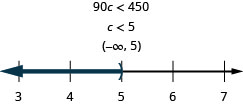
	</div>


	</div>

</div>
<div class="back-matter glossary " id="back-matter-glossary" title="Glossary (In Progress)">
	<div class="back-matter-title-wrap">
		<p class="back-matter-number">1</p>
		<h1 class="back-matter-title">Glossary (In Progress)</h1>
								</div>
	<div class="ugc back-matter-ugc">
				
	</div>


	</div>
<div class="back-matter miscellaneous " id="back-matter-versioning-history" title="Versioning History">
	<div class="back-matter-title-wrap">
		<p class="back-matter-number">2</p>
		<h1 class="back-matter-title">Versioning History</h1>
								</div>
	<div class="ugc back-matter-ugc">
				<p>This page provides a record of edits and changes made to this book since its initial publication. Whenever edits or updates are made in the text, we provide a record and description of those changes here. If the change is minor, the version number increases by 0.01. If the edits involve substantial updates, the version number increases to the next full number.</p> <p>The files posted by this book always reflect the most recent version. If you find an error in this book, please fill out the <a href="https://collection.bccampus.ca/report-error/" target="_blank" rel="noopener">Report an Error</a> form.</p> <table style="border-collapse: collapse; width: 100%; height: 344px;"><tbody><tr style="height: 18px;"><th style="width: 10%; height: 18px;" scope="col">Version</th> <th style="width: 25.1995%; height: 18px;" scope="col">Date</th> <th style="width: 31.025%; height: 18px;" scope="col">Change</th> <th style="width: 33.7755%; height: 18px;" scope="col">Details</th> </tr> <tr style="height: 18px;"><td style="width: 10%; height: 18px;">1.00</td> <td style="width: 25.1995%; height: 18px;">September 8, 2021</td> <td style="width: 31.025%; height: 18px;">Book published.</td> <td style="width: 33.7755%; height: 18px;"></td> </tr> <tr style="height: 36px;"><td style="width: 10%; height: 36px;">1.01</td> <td style="width: 25.1995%; height: 36px;">November 17, 2021</td> <td style="width: 31.025%; height: 36px;">Corrections made to Chapter 5.2.</td> <td style="width: 33.7755%; height: 36px;">Solutions for TRY IT 11 altered, questions for Exercise 16 and 22 altered in Chapter 5.2.</td> </tr> <tr style="height: 89px;"><td style="width: 10%; height: 89px;">1.02</td> <td style="width: 25.1995%; height: 89px;">June 15, 2022</td> <td style="width: 31.025%; height: 89px;">Corrections made to Chapter 9.4 and 9.5.</td> <td style="width: 33.7755%; height: 89px;">Corrected solutions for Example 3 and 5 in Chapter 9.4. Fixed typos in TRY IT 5 and the second sentence of Chapter 9.5. <p>&nbsp;</p></td> </tr> <tr style="height: 129px;"><td style="width: 10%; height: 129px;">1.03</td> <td style="width: 25.1995%; height: 129px;">November 1, 2023</td> <td style="width: 31.025%; height: 129px;">Corrections made to Chapter 1.1 to Chapter 1.4.</td> <td style="width: 33.7755%; height: 129px;">Chapter 1.1: Corrected answers for questions 7 and 8. Corrected the values in question 25. Chapter 1.2: Corrected answers for questions 27, 32, 33, 36, 37. Chapter 1.3: Corrected answers for question 44, broke 48 into two questions, replaced a duplicate questions, and renumbered questions and answers as needed. Chapter 1.4: Corrected Try It 7 answer and renumbered many of the Examples and Try It activities.</td> </tr> <tr style="height: 18px;"><td style="width: 10%; height: 18px;">1.04</td> <td style="width: 25.1995%; height: 18px;">May 8, 2024</td> <td style="width: 31.025%; height: 18px;">Correction made to Chapter 1.5.</td> <td style="width: 33.7755%; height: 18px;">Corrected calculation and final answer in Example 16.</td> </tr> <tr style="height: 18px;"><td style="width: 10%; height: 18px;">1.05</td> <td style="width: 25.1995%; height: 18px;">January 28, 2025</td> <td style="width: 31.025%; height: 18px;">Correction made to Chapter 1.5.</td> <td style="width: 33.7755%; height: 18px;">Fixed numbering of exercise set to better align with answer set.</td> </tr> <tr style="height: 18px;"><td style="width: 10%; height: 18px;">1.06</td> <td style="width: 25.1995%; height: 18px;">March 25, 2025</td> <td style="width: 31.025%; height: 18px;">Correction made to Chapter 9.4 and changed titles in Chapter 3.</td> <td style="width: 33.7755%; height: 18px;">Fixed numbering of answer key in Chapter 9.4. Removed the word &#8220;optional&#8221; from the titles of sections 3.3, 3.4, and 3.5.</td> </tr> <tr><td style="width: 10%;">1.07</td> <td style="width: 25.1995%;">March 11, 2026</td> <td style="width: 31.025%;">Correction made to answers in Chapter 1.5.</td> <td style="width: 33.7755%;">Corrected answers to question 42 in Chapter 1.5.</td> </tr> </tbody> </table> 



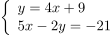
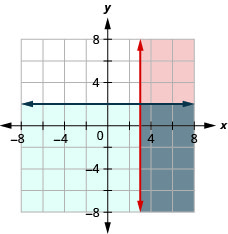
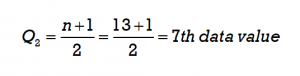

	</div>


	</div>

</body>
</html>