<?xml version="1.0" encoding="UTF-8"?>
<!DOCTYPE html PUBLIC "-//W3C//DTD XHTML 1.1//EN" "http://www.w3.org/TR/xhtml11/DTD/xhtml11.dtd">
<html xmlns="http://www.w3.org/1999/xhtml" xml:lang="en">
<head>
<meta content="text/html; charset=UTF-8" http-equiv="content-type" />
<meta http-equiv="Content-Language" content="en" />
<meta name="generator" content="Pressbooks 5.27.1" />
<meta name="pb-authors" content="Bruce Neid" />
<meta name="pb-authors" content="Nicki Rehn" />
<meta name="pb-title" content="Open Pedagogy in the Trades" />
<meta name="pb-language" content="en-ca" />
<meta name="pb-cover-image" content="https://opentextbc.ca/tradesopenpedagogy/wp-content/uploads/sites/325/2021/03/preview-lightbox-Directories_Guide_Covers-2020-trades-pedagogy.jpg" />
<meta name="pb-subtitle" content="Instructional Resource" />
<meta name="pb-about-50" content="Open Pedagogy in the Trades: Instructor Resource contains a bank of activities and projects to integrate with your course curriculum and use with your students immediately. All the activities are adaptable to any trade or ITA line item, and most will work for in-person and remote learning modalities. Adopting open pedagogy will lead to more engaged and invested students and richer learning outcomes." />
<meta name="pb-about-unlimited" content="Open Pedagogy in the Trades: Instructor Resource contains a bank of activities and projects to integrate with your course curriculum and use with your students immediately. All the activities are adaptable to any trade or ITA line item, and most will work for in-person or remote learning modalities. Adopting open pedagogy will lead to more engaged and invested students and richer learning outcomes." />
<meta name="pb-book-license" content="cc-by" />
<meta name="pb-primary-subject" content="JNDG" />
<meta name="pb-publisher" content="BCcampus" />
<meta name="pb-publisher-city" content="Victoria, B.C." />
<meta name="pb-publication-date" content="1614902400" />
<meta name="pb-ebook-isbn" content="978-1-77420-093-3" />
<meta name="pb-print-isbn" content="978-1-77420-092-6" />
<meta name="pb-custom-copyright" content="© 2021 Bruce Neid and Nicki RehnThe CC licence permits you to retain, reuse, copy, redistribute, and revise this book—in whole or in part—for free providing the authors are attributed as follows:Open Pedagogy in the Trades: Instructional Resource by Bruce Neid and Nicki Rehn is used under a CC BY 4.0 Licence.If you redistribute all or part of this book, it is recommended the following statement be added to the copyright page so readers can access the original book at no cost:Download for free from the https://opentextbc.ca/tradesopenpedagogySample APA-style citation:This textbook can be referenced. In APA citation style (7th edition), it would appear as follows:Neid, B., &amp; Rehn, N. (2021). Open pedagogy in the trades: Instructional resource. BCcampus. https://opentextbc.ca/tradesopenpedagogy/Ebook ISBN: 978-1-77420-093-3Print ISBN: 978-1-77420-092-6Visit BCcampus Open Education to learn about open education in British Columbia." />
<meta name="pb-copyright-holder" content="Bruce Neid and Nicki Rehn" />
<meta name="pb-additional-subjects" content="TTVR, JNQ" />
<title>Open Pedagogy in the Trades</title>
</head>
<body lang='en' >
<div id="half-title-page"><h1 class="title">Open Pedagogy in the Trades</h1></div>
<div id="title-page"><h1 class="title">Open Pedagogy in the Trades</h1><h2 class="subtitle">Instructional Resource</h2><h3 class="author">Bruce Neid and Nicki Rehn</h3><h3 class="author"></h3><h4 class="publisher">BCcampus</h4><h5 class="publisher-city">Victoria, B.C.</h5></div>
<div id="copyright-page"><div class="ugc">
<div class="license-attribution"><p><img src="https://opentextbc.ca/tradesopenpedagogy/wp-content/themes/pressbooks-book/packages/buckram/assets/images/cc-by.svg" alt="Icon for the Creative Commons Attribution 4.0 International License" /></p><p>Open Pedagogy in the Trades by Bruce Neid and Nicki Rehn is licensed under a <a rel="license" href="https://creativecommons.org/licenses/by/4.0/">Creative Commons Attribution 4.0 International License</a>, except where otherwise noted.</p></div>
<p>© 2021 Bruce Neid and Nicki Rehn</p><p>The CC licence permits you to retain, reuse, copy, redistribute, and revise this book—in whole or in part—for free providing the authors are attributed as follows:</p><div class="textbox"><a href="https://opentextbc.ca/tradesopenpedagogy/"><em>Open Pedagogy in the Trades: Instructional Resource</em></a> by Bruce Neid and Nicki Rehn is used under a <a href="http://creativecommons.org/licenses/by/4.0/">CC BY 4.0 Licence</a>.</div><p>If you redistribute all or part of this book, it is recommended the following statement be added to the copyright page so readers can access the original book at no cost:</p><div class="textbox">Download for free from the https://opentextbc.ca/tradesopenpedagogy</div><p><strong>Sample APA-style citation:</strong><br />This textbook can be referenced. In APA citation style (7th edition), it would appear as follows:</p><div class="textbox">Neid, B., &#38; Rehn, N. (2021). <i>Open pedagogy in the trades: Instructional resource</i>. BCcampus. https://opentextbc.ca/tradesopenpedagogy/</div><p><strong>Ebook ISBN:</strong> 978-1-77420-093-3</p><p><strong>Print ISBN: </strong>978-1-77420-092-6</p><p>Visit <a href="http://open.bccampus.ca/">BCcampus Open Education</a> to learn about open education in British Columbia.</p></div></div>
<div id="toc"><h1>Contents</h1><ul><li class="front-matter miscellaneous"><a href="#front-matter-accessibility-statement"><span class="toc-chapter-title">Accessibility Statement</span></a></li><li class="front-matter miscellaneous"><a href="#front-matter-about-bccampus-open-education"><span class="toc-chapter-title">About BCcampus Open Education</span></a></li><li class="front-matter introduction"><a href="#front-matter-introduction"><span class="toc-chapter-title">Introduction</span></a></li><li class="part display-none"><a href="#part-main-body-2">Main Body</a></li><li class="chapter standard"><a href="#chapter-student-generated-quiz-questions"><span class="toc-chapter-title">Student-Generated Quiz Questions</span></a></li><li class="chapter standard"><a href="#chapter-sequence-of-events"><span class="toc-chapter-title">Sequence of Events</span></a></li><li class="chapter standard"><a href="#chapter-create-a-resource"><span class="toc-chapter-title">Create a Resource Bank</span></a></li><li class="chapter standard"><a href="#chapter-explainer-video"><span class="toc-chapter-title">Explainer Video</span></a></li><li class="chapter standard"><a href="#chapter-real-welds"><span class="toc-chapter-title">Real Welds</span></a></li><li class="chapter standard"><a href="#chapter-start-with-the-problem"><span class="toc-chapter-title">Start with the Problem</span></a></li><li class="chapter standard"><a href="#chapter-localize-a-resource"><span class="toc-chapter-title">Localize a Resource</span></a></li><li class="chapter standard"><a href="#chapter-community-projects"><span class="toc-chapter-title">Community Projects</span></a></li><li class="chapter standard"><a href="#chapter-cheat-sheet-compressed-content"><span class="toc-chapter-title">Cheat Sheet - Compressed Content</span></a></li><li class="chapter standard"><a href="#chapter-h5p"><span class="toc-chapter-title">H5P</span></a></li><li class="chapter standard"><a href="#chapter-design-thinking-challenge"><span class="toc-chapter-title">Design Thinking Challenge</span></a></li><li class="chapter standard"><a href="#chapter-guide-for-future-students"><span class="toc-chapter-title">Guide for Future Students</span></a></li><li class="chapter standard"><a href="#chapter-jigsaw-content"><span class="toc-chapter-title">Jigsaw Content</span></a></li><li class="chapter standard"><a href="#chapter-further-reading"><span class="toc-chapter-title">Further Reading</span></a></li><li class="back-matter miscellaneous"><a href="#back-matter-versioning-history"><span class="toc-chapter-title">Versioning History</span></a></li></ul></div>
<div class="front-matter miscellaneous" id="front-matter-accessibility-statement" title="Accessibility Statement"><div class="front-matter-title-wrap"><h3 class="front-matter-number">1</h3><h1 class="front-matter-title">Accessibility Statement</h1></div><div class="ugc front-matter-ugc"> <p>BCcampus Open Education believes that education must be available to everyone which means supporting the creation of free, open, and accessible educational resources. We are actively committed to increasing the accessibility and usability of the textbooks we produce.</p> <h1>Accessibility features of the web version of this resource</h1> <p>The web version of <a href="https://opentextbc.ca/tradesopenpedagogy/" data-url="https://opentextbc.ca/tradesopenpedagogy/"><em>Open Pedagogy in the Trades: Instructional Resource</em></a> has been designed with accessibility in mind by incorporating the following features:</p> <ul><li>It has been optimized for people who use screen-reader technology. <ul><li>all content can be navigated using a keyboard</li> <li>links, headings, and tables use proper markup</li> <li>all images have text descriptions</li> </ul> </li> <li>Information is not conveyed by colour alone.</li> </ul> <h1>Other file formats available</h1> <p>In addition to the web version, this book is available in a number of file formats, including PDF, EPUB (for eReaders), MOBI (for Kindles), and various editable files. Here is a link to where you can <a href="https://opentextbc.ca/tradesopenpedagogy/" data-url="https://opentextbc.ca/tradesopenpedagogy/">download this book in another file format</a>. Look for the “Download this book” drop-down menu to select the file type you want.</p> <p>This book links to a number of external websites. For those using a print copy of this resource, those web addresses will be provided directly in the text.</p> <h1>Known accessibility issues and areas for improvement</h1> <p>While we strive to ensure that this resource is as accessible and usable as possible, we might not always get it right. Any issues we identify will be listed below. There are currently no known issues.</p> <h1>Accessibility standards</h1> <p>The web version of this resource has been designed to meet <a href="https://www.w3.org/TR/WCAG20/" data-url="https://www.w3.org/TR/WCAG20/">Web Content Accessibility Guidelines 2.0</a>, level AA. In addition, it follows all guidelines in <a href="#back-matter-appendix-checklist-for-accessibility-toolkit" data-url="/accessibilitytoolkit/back-matter/appendix-checklist-for-accessibility-toolkit/">Appendix A: Checklist for Accessibility</a>. The development of this toolkit involved working with students with various print disabilities who provided their personal perspectives and helped test the content.</p> <h1>Let us know if you are having problems accessing this resource</h1> <p>We are always looking for ways to make our resources more accessible. If you have problems accessing this resource, please contact us to let us know so we can fix the issue.</p> <p>Please include the following information:</p> <ul><li>The location of the problem by providing a web address or page description</li> <li>A description of the problem</li> <li>The computer, software, browser, and any assistive technology you are using that can help us diagnose and solve your issue <ul><li>e.g., Windows 10, Google Chrome (Version 65.0.3325.181), NVDA screen reader</li> </ul> </li> </ul> <p>You can contact us one of the following ways:</p> <ul><li>Contact form: <a href="https://collection.bccampus.ca/contact/" target="_blank" rel="noopener" data-url="https://collection.bccampus.ca/contact/">BCcampus OpenEd Help</a></li> <li>Web form: <a href="https://open.bccampus.ca/browse-our-collection/reporting-an-error/" target="_blank" rel="noopener" data-url="https://open.bccampus.ca/browse-our-collection/reporting-an-error/">Report an Error</a></li> </ul> <p><strong>This statement was last updated on March 2, 2021. </strong></p> </div></div>

<div class="front-matter miscellaneous" id="front-matter-about-bccampus-open-education" title="About BCcampus Open Education"><div class="front-matter-title-wrap"><h3 class="front-matter-number">2</h3><h1 class="front-matter-title">About BCcampus Open Education</h1></div><div class="ugc front-matter-ugc"> <p><em>Open Pedagogy in the Trades: Instructional Resource</em> was was funded by BCcampus Open Education.</p> <p><a href="https://open.bccampus.ca/" data-url="https://open.bccampus.ca/">BCcampus Open Education</a> began in 2012 as the B.C. Open Textbook Project with the goal of making post-secondary education in British Columbia more accessible by reducing students’ costs through the use of open textbooks and other OER. <a href="https://bccampus.ca/about-us/" rel="noopener" data-url="https://bccampus.ca/about-us/">BCcampus</a> supports the post-secondary institutions of British Columbia as they adapt and evolve their teaching and learning practices to enable powerful learning opportunities for the students of B.C. BCcampus Open Education is funded by the <a href="https://www2.gov.bc.ca/gov/content/governments/organizational-structure/ministries-organizations/ministries/advanced-education-skills-training" rel="noopener" data-url="https://www2.gov.bc.ca/gov/content/governments/organizational-structure/ministries-organizations/ministries/advanced-education-skills-training">British Columbia Ministry of Advanced Education and Skills Training</a>, and the <a href="http://www.hewlett.org/" rel="noopener" data-url="http://www.hewlett.org/">Hewlett Foundation</a>.</p> <p>Open educational resources (OER) are teaching, learning, and research resources that, through permissions granted by the copyright holder, allow others to use, distribute, keep, or make changes to them. Our open textbooks are openly licensed using a <a href="https://creativecommons.org/licenses/" data-url="https://creativecommons.org/licenses/">Creative Commons licence</a>, and are offered in various e-book formats free of charge, or as printed books that are available at cost.</p> <p>For more information about open education in British Columbia, please visit the <a href="https://open.bccampus.ca/" data-url="https://open.bccampus.ca/">BCcampus Open Education</a> website. If you are an instructor who is using this book for a course, please fill out our <a href="https://open.bccampus.ca/use-open-textbooks/tell-us-youre-using-an-open-textbook/" data-url="https://open.bccampus.ca/use-open-textbooks/tell-us-youre-using-an-open-textbook/">Adoption of an Open Textbook</a> form.</p> </div></div>
<div class="front-matter introduction" id="front-matter-introduction" title="Introduction"><div class="front-matter-title-wrap"><h3 class="front-matter-number">3</h3><h1 class="front-matter-title">Introduction</h1></div><div class="ugc front-matter-ugc"> <h1>Open Pedagogy Definition</h1> <blockquote><p>“Teaching and learning practices where openness is enacted within all aspects of instructional practice; including the design of learning outcomes, the selection of teaching resources, and the planning of activities and assessment. Open educational practices (OEP) engage both faculty and students with the use and creation of open educational resources (OER), draw attention to the potential afforded by open licenses, facilitate open peer-review, and support participatory student-directed projects.”</p> <p style="text-align: right;">—Michael Paskevicius, Vancouver Island University</p> </blockquote> <h1>Purpose</h1> <p>The purpose of this resource is to provide a collection of activities that meet the criteria to be open pedagogy. While most of the examples given were welding-focused, the activities can be easily adapted for any of the trades. For the purpose of this project, we identified a variety of characteristics that would make an activity or project “open.” These include:</p> <ul><li>Students using open education resources (OER);</li> <li>Students creating content;</li> <li>Students sharing their learning and the artifacts or resources they create beyond class;</li> <li>Non-disposable assignments;</li> <li>Using participatory technology, such a Google Drive, H5P, and Wikipedia;</li> <li>Work that is connected to the wider community;</li> <li>Peer critique;</li> <li>Reflective practice; and</li> <li>Collaborative and team-based learning.</li> </ul> <h1>Why use open pedagogy?</h1> <p>Open pedagogy empowers learners through autonomy, responsibility, and contribution. Students who work on open projects and activities report being more engaged and find the learning more meaningful. For a thorough explanation of how open pedagogy improves learning, see the Open Pedagogy Notebook’s section on <a href="http://openpedagogy.org/open-pedagogy/" data-url="http://openpedagogy.org/open-pedagogy/">Open Pedagogy</a>.</p> <h1>Contributors</h1> <ul><li>Bruce Neid – Welding Instructor, Coast Mountain College, Terrace, British Columbia</li> <li>Nicki Rehn – Acting Dean, Centre for Learning Transformation, Coast Mountain College, Terrace, British Columbia</li> </ul> </div></div>
<div class="chapter standard" id="chapter-student-generated-quiz-questions" title="Student-Generated Quiz Questions"><div class="chapter-title-wrap"><h3 class="chapter-number">1</h3><h2 class="chapter-title">Student-Generated Quiz Questions</h2></div><div class="ugc chapter-ugc"> <h1>Detailed Description of Learning Activity</h1> <p>At the end of any module of learning, have students work in pairs or small groups to design a set of 2-5 multiple choice questions. Have students defend each question against a criteria of importance, relevance or validity, and difficulty level. Students should choose three distractors: one that predicts the kind of mistake a student will commonly make, one that is similar to the correct answer, and one that is clearly wrong. These should also be identified.</p> <p>After the questions have been created, they should be exchanged with another pair/group to order according to quality of question. Feedback can be given at this stage.</p> <p>Questions are then given to the instructor who will take the best 2-3 questions from each set and collate into a single quiz. This can be then used as a practice quiz for the class, or added a test bank that can be used for a different cohort of students.</p> <h1>Purpose of Activity</h1> <ul><li>Review and consolidate content from the module; build long-term memory.</li> <li>Practice multiple choice test taking.</li> </ul> <h1>What Makes This Open?</h1> <ul><li style="font-weight: 400;">Students create content.</li> <li style="font-weight: 400;">Students share learning or resources.</li> <li style="font-weight: 400;">It includes peer critique.</li> <li style="font-weight: 400;">It incorporates reflective practice.</li> <li style="font-weight: 400;">Collaborative/team-based learning.</li> </ul> <h1>Assessment</h1> <p>These questions can be used as a practice quiz. They can be loaded into the learning management system and set up for multiple attempts for mastery.</p> <p>The quality of the test question, along with the additional information provided to justify the question design can also be evaluated and scored for an assignment mark.</p> <h1>Time</h1> <table class="grid" style="border-collapse: collapse; width: 100%;"><tbody><tr style="height: 33px;"><th style="width: 50%;" scope="col">Activity</th> <th style="width: 50%;" scope="col">Time</th> </tr> <tr style="height: 14px;"><td style="width: 50%;">Explanation of activity and organization of groups</td> <td style="width: 50%;">15 minutes</td> </tr> <tr style="height: 14px;"><td style="width: 50%;">Group collaboration (create questions and justification of question design)</td> <td style="width: 50%;">1 hour</td> </tr> <tr style="height: 14px;"><td style="width: 50%;">Distribution and peer critique</td> <td style="width: 50%;">30 min –1 hour</td> </tr> <tr style="height: 14px;"><td style="width: 50%;">Instructor critique and consolidation</td> <td style="width: 50%;">1 hour</td> </tr> <tr style="height: 14px;"><td style="width: 50%;">Practice quizzing</td> <td style="width: 50%;">30 minutes</td> </tr> </tbody> </table> <h1>Resources Required</h1> <ol><li>Module resources (content).</li> <li>Collaborative space (virtual or face-to-face).</li> <li>Way to distribute final quiz (learning management system or a paper quiz).</li> </ol> </div></div>
<div class="chapter standard" id="chapter-sequence-of-events" title="Sequence of Events"><div class="chapter-title-wrap"><h3 class="chapter-number">2</h3><h2 class="chapter-title">Sequence of Events</h2></div><div class="ugc chapter-ugc"> <h1>Detailed Description of Learning Activity</h1> <p>This could be used as an introduction to a topic or a finishing exercise to reinforce learning.</p> <p>Separate the class into two teams.&nbsp; Choose a topic that follows a set of ordered steps, such as how to assemble and light an oxy-fuel bottle setup safely. Write each step onto a separate strip of paper and provide each team with a randomly shuffled set of steps. The goal is to have each member stand in a single file line holding the steps in what they believe is the correct order.&nbsp; Usually five minutes is given for the teams to collaborate and come to their conclusion.</p> <p>When the proper order is revealed, open the floor up for discussion and debate. Have students then brainstorm some memory techniques to help them remember the steps when they are in the shop.</p> <p>This topic is especially great for the safety side of using welding equipment.</p> <h1>Purpose of Activity</h1> <ul><li>Create a visual representation of list of steps.</li> <li>Strengthen understanding through discussion and debate.</li> </ul> <h1>What Makes This Open?</h1> <ul><li style="font-weight: 400;">Includes peer critique.</li> <li style="font-weight: 400;">Incorporates reflective practice.</li> <li style="font-weight: 400;">Collaborative/team-based learning.</li> </ul> <h1>Assessment</h1> <p>This is a great formative assessment task that can be turned into a team challenge. It can be used to test prior knowledge (before the students have read the module) or reinforce what they have learned.</p> <h1>Time</h1> <table class="grid" style="border-collapse: collapse; width: 100%; height: 58px;"><tbody><tr style="height: 16px;"><th style="width: 50%;" scope="col">Activity</th> <th style="width: 50%;" scope="col">Time</th> </tr> <tr style="height: 14px;"><td>Explanation of activity and organization of teams</td> <td>5 minutes</td> </tr> <tr style="height: 14px;"><td>Group collaboration</td> <td>5 minutes</td> </tr> <tr style="height: 14px;"><td>Presentation of solution, discussion and debate</td> <td>15 minutes</td> </tr> </tbody> </table> <h1>Resources Required</h1> <ol><li>Two envelopes with individual steps in random order.</li> <li>Learning space.</li> </ol> <p>*Online alternative – this could be set up in a LMS quizzing tool, or a digital collaborative space, such as Google Jamboards</p> </div></div>
<div class="chapter standard" id="chapter-create-a-resource" title="Create a Resource Bank"><div class="chapter-title-wrap"><h3 class="chapter-number">3</h3><h2 class="chapter-title">Create a Resource Bank</h2></div><div class="ugc chapter-ugc"> <h1>Detailed Description of Learning Activity</h1> <p>Give your students a topic that they will be studying in the next block.&nbsp; Ask them to read about the topic in their texts and research on the internet to get a good understanding of it.&nbsp; Once a baseline of knowledge is set, ask them to search for 1–2 good resources that could be used as future classroom materials to enhance the learning.&nbsp; Encourage them to use whatever they find to best compliment the topic chosen – videos, slide presentations, practice questions, posters, text quotes, or the students could even create their own media.</p> <p>Have the students share what they found to the class (with a summary of each resource), and then collectively review, critique, and rank the resources. Use a polling tool to determine the top 5.</p> <p>This activity will engage the students and give them a sense of value as to helping create future materials for any program.</p> <h1>Purpose of Activity</h1> <ul><li>Collect supplementary or auxiliary resources to improve learning on different topics.</li> <li>Expand understanding by having students review and critique these resources.</li> </ul> <h1>What Makes This Open?</h1> <ul><li style="font-weight: 400;">Uses open education resources.</li> <li style="font-weight: 400;">Students share learning and resources.</li> <li>Incorporates reflective practice.</li> <li>Connected to wider community.</li> <li style="font-weight: 400;">Collaborative/team-based learning.</li> </ul> <h1>Assessment</h1> <p>This can be used as formative assessment to see how much students understand the concept or topic when presented in other formats.</p> <h1>Time</h1> <table class="grid" style="border-collapse: collapse; width: 100%; height: 74px;"><tbody><tr style="height: 16px;"><th scope="col">Activity</th> <th scope="col">Time</th> </tr> <tr style="height: 14px;"><td style="width: 50%; height: 14px;">Explanation of activity</td> <td style="width: 50%; height: 14px;">5 minutes</td> </tr> <tr style="height: 14px;"><td style="width: 50%; height: 14px;">Time to research</td> <td style="width: 50%; height: 14px;">1–2 hours</td> </tr> <tr style="height: 14px;"><td style="width: 50%; height: 14px;">Presentation of auxiliary resources</td> <td style="width: 50%; height: 14px;">1 hour</td> </tr> <tr style="height: 16px;"><td style="width: 50%; height: 16px;">Review, critique, and rank</td> <td style="width: 50%; height: 16px;">30 minutes</td> </tr> </tbody> </table> <h1>Resources Required</h1> <ol><li>Textbook or module.</li> <li>Access to internet.</li> <li>Means to post and share resource links to the class.</li> <li>Polling tool for ranking resources.</li> </ol> </div></div>
<div class="chapter standard" id="chapter-explainer-video" title="Explainer Video"><div class="chapter-title-wrap"><h3 class="chapter-number">4</h3><h2 class="chapter-title">Explainer Video</h2></div><div class="ugc chapter-ugc"> <h1>Detailed Description of Learning Activity</h1> <p>Have students pair up and choose a practical task that is relevant to the current stage in the program. Have them make a short 1–2 minute video on their smartphone that demonstrates the task and explains the theory behind it.</p> <p>As an example, in welding, students learn the relationship between arc length, amperage and voltage. One student would be in the booth welding while the other is outside the booth keeping track of the amperage and voltage settings.&nbsp; Open dialogue could be kept when the welder is using a short arc or a long arc so the student outside the booth can note the changes in amperage and voltage on the video. To take this a little further, one could show what effect short or arc length have on the weld deposition and bead shape.</p> <p>Once this video is completed and presented to the rest of their classmates, peers can critique the video and then summarize what they learned. This short video can then be used as a future resource for the program.</p> <h1>Purpose of Activity</h1> <ul><li>Articulate theory behind practical.</li> <li>Produce a video that can shared with peers.</li> </ul> <h1>What Makes This Open?</h1> <ul><li style="font-weight: 400;">Students create content.</li> <li>Students share learning.</li> <li>Participatory technology.</li> <li>Includes peer critique.</li> <li>Collaborative/team-based learning.</li> </ul> <h1>Assessment</h1> <p>Peers will provide critique and feedback.</p> <p>This can also be used to assess application of theory (formative or summative assessment)</p> <h1>Time</h1> <table class="grid" style="border-collapse: collapse; width: 100%;"><tbody><tr><th scope="col">Activity</th> <th scope="col">Time</th> </tr> <tr style="height: 14px;"><td style="width: 50%; height: 14px;">Explanation of activity and organization of teams</td> <td style="width: 50%; height: 14px;">10 minutes</td> </tr> <tr style="height: 14px;"><td style="width: 50%; height: 14px;">Activity – planning, execution, editing</td> <td style="width: 50%; height: 14px;">1–2 hour</td> </tr> <tr style="height: 14px;"><td style="width: 50%; height: 14px;">Distribution and peer critique</td> <td style="width: 50%; height: 14px;">1 hour</td> </tr> </tbody> </table> <h1>Resources Required</h1> <ol><li>Time in shop and access to proper safety equipment and tools.</li> <li>Recording device or smartphone.</li> <li>Place to upload (YouTube channel or learning management system).</li> </ol> </div></div>
<div class="chapter standard" id="chapter-real-welds" title="Real Welds"><div class="chapter-title-wrap"><h3 class="chapter-number">5</h3><h2 class="chapter-title">Real Welds</h2></div><div class="ugc chapter-ugc"> <h1>Detailed Description of Learning Activity</h1> <p>Have students take pictures of a variety of welds in their real world – their backyard, their homes, their workplaces, their places of leisure.&nbsp; Have them share their pictures with the group. Have the group pose questions that can be discussed as a group.</p> <p>At the end of the task, have students submit a reflective summary of what was learned.</p> <p>This activity could be done as an introduction, or as a culminative activity to showcase all the kinds of welding they have learned about during the course.</p> <h1>Purpose of Activity</h1> <ul><li>Connect book learning with real world.</li> <li>Build a sense of community.</li> </ul> <h1>What Makes This Open?</h1> <ul><li style="font-weight: 400;">Students create content.</li> <li style="font-weight: 400;">Incorporates reflective practice.</li> <li style="font-weight: 400;">Collaborative/team-based learning.</li> </ul> <h1>Assessment</h1> <p>This could form part of a capstone portfolio that provides evidence of being able to identify certain kinds of welds.</p> <p>It could also be turned into a “weld scavenger hunt”, where the competitive element becomes formative assessment.</p> <h1>Time</h1> <table class="grid" style="border-collapse: collapse; width: 100%; height: 72px;"><tbody><tr style="height: 16px;"><th scope="col">Activity</th> <th scope="col">Time</th> </tr> <tr style="height: 14px;"><td style="width: 50%; height: 14px;">Explanation of activity and organization of groups</td> <td style="width: 50%; height: 14px;">15 minutes</td> </tr> <tr style="height: 14px;"><td style="width: 50%; height: 14px;">At-home collecting of weld pictures</td> <td style="width: 50%; height: 14px;">1–2 hours</td> </tr> <tr style="height: 14px;"><td style="width: 50%; height: 14px;">Distribution and peer discussion</td> <td style="width: 50%; height: 14px;">1–2 hours</td> </tr> <tr style="height: 14px;"><td style="width: 50%; height: 14px;">Summary and reflection</td> <td style="width: 50%; height: 14px;">30 minutes</td> </tr> </tbody> </table> <h1>Resources Required</h1> <ol><li>Smart phone.</li> <li>Collaborative space (virtual or face-to-face).</li> <li>Way to share photos (email to instructor, load to a learning management system, add to a virtual noticeboard, such as Padlet).</li> </ol> </div></div>
<div class="chapter standard" id="chapter-start-with-the-problem" title="Start with the Problem"><div class="chapter-title-wrap"><h3 class="chapter-number">6</h3><h2 class="chapter-title">Start with the Problem</h2></div><div class="ugc chapter-ugc"> <h1>Detailed Description of Learning Activity</h1> <p>Before you open the textbook or introduce a new topic, start with the real-life problem for which knowing the theory will solve it.</p> <p>For example, what if you were a surgeon who needed to use two plates from a stack to secure a bone break but there were no labels or information on or about the plates? How would you determine which plates were stainless steel?</p> <p>Group the students into pairs with a couple different pieces of material. Ask the groups to come up with a solution to the problem using their text books, online resources, tools, equipment, prior experience, etc.</p> <p>Have the students present their solution and rationale to the group.&nbsp;When completed, ask the teams to vote on which team had the best solution to the problem.</p> <h1>Purpose of Activity</h1> <ul><li>Have students engage in an authentic task.</li> <li>Provide a purpose for knowing the theory.</li> </ul> <h1>What Makes This Open?</h1> <ul><li>Students create content.</li> <li style="font-weight: 400;">Collaborative/team-based learning.</li> <li style="font-weight: 400;">Incorporates reflective practice.</li> </ul> <h1>Assessment</h1> <p>Problem-solving is an important skill in the trades. This could be used anecdotally to assess how students approach novel problems.</p> <h1>Time</h1> <table class="grid" style="border-collapse: collapse; width: 100%; height: 58px;"><tbody><tr style="height: 16px;"><th scope="col">Activity</th> <th scope="col">Time</th> </tr> <tr style="height: 14px;"><td style="width: 50%; height: 14px;">Explanation of activity and organization of groups</td> <td style="width: 50%; height: 14px;">15 min</td> </tr> <tr style="height: 14px;"><td style="width: 50%; height: 14px;">Collaborative research and problem-solving</td> <td style="width: 50%; height: 14px;">1 hour</td> </tr> <tr style="height: 14px;"><td style="width: 50%; height: 14px;">Sharing and peer discussion</td> <td style="width: 50%; height: 14px;">30 min</td> </tr> </tbody> </table> <h1>Resources Required</h1> <ol><li>Access to internet and other informative resources.</li> <li>Collaborative space (virtual or face-to-face).</li> </ol> </div></div>
<div class="chapter standard" id="chapter-localize-a-resource" title="Localize a Resource"><div class="chapter-title-wrap"><h3 class="chapter-number">7</h3><h2 class="chapter-title">Localize a Resource</h2></div><div class="ugc chapter-ugc"> <h1>Detailed Description of Learning Activity</h1> <p>Complete this activity in small groups. Many resources have generic content. Take a module (or an OER resource) and annotate the content with notes and examples that make it relevant to the local context. Different regions have different considerations for safety, operation, resourcing…etc. For example, Welding Competency A2 requires students to understand workplace responsibilities. Consider an actual workplaces in your region (ones that are likely to hire graduates from your program or ones that have already employed students), and have students outline what specific responsibilities each position in the organization will have. This could also be extended into the local community by having students reach out to workplaces and employers to discuss how this content applies to their context.</p> <p>Publish these annotations in a shared document that can be distributed beyond the individual learner.</p> <h1>Purpose of Activity</h1> <ul><li>Bring content alive with relevancy.</li> <li>Apply theory to actual case studies and situations.</li> </ul> <h1>What Makes This Open?</h1> <ul><li>Uses OER.</li> <li>Students create content.</li> <li style="font-weight: 400;">Collaborative/team-based learning.</li> <li style="font-weight: 400;">Students share learning or resources beyond class.</li> <li>Connected to wider community,</li> </ul> <h1>Assessment</h1> <p>This could be given as a graded assignment.</p> <h1>Time</h1> <table class="grid" style="border-collapse: collapse; width: 100%; height: 74px;"><tbody><tr style="height: 16px;"><th scope="col">Activity</th> <th scope="col">Time</th> </tr> <tr style="height: 14px;"><td style="width: 50%; height: 14px;">Explanation of activity and organization of groups</td> <td style="width: 50%; height: 14px;">15 minutes</td> </tr> <tr style="height: 14px;"><td style="width: 50%; height: 14px;">Discussion, information-collecting, annotation.</td> <td style="width: 50%; height: 14px;">1 hour-multiple days of asynchronous time</td> </tr> <tr style="height: 14px;"><td style="width: 50%; height: 14px;">Compilation and distribution of annotated modules to peers.</td> <td style="width: 50%; height: 14px;">30 minutes</td> </tr> <tr style="height: 16px;"><td style="width: 50%; height: 16px;">Discussion and Reflection</td> <td style="width: 50%; height: 16px;">30 minutes</td> </tr> </tbody> </table> <h1>Resources Required</h1> <ol><li>Access to module content that can be annotated.</li> <li>List of local contexts and factors.</li> <li>Collaborative space (virtual or face-to-face).</li> </ol> </div></div>
<div class="chapter standard" id="chapter-community-projects" title="Community Projects"><div class="chapter-title-wrap"><h3 class="chapter-number">8</h3><h2 class="chapter-title">Community Projects</h2></div><div class="ugc chapter-ugc"> <h1>Detailed Description of Learning Activity</h1> <p>Design a project that students can do safely (and to code) that will serve a community partner. Ideas include:</p> <ul><li>Create finisher medals for a local race on the CNC.</li> <li>Design and weld a box for storage.</li> <li>Build a welded table or piece of art for a charity auction.</li> <li>Make welding repairs of the snow groomer for the local cross country ski club.</li> <li>Build sturdy bases or racks for other departments in the institution.</li> </ul> <h1>Purpose of Activity</h1> <ul><li>Motivate students with a real project that serves the community.</li> <li>Provide relevancy and authentic experience.</li> </ul> <h1>What Makes This Open?</h1> <ul><li>Non-disposable assignment.</li> <li style="font-weight: 400;">Collaborative/team-based learning.</li> <li style="font-weight: 400;">Students share learning or resources beyond class.</li> <li>Connected to wider community.</li> </ul> <h1>Assessment</h1> <p>Feedback is best given by the community member receiving the project. Self-reflection by the student can be assessed for grades.</p> <h1>Time</h1> <table class="grid" style="border-collapse: collapse; width: 100%; height: 80px;"><tbody><tr style="height: 16px;"><th scope="col">Activity</th> <th scope="col">Time</th> </tr> <tr style="height: 14px;"><td style="width: 50%; height: 14px;">Explanation of activity</td> <td style="width: 50%; height: 14px;">1 hour</td> </tr> <tr style="height: 14px;"><td style="width: 50%; height: 14px;">Execute the project (which may include consultation and feedback with community partner)</td> <td style="width: 50%; height: 14px;">depends on project</td> </tr> <tr style="height: 14px;"><td style="width: 50%; height: 14px;">Presentation to the community partner</td> <td style="width: 50%; height: 14px;">30 minutes</td> </tr> <tr style="height: 14px;"><td style="width: 50%; height: 14px;">Self-reflection</td> <td style="width: 50%; height: 14px;">30 min – 1 hour</td> </tr> </tbody> </table> <h1>Resources Required</h1> <ol><li>A community project and resources to complete it.</li> </ol> </div></div>
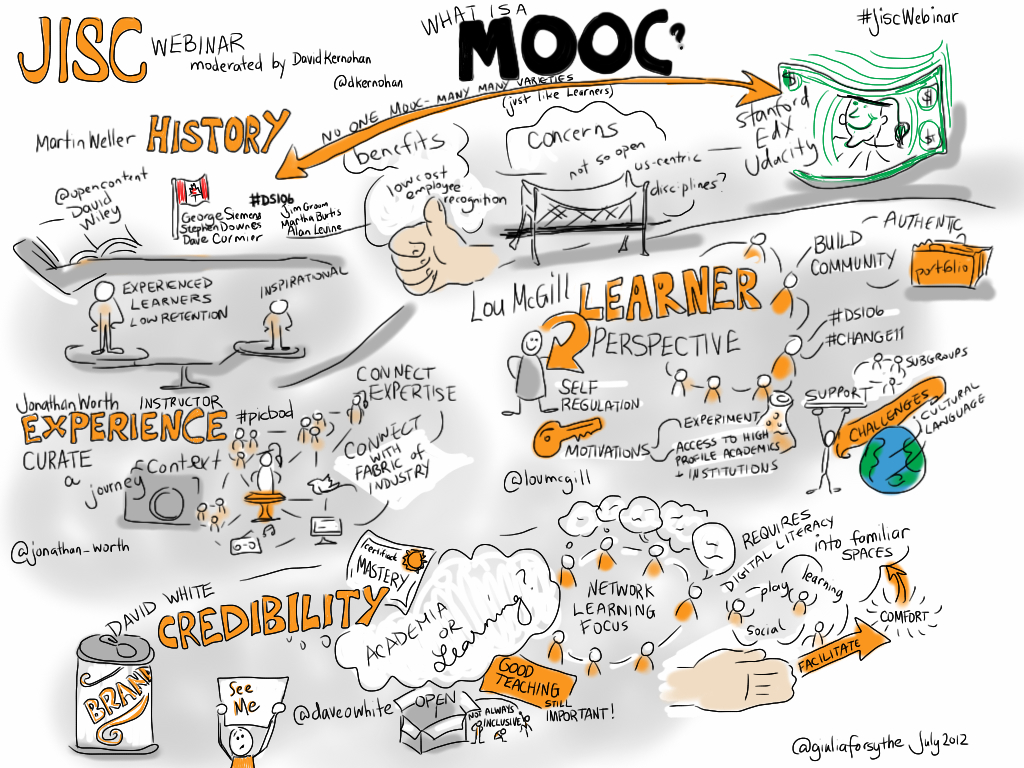
<div class="chapter standard" id="chapter-cheat-sheet-compressed-content" title="Cheat Sheet - Compressed Content"><div class="chapter-title-wrap"><h3 class="chapter-number">9</h3><h2 class="chapter-title">Cheat Sheet - Compressed Content</h2></div><div class="ugc chapter-ugc"> <h1>Detailed Description of Learning Activity</h1> <p>Take a module and have students create a 1-page summary of the content. Use visual notetaking to make it easily read and digested. These can be shared among peers, laminated for future reference, or made into posters for the classroom. Students can pull information and images direct from OER.</p> <p>You’ll need to provide some resources on how to create visual notes (see below). Provide the students with the content scope. These are best created by hand and photographed for sharing digitally.</p> <div class="wp-caption aligncenter" id="attachment_53" aria-describedby="caption-attachment-53" style="width: 800px"><img class="wp-image-53" src="https://opentextbc.ca/tradesopenpedagogy/wp-content/uploads/sites/325/2021/01/7549370822_cbe6309741_o.jpg" alt="A visual notetaking example that uses the combination of words, sketches, and colour to convey meaning." width="800" height="600" srcset="https://opentextbc.ca/tradesopenpedagogy/wp-content/uploads/sites/325/2021/01/7549370822_cbe6309741_o.jpg 1024w, https://opentextbc.ca/tradesopenpedagogy/wp-content/uploads/sites/325/2021/01/7549370822_cbe6309741_o-300x225.jpg 300w, https://opentextbc.ca/tradesopenpedagogy/wp-content/uploads/sites/325/2021/01/7549370822_cbe6309741_o-768x576.jpg 768w, https://opentextbc.ca/tradesopenpedagogy/wp-content/uploads/sites/325/2021/01/7549370822_cbe6309741_o-65x49.jpg 65w, https://opentextbc.ca/tradesopenpedagogy/wp-content/uploads/sites/325/2021/01/7549370822_cbe6309741_o-225x169.jpg 225w, https://opentextbc.ca/tradesopenpedagogy/wp-content/uploads/sites/325/2021/01/7549370822_cbe6309741_o-350x263.jpg 350w" title="" /><div class="wp-caption-text" id="caption-attachment-53">An example of visual note taking for a JISC Webinar on MOOCs (Massive Open Online Courses).</div></div> <h1>Purpose of Activity</h1> <ul><li>Summarize learning in a visual and meaningful way.</li> <li>Study for end-of-module test.</li> </ul> <h1>What Makes This Open?</h1> <ul><li>Students create content.</li> <li>Incorporates reflective practice.</li> <li>Uses OER.</li> </ul> <h1>Assessment</h1> <p>The can be used as preparation for an end-of-module test, or they can submitted as an appendix to a summative test and assigned a portion of the marks. Marks are given for detail, comprehensiveness, and design.</p> <h1>Time</h1> <table class="grid" style="border-collapse: collapse; width: 100%;"><tbody><tr><th scope="col">Activity</th> <th scope="col">Time</th> </tr> <tr style="height: 14px;"><td style="width: 50%; height: 14px;">Explanation of activity</td> <td style="width: 50%; height: 14px;">10 minutes</td> </tr> <tr style="height: 14px;"><td style="width: 50%; height: 14px;">Explore examples and provide tools for visual note-taking</td> <td style="width: 50%; height: 14px;">30 minutes</td> </tr> <tr style="height: 14px;"><td style="width: 50%; height: 14px;">Creation of visual poster</td> <td style="width: 50%; height: 14px;">2 days</td> </tr> <tr style="height: 14px;"><td style="width: 50%; height: 14px;">Presentation to peers</td> <td style="width: 50%; height: 14px;">30 minutes</td> </tr> </tbody> </table> <h1>Resources Required</h1> <ol><li>Modules resources and internet for OER.</li> <li>Paper, pens, and coloured pencils.</li> <li>Device to photograph and share final posters.</li> </ol> <div class="media-attributions clear"><h3>Media Attributions</h3><ul><li><a rel="cc:attributionURL" href="https://www.flickr.com/photos/gforsythe/7549370822/" data-url="https://www.flickr.com/photos/gforsythe/7549370822/">#JISC Webinar</a> © <a rel="dc:creator" href="https://www.flickr.com/photos/gforsythe/" data-url="https://www.flickr.com/photos/gforsythe/">Giulia Forsythe</a> is licensed under a <a rel="license" href="https://creativecommons.org/publicdomain/mark/1.0/" data-url="https://creativecommons.org/publicdomain/mark/1.0/">Public Domain</a> license</li></ul></div> </div></div>
<div class="chapter standard" id="chapter-h5p" title="H5P"><div class="chapter-title-wrap"><h3 class="chapter-number">10</h3><h2 class="chapter-title">H5P</h2></div><div class="ugc chapter-ugc"> <h1>Detailed Description of Learning Activity</h1> <p>H5P is a free, open technology that allows users to build simple, interactive learning objects such as quizzes, word searches, and games…etc. In this activity, have students create learning objects on a particular module or line item that can be shared with each other and made available for future classes.</p> <p>Here is an example of a set of H5P flash cards for welding:</p> <div class="textbox interactive-content"><span class="interactive-content__icon"></span> <p>An interactive H5P element has been excluded from this version of the text. You can view it online here:<br /> <a href="https://opentextbc.ca/tradesopenpedagogy/?p=35#h5p-2" title="Welding Symbol Flash Cards" data-url="https://opentextbc.ca/tradesopenpedagogy/?p=35#h5p-2">https://opentextbc.ca/tradesopenpedagogy/?p=35#h5p-2</a> </p> </div> <p>Here is an example of H5P fill-in-the-blank questions for knots:</p> <div class="textbox interactive-content"><span class="interactive-content__icon"></span> <p>An interactive H5P element has been excluded from this version of the text. You can view it online here:<br /> <a href="https://opentextbc.ca/tradesopenpedagogy/?p=35#h5p-1" title="Material Handling - Knots" data-url="https://opentextbc.ca/tradesopenpedagogy/?p=35#h5p-1">https://opentextbc.ca/tradesopenpedagogy/?p=35#h5p-1</a> </p> </div> <p><code></code><code></code><code></code></p> <h1>Purpose of Activity</h1> <ul><li>Consolidate learning and study for up-coming test.</li> <li>Create learning objects that others can use.</li> </ul> <h1>What Makes This Open?</h1> <ul><li>Uses OER.</li> <li>Students create content.</li> <li>Participatory technology.</li> <li style="font-weight: 400;">Students share learning or resources beyond class.</li> </ul> <h1>Assessment</h1> <p>These can be used as formative feedback for students if shared as a study tool. The creation of a learning object could be made into a formal assignment that is evaluated for a grade.</p> <h1>Time</h1> <table class="grid" style="border-collapse: collapse; width: 100%;"><tbody><tr><th scope="col">Activity</th> <th scope="col">Time</th> </tr> <tr style="height: 14px;"><td style="width: 50%; height: 14px;">Explanation of activity and review of examples.</td> <td style="width: 50%; height: 14px;">1 hour</td> </tr> <tr style="height: 14px;"><td style="width: 50%; height: 14px;">Student exploration of the platform.</td> <td style="width: 50%; height: 14px;">1–2 hours</td> </tr> <tr style="height: 14px;"><td style="width: 50%; height: 14px;">Build learning object</td> <td style="width: 50%; height: 14px;">1–2 days</td> </tr> <tr style="height: 14px;"><td style="width: 50%; height: 14px;">Share learning objects</td> <td style="width: 50%; height: 14px;">1 hour</td> </tr> </tbody> </table> <h1>Resources Required</h1> <ol><li>Module resources (textbook, OER, internet).</li> <li>Laptops or computers.</li> <li>Access to <a href="https://h5p.org/" data-url="https://h5p.org/">H5P</a>.</li> <li>The <a href="https://kitchen.opened.ca/2020/06/19/organizing-h5p/" data-url="https://kitchen.opened.ca/2020/06/19/organizing-h5p/">H5P PB Kitchen Guide</a>.</li> </ol> </div></div>
<div class="chapter standard" id="chapter-design-thinking-challenge" title="Design Thinking Challenge"><div class="chapter-title-wrap"><h3 class="chapter-number">11</h3><h2 class="chapter-title">Design Thinking Challenge</h2></div><div class="ugc chapter-ugc"> <h1>Detailed Description of Learning Activity</h1> <p>Design thinking is an innovative process with which to approach difficult and ill-defined problems. It leads learners to think outside the box to solve real challenges in the discipline or workforce. This activity would work well as a capstone project, where a difficult welding problem, with multiple factors and variables, needs to be solved. Students work collaborative as a whole group or in teams to research the problem, ideate solutions, test them, and recommend a final design.</p> <table class="grid" style="border-collapse: collapse; width: 100%; height: 60px;"><tbody><tr style="height: 16px;"><th scope="col">Empathize</th> <th scope="col">Define</th> <th scope="col">Ideate</th> <th scope="col">Prototype</th> <th scope="col">Test</th> </tr> <tr style="height: 44px;"><td style="width: 20%; height: 44px;">Develop a deep understanding of challenge. Ask questions. Research. Observe.</td> <td style="width: 20%; height: 44px;">Clearly articulate the problem you want to solve. State the goal in one sentence.</td> <td style="width: 20%; height: 44px;">Brainstorm potential solutions. No idea is a bad one. Order your ideas. Select one to develop.</td> <td style="width: 20%; height: 44px;">Develop a prototype to test your solution.</td> <td style="width: 20%; height: 44px;">Test your solution and make improvements as you go. Iterate your solution. Make a final recommendation.</td> </tr> </tbody> </table> <h1>Purpose of Activity</h1> <ul><li>Solve real problems.</li> <li>Apply theory and practical skills to complex challenges.</li> </ul> <h1>What Makes This Open?</h1> <ul><li>Connected to wider community.</li> <li>Non-disposable assignment.</li> <li>Incorporates reflective practice.</li> <li>Collaborative/team-based learning.</li> </ul> <h1>Assessment</h1> <p>This works well as a capstone project. Student can be asked to summarize the project goals and processes in a report with a reflective element. Students can be asked to self-evaluate, and evaluate the contribution of their peers to their project.</p> <h1>Time</h1> <table class="grid" style="border-collapse: collapse; width: 100%;"><tbody><tr><th scope="col">Activity</th> <th scope="col">Time</th> </tr> <tr style="height: 14px;"><td style="width: 50%; height: 14px;">Explanation of activity and presentation of problem/challenge</td> <td style="width: 50%; height: 14px;">1 hour</td> </tr> <tr style="height: 14px;"><td style="width: 50%; height: 14px;">Empathize and Define</td> <td style="width: 50%; height: 14px;">depends on complexity of project</td> </tr> <tr style="height: 14px;"><td style="width: 50%; height: 14px;">Ideate</td> <td style="width: 50%; height: 14px;">1–2 hours</td> </tr> <tr style="height: 14px;"><td style="width: 50%; height: 14px;">Prototype and Test</td> <td style="width: 50%; height: 14px;">depends on complexity of project</td> </tr> <tr style="height: 14px;"><td style="width: 50%; height: 14px;">Report writing</td> <td style="width: 50%; height: 14px;">1–2 days</td> </tr> </tbody> </table> <h1>Resources Required</h1> <ol><li>Design challenge to present to students (preferably a real problem that needs solving in the community).</li> <li>Scrap paper, post-it notes, pens.</li> <li>Appropriate welding materials for prototype.</li> </ol> </div></div>
<div class="chapter standard" id="chapter-guide-for-future-students" title="Guide for Future Students"><div class="chapter-title-wrap"><h3 class="chapter-number">12</h3><h2 class="chapter-title">Guide for Future Students</h2></div><div class="ugc chapter-ugc"> <h1>Detailed Description of Learning Activity</h1> <p>Toward the end of the program have your students build a guide for future students of the program: “How to be successful in Welding Foundation”. Students should start by brainstorming all the possible ideas and then sorting then into topics. Suggestions include:</p> <ul><li>How to stay motivated and engaged.</li> <li>How to pass your quizzes and tests.</li> <li>How to prepare for the ITA exams.</li> <li>How to improve your skills in the shop.</li> <li>How to stay safe.</li> <li>How not to get into trouble.</li> <li>How to stay organized and on top of your workload.</li> <li>How to make the most of your time at the college/university.</li> <li>How to build a sense of community among your fellow tradespeople.</li> <li>How to work with your instructor.</li> <li>What to do if things get tough (resources available).</li> <li>Why welding is so great!</li> </ul> <p>The students could then build this in Pressbooks with integrated video messages for easy sharing, or create a PDF that can be printed at the print shop and distributed to the next cohort of students.</p> <h1>Purpose of Activity</h1> <ul><li>Consolidate learning over the program.</li> <li>Create a sense of legacy.</li> <li>Support future students.</li> </ul> <h1>What Makes This Open?</h1> <ul><li>Participatory technology.</li> <li>Students create content.</li> <li>Student share learning or resources beyond class.</li> <li>Non-disposable assignment.</li> <li>Incorporates reflective practice.</li> <li>Collaborative/team-based learning.</li> </ul> <h1>Assessment</h1> <p>Marks can be assigned for self-evaluated participation.</p> <h1>Time</h1> <table class="grid" style="border-collapse: collapse; width: 100%;"><tbody><tr><th scope="col">Activity</th> <th scope="col">Time</th> </tr> <tr style="height: 14px;"><td style="width: 50%; height: 14px;">Explanation of activity and presentation of problem/challenge</td> <td style="width: 50%; height: 14px;">30 minutes</td> </tr> <tr style="height: 14px;"><td style="width: 50%; height: 14px;">Brainstorm</td> <td style="width: 50%; height: 14px;">1 hour</td> </tr> <tr style="height: 14px;"><td style="width: 50%; height: 14px;">Build resource</td> <td style="width: 50%; height: 14px;">1–2 days</td> </tr> </tbody> </table> <h1>Resources Required</h1> <ol><li>Pressbooks account and/or print shop.</li> <li>Laptops or computer lab.</li> </ol> </div></div>
<div class="chapter standard" id="chapter-jigsaw-content" title="Jigsaw Content"><div class="chapter-title-wrap"><h3 class="chapter-number">13</h3><h2 class="chapter-title">Jigsaw Content</h2></div><div class="ugc chapter-ugc"> <h1>Detailed Description of Learning Activity</h1> <p>At the beginning of a new module or line item, divide up the sections and assign them to small groups of 2-3 students. Have the students create an 8-10 slide deck with content, images, and a few quiz questions that teaches that module to fellow students. Use a platform like Google slides for easy sharing.&nbsp; Each group takes one section and then shares with their peers in a short oral presentation. This is a good way to introduce a topic rather than the instructor doing all the talking.</p> <h1>Purpose of Activity</h1> <ul><li>Have students review content before it is taught.</li> <li>Students prepare a resource for each other.</li> </ul> <h1>What Makes This Open?</h1> <ul><li>Participatory technology.</li> <li>Students create content.</li> <li>Collaborative/team-based learning.</li> </ul> <h1>Assessment</h1> <p>This could be done on a regular basis (the first class of each week, or the first class of each new module) and evaluated for a grade. The instructor should give plenty of feedback at the start so that students learn expectations of quality and detail.</p> <h1>Time</h1> <table class="grid" style="border-collapse: collapse; width: 100%;"><tbody><tr><th scope="col">Activity</th> <th scope="col">Time</th> </tr> <tr style="height: 14px;"><td style="width: 50%; height: 14px;">Explanation of activity</td> <td style="width: 50%; height: 14px;">30 minutes at start of program</td> </tr> <tr style="height: 14px;"><td style="width: 50%; height: 14px;">Students research and build slide deck</td> <td style="width: 50%; height: 14px;">3-4 hours, on an on-going, regular basis.</td> </tr> <tr style="height: 14px;"><td style="width: 50%; height: 14px;">Sharing and presentations</td> <td style="width: 50%; height: 14px;">5-10 minutes per group.</td> </tr> </tbody> </table> <h1>Resources Required</h1> <ol><li>Student devices or computer lab.</li> <li>Module resources (textbooks, OER, internet).</li> </ol> </div></div>
<div class="chapter standard" id="chapter-further-reading" title="Further Reading"><div class="chapter-title-wrap"><h3 class="chapter-number">14</h3><h2 class="chapter-title">Further Reading</h2></div><div class="ugc chapter-ugc"> <p>Additional reading and resources can be found here:</p> <ul><li>Article: Hegarty, B. (2015). <a href="https://upload.wikimedia.org/wikipedia/commons/c/ca/Ed_Tech_Hegarty_2015_article_attributes_of_open_pedagogy.pdf" data-url="https://upload.wikimedia.org/wikipedia/commons/c/ca/Ed_Tech_Hegarty_2015_article_attributes_of_open_pedagogy.pdf">Attributes of open pedagogy: A model for using open educational resources. [PDF]</a>. <em>Educational Technology</em>, July-August, 3–13.</li> <li>Website: Jhangiani, R., &amp; DeRosa, R. (n.d). <a href="http://openpedagogy.org/" data-url="http://openpedagogy.org/">Open Pedagogy Notebook</a>.</li> <li>Blog post: Lalonde, C. (2017, February 4). <a href="http://clintlalonde.net/tag/open-pedagogy/" data-url="http://clintlalonde.net/tag/open-pedagogy/"><em>Does open pedagogy require OER?</em></a> ClintLalonde.net.</li> </ul> </div></div>
<div class="back-matter miscellaneous" id="back-matter-versioning-history" title="Versioning History"><div class="back-matter-title-wrap"><h3 class="back-matter-number">1</h3><h1 class="back-matter-title">Versioning History</h1></div><div class="ugc back-matter-ugc"> <p>This page provides a record of edits and changes made to this book since its initial publication in the <a href="https://open.bccampus.ca/" data-url="https://open.bccampus.ca/">B.C. Open Textbook Collection</a>. Whenever edits or updates are made in the text, we provide a record and description of those changes here. If the change is minor, the version number increases by 0.01. If the edits involve substantial updates, the version number increases to the next full number.</p> <p>The files posted by this book always reflect the most recent version. If you find an error in this book, please fill out the <a href="https://open.bccampus.ca/browse-our-collection/reporting-an-error/" target="_blank" rel="noopener" data-url="https://open.bccampus.ca/browse-our-collection/reporting-an-error/">Report an Error</a> form.</p> <table style="border-collapse: collapse; width: 100%;"><tbody><tr><th style="width: 10%;" scope="col">Version</th> <th style="width: 15%;" scope="col">Date</th> <th style="width: 35%;" scope="col">Change</th> <th style="width: 40%;" scope="col">Details</th> </tr> <tr><td style="width: 10%;">1.00</td> <td style="width: 15%;">March 5, 2021</td> <td style="width: 35%;">Added to the B.C. Open Textbook Collection.</td> <td style="width: 40%;"></td> </tr> </tbody> </table> </div></div>

</body>
</html>