<?xml version="1.0" encoding="UTF-8"?>
<!DOCTYPE html PUBLIC "-//W3C//DTD XHTML 1.1//EN" "http://www.w3.org/TR/xhtml11/DTD/xhtml11.dtd">
<html xmlns="http://www.w3.org/1999/xhtml" xml:lang="en">
<head>
<meta content="text/html; charset=UTF-8" http-equiv="content-type" />
<meta http-equiv="Content-Language" content="en" />
<meta name="generator" content="Pressbooks 6.8.0" />
<meta name="pb-authors" content="Chad Flinn" />
<meta name="pb-authors" content="Mark Overgaard" />
<meta name="pb-title" content="Math for Trades: Volume 1" />
<meta name="pb-language" content="en-ca" />
<meta name="pb-cover-image" content="https://opentextbc.ca/mathfortrades1/wp-content/uploads/sites/305/2022/12/OTB248-01-Math-for-Trades-Volume-1-COVER-STORE.jpg" />
<meta name="pb-primary-subject" content="PBW" />
<meta name="pb-publisher" content="BCcampus" />
<meta name="pb-publisher-city" content="Victoria, B.C." />
<meta name="pb-custom-copyright" content="© 2020 Chad Flinn and Mark OvergaardThe CC licence permits you to retain, reuse, copy, redistribute, and revise this book—in whole or in part—for free providing the authors are attributed as follows:Math for Trades: Volume 1 by Chad Flinn and Mark Overgaard is used under a CC BY 4.0 Licence.If you redistribute all or part of this book, it is recommended the following statement be added to the copyright page so readers can access the original book at no cost:Download for free from the B.C. Open Collection.A note about images used in this textUnless otherwise noted, all images included in this text are from Pixabay (excluding pictures of equations). Pixabay provides a huge collection of free stock images available under the Pixabay licence. The Pixabay licence provides permission to use and modify the images for commercial and non-commercial purposes without a need for attribution.Sample APA-style citation:This textbook can be referenced. In APA citation style, it would appear as follows:Flinn, C. &amp; Overgard, M. (2020). Math for Trades: Volume 1. Victoria, B.C.: BCcampus. Retrieved from https://pressbooks.bccampus.ca/mark/.Cover image attribution:Fractals by insspirito on Pixabay.Ebook ISBN: 978-1-77420-061-2Print ISBN: 978-1-77420-060-5Visit BCcampus Open Education to learn about open education in British Columbia." />
<meta name="pb-copyright-holder" content="Chad Flinn and Mark Overgaard" />
<meta name="pb-book-license" content="cc-by" />
<meta name="pb-about-50" content="The Math for Trades: Volume 1 textbook represents the building blocks for math training. The book includes whole numbers, fractions, decimals, and percents. The material is presented from a trades perspective with easy-to-understand examples and video explanations accompanying questions. The goal of this volume is to get students prepared for the more advanced topics that they will encounter during their trades math education." />
<meta name="pb-ebook-isbn" content="978-1-77420-061-2" />
<meta name="pb-print-isbn" content="978-1-77420-060-5" />
<meta name="pb-copyright-year" content="2020" />
<meta name="pb-series-title" content="Math for Trades" />
<meta name="pb-series-number" content="1" />
<meta name="pb-publication-date" content="1587081600" />
<meta name="pb-additional-subjects" content="PB, TNT, PBC, TTVR" />
<title>Math for Trades: Volume 1</title>
</head>
<body lang='en' >
<div id="half-title-page"><h1 class="title">Math for Trades: Volume 1</h1></div>
<div id="title-page">
			<h1 class="title">Math for Trades: Volume 1</h1>
		<h2 class="subtitle"></h2>
					<p class="author">Chad Flinn and Mark Overgaard</p>
								<p class="publisher">BCcampus</p>
		<p class="publisher-city">Victoria, B.C.</p>
	</div>
<div id="copyright-page">
	<div class="ugc">
					
<div class="license-attribution"><p><img src="https://opentextbc.ca/mathfortrades1/wp-content/themes/pressbooks-book/packages/buckram/assets/images/cc-by.svg" alt="Icon for the Creative Commons Attribution 4.0 International License" /></p><p>Math for Trades: Volume 1 by Chad Flinn and Mark Overgaard is licensed under a <a rel="license" href="https://creativecommons.org/licenses/by/4.0/">Creative Commons Attribution 4.0 International License</a>, except where otherwise noted.</p></div>

							<p>© 2020 Chad Flinn and Mark Overgaard</p><p>The CC licence permits you to retain, reuse, copy, redistribute, and revise this book—in whole or in part—for free providing the authors are attributed as follows:</p><div class="textbox"><a href="https://pressbooks.bccampus.ca/mark/"><em>Math for Trades: Volume 1</em></a> by Chad Flinn and Mark Overgaard is used under a <a href="http://creativecommons.org/licenses/by/4.0/">CC BY 4.0 Licence</a>.</div><p>If you redistribute all or part of this book, it is recommended the following statement be added to the copyright page so readers can access the original book at no cost:</p><p>Download for free from the <a href="https://collection.bccampus.ca/" target="_blank" rel="noopener">B.C. Open Collection</a>.</p><div><p><strong>A note about images used in this text</strong></p><p>Unless otherwise noted, all images included in this text are from <a href="https://pixabay.com/">Pixabay</a> (excluding pictures of equations). Pixabay provides a huge collection of free stock images available under the Pixabay licence. The <a href="https://pixabay.com/service/license/">Pixabay licence</a> provides permission to use and modify the images for commercial and non-commercial purposes without a need for attribution.</p></div><p><strong>Sample APA-style citation:</strong></p><p>This textbook can be referenced. In APA citation style, it would appear as follows:</p><div class="textbox">Flinn, C. &#38; Overgard, M. (2020). <i>Math for Trades: Volume 1</i>. Victoria, B.C.: BCcampus. Retrieved from https://pressbooks.bccampus.ca/mark/.</div><p><strong>Cover image attribution:</strong></p><p><a href="https://pixabay.com/images/id-1746830/">Fractals</a> by insspirito on <a href="https://pixabay.com/ru/service/license/">Pixabay</a>.</p><p><strong>Ebook ISBN:</strong> 978-1-77420-061-2</p><p><strong>Print ISBN:</strong> 978-1-77420-060-5</p><p>Visit <a href="http://open.bccampus.ca/">BCcampus Open Education</a> to learn about open education in British Columbia.</p>
							</div>
</div>
<div id="toc">
	<h1>Contents</h1>
	<ul>
					<li class="front-matter miscellaneous">
	<a href="#front-matter-accessibility-statement">
		<span class="toc-chapter-title">Accessibility Statement</span>
							</a>
	</li>

					<li class="front-matter miscellaneous">
	<a href="#front-matter-for-students">
		<span class="toc-chapter-title">For Students: How to Access and Use this Textbook</span>
							</a>
	</li>

					<li class="front-matter miscellaneous">
	<a href="#front-matter-about-the-book">
		<span class="toc-chapter-title">About BCcampus Open Education</span>
							</a>
	</li>

					<li class="part">
	<a href="#part-introduction">
					Introduction
			</a>
</li>

					<li class="part">
	<a href="#part-whole-numbers">
					Whole Numbers
			</a>
</li>

					<li class="chapter standard">
	<a href="#chapter-place-value-system">
		<span class="toc-chapter-title">The Place Value System</span>
							</a>
	</li>

					<li class="chapter standard">
	<a href="#chapter-adding-whole-numbers">
		<span class="toc-chapter-title">Adding Whole Numbers</span>
							</a>
	</li>

					<li class="chapter standard">
	<a href="#chapter-subtracting-whole-numbers">
		<span class="toc-chapter-title">Subtracting Whole Numbers</span>
							</a>
	</li>

					<li class="chapter standard">
	<a href="#chapter-multiplying-whole-numbers">
		<span class="toc-chapter-title">Multiplying Whole Numbers</span>
							</a>
	</li>

					<li class="chapter standard">
	<a href="#chapter-dividing-whole-numbers">
		<span class="toc-chapter-title">Dividing Whole Numbers</span>
							</a>
	</li>

					<li class="chapter standard">
	<a href="#chapter-whole-number-quiz">
		<span class="toc-chapter-title">Whole Numbers Quiz</span>
							</a>
	</li>

					<li class="part">
	<a href="#part-fractions">
					Fractions
			</a>
</li>

					<li class="chapter standard">
	<a href="#chapter-the-basics-of-fractions">
		<span class="toc-chapter-title">The Basics of Fractions</span>
							</a>
	</li>

					<li class="chapter standard">
	<a href="#chapter-adding-and-subtracting-fractions">
		<span class="toc-chapter-title">Adding and Subtracting Fractions</span>
							</a>
	</li>

					<li class="chapter standard">
	<a href="#chapter-multiplying-fractions">
		<span class="toc-chapter-title">Multiplying Fractions</span>
							</a>
	</li>

					<li class="chapter standard">
	<a href="#chapter-dividing-fractions">
		<span class="toc-chapter-title">Dividing Fractions</span>
							</a>
	</li>

					<li class="chapter standard">
	<a href="#chapter-fractions-quiz">
		<span class="toc-chapter-title">Fractions Quiz</span>
							</a>
	</li>

					<li class="part">
	<a href="#part-decimals">
					Decimals
			</a>
</li>

					<li class="chapter standard">
	<a href="#chapter-understanding-decimal-notation">
		<span class="toc-chapter-title">Understanding Decimal Notation</span>
							</a>
	</li>

					<li class="chapter standard">
	<a href="#chapter-compare-and-round-decimals">
		<span class="toc-chapter-title">Compare and Round Decimals</span>
							</a>
	</li>

					<li class="chapter standard">
	<a href="#chapter-convert-decimals-to-fractions">
		<span class="toc-chapter-title">Convert Decimals to Fractions</span>
							</a>
	</li>

					<li class="chapter standard">
	<a href="#chapter-convert-fractions-to-decimals">
		<span class="toc-chapter-title">Convert Fractions to Decimals</span>
							</a>
	</li>

					<li class="chapter standard">
	<a href="#chapter-decimals-quiz">
		<span class="toc-chapter-title">Decimals Quiz</span>
							</a>
	</li>

					<li class="part">
	<a href="#part-percentages">
					Percentages
			</a>
</li>

					<li class="chapter standard">
	<a href="#chapter-what-is-a-percent-anyway">
		<span class="toc-chapter-title">What is a Percent Anyway?</span>
							</a>
	</li>

					<li class="chapter standard">
	<a href="#chapter-ratios-fractions-and-percentage">
		<span class="toc-chapter-title">Ratios and Fractions and How They Relate to Percentage</span>
							</a>
	</li>

					<li class="chapter standard">
	<a href="#chapter-finding-the-percentage">
		<span class="toc-chapter-title">Finding the Percentage of a Given Number</span>
							</a>
	</li>

					<li class="chapter standard">
	<a href="#chapter-expressing-change-as-a-percent">
		<span class="toc-chapter-title">Change as a Percent and Percent Change</span>
							</a>
	</li>

					<li class="chapter standard">
	<a href="#chapter-percent-quiz">
		<span class="toc-chapter-title">Percentage Quiz</span>
							</a>
	</li>

					<li class="part">
	<a href="#part-practice-test">
					Practice Test
			</a>
</li>

					<li class="back-matter miscellaneous">
	<a href="#back-matter-times-tables">
		<span class="toc-chapter-title">Appendix A: Times Tables</span>
							</a>
	</li>

					<li class="back-matter miscellaneous">
	<a href="#back-matter-practice-question-answers">
		<span class="toc-chapter-title">Appendix B: Answers to Practice Questions</span>
							</a>
	</li>

					<li class="back-matter miscellaneous">
	<a href="#back-matter-chapter-quizzes">
		<span class="toc-chapter-title">Appendix C: Offline Copies of Chapter Quizzes</span>
							</a>
	</li>

					<li class="back-matter miscellaneous">
	<a href="#back-matter-versioning-history">
		<span class="toc-chapter-title">Versioning History</span>
							</a>
	</li>

			</ul>
</div>
<div class="front-matter miscellaneous " id="front-matter-accessibility-statement" title="Accessibility Statement">
	<div class="front-matter-title-wrap">
		<p class="front-matter-number">1</p>
		<h1 class="front-matter-title">Accessibility Statement</h1>
								</div>
	<div class="ugc front-matter-ugc">
				 <p>BCcampus Open Education believes that education must be available to everyone. This means supporting the creation of free, open, and accessible educational resources. We are actively committed to increasing the accessibility and usability of the textbooks we produce.</p> <h1>Accessibility of This Textbook</h1> <p>The web version of this resource has been designed to meet <a href="https://www.w3.org/TR/WCAG20/" data-url="https://www.w3.org/TR/WCAG20/">Web Content Accessibility Guidelines 2.0</a>, level AA. In addition, it follows all guidelines in <a href="https://opentextbc.ca/accessibilitytoolkit/back-matter/appendix-checklist-for-accessibility-toolkit/" data-url="https://opentextbc.ca/accessibilitytoolkit/back-matter/appendix-checklist-for-accessibility-toolkit/">Appendix A: Checklist for Accessibility</a> of the <a href="https://opentextbc.ca/accessibilitytoolkit/" data-url="https://opentextbc.ca/accessibilitytoolkit/"><em>Accessibility Toolkit – 2nd Edition</em></a>. It includes:</p> <ul><li><strong>Easy navigation</strong>. This text has a linked table of contents and uses headings in each chapter to make navigation easy.</li> <li><strong>Accessible math equations</strong>. Many of the equations in this text have been written in Latex and rendered with Mathjax, which makes them accessible to people using screen readers that are set up to read MathML. The rest of the equations are rendered as images with appropriate alternative text.</li> <li><strong>Accessible videos</strong>. All videos in this text have captions.</li> <li><strong>Accessible images</strong>. All images in this text that convey information have alternative text. Images that are decorative have empty alternative text.</li> <li><strong>Accessible links</strong>. All links use descriptive link text.</li> </ul> <h1>Known Accessibility Issues and Areas for Improvement</h1> <p>The audio in the videos does not always provide a description of what is visually happening in the videos.</p> <h1>Let Us Know if You are Having Problems Accessing This Book</h1> <p>We are always looking for ways to make our textbooks more accessible. If you have problems accessing this textbook, please contact us to let us know so we can fix the issue.</p> <p>Please include the following information:</p> <ul><li>The name of the textbook</li> <li>The location of the problem by providing a web address or page description.</li> <li>A description of the problem</li> <li>The computer, software, browser, and any assistive technology you are using that can help us diagnose and solve your issue (e.g., Windows 10, Google Chrome (Version 65.0.3325.181), NVDA screen reader)</li> </ul> <p>You can contact us one of the following ways:</p> <ul><li>Web form: <a href="https://collection.bccampus.ca/contact/" target="_blank" rel="noopener" data-url="https://collection.bccampus.ca/contact/">BCcampus OpenEd Help</a></li> <li>Web form: <a href="https://open.bccampus.ca/browse-our-collection/reporting-an-error/" target="_blank" rel="noopener" data-url="https://open.bccampus.ca/browse-our-collection/reporting-an-error/">Report an Error</a></li> </ul> <p>This statement was last updated on April 8, 2020.</p> 
	</div>


	</div>
<div class="front-matter miscellaneous " id="front-matter-for-students" title="For Students: How to Access and Use this Textbook">
	<div class="front-matter-title-wrap">
		<p class="front-matter-number">2</p>
		<h1 class="front-matter-title">For Students: How to Access and Use this Textbook</h1>
								</div>
	<div class="ugc front-matter-ugc">
				 <p>This textbook is available in the following formats:</p> <ul><li><strong>Online webbook</strong>. You can read this textbook online on a computer or mobile device in one of the following browsers: Chrome, Firefox, Edge, and Safari.</li> <li><strong>PDF</strong>. You can download this book as a PDF to read on a computer (Digital PDF) or print it out (Print PDF).</li> <li><strong>Mobile</strong>. If you want to read this textbook on your phone or tablet, you can use the EPUB (eReader) or MOBI (Kindle) files.</li> <li><strong>HTML</strong>. An HTML file can be opened in a browser. It has very little style so it doesn’t look very nice, but some people might find it useful.</li> </ul> <p>You can access the online webbook and download any of the formats for free here: <a href="https://opentextbc.ca/mathfortrades1/" data-url="https://opentextbc.ca/mathfortrades1/"><em>Math for Trades: Volume 1</em></a>. To download the book in a different format, look for the “Download this book” drop-down menu and select the file type you want.</p> <table><caption>How can I use the different formats?</caption> <tbody><tr><th scope="col">Format</th> <th scope="col">Internet required?</th> <th scope="col">Device</th> <th scope="col">Required apps</th> <th scope="col">Accessibility Features</th> <th scope="col">Screen reader compatible</th> </tr> <tr><td>Online webbook</td> <td>Yes</td> <td>Computer, tablet, phone</td> <td>An Internet browser (Chrome, Firefox, Edge, or Safari)</td> <td>WCAG 2.0 AA compliant, option to enlarge text, and compatible with browser text-to-speech tools, videos with captions</td> <td>Yes</td> </tr> <tr><td>PDF</td> <td>No</td> <td>Computer, print copy</td> <td>Adobe Reader (for reading on a computer) or a printer</td> <td>Ability to highlight and annotate the text. If reading on the computer, you can zoom in.</td> <td>Unsure</td> </tr> <tr><td>EPUB and MOBI</td> <td>No</td> <td>Computer, tablet, phone</td> <td>Kindle app (MOBI) or eReader app (EPUB)</td> <td>Option to enlarge text, change font style, size, and colour.</td> <td>Unsure</td> </tr> <tr><td>HTML</td> <td>No</td> <td>Computer, tablet, phone</td> <td>An Internet browser (Chrome, Firefox, Edge, or Safari)</td> <td>WCAG 2.0 AA compliant and compatible with browser text-to-speech tools.</td> <td>Yes</td> </tr> </tbody> </table> <h1>Tips for Using This Textbook</h1> <ul><li><strong>Search the textbook</strong>. <ul><li>If using the online webbook, you can use the search bar in the top right corner to search the entire book for a key word or phrase. To search a specific chapter, open that chapter and use your browser’s search feature by hitting <strong>[Cntr] + [f]</strong> on your keyboard if using a Windows computer or <strong>[Command] + [f] </strong>if using a Mac computer.</li> <li>The <strong>[Cntr] + [f]</strong> and <strong>[Command] + [f]</strong> keys will also allow you to search a PDF, HTML, EPUB, and MOBI files if you are reading them on a computer.</li> <li>If using an eBook app to read this textbook, the app should have a built-in search tool.</li> </ul> </li> <li><strong>Navigate the textbook</strong>. <ul><li>This textbook has a table of contents to help you navigate through the book easier. If using the online webbook, you can find the full table of contents on the book’s homepage or by selecting “Contents” from the top menu when you are in a chapter.</li> </ul> </li> <li><strong>Annotate the textbook</strong>. <ul><li>If you like to highlight or write on your textbooks, you can do that by getting a print copy, using the Digital PDF in Adobe Reader, or using the highlighting tools in eReader apps.</li> </ul> </li> </ul> <h1>Webbook vs. All Other Formats</h1> <p>The webbook includes a number of interactive and multimedia components. These include video walk-throughs of practice questions and interactive quizzes at the end of each chapter. If you are not using the webbook to access this textbook, the videos and interactive quizzes will not be included. Instead, your copy of the text will provided a link to where you can access those interactive elements.</p> <p>However, the interactive activities and video answers are also provided in alternate formats for people not using the webbook. In the case of the videos answers, the answers can also be found in <a class="internal" href="#back-matter-practice-question-answers" data-url="/mathfortrades1/back-matter/practice-question-answers/">Appendix B: Answers to Practice Questions</a>. As for the chapter quizzes, those questions have been made available in a static format in <a href="#back-matter-chapter-quizzes" data-url="/mathfortrades1/back-matter/chapter-quizzes/">Appendix C: Offline Copies of Chapter Quizzes</a>.</p> <p>Even if you decide to use a PDF or a print copy to access the textbook, you can access the webbook and download any other formats at any time.</p> 
	</div>


	</div>
<div class="front-matter miscellaneous " id="front-matter-about-the-book" title="About BCcampus Open Education">
	<div class="front-matter-title-wrap">
		<p class="front-matter-number">3</p>
		<h1 class="front-matter-title">About BCcampus Open Education</h1>
								</div>
	<div class="ugc front-matter-ugc">
				 <p><em>Math for the Trades: Volume 1 </em>was funded by an OER Grant provided by&nbsp;BCcampus Open Education.</p> <p><a href="https://open.bccampus.ca/" data-url="https://open.bccampus.ca/">BCcampus Open Education</a> began in 2012 as the B.C. Open Textbook Project with the goal of making post-secondary education in British Columbia more accessible by reducing students’ costs through the use of open textbooks and other OER. <a href="https://bccampus.ca/about-us/" rel="noopener" data-url="https://bccampus.ca/about-us/">BCcampus</a> supports the post-secondary institutions of British Columbia as they adapt and evolve their teaching and learning practices to enable powerful learning opportunities for the students of B.C. BCcampus Open Education is funded by the <a href="https://www2.gov.bc.ca/gov/content/governments/organizational-structure/ministries-organizations/ministries/advanced-education-skills-training" rel="noopener" data-url="https://www2.gov.bc.ca/gov/content/governments/organizational-structure/ministries-organizations/ministries/advanced-education-skills-training">British Columbia Ministry of Advanced Education, Skills &amp; Training</a>, and the <a href="http://www.hewlett.org/" rel="noopener" data-url="http://www.hewlett.org/">Hewlett Foundation</a>.</p> <p>Open educational resources (OER) are teaching, learning, and research resources that, through permissions granted by the copyright holder, allow others to use, distribute, keep, or make changes to them. Our open textbooks are openly licensed using a <a href="https://creativecommons.org/licenses/" data-url="https://creativecommons.org/licenses/">Creative Commons licence</a>, and are offered in various e-book formats free of charge, or as printed books that are available at cost.</p> <p>For more information about open education in British Columbia, please visit the <a href="https://open.bccampus.ca/" data-url="https://open.bccampus.ca/">BCcampus Open Education</a> website. If you are an instructor who is using this book for a course, please fill out our <a href="https://open.bccampus.ca/use-open-textbooks/tell-us-youre-using-an-open-textbook/" data-url="https://open.bccampus.ca/use-open-textbooks/tell-us-youre-using-an-open-textbook/">Adoption of an Open Textbook</a> form.</p> <p>The attached style guide was used in the editing of this book: <a href="https://opentextbc.ca/mathfortrades1/wp-content/uploads/sites/305/2020/04/Style-Sheet-for-Math-for-Trades.docx" data-url="https://opentextbc.ca/mathfortrades1/wp-content/uploads/sites/305/2020/04/Style-Sheet-for-Math-for-Trades.docx">Style Sheet for Math for Trades [Word file]</a></p> 
	</div>


	</div>
<div class="part-wrapper" id="part-introduction-wrapper">
    <div class="part  introduction" id="part-introduction">
	<div class="part-title-wrap">
		<p class="part-number">I</p>
		<h1 class="part-title">Introduction</h1>
	</div>
	<div class="ugc part-ugc">
		<div class="textbox interactive-content interactive-content--oembed"><span class="interactive-content__icon"></span> <p>One or more interactive elements has been excluded from this version of the text. You can view them online here: <a href="#oembed-2" title="Math for Trades Introductory Video" data-url="https://opentextbc.ca/mathfortrades1/?p=26#oembed-2">https://opentextbc.ca/mathfortrades1/?p=26#oembed-2</a> </p> </div> <div class="textbox"><h2>Math for Trades Introduction: Video transcript</h2> <p>Welcome, everyone, to Math for Trades!</p> <p>Isn’t math kind of like learning a new language? It has its own set of words, sentences, its own structure, and its own rules.</p> <p>Well, in this <em>Math for Trades: Volume 1</em>, we’re going to start building all those. We’re gonna build the words. We’re going to take the words and build sentences. We’re going to find the rules, we’re going to create structure, and we’re going to do that in steps.</p> <p>So, Chapter 1 you can kind of look at as the first step. It’s “Whole Numbers.” And then what we do is once we’ve gone through that, we take a step up to Chapter 2, to “Fractions.” Chapter 3, another step, “Decimals.” And then finally, Chapter 4, which is “Percent.”</p> <p>Now, when you’re going through this book, there’s a few things you want to think about. One is, take your time but be efficient. Remember this is about you. What do you want out of this? If you find that you know whole numbers, and you don’t need to go through it? Perfect. Don’t go through it. But you might need a little extra help with fractions. Check out the fractions part, then. This is about you, and this is for you, so do whatever it is that works for you.</p> <p>Follow the steps. Examples are laid out in steps. If you follow those, that’s the key. That’ll help you to get from step one to step four or step five and understand the process in between.</p> <p>Think about the concepts and relationships. Everything in math is interrelated, so the more you understand concepts and the more you understand relationships, the easier it gets as you go along.</p> <p>Watch the videos after you’ve tried the questions. This is the cool part of this book. You’ll see these everywhere in the book [<em>shows a Math For Trades video icon</em>] and what they are is video answers. So when we have practice questions for you, get your pen or pencil out, get your paper out, and give it a try. Think about what you’re doing or think about the process you’re going through in your mind as you try it. And then check out the answers. See how you did.</p> <p>Also, study in an environment with no distractions. No phone, no TV, nothing like that. That would really help because you’ll be all in and that goes along with the next one.</p> <p>Get all in for 20 to 30 minutes, 110%, and then take a break. This will probably help you retain more information and be more efficient with your study time. Okay? So 20 to 30 minutes.</p> <p>And then there is one more thing, and this is the most important thing because if you don’t do this, it gets tougher and tougher. Have fun with this. Enjoy the process.</p> </div>
	</div>
			
				
	</div>

</div>
<div class="part-wrapper" id="part-whole-numbers-wrapper">
    <div class="part  " id="part-whole-numbers">
	<div class="part-title-wrap">
		<p class="part-number">I</p>
		<h1 class="part-title">Whole Numbers</h1>
	</div>
	<div class="ugc part-ugc">
		<p><img class="aligncenter wp-image-52" src="https://opentextbc.ca/mathfortrades1/wp-content/uploads/sites/305/2020/04/dice-161377_1280.png" alt="" width="460" height="230" title="" /></p> <div class="textbox textbox--learning-objectives"><div class="textbox__header"><p class="textbox__title">Outcomes</p> </div> <div class="textbox__content"><ul><li>Identify counting numbers and whole numbers.</li> <li>Locate digits in the place value system.</li> <li>Add whole numbers.</li> <li>Subtract whole numbers.</li> <li>Multiply whole numbers.</li> <li>Divide whole numbers.</li> </ul> </div> </div>
	</div>
			
				
	</div>
<div class="chapter standard " id="chapter-place-value-system" title="The Place Value System">
	<div class="chapter-title-wrap">
		<p class="chapter-number">1</p>
		<h1 class="chapter-title">The Place Value System</h1>
								</div>
	<div class="ugc chapter-ugc">
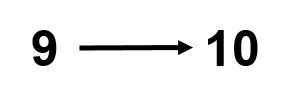
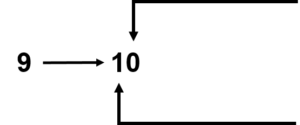
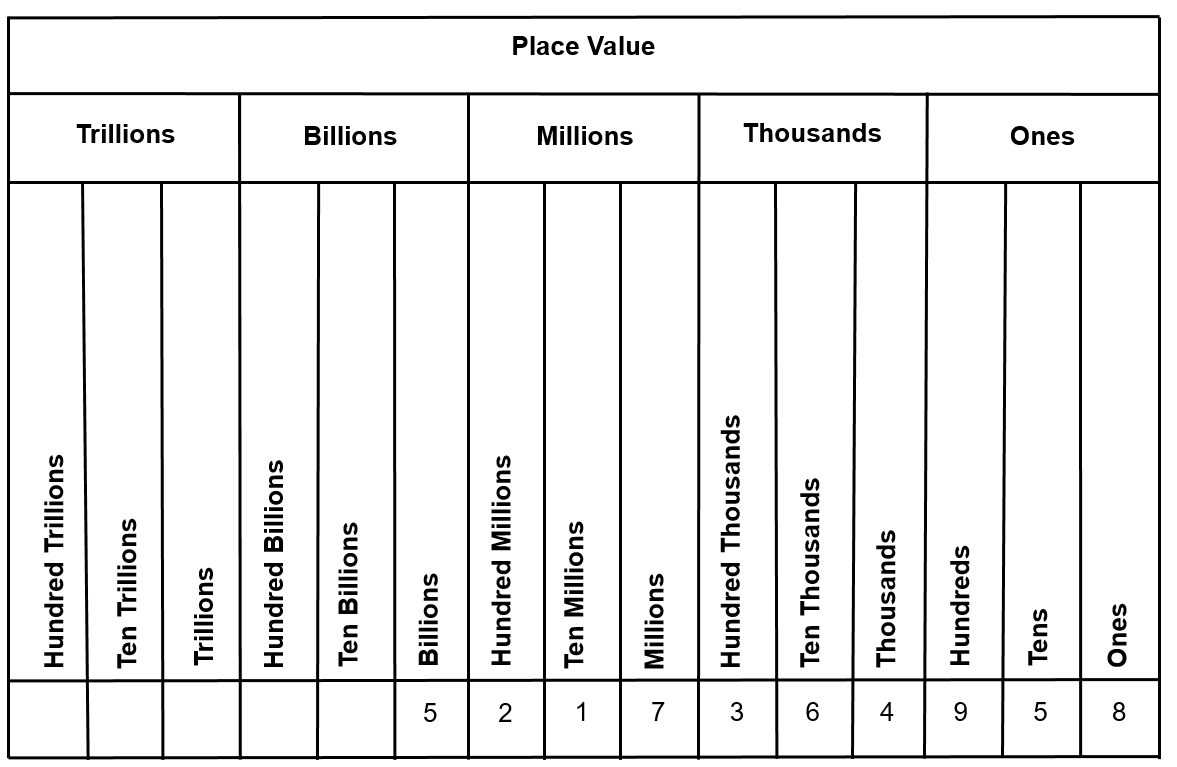
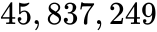
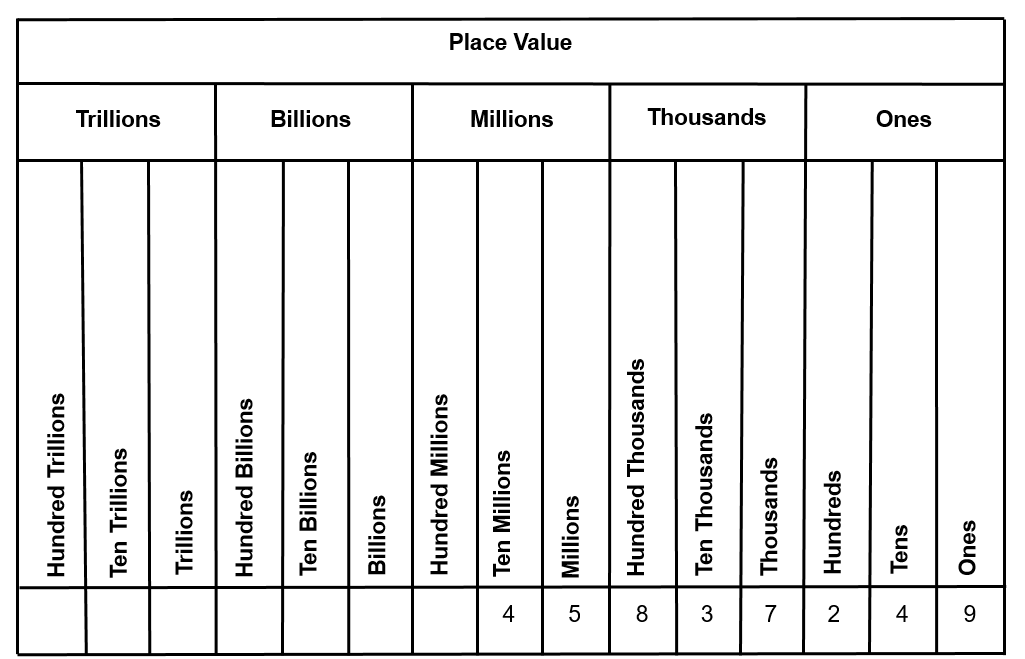
				 <p>Have you ever heard the term “whole number”? It might seem like a weird concept: aren’t all numbers whole? I ate six apples this week, or I charged my electric vehicle for three hours yesterday. Those are whole numbers, right?</p> <p><img class="alignleft wp-image-76" src="https://opentextbc.ca/mathfortrades1/wp-content/uploads/sites/305/2020/04/unnamed-1-300x128.png" alt="" width="235" height="100" srcset="https://opentextbc.ca/mathfortrades1/wp-content/uploads/sites/305/2020/04/unnamed-1-300x128.png 300w, https://opentextbc.ca/mathfortrades1/wp-content/uploads/sites/305/2020/04/unnamed-1-65x28.png 65w, https://opentextbc.ca/mathfortrades1/wp-content/uploads/sites/305/2020/04/unnamed-1-225x96.png 225w, https://opentextbc.ca/mathfortrades1/wp-content/uploads/sites/305/2020/04/unnamed-1-350x149.png 350w, https://opentextbc.ca/mathfortrades1/wp-content/uploads/sites/305/2020/04/unnamed-1.png 512w" title="" /></p> <p>Well, not all numbers are whole. You could have eaten 3½ apples during a particularly slow apple-eating week, and maybe you didn’t drive your electric vehicle all that much yesterday, so you only had to charge it for 2.3 hours. Those are not whole numbers.</p> <p>The purpose of this chapter is to define what a whole number is and then learn to work with those whole numbers, be it by adding, subtracting, multiplying, or dividing.</p> <p>All the chapters in this textbook, including this one, will have examples and exercises geared towards the trades. It contains content relevant to all trades, no matter what trade you are in.</p> <h1>Counting Numbers and Whole Numbers</h1> <p><img class="alignleft wp-image-77" src="https://opentextbc.ca/mathfortrades1/wp-content/uploads/sites/305/2020/04/faucet-37324_1280-150x150.png" alt="" width="100" height="98" srcset="https://opentextbc.ca/mathfortrades1/wp-content/uploads/sites/305/2020/04/faucet-37324_1280-300x293.png 300w, https://opentextbc.ca/mathfortrades1/wp-content/uploads/sites/305/2020/04/faucet-37324_1280-1024x999.png 1024w, https://opentextbc.ca/mathfortrades1/wp-content/uploads/sites/305/2020/04/faucet-37324_1280-768x749.png 768w, https://opentextbc.ca/mathfortrades1/wp-content/uploads/sites/305/2020/04/faucet-37324_1280-65x63.png 65w, https://opentextbc.ca/mathfortrades1/wp-content/uploads/sites/305/2020/04/faucet-37324_1280-225x220.png 225w, https://opentextbc.ca/mathfortrades1/wp-content/uploads/sites/305/2020/04/faucet-37324_1280-350x342.png 350w, https://opentextbc.ca/mathfortrades1/wp-content/uploads/sites/305/2020/04/faucet-37324_1280.png 1280w" title="" /></p> <p class="no-indent">A number of years ago, a student named Harpreet went through a plumbing apprenticeship program. After completing his schooling and receiving his Red Seal plumbing ticket, he has decided to open up his own plumbing company.</p> <p>Like most new entrepreneurs, he experienced a steep learning curve, especially when it came to ordering material for jobs and organizing and scheduling when he had a number of jobs on the go.</p> <p>Although he might not be thinking about counting numbers or whole numbers, he has ended up working with these when ordering materials and during the day-to-day operations of the company.</p> <p><img class="aligncenter wp-image-74 size-medium" src="https://opentextbc.ca/mathfortrades1/wp-content/uploads/sites/305/2020/04/dice-161377_1280-300x150.png" alt="" width="300" height="150" srcset="https://opentextbc.ca/mathfortrades1/wp-content/uploads/sites/305/2020/04/dice-161377_1280-300x150.png 300w, https://opentextbc.ca/mathfortrades1/wp-content/uploads/sites/305/2020/04/dice-161377_1280-1024x512.png 1024w, https://opentextbc.ca/mathfortrades1/wp-content/uploads/sites/305/2020/04/dice-161377_1280-768x384.png 768w, https://opentextbc.ca/mathfortrades1/wp-content/uploads/sites/305/2020/04/dice-161377_1280-65x33.png 65w, https://opentextbc.ca/mathfortrades1/wp-content/uploads/sites/305/2020/04/dice-161377_1280-225x113.png 225w, https://opentextbc.ca/mathfortrades1/wp-content/uploads/sites/305/2020/04/dice-161377_1280-350x175.png 350w, https://opentextbc.ca/mathfortrades1/wp-content/uploads/sites/305/2020/04/dice-161377_1280.png 1280w" title="" /></p> <p>If we want to start with the very basics, we must start with <strong>counting numbers</strong>, which are sometimes referred to as <strong>natural numbers</strong>. These are the most basic units in algebra and the ones we use to count objects. For instance, Harpreet had to order one toilet, two sets of taps, three fittings, four braided hoses, and five chocolate bars (it seems like Harpreet has a bit of a sweet tooth).</p> <p>One more thing: in counting numbers, there are no decimal or fraction parts. Also, there are no negatives and no zero.</p> <p>Okay, so we have no zero. But what if we just decided to add a zero to the set of counting numbers? Would that be so bad? No, it wouldn’t, but then we couldn’t call them counting numbers anymore. The set of counting numbers plus zero becomes what is known as the set of <strong>whole numbers</strong>.</p> <blockquote><p><strong>Counting numbers</strong>: 1, 2, 3, 4, 5, …</p> <p><strong>Whole numbers</strong>: 0, 1, 2, 3, 4, 5, …</p></blockquote> <p>The discovery of the number zero was a big step in the history of mathematics. Don’t ask me why, but apparently it was. As for Harpreet, let’s hope that he bids jobs properly and that his profit doesn’t amount to zero.</p> <h1 style="text-align: left;">The Place Value System</h1> <p>Worried that he might estimate jobs improperly, Harpreet decides he needs some help with estimating and bidding jobs, as well as some help with the books. He calls up his friend Jamieson and asks if he wants to help. Jamieson, who has been in the plumbing industry for a number of years, has had a recurring back injury and figures this might be a good opportunity to rest his back for a while and help his friend out at the same time.</p> <p>The first job Jamieson bids on is for $931. Take a look at the three numbers in 931 and notice where each one is located. This is very important, because if Jamieson reversed the numbers, he would have bid $139 and most likely lost money on the job.</p> <p>Writing the correct number relies on what our number system calls the <strong>place value system</strong>. The 9, the 3, and the 1 are all located in different spots in the larger number, and each of them is called a <strong>digit</strong>. Putting the digits in the wrong locations could result in disaster when dealing with money and in many other situations.</p> <p><img class="aligncenter wp-image-78" src="https://opentextbc.ca/mathfortrades1/wp-content/uploads/sites/305/2020/04/Picture80-300x218.png" alt="" width="213" height="155" srcset="https://opentextbc.ca/mathfortrades1/wp-content/uploads/sites/305/2020/04/Picture80-300x218.png 300w, https://opentextbc.ca/mathfortrades1/wp-content/uploads/sites/305/2020/04/Picture80-1024x746.png 1024w, https://opentextbc.ca/mathfortrades1/wp-content/uploads/sites/305/2020/04/Picture80-768x559.png 768w, https://opentextbc.ca/mathfortrades1/wp-content/uploads/sites/305/2020/04/Picture80-65x47.png 65w, https://opentextbc.ca/mathfortrades1/wp-content/uploads/sites/305/2020/04/Picture80-225x164.png 225w, https://opentextbc.ca/mathfortrades1/wp-content/uploads/sites/305/2020/04/Picture80-350x255.png 350w, https://opentextbc.ca/mathfortrades1/wp-content/uploads/sites/305/2020/04/Picture80.png 1280w" title="" /></p> <p>Here’s a visual example: say I were to take a wallet, open it up, and take out the money. Suppose that wallet had two $100 bills, three $20 bills and one $5 bill. What would the total amount of money be in the wallet?</p> <p style="text-align: left;">I would have:</p> <p style="text-align: center;"><img src="http://opentextbc.ca:3000/latex?latex=%5CLARGE2%5Ctimes%24100%3D%24200&amp;fg=000000&amp;font=TeX&amp;svg=1" alt="\LARGE2\times$100=$200" title="\LARGE2\times$100=$200" class="latex mathjax" /></p> <p style="text-align: center;"><img src="http://opentextbc.ca:3000/latex?latex=%5CLARGE3%5Ctimes%2420%3D%2460&amp;fg=000000&amp;font=TeX&amp;svg=1" alt="\LARGE3\times$20=$60" title="\LARGE3\times$20=$60" class="latex mathjax" /></p> <p style="text-align: center;"><img src="http://opentextbc.ca:3000/latex?latex=%5CLARGE1%5Ctimes%245%20%3D%245&amp;fg=000000&amp;font=TeX&amp;svg=1" alt="\LARGE1\times$5 =$5" title="\LARGE1\times$5 =$5" class="latex mathjax" /></p> <p>Adding those up, I would have:</p> <p style="text-align: center;"><img src="http://opentextbc.ca:3000/latex?latex=%5CLARGE%24200%2B%2460%2B%245%3D%24265&amp;fg=000000&amp;font=TeX&amp;svg=1" alt="\LARGE$200+$60+$5=$265" title="\LARGE$200+$60+$5=$265" class="latex mathjax" /></p> <p>Notice that each of the original values has a specific place in the total. Positioning the digits in the reverse order would make it appear as if we had a lot more money than we actually have:</p> <p style="text-align: center;"><img src="http://opentextbc.ca:3000/latex?latex=%5CLARGE%24562&amp;fg=000000&amp;font=TeX&amp;svg=1" alt="\LARGE$562" title="\LARGE$562" class="latex mathjax" /></p> <p>This is the importance of the place value system.</p> <p>Another aspect of this system is known as the <strong>base-10 concept</strong>. Each position in a number is a specific place. If we use the number 265 as an example, we would see that:</p> <p style="text-align: center;"><span class="big">5 = ones place</span></p> <p style="text-align: center;"><span class="big">6 = tens place</span></p> <p style="text-align: center;"><span class="big">2 = hundreds place</span></p> <p>Each of the digits in the place value system can have a value anywhere between zero and nine. When the value of a digit increases past nine, we start again at zero but add one to the value of the digit in the next highest place value.</p> <p style="text-align: left;">The simplest way to think about this is to go from 9 to 10:</p> <p><img class="aligncenter wp-image-39" src="https://opentextbc.ca/mathfortrades1/wp-content/uploads/sites/305/2020/04/Picture1.png" alt="&amp;quot;&amp;quot;" width="160" height="59" title="" /></p> <p>In this case, the ones place goes back to zero and the tens place increases by one.</p> <p><img class="alignleft wp-image-80" src="https://opentextbc.ca/mathfortrades1/wp-content/uploads/sites/305/2020/04/Picture3-300x125.png" alt="&amp;quot;&amp;quot;" width="288" height="120" srcset="https://opentextbc.ca/mathfortrades1/wp-content/uploads/sites/305/2020/04/Picture3-300x125.png 300w, https://opentextbc.ca/mathfortrades1/wp-content/uploads/sites/305/2020/04/Picture3-65x27.png 65w, https://opentextbc.ca/mathfortrades1/wp-content/uploads/sites/305/2020/04/Picture3-225x94.png 225w, https://opentextbc.ca/mathfortrades1/wp-content/uploads/sites/305/2020/04/Picture3-350x146.png 350w, https://opentextbc.ca/mathfortrades1/wp-content/uploads/sites/305/2020/04/Picture3.png 555w" title="" /></p> <p>The ones place has gone from nine to zero.</p> <p>&nbsp;</p> <p>There was no value in the tens place when we started, but now, the tens place has increased by one.</p> <p>&nbsp;</p> <p>Now, you might be thinking that this really is far too basic to be reading, but these are the building blocks of the language of algebra. Although the example used here is quite simple, when you get to larger and more complex numbers, the mathematical grammar that you are learning here is the basis for understanding more complicated mathematical grammar in the chapters to follow.</p> <p>Now let’s look at a bigger number. One way to understand the place value system is to take a number such as:</p> <p style="text-align: center;"><img src="http://opentextbc.ca:3000/latex?latex=%5CLARGE5%2C217%2C364%2C958&amp;fg=000000&amp;font=TeX&amp;svg=1" alt="\LARGE5,217,364,958" title="\LARGE5,217,364,958" class="latex mathjax" /></p> <p>If we were to sound out this number, we would say:</p> <p><strong>Five billion, two hundred and seventeen million, three hundred and sixty-four thousand, nine hundred and fifty-eight.</strong></p> <p>It’s read that way because each digit corresponds to a certain value in the place value system. Take a look at the following place value chart, in which we start with the ones and work our way up:</p> <table class="aligncenter" style="border-collapse: collapse; width: 30%;"><tbody><tr><td style="width: 75%;">Ones</td> <td style="width: 25%;">8</td> </tr> <tr><td style="width: 75%;">Tens</td> <td style="width: 25%;">5</td> </tr> <tr><td style="width: 75%;">Hundreds</td> <td style="width: 25%;">9</td> </tr> </tbody> </table> <table class="aligncenter" style="border-collapse: collapse; width: 30%;"><tbody><tr><td style="width: 75%;">Thousands</td> <td style="width: 25%;">4</td> </tr> <tr><td style="width: 75%;">Ten thousands</td> <td style="width: 25%;">6</td> </tr> <tr><td style="width: 75%;">Hundred thousands</td> <td style="width: 25%;">3</td> </tr> </tbody> </table> <div style="text-align: left;"><table class="aligncenter" style="border-collapse: collapse; width: 30%;"><tbody><tr><td style="width: 75%;">Millions</td> <td style="width: 25%;">7</td> </tr> <tr><td style="width: 75%;">Ten millions</td> <td style="width: 25%;">1</td> </tr> <tr><td style="width: 75%;">Hundred millions</td> <td style="width: 25%;">2</td> </tr> </tbody> </table> </div> <div style="text-align: left;"><table class="aligncenter" style="border-collapse: collapse; width: 30%; height: 54px;"><tbody><tr style="height: 18px;"><td style="width: 75%; height: 18px;">Billions</td> <td style="width: 25%; height: 18px;">5</td> </tr> <tr style="height: 18px;"><td style="width: 75%; height: 18px;">Ten billions</td> <td style="width: 25%; height: 18px;">–</td> </tr> <tr style="height: 18px;"><td style="width: 75%; height: 18px;">Hundred billions</td> <td style="width: 25%; height: 18px;">–</td> </tr> </tbody> </table> </div> <p>This pattern would continue on into the trillions, quadrillions, quintillions, and so on.</p> <p>Another common way to express numbers in the place value system is demonstrated in the table below.</p> <div class="wp-caption aligncenter" id="attachment_80" aria-describedby="caption-attachment-80" style="width: 689px"><img class="wp-image-1412" src="https://opentextbc.ca/mathfortrades1/wp-content/uploads/sites/305/2020/04/Picture126.png" alt="&amp;quot;&amp;quot;" width="689" height="449" title="" /><div class="wp-caption-text" id="caption-attachment-80">Place value table with values added.</div></div> <p>Going from left to right, we get:</p> <ul><li style="font-weight: 400;">The digit 5 is in the billions place. Its value is 5,000,000,000.</li> <li style="font-weight: 400;">The digit 2 is in the hundred millions place. Its value is 200,000,000.</li> <li style="font-weight: 400;">The digit 1 is in the ten millions place. Its value is 10,000,000.</li> <li style="font-weight: 400;">The digit 7 is in the millions place. Its value is 7,000,000.</li> <li style="font-weight: 400;">The digit 3 is in the hundred thousands place. Its value is 300,000.</li> <li style="font-weight: 400;">The digit 6 is in the ten thousands place. Its value is 60,000.</li> <li style="font-weight: 400;">The digit 4 is in the thousands place. Its value is 4,000.</li> <li style="font-weight: 400;">The digit 9 is in the hundreds place. Its value is 900.</li> <li style="font-weight: 400;">The digit 5 is in the tens place. Its value is 50.</li> <li style="font-weight: 400;">The digit 8 is in the ones place. Its value is 8.</li> </ul> <p>Try an example.</p> <div class="textbox textbox--examples"><div class="textbox__header"><p class="textbox__title">Example</p> </div> <div class="textbox__content"><p>As you go through this question, think of the actual value of each of the digits. For example, the 4 in the leftmost place of the number below represents 40,000,000. Doing this will help you to visualize the value each number actually stands for.</p> <p>Find the place value of each of the following digits:</p> <p style="text-align: center;"><img src="http://opentextbc.ca:3000/latex?latex=%5CLARGE45%2C837%2C249&amp;fg=000000&amp;font=TeX&amp;svg=1" alt="\LARGE45,837,249" title="\LARGE45,837,249" class="latex mathjax" /></p> <p>Use the following layout as a guideline to help you answer the question.</p> <p>4 = ___________________</p> <p>5 = ____________________</p> <p>8 =____________________</p> <p>3 =____________________</p> <p>7 =____________________</p> <p>2 = ____________________</p> <p>4 = ____________________</p> <p>9 = ____________________</p> <p>Inserting the numbers into the table below is also a good place to start:</p> <p><img class="aligncenter wp-image-1415" src="https://opentextbc.ca/mathfortrades1/wp-content/uploads/sites/305/2020/04/Picture127.png" alt="A place value table with numbers added" width="689" height="443" title="" /></p> </div> <div class="textbox__content"><div style="margin: auto;"></div> <p><strong>Solution:</strong></p> <p>Using the table above, you get:</p> <p>4 = ten millions<br /> 5 = millions<br /> 8 = hundred thousands<br /> 3 = ten thousands<br /> 7 = thousands<br /> 2 = hundreds<br /> 4 = tens<br /> 9 = ones</p> </div> </div> <h1>Practice Questions</h1> <p>Try a couple more examples and check out the video answers.</p> <p>Find the place value of each digit of the following numbers.</p> <div class="textbox textbox--exercises"><div class="textbox__header"><p class="textbox__title">Question 1</p> </div> <div class="textbox__content"><p style="text-align: center;"><img src="http://opentextbc.ca:3000/latex?latex=%5CLARGE385%2C922%2C102&amp;fg=000000&amp;font=TeX&amp;svg=1" alt="\LARGE385,922,102" title="\LARGE385,922,102" class="latex mathjax" /></p> <div class="textbox interactive-content interactive-content--oembed"><span class="interactive-content__icon"></span> <p>One or more interactive elements has been excluded from this version of the text. You can view them online here: <a href="#oembed-3" title="Placeholder Values - Question #1" data-url="https://opentextbc.ca/mathfortrades1/?p=83#oembed-3">https://opentextbc.ca/mathfortrades1/?p=83#oembed-3</a> </p> </div> </div> </div> <div class="textbox textbox--exercises"><div class="textbox__header"><p class="textbox__title">Question 2</p> </div> <div class="textbox__content"><p style="text-align: center;"><img src="http://opentextbc.ca:3000/latex?latex=%5CLARGE20%2C433%2C876%2C011&amp;fg=000000&amp;font=TeX&amp;svg=1" alt="\LARGE20,433,876,011" title="\LARGE20,433,876,011" class="latex mathjax" /></p> <div class="textbox interactive-content interactive-content--oembed"><span class="interactive-content__icon"></span> <p>One or more interactive elements has been excluded from this version of the text. You can view them online here: <a href="#oembed-4" title="Placeholder Values - Question #2" data-url="https://opentextbc.ca/mathfortrades1/?p=83#oembed-4">https://opentextbc.ca/mathfortrades1/?p=83#oembed-4</a> </p> </div> </div> </div> 
	</div>


	</div>
<div class="chapter standard " id="chapter-adding-whole-numbers" title="Adding Whole Numbers">
	<div class="chapter-title-wrap">
		<p class="chapter-number">2</p>
		<h1 class="chapter-title">Adding Whole Numbers</h1>
								</div>
	<div class="ugc chapter-ugc">
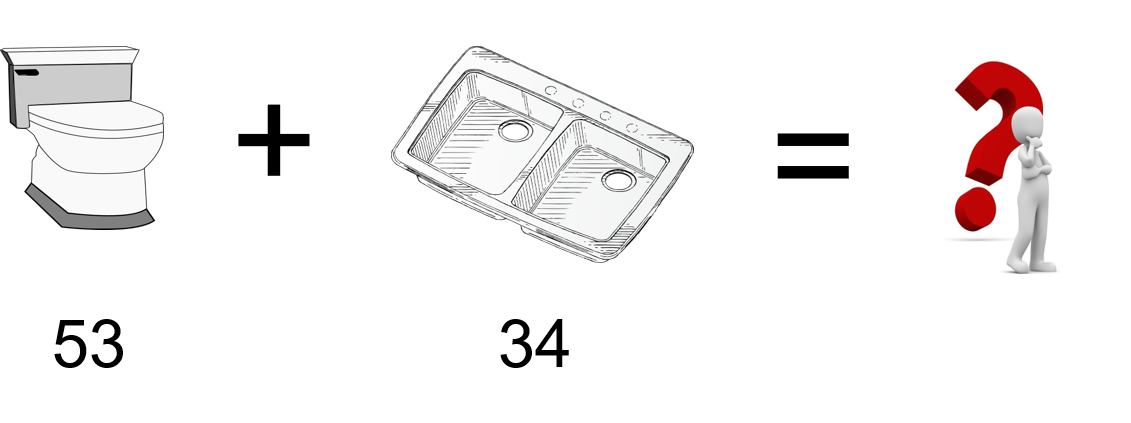
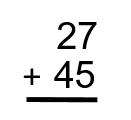
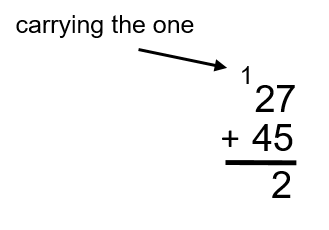
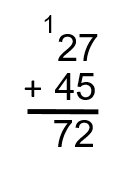
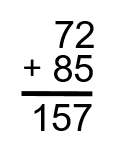
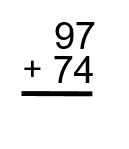
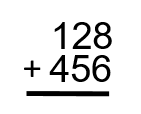
				 <p><img class="alignleft wp-image-84" src="https://opentextbc.ca/mathfortrades1/wp-content/uploads/sites/305/2020/04/unnamed-3-231x300.png" alt="&amp;quot;&amp;quot;" width="100" height="130" srcset="https://opentextbc.ca/mathfortrades1/wp-content/uploads/sites/305/2020/04/unnamed-3-231x300.png 231w, https://opentextbc.ca/mathfortrades1/wp-content/uploads/sites/305/2020/04/unnamed-3-65x84.png 65w, https://opentextbc.ca/mathfortrades1/wp-content/uploads/sites/305/2020/04/unnamed-3-225x292.png 225w, https://opentextbc.ca/mathfortrades1/wp-content/uploads/sites/305/2020/04/unnamed-3-350x454.png 350w, https://opentextbc.ca/mathfortrades1/wp-content/uploads/sites/305/2020/04/unnamed-3.png 395w" title="" /></p> <p>Harpreet and Jamieson are currently working a job that requires seven toilets to be installed in one area of the building and six toilets in another. In total, they need to install 13 toilets.</p> <p>Now, that might not be too hard to do in our heads, but what if we need to add larger numbers? For instance, a job that they are bidding on has 53 toilets and 34 kitchen sinks. That might be harder to add in your head.</p> <p><img class="alignright wp-image-85" src="https://opentextbc.ca/mathfortrades1/wp-content/uploads/sites/305/2020/04/unnamed-300x200.jpg" alt="&amp;quot;&amp;quot;" width="100" height="67" srcset="https://opentextbc.ca/mathfortrades1/wp-content/uploads/sites/305/2020/04/unnamed-300x200.jpg 300w, https://opentextbc.ca/mathfortrades1/wp-content/uploads/sites/305/2020/04/unnamed-65x43.jpg 65w, https://opentextbc.ca/mathfortrades1/wp-content/uploads/sites/305/2020/04/unnamed-225x150.jpg 225w, https://opentextbc.ca/mathfortrades1/wp-content/uploads/sites/305/2020/04/unnamed-350x233.jpg 350w, https://opentextbc.ca/mathfortrades1/wp-content/uploads/sites/305/2020/04/unnamed.jpg 512w" title="" /></p> <p>An easy way to add is to use a calculator, and if we did, we would get an answer of 87. But learning to add these two whole numbers using math principles can help us not only add the numbers, but also visualize how these numbers go together.</p> <p>Let’s go back to the place value system to help us out:</p> <blockquote><p>First, look at 53, which has 5 tens and 3 ones.</p> <p>Then, look at 34, which has 3 tens and 4 ones.</p> <p>Add the tens up: 5 tens + 3 tens = 8 tens.</p> <p>Add the ones up: 3 ones + 4 ones = 7 ones.</p></blockquote> <p>When we put the original numbers in the place value system and add, we get a total of 87. Separating this number into each of its digits and positioning them in the place value system can help us visualize the value of each of the digits.</p> <p>Follow the steps outlined below to see how this process looks mathematically.</p> <div class="textbox textbox--examples"><div class="textbox__header"><p class="textbox__title">Example</p> </div> <div class="textbox__content"><p>We’ll use the same numbers from the previous example:</p> <p><img class="wp-image-653 aligncenter" src="https://opentextbc.ca/mathfortrades1/wp-content/uploads/sites/305/2020/04/Picture88.png" alt="53 toilets + 34 sinks = what?" width="1000" height="374" title="" /><strong>Step 1</strong>: Put the question into a formula that is easy to work with.</p> <p><img class="aligncenter wp-image-69" src="https://opentextbc.ca/mathfortrades1/wp-content/uploads/sites/305/2020/04/Picture-23.png" alt="53 + 34. 53 is placed above 34 so the ones and tens place values are lined up" width="94" height="85" title="" /><strong>Step 2</strong>: Add up the ones. In this case, we have 3 and 4. Together, they add up to 7.</p> <p><img class="aligncenter wp-image-68" src="https://opentextbc.ca/mathfortrades1/wp-content/uploads/sites/305/2020/04/picture-21.png" alt="The ones. 3 + 4 = 7" width="78" height="114" title="" /><strong>Step 3</strong>: Add up the tens. In this case, we have 5 and 3. Together, they add up to 8.</p> <p><img class="aligncenter wp-image-70" src="https://opentextbc.ca/mathfortrades1/wp-content/uploads/sites/305/2020/04/Picture-24.png" alt="53 + 34 = 87" width="93" height="117" title="" /></p> </div> </div> <p>That example worked out well, as neither the ones nor the tens added up to more than 9. But what if they did? Take a look at the next example to see how this works.</p> <div class="textbox"><p><img class="alignleft wp-image-90" src="https://opentextbc.ca/mathfortrades1/wp-content/uploads/sites/305/2020/04/Picture104-150x150.png" alt="Note" width="100" height="94" srcset="https://opentextbc.ca/mathfortrades1/wp-content/uploads/sites/305/2020/04/Picture104-65x61.png 65w, https://opentextbc.ca/mathfortrades1/wp-content/uploads/sites/305/2020/04/Picture104.png 191w" title="" /></p> <p>The word “sum” is math language for adding numbers together. When we say, “What is the sum of 27 and 45?” what we are saying is, “What is the total of those numbers if we added them together?”</p> <p>&nbsp;</p> </div> <div class="textbox textbox--examples"><div class="textbox__header"><p class="textbox__title">Example</p> </div> <div class="textbox__content"><p>Find the sum of 27 and 45.</p> <p>To get the sum of these numbers, we will go back to our three steps.</p> <p><strong>Step 1</strong>: Put the question into a formula that is easy to work with.</p> <p><img class="aligncenter wp-image-75" src="https://opentextbc.ca/mathfortrades1/wp-content/uploads/sites/305/2020/04/Picture24.png" alt="27 + 45. 27 is placed above 45 so the tens and ones places line up" width="95" height="87" title="" /></p> <p><strong>Step 2</strong>: Add up the ones. In this case, we have 7 and 5. Together, they add up to 12. This is where we do what is called “carrying the one.” Take a look at the following image to see this in action:</p> <p><img class="aligncenter wp-image-657" src="https://opentextbc.ca/mathfortrades1/wp-content/uploads/sites/305/2020/04/Picture89.png" alt="In the ones column, 7+5=12. The 2 is placed on the answer line and the 1 is placed in the tens column" width="239" height="167" title="" /></p> <div class="textbox"><p><strong>Note:</strong> In this case, we do not put the number 12 at the bottom of the equation. Instead, we “carry the one” into the next spot (the tens) in the place value system.</p> </div> <p><strong>Step 3</strong>: Add up the tens. In this case, we have 2 and 4. Together, they add up to 6. We also have to take into account the one that we carried over. We add that in as well to get a total of 7 in the tens place.</p> <p><img class="aligncenter wp-image-79" src="https://opentextbc.ca/mathfortrades1/wp-content/uploads/sites/305/2020/04/Picture26.png" alt="27+45=72" width="92" height="125" title="" /></p> <div class="textbox"><p><strong>Note:</strong> If it turned out that the tens added up to more than 9, we could carry the one again into the hundreds column. Take a look below to see how this works.</p> </div> <p><img class="aligncenter wp-image-81" src="https://opentextbc.ca/mathfortrades1/wp-content/uploads/sites/305/2020/04/Picture27-2.png" alt="72+85=157" width="92" height="107" title="" /></p> <p>As there are no other values in the hundreds column in this question, we just go ahead and place the one in the hundreds column.</p> </div> </div> <h1>Practice Questions</h1> <p>Try a couple practice questions yourself and check the video answers to see how you did. Make sure to follow the steps outlined above and think about the place value of each of the digits.</p> <div class="textbox textbox--exercises"><div class="textbox__header"><p class="textbox__title">Question 1</p> </div> <div class="textbox__content"><p><img class="aligncenter" src="https://opentextbc.ca/mathfortrades1/wp-content/uploads/sites/305/2020/04/Picture32.png" alt="97 + 74" width="95" height="110" title="" /></p> <div class="textbox interactive-content interactive-content--oembed"><span class="interactive-content__icon"></span> <p>One or more interactive elements has been excluded from this version of the text. You can view them online here: <a href="#oembed-3" title="Adding Whole Numbers - Question #1" data-url="https://opentextbc.ca/mathfortrades1/?p=97#oembed-3">https://opentextbc.ca/mathfortrades1/?p=97#oembed-3</a> </p> </div> </div> </div> <div class="textbox textbox--exercises"><div class="textbox__header"><p class="textbox__title">Question 2</p> </div> <div class="textbox__content"><p><img class="aligncenter wp-image-93" src="https://opentextbc.ca/mathfortrades1/wp-content/uploads/sites/305/2020/04/Picture33-1.png" alt="128 + 456" width="105" height="85" title="" /></p> <div class="textbox interactive-content interactive-content--oembed"><span class="interactive-content__icon"></span> <p>One or more interactive elements has been excluded from this version of the text. You can view them online here: <a href="#oembed-4" title="Adding Whole Numbers - Question #2" data-url="https://opentextbc.ca/mathfortrades1/?p=97#oembed-4">https://opentextbc.ca/mathfortrades1/?p=97#oembed-4</a> </p> </div> </div> </div> 
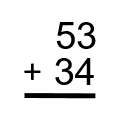
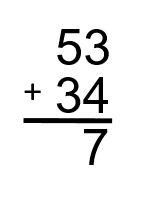
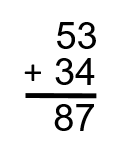
	</div>


	</div>
<div class="chapter standard " id="chapter-subtracting-whole-numbers" title="Subtracting Whole Numbers">
	<div class="chapter-title-wrap">
		<p class="chapter-number">3</p>
		<h1 class="chapter-title">Subtracting Whole Numbers</h1>
								</div>
	<div class="ugc chapter-ugc">
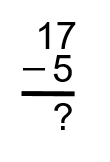
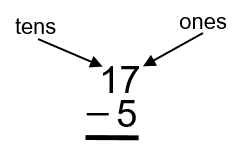
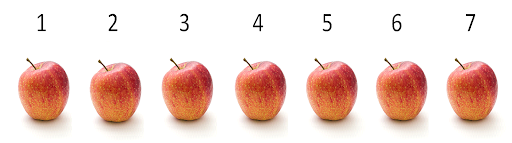
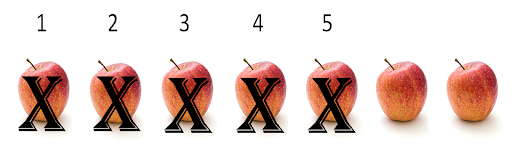
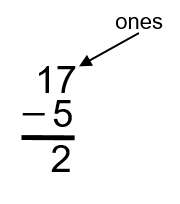
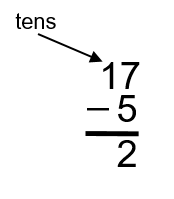
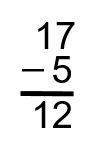
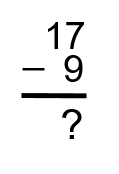
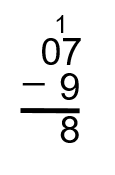
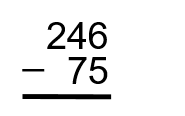
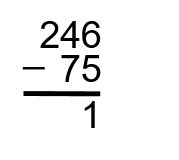
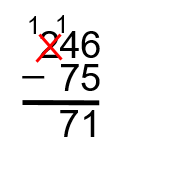
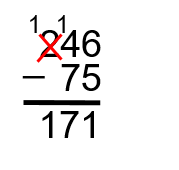
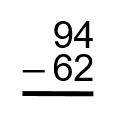
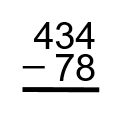
				 <p><img class="alignleft wp-image-98" src="https://opentextbc.ca/mathfortrades1/wp-content/uploads/sites/305/2020/04/Picture107-300x199.png" alt="" width="100" height="66" srcset="https://opentextbc.ca/mathfortrades1/wp-content/uploads/sites/305/2020/04/Picture107-300x199.png 300w, https://opentextbc.ca/mathfortrades1/wp-content/uploads/sites/305/2020/04/Picture107-1024x679.png 1024w, https://opentextbc.ca/mathfortrades1/wp-content/uploads/sites/305/2020/04/Picture107-768x509.png 768w, https://opentextbc.ca/mathfortrades1/wp-content/uploads/sites/305/2020/04/Picture107-65x43.png 65w, https://opentextbc.ca/mathfortrades1/wp-content/uploads/sites/305/2020/04/Picture107-225x149.png 225w, https://opentextbc.ca/mathfortrades1/wp-content/uploads/sites/305/2020/04/Picture107-350x232.png 350w, https://opentextbc.ca/mathfortrades1/wp-content/uploads/sites/305/2020/04/Picture107.png 1280w" title="" /></p> <p>As his company grows, Harpreet asks Jamieson to bid on more jobs. Harpreet has had to hire a few plumbers to help with the work, as things are going well for the business and profits are climbing. It’s going so well that they have had to turn down some of the jobs they are bidding on (and getting).</p> <p>In fact, last month, they bid on 17 jobs and got all of them. They didn’t figure they would get all 17 and actually had to turn down 5 of the jobs, leaving them with 12 jobs. This is an example of subtracting whole numbers.</p> <p><img class="alignleft wp-image-99" src="https://opentextbc.ca/mathfortrades1/wp-content/uploads/sites/305/2020/04/unnamed-6-150x150.png" alt="" width="104" height="104" srcset="https://opentextbc.ca/mathfortrades1/wp-content/uploads/sites/305/2020/04/unnamed-6-150x150.png 150w, https://opentextbc.ca/mathfortrades1/wp-content/uploads/sites/305/2020/04/unnamed-6-300x296.png 300w, https://opentextbc.ca/mathfortrades1/wp-content/uploads/sites/305/2020/04/unnamed-6-65x64.png 65w, https://opentextbc.ca/mathfortrades1/wp-content/uploads/sites/305/2020/04/unnamed-6-225x222.png 225w, https://opentextbc.ca/mathfortrades1/wp-content/uploads/sites/305/2020/04/unnamed-6-350x345.png 350w, https://opentextbc.ca/mathfortrades1/wp-content/uploads/sites/305/2020/04/unnamed-6.png 512w" title="" /></p> <p>The key to subtracting whole numbers is to find the difference between the two numbers. If we started with 17 jobs, and Harpreet turned down 5 of those jobs, then the number of jobs he would have taken is 12. We could also look at it as 5 being the difference between the number of jobs he got and the number of jobs he took. We could write this formula down as something like the following:</p> <p style="text-align: center;"><img src="http://opentextbc.ca:3000/latex?latex=%5CLARGE17-5%3D12&amp;fg=000000&amp;font=TeX&amp;svg=1" alt="\LARGE17-5=12" title="\LARGE17-5=12" class="latex mathjax" /></p> <p style="text-align: center;">OR</p> <p style="text-align: center;"><img src="http://opentextbc.ca:3000/latex?latex=%5CLARGE17-2%3D5&amp;fg=000000&amp;font=TeX&amp;svg=1" alt="\LARGE17-2=5" title="\LARGE17-2=5" class="latex mathjax" /></p> <p>We’ll use the first way it is written down as our example, and then what we’ll do is change that into another format that will be easier to work with.</p> <p><img class="aligncenter wp-image-679" src="https://opentextbc.ca/mathfortrades1/wp-content/uploads/sites/305/2020/04/Picture99.png" alt="The bigger number (17) placed above the smaller number (5). The numbers in the ones place (7 and 5) are lined up" width="92" height="136" title="" /></p> <p>What you might note is that the way the question is written is similar to how we worked the equation when we were adding whole numbers. Writing it this way gives us a better representation of the ones and the tens columns, which we’ll need to use when working through the question.</p> <p><img class="aligncenter wp-image-675" src="https://opentextbc.ca/mathfortrades1/wp-content/uploads/sites/305/2020/04/Picture96.png" alt="The 1 in 17 is in the tens column. The 7 in 17 and the 5 are in the ones column" width="202" height="131" title="" /></p> <p>Subtracting, like adding, requires us to work through each of the columns one by one until we reach our final answer. We’ll answer this question visually in order to get the picture.</p> <p>Start with 7 apples in the ones column.</p> <p><img class="aligncenter wp-image-90 size-full" style="font-weight: bold; font-size: 14pt;" src="https://opentextbc.ca/mathfortrades1/wp-content/uploads/sites/305/2020/04/unnamed-7.png" alt="Seven apples in a line" width="512" height="143" title="" /></p> <p>Remove (or subtract) 5 of those apples, and you are left with 2 apples.</p> <p><img class="aligncenter wp-image-91 size-full" src="https://opentextbc.ca/mathfortrades1/wp-content/uploads/sites/305/2020/04/unnamed-8.png" alt="Seven apples lined up. Five of them have an X through them. Two apples are left" width="512" height="157" title="" /></p> <p>That takes care of the ones columns. We started with 7 apples, then we subtracted 5 apples, leaving us with 2 apples in the ones column. We would say that 2 is the difference between 7 and 5.</p> <p><img class="aligncenter wp-image-676" src="https://opentextbc.ca/mathfortrades1/wp-content/uploads/sites/305/2020/04/Picture97.png" alt="Subract the ones column. 7 minus 5 = 2" width="154" height="175" title="" /></p> <p>Now off to the tens column.</p> <p><img class="aligncenter wp-image-671" src="https://opentextbc.ca/mathfortrades1/wp-content/uploads/sites/305/2020/04/Picture93.png" alt="&amp;quot;&amp;quot;" width="147" height="169" title="" /></p> <p>What is interesting to note here is that there is only one number in the tens column, and that happens to be the number 1. This makes things easy, as there is no work for us to do. We just move the 1 down into the tens column of the answer, and we then have our final answer.</p> <p><img class="aligncenter wp-image-672" src="https://opentextbc.ca/mathfortrades1/wp-content/uploads/sites/305/2020/04/Picture94.png" alt="17 minus 5 equals 12" width="94" height="138" title="" /></p> <p>Okay, that was pretty straightforward. Now we’ll try something a little more challenging.</p> <div class="textbox textbox--examples"><div class="textbox__header"><p class="textbox__title">Example</p> </div> <div class="textbox__content"><p>Imagine things worked out differently for Harpreet and Jamieson. Let’s say that, of those 17 jobs they bid on and successfully got, they had to turn down 9 of them. How many of those jobs would they have taken? Before you continue reading and see the answer, try and visualize what it would look like when we put those numbers into the formula. Do you see the problem?</p> <p><img class="aligncenter wp-image-107" src="https://opentextbc.ca/mathfortrades1/wp-content/uploads/sites/305/2020/04/Picture98-300x211.png" alt="Drawing of a person pushing a huge round object up a steep slope." width="187" height="131" srcset="https://opentextbc.ca/mathfortrades1/wp-content/uploads/sites/305/2020/04/Picture98-300x211.png 300w, https://opentextbc.ca/mathfortrades1/wp-content/uploads/sites/305/2020/04/Picture98-1024x721.png 1024w, https://opentextbc.ca/mathfortrades1/wp-content/uploads/sites/305/2020/04/Picture98-768x541.png 768w, https://opentextbc.ca/mathfortrades1/wp-content/uploads/sites/305/2020/04/Picture98-65x46.png 65w, https://opentextbc.ca/mathfortrades1/wp-content/uploads/sites/305/2020/04/Picture98-225x158.png 225w, https://opentextbc.ca/mathfortrades1/wp-content/uploads/sites/305/2020/04/Picture98-350x246.png 350w, https://opentextbc.ca/mathfortrades1/wp-content/uploads/sites/305/2020/04/Picture98.png 1280w" title="" /></p> <p>If we were to start with the ones column as we did in the last example, the problem would show up right away. The problem is that, if you try to subtract 9 from 7, you would end up below zero. So we have to come up with some method of subtracting that compensates for that.</p> <p style="text-align: center;"><img src="http://opentextbc.ca:3000/latex?latex=%5CLARGE7-9%3D%5Ctext%7Bless%20than%20zero%7D&amp;fg=000000&amp;font=TeX&amp;svg=1" alt="\LARGE7-9=\text{less than zero}" title="\LARGE7-9=\text{less than zero}" class="latex mathjax" /></p> <p><img class="aligncenter wp-image-95" src="https://opentextbc.ca/mathfortrades1/wp-content/uploads/sites/305/2020/04/Picture34.png" alt="&amp;quot;&amp;quot;" width="94" height="137" title="" /></p> <p>What we end up doing is borrowing from the tens column. We would end up with something that looked like this:</p> <p><img class="aligncenter wp-image-96" src="https://opentextbc.ca/mathfortrades1/wp-content/uploads/sites/305/2020/04/Picture35.png" alt="1 group of 10 is moved from the tens column and added to the ones column. 17 minus 9=8" width="95" height="145" title="" /></p> <p>When we borrow from the tens column, we are borrowing a value of ten and adding it to the ones column to help the ones. We end up with 17 in the ones column, which is now more than enough to deal with the 9 being subtracted. Also, whatever value we had in the tens column (in this case, it was a 1) is reduced by 1 to account for the fact that it has been borrowed.</p> </div> </div> <div class="textbox textbox--examples"><div class="textbox__header"><p class="textbox__title">Example</p> </div> <div class="textbox__content"><p>We’ll go through another example in which we return to our plumbers, Harpreet and Jamieson. The three employees they hired are Dixon, Kavanir, and Arman, and it’s a good thing they hired them. Those 17 jobs they originally bid on involved the installation of 246 fixtures, including bathtubs, toilets, and sinks. Harpreet and Jamieson could not do all that work by themselves.</p> <p>But, due to the fact that they turned down 5 jobs, they won’t need to install 75 of those fixtures, so with the help of the three new employees, they should be able to complete all the jobs. The question is, “How many fixtures will they have to install?”</p> <p><img class="alignleft wp-image-110" src="https://opentextbc.ca/mathfortrades1/wp-content/uploads/sites/305/2020/04/Picture108-300x128.png" alt="&amp;quot;&amp;quot;" width="235" height="100" srcset="https://opentextbc.ca/mathfortrades1/wp-content/uploads/sites/305/2020/04/Picture108-300x128.png 300w, https://opentextbc.ca/mathfortrades1/wp-content/uploads/sites/305/2020/04/Picture108-1024x436.png 1024w, https://opentextbc.ca/mathfortrades1/wp-content/uploads/sites/305/2020/04/Picture108-768x327.png 768w, https://opentextbc.ca/mathfortrades1/wp-content/uploads/sites/305/2020/04/Picture108-65x28.png 65w, https://opentextbc.ca/mathfortrades1/wp-content/uploads/sites/305/2020/04/Picture108-225x96.png 225w, https://opentextbc.ca/mathfortrades1/wp-content/uploads/sites/305/2020/04/Picture108-350x149.png 350w, https://opentextbc.ca/mathfortrades1/wp-content/uploads/sites/305/2020/04/Picture108.png 1280w" title="" /></p> <p>As usual, start with the mathematical formula that allows us to properly answer the question. But this time, we’ll go through the process using steps, so that when you look back, you can see how it breaks down.</p> <p>You may have noticed in the first couple of sections that we often go through examples using steps. This is done to break down a large question into manageable parts. If you follow this idea when working through math problems, it can help keep you on track.</p> <p>Okay, back to the problem:</p> <p><strong>Step 1</strong>: Put the question into a format that is easy to work with.</p> <p><img class="aligncenter wp-image-97" src="https://opentextbc.ca/mathfortrades1/wp-content/uploads/sites/305/2020/04/Picture37.png" alt="246 minus 75. 246 is above 75 and the ones and tens colums are lined up" width="142" height="89" title="" /></p> <p><strong>Step 2</strong>: Subtract the ones. In this case, we have 6 minus 5, which equals 1.</p> <p><img class="aligncenter wp-image-98" src="https://opentextbc.ca/mathfortrades1/wp-content/uploads/sites/305/2020/04/Picture38-1.png" alt="Subtract the ones column. 6 minus 5 equals 1. 1 is written in the ones place on the row below the equation" width="134" height="120" title="" /></p> <p><strong>Step 3</strong>: Subtract the tens. Here, we have the issue wherein the number on top (4) is less than the number on the bottom (7), so we have to borrow from the hundreds. The 2 in the hundreds column has to be reduced by 1, and then that 1 is added to the tens. We end up with 14 minus 7, which equals 7.</p> <p><img class="aligncenter wp-image-100" src="https://opentextbc.ca/mathfortrades1/wp-content/uploads/sites/305/2020/04/Picture39.png" alt="The 2 is 246 is crossed out and replaced with a 1. The 4 in 246 becomes 14. The answer now reads 71" width="144" height="136" title="" /></p> <p><strong>Step 4</strong>: Subtract the hundreds. In this case, we only have the 1, so 1 minus 0 is 1.</p> <p><img class="aligncenter wp-image-101" src="https://opentextbc.ca/mathfortrades1/wp-content/uploads/sites/305/2020/04/Picture40-1.png" alt="246 minus 75 = 171" width="137" height="129" title="" /></p> </div> </div> <h1>Practice Questions</h1> <p>Try a couple example questions yourself and check the video answers to see how you did.</p> <div class="textbox textbox--exercises"><div class="textbox__header"><p class="textbox__title">Question 1</p> </div> <div class="textbox__content"><h2><img class="aligncenter wp-image-103" src="https://opentextbc.ca/mathfortrades1/wp-content/uploads/sites/305/2020/04/Picture41.png" alt="94 minus 62" width="90" height="86" title="" /></h2> <div class="textbox interactive-content interactive-content--oembed"><span class="interactive-content__icon"></span> <p>One or more interactive elements has been excluded from this version of the text. You can view them online here: <a href="#oembed-3" title="Subtracting Whole Numbers - Question #1" data-url="https://opentextbc.ca/mathfortrades1/?p=117#oembed-3">https://opentextbc.ca/mathfortrades1/?p=117#oembed-3</a> </p> </div> </div> </div> <div class="textbox textbox--exercises"><div class="textbox__header"><p class="textbox__title">Question 2</p> </div> <div class="textbox__content"><h2><img class="aligncenter wp-image-104" src="https://opentextbc.ca/mathfortrades1/wp-content/uploads/sites/305/2020/04/Picture42.png" alt="434 minus 78" width="94" height="88" title="" /></h2> <div class="textbox interactive-content interactive-content--oembed"><span class="interactive-content__icon"></span> <p>One or more interactive elements has been excluded from this version of the text. You can view them online here: <a href="#oembed-4" title="Subtracting Whole Numbers - Question #2" data-url="https://opentextbc.ca/mathfortrades1/?p=117#oembed-4">https://opentextbc.ca/mathfortrades1/?p=117#oembed-4</a> </p> </div> </div> </div> 
	</div>


	</div>
<div class="chapter standard " id="chapter-multiplying-whole-numbers" title="Multiplying Whole Numbers">
	<div class="chapter-title-wrap">
		<p class="chapter-number">4</p>
		<h1 class="chapter-title">Multiplying Whole Numbers</h1>
								</div>
	<div class="ugc chapter-ugc">
				 <h1>Multiplying Small Whole Numbers</h1> <p><img class="alignleft wp-image-118" src="https://opentextbc.ca/mathfortrades1/wp-content/uploads/sites/305/2020/04/Picture101-300x172.png" alt="" width="100" height="57" srcset="https://opentextbc.ca/mathfortrades1/wp-content/uploads/sites/305/2020/04/Picture101-300x172.png 300w, https://opentextbc.ca/mathfortrades1/wp-content/uploads/sites/305/2020/04/Picture101-1024x586.png 1024w, https://opentextbc.ca/mathfortrades1/wp-content/uploads/sites/305/2020/04/Picture101-768x439.png 768w, https://opentextbc.ca/mathfortrades1/wp-content/uploads/sites/305/2020/04/Picture101-65x37.png 65w, https://opentextbc.ca/mathfortrades1/wp-content/uploads/sites/305/2020/04/Picture101-225x129.png 225w, https://opentextbc.ca/mathfortrades1/wp-content/uploads/sites/305/2020/04/Picture101-350x200.png 350w, https://opentextbc.ca/mathfortrades1/wp-content/uploads/sites/305/2020/04/Picture101.png 1280w" title="" /></p> <p>As Harpreet’s company grows, he need to buy work vans for himself and his employees. He’s able to get a deal and buys 4 vans. Each of those vans needs to be equipped with tools, so he starts with wrenches. He decides that each van needs 5 wrenches. How many wrenches would that be in total?</p> <p>This is an example of multiplying whole numbers. The way we could sound it out or write it is as follows:</p> <p style="text-align: center;"><img src="http://opentextbc.ca:3000/latex?latex=%5CLARGE%5Ctext%7BFour%20times%20five%20OR%20%7D4%5Ctimes5&amp;fg=000000&amp;font=TeX&amp;svg=1" alt="\LARGE\text{Four times five OR }4\times5" title="\LARGE\text{Four times five OR }4\times5" class="latex mathjax" /></p> <p>If we looked at it from a more visual perspective, it would look like this:</p> <p><img class="aligncenter wp-image-119" src="https://opentextbc.ca/mathfortrades1/wp-content/uploads/sites/305/2020/04/unnamed-9-300x248.png" alt="Four rows of wrenches. Each row has five wrenches in it." width="321" height="265" srcset="https://opentextbc.ca/mathfortrades1/wp-content/uploads/sites/305/2020/04/unnamed-9-300x248.png 300w, https://opentextbc.ca/mathfortrades1/wp-content/uploads/sites/305/2020/04/unnamed-9-65x54.png 65w, https://opentextbc.ca/mathfortrades1/wp-content/uploads/sites/305/2020/04/unnamed-9-225x186.png 225w, https://opentextbc.ca/mathfortrades1/wp-content/uploads/sites/305/2020/04/unnamed-9-350x290.png 350w, https://opentextbc.ca/mathfortrades1/wp-content/uploads/sites/305/2020/04/unnamed-9.png 512w" title="" /></p> <p>In this case we could physically count up all the wrenches, and we would end up with 20. We could also count up each row of 5 and add them as follows:</p> <p style="text-align: center;"><img src="http://opentextbc.ca:3000/latex?latex=%5CLARGE5%2B5%2B5%2B5%3D20&amp;fg=000000&amp;font=TeX&amp;svg=1" alt="\LARGE5+5+5+5=20" title="\LARGE5+5+5+5=20" class="latex mathjax" /></p> <p>Or we could take one row of 5 and multiply it 4 times because there are 4 rows. The equation would look like this:</p> <p style="text-align: center;"><img src="http://opentextbc.ca:3000/latex?latex=%5CLARGE4%5Ctimes5%3D20&amp;fg=000000&amp;font=TeX&amp;svg=1" alt="\LARGE4\times5=20" title="\LARGE4\times5=20" class="latex mathjax" /></p> <p>Each method should get us the same answer, but going 4 times 5 gets us to the answer quicker. If we were to multiply larger numbers such as 8 time 9 (8 × 9), we could spend a long time counting wrenches or a long time adding numbers. Multiplication simplifies the process.</p> <p>Before moving on to multiplying larger numbers, why don’t we go through another example of multiplying smaller numbers and use visuals to help us with our answer.</p> <div class="textbox textbox--examples"><div class="textbox__header"><p class="textbox__title">Example</p> </div> <div class="textbox__content"><p>Harpreet decides to buy some screwdrivers for the van and decides that each van needs 7 screwdrivers. He also decides to buy 2 extra sets for the shop. In total he decides to buy 6 sets of screwdrivers.</p> <p>The first thing we should do is write the question in a form that we can work with.</p> <p><img class="aligncenter wp-image-915" src="https://opentextbc.ca/mathfortrades1/wp-content/uploads/sites/305/2020/04/Picture110.png" alt="6 times 7 = what? 6 is how many sets of screw drivers. 7 is how many screwdrivers in each set" width="450" height="148" title="" /></p> <p>Remember you can also think of it like this:</p> <p style="text-align: center;"><img src="http://opentextbc.ca:3000/latex?latex=%5CLARGE7%2B7%2B7%2B7%2B7%2B7%3D&amp;fg=000000&amp;font=TeX&amp;svg=1" alt="\LARGE7+7+7+7+7+7=" title="\LARGE7+7+7+7+7+7=" class="latex mathjax" /></p> <p>And once again we could look at it visually and count up the screwdrivers.</p> <p><img class="aligncenter wp-image-918" src="https://opentextbc.ca/mathfortrades1/wp-content/uploads/sites/305/2020/04/Picture112.png" alt="Six groups of screwdrivers with 7 screwdrivers in each group" width="600" height="212" title="" /></p> <p>If we were to count them up, we would find that we have 42 screwdrivers. If we took our calculator and plugged in 6 times 7, we would get the same answer. If we added 7 plus 7 plus 7 and so on, we would also end up with 42.</p> </div> </div> <div class="wp-caption alignleft" id="attachment_122" aria-describedby="caption-attachment-122" style="width: 300px"><a href="https://opentextbc.ca/mathfortrades1/wp-content/uploads/sites/305/2020/04/Picture113.jpg" data-url="https://opentextbc.ca/mathfortrades1/wp-content/uploads/sites/305/2020/04/Picture113.jpg"><img class="wp-image-122 size-medium" src="https://opentextbc.ca/mathfortrades1/wp-content/uploads/sites/305/2020/04/Picture113-300x212.jpg" alt="Times Tables image." width="300" height="212" srcset="https://opentextbc.ca/mathfortrades1/wp-content/uploads/sites/305/2020/04/Picture113-300x212.jpg 300w, https://opentextbc.ca/mathfortrades1/wp-content/uploads/sites/305/2020/04/Picture113-1024x723.jpg 1024w, https://opentextbc.ca/mathfortrades1/wp-content/uploads/sites/305/2020/04/Picture113-768x542.jpg 768w, https://opentextbc.ca/mathfortrades1/wp-content/uploads/sites/305/2020/04/Picture113-65x46.jpg 65w, https://opentextbc.ca/mathfortrades1/wp-content/uploads/sites/305/2020/04/Picture113-225x159.jpg 225w, https://opentextbc.ca/mathfortrades1/wp-content/uploads/sites/305/2020/04/Picture113-350x247.jpg 350w, https://opentextbc.ca/mathfortrades1/wp-content/uploads/sites/305/2020/04/Picture113.jpg 1280w" title="" /></a><div class="wp-caption-text" id="caption-attachment-122">A list of times tables for the numbers 1 to 10. Click on the image to see it full size or refer to the <a class="internal" href="#back-matter-times-tables" data-url="/mathfortrades1/back-matter/times-tables/">Appendix A: Times Tables</a> chapter at the back of the book for a full list.</div></div> <p>Now, we don’t want to have to go through all that work of counting screwdrivers every time we multiply small numbers together. What students end up doing is using their calculator or just memorizing their “times tables.” Times tables are a list of numbers being multiplied, starting at 1 times 1 and going up to 12 times 12. Take a look at the picture to the left to get and idea of what I’m talking about here. The idea is that you memorize these time tables so that when you see small numbers being multiplied, you can just access your memory for the answer.</p> <p>Although memorizing your times tables is great for small numbers, you still will run up against multiplying larger numbers. The following explanation goes through how we tackle this issue from a mathematical viewpoint.</p> <h1>Multiplying Large Whole Numbers</h1> <p>Suppose that we want to multiply large numbers together. How do you think that would be done? The following method is used to calculate large whole numbers, and we’re going to go right to an example complete with the steps for this one as its quite the process, and we really don’t want to go through this twice.</p> <p>What is the product of four hundred and thirty seven times three hundred and ninety two?</p> <div class="textbox"><p><img class="alignleft wp-image-693" src="https://opentextbc.ca/mathfortrades1/wp-content/uploads/sites/305/2020/04/Picture104.png" alt="Note" width="100" height="94" title="" /></p> <p>The word “product” in math terms means the multiplying of two numbers together.</p> <p>&nbsp;</p> </div> <p><img class="alignleft wp-image-123" src="https://opentextbc.ca/mathfortrades1/wp-content/uploads/sites/305/2020/04/Picture103-300x300.png" alt="&amp;quot;&amp;quot;" width="100" height="100" srcset="https://opentextbc.ca/mathfortrades1/wp-content/uploads/sites/305/2020/04/Picture103-300x300.png 300w, https://opentextbc.ca/mathfortrades1/wp-content/uploads/sites/305/2020/04/Picture103-150x150.png 150w, https://opentextbc.ca/mathfortrades1/wp-content/uploads/sites/305/2020/04/Picture103-65x65.png 65w, https://opentextbc.ca/mathfortrades1/wp-content/uploads/sites/305/2020/04/Picture103-225x225.png 225w, https://opentextbc.ca/mathfortrades1/wp-content/uploads/sites/305/2020/04/Picture103-350x350.png 350w, https://opentextbc.ca/mathfortrades1/wp-content/uploads/sites/305/2020/04/Picture103.png 512w" title="" /></p> <p>One thing to keep in mind is that the process we are going to work our way through here takes some time and is a lot of work. If during the process you are asking yourself, <em>Would it be easier to just use a calculator?</em><em>,</em> you would have a good case. But the point of this exercise is once again to help with our understanding of how numbers go together. Remember that once you understand the basics of math, the more difficult concepts will be handled more easily. Taking the time now to fully understand the concept will help you down the road and save you money down that same road.</p> <div class="textbox textbox--examples"><div class="textbox__header"><p class="textbox__title">Example</p> </div> <div class="textbox__content"><p style="text-align: center;"><img src="http://opentextbc.ca:3000/latex?latex=%5CLARGE437%5Ctimes392%3D%3F&amp;fg=000000&amp;font=TeX&amp;svg=1" alt="\LARGE437\times392=?" title="\LARGE437\times392=?" class="latex mathjax" /></p> <p><strong>Step 1:</strong> As always, the first step is to put the question in a format that is easy to work with.</p> <p><img class="aligncenter wp-image-112" src="https://opentextbc.ca/mathfortrades1/wp-content/uploads/sites/305/2020/04/Picture44.png" alt="437 times 392. 437 is positioned above 392 so their place values line up" width="110" height="89" title="" /></p> <p>The procedure is generally just multiplying a bunch of smaller numbers together to finally get the larger number. This is where knowing your times tables really comes in handy. The number on the bottom of the equation (in this case 392) is going to be worked with and changed much more than the upper number (437).</p> <p><strong>Step 2:</strong> We start the process by acting as if we are just multiplying the 437 by 2, the number in the ones column. So think of it as looking like the equation below.</p> <p><img class="aligncenter wp-image-690" src="https://opentextbc.ca/mathfortrades1/wp-content/uploads/sites/305/2020/04/Picture45-1.png" alt="437 times 2. 437 appears above 2 with the numbers in the ones column lined up" width="97" height="78" title="" /></p> <p>How this works is that you will first take the 2 and multiply it by the 7, then the 2 will be multiplied by the 3, and finally the 2 will be multiplied by the 4. Now this doesn’t all occur in one step. Take a look below to see how this is done.</p> <p>To start with, multiply the 2 by the 7 to get 14&nbsp; <strong>(2 × 7 = 14)</strong>.</p> <p>Enter the 4 into the “ones” column and carry the 1. Remember carrying the one? As the number 14 is too large to be put into the ones column, we have to take the extra and carry it into the next calculation with the tens column.</p> <p><img class="aligncenter wp-image-115" src="https://opentextbc.ca/mathfortrades1/wp-content/uploads/sites/305/2020/04/Picture46.png" alt="7 times 2= 14. The 4 goes in the ones column and the 1 is carried" width="96" height="119" title="" /></p> <p><strong>Step 3:</strong> Now multiply the 2 by the 3 to get 6. The 1 that we just carried is then added to the 6 to get 7. Put this answer in the tens column <strong>(2 × 3 + 1 = 7)</strong>.</p> <p><img class="aligncenter wp-image-116" src="https://opentextbc.ca/mathfortrades1/wp-content/uploads/sites/305/2020/04/Picture48-1.png" alt="3 times 2 + 1= 7. 7 is put in the tens column" width="101" height="124" title="" /></p> <p><strong>Step 4:</strong> Take the 2 and multiply it by the 4 to get 8. Put this number in the hundreds column <strong>(2 × 4 = 8)</strong>.</p> <p><img class="aligncenter wp-image-118" src="https://opentextbc.ca/mathfortrades1/wp-content/uploads/sites/305/2020/04/Picture50.png" alt="4 times 2 = 8. 8 is put in the hundreds column, making the answer 874" width="105" height="131" title="" /></p> <div class="textbox"><p><strong>Note:</strong> 874 is not the final answer. We still have a few steps to go. Once again you might be asking yourself if doing this with a calculator would be easier, and you’d be correct. It would be way easier but working through the question using this method will help you visualize the process behind multiplication.</p> <p>Also, before you move on, take a second and go back through the initial steps. Make sure you understand the process we just went through.</p> </div> <p><strong>Step 5:</strong> The next step would be to do the same thing with the number in the tens column. In this case, the 9. Think of it as looking at the equation like the one below.</p> <p><img class="aligncenter wp-image-119" src="https://opentextbc.ca/mathfortrades1/wp-content/uploads/sites/305/2020/04/Picture51.png" alt="437 times 9. 437 appears above 9 with the numbers in the tens column lined up" width="103" height="82" title="" /></p> <p>Note the empty space beside the 9. When we begin to take the 9 and multiply it by the number 437, this empty space in the ones column beside the 9 must be taken into account. This is done by placing a zero to start the process and placing it in the ones column. It would look something like is shown below.</p> <p><img class="aligncenter wp-image-120" src="https://opentextbc.ca/mathfortrades1/wp-content/uploads/sites/305/2020/04/Picture53.png" alt="A 0 is placed in the ones column below the answer that came from steps 2 to 4." width="100" height="139" title="" /></p> <p><strong>Step 6:</strong> Now go ahead and multiply the 9 by all three numbers in the top portion of the equation, starting with the 7. When we take the 9 and multiply it by the 7, we get 63. The 3 is placed in the tens column below the 7 and then carry the 6 <strong>(9 × 7 = 63)</strong>.</p> <p><strong><img class="aligncenter wp-image-179" src="https://opentextbc.ca/mathfortrades1/wp-content/uploads/sites/305/2020/04/Picture58.png" alt="A three is placed in the tens column below the answer from steps 2 to 4. The six is carried" width="93" height="169" title="" /></strong></p> <p><strong>Step 7:</strong> Next multiply the 9 by the 3 to get 27. We then add the 6 that was carried over to get 33. The 3 goes in the hundreds column below the 8 and the other 3 is carried into the hundreds column to be used in the next calculation<strong>(9 × 3 + 6 = 33)</strong>.</p> <p><strong><img class="aligncenter wp-image-180" src="https://opentextbc.ca/mathfortrades1/wp-content/uploads/sites/305/2020/04/Picture59.png" alt="The three is placed in the hundreds column beneath the answer from steps 2 to 4. The 3 is carried to the hundreds column" width="92" height="167" title="" /></strong></p> <p><strong>Step 8:</strong> The 9 is then multiplied by the 4 to get 36. Then add the 3 that was carried over to get 39. As this is the last calculation for this part, put the 3 and the 9 into the answer. <strong>(9 × 4 + 3 = 39)</strong></p> <p><strong><img class="aligncenter wp-image-181" src="https://opentextbc.ca/mathfortrades1/wp-content/uploads/sites/305/2020/04/Picture60.png" alt="The total for this set of calculations is 39,330" width="123" height="177" title="" /></strong></p> <p>Now do the same procedure using the 3 from the number 392. As the 3 is from the hundreds column, it can be thought of as looking at the equation below. Once again, in the answer we have to account for the fact that we are using a number in the hundreds column and add two zeros in the answer to start off the process.</p> <p><strong>Step 9:</strong> Take the 3 and multiply it by the 7 to get 21. Repeat the same procedure as before <strong>(3 × 7 = 21)</strong>.</p> <p><strong><img class="aligncenter wp-image-182" src="https://opentextbc.ca/mathfortrades1/wp-content/uploads/sites/305/2020/04/Picture61.png" alt="3 times 7=21. The 1 is places in the hundreds column and the 2 is carried" width="109" height="194" title="" /></strong><strong>Step 10:</strong> Now take the 3 and multiply it by the 3 to get 9 and add the 2 carried over from the first multiplication. This will give you 11 <strong>(3 × 3 + 2 = 11)</strong>.</p> <p><strong><img class="aligncenter wp-image-183" src="https://opentextbc.ca/mathfortrades1/wp-content/uploads/sites/305/2020/04/Picture62.png" alt="3 times 3+2=11. A 1 goes in the thousands column and carry the other 1" width="114" height="199" title="" /></strong><strong>Step 11:</strong> Take the 3 and multiply it by the 4 to get 12. Add the 1 to get 13 <strong>(3 × 4 + 1 = 12)</strong>.</p> <p><strong><img class="aligncenter wp-image-184" src="https://opentextbc.ca/mathfortrades1/wp-content/uploads/sites/305/2020/04/Picture63.png" alt="3 times 4+1=13. That makes the answer to this section of the equation 131,100" width="139" height="212" title="" /></strong></p> <p><strong>Step 12:&nbsp;</strong>Finally, add up the 874, the 39,330 and the 131,100 together to get your final answer.</p> <p><strong><img class="aligncenter wp-image-185" src="https://opentextbc.ca/mathfortrades1/wp-content/uploads/sites/305/2020/04/Picture64.png" alt="874 + 39330 + 131100= 171304" width="141" height="172" title="" /></strong>You might want to do a few things at this point. One is take a break and relax. That was a lot of work to go through. Take a minute to visually work through the process in your mind. If you feel you need to, go back through the work again and make sure you understand what is going on.</p> <p>The second thing you might want to do at this point is check the answer using a calculator. Plug the numbers in and see what you get.</p> <p style="text-align: center;"><img src="http://opentextbc.ca:3000/latex?latex=%5CLARGE437%5Ctimes392%20%3D171%2C304&amp;fg=000000&amp;font=TeX&amp;svg=1" alt="\LARGE437\times392 =171,304" title="\LARGE437\times392 =171,304" class="latex mathjax" /></p> <p><img class="aligncenter wp-image-824" src="https://opentextbc.ca/mathfortrades1/wp-content/uploads/sites/305/2020/04/Picture6-10.png" alt="Correct!" width="92" height="92" title="" /></p> </div> </div> <h1>Practice Questions</h1> <p>Try a couple example questions yourself, and check the video answers to see how you did. Remember that this is a long process so take your time and pay attention to detail.</p> <div class="textbox textbox--exercises"><div class="textbox__header"><p class="textbox__title">Question 1</p> </div> <div class="textbox__content"><h2><img class="aligncenter wp-image-187" src="https://opentextbc.ca/mathfortrades1/wp-content/uploads/sites/305/2020/04/Picture65.png" alt="522 times 196" width="92" height="104" title="" /></h2> <div class="textbox interactive-content interactive-content--oembed"><span class="interactive-content__icon"></span> <p>One or more interactive elements has been excluded from this version of the text. You can view them online here: <a href="#oembed-3" title="Multiplying Whole Numbers #1" data-url="https://opentextbc.ca/mathfortrades1/?p=141#oembed-3">https://opentextbc.ca/mathfortrades1/?p=141#oembed-3</a> </p> </div> </div> </div> <div class="textbox textbox--exercises"><div class="textbox__header"><p class="textbox__title">Question 2</p> </div> <div class="textbox__content"><h2><img class="aligncenter wp-image-189" src="https://opentextbc.ca/mathfortrades1/wp-content/uploads/sites/305/2020/04/Picture66.png" alt="647 times 381" width="104" height="118" title="" /></h2> <div class="textbox interactive-content interactive-content--oembed"><span class="interactive-content__icon"></span> <p>One or more interactive elements has been excluded from this version of the text. You can view them online here: <a href="#oembed-4" title="Multiplying whole numbers #2" data-url="https://opentextbc.ca/mathfortrades1/?p=141#oembed-4">https://opentextbc.ca/mathfortrades1/?p=141#oembed-4</a> </p> </div> </div> </div> 
	</div>


	</div>
<div class="chapter standard " id="chapter-dividing-whole-numbers" title="Dividing Whole Numbers">
	<div class="chapter-title-wrap">
		<p class="chapter-number">5</p>
		<h1 class="chapter-title">Dividing Whole Numbers</h1>
								</div>
	<div class="ugc chapter-ugc">
				 <p><img class="alignleft wp-image-142" src="https://opentextbc.ca/mathfortrades1/wp-content/uploads/sites/305/2020/04/Picture105-300x218.png" alt="&amp;quot;&amp;quot;" width="150" height="109" srcset="https://opentextbc.ca/mathfortrades1/wp-content/uploads/sites/305/2020/04/Picture105-300x218.png 300w, https://opentextbc.ca/mathfortrades1/wp-content/uploads/sites/305/2020/04/Picture105-1024x743.png 1024w, https://opentextbc.ca/mathfortrades1/wp-content/uploads/sites/305/2020/04/Picture105-768x557.png 768w, https://opentextbc.ca/mathfortrades1/wp-content/uploads/sites/305/2020/04/Picture105-65x47.png 65w, https://opentextbc.ca/mathfortrades1/wp-content/uploads/sites/305/2020/04/Picture105-225x163.png 225w, https://opentextbc.ca/mathfortrades1/wp-content/uploads/sites/305/2020/04/Picture105-350x254.png 350w, https://opentextbc.ca/mathfortrades1/wp-content/uploads/sites/305/2020/04/Picture105.png 1280w" title="" /></p> <p>Harpreet has ended up with a total of 12 jobs on the go. He has decided to hire 3 more people to help him with all the work. They are Dixon, Kavanir, and Arman. He now has 4 employees including Jamieson and he splits the jobs evenly between the 4 of them. How many jobs will each of them be doing?</p> <p>This would be an example of dividing whole numbers. Harpreet has a total of 12 jobs and he has 4 employees splitting the number of jobs evenly. We would write this as:</p> <p style="text-align: center;"><img src="http://opentextbc.ca:3000/latex?latex=%5CLARGE12%C3%B74%3D%3F&amp;fg=000000&amp;font=TeX&amp;svg=1" alt="\LARGE12÷4=?" title="\LARGE12÷4=?" class="latex mathjax" /></p> <p>How would we go about solving this? Well let’s look at it visually to start. We have 12 jobs to work with.</p> <p><img class="aligncenter wp-image-207" src="https://opentextbc.ca/mathfortrades1/wp-content/uploads/sites/305/2020/04/Picture68.png" alt="The word &amp;quot;job&amp;quot; written out 12 times" width="631" height="85" title="" /></p> <p>What we do now when dividing is take the number we have (12) and split it into the number of groups we are going to have. In this case we have 4 employees so we will split it into 4 even groups.</p> <p><img class="aligncenter wp-image-219 size-full" src="https://opentextbc.ca/mathfortrades1/wp-content/uploads/sites/305/2020/04/unnamed-11.png" alt="Twelve jobs that have been split into four groups so there are three jobs in each group" width="512" height="128" title="" /></p> <p>You can now count that there are 3 jobs in every group. So what we get in the end is:</p> <p style="text-align: center;"><img src="http://opentextbc.ca:3000/latex?latex=%5CLARGE12%C3%B74%3D3&amp;fg=000000&amp;font=TeX&amp;svg=1" alt="\LARGE12÷4=3" title="\LARGE12÷4=3" class="latex mathjax" /></p> <p>Like multiplying, dividing small whole numbers is usually pretty straight forward. But what if we had a case where we have larger numbers. How would you go about doing this calculation without the use of a calculator?</p> <p>What we use is a system called “LONG DIVISION” and it looks something like the following:</p> <p><img class="aligncenter wp-image-221" src="https://opentextbc.ca/mathfortrades1/wp-content/uploads/sites/305/2020/04/picture70.png" alt="140 divded by 190 solved via long division" width="400" height="495" title="" /></p> <div class="textbox textbox--examples"><div class="textbox__header"><p class="textbox__title">Example</p> </div> <div class="textbox__content"><p>We’ll use this process of long division to answer the following question. How many times does 5 go into 90?</p> <p style="text-align: left;"><strong>Step 1:</strong> Set up the equation in a workable form.</p> <p><img class="aligncenter wp-image-933" src="https://opentextbc.ca/mathfortrades1/wp-content/uploads/sites/305/2020/04/Picture117.png" alt="90 divded by 5" width="165" height="91" title="" /></p> <p><img class="alignleft wp-image-226" src="https://opentextbc.ca/mathfortrades1/wp-content/uploads/sites/305/2020/04/Picture72-1.png" alt="A long division sign" width="100" height="49" title="" /></p> <p>Note: the symbol to the left is used to designate a long division question. The placement of the five in the equation indicates that it is the number to be divided into the 90. Essentially, the equation is asking how many times 5 can go into 90.</p> <p style="text-align: left;"><strong>Step 2:</strong> Take the 5 and divide it into the first digit in the number to be divided into. In this case this is the 9. We have to figure out how many times 5 goes into 9 without going over.</p> <p style="text-align: left;">This is where knowing our times tables really comes in handy.&nbsp;We know that:</p> <p style="text-align: center;"><img src="http://opentextbc.ca:3000/latex?latex=%5CLARGE5%5Ctimes1%3D5&amp;fg=000000&amp;font=TeX&amp;svg=1" alt="\LARGE5\times1=5" title="\LARGE5\times1=5" class="latex mathjax" /></p> <p style="text-align: center;"><span class="big">and</span></p> <p style="text-align: center;"><img src="http://opentextbc.ca:3000/latex?latex=%5CLARGE5%5Ctimes2%3D10&amp;fg=000000&amp;font=TeX&amp;svg=1" alt="\LARGE5\times2=10" title="\LARGE5\times2=10" class="latex mathjax" /></p> <p style="text-align: left;">Therefore we know that 5 goes into 9 one complete time with 4 left over.</p> <p><img class="aligncenter wp-image-234" src="https://opentextbc.ca/mathfortrades1/wp-content/uploads/sites/305/2020/04/Picture73-1.png" alt="The 1 is place on top of the long division sign. The five is placed underneath the 9. 9 minus 5 is 4" width="115" height="162" title="" /></p> <p style="text-align: left;">To complete this step we need to bring down the next number in the equation. In this case, it’s the 0. What we have now is 40 and the next step becomes how many times 5 goes into 40.</p> <p><img class="aligncenter wp-image-235" src="https://opentextbc.ca/mathfortrades1/wp-content/uploads/sites/305/2020/04/Picture76.png" alt="The 0 from 90 is brought down next to the 4 to make 40" width="115" height="164" title="" /></p> <p style="text-align: left;"><strong>Step 3:</strong> Figure out how many times 5 goes into 40 without going over. If we go back to our multiplying, we might be able to remember that 5 goes into 40 exactly 8 times.</p> <p><img class="aligncenter wp-image-150" src="https://opentextbc.ca/mathfortrades1/wp-content/uploads/sites/305/2020/04/Picture77-150x300.png" alt="The 8 goes on top of the long division sign next to the 1. 40 is placed beneath 40. 40 minus 40=0 The answer is 18" width="115" height="229" srcset="https://opentextbc.ca/mathfortrades1/wp-content/uploads/sites/305/2020/04/Picture77-150x300.png 150w, https://opentextbc.ca/mathfortrades1/wp-content/uploads/sites/305/2020/04/Picture77-65x130.png 65w, https://opentextbc.ca/mathfortrades1/wp-content/uploads/sites/305/2020/04/Picture77.png 193w" title="" /></p> <p>As we end up with zero there are no more numbers to work with through which means we are done.</p> </div> </div> <p>Try another example.</p> <div class="textbox textbox--examples"><div class="textbox__header"><p class="textbox__title">Example</p> </div> <div class="textbox__content"><p>How many times does 7 go into 167?</p> <p><strong>Step 1:</strong> Set up the equation in a workable form.</p> <p><img class="aligncenter wp-image-932" src="https://opentextbc.ca/mathfortrades1/wp-content/uploads/sites/305/2020/04/Picture116.png" alt="167 divided by 7" width="138" height="72" title="" /></p> <p><strong>Step 2:</strong> Take the 7 and divide it into the first digit in the number to be divided into. In this case this is the 1, and we can see that this is not going to work. As such, we just move one step to the right and divide the 7 into 16.</p> <p><img class="aligncenter wp-image-934" src="https://opentextbc.ca/mathfortrades1/wp-content/uploads/sites/305/2020/04/Picture118.png" alt="7 goes into 16 twice. A 2 is placed on the long division symbol. 2 times 7 is 14, which is placed beneath 16. 16 minus 14=2" width="124" height="160" title="" /></p> <p>To complete this step we need to bring down the next number in the equation. In this case it’s the 7. We now have 27 and the next step becomes how many times 7 goes into 27.</p> <p><img class="aligncenter wp-image-935" src="https://opentextbc.ca/mathfortrades1/wp-content/uploads/sites/305/2020/04/Picture120.png" alt="&amp;quot;&amp;quot;" width="123" height="159" title="" /></p> <p><strong>Step 3:</strong> Figure out how many times 7 goes into 27 without going over.</p> <p><img class="aligncenter wp-image-154" src="https://opentextbc.ca/mathfortrades1/wp-content/uploads/sites/305/2020/04/Picture121-171x300.png" alt="7 goes into 27 3 times. 3 is placed after the 2 on the long division sign. 3 times 7=21/ 27 minus 21=6" width="128" height="225" srcset="https://opentextbc.ca/mathfortrades1/wp-content/uploads/sites/305/2020/04/Picture121-171x300.png 171w, https://opentextbc.ca/mathfortrades1/wp-content/uploads/sites/305/2020/04/Picture121-65x114.png 65w, https://opentextbc.ca/mathfortrades1/wp-content/uploads/sites/305/2020/04/Picture121.png 214w" title="" /></p> <p>We end up with a little different scenario here than in the first question. When we get to the end of the question we have 6 left over. What this is telling us is that 7 goes into 167 twenty three times with 6 left over.</p> </div> </div> <h1>Practice Questions</h1> <p>Try a couple example questions yourself and check the video answers to see how you did. Remember to set the question up in a format that works.</p> <div class="textbox textbox--exercises"><div class="textbox__header"><p class="textbox__title">Question 1</p> </div> <div class="textbox__content"><p style="text-align: center;"><img src="http://opentextbc.ca:3000/latex?latex=%5CLARGE130%C3%B78%3D&amp;fg=000000&amp;font=TeX&amp;svg=1" alt="\LARGE130÷8=" title="\LARGE130÷8=" class="latex mathjax" /><span class="big"><br /> </span></p> <div class="textbox interactive-content interactive-content--oembed"><span class="interactive-content__icon"></span> <p>One or more interactive elements has been excluded from this version of the text. You can view them online here: <a href="#oembed-3" title="Dividing Whole Numbers - Question #1" data-url="https://opentextbc.ca/mathfortrades1/?p=155#oembed-3">https://opentextbc.ca/mathfortrades1/?p=155#oembed-3</a> </p> </div> </div> </div> <div class="textbox textbox--exercises"><div class="textbox__header"><p class="textbox__title">Question 2</p> </div> <div class="textbox__content"><p style="text-align: center;"><img src="http://opentextbc.ca:3000/latex?latex=%5CLARGE684%C3%B712%3D&amp;fg=000000&amp;font=TeX&amp;svg=1" alt="\LARGE684÷12=" title="\LARGE684÷12=" class="latex mathjax" /><span class="big"><br /> </span></p> <div class="textbox interactive-content interactive-content--oembed"><span class="interactive-content__icon"></span> <p>One or more interactive elements has been excluded from this version of the text. You can view them online here: <a href="#oembed-4" title="Dividing Whole Numbers - Question #2" data-url="https://opentextbc.ca/mathfortrades1/?p=155#oembed-4">https://opentextbc.ca/mathfortrades1/?p=155#oembed-4</a> </p> </div> </div> </div> 
	</div>


	</div>
<div class="chapter standard " id="chapter-whole-number-quiz" title="Whole Numbers Quiz">
	<div class="chapter-title-wrap">
		<p class="chapter-number">6</p>
		<h1 class="chapter-title">Whole Numbers Quiz</h1>
								</div>
	<div class="ugc chapter-ugc">
				 <div class="textbox interactive-content"><span class="interactive-content__icon"></span> <p>An interactive H5P element has been excluded from this version of the text. You can view it online here:<br /> <a href="https://opentextbc.ca/mathfortrades1/?p=156#h5p-1" title="Trades Math: Whole Numbers Quiz" data-url="https://opentextbc.ca/mathfortrades1/?p=156#h5p-1">https://opentextbc.ca/mathfortrades1/?p=156#h5p-1</a> </p> </div> <p>If using the print, PDF, or eBook copy of this book, navigate to the above link to complete the quiz. However, the quiz questions are also provided in <a class="internal" href="#back-matter-chapter-quizzes" data-url="/mathfortrades1/back-matter/chapter-quizzes/">Appendix C</a> at the end of the book for offline use.</p> 
	</div>


	</div>

</div>
<div class="part-wrapper" id="part-fractions-wrapper">
    <div class="part  " id="part-fractions">
	<div class="part-title-wrap">
		<p class="part-number">II</p>
		<h1 class="part-title">Fractions</h1>
	</div>
	<div class="ugc part-ugc">
		<p><img class="aligncenter wp-image-28" src="https://opentextbc.ca/mathfortrades1/wp-content/uploads/sites/305/2020/04/Picture132-280x300.png" alt="A fraction showing x over y." width="245" height="263" srcset="https://opentextbc.ca/mathfortrades1/wp-content/uploads/sites/305/2020/04/Picture132-280x300.png 280w, https://opentextbc.ca/mathfortrades1/wp-content/uploads/sites/305/2020/04/Picture132-65x70.png 65w, https://opentextbc.ca/mathfortrades1/wp-content/uploads/sites/305/2020/04/Picture132-225x241.png 225w, https://opentextbc.ca/mathfortrades1/wp-content/uploads/sites/305/2020/04/Picture132-350x376.png 350w, https://opentextbc.ca/mathfortrades1/wp-content/uploads/sites/305/2020/04/Picture132.png 671w" title="" /></p> <div class="textbox textbox--learning-objectives"><div class="textbox__header"><p class="textbox__title">Outcomes</p> </div> <div class="textbox__content"><ul><li>Identify and describe different types of fractions.</li> <li>Add and subtract fractions.</li> <li>Multiply fractions.</li> <li>Divide fractions.</li> </ul> </div> </div>
	</div>
			
				
	</div>
<div class="chapter standard " id="chapter-the-basics-of-fractions" title="The Basics of Fractions">
	<div class="chapter-title-wrap">
		<p class="chapter-number">7</p>
		<h1 class="chapter-title">The Basics of Fractions</h1>
								</div>
	<div class="ugc chapter-ugc">
				 <p><img class="alignleft wp-image-30" src="https://opentextbc.ca/mathfortrades1/wp-content/uploads/sites/305/2020/04/bfractions1-150x150.png" alt="&amp;quot;&amp;quot;" width="100" height="100" srcset="https://opentextbc.ca/mathfortrades1/wp-content/uploads/sites/305/2020/04/bfractions1-150x150.png 150w, https://opentextbc.ca/mathfortrades1/wp-content/uploads/sites/305/2020/04/bfractions1-300x300.png 300w, https://opentextbc.ca/mathfortrades1/wp-content/uploads/sites/305/2020/04/bfractions1-65x65.png 65w, https://opentextbc.ca/mathfortrades1/wp-content/uploads/sites/305/2020/04/bfractions1-225x225.png 225w, https://opentextbc.ca/mathfortrades1/wp-content/uploads/sites/305/2020/04/bfractions1-350x350.png 350w, https://opentextbc.ca/mathfortrades1/wp-content/uploads/sites/305/2020/04/bfractions1.png 720w" title="" /></p> <p>What exactly is a fraction, anyway? Have you ever dealt with fractions in either your schooling or your work? Well, a fraction is a part (or portion) of a whole.</p> <p>Say you ordered a pizza and there were a total of 8 slices. You were hungry that day and you had 5 of them, therefore eating 5 out of the 8 slices. That can be represented as a fraction.</p> <p><img class="aligncenter wp-image-248" src="https://opentextbc.ca/mathfortrades1/wp-content/uploads/sites/305/2020/04/bfractions2.png" alt="" width="600" height="116" title="" /></p> <h1>Defining a Fraction</h1> <p>Our story of fractions begins with Abigail, Hanna, and Naomi, who are electrical apprentices going through their schooling at the same time who hope to open a company together once they get their Red Seal Electrical Tickets.</p> <p>We’ll start with a couple of definitions. Every fraction has two parts: the numerator and the denominator.&nbsp; Let’s take a look at a fraction to define each.</p> <p><img class="alignleft wp-image-1372" src="https://opentextbc.ca/mathfortrades1/wp-content/uploads/sites/305/2020/04/One-third-1.png" alt="The fraction one third or one over three. One is the numerator. Three is the denominator" width="51" height="115" title="" /></p> <p><strong>Numerator</strong>: The number above the line in a fraction. It indicates how many parts of the whole are being counted.</p> <p><strong>Denominator</strong>: The number below the line in a fraction. It indicates how many total parts are in the whole.</p> <p>If Abigail, Hanna, and Naomi did end up owning a company, each would own ⅓ of that company. Each person represents 1 owner, and together, there are 3 owners in the whole company.</p> <p>Here are a few more examples of fractions:</p> <p style="text-align: center;"><img src="http://opentextbc.ca:3000/latex?latex=%5CLARGE%5Cdfrac%7B1%7D%7B2%7D%5C%20%5Cdfrac%7B3%7D%7B8%7D%5C%20%5Cdfrac%7B5%7D%7B16%7D%5C%20%5Cdfrac%7B4%7D%7B9%7D%5C%20%5Cdfrac%7B7%7D%7B15%7D%5C%20%5Cdfrac%7B77%7D%7B145%7D&amp;fg=000000&amp;font=TeX&amp;svg=1" alt="\LARGE\dfrac{1}{2}\ \dfrac{3}{8}\ \dfrac{5}{16}\ \dfrac{4}{9}\ \dfrac{7}{15}\ \dfrac{77}{145}" title="\LARGE\dfrac{1}{2}\ \dfrac{3}{8}\ \dfrac{5}{16}\ \dfrac{4}{9}\ \dfrac{7}{15}\ \dfrac{77}{145}" class="latex mathjax" /></p> <h1>Mixed Numbers and Improper Fractions</h1> <p>The examples above are all of typical fractions, but we don’t always see fractions in that form. There are two other styles of fractions that we deal with: <strong>mixed numbers</strong> and <strong>improper fractions</strong>.</p> <h2>Mixed numbers</h2> <p>Let’s say the three apprentices get together one night to talk about the future, and they order 2 pizzas, each with 8 pieces.</p> <p><img class="aligncenter wp-image-944" src="https://opentextbc.ca/mathfortrades1/wp-content/uploads/sites/305/2020/04/Picture104-1.png" alt="A ham and pineapple pizza and a vegetarian pixxa, each with 8 pieces. 1 piece from each pizza is missing a bite" width="500" height="174" title="" /></p> <p>(I know the pizzas look exactly the same, but you’ll have to trust me on this one. One thing for sure is that each pizza has 8 slices, and someone has gone ahead and had a taste test of both pizzas.)</p> <p>We need to break this down: we have a total of 2 pizzas, each with 8 slices. That makes for a total of 16 slices. If the apprentices eat 1 whole pizza, they will have eaten 8 out of 8 slices.</p> <p style="text-align: center;"><img src="http://opentextbc.ca:3000/latex?latex=%5CLARGE%5Cdfrac%7B8%7D%7B8%7D%3D1&amp;fg=000000&amp;font=TeX&amp;svg=1" alt="\LARGE\dfrac{8}{8}=1" title="\LARGE\dfrac{8}{8}=1" class="latex mathjax" /></p> <p>Now let’s say that one of the three of them has another slice from the second pizza. They will have now eaten 1 whole pizza plus 1 slice.</p> <p style="text-align: center;"><img src="http://opentextbc.ca:3000/latex?latex=%5CLARGE1%2B%5Cdfrac%7B1%7D%7B8%7D%3D1%5Cdfrac%7B1%7D%7B8%7D%5Clongleftarrow%5Ctext%7BMixed%20number%7D&amp;fg=000000&amp;font=TeX&amp;svg=1" alt="\LARGE1+\dfrac{1}{8}=1\dfrac{1}{8}\longleftarrow\text{Mixed number}" title="\LARGE1+\dfrac{1}{8}=1\dfrac{1}{8}\longleftarrow\text{Mixed number}" class="latex mathjax" /></p> <p>This is what is known as a mixed number. A mixed number can be defined as the following:</p> <p><strong>Mixed number</strong>: A combination of a whole number and a fraction.</p> <p>Next, we cover improper fractions.</p> <h2>Improper fractions</h2> <p><strong>Improper fraction</strong>: A fraction in which the numerator is larger than the denominator.</p> <p>What this means is that the number on the top of the fraction is larger than the number on the bottom. We’ll stick to our pizza example. Together, the apprentices have eaten a total of 9 slices. This accounts for 1 whole pizza plus 1 slice from the second pizza. Written as an improper fraction, the number of pizzas eaten would look like this:</p> <p style="text-align: center;"><img src="http://opentextbc.ca:3000/latex?latex=%5CLARGE%5Cdfrac%7B9%7D%7B8%7D&amp;fg=000000&amp;font=TeX&amp;svg=1" alt="\LARGE\dfrac{9}{8}" title="\LARGE\dfrac{9}{8}" class="latex mathjax" /></p> <p>Now, we want to change a mixed number into an improper fraction, and then do the reverse and take an improper fraction and change it back to a mixed number.</p> <div class="textbox textbox--examples"><div class="textbox__header"><p class="textbox__title">Example</p> </div> <div class="textbox__content"><p>Change the following mixed number into an improper fraction:</p> <p style="text-align: center;"><img src="http://opentextbc.ca:3000/latex?latex=%5CLARGE1%5Cdfrac%7B3%7D%7B4%7D&amp;fg=000000&amp;font=TeX&amp;svg=1" alt="\LARGE1\dfrac{3}{4}" title="\LARGE1\dfrac{3}{4}" class="latex mathjax" /></p> <p style="text-align: left;"><strong>Step 1</strong>: Change the whole number into a fraction, with the denominator being 4.</p> <p style="text-align: center;"><img src="http://opentextbc.ca:3000/latex?latex=%5CLARGE1%3D%5Cdfrac%7B4%7D%7B4%7D&amp;fg=000000&amp;font=TeX&amp;svg=1" alt="\LARGE1=\dfrac{4}{4}" title="\LARGE1=\dfrac{4}{4}" class="latex mathjax" /></p> <p style="text-align: left;"><strong>Step 2</strong>: Add the two fractions together. Now, we’ll have to jump ahead a little here, as we haven’t covered adding fractions yet. I’ll give you the cheap and easy version here. As long as the denominators are the same, we are all good. When adding fractions, we simply keep the denominators the same and add the numerators. (We’ll go through adding fractions thoroughly in the next chapter.)</p> <p style="text-align: center;"><img src="http://opentextbc.ca:3000/latex?latex=%5CLARGE%5Cdfrac%7B4%7D%7B4%7D%2B%5Cdfrac%7B3%7D%7B4%7D%3D%5Cdfrac%7B7%7D%7B4%7D&amp;fg=000000&amp;font=TeX&amp;svg=1" alt="\LARGE\dfrac{4}{4}+\dfrac{3}{4}=\dfrac{7}{4}" title="\LARGE\dfrac{4}{4}+\dfrac{3}{4}=\dfrac{7}{4}" class="latex mathjax" /></p> <p>So:</p> <p style="text-align: center;"><img src="http://opentextbc.ca:3000/latex?latex=%5CLARGE1%5Cdfrac%7B3%7D%7B4%7D%3D%5Cdfrac%7B7%7D%7B4%7D&amp;fg=000000&amp;font=TeX&amp;svg=1" alt="\LARGE1\dfrac{3}{4}=\dfrac{7}{4}" title="\LARGE1\dfrac{3}{4}=\dfrac{7}{4}" class="latex mathjax" /></p> <p>Another way to find your answer would be as follows:</p> <p><img class="aligncenter wp-image-273" src="https://opentextbc.ca/mathfortrades1/wp-content/uploads/sites/305/2020/04/Picture13.png" alt="Multiply the denominator with the whole number and then add it to the numerator" width="330" height="125" title="" /></p> <p>That may look a little confusing, but follow me through it. With the mixed number 1 ¾, take the 4 and multiply it by the 1. Then add 3, and you end up with 7. It’s the same answer — just a different way of getting there.</p> </div> </div> <p>Try going from a mixed number to an improper fraction by yourself.</p> <div class="textbox textbox--exercises"><div class="textbox__header"><p class="textbox__title">Practice Question A</p> </div> <div class="textbox__content"><p>Change the following into an improper fraction. Check the video answer to see how you did.</p> <p style="text-align: center;"><img src="http://opentextbc.ca:3000/latex?latex=%5CLARGE3%5Cdfrac%7B3%7D%7B8%7D&amp;fg=000000&amp;font=TeX&amp;svg=1" alt="\LARGE3\dfrac{3}{8}" title="\LARGE3\dfrac{3}{8}" class="latex mathjax" /></p> <div class="textbox interactive-content interactive-content--oembed"><span class="interactive-content__icon"></span> <p>One or more interactive elements has been excluded from this version of the text. You can view them online here: <a href="#oembed-5" title="Mixed number to improper fraction" data-url="https://opentextbc.ca/mathfortrades1/?p=45#oembed-5">https://opentextbc.ca/mathfortrades1/?p=45#oembed-5</a> </p> </div> </div> </div> <p>All right: hopefully, you’ve got the mixed-number-to-improper-fraction calculation down. But what about the reverse? We should go through an example of that as well, and then give you a chance to work through one yourself.</p> <div class="textbox textbox--examples"><div class="textbox__header"><p class="textbox__title">Example</p> </div> <div class="textbox__content"><p>Change the following improper fraction into a mixed number:</p> <p style="text-align: center;"><img src="http://opentextbc.ca:3000/latex?latex=%5CLARGE%5Cdfrac%7B27%7D%7B6%7D&amp;fg=000000&amp;font=TeX&amp;svg=1" alt="\LARGE\dfrac{27}{6}" title="\LARGE\dfrac{27}{6}" class="latex mathjax" /></p> <p style="text-align: left;"><strong>Step 1</strong>: Find out how many times 6 goes into 27. We can do this using long division. The good news here is that we already went through long division in the first chapter. If you need to review it, take a look back to see how it’s done (see <a class="internal" href="#chapter-dividing-whole-numbers" data-url="/mathfortrades1/chapter/dividing-whole-numbers/">Dividing Whole Numbers</a>).</p> <p><img class="aligncenter wp-image-713" src="https://opentextbc.ca/mathfortrades1/wp-content/uploads/sites/305/2020/04/Picture79-1.png" alt="6 goes into 27 4 times with three remaining" width="111" height="161" title="" /></p> <p style="text-align: left;">What we end up with is 6 going into 27 four times with 3 left over. So our mixed number becomes:</p> <p style="text-align: center;"><img src="http://opentextbc.ca:3000/latex?latex=%5CLARGE4%5Cdfrac%7B3%7D%7B6%7D&amp;fg=000000&amp;font=TeX&amp;svg=1" alt="\LARGE4\dfrac{3}{6}" title="\LARGE4\dfrac{3}{6}" class="latex mathjax" /></p> </div> </div> <p>Try another practice question.</p> <div class="textbox textbox--exercises"><div class="textbox__header"><p class="textbox__title">Practice Question B</p> </div> <div class="textbox__content"><p>Change the following improper fraction into a mixed number. Check out the video answer to see how you did.</p> <p style="text-align: center;"><img src="http://opentextbc.ca:3000/latex?latex=%5CLARGE%5Cdfrac%7B17%7D%7B3%7D&amp;fg=000000&amp;font=TeX&amp;svg=1" alt="\LARGE\dfrac{17}{3}" title="\LARGE\dfrac{17}{3}" class="latex mathjax" /></p> <div class="textbox interactive-content interactive-content--oembed"><span class="interactive-content__icon"></span> <p>One or more interactive elements has been excluded from this version of the text. You can view them online here: <a href="#oembed-6" title="Improper fraction to mixed number" data-url="https://opentextbc.ca/mathfortrades1/?p=45#oembed-6">https://opentextbc.ca/mathfortrades1/?p=45#oembed-6</a> </p> </div> </div> </div> <p><img class="alignnone wp-image-587 size-full" src="https://opentextbc.ca/mathfortrades1/wp-content/uploads/sites/305/2020/04/Picture18-5.png" alt="Brain break! Take a couple moments to review what you just learned before moving on" width="1688" height="172" title="" /></p> <h1>Reducing Fractions</h1> <p>Before we move on to adding and subtracting fractions, we should touch on another concept known as reducing fractions. Reducing is what we do when we want to make a smaller version of a fraction that still has the same mathematical value as the original.</p> <p>Back to our pizza. Once again, we have 8 slices per pizza. Now, say we eat 4 of those slices. We have eaten:</p> <p><img class="aligncenter wp-image-956 size-full" src="https://opentextbc.ca/mathfortrades1/wp-content/uploads/sites/305/2020/04/Picture105-1.png" alt="The fraction is 4 eights, or 4 over 8. 4 is the number of slices eaten, 8 is the number of slices in the pizza" width="400" height="126" title="" /></p> <p>If someone asked you how much pizza you had, how would you answer? Would you say, “I had 4 out of a possible 8 slices,” or would you say, “I ate half the pizza”? I think we’d all agree that we would just say that we ate half the pizza, as 4 pieces would amount to half the pizza. If we were to write half as a fraction, it would look like this:</p> <p style="text-align: center;"><img src="http://opentextbc.ca:3000/latex?latex=%5CLARGE%5Cdfrac%7B1%7D%7B2%7D&amp;fg=000000&amp;font=TeX&amp;svg=1" alt="\LARGE\dfrac{1}{2}" title="\LARGE\dfrac{1}{2}" class="latex mathjax" /></p> <p>We could then conclude that the two fractions represent the same thing mathematically, and they are just two different ways to represent the same thing. You could look at it this way: I cut two pieces of wood. One is 12 inches in length, and the other is 1 foot in length. They are the same length — their lengths are just expressed in different ways. So in the end, we end up with this:</p> <p style="text-align: center;"><img src="http://opentextbc.ca:3000/latex?latex=%5CLARGE%5Cdfrac%7B4%7D%7B8%7D%3D%5Cdfrac%7B1%7D%7B2%7D&amp;fg=000000&amp;font=TeX&amp;svg=1" alt="\LARGE\dfrac{4}{8}=\dfrac{1}{2}" title="\LARGE\dfrac{4}{8}=\dfrac{1}{2}" class="latex mathjax" /></p> <p>What we’ve done is reduced the fraction from 4 over 8 to 1 over 2 without changing the actual value represented. How this was done mathematically is we took the original numerator of 4 and divided it by 4. What is done to one part of the fraction must also be done to the other, so we also divided the denominator of 8 by 4, resulting in a fraction of 1 over 2.</p> <p><img class="aligncenter wp-image-958 size-full" src="https://opentextbc.ca/mathfortrades1/wp-content/uploads/sites/305/2020/04/Picture106-1.png" alt="&amp;quot;&amp;quot;" width="224" height="126" title="" /></p> <p>Doing the same thing to both the numerator and the denominator guarantees that the original fraction and the final fraction are equal in value.</p> <p>We reduce fractions when we can evenly divide the same number into both the numerator and the denominator. In our example, 4 can be divided into both. Note that the number 2 can also be divided into both the numerator and the denominator. If we divided both by 2, we would get:</p> <p><img class="aligncenter wp-image-959 size-full" src="https://opentextbc.ca/mathfortrades1/wp-content/uploads/sites/305/2020/04/Picture107-1.png" alt="4 divided by 2 and 8 divided by 2 equals 2 over 4 or 2 fourths" width="224" height="125" title="" /></p> <p>Although this still works mathematically, we often want to get a fraction into its lowest terms, meaning to a point where it can no longer be reduced. The fraction 2 over 4 could be reduced even further to 1 over 2, so there is further work we could do, if we chose to.</p> <div class="textbox textbox--examples"><div class="textbox__header"><p class="textbox__title">Example</p> </div> <div class="textbox__content"><p>Let’s go through the thought pattern when reducing fractions. Take the following fraction and reduce it to its lowest terms:</p> <p style="text-align: center;"><img src="http://opentextbc.ca:3000/latex?latex=%5CLARGE%5Cdfrac%7B8%7D%7B12%7D&amp;fg=000000&amp;font=TeX&amp;svg=1" alt="\LARGE\dfrac{8}{12}" title="\LARGE\dfrac{8}{12}" class="latex mathjax" /></p> <p><strong>Step 1</strong>: What we want to do here is take a look at both the numerator and the denominator and determine if there is a number that can go into both of them. It might be easier if you write down numbers starting from 1 and then decide which numbers can go into both 8 and 12.</p> <p><img class="aligncenter wp-image-716" src="https://opentextbc.ca/mathfortrades1/wp-content/uploads/sites/305/2020/04/Picture81.png" alt="The numbers 1, 2, and 4 can go into both 8 and 12. Numbers 3, 5, 6, 7, and 8 cannot" width="450" height="262" title="" /></p> <p>From this, we can conclude that the largest number that can go into both 8 and 12 is 4.</p> <p><strong>Step 2</strong>: Divide both the numerator and the denominator by 4.</p> <p><img class="aligncenter wp-image-960" src="https://opentextbc.ca/mathfortrades1/wp-content/uploads/sites/305/2020/04/Picture108-1.png" alt="8 divided by 4=2. 12 divided by 4=3. The reduced fraction is 2 over 3, or 2 thirds" width="203" height="108" title="" /></p> <p>There you have it: the fraction has now been reduced to its lowest terms. Always take a look at the answer when you are done, just to make sure that there definitely isn’t another number that can go into the numerator and denominator, as this would mean the fraction could be reduced even further.</p> </div> </div> <p>The example shown above is fairly straightforward. Once there are larger numbers involved, it is sometimes easier to work through the question in a couple of steps to slowly reduce the fraction. Take a look at the following example to see what I mean.</p> <div class="textbox textbox--examples"><div class="textbox__header"><p class="textbox__title">Example</p> </div> <div class="textbox__content"><p>Reduce the following fraction into its lowest terms:</p> <p style="text-align: center;"><img src="http://opentextbc.ca:3000/latex?latex=%5CLARGE%5Cdfrac%7B24%7D%7B168%7D&amp;fg=000000&amp;font=TeX&amp;svg=1" alt="\LARGE\dfrac{24}{168}" title="\LARGE\dfrac{24}{168}" class="latex mathjax" /></p> <p><strong>Step 1</strong>: Determine if there is a number that can go into both the numerator and the denominator. If there is more than one number, then use the larger number.</p> <p>This is a bit tougher than the first question, as the numbers are a lot larger and harder to work with. Going back to our times tables, we can see that 6, 8, and 12 all go into 24. We could also say that 24 goes into 24. But what about 168? What goes into that?</p> <p>One thing we know for sure is that 2 goes into both, so why don’t we start by taking each part of the fraction and dividing it by 2. If you have trouble dividing 168 by 2 in your head, go ahead and use your calculator.</p> <p><img class="aligncenter wp-image-963" src="https://opentextbc.ca/mathfortrades1/wp-content/uploads/sites/305/2020/04/Picture111-1.png" alt="24 divided by 2=12. 168 divided by 2=84. The reduced fraction is 12 over 84" width="214" height="105" title="" /></p> <p><strong>Step 2</strong>: Determine if the fraction can be reduced any further. We can see that, once again, we can divide both numbers by 2.</p> <p><img class="aligncenter wp-image-964" src="https://opentextbc.ca/mathfortrades1/wp-content/uploads/sites/305/2020/04/Picture112-1.png" alt="12 divided by 2=6. 84 divided by 2=42. The reduced fraction is 6 over 42" width="192" height="96" title="" /></p> <p><strong>Step 3</strong>: Repeat step 2 and determine if the fraction can be reduced any further. What we note this time is that 6 can go into both 6 and 42, so we divide both the numerator and the denominator by 6.</p> <p><img class="aligncenter wp-image-965" src="https://opentextbc.ca/mathfortrades1/wp-content/uploads/sites/305/2020/04/Picture113.png" alt="6 divided by 6=1. 42 divided by 6=7. The reduced fraction is 1 over 7" width="184" height="96" title="" /></p> </div> </div> <p>There you have it: we have reduced that large fraction into its lowest terms in just a few steps. I will admit that, if we had used a calculator for this whole procedure, we could have come up with the answer with less work, but that is not the point. Doing it the long way starts to train your brain in the relationships between numbers. As you get more familiar with numbers, you will be able to pick apart patterns and understand the relationships formed in math. Although it might be a little more time-consuming in the beginning, the payoff as time goes by is great.</p> <h1>Practice Questions</h1> <p>Try a couple questions for yourself and check the video answers to see how you did.</p> <p>Reduce the following fractions into their lowest terms.</p> <div class="textbox textbox--exercises"><div class="textbox__header"><p class="textbox__title">Question 1</p> </div> <div class="textbox__content"><p style="text-align: center;"><img src="http://opentextbc.ca:3000/latex?latex=%5CLARGE%5Cdfrac%7B15%7D%7B18%7D&amp;fg=000000&amp;font=TeX&amp;svg=1" alt="\LARGE\dfrac{15}{18}" title="\LARGE\dfrac{15}{18}" class="latex mathjax" /></p> <div class="textbox interactive-content interactive-content--oembed"><span class="interactive-content__icon"></span> <p>One or more interactive elements has been excluded from this version of the text. You can view them online here: <a href="#oembed-7" title="Reducing fraction question #1" data-url="https://opentextbc.ca/mathfortrades1/?p=45#oembed-7">https://opentextbc.ca/mathfortrades1/?p=45#oembed-7</a> </p> </div> </div> </div> <div class="textbox textbox--exercises"><div class="textbox__header"><p class="textbox__title">Question 2</p> </div> <div class="textbox__content"><p style="text-align: center;"><img src="http://opentextbc.ca:3000/latex?latex=%5CLARGE%5Cdfrac%7B24%7D%7B36%7D&amp;fg=000000&amp;font=TeX&amp;svg=1" alt="\LARGE\dfrac{24}{36}" title="\LARGE\dfrac{24}{36}" class="latex mathjax" /></p> <div class="textbox interactive-content interactive-content--oembed"><span class="interactive-content__icon"></span> <p>One or more interactive elements has been excluded from this version of the text. You can view them online here: <a href="#oembed-8" title="Reducing fractions question #2" data-url="https://opentextbc.ca/mathfortrades1/?p=45#oembed-8">https://opentextbc.ca/mathfortrades1/?p=45#oembed-8</a> </p> </div> </div> </div> 
	</div>


	</div>
<div class="chapter standard " id="chapter-adding-and-subtracting-fractions" title="Adding and Subtracting Fractions">
	<div class="chapter-title-wrap">
		<p class="chapter-number">8</p>
		<h1 class="chapter-title">Adding and Subtracting Fractions</h1>
								</div>
	<div class="ugc chapter-ugc">
				 <h1>Adding Fractions with Common Denominators</h1> <p><img class="alignleft wp-image-46" src="https://opentextbc.ca/mathfortrades1/wp-content/uploads/sites/305/2020/04/picture27-150x150.png" alt="" width="100" height="71" srcset="https://opentextbc.ca/mathfortrades1/wp-content/uploads/sites/305/2020/04/picture27-300x213.png 300w, https://opentextbc.ca/mathfortrades1/wp-content/uploads/sites/305/2020/04/picture27-65x46.png 65w, https://opentextbc.ca/mathfortrades1/wp-content/uploads/sites/305/2020/04/picture27-225x159.png 225w, https://opentextbc.ca/mathfortrades1/wp-content/uploads/sites/305/2020/04/picture27-350x248.png 350w, https://opentextbc.ca/mathfortrades1/wp-content/uploads/sites/305/2020/04/picture27.png 480w" title="" /></p> <p>Abigail, Hanna, and Naomi are studying for their midterm exam. The material they are required to study consists of 16 chapters of reading. The three of them realize that 16 chapters is a lot of reading for each of them to do, so they decide to study in a more efficient manner. They come up with a plan in which each of them reads a certain number of chapters and then summarizes it for the other two. They will share notes, and each will find online videos corresponding to their particular set of chapters.</p> <p>Now, the chapters are not created equally. Some are quite easy, while others are much tougher. Their goal is to spread the workload evenly between the three of them. Remember that there are 16 chapters.</p> <p>Abigail has the highest number of chapters to go through with 6. Hanna has 5, while Naomi has only 4. If you were to add those up, you would notice that that only comes to 15 chapters. The last chapter in the book is about troubleshooting electrical systems, and the apprentices decide that they will go through that one together.</p> <p>We can represent each of their workloads as a fraction of a whole:</p> <p><img src="http://opentextbc.ca:3000/latex?latex=%5CLARGE%5Ctext%7BAbigail%20has%20%7D%5Cdfrac%7B6%7D%7B16%7D&amp;fg=000000&amp;font=TeX&amp;svg=1" alt="\LARGE\text{Abigail has }\dfrac{6}{16}" title="\LARGE\text{Abigail has }\dfrac{6}{16}" class="latex mathjax" /></p> <p><img src="http://opentextbc.ca:3000/latex?latex=%5CLARGE%5Ctext%7BHanna%20has%20%7D%5Cdfrac%7B5%7D%7B16%7D&amp;fg=000000&amp;font=TeX&amp;svg=1" alt="\LARGE\text{Hanna has }\dfrac{5}{16}" title="\LARGE\text{Hanna has }\dfrac{5}{16}" class="latex mathjax" /></p> <p><img src="http://opentextbc.ca:3000/latex?latex=%5CLARGE%5Ctext%7BNaomi%20has%20%7D%5Cdfrac%7B4%7D%7B16%7D&amp;fg=000000&amp;font=TeX&amp;svg=1" alt="\LARGE\text{Naomi has }\dfrac{4}{16}" title="\LARGE\text{Naomi has }\dfrac{4}{16}" class="latex mathjax" /><span class="big"><br /> </span></p> <p>What if were to add those fractions? It would look something like this:</p> <p style="text-align: center;"><img src="http://opentextbc.ca:3000/latex?latex=%5CLARGE%5Cdfrac%7B6%7D%7B16%7D%2B%5Cdfrac%7B5%7D%7B16%7D%2B%5Cdfrac%7B4%7D%7B16%7D%3D%3F&amp;fg=000000&amp;font=TeX&amp;svg=1" alt="\LARGE\dfrac{6}{16}+\dfrac{5}{16}+\dfrac{4}{16}=?" title="\LARGE\dfrac{6}{16}+\dfrac{5}{16}+\dfrac{4}{16}=?" class="latex mathjax" /></p> <p>What you’ll note is that the numerators are all different, while the denominators are all the same (16). When adding or subtracting fractions, the denominators must be the same. We refer to this as having a common denominator.</p> <p>So, in order to get the answer to the above question, you just add all the numerators. Adding fractions is very simple in this respect.</p> <p><img class="aligncenter wp-image-972" src="https://opentextbc.ca/mathfortrades1/wp-content/uploads/sites/305/2020/04/Picture118-1.png" alt="6 over 16 + 5 over 16 + 4 over 16 = 15 over 16" width="400" height="181" title="" /></p> <p>Notice that the denominator in the final answer is the same as that in the fractions being added. By the end, the apprentices will have gone through 15 of the 16 chapters separately, and then they will go through the last chapter together.</p> <p>The concept of adding fractions with common denominators is easy enough, and we did enough adding whole numbers that going through examples at this point might not be worth it (but if you need a review, see <a class="internal" href="#chapter-adding-whole-numbers" data-url="/mathfortrades1/chapter/adding-whole-numbers/">Adding Whole Numbers</a>). What we will do instead is write down some examples of adding fractions so you can see the idea.</p> <p style="text-align: center;"><img src="http://opentextbc.ca:3000/latex?latex=%5CLARGE%5Cdfrac%7B1%7D%7B8%7D%2B%5Cdfrac%7B2%7D%7B8%7D%3D%5Cdfrac%7B3%7D%7B8%7D&amp;fg=000000&amp;font=TeX&amp;svg=1" alt="\LARGE\dfrac{1}{8}+\dfrac{2}{8}=\dfrac{3}{8}" title="\LARGE\dfrac{1}{8}+\dfrac{2}{8}=\dfrac{3}{8}" class="latex mathjax" /></p> <p style="text-align: center;"><img src="http://opentextbc.ca:3000/latex?latex=%5CLARGE%5Cdfrac%7B5%7D%7B16%7D%2B%5Cdfrac%7B6%7D%7B16%7D%3D%5Cdfrac%7B11%7D%7B16%7D&amp;fg=000000&amp;font=TeX&amp;svg=1" alt="\LARGE\dfrac{5}{16}+\dfrac{6}{16}=\dfrac{11}{16}" title="\LARGE\dfrac{5}{16}+\dfrac{6}{16}=\dfrac{11}{16}" class="latex mathjax" /></p> <p style="text-align: center;"><img src="http://opentextbc.ca:3000/latex?latex=%5CLARGE%5Cdfrac%7B13%7D%7B32%7D%2B%5Cdfrac%7B11%7D%7B32%7D%3D%5Cdfrac%7B24%7D%7B32%7D&amp;fg=000000&amp;font=TeX&amp;svg=1" alt="\LARGE\dfrac{13}{32}+\dfrac{11}{32}=\dfrac{24}{32}" title="\LARGE\dfrac{13}{32}+\dfrac{11}{32}=\dfrac{24}{32}" class="latex mathjax" /></p> <p><img class="alignleft wp-image-48" src="https://opentextbc.ca/mathfortrades1/wp-content/uploads/sites/305/2020/04/Picture1-8-150x150.png" alt="&amp;quot;&amp;quot;" width="79" height="78" srcset="https://opentextbc.ca/mathfortrades1/wp-content/uploads/sites/305/2020/04/Picture1-8-150x150.png 150w, https://opentextbc.ca/mathfortrades1/wp-content/uploads/sites/305/2020/04/Picture1-8-300x300.png 300w, https://opentextbc.ca/mathfortrades1/wp-content/uploads/sites/305/2020/04/Picture1-8-65x65.png 65w, https://opentextbc.ca/mathfortrades1/wp-content/uploads/sites/305/2020/04/Picture1-8-225x225.png 225w, https://opentextbc.ca/mathfortrades1/wp-content/uploads/sites/305/2020/04/Picture1-8-350x350.png 350w, https://opentextbc.ca/mathfortrades1/wp-content/uploads/sites/305/2020/04/Picture1-8.png 720w" title="" /></p> <p>Do you notice anything about the answer to the last one? It can be reduced.</p> <p style="text-align: center;"><img src="http://opentextbc.ca:3000/latex?latex=%5CLARGE%5Cdfrac%7B24%7D%7B32%7D%5Clongrightarrow%5Cdfrac%7B3%7D%7B4%7D&amp;fg=000000&amp;font=TeX&amp;svg=1" alt="\LARGE\dfrac{24}{32}\longrightarrow\dfrac{3}{4}" title="\LARGE\dfrac{24}{32}\longrightarrow\dfrac{3}{4}" class="latex mathjax" /></p> <p>Before we get going any further with work on fractions, this might be a good time to state that, when working with fractions, we generally want to put the answer in lowest terms.</p> <h1>Subtracting Fractions with Common Denominators</h1> <p>What about subtracting fractions? Well, it follows the same principle: you must have a common denominator, and then you subtract the numerators. Here are some examples of subtracting fractions:</p> <p style="text-align: center;"><img src="http://opentextbc.ca:3000/latex?latex=%5CLARGE%5Cdfrac%7B5%7D%7B8%7D-%5Cdfrac%7B2%7D%7B8%7D%3D%5Cdfrac%7B3%7D%7B8%7D&amp;fg=000000&amp;font=TeX&amp;svg=1" alt="\LARGE\dfrac{5}{8}-\dfrac{2}{8}=\dfrac{3}{8}" title="\LARGE\dfrac{5}{8}-\dfrac{2}{8}=\dfrac{3}{8}" class="latex mathjax" /></p> <p style="text-align: center;"><img src="http://opentextbc.ca:3000/latex?latex=%5CLARGE%5Cdfrac%7B9%7D%7B16%7D-%5Cdfrac%7B5%7D%7B16%7D%3D%5Cdfrac%7B4%7D%7B16%7D%5Clongrightarrow%5Cdfrac%7B1%7D%7B4%7D&amp;fg=000000&amp;font=TeX&amp;svg=1" alt="\LARGE\dfrac{9}{16}-\dfrac{5}{16}=\dfrac{4}{16}\longrightarrow\dfrac{1}{4}" title="\LARGE\dfrac{9}{16}-\dfrac{5}{16}=\dfrac{4}{16}\longrightarrow\dfrac{1}{4}" class="latex mathjax" /></p> <p style="text-align: center;"><img src="http://opentextbc.ca:3000/latex?latex=%5CLARGE%5Cdfrac%7B27%7D%7B32%7D-%5Cdfrac%7B14%7D%7B32%7D%3D%5Cdfrac%7B13%7D%7B32%7D&amp;fg=000000&amp;font=TeX&amp;svg=1" alt="\LARGE\dfrac{27}{32}-\dfrac{14}{32}=\dfrac{13}{32}" title="\LARGE\dfrac{27}{32}-\dfrac{14}{32}=\dfrac{13}{32}" class="latex mathjax" /></p> <h1>Adding and Subtracting Fractions with Uncommon Denominators</h1> <p>We’re going to step it up a bit now. Our examples of adding and subtracting fractions are fairly straightforward, due to the fact that the denominators are the same. A more difficult situation involves adding or subtracting fractions that have different denominators. Take a look at the following example:</p> <p style="text-align: center;"><img src="http://opentextbc.ca:3000/latex?latex=%5CLARGE%5Cdfrac%7B1%7D%7B2%7D%2B%5Cdfrac%7B3%7D%7B8%7D%3D%3F&amp;fg=000000&amp;font=TeX&amp;svg=1" alt="\LARGE\dfrac{1}{2}+\dfrac{3}{8}=?" title="\LARGE\dfrac{1}{2}+\dfrac{3}{8}=?" class="latex mathjax" /></p> <p>We can’t simply add up the numerators and the denominators, as it just won’t work. Take a look at the two circles drawn below. One is split into 2 parts, and one is split into 8 parts. Do you notice anything about the sizes of the parts?</p> <p>&nbsp;</p> <p><img class="aligncenter wp-image-49" src="https://opentextbc.ca/mathfortrades1/wp-content/uploads/sites/305/2020/04/picture32-1-300x118.png" alt="Two circles of the same size. The circle with 2 parts has big parts. The circle with 8 parts has much smaller parts" width="386" height="152" srcset="https://opentextbc.ca/mathfortrades1/wp-content/uploads/sites/305/2020/04/picture32-1-300x118.png 300w, https://opentextbc.ca/mathfortrades1/wp-content/uploads/sites/305/2020/04/picture32-1-65x26.png 65w, https://opentextbc.ca/mathfortrades1/wp-content/uploads/sites/305/2020/04/picture32-1-225x89.png 225w, https://opentextbc.ca/mathfortrades1/wp-content/uploads/sites/305/2020/04/picture32-1-350x138.png 350w, https://opentextbc.ca/mathfortrades1/wp-content/uploads/sites/305/2020/04/picture32-1.png 569w" title="" /></p> <p>&nbsp;</p> <p><img class="alignleft wp-image-50" src="https://opentextbc.ca/mathfortrades1/wp-content/uploads/sites/305/2020/04/picture33-300x209.png" alt="&amp;quot;&amp;quot;" width="150" height="105" srcset="https://opentextbc.ca/mathfortrades1/wp-content/uploads/sites/305/2020/04/picture33-300x209.png 300w, https://opentextbc.ca/mathfortrades1/wp-content/uploads/sites/305/2020/04/picture33-65x45.png 65w, https://opentextbc.ca/mathfortrades1/wp-content/uploads/sites/305/2020/04/picture33-225x157.png 225w, https://opentextbc.ca/mathfortrades1/wp-content/uploads/sites/305/2020/04/picture33-350x244.png 350w, https://opentextbc.ca/mathfortrades1/wp-content/uploads/sites/305/2020/04/picture33.png 487w" title="" /></p> <p>You’ll note that the parts in the 2-part circle are much larger than those in the 8-part circle. If we were to add up the parts in each of the circles, it would be like adding apples and oranges.</p> <p>So the idea becomes making it so that the parts we are adding are the same size. If we can somehow get to that point, then we are good to go, and we can add the two fractions. This is referred to as finding a common denominator, and most often, we try and find the <strong>lowest common denominator</strong>.</p> <p><strong>Lowest common denominator</strong>: The lowest number that two denominators can evenly go into.</p> <p>Take a look at the equation below. One of the denominators is 2, while the other is 8.</p> <p style="text-align: center;"><img src="http://opentextbc.ca:3000/latex?latex=%5CLARGE%5Cdfrac%7B1%7D%7B2%7D%2B%5Cdfrac%7B3%7D%7B8%7D%3D%3F&amp;fg=000000&amp;font=TeX&amp;svg=1" alt="\LARGE\dfrac{1}{2}+\dfrac{3}{8}=?" title="\LARGE\dfrac{1}{2}+\dfrac{3}{8}=?" class="latex mathjax" /></p> <p>The process here is similar to when we were putting fractions into their lowest terms in the last section, only this time, we will be increasing at least one of the denominators, and sometimes, we will be increasing both until we find one that is common. What we are looking for is a number that both denominators can go into evenly. In this example, we see that 2 can go into 8 and 8 can go into 8. This leaves us with a common denominator of 8.</p> <p><img class="aligncenter wp-image-979" src="https://opentextbc.ca/mathfortrades1/wp-content/uploads/sites/305/2020/04/Picture124.png" alt="2 goes into 8 4 times. 8 goes into 8 1 time. 8 is the lowest common denominator" width="500" height="138" title="" /></p> <p>We have determined that 8 is going to be our common denominator, which means that one of the fractions is already good to go.</p> <p><img class="aligncenter wp-image-309" src="https://opentextbc.ca/mathfortrades1/wp-content/uploads/sites/305/2020/04/Picture38.png" alt="3 over 8 is already good to go because 8 is the lowest common denominator" width="129" height="101" title="" /></p> <p>But what about 1 over 2, or one-half? We have to turn the one-half into a fraction with 8 as the denominator.</p> <p><img class="aligncenter wp-image-313" src="https://opentextbc.ca/mathfortrades1/wp-content/uploads/sites/305/2020/04/Picture40.png" alt="&amp;quot;&amp;quot;" width="206" height="101" title="" /></p> <p>As we calculated above, 2 goes into 8 four times.</p> <p style="text-align: center;"><img src="http://opentextbc.ca:3000/latex?latex=%5CLARGE2%5Ctimes4%3D8&amp;fg=000000&amp;font=TeX&amp;svg=1" alt="\LARGE2\times4=8" title="\LARGE2\times4=8" class="latex mathjax" /></p> <p>That’s good for the denominator, but what about the numerator? Well, whatever we do to the one part of the fraction, we must do the same to the other part. This leaves the fraction with the same value. We then have to also multiply the 1 by 4.</p> <p style="text-align: center;"><img src="http://opentextbc.ca:3000/latex?latex=%5CLARGE1%5Ctimes4%3D4&amp;fg=000000&amp;font=TeX&amp;svg=1" alt="\LARGE1\times4=4" title="\LARGE1\times4=4" class="latex mathjax" /></p> <p>If we wanted to do it all in one step, it would look something like this:</p> <p><img class="aligncenter wp-image-722" src="https://opentextbc.ca/mathfortrades1/wp-content/uploads/sites/305/2020/04/Picture84.png" alt="The numerator and denominator of the fraction 1 over 2 are each multiplied by 4. That equals a fraction of 4 over 8" width="156" height="106" title="" /></p> <p>Now we have something we can work with. Go back to the original equation and replace the <img src="http://opentextbc.ca:3000/latex?latex=%5Cdfrac%7B1%7D%7B2%7D&amp;fg=000000&amp;font=TeX&amp;svg=1" alt="\dfrac{1}{2}" title="\dfrac{1}{2}" class="latex mathjax" /> with <img src="http://opentextbc.ca:3000/latex?latex=%5Cdfrac%7B4%7D%7B8%7D&amp;fg=000000&amp;font=TeX&amp;svg=1" alt="\dfrac{4}{8}" title="\dfrac{4}{8}" class="latex mathjax" />.</p> <p style="text-align: center;"><img src="http://opentextbc.ca:3000/latex?latex=%5CLARGE%5Cdfrac%7B4%7D%7B8%7D%2B%5Cdfrac%7B3%7D%7B8%7D%3D%5Cdfrac%7B7%7D%7B8%7D&amp;fg=000000&amp;font=TeX&amp;svg=1" alt="\LARGE\dfrac{4}{8}+\dfrac{3}{8}=\dfrac{7}{8}" title="\LARGE\dfrac{4}{8}+\dfrac{3}{8}=\dfrac{7}{8}" class="latex mathjax" /></p> <p>Okay, so that works for adding fractions, but what about subtracting fractions? Well, subtracting fractions follows the same principle: if the denominators are not the same, then we have to find a common denominator first before subtracting the two fractions.</p> <div class="textbox textbox--examples"><div class="textbox__header"><p class="textbox__title">Example</p> </div> <div class="textbox__content"><p>Calculate the following:</p> <p style="text-align: center;"><img src="http://opentextbc.ca:3000/latex?latex=%5CLARGE%5Cdfrac%7B7%7D%7B8%7D-%5Cdfrac%7B13%7D%7B16%7D%3D&amp;fg=000000&amp;font=TeX&amp;svg=1" alt="\LARGE\dfrac{7}{8}-\dfrac{13}{16}=" title="\LARGE\dfrac{7}{8}-\dfrac{13}{16}=" class="latex mathjax" /></p> <p><strong>Step 1</strong>: Find the common denominator. This can get a little tricky when the numbers begin to get larger. As you get more familiar with the patterns in numbers, the answers will come easier. The question we are asking right now is, “What number can both 8 and 16 go into evenly?”</p> <p>We might even start by seeing if the smaller denominator can go into the larger denominator. In this case, it does.</p> <p><img class="aligncenter wp-image-984" src="https://opentextbc.ca/mathfortrades1/wp-content/uploads/sites/305/2020/04/Picture129.png" alt="8 goes into 16 2 times. 16 goes into 16 one time. 16 is a common denominator" width="500" height="134" title="" /></p> <p>The fraction with the common denominator of 16 is already good to go, but we have to work with the fraction with a denominator of 8.</p> <p><strong>Step 2</strong>: Multiply both the numerator and the denominator of ⅞ by 2 to give the fraction the common denominator of 16.</p> <p><img class="aligncenter wp-image-985" src="https://opentextbc.ca/mathfortrades1/wp-content/uploads/sites/305/2020/04/Picture130.png" alt="Multiply the numerator and denominator of 7 over 8 each by 2 to get 14 over 16" width="191" height="110" title="" /></p> <p><strong>Step 3</strong>: Subtract the new versions of the fractions.</p> <p style="text-align: center;"><img src="http://opentextbc.ca:3000/latex?latex=%5CLARGE%5Cdfrac%7B14%7D%7B16%7D-%5Cdfrac%7B13%7D%7B16%7D%3D%5Cdfrac%7B1%7D%7B16%7D&amp;fg=000000&amp;font=TeX&amp;svg=1" alt="\LARGE\dfrac{14}{16}-\dfrac{13}{16}=\dfrac{1}{16}" title="\LARGE\dfrac{14}{16}-\dfrac{13}{16}=\dfrac{1}{16}" class="latex mathjax" /></p> </div> </div> <h1>Practice Questions</h1> <p>Answer the following practice questions and check for the video answers. Make sure to put each answer into its lowest terms or a mixed number, if necessary.</p> <div class="textbox textbox--exercises"><div class="textbox__header"><p class="textbox__title">Question 1</p> </div> <div class="textbox__content"><p style="text-align: center;"><img src="http://opentextbc.ca:3000/latex?latex=%5CLARGE%5Cdfrac%7B3%7D%7B16%7D%2B%5Cdfrac%7B5%7D%7B8%7D%3D&amp;fg=000000&amp;font=TeX&amp;svg=1" alt="\LARGE\dfrac{3}{16}+\dfrac{5}{8}=" title="\LARGE\dfrac{3}{16}+\dfrac{5}{8}=" class="latex mathjax" /></p> <div class="textbox interactive-content interactive-content--oembed"><span class="interactive-content__icon"></span> <p>One or more interactive elements has been excluded from this version of the text. You can view them online here: <a href="#oembed-9" title="Adding and subtracting fractions question #1" data-url="https://opentextbc.ca/mathfortrades1/?p=58#oembed-9">https://opentextbc.ca/mathfortrades1/?p=58#oembed-9</a> </p> </div> </div> </div> <div class="textbox textbox--exercises"><div class="textbox__header"><p class="textbox__title">Question 2</p> </div> <div class="textbox__content"><p style="text-align: center;"><img src="http://opentextbc.ca:3000/latex?latex=%5CLARGE%5Cdfrac%7B5%7D%7B8%7D-%5Cdfrac%7B5%7D%7B16%7D%3D&amp;fg=000000&amp;font=TeX&amp;svg=1" alt="\LARGE\dfrac{5}{8}-\dfrac{5}{16}=" title="\LARGE\dfrac{5}{8}-\dfrac{5}{16}=" class="latex mathjax" /></p> <div class="textbox interactive-content interactive-content--oembed"><span class="interactive-content__icon"></span> <p>One or more interactive elements has been excluded from this version of the text. You can view them online here: <a href="#oembed-10" title="Adding and subtracting fractions question #2" data-url="https://opentextbc.ca/mathfortrades1/?p=58#oembed-10">https://opentextbc.ca/mathfortrades1/?p=58#oembed-10</a> </p> </div> </div> </div> <div class="textbox textbox--exercises"><div class="textbox__header"><p class="textbox__title">Question 3</p> </div> <div class="textbox__content"><p style="text-align: center;"><img src="http://opentextbc.ca:3000/latex?latex=%5CLARGE%5Cdfrac%7B1%7D%7B2%7D%2B%5Cdfrac%7B7%7D%7B8%7D%3D&amp;fg=000000&amp;font=TeX&amp;svg=1" alt="\LARGE\dfrac{1}{2}+\dfrac{7}{8}=" title="\LARGE\dfrac{1}{2}+\dfrac{7}{8}=" class="latex mathjax" /></p> <div class="textbox interactive-content interactive-content--oembed"><span class="interactive-content__icon"></span> <p>One or more interactive elements has been excluded from this version of the text. You can view them online here: <a href="#oembed-11" title="Adding and subtracting fractions question #3" data-url="https://opentextbc.ca/mathfortrades1/?p=58#oembed-11">https://opentextbc.ca/mathfortrades1/?p=58#oembed-11</a> </p> </div> </div> </div> <div class="textbox textbox--exercises"><div class="textbox__header"><p class="textbox__title">Question 4</p> </div> <div class="textbox__content"><p style="text-align: center;"><img src="http://opentextbc.ca:3000/latex?latex=%5CLARGE2%5Cdfrac%7B1%7D%7B2%7D%2B1%5Cdfrac%7B7%7D%7B8%7D%3D&amp;fg=000000&amp;font=TeX&amp;svg=1" alt="\LARGE2\dfrac{1}{2}+1\dfrac{7}{8}=" title="\LARGE2\dfrac{1}{2}+1\dfrac{7}{8}=" class="latex mathjax" /></p> <div class="textbox interactive-content interactive-content--oembed"><span class="interactive-content__icon"></span> <p>One or more interactive elements has been excluded from this version of the text. You can view them online here: <a href="#oembed-12" title="Adding and subtracting fractions question #4" data-url="https://opentextbc.ca/mathfortrades1/?p=58#oembed-12">https://opentextbc.ca/mathfortrades1/?p=58#oembed-12</a> </p> </div> </div> </div> <p><img class="alignleft wp-image-57" src="https://opentextbc.ca/mathfortrades1/wp-content/uploads/sites/305/2020/04/picture52-150x150.png" alt="&amp;quot;&amp;quot;" width="99" height="74" srcset="https://opentextbc.ca/mathfortrades1/wp-content/uploads/sites/305/2020/04/picture52-300x223.png 300w, https://opentextbc.ca/mathfortrades1/wp-content/uploads/sites/305/2020/04/picture52-65x48.png 65w, https://opentextbc.ca/mathfortrades1/wp-content/uploads/sites/305/2020/04/picture52-225x167.png 225w, https://opentextbc.ca/mathfortrades1/wp-content/uploads/sites/305/2020/04/picture52-350x260.png 350w, https://opentextbc.ca/mathfortrades1/wp-content/uploads/sites/305/2020/04/picture52.png 457w" title="" /></p> <p>Wait a minute! That last question stepped it up a notch by adding mixed numbers. I know you’ve already taken a look at the video answer, but let’s take a step back and go through the motions of adding and subtracting mixed numbers. We’ll start with a short explanation.</p> <h1>Adding or Subtracting Mixed Numbers</h1> <p>The issue we run into when adding or subtracting mixed numbers is that a mixed number is composed of two separate parts: there is the whole number, and then there is the fraction. When adding the numbers, this can be straightforward, like the following:</p> <p style="text-align: center;"><img src="http://opentextbc.ca:3000/latex?latex=%5CLARGE4%5Cdfrac%7B3%7D%7B8%7D%2B3%5Cdfrac%7B2%7D%7B8%7D%3D7%5Cdfrac%7B5%7D%7B8%7D&amp;fg=000000&amp;font=TeX&amp;svg=1" alt="\LARGE4\dfrac{3}{8}+3\dfrac{2}{8}=7\dfrac{5}{8}" title="\LARGE4\dfrac{3}{8}+3\dfrac{2}{8}=7\dfrac{5}{8}" class="latex mathjax" /></p> <p>Pretty straightforward, right? You simply add the two whole numbers, and then add the fractions. It works out quite nicely. But what about a situation like the next example?</p> <p style="text-align: center;"><img src="http://opentextbc.ca:3000/latex?latex=%5CLARGE4%5Cdfrac%7B5%7D%7B8%7D%2B3%5Cdfrac%7B4%7D%7B8%7D%3D%3F&amp;fg=000000&amp;font=TeX&amp;svg=1" alt="\LARGE4\dfrac{5}{8}+3\dfrac{4}{8}=?" title="\LARGE4\dfrac{5}{8}+3\dfrac{4}{8}=?" class="latex mathjax" /></p> <p style="text-align: center;">Do you see the issue?</p> <p>The issue (it’s not really an issue) is that, when we add the fractions, we end up with a bigger number in the numerator than in the denominator.</p> <p style="text-align: center;"><img src="http://opentextbc.ca:3000/latex?latex=%5CLARGE4%5Cdfrac%7B5%7D%7B8%7D%2B3%5Cdfrac%7B4%7D%7B8%7D%3D7%5Cdfrac%7B9%7D%7B8%7D&amp;fg=000000&amp;font=TeX&amp;svg=1" alt="\LARGE4\dfrac{5}{8}+3\dfrac{4}{8}=7\dfrac{9}{8}" title="\LARGE4\dfrac{5}{8}+3\dfrac{4}{8}=7\dfrac{9}{8}" class="latex mathjax" /></p> <p>The solution is to change the improper fraction part of the answer into a mixed number, and then add that to the whole number part of the answer.</p> <p style="text-align: center;"><img src="http://opentextbc.ca:3000/latex?latex=%5CLARGE%5Cdfrac%7B9%7D%7B8%7D%5Clongrightarrow1%5Cdfrac%7B1%7D%7B8%7D&amp;fg=000000&amp;font=TeX&amp;svg=1" alt="\LARGE\dfrac{9}{8}\longrightarrow1\dfrac{1}{8}" title="\LARGE\dfrac{9}{8}\longrightarrow1\dfrac{1}{8}" class="latex mathjax" /></p> <p>Take the 7 and add it to the mixed number to get our final answer.</p> <p style="text-align: center;"><img src="http://opentextbc.ca:3000/latex?latex=%5CLARGE7%2B1%5Cdfrac%7B1%7D%7B8%7D%3D8%5Cdfrac%7B1%7D%7B8%7D&amp;fg=000000&amp;font=TeX&amp;svg=1" alt="\LARGE7+1\dfrac{1}{8}=8\dfrac{1}{8}" title="\LARGE7+1\dfrac{1}{8}=8\dfrac{1}{8}" class="latex mathjax" /></p> <p>Okay, that seemed pretty straightforward, but what about subtraction? Well, we follow the same rules. Take a look at the following example:</p> <div class="textbox textbox--examples"><div class="textbox__header"><p class="textbox__title">Example</p> </div> <div class="textbox__content"><p style="text-align: center;"><img src="http://opentextbc.ca:3000/latex?latex=%5CLARGE8%5Cdfrac%7B7%7D%7B8%7D-6%5Cdfrac%7B3%7D%7B8%7D%3D%3F&amp;fg=000000&amp;font=TeX&amp;svg=1" alt="\LARGE8\dfrac{7}{8}-6\dfrac{3}{8}=?" title="\LARGE8\dfrac{7}{8}-6\dfrac{3}{8}=?" class="latex mathjax" /></p> <p>The procedure is similar to that for adding fractions, but instead of adding, we are subtracting. We can break it down into two parts. We start by subtracting the whole numbers, and then follow that up by subtracting the fractions portion.</p> <p><strong>Step 1</strong>: Subtract the whole numbers.</p> <p style="text-align: center;"><img src="http://opentextbc.ca:3000/latex?latex=%5CLARGE8-6%3D2&amp;fg=000000&amp;font=TeX&amp;svg=1" alt="\LARGE8-6=2" title="\LARGE8-6=2" class="latex mathjax" /></p> <p><strong>Step 2</strong>: Subtract the fractions portion of the equation.</p> <p style="text-align: center;"><img src="http://opentextbc.ca:3000/latex?latex=%5CLARGE%5Cdfrac%7B7%7D%7B8%7D-%5Cdfrac%7B3%7D%7B8%7D%3D%5Cdfrac%7B4%7D%7B8%7D%5Crightarrow%5Cdfrac%7B1%7D%7B2%7D&amp;fg=000000&amp;font=TeX&amp;svg=1" alt="\LARGE\dfrac{7}{8}-\dfrac{3}{8}=\dfrac{4}{8}\rightarrow\dfrac{1}{2}" title="\LARGE\dfrac{7}{8}-\dfrac{3}{8}=\dfrac{4}{8}\rightarrow\dfrac{1}{2}" class="latex mathjax" /></p> <p><strong>Step 3</strong>: Put it all together.</p> <p style="text-align: center;"><img src="http://opentextbc.ca:3000/latex?latex=%5CLARGE8%5Cdfrac%7B7%7D%7B8%7D-6%5Cdfrac%7B3%7D%7B8%7D%3D2%5Cdfrac%7B4%7D%7B8%7D%5Crightarrow2%5Cdfrac%7B1%7D%7B2%7D&amp;fg=000000&amp;font=TeX&amp;svg=1" alt="\LARGE8\dfrac{7}{8}-6\dfrac{3}{8}=2\dfrac{4}{8}\rightarrow2\dfrac{1}{2}" title="\LARGE8\dfrac{7}{8}-6\dfrac{3}{8}=2\dfrac{4}{8}\rightarrow2\dfrac{1}{2}" class="latex mathjax" /></p> </div> </div> <p>Okay, not too hard, right? But take a look at the next example and see if you can figure out the problem that we are going to have as we run through it.</p> <div class="textbox textbox--examples"><div class="textbox__header"><p class="textbox__title">Example</p> </div> <div class="textbox__content"><p style="text-align: center;"><img src="http://opentextbc.ca:3000/latex?latex=%5CLARGE5%5Cdfrac%7B2%7D%7B8%7D-3%5Cdfrac%7B7%7D%7B8%7D%3D%3F&amp;fg=000000&amp;font=TeX&amp;svg=1" alt="\LARGE5\dfrac{2}{8}-3\dfrac{7}{8}=?" title="\LARGE5\dfrac{2}{8}-3\dfrac{7}{8}=?" class="latex mathjax" /></p> <p>The problem emerges not when you are subtracting the whole numbers, but when you are subtracting the fractions.</p> <p style="text-align: center;"><img src="http://opentextbc.ca:3000/latex?latex=%5CLARGE%5Cdfrac%7B2%7D%7B8%7D-%5Cdfrac%7B7%7D%7B8%7D%3D%3F&amp;fg=000000&amp;font=TeX&amp;svg=1" alt="\LARGE\dfrac{2}{8}-\dfrac{7}{8}=?" title="\LARGE\dfrac{2}{8}-\dfrac{7}{8}=?" class="latex mathjax" /></p> <p>We would end up with an answer less than zero. This is not going to work for us. So how do we solve the problem? Well, the answer lies in borrowing, and what we are borrowing from is the whole number, 5. Let’s just say we borrow 1 from the 5. This would leave us with 4, and then what? Take a look at the following logic.</p> <p style="text-align: center;"><img src="http://opentextbc.ca:3000/latex?latex=%5CLARGE5%3D4%2B1&amp;fg=000000&amp;font=TeX&amp;svg=1" alt="\LARGE5=4+1" title="\LARGE5=4+1" class="latex mathjax" /></p> <p style="text-align: center;"><img src="http://opentextbc.ca:3000/latex?latex=%5CLARGE1%3D%5Cdfrac%7B8%7D%7B8%7D&amp;fg=000000&amp;font=TeX&amp;svg=1" alt="\LARGE1=\dfrac{8}{8}" title="\LARGE1=\dfrac{8}{8}" class="latex mathjax" /></p> <p>If we go ahead and break the 5 down into 4 and 1, and then split that 1 down into parts of 8, we have a lot more eighths to work with. We can now put everything together to get the following:</p> <p style="text-align: center;"><img src="http://opentextbc.ca:3000/latex?latex=%5CLARGE5%5Cdfrac%7B2%7D%7B8%7D%3D4%2B%5Cdfrac%7B8%7D%7B8%7D%2B%5Cdfrac%7B2%7D%7B8%7D%3D4%5Cdfrac%7B10%7D%7B8%7D&amp;fg=000000&amp;font=TeX&amp;svg=1" alt="\LARGE5\dfrac{2}{8}=4+\dfrac{8}{8}+\dfrac{2}{8}=4\dfrac{10}{8}" title="\LARGE5\dfrac{2}{8}=4+\dfrac{8}{8}+\dfrac{2}{8}=4\dfrac{10}{8}" class="latex mathjax" /></p> <p>We now have numbers we can work with in our original question.</p> <p style="text-align: center;"><img src="http://opentextbc.ca:3000/latex?latex=%5CLARGE4%5Cdfrac%7B10%7D%7B8%7D-3%5Cdfrac%7B7%7D%7B8%7D%3D%3F&amp;fg=000000&amp;font=TeX&amp;svg=1" alt="\LARGE4\dfrac{10}{8}-3\dfrac{7}{8}=?" title="\LARGE4\dfrac{10}{8}-3\dfrac{7}{8}=?" class="latex mathjax" /></p> <p>We now follow the same steps as before.</p> <p><strong>Step 1</strong>: Subtract the whole numbers.</p> <p style="text-align: center;"><img src="http://opentextbc.ca:3000/latex?latex=%5CLARGE4-3%3D1&amp;fg=000000&amp;font=TeX&amp;svg=1" alt="\LARGE4-3=1" title="\LARGE4-3=1" class="latex mathjax" /></p> <p><strong>Step 2</strong>: Subtract the fractions portion of the equation.</p> <p style="text-align: center;"><img src="http://opentextbc.ca:3000/latex?latex=%5CLARGE%5Cdfrac%7B10%7D%7B8%7D-%5Cdfrac%7B7%7D%7B8%7D%3D%5Cdfrac%7B3%7D%7B8%7D&amp;fg=000000&amp;font=TeX&amp;svg=1" alt="\LARGE\dfrac{10}{8}-\dfrac{7}{8}=\dfrac{3}{8}" title="\LARGE\dfrac{10}{8}-\dfrac{7}{8}=\dfrac{3}{8}" class="latex mathjax" /></p> <p><strong>Step 3</strong>: Put it all together.</p> <p style="text-align: center;"><img src="http://opentextbc.ca:3000/latex?latex=%5CLARGE4%5Cdfrac%7B10%7D%7B8%7D-3%5Cdfrac%7B7%7D%7B8%7D%3D1%5Cdfrac%7B3%7D%7B8%7D&amp;fg=000000&amp;font=TeX&amp;svg=1" alt="\LARGE4\dfrac{10}{8}-3\dfrac{7}{8}=1\dfrac{3}{8}" title="\LARGE4\dfrac{10}{8}-3\dfrac{7}{8}=1\dfrac{3}{8}" class="latex mathjax" /></p> </div> </div> <h1>Practice Questions</h1> <p>Add or subtract the following mixed numbers, making sure to put your answer in lowest terms. Check the video answers at the end to see how you did.</p> <div class="textbox textbox--exercises"><div class="textbox__header"><p class="textbox__title">Question 1</p> </div> <div class="textbox__content"><p style="text-align: center;"><img src="http://opentextbc.ca:3000/latex?latex=%5CLARGE7%5Cdfrac%7B3%7D%7B16%7D%2B4%5Cdfrac%7B5%7D%7B16%7D%3D&amp;fg=000000&amp;font=TeX&amp;svg=1" alt="\LARGE7\dfrac{3}{16}+4\dfrac{5}{16}=" title="\LARGE7\dfrac{3}{16}+4\dfrac{5}{16}=" class="latex mathjax" /></p> <div class="textbox interactive-content interactive-content--oembed"><span class="interactive-content__icon"></span> <p>One or more interactive elements has been excluded from this version of the text. You can view them online here: <a href="#oembed-13" title="Adding and subtracting mixed numbers question #1" data-url="https://opentextbc.ca/mathfortrades1/?p=58#oembed-13">https://opentextbc.ca/mathfortrades1/?p=58#oembed-13</a> </p> </div> </div> </div> <div class="textbox textbox--exercises"><div class="textbox__header"><p class="textbox__title">Question 2</p> </div> <div class="textbox__content"><p style="text-align: center;"><img src="http://opentextbc.ca:3000/latex?latex=%5CLARGE2%5Cdfrac%7B7%7D%7B16%7D%2B3%5Cdfrac%7B7%7D%7B8%7D%3D&amp;fg=000000&amp;font=TeX&amp;svg=1" alt="\LARGE2\dfrac{7}{16}+3\dfrac{7}{8}=" title="\LARGE2\dfrac{7}{16}+3\dfrac{7}{8}=" class="latex mathjax" /></p> <div class="textbox interactive-content interactive-content--oembed"><span class="interactive-content__icon"></span> <p>One or more interactive elements has been excluded from this version of the text. You can view them online here: <a href="#oembed-14" title="Adding and subtracting mixed numbers question #2" data-url="https://opentextbc.ca/mathfortrades1/?p=58#oembed-14">https://opentextbc.ca/mathfortrades1/?p=58#oembed-14</a> </p> </div> </div> </div> <div class="textbox textbox--exercises"><div class="textbox__header"><p class="textbox__title">Question 3</p> </div> <div class="textbox__content"><p style="text-align: center;"><img src="http://opentextbc.ca:3000/latex?latex=%5CLARGE8%5Cdfrac%7B27%7D%7B32%7D-1%5Cdfrac%7B15%7D%7B32%7D%3D&amp;fg=000000&amp;font=TeX&amp;svg=1" alt="\LARGE8\dfrac{27}{32}-1\dfrac{15}{32}=" title="\LARGE8\dfrac{27}{32}-1\dfrac{15}{32}=" class="latex mathjax" /></p> <div class="textbox interactive-content interactive-content--oembed"><span class="interactive-content__icon"></span> <p>One or more interactive elements has been excluded from this version of the text. You can view them online here: <a href="#oembed-15" title="Adding and subtracting mixed numbers question #3" data-url="https://opentextbc.ca/mathfortrades1/?p=58#oembed-15">https://opentextbc.ca/mathfortrades1/?p=58#oembed-15</a> </p> </div> </div> </div> <div class="textbox textbox--exercises"><div class="textbox__header"><p class="textbox__title">Question 4</p> </div> <div class="textbox__content"><p style="text-align: center;"><img src="http://opentextbc.ca:3000/latex?latex=%5CLARGE6%5Cdfrac%7B5%7D%7B16%7D-5%5Cdfrac%7B5%7D%7B8%7D%3D&amp;fg=000000&amp;font=TeX&amp;svg=1" alt="\LARGE6\dfrac{5}{16}-5\dfrac{5}{8}=" title="\LARGE6\dfrac{5}{16}-5\dfrac{5}{8}=" class="latex mathjax" /></p> <div class="textbox interactive-content interactive-content--oembed"><span class="interactive-content__icon"></span> <p>One or more interactive elements has been excluded from this version of the text. You can view them online here: <a href="#oembed-16" title="Adding and subtracting mixed numbers question #4" data-url="https://opentextbc.ca/mathfortrades1/?p=58#oembed-16">https://opentextbc.ca/mathfortrades1/?p=58#oembed-16</a> </p> </div> </div> </div> 
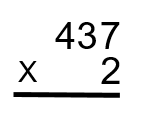
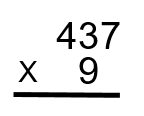
	</div>


	</div>
<div class="chapter standard " id="chapter-multiplying-fractions" title="Multiplying Fractions">
	<div class="chapter-title-wrap">
		<p class="chapter-number">9</p>
		<h1 class="chapter-title">Multiplying Fractions</h1>
								</div>
	<div class="ugc chapter-ugc">
				 <p><img class="aligncenter wp-image-59 size-medium" src="https://opentextbc.ca/mathfortrades1/wp-content/uploads/sites/305/2020/04/Picture26-5-300x107.png" alt="&amp;quot;&amp;quot;" width="300" height="107" srcset="https://opentextbc.ca/mathfortrades1/wp-content/uploads/sites/305/2020/04/Picture26-5-300x107.png 300w, https://opentextbc.ca/mathfortrades1/wp-content/uploads/sites/305/2020/04/Picture26-5-65x23.png 65w, https://opentextbc.ca/mathfortrades1/wp-content/uploads/sites/305/2020/04/Picture26-5-225x80.png 225w, https://opentextbc.ca/mathfortrades1/wp-content/uploads/sites/305/2020/04/Picture26-5-350x124.png 350w, https://opentextbc.ca/mathfortrades1/wp-content/uploads/sites/305/2020/04/Picture26-5.png 383w" title="" /></p> <p>The following equation is an example of multiplying fractions. At first glance, it might look harder than either adding or subtracting fractions, but in reality, it’s much easier. What might be tougher to understand is the answer that you get when you multiply fractions.</p> <p style="text-align: center;"><img src="http://opentextbc.ca:3000/latex?latex=%5CLARGE%5Cdfrac%7B1%7D%7B4%7D%5Ctimes%5Cdfrac%7B1%7D%7B2%7D%3D%3F&amp;fg=000000&amp;font=TeX&amp;svg=1" alt="\LARGE\dfrac{1}{4}\times\dfrac{1}{2}=?" title="\LARGE\dfrac{1}{4}\times\dfrac{1}{2}=?" class="latex mathjax" /></p> <p>We’ll take a look at this visually, using a circle cut into parts to work this out. To start, we’ll divide the circle into 4 equal parts. One of those parts would equal one-quarter of the circle.</p> <p><img class="aligncenter wp-image-60 size-thumbnail" src="https://opentextbc.ca/mathfortrades1/wp-content/uploads/sites/305/2020/04/Picture2-1-150x150.png" alt="A circle divided into four parts" width="150" height="150" srcset="https://opentextbc.ca/mathfortrades1/wp-content/uploads/sites/305/2020/04/Picture2-1-150x150.png 150w, https://opentextbc.ca/mathfortrades1/wp-content/uploads/sites/305/2020/04/Picture2-1-300x300.png 300w, https://opentextbc.ca/mathfortrades1/wp-content/uploads/sites/305/2020/04/Picture2-1-65x65.png 65w, https://opentextbc.ca/mathfortrades1/wp-content/uploads/sites/305/2020/04/Picture2-1-225x225.png 225w, https://opentextbc.ca/mathfortrades1/wp-content/uploads/sites/305/2020/04/Picture2-1.png 351w" title="" /></p> <p>If we were to multiply that ¼ by ½, what we would be doing mathematically is taking ½ of the ¼ piece, or essentially splitting that ¼ into two equal parts. That would end up representing ⅛ of the circle.</p> <p><img class="aligncenter wp-image-61 size-thumbnail" src="https://opentextbc.ca/mathfortrades1/wp-content/uploads/sites/305/2020/04/Picture3-1-150x150.png" alt="One of the four pieces of the circle has been divided in half" width="150" height="150" srcset="https://opentextbc.ca/mathfortrades1/wp-content/uploads/sites/305/2020/04/Picture3-1-150x150.png 150w, https://opentextbc.ca/mathfortrades1/wp-content/uploads/sites/305/2020/04/Picture3-1-300x300.png 300w, https://opentextbc.ca/mathfortrades1/wp-content/uploads/sites/305/2020/04/Picture3-1-65x65.png 65w, https://opentextbc.ca/mathfortrades1/wp-content/uploads/sites/305/2020/04/Picture3-1-225x225.png 225w, https://opentextbc.ca/mathfortrades1/wp-content/uploads/sites/305/2020/04/Picture3-1.png 351w" title="" /></p> <p>Mathematically, it’s done like this:</p> <p style="text-align: center;"><strong>Multiply the numerators together</strong></p> <p style="text-align: center;"><img src="http://opentextbc.ca:3000/latex?latex=1%5Ctimes1%3D1&amp;fg=000000&amp;font=TeX&amp;svg=1" alt="1\times1=1" title="1\times1=1" class="latex mathjax" /></p> <p style="text-align: center;"><strong>AND</strong></p> <p style="text-align: center;"><strong>Multiply the denominators together</strong></p> <p style="text-align: center;"><img src="http://opentextbc.ca:3000/latex?latex=2%5Ctimes4%3D8&amp;fg=000000&amp;font=TeX&amp;svg=1" alt="2\times4=8" title="2\times4=8" class="latex mathjax" /></p> <p>What we end up with is this:</p> <p style="text-align: center;"><img src="http://opentextbc.ca:3000/latex?latex=%5CLARGE%5Cdfrac%7B1%7D%7B2%7D%5Ctimes%5Cdfrac%7B1%7D%7B4%7D%3D%5Cdfrac%7B1%7D%7B8%7D&amp;fg=000000&amp;font=TeX&amp;svg=1" alt="\LARGE\dfrac{1}{2}\times\dfrac{1}{4}=\dfrac{1}{8}" title="\LARGE\dfrac{1}{2}\times\dfrac{1}{4}=\dfrac{1}{8}" class="latex mathjax" /></p> <div class="textbox textbox--examples"><div class="textbox__header"><p class="textbox__title">Example</p> </div> <div class="textbox__content"><p>Let’s go back to Abigail, Hanna, and Naomi. They’ve now completed another level of their schooling and are getting to the end of their apprenticeships. All three are working on the same job, which is a three-storey wood-frame building, and each is responsible for roughing-in 30 suites. They are required to wire ⅙ of those suites every week. One week, Hanna had to miss two days. Therefore, she only worked 3 out of the 5 days, or ⅗ of the time. What fraction of suites would she have been able to rough-in that week, taking into consideration her time away?</p> <p>Start by writing down the fractions we are going to work with in this situation.</p> <blockquote><p><img src="http://opentextbc.ca:3000/latex?latex=%5Cdfrac%7B1%7D%7B6%7D%5Ctext%7B%20The%20amount%20of%20suites%20needed%20to%20be%20completed%20during%20a%205-day%20work%20week.%7D&amp;fg=000000&amp;font=TeX&amp;svg=1" alt="\dfrac{1}{6}\text{ The amount of suites needed to be completed during a 5-day work week.}" title="\dfrac{1}{6}\text{ The amount of suites needed to be completed during a 5-day work week.}" class="latex mathjax" /></p> <p><img src="http://opentextbc.ca:3000/latex?latex=%5Cdfrac%7B3%7D%7B5%7D%5Ctext%7B%20The%20fraction%20of%20time%20worked%20during%20the%20week%2C%203%20out%20of%205%20days.%7D&amp;fg=000000&amp;font=TeX&amp;svg=1" alt="\dfrac{3}{5}\text{ The fraction of time worked during the week, 3 out of 5 days.}" title="\dfrac{3}{5}\text{ The fraction of time worked during the week, 3 out of 5 days.}" class="latex mathjax" /></p></blockquote> <p>Then multiply the two fractions together, sticking to our formula of multiplying the numerators together and then multiplying the denominators together.</p> <p style="text-align: center;"><img src="http://opentextbc.ca:3000/latex?latex=%5CLARGE%5Ctext%7Bnumerators%20%7D1%5Ctimes3%3D3&amp;fg=000000&amp;font=TeX&amp;svg=1" alt="\LARGE\text{numerators }1\times3=3" title="\LARGE\text{numerators }1\times3=3" class="latex mathjax" /></p> <p style="text-align: center;"><img src="http://opentextbc.ca:3000/latex?latex=%5CLARGE%5Ctext%7Bdenominators%20%7D6%5Ctimes5%3D30&amp;fg=000000&amp;font=TeX&amp;svg=1" alt="\LARGE\text{denominators }6\times5=30" title="\LARGE\text{denominators }6\times5=30" class="latex mathjax" /></p> <p>And that makes the answer:</p> <p style="text-align: center;"><img src="http://opentextbc.ca:3000/latex?latex=%5CLARGE%5Cdfrac%7B1%7D%7B6%7D%5Ctimes%5Cdfrac%7B3%7D%7B5%7D%3D%5Cdfrac%7B3%7D%7B30%7D&amp;fg=000000&amp;font=TeX&amp;svg=1" alt="\LARGE\dfrac{1}{6}\times\dfrac{3}{5}=\dfrac{3}{30}" title="\LARGE\dfrac{1}{6}\times\dfrac{3}{5}=\dfrac{3}{30}" class="latex mathjax" /></p> <p>Which can then be reduced to its lowest terms:</p> <p style="text-align: center;"><img src="http://opentextbc.ca:3000/latex?latex=%5CLARGE%5Cdfrac%7B3%7D%7B30%7D%5Crightarrow%5Cdfrac%7B1%7D%7B10%7D&amp;fg=000000&amp;font=TeX&amp;svg=1" alt="\LARGE\dfrac{3}{30}\rightarrow\dfrac{1}{10}" title="\LARGE\dfrac{3}{30}\rightarrow\dfrac{1}{10}" class="latex mathjax" /></p> </div> </div> <p>Here is another example. Let’s go through the steps in this one.</p> <div class="textbox textbox--examples"><div class="textbox__header"><p class="textbox__title">Example</p> </div> <div class="textbox__content"><p style="text-align: center;"><img src="http://opentextbc.ca:3000/latex?latex=%5CLARGE%5Cdfrac%7B5%7D%7B8%7D%5Ctimes%5Cdfrac%7B3%7D%7B4%7D%3D%3F&amp;fg=000000&amp;font=TeX&amp;svg=1" alt="\LARGE\dfrac{5}{8}\times\dfrac{3}{4}=?" title="\LARGE\dfrac{5}{8}\times\dfrac{3}{4}=?" class="latex mathjax" /></p> <p><strong>Step 1</strong>: Multiply the numerators together.</p> <p style="text-align: center;"><img src="http://opentextbc.ca:3000/latex?latex=%5CLARGE5%5Ctimes3%3D15&amp;fg=000000&amp;font=TeX&amp;svg=1" alt="\LARGE5\times3=15" title="\LARGE5\times3=15" class="latex mathjax" /></p> <p><strong>Step 2</strong>: Multiply the denominators together.</p> <p style="text-align: center;"><img src="http://opentextbc.ca:3000/latex?latex=%5CLARGE8%5Ctimes4%3D32&amp;fg=000000&amp;font=TeX&amp;svg=1" alt="\LARGE8\times4=32" title="\LARGE8\times4=32" class="latex mathjax" /></p> <p><strong>Step 3</strong>: Put each of the answers in the appropriate place in the fraction.</p> <p style="text-align: center;"><img src="http://opentextbc.ca:3000/latex?latex=%5CLARGE%5Cdfrac%7B5%7D%7B8%7D%5Ctimes%5Cdfrac%7B3%7D%7B4%7D%3D%5Cdfrac%7B15%7D%7B32%7D&amp;fg=000000&amp;font=TeX&amp;svg=1" alt="\LARGE\dfrac{5}{8}\times\dfrac{3}{4}=\dfrac{15}{32}" title="\LARGE\dfrac{5}{8}\times\dfrac{3}{4}=\dfrac{15}{32}" class="latex mathjax" /></p> <p><strong>Step 4</strong>: Put the answer in lowest terms, if necessary, and change to a mixed number, if necessary. In this question, we are good on both accounts.</p> <p style="text-align: center;"><img src="http://opentextbc.ca:3000/latex?latex=%5CLARGE%5Ctext%7BFinal%20answer%20%7D%3D%5Cdfrac%7B15%7D%7B32%7D&amp;fg=000000&amp;font=TeX&amp;svg=1" alt="\LARGE\text{Final answer }=\dfrac{15}{32}" title="\LARGE\text{Final answer }=\dfrac{15}{32}" class="latex mathjax" /></p> </div> </div> <p>Up to this point, you may have been thinking that you got this and this is easy, but now, let’s step up the difficulty level a bit.</p> <div class="textbox textbox--examples"><div class="textbox__header"><p class="textbox__title">Example</p> </div> <div class="textbox__content"><p style="text-align: center;"><img src="http://opentextbc.ca:3000/latex?latex=%5CLARGE4%5Cdfrac%7B2%7D%7B5%7D%5Ctimes2%5Cdfrac%7B1%7D%7B4%7D%3D%3F&amp;fg=000000&amp;font=TeX&amp;svg=1" alt="\LARGE4\dfrac{2}{5}\times2\dfrac{1}{4}=?" title="\LARGE4\dfrac{2}{5}\times2\dfrac{1}{4}=?" class="latex mathjax" /></p> <p>Before you start, do you see a problem? The problem is that you are now trying to multiply two mixed numbers together. How does that work? Can you just go ahead and try to multiply them as they are? The answer is NO, but the solution to the problem is not that difficult: you just have to take one extra step before going through the process.</p> <p>The first thing you have to do is change each of the mixed numbers into improper fractions. From that point on, the process is the same.</p> <p><strong>Step 1</strong>: Change each of the mixed numbers into improper fractions. This is the only way to answer this question. You cannot multiply the numbers in the state they are in.</p> <p style="text-align: center;"><img src="http://opentextbc.ca:3000/latex?latex=%5CLARGE4%5Cdfrac%7B2%7D%7B5%7D%3D%5Cdfrac%7B22%7D%7B5%7D&amp;fg=000000&amp;font=TeX&amp;svg=1" alt="\LARGE4\dfrac{2}{5}=\dfrac{22}{5}" title="\LARGE4\dfrac{2}{5}=\dfrac{22}{5}" class="latex mathjax" /></p> <p style="text-align: center;">(5 × 4 + 2 = 22)</p> <p style="text-align: center;"><img src="http://opentextbc.ca:3000/latex?latex=%5CLARGE2%5Cdfrac%7B1%7D%7B4%7D%3D%5Cdfrac%7B9%7D%7B4%7D&amp;fg=000000&amp;font=TeX&amp;svg=1" alt="\LARGE2\dfrac{1}{4}=\dfrac{9}{4}" title="\LARGE2\dfrac{1}{4}=\dfrac{9}{4}" class="latex mathjax" /></p> <p style="text-align: center;">(4 × 2 + 1 = 9)</p> <p><strong>Step 2</strong>: Multiply the numerators together.</p> <p style="text-align: center;"><img src="http://opentextbc.ca:3000/latex?latex=%5CLARGE22%5Ctimes9%3D198&amp;fg=000000&amp;font=TeX&amp;svg=1" alt="\LARGE22\times9=198" title="\LARGE22\times9=198" class="latex mathjax" /></p> <p><strong>Step 3</strong>: Multiply the denominators together.</p> <p style="text-align: center;"><img src="http://opentextbc.ca:3000/latex?latex=%5CLARGE5%5Ctimes4%3D20&amp;fg=000000&amp;font=TeX&amp;svg=1" alt="\LARGE5\times4=20" title="\LARGE5\times4=20" class="latex mathjax" /></p> <p><strong>Step 4</strong>: Put each of the answers in the appropriate place in the fraction.</p> <p style="text-align: center;"><img src="http://opentextbc.ca:3000/latex?latex=%5CLARGE%5Cdfrac%7B22%7D%7B5%7D%5Ctimes%5Cdfrac%7B9%7D%7B4%7D%3D%5Cdfrac%7B198%7D%7B20%7D&amp;fg=000000&amp;font=TeX&amp;svg=1" alt="\LARGE\dfrac{22}{5}\times\dfrac{9}{4}=\dfrac{198}{20}" title="\LARGE\dfrac{22}{5}\times\dfrac{9}{4}=\dfrac{198}{20}" class="latex mathjax" /></p> <p><strong>Step 5</strong>: Put the answer in lowest terms, if necessary, and change to a mixed number, if necessary. In this case, we have to do both. We’ll start by putting the fraction into lowest terms.</p> <p><img class="aligncenter wp-image-750" src="https://opentextbc.ca/mathfortrades1/wp-content/uploads/sites/305/2020/04/Picture102-1.png" alt="Divide the numerator (198) and the denominator (20) each by 2 to get 99 over 10" width="350" height="84" title="" /></p> <p>Then take that and put it into a mixed number.</p> <p style="text-align: center;"><img src="http://opentextbc.ca:3000/latex?latex=%5CLARGE%5Cdfrac%7B99%7D%7B10%7D%3D9%5Cdfrac%7B9%7D%7B10%7D%5Ctext%7B%20Mixed%20number%7D&amp;fg=000000&amp;font=TeX&amp;svg=1" alt="\LARGE\dfrac{99}{10}=9\dfrac{9}{10}\text{ Mixed number}" title="\LARGE\dfrac{99}{10}=9\dfrac{9}{10}\text{ Mixed number}" class="latex mathjax" /></p> </div> </div> <h1>Practice Questions</h1> <p>Try a couple questions yourself. Make sure to put your answer into lowest terms and, if necessary, turn it back into a mixed number. Check the video answers when you are done to see if you are on the right track.</p> <div class="textbox textbox--exercises"><div class="textbox__header"><p class="textbox__title">Question 1</p> </div> <div class="textbox__content"><p style="text-align: center;"><img src="http://opentextbc.ca:3000/latex?latex=%5CLARGE%5Cdfrac%7B4%7D%7B7%7D%5Ctimes%5Cdfrac%7B3%7D%7B8%7D%3D&amp;fg=000000&amp;font=TeX&amp;svg=1" alt="\LARGE\dfrac{4}{7}\times\dfrac{3}{8}=" title="\LARGE\dfrac{4}{7}\times\dfrac{3}{8}=" class="latex mathjax" /></p> <div class="textbox interactive-content interactive-content--oembed"><span class="interactive-content__icon"></span> <p>One or more interactive elements has been excluded from this version of the text. You can view them online here: <a href="#oembed-5" title="Multiplying Fractions - Question #1" data-url="https://opentextbc.ca/mathfortrades1/?p=63#oembed-5">https://opentextbc.ca/mathfortrades1/?p=63#oembed-5</a> </p> </div> </div> </div> <div class="textbox textbox--exercises"><div class="textbox__header"><p class="textbox__title">Question 2</p> </div> <div class="textbox__content"><p style="text-align: center;"><img src="http://opentextbc.ca:3000/latex?latex=%5CLARGE%5Cdfrac%7B6%7D%7B11%7D%5Ctimes%5Cdfrac%7B5%7D%7B9%7D%3D&amp;fg=000000&amp;font=TeX&amp;svg=1" alt="\LARGE\dfrac{6}{11}\times\dfrac{5}{9}=" title="\LARGE\dfrac{6}{11}\times\dfrac{5}{9}=" class="latex mathjax" /></p> <div class="textbox interactive-content interactive-content--oembed"><span class="interactive-content__icon"></span> <p>One or more interactive elements has been excluded from this version of the text. You can view them online here: <a href="#oembed-6" title="Multiplying Fractions - Question #2" data-url="https://opentextbc.ca/mathfortrades1/?p=63#oembed-6">https://opentextbc.ca/mathfortrades1/?p=63#oembed-6</a> </p> </div> </div> </div> <div class="textbox textbox--exercises"><div class="textbox__header"><p class="textbox__title">Question 3</p> </div> <div class="textbox__content"><p style="text-align: center;"><img src="http://opentextbc.ca:3000/latex?latex=%5CLARGE5%5Cdfrac%7B1%7D%7B2%7D%5Ctimes6%5Cdfrac%7B3%7D%7B8%7D%3D&amp;fg=000000&amp;font=TeX&amp;svg=1" alt="\LARGE5\dfrac{1}{2}\times6\dfrac{3}{8}=" title="\LARGE5\dfrac{1}{2}\times6\dfrac{3}{8}=" class="latex mathjax" /></p> <div class="textbox interactive-content interactive-content--oembed"><span class="interactive-content__icon"></span> <p>One or more interactive elements has been excluded from this version of the text. You can view them online here: <a href="#oembed-7" title="Multiplying Fractions - Question #3" data-url="https://opentextbc.ca/mathfortrades1/?p=63#oembed-7">https://opentextbc.ca/mathfortrades1/?p=63#oembed-7</a> </p> </div> </div> </div> <div class="textbox textbox--exercises"><div class="textbox__header"><p class="textbox__title">Question 4</p> </div> <div class="textbox__content"><p style="text-align: center;"><img src="http://opentextbc.ca:3000/latex?latex=%5CLARGE7%5Cdfrac%7B5%7D%7B9%7D%5Ctimes8%5Cdfrac%7B5%7D%7B7%7D%3D&amp;fg=000000&amp;font=TeX&amp;svg=1" alt="\LARGE7\dfrac{5}{9}\times8\dfrac{5}{7}=" title="\LARGE7\dfrac{5}{9}\times8\dfrac{5}{7}=" class="latex mathjax" /></p> <div class="textbox interactive-content interactive-content--oembed"><span class="interactive-content__icon"></span> <p>One or more interactive elements has been excluded from this version of the text. You can view them online here: <a href="#oembed-8" title="Multiplying Fractions - Question #4" data-url="https://opentextbc.ca/mathfortrades1/?p=63#oembed-8">https://opentextbc.ca/mathfortrades1/?p=63#oembed-8</a> </p> </div> </div> </div> 
	</div>


	</div>
<div class="chapter standard " id="chapter-dividing-fractions" title="Dividing Fractions">
	<div class="chapter-title-wrap">
		<p class="chapter-number">10</p>
		<h1 class="chapter-title">Dividing Fractions</h1>
								</div>
	<div class="ugc chapter-ugc">
				 <p><img class="aligncenter wp-image-64 size-medium" src="https://opentextbc.ca/mathfortrades1/wp-content/uploads/sites/305/2020/04/Picture27-1-300x107.png" alt="&amp;quot;&amp;quot;" width="300" height="107" srcset="https://opentextbc.ca/mathfortrades1/wp-content/uploads/sites/305/2020/04/Picture27-1-300x107.png 300w, https://opentextbc.ca/mathfortrades1/wp-content/uploads/sites/305/2020/04/Picture27-1-65x23.png 65w, https://opentextbc.ca/mathfortrades1/wp-content/uploads/sites/305/2020/04/Picture27-1-225x80.png 225w, https://opentextbc.ca/mathfortrades1/wp-content/uploads/sites/305/2020/04/Picture27-1-350x124.png 350w, https://opentextbc.ca/mathfortrades1/wp-content/uploads/sites/305/2020/04/Picture27-1.png 383w" title="" /></p> <p>Dividing fractions follows similar logic to multiplying fractions. It involves working with the numerators and denominators separately. Once you have done your initial calculations, you put it all together to get your answer. There is a little twist, though, that we’ll have to examine as we work through some questions.</p> <p>Before we get to all that, let’s start by revisiting dividing whole numbers, and then we’ll work our way up to fractions.</p> <p>Start with 20 screwdrivers:</p> <p><img class="wp-image-419 aligncenter" src="https://opentextbc.ca/mathfortrades1/wp-content/uploads/sites/305/2020/04/Picture1-3.png" alt="" width="997" height="73" title="" /></p> <p>Now divide those 20 screwdrivers by 10 (or into groups of 10).</p> <p style="text-align: center;"><img src="http://opentextbc.ca:3000/latex?latex=%5CLARGE20%C3%B710%3D2&amp;fg=000000&amp;font=TeX&amp;svg=1" alt="\LARGE20÷10=2" title="\LARGE20÷10=2" class="latex mathjax" /></p> <p>You end up with 2 groups of 10.</p> <p><img class="aligncenter wp-image-1431" src="https://opentextbc.ca/mathfortrades1/wp-content/uploads/sites/305/2020/04/2-groups-of-10-screwdrivers.jpg" alt="20 screwdrivers in two lines. There are 10 screwdrivers in each line" width="500" height="179" title="" /></p> <p>Now divide those 20 screwdrivers by 5 (or into groups of 5).</p> <p style="text-align: center;"><img src="http://opentextbc.ca:3000/latex?latex=%5CLARGE20%C3%B75%3D4&amp;fg=000000&amp;font=TeX&amp;svg=1" alt="\LARGE20÷5=4" title="\LARGE20÷5=4" class="latex mathjax" /></p> <p>You end up with 4 groups of 5.</p> <p><img class="aligncenter wp-image-998" src="https://opentextbc.ca/mathfortrades1/wp-content/uploads/sites/305/2020/04/Picture48.png" alt="20 screwdrivers divided into groups of 5. There are 4 groups total" width="499" height="162" title="" /></p> <p>Now divide those 20 screwdrivers by 2 (or into groups of 2).</p> <p style="text-align: center;"><img src="http://opentextbc.ca:3000/latex?latex=%5CLARGE20%C3%B72%3D10&amp;fg=000000&amp;font=TeX&amp;svg=1" alt="\LARGE20÷2=10" title="\LARGE20÷2=10" class="latex mathjax" /></p> <p>You end up with 10 groups of 2.</p> <p><img class="wp-image-997 aligncenter" src="https://opentextbc.ca/mathfortrades1/wp-content/uploads/sites/305/2020/04/Picture47-1.png" alt="20 screwdrivers with two screwdrivers in each group. There are 10 groups total" width="600" height="161" title="" /></p> <p>Take a look at the math here. Do you see a pattern? What did you come up with? Did you notice that, when you take your original amount (in this case, 20) and divide it by a number that continues to get smaller (10, then 5, then 2), we end up with an answer that gets larger.</p> <p style="text-align: center;"><img src="http://opentextbc.ca:3000/latex?latex=%5CLARGE20%C3%B710%3D2&amp;fg=000000&amp;font=TeX&amp;svg=1" alt="\LARGE20÷10=2" title="\LARGE20÷10=2" class="latex mathjax" /></p> <p style="text-align: center;"><img src="http://opentextbc.ca:3000/latex?latex=%5CLARGE20%C3%B75%3D4&amp;fg=000000&amp;font=TeX&amp;svg=1" alt="\LARGE20÷5=4" title="\LARGE20÷5=4" class="latex mathjax" /></p> <p style="text-align: center;"><img src="http://opentextbc.ca:3000/latex?latex=%5CLARGE20%C3%B72%3D10&amp;fg=000000&amp;font=TeX&amp;svg=1" alt="\LARGE20÷2=10" title="\LARGE20÷2=10" class="latex mathjax" /></p> <p>Follow this logic into fractions, keeping in mind that fractions are not only less than 10, 5, and 2, but 1. Using this pattern, we determine that dividing the 20 screwdrivers by a number less than 1 would get us a larger answer than if we divided the 20 by 10, 5, or 2.</p> <p>Try this. Take the 20 screwdrivers, and divide them by ½. What do you think your answer will be?</p> <p style="text-align: center;"><img src="http://opentextbc.ca:3000/latex?latex=%5CLARGE20%C3%B7%5Cdfrac%7B1%7D%7B2%7D%3D%3F&amp;fg=000000&amp;font=TeX&amp;svg=1" alt="\LARGE20÷\dfrac{1}{2}=?" title="\LARGE20÷\dfrac{1}{2}=?" class="latex mathjax" /></p> <p>Following our logic, the answer should be more than 10, and in fact, it is.</p> <p style="text-align: center;"><img src="http://opentextbc.ca:3000/latex?latex=%5CLARGE20%C3%B7%5Cdfrac%7B1%7D%7B2%7D%3D40&amp;fg=000000&amp;font=TeX&amp;svg=1" alt="\LARGE20÷\dfrac{1}{2}=40" title="\LARGE20÷\dfrac{1}{2}=40" class="latex mathjax" /></p> <p>This does not mean that we end up with 40 screwdrivers, though. What it means is that we end up with 40 parts of screwdrivers. You have to imagine that each of the screwdrivers were split into 2. Twenty screwdrivers split in half would give us 40 pieces in the end. The question now becomes, how do we do this mathematically? The answer lies in using what is known as a reciprocal. Here is the definition.</p> <p><strong>Reciprocal</strong>: A number that has a relationship with another number such that their product is 1.</p> <p>This means that, when you take a number such as 5 and then multiply it by its reciprocal, you will end up with an answer of 1. We’ll start with the whole number 5. We could also write the number 5 as a fraction.</p> <p style="text-align: center;"><img src="http://opentextbc.ca:3000/latex?latex=%5CLARGE5%3D%5Cdfrac%7B5%7D%7B1%7D&amp;fg=000000&amp;font=TeX&amp;svg=1" alt="\LARGE5=\dfrac{5}{1}" title="\LARGE5=\dfrac{5}{1}" class="latex mathjax" /></p> <p>Using our definition of reciprocal, we need to find a number that, when multiplied by <sup>5</sup>/<sub>1</sub>, gives us an answer of 1.</p> <p><img class="aligncenter wp-image-429" src="https://opentextbc.ca/mathfortrades1/wp-content/uploads/sites/305/2020/04/Picture11-2.png" alt="5 over 1 times blank = 1" width="158" height="105" title="" /></p> <p>To find the answer, we have to go back to multiplying fractions. Remember that, when we multiply fractions, we just multiply the numerators together and then multiply the denominators together. From this, we can conclude that:</p> <p style="text-align: center;"><img src="http://opentextbc.ca:3000/latex?latex=%5CLARGE%5Cdfrac%7B5%7D%7B1%7D%5Ctimes%5Cdfrac%7B1%7D%7B5%7D%3D1&amp;fg=000000&amp;font=TeX&amp;svg=1" alt="\LARGE\dfrac{5}{1}\times\dfrac{1}{5}=1" title="\LARGE\dfrac{5}{1}\times\dfrac{1}{5}=1" class="latex mathjax" /></p> <p>In the end, to find the reciprocal of a fraction, we simply take the numerator and make it the denominator and take the denominator and make it the numerator. Essentially, we are just flipping the fraction around. Here are some more examples of reciprocals.</p> <p style="text-align: center;"><img src="http://opentextbc.ca:3000/latex?latex=%5CLARGE%5Cdfrac%7B3%7D%7B8%7D%5Ctext%7B%20and%20%7D%5Cdfrac%7B8%7D%7B3%7D&amp;fg=000000&amp;font=TeX&amp;svg=1" alt="\LARGE\dfrac{3}{8}\text{ and }\dfrac{8}{3}" title="\LARGE\dfrac{3}{8}\text{ and }\dfrac{8}{3}" class="latex mathjax" /></p> <p style="text-align: center;"><img src="http://opentextbc.ca:3000/latex?latex=%5CLARGE%5Cdfrac%7B2%7D%7B9%7D%5Ctext%7B%20and%20%7D%5Cdfrac%7B9%7D%7B2%7D&amp;fg=000000&amp;font=TeX&amp;svg=1" alt="\LARGE\dfrac{2}{9}\text{ and }\dfrac{9}{2}" title="\LARGE\dfrac{2}{9}\text{ and }\dfrac{9}{2}" class="latex mathjax" /></p> <p style="text-align: center;"><img src="http://opentextbc.ca:3000/latex?latex=%5CLARGE%5Cdfrac%7B24%7D%7B17%7D%5Ctext%7B%20and%20%7D%5Cdfrac%7B17%7D%7B24%7D&amp;fg=000000&amp;font=TeX&amp;svg=1" alt="\LARGE\dfrac{24}{17}\text{ and }\dfrac{17}{24}" title="\LARGE\dfrac{24}{17}\text{ and }\dfrac{17}{24}" class="latex mathjax" /></p> <p>Okay, so now that we have the reciprocal issue out of the way, the question then becomes, why do we need reciprocals in the first place? Well, the answer lies in the rule for dividing fractions.</p> <p><img class="alignleft wp-image-70" src="https://opentextbc.ca/mathfortrades1/wp-content/uploads/sites/305/2020/04/Picture30-2-150x150.png" alt="A chalkboard message that reads, Know the rules!" width="100" height="67" srcset="https://opentextbc.ca/mathfortrades1/wp-content/uploads/sites/305/2020/04/Picture30-2-300x200.png 300w, https://opentextbc.ca/mathfortrades1/wp-content/uploads/sites/305/2020/04/Picture30-2-1024x682.png 1024w, https://opentextbc.ca/mathfortrades1/wp-content/uploads/sites/305/2020/04/Picture30-2-768x512.png 768w, https://opentextbc.ca/mathfortrades1/wp-content/uploads/sites/305/2020/04/Picture30-2-65x43.png 65w, https://opentextbc.ca/mathfortrades1/wp-content/uploads/sites/305/2020/04/Picture30-2-225x150.png 225w, https://opentextbc.ca/mathfortrades1/wp-content/uploads/sites/305/2020/04/Picture30-2-350x233.png 350w, https://opentextbc.ca/mathfortrades1/wp-content/uploads/sites/305/2020/04/Picture30-2.png 1280w" title="" /></p> <p>The rule for dividing fractions is you take the first fraction and multiply it by the reciprocal of the second fraction. Yes, you heard that right: to divide, you end up multiplying, but only after first flipping the second fraction around.</p> <p>Flipping the second fraction around (finding its reciprocal) changes the value of the equation. In order to keep the equation mathematically the same, we have to change the division question into a multiplication question. Take a look at the following example to see how this is done.</p> <div class="textbox textbox--examples"><div class="textbox__header"><p class="textbox__title">Example</p> </div> <div class="textbox__content"><p style="text-align: center;"><img src="http://opentextbc.ca:3000/latex?latex=%5CLARGE%5Cdfrac%7B1%7D%7B2%7D%C3%B7%5Cdfrac%7B3%7D%7B8%7D%3D%3F&amp;fg=000000&amp;font=TeX&amp;svg=1" alt="\LARGE\dfrac{1}{2}÷\dfrac{3}{8}=?" title="\LARGE\dfrac{1}{2}÷\dfrac{3}{8}=?" class="latex mathjax" /></p> <p><strong>Step 1</strong>: Put the question into a form that you can work with. This involves finding the reciprocal of the second fraction and then multiplying it by the first.</p> <p style="text-align: center;">&nbsp;<img src="http://opentextbc.ca:3000/latex?latex=%5CLARGE%5Ctext%7BThe%20reciprocal%20of%20%7D%5Cdfrac%7B3%7D%7B8%7D%5Ctext%7B%20is%20%7D%5Cdfrac%7B8%7D%7B3%7D&amp;fg=000000&amp;font=TeX&amp;svg=1" alt="\LARGE\text{The reciprocal of }\dfrac{3}{8}\text{ is }\dfrac{8}{3}" title="\LARGE\text{The reciprocal of }\dfrac{3}{8}\text{ is }\dfrac{8}{3}" class="latex mathjax" /></p> <p style="text-align: center;"><img src="http://opentextbc.ca:3000/latex?latex=%5CLARGE%5Ctext%7BCheck%3A%20%7D%5Cdfrac%7B3%7D%7B8%7D%5Ctimes%5Cdfrac%7B8%7D%7B3%7D%3D%5Cdfrac%7B24%7D%7B24%7D%3D1&amp;fg=000000&amp;font=TeX&amp;svg=1" alt="\LARGE\text{Check: }\dfrac{3}{8}\times\dfrac{8}{3}=\dfrac{24}{24}=1" title="\LARGE\text{Check: }\dfrac{3}{8}\times\dfrac{8}{3}=\dfrac{24}{24}=1" class="latex mathjax" /></p> <p>So we end up with:</p> <p style="text-align: center;"><img src="http://opentextbc.ca:3000/latex?latex=%5CLARGE%5Cdfrac%7B1%7D%7B2%7D%C3%B7%5Cdfrac%7B3%7D%7B8%7D%5Ctext%7B%20becomes%20%7D%5Cdfrac%7B1%7D%7B2%7D%5Ctimes%5Cdfrac%7B8%7D%7B3%7D%3D%3F&amp;fg=000000&amp;font=TeX&amp;svg=1" alt="\LARGE\dfrac{1}{2}÷\dfrac{3}{8}\text{ becomes }\dfrac{1}{2}\times\dfrac{8}{3}=?" title="\LARGE\dfrac{1}{2}÷\dfrac{3}{8}\text{ becomes }\dfrac{1}{2}\times\dfrac{8}{3}=?" class="latex mathjax" /><span class="big"><br /> </span></p> <p><strong>Step 2</strong>: Follow the same procedure as we did when multiplying fractions. Multiply the numerators together and then multiply the denominators together.</p> <p style="text-align: center;"><strong>Multiply the numerators together</strong></p> <p style="text-align: center;"><img src="http://opentextbc.ca:3000/latex?latex=%5CLARGE1%5Ctimes8%3D8&amp;fg=000000&amp;font=TeX&amp;svg=1" alt="\LARGE1\times8=8" title="\LARGE1\times8=8" class="latex mathjax" /></p> <p style="text-align: center;"><strong>Multiply the denominators together</strong></p> <p style="text-align: center;"><img src="http://opentextbc.ca:3000/latex?latex=%5CLARGE2%5Ctimes3%3D6&amp;fg=000000&amp;font=TeX&amp;svg=1" alt="\LARGE2\times3=6" title="\LARGE2\times3=6" class="latex mathjax" /></p> <p><strong>Step 3</strong>:&nbsp;Take these answers and put them back into a fraction.</p> <p style="text-align: center;"><img src="http://opentextbc.ca:3000/latex?latex=%5CLARGE%5Cdfrac%7B1%7D%7B2%7D%5Ctimes%5Cdfrac%7B8%7D%7B3%7D%3D%5Cdfrac%7B8%7D%7B6%7D&amp;fg=000000&amp;font=TeX&amp;svg=1" alt="\LARGE\dfrac{1}{2}\times\dfrac{8}{3}=\dfrac{8}{6}" title="\LARGE\dfrac{1}{2}\times\dfrac{8}{3}=\dfrac{8}{6}" class="latex mathjax" /></p> <p><strong>Step 4</strong>: Put the answer into lowest terms and then into a mixed number, if necessary.</p> <p><img class="aligncenter wp-image-772" src="https://opentextbc.ca/mathfortrades1/wp-content/uploads/sites/305/2020/04/Picture36.png" alt="Reduce 8 over 6 into lowest terms by dividing the numerator and the denominator each by 2 to get 4 over 3" width="310" height="93" title="" /></p> <p>&nbsp;</p> <p style="text-align: center;"><img src="http://opentextbc.ca:3000/latex?latex=%5CLARGE%5Cdfrac%7B4%7D%7B3%7D%3D1%5Cdfrac%7B1%7D%7B3%7D%5Ctext%7B%20Mixed%20number%7D&amp;fg=000000&amp;font=TeX&amp;svg=1" alt="\LARGE\dfrac{4}{3}=1\dfrac{1}{3}\text{ Mixed number}" title="\LARGE\dfrac{4}{3}=1\dfrac{1}{3}\text{ Mixed number}" class="latex mathjax" /></p> <p>Final answer:</p> <p style="text-align: center;"><img src="http://opentextbc.ca:3000/latex?latex=%5CLARGE%5Cdfrac%7B1%7D%7B2%7D%C3%B7%5Cdfrac%7B3%7D%7B8%7D%3D1%5Cdfrac%7B1%7D%7B3%7D&amp;fg=000000&amp;font=TeX&amp;svg=1" alt="\LARGE\dfrac{1}{2}÷\dfrac{3}{8}=1\dfrac{1}{3}" title="\LARGE\dfrac{1}{2}÷\dfrac{3}{8}=1\dfrac{1}{3}" class="latex mathjax" /></p> </div> </div> <div class="textbox textbox--examples"><div class="textbox__header"><p class="textbox__title">Example</p> </div> <div class="textbox__content"><p style="text-align: center;"><img src="http://opentextbc.ca:3000/latex?latex=%5CLARGE%5Cdfrac%7B5%7D%7B9%7D%C3%B7%5Cdfrac%7B7%7D%7B4%7D%3D%3F&amp;fg=000000&amp;font=TeX&amp;svg=1" alt="\LARGE\dfrac{5}{9}÷\dfrac{7}{4}=?" title="\LARGE\dfrac{5}{9}÷\dfrac{7}{4}=?" class="latex mathjax" /></p> <p><strong>Step 1</strong>: Put the question into a form that you can work with. This involves finding the reciprocal of the second fraction and then multiplying it by the first.</p> <p style="text-align: center;"><img src="http://opentextbc.ca:3000/latex?latex=%5CLARGE%5Cdfrac%7B5%7D%7B9%7D%C3%B7%5Cdfrac%7B7%7D%7B4%7D%5Ctext%7B%20becomes%20%7D%5Cdfrac%7B5%7D%7B9%7D%5Ctimes%5Cdfrac%7B4%7D%7B7%7D&amp;fg=000000&amp;font=TeX&amp;svg=1" alt="\LARGE\dfrac{5}{9}÷\dfrac{7}{4}\text{ becomes }\dfrac{5}{9}\times\dfrac{4}{7}" title="\LARGE\dfrac{5}{9}÷\dfrac{7}{4}\text{ becomes }\dfrac{5}{9}\times\dfrac{4}{7}" class="latex mathjax" /><span class="big"><br /> </span></p> <p><strong>Step 2</strong>: Multiply the numerators together and then multiply the denominators together.</p> <p style="text-align: center;"><strong>Multiply numerators together</strong></p> <p style="text-align: center;"><img src="http://opentextbc.ca:3000/latex?latex=%5CLARGE5%5Ctimes4%3D20&amp;fg=000000&amp;font=TeX&amp;svg=1" alt="\LARGE5\times4=20" title="\LARGE5\times4=20" class="latex mathjax" /></p> <p style="text-align: center;"><strong>Multiply denominators together</strong></p> <p style="text-align: center;"><img src="http://opentextbc.ca:3000/latex?latex=%5CLARGE9%5Ctimes7%3D63&amp;fg=000000&amp;font=TeX&amp;svg=1" alt="\LARGE9\times7=63" title="\LARGE9\times7=63" class="latex mathjax" /></p> <p><strong>Step 3</strong>: Take these answers and put them back into a fraction.</p> <p style="text-align: center;"><img src="http://opentextbc.ca:3000/latex?latex=%5CLARGE%5Cdfrac%7B5%7D%7B9%7D%5Ctimes%5Cdfrac%7B4%7D%7B7%7D%3D%5Cdfrac%7B20%7D%7B63%7D&amp;fg=000000&amp;font=TeX&amp;svg=1" alt="\LARGE\dfrac{5}{9}\times\dfrac{4}{7}=\dfrac{20}{63}" title="\LARGE\dfrac{5}{9}\times\dfrac{4}{7}=\dfrac{20}{63}" class="latex mathjax" /></p> <p><strong>Step 4</strong>: Put the answer into lowest terms and then into a mixed number, if necessary. In this case, the answer is both in lowest terms and is a proper fraction already, so we are done.</p> <p style="text-align: center;"><img src="http://opentextbc.ca:3000/latex?latex=%5CLARGE%5Cdfrac%7B5%7D%7B9%7D%C3%B7%5Cdfrac%7B7%7D%7B4%7D%3D%5Cdfrac%7B20%7D%7B63%7D&amp;fg=000000&amp;font=TeX&amp;svg=1" alt="\LARGE\dfrac{5}{9}÷\dfrac{7}{4}=\dfrac{20}{63}" title="\LARGE\dfrac{5}{9}÷\dfrac{7}{4}=\dfrac{20}{63}" class="latex mathjax" /></p> </div> </div> <h1>Practice Questions</h1> <p>Try these practice questions and take a look at the video answers to see how you did.</p> <div class="textbox textbox--exercises"><div class="textbox__header"><p class="textbox__title">Question 1</p> </div> <div class="textbox__content"><p style="text-align: center;"><img src="http://opentextbc.ca:3000/latex?latex=%5CLARGE%5Cdfrac%7B7%7D%7B8%7D%C3%B7%5Cdfrac%7B7%7D%7B16%7D%3D&amp;fg=000000&amp;font=TeX&amp;svg=1" alt="\LARGE\dfrac{7}{8}÷\dfrac{7}{16}=" title="\LARGE\dfrac{7}{8}÷\dfrac{7}{16}=" class="latex mathjax" /></p> <div class="textbox interactive-content interactive-content--oembed"><span class="interactive-content__icon"></span> <p>One or more interactive elements has been excluded from this version of the text. You can view them online here: <a href="#oembed-3" title="Dividing fractions question #1" data-url="https://opentextbc.ca/mathfortrades1/?p=72#oembed-3">https://opentextbc.ca/mathfortrades1/?p=72#oembed-3</a> </p> </div> </div> </div> <div class="textbox textbox--exercises"><div class="textbox__header"><p class="textbox__title">Question 2</p> </div> <div class="textbox__content"><p style="text-align: center;"><img src="http://opentextbc.ca:3000/latex?latex=%5CLARGE4%5Cdfrac%7B7%7D%7B8%7D%C3%B72%5Cdfrac%7B3%7D%7B4%7D%3D&amp;fg=000000&amp;font=TeX&amp;svg=1" alt="\LARGE4\dfrac{7}{8}÷2\dfrac{3}{4}=" title="\LARGE4\dfrac{7}{8}÷2\dfrac{3}{4}=" class="latex mathjax" /></p> <p>Note: This one is slightly different from what we have been doing, as it involves dividing mixed numbers. What do you think you are going to have to do when dealing with this?</p> <p><strong>ANSWER</strong>: You have to change the mixed number into an improper fraction first. Then you can work through the question the same way we have been doing before.</p> <div class="textbox interactive-content interactive-content--oembed"><span class="interactive-content__icon"></span> <p>One or more interactive elements has been excluded from this version of the text. You can view them online here: <a href="#oembed-4" title="Dividing fractions question #2" data-url="https://opentextbc.ca/mathfortrades1/?p=72#oembed-4">https://opentextbc.ca/mathfortrades1/?p=72#oembed-4</a> </p> </div> </div> </div> 
	</div>


	</div>
<div class="chapter standard " id="chapter-fractions-quiz" title="Fractions Quiz">
	<div class="chapter-title-wrap">
		<p class="chapter-number">11</p>
		<h1 class="chapter-title">Fractions Quiz</h1>
								</div>
	<div class="ugc chapter-ugc">
				 <div class="textbox interactive-content"><span class="interactive-content__icon"></span> <p>An interactive H5P element has been excluded from this version of the text. You can view it online here:<br /> <a href="https://opentextbc.ca/mathfortrades1/?p=73#h5p-2" title="Trades Math: Fractions Quiz" data-url="https://opentextbc.ca/mathfortrades1/?p=73#h5p-2">https://opentextbc.ca/mathfortrades1/?p=73#h5p-2</a> </p> </div> <p>If using the print, PDF, or eBook copy of this book, navigate to the above link to complete the quiz. However, the quiz questions are also provided in <a class="internal" href="#back-matter-chapter-quizzes" data-url="/mathfortrades1/back-matter/chapter-quizzes/">Appendix C</a> at the end of the book for offline use.</p> 
	</div>


	</div>

</div>
<div class="part-wrapper" id="part-decimals-wrapper">
    <div class="part  " id="part-decimals">
	<div class="part-title-wrap">
		<p class="part-number">III</p>
		<h1 class="part-title">Decimals</h1>
	</div>
	<div class="ugc part-ugc">
		<h1><img class="aligncenter wp-image-157" src="https://opentextbc.ca/mathfortrades1/wp-content/uploads/sites/305/2020/04/pi-1453835_1280-300x200.jpg" alt="The number pi is 3.14159265359 with numbers continuing on indefinitely" width="413" height="275" srcset="https://opentextbc.ca/mathfortrades1/wp-content/uploads/sites/305/2020/04/pi-1453835_1280-300x200.jpg 300w, https://opentextbc.ca/mathfortrades1/wp-content/uploads/sites/305/2020/04/pi-1453835_1280-1024x682.jpg 1024w, https://opentextbc.ca/mathfortrades1/wp-content/uploads/sites/305/2020/04/pi-1453835_1280-768x512.jpg 768w, https://opentextbc.ca/mathfortrades1/wp-content/uploads/sites/305/2020/04/pi-1453835_1280-65x43.jpg 65w, https://opentextbc.ca/mathfortrades1/wp-content/uploads/sites/305/2020/04/pi-1453835_1280-225x150.jpg 225w, https://opentextbc.ca/mathfortrades1/wp-content/uploads/sites/305/2020/04/pi-1453835_1280-350x233.jpg 350w, https://opentextbc.ca/mathfortrades1/wp-content/uploads/sites/305/2020/04/pi-1453835_1280.jpg 1280w" title="" /></h1> <div class="textbox textbox--learning-objectives"><div class="textbox__header"><p class="textbox__title">Outcomes</p> </div> <div class="textbox__content"><ul><li>Understand decimal notation.</li> <li>Compare and round decimals.</li> <li>Convert fractions to decimals.</li> <li>Convert decimals to fractions.</li> </ul> </div> </div>
	</div>
			
				
	</div>
<div class="chapter standard " id="chapter-understanding-decimal-notation" title="Understanding Decimal Notation">
	<div class="chapter-title-wrap">
		<p class="chapter-number">12</p>
		<h1 class="chapter-title">Understanding Decimal Notation</h1>
								</div>
	<div class="ugc chapter-ugc">
				 <p>We started by going through whole numbers, then we moved onto fractions, and now we will look at decimals.</p> <p><img class="alignleft wp-image-159" src="https://opentextbc.ca/mathfortrades1/wp-content/uploads/sites/305/2020/04/Picture1-2-150x150.png" alt="" width="100" height="60" srcset="https://opentextbc.ca/mathfortrades1/wp-content/uploads/sites/305/2020/04/Picture1-2-300x180.png 300w, https://opentextbc.ca/mathfortrades1/wp-content/uploads/sites/305/2020/04/Picture1-2-65x39.png 65w, https://opentextbc.ca/mathfortrades1/wp-content/uploads/sites/305/2020/04/Picture1-2-225x135.png 225w, https://opentextbc.ca/mathfortrades1/wp-content/uploads/sites/305/2020/04/Picture1-2-350x210.png 350w, https://opentextbc.ca/mathfortrades1/wp-content/uploads/sites/305/2020/04/Picture1-2.png 512w" title="" /></p> <p>We start this story with Chad. Now, Chad is not an apprentice, like the people in the first two stories, but rather someone who received his Red Seal Electrical Ticket a number of years ago. He then went on to start his own electrical company, which he still runs today.</p> <p>After owning his own business for several years, Chad recognized the fact that apprentices coming through the system could use some advice about starting and running a company, especially when it came to the money portion. As Chad has some experience in this, he decided to start a course for apprentices wishing to start their own businesses.</p> <p>When dealing with numbers, we don’t always have the luxury of working with just whole numbers. If we referred back to the last chapter and looked at fractions, we would see that a fraction represents a part of a whole number. Decimals are the same in that they represent a part of a whole number. The difference is that decimals are written with a different notation than fractions. Decimal notation allows us to visually quantify how much of a whole number we are dealing with.</p> <p><img class="alignleft wp-image-160" src="https://opentextbc.ca/mathfortrades1/wp-content/uploads/sites/305/2020/04/Picture2-2-300x136.png" alt="" width="221" height="100" srcset="https://opentextbc.ca/mathfortrades1/wp-content/uploads/sites/305/2020/04/Picture2-2-300x136.png 300w, https://opentextbc.ca/mathfortrades1/wp-content/uploads/sites/305/2020/04/Picture2-2-65x29.png 65w, https://opentextbc.ca/mathfortrades1/wp-content/uploads/sites/305/2020/04/Picture2-2-225x102.png 225w, https://opentextbc.ca/mathfortrades1/wp-content/uploads/sites/305/2020/04/Picture2-2-350x159.png 350w, https://opentextbc.ca/mathfortrades1/wp-content/uploads/sites/305/2020/04/Picture2-2.png 512w" title="" /></p> <p>In his first class, Chad starts off by talking about the price of tools and materials. He starts with a hammer priced at $12.47. Note that the cost of the hammer is not exactly $12, but a little more than $12. This is where decimals come into play. The numbers after the point (.) , also known as the decimal point, are called decimals.</p> <p>Each dollar contains 100 cents. In fact, the word “cent” means 100. Think of a century: it has 100 years in it. All decimals are based on the number 10 and can be referred to as base 10. These numbers include 10, 100, 1000, 10000, and so on. If we were to relate this to fractions, we would be dealing with fractions that have a denominator of 10, 100, 1000, 10000, and so on.</p> <p>Although we only have two decimal places to worry about when dealing with money, we can continue a decimal on for as long as we want. For instance, the number pi (3.14 or π) actually continues on forever and has no ending. Check it out:</p> <p><img class="aligncenter wp-image-409 size-full" src="https://opentextbc.ca/mathfortrades1/wp-content/uploads/sites/305/2020/04/Picture3-2.png" alt="The number pi taken to about 100 decimals. 3.1415926535897932384, etcetera" width="512" height="154" title="" /></p> <p>This just shows pi to the first few dozen decimal places, but there are lots more.</p> <p>What we need to do is get an understanding of the decimal system and how it works. Take a look at the following number.</p> <p><img class="aligncenter wp-image-786" src="https://opentextbc.ca/mathfortrades1/wp-content/uploads/sites/305/2020/04/Picture5-10.png" alt="5.9. 5 is a whole number. .9 is the decimal portion" width="275" height="147" title="" /></p> <p>Back in Chapter 1, we dealt with the place value system for whole numbers (see <a class="internal" href="#chapter-place-value-system" data-url="/mathfortrades1/chapter/place-value-system/">The Place Value System</a>). Decimals follow a similar pattern that starts with the first number to the right of the decimal. In our example of 5.9, the pattern would begin with the 9.</p> <p>Back to Chad. In Chad’s lecture, he stresses the importance of detailed accounting when dealing with your own business. Now, we all know that there are 100 cents in a dollar, and making sure that you get the cents correct when accounting is important. Rounding up or down to the nearest dollar and being “close enough” won’t cut it. Exact dollar and cent amounts are important, so Chad deals with numbers that go to the second decimal place. Take a look at the number below (which we could assume represents dollars and cents) to see what places the digits are in before and after the decimal place. Let’s use the hammer example of $12.47.</p> <p><img class="aligncenter wp-image-787" src="https://opentextbc.ca/mathfortrades1/wp-content/uploads/sites/305/2020/04/Picture11-7.png" alt="12.47. 1 is in the tens place, 2 is in the ones place, 4 is in the tenths place, 7 is in the hundredths place" width="216" height="210" title="" /></p> <p>Think of the 0.47 as it relates to money. It would represent 47 cents out of a possible 100 cents. What does the 4 represent by itself? Well, in terms of a dollar, it refers to 40 cents, or 40 out of 100. This is all good, except for the fact that the 4 is actually in what is referred to as the tenths place. What the number is indicating is that we have 4 out of a possible 10 parts. The tenths place can be looked at as being split up into 10 parts, and we have 4 full parts.</p> <p><img class="aligncenter wp-image-164" src="https://opentextbc.ca/mathfortrades1/wp-content/uploads/sites/305/2020/04/Picture12-7-300x111.png" alt="Ten squares numbered one through ten. The first four squares are shaded in." width="381" height="141" srcset="https://opentextbc.ca/mathfortrades1/wp-content/uploads/sites/305/2020/04/Picture12-7-300x111.png 300w, https://opentextbc.ca/mathfortrades1/wp-content/uploads/sites/305/2020/04/Picture12-7-65x24.png 65w, https://opentextbc.ca/mathfortrades1/wp-content/uploads/sites/305/2020/04/Picture12-7-225x83.png 225w, https://opentextbc.ca/mathfortrades1/wp-content/uploads/sites/305/2020/04/Picture12-7-350x129.png 350w, https://opentextbc.ca/mathfortrades1/wp-content/uploads/sites/305/2020/04/Picture12-7.png 610w" title="" /></p> <p>The next step here is to visualize what the 7 is all about. The 7 is in the hundredths place, which means that we have 7 out of a possible 100.</p> <p>The idea here is to take each box and break it into even smaller parts. The first four boxes are already shaded grey because they represent 4 complete boxes or 40 cents. What we do next is take the fifth box and break it into 10 parts.</p> <p><strong>Question</strong>: If we were to break all 10 boxes into 10 small parts, how many would we have?</p> <p style="text-align: center;"><img src="http://opentextbc.ca:3000/latex?latex=%5CLARGE10%5Ctimes10%3D100&amp;fg=000000&amp;font=TeX&amp;svg=1" alt="\LARGE10\times10=100" title="\LARGE10\times10=100" class="latex mathjax" /></p> <p>We would end up with 100 parts, or we could look at it like 100 cents. Now, take the fifth box out, divide that box into 10 parts, and fill up 7 of them.</p> <p><img class="aligncenter wp-image-1004" src="https://opentextbc.ca/mathfortrades1/wp-content/uploads/sites/305/2020/04/Picture17-8.png" alt="The 5th box shown containing 10 squares numbered 1 through 10. The first 7 squares are shaded in." width="300" height="211" title="" /></p> <p>Imagine that each of the original 10 boxes are split into 10 even parts. What gets crazier is that we could then take each of those 100 boxes and split them into another 10 parts each. What this would leave us with is a number that takes us to the thousandths place, because we would be splitting things up into 1000 parts. What we are really doing with decimals is taking a whole number and breaking it down into parts, similar to fractions. In fact, if we were to look at decimals like fractions, this is how we would think about it:</p> <p style="text-align: center;"><img src="http://opentextbc.ca:3000/latex?latex=%5CLARGE%5Cdfrac%7B1%7D%7B10%7D%3D0.1&amp;fg=000000&amp;font=TeX&amp;svg=1" alt="\LARGE\dfrac{1}{10}=0.1" title="\LARGE\dfrac{1}{10}=0.1" class="latex mathjax" /></p> <p style="text-align: center;"><img src="http://opentextbc.ca:3000/latex?latex=%5CLARGE%5Cdfrac%7B1%7D%7B100%7D%3D0.01&amp;fg=000000&amp;font=TeX&amp;svg=1" alt="\LARGE\dfrac{1}{100}=0.01" title="\LARGE\dfrac{1}{100}=0.01" class="latex mathjax" /></p> <p style="text-align: center;"><img src="http://opentextbc.ca:3000/latex?latex=%5CLARGE%5Cdfrac%7B1%7D%7B1000%7D%3D0.001&amp;fg=000000&amp;font=TeX&amp;svg=1" alt="\LARGE\dfrac{1}{1000}=0.001" title="\LARGE\dfrac{1}{1000}=0.001" class="latex mathjax" /></p> <p>Now that we have the first three digits after the decimal point figured out, let’s work our way even further. Take a look at the number below. To the left of the decimal point is the whole number, and to the right is the decimal or part of a whole number.</p> <p style="text-align: center;"><img src="http://opentextbc.ca:3000/latex?latex=%5CLARGE123.456789&amp;fg=000000&amp;font=TeX&amp;svg=1" alt="\LARGE123.456789" title="\LARGE123.456789" class="latex mathjax" /></p> <p>Note: 1, 2, and 3 are all part of the whole number, and 4, 5, 6, 7, 8, and 9 are all part of the decimal. Using the place value system for both whole numbers and decimals, we would end up with the following:</p> <ul type="none"><li>1 = hundreds place</li> <li>2 = tens place</li> <li>3 = ones place</li> <li>(.) = decimal</li> <li>4 = tenths place</li> <li>5 = hundredths place</li> <li>6 = thousandths place</li> <li>7 = ten thousandths place</li> <li>8 = hundred thousandths place</li> <li>9 = millionths place</li> </ul> <div class="wp-caption aligncenter" id="attachment_164" aria-describedby="caption-attachment-164" style="width: 604px"><img class="wp-image-459" src="https://opentextbc.ca/mathfortrades1/wp-content/uploads/sites/305/2020/04/Picture10-3.png" alt="The place values of the individual numbers in 123.456789. Described in full by previous bulleted list" width="604" height="377" title="" /><div class="wp-caption-text" id="caption-attachment-164">A number with all its digits categorized according to the place value system.</div></div> <p>Let’s go through a couple quick examples, just to make sure we are all on the same page.</p> <div class="textbox textbox--examples"><div class="textbox__header"><p class="textbox__title">Example</p> </div> <div class="textbox__content"><p>In the number below, indicate which digit is in the thousandths place.</p> <p style="text-align: center;"><img src="http://opentextbc.ca:3000/latex?latex=%5CLARGE57.29652&amp;fg=000000&amp;font=TeX&amp;svg=1" alt="\LARGE57.29652" title="\LARGE57.29652" class="latex mathjax" /></p> <p>The easiest way to do this is to write out the number, and then, starting from the left, indicate the place value of each of the digits.</p> <ul type="none"><li>5 = tens place</li> <li>7 = ones place</li> <li>2 = tenths place</li> <li>9 = hundredths place</li> <li><strong>6 = thousandths place</strong></li> <li>5 = ten thousandths place</li> <li>2 = hundred thousandths place</li> </ul> <p>The 6 is in the thousandths place.</p> </div> </div> <p>Try another example.</p> <div class="textbox textbox--examples"><div class="textbox__header"><p class="textbox__title">Example</p> </div> <div class="textbox__content"><p>In the number below, indicate which digit is in the hundred thousandths place.</p> <p style="text-align: center;"><img src="http://opentextbc.ca:3000/latex?latex=%5CLARGE369.246813&amp;fg=000000&amp;font=TeX&amp;svg=1" alt="\LARGE369.246813" title="\LARGE369.246813" class="latex mathjax" /></p> <p>Once again, to find the answer, write down the number, and then indicate the place value of each of the digits.</p> <ul type="none"><li>3 = hundreds place</li> <li>6 = tens place</li> <li>9 = ones place</li> <li>2 = tenths place</li> <li>4 = hundredths place</li> <li>6 = thousandths place</li> <li>8 = ten thousandths place</li> <li><strong>1 = hundred thousandths place</strong></li> <li>3 = millionths place</li> </ul> <p>The 1 is in the hundred thousandths place.</p> </div> </div> 

	</div>


	</div>
<div class="chapter standard " id="chapter-compare-and-round-decimals" title="Compare and Round Decimals">
	<div class="chapter-title-wrap">
		<p class="chapter-number">13</p>
		<h1 class="chapter-title">Compare and Round Decimals</h1>
								</div>
	<div class="ugc chapter-ugc">
				 <h1>Compare Decimals</h1> <p><img class="alignright wp-image-168" src="https://opentextbc.ca/mathfortrades1/wp-content/uploads/sites/305/2020/04/Picture1-5-150x150.png" alt="" width="99" height="55" srcset="https://opentextbc.ca/mathfortrades1/wp-content/uploads/sites/305/2020/04/Picture1-5-300x166.png 300w, https://opentextbc.ca/mathfortrades1/wp-content/uploads/sites/305/2020/04/Picture1-5-65x36.png 65w, https://opentextbc.ca/mathfortrades1/wp-content/uploads/sites/305/2020/04/Picture1-5-225x125.png 225w, https://opentextbc.ca/mathfortrades1/wp-content/uploads/sites/305/2020/04/Picture1-5-350x194.png 350w, https://opentextbc.ca/mathfortrades1/wp-content/uploads/sites/305/2020/04/Picture1-5.png 512w" title="" /></p> <p>Chad wants to make sure that all his students understand the value of money, and an important aspect of that is knowing how to accurately determine the sizes of decimals. Take a look at the following four decimals.</p> <ol type="a"><li>8.16</li> <li>8.151</li> <li>8.1513</li> <li>8.15138</li> </ol> <p>Which of these is the largest? To answer the question, you would have to compare decimals.</p> <p>At first glance, you might say the largest number is 8.15138, as <span style="text-indent: 1em; font-size: 14pt;">it has the most digits and may look like the largest. But if we referred back to the chapter on <a class="internal" href="#chapter-understanding-decimal-notation" data-url="/mathfortrades1/chapter/understanding-decimal-notation/">Understanding Decimal Notation</a>, we would remember that, as you go further to the right from the decimal point (.), the numbers become smaller. So in the example 8.15138, the 3 near the end is worth far less than the 5 two spots to the left of the decimal point.</span></p> <p><img class="aligncenter wp-image-469" src="https://opentextbc.ca/mathfortrades1/wp-content/uploads/sites/305/2020/04/Picture3-4.png" alt="" width="160" height="122" title="" /></p> <p>If we follow<span style="text-indent: 1em; font-size: 14pt;">ed this logic, then the largest number of the four would be 8.16, even though it has the fewest digits. When comparing decimals, we really have to start with the whole number. In this situation, it’s 8 in all four answers, so it doesn’t come into play.</span></p> <p>Once we have decided that the whole number is equal in all four cases, the next thing we have to look at is the number directly to the right of the decimal. This is the tenths place and is worth the most in decimals. Once again, all four answers give us a value of 1 in the tenths column, so this will not be the determining factor. Move one space to the right again and you get the hundredths place. All the numbers contain a 5, except the first number, where we have a 6. Therefore, this is the defining place value.</p> <p><img class="aligncenter wp-image-796" src="https://opentextbc.ca/mathfortrades1/wp-content/uploads/sites/305/2020/04/Picture27-2-1.png" alt="" width="430" height="380" title="" /></p> <p>I’ll go through another example, and then you can try a couple on your own.</p> <div class="textbox textbox--examples"><div class="textbox__header"><p class="textbox__title">Example</p> </div> <div class="textbox__content"><p>Which of the following is the largest number?</p> <ol class="big" type="a"><li>7.34</li> <li>7.332</li> <li>7.323</li> <li>7.3234</li> </ol> <p>Following the same pattern as before, we would go through the following steps.</p> <p><strong>Step 1</strong>: Start with the whole number. Which number has the largest whole number? As they are all equal, this will not be the determining factor.</p> <p style="text-align: center;"><strong>The whole number in all four cases is a 7. This is not the deciding factor.</strong></p> <p><strong>Step 2</strong>: Go to the first digit to the right of the decimal. It works out that the digit is a 3 in all cases. Therefore, this is not the deciding factor, either.</p> <p style="text-align: center;"><strong>The number in the tenths column in all four cases is a 3. This is not the deciding factor.</strong></p> <p><strong>Step 3</strong>: Go one place to the right again. This would be the hundredths place. Here, we find the first difference. Answer a gives us the largest number in this column. Therefore, answer a is the largest number.</p> <p style="text-align: center;"><strong>The digit in the hundredths column is different for each number. In this case, the number with the highest value in the hundredths column is the largest number.</strong></p> <p>Therefore, the largest number of the four is:</p> <p style="text-align: center;"><img src="http://opentextbc.ca:3000/latex?latex=%5CLARGE7.34&amp;fg=000000&amp;font=TeX&amp;svg=1" alt="\LARGE7.34" title="\LARGE7.34" class="latex mathjax" /></p> </div> </div> <h1>Practice Questions</h1> <p>Now try a couple for yourself and check out the video answers.</p> <p>Find the largest number.</p> <div class="textbox textbox--exercises"><div class="textbox__header"><p class="textbox__title">Question 1</p> </div> <div class="textbox__content"><ol type="a"><li>27.5</li> <li>27.54</li> <li>27.539</li> <li>27.5392</li> </ol> <div class="textbox interactive-content interactive-content--oembed"><span class="interactive-content__icon"></span> <p>One or more interactive elements has been excluded from this version of the text. You can view them online here: <a href="#oembed-6" title="Comparing decimals question #1" data-url="https://opentextbc.ca/mathfortrades1/?p=177#oembed-6">https://opentextbc.ca/mathfortrades1/?p=177#oembed-6</a> </p> </div> </div> </div> <div class="textbox textbox--exercises"><div class="textbox__header"><p class="textbox__title">Question 2</p> </div> <div class="textbox__content"><ol type="a"><li>14.001</li> <li>13.099</li> <li>13.999</li> <li>13.001</li> </ol> <div class="textbox interactive-content interactive-content--oembed"><span class="interactive-content__icon"></span> <p>One or more interactive elements has been excluded from this version of the text. You can view them online here: <a href="#oembed-7" title="Comparing decimals question #2" data-url="https://opentextbc.ca/mathfortrades1/?p=177#oembed-7">https://opentextbc.ca/mathfortrades1/?p=177#oembed-7</a> </p> </div> </div> </div> <p><img class="alignnone wp-image-587 size-full" src="https://opentextbc.ca/mathfortrades1/wp-content/uploads/sites/305/2020/04/Picture18-5.png" alt="Brain break! Take a couple moments to review what you just learned before moving on" width="1688" height="172" title="" /></p> <h1>Rounding Decimals</h1> <p><img class="alignleft wp-image-171" src="https://opentextbc.ca/mathfortrades1/wp-content/uploads/sites/305/2020/04/Picture8-5-150x150.png" alt="" width="100" height="68" srcset="https://opentextbc.ca/mathfortrades1/wp-content/uploads/sites/305/2020/04/Picture8-5-300x203.png 300w, https://opentextbc.ca/mathfortrades1/wp-content/uploads/sites/305/2020/04/Picture8-5-65x44.png 65w, https://opentextbc.ca/mathfortrades1/wp-content/uploads/sites/305/2020/04/Picture8-5-225x152.png 225w, https://opentextbc.ca/mathfortrades1/wp-content/uploads/sites/305/2020/04/Picture8-5-350x237.png 350w, https://opentextbc.ca/mathfortrades1/wp-content/uploads/sites/305/2020/04/Picture8-5.png 512w" title="" /></p> <p>During the course, Chad talks about the importance of money and how to work effectively with it, especially when it comes to bookkeeping. Making sure that you track business transactions down to the cent (or decimal). As we have 100 cents in a dollar, if we were to round accounting totals, we would be rounding to the nearest 10 cents (tenths) or even to the nearest dollar (ones).</p> <p>Before we get to rounding decimals, we should start off with rounding in general. The students are asked to count fittings on a table.</p> <p><img class="aligncenter wp-image-172 size-medium" src="https://opentextbc.ca/mathfortrades1/wp-content/uploads/sites/305/2020/04/Picture9-4-300x204.png" alt="22 copper fittings on a table" width="300" height="204" srcset="https://opentextbc.ca/mathfortrades1/wp-content/uploads/sites/305/2020/04/Picture9-4-300x204.png 300w, https://opentextbc.ca/mathfortrades1/wp-content/uploads/sites/305/2020/04/Picture9-4-65x44.png 65w, https://opentextbc.ca/mathfortrades1/wp-content/uploads/sites/305/2020/04/Picture9-4-225x153.png 225w, https://opentextbc.ca/mathfortrades1/wp-content/uploads/sites/305/2020/04/Picture9-4.png 307w" title="" /></p> <p style="text-align: center;"><strong>How many did you count?</strong></p> <p>There are a total of 22 fittings on the table, and the students are now asked to round the number of fittings to the nearest 10. This would mean rounding up or down to 10, 20, 30, 40, and so on. This example may seem straightforward, as we are much closer to 20 than to 30, and if you answered 20, then you would be correct. But what is the rule that we follow?</p> <p><img class="alignleft wp-image-70" src="https://opentextbc.ca/mathfortrades1/wp-content/uploads/sites/305/2020/04/Picture30-2-300x200.png" alt="Writing on a blackboard that reads, &amp;quot;Know the rules&amp;quot;" width="150" height="100" srcset="https://opentextbc.ca/mathfortrades1/wp-content/uploads/sites/305/2020/04/Picture30-2-300x200.png 300w, https://opentextbc.ca/mathfortrades1/wp-content/uploads/sites/305/2020/04/Picture30-2-1024x682.png 1024w, https://opentextbc.ca/mathfortrades1/wp-content/uploads/sites/305/2020/04/Picture30-2-768x512.png 768w, https://opentextbc.ca/mathfortrades1/wp-content/uploads/sites/305/2020/04/Picture30-2-65x43.png 65w, https://opentextbc.ca/mathfortrades1/wp-content/uploads/sites/305/2020/04/Picture30-2-225x150.png 225w, https://opentextbc.ca/mathfortrades1/wp-content/uploads/sites/305/2020/04/Picture30-2-350x233.png 350w, https://opentextbc.ca/mathfortrades1/wp-content/uploads/sites/305/2020/04/Picture30-2.png 1280w" title="" /></p> <p><strong>RULE</strong>: Find the place value we are rounding (in this case, the tens position). Look at the digit to the right of that number (in this case, the ones place). If that number is 4 or less, we round down. If that number is 5 or greater, we round up.</p> <p>In our example with the 22 fittings, we have a 2 in the ones column, so we end up rounding down to 20. If the number in the ones column were 5 or greater, we would round up to 30.</p> <p><img class="aligncenter size-full wp-image-506" src="https://opentextbc.ca/mathfortrades1/wp-content/uploads/sites/305/2020/04/Picture14-3.png" alt="" width="374" height="157" title="" /></p> <p>Let’s go through a couple of quick example questions before we move on.</p> <p>Round the following numbers to the nearest 10. Remember your place value system here.</p> <h2>Questions<br /> <img class="wp-image-174 alignright" src="https://opentextbc.ca/mathfortrades1/wp-content/uploads/sites/305/2020/04/Picture17-6-300x205.png" alt="" width="179" height="122" srcset="https://opentextbc.ca/mathfortrades1/wp-content/uploads/sites/305/2020/04/Picture17-6-300x205.png 300w, https://opentextbc.ca/mathfortrades1/wp-content/uploads/sites/305/2020/04/Picture17-6-65x44.png 65w, https://opentextbc.ca/mathfortrades1/wp-content/uploads/sites/305/2020/04/Picture17-6-225x154.png 225w, https://opentextbc.ca/mathfortrades1/wp-content/uploads/sites/305/2020/04/Picture17-6.png 306w" title="" /></h2> <ol type="a"><li>12</li> <li>27</li> <li>45</li> <li>98</li> </ol> <h2>Answers</h2> <ol type="a"><li>12 rounds down to 10</li> <li>27 rounds up to 30</li> <li>45 rounds up to 50</li> <li>98 rounds up to 100</li> </ol> <p>Check out the answer for d. When rounding the tens column, we end up rounding up. We run out of room in the tens column, as the highest round number we can make with it is 90. This forces us to move into the hundreds column and start with 1, making the answer 100.</p> <p>Now that we have rounding whole numbers solved, let’s move onto rounding decimals. Rounding decimals follows the same principles. It’s important here to remember the place value system, not only for whole numbers, but also for decimals. Note the following rule when dealing with numbers:</p> <p><img class="size-full wp-image-505 aligncenter" src="https://opentextbc.ca/mathfortrades1/wp-content/uploads/sites/305/2020/04/Picture13-3.png" alt="" width="319" height="115" title="" /></p> <p>As you go from right to left in a number, including the decimals, the value of the digits becomes greater. When dealing with decimals, this principle means that, as you go further to the right from the decimal, you are dealing with smaller and smaller portions of a whole number.</p> <p>Start with an example.</p> <div class="textbox textbox--examples"><div class="textbox__header"><p class="textbox__title">Example</p> </div> <div class="textbox__content"><p>Round the following number to the nearest hundredth.</p> <p style="text-align: center;"><img src="http://opentextbc.ca:3000/latex?latex=%5CLARGE123.45678&amp;fg=000000&amp;font=TeX&amp;svg=1" alt="\LARGE123.45678" title="\LARGE123.45678" class="latex mathjax" /></p> <p><strong>Step 1</strong>: Identify which number is in the hundredths column.</p> <p><img class="aligncenter wp-image-514" src="https://opentextbc.ca/mathfortrades1/wp-content/uploads/sites/305/2020/04/Picture19-3.png" alt="4 is in the tenths column, 5 is in the hundredths column, and 6 is in the thousandths column" width="255" height="166" title="" /></p> <p><strong>Step 2</strong>: Look at the number directly to the right of the hundredths column. In this case, it would be the digit in the thousandths column, which is 6.</p> <p><strong>Step 3</strong>: Follow the rules of rounding.</p> <p><strong>RULE</strong>: If the number is 4 or less, round down. If the number is 5 or greater, round up.</p> <p>As we have 6 in the thousandths column, we round up.</p> <p>Therefore, 123.4567 rounded to the nearest hundredth is:</p> <p style="text-align: center;"><img src="http://opentextbc.ca:3000/latex?latex=%5CLARGE123.46&amp;fg=000000&amp;font=TeX&amp;svg=1" alt="\LARGE123.46" title="\LARGE123.46" class="latex mathjax" /></p> </div> </div> <h1>Practice Questions</h1> <p>Round the following decimals. Make sure to heed the place value system when answering the questions. Check the video answers to see if you are correct.</p> <div class="textbox textbox--exercises"><div class="textbox__header"><p class="textbox__title">Question 1</p> </div> <div class="textbox__content"><p>Round to the nearest tenth.</p> <p style="text-align: center;"><img src="http://opentextbc.ca:3000/latex?latex=%5CLARGE27.71536&amp;fg=000000&amp;font=TeX&amp;svg=1" alt="\LARGE27.71536" title="\LARGE27.71536" class="latex mathjax" /></p> <div class="textbox interactive-content interactive-content--oembed"><span class="interactive-content__icon"></span> <p>One or more interactive elements has been excluded from this version of the text. You can view them online here: <a href="#oembed-8" title="Rounding Decimals - Question #1" data-url="https://opentextbc.ca/mathfortrades1/?p=177#oembed-8">https://opentextbc.ca/mathfortrades1/?p=177#oembed-8</a> </p> </div> </div> </div> <div class="textbox textbox--exercises"><div class="textbox__header"><p class="textbox__title">Question 2</p> </div> <div class="textbox__content"><p>Round to the nearest thousandth.</p> <p style="text-align: center;"><img src="http://opentextbc.ca:3000/latex?latex=%5CLARGE14.75638&amp;fg=000000&amp;font=TeX&amp;svg=1" alt="\LARGE14.75638" title="\LARGE14.75638" class="latex mathjax" /></p> <div class="textbox interactive-content interactive-content--oembed"><span class="interactive-content__icon"></span> <p>One or more interactive elements has been excluded from this version of the text. You can view them online here: <a href="#oembed-9" title="Rounding Decimals - Question #2" data-url="https://opentextbc.ca/mathfortrades1/?p=177#oembed-9">https://opentextbc.ca/mathfortrades1/?p=177#oembed-9</a> </p> </div> </div> </div> <div class="textbox textbox--exercises"><div class="textbox__header"><p class="textbox__title">Question 3</p> </div> <div class="textbox__content"><p>Round to the nearest hundredth. This is a new concept. Before checking the video answer, give this one a try and see how you do.</p> <p style="text-align: center;"><img src="http://opentextbc.ca:3000/latex?latex=%5CLARGE75.9999&amp;fg=000000&amp;font=TeX&amp;svg=1" alt="\LARGE75.9999" title="\LARGE75.9999" class="latex mathjax" /></p> <div class="textbox interactive-content interactive-content--oembed"><span class="interactive-content__icon"></span> <p>One or more interactive elements has been excluded from this version of the text. You can view them online here: <a href="#oembed-10" title="Rounding Decimals - Question #3" data-url="https://opentextbc.ca/mathfortrades1/?p=177#oembed-10">https://opentextbc.ca/mathfortrades1/?p=177#oembed-10</a> </p> </div> </div> </div> 
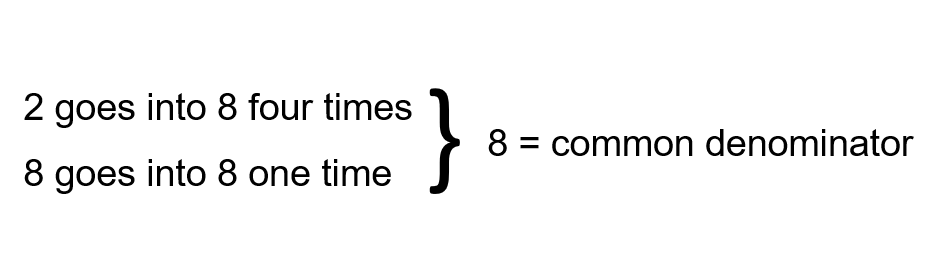

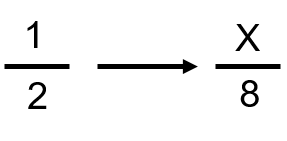
	</div>


	</div>
<div class="chapter standard " id="chapter-convert-decimals-to-fractions" title="Convert Decimals to Fractions">
	<div class="chapter-title-wrap">
		<p class="chapter-number">14</p>
		<h1 class="chapter-title">Convert Decimals to Fractions</h1>
								</div>
	<div class="ugc chapter-ugc">
				 <p>Chad has decided he wants to work with money in fraction form and not in decimal form. Why, you ask? I don’t know. Work with me here, though, because it’s been hard to get Chad into the decimal story. Maybe he just wants his students to know a little more math. No harm there. What we’re looking at here is the following:</p> <p style="text-align: center;"><img src="http://opentextbc.ca:3000/latex?latex=%5CLARGE0.5%5Ctext%7B%20to%20%7D%5Cdfrac%7B1%7D%7B2%7D&amp;fg=000000&amp;font=TeX&amp;svg=1" alt="\LARGE0.5\text{ to }\dfrac{1}{2}" title="\LARGE0.5\text{ to }\dfrac{1}{2}" class="latex mathjax" /></p> <p>It’s important to know how to do this in order to work with different number forms in the workplace. For instance, David, a student in Chad’s class, is a machinist. Machinists produce metal parts with a precision of up to one one-thousandth of a inch. If you are continuously working in decimals, you might forget how to work with fractions, so David wants to know how to change those decimals into fractions. The best way to illustrate how to do this is simply with an example.</p> <div class="textbox textbox--examples"><div class="textbox__header"><p class="textbox__title">Example</p> </div> <div class="textbox__content"><p>We’ll start with an easy decimal like 0.25 and work towards changing this into a fraction.</p> <p><strong>Step 1</strong>: Put the question into fraction form such that the decimal is over 1.</p> <p style="text-align: center;"><img src="http://opentextbc.ca:3000/latex?latex=%5CLARGE%5Cdfrac%7B0.25%7D%7B1%7D&amp;fg=000000&amp;font=TeX&amp;svg=1" alt="\LARGE\dfrac{0.25}{1}" title="\LARGE\dfrac{0.25}{1}" class="latex mathjax" /></p> <p><strong>Step 2</strong>: Take both the numerator and the denominator and multiply each by 10 for every digit to the right of the decimal point. In this case, we have 2 digits to the right. Therefore, we multiply each by 100 (10 × 10).</p> <p><img class="aligncenter wp-image-178" src="https://opentextbc.ca/mathfortrades1/wp-content/uploads/sites/305/2020/04/Picture35-2-300x125.png" alt="0.25 times 100 over 1 times 100 = 25 over 100" width="235" height="98" srcset="https://opentextbc.ca/mathfortrades1/wp-content/uploads/sites/305/2020/04/Picture35-2-300x125.png 300w, https://opentextbc.ca/mathfortrades1/wp-content/uploads/sites/305/2020/04/Picture35-2-65x27.png 65w, https://opentextbc.ca/mathfortrades1/wp-content/uploads/sites/305/2020/04/Picture35-2-225x94.png 225w, https://opentextbc.ca/mathfortrades1/wp-content/uploads/sites/305/2020/04/Picture35-2.png 307w" title="" /></p> <p><strong>Step 3</strong>: Reduce the fraction to its lowest terms, and we end up with the final answer.</p> <p><img class="aligncenter wp-image-1022" src="https://opentextbc.ca/mathfortrades1/wp-content/uploads/sites/305/2020/04/Picture34-1.png" alt="25 divided by 25 over 100 divided by 25 = 1 over 4 or 1 quarter" width="213" height="104" title="" /></p> </div> </div> <div class="textbox textbox--examples"><div class="textbox__header"><p class="textbox__title">Example</p> </div> <div class="textbox__content"><p>Change the decimal 0.729 into a fraction.</p> <p><strong>Step 1</strong>: Put the equation into fraction form such that the decimal is over 1.</p> <p style="text-align: center;"><img src="http://opentextbc.ca:3000/latex?latex=%5CLARGE%5Cdfrac%7B0.729%7D%7B1%7D&amp;fg=000000&amp;font=TeX&amp;svg=1" alt="\LARGE\dfrac{0.729}{1}" title="\LARGE\dfrac{0.729}{1}" class="latex mathjax" /></p> <p><strong>Step 2</strong>: Take both the numerator and the denominator and multiply each by 10 for every digit to the right of the decimal point. In this case, we have 3 digits to the right. Therefore, we multiply each by 1000 (10 × 10 × 10).</p> <p><img class="aligncenter wp-image-180 size-medium" src="https://opentextbc.ca/mathfortrades1/wp-content/uploads/sites/305/2020/04/Picture144-300x101.png" alt="0.729 times 1000 over 1 times 1000 = 729 over 1000" width="300" height="101" srcset="https://opentextbc.ca/mathfortrades1/wp-content/uploads/sites/305/2020/04/Picture144-300x101.png 300w, https://opentextbc.ca/mathfortrades1/wp-content/uploads/sites/305/2020/04/Picture144-65x22.png 65w, https://opentextbc.ca/mathfortrades1/wp-content/uploads/sites/305/2020/04/Picture144-225x76.png 225w, https://opentextbc.ca/mathfortrades1/wp-content/uploads/sites/305/2020/04/Picture144-350x118.png 350w, https://opentextbc.ca/mathfortrades1/wp-content/uploads/sites/305/2020/04/Picture144.png 370w" title="" /></p> <p><strong>Step 3</strong>: Reduce the fraction to get our final answer.</p> <p>This is a tough one to reduce. My suggestion would be to do this in steps. Start with small numbers like 2 and 3. Does the number 2 go into both the numerator and the denominator? The answer would be no. How about 3? Also no. Continue this process until you find a number that works.</p> <p>It is possible that you will not find a number and we are already in lowest terms. This is the case here. Our final answer is simply:</p> <p style="text-align: center;"><img src="http://opentextbc.ca:3000/latex?latex=%5CLARGE%5Cdfrac%7B729%7D%7B1000%7D&amp;fg=000000&amp;font=TeX&amp;svg=1" alt="\LARGE\dfrac{729}{1000}" title="\LARGE\dfrac{729}{1000}" class="latex mathjax" /></p> </div> </div> <h1>Practice Questions</h1> <p>Try a couple practice questions and check the video answers.</p> <p>Change the following decimals into fractions. Put your answer in lowest terms.</p> <div class="textbox textbox--exercises"><div class="textbox__header"><p class="textbox__title">Question 1</p> </div> <div class="textbox__content"><p style="text-align: center;"><img src="http://opentextbc.ca:3000/latex?latex=%5CLARGE0.362&amp;fg=000000&amp;font=TeX&amp;svg=1" alt="\LARGE0.362" title="\LARGE0.362" class="latex mathjax" /></p> <div class="textbox interactive-content interactive-content--oembed"><span class="interactive-content__icon"></span> <p>One or more interactive elements has been excluded from this version of the text. You can view them online here: <a href="#oembed-5" title="Decimals to fractions question #1" data-url="https://opentextbc.ca/mathfortrades1/?p=184#oembed-5">https://opentextbc.ca/mathfortrades1/?p=184#oembed-5</a> </p> </div> </div> </div> <div class="textbox textbox--exercises"><div class="textbox__header"><p class="textbox__title">Question 2</p> </div> <div class="textbox__content"><p style="text-align: center;"><img src="http://opentextbc.ca:3000/latex?latex=%5CLARGE0.963&amp;fg=000000&amp;font=TeX&amp;svg=1" alt="\LARGE0.963" title="\LARGE0.963" class="latex mathjax" /></p> <div class="textbox interactive-content interactive-content--oembed"><span class="interactive-content__icon"></span> <p>One or more interactive elements has been excluded from this version of the text. You can view them online here: <a href="#oembed-6" title="Decimals to fractions question #2" data-url="https://opentextbc.ca/mathfortrades1/?p=184#oembed-6">https://opentextbc.ca/mathfortrades1/?p=184#oembed-6</a> </p> </div> </div> </div> <p><img class="alignnone wp-image-587 size-full" src="https://opentextbc.ca/mathfortrades1/wp-content/uploads/sites/305/2020/04/Picture18-5.png" alt="Brain break! Take a couple moments to review what you just learned before moving on" width="1688" height="172" title="" /></p> <p><img class="alignleft wp-image-181" src="https://opentextbc.ca/mathfortrades1/wp-content/uploads/sites/305/2020/04/Picture25-1-300x150.png" alt="" width="200" height="100" srcset="https://opentextbc.ca/mathfortrades1/wp-content/uploads/sites/305/2020/04/Picture25-1-300x150.png 300w, https://opentextbc.ca/mathfortrades1/wp-content/uploads/sites/305/2020/04/Picture25-1-65x33.png 65w, https://opentextbc.ca/mathfortrades1/wp-content/uploads/sites/305/2020/04/Picture25-1-225x113.png 225w, https://opentextbc.ca/mathfortrades1/wp-content/uploads/sites/305/2020/04/Picture25-1-350x175.png 350w, https://opentextbc.ca/mathfortrades1/wp-content/uploads/sites/305/2020/04/Picture25-1.png 512w" title="" /></p> <p>Now it’s time to move to a situation we might find on a job site. Have you ever been on a job site, and your boss asked you to cut a piece of pipe, or maybe a piece of wood? What was the measurement? Maybe it was something like 8 ⅜ inches. Maybe it was 2 feet, 2 ¼ inches. Those are pretty standard.</p> <p>But what if you were asked to cut a piece of material 2.9384 feet? For David, the machinist, this might be exactly the type of measurement that he would get while creating metal products. But what would you do in some of the other trades?</p> <p>This is the reason we need to be able to change decimals into fractions. The whole number in this example stays the same, so we don’t really need to deal with that. What we need to work with is the 0.9384.</p> <p>The goal is to change 2.9384 into feet, inches, and fractions of an inch. We’ll go through an example to show you how that is done.</p> <div class="textbox textbox--examples"><div class="textbox__header"><p class="textbox__title">Example</p> </div> <div class="textbox__content"><p><strong>Step 1</strong>: First, note that the number we are dealing with is in feet. We have 2.9384 feet. The 2 whole feet will not require any changing and is good the way it is. What we have to do first is change 0.9384 into inches before moving onto fractions of an inch. Start with how many inches there are in a foot.</p> <p style="text-align: center;"><img src="http://opentextbc.ca:3000/latex?latex=%5CLARGE1%5Ctext%7B%20foot%7D%3D12%5Ctext%7B%20inches%7D&amp;fg=000000&amp;font=TeX&amp;svg=1" alt="\LARGE1\text{ foot}=12\text{ inches}" title="\LARGE1\text{ foot}=12\text{ inches}" class="latex mathjax" /></p> <p>Take the decimal of a foot and multiply it by 12.</p> <p style="text-align: center;"><img src="http://opentextbc.ca:3000/latex?latex=%5CLARGE0.9384%5Ctimes12%3D11.2608%5Ctext%7B%20inches%7D&amp;fg=000000&amp;font=TeX&amp;svg=1" alt="\LARGE0.9384\times12=11.2608\text{ inches}" title="\LARGE0.9384\times12=11.2608\text{ inches}" class="latex mathjax" /></p> <p><strong>Step 2</strong>: We are left with 11 inches and decimals of an inch. The 11 inches is good the way it is, but we need to change the decimal of an inch into fractions of an inch. The question becomes, which fraction of an inch should we change it into?</p> <p>This is up to you. This could be fourths, eighths, sixteenths, or thirty-seconds. The most common way would be to change the decimal of an inch into sixteenths. This is done by multiplying the decimal of an inch by the number in the denominator of whichever fraction you are working towards. For our example, we are looking to convert the decimal into sixteenths, so we multiply it by 16.</p> <p style="text-align: center;"><img src="http://opentextbc.ca:3000/latex?latex=%5CLARGE0.2608%5Ctimes16%3D4.1728&amp;fg=000000&amp;font=TeX&amp;svg=1" alt="\LARGE0.2608\times16=4.1728" title="\LARGE0.2608\times16=4.1728" class="latex mathjax" /></p> <p>When we are looking at 4.1728, what we are actually looking at is:</p> <p style="text-align: center;"><img src="http://opentextbc.ca:3000/latex?latex=%5CLARGE%5Cdfrac%7B4.1728%7D%7B16%7D&amp;fg=000000&amp;font=TeX&amp;svg=1" alt="\LARGE\dfrac{4.1728}{16}" title="\LARGE\dfrac{4.1728}{16}" class="latex mathjax" /></p> <p>If we had taken the 0.2608 inches and multiplied it by 8, our answer would be in eighths of an inch. If we had multiplied by 4, our answer would be in fourths (or quarters) of an inch.</p> <p><strong>Step 3</strong>: Round the answer to the nearest fraction of an inch, and then reduce the fraction if necessary.</p> <p style="text-align: center;"><img src="http://opentextbc.ca:3000/latex?latex=%5CLARGE%5Cdfrac%7B4.1728%7D%7B16%7D%5Crightarrow%5Cdfrac%7B4%7D%7B16%7D%5Crightarrow%5Cdfrac%7B1%7D%7B4%7D&amp;fg=000000&amp;font=TeX&amp;svg=1" alt="\LARGE\dfrac{4.1728}{16}\rightarrow\dfrac{4}{16}\rightarrow\dfrac{1}{4}" title="\LARGE\dfrac{4.1728}{16}\rightarrow\dfrac{4}{16}\rightarrow\dfrac{1}{4}" class="latex mathjax" /></p> <p>Our final answer then becomes:</p> <p style="text-align: center;"><img src="http://opentextbc.ca:3000/latex?latex=%5CLARGE2%E2%80%B2%5Chspace%7B1em%7D11%5Cfrac%7B1%7D%7B4%7D%E2%80%B3&amp;fg=000000&amp;font=TeX&amp;svg=1" alt="\LARGE2′\hspace{1em}11\frac{1}{4}″" title="\LARGE2′\hspace{1em}11\frac{1}{4}″" class="latex mathjax" /></p> <p>&nbsp;</p> </div> </div> <div class="textbox textbox--examples"><div class="textbox__header"><p class="textbox__title">Example</p> </div> <div class="textbox__content"><p>Change the following feet and decimals of a foot into feet, inches, and sixteenths of an inch.</p> <p style="text-align: center;"><img src="http://opentextbc.ca:3000/latex?latex=%5CLARGE7.6939%5Ctext%7B%20feet%7D&amp;fg=000000&amp;font=TeX&amp;svg=1" alt="\LARGE7.6939\text{ feet}" title="\LARGE7.6939\text{ feet}" class="latex mathjax" /></p> <p><strong>Step 1</strong>: Change the decimal of a foot into inches.</p> <p style="text-align: center;"><img src="http://opentextbc.ca:3000/latex?latex=%5CLARGE0.6939%5Ctimes12%3D8.3268%5Ctext%7B%20inches%7D&amp;fg=000000&amp;font=TeX&amp;svg=1" alt="\LARGE0.6939\times12=8.3268\text{ inches}" title="\LARGE0.6939\times12=8.3268\text{ inches}" class="latex mathjax" /></p> <p><strong>Step 2</strong>: We are left with 8 inches and decimals of an inch. The 8 inches is good the way it is, but we need to change the decimal of an inch into fractions of an inch. We need to change the decimal of an inch into sixteenths, so multiply it by 16.</p> <p style="text-align: center;"><img src="http://opentextbc.ca:3000/latex?latex=%5CLARGE0.3268%5Ctimes16%3D5.2288&amp;fg=000000&amp;font=TeX&amp;svg=1" alt="\LARGE0.3268\times16=5.2288" title="\LARGE0.3268\times16=5.2288" class="latex mathjax" /></p> <p><strong>Step 3</strong>: Round the answer to the nearest fraction of an inch, and then reduce the fraction if necessary.</p> <p style="text-align: center;"><img src="http://opentextbc.ca:3000/latex?latex=%5CLARGE%5Cdfrac%7B5.2288%7D%7B16%7D%5Crightarrow%5Cdfrac%7B5%7D%7B16%7D&amp;fg=000000&amp;font=TeX&amp;svg=1" alt="\LARGE\dfrac{5.2288}{16}\rightarrow\dfrac{5}{16}" title="\LARGE\dfrac{5.2288}{16}\rightarrow\dfrac{5}{16}" class="latex mathjax" /></p> <p>Our final answer becomes:</p> <p style="text-align: center;"><img src="http://opentextbc.ca:3000/latex?latex=%5CLARGE7%E2%80%B2%5Chspace%7B1em%7D8%5Cfrac%7B5%7D%7B16%7D%E2%80%B3&amp;fg=000000&amp;font=TeX&amp;svg=1" alt="\LARGE7′\hspace{1em}8\frac{5}{16}″" title="\LARGE7′\hspace{1em}8\frac{5}{16}″" class="latex mathjax" /></p> <p>&nbsp;</p> </div> </div> <h1>Practice Questions</h1> <p>Change the following feet and decimals of a foot into feet, inches, and sixteenths of an inch. Put your answer in lowest terms and check out the videos answers when you are done.</p> <div class="textbox textbox--exercises"><div class="textbox__header"><p class="textbox__title">Question 1</p> </div> <div class="textbox__content"><p style="text-align: center;"><img src="http://opentextbc.ca:3000/latex?latex=%5CLARGE9.1234%5Ctext%7B%20feet%7D&amp;fg=000000&amp;font=TeX&amp;svg=1" alt="\LARGE9.1234\text{ feet}" title="\LARGE9.1234\text{ feet}" class="latex mathjax" /></p> <div class="textbox interactive-content interactive-content--oembed"><span class="interactive-content__icon"></span> <p>One or more interactive elements has been excluded from this version of the text. You can view them online here: <a href="#oembed-7" title="Decimal feet to fractions question #1" data-url="https://opentextbc.ca/mathfortrades1/?p=184#oembed-7">https://opentextbc.ca/mathfortrades1/?p=184#oembed-7</a> </p> </div> </div> </div> <div class="textbox textbox--exercises"><div class="textbox__header"><p class="textbox__title">Question 2</p> </div> <div class="textbox__content"><p style="text-align: center;"><img src="http://opentextbc.ca:3000/latex?latex=%5CLARGE0.058%5Ctext%7B%20feet%7D&amp;fg=000000&amp;font=TeX&amp;svg=1" alt="\LARGE0.058\text{ feet}" title="\LARGE0.058\text{ feet}" class="latex mathjax" /></p> <div class="textbox interactive-content interactive-content--oembed"><span class="interactive-content__icon"></span> <p>One or more interactive elements has been excluded from this version of the text. You can view them online here: <a href="#oembed-8" title="Decimal feet to fractions question #2" data-url="https://opentextbc.ca/mathfortrades1/?p=184#oembed-8">https://opentextbc.ca/mathfortrades1/?p=184#oembed-8</a> </p> </div> </div> </div> 
	</div>


	</div>
<div class="chapter standard " id="chapter-convert-fractions-to-decimals" title="Convert Fractions to Decimals">
	<div class="chapter-title-wrap">
		<p class="chapter-number">15</p>
		<h1 class="chapter-title">Convert Fractions to Decimals</h1>
								</div>
	<div class="ugc chapter-ugc">
				 <p><img class="alignleft wp-image-185" src="https://opentextbc.ca/mathfortrades1/wp-content/uploads/sites/305/2020/04/Picture21-6-300x244.png" alt="" width="123" height="100" srcset="https://opentextbc.ca/mathfortrades1/wp-content/uploads/sites/305/2020/04/Picture21-6-300x244.png 300w, https://opentextbc.ca/mathfortrades1/wp-content/uploads/sites/305/2020/04/Picture21-6-1024x832.png 1024w, https://opentextbc.ca/mathfortrades1/wp-content/uploads/sites/305/2020/04/Picture21-6-768x624.png 768w, https://opentextbc.ca/mathfortrades1/wp-content/uploads/sites/305/2020/04/Picture21-6-65x53.png 65w, https://opentextbc.ca/mathfortrades1/wp-content/uploads/sites/305/2020/04/Picture21-6-225x183.png 225w, https://opentextbc.ca/mathfortrades1/wp-content/uploads/sites/305/2020/04/Picture21-6-350x284.png 350w, https://opentextbc.ca/mathfortrades1/wp-content/uploads/sites/305/2020/04/Picture21-6.png 1280w" title="" /></p> <p>We just learned how to change fractions to decimals, and now it’s time to do the opposite. How do you think this is done? If you guessed that it’s the reverse of what we just did, then you are right. We’ll start by going through an example dealing with fractions to decimals, and then move onto changing feet, inches, and fractions of an inch to feet and decimals of a foot.</p> <p>What we are looking to do is go from:</p> <p style="text-align: center;"><img src="http://opentextbc.ca:3000/latex?latex=%5CLARGE%5Cdfrac%7B1%7D%7B2%7D%5Ctext%7B%20to%20%7D0.5&amp;fg=000000&amp;font=TeX&amp;svg=1" alt="\LARGE\dfrac{1}{2}\text{ to }0.5" title="\LARGE\dfrac{1}{2}\text{ to }0.5" class="latex mathjax" /><span class="big"><br /> </span></p> <p>Once again, the quick and easy way to do this is to go through a few examples. Start with a plain old fraction and work towards changing this into a decimal.</p> <p style="text-align: center;"><img src="http://opentextbc.ca:3000/latex?latex=%5CLARGE%5Cdfrac%7B3%7D%7B8%7D&amp;fg=000000&amp;font=TeX&amp;svg=1" alt="\LARGE\dfrac{3}{8}" title="\LARGE\dfrac{3}{8}" class="latex mathjax" /></p> <p>This can be done a number of ways, with the simplest being:</p> <p style="text-align: center;"><img src="http://opentextbc.ca:3000/latex?latex=%5CLARGE3%C3%B78%3D0.375&amp;fg=000000&amp;font=TeX&amp;svg=1" alt="\LARGE3÷8=0.375" title="\LARGE3÷8=0.375" class="latex mathjax" /></p> <p>You could plug the numbers into your calculator, or you could use long division to come up with the answer.</p> <p style="text-align: center;">That’s it. You’re done!</p> <p><img class="aligncenter wp-image-186 size-thumbnail" src="https://opentextbc.ca/mathfortrades1/wp-content/uploads/sites/305/2020/04/Picture22-6-150x150.png" alt="A person giving a thumbs up" width="150" height="150" title="" /></p> <p>Okay, that was pretty easy, but now let’s move on to an example that is a bit more difficult. We are going to change a number written in feet, inches, and fractions of an inch into a decimal.</p> <div class="textbox textbox--examples"><div class="textbox__header"><p class="textbox__title">Example</p> </div> <div class="textbox__content"><p>Change this number into a decimal:</p> <p><img class="aligncenter wp-image-822" src="https://opentextbc.ca/mathfortrades1/wp-content/uploads/sites/305/2020/04/Picture4-9.png" alt="Seven feet and nine and five sixteenths inches" width="500" height="194" title="" /></p> <p><strong>Step 1</strong>: Identify any part of the number that is already in a form that works. In this case, the 7 feet is good to go and nothing needs to be done with it.</p> <p><img class="aligncenter wp-image-823" src="https://opentextbc.ca/mathfortrades1/wp-content/uploads/sites/305/2020/04/Picture5-11.png" alt="7 feet" width="70" height="75" title="" /></p> <p><img class="aligncenter wp-image-824" src="https://opentextbc.ca/mathfortrades1/wp-content/uploads/sites/305/2020/04/Picture6-10.png" alt="Check mark" width="70" height="70" title="" /></p> <p><strong>Step 2</strong>: Take the fraction of an inch and turn it into a decimal.</p> <p style="text-align: center;"><img src="http://opentextbc.ca:3000/latex?latex=%5CLARGE%5Cdfrac%7B5%7D%7B16%7D%5Ctext%7B%20OR%20%7D5%C3%B716%3D0.3125&amp;fg=000000&amp;font=TeX&amp;svg=1" alt="\LARGE\dfrac{5}{16}\text{ OR }5÷16=0.3125" title="\LARGE\dfrac{5}{16}\text{ OR }5÷16=0.3125" class="latex mathjax" /></p> <p>Pause here for a moment and ask yourself what unit the 0.3125 is in. All we have done is change the fraction of an inch into decimals of an inch. We now have turned the 9 inches and fractions of an inch into 9 inches and decimals of an inch.</p> <p style="text-align: center;"><img src="http://opentextbc.ca:3000/latex?latex=%5CLARGE9%5Cdfrac%7B5%7D%7B16%7D%5Ctext%7B%20inches%20into%20%7D9.3125%5Ctext%7B%20inches%7D&amp;fg=000000&amp;font=TeX&amp;svg=1" alt="\LARGE9\dfrac{5}{16}\text{ inches into }9.3125\text{ inches}" title="\LARGE9\dfrac{5}{16}\text{ inches into }9.3125\text{ inches}" class="latex mathjax" /><span class="big"><br /> </span></p> <p><strong>Step 3</strong>: Change the inches and decimals of an inch into decimals of a foot using the fact that 1 foot = 12 inches.</p> <p><img class="alignleft wp-image-827" src="https://opentextbc.ca/mathfortrades1/wp-content/uploads/sites/305/2020/04/Picture9-8.png" alt="Remember!" width="119" height="100" title="" /></p> <p>In the last section, when we went from decimals to fractions, we multiplied by 12 to get inches. As we are doing the reverse calculation here by going from fractions to decimals, we end up dividing by 12 inches to get decimals of a foot.</p> <p style="text-align: center;"><img src="http://opentextbc.ca:3000/latex?latex=%5CLARGE9.3125%C3%B712%3D0.776&amp;fg=000000&amp;font=TeX&amp;svg=1" alt="\LARGE9.3125÷12=0.776" title="\LARGE9.3125÷12=0.776" class="latex mathjax" /></p> <p>Once again, ask yourself what units you end up with here. When we take the inches and divide it by 12, we end up with feet or, in this case, decimals of a foot. So our final answer becomes:</p> <p><img class="aligncenter wp-image-829" src="https://opentextbc.ca/mathfortrades1/wp-content/uploads/sites/305/2020/04/Picture11-8.png" alt="7 feet 9 and 5 16ths inches is equal to 7.776 feet" width="299" height="95" title="" /></p> </div> </div> <p>We’ll go through another example, and then let you try a couple on your own after that.</p> <div class="textbox textbox--examples"><div class="textbox__header"><p class="textbox__title">Example</p> </div> <div class="textbox__content"><p>Change the following number written in feet, inches, and fractions of an inch into feet and decimals of a foot.</p> <p><img class="aligncenter wp-image-830" src="https://opentextbc.ca/mathfortrades1/wp-content/uploads/sites/305/2020/04/Picture12-8.png" alt="3 feet 6 and 3 eighths inches" width="130" height="86" title="" /></p> <p><strong>Step 1</strong>: Identify any part of the number that is already in a form that works. In this case, the 3 feet is good to go and nothing needs to be done with it.</p> <p><img class="aligncenter wp-image-831" src="https://opentextbc.ca/mathfortrades1/wp-content/uploads/sites/305/2020/04/Picture13-7.png" alt="3 feet" width="70" height="75" title="" /></p> <p><img class="aligncenter wp-image-824" src="https://opentextbc.ca/mathfortrades1/wp-content/uploads/sites/305/2020/04/Picture6-10.png" alt="Checkmark" width="70" height="70" title="" /></p> <p><strong>Step 2</strong>: Take the fraction of an inch and turn it into a decimal.</p> <p style="text-align: center;"><img src="http://opentextbc.ca:3000/latex?latex=%5CLARGE%5Cdfrac%7B3%7D%7B8%7D%5Ctext%7B%20OR%20%7D3%C3%B78%3D0.375&amp;fg=000000&amp;font=TeX&amp;svg=1" alt="\LARGE\dfrac{3}{8}\text{ OR }3÷8=0.375" title="\LARGE\dfrac{3}{8}\text{ OR }3÷8=0.375" class="latex mathjax" /></p> <p>Put the inches and decimals of an inch together.</p> <p style="text-align: center;"><img src="http://opentextbc.ca:3000/latex?latex=%5CLARGE6%5Cdfrac%7B3%7D%7B8%7D%5Ctext%7B%20inches%20into%20%7D6.375%5Ctext%7B%20inches%7D&amp;fg=000000&amp;font=TeX&amp;svg=1" alt="\LARGE6\dfrac{3}{8}\text{ inches into }6.375\text{ inches}" title="\LARGE6\dfrac{3}{8}\text{ inches into }6.375\text{ inches}" class="latex mathjax" /><span class="big"><br /> </span></p> <p><strong>Step 3</strong>: Change the inches and decimals of an inch into decimals of a foot using the fact that 1 foot = 12 inches.</p> <p style="text-align: center;"><img src="http://opentextbc.ca:3000/latex?latex=%5CLARGE6.375%C3%B712%3D0.531&amp;fg=000000&amp;font=TeX&amp;svg=1" alt="\LARGE6.375÷12=0.531" title="\LARGE6.375÷12=0.531" class="latex mathjax" /></p> <p>So our final answer becomes:</p> <p><img class="wp-image-835 aligncenter" src="https://opentextbc.ca/mathfortrades1/wp-content/uploads/sites/305/2020/04/Picture17-7.png" alt="3 feet 6 and 3 eighths inches is equal to 3.531 feet" width="260" height="82" title="" /></p> </div> </div> <h1>Practice Questions</h1> <p>Change the following feet, inches, and fractions of an inch into feet and decimals of a foot. Check the video answers to make sure you are on the right track.</p> <div class="textbox textbox--exercises"><div class="textbox__header"><p class="textbox__title">Question 1</p> </div> <div class="textbox__content"><p><img class="aligncenter wp-image-836" src="https://opentextbc.ca/mathfortrades1/wp-content/uploads/sites/305/2020/04/Picture18-6.png" alt="2 feet 2 and 17 thirty second inches" width="151" height="99" title="" /></p> <div class="textbox interactive-content interactive-content--oembed"><span class="interactive-content__icon"></span> <p>One or more interactive elements has been excluded from this version of the text. You can view them online here: <a href="#oembed-3" title="Fractions to Decimals - Question #1" data-url="https://opentextbc.ca/mathfortrades1/?p=196#oembed-3">https://opentextbc.ca/mathfortrades1/?p=196#oembed-3</a> </p> </div> </div> </div> <div class="textbox textbox--exercises"><div class="textbox__header"><p class="textbox__title">Question 2</p> </div> <div class="textbox__content"><p><img class="aligncenter wp-image-838" src="https://opentextbc.ca/mathfortrades1/wp-content/uploads/sites/305/2020/04/Picture20-6.png" alt="1 foot 11 and 15 sixteenth inches" width="159" height="93" title="" /></p> <div class="textbox interactive-content interactive-content--oembed"><span class="interactive-content__icon"></span> <p>One or more interactive elements has been excluded from this version of the text. You can view them online here: <a href="#oembed-4" title="Fractions to decimals question #2" data-url="https://opentextbc.ca/mathfortrades1/?p=196#oembed-4">https://opentextbc.ca/mathfortrades1/?p=196#oembed-4</a> </p> </div> </div> </div> 
	</div>


	</div>
<div class="chapter standard " id="chapter-decimals-quiz" title="Decimals Quiz">
	<div class="chapter-title-wrap">
		<p class="chapter-number">16</p>
		<h1 class="chapter-title">Decimals Quiz</h1>
								</div>
	<div class="ugc chapter-ugc">
				 <div class="textbox interactive-content"><span class="interactive-content__icon"></span> <p>An interactive H5P element has been excluded from this version of the text. You can view it online here:<br /> <a href="https://opentextbc.ca/mathfortrades1/?p=197#h5p-3" title="Trades Math: Decimals Quiz" data-url="https://opentextbc.ca/mathfortrades1/?p=197#h5p-3">https://opentextbc.ca/mathfortrades1/?p=197#h5p-3</a> </p> </div> <p>If using the print, PDF, or eBook copy of this book, navigate to the above link to complete the quiz. However, the quiz questions are also provided in <a class="internal" href="#back-matter-chapter-quizzes" data-url="/mathfortrades1/back-matter/chapter-quizzes/">Appendix C</a> at the end of the book for offline use.</p> 
	</div>


	</div>

</div>
<div class="part-wrapper" id="part-percentages-wrapper">
    <div class="part  " id="part-percentages">
	<div class="part-title-wrap">
		<p class="part-number">IV</p>
		<h1 class="part-title">Percentages</h1>
	</div>
	<div class="ugc part-ugc">
		<h1><img class="aligncenter wp-image-198" src="https://opentextbc.ca/mathfortrades1/wp-content/uploads/sites/305/2020/04/one-hundred-1165990_1280-300x200.jpg" alt="A chalkborad that has &amp;quot;100%&amp;quot; written on it" width="393" height="262" srcset="https://opentextbc.ca/mathfortrades1/wp-content/uploads/sites/305/2020/04/one-hundred-1165990_1280-300x200.jpg 300w, https://opentextbc.ca/mathfortrades1/wp-content/uploads/sites/305/2020/04/one-hundred-1165990_1280-1024x682.jpg 1024w, https://opentextbc.ca/mathfortrades1/wp-content/uploads/sites/305/2020/04/one-hundred-1165990_1280-768x512.jpg 768w, https://opentextbc.ca/mathfortrades1/wp-content/uploads/sites/305/2020/04/one-hundred-1165990_1280-65x43.jpg 65w, https://opentextbc.ca/mathfortrades1/wp-content/uploads/sites/305/2020/04/one-hundred-1165990_1280-225x150.jpg 225w, https://opentextbc.ca/mathfortrades1/wp-content/uploads/sites/305/2020/04/one-hundred-1165990_1280-350x233.jpg 350w, https://opentextbc.ca/mathfortrades1/wp-content/uploads/sites/305/2020/04/one-hundred-1165990_1280.jpg 1280w" title="" /></h1> <div class="textbox textbox--learning-objectives"><div class="textbox__header"><p class="textbox__title">Outcomes</p> </div> <div class="textbox__content"><ul><li>Define percent</li> <li>Understand the similarities between percent, ratios and fractions</li> <li>Calculate the percent of a number</li> <li>Calculate change as a percent and percent change</li> </ul> </div> </div>
	</div>
			
				
	</div>
<div class="chapter standard " id="chapter-what-is-a-percent-anyway" title="What is a Percent Anyway?">
	<div class="chapter-title-wrap">
		<p class="chapter-number">17</p>
		<h1 class="chapter-title">What is a Percent Anyway?</h1>
								</div>
	<div class="ugc chapter-ugc">
				 <p><img class="alignleft wp-image-200" src="https://opentextbc.ca/mathfortrades1/wp-content/uploads/sites/305/2020/04/Picture1-7-150x150.png" alt="&amp;quot;&amp;quot;" width="100" height="129" srcset="https://opentextbc.ca/mathfortrades1/wp-content/uploads/sites/305/2020/04/Picture1-7-232x300.png 232w, https://opentextbc.ca/mathfortrades1/wp-content/uploads/sites/305/2020/04/Picture1-7-65x84.png 65w, https://opentextbc.ca/mathfortrades1/wp-content/uploads/sites/305/2020/04/Picture1-7-225x291.png 225w, https://opentextbc.ca/mathfortrades1/wp-content/uploads/sites/305/2020/04/Picture1-7-350x452.png 350w, https://opentextbc.ca/mathfortrades1/wp-content/uploads/sites/305/2020/04/Picture1-7.png 557w" title="" /></p> <p>Remember the last time you wrote a test? What percentage did you receive? If you got 30 out of 35, could you calculate the percentage? How about finding out the percentage of students who like math? How would you calculate that number?</p> <p>Percentages are used in many different areas of our lives. For example, we hear about the interest rate or unemployment rate, the percentage of people who prefer hockey over football or the percentage of people who prefer science over math. Percentages are a useful way of making comparisons. This chapter will deal with percentages: how we get them, and how we can use them.</p> <h1>What Exactly is a Percent?</h1> <p><img class="alignleft wp-image-201" src="https://opentextbc.ca/mathfortrades1/wp-content/uploads/sites/305/2020/04/Picture2-6-150x150.png" alt="&amp;quot;&amp;quot;" width="100" height="67" srcset="https://opentextbc.ca/mathfortrades1/wp-content/uploads/sites/305/2020/04/Picture2-6-300x200.png 300w, https://opentextbc.ca/mathfortrades1/wp-content/uploads/sites/305/2020/04/Picture2-6-1024x682.png 1024w, https://opentextbc.ca/mathfortrades1/wp-content/uploads/sites/305/2020/04/Picture2-6-768x512.png 768w, https://opentextbc.ca/mathfortrades1/wp-content/uploads/sites/305/2020/04/Picture2-6-65x43.png 65w, https://opentextbc.ca/mathfortrades1/wp-content/uploads/sites/305/2020/04/Picture2-6-225x150.png 225w, https://opentextbc.ca/mathfortrades1/wp-content/uploads/sites/305/2020/04/Picture2-6-350x233.png 350w, https://opentextbc.ca/mathfortrades1/wp-content/uploads/sites/305/2020/04/Picture2-6.png 1280w" title="" /></p> <p>The word “per cent” means “out of 100.” In math language, when we say “out of” we are really saying “divided by.” Therefore, when we are dealing with percent, the basis of it is to divide by 100. The word “cent” on its own refers to 100. The word cent is actually Latin for 100. This relates to many things. The easiest might be the word century, which means 100 years.</p> <p><img class="wp-image-202 alignright" src="https://opentextbc.ca/mathfortrades1/wp-content/uploads/sites/305/2020/04/Picture3-6-150x150.png" alt="&amp;quot;&amp;quot;" width="100" height="63" srcset="https://opentextbc.ca/mathfortrades1/wp-content/uploads/sites/305/2020/04/Picture3-6-300x190.png 300w, https://opentextbc.ca/mathfortrades1/wp-content/uploads/sites/305/2020/04/Picture3-6-1024x647.png 1024w, https://opentextbc.ca/mathfortrades1/wp-content/uploads/sites/305/2020/04/Picture3-6-768x485.png 768w, https://opentextbc.ca/mathfortrades1/wp-content/uploads/sites/305/2020/04/Picture3-6-65x41.png 65w, https://opentextbc.ca/mathfortrades1/wp-content/uploads/sites/305/2020/04/Picture3-6-225x142.png 225w, https://opentextbc.ca/mathfortrades1/wp-content/uploads/sites/305/2020/04/Picture3-6-350x221.png 350w, https://opentextbc.ca/mathfortrades1/wp-content/uploads/sites/305/2020/04/Picture3-6.png 1280w" title="" /></p> <p>You can also think of words like centimetre. There are 100 centimetres (cm) in 1 metre. Or, how about the word cent when it comes to money? In money, 100 cents equals 1 dollar.</p> <p>Are you beginning to see the trend here?</p> <p>Now, think about the last time you wrote a test out of 100. Let’s say you scored very well and scored 92 out of 100. That would be the same as saying you received 92 percent.</p> <p>Written mathematically, it looks like this:</p> <p style="text-align: center;"><span class="big">92%</span></p> <div class="textbox"><p><img class="alignleft wp-image-203" src="https://opentextbc.ca/mathfortrades1/wp-content/uploads/sites/305/2020/04/Picture5-7-150x150.png" alt="Note" width="100" height="91" srcset="https://opentextbc.ca/mathfortrades1/wp-content/uploads/sites/305/2020/04/Picture5-7-65x59.png 65w, https://opentextbc.ca/mathfortrades1/wp-content/uploads/sites/305/2020/04/Picture5-7.png 176w" title="" /></p> <p>The symbol % means percent and can be used in place of writing the actual word percent. You can find this symbol on your computer keyboard, generally on the same key as one of the numbers. On my keyboard, the percent symbol is on the same key as the number 5. To get the % symbol, you would press the [Shift] and [5] keys at the same time.</p> <p>&nbsp;</p> </div> <p>The following is an example of percent.</p> <p>According to a recent survey by BCIT Piping Foundation Instructors, 25% of students coming into the Piping Foundation Program would like to get into the plumbing trade, 20% would like to get into the steamfitting trade, and 10% would like to get into the gasfitting trade. The remaining 45% of students are undecided when they begin the program. If you add up those percentages, they equal 100.</p> <table style="border-collapse: collapse; width: 100%; height: 90px;"><caption>Percentage of students indicating which trades they would like to pursue</caption> <tbody><tr style="height: 18px;"><th style="width: 50%; height: 18px;" scope="col">Piping Trade</th> <th style="width: 50%; height: 18px;" scope="col">Percentage</th> </tr> <tr style="height: 18px;"><td style="width: 50%; height: 18px;">Plumbing</td> <td style="width: 50%; height: 18px;">25%</td> </tr> <tr style="height: 18px;"><td style="width: 50%; height: 18px;">Gasfitting</td> <td style="width: 50%; height: 18px;">10%</td> </tr> <tr style="height: 18px;"><td style="width: 50%; height: 18px;">Undecided</td> <td style="width: 50%; height: 18px;">45%</td> </tr> <tr style="height: 18px;"><td style="width: 50%; height: 18px;">Total</td> <td style="width: 50%; height: 18px;">100%</td> </tr> </tbody> </table> <p>What the numbers reveal is that if you took 100 students and asked them which piping trade they were looking to get into, on average, 25 would say plumbing, 20 would say steamfitting, 10 would say gasfitting, and 45 would say that they are undecided. <strong>(Note: These are generalizations, not actual facts.)</strong></p> <p><img class="alignleft wp-image-204" src="https://opentextbc.ca/mathfortrades1/wp-content/uploads/sites/305/2020/04/Picture7-7-150x150.png" alt="A cartoon of a person holding a stop sign." width="150" height="126" srcset="https://opentextbc.ca/mathfortrades1/wp-content/uploads/sites/305/2020/04/Picture7-7-300x252.png 300w, https://opentextbc.ca/mathfortrades1/wp-content/uploads/sites/305/2020/04/Picture7-7-1024x862.png 1024w, https://opentextbc.ca/mathfortrades1/wp-content/uploads/sites/305/2020/04/Picture7-7-768x646.png 768w, https://opentextbc.ca/mathfortrades1/wp-content/uploads/sites/305/2020/04/Picture7-7-65x55.png 65w, https://opentextbc.ca/mathfortrades1/wp-content/uploads/sites/305/2020/04/Picture7-7-225x189.png 225w, https://opentextbc.ca/mathfortrades1/wp-content/uploads/sites/305/2020/04/Picture7-7-350x294.png 350w, https://opentextbc.ca/mathfortrades1/wp-content/uploads/sites/305/2020/04/Picture7-7.png 1280w" title="" /></p> <p>Stop here for one second. Does that mean that every time you have a survey, and you are looking to find percentages, you need to have 100 participants?</p> <p>No, it doesn’t.</p> <p>We’ll go through that in just a bit, but for now just know that percentages are based on 100 but don’t necessarily reflect that we have 100 people, items, or questions, etc.</p> 
	</div>


	</div>
<div class="chapter standard " id="chapter-ratios-fractions-and-percentage" title="Ratios and Fractions and How They Relate to Percentage">
	<div class="chapter-title-wrap">
		<p class="chapter-number">18</p>
		<h1 class="chapter-title">Ratios and Fractions and How They Relate to Percentage</h1>
								</div>
	<div class="ugc chapter-ugc">
				 <p><img class="alignleft wp-image-48" src="https://opentextbc.ca/mathfortrades1/wp-content/uploads/sites/305/2020/04/Picture1-8-150x150.png" alt="" width="100" height="100" srcset="https://opentextbc.ca/mathfortrades1/wp-content/uploads/sites/305/2020/04/Picture1-8-150x150.png 150w, https://opentextbc.ca/mathfortrades1/wp-content/uploads/sites/305/2020/04/Picture1-8-300x300.png 300w, https://opentextbc.ca/mathfortrades1/wp-content/uploads/sites/305/2020/04/Picture1-8-65x65.png 65w, https://opentextbc.ca/mathfortrades1/wp-content/uploads/sites/305/2020/04/Picture1-8-225x225.png 225w, https://opentextbc.ca/mathfortrades1/wp-content/uploads/sites/305/2020/04/Picture1-8-350x350.png 350w, https://opentextbc.ca/mathfortrades1/wp-content/uploads/sites/305/2020/04/Picture1-8.png 720w" title="" /></p> <p>What does a ratio have to do with percentage? What does a fraction have to do with percentage? What is a ratio? These are all good questions, and we’ll answer them here. Percentages, ratios, and fractions are all very similar and can be used to represent numbers in different ways, but with similar outcomes.</p> <p>We already went through fractions in a past chapter, so we know what those are all about. We should take a bit of time to talk about ratios and what they are.</p> <p>Mathematically speaking, a ratio is a relationship between two numbers. If we were to once again order a pizza and eat 3 of the 8 slices, we could look at that as a ratio. We ate three-eighths of the pizza. Written as a ratio, this looks like:</p> <p style="text-align: center;"><img src="http://opentextbc.ca:3000/latex?latex=%5CLARGE3%3A8&amp;fg=000000&amp;font=TeX&amp;svg=1" alt="\LARGE3:8" title="\LARGE3:8" class="latex mathjax" /></p> <p>Notice how the ratio is written. It has its own style, just like a fraction does. A ratio of 3:8 means that we have eaten 3 of the 8 pieces in the pizza. We could also write a ratio that identified how many pieces of the pizza were eaten and how many were not eaten. The ratio for that would look like:</p> <p style="text-align: center;"><img src="http://opentextbc.ca:3000/latex?latex=%5CLARGE3%3A5&amp;fg=000000&amp;font=TeX&amp;svg=1" alt="\LARGE3:5" title="\LARGE3:5" class="latex mathjax" /></p> <p>In this case, 3 pieces of the pizza were eaten while 5 pieces were not. Regardless of which way we describe our pizza eating, what we are dealing with is the relationship between two numbers.</p> <p>Here is another example: let’s say we are on a job site, and we have to install some pipe. We have 42 feet of plastic pipe and 79 feet of steel pipe to install. What is the ratio of plastic pipe to steel pipe that we need to install?</p> <p>The answer:</p> <p style="text-align: center;"><img src="http://opentextbc.ca:3000/latex?latex=%5CLARGE42%3A79&amp;fg=000000&amp;font=TeX&amp;svg=1" alt="\LARGE42:79" title="\LARGE42:79" class="latex mathjax" /></p> <p>Another question might be how much of the pipe is plastic in relation to how much total pipe we have. In this case, the ratio would look like:</p> <p style="text-align: center;"><img src="http://opentextbc.ca:3000/latex?latex=%5CLARGE42%3A121&amp;fg=000000&amp;font=TeX&amp;svg=1" alt="\LARGE42:121" title="\LARGE42:121" class="latex mathjax" /></p> <p>In this case, the 121 is derived from adding the plastic pipe and the steel pipe lengths together.</p> <p style="text-align: center;"><img src="http://opentextbc.ca:3000/latex?latex=%5CLARGE42%2B79%3D121&amp;fg=000000&amp;font=TeX&amp;svg=1" alt="\LARGE42+79=121" title="\LARGE42+79=121" class="latex mathjax" /></p> <p>At this point, you might be thinking that this looks and sounds familiar, and you would be correct. Ratios are similar to fractions, and each ratio can be written as a fraction.</p> <p style="text-align: center;"><img src="http://opentextbc.ca:3000/latex?latex=%5CLARGE%5Cdfrac%7B42%7D%7B121%7D&amp;fg=000000&amp;font=TeX&amp;svg=1" alt="\LARGE\dfrac{42}{121}" title="\LARGE\dfrac{42}{121}" class="latex mathjax" /></p> <p>We would say that 42 feet out of a total of 121 feet of pipe is plastic.</p> <p>All right: we’ve added a few new things to our math library here, but you might be asking right about now, “Aren’t we dealing with percentages in this chapter? How does all this ratio and fraction stuff relate to percentages?”</p> <p>The idea is we can take these ratios or fractions and turn them into percentages by making the ratio or fraction out of 100. In truth, we don’t even need to make a ratio or fraction out of 100 to do this, but it’s a good place to start our understanding of the math behind the whole process.</p> <p><img class="alignleft wp-image-206" src="https://opentextbc.ca/mathfortrades1/wp-content/uploads/sites/305/2020/04/Picture8-7-300x161.png" alt="" width="186" height="100" srcset="https://opentextbc.ca/mathfortrades1/wp-content/uploads/sites/305/2020/04/Picture8-7-300x161.png 300w, https://opentextbc.ca/mathfortrades1/wp-content/uploads/sites/305/2020/04/Picture8-7-1024x550.png 1024w, https://opentextbc.ca/mathfortrades1/wp-content/uploads/sites/305/2020/04/Picture8-7-768x412.png 768w, https://opentextbc.ca/mathfortrades1/wp-content/uploads/sites/305/2020/04/Picture8-7-65x35.png 65w, https://opentextbc.ca/mathfortrades1/wp-content/uploads/sites/305/2020/04/Picture8-7-225x121.png 225w, https://opentextbc.ca/mathfortrades1/wp-content/uploads/sites/305/2020/04/Picture8-7-350x188.png 350w, https://opentextbc.ca/mathfortrades1/wp-content/uploads/sites/305/2020/04/Picture8-7.png 1280w" title="" /></p> <p>We are at a point where we can finally introduce you to some new people in the story. For the story of percentage, we’re going to use apprentices from carpentry, electrical, and plumbing, in addition to statistics.</p> <p><strong>Note: all the statistics are just made up.</strong></p> <p><img class="alignright wp-image-207 size-thumbnail" src="https://opentextbc.ca/mathfortrades1/wp-content/uploads/sites/305/2020/04/Picture9-6-150x150.png" alt="" width="150" height="150" title="" /></p> <p>A trades college teaches many trades, including carpentry, electrical, and plumbing. There are currently 97 carpentry apprentices, 123 electrical apprentices, and 80 plumbing apprentices at the college.</p> <p>The college likes to keep statistics on apprentices, including what percentage of all the apprentices each of the three trades holds. The question is, how do we go about this?</p> <p>The first thing we should do is add up the total number of apprentices in each of the three trades.</p> <p style="text-align: center;"><img src="http://opentextbc.ca:3000/latex?latex=%5CLARGE97%2B123%2B80%3D300&amp;fg=000000&amp;font=TeX&amp;svg=1" alt="\LARGE97+123+80=300" title="\LARGE97+123+80=300" class="latex mathjax" /></p> <p>What we can do now is put each of the apprentice totals into both a ratio and a fraction of the whole.</p> <p><img class="aligncenter wp-image-580 size-full" src="https://opentextbc.ca/mathfortrades1/wp-content/uploads/sites/305/2020/04/Picture11-5.png" alt="For carpentry, the ratio is 97 to 300 and the fraction is 97 over 300" width="448" height="184" title="" /></p> <p><img class="aligncenter wp-image-581 size-full" src="https://opentextbc.ca/mathfortrades1/wp-content/uploads/sites/305/2020/04/Picture12-5.png" alt="For electrical, the ratio is 123 to 300 and the fraction is 123 over 300" width="482" height="184" title="" /></p> <p><img class="aligncenter wp-image-582 size-full" src="https://opentextbc.ca/mathfortrades1/wp-content/uploads/sites/305/2020/04/Picture13-5.png" alt="For plumbing, the ratio is 80 to 300 and the fraction is 80 over 300" width="490" height="184" title="" /></p> <p>If percentages are based on 100, then we have to translate the ratio and the fraction into forms based on 100. In other words, we have to make it so that the number on the right in the ratio is 100 and the denominator in the fraction is 100. For this, we have to go back to our work with fractions.</p> <p>We’ll start with the 97 carpentry apprentices. We have 97 apprentices out of a total of 300. Our goal here is to get this fraction down to a point where the denominator is 100.</p> <p><img class="aligncenter wp-image-211" src="https://opentextbc.ca/mathfortrades1/wp-content/uploads/sites/305/2020/04/Picture14-5-300x118.png" alt="If we are changing the fraction 97 over 300 so the denominator is 100, what does that make the numerator?" width="254" height="100" srcset="https://opentextbc.ca/mathfortrades1/wp-content/uploads/sites/305/2020/04/Picture14-5-300x118.png 300w, https://opentextbc.ca/mathfortrades1/wp-content/uploads/sites/305/2020/04/Picture14-5-65x26.png 65w, https://opentextbc.ca/mathfortrades1/wp-content/uploads/sites/305/2020/04/Picture14-5-225x88.png 225w, https://opentextbc.ca/mathfortrades1/wp-content/uploads/sites/305/2020/04/Picture14-5.png 313w" title="" /></p> <p>We are essentially reducing the fraction. Luckily for us, going from 300 down to 100 is quite easy. We just divide the denominator by 3, and then also divide the numerator by 3.</p> <p><img class="aligncenter wp-image-212" src="https://opentextbc.ca/mathfortrades1/wp-content/uploads/sites/305/2020/04/Picture15-4-300x121.png" alt="97 divided by 3 over 300 divided by 3 equals 32.33 over 100" width="255" height="103" srcset="https://opentextbc.ca/mathfortrades1/wp-content/uploads/sites/305/2020/04/Picture15-4-300x121.png 300w, https://opentextbc.ca/mathfortrades1/wp-content/uploads/sites/305/2020/04/Picture15-4-65x26.png 65w, https://opentextbc.ca/mathfortrades1/wp-content/uploads/sites/305/2020/04/Picture15-4-225x91.png 225w, https://opentextbc.ca/mathfortrades1/wp-content/uploads/sites/305/2020/04/Picture15-4.png 310w" title="" /></p> <p>We could now write this number as a ratio.</p> <p style="text-align: center;"><img src="http://opentextbc.ca:3000/latex?latex=%5CLARGE32.33%3A100&amp;fg=000000&amp;font=TeX&amp;svg=1" alt="\LARGE32.33:100" title="\LARGE32.33:100" class="latex mathjax" /></p> <p>What we end up with is the fact that 32.33% of the trades apprentices are carpentry apprentices. Once we find out the number of carpentry students per 100 students, we automatically have our percentage. In just a bit, we’ll talk about working with numbers that don’t give us a nice even number of 100 and simply translate to percentage in one step. But for now, let’s continue on with our apprentices.</p> <div class="textbox textbox--examples"><div class="textbox__header"><p class="textbox__title">Example</p> </div> <div class="textbox__content"><p>Find the percentage of electrical students.</p> <p><strong>Step 1</strong>: Put the numbers into an equation that we can work with. In this case, put the numbers into a fraction.</p> <p style="text-align: center;"><img src="http://opentextbc.ca:3000/latex?latex=%5CLARGE%5Cdfrac%7B123%7D%7B300%7D&amp;fg=000000&amp;font=TeX&amp;svg=1" alt="\LARGE\dfrac{123}{300}" title="\LARGE\dfrac{123}{300}" class="latex mathjax" /></p> <p><strong>Step 2</strong>: Turn the fraction into one with a denominator of 100.</p> <p><img class="aligncenter wp-image-213" src="https://opentextbc.ca/mathfortrades1/wp-content/uploads/sites/305/2020/04/Picture32-2-300x124.png" alt="123 divided by 3 over 300 divided by 3 equals 41 over 100" width="266" height="110" srcset="https://opentextbc.ca/mathfortrades1/wp-content/uploads/sites/305/2020/04/Picture32-2-300x124.png 300w, https://opentextbc.ca/mathfortrades1/wp-content/uploads/sites/305/2020/04/Picture32-2-65x27.png 65w, https://opentextbc.ca/mathfortrades1/wp-content/uploads/sites/305/2020/04/Picture32-2-225x93.png 225w, https://opentextbc.ca/mathfortrades1/wp-content/uploads/sites/305/2020/04/Picture32-2.png 302w" title="" /></p> <p>As a ratio, we would have:</p> <p style="text-align: center;"><img src="http://opentextbc.ca:3000/latex?latex=%5CLARGE41%3A100&amp;fg=000000&amp;font=TeX&amp;svg=1" alt="\LARGE41:100" title="\LARGE41:100" class="latex mathjax" /></p> <p>And finally, as a percentage, we would get:</p> <p style="text-align: center;"><img src="http://opentextbc.ca:3000/latex?latex=%5CLARGE41%25&amp;fg=000000&amp;font=TeX&amp;svg=1" alt="\LARGE41%" title="\LARGE41%" class="latex mathjax" /></p> </div> </div> <div class="textbox textbox--exercises"><div class="textbox__header"><p class="textbox__title">Practice Question</p> </div> <div class="textbox__content"><p>Now calculate the percentage of plumbing apprentices. Check the video to see if your answer is correct.</p> <div class="textbox interactive-content interactive-content--oembed"><span class="interactive-content__icon"></span> <p>One or more interactive elements has been excluded from this version of the text. You can view them online here: <a href="#oembed-5" title="Ratios to percentage example" data-url="https://opentextbc.ca/mathfortrades1/?p=215#oembed-5">https://opentextbc.ca/mathfortrades1/?p=215#oembed-5</a> </p> </div> </div> </div> <p><img class="alignnone wp-image-587 size-full" src="https://opentextbc.ca/mathfortrades1/wp-content/uploads/sites/305/2020/04/Picture18-5.png" alt="Brain break! Take a couple moments to review what you just learned before moving on" width="1688" height="172" title="" /></p> <p><img class="alignleft wp-image-214" src="https://opentextbc.ca/mathfortrades1/wp-content/uploads/sites/305/2020/04/Picture19-5-300x200.png" alt="A chalk drawing of a person climbing stairs with the words &amp;quot;what&amp;#039;s next?&amp;quot; at the top." width="150" height="100" srcset="https://opentextbc.ca/mathfortrades1/wp-content/uploads/sites/305/2020/04/Picture19-5-300x200.png 300w, https://opentextbc.ca/mathfortrades1/wp-content/uploads/sites/305/2020/04/Picture19-5-1024x682.png 1024w, https://opentextbc.ca/mathfortrades1/wp-content/uploads/sites/305/2020/04/Picture19-5-768x512.png 768w, https://opentextbc.ca/mathfortrades1/wp-content/uploads/sites/305/2020/04/Picture19-5-65x43.png 65w, https://opentextbc.ca/mathfortrades1/wp-content/uploads/sites/305/2020/04/Picture19-5-225x150.png 225w, https://opentextbc.ca/mathfortrades1/wp-content/uploads/sites/305/2020/04/Picture19-5-350x233.png 350w, https://opentextbc.ca/mathfortrades1/wp-content/uploads/sites/305/2020/04/Picture19-5.png 1280w" title="" /></p> <p>The next step actually makes the whole process of finding percentages easier. Remember that “percent” really means out of 100, and in the last section, we took our numbers and made them into fractions with denominators of 100. In this section, we skip that whole procedure and just take the numbers we have and work with them as they are.</p> <p>We’ll go back to our apprentices for this. Out of the total of 97 carpentry apprentices, there are 57 with a grade of “A” or “B.” What percentage of them have an “A” or “B”? We could go back to our old ways and get to a fraction with a denominator of 100, or we could simply divide the 57 by the 97.</p> <p>Mathematically, it looks like this:</p> <p style="text-align: center;"><img src="http://opentextbc.ca:3000/latex?latex=%5CLARGE57%C3%B797%3D0.59&amp;fg=000000&amp;font=TeX&amp;svg=1" alt="\LARGE57÷97=0.59" title="\LARGE57÷97=0.59" class="latex mathjax" /></p> <p>Now take the 0.59 and turn that into a percentage by multiplying the 0.59 by 100. This moves the decimal point 2 spots to the right and leaves us with a whole number. It’s as simple as that.</p> <p style="text-align: center;"><img src="http://opentextbc.ca:3000/latex?latex=%5CLARGE0.59%5Ctimes100%3D59%25&amp;fg=000000&amp;font=TeX&amp;svg=1" alt="\LARGE0.59\times100=59%" title="\LARGE0.59\times100=59%" class="latex mathjax" /></p> <div class="textbox textbox--examples"><div class="textbox__header"><p class="textbox__title">Example</p> </div> <div class="textbox__content"><p>Using the same method we just used with the carpentry apprentices, find the percentage of plumbing students in the trades college.</p> <p><strong>Step 1</strong>: Write down the equation in a format we can use.</p> <p style="text-align: center;"><img src="http://opentextbc.ca:3000/latex?latex=%5CLARGE80%C3%B7300%3D%3F&amp;fg=000000&amp;font=TeX&amp;svg=1" alt="\LARGE80÷300=?" title="\LARGE80÷300=?" class="latex mathjax" /></p> <p><strong>Step 2</strong>: Work this out in your head. Just kidding: grab your calculator and plug the numbers in.</p> <p style="text-align: center;"><img src="http://opentextbc.ca:3000/latex?latex=%5CLARGE80%C3%B7300%3D0.267&amp;fg=000000&amp;font=TeX&amp;svg=1" alt="\LARGE80÷300=0.267" title="\LARGE80÷300=0.267" class="latex mathjax" /></p> <p><strong>Step 3</strong>: Multiply the answer by 100 to put it into a percentage.</p> <p style="text-align: center;"><img src="http://opentextbc.ca:3000/latex?latex=%5CLARGE0.267%5Ctimes100%20%3D%2026.7%25&amp;fg=000000&amp;font=TeX&amp;svg=1" alt="\LARGE0.267\times100 = 26.7%" title="\LARGE0.267\times100 = 26.7%" class="latex mathjax" /></p> </div> </div> <h1>Practice Questions</h1> <p>Try these practice questions. You can either change each number into a fraction with a denominator of 100, or you can divide one number by the other. The choice is yours, but the video answers will go through both ways.</p> <div class="textbox textbox--exercises"><div class="textbox__header"><p class="textbox__title">Question 1</p> </div> <div class="textbox__content"><p>The electrical students are wiring an electrical project as part of their practical mark. The students must receive a minimum of 35 out of a possible 50 marks. What percentage is that?</p> <div class="textbox interactive-content interactive-content--oembed"><span class="interactive-content__icon"></span> <p>One or more interactive elements has been excluded from this version of the text. You can view them online here: <a href="#oembed-6" title="Fractions to percent question #1" data-url="https://opentextbc.ca/mathfortrades1/?p=215#oembed-6">https://opentextbc.ca/mathfortrades1/?p=215#oembed-6</a> </p> </div> </div> </div> <div class="textbox textbox--exercises"><div class="textbox__header"><p class="textbox__title">Question 2</p> </div> <div class="textbox__content"><p>The plumbing students have been asked to move a bunch of pipe from one side of the shop to the other. There are 279 pieces of cast iron pipe that have to be moved. At the end of the day, they have moved 222 pieces. What percentage of the pipe have they moved?</p> <div class="textbox interactive-content interactive-content--oembed"><span class="interactive-content__icon"></span> <p>One or more interactive elements has been excluded from this version of the text. You can view them online here: <a href="#oembed-7" title="Fractions to percent question #2" data-url="https://opentextbc.ca/mathfortrades1/?p=215#oembed-7">https://opentextbc.ca/mathfortrades1/?p=215#oembed-7</a> </p> </div> </div> </div> <div class="textbox textbox--exercises"><div class="textbox__header"><p class="textbox__title">Question 3</p> </div> <div class="textbox__content"><p>Referring to question 2, what percentage of the pipe do the students still have to move in relation to the original amount?</p> <div class="textbox interactive-content interactive-content--oembed"><span class="interactive-content__icon"></span> <p>One or more interactive elements has been excluded from this version of the text. You can view them online here: <a href="#oembed-8" title="Fractions to percent question #3" data-url="https://opentextbc.ca/mathfortrades1/?p=215#oembed-8">https://opentextbc.ca/mathfortrades1/?p=215#oembed-8</a> </p> </div> </div> </div> 
	</div>


	</div>
<div class="chapter standard " id="chapter-finding-the-percentage" title="Finding the Percentage of a Given Number">
	<div class="chapter-title-wrap">
		<p class="chapter-number">19</p>
		<h1 class="chapter-title">Finding the Percentage of a Given Number</h1>
								</div>
	<div class="ugc chapter-ugc">
				 <p><img class="alignleft wp-image-216" src="https://opentextbc.ca/mathfortrades1/wp-content/uploads/sites/305/2020/04/Picture1-9-150x150.png" alt="A jar of jelly beans sitting on a table" width="150" height="100" srcset="https://opentextbc.ca/mathfortrades1/wp-content/uploads/sites/305/2020/04/Picture1-9-300x200.png 300w, https://opentextbc.ca/mathfortrades1/wp-content/uploads/sites/305/2020/04/Picture1-9-65x43.png 65w, https://opentextbc.ca/mathfortrades1/wp-content/uploads/sites/305/2020/04/Picture1-9-225x150.png 225w, https://opentextbc.ca/mathfortrades1/wp-content/uploads/sites/305/2020/04/Picture1-9-350x233.png 350w, https://opentextbc.ca/mathfortrades1/wp-content/uploads/sites/305/2020/04/Picture1-9.png 512w" title="" /></p> <p>It’s Christmas, and the apprentices have a chance to win the jar of candy on the left. The only requirement is that they guess the number of candies in the jar.</p> <p><strong>Correct answer = 117&nbsp;</strong></p> <p>The winner is Bryce, a level 4 plumbing student. He credits his success in the candy counting game to the fact that his family owned a candy store when he was a kid, and it’s finally paid off.</p> <p>Bryce decides to give some of the candy away. In fact, he decides to give 12% to his friend Patrick, 25% to his friend Matt, and 17% to his instructor.</p> <p>The question becomes, how much do each of these percentages represent out of the total number? And maybe in the end, we can find out how much candy Bryce will keep for himself.</p> <p>We’ll start with Patrick, who will get 12% of the candy. The first thing to do is turn 12% into a fraction.</p> <p style="text-align: center;"><img src="http://opentextbc.ca:3000/latex?latex=%5CLARGE%5Cdfrac%7B12%7D%7B100%7D&amp;fg=000000&amp;font=TeX&amp;svg=1" alt="\LARGE\dfrac{12}{100}" title="\LARGE\dfrac{12}{100}" class="latex mathjax" /></p> <p>What this will eventually tell us is that, for every 100 candies there are in the jar, Patrick will get 12 of them. Now turn that fraction into a decimal by dividing 12 by 100.</p> <p style="text-align: center;"><img src="http://opentextbc.ca:3000/latex?latex=%5CLARGE12%C3%B7100%3D0.12&amp;fg=000000&amp;font=TeX&amp;svg=1" alt="\LARGE12÷100=0.12" title="\LARGE12÷100=0.12" class="latex mathjax" /></p> <p><img class="alignleft wp-image-217" src="https://opentextbc.ca/mathfortrades1/wp-content/uploads/sites/305/2020/04/Picture12-6-300x212.png" alt="" width="142" height="100" srcset="https://opentextbc.ca/mathfortrades1/wp-content/uploads/sites/305/2020/04/Picture12-6-300x212.png 300w, https://opentextbc.ca/mathfortrades1/wp-content/uploads/sites/305/2020/04/Picture12-6-1024x723.png 1024w, https://opentextbc.ca/mathfortrades1/wp-content/uploads/sites/305/2020/04/Picture12-6-768x542.png 768w, https://opentextbc.ca/mathfortrades1/wp-content/uploads/sites/305/2020/04/Picture12-6-65x46.png 65w, https://opentextbc.ca/mathfortrades1/wp-content/uploads/sites/305/2020/04/Picture12-6-225x159.png 225w, https://opentextbc.ca/mathfortrades1/wp-content/uploads/sites/305/2020/04/Picture12-6-350x247.png 350w, https://opentextbc.ca/mathfortrades1/wp-content/uploads/sites/305/2020/04/Picture12-6.png 1280w" title="" /></p> <p>Have you noticed a pattern when it comes to decimals? Here is the relationship showing a few different ways in which we can end up with 12%:</p> <p style="text-align: center;"><img src="http://opentextbc.ca:3000/latex?latex=%5CLARGE12%5C%25%3D%5Cdfrac%7B12%7D%7B100%7D%3D0.12&amp;fg=000000&amp;font=TeX&amp;svg=1" alt="\LARGE12\%=\dfrac{12}{100}=0.12" title="\LARGE12\%=\dfrac{12}{100}=0.12" class="latex mathjax" /></p> <p>All three of these numbers represent the same amount. Learning to work between them is important in math, and it’s also important to begin to see the relationships between numbers. Okay, back to Patrick.</p> <p>The final step in this situation is to take the 0.12, which is really 12%, and multiply it by the number of candies in the jar.</p> <p style="text-align: center;"><img src="http://opentextbc.ca:3000/latex?latex=%5CLARGE0.12%5Ctimes117%3D14.04&amp;fg=000000&amp;font=TeX&amp;svg=1" alt="\LARGE0.12\times117=14.04" title="\LARGE0.12\times117=14.04" class="latex mathjax" /></p> <p>Now, slicing off 0.04 of a candy is hard to do, so we’ll use our rounding skills and round down to 14 candies.</p> <div class="textbox textbox--examples"><div class="textbox__header"><p class="textbox__title">Example</p> </div> <div class="textbox__content"><p>Now move on to Bryce’s next friend, Matt. Matt gets 25% of the candy.</p> <p><strong>Step 1</strong>: Turn the percentage into a fraction with a denominator of 100.</p> <p style="text-align: center;"><img src="http://opentextbc.ca:3000/latex?latex=%5CLARGE%5Cdfrac%7B25%7D%7B100%7D&amp;fg=000000&amp;font=TeX&amp;svg=1" alt="\LARGE\dfrac{25}{100}" title="\LARGE\dfrac{25}{100}" class="latex mathjax" /></p> <p><strong>Step 2</strong>: Take the 25 and divide it by the 100.</p> <p style="text-align: center;"><img src="http://opentextbc.ca:3000/latex?latex=%5CLARGE25%C3%B7100%3D0.25&amp;fg=000000&amp;font=TeX&amp;svg=1" alt="\LARGE25÷100=0.25" title="\LARGE25÷100=0.25" class="latex mathjax" /></p> <p><strong>Step 3</strong>: Take the 0.25 and multiply it by the number of candies in the jar.</p> <p style="text-align: center;"><img src="http://opentextbc.ca:3000/latex?latex=%5CLARGE0.25%5Ctimes117%3D29.25&amp;fg=000000&amp;font=TeX&amp;svg=1" alt="\LARGE0.25\times117=29.25" title="\LARGE0.25\times117=29.25" class="latex mathjax" /></p> <p>We would again round down to get our final answer of 29.</p> </div> </div> <div class="textbox textbox--examples"><div class="textbox__header"><p class="textbox__title">Example</p> </div> <div class="textbox__content"><p>We won’t worry about how many candies the instructor gets, but what we will calculate is how many candies Bryce keeps for himself. We want to calculate the percentage of candies Bryce ends up with, and then calculate how many candies that is.</p> <p><strong>Step 1</strong>: Add up the percentage of the candies that the other three people have, and then subtract the sum from 100.</p> <ul><li>Patrick gets 12%</li> <li>Matt gets 25%</li> <li>Instructor gets 17%</li> </ul> <p style="text-align: center;"><img src="http://opentextbc.ca:3000/latex?latex=%5CLARGE12%5C%25%2B25%5C%25%2B17%5C%25%3D54%5C%25&amp;fg=000000&amp;font=TeX&amp;svg=1" alt="\LARGE12\%+25\%+17\%=54\%" title="\LARGE12\%+25\%+17\%=54\%" class="latex mathjax" /></p> <p>&nbsp;</p> <p style="text-align: center;"><img src="http://opentextbc.ca:3000/latex?latex=%5CLARGE%5Ctext%7BBryce%20gets%20%7D100%5C%25-54%5C%25%3D46%5C%25&amp;fg=000000&amp;font=TeX&amp;svg=1" alt="\LARGE\text{Bryce gets }100\%-54\%=46\%" title="\LARGE\text{Bryce gets }100\%-54\%=46\%" class="latex mathjax" /></p> <p><strong>Step 2</strong>: At this point, we’ve done a couple of examples in which we first took the percentage and turned it into a fraction over 100. Then, we took the percentage and divided it by 100. What if we just skipped that step? What we end up doing for a percentage is just taking the decimal point and moving it over 2 places to the left (this represents dividing by 100). Try that.</p> <p style="text-align: center;"><img src="http://opentextbc.ca:3000/latex?latex=%5CLARGE46%5C%25%3D0.46&amp;fg=000000&amp;font=TeX&amp;svg=1" alt="\LARGE46\%=0.46" title="\LARGE46\%=0.46" class="latex mathjax" /></p> <p><strong>Step 3</strong>: Take the 0.46 and multiply it by the number of candies in the jar.</p> <p style="text-align: center;"><img src="http://opentextbc.ca:3000/latex?latex=%5CLARGE0.46%5Ctimes117%3D53.82&amp;fg=000000&amp;font=TeX&amp;svg=1" alt="\LARGE0.46\times117=53.82" title="\LARGE0.46\times117=53.82" class="latex mathjax" /></p> <p>This can be rounded up to 54. Bryce still gets to eat a lot of candy, which will satisfy his sweet tooth, but he won’t eat so much that he’ll end up getting sick.</p> </div> </div> <h1>Practice Questions</h1> <p>Try a couple of practice questions. Check the video answer to see how you did.</p> <div class="textbox textbox--exercises"><div class="textbox__header"><p class="textbox__title">Question 1</p> </div> <div class="textbox__content"><p style="text-align: center;"><span class="big">Find 37% of 229</span></p> <div class="textbox interactive-content interactive-content--oembed"><span class="interactive-content__icon"></span> <p>One or more interactive elements has been excluded from this version of the text. You can view them online here: <a href="#oembed-3" title="Percentage of a given number question #1" data-url="https://opentextbc.ca/mathfortrades1/?p=218#oembed-3">https://opentextbc.ca/mathfortrades1/?p=218#oembed-3</a> </p> </div> </div> </div> <div class="textbox textbox--exercises"><div class="textbox__header"><p class="textbox__title">Question 2</p> </div> <div class="textbox__content"><p style="text-align: center;"><span class="big">Find 78% of 1928</span></p> <div class="textbox interactive-content interactive-content--oembed"><span class="interactive-content__icon"></span> <p>One or more interactive elements has been excluded from this version of the text. You can view them online here: <a href="#oembed-4" title="Percentage of a given number question #2" data-url="https://opentextbc.ca/mathfortrades1/?p=218#oembed-4">https://opentextbc.ca/mathfortrades1/?p=218#oembed-4</a> </p> </div> </div> </div> 
	</div>


	</div>
<div class="chapter standard " id="chapter-expressing-change-as-a-percent" title="Change as a Percent and Percent Change">
	<div class="chapter-title-wrap">
		<p class="chapter-number">20</p>
		<h1 class="chapter-title">Change as a Percent and Percent Change</h1>
								</div>
	<div class="ugc chapter-ugc">
				 <h1>Expressing Change as a Percent</h1> <p>Melissa is a carpentry foundation student who has just finished her six-month foundation program. This is a program for people who are looking to get into the trade but are not yet apprentices.</p> <p><img class="alignleft wp-image-219" src="https://opentextbc.ca/mathfortrades1/wp-content/uploads/sites/305/2020/04/Picture21-300x225.png" alt="" width="133" height="100" srcset="https://opentextbc.ca/mathfortrades1/wp-content/uploads/sites/305/2020/04/Picture21-300x225.png 300w, https://opentextbc.ca/mathfortrades1/wp-content/uploads/sites/305/2020/04/Picture21-1024x769.png 1024w, https://opentextbc.ca/mathfortrades1/wp-content/uploads/sites/305/2020/04/Picture21-768x577.png 768w, https://opentextbc.ca/mathfortrades1/wp-content/uploads/sites/305/2020/04/Picture21-65x49.png 65w, https://opentextbc.ca/mathfortrades1/wp-content/uploads/sites/305/2020/04/Picture21-225x169.png 225w, https://opentextbc.ca/mathfortrades1/wp-content/uploads/sites/305/2020/04/Picture21-350x263.png 350w, https://opentextbc.ca/mathfortrades1/wp-content/uploads/sites/305/2020/04/Picture21.png 1280w" title="" /></p> <p>It’s now time to make some money after spending the previous six months in school. After Melissa graduated from the program, she applied for three jobs and decided to take the one that offered the best value. Her starting wage is $14 per hour, and after six months, it will move up to $16 per hour.</p> <p>This is a $2 per hour pay raise, but does this represent a good percentage increase? If she started at $25 per hour and went up to $27 per hour, would this be the same percentage increase?</p> <p>The answer lies in the following formula:</p> <p style="text-align: center;"><img src="http://opentextbc.ca:3000/latex?latex=%5Ctext%7BPercentage%20change%7D%3D%5Cdfrac%7B%5Ctext%7BActual%20increase%20or%20decrease%7D%7D%7B%5Ctext%7BOriginal%20amount%7D%7D%5Ctimes100&amp;fg=000000&amp;font=TeX&amp;svg=1" alt="\text{Percentage change}=\dfrac{\text{Actual increase or decrease}}{\text{Original amount}}\times100" title="\text{Percentage change}=\dfrac{\text{Actual increase or decrease}}{\text{Original amount}}\times100" class="latex mathjax" /></p> <p>There are a couple of things to note here. One is that this formula works if you have either an increase or a decrease from the original amount. If Melissa’s wage went down, you could also express that as a percentage. The second thing to note is that there is the number 100 at the end of the formula. This is due to the fact that the calculation would give us a decimal, and multiplying this number by 100 makes it a percentage.</p> <p>So, to follow through on our calculation, let’s put the numbers in and see what we get.</p> <p style="text-align: center;"><img src="http://opentextbc.ca:3000/latex?latex=%5CLARGE%5Ctext%7BPercentage%20change%7D%3D%5Cdfrac%7B%5C%242%7D%7B%5C%2414%7D%5Ctimes100&amp;fg=000000&amp;font=TeX&amp;svg=1" alt="\LARGE\text{Percentage change}=\dfrac{\$2}{\$14}\times100" title="\LARGE\text{Percentage change}=\dfrac{\$2}{\$14}\times100" class="latex mathjax" /></p> <p style="text-align: center;"><img src="http://opentextbc.ca:3000/latex?latex=%5CLARGE%5Ctext%7BPercentage%20change%7D%3D0.1429%5Ctimes100&amp;fg=000000&amp;font=TeX&amp;svg=1" alt="\LARGE\text{Percentage change}=0.1429\times100" title="\LARGE\text{Percentage change}=0.1429\times100" class="latex mathjax" /></p> <p style="text-align: center;"><img src="http://opentextbc.ca:3000/latex?latex=%5CLARGE%5Ctext%7BPercentage%20change%7D%3D14.29%5C%25&amp;fg=000000&amp;font=TeX&amp;svg=1" alt="\LARGE\text{Percentage change}=14.29\%" title="\LARGE\text{Percentage change}=14.29\%" class="latex mathjax" /></p> <p>This is telling us that Melissa will get a 14.29% increase in her wage after the first six months. Not bad!</p> <div class="textbox textbox--examples"><div class="textbox__header"><p class="textbox__title">Example</p> </div> <div class="textbox__content"><p><img class="alignleft wp-image-220" src="https://opentextbc.ca/mathfortrades1/wp-content/uploads/sites/305/2020/04/Picture6-150x150.png" alt="" width="100" height="67" srcset="https://opentextbc.ca/mathfortrades1/wp-content/uploads/sites/305/2020/04/Picture6-300x200.png 300w, https://opentextbc.ca/mathfortrades1/wp-content/uploads/sites/305/2020/04/Picture6-1024x682.png 1024w, https://opentextbc.ca/mathfortrades1/wp-content/uploads/sites/305/2020/04/Picture6-768x512.png 768w, https://opentextbc.ca/mathfortrades1/wp-content/uploads/sites/305/2020/04/Picture6-65x43.png 65w, https://opentextbc.ca/mathfortrades1/wp-content/uploads/sites/305/2020/04/Picture6-225x150.png 225w, https://opentextbc.ca/mathfortrades1/wp-content/uploads/sites/305/2020/04/Picture6-350x233.png 350w, https://opentextbc.ca/mathfortrades1/wp-content/uploads/sites/305/2020/04/Picture6.png 1280w" title="" /></p> <p>During her foundation program, Melissa had to keep her job working at a coffee shop in order to pay the bills. On her first day of work, she served 78 cups of coffee. During her six months on the job, the most cups of coffee she made in one day was 201. How can the difference between these amounts be expressed as a percentage increase?</p> <p><strong>Step 1</strong>: Calculate the increase in cups served.</p> <p style="text-align: center;"><img src="http://opentextbc.ca:3000/latex?latex=%5CLARGE201-78%3D%5Ctext%7B123%20more%20cups%20of%20coffee%7D&amp;fg=000000&amp;font=TeX&amp;svg=1" alt="\LARGE201-78=\text{123 more cups of coffee}" title="\LARGE201-78=\text{123 more cups of coffee}" class="latex mathjax" /></p> <p><strong>Step 2</strong>: Write down the formula you are going to work with.</p> <p style="text-align: center;"><img src="http://opentextbc.ca:3000/latex?latex=%5Ctext%7BPercentage%20change%7D%3D%5Cdfrac%7B%5Ctext%7BActual%20increase%20or%20decrease%7D%7D%7B%5Ctext%7BOriginal%20amount%7D%7D%5Ctimes100&amp;fg=000000&amp;font=TeX&amp;svg=1" alt="\text{Percentage change}=\dfrac{\text{Actual increase or decrease}}{\text{Original amount}}\times100" title="\text{Percentage change}=\dfrac{\text{Actual increase or decrease}}{\text{Original amount}}\times100" class="latex mathjax" /></p> <p><strong>Step 3</strong>: Plug the numbers into the formula.</p> <p style="text-align: center;"><img src="http://opentextbc.ca:3000/latex?latex=%5CLARGE%5Ctext%7BPercentage%20change%7D%3D%5Cdfrac%7B123%7D%7B78%7D%5Ctimes100&amp;fg=000000&amp;font=TeX&amp;svg=1" alt="\LARGE\text{Percentage change}=\dfrac{123}{78}\times100" title="\LARGE\text{Percentage change}=\dfrac{123}{78}\times100" class="latex mathjax" /></p> <p><strong>Step 4</strong>: Work through the answer.</p> <p style="text-align: center;"><img src="http://opentextbc.ca:3000/latex?latex=%5CLARGE%5Ctext%7BPercentage%20change%7D%3D1.58%5Ctimes100&amp;fg=000000&amp;font=TeX&amp;svg=1" alt="\LARGE\text{Percentage change}=1.58\times100" title="\LARGE\text{Percentage change}=1.58\times100" class="latex mathjax" /></p> <p style="text-align: center;"><img src="http://opentextbc.ca:3000/latex?latex=%5CLARGE%5Ctext%7BPercentage%20change%7D%3D158%5C%25&amp;fg=000000&amp;font=TeX&amp;svg=1" alt="\LARGE\text{Percentage change}=158\%" title="\LARGE\text{Percentage change}=158\%" class="latex mathjax" /></p> <p>This answer tells us that, from the time Melissa started to the time she had her most productive day, she had a one-day increase of 158%. If she were to increase her output by 100%, that would mean mathematically that she would be making twice as much coffee as before. Increasing by 158% indicates that she is making MORE than twice the amount of coffee as when she first started.</p> </div> </div> <h1>Practice Questions</h1> <p>Answer the questions below and then check the video answers to see how you did.</p> <div class="textbox textbox--exercises"><div class="textbox__header"><p class="textbox__title">Question 1</p> </div> <div class="textbox__content"><p>In its first year of operation, a trade school has 57 students. In its second year of operation, its student body increased to 104 students. What percent increase is this?</p> <div class="textbox interactive-content interactive-content--oembed"><span class="interactive-content__icon"></span> <p>One or more interactive elements has been excluded from this version of the text. You can view them online here: <a href="#oembed-5" title="Change as a percent question #1" data-url="https://opentextbc.ca/mathfortrades1/?p=224#oembed-5">https://opentextbc.ca/mathfortrades1/?p=224#oembed-5</a> </p> </div> </div> </div> <div class="textbox textbox--exercises"><div class="textbox__header"><p class="textbox__title">Question 2</p> </div> <div class="textbox__content"><p>Referring back to the trade school in question 1, their third year of operation did not go so well. In their third year, the number of students went down to 86. What percent decrease is this from year two?</p> <div class="textbox interactive-content interactive-content--oembed"><span class="interactive-content__icon"></span> <p>One or more interactive elements has been excluded from this version of the text. You can view them online here: <a href="#oembed-6" title="Change as a percent question #2" data-url="https://opentextbc.ca/mathfortrades1/?p=224#oembed-6">https://opentextbc.ca/mathfortrades1/?p=224#oembed-6</a> </p> </div> </div> </div> <p><img class="alignnone wp-image-587 size-full" src="https://opentextbc.ca/mathfortrades1/wp-content/uploads/sites/305/2020/04/Picture18-5.png" alt="Brain break! Take a couple moments to review what you just learned before moving on." width="1688" height="172" title="" /></p> <h1>Calculating Percentage Changes</h1> <p>The company Melissa works for currently has 27 apprentices working, and they want to increase that number in the coming year. In the previous section, we would have asked how many more apprentices they were looking to hire. But what if the goal was to increase the number of apprentices by 20%? How would you go about doing that?</p> <p>So what we have is this:</p> <p><img class="aligncenter wp-image-878" src="https://opentextbc.ca/mathfortrades1/wp-content/uploads/sites/305/2020/04/Picture22.png" alt="Apply the percent increase or decrease to the starting amount to get the end amount" width="500" height="103" title="" /></p> <p>We have to incorporate percent increase to find the number of apprentices the company wants to have in the end. The company currently has 27 apprentices and is looking to increase that number by 20% in the next year. The first thing we need to find out is what 20% of 27 is. Remember that 20% is like 20 out of 100. We can use this concept to find our answer.</p> <p style="text-align: center;"><img src="http://opentextbc.ca:3000/latex?latex=%5CLARGE%5Cdfrac%7B20%7D%7B100%7D%3D0.2&amp;fg=000000&amp;font=TeX&amp;svg=1" alt="\LARGE\dfrac{20}{100}=0.2" title="\LARGE\dfrac{20}{100}=0.2" class="latex mathjax" /></p> <p>Multiply 27 by 0.2 to get our increase.</p> <p style="text-align: center;"><img src="http://opentextbc.ca:3000/latex?latex=%5CLARGE27%5Ctimes0.2%3D5.4&amp;fg=000000&amp;font=TeX&amp;svg=1" alt="\LARGE27\times0.2=5.4" title="\LARGE27\times0.2=5.4" class="latex mathjax" /></p> <p>What this answer indicates is that the company wants to increase their number of apprentices by 5.4. Now, we can’t have 0.4 of an apprentice, so we have to round up or down. Following the rules we established before, we round down to 5.</p> <p>In the end, the company wants to increase the number of apprentices by 5. But we are not quite done yet: we still have to calculate how many apprentices they want to have in the future. To do this, we simply add the 5 extra students to our starting number, and we end up with 32 students.</p> <p style="text-align: center;"><img src="http://opentextbc.ca:3000/latex?latex=%5CLARGE27%2B5%3D32&amp;fg=000000&amp;font=TeX&amp;svg=1" alt="\LARGE27+5=32" title="\LARGE27+5=32" class="latex mathjax" /></p> <div class="textbox textbox--examples"><div class="textbox__header"><p class="textbox__title">Example</p> </div> <div class="textbox__content"><p><img class="alignleft wp-image-222" src="https://opentextbc.ca/mathfortrades1/wp-content/uploads/sites/305/2020/04/Picture15-300x150.png" alt="" width="200" height="100" srcset="https://opentextbc.ca/mathfortrades1/wp-content/uploads/sites/305/2020/04/Picture15-300x150.png 300w, https://opentextbc.ca/mathfortrades1/wp-content/uploads/sites/305/2020/04/Picture15-1024x512.png 1024w, https://opentextbc.ca/mathfortrades1/wp-content/uploads/sites/305/2020/04/Picture15-768x384.png 768w, https://opentextbc.ca/mathfortrades1/wp-content/uploads/sites/305/2020/04/Picture15-65x33.png 65w, https://opentextbc.ca/mathfortrades1/wp-content/uploads/sites/305/2020/04/Picture15-225x113.png 225w, https://opentextbc.ca/mathfortrades1/wp-content/uploads/sites/305/2020/04/Picture15-350x175.png 350w, https://opentextbc.ca/mathfortrades1/wp-content/uploads/sites/305/2020/04/Picture15.png 1280w" title="" /></p> <p>We’re going to change it up here and use sports as our example.</p> <p>A professional hockey team scored 219 goals in the 2018–2019 season and finished in 26th place in the league. In the 2019–2020 season, they want to improve on that total and are looking for a 25% increase in goal production. How many goals would they have to score to achieve their goal?</p> <p><strong>Step 1</strong>: Calculate 25% of 219.</p> <p style="text-align: center;"><img src="http://opentextbc.ca:3000/latex?latex=%5CLARGE%5Cdfrac%7B25%7D%7B100%7D%3D0.25%5Ctext%7B%2C%20so%20%7D219%5Ctimes0.25%3D54.75&amp;fg=000000&amp;font=TeX&amp;svg=1" alt="\LARGE\dfrac{25}{100}=0.25\text{, so }219\times0.25=54.75" title="\LARGE\dfrac{25}{100}=0.25\text{, so }219\times0.25=54.75" class="latex mathjax" /></p> <p>As we can’t score 0.75 of a goal, we need to round this up to 1 complete goal and make it 55 more goals.</p> <p><strong>Step 2</strong>: Add 55 to our original number, and we get:</p> <p style="text-align: center;"><img src="http://opentextbc.ca:3000/latex?latex=%5CLARGE219%2B55%3D274%5Ctext%7B%20goals%7D&amp;fg=000000&amp;font=TeX&amp;svg=1" alt="\LARGE219+55=274\text{ goals}" title="\LARGE219+55=274\text{ goals}" class="latex mathjax" /></p> <p><img class="alignleft wp-image-223" src="https://opentextbc.ca/mathfortrades1/wp-content/uploads/sites/305/2020/04/Picture-20-300x150.png" alt="" width="200" height="100" srcset="https://opentextbc.ca/mathfortrades1/wp-content/uploads/sites/305/2020/04/Picture-20-300x150.png 300w, https://opentextbc.ca/mathfortrades1/wp-content/uploads/sites/305/2020/04/Picture-20-1024x512.png 1024w, https://opentextbc.ca/mathfortrades1/wp-content/uploads/sites/305/2020/04/Picture-20-768x384.png 768w, https://opentextbc.ca/mathfortrades1/wp-content/uploads/sites/305/2020/04/Picture-20-65x33.png 65w, https://opentextbc.ca/mathfortrades1/wp-content/uploads/sites/305/2020/04/Picture-20-225x113.png 225w, https://opentextbc.ca/mathfortrades1/wp-content/uploads/sites/305/2020/04/Picture-20-350x175.png 350w, https://opentextbc.ca/mathfortrades1/wp-content/uploads/sites/305/2020/04/Picture-20.png 1280w" title="" /></p> <p>In the end, to achieve the 25% increase in goal production that they are looking for, the team would have to score 274 goals. If they scored that many in the 2018–2019 season, they would end up in the top 5 or 6 teams for goal production.</p> <p>&nbsp;</p> </div> </div> <h1>Practice Questions</h1> <p>Answer the following questions and check the video answers to see how you did.</p> <div class="textbox textbox--exercises"><div class="textbox__header"><p class="textbox__title">Question 1</p> </div> <div class="textbox__content"><p>Melissa, the carpentry apprentice, likes to garden during the spring and summer. This year, she planted 42 plants. Next year, she wants to increase the total number of plants by 15%. How many plants will she need to plant in order to achieve her goal?</p> <div class="textbox interactive-content interactive-content--oembed"><span class="interactive-content__icon"></span> <p>One or more interactive elements has been excluded from this version of the text. You can view them online here: <a href="#oembed-7" title="Percent change question #1" data-url="https://opentextbc.ca/mathfortrades1/?p=224#oembed-7">https://opentextbc.ca/mathfortrades1/?p=224#oembed-7</a> </p> </div> </div> </div> <div class="textbox textbox--exercises"><div class="textbox__header"><p class="textbox__title">Question 2</p> </div> <div class="textbox__content"><p>Let’s go back to sports for this one. A quarterback threw 47 touchdown passes in one year. The next year, the number of touchdown passes he threw dropped by 35%. How many touchdown passes did he throw that year?</p> <div class="textbox interactive-content interactive-content--oembed"><span class="interactive-content__icon"></span> <p>One or more interactive elements has been excluded from this version of the text. You can view them online here: <a href="#oembed-8" title="Percent change question #2" data-url="https://opentextbc.ca/mathfortrades1/?p=224#oembed-8">https://opentextbc.ca/mathfortrades1/?p=224#oembed-8</a> </p> </div> </div> </div> 
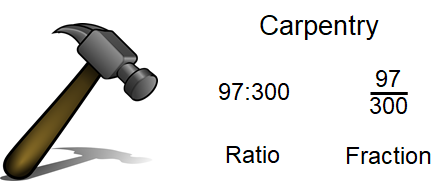
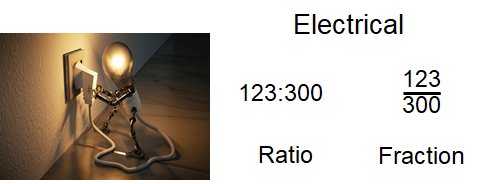
	</div>


	</div>
<div class="chapter standard " id="chapter-percent-quiz" title="Percentage Quiz">
	<div class="chapter-title-wrap">
		<p class="chapter-number">21</p>
		<h1 class="chapter-title">Percentage Quiz</h1>
								</div>
	<div class="ugc chapter-ugc">
				 <div class="textbox interactive-content"><span class="interactive-content__icon"></span> <p>An interactive H5P element has been excluded from this version of the text. You can view it online here:<br /> <a href="https://opentextbc.ca/mathfortrades1/?p=225#h5p-4" title="Trades Math: Percentage" data-url="https://opentextbc.ca/mathfortrades1/?p=225#h5p-4">https://opentextbc.ca/mathfortrades1/?p=225#h5p-4</a> </p> </div> <p>If using the print, PDF, or eBook copy of this book, navigate to the above link to complete the quiz. However, the quiz questions are also provided in <a class="internal" href="#back-matter-chapter-quizzes" data-url="/mathfortrades1/back-matter/chapter-quizzes/">Appendix C</a> at the end of the book for offline use.</p> 
	</div>


	</div>

</div>
<div class="part-wrapper" id="part-practice-test-wrapper">
    <div class="part  " id="part-practice-test">
	<div class="part-title-wrap">
		<p class="part-number">V</p>
		<h1 class="part-title">Practice Test</h1>
	</div>
	<div class="ugc part-ugc">
		<div class="textbox interactive-content"><span class="interactive-content__icon"></span> <p>An interactive H5P element has been excluded from this version of the text. You can view it online here:<br /> <a href="https://opentextbc.ca/mathfortrades1/?p=226#h5p-5" title="Trades Math: Practice Test" data-url="https://opentextbc.ca/mathfortrades1/?p=226#h5p-5">https://opentextbc.ca/mathfortrades1/?p=226#h5p-5</a> </p> </div>
	</div>
			
				
	</div>

</div>
<div class="back-matter miscellaneous " id="back-matter-times-tables" title="Appendix A: Times Tables">
	<div class="back-matter-title-wrap">
		<p class="back-matter-number">1</p>
		<h1 class="back-matter-title">Appendix A: Times Tables</h1>
								</div>
	<div class="ugc back-matter-ugc">
				 <div class="twocolumn"><table class="aligncenter" style="border-collapse: collapse; width: 50%; height: 216px;"><caption>One times</caption> <tbody><tr style="height: 18px;"><td style="width: 50%; height: 18px;">1 × 1 =</td> <td style="width: 50%; height: 18px;">1</td> </tr> <tr style="height: 18px;"><td style="width: 50%; height: 18px;">1 × 2 =</td> <td style="width: 50%; height: 18px;">2</td> </tr> <tr style="height: 18px;"><td style="width: 50%; height: 18px;">1 × 3 =</td> <td style="width: 50%; height: 18px;">3</td> </tr> <tr style="height: 18px;"><td style="width: 50%; height: 18px;">1 × 4 =</td> <td style="width: 50%; height: 18px;">4</td> </tr> <tr style="height: 18px;"><td style="width: 50%; height: 18px;">1 × 5 =</td> <td style="width: 50%; height: 18px;">5</td> </tr> <tr style="height: 18px;"><td style="width: 50%; height: 18px;">1 × 6 =</td> <td style="width: 50%; height: 18px;">6</td> </tr> <tr style="height: 18px;"><td style="width: 50%; height: 18px;">1 × 7 =</td> <td style="width: 50%; height: 18px;">7</td> </tr> <tr style="height: 18px;"><td style="width: 50%; height: 18px;">1 × 8 =</td> <td style="width: 50%; height: 18px;">8</td> </tr> <tr style="height: 18px;"><td style="width: 50%; height: 18px;">1 × 9 =</td> <td style="width: 50%; height: 18px;">9</td> </tr> <tr style="height: 18px;"><td style="width: 50%; height: 18px;">1 × 10 =</td> <td style="width: 50%; height: 18px;">10</td> </tr> <tr style="height: 18px;"><td style="width: 50%; height: 18px;">1 × 11 =</td> <td style="width: 50%; height: 18px;">11</td> </tr> <tr style="height: 18px;"><td style="width: 50%; height: 18px;">1 × 12 =</td> <td style="width: 50%; height: 18px;">12</td> </tr> </tbody> </table> <table class="aligncenter" style="border-collapse: collapse; width: 50%; height: 216px;"><caption>Two times</caption> <tbody><tr style="height: 18px;"><td style="width: 50%; height: 18px;">2 × 1 =</td> <td style="width: 50%; height: 18px;">2</td> </tr> <tr style="height: 18px;"><td style="width: 50%; height: 18px;">2 × 2 =</td> <td style="width: 50%; height: 18px;">4</td> </tr> <tr style="height: 18px;"><td style="width: 50%; height: 18px;">2 × 3 =</td> <td style="width: 50%; height: 18px;">6</td> </tr> <tr style="height: 18px;"><td style="width: 50%; height: 18px;">2 × 4 =</td> <td style="width: 50%; height: 18px;">8</td> </tr> <tr style="height: 18px;"><td style="width: 50%; height: 18px;">2 × 5 =</td> <td style="width: 50%; height: 18px;">10</td> </tr> <tr style="height: 18px;"><td style="width: 50%; height: 18px;">2 × 6 =</td> <td style="width: 50%; height: 18px;">12</td> </tr> <tr style="height: 18px;"><td style="width: 50%; height: 18px;">2 × 7 =</td> <td style="width: 50%; height: 18px;">14</td> </tr> <tr style="height: 18px;"><td style="width: 50%; height: 18px;">2 × 8 =</td> <td style="width: 50%; height: 18px;">16</td> </tr> <tr style="height: 18px;"><td style="width: 50%; height: 18px;">2 × 9 =</td> <td style="width: 50%; height: 18px;">18</td> </tr> <tr style="height: 18px;"><td style="width: 50%; height: 18px;">2 × 10 =</td> <td style="width: 50%; height: 18px;">20</td> </tr> <tr style="height: 18px;"><td style="width: 50%; height: 18px;">2 × 11 =</td> <td style="width: 50%; height: 18px;">22</td> </tr> <tr style="height: 18px;"><td style="width: 50%; height: 18px;">2 × 12 =</td> <td style="width: 50%; height: 18px;">24</td> </tr> </tbody> </table> </div> <div class="twocolumn"><table class="aligncenter" style="border-collapse: collapse; width: 50%; height: 216px;"><caption>Three times</caption> <tbody><tr style="height: 18px;"><td style="width: 50%; height: 18px;">3 × 1 =</td> <td style="width: 50%; height: 18px;">3</td> </tr> <tr style="height: 18px;"><td style="width: 50%; height: 18px;">3 × 2 =</td> <td style="width: 50%; height: 18px;">6</td> </tr> <tr style="height: 18px;"><td style="width: 50%; height: 18px;">3 × 3 =</td> <td style="width: 50%; height: 18px;">9</td> </tr> <tr style="height: 18px;"><td style="width: 50%; height: 18px;">3 × 4 =</td> <td style="width: 50%; height: 18px;">12</td> </tr> <tr style="height: 18px;"><td style="width: 50%; height: 18px;">3 × 5 =</td> <td style="width: 50%; height: 18px;">15</td> </tr> <tr style="height: 18px;"><td style="width: 50%; height: 18px;">3 × 6 =</td> <td style="width: 50%; height: 18px;">18</td> </tr> <tr style="height: 18px;"><td style="width: 50%; height: 18px;">3 × 7 =</td> <td style="width: 50%; height: 18px;">21</td> </tr> <tr style="height: 18px;"><td style="width: 50%; height: 18px;">3 × 8 =</td> <td style="width: 50%; height: 18px;">24</td> </tr> <tr style="height: 18px;"><td style="width: 50%; height: 18px;">3 × 9 =</td> <td style="width: 50%; height: 18px;">27</td> </tr> <tr style="height: 18px;"><td style="width: 50%; height: 18px;">3 × 10 =</td> <td style="width: 50%; height: 18px;">30</td> </tr> <tr style="height: 18px;"><td style="width: 50%; height: 18px;">3 × 11 =</td> <td style="width: 50%; height: 18px;">33</td> </tr> <tr style="height: 18px;"><td style="width: 50%; height: 18px;">3 × 12 =</td> <td style="width: 50%; height: 18px;">36</td> </tr> </tbody> </table> <table class="aligncenter" style="border-collapse: collapse; width: 50%; height: 216px;"><caption>Four times</caption> <tbody><tr style="height: 18px;"><td style="width: 50%; height: 18px;">4 × 1 =</td> <td style="width: 50%; height: 18px;">4</td> </tr> <tr style="height: 18px;"><td style="width: 50%; height: 18px;">4 × 2 =</td> <td style="width: 50%; height: 18px;">8</td> </tr> <tr style="height: 18px;"><td style="width: 50%; height: 18px;">4 × 3 =</td> <td style="width: 50%; height: 18px;">12</td> </tr> <tr style="height: 18px;"><td style="width: 50%; height: 18px;">4 × 4 =</td> <td style="width: 50%; height: 18px;">16</td> </tr> <tr style="height: 18px;"><td style="width: 50%; height: 18px;">4 × 5 =</td> <td style="width: 50%; height: 18px;">20</td> </tr> <tr style="height: 18px;"><td style="width: 50%; height: 18px;">4 × 6 =</td> <td style="width: 50%; height: 18px;">24</td> </tr> <tr style="height: 18px;"><td style="width: 50%; height: 18px;">4 × 7 =</td> <td style="width: 50%; height: 18px;">28</td> </tr> <tr style="height: 18px;"><td style="width: 50%; height: 18px;">4 × 8 =</td> <td style="width: 50%; height: 18px;">32</td> </tr> <tr style="height: 18px;"><td style="width: 50%; height: 18px;">4 × 9 =</td> <td style="width: 50%; height: 18px;">36</td> </tr> <tr style="height: 18px;"><td style="width: 50%; height: 18px;">4 × 10 =</td> <td style="width: 50%; height: 18px;">40</td> </tr> <tr style="height: 18px;"><td style="width: 50%; height: 18px;">4 × 11 =</td> <td style="width: 50%; height: 18px;">44</td> </tr> <tr style="height: 18px;"><td style="width: 50%; height: 18px;">4 × 12 =</td> <td style="width: 50%; height: 18px;">48</td> </tr> </tbody> </table> </div> <div class="twocolumn"><table class="aligncenter" style="border-collapse: collapse; width: 50%; height: 216px;"><caption>Five times</caption> <tbody><tr style="height: 18px;"><td style="width: 50%; height: 18px;">5 × 1 =</td> <td style="width: 50%; height: 18px;">5</td> </tr> <tr style="height: 18px;"><td style="width: 50%; height: 18px;">5 × 2 =</td> <td style="width: 50%; height: 18px;">10</td> </tr> <tr style="height: 18px;"><td style="width: 50%; height: 18px;">5 × 3 =</td> <td style="width: 50%; height: 18px;">15</td> </tr> <tr style="height: 18px;"><td style="width: 50%; height: 18px;">5 × 4 =</td> <td style="width: 50%; height: 18px;">20</td> </tr> <tr style="height: 18px;"><td style="width: 50%; height: 18px;">5 × 5 =</td> <td style="width: 50%; height: 18px;">25</td> </tr> <tr style="height: 18px;"><td style="width: 50%; height: 18px;">5 × 6 =</td> <td style="width: 50%; height: 18px;">30</td> </tr> <tr style="height: 18px;"><td style="width: 50%; height: 18px;">5 × 7 =</td> <td style="width: 50%; height: 18px;">35</td> </tr> <tr style="height: 18px;"><td style="width: 50%; height: 18px;">5 × 8 =</td> <td style="width: 50%; height: 18px;">40</td> </tr> <tr style="height: 18px;"><td style="width: 50%; height: 18px;">5 × 9 =</td> <td style="width: 50%; height: 18px;">45</td> </tr> <tr style="height: 18px;"><td style="width: 50%; height: 18px;">5 × 10 =</td> <td style="width: 50%; height: 18px;">50</td> </tr> <tr style="height: 18px;"><td style="width: 50%; height: 18px;">5 × 11 =</td> <td style="width: 50%; height: 18px;">55</td> </tr> <tr style="height: 18px;"><td style="width: 50%; height: 18px;">5 × 12 =</td> <td style="width: 50%; height: 18px;">60</td> </tr> </tbody> </table> <table class="aligncenter" style="border-collapse: collapse; width: 50%; height: 216px;"><caption>Six times</caption> <tbody><tr style="height: 18px;"><td style="width: 50%; height: 18px;">6 × 1 =</td> <td style="width: 50%; height: 18px;">6</td> </tr> <tr style="height: 18px;"><td style="width: 50%; height: 18px;">6 × 2 =</td> <td style="width: 50%; height: 18px;">12</td> </tr> <tr style="height: 18px;"><td style="width: 50%; height: 18px;">6 × 3 =</td> <td style="width: 50%; height: 18px;">18</td> </tr> <tr style="height: 18px;"><td style="width: 50%; height: 18px;">6 × 4 =</td> <td style="width: 50%; height: 18px;">24</td> </tr> <tr style="height: 18px;"><td style="width: 50%; height: 18px;">6 × 5 =</td> <td style="width: 50%; height: 18px;">50</td> </tr> <tr style="height: 18px;"><td style="width: 50%; height: 18px;">6 × 6 =</td> <td style="width: 50%; height: 18px;">36</td> </tr> <tr style="height: 18px;"><td style="width: 50%; height: 18px;">6 × 7 =</td> <td style="width: 50%; height: 18px;">42</td> </tr> <tr style="height: 18px;"><td style="width: 50%; height: 18px;">6 × 8 =</td> <td style="width: 50%; height: 18px;">48</td> </tr> <tr style="height: 18px;"><td style="width: 50%; height: 18px;">6 × 9 =</td> <td style="width: 50%; height: 18px;">54</td> </tr> <tr style="height: 18px;"><td style="width: 50%; height: 18px;">6 × 10 =</td> <td style="width: 50%; height: 18px;">60</td> </tr> <tr style="height: 18px;"><td style="width: 50%; height: 18px;">6 × 11 =</td> <td style="width: 50%; height: 18px;">66</td> </tr> <tr style="height: 18px;"><td style="width: 50%; height: 18px;">6 × 12 =</td> <td style="width: 50%; height: 18px;">72</td> </tr> </tbody> </table> </div> <div class="twocolumn"><table class="aligncenter" style="border-collapse: collapse; width: 50%; height: 216px;"><caption>Seven times</caption> <tbody><tr style="height: 18px;"><td style="width: 50%; height: 18px;">7 × 1 =</td> <td style="width: 50%; height: 18px;">7</td> </tr> <tr style="height: 18px;"><td style="width: 50%; height: 18px;">7 × 2 =</td> <td style="width: 50%; height: 18px;">14</td> </tr> <tr style="height: 18px;"><td style="width: 50%; height: 18px;">7 × 3 =</td> <td style="width: 50%; height: 18px;">21</td> </tr> <tr style="height: 18px;"><td style="width: 50%; height: 18px;">7 × 4 =</td> <td style="width: 50%; height: 18px;">28</td> </tr> <tr style="height: 18px;"><td style="width: 50%; height: 18px;">7 × 5 =</td> <td style="width: 50%; height: 18px;">35</td> </tr> <tr style="height: 18px;"><td style="width: 50%; height: 18px;">7 × 6 =</td> <td style="width: 50%; height: 18px;">42</td> </tr> <tr style="height: 18px;"><td style="width: 50%; height: 18px;">7 × 7 =</td> <td style="width: 50%; height: 18px;">49</td> </tr> <tr style="height: 18px;"><td style="width: 50%; height: 18px;">7 × 8 =</td> <td style="width: 50%; height: 18px;">56</td> </tr> <tr style="height: 18px;"><td style="width: 50%; height: 18px;">7 × 9 =</td> <td style="width: 50%; height: 18px;">63</td> </tr> <tr style="height: 18px;"><td style="width: 50%; height: 18px;">7 × 10 =</td> <td style="width: 50%; height: 18px;">70</td> </tr> <tr style="height: 18px;"><td style="width: 50%; height: 18px;">7 × 11 =</td> <td style="width: 50%; height: 18px;">77</td> </tr> <tr style="height: 18px;"><td style="width: 50%; height: 18px;">7 × 12 =</td> <td style="width: 50%; height: 18px;"></td> </tr> </tbody> </table> <table class="aligncenter" style="border-collapse: collapse; width: 50%; height: 216px;"><caption>Eight times</caption> <tbody><tr style="height: 18px;"><td style="width: 50%; height: 18px;">8 × 1 =</td> <td style="width: 50%; height: 18px;">8</td> </tr> <tr style="height: 18px;"><td style="width: 50%; height: 18px;">8 × 2 =</td> <td style="width: 50%; height: 18px;">16</td> </tr> <tr style="height: 18px;"><td style="width: 50%; height: 18px;">8 × 3 =</td> <td style="width: 50%; height: 18px;">24</td> </tr> <tr style="height: 18px;"><td style="width: 50%; height: 18px;">8 × 4 =</td> <td style="width: 50%; height: 18px;">32</td> </tr> <tr style="height: 18px;"><td style="width: 50%; height: 18px;">8 × 5 =</td> <td style="width: 50%; height: 18px;">40</td> </tr> <tr style="height: 18px;"><td style="width: 50%; height: 18px;">8 × 6 =</td> <td style="width: 50%; height: 18px;">48</td> </tr> <tr style="height: 18px;"><td style="width: 50%; height: 18px;">8 × 7 =</td> <td style="width: 50%; height: 18px;">56</td> </tr> <tr style="height: 18px;"><td style="width: 50%; height: 18px;">8 × 8 =</td> <td style="width: 50%; height: 18px;">64</td> </tr> <tr style="height: 18px;"><td style="width: 50%; height: 18px;">8 × 9 =</td> <td style="width: 50%; height: 18px;">72</td> </tr> <tr style="height: 18px;"><td style="width: 50%; height: 18px;">8 × 10 =</td> <td style="width: 50%; height: 18px;">80</td> </tr> <tr style="height: 18px;"><td style="width: 50%; height: 18px;">8 × 11 =</td> <td style="width: 50%; height: 18px;">88</td> </tr> <tr style="height: 18px;"><td style="width: 50%; height: 18px;">8 × 12 =</td> <td style="width: 50%; height: 18px;">96</td> </tr> </tbody> </table> </div> <div class="twocolumn"><table class="aligncenter" style="border-collapse: collapse; width: 50%; height: 216px;"><caption>Nine times</caption> <tbody><tr style="height: 18px;"><td style="width: 50%; height: 18px;">9 × 1 =</td> <td style="width: 50%; height: 18px;">9</td> </tr> <tr style="height: 18px;"><td style="width: 50%; height: 18px;">9 × 2 =</td> <td style="width: 50%; height: 18px;">18</td> </tr> <tr style="height: 18px;"><td style="width: 50%; height: 18px;">9 × 3 =</td> <td style="width: 50%; height: 18px;">27</td> </tr> <tr style="height: 18px;"><td style="width: 50%; height: 18px;">9 × 4 =</td> <td style="width: 50%; height: 18px;">36</td> </tr> <tr style="height: 18px;"><td style="width: 50%; height: 18px;">9 × 5 =</td> <td style="width: 50%; height: 18px;">45</td> </tr> <tr style="height: 18px;"><td style="width: 50%; height: 18px;">9 × 6 =</td> <td style="width: 50%; height: 18px;">54</td> </tr> <tr style="height: 18px;"><td style="width: 50%; height: 18px;">9 × 7 =</td> <td style="width: 50%; height: 18px;">63</td> </tr> <tr style="height: 18px;"><td style="width: 50%; height: 18px;">9 × 8 =</td> <td style="width: 50%; height: 18px;">72</td> </tr> <tr style="height: 18px;"><td style="width: 50%; height: 18px;">9 × 9 =</td> <td style="width: 50%; height: 18px;">81</td> </tr> <tr style="height: 18px;"><td style="width: 50%; height: 18px;">9 × 10 =</td> <td style="width: 50%; height: 18px;">90</td> </tr> <tr style="height: 18px;"><td style="width: 50%; height: 18px;">9 × 11 =</td> <td style="width: 50%; height: 18px;">99</td> </tr> <tr style="height: 18px;"><td style="width: 50%; height: 18px;">9 × 12 =</td> <td style="width: 50%; height: 18px;">108</td> </tr> </tbody> </table> <table class="aligncenter" style="border-collapse: collapse; width: 50%; height: 216px;"><caption>Ten times</caption> <tbody><tr style="height: 18px;"><td style="width: 50%; height: 18px;">10 × 1 =</td> <td style="width: 50%; height: 18px;">10</td> </tr> <tr style="height: 18px;"><td style="width: 50%; height: 18px;">10 × 2 =</td> <td style="width: 50%; height: 18px;">20</td> </tr> <tr style="height: 18px;"><td style="width: 50%; height: 18px;">10 × 3 =</td> <td style="width: 50%; height: 18px;">30</td> </tr> <tr style="height: 18px;"><td style="width: 50%; height: 18px;">10 × 4 =</td> <td style="width: 50%; height: 18px;">40</td> </tr> <tr style="height: 18px;"><td style="width: 50%; height: 18px;">10 × 5 =</td> <td style="width: 50%; height: 18px;">50</td> </tr> <tr style="height: 18px;"><td style="width: 50%; height: 18px;">10 × 6 =</td> <td style="width: 50%; height: 18px;">60</td> </tr> <tr style="height: 18px;"><td style="width: 50%; height: 18px;">10 × 7 =</td> <td style="width: 50%; height: 18px;">70</td> </tr> <tr style="height: 18px;"><td style="width: 50%; height: 18px;">10 × 8 =</td> <td style="width: 50%; height: 18px;">80</td> </tr> <tr style="height: 18px;"><td style="width: 50%; height: 18px;">10 × 9 =</td> <td style="width: 50%; height: 18px;">90</td> </tr> <tr style="height: 18px;"><td style="width: 50%; height: 18px;">10 × 10 =</td> <td style="width: 50%; height: 18px;">100</td> </tr> <tr style="height: 18px;"><td style="width: 50%; height: 18px;">10 × 11 =</td> <td style="width: 50%; height: 18px;">110</td> </tr> <tr style="height: 18px;"><td style="width: 50%; height: 18px;">10 × 12 =</td> <td style="width: 50%; height: 18px;">120</td> </tr> </tbody> </table> </div> <div class="twocolumn"><table class="aligncenter" style="border-collapse: collapse; width: 50%; height: 216px;"><caption>Eleven times</caption> <tbody><tr style="height: 18px;"><td style="width: 50%; height: 18px;">11 × 1 =</td> <td style="width: 50%; height: 18px;">11</td> </tr> <tr style="height: 18px;"><td style="width: 50%; height: 18px;">11 × 2 =</td> <td style="width: 50%; height: 18px;">22</td> </tr> <tr style="height: 18px;"><td style="width: 50%; height: 18px;">11 × 3 =</td> <td style="width: 50%; height: 18px;">33</td> </tr> <tr style="height: 18px;"><td style="width: 50%; height: 18px;">11 × 4 =</td> <td style="width: 50%; height: 18px;">44</td> </tr> <tr style="height: 18px;"><td style="width: 50%; height: 18px;">11 × 5 =</td> <td style="width: 50%; height: 18px;">55</td> </tr> <tr style="height: 18px;"><td style="width: 50%; height: 18px;">11 × 6 =</td> <td style="width: 50%; height: 18px;">66</td> </tr> <tr style="height: 18px;"><td style="width: 50%; height: 18px;">11 × 7 =</td> <td style="width: 50%; height: 18px;">77</td> </tr> <tr style="height: 18px;"><td style="width: 50%; height: 18px;">11 × 8 =</td> <td style="width: 50%; height: 18px;">88</td> </tr> <tr style="height: 18px;"><td style="width: 50%; height: 18px;">11 × 9 =</td> <td style="width: 50%; height: 18px;">99</td> </tr> <tr style="height: 18px;"><td style="width: 50%; height: 18px;">11 × 10 =</td> <td style="width: 50%; height: 18px;">110</td> </tr> <tr style="height: 18px;"><td style="width: 50%; height: 18px;">11 × 11 =</td> <td style="width: 50%; height: 18px;">121</td> </tr> <tr style="height: 18px;"><td style="width: 50%; height: 18px;">11 × 12 =</td> <td style="width: 50%; height: 18px;">132</td> </tr> </tbody> </table> <table class="aligncenter" style="border-collapse: collapse; width: 50%; height: 216px;"><caption>Twelve times</caption> <tbody><tr style="height: 18px;"><td style="width: 50%; height: 18px;">12 × 1 =</td> <td style="width: 50%; height: 18px;">12</td> </tr> <tr style="height: 18px;"><td style="width: 50%; height: 18px;">12 × 2 =</td> <td style="width: 50%; height: 18px;">24</td> </tr> <tr style="height: 18px;"><td style="width: 50%; height: 18px;">12 × 3 =</td> <td style="width: 50%; height: 18px;">36</td> </tr> <tr style="height: 18px;"><td style="width: 50%; height: 18px;">12 × 4 =</td> <td style="width: 50%; height: 18px;">48</td> </tr> <tr style="height: 18px;"><td style="width: 50%; height: 18px;">12 × 5 =</td> <td style="width: 50%; height: 18px;">60</td> </tr> <tr style="height: 18px;"><td style="width: 50%; height: 18px;">12 × 6 =</td> <td style="width: 50%; height: 18px;">72</td> </tr> <tr style="height: 18px;"><td style="width: 50%; height: 18px;">12 × 7 =</td> <td style="width: 50%; height: 18px;">84</td> </tr> <tr style="height: 18px;"><td style="width: 50%; height: 18px;">12 × 8 =</td> <td style="width: 50%; height: 18px;">96</td> </tr> <tr style="height: 18px;"><td style="width: 50%; height: 18px;">12 × 9 =</td> <td style="width: 50%; height: 18px;">108</td> </tr> <tr style="height: 18px;"><td style="width: 50%; height: 18px;">12 × 10 =</td> <td style="width: 50%; height: 18px;">120</td> </tr> <tr style="height: 18px;"><td style="width: 50%; height: 18px;">12 × 11 =</td> <td style="width: 50%; height: 18px;">132</td> </tr> <tr style="height: 18px;"><td style="width: 50%; height: 18px;">12 × 12 =</td> <td style="width: 50%; height: 18px;">144</td> </tr> </tbody> </table> </div> <h1>Multiplication Chart</h1> <table style="width: 100%;"><thead><tr><th>×</th> <th scope="col">0</th> <th scope="col">1</th> <th scope="col">2</th> <th scope="col">3</th> <th scope="col">4</th> <th scope="col">5</th> <th scope="col">6</th> <th scope="col">7</th> <th scope="col">8</th> <th scope="col">9</th> <th scope="col">10</th> <th scope="col">11</th> <th scope="col">12</th> </tr> </thead> <tbody><tr class=""><th scope="row">0</th> <td>0</td> <td>0</td> <td>0</td> <td>0</td> <td>0</td> <td>0</td> <td>0</td> <td>0</td> <td>0</td> <td>0</td> <td>0</td> <td>0</td> <td>0</td> </tr> <tr class=""><th scope="row">1</th> <td>0</td> <td>1</td> <td>2</td> <td>3</td> <td>4</td> <td>5</td> <td>6</td> <td>7</td> <td>8</td> <td>9</td> <td>10</td> <td>11</td> <td>12</td> </tr> <tr class=""><th scope="row">2</th> <td>0</td> <td>2</td> <td>4</td> <td>6</td> <td>8</td> <td>10</td> <td>12</td> <td>14</td> <td>16</td> <td>18</td> <td>20</td> <td>22</td> <td>24</td> </tr> <tr class=""><th scope="row">3</th> <td>0</td> <td>3</td> <td>6</td> <td>9</td> <td>12</td> <td>15</td> <td>18</td> <td>21</td> <td>24</td> <td>27</td> <td>30</td> <td>33</td> <td>36</td> </tr> <tr class=""><th scope="row">4</th> <td>0</td> <td>4</td> <td>8</td> <td>12</td> <td>16</td> <td>20</td> <td>24</td> <td>28</td> <td>32</td> <td>36</td> <td>40</td> <td>44</td> <td>48</td> </tr> <tr class=""><th scope="row">5</th> <td>0</td> <td>5</td> <td>10</td> <td>15</td> <td>20</td> <td>25</td> <td>30</td> <td>35</td> <td>40</td> <td>45</td> <td>50</td> <td>55</td> <td>60</td> </tr> <tr class=""><th scope="row">6</th> <td>0</td> <td>6</td> <td>12</td> <td>18</td> <td>24</td> <td>30</td> <td>36</td> <td>42</td> <td>48</td> <td>54</td> <td>60</td> <td>66</td> <td>72</td> </tr> <tr class=""><th scope="row">7</th> <td>0</td> <td>7</td> <td>14</td> <td>21</td> <td>28</td> <td>35</td> <td>42</td> <td>49</td> <td>56</td> <td>63</td> <td>70</td> <td>77</td> <td>84</td> </tr> <tr class=""><th scope="row">8</th> <td>0</td> <td>8</td> <td>16</td> <td>24</td> <td>32</td> <td>40</td> <td>48</td> <td>56</td> <td>64</td> <td>72</td> <td>80</td> <td>88</td> <td>96</td> </tr> <tr class=""><th scope="row">9</th> <td>0</td> <td>9</td> <td>18</td> <td>27</td> <td>36</td> <td>45</td> <td>54</td> <td>63</td> <td>72</td> <td>81</td> <td>90</td> <td>99</td> <td>108</td> </tr> <tr class=""><th scope="row">10</th> <td>0</td> <td>10</td> <td>20</td> <td>30</td> <td>40</td> <td>50</td> <td>60</td> <td>70</td> <td>80</td> <td>90</td> <td>100</td> <td>110</td> <td>120</td> </tr> <tr class=""><th scope="row">11</th> <td>0</td> <td>11</td> <td>22</td> <td>33</td> <td>44</td> <td>55</td> <td>66</td> <td>77</td> <td>88</td> <td>99</td> <td>110</td> <td>121</td> <td>132</td> </tr> <tr class=""><th scope="row">12</th> <td>0</td> <td>12</td> <td>24</td> <td>36</td> <td>48</td> <td>60</td> <td>72</td> <td>84</td> <td>96</td> <td>108</td> <td>120</td> <td>132</td> <td>144</td> </tr> </tbody> </table> 
	</div>


	</div>
<div class="back-matter miscellaneous " id="back-matter-practice-question-answers" title="Appendix B: Answers to Practice Questions">
	<div class="back-matter-title-wrap">
		<p class="back-matter-number">2</p>
		<h1 class="back-matter-title">Appendix B: Answers to Practice Questions</h1>
								</div>
	<div class="ugc back-matter-ugc">
				 <p>The answers to a practice questions that are provided in video walk-throughs have been duplicated here for easy reference.</p> <h1>Whole Numbers</h1> <h2>Chapter 1: The Place Value System</h2> <h3>Question 1</h3> <p>3 = hundred millions<br /> 8 = ten millions<br /> 5 = millions<br /> 9 = hundred thousands<br /> 2 = ten thousands<br /> 2 = thousands<br /> 1 = hundreds<br /> 0 = tens<br /> 2 = ones</p> <h3>Question 2<span id="MathJax-Element-9-Frame" class="mathml mathjax" tabindex="0" role="presentation" data-mathml="&lt;img src=" title="20,433,876,011">“&gt;<span id="MJXc-Node-106" class="mjx-math" aria-hidden="true"><span id="MJXc-Node-107" class="mjx-mrow"><span id="MJXc-Node-108" class="mjx-mstyle"><span id="MJXc-Node-109" class="mjx-mrow"><span id="MJXc-Node-110" class="mjx-mn"></span><span id="MJXc-Node-116" class="mjx-mn MJXc-space1"></span></span></span></span></span></span></h3> <p>2 = ten billions<br /> 0 = billions<br /> 4 = hundred millions<br /> 3 = ten millions<br /> 3 = millions<br /> 8 = hundred thousands<br /> 7 = ten thousands<br /> 6 = thousands<br /> 0 = hundreds<br /> 1 = tens<br /> 1 = ones</p> <h2>Chapter 2: Adding Whole Numbers</h2> <h3>Question 1</h3> <p><img src="http://opentextbc.ca:3000/latex?latex=97%2B74%3D171&amp;fg=000000&amp;font=TeX&amp;svg=1" alt="97+74=171" title="97+74=171" class="latex mathjax" /></p> <h3>Question 2</h3> <p><img src="http://opentextbc.ca:3000/latex?latex=128%2B456%3D584&amp;fg=000000&amp;font=TeX&amp;svg=1" alt="128+456=584" title="128+456=584" class="latex mathjax" /></p> <h2>Chapter 3: Subtracting Whole Numbers</h2> <h3>Question 1</h3> <p><img src="http://opentextbc.ca:3000/latex?latex=94-62%3D32&amp;fg=000000&amp;font=TeX&amp;svg=1" alt="94-62=32" title="94-62=32" class="latex mathjax" /></p> <h3>Question 2</h3> <p><img src="http://opentextbc.ca:3000/latex?latex=434-78%3D356&amp;fg=000000&amp;font=TeX&amp;svg=1" alt="434-78=356" title="434-78=356" class="latex mathjax" /></p> <h2>Chapter 4: Multiplying Whole Numbers</h2> <h3>Question 1</h3> <p><img src="http://opentextbc.ca:3000/latex?latex=522%5Ctimes196%3D102%2C312&amp;fg=000000&amp;font=TeX&amp;svg=1" alt="522\times196=102,312" title="522\times196=102,312" class="latex mathjax" /></p> <h3>Question 2</h3> <p><img src="http://opentextbc.ca:3000/latex?latex=647%5Ctimes381%3D246%2C507&amp;fg=000000&amp;font=TeX&amp;svg=1" alt="647\times381=246,507" title="647\times381=246,507" class="latex mathjax" /></p> <h2>Chapter 5: Dividing Whole Numbers</h2> <h3>Question 1</h3> <p><img src="http://opentextbc.ca:3000/latex?latex=130%C3%B78%3D16%5Cdfrac%7B1%7D%7B4%7D&amp;fg=000000&amp;font=TeX&amp;svg=1" alt="130÷8=16\dfrac{1}{4}" title="130÷8=16\dfrac{1}{4}" class="latex mathjax" /></p> <h3>Question 2</h3> <p><img src="http://opentextbc.ca:3000/latex?latex=684%C3%B712%3D57&amp;fg=000000&amp;font=TeX&amp;svg=1" alt="684÷12=57" title="684÷12=57" class="latex mathjax" /></p> <h1>Fractions</h1> <h2>Chapter 7: The Basics of Fractions</h2> <h3>Practice Question A</h3> <p><img src="http://opentextbc.ca:3000/latex?latex=%5Cdfrac%7B27%7D%7B8%7D&amp;fg=000000&amp;font=TeX&amp;svg=1" alt="\dfrac{27}{8}" title="\dfrac{27}{8}" class="latex mathjax" /></p> <h3>Practice Question B</h3> <p><img src="http://opentextbc.ca:3000/latex?latex=5%5Cdfrac%7B2%7D%7B3%7D&amp;fg=000000&amp;font=TeX&amp;svg=1" alt="5\dfrac{2}{3}" title="5\dfrac{2}{3}" class="latex mathjax" /></p> <h3>Question 1</h3> <p><img src="http://opentextbc.ca:3000/latex?latex=%5Cdfrac%7B5%7D%7B6%7D&amp;fg=000000&amp;font=TeX&amp;svg=1" alt="\dfrac{5}{6}" title="\dfrac{5}{6}" class="latex mathjax" /></p> <h3>Question 2</h3> <p><img src="http://opentextbc.ca:3000/latex?latex=%5Cdfrac%7B2%7D%7B3%7D&amp;fg=000000&amp;font=TeX&amp;svg=1" alt="\dfrac{2}{3}" title="\dfrac{2}{3}" class="latex mathjax" /></p> <h2>Chapter 8: Adding and Subtracting Fractions</h2> <h3>Question 1</h3> <p><img src="http://opentextbc.ca:3000/latex?latex=%5Cdfrac%7B13%7D%7B16%7D&amp;fg=000000&amp;font=TeX&amp;svg=1" alt="\dfrac{13}{16}" title="\dfrac{13}{16}" class="latex mathjax" /></p> <h3>Question 2</h3> <p><img src="http://opentextbc.ca:3000/latex?latex=%5Cdfrac%7B5%7D%7B16%7D&amp;fg=000000&amp;font=TeX&amp;svg=1" alt="\dfrac{5}{16}" title="\dfrac{5}{16}" class="latex mathjax" /></p> <h3>Question 3</h3> <p><img src="http://opentextbc.ca:3000/latex?latex=1%5Cdfrac%7B3%7D%7B8%7D&amp;fg=000000&amp;font=TeX&amp;svg=1" alt="1\dfrac{3}{8}" title="1\dfrac{3}{8}" class="latex mathjax" /></p> <h3>Question 4</h3> <p><img src="http://opentextbc.ca:3000/latex?latex=4%5Cdfrac%7B3%7D%7B8%7D&amp;fg=000000&amp;font=TeX&amp;svg=1" alt="4\dfrac{3}{8}" title="4\dfrac{3}{8}" class="latex mathjax" /></p> <h3>Question 1 (Mixed numbers)</h3> <p><img src="http://opentextbc.ca:3000/latex?latex=11%5Cdfrac%7B1%7D%7B2%7D&amp;fg=000000&amp;font=TeX&amp;svg=1" alt="11\dfrac{1}{2}" title="11\dfrac{1}{2}" class="latex mathjax" /></p> <h3>Question 2 (Mixed numbers)</h3> <p><img src="http://opentextbc.ca:3000/latex?latex=6%5Cdfrac%7B5%7D%7B16%7D&amp;fg=000000&amp;font=TeX&amp;svg=1" alt="6\dfrac{5}{16}" title="6\dfrac{5}{16}" class="latex mathjax" /></p> <h3>Question 3 (Mixed numbers)</h3> <p><img src="http://opentextbc.ca:3000/latex?latex=7%5Cdfrac%7B3%7D%7B8%7D&amp;fg=000000&amp;font=TeX&amp;svg=1" alt="7\dfrac{3}{8}" title="7\dfrac{3}{8}" class="latex mathjax" /></p> <h3>Question 4 (Mixed numbers)</h3> <p><img src="http://opentextbc.ca:3000/latex?latex=%5Cdfrac%7B11%7D%7B16%7D&amp;fg=000000&amp;font=TeX&amp;svg=1" alt="\dfrac{11}{16}" title="\dfrac{11}{16}" class="latex mathjax" /></p> <h2>Chapter 9: Multiplying Fractions</h2> <h3>Question 1</h3> <p><img src="http://opentextbc.ca:3000/latex?latex=%5Cdfrac%7B3%7D%7B14%7D&amp;fg=000000&amp;font=TeX&amp;svg=1" alt="\dfrac{3}{14}" title="\dfrac{3}{14}" class="latex mathjax" /></p> <h3>Question 2</h3> <p><img src="http://opentextbc.ca:3000/latex?latex=%5Cdfrac%7B10%7D%7B33%7D&amp;fg=000000&amp;font=TeX&amp;svg=1" alt="\dfrac{10}{33}" title="\dfrac{10}{33}" class="latex mathjax" /></p> <h3>Question 3</h3> <p><img src="http://opentextbc.ca:3000/latex?latex=35%5Cdfrac%7B1%7D%7B16%7D&amp;fg=000000&amp;font=TeX&amp;svg=1" alt="35\dfrac{1}{16}" title="35\dfrac{1}{16}" class="latex mathjax" /></p> <h3>Question 4</h3> <p><img src="http://opentextbc.ca:3000/latex?latex=65%5Cdfrac%7B53%7D%7B63%7D&amp;fg=000000&amp;font=TeX&amp;svg=1" alt="65\dfrac{53}{63}" title="65\dfrac{53}{63}" class="latex mathjax" /></p> <h2>Chapter 10: Dividing Fractions</h2> <h3>Question 1</h3> <p><img src="http://opentextbc.ca:3000/latex?latex=2&amp;fg=000000&amp;font=TeX&amp;svg=1" alt="2" title="2" class="latex mathjax" /></p> <h3>Question 2</h3> <p><img src="http://opentextbc.ca:3000/latex?latex=1%5Cdfrac%7B17%7D%7B22%7D&amp;fg=000000&amp;font=TeX&amp;svg=1" alt="1\dfrac{17}{22}" title="1\dfrac{17}{22}" class="latex mathjax" /></p> <h1>Decimals</h1> <h2>Chapter 13: Compare and Round Decimals</h2> <h3>Question 1</h3> <p><img src="http://opentextbc.ca:3000/latex?latex=%5Ctext%7Bb.%20%7D27.54&amp;fg=000000&amp;font=TeX&amp;svg=1" alt="\text{b. }27.54" title="\text{b. }27.54" class="latex mathjax" /></p> <h3>Question 2</h3> <p><img src="http://opentextbc.ca:3000/latex?latex=%5Ctext%7Ba.%20%7D14.001&amp;fg=000000&amp;font=TeX&amp;svg=1" alt="\text{a. }14.001" title="\text{a. }14.001" class="latex mathjax" /></p> <h3>Question 1 (Rounding)</h3> <p><img src="http://opentextbc.ca:3000/latex?latex=27.72&amp;fg=000000&amp;font=TeX&amp;svg=1" alt="27.72" title="27.72" class="latex mathjax" /></p> <h3>Question 2 (Rounding)</h3> <p><img src="http://opentextbc.ca:3000/latex?latex=14.756&amp;fg=000000&amp;font=TeX&amp;svg=1" alt="14.756" title="14.756" class="latex mathjax" /></p> <h2>Chapter 14: Convert Decimals to Fractions</h2> <h3>Question 1</h3> <p><img src="http://opentextbc.ca:3000/latex?latex=%5Cdfrac%7B181%7D%7B500%7D&amp;fg=000000&amp;font=TeX&amp;svg=1" alt="\dfrac{181}{500}" title="\dfrac{181}{500}" class="latex mathjax" /></p> <h3>Question 2</h3> <p><img src="http://opentextbc.ca:3000/latex?latex=%5Cdfrac%7B963%7D%7B1000%7D&amp;fg=000000&amp;font=TeX&amp;svg=1" alt="\dfrac{963}{1000}" title="\dfrac{963}{1000}" class="latex mathjax" /></p> <h3>Question 1 (Convert feet)</h3> <p><img src="http://opentextbc.ca:3000/latex?latex=9.1234%27%5Ctext%7B%20or%20%7D9%27%5Ctext%7B%20%7D1%5Cdfrac%7B1%7D%7B2%7D%27%27&amp;fg=000000&amp;font=TeX&amp;svg=1" alt="9.1234&amp;#039;\text{ or }9&amp;#039;\text{ }1\dfrac{1}{2}&amp;#039;&amp;#039;" title="9.1234&amp;#039;\text{ or }9&amp;#039;\text{ }1\dfrac{1}{2}&amp;#039;&amp;#039;" class="latex mathjax" /></p> <h3>Question 2 (Convert feet)</h3> <p><img src="http://opentextbc.ca:3000/latex?latex=%5Cdfrac%7B11%7D%7B16%7D%5Ctext%7B%20inches%7D&amp;fg=000000&amp;font=TeX&amp;svg=1" alt="\dfrac{11}{16}\text{ inches}" title="\dfrac{11}{16}\text{ inches}" class="latex mathjax" /></p> <h2>Chapter 15: Convert Fractions to Decimals</h2> <h3>Question 1</h3> <p><img src="http://opentextbc.ca:3000/latex?latex=2.21%27&amp;fg=000000&amp;font=TeX&amp;svg=1" alt="2.21&amp;#039;" title="2.21&amp;#039;" class="latex mathjax" /></p> <h3>Question 2</h3> <p><img src="http://opentextbc.ca:3000/latex?latex=2%27&amp;fg=000000&amp;font=TeX&amp;svg=1" alt="2&amp;#039;" title="2&amp;#039;" class="latex mathjax" /></p> <h1>Percentages</h1> <h3>Practice Question</h3> <p><img src="http://opentextbc.ca:3000/latex?latex=26.7%5C%25&amp;fg=000000&amp;font=TeX&amp;svg=1" alt="26.7\%" title="26.7\%" class="latex mathjax" /></p> <h3>Question 1</h3> <p><img src="http://opentextbc.ca:3000/latex?latex=70%5C%25&amp;fg=000000&amp;font=TeX&amp;svg=1" alt="70\%" title="70\%" class="latex mathjax" /></p> <h3>Question 2</h3> <p><img src="http://opentextbc.ca:3000/latex?latex=80%5C%25&amp;fg=000000&amp;font=TeX&amp;svg=1" alt="80\%" title="80\%" class="latex mathjax" /></p> <h3>Question 3</h3> <p><img src="http://opentextbc.ca:3000/latex?latex=20%5C%25&amp;fg=000000&amp;font=TeX&amp;svg=1" alt="20\%" title="20\%" class="latex mathjax" /></p> <h2>Chapter 19: Finding the percentage of a Given Number</h2> <h3>Question 1</h3> <p><img src="http://opentextbc.ca:3000/latex?latex=84.73&amp;fg=000000&amp;font=TeX&amp;svg=1" alt="84.73" title="84.73" class="latex mathjax" /></p> <h3>Question 2</h3> <p><img src="http://opentextbc.ca:3000/latex?latex=1503.84&amp;fg=000000&amp;font=TeX&amp;svg=1" alt="1503.84" title="1503.84" class="latex mathjax" /></p> <h2>Chapter 20: Change as a Percent and Percent Change</h2> <h3>Question 1 (Change as a percent)</h3> <p><img src="http://opentextbc.ca:3000/latex?latex=83%5C%25&amp;fg=000000&amp;font=TeX&amp;svg=1" alt="83\%" title="83\%" class="latex mathjax" /></p> <h3>Question 2 (Change as a percent)</h3> <p><img src="http://opentextbc.ca:3000/latex?latex=17.3%5C%25&amp;fg=000000&amp;font=TeX&amp;svg=1" alt="17.3\%" title="17.3\%" class="latex mathjax" /></p> <h3>Question 1 (Percent change)</h3> <p><img src="http://opentextbc.ca:3000/latex?latex=48%5Ctext%7B%20plants%7D&amp;fg=000000&amp;font=TeX&amp;svg=1" alt="48\text{ plants}" title="48\text{ plants}" class="latex mathjax" /></p> <h3>Question 2 (Percent change)</h3> <p><img src="http://opentextbc.ca:3000/latex?latex=30%5Ctext%7B%20touchdowns%7D&amp;fg=000000&amp;font=TeX&amp;svg=1" alt="30\text{ touchdowns}" title="30\text{ touchdowns}" class="latex mathjax" /></p> <p>&nbsp;</p> <p>&nbsp;</p> <p>&nbsp;</p> 
	</div>


	</div>
<div class="back-matter miscellaneous " id="back-matter-chapter-quizzes" title="Appendix C: Offline Copies of Chapter Quizzes">
	<div class="back-matter-title-wrap">
		<p class="back-matter-number">3</p>
		<h1 class="back-matter-title">Appendix C: Offline Copies of Chapter Quizzes</h1>
								</div>
	<div class="ugc back-matter-ugc">
				 <h1>Whole Numbers Quiz</h1> <p>Find the missing value.</p> <ol><li>An electrician used switch outlet boxes on eight different jobs. The number of boxes used on each job is 56, 9, 36, 93, 105, 42, 86, and 56. The total number of outlet boxes used is <span class="h5p-input-wrapper"><input class="h5p-text-input" autocomplete="off" type="text" aria-label="Blank input 1 of 1" /></span> boxes.</li> <li>For a residential job, a reel containing 1050 feet of cable is delivered. Three 45 foot lengths and three 65 foot lengths are used. There are <span class="h5p-input-wrapper"><input class="h5p-text-input" autocomplete="off" type="text" aria-label="Blank input 1 of 1" /></span> feet left.</li> <li>Two thousand five hundred feet of plastic tubing are ordered. The tubing is shipped in 250 foot coils. There are <span class="h5p-input-wrapper"><input class="h5p-text-input" autocomplete="off" type="text" aria-label="Blank input 1 of 1" /></span> coils shipped.</li> <li>The materials charged to a wiring job are as follows: 100 amp distribution panel, $36; meter switch, $8; conduit, $28; number 2 wire, $43; BX cable, $25; conduit fittings, $9; outlet boxes. $92; switches, $35; fixtures, $65; and $37 for wire nuts, grounding clips, staples and pipe clamps. The total amount charged for these materials is <span class="h5p-input-wrapper"><input class="h5p-text-input" autocomplete="off" type="text" aria-label="Blank input 1 of 1" /></span> dollars.</li> <li>An HVAC company has a payroll of 27 people. Seven people earn $8/hr, eleven people earn $10/hr, and nine people earn $6/hr. If all the employees work 40 hours during the week, the total amount of money earned in one week is <span class="h5p-input-wrapper"><input class="h5p-text-input" autocomplete="off" type="text" aria-label="Blank input 1 of 1" /></span> dollars.</li> <li>A large room contains forty fluorescent lamps. Twenty three of the lamps are 40 watt lamps, and the remaining number are 60 watt lamps. The lamps use a total of <span class="h5p-input-wrapper"><input class="h5p-text-input" autocomplete="off" type="text" aria-label="Blank input 1 of 1" /></span> Watts.</li> <li>On a certain job, a sum of $438 is spent for materials. Of this amount, $76 is spent for 1 fittings, and $105 is spent for miscellaneous materials. <span class="h5p-input-wrapper"><input class="h5p-text-input" autocomplete="off" type="text" aria-label="Blank input 1 of 1" /></span> dollars is spent on other materials.</li> <li>Three plumbers install 180 fixtures in 4 working days. The average number of fixtures installed by each plumber in one day is <span class="h5p-input-wrapper"><input class="h5p-text-input" autocomplete="off" type="text" aria-label="Blank input 1 of 1" /></span> fixtures.</li> <li>On a 124 foot length of pipe, 32 supports are used. The supports are equally spaced. If one support is placed at the beginning and one at the end of the pipe, there will be a support every <span class="h5p-input-wrapper"><input class="h5p-text-input" autocomplete="off" type="text" aria-label="Blank input 1 of 1" /></span> feet.</li> <li>A 7 floor apartment building has an average of 7 electrical circuits per apartment, and there are 8 apartments per floor. There are <span class="h5p-input-wrapper"><input class="h5p-text-input" autocomplete="off" type="text" aria-label="Blank input 1 of 1" /></span> circuits in the building.</li> </ol> <h2>Answers</h2> <ol><li>483</li> <li>720</li> <li>10</li> <li>378</li> <li>8800</li> <li>1940</li> <li>257</li> <li>15</li> <li>4</li> <li>392</li> </ol> <h1>Fractions Quiz</h1> <ol><li>11.25 − 3.875 = <ol type="A"><li>7.15</li> <li>7.875</li> <li>7.375</li> <li>15.125</li> </ol> </li> <li>Reduce 24/64 to lowest terms. <ol type="A"><li>12/32</li> <li>6/16</li> <li>3/8</li> <li>1.5/4</li> </ol> </li> <li>Reduce 150/275 to lowest terms. <ol type="A"><li>6/11</li> <li>3/5.5</li> <li>3/11</li> <li>12/22</li> </ol> </li> <li>Change 34/8 into a mixed number. <ol type="A"><li>3 4/8</li> <li>4 1/4</li> <li>4 1/8</li> <li>4 1/16</li> </ol> </li> <li>Express 5 7/16 as an improper fraction. <ol type="A"><li>103/16</li> <li>57/16</li> <li>87/16</li> <li>35/16</li> </ol> </li> <li>1/4 + 5/16 + 7/32 = <ol type="A"><li>7/16</li> <li>13/32</li> <li>25/32</li> <li>13/16</li> </ol> </li> <li>5/8 + 9/32 − 1/16 = <ol type="A"><li>7/8</li> <li>27/32</li> <li>13/16</li> <li>7/16</li> </ol> </li> <li>7/8 × 5 = <ol type="A"><li>4 3/4</li> <li>3 5/40</li> <li>6 3/8</li> <li>4 3/8</li> </ol> </li> <li>3/16 × 5/8 = <ol type="A"><li>9/32</li> <li>9/16</li> <li>80/24</li> <li>15/128</li> </ol> </li> <li>4 1/2 × 4 = <ol type="A"><li>18</li> <li>8 1/2</li> <li>16 1/2</li> <li>16 1/8</li> </ol> </li> <li>3/8 ÷ 1/16 = <ol type="A"><li>6</li> <li>12</li> <li>3/16</li> <li>3/128</li> </ol> </li> <li>5/16 ÷ 4 = <ol type="A"><li>20/16</li> <li>1 1/4</li> <li>5/16</li> <li>5/64</li> </ol> </li> <li>17/32 + 1/2 × 1/4 = <ol type="A"><li>8/32</li> <li>21/32</li> <li>23/32</li> <li>1 9/32</li> </ol> </li> <li>On the sheet metal layout in the drawing, the distance between the centres of hole A and hole D, measuring lengthwise, is 16 centimetres. All dimensions are in centimetres. True or false?</li> <li><img class="aligncenter wp-image-1696 size-full" src="https://opentextbc.ca/mathfortrades1/wp-content/uploads/sites/305/2020/04/Sheet-metal-layout.png" alt="The total length of the sheet metal is 30cm. Hole A is 6cm from the left edge. Hole D is 8cm from the right edge." width="932" height="532" title="" />A total of 256 bronze castings were machined. Each casting had a mass of 793 g, and 158 g were removed from each by machining. The total mass of bronze removed by machining was 162,560 g. True or false?</li> <li>A counter top is made of 3/4” particleboard and is covered with 1/32” plastic laminate. The width of metal edging required to finish off the edge is 27/32”. True or false?</li> <li>In one minute, a large reduction gear turns 61/3 revolutions. How many revolutions will it turn in 27 1/2 minutes? <ol type="A"><li>174 1/6</li> <li>162 1/6</li> <li>168 1/3</li> <li>170 1/3</li> </ol> </li> <li>12 billets of cold drawn steel 1½” long can be cut from a bar 20” long, if 1/8” is allowed for each saw cut. True or false?</li> <li>A 3/16 sheet of metal is thicker than a 13/64” fastener. True or false?</li> <li>Eight pins, each 43/8” long, have to be cut from a piece of drill rod. There is a 3/32” waste for each cut. What is the minimum length of rod you will need? <ol type="A"><li>35”</li> <li>35 3/4”</li> <li>35 21/32</li> <li>35 43/64”</li> </ol> </li> </ol> <h2>Answers</h2> <ol><li>C</li> <li>C</li> <li>A</li> <li>B</li> <li>C</li> <li>C</li> <li>A</li> <li>D</li> <li>D</li> <li>A</li> <li>A</li> <li>D</li> <li>B</li> <li>True</li> <li>False</li> <li>False</li> <li>A</li> <li>True</li> <li>False</li> <li>C</li> </ol> <h1>Decimals Quiz</h1> <ol><li>Round 5237.02046 to the nearest thousandth. <ol type="A"><li>5000</li> <li>5237.02</li> <li>5237.021</li> <li>5237.02106</li> </ol> </li> <li>Round 12465.078 to the nearest thousand. <ol type="A"><li>12465</li> <li>12000</li> <li>10000</li> <li>12465.078</li> </ol> </li> <li>13.963 + 335.021 + 2267.123 = <ol type="A"><li>2616.17</li> <li>2616.107</li> <li>2616.296</li> <li>2616.182</li> </ol> </li> <li>Add 2.72, 0.6, 110, and 17.225. <ol type="A"><li>130.545</li> <li>135.945</li> <li>136.545</li> <li>131.545</li> </ol> </li> <li>11.25 − 3.875 = <ol type="A"><li>7.15</li> <li>7.875</li> <li>7.375</li> <li>15.125</li> </ol> </li> <li>Multiply 19.5 by 7.65. <ol type="A"><li>14917.5</li> <li>14.9175</li> <li>1491.75</li> <li>149.175</li> </ol> </li> <li>18.753 ÷ 0.87 = <ol type="A"><li>210.55</li> <li>21.555</li> <li>2.1555</li> <li>0.21555</li> </ol> </li> <li>Divide 0.0028 by 0.95. Express your answer to the nearest thousandth. <ol type="A"><li>0.003</li> <li>0.002</li> <li>0.0029</li> <li>0.00295</li> </ol> </li> <li>178 + 18 × 6 = <ol type="A"><li>286</li> <li>295</li> <li>1176</li> <li>19224</li> </ol> </li> <li>158.58 − 33 × 4 = <ol type="A"><li>−26.58</li> <li>502.32</li> <li>26.58</li> <li>−502.32</li> </ol> </li> <li>1890.33 – 543.48 + 101 = <ol type="A"><li>1447.52</li> <li>2534.81</li> <li>2534.85</li> <li>1447.85</li> </ol> </li> </ol> <h2>Answers</h2> <ol><li>C</li> <li>B</li> <li>B</li> <li>A</li> <li>C</li> <li>D</li> <li>B</li> <li>A</li> <li>A</li> <li>C</li> <li>D</li> </ol> <h1>Percentages Quiz</h1> <p>To complete the quiz on the computer, go to the link on the previous page. When completing on the computer, questions will be randomized. The same questions are provided in print below.</p> <ol><li>40% of 24 is what? <ol><li>14.4</li> <li>9.6</li> <li>8.4</li> <li>10.2</li> </ol> </li> <li>What percent of 1.32 is 0.6? <ol><li>46%</li> <li>55%</li> <li>45%</li> <li>10%</li> </ol> </li> <li>3 is 15% of 22. True or false?</li> <li>One part acid and four parts water are mixed as an electrolyte for a storage battery. What percent of the electrolyte is acid? <ol><li>25%</li> <li>20%</li> <li>75%</li> <li>80%</li> </ol> </li> <li>The efficiency of a motor is 90%. If the motor delivers 13.5 horsepower, what is the input? (efficiency=output/input) <ol><li>15 hp</li> <li>15.85 hp</li> <li>12.15 hp</li> <li>15.28 hp</li> </ol> </li> <li>What percent is wasted when 3.6 of every 120 sheets of metal are spoiled? <ol><li>3%</li> <li>0.3%</li> <li>30%</li> <li>300%</li> </ol> </li> <li>A floor joist is allowed to vary 5% of its stated width of 184 mm. The maximum width would be what? <ol><li>200 mm</li> <li>188.4 mm</li> <li>193.2 mm</li> <li>197.9 mm</li> </ol> </li> <li>A contractor wants to make a profit of 12% on a job. If the break-even cost is $2345, what should the total job price be, including the profit? <ol><li>$2626</li> <li>$2600.40</li> <li>$2600</li> <li>$2626.40</li> </ol> </li> <li>The minimum idle speed for a particular engine is 630 rpm. This is 94% of the maximum idle speed of 668 rpm. True or false?</li> <li>The operating spindle speed of a lathe spindle that rotates freely is 354 rpm. When 16% is lost through slippage and cutting pressure, the new speed is 297 rpm. True or false?</li> </ol> <h2>Answers</h2> <ol><li>B</li> <li>C</li> <li>False</li> <li>B</li> <li>A</li> <li>A</li> <li>C</li> <li>D</li> <li>False</li> <li>True</li> </ol> 
	</div>


	</div>
<div class="back-matter miscellaneous " id="back-matter-versioning-history" title="Versioning History">
	<div class="back-matter-title-wrap">
		<p class="back-matter-number">4</p>
		<h1 class="back-matter-title">Versioning History</h1>
								</div>
	<div class="ugc back-matter-ugc">
				 <p>This page provides a record of edits and changes made to this book since its initial publication. Whenever edits or updates are made in the text, we provide a record and description of those changes here.</p> <p>The files posted by this book always reflect the most recent version. If you find an error in this book, please fill out the <a href="https://collection.bccampus.ca/report-error/" target="_blank" rel="noopener" data-url="https://collection.bccampus.ca/report-error/">Report an Error</a> form.</p> <table style="border-collapse: collapse; width: 100%; height: 163px;"><tbody><tr style="height: 18px;"><th style="width: 10%; height: 18px;" scope="col">Version</th> <th style="width: 18.383%; height: 18px;" scope="col">Date</th> <th style="width: 37.8415%; height: 18px;" scope="col">Change</th> <th style="width: 33.7755%; height: 18px;" scope="col">Details</th> </tr> <tr style="height: 18px;"><td style="width: 10%; height: 18px;">1.00</td> <td style="width: 18.383%; height: 18px;">April 17, 2020</td> <td style="width: 37.8415%; height: 18px;">Book published.</td> <td style="width: 33.7755%; height: 18px;"></td> </tr> <tr style="height: 55px;"><td style="width: 10%; height: 55px;">1.01</td> <td style="width: 18.383%; height: 55px;">July 24, 2020</td> <td style="width: 37.8415%; height: 55px;">Correction to Whole Numbers Quiz and Fractions Quiz.</td> <td style="width: 33.7755%; height: 55px;">Whole Numbers: Added “86” to the list of numbers in the switch outlet boxes question. Fractions: Changed 11/2 to 1½ in the steel question.</td> </tr> <tr style="height: 36px;"><td style="width: 10%; height: 36px;">1.02</td> <td style="width: 18.383%; height: 36px;">September 28, 2022</td> <td style="width: 37.8415%; height: 36px;">Correction to Adding and Subtracting Fractions.</td> <td style="width: 33.7755%; height: 36px;">Adding Fractions with Common Denominators: Fixed incorrect reduction of fraction 24/32 by changing 2/3 to ¾.</td> </tr> <tr style="height: 36px;"><td style="width: 10%; height: 36px;">1.03</td> <td style="width: 18.383%; height: 36px;">October 18, 2022</td> <td style="width: 37.8415%; height: 36px;">Fixed broken links to videos.</td> <td style="width: 33.7755%; height: 36px;">The links to a number of videos broke. Links to all of those videos were updated.</td> </tr> <tr><td style="width: 10%;">1.04</td> <td style="width: 18.383%;">July 31, 2023</td> <td style="width: 37.8415%;">Error correction</td> <td style="width: 33.7755%;">Corrected the answer to the third example in <a href="#chapter-convert-decimals-to-fractions" data-url="https://opentextbc.ca/mathfortrades1/chapter/convert-decimals-to-fractions/">Convert Decimals to Fractions</a> chapter.</td> </tr> <tr><td style="width: 10%;">1.05</td> <td style="width: 18.383%;">January 8, 2024</td> <td style="width: 37.8415%;">Correction to Percentages Quiz and Practice Test</td> <td style="width: 33.7755%;">Corrected the answer options for the question that asked: “40% of 24 is what?” by removing the percent symbols.</td> </tr> </tbody> </table> 
	</div>


	</div>

</body>
</html>